Modern Sports Medicine Treatments for Knee Ligament Injuries


What Are the Latest Sports Medicine Treatments for Knee Ligament Injuries?
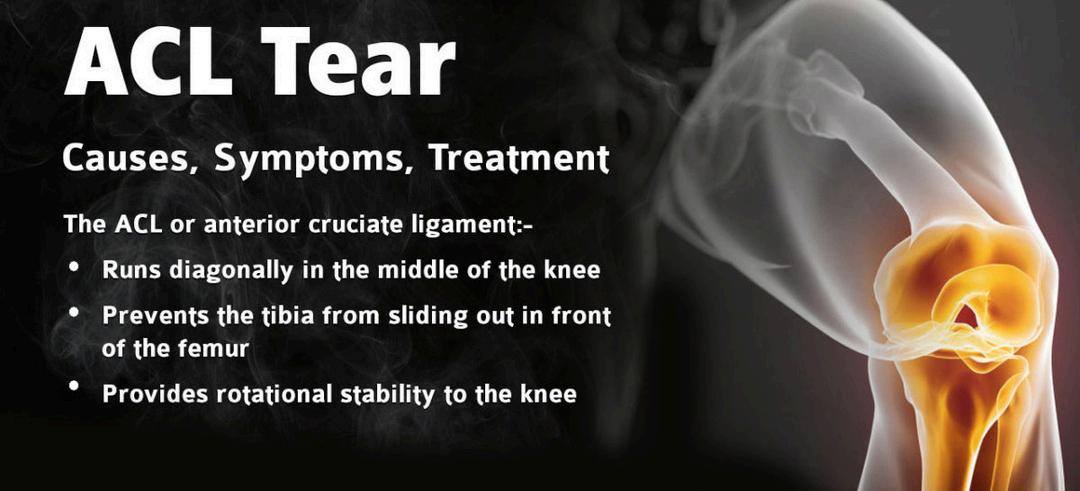
Knee ligament injuries are among the most common problems seen in athletes and active adults. Advances in Sports Medicine ACL/MCL Ligament Tear Treatments now focus on faster healing, reduced pain, and safer return-to-play strategies. The anterior cruciate ligament (ACL) and medial collateral ligament (MCL) are especially vulnerable during sudden twisting, jumping, or contact sports.
What are the signs of ACL and MCL ligament injuries?
Recognizing symptoms early can prevent further damage. Common signs include a popping sound at the time of injury, knee swelling, instability, pain while walking, and difficulty bearing weight. ACL tears often cause the knee to give way, while MCL injuries usually create pain along the inner side of the knee. Sports medicine specialists use physical examinations along with MRI scans to confirm the severity of the injury.
How are sports ligament injuries treated without surgery?
Many mild-to-moderate ligament injuries heal successfully without surgery.
Modern non-surgical care includes bracing, targeted physiotherapy, activity modification, and anti-inflammatory treatments.
Regenerative therapies such as platelet-rich plasma (PRP) injections are increasingly used in select cases to support tissue healing, although outcomes can vary depending on the injury severity. Rehabilitation programs now emphasize muscle strengthening, balance training, and neuromuscular control to restore knee stability safely.
What is the best recovery plan for ACL and MCL tears?
The best recovery approach depends on the grade of the tear, the patient’s age, and athletic goals. Early rehabilitation focuses on reducing swelling and restoring range of motion. Later stages include strength training, agility drills, and sportspecific exercises. Severe ACL tears in competitive athletes may require minimally invasive arthroscopic reconstruction using tendon grafts. Recovery timelines vary, but structured rehabilitation is essential for long-term success and injury prevention.
What is the best recovery plan for ACL and MCL tears?
The best recovery approach depends on the grade of the tear, the patient’s age, and athletic goals. Early rehabilitation focuses on reducing swelling and restoring range of motion. Later stages include strength training, agility drills, and sport-specific exercises. Severe ACL tears in competitive athletes may require minimally invasive arthroscopic reconstruction using tendon grafts. Recovery timelines vary, but structured rehabilitation is essential for long-term success and injury prevention.
Can athletes return to sports after ACL or MCL injuries?
Yes, many athletes successfully return to sports after proper treatment and rehabilitation. Studies show that guided rehabilitation combined with strength and movement testing improves safe return-to-play outcomes.
However, returning too early increases the risk of re-injury. Sports medicine experts recommend individualized recovery plans and gradual return-to-sport protocols to ensure knee stability, confidence, and peak athletic performance.
Sports Orthopedic Doctor in Trichy | Sports Orthopedic Doctor in Chennai
Sports orthopedic doctor in Hosur | Sports Orthopedic Doctor in Salem
Sports Orthopedic Doctor in Tirunelveli
