Lung Transplant Surgery Benefits Recovery and Who Needs It

Who needs lung transplant surgery for severe lung disease?
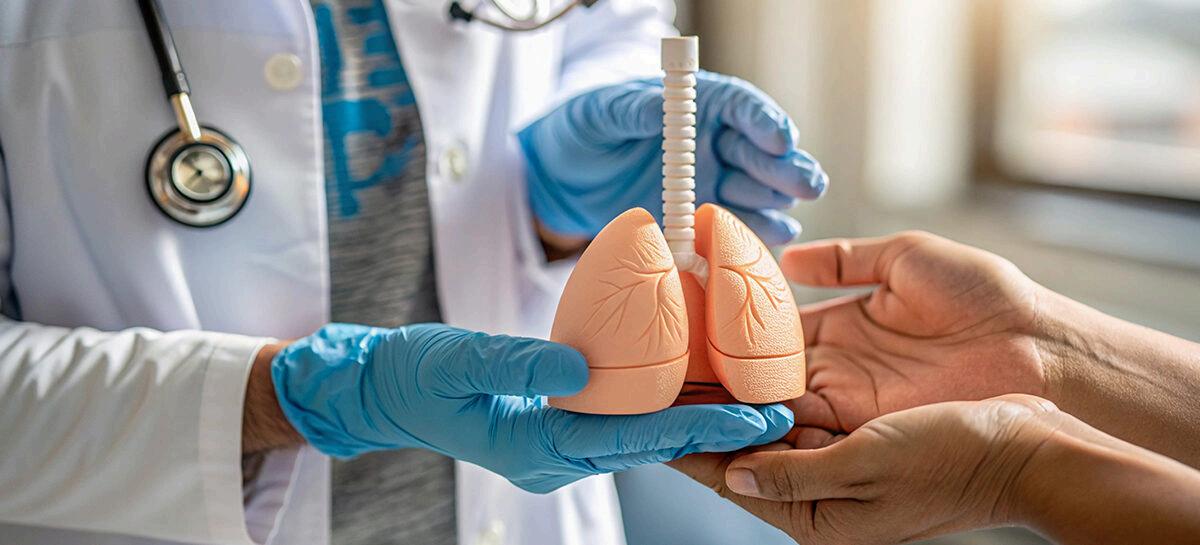
Lung transplant surgery is considered when advanced lung disease no longer responds to medication or other therapies. Common conditions include end-stage chronic obstructive pulmonary disease (COPD), pulmonary fibrosis, cystic fibrosis, and severe pulmonary hypertension.

A transplant is not a first-line treatment—it is reserved for carefully selected individuals whose life expectancy and quality of life can significantly improve with surgery
Eligibility criteria and preparation for lung transplant surgery
Eligibility is determined through a rigorous evaluation. Candidates must have severe, irreversible lung disease but be otherwise healthy enough to undergo major surgery. Key criteria include adequate heart function, absence of active infections or malignancy, and a commitment to lifelong follow-up. Preparation involves pulmonary rehabilitation, nutritional optimization, vaccination updates, and psychological assessment. Patients are also educated about post-transplant medications, particularly immunosuppressants, which are critical to prevent organ rejection.
The primary benefit is improved breathing capacity and enhanced quality of life. Many patients regain independence in daily activities and experience increased energy levels. Recovery typically involves a hospital stay of 2–3 weeks, followed by several months of rehabilitation. Early recovery focuses on wound healing, infection prevention, and gradual physical activity. Long-term recovery includes strict medication adherence, routine monitoring, and lifestyle adjustments to maintain lung function.
Lung transplant success rate risks and long term outcomes
Lung transplant outcomes have improved significantly over the years. According to global transplant registries, the median survival is around 6–7 years, with many patients living longer with proper care. However, risks remain, including rejection, infections, and complications from long-term immunosuppression.
Chronic lung allograft dysfunction (CLAD) is a major long-term concern. Despite these risks, many patients achieve meaningful, sustained improvements in quality of life.
Lung transplant success rate risks and long term outcomes
Lung transplant outcomes have improved significantly over the years. According to global transplant registries, the median survival is around 6–7 years, with many patients living longer with proper care. However, risks remain, including rejection, infections, and complications from long-term immunosuppression. Chronic lung allograft dysfunction (CLAD) is a major longterm concern. Despite these risks, many patients achieve meaningful, sustained improvements in quality of life.
Choosing the right center is crucial. A Best Lung Transplant Hospital in Chennai will offer a multidisciplinary team, advanced surgical expertise, and comprehensive post-transplant care. High-volume centers generally report better outcomes due to experience and established protocols. Patients should look for hospitals with transparent success rates, strong infection control measures, and dedicated transplant coordinators to guide them through the process.