HPV Vaccine Benefits, Eligibility and Protection Against Cervical Cancer


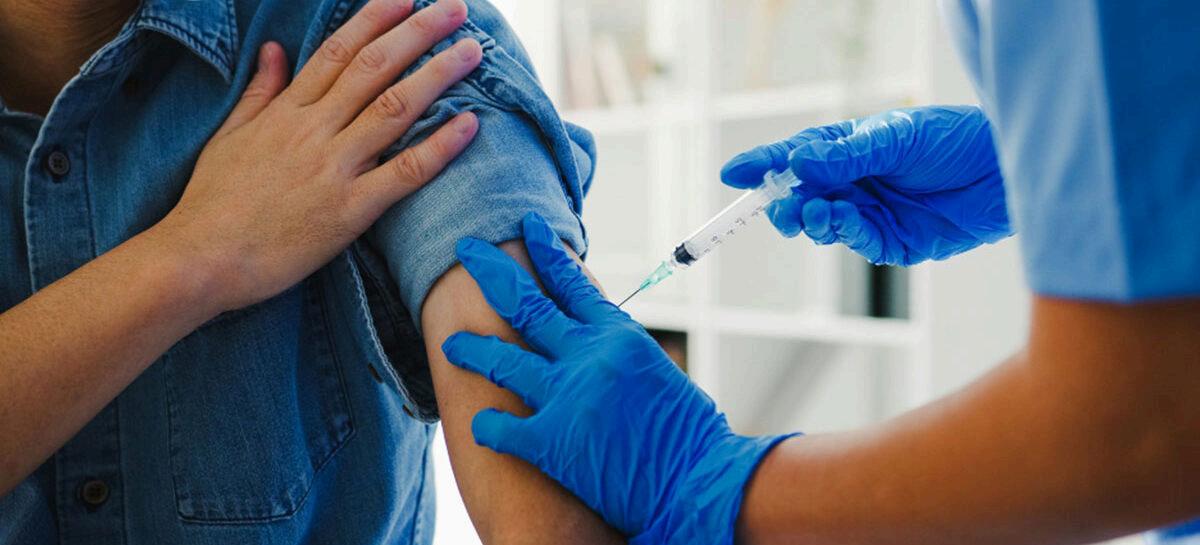
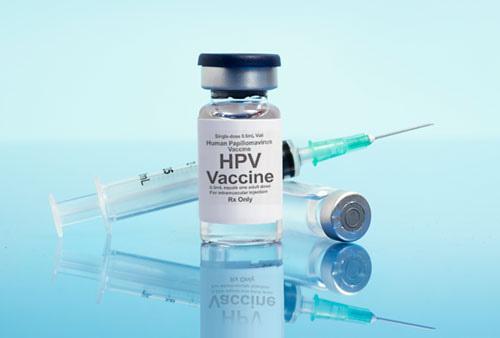
The Human Papillomavirus (HPV) vaccine is a preventive vaccine designed to protect against infection caused by certain types of HPV, a very common virus transmitted through skin-to-skin sexual contact. Persistent HPV infection is recognized as the leading cause of cervical cancer, and it is also linked to several other cancers and genital warts.

Vaccination is one of the most effective public health measures for reducing HPV-related disease burden worldwide.
The HPV vaccine works by training the immune system to recognize and fight specific high-risk strains of HPV before infection occurs. It contains virus-like particles that mimic the outer structure of HPV but do not contain live virus, meaning the vaccine cannot cause infection. Once vaccinated, the body produces protective antibodies that can quickly neutralize the virus if exposure happens later, significantly lowering the risk of long-term infection and cancer development.
Health authorities including the World Health Organization (WHO) and CDC recommend HPV vaccination for both girls and boys. It is especially important for individuals who have not yet been exposed to HPV. Catch-up vaccination may also be recommended for certain adults after medical consultation, depending on risk factors and vaccination history.
What diseases can the HPV vaccine help prevent?
The vaccine helps prevent cervical cancer, vaginal cancer, vulvar cancer, anal cancer, certain throat cancers (oropharyngeal cancers), and genital warts. Studies show it dramatically reduces precancerous cervical lesions caused by high-risk HPV strain
The ideal age is 9–14 years, before potential exposure to HPV.
Vaccination can also be given later, commonly up to age 26, with some adults aged 27–45 benefiting after physician evaluation.
Is the HPV vaccine safe and effective?
Yes. Extensive global research confirms the HPV vaccine is highly safe, well-tested, and over 90% effective in preventing infections from the HPV types responsible for most cervical cancer cases when administered before exposure. Mild side effects such as soreness or temporary fever are the most commonly reported reactions.