How Pottasium Affects Blood Pressure and Heart Health



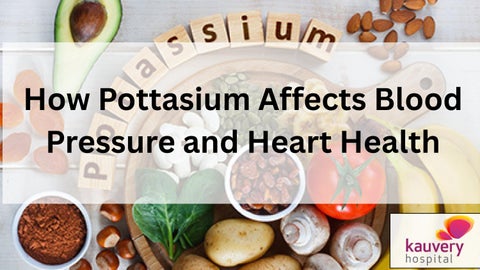
Potassium plays a major role in maintaining healthy blood pressure and supporting overall heart function. This essential mineral helps balance sodium levels in the body, relaxes blood vessel walls, and supports proper muscle and nerve activity, including the heartbeat. Research from organizations like the American Heart Association shows that adequate potassium intake may help reduce the risk of hypertension and cardiovascular disease.

Potassium helps the kidneys remove excess sodium through urine. Since high sodium levels are strongly linked to elevated blood pressure, maintaining enough potassium in the diet can naturally support healthier blood pressure readings. Potassium also helps blood vessels relax, improving circulation and reducing strain on the heart.
Adults with balanced potassium intake often have a lower risk of stroke and heart-related complications compared to those with chronically low intake. However, potassium balance must remain within a healthy range because excessively high potassium can also affect heart rhythm, especially in people with kidney disease.
Potassium helps the kidneys remove excess sodium through urine. Since high sodium levels are strongly linked to elevated blood pressure, maintaining enough potassium in the diet can naturally support healthier blood pressure readings. Potassium also helps blood vessels relax, improving circulation and reducing strain on the heart.
Adults with balanced potassium intake often have a lower risk of stroke and heart-related complications compared to those with chronically low intake. However, potassium balance must remain within a healthy range because excessively high potassium can also affect heart rhythm, especially in people with kidney disease.
Which foods are rich in pottasium for better heart health?
Many natural foods are excellent potassium sources. These include bananas, oranges, spinach, sweet potatoes, avocados, beans, yogurt, coconut water, tomatoes, and salmon. A heart-friendly diet rich in fruits and vegetables can improve both blood pressure and overall cardiovascular wellness.
When should you consult a cardiologist for blood pressure and heart care?
You should consult a cardiologist if your blood pressure consistently stays above 140/90 mmHg, if you experience chest pain, shortness of breath, dizziness, palpitations, or if you have a family history of heart disease.
People with diabetes, kidney disease, or persistent hypertension may also require specialized heart evaluation and long-term monitoring.
Why should you see a kidney specialist for pottasium imbalance?
The kidneys regulate potassium levels in the body. If potassium becomes too high or too low repeatedly, it may indicate kidney dysfunction. A kidney specialist can identify the underlying cause and recommend safe treatment to protect both kidney and heart health.