How Leadless Pacemakers Improve Heart Rhythm Treatment and Reduce Complications




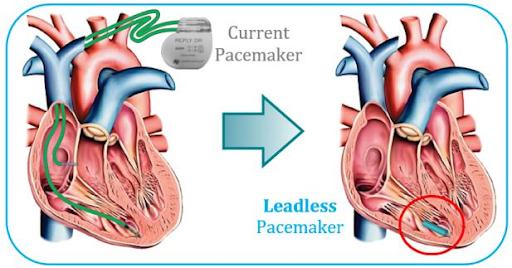
Advancements in cardiac technology have significantly transformed how heart rhythm disorders are treated. One of the most notable innovations is the leadless pacemaker—a compact, self-contained device designed to regulate abnormal heart rhythms with fewer complications than traditional systems.

What is a leadless pacemaker and how it works in heart patients?
A leadless pacemaker is a small, capsule-sized device implanted directly into the right ventricle of the heart using a minimally invasive catheter procedure through the femoral vein. Unlike conventional pacemakers, it does not require leads (wires) or a surgical pocket under the skin. Once implanted, the device senses the heart’s electrical activity and delivers impulses to maintain a stable rhythm, particularly in patients with bradycardia (slow heart rate).
Benefits of leadless pacemakers compared to traditional pacemakers
The absence of leads and surgical pockets significantly reduces complications such as lead dislodgement, fracture, or pocket infections.
Patients experience quicker recovery, minimal scarring, and fewer movement restrictions post-procedure. Studies have shown lower infection rates and fewer long-term device-related complications compared to traditional pacemakers. For patients seeking advanced care, consulting the Best Cardiologist in Trichy can help determine whether this modern option is suitable.
Safety and risks of leadless pacemaker implantation procedure
Leadless pacemaker implantation is generally safe, with high success rates exceeding 95% in experienced hands. However, like any medical procedure, it carries some risks. These include bleeding or bruising at the insertion site, cardiac perforation (rare), and device dislodgement (very uncommon). Importantly, the elimination of leads removes one of the most common sources of complications seen in traditional pacemakers.
Who is eligible for leadless pacemaker treatment in cardiology?
Leadless pacemakers are ideal for patients who require single-chamber ventricular pacing, such as those with atrial fibrillation with slow ventricular response or certain types of heart block. They are also beneficial for individuals at higher risk of infection or those with limited venous access. However, they may not yet be suitable for patients needing dual-chamber pacing, though newer technologies are expanding indications.