Heart and Lung Transplant Surgery for Advanced Cardiac and Pulmonary Failure

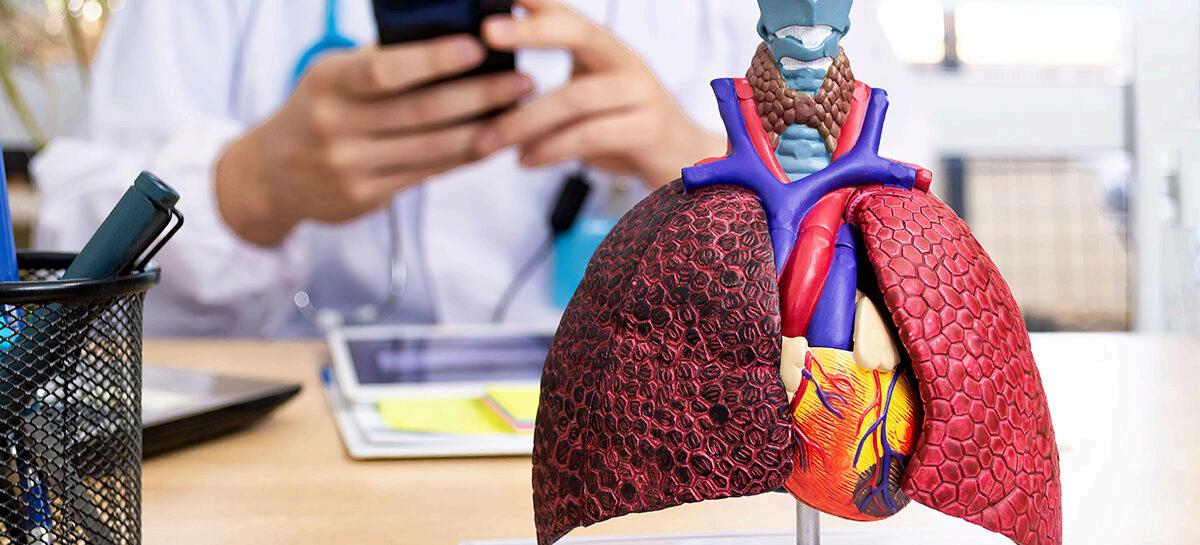
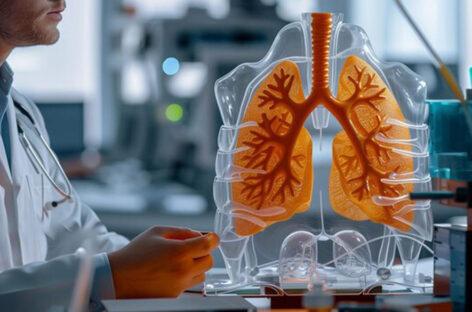
Heart and lung transplant surgery can be life-saving for patients whose heart and lungs are severely damaged and no longer respond to medications, oxygen therapy, or other advanced treatments.

In this complex procedure, surgeons replace the failing heart and lungs with healthy donor organs, helping patients breathe better, improve circulation, and regain quality of life.
Who needs a heart and lung transplant surgery?
A combined heart and lung transplant is usually recommended for people with end-stage heart and lung disease. Patients are carefully evaluated by the Best Heart and Lung Transplant Specialist teams to determine whether transplantation is the safest and most effective option.
Common conditions that may require this surgery include severe pulmonary hypertension, congenital heart disease, cystic fibrosis, advanced chronic obstructive pulmonary disease (COPD), and irreversible heart failure.
Several serious diseases can damage both the heart and lungs over time.
Major causes include:
Pulmonary arterial hypertension
Advanced coronary artery disease
Congenital heart defects
Severe lung fibrosis
Chronic -related lung disease
Genetic disorders such as cystic fibrosis
Repeated infections causing irreversible lung damage
These conditions reduce oxygen supply to the body and place extreme stress on the heart, eventually leading to organ failure.
According to international transplant registry data, survival rates have improved significantly due to better surgical techniques, organ matching, and posttransplant care. Current data show that approximately 60–65% of patients survive the first year after transplantation, while more than half of them continue to live productive lives for 10 years or longer with proper follow-up care.
How long does recovery take after heart and lung transplant?
Recovery usually takes several months. Most patients spend a few weeks in the hospital followed by cardiac and pulmonary rehabilitation. Lifelong medications are necessary to prevent organ rejection, along with regular monitoring by transplant specialists.
With disciplined care, many patients experience major improvements in breathing capacity, energy levels, and daily functioning.