Diabetes Diet Plan What to Eat and Avoid with Expert Guidance from a Dietitian




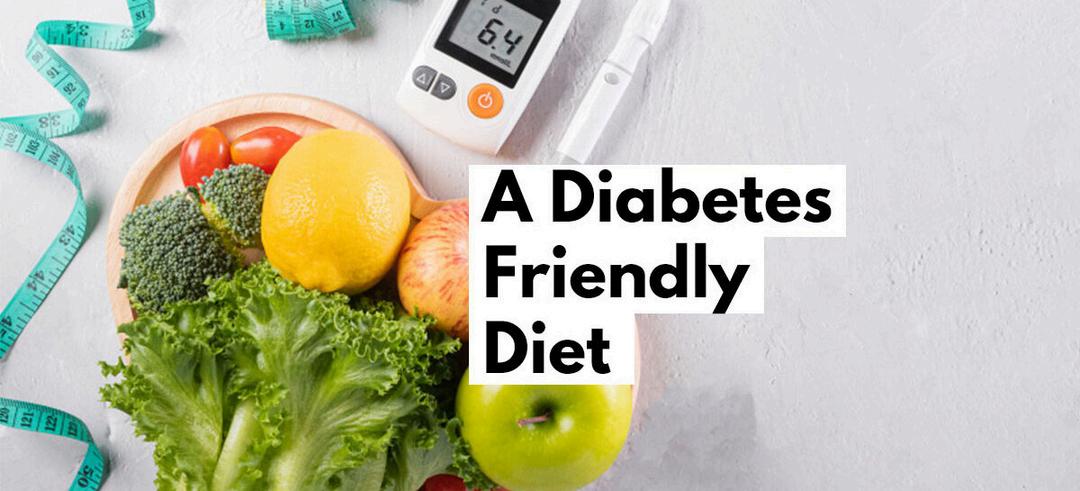
Managing diabetes effectively goes far beyond medication—it begins on your plate. A wellstructured diet helps stabilize blood glucose, prevent complications, and improve overall health. With guidance from the Best Dietitian for Diabetes in Trichy, patients can build sustainable eating habits tailored to their lifestyle and medical needs.
A balanced diabetes diet focuses on low glycemic index (GI) foods that release glucose slowly into the bloodstream. Ideal choices include whole grains (brown rice, oats), legumes, leafy vegetables, nuts, seeds, and lean proteins like fish or chicken. Fruits such as berries, guava, and apples are better options due to their fiber content.
On the other hand, refined carbohydrates (white bread, pastries), sugary beverages, fried foods, and processed snacks should be limited or avoided. These can cause rapid spikes in blood sugar and increase insulin resistance over time.
A qualified dietitian evaluates your medical history, blood sugar trends, and lifestyle to create a personalized nutrition plan. They also help you understand portion control, meal timing, and carbohydrate counting—key factors in maintaining stable glucose levels.
Moreover, dietitians provide ongoing support, helping patients adapt their diet as their condition evolves, which significantly improves long-term outcomes.
Best foods and meal plan for diabetic patients recommended by dietitians
The meal plan for diabetic patients recommended by dietitians typically follow a plate method:
Half plate: non-starchy vegetables (spinach, broccoli, cucumber)
One-quarter: lean protein (eggs, tofu, fish)
One-quarter: whole grains or complex carbs
Healthy fats like olive oil and nuts should be included in moderation. Regular meal timing—every 3–4 hours—helps prevent glucose fluctuations.
How to control blood sugar levels with a personalized diet plan?
Understanding How to control blood sugar levels with a personalized diet plan is essential for long-term management. Individualized plans consider calorie needs, activity levels, and co-existing conditions like hypertension or obesity. Consistency in eating patterns, mindful snacking, and hydration also play a key role.
Best Diabetologist In Chennai | Best Diabetologist In Hosur
Best Diabetologist In Trichy | Best Diabetologist In Salem
