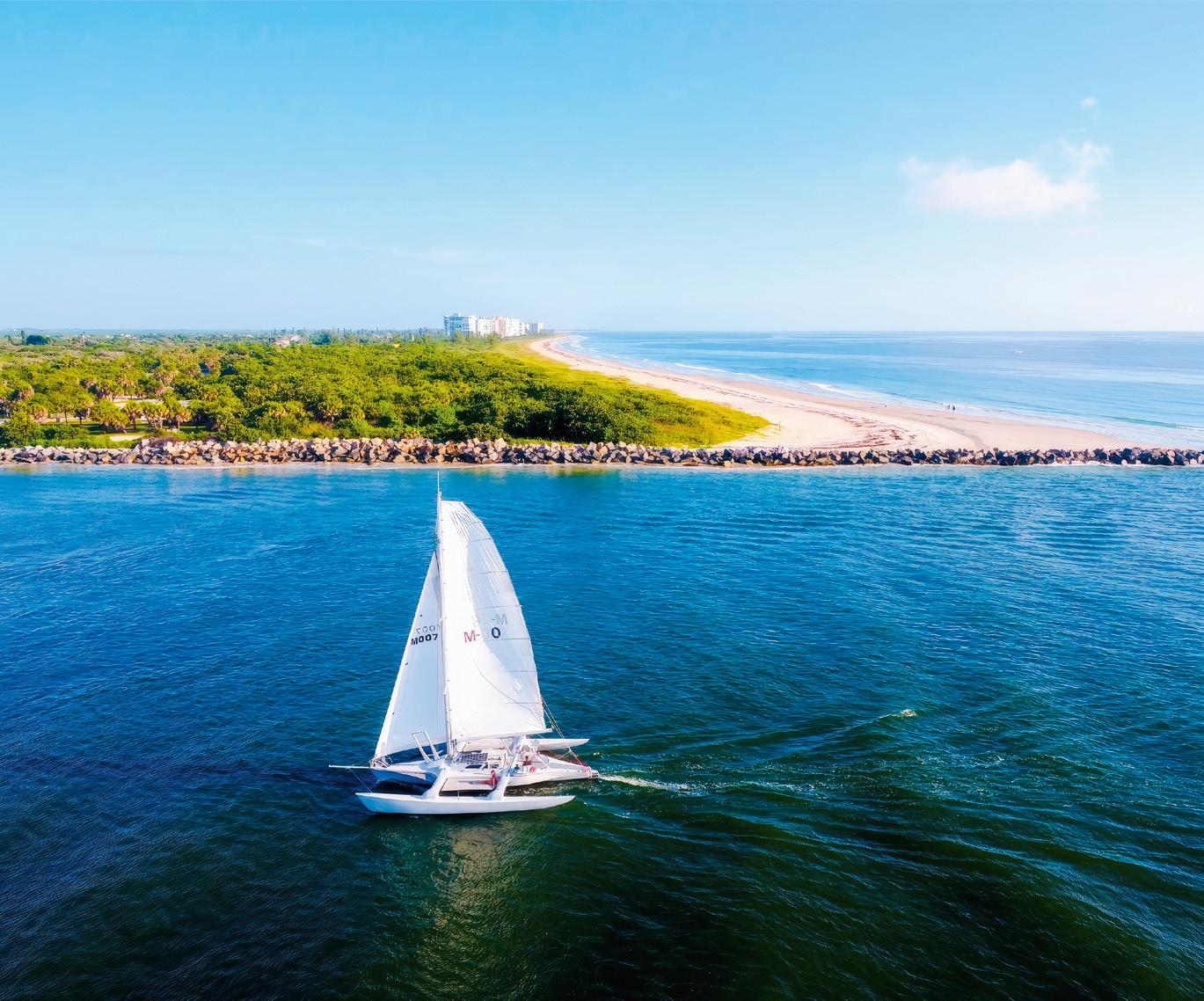
FALL FOR FLORIDA FROM JET TO JETTY
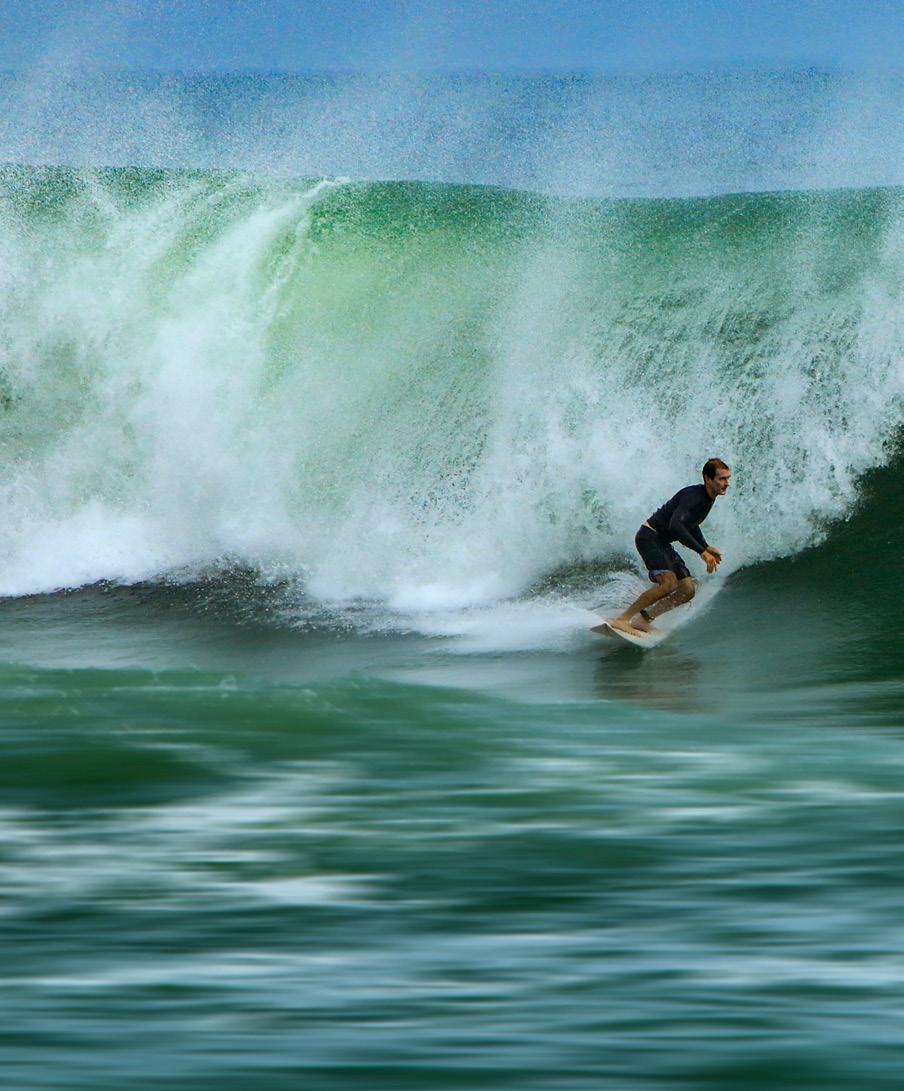
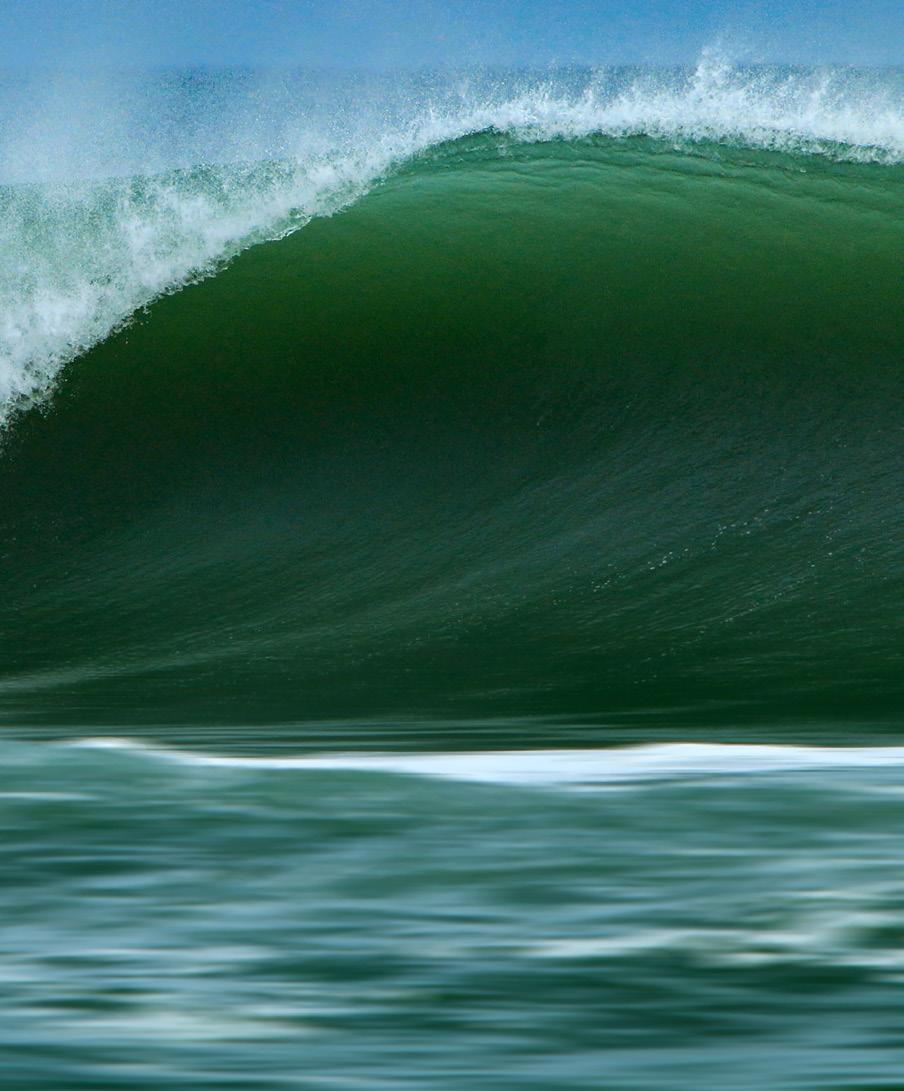
BIG GREEN WAVE
Dollman Beach, Jensen Beach
Treasure Coast
Photograph by Frank Moore

FALL FOR FLORIDA FROM JET TO JETTY








“MAGAZINE PUBLISHING IS A CONSTANT CONVERSATION WITH READERS: SURPRISE THEM, RESPECT THEM, CHALLENGE THEM.”
-
Sir Harold Evans
(1928–2020), one of the most influential magazine and newspaper editors of the 20th century. Editor of The Sunday Times (1967–1981).
12 Editors’ Letter
PIECES of the larger whole
20 Folding screens originating in ancient China define the essence of modern functional art.
HOME STYLES
22 Modern Architecture
The International Style of Modern Architecture is nearing 100 years on the leading edge of commercial and residential building design.
SPECIAL FEATURE
26 From Jet to Jetty
The world’s most fashionable and discriminating travelers are finding their way to Vero Beach.
HOME
38 3700 Ocean Drive
An exquisite oceanfront home in Vero Beach elevates large-scale architecture and interior design to a rarified level.
FASHION
52 Seaside Elegance
Showcasing pieces that tell a story of coastal beauty and timeless elegance in Vero Beach.
ARTIST TO ARTIST
58 Spirit, Balance, and the Art of Living
Marylou Mullan speaks to spirituality, life’s dualities, and beauty in simple places.
HEALTH AND WELLNESS
66 Internalized Ageism
Fighting negative and harmful stereotypes to find health and joy in the Golden Years.
HEALTH AND WELLNESS
70 Finding Primary Care
Part 2: How to rationally and tactically choose a primary care physician.











































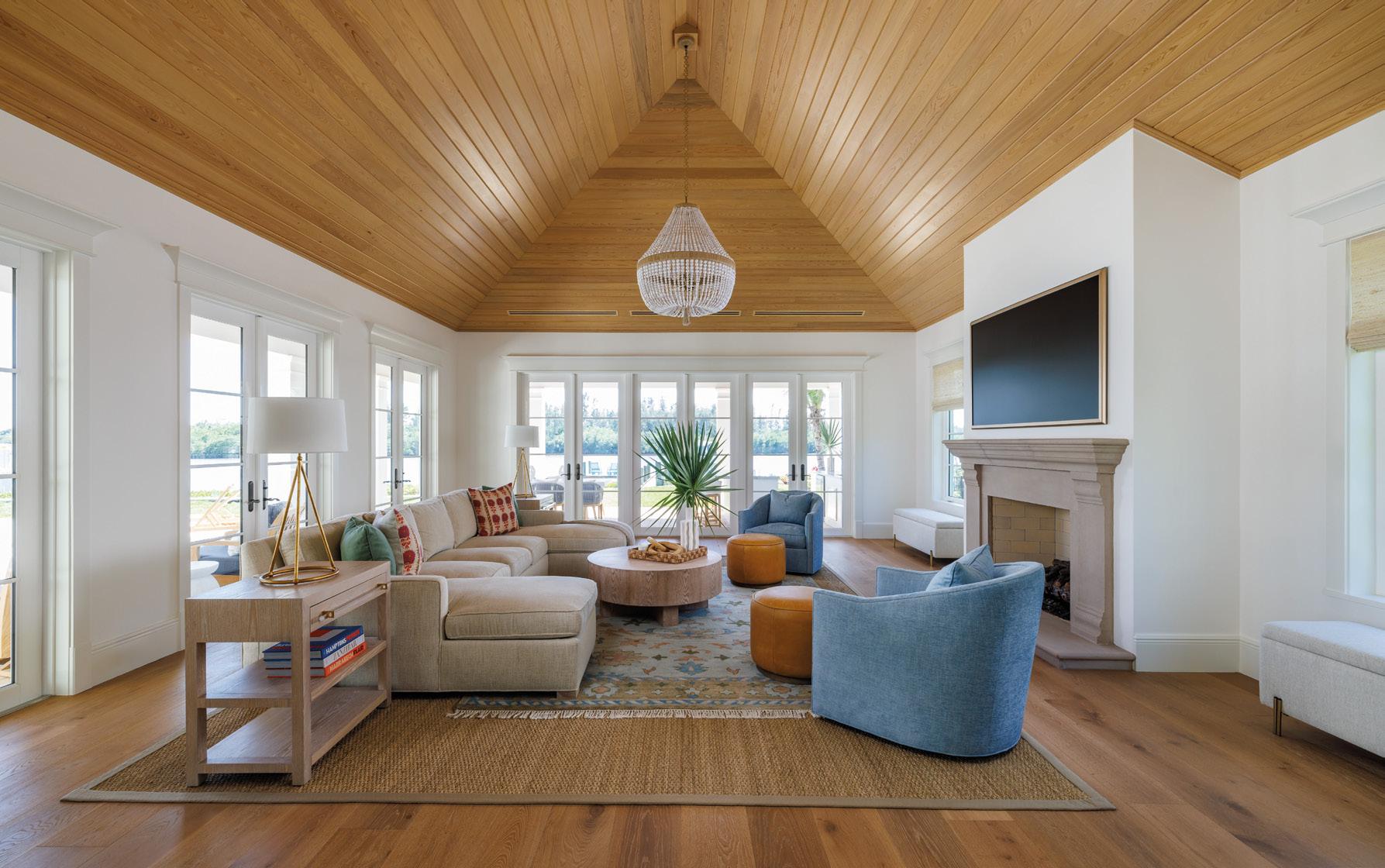
HEALTH AND WELLNESS
74 Electrophysiology in Vero Beach
Cutting edge treatment for heart rhythm disorders at the Cleveland Clinic.
ART
78 LIV VERO Gallery 1 Artist Marylou Mullan.
EDUCATION
82 Finding the Perfect College Match
Q&A with college counseling experts at Saint Edward’s School.
TRAVEL
88 From Vero to the Italian Vineyards
Chris Foster takes readers to four stops: Rome, Venice, Bologna, Prosecco Hills.
TRAVEL
96 Wine Pairings
A selection of superb Italian wines and food from the owners of Varietals and More.
TRAVEL
98 Corporate Air Inc.
Redefining private aviation in Vero Beach—combining comfort, privacy, and precision.
TRAVEL
100 From Morocco to the Skies Captain Ronnie Elkoubi’s career is a testament to resilience, reinvention, and the pursuit of passion against all odds.
ENVIRONMENT
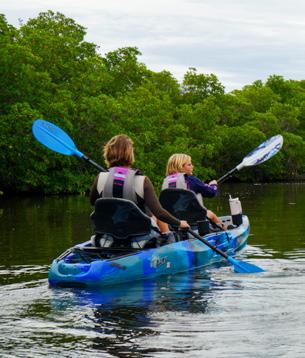
106 Love, Water, Business and Family
Aaron and Victoriya Knapp’s concierge-style kayak rental service—Treasure Coast Kayak.
ENVIRONMENT
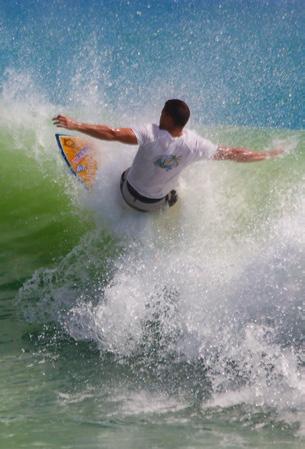
114 Spunky’s Surf Shop
Gunther Schwartz talks surfing—sport, culture, history, and storytelling on the Treasure Coast.
ENVIRONMENT
122 Iconic Shot: New Bridge Photograph by Victoriya Knapp.
ENTERTAINMENT IN THE CITY
125 What’s the Tea? The pulse of Vero Beach.
128 Finito
Livvero.com @livveromagazine
Subscriptions at www.livvero.com 10 issues: $45.
Be heard: We want to know what you think and how we can serve you better.
Send comments to Jim Field at jim@livvero.com.

. . ALWAYS
A central purpose of life is to experience and to change. Experience means to enjoy in the moment what you have. Change means to turn the page and move on.
If we don’t move on, then we are stagnant. And who wants to be stagnant? Still, we resist moving on because the future is unknown, and change portends hard work. But change is central to life and should be embraced.
For creative endeavors, the imperative is to never be content, but to constantly scan the horizon for what’s waiting just over the crease. Forces catch up to creatives who don’t constantly question, discard, and push. If they don’t lunge forward, others will.
Such is the case in magazine publishing. We’re just getting started, and still exploring what we should write about. By this time, some admonish us, “You should know what to write about. You should have an Editorial Calendar. You should have fixed editorial Departments. Your format should be locked in. Come on, man, conform to industry norms.”
We’re not convinced. Do readers want predictability, or do they seek the new and unexpected for the joy of it? Should anything in publishing be “locked in”? As for Editorial Calendars—published yearly to let one’s audience know what editorial themes will be attached to individual months—for example, “Water” in July and “Celebrations” in December—the exercise seems artificial and restrictive. Must publishing be so formulaic?
We hope not. In fact, we find ourselves inundated with new, exciting things to write about, topics we discover and topics brought to us by others—things they’re passionate about. The depth of this repository is bottomless. Planned Topic A gets trumped by new Topic B, which gets trumped by a just unfolding Topic C. So much for the Editorial Calendar . . .
This issue marks our foray into travel. The rule here, however, is that every story must link back in some way to Vero Beach. For example, an article about a vineyard in France must be visited and written by a Vero native—or perhaps owned by
that native. The other variable in play is that readers may submit their own travel experience, story text, and photographs for consideration for publishing. Selection brings $500. (Send to jim@livvero.com.)
Vero Beach is a surfing town. Great surfing on the Treasure Coast extends north to Cocoa and south to Jupiter. If the surfing scene here existed elsewhere it would be celebrated—and probably warrant a niche magazine. Our intent is to profile our amazing surfing scene—its people, gear, natural setting—and bring it to consciousness.










Magazines mailed to EVERY residence in Indian River County (all 8 zip codes) with incomes equal to or greater than $200,000.
Electronic Edition sent to curated, expanding list of over 3,200 email addresses.
Hand delivery of 1,500 copies to advertising partners, other businesses, organizations, individuals—including hotels, airport, restaurants, real estate offices, physician offices, country clubs, drop points.
Electronic Edition, in full, is accessible to all on our website livvero.com.
Building list of subscribers locally and across country to primary/secondary residences. Subscribe at livvero.com.
•
•
•
•
•
•
•


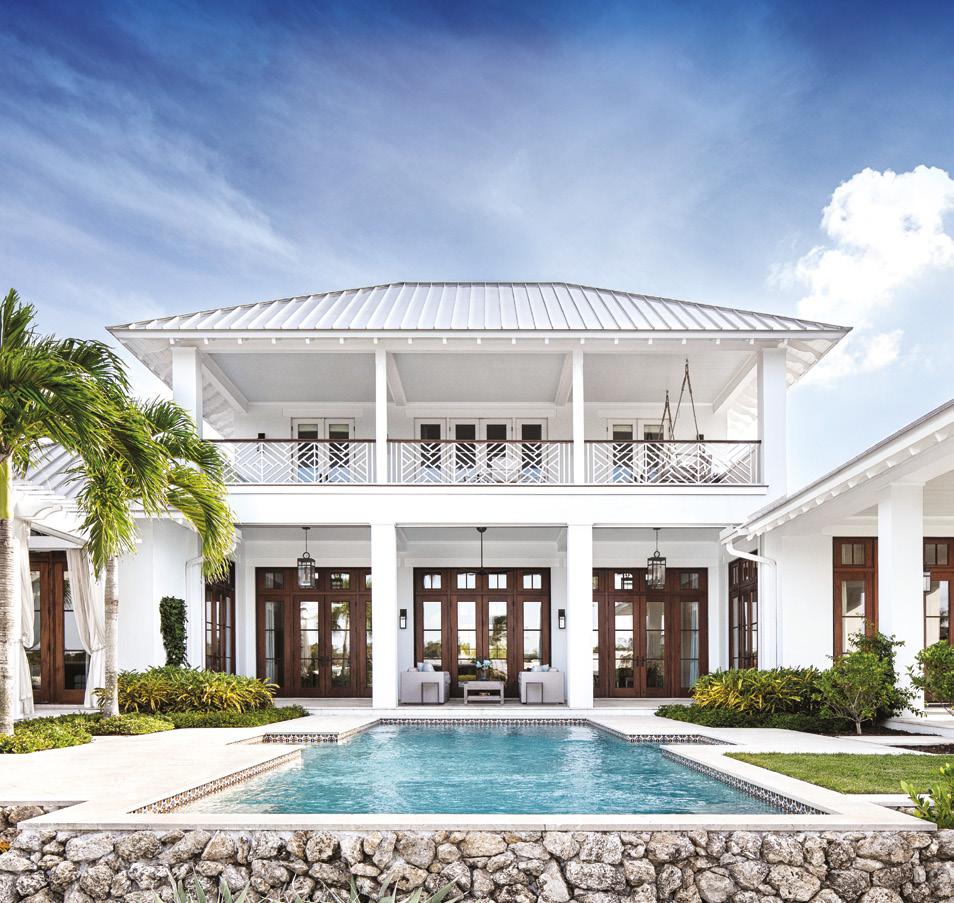


by Diane Field
Folding screens—also referred to as decorator screens or room dividers—are ancient furniture elements that remain key components of contemporary interior design. The screens themselves might be antique treasures, modern stylizations and reinterpretations, or featureless commodities—but that’s the point: their usefulness and look are nearly boundless.
Not too long ago I paged through issues of a favorite design magazine to encounter a half dozen featured rooms—representing very different design styles—with folding screens. Their seeming omnipresence was enough to snag my attention—in fact, I paged back, located each photograph, scrutinizing them in turn, realizing in doing so that folding screens had dropped entirely from my design conceptualizations. In short: it was as if they were new to me.
One example was a breathtaking pair of 17th century Dutch leather screens—my goodness, so elegant and priceless. Another was a Berard Boiserie Screen by living artist Gergei Erdei (London), part of his Objects of Desire collection (gergeierdei.com). My excitement—this reawakening—was the impetus for this article.
Earliest folding screens date back to the Han Dynasty in China (2nd century B.C.E.). Originally wood panel, stationary backdrops decorated with landscapes, calligraphy, birds, flowers. Entry to Japan by the 8th century using washi paper panels and hinges to produce movable screens, decorated with ink paintings, gold leaf, seasonal motifs, becoming central to Japanese culture. Introduced to Europe in 16th century, adapted to incorporate panels with tapestries, embroidery, oil paintings, highly prized by royals and aristocrats, fashionable in French salons. Standard to Victorian homes featuring upholstered and hand-painted panels. Art Deco designers reinvented screens with sleek lacquer, geometric forms.
Every home can accommodate a folding screen. Their materials, colors, textures, depictions, dimensions, sculptural effect, are as varied as the artists who created them. Walk through your home and find the perfect space to introduce a screen— instantly adding another design dimension.
• Statement art. Mount flat on a wall as a series of panels to become a piece of fine art.
• Artistic headboard. Unexpected alternative to a standard predictable bed frame.
• Furniture backdrop. Position behind console, sofa, desk to add depth and layering.
• Room divider. Create privacy, dedicated functional areas in open floor plans.
• Focal point. Introduce stunning point of interest in minimalist interiors.

Pair antique screens with modern furniture and sculpture, place against concrete and steel. Use tall screens to accentuate tall ceilings. Folding screens today are a cuttingedge decorative art form—look online to be amazed and expand your repertoire.
Wells Fargo Advisors Financial Network, LLC (WFAFN), Member SIPC, a registered broker-dealer and non-bank affiliate of Wells Fargo & Company. WFAFN uses the trade name Wells Fargo Advisors. Ad.
Contact Us
3387 Ocean Drive
Vero Beach, Florida
(772) 200-3973
jenna.suleman
razvan.ilie@wfa net.com
Introduced
as
“The International Style”
by Jim Field
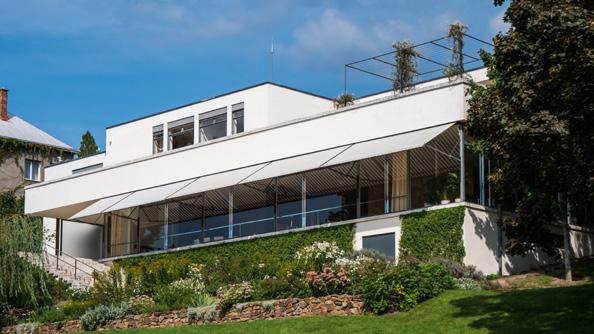
In my mind I think of homes designed using the purist precepts of Modern Architecture as foreign and new-new. One comes across archetypal examples in Vero Beach occasionally, and more frequently in Palm Beach. Oftentimes they present a jarring contrast to surrounding traditional styles. I always stop to study them.
In fact, this architectural movement is nearly 100 years old. It was launched in the U.S. in 1932 with the Museum of Modern Art’s (MoMA) groundbreaking event “Modern Architecture: International Exhibition.” The curators were HenryRussell Hitchcock (historian/critic) and Philip Johnson (architect, then just 26 years old). Together they published a companion book that same year, The International Style: Architecture Since 1922, which became a bible in architectural history.
Origins
Modern Architecture—as exemplified by The International Style—emerged in Germany, France, and the Netherlands during the 1920s. Its theoretical origins were closely associated with the Bauhaus school, a revolutionary design institution— founded in 1919 in Weimar, Germany by architect Walter Gropius—whose mission “was to dissolve the boundary between fine art and applied arts, creating objects and buildings for modern life.” Its motto: “Art and technology, a new unity.”
Today we have become accustomed to the fantastical manifestations of design, materials, and construction technologies— Elon Musk builds wedge-shaped Cybertrucks, seeks to tunnel under cities, bore into brains, place humans on Mars.
Still, to relate to the revolutionary nature of Modern Architecture at the time of its birth, picture in your mind the ornamentation, asymmetry, and romantic flair of a classic Victorian home, and compare it to these defining theories and characteristics:

• Form follows function. Design shaped by practical everyday use.
• Volume over mass. Light, airy space instead of heavy walls.
• Rectilinear, geometric shapes. Flat roofs, cubic volumes, grid layouts.
• Lack of ornamentation. Clean lines, no decoration, proportional beauty.
• Modern materials. Exposed steel beams, reinforced concrete, glass walls.
• Open interiors. Flexible floor plans with few load-bearing walls.
• Universality. Design supersedes regional/cultural building traditions.
Walter Gropius, Bauhaus founder, Fagus Factory, Bauhaus Dessau.
Ludwig Mies van der Rohe, Barcelona Pavilion, Seagram Building. Le Corbusier, Villa Savoye, Unité d’Habitation. Philip Johnson, Glass House. Richard Neutra, Lovell Health House.
Modern Architecture would inevitably be criticized on many fronts—its prototypical structures (residential and commercial) perceived as inhuman, sterile, repetitive, impersonal, dehumanizing. In particular, its housing projects, designed to achieve a higher order of human living and cohabitation, were thought to isolate residents in practice, contributing to social problems, crime, and decay.
Still, the International Style’s most eloquent voices celebrated its innovation, elegance, and projection of man’s progress:
• Ludwig Mies van der Rohe: “Less is more.”
• Le Corbusier: “A house is a machine for living in.”
• Walter Gropius: “Architecture begins where engineering ends.”
• Frank Lloyd Wright: “Form and function are one.”
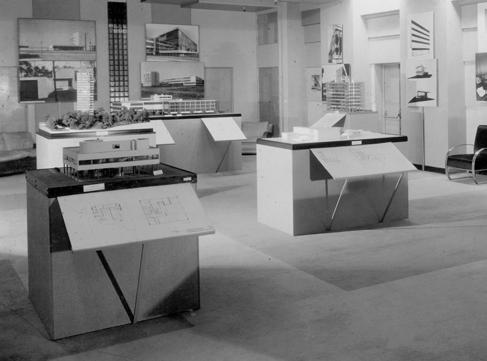

IMAGINE THIS: THE INTERNATIONAL STYLE OF MODERN ARCHITECTURE IS NEARLY A CENTURY OLD.

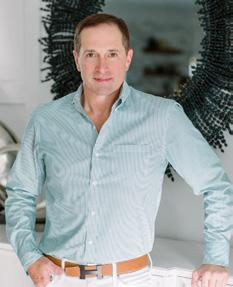
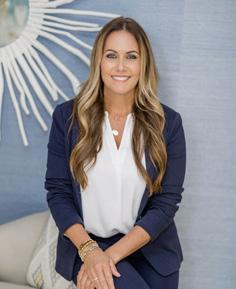
PRINCIPAL DESIGNER


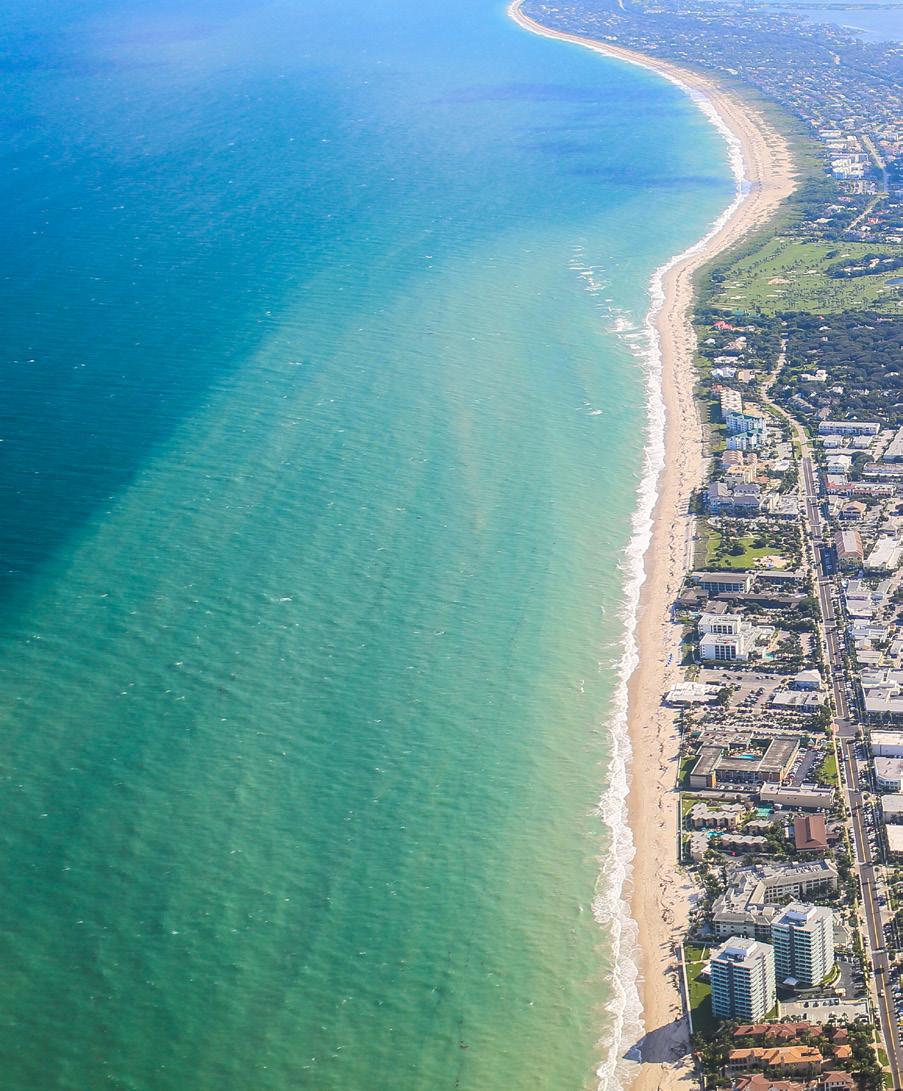
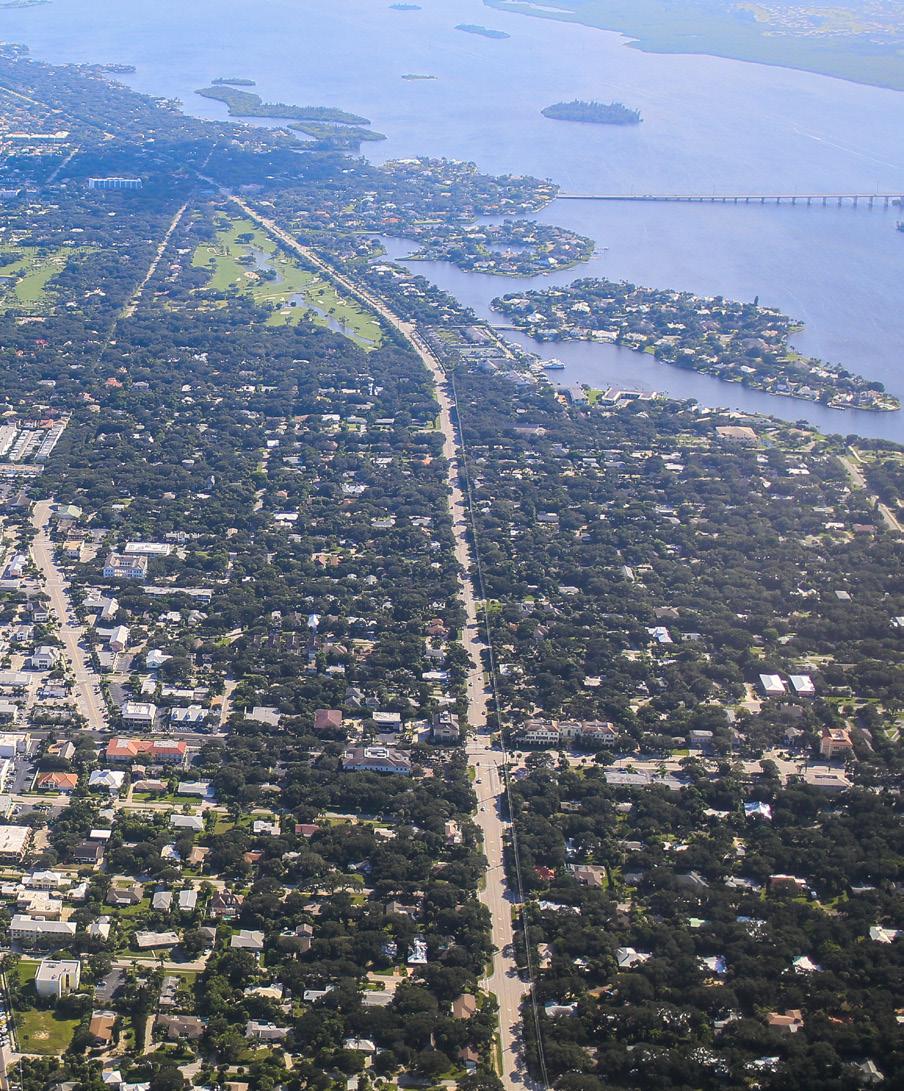
Flight path view into Vero Beach Regional Airport (VRB)

Wheels Down:
VRB, Ten Minutes to the Ocean Wheels down. The cabin sighs, the door swings open, and the Florida sunlight greets you. At Vero Beach Regional Airport (VRB), arrivals seem choreographed—a wave from the ground crew, a luggage handoff that never breaks your stride, and a waiting car you didn’t have to look for. In less than ten minutes, seagrass replaces runway lights and A1A becomes your front row drive.
The story here is about access without the circus. Breeze Airways now connects VRB with major Northeast airports; JetBlue has announced seasonal JFK to VRB flights starting December 2025; American Airlines will fly non-stop Vero to Charlotte starting February 2026—an understated sign that the world’s frequent flyers have discovered Vero.
Photography locations ramp at Corporate Air Inc., Vero Beach
3700 Ocean

Mornings are for runners and surfers; midday is for Ocean Drive—fresh flowers, a quick espresso at M Bakeri, and a dress fitting between meetings. Vero isn’t curated; it’s confident. The architecture recedes to let the sea and light showcase coastal moderns with restraint—classic ranches softened by hedges. It’s Hamptons energy minus the theatrics—private, proportioned, and timeless.
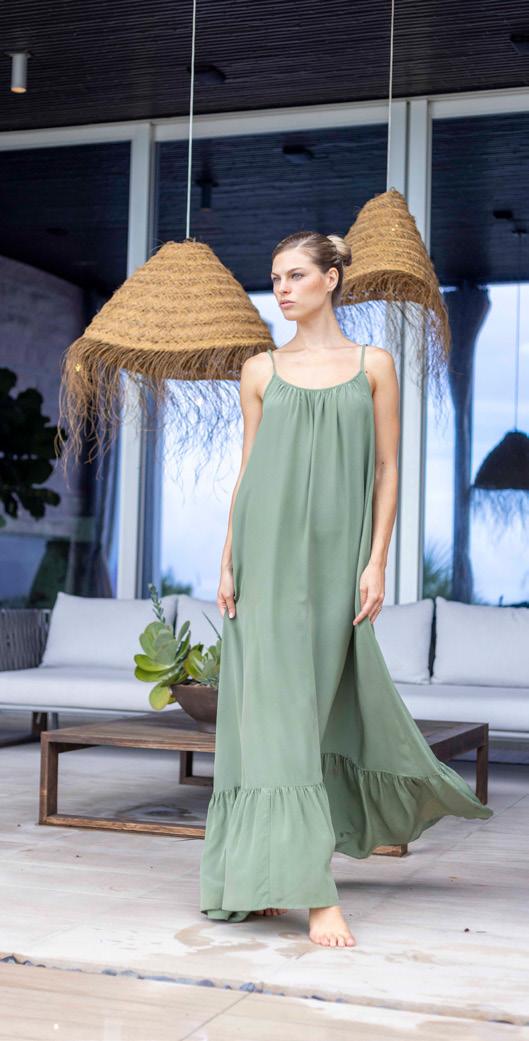
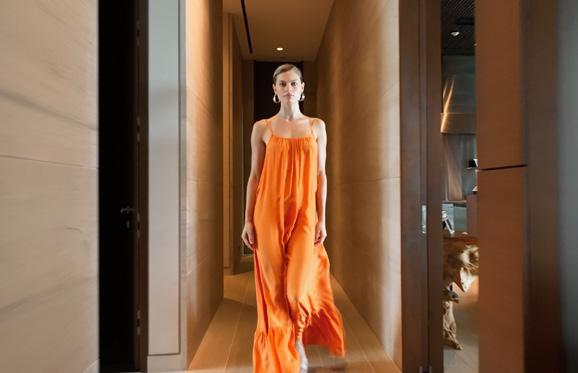
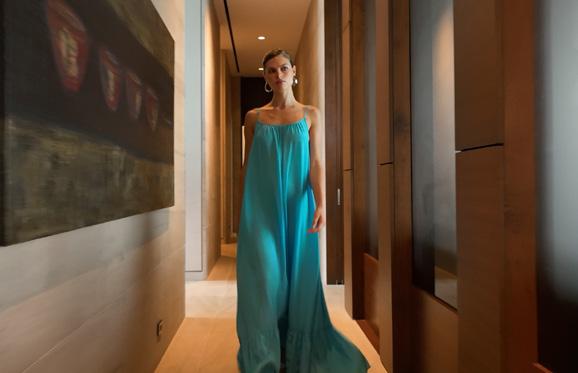
Here, the waterfront is felt, not just seen. Private dune paths, deep-water slips, terraces that blend into the Atlantic—this is a daily rhythm, not just a weekend scene.
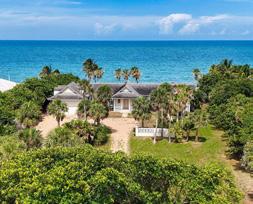
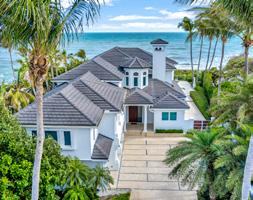
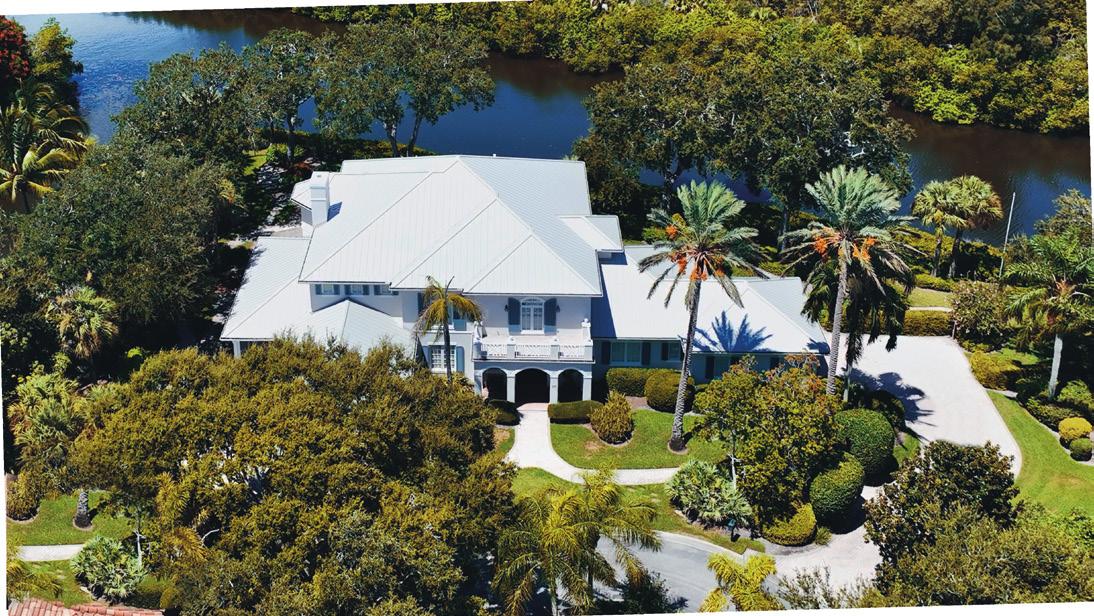
3700 Ocean Drive is the address to watch: a sculptural oceanfront compound in Vero’s seaside downtown, designed for a season of entertaining. Grand volumes, ample guest capacity, and a garden-to-sea procession that feels inevitable.
Representation is the difference between browsing and belonging. O’Dare Boga Dobson Group—a leading name in Vero’s luxury oceanfront market—provided our team with exclusive access to 3700 Ocean Drive and set the pace from tarmac to tour to terms.
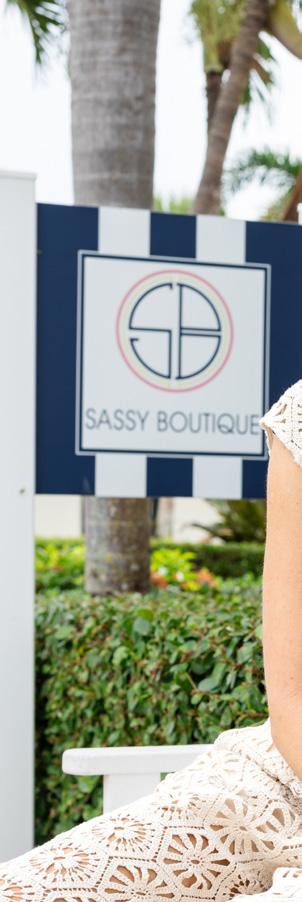
Sassy Boutique of Vero
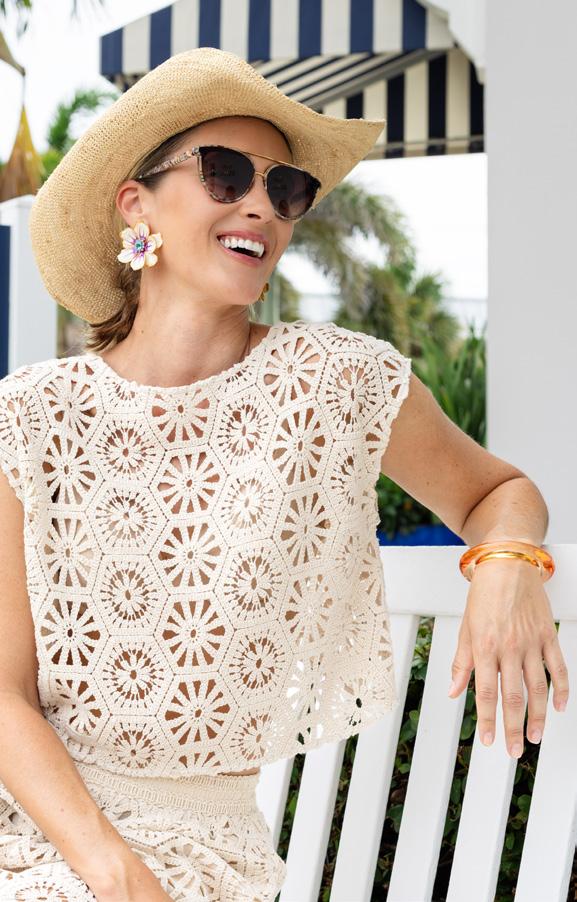
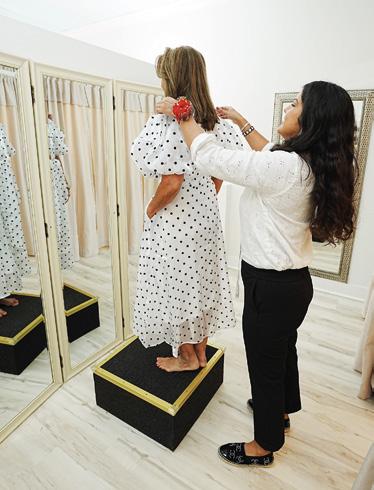
Ocean Day, Opening Night—your one-stop shop. Sassy Boutique of Vero feels like a well-traveled friend’s closet: resort-smart basics, evening pieces with structure, and accessories that suggest you planned the trip—even if you didn’t. Think packable silks by day, sculptural dresses for the evening, flats for the jetty, and block heels for cobblestone.
Dusk colors the sky as your driver guides you along Ocean Drive. A pivot door swings open, and the house breathes out—salt air, soft music, glasses clinking. Vero’s finest dinners are like stories told course by course: Indian River citrus over the raw bar, handmade pastas with local lobster, a bright citrus finish. It’s theater, but the audience is yours.


772-252-3590
Instagram: mcityclassiccars
Website: motorcityclassiccars.com
Featured Classic Car. The Morgan Plus 8 was manufactured by the Morgan Corporation in the United Kingdom for nearly 40 years. This 1982 Morgan Plus 8 is a representation of a completely restored British classic. Originally purchased in the U.K. and imported into the U.S. by its first owner, this V8-powered right-hand drive roadster with 5-speed transmission and modern powertrain cruises effortlessly down the road. Its highly-styled exterior is finished in Indigo Blue, contrasted by a Burgundy leather interior.
Motor City Classic Cars. Based in Vero Beach and specializing in the sale and service of classic and exotic automobiles. The firm acquires comprehensively restored vehicles representing the best examples available on the market today. Vero Beach showroom (20,000 square feet) housing a tremendous selection of automotive works of art; state of the art service facility.
The LIV VERO Resource Guide We connect residents and discerning visitors to the people and places that make Vero feel both easy and extraordinary.
Arrivals & Transfers: Private and corporate aviation at VRB: FBO: Corporate Air Inc. Breeze Airways operates from key Northeast hubs; JetBlue’s seasonal JFK to VRB service announced for December 2025; American Airlines non-stop flights to Charlotte starting February 2026. Discreet chauffeurs, executive sedans, and SUVs are available. Extraordinary vehicles provided by Motor City Classic Cars (by arrangement).
Waterfront: Exclusive showings and introductions to oceanfront and riverfront estates. O’Dare Boga Dobson Group offer access to addresses like 3700 Ocean Drive.
Style & Culture: After-hours boutique at Sassy Boutique of Vero; gallery walkthroughs and artist studio visits by appointment.
At the Table: Private chef bookings, menu planning, staffing, and wine programs.
PLAN YOUR OWN JET TO JETTY WEEKEND: SHARE DATES, PLAN THE PARTY, AND SET THE PACE. WE’LL TAKE CARE OF THE REST.
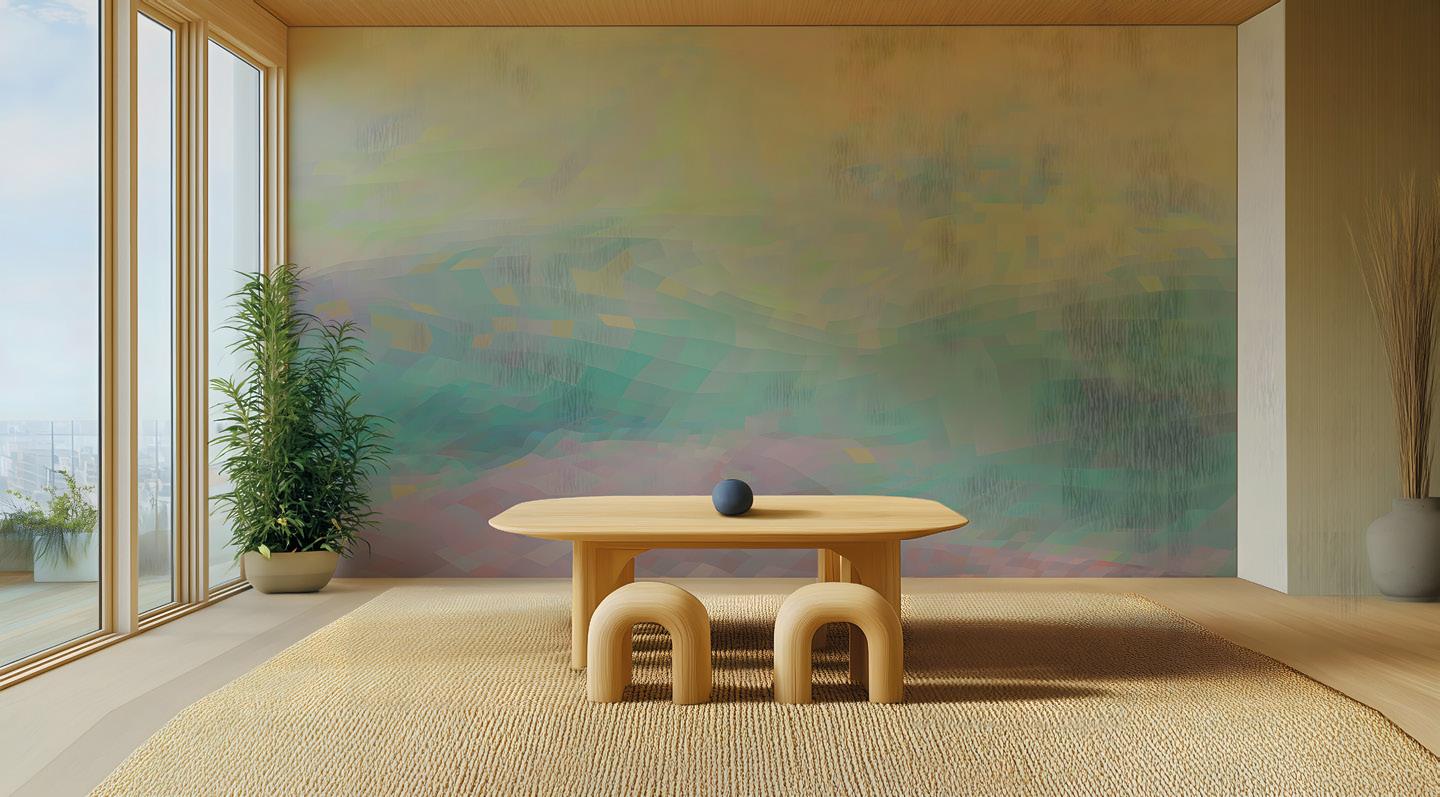


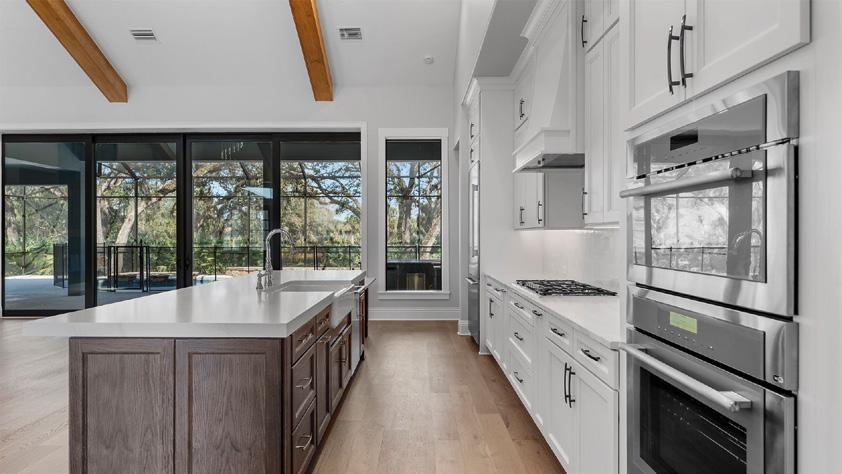



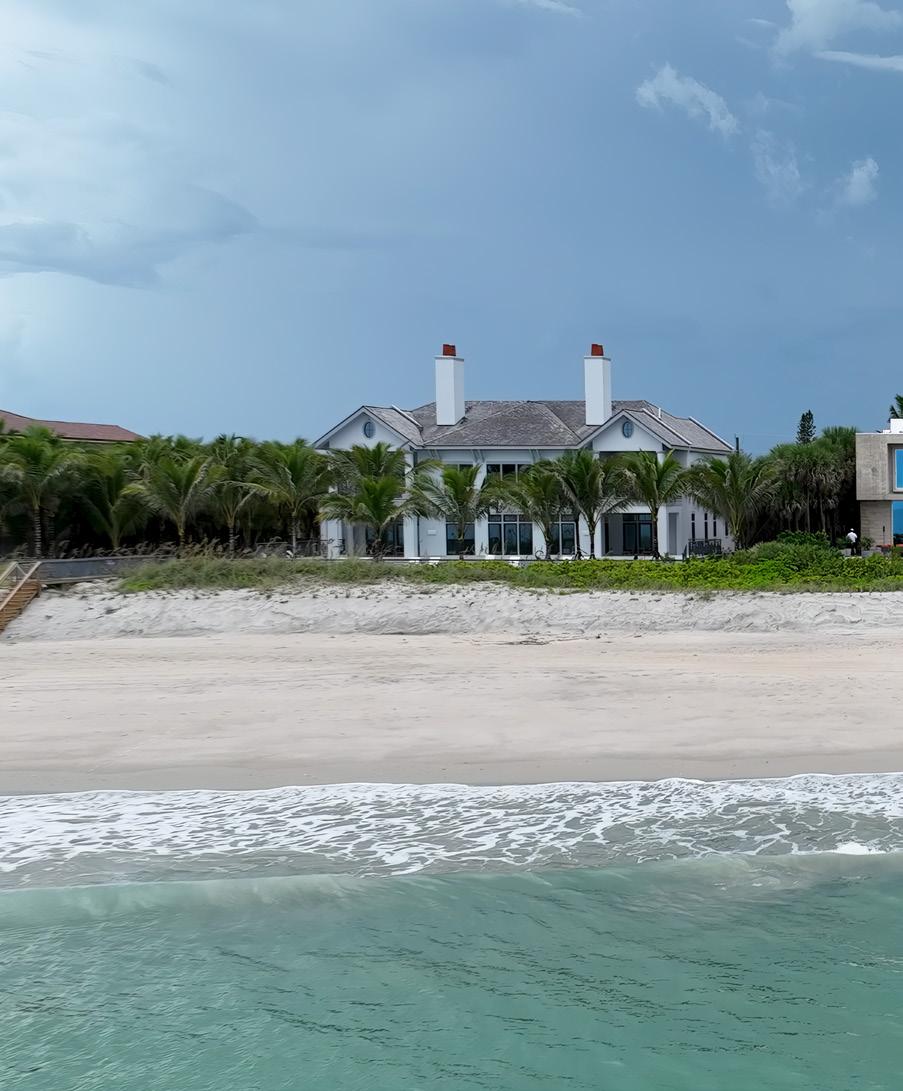
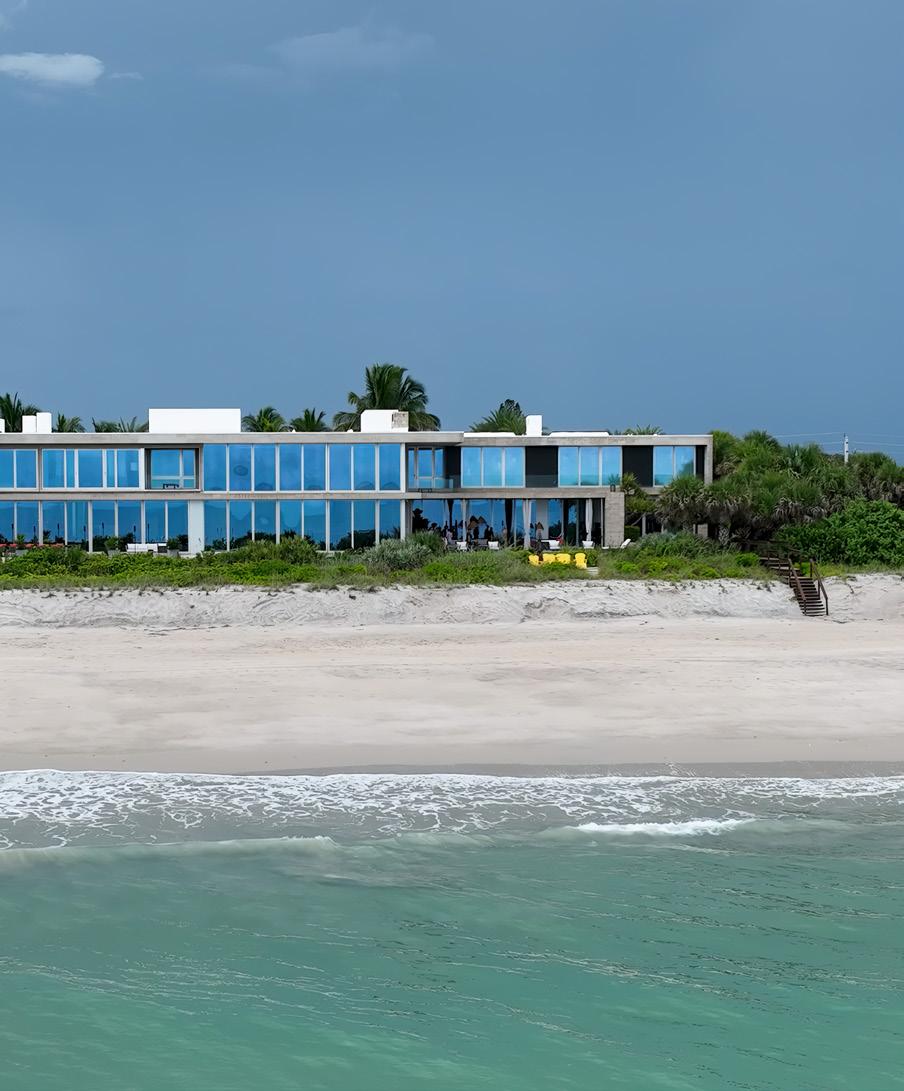
by Jim Field photography by Yuri Semenyuk.
Vero Beach boasts its share of stunning residential properties—rivaling any other community across the globe. The surrounding area, Indian River County, spans 22 miles of Atlantic Ocean on a single, contiguous barrier island. On the entire island, there is only one place to pump gas for your car. Commercial buildings—fashionable boutiques, restaurants, real estate offices, interior designers, wealth managers—are tasteful, discreet, small signage. The atmosphere is described as “quiet money.”
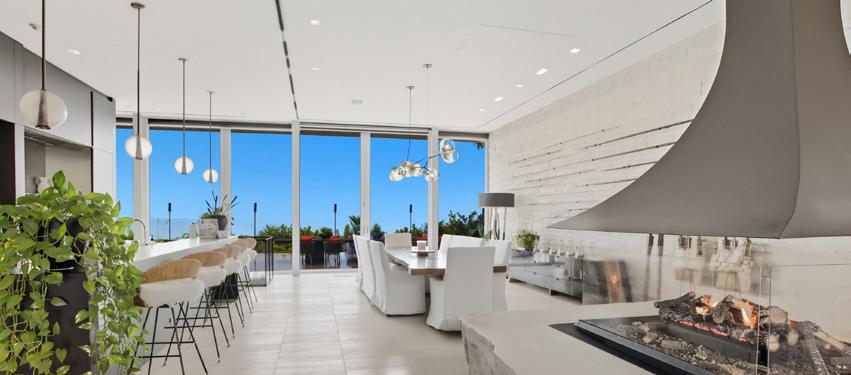
3700 Ocean Drive is a distinctive property among exceptional properties. It is located minutes north by foot from the quaint seaside downtown; there are few passersby by car, bike, strolling. The home is secluded from the street: a walled and gated compound on landscaped grounds. Along the
ocean, the home is fronted entirely by a patio, infinity pool, gardens, then 300 feet of unbroken dune—a shorefront equivalent to a football field. Finally, the vista of the Atlantic is breathtaking: beach, water, horizon, sky.
The estate’s Features List runs four pages with 175 line items. Everything about the property, residence, and interior design is large-scale. Modern design. Two stories. Concrete and steel construction. 255 concrete and steel pilings. Impact windows and doors. 80 foot infinity pool, a second west side pool. Garage parking for 10 vehicles. Takeaway: a veritable fortress against the elements.
Inside: 18,222 square feet, including eight bedrooms, eight full baths, four half baths. The experience of walking through both
floors is exhilarating—one surprise, and then another, and then another awaits. One is amazed by the talent and artistry of its creators, of the vision and taste of the owners. Architect: Erik Helgen. Builder: Water’s Edge Estates. Interior designer: Dorothee Junkin. Year built: 2014.
Junkin trained as an architect in Switzerland and Germany before concentrating on interior design and establishing practices in New York and London. The owner eschewed the Florida Beach Look and sought a European aesthetic. Junkin described the resulting style as “contemporary elegance with international influences.”
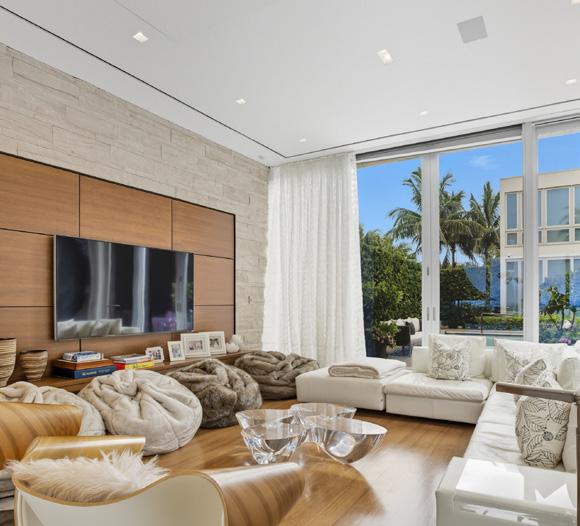
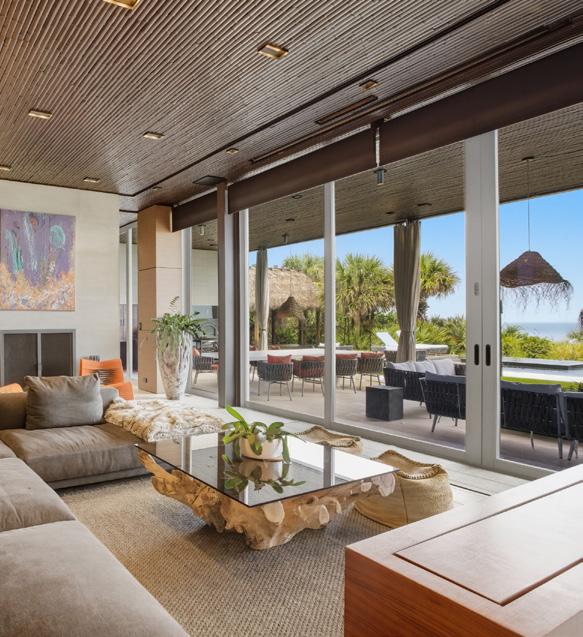
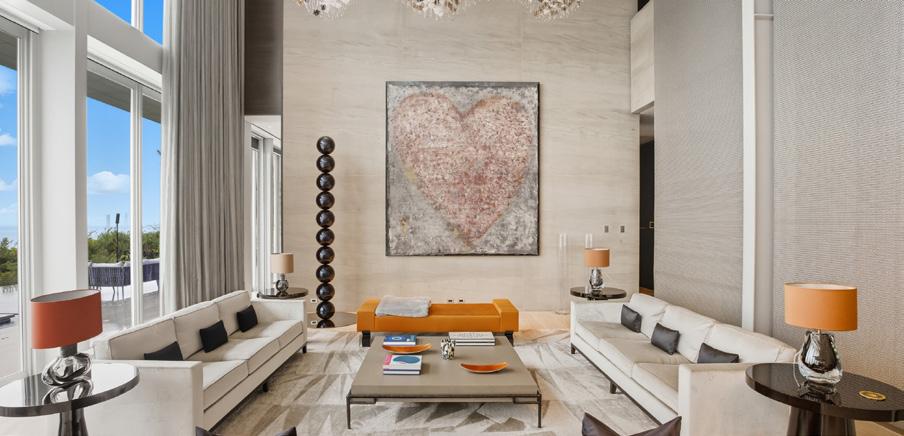
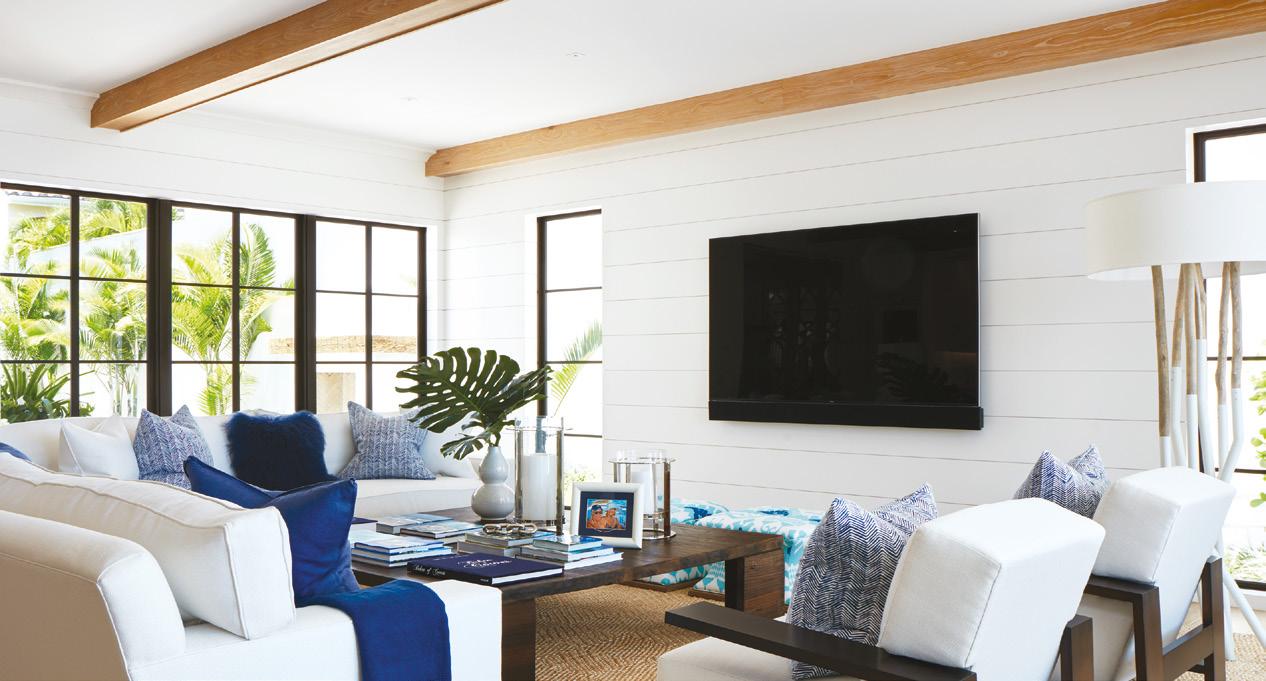
The living room is worth describing for the sheer joy of it—imagine yourself seated, absorbing. 24-foor ceilings. Floor-to-ceiling windows. Raw Alabama honed limestone flooring. Sharon Marston 4,000 light installation with soft glowing porcelain china tips. A second Sharon Marston light installation with 12,000 handmade decorative components. Raw Alabama limestone wall. Split-face limestone wall. Sahco Trevira sheer draperies. Automatic drapes, blinds, and screens. Equally captivating would be an accounting of furniture and accessories.
THE OWNER ESCHEWED THE FLORIDA BEACH LOOK AND SOUGHT A EUROPEAN AESTHETIC.
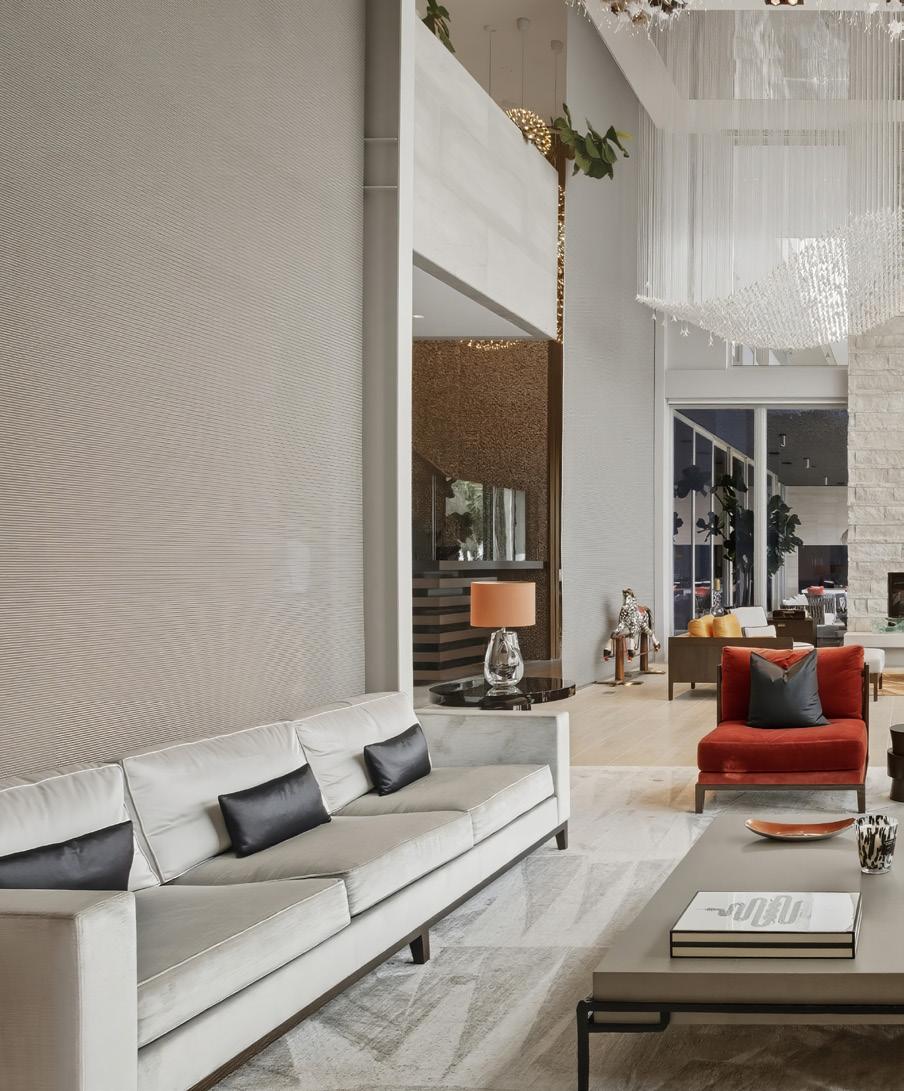
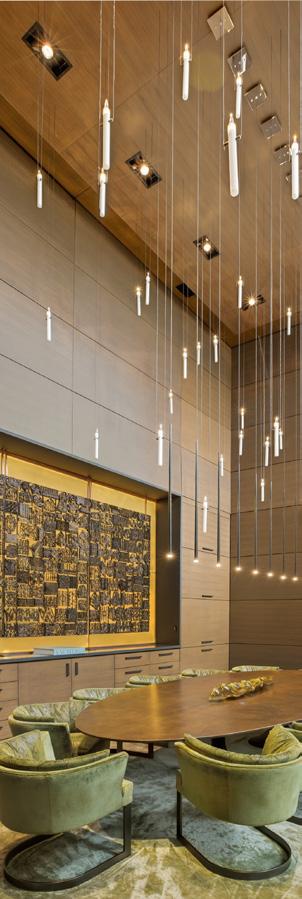
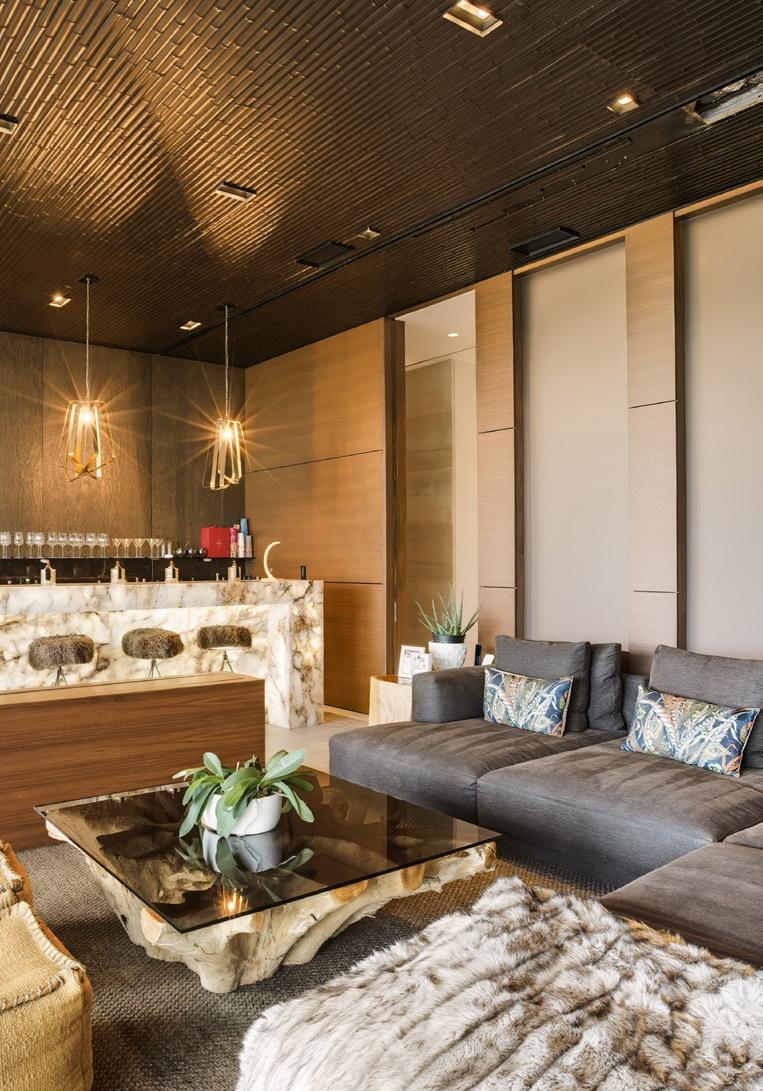
Beyond all else, it is a textured home— everywhere. Furniture fabrics, wall coverings, window treatments, rugs, artwork, collectibles. One must actively resist touching, drawing one’s fingers across eclectic, sumptuous materials. Equally so, it’s materials and finishes are magnificent: limestone, marble, walnut, teak, bamboo, marble, stainless steel, and, of course, glass.
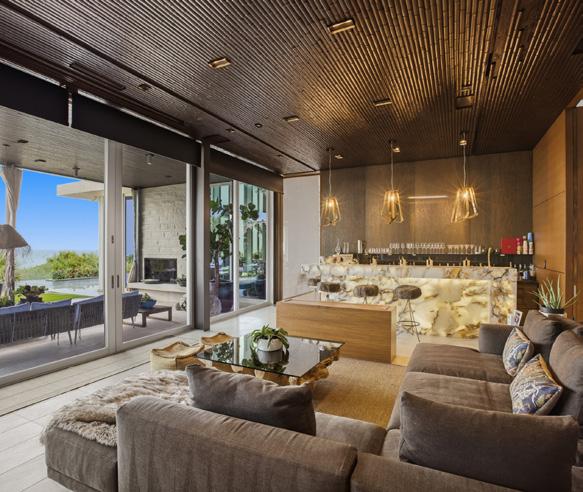
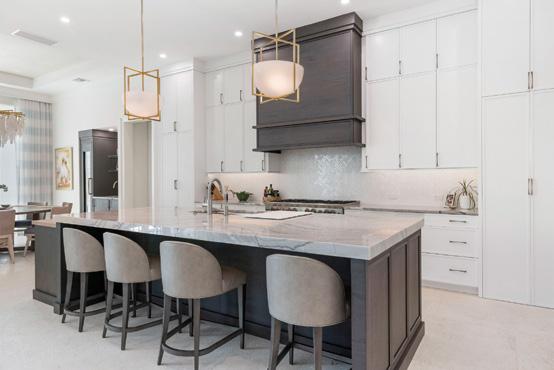
Other notables: multiple kitchens (main, catering, Guest House), Media Room, Office, Fitness Room/Hair Salon, back-lit onyx bar, 3-bedroom Guest House, Koi pond, multiple gas fireplaces, sunken fireplace.
The eight bedrooms and eight full baths are dispersed throughout the home. There is one Guest Suite on the first floor. On the second floor, the Primary Suite is comprised of the primary bedroom, primary bath, and primary sitting room with wet bar, dishwasher, undercounter refrigerator. Three additional Guest Suites await on the north wing, each decorated in a bright, distinctive color. These rooms share walnut floors, floor-to-ceiling windows, balcony, built-in desk, closet, en-suite bath with large walk-in shower with tub. The Guest House then accommodates a Primary Bedroom and two Guest Suites.
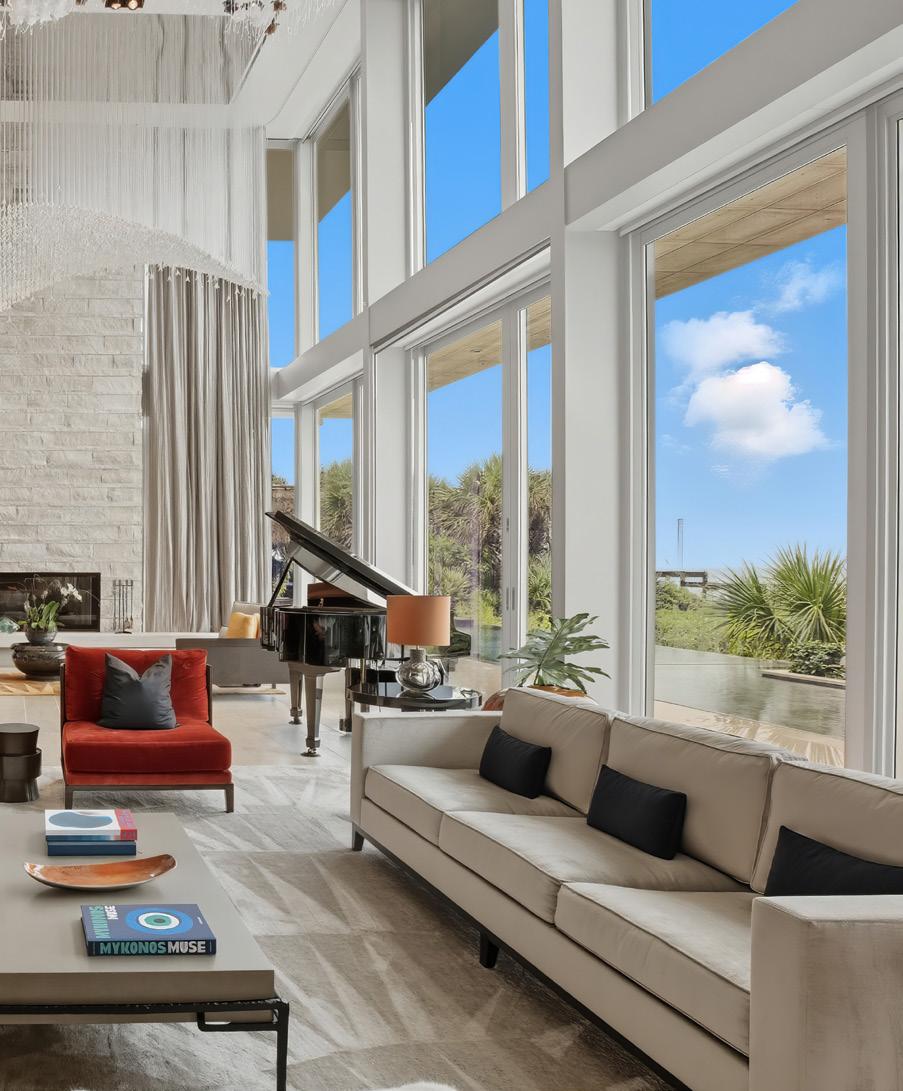
A wonderous architectural design feature that takes some time to appreciate—only as you move through the floor plan noting spatial orientations—is the intersection of visual planes, affording views that include multiple rooms and exterior spaces at once—interior room to interior room, interior room to outdoor patio, etc.—sometimes encompassing four to five different locations at once. Glass, of course, facilitates this—but the home’s design prioritizes sightlines. You are alone . . . but there is connectedness. The effect is sometimes kaleidoscopic.
Readers might perceive the home as overwhelming, grandiose, given to isolation. It is not; it is that well done. The feel overall is one of warmth, coziness inside key rooms, utter privacy. The eye travels from one marvelous object and view to the next—the home is intellectually and emotionally engaging. 3700 Ocean Drive is ultimately comforting—a living example of architecture, building, and design taken to their highest level. Thank goodness such creations exist!

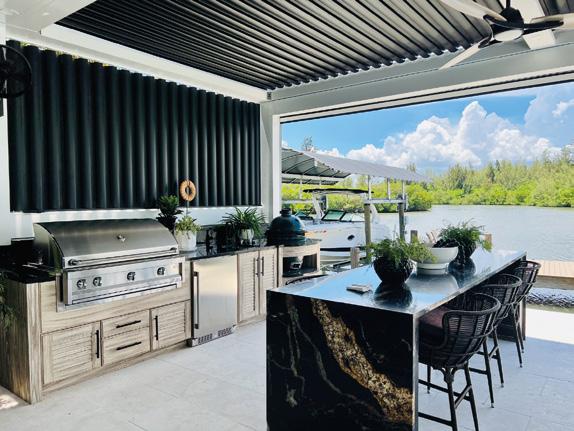
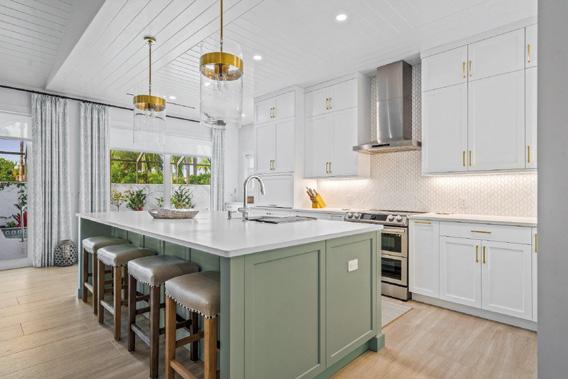

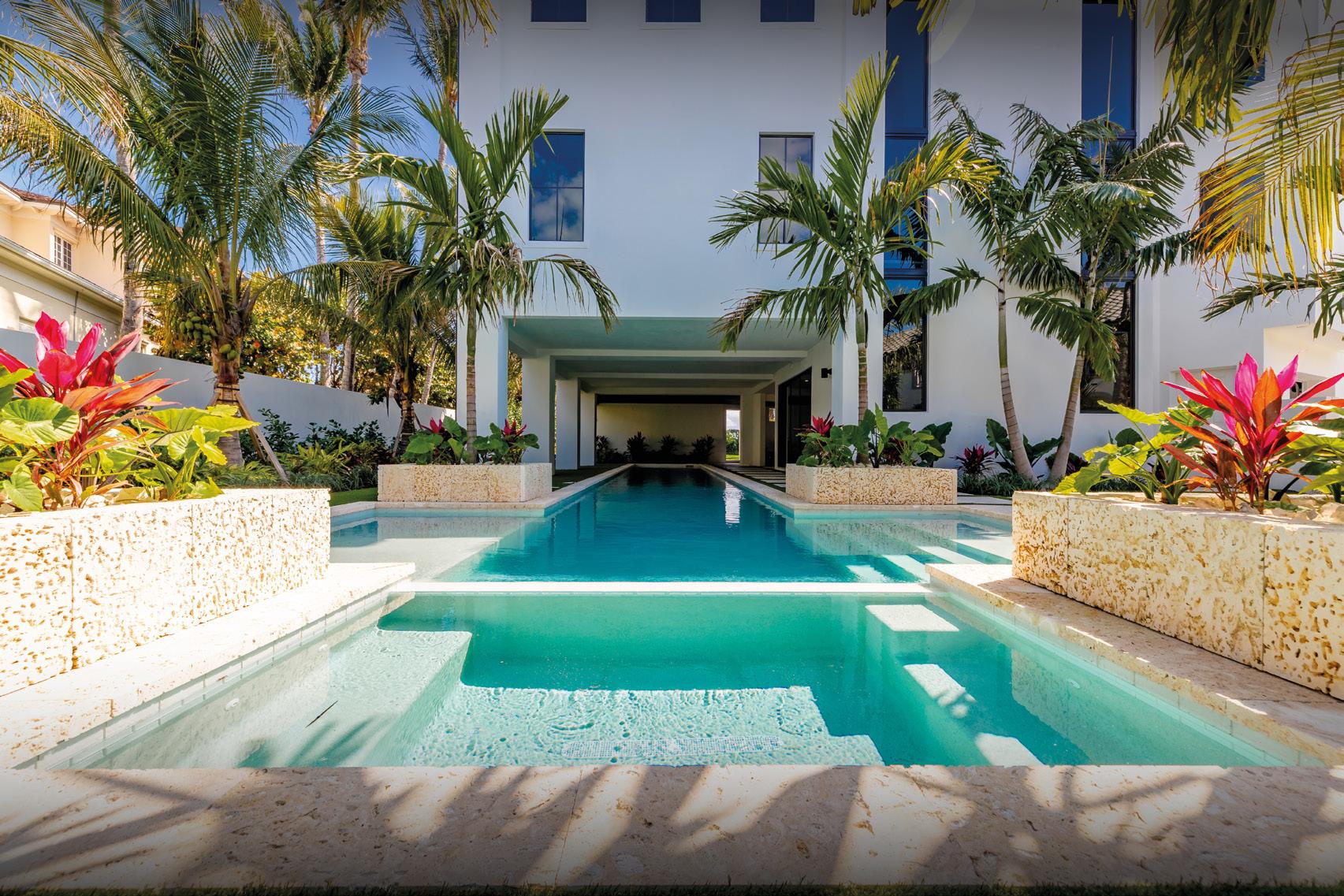
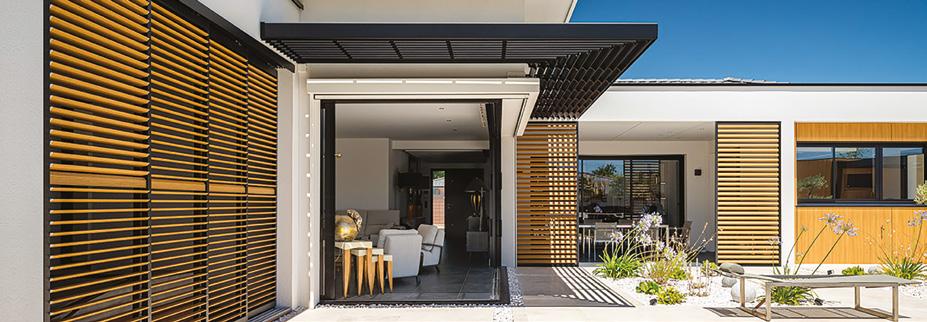


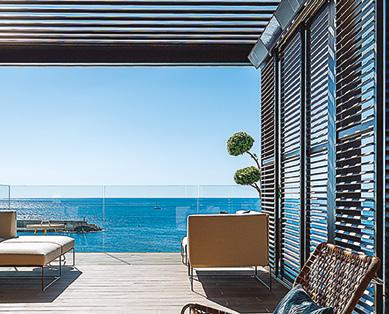
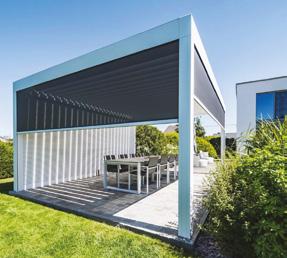
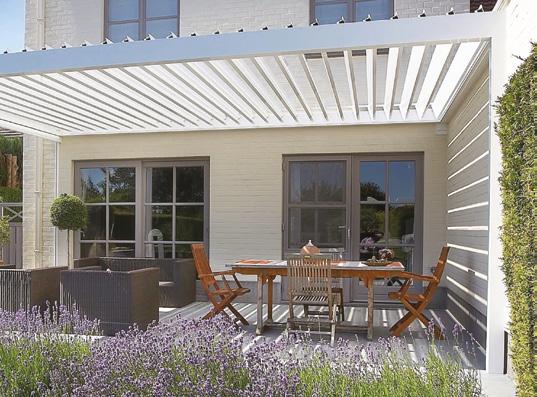
Proud to be the only Renson Dealer along the Treasure Coast.

Optimal enjoyment of your indoor and outdoor spaces
How your ideal home looks is personal. But we all share one clear wish: we want a home in which we can recharge our batteries in comfort and that is a pleasant place to be all year round. Renson® helps you achieve that goal with sustainable solutions for a healthy, comfortable living environment. Inside and outside.
Ventilation • Solar Shading • Pergolas • Wall Cladding • Carports
OUTDOOR LIVING RE-IMAGINED






by Chris Foster photography by Yuri Semenyuk.
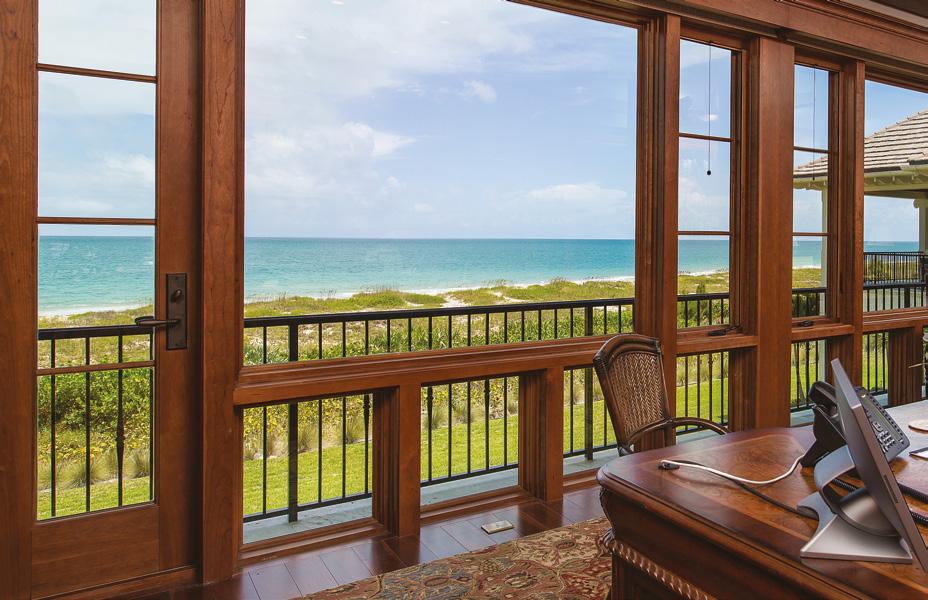
In Vero Beach, seaside elegance is more than just a look—it’s a way of life. It’s the art of blending the relaxed charm of oceanfront living with refined sophistication, where fashion, architecture, and community all reflect the same coastal grace.
This October, we highlight the pieces and places that embody this spirit, reminding us why Vero remains a destination where luxury and leisure coexist.
Seaside elegance shines in its versatility. It’s the flowing silhouettes that transition effortlessly from day to night, the curated details that mirror the horizon, and the sense of refinement that feels as natural on the terrace as it does at an evening soirée.
This season, two standout designs embody the spirit of coastal chic.
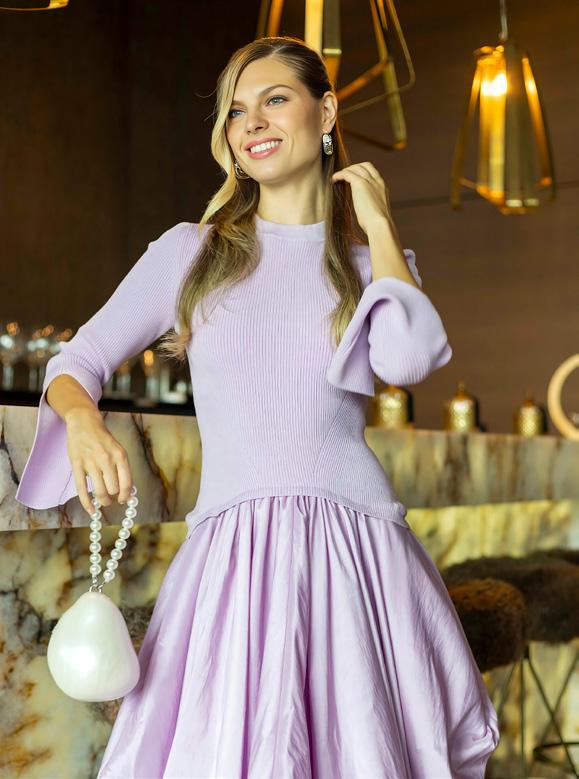
The Kenlie Dress by Simkhai, available locally at Sassy Boutique in Vero Beach, combines relaxed femininity with a polished edge— perfect for women who embody the rhythm of seaside living.
The Trousdale Adele Jumpsuit by Moda Baronessa, designed by Ashley Barone and sold exclusively online, is a sculptural statement piece that offers modern sophistication with a timeless impact.
Together, they embody the duality of seaside elegance: effortless yet bold, approachable yet aspirational.
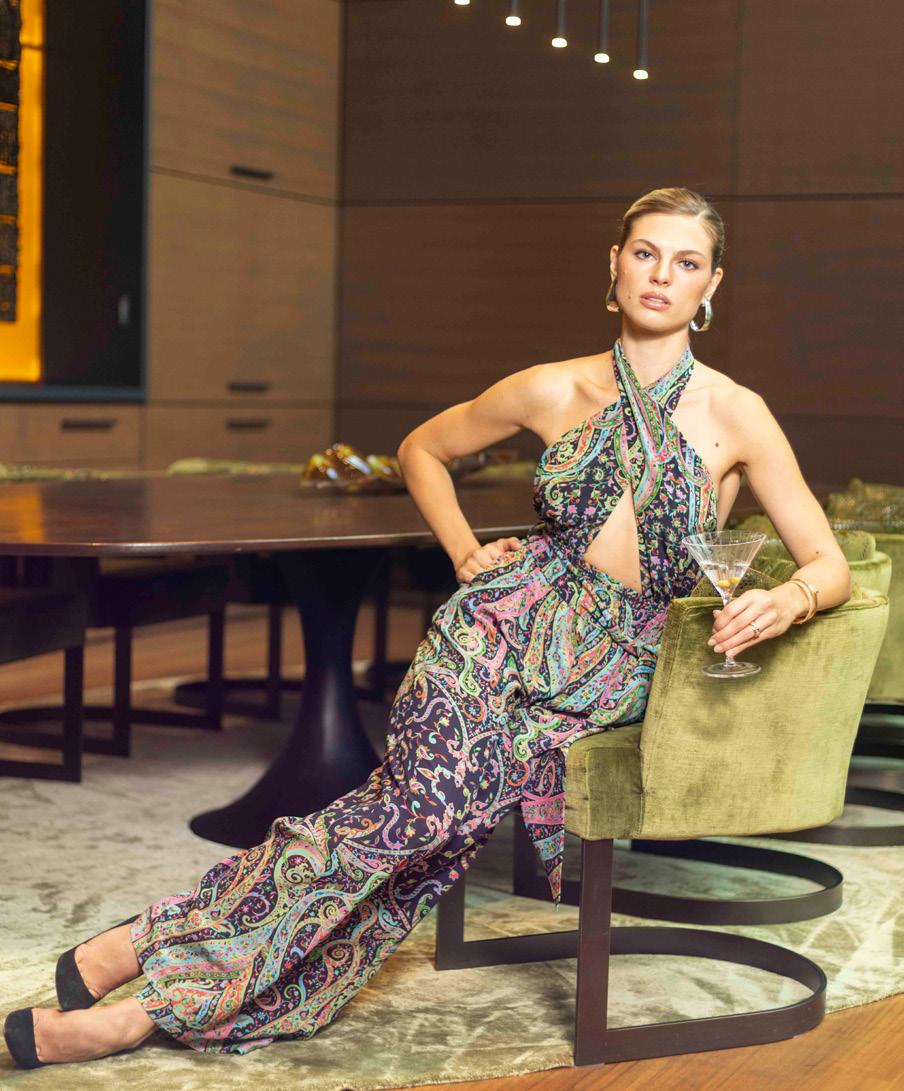
TOGETHER, THEY EMBODY THE DUALITY OF SEASIDE ELEGANCE: EFFORTLESS YET BOLD, APPROACHABLE YET ASPIRATIONAL.
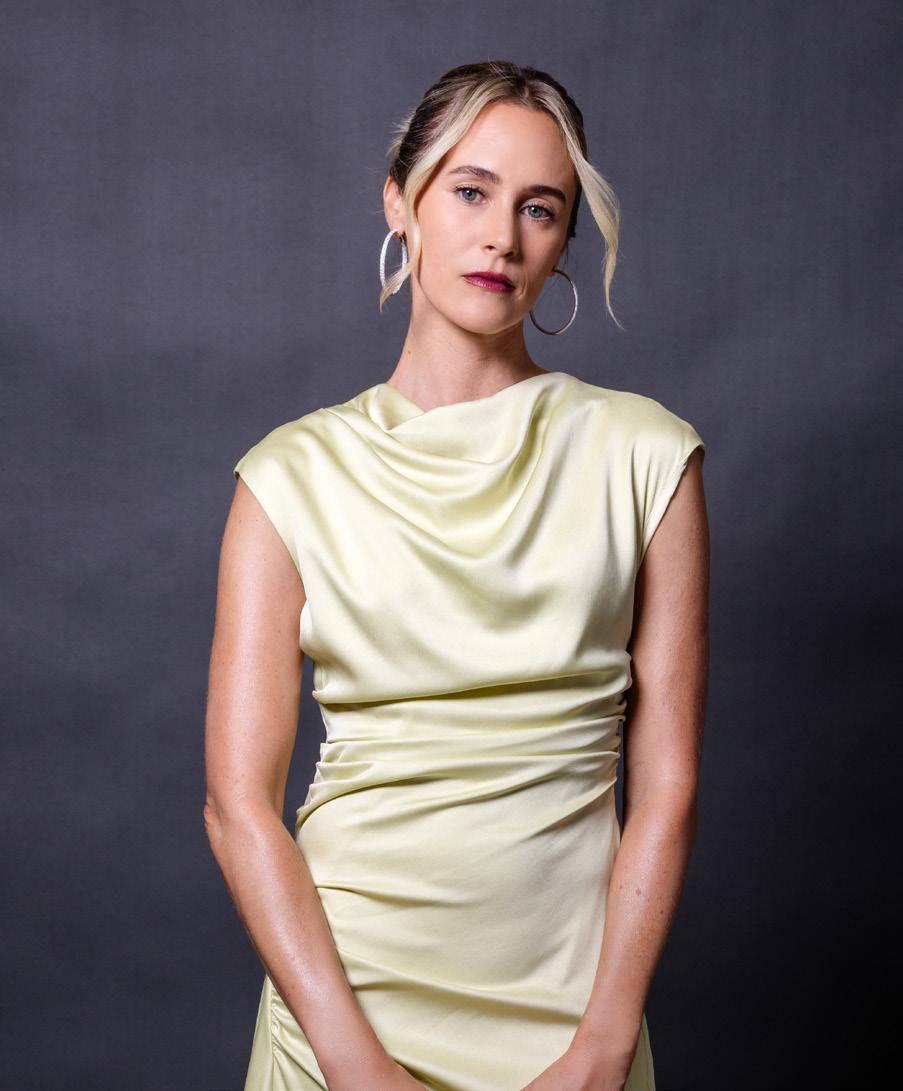

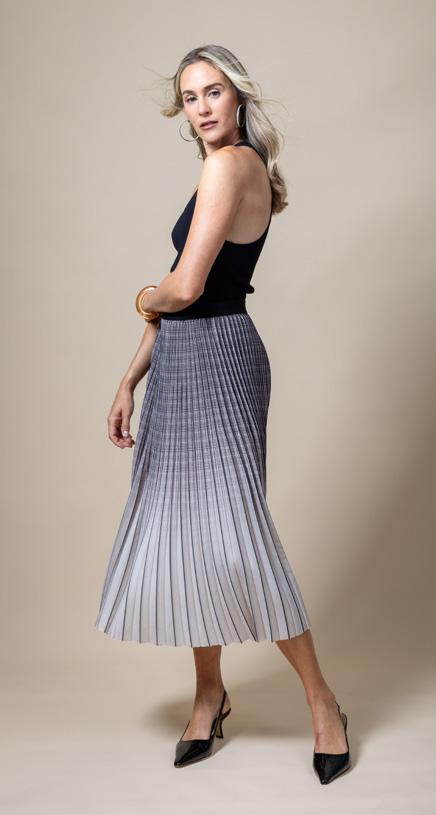
As a cornerstone of Vero Beach fashion, Sassy Boutique curates collections that mirror the lifestyle of the women who call this community home. With designers like Simkhai among its offerings, Sassy has become a go-to spot for those seeking wardrobe pieces that feel just as natural at a beachside luncheon as they do at a town gala.
In Vero Beach, seaside elegance isn’t just seen—it’s experienced. From the carefully curated racks of Sassy Boutique to the bold designs of Moda Baronessa’s Ashley Barone, fashion here tells a story of coastal beauty, timeless elegance, and a lifestyle that values every detail.
•
•
•
• Featuring
•



by Joshua McMiller photography by Joshua McMiller
There are certain conversations that linger long after the words fade. They feel like a warm breeze, reminding you that something greater connects us all.
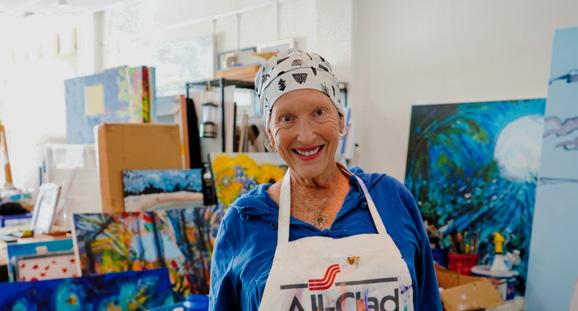
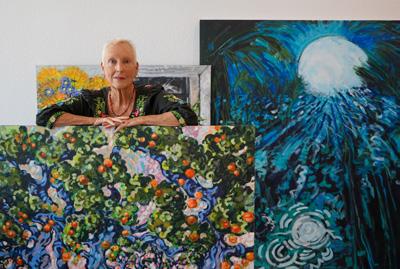
My time with artist and traveler Marylou Mullan was one of those conversations. Her voice carried both conviction and gentleness as she shared her deeply personal philosophy of spirituality, her reflections on life’s dualities, and the beauty she continues to find in the simplest of places.
Marylou has spent years traveling across the country and abroad. Born in Queens, NY and raised in Ardsley, she attended Our Lady of Victory Catholic School. Art was not her primary focus at first. On the verge of failing third grade, she discovered that much of her attention was drifting toward drawing.
One of her earliest artistic influences came at age eleven, when she visited a friend’s home. In the hallway hung an unusual painting that captivated her: Picasso’s Guernica. She didn’t yet know its magnitude, but it struck her deeply. Later, on a school trip to the United Nations, she encountered the same painting again.
Once more she was stopped in her tracks by its power. By her senior year of high school, she had begun painting seriously. Teachers noticed her skills and often asked her to create posters, design classroom interiors, and produce the school’s signage. Despite this recognition, another student was awarded “Class Artist” at graduation. That moment, she recalls, both pushed her to strive harder and unconsciously suppressed her love for art.
Marylou continued her education at Marymount University in Arlington, Virginia, during the turbulent late 1960s when civil unrest filled the streets of nearby Washington, D.C. At nineteen, she struggled with distraction and soon followed her original dream of moving to San Francisco.
Life there, however, proved more difficult than expected. Seeking a fresh start, she and a group of friends relocated to Minneapolis, Minnesota, where houses were being sold for as little as a dollar to attract creatives who could revitalize struggling downtown neighborhoods. Marylou took a job as a claims examiner for an insurance company and felt temporarily
settled, but her first Minneapolis winter was unbearable. The cold was too much, and she returned to New York.
Back in New York City, Marylou worked wherever she could, including in a kitchen in New Jersey that overlooked the Hudson River. It was there that she met a kind groundskeeper who would later become her husband and the father of her two children. They eventually settled in Yonkers, NY, before deciding to move to Florida.
Upon arriving in Vero Beach, Marylou returned to school. A lifelong lover of books, she began as an English major at Indian River Community College and completed her degree at Florida Atlantic University. Around this time, her passion for art resurfaced when she enrolled in an acrylic painting class at the newly opened Vero Beach Museum of Art. That single class rekindled her creative spark.
Soon after, Marylou applied to teach at the newly founded Indian River Charter High School, the first charter school in Florida. As a founding English teacher, she wore many hats, including bringing art into the school. With generous state funding available, she purchased as many art supplies as possible. Resourceful and ambitious, she arranged for her twenty art students to take classes at the Vero Beach Museum of Art.
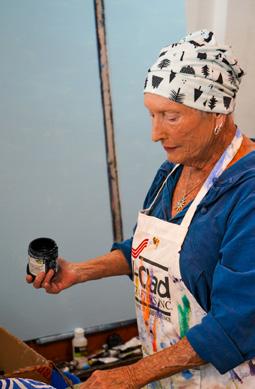
Acting as their supervisor, she attended classes alongside them, learning sculpting, bronze casting, wood carving, oil, and acrylic painting. The students even worked events for some of the most prestigious organizations in Vero Beach, bridging cultural and social worlds in transformative ways.
After many years at IRCH, Marylou transitioned to Glendale Elementary, where she became an art teacher for the first time. Wanting her young students to experience art fully, she applied for and received the Marty Fish grant, which allowed her to provide ample supplies. She began showcasing student work throughout the school, instilling pride and fostering a love for art among students and staff alike. Later, she taught sculpture and pottery at Vero Beach High School.
Marylou retired in 2014 and has since devoted herself to her own art. She began with pastels but has explored every medium that speaks to her, embracing versatility as a defining trait of her practice.
When I asked about her spirituality, she paused as if choosing the right doorway into something vast. Then she said, “I believe we are electrical charges. That’s what we are. It has been proven, and because of that, we have control over everything. We have control over our reality. If you believe in God, if you believe in an afterlife, you will have that. You can’t just say, I wish or I hope. You have to say, I know and I believe, and it will be true.”
Marylou’s words carry a grounded mysticism. She believes in higher beings, but more importantly, she believes we ourselves are higher beings. The problem, she says, is that we too often forget this truth, caught up in daily struggles, in the noise of opinions, and in the choices that move the world forward or backward.
Her reflections turned to technology, particularly artificial intelligence, which she once resisted. “I thought, no way, this is dangerous. But my friend Amy reminded me that we humans are creating AI. If we don’t put the good into it, then it won’t be good. We have to be participants in this. We can’t shy away.”

She laughed as she explained how Amy now has five AI robots assisting her research. For Marylou, this was a revelation. “AI will bring us leaps and bounds into the future. My grandson or your children may very well be traveling in space sooner than we think. Is that God? Is that belief? I think it is all wrapped into one.”
At the heart of her philosophy lies the timeless idea of balance. She speaks of yin and yang as if it were not just a concept but a living reality. “Every civilization has understood it. Everyone has a genesis, a beginning story and an ending story. The good would not feel so good without evil. The balance is necessary. We are not here just for passing time. We are here for bigger purposes. We are like ants or bees doing our work, humble in our roles but part of something much larger.”
Her humility is striking. Rather than speaking as an authority, Marylou places herself among us all, navigating life’s mysteries with openness. “When you realize you are part of the whole, you can walk into any space and feel comfortable. That is survival. That is beauty. That is a good life.”
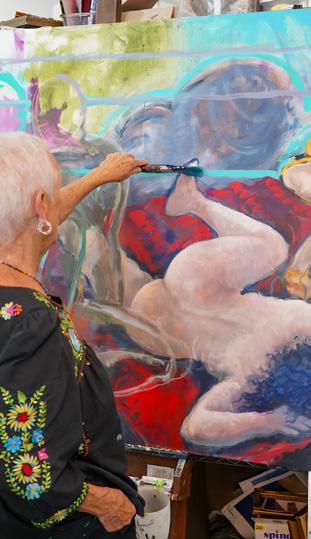
This belief extends into her teaching and community work. One of her greatest joys has been participating in the Wild Wonder Foundation where she helps children explore nature through art. “We give them sketchbooks, watercolor pencils, rulers, even magnifying glasses, and we just sit outside. At first they fidget, but then they begin to draw a flower, notice the air, hear the sound of a bird. They start to write or sketch what they hear, like “tweet-tweet,” making marks that capture sound. Before long, you have fifth graders who don’t want to leave after forty-five minutes. They are completely centered. And that is God. That is being one with nature.”
Listening to her describe the program, I could almost feel the stillness of those afternoons—children hunched over sketchbooks, their young minds widening with wonder. For Marylou, it is in these moments—sitting with grass, listening to birdsong, sketching sunlight—that the divine reveals itself most clearly.
JM: How did travel shape your beliefs?
MM: Traveling opened my eyes to how universal spirituality is. In Ireland, I felt the power of old traditions that honored the land. In Italy, surrounded by art and cathedrals, I saw the devotion of people who built beauty as a way of reaching God. Across the U.S., in quiet forests and on beaches, I’ve learned that nature itself speaks the same truths. Every place reminds me that we are part of something much bigger.
JM: You talk about us being higher beings. What do you mean by that?
MM: We are not just flesh and bone. We are energy. We are electrical charges. That means we have the power to shape reality. If you believe in love, in God, in the afterlife, you will live that reality. Too often we forget, and we let fear or doubt take over. But when we remember, we rise into who we really are.
JM: How do you reconcile spirituality with technology, like AI?
MM: At first, I resisted it. I thought it was dangerous. But I realized we are its creators. If we choose to put light and goodness into AI, it will reflect that. If we ignore it, then we risk letting fear and negativity dominate. I see AI as part of our future, maybe even part of the way we’ll make discoveries that were once impossible. It doesn’t replace God. To me, it is woven into the larger balance.
JM: What do you hope children take away from the Wild Wonder program?
MM: I hope they learn to slow down, to notice what is around them. That a single blade of grass or the sound of a bird is not small, it is everything. I hope they feel connected to nature, because when you are in tune with nature, you are in tune with God.
Speaking with Marylou Mullan feels like stepping into a circle of calm where questions become possibilities and the ordinary turns sacred. Her words carry both realism and hope, reminding us that even in a world of struggle and imbalance, we still hold the power to believe, to create, and to shape our reality.
She leaves you with the sense that life is not random. That even in our smallest act like sketching a flower, teaching a child to listen for birdsongs, we are participating in something infinite.
Marylou’s gift is her reminder that spirituality is not distant. It is alive in the electricity of our being, in the balance of opposites, and in the deep humility of knowing we are part of something larger than ourselves. As she put it best: “That is survival. That is beauty. That is a good life.”
Website: maryloumullan.com.


Bu away dry, flaky skin with natural rice granules and invigorating botanicals. Smooth, polished lips start here.

2
Provides long-lasting moisture with para n, shea butte beeswax—boosted by botanicals, sodium hyaluronate, and Vitamins C & E. It’s your essential protection against dry, cracked lips all season.


Discover advanced facial aesthetics, injectables, laser therapies, and biohacking treatments designed to help you look better, feel stronger, and age smarter.


Services


• Botox, Fillers, Sculptra
• Luxury Facials & Advanced Microneedling
• Cryotherapy, Infrared Sauna, Red Light Therapy
• BBL Heroic & Sylfirm X Skin Rejuvenation
• Salt Room & IV Wellness Lounge
Tailored memberships available to support your beauty + wellness goals.



by Jim Field
“Getting old takes courage,” to quote my father, who passed away at age 93 a decade ago.
To be sure, the Golden Years for many can be challenging. About 25% of Americans age 65 and older report their health as fair or poor. In this same cohort, roughly 35% feel lonely often or some of the time. The prevalence of self-reported current depression is 14%. And 10-35% hold negative perceptions of life or aging.
Negative self-perceptions can be particularly corrosive. Sufferers frame their life in terms of loss (e.g., youth, attractiveness, friends and family), feel like a stranger to themselves, measure themselves against younger people, feel overlooked and undervalued by society, worry about loss of independence, and perceive the future as all downhill. It’s a terrible mental tangle in which to get caught.
An important concept underlying healthy and joyful older living is the distinction
between chronological aging and mental (or psychological) aging. Simply defined, the former is what the calendar says, while the latter is what the mind believes.
Importantly, they don’t always move in synch, and the two can reinforce each other: a youthful outlook often leads to better health, longer survival, and greater resiliency. The powerful takeaway from this concept is this: How we think about our age can dramatically shape how we experience it.
Internalized ageism is the term used to describe when older adults apply society’s negative stereotypes about aging to their own lives.
They begin to believe common aphorisms that demean and dampen the human spirit— e.g., seniors are too old to date, to work, to travel, to exercise, to wear fashionable clothing, to learn new things; similarly,
feeling lonely, sickly, depressed are just a normal part of getting old.
Studies link internalized ageism with worse mental health, shortened survival (by 7.5 years), reduced motivation, and social isolation. Sadly, surveys suggest a majority of seniors are affected by such destructive messaging.
Picasso, Pablo (1881-1973). Self-Portrait Facing Death, 1972. Wax crayon on paper. Fuji Television Gallery. © ARS, NY.
Picasso’s last well known self-portrait completed a little less than a year before his death. The piece took several months to complete, and since has drawn extensive commentary. The terrified eyes reveal an acute fear of death, the deep lines of age his growing infirmity.
Picasso was a prolific artist with estimates of over 50,000 pieces of art (paintings, drawings, sculptures, etc.). He worked until the day he died at age 91; painting until 3 a.m. on Sunday, April 8th, just hours before his passing.

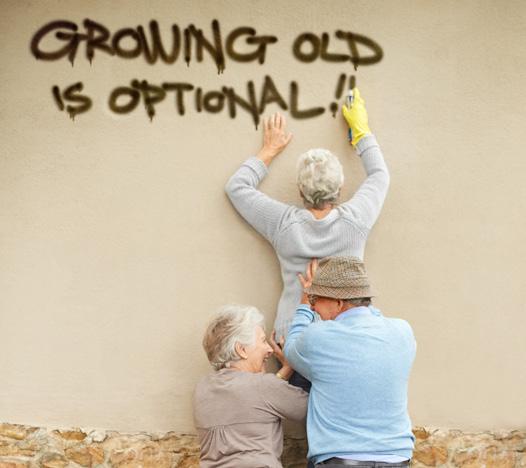
Most of us have heard of and believe in the phenomenon of “mind over matter.” We encounter it with individuals who survive against the odds, whether beating cancer or rescuing themselves from a harrowing situation.
This mental strength applies equally to overcoming and conquering the ruinous influences of internalized ageism. There are many means to this noble end and two secrets to success. First, believe in yourself and your internal fortitude. Second, make steady progress day-by-day (think tortoise and the hare). You’re in this for the long haul.
• You are the product of a lifetime of hard work, valuable experience, and hardwon learning—use this to better your life.
• You are entering a final phase of life that can be highly rewarding and dynamic—and will span decades, perhaps one-third of your overall life. Ta ke advantage of this gift.
• Don’t allow people to tell you what you cannot or should not do. Do not allow the fears and inhibitions of others to unduly influence you.
• Push yourself daily to take on a new challenge, whether large or small. Celebrate your wins.
• You should not be the person you used to be. The idea, by itself, is preposterous. Embrace the person you currently are, and be thankful to be alive.
• Identify five goals to accomplish over the next few years. Reframe your identity in terms of becoming the person—the force—to accomplish them.
• Do not compare yourself to others— looking for your own deficiencies. Compare yourself to the person you were yesterday—have you improved today?
• As your body and appearance changes, come to appreciate the physical and emotional beauty that comes with aging. Aging faces, reflecting life’s experiences, are works of art.
• Stay curious and interested in aspects of daily living, the comings and goings of family and friends, and community events. Stay busy. Learn new things constantly.
• Volunteer your time and expertise with a worthy organization and cause. By giving back, we invigorate ourselves.
• Update your sense of what it means to be a vital, contributing, worthwhile individual. What do you want to accomplish? What do you want to be remembered for?
• Identify what you cherish most in life—e.g., independence, friendships, close family ties, good health—and focus on their attainment over time. Be deliberate and patient.
• Undertake some form of physical activity on a recurring basis. Formulate an exercise routine that promotes cardiovascular health, core strength, flexibility, and balance.
• Eat a balanced diet. Minimize alcohol consumption. Develop good habits to promote sound sleep.
• Do not become a serious, dour, expressionless individual. Resist, resist, resist.
• Smile and laugh at every opportunity. Seek out “fun” people. Better still, become one of them. Avoid negative media. Avoid negative people.
• Give thanks daily for your blessings. So many others are so less fortunate than you.etc.). He worked until the day he died at age 91; painting until 3 am on Sunday, April 8th, just hours before his passing.

by Jim Field
In Part 1 on primary care in our September issue, I set forth a basic proposition: primary care services have changed dramatically—and often for the worse—in our lifetimes, and in response, we need to change, in turn, our approach to utilizing primary care services.
The changes can be summarized briefly: a shortage of primary care physicians (PCPs); overworked and burned out providers; poor levels of service, including negligible follow-up; limited time with providers; poor communication skills . . . the list could go on.
A significant proportion of health care consumers have given up on primary care. Emergency rooms are full of people using this costly service as their primary care office. A sad consequence of this is that these individuals are foregoing important services—e.g., breast and prostate cancer screenings, blood panels, mental health conversations—that could forestall devastating outcomes.
By way of promoting primary care, this article will identify key ways for consumers to become smart shoppers and utilizers.
In the light of deficiencies noted about primary care, these suggestions are “workarounds”—i.e., alternative solutions that bypass the normal approach, because conventional methods are blocked, too difficult, ineffective. In short, these ideas get you to the goal of benefiting from primary care by taking other pathways.
Ask those in-the-know. The single best way to find a candidate PCP is to receive a word-of-mouth referral from a physician—or other clinicians, e.g., nurses, technicians—who knows something first hand and substantive about the professional performance and personal attributes of the physician they are recommending to you. Absent objective data on physician performance, the next best evidence is observed performance by credible, competent, ethical, and discriminating clinicians, who can call strikes and balls.
Ask those with impressions. A secondbest avenue is to receive a word-of-mouth referral from an individual whose judgement you trust and who has had
some solid experience with the physician in question. Again, lacking objective data, this type of personal impression and feedback can go a long way in eliminating blatantly mediocre performers. While still highly imperfect—after all, what this person may value in a physician may differ in whole or in part to what you do—it may abbreviate the shopping that you invariably must do.
In network physician? Your health insurance plan may limit access to physicians to only those included in their prescribed network. This is encouraged by reducing your out-of-pocket expenses for seeing in-network physicians, and jacking up your cost for seeing out-of-network providers. Access your insurance plan’s website to establish if a given PCP is an innetwork physician. You don’t want to pay retail prices for primary care. Medicare includes most PCPs, although some PCPs don’t accept Medicaid and/or Medicare reimbursement.
Expertise to meet your needs As described in Part 1, there are various types of physicians who provide primary care services—family medicine, internal medicine, pediatric medicine, geriatric medicine, obstetrics/gynecology. Go online to read about their specialization and match this to your needs.
Online background check. Go online to look for background information on your list of candidate PCPs. You will want to learn about their medical education and training—so medical school, internships, fellowships, past practice employment. Also look for board certifications, training certificates, and participation in

professional associations. Unfortunately, you will be disappointed by the scarcity of such information made available to you, the consumer. As a general statement, medicine as a professional field has not embraced the notion of transparency and full disclosure of critical information on healthcare providers. There are differing explanations for this endemic lapse.
Shop around. Your approach should not be to lock in one candidate PCP and pursue a relationship with the expectation that they will be your Dr. Marcus Welby for the rest of your life. Rather, you should assume the posture of a consumer looking for other goods or services—which means you will look, review, evaluate, research, factor in price, need to be convinced, remain appropriately skeptical. PCPs provide a service; you are the purchaser and end user. Your job is to find a highvalue provider.
Call for appointment. Call the offices of your candidate PCPs. Find out if the physician is taking new patients. If they are, ask for a new-patient appointment and find out what date the scheduler offers. If this date is too far off given your immediate need, ask the scheduler for an earlier date. If they cannot accommodate you, you might accept the date as insurance, or simply move on and call your next candidate PCP. Long wait times to see certain physicians might signal that they are much in demand for their skills, or simply that there is an acute shortage of PCPs in your area. In either case, settling for long wait times to see your PCP is not a good situation; you should keep looking for a PCP with better access. Ask if the practice has an organized policy to fit in waiting patients when cancellations occur—this can help (slightly).
Your first visit. Walk into the practice location as if you are a Chief Inspector. You will want to observe and take note of a number of important considerations. Who is staffing the reception desk? How would you describe this person’s attitude and demeanor? Are they friendly to you and helpful? While you are filling out your paperwork (so much for the digital era in medicine), observe how they react with other patients and practice staff. Is the office clean and organized? Are the
bathrooms clean? Then, on leaving the visit, how is your departure managed? Is payment discussed in an organized, considerate, and helpful way? How is the experience of identifying and scheduling a follow-up appointment, or referral to a specialist? How do they handle ordering medications, blood work, a diagnostic test? The critical insight here is that all of these considerations will have a significant impact on your relationship with this PCP. Unfriendly and disorganized practices often reflect the professionalism and personality of those who run them, lead them, or represent them. Should the physician be great—for the 15 minutes you see them—but all the infrastructure and staff supporting them represent a hassle, then net-net you are unlikely to feel well served.
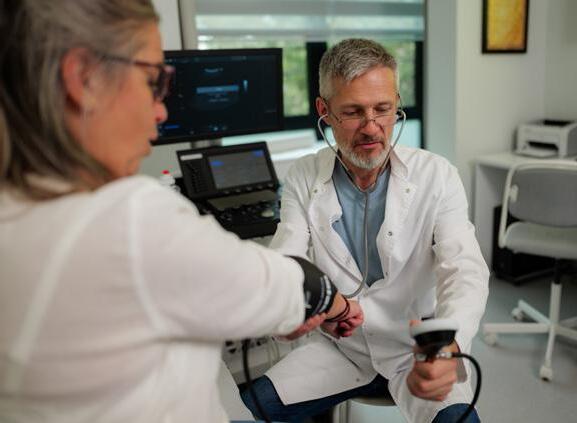
Your PCP encounter. Oftentimes a nurse or physician assistant (PA) will come into your examination room to begin the session, collecting clinical (e.g., weight, blood pressure, current medications list) and personal information. How would you rate your experience with this key staff member? When the PCP enters your room, are they on time, late, or really late? Do they introduce themselves properly? Do they explain why they are really late, and apologize? During your time together, does the physician make you feel as though you are the most important person in world—at that moment? Do you have their attention? Are they outwardly distracted, rushed, in hurry-up mode? Are
they listening to you? Are they letting you speak? Do they ever look up from their keyboard to look you straight in the eyes? Are they empathetic? As the conversation progresses, are they explaining things to you? Are they teaching you? In delivering an insight, opinion, or recommendation, are they speaking to you as a partner, respecting your need to know? Bottom line: are they being helpful for you, addressing your specific need? And finally, for issues they won’t address—either due to time limitations or there is a better clinician to involve—are they giving you concrete next steps to have these issues addressed? Later that day, recollect the encounter and ask yourself whether you liked both the individual and professional you met, on two levels. First, their interpersonal skills. And second, their clinical skills. You don’t have to be blown away for the physician to get a passing grade. But any noted deficiencies of consequence to you should compel you to keep looking. Do not compromise.
Other clinicians in the practice? Is the candidate PCP a solo practitioner, meaning they practice alone? By itself this should not be a concern, but realize that this may limit your access to this physician, if they are ill, or take vacation, or have limited hours due to family responsibilities. Alternatively, is there another physician in the practice that you could see? Would the handoff be seamless, in the sense that this PCP would have access to your chart, and ideally would be briefed on important
details about you. Another option is for the practice to employ a physician assistant (PA), whose role includes managing patients to make the practice operate effectively and efficiently.
Special attention and support. Ask your candidate PCP what the process is should you need assistance and guidance after work hours and on weekends? Do they correspond with patients by email? Do they do virtual consultations? Importantly, if you wind up in the Emergency Department, will this PCP speak to the attending ED physician? Will they get involved in the decision making? Will they help sort things out if you need to be admitted to the hospital, or released with the requirement for next-day outpatient follow-up care? Being without this type of support leaves you vulnerable to all kinds of unexpected and potentially harmful situations and outcomes. Either the candidate PCP provides this support, or they don’t, in which case you must factor this into your decision about them.
Prioritize your needs. We discussed that your face-to-face time with your PCP will be limited. Some practices are run to explicitly limit this time to a fixed number of minutes. Others are slightly less regimented. In all cases, dismiss the idea of a leisurely, detailed conversation about your laundry list of physical and mental ailments and concerns. Rather, prioritize what you want to engage your physician about during that specific visit. Prepare what you will say and write down key talking points. Include necessary background as needed, but don’t go off on a tangent. In doing so, you are helping the physician to help you best by focusing them on the one or two things that most negatively impact your life at that moment. Bring along supporting documents or diagnostic results, things you may have jotted down about your condition—durations, time of day, pain scale, etc. In sum, use your limited time with your physician wisely, just as you would with any other scarce resource. Help them to help you.

Adjust your expectations. Recognizing the limited time window with your PCP, don’t expect them to be able to comprehensively discuss and resolve complex issues. Most mental health needs, for example, span years and defy both a quick fix and a definitive cure. Don’t hold your PCP to perform miracles in the moment. Understand for yourself— either by reading, asking, or observing— what they are best at doing, and when a different type of clinician might be involved to better effect. Your PCP will almost certainly help you identify referral recommendations.
Do your own research. Given time constraints, another tactic to optimize the value of your session is to conduct your own research on your issues beforehand. You cannot expect to walk into your meeting and have this time-strapped clinician educate you—A to Z—about your topic set. Indeed, expecting them to do so is poor performance on your part. In addition, medical conversations can get very technical very quickly, suggesting a better way for you to learn is to study complex issues carefully in private. Finally, some physicians by nature are not gifted communicators, so do something to help them out should this prove to the case. In the end, patients are their own best guardians and advocates— you have to research and study to assume these vital roles.
In closing, to maximize the benefits of primary care in our new world of healthcare, the onus is on each of us as consumers to recognize limitations inherent to primary care, and take steps proactively to make wise choices and overcome hurdles to receiving beneficial care. In any other walk of life, it’s called learning how the “system” works and figuring out how to make it work for us.
Finally, in our role as discriminating consumers, it is imperative that we always remain courteous, empathetic, and respectful. We may choose to not engage with or be treated by certain clinicians, but there is a constructive way to do this. Clinicians don’t control all the variables underlying a patient encounter, and systems of care in healthcare can be highly complex and involve many different people. On any given work day, busy PCPs may see dozens of patients and confront hundreds of issues. Should you elect to switch physicians, they may not notice. Don’t be afraid to leave a practice for fear of hurting a physician’s feelings—your interests take precedence and they understand how the business works. But do so for principled reasons and be a class act.
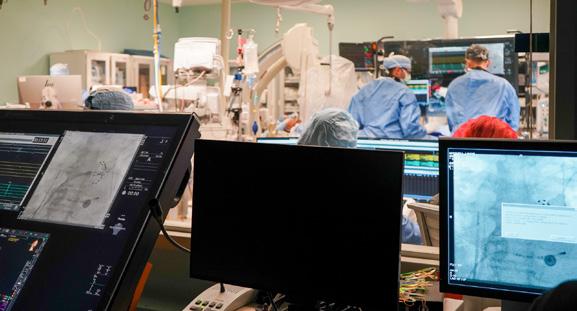
Interview with Brett Faulknier, DO
Conducted by Jim Field photography by Joshua McMiller
Editor’s note: Cardiac electrophysiology (EP) is the branch of cardiology that studies the electrical system of the heart—specifically, how electrical signals are generated, transmitted, and regulated to produce a normal heartbeat. The heart has its own electrical conduction system that controls how the heart contracts. Breakdowns in this system can cause arrhythmias—for example, irregular, too fast, or too slow heartbeats. An electrophysiology study (EPS) uses catheters and electrodes inserted into the heart to map electrical activity and identify abnormal circuits.
Treatments include ablation, destroying areas of heart tissue causing abnormal signals; devices, including pacemakers, implantable cardioverter-defibrillators (ICDs); and various antiarrhythmic drugs.
The prevalence of arrhythmias increases with age. Roughly speaking, 20-30% of seniors will have some arrhythmia; for atrial fibrillation specifically, prevalence
ranges from 5-15% in people 65-80, rising higher in those greater than 80 years. The biggest dangers of arrythmias are stroke, heart failure, sudden cardiac arrest, and impaired quality of life. Not all arrythmias are dangerous, but persistent or severe ones require medical evaluation.
This article will inform readers about EP capabilities at Cleveland Clinic Indian River Hospital. Dr. Brett Faulknier, an EP specialist and Cleveland Clinic physician, kindly agreed to an early morning interview. It is a privileged occurrence to hear a clinician in their prime speak about their discipline, delivered therapies, patient care, outcomes, and plans for growing their program to benefit the larger community. As such, I thought it best to simply let Dr. Faulknier speak directly to each one of you, the reader and healthcare consumer. I found it extremely comforting to know that we have a practitioner of this caliber—and EP program—in Vero Beach.
Dr. Faulknier: In His
I had come out of my fellowship at the University of Rochester, and I had gone back to my home state of West Virginia, practicing at West Virginia University. After a period I decided, for myself and my family, that perhaps we should look at a different practice location outside of West Virginia, where we had been born and raised.
I contacted my mentor at the University of Rochester, Dr. James Daubert, who had returned to Duke to head up the EP Section. I asked Jim if there might be an opportunity in the Duke system, and the conversation turned to Indian River Medical Center, which prior to the Cleveland Clinic had a liaison with Duke in the heart and vascular and oncology specialties.
One of Dr. Daubert’s roles was to assist with establishing the EP program at Indian River Medical Center, ensuring things got launched properly. By this time I had been in practice for about seven years and helped start the EP program at WVU. Jim suggested that I go down to Vero Beach and replicate the programmatic work that I had just finished doing. I visited Indian River Medical Center and it felt like a good fit for what I wanted to do.


When I got here, the EP lab wasn’t finished yet, but we started doing some advanced defibrillator work. We did our first ablation procedure in September of 2016. So today we are coming up to our 10 year anniversary. Personally, I perform on average about 450 EP procedures [surgeries] per year. So across nine years, that sums to about 4,000 procedures. In addition, I have had a second EP physician working with me across the last four years, contributing another 1,000 procedures. Thus, in total we’ve performed an estimated 5,000 EP procedures across nine years, which is a very solid number.
We don’t broadcast our volumes, so I think we don’t get credit for all the good work we’re doing. The steady volume of patients we see is simply a function of the large number of people in the population who require EP services.
Currently, we provide every electrophysiology procedure that you’d receive in EP programs elsewhere. We do all the different ablations for arrythmias, from straightforward supraventricular tachycardia ablation to more complicated ventricular tachycardia.
Our highest volume work is ablation of atrial fibrillation, followed by pacemaker implantations. I’ll speak to each in turn.
Atrial fibrillation (AF) is one of the most common arrhythmias globally and in the U.S. It shows up differently in people, various symptoms ranging from palpitations to dizziness to shortness of breath. Someone may present with a new stroke, for example, and they’re found to have underlying AF, which increases the risk of stroke roughly five-fold. And AF incidence increases with age.
Some AF patients will be put on a blood thinner, commonly apixaban (brand name Eliquis) or rivaroxaban (brand name Xarelto). Another therapy is ablation, which is used to reduce the recurrence of AF. We thread a catheter from the groin through veins and into the heart, utilizing a new non-thermal ablation technique called Pulse Field Ablation. This breakthrough approach has been utilized in the U.S. for about a year and a half, and we brought it here soon after FDA approval, using it with great success for about a year now.
Importantly, no AF ablation is a guaranteed cure, but we definitely have success reducing the frequency of recurrence, especially if we treat it early, in what we call the paroxysmal phase, when the irregularity is coming and going, versus when it is persistent. Overall, we can achieve an 80-85% reduction in AF burden, which is a nice outcome.
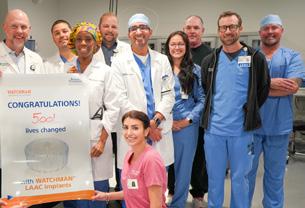
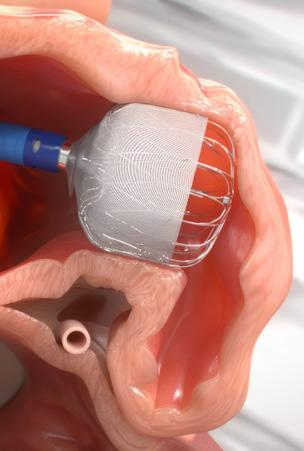
Another option we are providing for an increasing number of patients is to couple ablation with an occluder device implant to seal off the left atrial appendage—a small pouch off of the left atrium—where blood clots can form and travel to the brain. The device—which looks like a tiny umbrella when deployed—is inserted on a catheter through a vein and guided into the left atrium, preventing clot formation. The brand name of our device is the Watchman, manufactured by Boston Scientific. Coupling ablation with the Watchman device during the same procedure is referred to as a concomitant therapy. The Watchman is an attractive alternative to long-term blood thinner use, especially for patients with a history of bleeding.
Most people go home the same day of their concomitant procedure. There’s a three hour recovery, two hours spent in bed to ensure no bleeding from the catheter access site, the third hour getting up,
moving about. As long as the patient is feeling good and hasn’t had any issues, then they’re allowed to go home, generally just with light duty for about a week. Following this we undertake the process of gradually weaning the patient off their blood thinner, taking about six months. Lastly, patients remain on 81 milligrams of aspirin per day in perpetuity.
Our population here in Vero Beach is also susceptible to what is termed Sick Sinus Syndrome (SSS), a disorder of the heart’s natural pacemaker—the sinoatrial (SA) node, located in the right atrium. The SA node normally generates the electrical impulses that control heart rate. But in SSS, this pacemaker malfunctions, leading to arrhythmias.
When you start to see the SA node not work well, the heart rate can get very slow, which is called bradycardia. Alternatively, the heart may have episodes of very slow and very fast heart rates, called tachycardia-bradycardia syndrome. Or the SA node may stop firing temporarily. Symptoms can include fatigue, dizziness, palpitations, shortness of breath.
And another abnormality that we see involves the atrioventricular (AV) node, a small but critical part of the heart’s electrical conduction system. It acts like a gatekeeper between the upper and lower chambers of the heart, sort of like a breaker box. Its malfunction can cause what we call AV block, producing rapid beats, dropped beats, irregular or unreliable beats, producing symptoms such as fatigue or weakness, dizziness, confusion, fainting, shortness of breath, especially on exertion, chest pain or signs of heart failure.
We often end up placing pacemakers for these issues, and one really hot area of EP over the last couple of years has been the utilization of what we call deep septal pacing, an innovative technique where the pacemaker lead is screwed deeper into the interventricular septum to capture the heart’s natural conduction system and preserve left ventricular function.
Right now we’re spending a lot of time perfecting this technique; it’s not always the easiest approach, it definitely takes new skills to get it exactly right, but for
a group of patients it results in a better outcome from pacing. We’ve enjoyed the process of getting better at this, and we’re proud of where we stand with what we achieve on a day-to-day basis.
What this should tell people is that not all pacing is made equal. Pacing is a very specific thing, especially if you want to try to help the person’s heart be as healthy as it can be with the pacing that they’re receiving. There’s a lot of thought that goes into this. There’s a lot of decision making: determining who qualifies for certain types of pacemakers; every case is going to be different; there are a recommended set of options for one case, which will likely differ from the next case; so you have to look at each individual and ascertain how their electrical system works and is failing. Sum it up, there’s a ton of work underlying the best way to treat each patient we see.
Our mapping system is manufactured by Abbott—it’s called the EnSite system— and it’s state of the art. We use these 3D electroanatomical mapping systems to diagram the electrical activity inside the heart so we can identify the sources of abnormal rhythms and perform ablations precisely. One aspect of the system that we love is that it allows the use of catheters produced by other manufacturers, thereby facilitating the incorporation of best-inclass technology into our program.
Given our clinical offerings, we’re proud of the program we’ve built and our ability to deliver world class electrophysiology right here in Vero Beach. Our biggest challenge will be successfully recruiting and retaining the additional talent required to expand services, perform more procedures, and take care of more people in a timely manner.
Looking at 2026 and 2027, we’re looking to stand up a second, provisional EP lab where we can duplicate all those things that I just described, and then in 2027 building a fully dedicated EP lab to mirror our current lab, allowing us to effectively operate two-anda-half labs. And along with this, expand to a three physician group from our current two physician group.
We plan to remain on the cutting edge of EP technology; to expand access and shorten times to clinical assessments and procedures; and we don’t want people to leave Vero Beach for treatment elsewhere. To undertake this growth, I’m working closely with Dr. Rick Rothman, Vice President/Chief Medical Officer of the hospital, and Dr. Jerry Estep, Division Chair, Cardiovascular Medicine for Cleveland Clinic in Florida. We also work closely with our cath lab nurse manager, Amy Navinskey, MSN, MBA, CNOR.
Out of Synch? When people begin to have a heart rhythm disorder, it can be tricky for them to act in the beginning because symptoms may come and go, they may be very brief, and many people by nature are inclined to put things out of their mind—no one likes to be perceived as a hypochondriac. In its simplest form, an abnormality could be a palpitation type of sensation in the chest, or maybe just
a change in the way a person feels when they wake up or exert themselves.
Today, people have smart watches and they know their resting heart rate—in the 60s to 80s, for example—and they can watch it increase with exertion, and then come back down. But if you’re sitting for 10 minutes and your resting heart rate doesn’t come below 100, for most people that’s probably not normal. You should get yourself checked.
The path I recommend is to start with your primary care physician. They’re going to perform an EKG and give you a baseline assessment of rhythm status. If the EKG appears normal, maybe there are other aspects of your overall health that need to be looked at. Possibly a Holter monitor is indicated to attempt to detect difficult to pick up rhythm disorders—this is a portable device that continuously records your heart’s electrical activity for a given duration, often two weeks. And if a rhythm abnormality is detected, then a referral to a cardiologist will be ordered, possibly a direct referral to an EP specialist, leading to additional diagnostic testing.
If you are experiencing symptoms, I would encourage people to not sit on their suspicions and concerns for long, because a lot of time rhythm disorders are easier to resolve when diagnosed early, possible damage to the heart is minimized, and worse outcomes—such as stroke—are avoided entirely.
Human nature may be to procrastinate or hope for the best. For some things, that may be fine. But there is a prudent line you shouldn’t cross when it comes to your health. Better to be safe than sorry. You owe this to yourself and your loved ones.
“NOT ALL PACING IS MADE EQUAL. PACING IS A VERY SPECIFIC THING, ESPECIALLY IF YOU WANT TO TRY TO HELP THE PERSON’S HEART BE AS HEALTHY AS IT CAN BE WITH THE PACING THAT THEY’RE RECEIVING.”

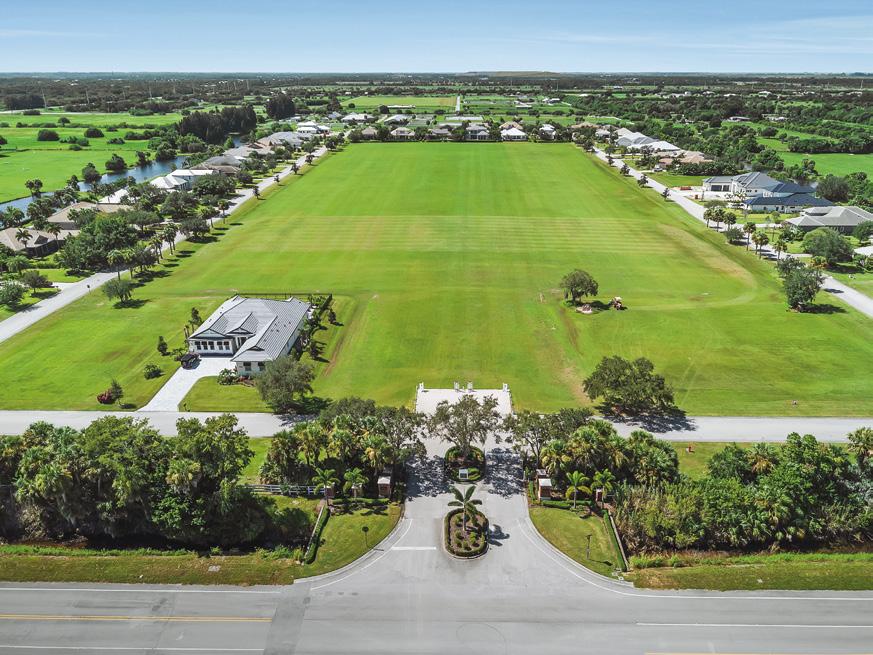
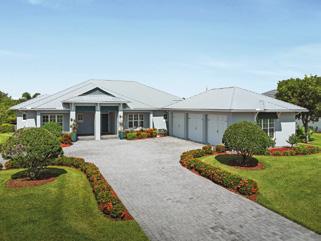
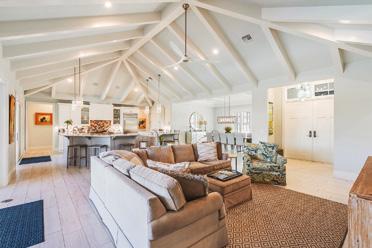
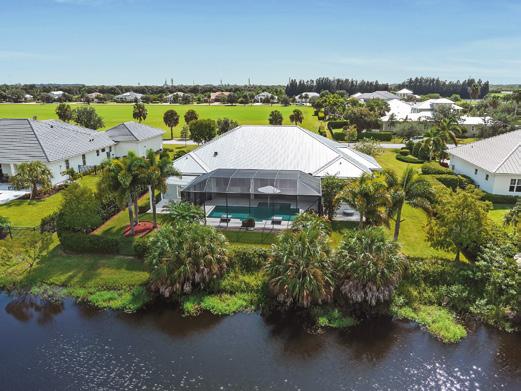
Designed by Banov Architects, this custom home combines timeless style with relaxed, country-inspired living. Soaring ceilings, wide-plank hardwood floors, and a chef’s double-island kitchen set the tone for elegant comfort. Outdoors, the heated pool, summer kitchen, and lanai create a resort-style retreat beside world-class polo fields and equestrian amenities. Natural gas adds convenience throughout the community.
951 W POLO GROUNDS DRIVE | $1,650,000 NOW AVAILABLE IN POLO GROUNDS:
• 7625 N Polo Grounds Lane – New Regan Construction custom home, Fall 2026 delivery
• 7675 N Polo Grounds Lane – Premium lot, ready for a buyer’s custom design
SECURE YOUR PLACE IN ONE OF VERO BEACH’S MOST EXCLUSIVE EQUESTRIAN ENCLAVES.

STACY ZIELINSKI - ADVISOR ENGEL & VOLKERS VERO BEACH
Schedule your private tour today +1 (305) 778-0369 stacy.zielinski@evrealestate.com
by Joshua McMiller
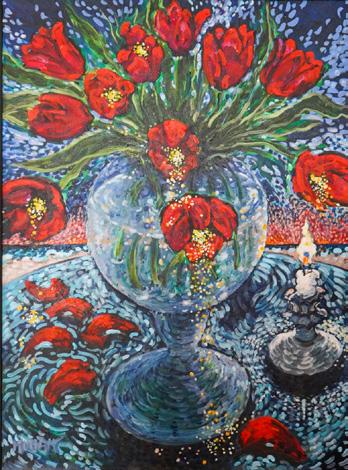

Introducing: LIV VERO Gallery
LIV VERO Gallery is a curated space within each issue dedicated to celebrating fine art and the artists who inspire us, telling stories that resonate with our community and beyond. Each showcased piece is available for purchase; inquiries please contact jim@livvero.com. Art lives here. Let it live with you.
Interpreting Her Art
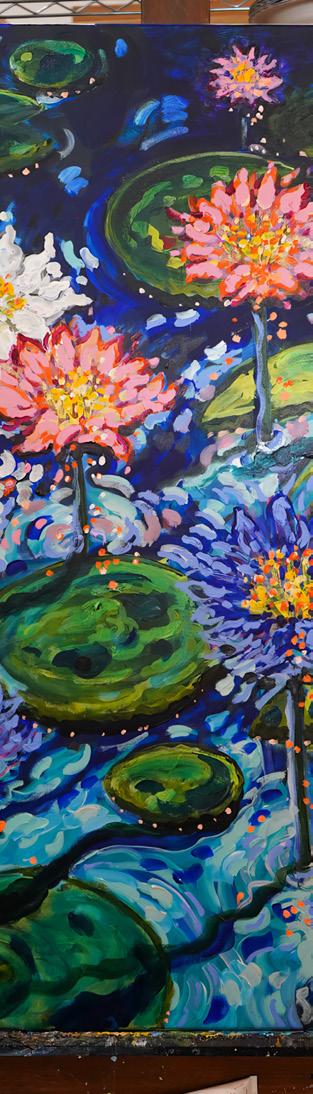
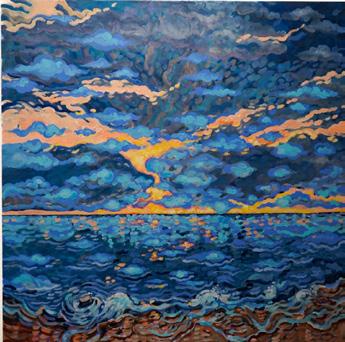
Marylou Mullan’s art is an ongoing dialogue between color, spirit, and the natural world. She is drawn to flowers, landscapes, and familiar subjects that carry both beauty and memory. Through bold brushstrokes and luminous palettes, her paintings express not only what is seen but also what is felt, the energy, balance, and quiet mysteries present in everyday life.
Her style blends elements of impressionism and expressionism, though it resists strict definition. Working intuitively, she allows her paintings to unfold with the rhythm of color and form. Vivid yellows, deep reds, and unexpected blues become more than pigments; they are vibrations of life itself, moving across the canvas with vitality. For Mullan, art is less about representation and more about presence, a way of capturing the essence of fleeting moments that cannot be held but can be deeply felt.
She is inspired by balance, light and shadow, chaos and calm, matter and spirit. Within these contrasts, she discovers harmony and meaning. Her work invites viewers to pause and see beyond the surface, beyond the flowers on a table or the light in a room, toward a deeper connection with nature, with one another, and with the infinite.


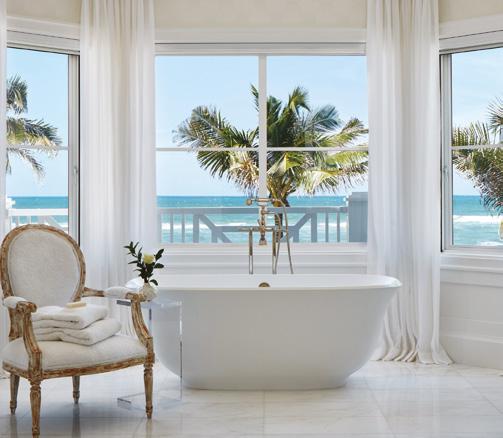
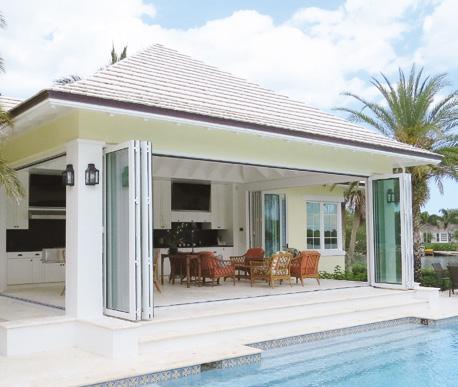
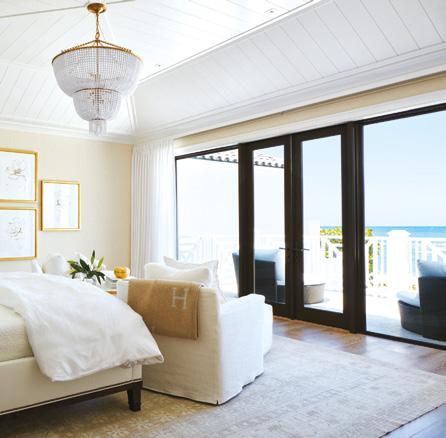
Dealer & Installer of

Kolbe is known for their superior quality and innovative designs.


n BI-FOLD DOORS
n ARCHITECTURAL WALL SYSTEMS
n CURTAIN WALL SYSTEMS
n HIGH-PERFORMANCE GLAZING
n CUSTOM SHOWER & BATH ENCLOSURES
n CUSTOM MIRROR & GLASS SHELVING
n GLASS STAIR RAILING

By Michele Sternberg and Ann Wald photography by Joshua McMiller
What makes the perfect college application?
There is no perfect application. Don’t be afraid to show reviewers how you think, what you spend your free time thinking about and doing, and what you care about. Show them your inner nerd! How do these interests accompany your academic course choices, your extracurricular choices, and your leadership? A lot of families ask us which activities, clubs, community service, or sports do colleges like best? Colleges have no preference; they want students to be authentic and choose the activities that interest them most. Colleges want to see that you are actively contributing to your high school and local community and that you will continue that commitment to their college campus. Colleges want to create a diverse community where everyone can learn from one another and therefore, they do not want applications to look alike. The perfect application is the one that best represents YOU.
Do I have to take the SAT/ACT? Which test do colleges prefer?
Yes, you should take the SAT or ACT at least once because many colleges and universities have returned to required testing. But most importantly, all of the public universities in Florida require one of these tests. If you are a senior and only applying to test-optional schools, you do not have to take the SAT or ACT; however, if your test-optional schools are private schools in Florida, you want to take the SAT or ACT because it is required for the Florida Bright Future Scholarship, which is honored at most of these colleges. If you are a junior, it’s important to start taking these tests to get practice and allow time to improve, and there is a chance that the university you are seeking may change their test policy to required testing by the time you apply. Colleges have NO PREFERENCE between the SAT and ACT. You should try both tests and then continue with the test which you prefer to achieve the higher score.
When is the best time to apply to college?
If you are a senior, the best time to apply is by their earliest deadline. Most Florida public universities have an early action deadline of October 15 or November 1. Each college has different deadlines, so it is important to manage those deadlines carefully. It is similarly important with colleges with rolling admissions (give decisions a few weeks after receipt) to apply as early as possible, since these colleges are more likely to admit applicants earlier in the rolling admissions cycle. If you’re applying to a school with a set deadline, like November 1, there is no admissions advantage to applying well before that deadline because they are not making admissions decisions on a rolling basis. They wait until the applicant pool is complete.
How do you choose where to apply?
There are a lot of factors to think about: academic programs, geographic location, campus size, proximity to home, college cost, admission selectivity . . . even the weather! Think about where you’ll be most comfortable—that’s where you’ll be most successful. Visiting a college is the best way to learn about it, but if you can’t get to campus, attend a virtual tour or read about the college on its website. At Saint Edward’s, the juniors and seniors attend a weekly class that helps with the college search and application
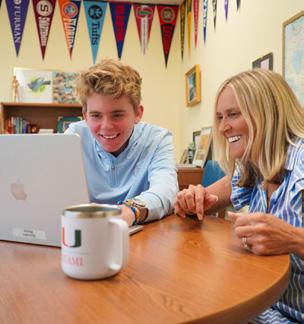
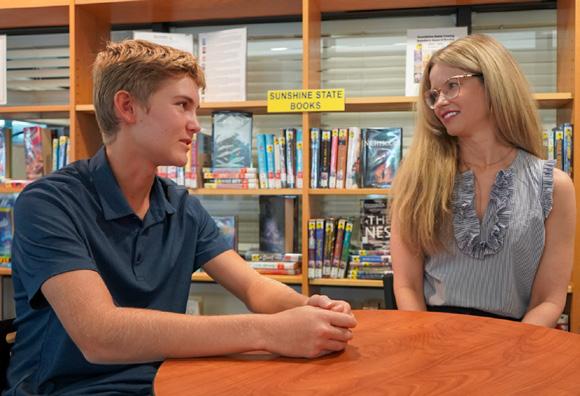
process. Juniors meet in small groups with college counselors to talk about/ explore their interests and goals and use that information to research colleges that will match what they want. Seniors meet in small groups with college counselors to work on their college applications and ensure they are presenting themselves in the best, most authentic way possible in their applications. The best college is the one that “fits” the student based on their own interests, goals, and life circumstances—not necessarily the one with the lowest acceptance rate.
Is it cheaper to attend Florida public universities versus private universities or colleges?
The quick and easy answer is typically “yes,” especially if your child earns a Florida Bright Futures Scholarship. The cost of tuition is lower at public universities to begin with, and then the Bright Futures Scholarship lowers that cost again. However, private schools can end up being cheaper than Florida public universities if your child has a strong academic record and high test scores. Some of the top students in Florida earn full scholarships to private colleges, in and out of state, either by earning merit-based scholarships based on their GPA and test scores or by receiving need-based financial aid. For example, a student might earn a full scholarship to the University of Miami and pay nothing for four years, while they would have been responsible for room and board at the University of Florida, which over four years is approximately $44,000.
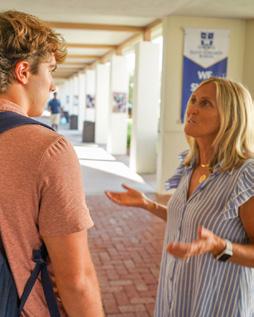
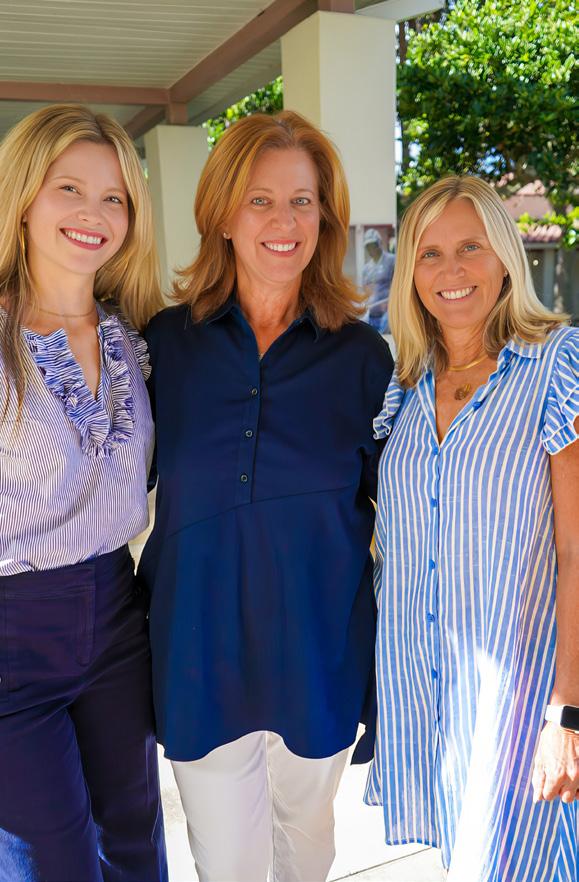
Michele and Ann bring a combined 43 years of high school college counseling experience and eight years of college admissions experience.









By Chris Foster photography by Chris Foster
The journey began in Vero Beach, but as every seasoned traveler knows, real adventure starts when you step off the plane into somewhere completely new.
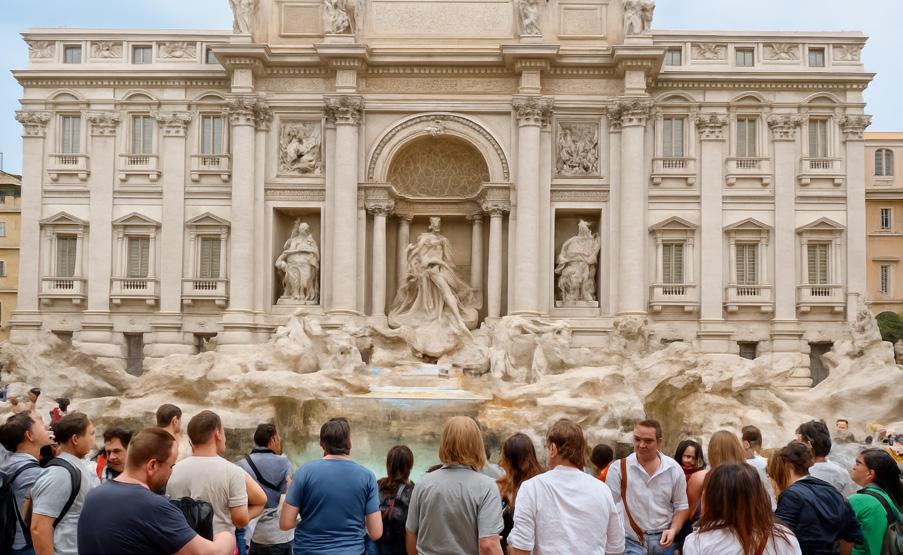
For me, that first step was into Rome—a city where ancient history and modern life merge in every cobblestone and café. From there, I flew north to Venice, explored its canals and hidden kitchens, then took a high-speed train to Bologna, and finally arrived among the rolling vineyards of the Prosecco region.
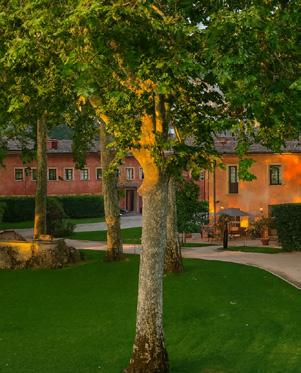
Throughout the trip, I stayed in Airbnb accommodations, which gave it a warm, lived-in feel. Each place reflected its city— rustic in Rome, romantic in Venice, and modern in Bologna. It made the journey less about hotels and more about connection.
Rome: The Eternal City
Rome is overwhelming in the best way. History surrounds you—but the real joy comes from discovering how Romans live with it every day. My favorite meal was at Roscioli, a place that perfectly captures Rome’s energy: part grocery store, part wine cellar, part restaurant. It’s one of the city’s most sought-after reservations, so plan ahead. Once you sit down, you’ll see why. The cacio e pepe here is perfect: creamy, peppery, with beautifully twirled strands of pasta that show how simple ingredients can create elegance.
TRAVEL TIP: Book Roscioli early. It’s lively, stylish, unforgettable.
GETTING TO VENICE: Rome to Venice is just an hour’s flight. I booked an affordable fare on ITA Airways—a quick, efficient, and perfect way to save time compared to the 4+ hour train ride.
Venice: A City of Secrets
Venice is unlike anywhere else—a city made of water. Beyond gondolas and grand palazzos, the city’s true spirit lives in its kitchens. My most unforgettable meal was at Vini da Arturo, a small but legendary Venetian restaurant where I tried vinegar pork chops that were, simply put, to die for. Tangy, tender, and deeply comforting, they are the kind of dish that makes you want to stay at the table for hours—proof that Venice’s real treasures are hidden away far from the crowds of St. Mark’s Square.
TRAVEL TIP: In Venice, reserve a table at Vini da Arturo. Avoid the tourist menus near St. Mark’s—instead, follow locals into cozy trattorias where passion shows in the dishes.
GETTING TO BOLOGNA: From Venice, I took the high-speed train—fast, smooth, the easiest way to go from canals to cuisine. In just under two hours, you arrive in Bologna, the culinary heart of Italy.
Bologna: A Culinary Pilgrimage
Known as Italy’s gastronomic capital, Bologna did not disappoint. The highlight was a guided traditional food tour — wandering markets, tasting mortadella, tortellini in brodo, and balsamic vinegar aged like fine wine. One unforgettable stop was a rustic trattoria serving the best bollengessa I’ve ever had—hearty, rich, and genuinely authentic.
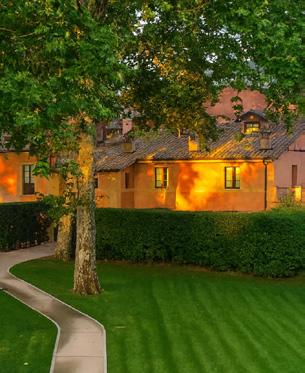
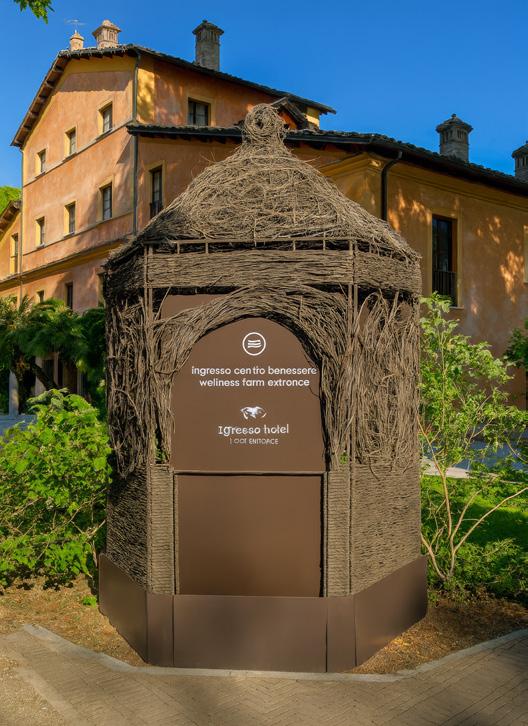
TRAVEL TIP: Book a food tour in Bologna. A guide reveals hidden kitchens and historic flavors you’d never find on your own.
GETTING TO THE PROSECCO HILLS: From Bologna, the easiest way to head north is by train or private driver toward Valdobbiadene or Conegliano, the heart of the Prosecco region. The vineyards spread out like a green quilt—the perfect ending to any Italian trip.
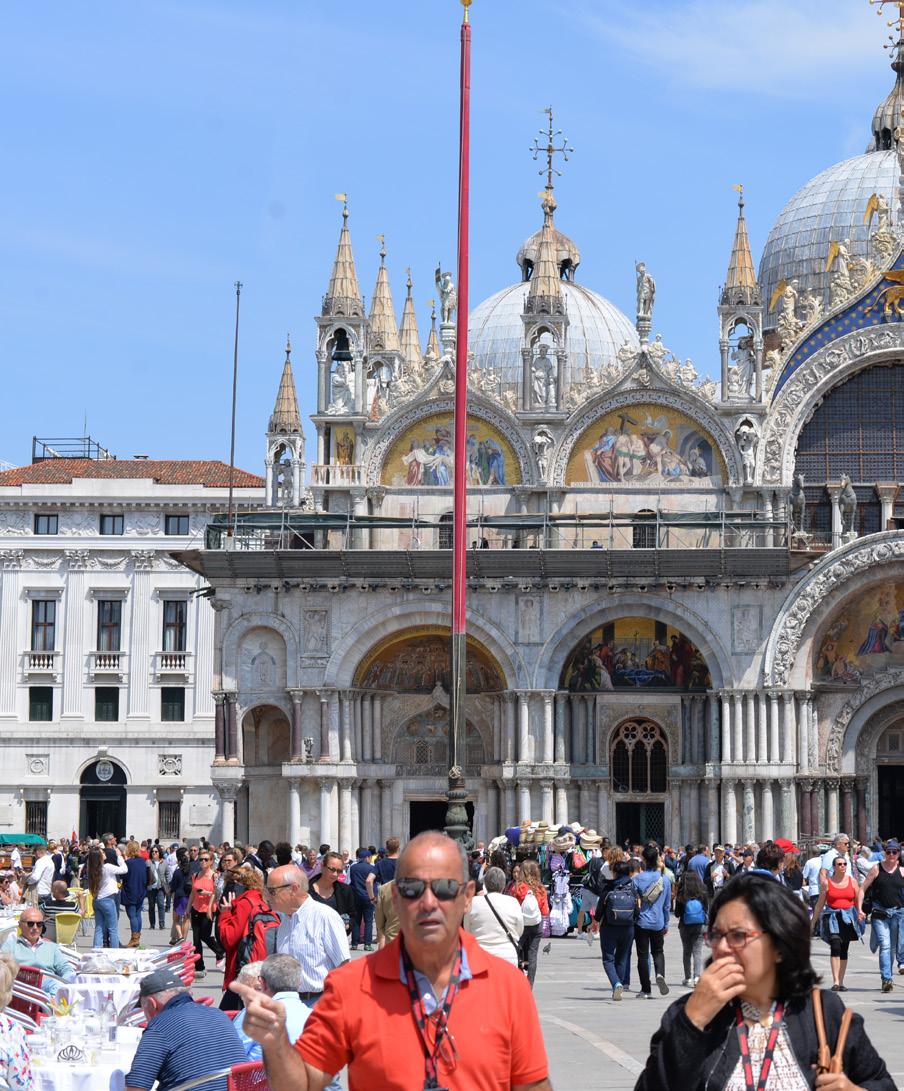
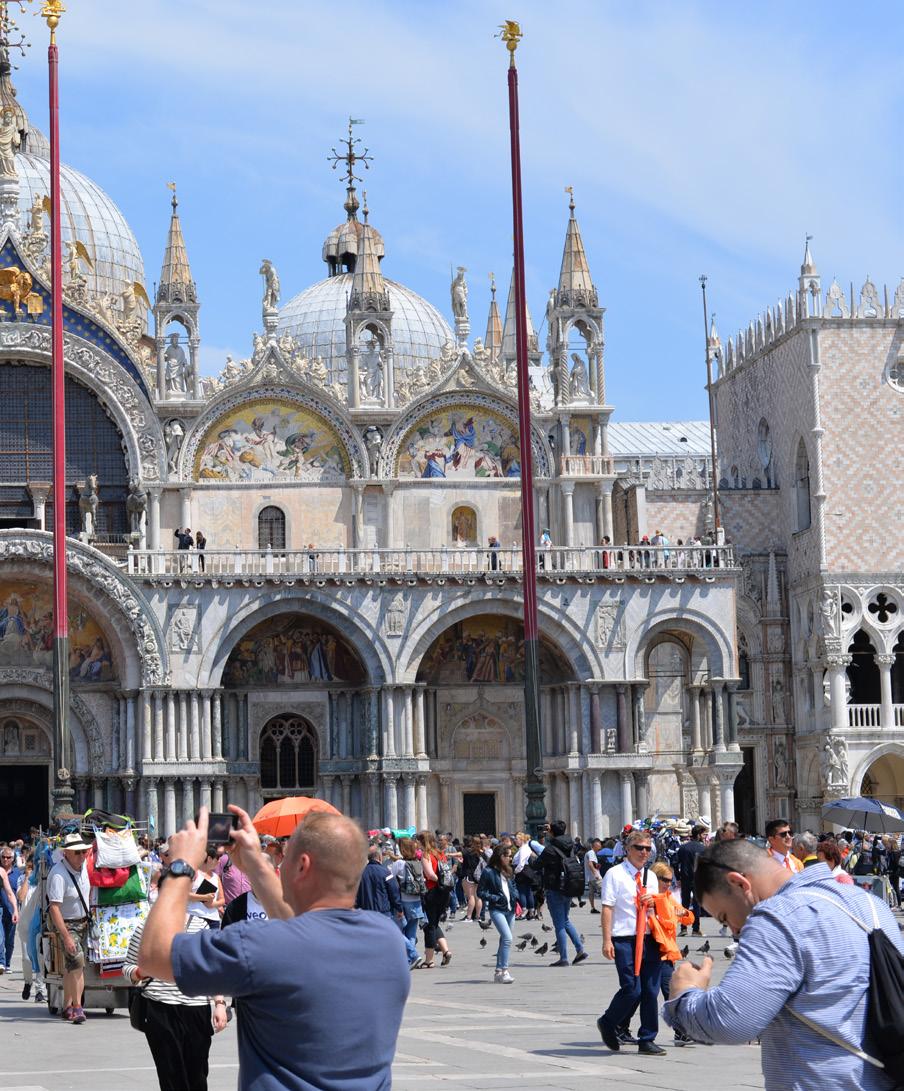

The Prosecco Hills: Sparkling Italy
The highlight of the trip was an unforgettable tour with Mister Prosecco, a local legend whose passion for the wine sparkles just like the drink itself. We tasted vintages in hidden cellars, walked through the vineyards, and learned that Prosecco isn’t just a beverage—it’s a culture, a way of celebrating everyday life.
TRAVEL TIP: Book a Prosecco tour with a guide like Mister Prosecco. Beyond the tastings, you’ll develop a personal connection to the region that makes every glass more meaningful.
The Journey’s Essence
What tied this trip together wasn’t just the food, wine, or sights, it was how each city expressed its character through those experiences. From the lively energy of Roscioli in Rome to the soulful flavors of vinegar pork chops in Venice, Bologna’s rich bolognese, and finally the sparkling joy of the Prosecco hills, every stop added a new layer to Italy’s story.
And yet, at every moment, I felt the same joy I do when walking along Ocean Drive in Vero Beach—the pleasure of being fully present somewhere that knows who it is and shares it generously with visitors.
ROME: Roscioli, the city’s trendiest place for cacio e pepe.
VENICE. Vini da Arturo, unforgettable vinegar pork chops.
BOLOGNA. Guided traditional food tour, a must for food enthusiasts.
PROSECCO HILLS. Mister Prosecco, a guide who turns tastings into storytelling.
Every journey deserves a perfect ending. Before heading back to JFK, I flew to Rome and spent a few extra days—not to double down on sightseeing, but to rest, recharge, and indulge. My destination was the QC Grand Hotel Roma, an exceptional spa retreat just 10 minutes from Fiumicino Airport.
This has become my secret ritual: before any long flight, I check into this sanctuary where Roman elegance meets modern wellness. The treatments are top-notch—thermal pools, steam rooms, and massages that reset both body and mind. It’s the perfect way to cap off an Italian adventure: slipping into tranquility before rejoining the rush of travel.



FINAL TRAVEL TIP: IF YOU’RE FLYING HOME FROM ROME, SPEND A NIGHT OR TWO AT THE QC GRAND HOTEL ROMA. IT MAKES YOUR RETURN A MEMORABLE EXPERIENCE INSTEAD OF JUST A DUTY.

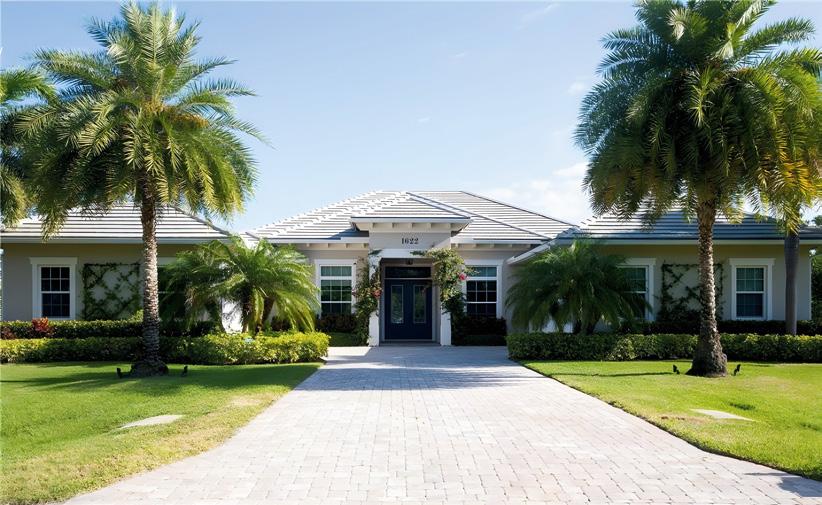
1622 West Sandpointe Ln, Vero Beach, FL, 32963
1622 West Sandpointe Ln, Vero Beach, FL, 32963
Where elegance, comfort, and convenience come together in one exceptional address.
Where elegance, comfor t, and convenience come together in one exceptional address.
Step into soaring ceilings and sunlit elegance. Perfect for everyday serenity and unforgettable gatherings. From the grand foyer, take in the stunning view of your screened lanai, saltwater pool, and spa.
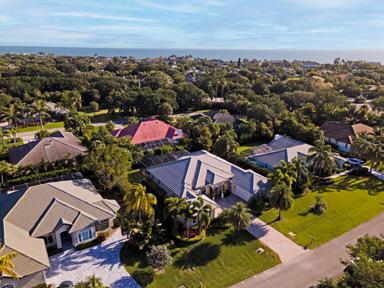
Step into soaring ceilings and sunlit elegance. Per fect for everyday serenity and unforgettable gatherings. From the grand foyer, take in the stunning view of your screened lanai, saltwater pool, and spa.
The chef-inspired kitchen features a 6-burner gas cooktop, double ovens, wine fridge, and a spacious walk-in pantry —ideal for effortless entertaining.
The chef-inspired kitchen features a 6-burner gas cooktop, double ovens, wine fridge, and a spacious walk-in pantry ideal for effor tless enter taining.
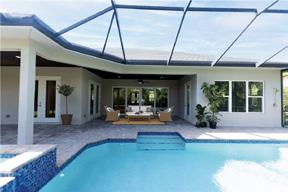
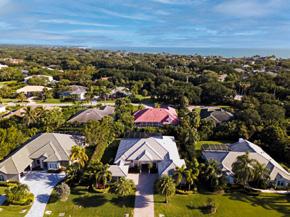
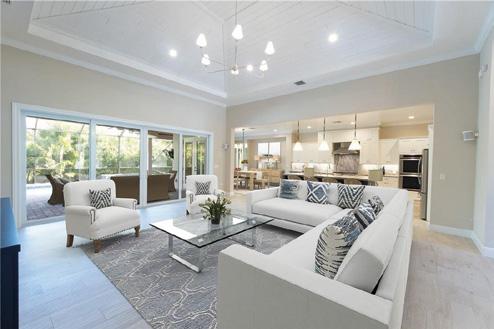
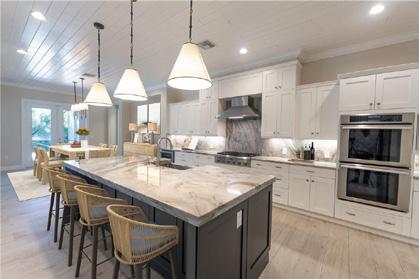
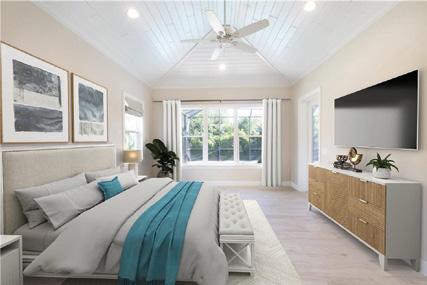
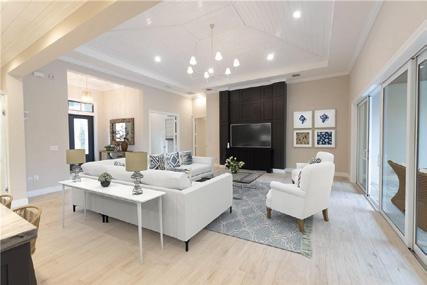


By Rob and Michele Wayne, Owners, Varietals
Puglia, which is often called the “heel” of Italy’s boot, stretches between the Adriatic and Ionian Seas. It is a land of sunshine, olive groves, vineyards, and whitewashed towns, with a history shaped by Greeks, Romans, Normans, and many others who left their mark on its culture and cuisine.
The region is best known as Italy’s largest producer of olive oil and one of its most important wine growing areas. Warm, dry summers and constant sea breezes create the perfect environment for grape growing. The vineyards, often planted in limestone and clay soils, yield wines that are both rich and expressive of the land. Puglia’s most famous grapes include: Negroamaro, Primitivo, Malvasia Nera.
Terra Negroamaro del Salento
Feudi Salentini was founded in 1994 in Leporano, at the heart of Salento, an area renowned for its vineyards, centuriesold olive groves, and proximity to the Ionian Sea. Led by Cosimo and Maria Teresa Varvaglione, the winery combines traditional practices such as bush-trained vines, hand harvesting, and knowledge
and More photography courtesy of Varietals and More
passed down through generations, with modern technology to ensure quality and consistency. The result is a portfolio of wines that reflect the character of Salento—authentic, expressive, and deeply connected to the terroir. Recognition and awards continue to drive the winery’s young, motivated team, whose work is guided by passion, quality, and respect for the land.
Varietal: 100% Negroamaro
Trained vines in Salento, influenced by Mediterranean breezes and limestone-rich soils. Hand-harvested grapes to ensure selection and quality. Fermentation at controlled temperatures, followed by refinement in stainless steel and a short period in oak to enhance structure.
Tasting Notes
Deep ruby red with ripe dark fruit, smooth tannins, lingering velvety finish.
Cheese Suggestion
Pecorino Romano & Gorgonzola
Pasta Carbonara
12 oz spaghetti
4 large eggs
1 cup grated Pecorino Romano cheese
6 oz guanciale, diced
2 cloves minced garlic
Salt & fresh ground black pepper
Boil water, add salt and spaghetti. Cook al dente. Whisk together eggs, Pecorino cheese, and a generous amount of black pepper. In large skillet cook guanciale until crispy, add garlic in the last minute and cook till fragrant. Once pasta is cooked, drain but reserve 1 cup of water. Quickly add hot pasta to the skillet with pancetta and garlic, toss to coat well. Remove from heat and immediately pour the egg and cheese mixture over the pasta, toss until creamy. If too thick add some reserved pasta water. Serve with more black pepper and grated cheese. Enjoy
Feudi Salentini More Salice Salentino Negroamaro is the grape variety, native to Salento, known for producing deeply colored, full-bodied reds with dark fruit and subtle spice. Salice Salentino is a DOC wine primarily made from Negroamaro (blended with Malvasia Nera) and governed by specific rules, including yields, aging, and geographic origin. These wines
highlight the distinction, even when made from the same grape. Each wine can have a unique expression. Several factors influence this.
Terroir: Different vineyards in the same region have varying soil composition, sun exposure, altitude, and proximity to the sea. These differences affect grape flavor, tannin structure, and acidity.
Vine Age: Older vines produce smaller, more concentrated grapes, while bushtrained vs. trellised vines influence ripening and canopy exposure.
Winemaking Techniques: Fermentation temperature, maceration time, and the use of stainless steel vs. oak all shape the wine’s body, aroma, and finish. Small adjustments can produce noticeably different profiles.
Blending: For wines like Salice Salentino, the proportion of Malvasia Nera or other varieties blended with Negroamaro affects softness, aromatics, and complexity. Two Negroamaro wines from Salento, even by the same producer, can taste distinct as one may emphasize fruit and freshness, another structure and spice, while both still reflect the character of the grape and the region.
Varietal: Negroamaro blended with a small amount of Malvasia Nera.
Spends one year in a combination of French and American oak barrels.
Tasting Notes
Dark fruit is enriched by subtle earthy and spicy notes, giving depth and harmony.
Cheese Suggestions
Aged Parmesan & Moliterno Tartufo
Stracotto--Italian Pot Roast
4 oz Pancetta
3 lbs chuck roast, cut in 3 large pieces
1 cup of each: diced onion, carrot, celery
2 tbsp minced garlic
1/2 tsp hot red pepper flakes
2 cups beef broth
1 can San Marzano tomatoes, crushed
1 tsp each: fresh thyme, rosemary
1 tsp Italian seasoning
2 bay leaves
Season the beef with salt & pepper and let sit at room temperature for 30 minutes before cooking. In Dutch oven cook the bacon, remove but leave fat in pan. Sear beef in bacon fat until deep brown, when done transfer to a plate and set aside. Add the diced onion, carrot and celery to the pot until softened and scrape up the brown bits, flavor! Stir in the garlic, red pepper and cook another minute. Then add the beef broth, crushed tomatoes, thyme, rosemary, Italian seasoning and bay leaves. Nestle the beef in the pot along with the pancetta, liquid should come up halfway, add more broth if needed. Bring to a gentle simmer, reduce heat, cover and cook for 2-3 hours. Check every hour to add more broth.
Serve over Polenta.
Polenta
1 cup polenta
5 cups water
1/2 tsp salt
1 tbsp olive oil
1 cup parmesan reggiano
Preheat oven to 400F. In a casserole dish, combine polenta, water, salt and olive oil. Stir with a whisk. The polenta will sink to the bottom of the dish, this is normal. Place in the oven, uncovered, for 1 hour. No stirring is required. Remove from the oven and give it a stir and top with cheese.
54 Royal Palm Pointe Vero Beach, FL 32960 772-217-2780
Instagram: @varietals Website: varietalsandmore.com
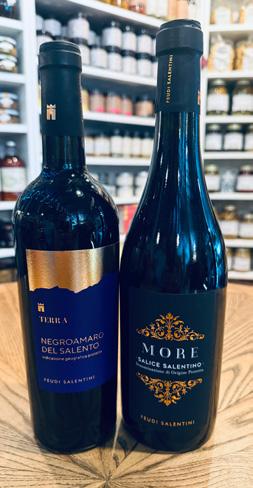


By Chris Foster photography by Yuri Semenyuk
In a community where luxury living effortlessly blends with global access, Corporate Air Inc. in Vero Beach has redefined what it means to travel in style. More than just a flight service, Corporate Air provides a seamless combination of comfort, privacy, and precision—whether you’re a seasonal resident heading north, a business leader on the move, or a leisure traveler seeking convenience without compromise.
We spoke with their team to learn more about their vision, dedication to excellence, and how they are elevating private aviation in Vero Beach and beyond.
Why Choose Corporate Air?
Corporate Air’s commitment to service goes far beyond the runway. Their facilities and amenities are built to serve both travelers and crews with comfort and sophistication.
• On-Site Aircraft Maintenance for peace of mind.
• Complimentary Wi-Fi to stay connected while in transit.
• Jet A and Avgas Self-Service fueling.
• Lavatory Service for added convenience.
• Car Rentals On-Site: Enterprise, Hertz, Avis.
• Crew Car Available for quick mobility.
• Taxi & Limousine Service arranged on demand.
• Local Courtesy Rides for short trips around Vero.
• Gourmet Catering to elevate your journey.
• Shower Facilities for comfort between flights.
• Bagged Ice Available for in-flight needs.
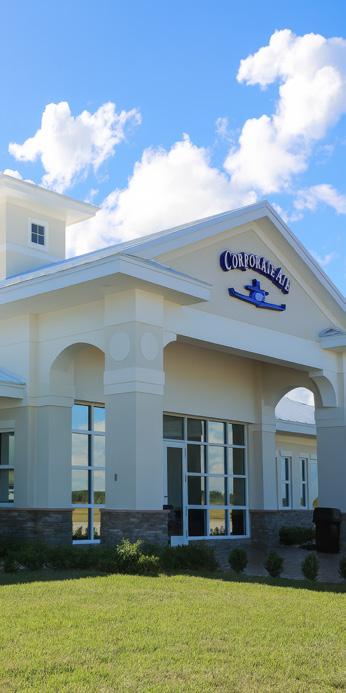
Corporate Air operates daily from 6:00 a.m. to 9:00 p.m., with after-hours services available upon request. Their team ensures that every traveler—from pilots to passengers—experiences seamless service and unmatched attention to detail.
3450B Airport West Drive Vero Beach, FL 32960
772-562-1199
Email: reservation@corporate-air.com Website: corporate-air.com


By Joshua McMiller photography by Joshua McMiller
When you meet Captain Ronnie Elkoubi, you immediately sense the weight of his journey. His story is one of perseverance, sacrifice, and an unshakable love for the sky.
Born in Israel in 1961 to parents who emigrated from Morocco, Ronnie’s life has carried him across continents and into the cockpit of some of the most advanced aircraft in the world. Today, as a Senior Captain flying for Breeze Airways, he reflects on a career defined by grit, reinvention, and grace.
Ronnie’s parents left Morocco for Israel in 1948, the year the nation was created. His mother was of Spanish descent, and his father struggled to find steady work when the family later relocated to France. Because he could not read or write in French, employment opportunities were limited. Higher education was never a part of the family’s story, but Ronnie’s parents pressed him to study and build a life.
By the age of fourteen, however, his schooling came to an abrupt halt. Although Elkoubi speaks four languages now (English, French, Moroccan Arabic, and Hebrew), he was strong in most subjects but weak in English. Ronnie encountered a teacher who discouraged him. “He told me I sucked at English and gave me a D minus just so he wouldn’t have to write a report,” Ronnie recalls.
Since English was mandatory, his confidence faltered. He dropped out of school and trained as a car mechanic. By eighteen, he was working for Mercedes-Benz, specializing in automatic transmissions. The money was good, and nights were filled with clubs and friends. But deep down, his dream was elsewhere. Ronnie was not destined to repair cars, he was meant to fly.
Alaska and the American Dream
In Europe, the cost of flight training was astronomical. At the time, earning a commercial license there could cost the equivalent of more than $100,000, an impossible sum for someone just starting out.
In 1985, Ronnie decided to chase opportunity in the U.S. A friend first steered him toward Alaska and the dangerous but lucrative world of commercial fishing. Halibut fishing off Kodiak Island was brutal, the same work now immortalized in shows like Deadliest Catch. Ronnie laughs at the irony of it all, “I don’t like the ocean, and I don’t like fish,” he says. Yet he endured months of cold seas and sleepless nights, eventually walking away with the modern equivalent of nearly $200,000. That money would buy him something more valuable than anything else: his chance to fly.
With his earnings, he enrolled at Florida Flight Academy in Sarasota. In just six and a half months, Ronnie earned his private pilot license, instrument rating, commercial license, flight instructor certification, and multi-engine qualifications. The cost at that time was about $20,000. Today, aspiring pilots often invest anywhere between $70,000 and $120,000 to achieve the same set of licenses.
The process is grueling, requiring not just classroom study but also hundreds of hours in the cockpit. Students begin with basic single-engine training, advance to flying with instruments in poor weather, and eventually master twin-engine aircraft. Many then work as instructors to build the 1,500 flight hours required by the FAA before they can fly for an airline.
Ronnie was no exception. After gradu-

ating, he struggled to find work. The late 1980s were a difficult time for aviation. He drove north from Florida, stopping at small airports and asking for opportunities. In Philadelphia, luck finally found him. A flight instructor had just resigned, and Ronnie was hired on the spot at Northeast Philadelphia Airport. He would remain in the city for nearly a decade, teaching countless students while building thousands of flight hours. “Back then, our T-shirts said, ‘I’ll fly for food,’” he remembers. “There wasn’t much money in it, but we loved to fly.”
When his wife enrolled in chiropractic school in Atlanta, Ronnie followed. He joined a commuter airline, paying $10,000 out of pocket for the type rating required to fly larger aircraft. The pay was barely more than $16 an hour, but the path to captain was now possible.
Within nine months, he was in command of a Brasilia, a 30-seat turboprop as noisy as it was thrilling. From there, his career took flight. Ronnie spent 22 years with Atlantic Southeast Airlines, a Delta Connection carrier. When the company eventually closed, he adapted once again, moving between Envoy, GoJet, and PSA
Along the way, he rose to leadership roles, serving both as Captain and simulator instructor. Training young pilots became one of his greatest joys. “It was amazing to watch them learn the airplane,” he says. But decades in the cockpit took their toll.
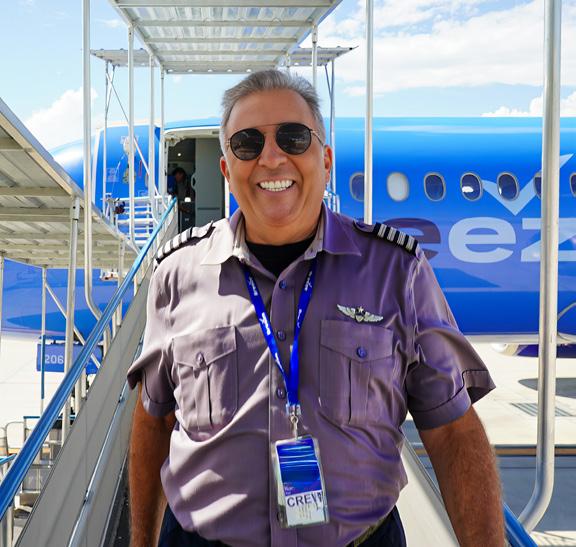
When the Covid-19 pandemic disrupted the airline industry, Ronnie stepped back, moving with his wife to the French Alps near Lake Annecy to be closer to her parents. Cycling steep mountain roads in the summer and skiing in the winter, he briefly considered retirement. “For a moment, I thought my flying days were over,” he admits.
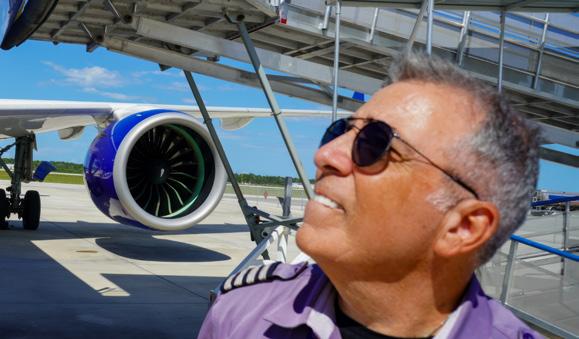
A New Chapter with Breeze
Then came a phone call from a friend at Breeze Airways. “We need Captains,” the friend urged. Ronnie reluctantly agreed to interview. The video call lasted just 30 minutes. “I thought it went too well. I told my wife it was probably a no,” he recalls. By the next morning, an offer had arrived.
Today, Ronnie speaks glowingly of Breeze. “The culture of Breeze is amazing. The company motto of ‘Seriously Nice’ makes it the best and nicest airline I’ve ever worked for.” At Breeze, Captains greet passengers at the boarding door with personal announcements, a detail Ronnie embraces. “I want them to know I’m human. If it’s bumpy, I don’t enjoy it either. If I’m safe up front, they’re safe in the back.”
Now 64, he is approaching the FAA’s mandatory retirement age of 65. Yet he insists these final years have been among the happiest of his career.

Ronnie views aviation with both realism and hope. He acknowledges staffing shortages in air traffic control and the growing challenges of cybersecurity. Still, he trusts in the professionalism of those who keep the system running. He avoids politics and religion in the cockpit. “That removes 95 percent of the problems in the world,” he says. To aspiring pilots, his message is simple. “If you really love it, just do it. Don’t overthink it. Today, pay and schedules are so much better than when I started. If you love going to work, you’ll never regret it.”
Outside of flying, Ronnie lives with balance and curiosity. In Vero Beach, he continues to fly while remaining deeply connected to his community. Near Lake Annecy, he cycles mountain roads and skis alpine slopes. His wife’s spirituality influences him, though he admits he is still searching. “She’s been working on me for 36 years,” he says with a laugh. “I believe there’s something beyond this life. What it is, I don’t know. I’ll find out when I get there. For now, every morning I wake up and the oxygen is still breathable—that’s one more day.”
In just over a year, Captain Ronnie Elkoubi will be required to hang up his wings. Yet his story is more than a pilot’s career. It is a testament to resilience, reinvention, and the pursuit of passion against all odds. From a boy who left school in France, to a fisherman braving Alaska’s seas, to a Captain trusted with thousands of lives, Ronnie has carried the weight of his journey with humility, heart, and a big smile. And as he looks toward his final landing, one truth remains clear: his love for the sky has never dimmed. That’s the Joy of Flying.


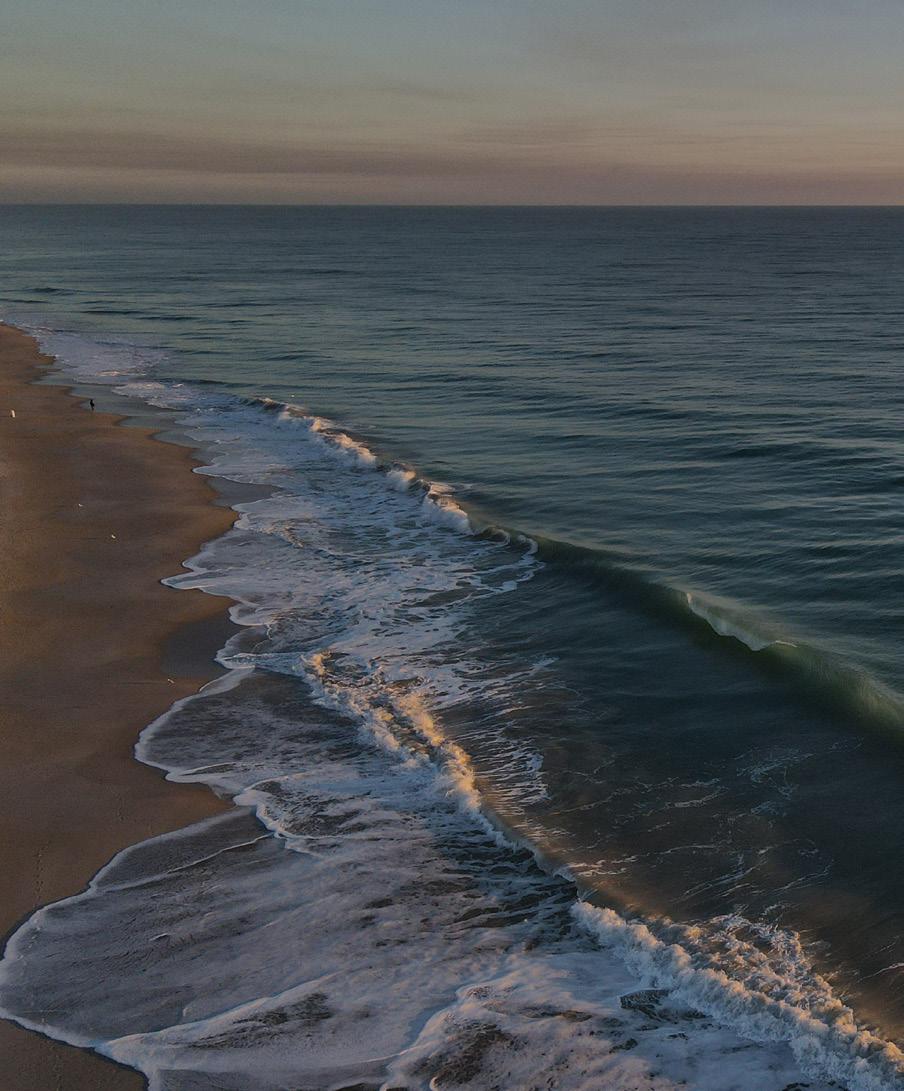
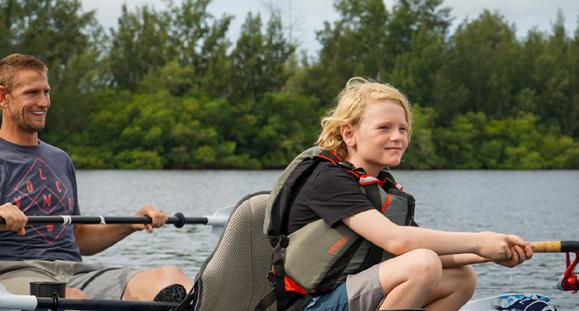
By Joshua McMiller photography by Joshua McMiller
When you meet Aaron and Victoriya Knapp, you do not just hear a story about business. You hear a story about love, faith, and the kind of partnership that turns dreams into something tangible.
Their journey, from teenage letters to a thriving family venture on Florida’s Treasure Coast, is one of devotion woven seamlessly into entrepreneurship. Today, that devotion has taken shape as Treasure Coast Kayak, a conciergestyle kayak rental service that is bringing people closer to the water in new and exciting ways.
Victoriya first met Aaron when she was just seventeen, through his sister in Washington state. At the time, Aaron was five years older and considered off limits. She was already pursuing dual enrollment in college while preparing to leave for military boot camp.
While she trained, Aaron began writing her letters every single day. His words became the foundation of their bond, a steady rhythm of connection during uncertain times. When she returned home, the two married within six months. Eighteen years later, their love still feels as fresh as those handwritten pages.
The Knapps built their early years together in Washington surrounded by nature. They kayaked, mountain biked, skied, and raised their two boys in a place where the outdoors was more than recreation. It was lifestyle.
Three and a half years ago, they relocated to Vero Beach, Florida. With them, they carried their love of adventure and their determination to keep raising their family in close relationship with the natural world. “We did not live life indoors,” Victoriya says. “We wanted our kids to grow up outside, exploring.” That same spirit of exploration became the foundation for their new venture.
When Aaron noticed that a local kayak rental shop had gone out of business, an idea took hold. A nearby bike shop employee mentioned how valuable it would be if someone filled that gap in the community. On his drive home, Aaron could not shake the thought. What if they created a concierge-style kayak service?
Instead of requiring customers to strap heavy kayaks to their cars or paddle only from one fixed location, they could deliver kayaks directly to the water’s edge. People could launch wherever they wanted, paddle at their own pace, and create adventures tailored to their families and friends. It was a simple idea, but also a powerful one—built from love of the outdoors and a desire to make the water accessible to everyone.
Running Treasure Coast Kayak is a true family affair. Their teenage sons often help with setup and preparation, showing customers that the Knapps are not just running a company but building a legacy together.
Customers see the authenticity in that, and they respond. Faith also anchors their work. Aaron and Victoriya’s Christian values guide their approach. “We treat people the way Jesus taught us to treat people,” Aaron says. “With love, respect, and kindness. Even when challenges come, that is what grounds us.”
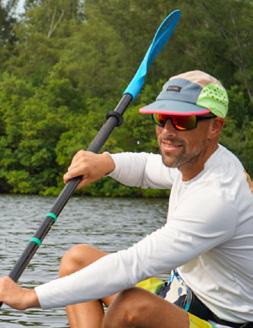
Victoriya Knapp.
That philosophy shows up in practical ways. If a storm suddenly cancels a customer’s reservation, the Knapps reschedule without hesitation. If an older client feels nervous on the water, Aaron quietly joins them to ensure their safety. These small acts reveal a service rooted not only in skill but in genuine care.
Their operation stands out not only for its customer-centered approach but also for the kind of equipment it provides. Most people are familiar with traditional kayaks, which are powered by hand-held paddles. While they offer an excellent upper body workout and the feeling of gliding across the water, paddling can be physically demanding and sometimes intimidating for beginners.
Paddle kayaks, which the Knapps specialize in, change that experience. Instead of using paddles, these kayaks are powered by pedals that you operate with your feet, similar to riding a recumbent bicycle. The design leaves your hands free, making it easier to take photos, snack, or fish while exploring.
For families, paddle kayaks open the water to all ages. Even young children can operate them, and the motion feels as natural as pedaling a recumbent bike on an easy setting. The boats are stable and resistant to tipping, making them a safe and comfortable choice for those who might otherwise feel hesitant about kayaking. For anglers, the hands-free system allows quiet movement through mangroves and hidden fishing spots without the noise of a motorized boat.
Whether for a few hours or a fullday excursion, paddle kayaks create accessibility, freedom, and joy on the water.
Perhaps the greatest gift of their work is the chance for people to experience the Indian River Lagoon, one of the most biologically diverse estuaries in North America. Stretching for 156 miles along Florida’s Atlantic coast, the lagoon is home
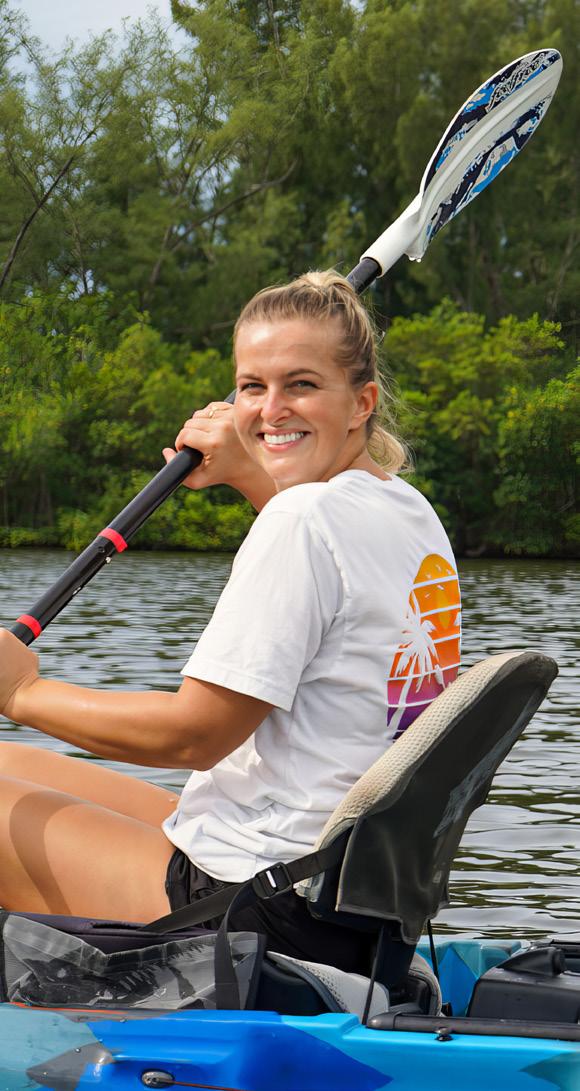

to more than 4,000 species of plants and animals. Manatees, dolphins, sharks, and countless species of fish thrive here, making it both a natural wonder and a fragile ecosystem in need of protection.
Paddling through the lagoon offers more than exercise. It provides education and connection. Customers often find themselves gliding past mangroves, spotting herons and ospreys, or catching glimpses of dolphins breaking the surface. For children, it becomes an outdoor classroom. For adults, it offers peace and perspective. The Knapps see their service as part of a larger mission, encouraging people to care for the waters they enjoy.
Balancing business, family, and faith is never simple. Their operation is seasonal, with busy winters and quieter summers. Victoriya continues to homeschool their younger son while managing bookings, customer communication, and the website. Aaron, who also works as a content creator for a kite-board company, juggles his commitments with long days delivering kayaks and guiding clients.
And yet, the balance works. Their marriage, their children, their work, and their faith all feed into one another. Customers do not just rent kayaks. They encounter a family living out values of service, joy, and togetherness.
What makes Treasure Coast Kayak remarkable is not simply the cleverness of its model, but the heart behind it. Aaron and Victoriya Knapp are creating connections between people and nature, between families sharing an afternoon on the water, and between strangers who find common ground in the stillness on the lagoon.
Their journey is proof that love, when nurtured, can take shape in unexpected ways. Sometimes it becomes a family, sometimes a business, and sometimes something as simple yet profound as a kayak waiting by the shore.
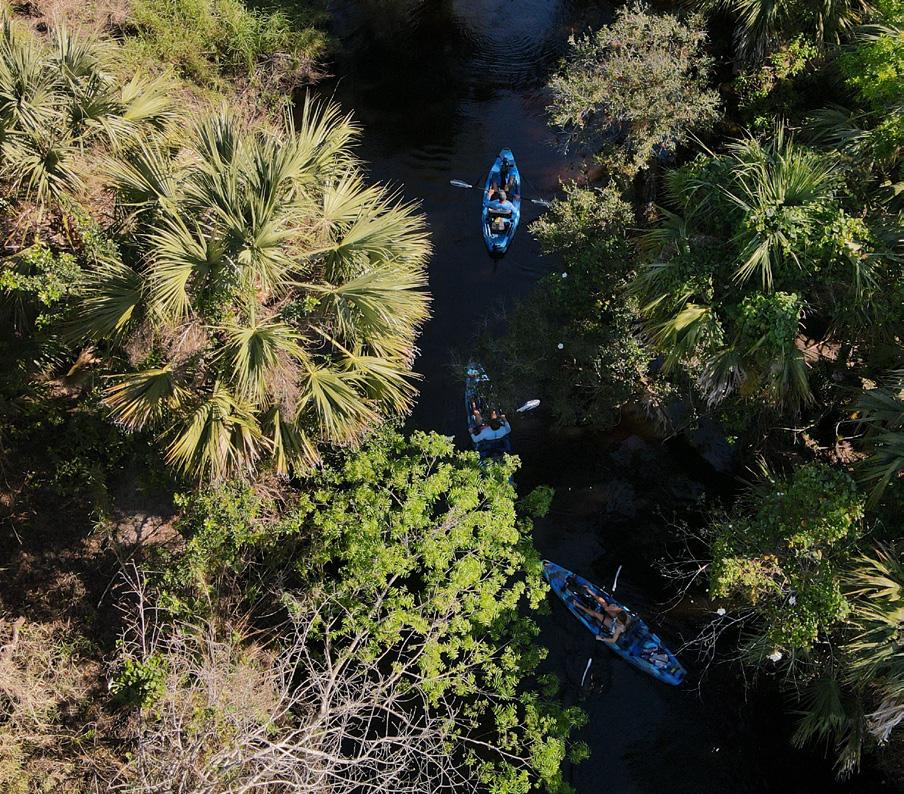
772-321-6994
Instagram: @treasure_coast_kayak
Website: treasurecoastkayak.com
Email: treasurecoastkayak.com
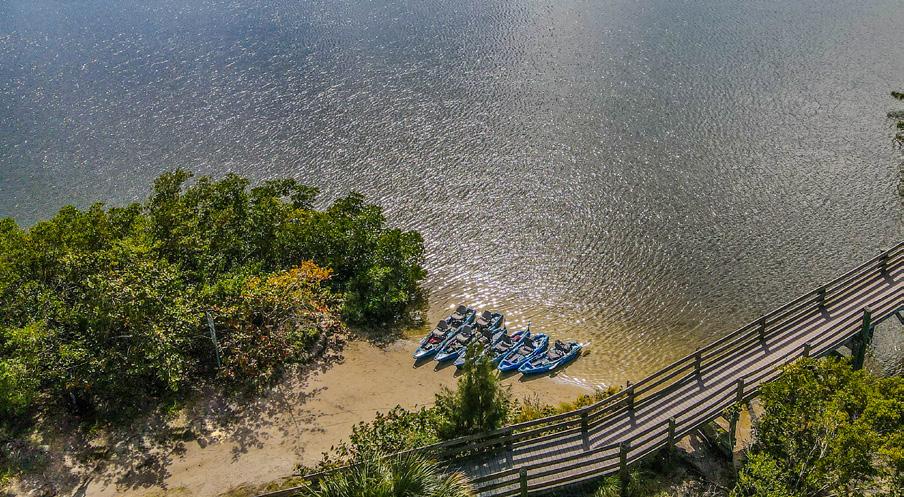
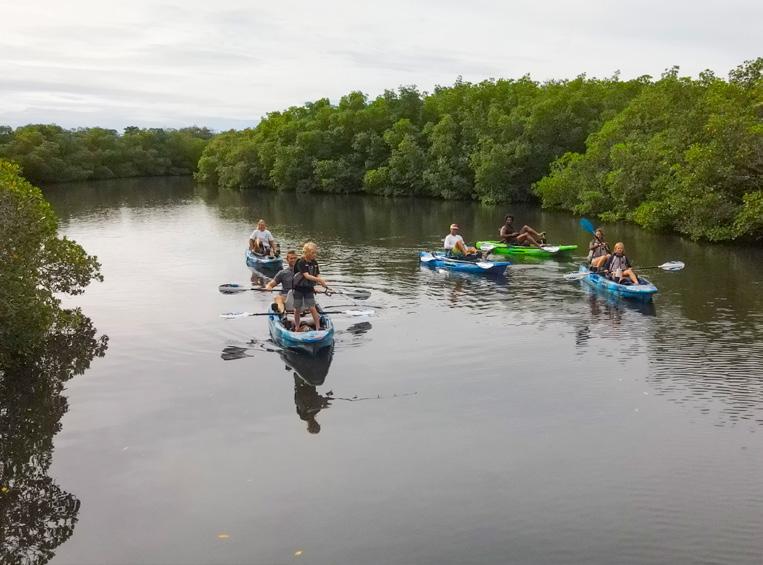


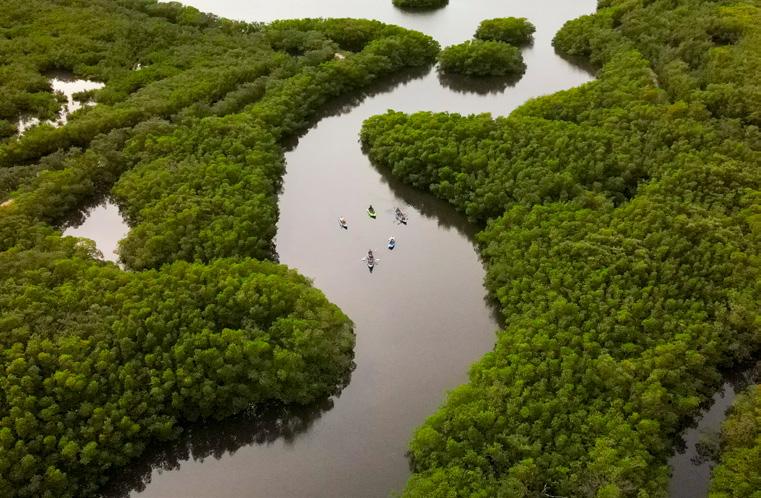
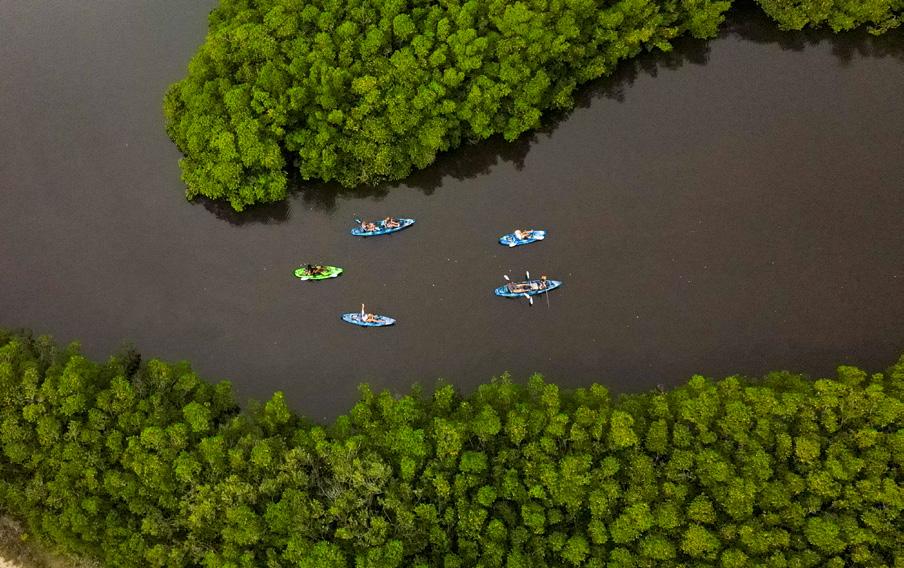

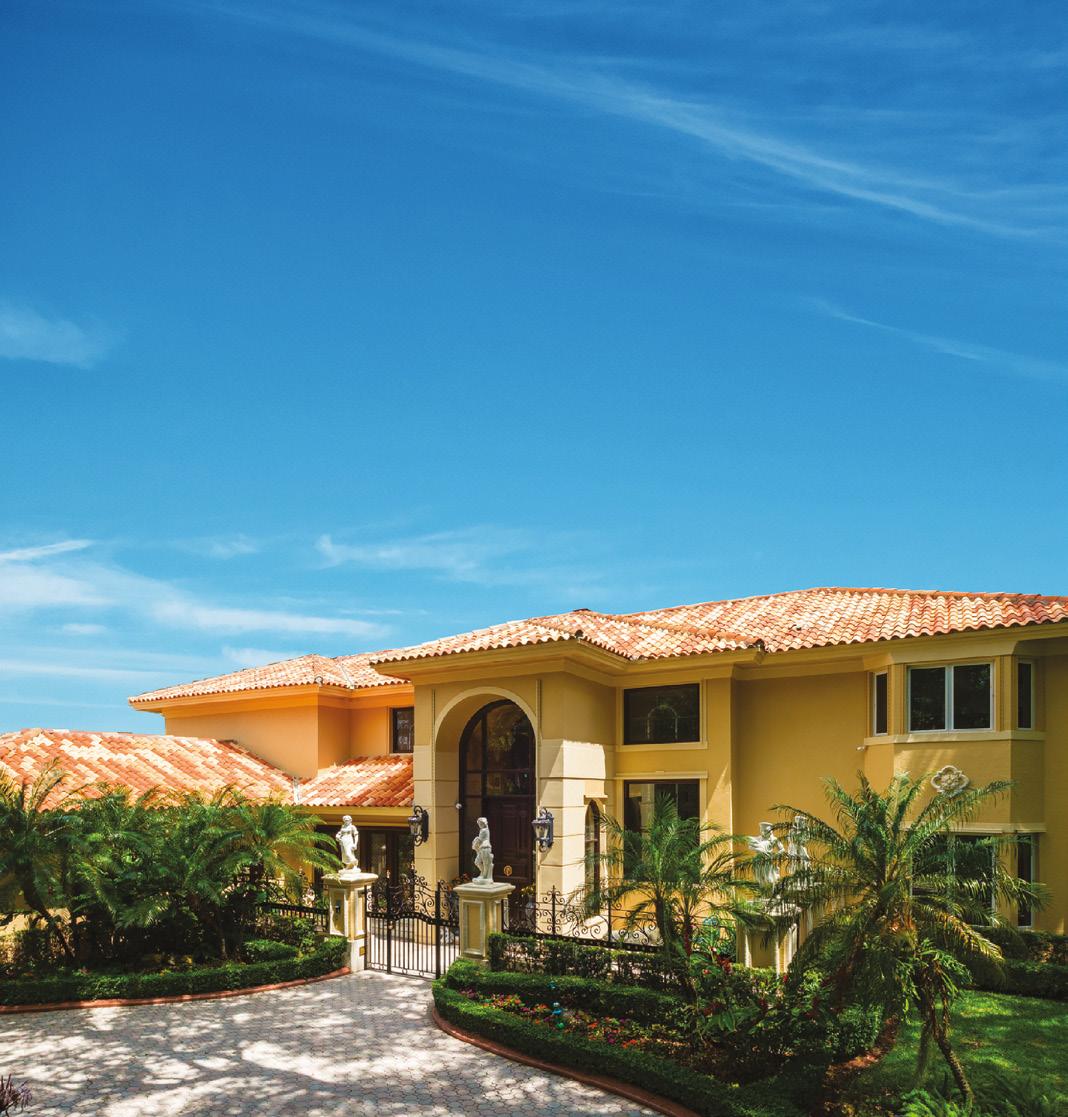
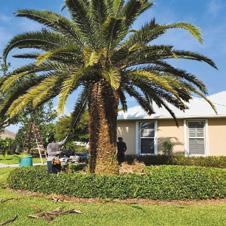




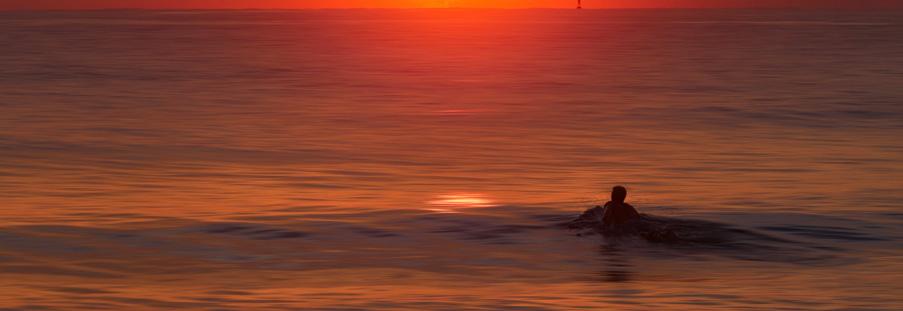
Interview with Gunther Schwartz. Conducted by Jim Field Photography by Frank Moore
Editor’s Note: Gunther Schwartz is the Manager of Spunky’s Surf Shop, a landmark presence in the surfing community on the Treasure Coast. I walked into the shop on US Route 1 in Ft. Pierce one afternoon and left my business card with a staff member, who said Gunther was the right person to talk to. A week later he was waiting at the counter for my return, ready to engage. He asked me what I was interested in; I gave him my elevator pitch: “We have a magazine, we want to report on surfing along our coast.” He paged quickly through a magazine I had brought. Looking up, he extended his hand: “I think we have the makings of an interesting relationship.” Gunther shared that his overarching passion was to “tell great stories about the surfing community and preserve them in time.” Dovetailing this, I told him that LIV VERO’s mission was to tell stories as well, about people who contribute special things. What follows was our first discussion together.
JF: Gunther, thank you for agreeing to be a part of LIV VERO Magazine. We’re really grateful for your support. Why don’t we start with a thumbnail on your background.
GS: I’m 26 years old and I’ve been managing the shop for five years now. I love what I do—it’s a dream job. Someone said, “Find something that you love and then call it work.” So I did that.
I’ve lived in Ft. Pierce most of my life, and the water is my home. From surfing, boating, fishing in the river [lagoon], going offshore, I mean, anything on the water I love. It’s just my favorite thing to do.
I moved from Ohio when I was a young child because I have a chronic illness called Cystic Fibrosis, and salt water is really good for people with CF. It’s one of the therapies we do every day using nebulizers. So being here and constantly breathing salt air, it’s like 24/7 therapy, and its improved my life dramatically. So for me, surfing, boating, paddleboarding— during high school I was an avid rower—it’s fundamental to my life.
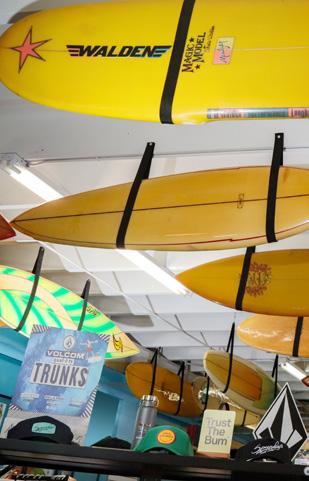
JF: How did you get involved with Spunky’s?
GS: I got involved at the shop around 2019. I did a race called Crossing for Cystic Fibrosis, which is a paddleboard event from the Bahamas to Florida to raise awareness for the disease. After completing the race I came to the shop and developed a friendship with the previous manager and was offered a position working at the shop.
JF: What? Paddleboard from Bahamas to Florida—really? I never heard of that. GS: Sure—the Crossing for Cystic Fibrosis! It’s about 80, 85 miles. It takes anywhere between 15, 16 hours. Once you get in the Gulf Stream, it helps a lot. You head out about 20, 30 miles, then turn into the Gulf Stream, then just ride the Florida Coast. It’s really beautiful. About 250 people participate, of which typically only a handful have CF. It’s pretty strenuous. It was my way of advocating for the disease, to help others and myself be better. It was
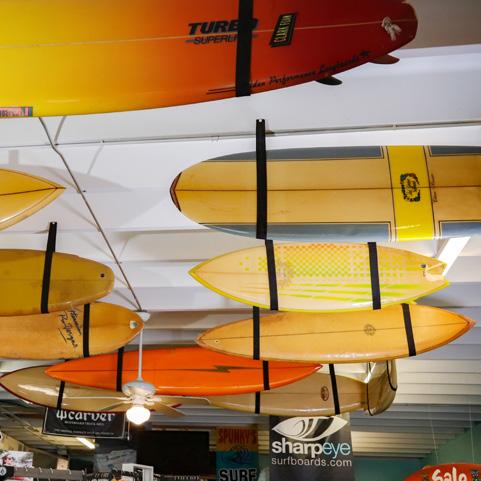
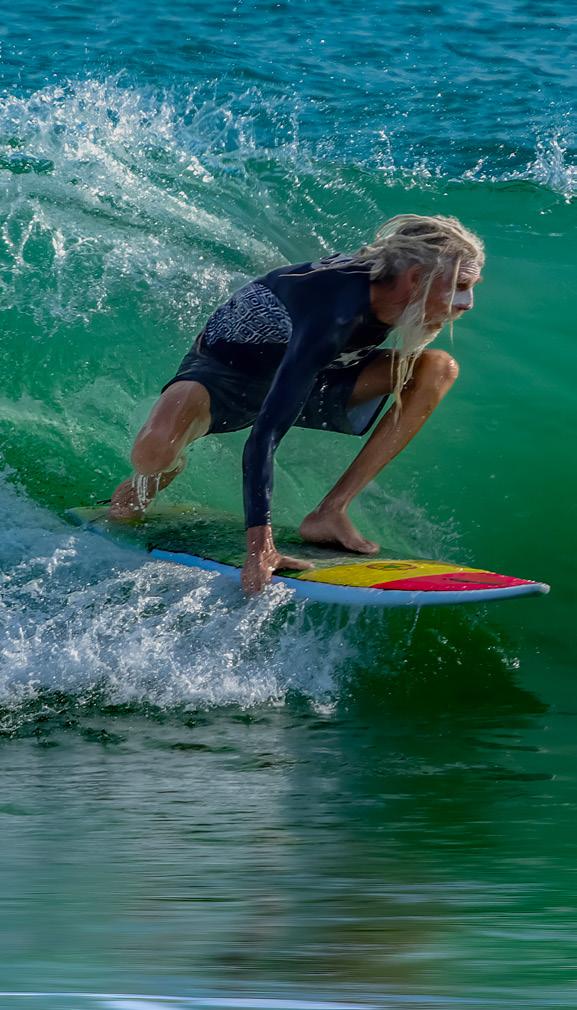
the most loving way I could say thank you— to the physicians, to my mom, my dad, my brother, my friends, for helping me this far, to show them I’m alive and can accomplish challenging things put before me.
The culmination of things at this time—my love for watersports and the importance of being outside in nature—hey, I’d call myself a diehard water junkie—led me to think about working in this space, which led me to Spunky’s. I approached the owner for a job, and he brought me onboard. And from there, I’ve stayed.
JF: Tell me about the local surfing community. How would you describe it?
GS: It’s a really, really cool community. You go out to the beaches, you’re always seeing people who are smiling, laughing. There are tightknit pockets and there is an aspect of localism—but everything is relaxed and friendly. Like a lot of activities, we have a Dawn Patrol that will go out early, and a group that likes to go out after work. The common thread is that surfers are passionate about the sport and culture, regardless of where you find them on the globe.
Interestingly, we do get a good influx of people from north and south on the coast, and from the West Coast, because Ft. Pierce is the southernmost point where you’re going to get consistent waves. After you pass Ft. Pierce and go further south, the way the Bahamas are structured can affect the swells coming in. So because of where Ft. Pierce is located, and the way the inlet’s designed, it creates a really good, consistent break—which is a magnet for surfers to come here.
Being a Florida surfer does mean you sometimes chase waves. That’s just a part of it. Other sports are like that too— skiing, hunting, fishing—you go where the action is. Sometimes I’ll go down to Stuart and Jensen, sometimes up to Coco, and further north to Ormond Beach, just above Daytona. Some days you wake up and decide: let’s go chase a swell.
JF: How do seasons affect surfing? I’m sure they play a big role.
GS: Good point. Now, granted, just because you have consistent swells doesn’t mean it’s always good—it just means we have waves. Summers are usually flat unless
you have a hurricane out there, then we start to anticipate and pray for surf. September marks the time when we start getting more activity. Caribbean water is warm at this time, which probably contributes to this. November’s a pretty good month for swells, which carries through into February. Remember, when storms are off at sea, most people will stay out of the ocean. But surfers look forward to storms and windy conditions.
JF: What do you get out of surfing, personally? What makes it so enticing, so compelling?
GS: It’s going into nature and the ocean and disconnecting. The world we live in is so full of technology—which, big picture, is a good thing—but surfing allows me to get a break from it. I’m a believer in God, and a devout Christian, so when I’m out there, I’m surfing waves and talking to Jesus, and that’s my happy place. There’s a Zen vibe to surfing. It’s you and your board, on your own, in the elements. An audience of one. We’re lucky to be able to find that space.
JF: So let’s talk about the shop itself.
GS: I want to see Ft. Pierce grow and I want to see Spunky’s grow with the community. It’s been a staple and landmark in the area for over 30 years, and I’m honored and privileged to be a part of it. I love what I do, and I love the people I meet.
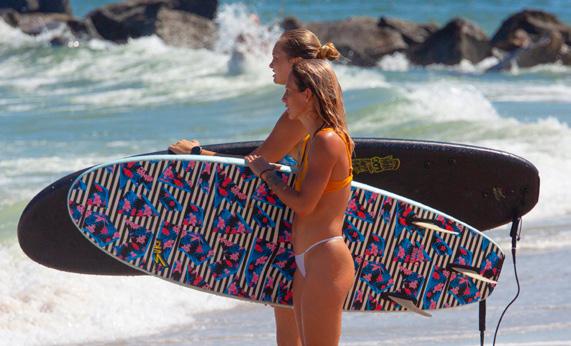

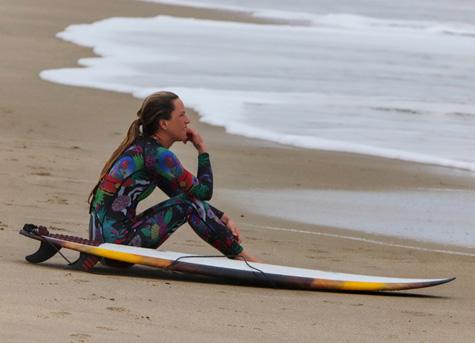
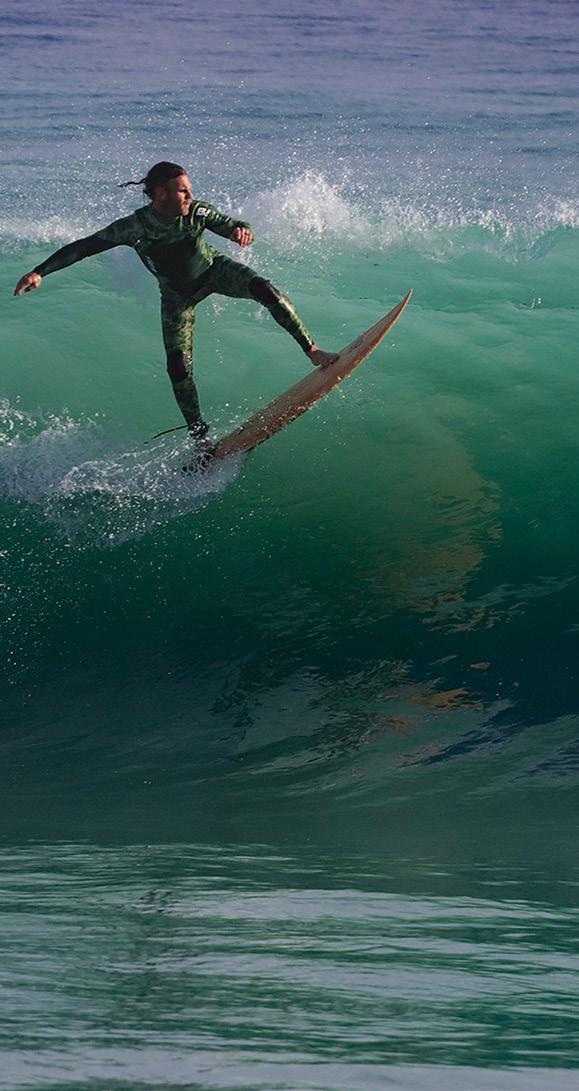
Bruce Spunk—he’s the original Spunky. He founded the shop and laid the foundation for what surfing is in this area with the help of others who were part of the shop during that time frame. From the stories to the vintage surfboard collection hanging up, there’s a lot of history and stories which is something for another date and that others can speak to really well.
The best way to describe Spunky’s is that we’re a surf shop, foremost, but also a community resource—sort of a Trip Advisors if you will. We have tourists dropping in asking every type of question—where’s the best beach for children, best beach to surf, best restaurant, best slice of pizza, best sushi, best local brewery—Sailfish, they do a great job—and best local bar—which for me is Little Jim Bait & Tackle
For surfing gear, we offer a full line of essentials—boards of all shapes and sizes and price points, board wax, wetsuits, sun protection, attire—for example, first-rate board shorts, really cool shop T-shirts, Hawaiian print button ups, reliable bikinis that really work on a board in the surf. We get lots of feedback on products from our customers—what they like and don’t like— and we listen.
JF: Tell me about surfboards. What defines a high quality board?
GS: The experienced surfer is going to have a pretty good idea of what they want. We have a broad selection of boards for them to choose from, and if they can’t find a preferred pre-made board, we’ll make one for them, totally custom. We have an entire shop and bay in the back, with Skip Miller, who makes custom boards and does all of our ding repairs. A custom board takes two to three weeks to make. We pride ourselves on being a one-stop shop. You can come in here, get your board from our inventory, fins, leash, traction pad, grab your baggies [shorts], and go surf the same day.
JF: Ding repairs. What’s that?
GS: Well, surfing is an extreme sport, so damaging your board is likely going to happen, maybe in the water, maybe in the parking lot. We know the importance of having a professional at the shop who knows what they’re doing to repair your board correctly.
JF: Tell me more about manufactured versus custom boards. I love to hear about making things.
GS: In surfing, the term “pop-out” refers to a surfboard that is mass-produced using molds and industrial techniques rather than being hand-shaped by a surfboard shaper. Pop-outs can sometimes carry a negative connotation among surfers, implying that the board is cheaper, less durable. But manufactured boards today are just fine—they meet a huge market need—and they come in all levels of quality. Today, everything being digital, you can go on your computer, type in your specifications, select a color, press click, and get one made. You can break your favorite board and purchase a new one off the rack exactly like it. You know how it’s going to surf. You know how it’s going to feel. There’s a consistency factor to that. And for most surfers, this is beautiful.
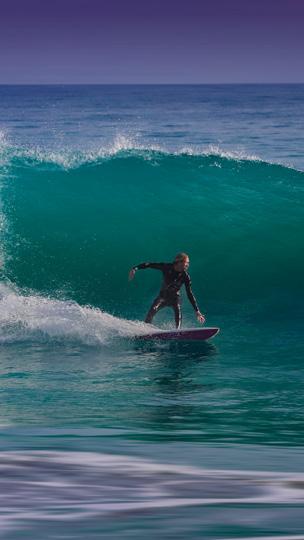
However, for those who want the genuine item, we can make them a custom handshaped board, crafted individually to perfectly suit a surfer’s style. You can be there in the bay with your shaper. Touch and feel the board as it’s made. Sit there and watch as it’s sanded out. Do you want it airbrushed? Maybe just half tinted resin? Most importantly—to back up a bit— what do you want from the board in terms of performance? What’s your experience level, your skill level? What are your goals as a surfer? We can build all of that into your board.
The one thing I would add is that being a landmark here for over 30 years, we have a really good vintage board collection. Bruce Funk collected a lot of vintage boards, and in doing that, it’s preserving the legacy of surfing. If you look overhead, you can see them against the ceiling, we’ve got a really nice selection. They’re history and an art form, for sure. There’s one from Atlantis surfboards, and Spectrum. Most recently we obtained an Impact longboard that we have to show homage to Chuck, who is a local shaper here in Ft. Pierce. This is where the stories come in. The stories we like to hear, and share, and put on paper— or capture digitally now on our website.
JF: Okay, I’ve been enlisted. I’m a longtime scuba diver, not a surfer. My son is a huge surfer in San Diego. I’ve followed his experiences. I’m excited. I think I’m going to take up surfing—seriously. Tell me the process of how someone can get started. Let’s frame it in terms of a 13 year old kid. GS. Of course. So when you come into the shop, we typically offer a free rental. We want you to demo the board—just get out there and enjoy it. We’ll send you to Pepper Park Beach behind the Navy SEAL Museum. The reason for this is that the waves are going to be a little bit smaller on certain days, it’s not going to be overwhelming, or crowded.
We have our team to assist. We’ll sit down and go through the basics, break down exactly what to look for, how to paddle out, basic etiquette. When you return, we’ll get feedback from the first-timer—what did they like, what didn’t they like? We’ll ask the parents for insights. We want the truth to assess things correctly together. And if the grom [young surfer] comes back enthusiastic, then we can go from there,

giving them a good selection of products to gear them up.
For a 13 year old, the board is typically going to be a mid-length to a longboard. The youth get a little bit better selection, depending on their size and athleticism, they might be able to handle a shorter board, which will be squirrelly, adding some fun. Shortboards are about speed, tricks, maneuverability, sharp turns.
For the older person, it’s definitely going to be a longer board. The longer the board, the more buoyant it is, the easier to paddle; the larger surface area provides balance, a larger sweet spot; they glide more smoothly, letting you stay on the wave longer and enjoy a more relaxed style of surfing.
JF: What’s the key to becoming a good surfer? If you could name one thing?
GS: If you ask a lot of the surfers out there “where did you start,” a bunch are going to tell you “Oh, I learned from a friend or my parents taught me. I wanted to learn so I got a cheap board and I went out there every day until I got it.” In contrast, for a lot of people today it’s YouTube—they pick it up and apply what they watch to what
they try to do once they’re in the water. And it works, it’s amazing.
But the truest answer is simply to get in the ocean and surf consistently. You have to put in the time. You have to put yourself in the game, in a position to experience different ocean conditions and learn something new every time. In other sports, you can control your environment—tennis, basketball, baseball. With surfing, you have to adapt to what Mother Nature gives you. What you get, is what you get. So going out there and putting yourself in different scenarios, it teaches you a discipline about life. And then lessons can also help a lot. There’s a lot to learn when it comes to genuine skills, techniques, and style.
JF: I know we’re running long. Two questions and then I’m done, for now. First, where is the hottest surfing spot along this stretch of beach? And as a passionate surfer, how often do you try to get in the waves—what makes you happiest?
GS: In terms of beach, it’s the Jetty. More formally, it’s the stretch of beach from Ft. Pierce Inlet going north. You get to it by going into Ft. Pierce State Park. It’s got a shore break, just pounding right into the shoreline. It’s a wonderful spot and there’s a huge preservation story behind it that people should know about and appreciate.
As for your second question, if I was to win the Powerball, I’d surf every day. Being a normal person, I make a point to get out two to three times a week, weather and surf conditions permitting. That’s my perfect balance. I find that’s a really good harmony for me. If the waves are good, I’ll get out more.
Salty hair, sandy toes. Just being outside, you’re part of the culture. I couldn’t imagine, personally, my life, not having the beach. I just need to get wet, and sharing that stoke and seeing people smile, and seeing young rippers out there and commend them, reminding myself that, yeah, I used to be like that!
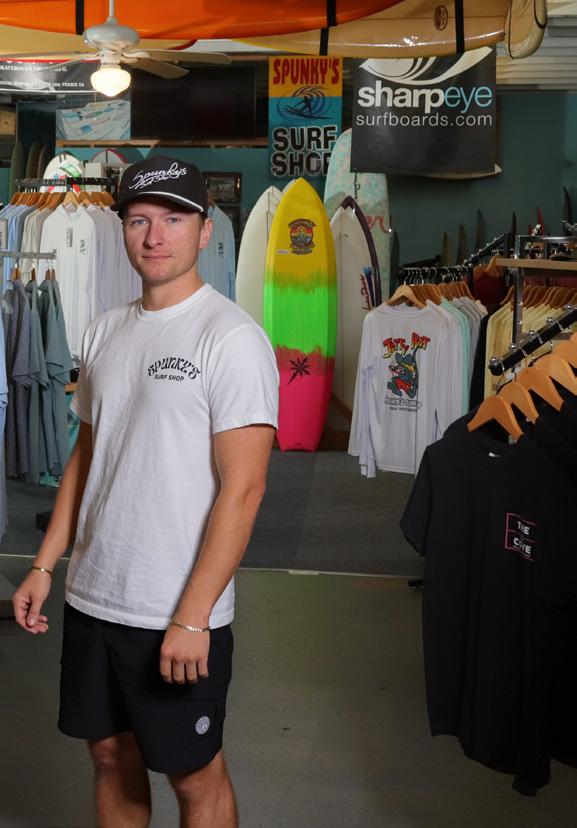
Frank Moore is a professional surf photographer based on the Treasure Coast of Florida. He is ranked in the top five surf photographers in the state. His mission is to record the history of surf culture on the Treasure Coast for future generations of surfers. He showcases his surf photography with a unique and creative style. A surfer’s style and technique are everything in surfing along with showing the beauty of the wave being ridden. His surf photography is showcased on Instagram @frankmoore28jupiter.
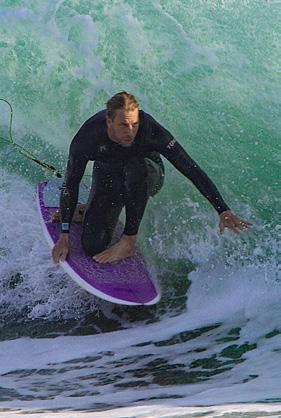
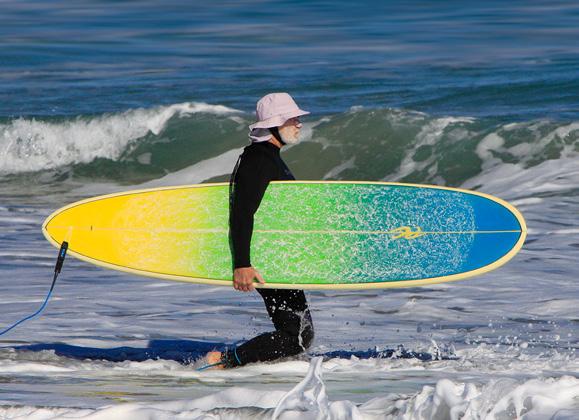
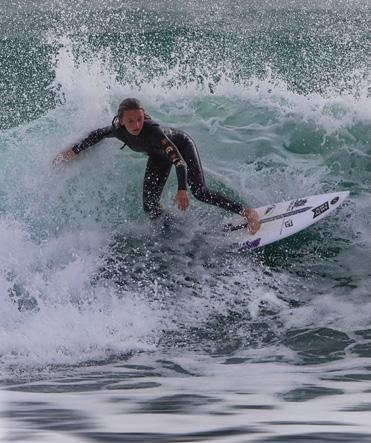
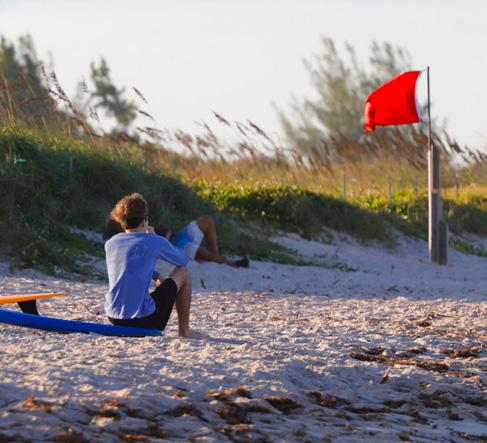
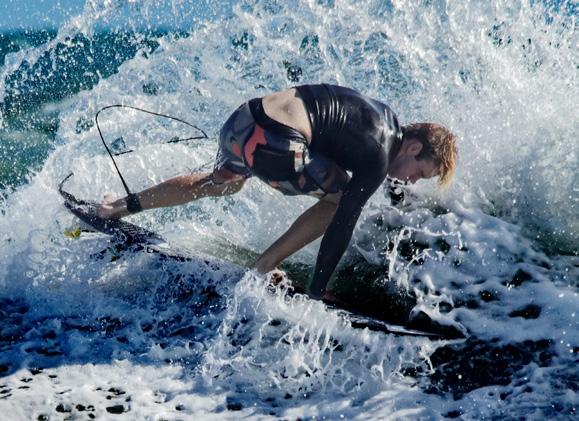
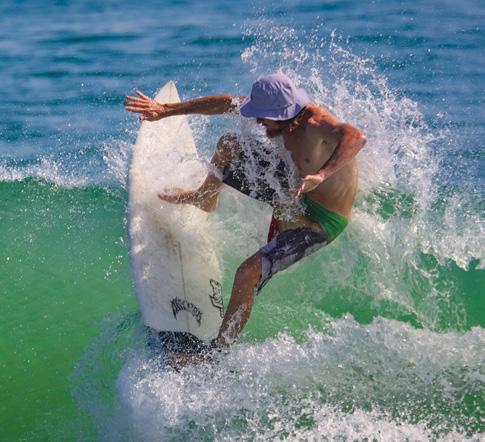
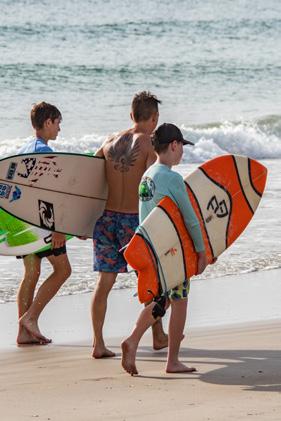
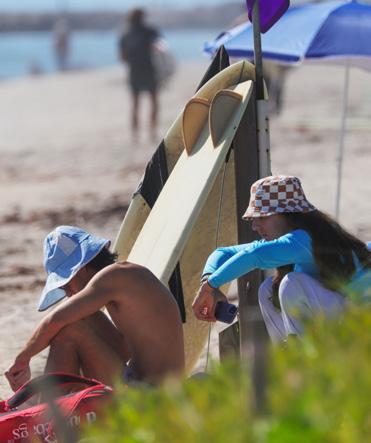
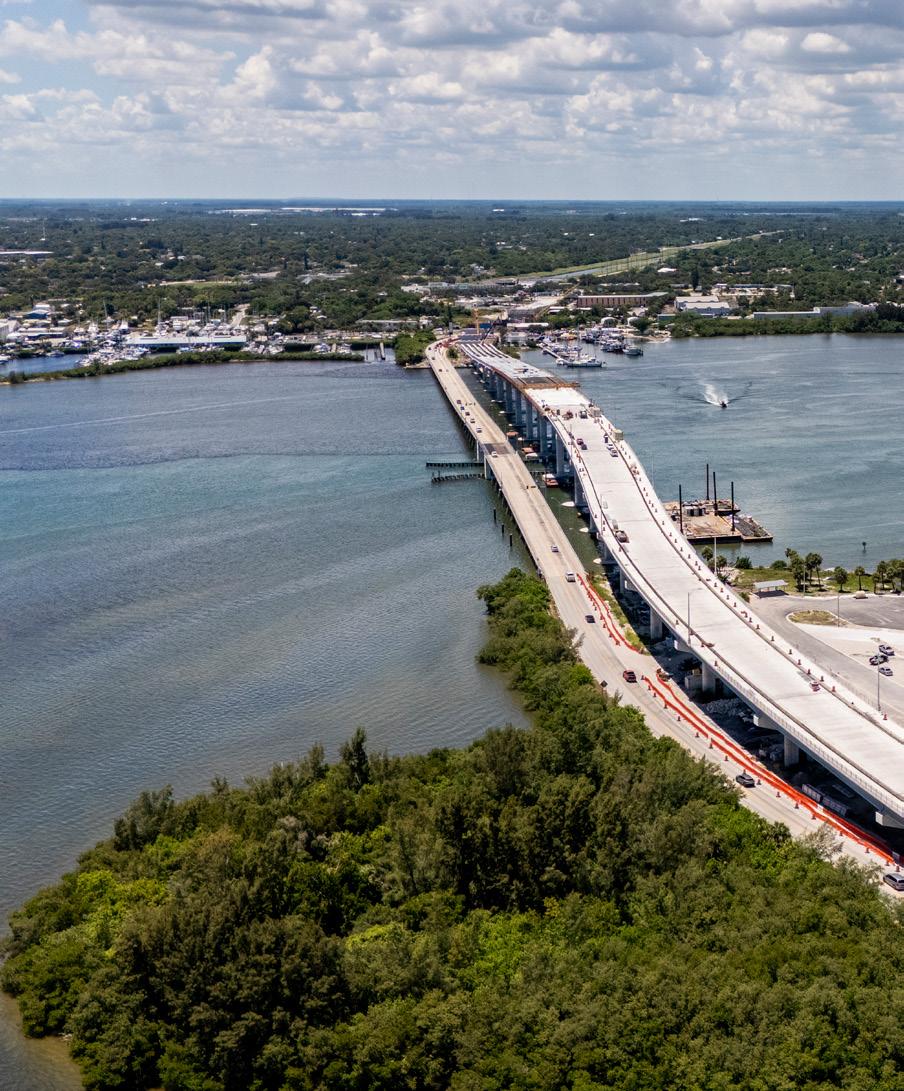
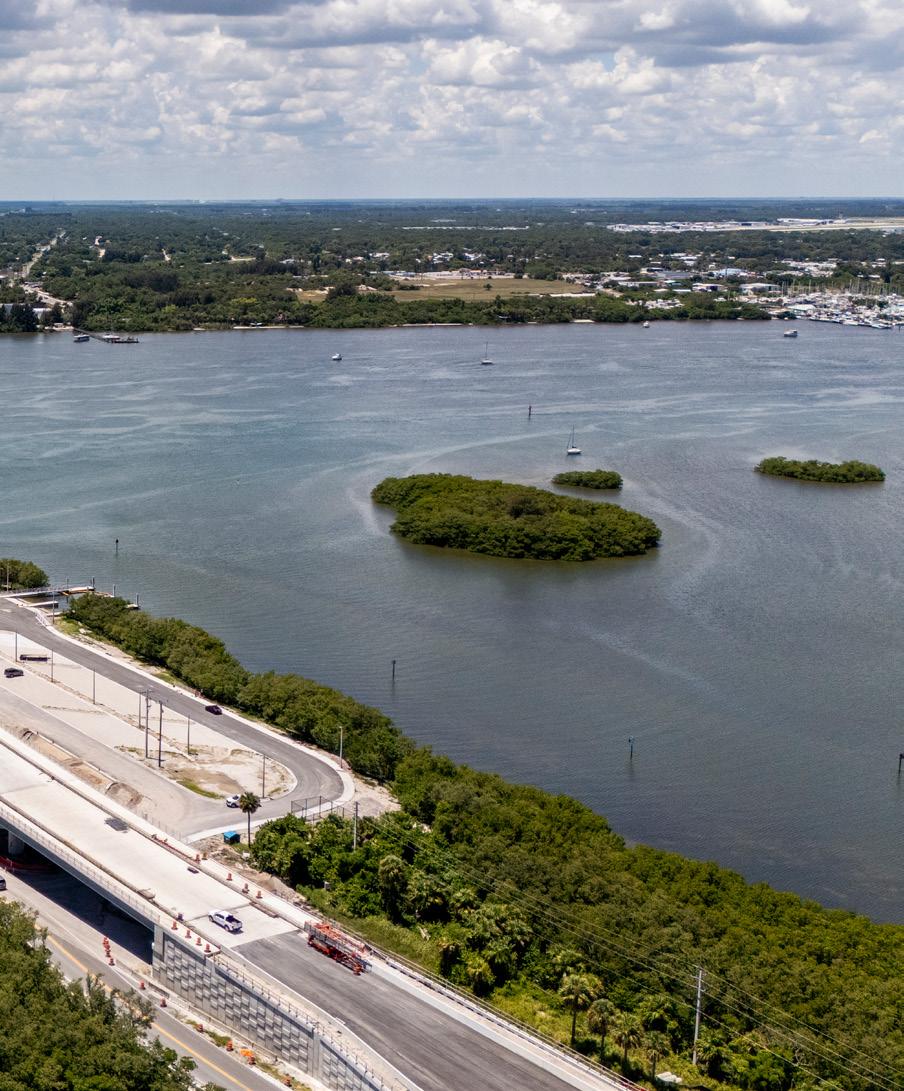
North Hutchinson Island to Mainland Ft. Pierce
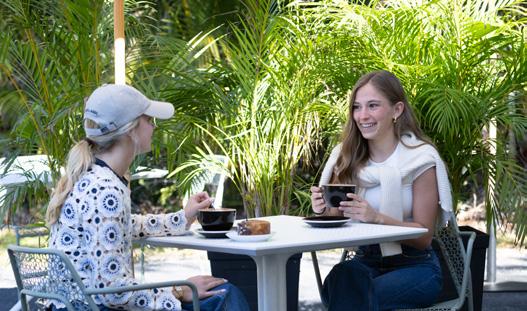
Raise a glass to fall at the Vero Beach Oktoberfest, one of the Treasure Coast’s most festive events. Expect lively music, artisan vendors, German specialties, and plenty of beer-garden cheer at the Indian River County Fairgrounds.
For those who prefer strings over steins, the Heritage Bluegrass Music Series kicks off the same evening at the Vero Beach Heritage Center. The lively atmosphere continues late into the night with an open jam session.
This fall, Cannon’s Cove will open at the Vero Beach Outlets, an indoor playground that arrives just as the season changes and parents look for fun, creative spaces for kids.
OCT 2
Vero Beach Art Club general meeting at The Riverhouse (5–7 p.m.).
OCT 3
Downtown Gallery Stroll, featuring new exhibitions, artist meet-andgreets, and collectors quietly making their fall acquisitions.
OCT 14
Photography Forum (Art Club, 6–7:30 p.m.)
OCT 16
Veterans’ Art Class (6–7 p.m.)
At the Vero Beach Museum of Art, the exhibition A Tangled Plot closes on October 5, making room for the museum’s winter programming. Families can also enjoy the museum’s ongoing Stories sessions for young children.
October in Vero Beach feels like the start of a new season. The air softens, the calendar gets busier, and the town begins to sparkle again as art, culture, and community spring to life. Here’s what’s happening this month.
Date Event
Oct 2 (Thurs) Art Club General Meeting
Oct 3 (Fri) Downtown Gallery Stroll
Oct 5 (Sun) Last day of A Tangled Plot at VBMA
Oct 14 (Tues) Photography Forum
Oct 16 (Thurs) Veterans’ Art Class
Oct 18 (Sat) Oktoberfest & Heritage Bluegrass
Oct 19 (Sun) Oktoberfest Closing Day
Travel Buzz: Vero’s travel scene is catching on. JetBlue has already announced daily nonstop flights to both New York City and Boston—but that’s not all. American Airlines is also joining the lineup, expanding direct access and making it easier than ever for stylish arrivals from the Northeast (and beyond) this season.
Three Corners Curiosity: The highly anticipated riverfront redevelopment project remains shrouded in speculation. Developers are quietly exploring new partnerships, leaving locals eager to see which vision will come out on top.
Whispers in the Boutiques: Downtown shops are teasing exclusive fall fashion releases— including rumored collaborations with designers that might surprise even the most experienced shoppers. Insiders say October’s Gallery Stroll may uncover more than just art.
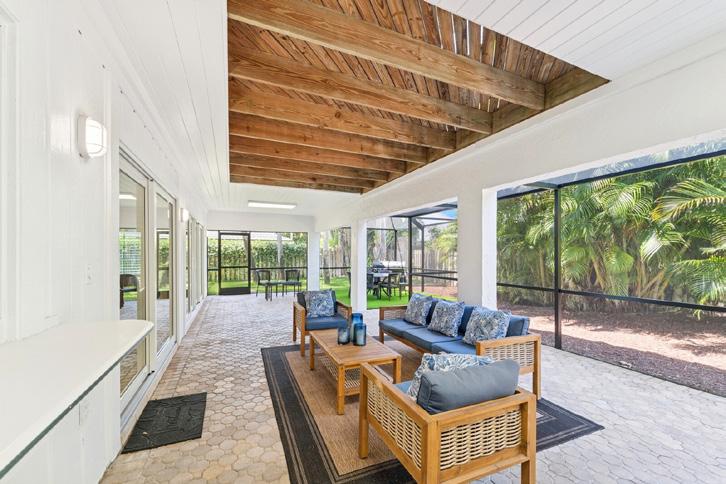

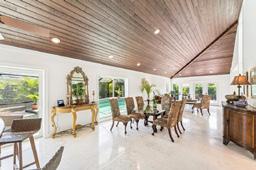
Completed in 2025, this West Indies-inspired estate blends timeless design with modern luxury Behind the gates of the exclusive enclave of Seagrove East, the home offers over 3,000 sq ft of screened outdoor living, a resort-style saltwater pool, and lush, tropical landscaping.
Built to last with a 50-year metal roof, impact-rated windows and doors, and concrete block construction, every detail speaks to quality and durability Inside, enjoy two elegant primary suites, four ensuite guest rooms, vaulted ceilings, and natural finishes including limestone and bamboo flooring Expansive living spaces offer the perfect setting for both elegant entertaining and tranquil relaxation.
Additional features include dual laundry rooms, 24/7 gated security, and access to two private beaches with optional private dockage available
Luxury coastal living at its finest.
Now Offered at $1.995 million.

Sherry Goff | Luxury Coastal Specialist
Berkshire Hathaway HomeServices
(603) 714-5899
sherrysellsvero@gmail.com

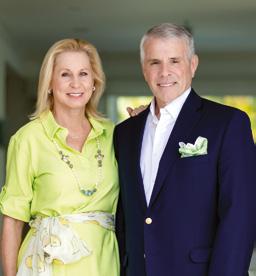
A Moment’s Notice Health Care amnhc.com
THANK YOU FOR SUPPORTING OUR LOCAL PARTNERS
Aiello Landscape aiellolandscape.com
Alexandra Nuttall Design alexandranuttall.com
We would like to express our heartfelt thanks to our advertisers and subscribers for their incredible support. We’re excited to continue sharing unique stories and providing a platform where you can proudly advertise. Here’s to growth and collaboration!
AR Homes arhomesverobeach.com
Capritta Appliance & Air Conditioning caprittafinelines.com
Coastal Interiors coastal.net
We would like to express our heartfelt thanks to our advertisers and subscribers for their incredible support in 2024. As we step into 2025, we’re excited to continue sharing unique stories and providing a platform where you can proudly advertise. Here’s to another year of growth and collaboration!
Dale Sorensen Real Estate Inc. Lori Davis Loritdavis.com
Decor Accents decoraccentsvero.com
Design Collaborative 772-999-2155
Design Collaborative 772-999-2155
Distinctive Cabinetry Designs distinctivecabdesign.com
Engel & Völkers
Engel & Völkers Vero Beach Claire Higgins, Broker verobeach.evrealestate.com
Vero Beach, Hutchinson Island Claire Higgins, Broker verobeach.evrealestate.com
Reilly Construction building2last.com
REsistance Cycle & Strength resistancevb.com
Rise Modern Wellness risemodernwellness.com
Saint Edward’s School steds.org
Melanie Bock Studios melaniebockstudios.com
Sassy Boutique sassyboutique.com
O’Dare Boga Dobson Group odareboga.com
Scott Tree Services scotttreeservices.com
Moorings Real Estate Co. Marsha Sherry, Broker themoorings.com
Sew Easy seweasyvero.com
A Moment’s Notice Health Care amnhc.com
Audiohouse, The theaudiohouse.com
Alexandra Nuttall Design alexandranuttall.com
Coastal Illumination Landscape Lighting coastalillumination.com
Align Aesthetics & Wellness alignmedicalaesthetics.com
Coastal Interiors coastal.net
AR Homes arhomesverobeach.com
Compass, The Reynolds Team Scott Reynolds, Team Leader myreynoldsteam.com
Audiohouse, The theaudiohouse.com
CrossCountry Mortgage The Denton-McCrae Group crosscountrymortgage.com
Berkshire Hathaway HomeServices
Sherry Goff, Luxury Coastal Specialist sherrysellsvero@gmail.com
Caldwell Trust Company ctrust.com
Engel & Völkers Vero Beach Halle Dold halle.dold@evrealestate.com
Engel & Völkers Vero Beach
Stacy Zielinski stacy.zielinski@evrealestate.com
Engel & Völkers Vero Beach
Diane Field dianefieldrealtor.com
Engel & Völkers Vero Beach Diane Field dianefieldrealtor.com
Florida Shutters floridashuttersinc.com
Engel & Völkers Meadowood Thomas Panos thomas.panos@evrealestate.com
HBS - Impact Windows & Doors hbsglass.com
Florida Shutters floridashuttersinc.com
Jennifer D. Peshke, Law Offices of peshkelaw.com
GFM Handyman 772-633-2976
Louden Bonded Pools loudenpools.com
HBS - Impact Windows & Doors hbsglass.com
LPL Creations lplcreations.com
Inspired Closets inspiredclosetstc.com
M Bakeri mbakerillc.com
O’Dare Boga Dobson Group odareboga.com
Joey & Kimmy’s Seafood Market & Restaurant joeyandkimmys.com
Prism Capital 772-200-3973
Tocqueville Asset Management tocqueville.com
Premier Estate Properties Allison Ritter browntalleygroup.info
Varietals and More varietalsandmore.com
Reilly Construction building2last.com
VB Private Jewelers vbprivatejewelers.com
Scott Tree Services scotttreeservices.com
Vero Beach Pavers vbpavers.com
Tocqueville Asset Management tocqueville.com
Vero Fitness verofitness.fit
Varietals & More varietalsandmore.com
Vero Glass veroglass.com
Vero Beach Pavers vbpavers.com
Vero Custom Cabinets verocustomcabinetry.com
Vero Glass veroglass.com
Vino Vero vinoverobeach.com
Collaboration thrives through genuine friendships