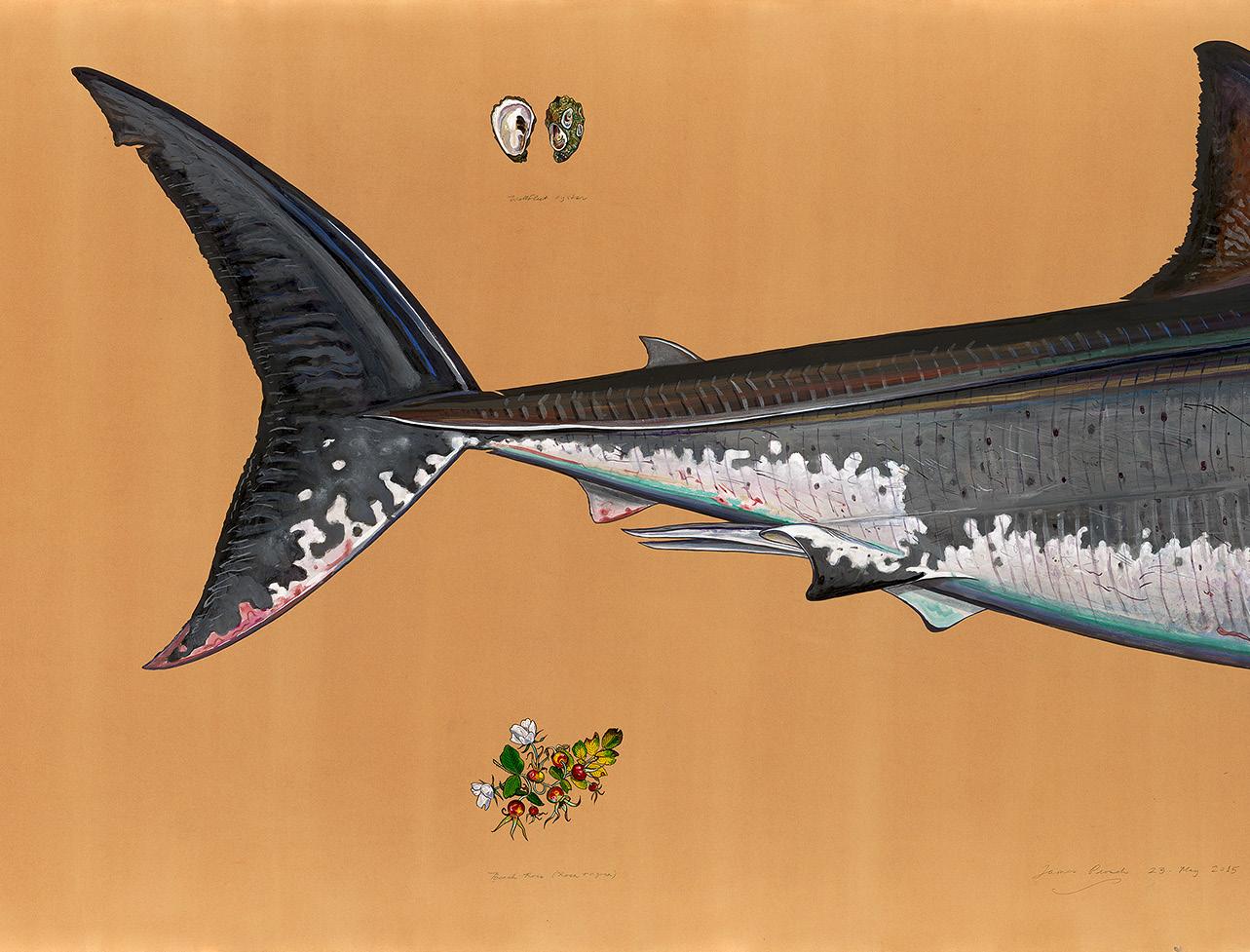
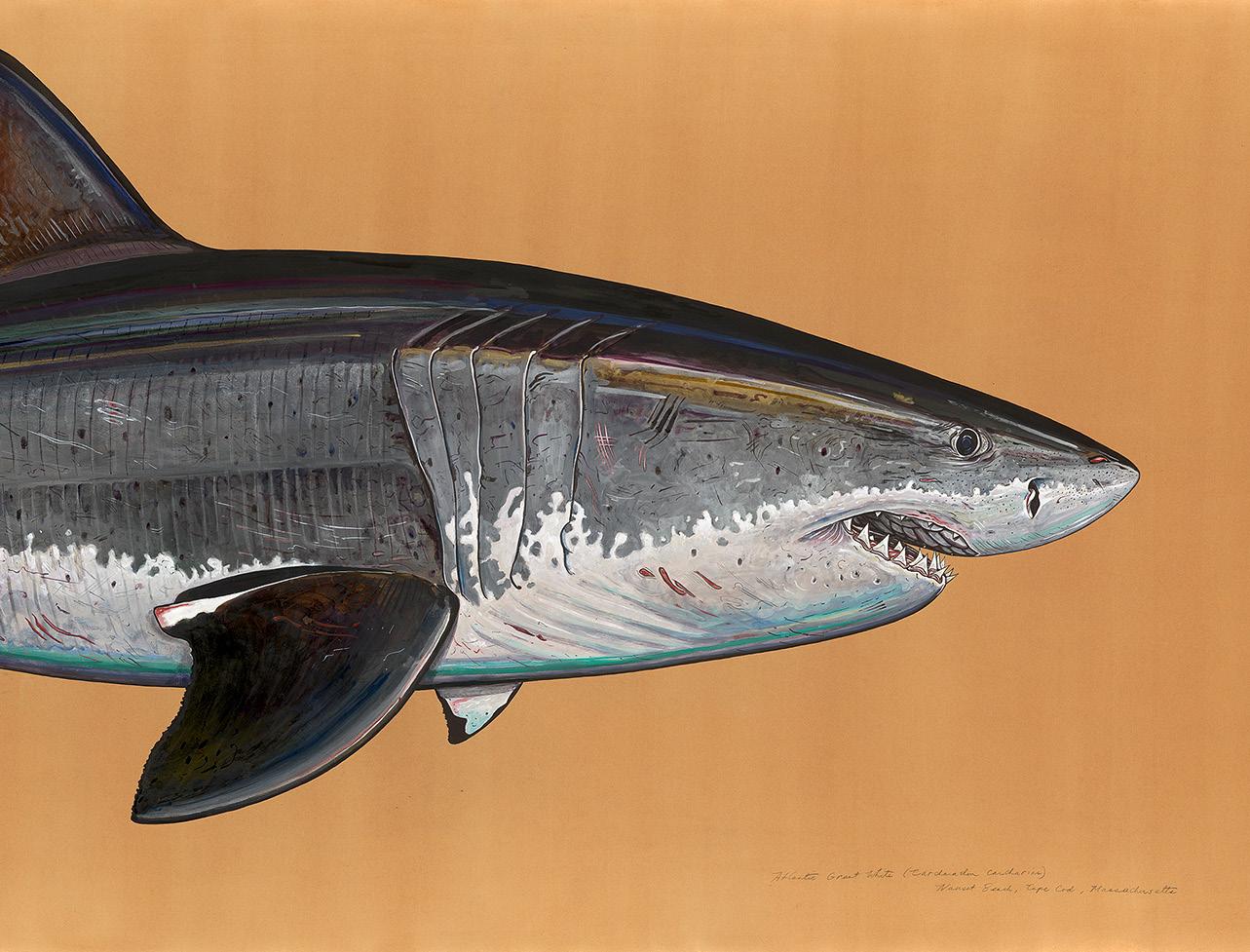
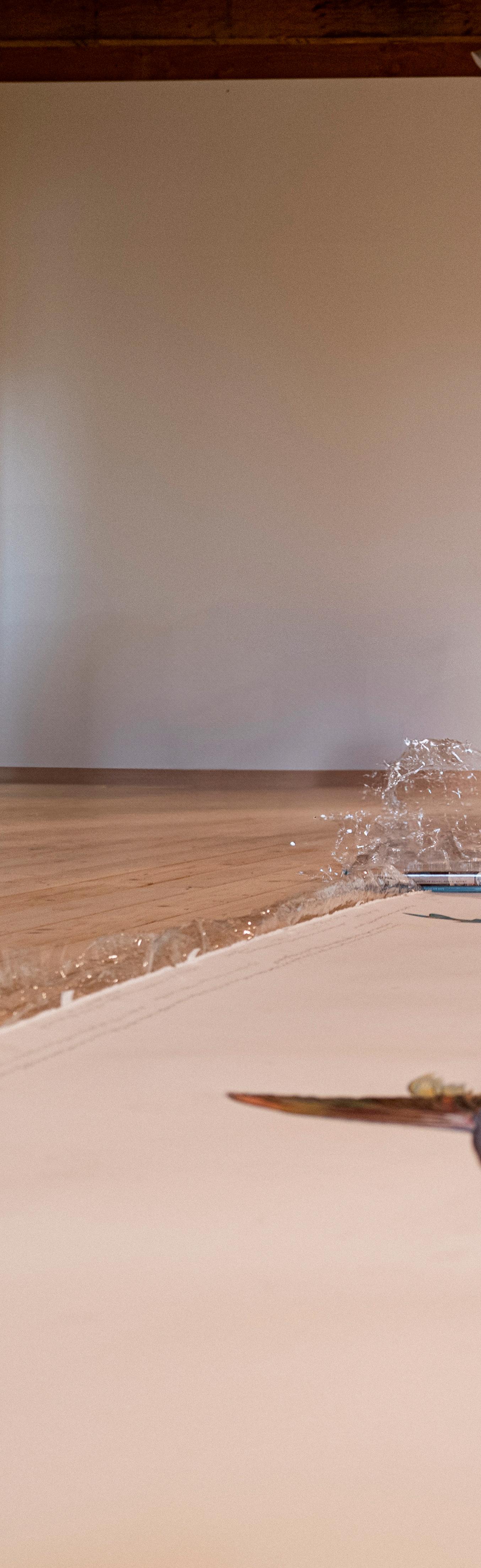
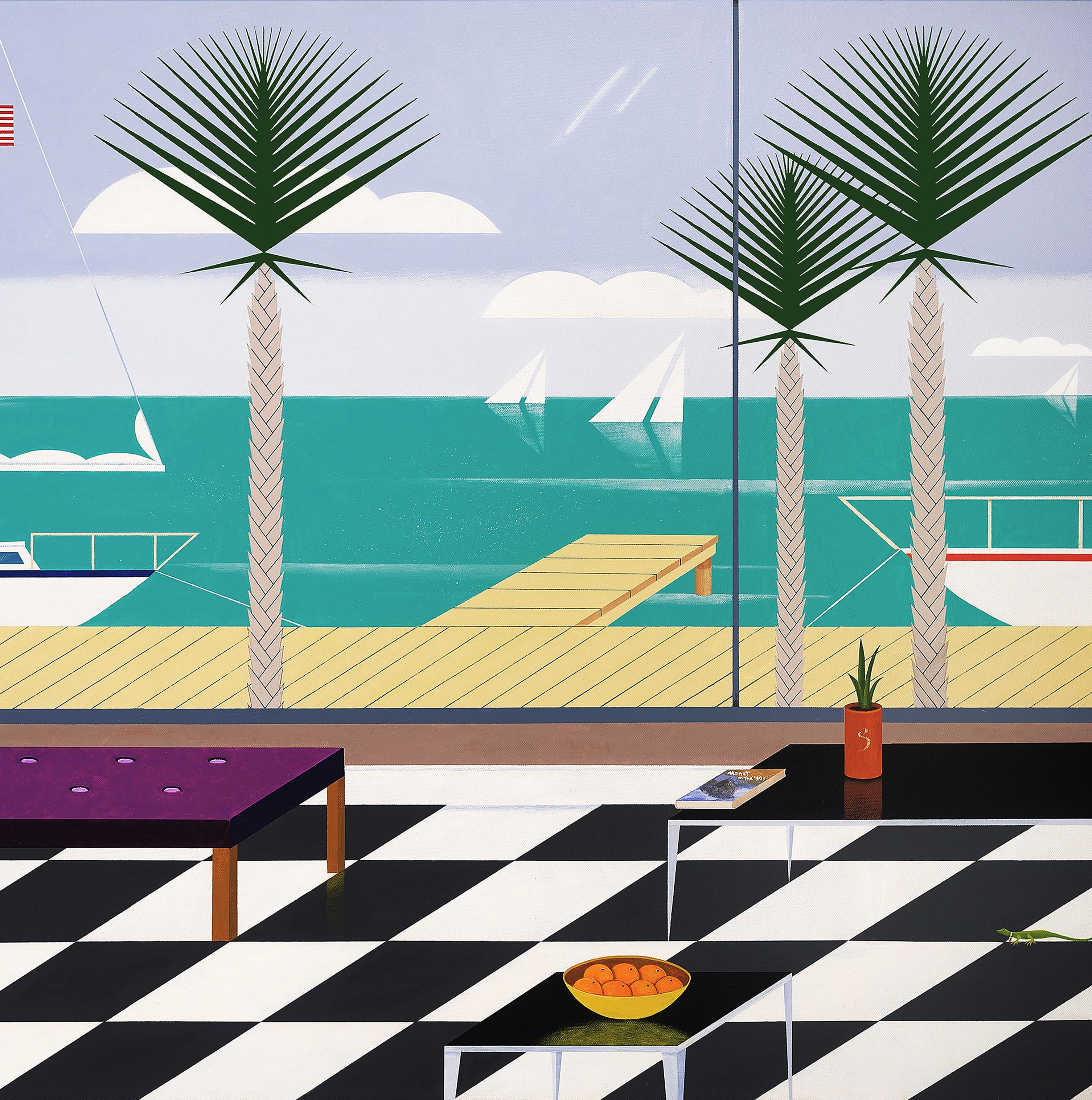
James Prosek, Great White Shark with Oyster, 2015.
and
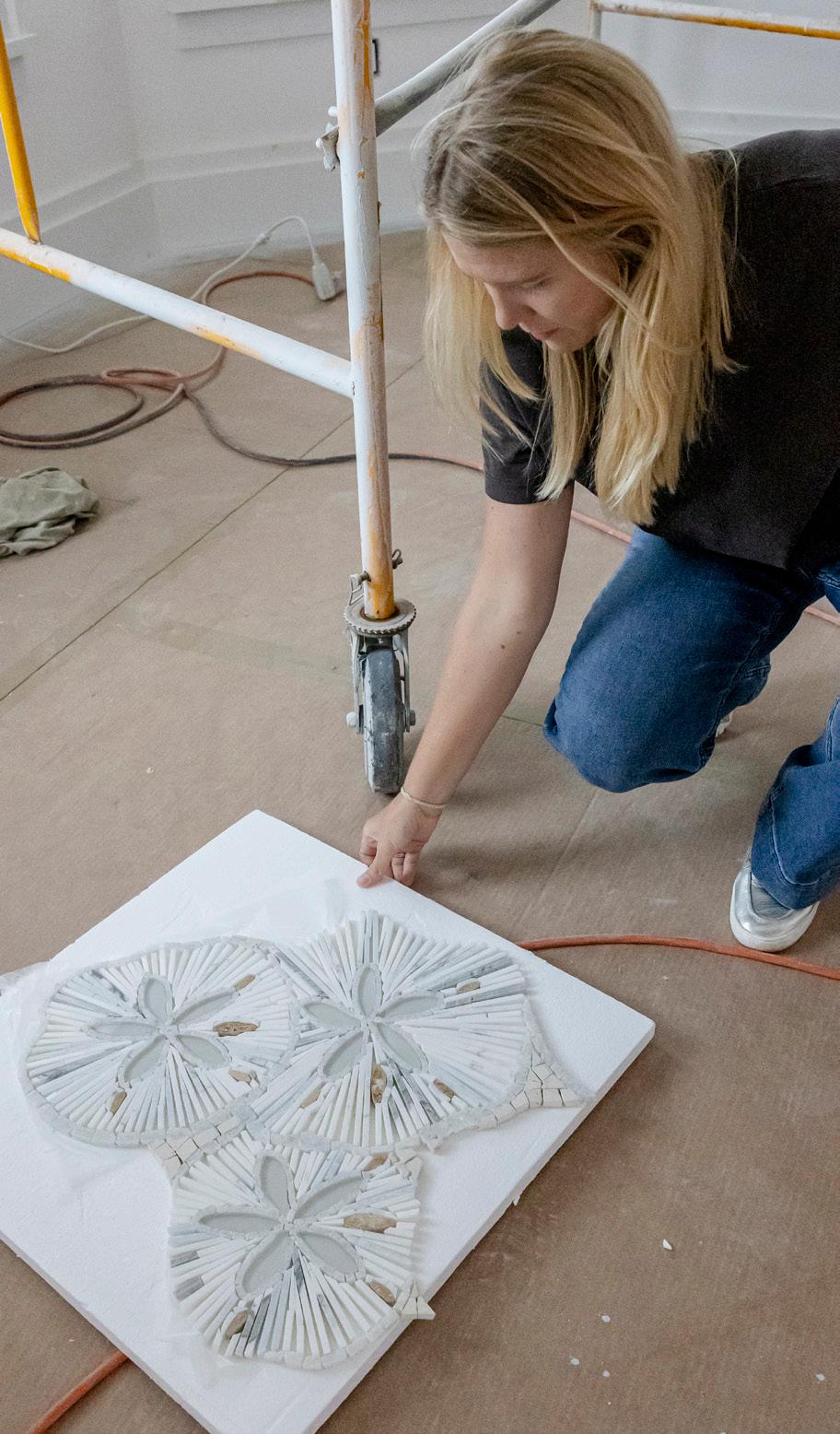
on tea-stained paper, 64 x 184 ¾ in.
James Prosek.
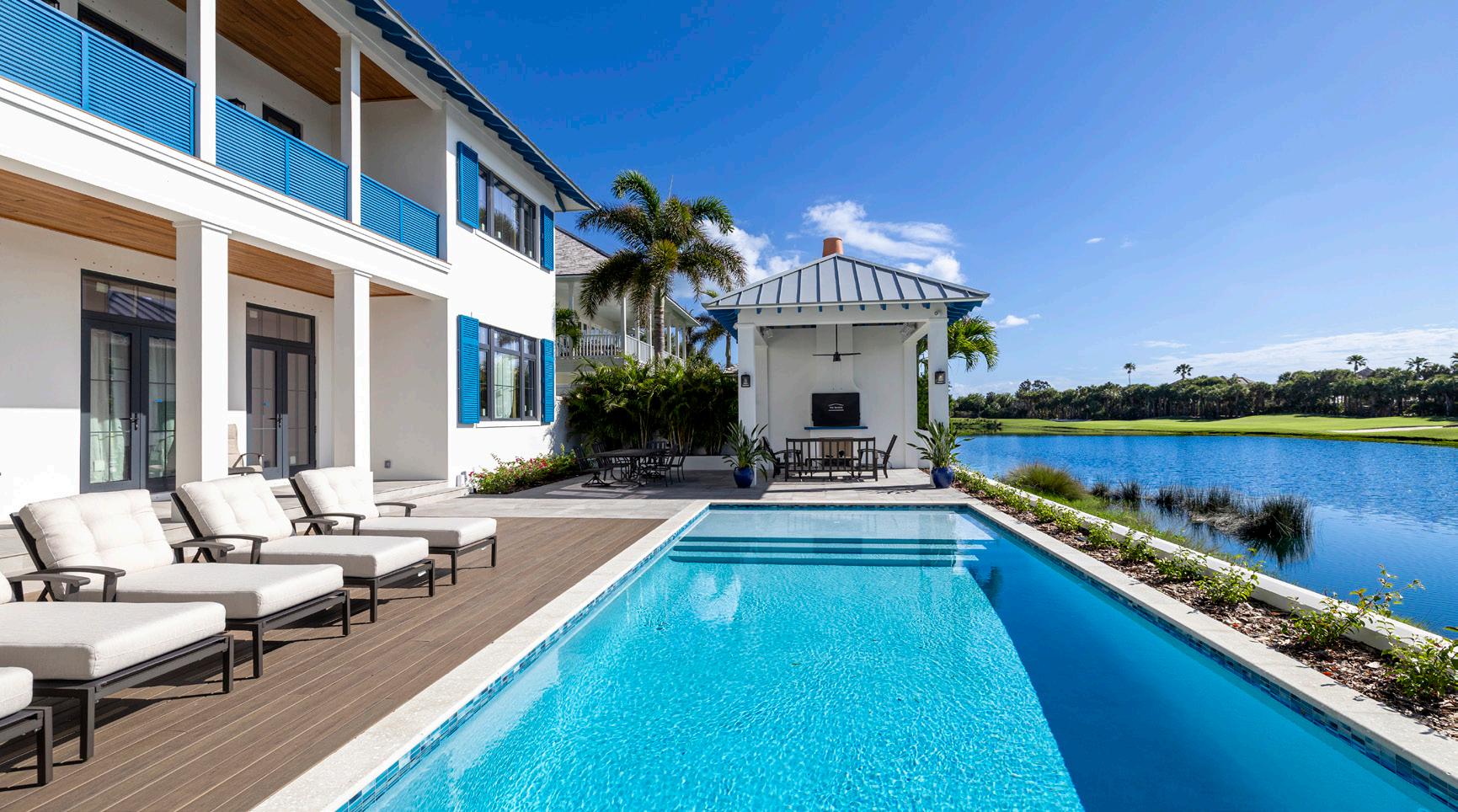
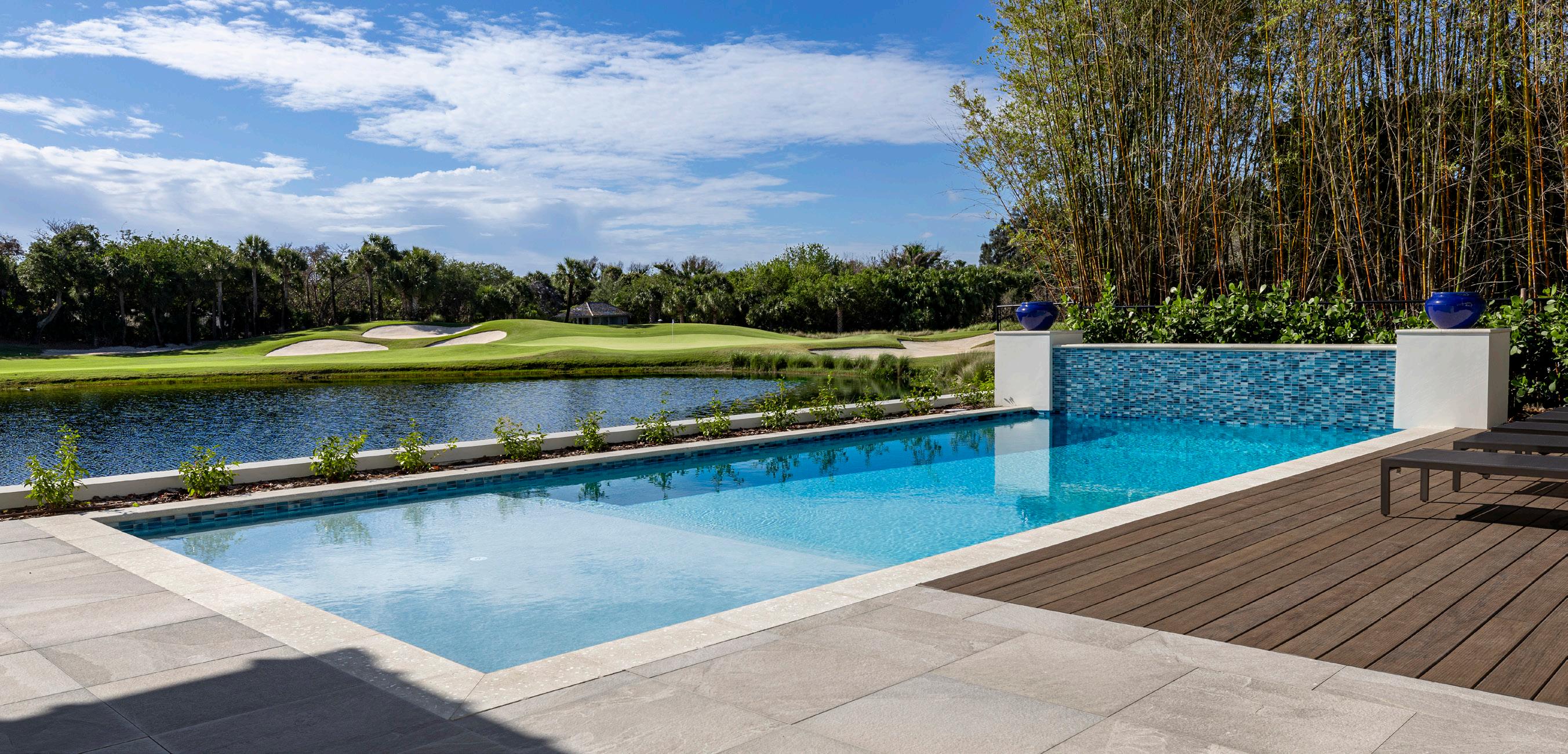
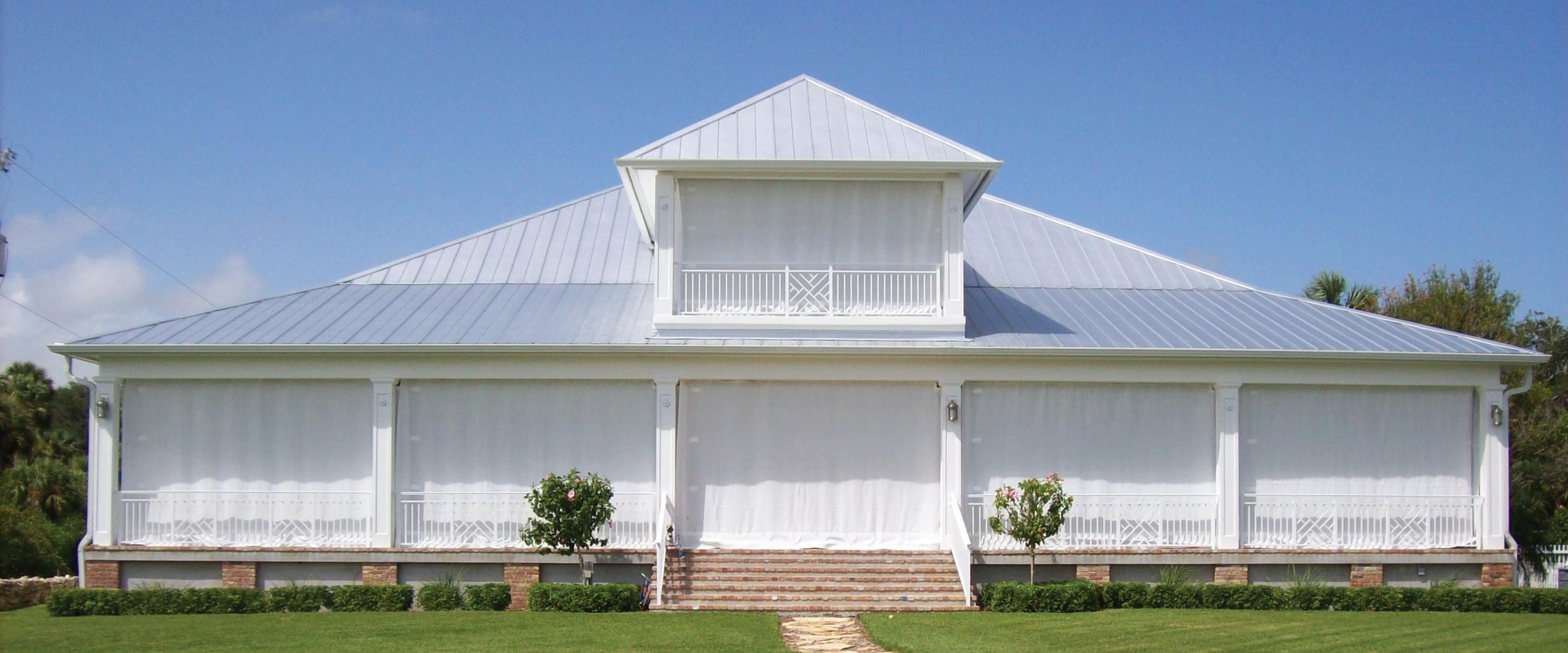
Architect: Gregory Anderson, PA
Photography: Daisy Burns
A
DESIGN
Billy Baldwin
Dean of American decorators working within the highest circles of American cultural life.
ART EXHIBITIONS 30 VBMA Presents James Prosek
The enduring relevance of the naturalist’s eye in our contemporary world. VERO
“GREAT ART PICKS UP WHERE NATURE ENDS.”
—Marc Chagall, Belarusian-born painter, printmaker, and designer.
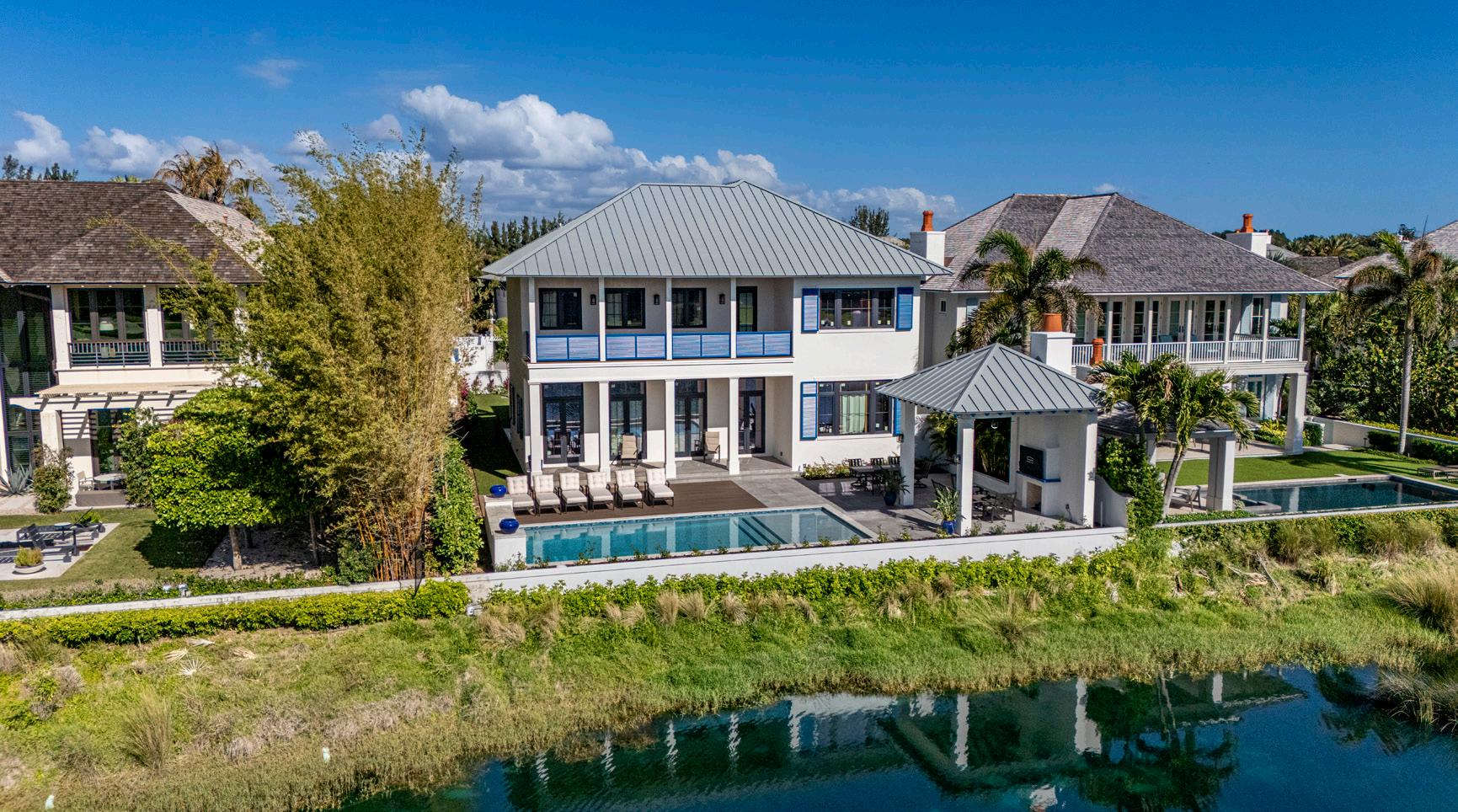
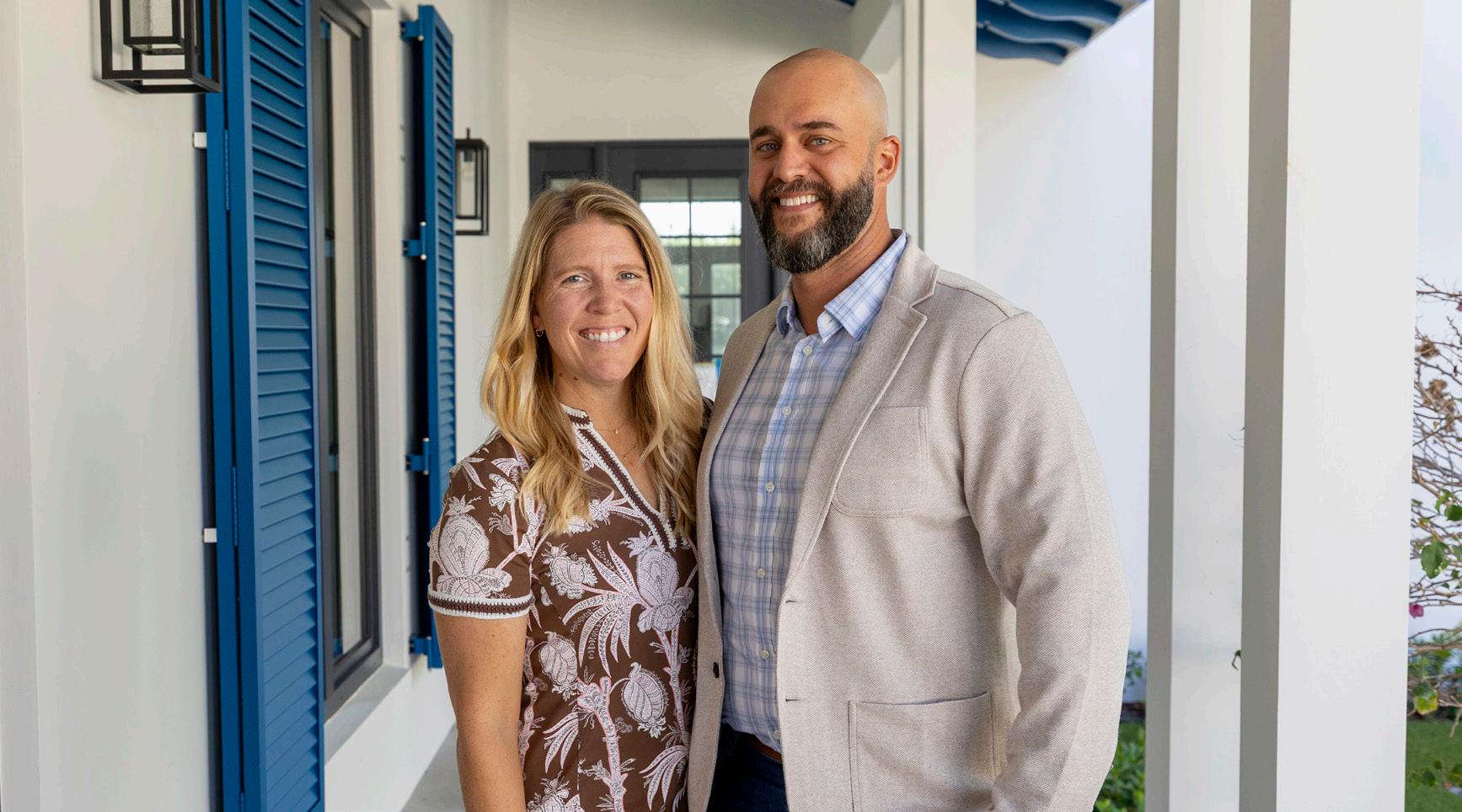
Alex and Whitney Wells
Next chapter in RCL Development’s storied history: spotlight on Whitney Wells. FILM ARTS
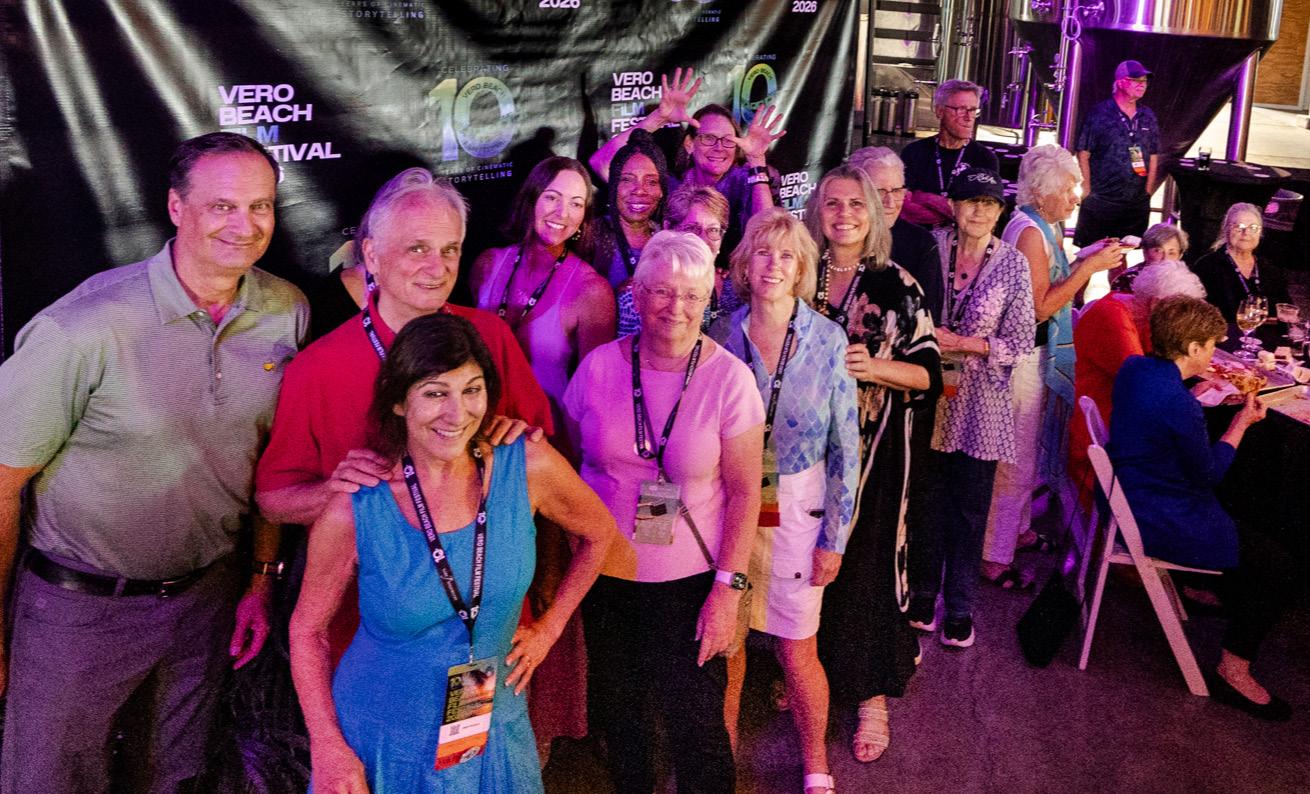
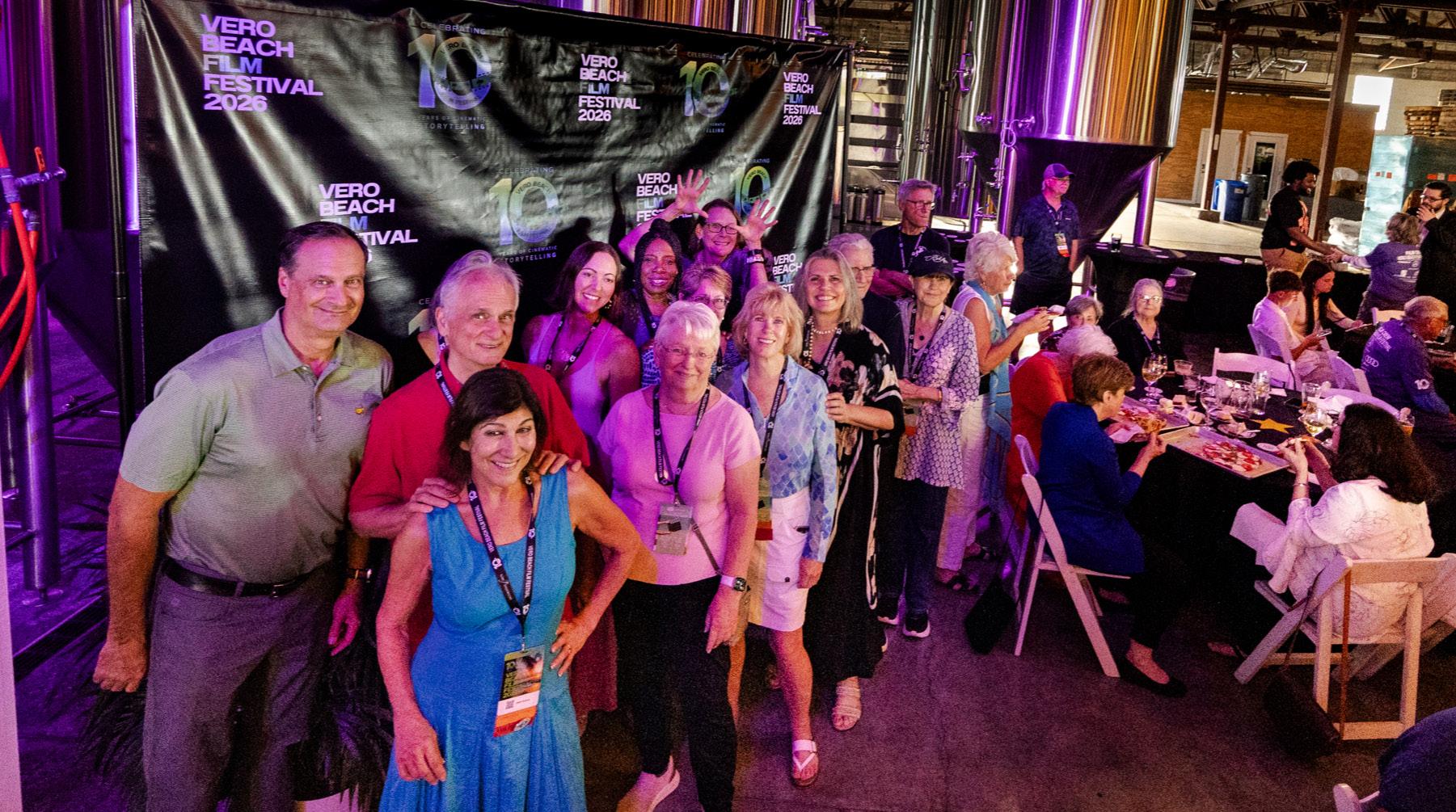
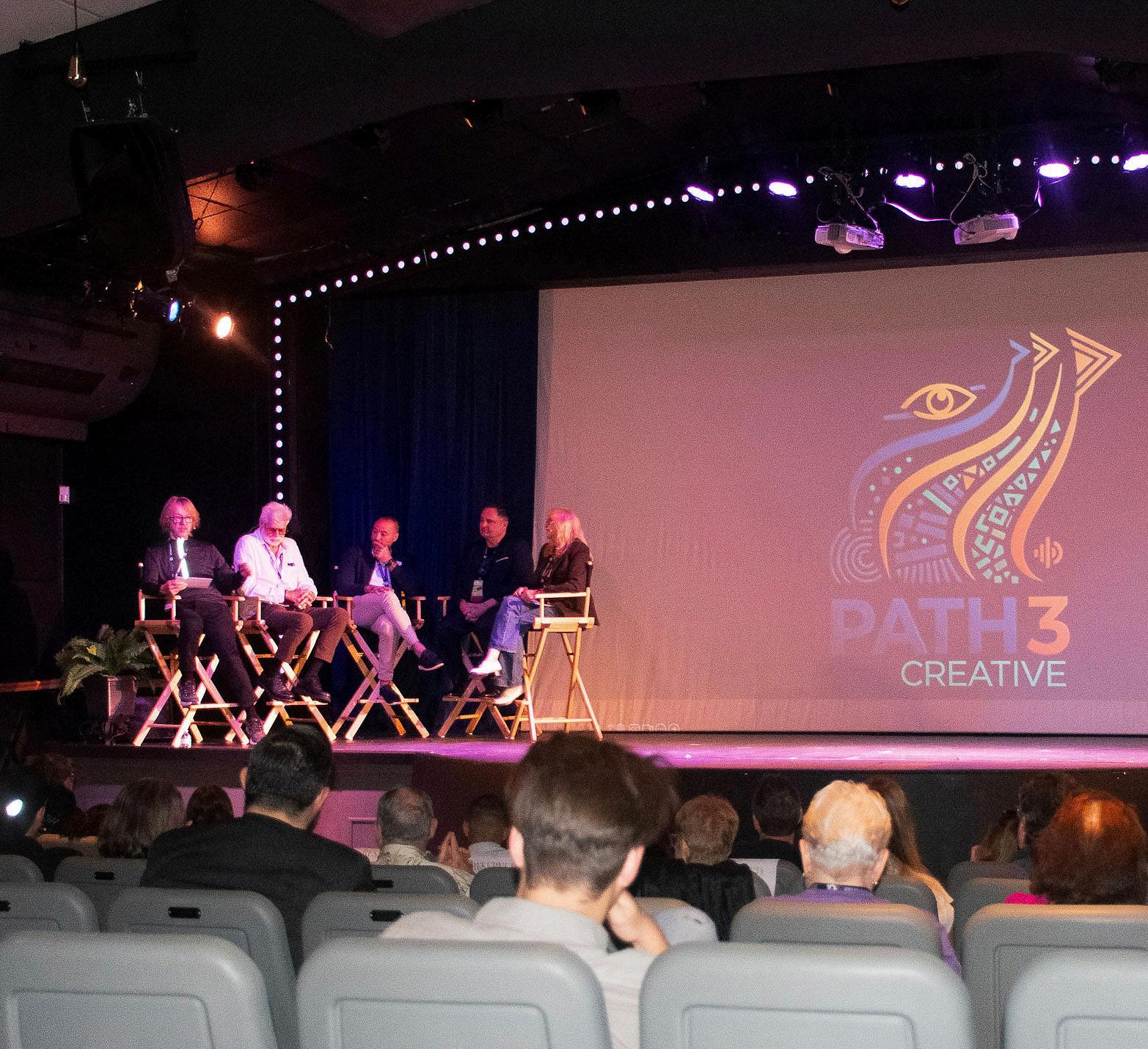
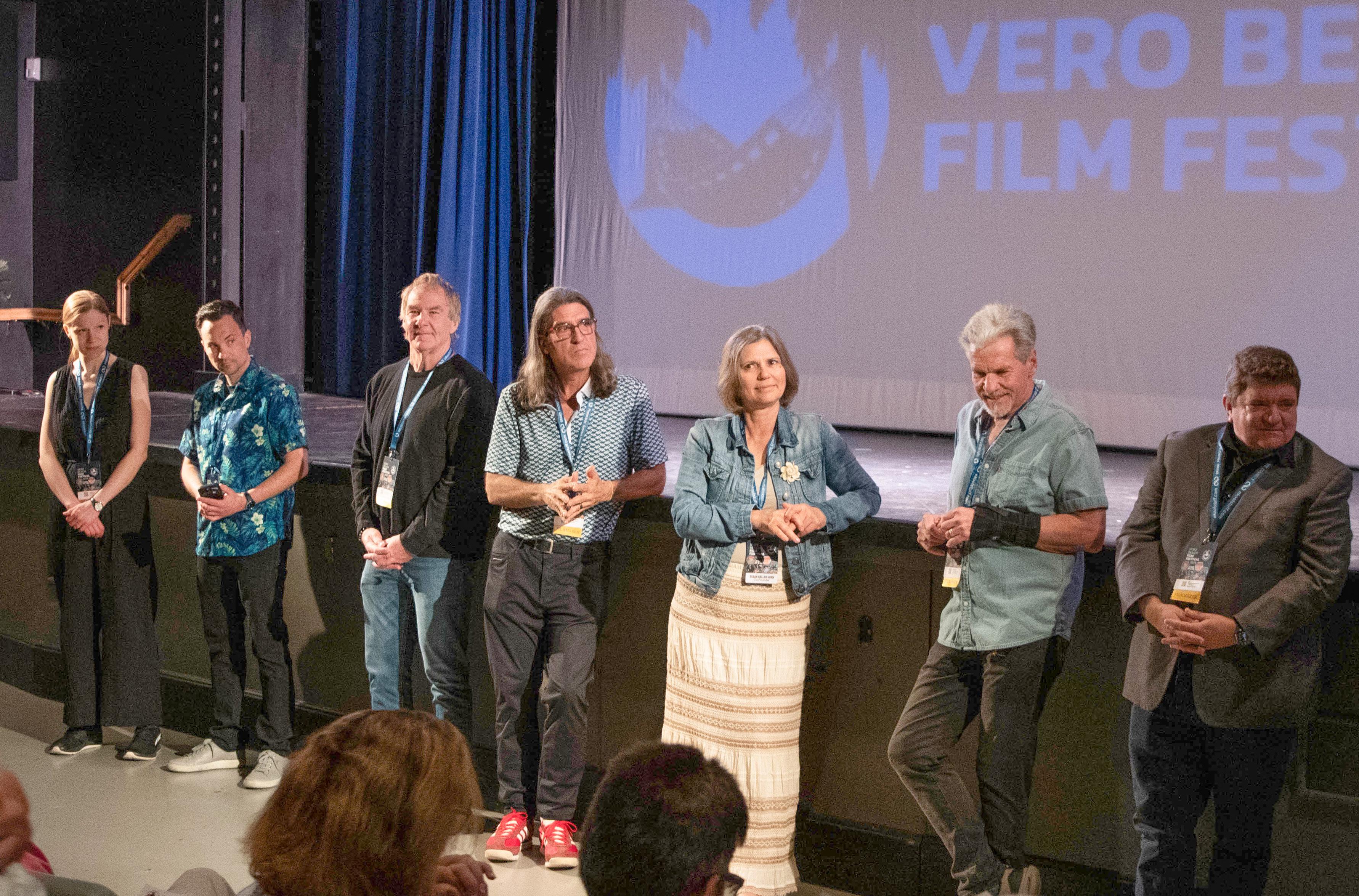
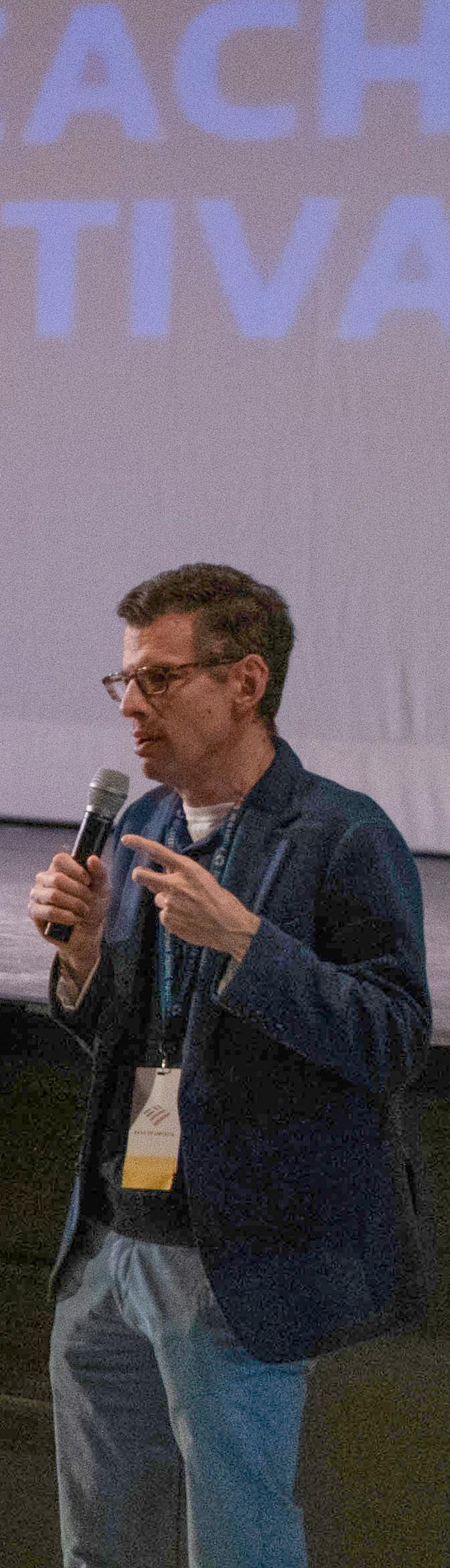
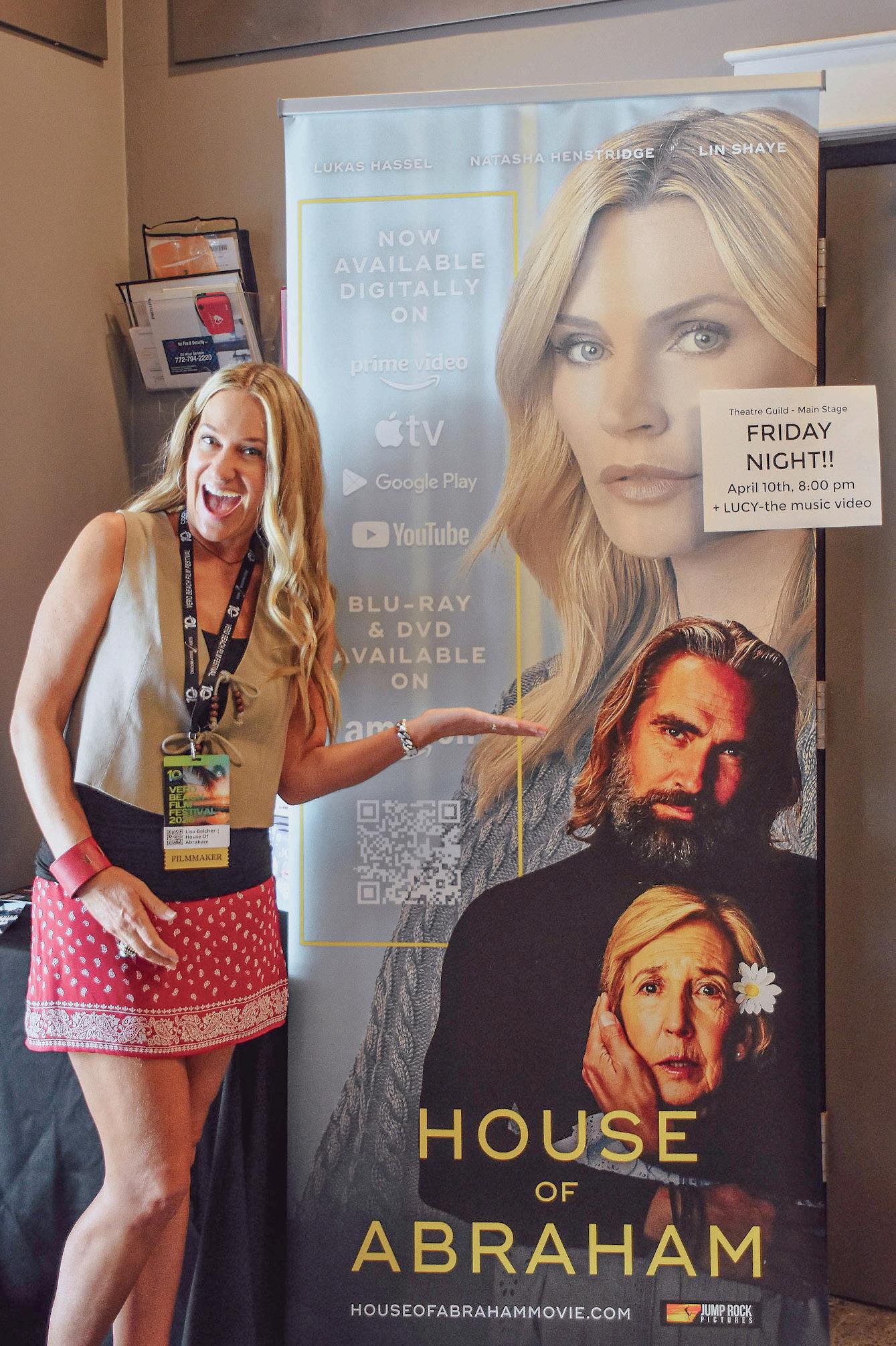
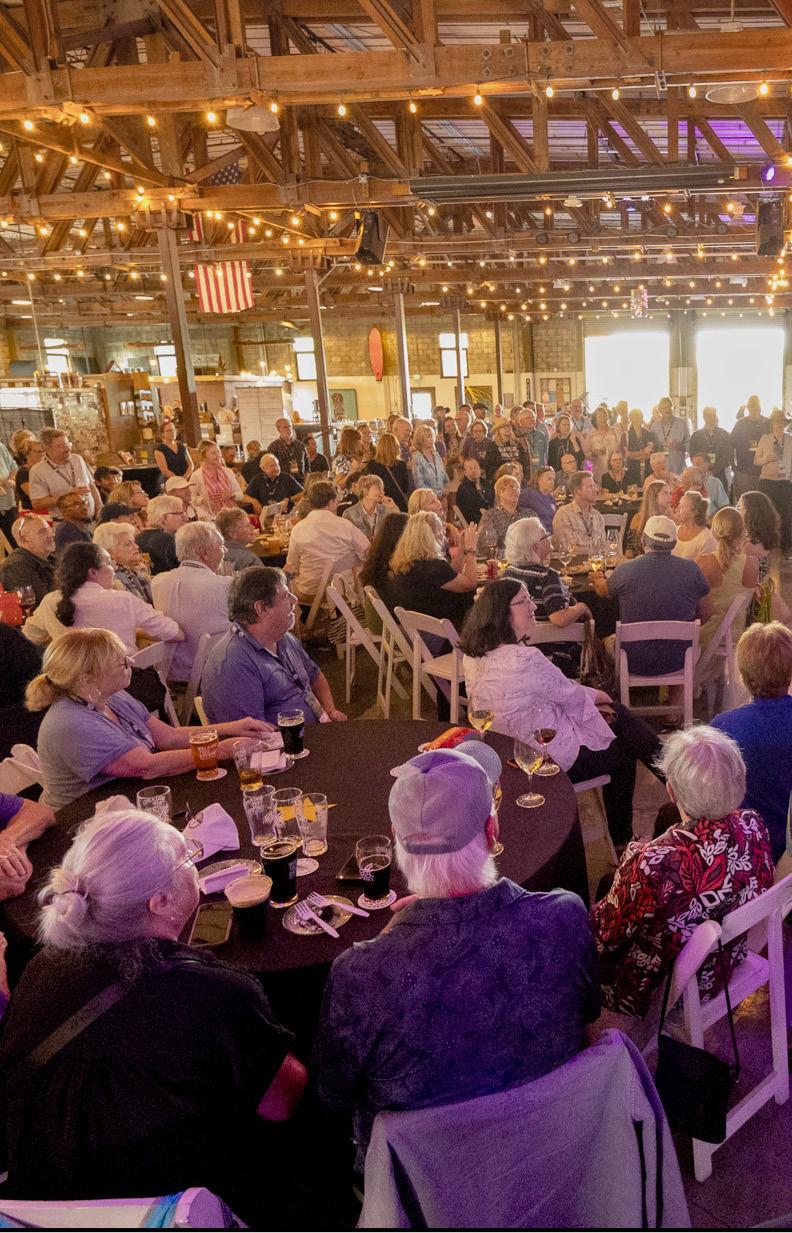
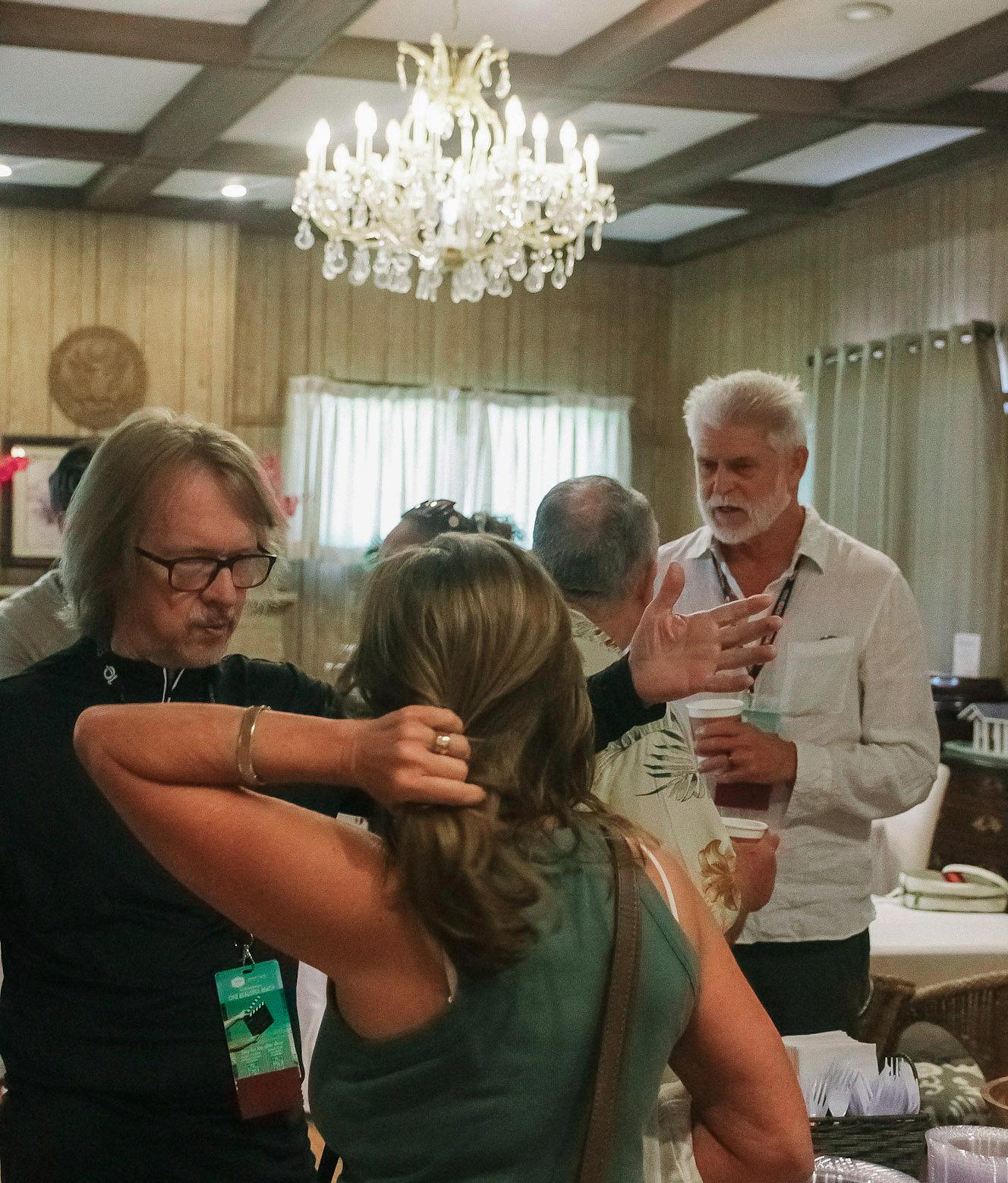
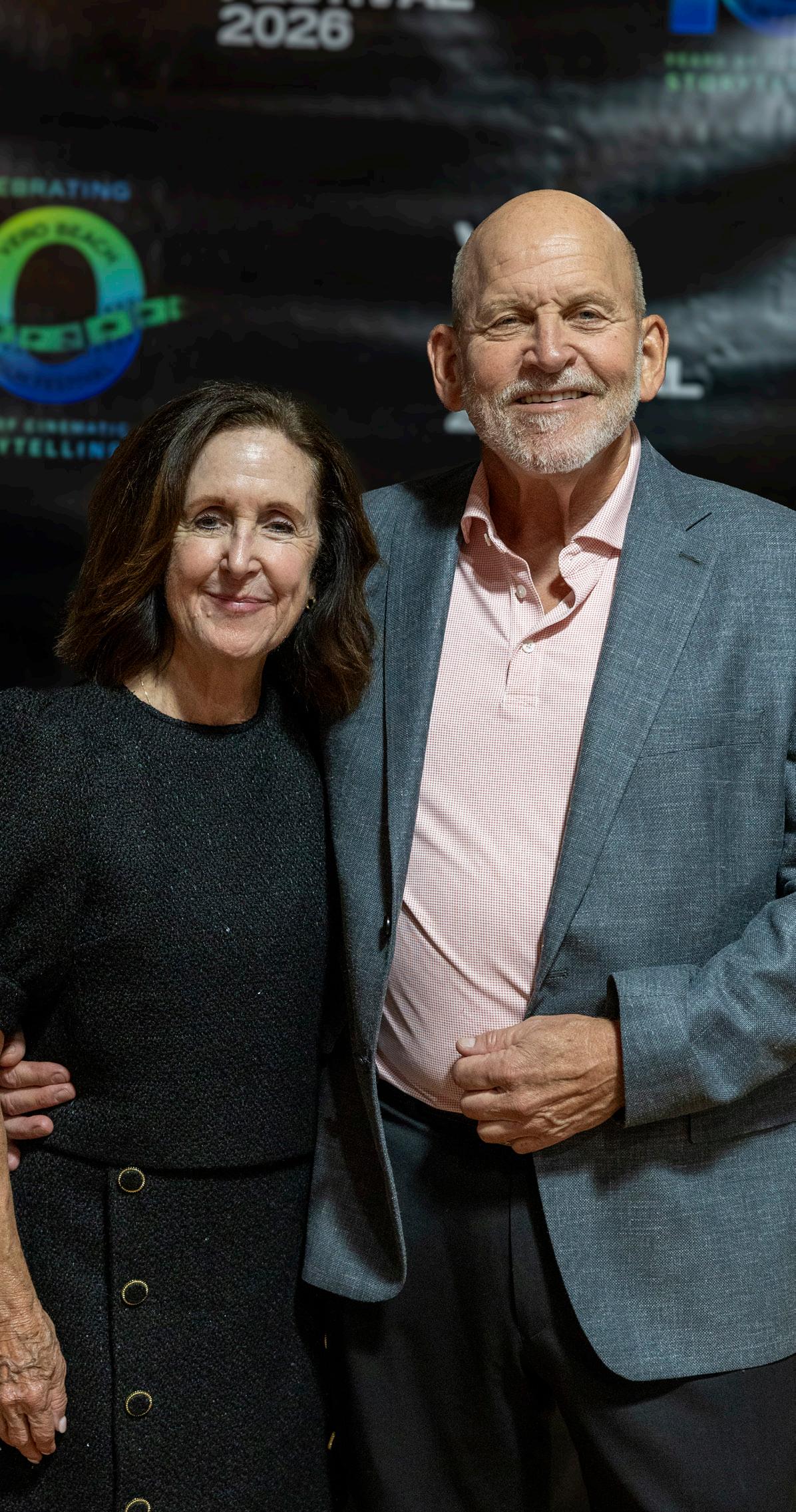
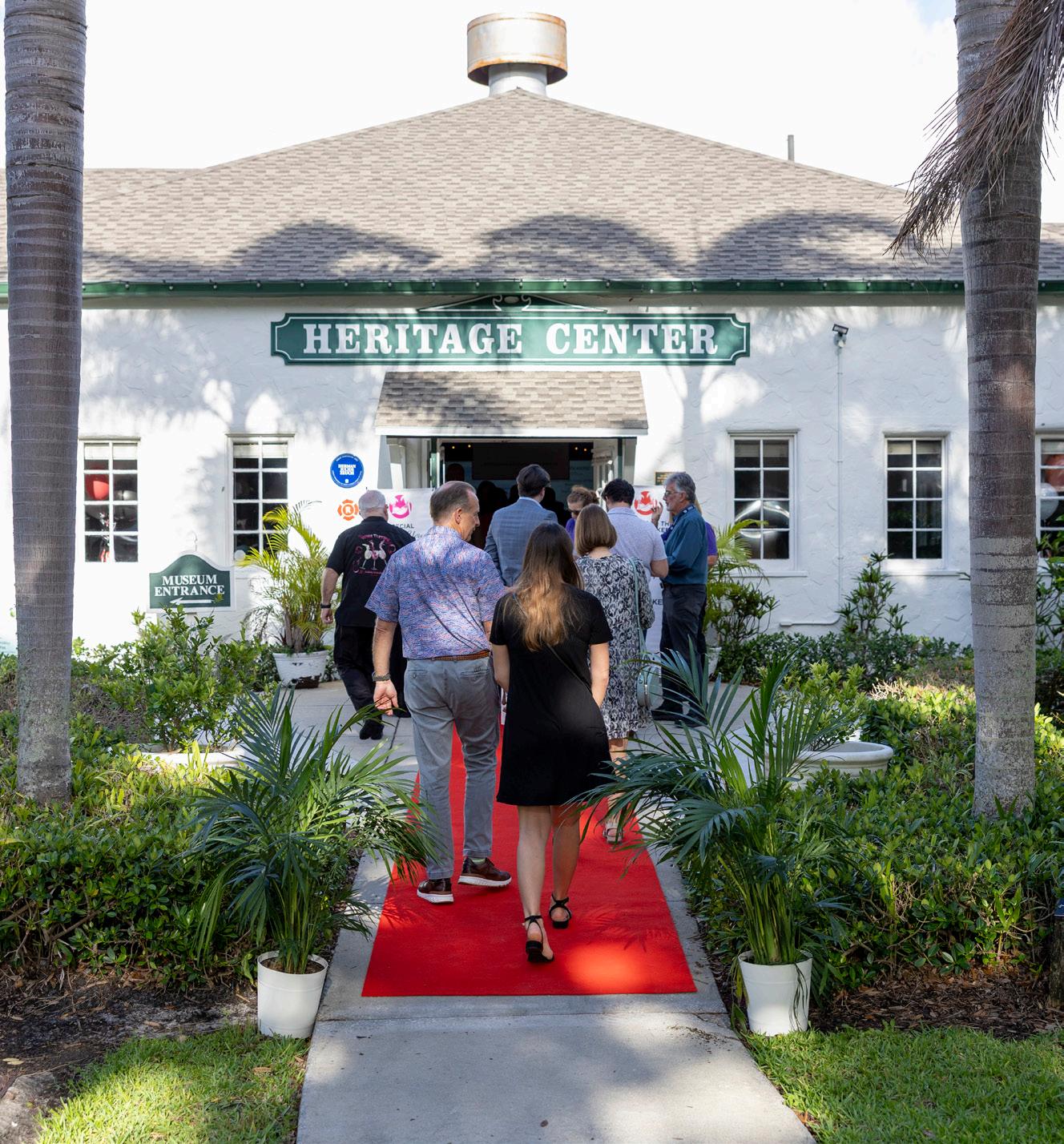
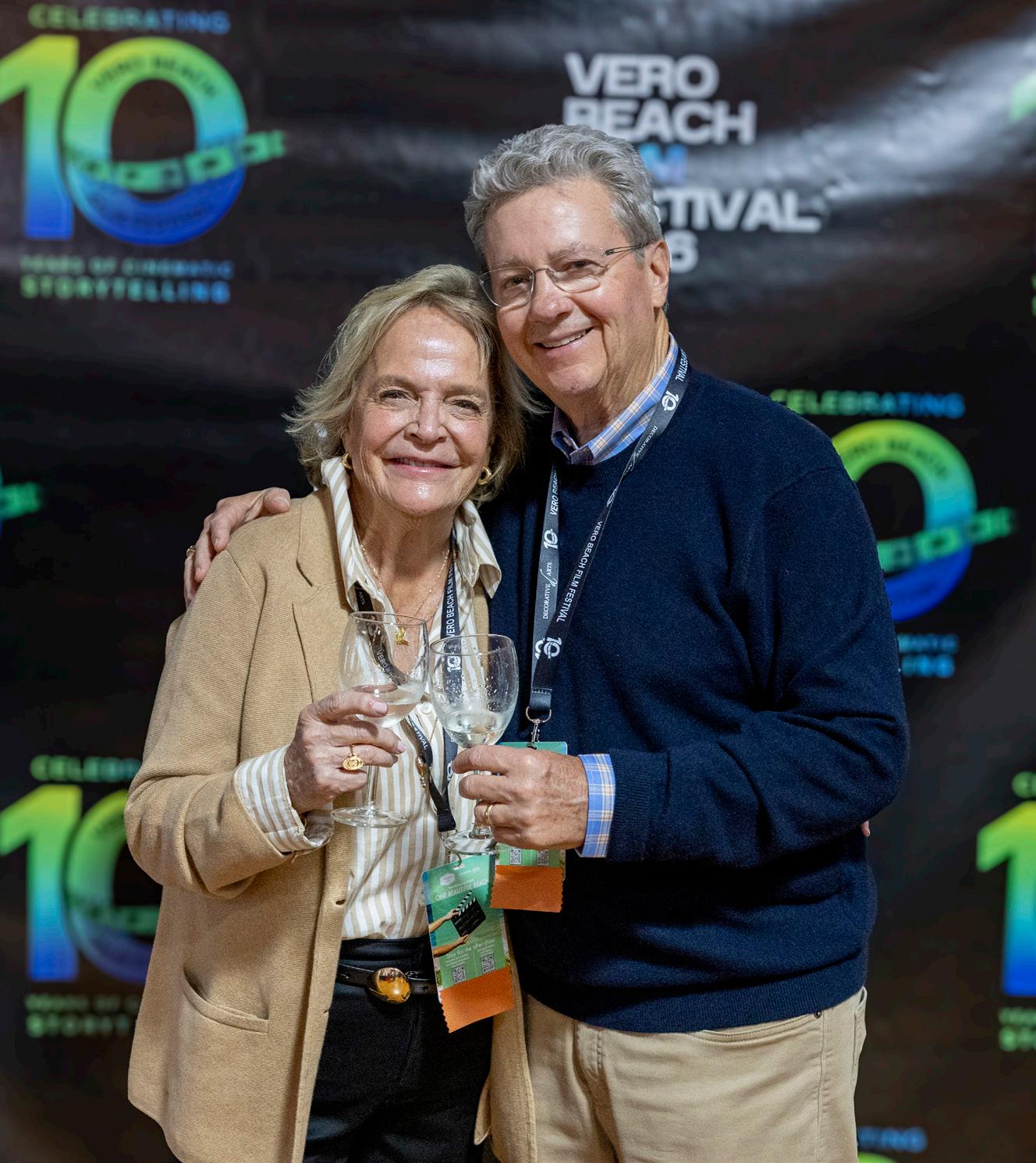
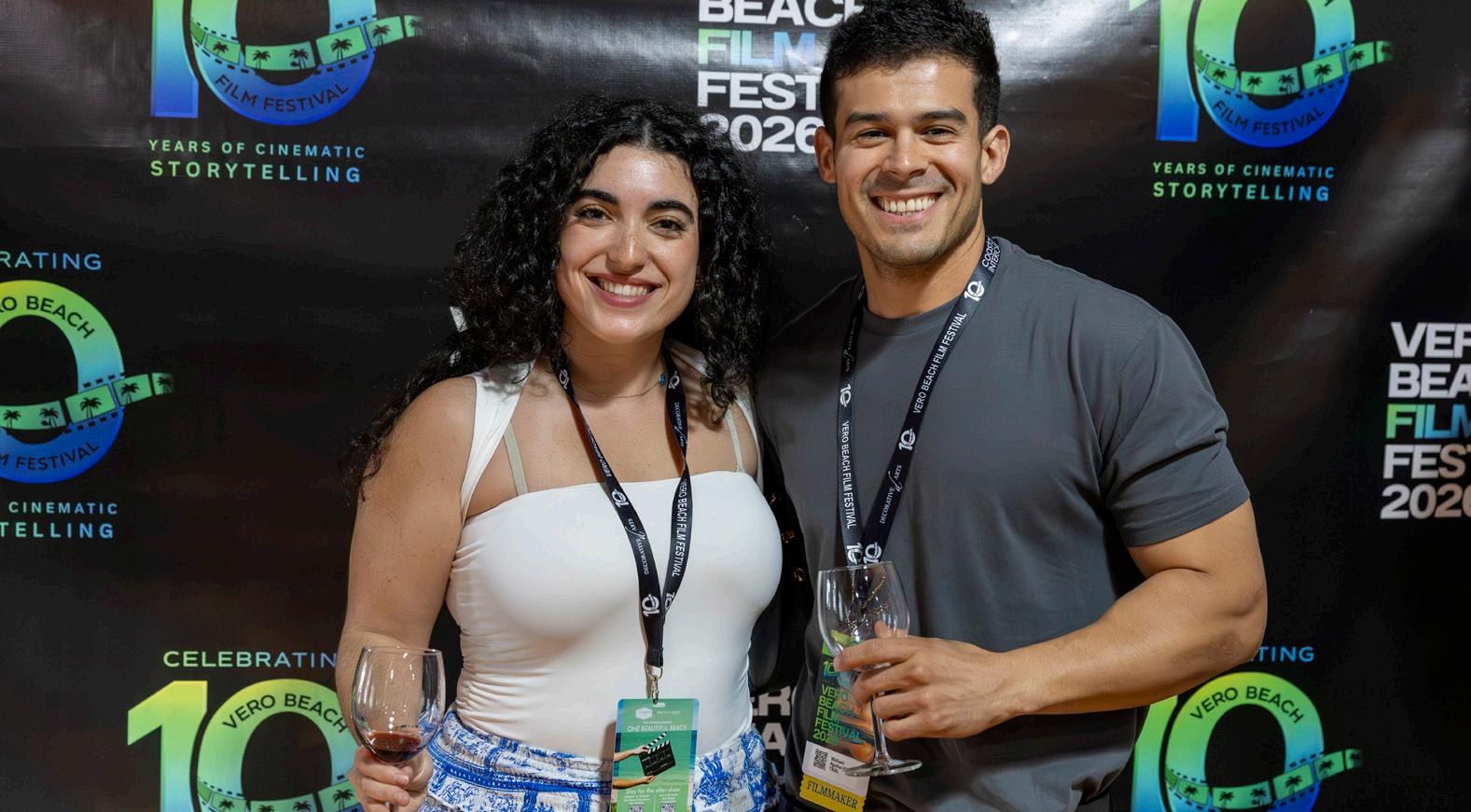
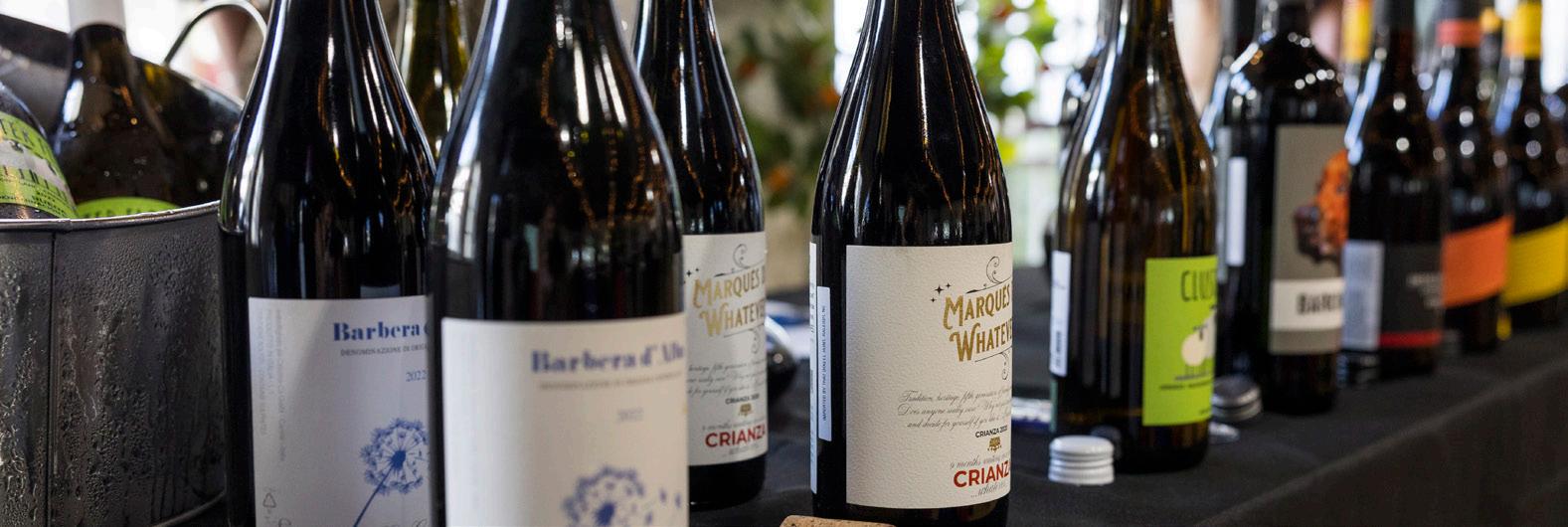
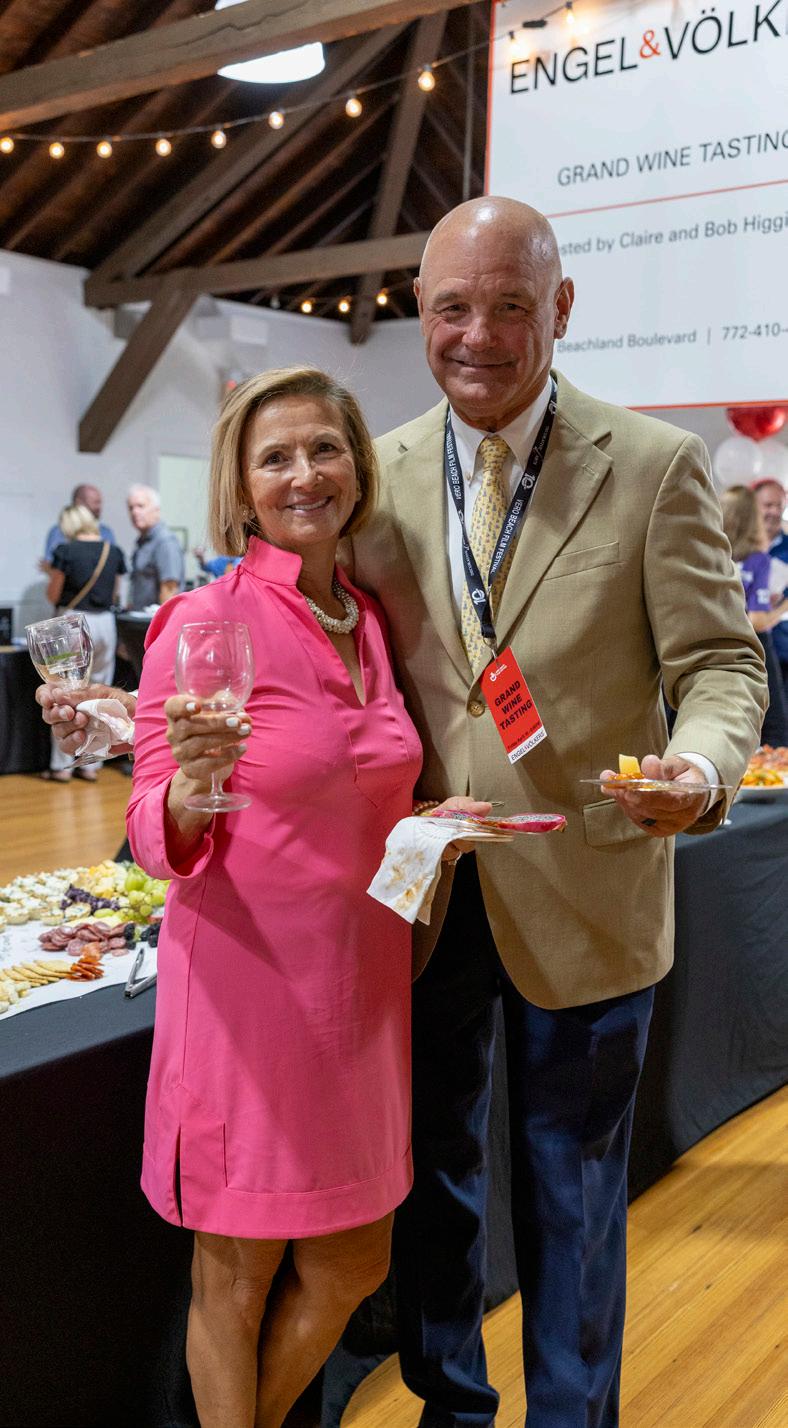
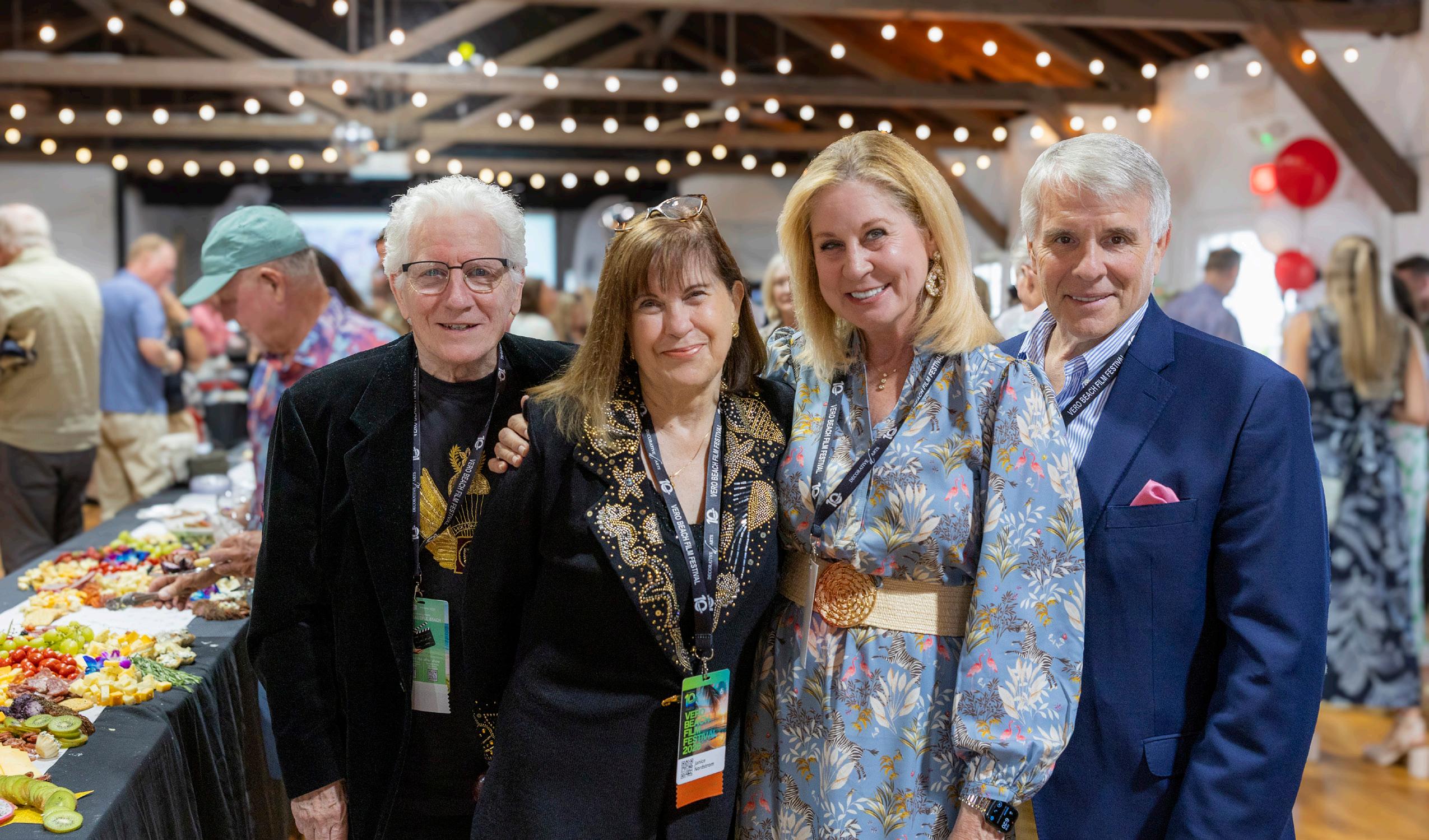
The Vero Beach Film Festival –2026
First-time perceptions of an industry attendee on the venue, films, and people.
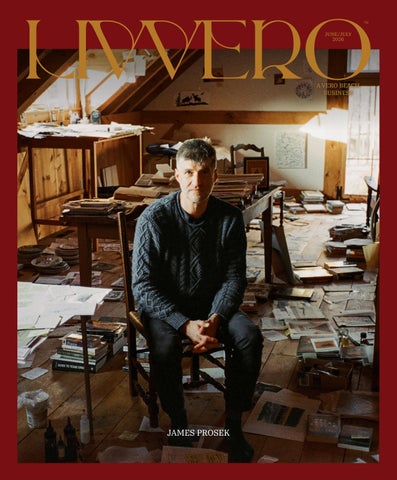
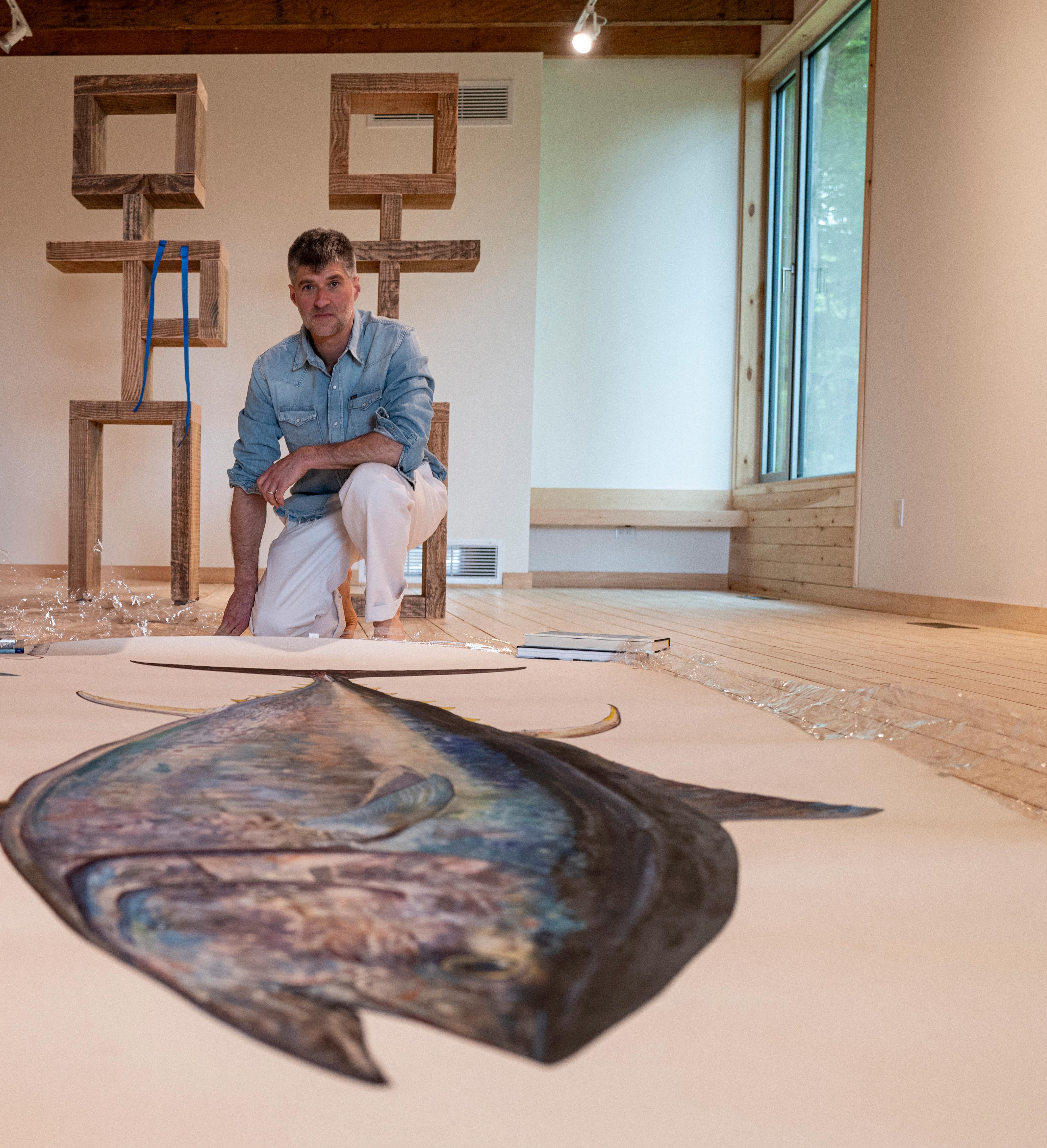
Artist, naturalist, writer James Prosek brings a diverse and stunning body of more than 70 artworks to the Vero Beach Museum of Art, on view July 11-October 25, 2026.
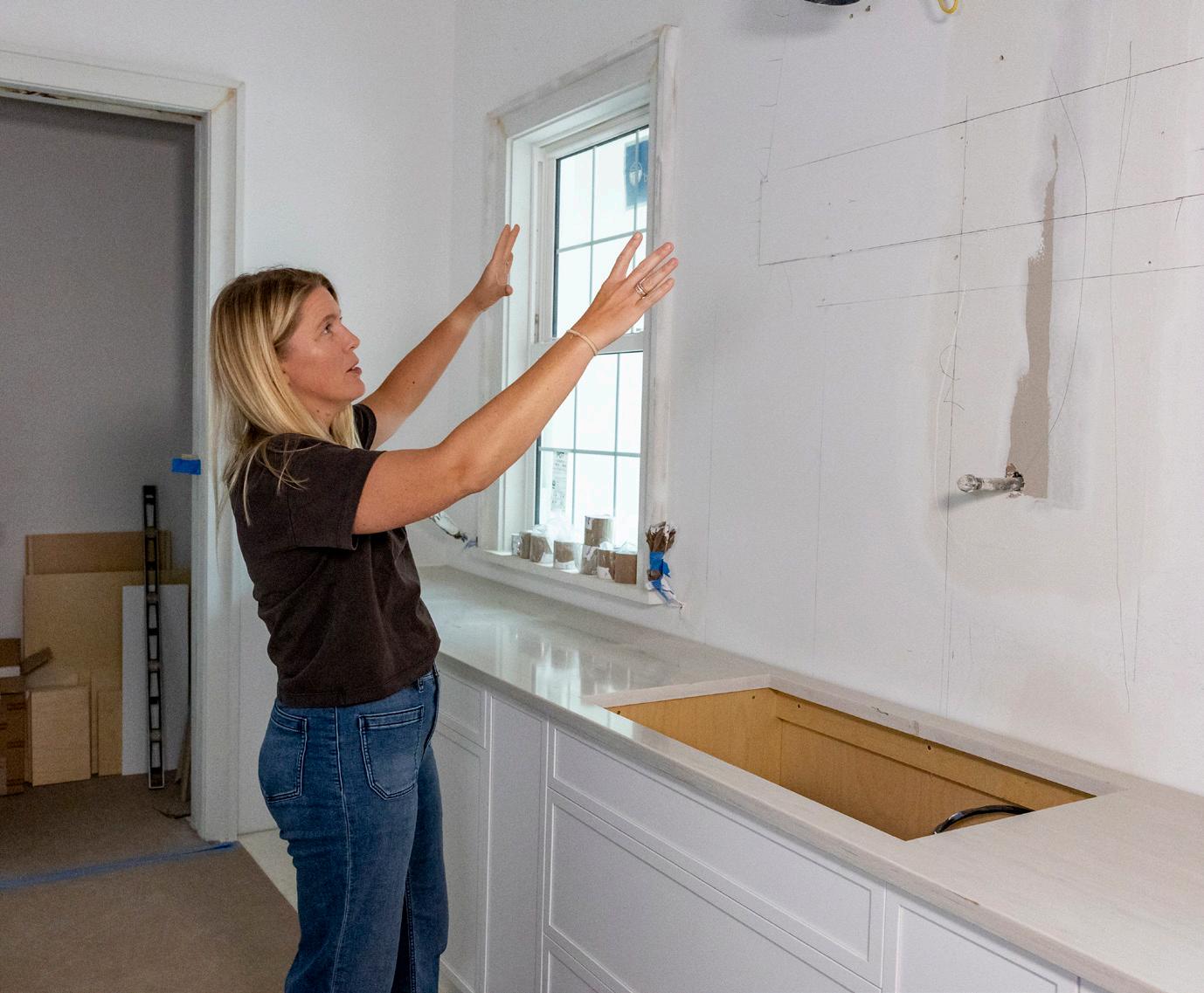
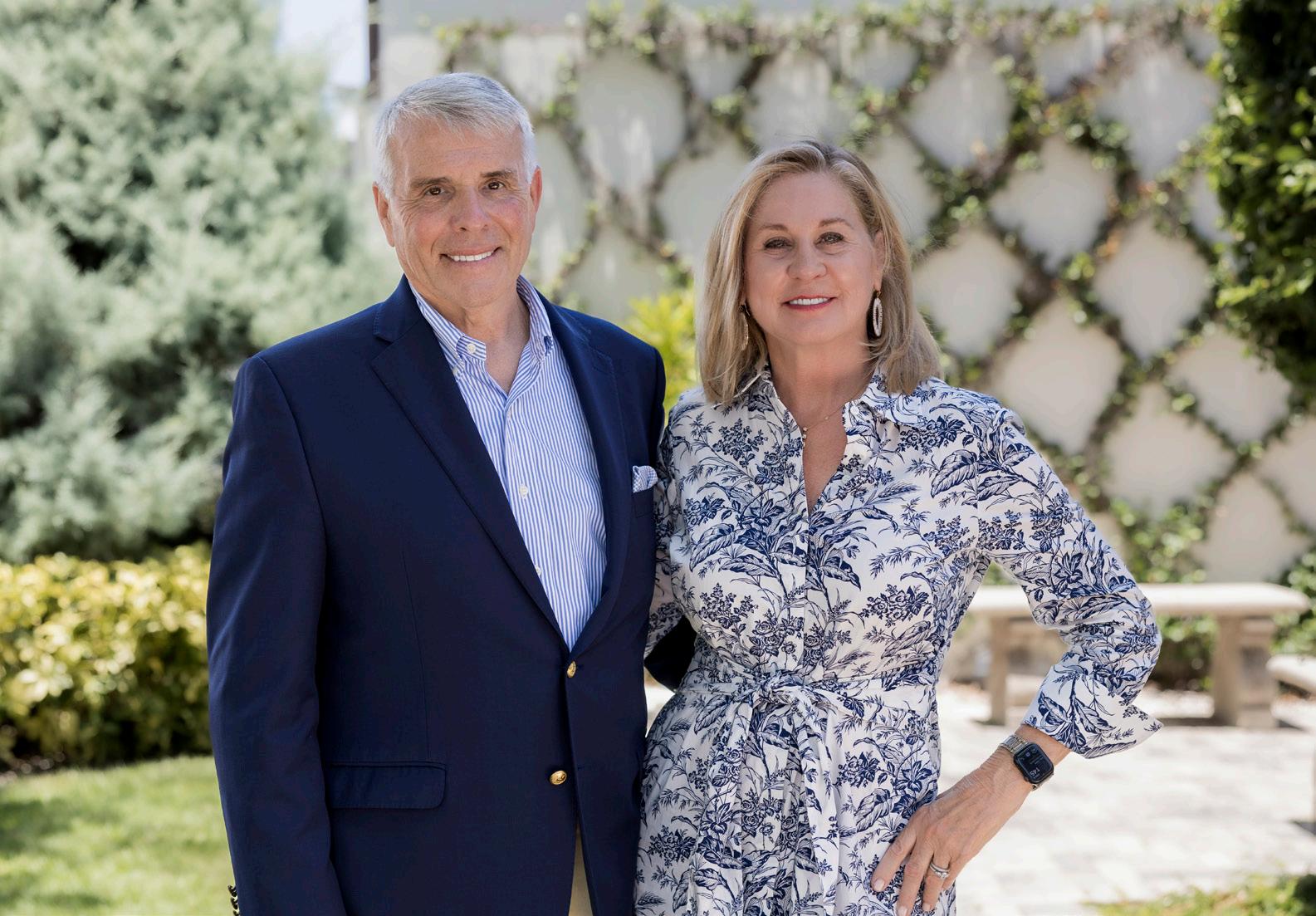
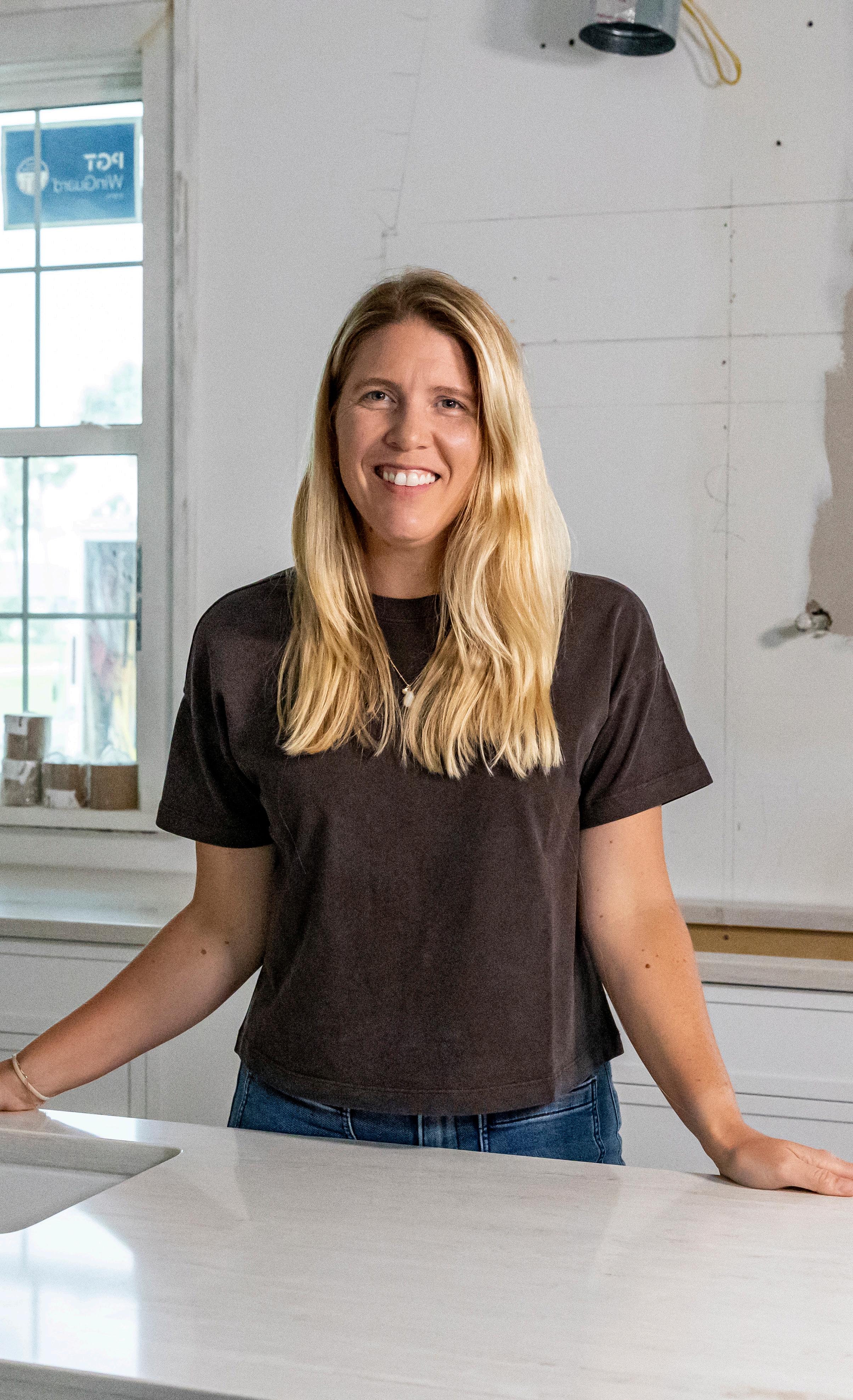
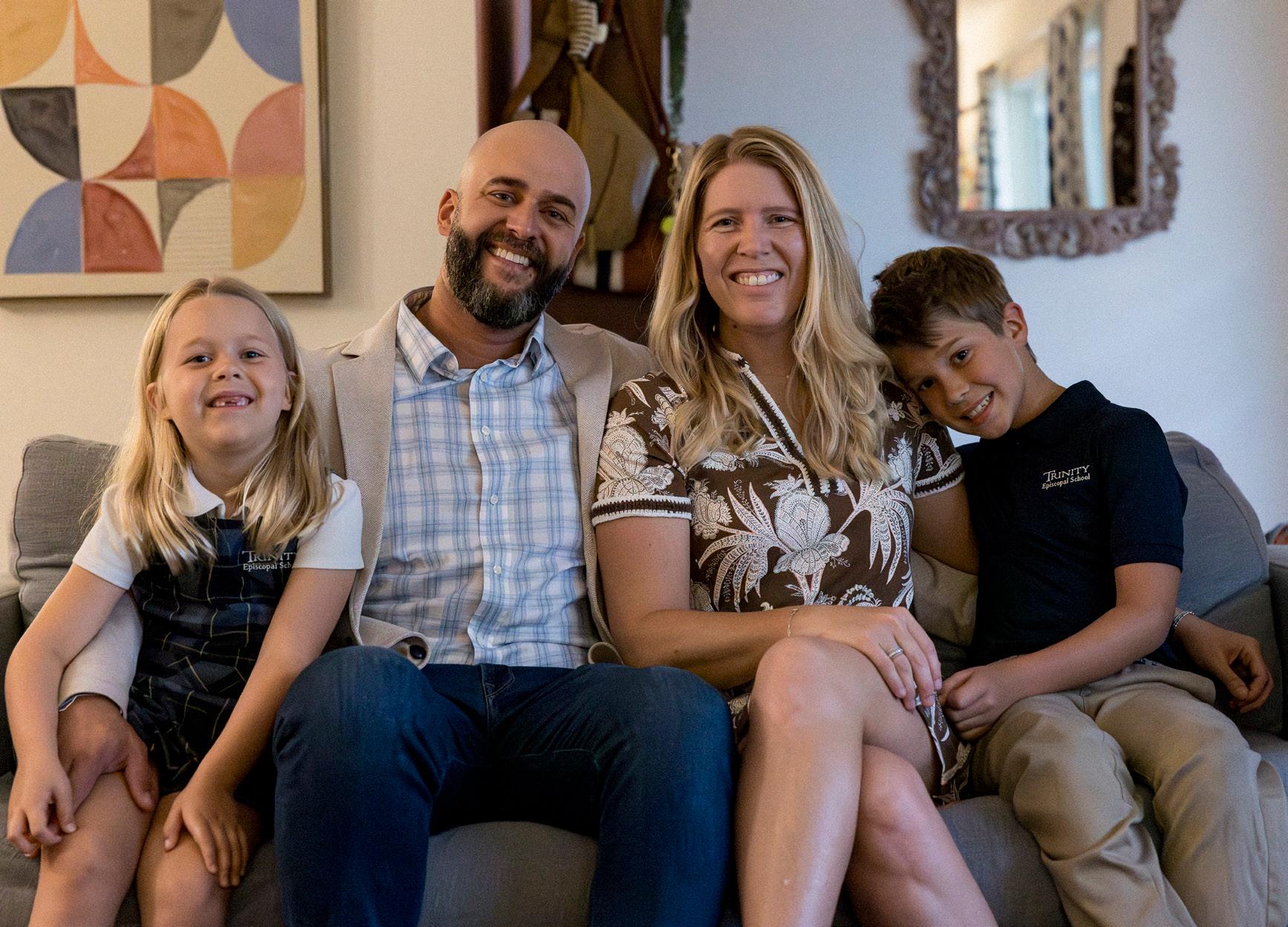
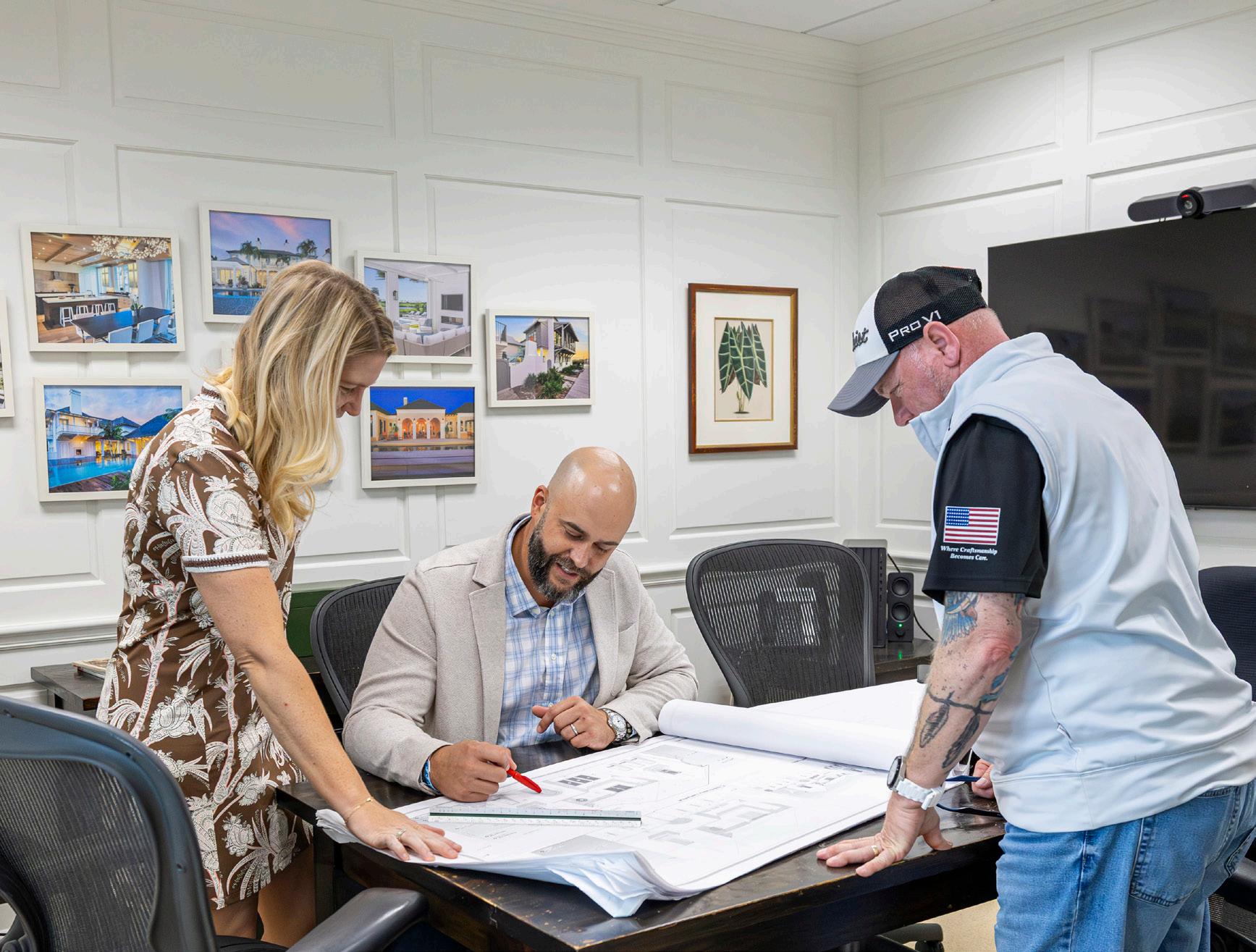
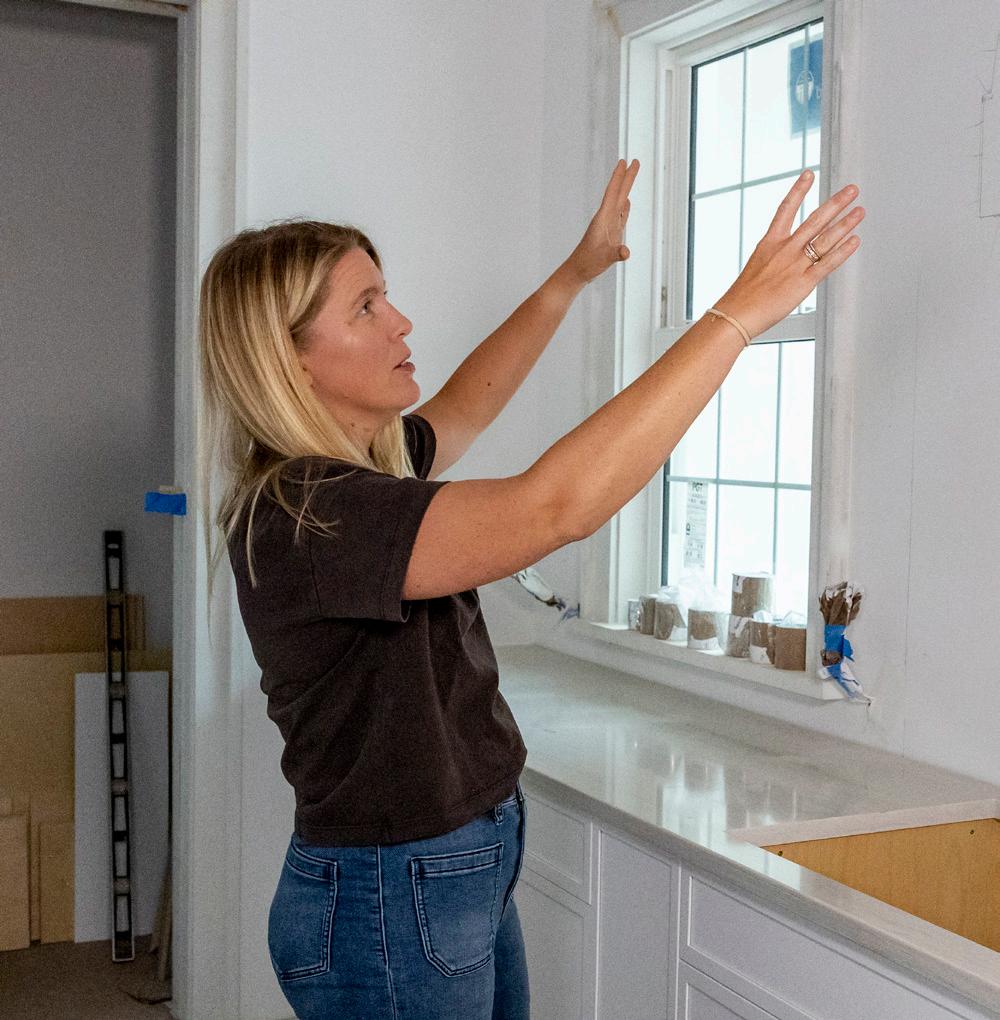
Whitney Wells joins husband Alex and RCL Development as its Business and Marketing Manager.
JUNE/JULY 2026
CONTENTS
ARTISTS IN FOCUS
66 Melissa Carter
The art of noticing—a life shaped by truth, goodness, and beauty.
ARTISTS IN FOCUS
72 Radford Wine
The current expression of a creative life now anchored in Florida.
REAL ESTATE TALK
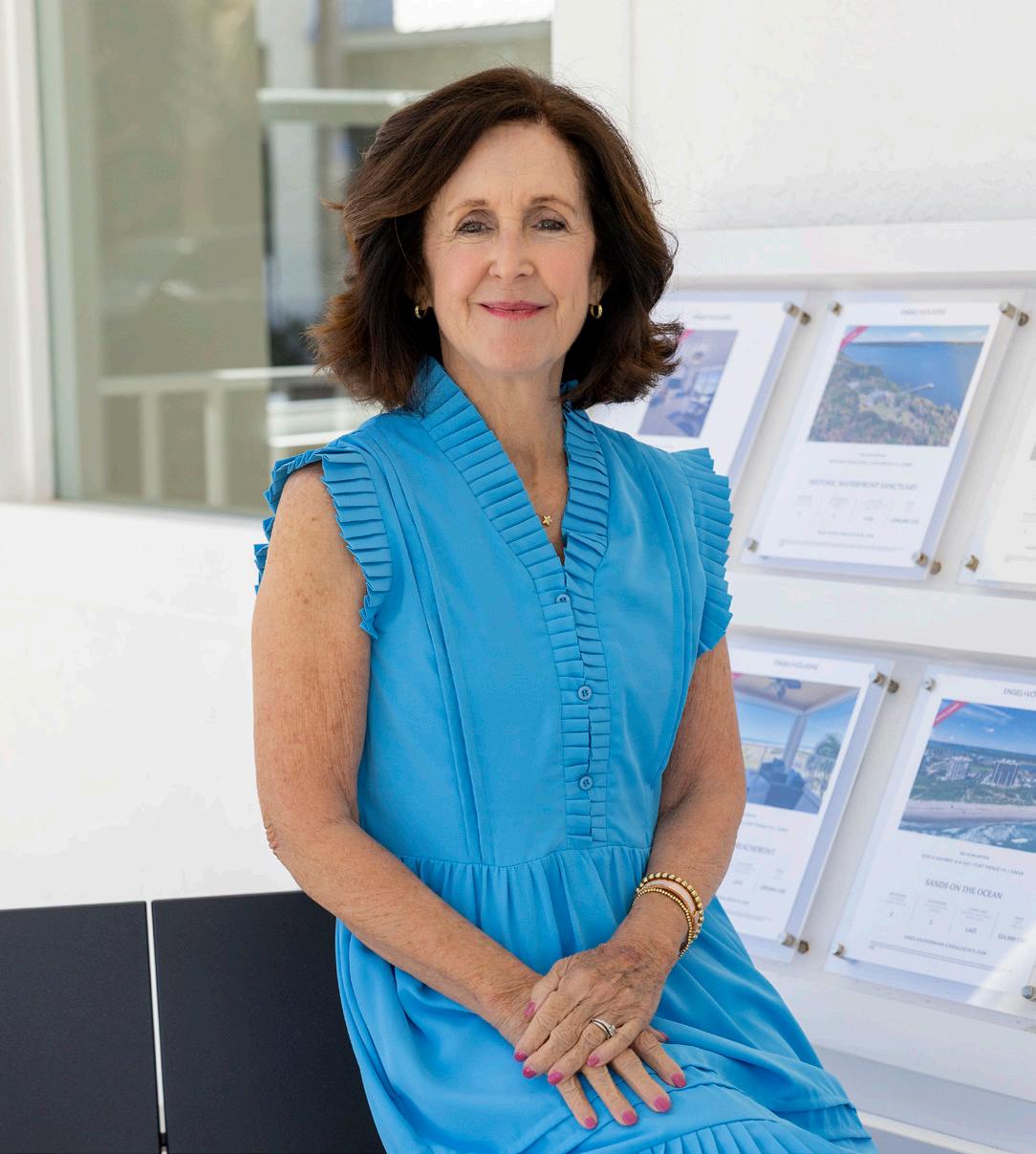
74 Claire Higgins of Engel & Völkers Vero Beach
The current risk-management role of owning multiple properties.
EDUCATION
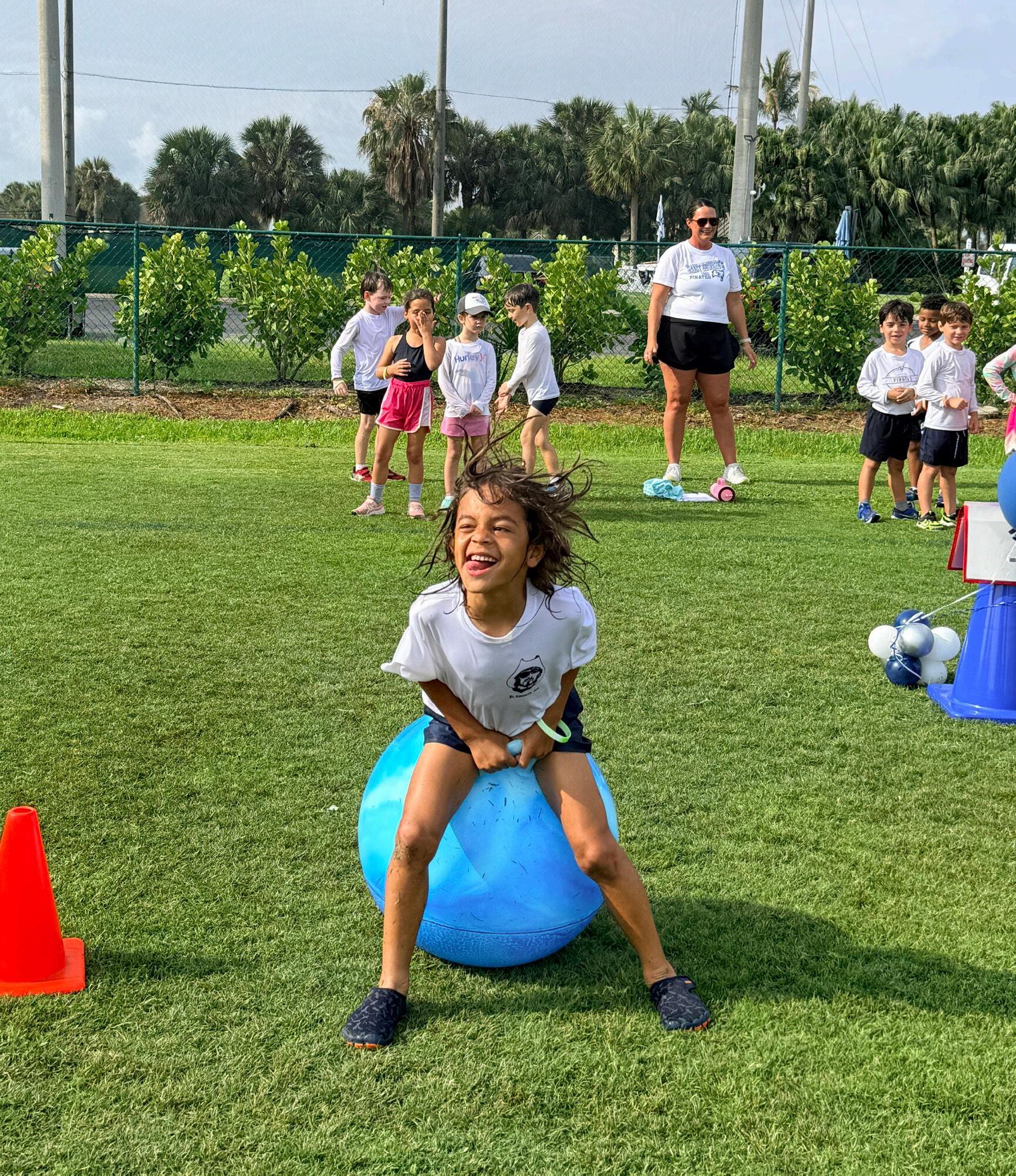
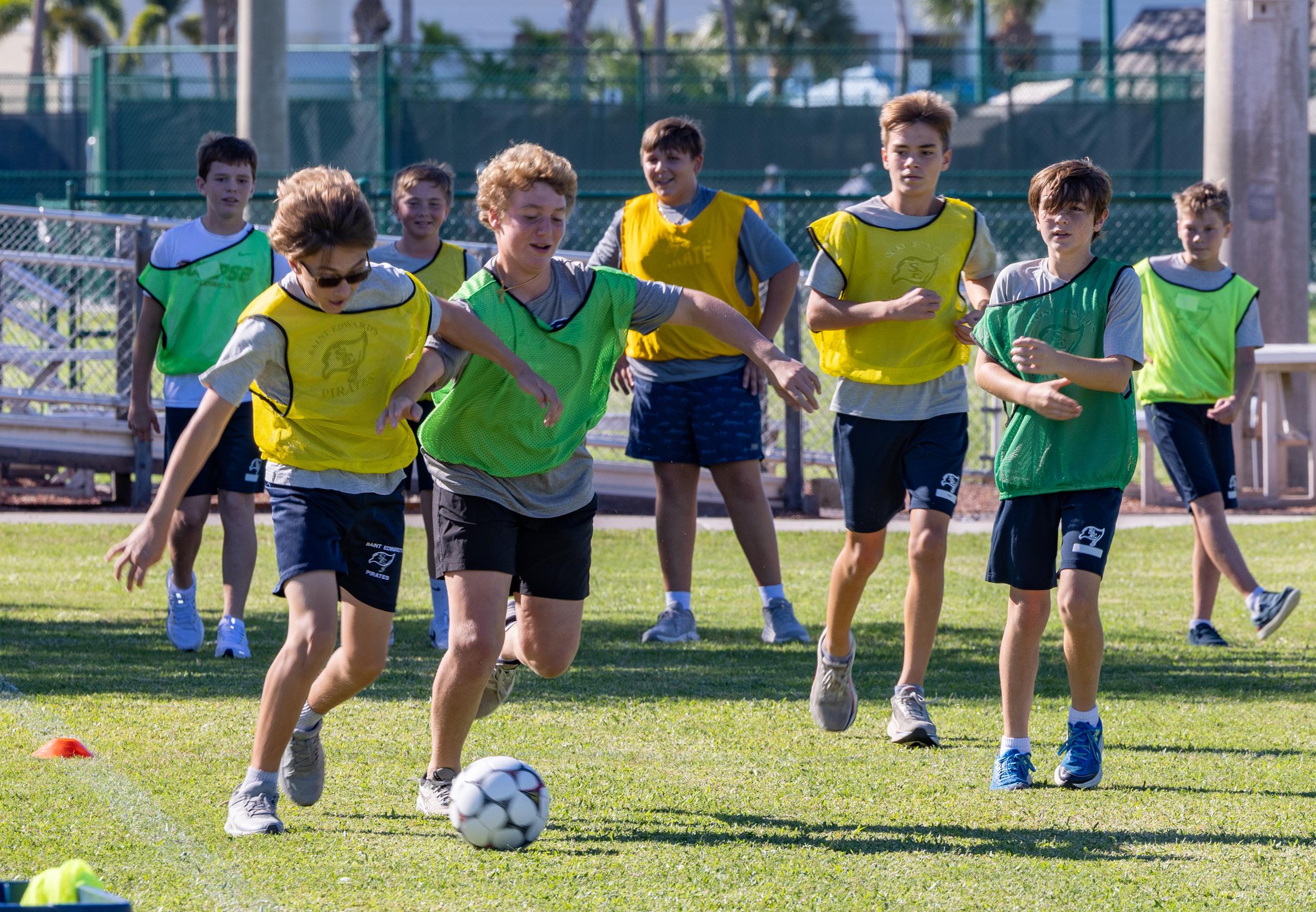
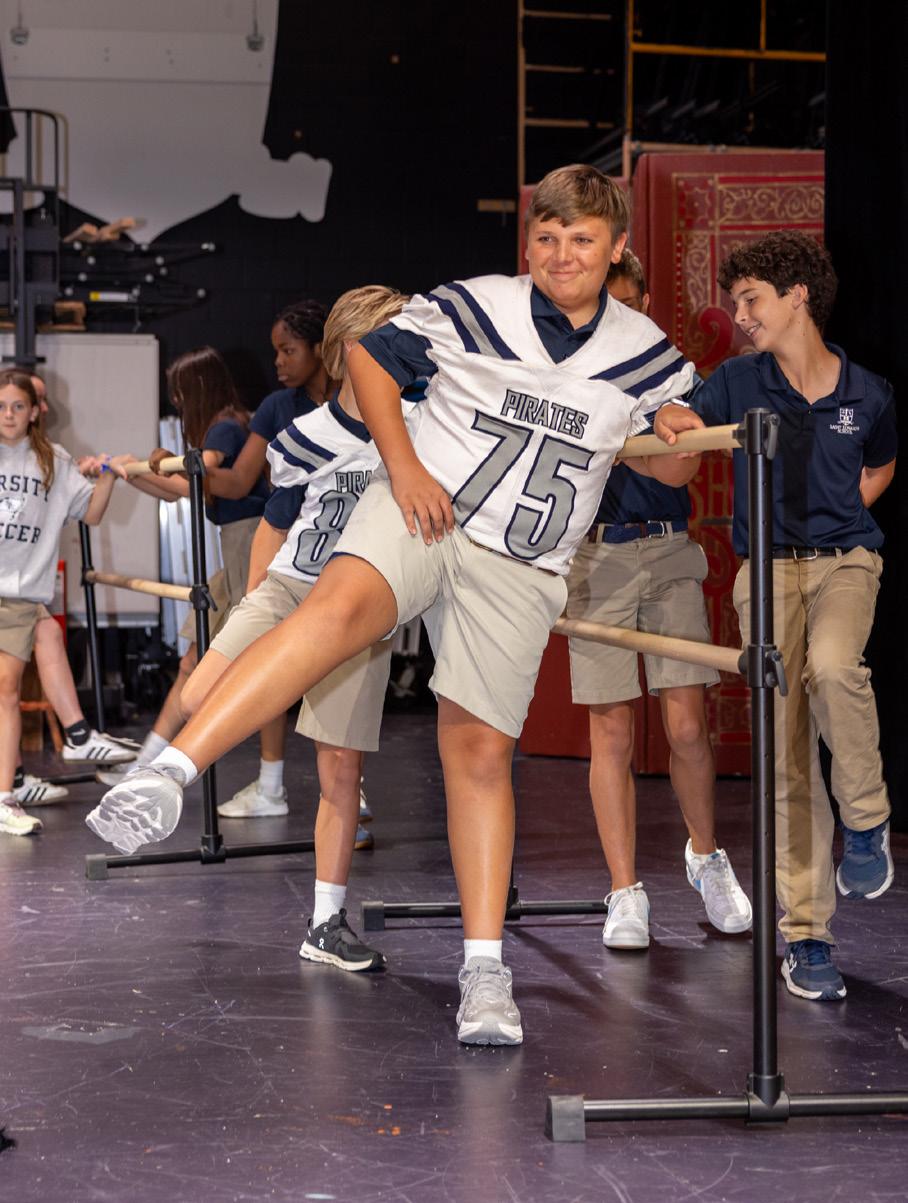
76 The Importance of Play
A crucial contributor to good health and good grades applicable to students of all ages.
ENVIRONMENT
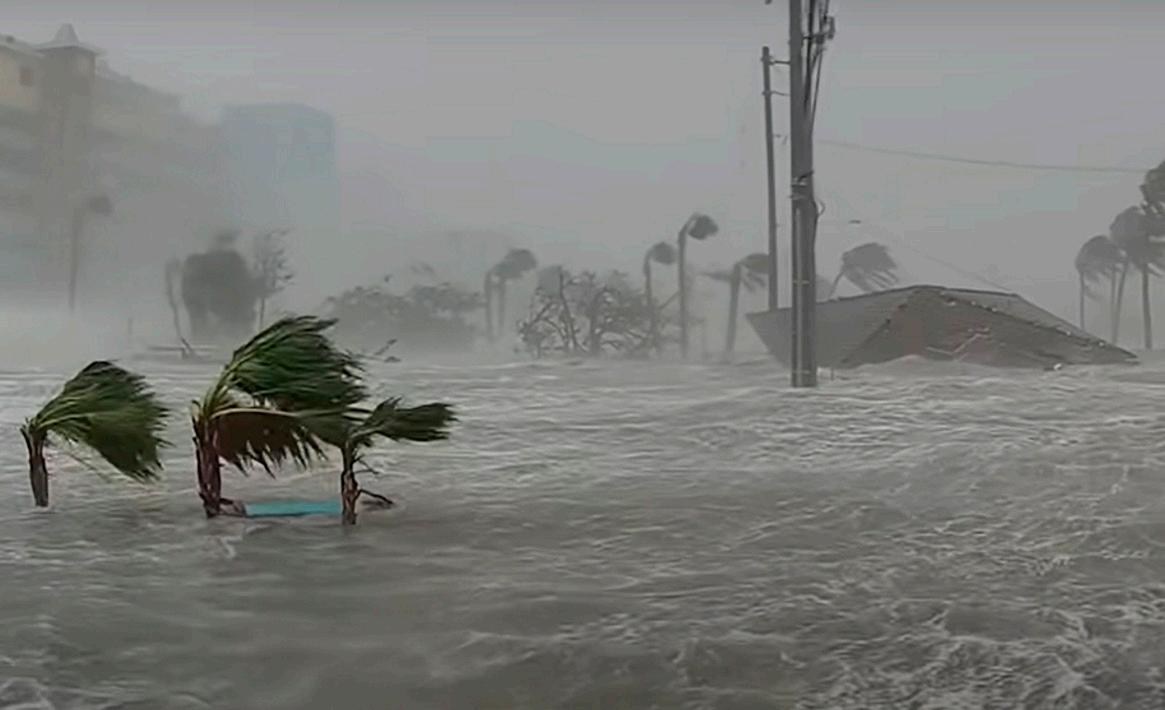
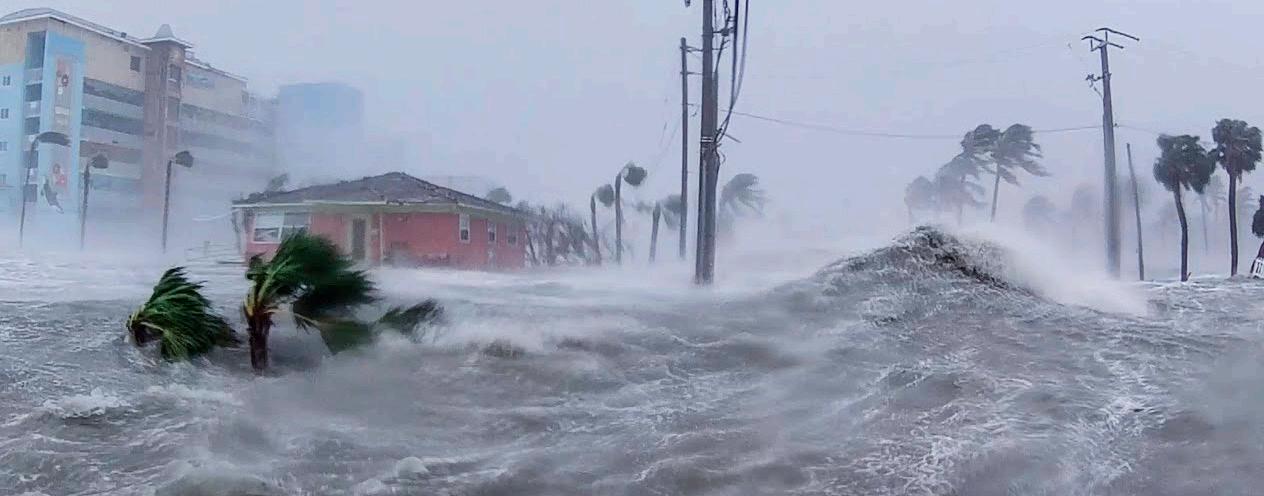
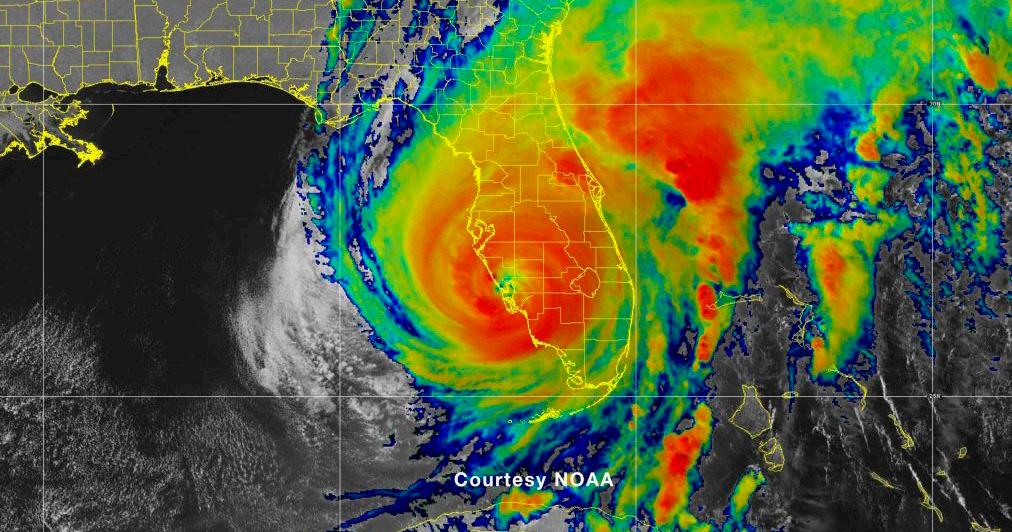
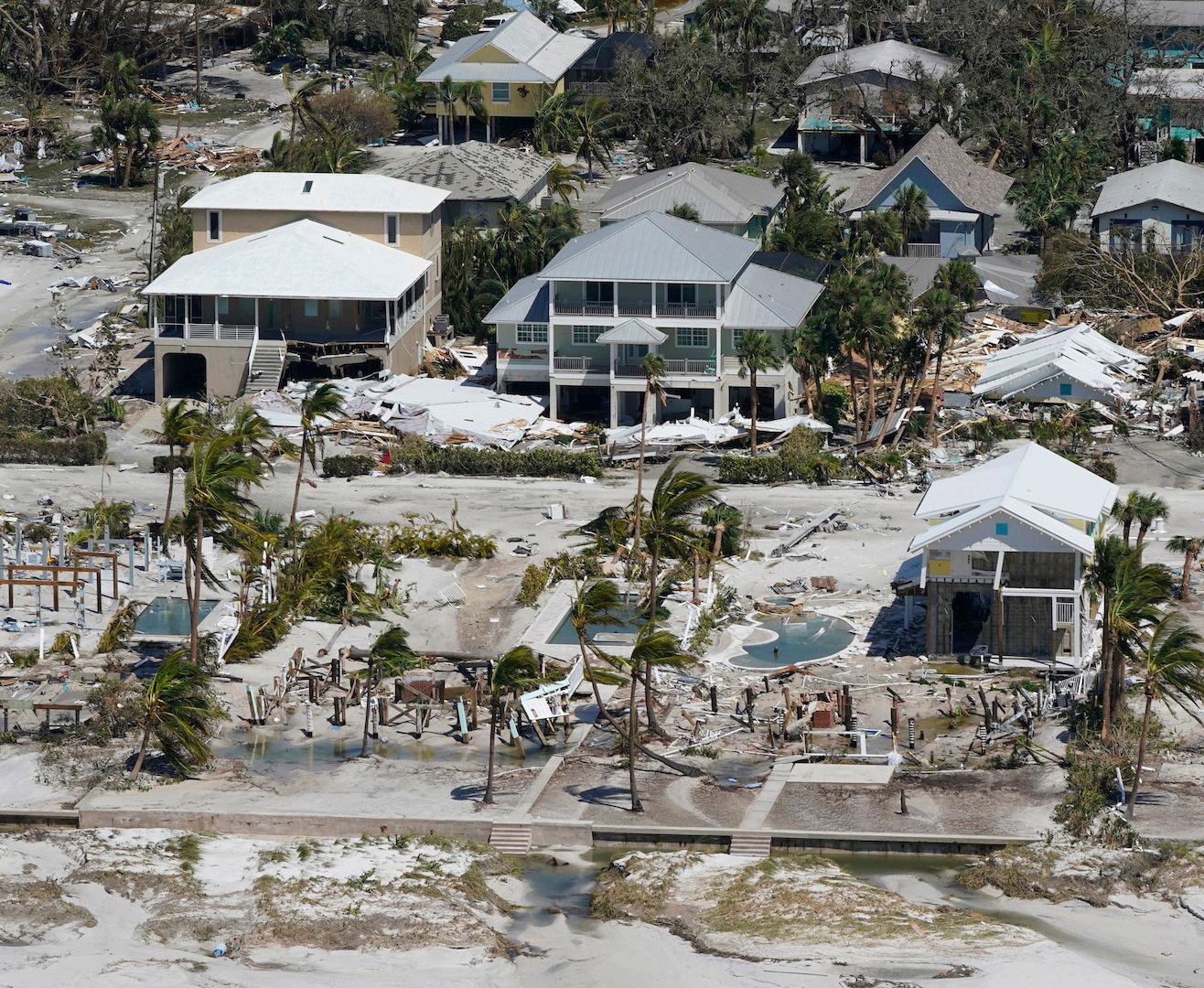
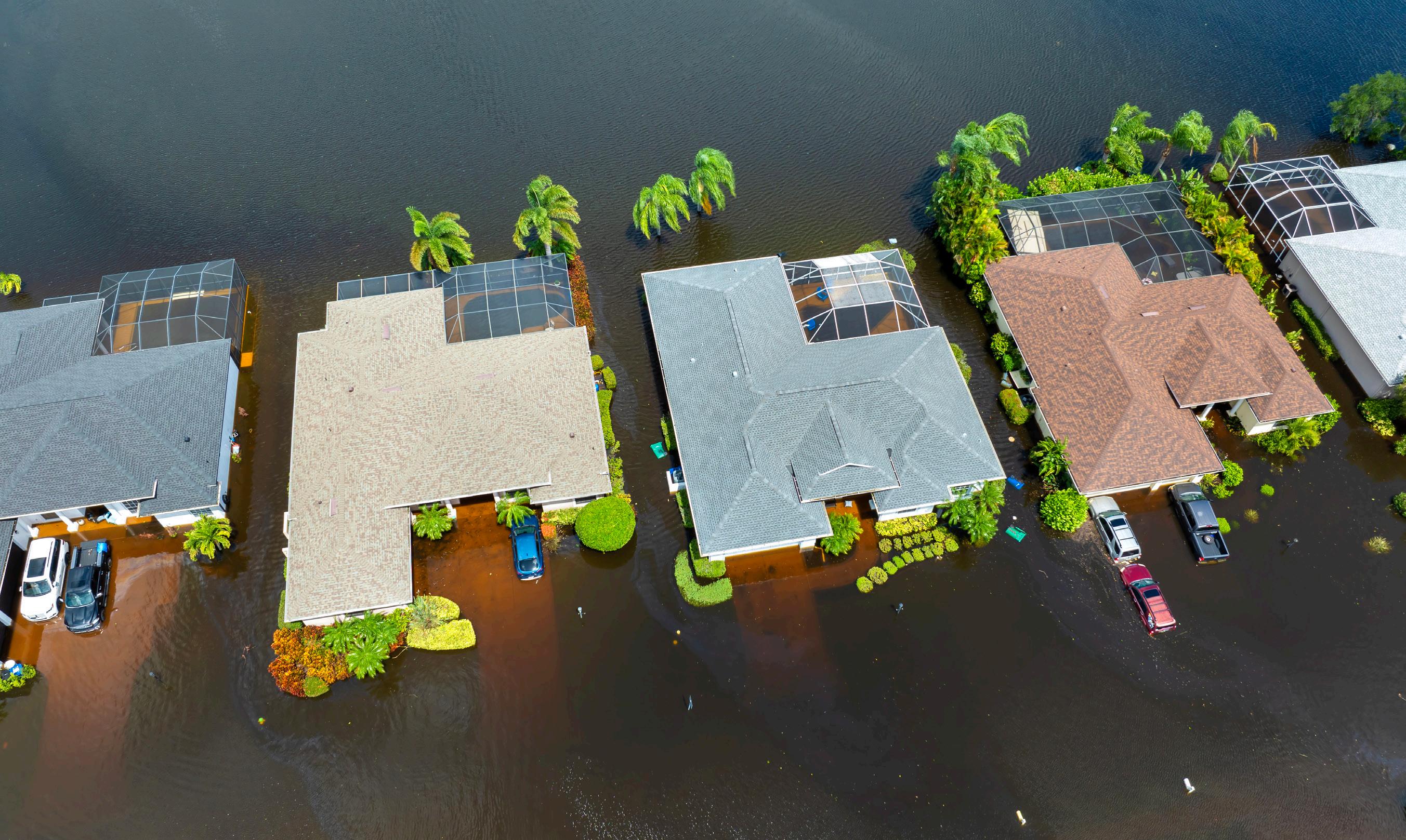
78 Hurricane Impact on a Barrier Island
The double threat of ocean-side and lagoon-side flooding.
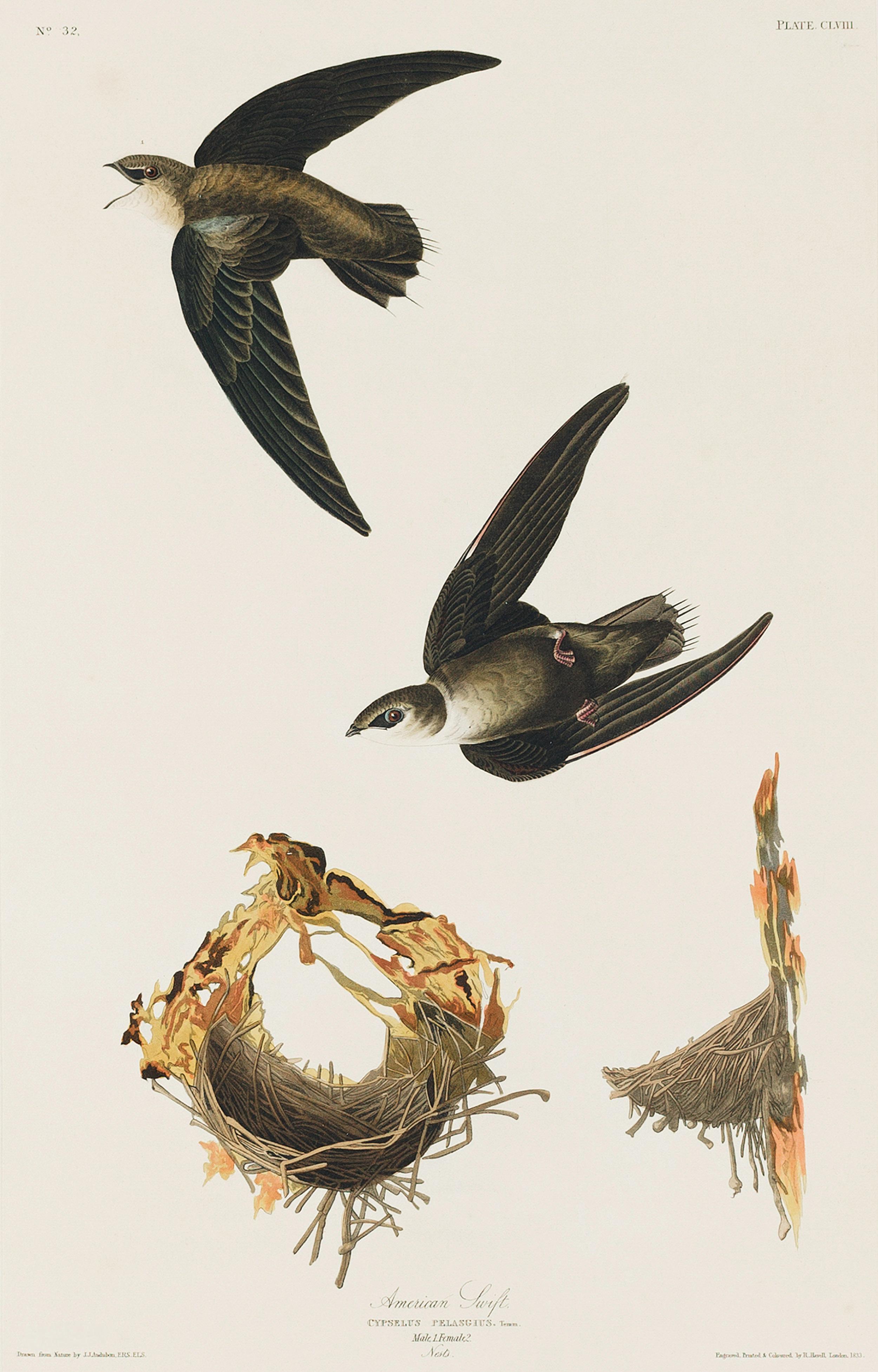
REGIONAL BIRDLIFE
82 Chimney Swift
Aerial acrobat extraordinaire in the skies above Vero Beach.
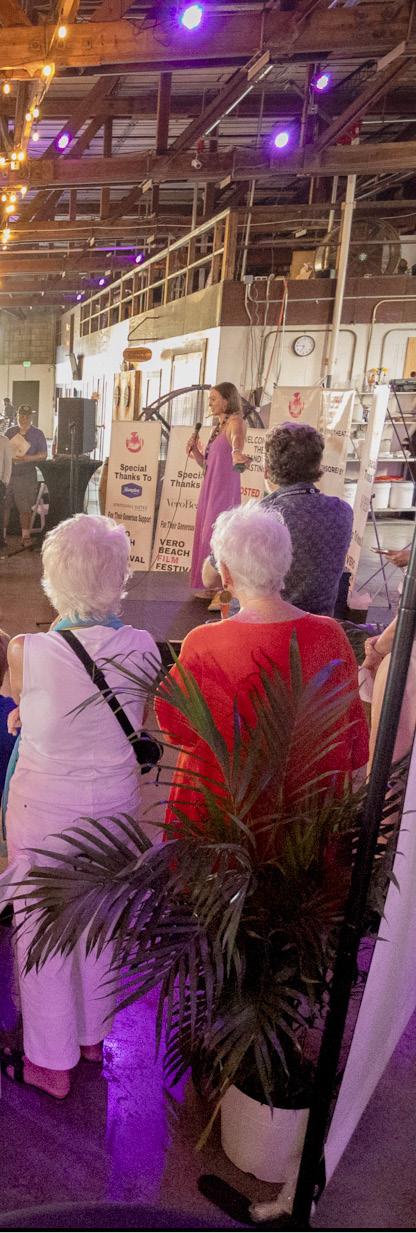
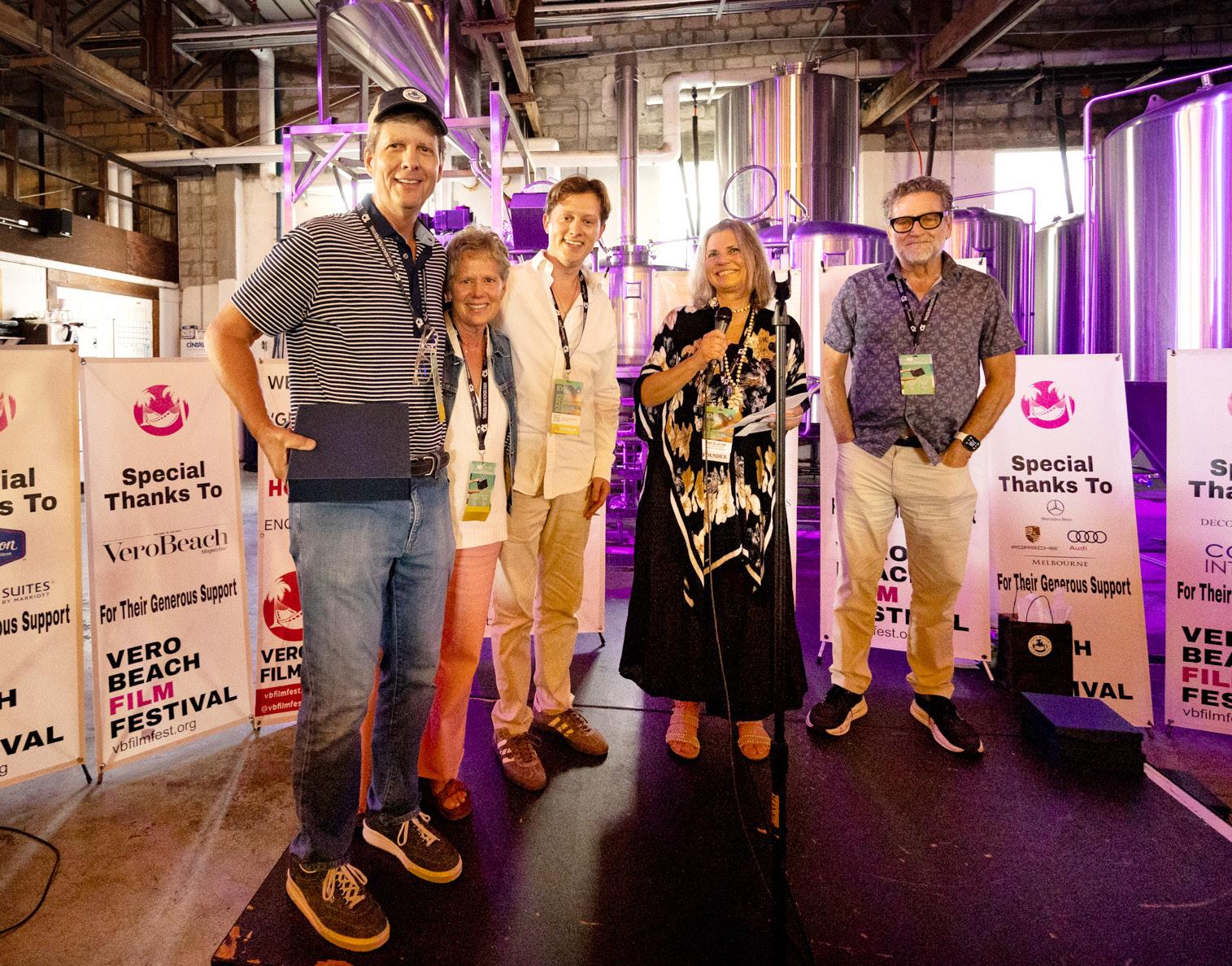
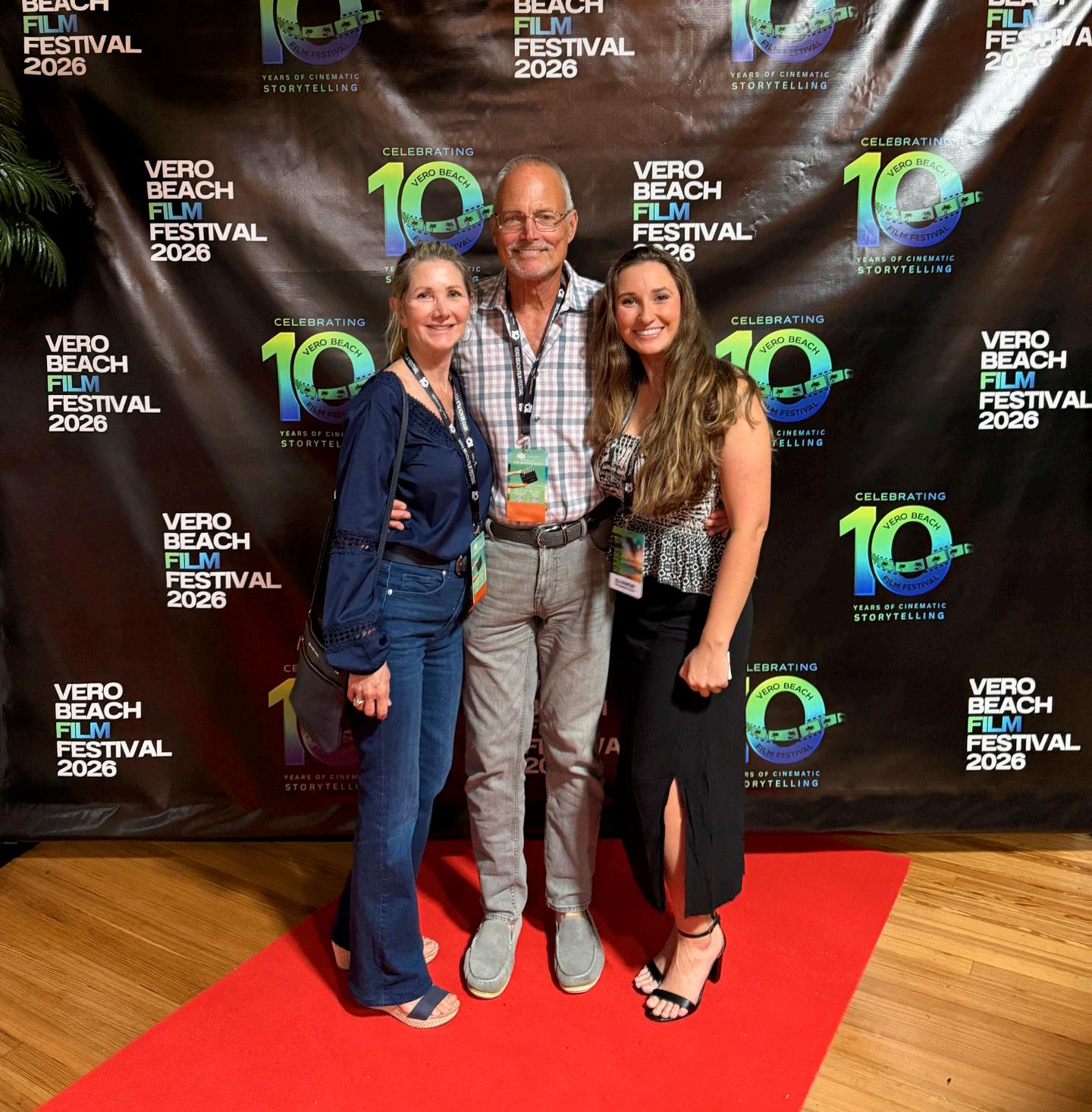
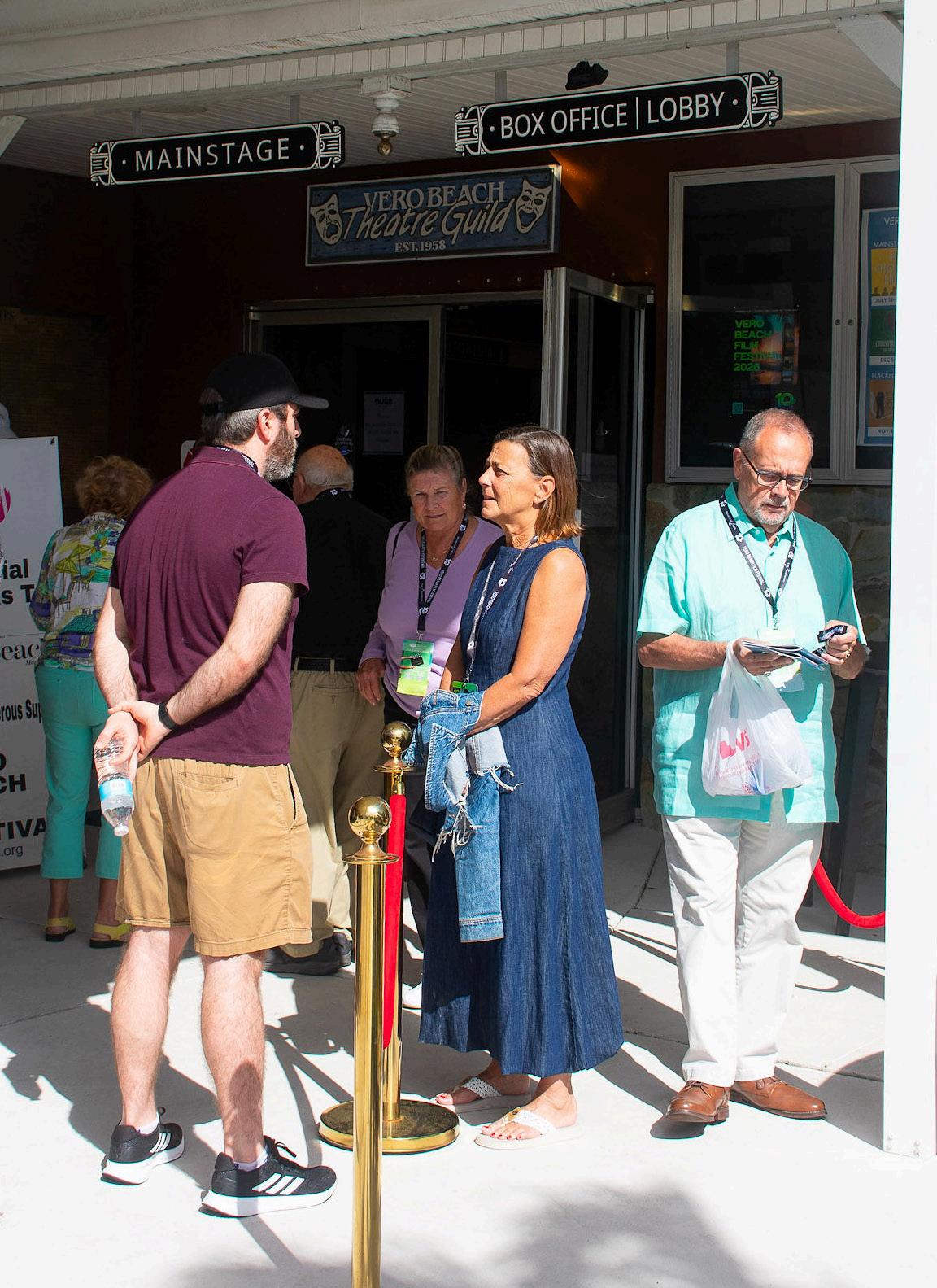
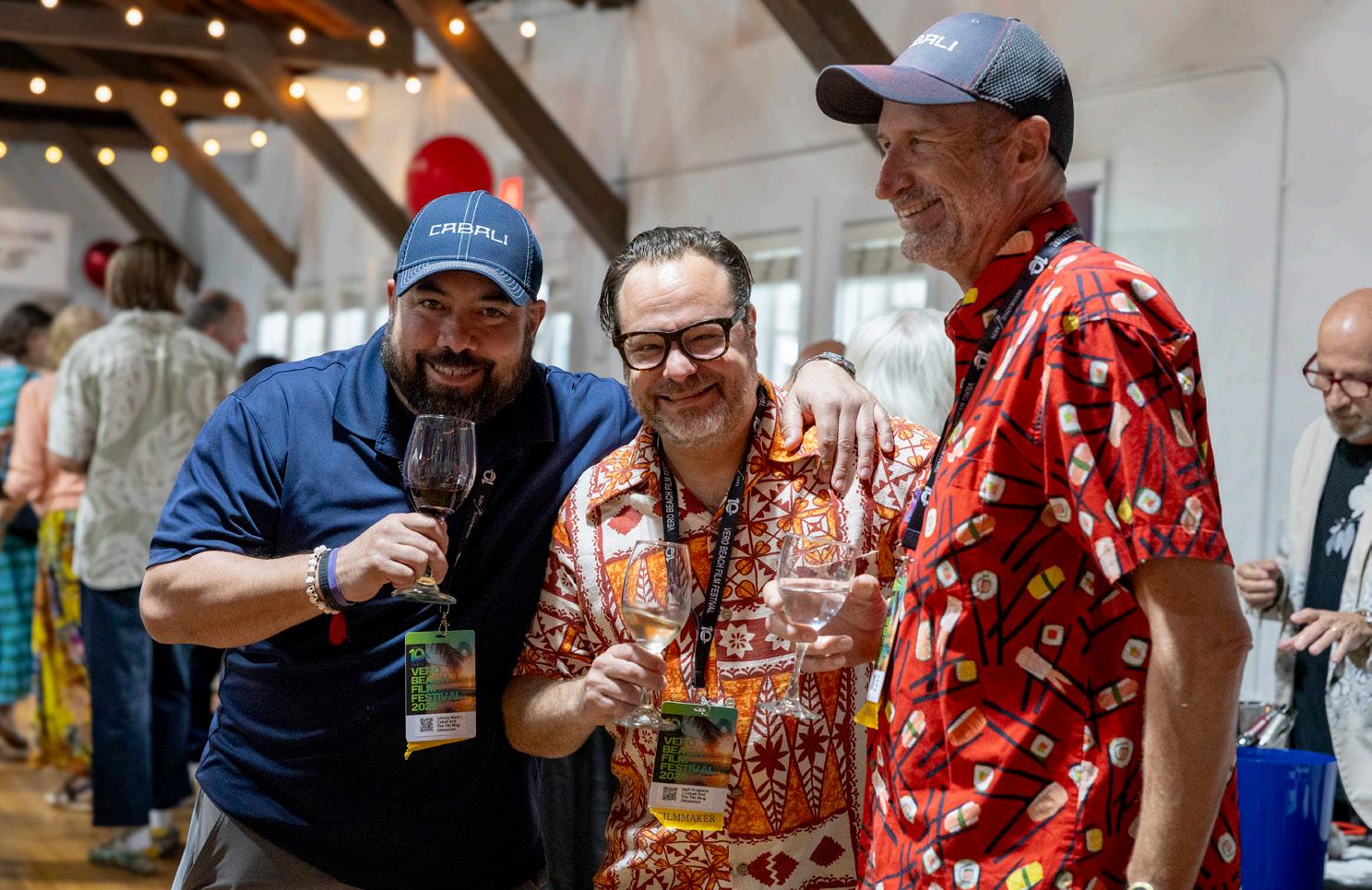
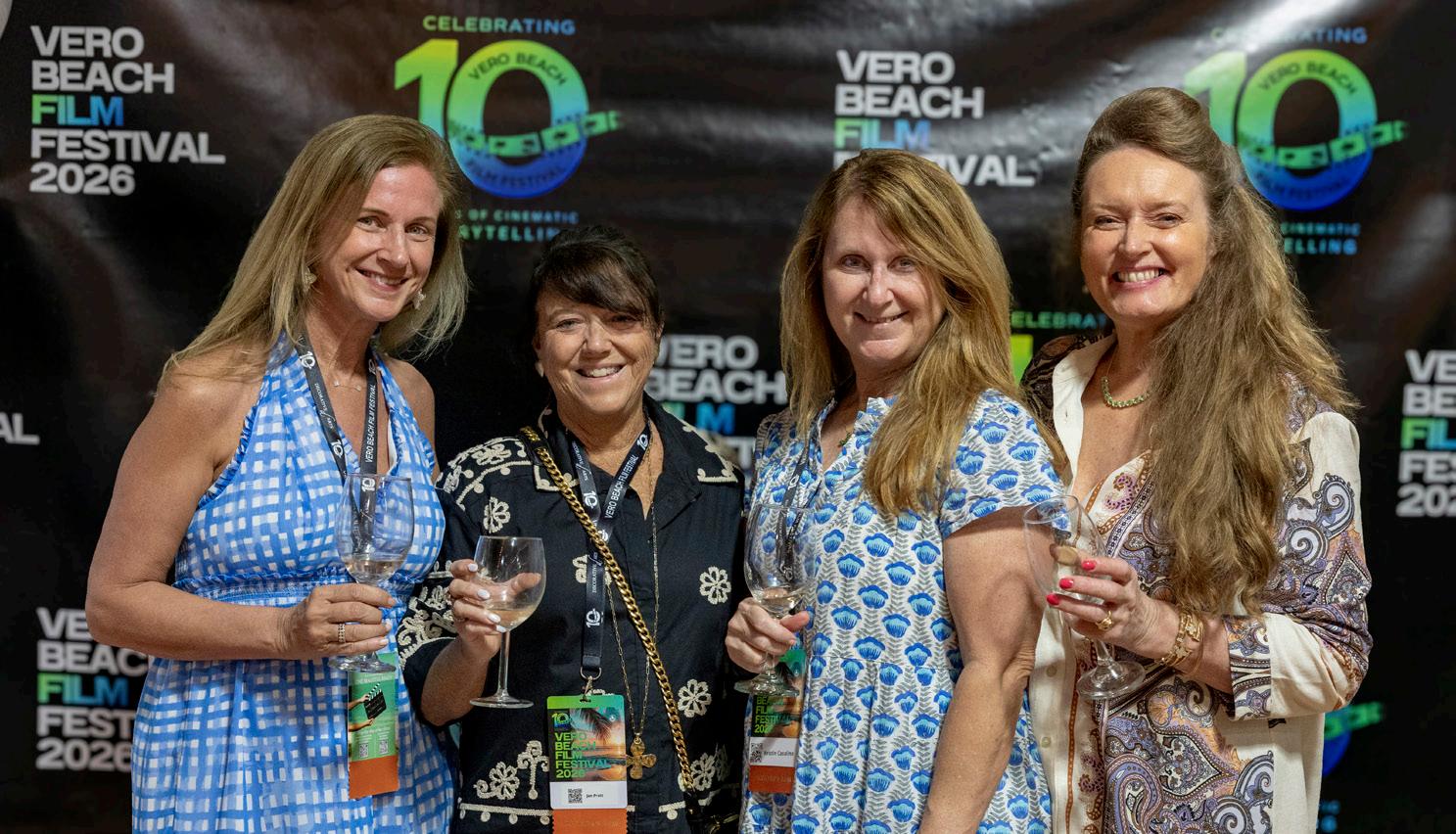
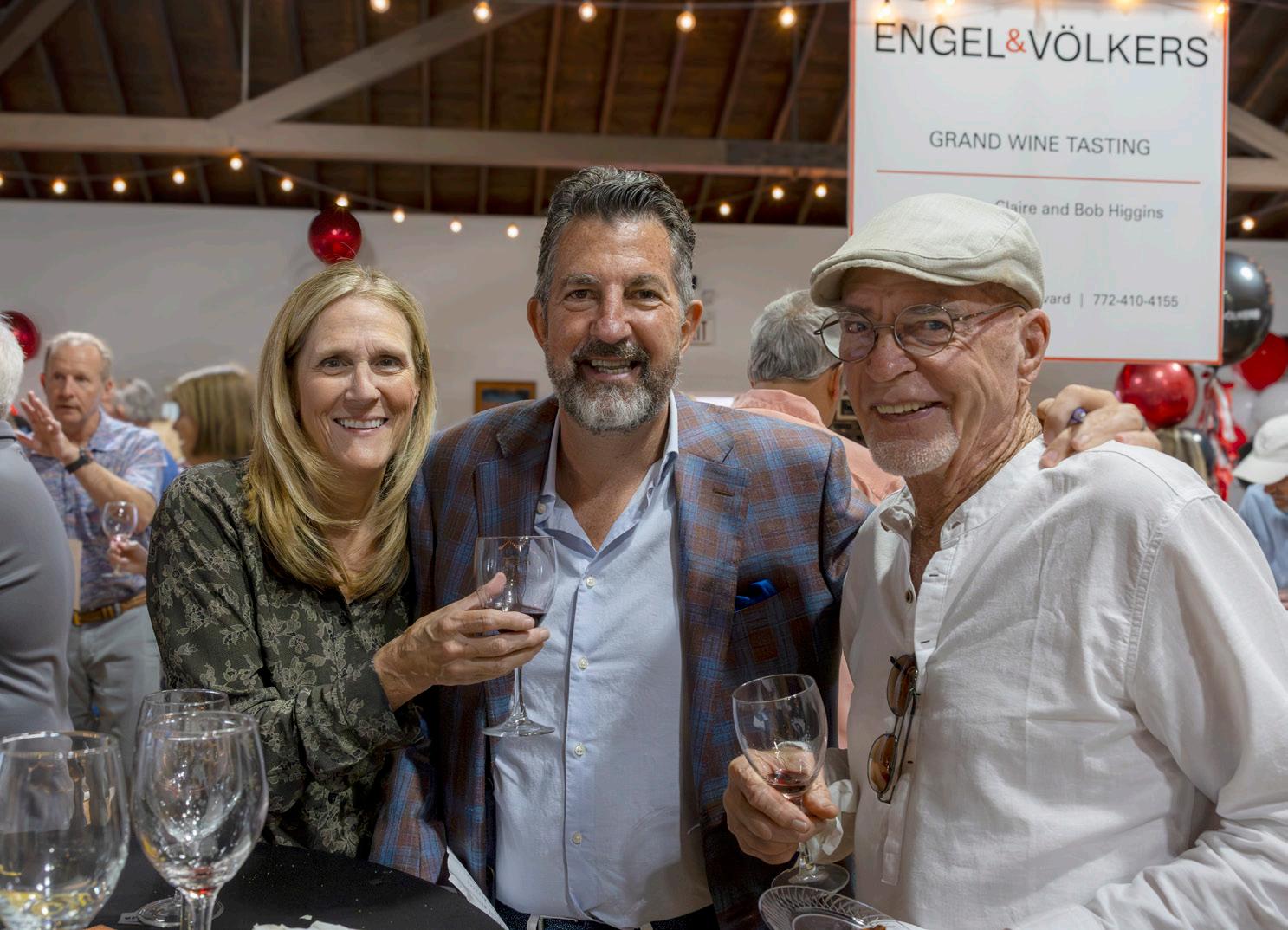
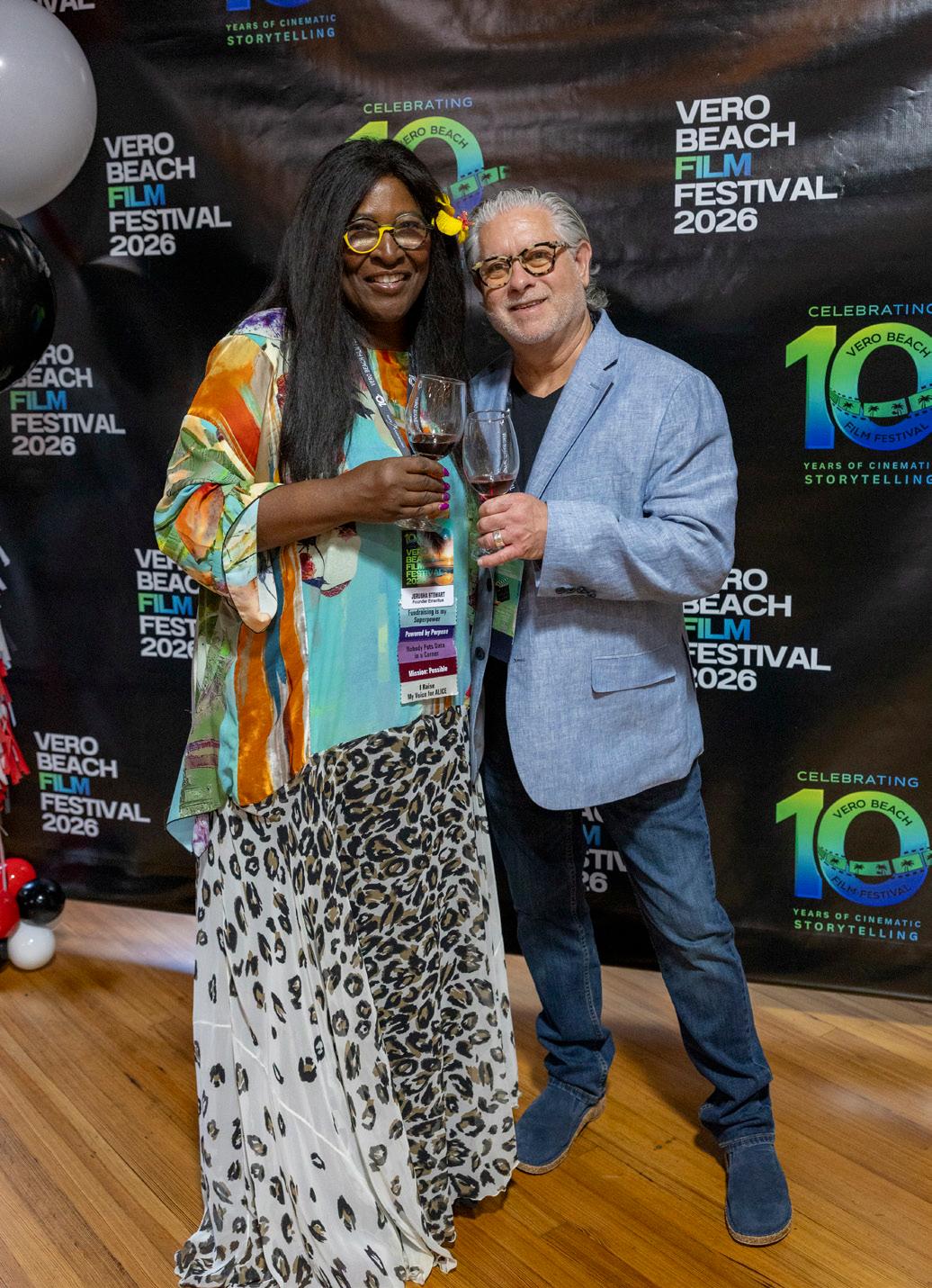
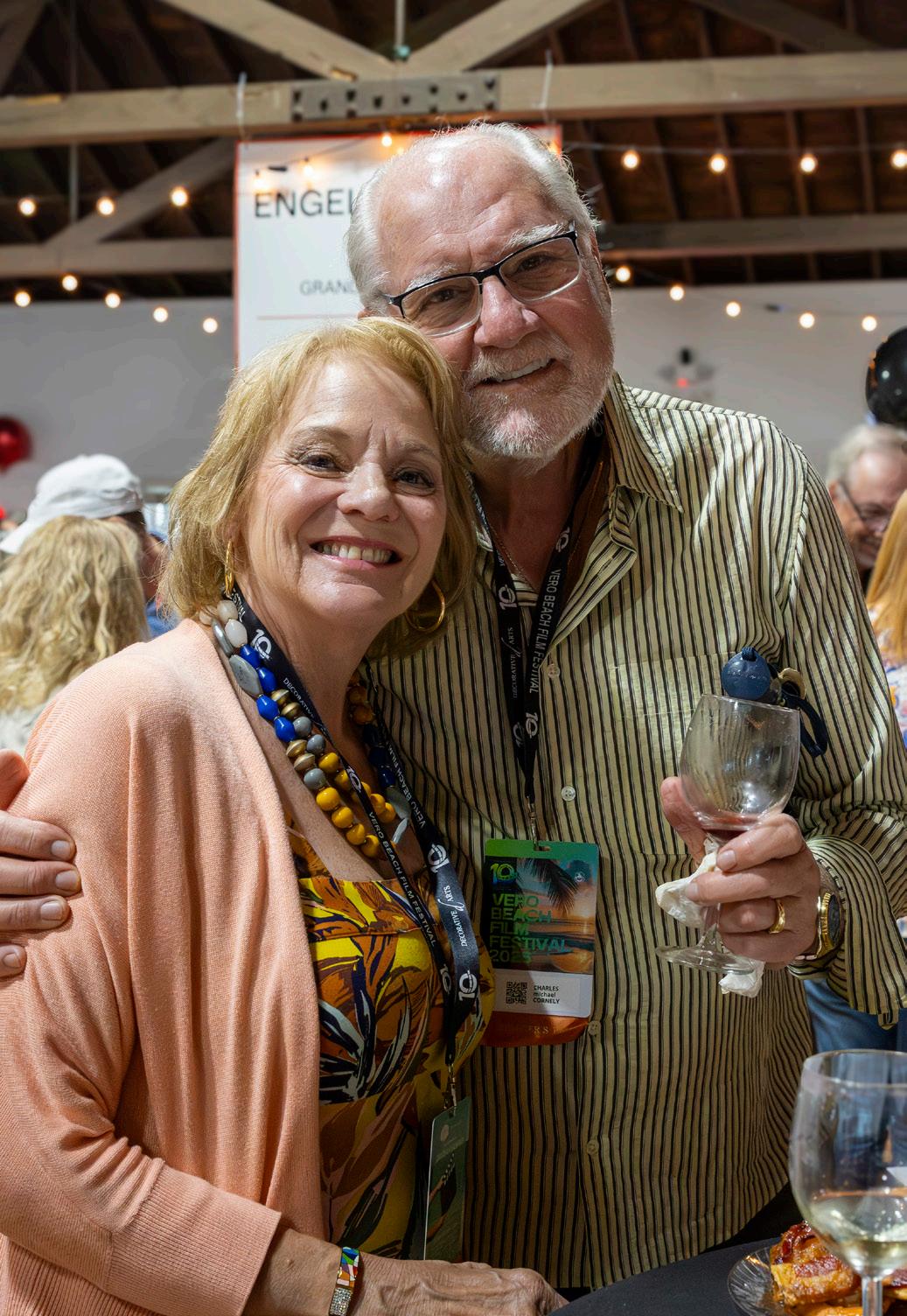
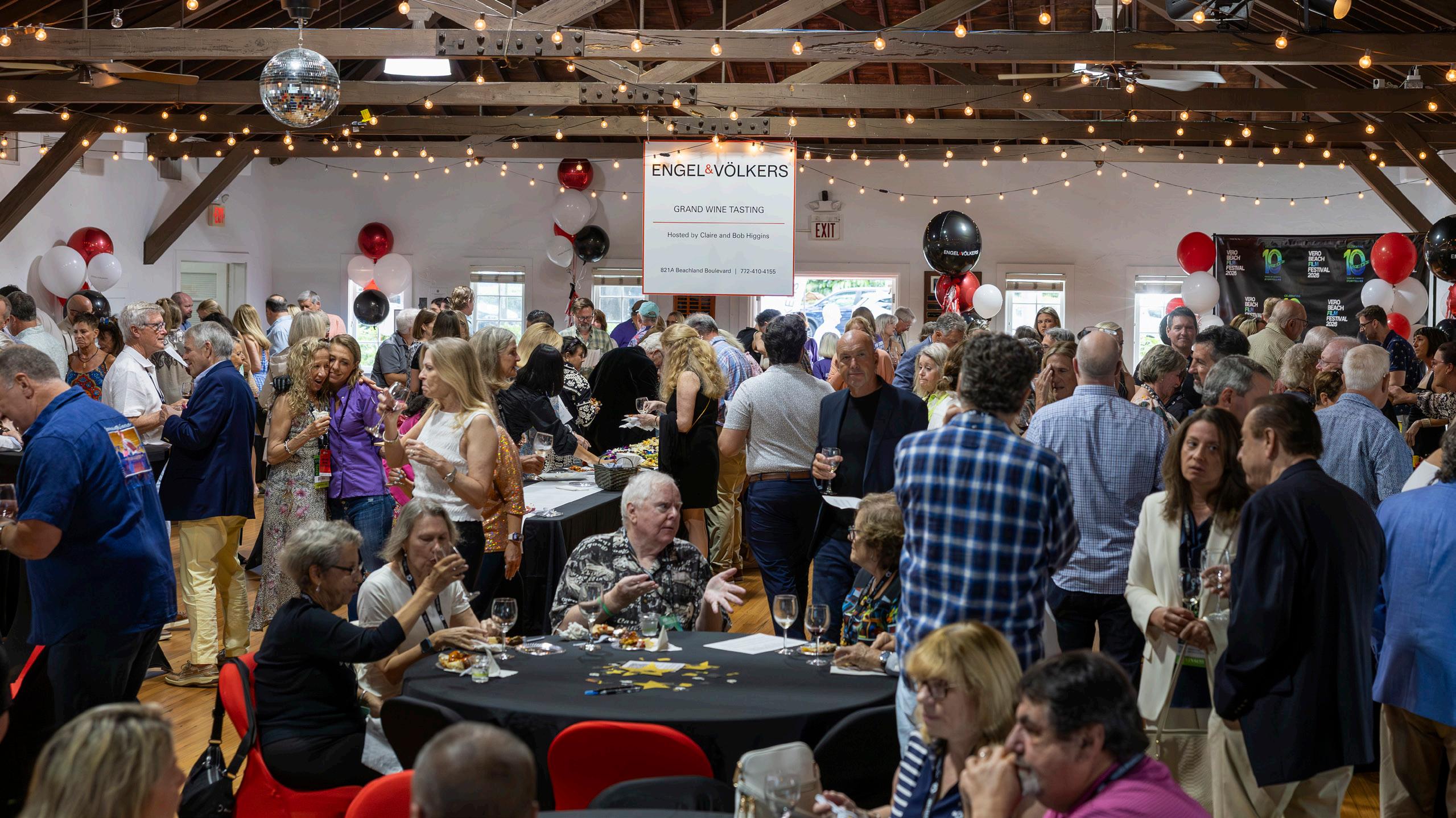
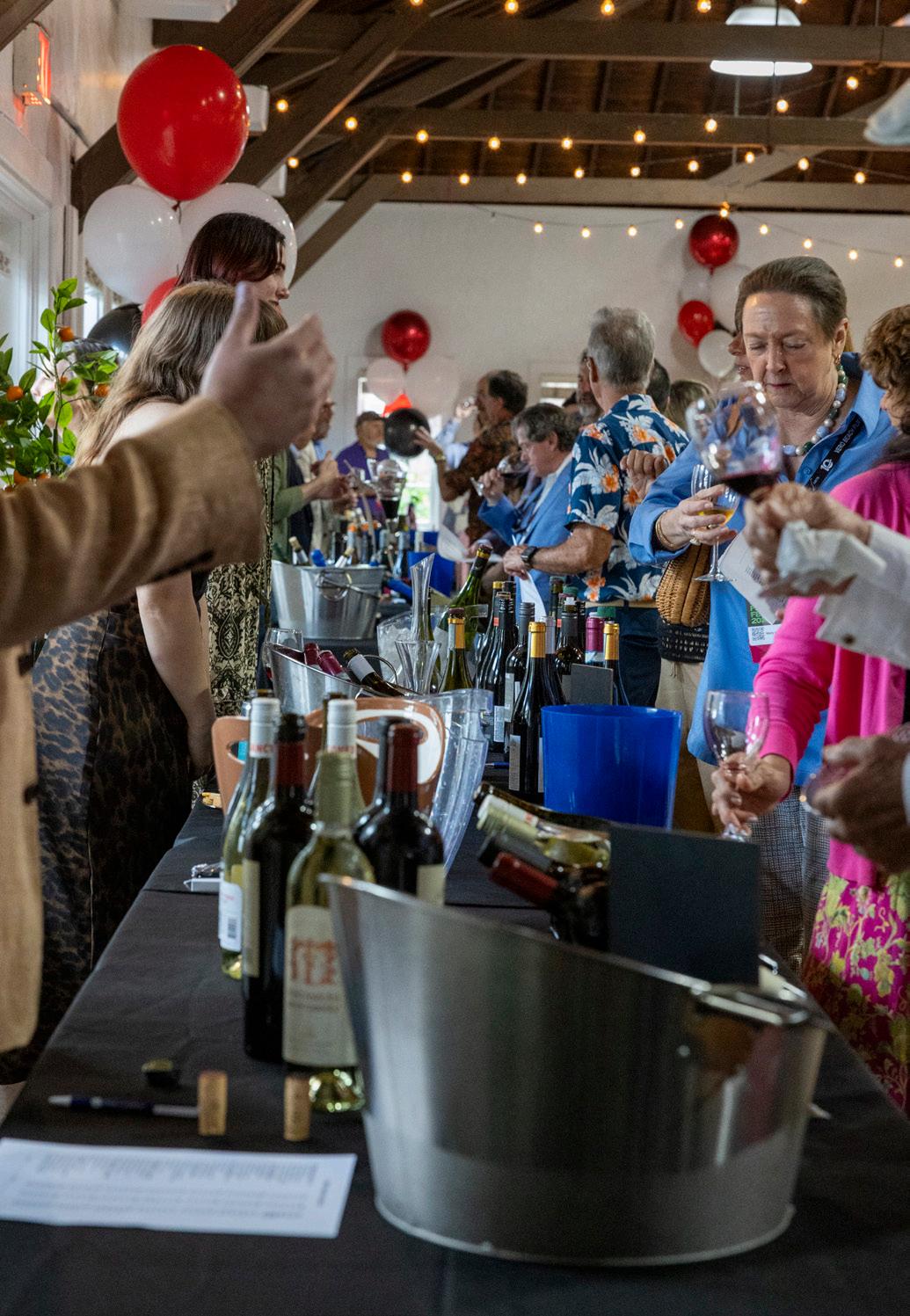
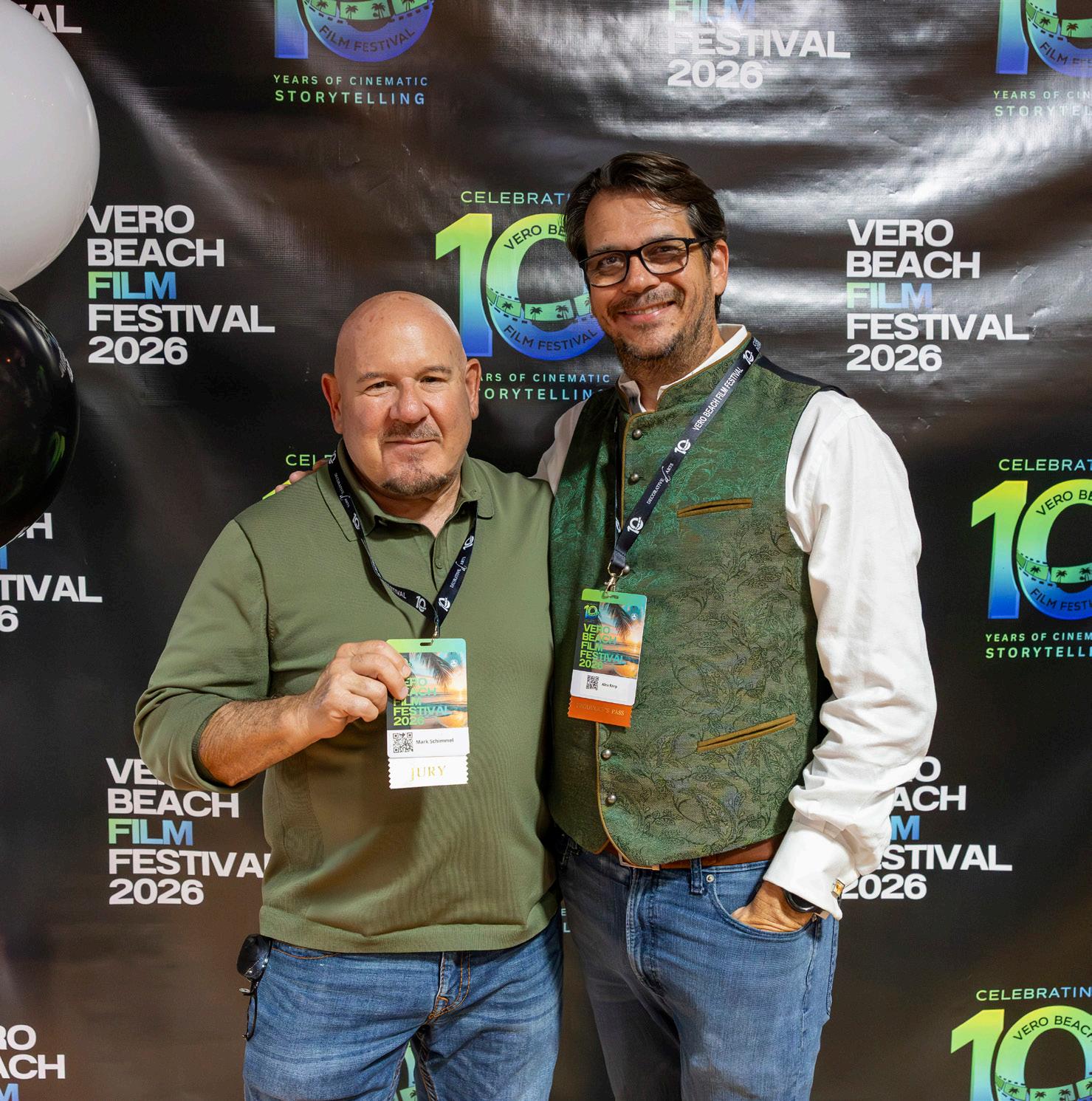
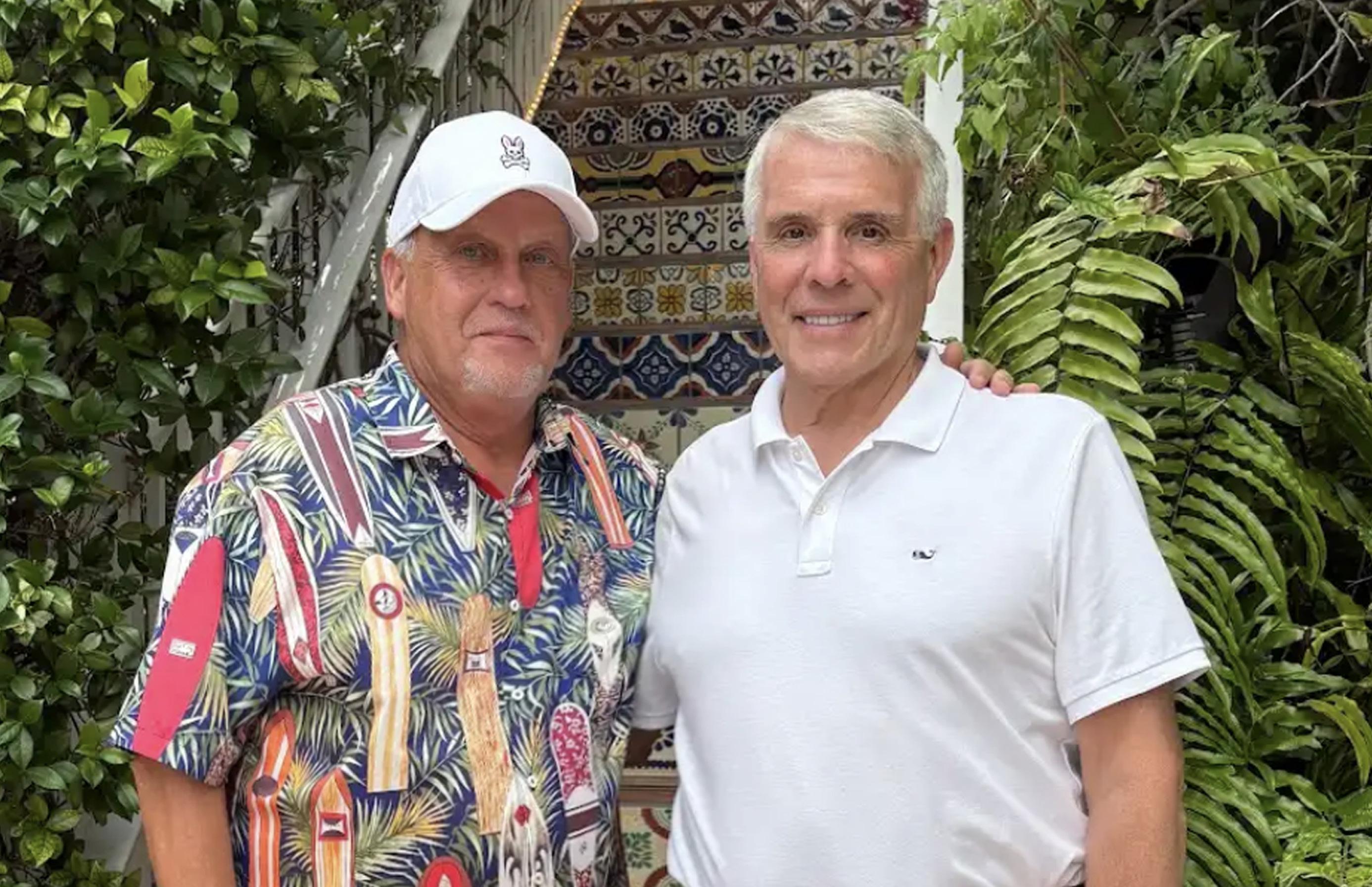
The Vero Beach Film Festival celebrated its 10th year of cinematic storytelling.
Claire Higgins of Engel & Völkers Vero Beach discusses trends in the real estate market.
Hurricane Ian’s 15–20-foot storm surge across parts of Ft. Myers Beach, September 2022.
Four
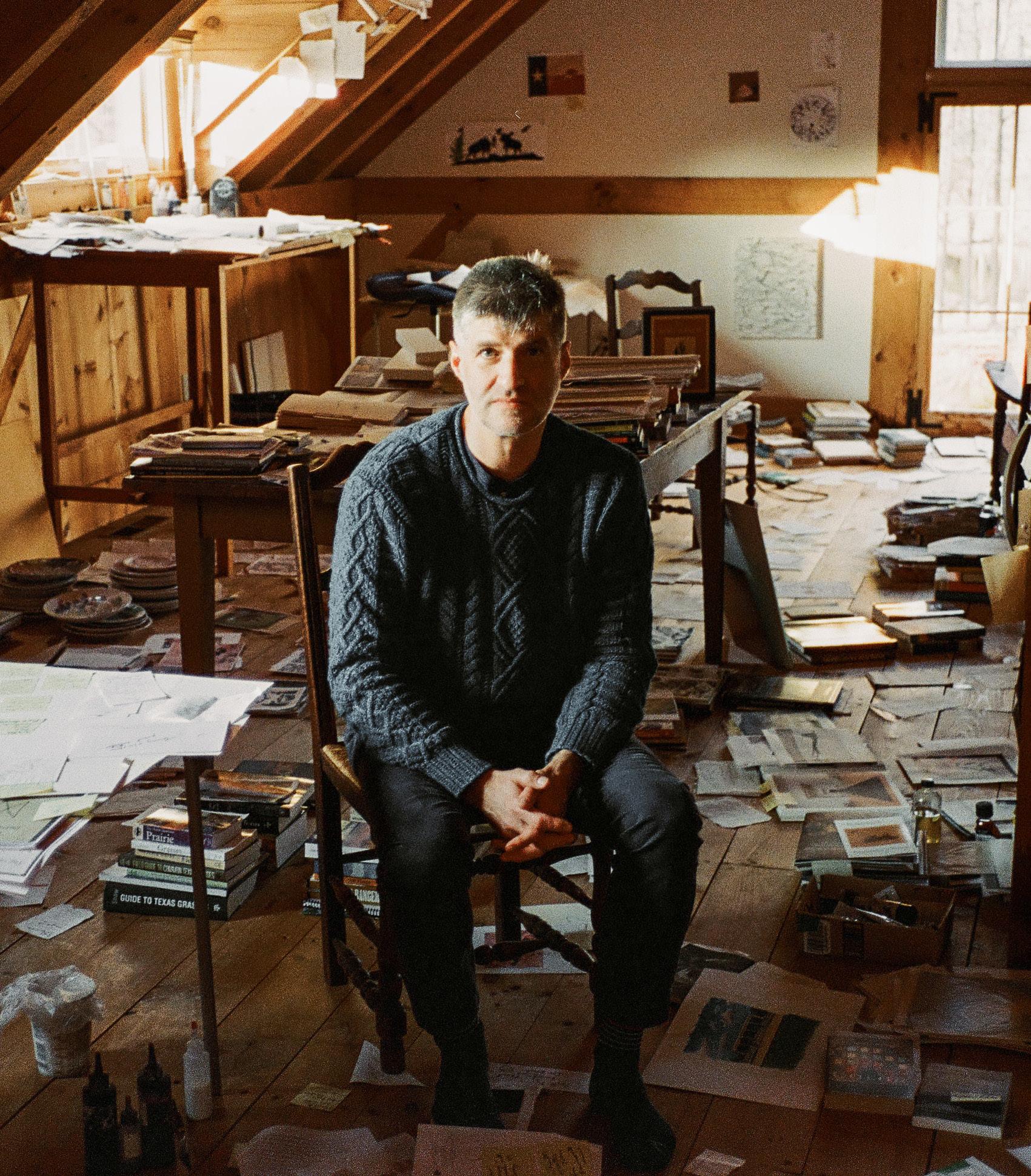
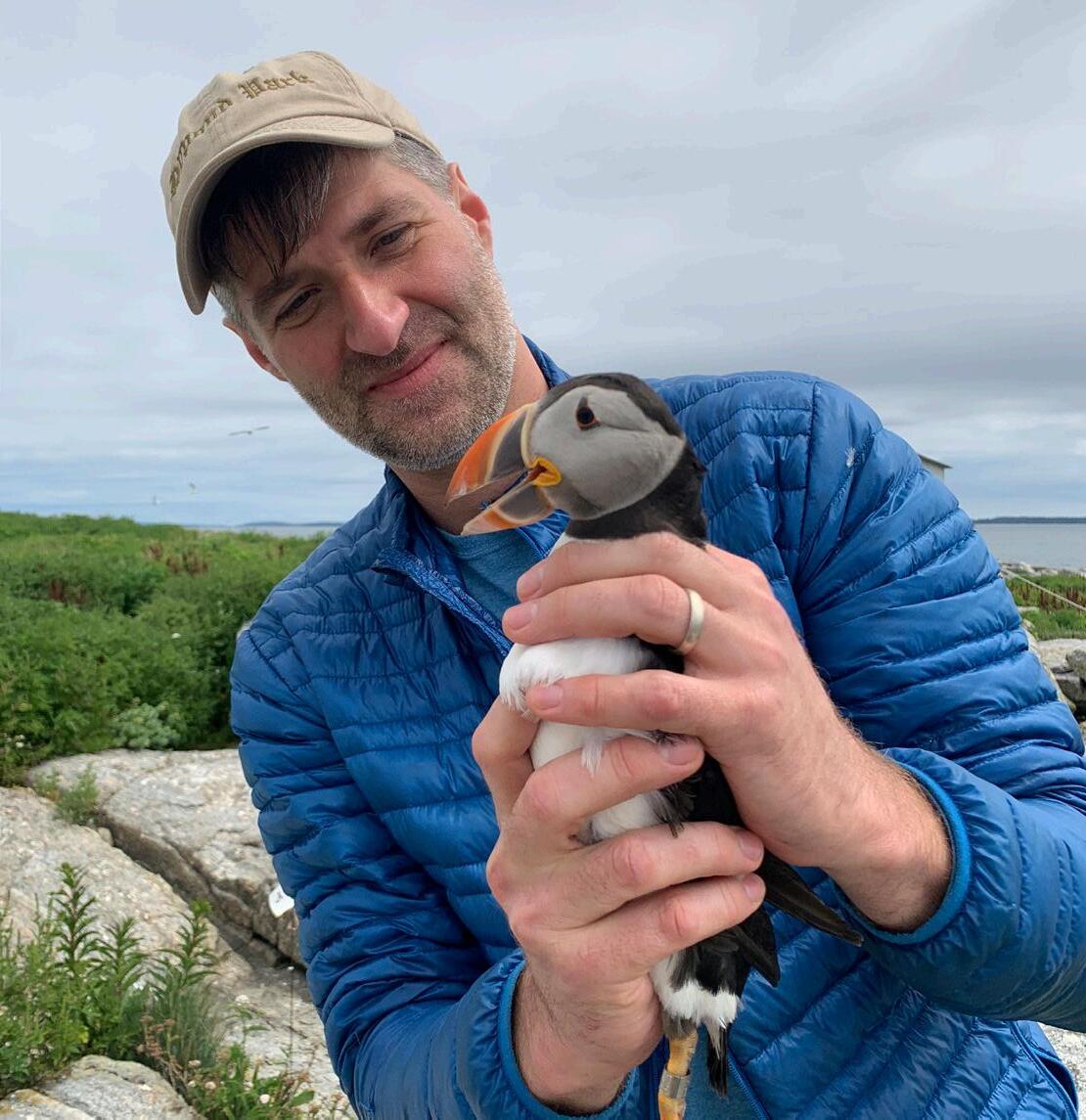
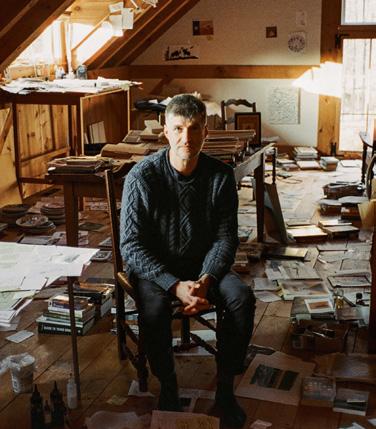
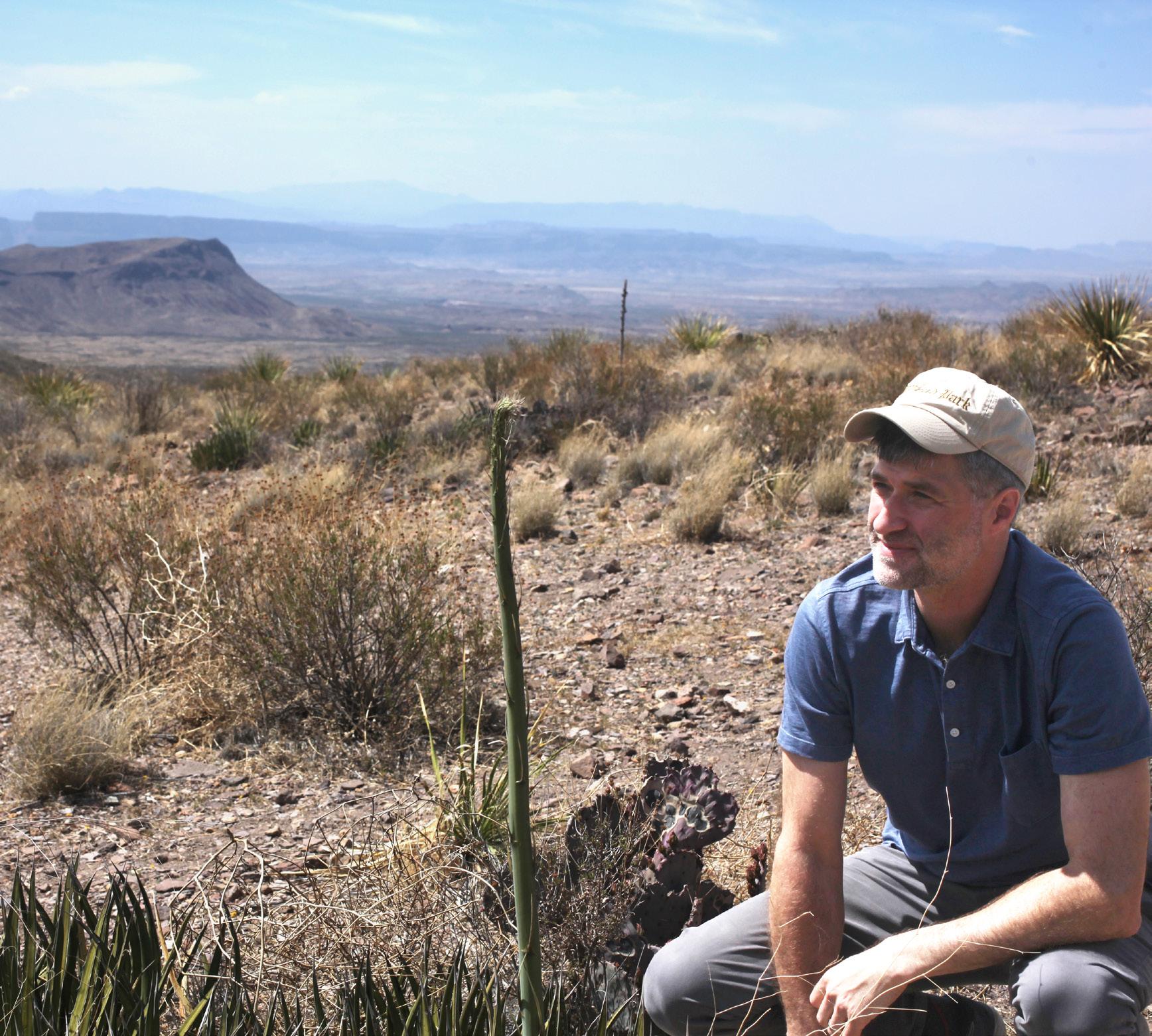
James Prosek in his Connecticut workspace. Photograph courtesy of James Prosek.
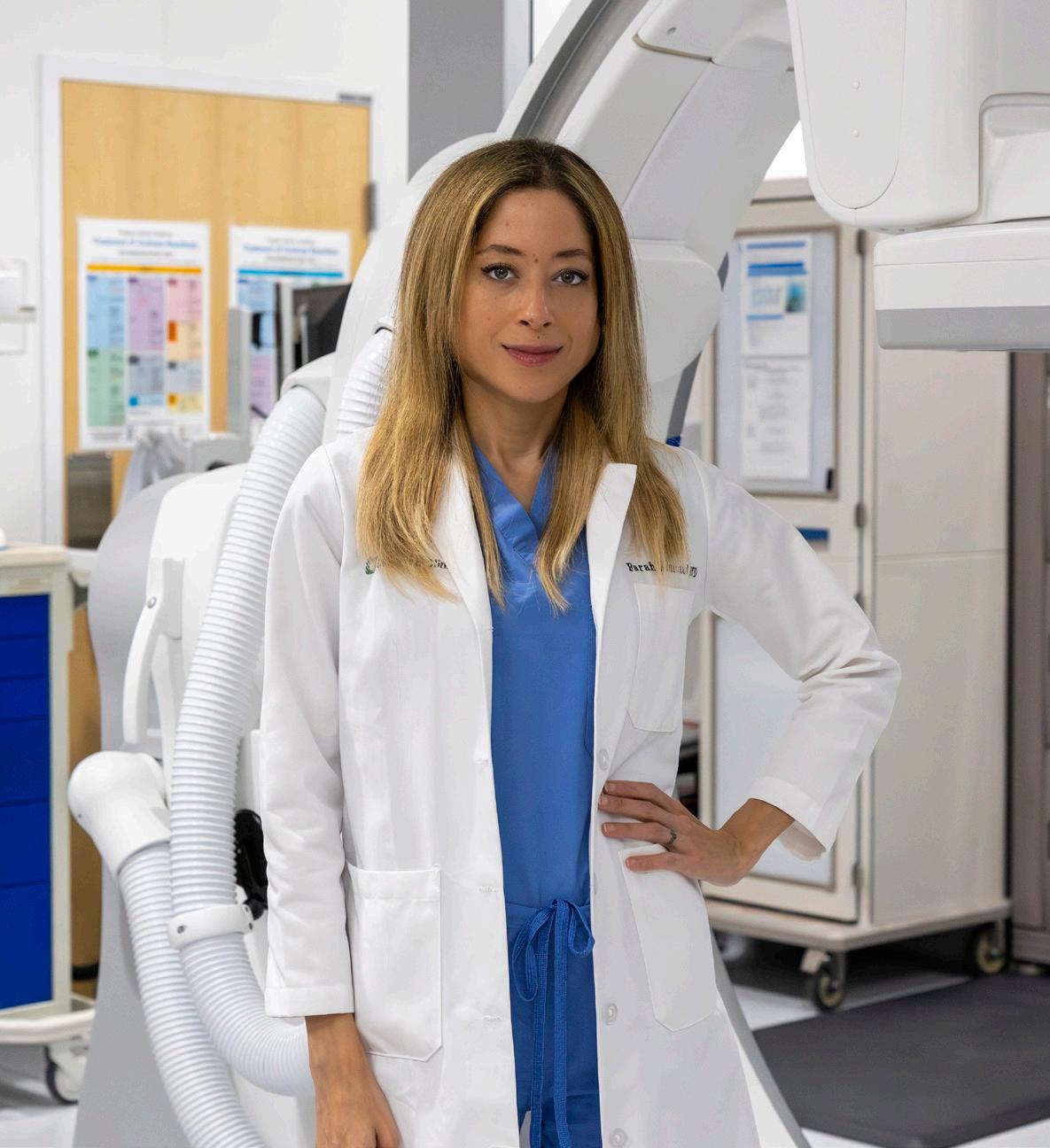
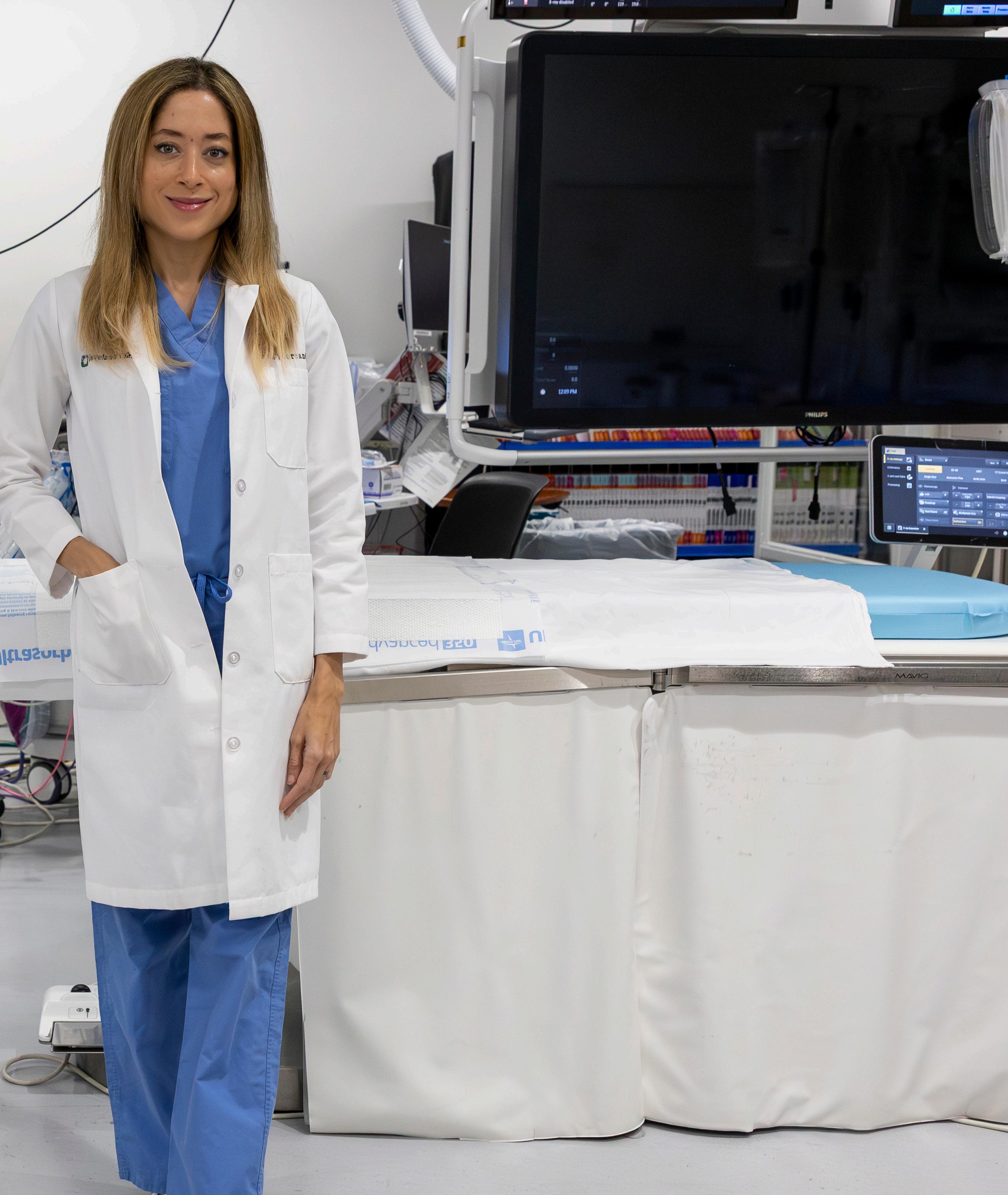
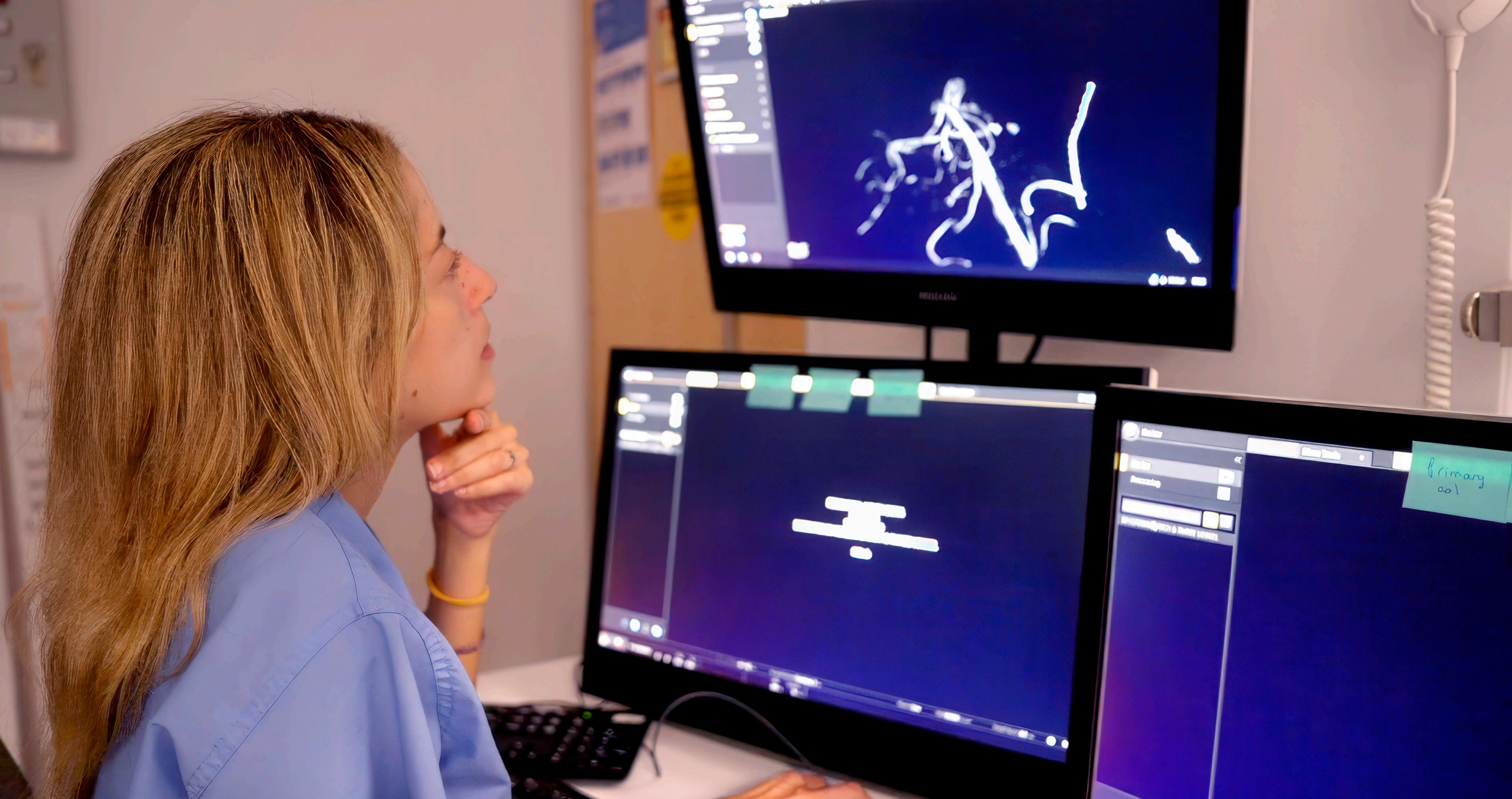
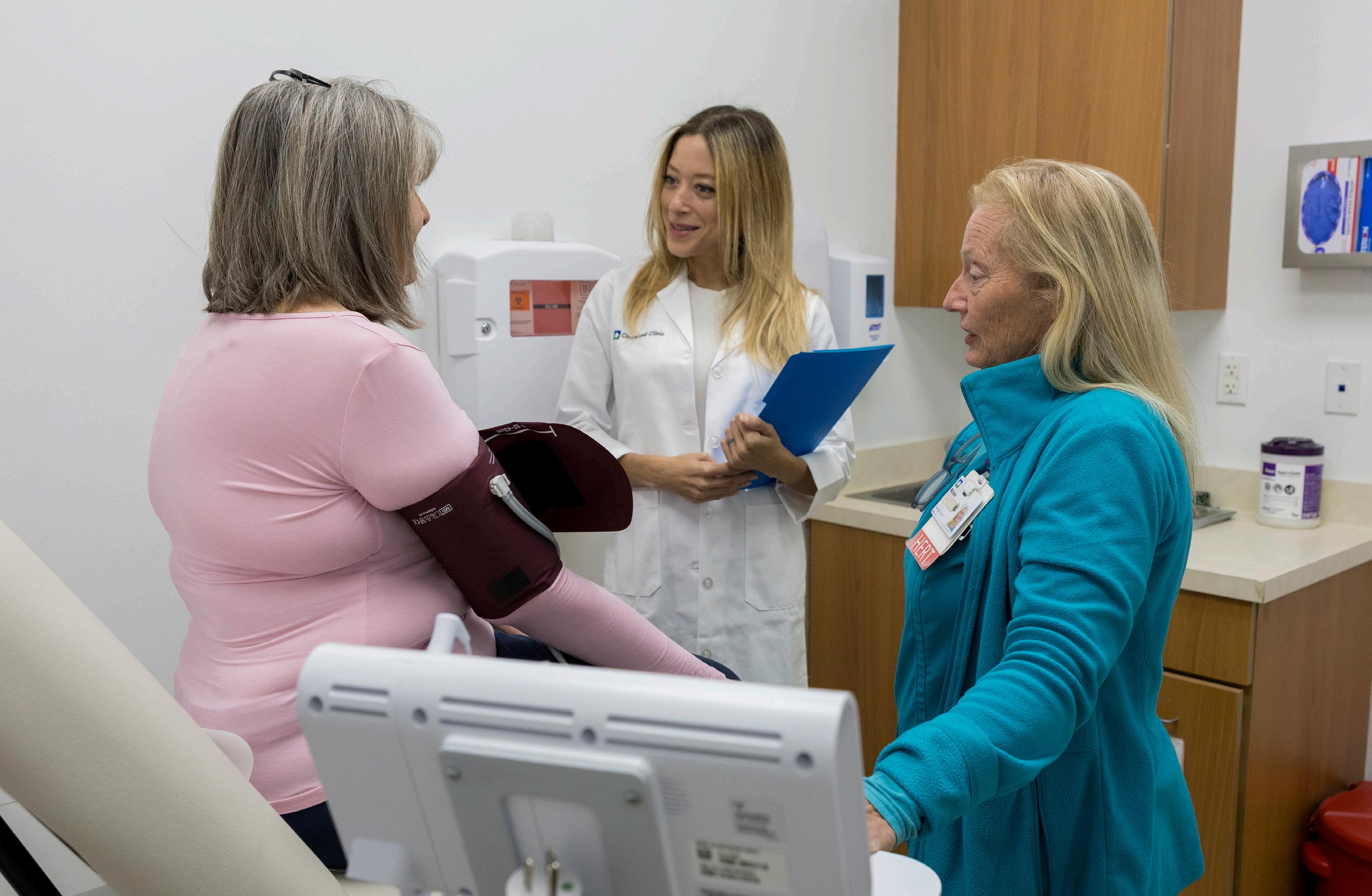
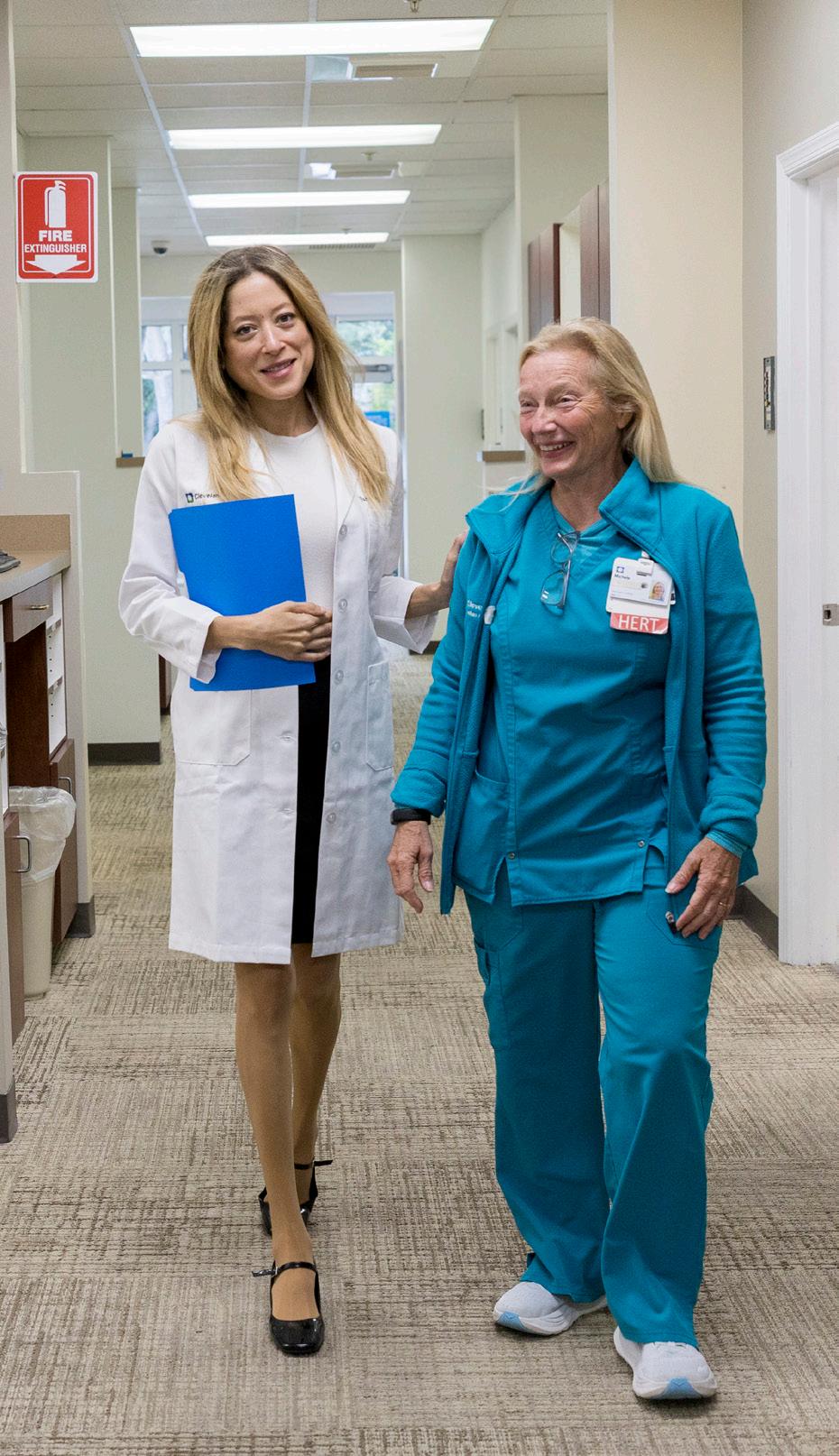
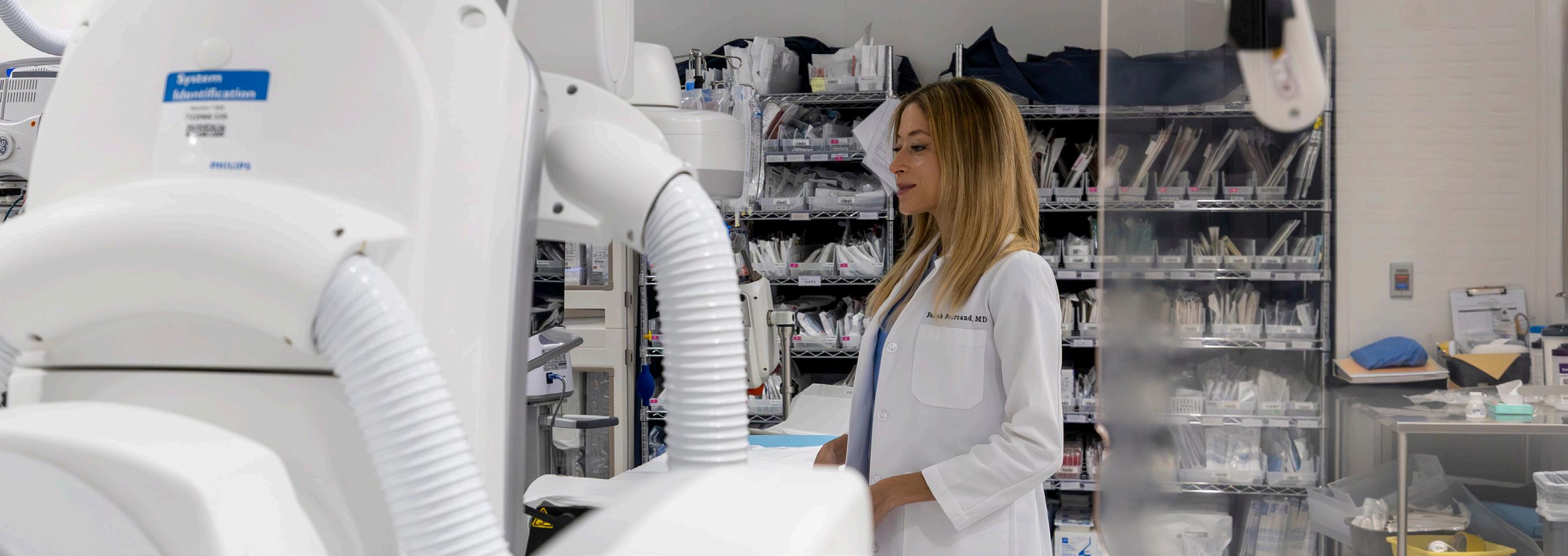
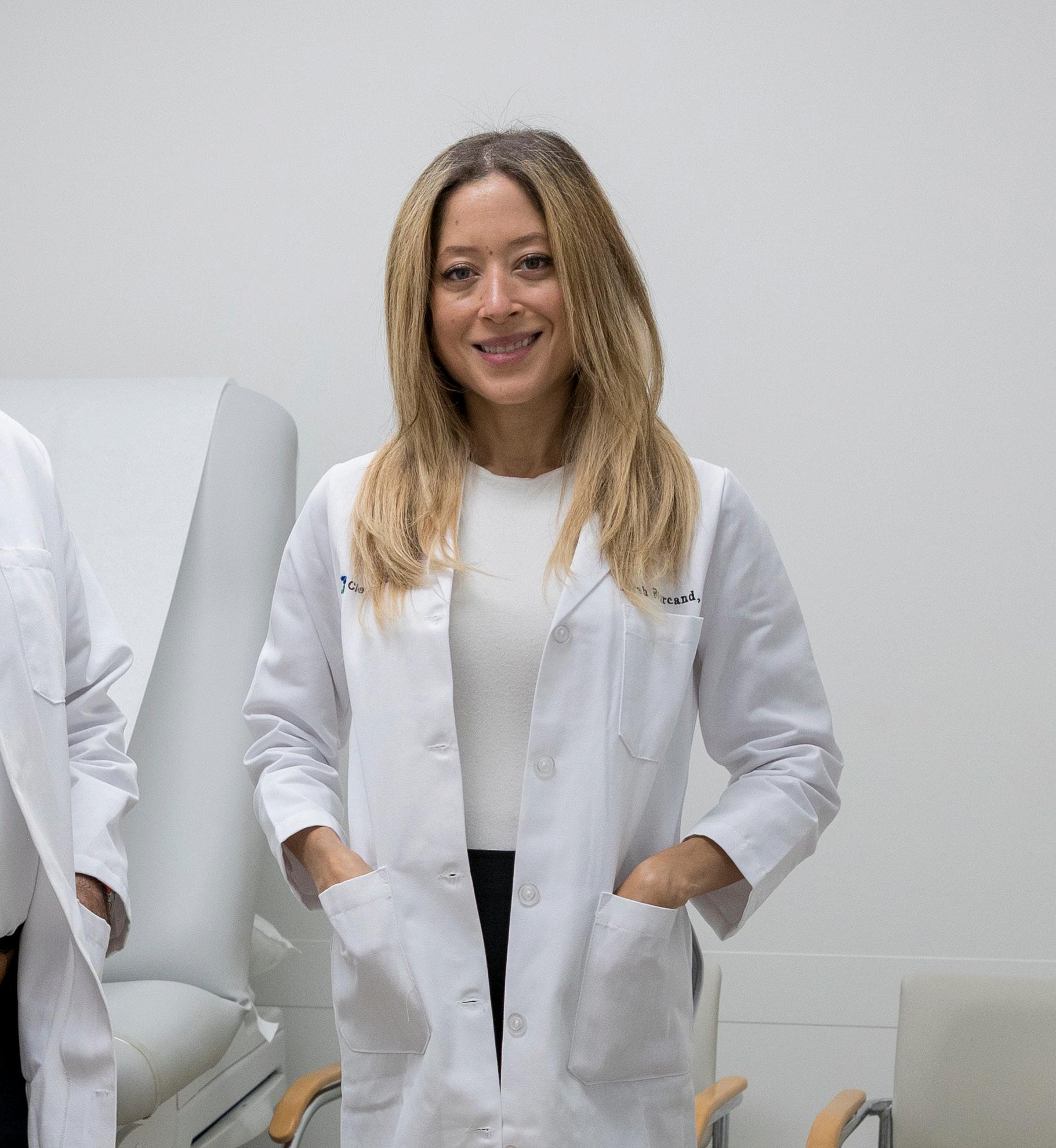
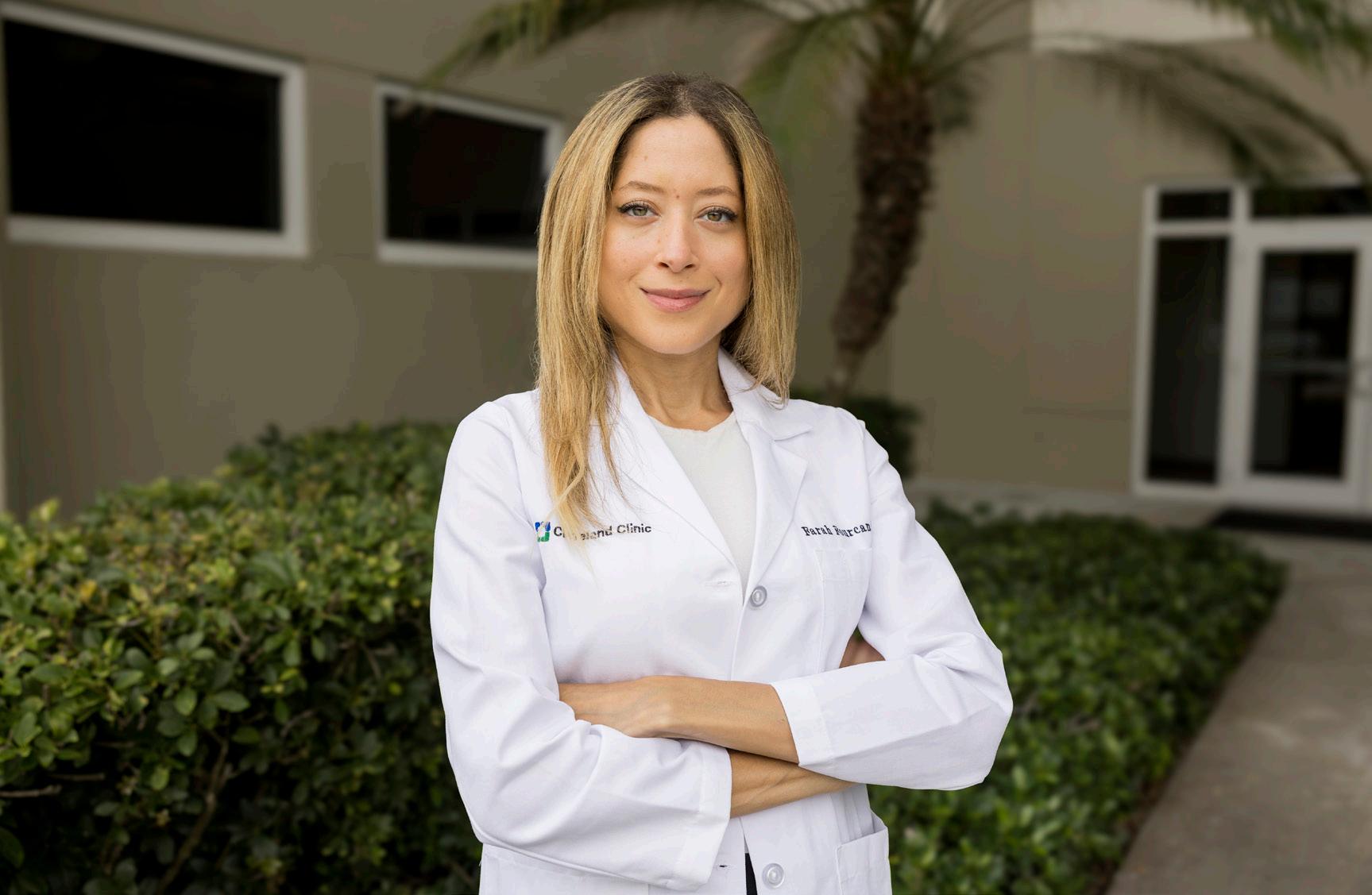
Dr. Farah Fourcand in the neuro endovascular suite at Cleveland Clinic Indian River Hospital.
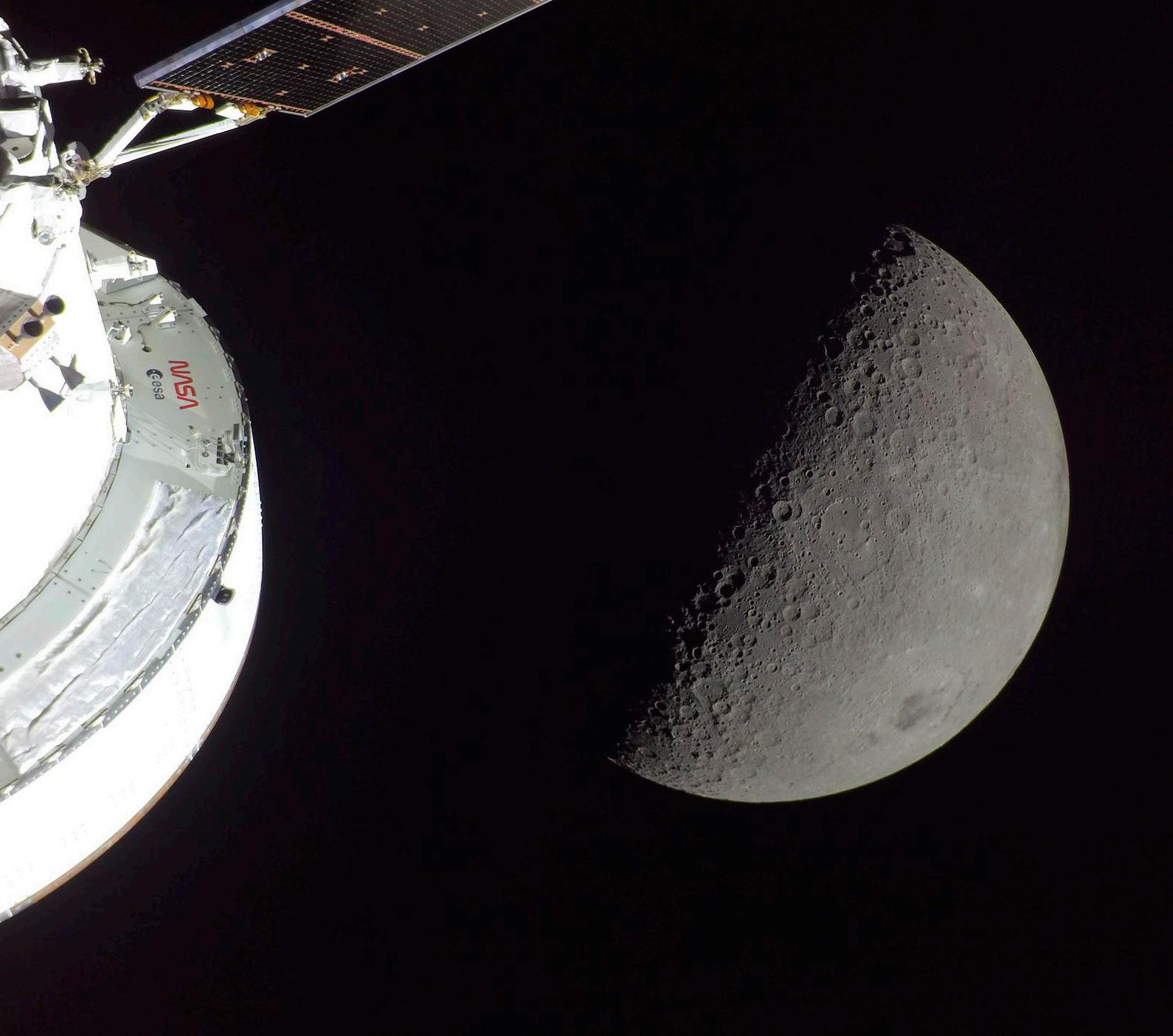
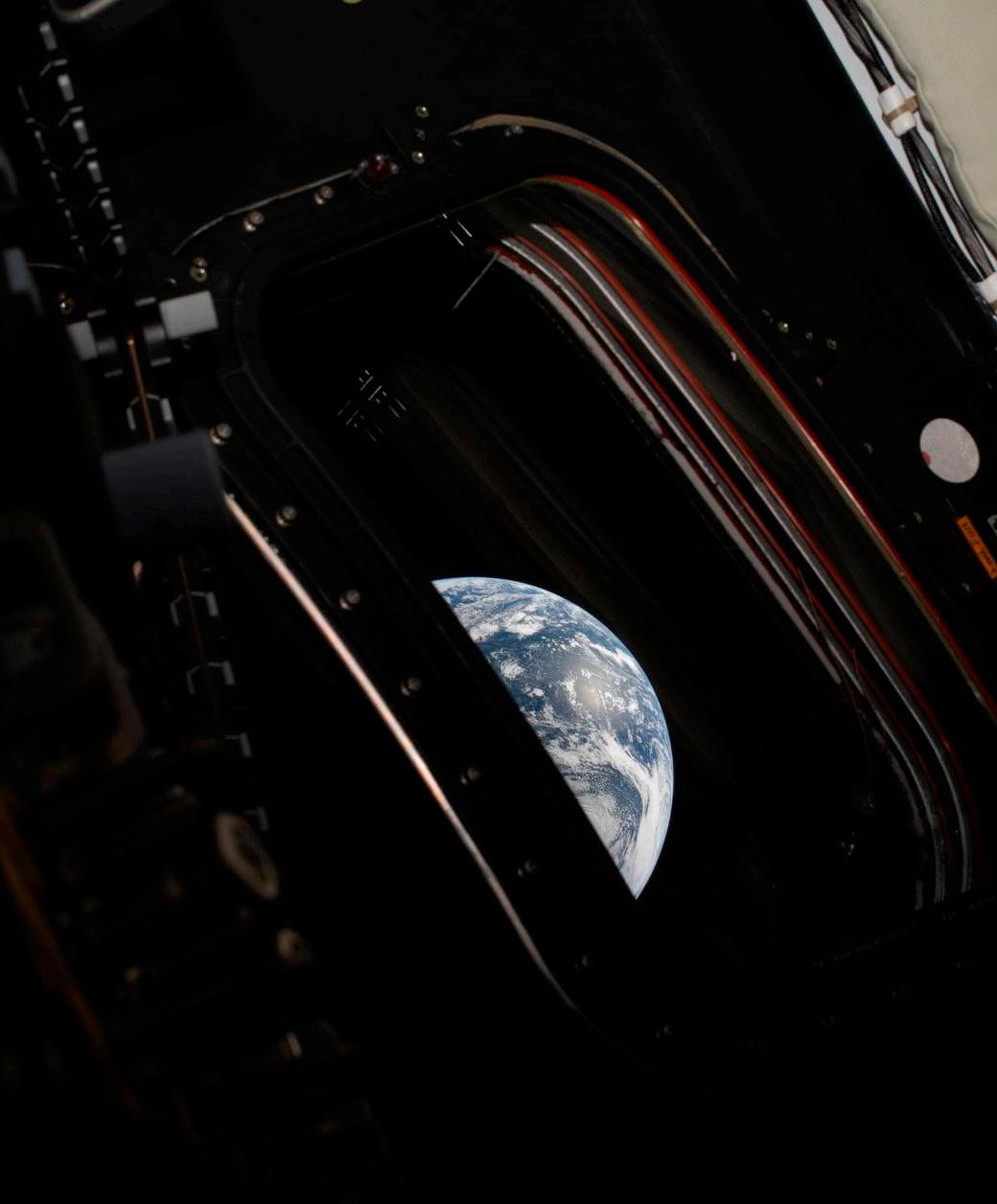
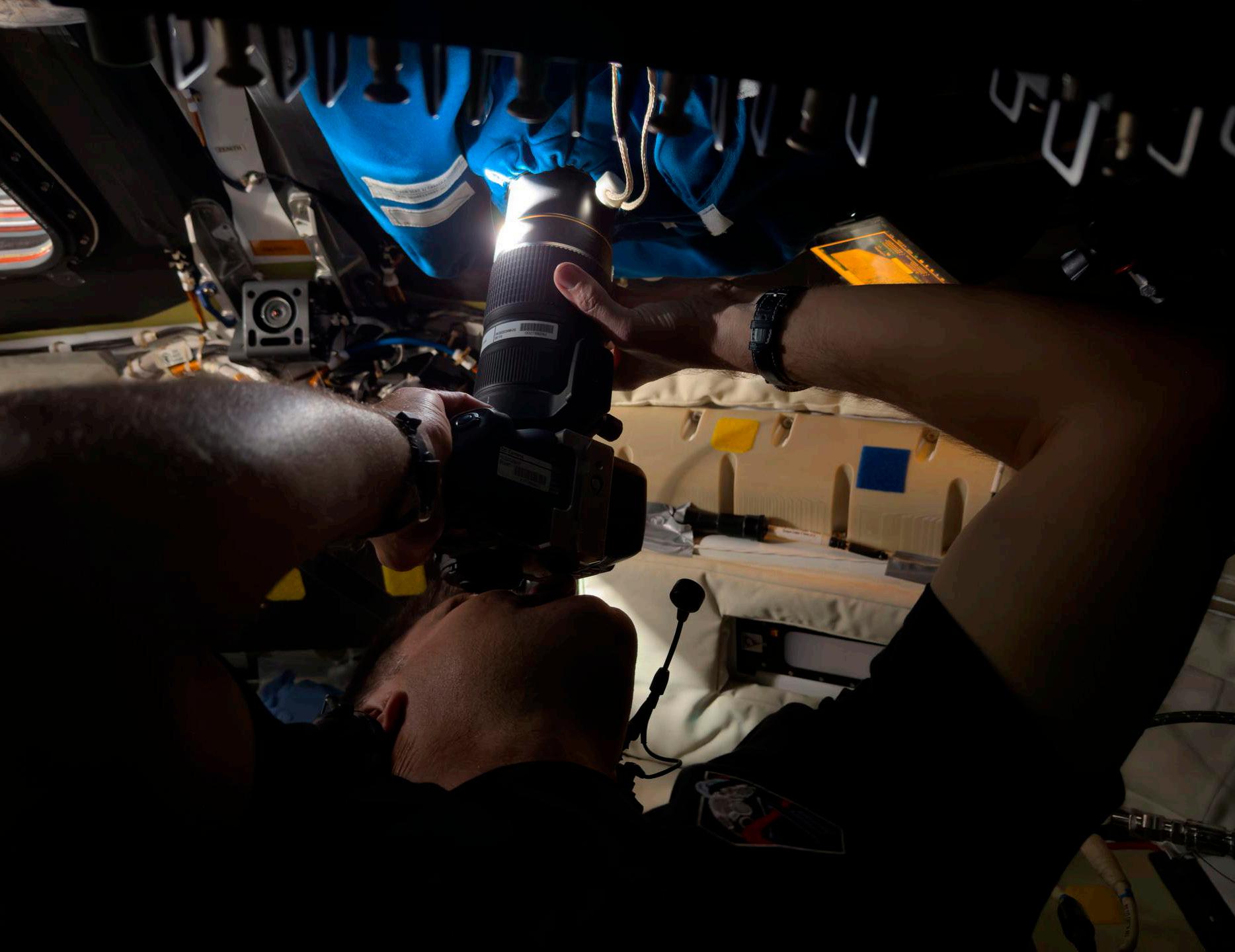
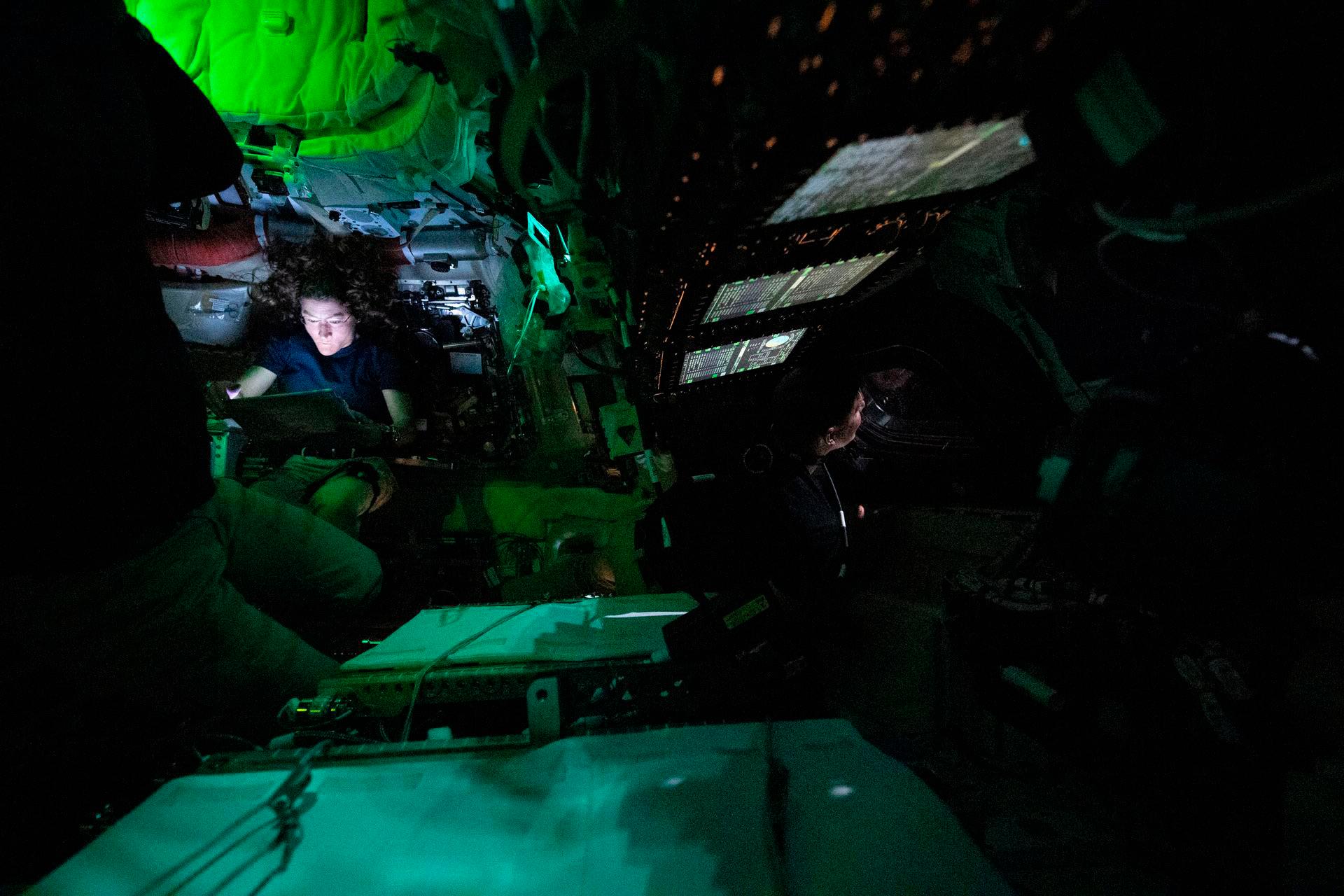
NASA’s Orion spacecraft is seen in the foreground illuminated by the Sun.
Private Beaches & Resort St yle Living
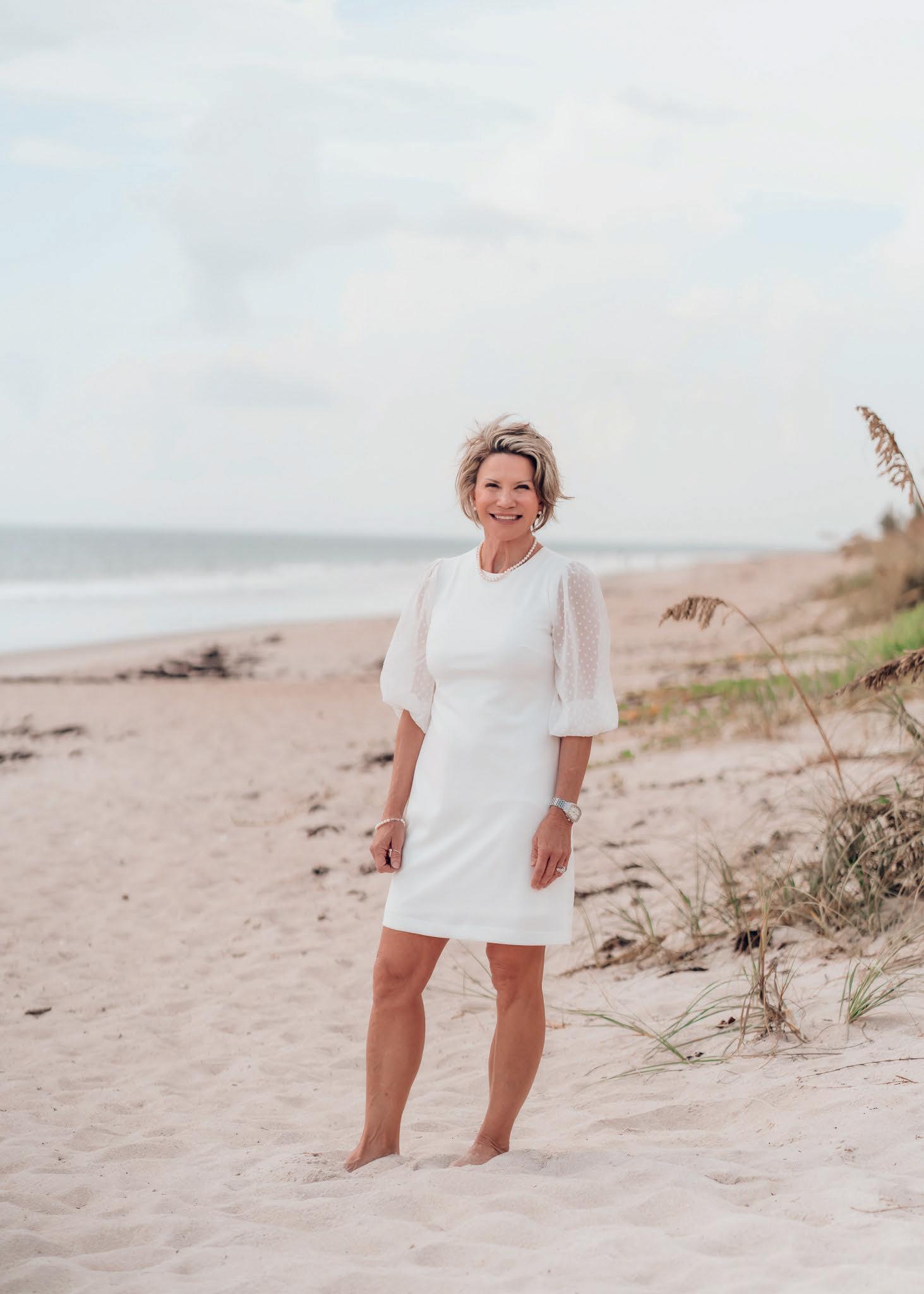
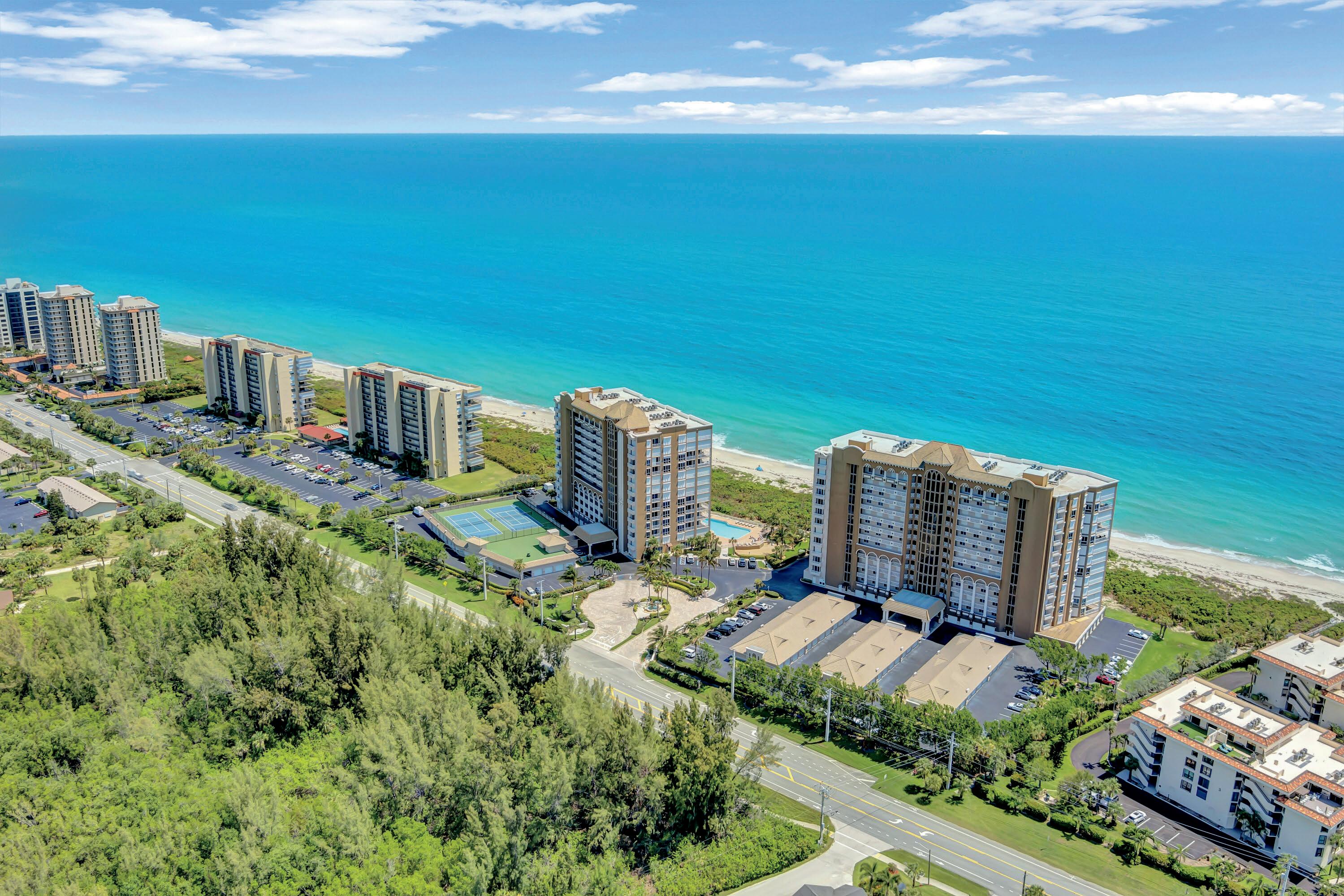
Condo Exper t Rebecca Sexton Helps Buyers & Sellers Fully Enjoy Nor th Hutchinson Island
Nor th Hutchinson is one of Florida’s few remaining uncrowded shorelines. The quiet paradise boasts remote white sandy beaches and crystal clear blue water, yet it ’s less than 10 minutes from two active downtowns. The 20+ beach and river front condo buildings on the island offer a variety of resor t style amenities, coveted by many seeking the effor tless island life. With recent Florida law changing the way Condo Associations manage maintenance and insurance cost, associations have adjusted. Condo exper t Rebecca Sexton helps you navigate these changes. Having sold FL condos for 10 years and lived in a total of 9 condo buildings, Rebecca has seen it all. She understands the associations and what it takes to buy and sell in Nor th Hutch. She clearly lays out the amenities, requirements, and costs associated with each building. She handles the technicalities so you can enjoy the lifestyle, value and peace of mind that come with owning a condo on Nor th Hutchinson Island.
As we continue to serve founders, families, and business owners across the Treasure Coast and Palm Beach communities, this growth reflects our commitment to thoughtful and relationship-driven wealth management. Our team focuses on helping clients navigate major financial transitions, coordinate long-term planning, and steward wealth across generations. We are proud to continue growing our presence in Vero Beach and looking forward to serving our community together.
Oceanic Wealth Management
Wells Fargo Advisors Financial Network
3387 Ocean Drive
Ver0 Beach Florida 32963
772-200-3973
Razvan Ilie
Senior Financial Advisor
Jenna Suleman
Senior Financial Advisor
Chase Perez-Blanco Financial Advisor
Summer Market Intelligence
The Best Real Estate Decisions Begin With the Best Information
In every market, success is driven by insight. Whether you’re considering selling, purchasing, or investing, understanding current market conditions—and where the market is headed—can create meaningful advantages. This summer presents a compelling opportunity for both buyers and sellers.
For Sellers:
While many assume the market slows during the summer months, serious and qualified buyers continue to enter Vero Beach throughout the season. Listing now can provide an opportunity to capture motivated buyers before inventory dynamics shift heading into the fall and winter markets.
For Buyers:
Today’s market continues to offer attractive opportunities for both value and selection. Buyers who act during the summer may benefit from greater negotiating flexibility and a broader range of available properties. Waiting until the traditional pre-season surge could mean increased competition, fewer available homes, and less seller flexibility.
Looking Ahead to Season
The most successful real estate decisions are rarely reactive—they are planned. Those considering a move during the upcoming season should begin evaluating opportunities now, while favorable conditions remain available.
Why Vero Beach Continues to Stand Out
We are fortunate to live in one of the most desirable barrier island communities in the country. Increasingly, buyers from South Florida, California, and major northern metropolitan markets are discovering what residents have long known: Vero Beach offers an exceptional quality of life, a vibrant coastal lifestyle, and a rare sense of community.
As demand continues to grow and more people seek a permanent or seasonal residence in Florida, Vero Beach has emerged as a premier destination for those seeking both lifestyle and long-term value.
An Informed Strategy Creates Better Outcomes
Whether you’re considering a move to Florida, relocating within Vero Beach, or evaluating investment opportunities, having access to accurate market intelligence is essential. Understanding today’s market—and anticipating tomorrow’s—can make all the difference.
If you’re planning for the upcoming season, now is the time to begin the conversation. As always, I remain at your service to discuss all of these dynamics in greater detail or to assist with any of your personal real estate needs.
EDITORS’ LETTER
TOPICS:
• AMERICA AT 250
• VERO CURRENT DIGEST
We continue to introduce new editorial offerings that broaden the scope and substance of our content. This investment in well-researched, deeply reported, and carefully crafted articles stands in deliberate contrast to the prevailing trend in print publishing, where shorter, simplified pieces are often tailored for quick consumption rather than lasting engagement.
America at 250
To mark our nation’s 250th anniversary—the semiquincentennial—LIV VERO Magazine is launching a new editorial feature entitled America at 250: The Anatomy of Greatness. This series consists of 25 short essays, each paired with a striking, emblematic image, and together forms A Tapestry of Vignettes. The essays will be published throughout the remainder of the year, exploring the ideas, forces, and enduring qualities that have shaped the American experience.
Importantly, these essays will reach readers through two channels. First, they will appear in the magazine itself; for example, this issue features Essay No. 4, The Wilderness. Second, they will be delivered by email, arriving directly on your smartphone, tablet, or computer; we have already published Essay No. 1, George Washington, Settlements, and No. 3,
To receive the feature by email, simply visit our website livvero.com and complete a brief signup form. Alternatively, you may email me directly at jim@livvero.com.
Vero Current Digest
Separately, we have launched our emailbased publication, the Vero Current. In all candor, we are not fans of the typical magazine newsletter. Too often, such communications offer little beyond selfpromotion and cross-selling. (Do you really need another cocktail recipe?)
Instead, the purpose of the Vero Current is to identify, summarize, and deliver the local developments our readers most need to know. We are all busy, and important community news is scattered across numerous sources. As a result, meaningful developments can easily be missed.
The Vero Current helps bridge that gap by filtering the noise and summarizing what matters. Reviewed in just a few minutes of reading time, it provides concise insights and practical knowledge that help you stay informed and engaged in the community.
The Vero Current is published biweekly and on special occasions. For example, we recently
distributed a Memorial Day Tribute. To receive the Vero Current by email (same as above), simply visit our website livvero.com and complete a brief signup form. Alternatively, you may email me directly at jim@livvero.com.
Sunsetting Mark Your Calendar
Readers may recall that past issues concluded with a feature called Mark Your Calendar, designed to highlight and organize upcoming local events several months in advance. Over time, however, we came to recognize that numerous print and online publications already perform this function quite effectively. Simply put, we saw little value in adding another voice to an already crowded space.
Accordingly, we have decided to retire Mark Your Calendar and leave this function to others. More importantly, this change allows us to devote these valuable pages to the original reporting, thoughtful essays, and substantive content that distinguish LIV VERO Magazine.
Our Circulation and Reach
On Five Levels
MAIL
Magazines mailed to EVERY residence in Indian River County (all 8 zip codes) with incomes equal to or greater than $200,000.
DIGITAL
Electronic Edition sent to curated, expanding list of over 3,200 email addresses.
IN PERSON
Hand delivery of 1,500 copies to advertising partners, other businesses, organizations, individuals—including hotels, airport, restaurants, real estate offices, physician offices, country clubs, drop points.
WEBSITE
Electronic Edition, in full, is accessible to all on our website livvero.com.
SUBSCRIPTION
Building list of subscribers locally and across country to primary/secondary residences. Subscribe at livvero.com.
LIV VERO® Magazine is a registered trademark of Orchid Island Publishing Group LLC.
John Stearns, Renee Morad, Amanda Blumberg, Diane Field, Jim Field, Analise McManus, Jack Curley
ART
CONTRIBUTING PHOTOGRAPHERS
Victoriya Knapp, Jim Field, Analise McManus, Frank Moore
ADVERTISING AND EVENTS
703-851-0703
DIGITAL
WEBSITE: livvero.com INSTAGRAM: @livveromagazine
ORCHID ISLAND PUBLISHING GROUP LLC Vero Beach, FL 32963
President | Jim Field
SUBSCRIPTIONS 10 issues: $45. Subscribe at www.livvero.com
POSTMASTER
SEND ADDRESS CHANGES TO: Orchid Island Publishing Group 3320 Cardinal Dr., Suite 648175 Vero Beach, FL 32963
LOCALLY OWNED & OPERATED
SUBSCRIPTIONS: Free of charge to qualified residents of Vero Beach. Publisher reserves the right to determine qualifications. Annual subscriptions: U.S. and possessions $45, all other countries $125 U.S. funds (via air mail). Single copies: U.S. and possessions $5. No part of this publication may be reproduced without the written consent of the publisher. The publisher does not warrant, either expressly or by implication, the factual accuracy of any advertisements, articles or descriptions here in, nor does the publisher warrant the validity of any views or opinions offered by the authors of said articles or descriptions. The opinions expressed are those of the individual authors, and do not necessarily represent the opinions of Orchid Island Publishing Group. Orchid Island Publishing Group makes no representation or warranties regarding the accuracy or appropriateness of the advice or any advertisements contained in this magazine.
SUBMISSIONS: We welcome submissions. Unless otherwise negotiated in writing by the editors, by sending us your submission, you grant Orchid Island Publishing Group permission by an irrevocable license (with the right to license to third parties) to edit, reproduce, distribute, publish, and adapt your submission in any medium on multiple occasions. Submissions will not be returned.
•
•
•
• PROBATE & TRUST ADMINISTRATION
•
•
•
The Anatomy of Greatness
A Tapestry of Vignettes
4. THE WILDERNESS
Among the Sierra Nevada, California Painted by Albert Bierstadt 1869. Oil on Canvas. 72 x 120 in.
Metropolitan Museum of Art, New York City
by Jim Field
For the first European Americans, the continent itself helped forge the nation’s character and belief system. Beyond a sparse band of settlements along the Atlantic seaboard stretched a vast and unexplored wilderness—endless forests, towering mountains, untamed rivers, and open prairies that ran to and beyond the horizon. For those who looked westward, the vast landscape embodied both opportunity and destiny.
The frontier demanded courage, resourcefulness, and endurance. It invited ordinary individuals—and families—to imagine lives defined not by inherited status or wealth, but by their own determination and efforts. The immense scale of the landscape inspired confidence and ambition, invoking the belief that extraordinary prospects lay within reach for those with initiative and determination.
Conversely, the wilderness was as frightening as it was alluring. There were few maps and people who had ventured forth and returned to share their experiences. Survival was not guaranteed. There would be harsh winters,
crop failures, disease, wild animals, and the possibility of becoming lost in a land without end. In this way, the uncharted continent taught settlers the enduring calculus of risk and reward—an unwritten rule that would become a defining edict of the American experiment.
Over decades, the seemingly limitless wilderness became more than a physical setting—it shaped and crystalized the American psyche. It would require, as part of our national identity, that we explore what lay beyond the next ridge, develop a willingness to confront uncertainty, and embrace a conviction that each generation must venture farther and achieve more than the last. The frontier was America’s proving ground, testing and hardening a people whose dreams mirrored the vastness of the land itself.
“THE WEST IS THE EDEN OF THE UNITED STATES.”
THOMAS JEFFERSON
NATURAL-FIBER FLOOR COVERING
Especially Popular in Coastal Settings
by Diane Field
Natural-fiber rugs and carpets are a staple of American interior design. Many of us have them in our own homes or encounter them regularly in the homes of friends, yet seldom give much thought to their rich history or the fascinating process by which they are made.
In an age of mass production, these floor coverings remain rooted in craftsmanship, fashioned from plants cultivated and harvested much as they have been for generations. Having used them in both my own and clients’ homes over the years, I can think of few furnishings that combine beauty, texture, and comfort so effortlessly.
Brief History
In the 19th century, sisal, coir, and other plant fibers were primarily utilitarian materials. They were used for rope, matting, and inexpensive floor coverings in porches, sunrooms, and service areas. Wealthier Americans generally preferred imported Oriental rugs, Axminster carpets, and other richly patterned floor coverings that signaled status and refinement.
SISAL CREATED A RESTRAINED BACKDROP FOR FINE FURNISHINGS AND HELPED DEFINE A DISTINCTLY AMERICAN IDEAL OF UNDERSTATED ELEGANCE.
In the mid-20th century, decorators sought cleaner, less ornate interiors. No figure did more to elevate sisal than Billy Baldwin, who used it extensively in the homes of society clients during the 1950s and 1960s (see Design History in this issue). By providing texture without pattern, sisal created a restrained backdrop for fine furnishings and helped define a distinctly American ideal of understated elegance— one that remains especially influential in coastal interiors today.
Perfect for the Coast
The broad appeal of natural-fiber floor coverings stems from a combination of qualities that many wool and synthetic materials cannot provide. Natural fibers add visual and tactile texture to a room without overwhelming it. Their muted colors complement virtually any decorating
style, creating a neutral foundation. The fibers retain their organic character, bringing an earthy, authentic quality indoors. Sisal and seagrass, in particular, are highly resilient and perform well in high-traffic areas.
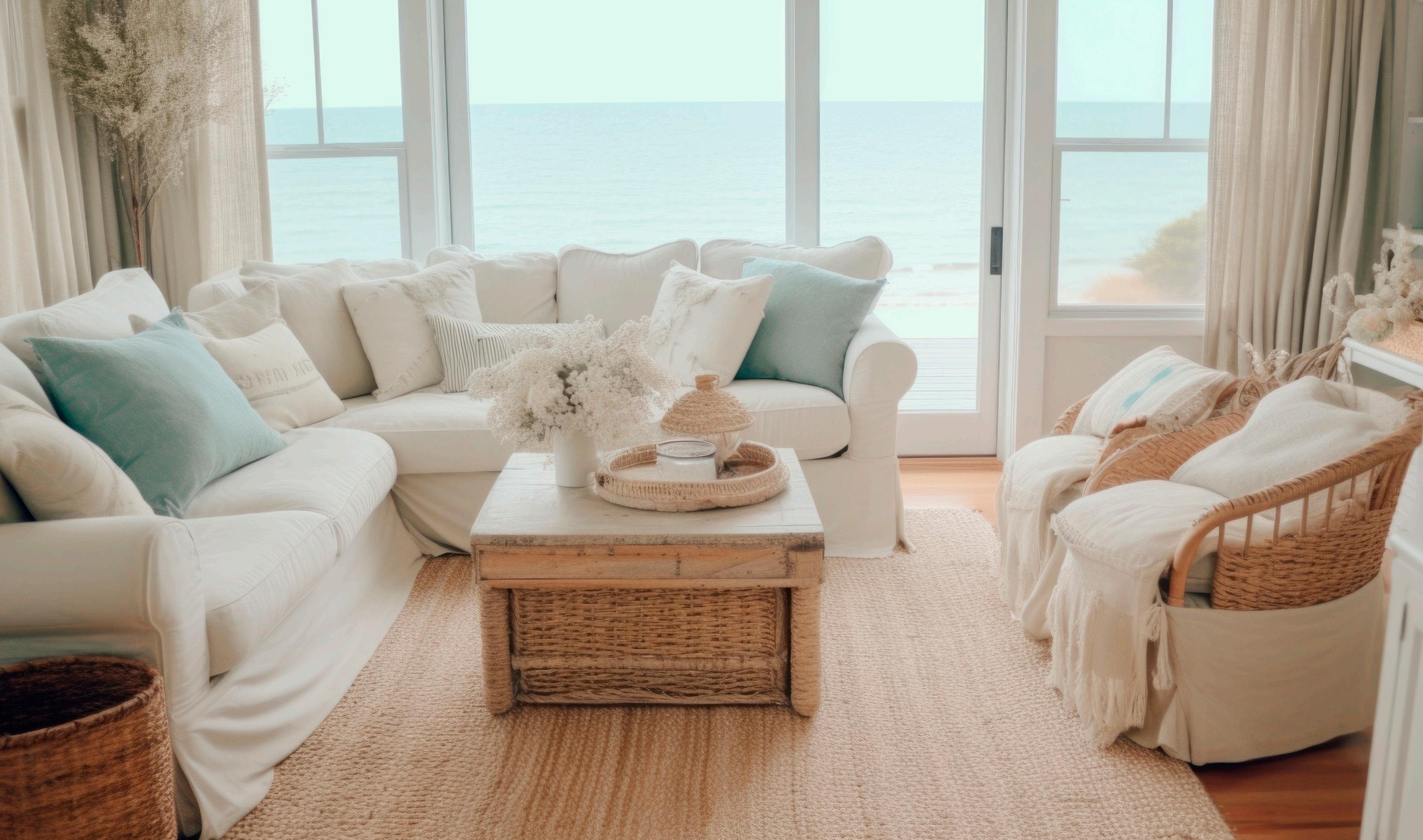
Furthermore, these same characteristics make them especially popular in beach and waterfront settings. The tan, sand, straw, and driftwood tones of sisal, seagrass, and jute complement ocean views and coastal color schemes. Their woven surfaces evoke beach grasses, dune vegetation, basketry, rope, and other maritime materials. They convey a relaxed, unpretentious feeling that fits coastal living while remaining sophisticated enough for formal rooms. Sisal and especially seagrass hold up well to foot traffic from sandy feet—although sand should still be vacuumed regularly.
Options
Sisal and jute are probably the two most widely recognized natural-fiber rugs in American homes. However, there is a wider assortment available with enthusiastic proponents for each.
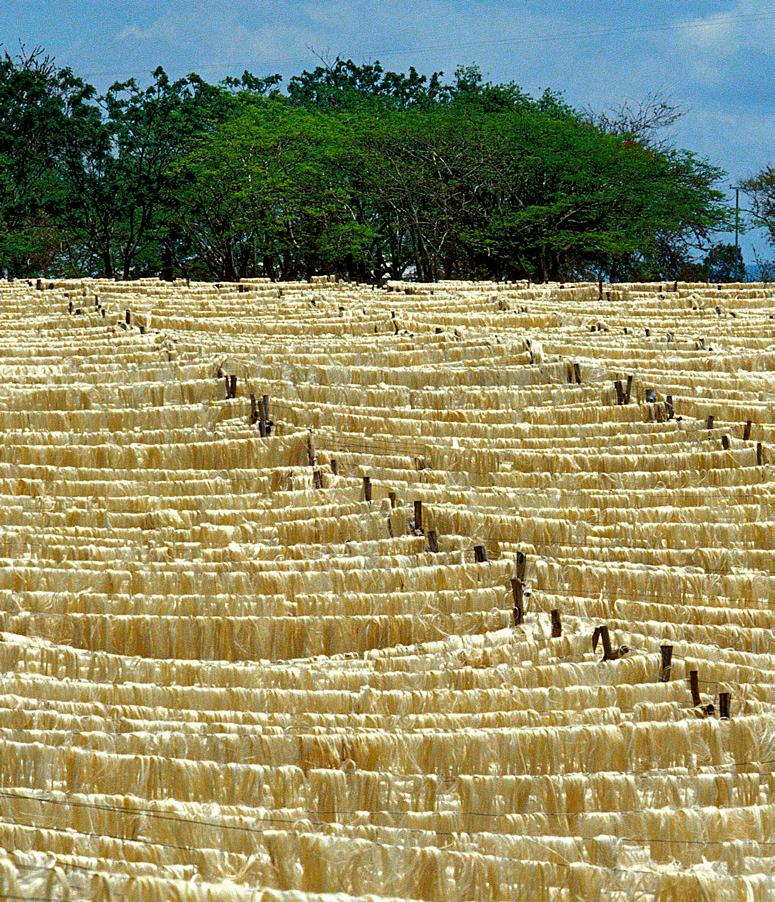
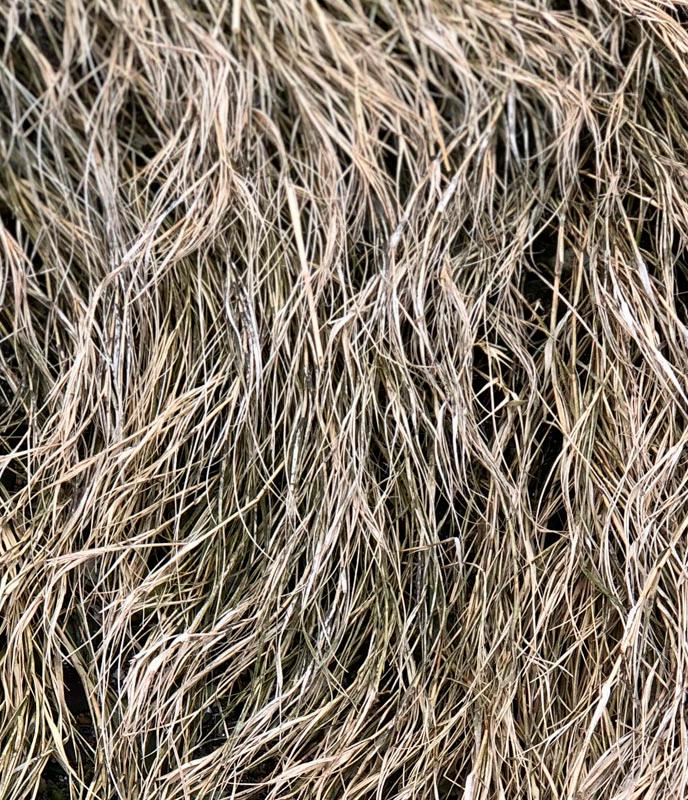
Sisal. Fibers from the leaves of the sisal plant (Agave sisalana). Valued for strength, durability, distinctive woven texture. Favorite for living rooms, hallways, other high-traffic areas. Cons: stains easily, not ideal for bathrooms or damp spaces.
Jute. Fibers from the stalk of jute plant (Corchorus species). Softer and more casual with a warm, earthy appearance. Popular in bedrooms and living rooms. Cons: least durable of the top three, absorbs moisture easily, not ideal for high-traffic or damp areas.
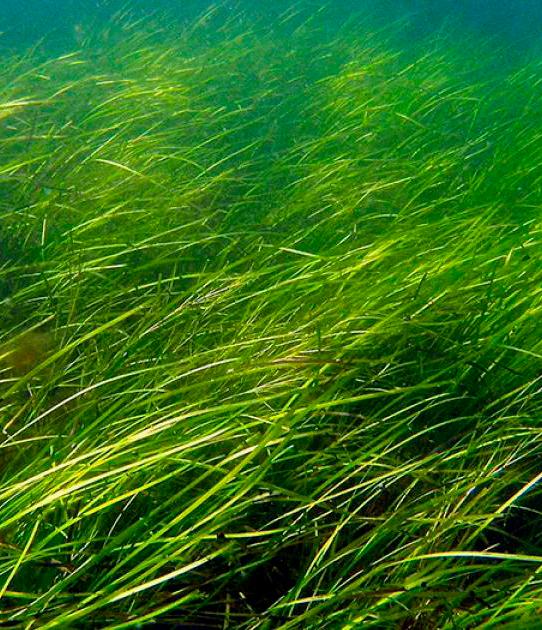
Seagrass. Made from marine grasses grown in flooded fields (harvested, dried, and woven). Highly durable, low maintenance, naturally stain-resistant. Smooth, slightly waxy surface; subtle sheen; often uniform greenish-tan tone. Cons: cannot be dyed easily (limited color range).
Coir. Made from coconut husks, coarse and rugged, commonly used for doormats and heavy-traffic areas. Abaca. Stronger, more lustrous fiber from a banana relative; prized in higher-end interiors. Hemp. Durable and increasingly popular for sustainable flooring and rugs.
In sum. Sisal is strongest, most tailored. Jute is softest, most casual but least durable. Seagrass is most practical for moisture/shoreline homes.
Designer Use
Designers often begin with a broad foundation of sisal or seagrass, whose neutral texture defines a space without drawing attention to itself. Smaller rugs— typically jute, wool, or flat weaves—are then layered on top to add softness, warmth, and subtle visual interest. This combination of structure, durability, and texture is a signature feature of many coastal homes, creating rooms that feel relaxed, cohesive, and effortlessly finished.
Sisal.
Seagrass.
Jute.
BILLY BALDWIN
The Dean of American Decorators
By Diane Field
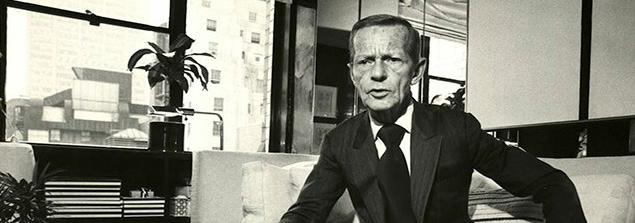
William “Billy” Baldwin (1903–1983) was a defining figure in 20th-century American interior design—although he detested the term “interior designer,” opting instead for “decorator” as his preferred title.
He insisted that he was a creator of livedin rooms, not stylized spaces. He rejected
fussiness and excess in favor of clarity, comfort, and strong proportion. His stylistic maxims were relaxed, tailored, and quietly authoritative. The distilled essence of his artistic approach was that design is the discipline of making a room feel effortless.
Clientele and Projects
Baldwin designed homes for many of the most prominent figures of mid-century America, including: Diana Vreeland, Cole Porter, Babe Paley & William S. Paley, Jacqueline Kennedy Onassis, Greta Garbo, Paul and Bunny Mellon, Barbara Hutton, Mary Wells Lawrence, Billy Rose, Rachel Lambert Mellon and Paul Mellon, Harvey Ladew, and Pauline de Rothschild. Commercial clients included the Round Hill Club in Greenwich, CT, the Kenneth hair salon in New York City. In 1972, Baldwin designed a line of furniture (including his famous Slipper Chair). He also worked on iconic spaces like the White House interiors during the Kennedy era.
Background
William “Billy” Baldwin Jr., was born in 1903 to an old Baltimore family. After briefly studying architecture at Princeton, he entered the design world without formal training, learning through apprenticeship with influential decorator
Ruby Ross Wood in New York, where he absorbed traditional English and French influences. After Wood’s death in 1950, Baldwin inherited her firm and clientele, which accelerated his rise to prominence among elite society figures.
Despite working within the highest circles of American cultural life, Baldwin maintained a carefully controlled personal profile, never marrying and avoiding public discussion of his private relationships, though historians generally believe he was gay or bisexual. He remained focused on his work rather than celebrity.
Design Style
Baldwin’s signature look is often described as American modern classicism:
• Clean, tailored lines rather than ornate European decoration
• Strong emphasis on scale and proportion
• Comfortable, usable furniture over purely decorative pieces
• Frequent use of cotton, denim, lacquered walls, and simple upholstery
• Pattern mixing—but controlled, not chaotic
• Built-in shelving, slipper chairs, and uncluttered layouts
Billy Baldwin’s slipper chair is a low, armless chair style made for relaxed seating, and the version sold today is a contemporary take on his classic design. The timeless appeal is that it is armless, low, and easy to move, which makes it work well as extra seating without looking bulky.
Books
He published influential books including Billy Baldwin Decorates (1972), Billy Baldwin Remembers (1974), and Billy Baldwin: An Autobiography (1985), posthumous.
Afterward
He retired in 1973 and died of a heart ailment on November 25, 1983, at Nantucket Cottage Hospital on Nantucket Island, MA.
Why He Matters Today
Baldwin helped define a distinctly American interior style—less formal than European tradition, but still elegant and highly composed. His influence persists in contemporary residential design because he proved that luxury could come from comfort, restraint, and proportion rather than ornament.
Billy Baldwin Studio
One North Haven Street, Suite 103 Baltimore, MD 21224
Phone: (410) 600-8455
Email: hello@billybaldwinstudio.com
Instagram: @billybaldwinstudio
Website: billybaldwinstudio.com
“Start with good bones.” Architecture of the room matters more than decoration.
Choose a clear intention. Is the room for conversation, reading, entertaining, or rest?
Comfort is non-negotiable. A room that isn’t comfortable is simply a failure.
Anchor with 1–2 strong pieces. A substantial sofa or sectional, a strong table or visual object.
Edit aggressively. Rooms must not feel cluttered. Remove anything unnecessary.
Mix high and low with discipline. Fine antiques could sit next to simple cotton upholstery.
Scale is everything. Too-small pieces make even expensive rooms feel timid.
Pattern is powerful but must be edited. Repeat a dominant pattern or color to unify a room.
Baldwin’s most famous
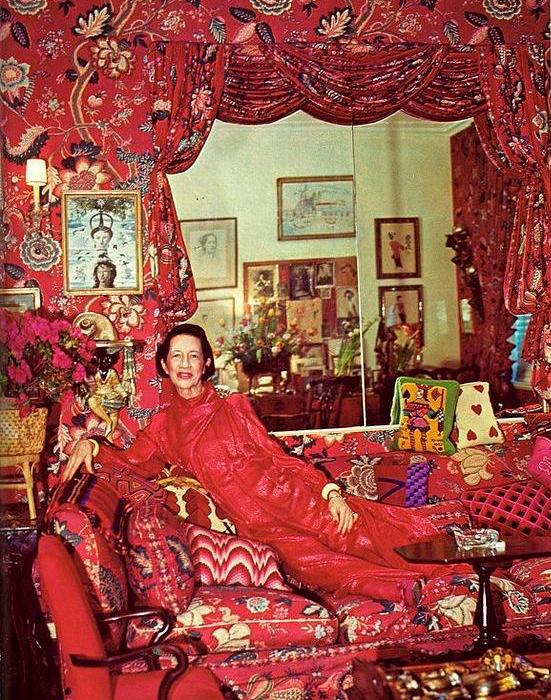
red living room located in her Park Avenue apartment at 550 Park Avenue in Manhattan, New York City. She demanded “a garden, but a garden in hell.” Key features: walls, drapery, upholstery all in red chintz; mirrored surfaces and crystal sconces for sparkle and depth; layered pattern-onpattern textiles; eclectic decorative objects (busts, shells, sculptures). A defining example of maximalist color used with absolute control.
Color should be decisive, not tentative. Either commit fully or stay restrained.
Nothing should look arranged. Rooms should feel inevitable, not staged.
Blend modern comfort with traditional structure. Modern upholstery + antique case goods.
Personality beats style. The best rooms feel like the occupant, not the decorator.
Arguably
interior: fashion editor Diana Vreeland’s
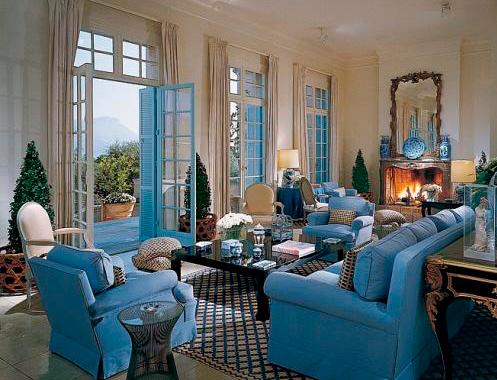
House and Garden, 1971. Living room in La Fiorentina, home of Mr. and Mrs. Harding Lawrence on the French Riviera. Interior by decorator William Baldwin, with blue upholstery, French checkerboard rugs, Indian handkerchief pillows, Chinese porcelain, lacquer coffee table by Charles Sevigny and painting by Okada. (Photo by Horst P. Horst/ Condé Nast via Getty Images.)
Billy Baldwin Signature Principles
Vero Beach Museum of Art
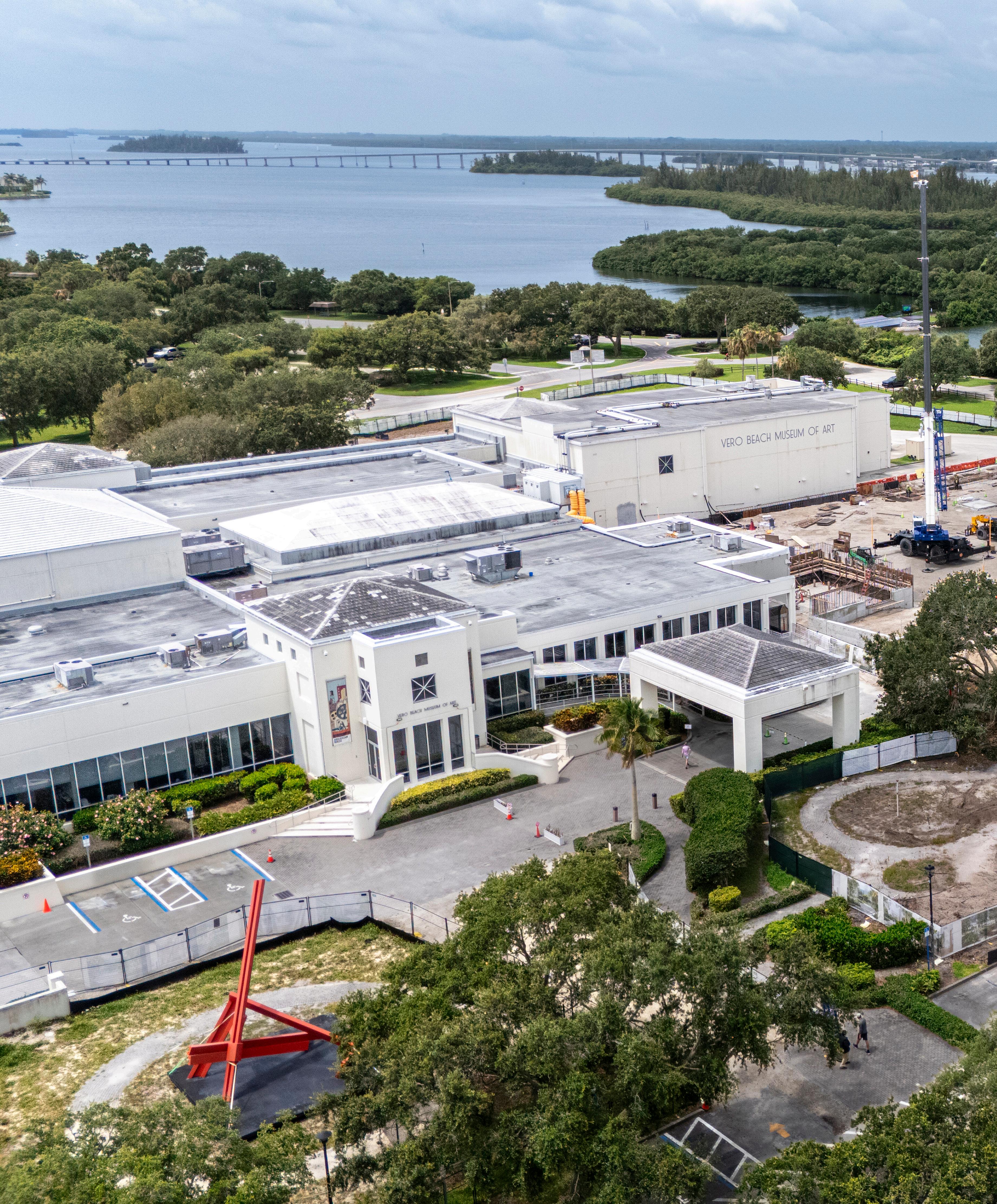
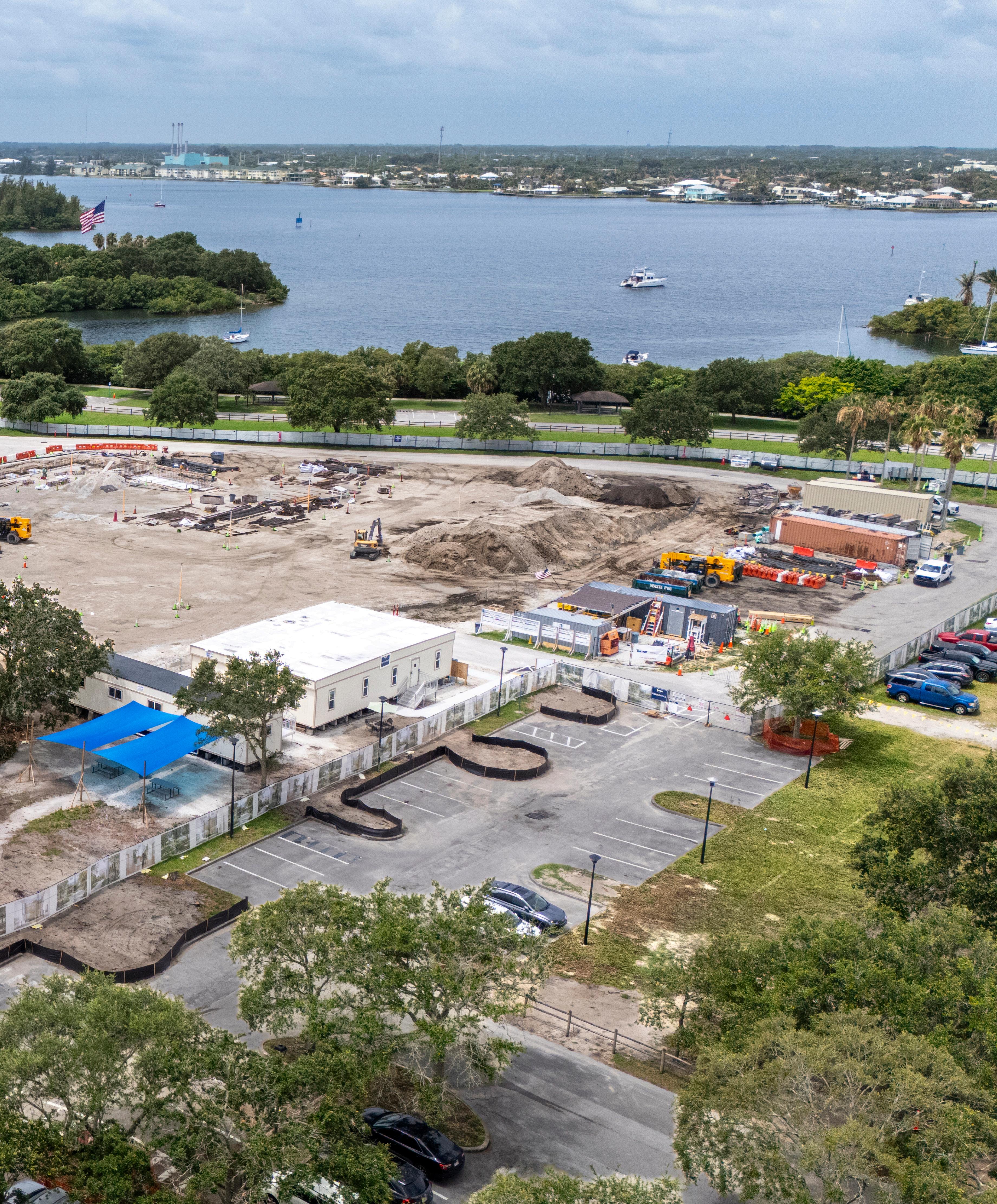
New Building & Campus Transformation
Current look at the most comprehensive upgrade/expansion in the Museum’s 40-year history. Interweaving art and nature, the new building will more than double the Museum’s exhibition space, features a new education wing and integrated series of gardens, terraces, and courtyards for art viewing, art making, and community gathering. The project advances VBMA’s mission to serve as a dynamic and welcoming arts center for the Vero Beach community and visitors. (Source: VBMA website.)
ART EXHIBITIONS
Photograph by Victoriya Knapp
JAMES PROSEK
The Enduring Relevance of the Naturalist’s Eye
Interview by Jim Field images courtesy of James Prosek
James Prosek: At Work
July 11-October 25, 2026
Vero Beach Museum of Art
Editor’s Introduction. James Prosek is the closest living heir of the naturalists I grew up reading about, studying closely, and ultimately idolizing, with whom I am ever likely to meet. Many of these forebears remain familiar names today. Glancing at books on my shelf, I see Humboldt, Waterton, Douglas, Townsend, and, of course, Banks and Darwin. These men were typically multifaceted professionals—some combination of scientist, explorer, artist, and writer, each in varying measure.
James Prosek and I actually shared a similar upbringing and many of the same interests. I grew up hiking the Appalachians, avidly birdwatching, canoeing rivers, traveling, and cherishing books. A key difference between him and me, however—something I discovered during our interview—is that from a very young age he was drawn to drawing. He was an artist by instinct, temperament, and heart. That seed led him in one direction and into a world uniquely his own; my lack of that same early
calling led me elsewhere. It is a reminder of how differently people develop and, in turn, how differently they contribute to their communities.
In retrospect, I would have loved to have lived the life of an early Western naturalist— assuming, of course, that I had known a priori that I would survive the various adventures and live to a ripe old age. Having not taken that path, I am content to experience it vicariously through the life and artwork of James Prosek and to appreciate all that he has discovered, imagined, created, and made uniquely his own.
Departing from the format of previous interviews, I have foregone the traditional Q&A format and instead organized this piece around key passages drawn from the conversation, grouped by topic. The order of those topics has been preserved, allowing readers to follow James’s train of thought as it naturally developed during the interview.
ART EXHIBITIONS
JAMES PROSEK
An Introduction to James Prosek
by
One of the most rewarding aspects of serving as Chief Curator at the Vero Beach Museum of Art is shaping an exhibition program that is both rigorous and expansive.
Seeking to showcase a range of voices, media, and perspectives across time, some exhibitions take the form of focused solo presentations by living artists; others are sweeping survey exhibitions organized by different institutions across the country. Some of the most exciting projects exist somewhere in between: exhibitions that arrive with a strong foundation, dynamic checklist, and offer new opportunities for dialogue, interpretation, and local resonance.
James Prosek: At Work is one of these exhibitions. Organized by the Morris Museum in Morristown, New Jersey, the exhibition captured my attention. I had followed Prosek’s work for years, particularly because of the way his practice bridges art, natural history, environmental observation, and our emotional relationship to the natural world. Prosek has long been one of the artists I hoped to work with in some capacity.
As exhibition calendars evolve, conversations between museums become
essential—ideas circulate, opportunities emerge, and certain projects begin to feel especially timely. The Morris Museum’s survey of Prosek’s work stood out because it reveals the extraordinary breadth of his 30-year career, bringing together multiple bodies of work, media, and periods of artistic inquiry.
I also knew that the Vero Beach Museum of Art had a meaningful history with Prosek’s work. More than a decade ago, the Museum presented selections from his celebrated Ocean Fishes series, including highly detailed paintings on paper depicting species such as the Atlantic Bonito and King Mackarel. That earlier connection made this exhibition feel less like an introduction and more like a return.
While the 2015 exhibition presented 16 works from a single series, this survey includes more than 70 pieces spanning several different bodies of work. Only one artwork overlaps with that exhibition— Great White Shark with Oyster—a fan favorite that several longtime museum visitors still recall.
Given the importance of the environment to the Indian River community, and the proximity to one of our country’s most vital ecosystems, the exhibition is
especially resonant as a summer show. It offers audiences an opportunity to reconnect with Prosek’s work 11 years later while also encountering a much broader view of his practice: works that move across geography, subject matter, scale, and medium, yet remain united by a profound attentiveness to the living world.
When I learned the Morris Museum was seeking to travel the exhibition, I was thrilled. At the same time, I knew I wanted to build upon the original presentation by creating new interpretive materials that could further illuminate both the artworks themselves and the evolution of Prosek’s career and perspective. His books, essays, field observations, and our conversations provided an archive of material from which to draw.
The challenge, of course, was distillation: how to translate such expansive ideas into concise interpretative texts—sometimes fewer than 100 words per object—without losing their richness. Yet that process also became one of the exhibition’s greatest opportunities: creating points of connection between the artwork, the artist’s voice, and the viewer. The resulting materials offer audiences a deeper glimpse into the mind and methodology of the artist himself.
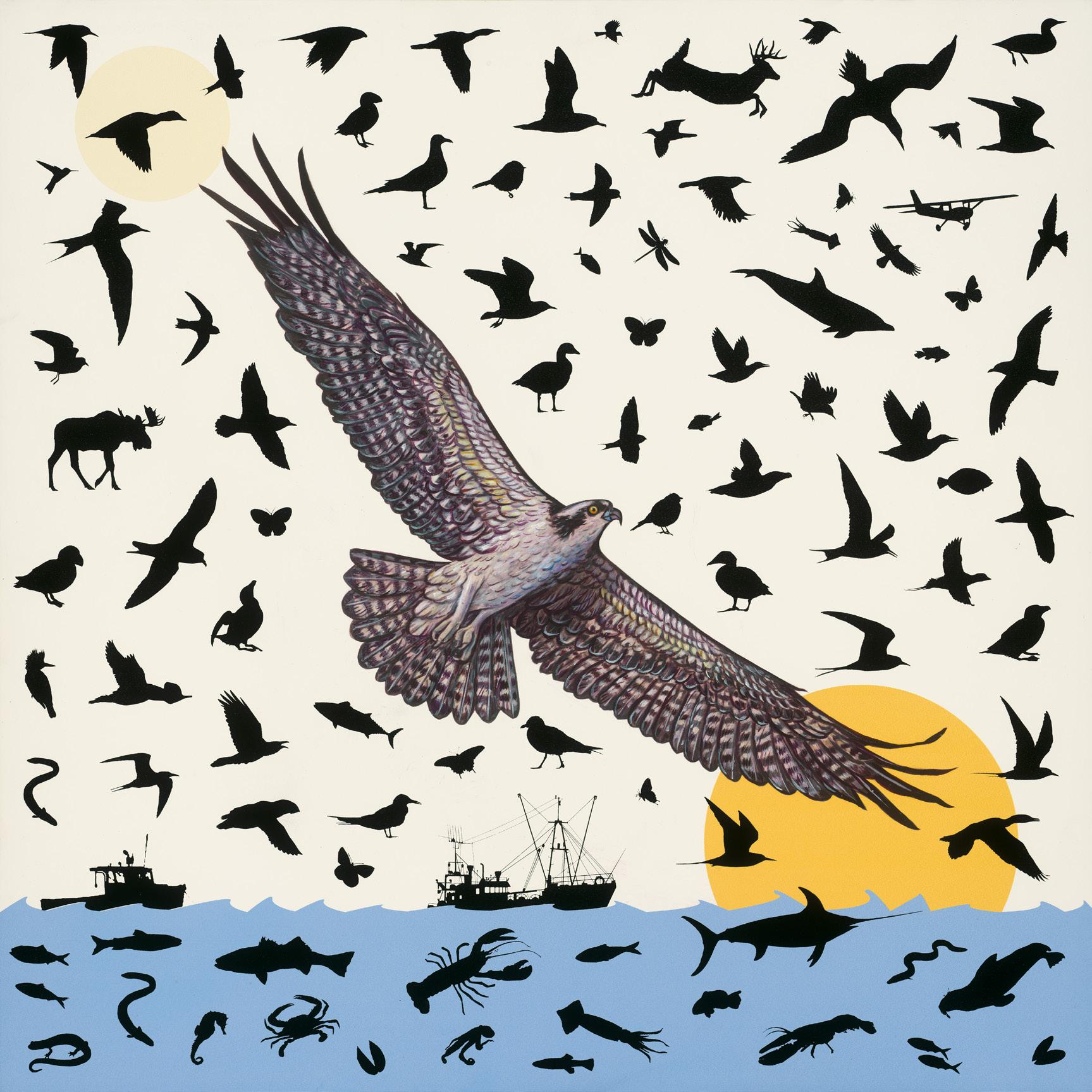
When visitors enter the Holmes Gallery to see this exhibition, they are first greeted by two distinct portraits of birds. One depicts a hawk rendered in exquisite detail, suspended in flight among smaller silhouetted animals, recalling profiles of “quintessential types” as in scientific illustration. The other work is a tightly cropped composition of the head and neck of a great blue heron set against lines that create abstract shapes that echo the bird’s form. Both works introduce key ideas that run through Prosek’s practice: observation and classification, and the ways in which nature often resists fixed boundaries.
From there, visitors move through sections that trace different facets of his work and thinking: explorations of his process more broadly, studies of grasses and plant life, works from an expedition in Suriname, and a section on imagined hybrid beings where observation and invention begin to merge.
Caitlin Swindell Chief Curator, Vero Beach Museum of Art
James Prosek Speaking Marks
I was talking to a friend yesterday who’s a curator about realism versus abstraction. Georgia O’Keeffe would say that she’s painting what she sees, but when it goes through her brain and out of her hand, it comes out differently, and that’s what’s beautiful. It’s human hands that will dominate even in the age of digital output and AI. Every human makes a mark that is individual, with whatever they’re holding—a pencil—and even if ten people draw a circle, they’re all going to look different. Whereas a mark made on a phone or computer is a standardized mark. You can still express yourself individually, that’s part of what I’m interested in: mark making. Marks carry information, each mark made by each person is distinct, we know the evolution of drawing, which probably came out of people observing animal tracks and marks. You could call an animal track a drawing, but it’s made without intent. It’s a passive mark, made on the land and people learned to read those marks. You could understand and assess past events based on a mark left in the past. The animal’s not there anymore, but you could tell which direction it was taking, how fast it was going, how long ago it was made. I am, at base, a maker of marks.
Maine Composition No. 1 Painted by James Prosek, 2024. Acrylic on panel, 25 ½ x 25 ½ in.
ART EXHIBITIONS
JAMES PROSEK
Awakenings
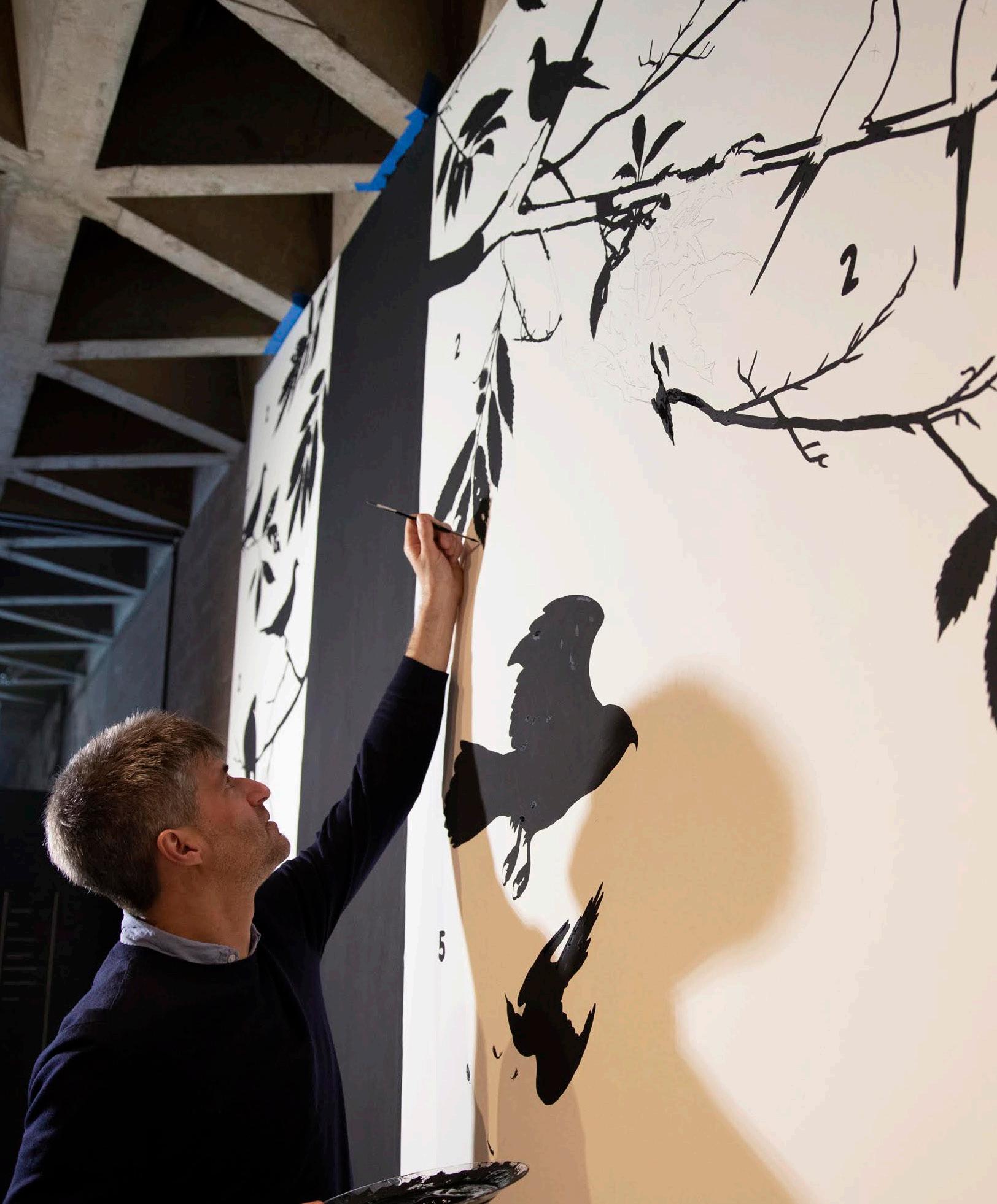
As a kid I definitely was influenced by natural history and artists such as Audubon. At Cornell there was an ornithologist, illustrator, and artist named Louis Agassiz Fuertes, who was really amazing—he influenced Roger Tory Peterson. I loved Roger Tory Peterson’s A Field Guide to the Birds. The end papers of that field guide— the second edition, published in 1947—you probably remember there are silhouettes of birds sitting on a fence, tree, and phone wires, it was called Roadside Silhouettes, done in black and white. My interest in silhouettes came out of that one piece.
Language/Silhouettes
But I also developed an interest in taxonomy, how we name and order animals or why we do it, how it shapes our perceptions. And I use that. Peterson prompted some of my early thoughts about the relationship between words and the world, and I carry this through my art. I started making murals where I painted silhouettes of animals with the number system used by Peterson, each animal has a number, and it matches up to a list of names to help us identify things. But I’d become a little critical, or at least self-critical, of this process of going out in nature and saying, oh, it’s a sugar maple or, oh, it’s a golden-cheeked warbler. Sometimes with people when they learn the name, the learning stops. Sometimes it’s a starting point for people. But I wanted people to understand how dependent we are on language when we make inquiries and observations. So I started making murals where I painted the silhouettes and the numbers, but I left out a key, so there was no key for people to verify their knowledge of the names of the animals—they had only the silhouettes to inform their perceptions.
I’ve made pieces where I cluster silhouettes of animals together to make these compositions—there’s a couple of those types of works in the show in Vero Beach. I like silhouettes because they convey a lot with very little information, there’s no color, no illusion of dimensionality. But a lot of times in nature all we see is the outline of an animal against the sky, or when you’re diving, you know, you might see a shark off in the distance, you don’t really see the animal, only the outline of the animal. So I would say, at least 50% of the time, what you get is more like a silhouette than anything else.
Sonoran Desert No. 1
Painted by James Prosek, 2022. Watercolor and acrylic on panel, 60 x 36 in.
Cave Art
Early drawings, which I’m interested in— you know, cave art—those drawings are essentially monochromatic outlines of animals. They evolved into pictographic languages, and eventually our modern alphabets. You can trace a lot of the letters of the Roman alphabet back to animals, like the capital letter A, if you turn it upside down, it looks like a bull with horns, because that’s where it came from. Chinese characters still can resemble the things that they’re describing visually. At some point a lot of alphabets became abstracted and didn’t resemble things in nature anymore. Some people have thought that when our languages stopped resembling things in nature, this marked a step toward our separation from nature.
Boyhood
I grew up in a town called Easton, Connecticut in Southwestern Connecticut. We’re about an hour, hour and a half from New York City, but it’s relatively rural. My town turned into the drinking water supply for the city of Bridgeport. In the 1920s, the leaders of Bridgeport thought the city was going to grow to 1,000,000 people, so they dammed up four or five river drainages in our town pushing out farmers and flooding valleys. The consequence was to preserve a lot of the watershed land, so the town I grew up in is about 80% open space. The street I grew up on dead-ended onto watershed land that’s off limits to the public. But, of course, as a kid, it became my private playground. There was always a danger of being caught by a game warden, which I eventually was. And I ended up writing my second book about our friendship and we’re still good friends.
Father
My father was a school teacher. He started as a merchant seaman. He was born in Brazil and when he came to this country when he was 12 or 13, he fell in love with the ocean and he wanted to be at sea. He went to a maritime college on the East River in New York called Fort Schuyler, and he sailed on cargo ships for years, and then when he had a family, he started teaching science. Earth science and astronomy in school.
He had a big influence on me. He introduced me to nature when I was a kid through birds, which he’d fallen in love with as a kid in Brazil. He loved these colorful migratory birds, warblers and tanagers and species
that spend the winter in South America and summer in New England. He took me for walks in the woods and taught me the names of things and showed me field guides and that became a big part of my world. During the late 1970s there was an oil embargo and oil prices went really high, so he put a wood stove in our house and started cutting wood. We had four acres, so we had a lot of dead trees, and he was cutting and splitting wood. I would help when I could, and that became a big part of my life. And storing wood for the winter. We were straddling old ways and new ways and the street was still a farm, but it was the end of the dairy farm. Our neighbor had cows, and occasionally they’d escape and wind up on our front yard eating grass. And the old dairy farmer had to give up because of arthritis. He drove my school bus. When he was a kid, he had walked down our street, before the valley was dammed, and the world he knew was very different. He and his son Andrew basically lived a subsistence lifestyle. They traded. I think they bartered the milk from the cows more than they sold it. They didn’t really have cash. It’s crazy to think that 60, 80 years ago, things were completely different here.
I now live two houses away from the house I grew up in. And I’ve helped preserve half the farm. So we own part of that property and steward it for the next generation. And part of my long-term plan is to buy and protect the other side of the street. This place where I live is very meaningful to me. I’ve lived on the street my entire 50 years on the planet.
Drawing, Drawing
Before I even thought about what art might be or mean, I was drawing, and drawing was just a part of what I always did, as long as I can remember picking up a pencil. I wanted to make marks and I still love pencils and paper. The feel of the pencil in my hand, the way it runs across the paper, sharpening the pencil, the smell of the wood and the graphite, I just love pencils.
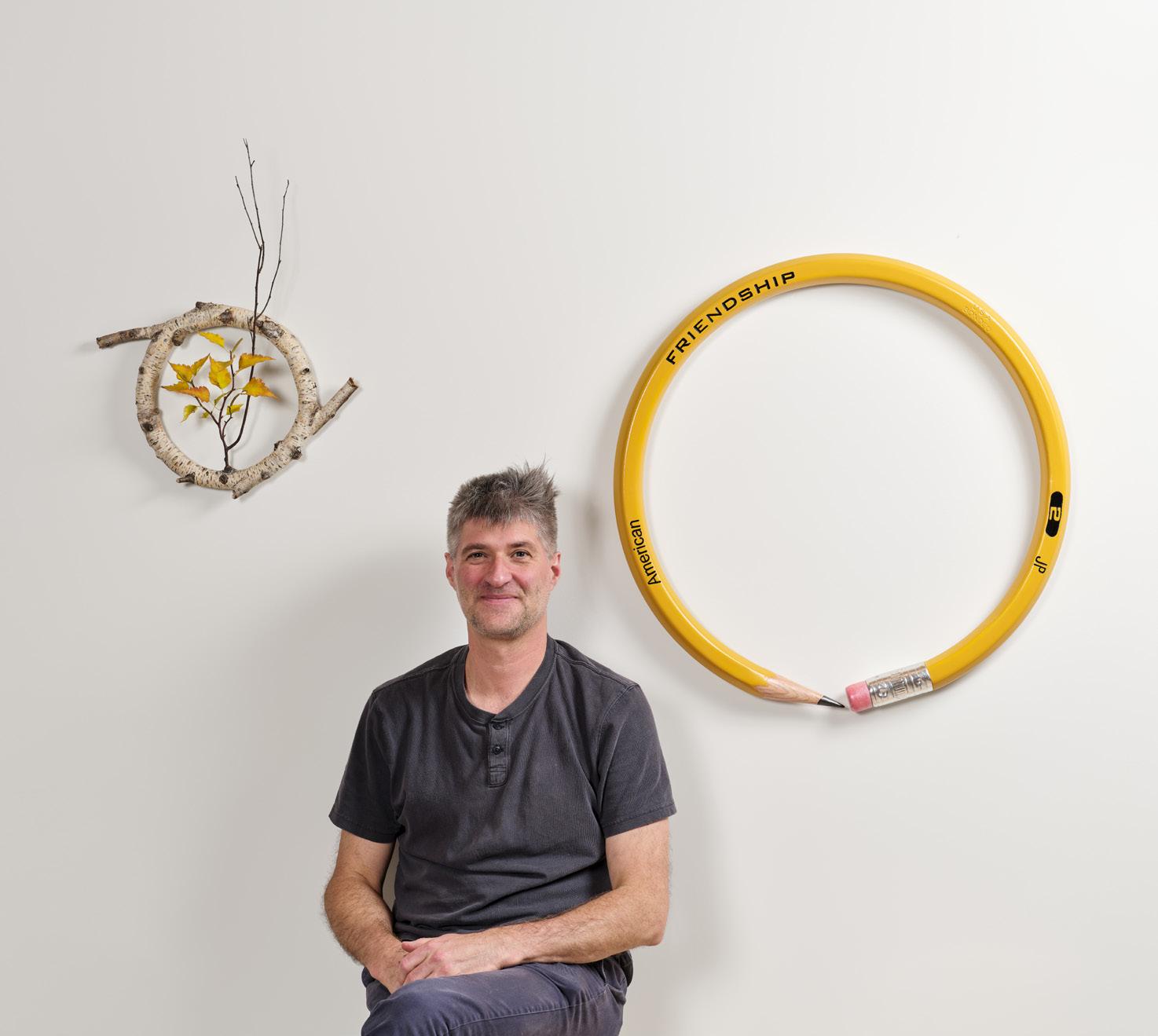
I’ve been working on the sculpture of a pencil in the shape of a circle. In understanding how humans try to make sense of the order of nature, for me the tip of this pencil represents this human urge to know and to try to figure out things, to create knowledge so that it can be transferred from one brain to another, which requires us to make a mark that carries information, whether it’s a number, a letter, a calculation, or a
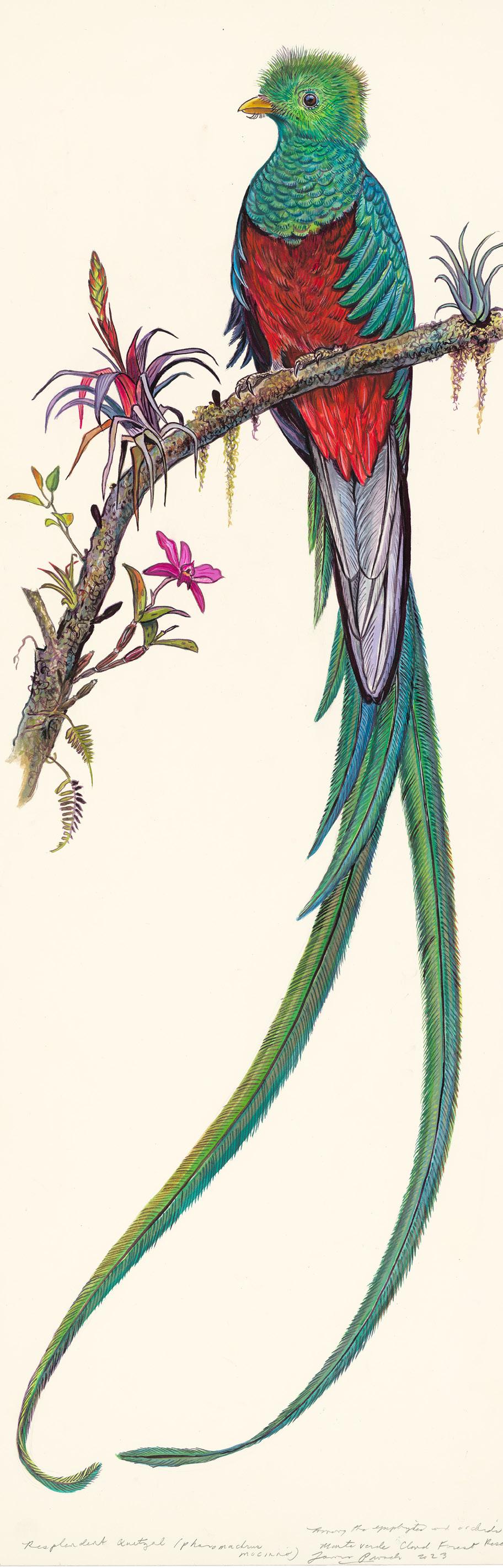
Resplendent Quetzal (Pharomachrus mocinno)
Painted by James Prosek, 2023. Watercolor, gouache, colored pencil, and powdered mica on paper, 46 ½ x 20 in.
ART EXHIBITIONS
JAMES PROSEK
history. So the tip represents that human urge to want to try to create and retain and document and order. And conversely, the eraser is the voice of humility, which says wait a second, we can never really know it all. And the tip and erasure are meeting for the first time. They live at opposite ends of the same tool, but they’re curving into a circle and encountering one another.
Knowing, Unknowing
I think what I’ve really been interested in my whole life is this push and pull between the named world and the world that can’t be named or isn’t named. The tension between humans trying to make reduced versions of the world in order to navigate it, and the impossibility of knowing complexities that are beyond our perceptive powers. Ecosystems, for instance, are just so vast that how would we ever know how one creature is affecting another; or having this conversation, assessing how it might change things in the world? Every breath we take our presence is shaping the evolution of other things around us in infinitesimally small ways. We’re part of it just by being here.
Land Memory
I’ve been thinking a lot about when things go away—what does this truly mean. Another sculpture I’m working on is a tree stump— bronze material—the tree is no longer standing. But the shadow of the tree as it was in life is still visible on the ground; so the tree’s not there, but its shadow is, and that would be cut out of quarter inch steel, like a long shadow on the floor emanating from this tree stump. It’s about how the land has memory of what was there before.
I’ve become really interested in prairie grasslands and what we find when we experience them. They have never been pristine, untouched—big herds of bison used to roam them for many thousands of years. But still the original prairie persists in a way, because the grass has evolved under the influence of their grazing, their presence etched into the genetic code of these plants, as are all the animals that ever helped shape them, including ones that are extinct. It should be comforting to us mortals to know that nothing ever really goes away.
Broadening
I remember when I first traveled to Europe. I fell in love with the work of Gustave Courbet, and the impressionists, the way they captured color and light and atmosphere. There’s an artist named James Perry Wilson who painted backgrounds in dioramas at the Peabody Museum of Natural History at Yale and the American Museum of Natural History. He was an exquisite painter, but was never recognized as an artist because he painted for science institutions. The way he was able to make these backgrounds recede behind the foreground of taxidermied animals and plants was just amazing to me.
My father introduced me to the poetry of Emily Dickinson and Robert Frost, the work of E.B. White, and the photographer Eliot Porter. I loved his work. Edward Hopper, Georgia O’Keeffe, later Milton Avery. Martin Puryear [renowned Swiss fisherman, fly tyer, author, inventor], people who work in materials that used to be thought of as a craft, like fly tying, which I did as a kid. Or lure making from wood, or hand-forged iron fish spears, which I became fascinated with when I was writing a book about eels.
I’ve always loved Japanese wood block prints. Hiroshige. [One of Japan’s masters of the ukiyo-e woodblock print tradition.] I became really interested in shadows; there’s almost never shadows visible in any of those works. It’s kind of weird. Then later, South Asian miniature paintings, because a lot of them are about nature-related subjects. When the British colonized India they commissioned some of these artists who were trained in the miniature tradition to draw things like seaweed and flowers and birds, and they were just so technically proficient, and could paint with such detail that they made some of the most magnificent drawings—I mean, nothing I’d ever seen before. They called them Company School paintings—Indian paintings commissioned by the British. You’ve probably seen them and maybe didn’t know what they were, but when those paintings came back to England they influenced the future of natural history painting—they may have even influenced Audubon, who knows? They were like the Japanese woodblock printers, just incredible in composing their works.
ART EXHIBITIONS
JAMES PROSEK
Also, as a kid looking for arrowheads in the woods along the reservoir with my friend the game warden, looking for native American artifacts, the way they fashioned tools out of stone was just incredible to me. I see those objects as functional works of art.
My English teacher at Yale, Harold Bloom, was a major influence. I studied architecture for a while and I still love looking at buildings and reading about architecture, Louis Khan. I see things they make and I want to make things.
Pencil Obsession
I’ve become slightly obsessed with early American pencil making. And I was able to find a guy in Florida who probably has the biggest pencil collection in the world. During the War of 1812, Americans couldn’t get pencils because they were made in Europe. The first attempts to make pencils were in Concord, Massachusetts, and Henry David Thoreau’s father, John Thoreau, created the first viable pencil-making business in the U.S., and this man had a Thoreau pencil from the 1820s, and I was able to buy it from him.
Eels
It’s exciting to be alive because there are fascinating things everywhere. You open a book, you look here, you look there, if you’re intellectually interested, it goes on and on, and we don’t know a little piece of all that’s out there. If we had many lives to live, we still would never see even a fraction of all the amazing things.
That’s one of the reasons I became interested in freshwater eels and wrote a book about them—we don’t exactly know where they spawn in the ocean. We’ve never witnessed this, but we know that they come up as babies into fresh water and live their adult lives. We understand the life cycle, but we’ve never seen it. It’s pretty cool that we don’t have the technology to track a fish that’s two feet long through 300 meters of water depth. It’s refreshing that there are things beyond what we can know.
And this applies in degrees to many large pelagic fish—marlin and swordfish—we don’t know exactly what their spawning behavior is like. Similarly for the leatherback sea turtles along your coast. The ocean is a huge frontier of unknowingness.
Early Training
Drawing was just always part of who I am. In school you sort of forge an identity, or people forge it for you, and drawing was part of who I was to myself and other people. I guess I had art classes in school, whatever those are like, whatever art class everybody gets. At a certain point my father recognized that this was something important to me, and there was a little school that still exists called Silvermine Guild of Artists, and I took drawing classes there. Maybe I was 10 or 12 years old. And then my father somehow found a woman in Trumbull, Connecticut, who taught a small group of kids, private lessons in acrylic painting. And I’m sure I picked up little things along the way.
There was also a PBS [Public Broadcasting System] watercolor drawing show that I watched and learned techniques, particularly that you could remove paint by just dapping dry watercolor paint with a wet brush, and taking a paper towel or a rag and removing pigment. I didn’t have much formal training, just mixed whatever tools
CHARTING THE LIVING WORLD THROUGH ART AND INQUIRY.
I had in front of me, like colored pencil with watercolor, graphite, or pastel. And I later learned when I started reading more about Audubon, he was very experimental with his paintings of birds. He would sometimes use oil paint, pastel, watercolor, graphite, all on the same piece of paper. I developed a love of materials. And then when I went to college, I ended up being an English literature major, although I took some drawing and painting classes. Notably, these classes didn’t teach you technique—it was more like just make something and we’ll talk about it. It was about ideas rather than technical stuff. By then I had developed a certain amount of facility by making my own works. So, I would say that I was largely self-taught.
Ready References
Nearby we have a lot of museums in this area. The Yale University Art Gallery, the Yale Center for British Art, the Wadsworth Athenaeum, the New Britain Museum of American Art, The Aldrich Contemporary Art Museum. I had a lot of art to look at. My dad wasn’t a museum-goer all the time but he would take me within 25 minutes of the house—I had access to Courbet, Van Gogh, O’Keeffe, Hopper, Winslow Homer, all these greats. I could just look at the works and be like, wow, how did they do that, and try to
figure out what colors they juxtaposed and how they made it work. I would pick up a book that would talk about how Homer used complementary colors.
Value: Light and Dark
I’ve been painting more with oils lately, and “value” is a very basic construct for artists to understand–relative lights and darks of a color or tone. Winslow Homer thought that value was more important than color; that if you can get the relative lights and darks of things, of objects relative to each other, that you’re more than halfway there.
Returning to James Perry Wilson, the diorama painter, I would study what he did when he painted a very distant landscape, where some of the colors are stripped away because of the level of atmosphere between here and there. You get this soft thing that can happen in the hills where you have greens and reds and blues, but they’re all the same value. If you squint, it’s the same sort of general gray scale, and it creates a sort of shimmering that I’ve become interested in. So I’m always learning by looking, by asking questions, visiting artist studios. I see what materials they’re using. Every studio visit is a learning opportunity—or potential spy mission!
First Major Project
The longest running early project I took on began when I was introduced to fishing by a friend—I was around nine years old— and became obsessed with fishing—and especially after I caught my first trout. Our native trout here in Connecticut is the brook trout, whose closest relative is the Arctic char. Brook trout are a cold-water fish that survived many glaciations and have remarkable, beautiful, orange bellies, red spots with blue halos around them, yellow spots and worm-like markings on their back, a light yellow one with olive background. I started drawing trout and I went to the library. This was before the internet, looking for a book on all the trout in North America. And I couldn’t find one, and I realized there was no book on all the trout in North America. So, I decided at ten years of age that I was going to make the book on all the trout of North America.
I started writing letters to departments of wildlife around the country. Handwritten letters asking if they could share any information because, you know, I wanted to paint all the trout in North America. And I got really nice responses from individuals who were biologists working for the state of whatever, who sent me papers they had published and sometimes photographs, and I started creating a list of all the different types of trout in North America.
And when I turned 16 I could drive around. I started visiting some of these people and going out in the field with them and doing research. There was a man in Maine who was studying this little landlocked Arctic char that was very rare called a blueback trout. And I drove up to see him and he took me by float plane from Moose Head Lake to this little remote lake to do some netting and observing these fish. And I painted them.
The main challenge that I faced fairly early on in this project—which is a major thread that has carried through all my work—was that no two people who studied these fish could agree on how many species there were. And not only that, but they couldn’t even agree on what a species was. This was confusing to me because I had thought and relied on the order in field guides, which presented pictures of birds neatly lined with their names on the opposite page, like in Peterson’s guide. And I assumed the experts had figured all this out, that
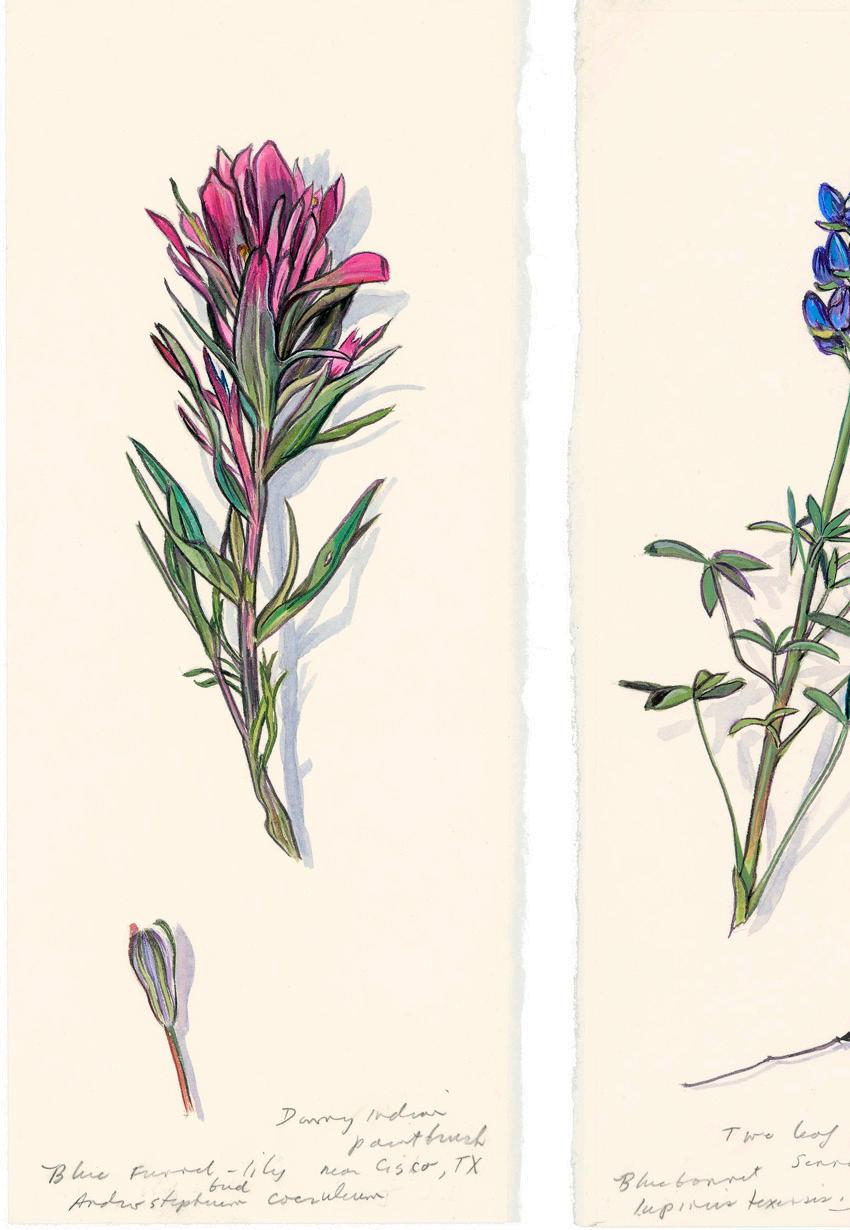
Downy Paintbrush, Texas Bluebonnet, and Black Spine Prickly Pear, Ozona and Marfa, Texas (Specific Objects No. 2)
Painted by James Prosek, 2023. Watercolor, gouache, and graphite on paper. 15 ½ x 28 in.
ART EXHIBITIONS
JAMES PROSEK
there were units in nature that you could rely on. But as it turns out, this wasn’t the case. Simultaneously, my dad was reading evolutionary biologists, like Stephen J. Gould and E.O. Wilson, and teaching evolution to kids.
What I learned is that things change over time and one thing can evolve into another. So really the world’s not made up of separate named units that fit in boxes, but rather a continuum that’s indivisible, like a color spectrum. When Newton named the colors of the rainbow, he originally chose five. But later he expanded to seven colors by adding orange and indigo, giving us the familiar sequence. What this exposes is the arbitrariness of any classification system, of any taxonomy, of any attempt to join a toollike language to the world and expect there to be a one-to-one neat correspondence, because in order to communicate with nature, we have to subject it to this trauma of being chopped into pieces, and then we label the pieces, and when we teach kids about nature, we ask, what is that? And they say, that’s a sugar maple, that’s a hickory. But really those trees are different from cats but at the same time connected if you go back far enough through common ancestry. And they’re interacting in an ecosystem every second of every day that affects the fates of each of them. My conclusion is that
there is no separation or fragmentation in nature, and such a thing is a fiction that we create. We create it, and there’s nothing wrong with that. We create a map to reduce the world to make it navigable. Yet I learned that our representations of the world are not the world. And that’s not a problem unless we expect them to be. If we try to make the world into the maps of our minds, that’s where the problems start. My first project, begun as a kid, blew into an inquiry that I can never resolve, but continues, and I’ve been working on a book about this for 20 years. It’s not an easy topic.
The practical part of the project was that I needed a bunch of fish to paint. So I basically painted a fish if somebody had named it, or when I was traveling, I’d say, well, this is a fish I caught in the headwaters of the Snake River in Wyoming, it’s known as the Snake River cutthroat trout, but some people think it’s synonymous with the Yellowstone cutthroat trout. I just painted the biodiversity and described the history of us trying to figure out what these things are and where they fit in the big picture.
I had enough material to make this book when I was a freshman in college. I sent out ten proposals to publishers—receiving nine rejections very quickly. Then I got a positive response from an editor at Alfred
A. Knopf—not a bad publishing imprint. [Understatement.] And I only ended up pitching it to them because a number of trout books on my shelf had been published by Knopf—I later learned that there had been an editor there named Angus Cameron, who loved trout fishing, and he was responsible for publishing those books. But there was an editor there named Gary Fisketjon, who was a trout fisherman from Eastern Oregon, and somehow my proposal ended up on his desk. Back then Knopf received tens of thousands of unsolicited manuscripts a year. So just the fact that it ended up on his desk at all was a kind of miracle. The book came out my junior year in college and it ended up changing the course of my life. If Knopf hadn’t picked up that book, I’d probably be an architect.
Follow-On Major Project
After I did a North American trout book, I did a book on the trout of Europe, Asia, North Africa, spending seven years traveling around Central Asia and Europe, and a good representation of those paintings are in the Vero Beach show.
True Passions
I have a definite passion for drawing and making things. Using color makes me happy, manipulating paint or colored pencils. As I mentioned, I love what happens when you touch a pencil to paper. I love doing research
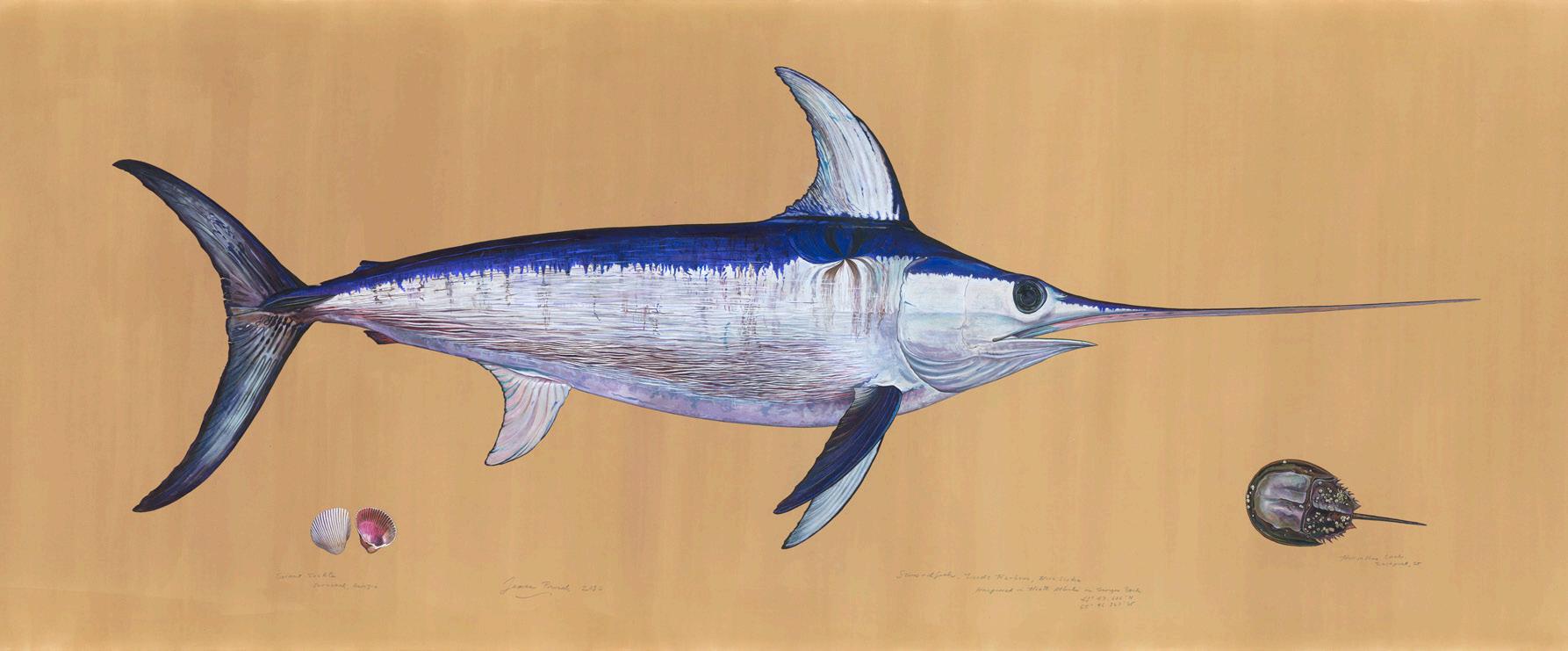
Swordfish
Painted by James Prosek, 2010. Watercolor, gouache, colored pencil, and powdered mica on paper, 66 x 149 ½ in.
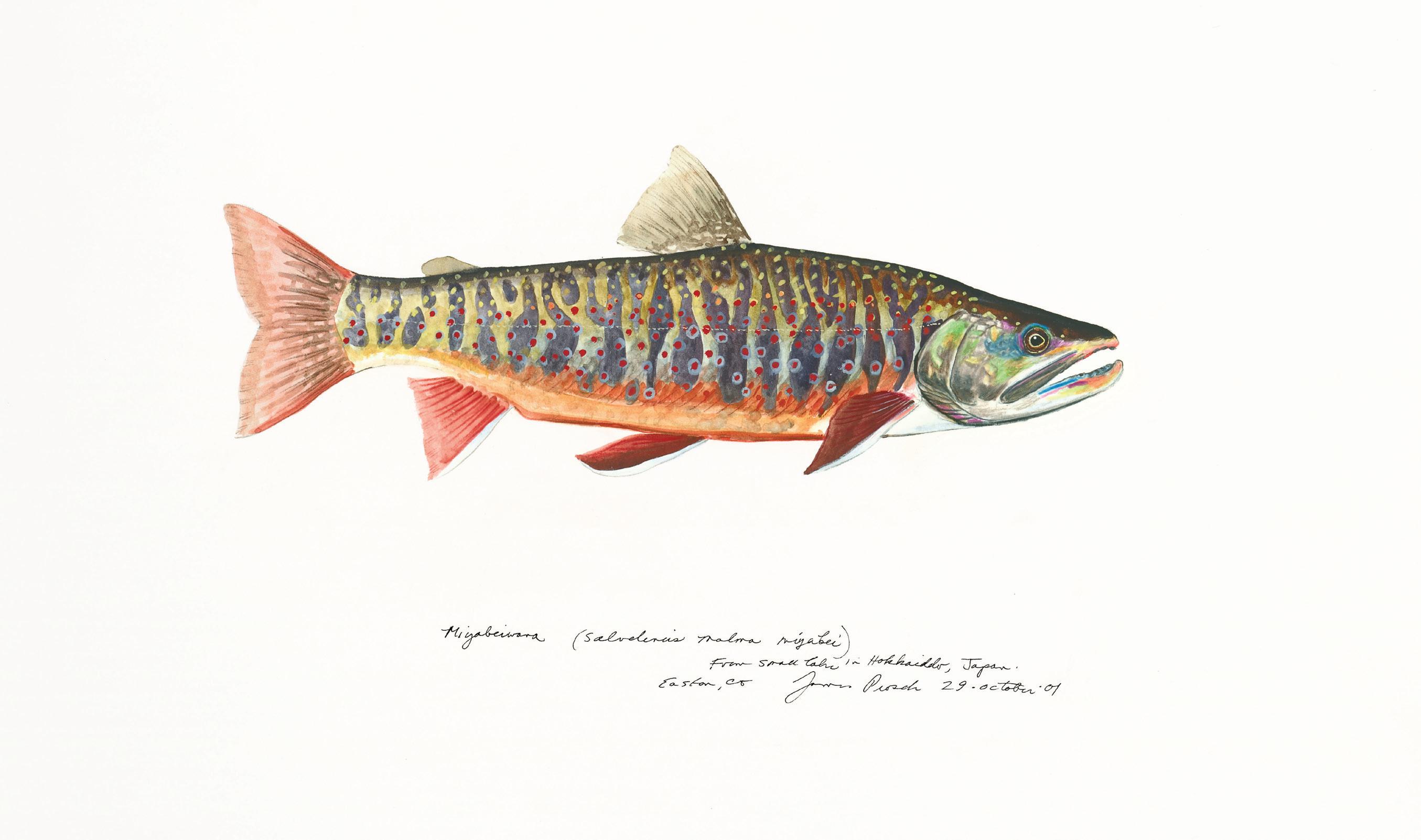
Miyabeiwana, (Lake Shikaribetsu, Hokkaido, Japan)
and learning, meeting people through that research, whether it’s about eels or prairies or whatever the subject might be. There’s something special that happens when you connect with another human through an inquiry that I really enjoy, traveling with somebody that you may not have known two years before, trading ideas and through that exchange of ideas, your own ideas change and become stronger. When I step into my workspace, I’m way more comfortable than any other place. I just like being there, surrounded by my papers and my notes and books, thinking about things and exchanging information with people. I love painting and making marks, doing research, learning, writing. I wouldn’t say that I really love writing, but it’s part of the whole process of making inquiries. Yet I’m a drawer and painter by instinct and heart. Even fishing was an extension of that—I was fishing to catch things to draw. I was looking at birds to draw them.
It’s been my purpose in life, my function, to make marks. I don’t think I felt comfortable calling myself an artist until maybe five years ago or so, because it always felt—in contrast to
my father, who was pragmatic and practical— like “artist” wasn’t a feasible way to make a living. But the reason I like it as a description is because under the heading of artist you can pretty much do anything and get away with it. I’m not tethered to any institution. I’ve never had a salary in my life. I’ve just had to make it up every year and I’m comfortable in that uncertainty. I like it, I thrive in it, I’ve found over the years. In times when I’ve been close to danger, death, in expeditions here and there, my brain is engaged in trying to figure a way out of it.
Books as Objects
I wouldn’t say I was a voracious reader as a kid. My dad was always reading, and we always had books around, but I think it’s more that I love books and the printed word as objects more than I did reading them. I just loved the idea of a bound pile of paper with two cardboard covers. I would stitch together books as a kid—sew together pieces of paper—that were blank with a cover and then I would fill it with a story. And then I would make another one and illustrate it. I love the object.
Ocean Fish
Ocean fish are another lifelong fascination for me. I paint them from life size, a prime example being the swordfish I painted based upon an individual fish I traveled to see south of Nova Scotia. I went out on a boat where the fishermen are harpooning the fish, and it was my best chance of seeing a swordfish in the water and its living colors. And if I see my reflection in the silvery sides of the fish, I’ll paint some of that color. These are not scientific illustrations or an attempt to achieve a perfect representation, although I am trying to capture something that’s fleeting—specifically, the colors of a fish in the water versus out of the water. Out of the water, colors begin to fade immediately as they die. I wanted to paint the fish not just as an emblem to describe an entire species, but as an individual with its own life history, its own scabs and scars, residue of its movements through the world. Each fish painting documents a personal experience because I made a trip to see each of them.
Painted by James Prosek, 2021. Watercolor, gouache, colored pencil and graphite on paper, 19 x 23 in.
BUILT FOR THE WAY VERO LIVES
A coastal home should feel effortless, but getting there takes experience. At KMK Builders, we understand how Vero Beach families live, entertain, gather, and grow into their homes. From thoughtful renovations to ground-up custom builds, we create spaces that feel personal from the start and practical for years to come.
A HOME SHOULD NEVER FEEL TEMPORARY
Trends come and go. A well-built home should not. Our work is guided by the details that matter long after move-in day: how a room opens to the outdoors, how materials hold up in the coastal environment, how the layout supports everyday life, and how each decision adds lasting value. The result is a home that feels considered, comfortable, and built to belong.
ACROSS THE SPECTRUM
Photograph by Victoriya Knapp
ALEX AND WHITNEY WELLS PART II
The Next Chapter in RCL’s Storied History
Interview by Jim Field
photography by Victoriya Knapp
Editor’s Note: Alex and Whitney Wells own and manage RCL Development, Inc., an award-winning builder of high-end custom residences in Vero Beach. Founded by Bob Lyles—who, over decades, established RCL’s reputation for innovation and exceptional quality—the firm entered a new chapter in 2023 when Alex and Whitney acquired the company. They are now advancing that legacy through enhanced building processes and a heightened focus on client engagement and communication.
Our May 2026 issue presented Part I of this profile, concentrating on a long-form interview with Alex. In Part II, we shine the spotlight on Whitney, who recently joined the firm as Business and Marketing Manager.
Whitney Wells
Business and Marketing Manager
JF: It’s a special opportunity to profile organizations led by coequal partners—especially in your case, as part of a husband-and-wife team. There’s an added dynamic
there: shared decision-making, complementary roles, and two people steering the ship together. Diane and I co-manage LIV VERO Magazine, so I’m always interested in learning how that kind of partnership works elsewhere. All to say it’s a genuine pleasure to spend time with you. Let’s start with your backstory—what brought you to our conversation today.
WW: I was born in Vero Beach in 1990—so that probably dates me a little bit—but I grew up here, and Vero has always been a part of who I am. My dad was involved in real estate development, and he did a lot of work in Port St. Lucie, particularly in Tradition. If you drive through there, you’ll see things like Whitney Lane, Lake Whitney, Whitney Medical Plaza—that’s me. I do have two older brothers, but I like to joke that I must have been the favorite, at least when it came to naming things.
When I was 13, my dad passed away, and that changed everything. My brothers were already older—one in college, one out—so it was really just my mom and me at that point, and we moved away from Vero. From there, life took us in a different direction, and for a long time, I didn’t really envision coming back. But I’ve always been a Florida girl. It’s never too hot for me—I love the climate, the water, all of it.
Years later, Alex and I found ourselves living in Bozeman, Montana. It’s a beautiful place—we loved skiing, being in the mountains—but it’s a very different kind of living. The winters are long and
cold, and it can feel pretty isolating, especially with young kids.
When our daughter Tilly was born, things really shifted for me. She had some early health challenges—nothing permanent, but she struggled with oxygen levels, which can happen at that altitude [around 5,000 feet above sea level]. It was a stressful time, and I felt this really strong, almost instinctive pull to bring her to Florida—to the ocean, to the sun and warmth, to sea level. We came down to visit my mom when she was just a couple months old, and I remember thinking very clearly, I need to get her here. I think this is going to be good for her. It wasn’t overly analytical—it was just a deep feeling.
So we moved quickly. She was born in September, and by March we were in Vero. It all happened pretty fast, but it felt right. And almost immediately, she started to thrive. The difference was noticeable right away.
Looking back, I really think there’s something to that instinct—some kind of internal compass. At the time, everything was a little bit of a blur, especially as a new mom, but I trusted that feeling, and it brought us here.
JF: Altitude is definitely a factor. I hadn’t thought of it affecting newborns. I can imagine your relief.
WW: We were very fortunate. Now it’s come full circle. My mom is back in Vero, one of my brothers and his family are here as well, and we’re all close again. We still have one
brother up in Chicago, but he visits often. What wasn’t really on my radar for a long time has become home again—and this time, it feels very intentional.
When we made the decision to move back to Vero, it wasn’t entirely mapped out from a professional standpoint. There was definitely an element of, this is the right place for our family—especially for our daughter—and we’ll figure the rest out as we go. That said, Alex knew he wanted to stay in residential construction, so it was about finding the right opportunity here rather than changing direction.
JF: I think we’re blessed as Americans to be able to do this. I find change to be good.
WW: I agree. For me, my path had been a bit different. I grew up in Vero, but my mom was very intentional about pushing us toward independence. After my dad passed, she really encouraged me to go somewhere different, to experience something new. So even though I’ve always loved Florida, I went out to Colorado for college and attended the University of Denver, where I studied business.
I had grown up around entrepreneurship— after my dad passed, my mom started a shoe store in Delray Beach—so I was always interested in how businesses operate. Over time, that interest evolved into a focus on marketing and communications. I’ve always loved writing and literature, and communications felt like a natural intersection between storytelling and business.
After college, I started working at an agency in Colorado, focusing on natural and organic food brands, which were really taking off at the time. I was part of launching products like chia seeds and gluten-free bread—things that now feel very mainstream but were just emerging then. From there, we moved to San Diego for Alex’s career, and I continued building my own path, working my way up through agencies.
Each move we made was originally driven by Alex’s career, and I adapted alongside that—finding new roles, growing within new companies, and continuing to advance. By the time we moved to Montana, I was at a point in my career where I needed
ALEX AND WHITNEY
WELLS PART II
something more flexible. Bozeman didn’t have many in-person opportunities at the time, so I stayed on with my agency remotely. I was actually their first remote employee, which was a big leap of faith for them—this was all pre-2020.
I ended up working with that company for about eight years, both in San Diego and remotely, and then moved into additional agency roles where I continued to grow, eventually reaching a senior vice president position. My work shifted more into technology—everything from large public software companies to robotics startups— and I found that I really enjoyed learning new industries and helping companies articulate their story.
Because most of my clients were based in places like New York and San Francisco, I was traveling quite a bit for meetings and team events, even while living remotely. Over time, those agencies themselves became more distributed, with offices in major cities but teams spread across the country.
Looking back, communications was a field that adapted early to remote work. It allowed access to talent from anywhere, which became increasingly important. And for me, it created a lot of flexibility—but also a lot of responsibility.
So when we moved back to Vero, I already had that remote foundation. It wasn’t
like starting over—it was more about continuing what I had built, but now in a place that made sense for our family. When we moved back to Vero in 2020, I continued with agency work. In fact, I stayed in that world the entire time up until just recently. That continuity was really important—it gave us stability as we made the transition back, both financially and professionally, while we were getting settled here as a family.
In a lot of ways, it created a balance that I really appreciated for a period of time. Vero offers that small-town lifestyle—quiet, grounded, very family-oriented—and my work still kept me connected to larger markets. I was traveling to New York and San Francisco, working with major clients, staying in that fast-paced, high-level environment. I could go spend a few days in the city, get that energy and excitement, and then come home—and I was always very happy to come home. That contrast actually worked really well for me for a while.
At the same time, Alex had found his footing with RCL, and that was clearly a great fit for him. We were settling into the community, raising our kids here, building relationships—it all started to feel very rooted again. And I think naturally, over time, I started to look at what that meant for me. I had built this career in communications, and I really valued it, but I also started to see an opportunity to bring those skills into something closer to
home—to be more directly involved in what we were building here, not just as a family, but as a business.
So the transition into RCL wasn’t abrupt—it was more of an evolution. It came from being here, being connected to the community, and recognizing that I could contribute in a different, more integrated way.
JF: That makes sense. Those transitions are often organic—you don’t always see them happening in real time, and then at some point, they simply become real.
WW: And it takes time. As Alex stepped into RCL and began building the business, I was always involved in a strategic way— whether officially or not. We talk a lot as a family. We sit down for dinner every night, and naturally, the business became part of those conversations. I had ideas, perspectives from my background, and a growing sense that I could contribute in a more meaningful way. Over the past year, that feeling really came to a head. I realized I had accomplished what I set out to do in my communications career. For the first time, I didn’t feel like I had unfinished business there. Instead, I felt pulled toward what we were building together. It became clear that there was a real opportunity—not just to support Alex, but to actively help shape the future of the company. So I made the transition and joined RCL full time.
JF: Based on my conversations with Alex and you so far, it does seem like you are bringing very different yet complementary skills to the table. It’s additive and leveraging each other in a very natural way.
WW: When you go into business as husband and wife, there are a few big conversations you have. One is about the business itself—what it could become if you both fully commit. Another is about the practical side: roles, responsibilities, how you divide things up. But the most interesting part, honestly, is the personal dynamic. People always react the same way when they hear we work together— “Wow, really?”—but for us, it felt entirely comfortable.
We already had a strong foundation of trust, respect, and friendship. We understand each other’s strengths and
weaknesses really well, and that makes collaboration easier. We can give each other honest feedback, and there’s an implicit trust that comes with that. It’s actually been a lot of fun.
In terms of roles, Alex is very much the executional expert. He’s the builder—he understands construction, estimating, and the operational side of the business at a deep level. He oversees project management, leads estimating, and drives the core execution of the company.
I complement that by focusing on strategy, systems, and communication. I’m very drawn to how we can use technology—whether that’s AI or tools like Buildertrend—to improve both the client experience and our internal efficiency. I spend a lot of time thinking about how we operate, how we communicate, and how we can continue refining the process.
I also lead marketing and business development, which for us is very relationship driven. That’s been one of the most rewarding parts of transitioning into this role—being present in the community and building real connections. We’re not just marketing in a traditional sense; we’re showing up, participating, and engaging with people.
For example, we recently attended an event at the Heritage Center that focused on Vero’s history and the legacy of its pioneer families, while also looking ahead to the future. That really resonated with us—this idea of honoring where the community came from while contributing to where it’s going. We also stay involved with organizations like the Environmental Learning Center, because preserving the lagoon and the natural environment here is something we care deeply about, especially as parents.
At the end of the day, we’re building a business, but we’re also building a life here. Being part of the community, raising our kids here, and contributing in a meaningful way—that’s just as important as the work itself.
JF: I am extremely intrigued by your application of technology into your cost estimating and budgeting models— it seems so beneficial to do, and so
VERO BUSINESS
ALEX AND WHITNEY WELLS PART II
feasible to do well, in this day in age. I assume your background had a lot to do with making this happen. WW: I do think my background in technology has carried over in a meaningful way. Working in that space for so many years shaped how I think about systems, efficiency, and how information flows—so naturally, I look for ways to bring that into the business. But just as important is my background in communications. That term can sound broad, but it really evolved over time. What used to be called public relations is now something much more expansive. It’s not just about marketing or telling a company’s story—it’s about how you communicate across every touchpoint. And that’s exactly how I think about our work at RCL.
Communication isn’t just external—it’s the entire client experience. From the very beginning, through estimating, contracting, and then all the way through construction, communication is everything. Transparency is a huge value for us. When we’re clear and upfront from day one— about pricing, expectations, timelines—it builds trust. And then we reinforce that trust throughout the process.
Technology plays a big role in that. Tools like Buildertrend allow us to give clients a level of visibility that simply wasn’t possible before. They can log in and see real-time updates, daily logs, schedules, progress photos—it removes a lot of the uncertainty. For clients who may be hundreds or even thousands of miles away, that kind of access makes a huge difference.
At the end of the day, building a home— especially a custom, high-end home—is a team effort. You have architects, designers, trades, project managers, and the clients themselves. Everyone has to be aligned. And that alignment comes down to communication—making sure expectations are clear, decisions are understood, and when something goes off track, it’s addressed quickly and openly.
One thing I bring from my agency background is an ability to read people and understand different personalities. I spent years working with CEOs and highlevel executives, so I understand the level of service they expect and how they like
to interact. That translates directly into what we do now. Every client is different. Every architect is different. Every project has its own dynamic. So part of my role is understanding the “why” behind each project. Why are they building this home? Is it a legacy property for their family? Is it a primary residence? Is it something more like a piece of art—an architectural statement? Once you understand that, you can shape the experience around it. You can tailor how you communicate, how you guide decisions, and ultimately how you deliver the project.
On the business development side, Alex and I really approach it as a partnership. We don’t have a traditional salesperson— because at this level, it’s not about selling a product. It’s about building trust and conveying who we are. People aren’t just choosing a builder—they’re choosing a relationship that’s going to last a year and a half or more. So what we’re really “selling” is the experience of working with us. That starts before we ever meet someone. It’s in how we present ourselves—our website, our materials, our presence in the community. People are asking: Are these people credible? Do they understand what I’m trying to achieve? Can I trust them with this kind of investment?
Then when we meet in person, Alex and I naturally fall into roles that play to our strengths. Sometimes I’m the first point of contact, and then I bring him in as we get into the technical side. Other times it’s the opposite. It’s fluid, but intentional.
A big part of our business development is also through relationships with architects. They’re some of our most important
partners. We spend a lot of time building those relationships—not just socially, but by demonstrating what we can do. For example, we’ve started hosting field visits where we walk architects through completed projects and talk through challenges we encountered and how we solved them. It gives them a real, tangible understanding of how we operate.
I also talk a lot about our team, because it’s a huge part of what makes us different. In a small business, especially one that’s growing, you become very tight knit. There’s a real sense of ownership and care across everyone here. People genuinely want the project to turn out well—not just in terms of the final product, but in how the client feels throughout the process. That’s hard to quantify, but you can feel it.
The same goes for the trades we work with. For a relatively small area, the level of craftsmanship here is remarkable. It takes dozens of skilled professionals to bring a custom home together, and when you step back and look at it, you realize you’re building something that really is a functional work of art.
In terms of access, one thing we’re very clear about from the beginning is that Alex is always available. Even if he’s not the designated project manager on a job, he’s still involved in an oversight capacity. Clients can call him anytime—that accessibility is important to us.
For my role, we’ve recently introduced something new: a client experience function. I step into that by meeting with clients at key points throughout the project—typically aligned with major milestones. It gives them a chance to speak with someone outside of their day-to-day team, someone who isn’t their superintendent or project manager, and share feedback more openly. That can be anything from concerns or confusion to things that are going really well. I can help translate that back to our team so we can adjust, improve, or reinforce what’s working. It’s another layer of communication and accountability.
I also help clients stay organized through the decision-making process. Even with an interior designer, the number of decisions involved in building a custom home is enormous—from major elements down to the smallest details like hardware and finishes. That can create real decision
fatigue. So part of my role is helping them stay ahead of that—understanding what decisions are coming up, what might be holding them back, and how we can support them. Whether that’s connecting them with local vendors, setting up visits to see materials in person, or just helping them prioritize, it all contributes to keeping the project moving smoothly.
And then on the back end, I’ve started reaching out to past clients to gather feedback—not just testimonials, but real insight into their experience. What worked? What didn’t? Where could we improve? Because while every project and every client is different, there are patterns. There are through lines. And if we can identify those, we can continue refining the experience and getting better with each project.
JF: It all makes great sense to me. I am so happy for you—finding your way back to Vero, making RCL your own, and now taking the company forward together as a couple. Final question: when do the kids get their hard hats?
WW: Funny you should mention that. We actually have a small, unused office in our space that we’re planning to turn into what we jokingly call the “intern room” for
our kids. Tilly is six and Jack is eight, and they already love the idea of being part of the business. They go to Trinity Episcopal School, which is right near our house, so we can even ride bikes there some days. It’s a newer school that’s growing year by year, and it’s been a great fit for our family. That idea of involving them in the business feels very natural to me. I grew up working in my mom’s shoe store after my dad passed away, and that experience taught me so much—about customer service, about sales, about responsibility. So even at a young age, I think there’s real value in letting them see what we do and feel like they’re a part of it. It’s funny—our babysitter mentioned recently that the kids were telling her how “mom and dad run a business together,” and how excited they were about it. It’s small things like that, but it means a lot. They’re already picking up on what we’re building together.
RCL Development, Inc. 5099 AIA Suite 200 Vero Beach, FL 32963
by Joseph Blake photography courtesy of the Vero Beach Film Festival and Engel & Vӧlkers
Throughout the history of film, treasure hunting movies were a staple of many childhoods. My love for them began with The Goonies. There was nothing more exciting to me than watching a story unfold as characters searched for some elusive treasure.
It didn’t matter what the treasure was. In some cases, like one of my childhood favorites, The Sandlot, the treasure hunt begins when a group of young boys accidentally hit their most prized possession, a signed Babe Ruth baseball, over a fence. On the other side lurks the Beast, a neighboring bull mastiff rumored to devour anything that crossed into his territory. In other films, like National Treasure, where Nicolas Cage’s character deciphers clues hidden within the
Declaration of Independence, the treasure is a bit more obvious.
Then there was the first film I became truly obsessed with and can vividly remember seeing in a theater: Titanic. Yes, I was younger than I should have been, but my mom was there to cover my eyes while Jack drew Rose like “one of his French girls.” While Titanic is primarily a love story, which was its own treasure hunt for Jack, it also centered around the search for the Heart of the Ocean, a priceless blue diamond lost in the wreckage. Afterward, I wanted everything Titanic: books, puzzles, toys. I was captivated by the idea that treasure could be hidden at the bottom of the ocean, waiting to be discovered.
You can imagine how ecstatic I was when I learned about pirates, a fascination that led me to dress as one for Halloween on more than one occasion. Then came Pirates of the Caribbean, the ultimate treasure hunt.
Around that same time, my family had recently moved from New York to Vero Beach, I was eleven. As Jack Sparrow exploded in popularity, I was simultaneously learning about the Spanish galleons that had wrecked right off the coast where I was living. Beach walks with my mom, inspired by my new treasure knowledge, became a time to scour the shores searching for Spanish gold. No gold was ever found, and sea glass of all colors ended up being the loot we brought home. Many years and moves
later, I still own every piece of that glass and now the treasure is not the colored pieces themselves, rather the memories they represent.
The point being, treasure is all around us, in all forms, waiting to be found. Looking back, I do believe these treasure hunting stories shaped how I view and experience life. They taught me that the journey can be as valuable as the prize and that sometimes the treasure you find is not the one you set out to discover. Those films left a lasting impression on me, instilling at a young age an appreciation for the power of storytelling, and the ability of film to make a story unforgettable.
So why am I going on about treasure hunting? Well, I recently moved back to
Vero Beach after spending years working in the film industry in New York. After college, I moved to New York to become a filmmaker. Starting as a writer, then falling in love with directing, acting and producing as I began making my own work.
Breaking into the film industry is its own treasure hunt. Searching for the right people to work with, searching for the financing for your film, searching for that person that believes in you, your voice and your vision. It’s intense, it’s exciting, and it’s volatile.
The film industry has changed drastically since 2020. First burdened by the pandemic like every industry, then shut down due to industry wide strikes from the crews, to the writers, to the actors.
The industry is now plagued by fears of artists being replaced by AI and strain as tax incentives are not only driving productions out of the industry hubs of New York City and Los Angeles, but out of the country entirely.
As the industry is reshaping and in some ways course-correcting, my treasure hunt in New York seemed to be coming to an end. I decided it was time to leave my home and move on, but I didn’t yet know where I wanted to land. I spent the year exploring, spending weeks to months in new areas, searching for the next place to plant myself and call home.
Again, why am I going on about treasure hunting? My search led me back to Vero Beach. The hidden gem of the Treasure Coast, really all of Florida, maybe of the entire East Coast. I grew up here, but like any child would, I took it for granted. With more knowledge and plenty of travels under my belt, the absolute beauty that Vero holds is no longer lost on me. Vero Beach is its own treasure—one I had left, in search of others, only to find my way back.
Returning, I feared I was leaving behind my dreams of being a New York filmmaker, but with 13 years in the industry now under my belt, and the changing landscape, I felt I could make being a filmmaker work anywhere. Vero was pulling me back, I could feel it. I wasn’t sure how I was going to make it happen, but I knew it was time to let go and trust. The thing about a good treasure hunting film is at some point the character finds themselves lost, not knowing where to turn next, and it’s when all seems to be lost that the winds finally change, setting them on the course that ultimately leads to the treasure. The winds changed for me when I learned of the Vero Beach Film Festival.
The film festival was mentioned to me in passing. I’ve been to plenty of film festivals: some are amazing, some are extremely disappointing, so I didn’t think much of it. How much good could a film festival in Vero Beach actually do me?
I was originally supposed to be out of town during the dates of it, but as it approached
THE VERO BEACH FILM FESTIVAL – 2026
I couldn’t seem to get it out of my head. My intuition was stirring in me that I was supposed to go. So, I canceled the trip I had planned and I reached out to the festival letting them know I’d like to attend. In response, I got a very kind email from Elli Courtney, at the time the Director of Film and Operations, and now the new Executive Director of the Vero Beach Film Festival. She let me know my pass would be waiting for me at the box office.
My journey into the festival began as I picked up my pass, meeting the kindest festival volunteers I’ve encountered in all my experiences at them. One of the beautiful things about a film festival in a smaller town is seeing the community come together to show their support to filmmakers who pour their hearts into telling stories they hope will reach audiences.
Those volunteers and their attitudes make all the difference in the filmmaker’s experience. Traveling around the festival
circuit, you get to know the culture of a place by the volunteers and the local audiences. Because of the reception I was given while picking up my pass, from both Elli and the volunteers taking a genuine interest in me and my story, I could instantly tell this festival was going to be special. What I didn’t yet fully realize was the treasure hunt I was embarking on.
The first screening I went to was a dramatic short film block entitled The Unexpected. A short film block is a curated block of short films that will have a similar theme, or be similar in tone. The curation of the blocks is itself an art, as when done well the films will all flow together, keeping the audience on a continuous journey with a beginning, middle and end, even though they are watching five different short films. A welldone block will also open the audience up to new and differing perspectives. There is a fine line to this, as you need to know the audience and not push them too far into uncharted territory.
All of this was artfully taken into account and beautifully executed by Elli and the festival’s founder and Director of Programming, Susan Keller Horn. In the blocks, one of the films is bound to be a gem that resonates with and touches you in unexpected ways. I found this to be true in every block I saw. Especially the block titled Perspectives, where I found myself on more than one occasion tearing up in response to the films. This is one reason I love going to see the short films: you are taken on 5-15 minute journeys that move you, and even open up parts of you.
I once had the opportunity to speak with director David O. Russell (The Fighter, American Hustle, Silver Linings Playbook). He told me he would dread ever having to make another short film in his life as it is considerably harder to make a good one than it is to make a feature film. How is it possible that making a 10-minute film is harder than a 120-minute film? It’s the fact that you have to emotionally hook an audience to a character and story with no
time for character development. It’s a lot easier to move someone to tears when you have two hours to get them there.
You might also be wondering why people make short films in the first place. The reasoning varies widely by filmmaker. There was a time within the industry that you would make a short film as a proof of concept of the feature film you wanted to make and, in doing a festival run, that short would help you find the financing for your feature. This very rarely happens anymore. Partly due to changes in technology, it became easier for everyone to make their short films and oversaturate the market.
So the calling card has now turned into having to make a feature. However, the reason filmmakers still do make shorts is because it’s the cheapest way to learn how to make a film and to show your voice as a filmmaker. It is also the best way to go about developing yourself as an artist and developing your filmmaking team.
Filmmaking is a collaborative art, with many artists coming together to create one vision. Finding skilled people in every department with the right attitude and right energy takes time and practice. Short films are a good and proven way to do it.
Another part of the festival that I was exceedingly impressed with were industry discussion panels, created for the attending filmmakers to learn about their field but also the community to learn more about the industry. These “film talks” are in-depth discussions between a small panel of industry professionals on specific topics relevant to the film industry. They are invaluable to filmmakers as the platform allows them to not only garner new information but also to ask questions of their industry peers.
The film industry is ever changing, so hearing from other industry professionals helps filmmakers navigate where it currently stands and where it’s going. As there was a broad spectrum of filmmakers
at the festival, from film students to industry veterans, I found the panels proved to be educational for all. Those who have been around need to learn what’s changing. Those who are just starting out need to understand the history of the industry to truly know how to navigate where it’s heading. The panels become larger discussions throughout the festival. They do not simply end with the Q&A— instead, they serve as a jumping off point for filmmakers to continue to network, learn, and engage with one another throughout the weekend.
I found the honesty from the panelists particularly impactful. The conversations focused around the realities of independent filmmaking. The persistence required to get financing, the importance of building relationships, and the unpredictability of the distribution landscape. Like I said, this industry is a treasure hunt. You follow the map of connections to the best of your ability, hoping to strike gold. That’s why festivals like the Vero Beach Film Festival aren’t just a showcase and celebration of film, they’re also incubators for the next generation of filmmakers as they network with each other.
Which leads me to the parties. Each night after the screenings there was a party to attend; a place for the filmmakers and attendees to gather. Four nights, four parties, this is where the networking happened. What I found encouraging about this festival is how inclusive everyone was at these parties. Everyone showed a genuine interest in getting to know one another, which created a positive energy every night. I don’t think that just happened to be—I think the love, passion and care the festival organizers and volunteers poured into it could be felt, and that bled into how everyone experienced one another.
The first night I was introduced to Director Jeff Brack and Producer Julie Bonner from Scottsdale, Arizona. They had a beautiful short film Over Again in the festival. I bring them up because they were a lovely couple, who were exemplary of exactly what I’m talking about. They showed a genuine interest in me, seeking to form a real connection, as opposed to looking for a
THE VERO BEACH FILM FESTIVAL – 2026
transactional one. Throughout the festival we connected constantly, to the point that they began to introduce me to people they had met who they felt I needed to meet.
That’s how I met Jim Field, that’s how it came to be that I’m writing this article right now. During the wine tasting Jeff and Julie made a point of introducing me to Jim, letting him know I’m a writer newly back in town. Jim exchanged his information with me and, well, you can see how it worked out. I found some treasure that night, not only an outlet for my writing, but also a way to reconnect myself in the community here. That’s what those parties are for, that’s what these festivals are for, to connect with passionate likeminded people on a human level and discover how you can create together.
Back to the films! One of the struggles you have at a festival like this is there’s so many amazing films you want to see, and it’s just not possible to see them all. This is because when programming a festival, you need to account for different tastes within a community, which creates numerous options for the audiences. The cool thing about film festivals is the audience goers get to curate their own viewing lineup, you won’t see everything, but you will see what you choose to see and make your own unique festival experience. Now let me share with you some highlights from mine.
If These Walls Could Rock directed by Craig A. Williams and starring Billy Bob Thornton with appearances by Bruce Springsteen, Sheryl Crow, Ringo Starr and many more. This was an incredible documentary about the wild world of the Sunset Marquis Hotel in Los Angeles. There are many entertaining stories from the rock stars who made the hotel iconic. But at its core it’s a story about a father and son learning to find respect for one another through bringing the hotel they own back to life after its heyday was over. After the movie screened, there was a Q&A with the director who was in attendance. You instantly get to find out the answer to that pressing question on your mind while watching the film. It’s a great experience getting to listen to the filmmakers discuss their work right after a screening, making attending a screening at a festival unique and worth it.
When I saw the schedule for the festival, there was a film titled White Irish Drinkers. I thought there was no way it was the same movie I had fallen in love with on Netflix in 2010. (That was back when Netflix was still prioritizing giving a platform to independent filmmakers, but I’ll spare you going down that road.) It’s not typical for films that are streaming to be shown at festivals, but it turned out it was in fact the same film. The director John Gray had his new short film A Guest in My Country in the festival, and the festival programmers asked if they could also screen this gem of a feature he made. It’s a beautiful film that takes place in Brooklyn in 1975, following two brothers dealing with their strained relationship with their father. I highly recommend finding it and watching it so you can see what an exemplary independent film looks like. White Irish Drinkers is the gold standard.
Seeing White Irish Drinkers in theater for the first time was an amazing full circle experience for me. I once again felt like I struck gold. When I saw the film years ago it deeply moved me, and I was inspired by how beautifully it was done. As a
filmmaker, there are films that remind you to stick with and trust your voice as an artist. This was one of those for me.
Seeing a film with a similar voice to mine gave me faith there was an audience out there for my unique voice. I wrote a screenplay after originally watching White Irish Drinkers years ago, and there are scenes within my script that were inspired by it. Which made being able to meet the director John Gray all the more amazing for me, as I got to tell him in person how much I appreciated his film and the inspiration it had on me and my work. It was another piece of treasure for me. Since, he has invited me to send him my screenplay for him to read. I certainly did not have that on my list of expectations while moving back to Florida and attending a film festival in Vero Beach, but maybe that’s on me for not expecting the Treasure Coast to produce treasure.
The last film I must talk about is Bonding, produced by two Vero Beach transplants, Barry and Carmen Nordstrand. Bonding follows three estranged siblings as they reunite with one another at a Colorado
(L-R) Barry Nordstrand, Carmen Nordstrand, David Nordstrand, Susan Keller Horn, and David Yakir.
THE VERO BEACH FILM FESTIVAL – 2026
Ranch after a setup gone wrong. They quickly realize the only way out of the grim circumstances they’ve found themselves in is by putting the past behind them. As more lies and deceit are unveiled, their ties fracture further, leading to more drastic measures to be taken.
I first met Barry and Carmen after one of the panels, during which Barry had asked a question about distribution. For those who don’t know, distribution is the process within the film industry that gets films into theaters and on streaming platforms alike. This process relies heavily on industry contacts which I offered to explore with Barry and Carmen—if I liked the film, of course.
No matter how great the film, its metric of success is about getting it seen, and that’s where I thought I could be of help. When I watched the film the next day, it did not disappoint. It’s a beautifully shot, well-written thriller, that perfectly strikes the balance between family drama, edge of your seat suspense, and the ever so important moments of comedic relief.
I was immediately impressed with what they had accomplished as first time filmmakers and even more so impressed by the star of the film: David Nordstrand. This was his first feature film, and he absolutely nailed the nuances it takes to play the complexity of his character. On top of that, he stood his ground playing alongside Jefferson White, who you may know as Jimmy Hurdstrom from the TV show Yellowstone. Bonding went on to win the Audience Choice Award for Best Narrative Feature at the Vero Beach Film Festival.
I’ve since become a producer on Bonding and am working with Barry on securing the distribution deal it deserves. Bonding became the final piece of treasure I found. A well-made independent film, created by amazing people, where I saw I could add value given my relationships and experience. Barry and Carman go beyond being talented filmmakers in Vero Beach, they are full of wisdom, kindness, and integrity, and I consider it a gift to have had the Vero Beach Film Festival connect us.
A great film festival creates an atmosphere where the audiences can feel comfortable opening their minds, and the filmmakers can feel comfortable opening themselves. It’s not just movies on screens. Through that curated atmosphere the opportunity for connection is created, and humans are brought together through art.
As I share my experience at the festival I hope it’s clear what an amazing job the organizers and team did at creating a space for people to connect with one another. It’s not only a space for the community to come together and enjoy art, but a space for the community to open itself up to including others.
In a world where we are becoming more and more isolated, I believe movie theaters are becoming ever more important. There is a time and place for watching a film at home, whether alone or with a loved one, but there is no comparison to watching a film in a theater, feeling the energy of the others in the audience with you, communally experiencing the emotions the film evokes. We are meant to experience this world together. The Vero Beach Film Festival offers that experience through film, and I am grateful to them for all they do, both as a filmmaker and community member.
(L-R) Darlene Courtney, Phil Barth, and Elli Courtney.
As a child I scanned the shores of Vero Beach looking for gold, hopeful for the day I would find it. As an adult through my experiences at the Vero Beach Film Festival, I discovered unexpected avenues, opportunities, and relationships to further my aspirations and creative endeavors. Ironically, what New York stopped giving me, I found in my old hometown, a small town by the sea. This is why these film festivals are so important to us independent artists.
My hope is you also see the importance they hold to the local community. As the festival isn’t just bringing filmmakers together through their art, but also the community together through the films. After seeing all the sold-out screenings I attended, I know this community already has a strong support for the art of film, and I can’t wait to see that support grow.
If you haven’t been to the Vero Beach Film Festival, take a step outside your comfort zone, experience something different, go on a treasure hunt for that film that breathes life back into you in ways you didn’t realize you needed.
THE VERO BEACH FILM FESTIVAL – 2026
WINE TASTING EVENT
Claire and Bob Higgins, Owners, Engel & VÖlkers Vero Beach/Hutchinson Island at the Wine Tasting Event 2026
ARTISTS IN FOCUS
MELISSA CARTER
The Art of Noticing— A Life Shaped by Truth, Goodness, and Beauty
by Analise McManus photography by Analise McManus
Melissa has a gift for noticing the quiet beauty in everyday life. It is this ability to recognize and celebrate the hidden, humble, and sacred moments that sets her work apart.
A local artist working across multiple mediums, a wife to Nick, and mother to Remi, Clive, and Camille, Melissa draws from a rich creative toolbox that includes oil painting, muralism, music, and motherhood. Through her artistic gifts, she helps cultivate the cultural landscape of Vero Beach while inviting others to discover the joy of noticing beauty in the ordinary.
Melissa did not grow up believing she would become an artist. “I did not think of myself as an artist by any stretch of the imagination,” she recalls. In high school, however, a photography class became the gentle catalyst that launched her creative journey. She found joy in both capturing images and developing her own black-andwhite film, and her appreciation for art began to grow.
While photography provided an important foundation, Melissa had yet to discover her gift for painting. The journey toward recognizing that talent was marked by successes and setbacks, questions and discoveries, and a growing awareness of what she was capable of creating.
By the time she entered college, Melissa remained undecided about her future. After a year and a half pursuing a degree
that did not align with her interests, an advisor posed a simple but transformative question: “When was the last time you deeply enjoyed what you were participating in or studying?”
Melissa immediately thought of her photography class, but she also remembered her love for children and teaching. Her advisor suggested she pursue a degree in art education—a path that combined an art major with an education minor. Following that advice, Melissa moved to Miami to attend Florida International University, where she immersed herself in a wide range of artistic disciplines, including sculpture, photography, ceramics, and more.
One of her professors, David Chang, became a pivotal influence in her development as an artist. Recognizing her potential, he helped bring creativity to life in a new way and played a crucial role in shaping her artistic identity. He often quoted Pablo Picasso: “Learn the rules like a pro so you can break them like an artist.”
As Melissa mastered artistic techniques under Chang’s guidance, she began embracing a new identity—artist. No longer limited by self-doubt, she explored her creative potential with growing confidence. Throughout her college years, Professor Chang encouraged her development and strongly urged her to study abroad in France.
ARTISTS IN FOCUS
MELISSA CARTER
Melissa describes her time there as formative. Surrounded by extraordinary beauty—from the cliffs and ocean vistas of Normandy to daily walks through the Louvre in Paris—she found inspiration everywhere. “It feels like you are walking through paintings in France,” she says.
Alongside fellow students, Melissa painted in many of the same locations where renowned French artists once worked, carrying easels, oil paints, and canvases into the landscape. The experience made art history feel tangible and alive.
After earning her bachelor’s degree, Melissa returned to Vero Beach and married her husband, Nick, whose support has been a constant source of encouragement throughout her artistic journey.
Meanwhile, Professor Chang continued encouraging Melissa to further her education. While teaching during her first year in the classroom, she simultaneously began pursuing a master’s degree. Before beginning her thesis project, Melissa received another opportunity to study abroad—this time in Italy.
Where her experience in France focused on the impressionists and postimpressionists, Italy allowed her to explore the artistic foundations that influenced those movements. She also found inspiration for her thesis while studying the works of Caravaggio and immersing herself in paintings defined by the dramatic contrasts of the Chiaroscuro technique. Melissa was drawn not only to the visual power of light emerging from darkness, but also to its spiritual symbolism.
Upon returning home, Melissa began work on her thesis project, a series of paintings inspired by the Book of Ecclesiastes. Through symbolic imagery, the collection explored themes of vanity, the brevity of life, and the importance of pursuing what is truly meaningful. Her work incorporated visual representations of entropy across landscapes, portraits, and still lifes, drawing upon symbols that have appeared
MELISSA CARTER
throughout art history—withering grass, fading sunsets, and other reminders of life’s fleeting nature.
The result was a body of work that became, quite literally, a reflection of the intersection between art and faith.
“I believe in the pursuit of goodness, truth, and beauty,” Melissa shared. “I aim to reveal those aspects of Creation through my artwork. I believe everyone possesses a creative capacity because we are made in God’s image, and that creativity manifests differently in each person.” At the heart of Melissa’s work is a desire to communicate peace, beauty, and joy.
Today, she embraces a variety of artistic opportunities, from commissioned oil paintings to large-scale murals. Her work can be found throughout Vero Beach, including murals at the Calvary Chapel Vero Beach playground, the entrance to Salvi Coffee, and the side of the Buggy Bunch building downtown. Though mural work is a relatively new chapter in her career, it has become one of her most rewarding creative outlets.
“Murals transform ordinary spaces,” Melissa said. “They help people notice a place differently, changing how it feels and making it more welcoming.”
In addition to her freelance work, Melissa teaches art at Vero Classical School, where she encourages students to develop their own creative abilities and appreciation for beauty.
While Melissa continues to leave a lasting impression on the Vero Beach community, the most meaningful aspect of her work takes place at home. In this season of life, art, faith, and motherhood have become deeply intertwined. She intentionally teaches her children to seek out what is good, true, and beautiful in the world around them.
“Looking for beauty is like practicing gratitude,” she said.
The pursuit of truth, goodness, and beauty has become a guiding principle in the home Melissa and Nick have built for Remi, Clive, and Camille. Through both her artwork and her family life, Melissa hopes to help others develop a deeper appreciation for the beauty often hidden within ordinary moments. It is a perspective she is passing on to her children—and one that will likely continue to influence everyone they encounter for years to come.
Radford Wine is a man of many talents. He paints, designs, and writes. With a background in marketing and advertising, he has worked with clients that include the National Park Service, Fortune 500 companies, and even members of the United States Congress.
But he is proudest of his painting. Visiting his home in Vero Beach, we felt as though we had stepped into a gallery. Artworks were everywhere—pieces that looked as if six or seven different artists were exhibiting their work. Yet every painting bore his unmistakable signature.
There were impressionistic works, “primitive” paintings that suggested Grandma Moses had lent him a few pieces, and Art Deco-inspired compositions such as the one presented here. Sharply executed and graphic in nature, this work features colorful lounge chairs, modern interiors, a view beyond the windows, and a lagoon dotted with buoys and sailboats— always sailboats.
Sunday Afternoon is a particularly personal work for the painter. On the coffee table rests a copy of his book, Monet in the 90s. On a table beside the chaise lounge sits another volume, Eagles Fly, by the late and celebrated Vero Beach author David Hagberg, who also wrote under the pen name Sean Flannery and was a friend of the artist.
Adding a personal touch, many of Wine’s paintings include a green gecko wearing a necklace from which hangs a tiny gold ellipse bearing the letter “J,” a tribute to Jonathan, the son of the artist and his wife, Sandi.
We will feature more of Radford Wine’s work in upcoming issues of LIV VERO Magazine.
CLAIRE HIGGINS
Risk Mitigation Through Branded Residences and Lifestyle
Interview
by Jim Field photography by Victoriya
Knapp
Claire Higgins is Owner/Broker of Engel & Vӧlkers Vero Beach/ Hutchinson Island
CH: I was recently impressed by an article written by Stuart N. Siegel, President and CEO of Engel & Völkers Americas. His central theme was asset risk mitigation in an increasingly uncertain world, which he explored through the lens of branded residences. His broader argument, however, extends well beyond luxury developments: In times of economic volatility and geopolitical instability, investors gravitate toward tangible assets whose value is widely recognized and enduring.
That premise resonates strongly in Vero Beach—which drew me to the article, wanting to share its message. While our community is not known for branded residences on the scale of Miami, Dubai, or Los Cabos, it offers something equally compelling: exceptional real estate in one of Florida’s most desirable coastal markets.
Here are my three takeaways from his article. First, in times of uncertainty, investors favor assets whose value is incontrovertible—branded residences are a modern equivalent to gold, fine art, jewelry, antiques. Second, luxury brands such as Four Seasons and Ritz-Carlton provide a consistent standard of quality, service, security, and management, allowing buyers to invest with confidence across international markets. And third, buyers are increasingly acquiring second and third homes in stable jurisdictions, using real estate as an investment but also as a mechanism for residency options, lifestyle flexibility, and security.
Vero Beach Brand
Vero Beach itself can be viewed as a brand—one shaped over decades by its natural beauty, vibrant cultural offerings, exceptional quality of life, and strong sense of community. The opportunity before us
is to further cultivate and communicate that identity, presenting a clear and engaging picture of what makes this place unique: a distinctive coastal lifestyle, intimate small-town character, charming neighborhoods, enduring property values, public safety, a deeply rooted philanthropic spirit, environmental stewardship, and a rare balance of friendliness and privacy. At a time when many buyers are seeking
not simply luxury, but beauty, tranquility, and stability, Vero Beach possesses the qualities that transform a destination from merely desirable into genuinely trusted.
Whereas we are not a corporate brand, we are a captivating, vibrant, and natural brand composed of exceptional people and shared values.
Armor Screen
THE IMPORTANCE OF PLAY
A Crucial Contributor to Good Health and Good Grades
by Monica Jennings photography courtesy of Saint Edward’s School
If you have children, the noise level is about to change at home. Summer is upon us, with all of its unstructured time and sweaty days outside. No doubt children will be more active without the routine of the school day, but experts agree that activity should be much more of a “365” commitment than a 90-day break.
Play is not separate from learning; for school children, play is one of the most powerful pathways to learning. In today’s schools, where academic standards and testing pressures often dominate the conversation, educators and parents are increasingly recognizing that children need opportunities to move, explore, collaborate, and imagine in order to thrive.
At Saint Edward’s, recess and PE (physical education) classes are offered in every division. While recess may look a little different between a 5-year-old and a 15-year-old, it’s all about giving the brain a break and turning attention to testing our bodies in the best way.
In the lower divisions, playtime is formally built into the daily schedules, but more often than not, a quick stroll around campus will reveal epic pick-up basketball challenges between students and teachers, and quick dips in the pool to help our younger students with their swimming skills.
Research continues to demonstrate that play supports not only physical health, but also cognitive growth, emotional development, creativity, and social skills. When schools intentionally include play, recess, and physical education as part of the curriculum, they help educate the whole child.
The American Academy of Pediatrics recently reaffirmed the importance of recess and free play in schools, emphasizing that recess is “crucial to good health and good grades for kids of all ages.” The organization also noted that play has “a very powerful benefit if it’s used to the fullest.” These statements reflect a growing understanding among educators and health professionals that play is not idle time. Rather, it is a necessary part of childhood development and academic success.
For lower school students especially, play provides opportunities to develop critical thinking and problem-solving skills in natural and meaningful ways. On a playground, children negotiate rules, solve disagreements, test boundaries, and learn resilience in their microcosm where parents can’t (and shouldn’t!) intervene. They develop communication skills while working together in games and activities. Unstructured play also encourages imagination and creativity, which are essential skills in a rapidly changing world. A child building a game with classmates or creating an obstacle course is learning cooperation, leadership, and adaptability in ways that cannot always be replicated through direct instruction alone.
SCHOOLS THAT PRIORITIZE PLAY ARE
INVESTING IN THE WHOLE CHILD.
Research from the Centers for Disease Control and Prevention (CDC) supports these ideas. The CDC explains that recess benefits students by “improving their memory, attention, and concentration” and by “helping them stay on-task in the classroom.” In other words, physical activity and play directly support academic performance. None of us are designed to sit still and focus for hours without breaks. Recess and movement allow students to reset mentally and physically, making them more prepared to learn when they return to the classroom.
The CDC also highlights the social and emotional value of recess, noting that it improves “social and emotional development” by helping children learn “how to share and negotiate.” These are foundational life skills. Playgrounds, dance spaces, weight rooms and even our lagoon proximity are classrooms for emotional intelligence and character development.
At Saint Edward’s School, the importance of play and physical activity is reflected in the school’s recent investment in a new playground designed to encourage exploration, challenge, and collaboration. This thoughtfully designed play space
invites children to take healthy risks, engage their curiosity, and interact with one another in meaningful ways. Whether students are climbing, balancing, imagining, or working together in games, they are developing confidence and independence alongside physical coordination and strength. In addition, the newly completed pool facility brings students of all ages together to work on swimming skills. In fact, every graduate of the School must pass an American Red Cross water safety certification to graduate.
Both investments demonstrate an understanding that learning extends far beyond the walls of a classroom. Saint Edward’s School recognizes that physical education matters for students of all ages, not just younger children. PE is offered even in the upper school, reinforcing the idea that movement and wellness remain important throughout adolescence.
In an era when many students spend increasing amounts of time on screens, schools play a critical role in helping children develop active lifestyles and healthy routines that can continue into adulthood. And, it’s important that our students see adults modeling this behavior. Saint Edward’s offers walking and yoga classes for free, and there isn’t a better location to explore and connect with colleagues while exercising.
The American Academy of Pediatrics warns against reducing recess in favor of additional academic instruction.
According to the organization, play and movement are essential for children’s “mental, physical, social and emotional growth.” Eliminating opportunities for play may actually undermine the very academic outcomes schools hope to improve. Students who are physically active and emotionally supported are often better able to focus, retain information, and engage in classroom learning.
Ultimately, play should not be viewed as a break from education; it should be viewed as part of education itself. All children learn best when they are actively engaged with their environment and with one another. Through recess, playground experiences, and physical education, students build the cognitive, emotional, and social foundations necessary for future success.
Schools that prioritize play are investing in the whole child. By creating opportunities for exploration, collaboration, movement, and creativity, schools help students become healthier, happier, and more engaged learners. Saint Edward’s School’s commitment to physical activity and innovative play spaces reflects this important philosophy: when children are given room to play, they are also given room to grow.
After over 15 years in broadcasting, Monica traded deadlines for storylines. Crafting and sharing the stories of the students and adults on Saint Edward’s campus is the best job she never knew existed.
HURRICANE IMPACT ON A BARRIER ISLAND
The Double Threat of Ocean-Side and Lagoon-Side Flooding
by Jim Field
To live on—or even spend time on—a barrier island, especially in the tropics, is a singular experience. Water is never far away. On one side lies the ocean beach; on the other, in places such as Vero Beach, the Indian River Lagoon (IRL). The land rises only slightly above sea level, creating long, uninterrupted vistas and expansive skies. In windy weather, the distant sound of surf often drifts across the island. A walk to the water takes only minutes. Add the lush vegetation of palms, sea grapes, and other coastal plants, and the setting acquires an unmistakably exotic character. The result is a landscape that feels both open and intimate, defined by its constant relationship with the sea.
During a hurricane, however, the very qualities that make barrier-island living so appealing become sources of vulnerability. The surrounding waters and low elevation can conspire to produce flooding. Winds can intensify into destructive forces— uprooting trees, damaging structures, and hurling debris. Assuming you cannot leave the island, you become captive to nature’s power. Once the storm arrives, there is little to do but ride it out.
Surge vs. Wind
Storm surge is often more dangerous than hurricane winds. While people tend to fixate on a storm’s category and maximum wind speed, water is responsible for most hurricane-related deaths in the U.S. Even a Category 1 or 2 hurricane can generate life-threatening surge if the storm is large, moves slowly, arrives at high tide, or encounters coastal geography that funnels and amplifies water.
For residents of Florida’s barrier islands and other low-lying coastal areas, understanding where flooding may originate—from the ocean, lagoon, canals, rivers—is equally important as tracking the storm’s wind intensity.
Storm Surge
Storm surge is a large dome of seawater that a hurricane pushes onto land. People commonly confuse storm surge with waves. Correctly stated, storm surge is the rise in sea level above normal tide; waves ride on top of that elevated water. For example, factoring in a surge of 15 feet and waves of 5-10 feet, the top of the incoming body of water would reach 20-25 feet in height. Surge is often described as a “wall
of water,” but in reality it behaves more like a rapidly rising flood that can extend miles inland.
Three main factors work together to produce storm surge:
Wind. Sustained winds push vast amounts of water toward the coastline. The stronger and longer it blows in one direction, the higher the surge.
Low air pressure. Hurricanes have extremely low central pressure, causing the ocean surface to bulge upward slightly, adding to the surge.
Coastal geography. Shallow continental shelves and funnel-shaped bays can dramatically increase water levels.
In addition, some storms produce more surge than others based upon these variables:
Storm size. A large hurricane can generate more surge than a smaller but stronger hurricane because it pushes on a much larger area of ocean.
Hurricane Ian 15-foot storm surge into Ft. Myers oceanfront.
Storm speed. A slow-moving hurricane has more time to push water toward shore.
Approach angle. A storm moving directly toward the coast generally produces greater surge than one running parallel to it.
Coastal shape. Coasts that narrow into bays or estuaries can amplify surge dramatically.
Water depth. Along coasts with a broad, shallow continental shelf (e.g., Gulf Coast), water cannot easily move downward and instead stacks up vertically.
A final key distinction is between surge vs. tide. The most dangerous situation occurs when surge arrives during high tide, producing a “storm tide.” For example, 3 feet of high tide above mean sea level plus an 8-foot storm surge together produce a storm tide of 11 feet. A few additional feet can prove highly destructive along certain shorelines.
Ocean-Side vs. Lagoon-Side Surge
Barrier islands face threats from both sides. With ocean-side surge, the hurricane pushes water directly ashore, breaching dunes and flooding beaches, roads, and oceanfront homes. Equally damaging, lagoon-side surge can occur because hurricanes rotate counterclockwise in the Northern Hemisphere, producing winds that can push water into lagoons, rivers, and bays behind the island. Water may then flood neighborhoods from the “back door,” even where dunes protect the oceanfront.
Along Indian River County, for example, if a storm’s track places our barrier island in the right compass position relative to the storm’s eye, persistent winds can force water into the IRL, prevent that water from draining back out, and raise water levels several feet above normal. Accordingly, one of the most important questions for barrier-island residents is not simply how close the storm will come to the beach, but also which direction the winds will push the lagoon water. In many cases, that determines whether flooding arrives from the ocean side or back side of the island.
Importantly, the size, shape, depth, and orientation of the body of water behind a barrier island are major factors in determining the extent of lagoon-side flooding. Simply put, the larger the “fetch”— the uninterrupted distance over which wind can blow across open water—the more water can accumulate against a shoreline.
In large bays, such as Pamlico Sound behind North Carolina’s Outer Banks, hurricane winds can blow across tens of miles of open water, piling immense amounts of water along the downwind shore. Narrower waterways, such as portions of the IRL, generally experience more localized water-level rises because there is less open water and a smaller volume of water to move.
However, narrow does not necessarily mean safe. If a lagoon is shallow (as is the IRL), winds are strong and persistent, drainage through inlets is restricted, or canals funnel water into developed areas, significant flooding can still occur.
In September 2022 Hurricane Ian devastated the Ft. Myers area, making landfall as a Category 4 hurricane with sustained winds around 150 mph. Post-storm surveys found surge heights of 10–15 feet across parts of Ft. Myers Beach, with some locations reaching 15 feet or more. A 15-foot storm surge is equivalent to having seawater rise to the roofline of a one-story house.
HURRICANE IMPACT ON A
BARRIER ISLAND ENVIRONMENT
As a general rule, the potential for lagoonside flooding increases with larger openwater areas, longer wind fetch, shallower depths, funnel-shaped geography, limited outlets for water to escape, and longer periods of strong winds.
Note: The August/September issue will continue this discussion with a focus on elevation above sea level on Orchid Island, referencing maps that show flooding vulnerability by neighborhoods. While there is no single official average elevation for all of Orchid Island, available data indicate that most of the barrier island is very lowlying, with an average elevation of about 13 feet above sea level, with some areas lower and some dunes higher.
Hurricane Ian aftermath, Ft. Myers.
CHIMNEY SWIFT— AERIAL ACROBAT
An Ever-Present Bird in Vero Beach Skies
By Jim Field
Birds of America. Volume 1. 1840
American Swift (Nests), No. 9. Plate 44. Chaetura pelagica
John James Audubon. 1785-1851. Artist
John T. Bowen. 1801-1856?. Lithographer, printer of plates, colorist
J.B. Chevalier. Publisher
Location: Philadelphia
Current: New York Public Library
Presently, this is my favorite bird. For more than half the year, I see and hear it constantly when I’m outside, sunrise to dusk.
There is no other bird that I am aware of that produces as much carefree, pleasing flight and music. (You’ve heard them too, I’m sure, although perhaps only registering background chatter, not stopping to contemplate the source). Everything about this creature intrigues me.
Appearance
Small birds, about five inches long, weighing at most just over one ounce. Sexes have identical plumage: dark olive above and grayish brown below. Wings are long, slender, and curved, wingtips pointed to reduce air turbulence and drag in flight. Short, black legs and beak, although beak configured to allow mouth to open widely.
Behavior
Amazing aerialist, one of the fastest birds, highly entertaining to watch—diving, climbing, turning, twisting. Positions wings stiffly, alternating between rapid flaps and longer glides. Body profile in flight described as “cigar with wings” by Roger Tory Peterson. In air constantly—feeding, drinking, courting—except when roosting overnight and nesting. Typically mates for life, male and female flying close, one following the other, calling. Hunts in groups
of two or three. Sleeps, when brooding season over, in large communal roosts of hundreds or thousands of individuals. Long claws not suited to perching, rather clinging to vertical surfaces.
Song
Described as chattering, twittering, rapid series of hard, high-pitched chirps.
Distribution and Habitat
Long distance migrant, arriving in east coast of U.S. and southeast Canada in March to reproduce, returning October to Peru, Ecuador, Chile, Brazil for winter. Migrates in flocks of six to twenty, dividing into pairs upon arriving at breeding grounds. Historically drawn to caves and hollow trees to build nests. With loss of natural habitat, adapted to vertical surfaces such as building air shafts and chimneys, dark, sheltered walls, cisterns and wells. As such, found in both urban and suburban areas.
Feeding
Forages in flight. Roughly 95% of food items are flying insects: beetles, flies, moths, mosquitoes, ants, wasps, bees, aphids, spiders. Researchers report pair of adults feeding nest of three youngsters consume weight equivalent of 5,000-6,000 housefly-sized insects per day.
Nesting
Saucer of woven sticks, collected in flight from trees, constructed by both sexes. Sticks are glued together, and nest attached to vertical surface, using saliva. During breeding season, each adult’s salivary grands more than double in size.
Breeding
Mate while clinging to vertical surface near nest. (Some swift species mate in flight.) Female typically produces four to
John James Audubon 1838. Oil on canvas, 50 x 41 in. George Peter Alexander Healy (1813–1894). American portrait painter. Museum of Science, Boston.
five eggs, elliptical in shape and white in color. Both parents incubate eggs, which hatch after 19 days. Babies hatch naked, blind, helpless. Fledglings leave nest after one month. Average life span is 4.6 years.
Conservation Status
Categorized as “threatened” and “vulnerable” by the International Union for Conservation of Nature (IUCN). Protected in U.S. by the Migratory Bird Treaty Act of 1918, which states that neither birds nor nests can be removed from chimneys without a federally issued permit. In recent decades has declined in some areas, but still widespread and common.
BLUE CRAB AS OLD FRIEND
What’s One Doing in My Island Community’s Lake?
by Jim Field photography by Jim Field
Much to my surprise, while walking our dog along a lake in our barrier island community, I spotted what appeared to be a blue crab moving through a lush bed of aquatic vegetation visible beneath remarkably clear water.
Having caught and eaten boatloads of blue crabs in Delaware, the Chesapeake Bay, and North Carolina’s Pamlico Sound, I never expected to encounter them here—in Florida, and seemingly in fresh water. Yet blue crabs are far more adaptable than most people realize, capable of thriving in waters that range from salty estuaries to environments that are nearly fresh.
(Embarrassingly, my education never stops. Despite living in Florida for nearly a decade and spending plenty of time on the water, I never associated blue crabs with the tropics.)
Alas, blue crabs (Callinectes sapidus) are found along the Atlantic coast from Nova Scotia in Canada down through Florida and throughout the Gulf Coast. They are abundant in estuaries, bays, lagoons, and
tidal rivers where fresh and salt water mix. Our Indian River Lagoon (IRL) and the Chesapeake Bay are among their bestknown habitats. The crabs found in the IRL are the same species harvested along the Atlantic coast.
Blue crabs are opportunistic omnivores. They feed on clams and oysters, small fish, worms, aquatic plants, dead animals (scavenging), and other blue crabs when food is scarce. Juveniles often move far into low-salinity waters. Females migrate toward saltier coastal waters to spawn.
Special point of learning: On Florida’s barrier islands, many “freshwater” lakes are not entirely isolated from the surrounding coastal ecosystem. Some are remnants of former estuaries, receive occasional saltwater intrusion during storms or exceptionally high tides, or maintain underground connections that create slightly brackish conditions. Even when the water appears fresh, it may contain enough dissolved salts to support species typically associated with estuaries.
•
•
•
• Featuring
•
HEALTH
Neuro Endovascular Surgery for Stroke Part II
Dr. Farah Fourcand Cleveland Clinic Indian River Hospital
& WELLNESS
NEURO ENDOVASCULAR SURGERY FOR STROKE PART II
Interview with Farah Fourcand, MD, Neuro Endovascular Surgeon
Conducted by Jim Field photography by Victoriya Knapp and courtesy of the Cleveland Clinc Indian River Hospital
Dr. Fourcand is Board Certified in Vascular Neurology (2020) and Fellowship-Trained in Neurocritical Care (2022) and Endovascular Surgical Neuroradiology (2023).
Editor’s Introduction. In our May 2026 issue we presented Part I of this long-form interview, featuring Dr. Fourcand speaking directly to readers about her work. We now complete her profile with Dr. Fourcand walking us through additional disease that she encounters and therapies that she offers.
For individuals experiencing the signs and symptoms of an acute stroke, a 911 call and EMS transport to Cleveland Clinic Indian River Hospital may ultimately lead to neuro endovascular surgery performed by Dr. Fourcand. What she does for a living is extraordinary.
Quickly defined, a neuro endovascular surgeon is a specialist who treats disorders affecting the blood vessels of the brain and spine using minimally invasive, catheterbased procedures. Working through tiny tubes (i.e., catheters) inserted into arteries, these physicians can remove stroke-causing clots, repair aneurysms, treat vascular malformations, and restore blood flow without open brain surgery. The field combines elements of neurology, neurosurgery, stroke care, and advanced imaging-guided intervention.
During my own career, I interviewed—and scrubbed into cases with—some of the world’s leading procedural specialists. To witness that level of expertise firsthand is both a privilege and an unforgettable experience. There is something rare and exhilarating about hearing true masters of
a discipline speak directly about their work— especially in medicine, where the stakes are so profoundly human.
The purpose of this article is to allow readers to hear Dr. Fourcand speak directly about her profession and passion—in her own words. Along the way, you will likely learn a great deal about stroke care, neuro endovascular surgery, and recovery, while also gaining reassurance from the knowledge that physicians like her stand ready when patients need them most.
JF: Having discussed the diagnosis and treatment of ischemic stroke, let’s switch to the other type of stroke— bleeding into the brain. Tell us about treatment pathways for these patients. FF: In patients who present with a brain bleed or hemorrhage, our approach is different from ischemic stroke. Unless initial imaging clearly identifies an aneurysm or other blood vessel abnormality on CT angiography, we typically allow the brain time to stabilize before intervening further.
If the hemorrhage is large and associated with significant brain swelling known as mass effect and elevated intracranial pressure, our neurosurgery team may perform a hemicraniectomy—temporarily removing a portion of the skull to relieve this pressure and allow the brain to go through the swelling phase safely.
Once the patient is stabilized, we often proceed with a diagnostic cerebral angiogram. This is an observational study—we navigate within the blood vessels of the brain, hence the term neuro endovascular surgery. At this stage, we do not necessarily treat the blood vessel abnormality unless it is life-threatening or emergent. The unifying goal in all cases is to confirm the underlying cause of the brain hemorrhage such as an aneurysm or arteriovenous malformation (AVM), and formulate the safest and most effective treatment plan possible. This plan is always multidisciplinary and unique to the patient. If an aneurysm is identified as the source of the hemorrhage, we typically treat it endovascularly. In the acute setting we use coils to seal off, or embolize, the ruptured aneurysm. This allows us to prevent the aneurysm from bleeding further while avoiding the need
Dr. Fourcand with patient and Michele Batiste, MA, Cleveland Clinic Indian River Hospital neurological institute.
ENDOVASCULAR SURGERY FOR STROKE PART II
for blood thinners, which are generally undesirable in the context of a brain hemorrhage. In other cases, ruptured aneurysms are treated with microsurgical clipping by our neurosurgery team.
In some cases, particularly when aneurysms are treated electively or preventatively, stent-assisted techniques may be used, which do require blood thinners, specifically antiplatelet medications like aspirin, Plavix, or Brilinta that are managed in a controlled setting.
After securing a ruptured aneurysm, patients frequently require placement of an external ventricular drain (EVD) to help drain out existing blood and prevent the buildup of fluid, known as cerebrospinal fluid (CSF), to prevent excess water on the brain, hydrocephalus. These patients are closely monitored in the intensive care unit for an extended period—usually several weeks to watch for secondary complications. One of the most important complications is cerebral vasospasm where existing blood irritates the surrounding blood vessels causing them to constrict and decrease blood flow to the brain. To treat vasospasm that does not respond to medical management, medications that dilate blood vessels are directly delivered into the brain by the neuro endovascular surgeon.
JF: Simply amazing work—so much scientific and clinical learning and technology reflected in your explanation. Some years ago, emphasis was placed on carotid screening as a primary tool of stroke prevention. How has this evolved over time?
FF: When we talk about stroke prevention, a lot of it centers on the carotid arteries. These are the major vessels in the neck that supply blood to the brain, and they are a common site of atherosclerotic narrowing. Often, the process starts with a screening study such as a carotid ultrasound. If significant stenosis is identified, it is then confirmed and further evaluated with cross-sectional imaging. From there, we assess the degree of narrowing and the patient’s overall risk to determine whether a preventive intervention is warranted.
For example, if a patient has severe carotid stenosis—on the order of 80–90%
narrowing—we often intervene before a stroke occurs. The goal is to restore adequate blood flow and reduce the risk of future ischemic events.
The choice between carotid endarterectomy (surgical removal of plaque) and carotid stenting (endovascular treatment) depends on multiple factors. In some scenarios, such as high surgical risk or certain anatomic considerations, stenting is preferred because it avoids the need for open surgery and cross-clamping of the carotid artery.
In cases of bilateral carotid disease or more complex vascular patterns—such as tandem lesions involving both the neck vessels and intracranial circulation— stenting is often favored because it allows us to address disease in multiple vascular territories through a single endovascular approach. Carotid endarterectomy is not always suitable in those more diffuse or complex cases.
It is also important to clarify the anatomy. When we refer to “carotid stenting,” we are typically talking about the internal carotid artery—the branch that supplies the brain. The common carotid artery originates from the heart and then bifurcates into the internal carotid, which goes to the brain, and the external carotid, which supplies the face and scalp.
Disease can also occur lower in the system, including the common carotid artery itself, the vertebral arteries in the back of the neck, or the subclavian arteries beneath the clavicle. When disease is more proximal or involves multiple segments, vascular surgery may be better suited, as they can perform bypass procedures or open surgical
reconstructions that are not achievable endovascularly.
In general terms, it becomes a complementary system: vascular surgery tends to manage disease “from the neck down” in more open reconstructive ways, while neuro endovascular focuses on “the neck up”—using catheter-based techniques to treat cerebrovascular disease inside the skull and in the proximal neck vessels. Ultimately, the decision is always individualized and multidisciplinary, based on anatomy, risk, and the patient’s overall clinical picture.
JF: And how should we think about atrial fibrillation and stroke?
FF: If a patient presents with a stroke caused by atrial fibrillation, the pathway depends on the size of the stroke and what we see on imaging. In many cases, atrial fibrillation-related strokes involve larger clots that originate in the heart and travel to the brain, which can result in a large vessel occlusion. In those situations, we may proceed with acute intervention— such as mechanical thrombectomy—if the patient is a candidate. If the stroke is smaller and there is no evidence of hemorrhagic transformation or bleeding into the infarcted area, the focus shifts to secondary prevention. In that case, we typically initiate anticoagulation—blood thinners—to reduce the risk of recurrent stroke. At the same time, we involve cardiology to evaluate and manage the underlying atrial fibrillation, both during the hospitalization and for long-term rhythm and rate management. Ultimately, it becomes a coordinated approach: We address the acute neurologic event first, and then work closely with cardiology to treat the underlying cardiac source and prevent future events.
JF: We’ve discussed two major case types—revascularization and aneurysm repair. Is there a third category of procedures you commonly perform?
FF: Yes—beyond removing blockages and repairing aneurysms, there is another important area: middle meningeal artery (MMA) embolization. A helpful way to think about it is still within the broader framework of “endovascular repair,” but this one is focused on a different problem entirely.
MMA embolization is most commonly used to treat chronic or subacute subdural hematomas, which are collections of blood located outside the brain tissue itself— between the dura and the skull. Despite being referred to as “brain bleeds,” they are not actually within the brain parenchyma. These often occur after head trauma, sometimes even minor trauma such as a
fall or whiplash, particularly in elderly or medically fragile patients. Many of these patients are also on anticoagulation, which increases risk. Over time, a subdural can slowly expand, and patients may initially appear only mildly confused or “off,” until they reach a threshold where symptoms suddenly worsen.
Traditionally, treatment involved surgical evacuation through burr holes or craniotomy. However, in selected patients— especially those who may not tolerate open surgery well—we can perform a minimally invasive alternative: MMA embolization. The procedure involves navigating through the external carotid artery system, which supplies the dura (the outer covering of the brain). We then selectively catheterize the middle meningeal artery and occlude it using embolic agents such as particles, coils, or liquid embolics. The goal is to eliminate
HEALTH & WELLNESS
NEURO ENDOVASCULAR SURGERY FOR STROKE PART II
the blood supply feeding the subdural membranes. Over time, without that arterial supply, the subdural collection gradually resorbs and the brain re-expands.
One of the major advantages of this approach is in patients who require anticoagulation—for example, those with atrial fibrillation. After open surgical evacuation, restarting blood thinners can be delayed for days to weeks due to bleeding risk, which increases the risk of ischemic stroke in the interim. With MMA embolization, patients can often resume anticoagulation much sooner, reducing that competing risk. In that sense, it offers a less invasive, highly targeted way to manage a condition that otherwise sits at the intersection of bleeding risk and clotting risk—and improves both safety and recovery in appropriately selected patients.
We also treat arteriovenous malformations (AVMs), which are abnormal tangles of blood vessels in the brain. These are managed in close collaboration with neurosurgery and, depending on the case, radiation oncology.
AVMs can sometimes resemble a mass on imaging, but they are not tumors—they are complex networks of abnormal arteries and veins with direct connections that bypass the normal capillary system. Because of that, they can be high-flow and unstable, and they carry a risk of hemorrhage. In many cases, the first step in treatment is endovascular embolization. The goal is not to “remove” the AVM directly, but to reduce or eliminate its blood supply. This is a highly technical, very targeted procedure. We navigate from larger arteries into progressively smaller and smaller branches, identifying the specific vessels feeding the AVM.
A key part of the process is understanding the brain’s functional anatomy. We carefully assess which vessels supply eloquent brain regions—areas responsible for critical functions such as speech, movement, or language. Even though all brain tissue is important, these regions require especially careful protection, because disrupting them can lead to significant deficits.
Once the vascular anatomy is mapped and discussed as a multidisciplinary
team, we proceed with embolization. This can be done using different embolic agents—such as liquid embolics like Onyx or other materials—depending on the angioarchitecture of the lesion and the treatment strategy.
Embolization is often part of a staged approach. After reducing flow to the AVM, the lesion may be surgically resected by neurosurgery or, in select cases, treated with stereotactic radiation. A common question is what happens to blood that has already accumulated or how the brain clears it once flow is altered. The key principle is that the primary goal is to stop the source of bleeding or abnormal flow. Once that is controlled, the brain has a remarkable ability to gradually resorb blood over time.
The brain is a closed system, so any significant bleeding or swelling creates pressure. Because there is limited space for expansion, that pressure can become dangerous. That is why intervention is sometimes necessary—not only to treat the lesion itself, but to prevent secondary injury from swelling and increased intracranial pressure.
The brain does have natural drainage pathways, including cerebrospinal fluid circulation through the ventricles and absorption mechanisms such as arachnoid granulations. We also support this process when needed with external ventricular drains and other ICU-based management strategies, along with simple but important measures like head elevation to promote venous and CSF outflow.
Ultimately, our role is to stabilize or eliminate the source of risk while supporting the brain’s own ability to recover and clear blood over time. The goal is always to minimize injury while allowing the natural healing mechanisms to do their work as safely and efficiently as possible.
JF: What is the scientific frontier in stroke treatment from your perspective?
FF: Overall, from a patient care and outcomes perspective, I hope we continue to expand and refine treatment windows rather than view them as fixed and absolute. For example, the traditional 24-hour window from last known well
is an important guideline, but it is not necessarily definitive for every patient.
A key concept here is cerebral collateral circulation. Just as the body has physiologic reserves—muscle mass, metabolic reserves—there are also neurological “reserves” that vary from person to person. Collaterals are essentially the brain’s backup pathways: alternative routes of blood flow that can maintain perfusion when a primary vessel is blocked.
A helpful analogy is a highway system. If there is a roadblock, some people have efficient detours that maintain flow with minimal disruption. Others have limited or inefficient detours, and in those cases, tissue can become ischemic much more quickly. That variability is why two patients with similar stroke timing can have very different outcomes.
This is also why some patients presenting later in the time window—such as 18 to 24 hours after last known well—may still have salvageable brain tissue, while others decline much earlier.
As we become more comfortable with standardized, protocol-driven stroke systems, I think the next step is learning to recognize these outliers more effectively—patients who don’t fit neatly into rigid time-based frameworks. Not everything in stroke care fits into a box.
There is already a tremendous amount of research and multiple clinical trials exploring this space, particularly around neuroprotection and expanding treatment eligibility in acute stroke. This area is especially meaningful to me, because it connects directly to my long-standing interest in neuroplasticity and how the brain adapts and recovers after injury.
JF: So far we’ve discussed treatment and prevention. What should we know about recovery after a stroke. I assume there’s a lot of important learning here. FF: In stroke recovery, one of the most important principles is that early rehabilitation matters significantly. The earlier rehabilitation begins—once the patient is medically stable—the greater the potential for functional recovery.
The brain, in a sense, enters a highly plastic state after injury. It is actively trying to reorganize and rewire itself, especially in the early period following a stroke. The damaged area will form a scar over time, but recovery is largely driven by the brain’s ability to establish new neural connections and reorganize existing networks.
This process—rebuilding pathways such as the corticospinal tracts and other motor and language circuits—takes time. While
meaningful recovery can continue well beyond that window, the most rapid and robust gains are typically seen within the first 6 to 12 months, with continued improvement in some patients even beyond that period.
Rehabilitation is essentially structured neuroplasticity. Just like rewiring a house, it has to be done deliberately and correctly for the system to function well. There is also a degree of behavioral influence on that rewiring process.
Therapies such as constraint-induced movement therapy are a good example. In these approaches, the stronger side is restricted in order to force use of the weaker side. Even when movement is minimal—sometimes just a flicker of a finger—repeated intention, effort, and activation help drive cortical reorganization over time.
Occupational therapy, physical therapy, and speech therapy all play critical roles in this early phase. Ideally, rehabilitation is not limited to the hospital stay but continues intensively in outpatient settings and at home for months afterward.
Patients often make their most meaningful gains during this period of structured, repetitive practice combined with neural recovery. The goal is not only to restore strength or mobility, but to retrain the nervous system itself and reinforce functional pathways.
Unfortunately, when rehabilitation is delayed or not adequately provided early on, patients may experience more permanent disability, which can be deeply frustrating for them and their families. Many later realize that earlier, more intensive therapy might have changed their trajectory significantly.
In those cases, we often focus on maximizing late recovery potential through continued therapy, management of spasticity—sometimes with treatments like Botox—and long-term support strategies.
Equally important is the emotional and psychological aspect of recovery. Stroke is not only a physical injury but a lifealtering event. That is why structured support systems, including stroke support
Dr. Fourcand with Jose M. Ruiz, APRN, Cleveland Clinic Indian River Hospital neurological institute.
HEALTH & WELLNESS
NEURO ENDOVASCULAR SURGERY FOR STROKE PART II
groups, are an important part of longterm care and recovery.
JF: For my own understanding—and thank you again for your time—I’ve been thinking through this idea of outcomes. When someone comes in with a stroke, I assume the expectation is: you get a clot-busting drug, or an endovascular procedure, and you’re “back to normal.” But the reality seems far more complex and nuanced. How do you measure success?
FF: Yes, it’s much more nuanced than that. When someone has an ischemic stroke, there is a spectrum of outcomes. A blockage in the brain leads to a period of reduced blood flow, and the brain tissue responds differently depending on severity, duration, collateral circulation, and many other factors. Some patients recover extremely well and return to near baseline—what we might call a 95–100% functional recovery. Others may have more significant residual deficits and require varying levels of assistance.
In stroke care, we often use the Modified Rankin Scale (mRS) to measure functional outcomes. It ranges from 0, which is no symptoms at all, to 5, which reflects severe disability requiring full-time care. This scale is used both clinically and in research.
We assess patients at baseline when they arrive, at discharge, and then again at standardized intervals such as 7 days, 30 days, and most importantly 90 days. The 90-day mRS is a key benchmark used in clinical trials to evaluate the effectiveness of stroke treatments and interventions.
That said, it is very difficult to reduce outcomes to simple categories of “good” or “bad.” Stroke recovery is highly individualized. Two patients with similar imaging can have very different trajectories depending on age, comorbidities, baseline function, and brain resilience.
One of the most important messages I try to communicate is not to compare one patient’s outcome to another’s. It is human nature to do so, especially when people hear stories of devastating strokes
or remarkable recoveries. But those examples are not always representative of what will happen in an individual case.
I’ve seen patients arrive comatose with seizures from aneurysm rupture and ultimately walk out of the hospital with meaningful recovery. I’ve also seen patients with seemingly small events experience significant long-term effects. The range is wide, and that unpredictability is part of what makes stroke care so challenging.
That is why the focus has to remain on the individual patient—their unique anatomy, physiology, and circumstances—not on averages or comparisons.
From a systems standpoint, we do structured follow-up. Our stroke program team, including quality and care coordination staff, typically reaches out at around 90 days to assess functional status: whether patients are independent, walking, driving, and returning to daily life. In clinical settings, we may also reassess them earlier, within days of the event, and again in follow-up visits. In research, we go even deeper with
detailed functional scales such as the Fugl-Meyer Assessment (FMA), which can take significant time but provides very granular insight into recovery. However, in routine clinical practice, we rely on more practical measures that still reflect real-world function.
Stroke care does not end at discharge. Patients transition from acute intervention to hospital-based care, often with neurohospitalists, rehabilitation teams, and then long-term follow-up. I continue to follow many of my patients personally over time, particularly after procedures like thrombectomy or aneurysm treatment.
Some patients are followed closely for years, especially those with aneurysms that require periodic imaging and surveillance. Others gradually “graduate” from intensive follow-up, but many still return periodically just to check in. Those visits often become more than medical appointments—they become reassurance, continuity, and a way to ensure patients remain on the right track with prevention and recovery. Even a brief conversation can provide significant peace of mind.
Expert Team in Dental Aesthetics
• Dental Veneers And Crowns
• Smile Makeover And Design
• Full Mouth Reconstruction
• Invisalign
• Gum Disease/Periodontal Care
• Dental Implants/All-On-4
• Teeth Whitening
• Full And Partial Dentures
• Laser Dentistry
DR. EVA NAPOLES
Complete Women’s Health
Exceptional, Personalized Care for Every Woman
Ask about our CARES cancer screening program.
At Complete Women’s Health, our mission is to deliver exceptional, personalized healthcare for women at every stage of life—combining clinical excellence, compassion, and empowerment in a state-of-the-art setting. Here, every woman feels valued, understood, and supported.
Women’s Health
Comprehensive Gynecologic Care Across All Stages
We specialize in caring for women through every phase of life:
• Adolescence and early reproductive years
• Midlife transitions and menopause
• Post-menopausal health
• Hormone Replacement Therapy administered by a Menopause Society Certified Practicioner (MSCP).
Our board-certified providers deliver compassionate, individualized care for the full spectrum of gynecologic and hormonal needs—whether you’re managing a complex condition or focusing on preventive wellness.
Primary Care
Complete Wellness for the Modern Woman
Our primary care services center on your overall well-being. We deliver personalized preventive care, chronic disease management, and evidence-based weight-loss support—including GLP-1 therapy.
Our Providers — Expertise With Heart
Our highly trained medical team delivers compassionate, high-quality care that exceeds expectations—ensuring your comfort, confidence, and overall wellbeing.
Complete Women’s Health welcomes Dr. Brandi Wilson, to our practice, offering complete gynecologic services.
Now welcoming new patients.
On-Site Laboratory Services
Fast, Convenient, Coordinated
Our full-service diagnostic lab allows same-day specimen collection during your appointment. Results flow directly into your electronic health record, supporting faster care decisions and seamless follow-up. Efficient testing, right where you need it.
Thanushiya Jeyakanthan, MD
James Presley, MD
Brandi Wilson, MD, FACOG
• Wine Cellar
• Cheese Cave
• Charcuterie
• Gourmet | Epicurean
• Unique Finds
• Clothing | Jewelry
• Gift Baskets
• Charcuterie Boards
• Wine Tastings
Recycling Made EASY IN INDIAN RIVER COUNTY!
Plastic bags, hoses, cords and plastic films get wrapped around the gears at the sorting facility.
Dense or heavy metals can damage the machinery at the sorting facility.
Return plastic bags to a Customer Convenience Center, Landfill or grocery store. DO NOT
Bag Your Recyclables!
Place hoses, cords, and plastic films in the garbage.
Residents may bring heavy metals and more to be recycled at the Landfill or one of the 5 Customer Convenience Centers. Items smaller than 2” in size do not sort properly and often fall into the wrong container. This is called contamination.
Place shredded paper and loose bottle caps in the garbage.
(Some local stores will recycle shredded paper for a fee.)
SPACE
The Edge of Two Worlds. (April 6, 2026). Our planet draws closer to passing behind the Moon in this image captured by the Artemis II crew during their lunar flyby, about six minutes before Earthset. Earth is in a crescent phase, with sunlight coming from the right. The dark portion of Earth is experiencing nighttime. On Earth’s day side, swirling clouds are visible over muted blue in the Australia and Oceania region. The lines of small indentations on the Moon’s rugged surface are secondary crater chains. These structures are formed by material ejected during a violent primary impact. Caption and image credit: NASA.
Artemis II Mission
April 1-10, 2026
Artemis II carried four astronauts on a 10-day journey around the Moon and back, serving as the first crewed test flight of NASA’s Artemis program beyond Earth orbit since the Apollo era.
EXPLORATION
Orion Snaps a Selfie During External Inspection. (April 3, 2026). Orion snapped this high-resolution selfie in space with a camera mounted on one of its solar array wings during a routine external inspection of the spacecraft on the second day into the Artemis II mission. Caption and image credit: NASA.
Spaceship Earth. (April 2, 2026). NASA astronaut and Artemis II Mission Specialist Christina Koch peers out of one of the Orion spacecraft’s
and image credit:
main cabin windows, looking back at Earth, as the crew travels toward the Moon. Caption
NASA.
Artemis II Looking Back at Earth. (April 2, 2026). A view of Earth taken by NASA astronaut and Artemis II commander Reid Wiseman from one of the Orion spacecraft’s four main windows after completing the translunar injection burn. Caption and image credit: NASA.
Hello, World. (April 2, 2026). This nighttime picture of Earth was taken by an Artemis II crew member aiming a camera through a window of the Orion spacecraft. The image was captured after Orion completed its translunar injection burn, the critical maneuver that sent the spacecraft on its path toward the Moon and back. Caption and image credit: NASA.
Earthset on the Far Side. Earthset captured through the Orion spacecraft window at 6:41 p.m. EDT, April 6, 2026, during the Artemis II crew’s flyby of the Moon. A muted blue Earth with bright white clouds sets behind the cratered lunar surface. The dark portion of Earth is in nighttime. On Earth’s day side, swirling clouds are visible over the Australia and Oceania region. Caption and image credit: NASA.
Shadows Across Vavilov Crater. (April 6, 2026). A close-up view taken by the Artemis II crew of Vavilov Crater on the rim of the older and larger Hertzsprung basin. The right portion of the image shows the transition from smooth material within an inner ring of mountains to more rugged terrain around the rim. Vavilov and other craters and their ejecta are accentuated by long shadows at the terminator, the boundary between lunar day and night. The image was captured with a handheld camera at a focal length of 400 mm, as the crew flew around the far side of the Moon. Caption and image credit: NASA.
Photographer at Work. (April 6, 2026). Astronaut Jeremy Hansen captures an image through the camera shroud covering window 2 of the Orion spacecraft. The camera shroud, essentially a curtain with a hole for the lens to pass through, is used to prevent light from the cabin from reflecting on the windowpanes. Image and caption credit: NASA.
Illuminated in Orion. (April 3, 2026). NASA astronaut Christina Koch is illuminated by a screen inside the darkened Orion spacecraft on the third day of the agency’s Artemis II mission. To the right of the image’s center, CSA (Canadian Space Agency) astronaut Jeremy Hansen is seen in profile peering out of one of Orion’s windows. Lights are turned off to avoid glare on the windows. Image and caption credit: NASA.
ENDMARK
Collaboration thrives through genuine friendships
Frank Moore has contributed an extraordinary collection of photographs that made possible LIV VERO Magazine’s series of articles celebrating the surfing community along Florida’s Treasure Coast. His images beautifully capture both the athleticism and artistry of the sport, as well as the unique culture that surrounds it. Through his lens, we see surfing as it truly is—a lifelong passion shared by children, teenagers, couples, entire families, and determined seniors who continue to answer the call of the waves.
I am deeply grateful to Frank for his friendship, generosity, and unwavering support of LIV VERO Magazine. His remarkable talent has enriched our storytelling and helped us showcase an important part of our coastal culture. We are honored that he has entrusted us with his work and blessed our pages with such exceptional photography.
l Combining decades of rea estate experience, creative marketing, and strategic exper tise, Diane Field and Vicki Antonio deliver exceptional ser vice throughout Vero Beach and beyond.
Diane Field, ASP, GLN, brings a unique blend of real estate, interior design, and marketing exper tise. A broker, accredited home stager, golf home sales specialist, and co-owner of LIV VERO Magazine, Diane helps sellers ma ximize value through exper t presentation while providing enhanced exposure through one of Vero Beach’s premier lifestyle publications.
T wo Industr y Leaders
Vicki Antonio, GRI, CIPS, brings more than 32 years of experience in luxury real estate, brokerage ownership, mor tgage finance, and construction management. Her extensive market knowledge, negotiation skills, and strategic approach provide her clients with valuable insight and confidence in every transaction.
Curious what your home could sell for in today ’s market ? Let ’s star t with a confidential conversation and personalized strategy designed to help you achieve the highest return on your investment.