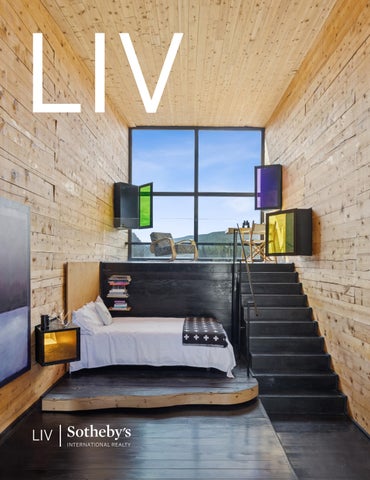
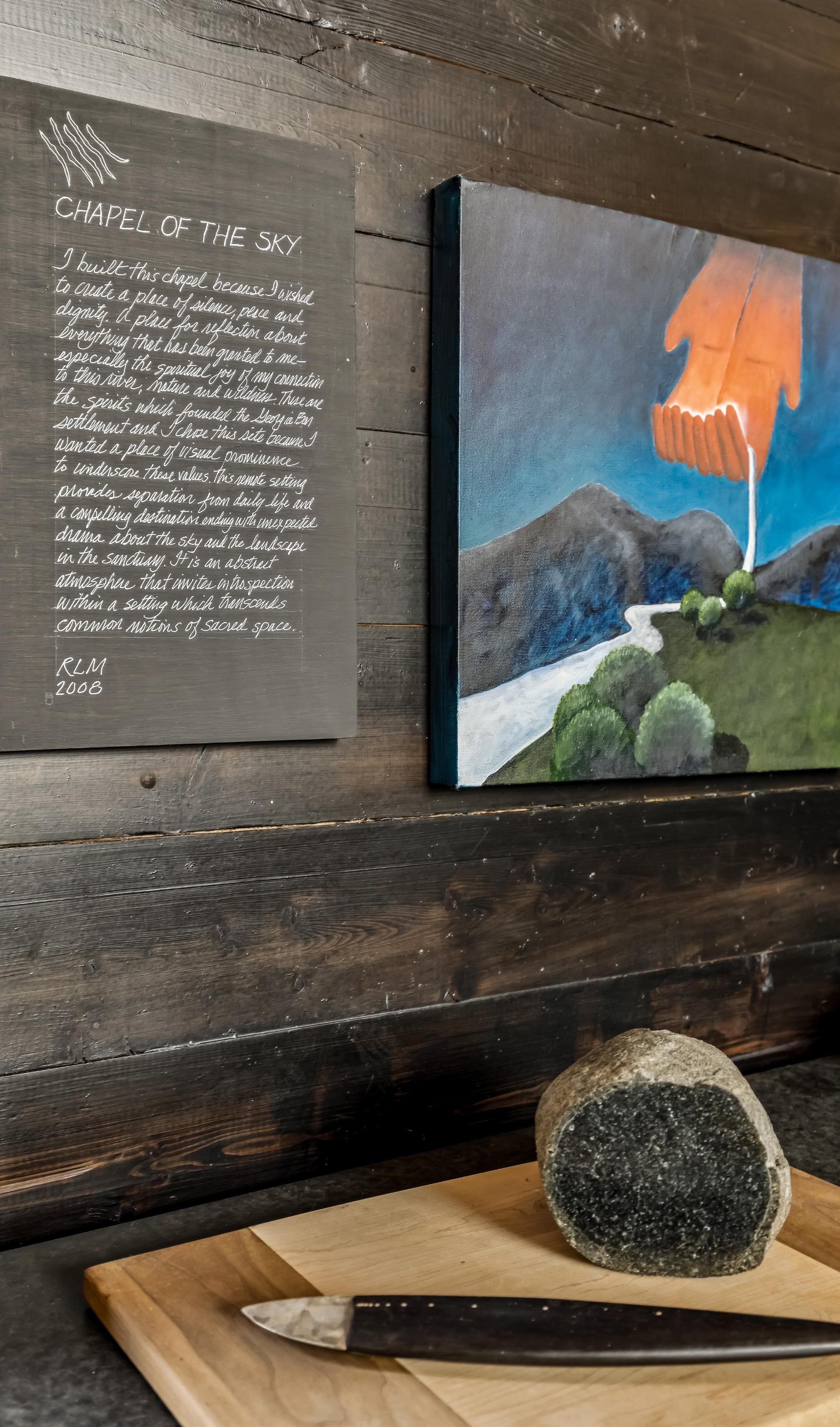
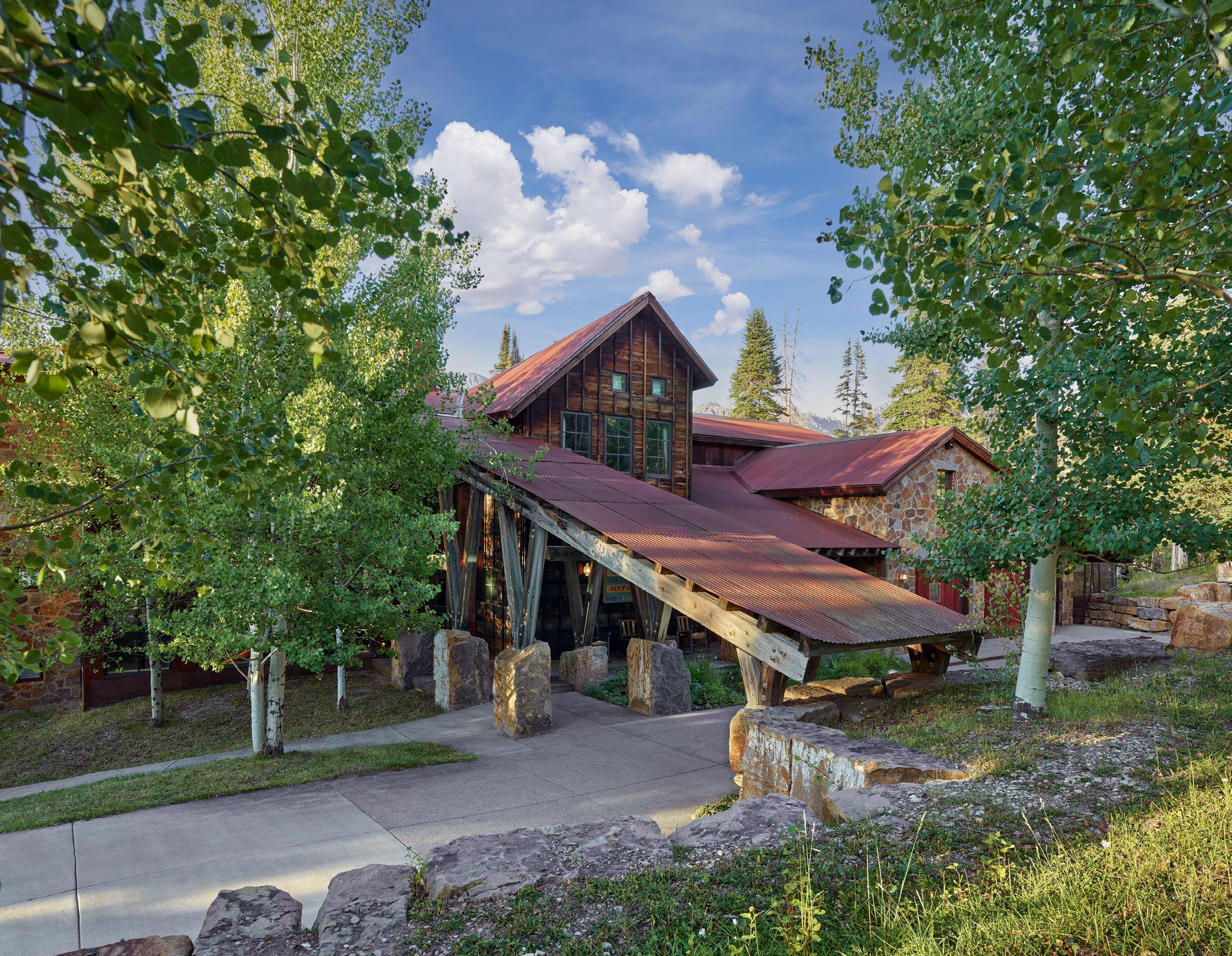
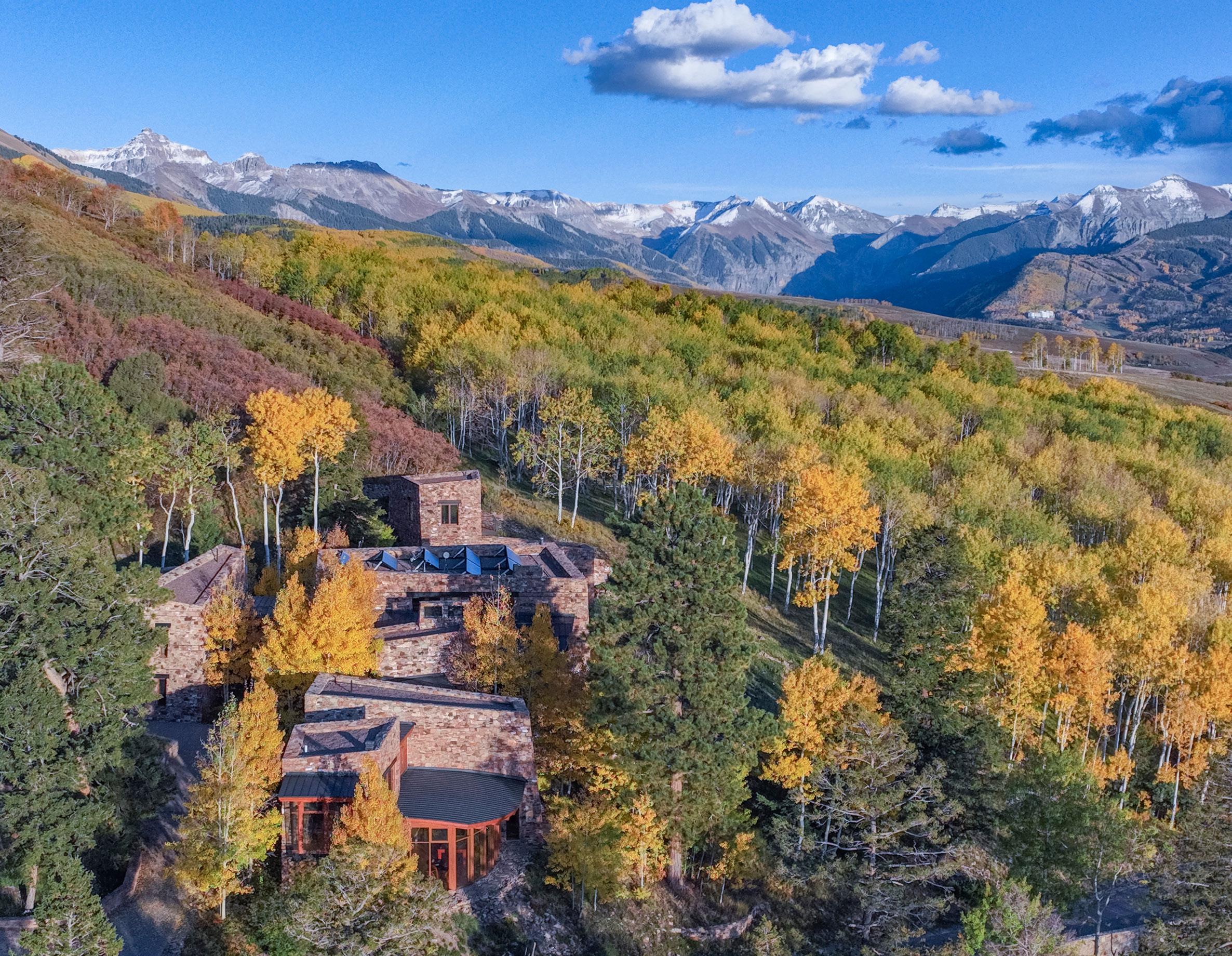
“I built this chapel because I wished to create a place of silence, peace and dignity.
THE STORY BEHIND THE CHAPEL IN THE SKY
2008
-Ron Mason,
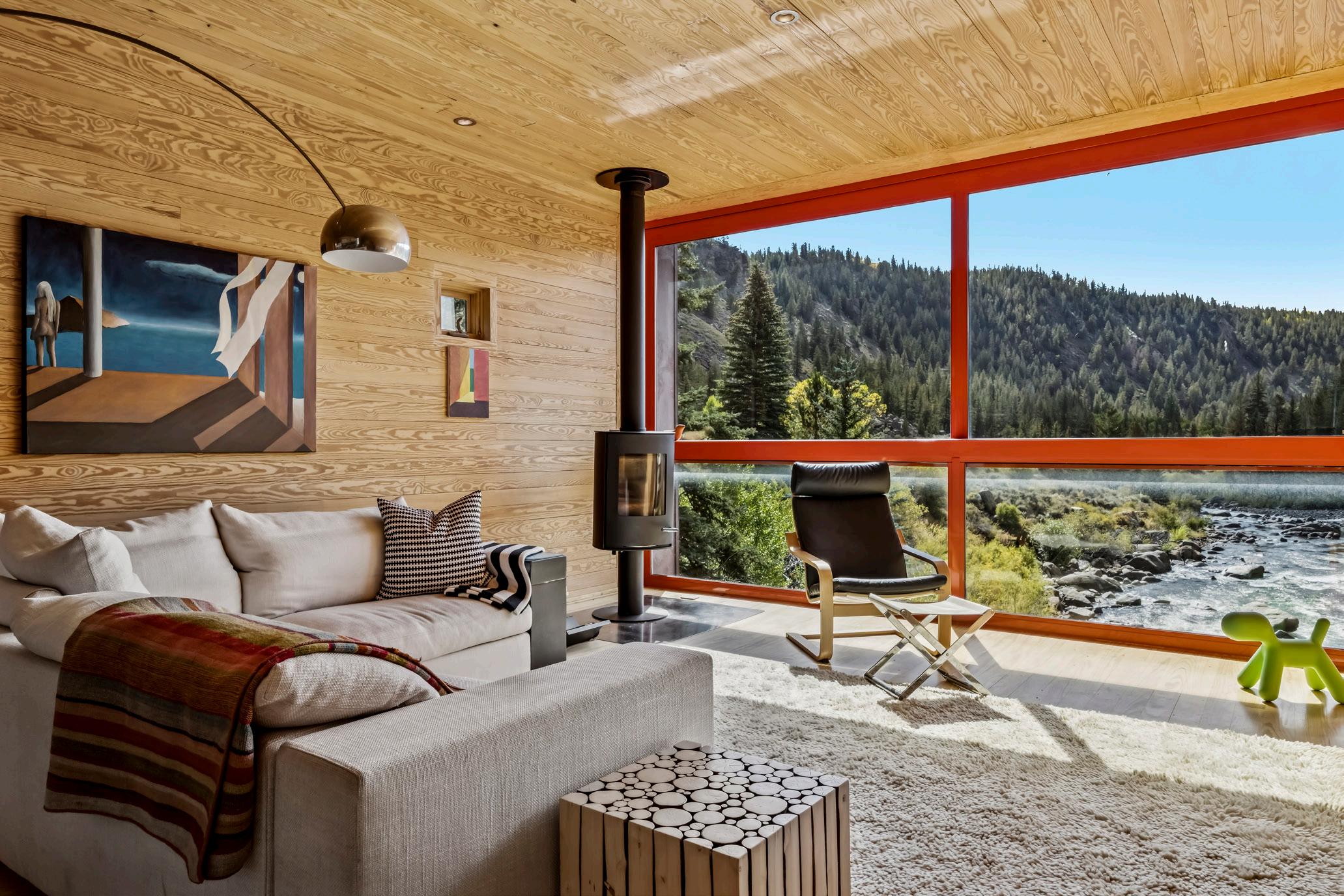
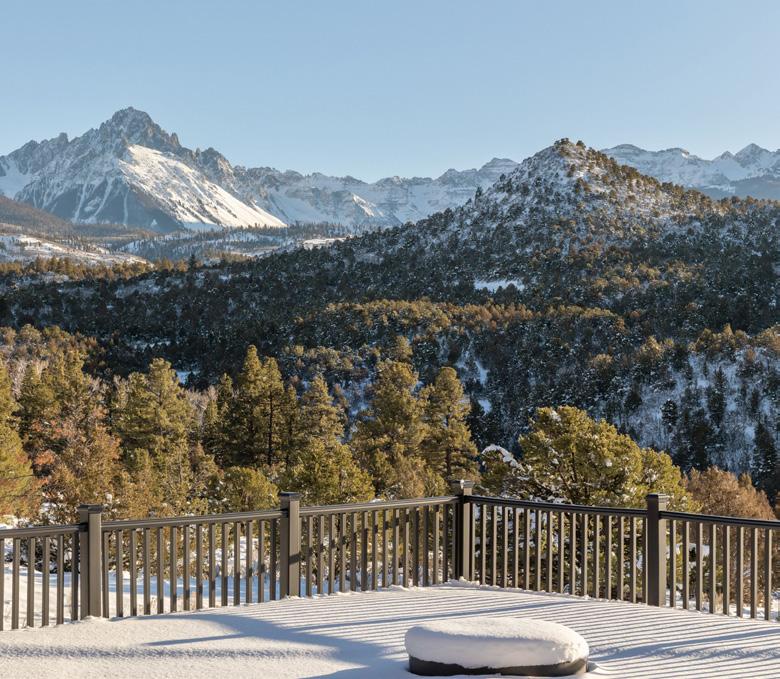
A place for reflection about everything that has been granted to me—especially the spiritual joy of my connection to this river, nature and wildness. These are the spirits which founded the Georgia Bar settlement and I chose this site because I wanted a place of visual prominence to underscore these values. This remote setting provides separation from daily life and compelling destination ending with unexpected drama about the sky and the landscape in the sanctuary. It is an abstract atmosphere that invites introspection within a setting which transcends common notions of sacred space.”
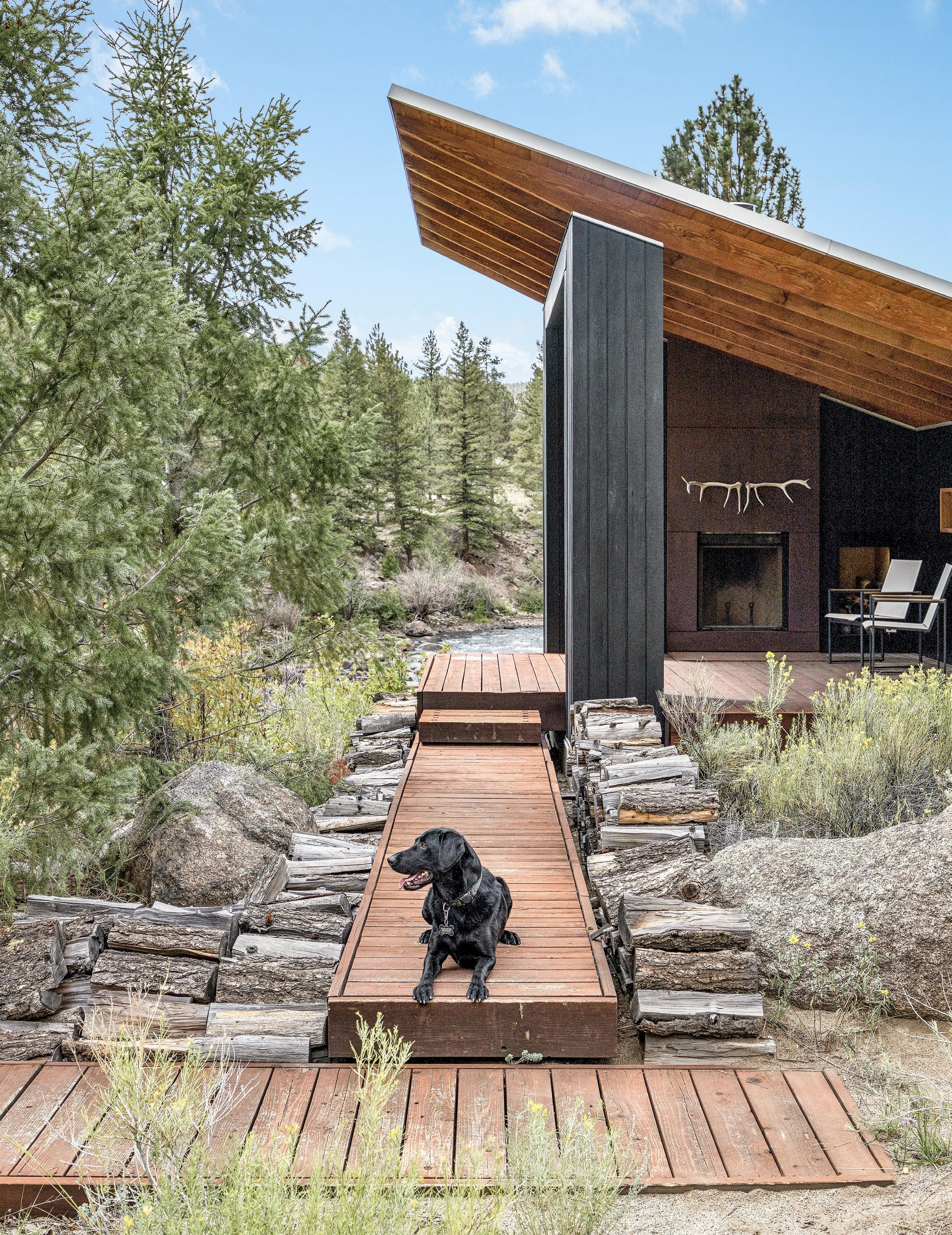
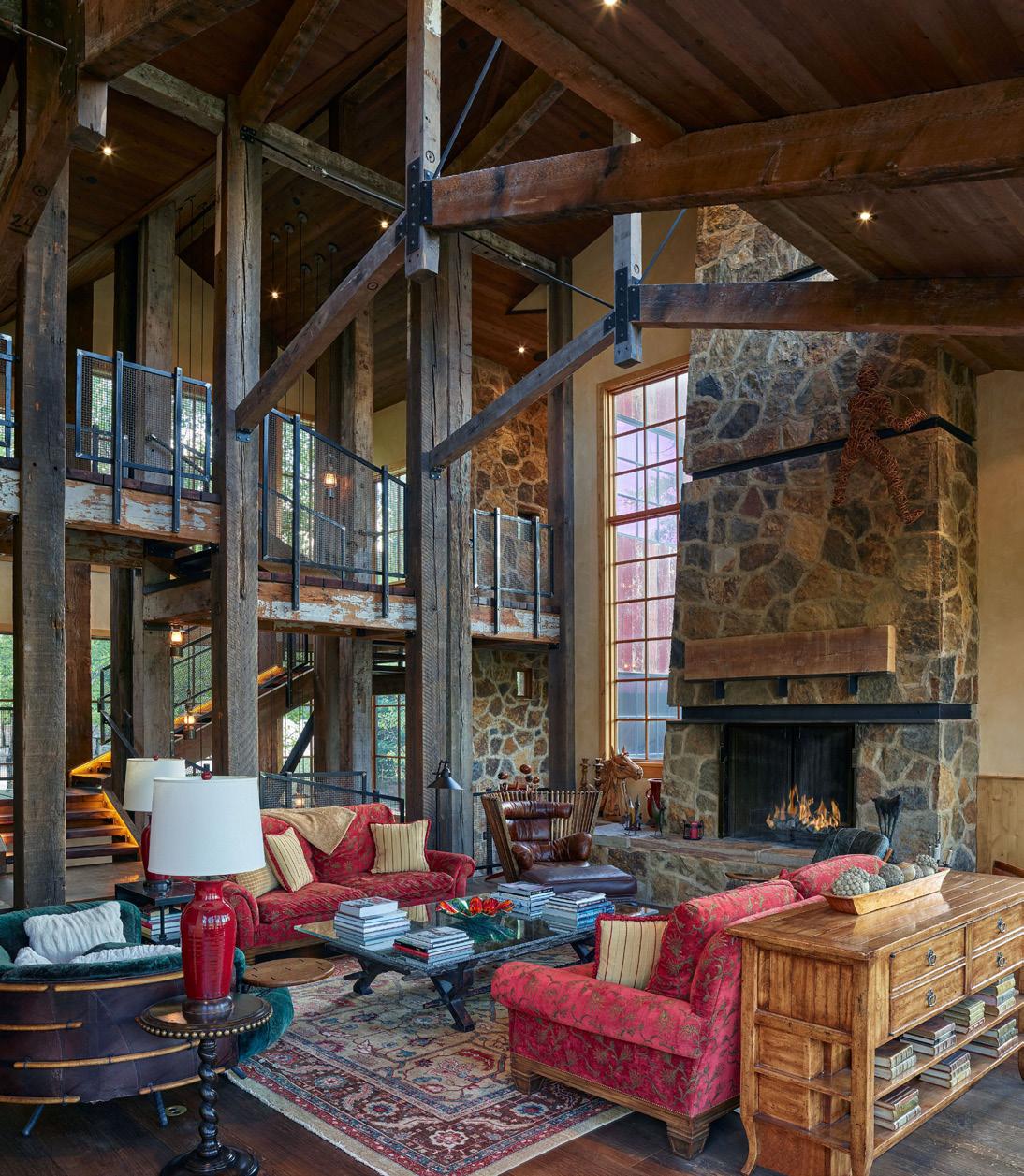
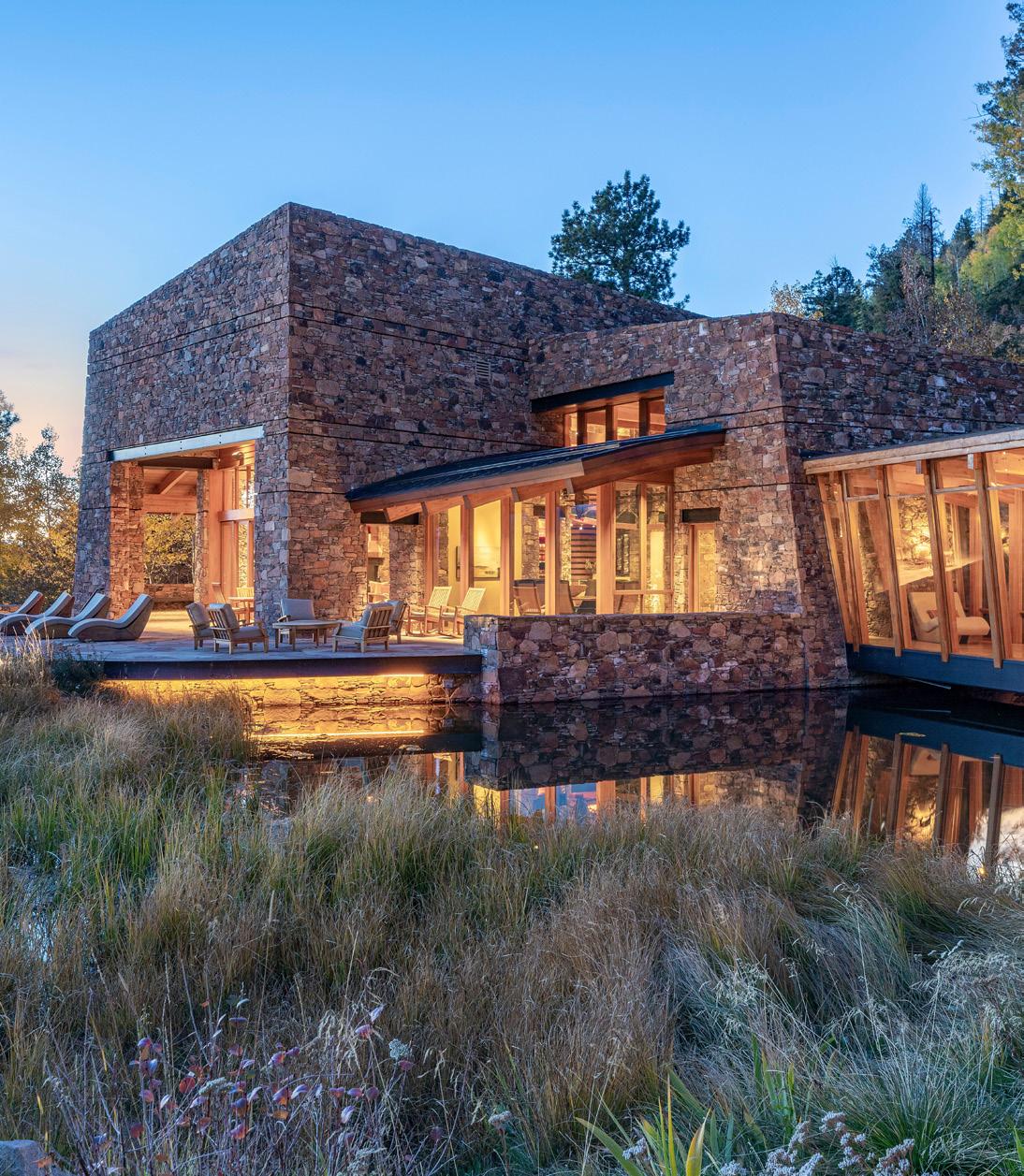
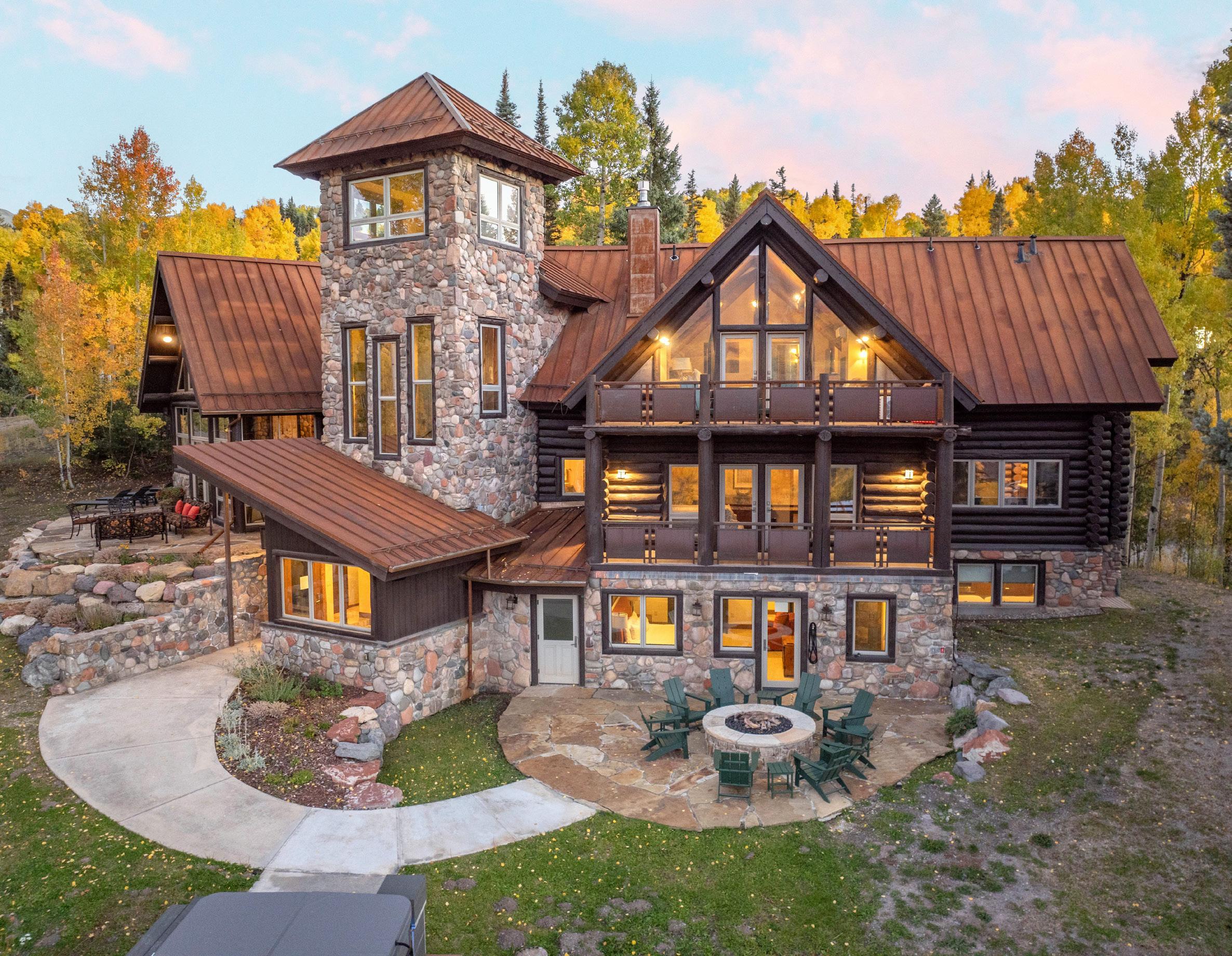
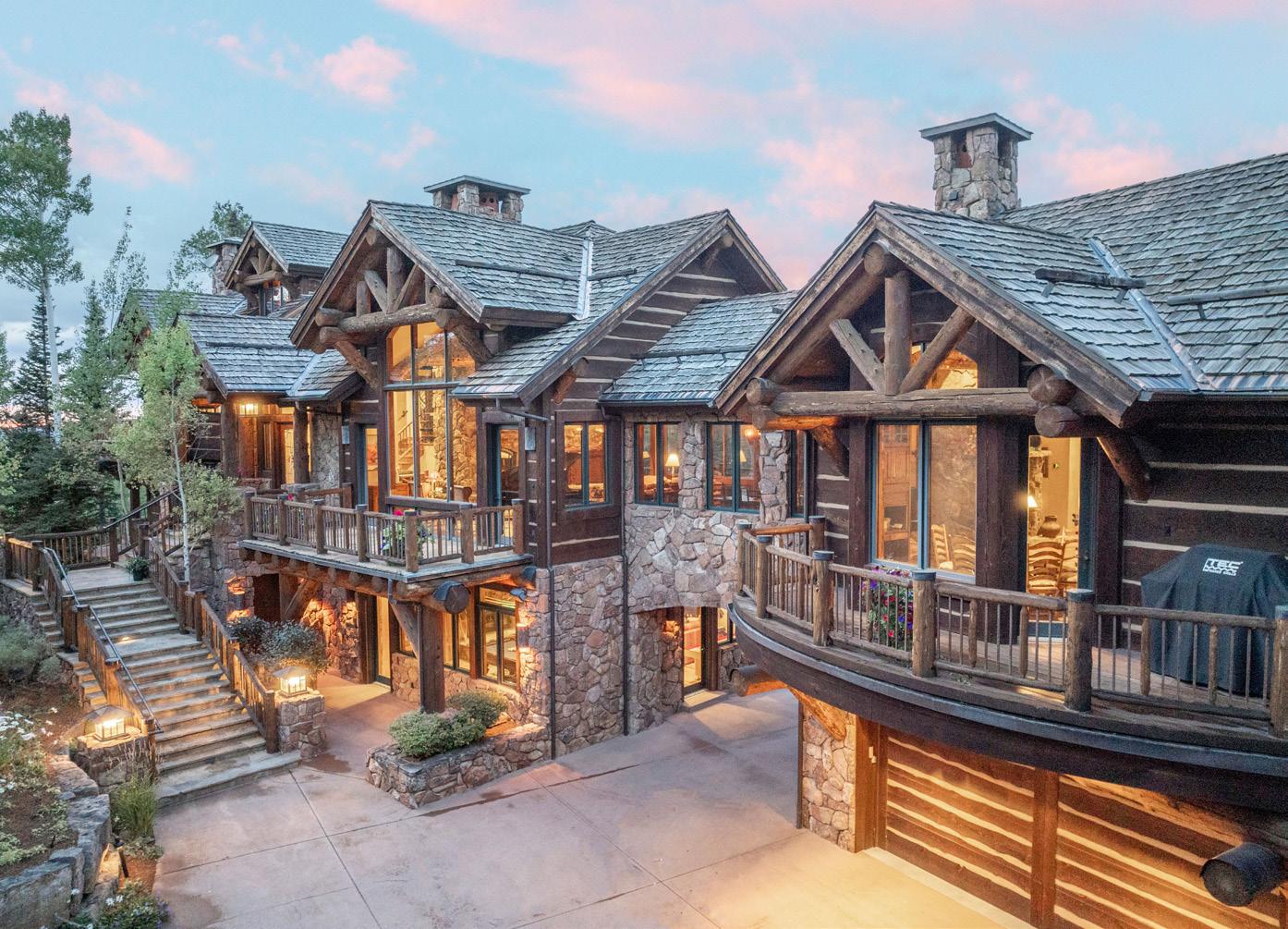
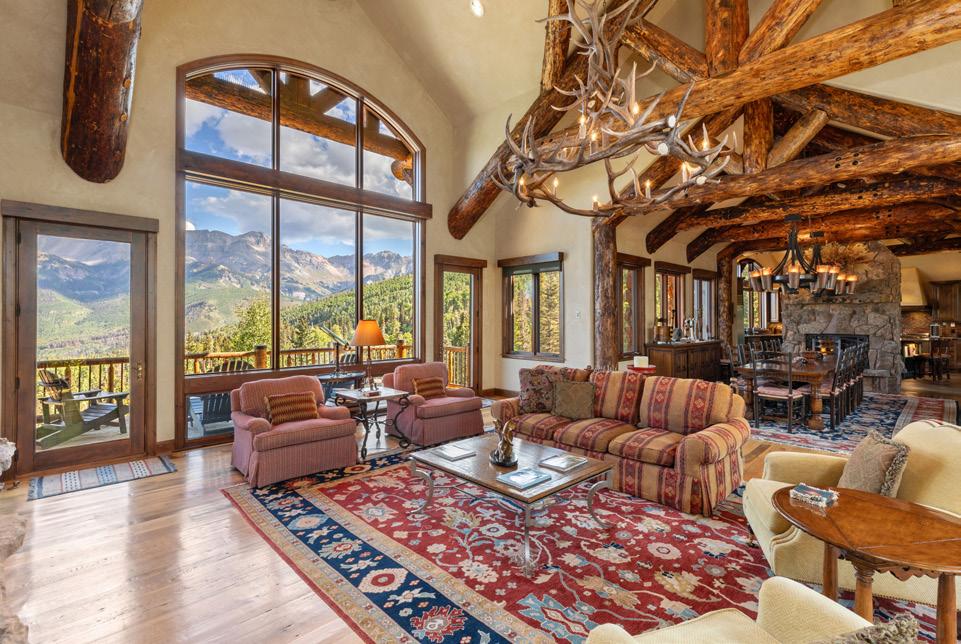
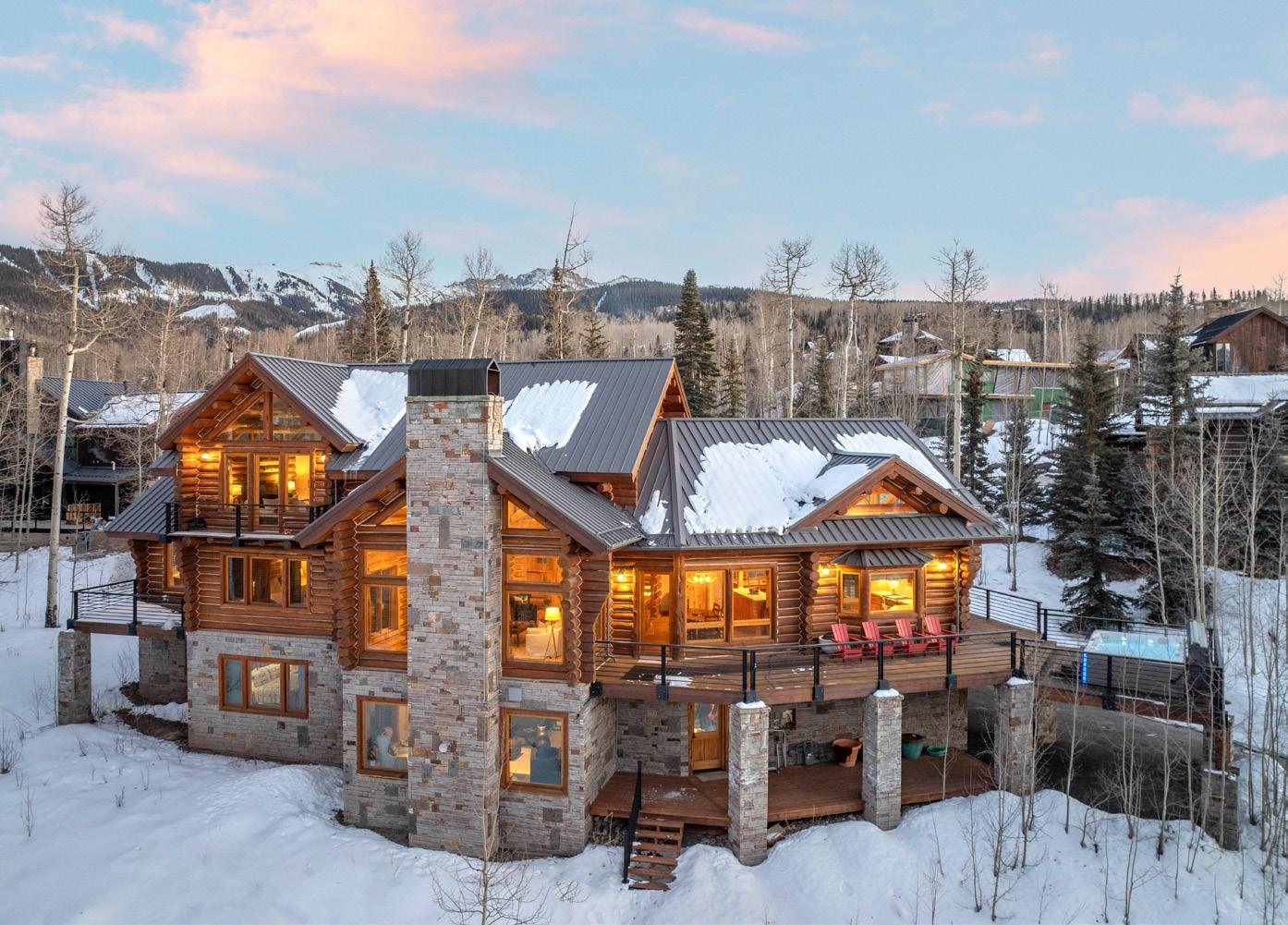
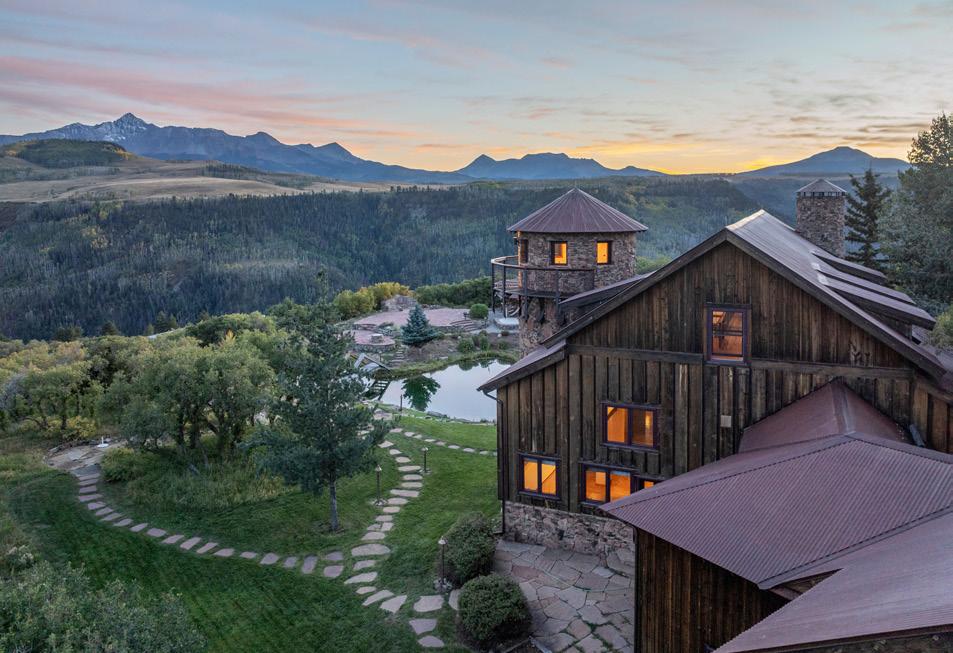
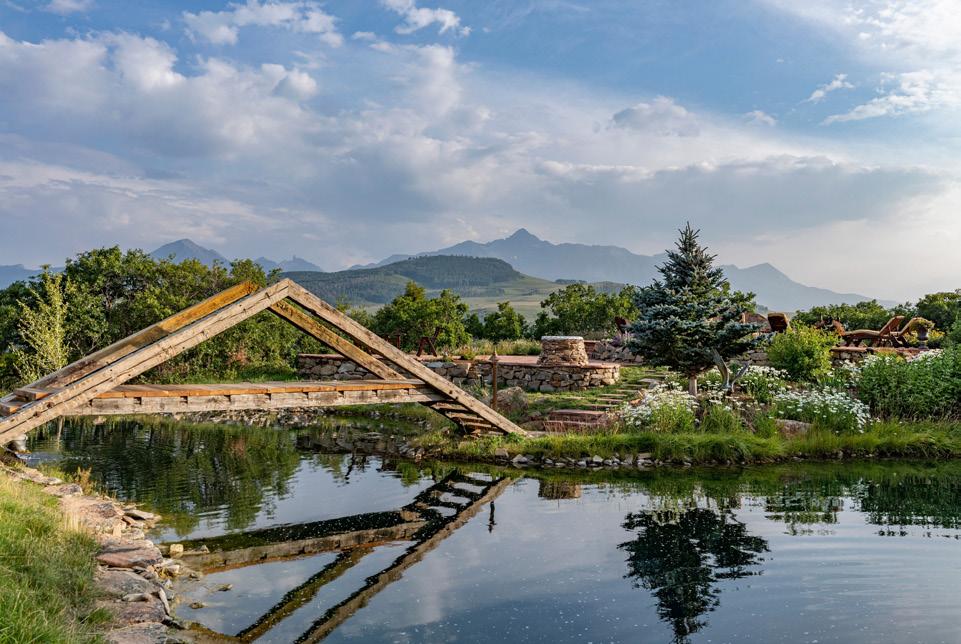
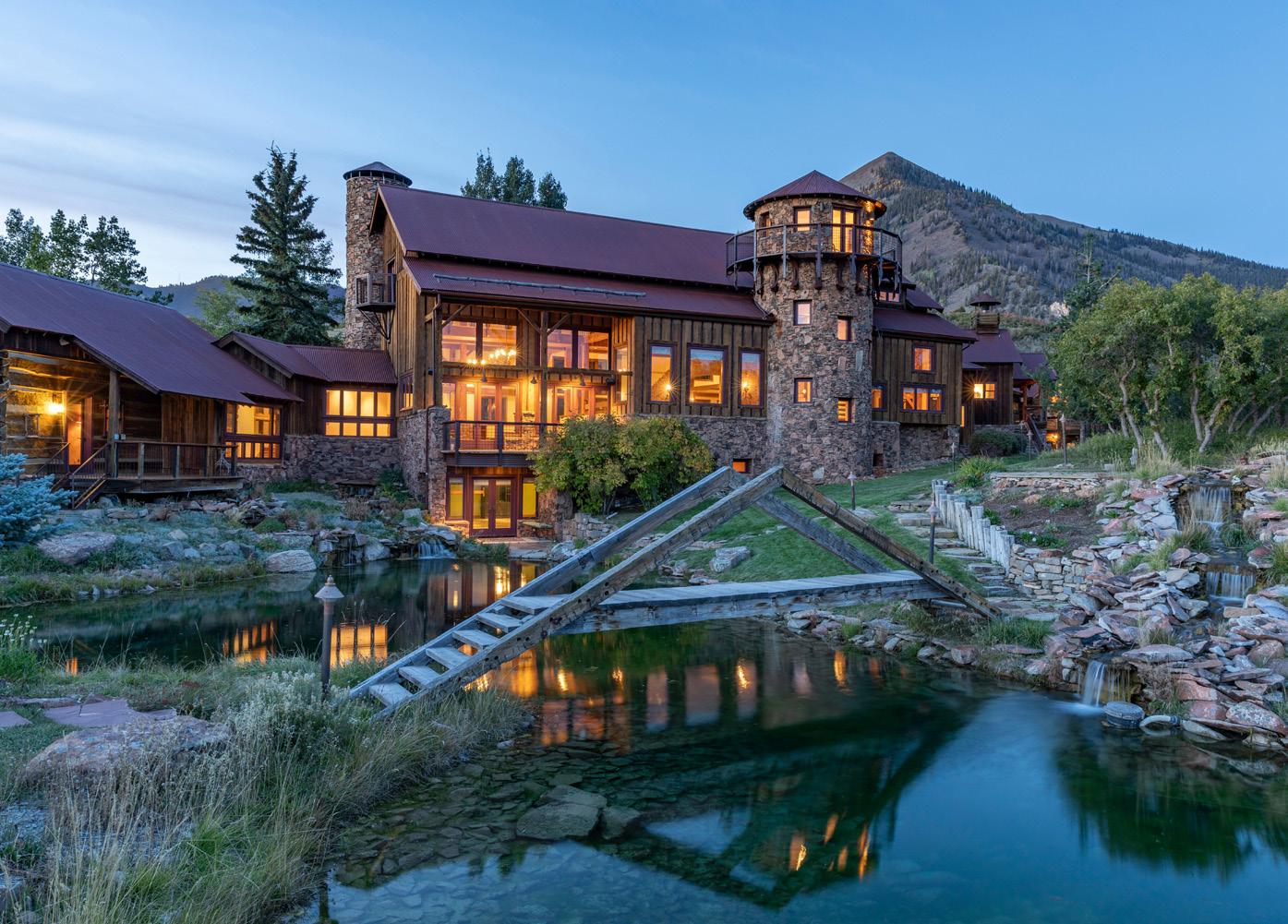
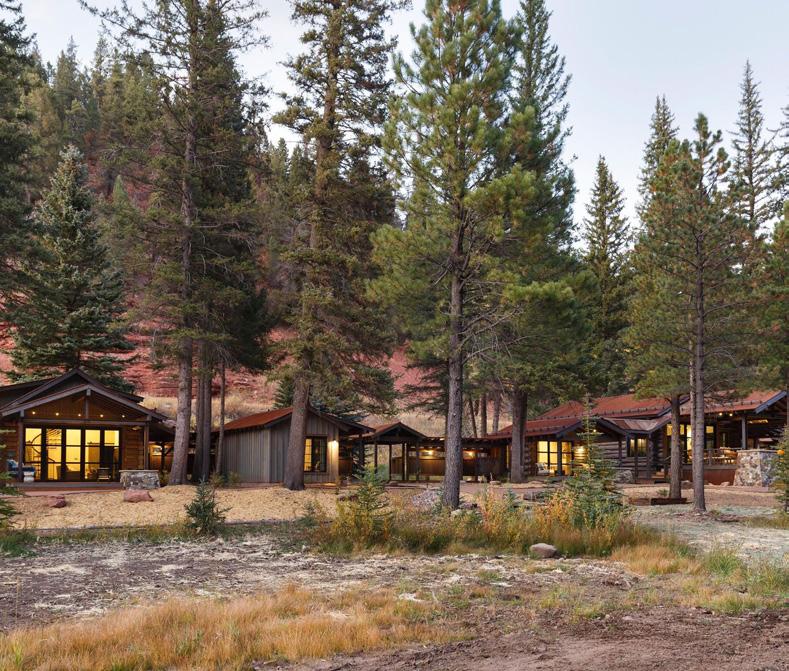
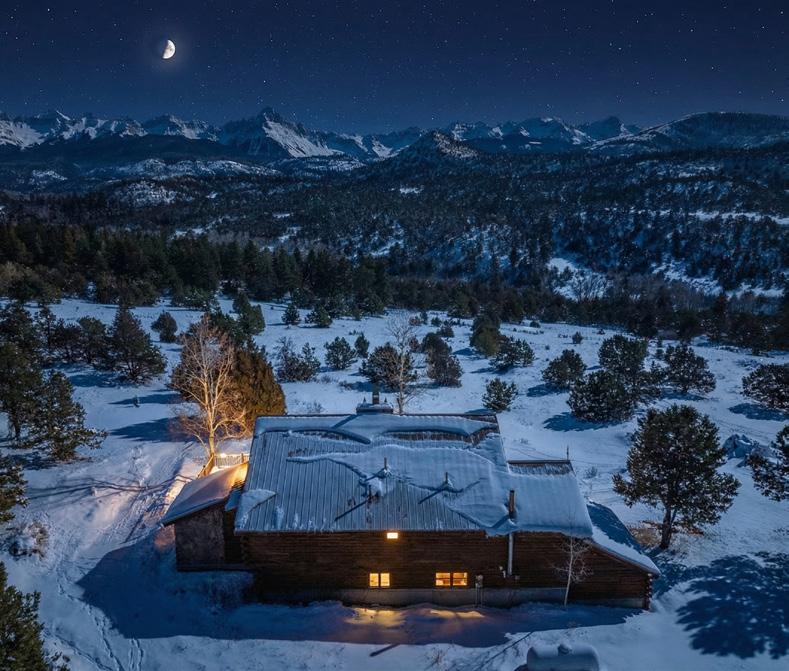
On 14 acres along the banks of the Arkansas River between Leadville and Buena Vista, the Georgia Bar's ten buildings were created with a passion for the surrounding landscape and an appreciation for European design. According to owner Ron Mason, a former national champion whitewater kayaker, “The family retreat idea began during the 1960s and 1970s. During that time, I spent many weekends in the mountains backpacking, cross-country skiing and kayaking, which fueled my passion for the natural environment. I became compelled by the lure of the wild and found myself building a Zentype of relationship with rivers and kayaking.”
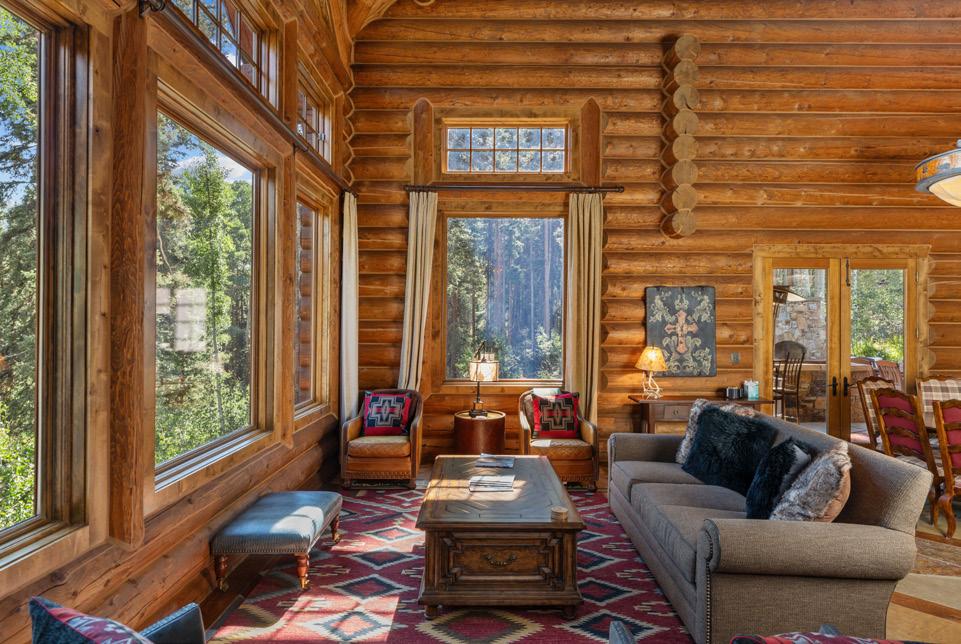
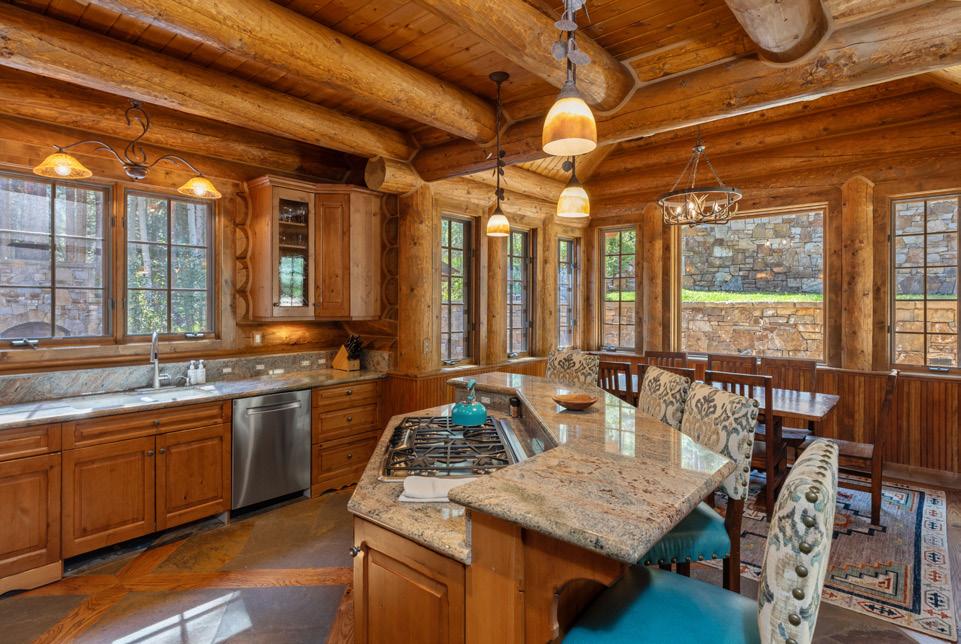
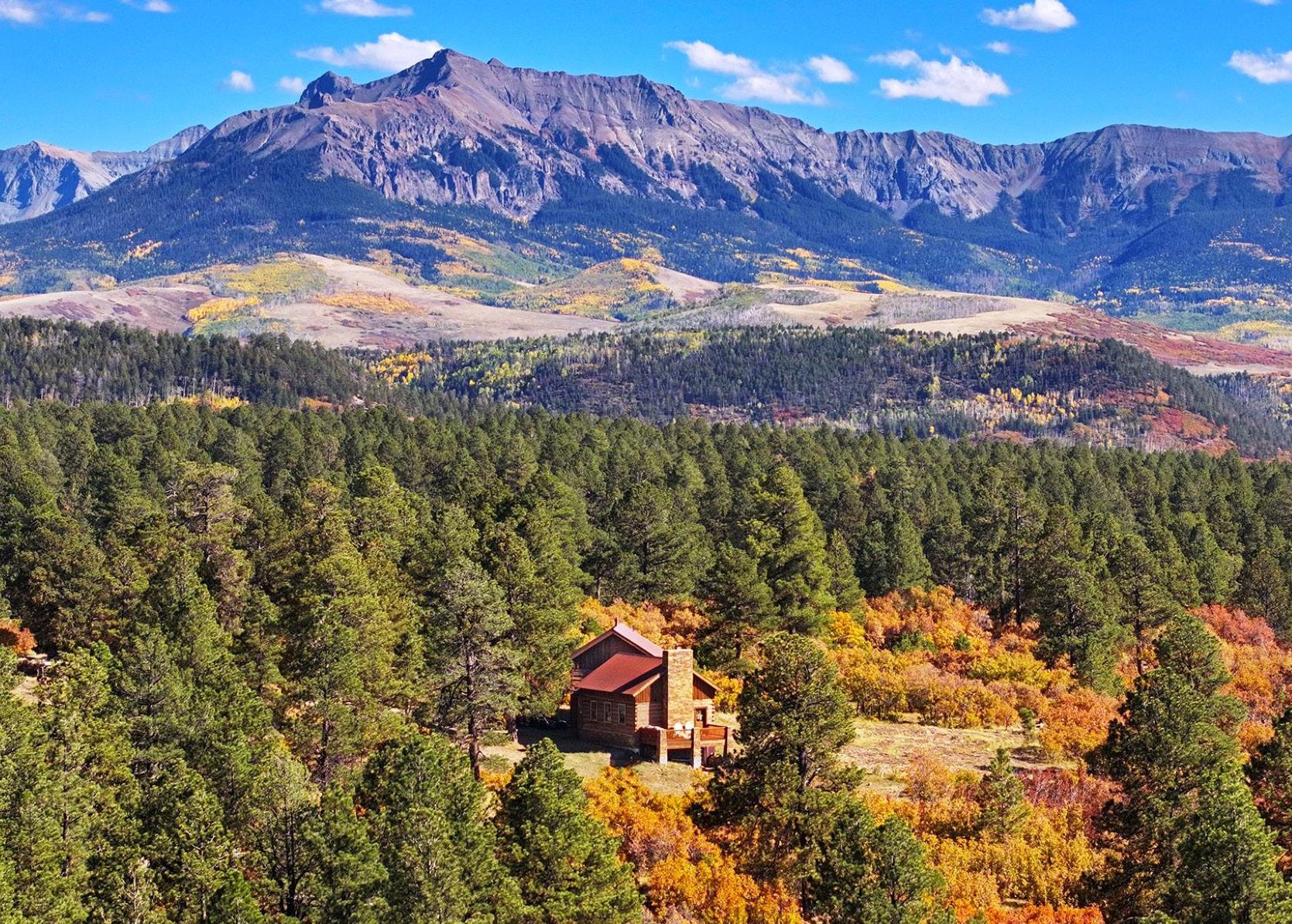
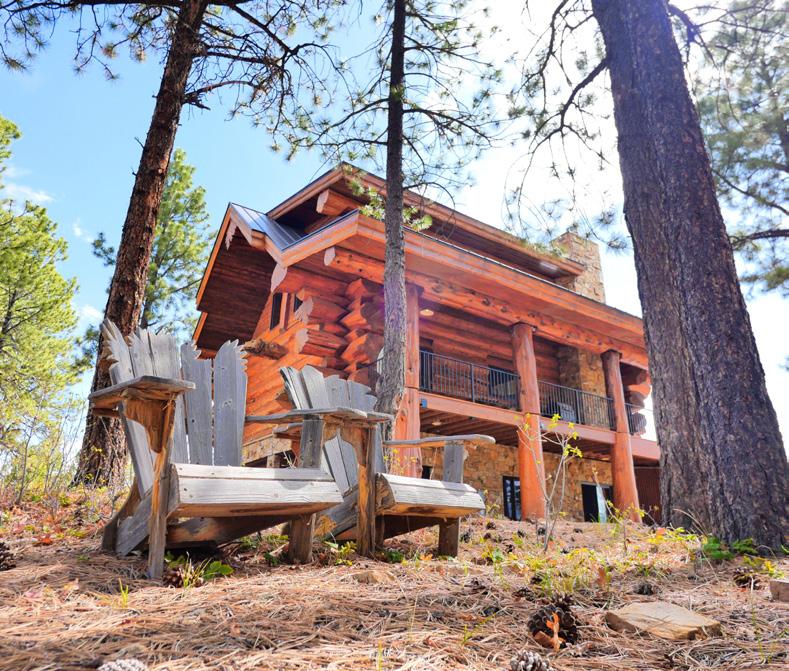
Mason purchased the acreage in 1973, and during the summers of 1977 and 1978, he erected a tipi on the land, which he used as shelter while he taught whitewater kayaking. Mason remarks, “In 1981, I visited Finland and fell in love with their tradition of log building. This led to the design of the main cabin, which was constructed in 1982-83. It incorporates standing dead lodgepole pine logs from the Montana/Canada border, which were hand-
peeled on site using a draw knife. It utilizes the “Swedishcope” method of construction, allowing each log course to be fitted tightly together."
Drawing inspiration from an Italian tower that Mason and his wife, Gillian, explored while traveling, this structure was “an opportunity to create a pivotal element in the site in the same way that towers often mark the focus of Italian hill towns,” notes Mason.
He adds, “This idea was a bold move that might never have happened without the consistent encouragement of Gillian. The 50-foot height required a sophisticated steel structure with a wood frame cladding. We finalized the design the following year and completed construction in time for a year 2000 millennium tower party in the room on top.”
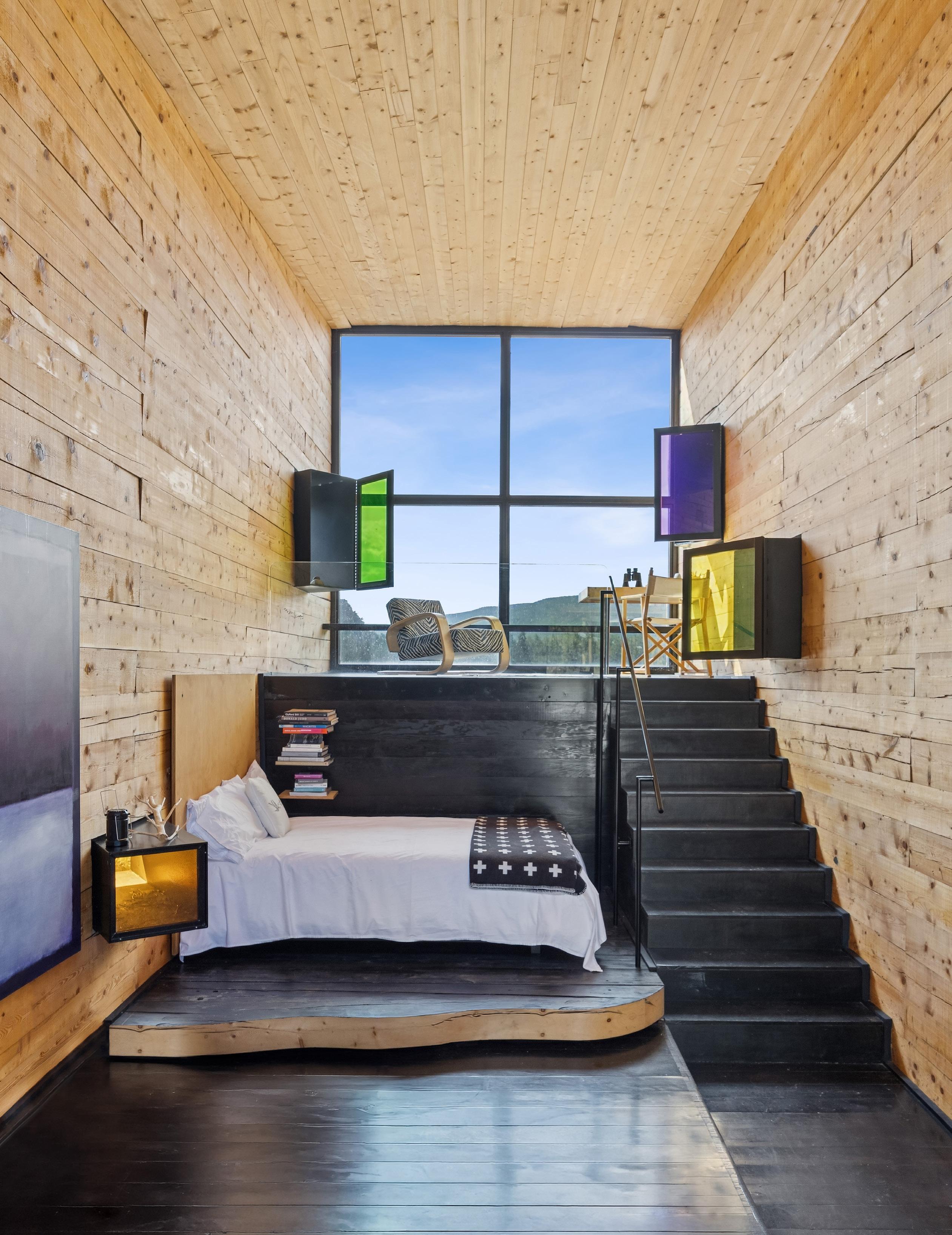
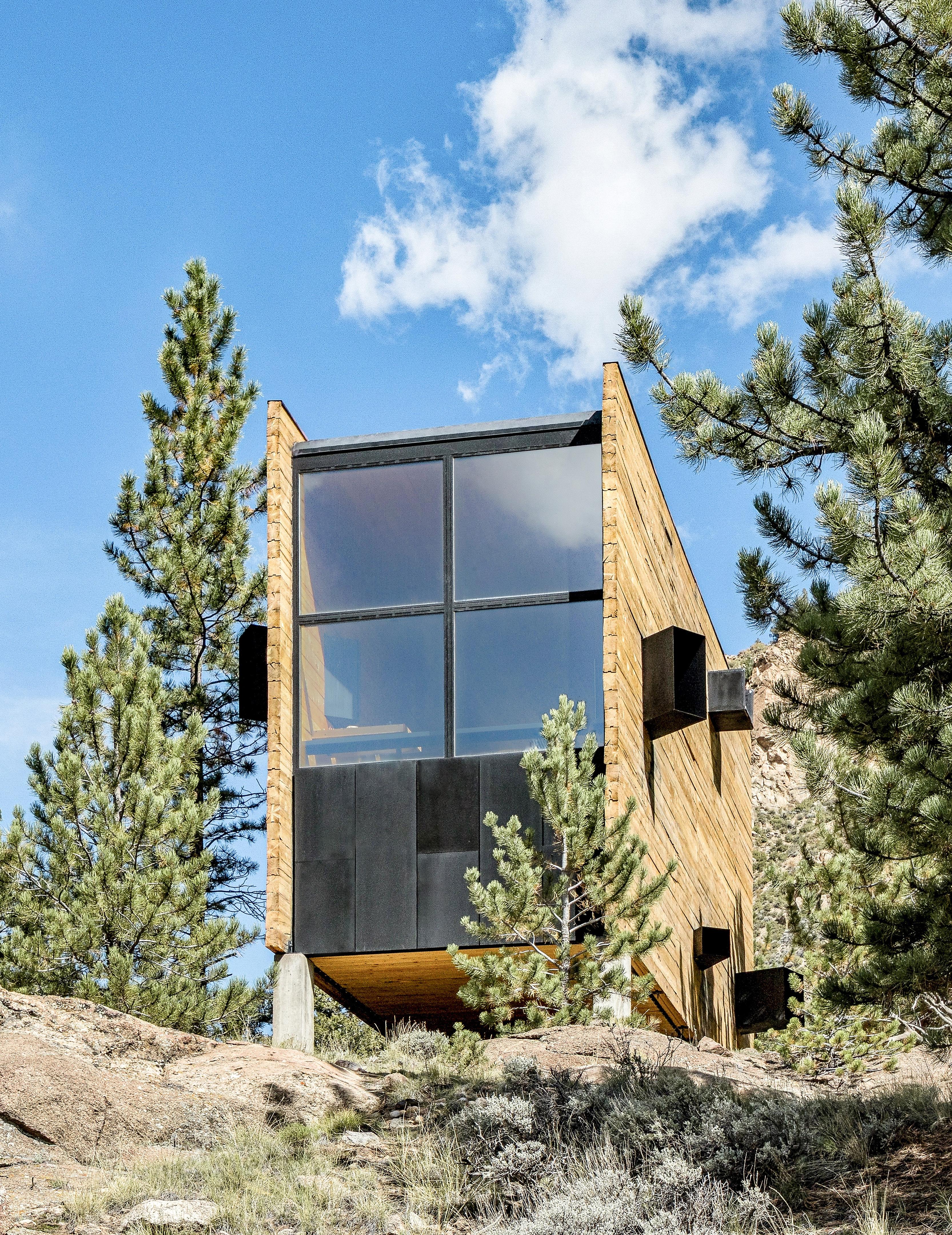
The Tube House took the form of a long box or tube cantilevered over Saw Mill Creek where it enters the Arkansas River. This spectacular space provides a sense of seclusion and stellar views of the water.
20+ Locally Owned Offices in Colorado
FRONT RANGE
Boulder 1050 Walnut Street, Suite 100
Boulder | 303.443.6161
Cherry Creek 100 Saint Paul Street, Suite 200
Denver | 303.893.3200
Colorado Springs 102 North Cascade Ave, Suite 110
Colorado Springs | 719.578.8800
Denver Tech Center
8000 East Belleview Avenue, Suite 200
Greenwood Village | 303.893.3200
Evergreen 1240 Bergen Parkway, Suite A200
Evergreen | 303.674.3200
The Village at Castle Pines 482 West Happy Canyon Road
Castle Rock | 303.688.6100
RESORTS
Beaver Creek
26 Avondale Lane, Suite 119
Beaver Creek | 970.845.0400
Breckenridge
101 South Main Street
Breckenridge | 970.453.0550
Crested Butte
401 Elk Avenue
Crested Butte | 970.349.6653
Dillon
707 East Anemone Trail, Suite 4
Dillon | 970.453.0550
Edwards
34253 Highway 6, Suite 2A
Edwards | 970.845.0400
Telluride
137 West Colorado Avenue
Telluride | 970.728.1404
Telluride 215 San Juan Avenue, Suite C3
Telluride | 970.728.1404
Telluride
225 South Oak Street Telluride | 970.728.3086
Telluride 110 South Pine Street Telluride | 970.728.1404
Telluride | Mountain Village
565 Mountain Village Boulevard, Suite 101
Mountain Village | 970.728.1404
Vail | Bridge Street
228 Bridge Street, Suite 100
Vail | 970.476.7944
Vail | Mountain Haus
292 East Meadow Drive, Suite 101
Vail | 970.476.7944
Winter Park
78977 US Highway 40
Winter Park | 970.509.1740
Letter from the President
How we got here is a question that can be asked of a place just as easily as a person.
Spend enough time in Colorado's mountain towns and you'll find traces of the answer everywhere. In the curve of a railroad grade now softened into a hiking trail. In weathered cabins standing quietly beside homes built for a different century. In stories passed from one generation to the next.
Long before these mountains became destinations, they were home. Native people inhabited these landscapes with a deep understanding and respect of the land. Prospectors arrived chasing opportunity beneath the peaks. Later came ranchers, skiers, entrepreneurs, and dreamers. Each left something behind. Each added a chapter.
What strikes me most is that while the details change, the reason people come here rarely does. They come searching for something. Adventure and connection. Perspective and room to breathe. The mountains have always had a way of calling people forward, inviting them to imagine what comes next.
Perhaps that's why summer feels so meaningful here. Trails reopen. Rivers run high. Wildflowers return. Families gather. We linger a little longer and remember that some of life's best moments aren't planned at all. And while much is written about winter in the Rockies, locals know a different truth: you may come for the winters, but you stay for the summers.
That spirit is reflected in the market as well. Following a challenging ski season, there is renewed energy across
the Mountain West. Buyers are returning with intention, inventory is creating opportunity, and optimism is quietly building for the months ahead. Like the towns themselves, these markets have always shown a remarkable ability to evolve and endure.
This issue is inspired by the idea of how we got here. Not simply as a look back, but as a reminder that every place has a story, and every story continues to unfold. Wherever this summer finds you, I hope it offers space to appreciate the road that brought you here and the chapter still waiting to be written.
The mountains have always been a place people come to begin again.
Your
partner, President, Colorado LIV Sotheby’s International Realty
Shannel Ryan President, Colorado
Nolan Carleton Editor in Chief
Morgan Goodroad Creative
Nicole Glenewinkel Advertising
Ainsley White Producer
Scott Kapela Design Production
Sarah Innerarity Editorial
Connect with Us
Sotheby's Auction Highlights
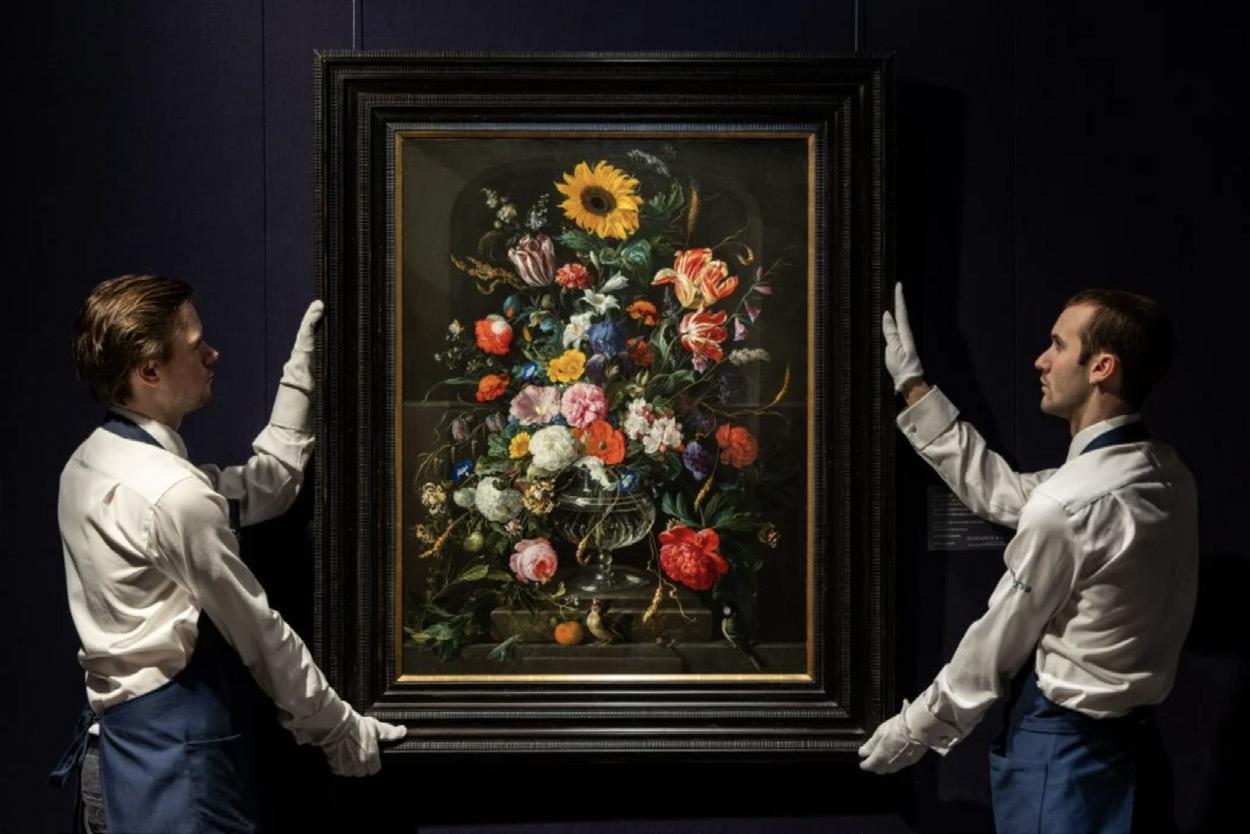
2025 was the year of irreplaceable things. Defined not by volume but by singularity, the world’s most discerning collectors pursued objects that transcend category: automotive legends, haute joaillerie, masterworks of art, and design that reshaped the modern imagination. At Sotheby's, value was not declared. It was recognized.
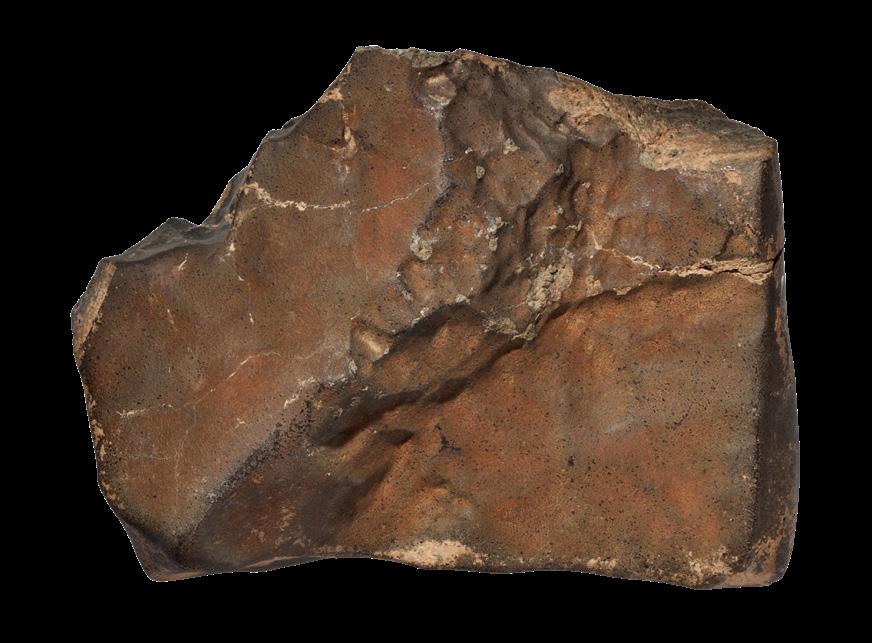
The Largest Piece of Mars on Earth Auction record for a meteorite.
$5.3 Million
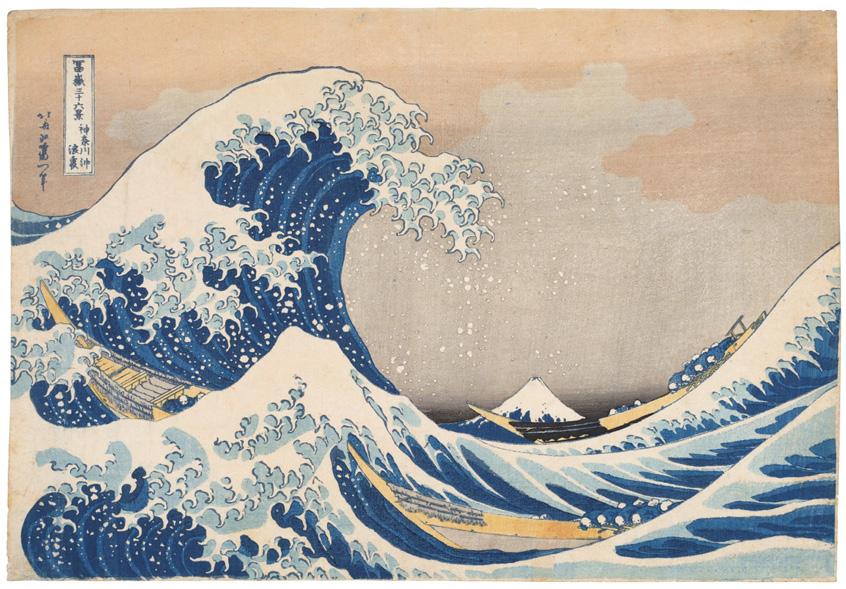
Katsushika Hokusai, The Great Wave, Edo Period, 19th century Auction record for a Hokusai woodblock print.
HK $21.7 Million
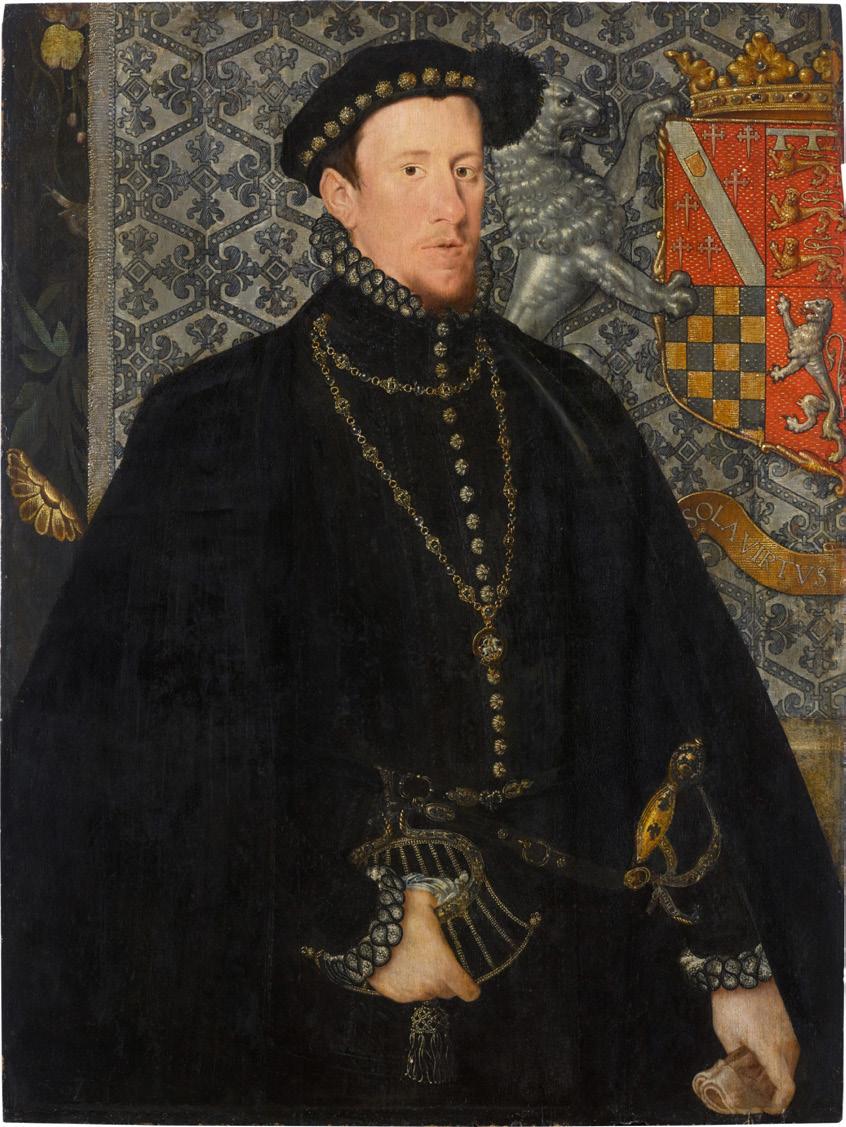
Hans Eworth, Portrait of Thomas Howard, 4th Duke of Norfolk, 1538–1578
Auction record for a Renaissance portrait.
£3.2 Million
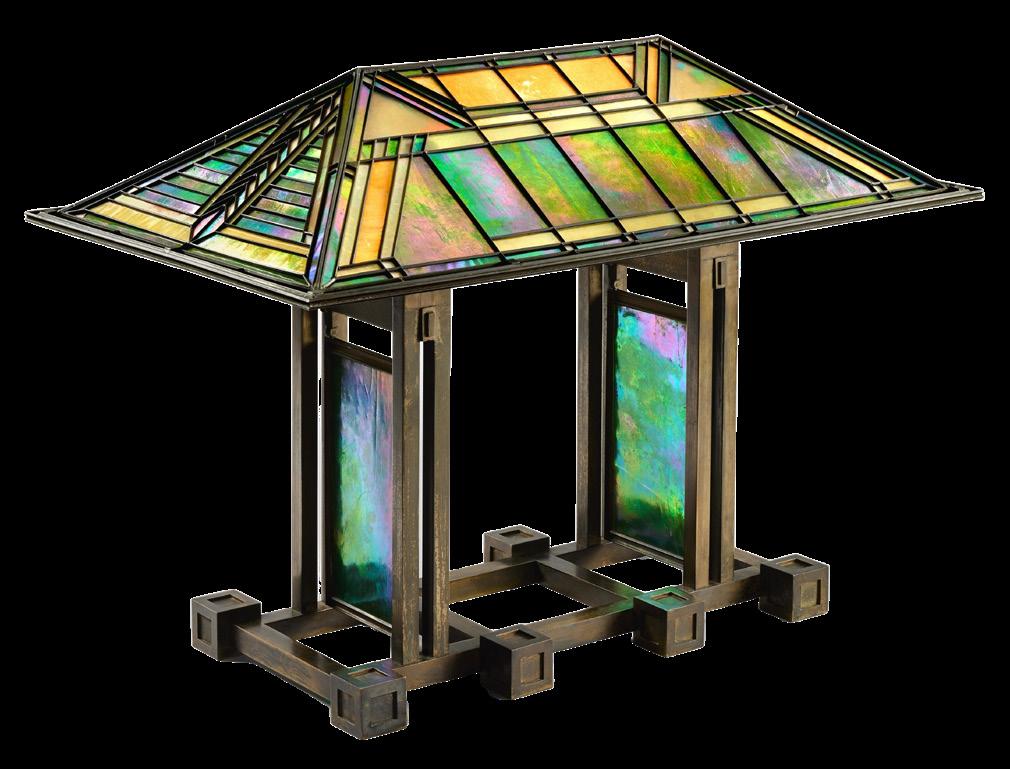
Frank Lloyd Wright, An Important Double-Pedestal Lamp for the Susan Lawrence Dana House, Springfield, Illinois Auction record for a lamp.
$7.5 Million
Martian Meteorite — NWA 16788
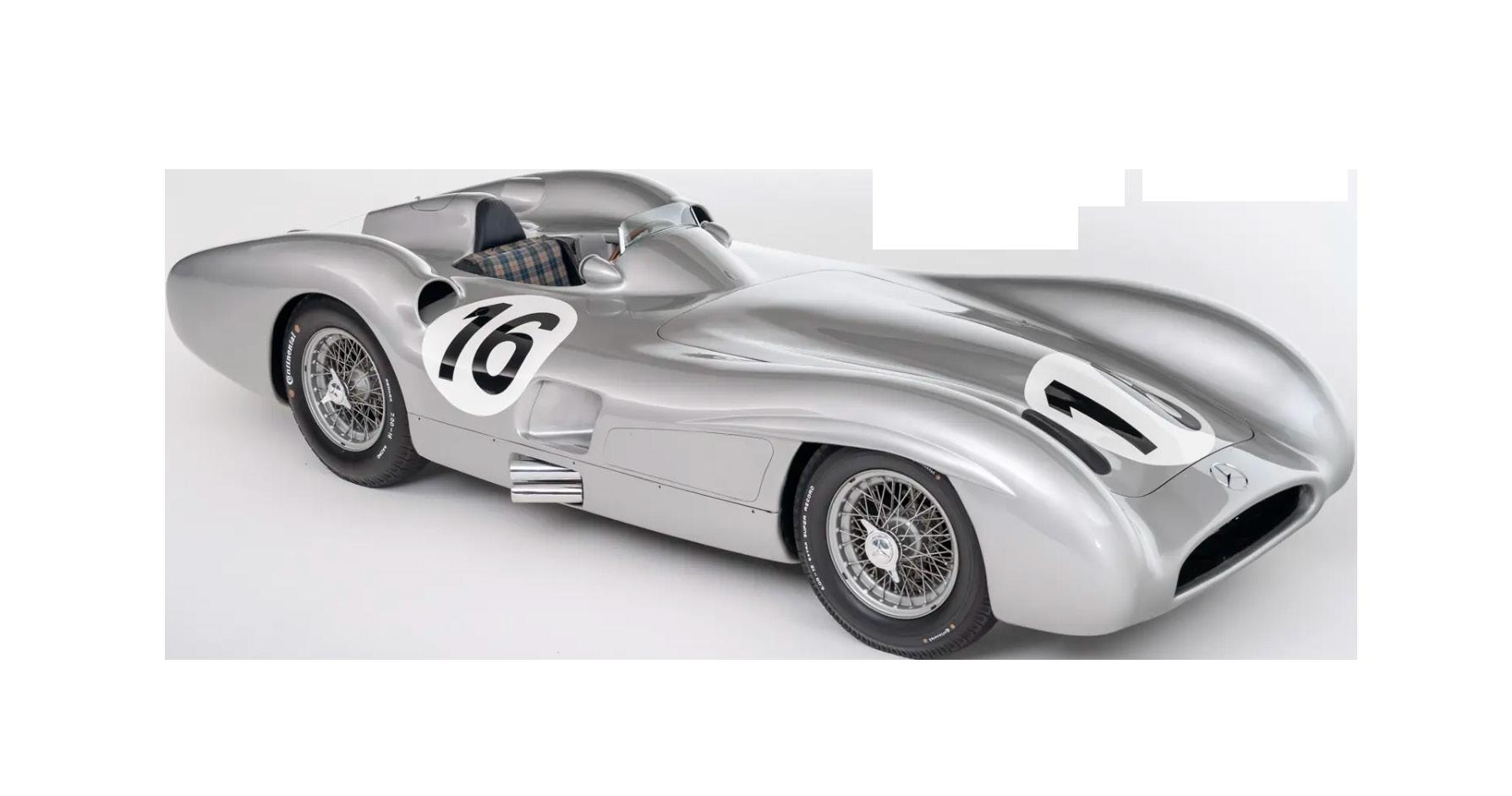
1954 Mercedes-Benz W 196 R Stromlinienwagen
Most valuable Grand Prix car ever sold.
€51 Million
The Mediterranean Blue 10.03 Carats
Top price for a jewel or diamond sold in 2025.
CHF 18 Million
Elegance & Wonder: Masterpieces from the Collection of Jordan and Thomas A. Saunders III
Most valuable Old Masters collection sold in a single day.
$64.7 Million
Audemars Piguet 'Grosse Pièce' No. 16869, 1921
Auction record for Audemars Piguet
$7.7 Million
Hermès, The Original Birkin crafted for Jane Birkin, 1985
Auction record for any handbag.
€8.6 Million
ROOTS, LORE, & TRADITION
HOW WE GOT HERE
DEFINE COLORADO MOUNTAIN RESORTS
Steeped in Native American heritage, European settlement, and a rugged history of mining and ranching, resorts across Colorado are known for their scrappy resilience in stunning settings.
Relics of the past decorate each resort town and can be seen in architecture, traditions, and Old World elegance. This blend offers a peek into the past with modernization brought by travel and a competitive spirit born from Western grit.
NATIVE AMERICAN INFLUENCE
Before miners arrived seeking their fortunes and skiers settled in the valleys to chase powder, Native American tribes lived in Colorado’s mountainous regions.
Many trails now enjoyed for recreation were once traveled by the local Utes for seasonal migrations, where they followed elk and bison to higher ground during warmer months and the valley floors during snowier seasons.
In an interview with Michael Childers from the Colorado State University history department, he explains, "Indigenous peoples established many of the mountain routes that remain in use today. For example, U.S. Highway 24 follows the trails long used by the Nuche (Ute) people. Early settlers followed these established routes into the mountains, later laying railroads and highways along them.”
MINING
Many of Colorado’s resort communities were founded as mining towns that weathered boom and bust in the late 1800s and early 1900s. Other towns were created specifically to be ski resorts with a flurry of openings in the 1960s and 1970s. These
various eras in our history shape the overall culture and architecture of the locale.
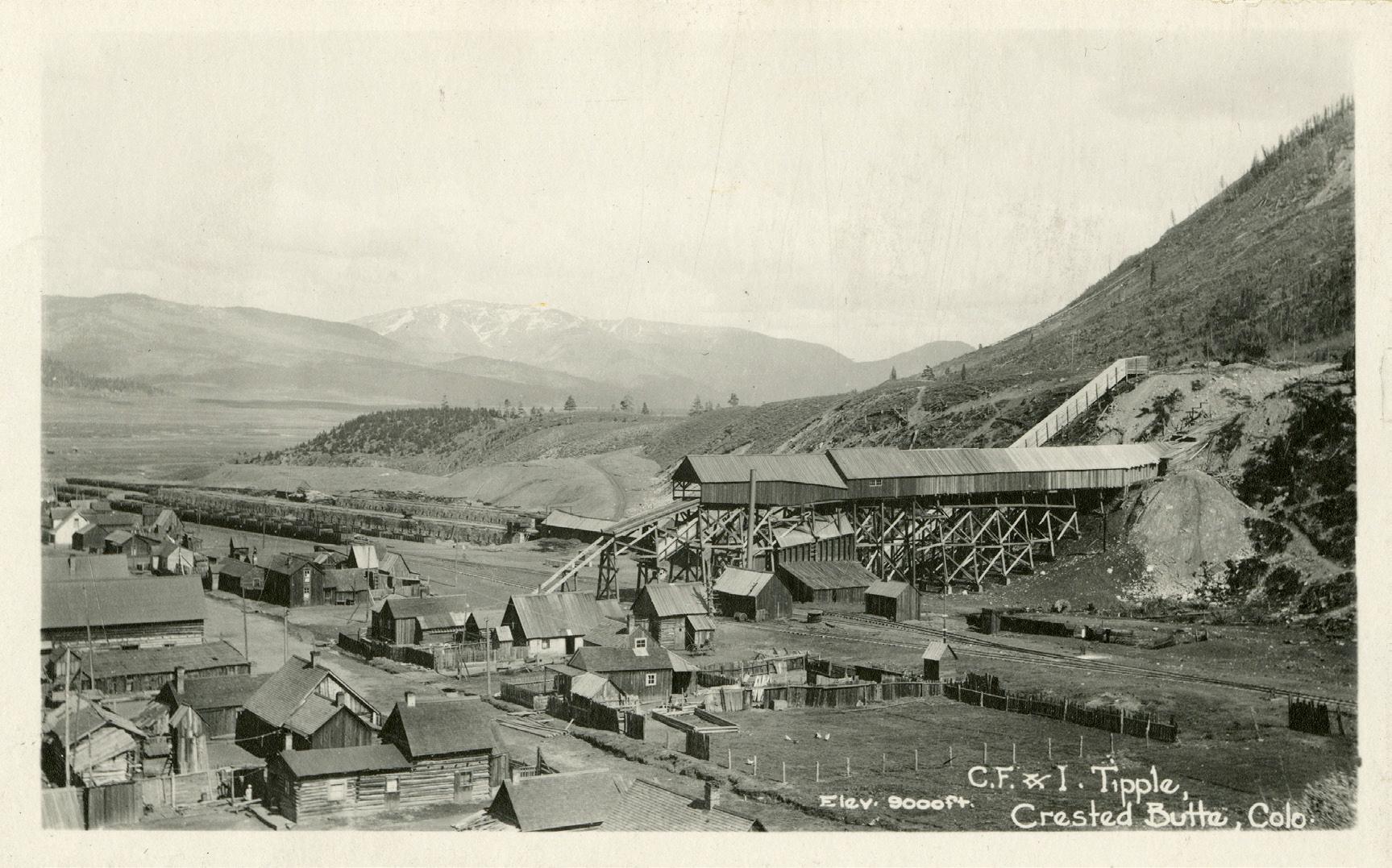
Breckenridge and Telluride were mining towns that boomed in the 1800s with the discovery of gold and silver. Crested Butte was a hub for coal mining in the 1800s until the mine shut down in the 1950s. Ranchers in the Gunnison Valley near Crested Butte supplied food, lumber, and animal support for mining camps. Ranching in the area continues to this day, with ranches making up 70% of private land in Gunnison County according to data from the county assessor's office.
Childers notes, “Early mining towns such as Crested Butte have Victorian architecture, which shaped our romantic views of ski towns."
Buildings like those along Crested Butte's Elk Avenue evoke both the town's mining past and skiing's golden age in the 1960s and 1970s, when people moved to remote towns to pursue a life centered on skiing.
The locations of early mining camps and settlements have evolved into world-class ski resort destinations, with building materials and architecture harkening back to the days of a rough and tumble lifestyle.
With its wood frame and high-front design, common in 1880s construction, the Crested Butte Museum building was originally a hardware store and supply center for miners.
Built in 1895, Telluride’s New Sheridan Hotel illustrates the luxe side of the mining era. Some of the early guests were mine owners and investors, when Telluride had one of the world’s highest percapita concentrations of wealth. The hotel bar’s mahogany paneling and filigree light fixtures retain the aesthetic of those bygone days.
C.F. & I. Tipple, Crested Butte, Colo., Est. Date Made, 1890-1920. History Colorado. 87.528.6.
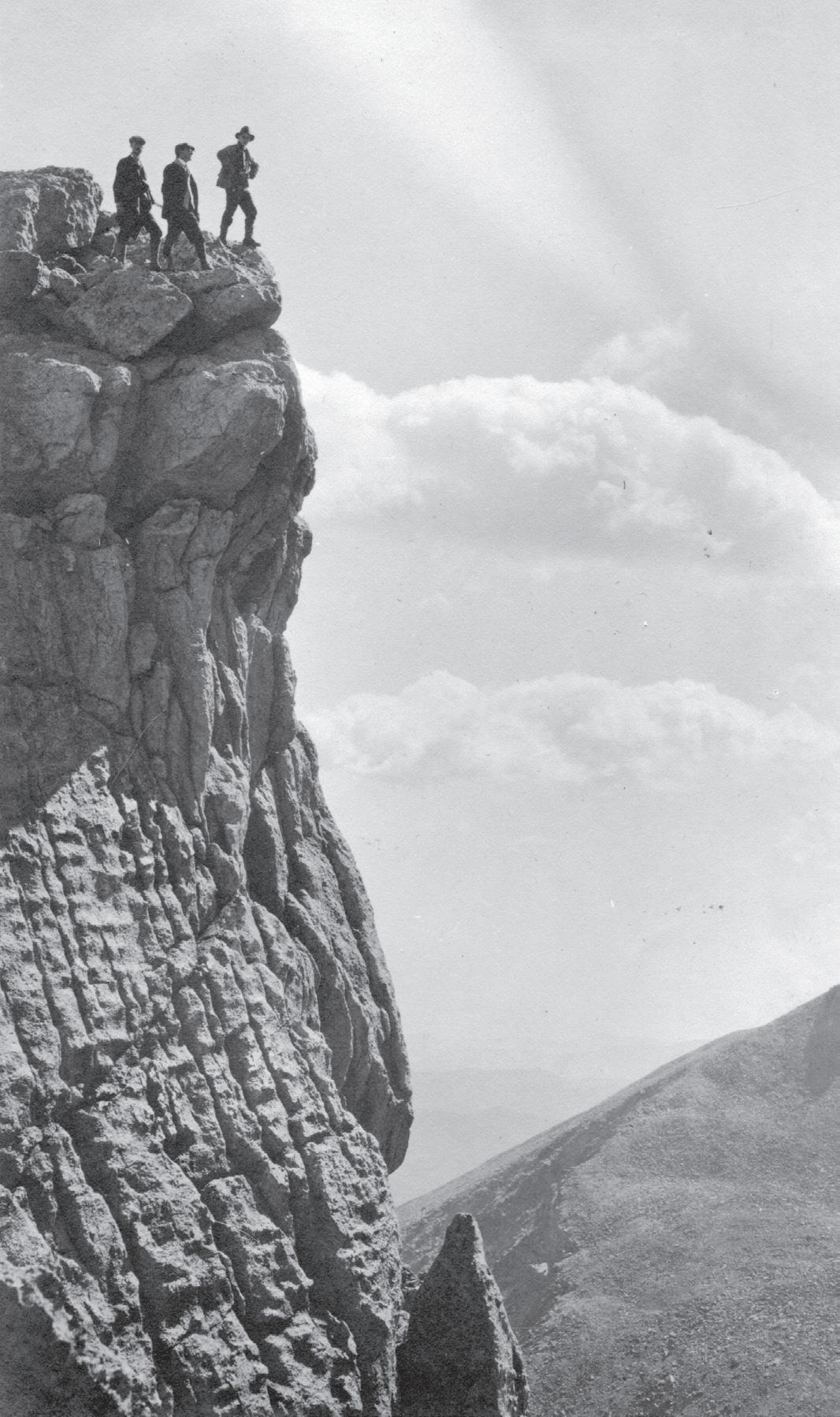
Colorado Mountain Club members on a mountainside in Pitkin County, Colo., 1917. History Colorado. 83.495.5.168.
PAST MEETS PRESENT
The Barney Ford Museum pays homage to Barney Ford, a former slave who moved to Colorado to pursue mining, eventually becoming one of the state’s wealthiest men who fought for civil rights, including the right to vote. The museum preserves the lived experience of 19th century Breckenridge.
Mere blocks away, Breckenridge’s charming Main Street now has a James Beard Award-winning restaurant and upscale shops behind Victorian facades that once were home to saloons and boardinghouses, as history and present-day design coexist against the backdrop of snow-capped mountains.
EUROPEAN INFLUENCE
Sam Bock, Director of Interpretation & Publications and Managing Editor of The Colorado Magazine, remarks, “Euro-American settlers started importing their cultural affiliations and attitudes relatively recently. American settlers of German, Scandinavian, and Italian descent brought their cultures to the Colorado high-country. Their lasting mark is easy to see in the saloon culture they established before Prohibition. Today, many of the buildings that were originally built to house gold rush saloons became modern craft breweries or tap rooms.”
Telluride and Crested Butte both boast Victorian architecture in the Queen Anne style from the 1800s. Both towns are also surrounded by rugged peaks that contrast with the colorful homes and gingerbread accents.
Vail, Beaver Creek, Keystone, and Winter Park were created to be ski resorts, and their architecture and overall aesthetic are distinctly different from the historic buildings and homage to mining culture in older towns.
Vail was shaped by visionary veterans who had served in the 10th Mountain Division, a United States Army unit dedicated to mountain warfare equipped with specialized training for fighting and survival in mountain conditions. Camp Hale, located
north of Leadville just minutes from Beaver Creek and Vail, was a high-altitude training camp where thousands of specialized soldiers trained in alpine skiing, snowshoeing, and rock climbing from 19421965. After serving in northern Italy in 1945, some of the soldiers brought European ski expertise and their training from high alpine terrain back to central Colorado to build ski resorts including Aspen and Vail.
According to Bock, “It’s also interesting and important to note that the vaguely Germanic mountain town aesthetic visible in many central Colorado mountain towns like Vail and Winter Park was an intentional choice that dates back to the returning GIs from the 10th Mountain Division who started ski areas here in Colorado after World War II. The founders of these ski areas and the town builders who helped create the tourist infrastructure needed to grow a mountain culture from scratch. They found their inspiration in the aesthetic they encountered in Europe.”
In addition to their skiing prowess and knowledge of how to create a ski resort landscape, the early residents of Vail also brought the Bavarian and Austrian architecture to the area.
Affectionately known as "Pepi's," the Gasthof Gramshammer hotel and restaurant on Vail’s Bridge Street is a strong example of this style, with its wooden balconies, ornamental detailing, and oversized timber beams.
There are nods to German and Austrian heritage throughout Beaver Creek as well. Lech Zurs in Austria is Beaver Creek's sister resort, and over the decades, student exchanges, cultural visits, and goodwill have been forged between Colorado and Austria.
Ski Tip Lodge, Keystone’s first hotel, opened to guests in 1949. With a large stone fireplace and low ceilings, this timber structure was originally an 1880s stagecoach stop and a boardinghouse for miners before being purchased for the ski area. Many of Keystone’s trails carry names inspired by mining lore such as Montezuma, Jackwhacker, and the Flying Dutchman.
THE RAILROAD
Winter Park’s past and present are directly tied to the railroad, as the ski resort base area sits on the location previously known as West Portal of the Moffat Tunnel. This tunnel, completed in 1928, allowed residents of Denver to take the train to the ski resort, which opened in 1940. Many Front Range skiers and snowboarders continue to take the present-day ski train from Union Station to the resort.
The resort’s relationship with the railroad is reflected in the architecture at the base, with steel, wood, and heavy stone used in the buildings. Newer developments utilize reclaimed timber and metal accents in the train-centric tradition.
CULINARY
If you’ve dined in a mountain town, you’ve likely enjoyed dishes inspired by Native American cuisine. Bock notes, “Puebloan peoples were pioneers of agriculture in the southwest. They invented agricultural methods that optimized food production in difficult growing conditions and emphasized corn,
TRADITION
beans, squash, and importantly, chile peppers. Today, Colorado’s signature dish, green chile sauce, harkens back to the indigenous farmers who pioneered agricultural practices in this region.”
From crêpes enjoyed before a mountain bike ride to the Aperol Spritz you sip during summer alpenglow, there are also nods to European culinary favorites at each meal.
The gemütlichkeit tradition originated in Germany, as people gathered to enjoy convivial food and drink after skiing. The French Alps made “après-ski” popular in the 1950s and ‘60s as guests at glamorous resorts such as Chamonix socialized after a day on the slopes. This ritual is now ubiquitous across Colorado, modernized with DJs and bands performing at bustling cafés during the afternoon after a day of mountain adventure.
The next time you ride the train to Winter Park, relax at a slopeside chalet after a hike, or stroll through the charming towns throughout Colorado’s mountains, take a moment to reflect on the generations of people who have shaped the resort towns we enjoy today.
On any given afternoon, you’re likely to happen upon a concert, open-air market, or festival in any of Colorado’s mountain towns. Many of the large-scale events have European roots.
Oktoberfest
Since Beaver Creek Resort opened in 1980, the Trachtenkapelle Lech band has traveled to Colorado to perform at the Oktoberfest celebration each year. Stroll through Beaver Creek during Labor Day weekend and you can dine on schnitzel, bratwurst, and other favorites while hoisting a stein of beer and dancing in lederhosen and dirndls.
Ullr Fest
Each winter for 62 years, Breckenridge has hosted Ullr Fest as a tribute to the Norse god of snow. Locals and guests dress as Vikings for the parade down Main Street to usher in a snowy season, and the community bonfire is a chance to gather and honor the Scandinavian heritage of many settlers.
Vinotok
Crested Butte locals gather each year for Vinotok, an autumnal equinox festival that celebrates the harvest. This gathering includes a community feast, fair, and characters in unique dress all honoring the Earth.
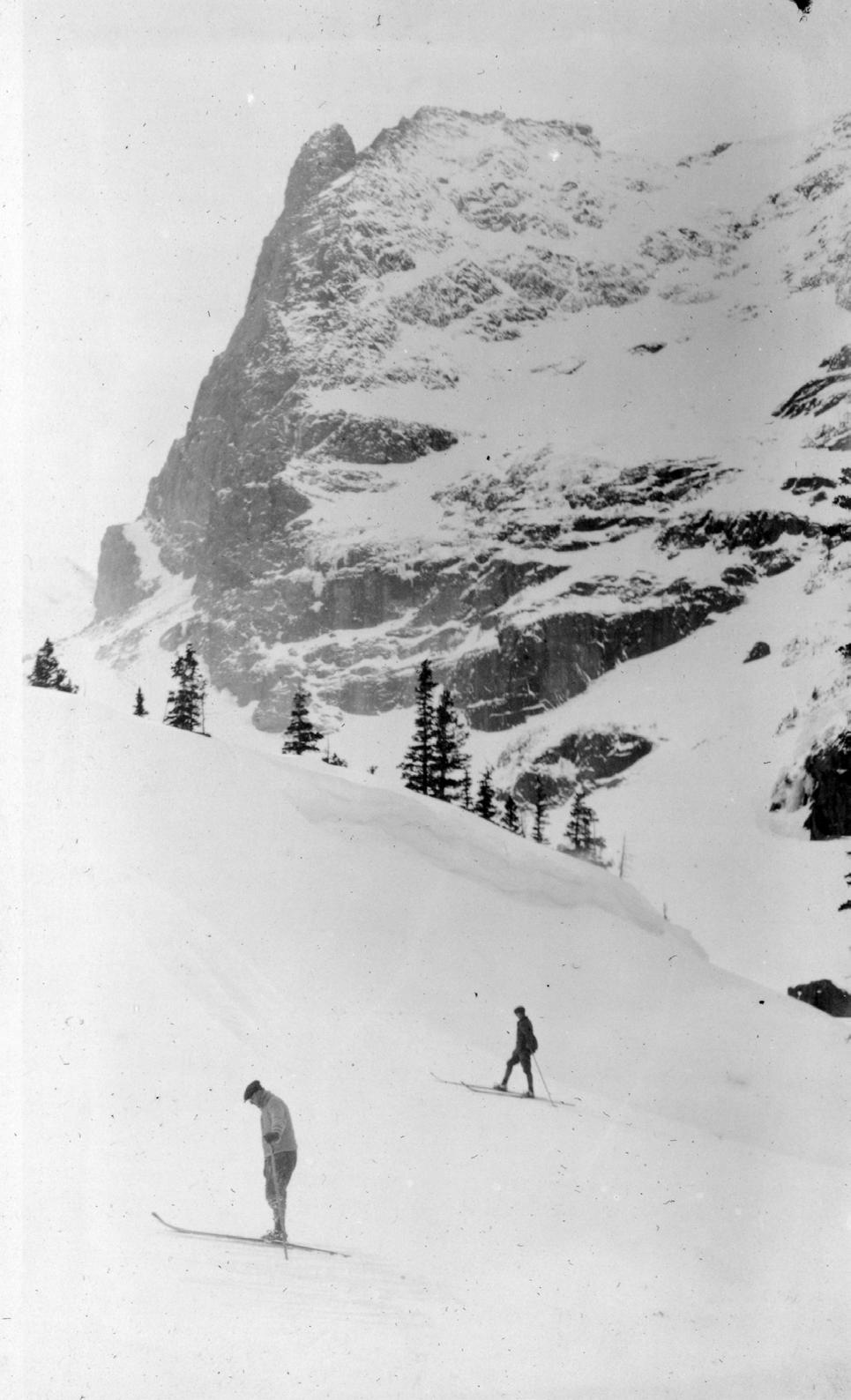
Skiing near Notchtop Mountain, ca. 1923. History Colorado. 83.495.7.63.
YOU ARE HERE
Summer Events
A Telluride Theatre FRINGE Project
June 4 – 5
Telluride Balloon Festival
June 5 – 7
Telluride Food & Vine
June 11 – 14
Mass Movement
June 12
Telluride Bluegrass Festival
June 18 – 21
Telluride Yoga Festival
June 25 – 28
Telluride Chamber Music: Musicfest
June 28 – July 5
Telluride Plein Air Festival
June 29 – July 5
Red, White & Blues
Fourth of July Celebration
July 3 – 4
Telluride Fourth of July Parade
July 4
Rundola
July 4
Telluride Table
July 10 – 12
Telluride Americana Music Festival
July 17 – 18
Ah Haa HAHA
Community Art Event
July 17 – 19
Shakespeare in the Park
July 17 – 25
Telluride Baseball Festival
July 20 – 26
Telluride Reserve
July 30 – August 1
San Miguel Basin Fair & Rodeo
July 31 – August 1
Top Chef and Taste of Telluride
August 1
Telluride Jazz Festival
August 7 – 8
KOTO Duck Race
August 7
Telluride Mushroom Festival
August 12 – 16
Camp Alderwild
August 28 – 29
Telluride Film Festival
September 4 – 7
Telluride Blues & Brews Festival
September 18 – 20
Telluride Autumn Classic
September 24 – 27
Corvettes & Colors
September 24 – 27
Original Thinkers Festival
October 1 – 4
Telluride Horror Show
October 16 – 18
Telluride Art Walk
First Thursdays | June 4 – October 1
Telluride Farmers’ Market
Fridays | May 29 – October 9
Music on the Green
Fridays | May 29 – September 18
Market on the Plaza
Wednesdays | June 10 – September 9
Movies Under the Stars
Saturdays | June 13 – August 15
2026 Market Snapshot
$210,394,051
43% Median Sold Price Market Share
$2,850,000
Total Sales Volume based on total sales volume in Telluride & Mountain Village
Telluride Market Report
VOICES OF THE MOUNTAINS
HOW DID YOU GET HERE?
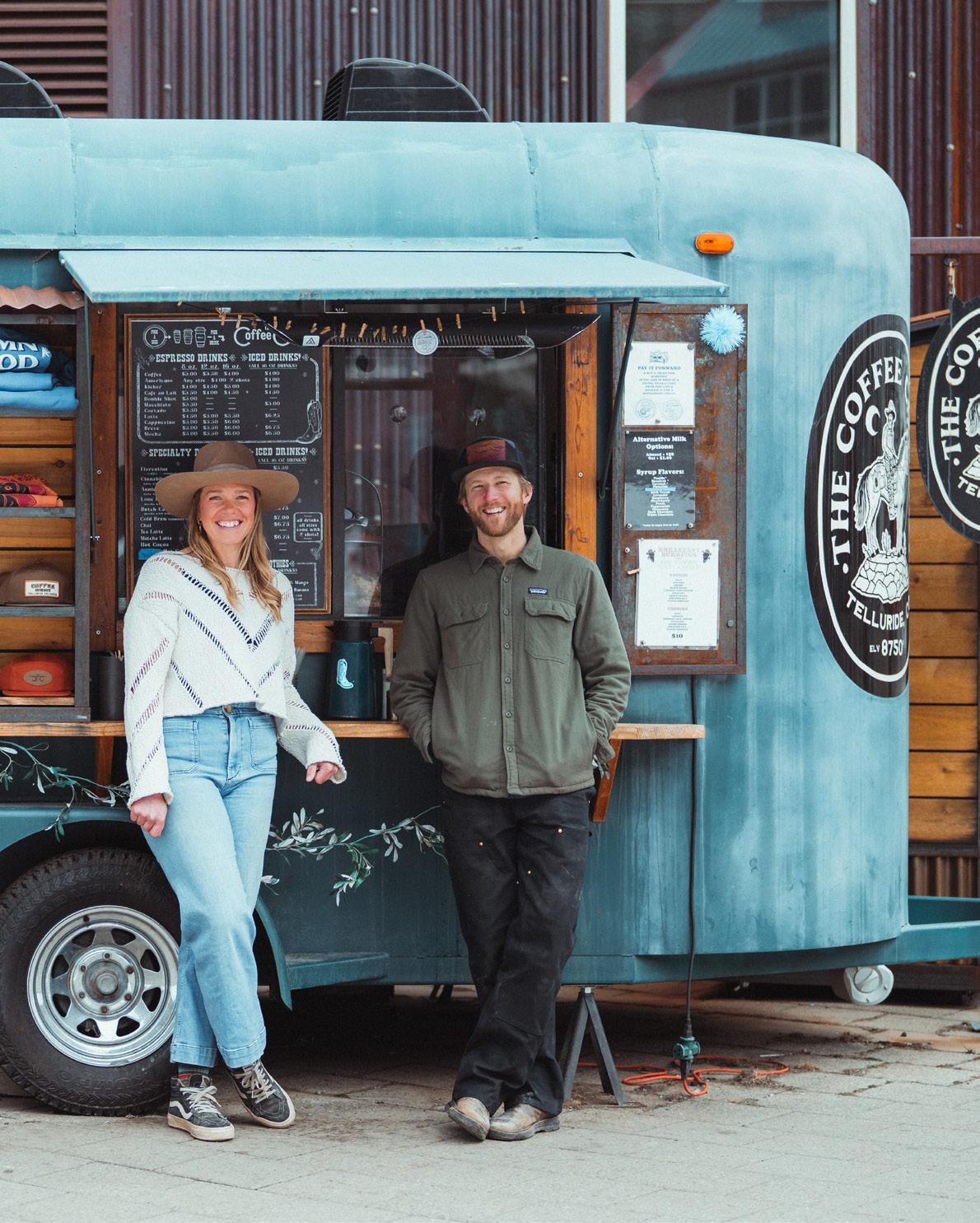
Scott: I’ve been in town for 13 years, and snowboarding brought me here.
Hailey: I came from Moab to the mountains 10 years ago. I came for the winter and stayed for the summer.
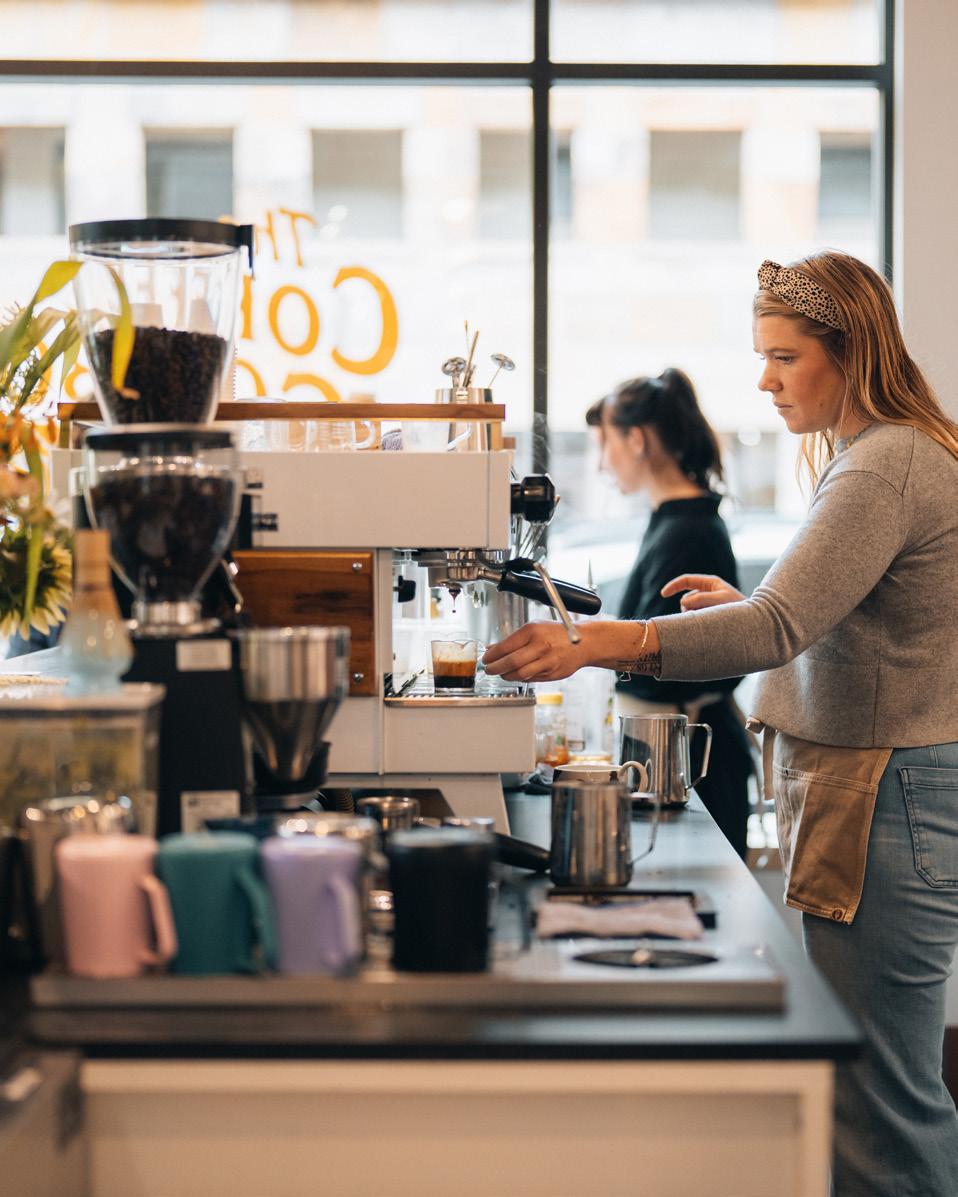
Please share some background on your history with Coffee Cowboy over the past six years.
Scott: We bought the Coffee Cowboy in November 2020 from Josh and Monique Johnson, and we are the fourth owners. It was originally founded in 1993 by the Hodges, and now we are carrying the torch.
Hailey: I was a barista at the original coffee cart, which was basically in our front yard, since we were roommates in an old, converted motel at the time. One day while working at the cart, some guy with alligator boots on came walking up to the cart and said "I’m gonna buy this place" and it was that comment that spurred me to take action to ensure that never happened.
I was one of the four employees working at the coffee cart during COVID, after my outdoor education job got cancelled for the summer due to the pandemic. Scott and I were both ski and snowboard instructors and had worked in various service industry jobs.
Scott: I was spending the summers leading community service trips in Costa Rica, and Hailey had worked for Outward Bound in Moab. We both lean on soft skills from our outdoor education backgrounds.
What changes and improvements have you made since you bought the business?
Hailey: This company is more expansive than we had imagined when we took it over. Now we have 31 staff members and two locations in a very cool community. We’ve grown it into food, clothing, web sales, and a much wider social reach.
We are sending merchandise to all 50 states, which blows my mind. I had a hunch that merch would be successful. The first winter, we decided to go all in on a rebrand, which allowed us to make the identity more “us.”
It started as a logo and identity rebrand with Brooklynbased graphic designer Zachary Kiernan, who at the time was relatively early in his career. He delivered 65 pages of logos, typography, and what we fondly refer to as our "creatures", which is a collection of illustrations and brand elements that became the foundation of our visual identity. We gave Zach complete creative freedom, and he absolutely ran with it, creating something far beyond what we could have imagined.
From there, we brought on our barista and in-house, degree-trained graphic designer, Emma Troy. Emma takes the world that Zach created and brings it to life in a practical, everyday way, translating the brand onto merchandise, signage across both of our locations, social media, printed materials, and countless other ways. Together, their work has helped shape the distinctive visual world that people now recognize as The Coffee Cowboy, and is one of our favorite parts of our business.
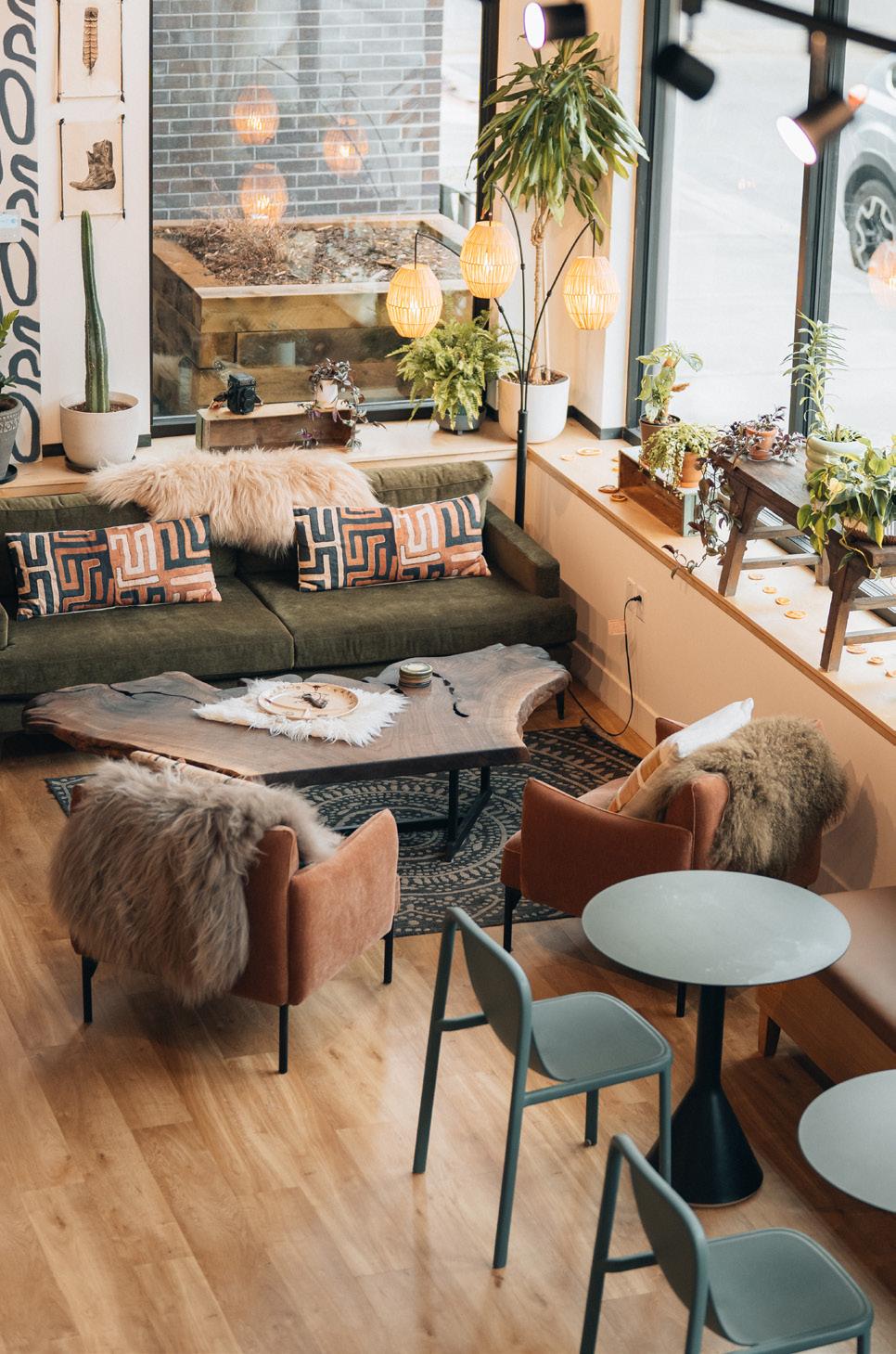
Scott: The general store opened last September. I come from a carpentry background, so I was the general contractor. Josh Borof from Onsight Builders has been my boss for years, and he was my mentor and guide through my first GC project. Hailey studied art and has an aesthetic eye, so she designed it and did the interiors.
What advice would you give an aspiring entrepreneur?
Scott: Rise and grind. Don’t get discouraged. Nothing is a success overnight. It takes grit.
Hailey: Running your own business is not for the faint of heart. My biggest lesson and piece of advice is to be consistent in how you show up for your partner, customers, and staff.
WE REALLY AIMTO BE A COMMUNITY SPACE, BUILT BY COMMUNITY, FOR THE COMMUNITY. ITTOOK A LOT OF COLLABORATIONTO GET HERE, AND WE ARE REALLY PROUD OFTHIS SPACE.
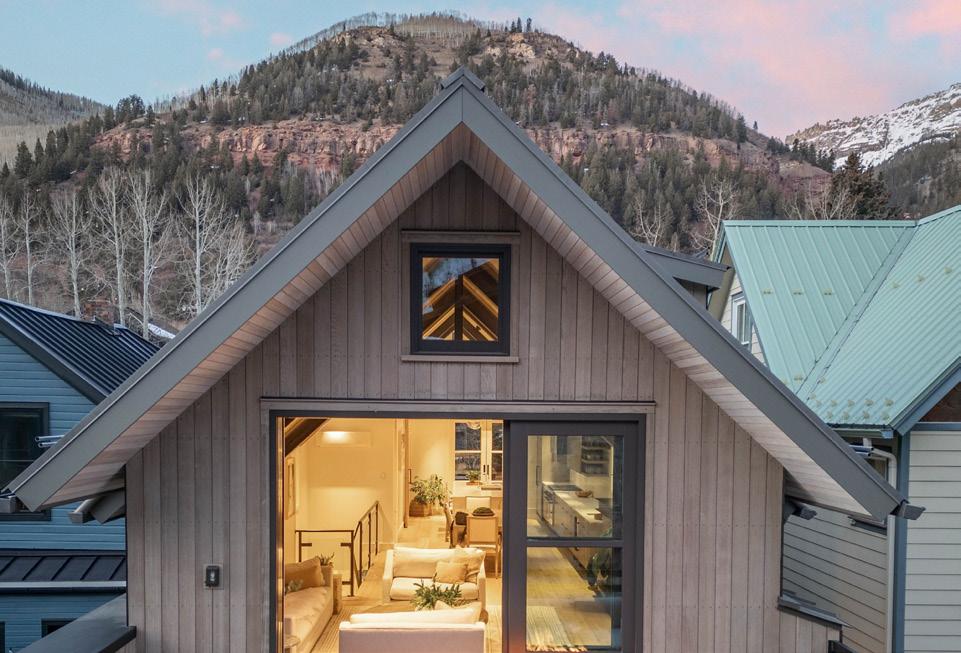
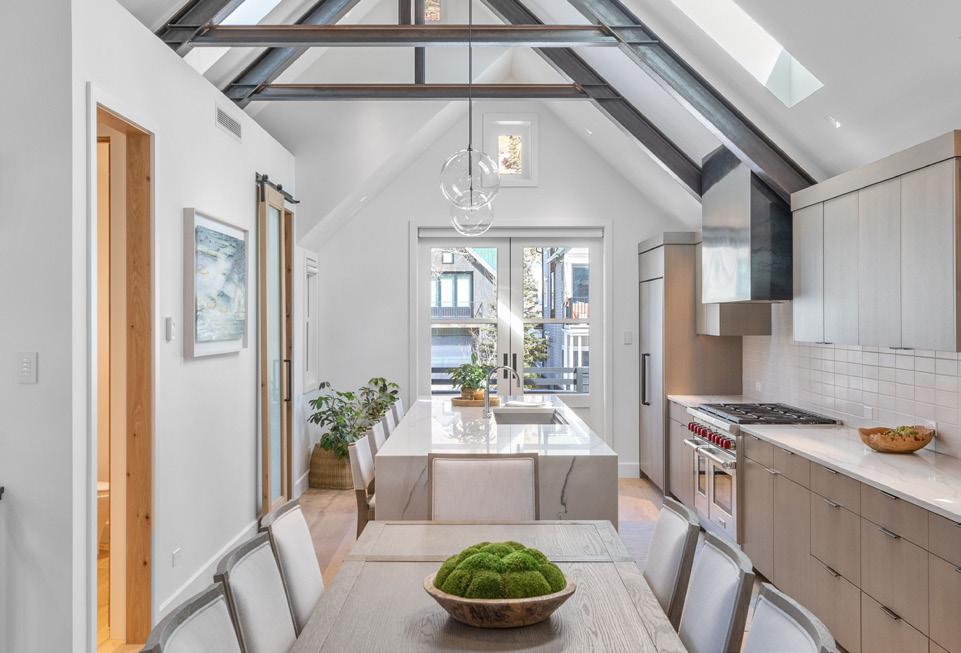
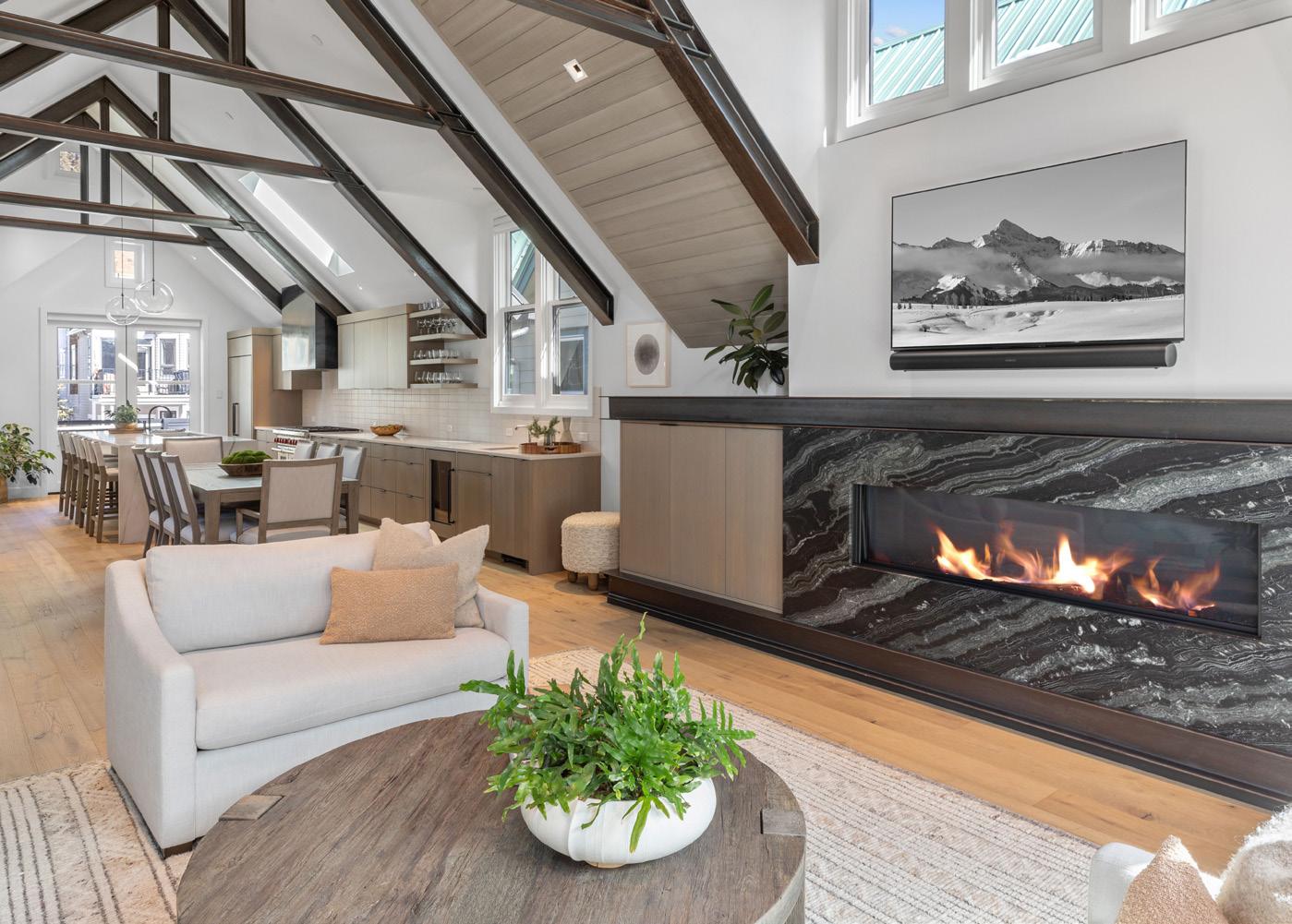
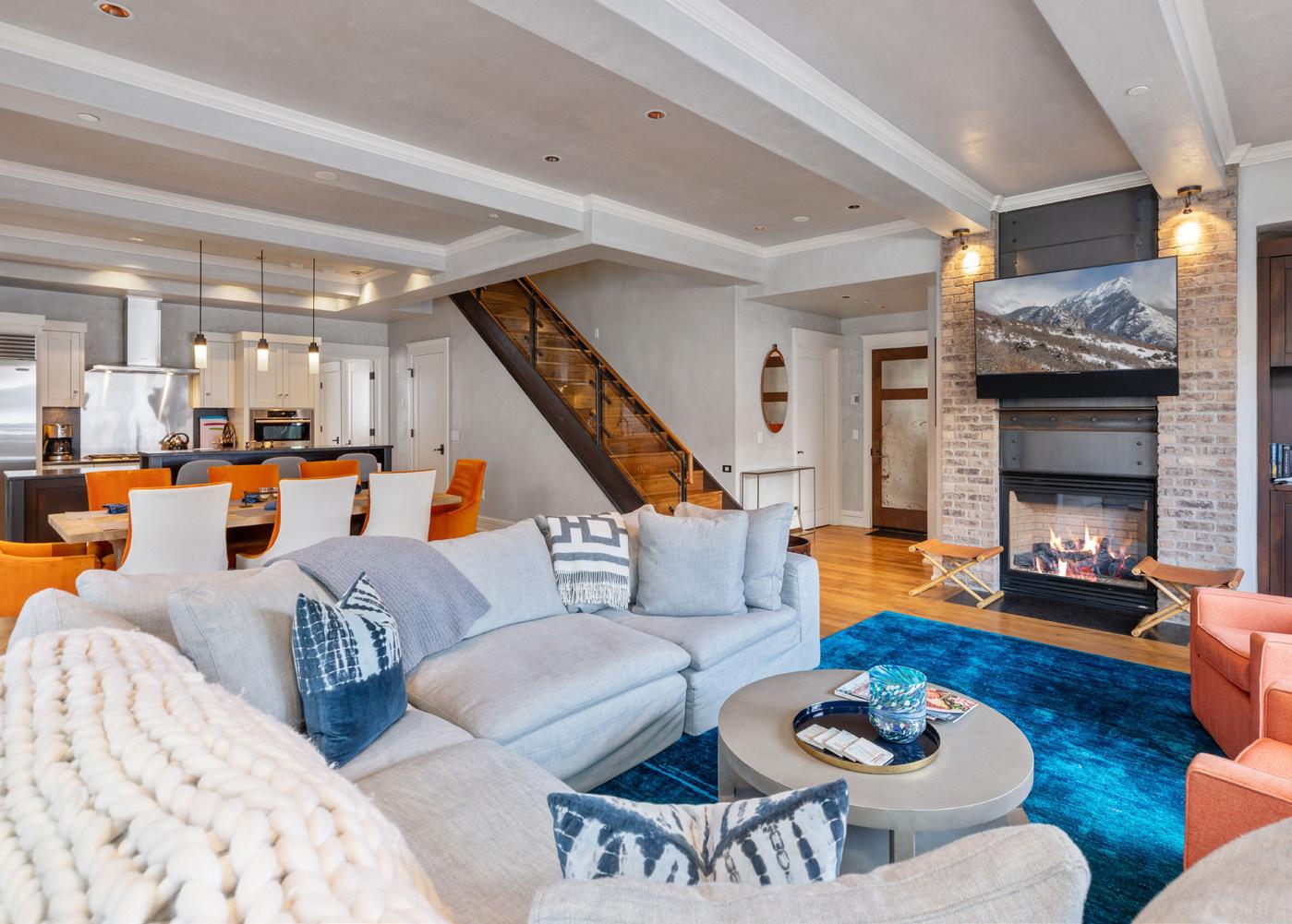
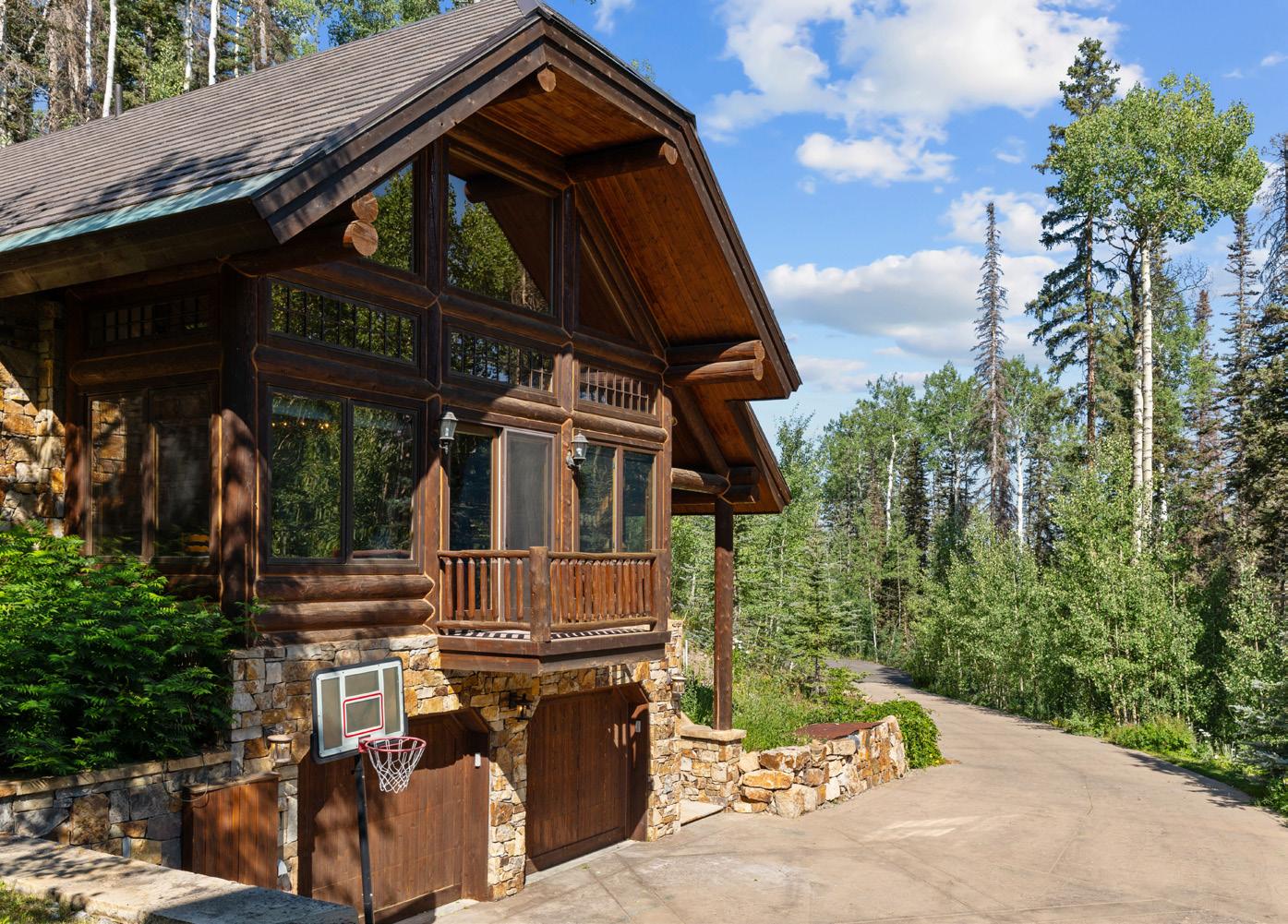
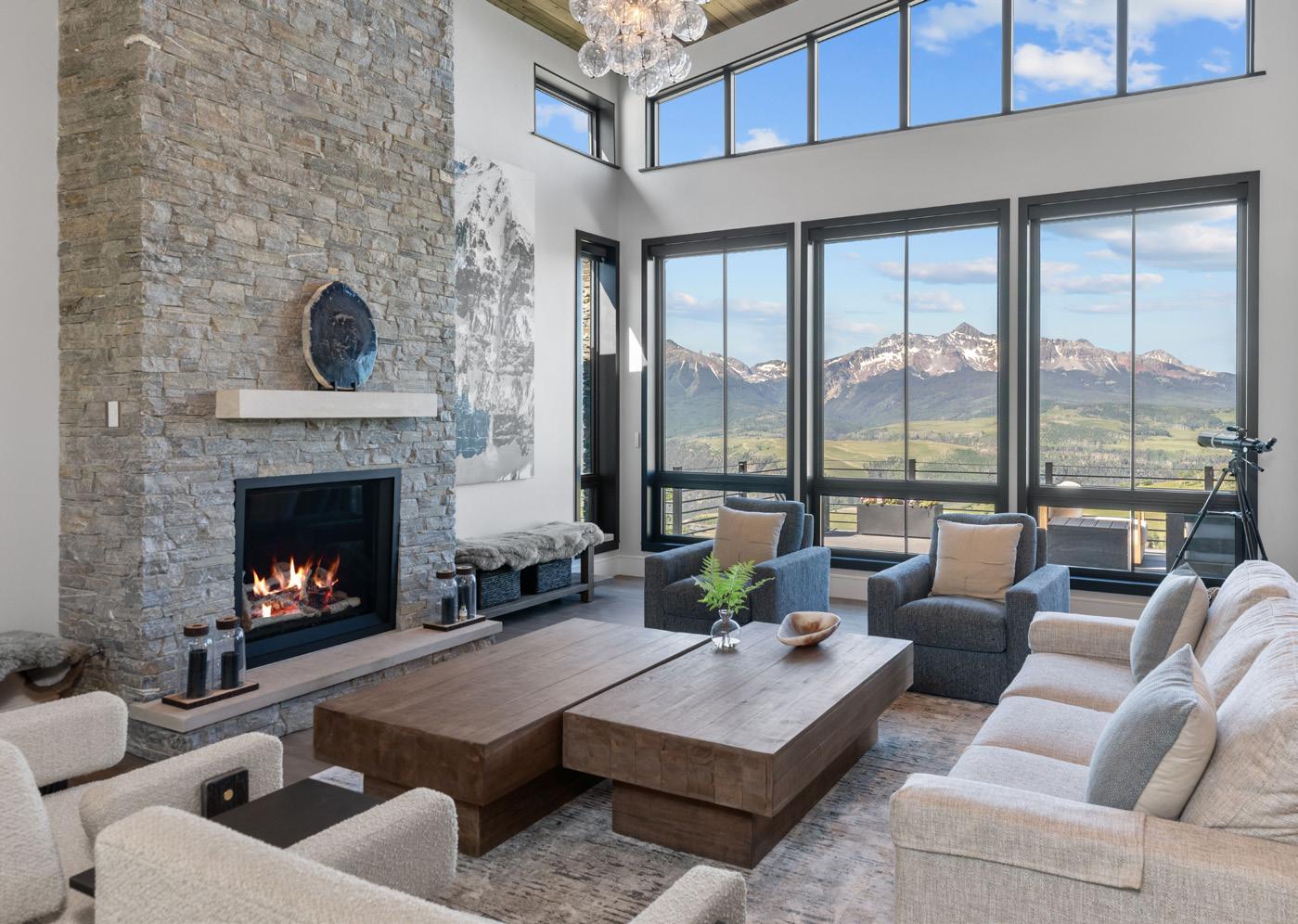
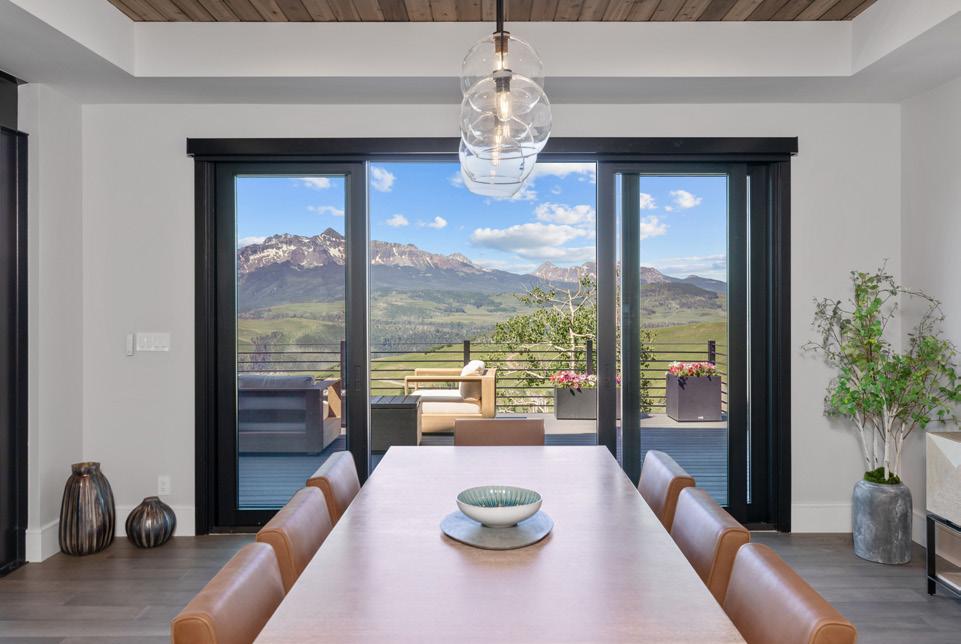
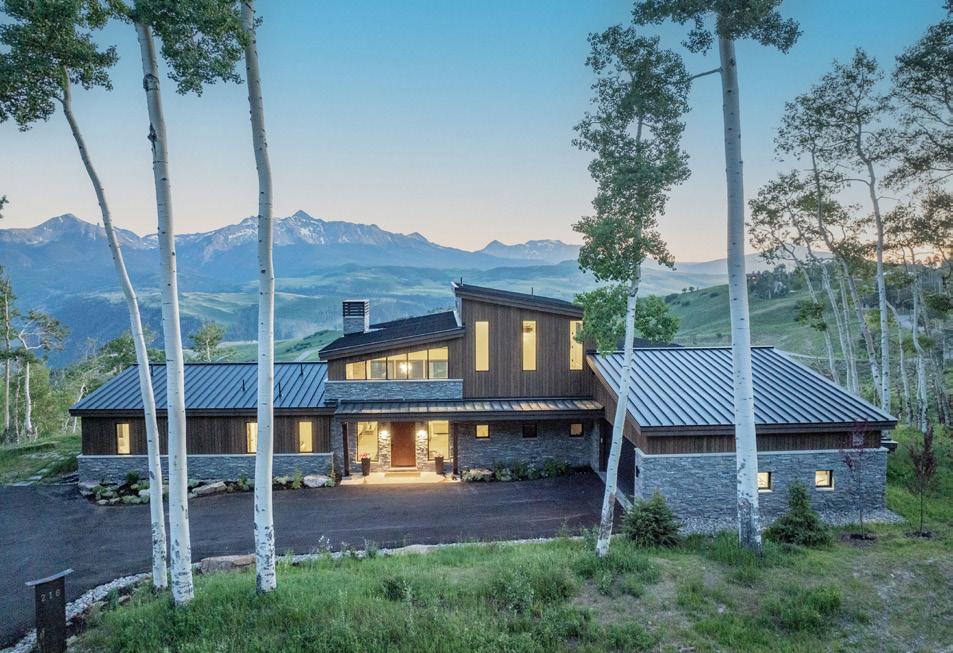
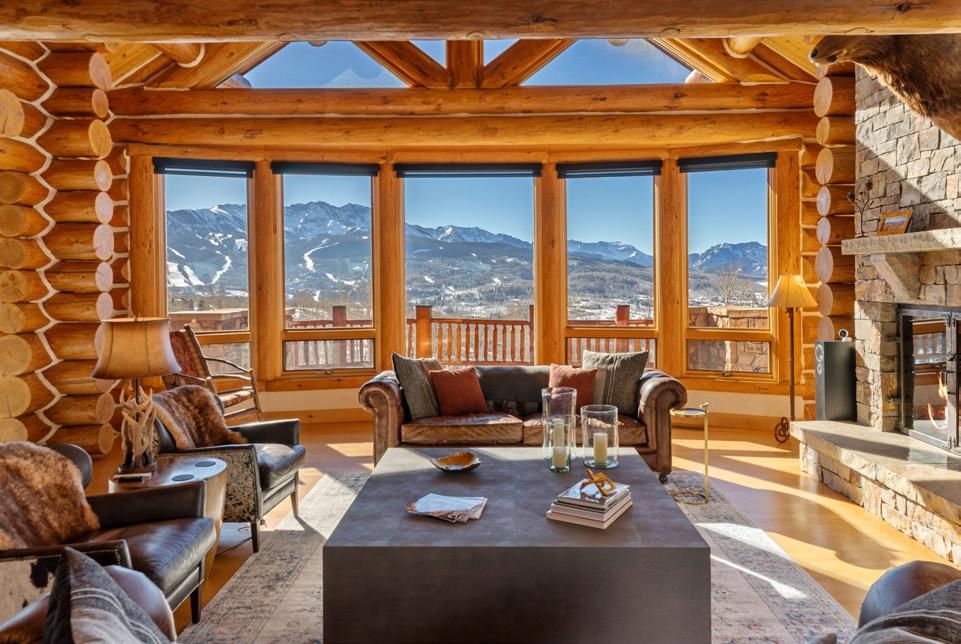
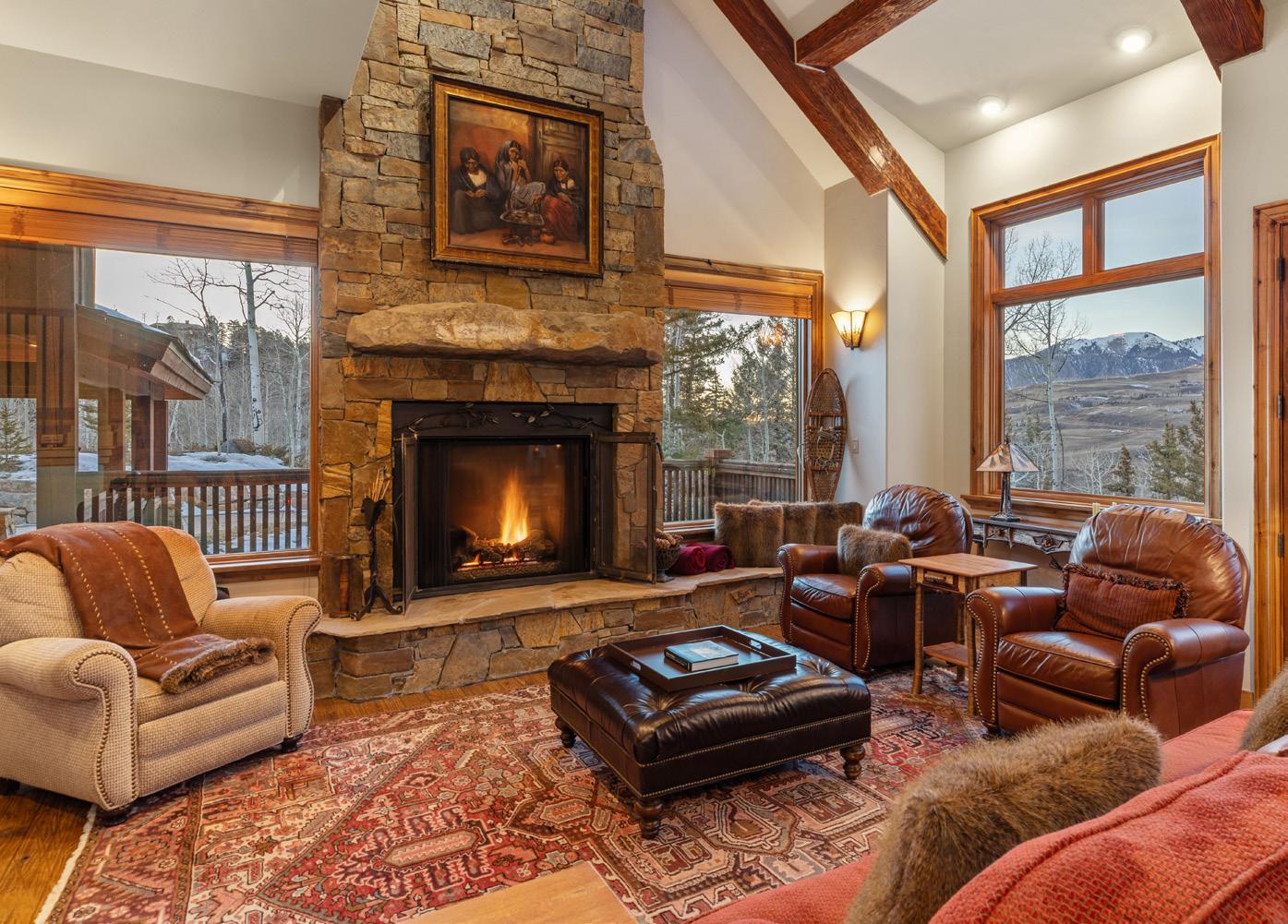
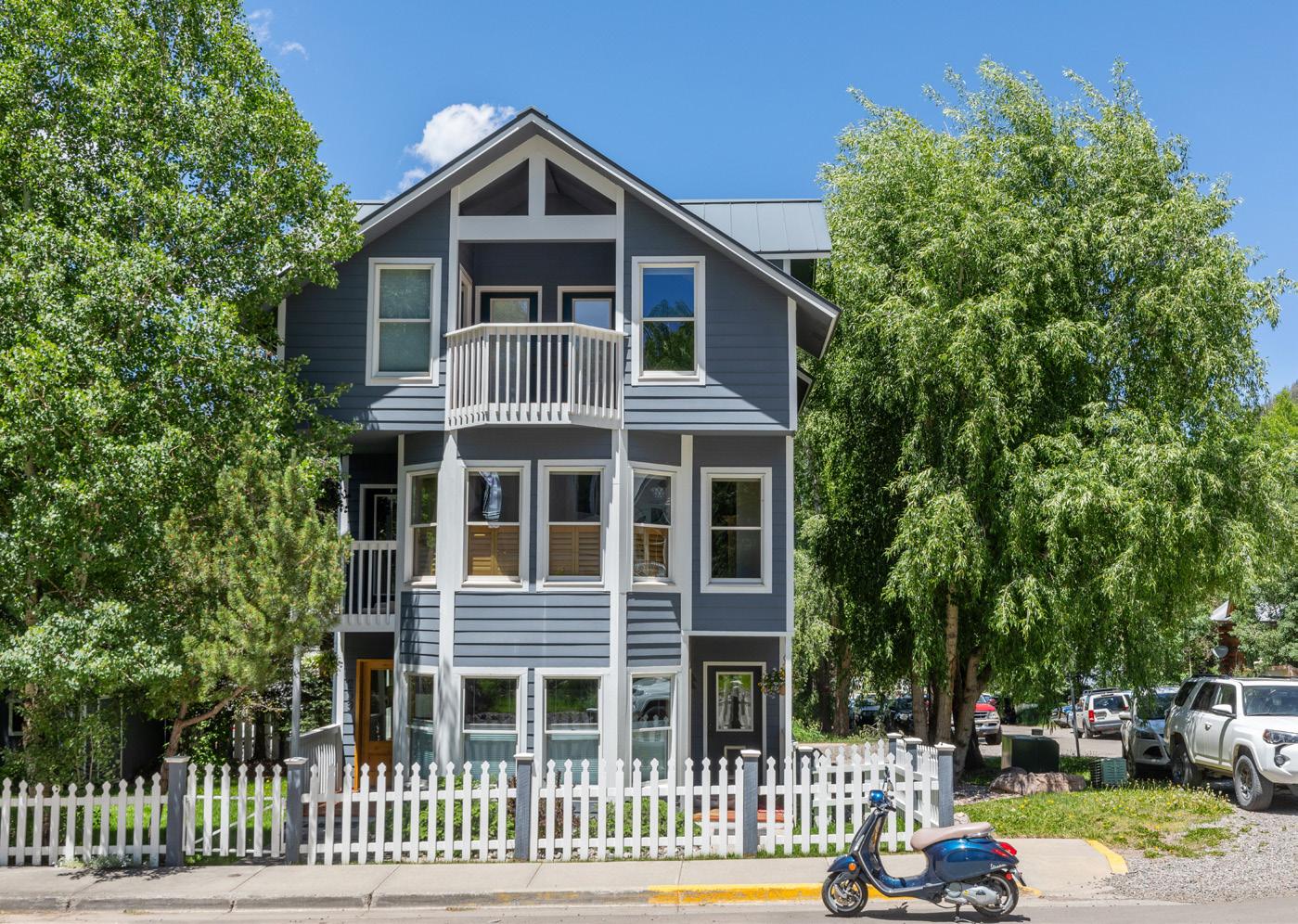
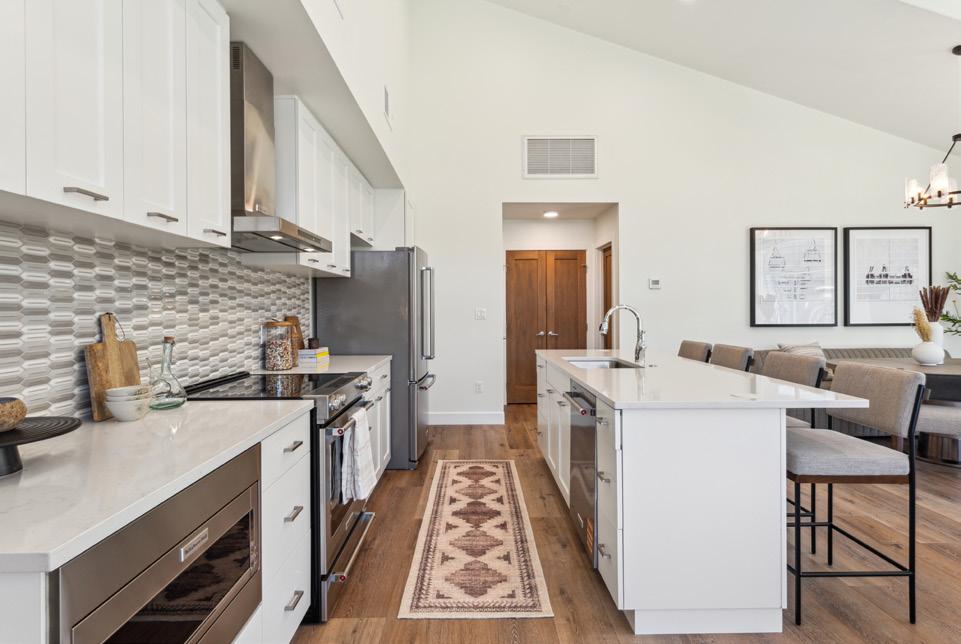
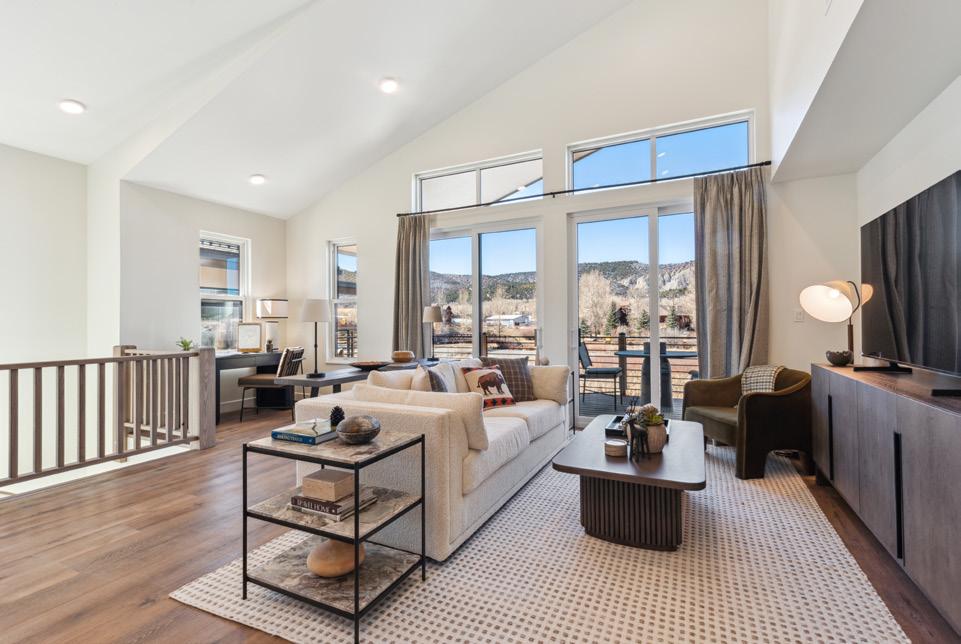
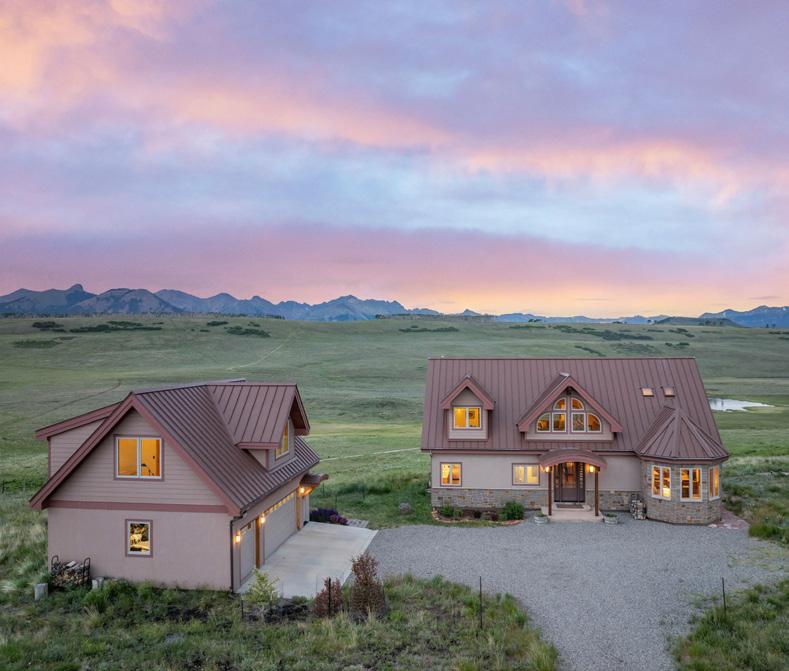
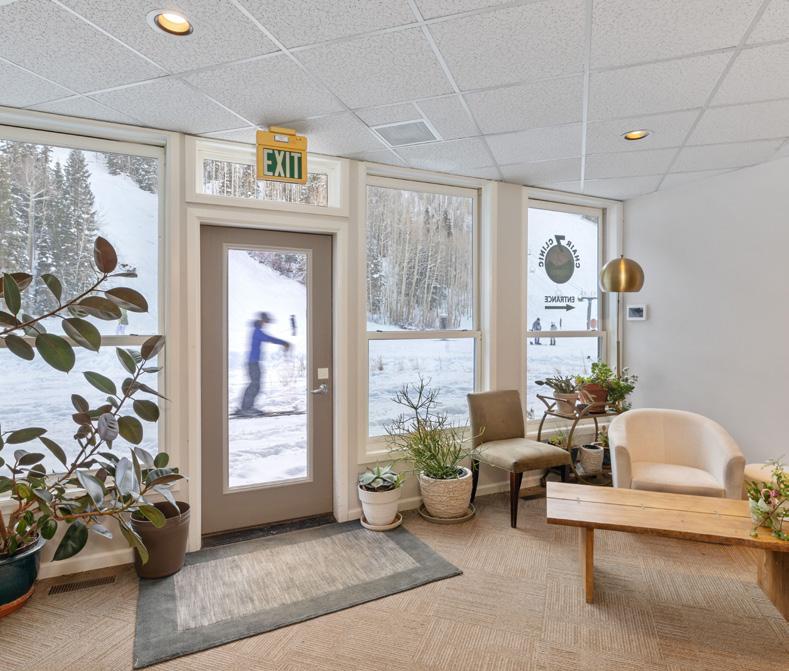
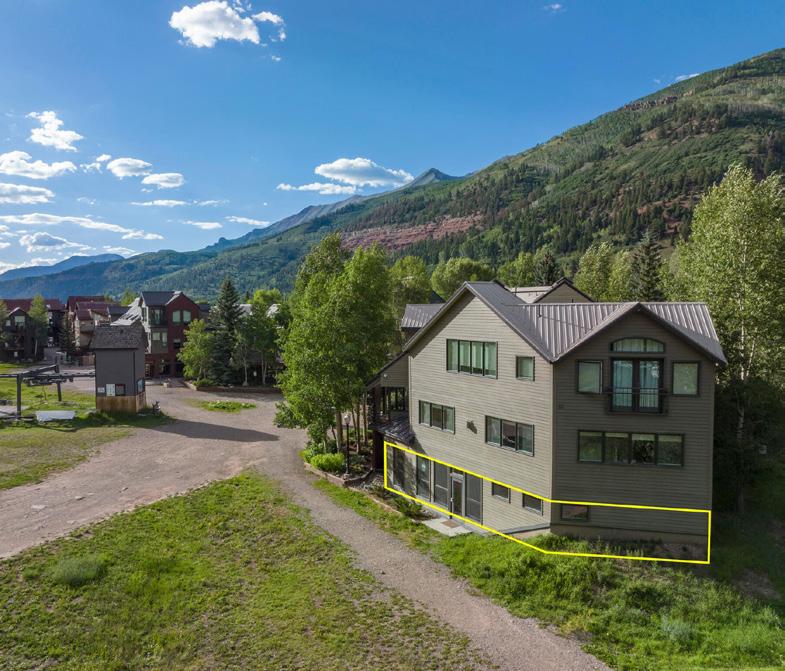
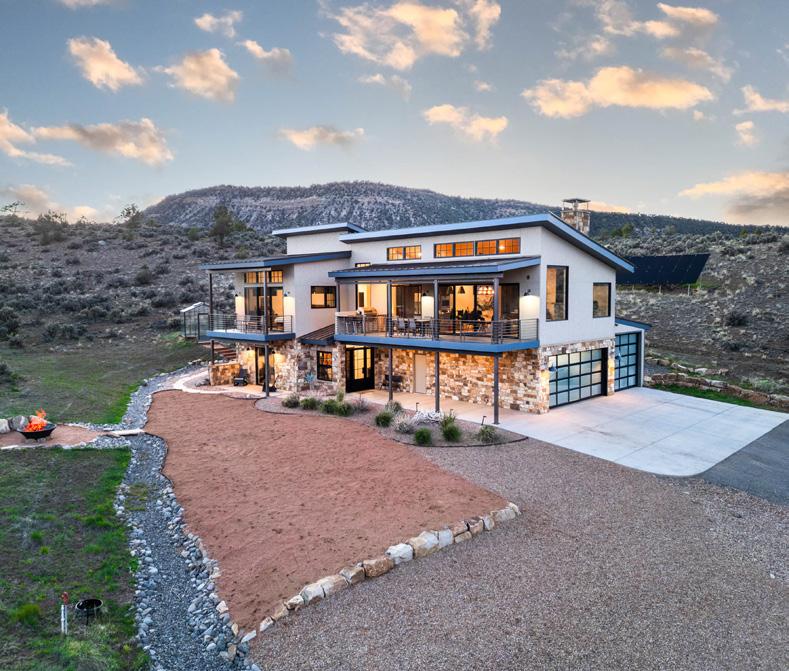
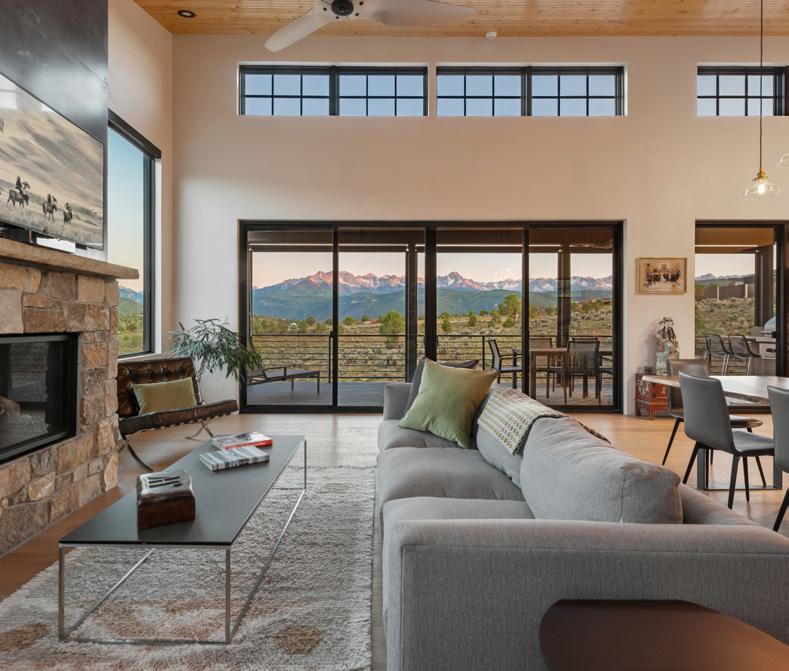
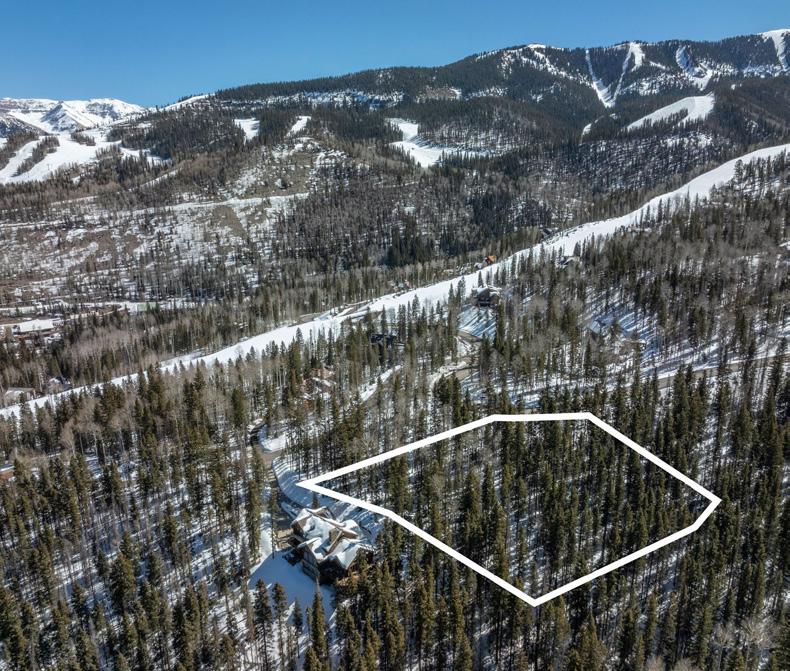
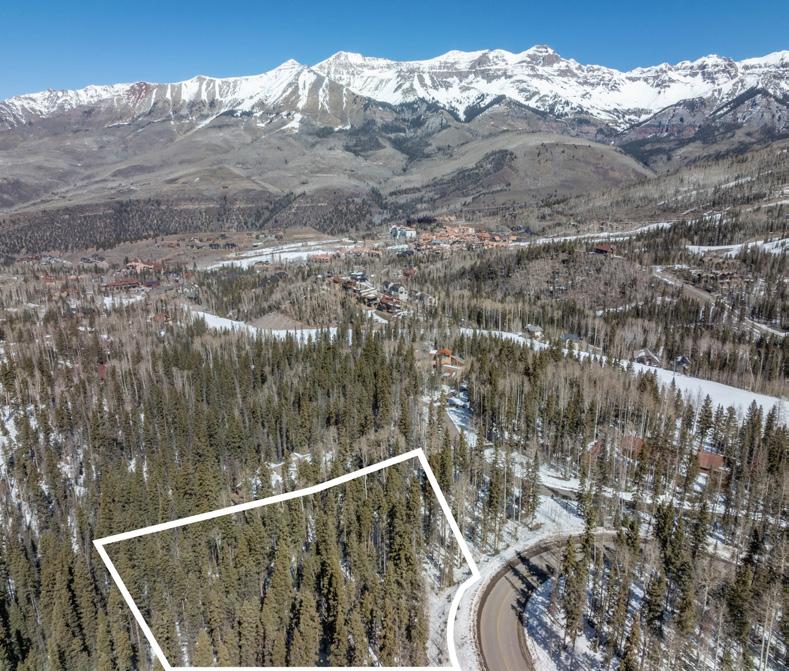
MOUNTAIN VILLAGE 401 Larkspur Lane / $32,000,000 7 Bedrooms, 8 Full / 4 Half Baths, 16,122 Square Feet Lars Carlson 970.729.0160
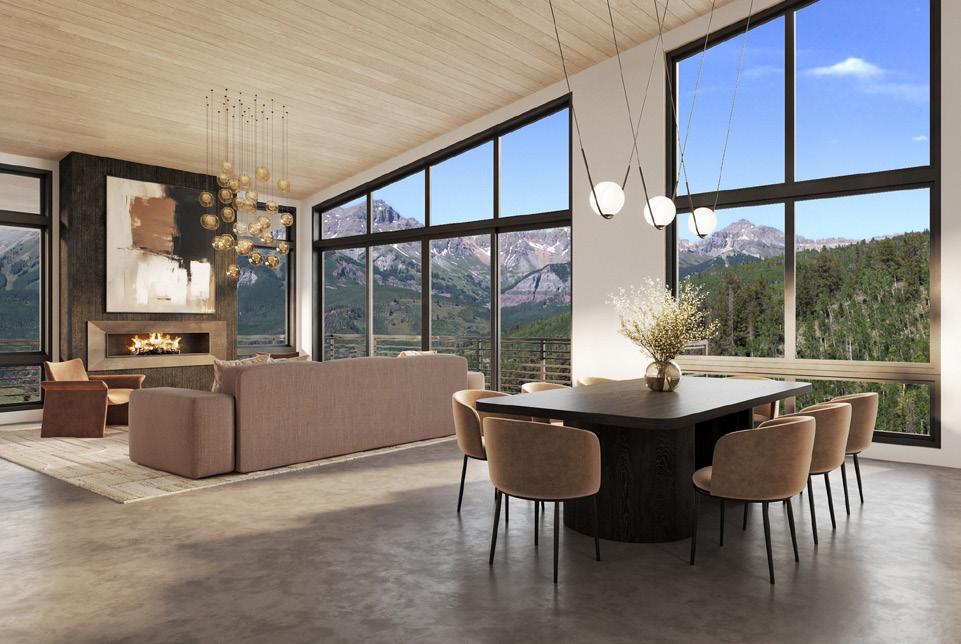
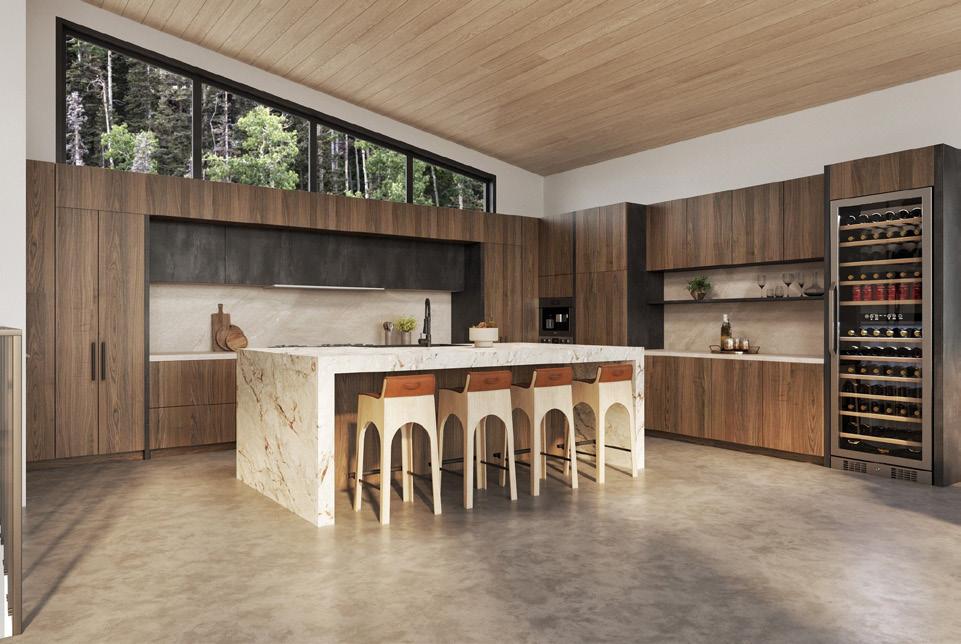
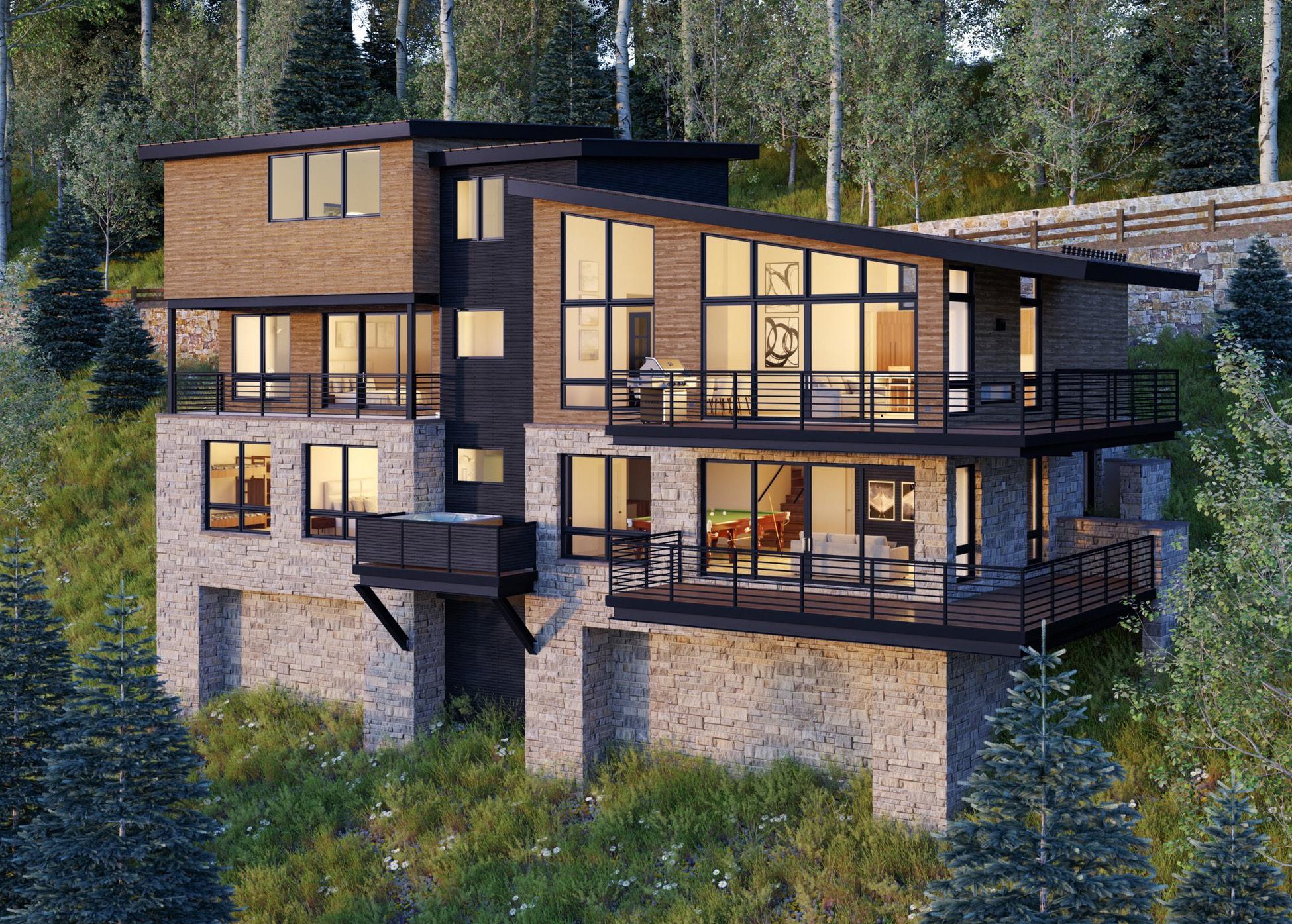
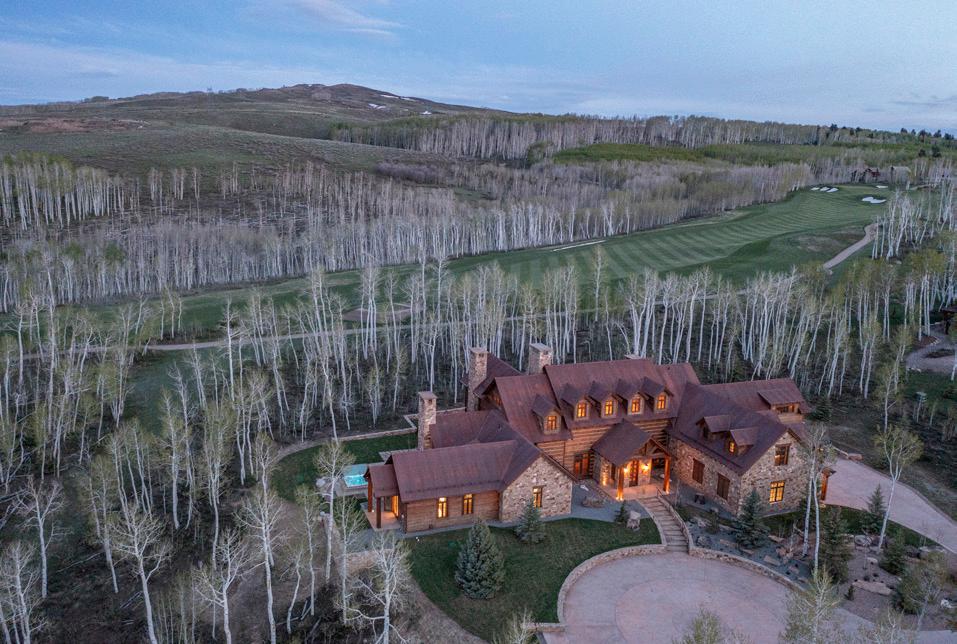
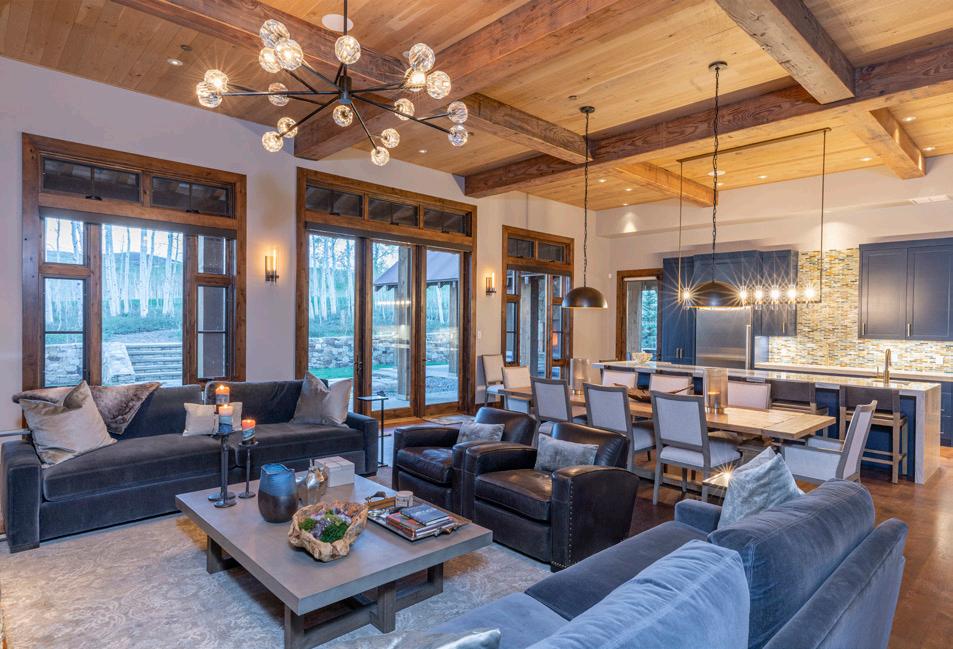
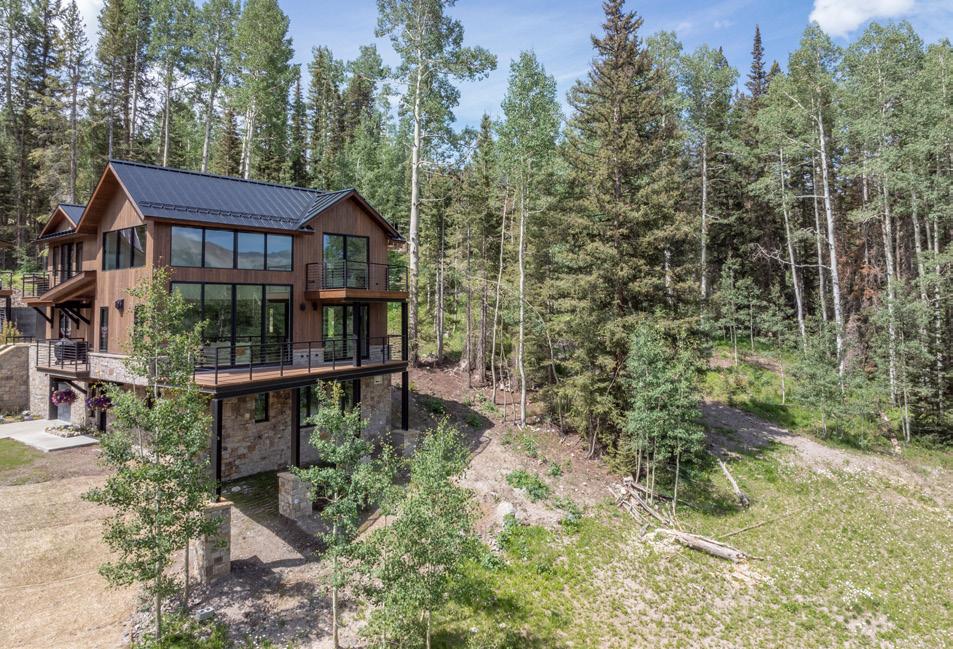
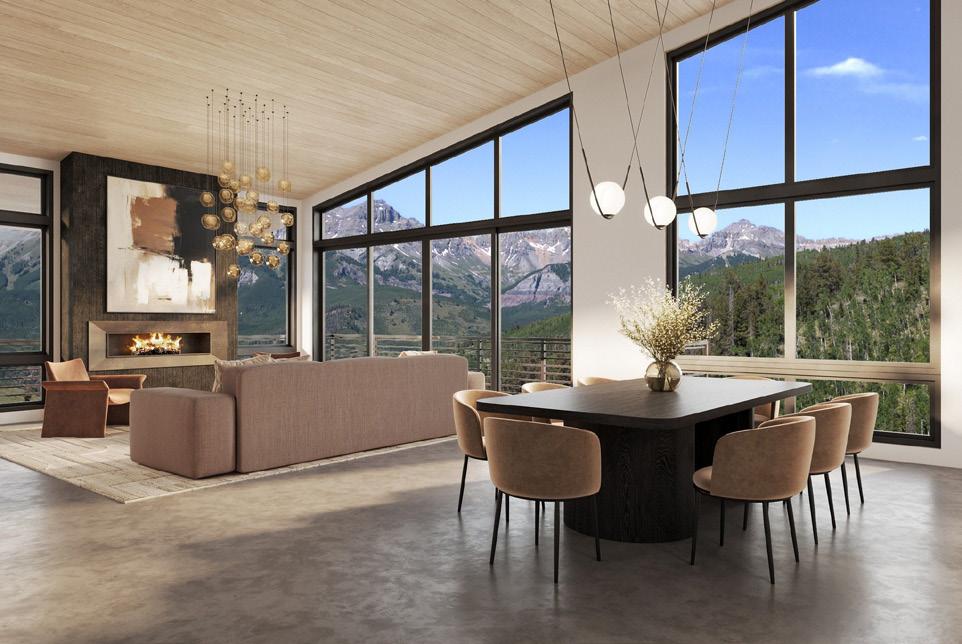
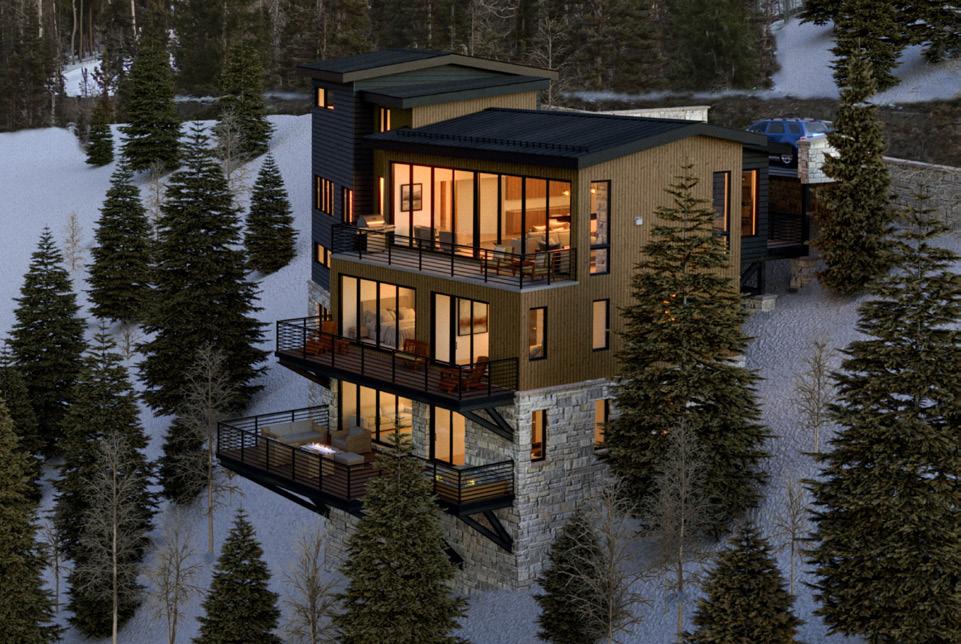
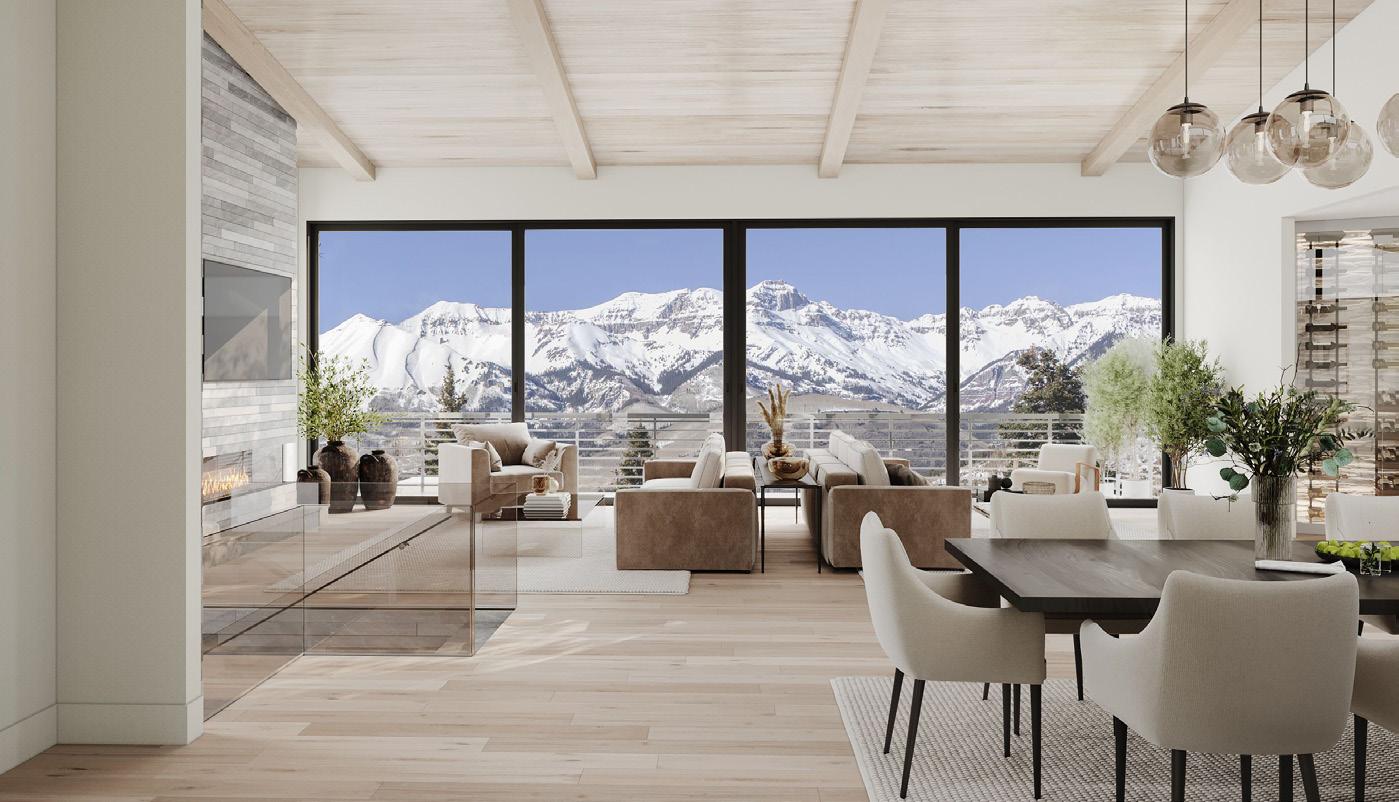
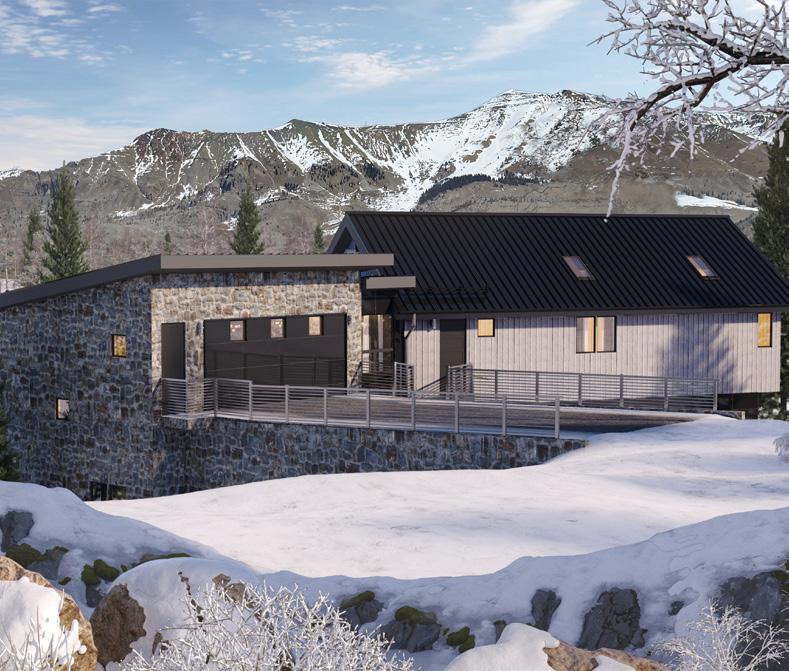
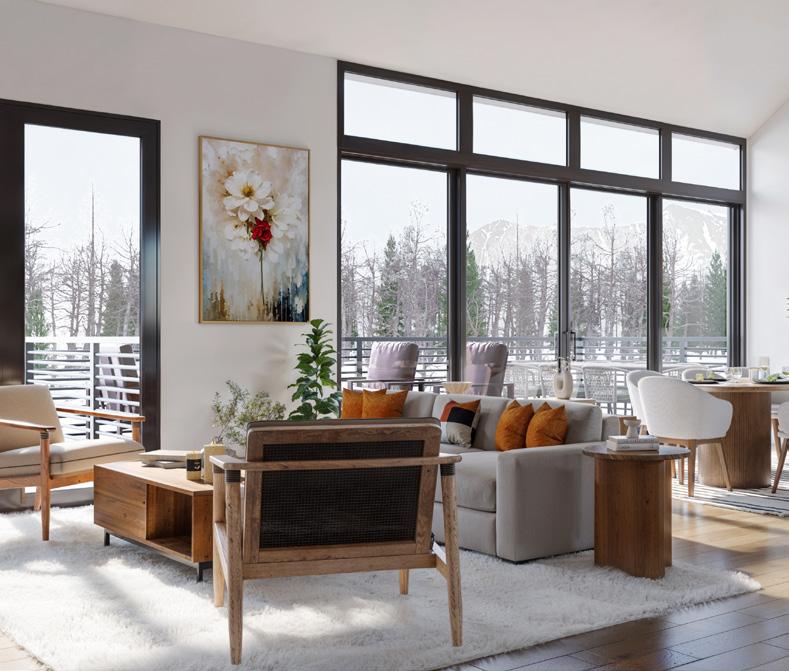
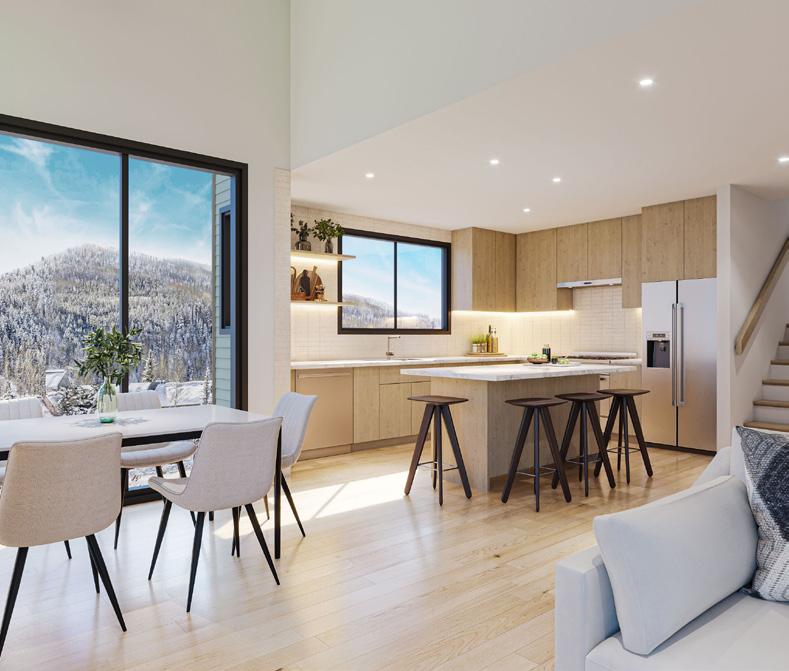
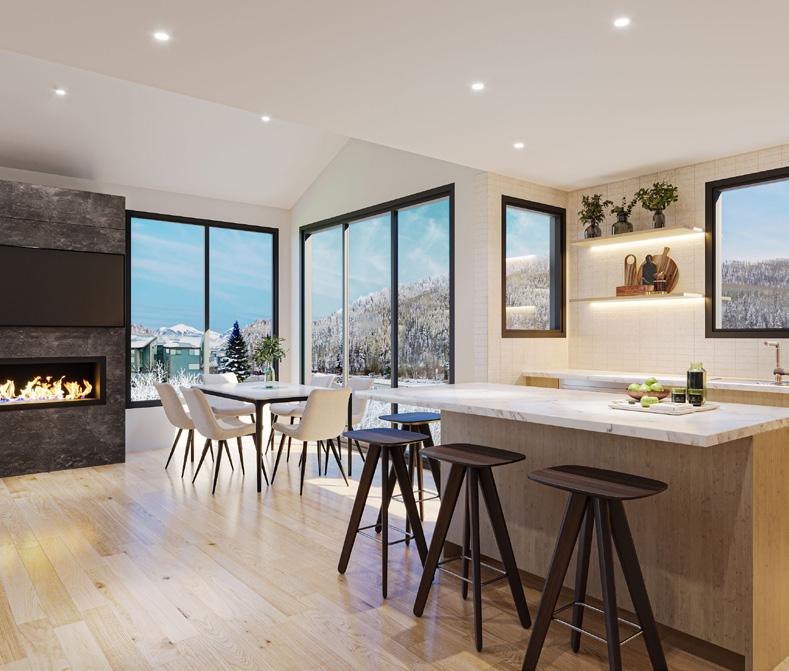
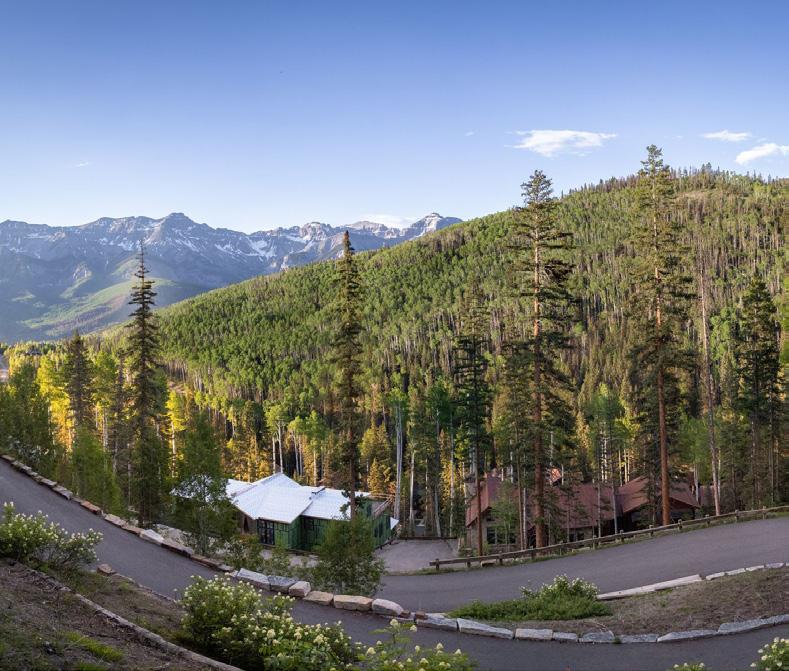
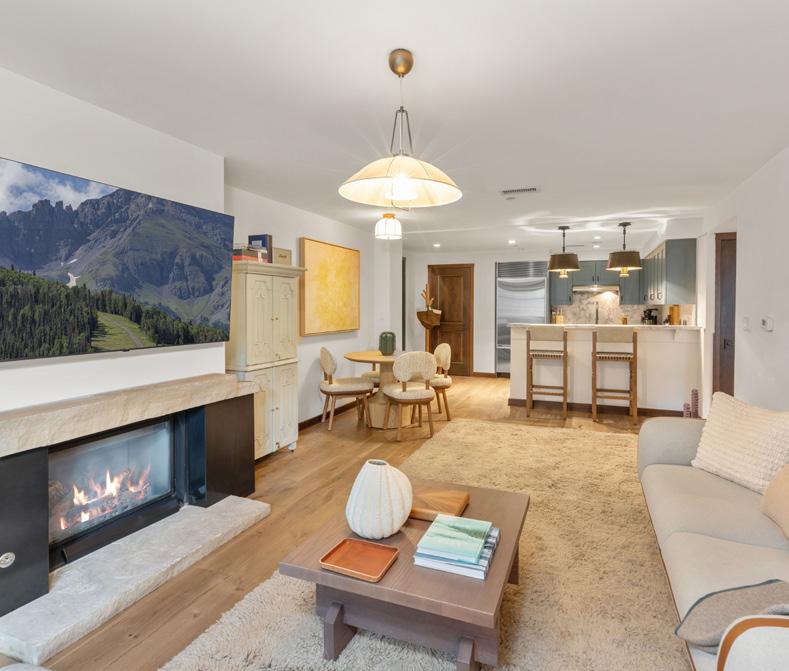
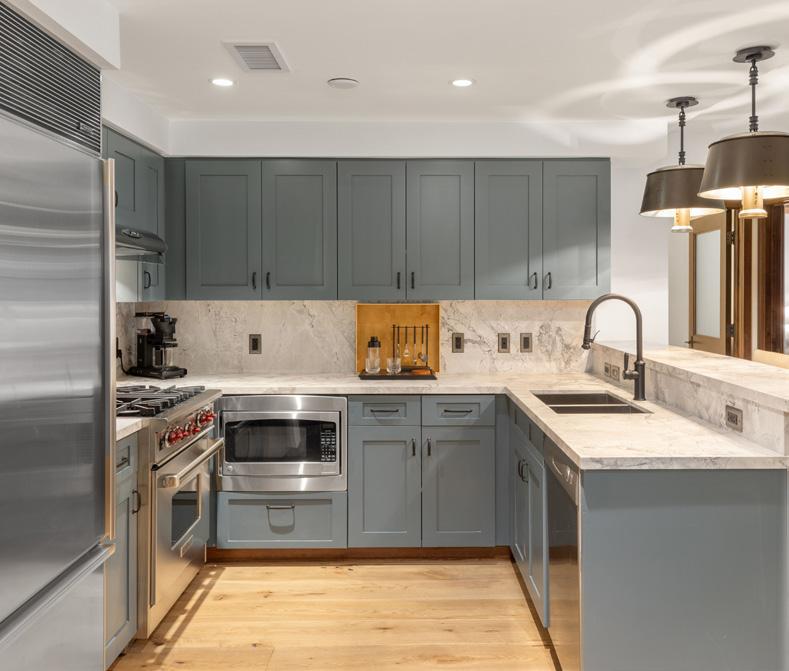
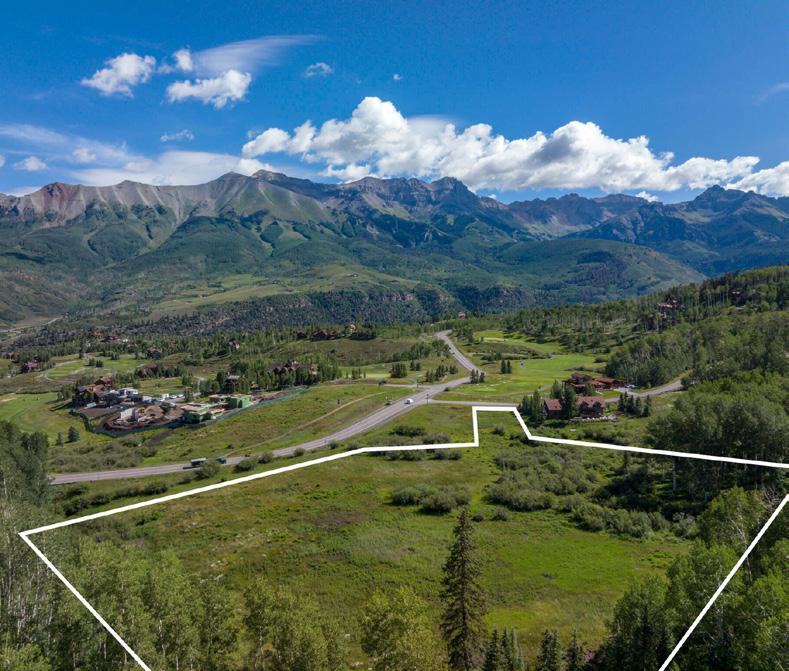
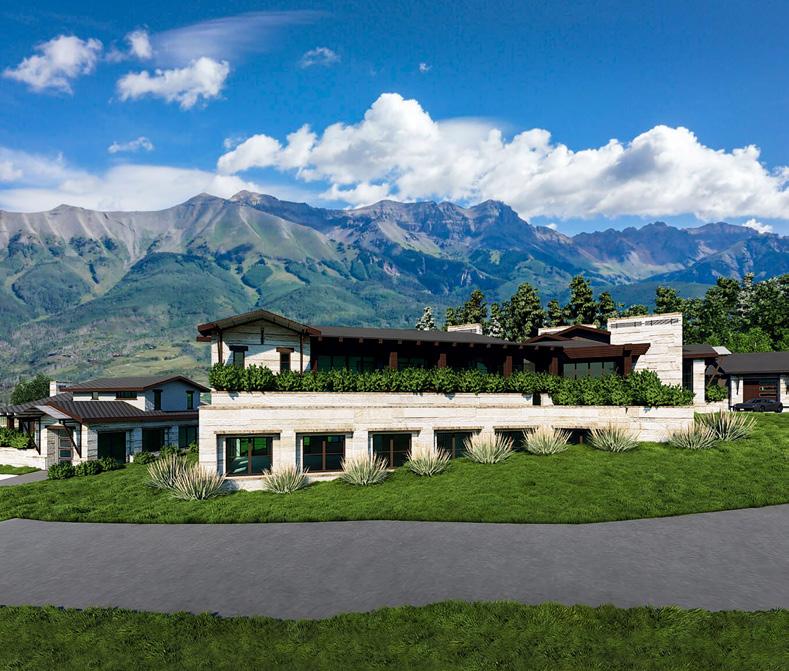
Chalets at Cortina is a collection of three adjacent, yet individual, single family residences offering majestic views and easy ski access within the high-end community of Villas at Cortina. Each chalet features a functional floor plan and high-end finishes throughout. Construction is underway on the first masterpiece with two more breaking ground in the Fall of 2026.
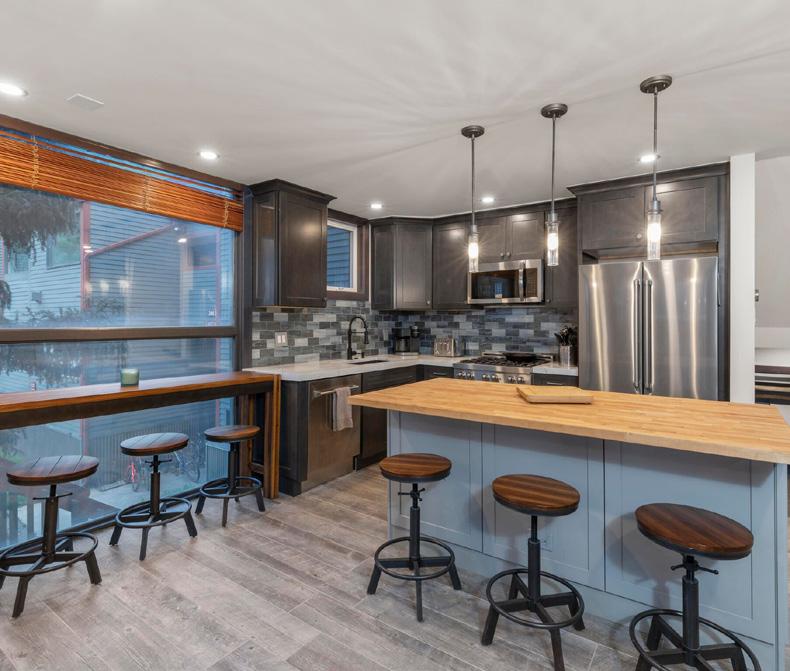
462 Dragon Lode Drive
$5,490,000
2 Bedrooms, 2.5 Bathrooms, 3,352 Square Feet
Teddy Errico 970.708.5959
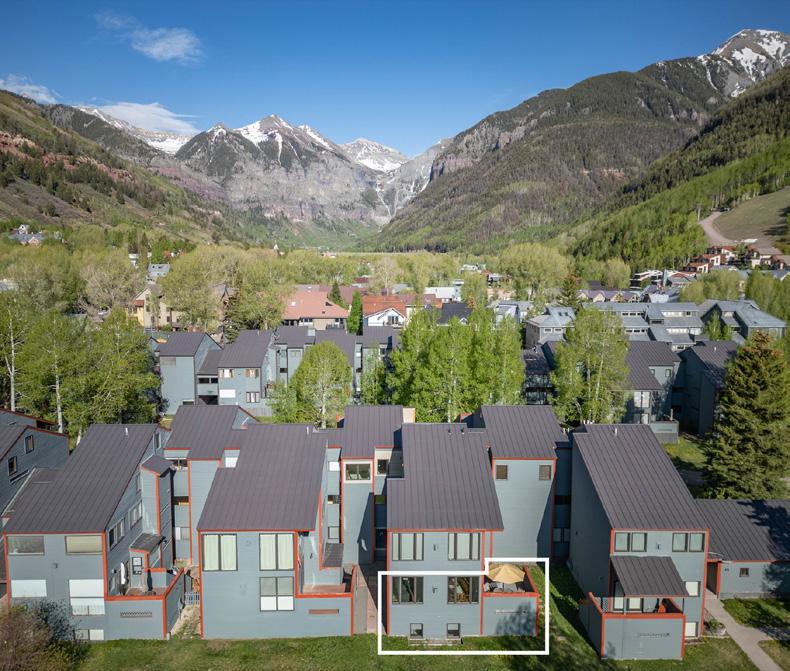
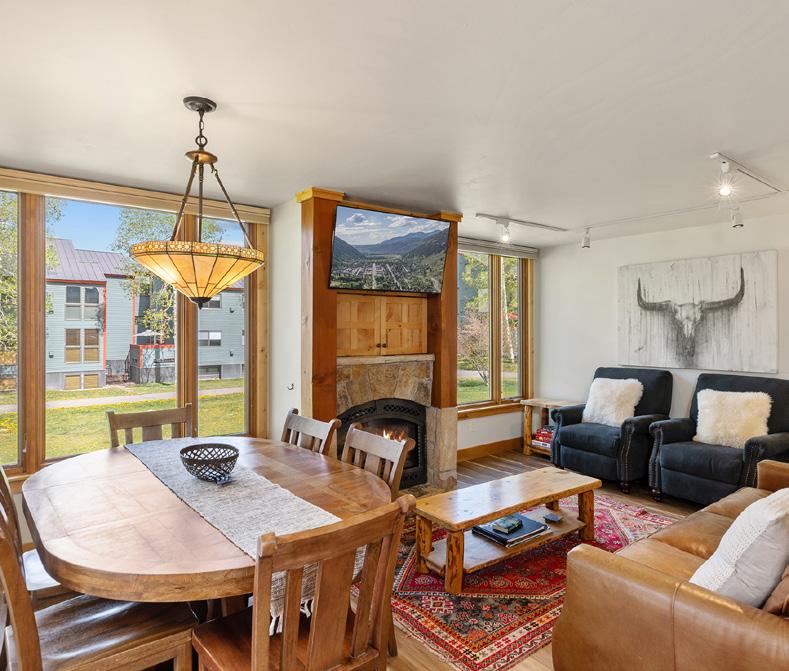
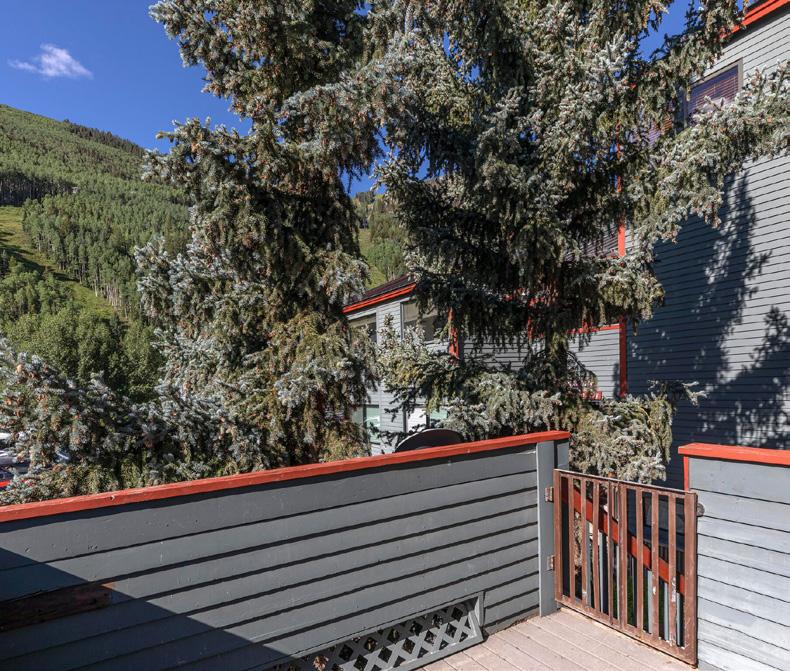
134 Adams Way
$5,195,000
4 Bedrooms, 4.5 Bathrooms, 2,681 Square Feet Dan Dockray
Larkspur, CO | $1,500,000 Mckinze Casey 720.539.4547
3440 HILL CIRCLE
Colorado Springs, CO | $2,200,000
Laura Kloth 719.388.3387
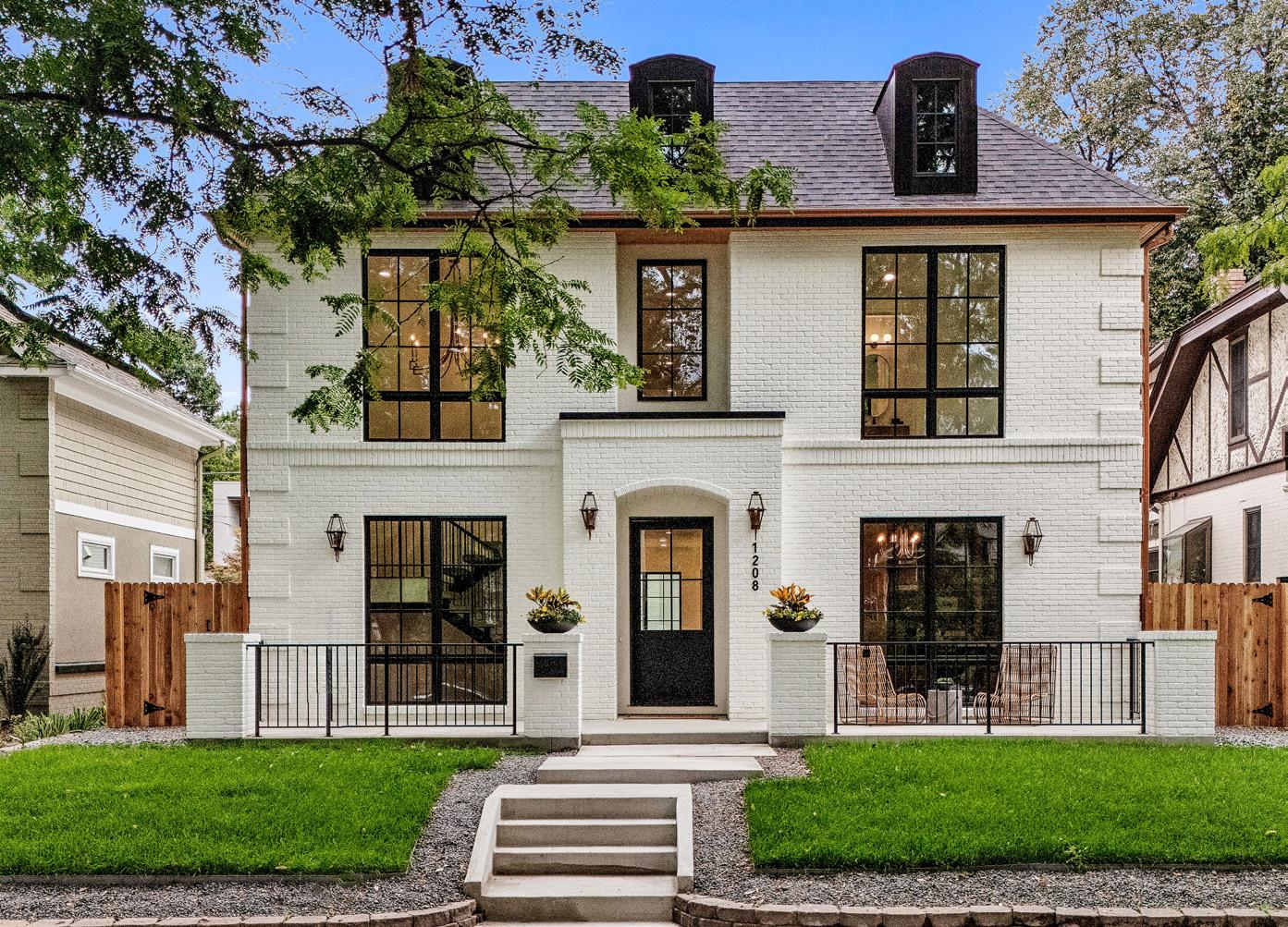
1208 S VINE STREET
Denver, CO | $3,865,000
Shannon Tiger 303.712.2134
21 CHERRY HILLS FARM DRIVE
Cherry Hills Village, CO | $5,950,000
Michelle Warner 304.610.5377
Maddie Johnson 510.384.9609
16132 STELLER RIDGE ROAD
Loveland, CO | $2,995,000
Greg Roeder 970.213.2095
the life you love
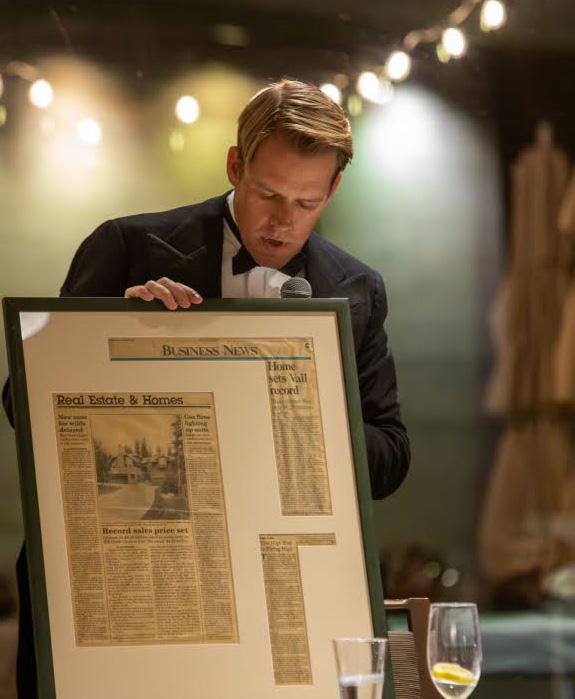
Alex Griffin hosting the Legends of Vail event for the Vail Board of REALTORS® Foundation.
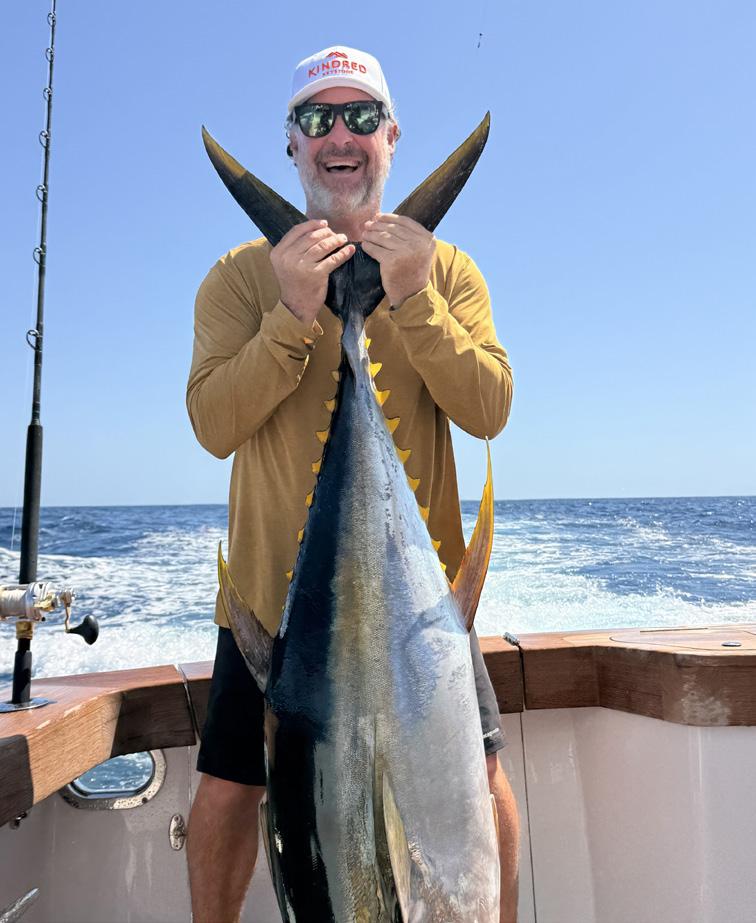
Hank Wiethake with a 100-pound yellowfin tuna in Costa Rica.
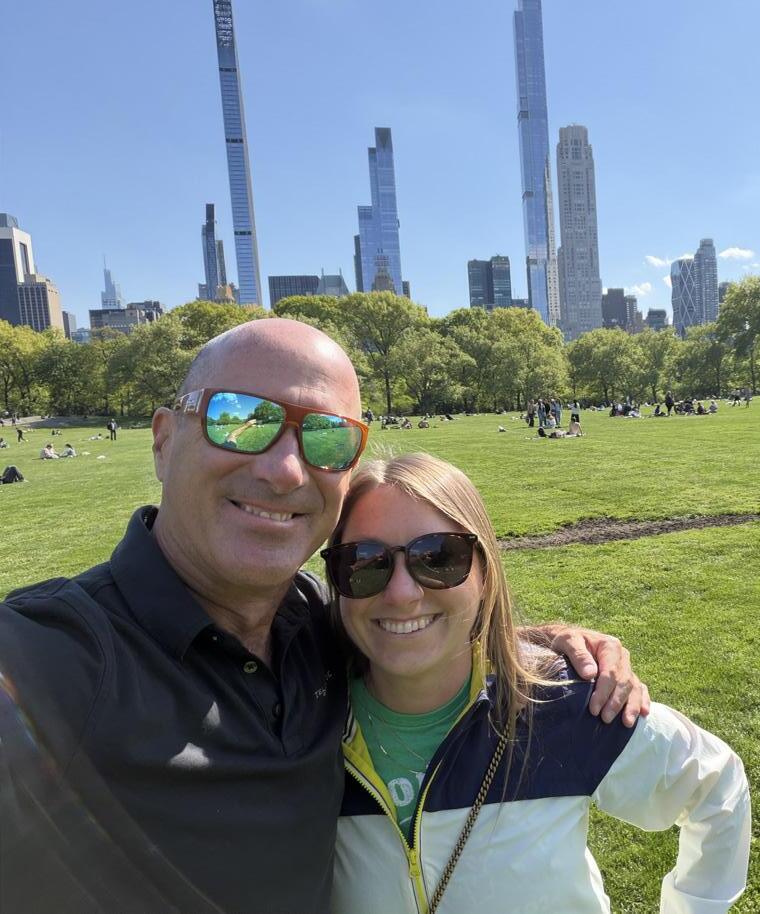
Teddy Errico and Aniela Wasmanski in New York City for a networking event.
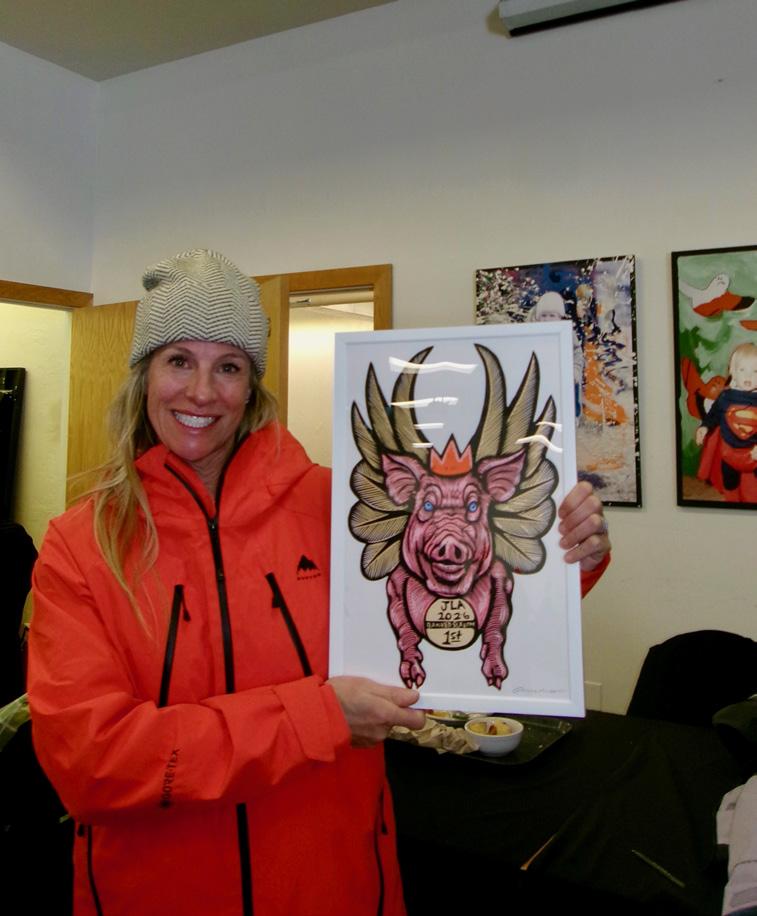
Listle Isaacs, champion of the 23rd Annual Banked Slalom JLA event.
Barbara Gardner at the Roundup River Ranch Fashion Show in Vail, Colorado, raising $272,000.
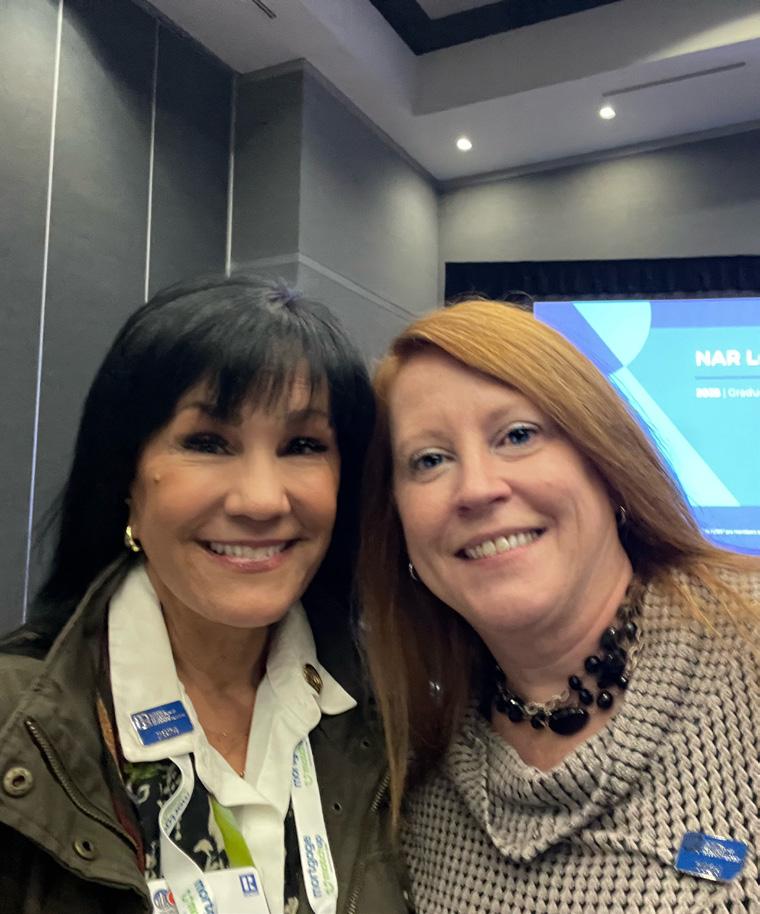
Crissy Rumford and Betsy Laughlin at the NAR Leadership Academy graduation in D.C.
THE LITERACY PROJECT
READ
We teach people of all ages to read, write, and speak with confidence.
In every thriving community, opportunity starts with the ability to read. The Literacy Project empowers children and adults across our valley with the skills they need to build confident, independent futures. When literacy grows, neighbors flourish, businesses thrive, and families prosper.
Join us in strengthening the foundation of our community. Support literacy and support possibility. Because the most valuable property we can invest in is the human mind.