Denton County Living Well Magazine July/August 2026
OZYMPIC, WEGOVY, AND YOUR JOINTS
Living well rarely comes from one big decision. It usually adds up quietly; in the small habits we keep and the way we choose to look at things. The stories in this issue are gentle reminders of exactly that.
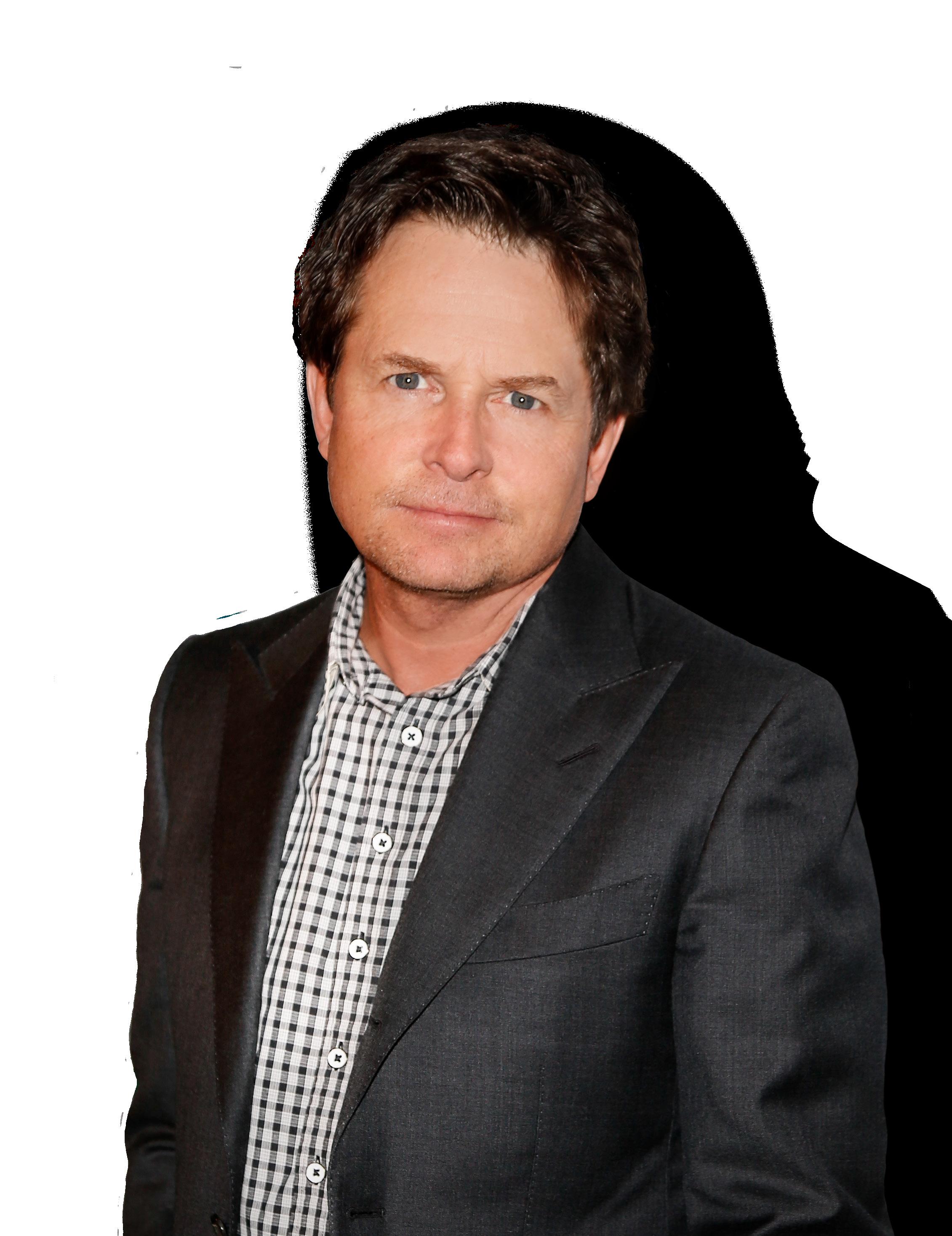
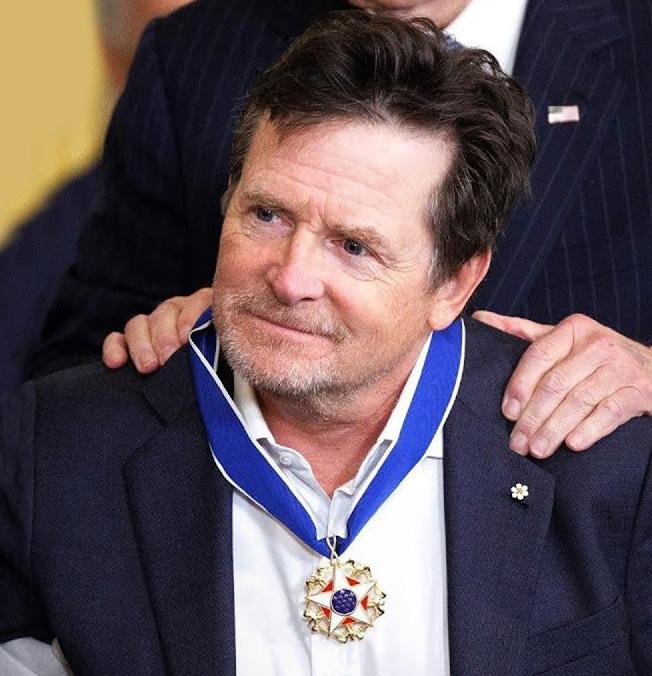
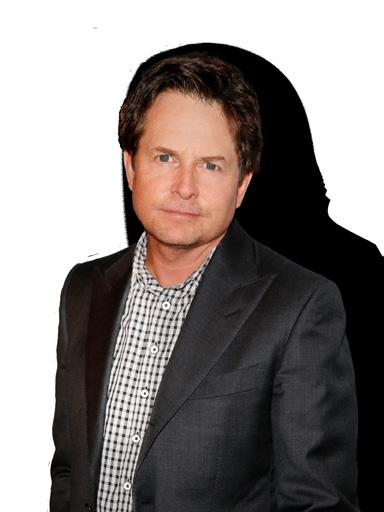
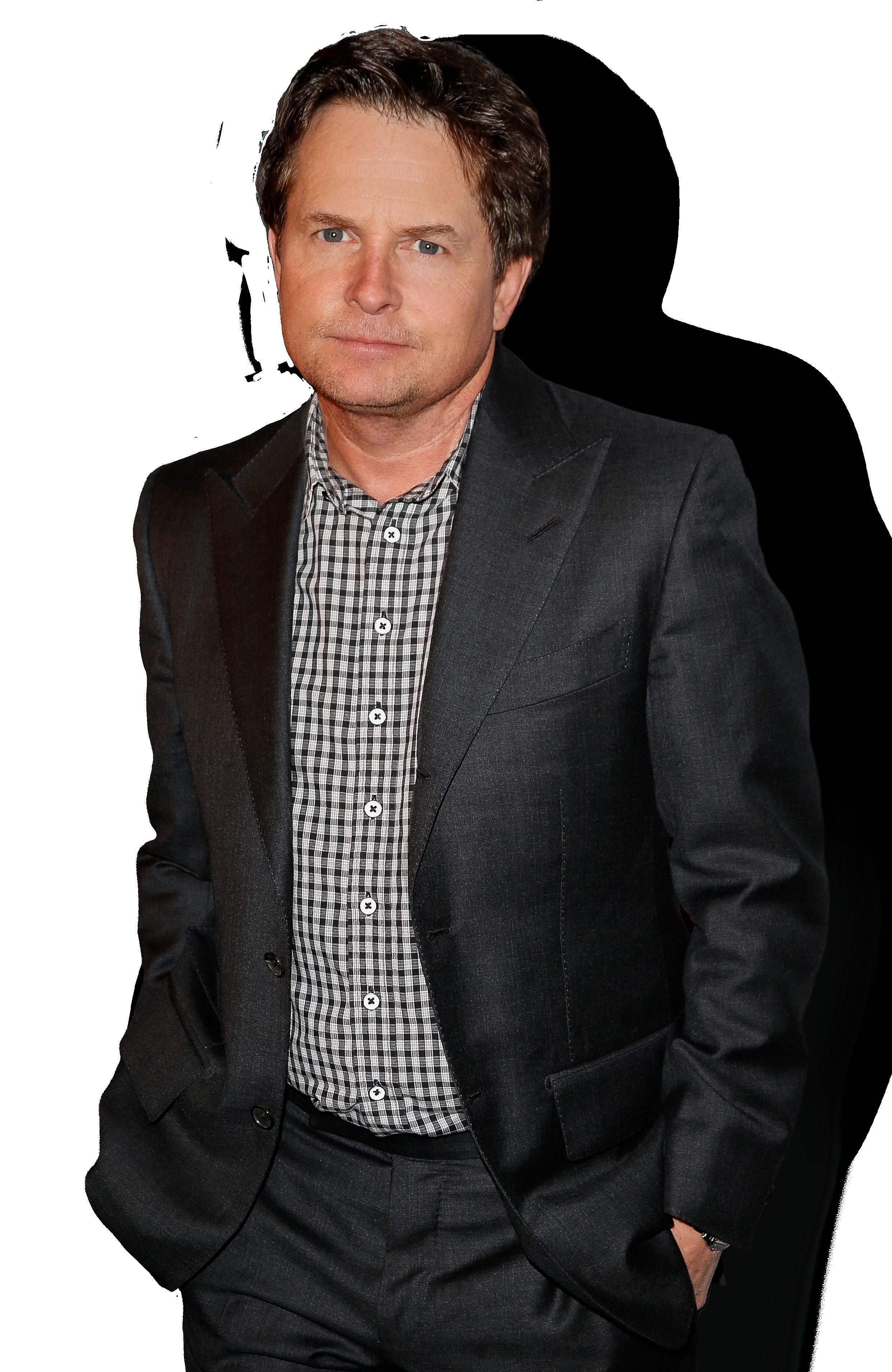
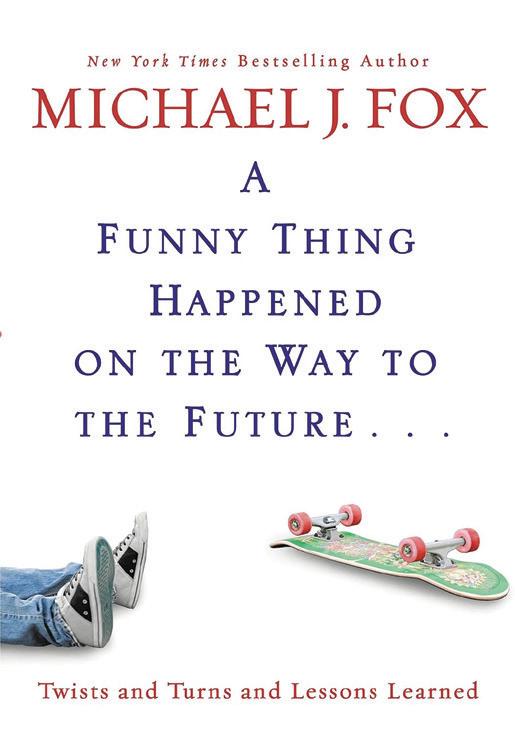
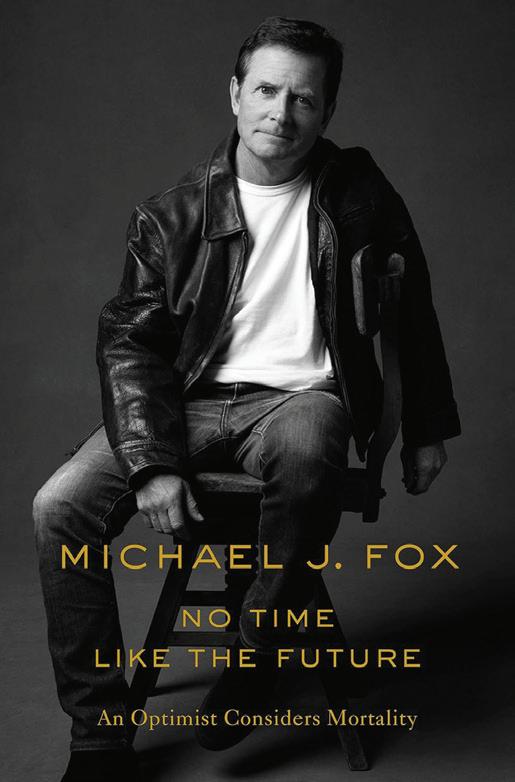
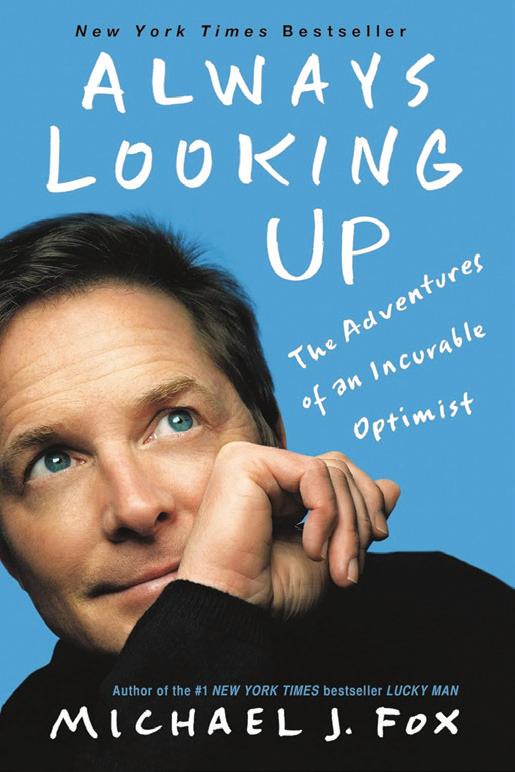
Start with our spotlight on Michael J. Fox. At 65, more than 30 years after his Parkinson’s diagnosis, he still meets life with humor and a stubborn kind of hope. He has a way of reminding us that living well was never about avoiding the hard things. It’s about how we carry them. Read it on page 8.
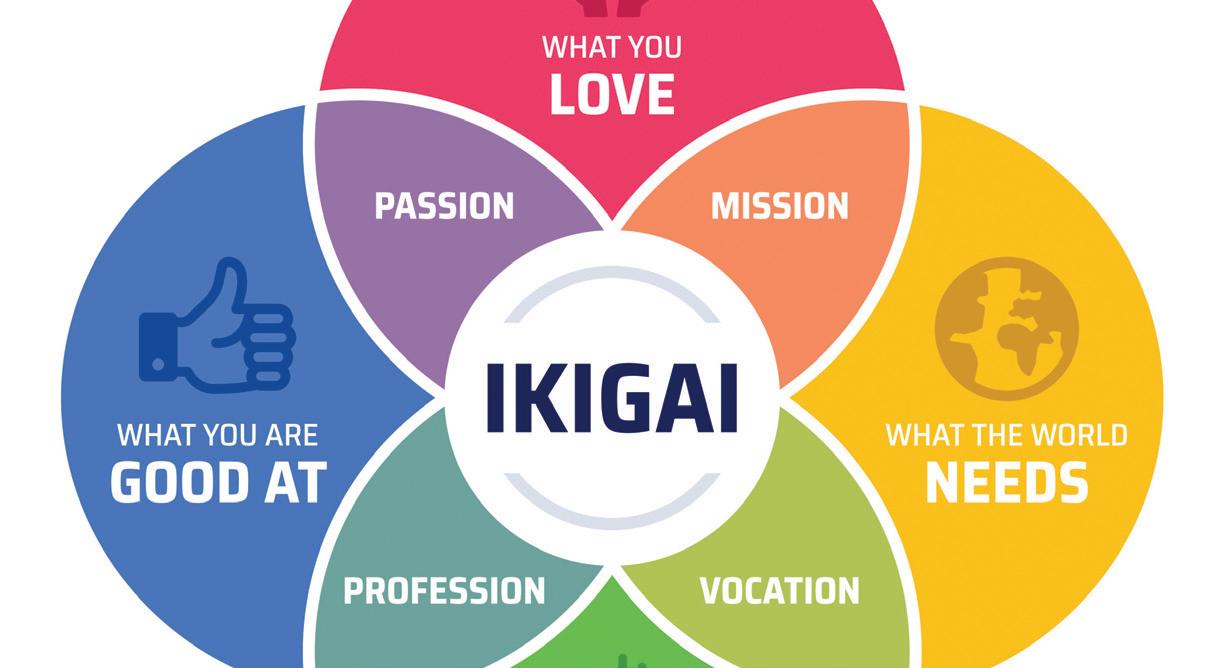
Next up, “The Japanese Art of Momentum” on page 14. It walks through 10 old ideas, from Ikigai, your reason to get up in the morning, to Kaizen, the practice of taking steps so small they almost feel silly. The thread running through all of them is a comforting one: you don’t have to feel motivated to begin. More often, it’s beginning that creates the motivation.
From there, we ask a question worth sitting with, “How Old Are You Really?,” on page 34. Writer Jack Steedy makes the case that we age in more ways than one, physically, mentally, emotionally, and socially, and that two people born the same year can be living very different lives. It’s a hopeful look at how curiosity and connection can keep us young, whatever our driver’s license says.
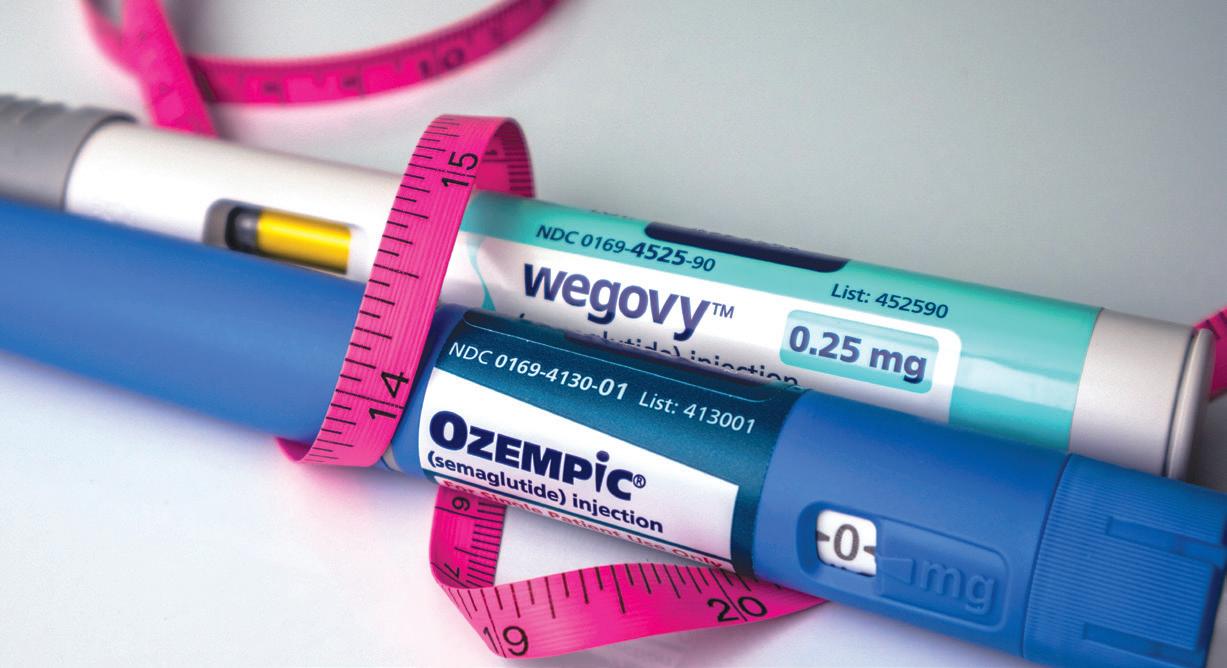
Of course, living well means caring for the body that carries us through all of it. In “Ozempic, Wegovy, and Your Joints” (page 19), orthopedic surgeon Brian Nwannunu, MD, offers an honest look at the GLP-1 medications so many people are taking, how much they can ease aching knees, and why protecting your muscle and bone matters just as much as the number on the scale.
Here’s to your health this summer.
Living Well Living
PRESIDENT & CEO
SAM HOUSTON
VICE PRESIDENT & CFO
SPRING HOUSTON
EDITOR, FEATURE WRITER & SOCIAL MEDIA
SONDRA BARR
ART DIRECTOR
VANESSA FRYER
ACCOUNTS MANAGER
JENNIFER BEAVERS
WEBSITE LYDIA ROGERS
ADVERTISING & SALES
TEXAS: Denton County, Dallas County, Collin County
TEXAS & OKLAHOMA: Texoma Area
WRITE TO US:
Tell us who you would like to see featured on the cover, or what subjects you would like covered in upcoming editions of LIVING WELL MAGAZINE at info@livingwellmag.com
SUBSCRIPTIONS & CUSTOMER INQUIRIES
Houstons of Dallas Publishing, Inc. 102 E. Broadway, #901 Prosper, TX 75078
www.LivingWellmag.com
Phone: (214) 507-1000 Fax: (855) 248-2132
LIVING WELL MAGAZINE is a source for quality educational articles on living a healthy, vibrant life. Our focus is on connecting our readers with the latest information on a host of topics relevant to their evolving life. From cutting edge medical news and procedures to top-tier financial, legal and lifestyle information. Connecting readers to leading medical and business professionals in their community in Texas and Oklahoma.
J. Fox Still Looking Up
The Japanese Art of Momentum
Ozempic, Wegovy, and Your Joints
How Old Are You Really?
FAAOS Board-Certified Orthopedic Surgeon
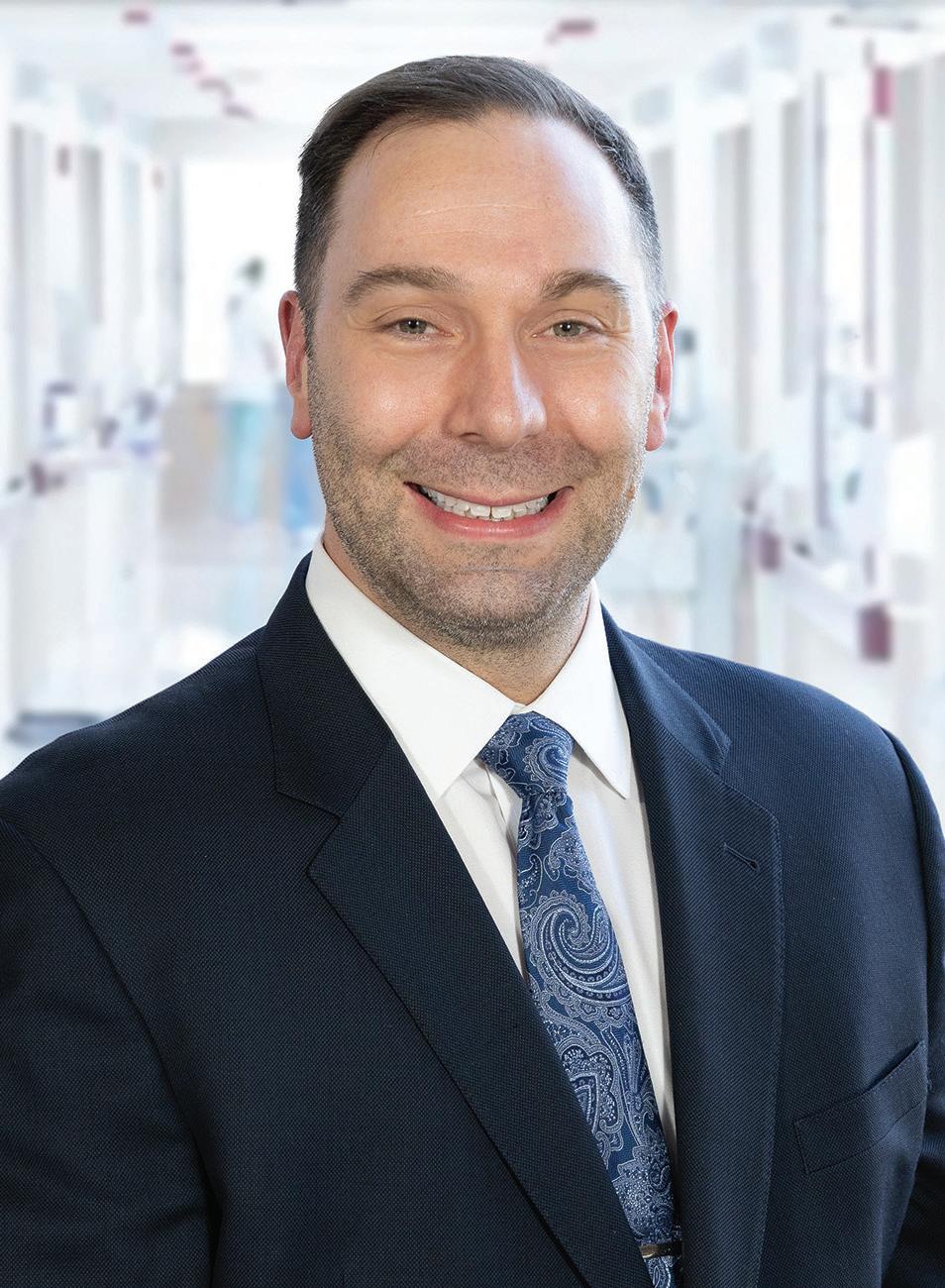
Justin M. Kane, MD, is a board-certified orthopedic surgeon and founder of the Orthopedic Institute of North Texas (OINT). He is internationally recognized for his expertise in foot and ankle care. He is a published author and a global lecturer, who has previously served as a Professor of Surgery at Texas A & M Health Science Center College of Medicine.
At the Orthopedic Institute of North Texas, Dr. Kane and his team’s goal is your return to normal activity. They provide surgical and non-surgical solutions designed to resolve your pain.
Dr. Kane specializes in
• Bunion and hammer toe correction
• Complex foot and ankle reconstructive surgery
• Surgical and non-surgical treatment of foot and ankle disorders
Justin Kane, MD,
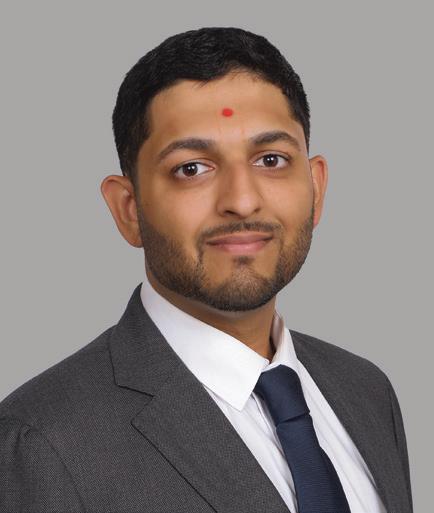
Deval Desai, M.D.
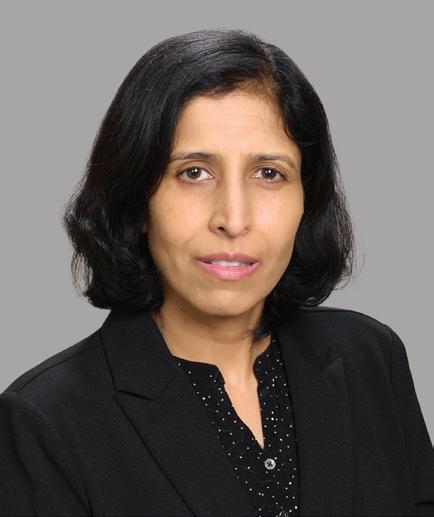
Deval Desai, M.D.
Michael
J. FOX
Half a lifetime into a Parkinson’s diagnosis, the actor turned advocate keeps finding the good, and seizing it.
By SONDRA BARR
TWe’re in business to go out of business.
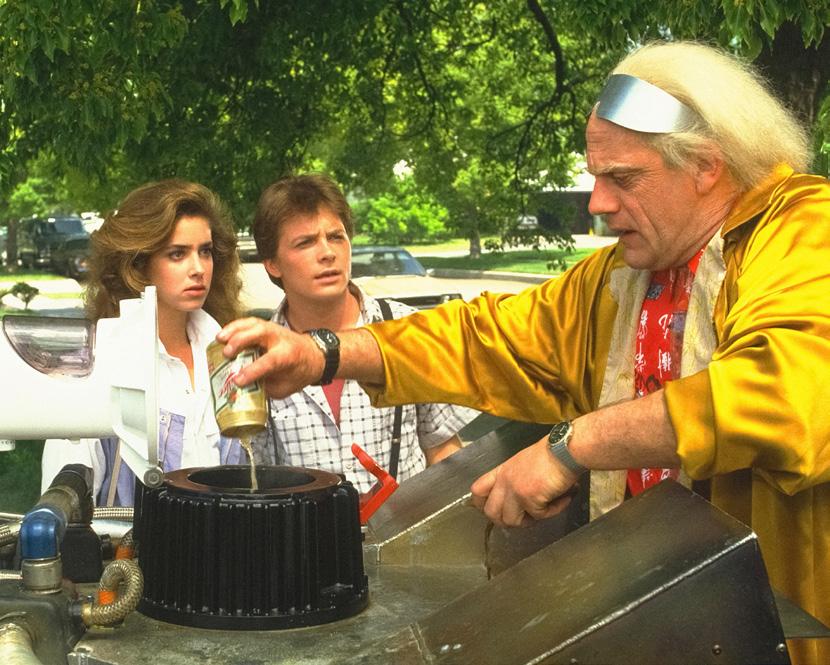
here is a version of Michael J. Fox’s story that reads as one long run of hard luck, and he is the first to tell you he doesn’t live in it. He built one of the most beloved careers of his generation as Alex P. Keaton on Family Ties, Marty McFly in 1985’s Back to the Future and Deputy Mayor Mike Flaherty on Spin City. He has also carried Parkinson’s disease for more than three decades, since a diagnosis that arrived at the very peak of his fame. He recently turned 65. Actor, author, advocate, and, by his own cheerful insistence, a lucky man.
The middle initial, it turns out, is a bit of invention. He was born Michael Andrew Fox, but the Screen Actors Guild already had a Michael Fox on its books when the teenage Canadian arrived in Los Angeles. Rather than become “Michael A. Fox,” he borrowed a “J” in tribute to character actor Michael J. Pollard, a small act of reinvention from a kid who would make a career of them.
The climb was anything but smooth. Before Family Ties made him a star, Fox was broke enough to sell his furniture piece by piece. “I owed the IRS a lot of money. I was just out of prospects and it was really rough,” he told Route Magazine The sitcom made him the youngest actor ever to win a lead-comedy Emmy; Back to the Future made him famous worldwide. At 23, he recalled, he had “a Ferrari, a Mercedes, and a Range Rover” and a daily decision to match: “What car am I gonna drive to Paramount today?”
Then, in 1991, while filming Doc Hollywood the pinky on his left hand began to twitch and wouldn’t quit. The diagnosis was early-onset Parkinson’s disease. He was 29.
“I had no idea what that meant, because Parkinson’s to me was a thing that… it was just an old person’s disease. It was a concept more than it was a disease,” he told Route Magazine. The fear came from what he saw on other people’s faces. “I was scared. I was more confused than scared, but I was scared,” he said. “I had a sense of free-floating doom, but I had nothing to affix it to.”
He told almost no one. For seven years he kept working and kept the secret, hiding a worsening tremor from cameras and crews. By 1998 the symptoms had outpaced his ability to hide them, and he chose to tell his own story before the tabloids told a sensationalized one.
Across three decades of interviews, he rarely reaches for self-pity. “The end is not pretty—I’d like to stop it from its logical conclusion—but I’m grateful,” he told People “It’s made me stronger. A million times wiser. And more compassionate.” Having Parkinson’s, he said in 2008, “is part of an amazing life. And not an ‘otherwise’ amazing life.”
He is also careful not to speak for anyone else’s hardship. “I understand Parkinson’s is a real hardship for [some] people, and I’m not trying to be insensitive to them,” he told People. “Yes, it’s a horrible condition. Would I choose not to have it? Yeah, I think so. But it’s not my choice.”
As I lay there on the couch that morning, I knew that alcohol had become yet another adversary.
Beneath the optimism runs one steadying constant: Tracy Pollan. The two met playing love interests on Family Ties in 1985, reconnected two years later filming Bright Lights, Big City and married in 1988. Pollan’s first impression was not the stuff of fairy tales. “He was very cocky… He was funny, but he was cocky,” she recalled to People
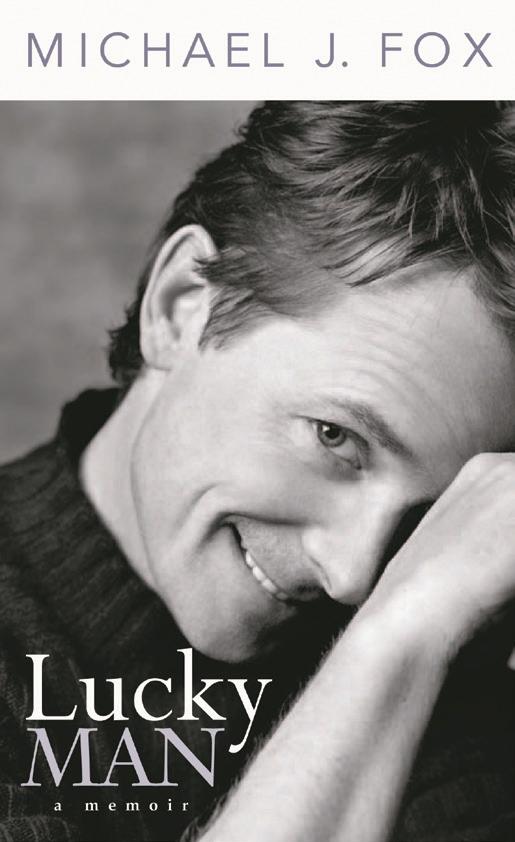
The marriage has absorbed a great deal: the diagnosis, a period of heavy drinking Fox chronicled in his memoir Lucky Man, and the quiet renegotiations chronic illness forces on a couple. He has written about waking on the couch to find Pollan standing over him with their young son. “As I lay there on the couch that morning, I knew that alcohol had become yet another adversary,” he wrote. “Which meant the alcohol had to go.”
Learning to be cared for took longer than learning to cope. “It took me a while to get that it wasn’t just about me,” he admitted to People “If I break my arm, I’m dealing with my broken arm. But if you’re the person who lives with and loves and supports the person with the broken arm, you’ve got to do everything.”
His own theory of the marriage is refreshingly unromantic. “We just really like each other, and we trust each other,” he told Route Magazine “Like Tracy always says, we give each other the benefit of the doubt… The person I live with every day of my life, why would I want to hurt them?”
Pollan’s summary, offered near their 30th anniversary, is tidier still: “It was us against the world. That’s exactly what we’ve created.”
Together they raised four children, son Sam and twin daughters Aquinnah and Schuyler, followed by daughter Esmé. Of fatherhood, Fox says, “It’s been the best part of my life.” Raising daughters, he told Route Magazine, is “just pure love… They’re so mysterious.”
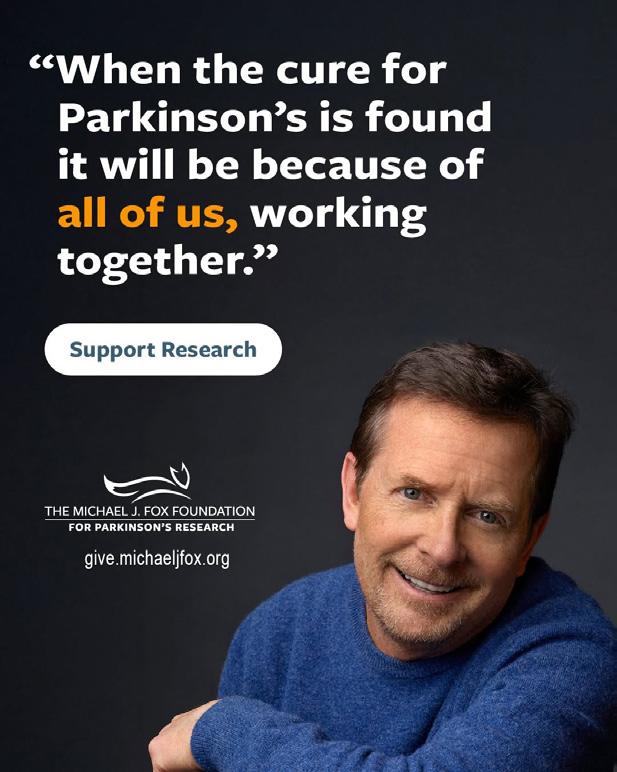
In 2000, Fox converted his fame into something durable, founding The Michael J. Fox Foundation for Parkinson’s Research and seeding it with proceeds from Lucky Man It has since grown into the world’s largest nonprofit funder of Parkinson’s research, driving more than $2.5 billion into the field. “I’m not a scientist. I’m not a businessperson. But I am someone living with Parkinson’s,” he told U.S. News & World Report. “We’re all involuntary experts on the disease.”
His goal for the foundation is, fittingly, its own obsolescence. “We’re in business to go out of business,” he has said. “Truly what I’m most proud of, is the people who have Parkinson’s… If I made it easier for people to explain what they’re dealing with, to say well, it’s the thing Michael J. Fox has—then that’s a great gift.”
He discusses mortality without flinching; he has said he doesn’t expect to reach 80. The humor stays intact. When CNN mistakenly published a “Remembering the life of actor Michael J. Fox” tribute video this year, the very-much-alive Fox answered on Threads with a multiple-choice quiz of appropriate reactions, among them: “(B) Pour scalding hot water on your lap, if it hurts you’re fine.” He signed off, “I thought the world was ending, but apparently it’s just me and I’m OK. Love, Mike.” Kathy Griffin’s reply: “You’re a helluva ghost.”
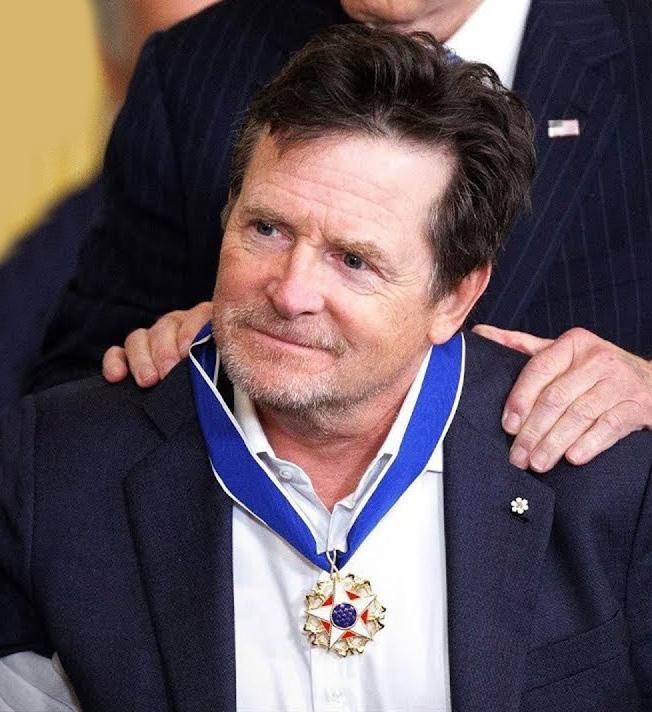
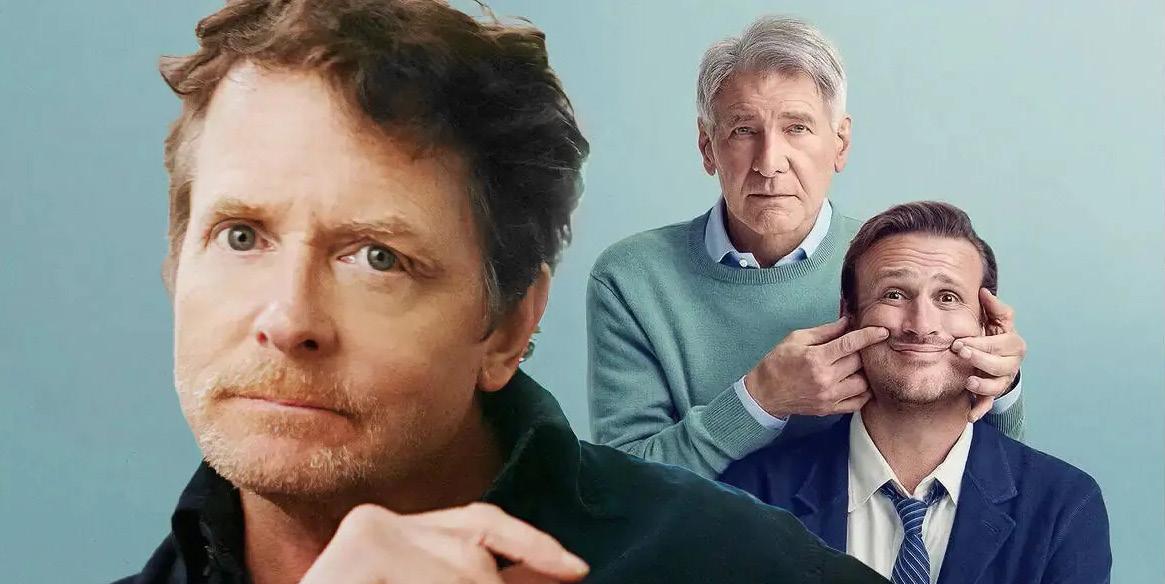
The recognition has been considerable over the years, five Emmy Awards, an honorary Oscar and, in January 2025, the Presidential Medal of Freedom. He announced his retirement from acting in 2020, then stepped back for a 2026 guest turn on Shrinking opposite Harrison Ford, whose character also has Parkinson’s. The work, like the man, isn’t finished. “As a parent, husband and friend, I have a lot left to do,” he told People. Ask whether he’d surrender the disease that reshaped his life, and the answer comes instantly, then pivots, as it always does, toward the good. “Parkinson’s? I’d give it up in a second,” he told Route Magazine. “To be put in a position where I can help affect that change, it’s the most humbling thing and the thing that I am most proud of.”
It is, in the end, the same move he has made for 30 years: finding the good and seizing it. As he put it, simply, to People: “You take the good, and you seize it.”
PREMIER SURGEON FOR HIP AND KNEE REPLACEMENT
Fellowship-Trained Orthopedic Spine Surgeon
Over 28 Years of Experience
Dr.
SPECIALTIES:
•
•
•
•
“I
The Japanese Art of
Momentum
We don’t usually wake up and decide to procrastinate. We don’t consciously choose to put off important projects, delay phone calls, ignore exercise, or leave meaningful goals sitting on a shelf. Yet almost everyone has experienced periods when getting started feels harder than it should. We often call this laziness, but that word may not tell the whole story. More often than not, the problem isn’t a lack of character or discipline. It’s overwhelm. It’s uncertainty. It’s perfectionism. It’s exhaustion. Sometimes it’s simply losing sight of why something mattered in the first place.
Interestingly, some of the most practical ideas for overcoming inertia come from Japanese philosophies that have been woven into daily life for generations. These concepts are not productivity hacks or quick fixes. Instead, they offer a different way of thinking about progress, purpose, and personal growth.
Here are ten principles that can help create momentum when motivation feels hard to find.
1. Start With Your “Why”
The Japanese concept of Ikigai is often described as having a reason to get out of bed in the morning. It is the intersection of what you enjoy, what you’re good at, what others value, and what gives your life meaning. Researchers have found that people who report a stronger sense of purpose often experience better overall well-being and greater resilience during difficult periods. When motivation disappears, it is often helpful to step back and reconnect with the bigger picture. Why does this task matter? What purpose does it serve? Even routine responsibilities can feel different when connected to a larger goal.
2. Make Progress Embarrassingly Small
One of the most well-known Japanese principles is Kaizen, which focuses on continuous improvement through tiny, manageable steps rather than dramatic change. Instead of trying to transform your entire life on Monday morning, the philosophy encourages small actions repeated consistently over time.
A five-minute walk. One page of reading. One drawer cleaned out. One phone call returned.
Small actions rarely feel intimidating, which makes them surprisingly effective.
3. Stop Waiting to Feel Ready
Many people assume motivation comes first and action follows. In reality, the opposite is often true. Action frequently creates motivation. Waiting until you feel inspired can lead to long stretches of inactivity. Taking a small step, even when you don’t feel particularly motivated, often generates the energy needed for the next step. Momentum has a way of creating itself once movement begins.
4. Let Go of Perfect
Perfectionism wears many disguises. Sometimes it looks like high standards. Sometimes it looks like endless preparation. Sometimes it looks like doing nothing at all. The Japanese concept of WabiSabi embraces imperfection and recognizes beauty in things that are unfinished, evolving, and imperfect.
Many worthwhile projects never begin because people imagine they need the perfect plan, the perfect timing, or the perfect outcome. Done imperfectly often beats never done at all.
5. Approach Life Like a Beginner
There is another Japanese concept known as Shoshin, often translated as “beginner’s mind.” It encourages approaching experiences with curiosity rather than assumptions.
Children naturally learn this way. They ask questions. They experiment. They are willing to be bad at something while learning. Adults often become trapped by expectations. We worry about looking foolish or making mistakes.
Curiosity is often a better motivator than confidence. You don’t have to know exactly what you’re doing to get started.
6. Prepare the Ground Before You Begin
One reason many tasks feel overwhelming is that we try to start them in the middle of chaos. The Japanese principle of Nemawashi emphasizes thoughtful preparation before action. Rather than forcing yourself into a difficult task, prepare the environment first. Clear the desk. Gather materials. Schedule the appointment. Set out the walking shoes. Removing friction points can make beginning feel dramatically easier.
7. Build Habits Instead of Relying on Willpower
Willpower is unpredictable. Habits are dependable. Japanese culture places significant value on routines and daily practices that reduce the
need for constant decision-making. Consistent schedules and repeatable behaviors help conserve mental energy while creating stability. The less you have to negotiate with yourself every day, the easier progress becomes.
Simple routines often outperform grand bursts of motivation.
8. Create an Environment That Supports Success
Think about how differently you feel walking into a cluttered room versus a calm, organized space. Research in environmental psychology has shown that physical surroundings can influence focus, stress levels, and decision-making. Japanese organizational systems often emphasize order and simplicity because they remove distractions and reduce mental load.
Your environment is either helping your goals or quietly working against them. Small adjustments can make a surprising difference.
9. Practice Moderation
The Okinawan principle of Hara Hachi Bu is traditionally associated with eating until you are about 80 percent full. But its deeper lesson extends beyond food. It teaches moderation and balance. Many people swing between extremes. They push hard, burn out, recover, and repeat the cycle. Sustainable progress rarely happens at extremes. Whether it involves work, exercise, commitments, or even self-improvement, moderation often produces better long-term results than intensity.
10. Reflect Before the Day Ends
One of the simplest ways to stay aligned with your goals is through regular reflection.
You don’t need a complicated journal or elaborate system. Simply asking a few questions at the end of the day can be powerful. What went well?
What challenged me?
What is one thing I can do tomorrow?
Research on self-monitoring and reflection consistently shows that awareness often precedes positive change. When we pause long enough to evaluate our choices, we become better equipped to adjust them.
The Real Opposite of Laziness
Perhaps the biggest lesson from these philosophies is that the opposite of laziness is not relentless productivity. The opposite of laziness is engagement. It is feeling connected to a purpose. It is taking one small step instead of waiting for perfect conditions. It is creating habits that support the life you want, ordinary actions repeated consistently over time. When viewed through that lens, progress becomes less intimidating.
You don’t need a complete life overhaul. You don’t need extraordinary willpower. You don’t even need to feel motivated today. You simply need to take the next small step. And then another. And then another.
“Where we are committed to excellence”
•
Experience
The Cantex Advantage
Cantex Continuing Care Network has been performing the highest standards of transitional healthcare and long-term residential services for more than 30 years. Ask anyone who knows. Cantex stands for quality.
AMENITIES: CLINICAL SERVICES
• Around-the-clock skilled nursing
•
• Wound Management
• Intravenous Therapy
• Tracheotomy Care
• Physician Services
• Medication Administration
• Enteral/Parenteral Therapy
• Activity program with community outings
• Sedan and van for resident transportation
MIGNUCCI
• X-Ray Services
• Laboratory Services
As founder of Mignucci Law Firm, he has successfully advocated for clients in personal injury and commercial litigation cases ranging from motor vehicle accidents, to slip and falls, to business disputes against Fortune 500 companies. His competitive nature, aggressive approach, and relentless work ethic have earned the trust of clients facing some of life’s most difficult legal challenges. From serious injury cases to complex business disputes, Mignucci Law Firm is committed to protecting its clients’ interests and obtaining the justice they deserve.
Brian Nwannunu MD, MS
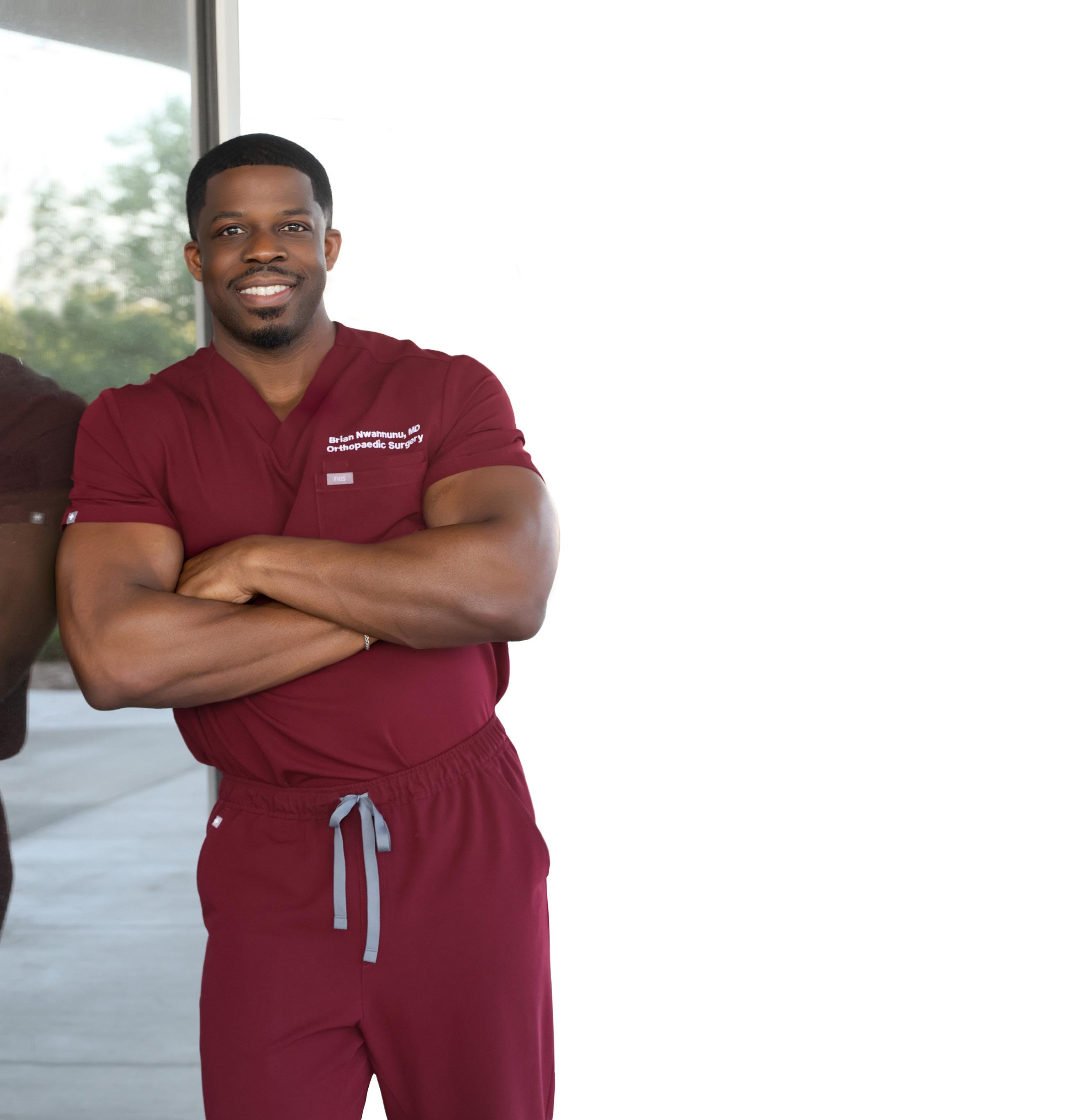
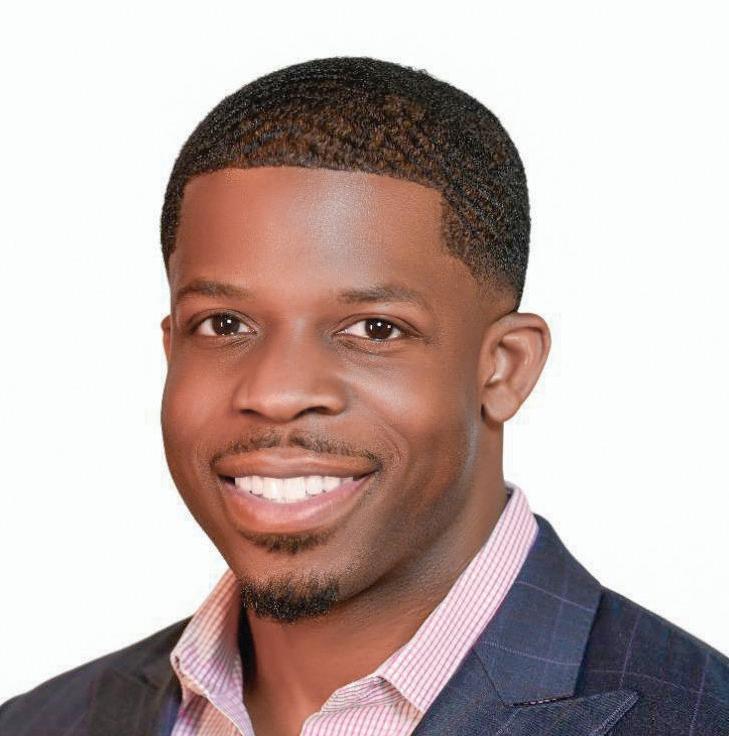
Brian Nwannunu, MD, MS, is an orthopedic surgeon specializing in hip and knee replacement. He cares for patients at Texas Joint Institute in Allen and in McKinney, Texas.
Dr. Nwannunu, a native of Dallas, graduated Valedictorian from the High School for Health Professions at Townview Magnet Center in DISD. He then earned his bachelor’s degree in Biology at Morehouse College in Atlanta, Georgia, where he was part of the Morehouse College Honors Program. Upon graduation, he completed his master’s degree in Physiology at Georgetown University in Washington, D.C., with a concentration on complementary and alternative medicine. Dr. Nwannunu then graduated with his medical degree from Howard University College of Medicine in Washington, D.C., where he was inducted into the Alpha Omega Alpha Honor Medical Society.
Dr. Nwannunu completed his residency in orthopedic surgery at the John Peter Smith Health Network in Fort Worth, Texas, before pursuing additional training with a fellowship in adult reconstruction at Baylor College of Medicine in Houston, Texas. In addition to his clinical training, Dr. Nwannunu enjoys mission work abroad, providing medical care and health education to populations in need. He is also one of the few official Jiffy Knee™ surgeons in the North Texas area.
He is a member of the American Medical Association, National Medical Association, American Academy of Orthopaedic Surgeons and the American Association of Hip and Knee Surgeons.
When not working, Dr. Nwannunu enjoys basketball, weight training, outdoor activities, attending art and music festivals, traveling, world news, and reading.
Ozempic, Wegovy, and Your Joints
What
an orthopedic surgeon wants every patient to understand about GLP-1 medications, muscle loss, bone health, and joint protection
By BRIAN NWANNUNU, MD, MS
If you’re taking Ozempic, Wegovy, Mounjaro, or another GLP-1 medication, you’re part of one of the fastest-growing health trends of the decade. GLP-1 medications have evolved from diabetes treatments into one of the most significant medical developments of our time. Millions of Americans are now taking them to lose weight, and for many, the results have been remarkable. Patients are experiencing significant weight loss, improved blood sugar control, and meaningful cardiovascular benefits.
But what happens to your bones, muscles, and joints while that weight comes off?
That’s the question many patients aren’t asking, and as an orthopedic surgeon, I believe they should.
I think GLP-1 drugs are excellent medications for the right patient, but the full picture is more complex than many people realize. Some of the risks may affect the very patients who are least equipped to handle them. Here’s what I wish every GLP-1 patient knew.
Your
Knees Love It.
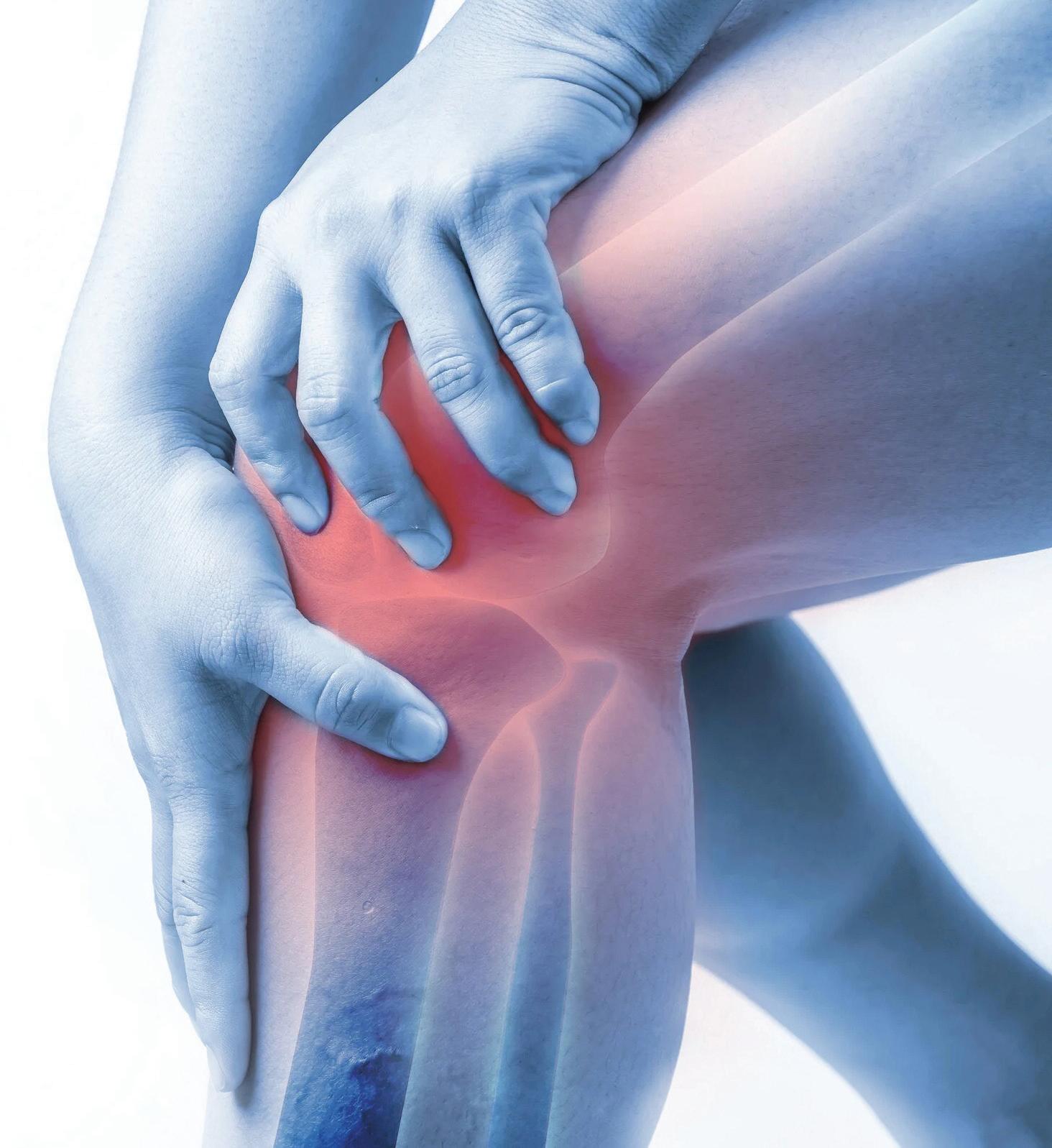
Let’s start with the good news. Excess body weight is extremely hard on the joints, especially the knees. The numbers are striking. For every additional pound of body weight, the knee joint experiences roughly four pounds of force during walking.
That means if you’re carrying an extra 25 pounds, your knees may be absorbing the equivalent of 100 extra pounds of force with every step. When patients lose 20, 30, or more pounds on a GLP-1 medication, the relief can be dramatic.
Weight loss has long been a cornerstone of non-surgical treatment for knee osteoarthritis. For the right patients, GLP-1 medications may
become one of the most effective tools we’ve ever had to help achieve that goal. In some cases, reducing stress on the joints can significantly improve quality of life and even delay the need for major procedures such as knee replacement surgery.
Your Muscles Might Not.
Weight loss medications don’t just reduce fat. They can also contribute to the loss of lean muscle mass, and that’s something I encourage patients to take seriously.
Weight loss is rarely limited to body fat alone. When muscle mass declines, it can affect both joint stability and bone health. In some individuals, that may increase the risk of injuries or even fragility fractures.
The reason is simple: muscle and bone health are closely connected. People with greater muscle mass generally have stronger, denser bones. The reverse is also true. Significant muscle loss can place added stress on the skeletal system in ways that may not become apparent for years.
Not Everyone Pays the Same Price.
Not everyone taking a GLP-1 medication faces the same orthopedic risks. Postmenopausal women and older adults already have a higher risk of developing osteoporosis. When the potential muscle-depleting effects of a GLP-1 medication are added to that existing vulnerability, the combined effect can become concerning.
For patients in these groups, adequate protein intake and regular resistance training are essential strategies for preserving both muscle and bone health.
Brian Nwannunu, MD, MS
Questions Still Being Asked.
As GLP-1 prescriptions have surged into the tens of millions, researchers have begun studying the medications’ long-term effects.
In March 2026, The Washington Post reported on emerging research suggesting possible associations between long-term GLP-1 use and increased risks of osteoporosis, gout, and osteomalacia, a condition that causes bones to soften.
As more patients use these medications over longer periods of time, we will inevitably learn more about both their benefits and their risks. That makes ongoing monitoring especially important. Physicians should be counseling patients about potential adverse effects and regularly reassessing whether continued treatment remains appropriate if complications begin to develop.
Don’t Skip This Part.
When patients taking Ozempic, Wegovy, or similar medications come into my office, I typically focus on two questions:
• How much weight are you losing each week?
• How many grams of protein are you consuming each day?
Protein intake matters because preserving muscle mass is one of the most important ways to protect both bones and joints during weight loss.
I also strongly encourage resistance training. Research shows that resistance exercise stimulates a process known as mechanotransduction, in which cells convert physical stress into chemical signals that promote bone remodeling and strengthening.
In plain English, lifting weights tells your bones to become stronger. That doesn’t mean patients should immediately begin intense workout programs. I generally caution against extremely heavy lifting or high-impact activities that may increase injury risk, particularly during periods of rapid weight loss.
Let’s Not Overdo It.
Many ask if they should get a bone density scan. That’s a great question, but this is where I push back against the instinct to overmedicalize. I do not believe everyone taking a GLP-1 medication needs to rush out and get a bone density scan or start taking calcium and vitamin D supplements without a specific medical reason. Those decisions should be made in consultation with a physician. Taking supplements that aren’t needed usually accomplishes very little. In many cases, the body simply eliminates the excess. Instead, I recommend making sure your physician includes routine laboratory monitoring as part of your treatment plan. If vitamin deficiencies are identified, they can be addressed appropriately and effectively.
A Promising Possibility.
There is also emerging data suggesting that patients taking GLP-1 medications may experience lower infection rates following joint replacement surgery. The theory is reasonable, even if the evidence isn’t fully there yet.
Research has consistently shown that severe obesity and poorly controlled diabetes increase the risk of prosthetic joint infections. Because GLP-1 medications often improve both weight and blood
sugar control, they may help reduce some of those risks. However, larger studies are still needed before we can draw firm conclusions.
The Real Risk Ahead.
What I’m hoping to see in five to ten years of follow-up data, is genuinely optimistic. I hope we will see patients enjoying longer-lasting joint health, delaying the need for major orthopedic procedures, and experiencing fewer complications when surgery becomes necessary.
At the same time, I have one significant concern.
I am worried that many patients will adopt a “one size fits all” philosophy to the medications and will inadvertently cause other harm unknowingly.
GLP-1 drugs are excellent medications for the right patient when they are used thoughtfully and monitored carefully. I encourage anyone taking or considering a GLP-1 medication to revisit their goals, progress, and potential side effects regularly with their health care provider. These medications work best when they are part of a larger, actively managed health strategy.
Success Requires a Strategy.
Make sure your physician is checking your labs regularly. Pay attention to your protein intake. Incorporate resistance training into your routine. And if you’re a postmenopausal woman or older adult, have a direct conversation with your provider about protecting your bone health. Most importantly, don’t view these medications as a set-itand-forget-it solution. They require active management, ongoing monitoring, and a partnership between patient and physician every step of the way.
Luis Antonio Mignucci, MD
ADVANCED SPINE CARE. PROVEN EXPERIENCE.
Dr. Luis Mignucci, the founder of Neurospine Surgical Consultants, has helped patients throughout the DallasFort Worth area find relief from spine and neurological conditions for more than 36 years. Awarded Top Doctor from Living Well Magazine and has been awarded Best Doctor by D Magazine an unprecedented 24 consecutive years. He is one of the few neurosurgeons in the nation certified by both the American Board of Spine Surgery and the American Board of Neurological Surgery.
Dr. Mignucci specializes in the surgical management of spinal tumors and spine conditions, including scoliosis and spondylolisthesis. Additionally, he performs minimally invasive procedures to treat ruptured discs in the cervical, thoracic, and lumbar spine.
Neurospine Surgical Consultants is located within Windhaven Medical Plaza, home to Windhaven Medical Imaging and its advanced 3T MRI technology. Patients can often be evaluated and complete diagnostic imaging the same day, helping expedite diagnosis and treatment. The building also houses the recently expanded Windhaven Ambulatory Surgery Center, offering state-of-the-art surgical care in one convenient location.
Brian
Florian
Charles E. Toulson,
Cyrus E. Abbaschian,
Donald W. Hohman, MD J. Stephen Appleton, MD
Alexander S. Greenstein, MD
Kwame A. Ennin, MD
Samuel K. Stephenson, MD
Raj Yalamanchili, MD
Emmanuel D. Eisenstein, MD
Expert Orthopedic Surgeons Close to Home
Dear Olivia,
My family is concerned that they may not be able to manage complex symptoms at home, especially if my condition escalates, and I am concerned about putting that burden on them. Can you help me understand what resources are available to patients and families if the care becomes too much to manage at home?
~Concerned About my Care Needs
Dear Concerned About my Care Needs,
Thank you for sharing this worry so openly. You are not alone. Many families feel anxious about whether they can safely manage complex hospice care at home, especially as symptoms change. It’s completely understandable to want comfort for yourself and peace of mind for those you love.
It may help to know that hospice care is built around four levels of support, all designed to meet patients where they are and adjust when needs become more demanding.
1.Routine Home Care
This is the most common level of hospice. A team— nurses, social workers, spiritual care providers, home health aides, and volunteers—makes intermittent visits wherever you call home. Many people remain on this level for most of their hospice experience.
2.Continuous Care
If symptoms suddenly become overwhelming, hospice
can provide more intensive support at home. A nurse may stay at the bedside for extended periods until the crisis stabilizes. This can be a tremendous relief during unpredictable or frightening moments.
3.Respite Care (Inpatient)
Caregiving is meaningful, but it can also be exhausting. Respite care allows a patient to stay in an appropriate inpatient setting for up to five days while family members rest and recharge. VNA will be offering this support at the T. Boone Pickens Center in Dallas, beginning in summer 2026. As well as at several trusted partner facilities.
4.General Inpatient Care, or GIP
When symptoms become too difficult to manage safely at home—even with help—a patient may be moved to a hospice inpatient center for more intensive, around-the-clock care. This level of care will also be provided at the T. Boone Pickens Center. Many families describe GIP as an immense source of relief during rapidly changing medical situations.
Please remember: hospice is not a place, but a philosophy of care. Your team is there to listen, assess, and adjust your support so that you and your family feel safe and supported at every step. You do not have to carry these concerns alone.
~Olivia
OLIVIA ROGERS , RN, BSN, CHPN, CHPO, MBA, is a leading voice in health care and senior services and the Vice President, Chief Nursing Officer of VNA Texas.
Orthopedic
Total
Headache
The Health Benefits of Having Something to Look Forward To
By ANNE MARIE SNYDER
Have you ever noticed how much easier it is to get through a busy week when there's something enjoyable waiting on the other side of it? Maybe it's a weekend getaway, lunch with a friend, a family gathering, or even tickets to a show you've been excited about for months. Whatever it is, that future event has a way of brightening the days leading up to it. As it turns out, that's not just your imagination. Researchers have discovered that having something to look forward to may be one of the simplest and most overlooked contributors to emotional well-being.
Think back to childhood vacations. The trip itself was exciting, of course, but many people would argue that the weeks before leaving were almost as enjoyable. There was planning, imagining, counting down the days, and picturing what lay ahead. The vacation may have lasted a week, but the anticipation often lasted much longer.
As adults, we sometimes lose that habit. Responsibilities accumulate. Calendars fill with obligations instead of opportunities. Before long, many people find themselves moving from one task to the next
without anything particularly exciting on the horizon. Life becomes a series of appointments rather than experiences. That shift matters more than we may realize.
Most of us have experienced this without realizing it. Sometimes the anticipation of a future event can lift our spirits long before the event actually arrives. Looking forward to something creates feelings of hope, excitement, curiosity, and optimism. In some cases, the anticipation of an event can be nearly as enjoyable as the event itself.
Think about how often your mood improves simply because something enjoyable is on the horizon. Maybe you've noticed yourself smiling when you remember an upcoming trip or feeling more energized during a week when you have plans you're excited about. That's not coincidence. Our minds naturally respond to positive expectations. This may help explain why people often feel more motivated when they have plans on the horizon. A scheduled trip, concert, family gathering, class, or project creates a point in the future that draws us forward. It reminds us that life contains more than today's responsibilities.
Having something to look forward to can also provide perspective during difficult periods. Most people eventually encounter seasons that feel stressful, uncertain, or emotionally draining. During those times, focusing on something positive in the future can be surprisingly powerful. A person recovering from an illness may look forward to returning to favorite activities. Someone navigating a challenging work situation may focus on an upcoming getaway. A caregiver might find comfort in a planned afternoon with friends. These future moments do not erase present difficulties, but they can create a sense of forward movement that makes challenges feel more manageable.
Looking ahead to something positive doesn't make current challenges disappear, but it can make them feel less overwhelming. It serves as a reminder that today's circumstances are not the entire story.
The interesting thing is that the anticipated event does not need to be grand.
Many people assume they need a major vacation or life-changing milestone to experience the benefits of anticipation. In reality, smaller pleasures often work remarkably well.
A Saturday morning farmers market. Coffee with a friend. A favorite book waiting on the nightstand. A weekly pickleball game.
A quiet afternoon devoted to gardening. These seemingly ordinary experiences create small milestones that break up routine and give us something positive to anticipate.
In fact, some experts believe that a series of smaller anticipated experiences may be even more beneficial than waiting for one enormous event. If all happiness is tied to a single annual vacation, there can be long stretches of time between moments of excitement. Smaller pleasures sprinkled throughout the year create more consistent opportunities for anticipation and enjoyment.
This concept becomes increasingly important as life changes. Many people spend years looking forward to major milestones. Graduation. Marriage. Career achievements. Purchasing a home. Raising children. Retirement. Once those milestones have been reached, it can sometimes feel as though there are fewer obvious things ahead. Yet thriving requires ongoing engagement with the future.
People who maintain hobbies, interests, friendships, volunteer activities, travel plans, learning opportunities, or creative pursuits often continue to experience a sense of momentum. They remain connected to possibilities rather than simply routines.
Life rarely unfolds exactly as planned. Disappointments happen. Health challenges arise. Plans change. Yet people who maintain things to look forward to often seem to recover more quickly from life's inevitable setbacks. Having something positive on the horizon reminds us that difficult moments are only one part of the story. Part of this may be because anticipation shifts attention away from what is missing and toward what remains possible.
Imagine two people experiencing the same difficult week. One sees
When we anticipate enjoyable experiences, we tend to be more active participants in our own lives.
No matter what stage of life we find ourselves in, there are still chapters ahead.
only obstacles. The other is equally aware of the challenges but also has dinner plans with friends on Friday, tickets to a concert next month, and a family gathering scheduled for the holidays. The circumstances may be similar, but the emotional experience is different. Future positive events create balance and perspective.
Having something to look forward to also encourages engagement with life itself. When we anticipate enjoyable experiences, we tend to be more active participants in our own lives. We make plans. We reach out to others. We explore new interests. We create opportunities rather than waiting for them to appear. This can be especially important when routines become predictable. Most of us enjoy routines, but we also need something fresh to break them up from time to time. Looking forward to something introduces a healthy sense of novelty. It reminds us that there are still experiences to have, places to visit, people to meet, and skills to learn. Social connection often plays a significant role as well.
Many of the things people look forward to involve other people. Family gatherings, lunches, vacations, celebrations, volunteer projects, classes, and community activities all foster connection. Research consistently shows that strong social relationships contribute to overall well-being and life satisfaction. Sometimes the anticipation of seeing people we care about can be as meaningful as the event itself.
Some people naturally populate their calendars with meaningful activities. Others need to be more deliberate. One simple approach is to maintain a mix of things to look forward to on different timelines. Perhaps there is something enjoyable planned this week, something meaningful next month, and something exciting later in the year. Remember, the events themselves can be simple. The goal is not constant entertainment. It is creating positive future experiences that provide direction and anticipation.
Perhaps the most powerful lesson is that anticipation reminds us life is still unfolding.
No matter what stage of life we find ourselves in, there are still chapters ahead. There are conversations yet to happen, places yet to explore, friendships yet to deepen, and experiences yet to enjoy. Sometimes we become so focused on managing the present that we forget to invest in the future. We fill our calendars with obligations and leave little room for possibilities. But possibilities matter. They give us energy on ordinary days. They help us through difficult seasons. They encourage us to stay engaged, curious, and hopeful. And often, they bring a little extra joy long before they actually arrive.
If this article has you thinking, take a look at your calendar. Is there something on it that makes you smile? If not, perhaps that's your invitation to add something. It doesn't have to be expensive, exotic, or elaborate. A lunch date. A weekend outing. A visit with family. A class you've always wanted to try.
Life gives us plenty of responsibilities. It is worth making room for a few anticipations too.
After all, some of life's greatest gifts arrive twice: once when we imagine them, and again when they finally happen.
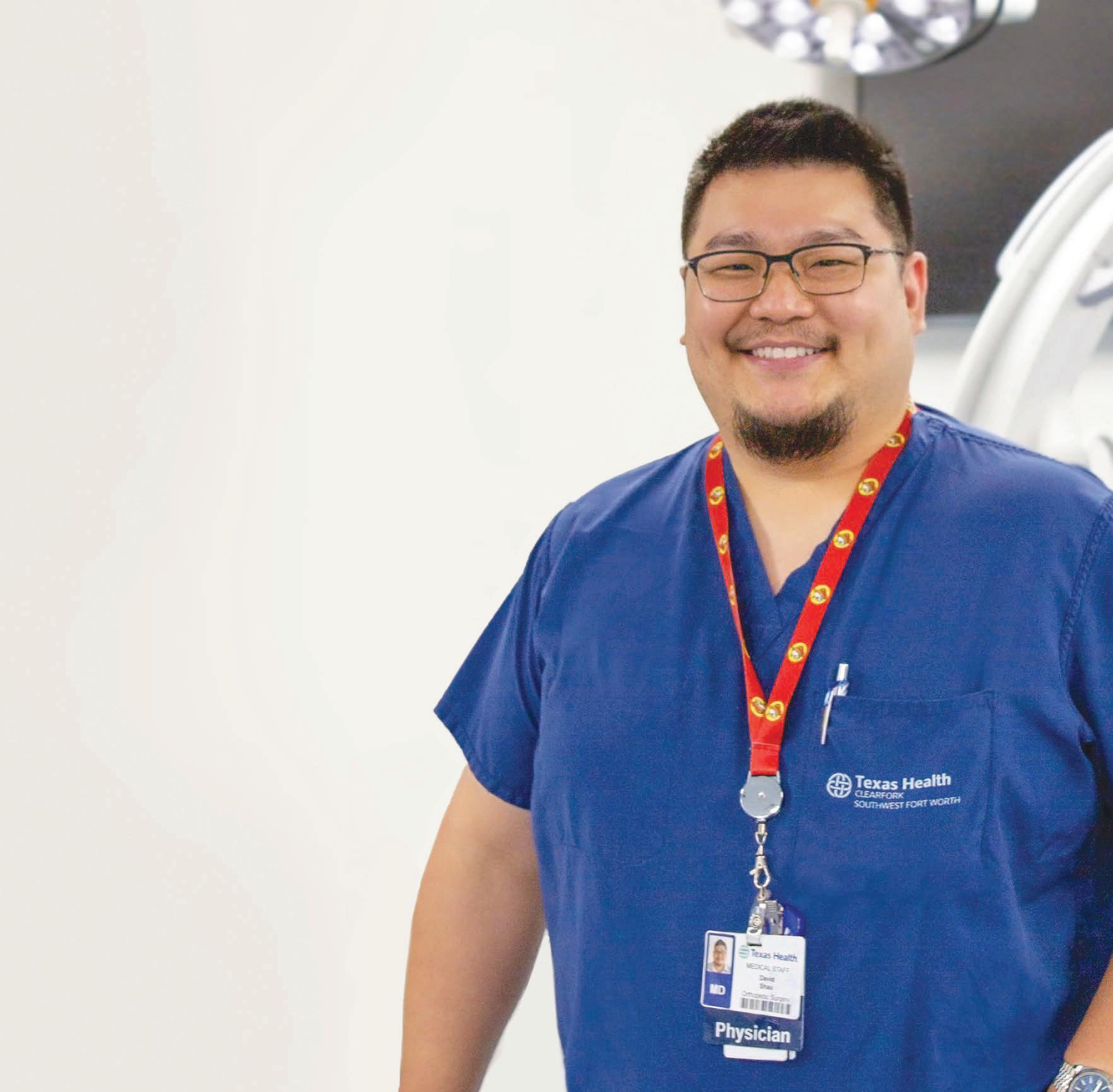
David Shau, MD/MBA
Texas Hip and Knee Center Fellowship Co-Director and Faculty at the Anne Burnett Marion School of Medicine at Texas Christian University
Dr. David Shau is a native Texan, born in Fort Worth, TX. He graduated high school in Flower Mound, TX, and attended the University of Texas at Austin, where he studied biomedical engineering. Dr. Shau then ventured out-of-state to work at leading academic orthopedic surgery centers, including Vanderbilt University, Emory University, and University of California, San Francisco, before being recruited to return home to practice at the premier DFW joint replacement group, the Texas Hip and Knee Center (THK).
Dr. Shau has quickly built his practice through connecting with his community, committing to quality service, and delivering excellent patient care. He utilizes a variety of techniques and approaches for hip and knee care, including direct anterior hip replacements, and offers technology-assisted surgeries, such as Mako Technology for partial and total joint replacements. He also specializes in revision joint surgeries and enjoys complex, challenging cases. As a result of dedicating himself to his craft, his partners at THK promoted him to Fellowship Co-Director early in his practice. Dr. Shau also serves as a Physician Development Coach and is an Assistant Professor at the Burnett School of Medicine at TCU, where he enjoys his roles as a teacher, mentor, and coach.
In his free time, he enjoys food, sports, music, and spending time with his wife and daughter. For more information on Dr. Shau’s care philosophy and the techniques/approaches offered for hip and knee care, please visit DavidShauMD.com.
A New Cholesterol Revolution Could One Treatment Change Cholesterol Forever?
By TODD EVANS
At some point, sleep stops being the thing you fall into easily at the end of a long day and starts being the thing you have to work at. As we age, especially after 50, this shift can feel sudden and deeply frustrating. You lie awake at 2am for no particular reason. You wake up feeling like you barely touched the pillow. You drift off on the couch at eight in the evening but stare at the ceiling for an hour once you actually go to bed. If any of that sounds familiar, you are not imagining it, and you are not alone.
For decades, treating high cholesterol has largely meant taking medication every day. Millions of Americans swallow a daily statin pill, while others use injectable medications every few weeks to keep their cholesterol levels under control. But a new experimental therapy is raising an intriguing question: What if lowering cholesterol could someday require just a single treatment?
Researchers are now studying a gene-editing therapy called VERVE-102, an experimental treatment designed to permanently reduce levels of LDL cholesterol, often referred to as "bad" cholesterol. Early results have generated significant interest within the medical community because the therapy aims to alter the body's biology in a way that could provide long-lasting cholesterol reduction after a
single infusion. While the treatment is still years away from potential approval and much more research is needed, it offers a glimpse into what the future of cardiovascular medicine may look like.
To understand why researchers are excited, it helps to first understand cholesterol itself.
Cholesterol is a waxy substance that the body needs to build cells and produce certain hormones. The problem occurs when low-density lipoprotein cholesterol, or LDL cholesterol, builds up in the bloodstream. Over time, excess LDL cholesterol can accumulate within artery walls, creating plaque deposits that narrow blood vessels and increase the risk of heart attacks and strokes.
For many people, lifestyle changes such as eating a healthier diet, maintaining a healthy weight, and exercising regularly can help improve cholesterol levels. Others require medication because their cholesterol remains elevated despite their best efforts. Some individuals inherit genetic conditions that cause extremely high cholesterol levels from birth.
One such condition is called familial hypercholesterolemia. This inherited disorder causes the body to have difficulty clearing LDL cholesterol from the bloodstream, often leading to cholesterol levels
For decades, treating high cholesterol has largely meant taking medication every day.
that are dramatically higher than average. People with familial hypercholesterolemia can develop heart disease at much younger ages than the general population.
Traditional cholesterol medications work well for many people. Statins remain the most commonly prescribed treatment and have helped prevent countless heart attacks and strokes. Newer injectable drugs known as PCSK9 inhibitors can lower LDL cholesterol even further. However, all of these treatments require ongoing use. If the medication is stopped, cholesterol levels typically begin to rise again.
That is where gene editing enters the picture. Gene editing refers to technologies that allow scientists to make precise changes to DNA, the genetic instruction manual found in our cells. One of the most widely known gene-editing tools is CRISPR, which has transformed biomedical research over the past decade.
The therapy being studied, VERVE-102, uses a specialized form of gene editing known as base editing. Unlike earlier gene-editing approaches that cut DNA strands, base editing changes a single "letter" within the genetic code. According to Live Science, researchers believe this more precise approach may help reduce some of the risks associated with older gene-editing techniques while still achieving the desired biological effect.
The treatment targets a gene called PCSK9. Although most people have never heard of PCSK9, it plays a major role in cholesterol regulation. The liver contains receptors that remove LDL cholesterol from the bloodstream. The PCSK9 protein can reduce the number of these receptors available to do their job. As a result, more LDL cholesterol remains circulating in the blood.
cardiovascular deaths. Those questions require much larger clinical trials involving hundreds or even thousands of participants followed for several years.
Safety is another critical consideration. Any therapy that permanently alters DNA faces a very high safety standard. Unlike a medication that can be stopped if problems develop, gene editing may create long-lasting changes. Scientists therefore must carefully monitor participants for unexpected effects.
So far, the safety data from the VERVE-102 study have been encouraging. HCPLive reported that no treatment-related serious adverse events were identified during the early-stage trial. Even so, researchers emphasize that larger studies and longer follow-up periods will be necessary to determine the therapy's full safety profile and long-term effectiveness.
Another question is who might ultimately benefit from such a treatment. If future studies continue to show positive results, experts believe the therapy could be especially valuable for people with inherited forms of high cholesterol or those at very high risk of cardiovascular disease. It is less clear whether gene editing would ever become a routine treatment for the millions of Americans with moderately elevated cholesterol levels.
But a new experimental therapy is raising an intriguing question: What if lowering cholesterol could someday require just a single treatment?
Cost will also be an important factor. Gene therapies currently rank among the most expensive treatments in medicine. Although a onetime therapy could potentially save money over a lifetime compared with decades of medications, affordability and insurance coverage would likely become major issues if the treatment reaches the market.
Scientists have known for years that some people naturally inherit genetic variations that make PCSK9 less active. These individuals often have unusually low cholesterol levels and a lower risk of cardiovascular disease. Building on this observation, researchers at University College London Hospitals say the new therapy aims to mimic that natural protection by permanently reducing the activity of the PCSK9 gene in liver cells.
In a recently reported early-stage clinical trial involving 35 participants with either heart disease or inherited high cholesterol, researchers tested a single infusion of VERVE-102. According to findings published in the New England Journal of Medicine the treatment produced substantial reductions in LDL cholesterol levels, with some participants experiencing decreases of more than 60 percent. Researchers also reported significant declines in PCSK9 protein levels, and the effects appeared to persist throughout the follow-up period.
Those findings are encouraging because they suggest that the therapy may have a durable effect. In medical research, the term durable simply means that a treatment continues to work for an extended period without requiring repeated doses. Still, it is important to keep the results in perspective.
The study was small and designed primarily to evaluate safety and determine appropriate dosing levels. Researchers have not yet demonstrated that the treatment reduces heart attacks, strokes, or
The broader significance of this research extends beyond cholesterol. Historically, gene therapies have focused on rare genetic disorders affecting relatively small numbers of patients. High cholesterol, by contrast, is one of the most common health conditions in the world. If gene editing eventually proves safe and effective for a widespread condition such as cholesterol management, it could mark a major shift in how medicine approaches chronic disease. For now, however, the most important takeaway is that this therapy remains experimental. People should not view it as a replacement for proven treatments such as statins, healthy eating, exercise, blood pressure control, and smoking cessation. Those measures continue to provide substantial protection against heart disease and remain the foundation of cardiovascular care.
Still, the early results offer an exciting glimpse into what may lie ahead. The idea that a single treatment could permanently alter the body's ability to regulate cholesterol would have sounded like science fiction just a few decades ago. Today, researchers are beginning to explore whether that possibility could become reality.
Whether VERVE-102 ultimately fulfills its promise remains to be seen. But its development highlights how rapidly medical science is evolving and how researchers are increasingly looking beyond managing disease toward changing the underlying biology that causes it in the first place.
Providing modern, minimally invasive procedures to patients with neurological conditions
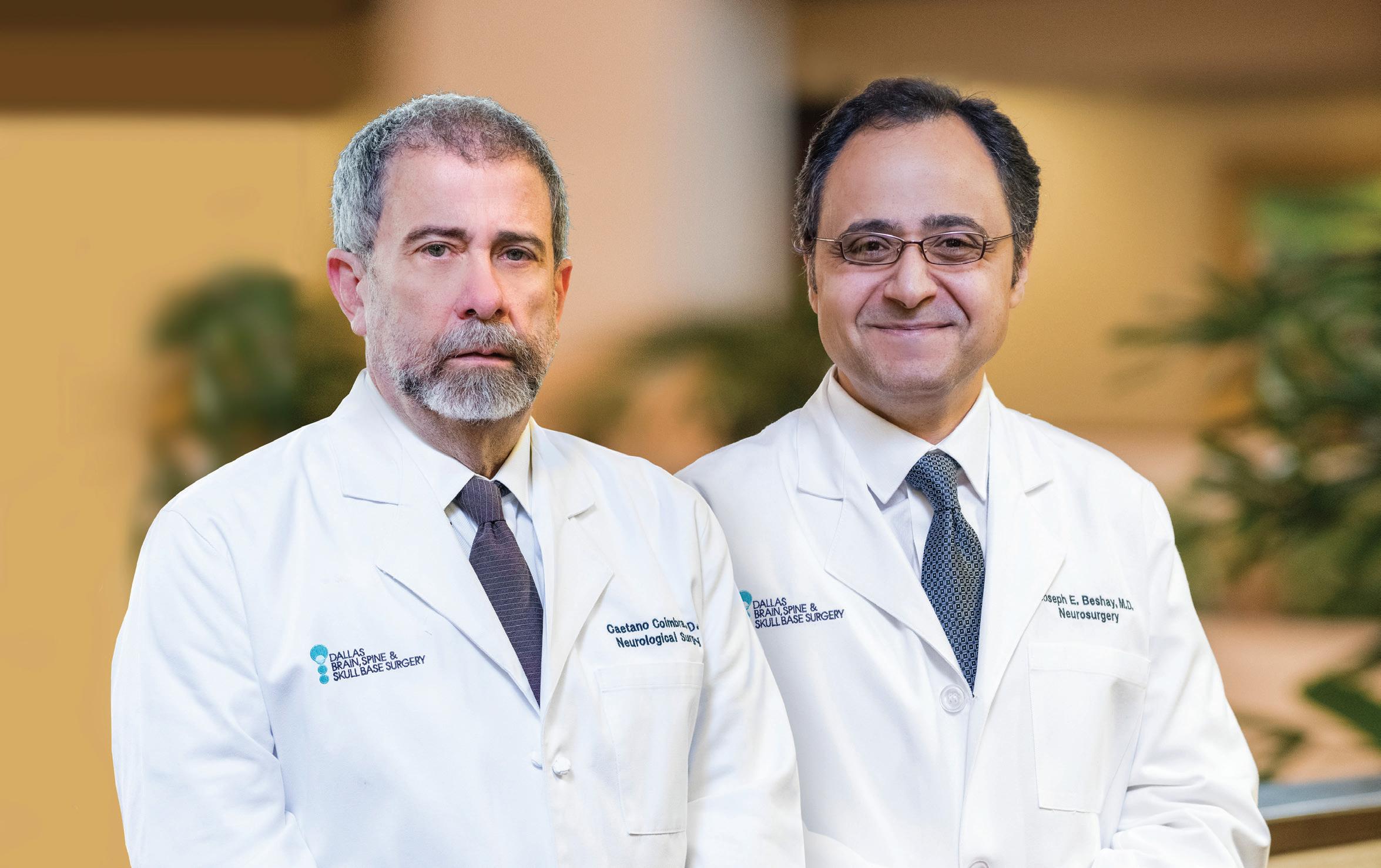
Dallas Brain, Spine and Skull Base Surgery is a neurosurgical practice that offers over 40 years of experience providing an innovative and collaborative state of the art approach to the care of patients with challenging neurological problems from around the world. Dr. Beshay and Dr. Coimbra have developed unique expertise in the treatment of brain tumors becoming the referral destination for the treatment of patients, especially those with complex or difficult to access tumors. They have also shown a commitment to the development of minimally invasive neurosurgical procedures including the most modern expanded trans–nasal endoscopic skull base surgical techniques and focused extradural approaches to skull base tumors.
Dr. Beshay’s interests include tumors of the brain and spine, minimally invasive spine surgery, complex spinal reconstruction, and epilepsy surgery. In addition to surgical treatment of intracranial and spinal disease, he has an interest in neurological bleeding and its reversal. Dr. Beshay’s clinical interests include: benign and malignant brain tumors, neuroendoscopy, epilepsy surgery, intracranial hemorrhage, cranial/ spinal trauma, minimally invasive spine surgery, complex spinal reconstruction with an interest in C1–C2 and occipito–cervical junction disease. Dr. Coimbra restricts his practice mostly to intracranial neurosurgery. This selective tertiary practice has fostered the opportunity to develop unique expertise and commitment to the treatment of malignant and benign brain tumors. He is an expert in the minimally invasive resection of the most complex skull base tumors, including meningiomas, acoustic neuromas, and pituitary tumors. He employs CyberKnife radiation therapy, endoscopic endonasal techniques, and an array of focused skull base approaches to create a customized treatment plan for each patient in his practice. These innovative approaches allow resection of deep, difficult, and complex tumors with minimal brain tissue manipulation and maximal preservation of function.
Dr. Coimbra and Dr. Beshay believe in customized patient care and a team approach to medicine with attention to careful selection of the least invasive and most effective treatment for each patient. Their commitment to this philosophy has resulted in maximum preservation of function, less discomfort, shorter hospital stays and durable favorable outcomes for their patients.
When you’re diagnosed with colon cancer, you need comprehensive care from renowned physicians, advanced treatment options, leading edge technology, and clinical trials. But you also need to keep being Mom. With more than 280 locations across the state, Texas Oncology provides expert cancer care and keeps you close to those you love. Because we understand that hugs from your six-year-old are an important part of your treatment plan.
903.868.4700
7777 Forest Ln., Ste. A307, Dallas, TX 75230
(972)566–5200 • dallasbrainandspine.com
EXPERT COLON CANCER CARE RIGHT WHERE YOU LIVE.
Carly, Colon Cancer Survivor
Left to Right
Caetano J. Coimbra, MD; Joseph Beshay, MD
How Old Are You Really ?
By JACK STEEDY
At our age, most of us know exactly how old we are. We can recite the number without hesitation. It appears on our driver’s licenses, medical forms, and birthday cakes. Yet if you’ve ever met someone who seemed decades younger than their age, or someone who appeared much older than the years they’ve lived, you’ve probably wondered whether age is really as simple as a number. The truth is, age has layers. Two people can be the same chronological age and have remarkably different experiences of life. One may be energetic, curious, socially connected, and eager to learn new things. The other may feel withdrawn, exhausted, and convinced their best years are behind them. They were born the same number of years ago, but in many ways they are aging very differently. That’s because we don’t age in just one way. We age physically, mentally, emotionally, socially, and psychologically. Each of these dimensions influences how we experience life, and each tells a different story about who we are today.
Perhaps the most familiar form of aging is physical aging. It’s the one we see in the mirror and feel in our joints. Hair changes color. Recovery takes a little longer. Reading glasses appear in unexpected places throughout the house. Physical aging gets most of the attention because it’s visible, but it may be only one piece of the puzzle.
Mental aging has less to do with intelligence and more to do with curiosity. Some people stop exploring long before they stop living. Others maintain an active interest in the world around them for decades.
Some people remain remarkably active and physically capable throughout their later decades. Others experience limitations much earlier. Lifestyle habits, genetics, sleep, nutrition, movement, stress, and countless other factors influence how the body changes over time. Yet physical age doesn’t always determine how old someone feels.
Have you ever noticed that some people seem permanently young at heart? They laugh easily, stay curious, and approach life with enthusiasm rather than resignation. They are willing to learn new skills, travel to unfamiliar places, and embrace experiences outside their comfort zone. This brings us to mental age.
Mental aging has less to do with intelligence and more to do with curiosity. Some people stop exploring long before they stop living. Others maintain an active interest in the world around them for decades. Researchers at Harvard Medical School have long emphasized the importance of lifelong learning and mental engagement in supporting brain health and cognitive resilience. But beyond the science, there is something deeply human about remaining curious. Curiosity keeps life interesting. It encourages questions, invites growth, and reminds us that there is still more to discover.
People who continue reading, learning, creating, and exploring often seem younger than their years, regardless of what the calendar says.
Emotional age tells another story entirely. This has little to do with maturity in the traditional sense. Instead, it reflects how we navigate challenges, relationships, disappointments, and change. Some people grow increasingly resilient as they age. They’ve weathered storms, learned difficult lessons, and developed perspective. They no longer react to every inconvenience as if it’s a catastrophe. They understand that most problems eventually pass.
Others remain trapped in old patterns of fear, anger, resentment, or worry. Life experience alone doesn’t guarantee emotional growth. Sometimes growth comes from reflection rather than experience itself. One of the most interesting aspects of emotional aging is the way priorities often shift over time. Small annoyances lose their importance, meaningful relationships become more valuable, and experiences often matter more than possessions.
Maybe the better question isn’t, “How old are you?” Maybe it’s, “How engaged are you with life?”
The people who seem youngest are rarely the ones with the fewest birthdays. They’re the ones who continue showing up for life. They’re still curious about the world around them. They keep learning new things, making new friends, trying new experiences, and setting new goals. They haven’t convinced themselves that growth has an expiration date.
The encouraging news is that these qualities aren’t reserved for a lucky few. You don’t have to train for a marathon, start a new career, or reinvent yourself overnight. Youthfulness often reveals itself in much smaller ways. It shows up when you take a class you’ve always wanted to try, say yes to an invitation, learn a new skill, volunteer in your community, or simply remain open to new ideas and experiences.
In many ways, staying young is less about preserving the body and more about nurturing the spirit. It’s about maintaining a sense of curiosity, purpose, connection, and possibility. Those qualities have a way of shining through regardless of the number on a driver’s license.
The calendar will continue to move forward for all of us. None of us can stop that. But we can choose whether we continue growing, learning, laughing, connecting, and looking ahead. The people who do often possess a vitality that has very little to do with age and everything to do with how they approach life.
So how old are you really? While aging is inevitable, continuing to grow is always a choice.
Texas Back Institute
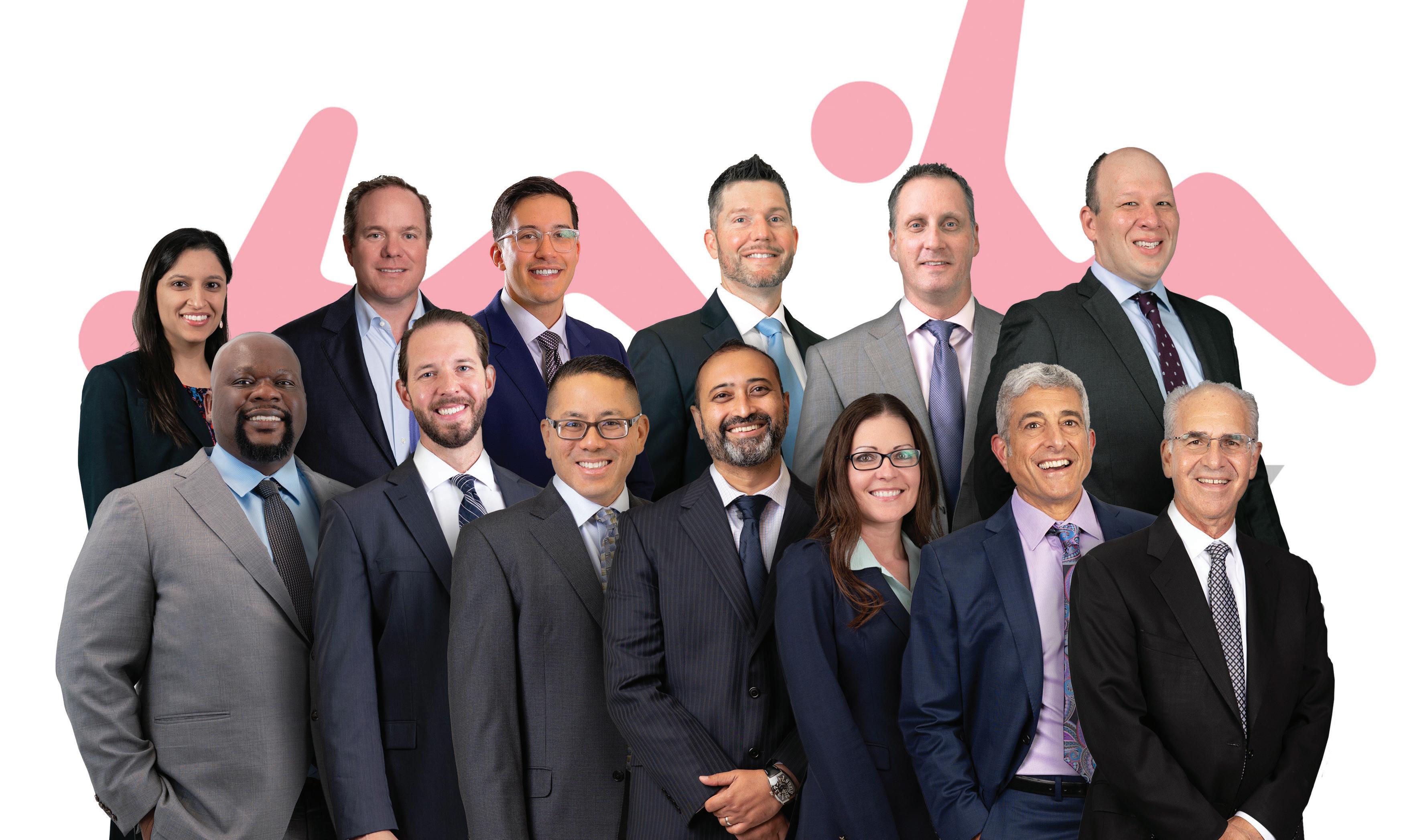
Texas Back Institute (TBI) has served the North Texas area in spine care for nearly 50 years. An uncompromising desire to put patients first and provide individualized spine care has helped change the treatment options available to patients for neck and back pain.
Today, TBI is a leader in artificial disc replacement, minimally invasive spine surgery, complex revision surgery, and treatment of spinal deformity. TBI has trained hundreds of surgeons, scientists, and allied health professionals now practicing worldwide. Its research institute employs state-of-the-art technology and is actively involved in many clinical trials, including artificial disc replacement, minimally invasive technologies, and robotic spine surgery. Texas Back Institute has remained one of the most academic practices in spine care. It is one of the largest multidisciplinary spine centers in the world, providing comprehensive care for neck and back pain. With a fully dedicated staff of board-certified orthopedic spine surgeons, neurosurgeons, physiatrists, and physical therapists, the TBI team works together to support its mission of helping patients get back to life. The 27 physicians at Texas Back Institute are leaders in the surgical
and nonsurgical treatment options for back and neck pain, from the most common outpatient procedures to the most complex cases. Thanks to the unmatched expertise of the medical staff, the advanced diagnostic testing, and an unparalleled commitment to patient care, the Texas Back Institute physicians can identify the potential cause of your pain and create a treatment plan specific to your needs.
Texas Back Institute has developed several spine specialty programs. These include the Minimally Invasive Spine Surgery Center, Center for Disc Replacement, Scoliosis and Spine Tumor Center, and Complex Back Surgery Center. These programs give patients access to highly-trained care teams who focus specifically on these areas of spine care, allowing patients in the North Texas area access to treatment options for their individual problems from physicians with extensive experience in these areas.
“At Texas Back Institute, finding the right solution for each patient and offering the least invasive treatment is core to our belief and the foundation for all treatment plans.” Dr. Michael Duffy.
ALLIANCE
3025 N. Tarrant Pkwy., Ste. 220 Fort Worth (Alliance), TX 76177
ARGYLE
310 FM 407E, Ste. 100 Argyle, TX 76226
DALLAS
12222 N. Central Expy. Pavilion II, Ste. 310 Dallas, TX 75243
DENTON
3537 S. Interstate 35, Ste. 308 Denton, TX 76210
FLOWER MOUND
4370 Medical Arts Dr. River Walk Bldg. III, Ste. 230 Flower Mound, TX 75028
FORT WORTH
1650 W. Rosedale St., Ste. 301 Fort Worth, TX 76104
4510 Medical Center Dr., Ste. 106 McKinney, TX 75069
NORTH RICHLAND HILLS
4351 Booth Calloway Dr. Ste. 404 Fort Worth, TX 76180
CENTRAL PLANO
4001 W. 15th St., Ste. 455 Medical Office Bldg. III Plano, TX 75093
PLANO
6020 W. Parker Rd., Ste. 200 Plano, TX 75093
ROCKWALL
3164 Horizon Rd., Ste. 100 Rockwall, TX 75032
SACSHE
4650 President George Bush Turnpike, Ste. 100 Sachse, TX 75048
WICHITA FALLS
501 Midwestern Pkwy. E Wichita Falls, TX 76302
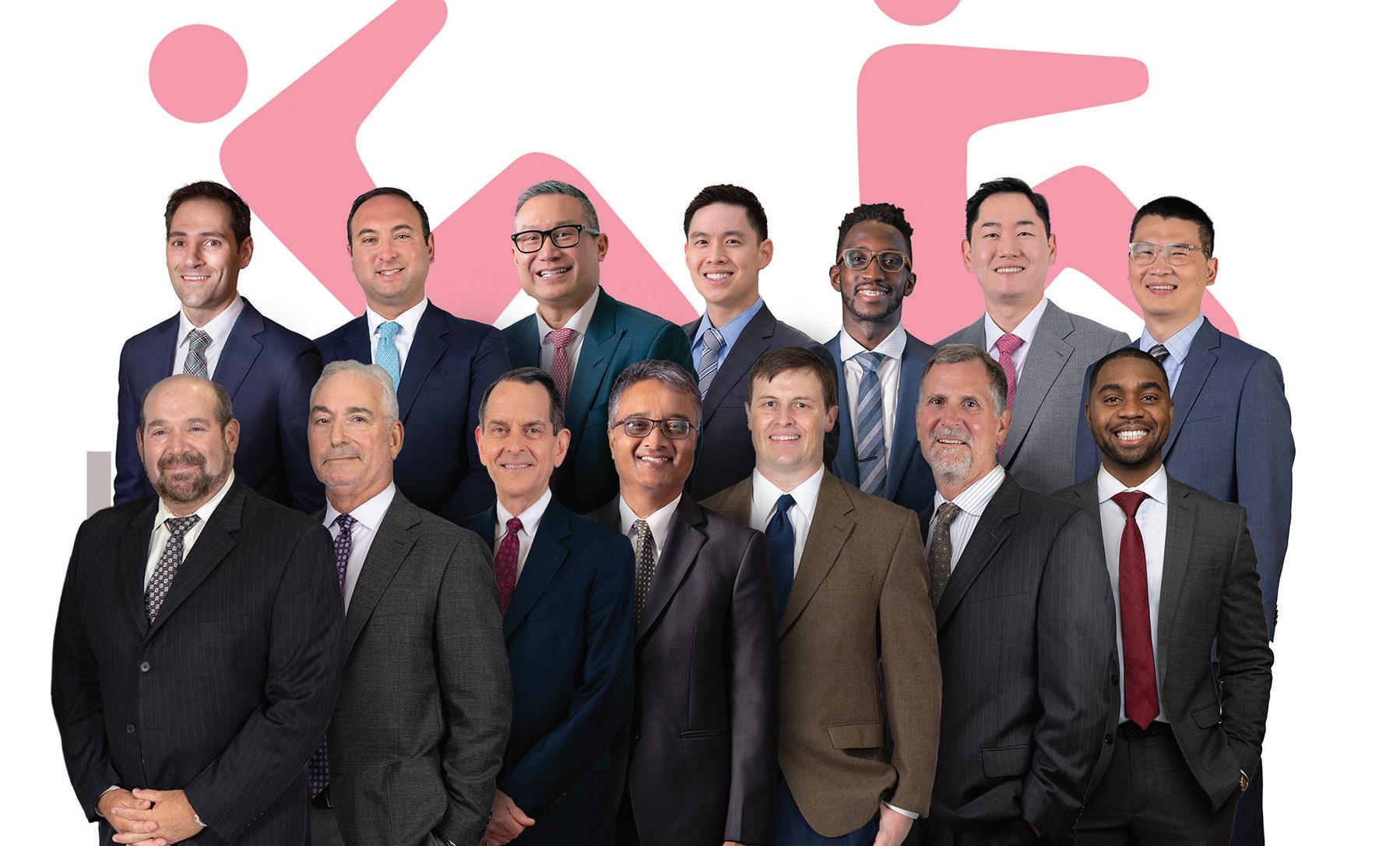
TOP ROW: Sheena Bhuva, MD; Michael Duffy, MD; Alejandro Carrasquilla, MD; Brian Braaksma, MD; Theodore Belanger, MD; Stephen Tolhurst, MD; Blake Staub, MD; Alexander Satin, MD; Ivan Cheng, MD; Kevin Ju, MD; Akwasi Boah, MD; Junyoung “Jon” Ahn, MD; Chun Lin, MD
BOTTOM ROW: Adewale Adeniran, MD; Thomas Kosztowski, MD; Rey Bosita, MD; Rajesh Arakal, MD; Jessica Shellock, MD; Isador Lieberman, MD, MBA, FRCSC; Richard Guyer, MD; Jack Zigler, MD, FACS; Scott Blumenthal, MD; Kevin Gill, MD; Nayan Patel, MD; Craig Lankford, MD; Michael Hisey, MD; Uche Davidson, MD
OUR SERVICES:
Macular Degeneration
Diabetic Eye Disease
Retinal Vein & Artery Occlusions
Flashes & Floaters
Retinal Tears & Detachments
Macular Pucker/Epiretinal
Membrane
Macular Holes
Uveitis
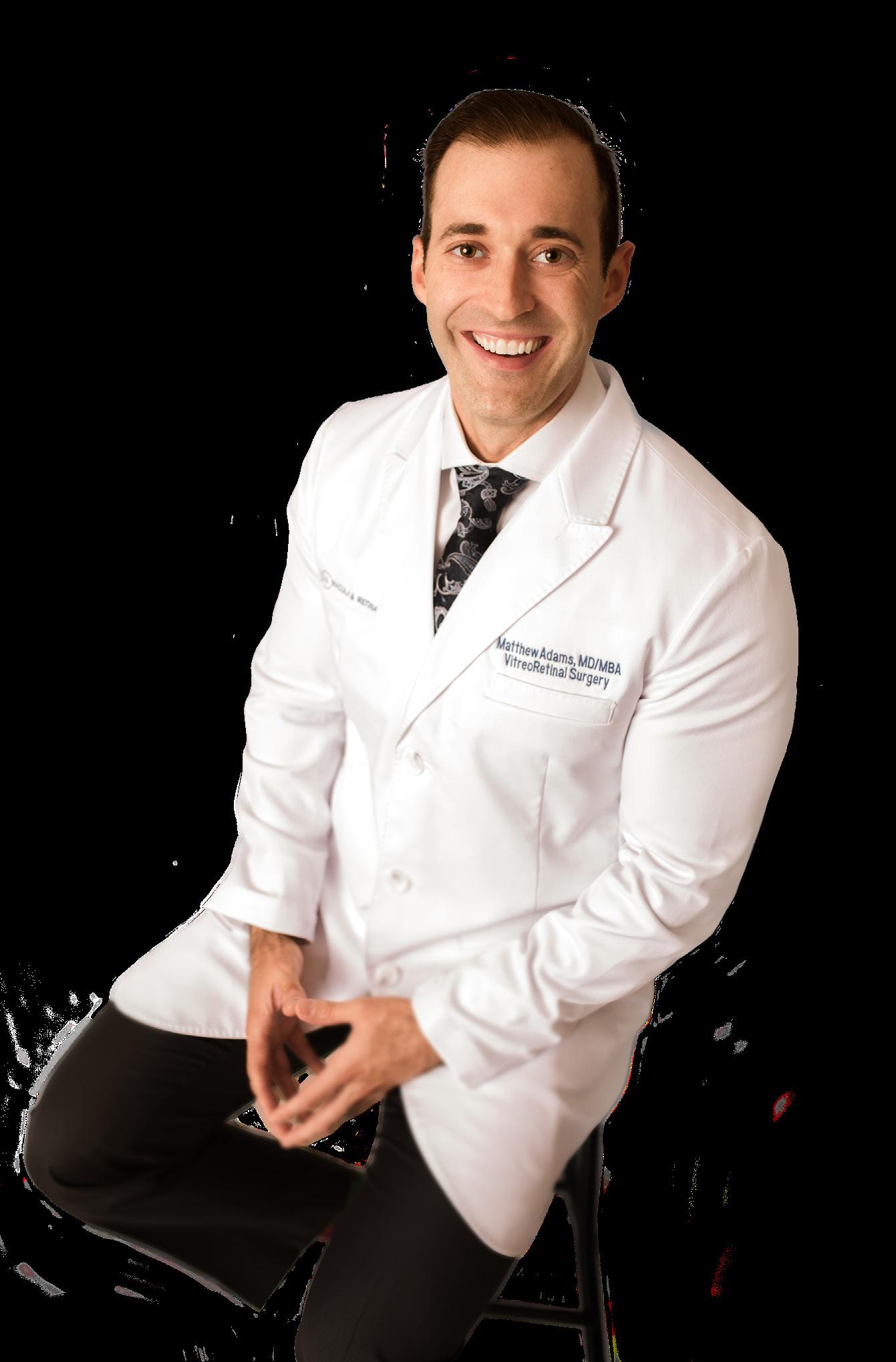
K. ADAMS, MD, MBA
At Texas Macula & Retina, our mission is to provide exceptional eye care with a focus on the diagnosis, treatment, and management of retinal disorders.
Dr. Adams is a board-certified Ophthalmologist and Ophthalmic Surgeon specializing in Vitreoretinal Surgery. His principal areas of interest include age-related macular degeneration, diabetic retinopathy, retinal detachment repair, macular surgery, retinal lasers, and secondary intraocular lens implantation.
Dr. Adams and his team are committed to preserving and improving the vision and overall quality of life for our patients by offering the most advanced and personalized retina care available.
A New Light for Aging Eyes
What Every Senior Should Know About Red Light Therapy
By MATTHEW K. ADAMS, MD, MBA
If you’ve noticed that reading the morning paper has become a little harder lately, or that familiar faces seem slightly blurred at a distance, please know this: you are not alone, and more importantly, there is more we can do for you now than ever before.
As a retinal specialist, I spend every day helping patients protect and preserve the gift of sight. One of the most exciting developments I’ve seen in years is a treatment called Photobiomodulation Therapy, more commonly known as Red Light Therapy. I’d like to discuss what it is, who it can help, and why I believe it’s worth considering for anyone with macular degeneration.
What Exactly Is Red Light Therapy?
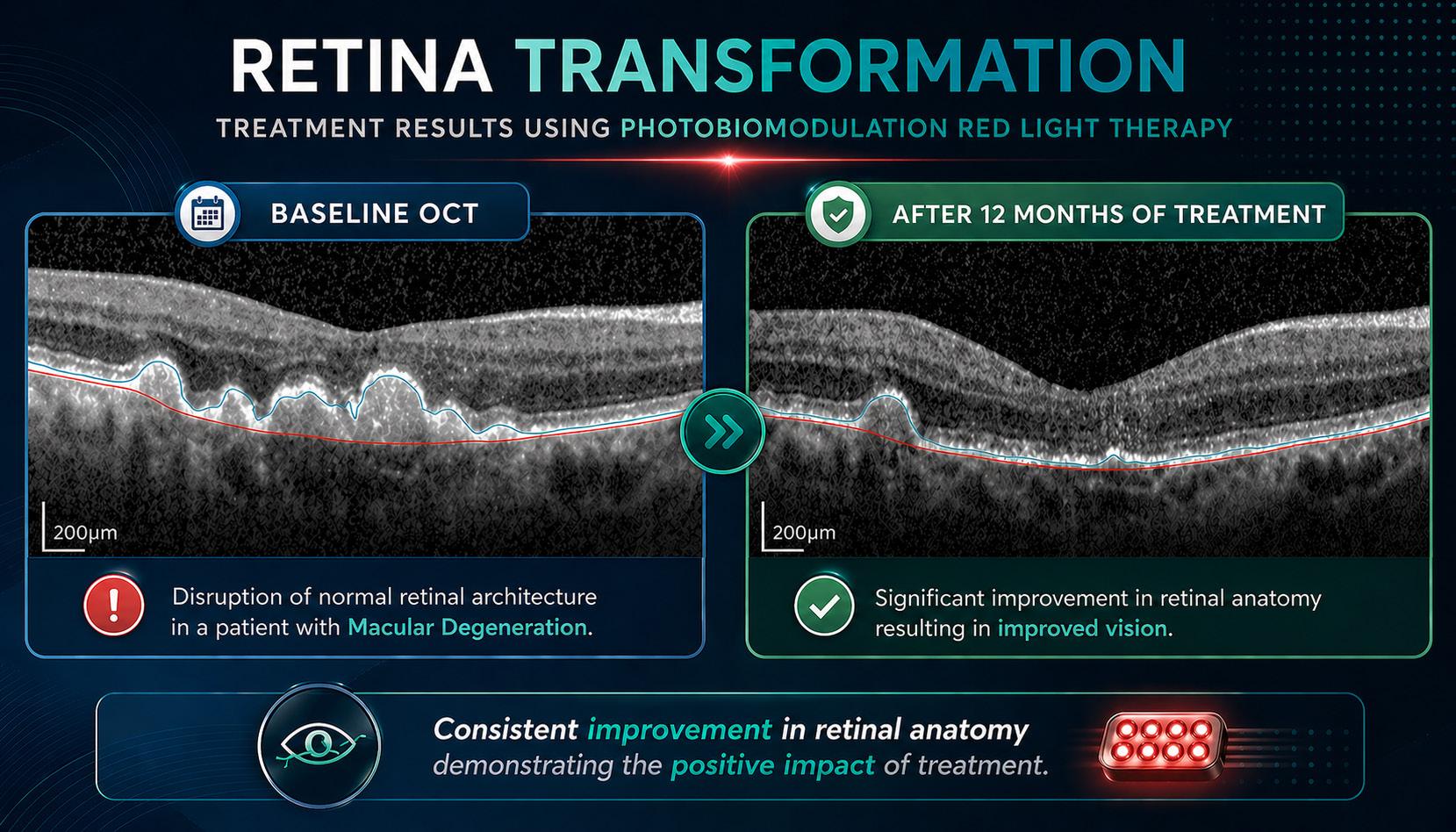
Photobiomodulation is an FDA-approved treatment that uses precise wavelengths of red and near-infrared light to gently energize the cells inside your retina, the thin, light-sensitive layer at the back of your eye that makes clear, central vision possible. Unlike injections or surgical procedures, this therapy is completely non-invasive: nothing touches your eye, nothing enters your eye, and there is absolutely no pain involved. The entire treatment takes place right in the office, and most patients are in and out in around five to ten minutes.
I often describe it this way: think of the cells in your retina like tiny batteries that power your vision. As we get older, and especially for those of us dealing with a condition called Age-Related Macular Degeneration, or AMD, those batteries gradually lose their charge. Red Light Therapy works by giving those cells a gentle but meaningful boost, helping them produce energy more efficiently, reducing harmful inflammation, and clearing away cellular waste that tends to accumulate over time.
Who Is This Treatment For?
Age-Related Macular Degeneration is one of the leading causes of vision loss in adults over 60, and it affects millions of Americans. If you’ve been told you have early or intermediate dry AMD, or if you’ve noticed subtle changes such as blurry or slightly distorted central vision, this treatment may be a very good fit for you.
Patients who tend to benefit most are those who want to take an active, proactive role in protecting their vision, rather than simply waiting to see what happens. That’s a mindset I deeply respect, and it’s exactly the kind of patient this therapy was designed for.
What Can You Realistically Expect?
I believe in being straightforward with my patients. Red Light Therapy is not a cure for macular degeneration, and it will not fully restore vision that has already been lost. What it can do is meaningful: research shows
it may improve how sharply and clearly you see, enhance your ability to distinguish contrast, and help slow the progression of the disease.
In fact, a recent clinical study found that 84 percent of patients who received this therapy either maintained or actually improved their vision over a two-year period compared to where they started. That is a remarkable result for a condition that, left unmanaged, tends to worsen over time.
Many of my own patients describe the experience warmly. They say things look a little cleaner and crisper, reading feels more manageable, and colors seem more vivid. These may sound like small changes, but for someone who loves to read, cook, garden, or simply recognize a grandchild’s face across a room, they are anything but small.
What Happens During a Treatment Session?
You’ll sit comfortably and look into a specialized light device for just a few minutes per eye. There’s no dilation required, no anesthesia, no speculum holding your eye open. Most patients describe the sensation as warm and relaxing. Treatments are usually completed in a series spread over several weeks, making it easy to work into your regular schedule.
Let’s
Talk About Your Eyes
The best way to know whether Red Light Therapy is right for you is through a comprehensive retinal examination. Every patient is different, and a personalized evaluation allows us to look carefully at the health of your retina and discuss a treatment plan built around your specific needs.
Your vision is precious. It connects you to the people you love and the life you’ve built. If there’s a safe, gentle, and proven option that may help protect it—don’t you deserve to know more? Call our office today to schedule your evaluation. We are here to help you see your world clearly, for years to come.
Better Hearing KEEPS YOU Connected!
Buying New Headphones This Summer?
Courtesy HEARING SERVICES OF McKINNEY
Summer is here, and it has a way of getting us moving. Chances are, you’ll want a soundtrack to go with it. Maybe that’s inspired you to shop for a new pair of headphones or earbuds.
» Staffed by 2 Licensed, Doctors of Audiology
» Hearing Aid Fittings, Maintenance and Repairs
» Invisible Fittings/Open Fittings
» Evaluation Period On All Hearing Aids
» Hearing Evaluations For All Ages
» Wireless/Connectivity Hearing Solutions
» Battery Purchase Programs
» Custom Ear Protection
» Assistive Devices
Most buyers focus on comfort, sound quality, battery life, the color, or whether the headphones will stay put during a workout. Those are all good considerations, but there is another factor that deserves attention: your hearing.
As audiologists at Hearing Services of McKinney, we often meet people who are surprised to learn that everyday listening habits can contribute to hearing loss over time. The problem usually isn’t one afternoon of listening to music. It’s the accumulation of months and years of volume levels that are just a little too high and listening sessions that last a little too long.
One reason headphones can be problematic is simple. They place sound much closer to the ear than traditional speakers. When music, podcasts, or audiobooks are delivered directly into the ear canal, the delicate structures responsible for hearing receive the full intensity of that sound. Unlike many parts of the body, those tiny sensory cells inside the inner ear do not regenerate once they are damaged.
At first, you may find yourself turning up the television a bit more than before. Conversations in restaurants become harder to follow. You may notice a ringing or buzzing sound after a concert or a long listening session. Because these changes happen slowly, many people don’t recognize them until the effects become more significant. The good news is that a few smart choices can help protect your hearing while still allowing you to enjoy your favorite music and podcasts.
If you’re shopping for headphones, consider investing in a quality pair of noise-canceling headphones. Many people assume noisecanceling technology is simply a luxury feature, but it can actually help protect hearing. When outside noise is reduced, there’s less temptation to crank up the volume to compete with lawn equipment, gym noise, or a crowded coffee shop. If you’re increasing the volume because of these outside noises, your ears may be receiving far more sound than you realize. In those situations, noise-canceling headphones are often a safer choice than simply turning the volume higher.
Volume matters just as much as the type of headphones you choose. A useful guideline is the “60/60 rule.” Try listening at no more than 60 percent of the maximum volume for no longer than 60 minutes at a time before giving your ears a break. While that recommendation isn’t a hard-and-fast rule for everyone, it provides a practical starting point for safer listening.
It’s also worth paying attention to how long you’re listening. Many people put in earbuds first thing in the morning and keep them in for hours while working, exercising, running errands, or doing chores. Even moderate sound levels can become problematic when exposure continues for extended periods without breaks. Giving your ears time to rest throughout the day can make a meaningful difference.
Earbuds deserve special consideration. Their convenience makes them incredibly popular, but because they sit directly in the ear canal, sound reaches the eardrum with very little distance to travel. That doesn’t mean earbuds are inherently bad, but it does mean volume control becomes even more important.
Your hearing health is also connected to more than just your ears. Research over the last several years has shown strong links between hearing health, communication, social engagement, and cognitive wellness. Protecting your hearing today can help support a more active and connected lifestyle in the years ahead.
If you enjoy music, podcasts, audiobooks, or phone calls through headphones, there’s no reason to stop. The goal isn’t to avoid technology. The goal is to use it wisely.
If you’ve noticed ringing in your ears, difficulty understanding conversations, or if it’s simply been a while since your last hearing evaluation, now is an excellent time to schedule a hearing checkup. And if you already wear hearing aids, don’t assume your days of enjoying music, podcasts, and audiobooks are limited. Many modern hearing aids feature Bluetooth connectivity, allowing audio from smartphones, tablets, and other devices to stream directly into your hearing aids. For many people with hearing loss, this provides a clearer, more comfortable listening experience than traditional headphones or earbuds. The team at Hearing Services of McKinney can evaluate your hearing, discuss the latest technology options, and help you find solutions that keep you connected to the sounds and activities you enjoy most.
Conner Allen
5
Top Myths of Funeral Service
By RICK ALLEN
For many years, the funeral industry has been veiled in a cloak of mystery and even fear about the entire process. People have had fears about the funeral industry for a couple of primary reasons. First, the experience itself is something most people will only be responsible for dealing with once or possibly twice in their lifetime, so there is no familiarity of the process. All of us are a little leery about the unknown, so just not knowing what to expect causes anxiety. Second, the public perception about funerals is that they are extremely expensive. This can be true, depending on the choices a family makes regarding the type of funeral service, merchandise selected and whether or not cemetery property has been secured in the past or if that too is a required expense at the time. So, let’s explore the top five myths about funerals and see if we can clear up some of the confusion or misinformation that exists on the subject.
1. Embalming is required – Every state has their own rule regarding embalming. In Texas, as in most states, the requirement for embalming is left up to the funeral home. Typically, if a body is going to be viewed or present at a public service or visitation, embalming will be required by the funeral home. This is necessary for public health purposes and a body that has been properly embalmed and prepared for viewing presents a better memory picture for those seeking closure in dealing with their grief. If cremation is your choice, and no one will need to see the deceased once they have been brought into the care of the funeral home, embalming is not necessary.
2. Cremation is cheaper than burial – In a nutshell, yes. This is true because you eliminate the need for cemetery property in most cases. However, if you have a traditional funeral service followed by cremation the cost will be the same. The difference, or savings, lies in the fact that the need for cemetery property is eliminated. Most funeral homes offer a ceremonial (or rental) casket for those who desire a traditional funeral but also want cremation. The absolute cheapest way to dispose of a deceased individual’s body is by direct cremation. With this option, there is no viewing and no service at all. Additionally, only a minimal container (usually constructed of cardboard) is all that is required to hold the body.
3. Only one person can be buried in a single grave space – Most cemeteries are now offering what is referred to as a second rite of interment. For a fee, usually a percentage of the cost of the grave space, a second interment can be made. If a burial has been made in the past, the second interment may be limited to only cremains. If it is designated prior to the first burial being made, up to two persons can be buried in a single space. Some cemeteries have special sections set out for this and the grave liner is already in place prior to either burial being made. These types of spaces are called lawn crypts.
4. You must have a vault if you choose to bury – This requirement may or may not exist. The cemetery can decide if they require any type of outer burial container. If the cemetery requires such, its primary function is to keep the grave level by providing a foundation for which the dirt replaced in the grave after burial rests on. Typically, these are simply a concrete box and do not provide a dry resting place for the casket. If that is important to you, a protective vault should be chosen and this will meet any minimum requirement of the cemetery.
5. Funerals must be paid for in full up front – Most funeral homes want to know how you plan to pay and yes, some will require you to pay in full prior to the funeral service. If you plan to use proceeds from a life insurance policy to pay for a funeral, most funeral homes will accept an assignment of proceeds as a form of payment. Most funeral homes also accept credit cards as well. Very seldom will you find a funeral home that offers installment payment options, unless you are pre-planning in advance of an actual need.
Hopefully, this has helped to clear up some of the questions you may have had about funerals. In the event you would like more information about any of the above mentioned topics, or have additional questions, please feel free to call us.
Your Family, and Their Future, is our Priority. At KoonsFuller, family law is not just what we do, it’s all we do.
For over 40 years, we have been dedicated to guiding Dallas families through life’s most complex legal challenges. With 24 Board Certified Attorneys across four North Texas offices, we’re honored to bring a collaborative, tailored and team-based approach to every case.
From informal negotiations and mediation to litigation, our experienced attorneys are prepared to handle estates of all sizes, sensitive custody matters, and high-profile cases with the utmost discretion and care.
And through all of that, we never lose sight of what matters most: achieving results that protect your family and their future.
320 Eagle Dr., Suite 200 Denton, TX 76201 (940) 442-6677
5700 W. Plano Pkwy., Suite 2200 Plano, TX 75093 (972) 769-2727
550 Reserve St., Suite 450 Southlake, TX 76092 (817) 481-2710
• Comprehensive Adult Eye Care
• Light Adjustable Lens, Odyssey™, Symfony®, PanOptix, Vivity® and the Eyhance IOL
• Management of Dry Eye, Glaucoma & Corneal Disease
• Eyelid Surgery & Botox®
• Laser Vision Correction, EVO ICL™
and Rockwall.
Left to Right: Leslie Pfeiffer, MD; Anita Jacob, OD; Kimberly Warren, MD; Sadaf Razi ElHaffar, OD; Faisal Haq, MD
The Faithfulness of Ordinary Days
By D.S. EMORY
Afew years ago, I started noticing something about my prayers.
Not the prayers themselves, necessarily, but the circumstances surrounding them. The prayers that felt easiest to remember were usually attached to significant moments. They were the prayers offered during a crisis, a major decision, a health scare, a season of uncertainty, or one of those unmistakable moments when life suddenly changes direction. Those prayers felt important because the circumstances felt important.
But then I began thinking about all the other days. The days that never become part of a testimony. The days that aren’t marked by dramatic breakthroughs or life-changing decisions. The days filled with errands, appointments, phone calls, laundry, meal preparation, work responsibilities, and the dozens of small tasks that quietly consume our time. If I’m honest, there have been seasons when I treated those ordinary days as though they were simply the space between the moments that really mattered. I suspect I’m not alone in that.
Many of us are drawn to the mountaintop moments of faith. We love stories of unexpected provision, miraculous healing, restored relationships, and dramatic answers to prayer. Those stories encourage us because they remind us that God is actively involved in our lives. They give us something tangible to point to when we talk about His goodness.
The problem is that most of us don’t spend our lives on mountaintops. Most of life happens somewhere in the valley between them. Most of life is made up of Tuesday afternoons that look remarkably similar to the Tuesday afternoons that came before. It’s taking care of responsibilities, showing up for people, keeping commitments, paying bills, preparing meals, caring for aging parents, checking in on friends, and doing work that often feels unnoticed. There are entire stretches of life that can feel repetitive enough to make us wonder if anything meaningful is happening at all.
Yet the longer I walk with God, the more convinced I become that He does some of His deepest work there. There is a passage in Colossians that I’ve returned to many times over the years. It says, “Whatever you do, work at it with all your heart, as working for the Lord, not for human masters” [Colossians 3:23]. I’ve heard that verse used in discussions about careers and work ethic, but lately I’ve found myself lingering over the first three words. Whatever you do. Not some things. Not only the things that feel important. Not just the things that seem spiritual. Whatever you do.
There is something beautifully freeing about that. It suggests that God is not waiting for us to step into some grand assignment before He becomes interested in our lives. He is already present in the life we’re living right now. The work we do, the people we care for, the obligations we fulfill, and the small acts of faithfulness that no one else notices are not separate from our spiritual lives. They are part of them.
I think sometimes we accidentally divide life into categories. We place church, prayer, Bible study, and ministry into one column and everything else into another. One feels sacred while the other feels ordinary. But Scripture repeatedly challenges that way of thinking. God seems far less interested in separating the sacred from the ordinary than we are. Again and again, He meets people in fishing boats, fields, kitchens, workshops, roadsides, and everyday conversations.
The older I get, the more comforting I find that truth. Because if spiritual growth only happened during extraordinary moments, many of us would spend years waiting for it. But if God is present in the ordinary rhythms of life, then every day becomes an opportunity to know Him more deeply. Every conversation matters. Every act of kindness matters. Every small choice to trust Him matters, even when there is no dramatic outcome attached to it.
I think about some of the believers who have influenced me most over the years. None of them would have described themselves as remarkable. They weren’t famous authors or well-known speakers. Most lived quiet lives that would never attract much attention. Yet there was a steadiness about them that left a lasting impression. They continued praying when prayers seemed unanswered. They continued serving when nobody noticed. They continued trusting God through losses, disappointments, illnesses, and uncertainties. Looking back, I realize what I admired wasn’t their giftedness. It was their faithfulness.
That word doesn’t get much attention these days. We celebrate talent, achievement, influence, and success, but faithfulness often goes unnoticed because it tends to look ordinary. It’s the person who keeps showing up. The person who continues doing the right thing long after the excitement has faded. The person who quietly trusts God one day at a time.
Yet Scripture speaks about faithfulness with remarkable consistency. In Luke 16:10, Jesus says that whoever can be trusted with very little can also be trusted with much. For years, my attention was drawn to the “much.” Like most people, I was interested in the larger opportunities, the bigger assignments, and the greater purpose.
Now I find myself thinking more about the “very little.” Because that’s where most of life takes place.
We love stories of unexpected provision, miraculous healing, restored relationships, and dramatic answers to prayer. Those stories encourage us because they remind us that God is actively involved in our lives.
FLORIAN DIBRA, MD
Florian F. Dibra, MD is an orthopedic surgeon located in Frisco, Texas who has extensive knowledge in hip and knee orthopedics and treats operative and non-operative hip and knee arthritis. He focuses on minimally invasive muscle-sparing total hip and knee replacement, anterior hip replacement, partial knee replacement, robotic joint replacement and complex hip and knee replacement revisions. Dr. Dibra is specialized in magIQknee™ and magIQhip™, muscle-sparing techniques with robotic technology.
Dr. Dibra graduated with honors from Villanova University in Pennsylvania. Soon after, he received his medical degree, with cum laude honors from the esteemed Jefferson Medical College in Philadelphia, Pennsylvania.
He completed his orthopedic surgery training at the University of Florida.
He continued at the University of Florida Health Hospital to complete his fellowship in Adult Arthroplasty with an emphasis in hip and knee reconstruction. During Dr. Dibra’s surgical training, he accomplished several publications, book chapters, and poster presentations.
Dr. Dibra’s family consists of his wife and two children. In addition to English, he is fluent in Albanian, Italian, and proficient in Spanish.
PRAIRIE ESTATES c
by CANTEX CONTINUING CARE NETWORK
Located near Frisco Lakes and downtown Frisco, Prairie Estates offers all the comforts of home and so much more.
Welcome to Prairie Estates
Transitional
Rehabilitative, Complex or Chronic Care
Prairie Estates offers both inpatient and out-patient rehabilitation services aimed at treating a variety of sub-acute and chronic medical conditions: