BILLY BOB THORNTON THE ROAD LESS TRAVELED
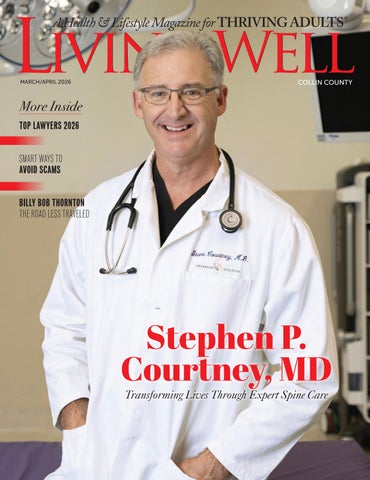
Transforming Lives Through Expert Spine Care
COLLIN
BILLY BOB THORNTON THE ROAD LESS TRAVELED
Transforming Lives Through Expert Spine Care

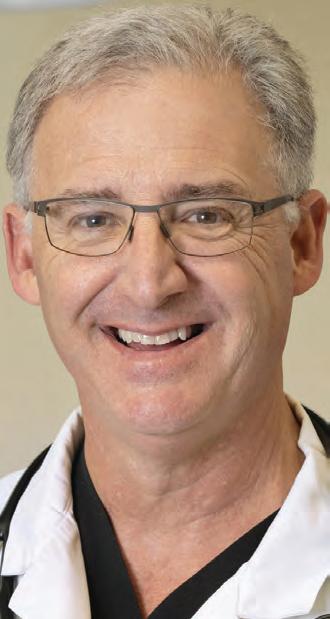
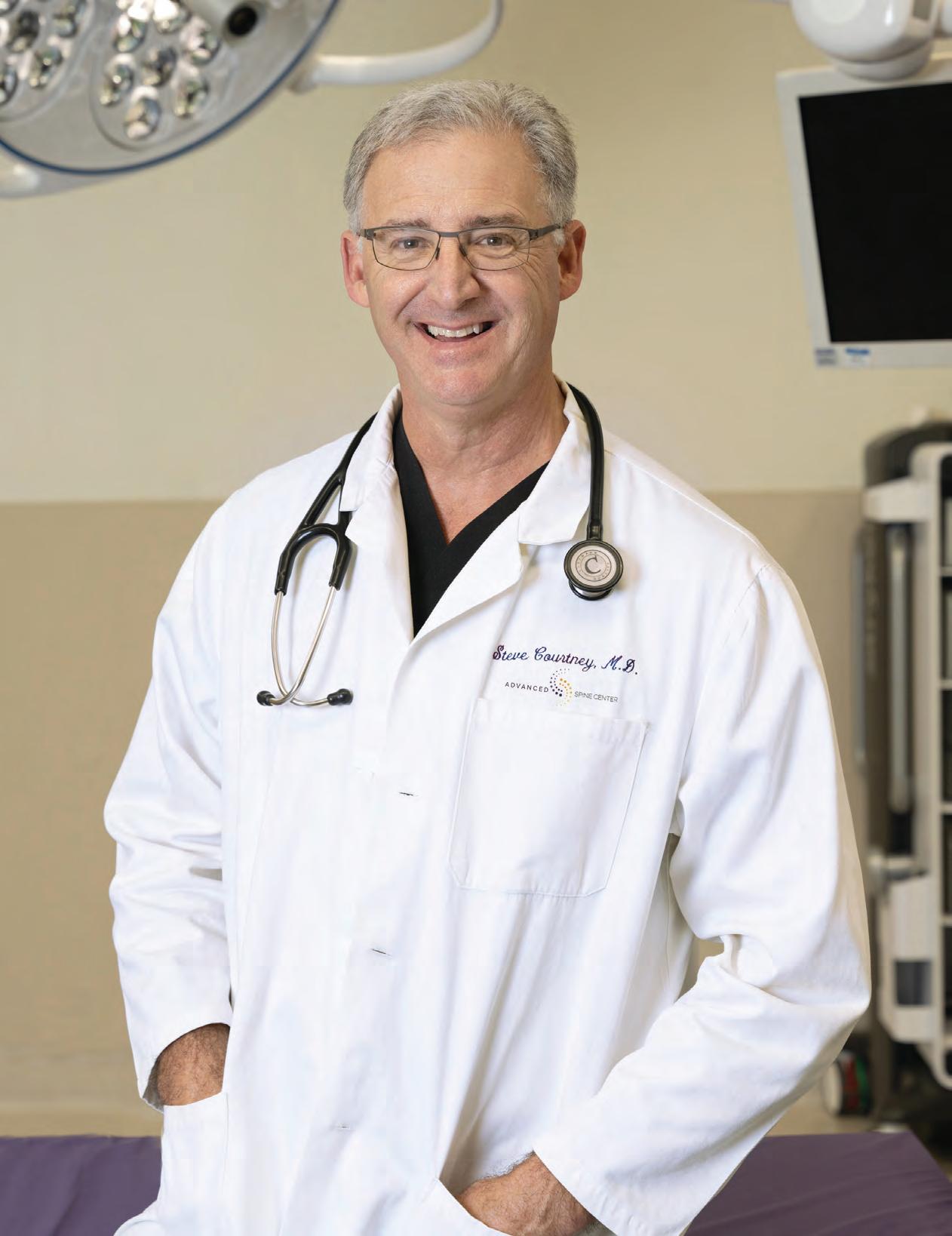
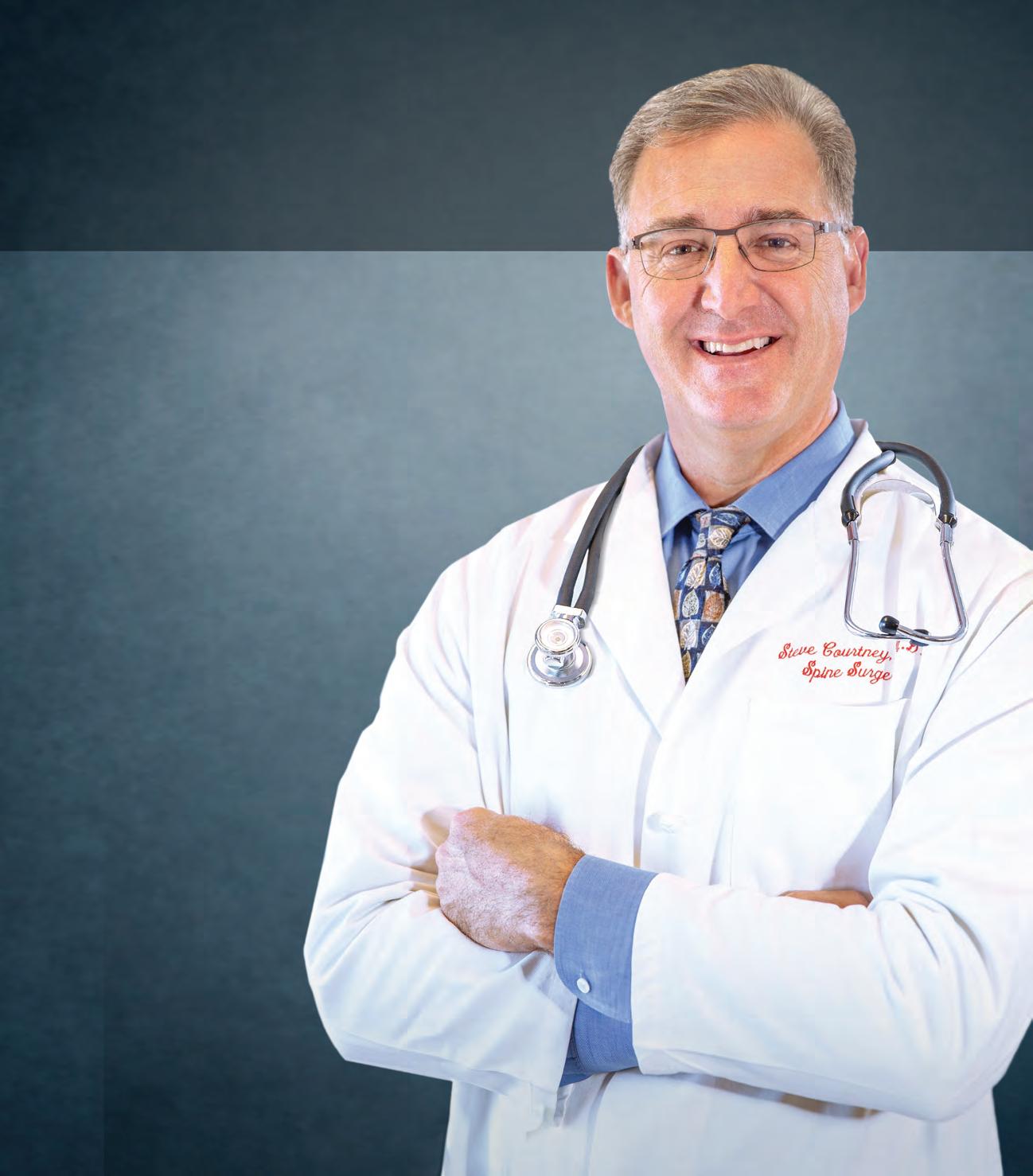
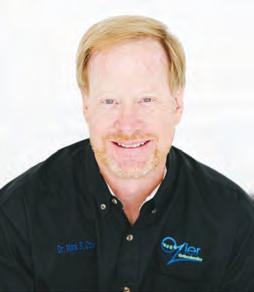
Dr. Courtney is a board-certified orthopedic spine surgeon located in Plano, Texas. A Louisiana native, he attended Louisiana State University for medical school, and completed residency at Texas A&M followed by a fellowship at the Florida Neck and Back Institute.
SPECIALTIES:
• Back Pain
• Neck Pain
• Spine Pain
• Disc Replacement
• Microdiscectomy
• Spinal Fusion
• Minimally Invasive Surgery
• Steroid Injections
• Physical Therapy
“I believe in treating each of my patients with honesty, dignity, and respect. My patients come away from our shared interactions feeling confident, assured that they are truly in the best hands. Throughout my career, I have remained laser-focused on providing world-class care and innovation to the patients I treat on a daily basis. I look forward to getting to know you!”
Total
Headache

This month’s Collin County edition of LIVING WELL brings together stories that remind us how much strength there is in experience—especially when it’s paired with compassion and precision.
On page 8, we feature Dr. Stephen P. Courtney, a board-certifid, fellowship-trained orthopedic spine surgeon who has spent more than 26 years helping patients reclaim their mobility and quality of life. Back pain can quietly chip away at everything from sleep to mood to independence. Dr. Courtney’s steady approach to diagnosis and treatment reflcts something we value: medicine that treats the whole person, not just the image on a scan.
Meanwhile, our annual Top Lawyers 2026 feature, on page 39, highlights legal professionals who are guiding clients through life’s biggest decisions with clarity and integrity. From estate planning to complex litigation, these are the advocates helping families and businesses move forward with confidece.
Financial wellness is just as important as physical health. In “Smart Ways to Avoid Scams,” on page 14, we tackle a different kind of vulnerability—fiancial exploitation. Scammers are getting smarter, but so can we. Ths piece offers grounded, practical strategies to protect your assets and your peace of mind. It’s a conversation worth having with family members of every generation.
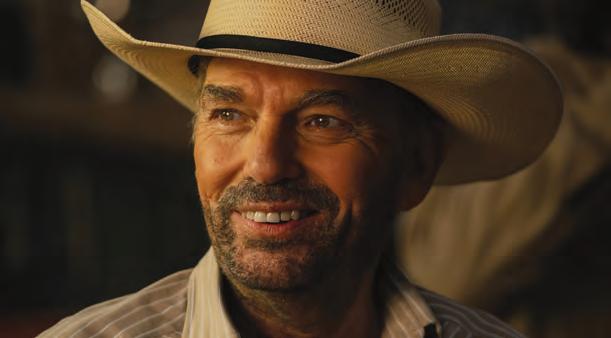
And then there’s our celebrity feature on Billy Bob Thornton. In “ The Road Less Traveled,” on page 24, we look beyond the headlines at a man shaped by grit and a refusal to be predictable. It’s a compelling look at an actor who’s managed to stay relevant on his own terms.
Health. Protection. Perspective. Ths issue is about staying healthy—in body, in fiances, and in spirit. We hope you’ll settle in and spend some time with it.
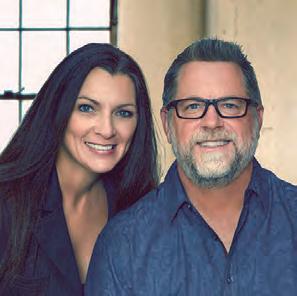
Live well, Sam & Spring Houston
PRESIDENT & CEO SAM HOUSTON
VICE PRESIDENT & CFO SPRING HOUSTON
EDITOR, FEATURE WRITER & SOCIAL MEDIA SONDRA BARR
ART DIRECTOR VANESSA FRYER
ACCOUNTS MANAGER JENNIFER BEAVERS
WEBSITE LYDIA ROGERS
ADVERTISING & SALES
TEXAS: Denton County, Dallas County, Collin County
TEXAS & OKLAHOMA: Texoma Area
WRITE TO US:
Tell us who you would like to see featured on the cover, or what subjects you would like covered in upcoming editions of LIVING WELL MAGAZINE at info@livingwellmag.com
SUBSCRIPTIONS & CUSTOMER INQUIRIES
Houstons of Dallas Publishing, Inc. 102 E. Broadway, #901 Prosper, TX 75078
www.LivingWellmag.com
Phone: (214) 507-1000 Fax: (855) 248-2132
LIVING WELL MAGAZINE is a source for quality educational articles on living a healthy, vibrant life. Our focus is on connecting our readers with the latest information on a host of topics relevant to their evolving life. From cutting edge medical news and procedures to top-tier financial, legal and lifestyle information. Connecting readers to leading medical and business professionals in their community in Texas and Oklahoma.
MARCH/APRIL 2026 All advertisements in this Magazine are placed by third parties. We do not control or endorse either the advertisements or their content. Further, we
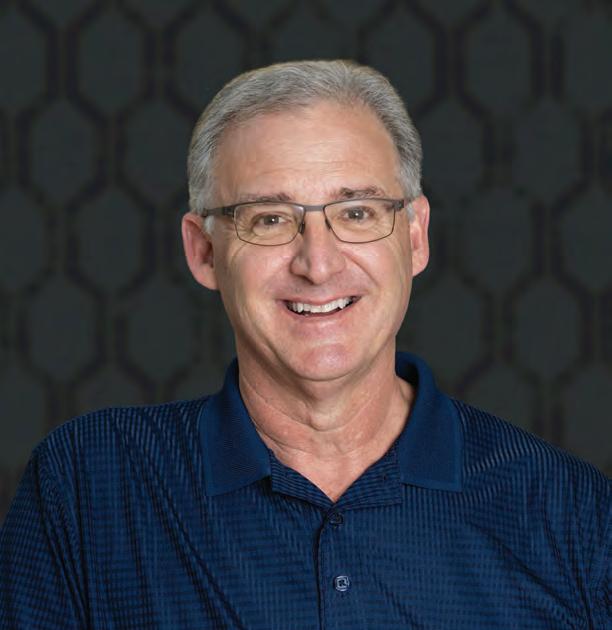


Kwame Ennin, MD, MBA, is a fellowship-trained board-certified orthopedic surgeon at Texas Joint Institute in McKinney and Plano, Texas who is an expert in hip and knee replacement procedures, adult reconstructive surgery, and nonoperative osteoarthritis care.
Dr. Ennin earned his undergraduate degree in biochemistry from the State University of New York in Stony Brook. He then went on to receive his medical education at the University of Cincinnati College of Medicine, before completing his general internship and orthopedic surgery residency at The University of Texas Southwestern Medical Center in Dallas. He is fellowship-trained in adult reconstructive surgery from William Beaumont Hospital in Michigan.
Dr. Ennin has a keen desire to educate. He is a presenter and educator to his colleagues regarding direct anterior total hip arthroplasty, total knee arthroplasty, revision total knee arthroplasty, partial knee replacement, and robotic surgery. He is committed to ensuring that the best understandings and techniques are available to all surgeons in the orthopedic community. Dr. Ennin is passionate about research. He has, throughout his career, been involved in and published numerous peer-reviewed studies.
Dr. Ennin has been a leader in the North Texas orthopedic community since 2015. He delivers personalized, patientcentered, evidence-based care for his patients. He is committed to taking care of his patient’s joints for their lifetime.
Dr. Ennin specializes in:
•Hip Replacement Surgery
•Knee Replacement Surgery
•Revision Hip and Knee Replacement Surgery
•Orthopedic Surgery
•Osteoarthritis



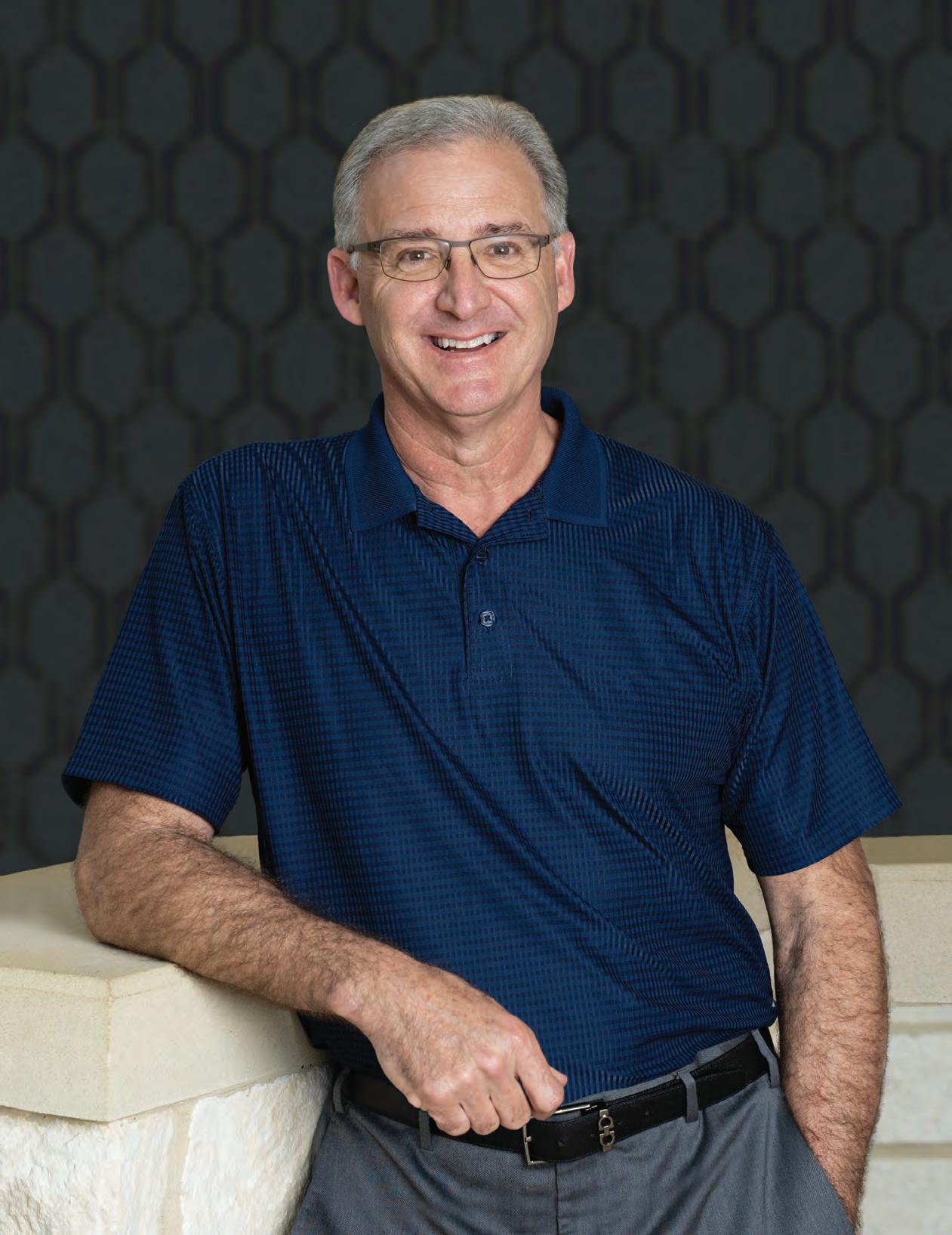
BOARD-CERTIFIED, FELLOWSHIP-TRAINED ORTHOPEDIC SPINE SURGEON PRACTICING FOR OVER 28 YEARS.
For board-certifid, fellowship trained orthopedic spine surgeon
Dr. Stephen P. Courtney, patients come fist. It’s an ethos that developed early on in his life and one that has helped guide him in his journey to earn a distinguished reputation among his professional colleagues, medical peers and, most importantly, his patients.
Dr. Courtney began his medicine career from the ground up. While a teenager, he spent summers working in a rural north Louisiana hospital. As an orderly, he was an integral part of the hospital environment. While not a glorifid job, cleaning bed pans, changing bed sheets, cleaning patient rooms, helping medical practitioners, and assisting patients, offered him an invaluable glimpse into the hard work and dedication necessary to succeed in the medical fild. The job also served as the catalyst for his decision to pursue medical school.
Inspired by the patients he’s cared for there, Dr. Courtney made education a priority. He was salutatorian of his high school class and went on to graduate summa cum laude from Northeast Louisiana University. While at Louisiana State University Medical School, he utilized his summer to perform spine biomechanical tests on human spine cadavers utilizing pedicle screws. Considered cutting edge biomechanics and technology at that time, most spine surgeons didn’t even know they existed yet. However, Dr. Courtney performed one of the fist biomechanical tests on those implants. It was a feat that earned him the Howmedica Biomechanic Award and the Louisiana Orthopedic Association Award. He also placed fourth in the World Congress for Student Research Competition.
Dr. Courtney’s residency at Texas A&M University Medical Center and further specialty training through a fellowship at Florida Neck & Back Institute in Gainesville, Florida, additionally cemented his strong medical foundation. From there, he continued to gain more knowledge and insight on how to help his patients with useful tools, while recognizing there was room for much improvement in the tools at hand.
ment, as well as surgical intervention. We employ the latest in minimally invasive spine surgeries, in addition to cutting-edge replacement technology. Incorporating both high tech and high touch, we get our valued patients back to their lives so they can enjoy all the activities they love.
The medical fild is not the only arena in which Dr. Courtney excels. He approaches fitness with the same dedication and vigor he applies to medicine. In 2005, Dr. Courtney was in the top 10 of his age group in mountain biking in Texas. He also completed one of the largest cycling events in the country multiple times: the “Hotter’N Hell” race. Always up for a new challenge, from there, he began training to compete in triathlons.
Above all, I believe in treating each and every patient I have with honesty, dignity, and respect. My patients come away from our shared interactions
feeling confident assured that they are truly in the best hands.
Ths realization inspired Dr. Courtney to design, develop, biomechanically test, complete FDA testing and oversee quality control and validation on a host of tools he created. To date, Dr. Courtney has developed nine spinal product lines and obtained nine patents and 14 trademarks on spine related products.
When he’s not traveling the country training other physicians on how to utilize his products, Dr. Courtney dedicates himself to the patients of his own medical practice, Advanced Spine Center.
Led by Dr. Courtney, the skilled team at Advanced Spine Center cares for patients with neck and back pain using a wide array of the most state-of-the-art tools and techniques—from conservative physical therapy and injection therapy—to advanced pain manage-
Dr. Courtney trains for triathlons with the same focus he uses as a surgeon. Waking up at 4 a.m. six days per week to work out in his home gym, he never waivers from the goal at hand— exceeding his personal best. After successfully completing multiple triathlons, Dr. Courtney shows no signs of slowing down. He continues to train and looks forward to competing in many more triathlons.
“I think if you can survive a triathlon you are absolutely living well,” he says.
Paying attention to fitness is something he encourages his patients to consider, too. “People don’t have to be a tri-athlete to be healthy. I like to tell people you need to start small. Do something to be active. It can even be yard work—that’s a great workout too. As you get older especially, you need to be in tune with your body, monitor your calorie intake and be active. I encourage people to change slowly, start small, and fid out what you like to do,” he says.
Sharing his wellness journey is part of the straight-forward, honest approach that puts his patients at ease and creates a trusting bond, an important element for the highly technical operations Dr. Courtney performs to help restore patients’ quality of life. As he learned early on, the single most important person in the treatment process is the patient and well-informed patients are more successful in following through on their rehabilitation and have better outcomes.
It’s a sentiment that his patients echo. “You don’t want to trust (your back) to just somebody that has his name on a door. You have to go to people that you trust. I talked to people and everybody trusted Dr. Stephen Courtney and I do too and I’d highly recommend him,” says Judy Jones, a lumbar fusion patient of Dr. Courtney’s.
“Above all, I believe in treating each and every patient I have with honesty, dignity, and respect. My patients come away from our shared interactions feeling confidet, assured that they are truly in the best hands,” says Dr. Courtney, who always brings his A-game.
SURGERY: L5/S1 360° LUMBAR FUSION
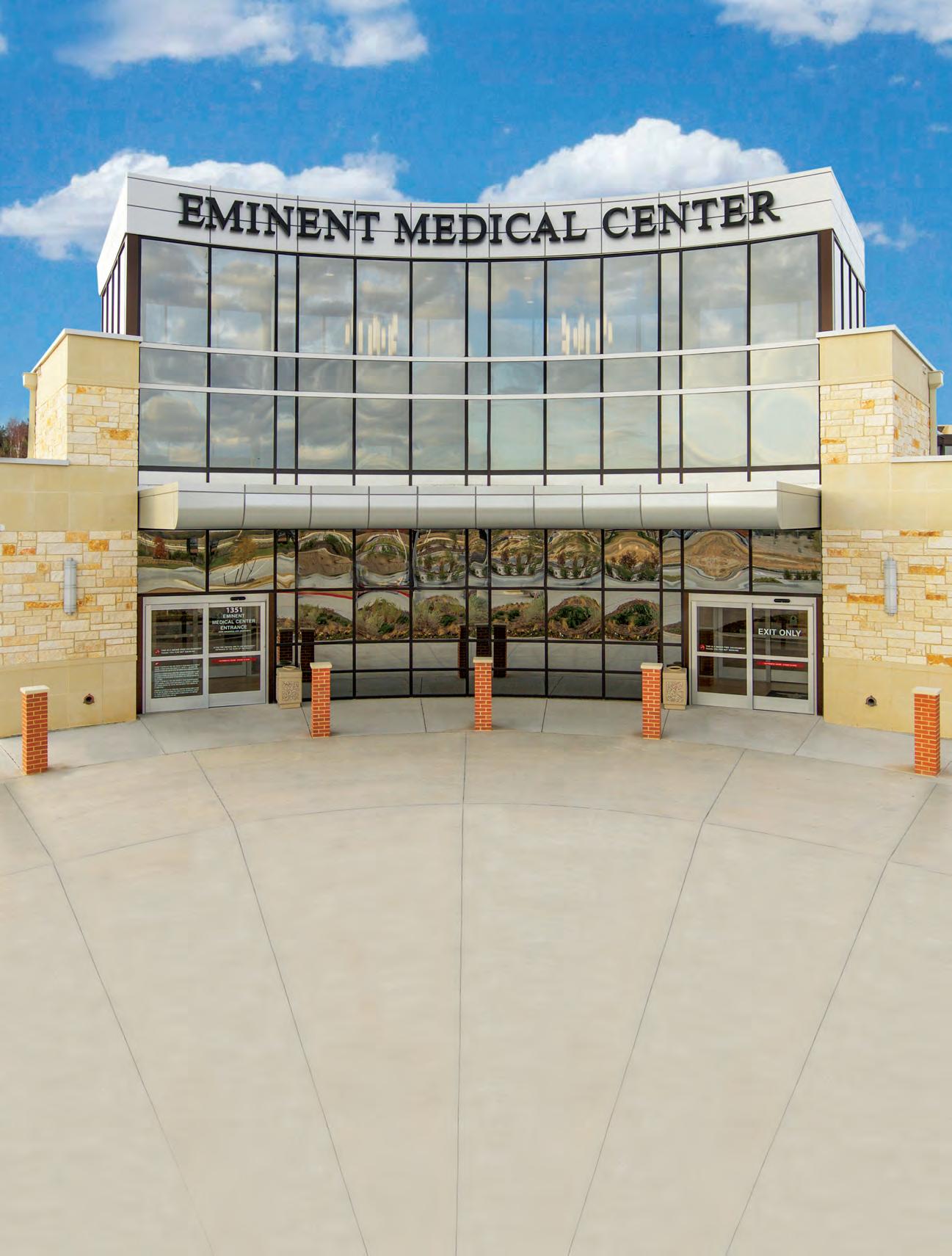
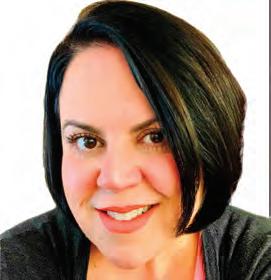
“After having back surgery twice and being frustrated with the lack of care from my previous doctor, I made an appointment to see Dr. Courtney. He is one of the most humble, funny, laid back and coolest surgeons I’ve met. He makes you feel like family. His office staff s amazing. His clinic Eminent Medical Center, where he performs the procedures, is also a 5-star facility. Every staff member I have encountered there has been so caring and professional. I am so glad I decided to change doctors and meet Dr. Courtney. I can see his attention to detail and his caring personality every time I see him. Before my injections he took some time to chat and made me feel at ease since it’s always nerve wrecking to have any spinal procedure. I will be having surgery soon and even though I am nervous and scared I know I am in good hands, and I know Dr. Courtney and all his staff ill take great care of me. Thanks, Dr. Courtney and thanks to all his staff.”
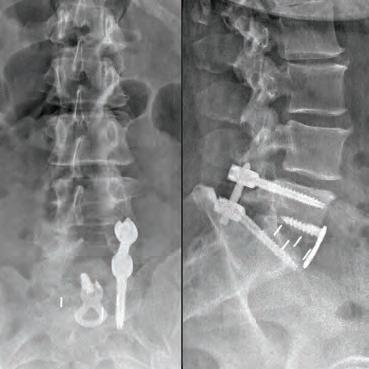
SURGERY: LEFT L5/S1 MICRODISCECTOMY
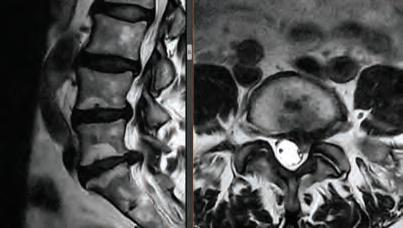
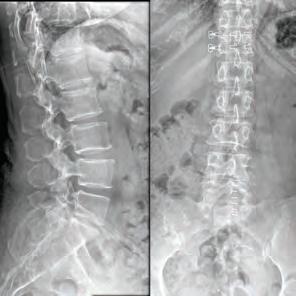
“My husband and I have been coming to Dr. Courtney for years. We trust him for all of our back issues here recently. I had a spinal condition and had no doubt that Dr. Courtney would be able to take care of this and make me fully normal again. He and his staff ere amazing! From the moment I decided to move forward with the surgery option to the very last post-op appointment, Dr. Courtney and his staff ave been nothing but pleasant, courteous, professional and extremely friendly and helpful. I encourage anyone who has any type of back pain to come to Dr. Courtney’s office He is the BEST!”
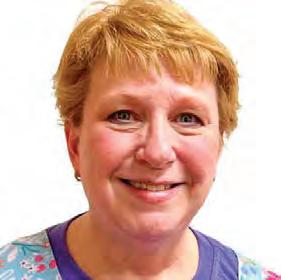
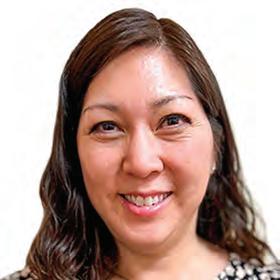
SURGERY: C4/C5, C5/C6, C6/C7 ACF (ANTERIOR CERVICAL FUSION)
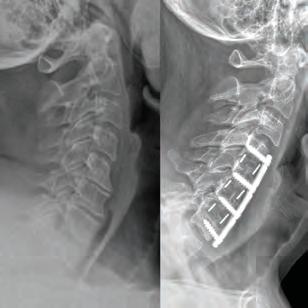
“Great medicine coupled with great care. Dr. Courtney takes the time to listen to your medical needs. He put me at ease regarding my condition.”

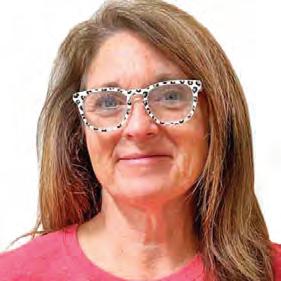
SURGERY: L5/S1 360° LUMBAR FUSION
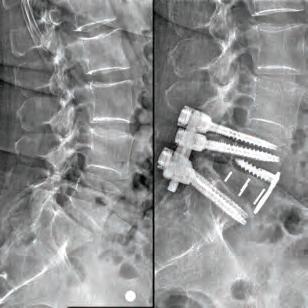
“After struggling for 11 years with severe back pain, I found Dr. Courtney through a mutual friend. After the first visit, Dr. Courtney said he could fixmy problem back pain and let me tell you HE DID! This 360° fusion has saved my life. Thank you, Doctor Courtney.”
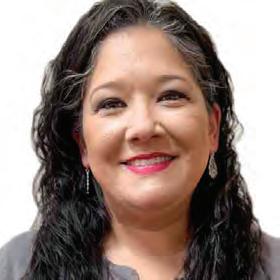
SURGERY: L4/5, L5/S1 360° LUMBAR FUSION
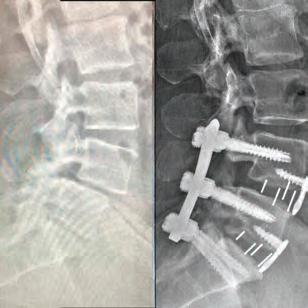
“After years of learning to “live with the pain” I made an appointment with Dr. Courtney, expecting a drawn out wait time. I was shocked at the quick, friendly and professional attention I received from Dr. Courtney and his staff. After 5 years of life altering pain, I am able to keep up with twin toddlers and a 3-yearold grandbaby without a problem. From office to operating room, Dr. Courtney and his staff re the best at what they do.”
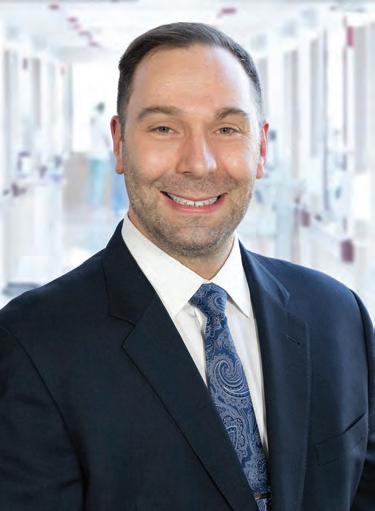
Justin Kane, MD, FAAOS Board-Certified Orthopedic Surgeon
Justin M. Kane, MD, is a board-certified orthopedic surgeon and founder of the Orthopedic Institute of North Texas (OINT). He is internationally recognized for his expertise in foot and ankle care. He is a published author and a global lecturer, who has previously served as a Professor of Surgery at Texas A & M Health Science Center College of Medicine.
At the Orthopedic Institute of North Texas, Dr. Kane and his team’s goal is your return to normal activity. They provide surgical and non-surgical solutions designed to resolve your pain.
Dr. Kane specializes in
• Bunion and hammertoe correction
• Complex foot and ankle reconstructive surgery
• Surgical and non-surgical treatment of foot and ankle disorders



By PATRICK LANE

I’ll never forget the phone call from a friend whose dad had been convinced to wire thousands of dollars because someone on the other end of the line claimed to be a government offial. That call came out of nowhere, and suddenly a lifetime of savings was slipping away. What struck me most wasn’t just the amount of money lost, but the sense of violation that came with it. The idea that someone could charm, persuade, or deceive someone we care about so deeply.
Financial scams aren’t just about bad luck or naivete. They are sophisticated, ever-evolving schemes designed to exploit trust, stability, and often a sense of goodwill that comes with life experience. Scammers know who they’re targeting and why. They design their pitches to sound urgent, legitimate, and sometimes even heartwarming. The intent is almost always the same: separate someone from their money or personal information before they realize what’s happening.
There is a lot of data and reporting that shows how widespread the problem has become. According to reports from federal agencies tracking elder fraud and exploitation, some 50 percent of those targeted by “phantom hacker” scams—fraudsters posing as tech support—were over age 60 in a recent period of reporting, and that group accounted for around two-thirds of the fiancial losses reported to law enforcement. Scammers use automation, urgency, and impersonation to create scenarios that feel real and compelling. And from a broader perspective, older Americans lose billions of dollars each year to fiancial exploitation and fraud as people take advantage of their savings, retirement funds, and accumulated assets.
Why does this happen so often? There is no simple answer, but several common themes emerge that explain why these schemes are both
effective and so distressing. Older adults are often fiancially stable, with savings, investments, and home equity that scammers see as attractive. Many people who have worked for decades are polite, trusting by nature, and less likely to confront someone who sounds offial or desperate. Others may be less familiar with new technologies where much of the deception happens—email phishing, fake websites, voicecloned phone calls, or AI-assisted impersonations. Social isolation can also play a role. When someone lives alone or is less connected to friends and family, it’s easier for a scammer’s narrative to feel like a genuine conversation rather than a fabricated scenario.
While it may feel frightening, it’s important to remember that everyone can take steps to protect themselves and the people they care about. Awareness is your fist line of defense. One of the most common schemes involves imposters claiming to be from government agencies like the Social Security Administration, Medicare, or the IRS. In these scams, the caller or emailer creates a sense of urgency—a tax problem, a security breach, an unclaimed benefit—that pressures someone to act quickly without verifying the information. In other variations, con artists pose as a relative in distress, claiming to be in jail, injured, or stranded abroad and begging for money to be sent immediately. These “grandparent scams” push emotional buttons and rely on quick, unverifid responses.
Technology scams are another major category. These start with a pop-up on a computer screen or a phone call claiming to be tech support from a major company. The pitch might suggest that the victim’s device is infected with malware, that they need to install software, or that a “special fi” requires remote access. Once that access is granted,
the scammer can steal personal data, install harmful software, or fid ways to drain accounts remotely. Many of these criminals leverage sophisticated language, offial-sounding names, and fake certifiates to seem legitimate.
Investment fraud is also on the rise. These come as pitches for “oncein-a-lifetime” opportunities with high returns, often delivered through slick emails, unsolicited calls, or elaborate websites. They sometimes involve cryptocurrencies or fake bonds, and they can look worryingly professional. The emotional pitch is designed to spark excitement and override caution, luring people into transferring money quickly.
So what can you do to protect yourself or a loved one? First, develop a cautious mindset toward unsolicited contacts. If a phone call, text, or email arrives out of the blue asking for information or money, slow down. Legitimate organizations rarely surprise you with urgent payment demands or requests to send money in non-traceable forms like wire transfers, giftcards, or cryptocurrency. If someone claims to be from a bank, government offi, or business, hang up and call the offial number you know or fid on a secure website. Don’t rely on phone numbers or links they provide, because those can be fake.
Protecting personal information is essential. Sensitive details such as Social Security numbers, full birthdates, account numbers, and passwords should never be shared unless you have initiated the contact through a known and trusted channel. Scammers often try to obtain this data by posing as customers service representatives or security agents. Once they have these details, they can commit identity theft as well as fiancial theft.
Keeping fiancial accounts under regular review helps catch suspicious activity early. Whether it’s checking bank statements, credit card activity, or online accounts, consistent vigilance can reveal unauthorized transactions long before they become larger problems. I personally have frozen my credit through the three credit bureaus for an added layer of protection. Many banks and fiancial institutions also offer alert systems that notify you if there are unfamiliar charges or access attempts to your account.
Talking openly with family or trusted individuals about fiances and potential risks empowers shared oversight. Involving a trusted contact who can help review statements or be alerted about unusual activity does not mean giving up independence. It simply provides an extra set of eyes and a second opinion before any rushed decisions are made.
When making signifiant fiancial decisions, take your time. If someone tries to create a sense of urgency or insists “you have to act now,” treat that as a warning flag. High-pressure tactics are a hallmark of scams. Always ask questions, verify credentials, and, if possible, discuss decisions with a trusted fiancial advisor or attorney who can provide an objective perspective. Protecting yourself means choosing not to be rushed or intimidated into rapid choices.
Caregivers and family members can play a valuable role in protection, too. Stay engaged in conversations about fiances and digital security, especially as technologies and scams continually evolve. Sometimes a conversation over coffee about what’s current in the world of online fraud can uncover red flags before they turn into losses. Encouraging regular check-ins around fiancial activities helps normalize vigilance without making anyone feel monitored, demeaned, or judged.
It’s also worth understanding that fiancial abuse isn’t always perpetrated by strangers. The Department of Justice notes that exploitation can occur within families or by caregivers who misuse their authority over someone’s fiances. Ths range of potential threats highlights the importance of choosing trusted individuals carefully when granting access to accounts, fiancial information, or decision-making power. Names added to fiancial accounts or granted power of attorney should be considered with great care; choosing someone trustworthy and thoroughly understanding the implications before signing anything is essential.
If you suspect that fraud has occurred, take action quickly. Report the incident to your bank or fiancial institutions right away so they can help stop further unauthorized transactions. You can also report scams to offial federal resources such as the Federal Trade Commission’s fraud reporting website or contact local law enforcement for guidance on next steps. Many states and communities also have adult protective services that assist with elder abuse cases, including fiancial exploitation.
The emotional impact of being targeted by a scam can be as signifiant as the fiancial toll. Feelings of embarrassment, frustration, or loss of trust can follow, making it harder for victims to talk about what happened. It helps to remember that falling for a scam is not a reflction of intelligence or character. Scammers are professionals trained to exploit human emotions and trust.
Learning from near misses or actual incidents can be empowering. Sharing experiences with friends or family helps create a broader awareness of the tactics used in scams. Community groups, senior centers, and fiancial institutions increasingly offer workshops or on-
According to reports from federal agencies tracking elder fraud and exploitation, some 50 percent of those targeted by “phantom hacker” scams— fraudsters posing as tech support—were over age 60 in a recent period of reporting, and that group accounted for around two-thirds of the financial losses reported to law enforcement.
line resources to educate about fraud prevention. Programs like Money Smart for Older Adults, developed by regulatory and consumer protection agencies, offer free tools and information designed to help older adults and their families recognize and report scams.
As technology continues to evolve, so do the methods scammers use. Voice imitation, phishing, and AI-assisted deception are becoming more common, and staying informed is one of the best defenses. Taking time to educate yourself about new threats, habits to look out for, and safe ways to verify information promotes confidece and peace of mind.
I’ve talked with people who have had close calls and those who lost money before they knew it. In every conversation, one thing stands out: vigilance paired with calm judgment protects far better than fear. Awareness isn’t about living cautiously; it’s about living confidetly within an informed and supportive framework.
Scams may always exist, but being prepared gives you the upper hand. Take time to learn the red flags, trust your instincts when something feels off, and reach out to someone you trust before acting. Protecting your fiancial wellness means protecting your freedom and dignity, and that is worth taking seriously.

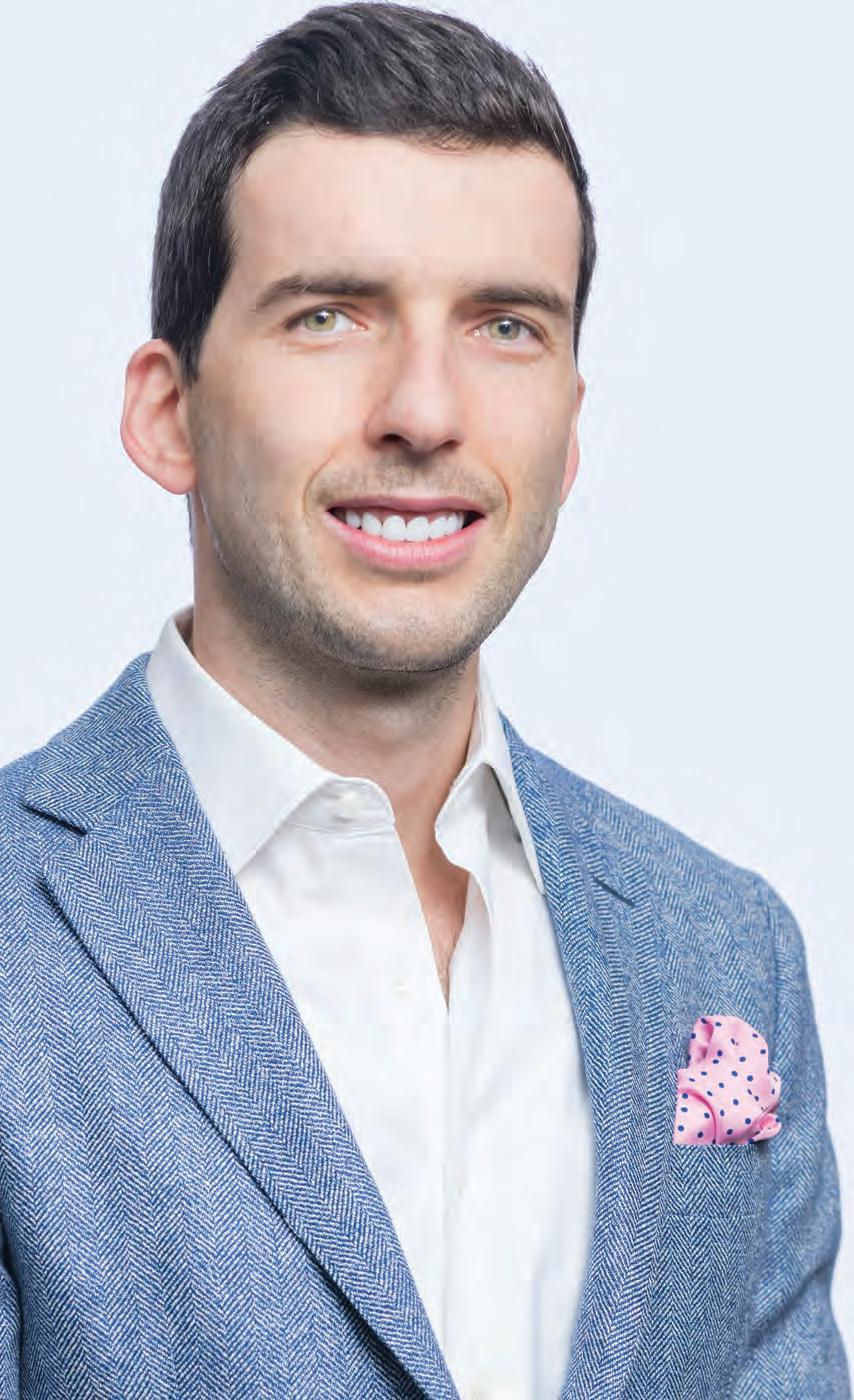
Florian F. Dibra, MD is a board-certified, orthopedic surgeon located in Frisco, Texas who has extensive knowledge in hip and knee orthopedics and treats operative and non-operative hip and knee arthritis. He focuses on minimally invasive muscle-sparing total hip and knee replacement, anterior hip replacement, partial knee replacement, robotic joint replacement and complex hip and knee replacement revisions. Dr. Dibra is specialized in MagicKnee and MagicHip, muscle-sparing techniques with robotic technology.
Dr. Dibra graduated with honors from Villanova University in Pennsylvania. Soon after, he received his medical degree, with cum laude honors from the esteemed Jefferson Medical College in Philadelphia, Pennsylvania. He completed his orthopedic surgery training at the University of Florida. He continued at the University of Florida Health Hospital to complete his fellowship in Adult Arthroplasty with an emphasis in hip and knee reconstruction. During Dr. Dibra’s surgical training, he accomplished several publications, book chapters, and poster presentations.
Dr. Dibra’s family consists of his wife and two children. In addition to English, he is fluent in Albanian, Italian, and proficient in Spanish.



Board-Certified Orthopedic Surgeon Associate Professor, UT Southwestern Medical Center
Dr. Scott Nodzo is a nationally recognized orthopedic surgeon specializing in advanced hip and knee replacement. A proud U.S. Air Force veteran, Dr. Nodzo brings the same dedication and precision he demonstrated in service to his work in orthopedic surgery. He is a Fellow of both the American Association of Hip and Knee Surgeons and the American Academy of Orthopaedic Surgeons and serves on national committees and as an Editorial Board Member and reviewer for The Journal of Arthroplasty. He is widely published and has contributed to leading orthopedic textbooks, including The Technique of Total Knee Arthroplasty and Operative Techniques in Orthopaedic Surgery.
Dr. Nodzo specializes in:
• Robotic-Assisted Hip and Knee Replacement Surgery
• Robotic-Assisted Partial Knee Replacement Surgery
• Augmented Reality-Assisted Hip and Knee Replacement Surgery
• Complex Revision Hip and Knee Replacement

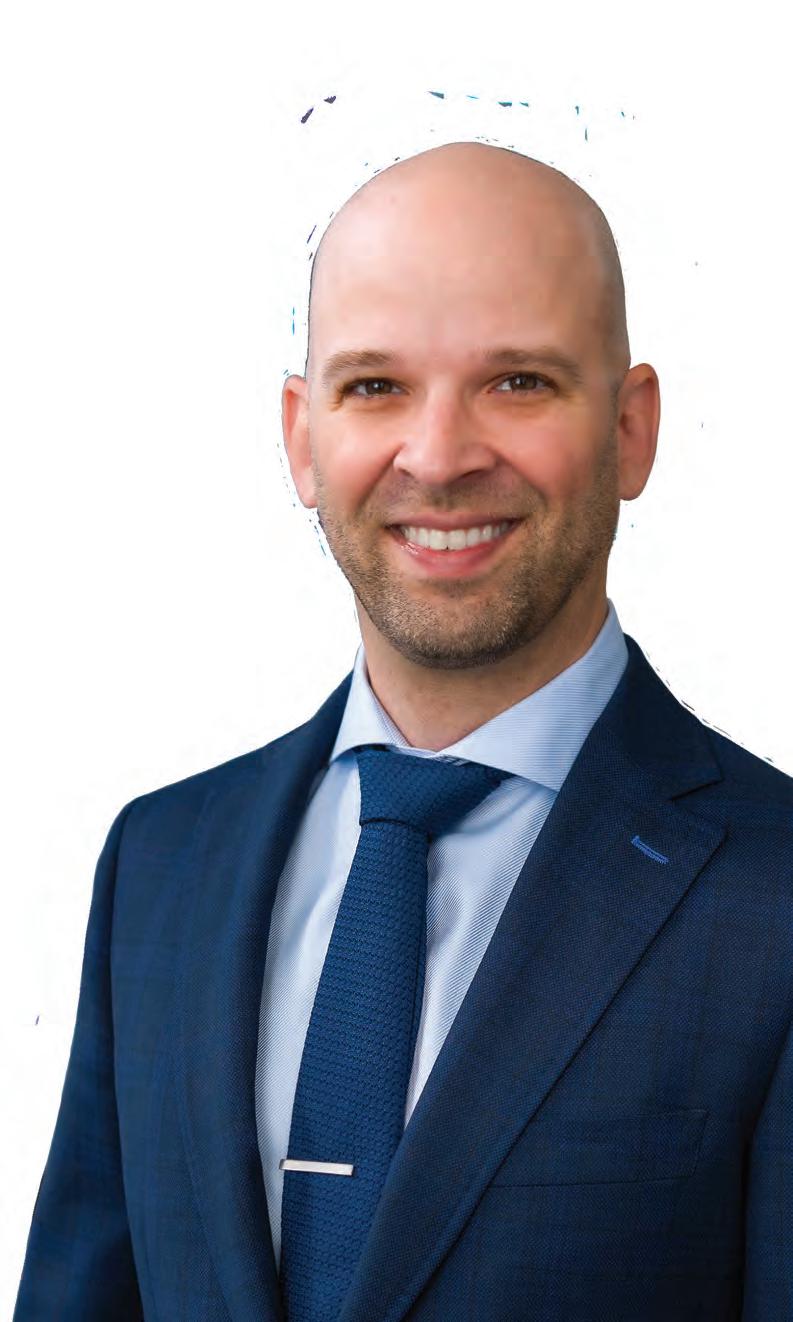
Robert Brunner, MD is a general urologist with Urology Clinics of North Texas serving patients in our Dallas office cated at Texas Health Presbyterian Hospital Dallas. A native of Toledo, Ohio, Dr. Brunner combines a robust academic foundation with extensive clinical expertise. He graduated magna cum laude from the University of Notre Dame, earning dual degrees in Economics and PreProfessional Studies. He then earned his Doctor of Medicine (MD) degree from the University of Toledo College of Medicine and Life Sciences, where he was inducted into the prestigious Alpha Omega Alpha Honor Medical Society.
Following medical school, Dr. Brunner completed his residency in Urology at Baylor College of Medicine in Houston, Texas, where he received comprehensive training in all aspects of adult urology. He developed specialized expertise in the management of stone disease and in the use of robotic-assisted surgery, particularly with the Da Vinci robotic system. Dr. Brunner is skilled in treating a wide range of both benign and malignant urologic conditions, with a particular focus on leveraging advanced robotic technologies to improve surgical outcomes and accelerate patient recovery.
Committed to providing exceptional care, Dr. Brunner is passionate about staying at the forefront of urologic advancements, ensuring that his patients benefit from the latest techniques and innovations in the fild.
• Bladder Cancer
• Blader Stones
• Enlarged prostate or benign prostatic hyperplasia (BPH)
• Erectile dysfunction
• Kidney stones
• Low Testosterone
• Male sexual dysfunction
• Overactive bladder
• Penile curvature or Peyronie’s disease
• Prostate Cancer
• Stress urinary incontinence (Male & Female)
• Testicular Cancer
• Ureteral Cancer
• Ureteropelvic juncion (UPJ) obstruction
• Urethral stricture
• Urinary retention
• Urinary tract infection (UTI)
PRIMARY OFFICE LOCATION: Urology Clinics of North Texas 8230 Walnut Hill Lane, Prof. Bldg. 3, Ste. 700, Dallas, TX 75231 (214) 691-1902 | urologyclinics.com

Macular Degeneration
Diabetic Eye Disease
Retinal Vein & Artery Occlusions
Flashes & Floaters
Retinal Tears & Detachments
Macular Pucker/Epiretinal
Membrane
Macular Holes
Uveitis

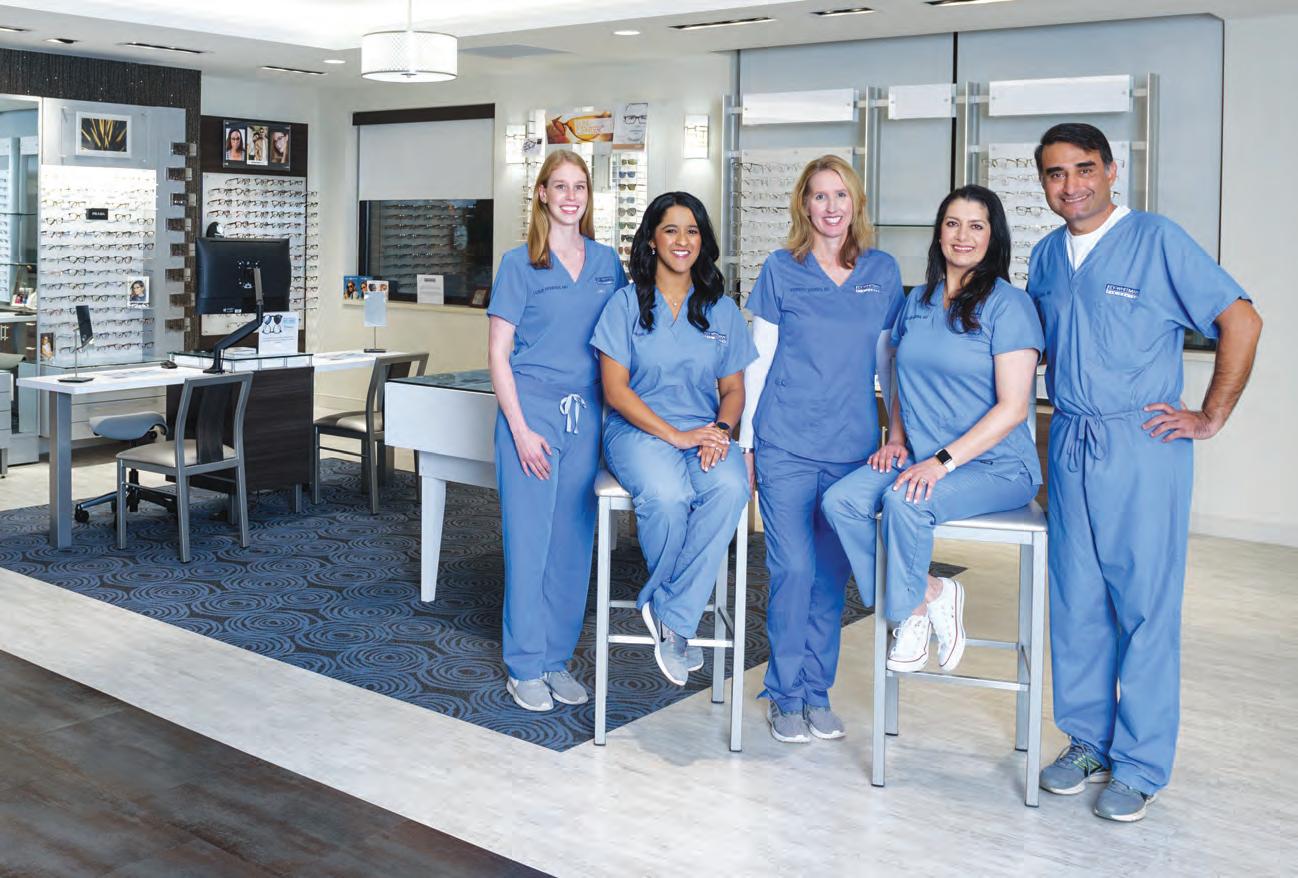
At Texas Macula & Retina, our mission is to provide exceptional eye care with a focus on the diagnosis, treatment, and management of retinal disorders.
Dr. Adams is a board-certified Ophthalmologist and Ophthalmic Surgeon specializing in Vitreoretinal Surgery. His principal areas of interest include age-related macular degeneration, diabetic retinopathy, retinal detachment repair, macular surgery, retinal lasers, and secondary intraocular lens implantation.
Dr. Adams and his team are committed to preserving and improving the vision and overall quality of life for our patients by offering the most advanced and personalized retina care available.
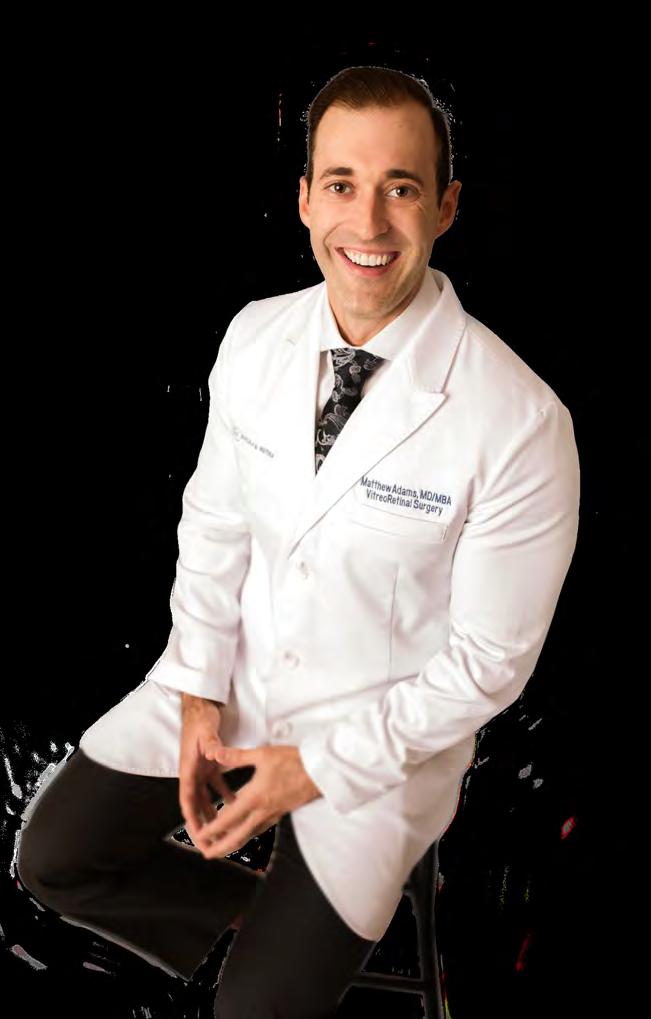
By MATTHEW K. ADAMS, MD, MBA
If you’re over 40 and have ever said, “Why do my glasses never seem strong enough?” or “Why is it so dark in here?” then welcome to the club. One of the most common reasons for these visual changes is cataracts. The good news is that cataracts are extremely common, very treatable, and one of the great success stories of modern medicine. Let’s clear the fog…literally.
What Exactly Are Cataracts?
But eventually, most of us will develop cataracts, just like wrinkles, gray hair, and a sudden interest in lawn quality.
How Are Cataracts Treated?
Important note here: there is no medication, vitamin, eye drop, or laser that can reverse cataracts.
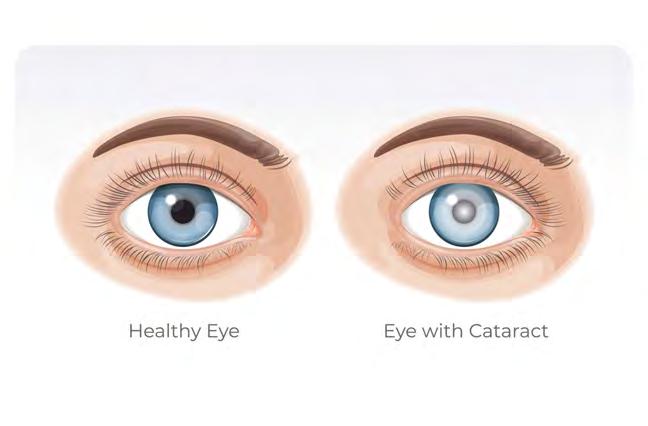
Inside each of your eyes is a natural lens, about the size of an M&M, whose job is to focus light so you can see clearly. When you’re younger, that lens is crystal clear, like fresh window glass. Over time, however, proteins inside the lens begin to clump together. As a result, the lens becomes cloudy. That cloudiness is called a cataract.
Cataracts are not a growth, a film on the eye, or something you “catch.” They are simply a normal part of aging. In fact, by age 50, more than half of adults have some visual impact of cataracts, even if they don’t realize it yet. By age 80, the number is closer to 100%.
What Do Cataracts Feel Like?
Cataracts don’t show up overnight. They sneak in slowly, which is why many people blame their glasses, or the lighting, or their phone’s font size. Common symptoms include:
• Blurry or cloudy vision
• Increased glare from headlights or sunlight
• Trouble seeing at night
• Halos and “Star-burst” patterns around lights
• Colors appearing dull or yellowed
• Needing brighter light to read
• Frequent changes in glasses prescriptions
A classic complaint I hear is: “Doctor, I don’t feel comfortable driving at night anymore.”
Importantly, cataracts do not cause pain, redness, or sudden vision loss. If those occur, something else is going on, and you should be seen promptly.
What Causes Cataracts?
The biggest risk factor is time. Aging is the main culprit. But several other factors can speed things up:
• Sun exposure
• Smoking
• Diabetes
• Certain medications, especially steroids
• Eye injuries or prior eye surgery
The main takeaway is that cataracts are common, expected, and not your fault.
Can Cataracts Be Prevented?
In short…No. However, measures can be taken to slow them down. Wearing UV-protective sunglasses, eating a balanced diet, managing medical conditions like diabetes, and not smoking can all help.
In the early stages, stronger glasses, better lighting, and anti-glare lenses may help. But once cataracts begin to interfere with daily activities like driving, reading, or recognizing faces, the defintive treatment is cataract surgery.
Cataract Surgery: Not Your Grandfather’s Surgery
Modern cataract surgery is one of the most commonly performed and successful procedures in all of medicine. It typically takes less than 10 minutes, is done under local anesthesia, and you go home the same day. During surgery, the cloudy natural lens is removed and replaced with an artifical intraocular lens. Ths new lens stays with you for life and cannot develop another cataract.
There are now several types of lens options, including:
• Standard lenses (excellent distance vision with glasses for reading)
• Toric lenses (correct astigmatism)
• Multifocal or extended-depth lenses (reduce dependence on glasses)
Choosing a lens is a personalized decision, and a good Ophthalmologist will help you decide which lens would be the best fit for your lifestyle.
Recovery and Results
Most patients notice improved vision within 24 hours. Colors look brighter, whites look whiter, and many people say, “I didn’t realize how bad my vision had gotten.”
Recovery is usually smooth, with a few weeks of eye drops and some short-term activity restrictions. Serious complications are rare, and the vast majority of patients are thrilled with their results.
When Should You See an Eye Doctor?
If you’re over 40, a comprehensive eye exam every 1–2 years is a smart investment. Cataracts don’t need to be rushed into surgery, but they should be monitored.
A good rule of thumb: when cataracts start affecting your quality of life, it’s time to talk treatment.
Final Thoughts
Cataracts are a normal part of aging, but living with poor vision doesn’t have to be. With modern treatment, cataract surgery is safe, effective, and often life changing.
So, if the world looks a little dimmer than it used to, don’t assume it’s just “getting older.” Sometimes, it’s simply time to clean the window, and enjoy the view again.



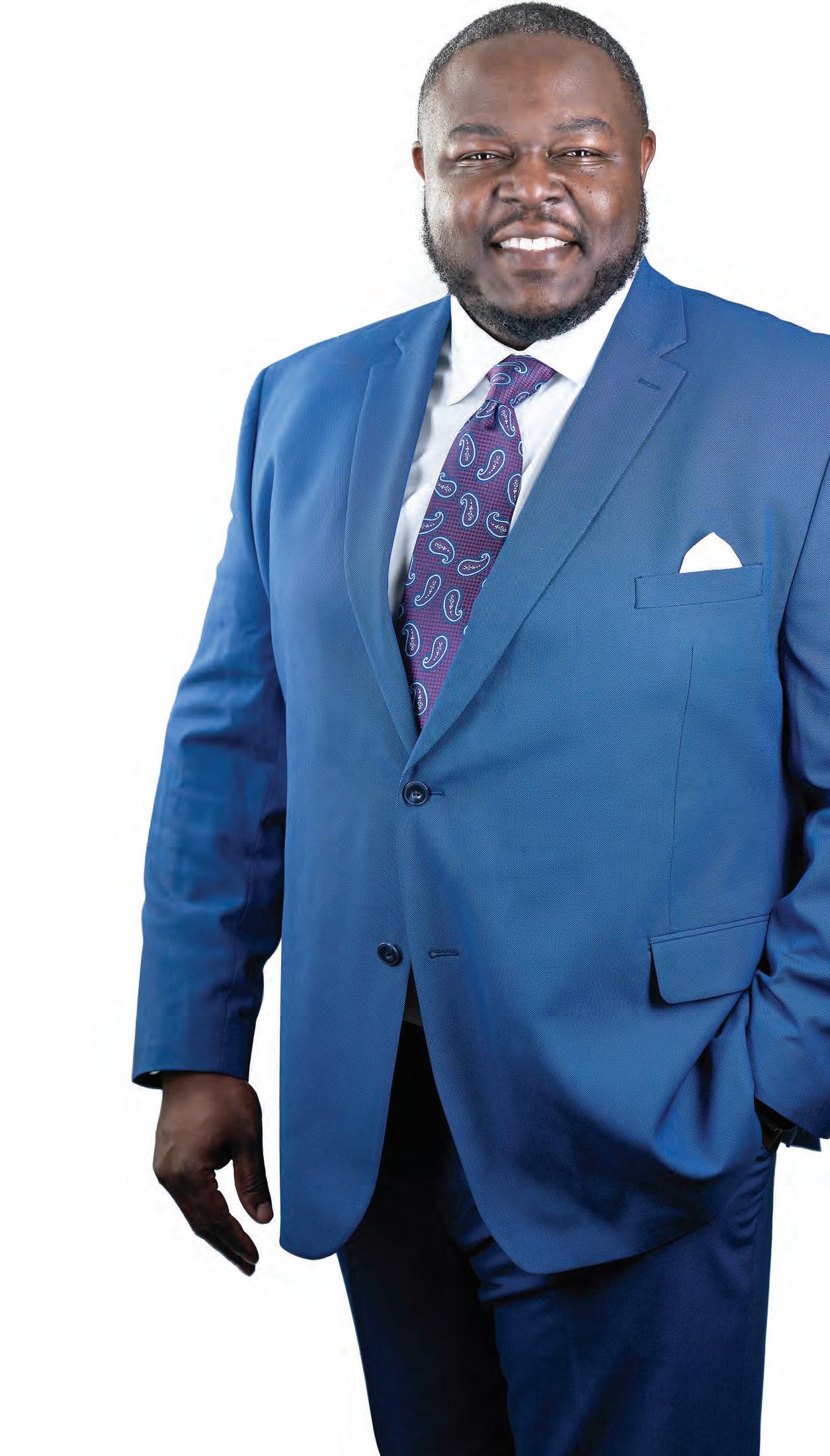
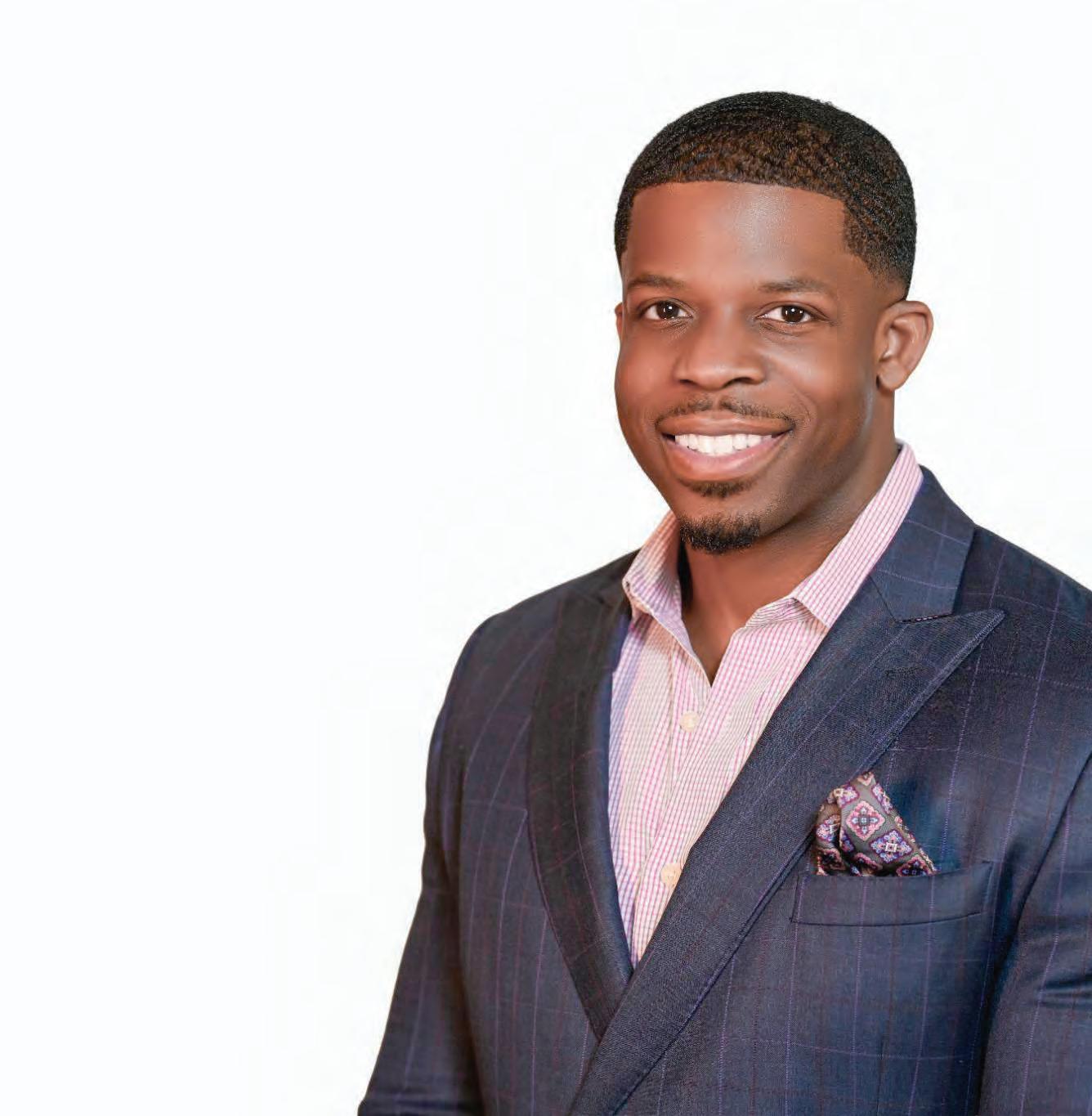
Brian Nwannunu, MD, MS, is an orthopedic surgeon specializing in hip and knee replacement. He cares for patients at Texas Joint Institute in Allen and in McKinney, Texas.
Dr. Nwannunu, a native of Dallas, graduated Valedictorian from the High School for Health Professions at Townview Magnet Center in DISD. He then earned his bachelor’s degree in Biology at Morehouse College in Atlanta, Georgia, where he was part of the Morehouse College Honors Program. Upon graduation, he completed his master’s degree in Physiology at Georgetown University in Washington, D.C., with a concentration on complementary and alternative medicine. Dr. Nwannunu then graduated with his medical degree from Howard University College of Medicine in Washington, D.C., where he was inducted into the Alpha Omega Alpha Honor Medical Society.
Dr. Nwannunu completed his residency in orthopedic surgery at the John Peter Smith Health Network in Fort Worth, Texas, before pursuing additional training with a fellowship in adult reconstruction at Baylor College of Medicine in Houston, Texas. In addition to his clinical training, Dr. Nwannunu enjoys mission work abroad, providing medical care and health education to populations in need. He is also one of the few official Jiffy Knee™ surgeons in the North Texas area.
He is a member of the American Medical Association, National Medical Association, American Academy of Orthopaedic Surgeons and the American Association of Hip and Knee Surgeons.
When not working, Dr. Nwannunu enjoys basketball, weight training, outdoor activities, attending art and music festivals, traveling, world news, and reading.
By SONDRA BARR

I
There are actors who polish themselves into something unrecognizable over time—sanding down the edges, rounding out the rough spots, becoming easier to place and easier to sell. And then there’s Billy Bob Thornton, who has spent the better part of seven decades doing the opposite.
Thornton has never seemed particularly interested in appearing comfortable. Or curated. Or agreeable. What he has been interested in is being honest—honest about where he came from, honest about how hard things were, honest about the fact that success doesn’t cure anxiety, grief, or the lingering feeling that the rug could still get pulled out at any moment.
That honesty is what gives his performances weight. It’s what made Sling Blade land like a gut punch. It’s what made his later work—Goliath, Fargo, and now Landman—feel less like acting and more like a man carrying the accumulated mileage of a hard-lived life that began poorly.
Thornton has spoken openly about growing up in a household marked by violence. His father, a Korean War veteran, was physically and verbally abusive. “My father was a very violent Irishman and so there was abuse both verbal and physical in our household,” he told Th Today Show. Anger was the dominant emotion, and it was the kind of upbringing that doesn’t disappear when you leave it behind. Thornton has said his struggles with anxiety, OCD, and dyslexia are tied to those early years.
Born in Hot Springs, Arkansas, and raised in circumstances he doesn’t sugarcoat. “I grew up very poor out in the country. We didn’t have running water, electricity, or anything. Went in an outhouse until I was about 9,” he told Cowboys & Indians magazine. He doesn’t revisit those details for shock value—just context. The soil everything else grew out of.
What mattered, even then, were the people. “It was a place that was rich in storytelling,” Thornton has said, explaining that his grandmother was a writer and that he was surrounded by characters—people who were funny, tragic, contradictory, and unforgettable. “I was always interested in characters. And I just grew up around a lot of them.”
That mix is the emotional engine behind his work. “One of the things about the South that’s different than everywhere else is, tragedy and humor and all these things are all mixed together in a way,” he said.
“You’ll see drunk people laughing at a funeral.”
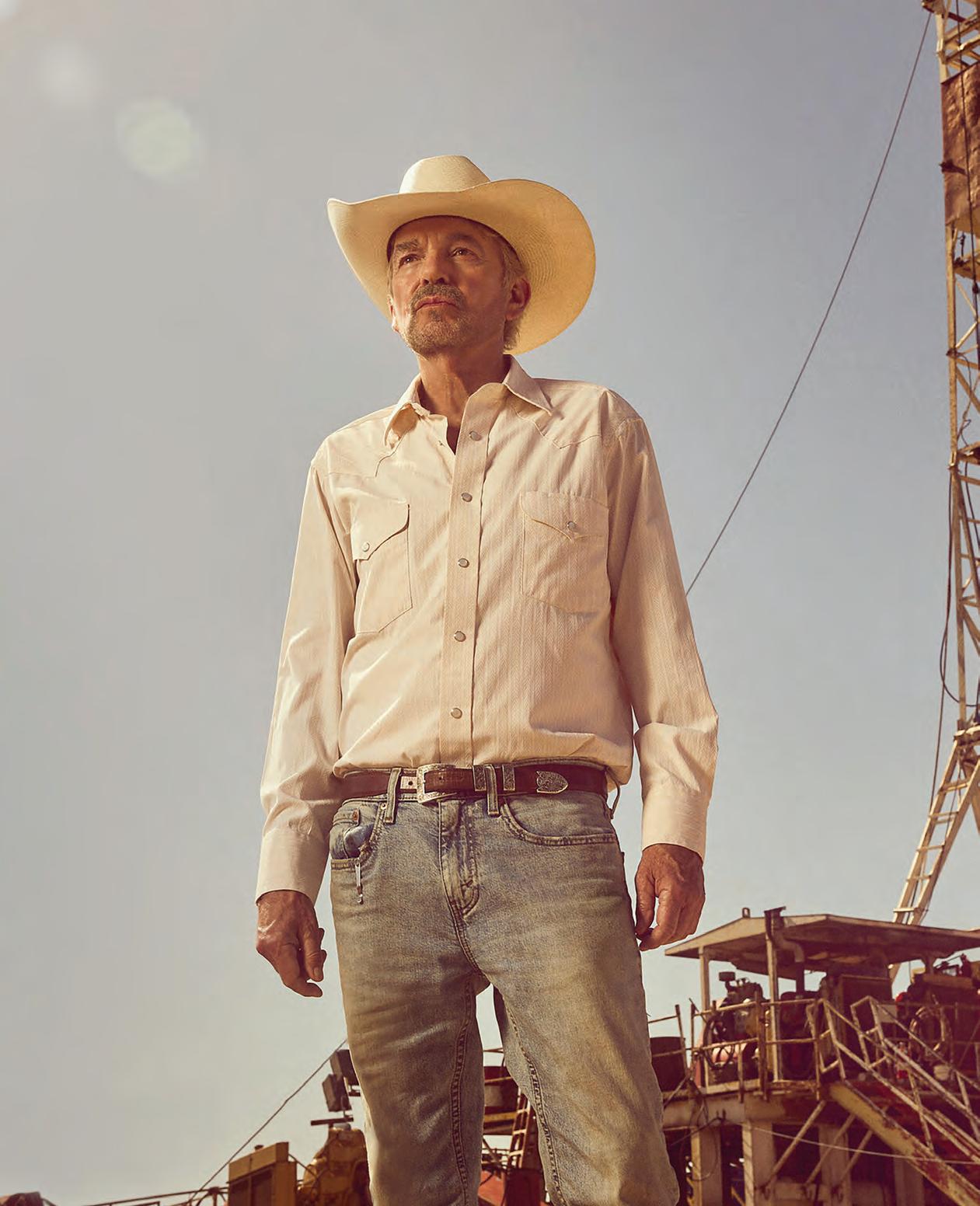
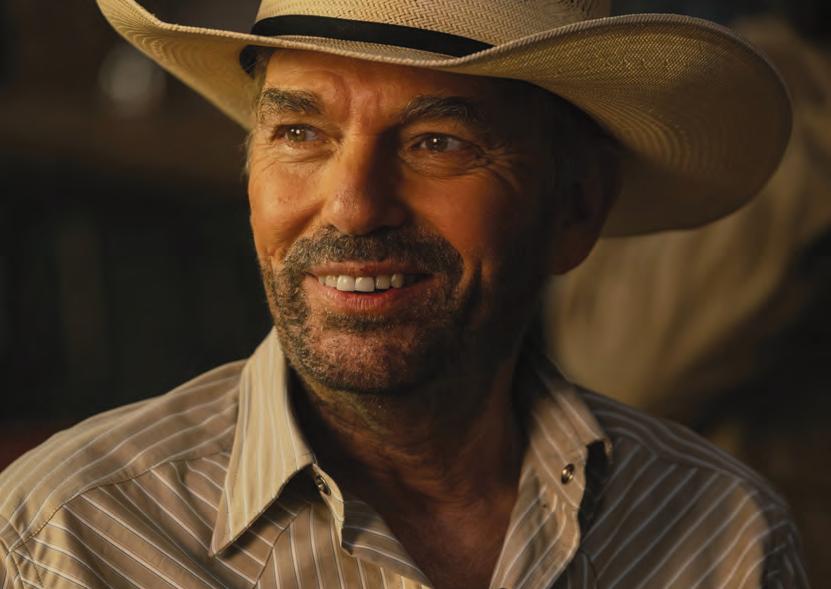
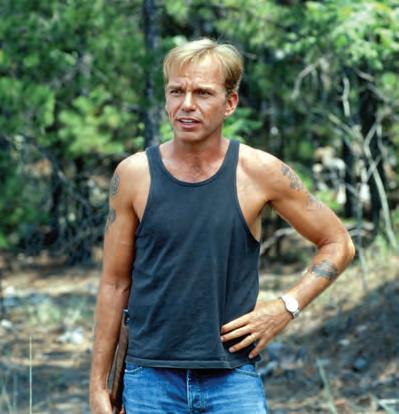

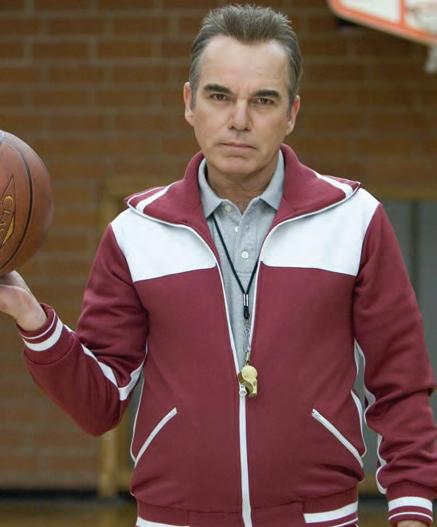
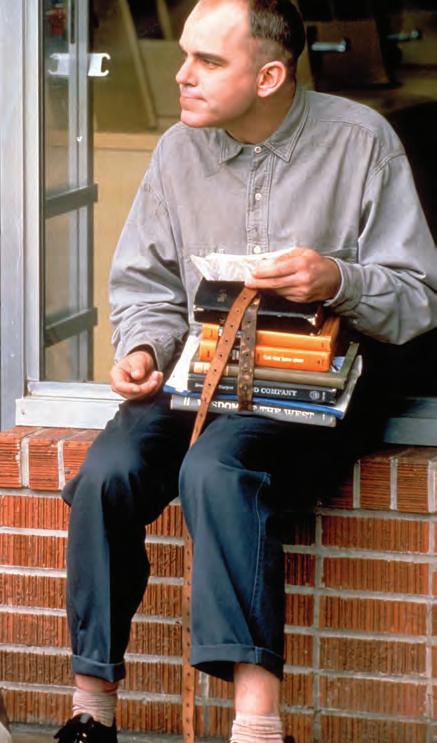
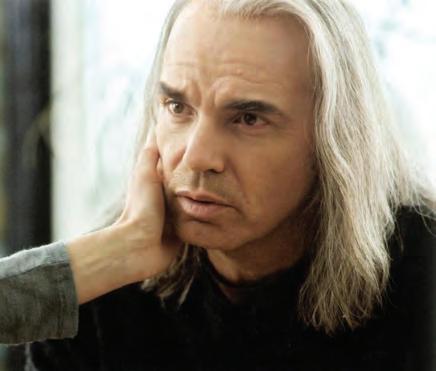
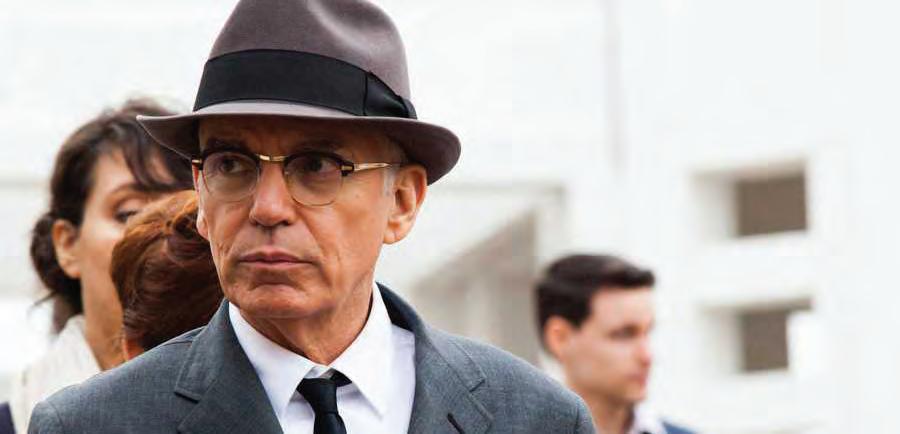
I GREW UP VERY POOR OUT IN THE COUNTRY. WE DIDN’T HAVE RUNNING WATER, ELECTRICITY, OR ANYTHING. WENT IN AN OUTHOUSE UNTIL I WAS ABOUT 9.
Thornton learned that lesson early—and not just as an observer. In 1988, Thornton’s younger brother Jimmy died suddenly from a heart condition. “He was two years younger than me. It just changed everything,” Thornton said during an appearance on Oprah’s Master Class. The loss deepened his wariness of happiness— his sense that good things are fragile and never guaranteed.
“I have to really force myself to think that things are going to be OK in terms of worrying about my family, or myself, or one of my friends [...] There’s a melancholy in me that never goes away,” he told IndieWire.
Acting wasn’t the original plan. Music was. Thornton moved through bands, road work, and a series of jobs that paid the bills just enough to keep going. Hollywood came later—and almost accidentally. When Sling Blade came out in 1996, it was unexpected.
The film earned Thornton an Academy Award for Best Screenplay and an Oscar nomination for Best Actor, but more importantly, it announced a voice that didn’t sound like anyone else’s.
From there, his résumé filled out quickly: A Simple Plan (1998), which brought another Oscar nomination; studio films like Armageddon (1998); scene-stealing turns opposite heavyweights like Robert Duvall and Robert Downey Jr. in The Judge (2014); and a string of performances that proved he could move between menace, humor, and deep vulnerability without changing his fundamental frequency.
What Thornton resisted—famously—was television.
“I was late to the party because when I was growing up TV was a bad word to movie actors. So, I resisted forever,” he told Rolling Stone. Eventually, the landscape changed. Long-form storytelling became something closer to a 10-hour film than a network compromise. Characters had room to breathe. There was no censorship to dodge.
“My manager kept telling me, ‘Dude, this is where it’s headed. You don’t understand... These are long-form movies and it’s where the future is.’” The results speak for themselves. His turn as Lorne Malvo on Fargo reset expectations. Goliath cemented him as the kind of actor television could now be built around. And Landman, Taylor Sheridan’s oil-industry drama for Paramount+, is the culmination of all of it.
The second season just wrapped and viewers can’t get enough. Thornton plays Tommy Norris, a crisis manager for a West Texas oil company. “I’m a fier and a foreman,” Thornton said in a pre–Season 1 interview. “ There aren’t really a lot of scenes where my character comes home and
says, ‘My God, was my day amazing!’ I slink into the house every day like somebody just beat the hell out of me.”
Sheridan wrote the role with Thornton in mind, and it shows. “Taylor really wrote this with my voice,” Thornton explained. “I pretty much played me as if I were a landman,” he told Cowboys & Indians That approach, playing himself across wildly different roles, is something Thornton is unapologetic about.
“I play myself in everything,” he’s said to multiple outlets. “I don’t care how different it’s from me on the surface—the character in Sling Blade to the character in A Simple Plan to Bad Santa to this.” For him, separating yourself from the character weakens the work.
That truth extends to how he handles the show’s politics— or rather, how he refuses to frame it that way. When asked whether Landman carries an agenda, Thornton has been clear: “Taylor doesn’t write it with an agenda. Ths just gives you a look behind the curtain of the oil business.”
Outside of acting, Thornton has always maintained parallel lives. Music remains a constant, particularly with The Boxmasters, the band he’s been part of since 2006. They tour relentlessly and pull from ’60s rock influences that have little interest in modern genre boxes. As Thornton put it bluntly before a show, “Look, if you haven’t seen us before—we’re not a country band. We’re a rock ‘n’ roll band. And we’re loud.”
Thornton turned 70 last August, a milestone he once doubted he’d reach. “I didn’t think I’d make it to 30,” he told Cowboys & Indians. While he fids age irrelevant now, there was a moment it hit. “Actually, 70 didn’t freak me out; 60 didn’t freak me out. Fifty freaked me out because I got an AARP magazine in the mail.”
Thornton is candid about the contradictions. He’s eaten clean for years. He manages stress carefully. He believes deeply in happiness as a health strategy. And yes—he’s smoked cigarettes for most of his life and doesn’t plan on stopping. “My holistic doctor said, ‘Keep drinking the beer and smoking the cigarettes. Because you don’t have stress. If that makes you happy, do it because happiness will make you live longer,’” he said. It’s shocking advice by conventional standards—and ver y Thornton.
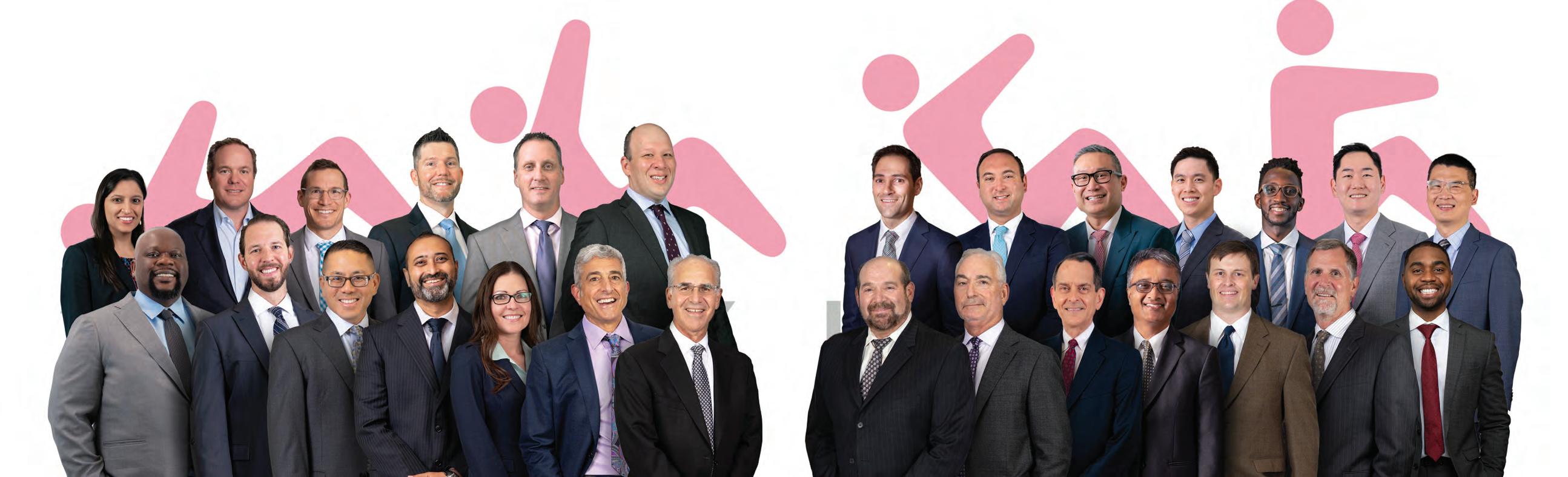
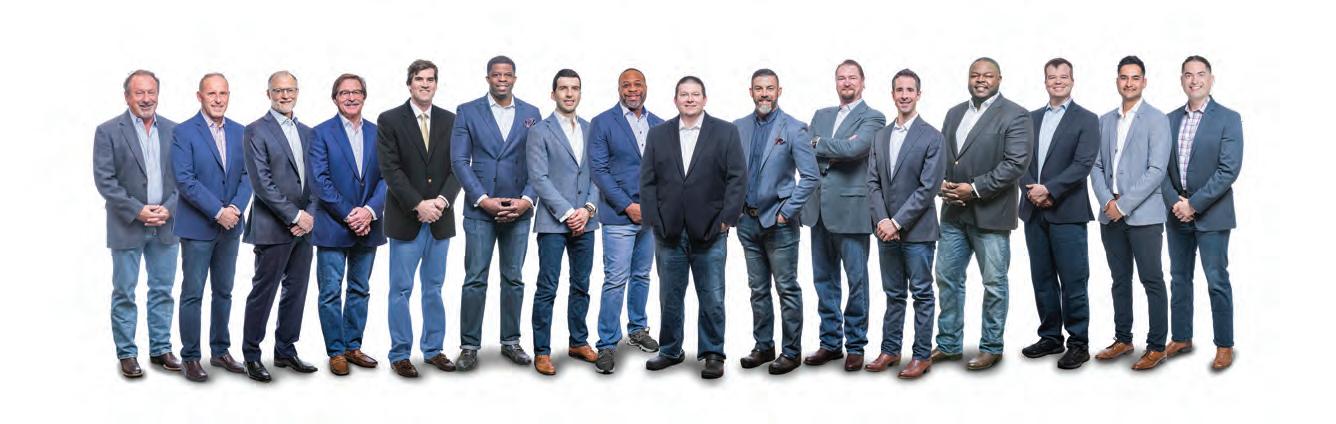
Texas Back Institute (TBI) has served the North Texas area in spine care for over 45 years. An uncompromising desire to put patients first and provide individualized spine care has helped change the treatment options available to patients for neck and back pain.
Today, TBI is a leader in artificial disc replacement, minimally invasive spine surgery, complex revision surgery, and treatment of spinal deformity. TBI has trained hundreds of surgeons, scientists, and allied health professionals now practicing worldwide. Its research institute employs state-of-the-art technology and is actively involved in many clinical trials, including artificial disc replacement, minimally invasive technologies, and robotic spine surgery. Texas Back Institute has remained one of the most academic practices in spine care. It is one of the largest multidisciplinary spine centers in the world, providing comprehensive care for neck and back pain. With a fully dedicated staff of board-certified orthopedic spine surgeons, neurosurgeons, physiatrists, and physical therapists, the TBI team works together to support its mission of helping patients get back to life. The 26 physicians at Texas Back Institute are leaders in the surgical
and nonsurgical treatment options for back and neck pain, from the most common outpatient procedures to the most complex cases. Thanks to the unmatched expertise of the medical staff, the advanced diagnostic testing, and an unparalleled commitment to patient care, the Texas Back Institute physicians can identify the potential cause of your pain and create a treatment plan specific to your needs.
Texas Back Institute has developed several spine specialty programs. These include the Minimally Invasive Spine Surgery Center, Center for Disc Replacement, Scoliosis and Spine Tumor Center, and Complex Back Surgery Center. These programs give patients access to highly-trained care teams who focus specifically on these areas of spine care, allowing patients in the North Texas area access to treatment options for their individual problems from physicians with extensive experience in these areas.
“At Texas Back Institute, finding the right solution for each patient and offering the least invasive treatment is core to our belief and the foundation for all treatment plans.” Dr. Michael Duffy.

ALLIANCE
3025 N. Tarrant Pkwy., Ste. 220 Fort Worth (Alliance), TX 76177
ARGYLE
310 FM 407E, Ste. 100 Argyle, TX 76226
DALLAS
12222 N. Central Expy. Pavilion II, Ste. 310 Dallas, TX 75243
DENTON
3537 S. Interstate 35, Ste. 308 Denton, TX 76210
FLOWER MOUND
4370 Medical Arts Dr. River Walk Bldg. III, Ste. 230 Flower Mound, TX 75028
FORT WORTH
1650 W. Rosedale St. Ste. 301 Fort Worth, TX 76104
FRISCO
5575 Frisco Square Blvd. Ste. 400 Frisco, TX 75034
LEWISVILLE
500 W. Main St., Ste. 380 Lewisville, TX 75057
MCKINNEY
4510 Medical Center Dr., Ste. 106 McKinney, TX 75069
NORTH RICHLAND HILLS
4351 Booth Calloway Dr., Ste. 404 Fort Worth, TX 76180
CENTRAL PLANO
4001 W. 15th St. Ste. 455 Medical Office Bldg. III Plano, TX 75093
PLANO
6020 W. Parker Rd. Ste. 200 Plano, TX 75093
ROCKWALL
3164 Horizon Rd. Ste. 100 Rockwall, TX 75032
SASCHE
4650 President George Bush Turnpike, Ste. 100 Sachse, TX 75048

» Staffed by 2 Licensed, Doctors of Audiology
» Hearing Aid Fittings, Maintenance and Repairs
» Invisible Fittings/Open Fittings
» Evaluation Period On All Hearing Aids
» Hearing Evaluations For All Ages
» Wireless/Connectivity Hearing Solutions
» Battery Purchase Programs
» Custom Ear Protection
» Assistive Devices

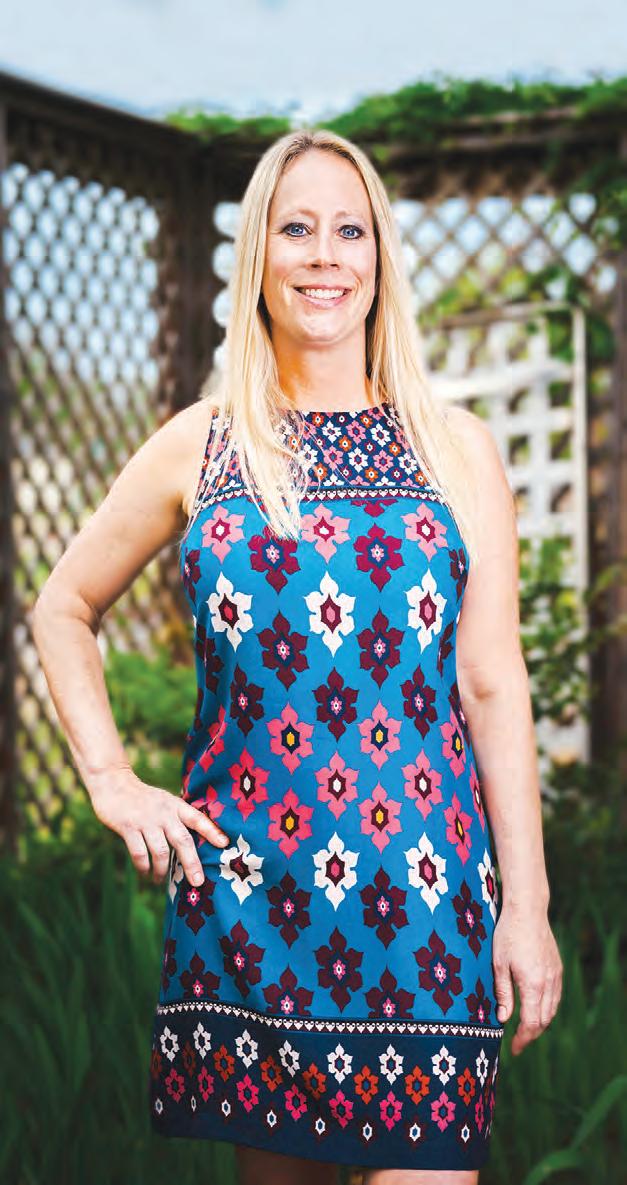

Much of It Is
Courtesy HEARING SERVICES OF McKINNEY
As an audiologist, one of the most common misconceptions I hear is that hearing loss is simply a part of getting older and something to deal with down the road. While hearing changes do become more common over time, research and clinical experience show that hearing damage often begins much earlier than people expect, and in many cases it’s preventable.
Noise exposure plays a signifiant role. Everyday sounds that don’t feel extreme can quietly damage hearing when they’re loud enough or last long enough. According to guidance from the Centers for Disease Control and Prevention, prolonged exposure to sounds above 85 decibels can begin to harm hearing. That’s roughly the volume of a vacuum cleaner. Many personal listening devices can exceed that level, typically up to 106 decibels, when turned up, especially when used with earbuds.
What makes this especially concerning is how integrated headphones and devices have become in daily life. Music, videos, podcasts, work calls, exercise playlists, listening often stretches on for hours without much thought. When sound is delivered directly into the ear at higher volumes, the inner ear’s delicate structures take the impact. Once those sensory cells are damaged, they do not repair themselves.
Studies have shown that early signs of hearing damage are more common than most people realize. In one well-known study conducted by the National Foundation for the Deaf and Hard of Hearing, more than a third of students tested already showed evidence of hearing loss. While that research focused on younger individuals, the same listening habits (long duration and high volume), are shared by many adults today.
Hearing loss at any stage of life can affect more than just how well you hear. When sounds become harder to understand, the brain works overtime trying to fill in the gaps. Over time, this constant effort can lead to mental fatigue, difficulty concentrating, and frustration. Conversations become work instead of enjoyment. Background noise feels overwhelming. Many people begin avoiding
social situations without fully realizing why.
There’s also an emotional side that often goes unspoken. Untreated hearing loss has been linked to increased feelings of isolation, anxiety, and low mood. When communication becomes difficult, people may withdraw or feel less confidet participating in group settings. Addressing hearing challenges early can help preserve not only hearing clarity but also emotional well-being and connection with others.
The good news is that much of noise-related hearing loss can be prevented. One simple guideline often recommended by hearing professionals is the 60/60 rule—listening at no more than 60 percent of maximum volume for no longer than 60 minutes at a time. If someone nearby can hear sound coming from your headphones, that’s a sign the volume should be lowered.
Choosing over-the-ear headphones instead of earbuds can also help. Earbuds sit closer to the eardrum and can deliver sound more intensely, increasing the risk of damage over time. Taking regular listening breaks, lowering volume, and limiting daily headphone use are small changes that can make a meaningful difference.
Just as important is knowing when to have your hearing checked. Ringing in the ears, difficulty understanding speech in noisy places, or frequently turning up the television are all early warning signs that shouldn’t be ignored. A professional hearing evaluation can identify subtle changes before they begin interfering with daily life.
At Hearing Services of McKinney, we encourage people to think of hearing care as part of overall wellness, not something to postpone. Hearing plays a vital role in how we communicate, stay engaged, and feel connected. Protecting it today helps support a better quality of life for years to come.
Hearing loss doesn’t have to be inevitable. With awareness, smart listening habits, and regular checkups, it can often be prevented or managed effectively when caught early. Your hearing supports every conversation, every relationship, and every moment of connection. It’s worth taking care of now.
By THOMAS MITCHELL
Everyone understands that life has an endpoint. What is far less settled is how we experience the years leading up to it. For many people, the real goal is not simply adding more years to the calendar, but preserving the ability to move, think, engage, and enjoy life for as long as possible. The most promising conversations in modern health are shifting away from longevity as a number and toward longevity as quality.
For decades, aging was treated as an unavoidable slide into decline, something to be managed rather than questioned. That assumption is now being challenged. Researchers around the world are increasingly focused on understanding aging itself, not just the diseases that appear later in life. The idea is simple, even if the science behind it is complex. If aging is the underlying driver of many chronic illnesses, then supporting the body as it ages may help delay or soften the impact of those conditions.
One of the most important concepts to emerge from this research is the difference between chronological age and biological age. Chronological age is the number of birthdays celebrated. Biological age reflcts how well the body is actually functioning. Two people born in the same year can look, move, and feel entirely different decades later. That gap is where hope lives.
Modern life expectancy offers a powerful reminder of what is possible. According to historical data compiled by public health researchers, humans lived dramatically shorter lives just a few centuries ago, largely due to infectious disease, unsafe water, and lack of medical infrastructure. Improvements in sanitation, nutrition, and vaccines transformed survival. What followed, however, was something new. People began living long enough to develop conditions that rarely appeared before. Heart disease, diabetes, neurodegenerative conditions, and certain cancers became more common not because humans suddenly became weaker, but because they lived long enough for aging itself to play a role.
Ths realization changed the scientificconversation. Instead of treating each disease as a separate enemy, many researchers began asking whether aging could be influenced upstream. If the pace of aging could be slowed or better supported, might multiple diseases be delayed at once?
Some of the most compelling insights have come from studying people who age remarkably well. Individuals who live into very advanced years while maintaining independence and mental clarity tend to experience what scientists describe as a compressed period of illness. They remain relatively healthy for most of their lives and face medical decline only near the very end. Ths pattern challenges the idea that long life must mean long suffering.
Genetics does play a role in this kind of aging resilience, but it is not destiny. While certain genetic traits appear more frequently in long
lived families, they do not operate in isolation. Biology responds continuously to environment, behavior, and lifestyle. Genes load the gun, as the saying goes, but daily habits pull the trigger.
Ths is where the conversation becomes relevant for everyone, regardless of family history. The same biological systems that support longevity in rare populations exist in all bodies. Researchers are increasingly interested in how to activate those systems safely and sustainably.
One area of focus is energy balance. When the body is constantly processing food, it prioritizes growth and storage. When food intake pauses, the body shiftsinto maintenance and repair. Animal studies have long shown that periods of reduced calorie intake, particularly when paired with adequate nutrition, are associated with longer lifespan and improved metabolic health. More recent work suggests that the timing of eating may matter as much as the amount.
Ths does not mean extreme restriction is necessary or appropriate. Rather, it highlights the body’s ability to adapt and repair when given regular breaks from digestion. Many people notice improvements in mental clarity, energy, and metabolic markers when eating patterns allow for consistent rest periods, though approaches vary widely and should be individualized.

Sleep plays a similarly powerful role. During deep sleep, the brain clears metabolic waste and the body releases hormones involved in tissue repair. Chronic sleep deprivation accelerates biological aging markers and undermines immune function. Supporting healthy sleep is one of the most accessible ways to support long term health, yet it is often the fist habit sacrificd to busy schedules.
Movement is another cornerstone. Exercise does far more than strengthen muscles. It improves insulin sensitivity, supports cardiovascular health, enhances mood, and stimulates the production of substances that protect brain cells. Regular physical activity is consistently associated with longer healthspan, not because it prevents aging entirely, but because it helps the body respond to it more efficitly.
Social connection may be one of the most underestimated contributors to healthy aging. Loneliness has measurable biological effects, including increased inflammation and stress hormone levels. Meaningful relationships appear to buffer the nervous system and support mental resilience. Communities that prioritize connection often see better health outcomes across the lifespan.

As interest in longevity grows, so does the marketplace around it. Ths has created confusion. Many products promise youth in a bottle, yet evidence rarely supports those claims. Supplements, in particular, occupy a murky space. Quality control varies widely, and interactions between supplements and medications are not always well understood. Large scale studies reported by organizations such as the National Institutes of Health have found that routine multivitamin use does not signifiantly reduce overall mortality for most adults.
At the same time, certain medications already approved for other conditions are being studied for their potential effects on aging biology. Some diabetes and osteoporosis medications, for example, appear to influence pathways involved in cellular repair and inflammation. Research is ongoing, and conclusions are still forming. What matters most is that this work is happening within rigorous scientificframeworks, not marketing campaigns.
Emerging technologies also capture attention. Treatments involving oxygen exposure, cellular energy production, and tissue regeneration are being explored carefully in research settings. While some sound futuristic, they are grounded in real biological mechanisms. These approaches remain experimental, but they underscore how quickly the fild is evolving.
Perhaps the most profound shiftis philosophical. The goal is no
longer immortality. It is vitality. The idea is not to avoid death, but to postpone disease and dependency for as long as possible. Many researchers emphasize that the best outcome is living fully and then declining briefly, rather than surviving longer with prolonged illness.
Ths perspective reframes aging as something to engage with rather than fear. Small, consistent choices matter. The body responds to signals every day. Nourishment, rest, movement, stress management, and connection all send messages that influence how cells behave over time.
Aging well is not about chasing every new trend. It is about respecting the systems already in place. When those systems are supported, the body often does more than expected.
The idea of dying young at an old age is less about defying nature and more about working with it. The science suggests that while no one can control everything, many aspects of aging are more flexble than once believed. The challenge is not discovering what matters, but remembering to prioritize it.
In the end, longevity is not measured solely in years. It is measured in moments that feel good to be present for. The growing body of research points to a hopeful truth. Aging does not have to mean giving up what makes life enjoyable. With attention, intention, and respect for the body’s rhythms, it is possible to stay engaged, capable, and curious well into later chapters.


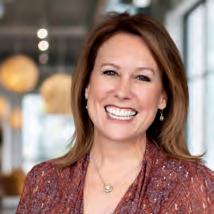
OLIVIA ROGERS , RN, BSN, CHPN, CHPO, MBA, is a leading voice
Vice President, Chief Nursing Officer of VNA Texas.

Dear Olivia,
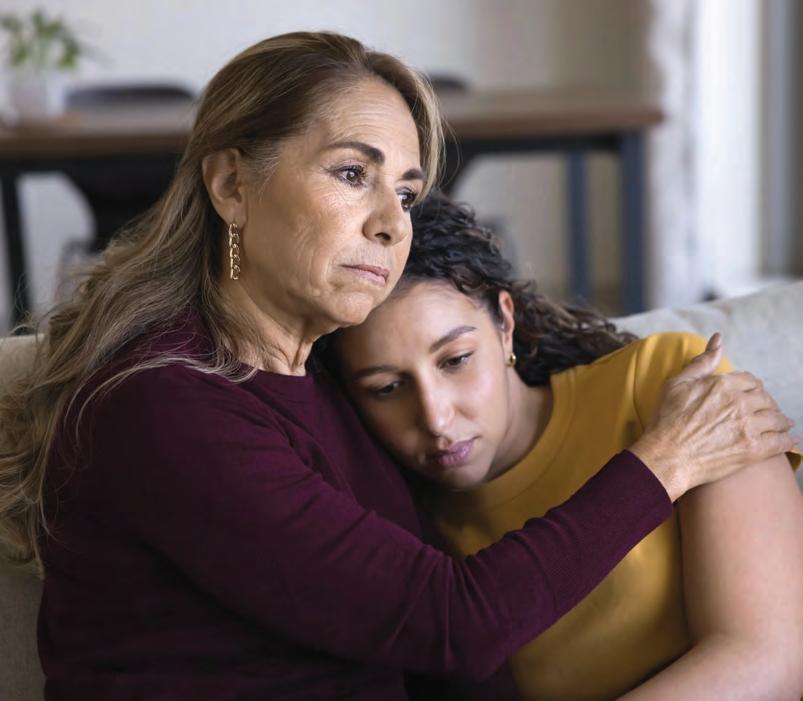
How do cultural and spiritual beliefs influence end-oflife care decisions when working with a family? ~Cultural and spiritual beliefs matter
Dear Cultural and spiritual beliefs matter, Thank you for asking such an important question. Cultural and spiritual beliefs often shape how families view illness, dying, and what “a good death” means. These values influence decisions about care, rituals, and even the language used during this tender time. Providers have a responsibility to honor these beliefs—and hospice care is designed to do just that.
As lead Chaplain Kevin Moore of VNA beautifully explains, the role of a hospice chaplain is multifaceted and guided by each patient’s and family’s needs. Sometimes this means offering spiritual support through Scripture readings, prayers, or other religious rituals. Other times, it’s about creating space for deep questions: What happens after death? Why me? Why now? While there are no easy answers, the chaplain provides a safe, compassionate place for these conversations.
In many cases, the chaplain helps patients and families reflect on the meaning of life—the people
they’ve touched, the legacy they leave behind. Underneath all of this is perhaps the greatest gift: unconditional love. The chaplain reminds each person that they are loved—loved in this life, loved in whatever comes next, and loved throughout the journey.
If you’re wondering how to ensure your loved one’s cultural or spiritual needs are respected, here are a few practical steps:
• Share your wishes early. Let the care team know about important rituals, language preferences, and values.
• Ask for a chaplain visit. Even if you’re not religious, chaplains are trained to support emotional and existential needs.
• Include family voices. Invite loved ones to share what matters most so care planning reflects those priorities.
You are not alone—many families face these questions. Hospice is not a place, but a philosophy of care that honors the whole person: body, mind, and spirit.
~Olivia





By RICK ALLEN
Nothing makes a parent prouder than to hear someone else brag on your kid. Typically, a parent’s response is something like, “Are you sure we are talking about the right kid”? As we all know behavior is often different at home than it is when they are out on their own, and thank goodness, most of them mind their p’s and q’s and wind up making us proud.
As I grow older and watch our children and their friends grow up and mature, I have to wonder is there something we could be learning from them. Because my days are filled with exposure to events surrounding death, grieving families and funeral tributes, I have the opportunity to observe people who are often experiencing the worst thing that may happen to them in their entire life. I have always felt that adversity brings out the very best or unfortunately the very worst in people and while I sometimes have to shake my head at the worst, I equally stand in amazement at some of the wonderful people who are poised, full of grace, loving and caring with one another even in difficult times.
Something that has been most striking to me about common behaviors I am witnessing recently is how the younger generations are responding when one of their peers has died. Unfortunately, most of the time when a younger person has died, it is due to accident or an incident that has been acute in its’ onset. Shock, which is a common part of the grieving experience, is very obviously present and the denial that a death has occurred could easily overcome someone who is not yet a mature adult.
It has been a common practice for many years to suggest allowing those who are grieving an opportunity to see their friend one last time at an open casket event such as a visitation at the funeral home or at least having the casket open prior to funeral services for viewing. However, over the course of the past 15 years or so, a trend has been emerging and people are often foregoing the viewing altogether. My personal opinion is that in an attempt to deal with grief, those who want to have the least exposure to it are actually only prolonging their grief. It appears as if the logic is that “if we ignore it, it will go away”. What I am actually witnessing is quite an opposite response to death and grief by the younger generation. When a peer has died, the surviving friends actually want to see that person to say good-bye. They do not seem to be fearful or turned offby viewing the body of a friend who has died, but rather appear to fid comfort and closure, just as the experience is designed to offer. What is really interesting about this attitude toward the viewing experience is that it is a full circle back to what the grandparents of this generation found to be commonplace regarding funeral tributes. It is as if the viewing custom skipped a generation for one reason or another.
Having witnessed this desire for a viewing opportunity in the younger generation, I have to ask myself how this has occurred. Obviously, they have not been taught it by parents who have trended to the complete opposite attitude and most will not remember the customs of their grandparents. So, I have to assume that it is something thought through and decided as being relevant by this younger generation. If that is indeed the case, do we, as older adults need to look to the younger ones for advice on how to deal with grief and loss in a healthier way? Quite possibly so, I always encourage people to listen to their inner self. Follow your instinct and do not be afraid to go against what you have been taught as being normal.




In this special advertising section, the lawyers are listed in alphabetical order and by ad size. To learn more about the lawyers and their specialty, you can visit their websites provided. Their information presented in Living Well Magazine is not legal advice, nor is the Top Lawyers Section a legal referral service.
Throughout the year, readers and clients nominate attorneys they feel are great candidates for the Top Lawyer recognition by Living Well Magazine. Not all lawyers nominated opted to participate in this paid Top Lawyers Section. While we strive to maintain a high degree of accuracy in the information provided, we make no claim, promise, or guarantee about the accuracy of the information provided to us. Hiring an attorney is an important decision that should not solely be based upon advertising or the listings in this magazine.
Take your time and focus on finding an attorney that has dealt with your specific legal issue. You can usually find out basic information about any attorney you’re interested in online. Their websites generally list their specialties, where they went to school, and how long they’ve been practicing. The Dallas Bar Association and Collin County Bar Association are other great places to research information. Once you’ve narrowed down your search, make an appointment with any attorney you’re interested in and set up a consultation (find out if a fee is involved for the consultation). Be sure and take your list of questions with you to your consultation that are specific to your case.
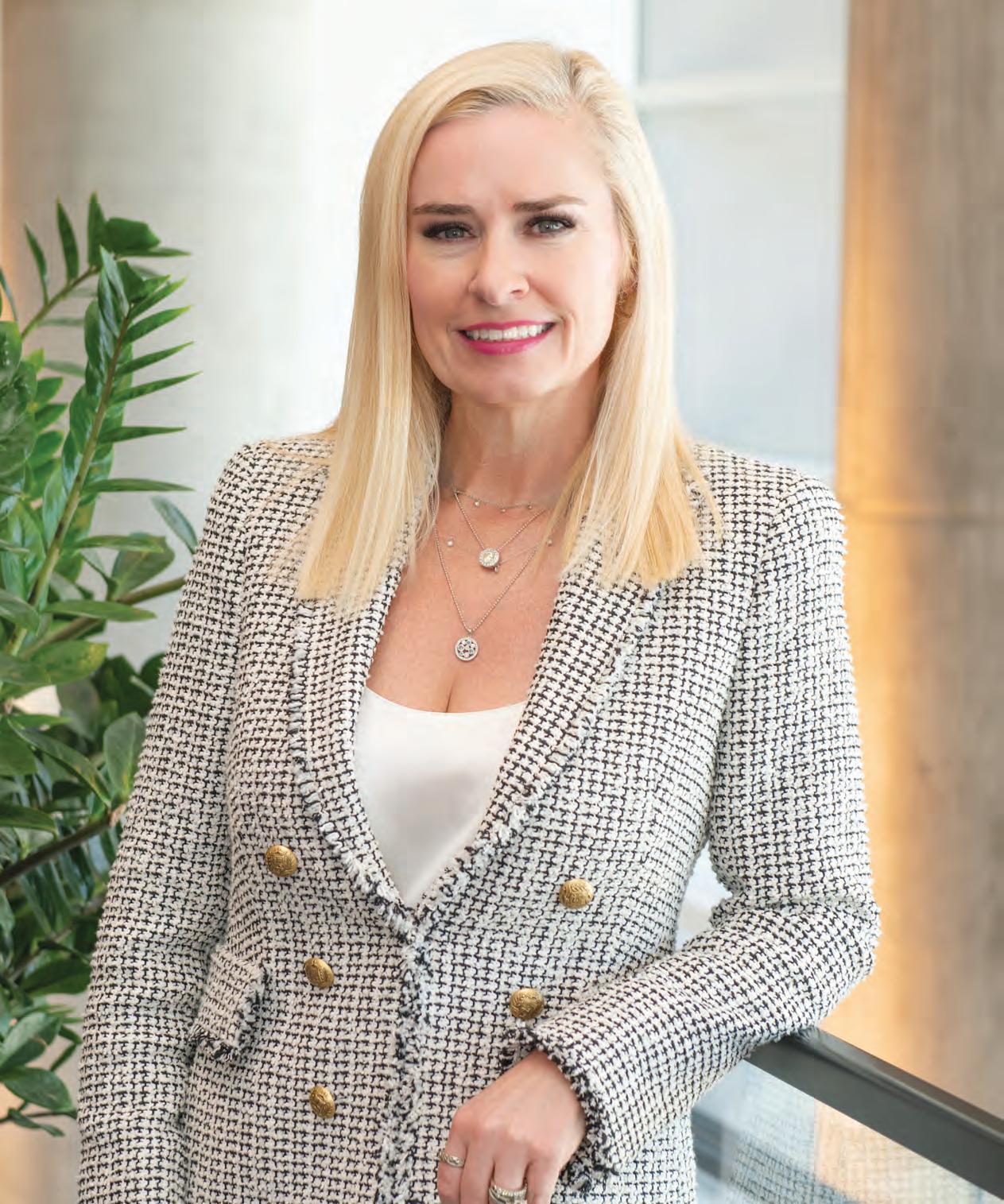
Attorney Deandra M. Grant is the managing partner of Deandra Grant Law. She is an international speaker on DWI law, science and trial skills. As the author of the annually updated Texas DWI Manual, she is viewed by her peers as being a leader in her field. Deandra understands the science behind alcohol absorption and elimination rates and can use this knowledge to competently defend you.
Deandra has been included in the list of Super Lawyers since 2011. Super Lawyers® is an attorney rating service that is nationally recognized throughout the legal community. The list represents no more than 5% of the attorneys in Texas. She is also AV® Preeminent™ Rated by Martindale-Hubbell®, which is the highest rating an attorney can achieve. She was given the AV® Rating for her outstanding professional achievements in the field of DWI law and her contributions to the legal community. She’s also received the highest rating of 10.0 by both AVVO and Justia.
Deandra graduated in 1990 from Trinity University in San Antonio with a B.S. in Business Administration. She earned her law degree from the SMU School of Law and was licensed by the State Bar of Texas in 1993. Having spent her last year of law school as an intern with the Dallas County District Attorney’s Office, she began work there as an assistant district attorney in January 1994.
Deandra’s tenure as a prosecutor focused on DWI prosecution. Upon leaving the DA’s Office, she opened her own criminal defense practice.
For over 30 years she has represented hundreds of Texans charged with criminal offenses, including DWI, violent felonies and sex crimes. As a former prosecutor, she knows firsthand how to counter the prosecutor’s evidence and strategy.
Deandra has spent hundreds of hours in training courses and programs related to DWI defense and has completed the certifi-
cation course to administer standard field sobriety testing (SFST), the same National Highway Traffic Safety Administration training course that teaches police officers nationwide how to identify drunk drivers during traffic stops. She has also completed the SFST Instructor course and taught the SFST practitioner course to other attorneys. In 2008, she completed coursework on DWI forensic blood and urine testing.
In 2011 she received a certificate from the American Chemical Society in forensic chromatography. In 2012 she became a member of both the American Chemical Society and the American Academy of Forensic Science. Deandra earned the ACS-CHAL Forensic Lawyer-Scientist Designation in 2015. In 2016 she completed both a Graduate Certificate in Forensic Toxicology from the University of Florida’s College of Veterinary Medicine and a Master in Pharmaceutical Science—Concentration in Forensic Science from the University of Florida’s College of Pharmacy. In 2019 she joined the faculty at Axion Labs as an Assistant Chromatography Instructor.
Deandra is a former board member of the Texas Criminal Defense Lawyers Association. She is a Charter Member and President-Emeritus of the DUI Defense Lawyers Association. She is a Founding Member and Executive Director of the Dallas Criminal Defense Bar and Past President of the Dallas Criminal Defense Lawyers Association.
On a personal note, Deandra has been married to Eric Clendenin for over 20 years and is the proud mom of Keegan and Rowan. She is also the “mom” to five rescue dogs. She spends a great deal of time working with dog rescues and is Vice President of Living the Doxie Dream Rescue & Sanctuary, located in Royse City, Texas. Deandra is a self-proclaimed “wine snob” who collects wine.
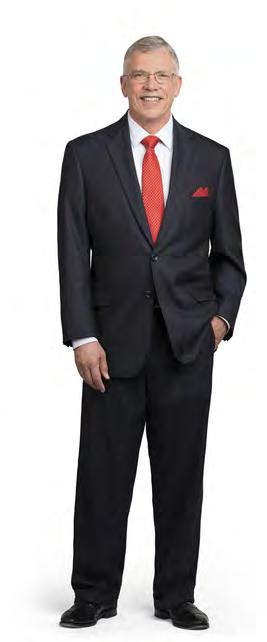
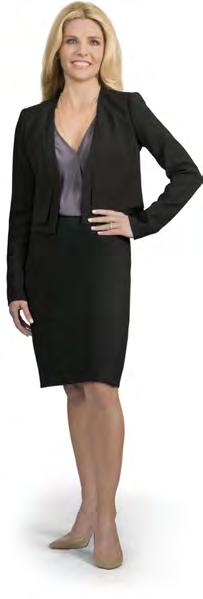
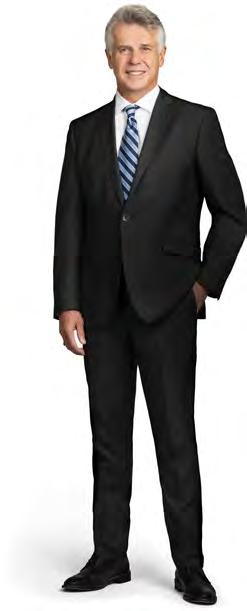

Your Family, and Their Future, is our Priority. At KoonsFuller, family law is not just what we do, it’s all we do.
For over 40 years, we have been dedicated to guiding Dallas families through life’s most complex legal challenges. With 24 Board Certified Attorneys across four North Texas offices, we’re honored to bring a collaborative, tailored and team-based approach to every case.
From informal negotiations and mediation to litigation, our experienced attorneys are prepared to handle estates of all sizes, sensitive custody matters, and high-profile cases with the utmost discretion and care.
And through all of that, we never lose sight of what matters most: achieving results that protect your family and their future.
1717 McKinney Ave., Suite 1500 Dallas, TX 75202 (214) 871-2727 (Principal Office)
320 Eagle Dr., Suite 200 Denton, TX 76201 (940) 442-6677
5700 W. Plano Pkwy., Suite 2200 Plano, TX 75093 (972) 769-2727
550 Reserve St., Suite 450 Southlake, TX 76092 (817) 481-2710
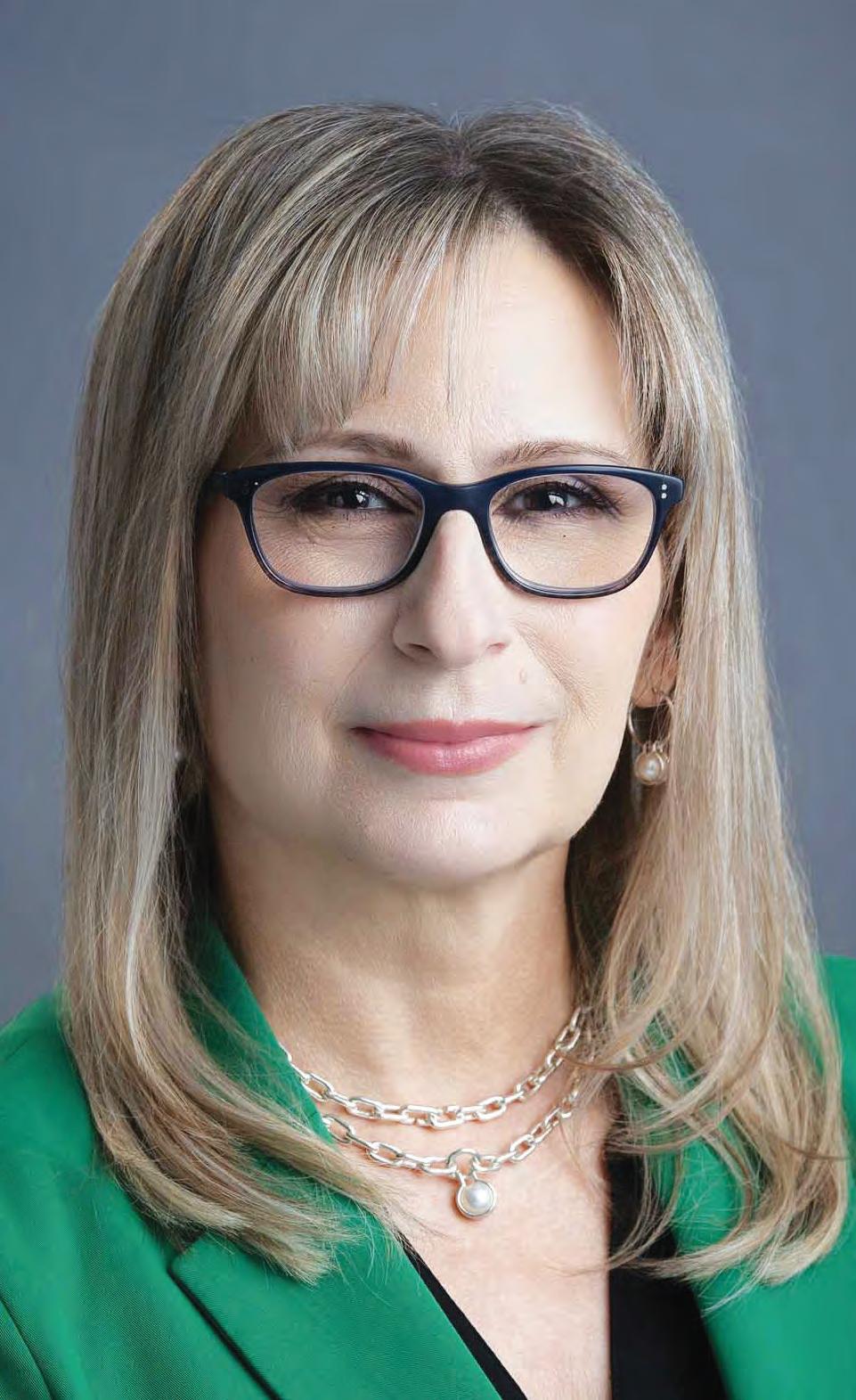
Attorney Christene “Chris” Krupa Downs is an estate planning attorney engaged in kind and person-centered planning that enhances the systems of love and support for families throughout all walks of life. She helps families navigate the probate process after the death of a loved one and guides families through the guardianship process. With over 15 years of legal experience, she focuses her practice on wills, trusts, advance directives, estate planning, special needs guardianships and probate for clients in Allen, Frisco, McKinney, Plano and throughout Collin, Dallas and Denton counties.
In addition to her practice, Chris writes and lectures for local and state bar associations, and at legal seminars. She is a member of various professional organizations, including the Collin County Bar Association, the Dallas Bar Association, and the Texas Bar College. She currently serves on the Board of the Collin County Bar Association.
As part of giving back to the Texas community, Chris served on the boards of various organizations including the Wellness Center for Older Adults, Women’s Auxiliary to Plano Children’s Medical Center, and the Junior League of Collin County.

400 Chisholm Place, Ste. 216
Plano, TX 75025
(214) 556-3862
www.krupadownslaw.com
Elder Law, Estate Planning, Probate, Guardianship, Special Needs Trusts
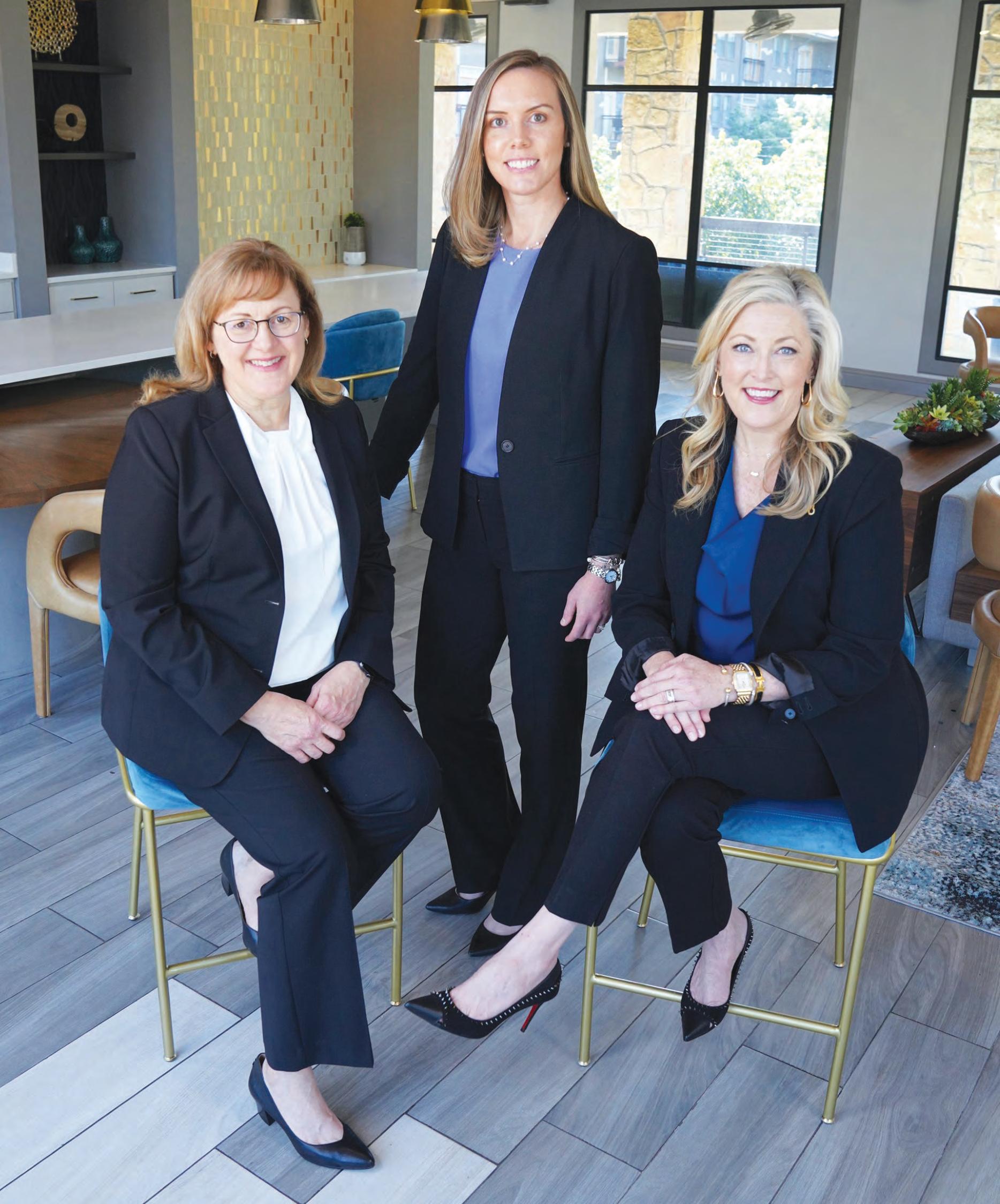
As partners at Leu, Peirce & Olson, PLLC, a preeminent Elder Law firm in Plano, Lori Leu, Erin Peirce, and Lauren Olson are committed to providing quality, compassionate, and dignified services to their clients. Their boutique practice focuses on protecting seniors through Estate Planning, Guardianship, Medicaid and Veterans Benefits, Probate and Estate Administration, and Probate Litigation.
Lori Leu, a Certified Elder Law Attorney (CELA), graduated from Kansas State University and Harvard Law School. After practicing commercial litigation and telecommunications law, Lori attended SMU Perkins School of Theology and, in 2008, realized her calling of serving seniors and their families through the practice of Elder Law. Lori grew up in a small town in Kansas and raised her family in Plano.
Erin Peirce earned her undergraduate degree from Texas A&M University and her law degree from South Texas College of Law in Houston. She joined Lori Leu in 2011 to focus exclusively on Elder Law, where she has made a significant impact in litigating issues affecting the senior community. Erin is also a certified mediator in the State of Texas and a VA-accredited attorney. Aligning with the firm’s mission to advocate for the aging community and their families, Erin is committed to educating on long-term care planning as well as protecting the elderly from exploitation and abuse.
Lauren Olson began practicing with Lori Leu and Erin Peirce in 2013. Lauren is a Plano native and graduate of Saint Louis University and SMU Dedman School of Law. Lauren’s background as a social worker and member of AmeriCorps forms the foundation of her compassion and mission of advising older adults along their aging journey and advocating for the elderly in the courtroom.
The experienced and talented team at Leu, Peirce & Olson is devoted to empowering seniors and their families with advice on issues of long-term care, financial well-being, healthcare, and the ultimate disposition of assets, enabling their clients to plan for the future and age with grace and dignity. Along with their dedicated support staff, Lori, Erin, and Lauren focus all of their energy on making the legal aspects of aging easier for their clients. The emerging practice of Elder Law encompasses a variety of legal challenges experienced by seniors and their families, as well as those with special needs, and the attorneys at Leu, Peirce & Olson are committed to serving the unique needs of each client.
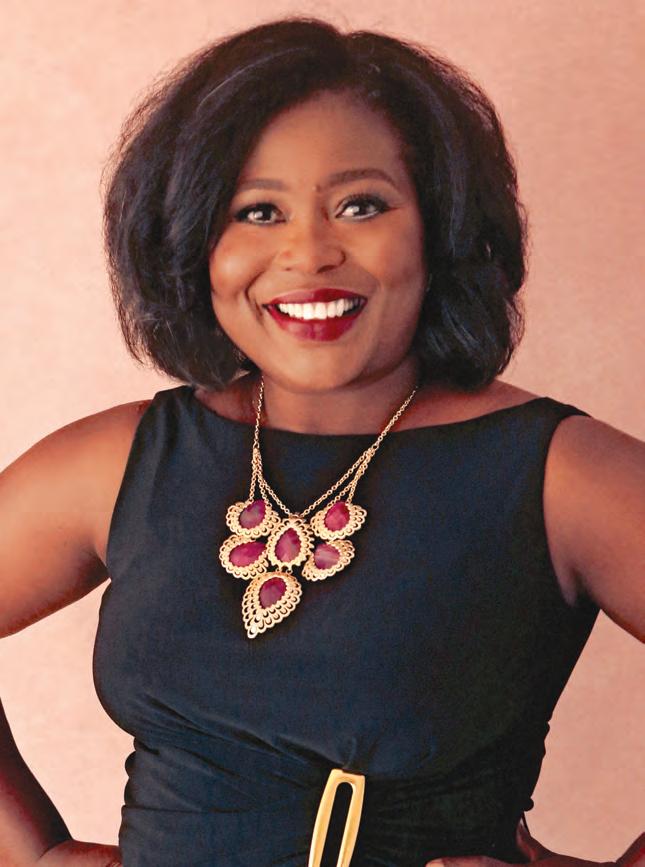
Earsa Jackson is a dynamic leader with almost 30 years of experience practicing law. She leads Clark Hill PLC’s Franchise & Licensing team. Earsa enjoys helping companies and individuals expand through franchising and licensing models. She regularly structures franchises and assists franchises with ongoing regulatory and transactional needs in addition to handling business and commercial litigation matters.
She is serving a second term on the Board of the International Franchise Association (IFA) while also serving a second term on the Governing Committee of the American Bar Association Forum on Franchising (Forum). She co-chaired the 2024 Forum on Franchising. In 2025, she was instrumental in launching the Past Chairs Mentoring Circle with its mission to pair past chairs of the Forum with the next generation of leaders in the Forum and franchise legal community. She also serves as a mentor for the Franchise Ascension Initiative, IFA’s signature accelerator program aimed at preparing qualified individuals from underrepresented groups with education, mentorship, resources and support to successfully launch a career in franchise ownership.
She is a Certified Franchise Executive. Earsa has written and spoken extensively on franchise issues and has been retained on multiple occasions as an expert witness on franchise matters. She has been recognized among Franchise Legal Players, Super Lawyers, Best Lawyers in America, Legal Eagles, International Who’s Who in Franchising and Best Lawyers in Dallas by D Magazine. She is the co-author of Franchise and Distribution Law Developments (2016). She is a former associate editor of the Franchise Law Journal.
She enjoys spending time with her husband of 30 years and their children as well as travelling.
At Clark Hill, our value proposition is simple. We offer our clients an exceptional team, dedicated to the delivery of outstanding service. We recruit and develop talented individuals and empower them to contribute to our rich diversity of legal and industry experience. With 30 locations and more than 800 lawyers spanning the United States, Ireland, and Mexico, we work in agile, collaborative teams, partnering with our clients to help them reach and exceed their business goals. Please visit the firm’s website at www.clarkhill. com.
Clark Hill. Simply Smarter.
Craig Watson’s legal practice focuses on the areas of estate planning, probate, elder law and guardianship matters. He serves clients with large taxable estates as well as small non-taxable estates. His estate planning work includes the preparation of simple Wills and Revocable Trusts as well as complex estate plans involving By-pass Trusts and Marital Trusts. Craig also designs estate tax-sensitive plans that include charitable trusts, life insurance trusts, educational trusts, LLC’s and family limited partnerships. Craig’s probate practice is similarly broad and may include anything from probating a small estate all the way up to preparing and filing a federal estate tax return for a large taxable estate. As an elder law attorney, Craig handles nursing home Medicaid qualification, guardianships, wills, powers of attorney and medical authorizations for elderly clients.
Craig is a member of the Special Needs Alliance, a national, invitation only organization of attorneys committed to serving the legal needs of disabled individuals. Craig is certified as an Elder Law Attorney by the National Elder Law Foundation, which is recognized by the Texas Board of Legal Specialization. He is a Life Fellow of the Texas Bar Foundation, a member of the College of the State Bar of Texas, the National Academy of Elder Law Attorneys, and the Texas and Grayson County Bar Associations. He graduated from SMU School of Law in 1989 with a Juris Doctor degree. Prior to that, he practiced as a CPA in Dallas for four years after graduating with a degree in Accounting and concentration in Finance from Baylor University in 1982.
Craig is married and lives on a farm west of Sherman where he raises cattle.

805 N. Travis St., Ste. 400, Sherman, TX 75090 (903) 813-8500
www.craigwatsonlaw.com
Dr. Dale Ehmer Jr. received his medical degree from UT-Southwestern Medical school graduating in the top of his class with honors. He subsequently completed his ENT training at the UT-Southwestern Department of Otolaryngology-Head and Neck Surgery in Dallas, Texas. He is also board certified by the American Board of Otolaryngology-Head and Neck Surgery. Dr. Ehmer has multiple publications in medical journals and his research has been presented at multiple national conferences.
Dr. Ehmer’s approach to medicine combines technologically advanced surgical experience with the ability to communicate and relate to his patients and their families to provide the best care possible. His goal is to apply extensive knowledge and expertise to enhance the quality of life for both children and adults seeking comprehensive ENT care. • Ear infections
Allergies • Nasal Congestion
Sinusitis
Tonsillitis
Centennial Medical Pavilion I 4401 Coit Road, Ste. 411 Frisco, TX 75035
Snoring
Thyroid Disease
Hearing Loss
KINNEY
Eldorado Office Park 6717 W. Eldorado Parkway, Ste. 140 McKinney, TX 75070
Facial Trauma
Benign and Malignant Tumors of the Head and Neck

940 Legacy Drive, Ste. 30 Prosper, TX 75078
BY CANTEX CONTINUING CARE NETWORK
Carrara is a 112-bed facility staffed by friendly professionals with extensive experience caring for high clinical acuity residents.

Transitional Healthcare in a Luxury Setting
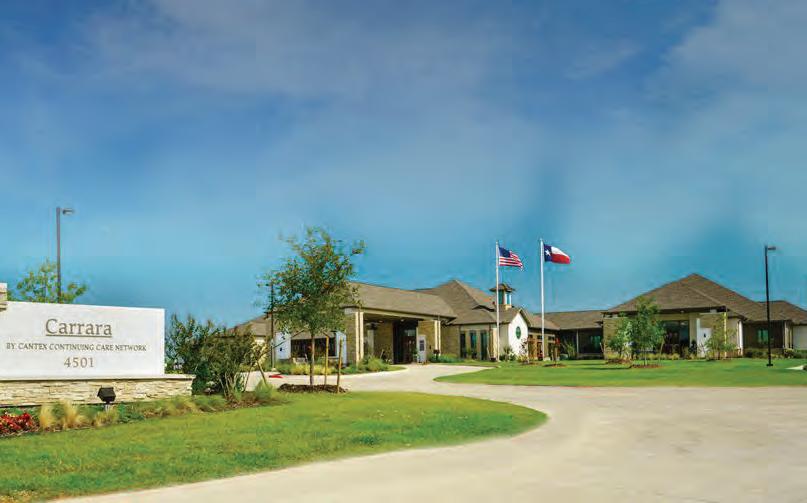

• Private and Semi-Private Suites
• Pastorial Services
• Television with Satellite Service
• Wi-Fi Internet Access
Carrara offers both inpatient and out-patient rehabilitation services aimed at treating a variety of sub-acute and chronic medical conditions:
• Orthopedic (Fractures, Joint Replacement, Amputation, etc.)
• Cardiac (Congestive Heart Failure, etc.)
• Comprehensive Wound Care
• IV Therapy
• Pain Management
• Chronic Obstructive Pulmonary Disease
• Stroke Recovery
• Lymphedema Management
• Bladder Control
• Contractures
• Care Transitions
• Rheumatoid Arthritis
• Post Operative Care
• Neuromuscular Conditions (Such as Parkinson’s)
• Balance Recovery
• Electric Beds for Easy Comfort Adjustments
• Restaurant Style Dining
• Three-Course Meals at Lunch and Dinner
Services Include:
• Clinical Services
• Round-the-Clock
Skilled Nursing Care
• Intravenous Therapy
• Physician Services
• Enteral/Parenteral Therapy
• Housekeeping
• Transportation
• Bilingual Staff
• Activities and Outings
• Library
• Salon Services
• Medication Administration
• Therapy Services
• Physical Therapy
• Occupational Therapy
• Speech Therapy
• Respiratory Therapy
• Restorative Program
• Cardiac Drips
• Dobutamine & Milrinone
• LVAD • Lifevest • TPN
• Trachs & Trach Collars
• CPAP
• BIPAP
• Trilogy for COPD Support
• Wound Vacs
• Pleurex
• Swallow Function Recovery Our Clinical Capabilities Include:
• Chest Tubes
• JP Drains
• Hema Vacs
• Long Term Antibiotics
Cantex Continuing Care Network has been performing the highest standards of transitional healthcare and long-term residential services for more than 30 years. Ask anyone who knows: Cantex stands for quality.