The health of our living oceans is fundamental to life on Earth. For 25 years, the Khaled bin Sultan Living Oceans Foundation has remained committed to protecting the marine ecosystems that sustain our planet and the communities that depend on them. As we celebrate this milestone anniversary, we reflect with pride on the progress we have made and look ahead with renewed determination to the work that lies before us.
Founded in 2000 by my father, His Royal Highness Prince Khaled bin Sultan, the Foundation was established with a clear vision: to provide science-based solutions to preserve, protect, and restore ocean health. Over the past quarter century, his vision guided pioneering efforts such as the Global Reef Expedition—one of the most comprehensive coral reef research missions ever conducted. The data and knowledge generated through that expedition continue to inform conservation strategies, scientific research, and marine management efforts around the world.
Today, our role is evolving. While the Foundation continues to support coral reef science by sharing the data and expertise gathered during the Global Reef Expedition, much of the scientific work now takes place through partnerships with researchers, institutions, and conservation organizations around the world. By enabling others to build upon this foundation of knowledge, we can extend the impact of our work far beyond what any single organization could achieve alone.
At the same time, we recognize that science alone cannot protect the ocean. Lasting conservation depends on people—on their understanding of marine ecosystems and their willingness to safeguard them for the future. For this reason, we are placing an even greater emphasis on education, outreach, and improving ocean literacy around the world.
Looking ahead, we are preparing to expand this work through the Living Oceans Academy, a new Science Without Borders® initiative designed to make marine science education accessible to students, teachers, and professionals everywhere. By bringing together our educational resources and scientific knowledge in an interactive global platform, we hope to empower people everywhere to learn about the ocean and take part in its protection.
Guided by our principle of Science Without Borders®, we will continue working across cultures, disciplines, and geographic regions to advance solutions that protect marine ecosystems while supporting the communities that depend on them.
I am deeply grateful to our partners, supporters, and the dedicated team whose passion and commitment make this work possible. Together, we will continue building on the Foundation’s legacy— ensuring that our oceans remain vibrant, resilient, and full of life for generations to come.
Let us continue this important work together, for the health of our oceans and the future of our planet.
Her Royal
Princess Hala bint Khaled bin Sultan President of the Khaled bin Sultan Living Oceans Foundation
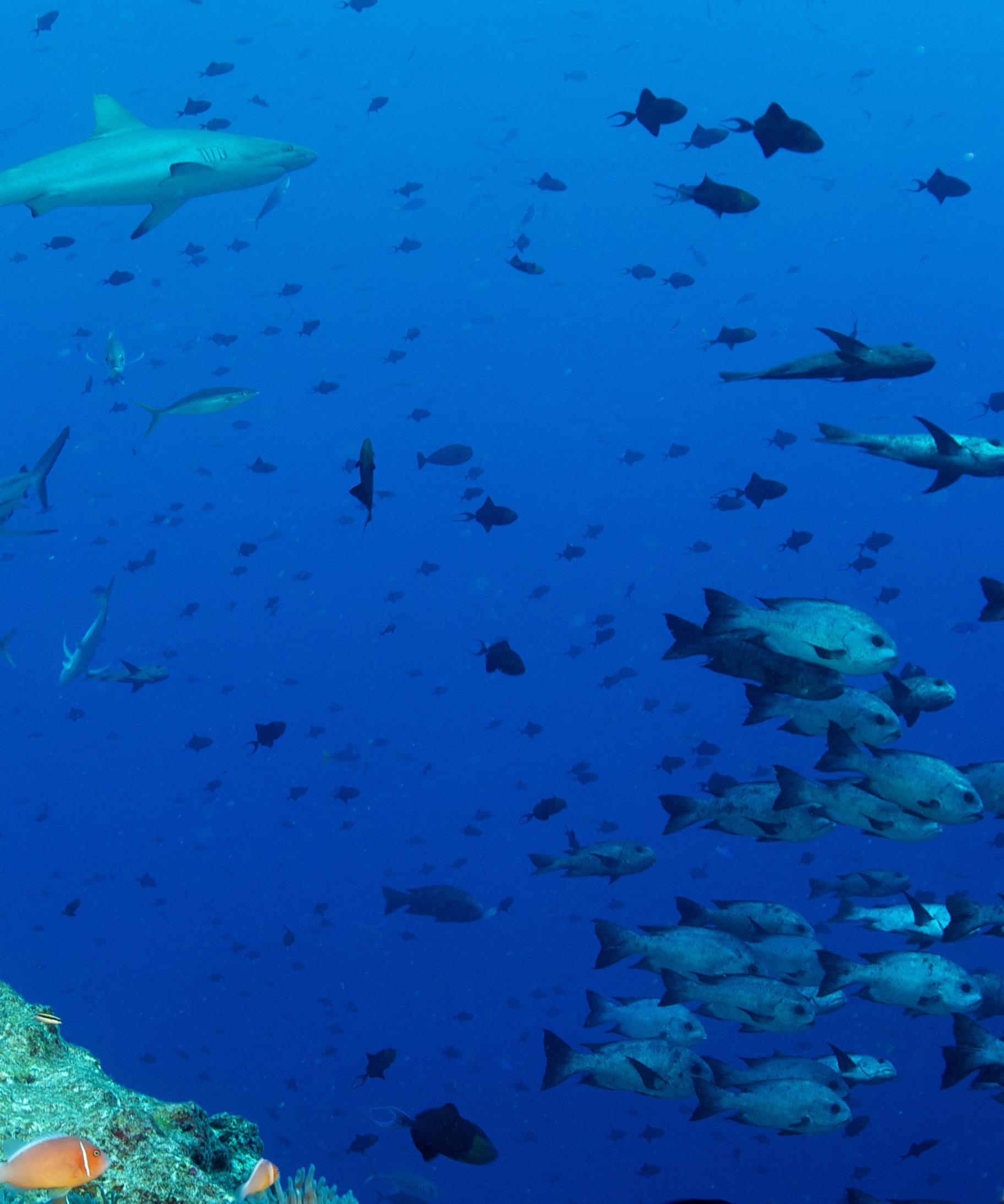
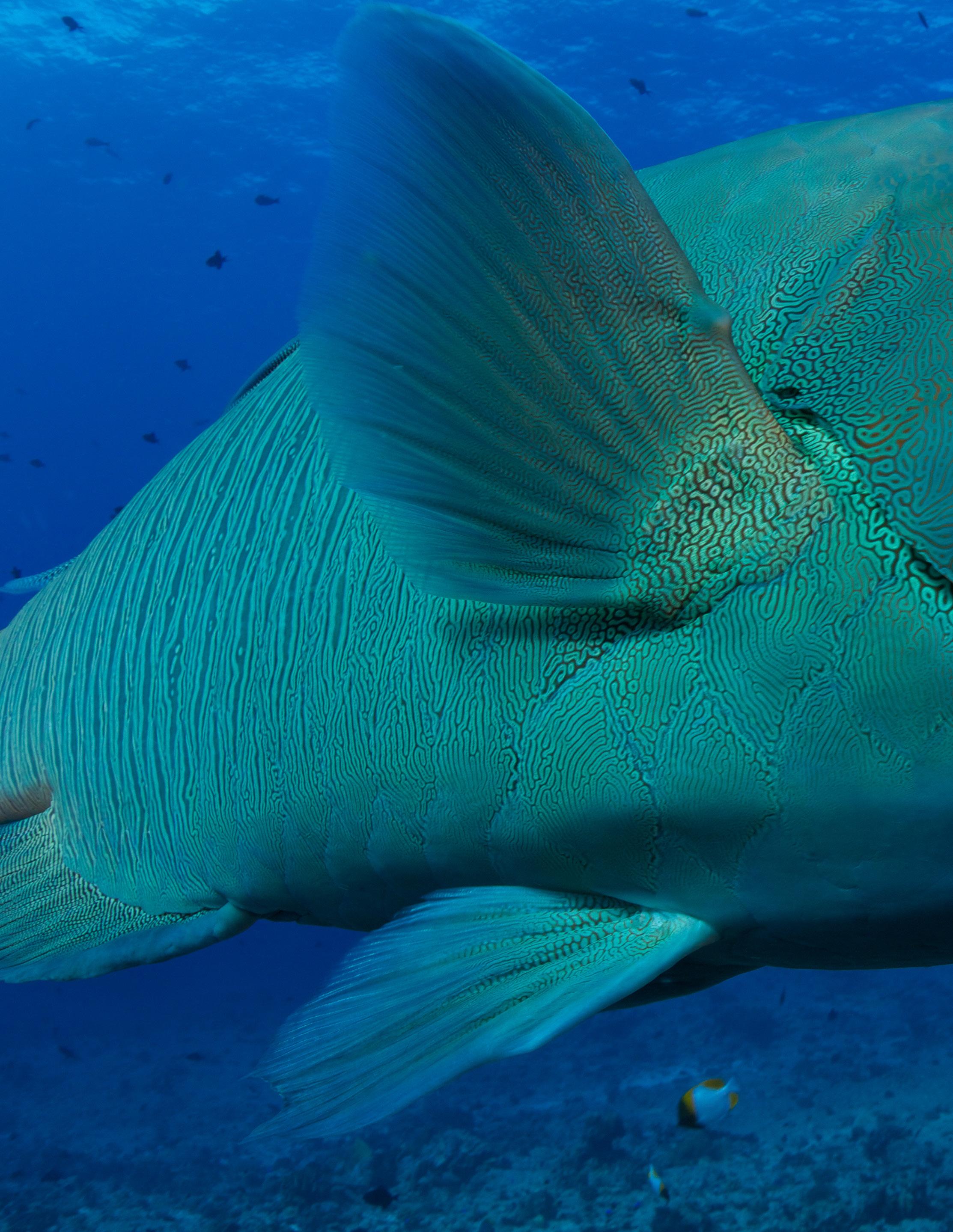
For 25 years, the Khaled bin Sultan Living Oceans Foundation (KSLOF) has advanced ocean science, conservation, and education to protect the health of our living oceans. Founded by HRH Prince Khaled bin Sultan in 2000, the Foundation works with scientists, educators, and partners around the world to better understand and protect coral reefs and other vital marine ecosystems.
Through initiatives such as the Global Reef Expedition the largest coral reef survey and mapping research mission in history—the Foundation generated invaluable data that continues to inform marine conservation strategies worldwide. Today, we build on this legacy by sharing our knowledge and expertise with researchers, governments, and conservation partners to support science-based solutions for protecting marine ecosystems.
In 2025, the Foundation celebrated its 25th anniversary and launched a newly redesigned website that brings together our conservation initiatives, scientific discoveries, and growing library of educational resources in a modern and accessible platform, making it easier than ever for people to explore and engage with our work.
Building on this legacy, our work today focuses on three interconnected priorities: conserving coral reefs, restoring mangrove forests, and improving ocean literacy around the world, especially regarding tropical marine ecosystems.
The Living Oceans Foundation continues to focus on the conservation of one of the most biodiverse and threatened ecosystems on Earth—coral reefs. Building on data collected during the Global Reef Expedition, KSLOF works with partners around the world to advance coral reef science, develop innovative solutions to enhance reef resilience, and support conservation planning. Through these efforts, the Foundation helps researchers, governments, and local organizations better understand reef ecosystems and develop strategies to protect them for future generations.
Our mission is to protect, preserve, and restore the health of our living oceans.
Recognizing the critical role mangroves play in coastal protection, biodiversity, and climate resilience, KSLOF prioritizes their restoration through our Mangrove Education & Restoration programs. These initiatives combine hands-on science education with real-world restoration, engaging students in protecting these vital coastal ecosystems. Through partnerships with local organizations and educators, the Foundation is helping restore mangrove forests while empowering the next generation of environmental stewards.
Education and outreach are central to the Foundation’s efforts to inspire meaningful conservation action. KSLOF develops innovative educational resources, global programs, and creative initiatives designed to increase public understanding of marine ecosystems. From our annual ocean art contest to new educational platforms and curricula, the Foundation is helping students, teachers, and communities explore the ocean and understand the importance of protecting it.
Together, these efforts reflect the Foundation’s enduring commitment to protecting our living oceans—building on 25 years of progress while inspiring people everywhere to help safeguard the ocean for generations to come.
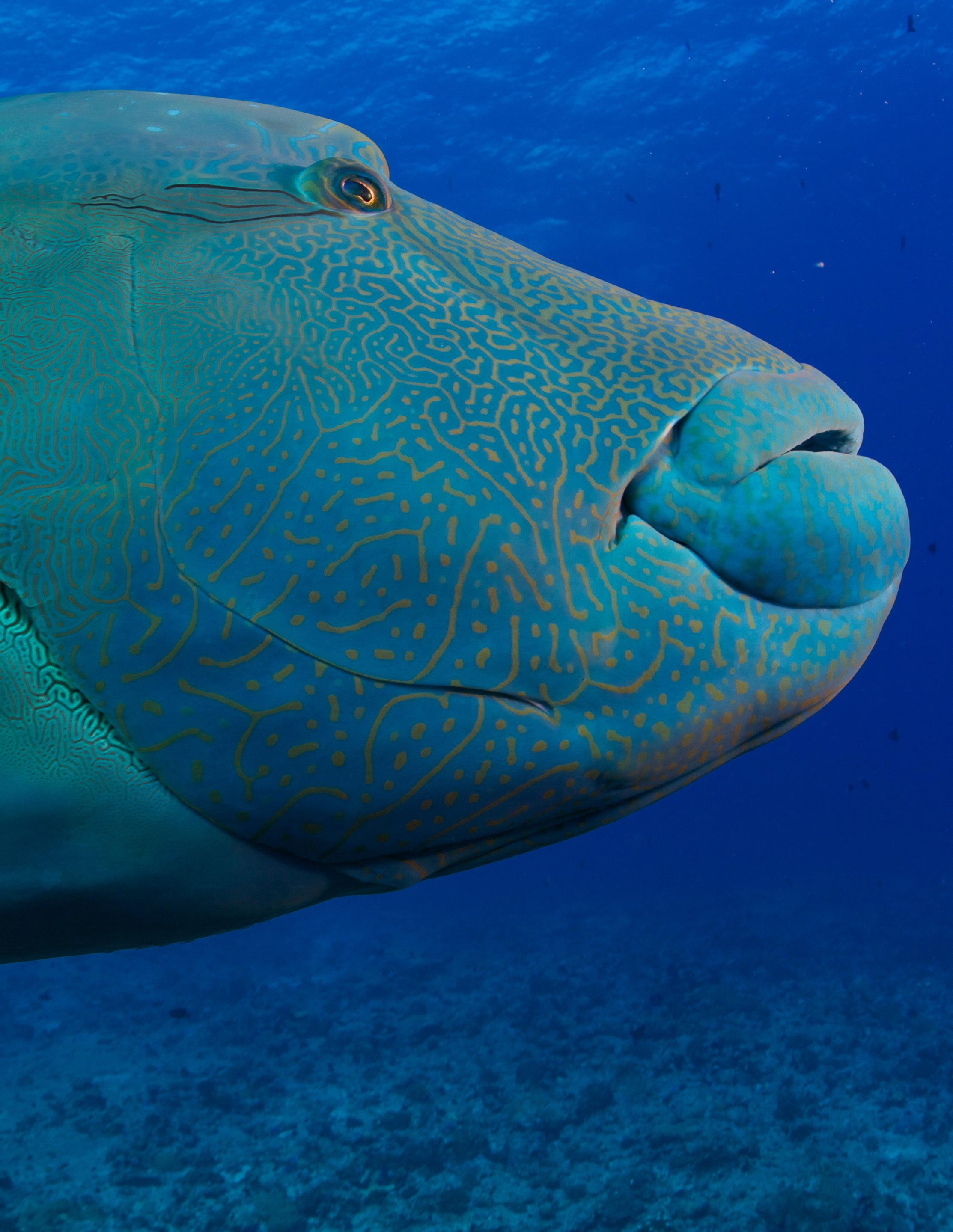
Since 2000, the Khaled bin Sultan Living Oceans Foundation has worked to advance ocean science, conservation, and education around the world.
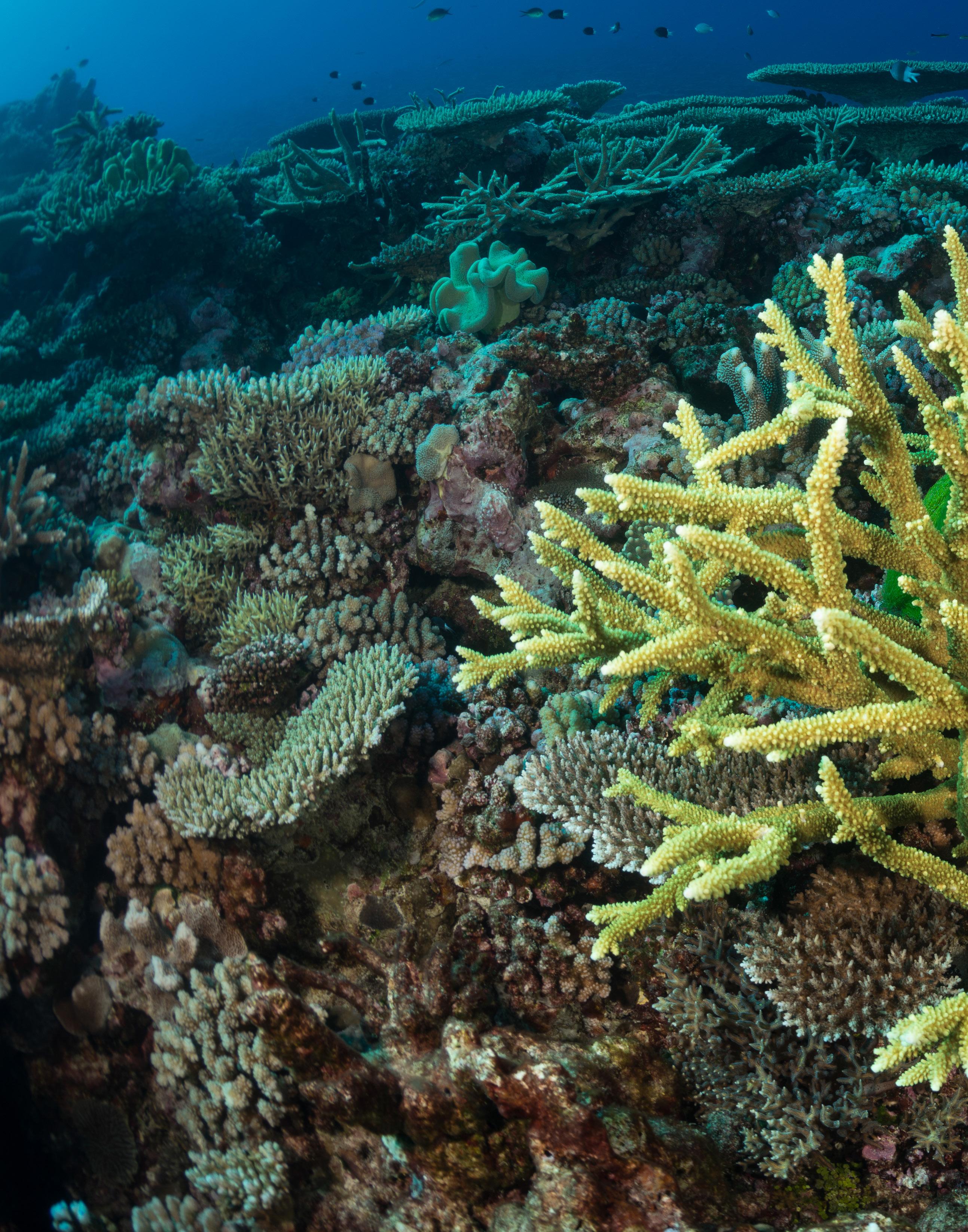
The Khaled bin Sultan Living Oceans Foundation’s Global Reef Expedition produced one of the most comprehensive datasets on coral reefs ever collected. Today, we build on this legacy by sharing our knowledge, advancing technologies for reef monitoring, and collaborating with partners around the world to support science-based coral reef conservation and management.
In collaboration with the Scripps Institution of Oceanography, the Khaled bin Sultan Living Oceans Foundation is helping to automate coral reef monitoring. By integrating CoralNet, an open-source platform for benthic image analysis, with the widely used Coral Point Count with Excel extensions (CPCe) software, the project uses machine learning to identify and classify reef organisms in underwater imagery. This approach has achieved over 90% accuracy in identifying coral genera and estimating benthic cover, matching expert-level analysis. Automating this process significantly reduces the time required to process reef survey data, allowing researchers and local monitoring programs to assess reef health more efficiently and at larger geographic scales.
The Living Oceans Foundation continued working with the Pacific Blue Foundation (PBF) to strengthen coral reef monitoring efforts in Beqa Lagoon, Fiji. Building on earlier pilot work, the collaboration focuses on refining costeffective monitoring protocols that combine diver surveys with photographic imagery to assess reef condition. The project supports community-led management of traditional protection areas near Rukua Village, where local communities have long worked to reduce fishing pressure and protect coral reefs.
This year, the Foundation also assisted Pacific Blue Foundation with Coral Point Count with Excel extensions (CPCe) analysis of reef transect photographs from Beqa Lagoon, supporting monitoring efforts under their Beqa Lagoon Initiative. Graduate students working with Pacific
Blue are also using Global Reef Expedition data from Fiji in their research, with findings expected to be presented at the upcoming International Coral Reef Society (ICRS) conference. This work supports PBF’s efforts to evaluate conservation outcomes and guide future reef management strategies. The initiative is part of the Foundation’s UN Ocean Decade project, Science Without Borders®: Conserving the Tropics, which advances sustainable coral reef protection in small island nations that depend heavily on marine ecosystems.
The Foundation continued its collaboration with NASA , contributing data from the Global Reef Expedition to support the development of high-resolution maps of coral reefs around the world. To advance those efforts, this year we contributed to a study using Fluid Lensing technology to map coral reef habitats in Tumon Bay, Guam. By comparing the results with traditional in-water surveys and aerial imagery, the research demonstrates the technology’s potential to map reefs with unprecedented precision. These innovations will help scientists and managers monitor reef ecosystems more effectively and support conservation planning at regional and global scales.
The Khaled bin Sultan Living Oceans Foundation contributed data and expertise to the Global Coral Reef Monitoring Network (GCRMN) for the upcoming Status of Coral Reefs of the World report, a comprehensive global assessment published every five years. As part of this effort, the Foundation shared coral reef habitat maps and monitoring data collected during the Global Reef Expedition, including extensive datasets from reefs across the Pacific. These contributions are helping expand one of the largest global coral reef monitoring datasets ever assembled. The Foundation is continuing to collaborate with the GCRMN on the report, supporting efforts to summarize changes to coral reefs in the Pacific, as the report moves toward publication in 2026.
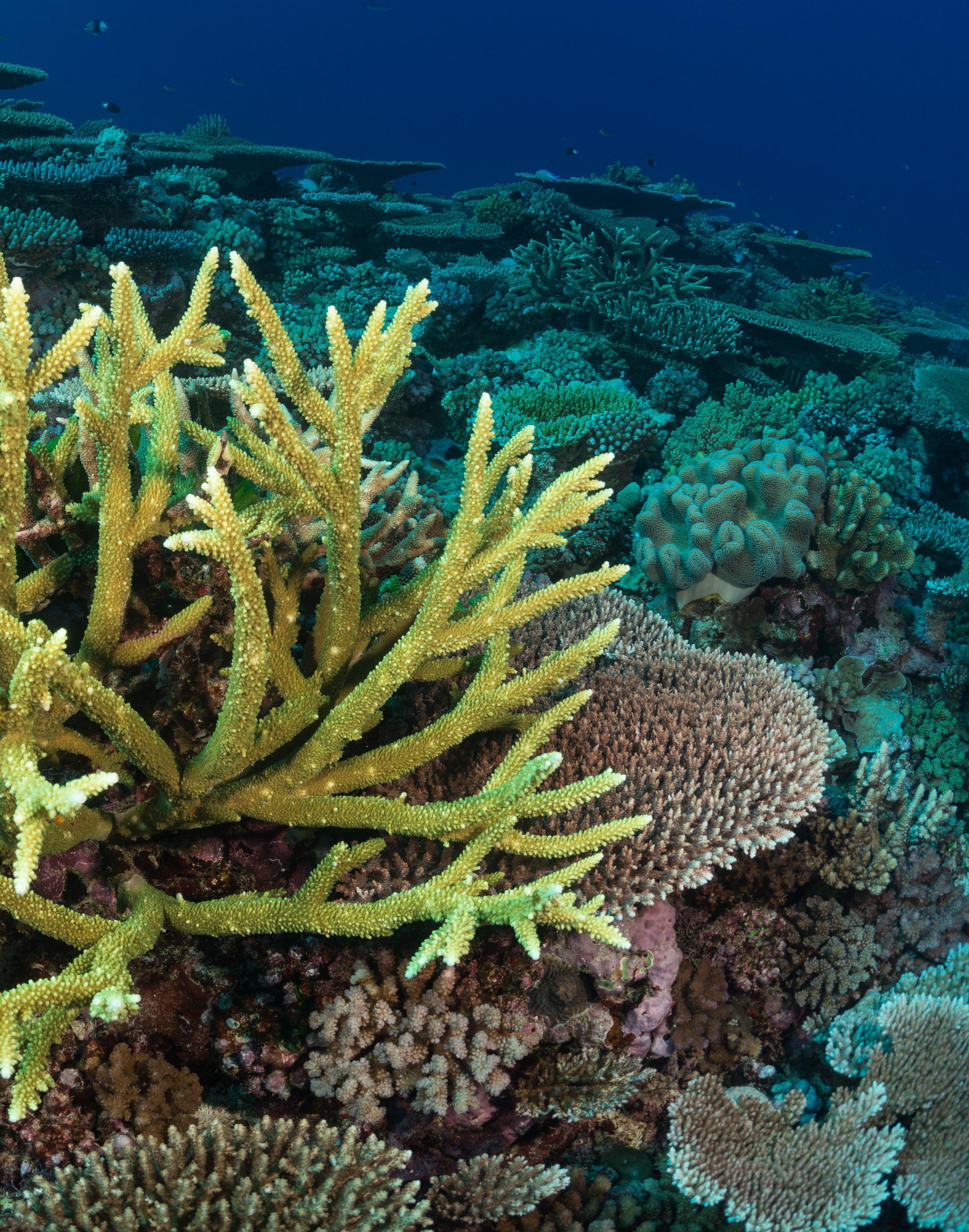
In 2025, the Khaled bin Sultan Living Oceans Foundation contributed to advancing coral reef research through the following peer-reviewed publications:
Mayfield, A. B., & Dempsey, A. C. (2025). Machine-learning algorithms for identifying climate-resilient corals in the Republic of Palau. Discover Oceans, 2, 45. https://doi.org/10.1007/s44289-025-00080-7
Kalman, A., Humphreys, A. F., Adams, Z., Ames, R., Marín, A. R., Dempsey, A. C., & Purkis, S. J. (2025). Foraminifera record historical coral-algal phase shifts on Caribbean coral reefs. Marine Environmental Research, 211, 107437. https://doi. org/10.1016/j.marenvres.2025.107437
Macrina, L., Terraneo, T. I., McFadden, C. S., Chimienti, G., Marchese, F., et al. (2025). The hidden diversity of Saudi Arabian Red Sea octocorals revealed through a morpho-molecular assessment across bathymetric and latitudinal gradients. Scientific Reports, 15, 33651. https://doi.org/10.1038/s41598-025-17136-5
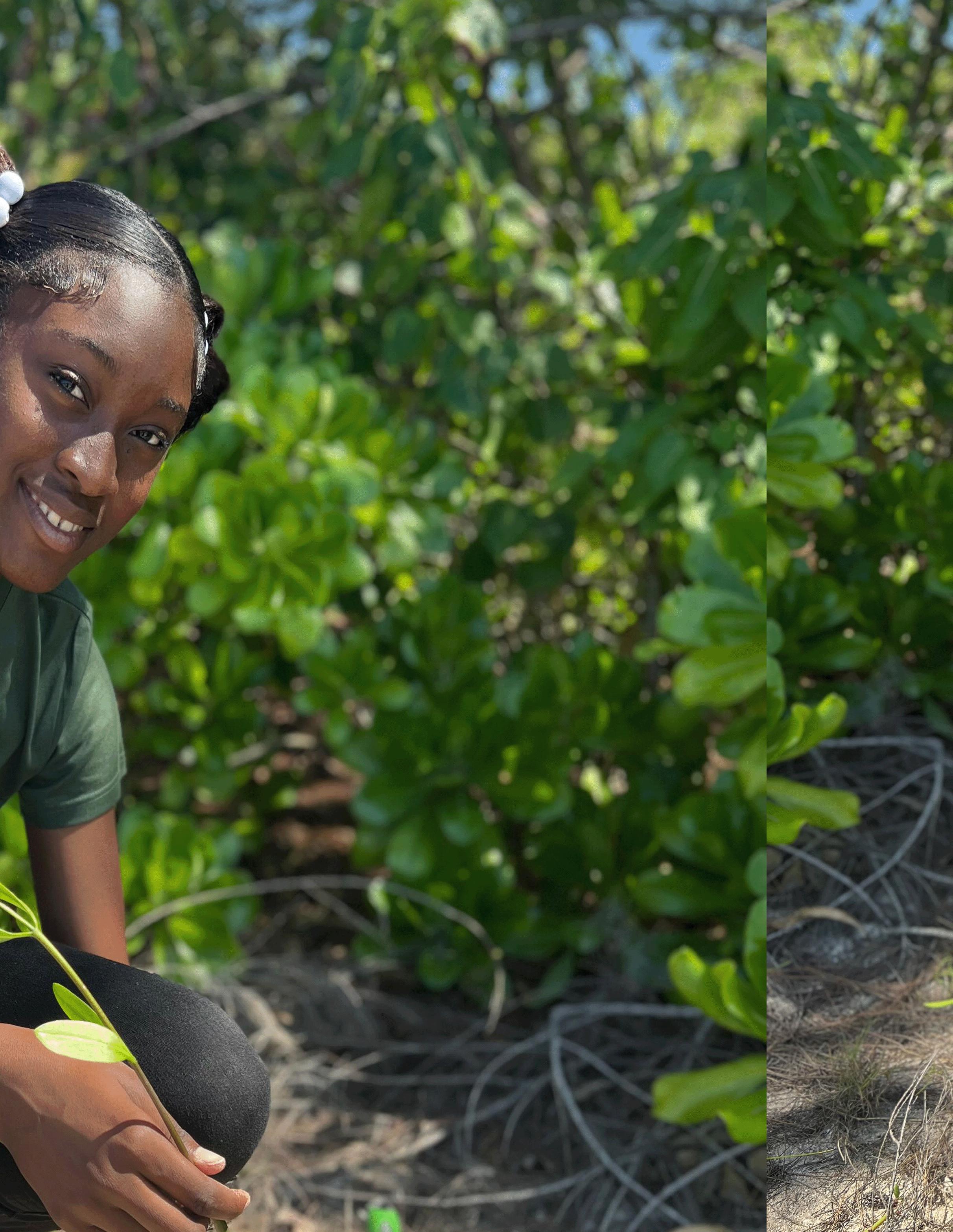
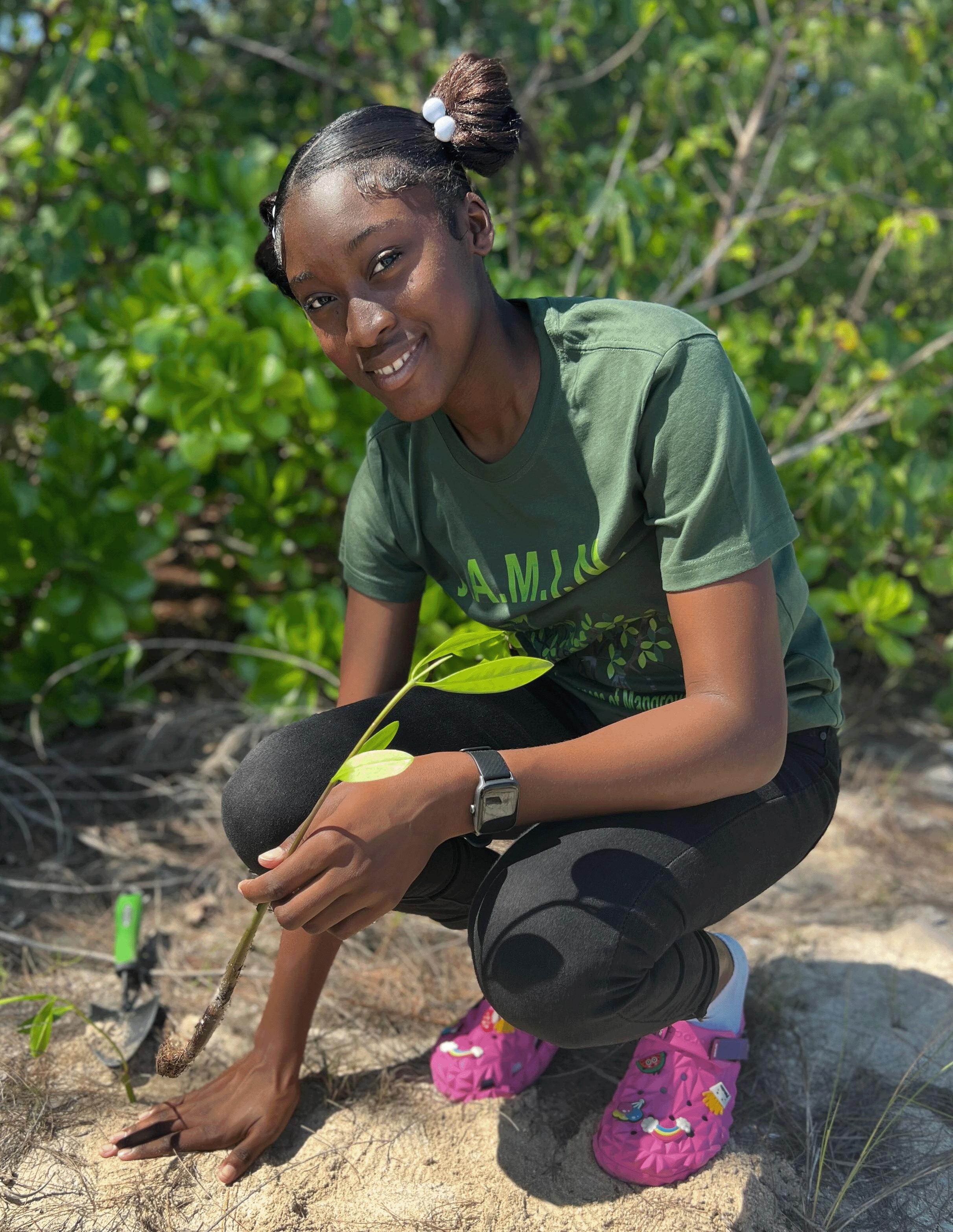
Our Mangrove Education and Restoration program is a two-year immersive, experiential education program that engages high school students and teachers in the Caribbean to learn about, restore, and monitor mangroves through project-based learning. This year, the Bahamas Awareness of Mangroves (B.A.M.) program celebrated its 10th anniversary, marking a decade of empowering students and teachers with the knowledge and skills to protect and restore mangrove ecosystems in The Bahamas.
Launched in 2015 in partnership with FRIENDS of the Environment in Abaco, B.A.M. continues to provide students from local high schools with opportunities to explore mangrove forests, conduct ecological experiments, and participate in meaningful restoration projects. Throughout the school year, students grow red mangrove propagules in their classrooms, testing different soil types and collecting data to determine where mangroves grow best. After months of observation and analysis, they bring their science full circle by planting their seedlings in degraded coastal areas, contributing directly to the restoration of these vital ecosystems.
Over the past decade, B.A.M. has engaged hundreds of students and planted thousands of mangroves, fostering a generation of young environmental stewards who
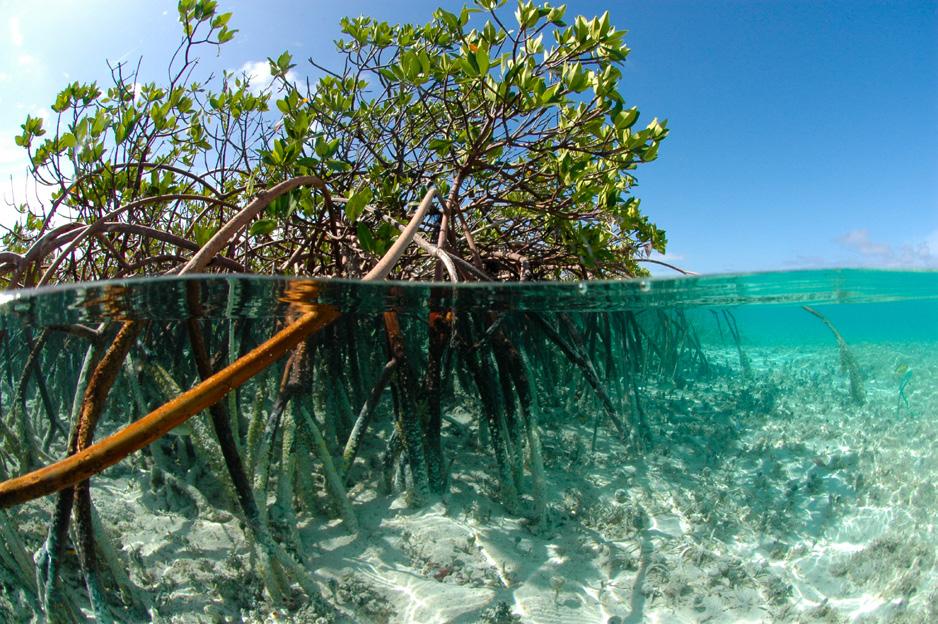
understand the importance of coastal resilience and community action. Its long-term impact now extends into classrooms across The Bahamas, where elements of the program’s curriculum are being used to expand mangrove education nationwide. Some former students have come full circle—returning as educators and staff in their schools and at FRIENDS—demonstrating the lasting influence of experiential, place-based learning.
Meanwhile, the Jamaican Awareness of Mangroves in Nature (J.A.M.I.N.) program continues to thrive in partnership with the University of the West Indies Discovery Bay Marine Lab, the Alligator Head Foundation, Sea the Change Foundation, and Playa Hotels & Resorts. Students participate in immersive field trips, classroom experiments, and hands-on activities that bring mangrove ecology to life. From investigating mangrove food webs to graphing growth data from their propagule experiments, students gain a deeper understanding of how these ecosystems function and why they matter. The program concludes with a trip to the mangrove forest, where students plant the mangroves they have nurtured, helping to restore the forest, and reinforcing the connection between science and real-world conservation action.
By combining science education with experiential learning rooted in local ecosystems, the J.A.M.I.N. and B.A.M. programs continue to inspire the next generation of environmental leaders—ensuring that mangrove forests and the communities that depend on them are protected for years to come. As students collect data, nurture seedlings, and plant them in nearby forests, they see firsthand that conservation is not abstract, it is something they can actively shape within their own communities.
Building on the success of J.A.M.I.N., we piloted a new seagrass curriculum this year in collaboration with doctoral student Isabel Key. Students were introduced to seagrass ecology through classroom lessons and handson fieldwork, using quadrats and transects to collect and analyze data on species distribution. Their findings were added to the global Seagrass Spotter database, contributing to ongoing scientific research.
Education is key to protecting our ocean. Through global programs, classroom resources, and hands-on learning experiences, the Living Oceans Foundation helps students and educators around the world explore ocean science and become champions for marine conservation.
The Khaled bin Sultan Living Oceans Foundation continued developing educational materials this year to support teachers in enhancing ocean literacy around the world. In partnership with the University of Miami (UM), we completed work on the broader impact component of the National Science Foundation grant, “Protist Prophets –Foraminifera as Global Bioindicators for Past and Present Coral Reef Health.” As part of this effort, we developed an educator’s guide called Little Creatures with a Big Message, to enhance STEAM (Science, Technology, Engineering, Arts, and Mathematics) education.
The curriculum draws on sediment samples we collected on the Global Reef Expedition, which surveyed coral reefs around the world. Researchers at UM analyzed these samples, identifying microscopic organisms called foraminifera and used them as indicators of the long-term health of nearby reefs. Using real data from this project, students explore how scientists analyze reef sediments and interpret what these tiny organisms reveal about past environmental conditions—and how that information can help prioritize coral reefs for conservation. The educator’s guide also includes an interactive ArcGIS StoryMap that introduces students to foraminifera and the research process, allowing them to follow the journey from field collection to scientific discovery. The materials are currently being tested with teachers, with plans to launch the finalized resources in 2026.
In July 2025, the Living Oceans Foundation participated in Peace Boat US’s Youth for the SDGs program during Peace Boat’s 120th Global Voyage, helping train an
international cohort of young leaders traveling through the Caribbean and Latin America. The program brought together youth from around the world to explore ocean conservation, sustainability, and global citizenship through hands-on learning and cross-cultural exchange.
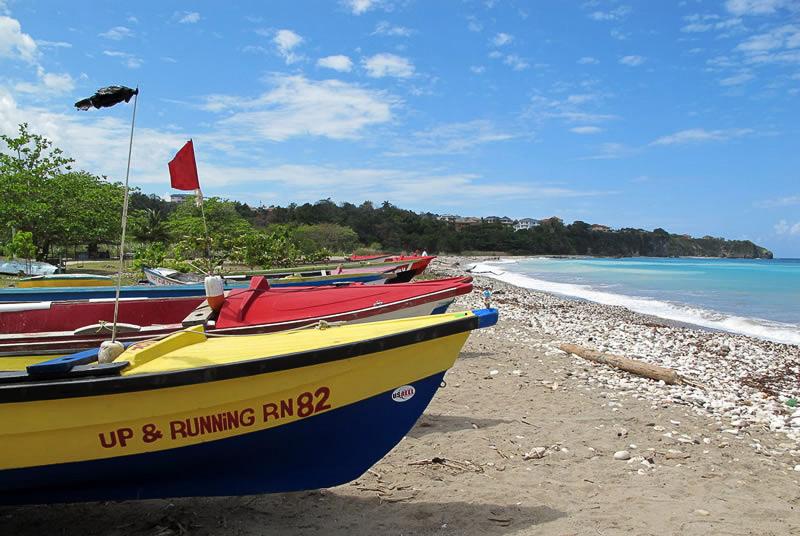
The voyage began in Jamaica, where the Foundation’s COO & Education Director, Amy Heemsoth, joined as a guest educator. Students participated in immersive field experiences at the University of the West Indies Discovery Bay Marine Laboratory, where they explored coral reefs and seagrass beds, conducted citizen science waterquality monitoring, and learned about marine ecosystems through hands-on activities. A highlight of the Jamaica program was a mangrove restoration workshop in Salt Marsh sponsored by the Jamaica Forestry Department, where participants learned about mangrove ecology, removed marine debris, and planted propagules to help restore this important coastal habitat.
As the voyage continued, the Foundation contributed to the ship’s onboard education program through guest lectures on coral reef ecosystems, climate change, and ocean conservation. The ship itself served as a “floating campus,” where youth engaged in multilingual dialogue, collaborative workshops, and exchanges with experts and fellow participants from around the world.
While in Jamaica, the Living Oceans Foundation also co-organized the Blue Economy Forum aboard Peace Boat’s MV Pacific World in Montego Bay in partnership with Peace Boat US. The forum brought together youth leaders, scientists, government agencies, and community organizations to explore how sustainable ocean economies can support both environmental protection and resilient coastal communities. A key focus was mangrove conservation as critical coastal infrastructure, with experts discussing how science, policy, and community engagement can strengthen mangrove protection and restoration. The discussion highlighted the Foundation’s J.A.M.I.N. program, with educators and former students sharing how hands-on, place-based learning builds lasting environmental stewardship.

The Science Without Borders® Challenge was developed to engage students and teachers around the world in ocean science and conservation through art. This annual contest inspires students to use their creativity and artistic talents to promote public awareness of the need to preserve, protect, and restore the world’s oceans, contributing to the Foundation’s overarching operating principle—Science Without Borders®
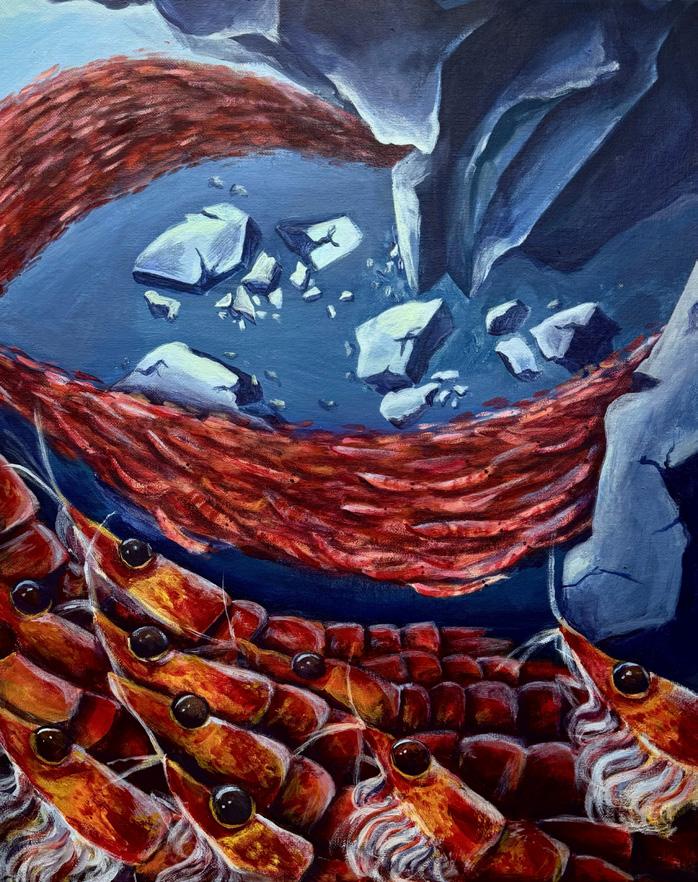
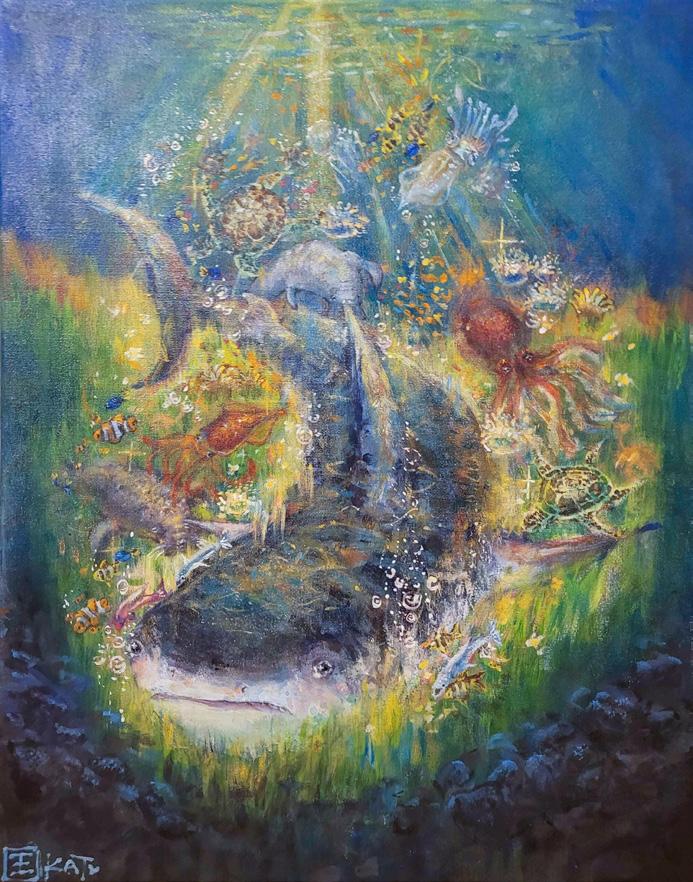
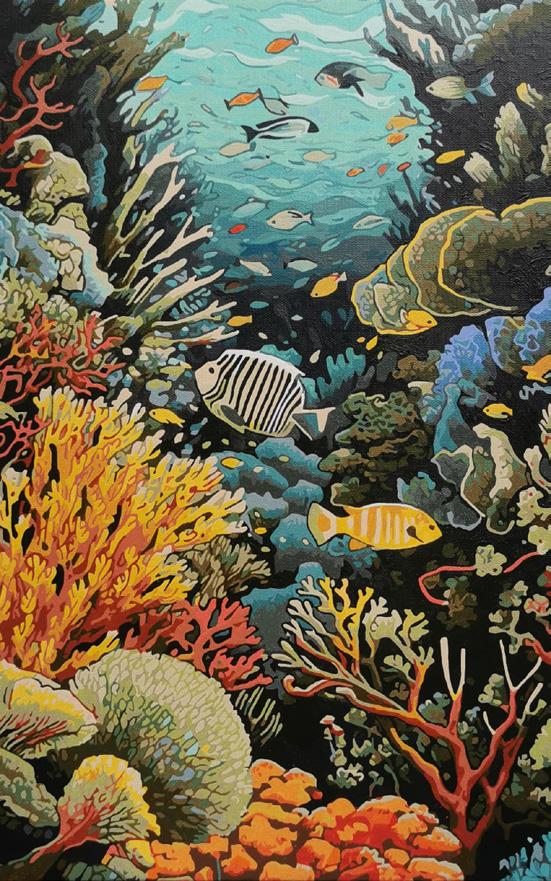
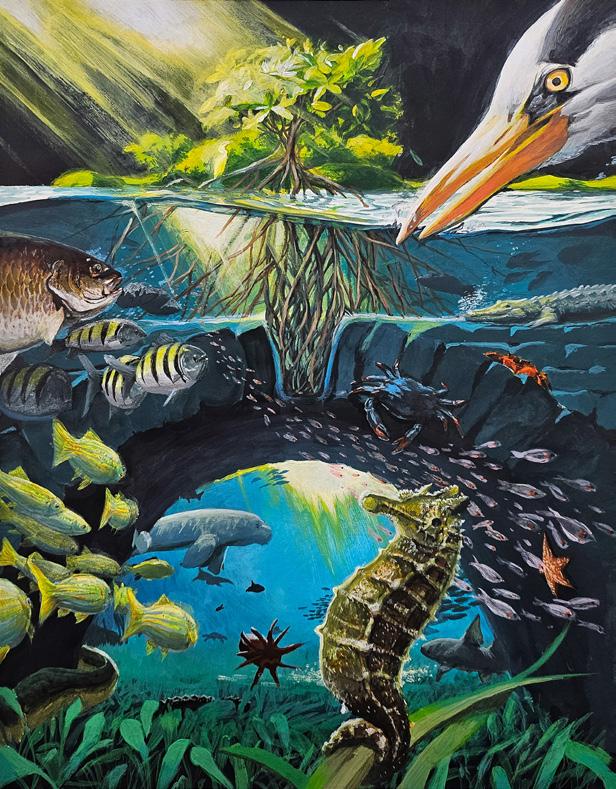
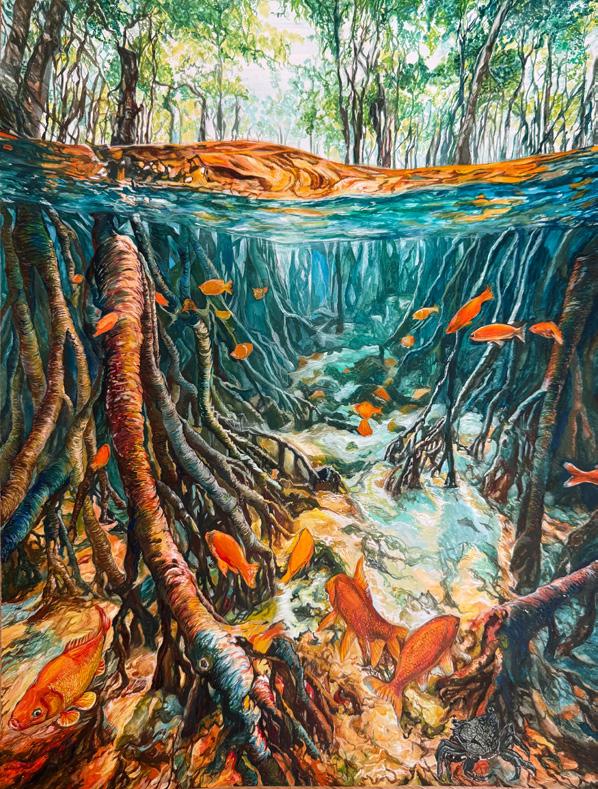
In 2025, the Living Oceans Foundation completed its 13th annual Science Without Borders® Challenge. This year’s theme, Marine Keystone Species, invited students to highlight species that play a critical role in maintaining the structure and health of ocean ecosystems. The competition received more than 1,300 submissions from 75 countries, each piece a unique interpretation of species with an outsized impact on their environments, from sea otters and mangroves to corals and sharks. Through their artwork, students explored how the loss of a keystone species can trigger cascading effects throughout an ecosystem, underscoring the importance of protecting these vital organisms.
The Challenge is judged in two categories: students ages 11–14 and students ages 15–19. The winning entries are not only beautiful works of art, they are tributes to the species that keep our ocean ecosystems in balance.
Gia Kim, a 12-year-old student from Los Angeles, California, won first place in the 11–14 age group with her artwork, “Melting Grounds.” Her powerful painting depicts krill—tiny but essential organisms that form the foundation
of polar marine food webs. By illustrating the potential consequences of climate change and ocean acidification on these small but vital creatures, Gia highlights how the loss of a single keystone species could lead to ecological collapse. Reflecting on her win, Gia shared, “I hope this piece raises awareness about our damaged ocean and what could happen if we continue to harm it. This is our planet, and we can make a change, starting with our warming ocean.”
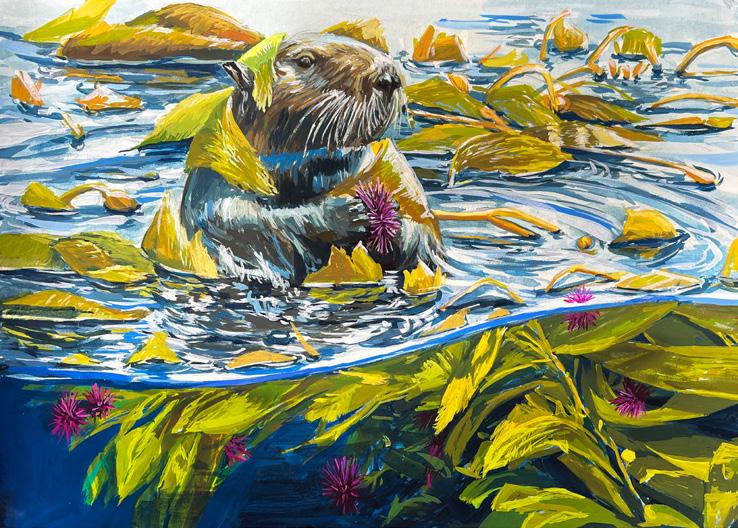
Hyungjun Chin, an 18-year-old student from the Republic of Korea, won first place in the 15–19 age group for his enchanting piece, “The Keeper.” His artwork portrays a sea otter feeding on sea urchins in a vibrant kelp forest, emphasizing the otter’s role in preventing overgrazing and protecting kelp ecosystems. “Winning the Science Without Borders® Challenge means a lot to me,” said Hyungjun. “It feels incredibly rewarding to have my artwork recognized on an international level, especially when it’s about a topic I care deeply about—the environment. I wanted my artwork to show how every species has a role and how protecting even one can save many.”
By inviting students to explore the role of marine keystone species, this year’s Challenge encouraged young artists to consider how individual species sustain entire ecosystems, and how their protection is essential for a healthy ocean. Through thoughtful research and creative expression, students demonstrated a deep understanding of ecological relationships and the benefits of conservation.
Science Without Borders ® is the primary operating principle of the Khaled bin Sultan Living Oceans Foundation.

Protecting the ocean requires more than science— it requires action. Through outreach campaigns, partnerships, and engaging media, the Living Oceans Foundation inspires people around the world to better understand the ocean and take steps to protect it.
In 2025, the Khaled bin Sultan Living Oceans Foundation and the International Foundation for Aids to Navigation (IFAN) launched Navigate with Care: Protect Our Oceans, a joint campaign promoting safe and environmentally responsible boating practices. The initiative was officially unveiled at the UN Ocean Conference in Nice, France, where IFAN introduced the campaign during the Ocean Decade Forum.
At its heart, Navigate with Care advances two deeply connected goals: safety at sea and protection of marine life. Each year, vessels unintentionally damage coral reefs, seagrass beds, and mangrove forests through groundings, propeller scarring, and improper anchoring— incidents that can take decades to heal. By equipping mariners with practical knowledge and tools, the campaign demonstrates that safe navigation is ocean conservation when done with care.
Although the two organizations approach ocean issues from different directions—one from conservation science,
the other from maritime safety—they quickly found common ground. That shared vision grew into Navigate with Care, now endorsed as an official activity of the UN Decade of Ocean Science for Sustainable Development.
Central to the campaign is a global pledge inviting mariners, recreational boaters, and ocean advocates to commit to responsible navigation practices. By taking the pledge, participants affirm their commitment to using updated nautical charts and Aids to Navigation (AtoNs), respecting marine protected areas and no-go zones, anchoring responsibly, and following international maritime regulations. The pledge empowers individuals across the maritime community to become active stewards of the ecosystems beneath their hulls.
From July through October 2025, we hosted a four-part international webinar series bringing together maritime professionals and conservation scientists. The sessions explored safe navigation principles, the environmental impacts of boating, the critical role of Aids to Navigation, and the value of coastal ecosystems such as coral reefs, mangroves, and seagrass meadows. These discussions provided science-based guidance and practical solutions that mariners can apply before ever leaving port.
On World Maritime Day, we premiered the campaign’s flagship video, Navigate with Care: Protect Our Oceans The short film highlights how simple actions—following navigational aids, slowing near sensitive habitats, and planning routes responsibly—can protect both people and marine ecosystems. Available with captions in multiple languages, the video serves as a cornerstone outreach tool for the global maritime community.
Through this partnership with IFAN, we are translating science into action—empowering mariners worldwide to chart a safer course for our ocean.
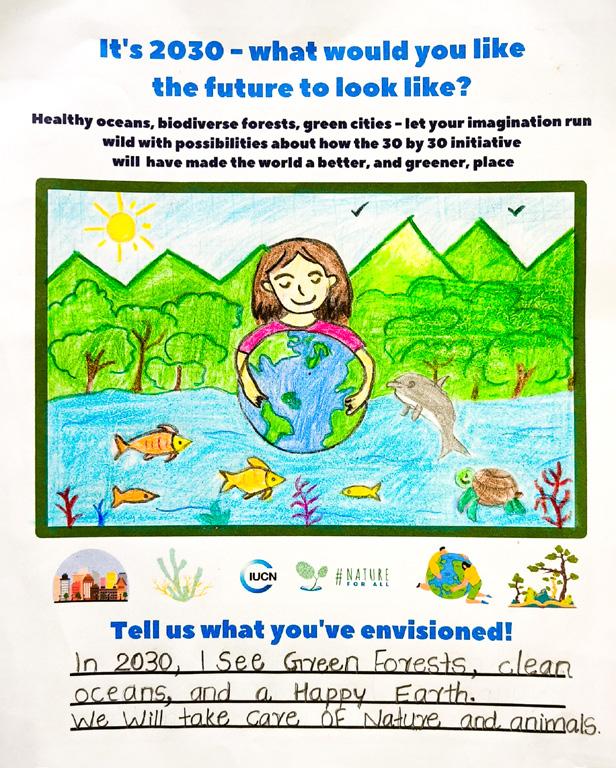
The Khaled bin Sultan Living Oceans Foundation partnered with IUCN’s #NatureForAll initiative, Bow Seat Ocean Awareness Programs, and Exploring by the Seat of Your Pants to co-sponsor the #NatureForAll 30×30 Youth Art Contest, inviting students ages 5–19 to imagine a future where 30% of land and water are protected by 2030.
More than 360 young artists from around the world submitted artwork expressing their vision of a healthier planet. Selected pieces were showcased at the IUCN World Conservation Congress, giving young artists an international platform to share their ideas with conservation leaders and policymakers. By combining creativity with environmental awareness, the contest highlighted the power of youth voices in inspiring action for nature and advancing the global 30×30 biodiversity goal.
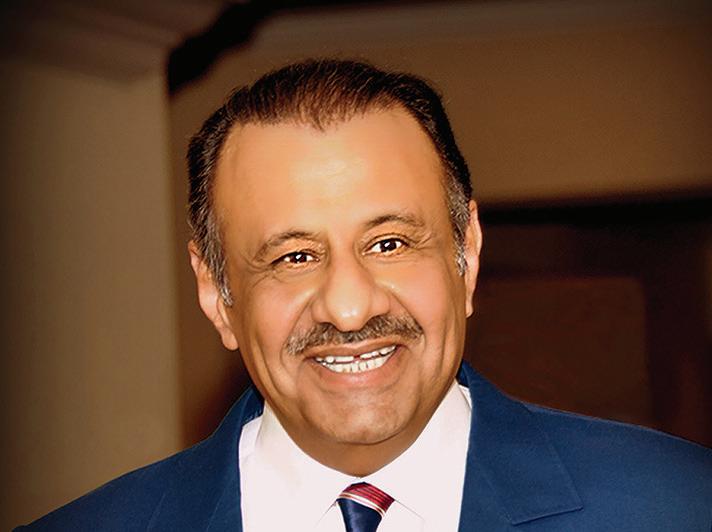
HIS ROYAL HIGHNESS PRINCE KHALED BIN SULTAN
Chairman
HER ROYAL HIGHNESS PRINCESS HALA BINT KHALED BIN SULTAN
President
IAN FAIR
Chief Financial Officer
MOHAMED FAISAL, D.V.M., PH.D.
Lead Scientist
SHAWN MCLAUGHLIN, PH.D.
Secretary
KHOLOUD ALDOSARI Director
PROFESSOR ABDULAZIZ ABUZINADA
Director, Retired 2023
GENERAL CHARLES HORNER, USAF (RET.)
Vice Chairman, Retired 2025
ALEXANDRA DEMPSEY Chief Executive Officer
AMY HEEMSOTH Chief Operations Officer
LIZ THOMPSON Chief Communications Officer
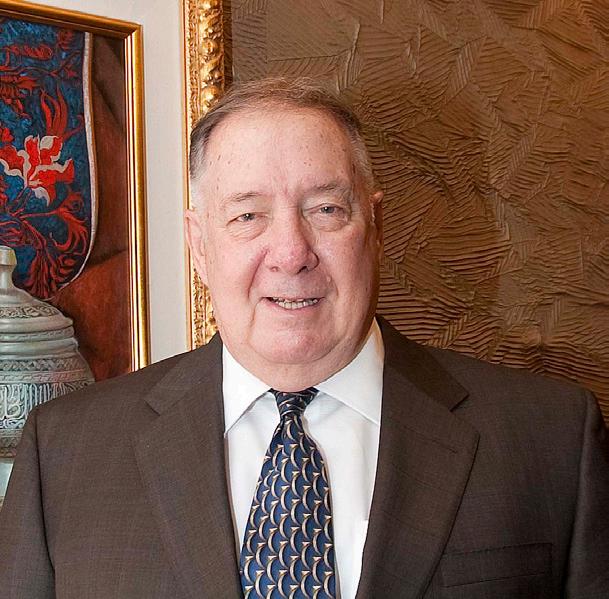
After a long and distinguished career, General Charles Horner, USAF (Ret.), has retired from the foundation’s Board of Directors. The Khaled bin Sultan Living Oceans Foundation extends our deepest gratitude to General Horner for over twenty years of outstanding service as Vice Chairman of our Board. His steadfast leadership and dedication have been instrumental to the foundation’s success and mission. Thank you, General Horner, for your invaluable contributions and unwavering commitment. We wish you a well-deserved and fulfilling retirement.

Help us protect our oceans for future generations.
HRH PRINCE KHALED BIN SULTAN
BAHAMAS NATIONAL TRUST (BNT)
CLAIRE KNIGHT
GORDON WEISS
IAN FAIR
INTERNATIONAL FOUNDATION FOR AIDS TO NAVIGATION (IFAN)
MOHAMED FAISAL
NATIONAL SCIENCE FOUNDATION (NSF)
PLAYA HOTELS & RESORTS