LIVING LIMPOPO
For a Living Landscape in Vhembe
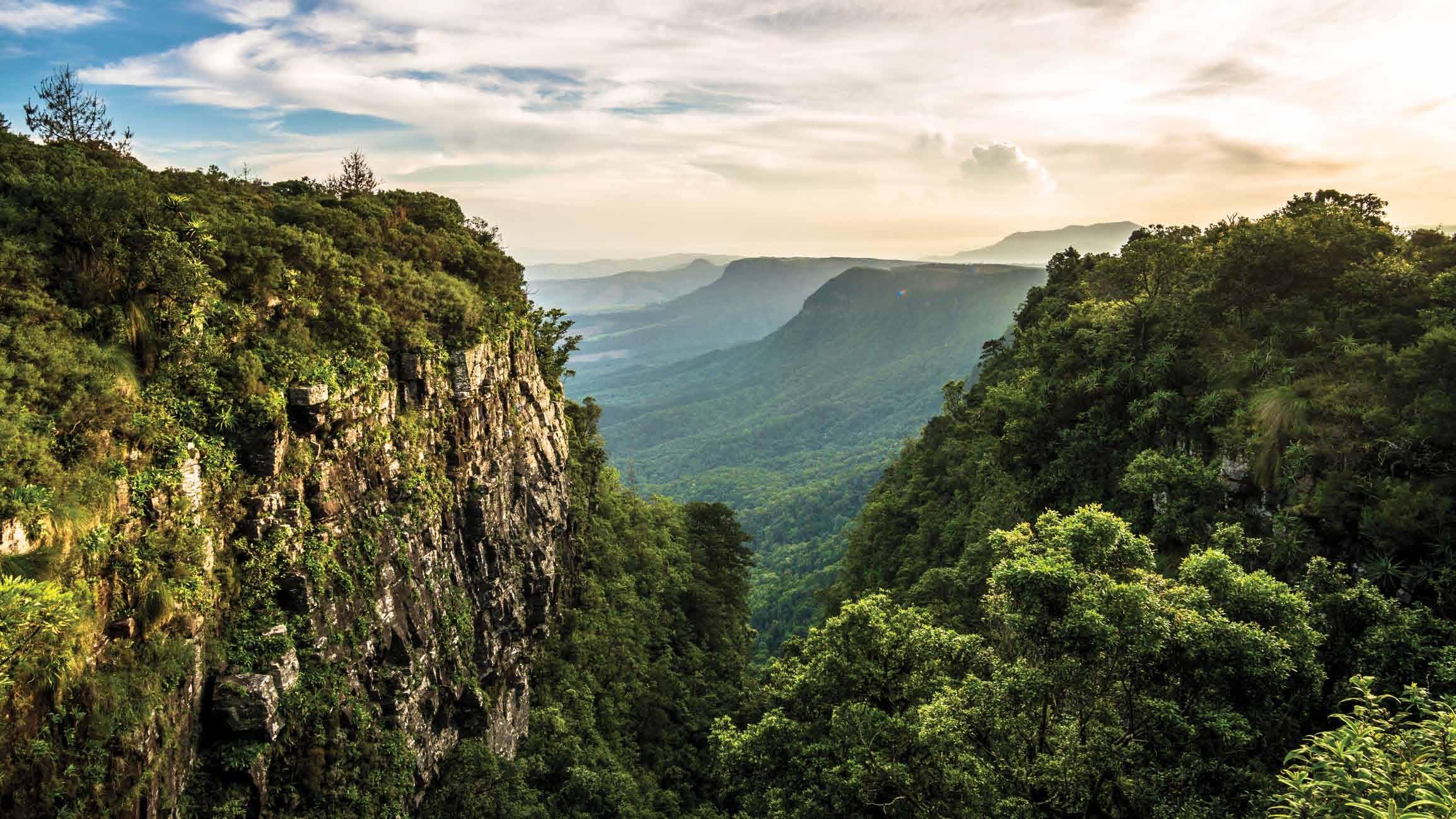
Introduction to Living Limpopo and our campaign for a living landscape in the Vhembe outlining our organisational purpose - our vision, our mission and strategy for effective advocacy for policy reform and economic transformation in the Vhembe Biosphere Reserve region.
For and on behalf of Living Limpopo
We stand for a Living Limpopo
Stand with us
Images credited and courtesty of Love Limpopo
Living Limpopo was established in 2019 as a non-profit organisation based in South Africa's Limpopo Province. We are a policy advocacy and action-oriented coalition advancing nature-positive, climate-resilient and inclusive economic development in the Vhembe Biosphere Reserve region.
We are uncompromising critics of the current coaldependent industrial development paradigm being imposed on the region. We actively oppose the Musina–Makhado Special Economic Zone (MMSEZ) steel manufacturing mega-project, the expansion of coal mining in the surrounding Greater Soutpansberg Coalfield, and the proposed Musina Dam on the Limpopo River.
We deploy the law, research, media campaigns and coordinated advocacy to halt these interdependent projects, creating the space for evidence-based policy debate and the consideration of viable alternatives. We do so in the clear understanding that the MMSEZ pathway does not represent progress, but rather a deeply regressive trajectory of diminishing returns weighed down by compounding catastrophic environmental, economic, and social costs, and is strategically misaligned with the profound shifts reshaping the global economic and financial system in the context of the climate and nature crisis.
Simultaneously, we are architects of a compelling, higher-impact alternative sustainable development model. In collaboration with the UNESCOdesignated Vhembe Biosphere Reserve, we are promoting an integrated plan for the conservation of the region’s biodiversity priorities and the development of a sophisticated biodiversity-based regional economy.
At the core of our mission is a radical revisioning of the Special Economic Zone as a Vhembe Special Environmental Economic Zone, a next-generation development platform that will attract investment across the full bioeconomy spectrum, underwritten by the Great Vhembe Conservation Area, a landscapescale protected areas expansion, integrated land management and nature finance project.
Our vision for a living landscape in Vhembe is not a trade-off between growth and conservation, but rather, their convergence under a superior natural capitalbased economic development thesis: lower long-term risk, diversification, and compounding returns from ecological infrastructure and renewable natural assets.
Living Limpopo is the civil society coalition catalyst of a just transition in Vhembe –strategically positioned to mobilise law, science, finance and the media to drive the decisive shift from environmentally and economically ruinous fossil fuel-driven development to a biodiversity-based growth path, securing a truly transformational, human and nature rights-based future for one of Southern Africa’s most vital living landscapes.

A threatened future, an unparalleled opportunity, the urgent need for policy reform
• The Vhembe District in South Africa’s Limpopo Province, is one of Southern Africa's most ecologically significant landscapes – a 3 millionhectare region of exceptional biodiversity and cultural heritage value designated by UNESCO in 2009 as the Vhembe Biosphere Reserve.
• It stands today at a critical juncture. Despite substantial investment in conservation planning and conservation-led development potential, the Vhembe’s biodiversity assets remain grossly underutilised as a driver of sustainable growth for its predominantly poor rural population of over 1.6 million. The integrated land use and spatial planning framework developed to protect the bioregion’s 1 million hectares of Critical Biodiversity Areas has never been formally adopted and is routinely breached in land use decisions.
• The predictable consequence of the lack of economic incentive and legal protection is that over the past two decades, Vhembe has experienced a gradual but remorseless loss of its most valuable asset – high biodiversity-value land – driving ecosystem fragmentation and degradation, coupled with over-exploitation of scarce water resources, limp economic growth, and the perpetuation of deeply entrenched unemployment, poverty and inequality that still reflects apartheid-era socio-economic schisms, despite significant land redistribution in the region.
• The Vhembe’s eroding natural capital endowment and its capacity to support sustainable economic growth now face an existential threat.
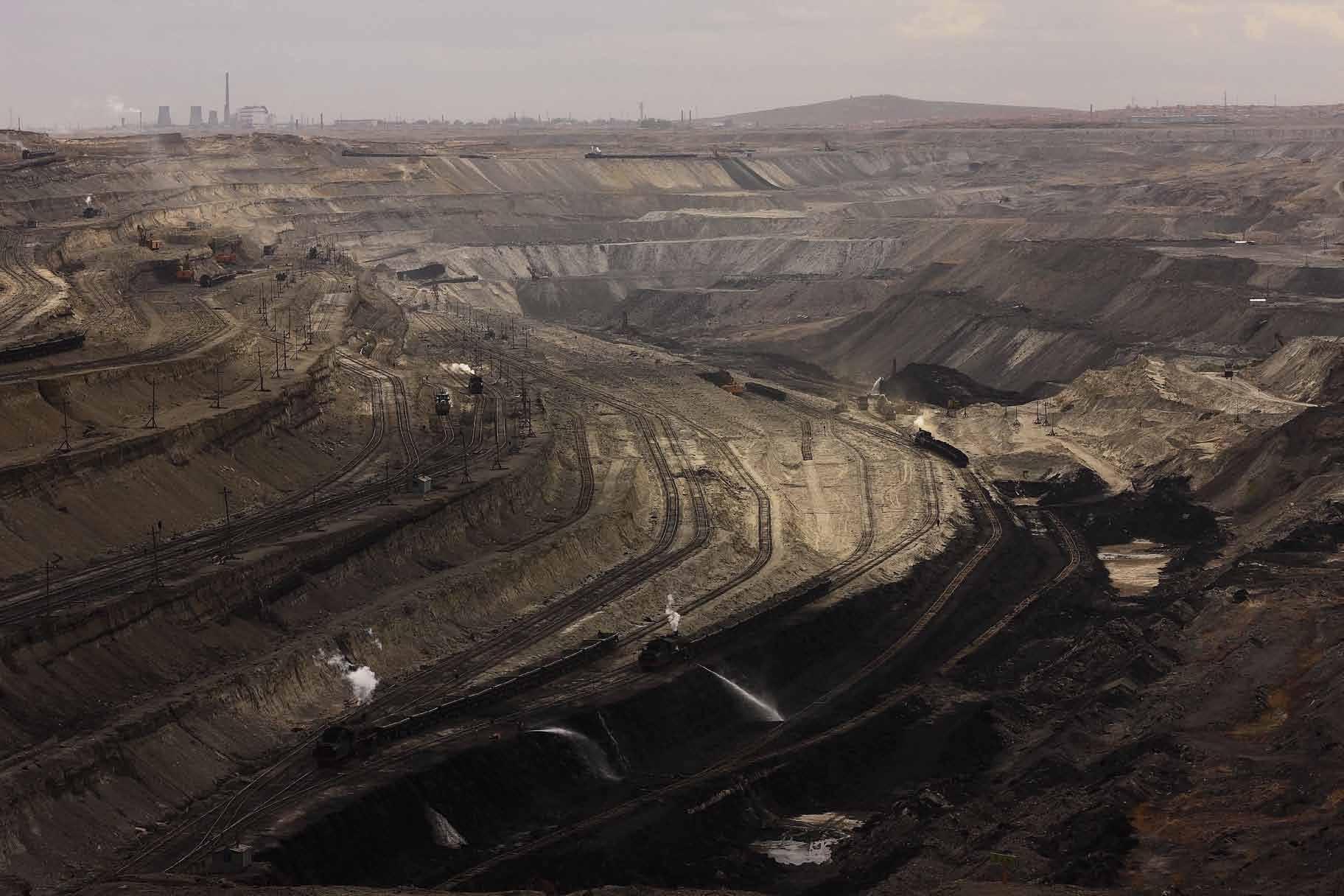
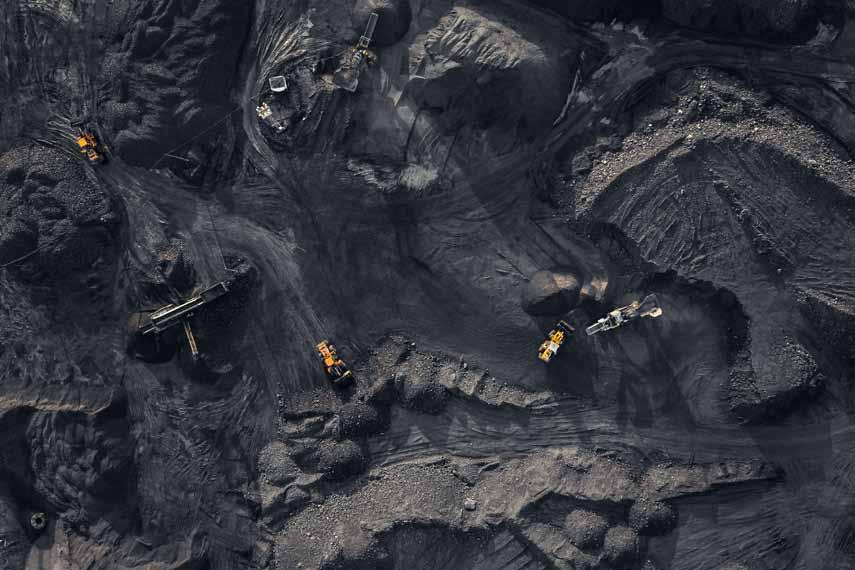
The development plans for the region, based on its marginal coal resources and a heavy industrial zone of questionable viability, will cause severe and irreversible environmental damage due to extensive land transformation and pollution. The planned expansion of open-pit coal mining across a 115,000-hectare area of the largely unexploited Greater Soutpansberg Coalfield, coupled with the development of the MMSEZ – a joint Chinese-South African heavy industrial mega-project characterised by extreme power, water and capital intensity – have entered the implementation phase, threatening to irrevocably transform the Vhembe into another "sacrifice zone" for coal and steel.
• Living Limpopo emerged in this moment as a catalyst for environmental, climate, and social justice and deep policy reform — a movement to reclaim the region’s future. We are not advocating for minor adjustments to a failing development orthodoxy built on the exhaustion of finite fossil fuel resources and systematic degradation and depletion of land and water resources, but for a bold reimagining of how prosperity is defined and pursued. Our vision is of an economy powered by the renewal of the natural systems, where the living landscape and water sustain people, and where local communities are the stewards and primary beneficiaries of regenerative growth –not the bearers of the costs of extraction.
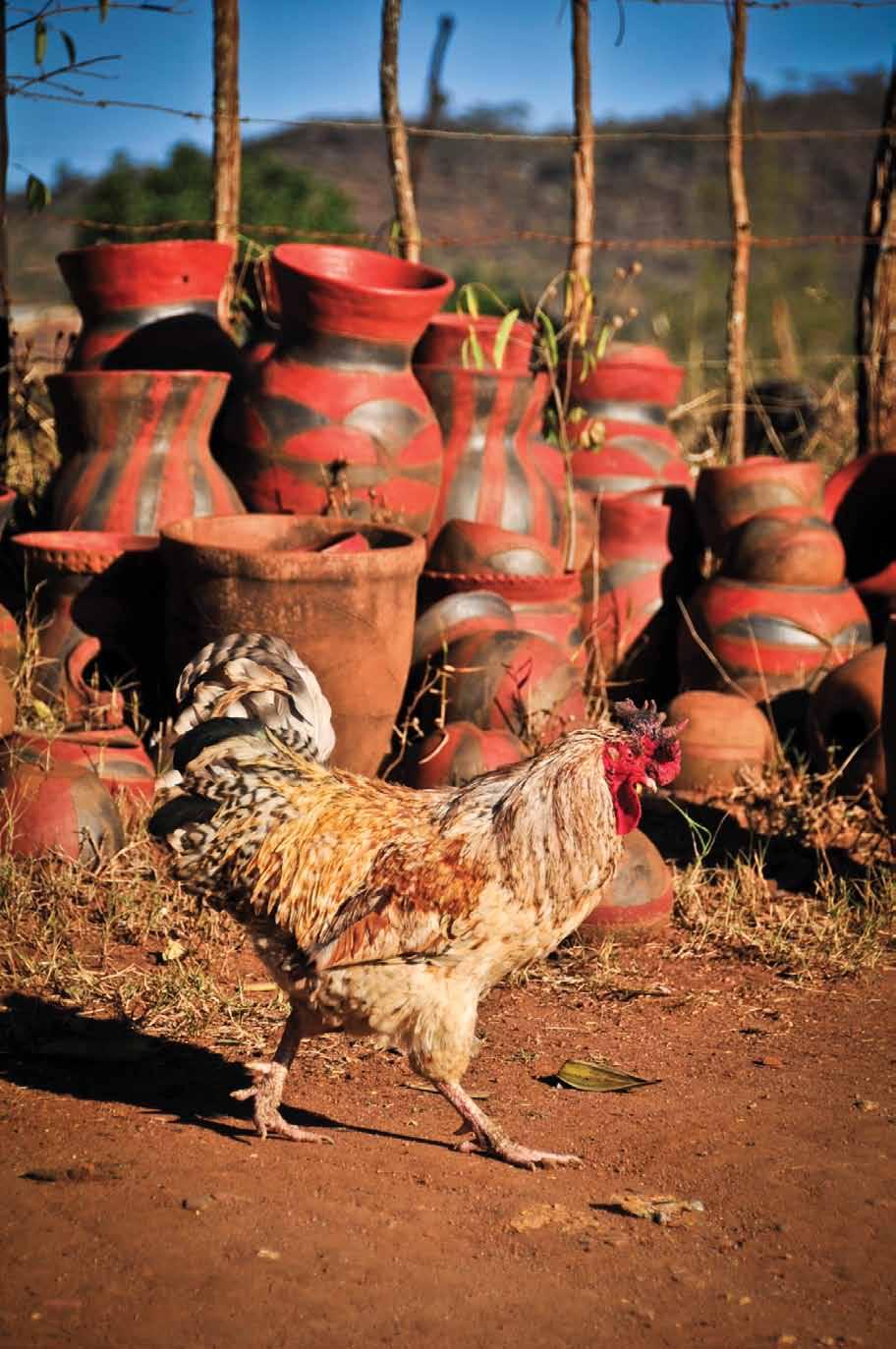
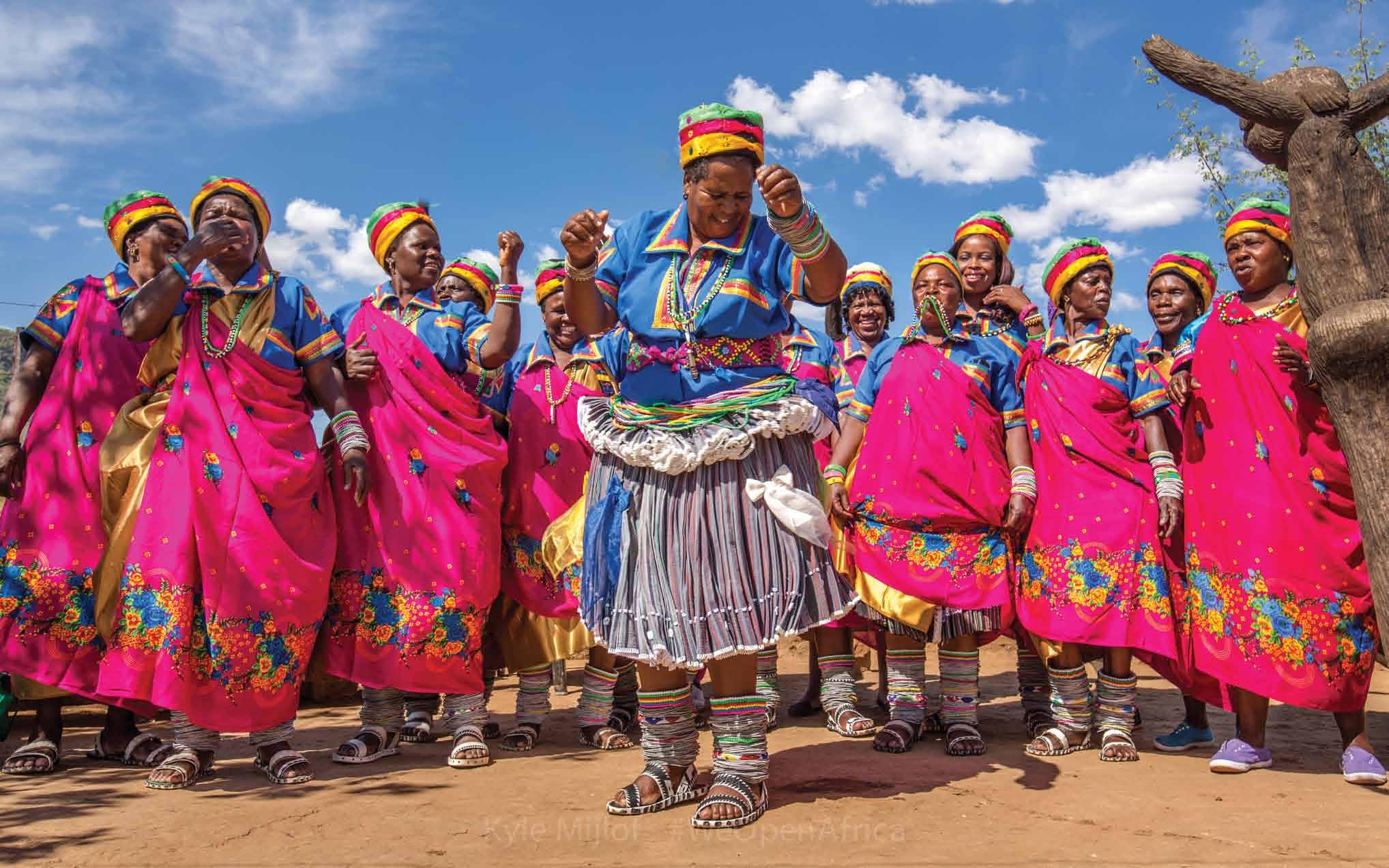
Our vision for Vhembe is a mega-living landscape where conservation and development are indivisible, and where wildlife and people both thrive in an ancient and enduring African savanna.
Our mission is to catalyse the transition away from failing, fossil fuel-driven development toward a nature-positive, climate-resilient and transformational growth path in Vhembe.
We pursue our mission through a dual strategic approach:
1. Law and Policy Agenda: Advancing policy reform at the systems level and
2. Action Agenda: Catalysing change through landscape-scale project development and implementation, delivering tangible ecological, social, and economic impact
This integrated approach drives our core programmes and strategic initiatives to achieve our overarching mission.
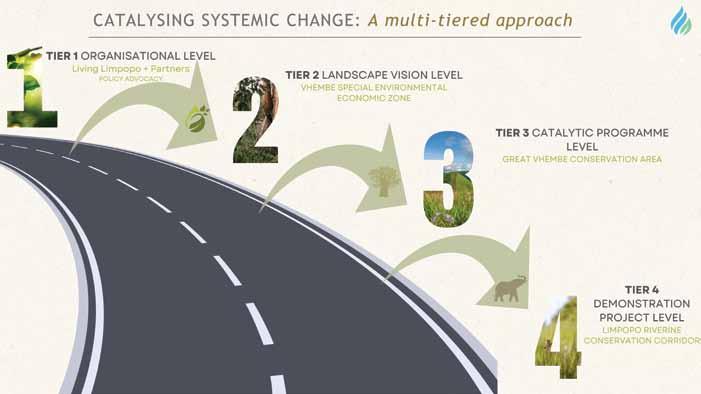
Our vision for Vhembe is underpinned by our blueprint for economic transformation – a proposed new policy framework for systemic change and a catalytic mechanism
1. Pillar 1: Policy Framework Solution – Vhembe Special Environmental Economic Zone
2. Pillar 2: Catalytic Project Solution – Great Vhembe Conservation Area
Our development proposition calls for a radical reimagining of the Special Economic Zone as a Special Environmental Economic Zone – a bioeconomic-centric development model that moves beyond the diminishing returns and rising risks of extractive industrialisation – anchored by the Great Vhembe Conservation Area, a landscape-scale conservation, climate- and nature-finance initiative.
1. From the Musina-Makhado Special Economic Zone to the Vhembe Special Environmental Economic Zone
We propose a formal re-designation of the region's economic status from a conventional industrial SEZ to a Special Environmental Economic Zone (SEEZ), replacing an obsolete model of coal-fuelled heavy industrialisation, with a future-oriented bioeconomy strategy.
The proposed Vhembe SEEZ development platform is designed to leverage the region’s comparative advantage – its biodiversity – to crowd in capital across the full bioeconomy spectrum, from advanced biotechnology, including agricultural biologicals and genetic bioprospecting, to lowtech, high-impact biodiversity-based industries, including eco-tourism and the wildlife economy, to nature-based finance, including carbon markets.
See Appendix: Policy Brief - A Proposed Special Envionmental Economic Zone in Vhembe
The Catalytic Project: The Great Vhembe Conservation Area
We are promoting the Great Vhembe Conservation Area (GVCA) as our flagship strategic initiative to drive this economic transition. The GVCA, a joint venture of Living Limpopo, the Vhembe Biosphere Reserve and an extensive network of partners, is a landscape-scale initiative that acts as a megaproject alternative to the MMSEZ and serves as the implementation vehicle for the SEEZ.
By integrating fragmented protected, biodiversity priority and remaining natural areas into a cohesive conservation estate, the GVCA creates the necessary scale to attract major international investment, channeling climate finance into stewardship of one of South Africa's most value natural terrestrial carbon sinks and river basins, stimulating enterprise growth and creating the ecological infrastructure to sustain a thriving regional bioeconomy.
See Appendix: Great Vhembe Conservation Area Concept Note




Living Limpopo employs an integrated, multi-layered advocacy strategy designed to simultaneously dismantle the case for extractive development and construct the case for nature-based alternatives. Our approach combines rigorous research and policy reform advocacy, strategic communications, legal action and catalytic project development – each reinforcing the others to create systemic change.





We build the economic case for nature
We commission rigorous research to construct comprehensive scenario evaluations and economic cost-benefit analyses that demonstrate, in the hard quantitative terms that policymakers and investors cannot dismiss, why abandoning a coal-dependent development model in favour of a nature-based bioeconomy delivers superior economic returns at substantially lower risk. We translate ecological value into economic value, rendering the preservation of natural capital intelligible within conventional economic frameworks.
Collaborating with research institutions and policy thinktanks, we produce targeted evidence-based policy briefs that expose the economic weakness embedded in the MMSEZ and coal resource extraction model and articulate a fundamental reframing of regional development strategy, merging the Vhembe’s growth trajectory with its comparative advantage in natural infrastructure and the seismic shifts transforming the global economy.
We engage constructively with government, NGO and private sector at all levels – contributing to policy debate and advancing policy frameworks that are simultaneously economically robust, environmentally and socially just aligning the regional growth path with South Africa's national and international climate, biodiversity and sustainable development goals and commitments.
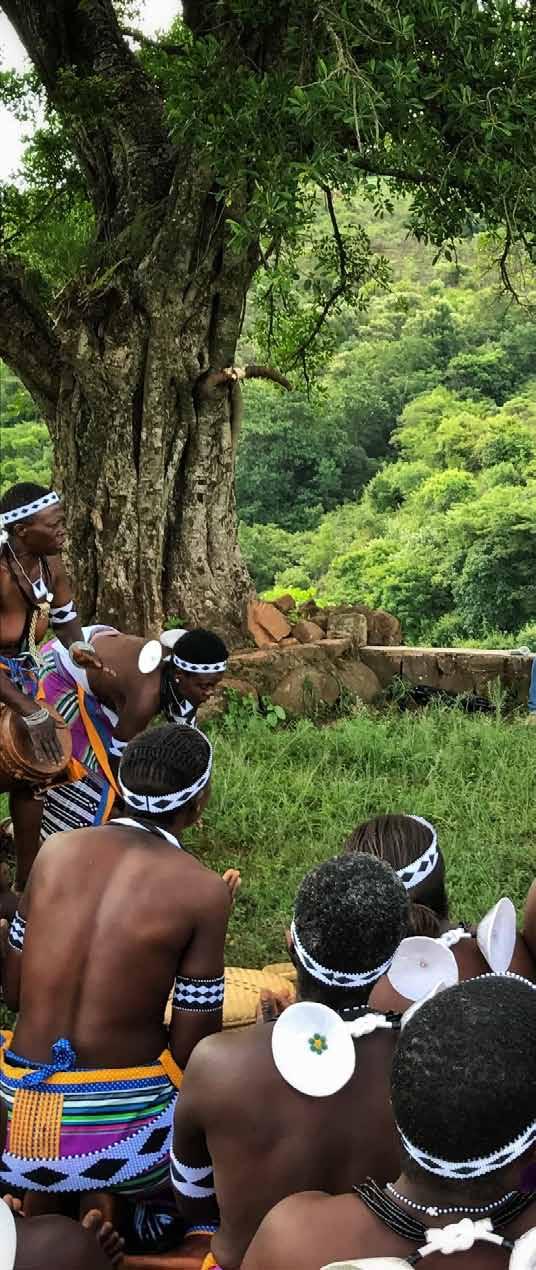

We shape the narrative and mobilise constituencies
• M edia and public awareness campaigns
We conduct sustained media campaigns and extensive stakeholder engagement to raise awareness about the MMSEZ, to challenge the false narrative of extractive development that the SEZ embodies, and the transformative potential of a nature-positive alternative growth path. We use effective storytelling and hard evidence to articulate with precision and emotional resonance the meagre benefits and devatasting toll of coal and steel.
We expose the emptiness of the industrial promise the damage vast strip mining and ore smelting will inflict, on the region's critically scarce water resources, on human health, on land and cultural rights and the job losses it will drive as tourism, agriculture and the wildlife economy shrink in a poisoned landscape.

• Knowledge hub and platform for civil society mobilisation
Our website and communications platforms are a source of information and broadcast the work of the many civil society organisations, research institutions and local community stakeholders challenging the injustice of the MMSEZ and advocating for consideration of alternatives.
We produce and publish educational resources and deliberately facilitate visibility, connection, and coordinated action across constituencies united in their opposition to the vision of the Vhembe as another industrial wasteland.
• Coalition-building for transformative change
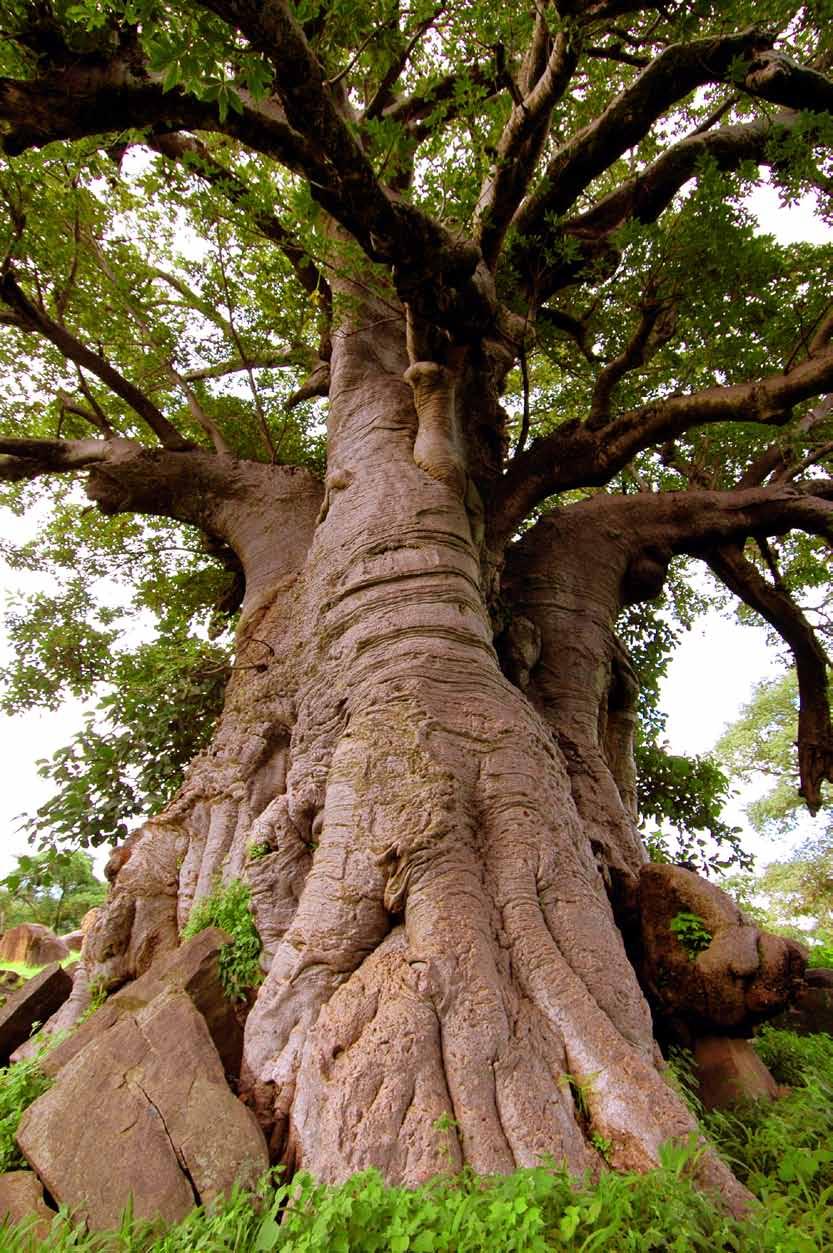
We provide a forum for collaboration, and engage systematically with political parties, civil society organisations, conservation organisations, industry associations, academic institutions and community stakeholders to build and sustain a broad coalition united around the vision of a living Limpopo – mobilising to keep the coal buried beneath the Baobabs and unleash the wild growth potential of the untamed heart of Limpopo.
We use law as a tool of transformation.
Represented by All Rise Attorneys for Environmental and Climate Justice, and in partnership with other leading environmental, climate, and social justice organisations, including the Centre for Applied Legal Studies at the University of the Witwatersrand (CALS), we mobilise the law to protect constitutional rights and build jurisprudence that supports transformational change.
See Appendix: Strategic Legal Action.
• Strategic litigation and strategic legal a ctions
We bring carefully selected judicial review and administrative law cases challenging unlawful environmental authorisations and administrative decisions, building landmark jurisprudence on cumulative environmental impact, water rights, and climate considerations in development approvals and constitutional and statutory environmental protections.
• Compliance monitoring and enforcement We monitor the implementation of environmental authorisations, investigate and expose noncompliance and support enforcement action by regulatory bodies, holding both rights-holders and authorities to account as development risks in Vhembe intensify.
• Procedural and administrative justice action
We participate in formal planning and administrative decision-making processes to ensure rigorous public participation and procedural fairness in decision-making.
• Legal Research and Strategy Development
We commission expert legal opinion and conduct deep legal analysis to support case strategy and effective legal defence across multiple fronts. Where appropriate, we pursue accountability through international human rights, climate and environmental justice tribunals, and other multilateral recourse mechanisms.
We activate the bioeconomy through catalytic project development
• Great Vhembe Conservation Area We are actively stimulating the development of an inclusive biodiversity-based economy in Vhembe through the GVCA strategic initiative. We are designing and developing nature finance solutions – carbon credits, biodiversity assets, ecosystem service payment mechanisms – creating economic incentives for the implementation of landscape-scale conservation and conservation-led development plans across the Vhembe region.
These four overlapping interventions work synergistically:
Policy research provides the intellectual foundation for policy reform and makes the case for new nature-based economic opportunities
Legal action enforces statutory rights, builds jurisprudence and advances policy reform - fostering space for democratic dialogue and consideration of development choices
Communications & mobilisation builds political will, empowers stakeholders, and sustains the dynamic coalition necessary to drive change
Catalytic project development demonstrates feasibility, attracts investment, and accelerates implementation of the alternative development model
Together, they create an architecture for systems change: we are simultaneously dismantling the old paradigm and building a new one.

M e d i a & p u b l i c a w a r e n e s s c a m p a i g n su s i n g h a r d e v i d e n c e &
s t o r y t e l l i n g t o c h a n g e t h e d o m i n a n t n a r r a t i v e
S t a k e h o l d e r e n g a g e m e n t , c o a l i t i o n -
b u i l d i n g & m o b i l i s a t i o n
P r o v i d i n g a d i g i t a l p l a t f o r m ( w e b s i t e ) f o r i n f o r m a t i o n - s h a r i n g & e d u c a t i o n
S T R AT E G I C
E c o n o m i c & e n v i r o n m e n t a l
p o l i c y r e s e a r c h
D e v e l o p i n g p o l i c y b r i e f s s u p p o r t p o l i c y r e f o r m

C O M M U N I C AT I O N &
M O B I L I S AT I O N
P O L I C Y R E S E A R C H &
D E V E L O P M E N T
S t r a t e g i c l i t i g a t i o n
P r o c e d u r a l &
a d m i n i s t r a t i v e j u s t - p a r t i c i p a t i n g i n a d m i n i s t r a t i v e
d e c i s i o n - m a k i n g
C o m p l i a n c e m o n i t o r i n g &
e n f o r c e m e n t
L e g a l r e s e a r c h &
G r e a t V h e m b e C o n s e r v a t i o n A r e a
C a t a l y t i c p r o j e c t
d e v e l o p m e n t a n d
s t r a t e g y d e v e l o p m e n t
S T R AT E G I C
L E G A L A C T I O N & J U S T I C E
i m p l e m e n t a t i o n
D e v e l o p i n g i n n o v a t i v e n a t u r e
f i n a n c e s o l u t i o n s f o r
l a n d s c a p e - s c a l e s t e w a r d s h i p p r o g r a m m e s
B I O E C O N O M Y
A C T I V I A T I O N
P O L I C Y R E F O R M

S y n t h e s i s a c r o s s t h e 3 p i l l a r s t o e n s u r e e f f e c t i v e a d v o c a c y f o r p o l i c y r e f o r m & a j u s t e c o n o m i c t r a n s i t i o n i n V h e m b e
A D V O C A C Y F u n d r a i s i n g a n d o r g a n i s a t i o n a l c a p a c i t a t i o n
Our primary strategic objectives are twofold:
• We are mobilising legal and advocacy resources to challenge the current fatally-flawed MMSEZ industrial development and coal resource-based development plans – exposing (i) the feasibility risks attached to these power and water-intensive industries in the Vhembe, (ii) the marginal viability of the coal resource negative net impact on employment, and weak economic merits of doubling South Africa’s primary steel manufacturing capacity, (iii) the fiscal risks for South Africa and skewed cost-benefit equation in favour of foreign coal interests, (iv) the extreme environmental liabilities and public health costs of coal mining and noxious industry at the scale planned, (v) the negative spillovers for other industries of industrial pollution and (vi) the gross governance failures.
• We are promoting a transition toward a higher-impact nature-positive, climate resilient inclusive economic development path, catalysed by the Great Vhembe Conservation Area – a landscape-scale land management programme designed to mobilise capital for protected area expansion, ecosystem restoration, biodiversity stewardship, and the development of a thriving regional bioeconomy that delivers tangible benefits for surrounding communities while positioning South Africa as a global leader in biodiversity-based economic development.


Our actions generate impact across interconnected domains – biodiversity and protected ar eas, water resources, climate resilience, economic and social development, law and policy – with ripple effects extending from the Vhembe District across Limpopo Province, nationally, and internationally.
• Expand and connect protected areas, landscape-scale restoration
Drive the expansion of protected areas networks, while restoring degraded ecosystems at a landscape-scale through biodiversity stewardship programs that create functional ecological corridors, enhance connectivity, and strengthen ecological integrity and resilience.
• Contribute to South Africa's Global Biodiversity Framework commitments
Deliver measurable progress toward the Kunming –Montreal Global Biodiversity Framework Target 3 (“30x30”) – protecting 30% of land and sea by 2030 – by securing formal protection for irreplaceable CBAs and Other Effective areabased Conservation Measures (OECMs) — positioning the Vhembe Biosphere as a model for achieving national and international biodiversity targets through nature finance and nature-based development.
• Support integrated spatial, land use and land management planning
Support processes to implement key biodiversity protection measures, including the Vhembe District Bioregional Plan and alignment with Spatial Development Frameworks for the local municipalities and MMSEZ - to arrest high rates of land transformation, protect irreplaceable Critical Biodiversity Areas and ensure that land-use decisions align with ecological sustainability.
• Protect critical river systems through the Ecological Reserve requirement implementation.
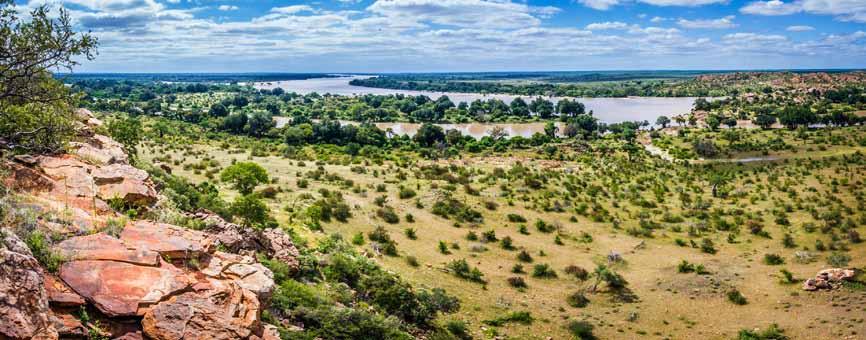
Support processes to implement key water resource protection measures and integrated management planning requirements, including ecological flow requirements and water resource quality objectives across the Limpopo Water Management Area – with particular focus on vulnerable catchments threatened by coal mining and industrial expansion (including Nzhelele, Sand, and Luvuvhu rivers) – to maintain river health and ensure both equitable access and sustainable water use.
• Establish robust water governance institutions for river stewardship and resilience
Support the establishment and capacitation of participatory water resource management institutions – including the Limpopo-Olifants Catchment Management Agency (LOCMA), Vhembe Catchment Management Forum, and secondary catchment forums – to ensure equitable governance, effective stewardship, and long-term resilience of the critically important Limpopo River Basin system.
• Advance South Africa's UNFCCC Paris Agreement commitments
Contribute to South Africa's Nationally Determined Contribution (NDC) 2035 carbon budgets and netzero 2050 trajectory by protecting the Vhembe's terrestrial carbon sink and scaling ecosystem restoration – demonstrating the critical but under-recognised role of the land sector and nature-based solutions.
• Mobilise carbon markets as mechanisms for climate-resilient growth
Demonstrate the effectiveness of carbon pricing and carbon markets in driving decarbonisation of the economy and a just energy transition.
Develop South Africa's lagging carbon production capacity to supply growing domestic compliance and international export markets.
• Build ecosystem-based adaptive capacity in the face of climate impacts
Support ecosystem-based mitigation and adaptation strategies that enhance Vhembe's climate resilience – protecting biodiversity, maintaining water security, and strengthening the region's capacity to withstand and recover from climate-related shocks.
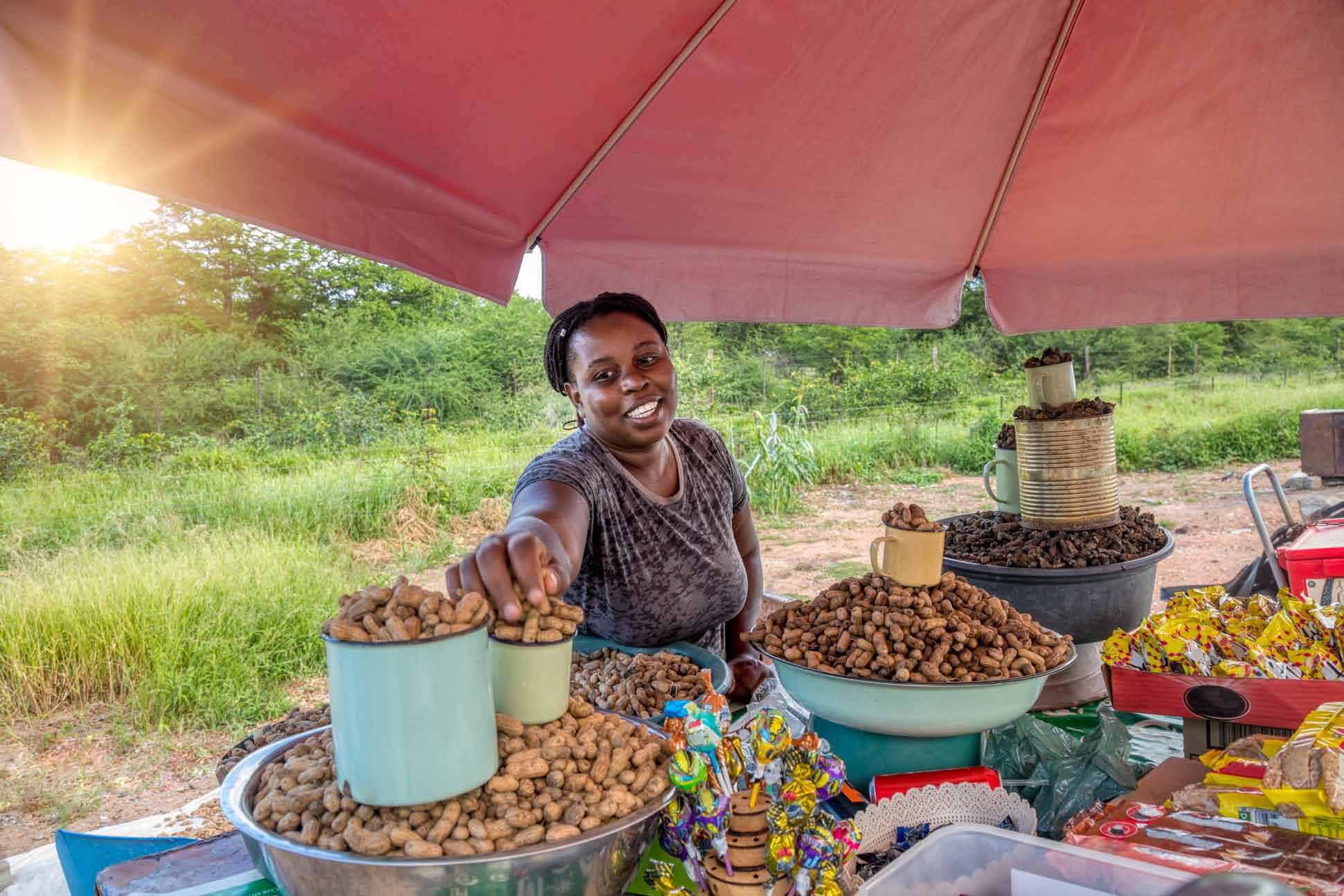
• Generate immediate economic benefits for rural communities through conservation
Create direct income streams for Vhembe's rural communities through a portfolio of land- and nature-based carbon and biodiversity credit projects, tangible for good stewardship.
• Establish Vhembe and South Africa’s biosphere reserves as a global model for biodiversity-based economic growth
Support the development of a Biodiversity Economy node in Vhembe aligned with South Africa's National Biodiversity Economy Strategy, the G20 Bioeconomy Initiative and COP30 Bioeconomy Challenge, positioning the region as a replicable hub for high-impact bioeconomic development and demonstrating the value and transformative potential of UNESCO biosphere reserves as dynamic platforms for nature-positive growth.
• Mobilise nature finance to underwrite the just economic transition
Develop innovative nature finance mechanisms –carbon and biodiversity credits, ecological infrastructure and ecosystem service payment mechanisms, and other instruments that convert nature into an appreciating asset class – to channel international climate and biodiversity finance into landscape-scale conservation conservation-led development, as alternatives to fossil fuels and extractive industry for the Vhembe regional economy.
• Demonstrate integrated development outcomes: climate, biodiversity, and prosperity
Prove the Special Environmental Economic Zone concept that conservation-led development in regions of high-biodiversity – underpinned by land and water protection, ecosystem restoration, and natural capital preservation –simultaneously delivers climate, biodiversity, social and economic benefits.
• Advance enabling policy frameworks across all sectors
Secure policy reform, integrated strategic planning alignment across economic development, protected areas and conservation, spatial and land use planning, water resource management, biodiversity, climate, agriculture, mining, trade and industry, financial and energy sectors.
Positioning biodiversity, protected areas and African savanna biomes as strategic national assets, and natural resource management as strategies for sustainable economic growth, rather than impediments to development.
• Strategic litigation to establish landmark jurisprudence on constitutional rights and environmental and climate justic
• Representation in public participation processes and other interventions to ensure procedural and administrative justice, compliance enforcement and accountability
• Support policy reform advocacy and a strong supportive legislative environment
Deliverables: See End Notes for our campaign goals and the outcomes we seek to achieve
hectares of irreplaceable biodiversity areas, plunder 60% of the Limpopo River's already-declining water flow, release a gigaton of carbon emissions – almost a fifth of South Africa's national carbon budget by 2035 – and convert a three-million-hectare living landscape into an industrial wasteland.
The consequences of creating another sacrifice zone for coal and heavy industry would be catastrophic and cascading. Agricultural productivity, tourism and the region's emerging bioeconomy potential would be destroyed. South Africa's domestic steel industry would face cannibalisation, driving more job losses. The nation's climate commitments and carbon trajectory would be jeopardised, exposing the country to economic sanctions and trade penalties. The national fiscus would be heavily burdened with debt to finance what could become a stranded asset, given the structural risks of global steel overcapacity.
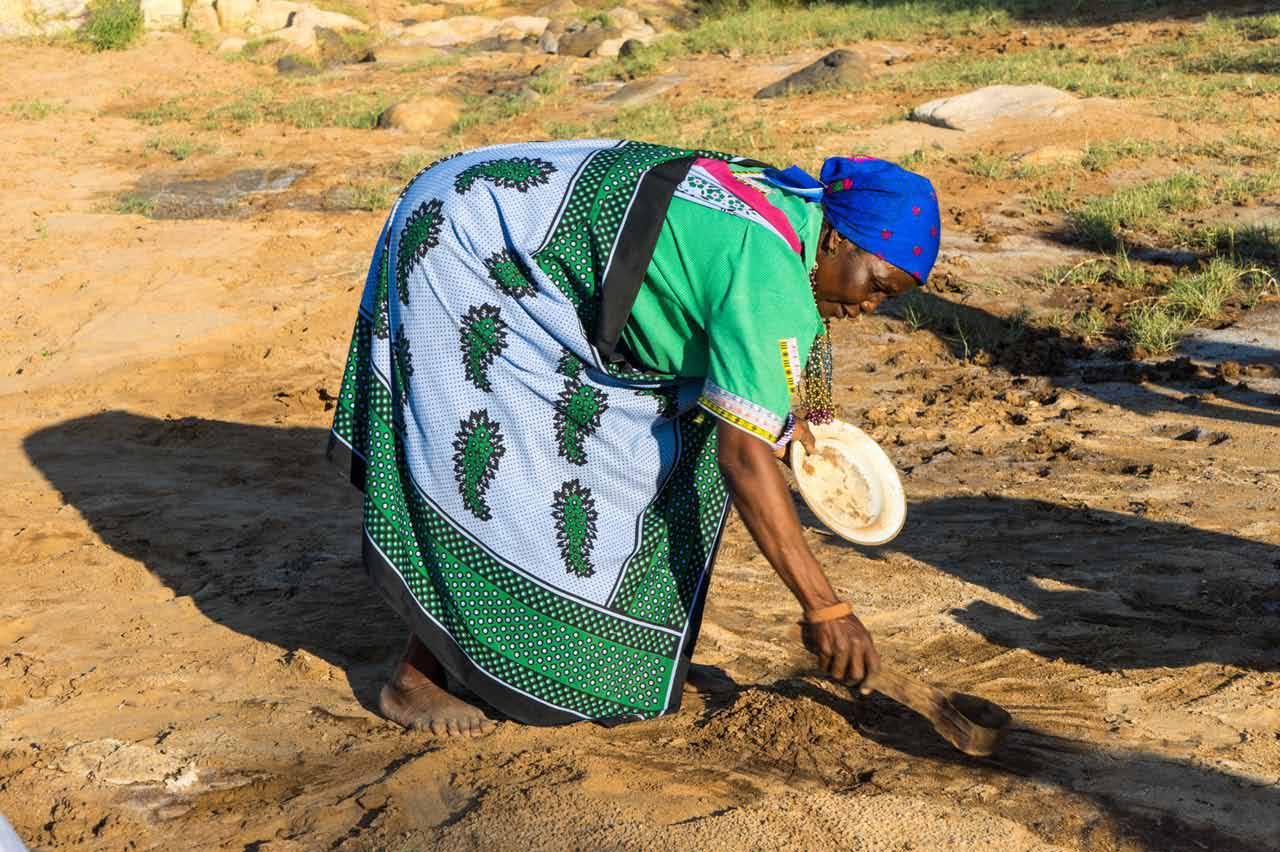
The human and social cost would be far greater: the land-dependent rural poor would bear the full brunt of toxic pollution, ecosystem collapse, water scarcity, and the systematic erosion of their rights to health, water, land, culture and viable livelihoods. Local communities will bear the costs, while the profits flow offshore to foreign corporations.
burden and mortality.
Yet there is another path. The MMSEZ Spatial Development Framework delineates 3 million hectares of the biosphere reserve for the heavy industrial zone development. The combined extent of the mining and industrial sites and the inundation area of the Musina Dam on the Limpopo River is 136,000 hectares. That same land, including almost 800,000 hectares of critical biodiversity areas, can be protected through climate finance and nature-based investment. This is not a debate between development and conservation. It is a choice between two development models: one that liquidates natural capital for short-term gain, and one that preserves it to generate lasting prosperity for generations to come.
Living Limpopo emerged in this crucible. We exist to ensure that the alternative path is not merely possible, but inevitable – that South Africa's policy choices reflect not the declining logic of extractive industrialisation, but the ascending logic of a regenerative, nature-positive economy. We are a coalition of the committed, united by a single conviction: that the Vhembe's greatest wealth lies not beneath the ground, but above it – in its living landscape, its biodiversity, its water, its people, and the transformative power of nature-based development.

V h e m b e B io s p h e r e R e s e r v e 3 m h a l a n d s c a p e o f b io - c u l t u r a l s ig n if ic a n c e S tunte d e c o no m ic g r o wthp o v e r ty , ine q ua lity , une m p lo y m e nt; C o m p o und ing p r e s s ur e sA c c e

MMS E Z + G r e a t e r
S o u t p a n s b e r g C o a l f ie l d
D e v e l o p m e n t P l a n s
H ig h- r is k d e v e lo p m e nt p a thwa y - b a s e d o n c o a l r e s o ur c e s + he a v y ind us tr y

2 2 S t r a t e g y + S c o p e o f I n t e r v e n t io n
2 1 V is io n & Mis s io n ; E m e r g in g O p p o r t u n it y
M M S E Z R e v is io n e d a s V h e m b e S p e c ia l E n v ir o n m e n t a l E c o n o m ic Z o n e A t r a n s f o r m a t io n a l n a t u r ep o s it iv e , c l im a t e - r e s il ie n t b ioe c o n o m y in t h e 3 m h a V h e m b e m e g a - l iv in g l a n d s c a p e
B io - E c o n o m y + B io d iv e r s it yb a s e d E c o n o m y S t im u l u s P a c k a g e W ild
E c o n o m y ; B io p r o s p e c tin g ; N a tur a l R e s o ur c e U s e ; B io te c h; C a r b o n M k t



2 3 I n t e r v e n t io n S u it e ( Me t h o d o l o g ie s ) A v o id e d im p a c t s o f e x tr a c tio n o f a g ig a to n o f c o a l + la r g e - s c a le he a v y in d us tr y , in c l n e g a tiv e s p illo v e r s
m p o llutio nhum a n
a lth; a g r ic ultur a l p r o d uc tiv ity ; wa te r s e c ur ity ; U S $ 9 0 b n f is c a l d e b t b ur d e n + s tr a n d e d a s s e t r is k f r o m 5 m to n s o f e x c e s s s te e l p r o d uc tio n c a p a c ity
LIVING LIMPOPO Living Limpopo NPC Contact www.livinglimpopo.org A Non-Profit Company incorporated in the Lauren Liebenberg Republic of South Africa under Registration Lauren@livinglimpopo.org No. 2022/583794/08 and registered +27 833274784 Non-Profit Organisation under Certificate No. 298-410 NPO
LIVING LIMPOPO BRIEFING NOTES:
- Appendix I: Law and Policy Advocacy
- Policy Brief: Proposed Special Environmental Economic Zone
- Concept Note: Great Vhembe Conservation Area o Limpopo Riverine Conservation Corridor Proposal documentation
- Briefing Note: Greater Soutpansberg Coalfield – Resource Valuation, Development Plans and Status
- Briefing Note: Musina-Makhado Special Economic Zone Development Plans and Status Images credited and courtesty of Love Limpopo
Terminate the MMSEZ and coal trajectory.
1. SEZ Designation: Revoke the unlawful and unconstitutional designation of the MMSEZ site, absent an EIA required as part of the comprehensive feasibility study prior to designation.
2. Environmental Authorisation: Revoke the unlawful Environmental Authorisation granted for the MMSEZreview case upheld.
3. Integrated Planning and Alignment Requirement: Refer persistent irreconcilable conflicts between biodiversity conservation priorities in the Limpopo Conservation Plan CBA Map misaligned the development plans to conciliation, and arrive at a lawful, integrated spatial planning resolution Vhembe District Spatial Development Framework and delineated MMSEZ SDF area.
4. Bioregional Plan: Publish the Vhembe District Municipality Bioregional Plan as required before its review and revision proceed.
5. Competent Authority and Procedural Fairness: Revoke competent authority delegation to the conflicted provincial government department responsible for developing the MMSEZ, the Limpopo Economic Development, Environment and Tourism (LEDET), in decisions concerning the MMSEZ to remedy biased and administratively unjust decision-making.
6. Freeze the Split Project Pipeline: Suspend all environmental authorisations and other related applications connected to the MMSEZ currently in progress, including ferrochrome smelter and coking plants (environmental authorisation, emissions and water use licenses), and the MMSEZ township establishment and re-zoning: Secure a moratorium prohibiting the granting of further environmental authorisations in the designated SEZ area, pending i) the judicial review case being heard, ii) publication of the bioregional plan and implementation of the agreed resolutions pending proper reconciliation of integrated development spatial conflicts, and iii) completion of a remedial comprehensive cumulative environmental impact assessment of the proposed SEZ, with full public participation, to arrive at a lawful and rational SEZ industrial development decision.
7. Makhado Colliery - Compliance Enforcement: Invalidate Environmental Authorisation for Makhado Colliery (appeal against amendment of lapsed environmental authorisation upheld) and revoke integrated Water Use License for unmet conditions amounting to gross compliance breaches.
8. Mining Rights: Declare a binding moratorium on mining within the UNESCO-designated Vhembe Biosphere Reserve - extension of existing Mapungubwe Cultural Landscape buffer to CBA and ESAs.
9. Water Resource Protection: Determine, issue and fully implement the principle of the ecological Reserve for all the important water resources of Limpopo WMA.
1. Adopt the Vhembe Special Environmental Economic Zone as the primary development planning framework for the regional economy
2. Establish a Biodiversity Economy node under South Africa's National Biodiversity Economy Strategy implementation framework
3. Establish a well-capacitated Limpopo-Olifants Catchment Management Agency
Catalyse landscape-scale investment in nature finance and conservation-led development.
Mobilise finance and implementation partners, launch and scale the Great Vhembe Conservation Area.
Scale and replicate: Establish the Vhembe Biosphere as a globally recognised model for bioeconomic development and nature finance.
Demonstrate the value and transformative potential of South Africa's UNESCO biosphere reserve portfolio as dynamic hubs for climate finance, biodiversity-based economic growth, and nature-positive developmentpositioning biosphere reserves as strategic assets for achieving international climate and biodiversity commitments.

VHEMBE IS NOT SOUTH AFRICA’S NEXT SACRIFICE ZONE TO COAL AND STEEL