Lives Lived Well 2025-2027 Innovated Reconciliation Action Plan
Reconciliation Action Plan
September 2025 — August 2027
Acknowledgement of Country
Lives Lived Well recognises Aboriginal and Torres Strait Islander peoples as the original inhabitants of the land now known as Australia and their continuing connection to land, air, sea and sky. We acknowledge the Traditional Custodians of the lands across which we work and live, and pay our respects to Elders, past and present.
Lives Lived Well is proud to work in partnership with local Aboriginal and Torres Strait Islander communities. We are committed to listening, learning, and working together with respect and humility. We endeavour to create a positive future and meaningful change through our Reconciliation Action Plan.
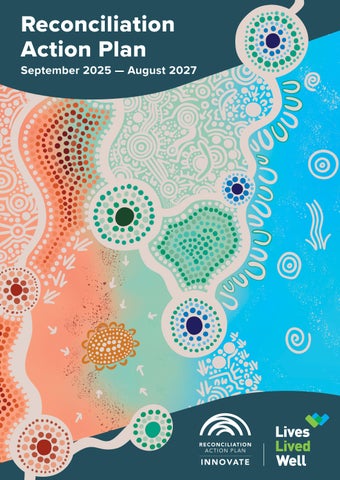
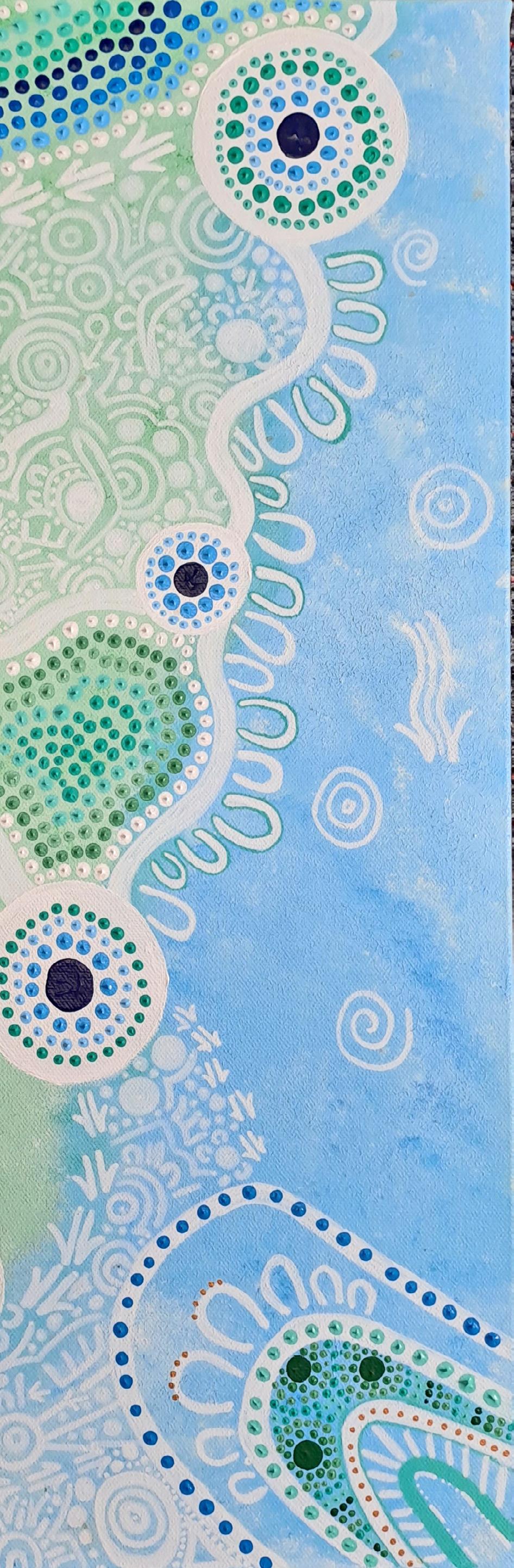
About the artwork — Strong Community
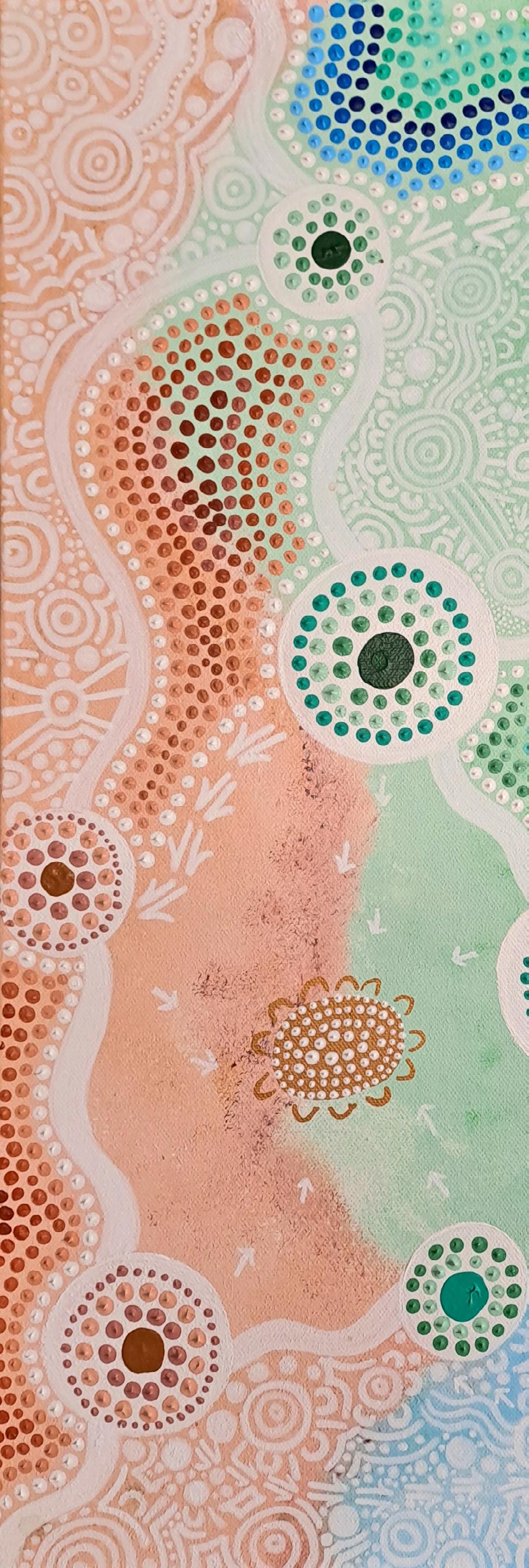
This painting represents a map of the Northern NSW region and the many communities we walk alongside and support. It tells a story of resilience, connection, and healing following the devastating floods of 2022.
The artwork symbolises the strength of community — how people came together to support one another in times of hardship. Each element reflects the spirit of care, unity, and shared journey that followed the floods.
Chosen for the cover of this RAP, the painting also recognises the great work done by the Strong Community team in the Lismore region from 2022 to 2025.
In the bottom right corner, a rainbow appears. This rainbow represents the safe space and shelter offered by LLW through our program, which began after the floods. It stands for hope, healing, and a culturally safe place where people could come to share their stories, be heard, and be supported by our team with respect and understanding.
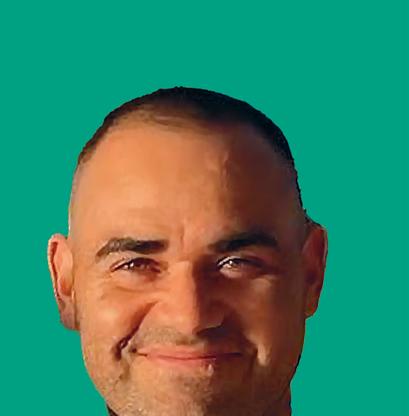
About the artist — Daniel Lorraway
Aboriginal artist Daniel Lorraway is a proud Mutti Mutti man with strong family ties to Robinvale in Victoria. Although he now lives on the Gold Coast, he regularly travels back to be with family and maintain a deep connection to Country.
Daniel grew up on Bundjalung Country in Lismore and also has strong ties to the Githabul mob at Muli Muli, where he spent time growing up and has lived on Country. These connections have helped shape who he is and keep him grounded in his identity.
He currently works for Lives Lived Well and is passionate about walking alongside people on their healing journeys. Supporting community and being part of meaningful change is something he holds close to his heart.
Message from Reconciliation Australia’s CEO
“Reconciliation Australia commends Lives Lived Well on the formal endorsement of its fourth Innovate Reconciliation Action Plan (RAP).
Since 2006, RAPs have provided a framework for organisations to leverage their structures and diverse spheres of influence to support the national reconciliation movement.
With close to 3 million people now either working or studying in an organisation with a RAP, the program’s potential for impact is greater than ever. Lives Lived Well continues to be part of a strong network of more than 3,000 corporate, government, and not-for-profit organisations that have taken goodwill and transformed it into action.
The four RAP types — Reflect, Innovate, Stretch and Elevate — allow RAP partners to continuously strengthen reconciliation commitments and constantly strive to apply learnings in new ways.
An Innovate RAP is a crucial and rewarding period in an organisation’s reconciliation journey. It is a time to build the strong foundations and relationships that ensure sustainable, thoughtful, and impactful RAP outcomes into the future.
An integral part of building these foundations is reflecting on and cataloguing the successes and challenges of previous RAPs. Learnings gained through effort and innovation are invaluable resources that Lives Lived Well will continuously draw upon to create RAP commitments rooted in experience and maturity.
These learnings extend to Lives Lived Well using the lens of reconciliation to better understand its core business, sphere of influence, and diverse community of staff and stakeholders.
The RAP program’s emphasis on relationships, respect, and opportunities gives organisations a framework from which to foster connections with Aboriginal and Torres Strait Islander peoples rooted in mutual collaboration and trust.
This Innovate RAP is an opportunity for Lives Lived Well to strengthen these relationships, gain crucial experience, and nurture connections that will become the lifeblood of its future RAP commitments. By enabling and empowering staff to contribute to this process, Lives Lived Well will ensure shared and cooperative success in the long-term.
Gaining experience and reflecting on pertinent learnings will ensure the sustainability of Lives Lived Well’s future RAPs and reconciliation initiatives, providing meaningful impact toward Australia’s reconciliation journey.
Congratulations Lives Lived Well on your fourth Innovate RAP and I look forward to following your ongoing reconciliation journey.
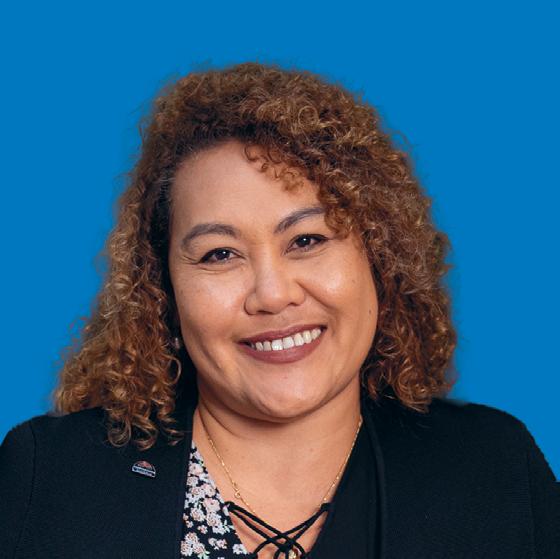
Karen Mundine Chief Executive Officer Reconciliation Australia
Our vision for reconciliation
Our wider vision for national reconciliation is an Australia that recognises and acknowledges the historical impacts that colonisation has had on Aboriginal and Torres Strait Islander peoples and communities. This includes recognising the devastating impact drugs and alcohol have had, contributing to cycles of addiction, violence and poverty throughout communities.
At Lives Lived Well, we are dedicated to creating a culturally safe healing environment by incorporating the values that honour and celebrate the cultures, knowledge, and histories of Aboriginal and Torres Strait Islander peoples, so that everyone has the opportunity to live their life well.
Our organisational vision for reconciliation aligns with the value we place on selfdetermination for all those we work with in recovery from substance use issues, problem gambling or mental health concerns. This RAP will focus on listening to the voices of local Aboriginal and Torres Strait Islander communities we service to build stronger, mutually beneficial relationships, which are more responsive to empower collaboration in the way treatment is delivered.
Our vision for our workplace is to provide a culturally safe and respectful place for Aboriginal and Torres Strait Islander peoples to work and pursue career opportunities. In this RAP, we hope to focus on empowerment and providing career advancement opportunities for the Aboriginal and Torres Strait Islander workforce within our organisation.
In line with our organisational Value of leaving a positive wake – we expect that the actions we take towards achieving our vision for reconciliation will leave a positive wake for our clients and team members, and all those that we engage with in the communities in which we operate. In this iteration of the RAP, we hope to grow towards an environment where Aboriginal and Torres Strait Islander cultural respect and safety are seamlessly interwoven into the core deliverables of our everyday service provision by all staff.
Through reconciliation, we are collectively and individually enriched by the understanding and inclusion of Aboriginal and Torres Strait Islander knowledge, experiences, and perspectives.
Our business
Lives Lived Well (LLW) is a non-government organisation that provides support for people looking to make changes in their lives around alcohol and other drugs as well as gambling. We offer a range of services for individuals looking for support with their mental health. Service types include out-client counselling, residential programs, day programs, youth programs, support groups and counselling for family and friends.
Our sphere of influence includes internal and external stakeholders including:
Board, staff, volunteers, students, and contractors (we employ 600+ staff, of which 7% are Aboriginal and/or Torres Strait Islander),
Aboriginal and Torres Strait Islander Traditional Custodian’s and stakeholders in the communities where we operate,
Stakeholders at government and policy level including funders, and peak bodies of our sectors.
Lives Lived Well currently operates in service locations across metropolitan, regional and remote areas of Queensland (Brisbane, Gold Coast, Darling Downs, Central QLD, Western QLD, North QLD, Far North QLD), NSW (SouthEast NSW, Mid North Coast NSW, Central Tablelands NSW, Western NSW) and South Australia (Northern Adelaide).
Clients (approximately 14,000 per annum), their families, and their communities,
Associated health and welfare service delivery organisations through which we refer or collaborate and,
Our RAP
Lives Lived Well have started to gain momentum now as we move into our fourth RAP as we recognise that it is our responsibility to continue to strengthen relationships, understanding and respect between Aboriginal and Torres Strait Islander peoples and the broader Australian community. Our approach to these current RAP deliverables will focus on building mechanisms to improve our ability track and measure progress. This will help to identify challenges and successes as we continue to embed reconciliation in our organisational culture through concrete actions.
Our RAP journey continues to be championed at Executive level by the CEO, and the Director Data & Quality as Executive Sponsor, with other Executives leaders from each key business area also represented on the RAP Advisory Group (RAG) to ensure leadership representation and accountability for the main deliverables of the RAP. In addition to our existing identified RAP Chairperson, we have committed to the implementation of our future RAP deliverables by employing a full-time, identified RAP Co-ordinator to help drive consistent and sustained action towards our goals. The RAG terms of reference outline the requirements for membership of the group to ensure broad participation with representation across all regional areas and that at least 50% of Committee members are First Nations people.
RAG membership includes:
Chairman
(First Nations identified role)
RAP Co-ordinator
(First Nations identified role)
Executive Sponsor
Assistant Clinical Director Innovation
Head of External Relations
People and Culture Manager
Marketing Manager
Capability Manager
Procurement Adviser
Minimum 9 x First Nations identified roles across regions and service types including:
• Blue Mountains NSW
• North Coast NSW
• South Coast NSW
• Western NSW
• Far North Queensland
• North Queensland
• Central Queensland
• Brisbane South
• Gold Coast
Our reconciliation journey so far
Lives Lived Well and its historical merger partners have operated treatment services for more than 40 years in some locations and have a history of respectfully engaging with Aboriginal and Torres Strait Islander stakeholders, clients and their communities, in the places in which we operate. The organisation has grown substantially and since 2019 has more intentionally sought to further its commitment to reconciliation, and to improve the cultural safety of our workplace and services.
Our reconciliation journey to date has included:
January 2019 — December 2020
Innovate RAP
January 2021 — December 2022
Innovate RAP
May 2023 — April 2025
Innovate RAP
Our journey has led to significant learnings and meaningful changes, underscoring areas of success and highlighting the strengths of our actions and progress. We have established initiatives that enhance recognition and support for Aboriginal and
Torres Strait Islander employees, including the re-establishment and consistent monthly operation of Yufla Yumplatok (Aboriginal and Torres Strait Islander online support network), the introduction of paid cultural leave, and the formal recognition of cultural professional development. Lives Lived Well has also enabled staff to substitute the public holiday on 26 January with an alternative date, respecting individual cultural perspectives. The appointment of a full-time RAP Coordinator (identified role), mentored by the Executive Sponsor, has strengthened leadership ownership and resourced our reconciliation commitments. We encouraged the inclusion of cultural identity in staff email signatures, providing an opportunity for Aboriginal and Torres Strait Islander employees to proudly display their Country and community, and for all staff to foster culturally safe and inclusive communication.
Our reconciliation journey so far
There has been increased uptake of a previous RAP initiative, our Growth in Cultural Competency Community of Practice, which is a safe space for all staff to exchange cultural knowledge and learnings from peers within the organisation. This Community of Practice strengths cultural capability and embeds reconciliation into everyday practice.
DEADLY AWARDS
The Lives Lived Well Deadly Awards, introduced in 2022, continue to celebrate staff achievements in cultural excellence and contributions to reconciliation.
In 2024, regional clinical teams were asked to create RAP videos that required them to connect with local Aboriginal and Torres Strait Islander stakeholders to give an overview of some of the local stories and histories as well as available resources in the area. The goal of which was to improve local relationships and act as local onboarding resources for new staff, fostering rich cultural learnings and helping identify areas for ongoing improvement.
ONGOING COMMITMENT TO RAP
Building on its establishment in 2023, the People and Culture subcommittee has continued with scheduled four-weekly meetings planned throughout 2025 and future, contributing to the ongoing strengthening of our reconciliation efforts. This sustained engagement has led to both previous, emerging improvements and stronger alignment with RAP deliverables.
As part of previous RAP outcomes, LLW sought out a connection with Uncle Tom Powell, the founder of the Red Dust Healing (RDH) program after hearing about the reputation of success RDH has had in community. The RDH is a program based on Aboriginal cultural beliefs of connection and belonging that targets the heart rather than the head and empowers people to be part of their own solution.
RAP VIDEOS
RED DUST HEALING
Initially, LLW ‘s goal was to provide a cohort of LLW’s Aboriginal and Torres Strait Islander staff to be upskilled in the ‘Train the Trainer’ course to be able to offer the program to LLW’s Aboriginal and Torres Strait Islander clients. However, after completing the training, the RAP chair advocated for the organisation to take a ‘top down’ approach and recommended that the Executive team complete the one-day workshop, which they did. After seeing the benefits of the program firsthand, the Executive team began planning and implementing an organisation-wide rollout of the RDH as an endorsed, evidenced based tool for not only Aboriginal and Torres Strait Islander clients, but for everyone. This rollout started with Managers and Team Leaders who attended another one-day workshop, then appointing a Project Team who adapted the program into modules that could be incorporated into all levels and types of service delivery.
LLW have commenced organisation-wide delivery of RDH training, where it is now embedded into the everyday service delivery of more than half of our Residential and Day Programs. This RAP supports the ongoing rollout of RDH training to the remaining services, with a focus on monitoring sustained RDH delivery over time.
to paid cultural leave and professional development opportunities, introducing staff to the RAP Coordinator and relevant support networks, sharing information about ongoing initiatives such as RDH training and the LLW Deadly Awards. By embedding this information early, we aim to build a workplace culture that is inclusive, respectful, and actively supportive of reconciliation and cultural safety.
Key learnings have revealed the need for clearer, more specific actions for each RAP deliverable, with defined accountability and timeframes to ensure successful implementation. As we embark on our fourth Innovate RAP, our focus is on consolidating our approach and embedding best practices with particular focus on improving evaluation of our progress, before moving toward a Stretch RAP.
To further embed reconciliation into our organisational culture, we have implemented the inclusion of RAP information in all staff inductions. This initiative aims to create early awareness, foster cultural understanding, and ensure that all new employees are aligned with our reconciliation values from the outset. This induction process, we also focus on creating awareness of the supports available to all staff. This includes highlighting culturally safe spaces and practices, promoting access
Areas identified for improvement include low attendance at Yufla Yumplatok sessions, indicating a need to review the current supports offered to Aboriginal and Torres Strait Islander staff, and develop a range of flexible offerings for staffing in different situations. We are also committed to enhancing the impact of our RAP videos to ensure alignment with our broader reconciliation objectives. These videos are an important piece towards building strong, respectful relationships with local Aboriginal and Torres Strait Islander communities working towards mutually beneficial outcomes. Their living and lived experiences and cultural knowledge are not only essential to the authenticity of these materials but also to fostering trust, deepening cultural understanding, and building sustainable relationships that are foundational to Lives Lived Well’s reconciliation journey.
Warrarinthi Pirrkurna (Kaurna - Healing Stories)
The Northern Adelaide Children and Family Mental Health Service was established June 2023 at Salisbury on Kaurna Country. A part-time Cultural Worker (identified role) was included in the staff team, who then also became a part-time RAP Officer at organisation level. The Cultural Worker created a warm and welcoming space and guided the service’s cultural journey which has included: Our sphere of influence includes internal and external stakeholders including:
Monthly engagement in the Northern Nunga Network Meeting to create stakeholder relationships and promote improved holistic outcomes for clients – with staff rotation allowing all team members to attend and connect.
Relationships built with Services Australia Indigenous Service Officer led to education session delivered virtually for whole organisation.
Annual reconciliation commitment planning meeting to allocate local team budget and plan activities.
Annual selection of artwork to display as source of inspiration and to symbolise the team’s dedication to the reconciliation journey for the year to come.
Active participation in cultural days of significance and local community events including Reconciliation Week, NAIDOC Week, 2024 National NAIDOC Week Awards Ceremony, Close the Gap event/s, Aboriginal Early Childhood Expo, Anniversary of the National Apology.
Team participation in cultural immersion activities twice a year – including visit to Colebrook Reconciliation Park, Stolen Generations Memorial & Healing Garden in the City of Playford, and Walking Through Songlines Exhibition at Salisbury Community Hub Library.
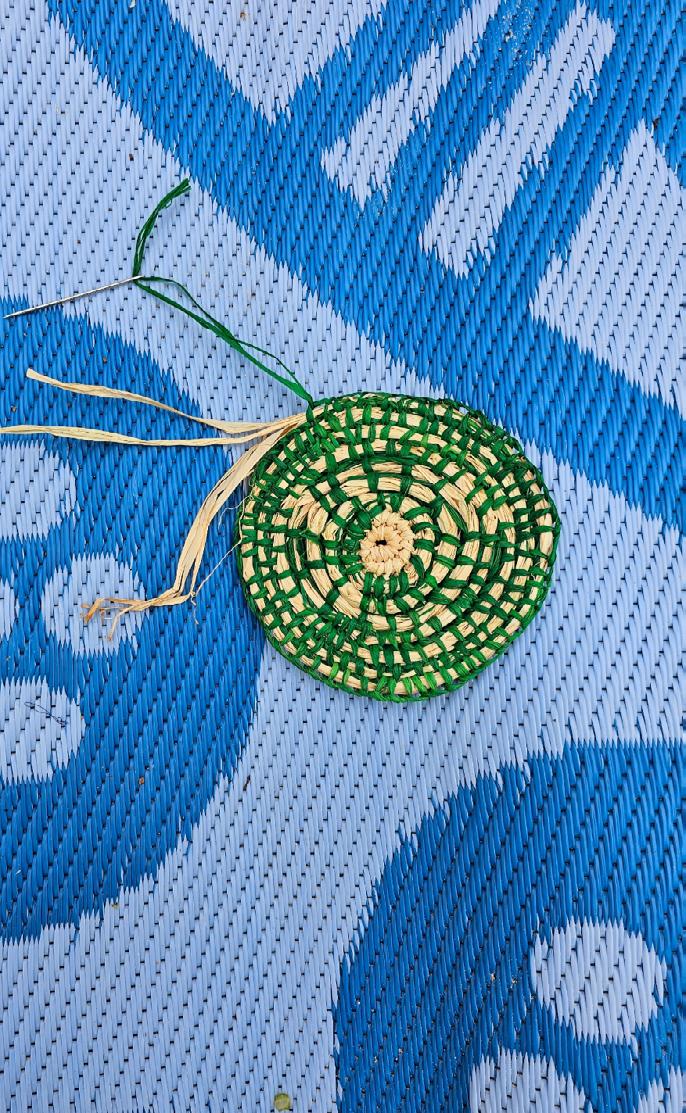
Regular team cultural activities including basket weaving, painting, cultural walks and yarning circles – as part of Wellness Week and other team meetings and celebrations including cultural reflection opportunities through shared watching and discussion of documentaries and Closing the Gap learning activities. RAP items on team meeting agenda.
Team training opportunities included Red Dust Healing training, Aboriginal and/or Torres Strait Islander Mental Health First Aid, First Nations Social and Emotional Wellbeing.
Growth in Cultural Competency Community of Practice – clinicians discuss cultural practice and learn from each other to improve their cultural competency.
All team members supported to build confidence to conduct Acknowledgment of Country and understand its significance and meaning.
Consultation and negotiation with local Kaurna Warra Karrpanthi (KWK) Kaurna Language organisation to name the service in Kaurna language – named as Warrarinthi-Pirrkurna (Healing Stories). Service name will be re-badged in this name, and all marketing collateral.
Also consultation and negotiated naming of rooms in the office to include:
• Taingiwilta Karra (Strong Tree) – group room/ staff room – the roots which come together to flourish into a Tree/service
• Wartu (Wombat) – Team Leader’s Office
• Ngauwaka (Rainbow Lorikeet) - Staff office where they are full of support and joy for each other
• Naalha (Echidna) - Children counselling room
• Ngungana (Kookaburra) - family room
• Kardi (Emu) - Adult room
The Lives Lived Well Northern Adelaide Children and Family Mental Health Service – Warrarinthi Pirrkurna (Healing Stories) service is proud of the layers of cultural respect, acknowledgement, and commitment to reconciliation that it has layered into the development of its service design to ensure cultural safety and positive outcomes for its staff and clients, and its contribution to the local community.
Relationships
Lives Lived Well acknowledges the responsibility that everyone has in strengthening and valuing relationships. This includes developing and maintaining new and existing partnerships with organisations that are committed to working together for better health and wellbeing of Aboriginal and Torres Strait Islander peoples.
Establish and maintain mutually beneficial relationships with Aboriginal and Torres Strait Islander stakeholders and organisations. ACTION 1
Deliverable Timeline Responsibility
a. Identify key contacts and stakeholders with local Aboriginal and Torres Strait Islander Elders, communities, stakeholders and organisations. This includes approaching any local identified staff and asking if they would feel comfortable to help with the relationship building.
b. Develop and implement an engagement strategy in collaboration with local Aboriginal and Torres Strait Islander resources which may include identified LLW staff, Elders, communities, stakeholders and organisations to develop guiding principles for future engagement on a regular basis focusing on mutual benefits.
c. Review and update our Regional Operational Plans to include:
• a required schedule to recognise Aboriginal and Torres Strait Islander days of cultural significance at a local level which includes ample planning and preparation time,
• plan to actively seek out, formalise and maintain relationships with local Aboriginal and Torres Strait Islander Elders, communities, stakeholders and organisations,
• develop localised protocols to engage with local Aboriginal and Torres Strait Islander stakeholders and organisations.
d. Review and evaluate the effectiveness of the engagement strategy with local Aboriginal and Torres Strait Islander Elders, communities, stakeholders and organisations and report findings to RAG.
Oct 2025 Clinical Service Managers
Mar 2026 Clinical Service Managers
Sep 2025 Lead: Clinical Director Support: Clinical Service Managers
Sep 2026
Sep 2027
Jun 2026
Clinical Service Managers RAP Co-ordinator
ACTION 2
Build relationships through celebrating National Reconciliation Week (NRW).
Deliverable Timeline Responsibility
a. Reconciliation Australia’s (RA) National Reconciliation Week (NRW) resources and reconciliation materials will be circulated to all staff via the LLW intranet and all staff updates.
b. Source and/or create local Aboriginal and Torres Strait Islander event calendars and work with local Aboriginal and Torres Strait Islander stakeholders to remain up to date with events happening locally for NRW and throughout the year and promote to the local service team and clients.
c. RAG members to participate in an external NRW event.
d. Encourage and support all staff and senior leaders to participate in at least one external event to recognise and celebrate NRW.
e. Reflect and review staff participation and engagement in NRW and develop a plan for improvement for subsequent years.
f. Lives Lived Well local service locations to organise and host at least one NRW event each year in each local area.
Apr 2026, Apr 2027 Marketing Manager
May 2026, May 2027 Clinical Service Managers
g. Register all our NRW events on RA’s NRW website.
27 May - 3 Jun 2026, 27 May - 3 Jun 2027 RAG Chair
27 May - 3 Jun 2026, 27 May - 3 Jun 2027 Clinical Director
Jun 2026, Jun 2027 RAP Co-ordinator
27 May - 3 Jun 2026, 27 May - 3 Jun 2027 Lead: Clinical Service Managers Support: Team Leaders
May 2026, May 2027 Marketing Manager
ACTION 3
Promote reconciliation through our sphere of influence.
Deliverable Timeline Responsibility
a. As per the LLW internal communications plan/ calendar activities, ensure inclusion of strategies and activities to engage staff to raise awareness of reconciliation action.
b. Communicate our commitment to reconciliation to internal and external stakeholders through multiple channels including intranet, and social media, and by celebrating progress and achievements.
c. Explore opportunities to positively influence our external stakeholders to drive reconciliation outcomes through collaborative opportunities.
d. Collaborate with RAP organisations and like-minded organisations to develop innovative approaches to advance reconciliation.
e. Facilitate an annual staff screening of an anti-racism film, such as After the Apology, accompanied by a structured discussion to foster awareness, critical reflection, and inclusive workplace practices.
f. Publicly display our vision for reconciliation and what we have committed to in our Stretch RAP 2022-2024 in our corporate and all region offices.
g. Engage our clients in reconciliation activities through involvement in the celebration of Aboriginal and Torres Strait Islander significant days including NRW.
Dec 2025, Dec 2026 Marketing Manager
Dec 2025, Dec 2026 Marketing Manager
Dec 2025, Dec 2026 Exec Sponsor
Dec 2025, Dec 2026 Exec Sponsor
Jun 2026, Jun 2027 Exec Sponsor
Jul 2026 Clinical service Managers
Dec 2025, Dec 2026 Clinical Director
ACTION 4
Promote positive race relations through anti-discrimination strategies.
Deliverable Timeline Responsibility
a. Conduct a review of HR policies and procedures to identify existing anti-discrimination provisions, and future needs.
b. Review, communicate and educate an anti-discrimination policy for our organisation.
c. Engage with Aboriginal and Torres Strait Islander staff and/ or Aboriginal and Torres Strait Islander advisors to consult on our anti-discrimination policy.
d. Educate senior leaders on the effects of racism through anti-discrimination training.
Dec 2025
Dec 2026
Dec 2026
Director of People and Culture / HR
Director of People and Culture / HR
Director of People and Culture / HR
Dec 2026
Director of People and Culture / HR
Respect
Lives Lived Well acknowledges and respects the Traditional Owners of Country and their continuing connection to land, waters and community. We seek to create genuine opportunities to collaborate and integrate their cultures, histories and knowledge into our work in supporting individuals and communities and educating our workforce.
ACTION 1
Increase understanding, value and recognition of Aboriginal and Torres Strait Islander cultures, histories, knowledge and rights through cultural learning.
Deliverable Timeline Responsibility
Jun 2026, Jun 2027 Capability Manager
a. Ensure Aboriginal and Torres Strait Islander Cultural Awareness training is completed by 100% of existing staff and included in mandatory training for all new staff. Review and improve training content.
b. Review cultural learning needs within our organisation, and consult with Aboriginal and Torres Strait Islander stakeholders, to underpin the development and review of a multi-layered cultural learning strategy – including cultural competence for leaders.
c. Consult local Traditional Custodians and/or Aboriginal and Torres Strait Islander advisors to inform the local/ regional elements of our cultural learning strategy – including local cultural immersion activities.
d. Committed to creating localised plans for face-to-face cultural learning experiences for all staff.
e. Ensure all RAG members participate in structured cultural learning
f. Communicate and implement a multi-layered cultural learning strategy with completion of required elements prioritised and monitored for all relevant client-facing and clinical leadership employees.
g. Provide opportunities for RAG members and other key leadership staff to participate in formal and structured cultural learning – including attendance by senior leaders at relevant forums and conferences.
Sep 2025, Sep 2026 Director of People and Culture / Capability
Jun 2026
Jul 2026
Jul 2026, Jul 2027
Clinical Service Managers
Clinical Service Managers
Executive sponsor
Dec 2025, Dec 2026 Director of People and Culture / Capability
Jun 2026, Jun 2027 CEO
Demonstrate respect to Aboriginal and Torres Strait Islander peoples by observing cultural protocols. ACTION 2
Deliverable Timeline
a. Continue to increase staff’s understanding of the purpose and significance behind cultural protocols, including Acknowledgement of Country and Welcome to Country protocols.
b. Review, update, communicate and embed a cultural protocol document, including protocols for Welcome to Country and Acknowledgement of Country.
c. Invite a local Traditional Custodian to provide a Welcome to Country or other appropriate cultural protocol at significant events each year.
d. Display an Acknowledgement of Country plaque and other appropriate protocol in all LLW offices.
e. Ensure all staff meetings have a RAP agenda item.
f. Continue to include an Acknowledgement of Country or other appropriate protocols at the commencement of all meetings to reflect the local community.
Jun 2026, Jun 2027
Responsibility
Marketing Manager
Oct 2025, Oct 2026
Marketing Manager
Dec 2025, Dec 2026 Clinical Service Managers
Jul 2026
Jul 2026
Clinical Service Managers
Clinical Director
Aug 2026 RAP Chair
ACTION 3
Build respect for Aboriginal and Torres Strait Islander cultures and histories by celebrating NAIDOC Week.
Deliverable Timeline Responsibility
a. RAG to participate in an external NAIDOC Week event.
b. Review HR policies and procedures to remove barriers to staff participating in NAIDOC Week.
c. Reflect and review staff participation in NAIDOC Week.
d. Promote and encourage participation in external NAIDOC events to all staff; and/or seek to host, co-host, or sponsor an event in each local area.
Jul 2026, Jul 2027 RAP Chair
Jun 2026, Jun 2027 Director of People and Culture
Aug 2026, Aug 2027 Clinical Service Managers
Jul 2026, Jul 2027 Clinical Service Managers
ACTION 4
Support clinical service delivery staff with the knowledge and frameworks to demonstrate respect to Aboriginal and Torres Strait Islander clients.
Deliverable Timeline Responsibility
a. Implement a robust cultural safety framework across all LLW services and program delivery settings.
b. Establish and conduct a structured cultural audit program to evaluate cultural competency, identify areas for improvement, and promote culturally safe and inclusive practices for Aboriginal and Torres Strait Islander peoples.
c. Recognise and reward exemplary delivery of culturally secure services in LLW programs through the annual LLW Deadly Awards.
d. Engage with Aboriginal and Torres Strait Islander clients and their experiences and feedback, to improve delivery of services specific to their needs.
e. Implementation and monitoring of Red Dust Healing cultural content in clinical program content across LLW programs.
Mar 2026 Clinical Director
Oct 2026 Clinical Director
Sep 2025, Sep 2026 Marketing Manager
Oct 2025, Oct 2026 Clinical Director
Oct 2025, Oct 2026 Clinical Director
Opportunities
Lives Lived Well acknowledges that we can influence and provide opportunities for Aboriginal and Torres Strait Islander peoples, organisations and communities, through our employment, procurement, professional development, and retention strategies, and positively benefit from becoming a more diverse and inclusive workforce and an employer of choice for Aboriginal and Torres Strait Islander peoples.
ACTION 1
Improve employment outcomes by increasing Aboriginal and Torres Strait Islander recruitment, retention, and professional development.
Deliverable Timeline Responsibility
a. Develop and implement a strategy to ensure consultation with Aboriginal and Torres Strait Islander stakeholders, at every stage of the design and development process of all P&C policies, procedures and frameworks both on a local and national level.
b. Design and develop a report on the current Aboriginal and Torres Strait Islander staffing percentages on a per area basis to inform future employment and professional development opportunities.
c. Review and amend/develop, with a cultural lens, our whole of organisation HR and recruitment, retention and professional development strategy and our Capability Policy and Learning and Development frameworks.
d. Develop and implement a specific Aboriginal and Torres Strait Islander recruitment, retention and professional development strategy in consultation with the P&C RAP Sub-Committee.
e. Review job vacancy advertising strategies to effectively reach the maximum amount of potential Aboriginal and Torres Strait Islander talent and eliminate any cultural barriers.
f. Implementation of Aboriginal and Torres Strait Islander recruitment initiatives from the previous RAP, including the use of culturally appropriate interview questions and inclusion of Aboriginal and Torres Strait Islander representatives on interview panels. Focus initial efforts in regions with higher Aboriginal and Torres Strait Islander populations, to strengthen outcomes and foster meaningful community connections.
Nov 2025
Nov 2025, Feb 2026, May 2026, Aug 2026
Sep 2025, Sep 2026
Director of People and Culture / Capability
HR Manager
Mar 2026
Sep 2026
Dec 2025
Director of People and Culture / HR and Capability
Director of People and Culture / HR and Capability
Director of People and Culture / HR
HR Manager
g. Improve early cultural heritage identification of Aboriginal and/or Torres Strait Islander applicants to improve and support recruiting and onboarding process.
h. Implement and evaluate the use of culturally informed exit interview questions developed in previous RAP and ensure all Aboriginal and Torres Strait Islander staff can share their experiences in a culturally safe way.
ACTION 2
Jun 2026
Nov 2025
Increase Aboriginal and Torres Strait Islander supplier diversity to support improved economic and social outcomes.
Deliverable
a. Develop and implement an Aboriginal and Torres Strait Islander procurement strategy, including a focus on local businesses in all areas.
b. Obtain Supply Nation membership.
c. Develop and communicate opportunities for procurement of goods and services from Aboriginal and Torres Strait Islander businesses to staff.
d. Review and update procurement practices to remove barriers to procuring goods and services from Aboriginal and Torres Strait Islander businesses.
e. Develop commercial relationships with Aboriginal and Torres Strait Islander businesses.
Dec 2025
Dec 2025
Dec 2025
Dec 2025
Dec 2025
ACTION 3
Improve opportunities and support for Aboriginal and Torres Strait Islander employees.
Deliverable Timeline Responsibility
a. Expand cultural learning professional development opportunities within the organisation, seeking to expand knowledge, cultural capability and cultural safety within the organisation, specifically for Managers and Team Leader to support Aboriginal and Torres Strait Islander staff.
b. Ensure appropriate accessibility for current records of identified Aboriginal and Torres Strait Islander staff, to improve accessibility to support, advocacy, development representation and consultation opportunities.
c. Develop and implement a plan to identify development opportunities to improve career pathway opportunities and career progression into more senior roles within the organisation for Aboriginal and Torres Strait Islander staff.
d. Explore opportunities for Aboriginal and Torres Strait Islander staff to become mentors and be mentored both formally and informally.
e. Proactively engage and explore collaborative opportunity with TAFE’s and University’s to support training of Aboriginal and Torres Strait Islander students in skill area relevant to our organisation.
Dec 2025
Capability Manager
May 2026
HR Manager
July 2026
May 2026
Director of People and Culture / HR and Capability
Director of People and Culture
Jun 2026
Capability Manager
ACTION 4
Improve Service Delivery for Aboriginal and Torres Strait Islander people.
Deliverable Timeline Responsibility
a. Review and evaluate our organisation’s compliance with the criteria of the NADA’s guidelines for alcohol & other drugs treatment for working with Aboriginal & Torres strait islander people in a non-indigenous setting.
b. Establishing monitoring and evaluation mechanisms and reviewing service operational plans to reduce barriers and improve client services for Aboriginal and Torres Strait Islander People in regional offices
c. Develop and implement a reporting strategy to monitor and evaluate the effectiveness of our service delivery, identify barriers and trends for Aboriginal and Torres Strait Islander clients.
d. Develop and implement a cultural audit tool to ensure culturally safe practices are being implemented by the whole organisation.
e. Assess our current practices, policies, and staff cultural competency ensuring our services align with the needs of Aboriginal and Torres Strait Islander peoples.
Oct 2025, Oct 2026 Clinical Service Manager
Jul 2026 Clinical Services Director
Jun 2026 Data & Quality Manager
Aug 2026
Executive Sponsor, RAP Coordinator
Jun 2026 RAP Coordinator
Governance and leadership
Lives Lived Well acknowledges the responsibility to ensure appropriate governance, leadership and resourcing supports to facilitate our commitment to Reconciliation, and to ensure accountability and transparency.
ACTION 1
Establish and maintain an effective Reconciliation Advisory Group (RAG) to drive governance of the RAP.
Deliverable Timeline Responsibility
a. Continue to apply and review annually the Terms of Reference for the LLW Reconciliation Advisory Group (RAG).
b. Maintain minimum 50% Aboriginal and Torres Strait Islander representation on the RAG.
c. Meet bi-monthly as per the requirements of the Terms of Reference to drive and monitor RAP implementation.
Sep 2025, Nov 2025, Jan 2026, Mar 2026, May 2026, Jul 2026, Sep 2026, Nov 2026, Jan 2027, Mar 2027, May 2027, Jul 2027 RAG Chair, Executive Sponsor, RAP Coordinator
Provide appropriate support for effective implementation of RAP commitments. ACTION 2
Deliverable
a. Define resource needs for RAP implementation.
b. Effectively resource RAP Chair, RAP Coordinator, and Executive Sponsor to support RAP implementation including the Reconciliation Advisory Group, employee support network groups, and working groups as required.
c. Embed appropriate systems to keep track and measure our RAP commitments.
d. Engage our senior leaders and other staff in the delivery of RAP commitments.
e. Continue to include a RAG delegate to the Clinical Governance Committee
f. Define and maintain appropriate systems to track, measure and report on RAP commitments – through the RAG agenda – including data analysis and visibility.
g. Maintain an Executive Sponsor to support and guide the RAP process
h. Publish LLW Reconciliation Policy & Procedure to encourage support, responsibility and process mechanisms, for implementation of the RAP commitments.
Sep 2025
Sep 2025
Nov 2025 Executive Sponsor
Sep 2025 Executive Sponsor
Sep 2025
Sep2025 Executive Sponsor
Sep 2025 Executive Sponsor
Sep 2025 Executive Sponsor
Build accountability and transparency through reporting RAP achievements, challenges and learnings both internally and externally. ACTION 3
Deliverable Timeline Responsibility
a. Advise Reconciliation Australia if primary and secondary contact details change to ensure we do not miss out on RAP correspondence.
b. Contact Reconciliation Australia to request our unique link, to access the online RAP Impact Survey.
c. Complete and submit the annual RAP Impact Survey to Reconciliation Australia.
d. Report RAP progress to all staff and senior leaders (Executives / Board members) quarterly.
Jun annually
Executive Sponsor
e. Submit a traffic light report to Reconciliation Australia at the conclusion of this RAP.
f. Publicly report our RAP achievements, challenges and learnings, annually at a minimum.
g. Investigate participating in Reconciliation Australia’s biennial Workplace RAP Barometer.
1 Aug annually
30 September annually
Sep 2025, Nov 2025, Feb 2026, May 2026, Aug 2026, Nov 2026, Mar 2027, Aug 2027
Aug 2027
Oct 2025, Oct 2026
May 2026
Executive Sponsor
Executive Sponsor
Executive Sponsor
Executive Sponsor
Executive Sponsor
Executive Sponsor
Continue our reconciliation journey by developing our next RAP. ACTION 4
Deliverable Timeline Responsibility
a. Register via Reconciliation Australia’s website to begin developing our next RAP.
b. Submit next draft RAP to LLW board and Executive Leadership for feedback and endorsement.