Special thanks to Dawn Collinson, Janet Tansley, Neil Wilson.
Liverpool, Manchester, Leeds, Cheshire, Lancashire and Newcastle Magazines are part of Northern Magazines Limited.
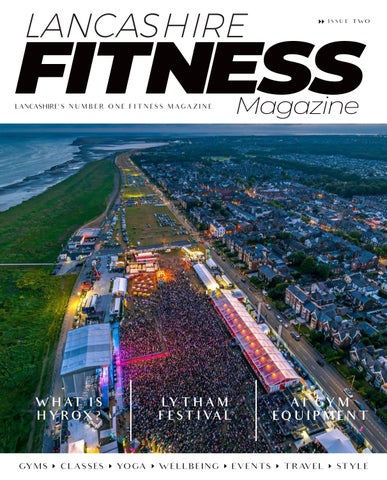
Welcome to the second edition of Lancashire Fitness Magazine. Each edition of our magazine will bring you interesting and relevant health and fitness features and an insight into what is happening within the industry in Lancashire and its surrounding areas.
Our aim is to promote the best of the best businesses and individuals in the region across all aspects of health and fitness and to enlighten our readers on subjects such as the best places to eat or train or even to go for relaxation.
Whether you are a beginner or an established fitness professional, we hope there will be something in Lancashire Fitness Magazine for everyone and it is our mission to bring you the most up to date and interesting articles.
OUR COLUMNISTS
Alberto Cubero Padel Coach Columnist
Archie Harris Men’s Sports Columnist
Charlie Alfonso Sales & Marketing Director
Charlotte Harris Women’s Sports Columnist
Chris White Tennis Coach Columnist
Deana Riley Women’s Fitness Columnist
Debbie McGovern Dental Health Columnist
Dr Jane Leonard Health Columnist
Frankie Harris Pregnancy Columnist
OUR COLUMNISTS
Helen Goodwin Editorial / Sales
Henry Taylor Bodybuilding Columnist
Issac Eyo Features Columnist
Jade Ainsworth Beauty Products Columnist
Julian Bisquert Physiotherapist Columnist
Kerry Lindsay Food Columnist
Kurtis Stacey Home Health Columnist
Lea Read Women’s Activewear Style Columnist
Lystra Adams Nail Columnist
OUR COLUMNISTS
Oliver Wood Technology Columnist
Paul Knowles Founder
Peter Cranfield Men’s Hair Columnist
Rajnish Kumar Senior Designer
Thomas Curtis Features Columnist
Steven Dobie Men’s Fitness Columnist
Will McKeown Features Columnist
Melissa Reeves Beauty Treatments Columnist
FEATURE
What Is HYROX? The Hybrid Fitness Movement Explained.........................................10
Lytham Festival 2026: how the 15th anniversary went...............................................20
Built for the Long Run......................................32
Why Hitting Your Protein Target Is NON-NEGOTIABLE When Training to Get Lean............................................................174
BEAUTY TREATMENTS
Body Sculpting ................................................184
DENTISTRY
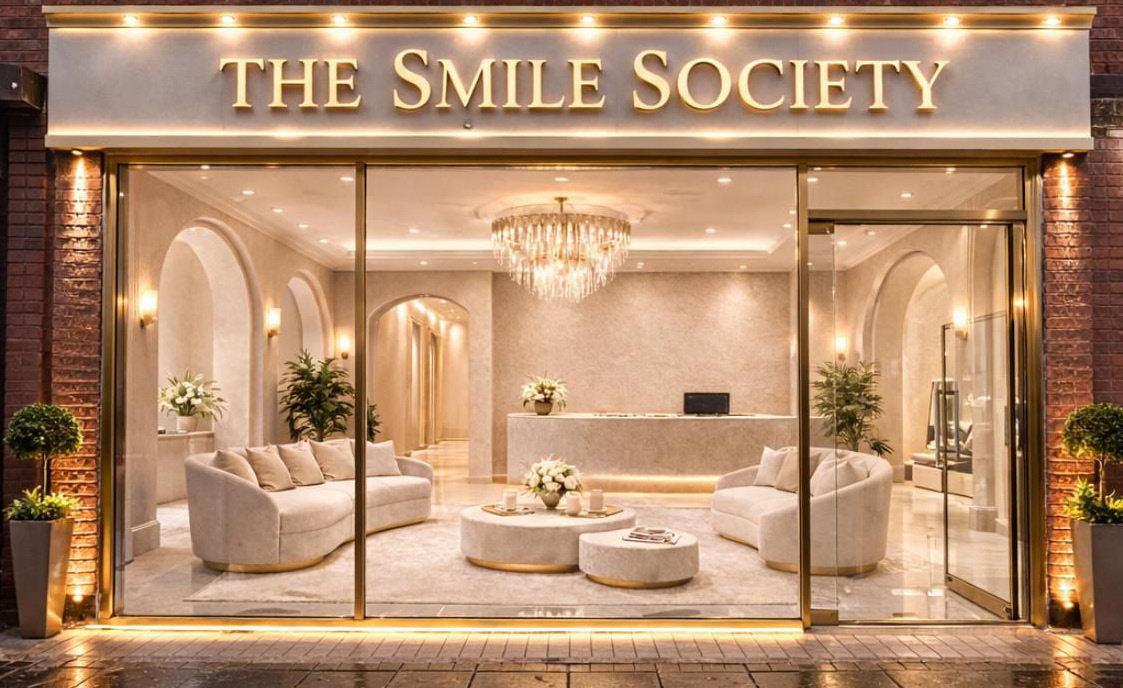
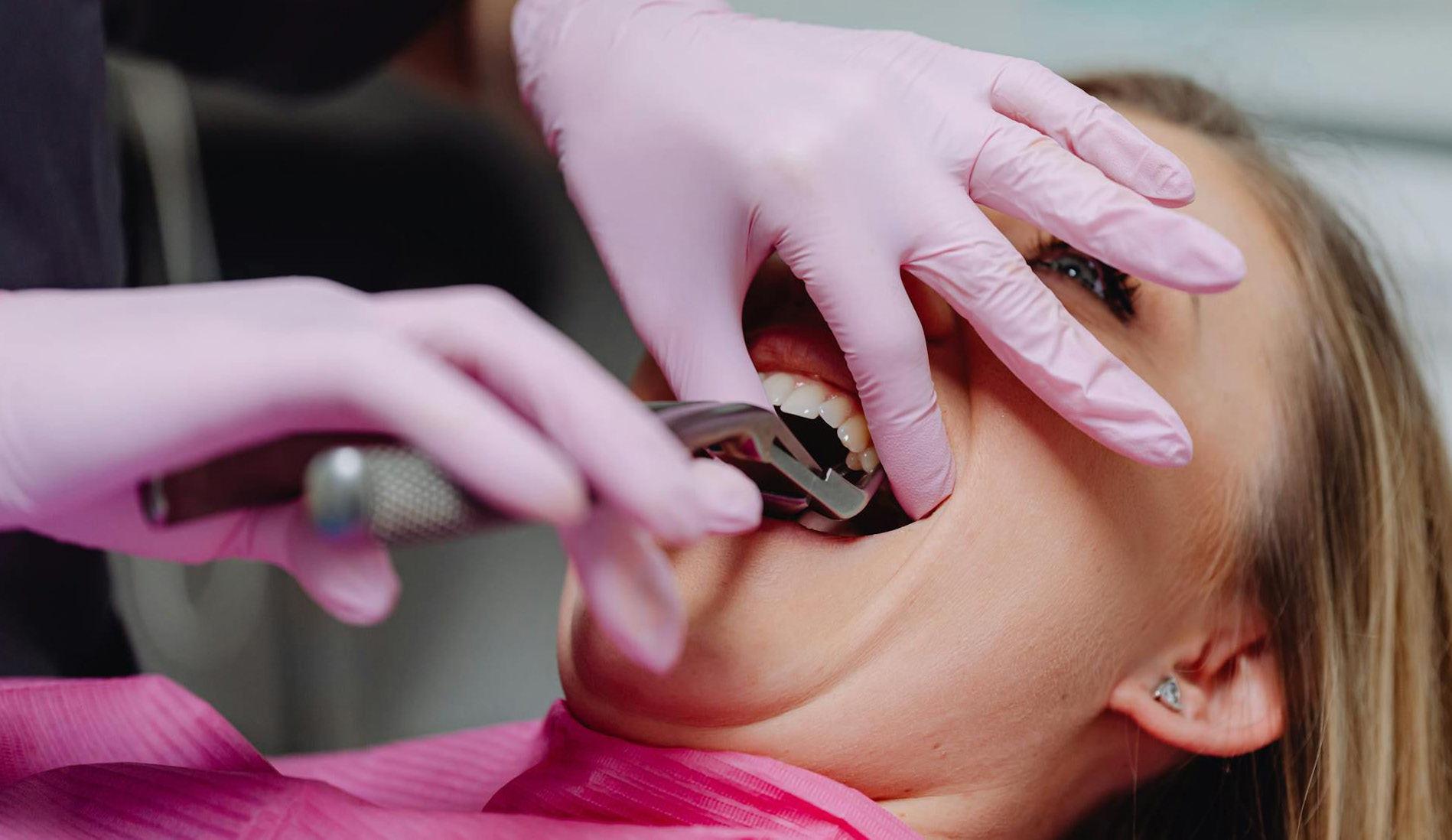
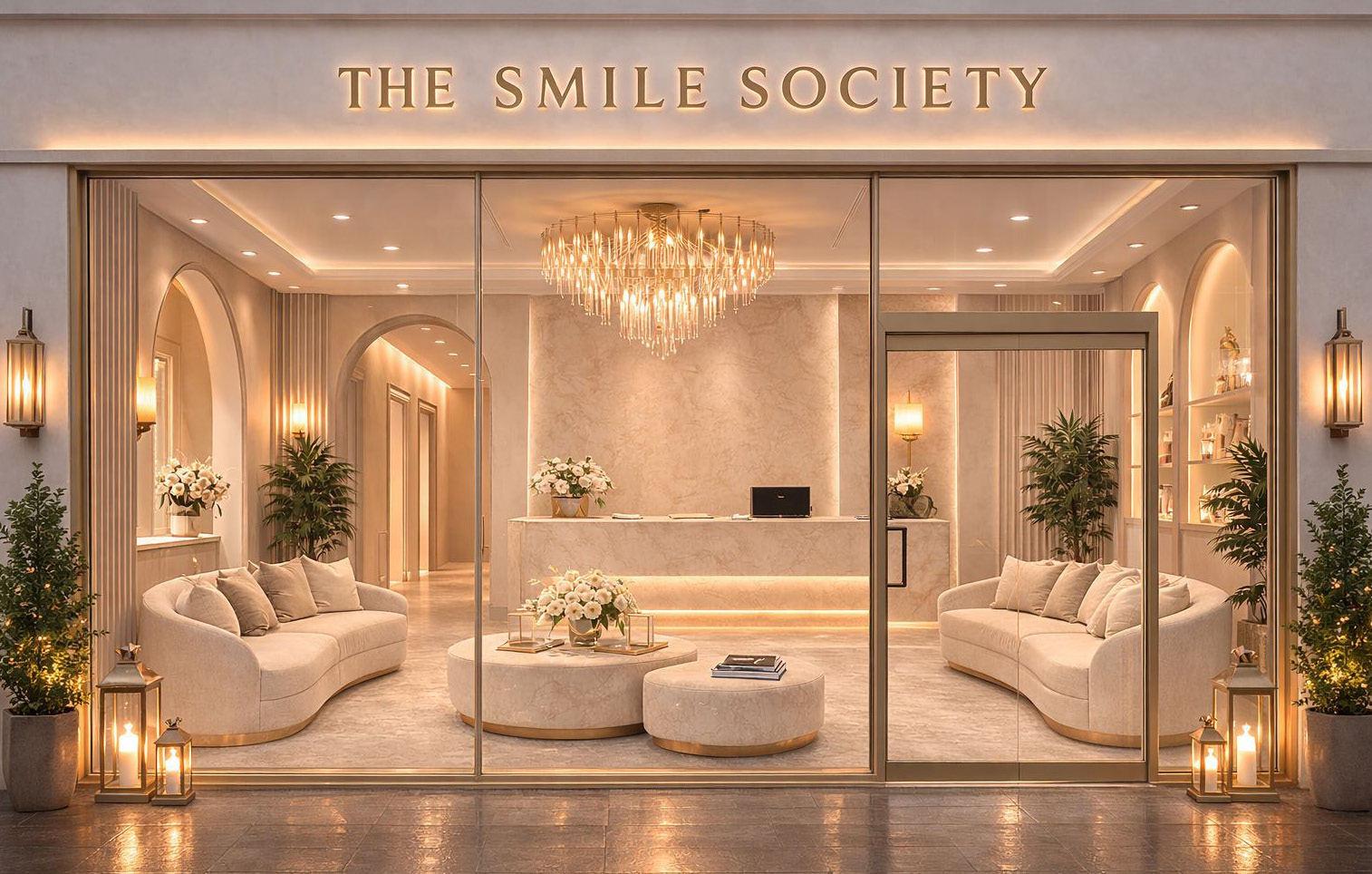
SMILE SOCIETY – A New Era of Dentistry....190
HEALTH
Your Guide to Peptides and Anti-Ageing......196
NAILS
Long Nails or Short Nails: What Does Your Style Say About You?.............................200
BEAUTY
The Beauty Corner ..........................................204
BY ISSAC EYO
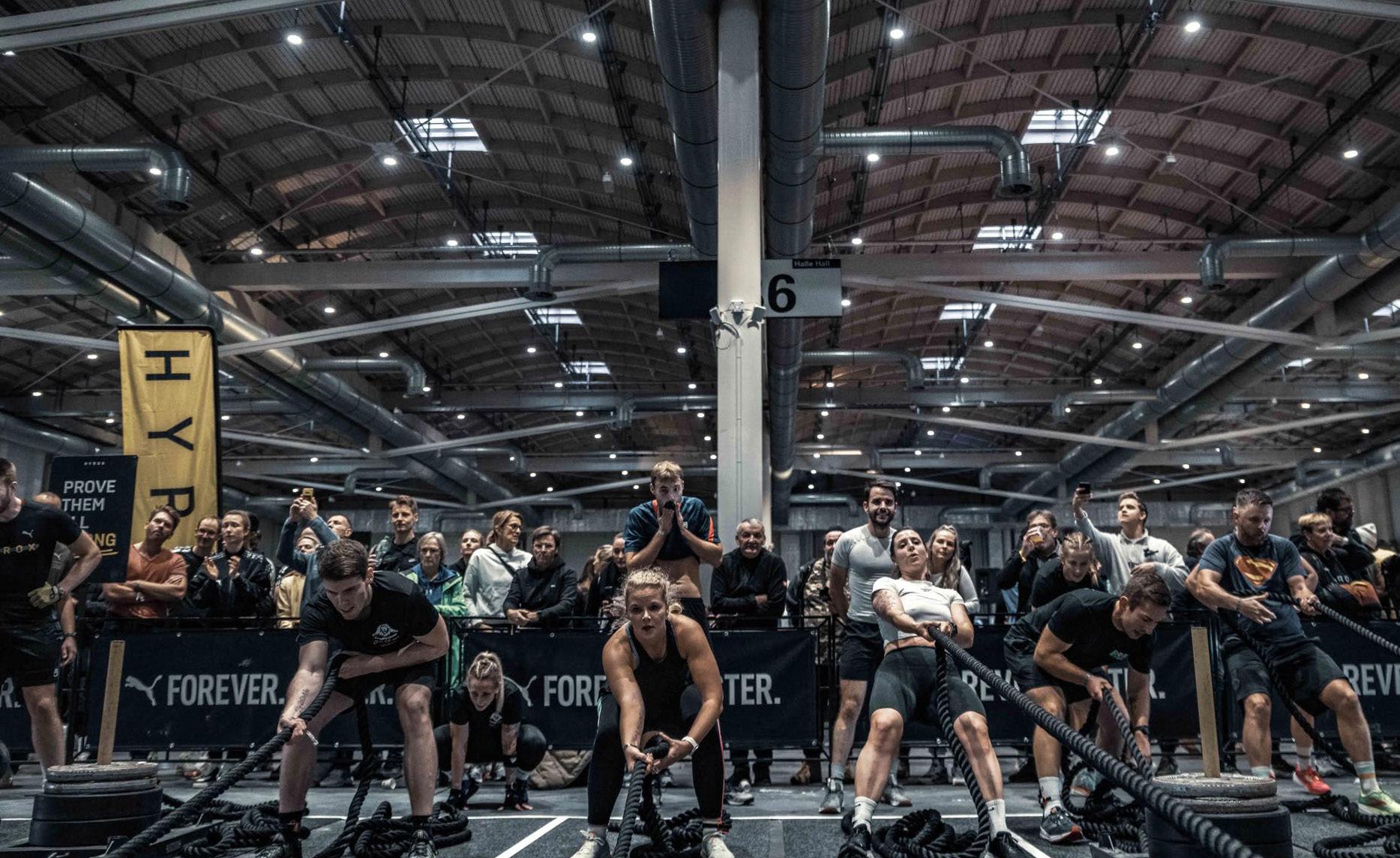
Afew years ago, hardly anyone had heard of HYROX. Now it is one of the fastest growing fitness events in the world. Arenas sell out months in advance, social feeds fill up with finish line clips, and people who once dreaded running now proudly call themselves hybrid athletes. So what is HYROX, and why has it become such a phenomenon?
How a HYROX Race Works
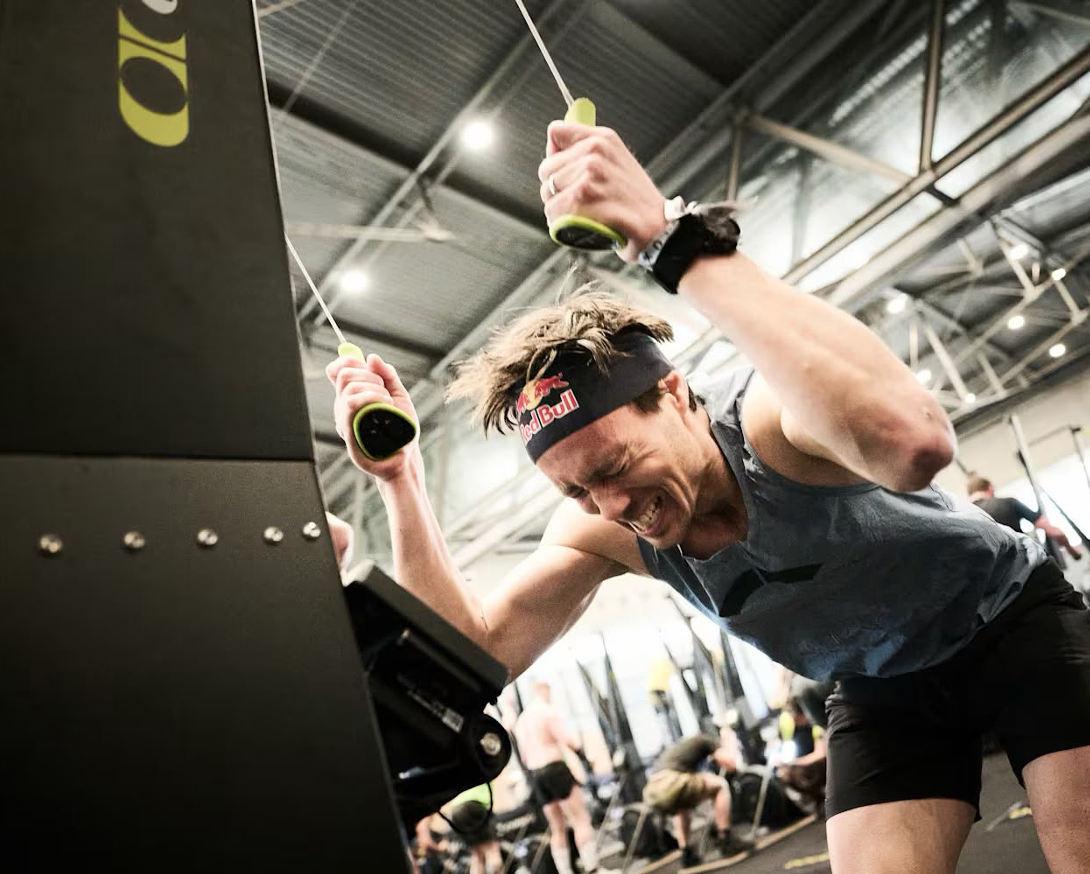
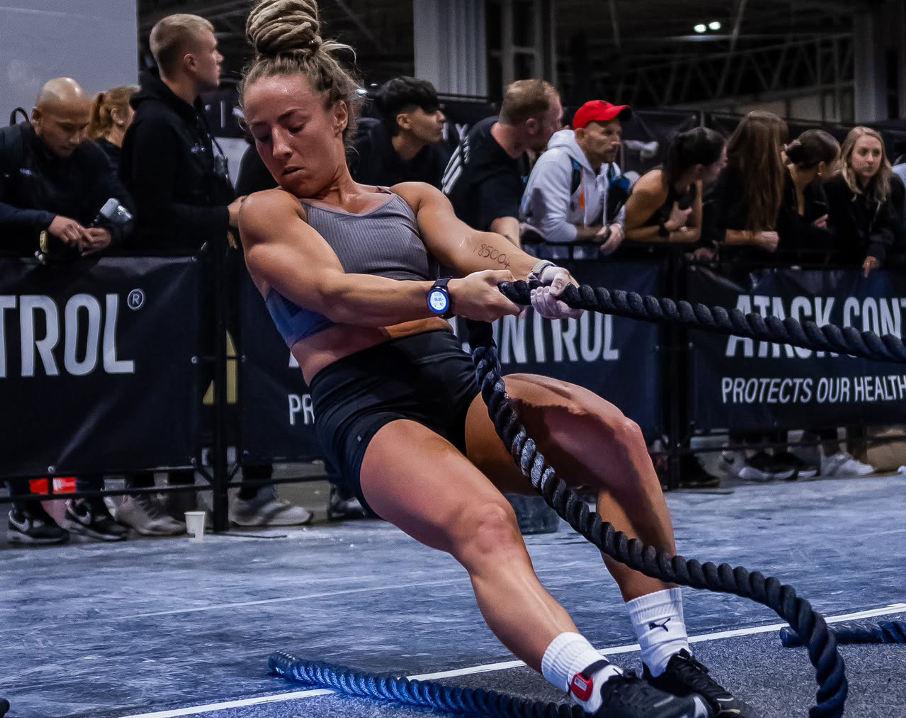
HYROX is a fitness race that blends running with functional training. You take on eight runs of one kilometre, and each run is followed by a workout station. Those stations include rowing, the SkiErg, sled pushes, sled pulls, burpee broad jumps, sandbag lunges and the wall balls that everyone loves to hate. Every competitor tackles the exact same course, so times are easy to compare. Whether you are a complete beginner or an elite athlete, you
race the same format on a level playing field. In my view, that fairness is a huge part of the appeal.
Why HYROX Feels So Accessible
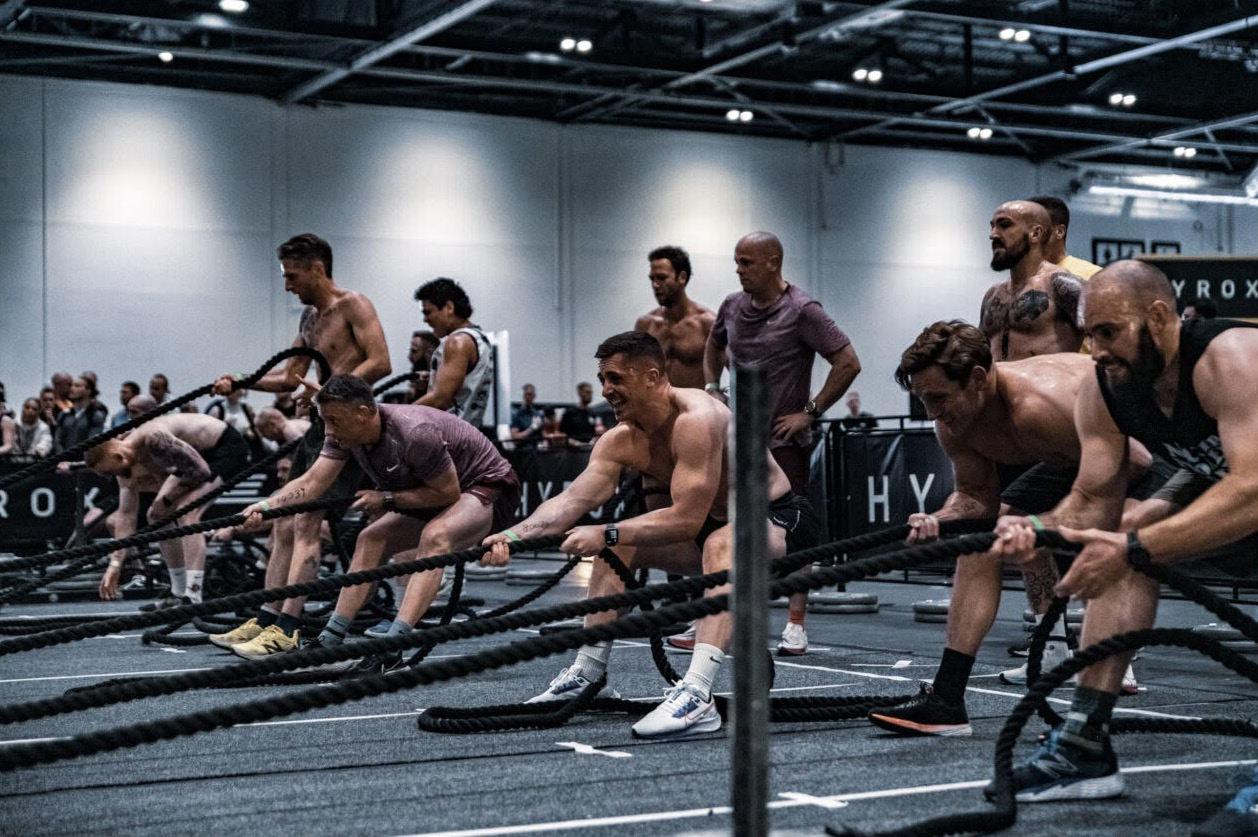
What stands out most to me is how open it is. You do not need to be a professional athlete, and you do not need years in the gym before you sign up. Anyone can start. Maybe you already run, maybe you love lifting, or maybe you just fancy a fresh fitness goal. Either way, HYROX welcomes you. For me, that inclusivity is one of the biggest reasons it has grown so quickly.
The Rise of Hybrid Fitness
Hybrid fitness has changed the way people train. Instead of only chasing muscle or only chasing endurance, athletes now build strength, fitness, speed and resilience all at the same time. It is
training with a purpose. Every session feels like it is getting you ready for race day, and that focus keeps people coming back.
A Real Goal to Train For
Personally, I think HYROX is one of the best things to happen to fitness in years. It gives you something solid to aim at. Rather than working out with no real target, you have a race in the calendar, a time to beat and personal milestones to chase. That kind of motivation can make all the difference, whether you are brand new to training or you have been at it for years.
The HYROX Community
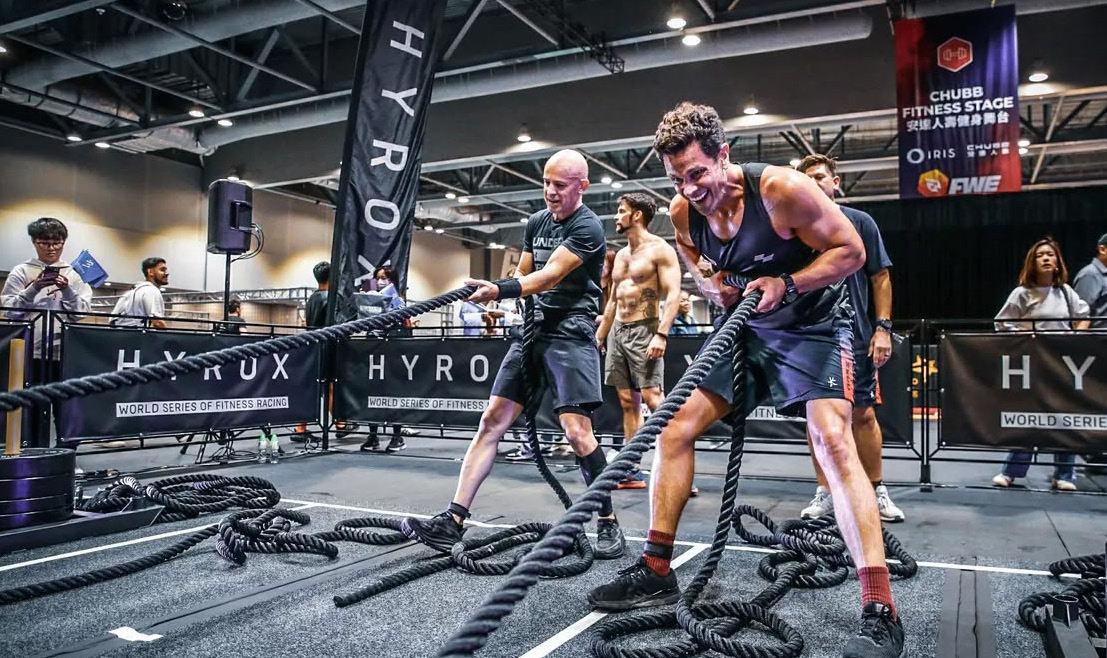
Another reason for the rapid growth is the community. Walk into any HYROX gym and you will find people cheering each other through every workout. On race day, that support gets
even louder. Total strangers will shout you on, celebrate every finish and share the same buzz of achievement. Yes, it is competitive, but it is also remarkably welcoming, and that balance is rare in sport.
How Social Media Lit the Fuse
Social media has clearly helped things along. Finish line celebrations and brutal workout clips have inspired thousands to sign up and give it a try. Behind the viral videos, though, sits a sport that genuinely brings people together and nudges them towards healthier habits.
The Numbers Tell the Story
The figures back it up. Events across the UK and around the world keep selling out, and thousands of competitors travel to major arenas to test themselves against the clock. What started as a niche event has become a global movement, and there is no sign of it slowing down.
Should You Give HYROX a Go?
As someone who loves watching people challenge themselves, this is exactly what makes HYROX
special. It is not about being the fastest or strongest person in the room. It is about turning up, giving everything you have and crossing the line with a bit of pride. Every athlete has their own reason for competing, and every finish tells a different story. Whether you want to set a personal best or simply finish your very first event, HYROX proves that fitness does not have to be intimidating. It can be tough, rewarding and, above all, good fun. So if you have ever thought about trying something new, give HYROX a go. You might just surprise yourself, because every competitor was a beginner once.
Hybrid fitness is far more than a passing trend. It is redefining what it means to be an everyday athlete, and I honestly believe its best days are still ahead.
RESISTANCE TRAINING AND ALZHEIMER’S: STRONGER BODIES, SHARPER MINDS
BY JULIAN BISQUERT
For years, the conversation around exercise and brain health has leaned towards walking, cycling and other aerobic work. Those methods matter. However, the link between resistance training and Alzheimer’s risk deserves a far bigger place in the discussion.
As a physiotherapist, I work with neurological patients, recreational athletes and committed gym goers. In that work, I see strength training as more than a way to build muscle. It is a tool that may help support cognitive function, preserve brain structure and reduce the risk of decline linked to Alzheimer’s disease.
That shift in perspective matters. If we keep treating strength work as purely physical, we miss one of its most important benefits.
Strength training is about more than muscle
The old assumption was simple. Aerobic exercise helped the brain, and strength training helped the body. That idea is now outdated.
Research suggests that resistance training can improve executive function, memory and broader cognitive performance in older adults (CoelhoJunior et al., 2022; Wu and Huang, 2025). Benefits have also been seen in people with mild cognitive
impairment and those at higher risk of dementia (Coelho-Junior et al., 2022; Nicola et al., 2024).
This is encouraging. It suggests strength training is not only about independence and reducing falls. It may also help preserve thinking and memory.
The mechanisms are likely multifactorial.
Resistance training has been linked to changes in neurotrophic factors, inflammation, vascular health and brain structure itself (Azevedo et al., 2023; Nicola et al., 2024). In practical terms, the benefits may reach well beyond fitness and into the systems that support learning, memory and attention.
Why Alzheimer’s disease matters here
Alzheimer’s disease is often described in terms of memory loss. Underneath that, though, sits a progressive process of brain change.
Areas such as the hippocampus and precuneus are particularly vulnerable. Both regions are essential for memory and cognition.
This is where the connection between resistance training and Alzheimer’s becomes interesting. Emerging research suggests that structured strength training may help slow atrophy in key brain regions and support white matter integrity (Nicola et al., 2024; Wu and Huang, 2025).
That does not make it a cure, and it should never be presented as one. Even so, we now have enough evidence to treat resistance training as a meaningful part of a brain-health strategy.
For patients with a family history of dementia, vascular risk factors or mild cognitive concerns, this is important information. It is equally relevant for anyone who simply wants to age well. In short, it gives us another reason to prescribe strength training with purpose.
What the ACSM paper adds
The recent paper published by the American College of Sports Medicine on resistance training in healthy adults is highly relevant. Its focus is not cognitive health. Its message, however, is very useful for clinicians and exercise professionals.
The paper synthesised evidence from 137 systematic reviews and more than 30,000 participants. That makes it one of the most comprehensive summaries of resistance training guidance to date (American College of Sports Medicine, 2026).
Three principles stand out:
• The biggest gain usually comes from moving from no training to some training.
• Programmes should be individualised, enjoyable and sustainable.
• Non-traditional options such as bands, bodyweight work and home-based exercise still produce meaningful results (American College of Sports Medicine, 2026).
This matters because brain-health interventions have to be realistic. A programme only works if people actually do it.
The ACSM paper supports a simple idea: Resistance training does not need to be complicated to be effective. Consistency, sensible progression and adherence matter more than perfect programming.
For older adults and people at risk of cognitive decline, that message is especially useful. We do not need elite training plans. We need safe, accessible and repeatable ones.
Practical programming for brain health
So what does this look like in practice?
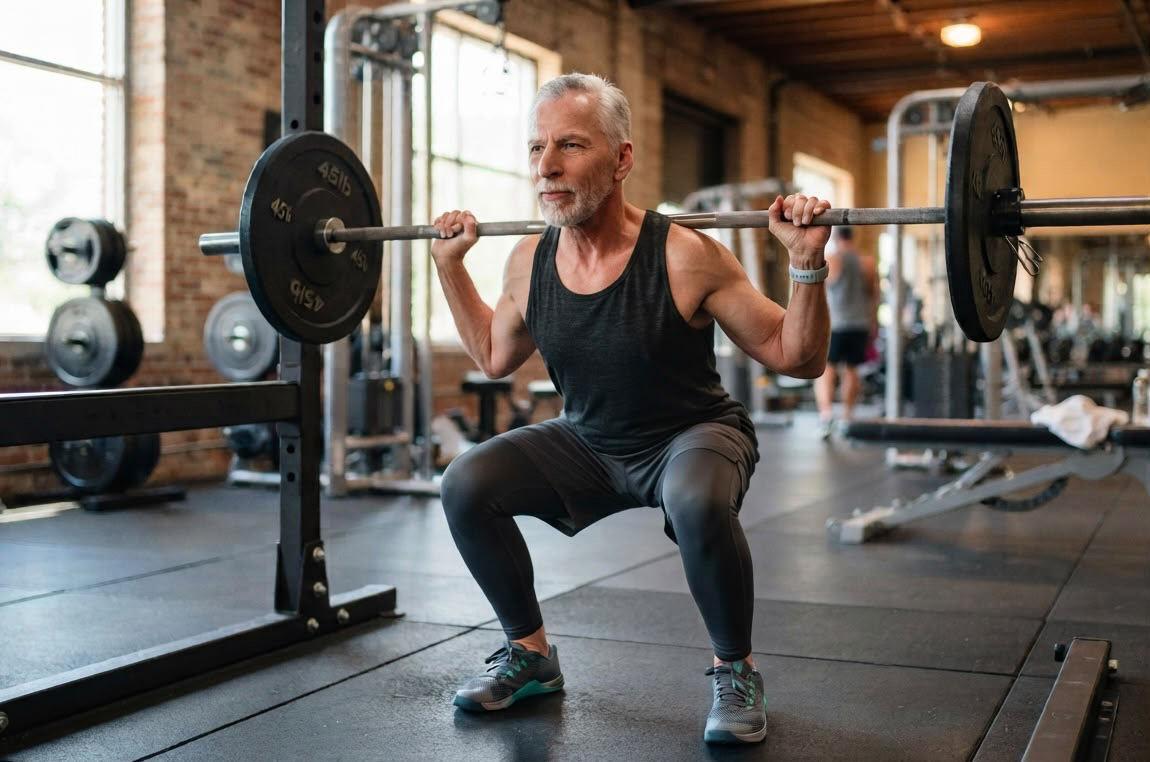
For most people, two to three sessions per week is a sensible starting point. A programme might include compound movements such as squats, presses, rows, hinges and step-based exercises. The aim is to load
the major muscle groups, challenge the nervous system and create enough stimulus for adaptation.
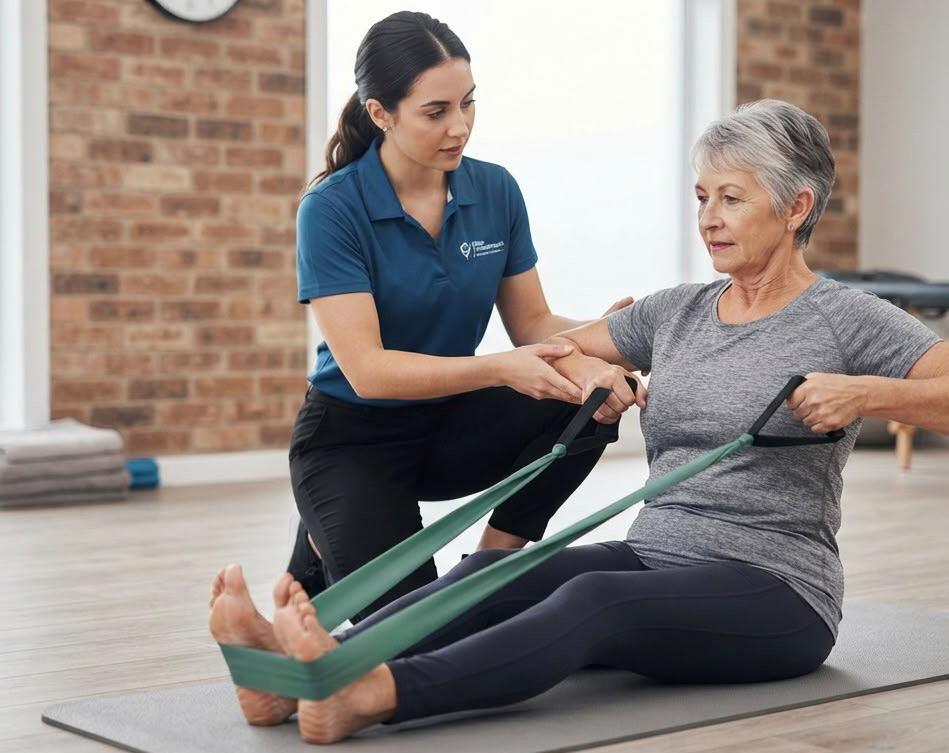
In neurological populations, the detail needs adapting. Some patients will need seated or supported exercise. Others may benefit from machines, cables, bands or harness systems to improve safety and confidence. The principle stays the same. Create a meaningful stimulus without overwhelming the individual.
Evidence suggests that programmes lasting at least 12 weeks are more likely to show cognitive benefit. Longer-term training offers even greater potential for structural brain change (Nicola et al., 2024; Wu and Huang, 2025).
That makes sense. Like most useful interventions, this is not a quick fix. It is about accumulating consistent input over time.
How to talk to patients about it
One of the biggest challenges is language.
People do not need a lecture on hippocampal volume or neurotrophic factors. They need simple, motivating messages that connect the exercise they are doing with the outcome they care about.
A useful line might be this: Strength training is not just about muscles and joints. It may also help keep the brain sharper for longer.
Another works well too. If you want to support healthy ageing, lifting weights is not optional extra credit. It is part of the conversation.
That does not mean every patient needs to train like an athlete. It does mean we should stop treating resistance training as secondary. For many people, especially as they age, it may be one of the most valuable forms of exercise we can prescribe.
Final thought
We have spent a long time telling people to move more for their heart, their mobility and their waistline. All of that is valid. Perhaps it is now time to broaden the message.
Resistance training may help protect more than muscle. It may help protect memory, thinking and brain health too.
Alzheimer’s disease continues to place a growing burden on individuals, families and healthcare systems. That makes this a message worth lifting.
BY PAUL KNOWLES
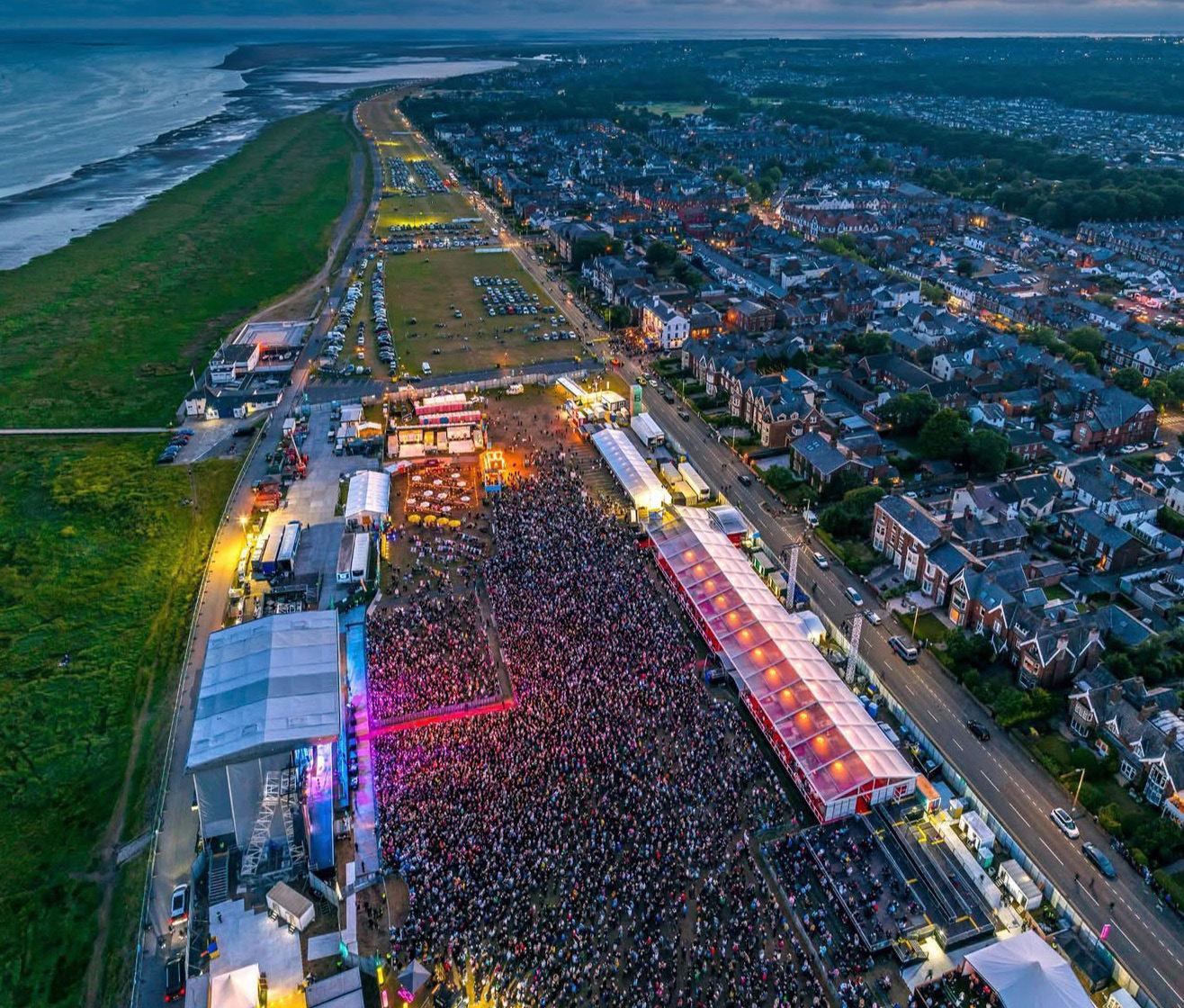
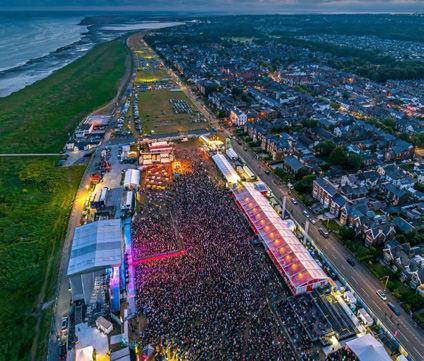
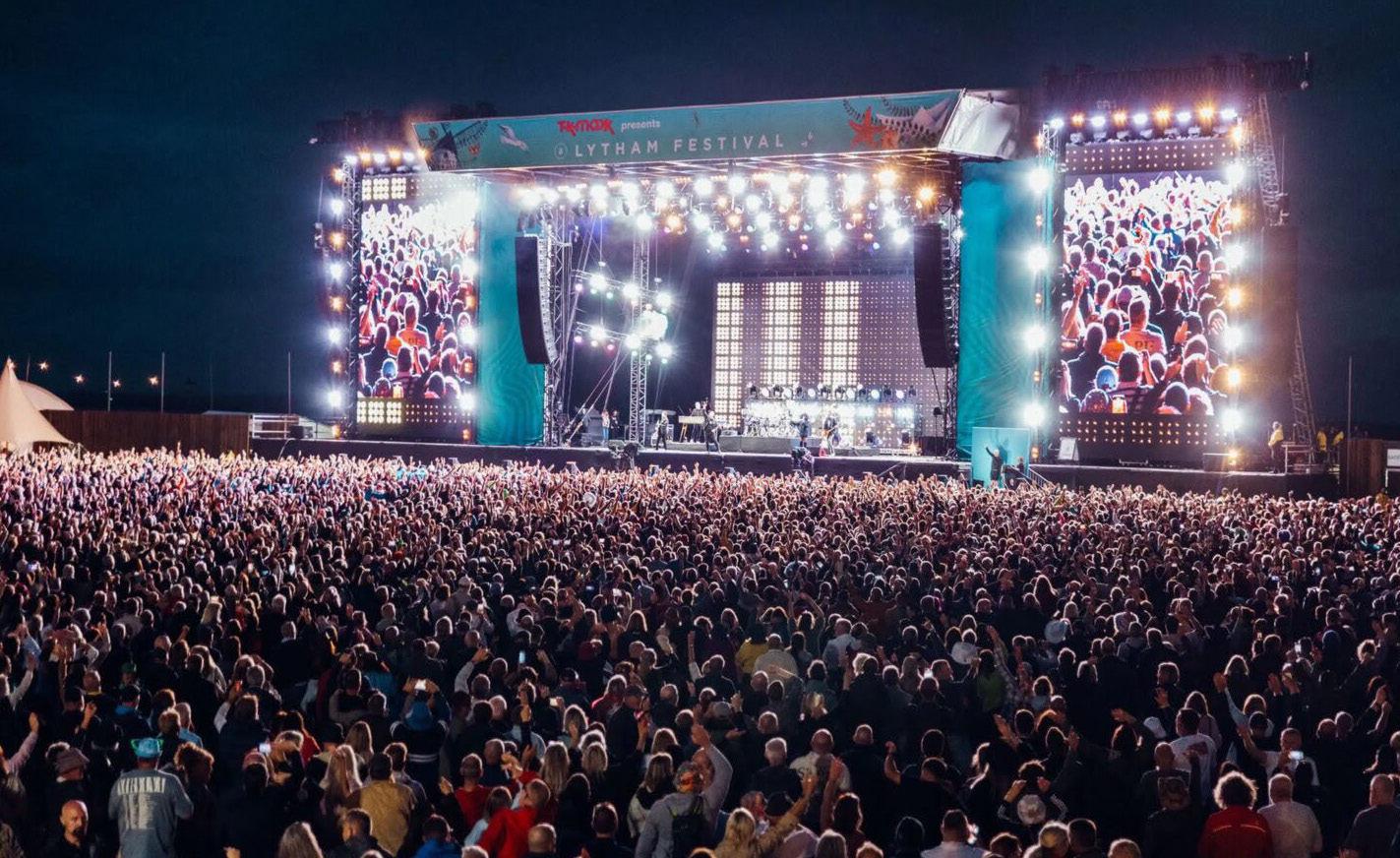
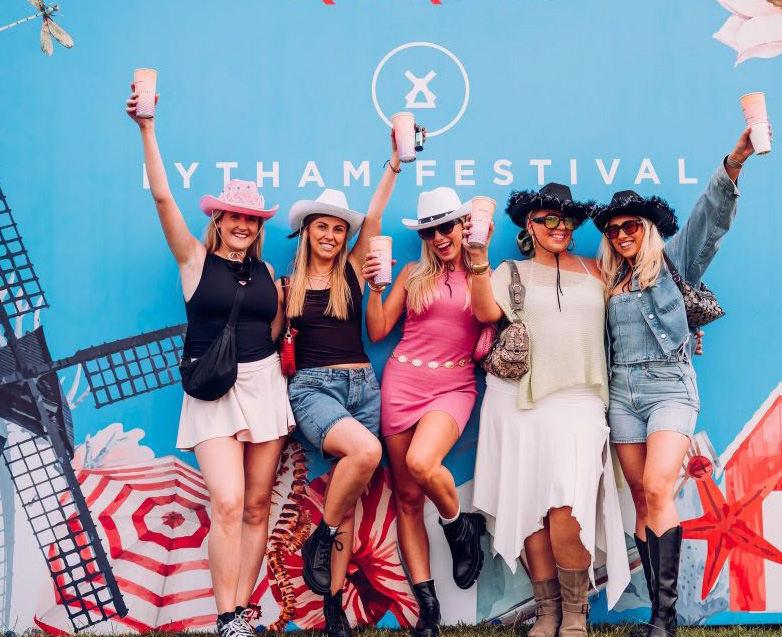
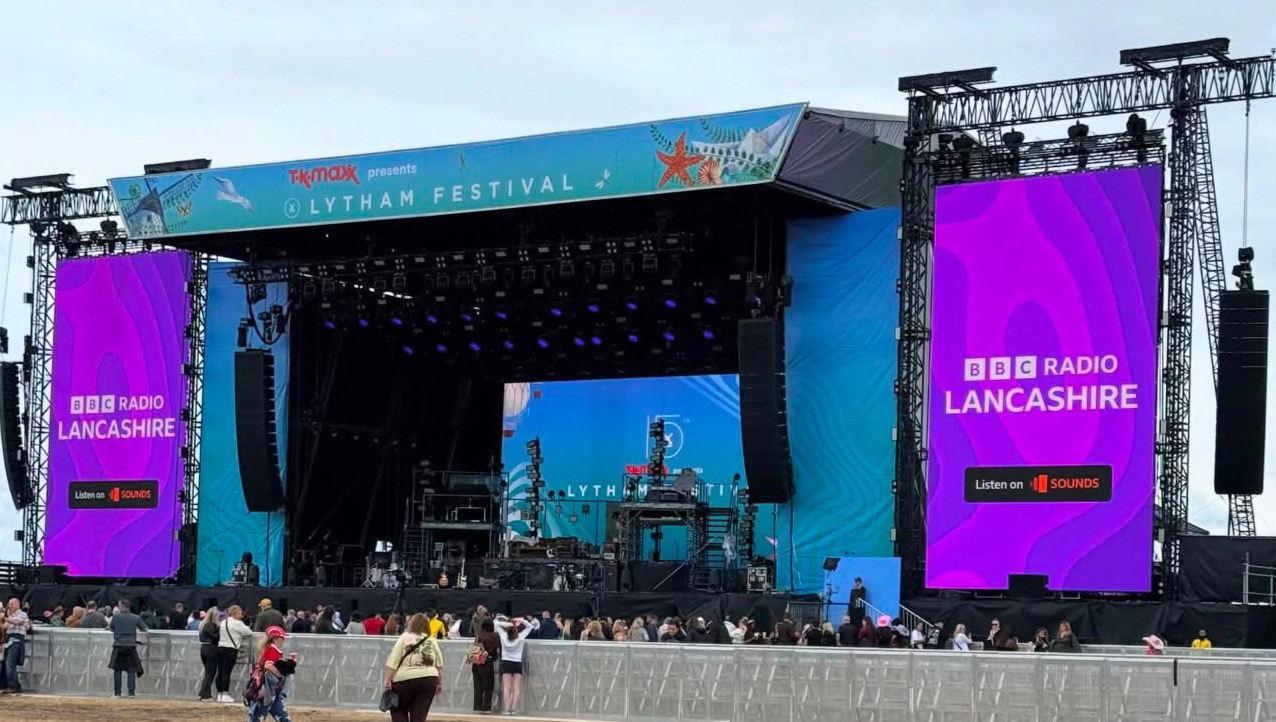
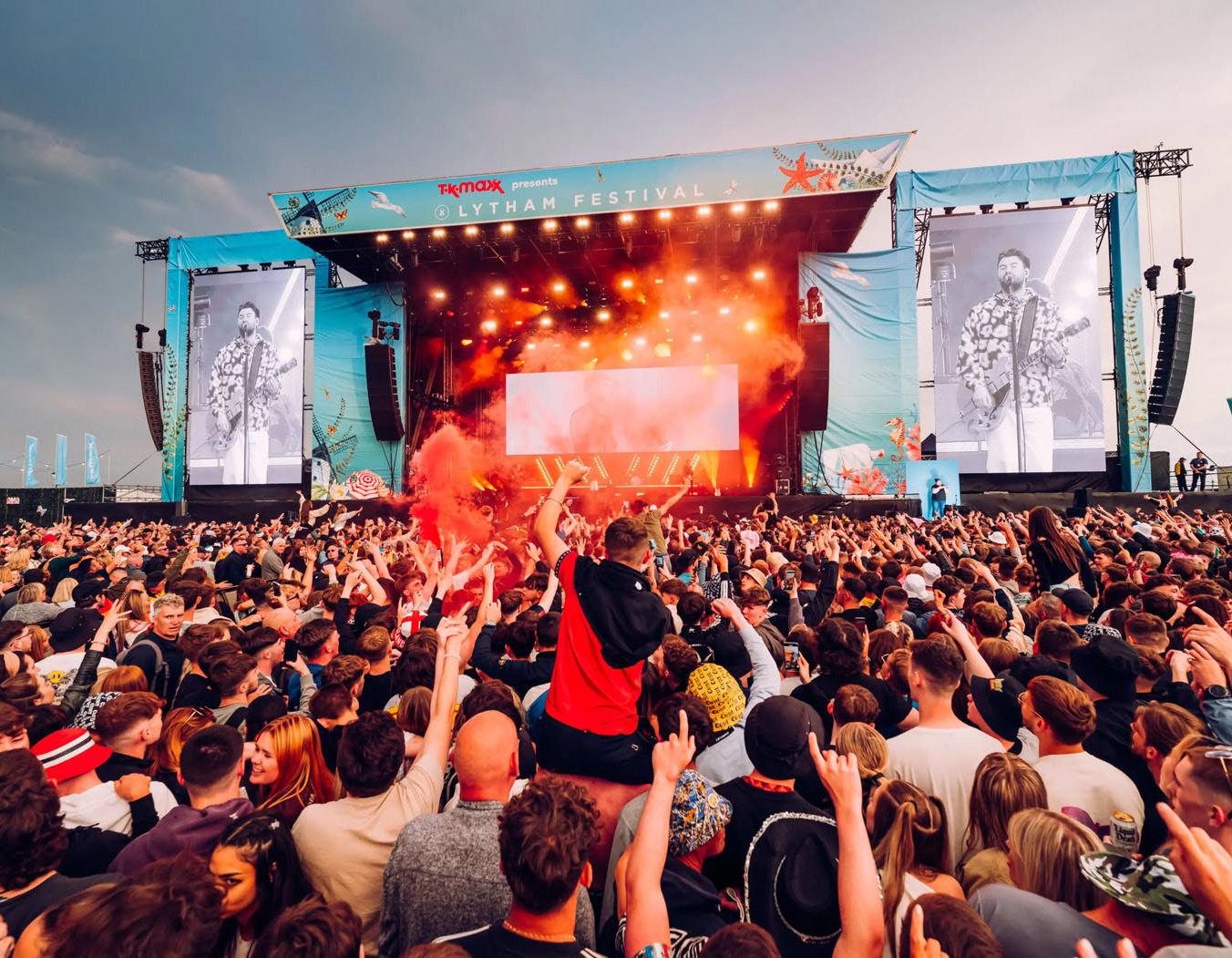
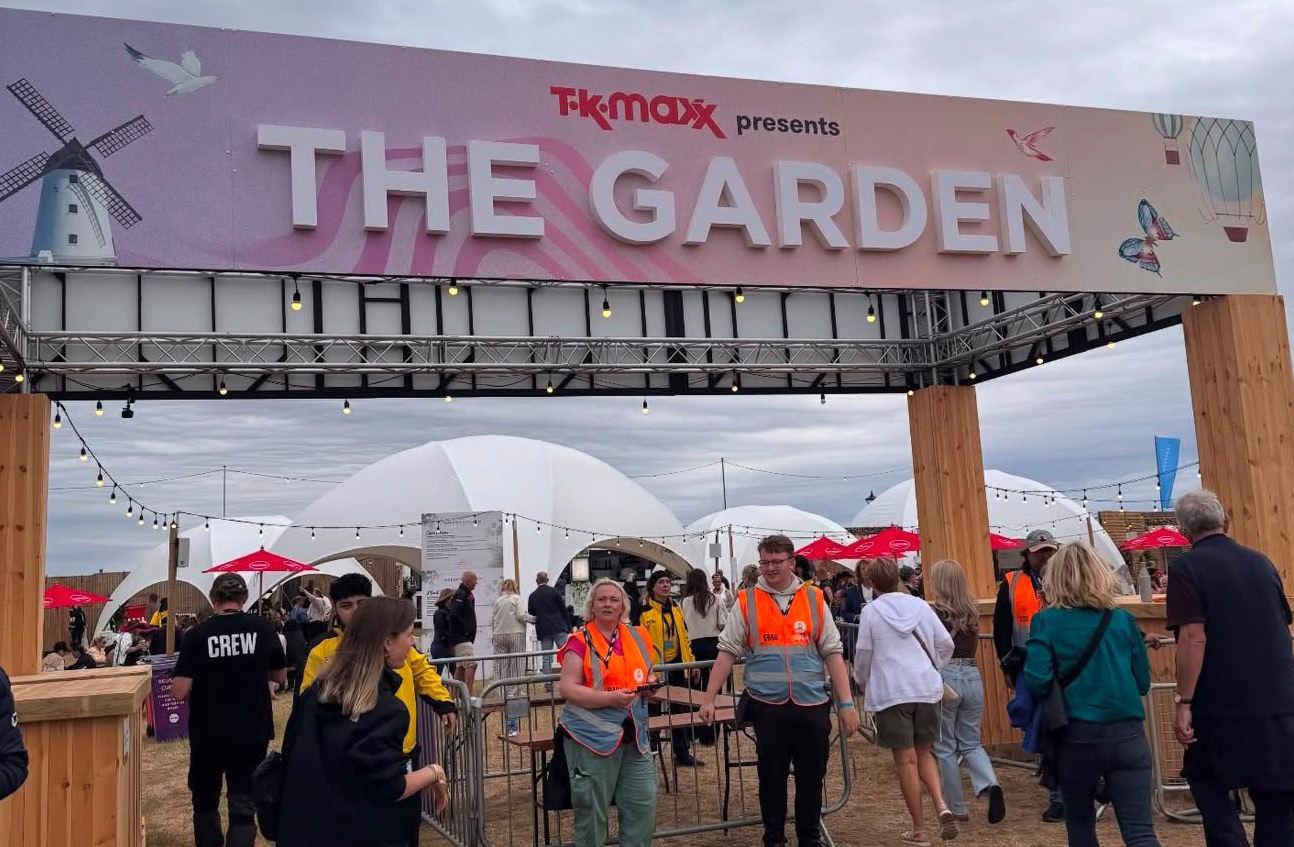
Lytham Festival 2026 is done, and what a week it was. The festival turned 15, and to mark the milestone the organisers pulled together one of the strongest line-ups in its history. Five nights of live music lit up Lytham Green on the Lancashire coast, with the famous windmill and the sea as the backdrop.
Below we run through everything that happened: the dates, the full line-up, what tickets went for and how people got there. We have also added a quick note on 2027 at the end.
When did Lytham Festival 2026 take place?
Lytham Festival 2026 ran from Wednesday 1 July to Sunday 5 July 2026. That was five days of music in total, with one headliner a night. The setting, as always, was Lytham Green in Lytham St Annes, right on the seafront in Lancashire.
Gates opened at 5:00pm each day. The music then wrapped up at around 11:00pm from Wednesday to
Saturday. The Sunday show finished a little earlier, at about 10:30pm.
The festival has come a long way from its roots as a one-night prom concert. These days it draws tens of thousands of people a night, and well over 100,000 across the full run. That makes it one of the biggest music events in the North of England.
Lytham Festival 2026 line-up
The 2026 line-up was one of the strongest in the festival’s history. Every night brought a different headliner, and every night delivered.
Wednesday opened with soul and pop star Teddy Swims. He was joined by Lauren Spencer Smith and Jordan Rakei.
Thursday belonged to alt-rock icon Alanis Morissette. Skunk Anansie, Pale Waves and The Big Moon all played in support.
Friday saw Michael Bublé top the bill, in one of just three mainland UK shows he played in 2026.
Ronan Keating and Appleton warmed things up, along with a Graham Liver DJ set.
Saturday brought the Pet Shop Boys and their DREAMWORLD greatest hits show. Scissor Sisters joined them, plus a Dave Pearce Dance Anthems DJ set. There was a lovely local twist too. Pet Shop Boys’ Chris Lowe grew up just up the coast in Blackpool, so this was a proper homecoming.
Sunday then closed the festival with a party. Pitbull became the first ever rap artist to headline Lytham, backed by Lil Jon and DJ Laz. Fans were encouraged to don bald caps and join “The Bald E’s” for a high-energy finish to the anniversary celebrations.
Lytham Festival 2026 tickets and prices
Here is what tickets went for, in case you are curious or planning ahead for next year. All prices below came from the official Lytham Festival site during the 2026 run.
The five-day general admission pass reached a final wave of £349. The earlier £299 and £325 waves had already sold out. The five-day VIP Garden pass, which added a prime spot in front of the stage, a private bar, premium food and posher toilets, was £749.
Both passes could be spread over a payment plan. Deposits started from £34.90 on the standard pass and £74.90 on the VIP pass.
Preferred a single night? General admission day tickets started from around £84. They rose to £115.50 for the closing Pitbull show, depending on the night and how many releases had sold out. VIP Garden day tickets started from £159.50.
A few rules were worth knowing too. Children aged two and under went free. Everyone else needed a full ticket, and under-16s had to be with a ticketholding adult.
Getting to Lytham Green
Travel took a bit of planning in 2026, mainly because a town-wide traffic order was in place during the festival. On-street parking was for residents only, so turning up on spec was never a safe bet.
Official parking was on Lytham Green (postcode FY8 5LB) and needed booking in advance. Car parks opened from 3pm. Queues were common
at the end of the night, as vehicles were released safely.
There was also an official Park & Ride from South Promenade Green in St Annes. Buses ran straight to the site, with return services after the show. For taxis and lifts, the pick-up and drop-off point was Lowther Pavilion, a short walk from the arena.
Coming from further afield? Official coach travel ran from across the North West, including Liverpool, Manchester, Warrington, St Helens, Southport and Chester. Services arrived before the music started and headed back once the headliners finished. Lytham also has its own railway station, roughly a five-minute walk from the site.
For anyone who needed extra support, the festival worked with the Nimbus Access Card scheme. Accessible viewing areas, toilets, entrances and parking were available to visitors with a valid Access Card or a Lytham Festival Digital Access Pass.
Why the 15th anniversary was a big deal
This was never going to be just another year for Lytham. Turning 15 clearly pushed the organisers to raise the bar. The line-up was more varied than ever, mixing timeless names like Michael Bublé and Pet Shop Boys with modern chart-toppers like Teddy Swims and Pitbull.
That variety was the whole point. By reaching across pop, soul, rock, dance and, for the first time, rap, the festival appealed to several generations at once. Add in the seaside setting, the sunsets over the Ribble Estuary and a genuine buzz around the town all week, and it is easy to see why the 2026 edition felt special.
Already looking to Lytham Festival 2027
Good news if you missed out or fancy going back. Lytham Festival returns in 2027, with five
more nights of live music on Lytham Green from Wednesday 30 June to Sunday 4 July.
The first headliner is already confirmed, and it is a big one. Robbie Williams will play Lytham on Saturday 3 July 2027. It is set to be his only mainland UK headline show of next summer, so demand is expected to be high. He is the first act the festival has ever announced this far in advance, which tells you how much they are building around it.
The rest of the line-up will be announced in the months ahead. Five-day passes for 2027 are already on sale through the official site. As ever, prices tend to rise as each release sells out, so early booking usually pays off. We will keep this guide updated as more is confirmed.
BEST MALE PERSONAL TRAINERS IN LANCASHIRE
BY CHARLIE ALFONSO
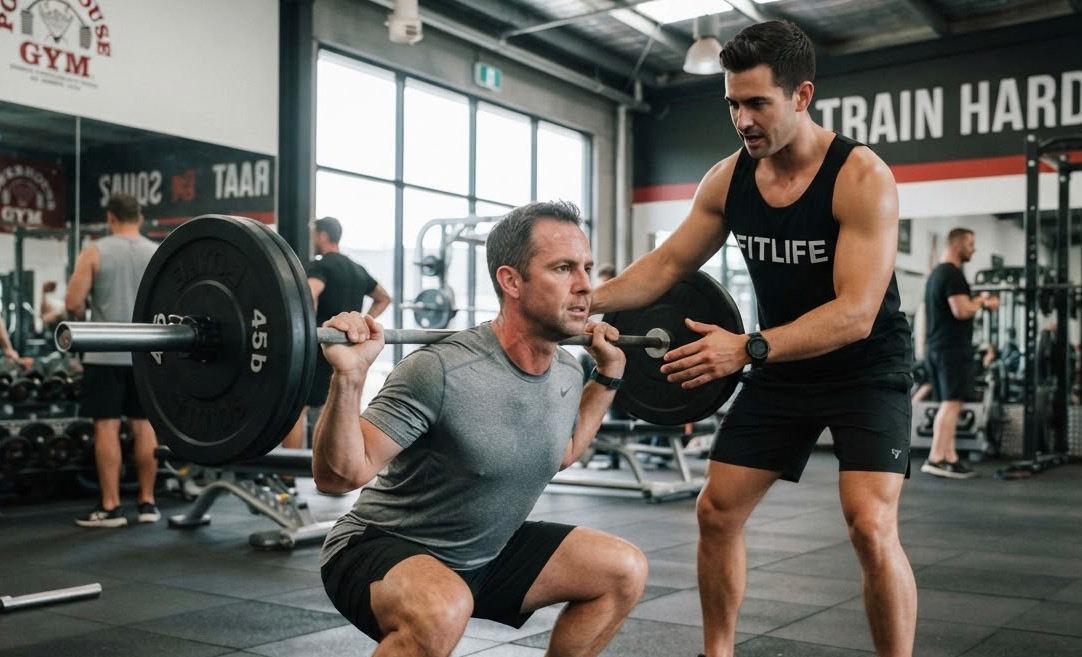
Lancashire is home to some exceptional male personal trainers who are redefining what it means to train well. These coaches are not just focused on aesthetics but on confidence, performance, education and sustainable
lifestyle change. From elite sport science to beginner friendly gym coaching and high profile modelling careers, these men represent the very best of the county’s fitness industry.
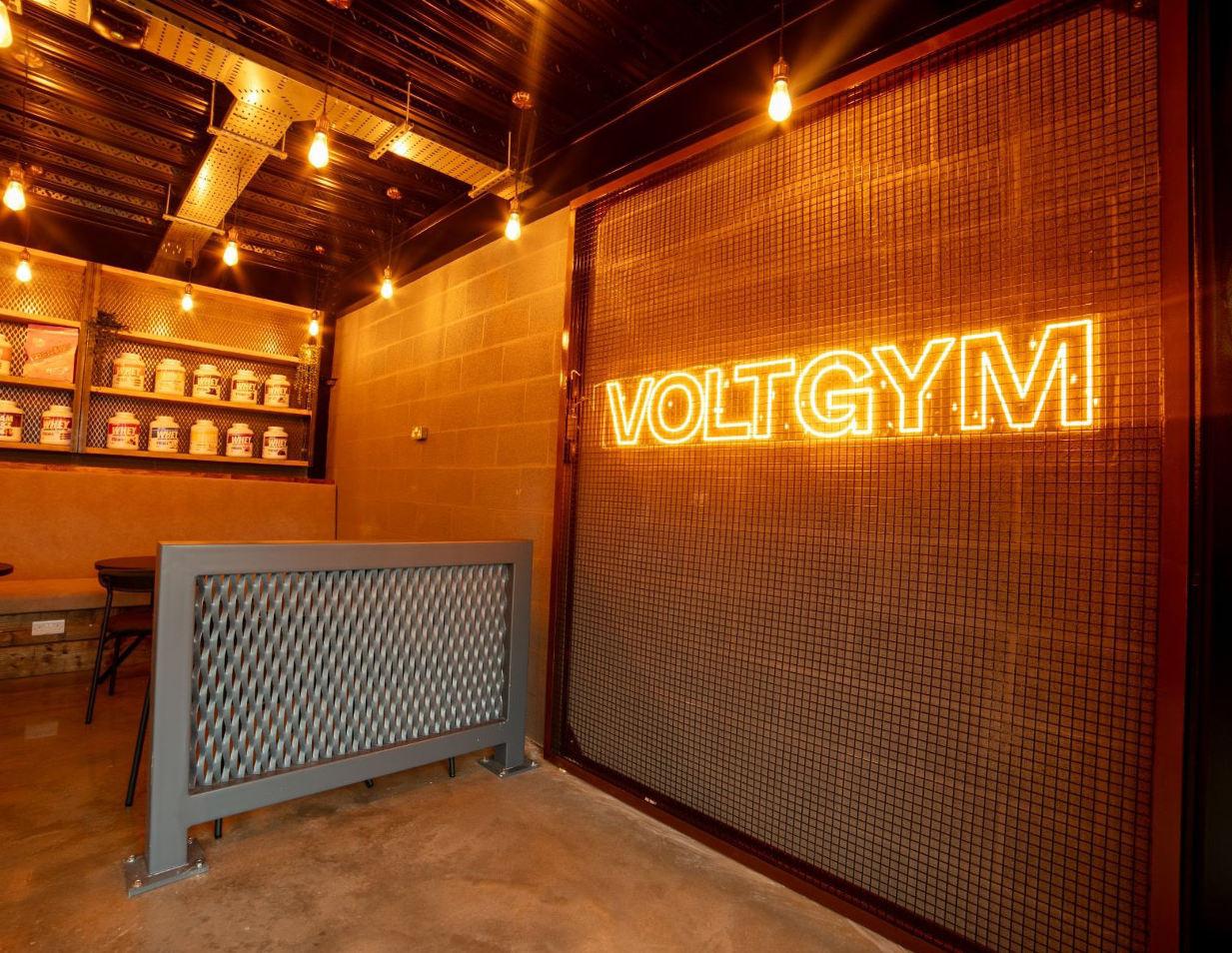
For anyone stepping into the gym for the first time, Harry Sutcliffe is the coach you want by your side. Based at Volt Gym Ormskirk, Harry
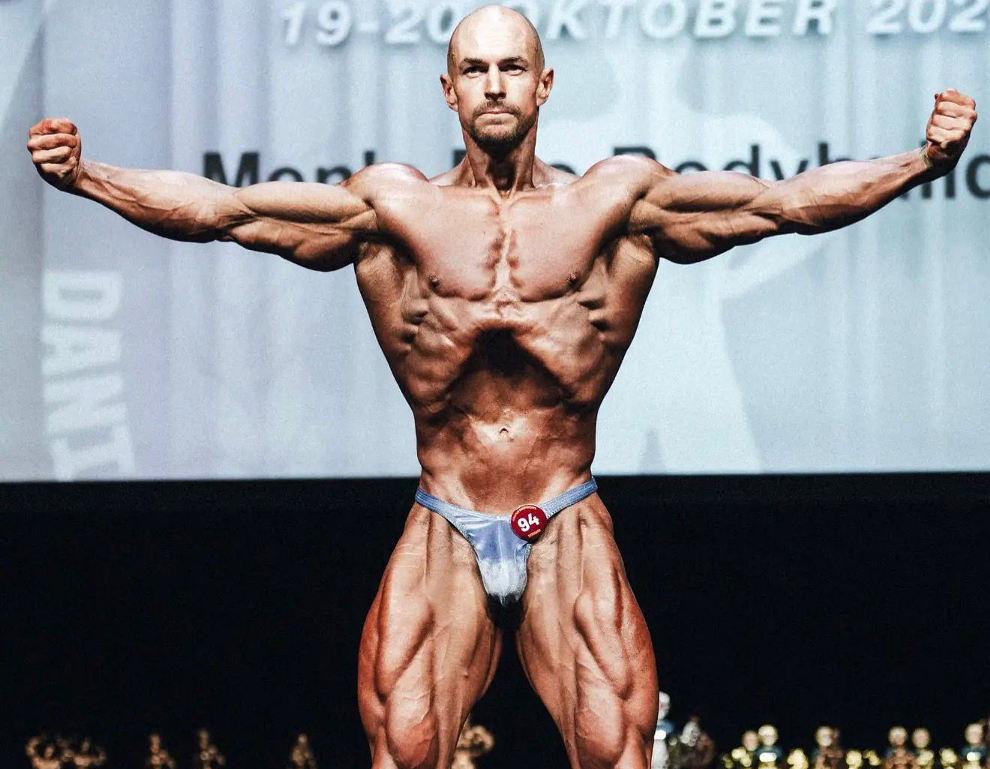
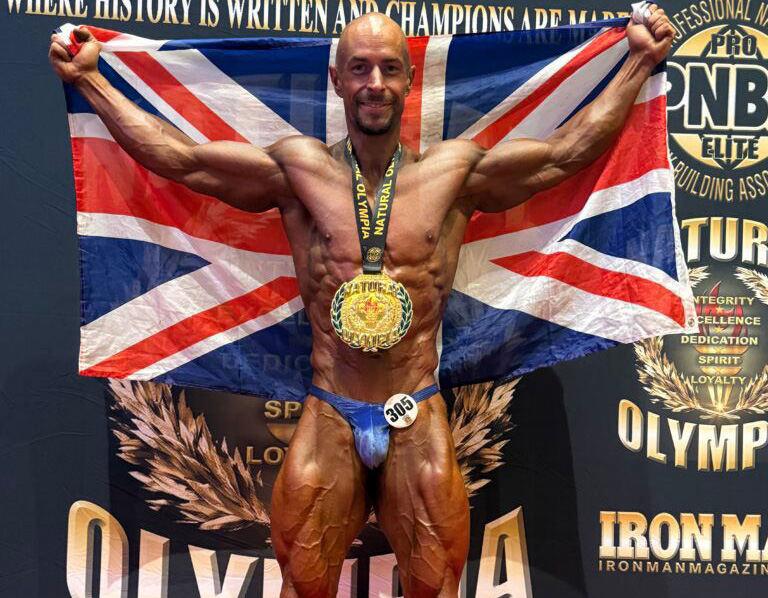
Ben Lloyd brings elite level experience to everyday training. As a personal trainer and online coach, Ben helps both men and women lose fat and build muscle naturally through structured training and intelligent nutrition. A Natural Olympia Champion, his results speak for themselves. Ben’s
specialises in helping beginners lose fat, build strength and most importantly develop real confidence in the gym environment. His coaching style is approachable, supportive and results driven, making fitness feel accessible rather than intimidating. Harry proves that strong foundations and consistency are the key to long term success.
harry.james_pt
philosophy centres around sustainable progress, discipline and evidence-based methods, making him a trusted name for clients seeking real transformation without shortcuts.
ben_lloyd_fitness
Harry Sutcliffe Personal Trainer at Volt Gym Ormskirk
Ben Lloyd PersonalTrainer, Online Coach and Natural Olympia Champion
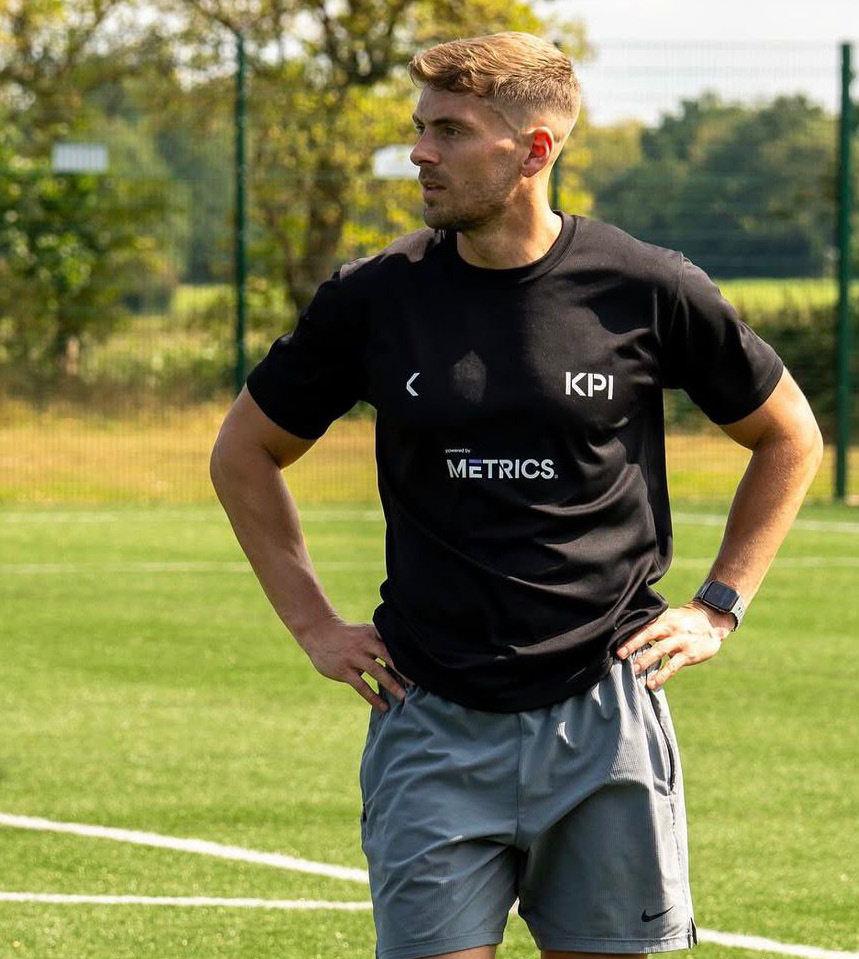
With an academic and professional background that sets him apart, Dr Tom King operates at the highest level of performance coaching. Formerly a 1st Team Coach at Liverpool FC, Tom is now the owner of King Performance Ideology and WeAre Metrics. Holding a PhD in Applied Sports Science, his work bridges elite sport, data analysis
and human performance. Tom’s influence extends far beyond the gym floor, shaping how athletes and professionals optimise performance through science-led training.
tom_kpi
kingperformanceideology
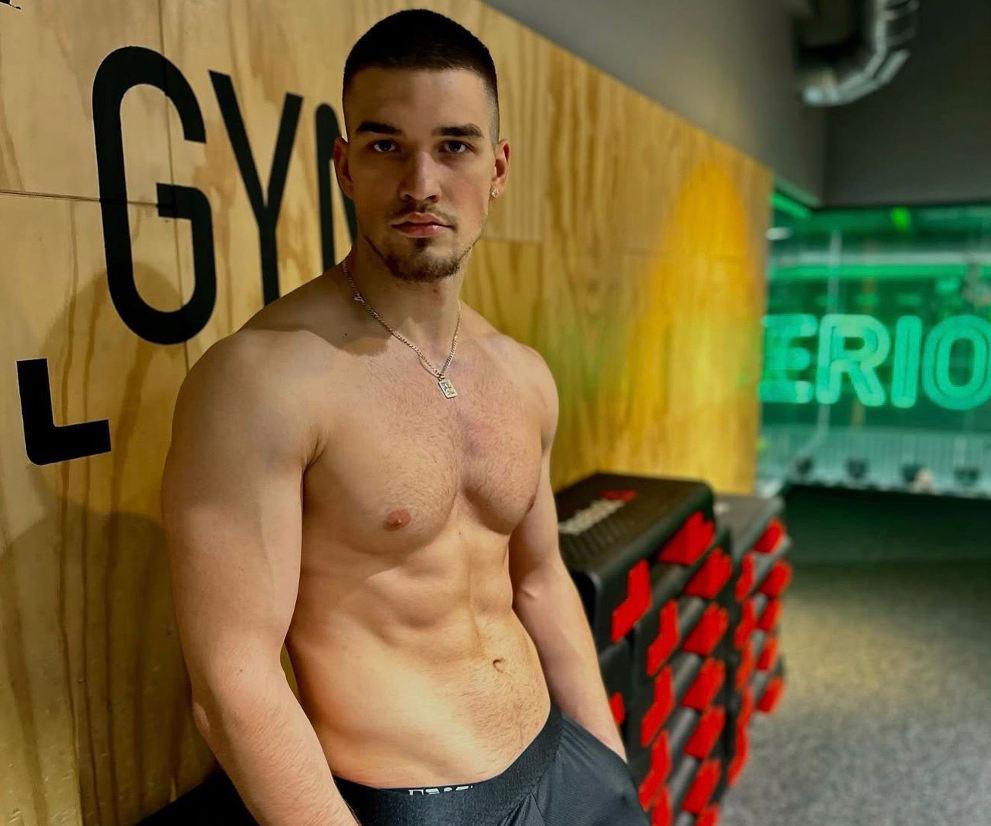
Blending fitness, fashion and nutrition, Daniill Dmitriev brings a unique edge to Lancashire’s fitness scene. As a personal trainer, online coach and qualified nutritionist, Daniill supports clients in building strong, aesthetic physiques while prioritising health and balance. Alongside his coaching career, he is a model signed to FOMO Model Agency and has worked with luxury brands including Dsquared2 and Burberry, as well as appearing at Milan Fashion Week. His presence proves that fitness is as much a lifestyle as it is a discipline.
daniil.dmitriev_uk
Dr Tom King Performance Coach and Sports Science Leader
Daniill Dmitriev Personal Trainer, Online Coach and International Model
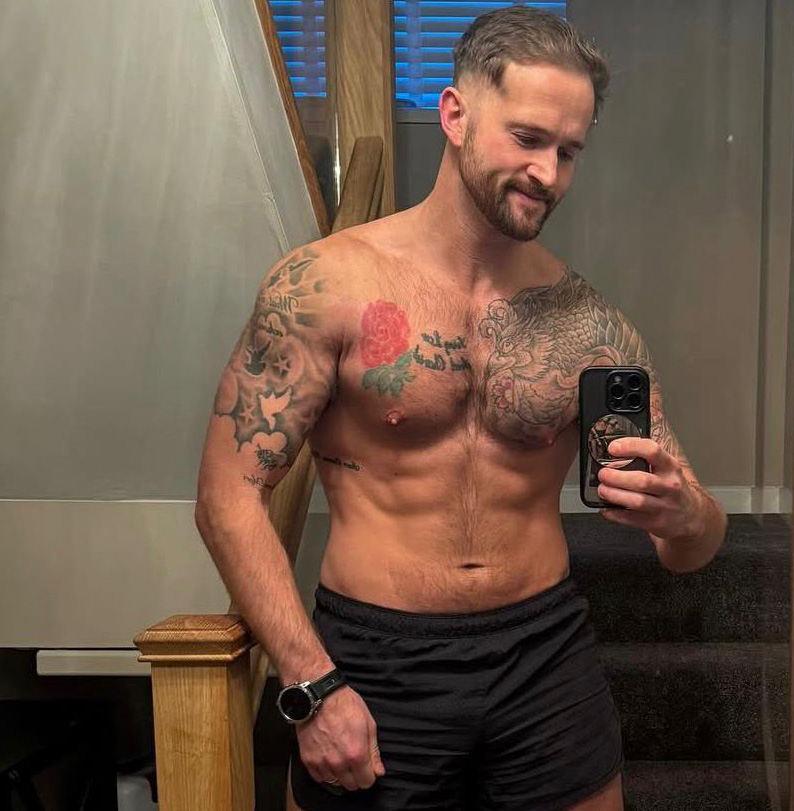
For those tired of restrictive diets and unsustainable plans, James Lawrence offers a refreshing alternative. As a lifestyle fat loss coach, James helps people lose weight, build confidence and create habits that fit real life. His approach allows clients to continue socialising and enjoying life while still achieving meaningful results. James focuses on long-term behaviour change, making fitness something that enhances life rather than limiting it.
jameslawrenceonlinecoach
James Lawrence Lifestyle Fat Loss Coach
BUILT FOR THE LONG RUN
BY CHARLIE ALFONSO
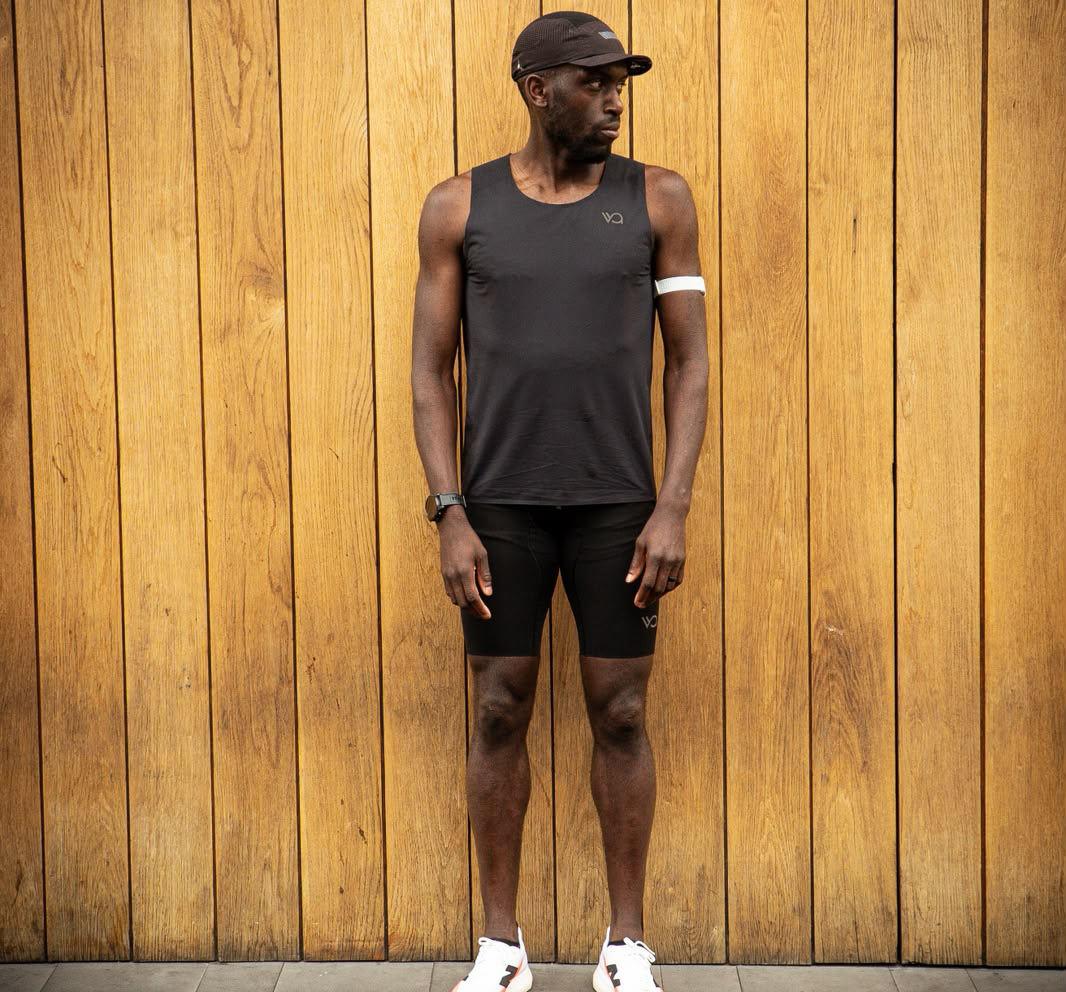
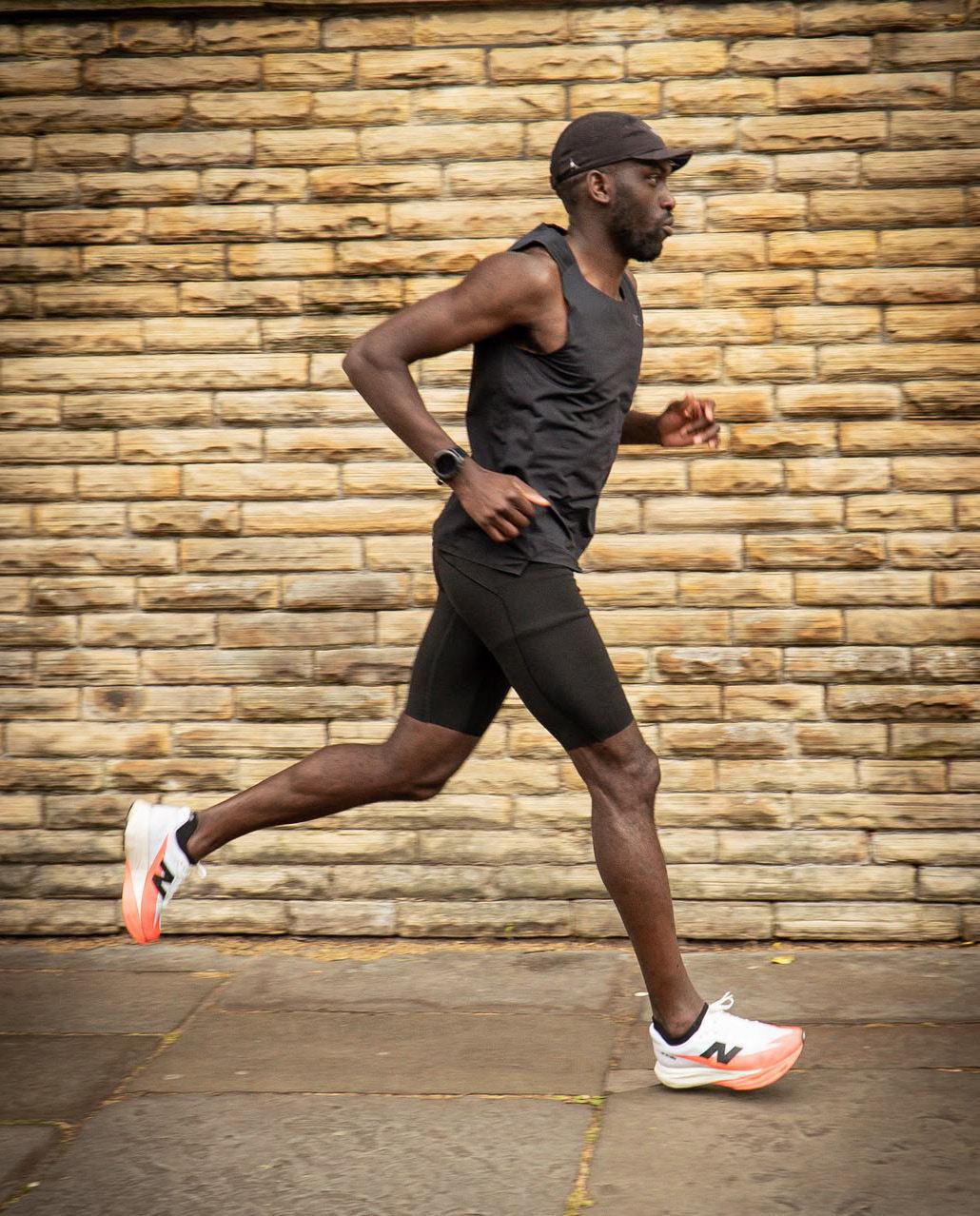
Why Velozia believes today’s runners deserve better than just another running shirt ...
Running has never been more accessible. Every weekend, parks, pavements and trails fill with people chasing a new personal best, training for their first 10K or simply enjoying the physical and mental benefits of putting one foot in front of the other.
As the sport grows, so do runners’ expectations. People invest in training plans, watches, nutrition and recovery. Yet the right running apparel is often overlooked, even though it is one of the most important pieces of kit used every day.
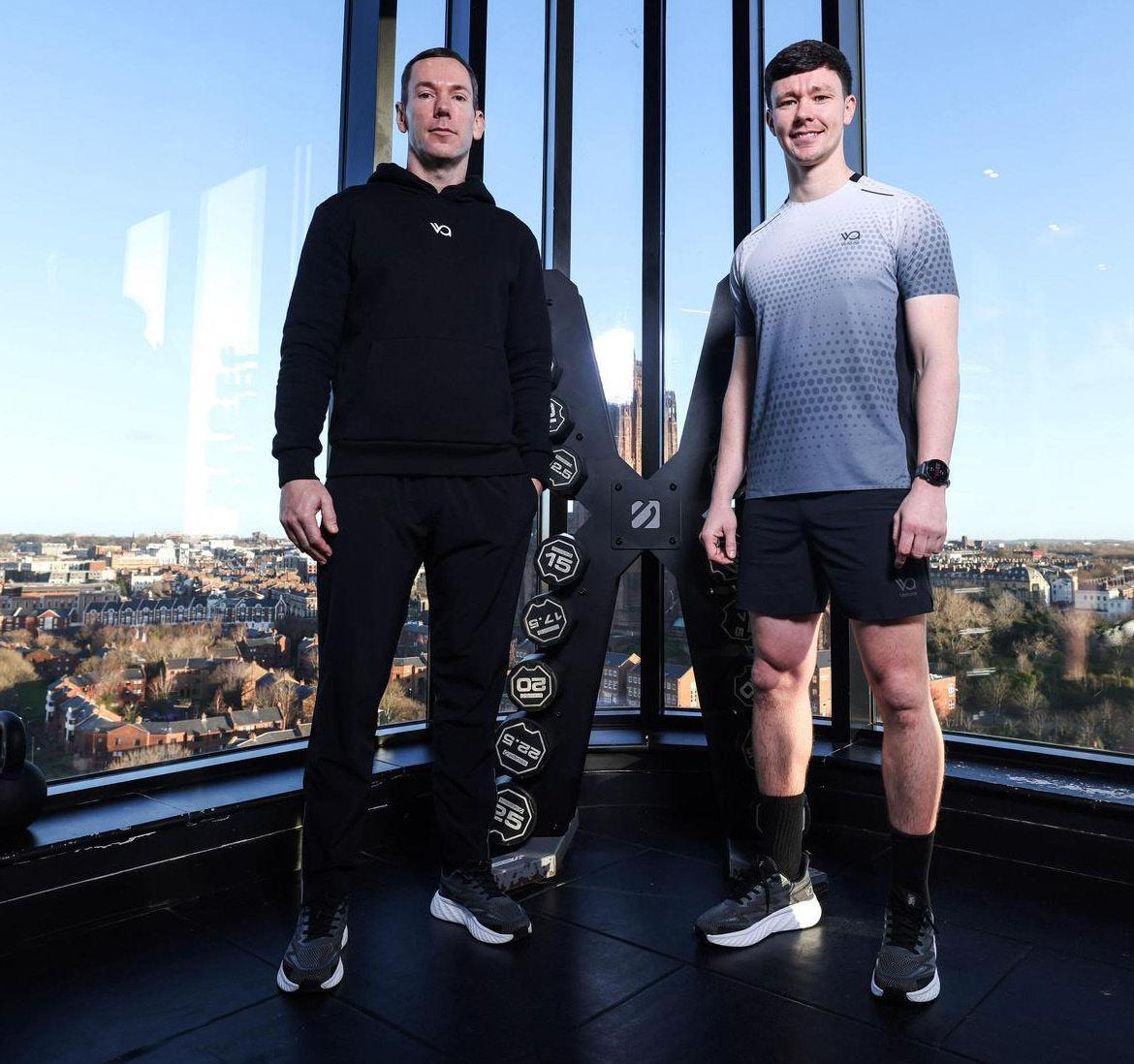
Velozia running apparel is built on a simple idea. The best kit does not make you faster overnight. Instead, it removes distractions. It keeps runners cool when the pace lifts, comfortable over long distances and focused on the run rather than their clothing.
Performance begins long before race day
Velozia argues that success is not built during the final kilometre of a race. It is built over months of consistent training.
Early morning easy runs. Intervals in the rain. Long Sunday miles. Recovery sessions when motivation is low.
Every run matters
That is why the brand believes running apparel should be designed for every session, not just race day.
Rather than following fashion trends, Velozia keeps its focus simple. It creates apparel that supports movement, regulates temperature and disappears into the background, so runners can concentrate on what really matters.
What runners actually need from running apparel
There is no shortage of technical clothing on the market. But great running apparel is not defined by the number of features listed on the label.
According to Velozia, it comes down to a handful of fundamentals:
• Lightweight fabrics that do not become heavy with sweat.
• Breathability to help regulate body temperature.
• Four-way stretch that moves naturally with every stride.
• Carefully positioned seams to minimise irritation.
• A fit that performs over five kilometres or 50.
When these elements work together, runners stop thinking about what they are wearing. That is exactly the point.
Designed through testing, not assumptions
Every product begins with a simple question: What would make this run better?
Velozia tests prototypes repeatedly through everyday training. Not only fast intervals, but recovery runs, long-distance efforts and gym work.
The process is one of continual refinement. Fabrics are compared, fits are adjusted and details
are challenged until they genuinely improve the running experience.
Performance is not created in a design studio alone. It is earned on the road.
Introducing the new collection
Velozia’s latest running collection reflects everything the brand has learned.
Minimal aesthetics meet technical performance. Lightweight fabrics provide comfort throughout the run, while a streamlined fit allows unrestricted movement. Whether a runner is chasing a personal best or heading out for an easy evening recovery session, the kit keeps up
A Brand Like No Other, Where Movement Meets Self Expression. veloziasportswear.com
Fuelled by passion, purpose, and a profound belief in the transformative power of movement, Velozia was born.
We believe movement can transform lives, empowering individuals & igniting confidence and our products reflect this.
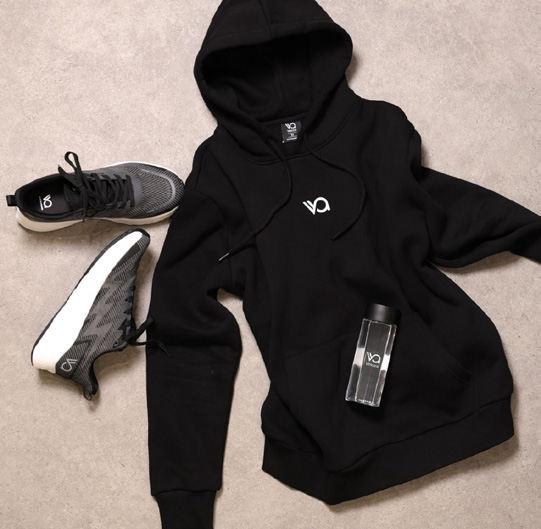
Experience a smooth, effortless stride with Velozia Ignite. Our innovative VeloFoam™ technology provides responsive cushioning and enhanced energy return, reducing impact and maximising comfort. Engineered to enhance your every move, from casual walks to training.
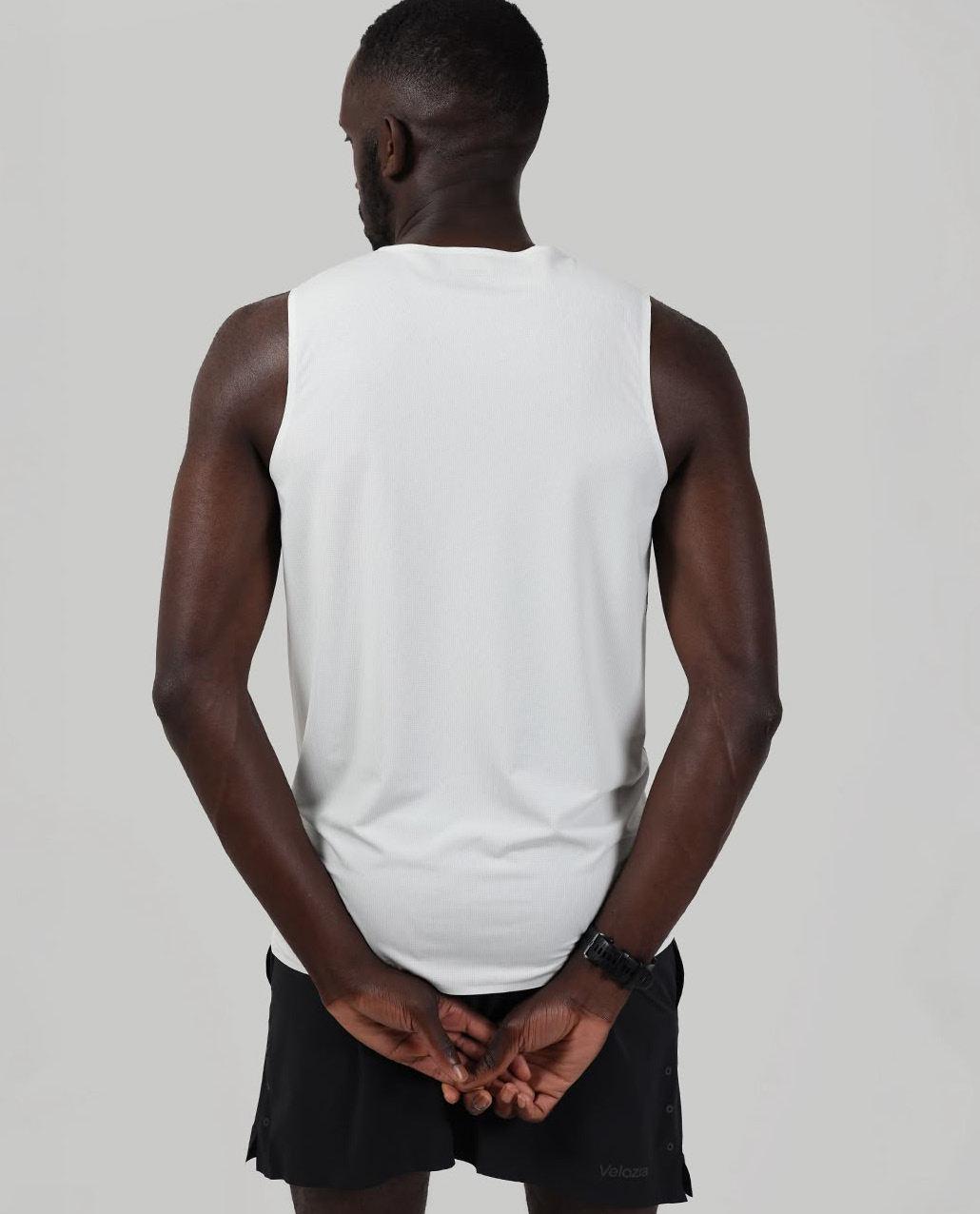
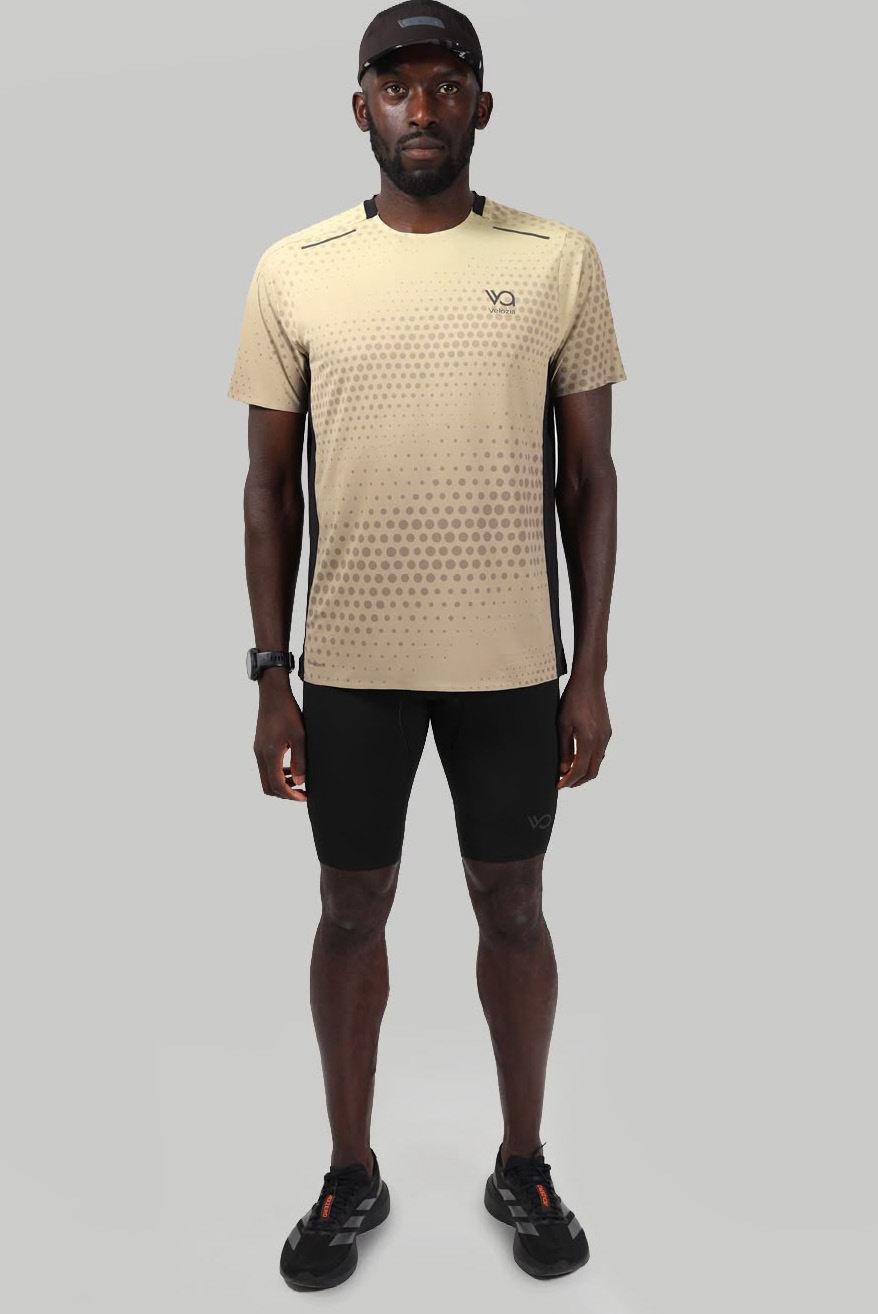
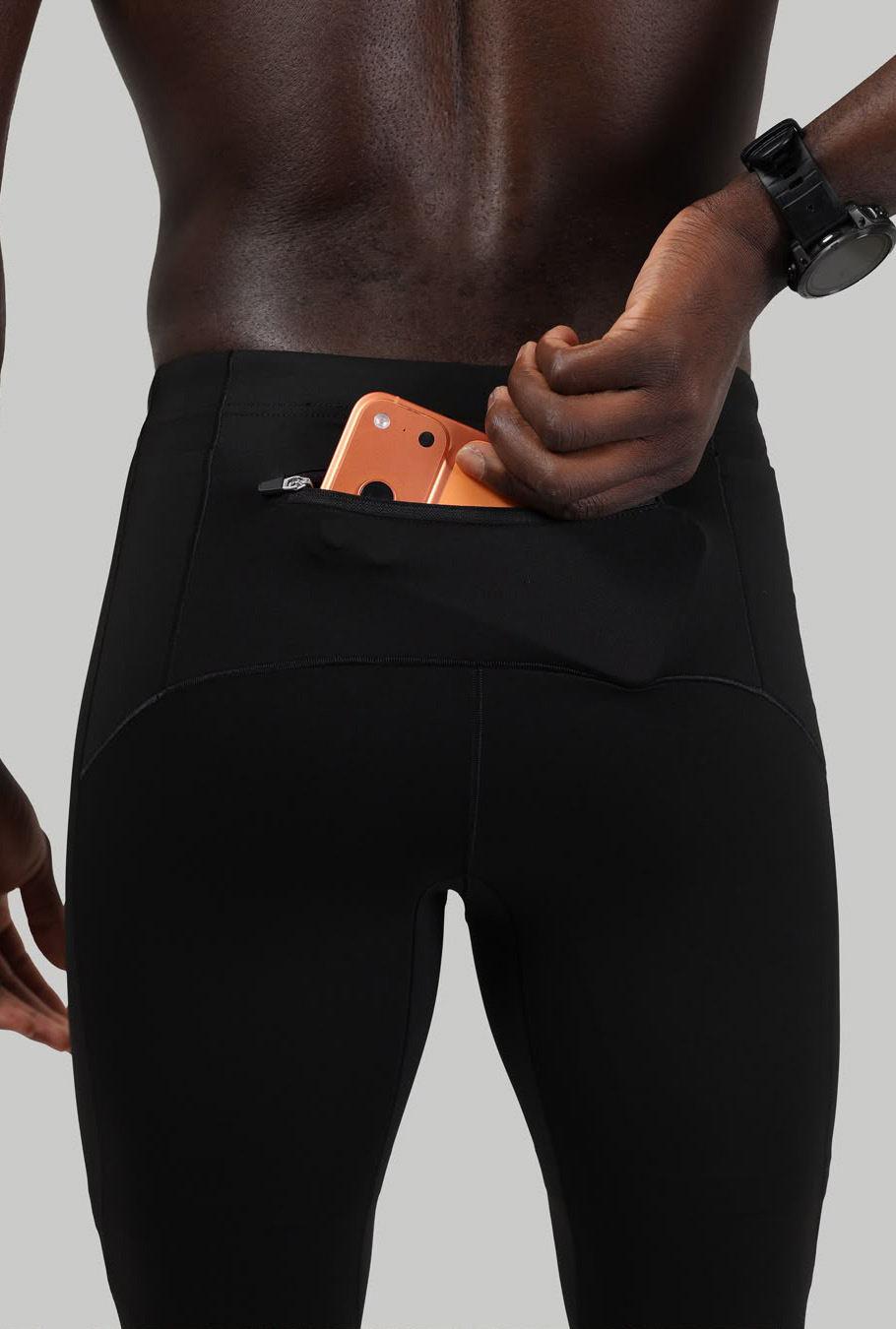
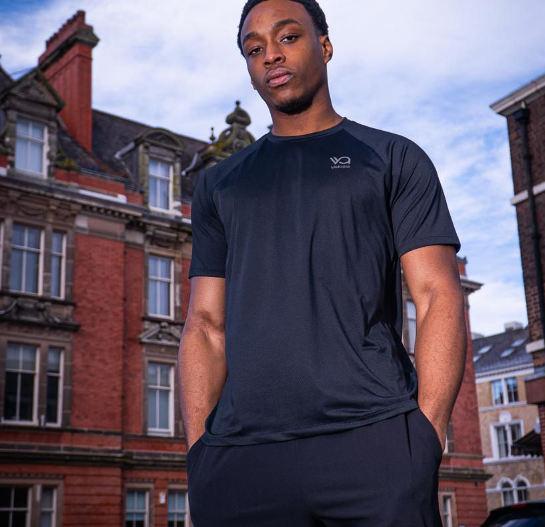
Conquer your next challenge with the Velozia Performance-T. Balancing ultra-light protection with breathability and freedom. Engineered with moisture-wicking fabric and strategically placed ventilation, this tee ensures optimal comfort and performance.
The Velozia Men's Core Long Sleeve Quarter Zip Top offers the perfect blend of comfort and performance. Wear it on its own or as an extra layer for soft, smooth coverage. Velo-Flex ™ fabric provides four-way stretch for unrestricted movement during any activity.
Inspired by elite athletes, the Velocity Shorts are the ultimate running shorts designed and made for speed. Made from ultralight fabrics, they won't slow you down as you find your flow. The adjustable drawstring and cord stopper ensure a secure and comfortable fit
BEST GYMS IN AND CLOSE TO LANCASHIRE
BY CHARLIE ALFONSO
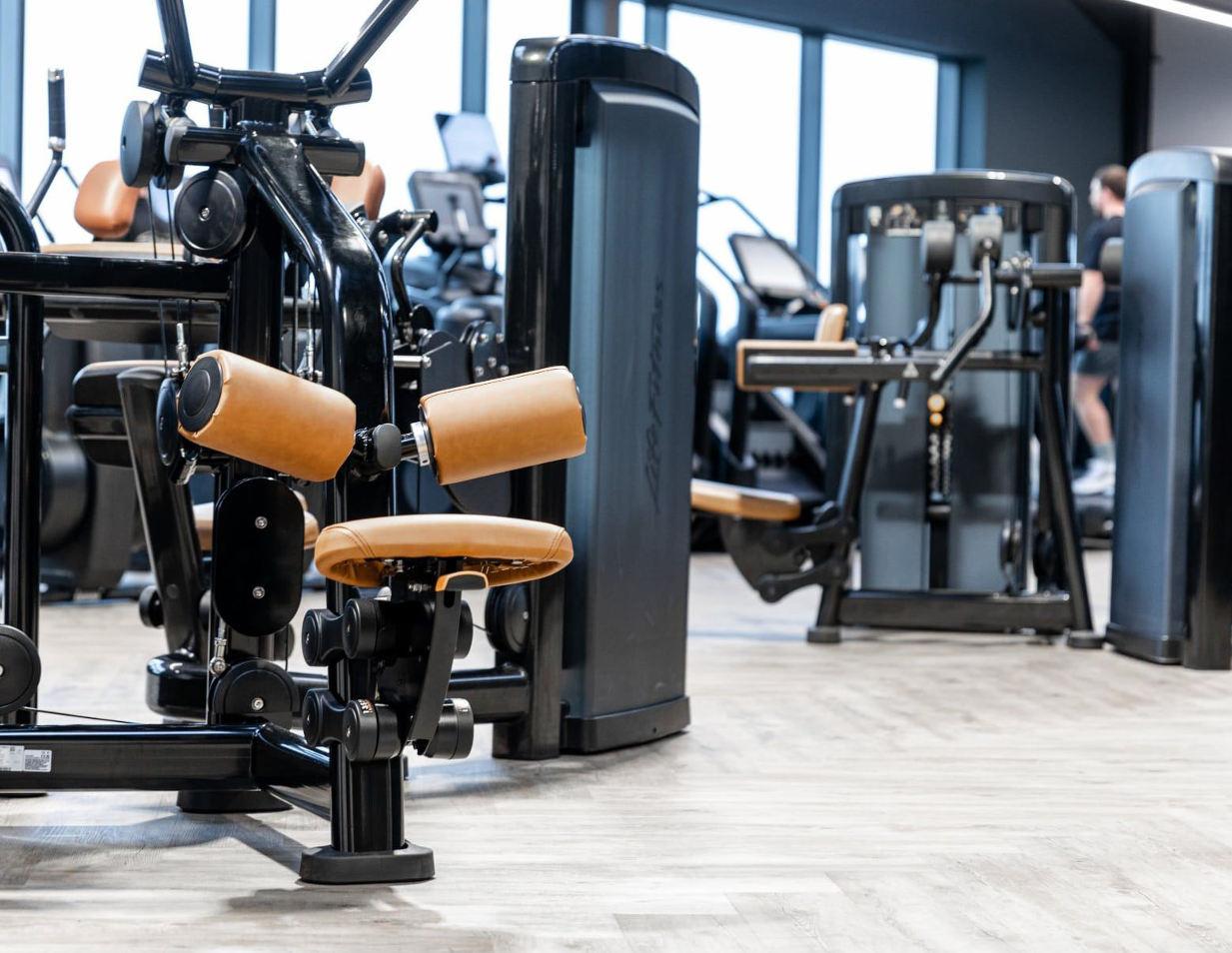
Lancashire’s fitness scene delivers far more than the basics. Whether you’re focused on building strength, improving endurance, or committing to a long-term lifestyle change, the region is home to gyms that combine serious training environments with motivating, well-designed spaces. From independent facilities with character to premium clubs offering a full-service experience, these gyms are places you’ll genuinely want to return to.
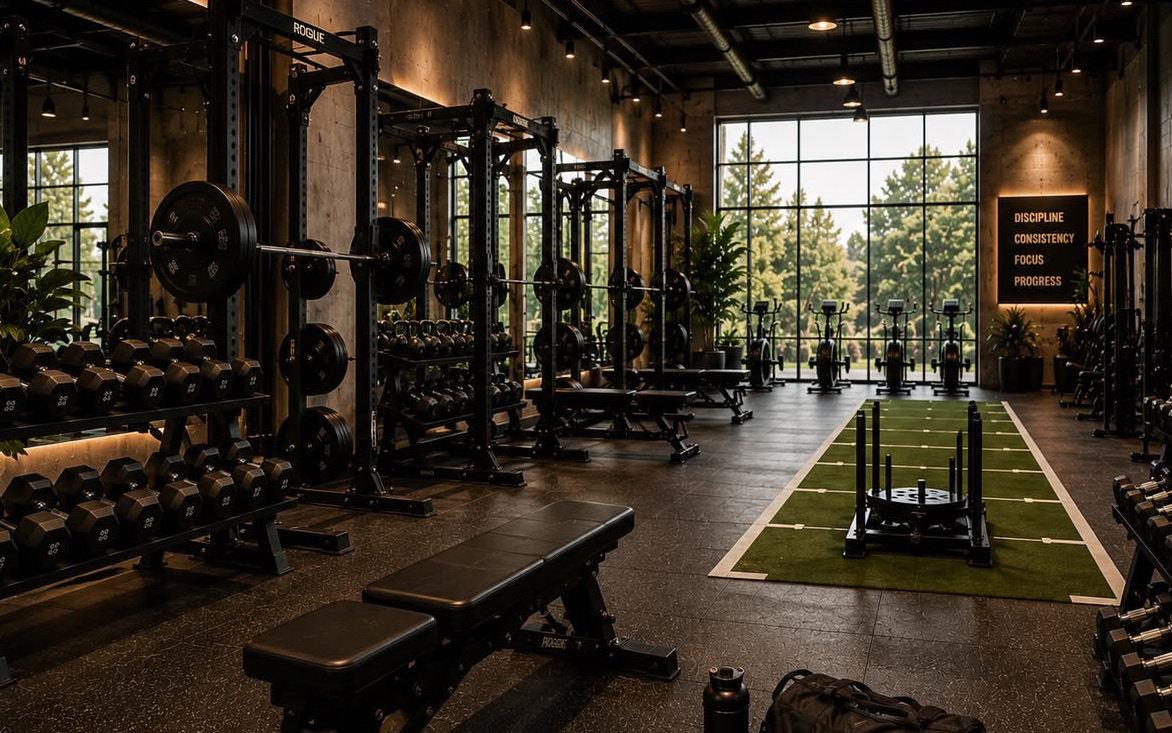
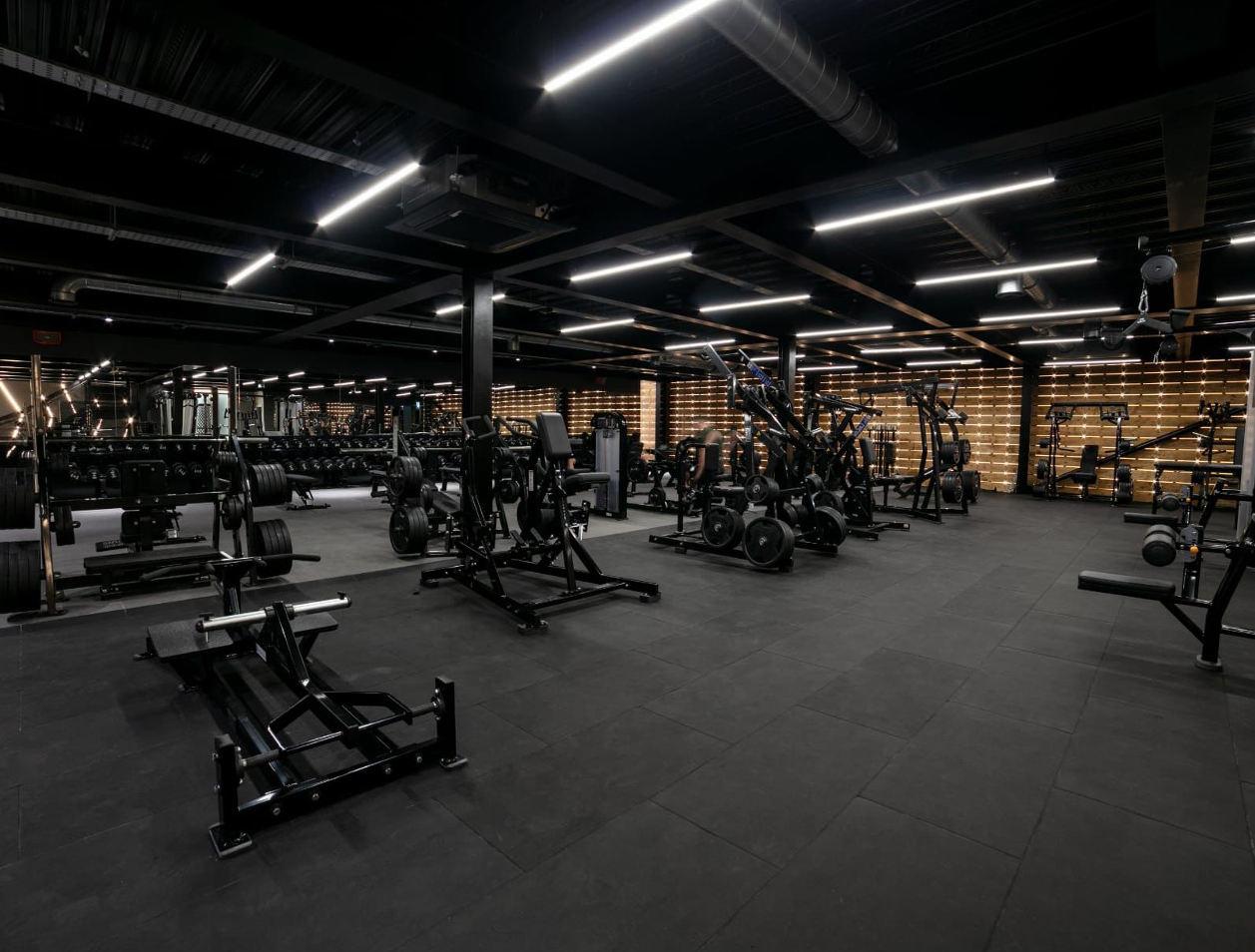
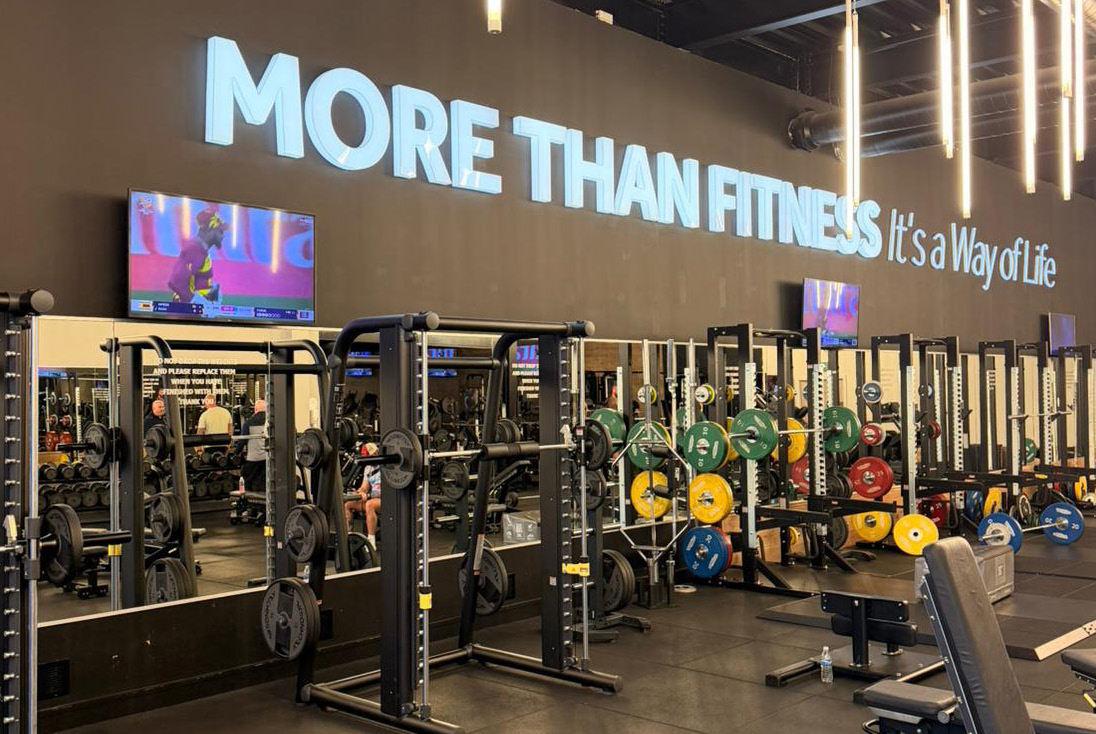
Volt Gym, Burscough
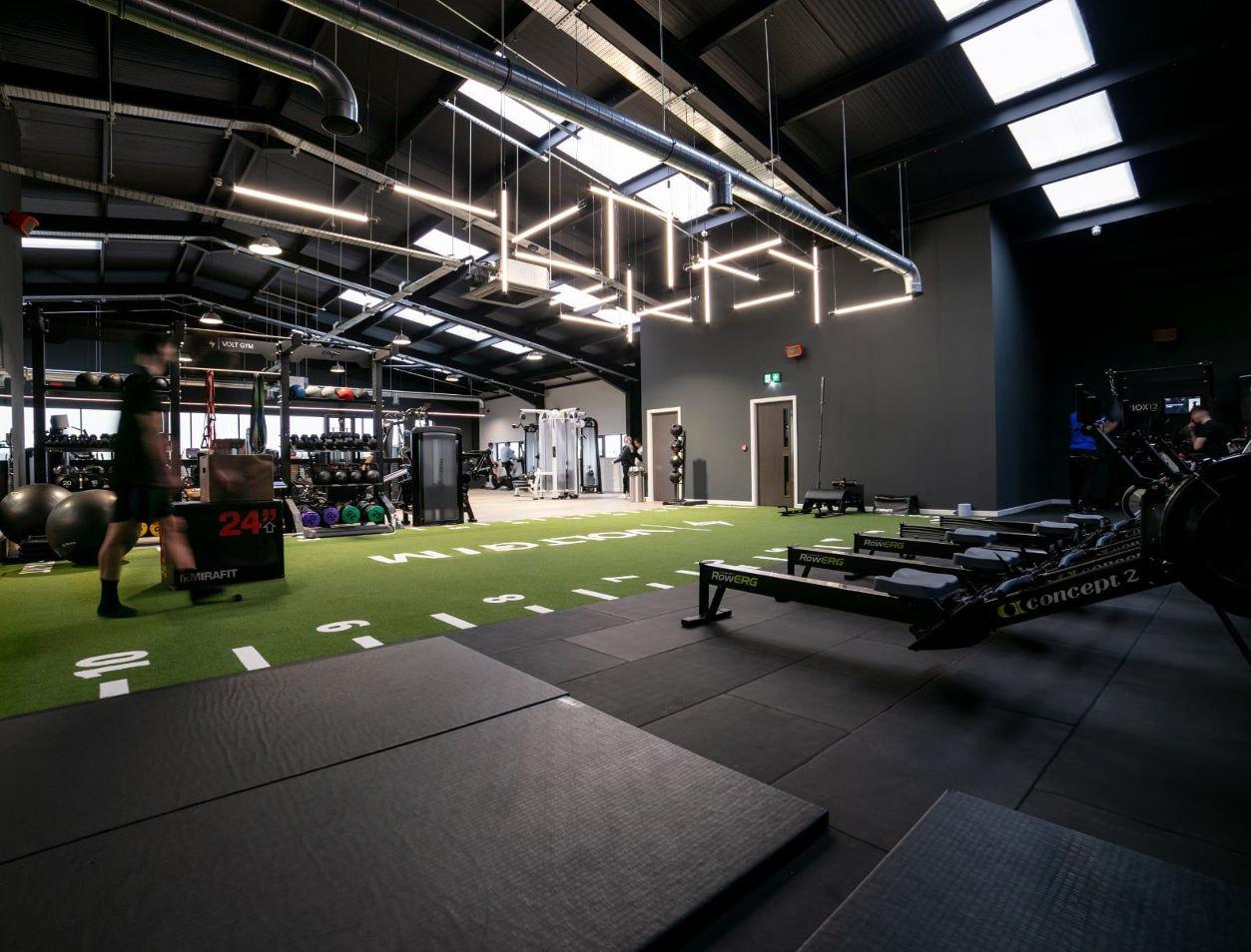
Volt Gym blends modern equipment with a strong community atmosphere. The gym features generous free-weight and functional training areas, alongside dedicated cardio and circuit zones that keep
sessions varied and efficient. Its thoughtful layout allows members to train without feeling crowded, while group sessions and structured classes add energy and direction for those who enjoy guided programming alongside independent workouts.
Femalebodyworkouts, Barton
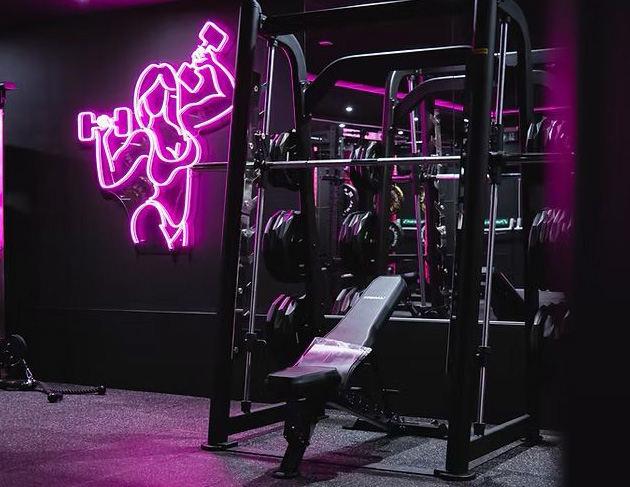
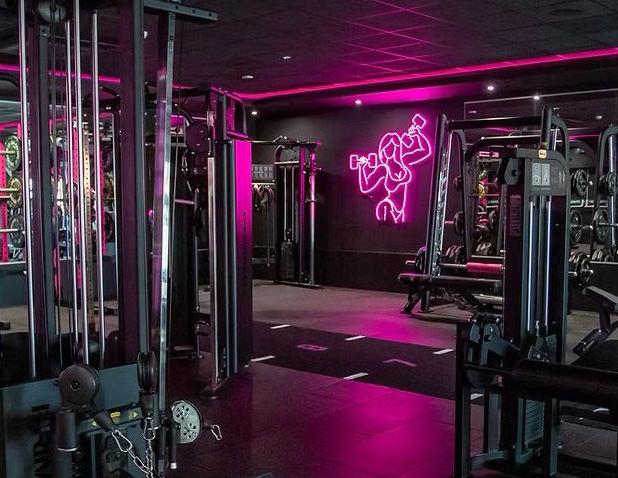
Designed specifically to support women at every stage of their fitness journey, Femalebodyworkouts Limited offers a welcoming and empowering training space. The gym is well equipped with
free weights, machines, and functional areas, complemented by guided classes that build confidence as well as strength. The atmosphere is supportive rather than intimidating, making it an ideal environment for consistent progress and longterm commitment.
David Lloyd Chorley, Chorley
David Lloyd Chorley offers a premium gym experience with scale and versatility. The expansive gym floor includes high-quality free weights, cable machines, and functional training zones suitable for
a wide range of fitness goals. The spacious layout ensures comfort even at peak times, while access to expert personal trainers and a broad class timetable gives members the flexibility to continually evolve their routine.
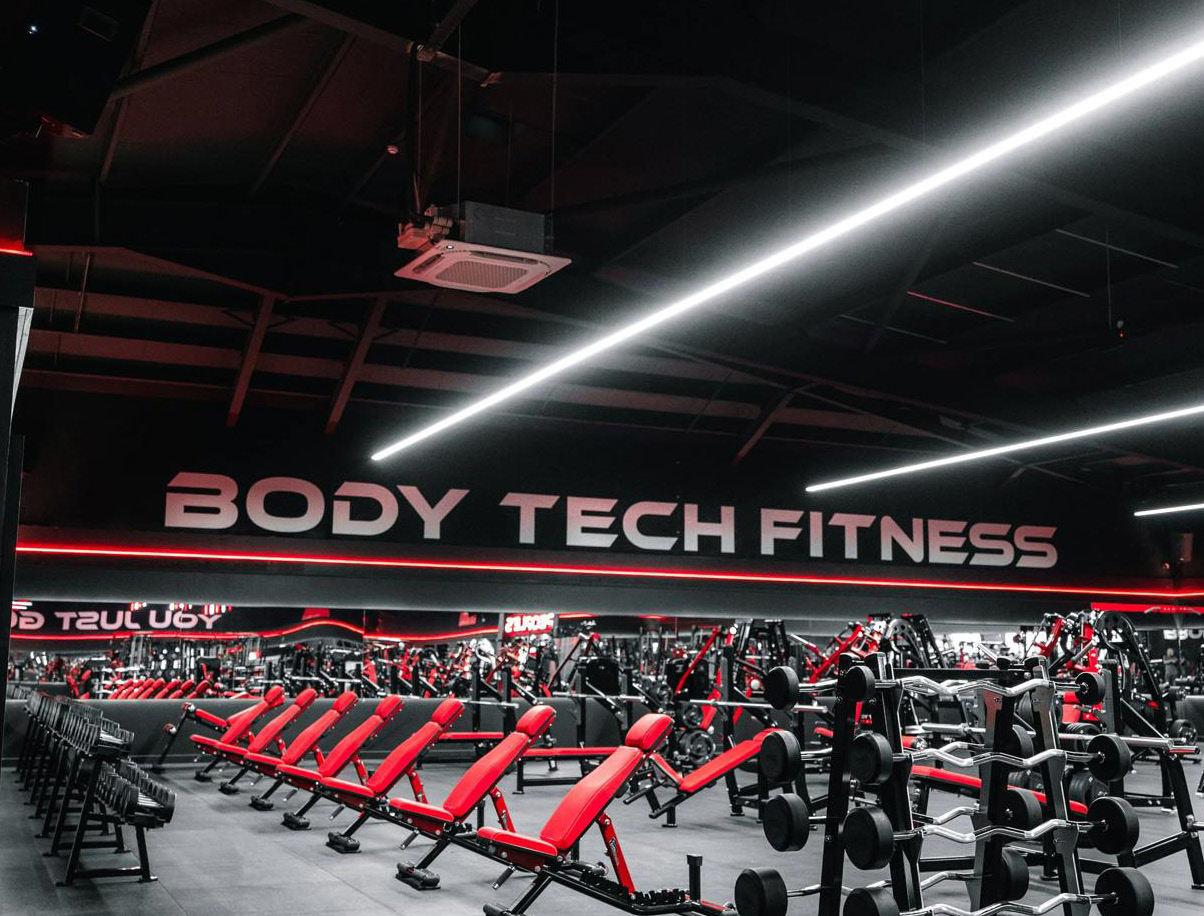
Body Tech, Blackburn
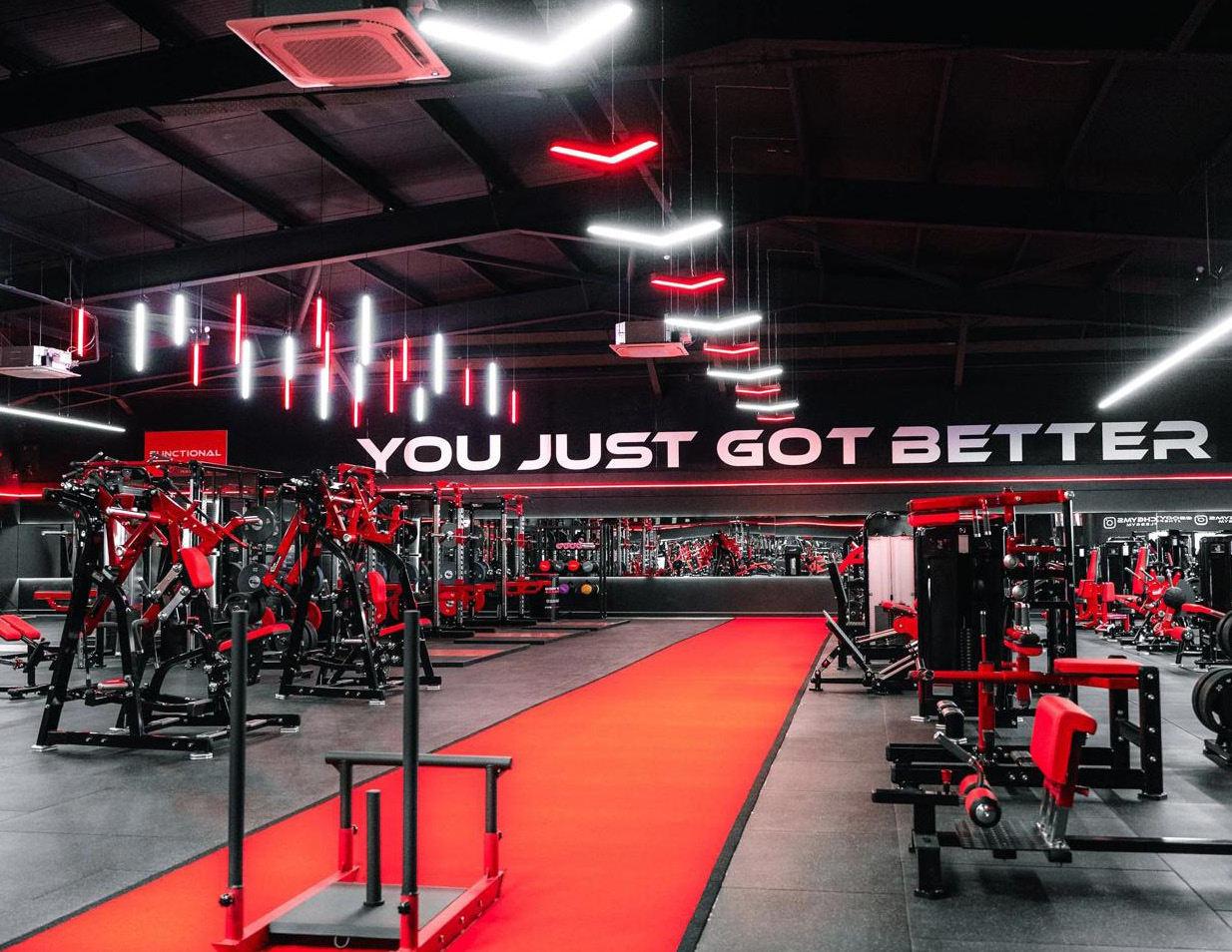
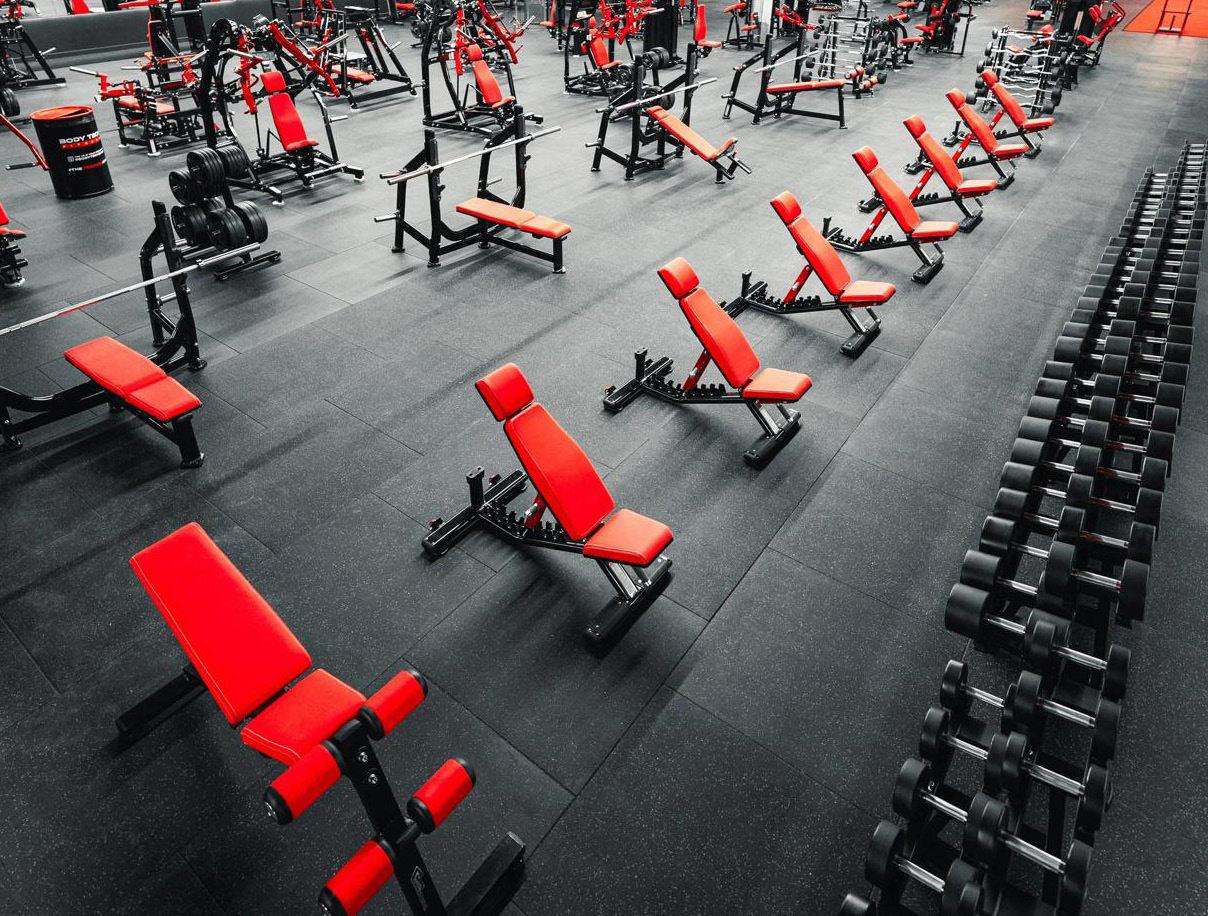
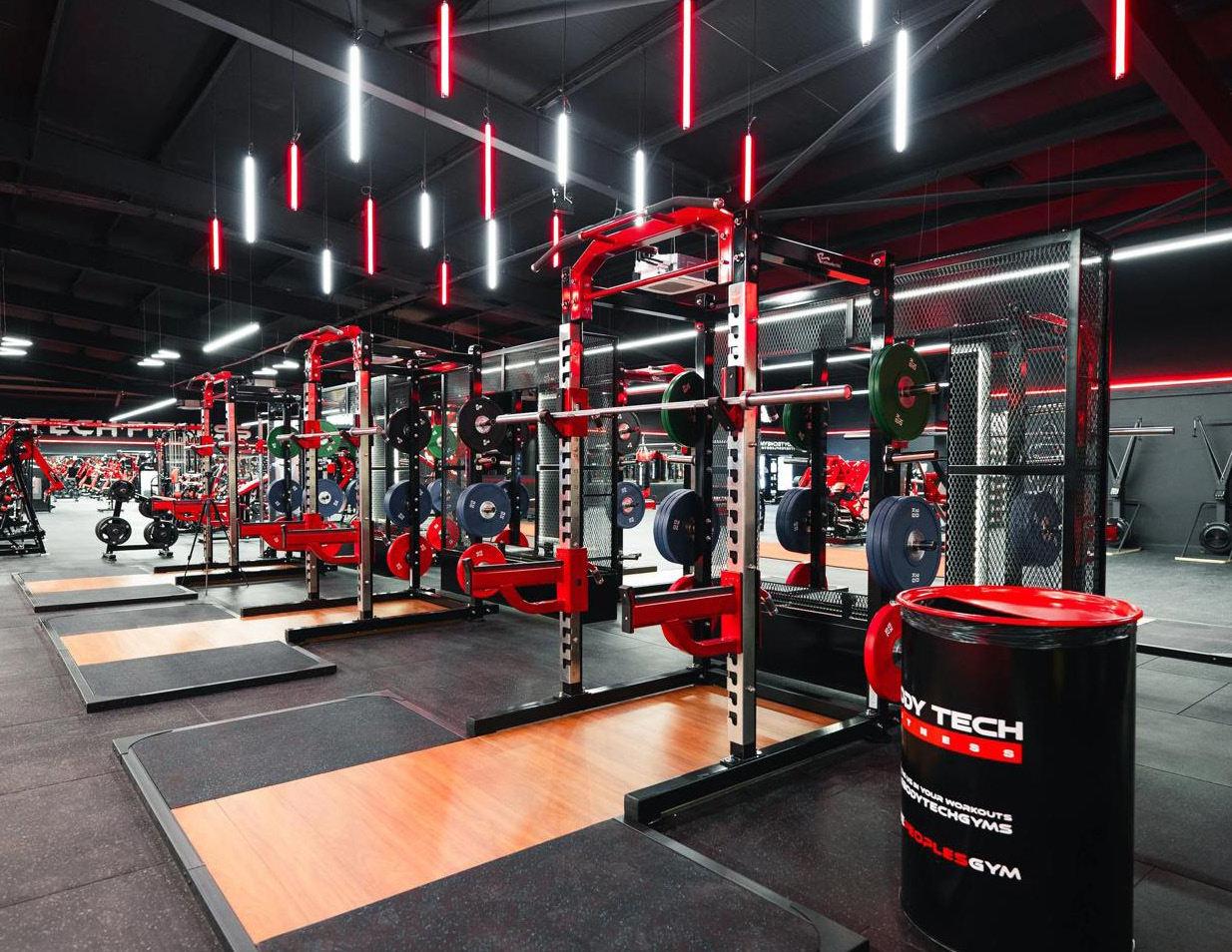
Body Tech stands out as a modern independent gym that prioritises space, quality, and convenience. With a wide selection of machines, free weights,
and functional training areas, members are free to train exactly how they choose. Extended opening hours and a welcoming, no-nonsense atmosphere make it particularly appealing to those who value flexibility without sacrificing standards.
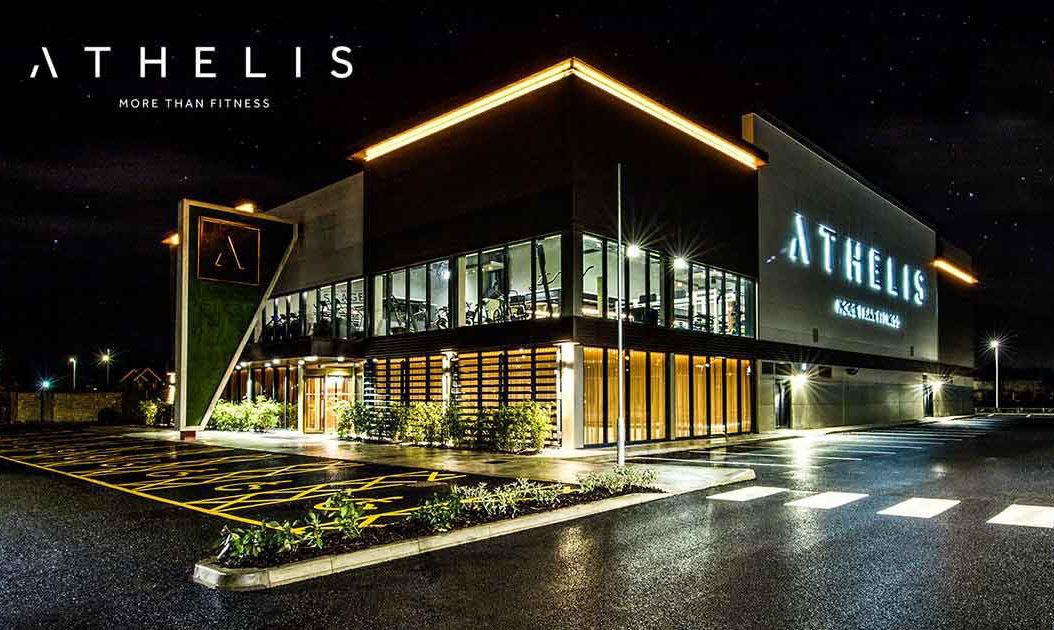
Athelis Club & Spa
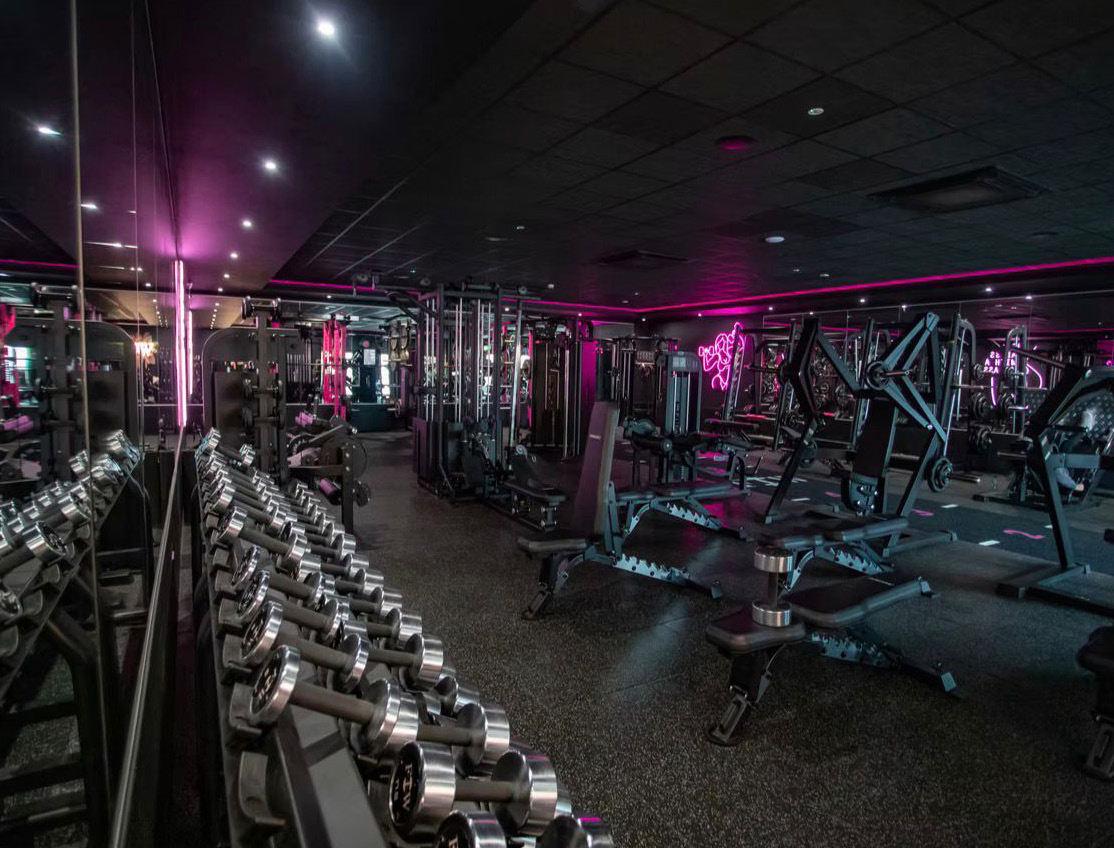
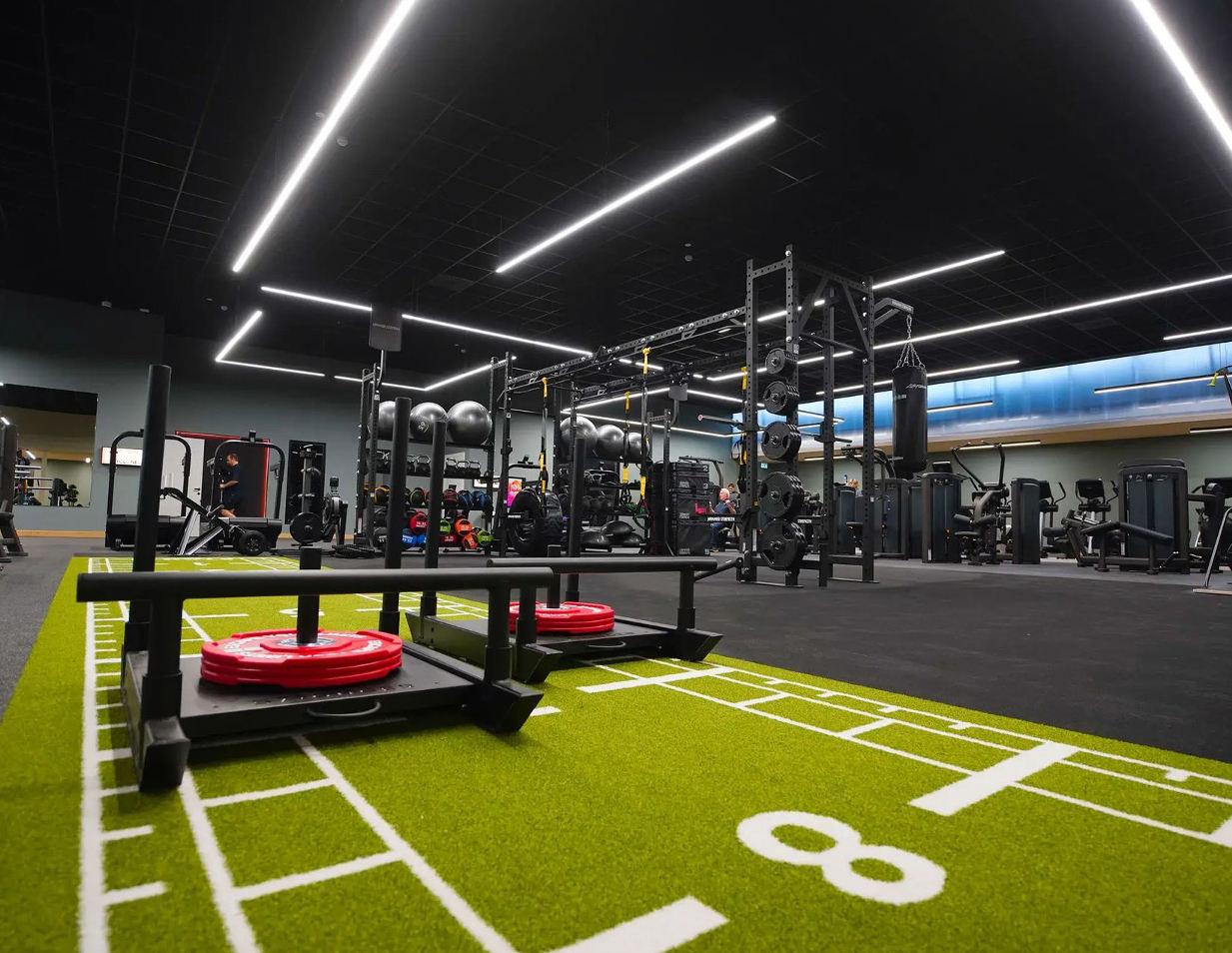
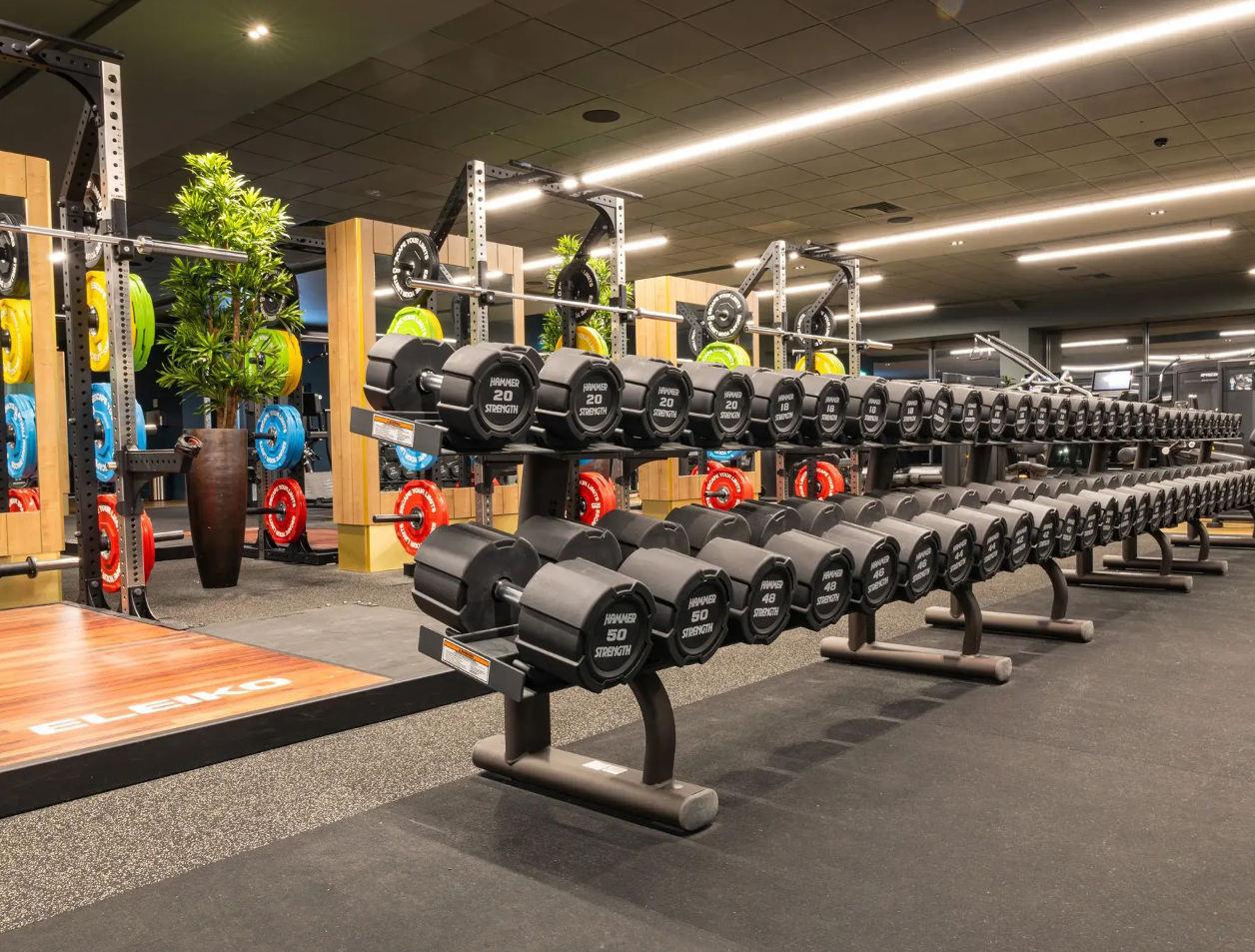
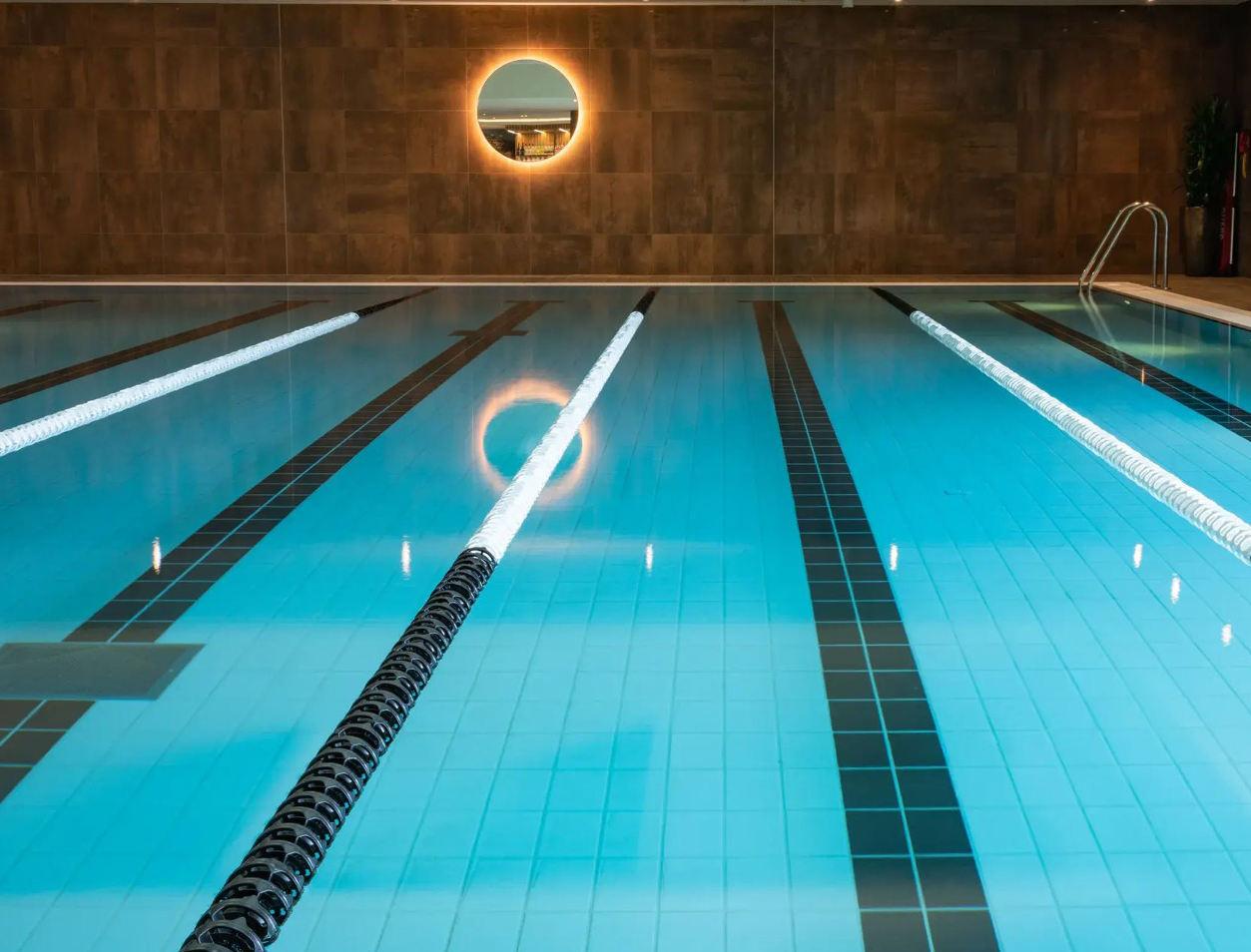
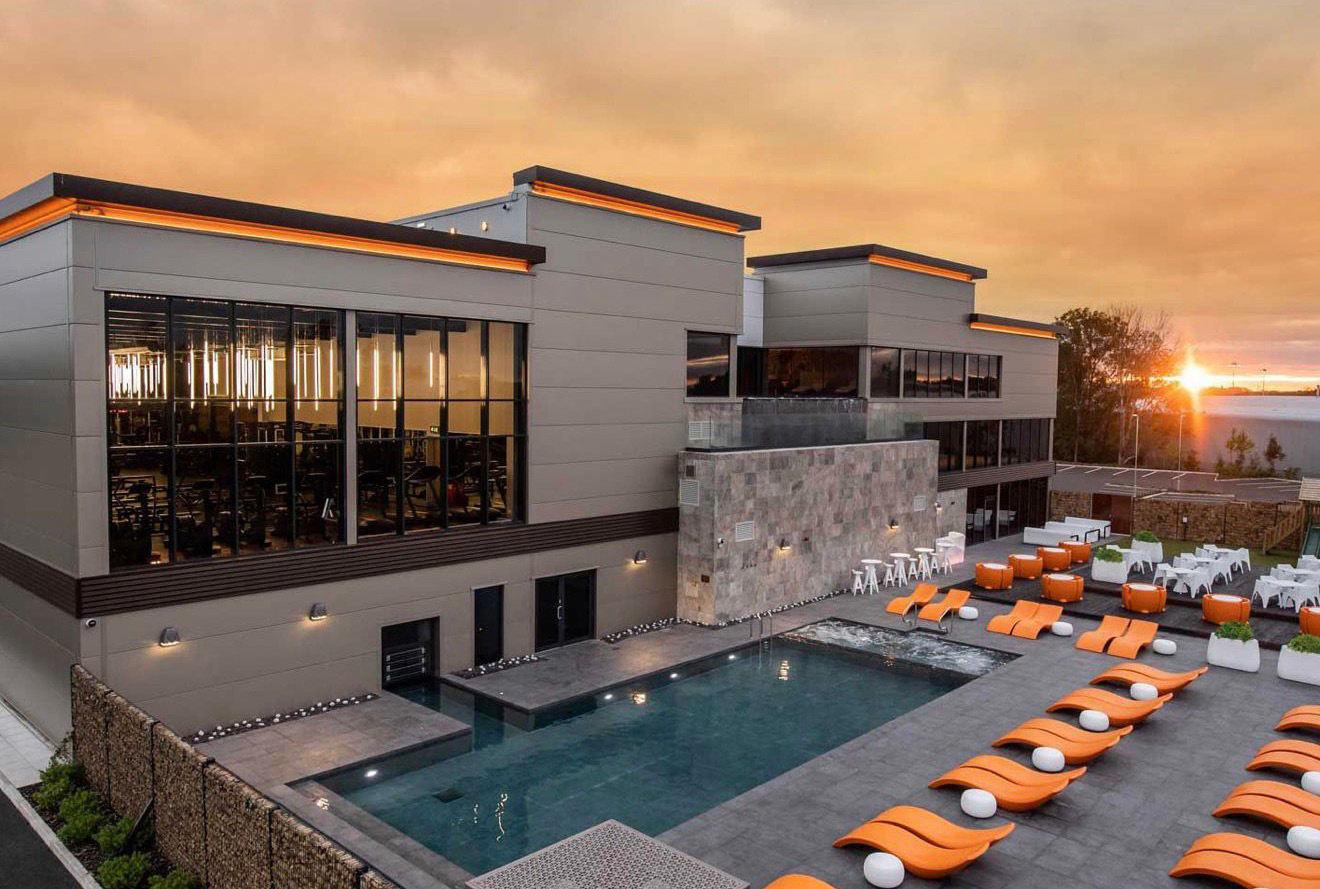
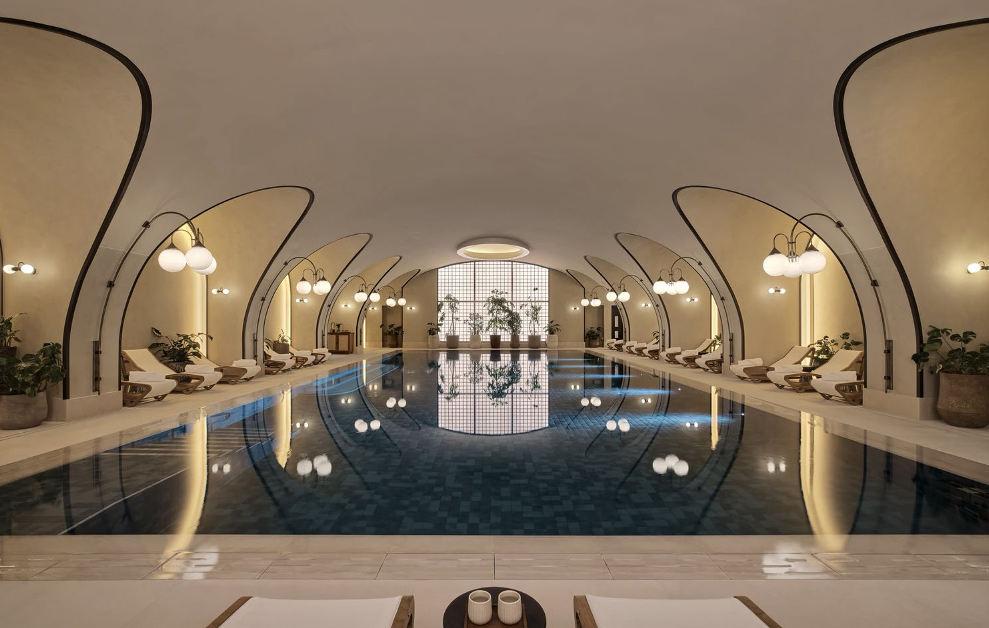
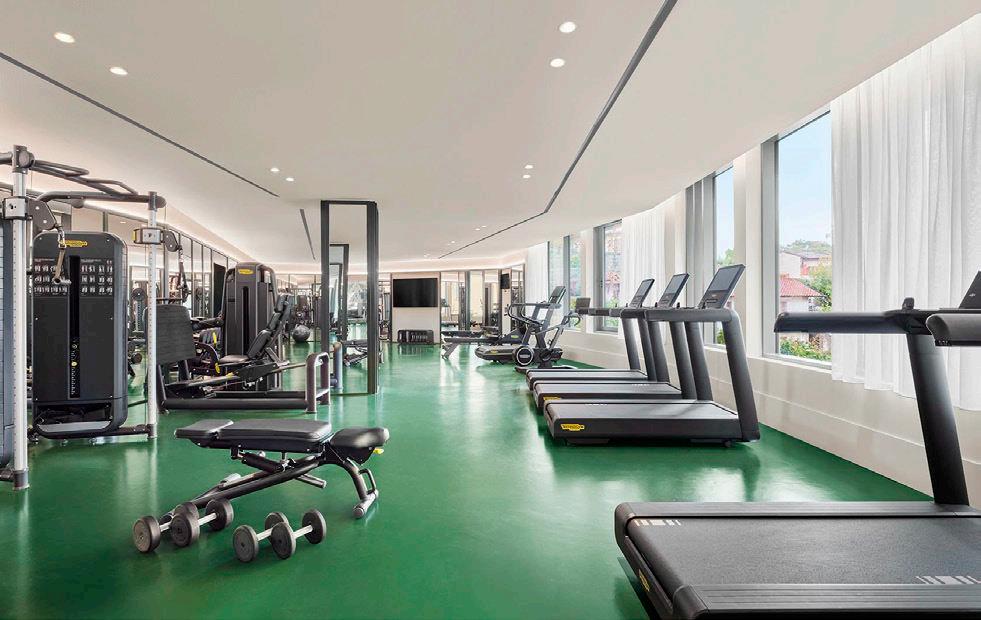
While technically just over the border in Cheshire, Athelis Club & Spa earns its place on this list without question. This is fitness elevated to a lifestyle. The gym itself is beautifully designed, offering premium equipment, expansive freeweight areas, and refined functional training spaces that feel calm, focused, and effortlessly highend. Training here is never rushed or chaotic; the environment encourages precision, consistency, and
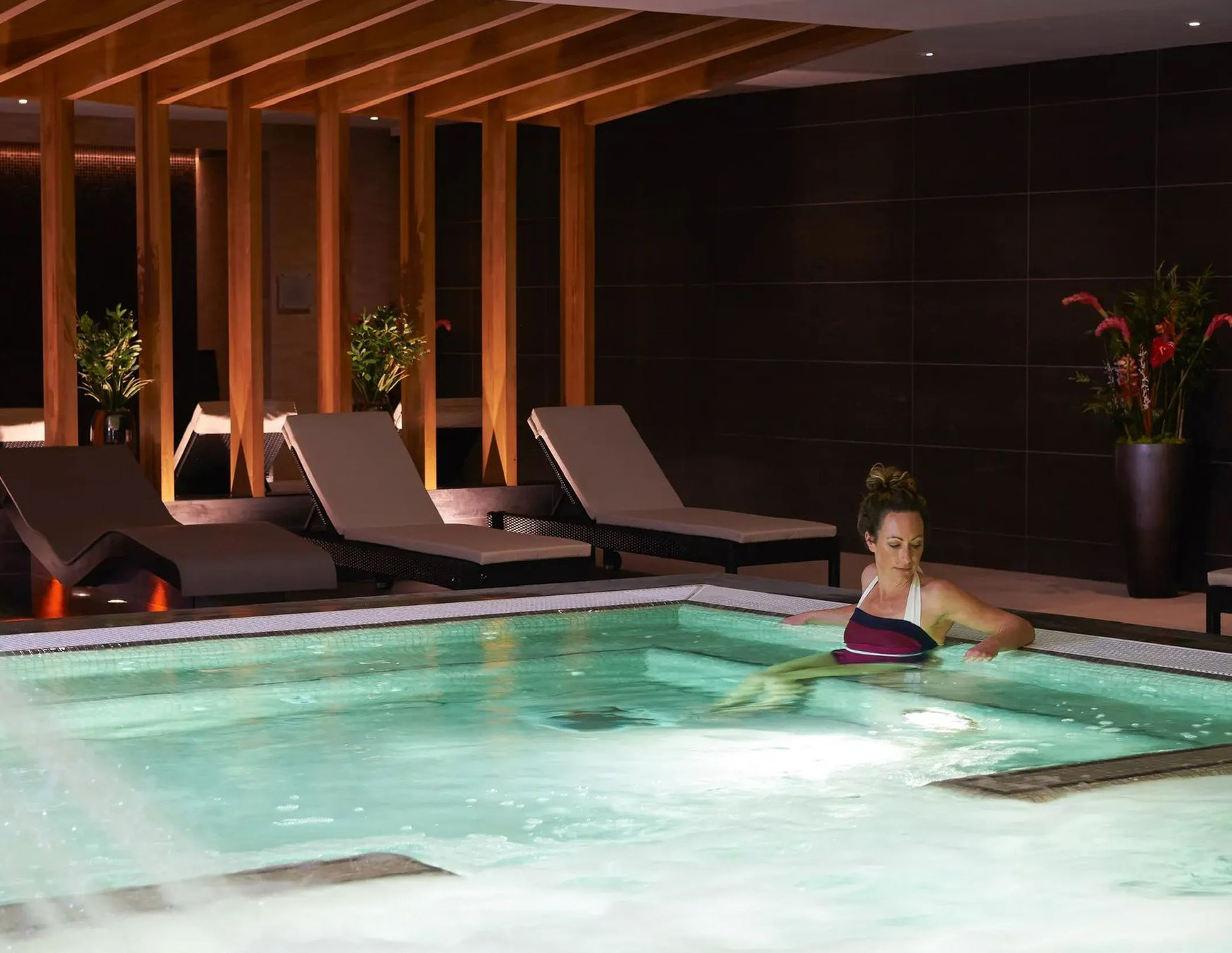
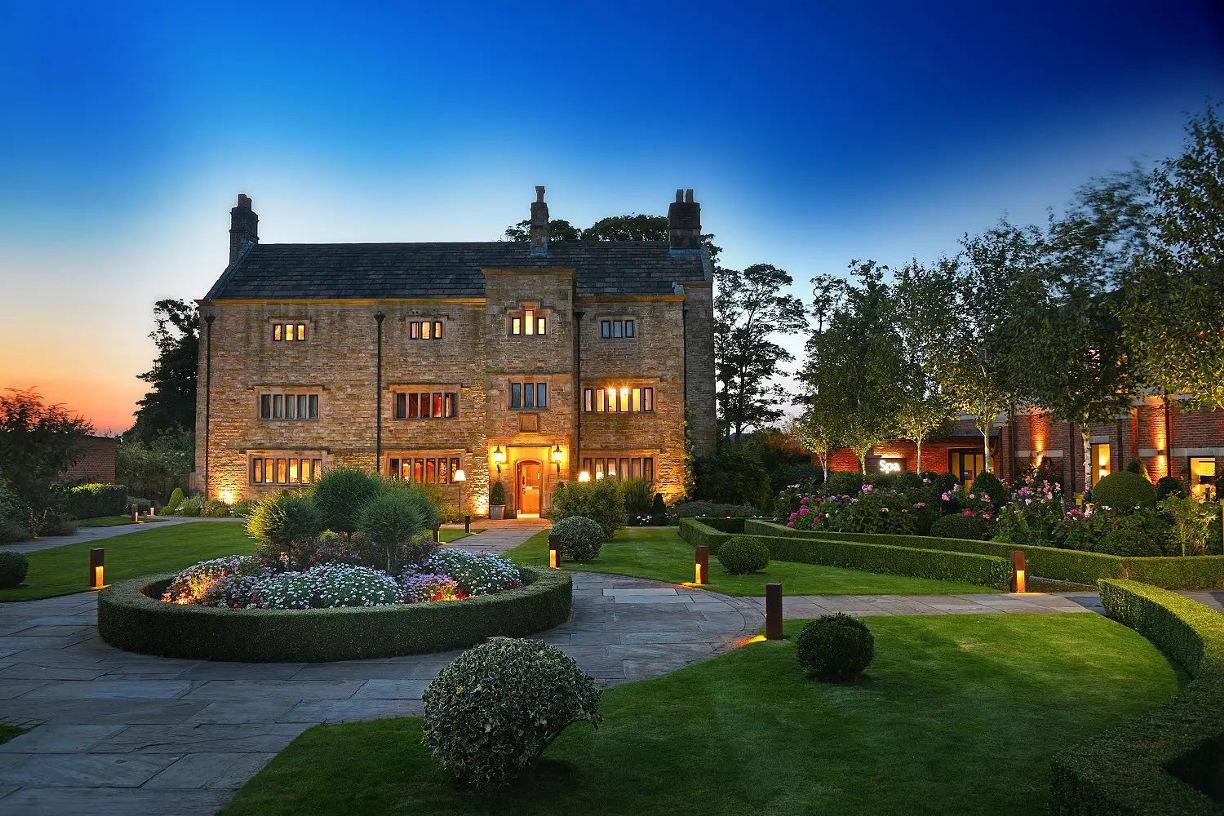
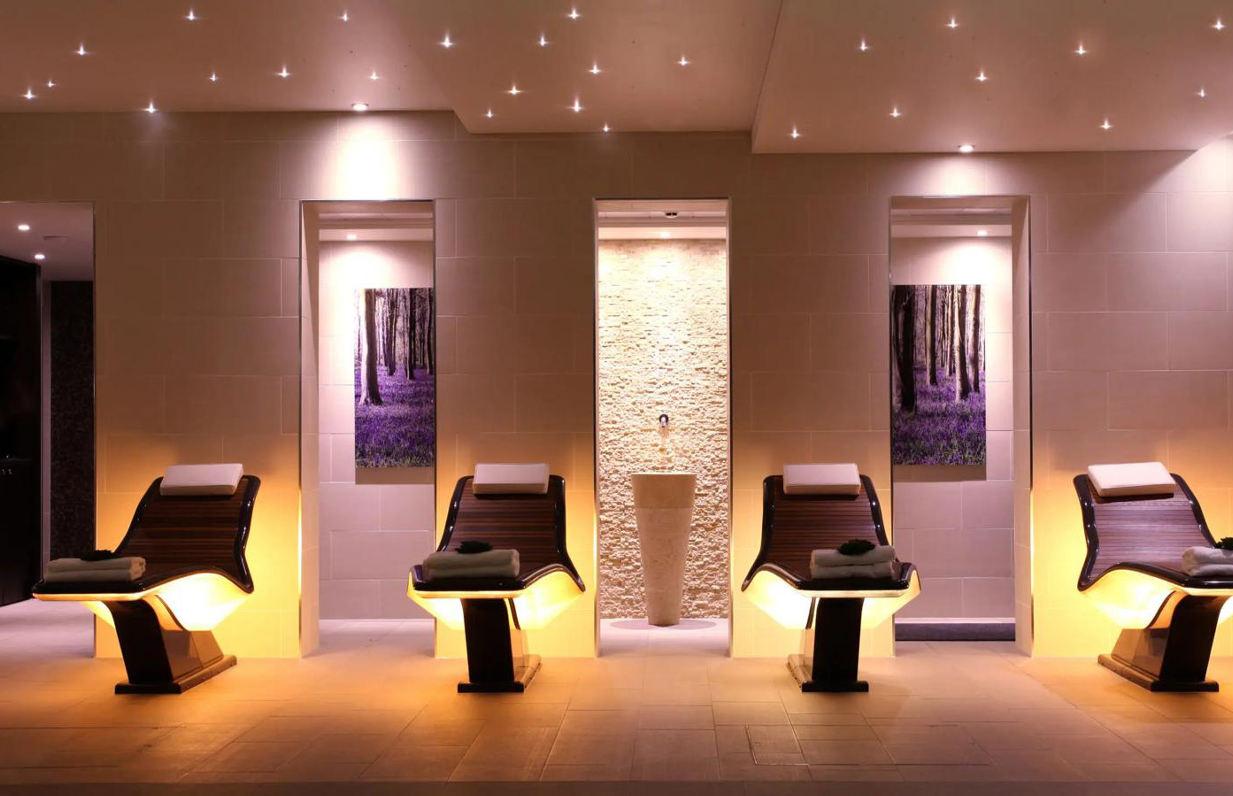
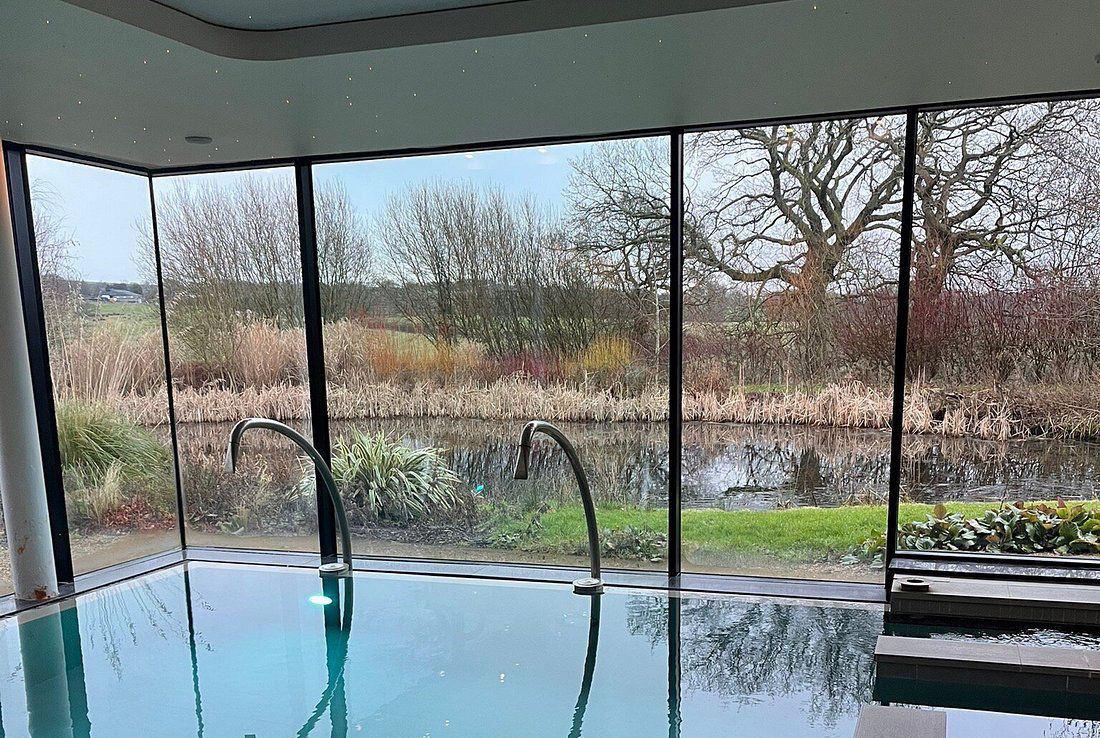
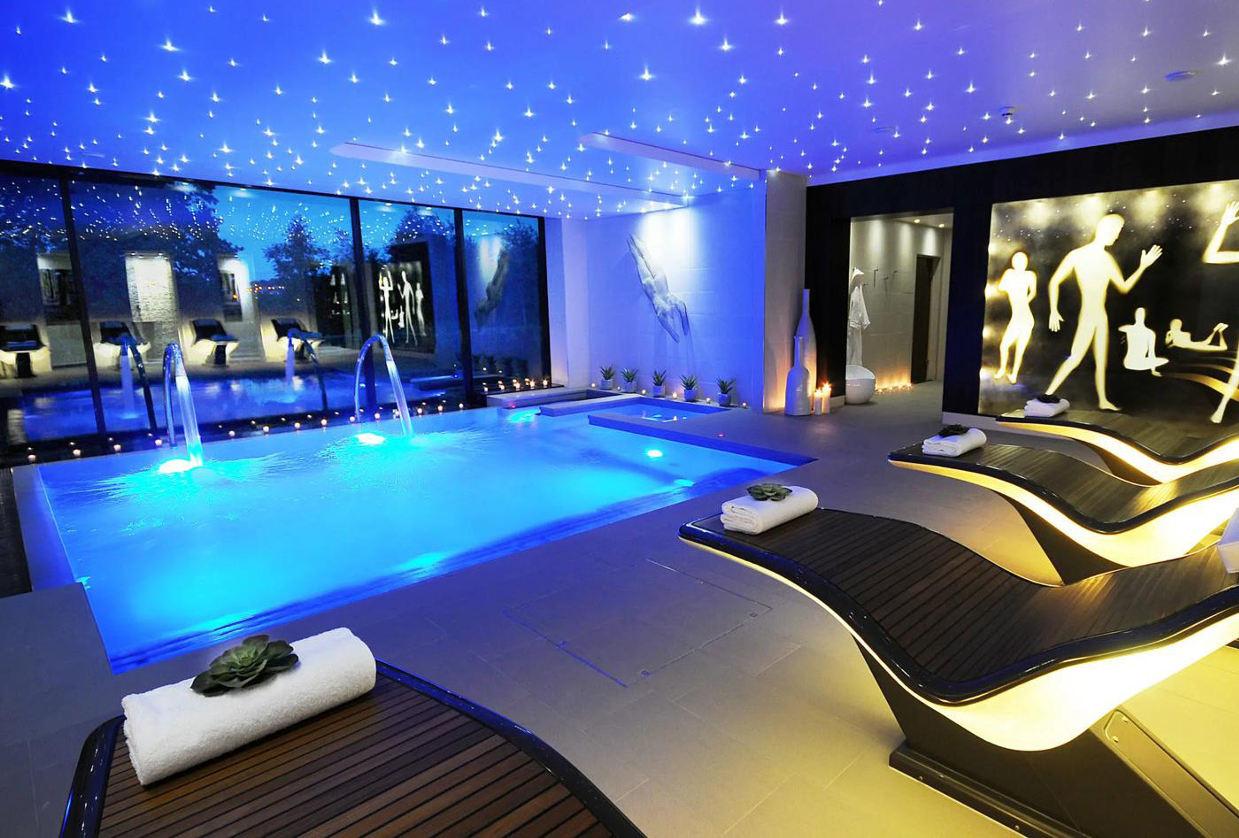
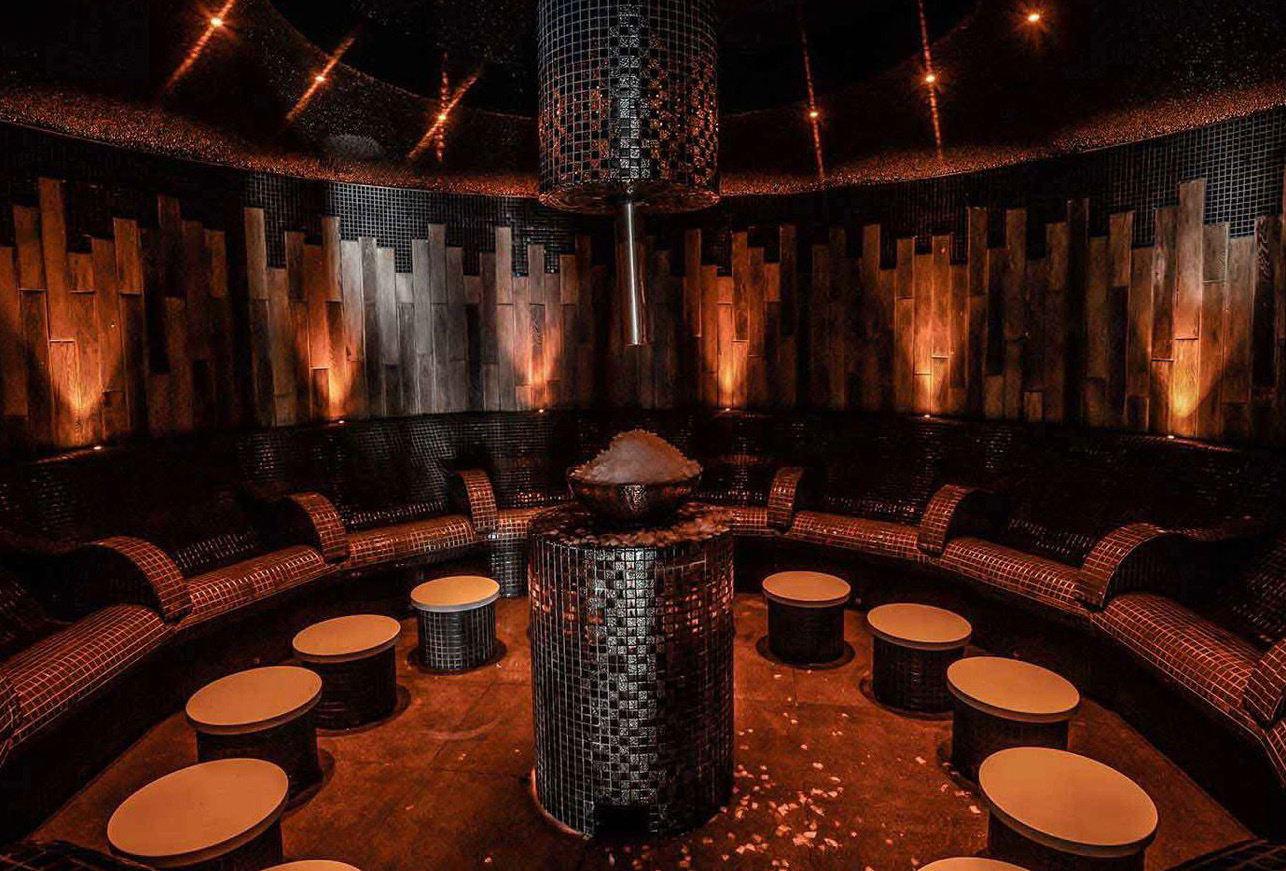
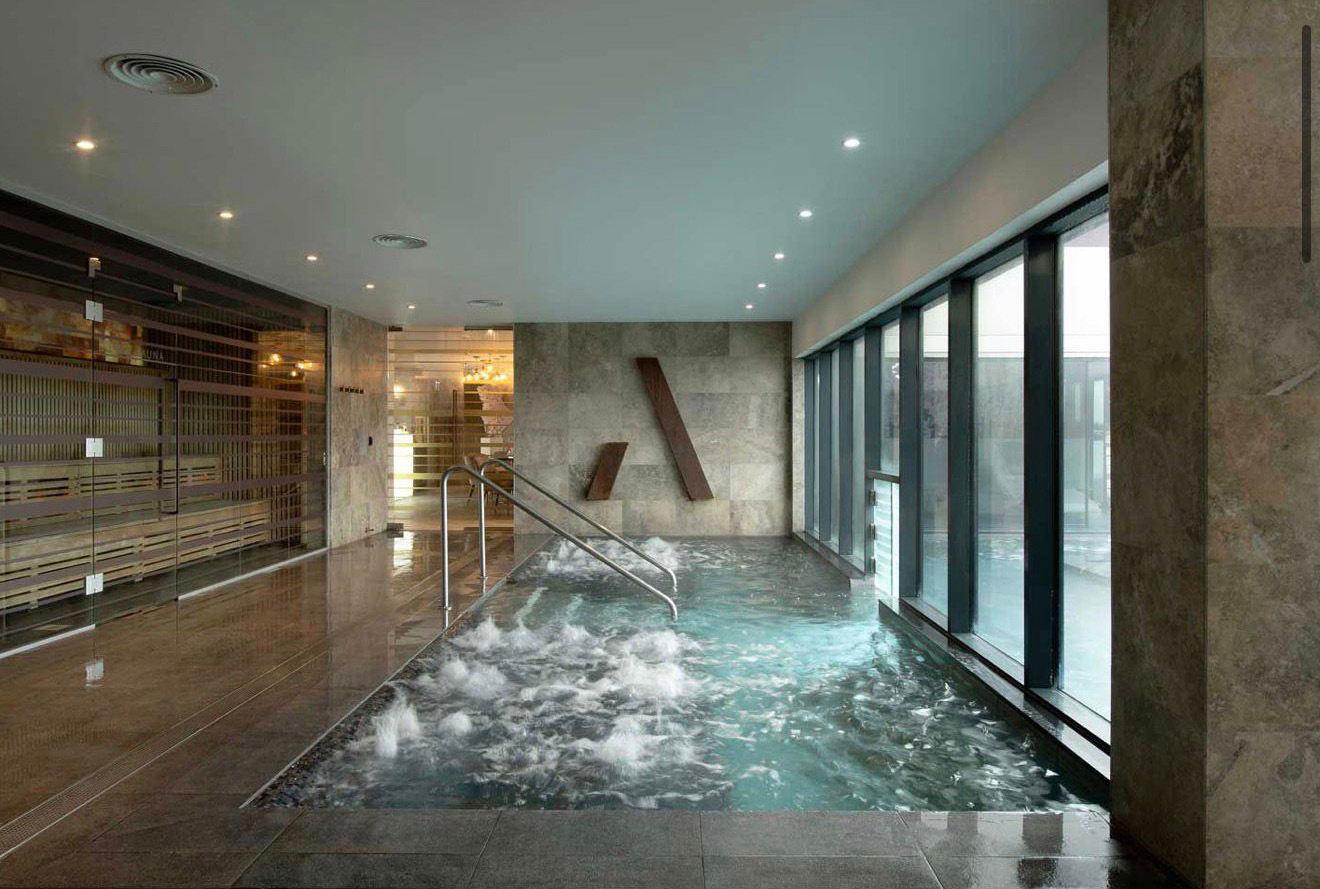
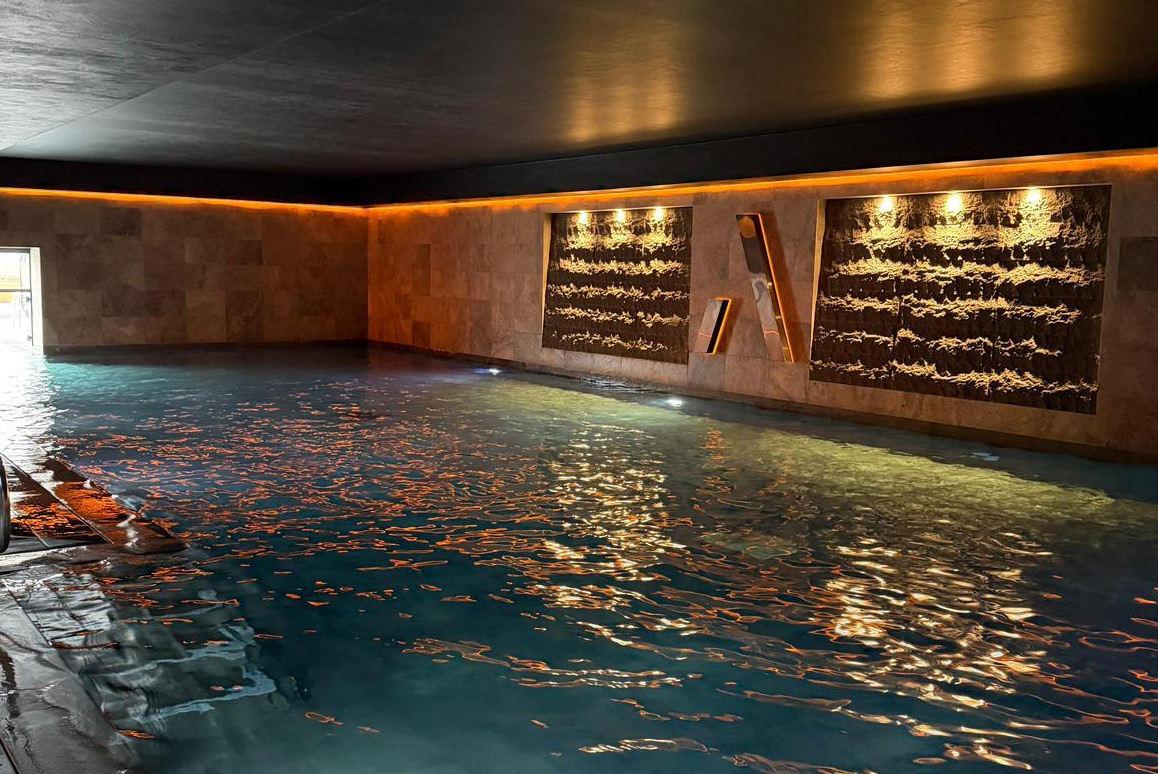
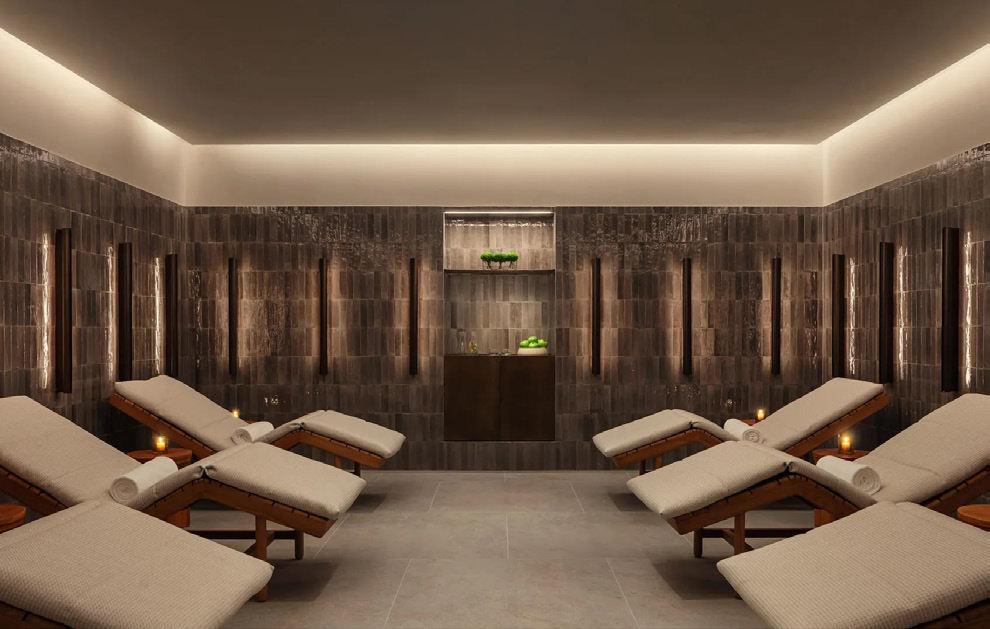
enjoyment. Beyond the gym floor, Athelis truly separates itself with exceptional spa and recovery facilities, a stunning swimming pool, and carefully curated studios hosting everything from highperformance sessions to restorative movement. Every element works in harmony, making it as much about longevity and wellbeing as it is about physical progress. For Lancashire gym-goers willing to travel a little further, Athelis isn’t just a standout option. It’s the gold standard and a fitting addition to any list of the region’s very best gyms.
YourGym, Lytham St Annes
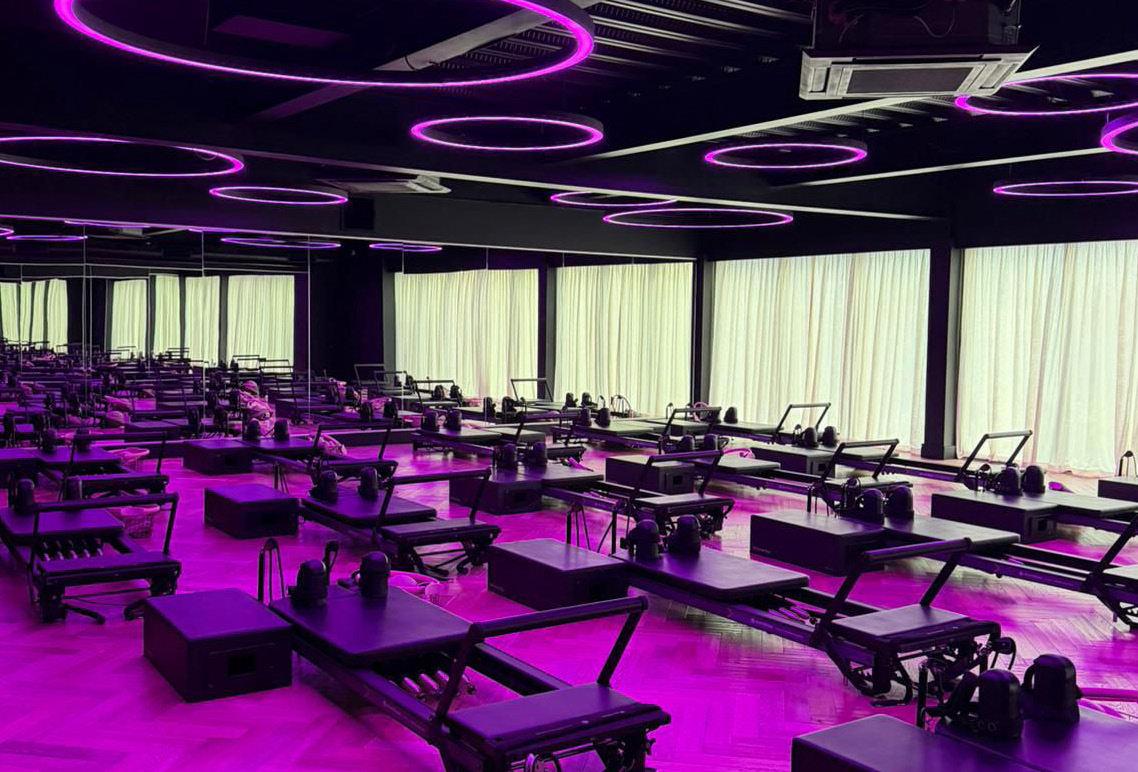
YourGym Lytham brings together a full gym floor, a busy class timetable and dedicated spaces for strength, functional training and Pilates. There’s a real focus on the whole journey here, with expert
personal trainers on hand and recovery facilities including a sauna and cryo spa to help you bounce back. Add a welcoming, pressure-free atmosphere and it suits everyone from first-timers to seasoned lifters.
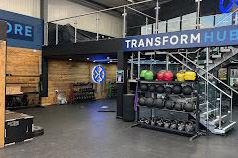
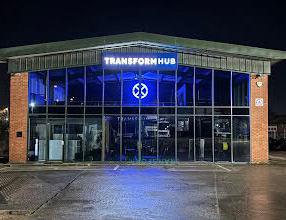
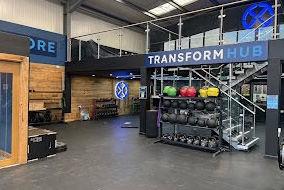
Transform Hub, Clitheroe
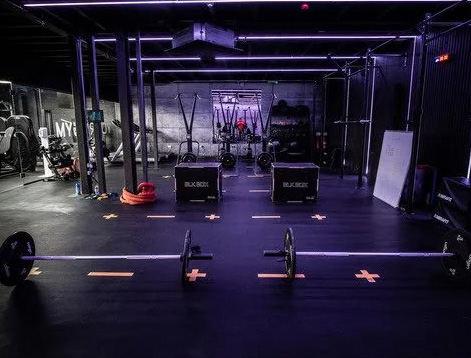
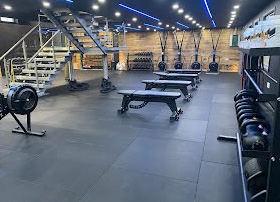
Transform Hub takes a different approach, built around coaching-led team training rather than a huge equipment floor. Sessions are structured and fully supported, with knowledgeable coaches guiding you through fitness, nutrition and lasting habit change. It’s an especially good fit if you find
bigger gyms daunting, with a friendly, ego-free community that keeps members motivated and coming back.
Wherever you are in the county, there’s a gym here to match how you want to train.
BEST FEMALE PERSONAL TRAINERS IN LANCASHIRE
BY CHARLIE ALFONSO
Lancashire’s fitness scene is thriving and at its heart are women trainers whose passion, expertise and energy are not just transforming bodies but changing lives. From powerhouse online coaches to studio
innovators and elite conditioning experts, these women are empowering others to become stronger, fitter and more confident versions of themselves. Here’s a spotlight on some of Lancashire’s finest.
At the intersection of performance, mindset and nutrition stands FitWithNikita, a dynamic personal trainer and online coach rapidly becoming a go to for women seeking holistic fitness transformation. Nikita doesn’t just prescribe workouts, she blends them with applied
If you’ve caught Claudia Fogarty on Winter Love Island 2023, you’ll already know her radiant energy and it’s the same infectious vibe she brings into the studio. As a qualified Pilates instructor, Claudia’s sessions blend strength, precision and flexibility with a uniquely uplifting spirit. Her
nutrition coaching to help clients fuel their goals intelligently, sustainably and confidently. Whether you’re training for strength, weight loss or balanced wellbeing, Nikita’s approach supports your body and your mindset every step of the way.
fitwithnikita_
work centres on helping women connect with their bodies, build functional strength and feel empowered in both fitness and life. With Claudia, Pilates isn’t just exercise, it’s confidence in motion.
claudiafogarty
FitWithNikita Personal Trainer & Applied Nutrition Coach
Claudia Fogarty Pilates Instructor & Reality TV Personality
For many women across Lancashire and beyond, Nadine Fitness has become a symbol of empowerment and transformation. As an online coach and the creative force behind Better You Coaching, Nadine’s mission is clear: to empower women through fitness, wellness and self-belief. A Women’s Best Athlete, she combines tailored
Balance, strength and science, that’s the ethos behind Yaz Goldthorpe’s training philosophy. Based at Hot Girls Studio, Yaz brings her academic background (BSc Hons in Strength & Conditioning) into every session, ensuring clients are training smarter, safer and more effectively. Alongside her personal training services, Yaz is a
programming with motivational coaching designed to meet women where they are and guide them toward goals once thought out of reach. Her supportive online community is a testament to the impact of her work. nadine__fitness
certified Mat Pilates instructor, blending mobility, control and core strength into workouts that build resilient bodies and confident minds. Her holistic approach attracts clients who want more than just a workout, they want progression and purpose. yazfitness_
Nadine Fitness Online Coach & Founder of Better You Coaching
Yaz Goldthorpe Personal Trainer & Mat Pilates Pro
Wood CEO & Founder of Female Body Works
At the helm of Female Body Works, Freya Wood is on a mission to redefine how women experience fitness. As owner and CEO, Freya champions a training environment rooted in confidence, empowerment and personal growth. Her coaching isn’t just about lifting weights, it’s about lifting spirits, challenging limits and fostering a
community where women feel supported on their fitness journeys. Through expert programming and motivational leadership, Freya is helping women transform not just bodies but how they see themselves.
freya_at_femalebodyworkouts
Freya
EQUIPMENT: THE SMART MACHINES CHANGING HOW WE TRAIN
BY OLIVER WOOD
Credit: Wired
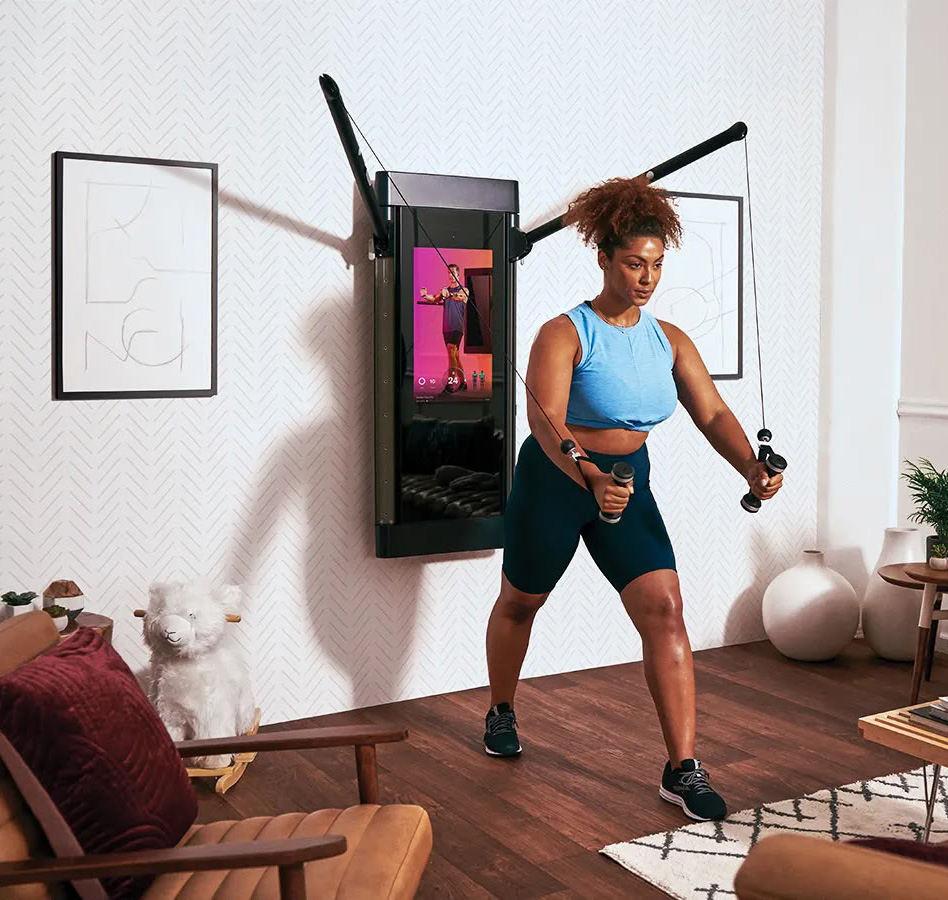
The smartest machine on the gym floor might be the one you are already using. For years, artificial intelligence lived inside our phones and then our laptops. Now, AI gym equipment is stepping onto the gym floor, and it is doing far more than any fitness app. Rather than sitting on a screen, the intelligence is built into the kit itself.
The machine that learns
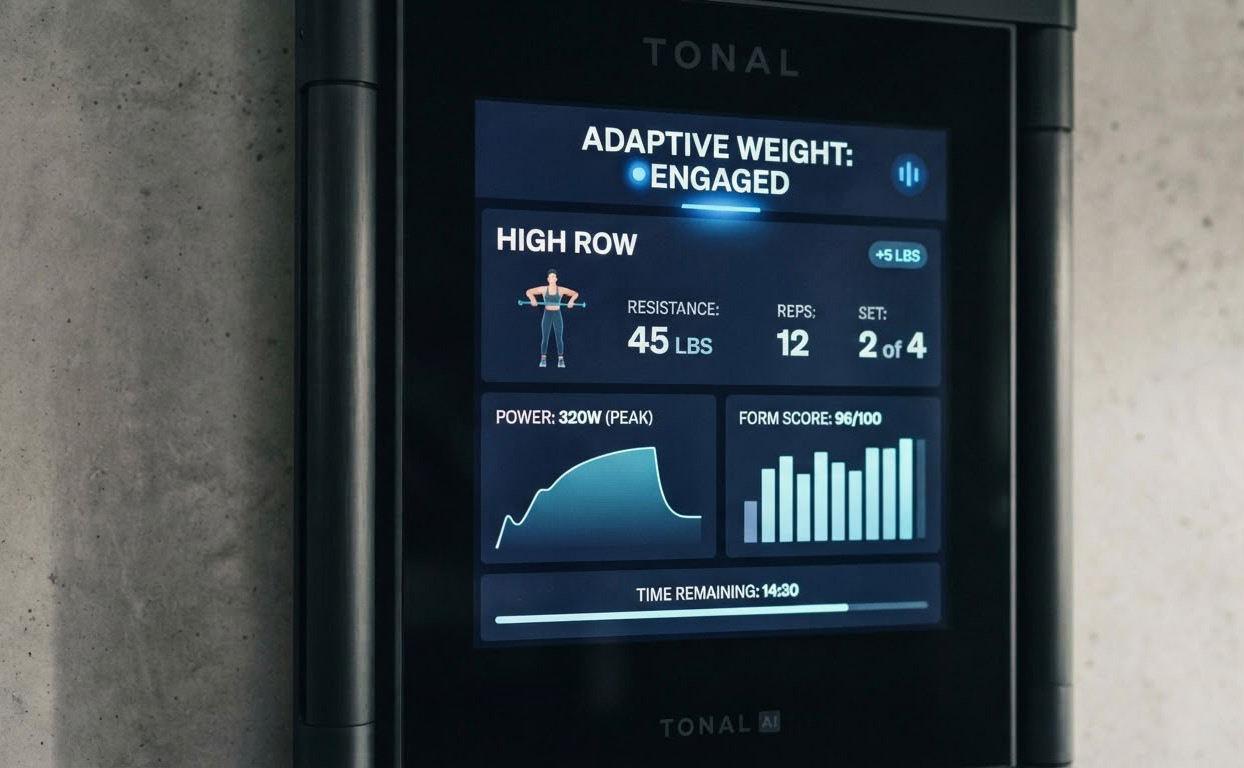
As soon as you finish a repetition, the machine already knows how hard it was. If the lift felt too easy, it increases the resistance. If it felt too difficult, it eases off. There are no buttons to press and no guesswork involved. Instead, the system simply learns as you lift.
Your digital personal trainer
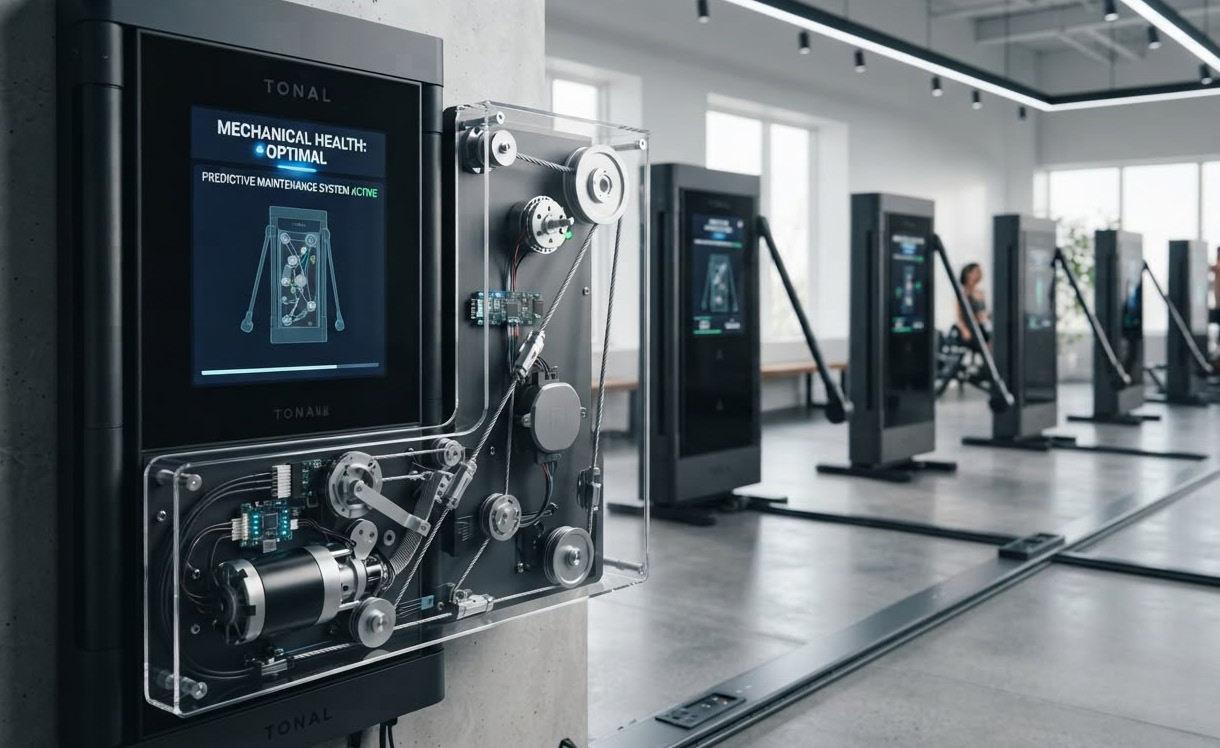
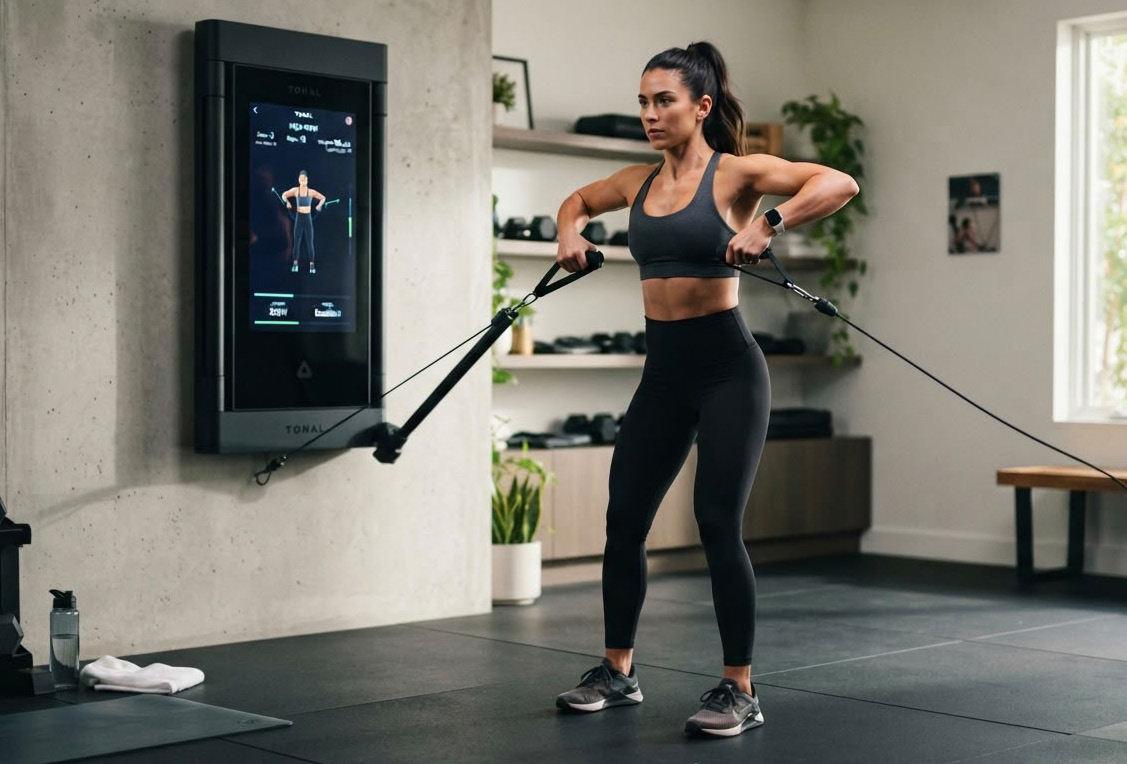
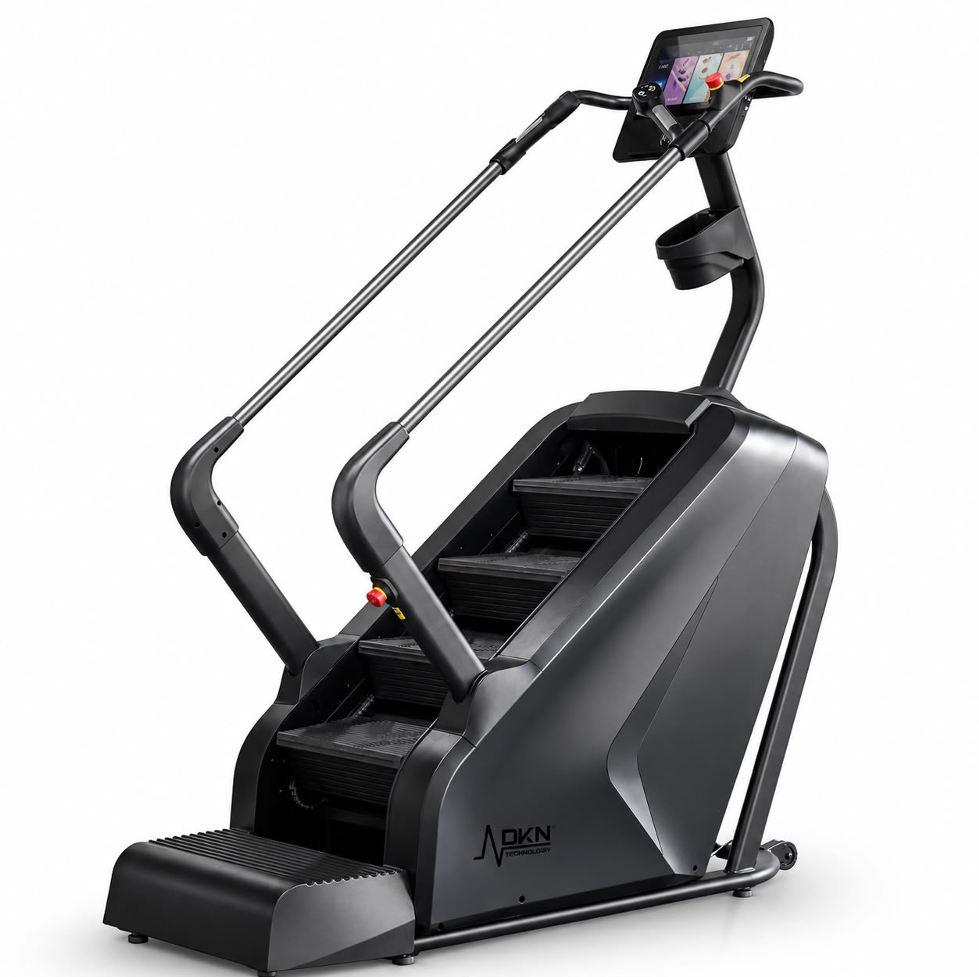
Brands such as OxeFit, Tonal and DKN are already building AI into their equipment for the home and the studio. The aim is not to replace your workout, but to personalise it. These machines can recommend exercises, adjust the level of difficulty, track your performance and build sessions around your goals. Better still, every repetition teaches the system something new. In short, the more you train, the more the machine learns.
How AI gym equipment adapts to you
Traditional gym equipment stays exactly the same from one session to the next. AI equipment, however, responds. Resistance changes in real time, not because someone presses a button, but because your performance changes. As a result, every workout becomes more personal and every session more precise. For decades, we adapted to the machine. Now, at last, the machine adapts to us.
Beyond the workout
Artificial intelligence is not only changing how members train. It is also changing how gyms run. Modern equipment can monitor its own condition, from motors and cables to smaller moving parts. Instead of waiting for something to fail, the technology can spot problems early. This is known as predictive maintenance. Because small faults are caught sooner, downtime falls, equipment lasts
longer and members are far less likely to arrive at an out-of-order machine.
The future of fitness
Artificial intelligence is no longer something we simply ask questions. Increasingly, it is something we train with. Think machines that learn, resistance that adapts and equipment that thinks ahead. The question is no longer whether AI belongs in the gym, because it clearly already does. The real question is how intelligent we want our training to become.
THE WORLD CUP 2026
BY ARCHIE HARRIS
World Cup 2026 returned to North America, and Mexico hosted Mexico hosted games for a record third time. The country had previously staged the tournament in 1970, famous as Pelé’s last World Cup, and again in 1986. That second edition is clearly remembered too, as Diego Maradona lifted the trophy after a historic run that knocked out England. Most
fans still recall his ‘goal of the century’, along with the controversial ‘Hand of God’.
Canada, meanwhile, hosted the men’s tournament for the very first time. Before this, the country had only staged the Women’s World Cup back in 2015. This time, games took place in two major Canadian cities, Toronto and Vancouver, which shared 13 matches between them.
Mexico also hosted 13 games. The United States, however, took the lion’s share with 78 matches across 11 cities. These included Atlanta, New York, Miami, Los Angeles and Dallas, among others. On top of that, the USA staged every game from the quarter-finals onwards, including the final itself.
Inside the World Cup 2026 stadiums
The host stadiums proved a real spectacle, and they delivered brilliant atmospheres for travelling fans. The architecture and planning behind them was excellent. Some grounds even needed converting from other sports before they could stage football.
United States venues
In the USA, all 11 stadiums are primarily home to American Football teams in the NFL. As a result, each one needed modifications, some more than others. Every venue had to cover its NFL branding and swap it for FIFA branding. Organisers also modified technical areas, pitch dimensions, media facilities and advertising boards.
There was plenty more to do besides. Stadiums added VIP boxes for FIFA officials and upgraded broadcast infrastructure for extra cameras and commentary booths. A few even removed seating to make everything fit.
Eight of the 11 grounds faced a bigger job. They normally use artificial turf for NFL games, yet FIFA’s standards demand natural grass. To solve this, crews covered the synthetic surface with a prepared base and laid temporary natural grass on top. Each pitch then went through thorough testing for rooting, drainage and playing quality.
SoFi Stadium in Los Angeles, home to the LA Rams and LA Chargers, posed a unique challenge. Because it is a covered stadium, groundstaff had to
manage climate and lighting carefully to keep the new pitch in top condition. SoFi holds an official FIFA capacity of 70,492, yet remarkably that only ranked fourth among the venues.
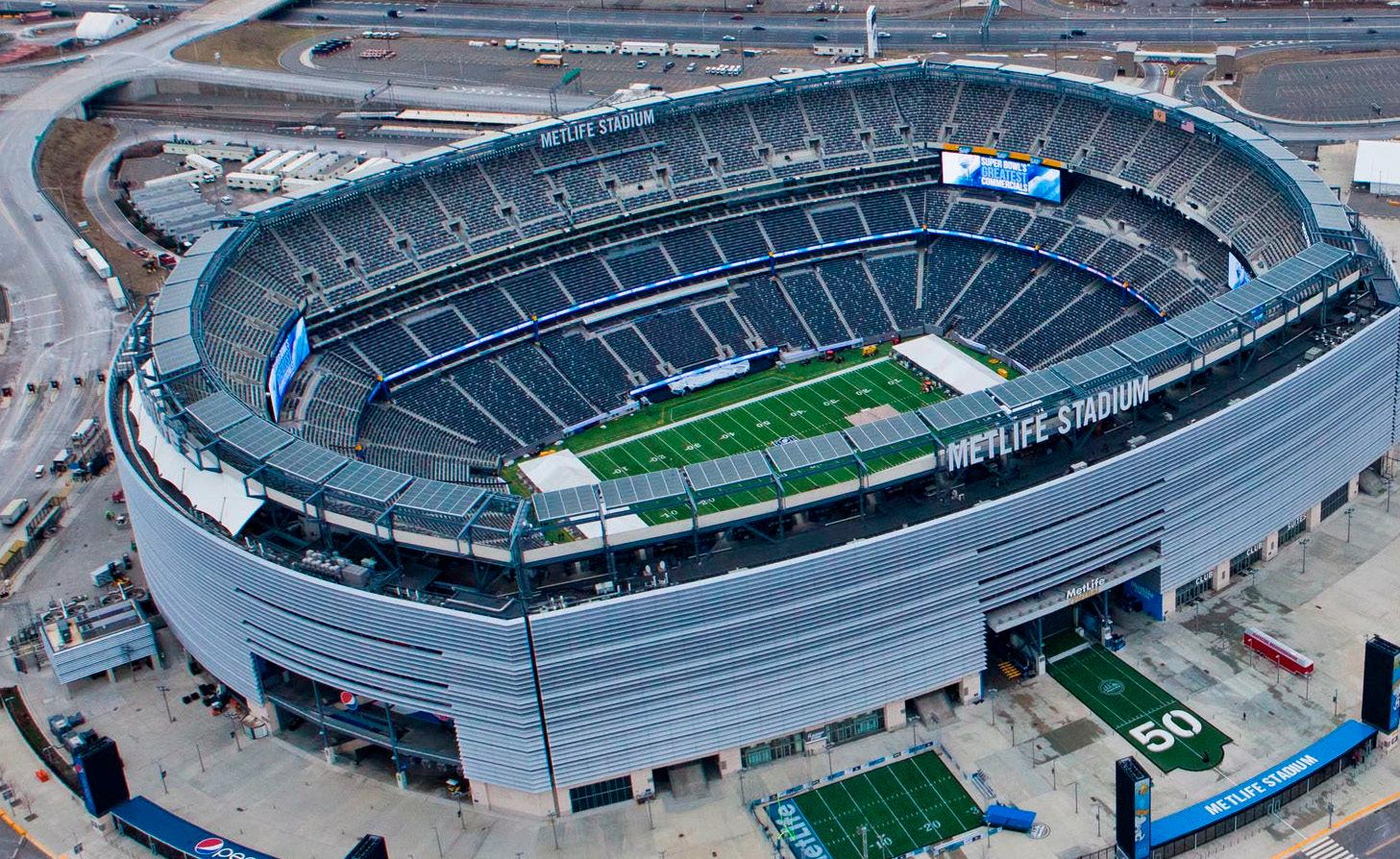
The largest American stadium was MetLife, five miles west of New York City in New Jersey. Home to the New York Giants and New York Jets, it fittingly staged the final on Sunday 19 July. Other standout grounds included Arrowhead Stadium in Kansas City (69,045), AT&T Stadium in Dallas (70,649) and Lumen Field in Seattle (66,925). In fact, every American ground held more than 60,000 fans.
Mexico’s iconic Estadio Azteca
In Mexico, three stadiums came into play. The most famous by far was the Estadio Azteca, the biggest ground in the whole competition at 80,824. Its size, though, is not the reason for its legendary status.
The Azteca became the only venue ever to host three different World Cups. It is also where two greats lifted the trophy, Pelé in 1970 and Maradona in 1986. That 1986 tournament produced the unforgettable England versus Argentina quarterfinal.
In that match, Maradona scored twice in wildly different ways. First came the ‘Hand of God’. Reacting to a loose aerial ball, he leapt and punched it over England goalkeeper Peter Shilton. Somehow the officials missed it, and despite furious English protests the goal stood to make it 1-0.
Just four minutes later, Maradona showed his genius. He collected the ball on the halfway line, glided past five England players, rounded the keeper and scored the ‘goal of the century’.
The Azteca sits 2,240 metres above sea level in Mexico City. At that altitude, breathing during hard exercise becomes a real struggle, and players
often describe a suffocating feeling. As a result, the ground has long intimidated visiting nations and handed the hosts a genuine edge.
Mexico’s other two venues were the Estadio Monterrey and Estadio Akron, holding 51,243 and 45,664. Both are smaller, yet their stunning architecture still tempted plenty of fans to visit.
Canada’s football homes
Canada’s stadiums, like Mexico’s, are built mainly for football, so they needed few changes beyond better changing rooms and hospitality areas. The chosen grounds were BC Place in Vancouver, home to the Vancouver Whitecaps, and BMO Field in Toronto, home to Toronto FC. Both clubs play in MLS, the top division across the USA and Canada. BMO Field was the smallest ground in the competition at 43,036, roughly the size of Villa Park in England. Together, these 16 stadiums
delivered a fantastic backdrop and roaring atmospheres from fans across the globe.
A bigger World Cup 2026: 48 teams and four debutants
For the first time, FIFA expanded the tournament to 48 teams, up from the traditional 32 used since France 1998. The bigger format opened the door for four nations to make their World Cup debut. In turn, that brought fresh support and fans from even more corners of the globe.
The four debutants were Jordan, Uzbekistan, Cape Verde and Curaçao. Jordan and Uzbekistan came through Asian qualifying, while Cape Verde and Curaçao qualified via the African and North American routes. Uzbekistan, under 2006 World Cup winner Fabio Cannavaro, became the first Central Asian nation ever to reach the finals.
Cape Verde wrote the fairytale of the four. Despite a population of just over 500,000, the Blue Sharks held Uruguay to a draw, frustrated eventual champions Spain, and reached the knockout stage on debut. Their run finally ended against Argentina, who edged a thrilling round-of-32 tie 3-2.
Curaçao made history too. This tiny island just off the Venezuelan coast, home to barely 150,000 people, remains the smallest nation ever to qualify. They bowed out in the group stage, yet held their heads high after an unexpected draw with Ecuador. Jordan, meanwhile, finished bottom of their group but returned home having reached the biggest stage for the first time.
The island of Curaçao carries an interesting history as well. It stayed a Dutch colony until 1954, when it gained self-rule in local matters within the Netherlands Antilles. Only in 2010 did it become a separate country, though it remains part
of the Kingdom of the Netherlands. For all four debutants, simply arriving proved a triumph in itself.
How the World Cup 2026 favourites fared
Before a ball was kicked, FIFA’s world rankings on 11 June 2026 marked out four favourites: Argentina, France, Spain and England. In the end, only one of them lifted the trophy, and it was not the side most people tipped.
Spain
Spain arrived ranked third, yet finished top of the world. The 2024 European champions carried a rare chemistry, with more than 30% of the squad drawn from Barcelona. Pedri pulled the strings in midfield, Pau Cubarsí marshalled the defence, and 18-year-old Lamine Yamal terrorised full-backs throughout.
Their knockout run told the story of champions. Spain beat Austria 3-0, Portugal 1-0, Belgium 2-1 and France 2-0, conceding just a single goal across
the entire tournament. Rodri controlled the final from midfield, and substitute Ferran Torres settled it in extra time. It was Spain’s second world title after 2010, and it made them the first nation to hold the men’s and women’s World Cups at the same time.
Argentina
Argentina came desperately close to history. At 39, Lionel Messi played what looked like his final World Cup, chasing one last piece of glory after leading his country to the 2022 title. The holders reached the final unbeaten in the knockouts, seeing off Cape Verde, Egypt, Switzerland and England along the way.
In the final, though, Spain smothered them. Argentina managed just two shots in 120 minutes, none on target, as Rodri kept Messi far from danger. They fell 1-0 after extra time, one step short of becoming the first back-to-back champions since Brazil in 1962.
France
France, ranked second and many people’s pretournament favourites, came up short at the semi-final stage. Winners in 1998 and 2018, they boasted a gifted squad featuring Kylian Mbappé, Michael Olise, Désiré Doué and 2025 Ballon d’Or winner Ousmane Dembélé.
Spain ended their run with a controlled 2-0 win, before France then lost a remarkable third-place against England. Mbappé still enjoyed a strong personal tournament, though a third Golden Boot could not soften the disappointment of falling short of the final.
England
England enjoyed their best tournament since 1966, even if the trophy again escaped them. New manager Thomas Tuchel brought the bolder, more attacking style fans had craved, and his bravery in leaving out big names paid off with a run to the semi-finals.
There, Argentina broke English hearts. Anthony Gordon put the Three Lions ahead, but Enzo Fernández levelled late and Lautaro Martínez headed a stoppage-time winner, with Messi assisting both goals. England responded in style, winning the third-place play-off 6-4 against France thanks to a stunning Bukayo Saka hat-trick. Harry Kane and Jude Bellingham led the line with distinction throughout.
Portugal and Ronaldo’s final bow
Portugal deserve a mention too, largely thanks to Cristiano Ronaldo. In his sixth and final World Cup, this looked his best chance yet, as the squad appeared stronger than at any point in his career. Many rated their midfield, built around PSG duo João Neves and Vitinha alongside Bruno Fernandes, as the finest in the competition.
Fittingly, though, it was the eventual champions who ended Ronaldo’s dream. Spain edged Portugal 1-0 in the knockouts, closing the curtain on his World Cup story.
THE BEST BAGS FOR THE GYM AND SPA DAYS
BY PAUL KNOWLES
There is something satisfying about a good men’s bag. The best men’s gym bags do more than hold your kit, though. The right one quietly says you have your life together.
The best men’s gym bags no longer belong only in the locker room. Today’s smartest designs suit modern life. You might train in the morning, work through the day, visit the spa in the evening and then escape to the coast at the weekend. So the challenge is simple. You
want one bag that does all of that without looking like it has spent a week in the boot of the car.
Happily, there is plenty of choice. The market runs from hard-wearing technical duffels to beautifully made leather holdalls. Some designs put performance first. Others lean into quiet luxury. The best manage both.
Here, then, is my edit of the bags worth knowing. It starts with affordable everyday heroes and finishes with the kind of investment piece that could last a lifetime.
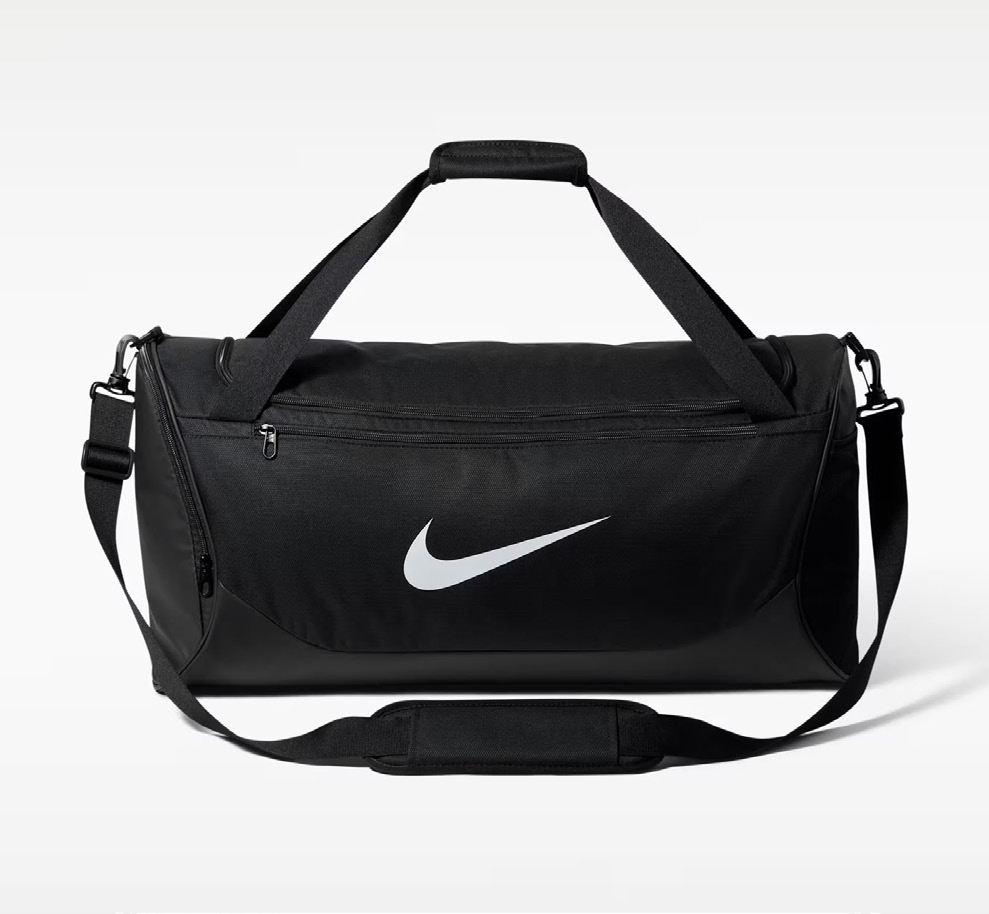
The Affordable Hero: Nike Brasilia Holdall
If you want a dependable bag without spending a fortune, the Nike Brasilia makes a strong case. It is practical and uncomplicated. Better still, it is built around what most gym-goers actually need: room for kit, a towel, trainers and a few everyday bits.
As men’s gym bags go, this one keeps things refreshingly simple. It is not pretending to be a luxury weekender, and that is the point. You can throw it in the car, take it to the gym five times a week and never worry about handling it gently. At well under £40, it is also hard to beat on value.
Best for: everyday gym sessions and practical buyers.
The verdict: a straightforward, affordable workhorse that simply gets the job done.
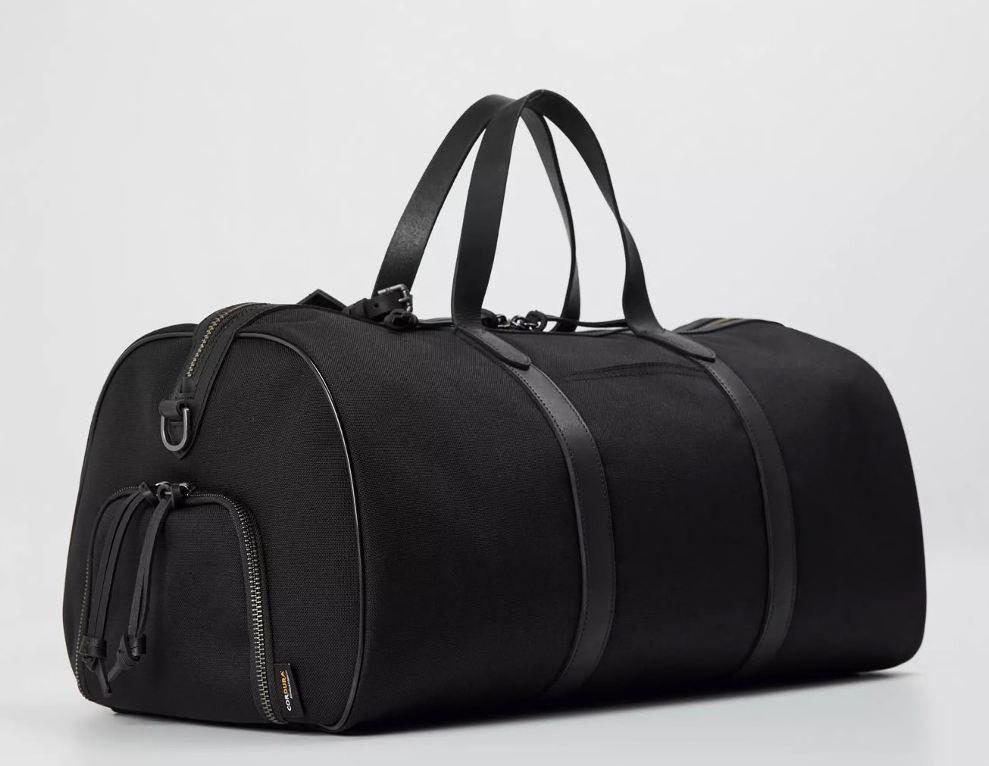
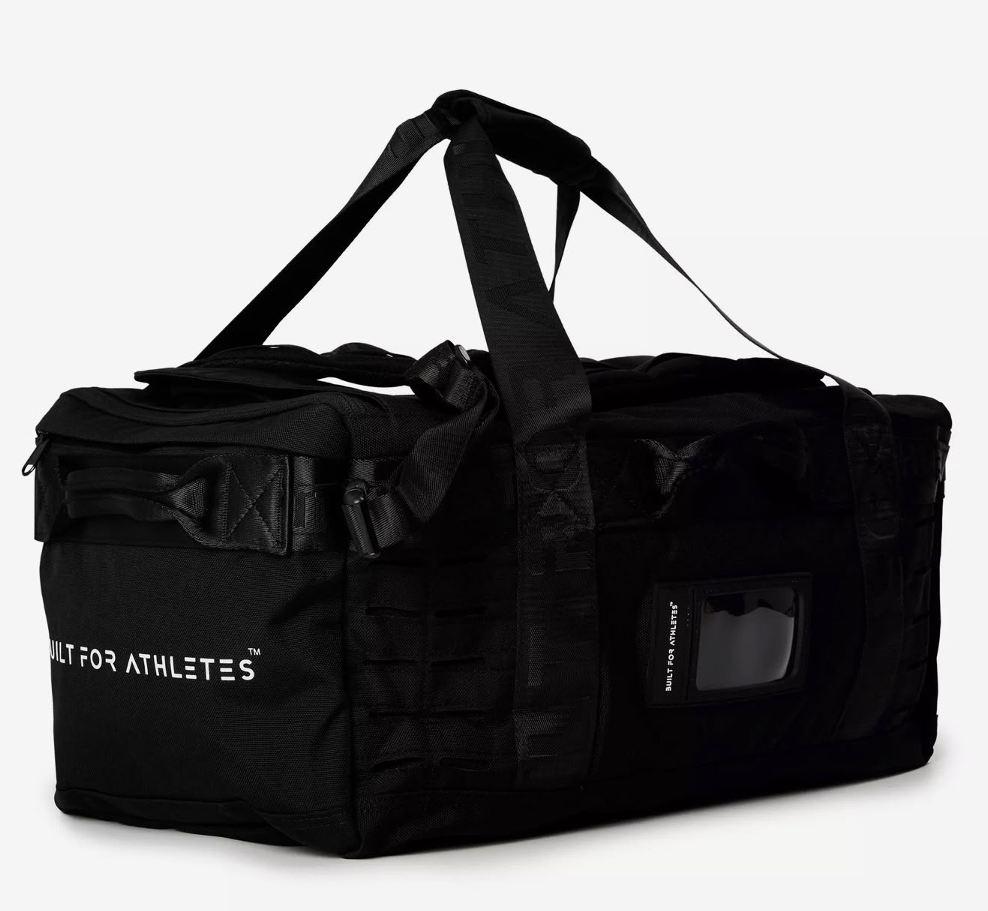
Best for the Hard-Working Gym-Goer: Built for Athletes Pro Series 40L
Built for Athletes designs its kit around performance, and the Pro Series 40L brings that sporting focus to a versatile everyday bag. You get a generous 40 litres, smart internal sections and tough construction. As a result, it copes easily with lockers, changing rooms and car boots.
Some people see their bag as equipment rather than an accessory. For them, this is an easy choice. For a hard-working men’s gym bag, it is tough to beat.
Best for: serious routines and high-frequency use.
The verdict: a dependable, gym-first duffel with plenty of room and little fuss.
Best Affordable Upgrade: Rains Hilo Weekend Bag
The Rains Hilo is where things get more interesting on the style front. Its minimalist Scandinavian look feels at home in a boutique hotel lobby. Equally, it suits the walk to a Pilates studio.
Its real appeal is versatility. You can use it as a weekend bag, an overnight holdall or a smart alternative to the usual gym duffel. Because it does not shout “sports bag”, it works almost anywhere. At £65, it is a gentle step up that pays off.
Best for: one bag that covers gym sessions and short trips.
The verdict: minimalist, modern and remarkably versatile.
Best Mid-Range Gym-to-Weekend Bag: Lacoste Busn Duffle
The modern gym bag has moved on, and the Lacoste Busn Duffle shows why. It pairs a sporty heritage with a cleaner, more grown-up finish. In doing so, it solves a familiar problem: how to carry everything without ending up with a tangle of trainers, toiletries and damp kit.
The design feels considered rather than overly technical. Therefore it suits commuters and professionals who want their kit to sit neatly beside the rest of the day.
Best for: the commuter who goes from desk to workout.
The verdict: one of the strongest choices for a genuinely modern gym bag.
Best for a Classic Weekend Away: Polo Ralph Lauren Large Duffle Holdall
The Polo Ralph Lauren duffle is a modern take on a timeless shape. Part of its appeal is familiar and easy. Still, it is practical too, with the generous capacity a proper weekend needs.
The clean styling means it works for a two-night city break, a country hotel or a quick trip to see friends. It also looks a cut above the standard sports holdall, so it earns its place beyond the gym.
Best for: weekend travellers who like a classic look.
The verdict: a proven all-rounder with real weekend-away polish.
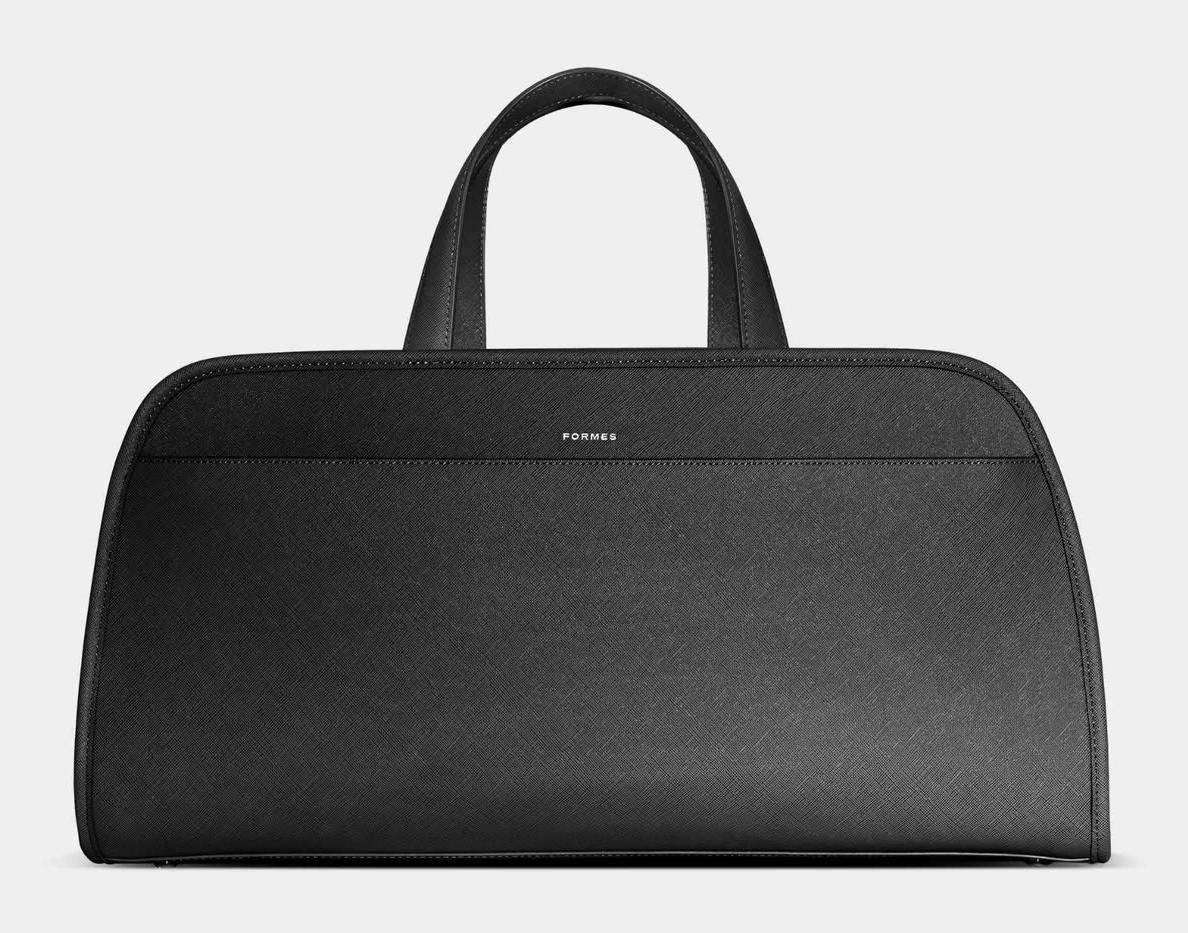
Best for the Design-Conscious Traveller: Formes Porto Duffle
Formes has quietly become a name for designled travel pieces, and the Porto Duffle is a good example. It is a compact, cabin-friendly holdall with a sleek, low-profile silhouette. The signature binding keeps the outline clean while the interior still swallows a surprising amount.
The bag is made from FormesTech, a nextgeneration vegan leather that resists scratches, water and fading, and it is lined in soft microsuede. So it holds shoes, a couple of outfits, a laptop and a washbag without ever looking bulky. At £165, it is a smart middle ground between an everyday gym bag and a proper weekender.
Best for: minimalists and design-conscious light packers.
The verdict: a sleek, modern duffel that punches well above its size.
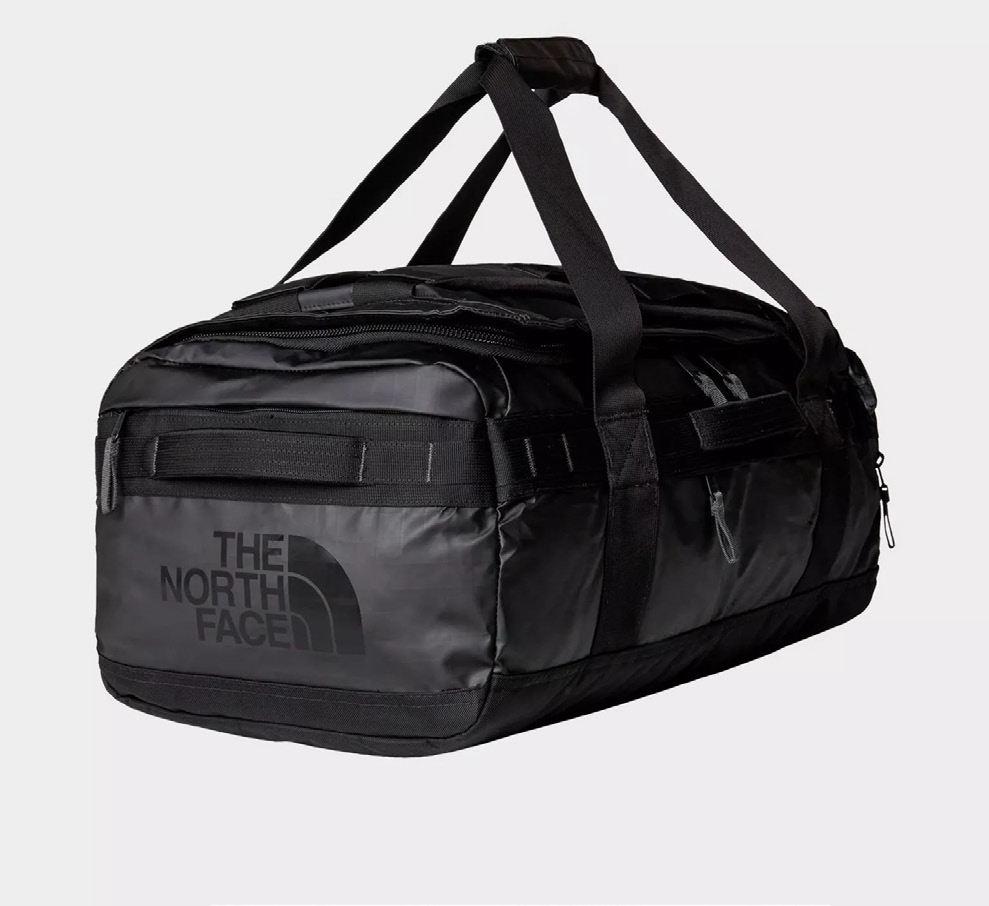
Best for Adventure: The North Face Base Camp Voyager
For a bag that can take some punishment, The North Face remains a safe name. The Base Camp Voyager brings a travel-focused feel to the usual duffel format, so it handles gym sessions and outdoor weekends alike.
You buy this one to use it, not to admire it on a shelf. It is durable, weather-resistant and ready for the elements. Above all, it suits active weekends.
Best for: outdoor adventures and rugged travel. The verdict: a capable companion for men who like their weekends active.
The Premium Tier
Once you move past the £150 mark, the question changes. Premium men’s gym bags ask a different question of your wallet. You are no longer just buying capacity. Instead, you are paying for materials, construction and design. Increasingly, you are also buying a bag that can live in several worlds at once.
The best premium bags feel right in the changing room and the hotel lobby. They look smart enough for business travel. Yet they stay practical enough for everyday use.
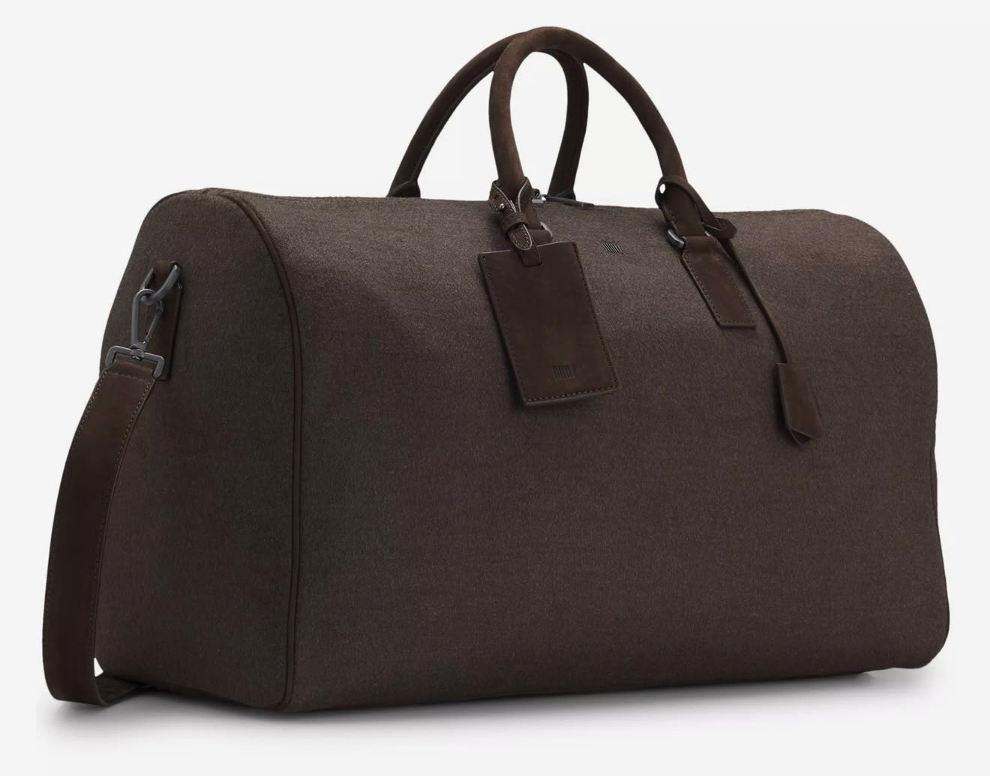
Best for the Modern Professional: BOSS x Beckham Axton Holdall
The BOSS x Beckham line was built for exactly this sort of buyer: refined, sharp and quietly confident. The Axton Holdall carries that thinking, with premium materials and a tailored finish that reads as smart rather than sporty.
It suits the man who wants one bag for a client trip and a long weekend. In other words, it is the bag
for someone who likes to arrive looking as though he planned the trip properly, even if he decided to leave on Thursday afternoon.
Best for: smart weekend travel and business trips.
The verdict: a well-judged balance of modern design and understated luxury.
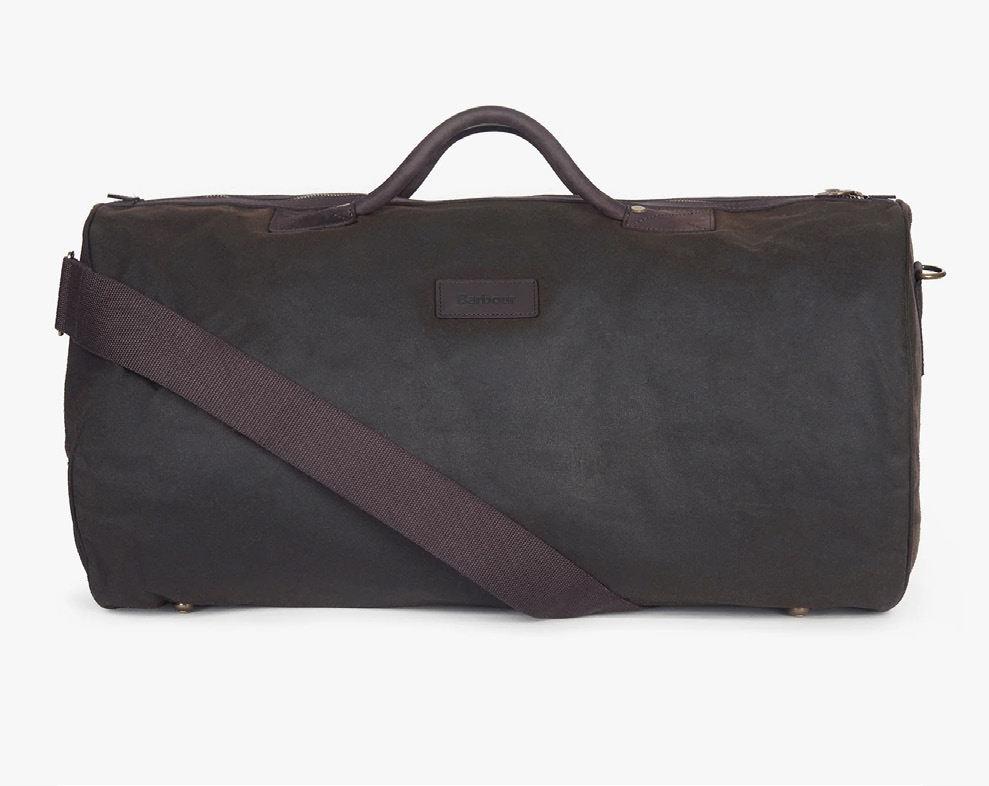
Best British Heritage: Barbour Wax Holdall
The Barbour Wax Holdall is a more traditional take on the weekender. Where some modern bags lean on technical fabrics, Barbour leans into its famous waxed cotton and classic British style.
Admittedly, it looks better suited to a countryhouse weekend than a gym locker. That is not really a criticism, though. If your weekend means a spa hotel, a good restaurant and a long walk rather than a muddy trail, this is exactly its territory. It also ages beautifully, which is rather the point.
Best for: elegant weekends, spa breaks and classic British style.
The verdict: a timeless choice with a distinctly British character.
The Luxury Investment: Louis Vuitton Keepall Bandoulière 55
At the top of the market, a bag becomes more than luggage. It becomes an object. It has enough
presence to define an outfit and enough craft to improve with age. Few pieces make that case better than the Louis Vuitton Keepall.
This version comes in the brand’s black-and-grey Monogram Eclipse canvas, finished with black leather trim, rolled top handles and a removable shoulder strap. It is famously light and supple, yet the 55 size is roomy enough to hold a week’s wardrobe while still staying cabin-friendly. So it travels beautifully, whether you are heading to the airport, a country house or a five-star hotel.
Is it the bag for a sweaty post-workout commute?
No. Rather, it is the one you reach for when the journey itself matters. If your budget stretches this far, alternatives worth a look include the Gucci Duffle Holdall, the Tom Ford TF Hold and the Dolce & Gabbana DG Odyssey.
Best for: the ultimate investment piece.
The verdict: an icon of stylish travel, for when craftsmanship, heritage and longevity matter most.
What Makes the Best Men’s Gym Bags?
The right answer depends on how you actually live. The best men’s gym bags earn their place by matching your routine.
If the bag mostly lives in a gym locker, focus on durability, ventilation, easy-clean materials and a
shoe compartment. If it travels between the gym and the office, look for a laptop sleeve, smart internal pockets and a design that is not too sporty. For spa weekends and short breaks, capacity and separation matter more. Ideally, clothes, shoes and toiletries each get their own space.
And if you are spending serious money, think about the things a spec sheet cannot show. How does the material feel? How does the hardware work? Will you still love the design in five or 10 years? That last question matters most of all.
The Bottom Line
The perfect men’s bag is not always the most expensive one. It is the one that fits how you live. The best men’s gym bags balance real-world practicality with style.
For some, that means a hard-working duffel that survives five sessions a week. For others, it is a leather holdall that moves from the spa to the airport with ease. Most of us, though, want something in between.
So look for a bag with enough practicality for real life, enough style for a smart hotel and enough range to cover the lot. After all, the real luxury might be owning one great bag that does everything.
BY THOMAS CURTIS
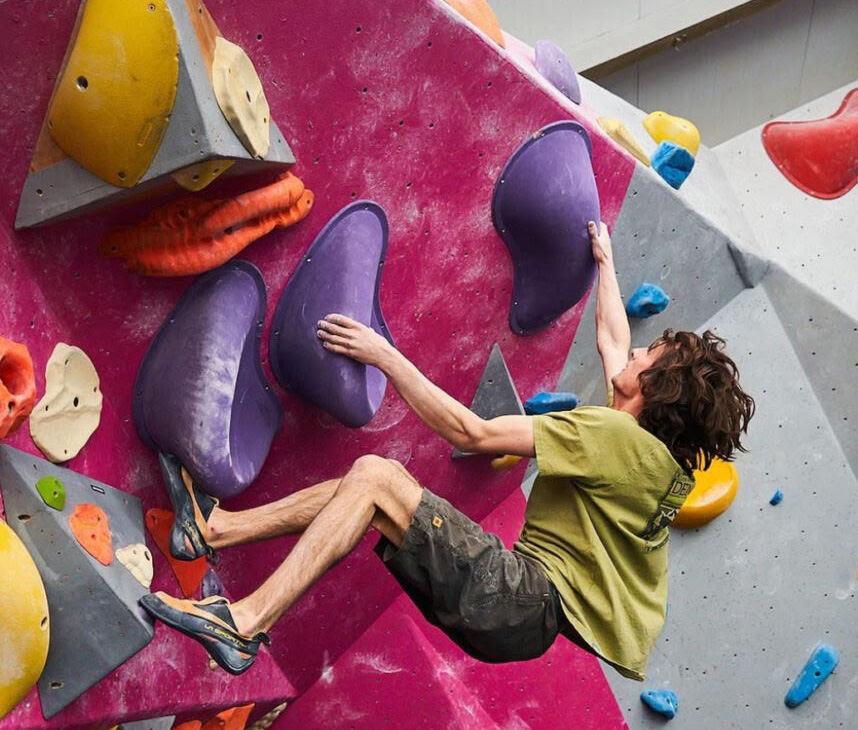
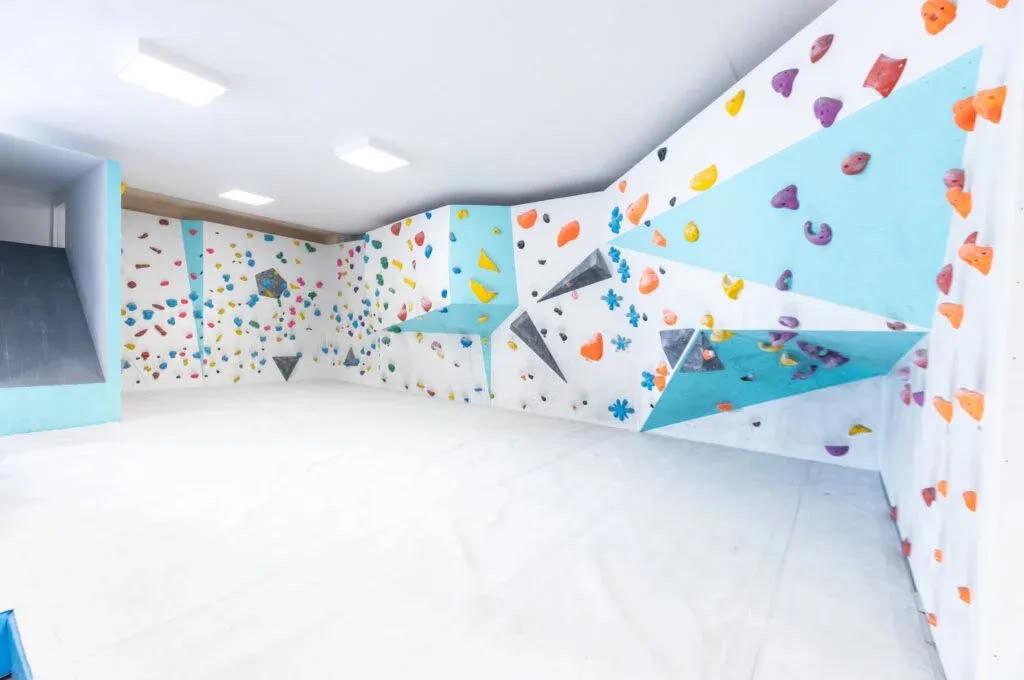
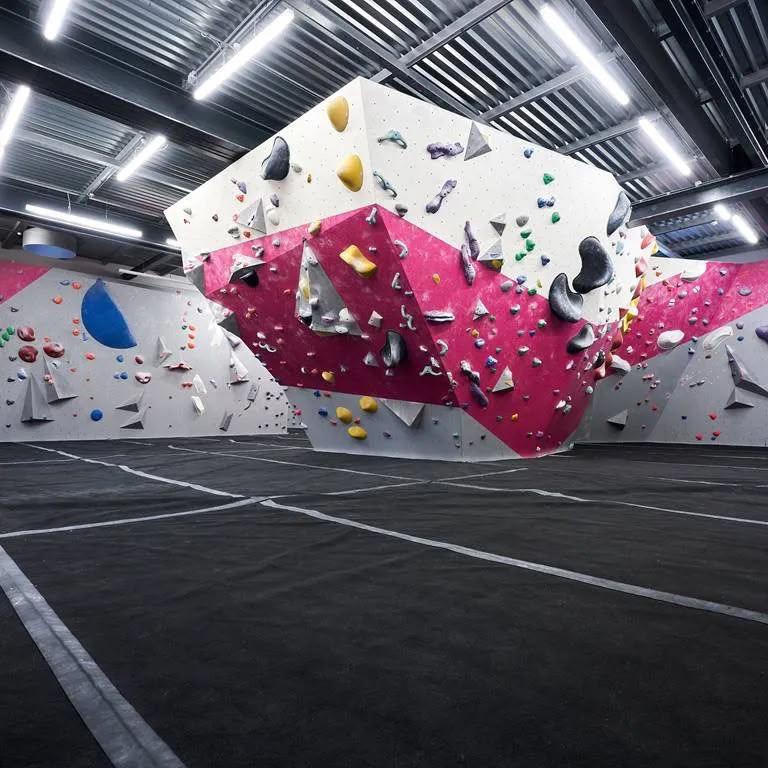
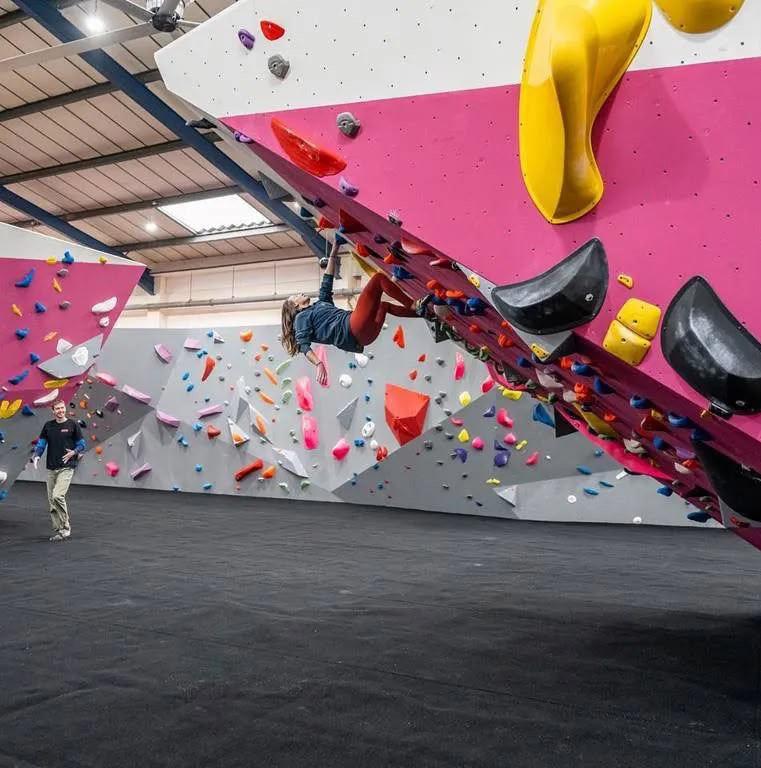
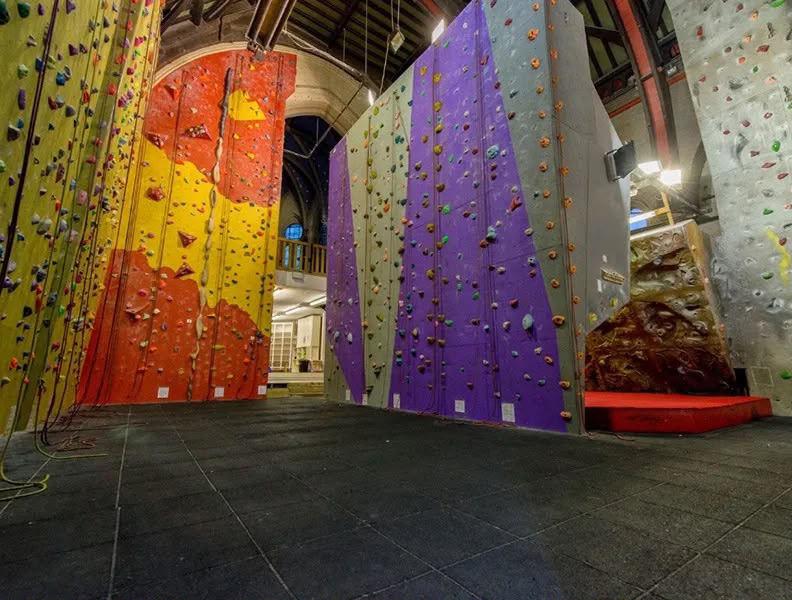
The North West offers an impressive variety of indoor climbing and bouldering facilities. From the firsttimer to the seasoned climber, the region caters to every skill level. As the sport has surged in popularity, North West climbing centres have responded well. Many now offer upgraded features, high-quality equipment and dedicated community sessions.
Getting started at North West climbing centres
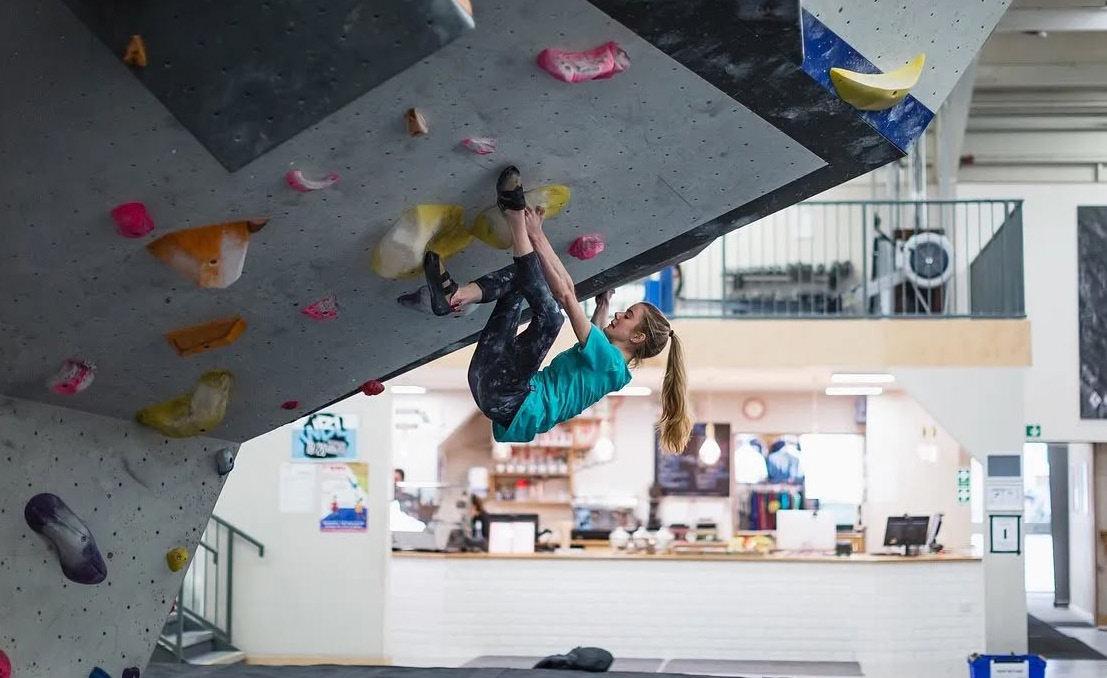
For beginners, bouldering remains the most accessible entry point. It requires minimal gear compared to rope climbing. Typically, you only need yourself and a pair of climbing shoes. Most centres also rent shoes on site. The shorter bouldering walls help new climbers settle in
Lakeland Climbing Centres
and build confidence. As a result, you quickly get comfortable moving up the wall. Across the North West climbing centres, introductory lessons are widely available too. Therefore, the transition to larger walls feels much smoother when you are ready.
Intermediate climbers are already comfortable across indoor routes and boulder problems. So, they can choose whether to refine technique or push towards harder grades. Many centres now offer targeted classes for exactly this stage. These classes bridge the gap from intermediate to advanced climbing. Moreover, they help climbers tackle more complex problems. They also build confidence with auto belays, top ropes and lead climbing.
Experienced climbers want the most demanding indoor routes for bouldering and climbing. Fortunately, specialist centres continue to raise the bar. They set ever more technical, high-grade climbs that push these climbers to their limit. Beyond this, many advanced climbers eventually look to the outdoors. Outdoor climbing introduces extra risks, of course. However, a qualified guide keeps you safe
and opens the door to a rewarding new stage. That, though, is a topic for another article.
The best indoor climbing centres in the North West
Awesome Walls Stockport
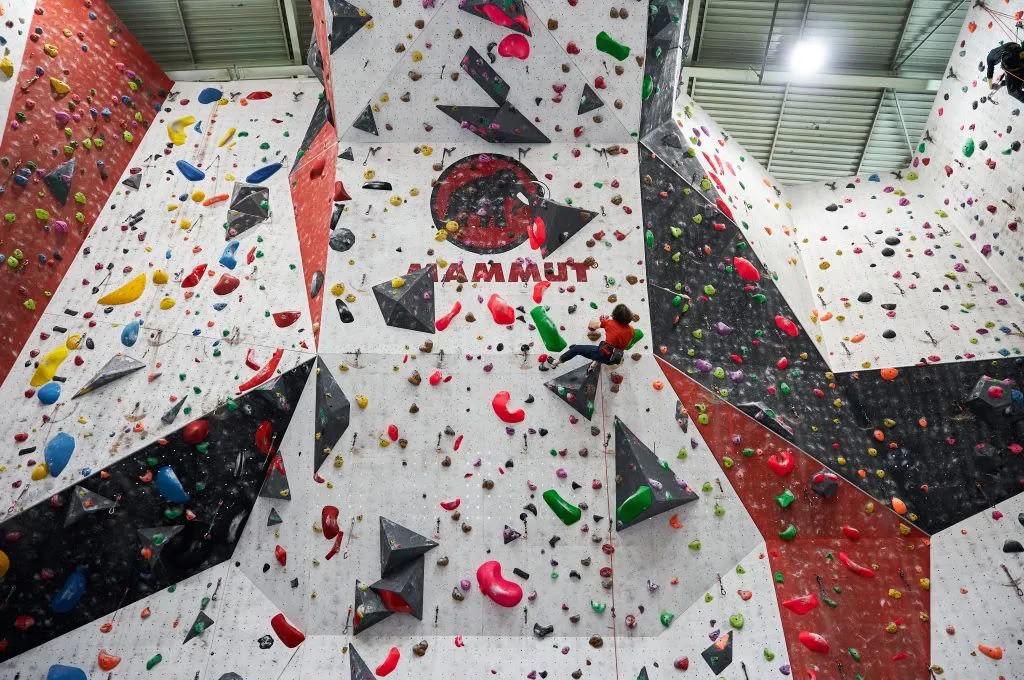
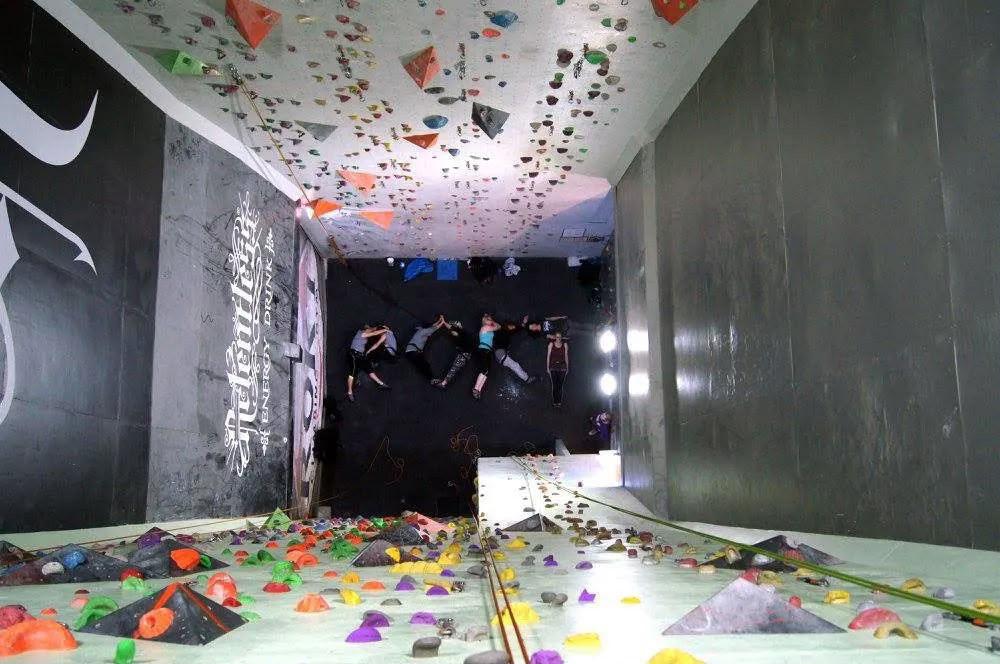
Awesome Walls Stockport sits inside Pear Mill in Greater Manchester. It packs together roped climbing, bouldering and traverse walls. As a result, it suits seasoned climbers and first-timers alike. Its most striking feature is the towering 23.5 metre wall. This offers a real challenge for ambitious climbers.
In the main area, you will find over 200 routes. These include 74 climbing lines and 5 auto belays. For shorter, more powerful challenges, the centre also offers 150 boulder problems. Together, they give you plenty of scope to develop your skills.
However, this is not just a venue for experts. The sheer choice makes it a great place for newcomers too. In addition, a dedicated training area and hang-out zones give you space to practise and chat.
Lakeland Climbing Centres
When you need a break, the on-site café keeps you refreshed.
Big Depot Climbing Centre
For a harder challenge, Big Depot Manchester brings the heat. It opened in 2024 and quickly filled with experienced climbers. Its speciality is big auto belays, lead climbs and top ropes. Plus, it even offers speed climbing walls for those who like to move fast.
Still, do not be put off if you are new to the sport. The atmosphere is great, and classes run for kids and adults across a range of levels. Better still, you can hire all the gear you need on site.
Students also get a bargain on designated student days. These currently fall on Mondays, Wednesdays and Fridays. Meanwhile, quiet hours run on Wednesdays and Sundays between 7:30pm and 9pm.
KendalWall
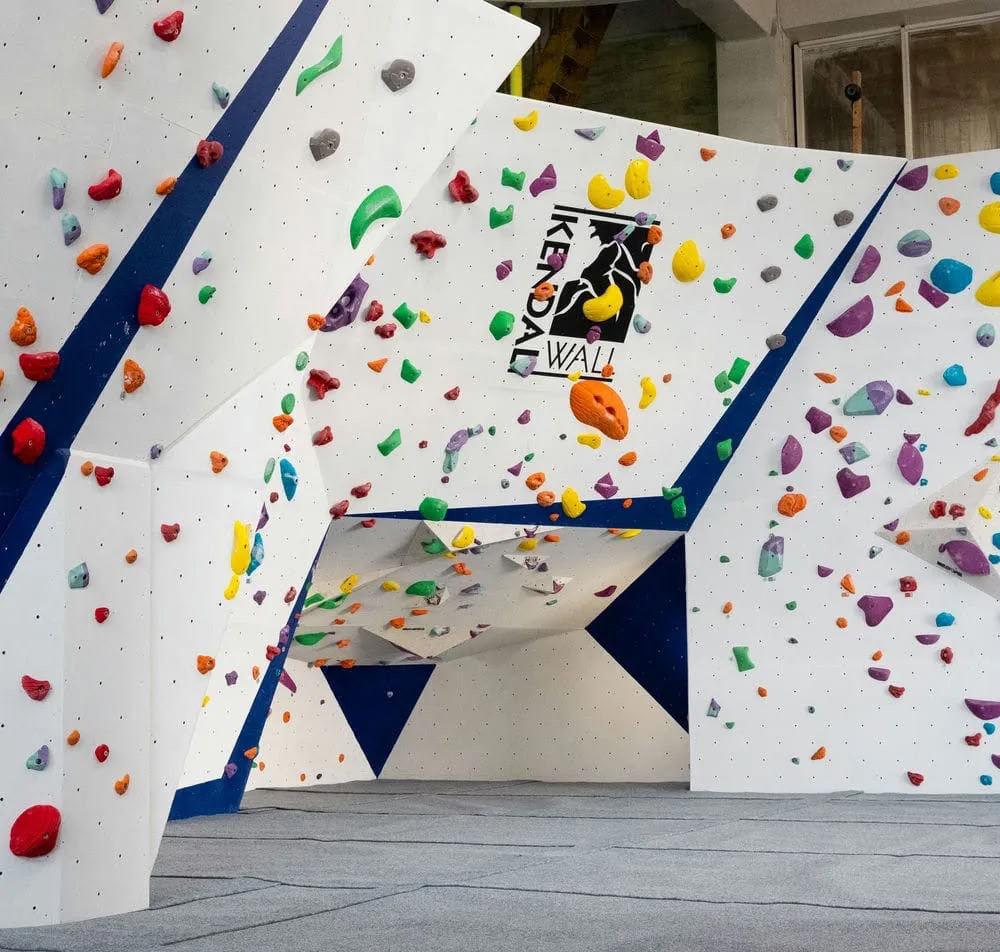
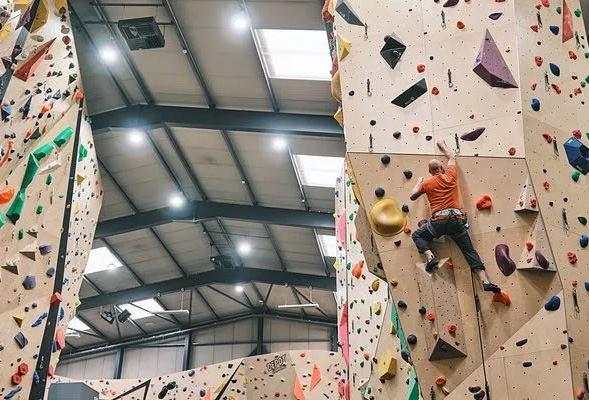
Further north, KendalWall offers one of the region’s most distinctive experiences. For a serious challenge, it hosts England’s tallest indoor lead wall. Standing at 25 metres, it draws experienced climbers keen to test their limits.
KendalWall is one of the few indoor options in Cumbria. Even so, it is well worth the trip. The centre provides a good mix of auto belays and lead climbs for a range of abilities. Newcomers are welcome here too. In fact, friendly inductions and taster sessions help kids and adults start without over-committing.
There is also an abundance of bouldering problems and auto belay inductions. These help you feel comfortable on the wall from day one. Whether you are a beginner or chasing a new challenge, KendalWall delivers a memorable experience.
Boulder UK
Awesome Walls Liverpool
Awesome Walls Liverpool is a brilliant starting point for new climbers. It is smaller than its Stockport branch, yet it delivers more than its compact size suggests. It also sits just north of the city, so it is easy to reach.
Inside, the centre packs in an impressive range of routes. In total, 150 climbs reach up to 14 metres. These include 7 auto belays, top ropes and lead climbs. For shorter bursts of activity, you will also find more than 20 boulder problems.
Like its Stockport counterpart, the venue feels welcoming. Classes run for kids and adults across top rope, lead and auto belay climbing. As a result, building rope skills, confidence and technique feels exciting rather than daunting.
The Northwest Face Climbing Centre
The Northwest Face in Warrington is one of the region’s more demanding venues. It opened in 1996 with a reputation for high-intensity climbing.
Today, however, it is far more accessible for firsttimers. The centre offers 54 climbing lines, from steep lead climbs to top ropes. It also has 8 auto belays on walls that reach around 13 metres. Naturally, the route-setting can be technically challenging for experienced climbers.
Despite this reputation, there is plenty here for newcomers. The problems challenge you at every level. In addition, taster sessions for kids and adults build confidence with bouldering and roped climbing. Best of all, they do so in a space known for its intensity.
Rokt
Just outside the North West, Rokt in Brighouse focuses on indoor bouldering. It also offers a handful of top rope climbs. However, the main attraction is its 36 metre man-made outdoor wall. In fact, this is the tallest wall in the UK. Unsurprisingly, it draws experienced climbers who want something seriously memorable.
Indoor bouldering at the North West’s climbing centres
The best North West climbing centres for bouldering appear below. Each one keeps the focus on problems close to the ground.
Depot Climbing Manchester
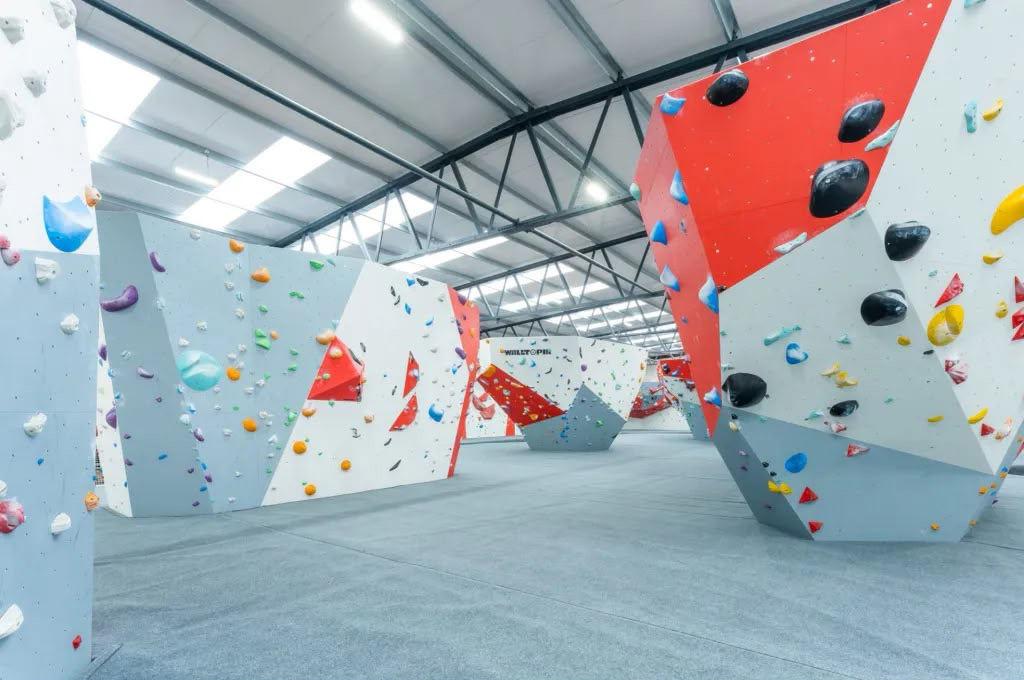
Depot Climbing is one of the UK’s best bouldering centres. It sits just inside Trafford Park and delivers variety for all levels. For power-hungry climbers, an entire overhanging wall awaits. In addition, a competition-style zone tests those who want to compete. Two further rooms hold classic bouldering walls with settings across every grade. As a result, the scale and variety make it a real destination.
The atmosphere adds to the appeal. Each week, Depot runs men’s, women’s and LGBTQIA+ nights. These sessions create an inclusive community that draws people in. Moreover, relaxed social spaces and a café suit everyone. Whether you want a gentle session or a hard project, you will feel at home.
Climbing Hangar Liverpool South
Climbing Hangar Liverpool South is another of the region’s worthy bouldering centres. Since opening in 2020, it has earned a strong reputation for quality problems. Its walls stretch to 4.2 metres, and it has an on-site strength-training gym. As a result, it appeals to intermediate and experienced boulderers who want to improve.
Beginners should not feel discouraged, though. Helpfully, the centre offers free shoe hire, so you can try it without buying gear. Classes for kids and adults are available too. For those already comfortable on the wall, instructor training even offers a route into coaching.
Climbing Hangar Liverpool North
On the other side of Liverpool, Climbing Hangar North matches its southern counterpart. Its dedicated training area gives intermediates and experienced climbers plenty to work on. Meanwhile, a wide spread of problems covers every grade. Beginners therefore progress with confidence, while
Day out with the kids
stronger climbers stay challenged. In short, it is a centre built for progression without pressure. The venue also has a warm, family-friendly character. For example, a dedicated kids’ zone lets young climbers aged four and up tackle ageappropriate problems safely. The centre is easy to
reach as well. Better still, its café and social space welcome dogs, giving the whole place an inclusive, community feel.
LancasterWall
LancasterWall is another strong option in Lancashire. It offers a broad spread of problems for every level. Beginners can find achievable routes that build confidence. Experienced climbers, meanwhile, get pushed by tougher, more technical challenges.
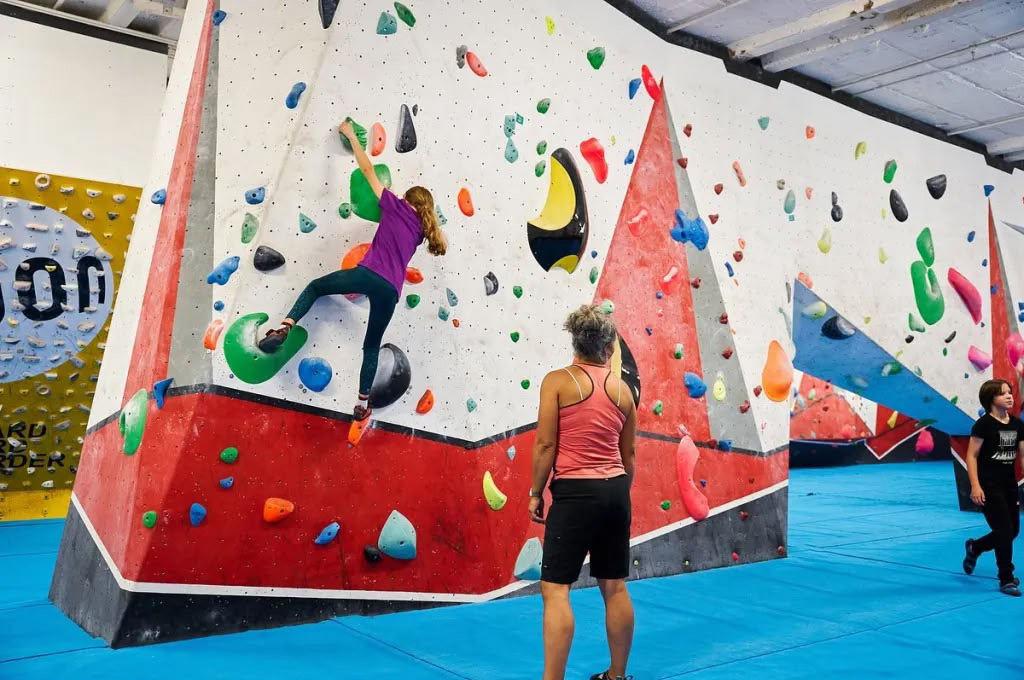
The variety is a big draw. For instance, training walls and overhangs let you hone technique and build power. On top of that, the centre keeps a great family feel. Kids can join classes that range from first sessions to more advanced groups. Adults enjoy similar options too, so everyone climbs at a level that suits them.
Boulder UK
Just south of LancasterWall, you will find Boulder UK in Preston. It has a reputation for a warm
Trip Advisor
Trip Advisor
family environment. Helpfully, kids’ classes run across different skill levels. In addition, the café and social space give climbers a relaxed place to hang out.
Even so, this is not only a beginner-friendly venue. With over 150 boulder problems, Boulder UK offers constant variety and challenge. Climbers can also use a dedicated gym space and training wall. As a result, it works well for newcomers and for those pushing hard for a challenge.
Choosing your North West climbing centre
Whatever you are looking for, the North West climbing centres offer something for you. Across the region, they welcome beginners trying the sport for the first time. Many also provide on-site gear, so you can take those first steps easily. In addition, training walls, conditioning areas and well-designed spaces give everyone room to improve.
Look a little closer, and each centre has its own personality. Some offer social spaces, chill-out zones and dedicated community nights. Others are known for a family-friendly atmosphere and a warm welcome for dogs. Location matters too, so it may shape your final choice. Above all, this variety is what makes the region so appealing.
If you are starting out, bouldering is the simplest way in. It is affordable, accessible and quick to build confidence thanks to the shorter walls. Intermediates can then push harder grades and refine technique through rope climbing and progression classes. Experienced climbers, meanwhile, will find demanding routes, steep overhangs and competition-style walls. In the end, the North West climbing centres keep every climber challenged and progressing.
e Climbing Hangar
e Climbing Hangar
e Northwest Face
BY CHARLOTTE HARRIS
The Women’s Super League 2026/27 season is almost here, and it promises to be one of the most exciting in the history of women’s football. For the first time ever, the league has grown to 14 teams. Several clubs will play their home matches at men’s football league stadiums. On top of that, some remarkable players have joined English clubs this transfer window. Women’s football is on a clear upward path. My prediction is simple: it will only climb higher throughout the season. In this guide to the Women’s Super League 2026/27, we will cover everything you need to know about the WSL, the players to watch and how you can get behind the best female footballers in the country.
What is the Women’s Super League?
For anyone new to the competition, here is a quick overview of the top tier of the women’s game in England. The Women’s Super League, or WSL, is the highest level a female footballer can reach in this country. This season, the Women’s Super League 2026/27 features 14 teams.
Ten of those clubs are linked to a Premier League side. Three more have a men’s team in the Championship. The final club is the first independent women’s team to play at the top level. That club is London City Lionesses. They won promotion for the 2025/26 season after an impressive campaign in WSL 2. Since then, they have kept rewriting history by competing at the top without a male counterpart.
For this season, the WSL welcomed three teams from WSL 2 as it expanded from 12 to 14: Birmingham City, Crystal Palace and Charlton. Birmingham City and Crystal Palace went up automatically as the top two sides in WSL 2. Charlton, meanwhile, had to beat 12th-placed Leicester in a play-off for the final spot. After a tight contest, Charlton won and made the step up.
The rest of the line-up reads as follows: Arsenal, Aston Villa, Brighton, Chelsea, Everton, Liverpool,
Tottenham, Manchester City, Manchester United and West Ham.
More football league stadiums than ever before
This season, fans will get to enjoy plenty of football league stadiums while supporting their chosen WSL club. Last year, Arsenal and Aston Villa led the way by playing every home game at the Emirates and Villa Park. Both clubs will do the same again this year.
Everton also made history last season. For the first time, the women’s side played their home games at the historic Goodison Park, and they will continue to do so in 2026/27.
Excitingly, three more women’s teams will share a ground with their men’s side. As a result, fans will see more football league stadiums hosting women’s games than ever before. Chelsea, for example, will
play every home match at Stamford Bridge. It is a fitting reward for their proud history and their strong push in the Champions League.
Two of the three newly promoted teams will also host games at Championship grounds. Birmingham City will welcome the other 13 sides to St Andrew’s. Charlton, meanwhile, will look to build home advantage at The Valley. Whether you love women’s football or simply enjoy a classic football ground, the Women’s Super League 2026/27 is sure to serve up magic in these stadiums.
Star players returning to the WSL
Several of the biggest names in the women’s game return for the Women’s Super League 2026/27. After long negotiations, Jamaican striker and 2025/26 Golden Boot winner Bunny Shaw signed a new deal with the newly crowned champions, Manchester City. For WSL fans, this was huge news.
Shaw is one of the finest footballers in the world, and we are lucky to host her club career in England. Her athleticism, her eye for goal and her sheer presence make her a favourite with supporters. As a result, many fans cannot wait to see if she can defend her Golden Boot this season.
Another standout returns on the other side of the city. Manchester United’s Jess Park left Manchester City before the 2025/26 campaign, determined to prove her move was the right call. She did exactly that. Still only in her early twenties, Park won Player of the Month several times and has become one of England’s most exciting midfielders. This year, she will aim to lift United higher, having missed a Champions League place by a single position.
Finally, the WSL has welcomed a number of United States internationals in recent years. Young star Alyssa Thompson is one of the most notable. A quick and technical winger at Chelsea, Thompson
Why the Women’s Super League 2026/27 expansion matters
As a fan of the women’s game, I find the expansion of the league wonderful news. It shows that women’s football in England is growing and that clubs and players are getting more resources. Playing in the WSL lets these athletes earn more, compete in a stronger league and perform in front of bigger crowds. There is still progress to make, yet it is inspiring to see how far the sport has come.
Credit: www.wslfootball.com
is certainly one to watch. With every home game at Stamford Bridge this season, we cannot wait to see what she produces on that famous pitch.
The transfer window that changed the WSL
Alongside these returning stars, this transfer window has been like no other. From European champions to England legends, the signings have been remarkable.
Arguably the biggest of all is Alexia Putellas, who has joined from Barcelona. London City Lionesses enjoyed a historic first WSL season last year, and Europe’s champion clearly believes in their vision. Putellas is a Ballon d’Or Féminin winner and one of the most respected players ever to grace the game. Understandably, fans across England are thrilled that she has chosen the WSL, and many will travel far and wide to watch her.
England supporters have also welcomed the return of Georgia Stanway. She played in the WSL before leaving for Bayern Munich in 2022. Now she is back, having signed for title contenders Arsenal. Stanway is a regular for England and a creative, goalscoring central midfielder. She will link up again with Alessia Russo and Leah Williamson, and we cannot wait to see how the three combine this season.
The benefits do not stop at the top. More funding and opportunity filter down into the leagues below, which raises the standard there too. Because three WSL 2 teams went up this year, three national league clubs could turn professional and join WSL 2. Previously, only one national league side earned promotion each season.
That old rule caused problems. The top division of the national league splits into two regional leagues, so a team could win its league and still miss out. The expansion changed that. As a result, Burnley, Watford and Wolverhampton Wolves have all turned professional in WSL 2.
Looking ahead, both the Northern Premier League and Southern Premier League winners will earn promotion. That is a real incentive for clubs and players chasing a professional career. Although this guide focuses on the WSL, I would encourage every fan to seek out a local WSL 2 or national league team, because the rising talent at these levels is immense.
How to get behind the WSL this season
To sum up, the Women’s Super League 2026/27 will be a season to remember. Big names, big stadiums and big crowds will all play their part in a historic year. You can check fixtures on the official Women’s Super League website, follow your club on social media or tune in to streamed games. Whichever you choose, I would encourage you to get involved and watch these talented, driven women achieve something special.
WHICH PADEL RACKET IS RIGHT FOR YOU?
BY ISAAC EYO
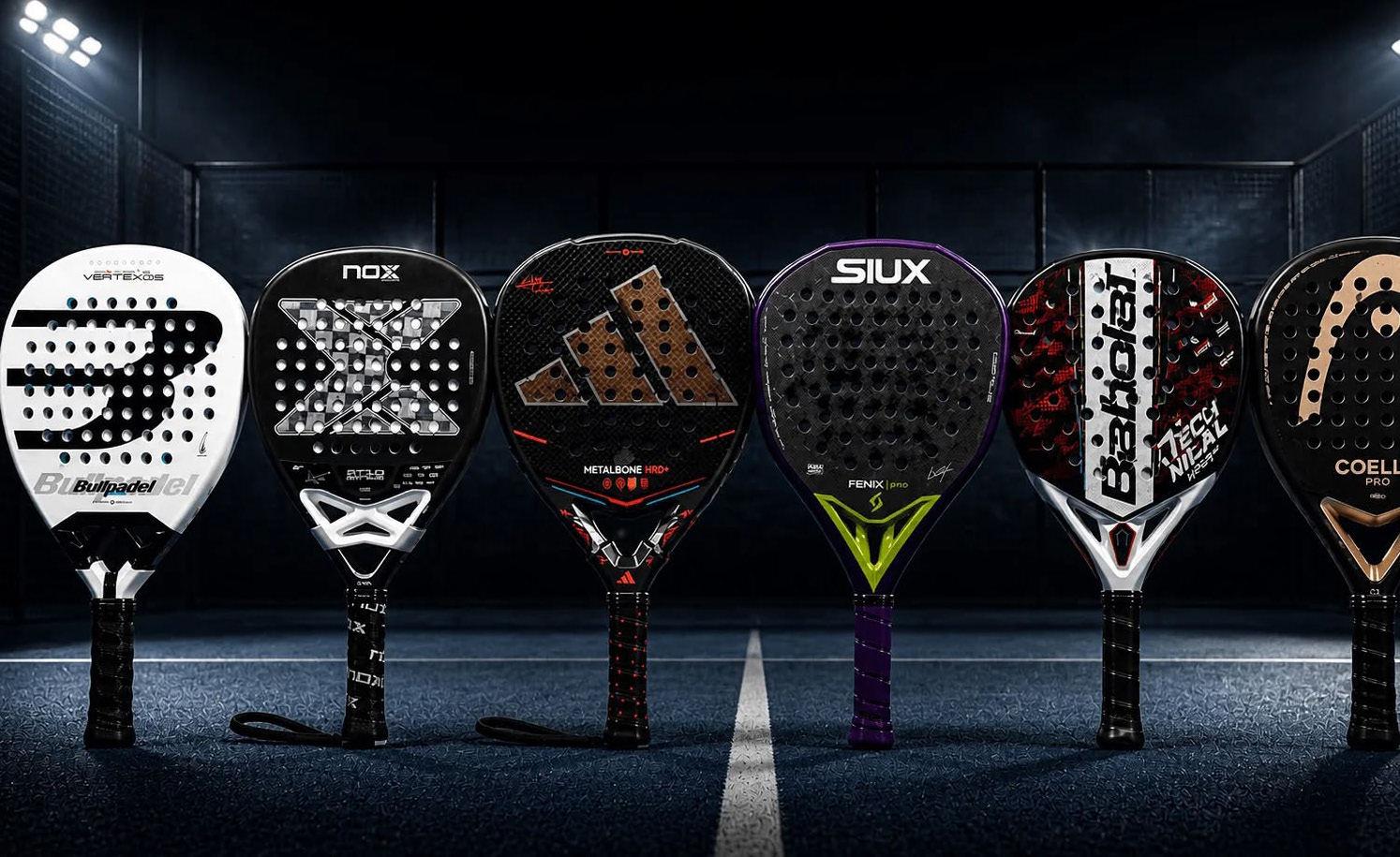
Walk into any padel club and you will notice one thing straight away. No two players seem to use the same racket. With so many brands, shapes and technologies out there, choosing the right one can feel harder than learning the game itself.
Why the Right Racket Matters
The truth is that the most expensive option is not always the best. Finding a padel racket that suits your level and style of play will make a far bigger difference than simply buying what the professionals use. As a coach, I always encourage players to invest in a racket that helps them enjoy the game and feel more confident on court. Here are my top five rackets across three different categories.
The Best Affordable Padel Rackets
If you are new to padel, or you play socially a few times a week, this category is for you. These rackets focus on comfort, control and value, and they help you build solid technique. Most are easy to find
through major UK retailers such as Decathlon and Tennisnuts, where beginner ranges are simple to compare and often discounted.
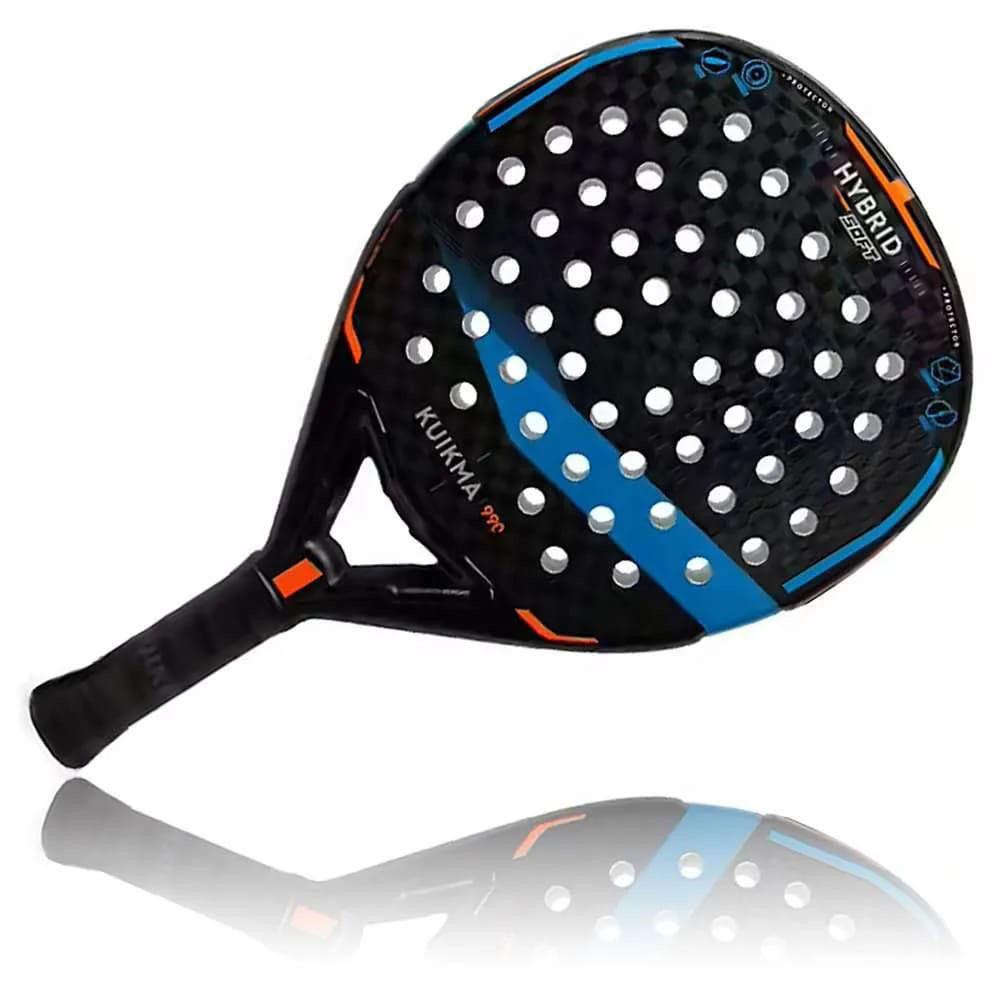
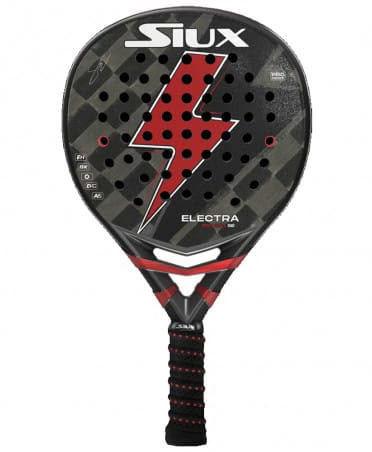
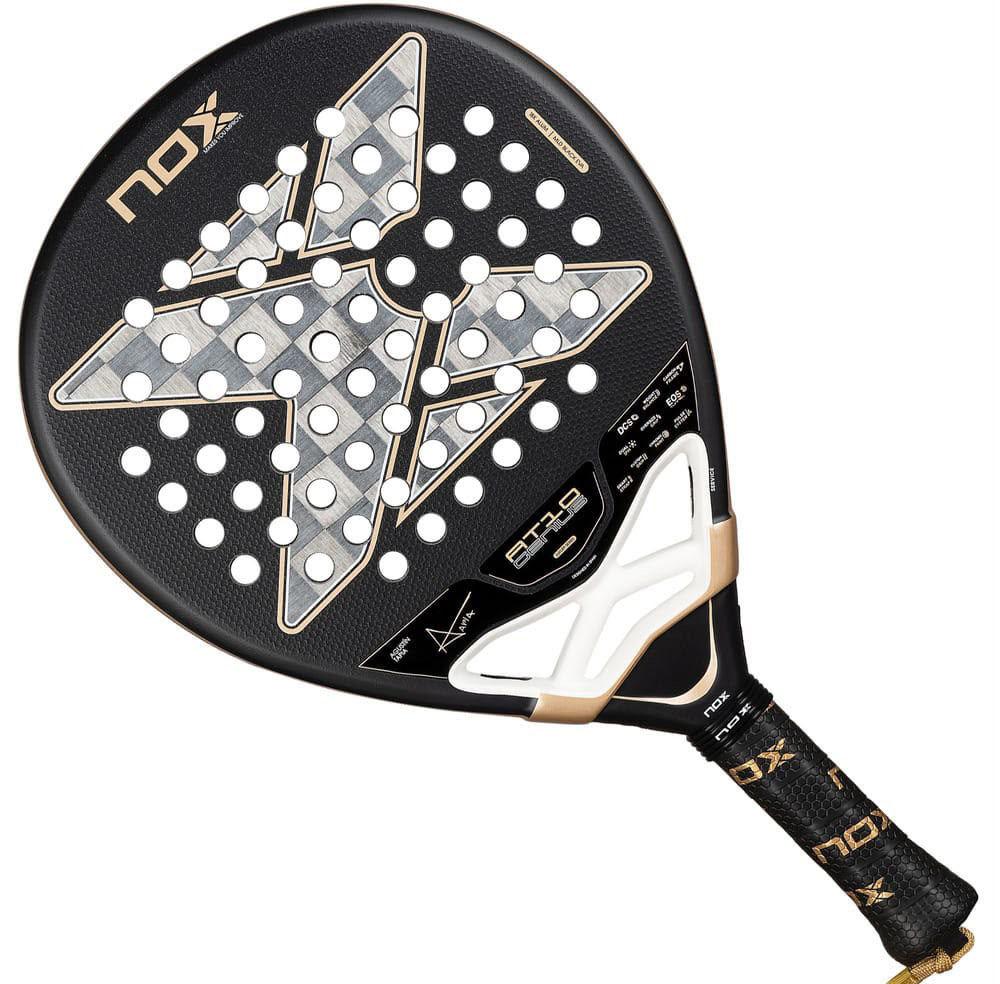
1. Kuikma PR 990 Hybrid Soft. A standout for value and comfort, often found in Decathlon’s own range. It has a large sweet spot and is ideal for developing control without overspending.
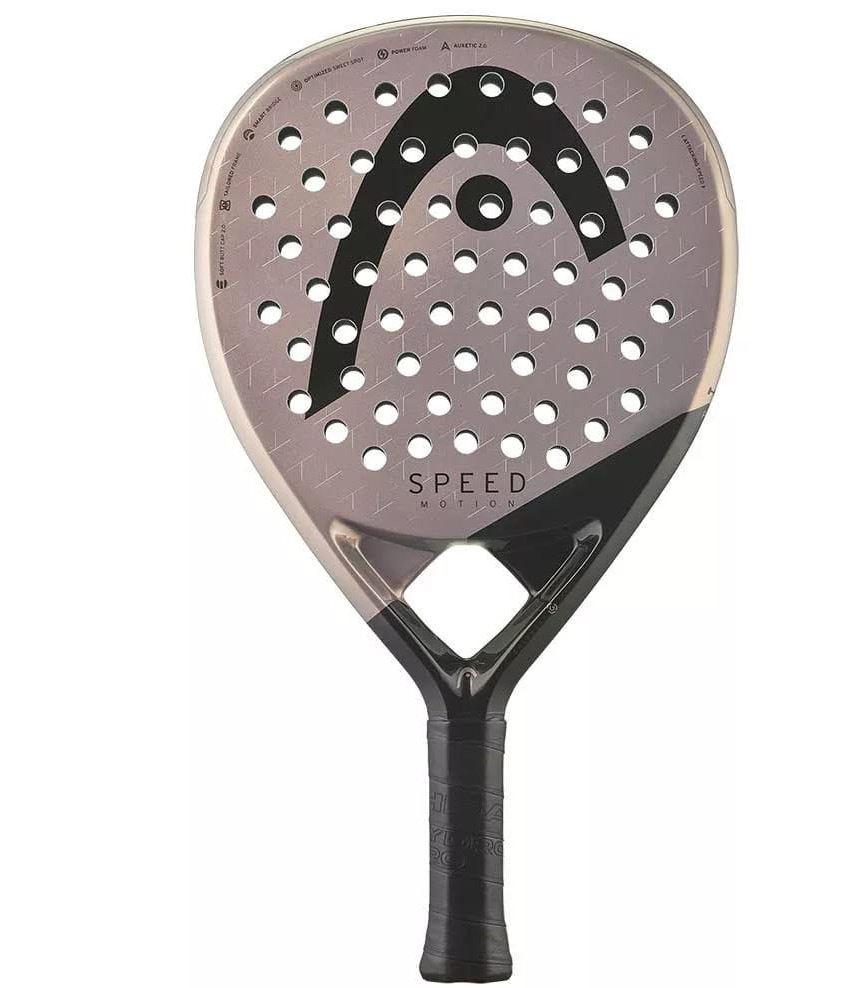
2. Head Evo Speed. Widely available through retailers like Tennisnuts and Pro Direct. It is light, forgiving and perfect for new players building confidence.
3. Wilson Carbon Force LT. A solid entry level Wilson option, stocked across many UK padel shops. It balances comfort with enough structure to improve consistency.
4. Babolat Reveal. Easy to use and very forgiving, commonly available through large sports retailers and specialist online stores.
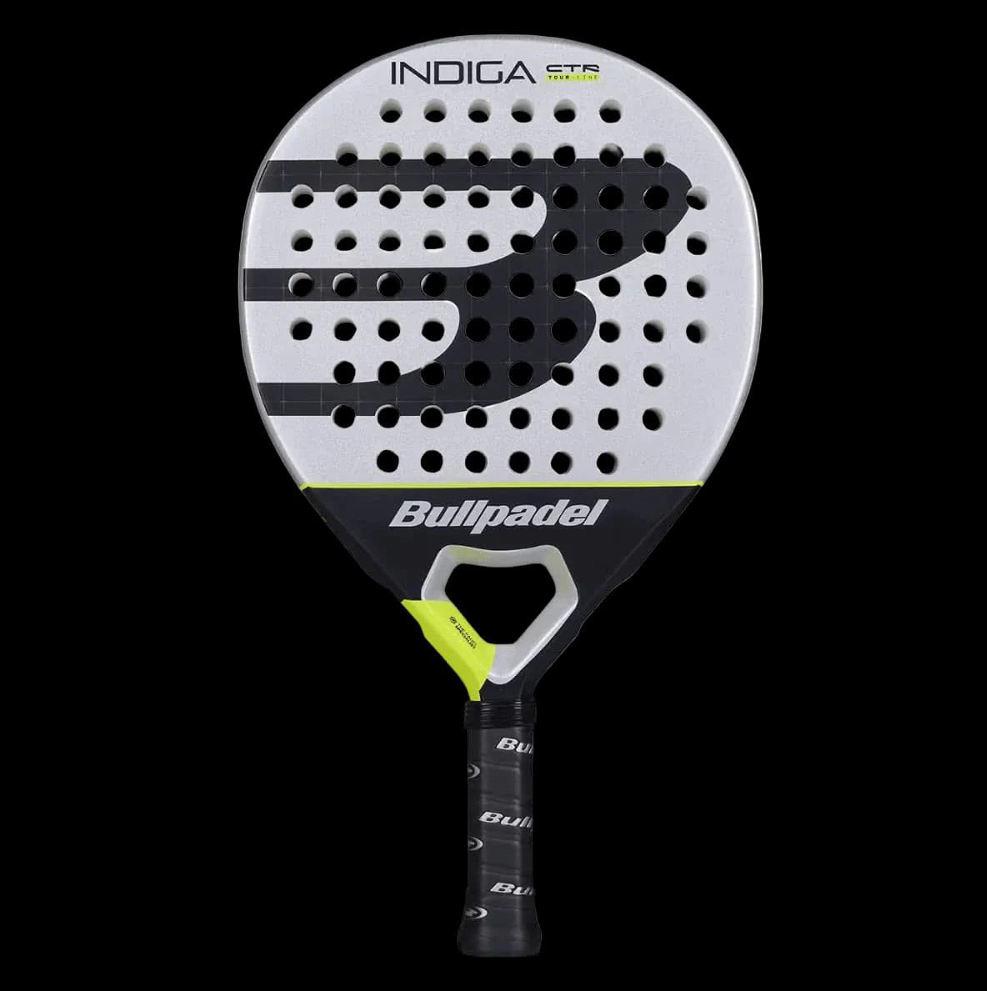
5. Bullpadel Indiga Control. A control focused racket that rewards consistency, typically found through padel specialists such as Pro Direct.
The Best Rackets to Improve Your Game
These are aimed at intermediate and improving club players who already know the basics and want more performance, control and power. This is the
point where most players start looking at specialist retailers such as Pro Direct and Tennis Warehouse Europe, where higher level models are available.
1. Nox AT10 Genius 18K. One of the most popular all-round performance rackets, widely available through Pro Direct and padel specialists. It offers a great balance of power and control.
2. Adidas Metalbone Carbon. A step up in performance, commonly stocked by major padel retailers and used by advanced club players who want extra power.
3. Bullpadel Vertex 04. A very aggressive racket used by strong players and available through specialist padel websites such as Pro Direct.
4. Head Speed Motion. A fast and responsive option, often found across both tennis and padel retailers thanks to its popularity.
5. Siux Electra ST3. A growing favourite among improving players, available through padel focused online stores.
The Best Premium Padel Rackets
These are built for advanced players who compete regularly and want top level performance, precision and power. Most are best found through specialist
retailers such as Pro Direct or Tennis Warehouse Europe, where the full high end range is available.
1. Wilson Defy Pro V1. A high end performance racket sold through premium tennis and padel retailers, built for serious competitors.
2. Nox AT10 Genius Limited Edition. A top tier model, often released in limited runs and stocked by specialist stores.
3. Adidas Metalbone HRD Plus. One of the most powerful rackets available, used by top level players and sold through major performance retailers.
4. Bullpadel Hack 04. A professional level attacking racket, available through specialist padel shops.
5. Babolat Technical Viper. A flagship attacking racket, found across premium tennis and padel stockists.
How to Choose the Right Padel Racket
At the end of the day, the best padel racket is not the most expensive one. It is the one that fits your game, builds your confidence and makes you want to play more. Start with your current level,
be honest about how often you play, and pick something that feels good in the hand. Get that right and the rest will follow.
COACHING AT ROLAND GARROS AND WIMBLEDON: INSIDE SINNER’S PRACTICE COURT
BY CHRIS WHITE
After a busy few months, it’s finally time for a short summer break. It’s also time to reflect on an extraordinary season, from the red clay of Paris to the grass of southwest London.
Here is what I learned, and what it means for your game.
Roland Garros: the clay that surprised me
In May, I had the privilege of working as lead coach at Roland Garros with a former British number one as he prepared for the world-famous red clay.
Roland Garros is one of the four biggest tournaments in the tennis calendar. This year the event handed out a staggering €61.723 million in overall prize money.
I was fortunate enough to hit on the prestigious clay myself, and honestly, the surface surprised me. In the UK we play on artificial clay, which can feel heavy and slippery underfoot. The Paris clay felt thin by comparison. In fact, it played more like a slow hard court.
Patience beats power on the red clay
So who thrived there?
The players with the best results were the ones who stayed patient in the rally. They waited, they built, and only then did they choose the right moment to strike with one of their weapons.
The reason is simple. Clay bites the ball as it lands, slowing it down. Rush the point and the surface punishes you. Wait for your moment and it rewards you.
Wimbledon: analysing the world’s best juniors
In early July, I was fortunate to work at Wimbledon for a world-leading tennis company, analysing the best junior players on the planet.
These juniors are already fully committed to the tennis journey. Each of them hopes to become the next Carlos Alcaraz or Aryna Sabalenka, and their commitment shows.
Junior players are already mini professionals What may surprise you is just how professional these 13 to 18-year-olds already are.
Most of them are not earning any money yet. Even so, all of them are recreating what a top adult professional’s schedule looks like.
Here is what that means in practice:
• Home schooling. They compete roughly 30 weeks a year, all over the world, to build a ranking.
• Daily training. Gym work and court work every single day.
• A long learning phase. Despite the schedule, they are still developing, so technical work never stops.
It is a serious life for a teenager, and it explains a great deal about how they compete.
The grass at Wimbledon is nobody’s best surface
The grass courts of SW19 are pristine. Yet, for most players, grass is not their strongest surface.
The reason is straightforward. The grass season is short, so there is almost no time to practise on it.
Traditionally, grass is a fast surface. The ball skids through, which should suit a big server. However, history tells a different story. The biggest servers in
the game have rarely gone on to lift the trophies on offer.
Watching Jannik Sinner practise up close
Here is the part I still cannot quite believe.
A professional player I used to coach was enlisted to hit with Jannik Sinner every day in the buildup to the Championships. That gave me a private, up-close view of the world number one at work. A genuine money-can’t-buy experience.
Days later, Sinner went on to retain his Wimbledon title, coming from a set down to beat Alexander Zverev 6–7, 7–6, 6–3, 6–4. He became only the tenth man in the Open Era to defend the gentlemen’s singles crown.
Relentless, but always in control
The best way to describe Sinner in practice is relentless.
He strikes every single ball at his maximum. Crucially, though, he never loses control of the stroke. Power and precision arrive together, ball after ball, for the entire session.
My former pupil described it perfectly. The ball felt so heavy on his racket that it became much harder to control and direct his own shots. That is what elite weight of shot actually does to an opponent. It takes your game away from you before you have played it.
Class off the court as well as on it
There was something else that stood out.
You could see a serious competitor making the most of every minute of the session. Even so, he joked and had fun throughout, which tells you everything about how humble he is.
Personally, I believe he will go on to even greater things. His game still has levels in it that can improve, and that should worry the rest of the tour.
What separates the future greats
When I analysed the world’s future stars at Wimbledon, one thing stood out. It was the same thing I had seen in Paris, and the same thing I saw on Sinner’s practice court.
Yes, every one of them had a genuine strength. Crucially, though, they only used it when it was needed.
The rest of the time, they played with calm. They found the court, over and over again, even in the difficult moments.
Less competitive players do the opposite. Under pressure, they reach for the high-risk shot, which is even harder to pull off inside the famous Wimbledon grounds.
The one lesson that outweighs technique
So what does this Grand Slam summer add up to?
Technique matters enormously, at every level of the game. But in the biggest matches, mentality wins. Specifically, the discipline of finding the court at every possible opportunity.
Remember this next time you play a friend or step into a competitive match:
It is fine for your opponent to win the match. Let them hit winners. Let them come up with something special.
It is not fine for you to lose the match. Too many mistakes, too many unforced errors, and you have handed it over before they have even earned it.
Work with me on your game
If you think I can help you or your child, I offer a new online service that transforms players’ games through technical and tactical analysis.
I work with all levels, from beginner to professional, because every level has different needs.
Get in touch on 07984 187943.
SUMMER SPORTING STYLE 2026
BY LEA READ
Credit: Vogue
Summer 2026 has been a blockbuster season for sport, and, as it turns out, for style. While the world had its eyes on the pitch, the court and the catwalk, I had mine firmly on what everyone was wearing. Because this summer proved something rather brilliant: the biggest fashion moments weren’t happening on the runway at all. They were in the stands, in the royal box and, yes, out on the ranch.
From the World Cup to Wimbledon and a fullblown western takeover, the trends came thick and fast. So grab your best arm-candy handbag, pop on your cowboy boots and settle in. Here’s my rundown of the looks that stole the summer, no ticket required.
World Cup style in the stands
After a month of matches, the 2026 World Cup has come to a close. The football may be over, but the attendance in style was a worthy line-up all of its own. Fans styled their soccer tops up rather than down, teaming them with an enviable, ontrend selection of arm-candy handbags. It was a
proper fashion moment, and these were a few of my scoring favourites.
Wimbledon: tradition meets tailoring
Now let’s talk Wimbledon. The court was balling with all the high society traditions we love. Think clean looks, prim mid-calf dresses, deep pleats and dazzling, crisp white fabrics. Many were teamed with giant seventies-style hats, just like the classic beauty J.Lo.
On the other hand, sharp coordinated tailoring made just as much noise. Bold black-and-white stripes, iconic ties and head-turning stilettos, some even sporting tennis balls, had me wondering what was coming next. Ralph Lauren created some fabulous key pieces too, with a casual approach to winning. They’re timeless, easy pop-ons for a busy, sporty life. Overall? Sixteen, love.
Ranch to Runway: the western trend is here
to stay
Fringe is fringing, and the western trend is well and truly here. Howdy, cowboy. Iconic chaps in luxury suede, Tiffany-blue fringed overcoats and cleancut dresses in soft, pastels all paraded down the runways. Scarves added to tailored jackets created a belted edge and nipped-in waistlines. When it comes to western, wild and wow is the itinerary. So pop on your cowboy boots and walk the line.
Summer fashion trends, off the catwalk
Whether your summer style leans sporty, classic or full-on western, this season proves one thing. The best summer fashion trends aren’t confined to the catwalk any more.
BY HELEN GOODWIN
Gulliver’s World has opened a brand new hotel offering, with two themed accommodations now available to book. Following a boom in short-break bookings over the last year, the Warrington theme park has unveiled the Enchanted Castle Hotel and the Pirate Ship Hotel.
Together, the two hotels add 32 themed rooms to the resort. The pirate themed rooms each sleep four people and come with their own ensuite. Meanwhile, the fairytale themed Enchanted Castle Hotel offers ensuite rooms that sleep five people.
What the new Gulliver’s World hotel offering includes
Craig Clews, resort director at Gulliver’s World, said: “We are so excited to be launching our new accommodation as we know our guests will be wowed by what is on offer at the Enchanted Castle and Pirate Ship Hotels.
“The popularity of our short break stays continues to increase year-by-year, so this investment in our park helps to meet that demand and also provides
families with even more options for cost-effective family breaks here in the UK.
“The Princess and Pirate Hotels are part of Gulliver’s expansion of its accommodation offering across all four of our resorts, as we look to reinforce our commitment to creating immersive short break experiences for families to enjoy.”
Rides and attractions at the park
Alongside the new hotels, there are more than 50 rides, attractions, shows and activities to enjoy. These include the Pirate Ship, Desperado Drop, the Antelope Wooden Coaster, Togo Tower, and the resort’s popular animatronic dinosaurs.
In addition, last year saw two new rides prove very popular. The Winged Monkeys Wicked-inspired adventure and the Munchkin Motors, where families can drive through the Land of Oz while looking for its much-loved characters, both drew big crowds.
There is also the Gulliver’s Gears car-themed area to explore. This is home to the Grand Prix Racer
rollercoaster and Overdrive, a 360-degree thrill and one of Gulliver’s most daring rides.
Booking your short break
Guests can save money by booking tickets in advance. The park is open 10.30am to 5pm on weekends and during school holidays.
Overall, Gulliver’s World is one of four theme park resorts in the Gulliver’s family. It sits alongside Gulliver’s Kingdom in Matlock Bath, Gulliver’s Land in Milton Keynes, and Gulliver’s Valley in Rotherham.
For more information and to book, visit the Gulliver’s World website.
BOX STEP & BENTLEY BRING WELLNESS TO
BY JOE EDWARDS
Box Step Bentley Pilates brought something rare to Wilmslow in May. We held an exclusive mat Pilates class inside the local Bentley showroom, surrounded by some of the most beautifully engineered cars in the world. Twelve guests joined us for a morning that mixed movement, luxury and community in equal measure.
At Box Step, we care about more than fitness. We believe movement brings people together, builds real connections and inspires healthier lifestyles. So we keep investing in wellness experiences that pair premium spaces with leading instructors and a strong community.
Over the past year we’ve hosted a run of brand activations. These ranged from reformer Pilates on our Studio Edition Reformers at BABE to dynamic Chair Reformer sessions at BXR London. Each event has one aim: to bring people together through movement in spaces that inspire them. Our latest event, Precision in Motion, captured that vision perfectly.
A setting like no other
We hosted the morning inside the striking Bentley showroom in Wilmslow, just south of Manchester. Bentley’s latest collection of cars surrounded the room as our select group of 12 arrived. The Soul Yogi led the one-hour session, and their energetic coaching delivered a workout that rewarded and challenged in equal measure. The setting created a rare atmosphere, where luxury, performance and wellbeing came together seamlessly.
Why the collaboration works so well
Bentley earns its name through precision engineering and craftsmanship. Pilates shares those same principles: control, balance, strength and precision. That overlap made the partnership a natural fit. Box Step Bentley Pilates showed how two very different worlds can share one set of values.
Wellness beyond the gym
We believe wellness shouldn’t stay locked inside a gym. By taking movement into iconic venues and partnering with inspiring brands, we create experiences that stay with people. Events like these help guests step away from their routines. They connect with others and discover the physical and mental benefits of moving together.
Community at the heart
Community sits at the heart of everything we do. Some guests are new to Pilates. Others have practised for years. Either way, we design our events to feel welcoming, inclusive and memorable. Sharing movement builds motivation and confidence. It reminds us that fitness means more than exercise. It’s about feeling better, meeting likeminded people and enjoying the journey together. To make the morning even more special, every guest took home a premium goodie bag from Applied Nutrition. The products gave everyone a way to support their health and recovery long after the class finished.
This is only the beginning
The response to Precision in Motion was fantastic. It reminded us what happens when great people, premium brands and a shared passion for wellbeing meet in one room. And we’re just getting started. We’re already planning our next wellness activation, with another exciting collaboration close behind. We can’t wait to share what’s coming, so stay tuned as we keep creating experiences that celebrate movement, community and the future of fitness.
PELVIC FLOOR IN PREGNANCY AND POSTPARTUM FITNESS
BY FRANKIE HARRIS
Few topics come up as often in pregnancy and postnatal fitness as the pelvic floor. Yet the advice women receive is often limited to a single instruction: do your pelvic floor exercises. In reality, the postpartum pelvic floor is far more complex than that, and treating it as an isolated muscle group that simply needs constant strengthening misses most of the picture. It does much more than prevent symptoms such as urinary incontinence. It supports the organs of the pelvis, helps stabilise the core, and works in coordination with the diaphragm and abdominal muscles. During pregnancy, this system comes under growing demand as the body adapts to the weight of the baby and to hormonal changes that affect connective tissue. After childbirth, it then has to recover from both the strain of pregnancy and, in many cases, the physical impact of labour.
Why strength is not the whole story
For years, strengthening has been the main focus of pelvic floor rehabilitation. These exercises can help, but they are not always the complete answer.
In some cases, particularly among women who were very active before pregnancy, the pelvic floor may already be overactive or too tight. This can cause symptoms that look a lot like weakness, including discomfort, heaviness or problems with bladder control. Simply adding more strengthening work, then, may not fix the real issue.
Physiotherapists are increasingly seeing this pattern in practice. Take a recreational runner returning to exercise a few months postpartum. Despite doing her pelvic floor exercises every day, she may still leak on short runs or feel a sense of heaviness afterwards. On assessment, a pelvic health physiotherapist may find that the problem is not weakness at all, but a lack of coordination and an inability to fully relax the muscles. By shifting the focus towards breathing, release and movement control, rather than more repetitions, many women in this position see real improvement.
The case for balance
Like any other muscle group, the pelvic floor needs to both contract and relax effectively. This ability to lengthen and release matters hugely during childbirth, where a lack of relaxation can contribute to complications. In a fitness context, it also has to respond dynamically to movement, adjusting to changes in pressure during running, lifting or even everyday tasks.
How breathing supports the postpartum pelvic floor
Breathing plays a central role here. The pelvic floor works together with the diaphragm, moving in response to each breath. As the diaphragm lowers on the inhale, the pelvic floor naturally lengthens. As you exhale, it gently recoils. Learning to work with this rhythm helps improve coordination and function, rather than encouraging constant tension or bracing.
For many women returning to exercise after birth, this calls for a change in mindset. Rather than focusing only on rebuilding strength, there is real value in developing awareness and control. That might mean slowing movements down, paying
attention to how the body responds under load, and recognising when rest or a modification is needed. It also shows why individual assessment matters, because no two postpartum experiences are the same.
Exercises for postpartum pelvic floor recovery
Pelvic health physiotherapists increasingly recommend combining traditional strengthening with movements that build relaxation, coordination and functional strength. Commonly prescribed examples include:
• Diaphragmatic breathing. Lying or seated, focus on expanding the ribcage as you inhale and letting the pelvic floor relax, followed by a gentle lift on the exhale. This helps restore the natural rhythm between breath and pelvic floor.
• Pelvic floor lifts with full release. Rather than squeezing constantly, gently lift for a few seconds, then fully relax. The release phase matters just as much as the lift.
• Glute bridges with breath coordination. Lift the hips on an exhale while engaging the pelvic floor, then lower with control. This brings the pelvic floor into larger movement patterns.
• Deep squat holds. With support if needed, sitting into a squat can encourage pelvic floor lengthening and mobility, which is especially useful during pregnancy.
• Heel slides or dead bugs. Controlled core exercises that build coordination between the abdominals and pelvic floor without excessive strain. Together, these reflect a shift away from isolated training and towards integrated movement. They
also make an important point: pelvic floor function is not built in stillness alone, but through how the body moves as a whole.
When to see a pelvic health specialist
Access to pelvic health specialists has become a key part of this conversation. These professionals can assess whether the pelvic floor is working as it should and give tailored guidance that goes beyond general advice. That is particularly valuable for anyone hoping to return to high-impact activity or competitive sport, where the demands on the body are greater.
A more sustainable approach
As awareness grows, the story around pelvic floor health is slowly changing. It is no longer seen purely in terms of strength, but as part of a broader system that needs coordination, adaptability and balance. For pregnant and postnatal women who stay active, that shift offers a more realistic approach, one that prioritises long-term function over quick fixes.
Understanding the pelvic floor this way supports recovery after childbirth and encourages a healthier relationship with exercise in the long run. By moving beyond the idea that it is simply about squeezing and holding, women are far better equipped to support their bodies through pregnancy, postpartum recovery and beyond.
COULD YOUR HOME HELP YOU LIVE LONGER?
BY KURTIS STACEY
Most people improve their homes for one of three reasons: to save money, add value or make life a little more comfortable.
But what if the biggest benefit wasn’t your house at all—it was you?
We’re spending more time indoors than ever before, yet few of us stop to think about how our
homes affect our health. The reality is that a wellperforming home doesn’t just use less energy. It helps us sleep better, breathe easier, stay warmer in winter, cooler in summer and even reduces the risk of illness and accidents.
Take heating, for example. Walking into a warm house after a cold day feels good, but keeping a home at a steady, comfortable temperature does far more than improve comfort. Sudden swings
between hot and cold can put extra strain on the body, particularly for older people or anyone with heart or respiratory conditions. Simple upgrades such as programmable heating controls or room-byroom temperature settings mean you’re only heating the spaces you use, making the house more efficient while keeping it consistently comfortable.
Natural daylight is another unsung hero. A bright home can lift your mood, help regulate your body clock and improve sleep quality. Better sleep leads to more energy during the day, better concentration and improved overall wellbeing. Sometimes, simply opening curtains fully, cleaning windows or choosing lighter interior colours can make a surprising difference.
A healthy home is also a safe home. Good lighting on stairs, non-slip flooring in bathrooms and removing trip hazards can help prevent falls, which remain one of the biggest causes of injury in the home. These improvements don’t cost a fortune, but they can make a significant difference to everyday life.
Many energy-saving measures work hand in hand with better health. Insulation keeps warmth where it’s needed. Heating controls prevent wasted energy. Eliminating draughts creates a more comfortable environment. Together, these improvements make homes easier and cheaper to live in, while helping the people inside them stay healthier too.
An Energy Performance Certificate is often viewed as a measure of running costs, but perhaps it should also be seen as something more. Behind every better EPC rating is the opportunity to create a home that supports the people living in it—not just by saving energy, but by improving comfort, wellbeing and quality of life.
After all, investing in your home isn’t just about adding years to your property. It might just help add life to your years.
10 Simple Home Improvements That Could Improve Your Health
1. Use your heating controls properly. Set heating to match your daily routine rather than leaving it on all day.
2. Heat the rooms you actually use. If you have thermostatic radiator valves, adjust each room instead of heating the whole house.
3. Keep your home at a steady temperature. Avoid letting the house become very cold before turning the heating up full.
4. Open your curtains every morning. Natural daylight can improve mood, energy levels and sleep quality.
5. Replace old bulbs with brighter LED lighting. Better lighting reduces trips and falls while using less electricity.
6. Seal obvious draughts. Draught-proofing doors and windows keeps warm air in and cold air out, making the home more comfortable.
7. Check for signs of damp. Deal with small patches of mould or condensation before they become bigger problems.
8. Keep walkways and stairs clutter-free. It’s one of the easiest ways to prevent accidents at home.
9. Use extractor fans when cooking or showering. It helps reduce moisture and keeps the home feeling fresher.
10. Service your boiler regularly. An efficient heating system performs better, costs less to run and helps maintain a comfortable indoor environment.
info@gogreenofficesolutions.com
PROGRESS DOESN’T STOP AT PASSPORT CONTROL
BY STEVEN DOBIE
For many people, training on holiday simply doesn’t happen. Booking a break tends to mark the end of their fitness routine. Training stops, structure disappears, and healthy habits give way to a familiar promise: “I’ll start again when I get home.”
I’ve heard it countless times throughout my career. More often than not, it’s this mindset, rather than the holiday itself, that causes people to lose momentum.
I recently spent more than three weeks away celebrating my 40th birthday. The trip took me through Singapore, Bali, Malaysia and Thailand. I came home with a different reminder. Progress doesn’t stop at passport control.
In fact, the trip reinforced something I’ve found myself talking about more and more with clients over the last few years. Fitness isn’t built on perfect routines. Instead, it’s built on your ability to adapt when those routines change.
A Lifestyle Doesn’t Go on Holiday
As a coach, and as someone who trains regularly, I’ve experienced a big shift in thinking. I now
understand the difference between training for a result and living a healthy lifestyle.
If exercise is simply a tool to lose weight before a holiday, it’s easy to abandon the moment you arrive. However, if movement has become part of who you are, it doesn’t suddenly disappear because you’re in another country. It simply looks different.
That was certainly true for me. My normal programme stayed at home. The routine changed, the environment changed, the approach changed. The habit, though, didn’t.
Training on Holiday: Adaptability Is a Strength
Across the four countries I visited, the hotel gyms varied enormously. Some were equipped with everything I could have asked for. Others offered little more than a treadmill, a bench and a handful of dumbbells.
Years ago, I might have looked at those gyms and convinced myself there wasn’t enough equipment for a worthwhile session. Now I see them differently. The equipment never became the limiting factor. Instead, my expectations changed.
Rather than asking, “How do I recreate my programme from home?” I started asking a far better question. “What is the minimum I need to do to maintain everything I’ve already built?” Thankfully, the answer was surprisingly simple.
Maintenance Isn’t a Step Back
We often think every workout must move us forwards. In reality, there are periods where maintaining your strength, muscle and fitness is exactly the right outcome. A holiday is one of those times.
I wasn’t trying to build muscle in a hotel gym. Nor was I chasing personal bests or trying to outperform my sessions back home. The goal was simply to give my body enough stimulus to remember what months of consistent training had already taught it.
With limited equipment, the exercises naturally became simpler. Squats. Rows. Presses. Split squats. Romanian deadlifts. Nothing revolutionary.
Because the weights were lighter, progression came from somewhere else. Tempo became more important than load. Every repetition slowed down.
Time under tension increased. Above all, movement quality became the priority.
It’s something I’ve written about before, yet the principle remains the same. When we focus on controlling movement rather than simply completing it, training becomes far more effective. Training on holiday was no different.
Movement Beyond the Gym
Some of the most valuable movement happened long before I stepped into a gym. Walking through Singapore. Exploring markets in Kuala Lumpur. Climbing temple steps in Thailand. Strolling coastlines in Bali.
Without chasing a step target, some days we covered considerably more ground than I typically would at home. It’s an important reminder that movement isn’t confined to the gym floor.
After all, the body doesn’t know whether you’re walking on a treadmill or discovering somewhere you’ve never been before. It simply benefits from moving. Sometimes we underestimate just how much these everyday activities contribute to our overall health.
Escaping the All-or-Nothing Mindset
For me, this is where the real lesson sits. That allor-nothing thinking is exactly what trips people up, especially when it comes to training on holiday. Too many people view fitness as either completely on track or completely off track. You miss one workout, so the week is ruined. You can’t follow your normal programme, so you decide to wait until Monday.
But that’s not how long-term success works. The people who stay healthy for years don’t live by perfect routines. Instead, they live by adaptable habits.
Training might become shorter. Weights might become lighter. Walking replaces structured cardio. Nutrition becomes a little more flexible. None of that means progress has stopped. It simply means the routine has adapted to suit the environment. That, ultimately, is what a lifestyle looks like.
During my own holiday, I enjoyed incredible restaurants, local food, desserts I wouldn’t normally order and a glass of wine overlooking some unforgettable views. I didn’t feel guilty. Equally, I didn’t feel the need to spend two hours in the gym trying to earn those experiences.
Training wasn’t punishment. Movement wasn’t a transaction. Rather, it was simply part of my day, just as it is when I’m at home.
Progress Looks Different
One thing I’ve realised over the years is that consistency isn’t about doing the same thing every day. Instead, it’s about continuing to show up, even when circumstances change.
Life will always interrupt your routine. There will be holidays. Busy periods at work. Family celebrations. Unexpected challenges. If your fitness only survives when conditions are perfect, it’s unlikely to survive for very long.
Returning home after three weeks away, I didn’t feel as though I needed to start again. My routine had changed, but my habits hadn’t. Looking back, that’s probably the biggest lesson the trip reinforced.
Training on holiday reminded me that real progress was never built inside one gym. Instead, it’s built through behaviours that travel with you, wherever you happen to be. Because progress doesn’t stop at passport control.
BEST SPAS IN AND CLOSE TO LANCASHIRE
BY CHARLIE ALFONSO
When it comes to wellness and selfcare, Lancashire has quietly become one of the UK’s most compelling spa destinations. From sprawling countryside sanctuaries to boutique hideaways, the county’s luxury spas offer far more than a quick massage and steam — they deliver full sensory escapes, ideal for recovery, relaxation and revitalisation.
The Woodland Spa: A Destination for Total Rejuvenation
If you want to experience Lancashire’s spa scene at its most ambitious, The Woodland Spa delivers. Nestled within an elegant resort, this spa isn’t just about treatments — it’s about a holistic wellness journey designed to recalibrate your body and mind. Here, you can move through a sequence of thermal experiences that play with heat and cool, unwind
in peaceful water spaces, and drift into relaxation lounges that feel worlds away from everyday stresses. The outdoor infinity pool, overlooking rolling parkland, makes this a destination in itself — and an ideal choice for anyone craving a complete luxury spa weekend.
What elevates The Woodland Spa is its ability to balance sheer indulgence with genuine therapeutic value. It’s perfect for the runner in need of deep muscle relief, or the busy professional craving restorative calm.
Ribby Hall Spa Hotel: AwardWinning Indulgence in the Countryside
Often hailed as one of the best spa hotels in the UK, Ribby Hall combines top-tier facilities with an atmosphere that’s both welcoming and refined. This is the place where classic luxury meets thoughtful innovation.
Start with an immersive thermal journey through saunas, steam rooms and aroma-rich spaces. Find
a quiet moment in the outdoor hot tubs tucked into beautifully landscaped gardens. And when it’s time for treatments, choose from expertly delivered rituals designed to relax, invigorate or simply slow down time.
Ribby Hall’s adult-only spa hotel is ideal for anyone who wants a full day of wellbeing — or a weekend escape that feels truly special. It’s one of those rare places where you leave feeling pampered and genuinely renewed.
Stanley House Hotel & Spa: Boutique Elegance with a Personal Touch
For readers who appreciate understated luxury, Stanley House Hotel & Spa offers an experience that feels intimate and bespoke. Set amidst the gentle countryside of the Ribble Valley, this spa blends elegance with tranquillity in a way that’s uniquely inviting.
The spa spaces themselves are refined but not fussy, with thermal cabins, hydrotherapy pools and calm lounges that encourage slow breathing and deeper relaxation. Treatments here are delivered with personal attention and care — you feel seen, rather than processed.
It’s the kind of place that suits couples’ retreats, romantic getaways, or solo wellness breaks where quiet is part of the healing. If luxury means beauty, serenity and warmth with every detail attended to, Stanley House is a sublime choice.
The Wrightington Hotel, Health Club & Spa: Where Fitness
Meets Luxury Relaxation
Lancashire’s spa scene isn’t just about indulgence — it’s also about performance, recovery and longevity. The Wrightington Hotel, Health Club & Spa bridges that world perfectly. Here, luxurious spa facilities sit alongside serious fitness offerings,
making it a favourite for active guests who want recovery to feel as good as training.
Swim, sauna, massage, repeat — that’s the rhythm here. The spa’s treatment menu complements the fitness spaces, whether you’re easing sore muscles after a long run or simply valuing the restorative power of heat, water and expert hands.
Its approach is grounded yet luxurious, making it a brilliant option for anyone who sees wellness as both lifestyle and pleasure.
Aria Spa at Athelis Club & Spa: A Destination Spa Too Exceptional to Exclude
Some spa experiences are so ambitious, so beautifully executed, that geography becomes irrelevant. Aria Spa at Athelis Club & Spa, located in Warrington, Cheshire, is one of those rare destinations. While it sits just beyond Lancashire’s border, it is quite simply too impressive not to be
included in any serious conversation about luxury wellness in the North West.
Aria Spa is not a quiet boutique retreat or a modest countryside hideaway. It is a statement destination. Designed on a grand scale and delivered with exceptional attention to detail, this is one of the largest and most sophisticated spa environments in the region, offering an experience that feels closer to an international wellness resort than a local escape.
From the moment you step inside, the sense of space and intention is unmistakable. Expansive thermal areas invite you to slow down and explore heat and water in a deeply immersive way. Pools, suites and relaxation zones are thoughtfully arranged to encourage unhurried movement and genuine restoration. There is room here to breathe, to pause, and to fully disconnect from the outside world.
What elevates Aria Spa beyond sheer size is its seamless integration with the wider Athelis Club philosophy. This is a place where elite fitness, recovery and luxury coexist effortlessly. Guests can move from training or swimming into deeply restorative spa rituals, allowing the body to recover properly while the mind unwinds. Treatments are expertly delivered, with a focus on performance, longevity and total wellbeing, making this a natural choice for athletes, high performers and anyone
who takes their health seriously without sacrificing indulgence.
Yet despite its scale, Aria never feels impersonal. The experience is polished, refined and quietly confident. Relaxation spaces are beautifully considered, encouraging hours rather than minutes of calm. The overall atmosphere is one of modern luxury, understated but unmistakably premium, designed for those who expect more than just a pleasant spa day.
Yes, Aria Spa is technically in Cheshire. But in ambition, execution and experience, it surpasses many of Lancashire’s finest offerings. It raises the bar for what a luxury spa in the North West can be. For those willing to travel a little further in search of something truly exceptional, Aria Spa at Athelis is not just worth including. It is impossible to ignore.
EXCLUSIVE TRAVEL
By Paul Knowles
SIX SENSES LONDON
BY PAUL KNOWLES
Bayswater has long been one of inner west London’s quieter and more characterful pockets, a surprisingly low-key and multicultural corner of the city just moments from the green expanses of Hyde Park and Kensington Gardens. At its heart stands The Whiteley, the grand Grade II listed former department store on Queensway that first opened in the Edwardian era and rang up its final sale in 2018. Now painstakingly restored, with only its magnificent listed façade retained, The
Whiteley has been reborn for a new generation, housing a cinema, shops, restaurants and an art gallery. Most exciting of all, it is home to the first Six Senses hotel in the United Kingdom, a brand best known for its barefoot luxury resorts across Asia that has been steadily bringing its wellbeingled philosophy into great cities such as Rome, Istanbul and Kyoto.
The building alone rewards an early arrival. Architects AvroKO and EPR, working alongside Foster and Partners, have preserved the original listed Edwardian façade while drawing on the spirit of the Great Exhibition of 1851 throughout the interiors. The restored grand staircase, rebuilt by hand in Devon, rises through three floors to a glassdomed ceiling, deep green marble runs through the lobby, and plant life occupies the original display vitrines. Arrivals are welcomed with a house-made kombucha and a scented towel, an early sign of the wellness focus that runs through everything here. A quiet round of applause is also due for the sustainability effort, where you would struggle to find a single scrap of disposable plastic anywhere in your room, and the hotel has committed to
reinvesting a share of its revenue into conservation and community initiatives, including urban rewilding and green corridors linking the Royal Parks.
Dining Experiences
• Whiteley’s Kitchen is the hotel’s central restaurant, built around a striking open kitchen and designed to replicate a familial warmth. Its menus champion local, ethical suppliers, seasonal produce and fermentation, with everything from fermented tonics to pickle juices woven through the offering. Daytime dining is as smart or casual as you please, while evenings call for a little more effort.
• Whiteley’s Bar and Café extend the offering through the day, from morning coffee to relaxed drinks.
• The Alchemy Bar is a modern apothecary where guests blend British seasonal herbs into scrubs, remedies and take-home tonics, with workshops hosted by in-house sustainability experts alongside the Earth Lab.
• Hotel guests can also secure a table at the Mediterranean restaurant within Six Senses Place, upstairs, which is otherwise reserved for members.
Accommodation
The hotel offers 109 rooms and suites alongside 14 Six Senses Residences. Deliberately restrained rather than showy, the rooms cocoon guests in dove greys, off-whites and light wood, with sky blue, sage and emerald textiles and live plants creating a tranquil ambience. Entry-level Superior Rooms measure around 30 square metres, rising through Deluxe Rooms to suites such as the Courtyard Suite, a roomy retreat on the top floor with a light-filled living room and separate bedroom overlooking the development’s central courtyard. Expect excellent beds, a full pillow menu, highly adjustable and impeccably labelled lighting, top-end marble-andtile bathrooms, and glass shower pods that let light move freely through the room. In-room touches include a smart TV, a Marshall Bluetooth speaker, yoga mats, bathrobes, slippers and organic bath products, and many rooms feature private terraces, an increasingly rare luxury in central London.
Spa & Wellness
The spa is the beating heart of the hotel and sets a new benchmark for wellness in the capital. Running to 2,300 square metres across a single subterranean floor, it has been designed to evoke the atmosphere of an old-fashioned London underground station, a labyrinth of curved, cream corridors leading past reflection pools to the treatment areas. Facilities include a 20-metre indoor swimming pool, London’s first hotel magnesium plunge pool, designed to support muscular recovery and nervous system regulation, along with a cold plunge, an Epsom-salt flotation pod, a cryotherapy ice chamber, a Finnish sauna, an infrared sauna, a steam room, a traditional hammam, a rose quartz room and sensory showers. The advanced Biohack Recovery Lounge offers biomarker consultations, a hyperbaric oxygen chamber and red-light therapy, and half-day wellness journeys begin with a consultation and biohacking experience. The vast, tailored treatment menu is delivered across six
treatment rooms, complemented by a sensory suite and a relaxation room.
Fitness & Activities
• London’s largest hotel gym, spacious enough for up to 50 guests at once, kitted out in retro-style hardwood panelling and leather-clad equipment.
• Dedicated studios for meditation, yoga and aerial yoga, with a daily calendar of guided classes.
• Six Senses Place London, the brand’s first private members’ club anywhere in the world, a refined social and wellness club hosting talks, workshops and community gatherings, with sustainability and conscious living at its core.
• Complimentary use of bicycles, 24-hour room service and a pet-friendly welcome.
Rates start from around £625 per night for a room, rising to roughly £1,660 for suites, with dinner at Whiteley’s from about £125 per head.
www.sixsenses.com
THE STANDARD, LISBON (OPENING SOON)
BY PAUL KNOWLES
Lisbon has become one of Europe’s most sought-after city breaks, a place of tiled façades, riverside light and steep, storied streets, and it is about to gain a landmark new address. In Alfama, the city’s oldest and most atmospheric quarter, The Standard has taken on Palácio Santa Clara, a beautifully layered site that began as the College of St Francis Xavier before serving as the Portuguese Royal Navy Hospital for
more than two centuries. Perched high above the neighbourhood’s winding streets, with front-row views over the Tagus River and out towards Campo de Santa Clara, it marks the celebrated brand’s debut in Portugal and its continued push across Europe.
The building’s restoration is the work of Portuguese practice STC Arquitetura, led by Samuel Torres de Carvalho, who has preserved what endures in the historic shell while allowing it to shift in tone and purpose. The interiors come from The Standard’s in-house design team, led by Verena Haller, in partnership with the acclaimed Spanish designer Jaime Hayon of Hayon Studio, whose signature colour, tactility and sense of play turn a centuries-old hospital into something intimate yet theatrical. The result is a lively, modern social hub anchored in food, music, art and culture, designed as a backdrop for day-to-night programming rather than simply a place to sleep. A note on timing: the launch has been targeted for around the end of 2026, though the date has moved more than once, so it is worth checking directly before booking travel around it.
Dining Experiences
• A signature all-day dining restaurant with three terraces anchors the ground floor, the heart of the hotel’s culinary offering and a natural gathering point for guests and locals alike.
• A characterful bar and lounge is set within a meticulously restored former pharmacy, trading on the building’s past as a working hospital.
• A street-facing café, with picturesque views over Campo de Santa Clara, draws the hotel into the daily rhythm of the neighbourhood.
• A rooftop cocktail bar and terrace, with panoramic views across the city and the Tagus, is poised to become a destination in its own right. In all, the property is set to run around six restaurants and bars, giving it real breadth from morning coffee to late-night drinks.
Accommodation
The hotel will offer approximately 170 guestrooms alongside 24 long-stay apartments, a mix that makes it a strong option for weekend visits and longer stays alike. The rooms follow The Standard’s understated-cool aesthetic, with clean lines, warm tones and generous natural light, and range from the compact Standard Single at around 18 to 25 square metres up through the Standard Queen and Standard King categories, with several enjoying front-row views over the Tagus. Every room comes well equipped, with custom bathrobes, a Bang and Olufsen Bluetooth speaker, an overstocked minibar, a flatscreen television with Chromecast, and a bathroom finished with bespoke amenities and a rainfall shower. The high ceilings and large windows set within a historical landmark give the accommodation a sense of scale rarely found in the city centre. The long-stay apartments sit alongside the separate Palácio Santa Clara branded residences, a private collection of homes completed on the same site.
Spa & Wellness
Wellness centres on a colourful destination spa conceived as a playful respite, with a treatment menu that draws inspiration from Alfama’s Moorish heritage. It is supported by a thermal circuit and, up top, an outdoor pool deck and terrace, offering a calm counterpoint to the energy of the public spaces and a place to cool off with the city laid out below.
Facilities
The property is built around vibrant spaces for day and nightlife programming across culture, food, music and art, with flexible meeting and event facilities alongside the restaurants, bars, café, rooftop and pool, giving it the feel of a neighbourhood in its own right rather than simply a hotel.
Early indications point to sensible opening-night rates that undercut the ultra-luxury names.
www.standardhotels.com
COMO LE BEAUVALLON, SAINT-TROPEZ
BY PAUL KNOWLES
Set high above the Gulf of Saint-Tropez, surrounded by swaying palms, fragrant umbrella pines and terraced Mediterranean gardens, COMO Le Beauvallon is one of the French Riviera’s last remaining grand Belle Époque estates. First opened in 1914, the palace quickly became a social and cultural landmark of the coast, welcoming a cosmopolitan guest list that included Winston Churchill, Audrey Hepburn and F. Scott Fitzgerald, and hosting the legendary garden parties of the interwar years. It even served as a hospital during the First World War. After nearly a decade behind closed gates as a private, exclusive-use venue, the estate has been carefully reimagined by COMO Hotels and Resorts, the group founded by Christina Ong, and returns as an intimate retreat that pairs period grandeur with COMO’s signature philosophy of understated, mindful luxury.
The estate spans 10 acres of landscaped gardens and terraces, shaded by palms and pines and bathed in the famous, painterly Riviera light that has captivated artists for more than a century, with sweeping views across the sparkling bay. The restoration respects the building’s architectural
heritage while introducing COMO’s calm, contemporary aesthetic, and the property doubles as an artistic haven, showcasing an eclectic collection of more than 300 art installations and objets, including a striking piece by Pritzker Prize-winning architect Toyo Ito, the relocated 2002 Serpentine Gallery Summer Pavilion set dramatically against the sea. Throughout, the feeling is of staying in a private home rather than a hotel.
Dining Experiences
• Beauvallon Sur Mer, the beachfront flagship, is led by Yannick Alléno, the most decorated chef in the Michelin Guide with 17 stars across his restaurants worldwide. His first ever beach-club restaurant offers a bold crossover of Southeast Asian and Mediterranean flavours, with sharing dishes ranging from sushi and sashimi to black cod with miso, spicy Thai beef salad and grilled capon, in a stylish seaside space designed by French interior designer Dorothée Delaye.
• The Winter Garden provides all-day dining and a relaxed lounge within the main building, an elegant, light-filled setting from morning to evening.
• COMO Shambhala Cuisine, the brand’s signature wellness menu, serves extremely fresh, healthy dishes designed to promote energy and balance.
Accommodation
The hotel offers 42 individually designed rooms and suites, 28 of which are suites, each with its
own character within the restored historic building. Entry-level Superior Rooms are cosy at around 25 square metres, with a queen bed and peaceful views over the lavender-hued, pine-forested Provençal hillsides, followed by the larger Deluxe Rooms and Deluxe Twins in the same authentic Provençal style. Junior Suites, from around 40 square metres, offer king beds and either garden or sea views, while the sea-facing Beauvallon Suites enjoy wonderful natural light and open-plan layouts. Families are well served by the multi-room configurations, including Two-Bedroom Suites and Two-Bedroom Terrace Suites with separate enclosed bathrooms, some featuring teepee beds for children. At the pinnacle, the roughly 199 square metre COMO Suite is a sweeping one-bedroom penthouse sanctuary with panoramic Gulf views, a Jacuzzi and a double shower. Throughout, soothing palettes, floor-to-ceiling windows, modern comforts and COMO Shambhala toiletries create a calm, residential feel.
Spa & Wellness
The COMO Shambhala Retreat is the wellness heart of the estate, offering a holistic, hands-on approach to care and relaxation inspired by Asian philosophies. Treatments use natural essential
oils, deep massage techniques and personalised programmes focused on balancing body and mind. The facilities include several treatment rooms, a hammam, a heated indoor pool and a yoga studio running daily classes, all completed by the lightfilled Mediterranean setting and the surrounding greenery.
Beach Club & Facilities
• The Beauvallon Sur Mer beach club is home to a striking 25-metre mosaic pool reserved exclusively for hotel guests, set beside a sandy sun-lounging area with direct beach access, a lounge that comes alive to a DJ-led soundtrack, and a rooftop bar with uninterrupted views across the bay.
• A fully equipped gym for guests who wish to train during their stay.
• A private jetty with a complimentary, guaranteed eight-minute COMO speedboat transfer to Saint-Tropez, and a second boat offering access to the iconic beaches of Pampelonne.
• Additional touches include the Shop by COMO boutique, watersports along the coast, babysitting on request and the adjacent Golf
Expect premium Côte d’Azur rates, especially across the peak summer season.
www.comohotels.com
Club de Beauvallon, one of the Côte d’Azur’s most scenic courses.
MANDARIN ORIENTAL PUNTA NEGRA, MALLORCA
BY PAUL KNOWLES
Mandarin Oriental has made its longawaited Balearic debut. The group’s third property in Spain, following the Mandarin Oriental Ritz in Madrid and Mandarin Oriental Barcelona, occupies the site of the historic Hotel Punta Negra, a private peninsula long recognised by locals for its rare balance of accessibility and seclusion. Framed by fragrant Aleppo pines, secluded coves and a dramatic coastline, with direct access to two quiet coves and white-sand beaches, it is an intimate, low-density retreat that draws deeply on the island’s timeless spirit, celebrating the tranquillity of the Mediterranean, the strength of its landscapes and its artisan traditions. Palma de Mallorca airport lies around 20 minutes away, served by nonstop flights from cities across Europe.
The resort is set across five low-rise buildings integrated gently into the pine-covered coastline. Its interiors draw throughout on Mallorcan craftsmanship, with hand-placed stonework, soft neutral tones and natural materials, while sunlight, shadow and Mediterranean vistas create a serene, sensory ambience. Art is seamlessly woven
into the design, with curated works by local and international artists enriching the guestrooms and shared spaces, and sculptural installations turning the gardens and terraces into open-air galleries that change with the light through the day.
Dining Experiences
• Matsuhisa brings the celebrated Nikkei JapanesePeruvian cuisine of Nobu Matsuhisa to the Balearics for the first time, offering sophisticated dining against spectacular sea views, with the freshest sushi and sashimi expertly prepared by master chefs and inventive Japanese-inspired cocktails.
• Leña, from Michelin-starred Spanish chef Dani García, is a contemporary open-fire steakhouse and an immersive celebration of fire, smoke and local tradition, its open kitchen showcasing the finest dry-aged meats and signature dishes such as yakipinchos.
• Jacinta blends authentic Mexican flavours with contemporary touches, its menu of tacos, tostadas, tamales and tortillas highlighting Mexico’s rich culinary heritage.
• Leppoc is a refined all-day dining destination offering Mediterranean and Levantine cuisine, with an ingredient-driven menu celebrating the finest Spanish and Balearic produce.
• Sobretaula is an alfresco tapas terrace for relaxed, sociable dining, while a poolside restaurant and bar caters for lighter daytime menus.
• The Garden Bar pours signature cocktails and an impressive selection of Spanish wines, including exclusive Mallorcan labels. The entire programme is overseen by executive chef Sergio De La Plata, with a firm focus on ingredient origin, seasonality and regional sourcing.
Accommodation
The resort offers 131 rooms and suites in total, comprising 26 suites, nine intimate casitas, 19 rooms and suites with private plunge pools, and three rooftop suites with their own private pools, each designed for varying levels of seclusion. The accommodation is primarily sea-facing, with some garden-view rooms. Entry-level Garden View Rooms measure around 485 square feet with floorto-ceiling windows and a marble bathroom with soaking tub and separate walk-in shower, while the intimate Casitas afford beautiful sea views from a private terrace. Suites climb from the Sea View Suite through Junior Suites, including versions with plunge pools and rooftop pools, up to the Deluxe and Premier Sea View Suites, Casa Agave and the expansive Punta Negra Suite, which spans some 1,393 square feet with panoramic sea views. A palette of soft neutral tones, natural materials and exquisite detailing makes each a welcoming haven.
Spa & Wellness
The Spa at Mandarin Oriental Punta Negra is a seaside sanctuary where Mallorca’s heritage meets Oriental wellbeing philosophies. It features nine treatment cabins, including couples’ suites, alongside a relaxation room. The extensive menu includes exclusive signature experiences such as the Curandero Experience, which incorporates local herbs and traditional healing practices, and the Tea Ceremony, a unique blend of Spanish and Oriental rituals. Complementing the treatments are heat and water experiences including a hydro-massage pool, steam rooms, cold plunges and aromatherapy showers, plus sea-view relaxation areas, all designed around the natural setting of the peninsula.
Facilities & Activities
• Two outdoor pools for adults and an outdoor children’s pool, all with sea views, along with an indoor pool.
• A fully equipped 24-hour fitness centre.
• A comprehensive kids’ club and a range of watersports.
• Exclusive access to two secluded coves and whitesand beaches.
• Indoor and outdoor event spaces, including a garden ideal for wedding celebrations.
To mark its debut, the resort introduced a “Be the First to Stay” package priced from around €1,500 per night for two, including breakfast and a daily dining or spa credit.
www.mandarinoriental.com
PALAZZO DONÀ GIOVANNELLI, VENICE
BY PAUL KNOWLES
Venice is a city built on water, a floating maze of canals and palazzi where the most elegant arrival is still the one made by boat. Away from the crowds of San Marco, in the Cannaregio district, sits one of the city’s great architectural treasures. Palazzo Donà Giovannelli was raised in 1436 by Filippo Calendario, the visionary architect behind the Doge’s Palace, and over six centuries it passed through the hands of the Loredan family, the Duke of Urbino and the Donà and Giovannelli dynasties, celebrated patrons of the arts, before serving as a picture gallery. Now, after an eight-year restoration, it has been reborn as a hotel for the first time in its history, under the storied Orient Express name.
The palace occupies a singular position at the confluence of two canals along the Rio di Noale, in the largest and most authentically Venetian of the six sestieri, where daily life still plays out along the fondamente. The restoration, led by the architect and interior designer Aline Asmar d’Amman, preserves the building’s layered history rather than smoothing it away. Period frescoes, mosaic floors, a monumental octagonal staircase renowned for its
symmetry and light, and seven remarkable handcarved Gothic windows all remain, set against a theatrical, richly textured contemporary design that plays on Venice’s role as a crossroads between East and West. Throughout the interiors the finest Venetian craft is on show, from Murano glass to delicate lace and refined silverware, and the whole property carries the cinematic romance that has always defined the Orient Express legend. Guests may arrive by private boat through a fifteenthcentury Gothic water gate, or on foot through a secret garden at Santa Fosca, each a discreet and memorable welcome.
Dining Experiences
• La Casati, the signature restaurant, is named after the flamboyant Marchesa Casati, who once hosted legendary parties within these walls. Overlooking the internal garden, it delivers the refined, flavour-forward cuisine of threeMichelin-starred chef Heinz Beck, who oversees the entire culinary programme and brings his celebrated philosophy of lightness and precision to Venice.
• An all-day dining venue serves relaxed, seasonal cooking from morning to evening in an elegant, unhurried setting, a genuine rarity in a city where space is at such a premium.
• An intimate fine dining room, complete with its own private boat access, offers a more occasionled experience for special evenings on the water.
• The Wagon Bar, inspired by the Art Deco lounge cars of the original Orient Express train, is a jewel-box space where crafted cocktails are served in an atmosphere that blends mystery with the soul of the brand.
Accommodation
The hotel offers 47 rooms, suites and apartments, ranging from a comfortable 30 square metres to a generous 148 square metres. The collection comprises 29 rooms, 16 suites including six Signature Suites on the piano nobile, and two residential-style Orient Express Apartments.
Each has been individually designed to reflect the palazzo’s distinct architectural layers and the romanticism of Venetian life, with views over either
the tranquil internal gardens or the canals beyond. Expect exquisite finishes and authentic period character, where nothing has been left to chance and every detail, from the linens to the artwork, celebrates the richness of Venetian heritage.
Spa & Wellness
A dedicated spa and a well-equipped fitness room, set on the first floor, provide space to relax and stay active within this remarkable historic setting. The focus here is on restorative calm and quiet indulgence rather than a vast clinical menu, in keeping with the intimate, residential feel of the property, and it makes a serene retreat between days spent exploring the city.
Events & Exclusive Spaces
For celebrations and private gatherings, the palace offers some of the most spectacular spaces in the city. The baroque Vittoria Ballroom and the lapishued Library of Cultures provide breathtaking backdrops for weddings, events and exclusive buyouts, while the courtyard, terraces and garden invite quiet exploration away from the crowds.
Rooms start from around €1,320 per night with breakfast, suites from approximately €2,310, with the top Signature Suites and Apartments rising well beyond.
Lake Como has never needed help attracting attention. This is one of the most celebrated and glamorous stretches of water in the world, ringed by cypress-lined promenades, marble villas and small towns steeped in centuries of history. On its western shore, in the serene lakeside town of Cadenabbia and facing the famous village of Bellagio directly across the water, EDITION has restored a nineteenth-century palazzo once known as The London. The result brings Ian Schrager’s design-
led lifestyle brand to one of Italy’s most cinematic settings, a short private boat ride from legendary estates such as Villa del Balbianello, familiar to film-goers from Casino Royale and Star Wars.
Designed by the acclaimed architects Neri and Hu alongside De.Tales, the restoration honours the palazzo’s heritage exterior of cream, butter and clay tones while retaining its soaring vaulted lobby and the classical arches that connect its social spaces.
A billiard table anchors the lounge beside a carved Palomba stone fireplace, and antique mirrors sit alongside modern artwork in a design language that reads as both stately and contemporary, letting history, culture and modern elegance coexist while the lake takes the lead.
Dining Experiences
• Cetino, the signature restaurant, showcases the nature-first, circular gastronomy of threeMichelin-starred chef Mauro Colagreco, of Mirazur fame, in his first ever venture in Italy. Rooted in the region’s terroir and shaped by Colagreco’s role as a UNESCO ambassador for
biodiversity, the menu is built around hyperseasonal ingredients and local producers, served within a jardin d’hiver terrace framed by rosecoloured Dolomite plaster walls.
• Renzo, the all-day destination, is inspired by the warmth of Italian family gatherings, with generous, seasonal dishes designed for sharing. Its pergola-shaded terrace, framed by Mediterranean herbs, citrus trees and lake views, brings a rustic Italian garden feel to the table.
• A poolside dining venue serves fresh seafood and Mediterranean plates in a relaxed setting beside the floating pool on the lake.
• The Lobby Bar, with waterfront seating, is the hotel’s social hub, serving coffee, aperitivo and Riviera-inspired canapés in a refined, sophisticated atmosphere.
Accommodation
The property offers 148 guestrooms, including around two dozen spacious suites, two crownjewel penthouses and the private nine-room Villa Gina enclave, which functions almost as a lakeside residence. Custom furnishings by Neri and Hu
include a bespoke walnut bed and headboard set atop a pale blue hand-tufted rug that recalls the lake below, a bespoke white Calacatta marble coffee table and a curved sofa. Archways and baseboards are finished in Calacatta Turquoise marble, bathrooms in Calacatta Gold Stone marble with fluted glass doors in polished brass frames, and all lakeside rooms retain their original restored French balconies. The penthouses are contemporary lakefront residences in spirit, with generous indooroutdoor living areas, private landscaped terraces, deep soaking tubs and fluted glass showers, and guests in the top categories enjoy a dedicated butler service.
Spa & Wellness
The hotel is home to the second Longevity Spa in Italy, a groundbreaking concept powered by the Longevity Suite group that integrates clinicalgrade diagnostics with deeply sensory rituals. Set around a rotunda, the spa holds seven treatment rooms, a herbal sauna, a Turkish bath and plunge pools, alongside a capacious indoor thermal pool facing the lake through soaring floor-to-ceiling windows, with sun-decked terraces extending the sanctuary into the alpine air. The menu ranges from Blue Zones-inspired Signature Rituals, designed to reconnect body and mind, to advanced Longevity Experiences such as The Ultimate Biohacking, a regenerative treatment combining Dry Float therapy, Near Infra-Red technology and Hydrogen Oxygen therapy to support sleep, boost immunity, reduce inflammation and improve collagen production. An extensive gym fitted out with premium Technogym equipment completes the wellness offering.
Facilities & Experiences
• A floating pool suspended over the lake, complete with cabanas and a lounge bar, poised to become the property’s visual signature.
• A private dock and the hotel’s own boat fleet, allowing arrivals by ferry or private boat.
• Direct access to the Lake Como Greenway, ideal for village-hopping between Cadenabbia, Tremezzo and Lenno.
• Curated experiences from scenic boat tours to chauffeured drives and immersive wellness rituals.
Expect top-tier Lake Como pricing in the high season.
www.editionhotels.com
REVIEW OF RING O’BELLS LANCASHIRE
BY KERRY LINDSAY
Some places are worth the wait... and after driving past this country gem for years, I can honestly say it exceeded every expectation.
Back in lockdown, I drove past Ring O’ Bells countless times, always thinking, “I really need to try that one day.” Well, that day finally arrived, and it was everything I’d hoped for and more.
On a sunny Sunday afternoon, the pub was buzzing with families, friends catching up over lunch, couples enjoying the sunshine, happy dogs outside and smiling faces everywhere you looked. It had that wholesome atmosphere where everyone instantly feels welcome.
We were lucky to have a table overlooking the terrace, with beautiful countryside views and the canal just beyond. Watching everyone soaking up the sunshine made it feel like we were on holiday.
To drink, we enjoyed an iced strawberry matcha, a ginger beer and a couple of mocktails. Each were incredibly refreshing and proof that alcohol-free drinks can be just as exciting.
We shared the Beef Short Rib Scotch Egg, served with crispy shallots and spiced mango chutney, after Lydia recommended it.
What a recommendation that was! The crisp golden coating gave way to beautifully seasoned, meltin-the-mouth beef short rib wrapped around a perfectly cooked egg. Without a doubt, the best Scotch egg I’ve ever eaten.
For mains, I chose the roast beef dinner with all the trimmings, while Dad went for one of his all-time favourites, beer battered fish and chips with mushy peas and tartare sauce.
Can we just take a moment for the roast potatoes? I stopped counting after nine! Crisp on the outside, fluffy in the middle and perfect for soaking up every drop of gravy, they were exactly how roasties should be.
The beef was beautifully tender, the Yorkshire pudding was enormous and the carrots and turnip instantly transported me back to Christmas dinners growing up.
Dad couldn’t have been happier with his fish and chips. Perfectly crisp batter, beautifully flaky fish and chunky chips that were made for dunking into the mushy peas. As I could tell by the smile on his face, he loved every bite. I also have to mention how adorable he looked in his little waistcoat and tie T-shirt!
The portions here are seriously generous. We gave it our best effort, but there was no chance of finishing everything, so we happily took the leftovers home to enjoy the next day.
Of course, we couldn’t leave without dessert. We shared the warm Almond & Raspberry Bakewell with strawberry ripple cream, and it was the perfect ending. Soft, packed with almond and sweet raspberry flavours and the ultimate comfort dessert.
The service throughout was fantastic. Lydia looked after us brilliantly, and every member of the team made us feel so welcome.
Outside, there’s a beautiful terrace overlooking the canal, a brilliant adventure play area for children and a huge fire pit that I can imagine would be magical on a cosy autumn evening.
After lunch, we wandered along the canal. We didn’t get too far thanks to the heat, and those generous portions, but it reminded us what a beautiful spot this really is.
A huge thank you to Made by Think and the wonderful team at Ring O’ Bells for inviting us. I’m so glad I finally visited somewhere that’s been on my list for so many years.
If you’re looking for generous portions, genuinely warm hospitality, beautiful canalside views and a country pub that instantly feels like home, Ring O’ Bells is absolutely worth the drive.
Safe to say, it won’t be years before we’re back. Although next time, Ocean my bulldog is definitely coming too.
ringobellspub
https://www.ringobells.pub
FROM KITCHEN PORTER TO PRIVATE CHEF
BY HENRY TAYLOR
Istarted at 17, washing dishes as a kitchen porter. Even then, becoming a chef was the goal.
Before long, I was overseeing starters and desserts and helping out with plating. I also began doing prep for the following day, so peeling potatoes and carrots. It was a brilliant insight into how a kitchen really runs. At that point I was only working one night a week, because I was still at college.
When I left college at 18, I needed something full time. I was already interviewing for an apprenticeship at The Chester Grosvenor Hotel, so in the meantime I took a chef de partie role at a local restaurant, working five days a week on split shifts.
Then the apprenticeship started, and everything changed.
Learning the craft in a Michelin-starred kitchen
At The Grosvenor, I began on the brasserie side and spent roughly six months on one section. After that, I moved onto afternoon tea for another six months.
Almost everything I know now came from that kitchen. I worked alongside 40 to 50 other chefs, learning from people who had been there 10 years
or more. It was one of the best kitchens in the North West, holding a Michelin star, and honestly I could not have asked for a better environment at that age. They could mould me into one of them, which is exactly what I wanted.
I gained my Level 2 qualification in professional cookery there and stayed for a year. Several other restaurants followed. By 23, I was a head chef, running the kitchen, writing menus and handling orders. Unfortunately, Covid hit and we had to close.
My last restaurant role was as a sous chef. Meanwhile, on my days off, I was quietly building the private chef side of things. Eventually I left to commit to it fully.
Why I love running a private chef experience
Restaurant work is rewarding, but this is different. Here is what stands out for me:
• I create my own menus, and I build them with the client rather than for a fixed offering.
• I cook a new menu two or three times a week, so nothing ever gets boring.
• Every event is different: a different cuisine, a different number of guests, a different occasion.
• I meet completely new people every week, and everyone has their own story.
• Returning clients come back because of the food, which is the best reason to keep going.
Dining has changed
In today’s culinary world, dining is about far more than eating. It is about the experience, the atmosphere and the people you share it with.
Restaurants used to be the default for celebrations. However, there is now a clear shift towards something more intimate and personal.
Dine out from the comfort of your home
Hiring a private chef brings the precision and quality of fine dining straight into your house. There is no scramble for a table, no crowded room and no time limit. Instead, you get comfort, calm and complete control of your evening.
From the moment you book, the whole evening is tailored to you. That includes menu selection, the time starters are served and every dietary requirement. Everything is considered carefully, so the evening suits you and your guests specifically.
Planning your private chef experience
I always advise booking at least one month before the date you have in mind. That gives us time to go
back and forth on logistics, menu changes, timings and how you would like the evening to flow.
Once the details are settled, I design a bespoke menu around your preferences. I also have prewritten seasonal menus, which I can send over at the enquiry stage so you can see what I offer. You are welcome to choose straight from those instead. Because of this level of planning, no two evenings are ever the same.
What goes on behind the scenes
On the day, I arrive one to two hours before the first course, fully prepared and ready to go.
In a restaurant, service can feel like a conveyor belt. Here, every element of every course is presented with real attention to detail. There is also no rush. If you want a longer gap between the starter and the main, I will simply hold. Nothing runs over, because the evening runs on your timings.
All prep is fresh. At the earliest, I start the day before your event, which keeps every ingredient at its best. Roughly 80% of the prep happens off-site, and the remaining 20% is done in your kitchen to order. That last 20% is usually the meat or fish, since both are far better cooked a few minutes before serving.
As a result, I arrive calm and organised. That keeps the atmosphere relaxed for your guests too, rather than having me dashing around finishing jobs.
The final touch
The private chef experience does not end when the last course goes out.
Before I leave, your kitchen is spotless. Plates and cutlery are washed and dried, or the dishwasher is stacked and ready. You and your guests can carry on enjoying the evening, knowing there is nothing left to do.
Personally, I find that hugely satisfying. I get to leave knowing everything is done and everyone is happy.
My whole aim is to take the stress off you, so you can host properly. I prep, cook, serve and clear up.
Think about how it usually goes without a chef. The host does everything and spends most of the night in the kitchen, only really sitting down with guests when it is nearly time for them to leave. I want to give you that time back. You stay at the table, enjoying the food and the company, which is what occasions are actually about.
Why a private chef experience is worth it
Hiring a private chef is not just about convenience. It is about changing how you experience food altogether.
It is personal. You get a menu built for you, and you eat it at home, where everyone comes to you, including the food.
In my eyes, that goes well beyond what a restaurant can deliver. In a restaurant, you are a booking with a time slot. You are a check with a table number rather than a name. Sometimes you are asked to move along because another table is waiting, and the experience suffers for it.
There is the noise, too. Restaurants are often busy enough that you can only really hear the people directly to your left and right. Consequently, you never speak to the guests at the far end of the table, and three or four separate conversations run at once all night.
At home, you have freedom. You can move around, spend proper time with each guest and take gaps between courses to mingle. The timings are entirely yours.
Book your private chef experience
If you would like to talk through a date, a menu or an occasion, I would love to hear from you.
Enquire at www.chefhenrytaylor.com or find me on Instagram at @chef_henry.taylor
LANCASHIRE BOUTIQUE HOTEL
REVIEW
BY HELEN GOODWIN
If you are after a boutique hotel in Blackpool that feels a bit special, we think we have found the one. Tucked along the new South Beach, Number One South Beach is a five star property that keeps picking up awards year after year. It offers stunning views of the sea, the Mirrorball and Solaris Gardens, and it sits right on the doorstep of everything Blackpool is known for. There is free parking for guests too.
A Boutique Hotel in Blackpool With Sea Views
Number One South Beach brings a modern touch to the classic seaside stay. It suits business travellers, couples after a romantic break and groups of friends who fancy something a little more luxurious. The setting is friendly and relaxed, the location is hard to beat, and the sea
views lift the whole place. For a boutique hotel in Blackpool, it ticks a lot of boxes.
Rooms Designed for Comfort
Every room has been refurbished recently, and it shows. Each one is styled with care and finished to a high standard. You will find a king, queen or four poster bed dressed in Egyptian cotton bedlinen, a soft quilt and Siberian goose down pillows. The extras are generous too. Expect a large TV of at least 50 inches, a DVD player, free Wi-Fi, remote lighting and a refreshment tray stocked with treats and a proper choice of tea and coffee. Each room also has a full ensuite bathroom with a whirlpool bath, a Splash TV, a separate power shower, and a bathrobe and slippers waiting for you.
An Award Winning Breakfast, Included in the Rate
Breakfast is a real highlight, and it is included in the room rate. The spread has earned a VisitEngland Breakfast Award, so you can expect a proper start to the day rather than a token effort. It is the sort of breakfast that makes you glad you booked.
Space to Work and Unwind
The hotel is not just about the rooms. There are two meeting and conference rooms fitted with up
to date corporate equipment, and staff on hand to keep things running smoothly. When it is time to switch off, the fully stocked bar is a lovely spot for a drink, with a calm atmosphere and those same wonderful views.
The Perfect Base for Exploring Blackpool
Location is one of its strongest cards. All the big Blackpool attractions are close by, and the surrounding area is packed with things to do. Golfers are well served by some excellent courses nearby, and the coastal walks along this stretch are worth the trip on their own. Whether you want a busy few days or a slower, restful break, you have plenty of options right outside the door.
Why This Boutique Hotel in Blackpool Is Worth It
The hotel has recently won the VisitBritain Five Star Gold with Breakfast Award, and that is far
from the only accolade on the shelf. Other recent honours include:
• Winner of the TripAdvisor Certificate of Excellence Hall of Fame
• Lancashire and Blackpool B&B of the Year
• Lancashire Business View Red Rose Tourism and Leisure Business of the Year
• VisitBritain Green Tourism Bronze Award Awards like these tell you plenty about the standard on offer. Number One South Beach is the modern, high tech, luxury take on the traditional seaside hotel, and it delivers a genuinely indulgent stay. If you want somewhere memorable on the Lancashire coast, this is a boutique hotel in Blackpool that we think you will love, and we promise you will not be disappointed with this little find.
To book or find out more, call 01253 343900 or visit www.numberonesouthbeach.com.
BUZZ OFF…
BY PETE CRANFIELD
With the record-breaking temperatures we’ve had recently, people have been scrambling for anything that helps keep them cool – industrial fans, cooling blankets, handheld fans and home air conditioning units. My clients have been telling me
that everywhere has sold out of anything that offers a bit of relief.
I’ve spoken about buzz cuts a lot over the last few years, and it seems I was right – they’ve really caught on.
Once people take the plunge, they’re often surprised by how easy it is to experiment with different lengths. The first cut is usually a softer introduction rather than going ultra-short. A number 5 or 6 on top, with a shorter back and sides, is probably the most popular starting point. A number 1 or even shorter around the back and sides gives the haircut a great shape and keeps it looking sharp.
What I’m noticing is that when clients come back for their next haircut, many decide to go a little shorter on top. They’re enjoying playing around
with different lengths. That’s one of the great things about a buzz cut – it’s easy to switch things up. Going shorter feels great, and if you decide you’ve gone a bit too far, it only takes a couple of weeks before you’ve got enough growth to try something different again.
I’ve also had a growing number of clients asking for a more classic skinhead look. I noticed plenty
of closely shaved heads at the recent fashion weeks too, so it’s definitely a style that’s having a moment.
I’m obviously a fan. I’ve had a skinhead for years –through choice, not because I can’t grow hair!
Whether you fancy a buzz cut or a skinhead, I’d always recommend having it done by a good barber. Leaving longer patches, failing to blend properly or not tapering the edges correctly can take the look from hero to zero very quickly.
A shaved head is ideal in warm weather. It’s cool, low maintenance, easy to keep clean and needs no styling whatsoever. The only downside is that you need to stay on top of your haircuts. I usually recommend every 10–14 days, although I have clients who come in weekly, and I personally trim mine every four or five days.
So while the warm weather’s here, why not embrace the shaved haircut you’ve always thought about? You might just wonder why you didn’t do it sooner.
Credit: Equi.life
WHY HITTING YOUR PROTEIN TARGET IS NON-NEGOTIABLE WHEN TRAINING TO GET LEAN
BY DEANA RILEY
When people set out to get lean, the conversation usually revolves around calories: eat less, move more, repeat. While energy balance does matter, it is only part of the picture. If your goal is to lose fat while keeping or even building muscle, protein is not just helpful, it is foundational.
At its core, getting lean is about improving body composition, not just dropping weight on the scale. That means preserving muscle mass while reducing body fat. Protein plays the central role in making that happen.
Firstly, protein is the building block of muscle tissue. When you train, especially with resistance workouts, you create microscopic damage in muscle fibres. Your body repairs and strengthens these fibres using amino acids derived from protein. Without enough protein, that repair process is compromised. The result is that you risk losing muscle along with fat, which ultimately leads to a
softer, less defined look even if the scale is going down.
Secondly, protein helps protect your metabolism. Muscle tissue is metabolically active, meaning it burns calories even at rest. When you lose muscle due to inadequate protein intake, your resting metabolic rate can drop, making fat loss harder over time. In contrast, maintaining muscle through sufficient protein keeps your metabolism more resilient, which is critical during a calorie deficit.
There is also the satiety factor. Protein is more filling than carbohydrates or fats, helping you stay satisfied on fewer calories. This matters more than most people realise. Hunger is one of the main reasons diets fail, and protein can be a powerful tool in keeping cravings in check and adherence high.
Another often overlooked benefit is the thermic effect of food. Protein requires more energy to digest, absorb, and process compared with carbs
and fats. In practical terms, this means you burn slightly more calories just by eating protein rich foods. It is not a magic trick, but over time, it contributes to the overall equation.
So how much protein do you actually need? While exact requirements vary, a solid guideline for those training regularly and aiming to get lean is roughly 1.6 to 2.2 grams of protein per kilogram of body weight per day. Spread this intake across meals to maximise muscle protein synthesis throughout the day.
Quality and consistency matter just as much as quantity. Lean meats, fish, eggs, dairy, legumes, and high quality protein supplements can all play a role. The key is building a routine where hitting your
protein target becomes automatic rather than an afterthought.
It is also worth addressing a common mistake: prioritising protein only after a workout. While post workout nutrition is useful, your body does not operate in a narrow anabolic window. What matters more is your total daily intake and how evenly it is distributed.
In the end, getting lean is not about extremes, it is about precision. Calories set the direction, but protein determines the quality of the outcome. If you want to look strong, defined, and athletic rather than just smaller, hitting your protein target is not optional. It is the difference between weight loss and true transformation.
Credit: Muscle and Fitness
ARNOLD SPORTS FESTIVAL, UK
BY WILL MCKEOWN
What’s it actually all about?
So on a Saturday morning in March, me and two mates got into my car from Liverpool at 7.30am and drove straight to Birmingham NEC for the Arnold Sports Festival. Two hours on the M6, having a laugh and getting content ideas together on the way, arrived
knackered but ready for it. £45 each for the ticket was fair enough, not cheap but you get the full expo, no queues, straight in.
There was also a kind of Comic Con convention going on at the same time at the NEC. So as we walked through, there were a load of gym rats standing next to all these nerds dressed up as their favourite cartoon characters which was pretty funny to see.
We arrived at the expo and the place was buzzing. Halls were rammed, supplement stalls everywhere, blokes in string vests and girls in gym leggings trying to promote the brands they work for and sell pre-workout. Clothing brands, protein bars, the lot.
I went round with my mates, filming content and we had a proper laugh about the latest fitness trends.
They had a full gym setup right in the middle with machines, benches and racks, so obviously I had to get a few sets in (it would have been rude not to!).
The bodybuilding stage was mental there, and the crowd was packed out for it. We watched a bit, then we also went to see the strongman section. Also
couldn’t forget the Hyrox section and had to make a video.
There were no kettlebells though, which was a bit surprising as every man and his dog is doing kettlebells nowadays.
We also saw some big names in the bodybuilding industry walking around, including Samson Dauda and Andrew Jacked who are two of the biggest names at the moment.
Overall a successful and enjoyable trip with my mates. Loads of content banked and a fun day out having a laugh. Definitely be back next year.
Andrew Jacked wins the 2026 Arnold Classic UK.
The 2026 Arnold Classic UK took place from Birmingham, with multiple divisions in bodybuilding taking the stage: Men’s Open Bodybuilding, Classic Physique, Men’s Physique, Fitness, Bikini, Wellness, and Wheelchair. The excitement from Columbus, Ohio, carried over into the UK and the world’s best competitors took to the
stage once again. The competition began on Friday and continued into Saturday afternoon.
Andrew Jacked went into the competition fresh off his victory at the 2026 Arnold Classic earlier in the month. The Nigerian-born star stunned the bodybuilding world by defeating a stacked lineup to win and capture the record-setting $750,000 firstplace prize. He went into Birmingham looking to continue momentum and did just that with another victory.
Rising contender Martin Fitzwater also entered the show with growing momentum following strong finishes at the Olympia level. With names like Hassan Mostafa and Akim Williams rounding out the lineup, the Men’s Open contest could easily have turned into one of the most competitive battles of the spring bodybuilding season.
Generation Iron provided full results as they came in from the action in the UK that weekend. Would just this be better? Check out the results below:
2026 Arnold Classic UK: All Division Winners
* Men’s Open: Andrew Jacked
* Classic Physique: Mike Sommerfeld
* Fitness: Michelle Fredua-Mensah
* Wellness: Rayane Fogal
* Men’s Physique: Vitor Chaves
* Bikini: Ashlyn Little
* Pro Wheelchair: James Berger
2026 Arnold Classic UK Breakdown
Men’s Open
* First Place – Andrew Jacked
* Second Place – Brandon Curry
* Third Place – Patrick Moore
* Fourth Place – Martin Fitzwater
* Fifth Place – Blessing Awodibu
* Sixth Place – Akim Williams
* Seventh Place – Abou Konate
* Eighth Place – Hassan Mostafa
Classic Physique
* First Place – Mike Sommerfeld
* Second Place – Wesley Vissers
* Third Place – Jorge Herrera
* Fourth Place – Andrea Mammoli
* Fifth Place – Joaquim Camps Angel
* Sixth Place – Paul Kanu
* Seventh Place – Sam Sulek
* Eighth Place – Luis Roberto Valenzuela Ramos
* Ninth Place – Angelo Rossi Men’s Physique
* First Place – Vitor Chaves
* Second Place – Andrei Deiu
* Third Place – Emanual Hunter
* Fourth Place – Benquil Marigny
* Fifth Place – Paul Gustave
* Sixth Place – Alessandro Cavagnola
* Seventh Place – Riccardo Croci
* Eighth Place – Clarence Mcspadden
* Ninth Place – Tyler Smith
* Tenth Place – Joshua Atease
Pro Wheelchair
* First Place – James Berger
* Second Place – Blake Colleton
* Third Place – Will Anthony
Fitness
* First Place – Michelle Fredua-Mensah
* Second Place – Anna Fomina
* Third Place – Allison Kramer
* Fourth Place – Jeanine Renee Taddeo
* Fifth Place – Tamara Vahn
* Sixth Place – Stephanie Jones
* Seventh Place – Michaela Pavleova
* Eighth Place – Nikolett Szabo
* Ninth Place – Abby Bolton
* Tenth Place – Danielle Chikeles
Wellness
* First Place – Rayane Fogal
* Second Place – Giselle Machado
* Third Place – Wynter Addams
* Fourth Place – Alexis Drury
* Fifth Place – Juliana Mota
* Sixth Place – Josy Alves Macedo
* Seventh Place – Kassandra Gillis
Bikini
* First Place – Ashlyn Little
* Second Place – Phoebe Hagan
* Third Place – Adrianna Kaczmarek
* Fourth Place – Zsofia Molnar
* Fifth Place – Alice Marchisio
* Sixth Place – Savannah Watchman
* Seventh Place – Kerry Sexton
* Eighth Place – * Nivea Campos
* Ninth Place – Nittaya Kongthun
* Tenth Place – Lisa Reith
Get ready for 2027
The good news is you do not have to wait long to plan the next one. The Arnold Sports Festival UK is back at the NEC in Birmingham from 19 to 21 March 2027. The Columbus show runs first, from 4 to 7 March.
Next year is a big one. It marks 50 years of Pumping Iron, so expect the organisers to go all out. Director Brian Powers has already promised more brands and more fans, and called it the fastest growing show on the planet.
Tickets are on sale now. If you fancy the trip, a few tips from our day out. Book early, as parking around the NEC sells out fast. Sort your travel and any hotel in good time if you are coming from further afield. And go in with a plan, because the halls are huge and the day flies by.
BODY SCULPTING
BY MELISSA REEVES
Summer has started: Inside AJMR Studio’s Game-Changing HIEM Body Sculpting Revolution
As the seasons shift and the days grow longer, there’s a familiar thought that begins to creep in for many of us: summer is here. While it may feel distant in the chill of winter or the fresh bloom of spring, the truth is that the bodies we
want for summer aren’t built in a rush—they’re created through consistent, smart choices made months in advance. At AJMR Studio in Crosby, that philosophy has never been more exciting or more achievable, thanks to the arrival of a powerful new innovation: HIEM body sculpting.
This cutting-edge treatment is redefining what it means to tone, strengthen, and sculpt the body—
and it’s doing so in a way that traditional workouts simply can’t replicate.
The Future of Body Sculpting Has Arrived
HIEM body sculpting is not just another trend; it’s a breakthrough in non-invasive aesthetic technology. Designed to target muscle groups with incredible precision, this treatment uses highintensity electromagnetic energy to stimulate thousands of muscle contractions in a single session.
And here’s where it gets even more impressive: each session lasts just 30 minutes, making it incredibly easy to fit into even the busiest schedule. Within that short time, your muscles are pushed to perform
the equivalent of around 25,000 sit-ups, squats, or targeted contractions, depending on the area being treated. It’s an intensity that simply isn’t achievable through conventional exercise.
Even better, HIEM allows you to treat two areas at the same time. That means you could be working on your abs and glutes simultaneously, or targeting thighs while strengthening your core—maximising results without adding extra time to your day.
What truly sets HIEM apart is how it works. Unlike voluntary contractions you perform during exercise, HIEM triggers what are known as “supramaximal contractions”. These are deeper, more powerful muscle engagements that your body simply cannot achieve on its own. The result? Enhanced muscle tone, improved strength, and a visibly more sculpted physique.
At AJMR Studio, clients are already discovering how transformative this can be. Whether you’re looking to tighten your core, lift and tone your glutes, or strengthen areas that have been resistant to traditional workouts, HIEM offers a solution that feels both futuristic and incredibly accessible.
Why the Gym Isn’t Always Enough
Let’s be clear—the gym has its place. Staying active, building strength, and maintaining cardiovascular health are all essential parts of a balanced lifestyle. But even with the most disciplined routine, there are limits to what you can achieve through exercise alone.
Plateaus happen. Certain muscle groups can be difficult to isolate. Time constraints can make it hard to stay consistent. And for many people, achieving that final level of definition—the kind that really stands out in summer—can feel frustratingly out of reach.
That’s where HIEM body sculpting steps in. It doesn’t replace your fitness routine; it enhances it. By working muscles at an intensity that’s impossible to replicate manually, it accelerates results and helps you break through those stubborn barriers— all in just half an hour per session.
Start Now, Shine Later
There’s a saying that has become something of a mantra in the world of aesthetics and wellness: summer bodies are made in winter. It’s simple, but it’s true.
The biggest mistake people make is waiting until late spring—or even early summer—to start thinking about their goals. By then, time is limited, and expectations can become unrealistic. Real, lasting results take planning, consistency, and a bit of patience.
Starting your HIEM body sculpting journey in winter or early spring gives your body the time it needs to respond, adapt, and transform. It allows for gradual, natural-looking improvements that build over time, rather than rushed, last-minute changes.
At AJMR Studio, the recommended starting point is a course of six sessions. This structured approach ensures that your muscles receive the consistent stimulation they need to begin developing and toning effectively. Most clients begin to notice visible improvements after completing this initial course—firmer areas, improved definition, and an overall more sculpted appearance.
From there, maintenance is simple. Occasional top-up sessions every few weeks help sustain and enhance your results, keeping you looking and feeling your best as summer approaches.
No Downtime, No Excuses
One of the most appealing aspects of HIEM body sculpting is how seamlessly it fits into modern life. There’s no downtime, no recovery period, and no disruption to your daily routine.
You can come in for a quick 30-minute session— even treating two areas at once—relax while the technology does the work, and then go straight back to your day.
In a world where time is often our most limited resource, treatments like this offer something truly valuable: efficiency. You’re investing in your body without sacrificing your schedule.
Making Results More Accessible Than Ever
Advanced treatments have often carried the perception of being out of reach—something reserved for a select few. But that’s changing.
At AJMR Studio, there’s a strong belief that everyone deserves access to treatments that make them feel confident and empowered. That’s why HIEM body sculpting is now more affordable than ever, opening the door for more clients to experience its benefits.
It’s not just about luxury; it’s about practicality. When you consider that each 30-minute session delivers the equivalent of tens of thousands of muscle contractions, the value becomes clear.
Pairing HIEM with Laser Hair Removal: The Ultimate Summer Prep
While body sculpting is a major part of getting summer-ready, it’s not the only one. Smooth, hairfree skin is another key element—and just like muscle toning, it’s something that requires forward planning.
Laser hair removal is most effective when started during the winter months. Why? Because the treatment works best when there’s a contrast between your natural skin tone and hair, and when the skin hasn’t been recently exposed to the sun. Starting early means you can complete a full course of treatments before summer arrives. By the time
the warmer weather hits, you’ll be able to enjoy smooth, low-maintenance skin without the need for constant shaving or waxing.
At AJMR Studio, combining HIEM body sculpting with laser hair removal creates a comprehensive approach to summer preparation. It’s about more than just one treatment—it’s about a complete transformation that leaves you feeling confident from head to toe.
Confidence That Goes Beyond Appearance
While the physical results of HIEM body sculpting are impressive, the impact goes deeper than aesthetics. There’s a powerful psychological shift that happens when you start to feel stronger, more toned, and more in control of your body.
Confidence isn’t just about how you look in a swimsuit; it’s about how you carry yourself every
day. It’s the way you walk into a room, the way you engage with others, and the way you see yourself.
Treatments like HIEM aren’t about changing who you are—they’re about enhancing what’s already there. They help you feel like the best version of yourself, and that confidence radiates into every aspect of your life.
A Personalised Approach at AJMR Studio
No two bodies are the same, and no two goals are identical. That’s why every HIEM body sculpting journey at AJMR Studio begins with a personalised consultation.
This is your opportunity to discuss what you want to achieve, whether that’s a flatter stomach, more defined arms, or a lifted, toned appearance. From there, a tailored plan is created to ensure you get the best possible results.
The team at AJMR Studio is committed to providing not just treatments, but experiences. From the moment you walk through the door, you’re supported, guided, and cared for every step of the way.
The Time to Start Is Now
It’s easy to put things off. To say you’ll start next month, or when life feels a little less busy. But the truth is, there’s never a perfect time—only the time you decide to begin.
Starting your HIEM body sculpting journey early means giving yourself the gift of time. Time to see results. Time to build confidence. Time to truly enjoy the transformation.
Then in summer, you won’t be wishing you had started sooner—you’ll be stepping into it feeling ready, confident, and proud of what you’ve achieved.
Final Thoughts
The arrival of HIEM body sculpting at AJMR Studio marks an exciting new chapter—not just for the salon, but for anyone looking to take their body goals to the next level.
It’s innovative, effective, and designed to fit into real life. In just 30 minutes, treating two areas at once, and delivering the equivalent of 25,000
muscle contractions, it offers results that truly speak for themselves.
Pair it with laser hair removal, start your journey early, and embrace the idea that preparation is power. Because when it comes to feeling your best,
the choices you make today shape the confidence you carry tomorrow.
Don’t leave it last minute, sumemr is very much here with the hottest days in June on record.
At AJMR Studio we can achieve that summer body now.
SMILE SOCIETY – A NEW ERA OF DENTISTRY
BY DEBBIE MCGOVERN
In a world where healthcare can often feel rushed and impersonal, Smile Society is setting a new standard for dentistry—one that is calm, considered, and completely centred around you.
Opened this May, Smile Society introduces a fresh approach to private dental care: unhurried appointments, tailored treatments, and a genuinely reassuring experience from the moment you walk through the door. Here, the philosophy is simple— the most important person in the room is the one in the chair.
Dentistry, Designed Around You
Smile Society offers a full spectrum of care for individuals and families alike. From routine checkups and hygiene appointments to advanced cosmetic and restorative treatments, every service is delivered with precision, transparency, and affordability in mind.
Patients can access:
• Family & General Dentistry – Honest, accessible private care for all ages
• Cosmetic Smile Design – Including composite bonding and professional whitening for naturallooking results
• Porcelain Smile Makeovers – Carefully crafted smiles that enhance, never overpower
• Dental Implants – Long-lasting, natural solutions for missing teeth
• Orthodontics – Teeth straightening for both adults and children
• Specialist Support – Including autism and ADHD-friendly care, alongside a dedicated Dental Phobia Clinic
For those considering cosmetic treatment abroad, Smile Society offers a compelling alternative: expert, high-quality smile transformations available right here at home—without compromise.
The Hidden Cause of Tooth Decay: It’s Not Just Sugar… It’s Frequency
While Smile Society is focused on delivering exceptional care, prevention remains at the heart of its philosophy. And when it comes to tooth decay, there’s one key message many patients still misunderstand.
Most people believe sugar is the main culprit. But the reality is more nuanced—and far more important.
What Really Causes Tooth Decay?
Tooth decay is not simply about how much sugar you consume, but how often your teeth are exposed to acid attacks.
Each time you eat or drink something containing sugar or carbohydrates, bacteria in your mouth produces acid. This acid weakens the enamel, and your teeth need time to recover between these attacks.
Why Frequency Matters More Than Quantity
Frequent snacking or sipping—especially throughout the day—means your teeth are under constant assault, with little opportunity to repair themselves.
Even small amounts of sugar, consumed regularly, can be more damaging than a larger amount eaten in one sitting.
A Modern Lifestyle Risk
One growing trend dentists are increasingly concerned about is the rise in protein shake
consumption among gym-goers. Many of these drinks, often consumed between meals, contain hidden sugars and are surprisingly acidic.
The result? A noticeable increase in patients presenting with multiple new cavities within just a few months, alongside sensitivity and visible enamel damage.
A Preventable Problem
Left unchecked, this pattern can lead to fillings, root canal treatments, or even tooth loss. The good news, however, is that it is entirely preventable.
How to Protect Your Smile
Simple changes can make a significant difference:
• Opt for sugar-free or low-acid drinks
• Avoid sipping beverages over long periods
• Keep sugary or acidic drinks to mealtimes only
• Rinse your mouth with water after consuming them
• Maintain regular dental check-ups
A Smarter Approach to Oral Health
At Smile Society, education is just as important as treatment. By helping patients understand the real causes of dental issues, the clinic empowers them to make better choices—and avoid unnecessary procedures altogether.
Because a healthy smile isn’t just about how it looks—it’s about how it lasts.
Contact Smile Society
0151 526 7090 smilesociety.co.uk
Smile Societyredefining dentistry, one patient at a time.
AESTHETICS & WELLNESS
Treatments:
Face
Wrinkle - Smoothing Injections
Facial Contouring
Lip Revitalise
Polynucleotides
Profhilo
Masseter
Tear Trough
Body
Sweatox/Hyperhidrosis
Profhilo Body
Vitamin B12
Microneedling
YOUR GUIDE TO PEPTIDES AND ANTI AGEING
BY DR JANE LEONARD
What are peptides?
Peptides are short chains of amino acids — the same building blocks that make up proteins like collagen, elastin, and keratin.
Think of them as tiny “messenger molecules” that tell your skin and body how to behave.
Peptides for the skin
Using peptides in skincare has 3 key benefits:
• Improves skin texture
• Reduces the appearance of wrinkles
• Supports collagen production
This helps slow early signs of ageing, prevents fine lines from worsening, and improves overall skin quality.
Peptides can be found in:
• Skincare (serums, creams)
• Supplements (less proven for skin)
• Professional treatments (e.g. injections in some clinics)
Important: They are NOT a replacement for treatments like Botox, but with consistent use, they can deliver great long-term results.
How do peptides anti-age the skin?
1. Stimulate collagen production
“Signal peptides” tell your skin to produce more collagen by activating repair processes in the dermis.
Skin becomes firmer, plumper, and wrinkles appear reduced over time.
2. Improve skin barrier
They strengthen the outer skin layer, helping retain moisture.
Especially helpful for dry skin, eczema, and dermatitis.
3. Reduce wrinkles (Botox-like effect)
Some peptides relax facial muscle movement slightly.
Helps soften expression lines like crow’s feet and forehead lines.
4. Support repair & healing
Help repair sun damage and environmental stress.
Can improve pigmentation, acne scarring, and uneven tone.
5. Boost elasticity
Support collagen + elastin production.
Skin feels more supple, with less sagging.
Peptides
for the body
Peptides also act as signalling molecules in the body, influencing processes like healing, hormones, and metabolism.
Important: Many uses are still experimental — there’s a lot of hype online.
Potential benefits
1. Muscle growth & recovery
* May support lean muscle growth
* Can improve recovery after exercise
2. Better sleep
* May improve sleep quality
* Can support deeper, restorative sleep
3. Fat loss & metabolism
* May increase fat breakdown
* Can help regulate appetite
Results vary a lot.
4. Cognitive support
* May support memory and focus
* Possible neuroprotective effects
5. Injury healing & inflammation
* May help tendon, ligament, and muscle recovery
* Can reduce inflammation
Strong evidence is still limited.
Summary
Peptides are promising in anti-ageing and longevity. They can support skin health, recovery, and overall ageing processes.
But:
* Evidence is still developing
* They are NOT a quick fix
* They work best alongside the basics: sleep, hydration, exercise, diet, stress management, and good skincare
LONG NAILS OR SHORT NAILS:
WHAT DOES YOUR STYLE SAY ABOUT YOU?
BY LYSTRA ADAMS
Long nails or short nails? People ask me about my nails more than almost anything else. Usually, the next question is simple: would you ever wear short ones? The honest answer is yes. In fact, I have tried shorter sets before. However, after years of extra-long nails, I always feel like something is missing.
Why I could never give up my long nails
It sounds dramatic, but it feels as though someone has chopped my fingertips off. Over the years, my long nails have become a real part of me. They feel completely natural now, so I honestly could not imagine life without them.
In fact, people recognise me by my nails as much as by my personality. Whether they know me from television, from social media or in person, I often hear the same thing. “I recognised you because of your nails!” So they have quietly become part of my signature look.
My daughter chooses short, elegant
nails
For this article, I wanted to show that beauty does not come in just one style. One of the featured manicures belongs to my daughter, who could not be more different from me.
She is a model with impeccable style, and she always chooses short, elegant nails. Because she
trained in ballet, she carries herself with real grace and quiet confidence. Naturally, her manicure reflects that effortless sophistication.
Then there is me. I love glamour, and I love making a statement through bold, extra-long nails. For me, they are fun, feminine and unapologetically mine.
There is no right or wrong nail style
Our nail choices are completely different, yet neither is right nor wrong. After all, that is the real beauty of nails. They are simply an extension of your personality.
So whether you love a neat, classic manicure or a dramatic, eye-catching length, one thing matters most. Above all, wear them with confidence.
Long nails or short nails: over to you
Now I would love to hear from you. Are you Team Long Nails or Team Short Nails?
THE BEAUTY CORNER
BY JADE AINSWORTH
Welcome back to my beauty corner — I’m Jade Ainsworth, and for my second edition I’m excited to be sharing more of the beauty products I genuinely can’t live without with my Lancashire readers. Each one has been tried and tested, chosen not only for the results they deliver but also for their value for money. These
are the staples I reach for time and time again — the ones that live permanently in my bag or on my shelf. From hair and skin to tan and makeup, these are the beauty essentials that help you look and feel your very best.
My Hair Re-Growth Ritual
Hair loss is something people rarely talk about until they experience it themselves. For me, it arrived alongside my autoimmune condition, Hashimoto’s. I started noticing strands on my pillow each morning and seeing far more hair than usual in
the shower. It was unsettling, to say the least. But once I began speaking openly about it with clients in our salon ( Hairfields in Childwall ), I realised just how common it actually is. Hormonal shifts, stress, illness, post-partum changes and general life burnout can all play a part. Whatever the cause, thinning hair can have a real impact on your confidence and how you feel.
Over time I’ve learned there’s no miracle cure — consistency is what really makes the difference. One routine I’ve remained loyal to is the Nioxin Scalp & Hair Thickening System 4. The version I use is
designed for coloured hair that’s dry or damaged and experiencing more advanced thinning, although there are different systems depending on your hair type. It’s a simple three-step routine: shampoo, conditioner and a scalp treatment. I tend to use it once a week, usually mid-week. The shampoo has a cool, minty sensation that leaves the scalp feeling incredibly fresh and clean. It’s fantastic for scalp health, although it doesn’t give that ultra-silky, glossy finish — which is why I like to combine it with other products.
Daily scalp care has become a real must for me, and that’s where the Kérastase Genesis Serum comes in. I apply it each evening before bed, concentrating on my scalp, particularly around my hairline and temples where my hair has always been finer. The formula is lightweight, absorbs quickly and never leaves a greasy residue — even if you’ve recently had your hair styled. I’ll admit I was sceptical at first because it’s a premium product and I wanted to see real results before committing to it. But the improvement was clear. The regrowth around my roots was noticeably longer where I had been applying the serum. It’s definitely an investment, and you’ll likely get through a bottle each month, but the results speak for themselves.
At the weekend, especially if I have plans, I switch things up and use the Kérastase Genesis shampoo and masque. This is my go-to routine when I want my hair to look its absolute best. The scent alone is beautiful. I use a small amount of shampoo and then apply the masque, leaving it on for as long as I can. It leaves my hair feeling soft, glossy and incredibly healthy, without weighing it down. While these products are also beneficial for the scalp, they’re more of a treat than an everyday staple, which is why I balance them with the Nioxin system during the week.
Hair recovery takes patience — it’s never an overnight fix. But looking after your scalp and staying consistent with the right products can make a real difference over time. Your future hair will thank you for it.
Tan: My Go-To Glow
If, like me, you’re not a fan of feeling pale, you’ll understand why a good tan is always part of my routine. Over the years I’ve tried so many different products, but only a handful have really earned a permanent place in my bathroom cupboard. A touch of colour instantly makes your skin look healthier and gives you that extra confidence boost — especially when you’ve got plans or a special occasion coming up.
I’m someone who loves a holiday, but even when I haven’t been anywhere sunny people still ask where I’ve been away to. My natural skin tone is quite fair even though my hair is naturally dark, so having a little glow really helps brighten my complexion. Even when I’m wearing makeup, a tan just makes everything look fresher and more polished.
For everyday colour, I like to keep things simple with Garnier Summer Body Gradual Tan. It’s one of those products that quietly does its job without
any fuss. Because it’s a gradual tanning moisturiser, it hydrates the skin while slowly building a naturallooking glow. I apply it after showering most days, and it gives just enough warmth to the skin without looking obvious or overdone. It’s perfect for work, daytime plans, or when you just want a subtle boost.
When I want something a little more noticeable — particularly for weekends or if I have an event — I switch to the tinted tanning lotion from Vita Liberata. I apply it using a tanning mitt, and it’s genuinely one of the easiest formulas I’ve used. The colour is a beautiful golden tone rather than anything orange, and it blends effortlessly across the skin without streaking. What I love most is how evenly it develops and fades ( plus it doesn’t smell!) — it never leaves the skin looking patchy or dry,
which makes it great even if you’re not the most confident tanner.
For my face, there’s one product I always return to: the Ambre Solaire self-tan spray in medium. I’ve been using it for years and it’s still my fav, nothing comes close! I normally apply it two or three times a week, and it often appears on offer in places like Boots or Home Bargains, so I tend to stock up when I see it. My little trick is to pop on a shower
cap to protect the hairline, lightly mist the face, and you’re good to go.
I spray it on before bed, and by morning my skin has a soft, sun-kissed glow that evens out my complexion without clogging pores or feeling heavy.
Preparation is just as important as the tan itself, and removing old colour properly is something I never skip. Before applying fresh tan, I always use
the Rose & Caramel exfoliating tan remover with gloves. It’s incredibly simple — apply it, leave it on for about a minute, then rinse, and the old tan lifts away effortlessly. Your skin is left smooth, even and perfectly prepped, which makes a huge difference to how fresh tan develops afterwards.
When you find products that are reliable, easy to use and give consistent results, tanning stops feeling like a chore and becomes something you genuinely enjoy as part of your routine.
Makeup Must-Haves — And a Liverpool Beauty Tip
When it comes to makeup, I’ve always believed you don’t need a huge collection to feel put together. A few reliable staples that you trust and reach for
time and time again can make all the difference. And if you’re looking to refresh your makeup bag or get properly colour-matched, there’s a brilliant little beauty tip for my Lancashire readers.
If you pop into one of the larger Boots stores at Speke Retail Park, their beauty team can actually apply your makeup for you when you purchase two products — which is perfect if you’ve got a night out planned or simply want expert help finding the right foundation shade or lipstick tone. It takes all the guesswork out of choosing new products and
gives you the chance to see them properly applied before you commit.
If I had to narrow my own routine down to three makeup products I genuinely can’t be without, these would be them.
Everything starts with a good base, and for me that will always be Giorgio Armani Beauty Luminous Silk Foundation. It’s been a cult favourite in the beauty world for years, and it’s easy to see why. When I first heard it was being reformulated, I worried the texture might change — but thankfully it still delivers that same flawless finish. The formula is lightweight and radiant, giving coverage where you need it while still looking natural and skin-like. I wear shade 6.5, which blends beautifully with my skin tone and creates that effortless, healthy glow.
Once my base is done, I always move on to lips. A good lip liner instantly elevates any makeup look and helps keep everything looking neat and defined throughout the day or night. I love the Maybelline lip liners with hyaluronic acid, and my favourite shade is On It. It’s the perfect everyday nude — balanced between pink and brown so it works with almost any lipstick. The formula is creamy,
comfortable to wear and never drying, making it a great everyday staple.
To finish the look, I reach for a lipstick that my friends constantly ask about. The Yves Saint Laurent Love Shine lipstick in shade 202 is one of those products that feels as good as it looks. It’s incredibly hydrating, gives a beautiful glossy finish without being sticky, and still manages to last surprisingly well — even after food or drinks. Every time I wear it, someone asks what shade it is, which tells you everything you need to know.
So whether you’re heading out in Lancashire or simply looking to update your makeup routine, popping into your nearest Boots for a professional match-up could be the perfect place to start. That’s it from me for this edition of my beauty corner. I hope some of my tried-and-tested favourites have given you a little inspiration to refresh your routine or try something new. I’ll be back next time with more beauty finds, honest recommendations, and the products I’m loving right now. Until then, keep glowing. Love Jade x