LIVERPOOL
In this issue
Do Not Feed the Birds
Beat the Heat
Georges Riverkeeper
Ocean Crusaders
Carnes Hill Community Centre
Pollinators Storytime
Volunteers
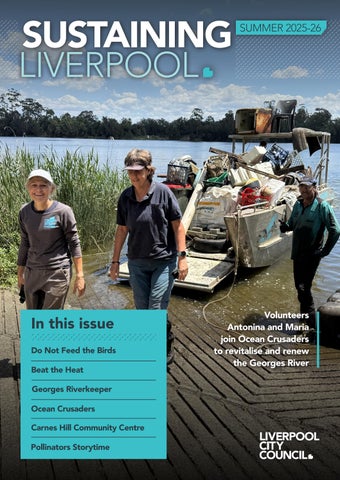
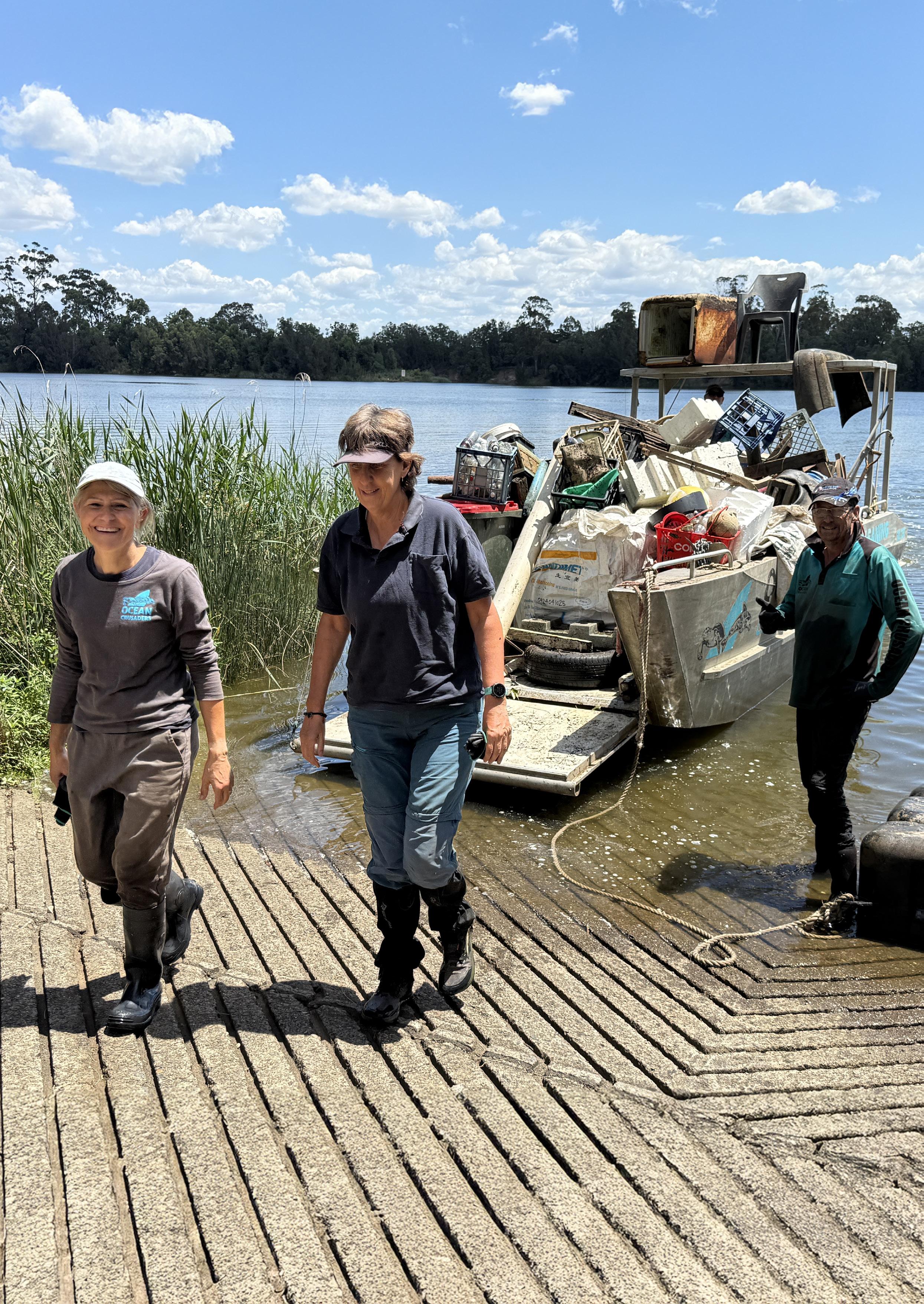
Antonina and Maria join Ocean Crusaders to revitalise and renew the Georges River
MESSAGE FROM THE MAYOR
Welcome to the Summer Edition of Sustaining Liverpool.
Summer is a time when our environment is most visible and most vulnerable. Hotter days, increased activity in our parks and waterways, and extreme weather remind us how important it is to care for the natural assets that make Liverpool such a great place to live.
This edition highlights the practical actions Council and the community are taking to protect our local environment, from restoring river health and removing pollution from the Georges River, to supporting wildlife during heat events and encouraging sustainable everyday choices at home.
I encourage residents to get involved where they can, whether by reducing waste, caring for our local wildlife, or joining a community clean-up. Small actions, when multiplied across our city, make a real and lasting difference.
Together, we can ensure Liverpool remains a greener, cleaner and more resilient city for current and future generations.
Warm regards,
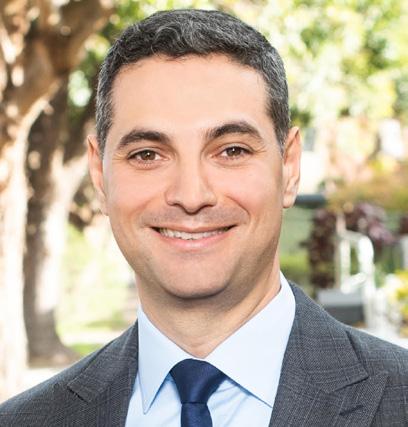
Mayor Ned Mannoun
Liverpool City Council
What would you like to see more of in Sustaining Liverpool?
We welcome your ideasemail us at: erp@liverpool.nsw.gov.au
To reduce our carbon footprint, the Sustaining Liverpool newsletter is delivered in digital format. To receive the latest Sustaining Liverpool e-newsletter send us an email
Customer Service Hub Yellamundie – Lower Ground Floor, 52 Scott Street, Liverpool NSW 2170
All correspondence to Locked Bag 7064 Liverpool BC NSW 1871
Phone 1300 36 2170 Email lcc@liverpool.nsw.gov.au
Web www.liverpool.nsw.gov.au NRS 13 36 77 ABN 84 181 182 471
Shadi Khaef – email khaeft@liverpool.nsw.gov.au or phone 0458 136 377
Help protect the nature around us
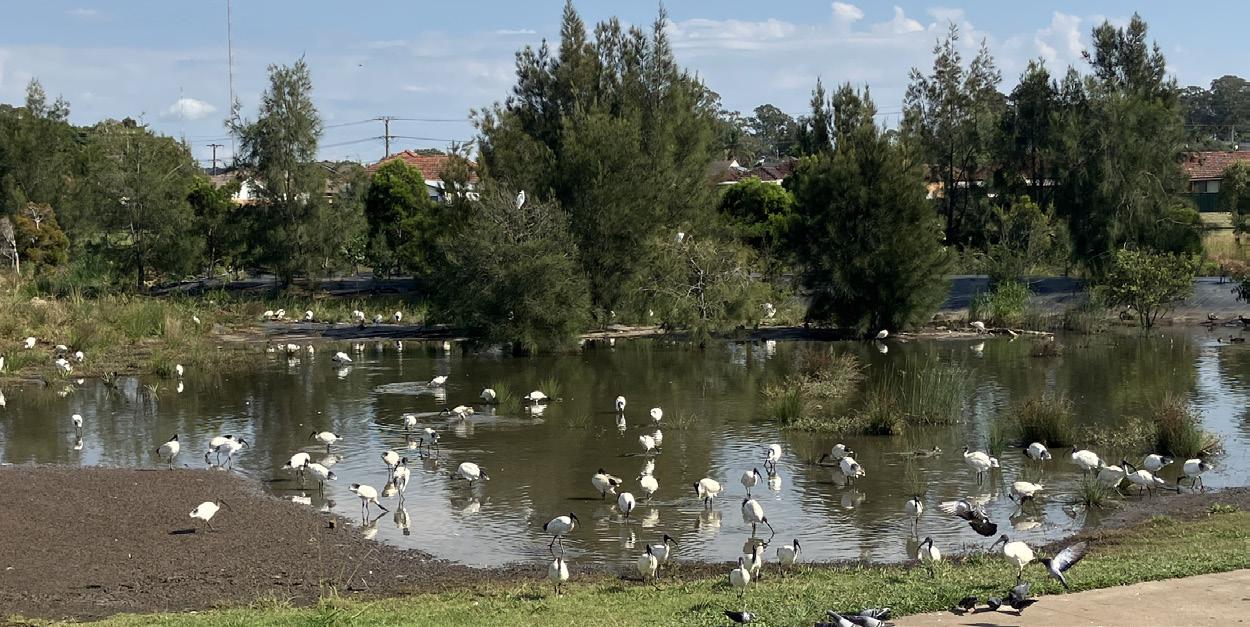
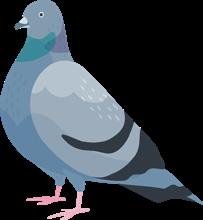
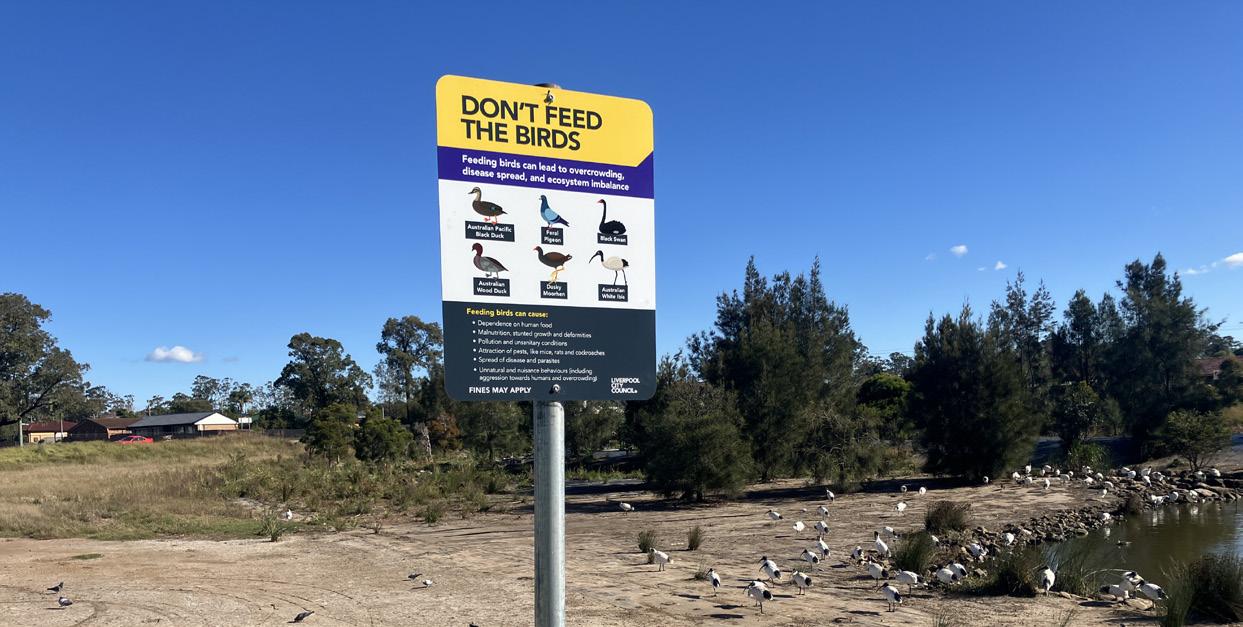
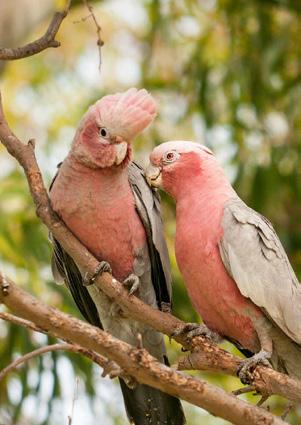
Australians are lucky to be able to share our backyards and public spaces with a diverse range of native birds. Feeding birds is often done with good intentions in mind, but it’s important to understand the impact it has on our wild birds and the local ecosystem.
It is important people are aware of the risks of feeding wild birds and how to avoid harming the birds they are trying to help. Feeding birds can cause a range of problems for both birds and humans.
RISKS FOR BIRDS RISKS FOR HUMANS
• Pollution, unsanitary conditions and poor water quality
• Attraction of unwanted pests as well as spread of disease, parasites and mites
• Feeding birds can lead to unnatural and nuisance behaviours including aggression and property damage
• Feeding birds can negatively impact the water quality by introducing excessive nutrients (Eutrophication) into the water and promoting algae blooms
• Eating unnatural food causes birds to defecate more often and leads to increased bacteria and pathogens in the water, which can cause avian botulism and other diseases
• Malnutrition, stunted growth, deformities and even death
• Dependence on human food
• Most human food is junk food for birds
• Spread of disease and parasites to other birds
• Spread of Psittacine beak and feather disease at unsanitary sites
WARNING
ALL NATIVE ANIMALS ARE PROTECTED UNDER THE BIODIVERSITY CONSERVATION ACT 2016, AND IT IS ILLEGAL TO ‘HARM’ THESE ANIMALS.
THINK TWICE BEFORE FEEDING.
FINES MAY APPLY.
For more information, visit www.liverpool.nsw.gov.au/dontfeedthebirds
WHAT IS PSITTACINE BEAK AND FEATHER DISEASE?
Psittacine beak and feather disease (PBFD) is a common and highly infectious viral disease found in wild and captive birds.
While it mostly affects birds in the parrot family (including cockatoos and lorikeets), different strains of the virus have been reported in other species of birds.
Also known as psittacine circoviral disease (PCD) or ‘bald cocky disease’, the virus can be transmitted orally (by sharing food) or through faeces, skin or feathers. It can survive on natural and artificial surfaces, like feed stations, for many months.
Bird feeding sites can quickly become unsanitary and overcrowded, allowing diseases like PBFD to quickly spread. PBFD attacks and kills the fast-growing cells of the feathers, beak and claws. It also suppresses the immune system, leaving birds vulnerable to secondary infection. Sadly, as there is no effective cure or treatment for PBFD, it is often fatal.
Beat the Heat!
PROVIDING FOR WILDLIFE THIS SUMMER
Like us, wildlife need water to survive and many backyard species need fresh water to drink and bathe in. Providing a source of safe, clean water is a great way to help local native birds, especially in times of extreme heat.
Whether it’s an inner-city balcony, a suburban backyard or a rural garden, adding a water source to your home is a simple but effective way that you can help local native birds and wildlife year-round.
You can use:
• Plastic tubs and containers
• Buckets
• Hanging pots
• Upside-down bin lids
• Ceramic dishes
Try to avoid metal, as this can overheat in hot weather.
TOP TIPS FOR PROVIDING A SOURCE OF SAFE, CLEAN WATER FOR WILDLIFE
• Keep it fresh by replacing water daily
• Keep it clean by scrubbing and disinfecting regularly (and rinsing thoroughly)
• Keep it cool and away from direct sunlight
• Keep it safe by placing it close to cover and adding a perch
• Keep pets away where they can’t reach the water
KEEP AN EYE OUT FOR HEAT STRESSED WILDLIFE
• Be particularly mindful at dusk and nighttime as nocturnal animals become active.
• Prepare an emergency kit to keep in your car including a carry cage, a blanket/towel, and gloves.
• Save local wildlife rescue contacts in your phone so you can ring for advice in an emergency.
WIRES: 1300 094 737

Georges Riverkeeper leads the Clean‑Up in Liverpool
This past financial year, Georges Riverkeeper worked with NSW Corrective Service crews to invest 4,280 hours during 677 site visits in Liverpool, filling 2,622 bags and removing a huge 41,458kg of litter, the largest haul of any council area in the Georges River catchment.
Across all seven council areas where Georges Riverkeeper works, the crews spent a total of 18,308 hours during 3,674 site visits, across 280 sites, collecting 6,998 bags and preventing a massive 110,521kg of litter from entering waterways. It is a record in recent years and an unwelcome reminder that too much rubbish is still finding its way into the environment.
Remember: if it’s dropped, it doesn’t disappear. From streets to streams, litter flows downstream. Take your rubbish with you, pick up litter you see.
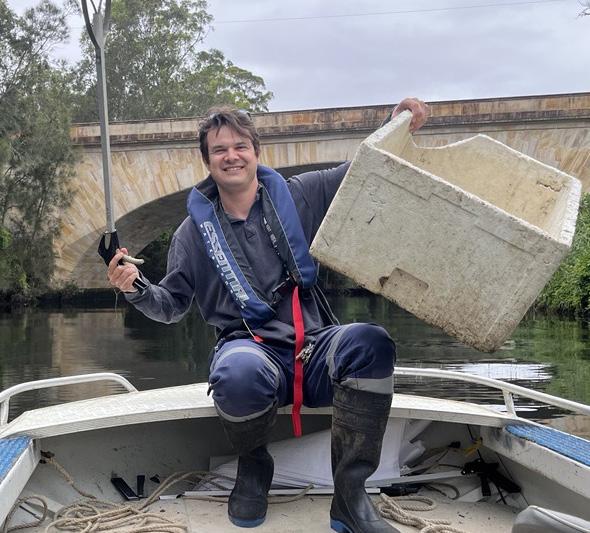
Weed inspections on Bulba Gong Island
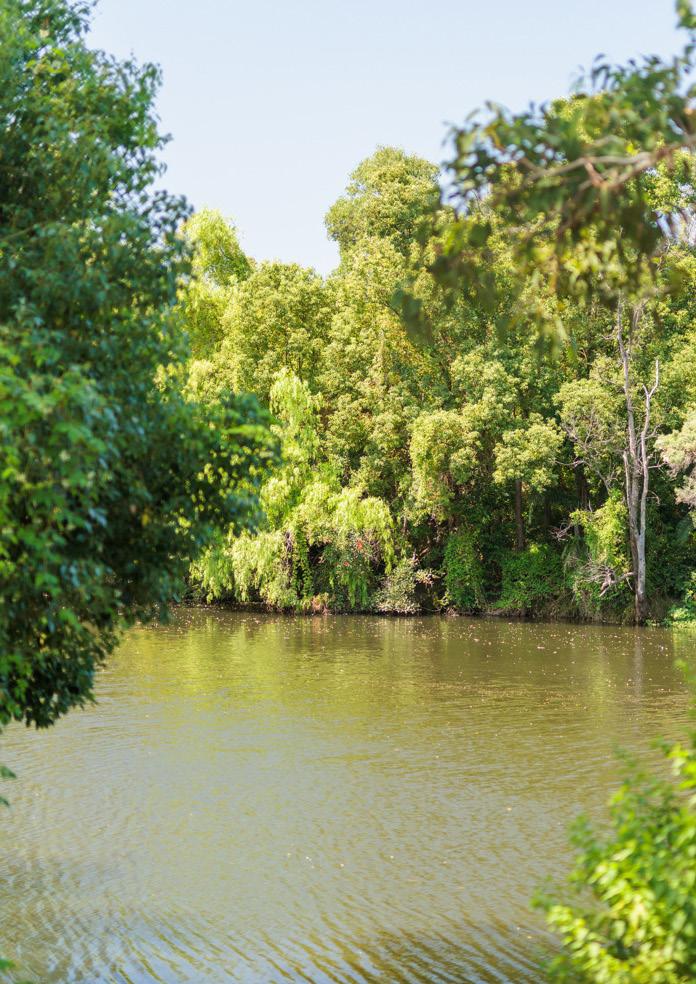
Liverpool staff joined the Georges Riverkeeper in 2025, inspecting Bulba Gong Island and the Chipping Norton Lakes last October and November. Cabramatta Creek was also inspected all the way up to Hume Highway bridge, looking for Ludwigia, Alligator Weed, Frogbit and Bonesseed.
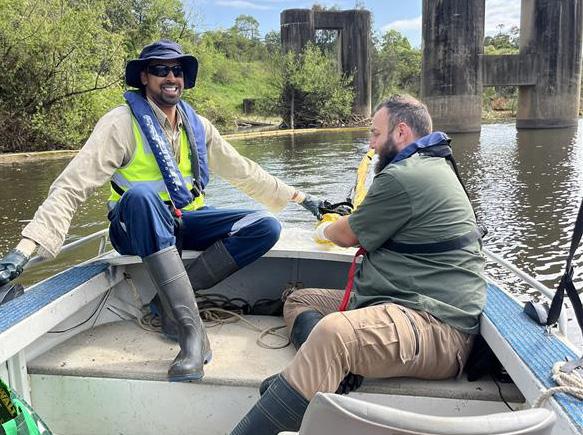
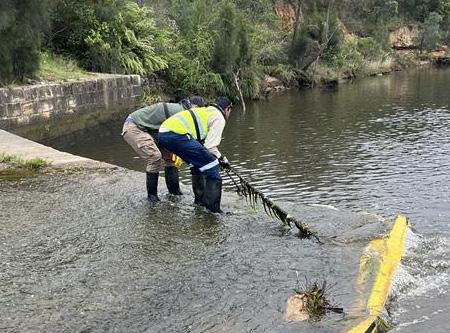

Felipe Moretto, Georges Riverkeeper, coordinates litter collection crews as part of the Catchment Actions Program.
in the Georges River Ocean Crusaders
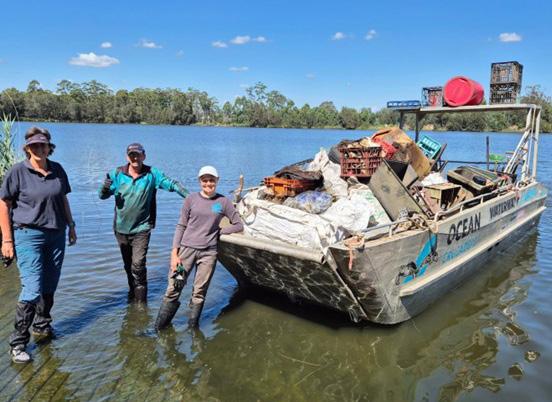

Thanks to funding from Liverpool City Council, Ocean Crusaders, the waterway-restoration specialists from Brisbane, Queensland, spent two intense days revitalising the Georges River.
On 10 November 2025, Skipper Joe and his crew removed 1,420kg of pollution from the Chipping Norton Lakes in just ten hours. Their collection included eight discarded tyres, more than 20 milk crates, and seven bulk bags overflowing with plastic debris, all of which pose significant threats to aquatic wildlife and water quality.
The second day on the river delivered an even more remarkable effort. With the help of dedicated volunteers Antonina and Maria, the team removed an additional 1,650kg of waste across two full boat loads. Their work prevented a substantial volume of contaminants from breaking down into microplastics or travelling further downstream.
In total, the two-day clean-up removed more than 3,000kg of plastic, polystyrene and other pollutants from the Georges River, protecting habitat, improving ecosystem health, and preventing this waste from eventually entering Botany Bay.

A new pack of FOGO liners are coming soon!
From 20 January 2026, eligible households will start receiving one free pack of 75 FOGO kitchen caddy liners, delivered straight to your mailbox.
These liners are designed to fit your kitchen caddy and help make separating food waste cleaner and easier.
Who will receive them?
• Residents with their own set of bins
• Urban and rural households
This project is a NSW Environment Protection Authority Waste and Sustainable Materials Strategy initiative, funded from the waste levy.
Carnes Hill Community Centre
Channel Naturalisation
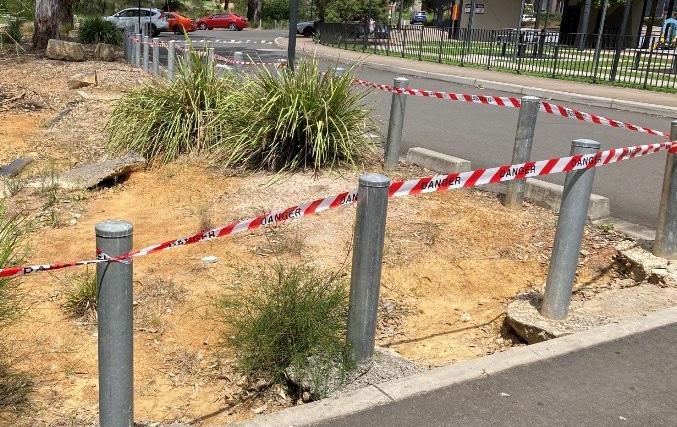
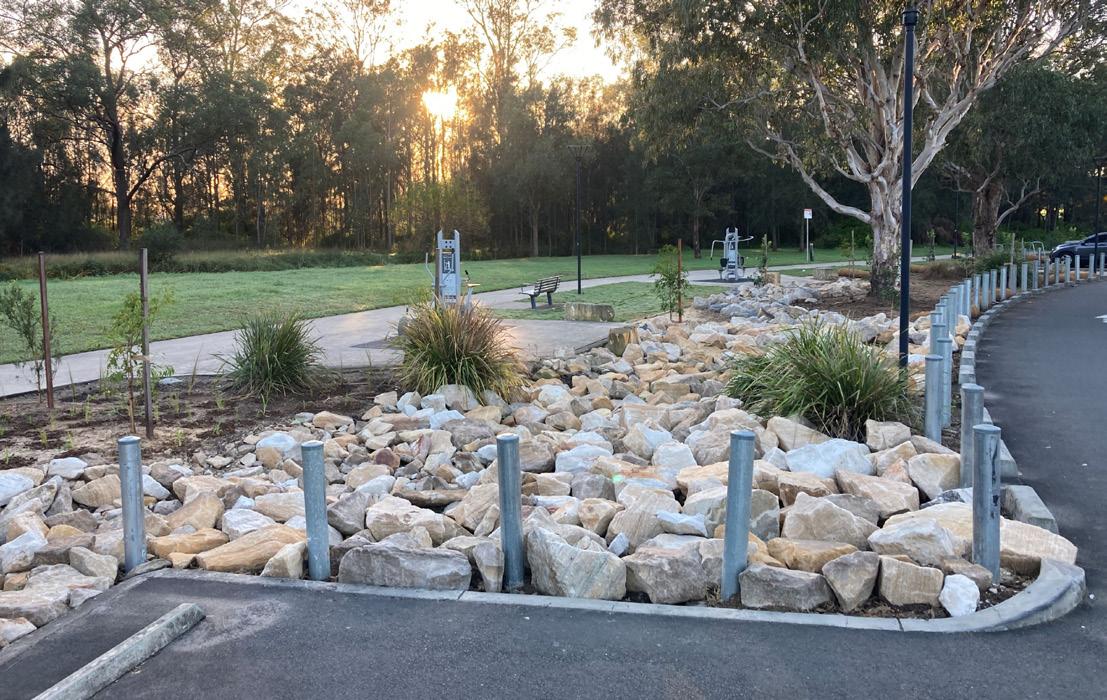
The drainage corridor behind Carnes Hill Community Centre was severely eroded by repeated flooding. The Environmental Operations team led a cost-effective restoration using sandstone protection, native planting, and landscaping. The works improved safety, reduced erosion, enhanced the area’s appearance, and boosted community engagement through a successful tree planting day.
POLLINATOR STORYTIME
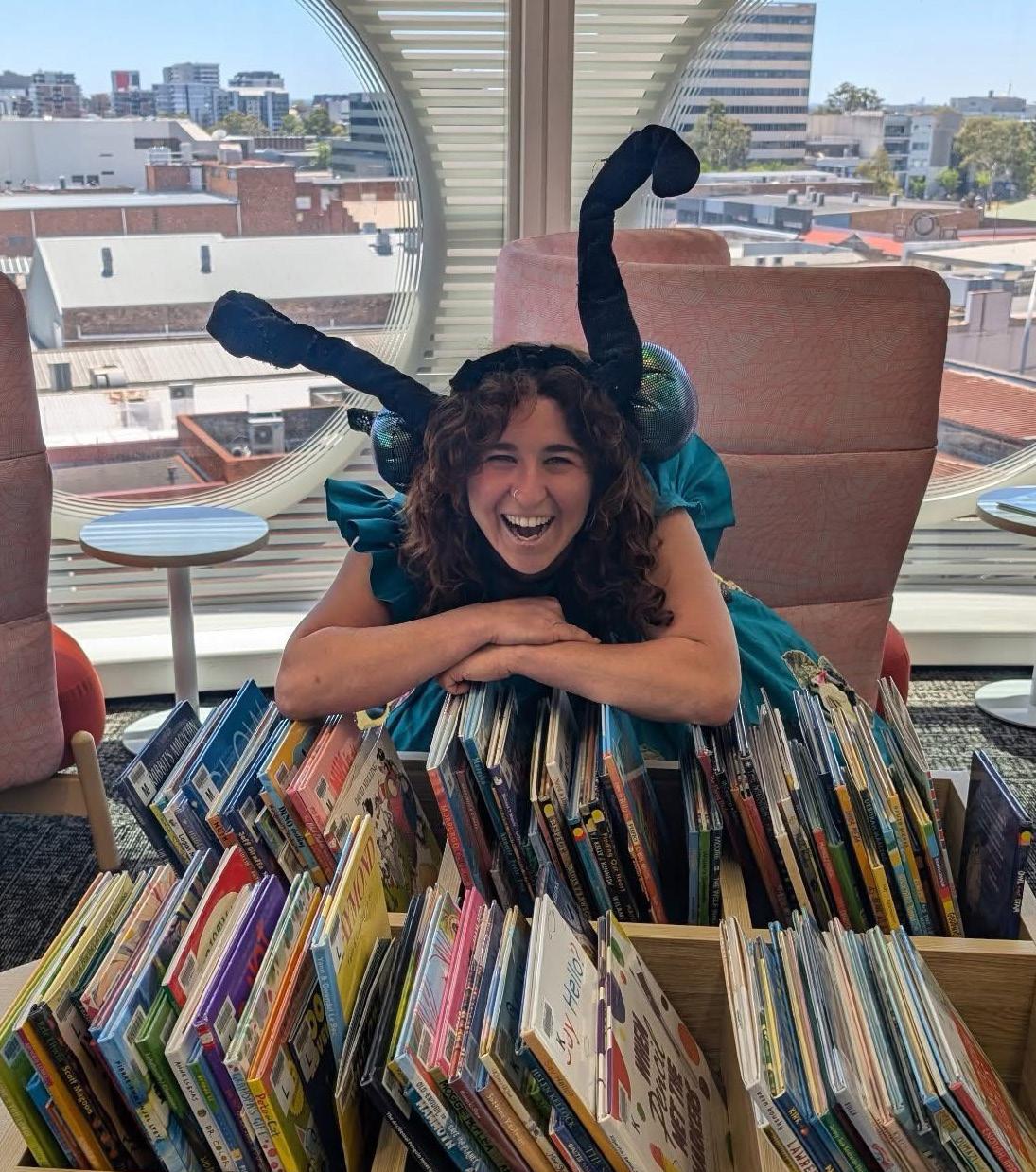
Liverpool City Library celebrated Australian Pollinator Week with a Storytime and activity session led by Amelie Ecology, delivered in partnership with The Environment Restoration Plan (ERP) Levy.
Amelie, dressed as the Australian native, Blue-Banded Bee, introduced children to the importance of native pollinators through games, music and storytime. The event emphasised the importance of native bees and pollination to the 31 children and 15 adults attending the session.
Families also took part in pollinator-themed craft activities, encouraging continued discussion about pollination and local ecosystems. Overall, the session provided an informative and enjoyable morning for young children and their caregivers. Teaching participants who were previously unfamiliar with the importance of native insects about the key role bees and other pollinators play in our ecosystems.