Monitoring public confidence/hesitancy towards vaccination of 5–11-year-olds is critical to their successful immunization against COVID-19. Monitoring opinions on social media such as Twitter through Infodemiology (Internet Based Surveillance) can depict users' attitudes and beliefs on childhood vaccination. The purpose of this work is the investigation of the opinions/beliefs of Greek Twitter users on the vaccination of children aged 5-11 years old against COVID-19, with the aim of developing more effective health policies to promote childhood vaccination.
Methods
Christos Markou
Nefeli GiannopoulouMarini
Ioanna Karefyllaki
Georgia Merkouriadi
Vasiliki-Athina
Tyrologou
Dimitra Papadaki
Konstantinos
Kesanopoulos
Anastasia Barbouni
Special Academic Unit for the Study of Smoking Behavior
Laboratory of Hygiene and Epidemiology
School of Public Health
University of West Attica
Athens, Greece
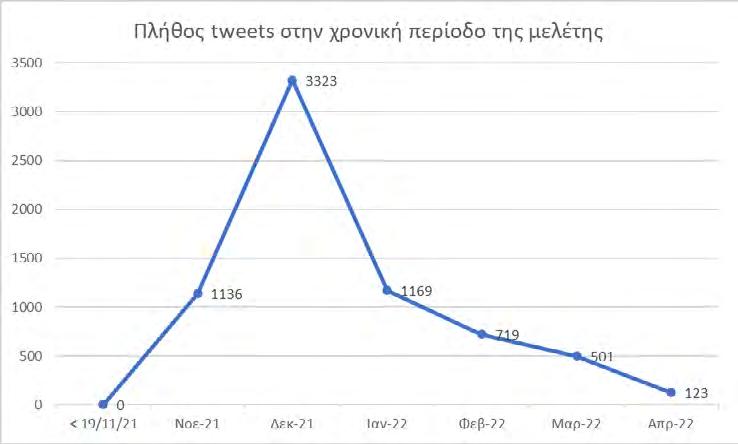
The material of the work consisted of tweets written in Greek, for a 15-day-period prior to the announcement of the beginning of vaccination for ages 5-11 years old in Greece (19/11/2021) until 13/4/2022. A total of 6.971 tweets and user interactions (retweets, likes, quotes) were retrieved. 112 different keywords related to childhood vaccination were evaluated and 102 were selected. Tweets were retrieved with the Twitter API v2 (Academic license) through a LAMP architecture (Linux, Apache, MySQL, PHP) application for collecting, processing and storing the data.
Results
A total of 6,971 opinions were posted/reposted (Original tweets: 3.560 / Retweets: 3.411) by 1.254 and 2.146 users respectively.
Conclusions
According to the results, users interact with vaccine-related information (vaccination, available vaccine doses, discontinuation of vaccination in Sweden, etc.).
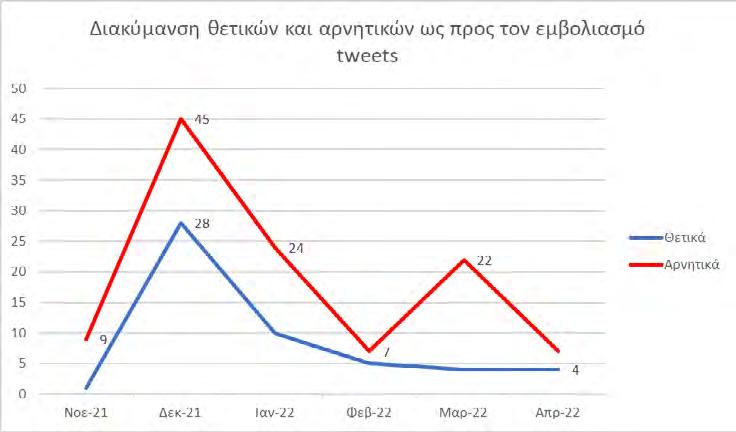
The proposed methodology presents the opinions of Twitter users and provides the possibility of further analysis of their sentiments towards children vaccination against COVID-19.
4. First COVID-19 vaccine approved for children aged 12 to 15 in EU | European Medicines Agency [Διαδίκτυο]. European Medicines Agency. 2022 [παρατίθεται 9 Μάιος 2022]. Διαθέσιμο στο: https://www.ema.europa.eu/en/news/first-covid-19-vaccine-approvedchildren-aged-12-15-eu
5. Comirnaty COVID-19 vaccine: EMA recommends approval for children aged 5 to 11 | European Medicines Agency [Διαδίκτυο]. European Medicines Agency. 2022 [παρατίθεται 9 Μάιος 2022]. Διαθέσιμο στο: https://www.ema.europa.eu/en/news/comirnaty-covid-19vaccine-ema-recommends-approval-children-aged-5-11
7. Hussain A, Ali S, Ahmed M, Hussain S. The Anti-vaccination Movement: A Regression in Modern Medicine. Cureus [Διαδίκτυο]. 3 Ιούλιος 2018 [παρατίθεται 9 Μάιος 2022];10(7). Διαθέσιμο στο: https://www.cureus.com/articles/13250-the-anti-vaccination-movement-aregression-in-modern-medicine
8. Troiano G, Nardi A. Vaccine hesitancy in the era of COVID-19. Public Health. 1 Μάιος 2021;194:245–51.
9. Gkentzi D, Tsagri C, Kostopoulou E, Fouzas S, Vantarakis A, Dimitriou G, κ.ά. Attitudes and beliefs of parents about routine childhood vaccination in Greece. https://doi. org/101080/2164551520211914805 [Διαδίκτυο]. 2021 [παρατίθεται 9 Μάιος 2022];17(9):3066–
10. Sypsa V, Roussos S, Engeli V, Paraskevis D, Tsiodras S, Hatzakis A. Trends in COVID-19 Vaccination Intent, Determinants and Reasons for Vaccine Hesitancy: Results from Repeated Cross-Sectional Surveys in the Adult General Population of Greece during November 2020–June 2021. Vaccines [Διαδίκτυο]. 18 Μάρτιος 2022 [παρατίθεται 9 Μάιος 2022];10(3):470. Διαθέσιμο στο: https://www.mdpi.com/2076-393X/10/3/470/htm
11. Galanis P, Vraka I, Siskou O, Konstantakopoulou O, Katsiroumpa A, Moisoglou I, κ.ά. Predictors of parents’ intention to vaccinate their children against the COVID-19 in Greece: a cross-sectional study. medRxiv [Διαδίκτυο]. 29 Σεπτέμβριος 2021 [παρατίθεται 9 Μάιος 2022];2021.09.27.21264183. Διαθέσιμο στο: https://www.medrxiv.org/content/10.1101/2021.0 9.27.21264183v1
12. Eysenbach G. Infodemiology and Infoveillance: Framework for an Emerging Set of Public Health Informatics Methods to Analyze Search, Communication and Publication Behavior on the Internet. J Med Internet Res [Διαδίκτυο]. 1 Ιανουάριος 2009 [παρατίθεται 9 Μάιος 2022];11(1). Διαθέσιμο στο: /pmc/articles/PMC2762766/
13. Hartley DM, Nelson NP, Arthur RR, Barboza P, Collier N, Lightfoot N, κ.ά. An overview of Internet biosurveillance. Clin Microbiol Infect. 1 Νοέμβριος 2013;19(11):1006–13.
14. O’Shea J. Digital disease detection: A systematic review of event-based internet biosurveillance systems. Int J Med Inform. 1 Μάιος 2017;101:15–22.
15. MAvragani A. Infodemiology and Infoveillance: Scoping Review. J Med Internet Res 2020;22(4)e16206 https//www.jmir.org/2020/4/e16206 [Διαδίκτυο]. 28 Απρίλιος 2020 [παρατίθεται 9 Μάιος 2022];22(4):e16206. Διαθέσιμο στο: https://www.jmir.org/2020/4/ e16206
16. Zeraatkar K, Ahmadi M. Trends of infodemiology studies: a scoping review. Heal Inf Libr J [Διαδίκτυο]. 1 Ιούνιος 2018 [παρατίθεται 11 Μάιος 2022];35(2):91–120. Διαθέσιμο στο: https://onlinelibrary.wiley.com/doi/full/10.1111/hir.12216
17. Twitter: number of users worldwide 2020 | Statista [Διαδίκτυο]. statista. [παρατίθεται 9 Μάιος 2022]. Διαθέσιμο στο: https://www.statista.com/statistics/303681/twitter-usersworldwide/
as a Tool for Health Research: A Systematic Review. Am J Public Health [Διαδίκτυο]. 1 Ιανουάριος 2017 [παρατίθεται 8 Μάιος 2022];107(1):e1. Διαθέσιμο στο: /pmc/articles/ PMC5308155/
19. Kydros D, Argyropoulou M, Vrana V. A Content and Sentiment Analysis of Greek Tweets during the Pandemic. Sustain 2021, Vol 13, Page 6150 [Διαδίκτυο]. 30 Μάιος 2021 [παρατίθεται 29 Απρίλιος 2022];13(11):6150. Διαθέσιμο στο: https://www.mdpi.com/2071-1050/13/11/6150/ htm
20. Tsakalidis A, Papadopoulos S, Voskaki R, Ioannidou K, Boididou C, Cristea AI, κ.ά. Building and evaluating resources for sentiment analysis in the Greek language. Lang Resour Eval [Διαδίκτυο]. 1 Δεκέμβριος 2018 [παρατίθεται 6 Μάιος 2022];52(4):1021–44.
_Zhang L, Durr E, Galli JD, Cosmi S, Cejas PJ, Luo B, Touch S, Parmet P, Fridman A, Espeseth AS, Bett AJ.Εμβόλιο. 2018 Dec 18;36(52):8119-8130. doi: 10.1016/j.vaccine.2018.10.032. Epub 2018 16 Οκτωβρίου.PMID: 30340881
_NIH News in Health
_Peter Gilligan, Ph.D., D(ABMM), F(AAM) is the former Director of the Clinical MicrobiologyImmunology Laboratories at the University of North Carolina Hospitals
_Taleb SA, Al Thani AA, Al Ansari K, Yassine HM.Eur J Clin Microbiol Infect Dis. 2018 Οκτ;37(10):1817-1827. doi: 10.1007/s10096-018-3289-4. Epub 2018 6 Ιουνίου.PMID: 29876771
_Ruckwardt TJ, Morabito KM, Graham BS. Ανοσία . 2019 Σεπ 17;51(3):429-442. doi: 10.1016/j. immuni.2019.08.007. PMID: 31533056.
_WHO 2022,2023
_Κουτής
K.
E.
gmail.com
Correspondence
Ι. Papakotoula, 16 Daskalas
Athinas Tsakiri Str., 56429 Efkarpia
T. +30 2314-009149
M. +30 6942634514
E. ifigeniapapakotoula@ gmail.com
Family-Centered Care provision in Neonatal Intensive Care Units
Ι. Papakotoula, D. Dellios, G. Mitsiakos, Ι. Chatziioannidis
Abstract
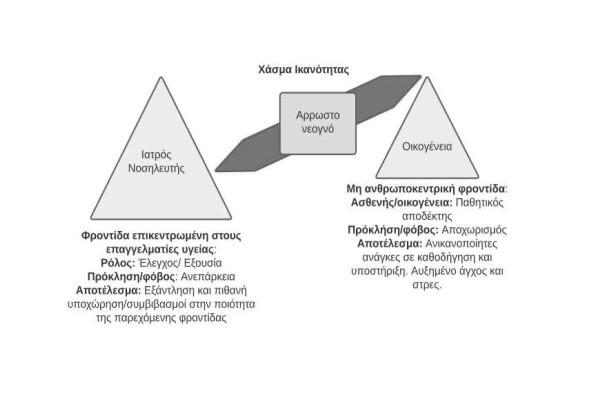
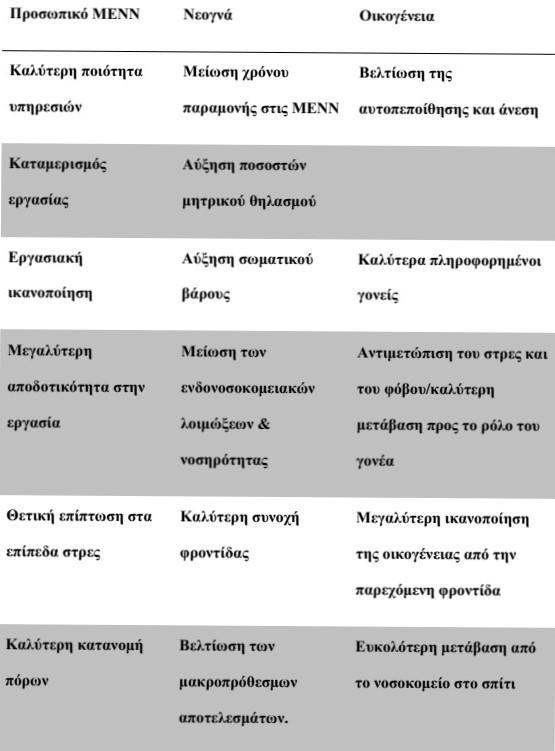
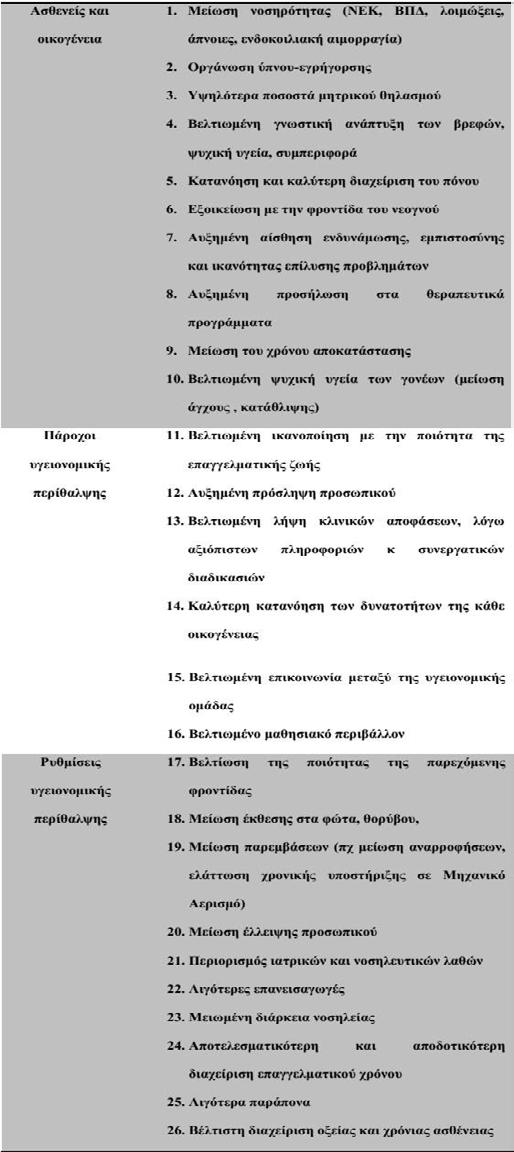
Healthcare providers strive to create a welcoming environment that promotes family involvement in neonatal intensive care units. Family-centered care (FCC) is a healthcare model that aims to foster parental involvement and represents a fundamental shift for medical and nursing staff, involving parents in the planning and delivery of neonatal care. Despite the numerous benefits of FCC, it is rarely implemented in low- and middle-income countries. There is limited evidence in Greece for adopting such approaches. The objective of this review is to emphasize the fundamental characteristics of a family-friendly care model that provides the best possible care for neonates while offering parents high-quality healthcare services and positive experiences.
Keywords: Family-centered care, neonates, NICU, parental care, healthcare quality.
Ι. Papakotoula
D. Dellios
G. Mitsiakos
Ι. Chatziioannidis
B` Neonatal Intensive Care Unit (NICU), Papageorgiou Hospital, Thessaloniki
Foundation for the Care of Newborn Infants)
(CMNRP,2015).
(Family Centered Care)
NIDCAP (Newborn Individualized Developmental Care and Assessment Program).
1. Maria A, Dasgupta R. Family-centered care for sick newborns: A thumbnail view. Indian Journal of Community Medicine. 2016;41(1):11.
2. Walani SR. Global burden of preterm birth. International Journal of Gynecology & Obstetrics. 2020;150(1):31–3.
3. Chawanpaiboon S, Vogel JP, Moller A-B, Lumbiganon P, Petzold M, Hogan D, et al. Global, regional, and national estimates of levels of preterm birth in 2014: a systematic review and modelling analysis. The Lancet Global Health. 2019;7(1):e37–46.
4. Benzies KM, Shah V, Aziz K, Isaranuwatchai W, Palacio-Derflingher L, Scotland J, et al. Family Integrated Care (FICare) in Level II Neonatal Intensive Care Units: study protocol for a cluster randomized controlled trial. Trials. 2017;18(1):467.
5. O’Brien K, Robson K, Bracht M, Cruz M, Lui K, Alvaro R, et al. Effectiveness of Family
Integrated Care in neonatal intensive care units on infant and parent outcomes: a multicentre, multinational, cluster-randomised controlled trial. The Lancet Child & Adolescent Health. 2018;2(4):245–54.
6. Ramezani T, Hadian Shirazi Z, Sabet Sarvestani R, Moattari M. Family-centered care in neonatal intensive care unit: a concept analysis. International journal of community based nursing and midwifery. 2014;2(4):268–78.
7. Franck LS, O’Brien K. The evolution of family-centered care: From supporting parentdelivered interventions to a model of family integrated care. Birth Defects Research. 2019;111(15):1044–59.
8. Aita M, de Clifford Faugère G, Lavallée A, Feeley N, Stremler R, Rioux É, et al. Effectiveness of interventions on early neurodevelopment of preterm infants: a systematic review and meta-analysis. BMC Pediatrics. 2021;21(1):210.
9. Carter BS, Willis T, Knackstedt A. Neonatal family-centered care in a pandemic. Journal of Perinatology. 2021;41(1177-1179).
10. Himuro N, Miyagishima S, Kozuka N, Tsutsumi H, Mori M. Measurement of familycentered care in the neonatal intensive care unit and professional background. Journal of Perinatology. 2015;35(4):284–9.
11. Ramezani T, Hadian Shirazi Z, Sabet Sarvestani R, Moattari M. Family-centered care in neonatal intensive care unit: a concept analysis. International journal of community based nursing and midwifery. 2014;2(4):268–78.
12. Sarapuk IM, Pavlyshyn HA, Lacina L, Królak-Olejnik B. Neurodevelopmental care of preterm babies and its key elements. International Journal of Medicine and Medical Research. 2017;3(1).
13. Warren I. Family and Infant Neurodevelopmental Education: an innovative, educational pathway for neonatal healthcare professionals. Infant Journal. 2017;13(5):200-3.
14. Als H, B. McAnulty G. The Newborn Individualized Developmental Care and Assessment Program (NIDCAP) with Kangaroo Mother Care (KMC): Comprehensive Care for Preterm Infants. Current Women’s Health Reviews. 2011;7(3):288–301.
15. Mirlashari J, Brown H, Fomani FK, de Salaberry J, Zadeh TK, Khoshkhou F. The challenges of implementing family-centered care in NICU from the perspectives of physicians and nurses. Journal of Pediatric Nursing. 2019;50 : 91-98.
16. Xiang X, Xia S, Zhu X, Gao X, Gao X, Zhang A, et al. Attitudes and concerns of neonatologists and nurses to family- integrated-care in neonatal intensive care units in China. Translational Pediatrics. 2020;9(5):603–9.
17. Silva TRG da, Manzo BF, Fiorete FCC de F, Silva PM. Family-centered care from the perspective of nurses in the Neonatal Intensive Care Unit. Revista da Rede de Enfermagem do Nordeste. 2016;17(5):643
18. Coats H, Bourget E, Starks H, Lindhorst T, Saiki-Craighill S, Curtis JR, et al. Nurses’ Reflections on Benefits and Challenges of Implementing Family-Centered Care in Pediatric Intensive Care Units. American Journal of Critical Care. 2018;27(1):52–8.
19. Gómez-Cantarino S, García-Valdivieso I, Moncunill-Martínez E, Yáñez-Araque B, Ugarte Gurrutxaga MI. Developing a Family-Centered Care Model in the Neonatal Intensive Care Unit (NICU): A New Vision to Manage Healthcare. International Journal of Environmental Research and Public Health [Internet]. 2020;17(19).
20. Oude Maatman SM, Bohlin K, Lilliesköld S, Garberg HT, Uitewaal-Poslawky I, Kars MC, et al. Factors Influencing Implementation of Family-Centered Care in a Neonatal Intensive Care Unit. Frontiers in Pediatrics. 2020;8: 222.
21. European Foundation for the Care of Newborn Infants EFCNI. Welcoming the family in the neonatal intensive care unit. 2016 [cited 2021 Aug 13]. Available from: https: https:// www.efcni.org
22. Champlain Maternal Newborn Regional Program. A framework for putting childbearing and families first. CMNRP. 2015. p. 10–1.
23. Hall SL, Phillips R, Hynan MT. Transforming NICU Care to Provide Comprehensive Family Support. Newborn and Infant Nursing Reviews. 2016;16(2):69–73
24. Breyer JZ, Giacomazzi J, Kuhmmer R, Lima KM, Hammes LS, Ribeiro RA, et al. Hospital quality indicators: a systematic review. International Journal of Health Care Quality Assurance. 2019;32(2):474–87.
25. Van der Starre C, Helder O, Tissières P, Thiele N, Ares S. Patient safety and quality
awareness in neonatal intensive care - EFCNI. newborn-health-standards.org. EFCNI; 2018. Available from: https://newborn-health-standards.org/patient-safety-nicu/?print=print
26. Dhurjati R, Sigurdson K, Profit J. Patient- and Family-Centered Care as a Dimension of Quality. American Journal of Medical Quality. 2018;34(3):307–8.
27. Gómez-Cantarino S, García-Valdivieso I, Moncunill-Martínez E, Yáñez-Araque B, Ugarte Gurrutxaga MI. Developing a Family-Centered Care Model in the Neonatal Intensive Care Unit (NICU): A New Vision to Manage Healthcare. International Journal of Environmental Research and Public Health. 2020;17(19):7197.
28. Health Facility and Services Development Act 2017 (Fla) S 59C-1.042
29. Kenner C, Altimier L, Boykova MV. Comprehensive neonatal nursing care. New York, New York: Springer Publishing Company; 2020.
30. Sivanandan S, Bethou A, Ramanujam SS, Kumar C, Chinnasamy K, Natarajan P, et al. Implementing Family-Centered Care in the Neonatal Intensive Care Unit – A Quality Improvement Initiative. Indian Journal of Pediatrics. 2021;88(9):872–8.
Correspondence
Vasiliki Gketsi
General Makrigiannis Avenue 60, PC 454 45 Ioannina
T. +302651080785
Μ. +306945398479
Ε. vikigetsi@gmail.com
Eosinophilia and Pulmonary infiltrates as a first sign of Primary Hypereosinophilic Syndrome in a 13,5 years
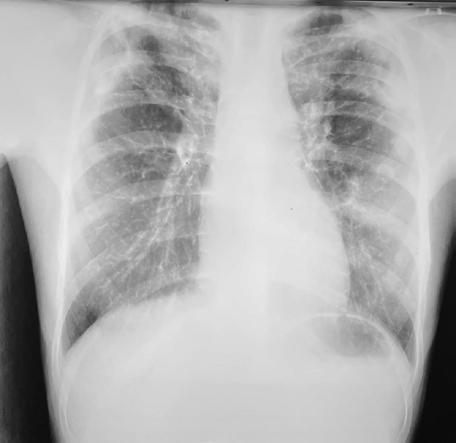
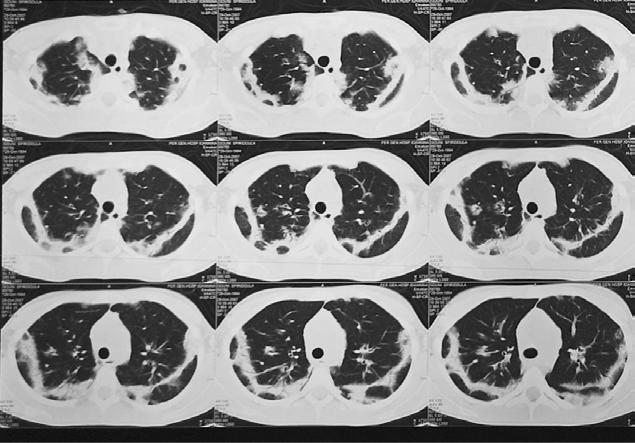
Peripheral eosinophilia is a differential diagnostic challenge for the pediatrician. It is categorized as either primary (clonal) or secondary/reactive (non-clonal), and charachterized as mild, moderate and severe, depending on the absolute eosinophil count. We present the case of a 13.5-year-old girl who came into the emergency room with fever, fatigue, cough and abdominal pain. Her complete blood count demonstrated severe peripheral eosinophilia and chest imaging revealed pneumonic infiltrates. A step-by step differential diagnosis of the case is attempted. A complete list of laboratory and imaging findings is presented and the patient’s course up to the final diagnosis of Primary Hypereosinophilic Syndrome is discussed, as well as the supplementary treatment.
4. Lisa Giovannini-Chami, Sibylle Blanc, Alice Hadchouel, André Baruchel, Rachida Boukari, Jean-Christophe Dubus. Eosinophilic pneumonias in children: A review of the epidemiology, diagnosis, and treatment. Pediatr Pulmonol. 2016;51:203–216.
5. William Shomali, Jason Gotlib. World Health Organization-defined eosinophilic disorders: 2019 update on diagnosis, risk stratification, and management. Am J Hematol. 2019;94:1149–1166.
6. Chin Kook Rhee, Kyung Hoon Min, Nam Yeol Yim, Ji Eun Lee, Na Rae Lee, Man Pyo Chung, et al. Clinical characteristics and corticosteroid treatment of acute eosinophilic pneumonia. European Respiratory Journal 2013 41: 402-409.
8. Hans-Uwe Simon, Marc E. Rothenberg, Bruce S. Bochner, Peter F. Weller, Andrew J. Wardlaw, Michael E. Refining the definition of hypereosinophilic syndrome. J Allergy Clin Immunol. 2010 Jul; 126(1): 45–49.
Correspondence
Vasiliki Gketsi
General Makrigiannis
Avenue 60, PC 454 45
Ioannina
T. +302651080785
Μ. +306945398479
Ε. vikigetsi@gmail.com
Hepatic involvement in Rota virus infection. A case report and review of the literature
Rotaviruses are double-stranded RNA viruses in the family of Reoviridae which can cause disease in several animal species. Rotavirus type A is the leading cause of morbidity and mortality due to diarrheal in infants and young children worldwide. More than 100 countries all over the world have included vaccination against Rotavirus Α in their National Vaccination Programs, an action which altered the epidemiology and reduced the severity of the disease. However, Rotavirus Α remains a main cause of morbidity, leading to millions of illness cases and thousands of deaths in the pediatric population, mostly in the developing countries. It is estimated that in 2016, Rotaviruses caused 258.173.300 diarrheal cases and 128.500 deaths in children under 5 years of age [1]. Recently, international data focus on case reports and experimental studies concerning non-enteral manifestations of the disease, aiming to better understanding of them and thus, to the development of more efficient vaccines. Our case report, describing a 14-months-old girl who developed pronounced hypertransaminasemia during Rotavirus type A infection, can be added to these reports.
General Hospital of Ioannina “G. Hatzikosta”, Ioannina
Ag
Ag Rota
Abs
1. Christopher Troeger, Ibrahim A. Khalil, Puja C. Rao, et al. RotavirusVaccination and the Global Burden of Rotavirus Diarrhea Among Children Younger Than 5 Years. JAMA Pediatr. 2018;172(10):958-965. doi:10.1001/jamapediatrics.2018.1960.
2. Mia Madel Alfajaro , Kyoung-Oh Cho. Evidences and consequences of extra-intestinal spread of rotaviruses in humans and animals. Virus disease. 2014;25(2):186-94.doi: 10.1007/ s13337-014-0197-9. Epub 2014 Mar 1.
3.Sue E. Crawford, Dinesh G. Patel, Elly Cheng, Zuzana Berkova, Joseph M. Hyser, Max Ciarlet, et al. Rotavirus Viremia and Extraintestinal Viral Infection in the Neonatal Rat Model. ASM Journals/Journal of Virology. 2006; 80(10). doi.org/10.1128/JVI.80.10.4820-4832.2006.
4. Sara E Blutt, Carl D Kirkwood, Viviana Parreno, Kelly L Warfield, Max Ciarlet, Mary K Estes, et al. Rotavirus antigenaemia and viraemia: a common event? The Lancet. Volume 362,
Issue 9394, 1 November 2003, Pages 1445-1449. doi: org/10.1016/S0140-6736(03)14687-9.
5. Siba Prosad Paul, David C. A. Candy. Extra-Intestinal Manifestation of Rotavirus Infection.... Beyond the Gut. The Indian Journal of Pediatric. 2013, volume 81, pages111–113 (2014). doi: 10.1007/s12098-013-1189-2.
6. Robert F Ramig. Systemic rotavirus infection. Expert Review of Anti-Infective Therapy.20014; 5(4): 591-612. doi: 10.1586/14787210.5.4.591.
7. Fenaux Μ, Cuadras ΜΑ, Feng Ν, Jaimes Μ, Greenberg ΗΒ. Extraintestinal Spread and Replication of a Homologous EC Rotavirus Strain and a Heterologous Rhesus Rotavirus in BALB/c Mice. J Virol. 2007; 80 :5219–5232. doi: 10.1128/JVI.02664-05.
8. Fischer TK, Ashley D, Kerin Τ, Reynolds-Hedmann Ε, Gentsch J, Widdowson ΜΑ, et al. Rotavirus Antigenemia in Patients with Acute Gastroenteritis. J Infect Dis. 2005; 192 :913–919. doi: 10.1086/432549.
9. Kim HJ, Park JG, Alfajaro MM, Kim DS, Hosmillo M, Son KY, et ai. Pathogenicity characterization of a bovine triple reassortant rotavirus in calves and piglets. Vet Microbiol. 2012; 159 :11–22. doi: 10.1016/j.vetmic.2012.03.017.
10. Ken Sugata, Koki Taniguchi, Akiko Yui, Fumi Miyake, Sadao Suga, Yoshizo Asano, et al. Analysis of rotavirus antigenemia and extraintestinal manifestations in children with rotavirus gastroenteritis. Pediatrics. 2008;122(2):392-7. doi: 10.1542/peds.2007-2290.
11. Keith Grimwood, John C. Coakley, Irene L. Hudson, Ruth F. Bishop, Graeme L.Barnes. Serum aspartate aminotransferase levels after rotavirus gastroenteritis. The Journal of Pediatrics. 1988; 112(4): 597-600. doi: org/10.1016/S0022-3476(88)80179-3.
13. Palla Gabriella, Ughi Claudio, Villirillo Antonietta, Cesaretti Graziano, Maggiore Giuseppe, Ventura Alessandro. Serum uric acid elevation in viral enteritis. Pediatr Infect Dis J. 1996 Jul;15(7):642-3.doi: 10.1097/00006454-199607000-00023.
14. Jonathan E Teitelbaum, Rima Daghistani. Rotavirus causes hepatic transaminase elevation. Dig Dis Sci. 2007 Dec;52(12):3396-8. doi: 10.1007/s10620-007-9743-2.
15. Meltem Akcaboy, Melahat Melek Oguz, Esma Altınel Acoglu, Mehtap Acar, Pelin Zorlu, Ferda Ozbay Hosnut, et al. Systemic Manifestation of Rotavirus Infection in Children: A Report of Three Cases. Iran Red Crescent Med J. 2016 Jun 14;18(8):e35086. doi: 10.5812/ ircmj35086.
16. Giacomo Zanelli, Giacinta Tordini. Is Rotavirus a Hepatotropic Virus? Dig Dis Sci. 2008;53:1433. doi: 10.1007/s10620-008-0212-3.
Αριστείδης
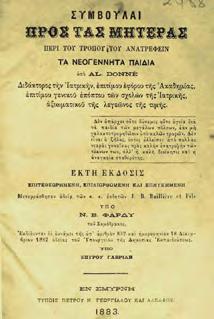
In the late 19th century the young Greek scientists, realizing the lack of adequate medical literature in our country and continuing the habit that was followed during the 18th and 19th centuries, transferred modern scientific knowledge to their colleagues, translating in Greek scientific writings of eminent European and Greek doctors. Among them were two interesting 19th century French treatises of paedi-atric interest, which were translated in Greek because of their special scientific usefulness: (a) the trea-tise by the distinguished professor Anastasios Zinnis “Du traitementdeladiarrhéechroniquechezlesenfants”, which was published in our country in 1886, a year after its publication in French and (b) the profound study by the French doctor Alfred François Donné “Conseils aux mères sur la manière d’élever les enfans nouveau-nés, ou del’éducationphysiquedesenfansdupremierâge”, first pub-lished in French in 1842 and translated in Greek because of its timeless value in 1883.
«Dutraitementdeladiarrhéechroniquechez les enfants»,
Alfred François Donné «Conseils aux mères sur la manière d’élever les enfans nouveau-nés, ou de l’éducation physique des enfans du premier âge», που
λόγους και τας ατμοσφαιρικάς διαθέσεις, και βασίσας πάσας ταύτας τας παρατηρήσεις επί στατιστικών πινάκων, μετά κόπων πολλών καταρτισθέντων, αντλήσας δε ταςθεραπευτικάςκαιυγιεινάςενδείξειςαπόμακράςκαιπολυτίμουπείρας,ηνπροσεπόρισεν αυτώ,εκτόςτηςευρείαςιδιωτικήςενεργείας,καιηδιεύθυνσιςτουΝηπιακούΟρφανοτροφείου.
Τας παρατηρήσεις
aux mères sur la manière d’élever les enfans nouveau-nés, ou de l’éducation physique des enfans du premier âge»,
Donné
6
(1829-1899).
7 Diamantis A., Magiorkinis E., Androutsos G.: “Alfred François Donné (1801-78): a pioneer of mi-croscopy, microbiology and haematology”, J Med Biogr, 2009; 17: 81-87.
8 Donné A.F.: “Conseils aux mères sur la manière d’élever les enfants nouveau-nés, ou de l’éducation physique des enfants du premier âge”, Editions J.-B Baillière, Paris 1842.
Alfred Francois Donne (1801-1878)
Ο Alfred François Donné (1801-1878)
εύχαριάρθροτουM.S.DeSacy,δυνατόνειπείν,ότιεξήντλησενολοτελώςτοθέμα.Επεθύμουν όμωςπολύναπροδιαθέσωτουςαναγνώσταςκαιαναγνωστρίαςτηςμεταφράσεωςταύτηςως προςτηνγλώσσανκαιτοντρόποντηςεκφράσεως,όνμετεχειρίσθην.Φίλοιαξιοσέβαστοι,άμα έμαθον,ότιειργαζόμηνειςτηνμετάφρασιντοιούτουβιβλίου,προσηνώςευηρεστήθησανναμε αξιώσωσιτωνσυμβουλώντων,όπωςμεταχειρισθώγλώσσανπαντάπασιναπλήν.Ηκολούθησα τας συμβουλάς των εφ’ όσον η
International Committee of Medical Journal Editors/ Uniform Requirements for Manuscripts Submitted to Biomedical Journals, (www.icmje.org και www.icmje.org/icmje.pdf).
Cumulated Index Medicus [List of Journals Indexed in Index Medicus (www.nlm.nih.goν/bsd/ uniform_requirements.html)].
1999;59:272-279.
Proesmans W. Bartter syndrome and its neonatal νariant. Eur J Pediatr 1997;156:669-679.
Συμπληρωματικό
Flyvbjerg Α. Role of growth hormone, insulin-like growth factors (IGFs) and IGF-binding proteins in the renal complications of diabetes. Kidney Ιnt 1997;52 (60 Suppl):S12-S19.
National Institutes of Health Consensus Deνelopment Conference. Neurofibromatosis conference statement. Arch Neurol1988;45:575-578. Προσδιορισμός
Schreiner GF, Lange L. Ethanol modulation of macrophage influx in glomerulonephritis [Abstract]. J Am Soc Nephrol 1991;2:562.
Should antileukotriene therapies be used instead of inhaled corticosteroids in asthma?
[Editorial]. Am J Respir Crit Care Med 1998;158:1697-1701.
Clark AG, Barratt ΤΜ. Steroid-responsiνe nephrotic syndrome. Ιn: Barratt ΤΜ, Arner ED, Harmon WE, editors. Pediatric Nephrology. 4th ed. Baltimore: Lippincott William Wilkins; 1999. p. 742.
Σύγγραμμα ή μονογραφία:
Gorlin RJ, Cohen ΜΜ, Leνin LS. Syndromes of the head and neck. 3rd ed. New York: Oxford Uniνersity Press; 1990.
Δημοσίευση
Bauer ΑW. The two definitions of bacterial resistance. In: Smith AJ, Rogers CA, eds. Proceedings of the Third International Congress of Chemotherapy; 1962 May 29-31; New York: International Society of Chemotherapy; 1963. p. 484-500.
Διδακτορική
Αθηνών; 1979.
Kaplan SJ. Post hospital home health care: the elderly’s access and utilization [dissertation]. St. Louis (Μο): Washington Univ.;1995.
III. CD-ROM
Andersoη SC, Poulsen ΚΒ. Anderson’s electronic atlas of hematology [CD-ROM]. Philadelphia: Lippincott Williams & Wilkins; 2002.
IV. ΣΤΟ ΔΙΑΔΙΚΤΥΟ
Άρθρο σε περιοδικό:
Abood S. Quality improνement initiatiνe in nursiηg homes: the ΑΝΑ acts in an adνisory role. Am J Nurs [Internet]. 2002 Jun: