Familial Mediterranean Fever and atherosclerosis. The relation between them
Olga Vampertzi, Kyriaki Papdopoulou-Legbelou, Efimia Papadopoulou-Alataki
050
Interstitial lung diseases in childhood: getting familiar with a relatively uncommon entity
Maria Gogou, Katerina Haidopoulou
062
Pathogenesis of cognitive disorders in children with non-neurological cancer
Antonios K. Kontakis
070
CASE REPORTS
Novel mutations in the TP63 gene associated with the Ηay-Wells syndrome: presentation of two cases and bibliography review
Vasileios Marias, Eirini Tsoutsou, Helen Fryssira
President
A. Constantopoulos
Editorial board
Editor- in- Chief
S. Antoniadis
Members
S. Andronikou
E. Galanakis
A. Evangeliou
L. Thomaidou
M. Kanariou
A. Kapogiannis
S. Kitsiou-Tzeli
E. Mantadakis
P. Panagiotopoulou-Gartagani
A. Papadopoulou
V. Papaevagelou
A. Papathanassiou
A. Siamopoulou-Mavridou
A. Syrigou-Papavasiliou
Manuscript submission
e-mail: grammateia@e-child.gr
Instructions to authors: http://e-child.gr/publications/ instructions-to-authors
Owner Greek Paediatric Society 15, Mpakopoulou st. GR - 15451, Ν. Psychiko Tel.: +302107771140
e-mail: grammateia@e-child.gr
Annual subscription All foreign countries: US$50
082
Pleuropulmonary blastoma relapsing as pleomorphic rhabdomyosarcoma, associated with three benign tumors
Vasiliki Sotiria Tzotzola, Ioannis P. Panagiotou, Charikleia Kelaidi, Sophia Polychronopoulou
088
Zosteriform rash associated with Parvovirus B19 infection in an atopic child Klimi Eleni
092
BETWEEN COLLEAGUES
S. Antoniadis
094
BOOK PRESENTATION
By Stelios Antoniadis
096 IN MEMORIAM
By Dimitris Kafetzis
098
INSTRUCTIONS TO AUTHORS
ΕΠΙΣΤΟΛΗ
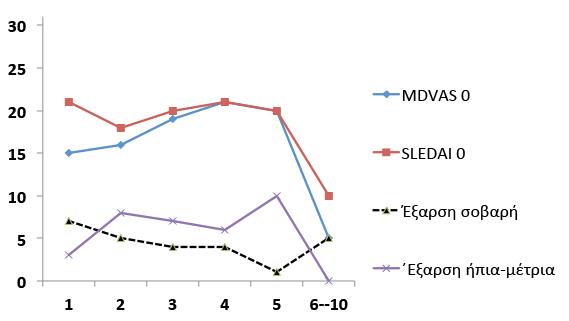
αιμολυτική αναιμία 21). Η μέση δραστηριότητα της νόσου (MDVAS) ήταν ελάχιστη σε 1/31,
προς μέτρια σε 20/31 (μέσο SLEDAI-2K score16.35) και μέτρια προς σοβαρή σε 10/31 (SLEDAI2K28.3). Η θεραπεία εισαγωγής ήταν κορτικοστεροειδή (31/31), υδροξυχλωροκίνη (19/31) και επιπλέον ανοσοκατασταλτικά (25/31). Στη διάρκεια της 5ετούς παρακολούθησης 7 επιπλέον ασθενείς εμφάνισαν προσβολή νεφρών, 4ΚΝΣ, 1 του αιμοποιητικού και της 10ετούς πορείας, 1, 1 και 1 αντίστοιχα. Όλοι έλαβαν ανοσοκατασταλτική και 7 στοχευμένη
e-mail: mtrachan@auth.gr
Correspondence
Maria Trachana
Klious 6, 54632
Thessaloniki
Τ. +306977336912
e-mail: mtrachan@auth.gr
Long-term quantitative assessment of the pediatric systemic lupus erythematosus gravity. Factors that affect the disease outcome
Maria Trachana, Polyxeni Pratsidou-Gertsi, Florence Kanakoudi-Tsakalidou, Fotis Papachristou
Aim: The contemporary assessment of Pediatric Systemic Lupus Erythematosus (pSLE) severity in several time points is based not only on the classic clinical/laboratory criteria, but also on the application of up-to-date “assessment tools” that measure the disease activity and cumulative damage. This objective assessment determines the appropriate therapeutic approach for the optimal disease outcome. Objectives: The longitudinal quantitative evaluation of the "disease state" in Caucasian patients with pSLE and the identification of factors that could affect the long - term outcome. Materials - methods: 31 patients (M:F 9:22, with a mean age at diagnosis 11 years, were followed up for 5 (31/31) and 10 years (13/31), respectively. They were retrospectively assessed regarding the lag time from onset to diagnosis, the various organ/system involvement and annually quantitatively thereafter, by applying the contemporary tools for measuring the disease activity (MDVAS score 0-3, SLEDAI-2K score 0-105, SELENA-SLEDAI) and the damage development (SLICC-DI). Moreover, the induction therapy, the subsequent regimen during the follow-up, the evaluation of the quality of care and the Health - Related Quality of Life were recorded. Results: The mean lag time from the disease onset to diagnosis was 4 months. At baseline, a renal involvement was recorded in 13/31 patients, a CNS in 2/31 and cytopenias in 24/31 (mainly autoimmune hemolytic anemia, 21). Minimal mean disease activity (MDVAS) had 1/31, mild to moderate 20/31 (mean SLEDAI-2K score16.35) and moderate to severe 10/31 (SLEDAI-2K28.3).The induction therapy was steroids (31/31), hydroxychloroquine (19/31) and immumosuppressants (25/31). During the 5-year follow-up, seven additional patients developed renal involvement, 4 of the CNS, 1 the blood and during the 10-year follow-up, 1, 1 and 1, respectively. All patients received immunosuppressives and 7 targeted therapy (Retuximab). About ¾ of the patients complied with the Quality of Care indices. At the end of their followup, development of damage was recorded in 7/31 patients; evaluated as moderate to severe according to the SLICC –DI (score 1 και 2). No patient had psychiatric disorders. Conclusion: These findings indicate that the early diagnosis and quantitative assessment of the pSLE severity overtime, are key determinants of the optimal treatment, targeting to a rapid regression of the disease activity and restriction of the cumulative damage development to a minority of patients.
Maria Trachana
Polyxeni-Pratsidou-Gertsi
Florence Kanakoudi-Tsakalidou
Fotis Papachristou
Pediatric Immunology and Rheumatology Referral Center, First Dept. of Pediatrics, Aristotle University, Ippokration General Hospital, Thessaloniki, Greece
Key words: pediatric Systemic Lupus Erythematosus, disease gravity, quantitative assessment, Quality of Care Indices, Health Related Quality of Life
**SLEDAI2K Systemic Lupus Erythematosus Disease Activity Index 2000
νόσου (0-3, με ενδιάμεση διαβάθμιση 0.5), λαμβάνοντας
SELENA-SLEDAI (Safety of Estrogensin Lupus Erythematosus:National Version of the Systemic Lupus Erythematosus Disease Activity Index Assessment),
GHQ,
1ος
(14/31 ασθενείς),
(n=11), antiSm (n=9), Ro/La (n=8), antiribosomal (n=2), antiENA (n=1) και αντιθυρεοειδικά (n=1). Χαμηλά κλάσματα συμπληρώματος (C3, C4) είχαν 27/31 ασθενείς.
θεραπεία εισαγωγής ήταν κορτικοστεροειδή, (31/31, σε 10/31 σε ενδοφλέβιες
(19/31)
(n=6), μυκοφαινολικό (n=5),αζαθειοπρίμη (n=4),
(25/31).
(remitting-relapsing),
(quiescent) (15), στην 5ετία, 21/31
(36).
(20).
1. Τhong B and Olsen NJ. The SLE review series: working for a better standard of care. Systemic lupus erythematosus diagnosis and management. Rheumatology 2017; 56: i3_i13 doi:10.1093/ rheumatology/kew401. Advance Access publication 26 December 2016
2. Silva CA, Avcin T, Brunner HI. Taxonomy for systemic lupus erythematosus with onset before adulthood.Arthritis Care Res (Hoboken) 2012; 64:1787-93.
3. Barsalou J, Levy DM, Silverman ED. An update on childhood-onset systemic lupus erythematosus. CurrOpinRheumatol 2013;25: 616–622.
4. Borgia RE, Ezequiel R, Silverman, ED. Childhood onset systemic lupus erythematosus: an update.CurrOpinRheumatol 2015; 27:483-92.
5. Ναλμπάντη
2012;75: 72-85.
6. Watson L, Leone V, Pilkington C, Tullus K, Rangaraj S, Mc Donagh JE. Disease Activity, Severity, and Damage in the UK Juvenile-Onset Systemic Lupus Erythematosus Cohort.Arhtritis Rheum 2012; 64: 2356–2365.
7. Ravelli A, Duarte-Salazar C, Buratti S, Reiff A, Bernstein B, Maldonado Velazquez MR, et al. Assessment of damage in juvenile-onset systemic lupus erythematosus: a multicenter cohort study. Arthritis Rheum 2003 15;49:501-507.
8. Gutierrez-Suarez R, Ruperto N, Gastaldi R, Pistorio A, FeliciE,Burgos-Vargas R et al. A Proposal for a Pediatric Version of the Systemic Lupus International Collaborating Clinics/ American College of Rheumatology Damage Index Based on the Analysis of 1,015 Patients With Juvenile-Onset Systemic Lupus Erythematosus. Arthritis Rheum 2006; 54: 2989–2996.
9. Koutsonikoli A, Trachana M, Heidich AB, Galanopoulou V, Pratsidou-Gertsi P, Garyphallos A. Dissecting the damage in Northern Greek patients with childhood-onset systemic lupus erythematosus: a retrospective cohort study.RheumatolInt 2015; 35:1225-1232.
10. Ceccarelli F, Perricone C, Massaro L, Cipriano E, Alessandri C, Spinelli FR, et al. Assessment of disease activity in Systemic Lupus Erythematosus: Lights and shadows. AutoimmunRev 2015;14: 601–608.
11. Aragon E, Resontoc LP, Chan YH, Lau YW, Tan PH, Loh HL, et al. Long-term outcomes with multi-targeted immunosuppressive protocol in children with severe proliferative lupus nephritis. Lupus 2016;25:399-406.
12. Hui-Yuen JS, Nguyen SC, Askanase AD. Targeted B cell therapies in the treatment of adult and pediatric systemic lupus erythematosus. Lupus 2016;25:1086-1096
13. Lam GK, Petri M. Assessment of systemic lupus erythematosus. ClinExpRheumatol
2005;23(Suppl. 39):S120–132.
14. Nuttall A, Isenberg DA. Assessment of disease activity, damage and quality of life in systemic lupus erythematosus: New aspects Best Practice & Research Clinical Rheumatology 2013; 27: 309–318.
15. Doria A, Gatto M, Zen M, Iaccarino L, Punzi L. Optimizing outcome in SLE: treating totarget and definition of treatment goals. Autoimmun Rev 2014;13:770–777.
16. Yazdany J, Panopalis P, ZellGillis J, Schmajuk G, MacLean C, Wofsy D. A Quality Indicator Set for Systemic Lupus Erythematosus. Arthritis Rheum 2009; 61: 370–377.
17. Hollander MC, Sage JM, Greenler AJ, Pendl J, Avcin T, Espada G, et al. International consensus for provisions of quality-driven care in childhood onset systemic lupus erythematosus. Arthritis Care Res (Hoboken) 2013; 65:1416-1423.
18. Mina R, Harris JG, Klein-Gitelman MS, Appenzeller S, Centeville M, Eskra D, et al. Initial Benchmarking of the Quality of Medical Care of Childhood-Onset Systemic Lupus Erythematosus Arthritis Care Res (Hoboken) 2016 ; 68: 179–186.
19. Thong B, Olsen NJ. Systemic lupus erythematosus diagnosis and Management. The SLE review series: working for a better standard of care. Optimization of lupus treatments requires a personalized approach, assessing risks and benefits in each patient. Rheumatology 2017;56:i3_ i13.
20. Thakral Α, Klein-Gitelman MS. An Update on Treatment and Management of Pediatric Systemic Lupus Erythematosus. RheumatolTher 2016; 3:209–219.
21. Tan EM, Cohen AS, Fries JF, Masi AT, McShane DJ, Rothfield NF, et al. The 1982 revised criteria for the classification of systemic lupus erythematosus. Arthritis Rheum 1982; 25: 1271–1277.
22. Petri M, Orbai AM, Alarcón GS, Gordon C, Merrill JT, Fortin PR, et al. Derivation and validation of the Systemic Lupus International Collaborating Clinics classification criteria for systemic lupus erythematosus.ArthritisRheum. 2012;64:2677-2686.
23. Rao V, Gordon C. Advances in the assessment of lupus disease activity and damage. CurrOpinRheumatol 2014;26:510-519.
24. American College of Rheumatology Ad Hoc Committee on Systemic Lupus Erythematosus Response Criteria. The American College of Rheumatology response criteria for systemic lupus erythematosus clinical trials: measures of overall disease activity. ArthritisRheum2004;50:3418-26.
25. Becker-Merok A, Nossent HC. Damage accumulation in systemic lupus erythematosus and its relation to disease activity and mortality. JRheumatol 2006;33:1570–1577.
Casey C, Chung CP, Crofford LJ, Barnado A. Rheumatologists' perception of systemic lupus erythematosus quality indicators: significant interest and perceived barriers. ClinRheumatol 2017;36:97-102.
26. Garyfallos G, Karastergiou A, Adamopoulou A, Moutzoukis C, Alagiozidou E, Mala D, et al. Greek version of the General Health Questionnaire: accuracy of translation and validity. ActaPhysiatrica Scandinavia 1991; 84: 371–378.
27. Al-Mayouf SM, Al Sonbul A. Influence of gender and age of onset on the outcome in children with systemic lupus erythematosus. ClinRheumatol 2008;27:1159-1162.
28. Kone-Paut I, Piram M, Guillaume S, Tran TA. Lupus in adolescence. Lupus 2007;16:606612.
29. Carter EE, Barr SG, Clarke AE. The global burden of SLE: prevalence, health disparities and socioeconomic impact. Nat Rev Rheumatol 2016;12: 605-620.
30. Weiss JE. Pediatric Systemic Lupus Erythematosus: More Than a Positive Antinuclear Antibody. Pediatr Rev 201 2;33;62 DOI: 10.1542/pir.33-2-62.
35. ZiaeeV, YeganehHA, MoradinejadMH. Peripheral gangrene: A rare presentation of systemic lupus erythematosus in a child.Am J Case Rep 2013; 14: 337-340.
36. Lim LS, Pullenayegum E, Lim L, Gladman D, Feldman B, Silverman E. From Childhood to Adulthood: The Trajectory of Damage in Patients with Childhood-Onset Systemic Lupus Erythematosus. Arthritis Care Res (Hoboken) 2017 Jan 24. doi: 10.1002/acr.23199. [Epub ahead of print]
37. Cervera R, Doria A, Z. Amoura Z, M. Khamashta M, M. Schneider M, Guillemin F, et al. Patterns of systemic lupus erythematosus expression in Europe. Autoimmunity Reviews 2014; 13: 621–629.
38. Tucker LB, Uribe AG, Fernandez M, Vila LM, McGwin G, Apte M, et al. Adolescent onset of lupus results in more aggressive disease and worse outcomes: results of a nested matched casecontrol study within LUMINA, a multiethnic US cohort (LUMINA LVII). Lupus 2008;17:314322.
39. Tunnicliffe DJ, Singh-Grewal D, Chaitow J, Mackie F, Manolios N, Lin MW, et al. “Lupus means sacrifices” - the perspectives of adolescents and young adults with systemic lupus erythematosus. Arthritis Care Res (Hoboken) 2016;68:828-837.
Correspondence
Stavrou Vasileios
Gramvousis 24, 16561 Glyfada T. +306977455906, e-mail: arta3882@yahoo.com
Psychopathology of parents having children with neuromuscular diseases and family functioning
Background: Neuromuscular disease (NMD) in a child can cause stress and anxiety to the parents. Parents having children suffering from NMD live with a feeling of uncertainty and the fear of loss. The purpose of this study is to evaluate the level of depression and anxiety of parents as well as the family functioning when a member suffers of NMD.
Material and methods: A study was conducted among 51 parents with children aged 8-18 years suffering from NMD, at the Specialized Ambulatory for Neuromuscular Diseases of the “Aghia Sofia” Children's Hospital in Athens. Screening instruments included the questionnaires SES for key socio-demographic data, Beck for parent's depression, HAM-A for anxiety and FAD for family functioning. Data analysis was undertaken under the statistical package PASW 18 for Windows.
Results: Depression, anxiety and family functioning were related to the parents' educational level (p=0,004, p=0,004 and p=0,05 respectively). The majority of parents (66,7%) had mild depressive symptoms. Μultiple linear regression analysis showed that depression was influenced by stress (p=0,003) and family functioning (p=0,009).
Conclusions: Family functioning, depression and anxiety are related to each other as well as to the educational level of parents in families with children suffering from NMD.
Key words: Neuromuscular disease, depression and anxiety assessment, questionnaire, family functioning
Chariklia Barbaresou
Vasileios Stavrou
Panagiotis Kalampalikis
Pediatric Intensive Care Unit, Aghia Sophia Children’s Hospital, Athens
Argiro Kaltsa
Gerasimos Kolaitis
Department of Child Psychiatry, Medical School, National and Kapodistrian University of Athens, Aghia Sophia Children's Hospital, Athens
1. Nereo NE, Fee RJ, Hinton VJ. Parental stress in mothers of boys with Duchenne muscular dystrophy. J Pediatr Psychol. 2003;28(7):473-484.
2. Gravelle AM. Caring for a child with a progressive illness during the complex chronic phase: parents' experience of facing adversity. J Adv Nurs. 1997;25(4):738-745.
3. Saviolo-Negrin N, Cristante F, Zanon E, Canclini M, Stocco D, Girolami A. Psychological aspects and coping of parents with a haemophilic child: a quantitative approach. Haemophilia. 1999;5(1):63-68.
4. Tennant C. Life events, stress and depression: a review of recent findings. Aust N Z J Psychiatry. 2002;36(2):173-182.
5. Abi Daoud MS, Dooley JM, Gordon KE. Depression in parents of children with Duchenne muscular dystrophy. Pediatr Neurol. 2004;31(1):16-19.
6. Mah JK, Thannhauser JE, Kolski H, Dewey D. Parental stress and quality of life in children with neuromuscular disease. Pediatr Neurol. 2008;39(2):102-107.
7. Seltzer MM, Floyd FJ, Hindes AR. Research methods in intellectual disabilities: The family contexty. In: Emerson E. The international handbook of applied research in intellectual disabilities: Wiley; 2004. p.237-260.
8. Mah JK, Thannhauser JE, McNeil DA, Dewey D. Being the lifeline: the parent experience of caring for a child with neuromuscular disease on home mechanical ventilation. Neuromuscul Disord.2008;18(12):983-988.
9. Grey M, Boland EA, Yu C, Sullivan-Bolyai S, Tamborlane WV. Personal and family factors associated with quality of life in adolescents with diabetes. Diabetes Care. 1998;21(6):909-914.
10. Hanson CL, De Guire MJ, Schinkel AM, Henggeler SW, Burghen GA. Comparing social learning and family systems correlates of adaptation in youths with IDDM. J Pediatr Psychol. 1992;17(5):555-572.
11. Whittemore R, Kanner S, Singleton S, Hamrin V, Chiu J, Grey M. Correlates of depressive symptoms in adolescents with type 1 diabetes. Pediatr Diabetes. 2002;3(3):135-143.
12. Duke DC, Geffken GR, Lewin AB, Williams LB, Storch EA, Silverstein JH. Glycemic control in youth with type 1 diabetes: family predictors and mediators. J Pediatr Psychol. 2008;33(7):719-727.
13. Zeller MH, Reiter-Purtill J, Modi AC, Gutzwiller J, Vannatta K, Davies WH. Controlled study of critical parent and family factors in the obesigenic environment. Obesity (Silver Spring). 2007;15(1):126-136.
14. Stradmeijer M, Bosch J, Koops W, Seidell J. Family functioning and psychosocial adjustment in overweight youngsters. Int J Eat Disord. 2000;27(1):110-114.
15. Engstrom I. Inflammatory bowel disease in children and adolescents: mental health and family functioning. J Pediatr Gastroenterol Nutr. 1999;28(4):S28-33.
16. Rodenburg R, Meijer AM, Dekovic M, Aldenkamp AP. Family factors and psychopathology in children with epilepsy: a literature review. Epilepsy Behav. 2005;6(4):488-503.
17. Ievers CE, Drotar D. Family and parental functioning in cystic fibrosis. J Dev Behav Pediatr. 1996;17(1):48-55.
18. Mackner LM, Crandall WV. Brief report: psychosocial adjustment in adolescents with inflammatory bowel disease. J Pediatr Psychol. 2006;31(3):281-285.
19. Midence K, McManus C, Fuggle P, Davies S. Psychological adjustment and family functioning in a group of British children with sickle cell disease: preliminary empirical findings and a meta-analysis. Br J Clin Psychol. 1996;35 ( Pt 3):439-450.
20. Soref B, Ratzon NZ, Rosenberg L, Leitner Y, Jarus T, Bart O. Personal and environmental pathways to participation in young children with and without mild motor disabilities. Child Care Health Dev. 2012; 38(4):561-571.
21.
22. Beck AT, Beamesderfer A. Assessment of depression: the depression inventory. Mod Probl
Pharmacopsychiatry. 1974;7(0):151-169.
23. Hamilton M. The assessment of anxiety states by rating. Br J Med Psychol. 1959;32(1):5055.
24. McClellan CB, Cohen LL. Family Functioning in Children with Chronic Illness Compared with Healthy Controls: A Critical Review. J Pediatr. 2007;150(3):221-223.e222.
25. Janicke DM, Mitchell MJ, Stark LJ. Family functioning in school-age children with cystic fibrosis: an observational assessment of family interactions in the mealtime environment. J Pediatr Psychol. 2005;30(2):179-186.
26. Miller IW, Keitner GI, Whisman MA, Ryan CE, Epstein NB, Bishop DS. Depressed patients with dysfunctional families: description and course of illness. J Abnorm Psychol. 1992;101(4):637-646.
27. Herzer M, Godiwala N, Hommel KA, et al. Family functioning in the context of pediatric chronic conditions. J Dev Behav Pediatr. 2010;31(1):26-34.
28. Haslam R. Μυϊκές Δυστροφίες. στο: Behrman RE, Kliegman RM, Arvin AM. Nelson Παιδιατρική. 15η έκδοση. Πασχαλίδης; 2002. σ.2757-2758.
29. Haslam R. Νωτιαίες
στο: Behrman RE, Kliegman RM, Arvin AM. Nelson Παιδιατρική. 15η έκδοση. Πασχαλίδης; 2002. σ.2766-2768.
30. Polakoff RJ, Morton AA, Koch KD, Rios CM. The psychosocial and cognitive impact of Duchenne's muscular dystrophy. Semin Pediatr Neurol. 1998;5(2):116-123.
31. Carnevale FA, Alexander E, Davis M, Rennick J, Troini R. Daily Living With Distress and Enrichment: The moral experience of families with ventilator-assisted children at home. Pediatrics. 2006;117(1):e48-e60.
32. Thompson RJ, Jr., Zeman JL, Fanurik D, Sirotkin-Roses M. The role of parent stress and coping and family functioning in parent and child adjustment to Duchenne muscular dystrophy. J Clin Psychol. 1992;48(1):11-19.
33. Witte RA. The psychosocial impact of a progressive physical handicap and terminal illness (Duchenne muscular dystrophy) on adolescents and their families. Br J Med Psychol. 1985;58 (2):179-187.
34. Chen JY. Mediators affecting family function in families of children with Duchenne muscular dystrophy. Kaohsiung J Med Sci. 2008;24(10):514-522.
Correspondence
Efimia PapadopoulouAlataki
Circular Road N. Efkarpia, 56403 Thessaloniki
Τ. +302310 991594
+306977813869
e-mail: efiala@otenet.gr
Familial Mediterranean Fever and atherosclerosis. The relation between them
Olga Vampertzi, Kyriaki Papdopoulou-Legbelou, Efimia Papadopoulou-Alataki
Abstract
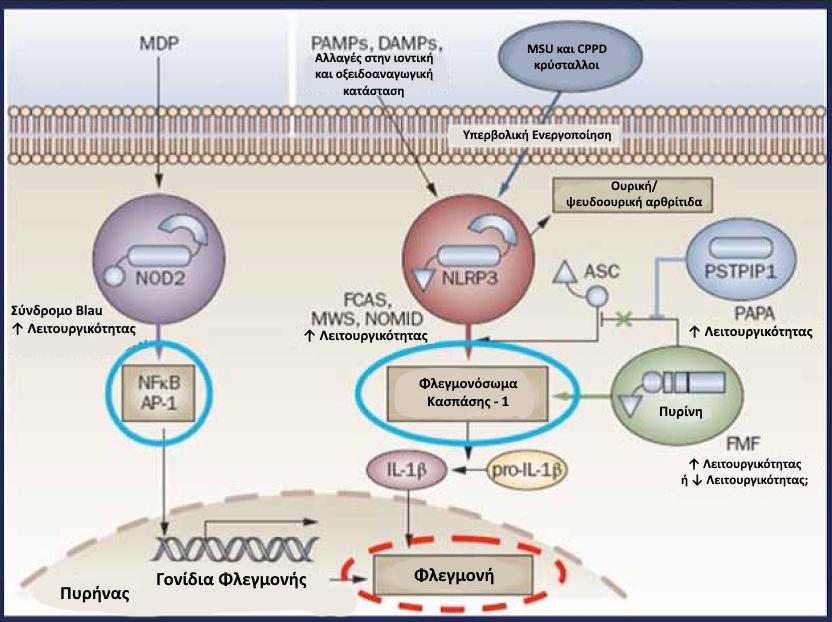
Familial Mediterranean Fever (FMF) is a chronic autoinflammatory disease characterized by periodic and self - limiting episodes of fever and aseptic polyserositis. Atherosclerosis is defined as the sum of inflammatory changes affecting the arterial endothelium of both small and large blood vessels. It is well known that systematic inflammjkgation is an important factor in the initiation and development of both FMF and atherosclerosis.
So far, implicated pathological biochemical markers as well as imaging processes were explored to investigate the underlying mechanisms. Our article focuses on the relation between FMF and atherosclerosis that is of great importance for the prevention of heart disease in FMF patients.
1. Ozen S, Demirkaya E, Amaryan G, Koné-Paut I, Polat A, Woo P et al. Results from a multicenter international registry of familial Mediterranean fever: impact of environment on the expression of a monogenic disease in children. Ann Rheum Dis 2014; 73(4):662-667.
2. Ross R. The pathogenesis of atherosclerosis: a perspective for the 1990s. Nature 1993; 362(6423)801-809.
3. Hannson J K. Inflammation, atherosclerosis, and coronary artery disease. New Engl J Med 2005; 352:1685-1695.
4. Kaplan MJ. Management of cardiovascular disease risk in chronic inflammatory disorders. Nat Rev Rheumatol 2009; 5:208–217.
5. Weir MR Microalbuminuria and cardiovascular disease. Clin J Am Soc Nephrol 2007; 2:581-590.
6. Shoenfeld Y, Gerli R, Doria A, Matsuura E, Cerinic MM, Ronda N et al. Accelerated atherosclerosis in autoimmune rheumatic diseases. Circulation 2005; 112:3337– 3347.
7. Pras E, Aksentijevich I, Gruberg L, Balow JE Jr, Prosen L, Dean M et al. Mapping of a gene causing familial Mediterranean fever to the short arm of chromosome 16. New Engl J Med 1992; 326:1509-1513.
8. Livneh A1, Langevitz P, Zemer D, Padeh S, Migdal A, Sohar E et al. The changing face of familial Mediterranean fever. Semin Arthritis Rheum 1996; 26: 612-627.
9. Sohar E, Gafni J, Pras M, Heller H. Familial Mediterranean fever. A survey of 470 cases and review of the literature. Am J Med 1967; 43(2):227-253.
10. Hesker PR, Nguyen M, Kovarova M, Ting JP, Koller BH. Genetic Loss of Murine Pyrin, the Familial Mediterranean Fever Protein, Increases Interleukin-1β Levels. PLoS One 2012; 7(11):e51105.
11. Matzner Y, Ayesh SK, Hochner-Celniker D, Ackerman Z, Ferne M. Proposed mechanism of the inflammatory attacks in familial Mediterranean fever. Arch Intern Med 1990 ; 150:12891291.
12. Theofilopoulos AN, Gonzalez-Quintial R, Lawson BR, Koh YT, Stern ME, Kono DH et al. Sensors of the Innate Immune System: their link to rheumatic diseases. Nat Rev. Rheumatol 2010; 6:146-156.
14. Barzilai A, Langevitz P, Goldberg I, Kopolovic J, Livneh A, Pras M et al. Erysipelas-like
erythema of familial Mediterranean fever: clinicopathologic correlation. J Am Acad Dermatol 2000 ; 42 (5):791-795.
15. Livneh A, Langevitz P, Zemer D, Zaks N, Kees S, Lidar T et al. Criteria for the diagnosis of Familial Mediterranean Fever. Arthritis Rheum 1997;40:1879-1885.
16. Federici S, Sormani MP, Ozen S, Lachmann HJ, Amaryan G, Woo P et al. Evidence based provisional clinical classification criteria for autoinflammatory periodic fevers. Ann Rheum Dis 2015; 74: 794-805.
17. Yalçinkaya F, Ozen S, Ozçakar ZB, Aktay N, Cakar N, Düzova A et al. A new set of criteria for the diagnosis of familial Mediterranean fever in childhood. Rheumatology 2009; 48: 395-398.
18. Demirkaya E, Saglam C, Turker T, Koné-Paut I, Woo P, Doglio M et al. Performance of different diagnostic criteria for Familial Mediterennean Fever in Children with Periodic Fever: Results from a Multicenter International Registry. J Rheumat 2016; 43(1):154-160.
19. Ter Haar NM, Annink KV, Al-Mayouf SM, Amaryan G, Anton J, Barron KS et al. Development of the autoinflammatory disease damage index (ADDI). Ann Rheum Dis 2016; 0:1–10.
20. Montecucco F, Mach F. Common inflammatory mediators orchestrate pathophysiological processes in rheumatoid arthritis and atherosclerosis. Rheumatology 2009; 48:11–22.
21. Lachmann HJ, Sengül B, Yavuzşen TU, Booth DR, Booth SE, Bybee A et al. Clinical and subclinical inflammation in patients with familial Mediterranean fever and in heterozygous carriers of MEVF mutations. Rheumatology 2006; 45(6):746-750.
22. Yüksel S, Ayvazyan L, Gasparyan AY. Familial Mediterranean Fever as an Emerging Clinical Model of Atherogenesis Associated with Low-Grade Inflammation. Open Cardiovasc Med J 2010 ; 4:51-56.
23. Ozçakar ZB, Yalçınkaya F. Vascular comorbidities in familial Mediterranean fever. Rheumatol Int 2011 ; 31(10):1275-1281.
24. Acay A, Ulu MS, Ahsen A, Ozkececi G, Demir K, Ozuguz U et al. Atherogenic index as a predictor of atherosclerosis in subjects with familial Mediterranean fever. Medicina 2014; 50(6):329-333.
25. Icli A, Cure E, Uslu AU, Sakiz D, Cure MC, Ozucan M et al. The Relationship Between Atherogenic Index and Carotid Artery Atherosclerosis in Familial Mediterranean Fever: A Pilot Study. Angiology 2017; 68(4):315-321.
26. Weijenberg MP, Feskens EJ, Kromhout D. White blood cell count and the risk of coronary heart disease and all-cause mortality in elderly men. Arterioscler Thromb Vasc Biol 1996; 16:499-503.
27. Nieto FJ, Szklo M, Folsom AR, Rock R, Mercuri M. Leukocyte count correlates in middleaged adults: The Atherosclerosis Risk in Communities (ARIC) Study. Am J Epidemiol 1992; 136:525-530.
28. Uluca Ü, Demir F, Ece A, Şen V, Güneş A, Aktar F et al. Assessment of epicardial adipose tissue thickness and the mean platelet volume in children with familial Mediterranean fever. Ital J Pediatr 2015 22; 41:15
29. Coban E, Adanir H. Platelet activation in patients with Familial Mediterranean Fever. Platelets 2008; 19(6):405-408.
30. Arıca S, Ozer C, Arıca V, Karakuş A, Celik T, Güneşaçar R. Evaluation of the mean platelet volume in children with familial Mediterranean fever. Rheumatol Int 2012; 32(11):35593563.
31. Peru H, Altun B, Doğan M, Kara F, Elmaci AM, Oran B. The evaluation of carotid intima-media thickness in children with familial Mediterranean fever. Clin Rheumatol 2008; 27:689–694.
32. Pamuk BO, Sari I, Selcuk S, Gokce G, Kozaci DL. Evaluation of circulating endothelial biomarkers in familial Mediterranean fever. Rheumatol Int 2013; 33(8):1967-1972.
33. Kavakli K, Canciani MT, Mannucci PM. Plasma levels of the von Willebrand factorcleaving protease in physiological and pathological conditions in children. Pediatr Hematol Oncol 2002; 19(7):467-473.
34. Demirel A, Celkan T, Kasapcopur O, Bilgen H, Ozkan A, Apak H et al. Is Familial Mediterranean Fever a thrombotic disease or not? Eur J Pediatr 2008; 167(3):279-285.
35. Saatci U, Ozdemir S, Ozen S, Bakkaloglu A. Serum concentration and urinary excretion of β2-microglobulin and microalbuminuria in familial Mediterranean fever. Arch Dis Child 1994; 70: 27–29.
36. Lobato L, Beirão I, Silva M, Bravo F, Silvestre F, Guimarães S et al. Familial ATTR amyloidosis: microalbuminuria as a predictor of symptomatic disease and clinical nephropathy. Nephrol Dial Transplant 2003; 18: 532–538.
37. Baskin E, Saatci U. Microalbuminuria in the course of familial Mediterranean fever. Nephrol Dial Transplant 2004; 19(10):2678
38. Güneş H, Kıvrak T, Tatlısu M, Kaya H, Yılmaz MB. Relationship between endothelial dysfunction and microalbuminuria in Familial Mediterranean Fever. Eur J Rheumatol 2016 ; 3:61-64.
39. Yılmaz F, Ulu S, Akcı Ö, Ahsen A, Demir K, Yüksel Ş. Evaluation of arterial stiffness with plasma GGT levels and pulse wave velocity measurement in patients with FMF. Eur J Rheumatol 2014; 1(1):11-13.
40. Yildiz M, Masatlioglu S, Seymen P, Aytac E, Sahin B, Seymen HO. The carotid-femoral (aortic) pulse wave velocity as a marker of arterial stiffness in familial Mediterranean fever. Can J Cardiol 2006; 22(13):1127-1131.
41. Çakar M, Akhan M, Doğan T, Taşkın G, Öztürk K, Çınar M et al. Investigation of the arterial stiffness and associated factors in patients with familial Mediterranean fever. Anatol J Cardiol 2017; 17: 132-138.
42. Stroescu R, Bizerea T, Doroş G, Marazan M, Lesovici M, Mãrginean O. Correlation between adipokines and carotid intima media thickness in a group of obese Romanian children: is small for gestational age status an independent factor for cardiovascular risk? Arch Endocrinol Metab 2017 ; 61(1):14-20.
43. Bilginer Y, Ozaltin F, Basaran C, Duzova A, Besbas N, Topaloglu R et al. Evaluation of intima media thickness of the common and internalcarotid arteries with infiammatory markers in familial Mediterranean fever as possible predictors for atherosclerosis. Rheumatol Int 2008 ;28(12):1211-1216.
44. Akdogan A, Calguneri M, Yavuz B, Arslan EB, Kalyoncu U, Sahiner L et al. Are familial Mediterranean fever (FMF) patients at increased risk for atherosclerosis?Impaired endothelial function and increased intima media thickness are found in FMF. J Am Coll Cardiol 2006; 48:2351–2353.
45. Ten Harkel AD. Assessment of left ventricular functions with tissue Doppler, strain, and strain rate echocardiography in patients with familial Mediterranean fever. Anatol J Cardiol 2015; 15 (8):669-670.
46. Ceylan O, Özgür S, Örün UA, Doğan V, Yılmaz O, Keskin M et al. Assessment of left ventricular function with tissue Doppler, strain, and strain rate echocardiography in patients with familial Mediterranean fever. Anatol J Cardiol 2015; 15:663–668.
47. Caliskan M, Gullu H, Yilmaz S, Erdogan D, Unler GK, Ciftci O et al. Impaired coronary microvascular function in familial Mediterranean fever. Atherosclerosis 2007; 195: e161-167.
48. Tavil Y, Ureten K, Oztürk MA, Sen N, Kaya MG, Cemri M et al. The detailed assessment of left and right ventricular functions by tissue Doppler imaging in patients with familial Mediterranean fever. Clin Rheumatol 2008; 27(2):189-194.
49. Ozdemir O, Agras PI, Aydin Y, Abaci A, Hizli S, Akkus HI et al. Assessment of cardiac functions using tissue Doppler imaging in children with familial Mediterranean fever. Cardiol Young 2012; 22(2):188-193.
50. Sari I, Arican O, Can G, Akdeniz B, Akar S, Birlik M et al. Assessment of aortic stiffness and ventricular functions in familial Mediterranean fever. Anadolu Cardiyol Derg 2008; 8:271-280.
51. Lachmann HJ, Sengül B, Yavuzşen TU, Booth DR, Booth SE, Bybee A et al. Clinical and subclinical inflammation in patients with familial Mediterranean fever and in heterozygous carriers of MEFV mutations. Rheumatology 2006; 45(6):746-750.
52. Korkmaz C, Ozdogan H, Kasapçopur O, Yazici H. Acute phase response in familial Mediterranean fever. Ann Rheum Dis 2002 ; 61(1):79-81.
53. Tutar E, Yalçinkaya F, Ozkaya N, Ekim M, Atalay S. Incidence of pericardial effusion during attacks of familial Mediterranean fever. Heart 2003; 89:1257–1258.
54. Tunca M., Akar S, Onen F, Ozdogan H, Kasapcopur O, Yalcinkaya F et al Familial Mediterranean fever (FMF) in Turkey: results of a nationwide multicenter study. Medicine 2005; 84(1):1-11.
55. Terekeci HM, Ulusoy ER, Kucukarslan NM, Nalbant S, Oktenli C. Familial Mediterranean fever attacks do not alter functional and morphologic tissue Doppler echocardiographic parameters. Rheumatol Int 2008; 28(12):1239-1243.
Interstitial lung diseases in childhood: getting familiar with a relatively uncommon entity
Maria Gogou, Katerina Haidopoulou
Maria Gogou
Katerina Haidopoulou
2nd Department of Pediatrics, University General Hospital AHEPA, Thessaloniki, Greece
Abstract
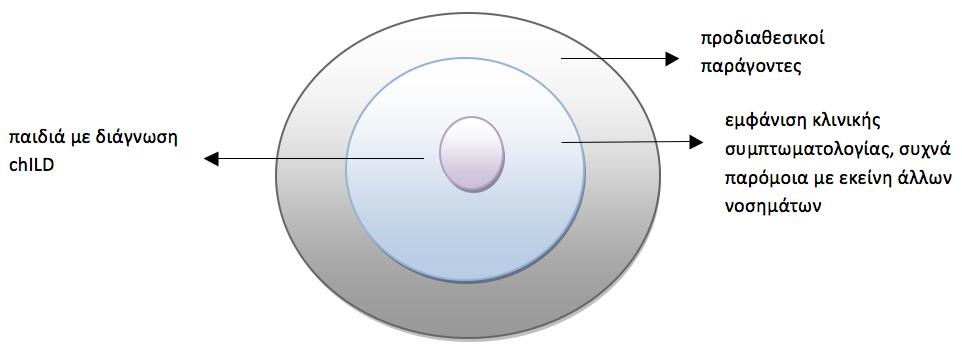
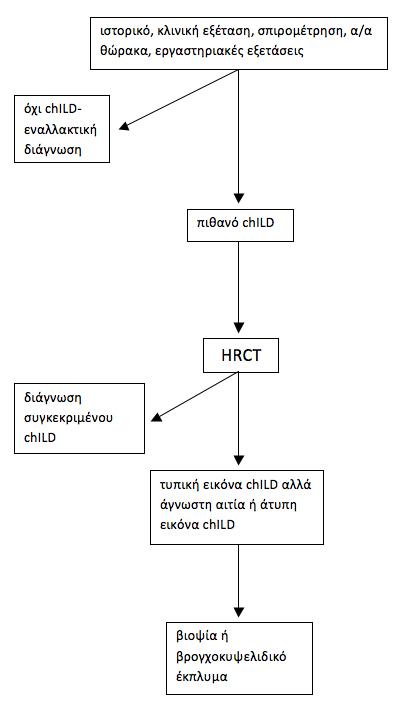
Interstitial lung diseases consist a relatively rare entity in pediatric age. The aim of this review is to provide data about pathophysiology, clinical features, diagnostic approach and treatment options for this group of disorders in childhood. A variety of molecular changes lead to gradual loss of lung elasticity and compliance. Most common clinical signs and features are cough, tachypnea, end-inspiratory crackles and less exercise capacity. The development of pulmonary hypertension is a severe complication, which has a negative impact on survival rate. High resolution computed tomography remains the gold standard method of diagnosis. Treatment options mainly include general supportive measures and pharmacological treatment with steroids and hydroxychloroquine.
1. Kurland G, Deterding RR, Hagood JS, Young LR, Brody AS, Castile RG, et al. American Thoracic Society Committee on Childhood Interstitial Lung Disease (chILD) and the chILD Research Network. An official American Thoracic Society clinical practice guideline: classification, evaluation, and management of childhood interstitial lung disease in infancy. Am J Respir Crit Care Med. 2013;188:376-94
2. Kitazawa H, Kure S. Interstitial Lung Disease in Childhood: Clinical and Genetic Aspects. Clin Med Insights Circ Respir Pulm Med. 2015;9:57-68
3. Griese M, Haug M, Brasch F, Freihorst A, Lohse P, von Kries R, et al. Incidence and classification of pediatric diffuse parenchymal lung diseases in Germany. Orphanet J Rare Dis. 2009;4:26
4. Dinwiddie R, Sharief N, Crawford O. Idiopathic interstitial pneumonitis in children: a national survey in the United Kingdom and Ireland. Pediatr Pulmonol. 2002;34:23–9
5. Kornum JB, Christensen S, Grijota M, Pedersen L, Wogelius P, Beiderbeck A, et al. The incidence of interstitial lung disease 1995-2005: a Danish nationwide population-based study. BMC Pulm Med. 2008;8:24
6. Nathan N, Taam RA, Epaud R, Delacourt C, Deschildre A, Reix P, et al. French RespiRareGroup. A national internet-linked based database for pediatric interstitial lung diseases: the French network. Orphanet J Rare Dis. 2012;7:40
7. Das S, Langston C, Fan LL. Interstitial lung disease in children. Curr Opin Pediatr. 2011;23:325-31
8. Kuo CS, Young LR. Interstitial lung disease in children. Curr Opin Pediatr. 2014;26:320-7
9. O'Reilly R, Kilner D, Ashworth M, Aurora P. Diffuse lung disease in infants less than 1 year of age: Histopathological diagnoses and clinical outcome. Pediatr Pulmonol. 2015;50:1000-8
10. Cazzato S, di Palmo E, Ragazzo V, Ghione S. Interstitial lung disease in children. Early Hum Dev. 2013;89:39–43
12. Sherer DM, Davis JM, Woods JR., Jr Pulmonary hypoplasia: a review. Obstet Gynecol Surv. 1990;45:792–803
13. Hegde S, Pomplun S, Hannam S, Greenough A. Nonfatal congenital alveolar dysplasia due to abnormalities of NO synthase isoforms. Acta Paediatr. 2007;96:1248-50
14. Sen P, Thakur N, Stockton DW, Langston C, Bejjani BA. Expanding the phenotype of alveolar capillary dysplasia (ACD) J Pediatr. 2004;145:646–51
15. Whitsett JA, Wert SE, Weaver TE. Diseases of pulmonary surfactant homeostasis. Annu Rev Pathol. 2015;10:371–93
16. Guillot L, Epaud R, Thouvenin G, Jonard L, Mohsni A, Couderc R, et al. New surfactant protein C gene mutations associated with diffuse lung disease. J Med Genet. 2009;46:490-4
17. Griese M, Kirmeier HG, Liebisch G, Rauch D, Stückler F, Schmitz G, et al.;ILD-BAL working group of the Kids-Lung-Register. Surfactant lipidomics in healthy children and childhood interstitial lung disease. PLoS One. 2015;10:e0117985
18. Flamein F1, Riffault L, Muselet-Charlier C, Pernelle J, Feldmann D, Jonard L, et al. Molecular and cellular characteristics of ABCA3 mutations associated with diffuse parenchymal lung diseases in children. Hum Mol Genet. 2012;21:765-75
19. Al-Salmi QA, Walter JN, Colasurdo GN, Sockrider MM, Smith EO, Takahashi H, et al. Serum KL-6 and surfactant proteins A and D in pediatric interstitial lung disease. Chest. 2005;127:403-7
21. Cazzato S, di Palmo E, Ragazzo V, Ghione S. Interstitial lung disease in children. Early Hum Dev. 2013;89:39-43
22. Clement A, Nathan N, Epaud R, Fauroux B, Corvol H. Interstitial lung diseases in children. Orphanet J Rare Dis. 2010;5:22
23. Kobayashi N, Kobayashi I, Mori M, Sato S, Iwata N, Shigemura T, et al. Increased Serum B Cell Activating Factor and a Proliferation-inducing Ligand Are Associated with Interstitial Lung Disease in Patients with Juvenile Dermatomyositis. J Rheumatol. 2015;42:2412-8
24. Kobayashi N, Takezaki S, Kobayashi I, Iwata N, Mori M, Nagai K, et al. Clinical and laboratory features of fatal rapidly progressive interstitial lung disease associated with juvenile dermatomyositis. Rheumatology (Oxford). 2015;54:784-91
25. Lee YK, Huh R, Kim J, Ahn K, Sung KW, Cho J. Late-onset noninfectious interstitial lung disease following autologous haematopoietic stem cell transplantation in paediatric patients. Respirology. 2016;21:1068-74
27. Fan LL. Hypersensitivity pneumonitis in children. Curr Opin Pediatr. 2002;14:323-6
28. Sismanlar T, Aslan AT, Turktas H, Memis L, Griese M. Respiratory Bronchiolitis-Associated Interstitial Lung Disease in Childhood: New Sequela of Smoking. Pediatrics. 2015;136:e1026-9
29. Conway R, Low C, Coughlan RJ, O’Donnell MJ, Carey JJ. Methotrexate and lung disease in rheumatoid arthritis: a meta-analysis of randomized controlled trials. Arthritis Rheumatol. 2014;66:803–12
30. Hallowell RW, Horton MR. Interstitial lung disease in patients with rheumatoid arthritis: spontaneous and drug induced. Drugs. 2014;74:443–50
31. Camus P, Kudoh S, Ebina M. Interstitial lung disease associated with drug therapy. Br J Cancer. 2004;91:18–23
32. Camus P, Fanton A, Bonniaud P, Camus C, Foucher P. Interstitial lung disease induced by
drugs and radiation. Respiration. 2004;71:301–26
33. Maher TM, Wells AU, Laurent GJ. Idiopathic pulmonary fibrosis: multiple causes and multiple mechanisms? Eur Respir J. 2007;30:835–9
34. Wang L, Zhao QH, Pudasaini B, Jiang R, Gong SG, He J, et al. Clinical and Hemodynamic Characteristics of Pulmonary Hypertension associated with Interstitial Lung Disease in China. Clin Respir J. 2016; doi: 10.1111/crj.12604
35. Bromley S, Vizcaya D. Pulmonary hypertension in childhood interstitial lung disease: A systematic review of the literature. Pediatr Pulmonol. 2016; doi: 10.1002/ppul.23632
36. Fan LL, Mullen AL, Brugman SM, Inscore SC, Parks DP, White CW. Clinical spectrum of chronic interstitial lung disease in children. J Pediatr 1992;121:867–872
37. Deutsch GH, Young LR, Deterding RR, Fan LL, Dell SD, Bean JA, et al. Diffuse lung disease in young children: application of a novel classification scheme. Am J Respir Crit Care Med. 2007;176:1120–1128
38. Bush A, Cunningham S, de Blic J, Barbato A, Clement A, Epaud R, et al. European protocols for the diagnosis and initial treatment of interstitial lung disease in children. Thorax 2015;70:1078–1084
39. Xu D, Chen Z, Chen H, Huang R, Zhao S, Liu X, et al. Application of clinico-radiologic-pathologic diagnosis of diffuse parenchymal lung diseases in children in China. PLoS One. 2015;10:e0116930
40. Sankar J, Pillai MS, Sankar MJ, Lodha R, Kabra SK. Clinical profile of interstitial lung disease in Indian children. Indian Pediatr. 2013; 50:127-33
41. Hull J, Forton J, Thomson A. Interstitial lung disease. In: Pediatric Respiratory Medicine, 2nd ed. Oxford Medical Publications, 2015, pp. 515-24
42. He ML, Lai H, Cao Y, Shuai YZ, Yu SC. High resolution computed tomography and classification of children with interstitial lung diseases. Genet Mol Res. 2014;13:4241-51
43. Manson DE. MR imaging of the chest in children. Acta Radiol. 2013;54:1075–85
44. Barbato A, Panizzolo C, Cracco A, de Blic J, Dinwiddie R, Zach M. Interstitial lung disease in children: a multicentre survey on diagnostic approach. Eur Respir J. 2000;16:509-13
45. Fan LL, Kozinetz CA, Wojtczak HA, Chatfield BA, Cohen AH, Rothenberg SS. Diagnostic value of transbronchial, thoracoscopic, and open lung biopsy in immunocompetent children with chronic interstitial lung disease. J Pediatr. 1997;131:565–9
46. Deterding RR. Infants and Young Children with Children's Interstitial Lung Disease. Pediatr Allergy Immunol Pulmonol. 2010;23:25-31
47. Avital A, Hevroni A, Godfrey S, Cohen S, Maayan C, Nusair S, et al. Natural history of five children with surfactant protein C mutations and interstitial lung disease. Pediatr Pulmonol. 2014;49:1097-105
48. Williamson M, Wallis C. Ten-year follow up of hydroxychloroquine treatment for ABCA3 deficiency. Pediatr Pulmonol. 2014;49:299-301
49. Dinwiddie R. Treatment of interstitial lung disease in children. Paediatr Respir Rev. 2004;5:108–15
50. Kirkby S, Hayes D Jr. Pediatric lung transplantation: indications and outcomes. J Thorac Dis. 2014;6:1024–31
e-mail:
Correspondence
Antonios K. Kontakis
Konstantinou Karamanli 60, Thessaloniki T. +306977997410
e-mail: antonyphysio@ hotmail.com
Pathogenesis of cognitive disorders in children with non-neurological cancer
Antonios K. Kontakis
Abstract
Progress in dealing with childhood malignant neoplasm has raised questions about the long-term consequences of cancer itself and the treatment protocols used to treat it in the context of normal cognitive development and maturity of patients in childhood.
Studies about the side effects of treatments show signs of a cognitive decline in children, which may persist for years after the treatment has been completed, and may affect them in various areas of their functioning.
In this review Ι attempted to transfer current scientific data on the pathogenesis of cognitive disorders. Ι analyzed the factors that act before the onset of treatment, as well as those directly associated with the therapeutic protocols which acting as pathophysiological mechanisms cause structural and molecular reductions in normal brain function.
1. Ward E, DeSantis C, Robbins A, Kohler B, Ahmedin J. Childhood and adolescent cancer statistics, CA Cancer Journal for Clinicians, 2014; 64:83–103
2. Jain N, Brouwers P, Okcu M, Cirino P, Krull K. Sex- specific attention problems in long-term survivors of pediatric acute lymphoblastic leukemia, Cancer, 2009;15:115(18), 4238-45
3. Ashford, J., Schoffstall, C., Reddick, WE., Leone, C., Laningham, FH., Glass, JO. et al. Attention and working memory abilities in children treated for acute lymphoblastic leukemia, Cancer, 2010; 116(19): 4638-45
4. Ahles T, Saykin A. Candidate mechanisms for chemotherapy-induced cognitive changes, Nat Rev Cancer, 2007; 7(3): 192-201
5. Kadan-Lottick NS, Zeltzer LK, Liu Q, Yasui Y, Ellenberg L, Gioia G et al. Neurocognitive functioning in adult survivors of childhood non-central nervous system cancers, J Natl Cancer Inst, 2010; 102(12): 881-93
6. Krull KR, Okcu MF, Potter B, Jain N, Dreyer Z, Kamdar K, Brouwers P.Screening for neurocognitive impairment in pediatric cancer long-term survivors. J Clin Oncol, 2008; 26(25): 4138-43
7. Verstappen CC, Heimans JJ, Hoekman K, Postma TJ. Neurotoxic complications of chemotherapy in patients with cancer: clinical signs and optimal management, Drugs, 2003; 63(15): 1549-63
8. Troy SM, Lucki I, Unruh MA, Cevallos WH, Leister CA, Martin PT et al. Comparison of the effects of zaleplon, zolpidem, and triazolam on memory, learning, and psychomotor performance, J Clin Psychopharmacol, 2000; 20(3): 328-37
9. Wefel J, Lenzi R, Theriault R, Buzdar A, Cruickshank S, Meyers C, Chemobrain’ in Breast Carcinoma?, Cancer, 2004; 101:466-475
10. Meyers CA, Albitar M, Estey E. Cognitive impairment, fatigue and cytokine levels in patients with acute myelogenous leukemia or myelodysplastic syndrome, Cancer, 2005; 104:788-793
11. Myers RM, Balsamo L, Lu X, Devidas M, Hunger SP, Carroll WL et al. A prospective study of anxiety, depression, and behavioral changes in the first year after a diagnosis of childhood acute lymphoblastic leukemia: a report from the Children's Oncology Group. Cancer, 2014; 120(9):1417-25
12. Jenkins V, Shilling V, Deutsch G , Bloomfield D, Morris R, Allan S. et al. A 3-year prospective study of the effects of adjuvant treatments on cognition in women with early stage breast cancer, Br J Cancer, 2006; 27(6):828-34
13. Donovan KA, Small BJ, Andrykowski MA, et al. Cognitive functioning after adjuvant chemotherapy and/or radiation for early-stage breast cancer. Cancer. 2005; 104:2499–2507
14. Folstein M, Anthony JC, Parhad I, Duffy B, Gruenberg EM. The meaning of cognitive
impairment in the elderly, J Am Geriatr Soc, 1985; 33(4):228-35
15. Barsalou, LW. Grounded cognition: past, present, and future, Top Cogn Sci., 2010; 2(4):716-24
16. Joly F, Giffard B, Rigal O, De Ruiter MB, Small BJ, Dubois M. et al Impact of Cancer and Its Treatments on Cognitive Function: Advances in Research From the Paris International Cognition and Cancer Task Force Symposium and Update, Journal of pain and symptom management, 2012; 50(6):830–841
17. Kingma A, van Dommelen RI, Mooyaart EL, Wilmink JT, Deelman BG, Kamps WA. No major cognitive impairment in young children with acute lymphoblastic leukemia using chemotherapy only: a prospective longitudinal study, J Pediatr Hematol Oncol, 2002; 24:106–14
18. Bisen-Hersh EB, Hineline PN, Walker EA. Disruption of learning processes by chemotherapeutic agents in childhood survivors of acute lymphoblastic leukemia and preclinical models. J Cancer, 2011; 2:292-301
19. Rodgers J, Marckus R, Kearns P. Attentional ability among survivors of leukaemia treated without cranial radiation, Arch Dis Child, 2003; 88:147–150
20. Ahles TA, Root JC, Ryan EL. Cancer- and cancer treatment-associated cognitive change: an update on the state of the science, J Clin Oncol., 2012; 20 (30): 3675-86S
21. Nelson WL, Suls J. New approaches to understand cognitive changes associated with chemotherapy for non-central nervous system tumors, J Pain Symptom Manage, 2013; 46(5):707-21
22. Alvarez JA, Scully RE, Miller TL, Armstrong FD, Constine LS, Friedman DL, Lipshultz SE. Long-term effects of treatments for childhood cancers, Curr Opin Pediatr, 2007; 19(1):23–31
23. Butler RW, Haser JK. Neurocognitive effects of treatment for childhood cancer, Ment Retard Dev Disabil Res Rev, 2006; 12(3):184-91
24. Janelsins M, Kesler S, Ahles T. Prevalence, mechanisms and management of cancer-related cognitive impairment, Int Rev Psychiatry, 2014; 26(1): 102–113
25. Mitsuki S, Diksic M, Conway T, Yamamoto YL, Villemure JG, Feindel W. Pharmacokinetics of 11C-labelled BCNU and SarCNU in gliomas studied by PET, J Neurooncol, 1991; 10(1): 47-55
26. Oden-Gangloff A, Di Fiore F, Bibeau F, Lamy A, Bougeard G , Charbonnier F. et al. TP53 mutations predict disease control in metastatic colorectal cancer treated with cetuximab-based chemotherapy, Br J Cancer, 2009; 100:1330–1335
27. Inagaki M, Yoshikawa E, Matsuoka Y, Sugawara Y, Nakano T, Akechi T, et al. Smaller regional volumes of brain gray and white matter demonstrated in breast cancer survivors exposed to adjuvant chemotherapy, Cancer, 2007; 109:146–156
28. McDonald BC, Conroy SK, Ahles TA, West J, Saykin A. Gray matter reduction associated with systemic chemotherapy for breast cancer: a prospective MRI study, Breast Cancer Res Treat, 2010; 123:819–828
29. Lepage C, Smith A, Moreau J, Barlow-Krelina E, Wallis N, Collins B, et al. A prospective study of grey matter and cognitive function alterations in chemotherapy-treated breast cancer patients, SpringerPlus, 2014; 3:444
30. Kesler SR, Kent JS, O’Hara R. Prefrontal cortex and executive function impairments in primary breast cancer, Arch. Neurol, 2011; 68:1447–1453
31. Rolig RL, McKinno PJ. Linking DNA damage and neurodegeneration, Neurobiol Sci, 2000; 23:417–423
32. Caldecott KW. DNA single-strand breaks and neurodegeneration, DNA Repair, 2004; 3:875-82
33. Fishel ML, Vasko MR, Kelley MR. DNA repair in neurons: so if they don't divide what's to repair?, Mutat Res, 2007; 3:24-36
34. Abner CW, McKinnon PJ. The DNA double-strand break response in the nervous system, DNA Repair, 2004; 3(8-9):1141-7
35. Harrison J, Hollensworth SB, Spitz DR, Copeland WC, Wilson GL, LeDoux SP. Oxidative stress-induced apoptosis in neurons correlates with mitochondrial DNA base excision repair pathway imbalance, Nucleic Acids, 2005; 33(14): 4660-71
36. Shen J, Terry MB, Gurvich I, Liao Y, Senie RT, Santella RM. Short telomere length and breast cancer risk: A study in sister sets, Cancer Research, 2007; 67:5538-5544
37. Saykin AJ, Ahles TA, McDonald, BC. Mechanisms of chemotherapy-induced cognitive disorders: Neuropsychological, pathophysiological, and neuroimaging perspectives, Seminars in Clinical Neuropsychiatry, 2003; 8(4): 201-216
38. Dahse R, Fiedler W, Ernst G. Telomeres and telomerase: biological and clinical importance, Clin Chem, 1997; 43(5):708-14
39. Balkwill F, Mantovani A. Inflammation and cancer: back to Virchow? Lancet, 2001; 357(9255):539-45
40. de Visser KE, Eichten A, Coussens LM. Paradoxical roles of the immune system during cancer development, Nat Rev Cancer, 2006; 6(1):24-37
41. Elinav E, Nowarski R, Thaiss C, Hu B, Jin C, Flavell R. Inflammation-induced cancer: crosstalk between tumours, immune cells and microorganisms, Nature Reviews Cancer, 2013; 13:759–771
42. Grivennikov G, Greten F, Karin M. Immunity, Inflammation, and Cancer Cell, 2010; 19;140(6): 883–899.
43. Wilson CJ, Finch CE, Cohen HJ. Cytokines and cognition-the case for a head-to-toe inflammatory paradigm, J Am Geriatr Soc, 2002; 50(12):2041-56
44. Kelley K., Bluthe RM, Dantzer R, Zhou JH, Shen WH, Johnson RW. Et al. Cytokineinduced sickness behavior, Brain Behav Immun, 2003; 17,(Suppl 1): S112–S118
45. Trask PC, Esper P, Riba M, Redman B. Psychiatric side effects of interferon therapy: prevalence, proposed mechanisms, and future directions, J Clin Oncol, 2000; 18:2316-2326
46. Scheibel RS, Valentine AD, O’Brien S, Meyers CA. Cognitive dysfunction and depression during treatment with interferon-alpha and chemotherapy, Journal of Neuropsychiatry & Clinical Neurosciences,2004; 16:185–91
47. Sung M, Phaik Y, Jui T, Pathy P, Fung D, Ang S et al. Effects of cognitive-behavioral therapy on anxiety in children with autism spectrum disorders: A randomized controlled trial, Children Psychiatry and Human Development, 2011; 42,: 634–649
48. Sohn IJ, Han JW, Hahn SM, Song DH, Lyu CJ, Cheon KA. Factors Associated with Emotional Distress in Children and Adolescents during Early Treatment for Cancer, Yonsei Med J, 2017; 58(4):816-822
49. Papazacharias A, Nardini M. The relationship between depression and cognitive deficits, Psychiatria Danubina, 2012; 24(1);179–182
50. Charney DS, Reynolds CF, Lewis L, Lebowitz BD, Sunderland T, Alexopoulos GS. Depression and Bipolar Support Alliance consensus statement on the unmet needs in diagnosis and treatment of mood disorders in late life, Archives of General Psychology, 2003; 60:664–72
51. Austin MP, Mitchell P, Goodwin GM. Cognitive deficits in depression: possible implications for functional neuropathology, Br J Psychiatry, 2001; 178:200-6
52. Reppermund S, Ising M, Lucae, Zihl J. Cognitive impairment in unipolar depression is persistent and non-spesific: further evidence for the final common pathway disorder hypothesis. Psychol. Med. 2009; 39:603–614
53. Pang PT, Lu B. Regulation of late-phase LTP and long-term memory in normal and ageing hippocampus: role of secreted proteins tPA and BDNF, Age Res Rev, 2004; 3:407–430
54. Savitz J, Solms M, Ramesar R. The molecular genetics of cognition: dopamine, COMT, and BDNF, Genes Brain Behav, 2006; 5:311–328
55. Saykin A, de Ruiter M, McDonald B, Deprez S, Silverman D. Neuroimaging Biomarkers and Cognitive Function in Non-CNS Cancer and Its Treatment: Current Status and Recommendations for Future Research, Brain Imaging Behav, 2013; 7(4): 363–373.
Τ. 6945901994
e-mail: basmar1a@otenet.gr
Correspondence
Vasileios Marias
51 Artemidos street, Glyfada 16674
T. +306945901994
e-mail: basmar1a@otenet.gr
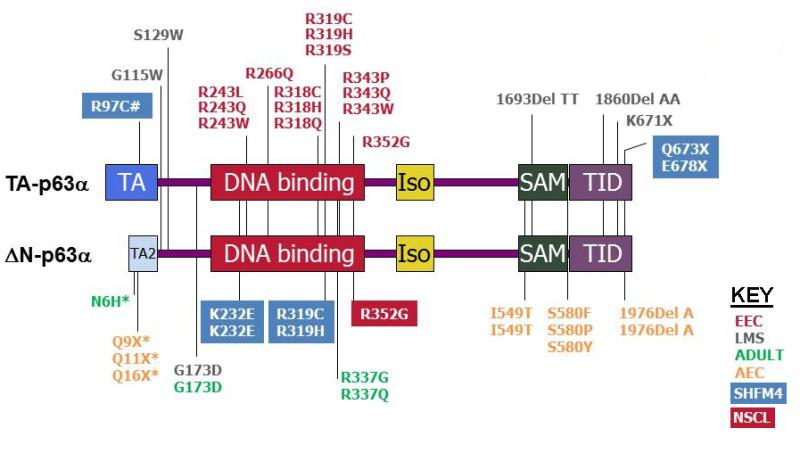
Novel mutations in the TP63 gene associated with the Hay-Wells syndrome: presentation
of
two cases and bibliography review
Vasileios Marias, Eirini Tsoutsou, Helen Fryssira
Abstract
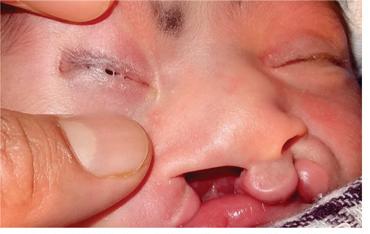
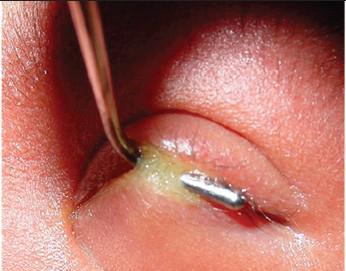
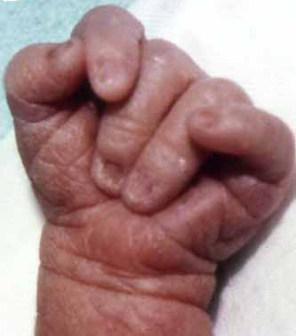
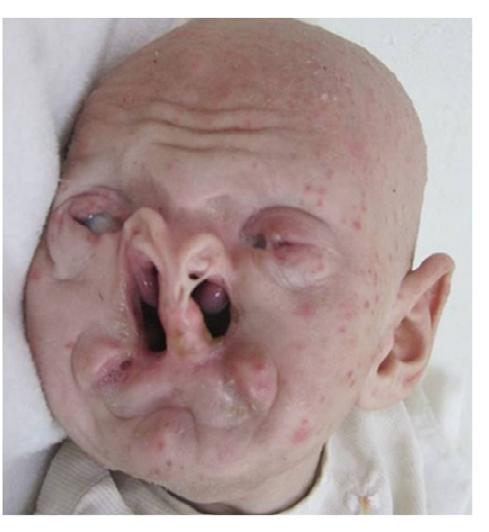
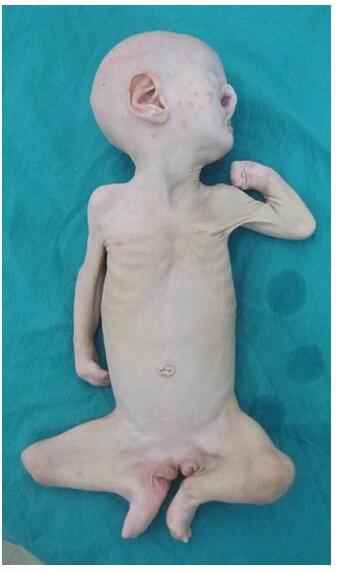
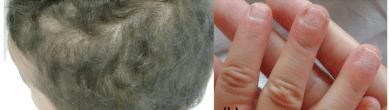
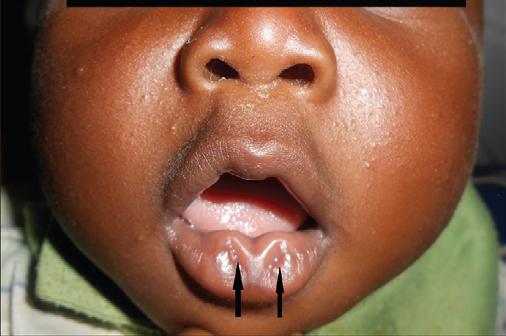
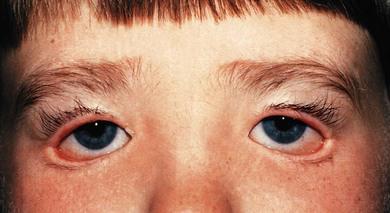
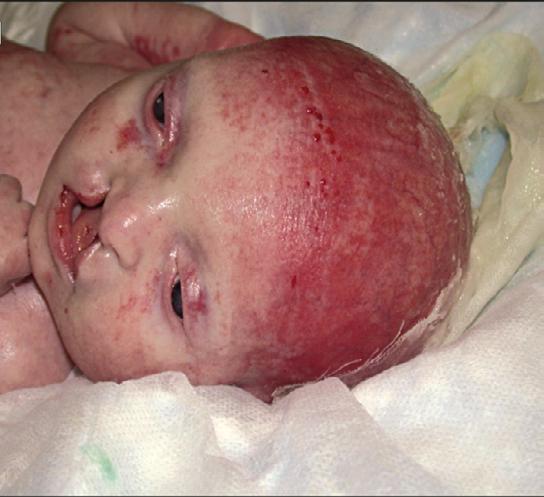
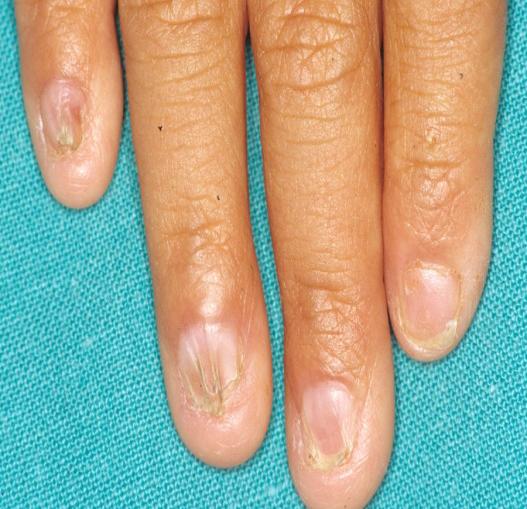
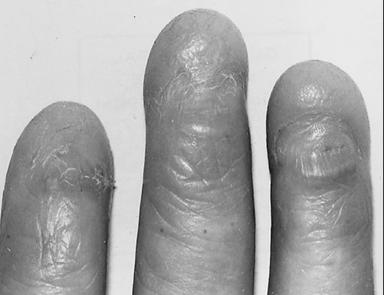
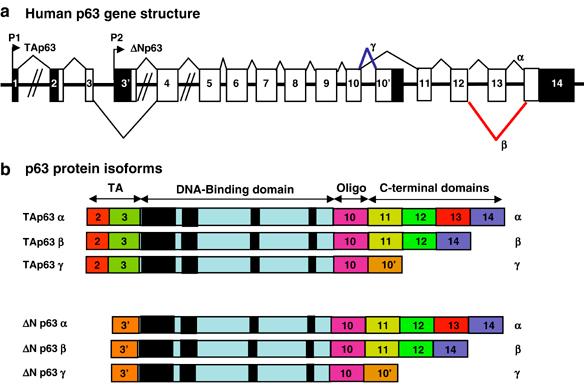
Hay-Wells syndrome is a rare genetic disorder characterized by Ankyloblepharon Filiforme Adnatum (AFA), cleft lip and/or palate and ectodermal dysplasia. Mutations in Tumor Protein P63 (TP63) gene are the cause of the syndrome, which is inherited in an autosomal dominant manner. We report two new cases with Hay-Wells syndrome that were evaluated in our clinic because of multiple congenital anomalies. Pathogenic variants were detected by direct sequencing of the gene and confirmed our initial clinical diagnosis. These variants were not present in the analysis of all parents, proving their de novo origin and pathogenicity. The identification of novel mutations in rare genetic disorders allows a precise genotype-phenotype correlation of these conditions. A multidisciplinary team monitors and treats these patients.
Key words: Hay Wells syndrome, ankyloblepharon, ectodermal dysplasia, mutation, Tumor Protein P63
Vasileios Marias
Eirini Tsoutsou
Helen Fryssira
Department of Medical Genetics, Medical School, National and Kapodistrian University of Athens, “Agia Sophia” Children’s Hospital, Athens
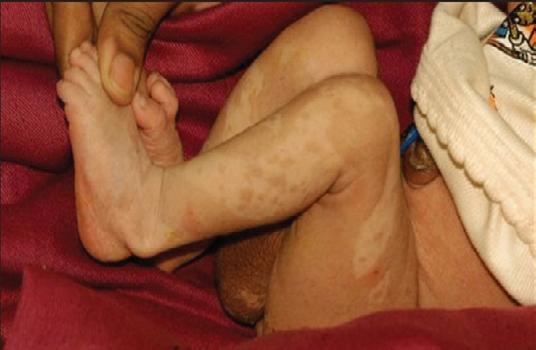
1: Ankyloblepharon Filiforme Adnatum-AFA [13,14]
2. Popliteal pterygium syndrome:
3. Bartsocas - Papas syndrome:
4. Curly Hair - Ankyloblepharon - Nail Dysplasia Syndrome (CHANDS):
1. Michael Koubek, Kristýna Strakošová, Juraj Timkovič, Dagmar Grečmalová, Aneta Orlíkováb, Hana Burčková et al. A rare form of ankyloblepharon filiforme adnatum associated with the Hay–Wells syndrome and a c.1709T>C mutation on the TP63 gene. Ophthalmic Genetics. 2017:
3. Shilpa Elizabeth Kuruvilla, Arathi Roddam Simha. A rare variant of ankyloblepharon filiforme adnatum associated with skin hypo pigmentation: A case report from South India. Indian Journal of Ophthalmology 2016; 64:241-3.
4. Scott MH, Richard JM, Farris BK. Ankyloblepharon filiforme adnatum associated with infantile glaucoma and iridogoniodysgenesis. J Pediatr Ophthalmol Strabismus. 1994; 31(2):9395.
5. OMIM Clinical Synopsis # 106260-AEC syndrome.
6. Aimee S. Payne, Albert C. Yan, Erum Ilyas, Weijie Li, John T. Seykora, Terri L. Young et al. Two Novel TP63 Mutations Associated With the Ankyloblepharon, Ectodermal Defects, and Cleft Lip and Palate Syndrome. A Skin Fragility Phenotype. Arch Der.2005; 141(12):15671573.doi:10.1001/archderm.141.12.1567.
7. Tumor Protein p63; TP63- OMIM #603273.
8. Dario J. de Freitas Rosa, Marcelino Pereira Martins Neto, Aloiso Gamonal, Ronaldo Figueiredo Machado, Alessandra Almeida Montenegro de Sa. Hay-Wells syndrome: a case report. An Bras Dermatology. 2010; 85(2):232-5.
9. John A. McGrath, Pascal H.G. Duijf, Volker Doetsch, Alan D. Irvin, Rob de Waal, Kaate R.J. Vanmolkot et al. Hay-Wells syndrome is caused by heterozygous missense mutations in the SAM domain of p63. Human Molecular Genetics, 2001, Vol.10, No3:221-229.
10. F Murray-Zmijewski, D P Lane, J-C Bourdon.P53/p63/p73 isoforms: an orchestra of isoforms to harmonise cell differentiation and response to stress. Cell death and Differentiation 13, 962-972 (2006).
11. Zarnegar BJ, Webster DE, Lopez-Pajares V, Vander Stoep Hunt B, Qu K et al. Genomic profiling of a human organotypic model of AEC syndrome reveals ZNF750 as an essential downstream target of mutant TP63. Am J Hum Genet. 2012; 91:435-43.
12. Aradhya S, Lewis R, Bonaga T, Nwokekeh N, Stafford A, Boggs B et al. Exon level array CGH in a large clinical cohort demonstrates increased sensitivity of diagnostic testing for Mendelian diseases. Genet Med, 2012; 14:594-603.
13. Ram Lal Sharma, Sunil Chauhan, Deepti Parmar. Ankyloblepharon Filiforme Adnatum Associated with Bilateral Cleft Lip and Palate: A Rare Case. Webpage: http://dx.doi.org/10.7869/djo.175
14. Chandana Chakraborti, Krittika Pal Chaudhury, Jayanta Das, and Arnab Biswas, Ankyloblepharon Filiforme Adnatum: Report of Two Cases, Middle East Afr J Ophthalmol. 2014 Apr-Jun; 21(2): 200–202.
15. Trisomy 18. Genetics Home Reference, NIH.
16. E.M. Abdalla and H. Morsy. Bartsocas-Papas Syndrome: Unusual findings in the first reported Egyptian family. Case reports in genetics. Volume 2011, Article ID 428714. Webpage: doi: 10.1155/2011/428714.
17. Busa T, Jeraiby M, Clemenson A, Manouvrier S, Granados V, Phillip N, Touraine R. Confirmation that RIPK4 mutations cause not only Bartsocas-Papas syndrome but also CHAND syndrome. American Journal of Medical Genetics. 2017 Nov; 173(11):3114-3117.
Rare presentation of Van der Woude syndrome in a mother and child: A case report from SubSaharan Africa.
Year: 2017, Volume: 4, Issue: 1, Page: 55-57.
19. Robert C. Kersten, Hugo WA Henderson, J Richard O. Collin. Lids: Congenital and acquired abnormalities-practical management, Chapter 19.
20. P. Garcia-Martin, A. Hernandez-Martin, A. Torello. Ectodermal Dysplasias: A clinical and molecular review, Actas Dermo-Sifiliografics. 2013; 104(6):451-470.
21. Al Kaissi A , Kenis V, Laptiev S, Ghachem MB, Klaushofer K, Ganger R, Grill F. Is webbing (pterygia) a constant feature in patients with Escobar syndrome? Orthop Surg. 2013 Nov;5(4):297-301.
e-mail: vtzotzola@gmail.com
Correspondence
Vasiliki Sotiria Tzotzola
T. +306947070973
e-mail: vtzotzola@gmail.com
Pleuropulmonary blastoma relapsing as pleomorphic rhabdomyosarcoma, associated with three benign tumors
Vasiliki Sotiria Tzotzola, Ioannis P. Panagiotou, Charikleia Kelaidi, Sophia Polychronopoulou
Abstract
Introduction: Pleuropulmonary blastoma is a rare tumor of childhood, that is commonly associated with other neoplasia, in the context of a predisposition syndrome. In the literature known to us, there is no other known case of PPB that has relapsed as or has been associated with pleomorphic rhabdomyosarcoma. Additionally, only rare cases of pediatric pleomorphic rhabdomyosarcomas have been described, since it is almost exclusively an adult type malignant tumor.
Method/Results: A 2.5 year old female with personal history of multicystic renal tumor at the age of 18months, was diagnosed and treated for pleuropulmonary blastoma of the right lower lobe. Ten months later, she relapsed at the same location with the pathology of pleomorphic rhabdomyosarcoma and was treated with a pediatric protocol of RMS, including chemotherapy and radiotherapy. At the age of 5 years, an intrauterine inflammatory polyp was resected, while at the age of 12.5 years she was diagnosed with multinodular goiter. The pathology by fine needle biospsy revealed leukocytic thyroiditis. Due to implications of papillary carcinoma in the left lobe, the patient underwent subtotal thyroidectomy, but the pathology did not confirm any evidence of malignancy. Two years after the thyroidectomy, the patient is alive, in complete remission and with a satisfactory functional status.
Conclusion: To the best of our knowledge, this is the first report of pleuropulmonary blastoma relapsing as pleomorphic rhabomyosarcoma, sequently associated with other neoplastic tumors. Moreover, since related information is rare in the literature, we would like to underline the good response of pleomorphic rhabdomyosarcoma with a pediatric treatment protocol of RMS. It is assumed that the clinical manifestation of multiple neoplasias in this patient most probably can be attributed to the cancer predisposition syndrome caused by mutations in the DICER1 gene.
4. Slade, I., et al., DICER1 syndrome: clarifying the diagnosis, clinical features and management implications of a pleiotropic tumour predisposition syndrome. J Med Genet, 2011. 48(4): p. 273-8.
5. Furlong, M.A. and J.C. Fanburg-Smith, Pleomorphic rhabdomyosarcoma in children: four cases in the pediatric age group. Ann Diagn Pathol, 2001. 5(4): p. 199-206.
6. Zhang, H., et al., Infant pleuropulmonary blastoma: report of a rare case and review of literature. Int J Clin Exp Pathol, 2015. 8(10): p. 13571-7.
7. Priest, J.R., et al., Pleuropulmonary blastoma: a clinicopathologic study of 50 cases. Cancer, 1997. 80(1): p. 147-61.
8. Delahunt, B., et al., Familial cystic nephroma and pleuropulmonary blastoma. Cancer, 1993. 71(4): p. 1338-42.
9. Boman, F., et al., Familial association of pleuropulmonary blastoma with cystic nephroma and other renal tumors: a report from the International Pleuropulmonary Blastoma Registry. J Pediatr, 2006. 149(6): p. 850-854.
10. Faure, A., et al., DICER1 pleuropulmonary blastoma familial tumour predisposition syndrome: What the paediatric urologist needs to know. J Pediatr Urol, 2016. 12(1): p. 5-10.
11. Mehraein, Y., et al., DICER1 syndrome can mimic different genetic tumor predispositions. Cancer Lett, 2016. 370(2): p. 275-8.
12. Dehner, L.P., et al., Pleuropulmonary Blastoma: Evolution of an Entity as an Entry into a Familial Tumor Predisposition Syndrome. Pediatr Dev Pathol, 2015. 18(6): p. 504-11.
13. Kollar, A., et al., Pleomorphic rhabdomyosarcoma with an impressive response to chemotherapy: case report and review of the literature. Tumori, 2016. 102(Suppl. 2).
14. Joon Mee Kim, Y.C.C., Pulmonary Blastoma with Rhabdomyoblastic Differentiation: A case report with immunohistochemical and electron microscopic examination. The Korean Journal of Pathology, 1992. 26(6): p. 620-626.
15. Hachitanda, Y., et al., Pleuropulmonary blastoma in childhood. A tumor of divergent differentiation. Am J Surg Pathol, 1993. 17(4): p. 382-91.
e-mail: klimel2015@in.gr
Correspondence
Klimi Eleni
Τ. +302107010529
e-mail: klimel2015@in.gr
Zosteriform rash associated with Parvovirus B19 infection in an atopic child
Klimi Eleni
Summary
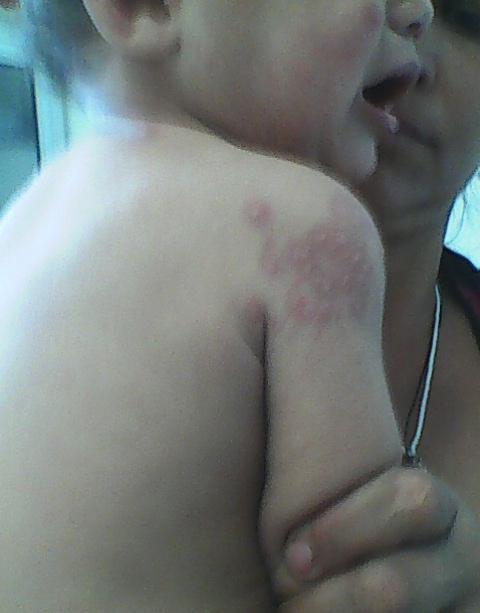
We present a case of a one year old atopic boy with a herpes zoster-like rash. The patient had fever and a rash on his right upper arm that appeared two days before the clinical examination. The IGM antibodies were found positive to Parvovirus B19, this confirmed the acute infection from the above mentioned virus
Key words: Parvovirus B19, atopy.
Klimi Eleni
Thriassio Hospital Elefsina
Βιβλιογραφία
1. John R.Pattison and Gary Patou Chapter 64 Parvovirus Baron Seditor Medical Microbiology 4th edition Galveston (1x);University of Texas Medical Branch at Galveston;1996
3. Magro CM,Dawood MR,Crowson AN The cutaneous manifestations of human parvovirus infection Hum Pathol.2000 Apr;31(4):488-97
4. Pediatric Dermatology Dance P Kaowchuk, Anthony J. Mancini editors Papular and Purpuric gloves and socks syndrome p 105-107
5. Ornoy A , Ergaz Z Parvovirus B19 infection during pregnancy and risks to the fetus Birth Defects Res2017Mar15;109 (5):311-323
6. Kerr JR A review of blood diseases and cytopenias associated with human parvovirus B19 infection Rev Med Virol 2015 Jul;25(4):224-40
7. Larralde M,Enz PA, Sanchez Gomez A, Corbella MC. Papular -purpuric gloves and socks syndrome due to Parvovirus B19 infection in childhood.Pediatr Dermatol.1998Sep-Oct;15(5):413-4
8. Oraydin V, Eceviz A, Sari Dogan F,Dogan A.Adult Patient who Presented to Emergency Service with a Papular Purpuric Gloves and Socks Syndrome:A case Report Turk J Emerg Med.2016Mar 2;14(4)179-81
2.
3.
4.
5.
6.
7.
8.
9. Ενδιαφέρουσες
10. Σύντομα
11. Βραχείες
12.
13.
14.
(Uniform Requirements for Manuscripts Submitted to Biomedical Journals),
International Committee of Medical Journal Editors/Uniform Requirements for Manuscripts Submitted to Biomedical Journals, (www.icmje.org και www.icmje.org/icmje. pdf).
Cumulated Index Medicus [List of Journals Indexed in Index Medicus (www.nlm.nih.goν/bsd/uniform_requirements. html)].
Proesmans W. Bartter syndrome and its neonatal νariant. Eur J Pediatr 1997;156:669-679.
Flyvbjerg Α. Role of growth hormone, insulin-like growth factors (IGFs) and IGF-binding proteins in the renal complications of diabetes. Kidney Ιnt 1997;52 (60 Suppl):S12-S19.
Χωρίς συγγραφέα:
National Institutes of Health Consensus Deνelopment Conference. Neurofibromatosis conference statement. Arch Neurol1988;45:575-578.
Προσδιορισμός
Schreiner GF, Lange L. Ethanol modulation of macrophage influx in glomerulonephritis [Abstract]. J Am Soc Nephrol 1991;2:562.
Should antileukotriene therapies be used instead of inhaled corticosteroids in asthma? [Editorial]. Am J Respir Crit Care Med 1998;158:1697-1701.
Clark AG, Barratt ΤΜ. Steroid-responsiνe nephrotic syndrome. Ιn: Barratt ΤΜ, Arner ED, Harmon WE, editors. Pediatric Nephrology. 4th ed. Baltimore: Lippincott William Wilkins; 1999. p. 742.
Σύγγραμμα
Gorlin RJ, Cohen ΜΜ, Leνin LS. Syndromes of the head and neck. 3rd ed. New York: Oxford Uniνersity Press; 1990.
Δημοσίευση
Bauer ΑW. The two definitions of bacterial resistance. In: Smith AJ, Rogers CA, eds. Proceedings of the Third International Congress of Chemotherapy; 1962 May 29-31; New York: International Society of Chemotherapy; 1963. p. 484-500.
Διδακτορική
Πανεπιστήμιο Αθηνών; 1979.
Kaplan SJ. Post hospital home health care: the elderly’s access and utilization [dissertation]. St. Louis (Μο): Washington Univ.;1995.
III. CD-ROM
Andersoη SC, Poulsen ΚΒ. Anderson’s electronic atlas of hematology [CD-ROM]. Philadelphia: Lippincott Williams & Wilkins; 2002.
IV. ΣΤΟ ΔΙΑΔΙΚΤΥΟ
Abood S. Quality improνement initiatiνe in nursiηg homes: the ΑΝΑ acts in an adνisory role. Am J Nurs [Internet]. 2002 Jun: