

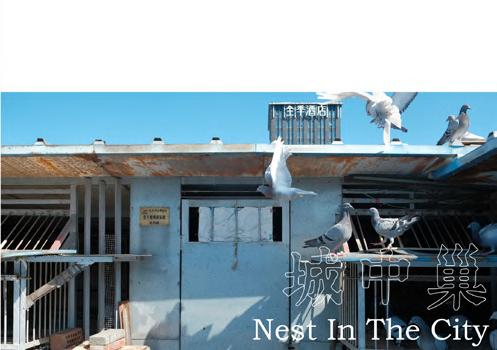
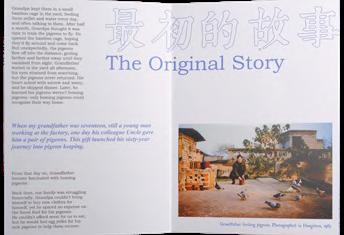
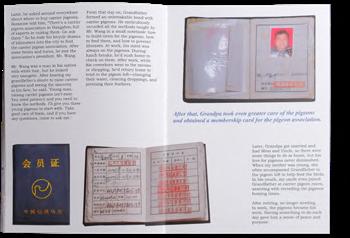
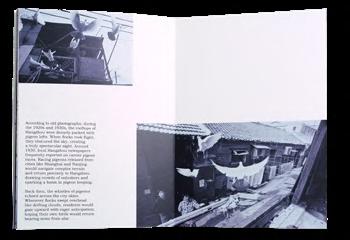
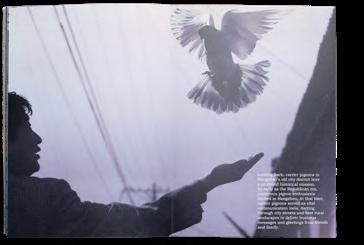
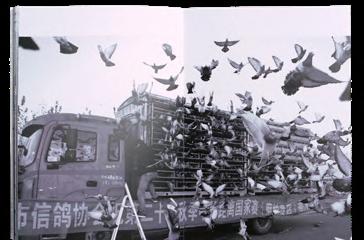
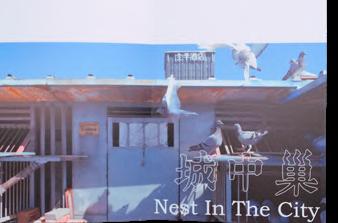
The pigeon racing scene in Hangzhou began to fourish in 1985, with focks of racing pigeons visible on every street and alley. My grandfather was one of them, dedicating most of his life to raising and training pigeons. The bond between them was akin to that of an athlete and coach, or even family. However, starting in 2010, single-story houses gradually gave way to high-rises, community pigeon-keeping restrictions tightened, and the avian fu outbreak further embroiled the pigeon-keeping community in controversy. Many were forced to abandon their passion. Yet my grandfather remained unwilling to let go, facing the conficting dilemma of “able to keep but unable to release.”
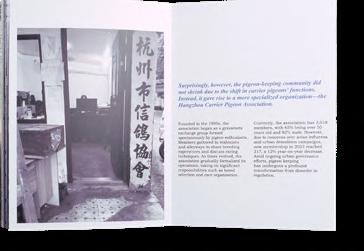
This project explores the shifting survival space for pigeon fanciers and their birds amid urban transformation. Through a book, three interconnected videos, and an installation exhibition, it invites audiences to understand the emotional bond between pigeon fanciers and their homing pigeons.
Video Link: https://youtu.be/yMmk5H8QXQE
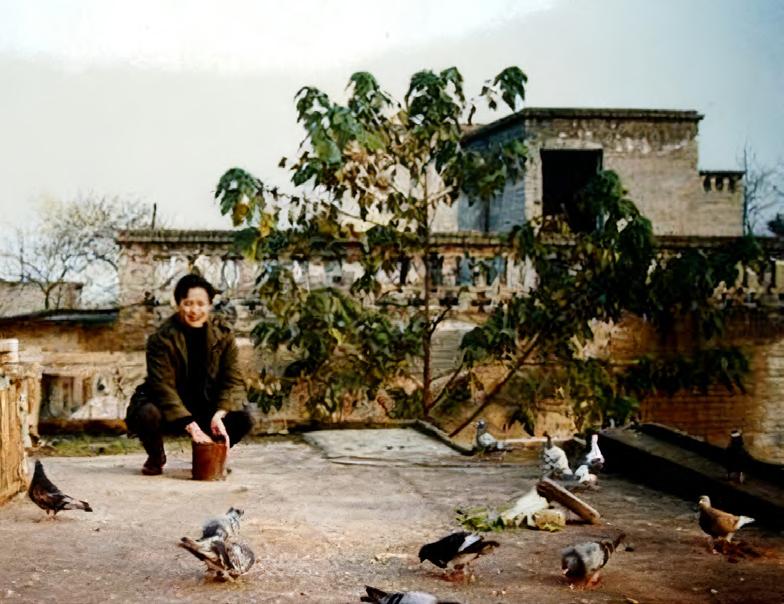
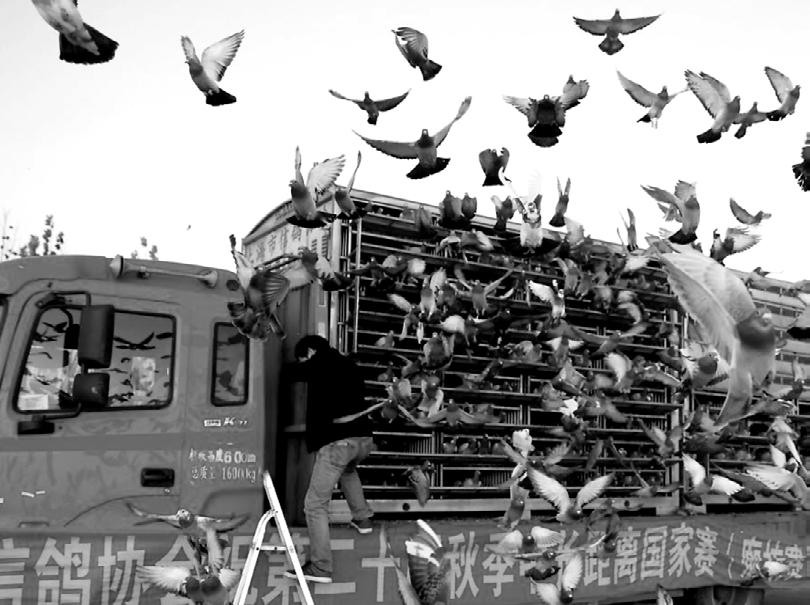
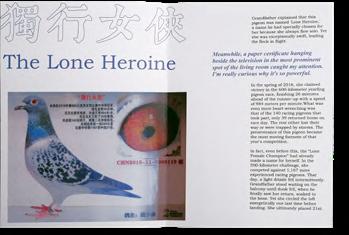
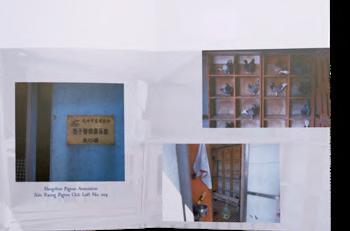
My grandfather began raising carrier pigeons in his teens, and has kept them for over sixty years now. Whenever I went to my grandmother's house for meals, he was never around- I knew only that he was training pigeons in the loft. Later, as Hangzhou developed, my grandmother's home was slated for demolition and renovation. They moved to a high-rise apartment complex.The city has policies restricting pigeon keeping, and the arrival of avian infuenza has caused considerable trouble for pigeon enthusiasts. Many have chosen to stop keeping pigeons, but my grandfather still keeps them on the rooftop of a high-rise building—though he is no longer permitted to release them.
Why are there so many restrictions? What impact have these restrictions had on pigeon fanciers?I asked my grandfather and his fellow pigeon fanciers about this.

According to information disclosed by the Hongkou District People's Government, as Shanghai expands its no-fy protection zones amid urbanization, the district has banned the release and keeping of homing pigeons. New keepers must not only obtain approval from property management or neighborhood committees but also complete multiple procedures. These strict regulations have led to a continuous decline in the number of homing pigeon keepers.
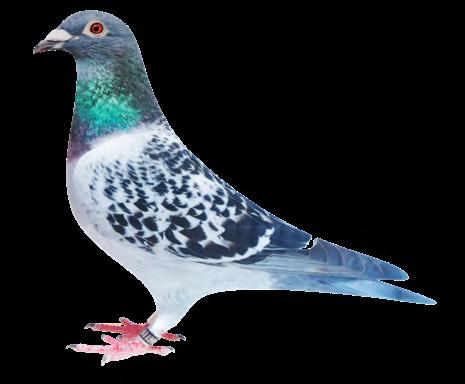

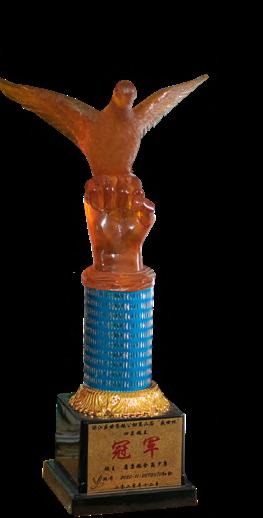
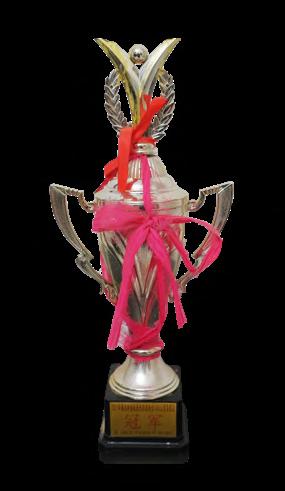
Carrier pigeons once served as aerial messengers spanning millennia. In modern times, they have become a widely popular sport, with competitions held across the globe. They remain both reliable communication partners and cultural symbols embodying passion and glory.
My grandfather Fellow pigeon fancier
During the avian fu outbreak, we were restricted from releasing our pigeons because they might carry the virus.
We had to disinfect daily, and our neighbors treated us like we were carriers of the virus.
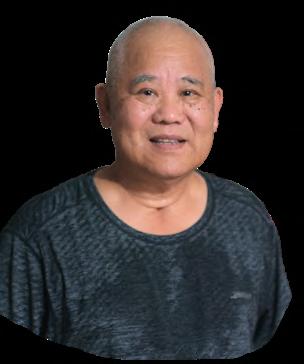
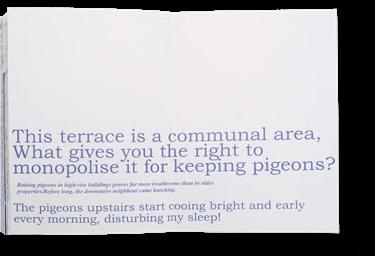
My pigeons on the rooftop frequently draw complaints from neighbors because feathers and droppings fall into their homes.
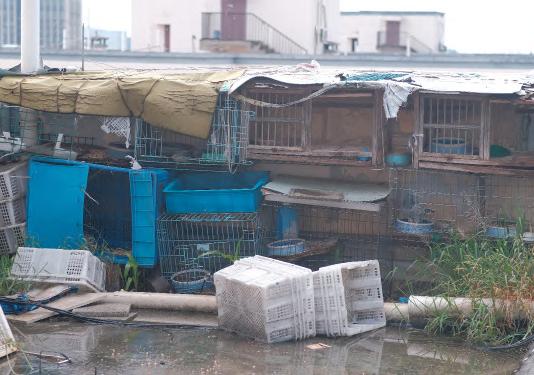

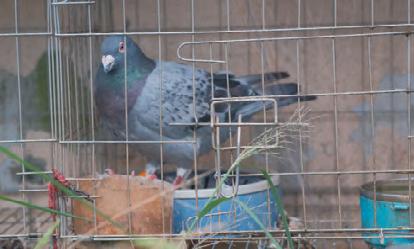
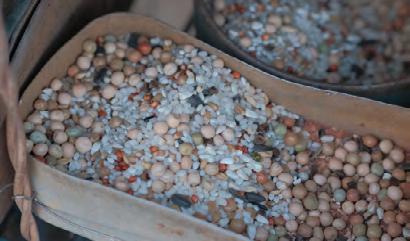
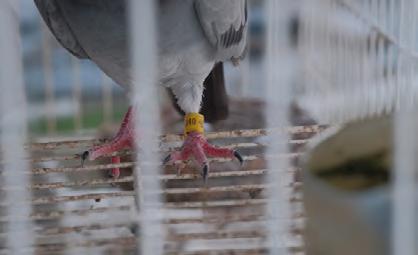
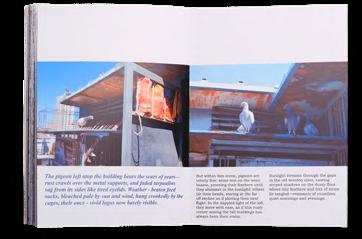
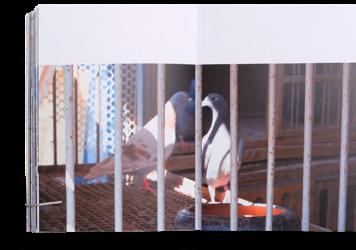
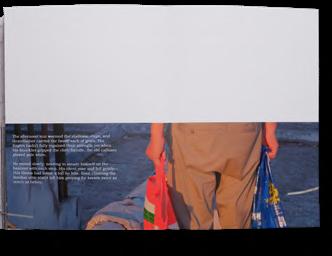
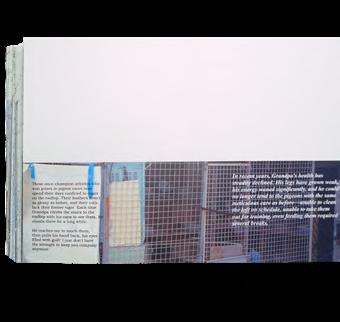
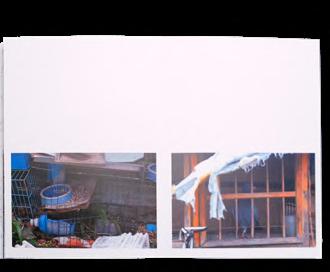
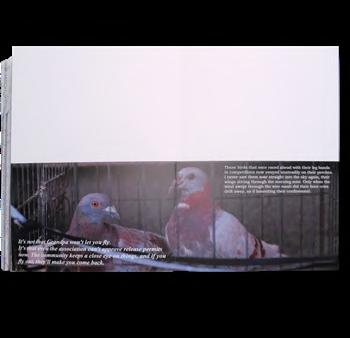
I went to my grandfather's rooftop pigeon cages to observe and take photos. Unlike the pigeon coops in the old bungalows that were custom-built with proper systems, these birds lived in cages of varying sizes, covered with all sorts of fabric and plastic bags. I found their living conditions to be quite poor.
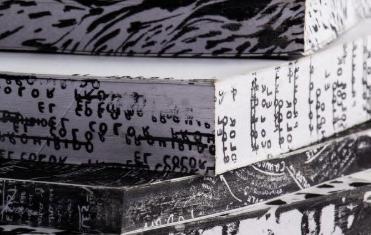
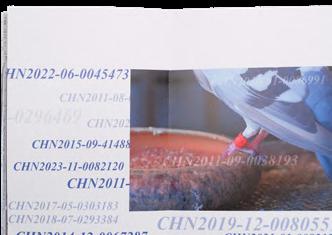
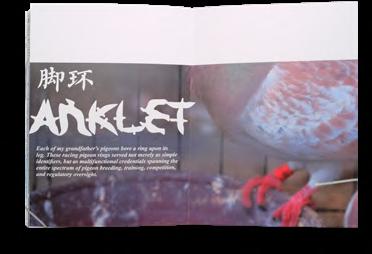
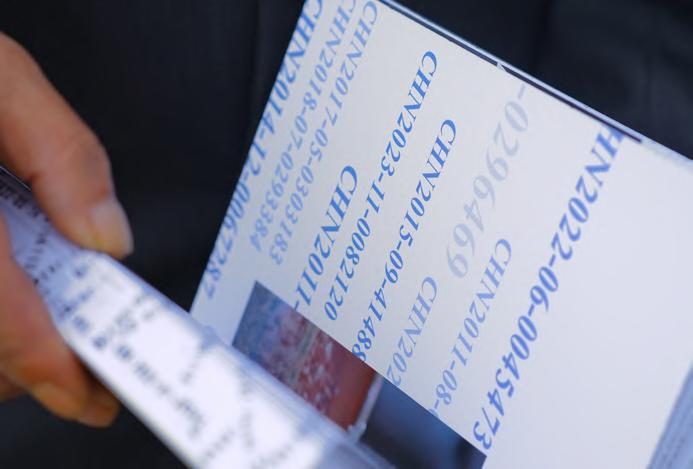
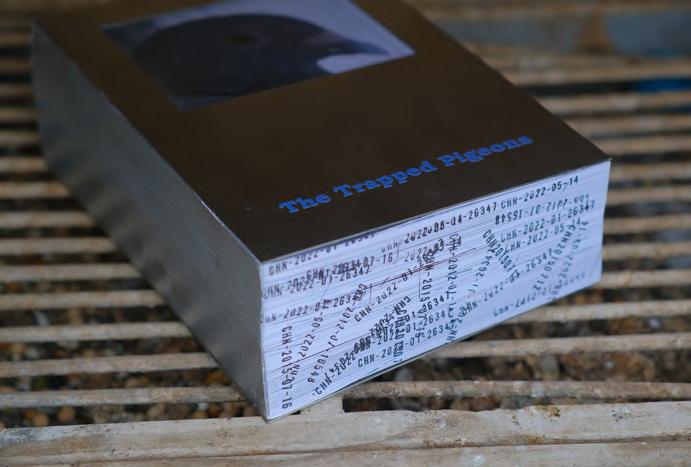
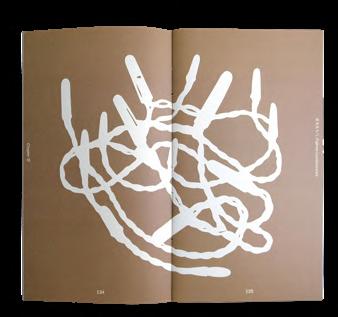
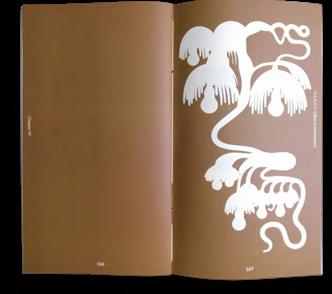
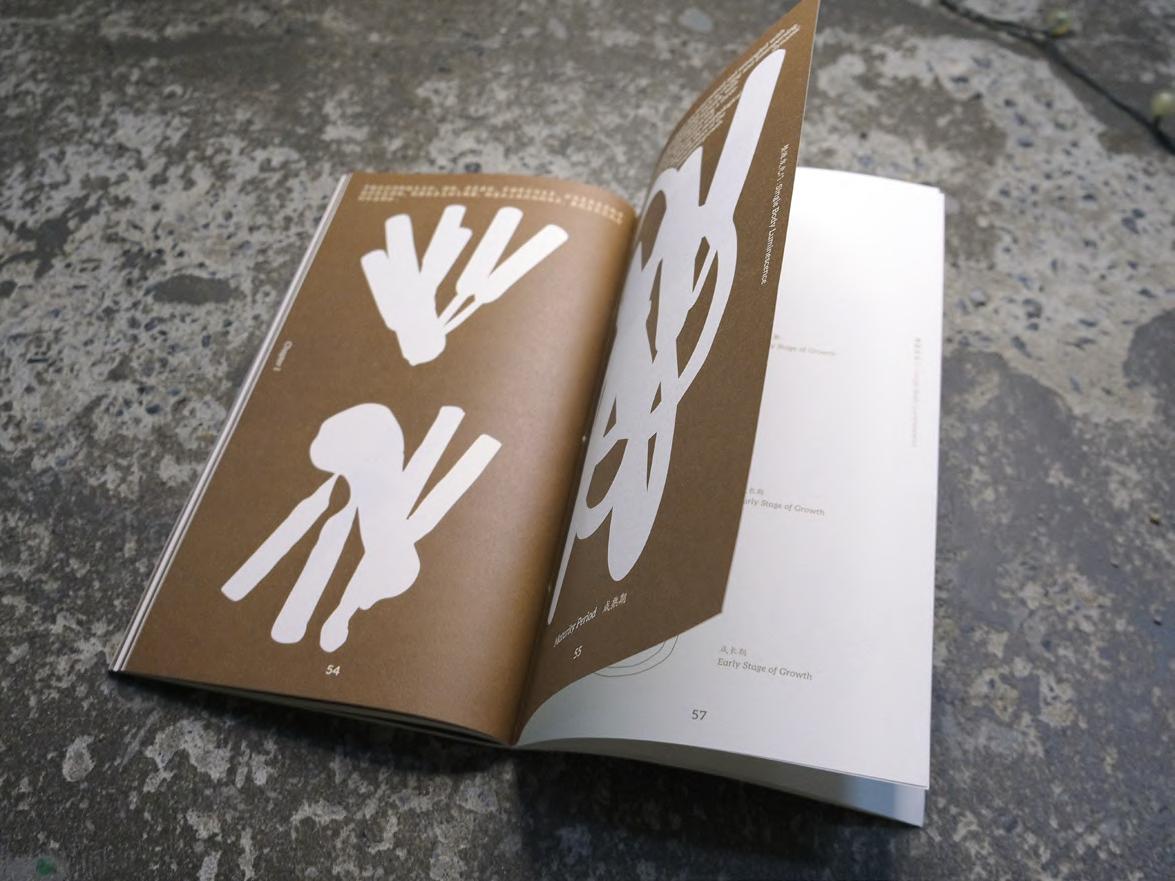
side of the book features numerous numerical textures, reminding me of the number codes on pigeon leg bands and how similar they are.
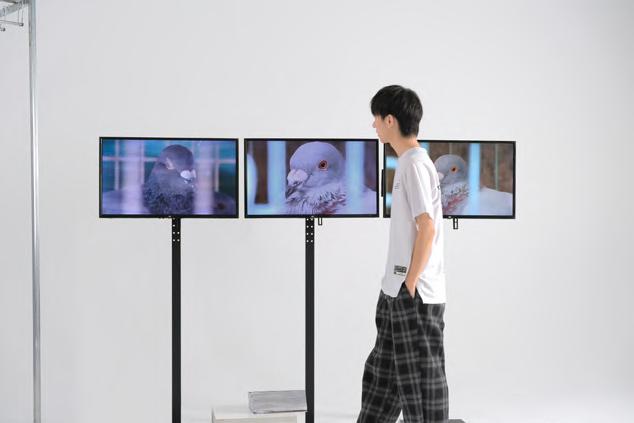
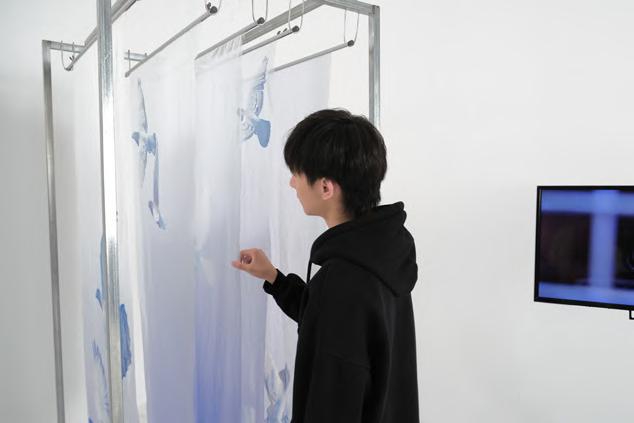
I want to create an interactive installation where visitors can touch the pieces, watch videos, and read my grandfather's pigeon-keeping stories to better resonate with the audience.
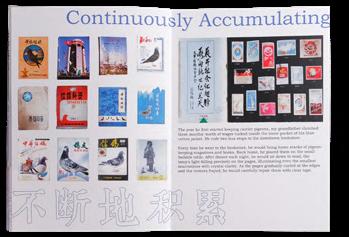
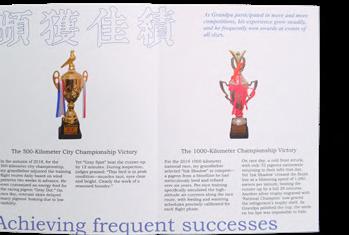
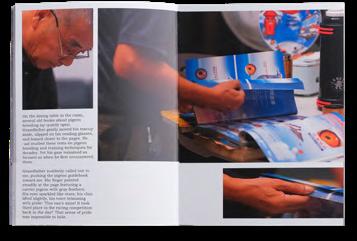
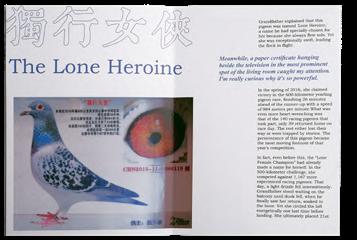
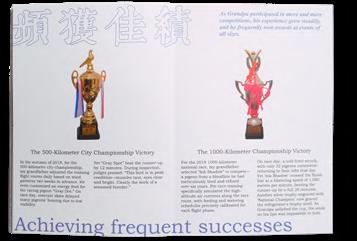
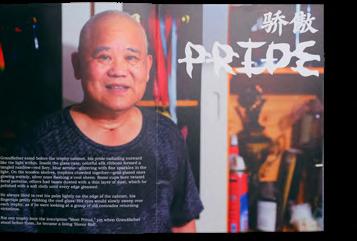
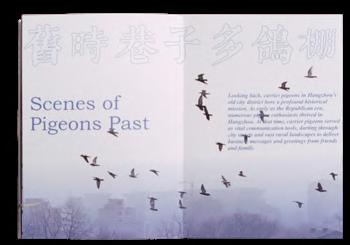
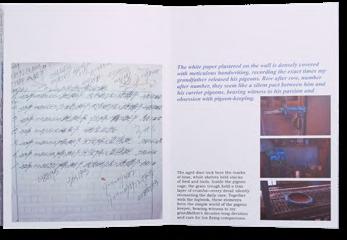
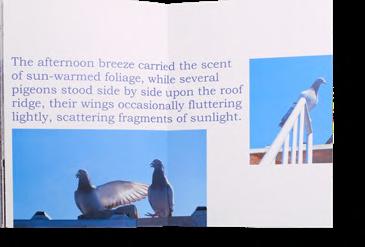
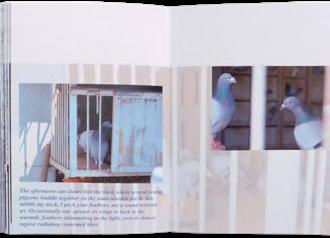
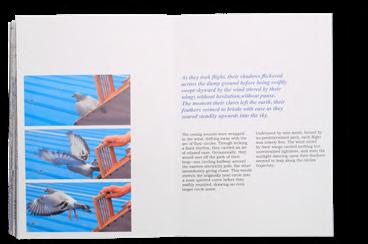
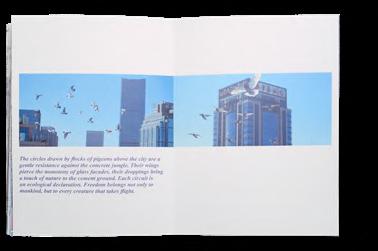
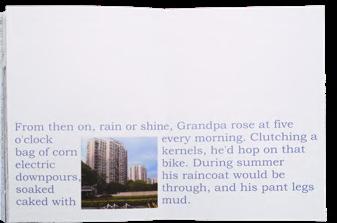
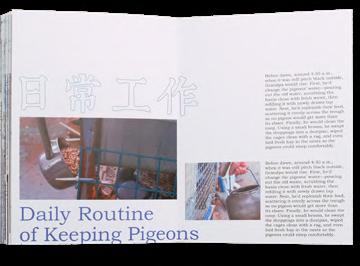
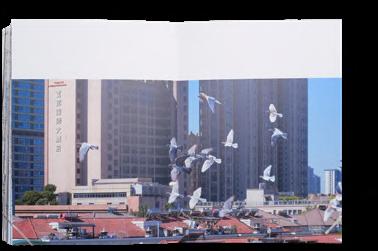
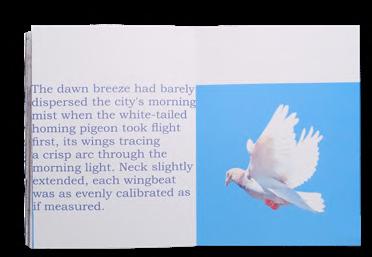
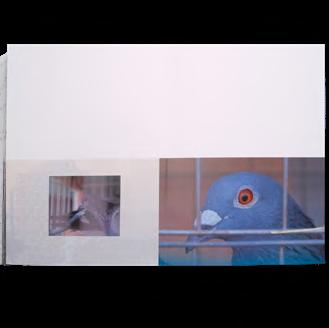
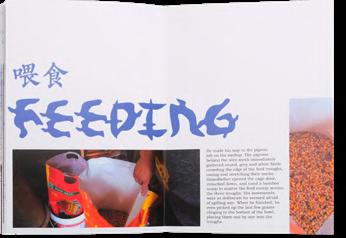
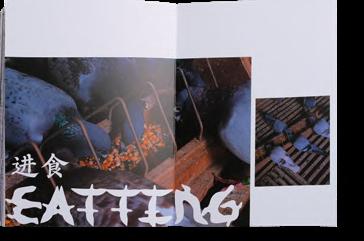
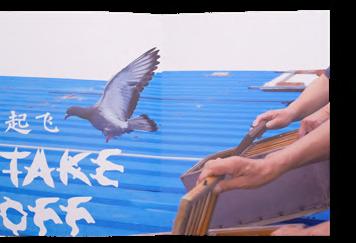
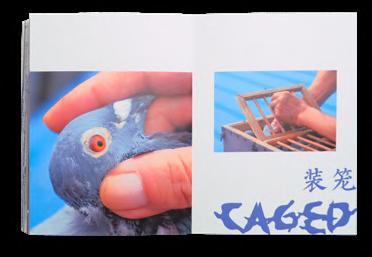
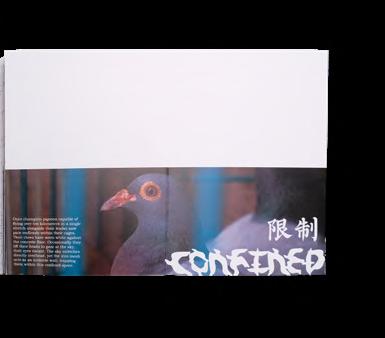
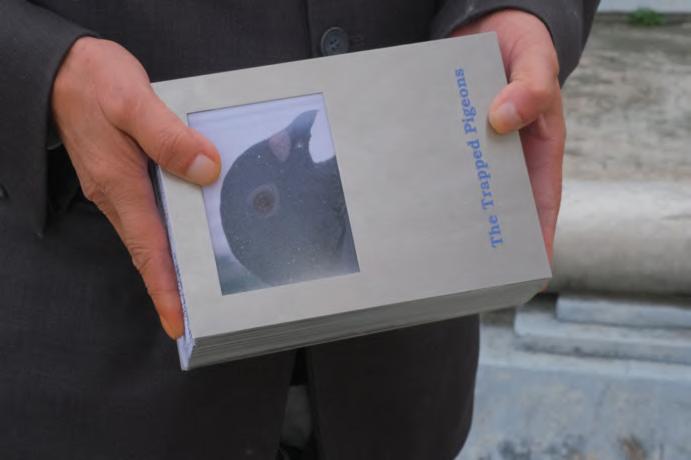
In my book design, I photographed numerous actual scenes of the pigeon loft and my grandfather, allowing viewers to observe these settings up close. The same aluminum alloy material used in both the book cover and the installation mirrors the current state of the pigeon loft.mirrors the current state of the pigeon loft.
PATTERN DESIGN
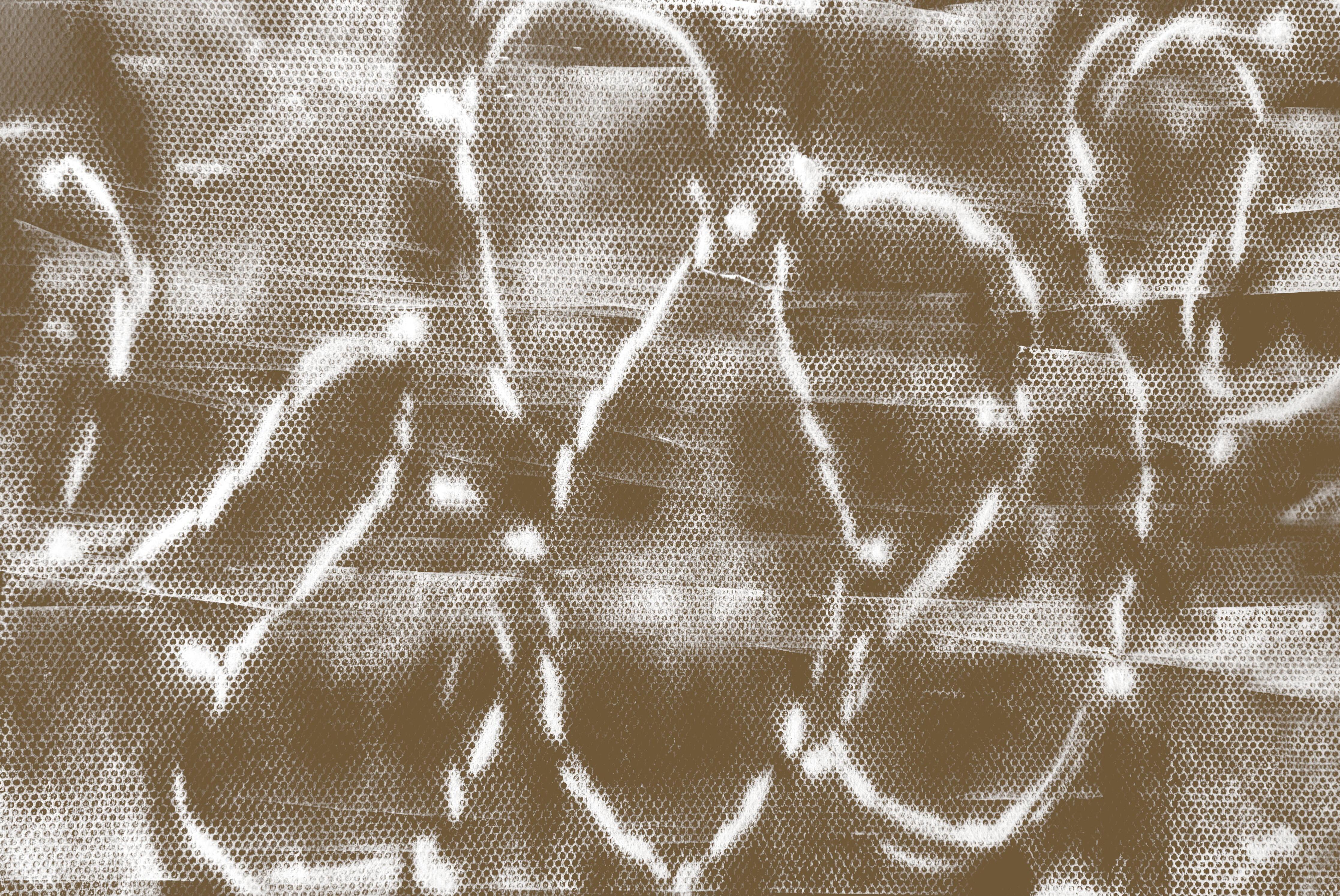
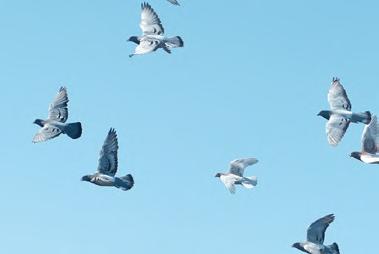
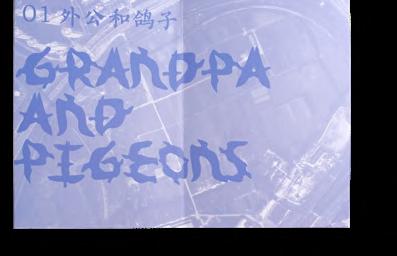
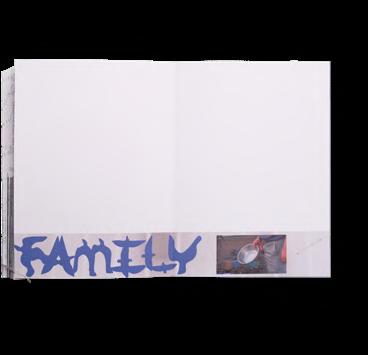
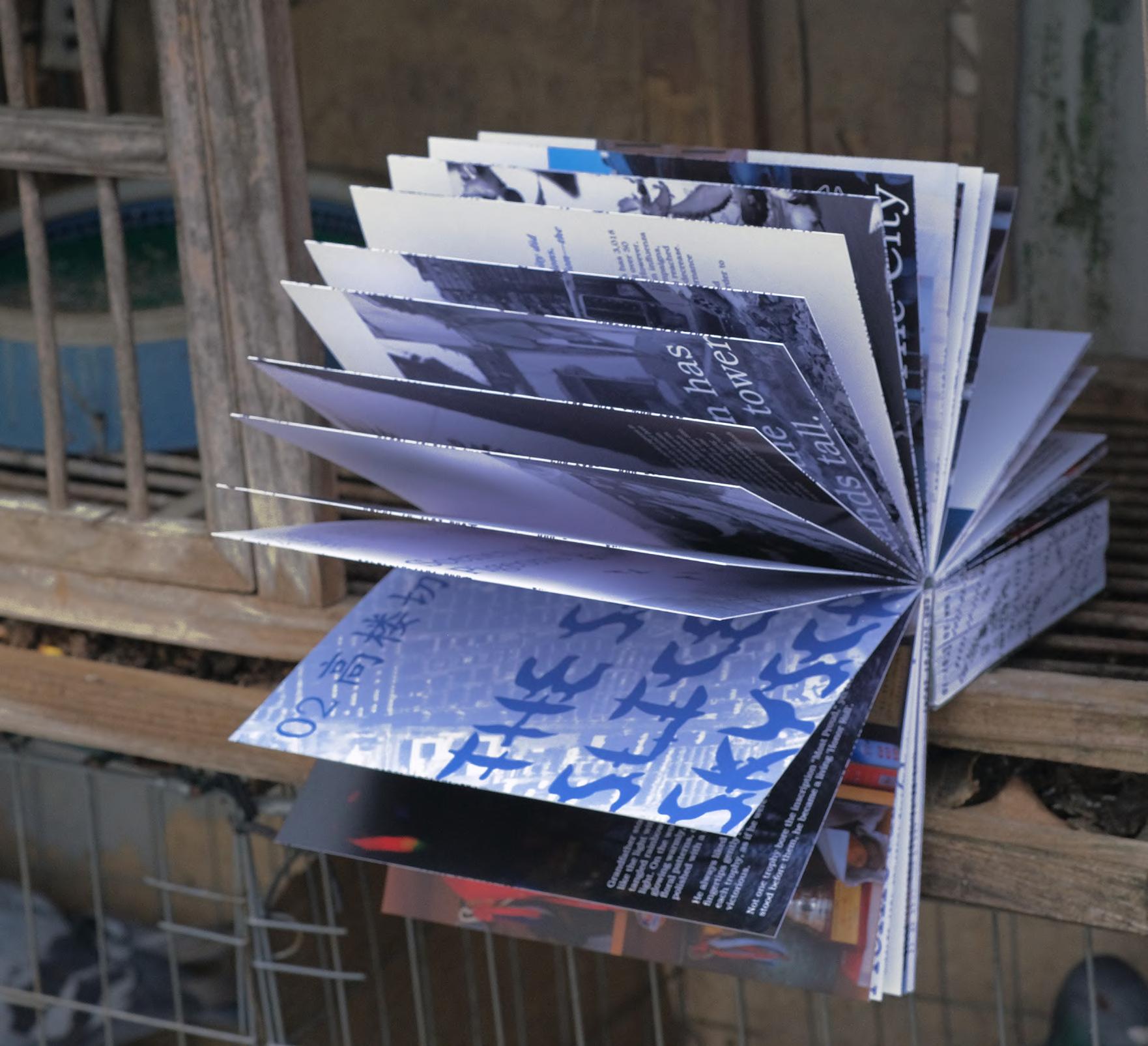
I extracted and processed photographs of a fock of pigeons, using their silhouettes as elements to assemble my letters.

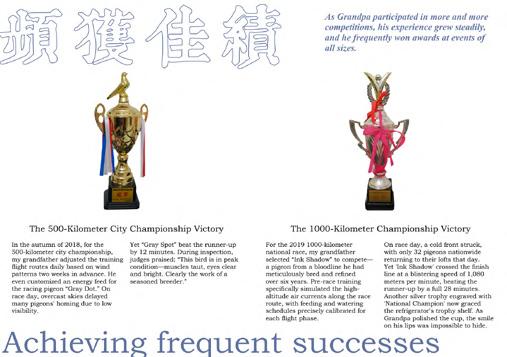
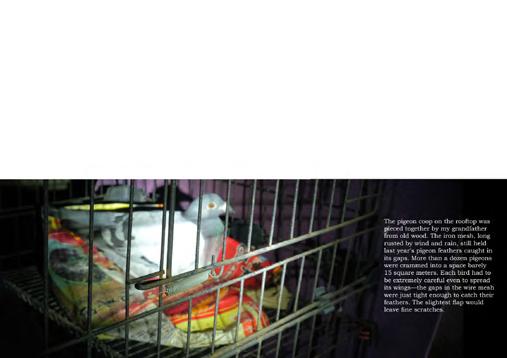
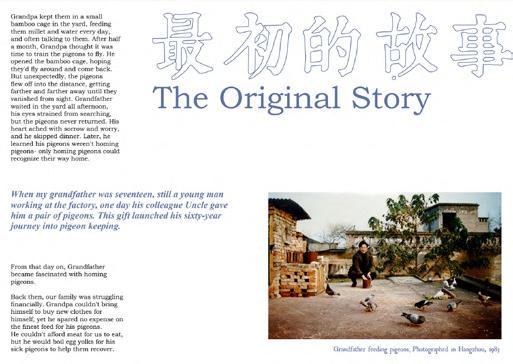
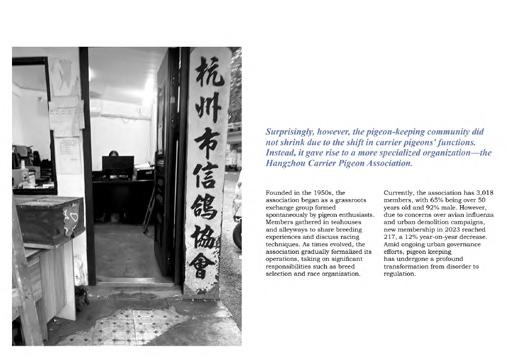
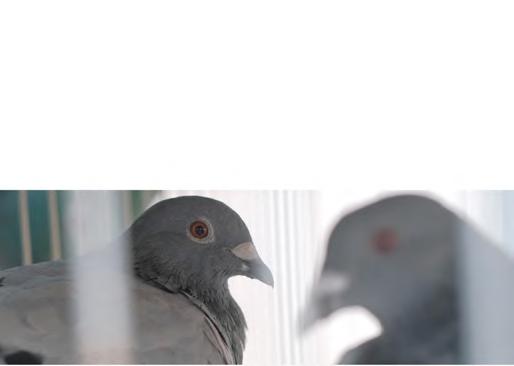

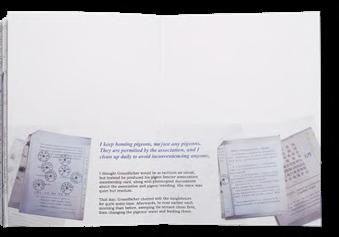
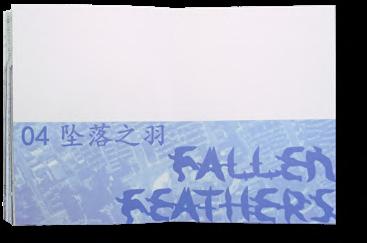
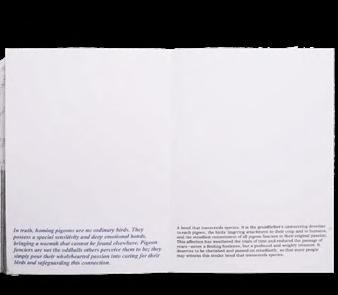
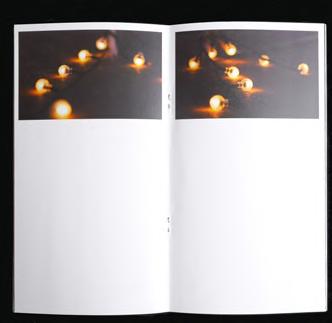
In the interior layout, I designed the white space to gradually increase as the chapters progress, symbolizing how the living space for pigeon fanciers and pigeons is being squeezed.


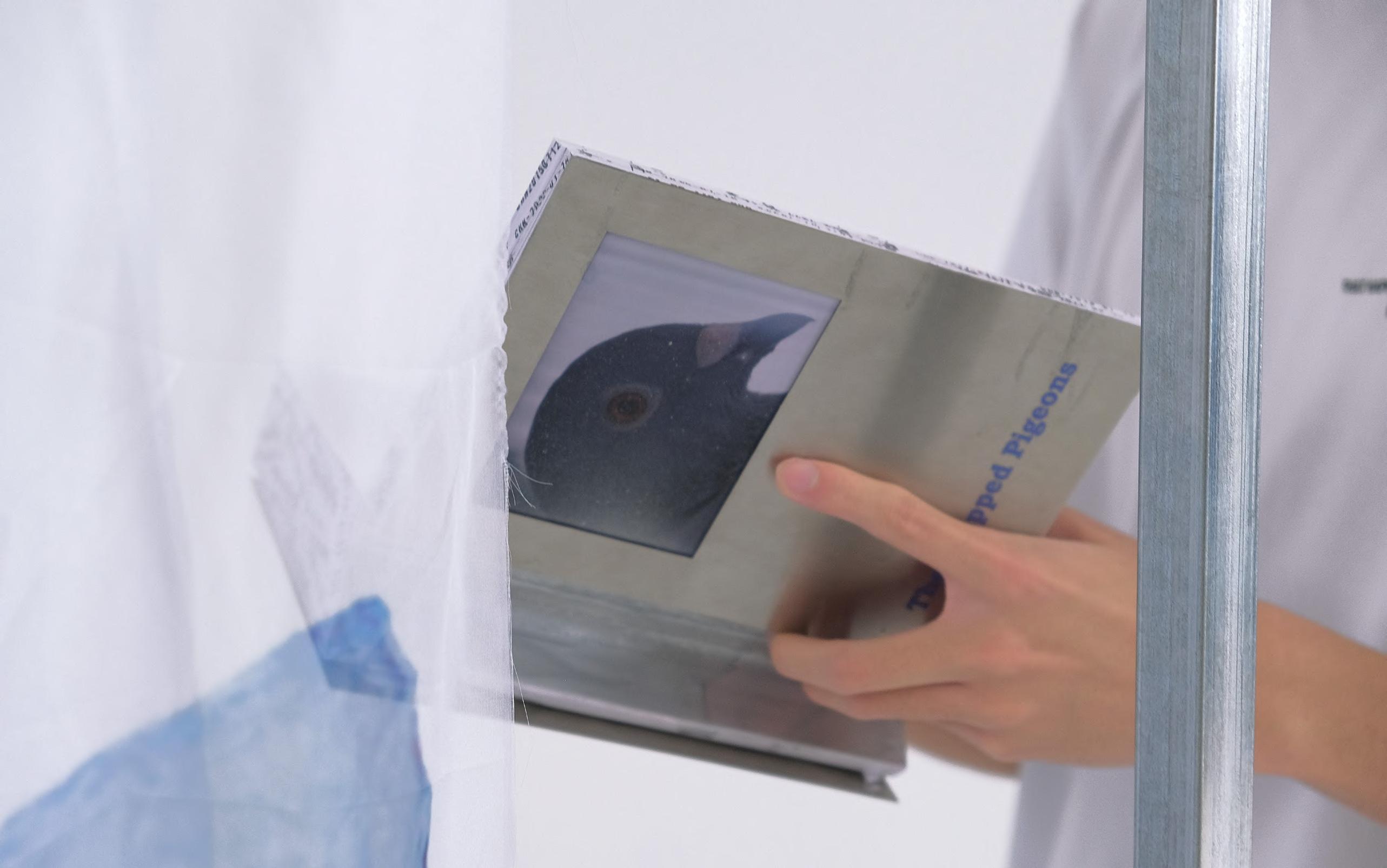
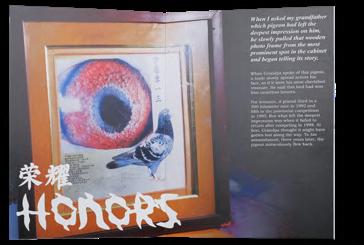
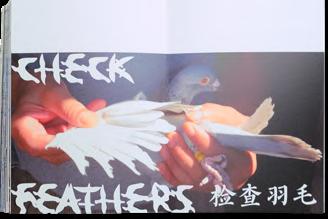
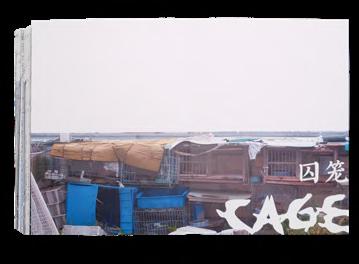
I designed an aluminum alloy plate for the book cover, hollowed out in the center, with the dove image placed inside, resembling a real dove cage. Also, I use a digital stamp to stamp the leg band codes of some of my grandfather's pigeons on the book, allowing readers to tangibly appreciate that pigeons are not merely animals, but athletes with identifcation.
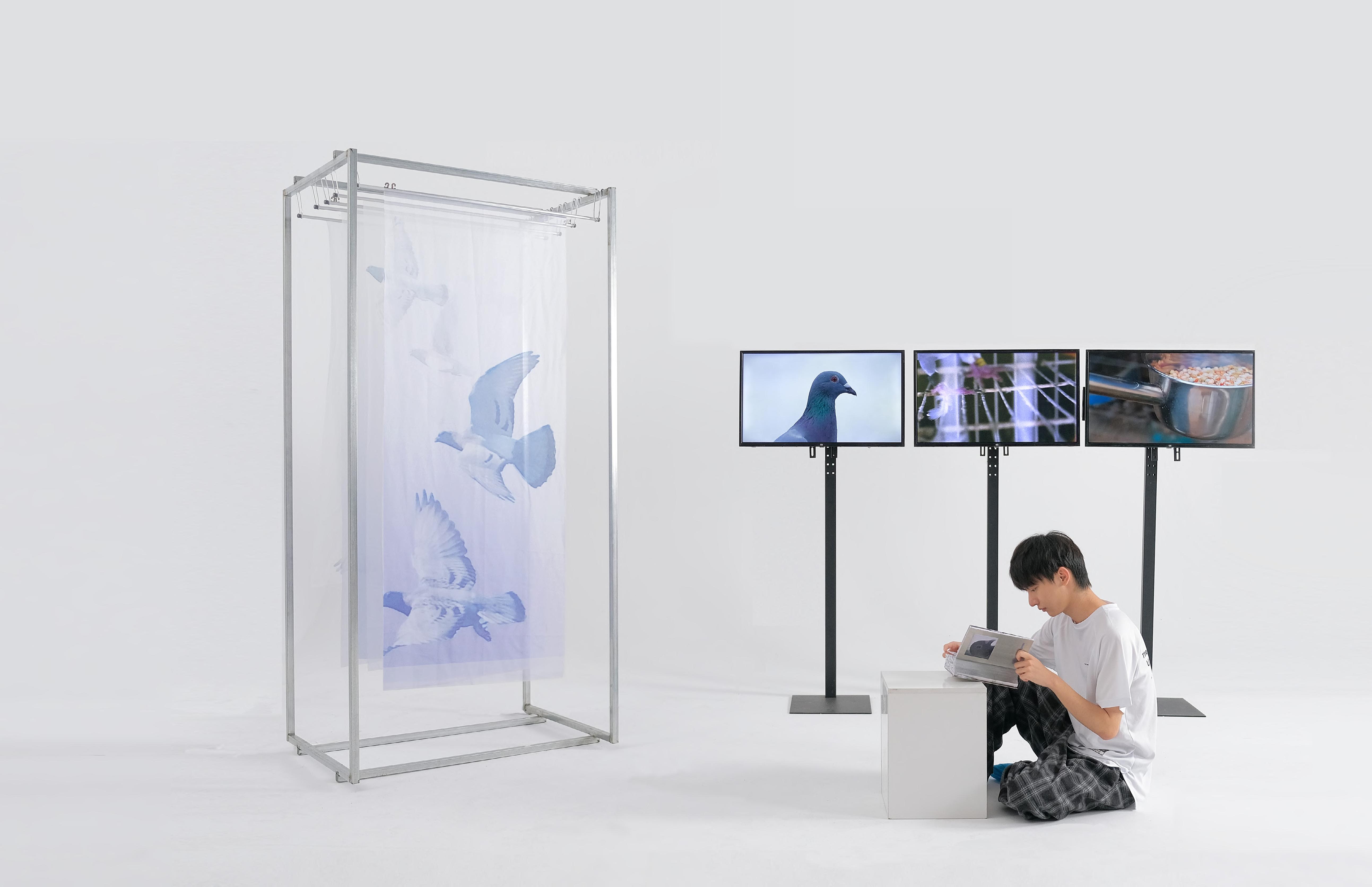
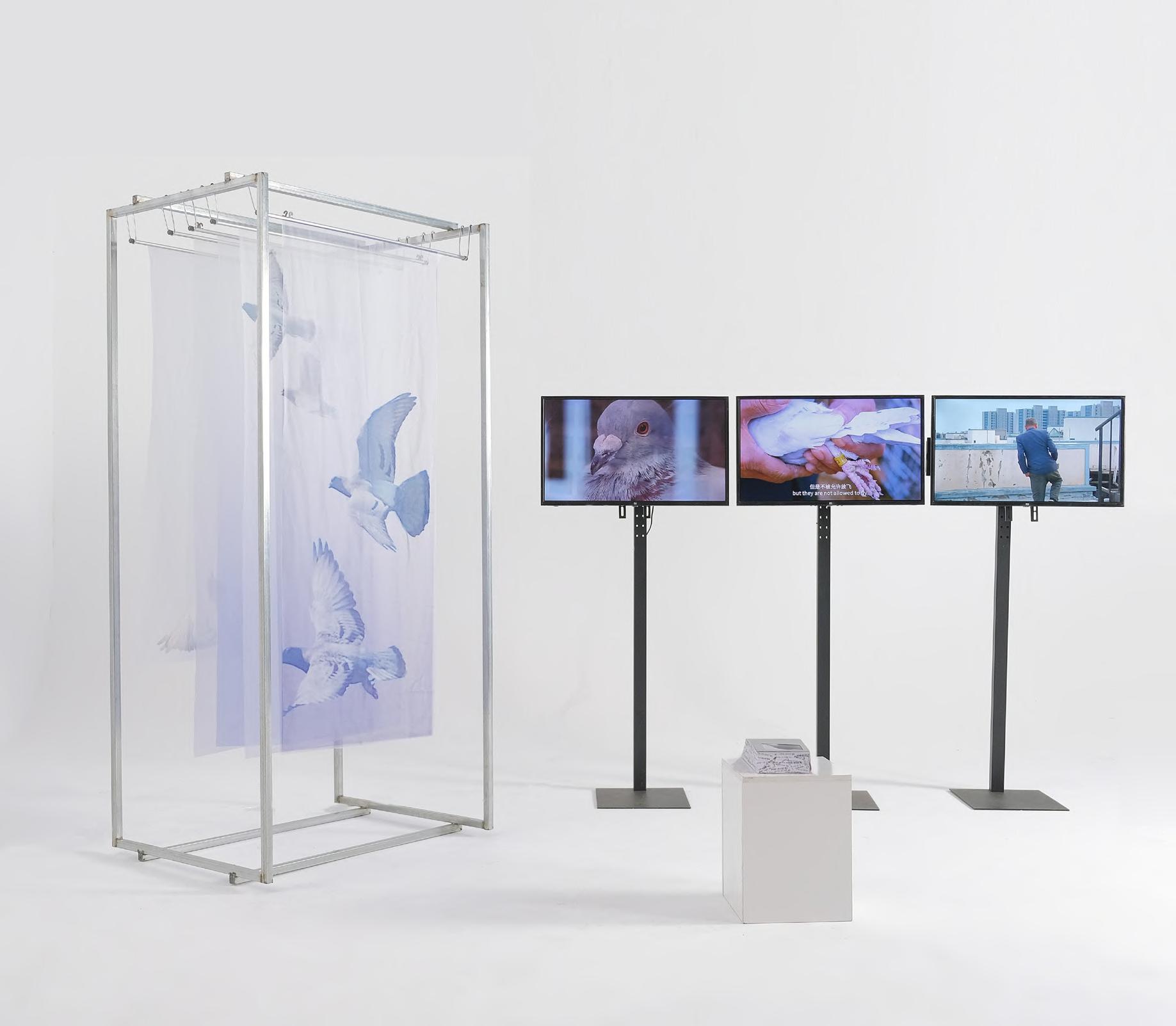
I produced three videos depicting the stories of pigeon fanciers from the perspectives of the current situation of carrier pigeons confined in high-rise buildings, the daily lives of pigeon keepers, and the causes behind the current state of carrier pigeons and pigeon keepers, along with related news coverage.These films allow viewers to gain a closer, more intimate understanding of the realities faced by this community.
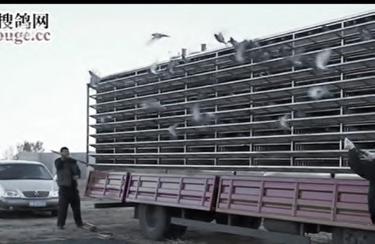
Footage was captured showing the dire living conditions of my grandfather's pigeons, juxtaposed with earlier scenes of the birds flying freely and living at ease.
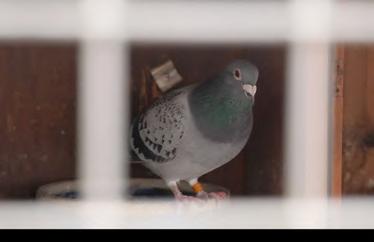
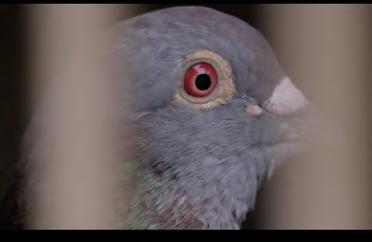
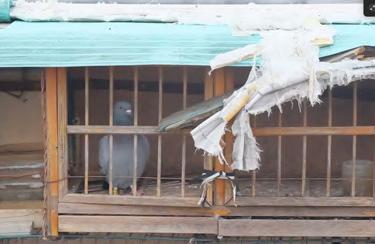
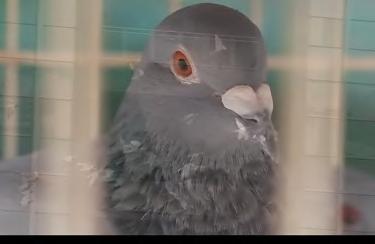
Grandfather's primary focus remains on raising pigeons, even though high-rises prohibit flying them. His feelings are more one of helpless resignation, much like a carrier pigeon held captive.
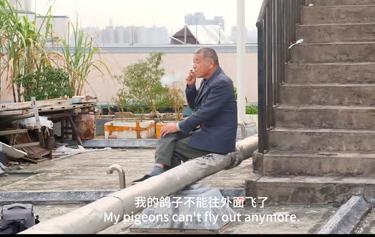
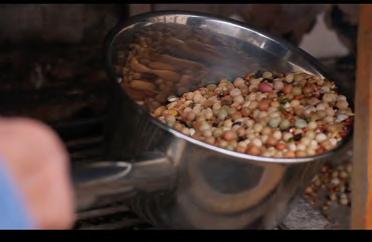
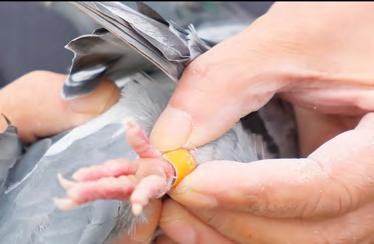
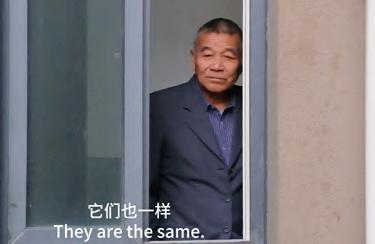
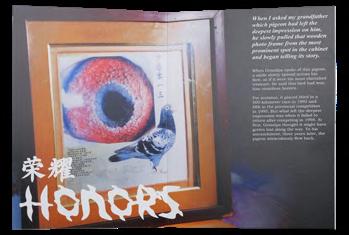
Reports on the former glory days of pigeon racing, interviews with my grandfather about the pigeons that left the deepest impression on him, interviews with my grandfather's fellow pigeon fanciers, reports on the impact of avian influenza viruses on racing pigeons, and interviews with my grandmother expressing her disapproval.



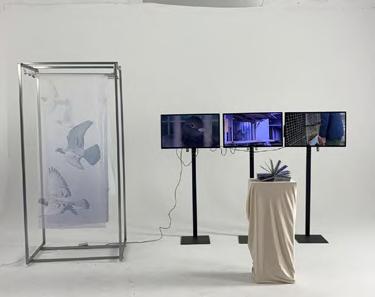
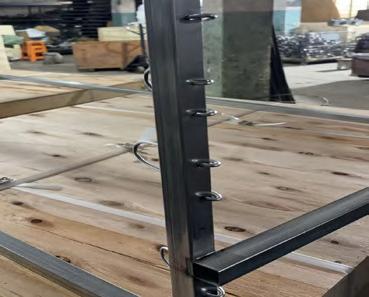
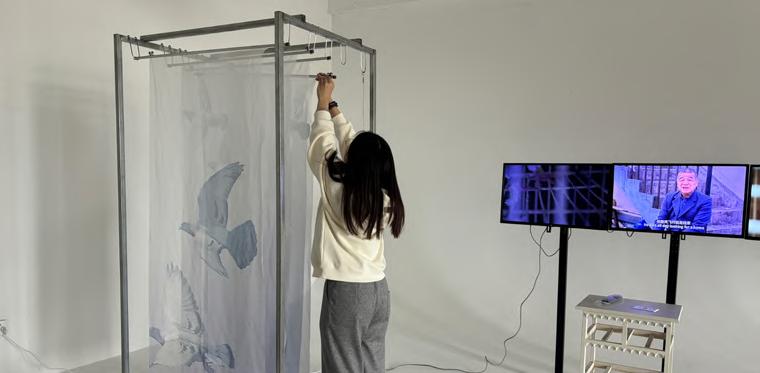
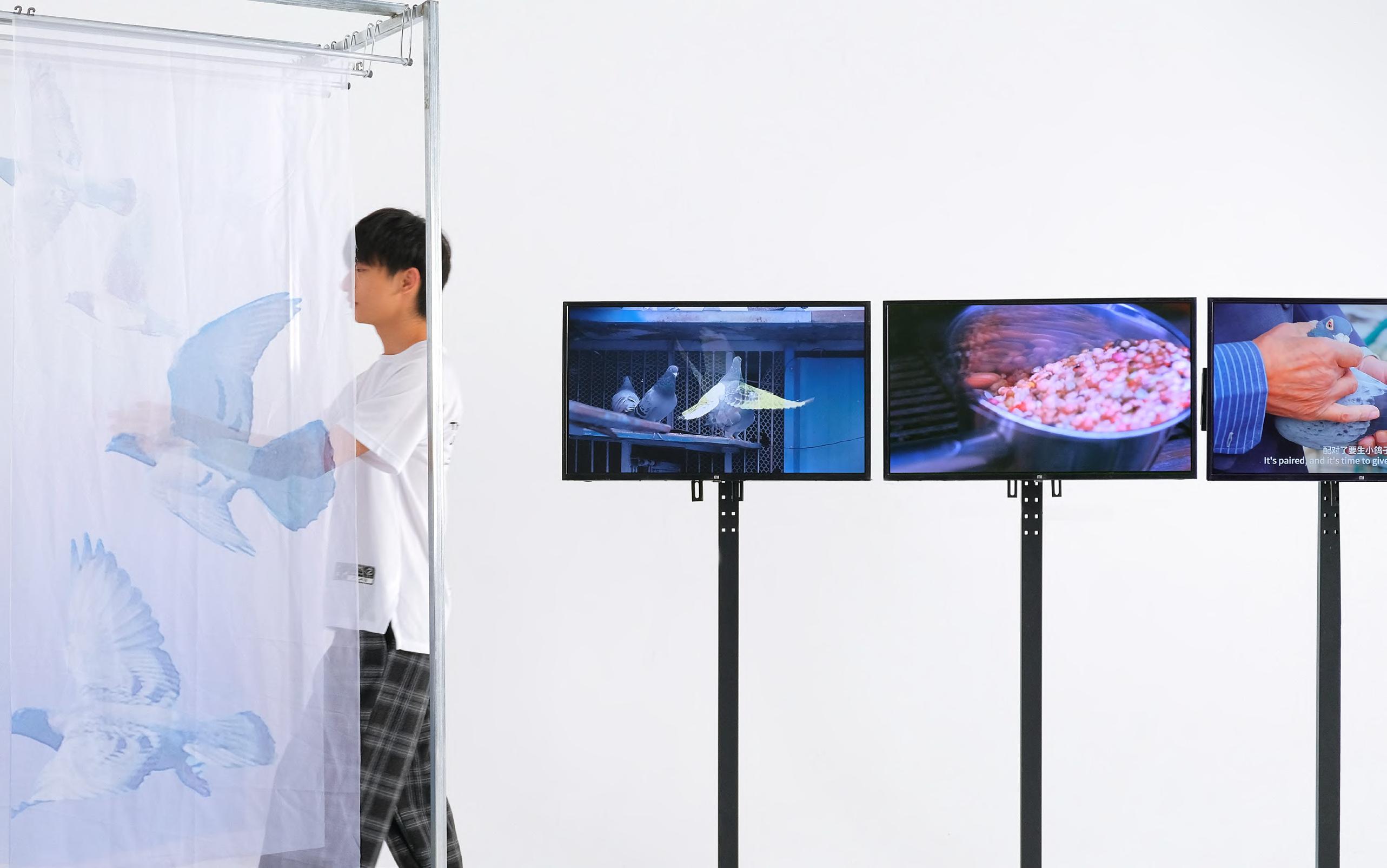
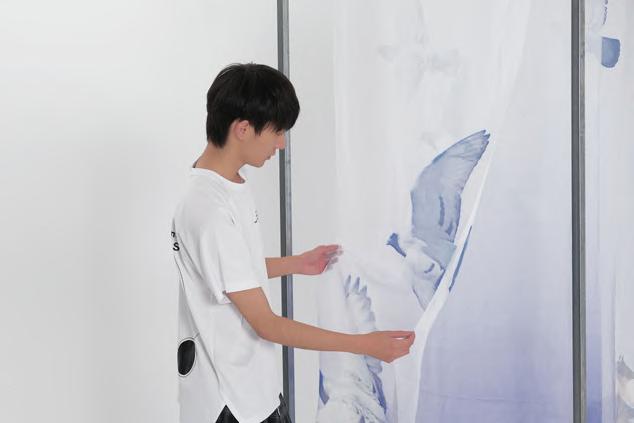
I designed an aluminum alloy frame with five fabric panels hung on it, each printed with images of flying pigeons. Three screens displaying videos are placed beside the installation.
I designed an aluminum alloy frame with five fabric panels hung on it, each printed with images of flying pigeons. Three screens displaying videos are placed beside the installation.
180 pages







Video Link: https://youtu.be/yMmk5H8QXQE
This project draws inspiration from observations of the morphological characteristics of various types of light strips in urban spaces, such as building outline lights and tree lights. These inanimate objects exhibit growth characteristics reminiscent of living organisms, such as coiling and spreading, as if imbued with vitality.
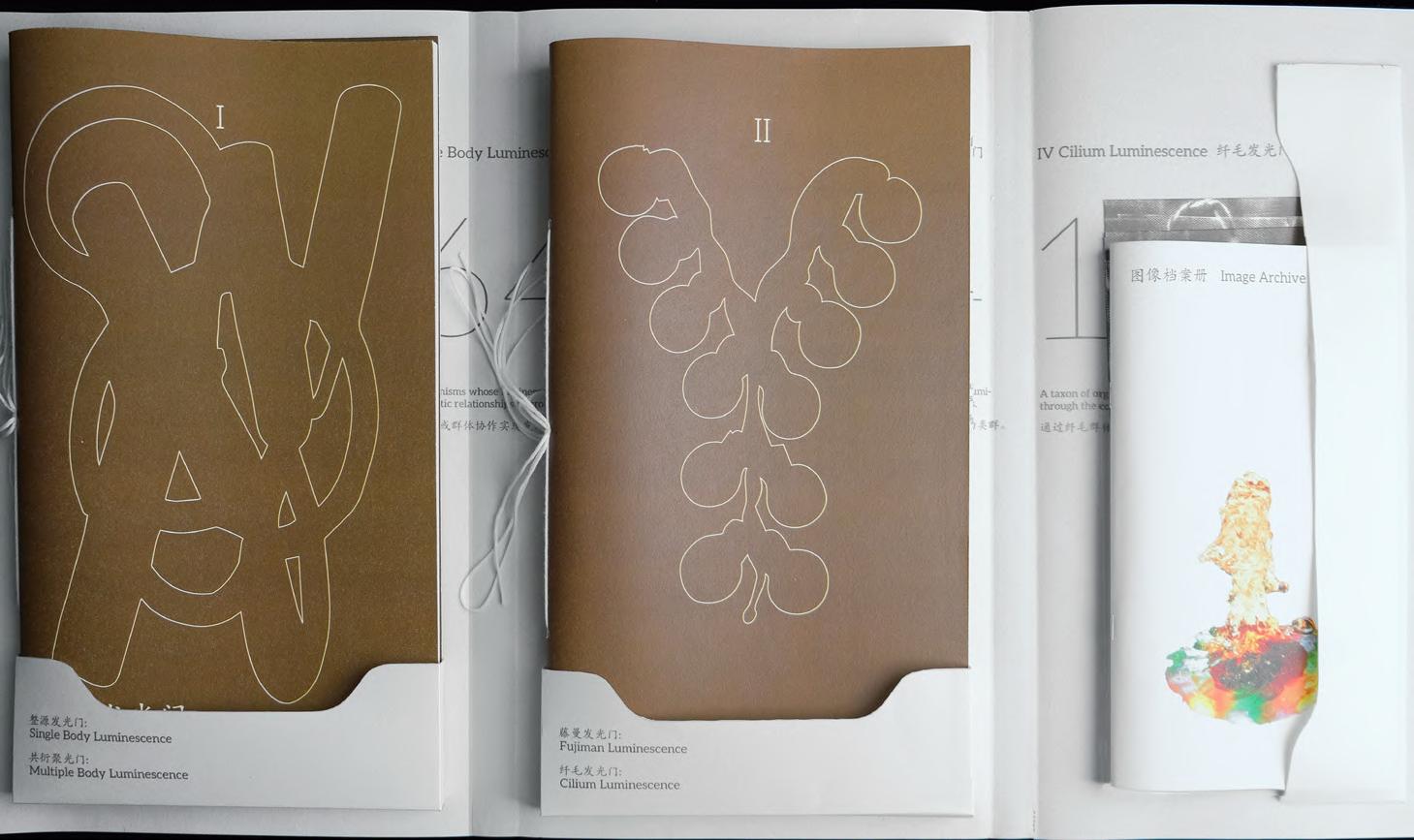
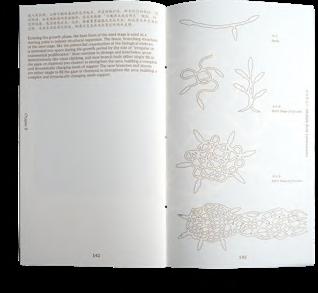
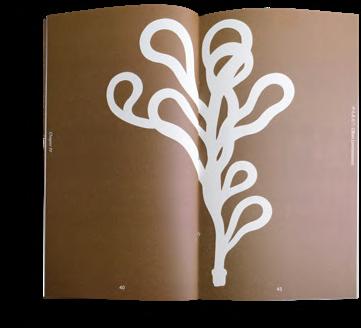
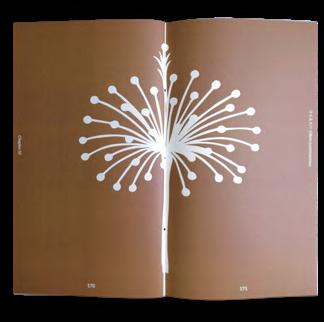
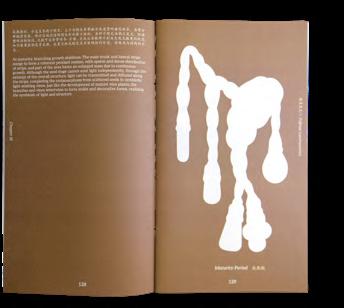
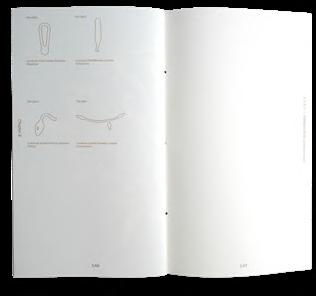
To enable audiences to perceive and understand the existence of these unique ‘living entities,’ the project frst conducted systematic feld research to collect samples and precisely document their morphological features. Drawing on the rigorous descriptive methods and scientifc classifcation logic of natural history illustration, the project categorises light strips as ‘biological species’ through morphological classifcation and translates their potential ‘growth cycles’ through artistic techniques. Ultimately, the project uses books and archive folders as documentary carriers to establish an associative understanding between the morphological characteristics of light strips and biological forms, and through the construction of a systematic archive, reveals their unique existence within urban spaces.
Video Link: https://youtu.be/PEXD_NUD7Cs
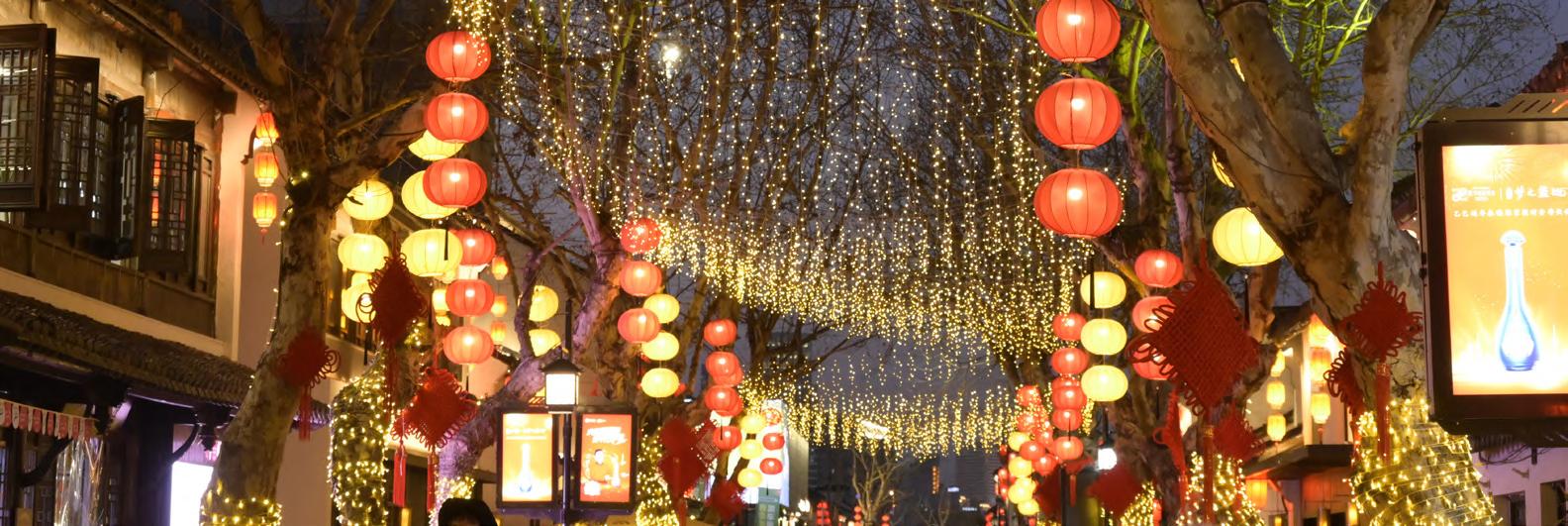
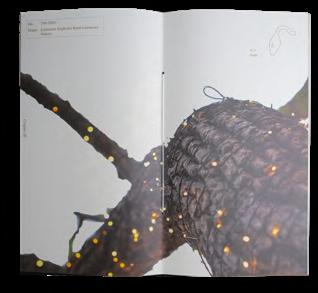
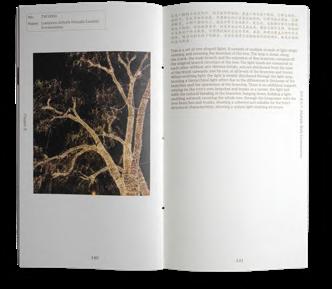
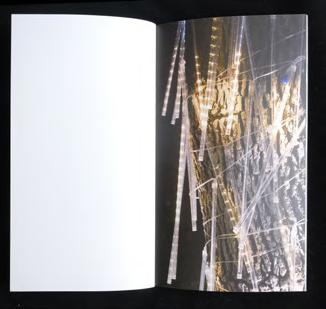
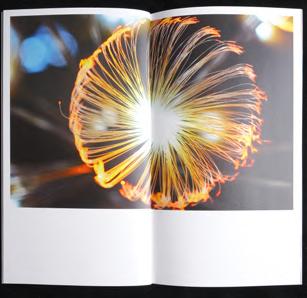
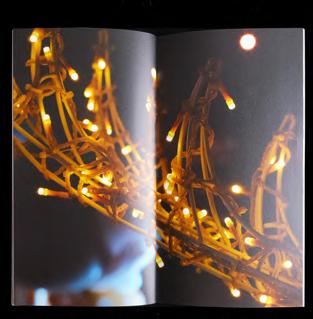
I was walking through the city centre when I noticed that the LED light strings wrapped around tree branches would light up segment by segment like centipede foot joints. These inanimate light strips would reveal biomimetic characteristics under certain conditions. It made me wonder about the hidden connection between light strips and biological patterns.
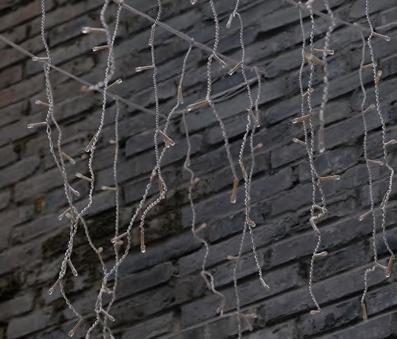
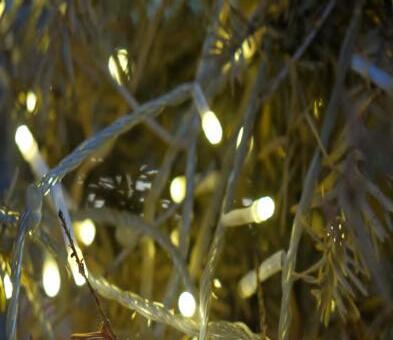
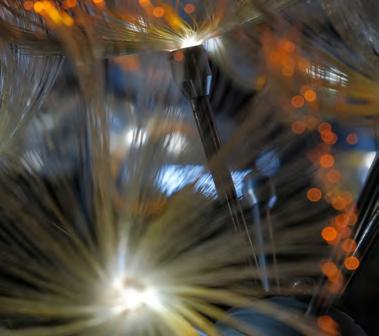
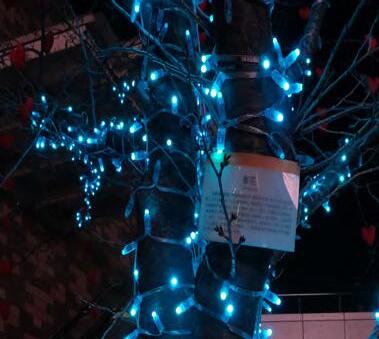
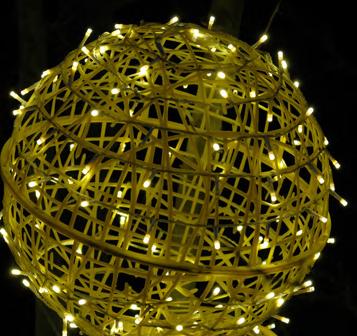
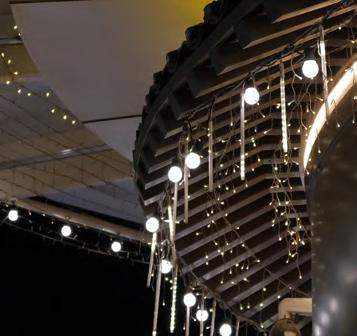
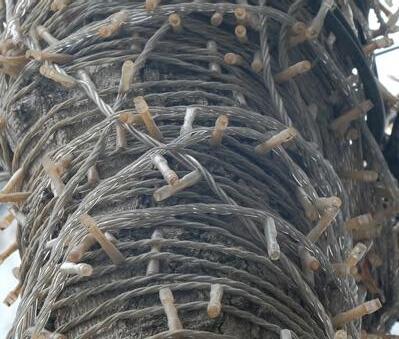

In order to better understand and analyze, I conducted a large amount of light strip image collection and shooting work on the streets of Wuxi.
In these collected images, I found similarities between the images of the light strip and the organisms.
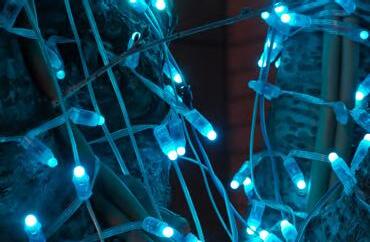
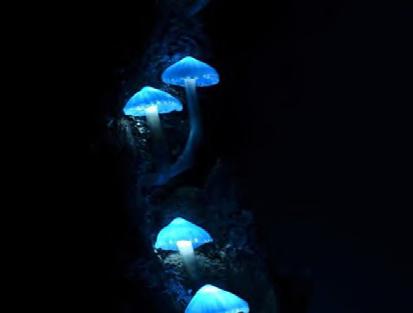
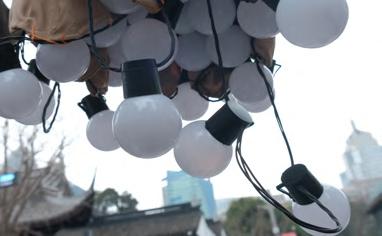
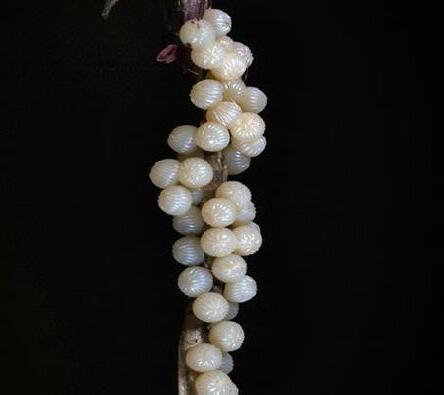
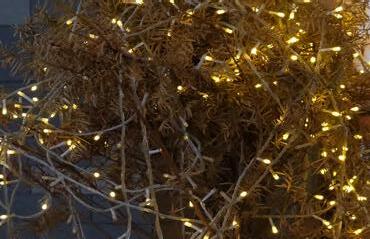
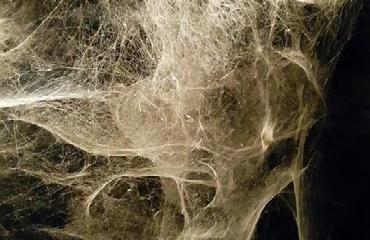
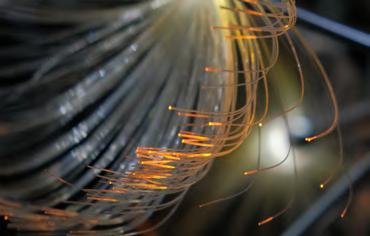
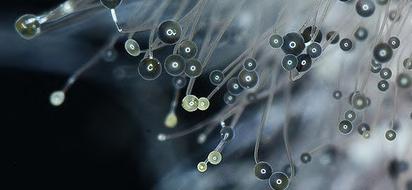
I found that the similarity between light strips and algae and fungi is very high, so I will refer to their classifcation and apply it to the classifcation and naming of light strips. The book “International Code of Nomenclature for Algae, Fungi and Plants”, Kingdom, Phylum, Order, Family, Genus and Species as a standardized hierarchical sequence, is my next key reference.
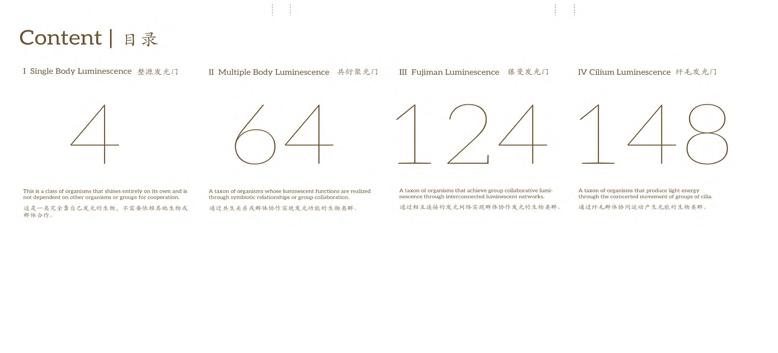
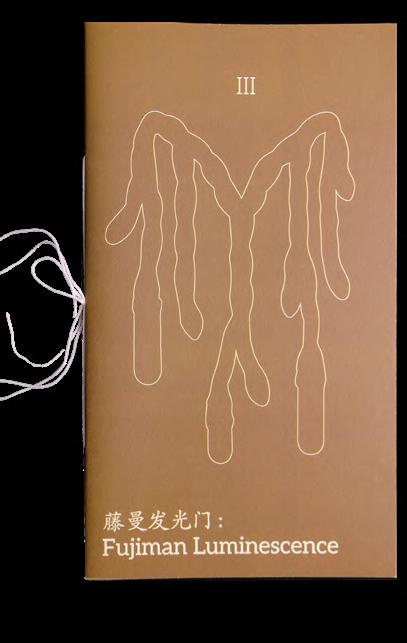
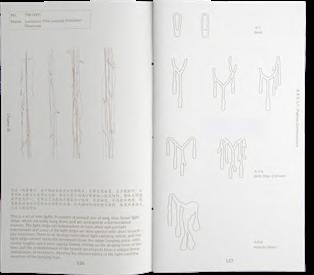
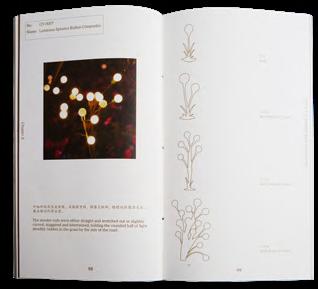
Referring to biological classifcation methods, I classifed the light strips I found in my investigation into four categories.
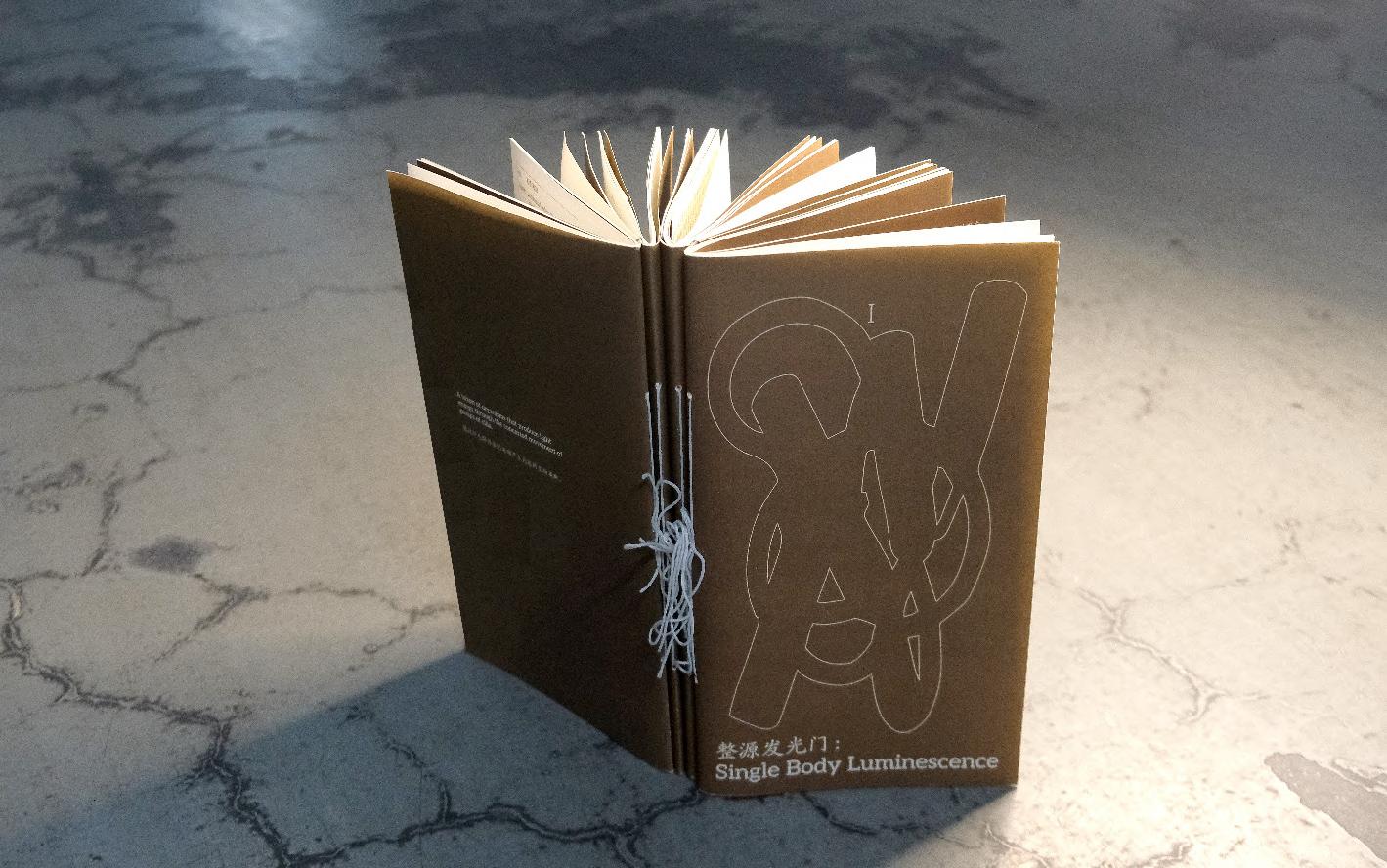
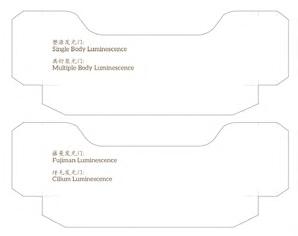
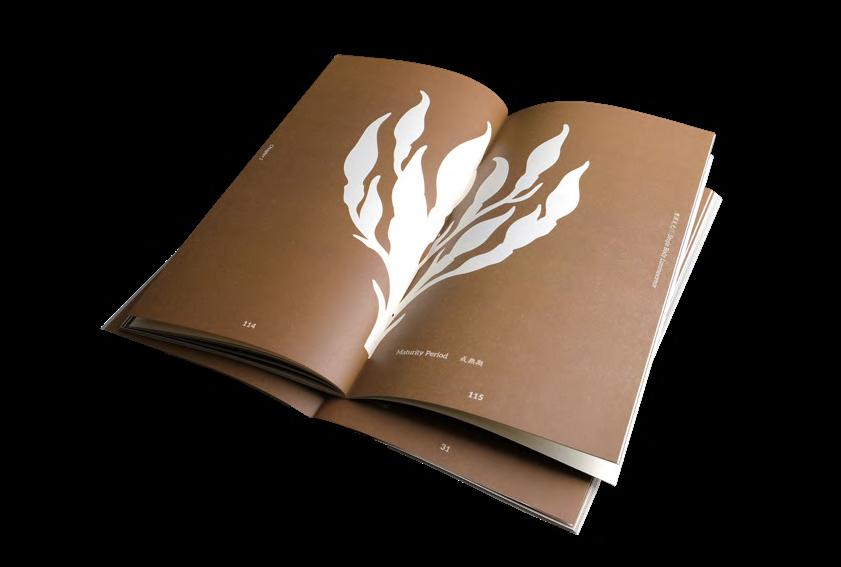
SINGLE BODY LUMINESCENCE
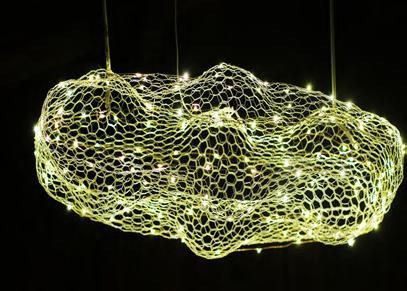
A whole lamp as a luminary.

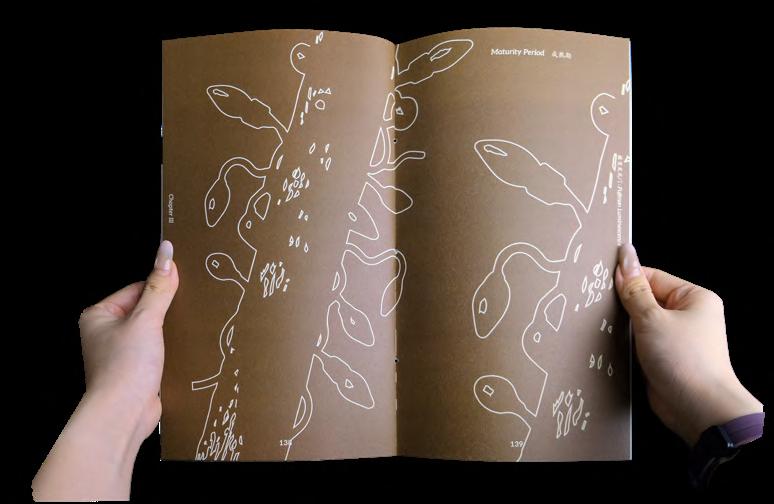
FUJIMAN LUMINESCENCE
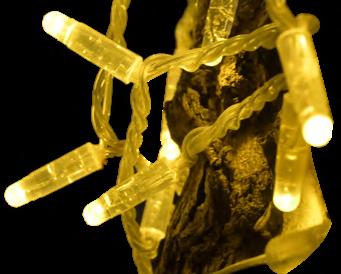
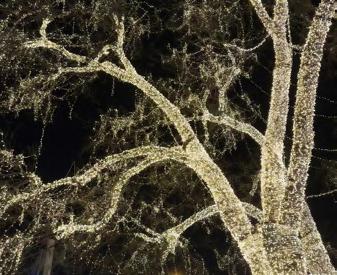
Vine-like luminescence
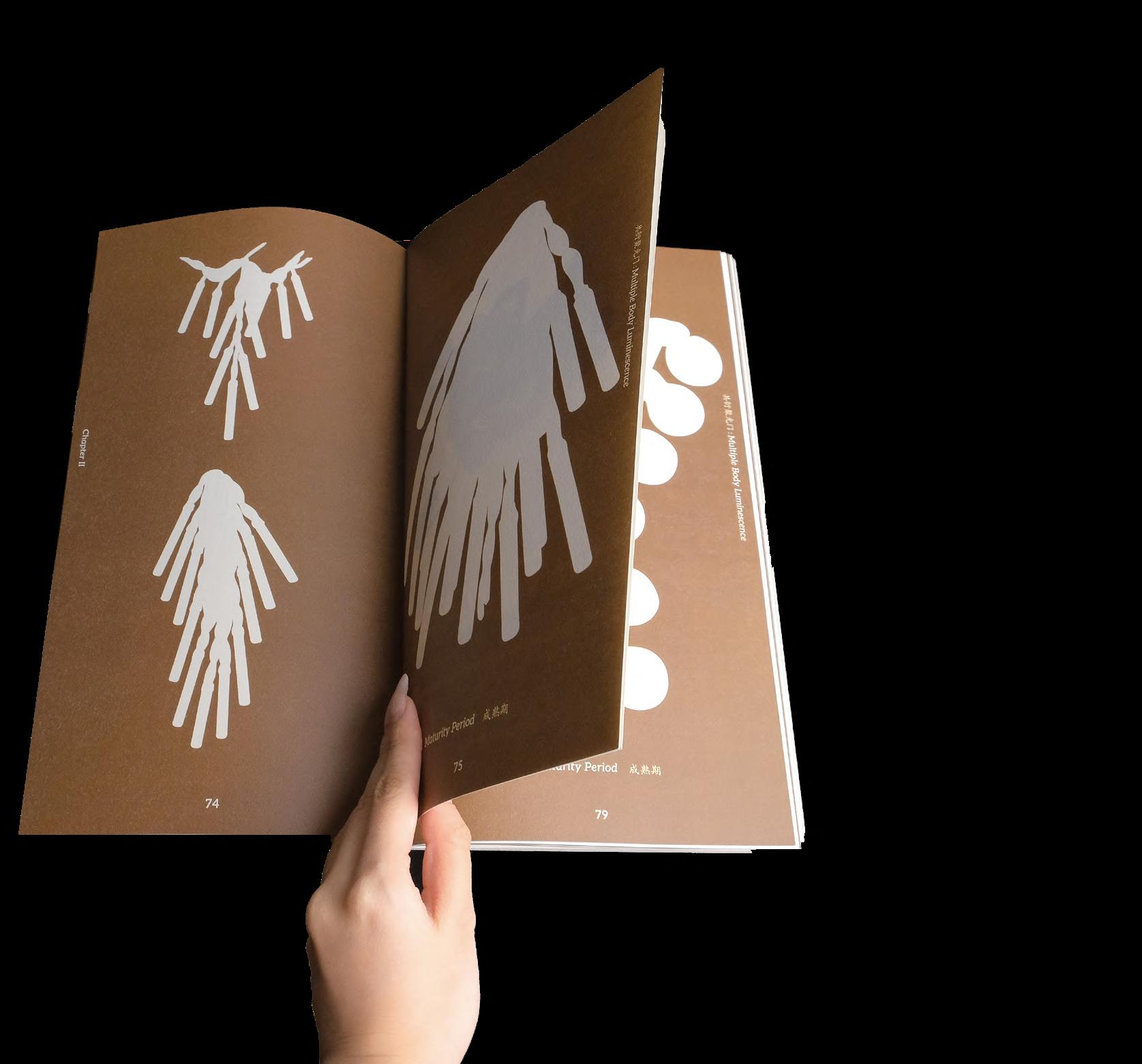
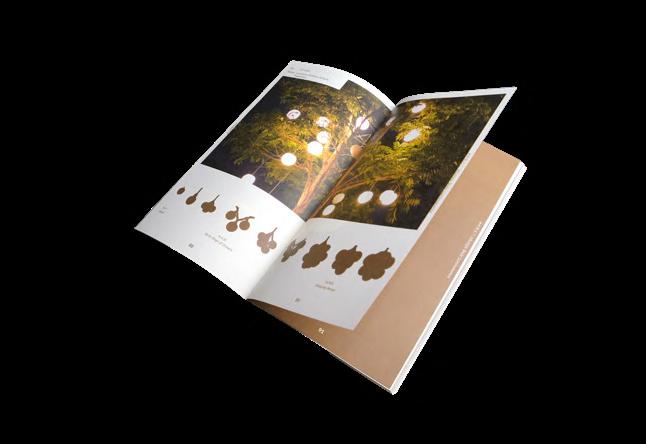
MULTIPLE BODY LUMINESCENCE

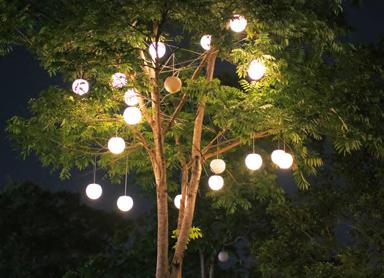
A luminous group of multiple bulbs.
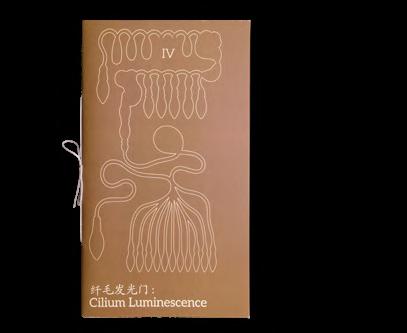
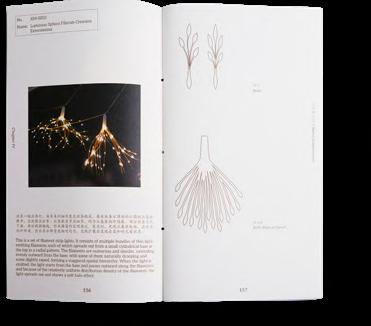
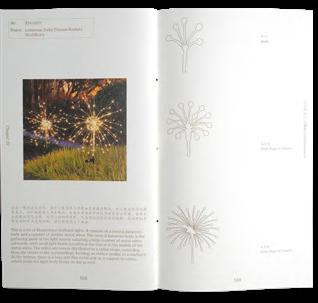
CILIUM LUMINESCENCE
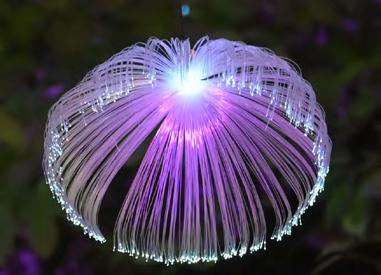
Luminous like cilia.

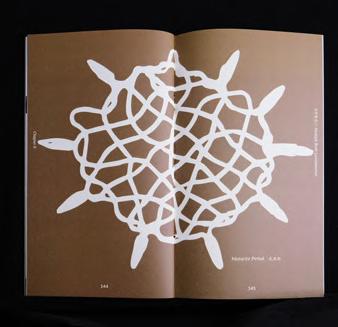
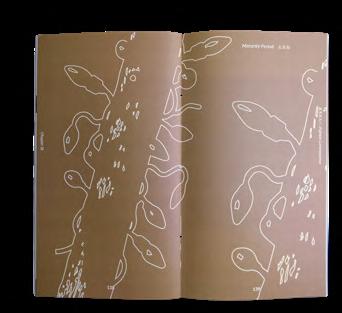
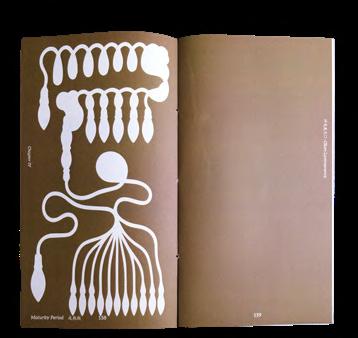
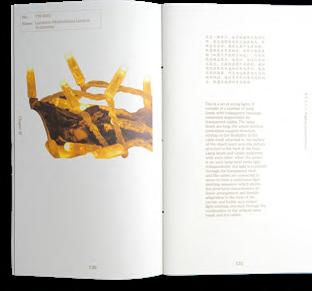
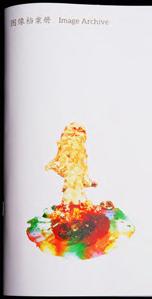
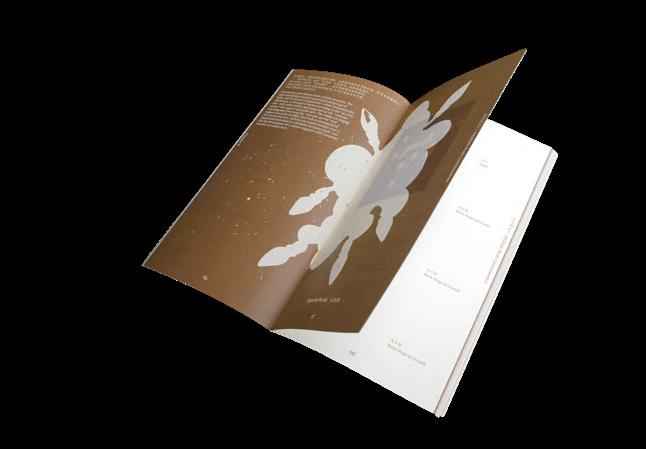
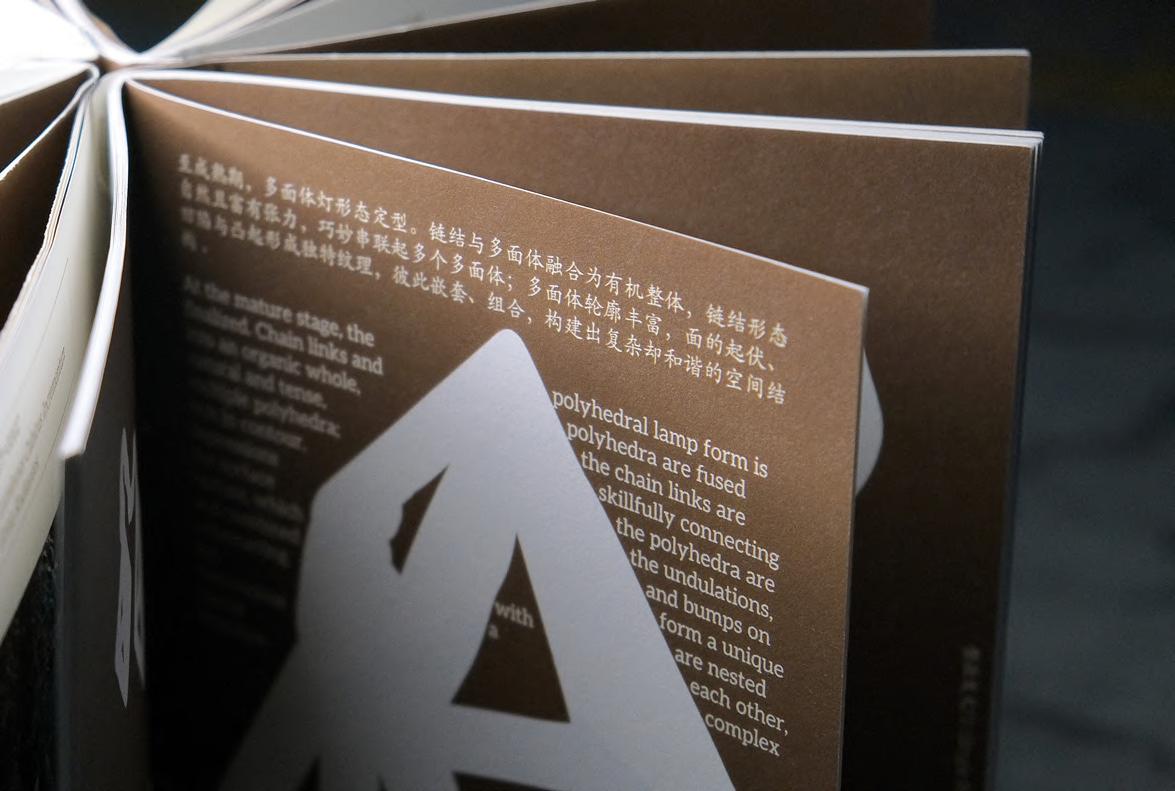
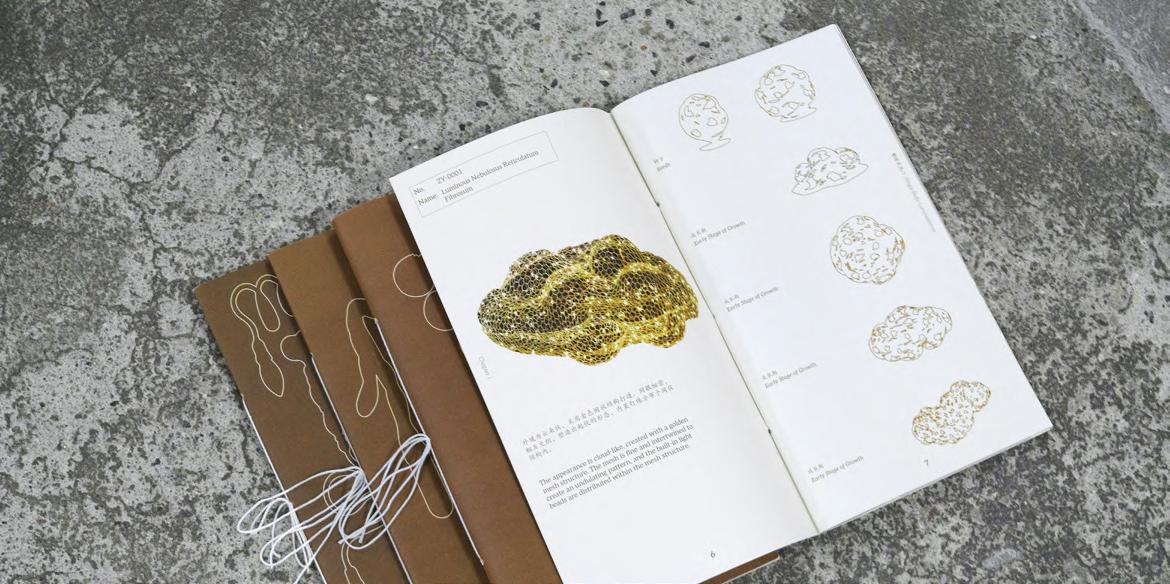
Building on this insight, I began developing a speculative “biological archive”a book that mimics the structure of a natural history atlas. In this publication, the categories of light strips are reinterpreted through the language of taxonomy, morphology, and species description. Through this reframing, the light strips are no longer understood merely as lighting tools but as potential “luminous organisms” inhabiting the architectural gaps of the city. The aim of this work is to offer readers a poetic yet systematic way of seeing, encouraging them to encounter the light strip from an alternative perspective.

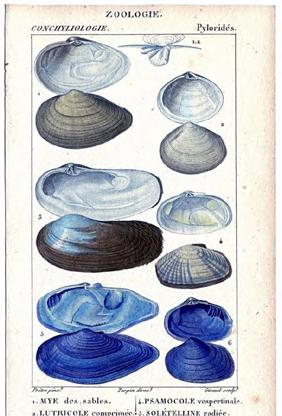
REFERENCE
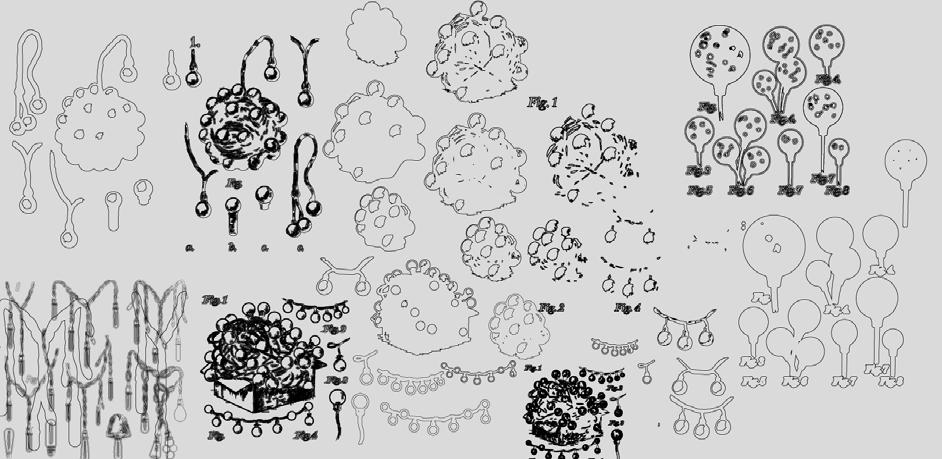
Building on an initial morphological classification of LED light strips, I identified four categories that parallel biological taxonomies. Drawing inspiration from Ernst Haeckel’s Horseshoe Crab (Aspidonia Schildtiere) (1904), I observed how scientific illustration can lend unfamiliar forms a sense of biological plausibility. This insight highlighted the potential of using a natural-history framework to articulate the ‘organism-like’ qualities of light strips.
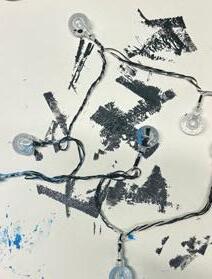
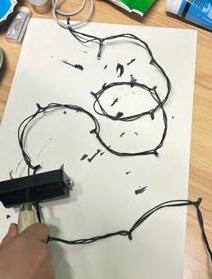
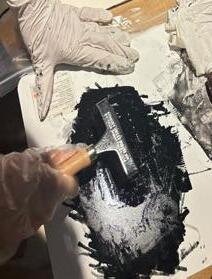
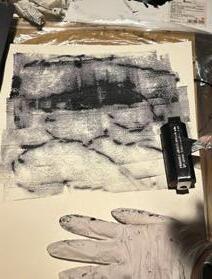
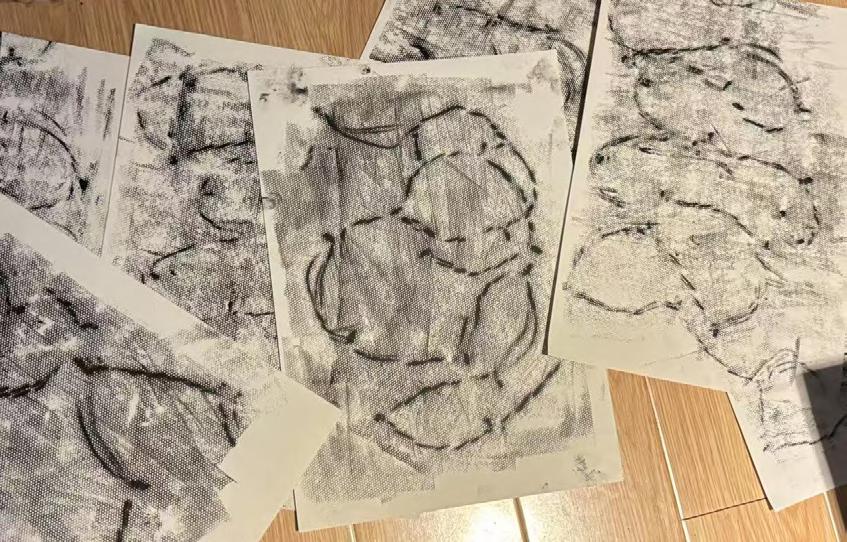
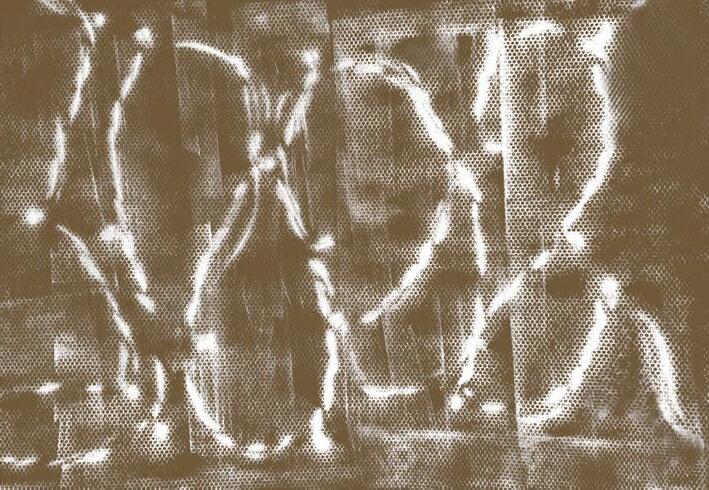
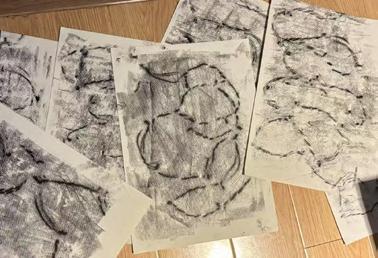
I tested topography with strings of lights with round bulbs, I chose to topograph the string of lights on the paper underneath, with the gouache paper protruding from the top. Finally, I photographed them and toned them in Photoshop.
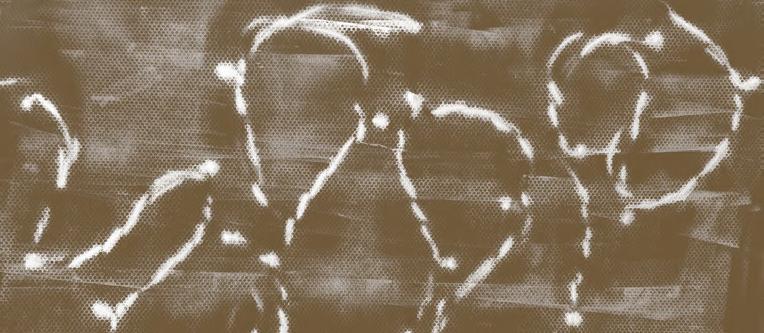
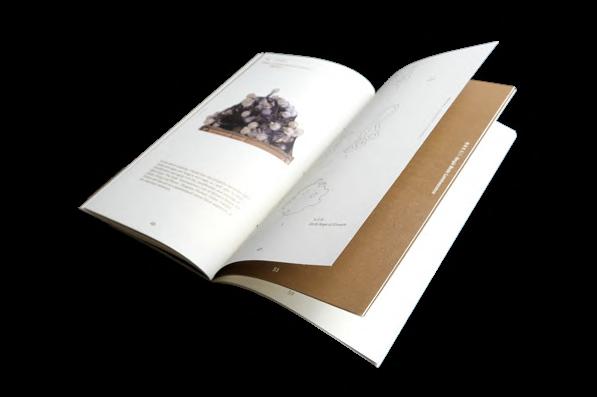
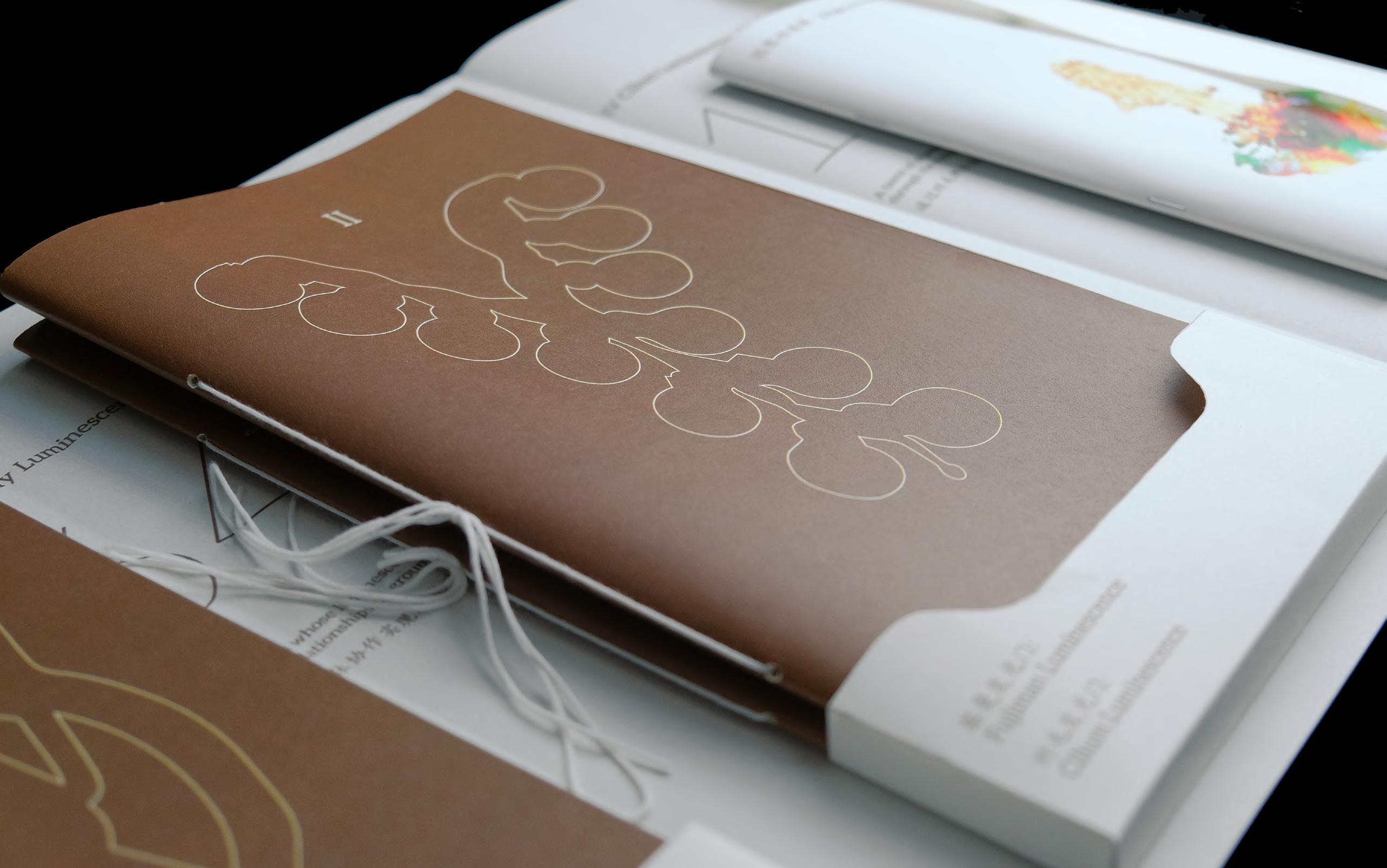
I used the chart I made using the topography test as the cover of the archive folder and designed with card slots for books in archive pockets and designed the book catalog to be included in the inner pages.
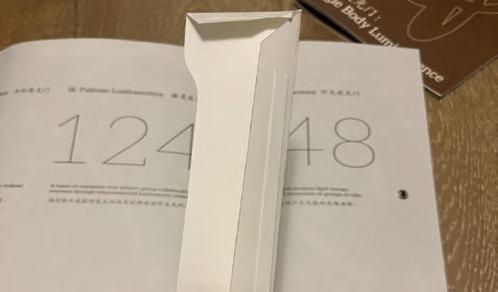

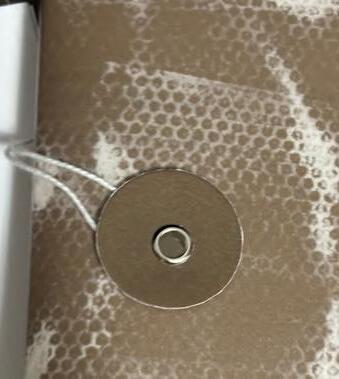
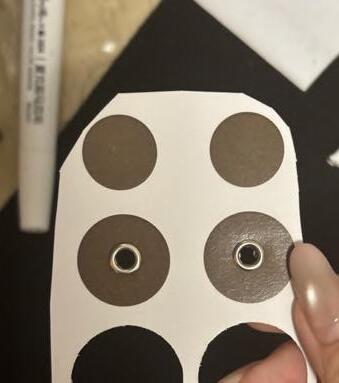
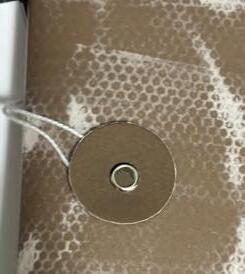
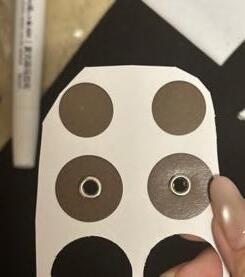
Referring to the ring fasteners on ordinary fle folders, I printed circular pieces of paper that matched the colour of my fle folder.
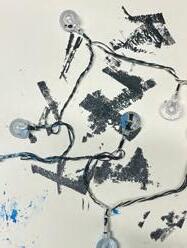
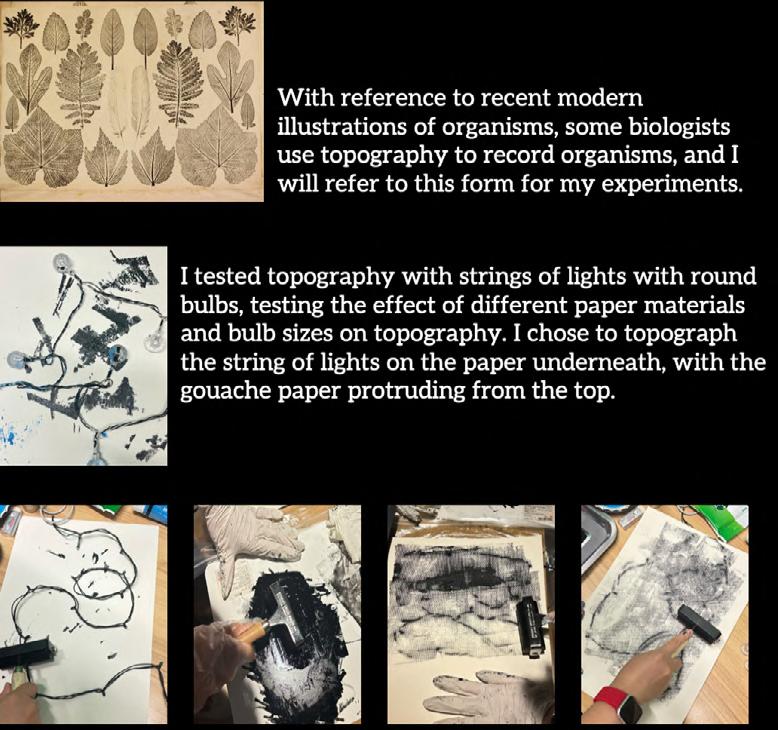
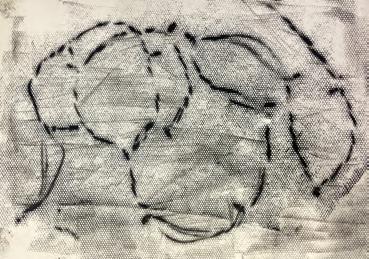
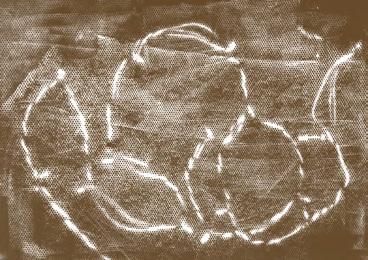
Tried different thicknesses and materials of paper. I used the chart I made using the topography test as the cover of the archive folder and designed with card slots for books in archive pockets and designed the book catalog to be included in the inner pages.
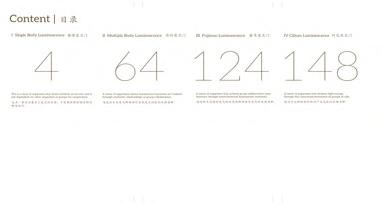
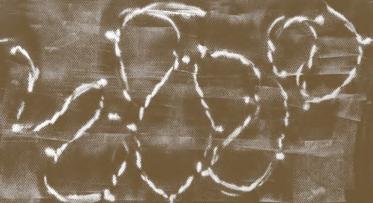
I designed three slots internally based on the size of my books to make the archive folder more organised.Then I used scissors and double-sided tape to stick them to the inside pages of my archive folder.
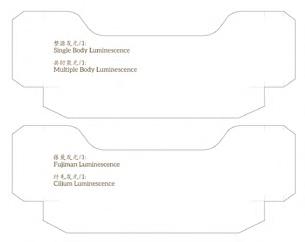
Slot design
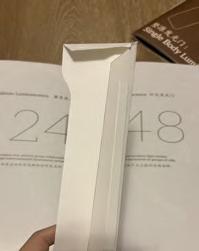
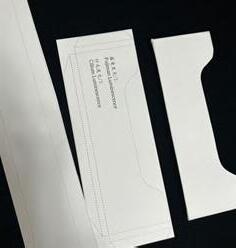

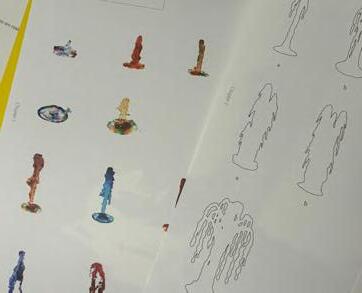

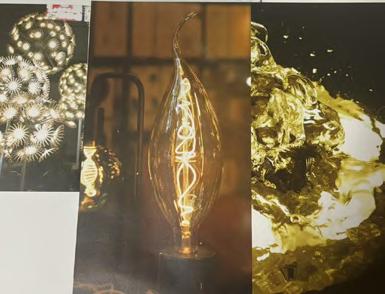
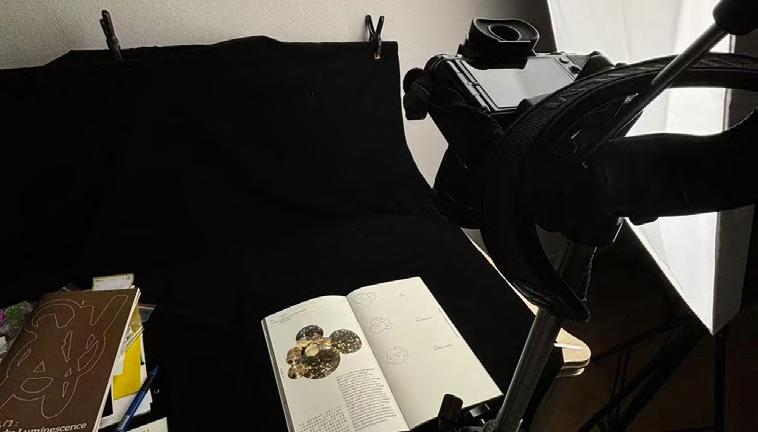
Eventually, I photographed them and toned them in Photoshop. Backlighting effect


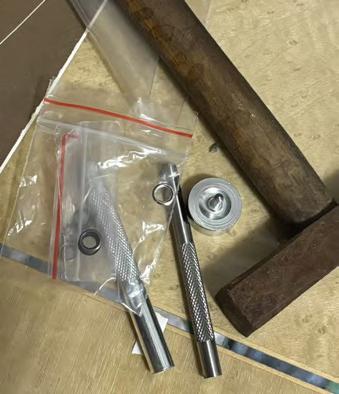
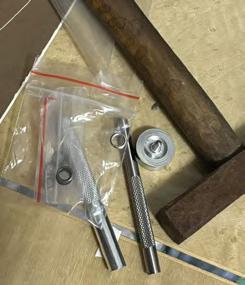
Referring to the ring fasteners on ordinary fle folders, I printed circular pieces of paper that matched the colour of my fle folder, punched holes in the centre using a hole punch, selected 5mm silver eyelet fasteners, installed them, and fnally threaded the string through.
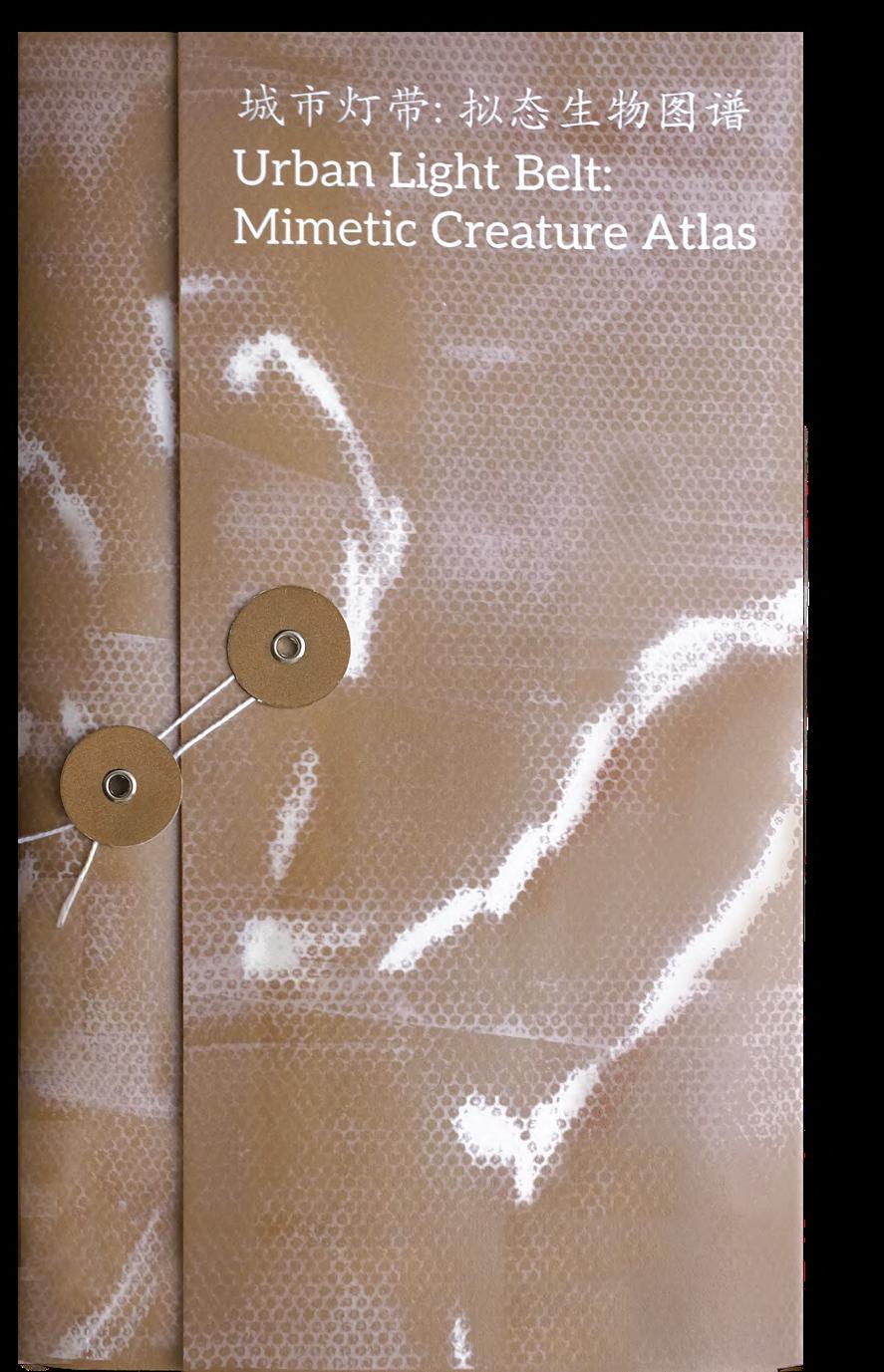
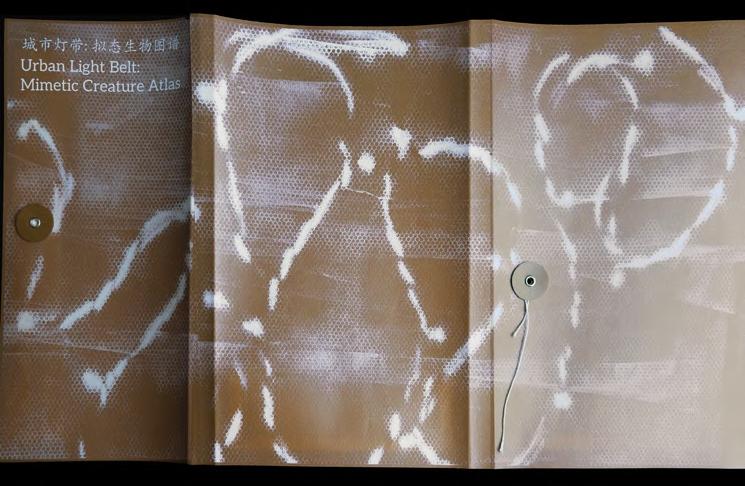
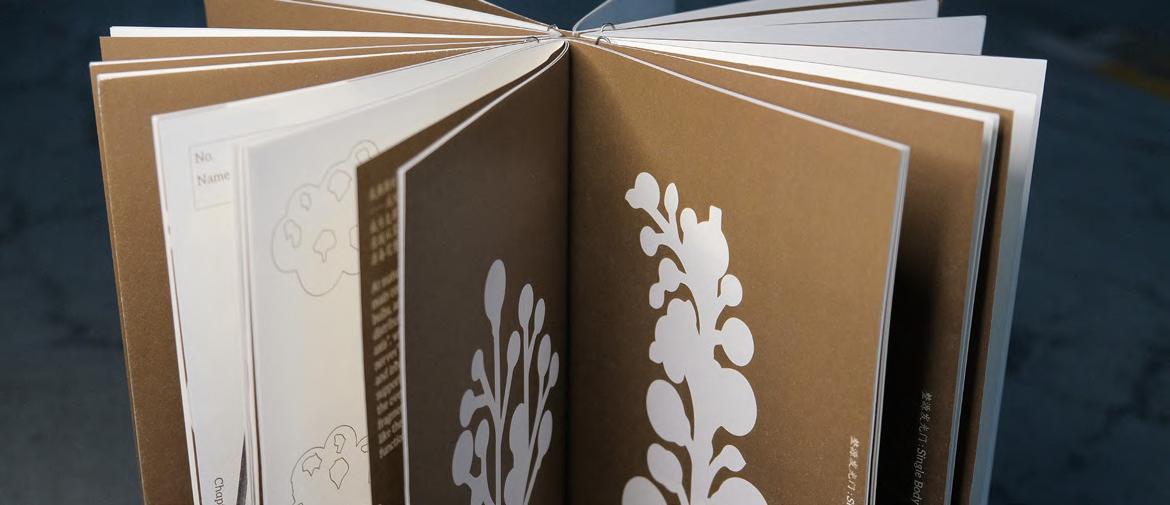
Pages: 173 Size: 586x340mm
Material: water-washed paper
Book Binding: Three-hole threading



















Video Link:https://youtu.be/rIPxYPCbJxQ

In recent years, more and more people have abandoned rural farmland to pursue opportunities in cities. Yet many urban dwellers retain a deep interest in cultivating crops, with numerous individuals choosing to establish vegetable gardens on their balconies.
Based on the concept of planting partners,GreenBuddy has developed an app-based platform for sharing gardening knowledge and building a mutual-aid community for urban cultivation. Simultaneously, it has designed branded packaging for the entire planting process.
Video Link https://youtu.be/uHwKAmBLCDA
During my research on urban farmers, I interviewed several different groups about their views on balcony gardening.
On the internet, it has become a trend for urban white-collar workers to use a section of their balcony for planting. They share the joy of their harvest online and exchange planting experiences with other netizens. They said that it was diffcult to know the survival characteristics of each seed during planting. And when looking for solutions, they always had to unlock information on different platforms, and sometimes had to go to the comments section to fnd solutions.They hope to have a unifed platform that can quickly fnd solutions to planting problems and provide a series of planting process tutorials.
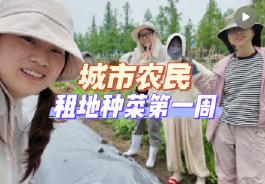
A young woman born in the 1990s is enjoying a happy rural life in a high-rise building in Shanghai.
Many people document their urban farming lives on social media.
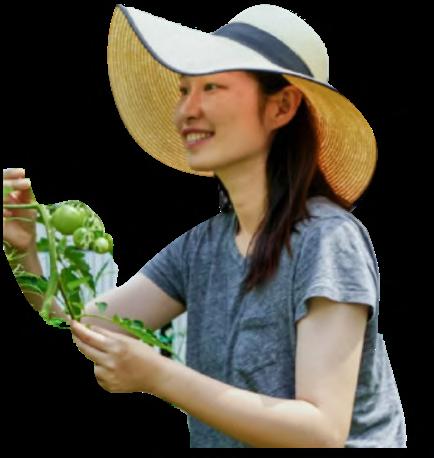
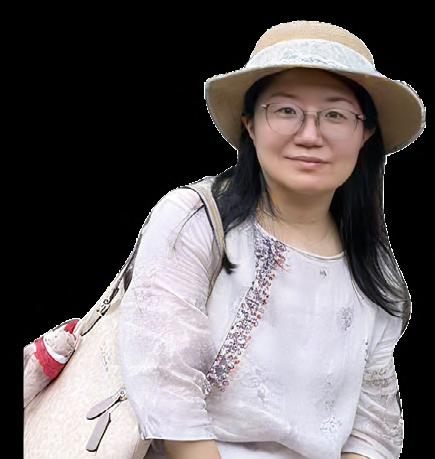
The 2024 China Urban Agriculture White Paper shows that the number of balcony gardening users in China has exceeded 80 million, with balcony gardening accounting for 35% of all gardening in 2024, an increase of 15 percentage points from 2020.
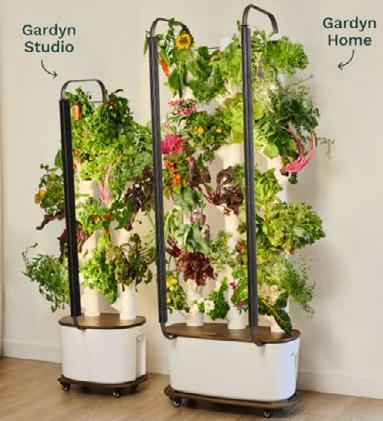

Gardyn has designed an automatic irrigation device that can be used for indoor gardening in cities, and offers a complete range of plant cultivation products. This inspired me to design a complete product line, from seeds to gardening tools.
Green Buddy is based on the concept of planting friendsw and provides a platform for sharing and learning about planting knowledge in the form of an app, establishing a mutual aid community for urban planting.It also designs brand packaging for the entire planting process.
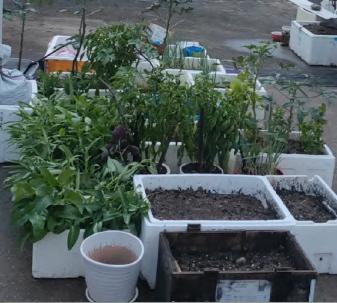
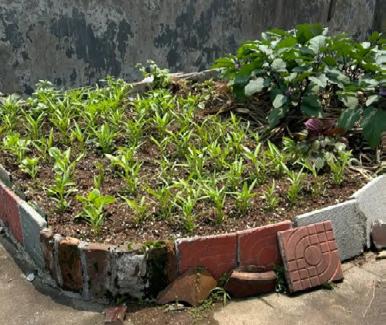
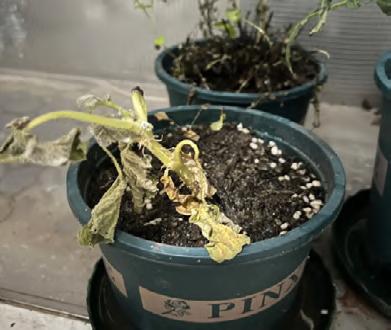
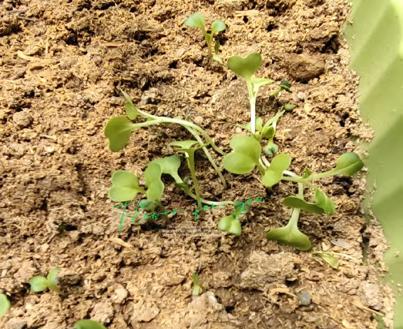

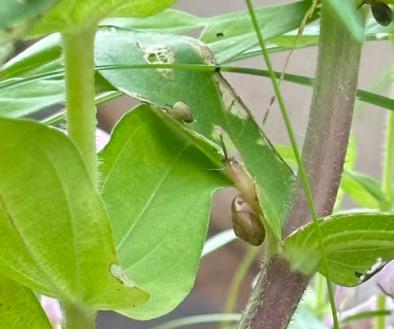
I went to observe the actual situation of vegetable cultivation on balconies in my neighborhood.
Enthusiasts of growing fruits and vegetables in small urban spaces like balconies seek to exchange techniques, share their harvests, and crave professional support to enhance their gardening skills. Most are women born after 1985.
The logo shape resembles an open hand symbolizing friendship and mutual assistance. Simultaneously, it evokes the skyscrapers of a city, echoing the design concept.
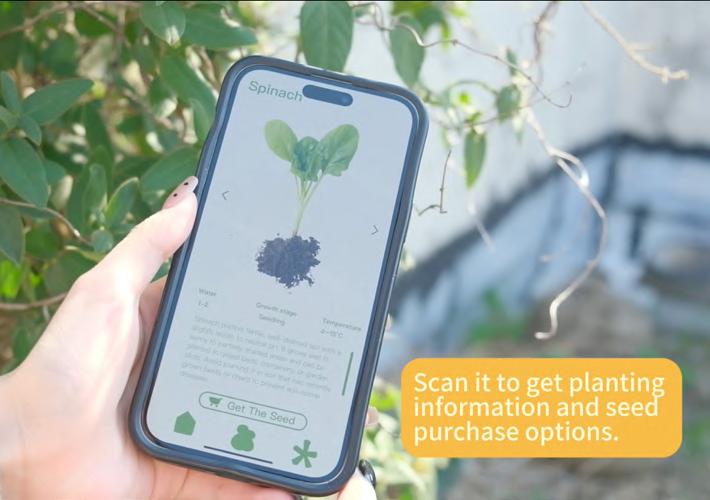
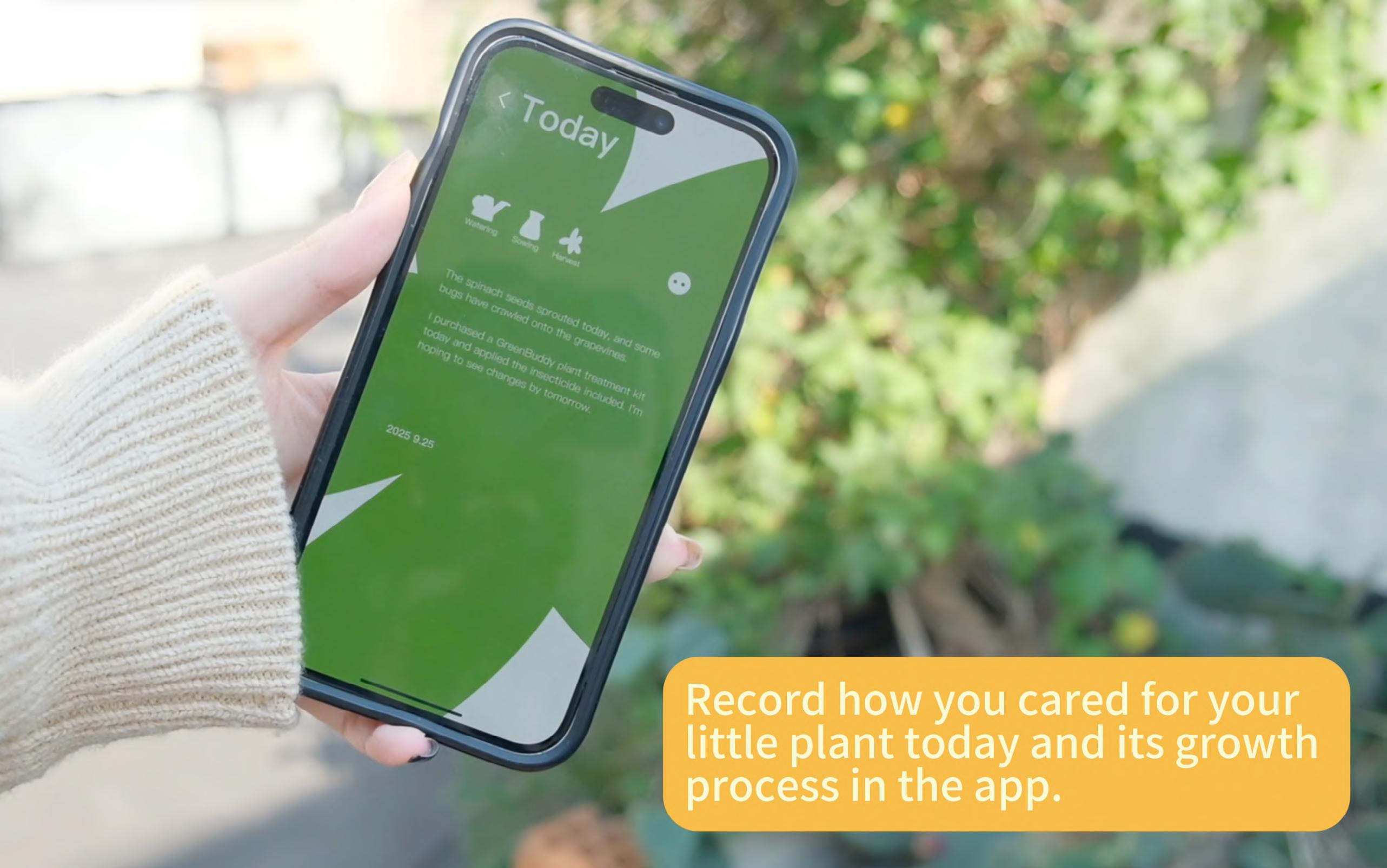
A companion app has been developed where users can fnd assistance. A promotional video has been created featuring a full-process usage guide. These solutions cater to the needs of novice urban gardeners. To ensure a clear user experience, I have organized the platform into four sections: Product Information & Purchase, Identifcation, Planting Diary, and Community.
Start Screen
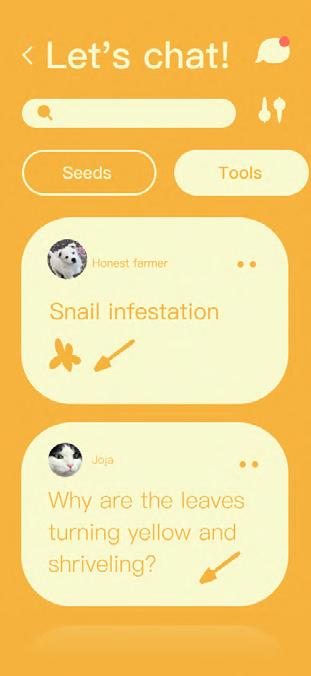
Product Kit Display Camera Calendar Forum Community Resource Exchange Specifc Date Records Plant Introduction Purchase Interface Tips Identifcation My Planting Diary Community


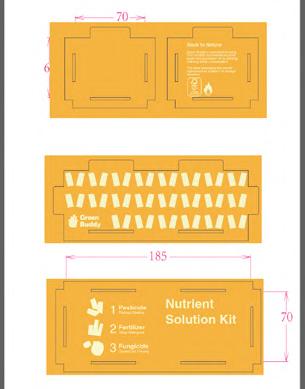
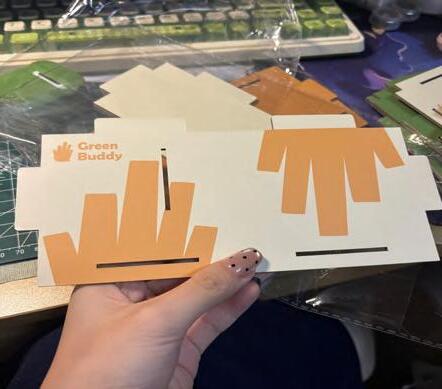
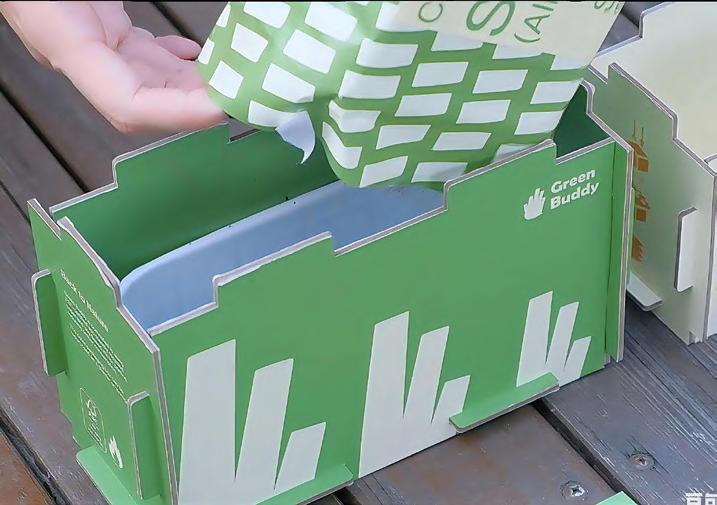
I created a knife plate sketch and incorporated the logo design onto it. After printing a paper version, I made adjustments based on the actual appearance. The fnal product was presented using laminated corrugated cardboard.
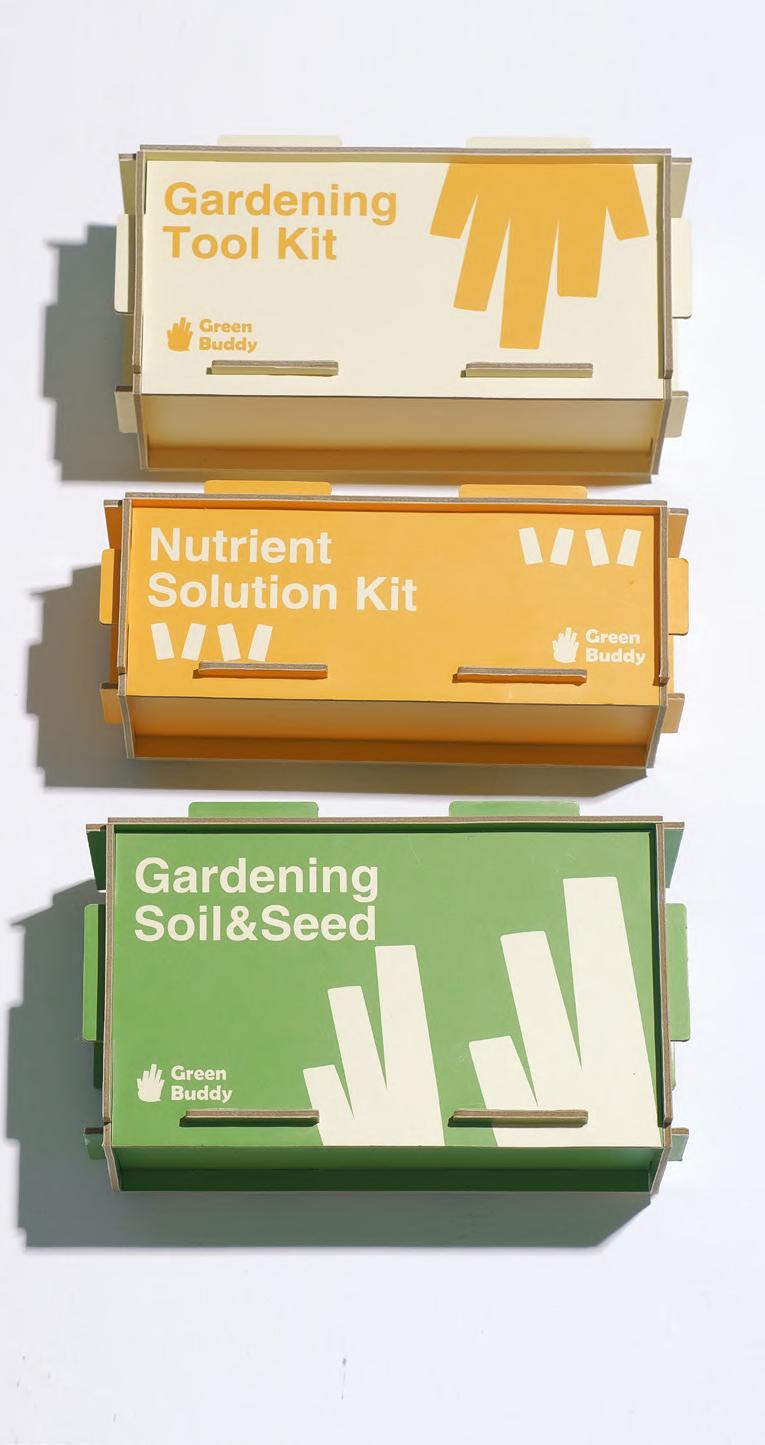
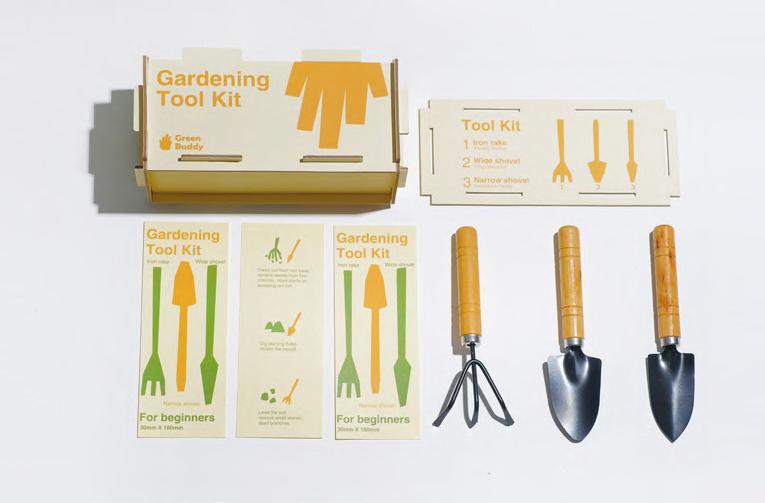
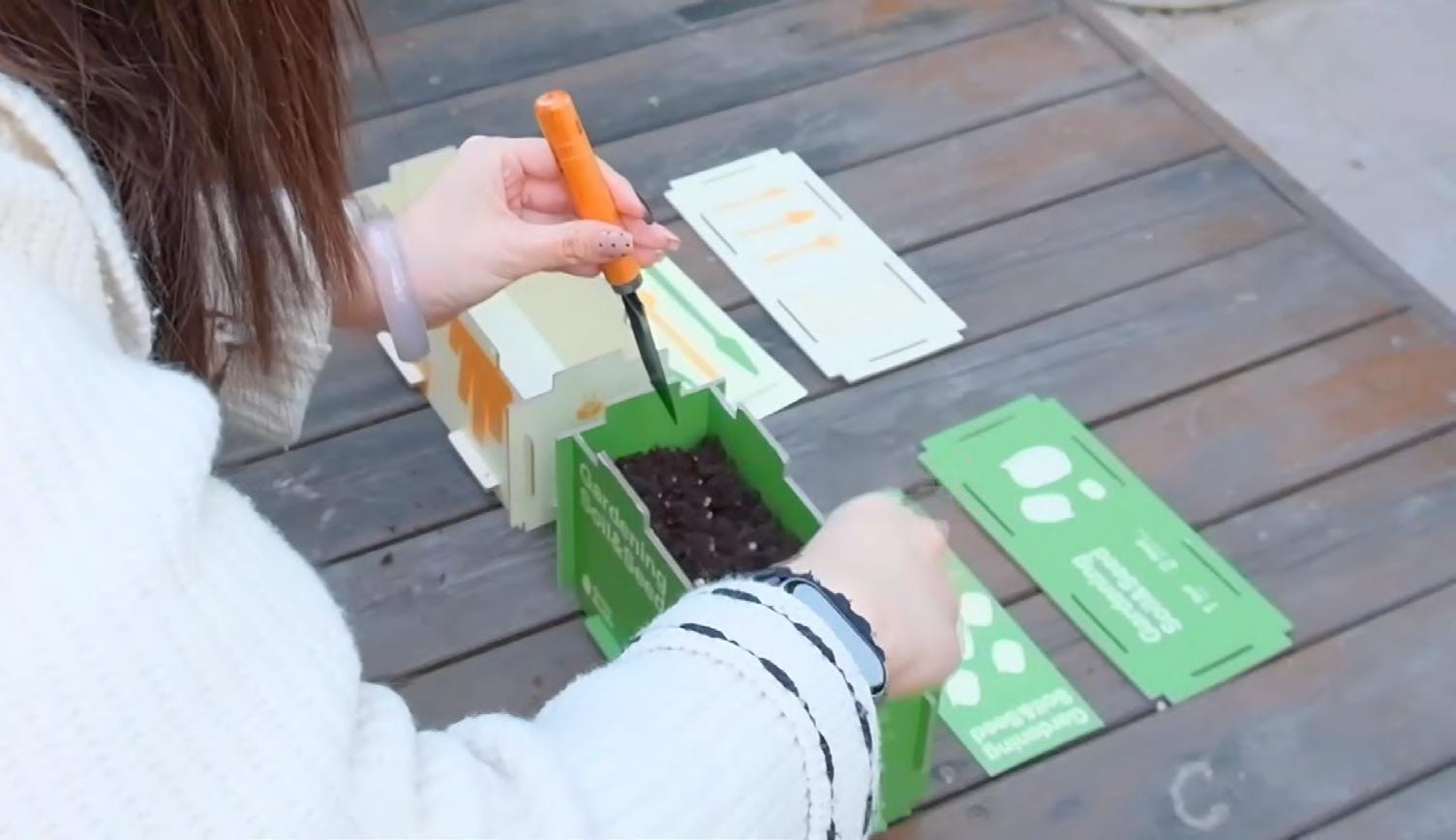
Gardening Tool Kit
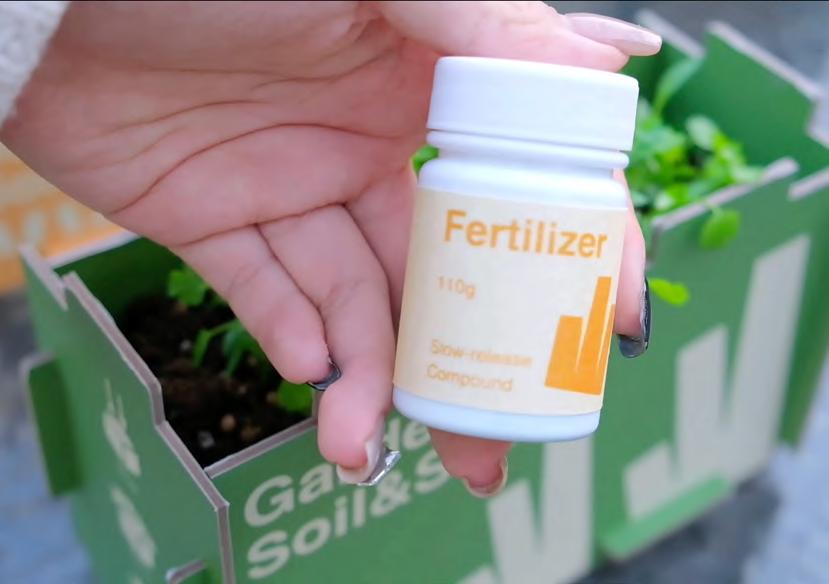
Nutrient Solution Kit

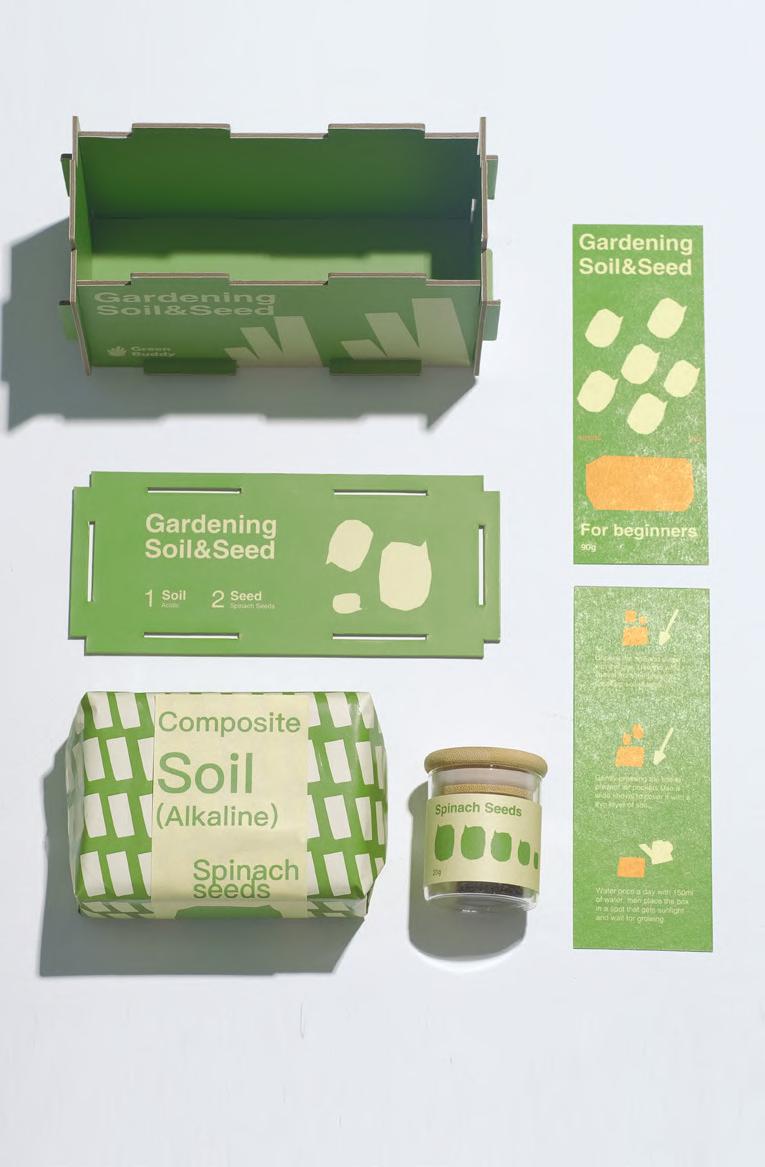
My visual concept draws inspiration from plants and dialogue boxes: the green above the logo represents vegetation, while its shape resembles an open hand symbolizing friendship and mutual assistance. Gardening
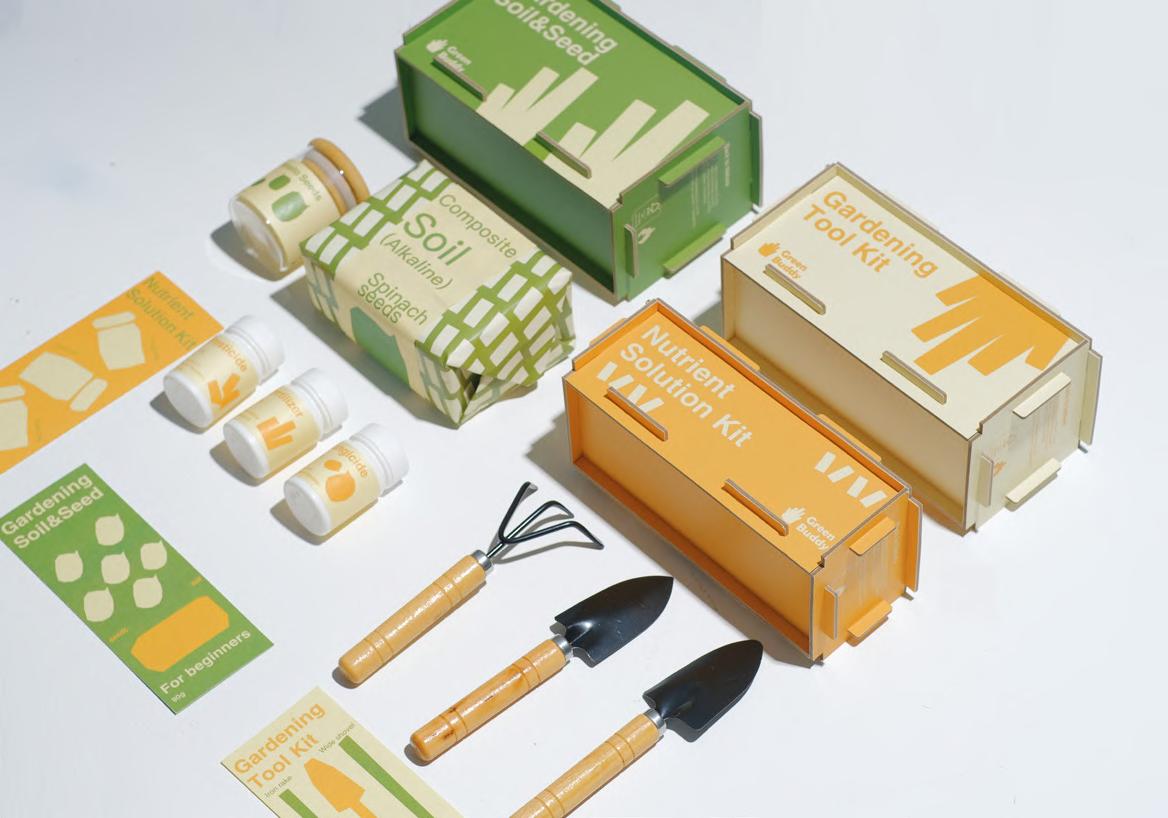
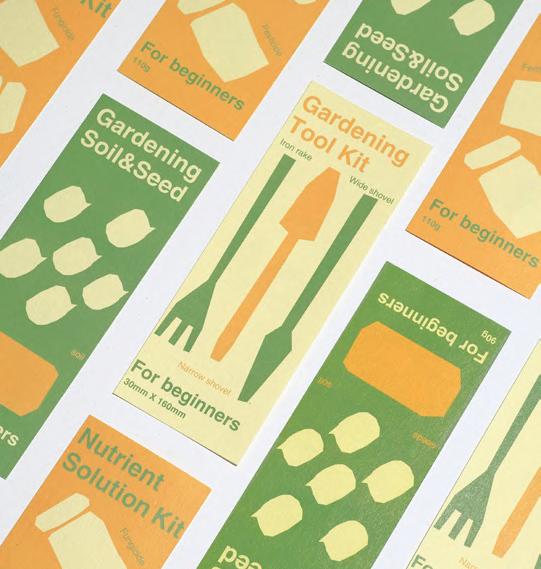
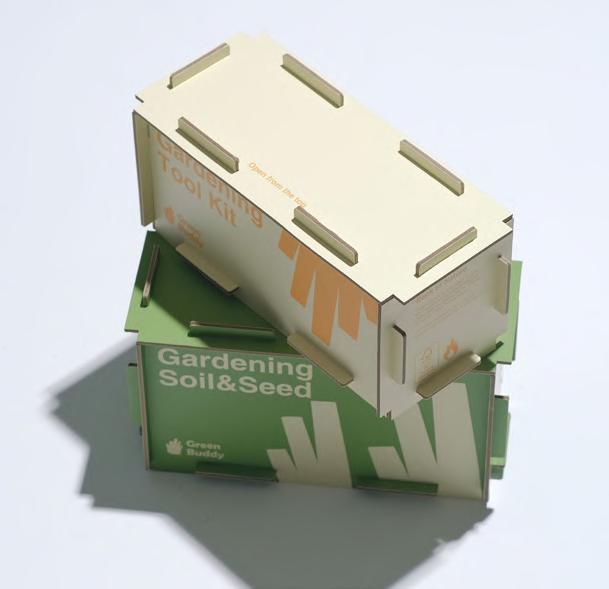
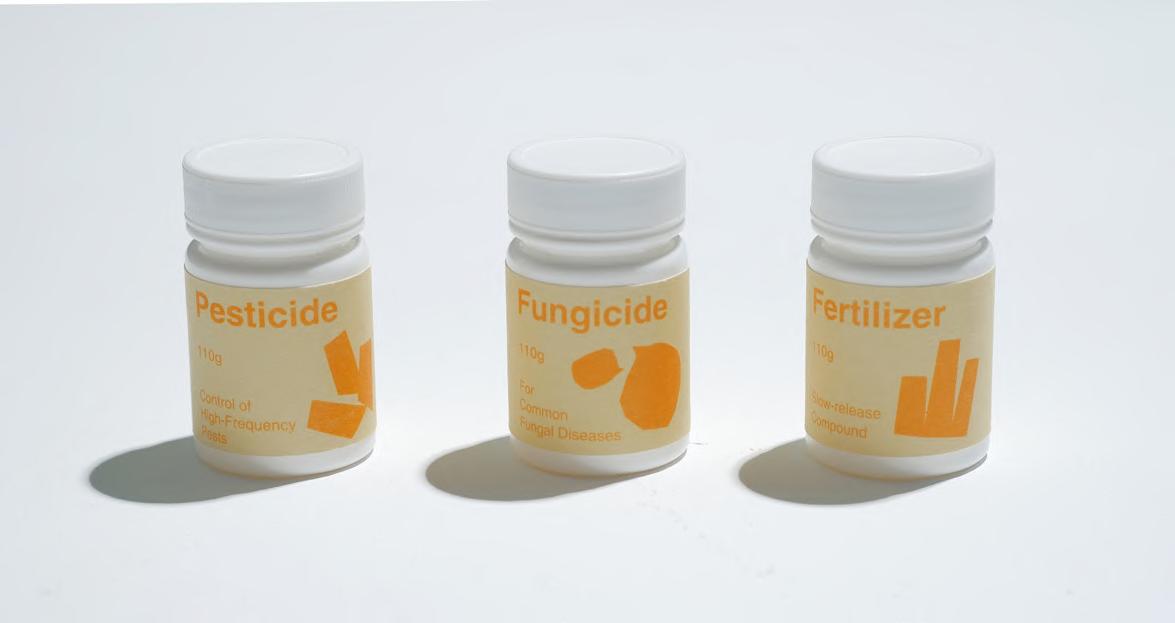
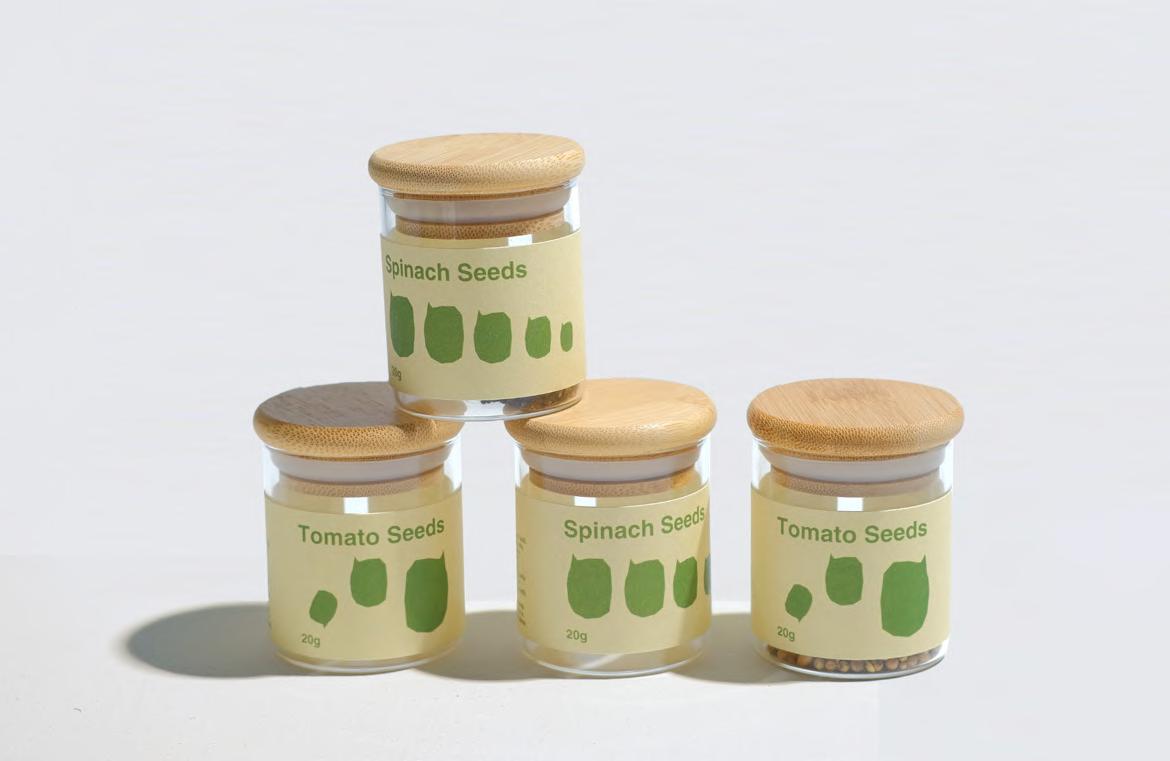


The design centers on the core objective of enabling gardening novices to get started effortlessly and experience the joy of planting through interaction. It creates a unifed experience across three dimensions: visual language, functional architecture, and brand extension.
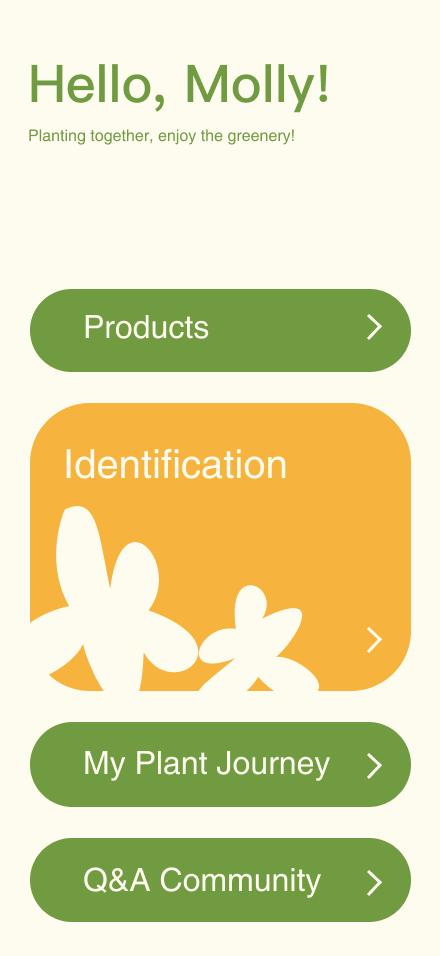


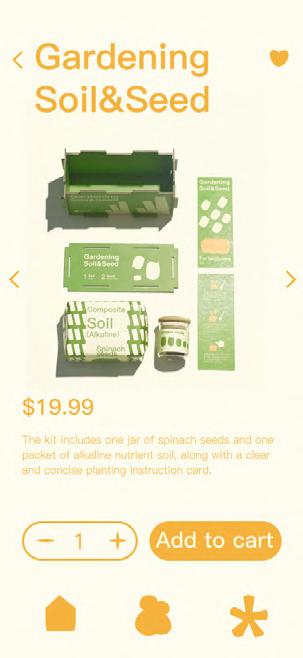

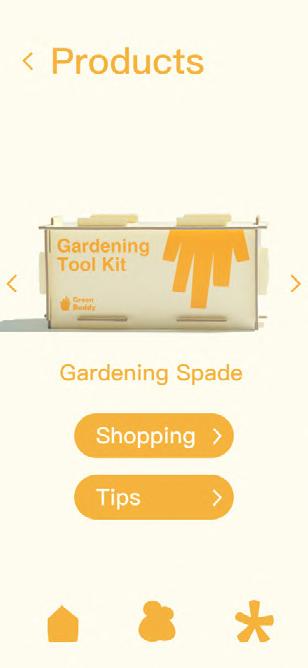
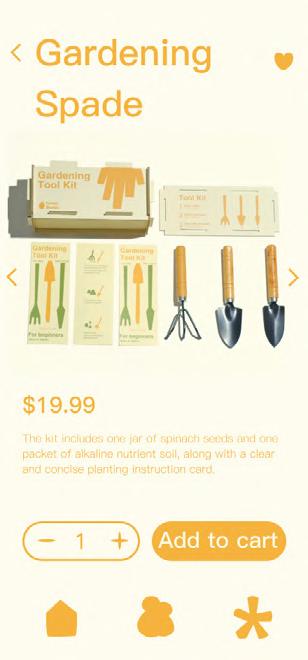
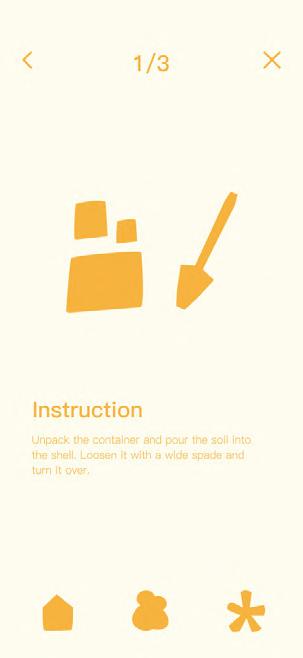
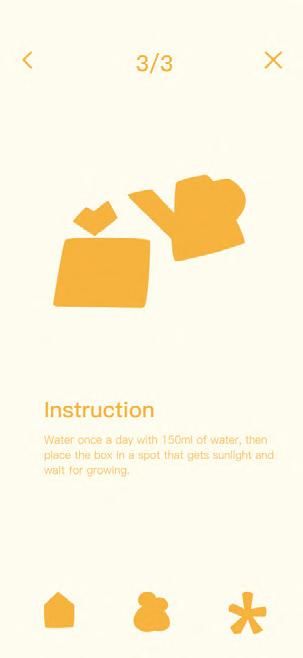
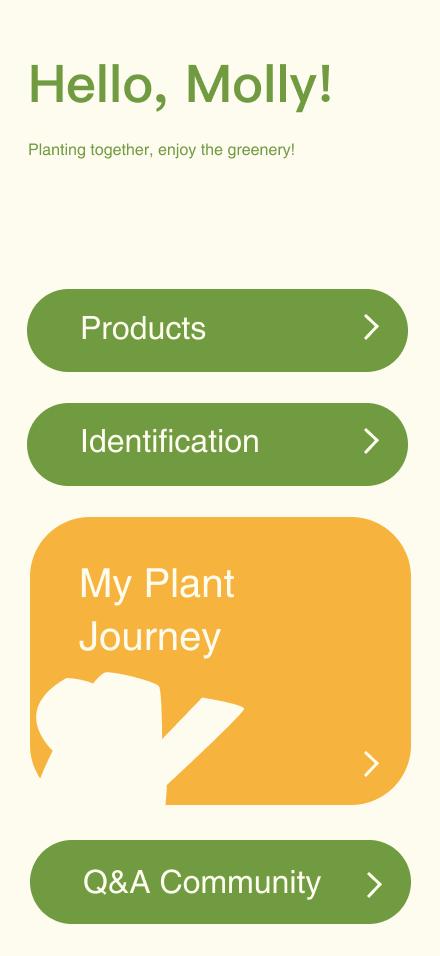
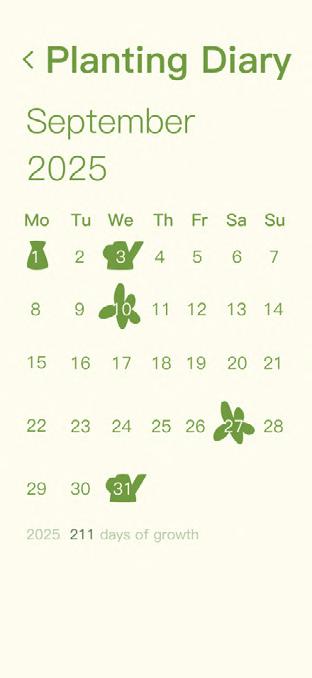
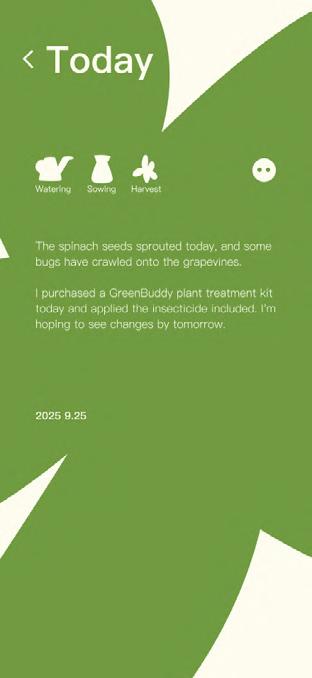
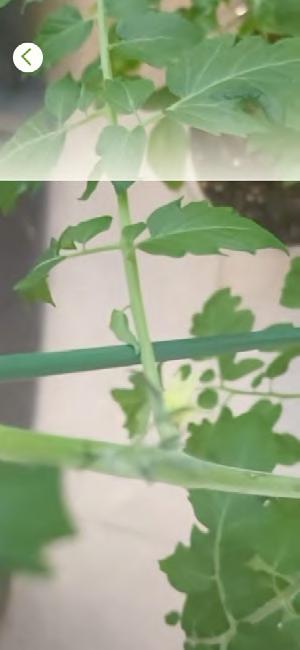
Q&A Community

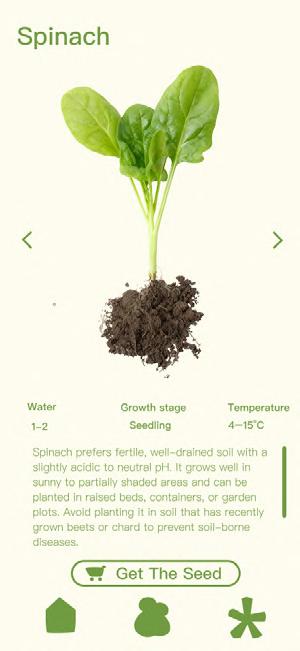
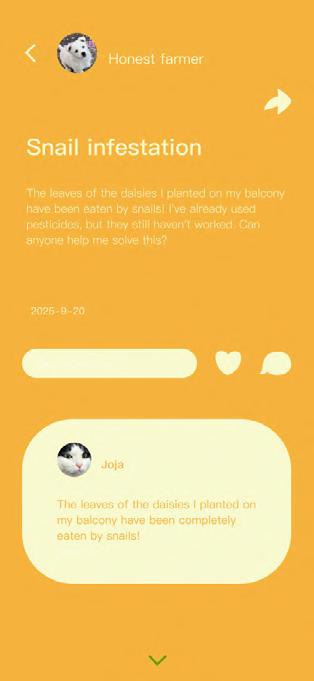

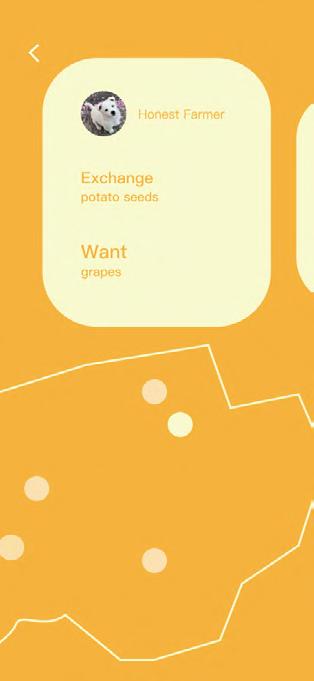
Video demonstrates how to purchase the Green Buddy kit via the app and how to use it afterward.
Video Link: https://youtu.be/uHwKAmBLCDA


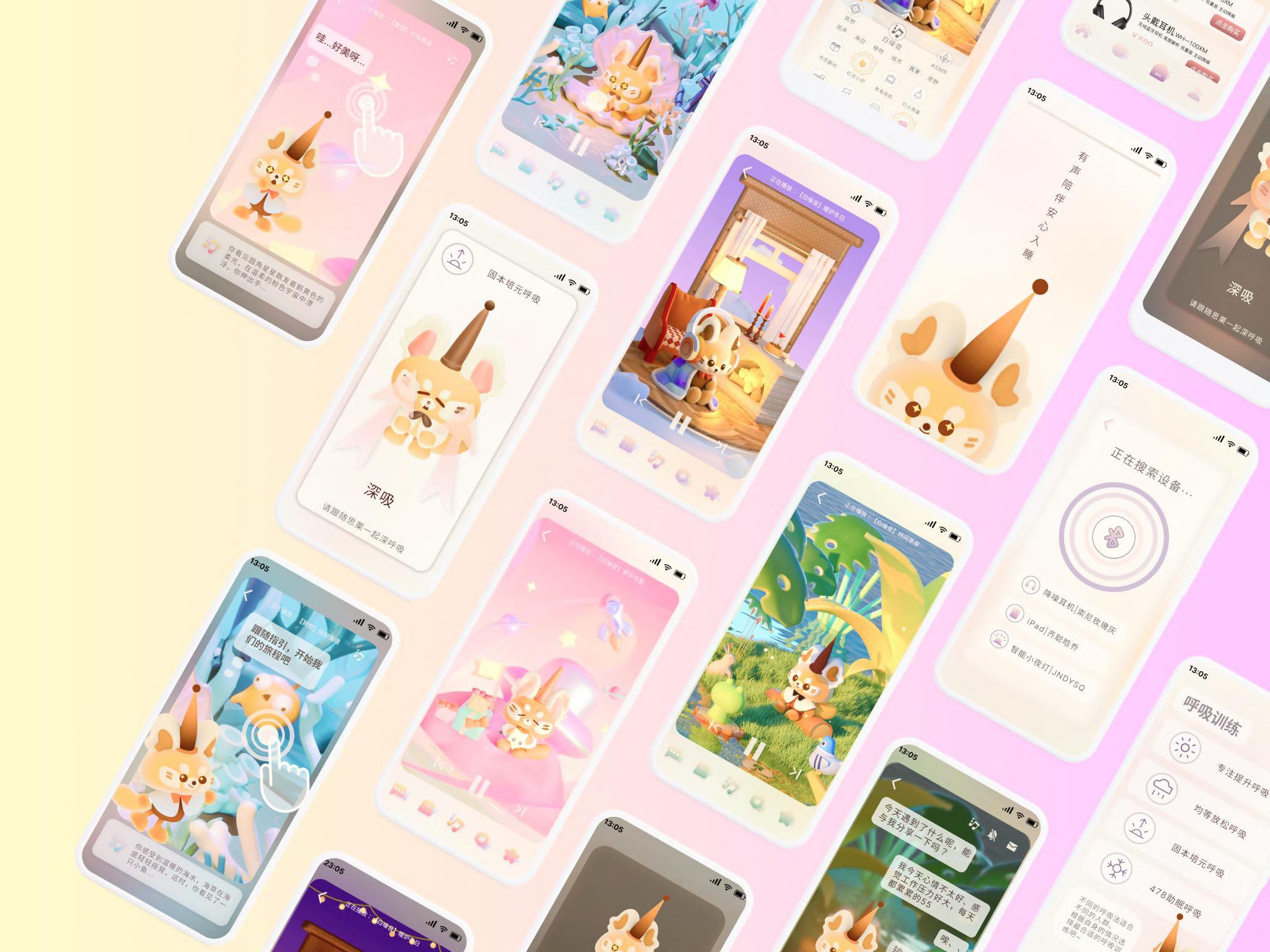
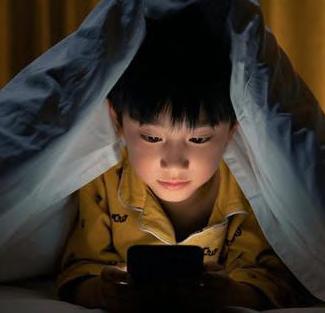
As cities develop, fast-paced lifestyles and intense pressures have made insomnia a widespread pain point among contemporary youth. Excessive use of digital devices and irregular schedules not only cause physical exhaustion but also trigger deep-seated psychological anxiety and health crises. Difficulty falling asleep has evolved into a loss of control over one's life, and this “sleep poverty” is severely eroding the creativity and happiness of the younger generation. Thus, we designed Sleepanda—a smart sleep assistant dedicated to holistic care.
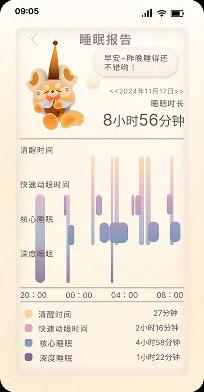
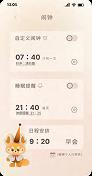
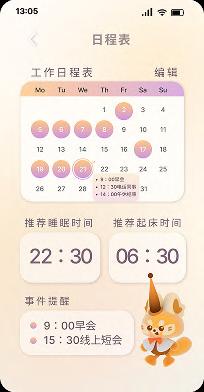
Features: At its core, Sleepanda employs “immersive management based on natural cycles,” simulating a complete loop from late night to early morning. It initiates bedtime rituals through meditation and white noise; provides real-time monitoring throughout sleep, precisely tracking wakefulness states; Utilizes painless wake-up technology paired with visual data reports in the morning to help users scientifically understand their sleep quality; and ultimately extends into the daytime, building a virtuous cycle from deep sleep to productive work through focus zone management and health reminders.
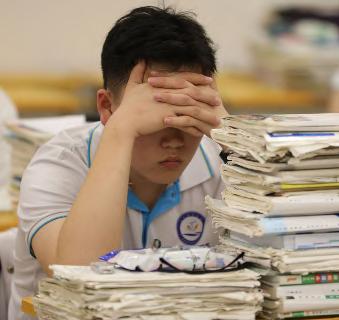
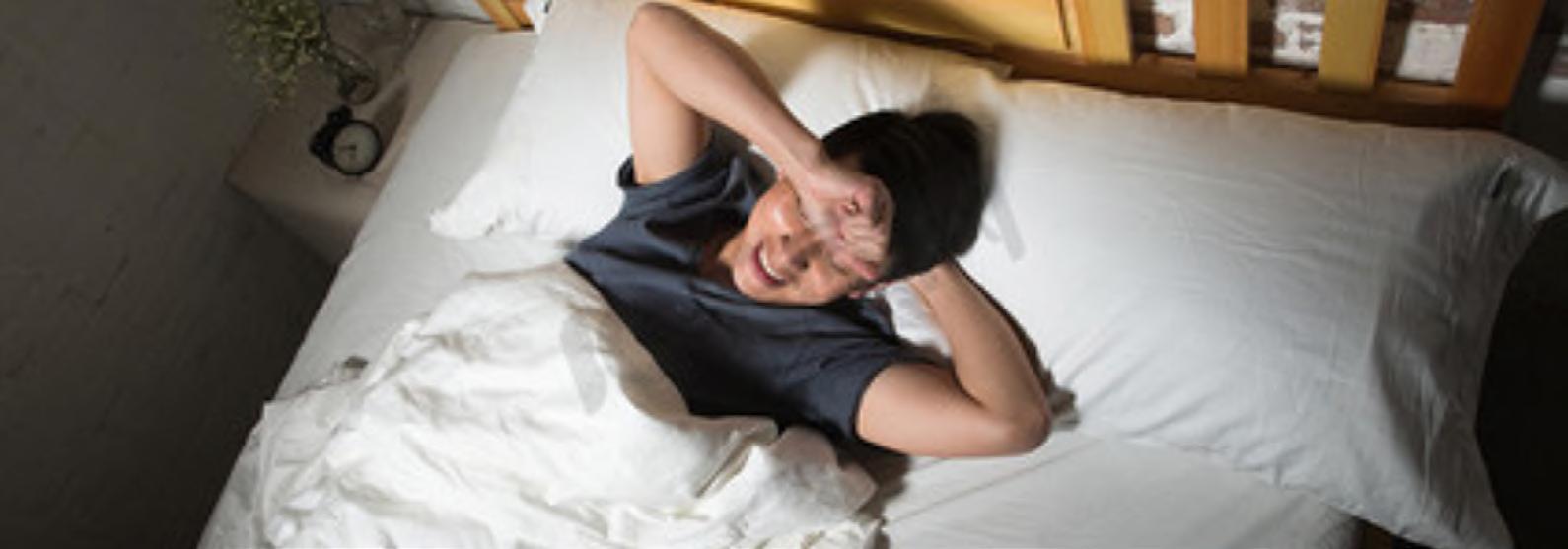
As the pace of society accelerates and pressures from work and studies intensify, many people are experiencing sleep disorders.
Approximately 852 million (95% CI 830–874 million) adults worldwide meet diagnostic criteria for insomnia, equivalent to 16.2% of the adult population. Severe insomnia affects 415 million individuals (7.9%). Countries with the highest prevalence include populous nations such as the United States, China, and Brazil.
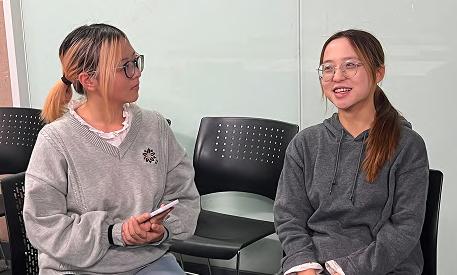
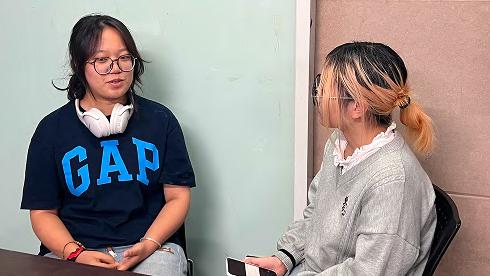
We interviewed classmates around us about sleep issues, and nearly all of them reported having trouble sleeping. Some even need medication to fall asleep.
To address the growing insomnia crisis among urban youth, I intend to design Sleepanda, an all-in-one sleep assistant. The vision is to replace nighttime anxiety with a "Bedtime Ritual" using immersive healing scenes. By bridging the gap between deep sleep and daily productivity through a 24-hour monitoring loop, the app aims to transform sleep into a restorative journey for a healthier lifestyle.
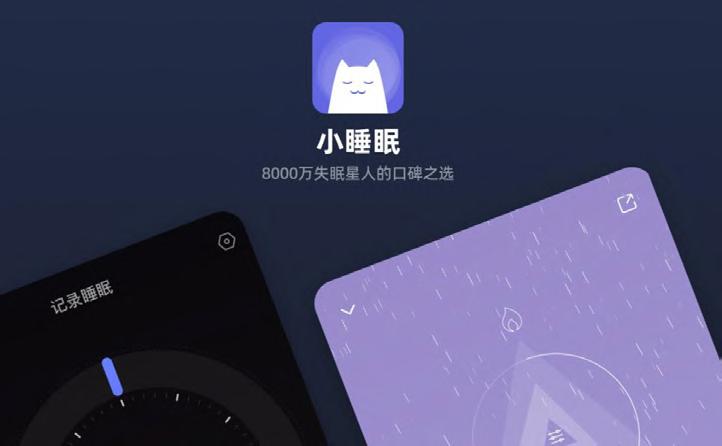
The service offers a diverse range of features, primarily focusing on white noise and meditation, covering most people's sleep needs. However, the interface design is poorly structured, with overly complex functions and confusing navigation flow.
Inspired by the ethereal, painterly art style of Sky: Children of the Light, it uses dreamlike landscapes to guide users into a restorative, healing sleep journey. I drew inspiration from its healing style.

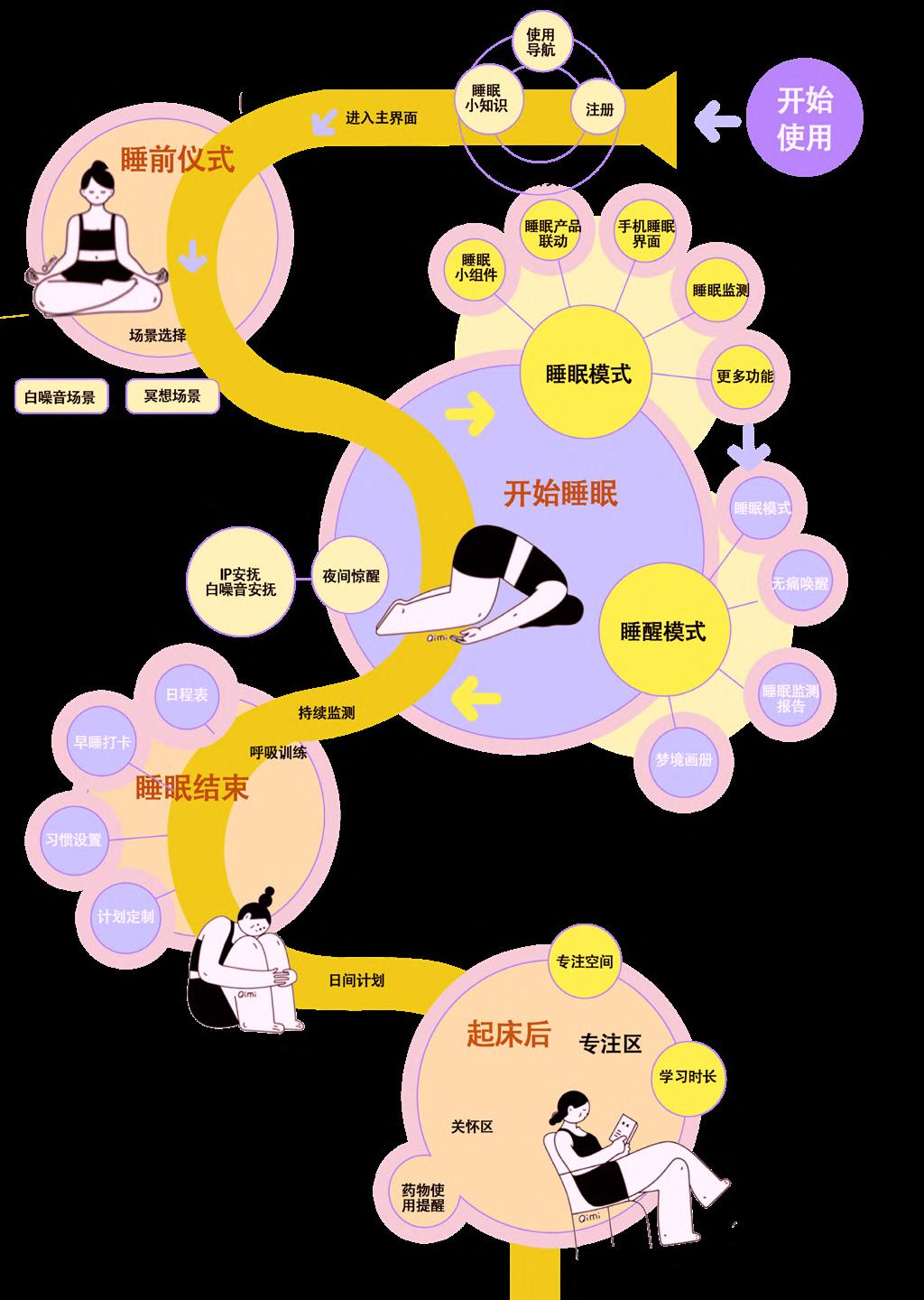
It begins with a bedtime ritual (meditation and white noise) to guide users into sleep, capturing sleep quality and nighttime wakeup data through continuous monitoring. In the morning, painless wake-up technology combined with data visualization reports helps users understand their sleep patterns. Ultimately, it extends care into the daytime by managing focus zones and providing health reminders (such as medication suggestions), creating a complete health loop from deep sleep to efficient awakening.
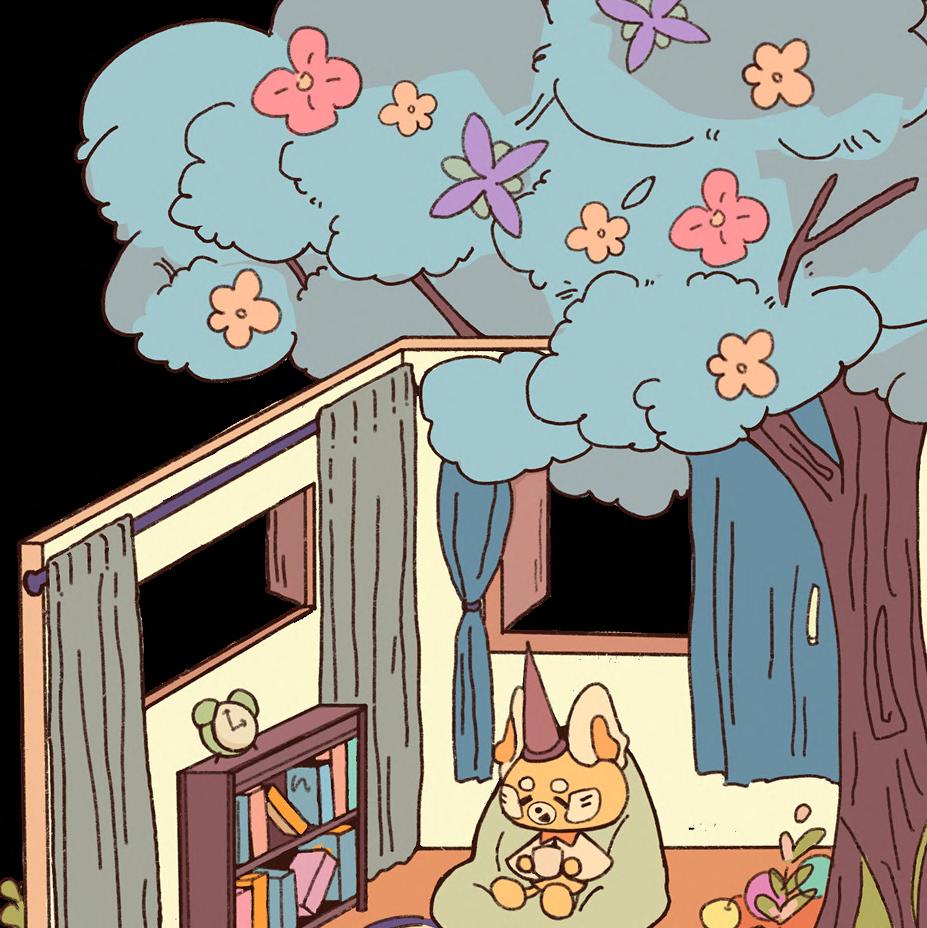


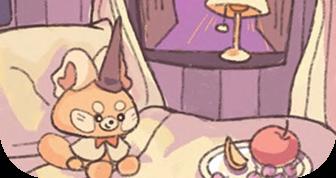
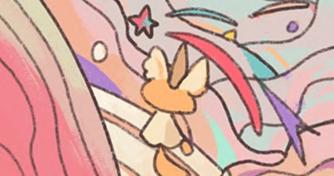



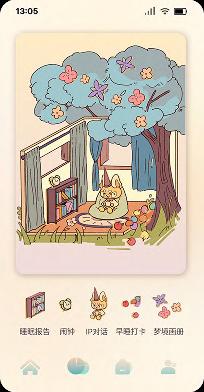
The adorable panda Slee radiates tranquility and healing through its eyes. Featuring Slee as its cover image, the sleep app Sleepanda sports an icon centered on this little panda, bathed in warm orange tones. Stars of dreams glisten within Slee's eyes, their sparkle conveying positivity and happiness.
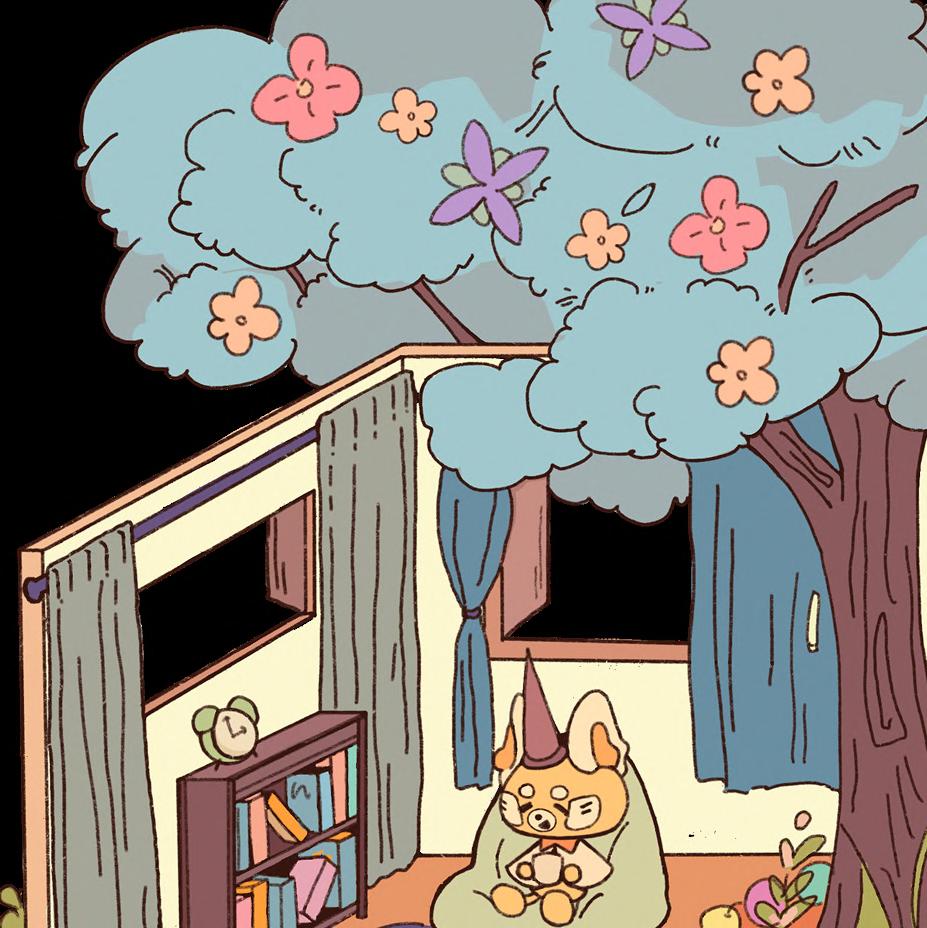

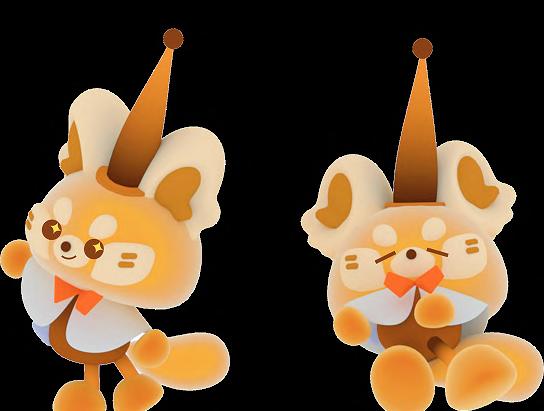
Slee the Panda is an endearing little panda whose rounded form radiates warmth and softness, instantly sparking affection and closeness in users. This perfectly aligns with the relaxing atmosphere needed for sleep scenarios.






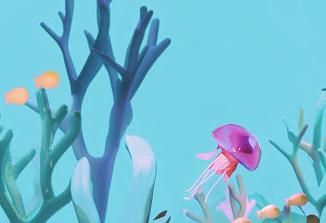
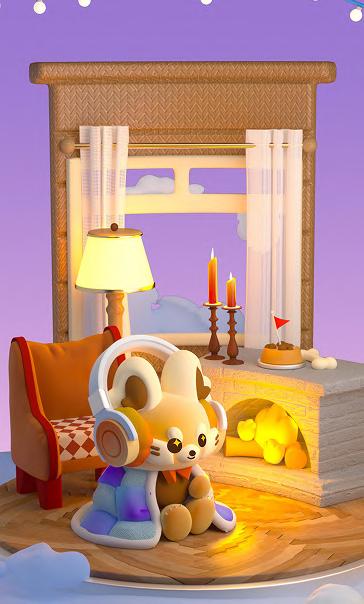
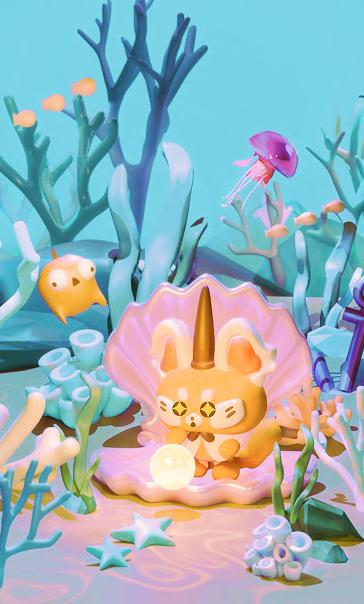
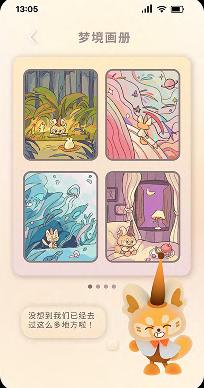
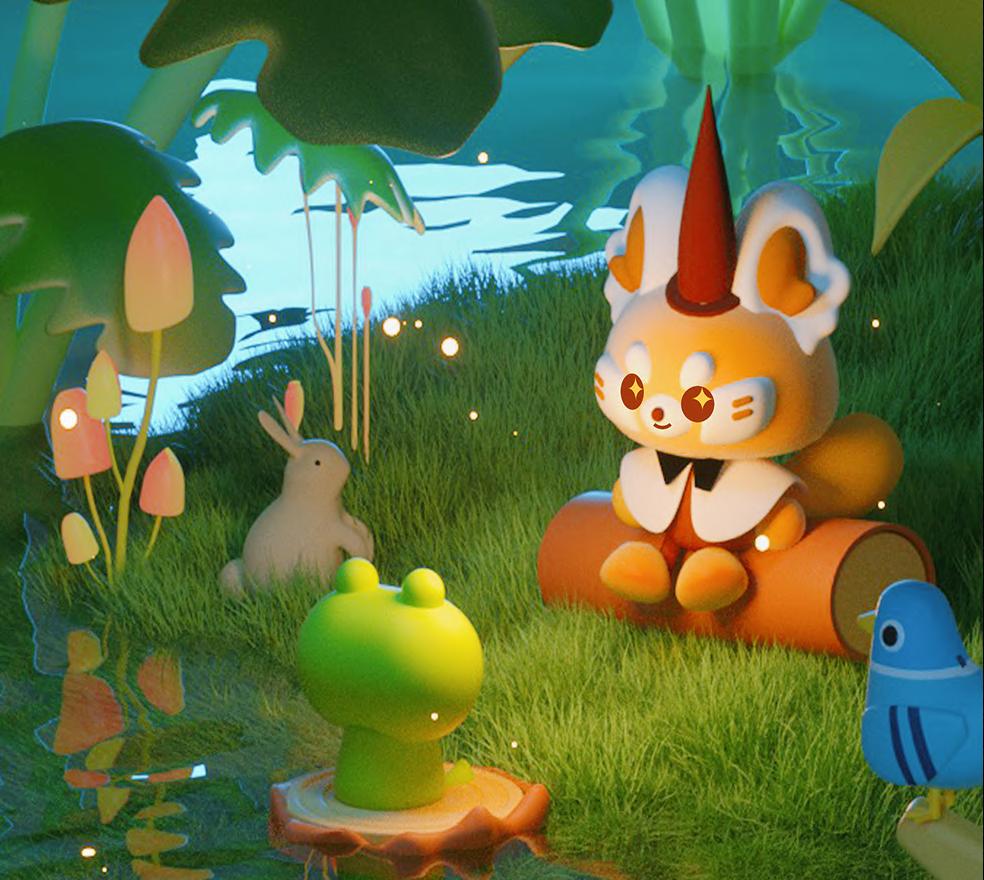
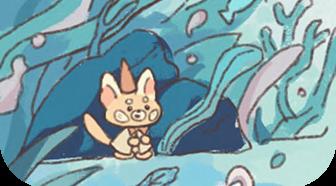
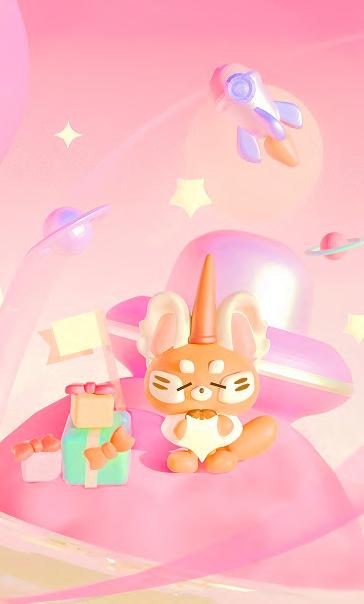
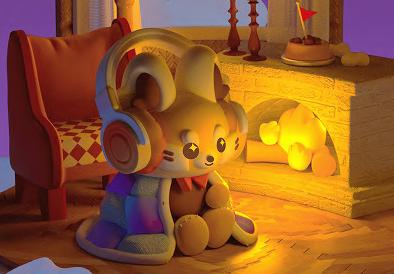
I designed four warm scenes within the app: Warm Fireplace, Underwater Treasure Hunt, Cosmic Quest, Pond Encounter. Sleepanda features four digital healing scenes designed to help you relax:
Warm Hearth: Relax with the cozy amber glow and crackling sound of a fire.
Deep Sea: Dive into a quiet blue world to wash away daily stress.
Cosmic Truth: Drift through endless stardust to find inner peace.
Pond Encounter: Breathe with the natural rhythm of moonlight and ripples.


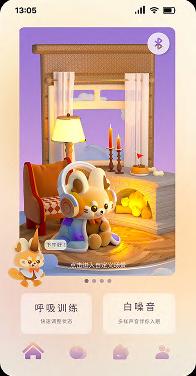
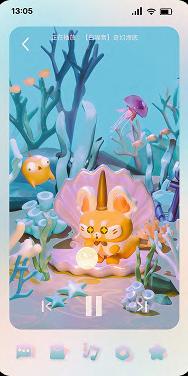
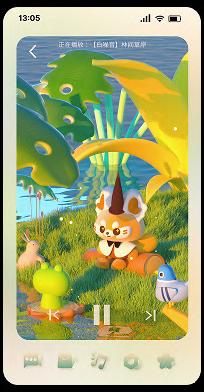

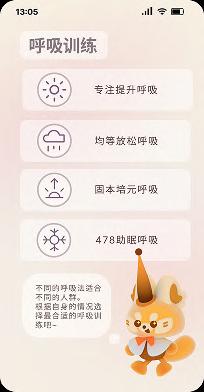
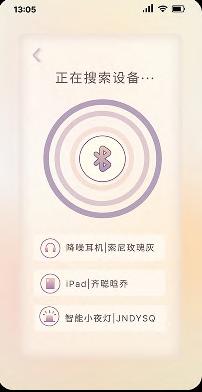
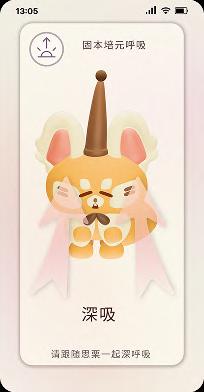
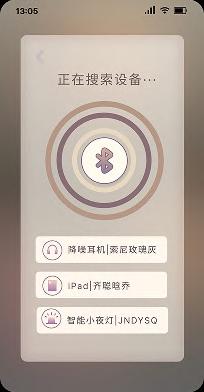
Sound Scenes Page Sleep Aid Module
Users can enjoy immersive white noise/meditation therapy within cartoon scenes, and can swipe the screen to view and select their main scene.

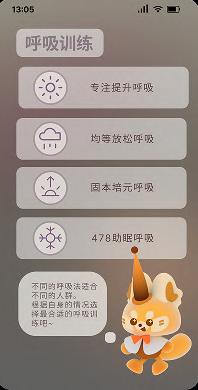
Connect my sleep aid device and assist with breathing exercises—let Slee teach you breathing adjustments.
Slee's Home serves as a repository for users' sleep data, providing a comprehensive sleep profile.

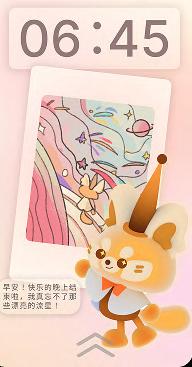
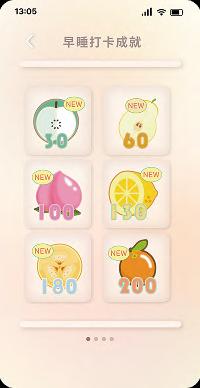
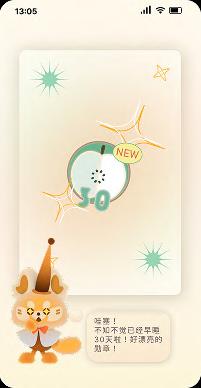
The dream album is created based on the preceding scenes. This serves as a positive feedback mechanism for users: each day they successfully check in for early sleep, a beautifully crafted dream album is generated, thereby motivating them to maintain consistent check-ins.