


Introduction:
1. Stetson Wright: The Multi-Event King
o Early Life and Introduction to Rodeo
o Rise in Multi-Event Competitions
o Notable Achievements and Records
o Influence on Modern Rodeo Culture
o Legacy and Ongoing Impact
o Journey to the Title
o Role and Responsibilities of Miss Rodeo America
o Advocacy, Community Work, and Cultural Influence
o Impact on Young Women and Rodeo Representation
o Legacy and Contributions to Rodeo Culture
3.
o Early Life and Musical Journey
o Music as a Reflection of American Values
o Themes of Hard Work, Family, and Community
o Influence on Rodeo and Western Culture
o Legacy and Cultural Impact
4.
o Historical Origins and Practicality
o Iconic Elements: Hats, Boots, and Denim
o Accessories, Embellishments, and Personal Expression
o Influence of Media and Modern Trends
o Regional Variations and Contemporary Adaptations
o Cultural Significance and Symbolism
o Empowerment and Community Connections
5.
o Historical Origins and Practical Necessity
o Symbolism, Heritage, and Western Identity
o Role in Competitions and Ceremonial Events
o Women’s Participation and Inclusive Practices
o Collectible and Custom Firearms
o Education, Mentorship, and Ethical Handling
o Media Influence and Contemporary Relevance
o Cultural Significance and Preservation of Tradition


In the world of rodeo, every generation produces a few extraordinary athletes, but only a rare handful redefine the sport completely. Stetson Wright stands as one of these rare figures a cowboy whose dominance across multiple events has elevated him beyond traditional expectations. In the history of rodeo, the multi event cowboy has always been celebrated, but modern rodeo’s increasing specialization made such versatility nearly impossible. Yet Stetson defied that trajectory.
Born into a legendary rodeo family, Stetson Wright emerged not only as a natural athlete but as a cultural force within the contemporary cowboy world. His performances, work ethic, mindset, and charismatic identity have shaped the narrative of Cowboy Culture in the 21st Century, especially the idea of pushing past the iconic “8 seconds” into a broader legacy.

Stetson Wright stands today as one of the most influential and dynamic figures in modern rodeo, a cowboy whose skill, charisma, and relentless dedication have reshaped the landscape of multi-event competition. In the world of rodeo, where specialization has become the norm and athletes often dedicate their entire careers to mastering a single event, Stetson’s rise as a dominant force across multiple disciplines is nothing short of extraordinary. His success cannot be separated from his heritage, for he was born into the legendary Wright family, a dynasty synonymous with rodeo excellence. Growing up in Milford, Utah, Stetson was surrounded by the sounds of bucking chutes, the rhythm of the arena, and the relentless work ethic that defined generations of Wright cowboys. His father, Cody Wright, a two time World Champion Saddle Bronc Rider, built not only a career of excellence but a culture at home that valued humility, discipline, and perseverance. These values were absorbed by Stetson from his earliest years and became the foundation of his identity as both an athlete and a modern cowboy.
Unlike many riders who discover their event of choice through trial and error, Stetson was raised in an environment that encouraged mastery across disciplines. He learned the finesse and rhythm required for saddle bronc riding alongside the explosive strength and mental resilience necessary for bull riding. These two events, demanding in drastically different ways, shaped his body and mind early on. Saddle bronc riding relies heavily on timing, posture, balance, and a near telepathic connection with a bucking horse, while bull riding is a battle against unpredictable, raw power. To train for both simultaneously requires an uncommon level of physical discipline and mental adaptability. As a child, Stetson spent countless hours studying the form of his father and older brothers, watching their rides, analyzing their mistakes, and learning the unspoken language of the arena. By the time he reached his teenage years, he possessed a combination of aggression, technique, and natural intuition that set him apart from others his age.
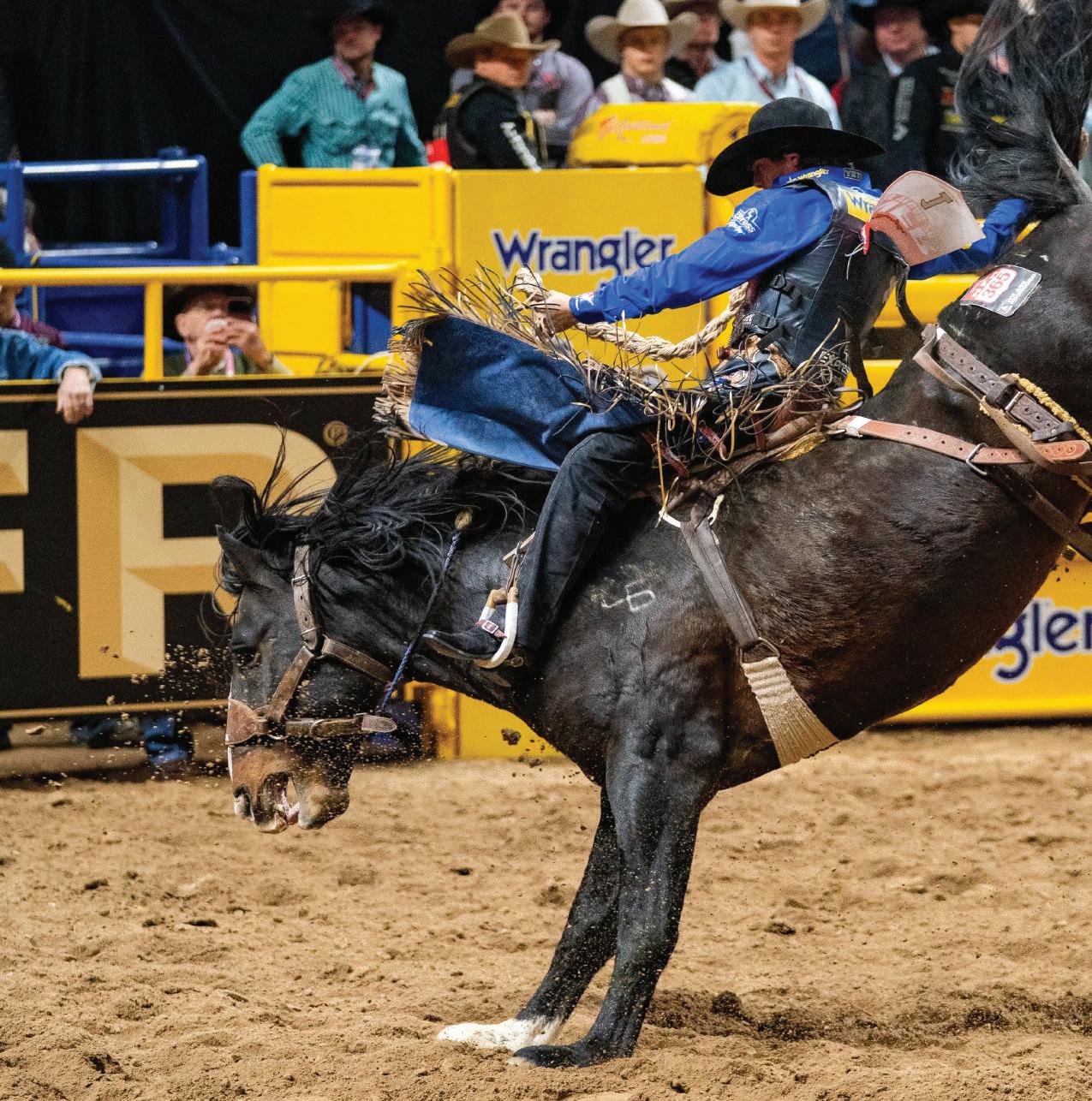

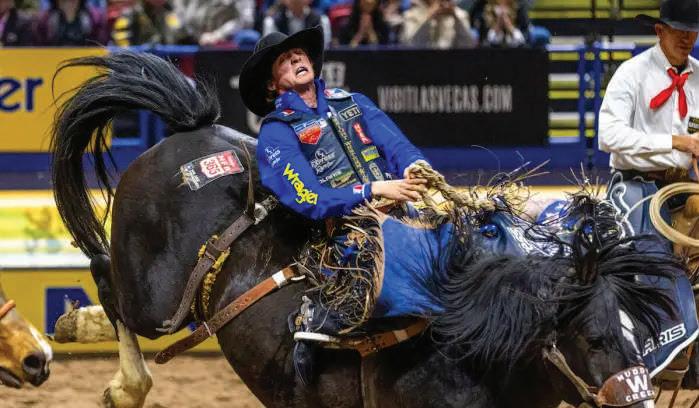
When Stetson entered the professional circuit in 2019, the rodeo world immediately took notice. His debut season was not a cautious introduction but an announcement of the arrival of a rare phenomenon. He qualified for the National Finals Rodeo in both bull riding and saddle bronc riding, a feat that already placed him among the small group of cowboys capable of excelling in more than one event at the highest level. What made his performance remarkable was not simply participation but dominance. His explosive power in bull riding, matched with his fluid and polished technique in saddle bronc, earned him the PRCA All Around World Championship in his very first season. This accomplishment is often considered a pinnacle achievement for any cowboy, as it recognizes not just mastery but versatility the ability to endure, compete, and win across disciplines that test completely different skill sets. To achieve such success at such a young age positioned Stetson as the future of rodeo.
Stetson’s riding style is a blending of instinct and training, shaped by years of physical conditioning and mental preparation. His approach to bull riding is fearless yet calculated. When the chute opens and the bull explodes into motion, Stetson maintains a centered posture, reacting instantly to shifts in the animal’s power. He does not simply survive the eight seconds; he commands them. His ability to counterbalance the bull’s twists and kicks displays extraordinary core strength and reaction time. In contrast, his saddle bronc riding exhibits a completely different form of artistry. There is a rhythm to bronc riding, a dance between cowboy and horse where timing becomes everything. Stetson’s spurring motion, rein control, and body alignment reveal an understanding of the bronc’s movements almost before they occur. This dualitycommanding chaos on a bull while performing with elegance on a bronc defines him as one of the most distinctive multi-event riders in rodeo history.

Beyond his athletic ability, Stetson Wright has become a cultural symbol in the cowboy world. His influence extends far beyond the arena because he represents the fusion of tradition and modernity. As a member of the Wright family, he carries forward the legacy of classic cowboy values: hard work, integrity, grit, and family loyalty. At the same time, he embodies the modern cowboy media savvy, marketable, and relatable to younger audiences. Social media has played a significant role in amplifying his presence, allowing fans worldwide to follow his journey, injuries, triumphs, and personal moments. He has become a face of contemporary western fashion, especially through partnerships with brands like Wrangler and Ariat, and his signature look hat, vest, chaps, and confident posture has made him an icon for fans who romanticize the cowboy lifestyle. Stetson has become a bridge between rodeo’s rugged past and its evolving future.
Stetson’s career has not been without hardships. Rodeo is a sport defined by its risks, and multi event athletes face a greater number of physical challenges than most. Stetson has endured broken bones, dislocated shoulders, concussions, and internal injuries, each of which could have ended the career of a lesser cowboy. But his resilience has become one of the defining traits of his legacy. Time and again, he has returned to riding with increased determination. His comebacks illustrate not only physical toughness but a profound mental strength an understanding that fear, pain, and pressure are inseparable from greatness. Stetson himself has stated in various interviews that courage is not the absence of fear but the decision to ride through it. This mindset has endeared him to fans and inspired a generation of young riders who view him as a role model.
What makes Stetson Wright truly exceptional is that he competes in an era where the sport has evolved into a highly specialized, intensely competitive field. While earlier generations produced several multi event cowboys, the increasing physical demands of modern rodeo have pushed most athletes to focus on a single discipline. Yet Stetson has achieved what many believed was no longer possible. Not only has he excelled in two of the most challenging events, but he has also remained at the top year after year. His record breaking performances and multiple world titles place him among the greatest cowboys to ever enter an arena. In the broader narrative of cowboy culture, he has redefined what it means to be an all around champion. He has revived the belief that true versatility is not lost in the modern age, and that the spirit of the cowboy fearless, determined, and endlessly resilient still thrives in the youth of today.
Stetson’s impact reaches beyond numbers and awards. He has become a cultural representation of the cowboy ethos in an era where the world is rapidly changing. His story symbolizes the endurance of tradition, the evolution of skill, and the beauty of a culture shaped by risk, family, and ambition. Whether battling a twisting bull or guiding a bucking bronc with perfect rhythm, Stetson Wright rides not just for titles but for legacy. His journey represents the idea that cowboy culture does not end at eight seconds it extends into the stories, dreams, and inspirations that follow. In every sense, Stetson Wright is not only a multi event king but a modern embodiment of cowboy culture one who continues to influence the sport, inspire the next generation, and carry the rodeo tradition far beyond the arena.
“I’ve done it for so long, my family knows I do it. I don’t really have much to say about that,” said Wright, the first rough stock cowboy to win the all-around title since 1998. “Hopefully many more.”
Wright, of Milford, Utah, won saddle bronc riding events at six rodeos and bull riding events at 11, finishing third to six time champion Sage Kimzey in the bull riding title race. He also won all around titles at 11 rodeos and established himself as one of the sport’s brightest stars. Perhaps he was born to ride bulls and horses. With a last name like Wright, there probably wasn’t much of a choice.
And, at age 20, Stetson Wright accomplished something his father, Cody, hadn’t done. Nor his uncles, Jesse and Spencer. Nor his older brother, Ryder. He won the Professional Rodeo Cowboys Association all around world championship Saturday night at the National Finals Rodeo at the Thomas & Mack Center.
He’s the best cowboy in the world.
Wright won his first PRCA world championship with $297,922.56. It’s the most prestigious title on the tour, reserved for the cowboy who makes the most money while competing in multiple events.
His father is a two-time saddle bronc riding champion. His two uncles have saddle bronc riding titles, and his brother does, too. But Stetson Wright rides saddle broncs and bulls. And he’s the first in a family of cowboys to win the all around title, in just his second year on the tour.


“I’ve been dreaming about it since I was a little kid,” Wright said. “I just want to enjoy this with the family. I couldn’t be happier right now.”
As Stetson Wright’s career progressed, he began to demonstrate not just talent, but a maturity and strategic awareness that set him apart from other riders. His ability to read an animal before the gate even opens is a skill refined through years of observation, instinct, and experience. He pays close attention to the behaviour of the bull or bronc inside the chute, analysing its breathing, its muscle tension, and the way it shifts weight. These subtle cues allow him to anticipate movement patterns, giving him an edge during the crucial first seconds of the ride. This capacity to decode an animal’s temperament reflects the deep relationship between the cowboy and his craft one built on respect, understanding, and a recognition that success relies on more than brute strength. Stetson’s mastery of this intuitive bond is one of the reasons he continues to excel in two of the sport’s most unpredictable events.

Another defining aspect of Stetson’s rise is the remarkable consistency he brings to each season. Professional rodeo is a grueling year-round commitment that requires athletes to travel constantly, sometimes driving hundreds of miles overnight to compete in back to back events. The lifestyle demands a relentless schedule that tests endurance as much as skill. Stetson embraces this lifestyle with a dedication that reflects his deep love for the sport. He spends long stretches on the road, competing in small-town arenas and major national venues alike. Despite the physical toll of riding in multiple events during a single weekend, he maintains a level of performance that keeps him at the top of the standings. His discipline in managing travel, rest, nutrition, and training while maintaining focus under pressure contributes to his reputation as one of the hardest workers in modern rodeo.

Equally important to Stetson’s story is the emotional and mental fortitude required to perform at his level. Rodeo is not just a physical battle it is a psychological one. Every time he climbs onto a bull or bronc, he confronts the possibility of serious injury. The buildup to any ride involves managing adrenaline, anxiety, and expectation. Stetson approaches this internal struggle with a calmness that has become part of his identity. He relies on visualization techniques, replaying rides in his mind to prepare for each moment of movement. He also draws strength from his family environment, where competition is balanced with support, and where the pressure to win is complemented by shared understanding. His ability to remain composed and focused in high-pressure moments has led to extraordinary performances in championship rounds, where the stakes are highest and the margin for error is smallest. The dynamic within the Wright family itself plays a significant role in shaping Stetson’s identity as a cowboy. Growing up among siblings who are also world class competitors created a natural atmosphere of challenge and motivation. However, their competition is rooted in mutual encouragement. They study one another’s rides, offer critiques, and celebrate each other’s victories. This combination of rivalry and brotherhood has fostered a unique environment where excellence becomes the norm rather than the exception. Stetson’s achievements are built on this foundation of shared experience and collective pursuit of greatness. This family dynamic has become legendary in the rodeo community, symbolizing the deeper cultural significance of rodeo families who pass down skills, values, and traditions through generations.
Stetson’s relationship with fans and the public is another aspect of his rising influence. Rodeo has always been a sport rooted in community, and Stetson embraces this element with genuine appreciation. He interacts with fans after performances, signs autographs for children, and shares moments from his daily life on social platforms. His openness allows audiences to connect with him not only as an athlete but as a person. This accessibility has made him a favorite among fans who see him as both a hero of the arena and a relatable figure living the cowboy lifestyle. His growing popularity has helped bring new attention to rodeo, expanding its reach and making it more appealing to younger generations who may not have otherwise engaged with the sport.
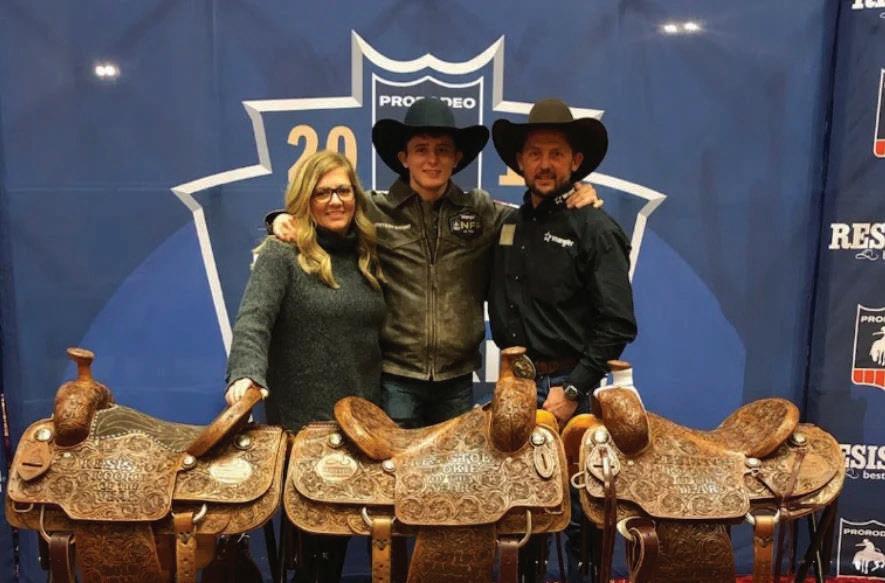
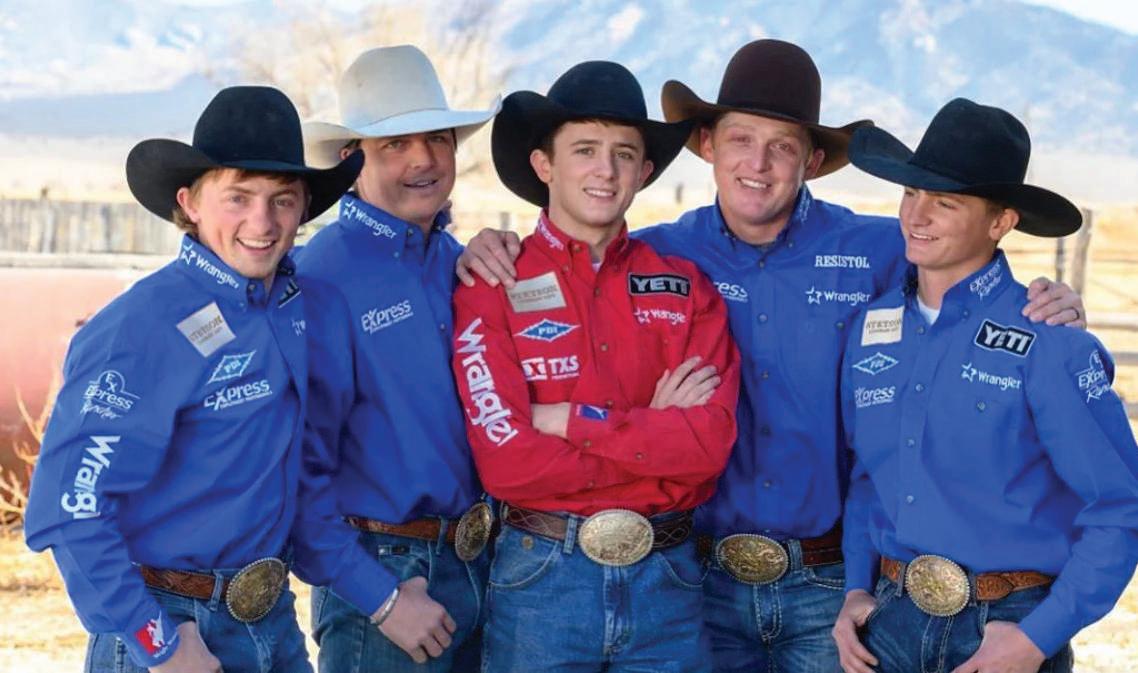
As Stetson continued to compile wins and set records, he also became a symbol of possibility within rodeo a reminder that the sport still offers room for innovation, evolution, and new forms of excellence. His success challenges assumptions about physical limits and athletic specialization. The discipline required to maintain peak performance in both bull riding and saddle bronc riding is immense, yet Stetson approaches it with a level of determination that pushes the boundaries of what modern cowboys can achieve. In a time when rodeo athletes are often advised to choose one event for longevity and safety reasons, Stetson’s willingness to embrace both has redefined what it means to be an all around competitor.
One of the most significant aspects of Stetson’s journey is his impact on the narrative of cowboy culture itself. Rodeo has always served as a reflection of the broader values associated with the American West courage, resilience, independence, and respect for nature. Stetson embodies these traits while also representing a more contemporary version of them. His success story aligns with the traditional cowboy ethos, yet his presence in media, sponsorships, and fan culture reflects the modern evolution of the sport. He has become a figure who connects the historical image of the cowboy with today’s generation, showing that the spirit of the West remains vibrant and relevant.
As his career progresses, Stetson Wright continues to build a legacy that extends beyond titles and statistics. His influence can be felt in the way young riders now approach multi event competition, and in how fans perceive the physical and mental strength required to perform at the highest level. His story reminds us that rodeo is more than entertainment it is a cultural tradition rooted in history, family, and identity. Through his determination, skill, and passion, Stetson has become a defining figure in this tradition, carrying the cowboy culture forward into a new era where the pursuit of excellence still begins with the courage to climb into the chute and hold on for eight unforgettable seconds.





In considering the extraordinary rise of Stetson Wright, it becomes clear that his achievements extend far beyond the statistics that define a champion. His story represents the continuing evolution of rodeo and the preservation of a culture that values perseverance, courage, and mastery of craft. Stetson has proven that the spirit of the all around cowboy once believed to be a relic of the past remains alive in its truest form. His versatility across multiple events, combined with his unyielding mental strength and technical precision, has set a new standard for what it means to compete at the highest level. Every ride he delivers reflects a lifetime of discipline and a deep rooted connection to the traditions that shaped him. Through triumphs and setbacks, he has shown an unwavering commitment to excellence, demonstrating that greatness is achieved not in a single moment but through the relentless pursuit of perfection.
Moreover, Stetson’s influence reaches beyond the arena, resonating with fans, aspiring riders, and the broader community that celebrates cowboy culture. His presence has helped reinvigorate interest in rodeo, bridging the gap between tradition and modern entertainment. He stands as an emblem of the values that have long defined the cowboy way of life, yet he brings with him a fresh perspective that speaks to a new generation. His ability to inspire others whether through his resilience after injuries, his humble confidence, or his dedication to his family’s legacy makes him more than a competitor it makes him a cultural figure whose impact will endure long after his riding days are done.
Ultimately, Stetson Wright’s career represents a powerful reminder that true mastery is not confined to a single discipline but can flourish across many. His accomplishments have redefined the limits of what one athlete can achieve in the demanding world of rodeo, and his legacy will continue to influence the sport for years to come. As the multi event king, he embodies the essence of cowboy culture strength, determination, and the courage to face every challenge head on. In every sense, Stetson Wright stands as a testament to a tradition that goes beyond eight seconds, carrying forward a legacy built on passion, resilience, and an unshakable belief in the power of the ride.
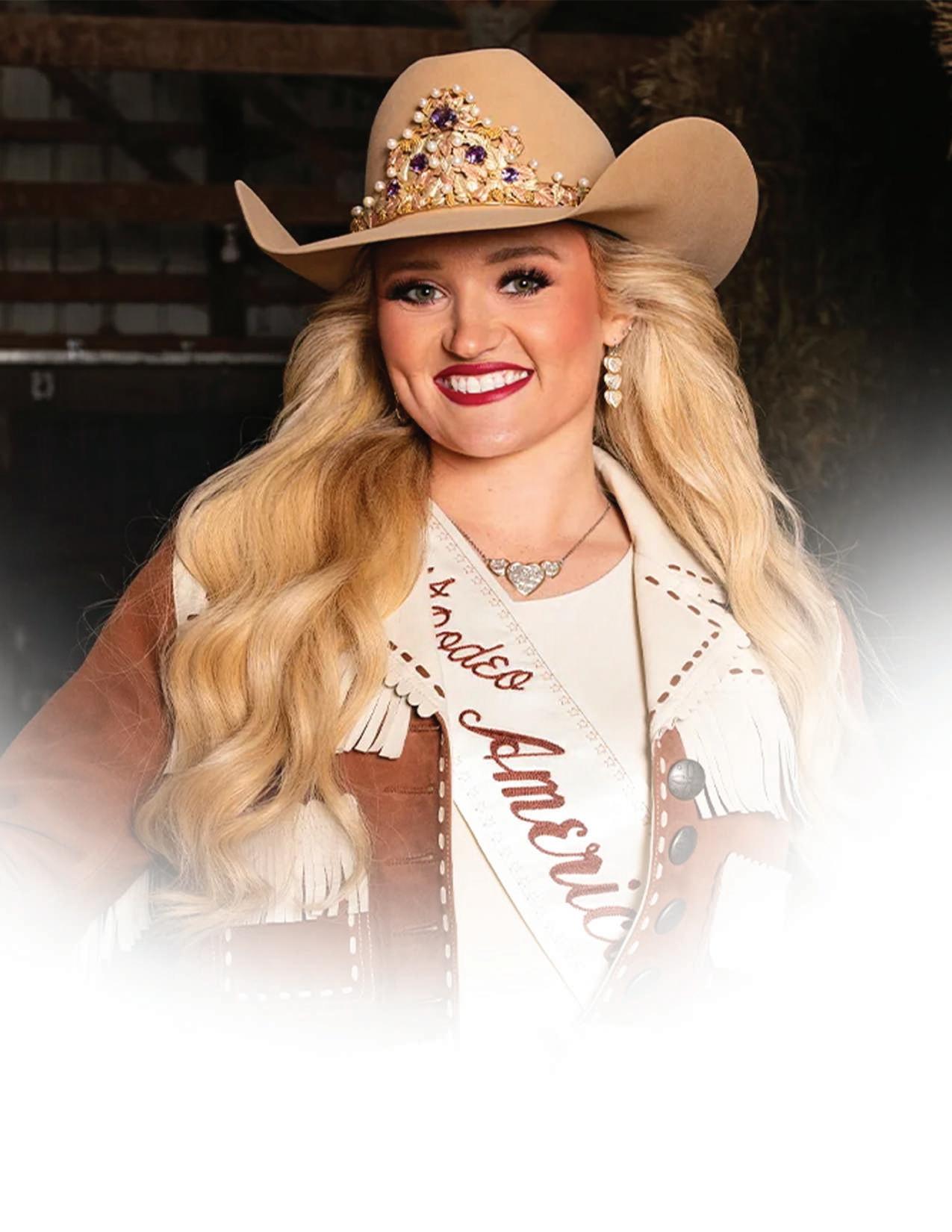
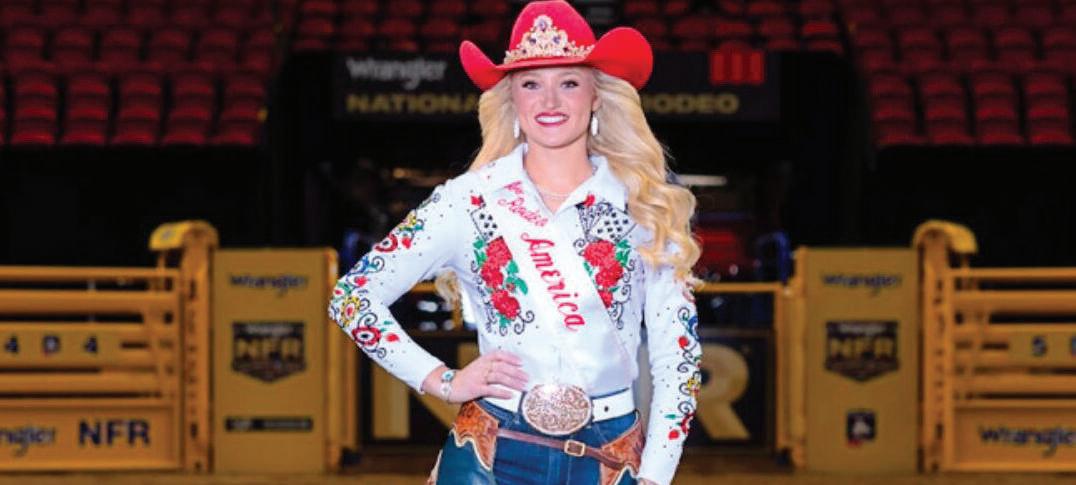
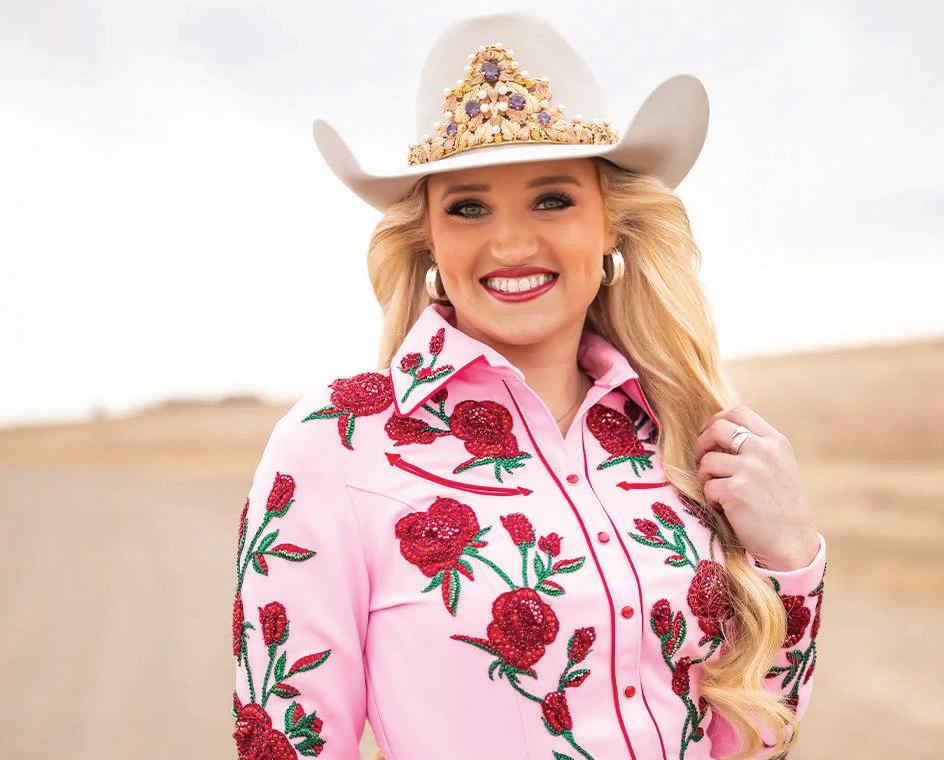
Callie Mueller was crowned Miss Rodeo America 2025 on Sunday, December 8, at the South Point Hotel and Casino. The 24 year old from Florence, South Dakota, represented her home state at the Miss Rodeo America Pageant as the 2024 Miss Rodeo South Dakota, becoming the 6th woman from her state to win the prestigious national title.








Callie is a dedicated horsewoman and a rising leader in the equine industry. She holds twoBachelor of Education degrees and is currently pursuing a Master’s Degree in Educational Leadership. A member of the American Quarter Horse Association, Callie spends her days training and riding horseswhile inspiring others through her published writings. She is passionate about education and hopes to continue impacting both the equine and educational communities.
Beyond her work with horses, Callie is committed to promoting the western way of life and mentoring others. She is also determined to win an AQHA World Championship and works tirelessly to teach the next generation of equestrians. Her strong passion for helping others learn and grow defines both her professional and personal life.
In addition to her title as Miss Rodeo America, Callie was awarded the Appearance Award. The Landstrom’s Black Hills Gold crown is accompanied by over $20,000 in educational scholarships and prizes, including a wardrobe of Wrangler jeans and shirts, an assortment of Montana Silversmiths jewellery, and a selection of Justin Boots.
This year’s national pageant, which ran throughout the week, featured twenty nine contestants from across the country. The competition included a horsemanship contest, a written test on equine science and rodeo knowledge, extensive interviews, extemporaneous speaking, and a fashion show
As Miss Rodeo America 2025, Callie will serve as the official representative of the PRCA. During her reign she will travel over 40,000 miles andappear at nearly 100 rodeo performances, as well as attend various schools, civic groups, and special events to educate the public about rodeo, its sponsors, and its opportunities. Additionally, Callie will serve as a spokesperson at promotional events and will model in commercial advertisements for western clothiers, publications, sponsors, and other service providers in the western industry.
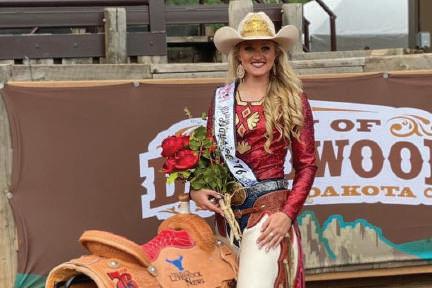
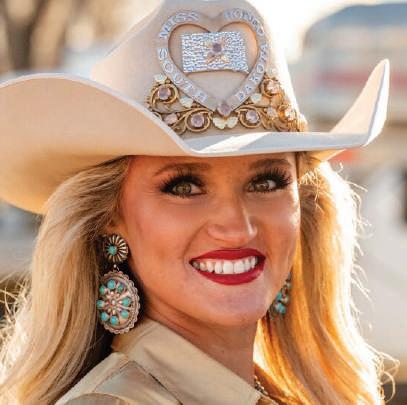
Callie Mueller’s rise as Miss Rodeo America represents a powerful blend of tradition, grace, and unwavering dedication to the values that define western culture. Her journey to the crown is rooted in a lifelong connection to the western lifestyle, shaped by years of involvement in agriculture, horsemanship, and community leadership. From an early age, Callie understood that rodeo was more than a sport it was a heritage built on respect for animals, hard work, and the enduring spirit of the American West. Her participation in local rodeos and western events served as both preparation and inspiration, allowing her to develop the confidence, communication skills, and poise that would later make her a standout among contestants seeking the nation’s most prestigious rodeo title. With every competition she entered, Callie displayed not only technical skill in horsemanship but a heartfelt understanding of what it means to represent and preserve the culture of rodeo.
As she advanced through regional and state competitions, Callie became known for herauthenticity and her ability to connect with people of all ages. Her warm personality and natural ability to articulate the mission of rodeo allowed her to stand out in a field of talented and dedicated young women. Winning her state title was a significant achievement in itself, but for Callie, it was also a stepping stone toward a greater responsibility. Representing her state at the Miss Rodeo America pageant required months of preparation, from mastering interview techniques and refining her public speaking to studying rodeo history, the livestock industry, and the evolving role of western tradition in modern society. She approached the challenge with the same determination she carried into every aspect of her life, recognizing that the role she sought required far more than beauty and horsemanship it required leadership.
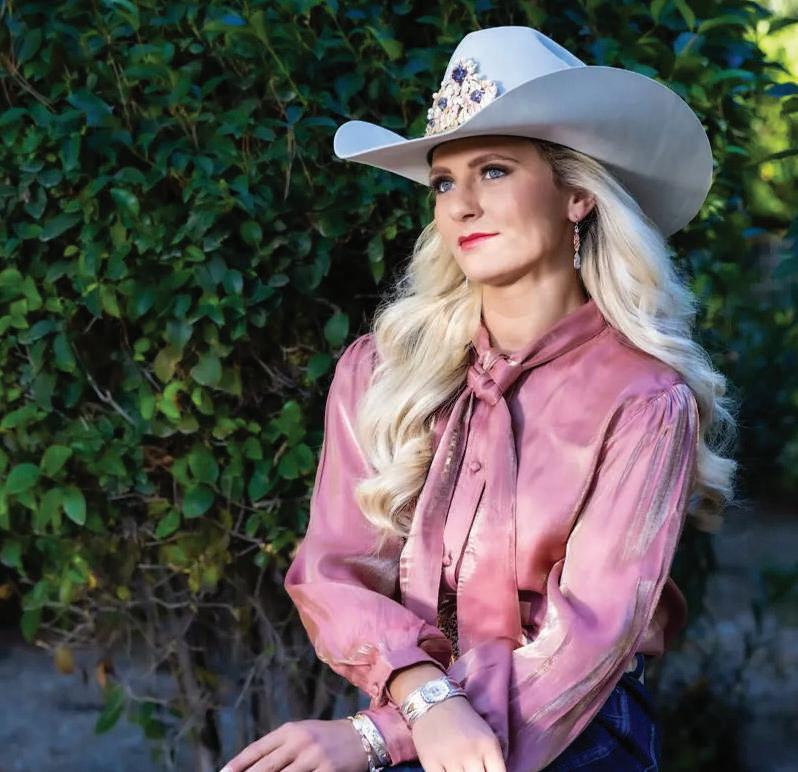
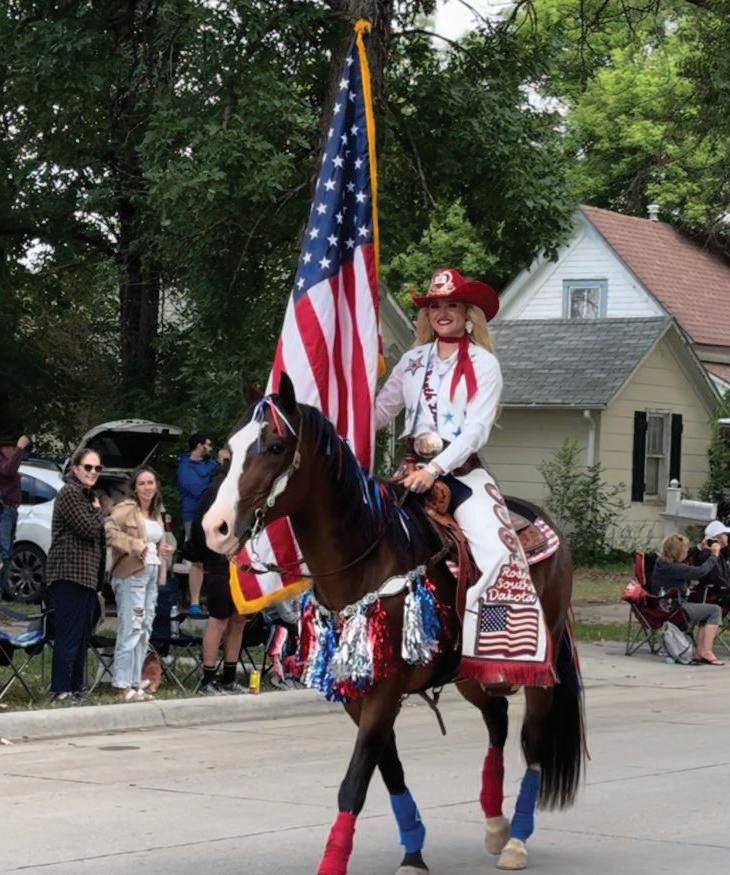
At the Miss Rodeo America competition, Callie excelled in every category judged by the panel. Her horsemanship stood out for its fluidity, communication with the horse, and technical precision, showcasing her lifelong experience in the saddle. However, it was her intellectual depth and passion for rodeo that truly distinguished her. During interviews, she spoke with clarity about current agricultural issues, the importance of youth involvement in rodeo, and the value of preserving western traditions in a rapidly changing world. Her ability to articulate complex topics with confidence and warmth left a lasting impression on judges and spectators alike. In modeling, public speaking, and personality categories, she demonstrated both charm and professionalism. When she was crowned Miss Rodeo America, it was clear that she not only deserved the title but embodied everything it stood for intelligence, dedication, character, horsemanship, and pride in the western way of life.
Once crowned, Callie embraced the responsibilities of Miss Rodeo America with unmatched enegy and enthusiasm. The role required her to travel thousands of miles across the country, attending rodeos, state fairs, charity events, school visits, and agricultural conferences. Wherever she went, she served as a voice for the rodeo community, educating the public about the sport, promoting livestock care, and encouraging young people to get involved in western traditions. Her presence at major rodeo events brought a renewed sense of unity and excitement to fans, organizers, and competitors. She became a symbol of representation for young girls who saw in her a role model someone who balanced ambition with kindness, intelligence with humility, and tradition with a forward looking vision.
One of the most impactful aspects of Callie’s reign was her unwavering commitment to advocacy within agriculture and animal care. She spoke publicly about the importance of responsible livestock management, the work of ranching families, and the bond between rodeo athletes and their animals. By using her platform to address misconceptions about rodeo and the cattle industry, Callie helped bridge the gap between agricultural communities and the general public. Her educational outreach was particularly meaningful in schools, where she inspired students with stories of her upbringing, the lessons she learned through horsemanship, and the opportunities available in the agricultural world. Her ability to communicate with young audiences reflected her belief that the future of rodeo depends on educating and inspiring the next generation. Throughout her travels, Callie demonstrated a professionalism that defined her reign. Whether speaking on stage in front of thousands or engaging in a conversation with one person, she carried herself with grace and purpose. She treated every interaction as meaningful, understanding that each moment represented the broader mission of Miss Rodeo Americato serve as an ambassador for the western lifestyle. Her poise under pressure, especially during large events or national interviews, reflected her deep understanding of the responsibility entrusted to her. She epresented her title with integrity,becoming a respected figure not only within the rodeo community but within the wider realm of public events and western advocacy.
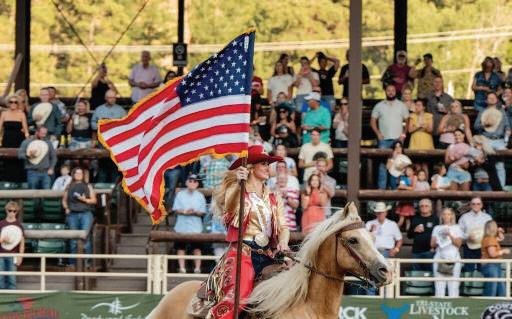
Callie’s reign also showcased her natural ability to form genuine connections. Many rodeo queens are admired for their beauty and horsemanship, but Callie’s strength lay equally in her capacity to listen, empathize, and build relationships. Rodeo families, riders, fans, and organizers often commented on her sincerity and the ease with which she made others feel valued. Her empathy became one of her most defining traits, allowing her to represent rodeo not merely as a spokesperson but as someone who
As her year as Miss Rodeo America unfolded, it became evident that Callie Mueller brought something unique to the position: a blend of tradition and progress. While she celebrated the roots of western culture, she also recognized the importance of adapting to the modern world. She used social media to reach new audiences, participated in outreach programs designed to expand rodeo’s visibility, and approached her role with an open mind toward diversity and innovation. Her willingness to embrace both heritage and growth helped broaden the appeal of rodeo, making it more accessible to people outside traditional western communities.
When Callie’s term eventually concluded, she left behind a legacy defined by leadership, authenticity, and service. Her time as Miss Rodeo America was not merely a personal achievement but a meaningful contribution to the rodeo community and the cultural identity it represents. She inspired countless young women to pursue their own ambitions in rodeo, agriculture, and public service. More importantly, she demonstrated that Miss Rodeo America is not just a title of recognition but a platform for influence, education, and connection. Through her dedication, passion, and unwavering belief in the western lifestyle, Callie Mueller set a standard for future rodeo queens one rooted in the belief that tradition thrives when carried forward with grace, purpose, and an open heart.
Callie Mueller’s impact as Miss Rodeo America extends far beyond the arena and the public appearances that come with the title. What sets her apart is her unwavering commitment to serving as a representative of the rodeo community in its entirety not just the glamorous aspects of the sport, but the values, challenges, and stories that form its foundation. She brings authenticity to her role, demonstrating that the crown is not just a symbol of achievement, but a responsibility to educate. people behind the sport. This human connection strengthened the significance of her title and deepened her influence as a cultural ambassador.
way of life. Her interactions with fans, competitors, and communities are marked by genuine warmth and attentiveness, allowing her to foster trust and respect wherever she goes. People are drawn not only to her skill in horsemanship but to her ability to convey the deeper meaning behind rodeo culture, emphasizing that it is a tradition rooted in hard work, integrity, and a connection to land and livestock. Throughout her travels, Callie demonstrates a remarkable balance of poise and approachability. Whether addressing a large audience or speaking one on one with a child curious about horses, she maintains a consistent sense of professionalism combined with personal engagement. This ability to connect with people of all ages and backgrounds strengthens her influence as an ambassador, ensuring that her presence leaves a lasting impression. She understands that each interaction is an opportunity to challenge misconceptions about rodeo, highlight the care and skill involved, and inspire the next generation to take pride in western traditions. In doing so, she turns public appearances into meaningful exchanges, where education and inspiration take precedence over spectacle.
Another aspect of Callie’s influence lies in her approach to modernizing the perception of rodeo while respecting its roots. She embraces technology and social media as tools to reach audiences who might not have direct exposure to the western lifestyle, crafting messages that resonate with younger generations while preserving the authenticity of the culture she represents. At the same time, she remains firmly grounded in the traditional elements of horsemanship, livestock care, and rodeo competition, demonstrating that innovation and tradition can coexist. Her reign exemplifies a thoughtful adaptation of cowboy and cowgirl culture for a contemporary world, showing that preservation does not require stagnation, and that leadership in rodeo involves both honoring the past and engaging with the future.
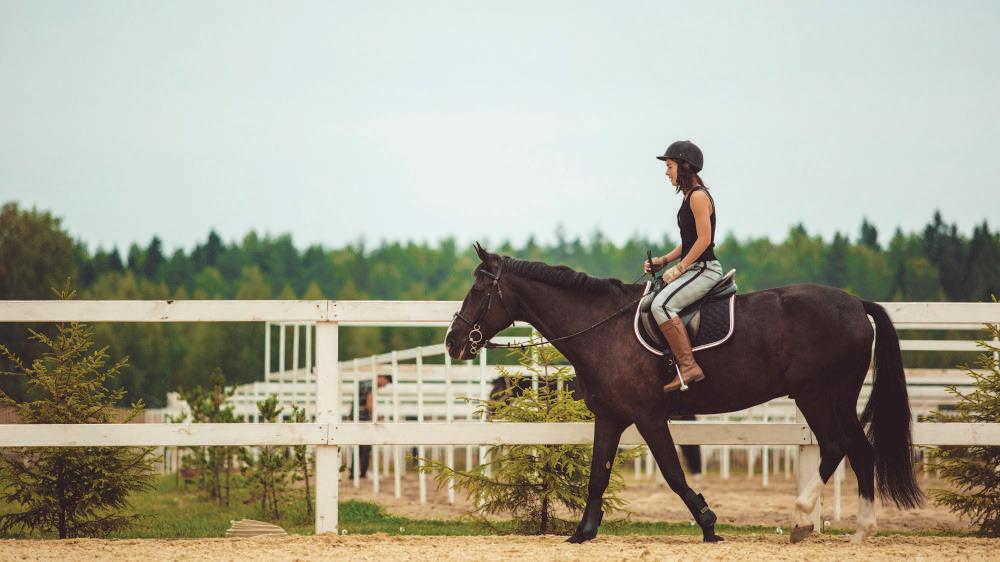
Callie’s horsemanship is central to her identity as Miss Rodeo America, and it is a skill honed over years of practice, discipline, and dedication. She approaches each ride with precision, respect for the animal, and an understanding of the intricate communication between rider and horse. Her performances in competition highlight not only technical skill but the artistry and patience required to excel, reflecting a deep bond with her mounts that resonates with audiences. By exemplifying these qualities, she underscores the importance of training, respect, and connection in the rodeo world, reminding viewers that the elegance and power of horsemanship are achieved through both talent and tireless effort.


Beyond her physical skills, Callie’s emotional intelligence defines much of her effectiveness as an ambassador. She exhibits empathy and insight into the lives of others, whether they are rodeo competitors, ranching families, or students eager to learn about western culture. This empathy informs her outreach, shaping her approach to public speaking, mentorship, and community engagement. Callie’s ability to listen and respond thoughtfully enhances her credibility and makes her a role model not only for aspiring rodeo queens but for anyone seeking to combine leadership,cultural preservation, and public service. Her approach is a reminder that influence comes not from a title alone, but from the consistent demonstration of integrity, compassion, and dedication.
Finally, Callie Mueller’s tenure as Miss Rodeo America serves as a reflection of the evolving role of women in rodeo and western culture. She exemplifies leadership, knowledge, and resilience, showing that a cowgirl’s influence can extend well beyond the arena. Through her reign, she challenges outdated perceptions, promotes education and community engagement, and inspires young women to embrace opportunities.






in leadership, education, and advocacy alongside their passion for horsemanship. Callie has transformed the crown into a platform for meaningful action, using her visibility to champion the values of endure, not only in the hearts of fans and participants, but in the continued growth, appreciation, and understanding of the culture she represents.
Callie Mueller’s influence as Miss Rodeo America is most evident in the way she inspires others to embrace leadership with integrity. She serves as a living example that success in rodeo is not measured solely by titles or appearances, but by the ability to educate, uplift, and connect with people. Her work encourages young cowgirls and boys alike to pursue their passions while remaining grounded in the principles of respect, responsibility, andperseverance. In every interaction, she demonstrates that the crown is not a final achievement but a responsibility to guide, mentor, and represent the values of a tradition that has been passed down for generations. This approach has elevated the significance of her role, transforming it into a position of both symbolic importance and tangible impact. In addition to her outreach and educational efforts, Callie actively participates in initiatives that support community growth and youth involvement in rodeo. She encourages participation in local events, emphasizes the importance of agricultural education, and promotes programs that allow young people to develop horsemanship skills. Through these activities, she not only preserves the cultural heritage of rodeo but ensures that the next generation has the tools and motivation to carry it forward. Her leadership highlights the role of Miss Rodeo America as a mentor and advocate, demonstrating that influence can be measured by the lasting effect one has on people and communities rather than personal accolades alone.
Callie’s ability to balance public duties with personal growth also defines her reign. She approaches each public appearance with thoughtfulness, treating it as an opportunity to reinforce the importance of western culture and values. At the same time, she continues to develop her own skills and knowledge, seeking to expand her understanding of the broader
issues affecting agriculture, livestock care, and community development. This dual focus serving the community while continuing personal growth reflects a holistic approach to leadership. It demonstrates that being an ambassador requires both expertise and humility, and that true influence comes from a combination of skill, character, and dedication to service.
Her emphasis on authenticity has been particularly impactful in shaping public perception of rodeo. Callie presents a version of the sport that is approachable, relatable, and deeply human, highlighting the personal stories behind the competitions, the hard work of ranching families, and the lessons learned from life in the arena. By doing so, she demystifies rodeo for audiences who may not be familiar with its traditions, bridging the gap between rural and urban communities and cultivating a broader appreciation for western culture. Her communication skills, empathy, and genuine passion make her an effective bridge between the public and the rodeo world, helping to ensure that the values of courage, perseverance, and respect remain central to the culture she represents
Callie Mueller’s reign also reflects the evolving role of women in rodeo and western culture. She embodies leadership that goes beyond pageantry, demonstrating that a cowgirl can be a scholar, mentor, advocate, and ambassador all at once. Her example challenges outdated stereotypes, showing that strength, intelligence, and compassion are not mutually exclusive but complementary qualities that define a modern leader. Through her dedication, she has inspired countless young women to envision themselves in roles of influence, encouraging them to pursue excellence not only in horsemanship and rodeo competition but also in education, advocacy, and community engagement. In doing so, she reinforces the notion that leadership is accessible to anyone willing to combine skill with integrity and service.
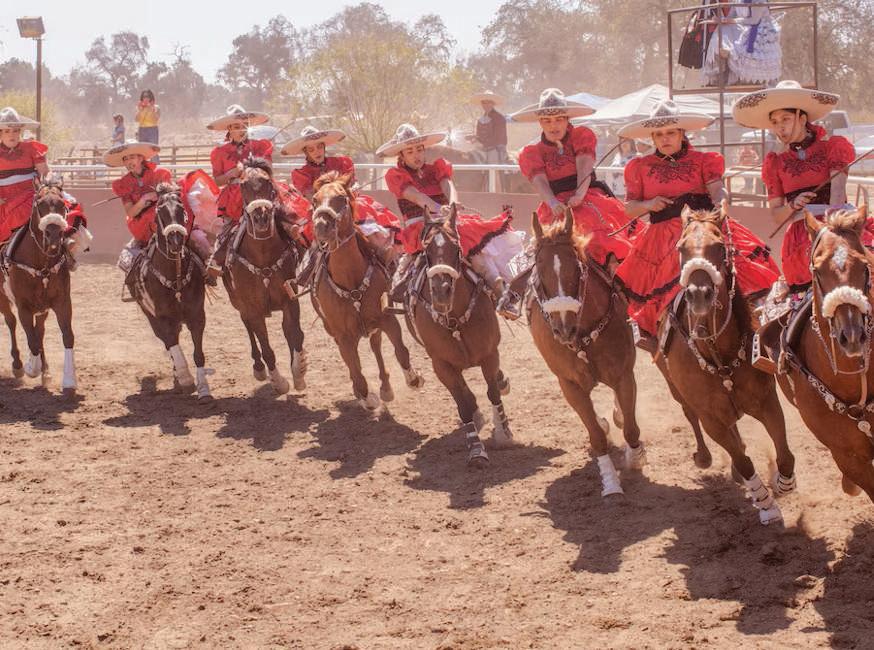
Callie Mueller’s tenure as Miss Rodeo America stands as a testament to the power of leadership rooted in authenticity, dedication, and service. She has demonstrated that the role of a rodeo queen extends far beyond appearances or titles, encompassing education, advocacy, mentorship, and culturalpreservation. Through her horsemanship, public outreach, and thoughtful engagement with communities, Callie has redefined what it means to represent the sport and lifestyle she loves, showing that true influence comes from combining skill, character, and a genuine desire to make a difference.
Her ability to connect with people of all ages and backgrounds has strengthened the relationship between the public and the rodeo community, breaking down misconceptions and highlighting the values that form the foundation of western culture. At the same time, she has served as a role model for young women and aspiring rodeo participants, demonstrating that ambition, intelligence, and compassion can coexist in leadership roles. By embracing both tradition and modern approaches, she has ensured that the cultural legacy of rodeo remains relevant, respected, and inspiring for generations to come
Ultimately, Callie Mueller’s impact as Miss Rodeo America will endure beyond her year of service. She has transformed the crown into a platform for meaningful action, using her visibility to educate, inspire, and preserve the western way of life. Her story reminds us that rodeo is not just a sport, but a culture built on courage, dedication, and connection and that the individuals who carry its traditions forward, like Callie, are as vital to its legacy as the animals, arenas, and competitions themselves. Her reign exemplifies the essence of what it means to be a modern ambassador of the western lifestyle: steadfast, inspiring, and profoundly influential.
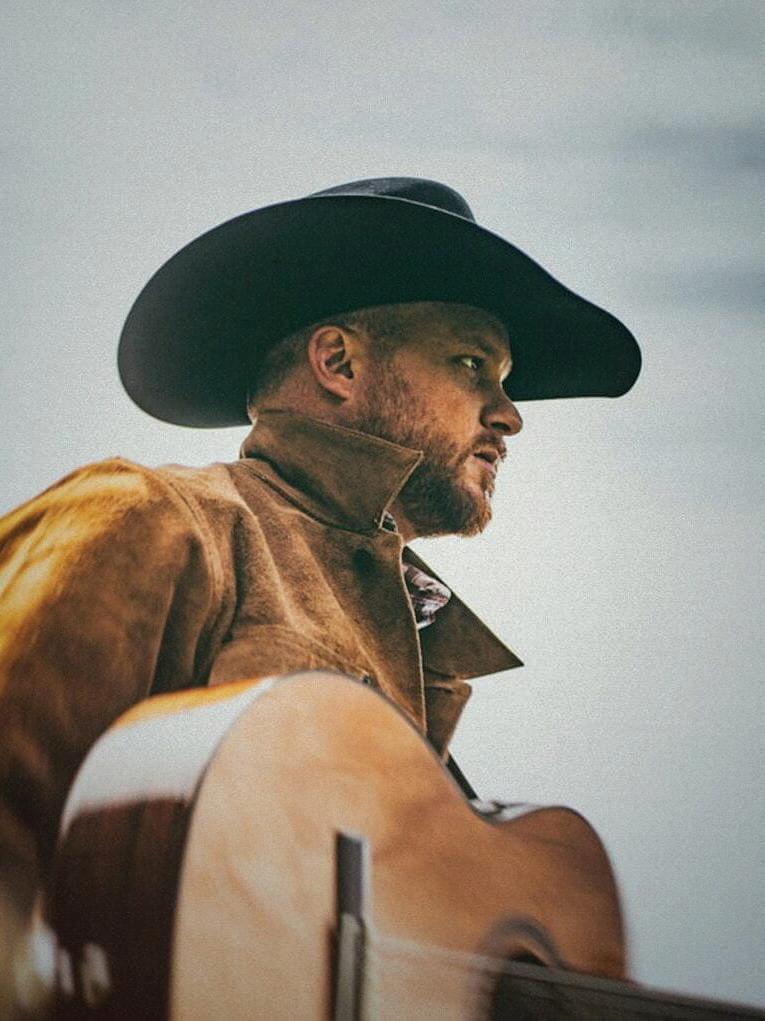

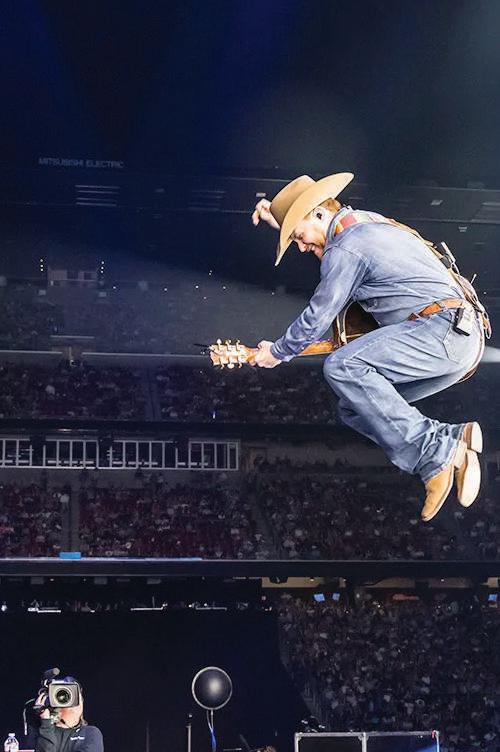
Cody Johnson stands as one of the most authentic voices in modern country music, representing a deeply rooted connection to American values and the traditions of rural life. Born and raised in Texas, Johnson grew up immersed in a culture that celebrated hard work, family bonds, and community loyalty principles that would later define both his music and his public persona. Unlike many artists who are shaped by industry trends, Johnson built his career from the ground up, performing at local venues, rodeos, and community events before gaining national recognition. His rise reflects the American ideal of perseverance, showing that talent, combined with dedication and integrity, can overcome obstacles and achieve lasting success. Every lyric he writes, every performance he delivers,
Cody Johnson’s music is steeped in narratives that celebrate the American experience, particularly the experiences of working class communities and rural families. His songs often highlight themes of loyalty, personal responsibility, love for the land, and the simple joys found in everyday life. By focusing on these enduring themes, Johnson not only entertains but reinforces a cultural identity tied to integrity and personal accountability. His ability to craft music that is both relatable and uplifting has earned him a devoted fan base who see in his lyrics reflections of their own lives, struggles, and aspirations. In doing so, he bridges the gap between personal storytelling and broader cultural values, making his work both deeply personal and universally resonant.
One of the most defining aspects of Johnson’s career is his dedication to authenticity. He has consistently resisted pressures to conform to mainstream expectations, choosing instead to stay true to his sound and message. This commitment has allowed him to maintain a direct connection with his fans, who appreciate his sincerity and view him as a symbol of honesty in an industry often criticized for commercialization. Johnson’s approach underscores a larger lesson about American values: success is most meaningful when achieved without compromising one’s principles. By prioritizing authenticity over fame, he has built a career that exemplifies the virtues of persistence, integrity, and self reliance qualities long celebrated in American culture.
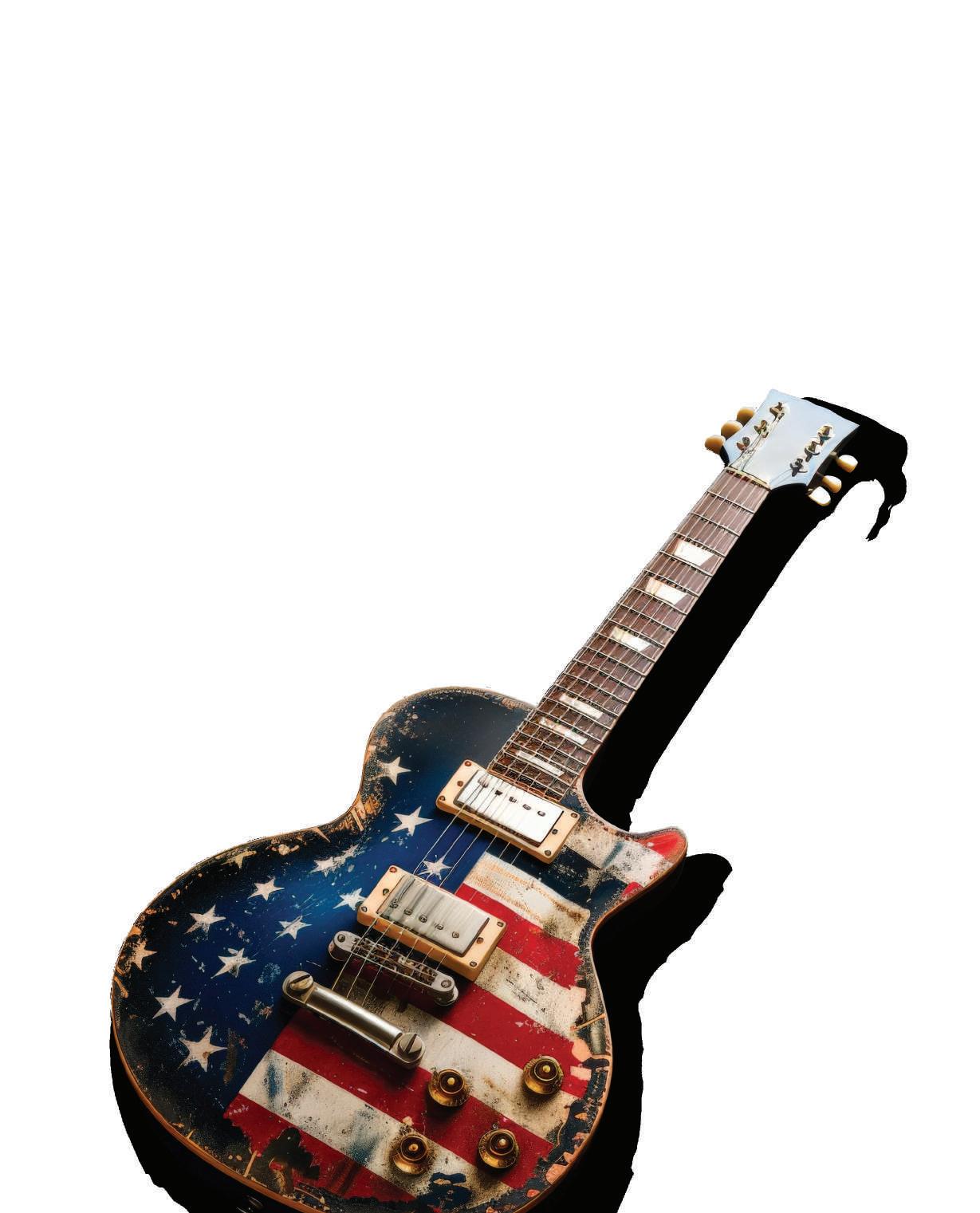
Beyond his music, Cody Johnson embodies the values of humility and community involvement that he celebrates in his songs. Despite achieving national acclaim, he remains grounded, often returning to the communities that shaped him, performing in local events, and engaging with fans personally. His accessibility and approachability reinforce his image as a relatable figure, someone who understands the challenges and triumphs of everyday life. In this way, Johnson functions not only as an entertainer but as a cultural ambassador, representing a version of American life rooted in connection, accountability, and shared experience. His presence reminds audiences that success does not require abandoning one’s roots, and that cultural values are most meaningful when lived, not just sung about.
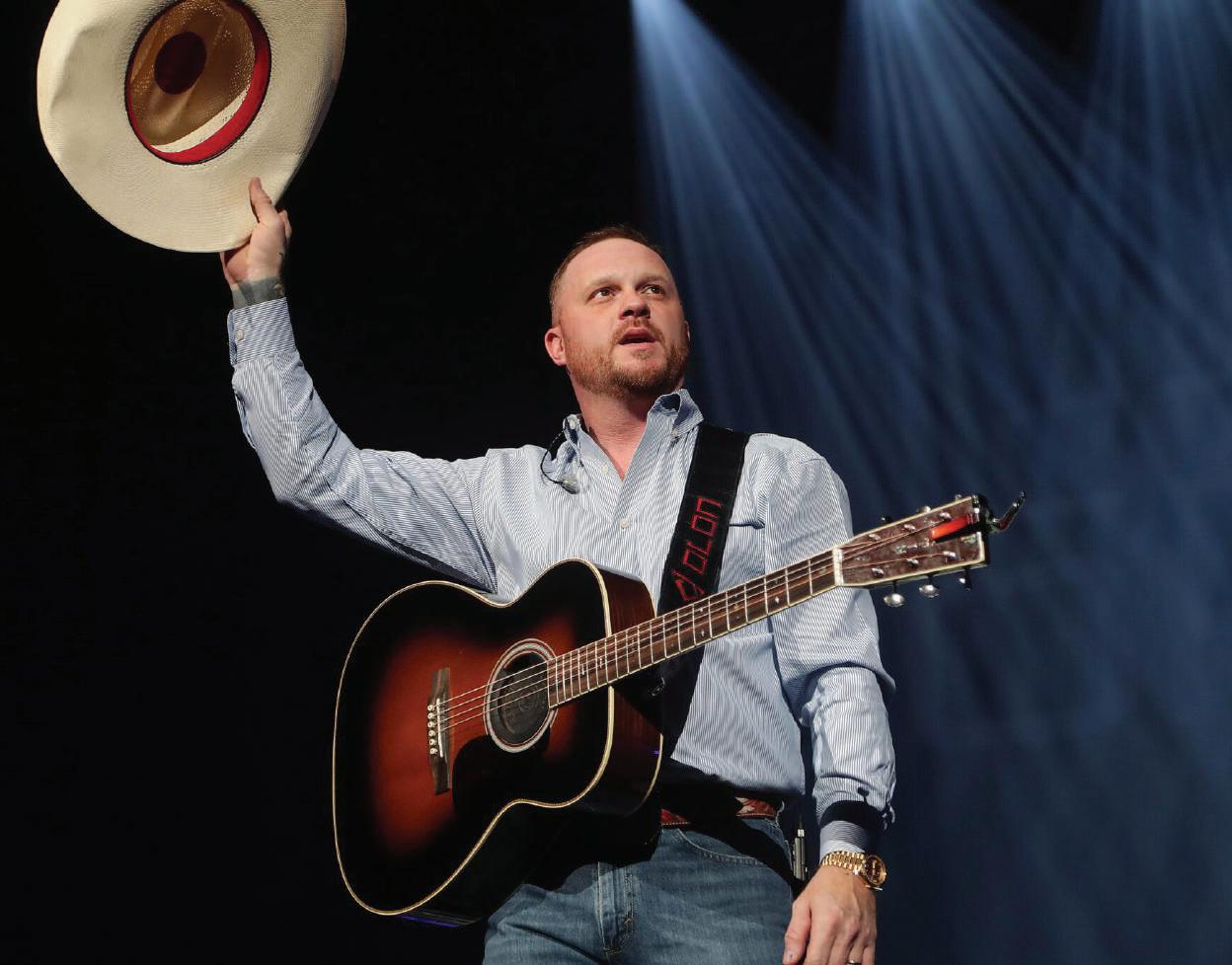
Cody Johnson’s influence also extends to his support of American traditions, particularly those associated with country living, rodeo culture, and small town communities. He frequently collaborates with rodeo events, bringing music that complements and amplifies the excitement of these gatherings while celebrating the heritage they represent. His songs often evoke imagery of open spaces, honest labor, and the bonds of family and friendship, reinforcing ideals that are central to the American identity. By linking his music to these traditions, Johnson fosters a deeper appreciation of cultural continuity, encouraging listeners to value history, heritage, and the lifestyle that has shaped generations.
Moreover, Johnson’s work highlights the enduring relevance of storytelling in American culture. Each song is a narrative, reflecting personal experience, moral lessons, or community values. Through storytelling, he connects with audiences on an emotional level, offering both entertainment and reflection. These narratives emphasize courage in the face of hardship, the importance of perseverance, and the value of community support core tenets of what many consider the American way of life. His ability to translate these principles into compelling music underscores the role of art in preserving and communicating cultural identity, making his work significant not only artistically but socially and culturally as well.
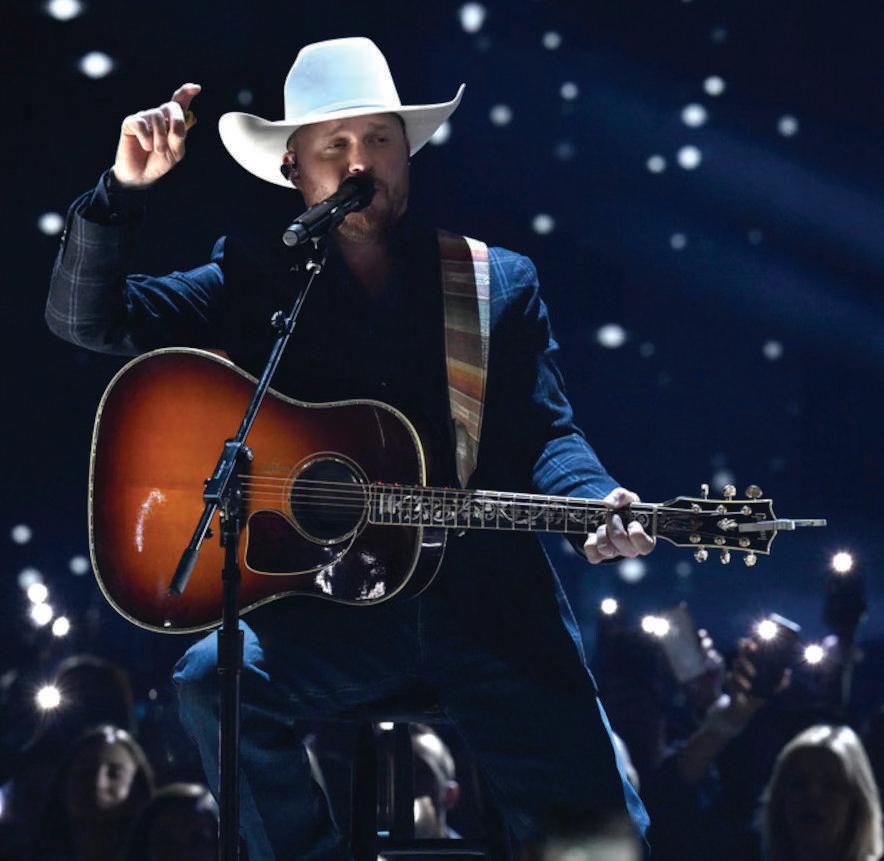
Cody Johnson’s commitment to American values is further reflected in his personal life and public persona. He exemplifies resilience, discipline, and a grounded work ethic, demonstrating that dedication and hard work are essential to achieving lasting success. His trajectory from local performer to nationally recognized artist is emblematic of the belief that opportunities are earned through effort, patience, and persistence. In celebrating the everyday triumphs of ordinary people, Johnson reinforces the idea that American values are not abstract ideals but lived experiences that shape character, identity, and community bonds.
Through his music, his lifestyle, and his engagement with communities, Cody Johnson has emerged as a modern emblem of American values. He bridges tradition and contemporary life, showing that principles such as honesty, loyalty, and perseverance remain relevant in the modern era. His career offers inspiration to listeners, demonstrating that it is possible to achieve personal and professional success while staying true to one’s roots and values. Johnson’s artistry and character serve as a reminder that American culture is enriched not just by its achievements, but by the principles and stories that guide its people through everyday life, connecting them across generations and regions.
Cody Johnson’s music resonates not only because of its sound but because of the authenticity of his lived experiences. He draws inspiration from the struggles and triumphs of ordinary people, translating their stories into lyrics that feel both personal and universal. Many of his songs celebrate the dignity of hard work, the importance of family ties, and the quiet heroism found in everyday life.
Through this lens, Johnson’s artistry becomes more than entertainment it serves as a reflection of the values that underpin American society. His audiences are not merely listeners but participants in a shared cultural experience that reaffirms principles like integrity, resilience, and self reliance. A distinctive feature of Johnson’s career is his unwavering connection to his roots. Despite widespread recognition and commercial success, he continues to embrace the lifestyle and culture that shaped him. He frequently performs in rodeo arenas, county fairs, and local venues, places where his music can connect directly with communities that embody the American spirit. These appearances reinforce his identity as an artist who represents more than himself he embodies the people, traditions, and ideals that have defined the heartland for generations. In doing so, he ensures that the music and values he promotes remain grounded in authenticity rather than spectacle.
Johnson’s approach to storytelling also demonstrates his deep respect for the power of narrative in shaping cultural identity. His songs often convey lessons about perseverance in adversity, the rewards of honesty and integrity, and the importance of standing by one’s convictions. These themes resonate because they mirror real life experiences, offering listeners guidance and inspiration while celebrating a sense of shared heritage. By highlighting the moral and cultural significance behind his stories, Johnson elevates country music beyond mere entertainment, positioning it as a vehicle for reinforcing and transmitting core American values.
Moreover, Cody Johnson exemplifies the principle of leading by example. He embodies the values he sings about in both personal conduct and professional choices. From his commitment to his craft to his dedication to family and community, Johnson models the behaviors and attitudes that underpin the ideals celebrated in his music. His authenticity fosters trust and loyalty among fans, who recognize that the messages he conveys are not abstract notions but reflections of genuine principles lived in action. This alignment between words and deeds strengthens his influence and solidifies his role as a cultural ambassador. Johnson’s connection to rodeo and western communities further enhances the relevance of his work. His music often accompanies rodeo events, amplifying the excitement and tradition while reinforcing the cultural significance of these gatherings. By actively engaging with rodeo audiences and performers, he nurtures a sense of continuity between music, lifestyle, and cultural heritage. This engagement highlights how art and tradition can intersect, creating shared experiences that honor history while inspiring new participants. Johnson’s presence in these spaces underscores his role as a bridge between generations, connecting long-standing values with contemporary cultural expression. His influence extends beyond music and rodeo: Cody Johnson’s life and career illustrate the potential of perseverance and self-belief in achieving the American dream. His trajectory from local performances to national recognition exemplifies the rewards of dedication, resilience, and unwavering commitment to one’s goals. Fans and aspiring musicians alike find inspiration in his story, seeing that success does not necessitate compromise but can be achieved while staying true to one’s values. Johnson’s career thus serves as both a blueprint and a motivational framework for those seeking to navigate personal and professional challenges.
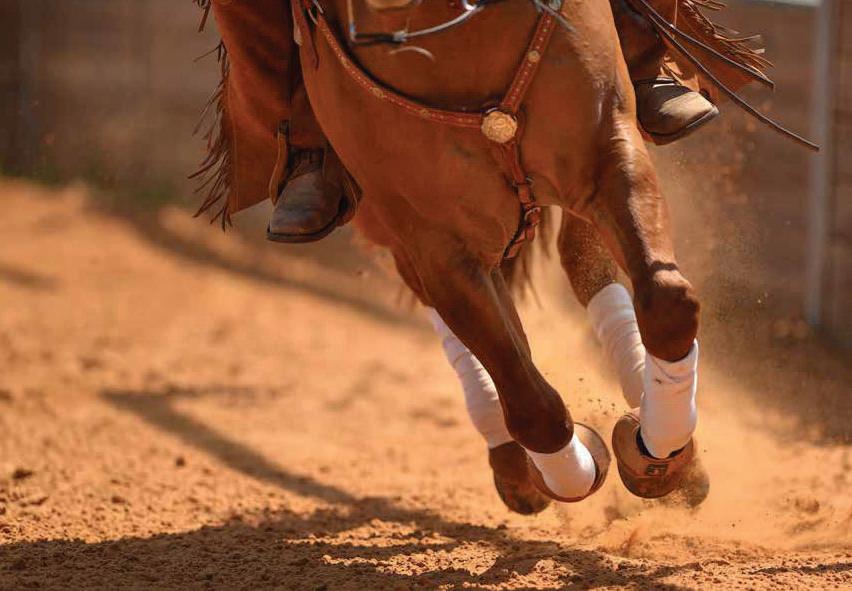
CLOUD 9 OFFERS
▪ Easy-to-use, platinum cure, two-part silicone putty
▪ Highly effective, durable, fast curing, and versatile material
▪ Custom treatment to eliminate horse discomfort and prevent injury: provides shock absorption, pressure reduction, and hoof protection
▪ Ideal for laminitis, thin soles or sensitive areas
▪ Available in multiple hardness levels
▪ Fast shipping directly from the manufacturer

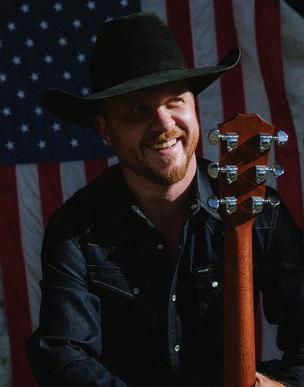
Through his artistry, engagement, and personal example, Cody Johnson has become more than a country music star he has emerged as a living embodiment of the values and traditions he celebrates. He demonstrates that music can be a powerful force for cultural preservation, community connection, and moral reflection. His songs carry narratives that encourage introspection, respect for heritage, and the cultivation of character, ensuring that the principles he champions remain alive and influential in contemporary American life. In combining talent with integrity and tradition with innovation, Johnson represents a model of modern artistry deeply rooted in the enduring ideals of his culture.
Finally, Cody Johnson’s ongoing success and relevance highlight a broader truth about American values: that they are not static, but are lived and reinforced through actions, stories, and communal participation. By staying connected to his roots, celebrating the everyday heroism of ordinary people, and using his platform to inspire, educate, and uplift, Johnson ensures that the music he creates carries both artistic merit and cultural significance. His work embodies the notion that the principles of honesty, hard work, and loyalty are timeless, capable of shaping communities, influencing generations, and strengthening a shared cultural identity. Through this lens, Cody Johnson’s career becomes a celebration of the enduring spirit of America, expressed not only through melody and lyrics, but through a life lived in alignment with the values he holds dear.
Cody Johnson’s artistry extends beyond songwriting and performance; it is deeply intertwined with his personal philosophy and approach to life. He places great emphasis on the importance of hard work, patience, and humility qualities that resonate strongly with the values of his fans. Every stage he performs on, every song he writes, and every interaction he has with audiences reflects a dedication to authenticity. Unlike artists who rely on trends or superficial appeal, Johnson’s career has been built from the ground up, emphasizing consistency and a strong moral foundation. This steadfastness reinforces his connection with audiences who value sincerity, reinforcing the notion that true success comes from commitment to principles rather than shortcuts or fleeting fame.
A key component of Johnson’s appeal lies in the universality of the themes he explores in his music. While his songs are firmly grounded in rural life and western traditions, the messages they convey resilience in adversity, loyalty to family and friends, and the pursuit of personal integrity resonate across diverse audiences. His music serves as a reminder that the values celebrated in country life are not confined to a specific region or lifestyle they reflect fundamental aspects of human experience. By bridging regional culture with universal truths, Johnson’s work allows listeners from different backgrounds to find meaning, connection, and inspiration in his storytelling.
Johnson’s engagement with his fans also exemplifies his commitment to community and connection. He maintains a direct and approachable presence, whether through live performances, fan meet and greets, or personal interactions on social platforms. This accessibility strengthens the bond between artist and audience, fostering a sense of shared experience that goes beyond entertainment. Fans often describe feeling personally connected to the messages in his songs, not merely as passive listeners but as participants in the narratives he conveys.
This unique connection underscores Johnson’s role not only as a performer but as a cultural figure whose influence is built on trust, empathy, and shared values. His connection to American traditions, particularly those tied to rural life, rodeo, and working-class communities, is another defining aspect of his career. Johnson frequently incorporates these elements into his music, creating songs that celebrate the dignity of labor, the beauty of open spaces, and the strength of family and community bonds.
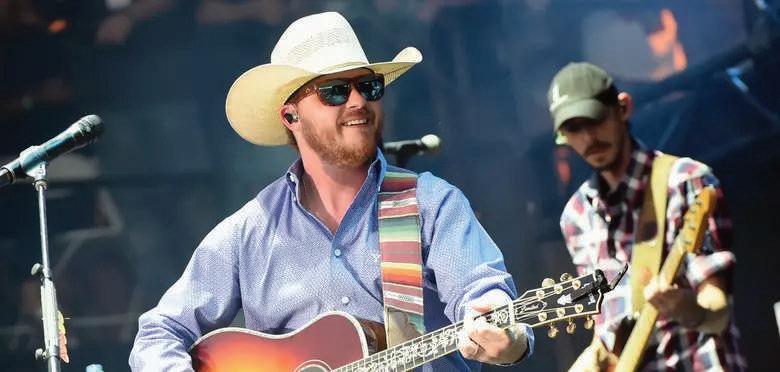
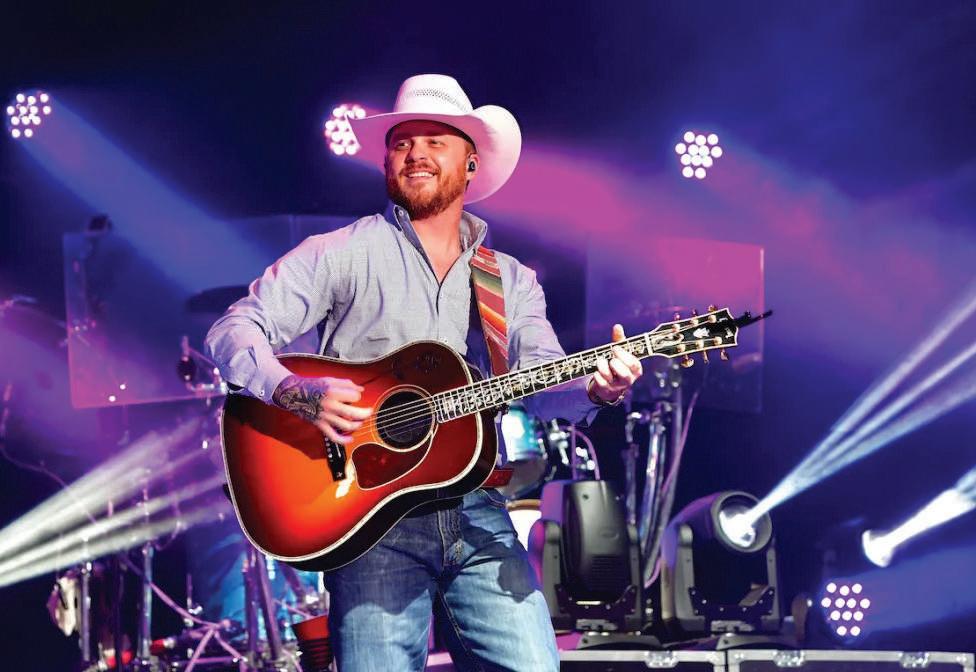
By doing so, he reinforces cultural heritage while inspiring audiences to reflect on the values that shape their own lives. His songs often pay homage to the sacrifices and perseverance of ordinary people, emphasizing that heroism and integrity can be found in everyday actions as much as in grand gestures. Cody Johnson’s role as a modern cultural ambassador is further strengthened by his efforts to preserve and promote the traditions of country music itself. He is a strong advocate for the authentic roots of the genre, resisting the temptation to dilute its themes for commercial gain. This dedication ensures that the stories, struggles, and values represented in his songs remain relevant and meaningful for contemporary audiences. Johnson’s approach demonstrates that cultural preservation and innovation can coexist: he honors tradition while engaging new listeners and broadening the appeal of country music, ensuring that it remains a vital part of America’s cultural landscape. Another remarkable aspect of Johnson’s career is his ability to connect personal experiences with broader cultural narratives. Many of his songs draw on his upbringing, personal challenges, and observations of the communities around him, yet they are written in a way that allows listeners to see themselves in the stories. This skill in translating individual experience into collective understanding enhances his impact as a storyteller, making his work a vehicle for empathy and reflection. By sharing both triumphs and struggles through music, Johnson fosters a deeper understanding of the values that underpin American life: resilience, honesty, accountability, and commitment to others. Finally, Johnson’s trajectory and accomplishments exemplify the ideals of perseverance and determination that are central to the American ethos. He achieved success not through shortcuts or manufactured fame, but through years of consistent effort, disciplined practice, and a commitment to staying true to his vision. His journey reinforces the idea that hard work and integrity are inseparable from meaningful achievement, providing a model for aspiring artists, young people, and anyone striving to succeed while remaining faithful to their principles. In celebrating these values, Johnson not only entertains but also educates and inspires, ensuring that the music he creates carries significance beyond melody and lyrics.

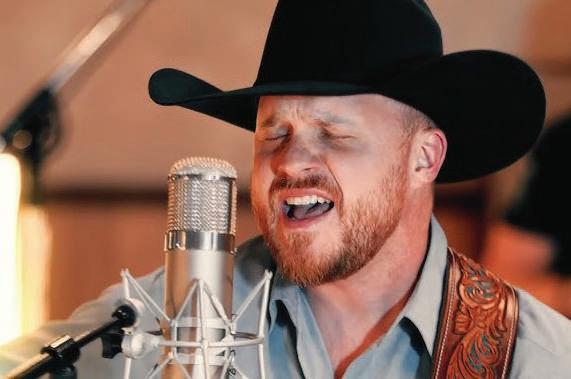
His music celebrates the dignity of hard work, the importance of family and community, and the enduring power of integrity. His personal example reinforces these themes, demonstrating that living by one’s principles can lead to lasting success and meaningful influence. In both his artistry and his life, Johnson serves as a reminder that the values celebrated in country music are alive and relevant, capable of shaping attitudes, inspiring action, and connecting people across generations and communities.
Cody Johnson’s career and artistry serve as a powerful testament to the enduring nature of American values. Through his music, he celebrates hard work, loyalty, integrity, and the deep bonds of family and community, reminding audiences that these principles remain vital in contemporary life. Beyond his songs, Johnson’s personal example his humility, dedication, and unwavering authenticity reinforces the lessons embedded in his work, demonstrating that true success is built on character, perseverance, and staying true to one’s roots.
By connecting his personal experiences to broader cultural narratives, Johnson bridges tradition and modernity, preserving the heritage of country music while inspiring a new generation of listeners. His influence extends beyond entertainment, serving as a model for leadership, resilience, and cultural pride. Johnson’s ability to convey universal truths through the lens of rural and western life ensures that his impact resonates far beyond the stage, embedding the values he champions into the hearts of his audience
Ultimately, Cody Johnson embodies what it means to live by the principles he celebrates in his musica commitment to authenticity, a respect for tradition, and a dedication to inspiring others. His career reminds us that American values are not abstract ideals they are lived experiences, expressed through action, connection, and storytelling. As both an artist and a cultural ambassador, Johnson leaves a legacy that celebrates the past, enriches the present, and inspires the future, making him a defining voice for the enduring spirit of America.
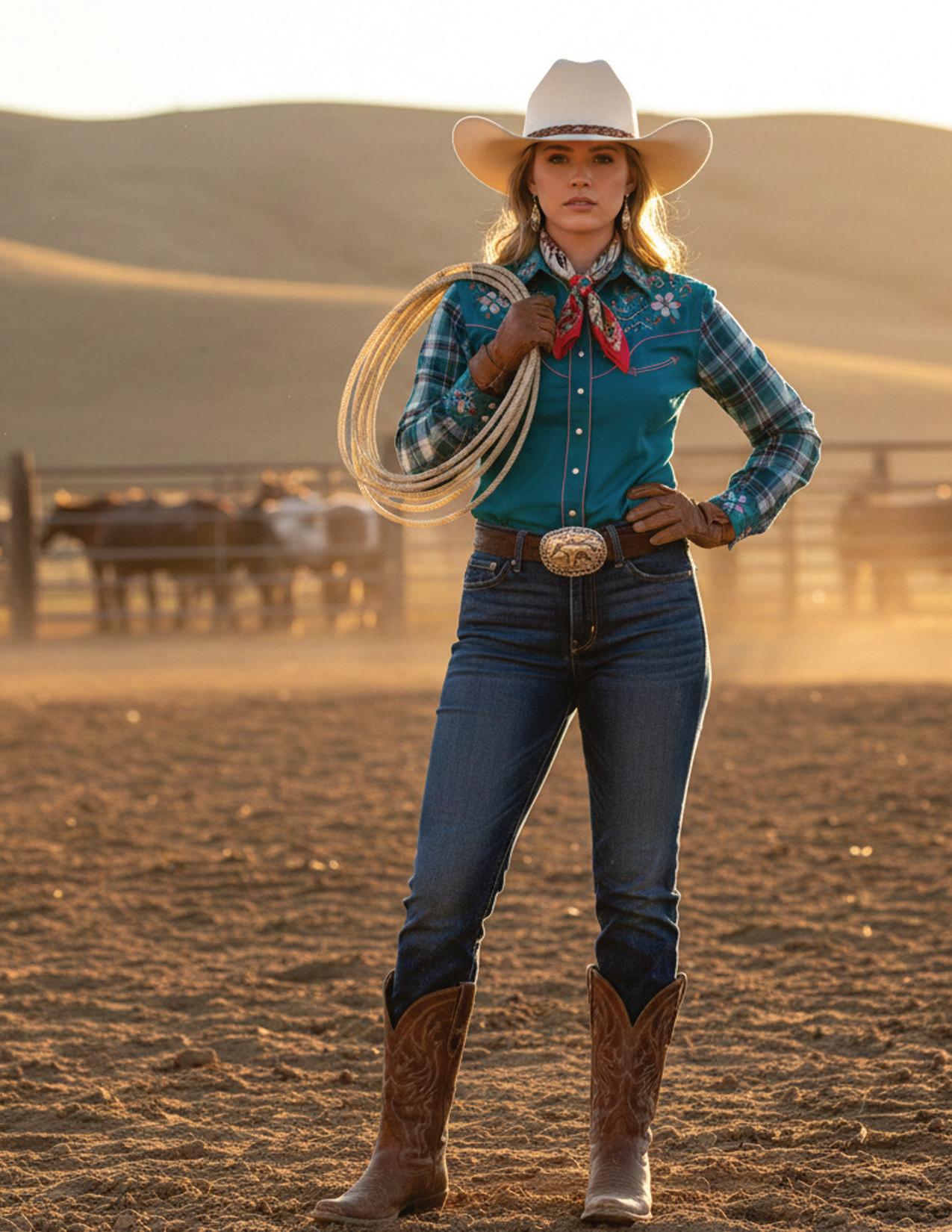
Cowgirl fashion is more than a style it is a vibrant expression of identity, heritage, and practicality that reflects the lifestyle and values of women in the western and rodeo world. Rooted in the traditions of ranch life and the demands of working with livestock and horses, cowgirl fashion evolved out of necessity. Functional elements like sturdy boots, durable jeans, wide-brimmed hats, and layered shirts were designed to protect women while riding, roping, or performing ranch chores. Over time, these practical pieces became infused with personal style, cultural symbolism, and elements of pageantry, creating a fashion language that communicates confidence, independence, and pride in western heritage.

At the heart of cowgirl fashion is the iconic cowboy hat. Beyond its aesthetic appeal, the hat serves multiple practical purposes: shading the wearer from harsh sunlight, protecting against wind and dust, and providing a sense of presence and authority. Cowgirls often personalize their hats with ribbons, feathers, or decorative stitching, transforming a utilitarian accessory into a statement of individuality and creativity. In rodeos and competitions, the hat is both a functional necessity and a symbol of professionalism, signalling a woman’s seriousness about her craft while allowing room for self expression. Western boots are another essential component of cowgirl fashion. Originally designed for horseback riding, these boots feature pointed toes and heels that fit securely into stirrups, while the sturdy construction protects the feet and ankles during demanding physical activity. Modern cowgirls often embrace a wide range of styles, materials, and embellishments, from classic leather to exotic skins, adding flair while maintaining practicality. The boots, much like the hat, symbolize both heritage and identity, representing a blend of tradition, skill, and personal taste. Many cowgirls view their boots as an extension of themselves, a reflection of both their personality and their connection to western culture. Cowgirl fashion also places great emphasis on denim and durable fabrics. Jeans, long-sleeved shirts, and jackets are carefully chosen to provide comfort, protection, and mobility while working or performing in competitions. Embroidery, rhinestones, and unique stitching patterns allow cowgirls to incorporate elements of artistry and individuality into their everyday attire. The blending of practicality and personal style highlights the dual nature of cowgirl fashion: it is simultaneously functional and expressive, grounded in necessity yet elevated through creativity and cultural influence. Through these choices, cowgirls communicate strength, resilience, and pride, demonstrating that fashion can honour tradition while celebrating personal identity.
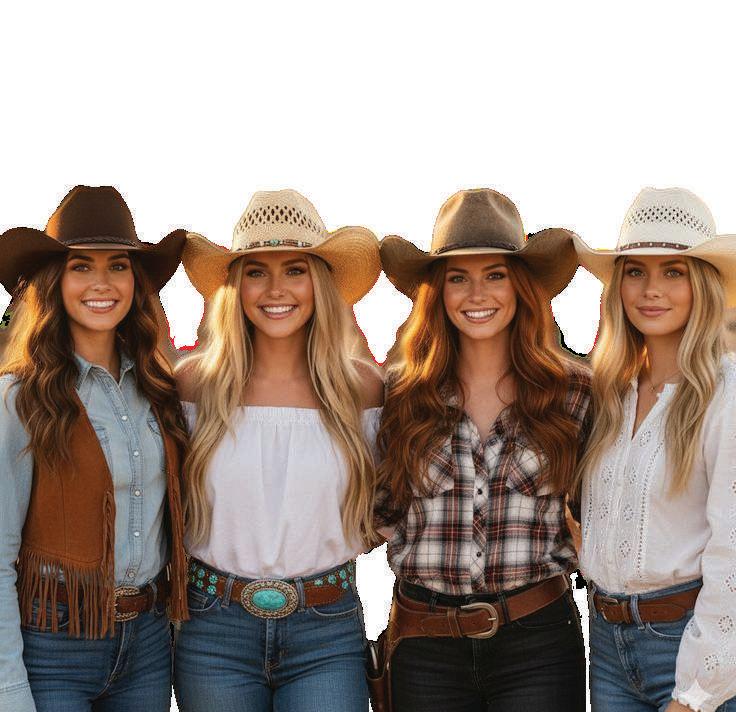
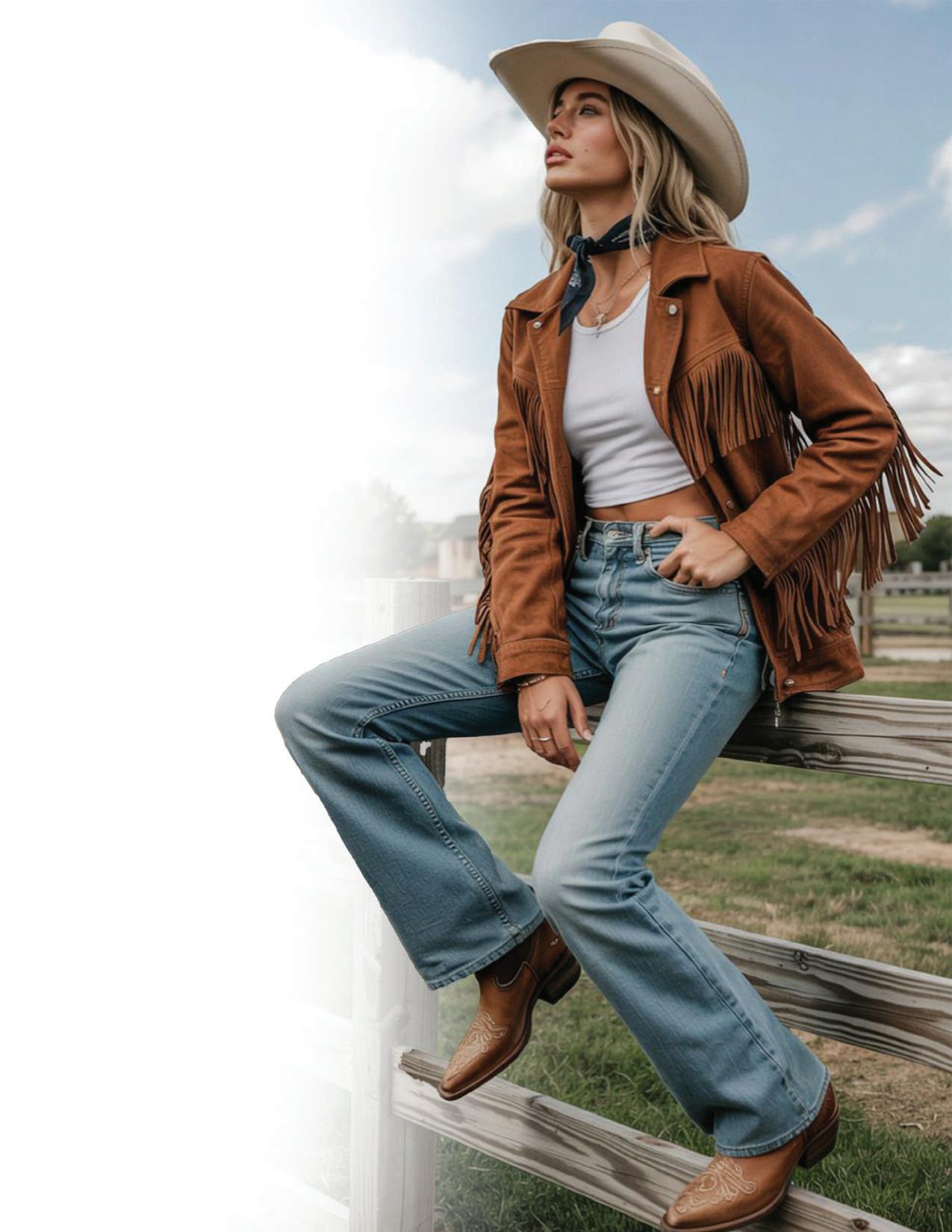
Accessories such as belts, buckles, scarves, and jewellery further define cowgirl fashion. Belt buckles, in particular, are often used to commemorate achievements, especially in rodeo competitions, serving as symbols of skill, dedication, and accomplishment. Scarves and bandanas provide both function and flair, offering protection against dust and sun while allowing a pop of color or pattern to enhance an outfit. Even subtle pieces like earrings, bracelets, or bolo ties contribute to a complete look, blending practicality with aesthetic appeal. Together, these elements create a cohesive visual language that communicates competence, confidence, and individuality.
Cowgirl fashion has also been shaped by modern influences, including media, music, and contemporary design trends. While staying true to traditional roots, many cowgirls now incorporate elements of high fashion, pop culture, and modern materials into their wardrobe. Rhinestones, sequins, and custom embroidery have become standard in rodeo attire, especially for events like barrel racing, cutting competitions, and pageantry. This evolution demonstrates the adaptability of cowgirl fashion, showing how it can honor heritage while embracing creativity and innovation. It also reflects the growing visibility and influence of women in rodeo culture, where style is a powerful form of self expression and empowerment.
Cowgirl fashion also serves as a cultural statement. It embodies the ideals of independence, resilience, and self-reliance that have long defined the western way of life. The attire communicates strength, capability, and pride, signaling that cowgirls are not only participants in rodeo and ranching culture but active contributors and innovators within it.
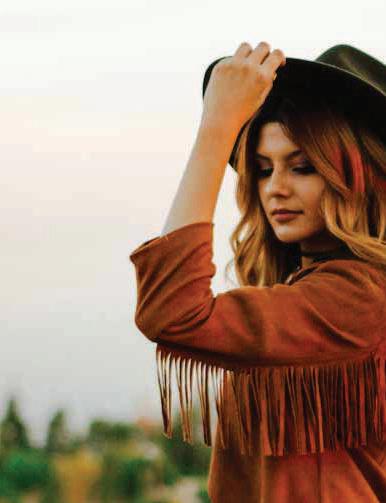
By wearing clothing that blends tradition, functionality, and personal expression, cowgirls celebrate a heritage that is both lived and performed, ensuring that western identity continues to thrive in contemporary society.
Finally, the enduring appeal of cowgirl fashion lies in its ability to balance heritage and individuality. Each piece, from the hat to the boots to the smallest accessory, tells a story of heritage, skill, and self expression. Cowgirl fashion is more than clothing: it is a visual and cultural language that conveys competence, pride, and connection to a way of life. It celebrates women who work hard, embrace challenges, and honor their roots while making their own mark on western culture. In this way, cowgirl fashion remains a powerful, evolving
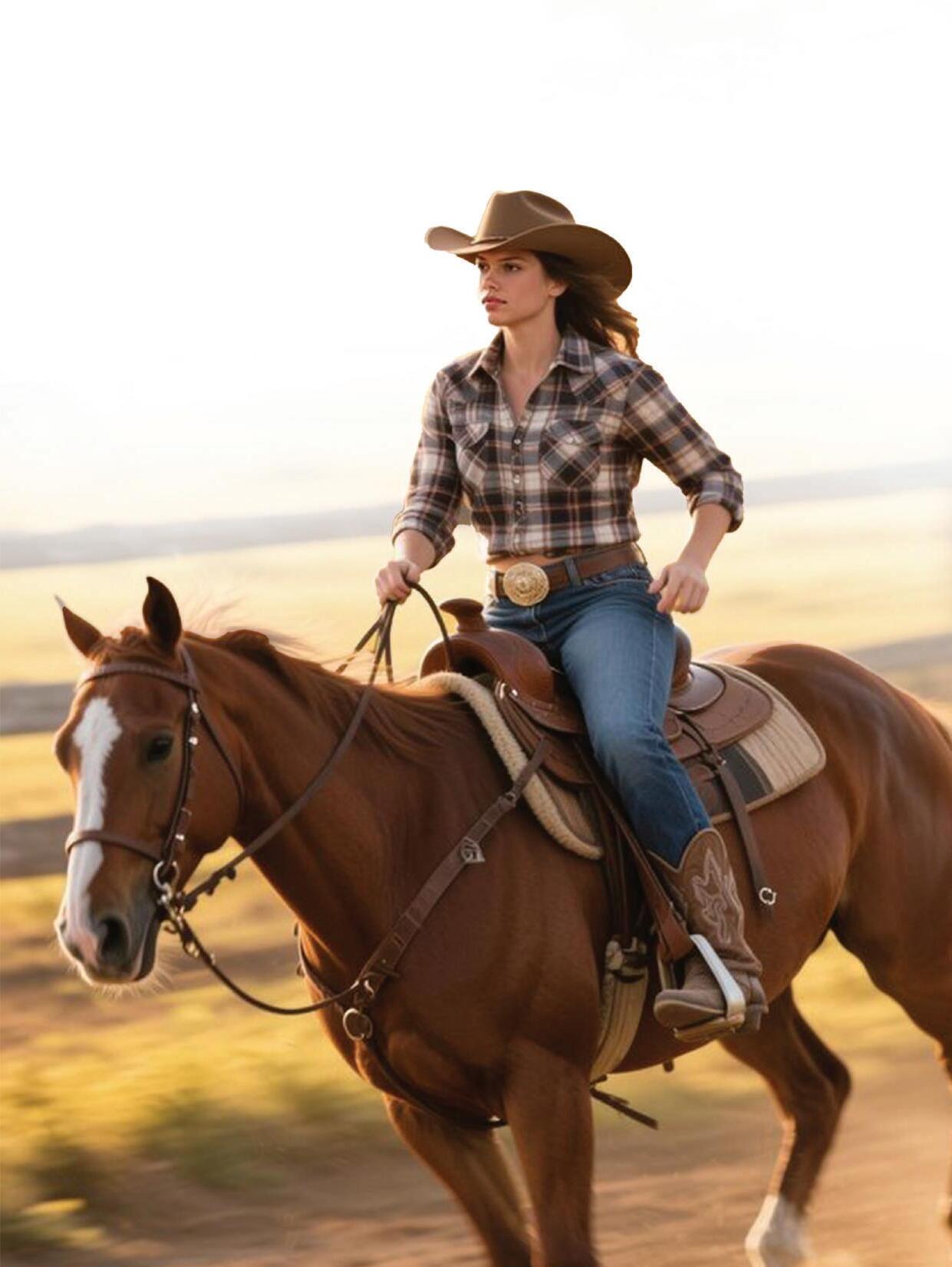
In modern rodeo and western events, cowgirl fashion has become a highly visible form of personal branding and self expression. Competitors carefully select outfits that combine functionality with flair, recognizing that appearance can enhance both performance and confidence. Barrel racers, for example, often wear sequined shirts, custom stitched jeans, and elaborately decorated hats that not only meet competition standards but reflect their personality and style. These outfits serve as a visual extension of the cowgirl’s identity, communicating both professionalism and individuality. The attention to detail in these ense mbles demonstrates that fashion in the western world is not superficial it is a deliberate, thoughtful expression of skill, pride, and heritage. Media and pop culture have also played a significant role in shaping contemporary cowgirl fashion. Television, movies, country music videos, and social media platforms have amplified the visibility of rodeo culture, introducing elements of glamour and performance art into traditional attire. Celebrities and performers often inspire trends in embroidery, colors, and accessories, creating a dynamic interaction between traditional western wear and modern aesthetics.
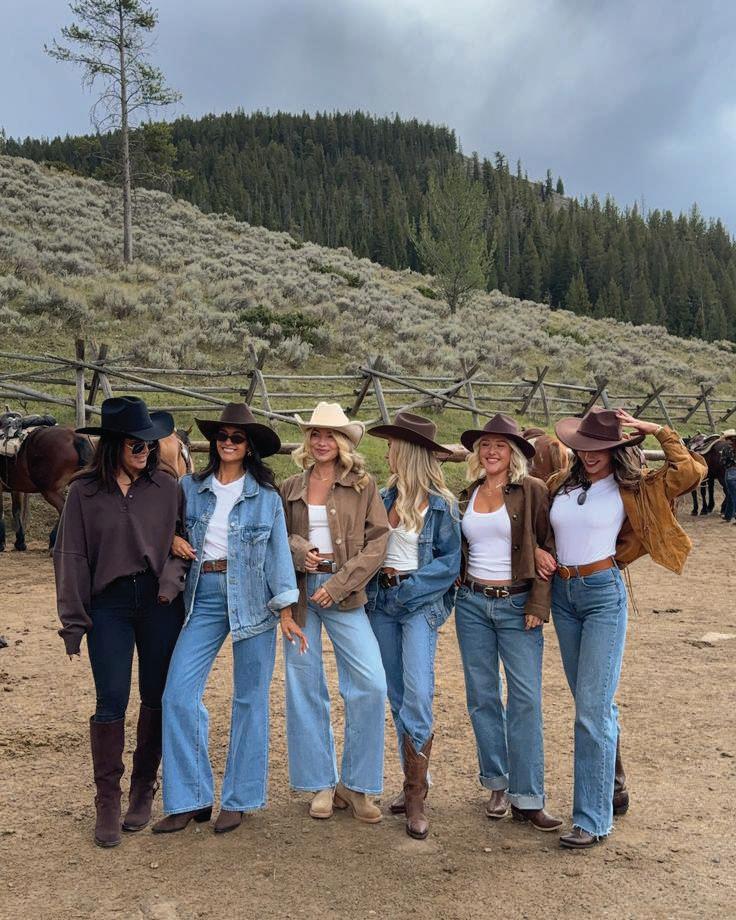
While some may view these influences as purely decorative, they also reflect the evolution of cowgirl fashion as a living, adaptive cultural phenomenon that balances heritage with innovation. This visibility has helped cement cowgirl fashion as an aspirational and influential style beyond the confines of rodeo arenas.
Regional variations also contribute to the diversity and richness of cowgirl fashion. In the American West, practical, rugged attire dominates, with sturdy boots, durable denim, and weather resistant hats designed for long days on ranches or open plains. In contrast, cowgirls in the Southern states often incorporate brighter colors, more intricate embroidery, and decorative elements suited for pageantry and social events. These regional distinctions illustrate how cowgirl fashion adapts to local culture, climate, and lifestyle while maintaining the core elements of practicality, individuality, and western identity. Understanding these regional nuances offers insight into the diversity and adaptability of cowgirl style as a reflection of both place and personality.
Cowgirl fashion also communicates cultural values, including independence, resilience, and resourcefulness. The choice of clothing and accessories often reflects the wearer’s skills, achievements, and personal ethos. Belt buckles, for instance, serve as markers of success in rodeo competitions, with elaborate designs commemorating victories and milestones. Embroidered shirts, custom hats, and embellished boots may indicate a cowgirl’s affiliations, accomplishments, or unique aesthetic sensibilities.
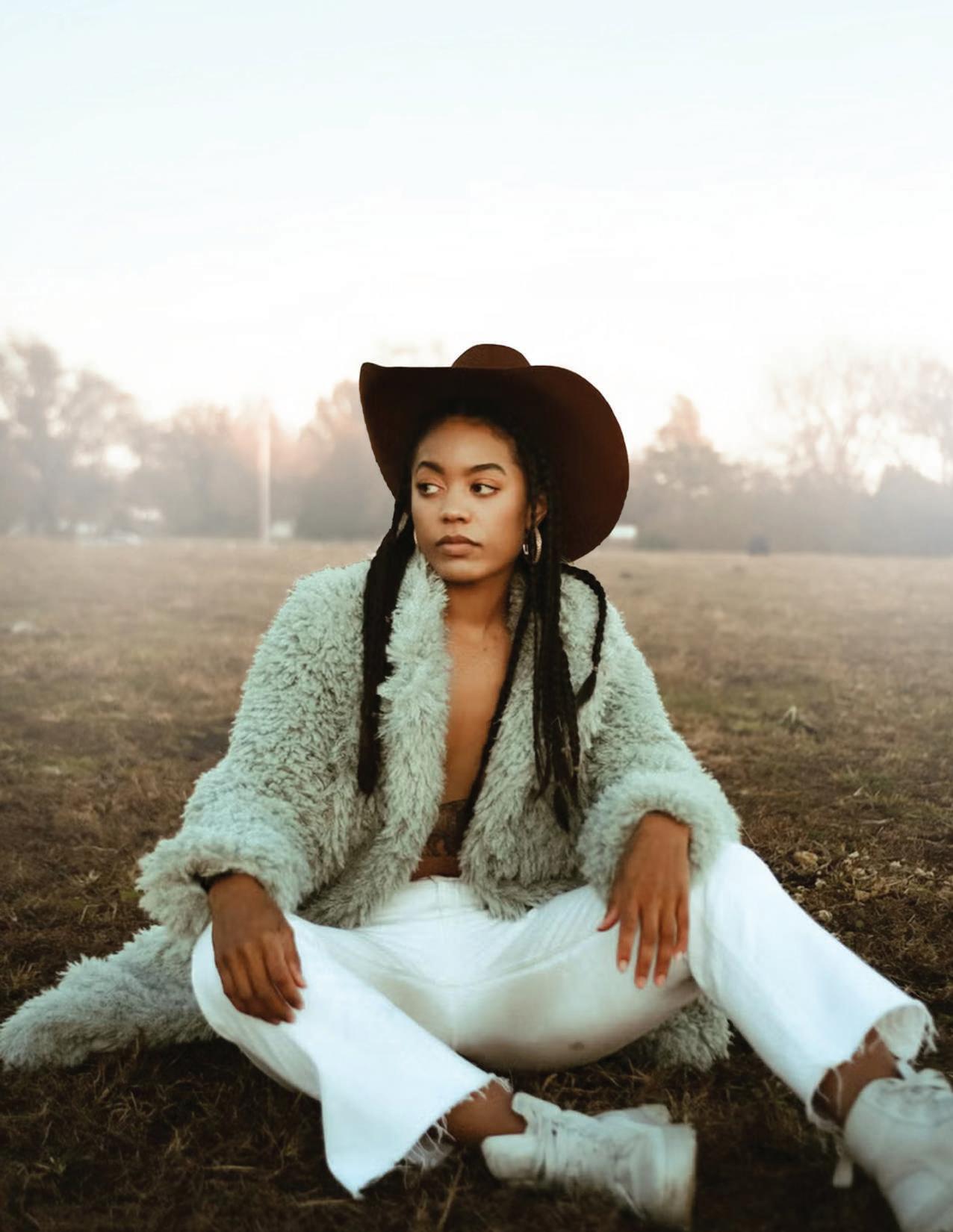
Each piece carries meaning, telling a story that is both personal and shared within the broader community of rodeo and western enthusiasts. In this way, cowgirl fashion becomes a language a way to signal confidence, identity, and cultural belonging without words.Sustainability and craftsmanship have also become important considerations in modern cowgirl fashion. Many artisans and designers create custom pieces using high quality materials, ensuring durability for both work and performance. Leatherworkers, bootmakers, and hatters continue to uphold traditional techniques, blending handcraftsmanship with contemporary design elements. This combination of old and new demonstrates respect for heritage while meeting the demands of modern lifestyle and aesthetic expectations. Cowgirls who invest in such pieces are participating in a tradition of craftsmanship, connecting with history while asserting their individuality and personal taste.
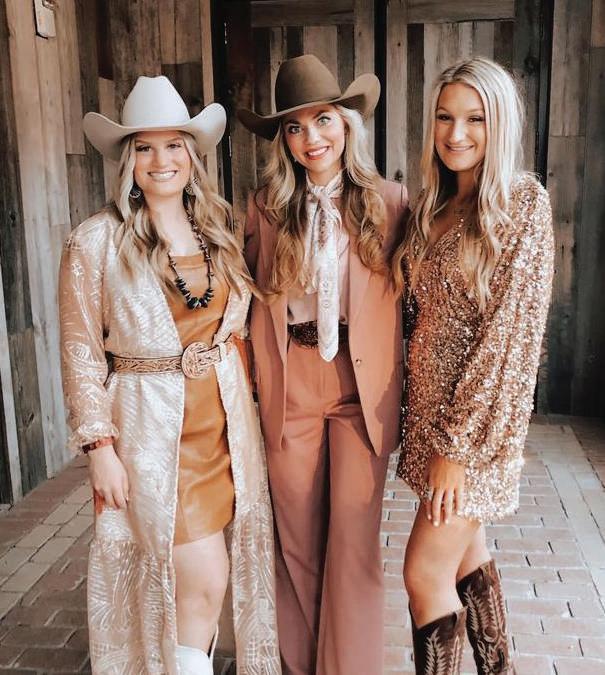
Beyond aesthetics and performance, cowgirl fashion fosters empowerment and community. By choosing attire that is bold, functional, and reflective of their values, cowgirls express independence and selfconfidence. The way a cowgirl presents herself in public whether on the rodeo grounds, at community events, or in media appearances signals competence, pride, and readiness to engage with challenges. Fashion becomes a tool for asserting presence and identity, allowing women to navigate both traditional and contemporary spaces with authority. It also strengthens bonds within the community, as shared styles and symbols create a sense of belonging and mutual respect among participants.
Finally, the global reach of media and the rise of social platforms have expanded the influence of cowgirl fashion beyond the American West. Young women across the world now embrace elements of western attire, from denim and boots to hats and embellished belts, inspired by rodeo competitions, country music, and online communities. This global interest reflects the universal appeal of cowgirl fashion a combination of functionality, individuality, and symbolic empowerment. It illustrates how clothing, when infused with culture, identity, and personal expression, can transcend geographic boundaries, inspiring confidence and connection among women everywhere.
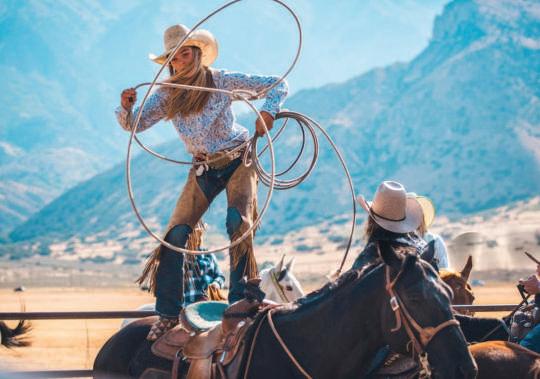
Cowgirl fashion, therefore, is far more than a set of clothing items. It is a dynamic, evolving expression of identity, heritage, and personal ethos. Each hat, boot, shirt, and accessory tell a story of skill, pride, resilience, and creativity. It celebrates the lives of women who embrace challenges, honor tradition, and assert individuality while participating in a culture rich with history and meaning. In blending functionality with artistry, tradition with modernity, cowgirl fashion remains a powerful symbol of independence, confidence, and the enduring spirit of the American West.
Cowgirl fashion also serves as a medium for storytelling. Each element from the design of a belt buckle to the embroidery on a shirt can convey personal history, achievements, or affiliations. For instance, a cow girl who has competed in multiple rodeos might choose a series of buckles or custom hats that chronicle her victories and milestones. Even subtle details like color choices or patterns can reflect regional pride, familial heritage, or personal milestones. In this way, cowgirl fashion is not merely decorative; it becomes a living record of a woman’s journey, accomplishments, and values. It communicates strength, resilience, and individuality to those who understand its nuances, making fashion an integral part of cultural expression.
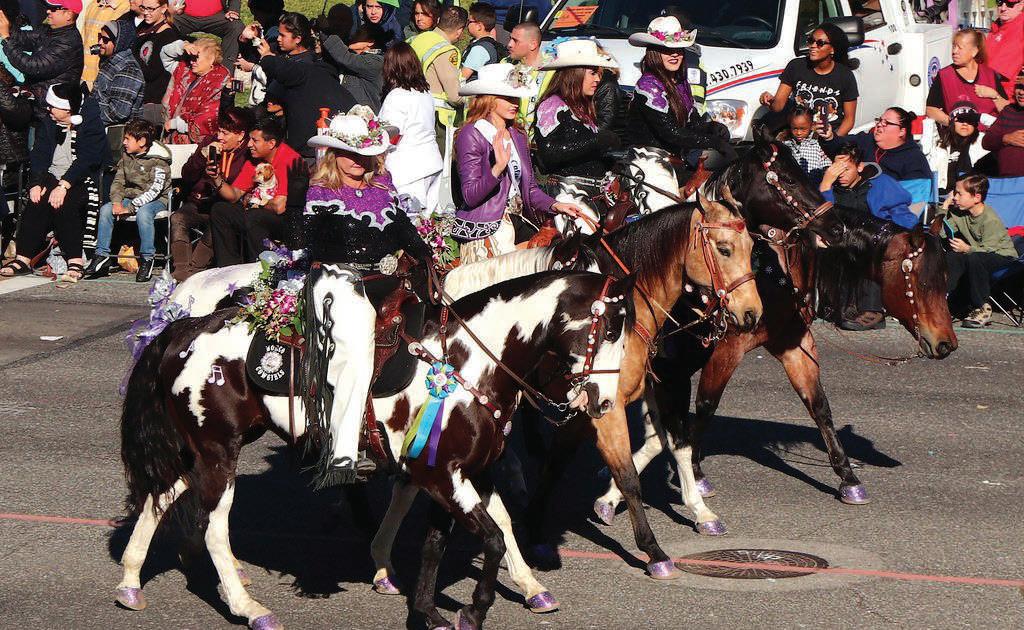
The influence of media and public appearances has also transformed cowgirl fashion into a platform for empowerment. Competitions like Miss Rodeo America or other rodeo pageants showcase outfits that are both functional and visually striking, demonstrating skill, confidence, and personal branding. Beyond the arena, country music stars, influencers, and television shows have popularized cowgirl style, merging traditional western elements with m odern fashion trends. This visibility has helped to elevate cowgirl attire from regional utility wear to an internationally recognized symbol of independence, self expression, and empowerment. As a result, cowgirl fashion now occupies a space where heritage, performance, and style intersect, allowing women to celebrate tradition while asserting their presence on a modern stage.
Modern cowgirl fashion also reflects innovation and creativity. Designers experiment with materials, patterns, and embellishments, combining traditional leather, denim, and fringe with contemporary elements like sequins, metallic threads, and bold prints. Customization has become a defining feature of cowgirl style, allowing women to create outfits that are uniquely their own while staying rooted in western tradition. This creativity ensures that cowgirl fashion is dynamic and evolving, capable of responding to the demands of performance, lifestyle, and self-expression. It emphasizes that western style is not static; it grows, adapts, and reinvents itself while remaining connected to the core values and practical needs that inspired it.
Beyond aesthetics, cowgirl fashion embodies principles of empowerment and independence. It communicates a readiness to engage in physically demanding work, competitive events, and community leadership, while simultaneously asserting individuality and style. The attire of a cowgirl signals her capability, confidence, and resilience, conveying both strength and elegance. In rodeo culture, fashion becomes a form of non-verbal communication, showing respect for tradition, mastery of craft, and personal pride. Through her choices in clothing and accessories, a cowgirl tells the world not only who she is but what she stands for, bridging the gap between performance, heritage, and identity. Education and mentorship within the rodeo community also influence cowgirl fashion. Experienced participants often guide younger cowgirls on how to balance practicality with presentation, teaching them the significance of attire in both competitions and daily life.
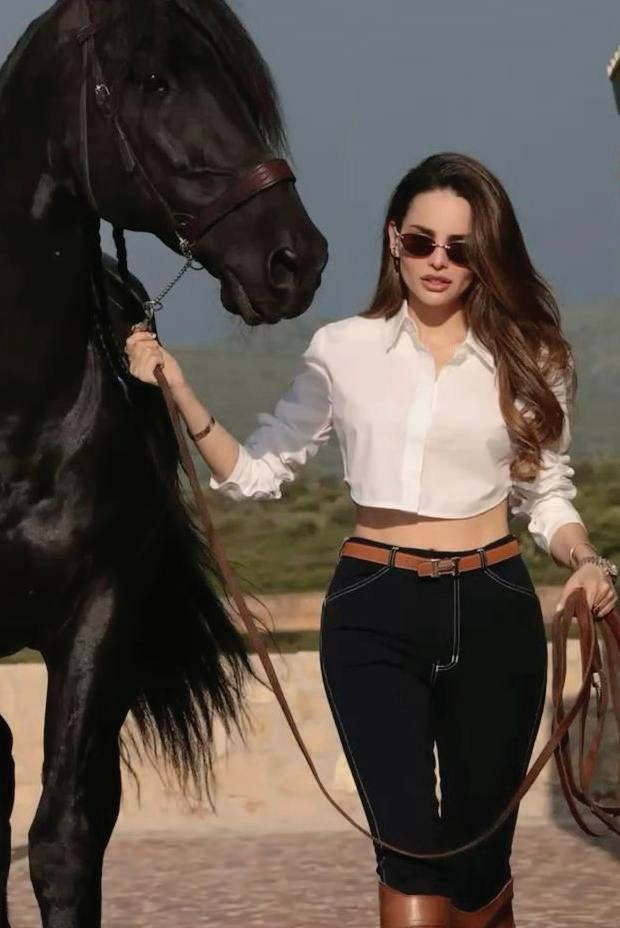

Through this mentorship, clothing becomes a tool for teaching values such as responsibility, discipline, and pride in heritage, demonstrating that fashion in the western world is inseparable from culture and community.
Finally, the enduring relevance of cowgirl fashion lies in its ability to honor history while embracing modernity. From the rugged practicality of ranch attire to the dazzling elegance of competition wear, cowgirl fashion reflects a multifaceted identity. It celebrates independence, strength, and creativity, while maintaining a connection to the western lifestyle and values. Each piece, whether a hat, boot, belt, or shirt, carries significance, symbolizing skill, heritage, and personal expression. In blending function, culture, and individuality, cowgirl fashion continues to inspire and empower, ensuring that the spirit of the American West remains alive, evolving, and celebrated for generations to come. Cowgirl fashion is far more than mere clothing; it is a living, evolving expression of identity, heritage, and empowerment. Its roots lie in the practical attire of women who worked tirelessly on ranches, managing livestock, riding horses, and performing demanding physical labor. Over time, this functional clothing evolved into a symbol of western culture, blending utility with creativity, tradition with individuality. Each piece be it the iconic wide-brimmed hat, the intricately stitched boots, the embroidered shirts, or the ornate belt buckles tells a story of resilience, skill, and pride, capturing both the heritage of the American West and the personality of the wearer. Through these garments, cowgirls communicate not only who they are but also the values they embody independence, confidence, perseverance, and respect for tradition.
The enduring appeal of cowgirl fashion lies in its ability to balance practicality and artistry. While clothing was originally designed to withstand the rigors of ranch life, it has become a platform for self expression and empowerment, especially in competitive arenas like rodeos and western pageants. Here, fashion transforms into a language of identity, signaling skill, accomplishment, and personal style. Every embellishment, every carefully chosen accessory, communicates a story, making attire an extension of the wearer’s character and ethos. Through this lens, cowgirl fashion transcends aesthetics it becomes a medium through which women assert their individuality, honor their heritage, and connect with a larger cultural tradition.
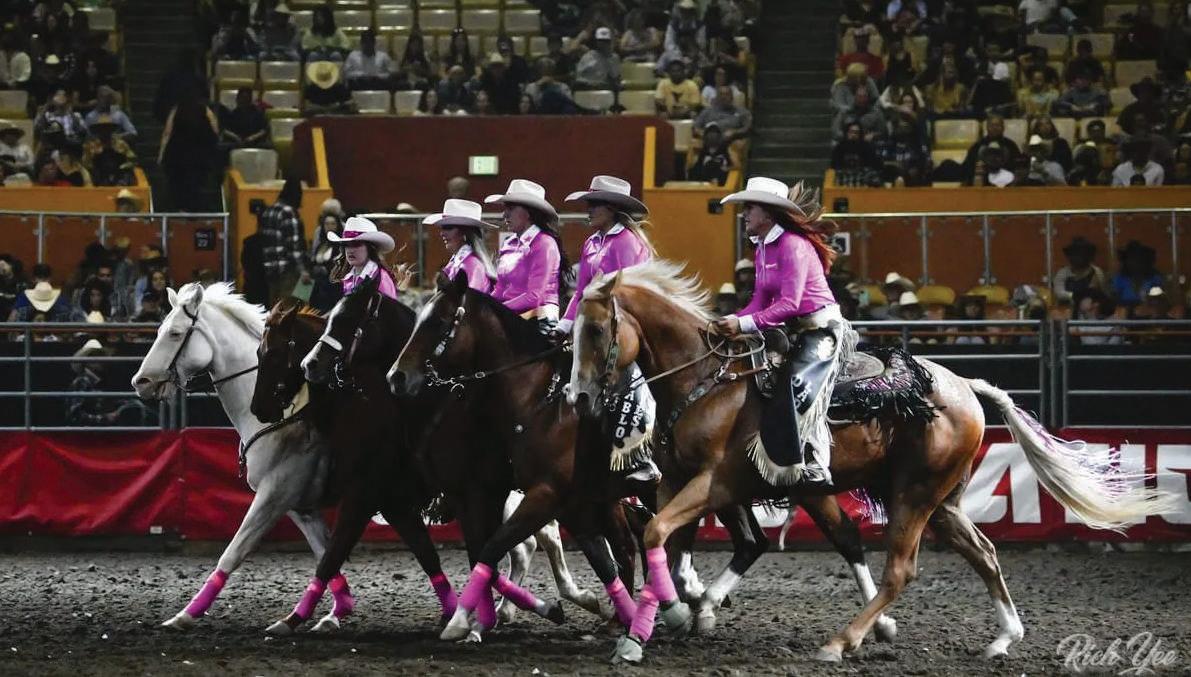
Modern cowgirl fashion also reflects adaptability and creativity. Influences from contemporary design, media, and global trends have merged with traditional western wear, creating dynamic looks that respect heritage while embracing modernity. Rhinestones, custom embroidery, sequins, and high-quality materials have transformed traditional attire into expressive, bold statements, highlighting the artistry, skill, and personality of the modern cowgirl. Despite these innovations, the core principles of functionality, authenticity, and practicality remain central, ensuring that fashion continues to serve both as a tool for performance and a symbol of identity.
Furthermore, cowgirl fashion fosters empowerment and community. By dressing with intention and pride, women in the western world communicate confidence, capability, and strength, signaling their readiness to meet challenges head on. Clothing becomes a reflection of personal and cultural values, linking generations of women who have embraced the western lifestyle. Mentorship, guidance, and shared traditions ensure that each new generation of cowgirls understands the significance of attire not only as a tool for work or competition but as a representation of resilience, creativity, and self expression. In this sense, cowgirl fashion is a bridge between history and the present, a way to honor the past while shaping the future.
Ultimately, cowgirl fashion embodies the spirit of the women who wear it: bold, capable, authentic, and deeply connected to heritage. It celebrates a way of life built on hard work, independence, and resilience, while allowing for innovation, individuality, and personal expression. In every stitch, embellishment, and carefully chosen piece, cowgirl fashion tells a story of strength, pride, and cultural continuity. It is a living testament to the values and lifestyle of the American West, inspiring women to embrace their identity, celebrate their heritage, and assert their presence with confidence and grace. Through its evolution and continued relevance, cowgirl fashion not only preserves tradition but also empowers women to define themselves and their culture on their own terms, ensuring that the spirit of the West remains alive, celebrated, and influential for generations to come.



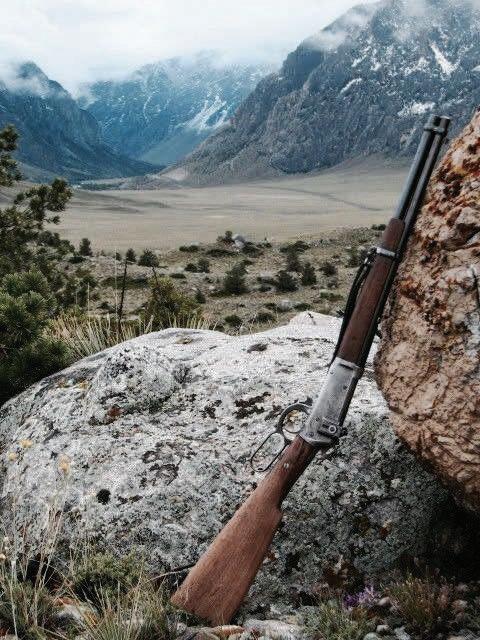
Rodeo gun culture is a distinctive aspect of western and rodeo traditions, rooted in both practicality and heritage. Historically, firearms were essential tools for survival in the American West, used for hunting, protection, and managing livestock across vast open ranges. This practical origin evolved over time into a cultural symbol, reflecting values such as self-reliance, responsibility, and respect for skill and discipline. Within rodeo and western communities, guns are not merely functional; they carry deep symbolic meaning, representing a connection to the frontier lifestyle and the ethos of independence that has long defined western identity.
The presence of firearms in rodeo culture is closely linked to the heritage of ranching and cowboy life. Ranchers relied on rifles and handguns to protect their herds from predators and to ensure safety in remote areas, where law enforcement was often distant or absent. These practical applications established firearms as tools of necessity and expertise, requiring careful handling, precision, and responsibility. In contemporary rodeo culture, this historical context continues to shape the way guns are perceived: they are respected implements, a reflection of skill and discipline, and an emblem of the rugged self sufficiency that rodeo communities celebrate. Firearms also intersect with the competitive and performative aspects of rodeo culture. While modern rodeos are primarily focused on events such as bull riding, barrel racing, and roping, firearms have a ceremonial and symbolic role in some competitions and exhibitions.
Opening salutes, precision shooting displays, and demonstrations of marksmanship often complement rodeo events, reinforcing the connection between skill, tradition, and western heritage. These performances highlight the cultural significance of firearms as instruments of focus, discipline, and respect for both safety and tradition. They are a reminder that gun culture in rodeo is not centered on aggression, but on precision, control, and mastery.
The symbolic role of firearms extends beyond the arena into daily life and cultural identity. Gun ownership in western communities often reflects values of independence, responsibility, and preparedness. Individuals are taught from a young age to handle firearms safely and responsibly, instilling respect for the tool and for the traditions it represents. Within rodeo culture, this approach emphasizes education and discipline, reinforcing the idea that firearms are not symbols of recklessness but of careful stewardship, personal accountability, and cultural continuity. Gun safety courses, mentorship, and community instruction play an essential role in maintaining this ethos, ensuring that firearms are integrated into the culture responsibly and meaningfully.
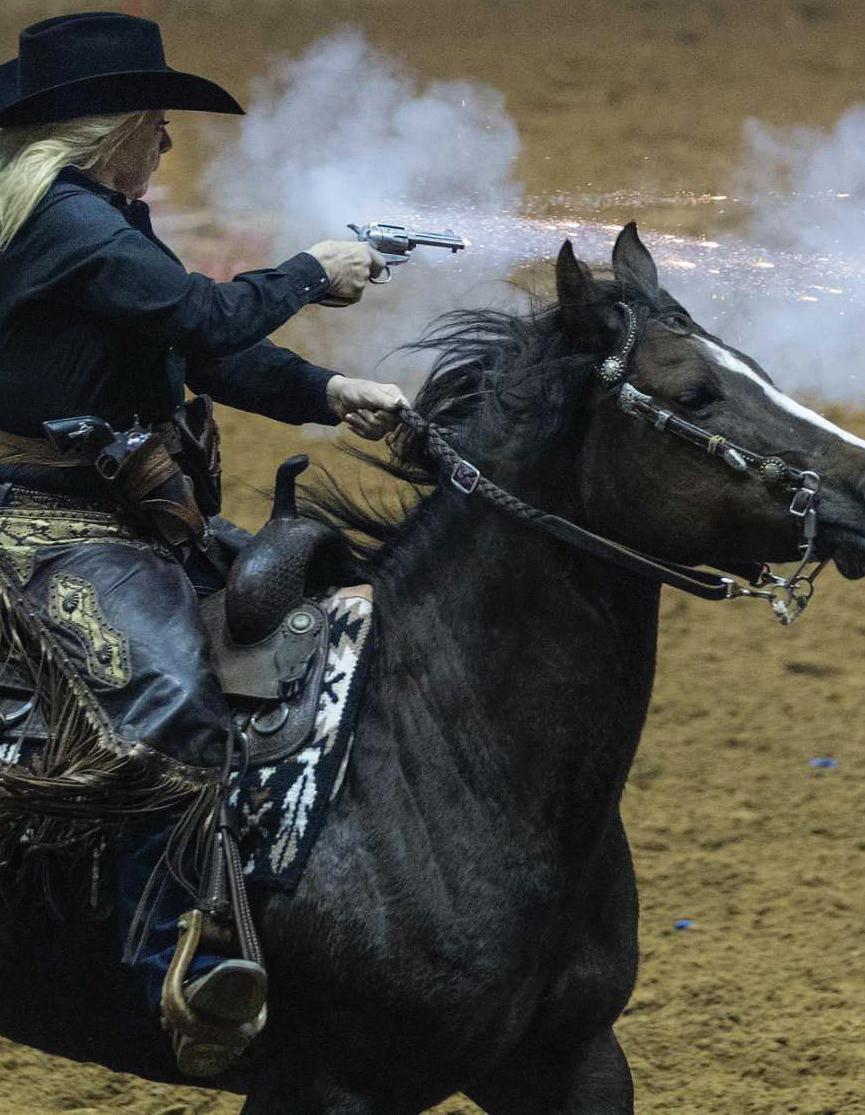
Media and popular culture have also influenced rodeo gun culture. Western films, country music, and television shows have amplified the visibility of firearms as a central aspect of western identity, romanticizing the frontier lifestyle and the cowboy way of life. While these portrayals often emphasize dramatized action, the rodeo community emphasizes authenticity, training, and skill. Firearms in rodeo culture are intertwined with respect, heritage, and careful practice rather than spectacle alone. This distinction helps maintain a balance between cultural appreciation, personal expression, and responsible gun ownership, ensuring that the tradition retains its integrity while remaining relevant in contemporary society.
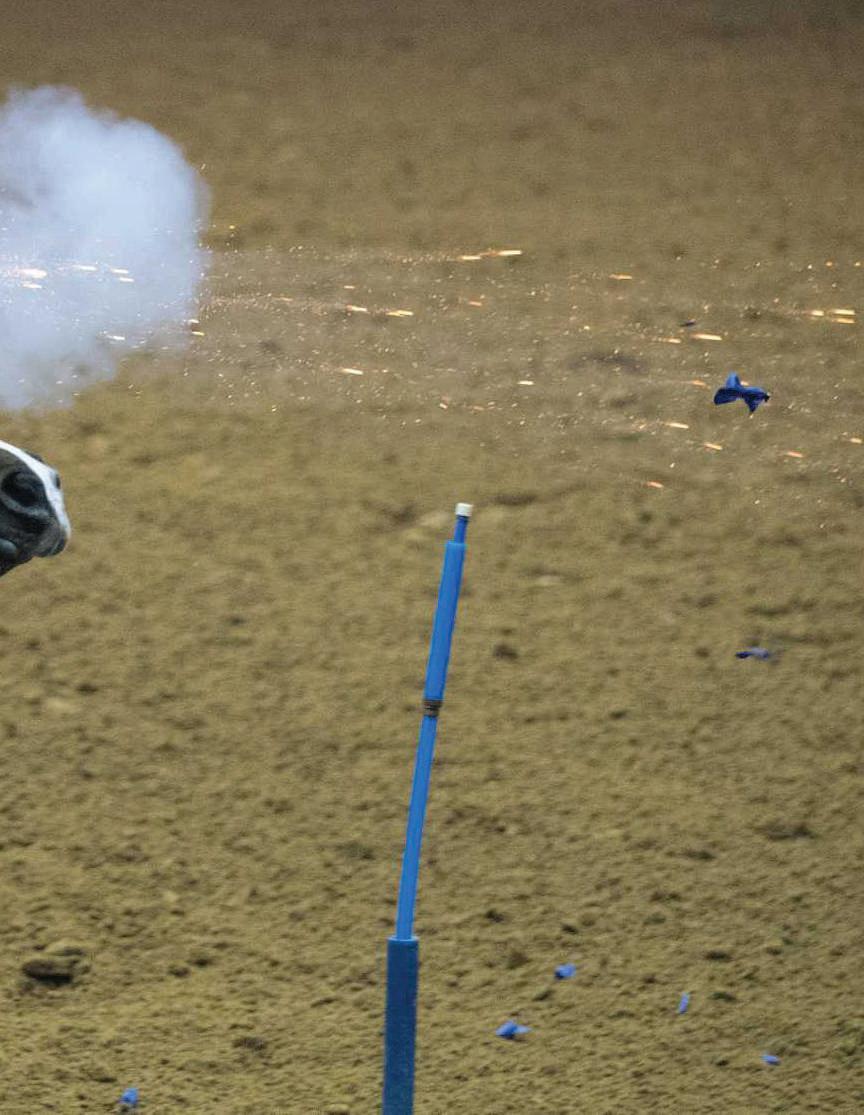
Finally, rodeo gun culture embodies a nuanced balance between tradition and modern responsibility. While the firearms themselves are rooted in historical necessity, contemporary practices emphasize safety, education, and ethical use. The culture surrounding guns in rodeo communities is one of stewardship: firearms are treated with respect, skill is celebrated, and personal responsibility is paramount. This approach ensures that gun culture within rodeo continues to honor its historical roots while promoting safe, disciplined, and meaningful engagement with these powerful tools. In this sense, rodeo gun culture is a living tradition, one that celebrates heritage, reinforces values, and fosters community while remaining relevant and responsible in the modern era.
Rodeo’s gun culture is prominently featured in events like Cowboy Mounted Shooting, where riders use singleaction revolvers to shoot balloons in a timed competition. This modern sport comb ines equestrian skills with shooting and has become one of the fastest-growing equestrian sports, attracting both experienced shooters and riders. Its roots trace back to historical cowboy traditions, but the modern sport is distinct from the historical use of firearms on ranches.
Moreover, rodeo gun culture reflects broader themes of empowerment, self reliance, and resilience. Firearms symbolize the ability to protect oneself, manage one’s environment, and navigate challenges with confidence and precision. This symbolism resonates strongly in communities that value independence, resourcefulness, and personal responsibility. The careful handling, training, and ceremonial use of firearms reinforce lessons of discipline, respect, and commitment, highlighting the way in which gun culture within rodeo is closely tied to the moral and practical fabric of western life. In addition to symbolism and heritage, firearms also serve as a point of community and social connection within rodeo culture. Shooting competitions, educational demonstrations, and marksmanship events provide opportunities for participants to learn from one another, share techniques, and celebrate skills. These gatherings emphasize mentorship, camaraderie, and intergenerational transmission of knowledge, ensuring that traditions surrounding firearms are preserved while fostering a sense of belonging. In this way, rodeo gun culture reinforces social cohesion, cultural pride, and the values of respect and responsibility that define western communities. Women have increasingly become prominent participants in rodeo gun culture, both in competitive and ceremonial roles. Historically, firearms were associated primarily with men in ranching and western life, but women have always been part of this tradition, often using rifles and handguns for protection, hunting, and ranch work. Today, female competitors and rodeo performers are actively embracing this heritage, participating in marksmanship competitions, precision shooting exhibitions, and educational programs. Women’s involvement highlights the inclusive nature of gun culture within rodeo communities, demonstrating that skill, responsibility, and respect for tradition are not confined by gender. Their participation also challenges stereotypes, showing that competence and empowerment in firearms handling are integral to the broader identity of the western lifestyle.
Collectible and custom firearms have become another important aspect of rodeo gun culture. Many enthusiasts take pride in preserving historical rifles, revolvers, and shotguns that reflect the craftsmanship and technological innovations of the American West. Custom engraving, personalized grips, and decorative inlays transform functional firearms into works of art, combining utility with heritage and aesthetic appeal.



































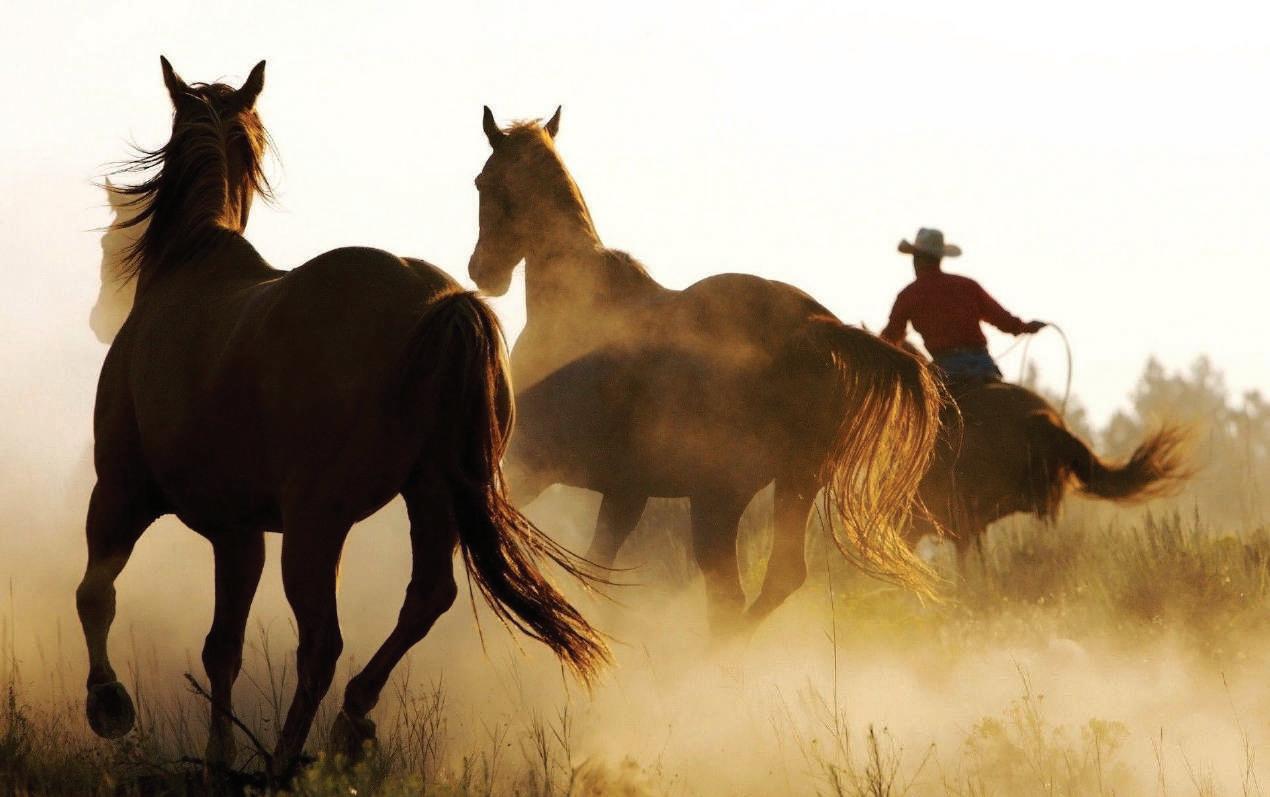
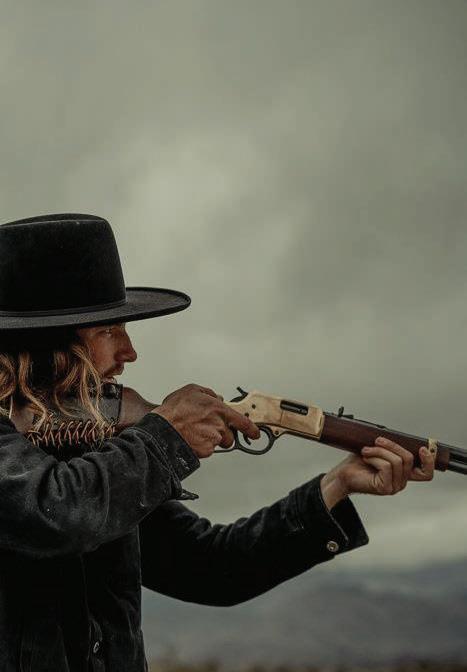
These collectibles are often passed down through generations, linking families and communities to their western roots. In rodeo settings, such firearms may be displayed during exhibitions or ceremonial events, highlighting both historical significance and cultural continuity. Collectibles serve as tangible reminders of the skills, resilience, and traditions that shaped western life.
Education and mentorship remain central to maintaining the integrity of rodeo gun culture. Experienced marksmen and ranchers teach newcomers the principles of safety, accuracy, and ethical use, ensuring that firearms are handled responsibly. Training emphasizes both technical skill and moral responsibility, reinforcing the idea that guns are tools requiring respect and discipline. In modern rodeo events, this educational aspect is often highlighted through demonstrations, workshops, and safety courses, creating opportunities for participants to develop both competence and confidence. This focus on mentorship strengthens community bonds, preserves cultural knowledge, and fosters a shared understanding of the values associated with firearms in western life.
Rodeo gun culture also intersects with fashion and performance, particularly in ceremonial and pageantry settings. Custom belts, holsters, and firearms often complement elaborate rodeo attire, merging functionality with visual symbolism. In competitions such as rodeo queen pageants or shooting exhibitions, women’s and men’s firearms are often displayed as part of a broader statement of heritage, skill, and personal identity.
In contemporary society, rodeo gun culture also engages with public perception and discourse on firearms. While guns remain a sensitive topic nationally, within rodeo communities they are viewed through the lens of heritage, skill, and responsibility rather than conflict. Emphasis on safety, training, and ethical use distinguishes this culture from stereotypes or misconceptions about firearms. By framing guns as instruments of precision, discipline, and cultural identity, rodeo gun culture promotes a narrative of stewardship, respect, and accountability. This approach ensures that firearms remain a meaningful part of western life while fostering positive education and understanding within and beyond the community.
Finally, rodeo gun culture embodies a profound connection between heritage, skill, and personal responsibility. From its historical origins in frontier survival to its modern expressions in competitions, ceremonies, and collections, it represents an enduring set of values. Firearms serve not only as practical tools but also as symbols of independence, discipline, and cultural pride. They connect participants to the history of the American West, reinforce community bonds, and provide a framework for education, empowerment, and ethical responsibility. In this way, rodeo gun culture remains a vibrant, evolving tradition one that honors the past, celebrates mastery and skill, and ensures that the legacy of the West continues to thrive in modern times.
Rodeo gun culture is a multifaceted tradition that intertwines history, heritage, skill, and personal responsibility.
Originating from the practical needs of frontier life, firearms were essential tools for survival, protection, and livestock management. Over generations, these functional tools evolved into symbols of western identity, representing independence, discipline, and resilience. Within rodeo communities, gun culture is not only about utility but also about storytelling, education, and connection. Each firearm carries historical significance, reflects personal skill, and embodies the values of the western lifestyle.
Women’s growing involvement in rodeo gun culture highlights its inclusive and evolving nature. Female competitors, performers, and enthusiasts have embraced firearms for competition, ceremonial roles, and education, demonstrating that precision, responsibility, and skill transcend gender. Through their participation, women reinforce the cultural and symbolic significance of firearms, while also challenging traditional stereotypes and asserting their place within a historically male-dominated sphere. This evolution emphasizes that rodeo gun culture is dynamic, adaptable, and reflective of contemporary values while maintaining a strong link to tradition.
Education, mentorship, and ethical practice are central to the integrity of rodeo gun culture. Training in safety, marksmanship, and responsible ownership ensures that firearms are handled with respect and skill, passing knowledge from one generation to the next. Collectible and custom firearms further reinforce cultural continuity, blending craftsmanship, heritage, and aesthetic expression. Through exhibitions, competitions, and community engagement, participants celebrate mastery and skill while honoring the historical roots of the American West. Firearms become more than tools they are symbols of pride, discipline, and connection to a shared cultural identity.
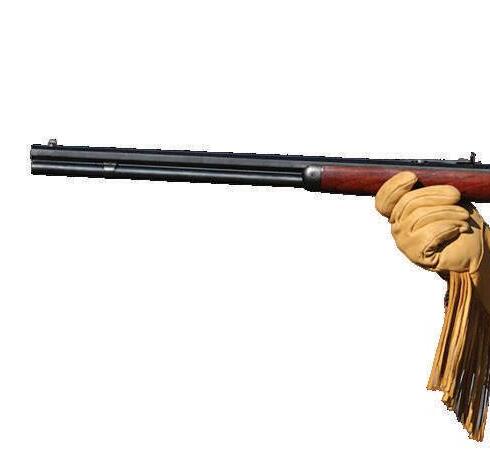
Rodeo gun culture also interacts with contemporary perceptions of firearms, offering an alternative narrative centered on responsibility, heritage, and personal empowerment. By emphasizing safety, training, and cultural significance, this tradition presents firearms as instruments of mastery and stewardship rather than conflict. It illustrates how a community can honor historical practices while adapting to modern contexts, maintaining relevance and cultural integrity. In ceremonial displays, pageantry, and daily life, firearms continue to communicate values of independence, resilience, and competence, reinforcing the moral and practical framework of western culture. Ultimately, rodeo gun culture is a living testament to the enduring spirit of the American West. It embodies selfreliance, tradition, and discipline, while fostering community, education, and empowerment. Firearms within this culture are deeply symbolic, reflecting both individual skill and collective heritage. They connect participants to the legacy of frontier life, celebrate achievements, and instill lessons of responsibility and respect. In combining historical significance with contemporary relevance, rodeo gun culture preserves the values and identity of the West, ensuring that this powerful tradition continues to thrive, inspire, and define the character of western communities for generations
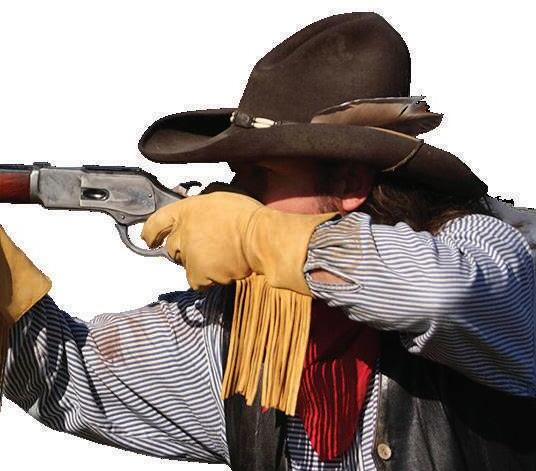
Rodeo gun culture represents a unique blend of history, skill, and identity, deeply rooted in the heritage of the American West. What began as a practical necessity for survival and ranch work has evolved into a cultural symbol reflecting independence, discipline, and personal responsibility. Within rodeo communities, firearms are not merely tools they are markers of skill, achievement, and connection to tradition, conveying values that have been passed down through generations.
Women’s participation, mentorship programs, and educational initiatives have further enriched this culture, ensuring that it remains inclusive, responsible, and adaptive. Collectible and custom firearms highlight craftsmanship, heritage, and personal expression, while ceremonial and competitive uses showcase mastery, pride, and dedication. Through careful handling, training, and ethical use, firearms in rodeo culture embody principles of respect, accountability, and community.
Ultimately, rodeo gun culture is a living tradition that balances heritage with modern relevance. It celebrates resilience, independence, and skill, connecting participants to a rich historical legacy while empowering them to define their own identity within the western lifestyle. Firearms serve as symbols of competence, responsibility, and pride, reinforcing the values that define rodeo communities. By preserving these traditions, rodeo gun culture ensures that the spirit of the American West its courage, resourcefulness, and enduring sense of freedom continues to thrive for generations to come.
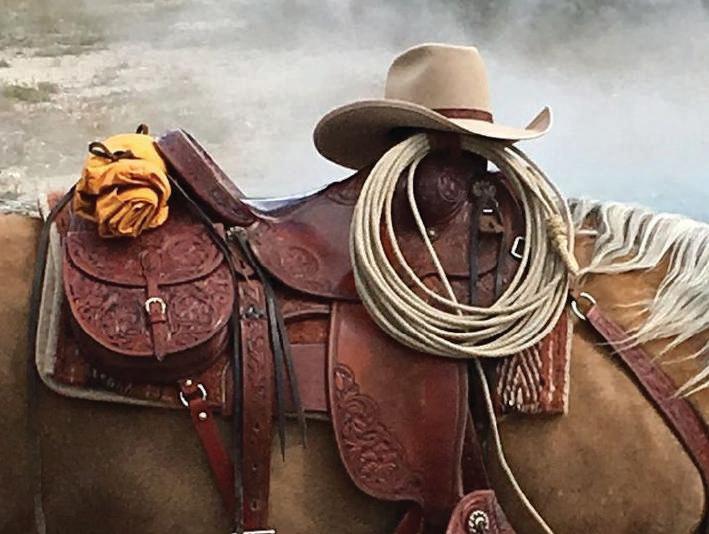

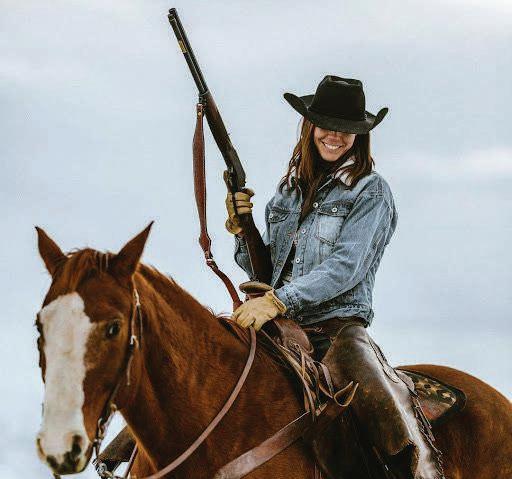
The exploration of cowboy culture through the lives and contributions of Stetson Wright, Callie Mueller, Cody Johnson, cowgirl fashion, and rodeo gun culture reveals a vibrant tapestry of tradition, identity, and modern expression. Each element reflects the enduring values of the American West resilience, independence, skill, and pride while highlighting the ways in which this culture continues to evolve and inspire new generations.
Stetson Wright exemplifies the competitive spirit and dedication inherent in the rodeo world, showing how talent, versatility, and perseverance can elevate an individual to legendary status. His achievements in multiple events are not only a testament to his personal excellence but also a reflection of the wider culture that celebrates hard work, courage, and mastery of craft. Similarly, Callie Mueller, as Miss Rodeo America, embodies leadership, advocacy, and the ability to represent the rodeo community with grace and dedication. Her work illustrates the importance of role models who preserve tradition while inspiring and empowering others, particularly young women, to engage with the culture meaningfully.
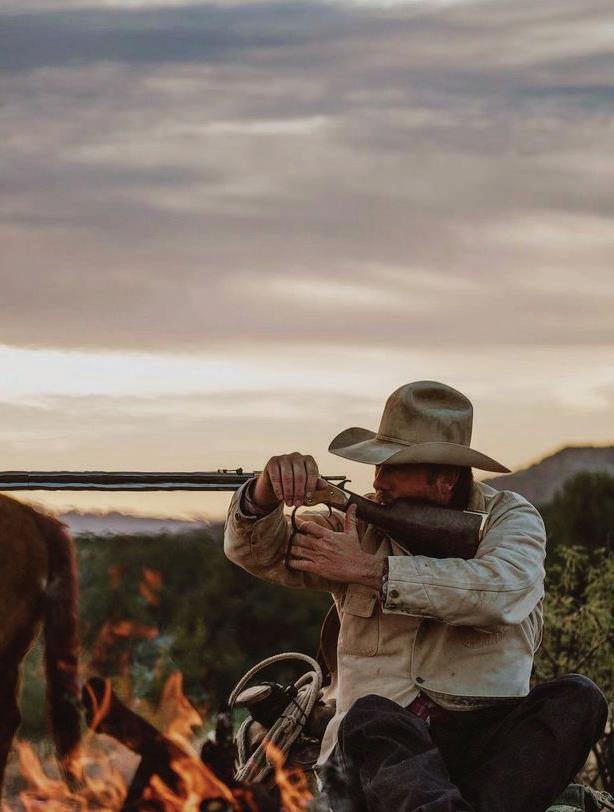
Cody Johnson’s music adds another dimension, capturing the values, narratives, and ethos of the western lifestyle. Through his songs, audiences experience themes of family, perseverance, and moral integrity that are integral to cowboy culture. His influence demonstrates how artistic expression can reinforce and celebrate heritage while connecting people beyond the rodeo arena. In parallel, cowgirl fashion shows how style and functionality merge to become a form of storytelling, empowerment, and identity. From traditional hats and boots to modern interpretations seen in competitions and media, fashion embodies both the practical and symbolic aspects of western life, giving voice to individuality while honoring heritage.
Rodeo gun culture complements these expressions by linking tradition, skill, and responsibility. Rooted in historical necessity, firearms have evolved into symbols of discipline, heritage, and personal empowerment. Through education, mentorship, ceremonial use, and inclusivity particularly with women’s increasing participation gun culture in rodeo reinforces values that are central to the western identityprecision, accountability, and respect for both tradition and community.
Taken together, these five facets of cowboy culture highlight a dynamic interplay between past and present, tradition and innovation. They demonstrate how identity, heritage, and values are lived, expressed, and celebrated in multiple dimensions from competitive excellence and artistic expression to fashion and practical skill. This interconnectedness underscores the richness of cowboy culture as a living, evolving tradition, one that continues to inspire, empower, and define those who engage with it. Ultimately, the spirit of the American West thrives through these stories, practices, and expressions. It reminds us that cowboy culture is not merely a historical artifact but a vibrant, enduring way of life one that honors resilience, individuality, and community while inviting each generation to contribute its own voice, talent, and vision. In this way, Stetson Wright, Callie Mueller, Cody Johnson, cowgirl fashion, and rodeo gun culture collectively preserve, celebrate, and advance the legacy of the West for years to come.

Rodeo culture, once a localized rural tradition closely tied to ranching and livestock labor in the American West, has evolved into a globalized cultural symbol largely shaped by media and cinema. What began as practical competitions among cowboys demonstrating working skills vtsuch as roping cattle, riding broncos, and managing livestock has transformed into a highly commercialized spectacle embedded within popular culture. Over time, rodeo has shifted from a functional expression of agricultural life to a performative event designed for mass audiences. This transformation reflects broader changes in how rural traditions are preserved, reimagined, and consumed in modern society.
Films, documentaries, and television portrayals have played a decisive role in expanding the visibility of rodeo culture beyond its geographic and occupational origins. Through narrative dramatization, visual stylization, and emotional storytelling, cinema has converted rodeo into a recognizable cultural image rather than a strictly regional practice. The cowboy, once defined by labor and survival, has been reconstructed as a cinematic figure symbolizing freedom, endurance, and rugged individualism. These mediated representations have not only popularized rodeo but have also shaped how audiences interpret itsmeaning, often emphasizing heroism and spectacle while minimizing its economic and historical foundations
As a result, rodeo culture today exists in two overlapping forms: as a living rural tradition practiced within agricultural communities and as a mediated cultural product consumed by urban and international audiences. This dual existence creates tension between authenticity
and performance, preservation and reinvention. While traditional rodeo retains connections to ranch work and local identity, popular representations increasingly frame it as an entertainment industry and lifestyle aesthetic. Western clothing, music, and attitudes are marketed as symbols of authenticity even when detached from their original social contexts.
This synopsis explores how modern rodeo culture has grown through its representation in movies and how cinematic portrayals have altered public perception of cowboys, rodeo events, and Western identity. It examines how film has contributed to the mythologizing of rodeo by transforming occupational practices into narratives of personal struggle, competition, and heroism. Furthermore, it investigates the cultural shift from rodeo as a labor-based sport to rodeo as entertainment, myth, and lifestyle branding, highlighting how media has reshaped rodeo into a symbol of both tradition and modern consumer culture. By analyzing rodeo through the lens of film and cultural transformation, this study seeks to demonstrate how popular media not only reflects social traditions but actively participates in redefining them for contemporary audiences
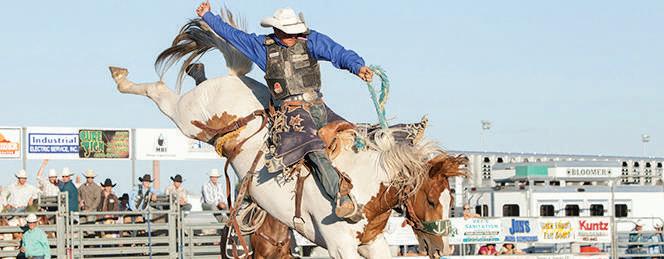


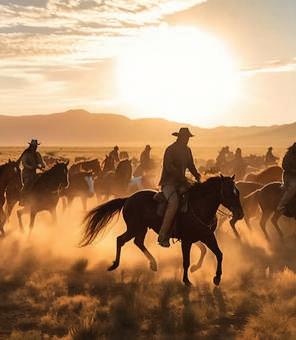
Rodeo culture developed out of the everyday labor practices of cattle herders in North America during the nineteenth century. Its roots can be traced to the traditions of Mexican vaqueros, whose techniques of roping, riding, and cattle management were later adopted and adapted by American cowboys in the western territories. These early practices were not designed for entertainment but were essential skills required for survival and economic productivity on ranches. Informal competitions emerged when workers compared their abilities in tasks such as bronco riding, steer roping, and horse breaking, transforming labor into localized displays of strength and expertise.
By the late nineteenth and early twentieth centuries, rodeo began to take on a more organized structure. Public exhibitions and Wild West shows popularized cowboy performances for urban audiences who were increasingly disconnected from rural life. Figures such as Buffalo Bill Cody played a key role in turning cowboy labor into spectacle, presenting dramatized versions of frontier activities as theatrical entertainment. These performances helped establish rodeo as a form of public amusement rather than merely a work-based tradition, marking the first major shift in its cultural meaning.
The early twentieth century saw the institutionalization of rodeo through the creation of formal competitions, standardized rules, and professional organizations. Events such as bull riding, barrel racing, and calf roping became codified into competitive categories, allowing rodeo to develop into a recognizable sport. Prize money and sponsorship further professionalized the practice, attracting participants who sought economic advancement through performance rather than ranch labor. During this period, rodeo increasingly symbolized nostalgia for a disappearing frontier, especially as industrialization and mechanization reduced the need for traditional cowboy work.
Simultaneously, rodeo culture became entangled with national identity. The cowboy emerged as an emblem of American independence, masculinity, and frontier resilience. This symbolic role was reinforced by early Western films and dime novels that romanticized life in the West. Such representations simplified complex historical realities, often excluding Indigenous peoples, Mexican cowboys, and women from dominant narratives. Nevertheless, they established the cultural framework through which rodeo would later be understood by mass audiences.
By the mid twentieth century, rodeo had fully transitioned into a hybrid cultural form, combining elements of sport, performance, and heritage ritual. It functioned as both entertainment and historical commemoration, allowing communities to preserve an idealized version of rural identity. While still practiced in agricultural regions, rodeo’s symbolic value began to outweigh its practical origins. The tradition was no longer defined solely by utility but by its ability to evoke a romantic past and provide structured spectacle for spectators. This historical evolution laid the foundation for rodeo’s later expansion through cinema. Because rodeo had already shifted from labor to performance, it was well suited to cinematic adaptation. Films inherited a cultural form that was already theatrical and symbolic, enabling media to further exaggerate its heroic qualities. Understanding this historical trajectory is essential to recognizing how modern rodeo culture could be reshaped by movies into a globalized image of Western life.














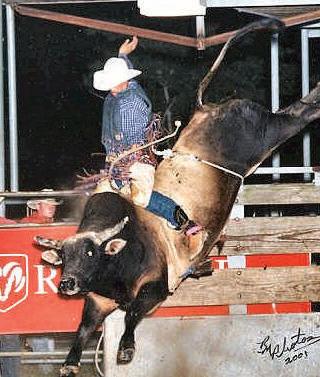
Cinema has played a central role in transforming rodeo from a regional sporting tradition into a widely recognized cultural symbol. While early rodeo events were rooted in agricultural labor and community gatherings, films reframed them as dramatic narratives of risk, heroism, and personal struggle. Through visual spectacle and storytelling, movies elevated rodeo from a working class competition to a mythic representation of Western identity.
Early Western films laid the foundation for this transformation by presenting the cowboy as a heroic figure closely associated with rodeo skills such as horse riding, roping, and physical endurance. Although many classic Westerns focused on gunfights and frontier justice, they frequently incorporated rodeo like imagery to emphasize masculinity and physical mastery. These films helped establish a visual language in which rodeo-related activities symbolized freedom, toughness, and independence. As audiences grew more distant from rural life, cinema became their primary point of contact with cowboy culture, allowing film to replace lived experience with representation.
Later films shifted from fictionalized Westerns to narratives centered directly on professional rodeo athletes. A key example is Junior Bonner (1972), which portrays an aging rodeo rider struggling to maintain relevance in a modernizing society. The film frames rodeo as both a sport and a lifestyle, highlighting the emotional cost of competition and the tension between tradition and change. Rather than depicting rodeo purely as spectacle, it presents it as a personal identity shaped by loss, nostalgia, and economic uncertainty. In doing so, the film humanizes rodeo participants and emphasizes the psychological dimension of their work.
The 1994 film 8 Seconds, based on the life of champion bull rider Lane Frost, represents a major moment in the cinematic popularization of rodeo culture. By dramatizing Frost’s rise to fame and his tragic death, the film transformed bull riding into a heroic narrative comparable to mainstream sports dramas. The sport is portrayed as dangerous and emotionally intense, with riders framed as fearless competitors who risk their lives for recognition and personal fulfillment. This portrayal reinforced the idea of rodeo as an extreme sport, appealing to younger audiences and reshaping public understanding of rodeo as a high-stakes professional arena rather than a local rural tradition
Through these films, rodeo culture became associated with cinematic themes such as perseverance, sacrifice, and individualism. The rider is no longer simply a worker or athlete but a protagonist whose personal journey reflects broader cultural values. This narrative transformation encouraged audiences to view rodeo as a symbolic struggle between humans and nature, discipline and chaos, success and failure. The dangerous nature of the sport, particularly bull riding, is stylized into dramatic visual sequences that prioritize excitement and emotional impact over realism.
Movies have also influenced how rodeo is marketed and organized in real life. The cinematic emphasis on heroic riders and thrilling performances has encouraged professional rodeo to adopt similar storytelling techniques in televised events and promotional material. Slow motion footage, dramatic music, and personal backstories of riders mirror the narrative structures of sports films. In this way, cinema does not merely depict rodeo culture but actively reshapes how it is performed and consumed.
At the same time, films often simplify or romanticize rodeo culture by focusing on individual success rather than collective tradition. They tend to highlight male riders and minimize the contributions of women, Indigenous riders, and Mexican vaquero traditions that historically shaped rodeo practices. This selective representation constructs a narrow image of rodeo identity, reinforcing dominant cultural myths while marginalizing alternative histories. However, more recent independent films and documentaries havebegun to challenge this pattern by presenting rodeo as a complex social world involving families, communities, and ethical debates over animal treatment
At the same time, films often simplify or romanticize rodeo culture by focusing on individual success rather than collective tradition. They tend to highlight male riders and minimize the contributions of women, Indigenous riders, and Mexican vaquero traditions that historically shaped rodeo practices. This selective representation constructs a narrow image of rodeo identity, reinforcing dominant cultural myths while marginalizing alternative histories. However, more recent independent films and documentaries havebegun to challenge this pattern by presenting rodeo as a complex social world involving families,communities, and ethical debates over animal treatment
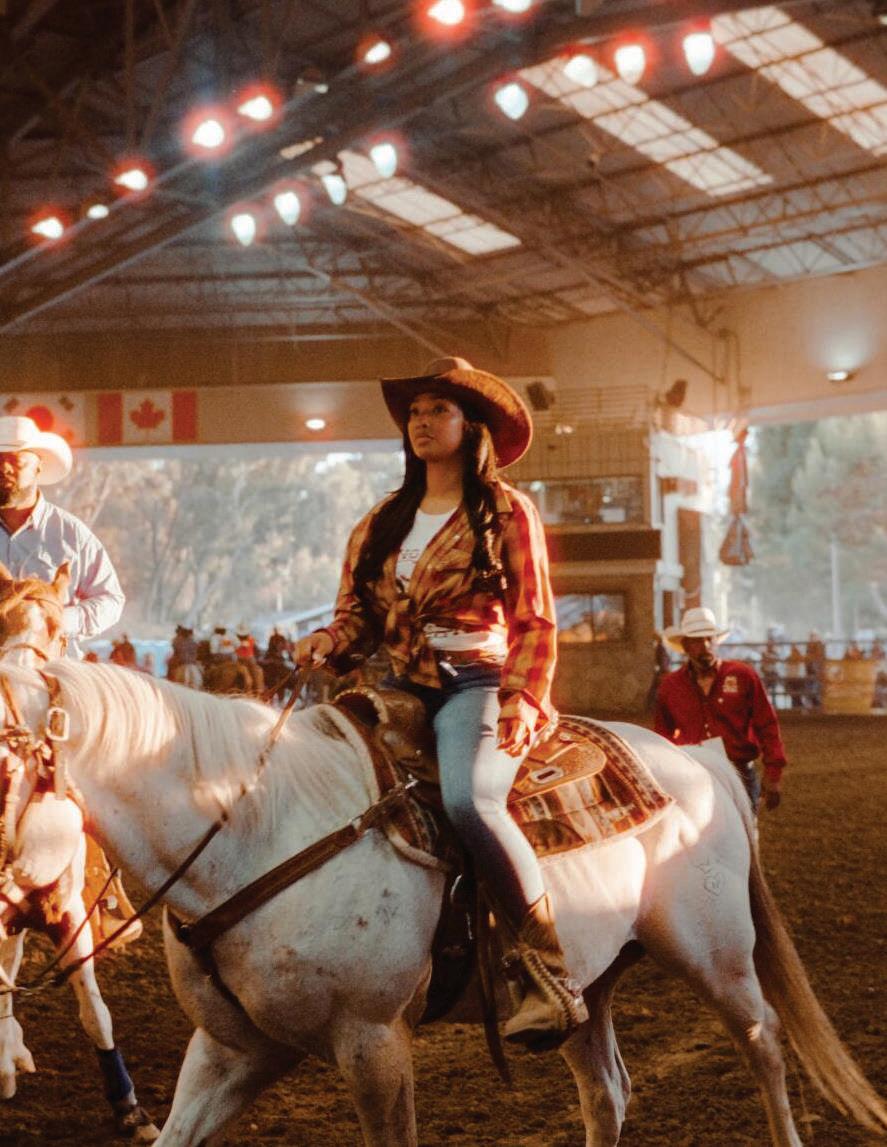
visually thrilling events, particularly bull riding, which is marketed as an extreme sport. As a result, rodeo increasingly prioritizes excitement and profitability over its historical connection to everyday ranch work.
Moreover, the integration of media technologies has altered how rodeo culture is experienced and remembered. Televised broadcasts and online platforms transform rodeo into a mediated experience, allowing spectators to consume it as content rather than as a communal gathering. Riders are promoted through personal branding, social media presence, and narrative backstories, further aligning rodeo with celebrity culture. In this environment, authenticity is often constructed through imagery and storytelling rather than through lived agricultural practice.
Consequently, rodeo culture today often exists in symbolic and representational form rather than as a direct extension of working-class rural life. While traditional rodeos continue to operate in agricultural regions, the dominant public image of rodeo is shaped by film, advertising, and mass media. This shift produces a version of rodeo culture that is increasingly abstracted from its historical roots and redefined as a consumable cultural product. Through commercialization and cinematic representation, rodeo has become not only a sport but a marketable myth of Western identity, sustained by media narratives and consumer desire.
One of the most significant cultural shifts in rodeo culture concerns ethics and animal treatment. Earlier cinematic portrayals rarely questioned the physical impact of rodeo on animals. Bulls and horses were depicted as wild adversaries to be conquered. Modern films and documentaries, however, increasingly acknowledge animal welfare debates and injury risks. This change reflects broader social concerns about cruelty, consent, and environmental responsibility. Contemporary rodeo culture must negotiate between tradition and public scrutiny. Films that portray rodeo today often adopt a more reflective tone, presenting it as a morally complex practice rather than a simple spectacle of dominance
The cowboy figure has also changed. Where earlier films glorified hypermasculinity and emotional repression, modern portrayals allow vulnerability and self doubt. Rodeo riders are shown as athletesdealing with trauma, fear, and economic instability. This humanization alters the mythic cowboyarchetype and aligns it with modern ideals of emotional awareness.
Through cinema and digital platforms, rodeo culture has spread far beyond North America. International audiences now consume rodeo films as representations of Western culture, even when disconnected from agricultural reality. This has produced hybrid forms of rodeo-inspired sports and festivals in other countries, blending local traditions with American cowboy imagery.
Globalization also affects how rodeo is understood symbolically. The cowboy has become a universal figure of rebellion and freedom, detached from historical ranch labor. Movies transform rodeo into a metaphor for struggle, perseverance, and individuality values that resonate across cultures.
However, this process risks simplifying complex histories. Indigenous, Mexican, and working class contributions to rodeo are often marginalized in cinematic narratives, replaced by a homogenized image of white American heroism. Modern scholarship and independent films increasingly challenge this erasure by re centering marginalized voices in rodeo history.
Cinema sustains rodeo culture by appealing to nostalgia for a vanished frontier. Films construct a fantasy of rural authenticity at a time when urbanization dominates social life. Rodeo becomes a site where viewers imagine a return to physical labor, moral clarity, and natural landscapes.
This nostalgia influences how modern rodeo is organized and marketed. Events emphasize traditional costumes, folk music, and rituals that replicate cinematic images rather than historical accuracy. Rodeo thus becomes a performance of imagined pastness. The mythic dimension of rodeo culture serves psychological functions: it provides continuity with national history and offers escape from modern technological complexity. Yet this myth also obscures contemporary realities such as corporate sponsorship, regulated competition, and digital promotion.
Rodeo culture once centered on local community gatherings. Today it functions within national and transnational networks of fans, athletes, and media producers. Social media platforms allow riders to cultivate personal brands modeled on cinematic heroes. This transformation shifts rodeo identity from communal participation to individual celebrity. Riders are marketed as personalities rather than craftsmen. The community aspect persists but is increasingly mediated by screens and marketing strategies. Women and minority riders, historically underrepresented, are now gaining greater visibility through modern media narratives. Contemporary films and series expand the definition of who belongs in rodeo culture, challenging older gender and racial boundaries.
Today’s rodeo culture is a hybrid phenomenon shaped by historical practice and cinematic imagination. Movies have not merely documented rodeothey have actively transformed it into a global cultural symbol. Through narrative dramatization, visual spectacle, and emotional storytelling, cinema has expanded rodeo’s audience and reshaped its values. This transformation reflects broader cultural processes: commercialization, ethical debate, globalization, and nostalgia. Rodeo now exists simultaneously as sport, myth, and commodity. Its meaning has shifted from functional labor to symbolic performance. Understanding rodeo culture through film reveals how popular media does not simply represent tradition but redefines it. Rodeo culture today is not only about riding bulls or roping cattle it is about storytelling, identity, and the ongoing negotiation between past and present. Cinema ensures that rodeo survives not as frozen history but as an evolving narrative that continues to shape modern cultural imagination.