HORIZONS
BROADENING PERSPECTIVES THROUGH ACADEMIC EXPLORATION


BROADENING PERSPECTIVES THROUGH ACADEMIC EXPLORATION
As part of our ongoing commitment to stretch and challenge our most able pupils, all Academic Scholars at Lingfield College in Years 7–10 undertook an extended project this year, with a significant and enriching development to the format In addition to the traditional option of writing a research essay on a topic of their choice, scholars were also given the option to design and create an artefact accompanied by a written evaluation of its success This broader framework allowed for a greater diversity of scholarly expression and enabled pupils to demonstrate intellectual curiosity, creativity, and analytical thinking in varied and meaningful ways
Whether through essay or artefact, the project encouraged pupils to pursue a topic they are passionate about and to develop key skills such as independent research, time management, evaluation, and critical thinking Supported by our Scholars Sessions and the annual Scholars Trip, this initiative continues to inspire a love of learning and academic exploration
A huge well done to all of this year ’ s Academic Scholars for their outstanding work I look forward to celebrating with you at the Scholars Symposium on 3rd June, where we will announce the prize-winners for each year group.
The EPQ Club also continued to run successfully this year, with Year 8 and Year 10 scholars meeting weekly The Extended Project Qualification (EPQ), awarded by AQA, supports students in completing their scholars project and rewards their efforts with a nationally recognised Level 1 or Level 2 qualification.
In addition to researching their chosen topic, pupils in the EPQ Club completed:
A project proposal
Research using both primary and secondary sources
A written report
A bibliography and appendix
A production log to track their progress
A final evaluation in both written and verbal formats
Christina Hubbard Head of Scholars
Baker Scholars Assistant & EPQ Coordinator
This year ’ s scholars have produced work of an exceptionally high standard, demonstrating impressive sophistication in their choice of topics and a consistently articulate, thoughtful depth of analysis throughout
companies be allowed to replace workers with Artificial Intelligence if it’s
focus more on rehabilitation, deterrence, or retribution?

Which cause of World War One was most significant: alliances, militarism, imperialism or nationalism?
Written by Amallie L
World War One (WWI) began on 28th July 1914 and ended on 11th November 1918. It is generally agreed by historians that the war was triggered by the assassination of Archduke Franz Ferdinand of Austria-Hungary, but was caused by a mix of different factors that had been building up over time. These causes were alliances, militarism, imperialism, and nationalism Each of these played a part in increasing tensions between countries in Europe. However, some causes were more important than others. This essay will look at what each of these causes were and which was the most significant To be significant, the cause would have to be sufficiently great or important enough to be worthy of attention. It would have to be noteworthy
An Alliance is a union or association formed for mutual benefit, especially between counties or organizations The two alliances were The Triple Entente and the Triple Alliance The Triple Entente consisted of Great Britain, France, and Russia The Triple Alliance consisted of Germany, Italy, and AustriaHungary Before the outbreak of war, European countries started making alliances, one of these was the Triple Entente The main reason for France and Great Britain’s alliance for Britain originated in their fear of being attacked by Germany and for France it was to defend itself from Germany after it’s victory in the Franco-Prussian war. Strategically, the Triple Entente was in a better position than the Triple Alliance as they encircled the countries in the Triple Alliance causing problems for Germany The main reason for the formation of the Triple Alliance was that Germany - as it is surrounded by other countries and in the centre of Europe –felt like it needed the support in case of an outbreak of
war Germany believed that they could defeat any one of it is rivals but if these rivals’ formed alliances, then they would be too powerful When the Triple Entente was formed in 1907, it was a friendly agreement, and the three members did not necessarily guarantee to go to war to support each other This was significant when Germany made the Schlieffen plan (a plan to attack France by surrounding Paris), as they did not believe that Britain or Russia would go to war if France was attacked. This plan, for the Triple Entente, made it seem like Germany wanted war. The part that the alliance system played in the outbreak of war was that it caused tension between European countries as it seemed like some wanted war If the Triple Entente was not created, Germany may have not felt the need to create the Schlieffen plan reducing a huge chunk of the tension
Militarism is the belief that a country should maintain a strong military capability and be prepared to use it
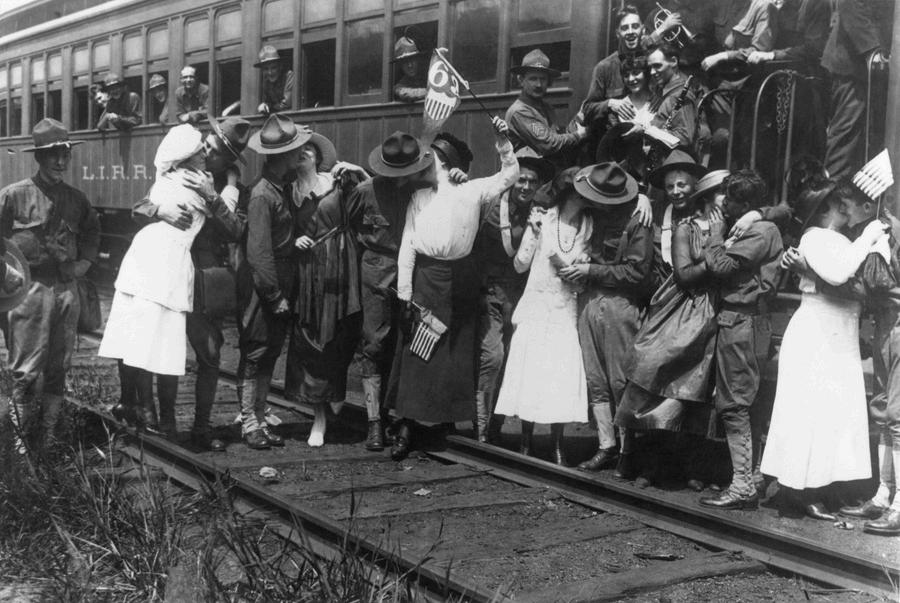
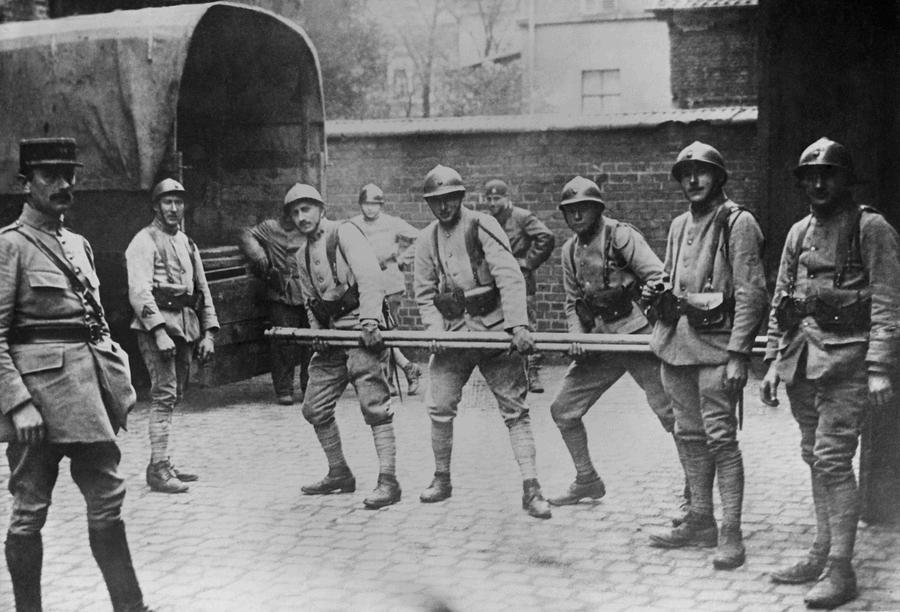
aggressively For the British, militarism came in the form of the national pride of its navy which, at the time, was the strongest in the world For other nations, like Germany, the size and strength of their army was a source of national pride Success in wars and battles provided glory and increased national status for the winning nation Before the outbreak of war, Britain built up their navy and made sure that while their army was small, that it was well trained France and Russia on the other hand, mainly built up and modernized their land army. Russia has the largest standing land army before World War one. Germany wanted to try and gain a reputation for a strong army Before the outbreak of war, Germany not only expanded their navy but also significantly strengthened their land army Italy had one of the least prepared armies and only expanded a little bit but AustriaHungary, however, did not develop their army at all as they were underfunded and underdeveloped
So, with the vast majority of nations building up their armies, militarism could have influenced war because when a county builds up an army it is genuinely with the intent to use them aggressively This shows that all the countries were preparing for war and other nations would have viewed this as threatening. Germany building up their navy was particularly threatening for Britain and its colonies and it was the only one of the Triple Entente that could not be reached on foot. This period of military build-up caused a tense environment where localized conflict could rapidly escalate to a global war
Imperialism is a policy of extending a country’s power and influence through colonization, use of military force or other means In the early 20th century, the two largest colonial empires where the British Empire (which covered more than eleven point four million square miles and three hundred and ninety million people) and the French Empire (which covered over four million square miles and sixty million people) Colonies where a means to protect a nations power and influence and during the late 19th and early 20th century many European countries rushed to build overseas power At one point Britian and France came close to war over their empires in Africa but this was resolved peacefully and resulted in the signing of the 1904 Entente Cordiale whcih later became the start of the triple Entente
As a newly formed nation, Germany felt it had missed out on building an empire However, Germany was able to establish some colonies in Africa, but it found that the British and French hold on the continent was too strong Franch had started to gain some influence over Morocco and Germany tried to use this as an excuse to ‘drive a wedge’ between France and Britain The Kaiser declared his support of Morocco’s independence and in saying this, hoped that they could establish a German port in Morocco. This would give the Germans direct access to the Mediterranean Sea. The French resisted German interference with Morrocco and the British believed that the port would have threatened the strategically important British-controlled territory of Gibraltar An international conference was held, and Germany were forced to back down and in 1911 they tried again and once again got humiliated and forced to back down These instanced further solidified the Triple Entente and Isolated Germany Imperialism definitely played a part in the cause of war by causing lots of tension over empires The Morrocco crisis caused the most tension and humiliation for Germany Imperialism may have caused Germany to want to attack France as they were stopping them from getting a port and influence over Morrocco France had a large empire and Germany where most likely jealous of them If countries where not fighting over territory overseas, there may have been less tension between the countries involved
Nationalism is the identification with one ’ s own nation and support for its interests, especially to the exclusion or detriment of the interests of other nations Many of the British had a powerful sense of nationalism prior to WW1, a lot of this was due to their success in building a large empire Propaganda was used throughout the country to promote nationalism The French – a lot like the British – had a keen sense of nationalism throughout the majority of the country especially as a sense of unity after the loss in the Franco-Prussian war. German Nationalism was not as strong as the British or French due to it being a ‘ young ’ country, but nationalism was growing after military strength grew and a new kaiser was put in charge As we got closer to the outbreak of war, nationalism grew throughout Europe and was quite common Nationalism fuelled intense patriotism and desire for power throughout many countries across Europe This could have potentially led to WW1 as it was already causing wars between some countries


In conclusion, this essay has shown that alliances, militarism, imperialism, and nationalism definitely all had their part in causing World War One, and it is difficult to say that any one of these was the most significant Nationalism created intense patriotism, and imperialism caused competition between countries, but after researching this, I believe that alliances and militarism had the biggest impact This is because the alliance system meant that small conflict quickly spread across Europe and caused Germany to create the Schlieffen plan causing plenty of tension, while the ‘ripple effect’ of militarism made countries more prepared with their land armies, naval forces and air armies, and therefore probably more willing to go to war Overall, although all four causes were important, I believe alliances and militarism were the most significant in turning the tensions between countries into a full world war





Written by Amelia-Rose C
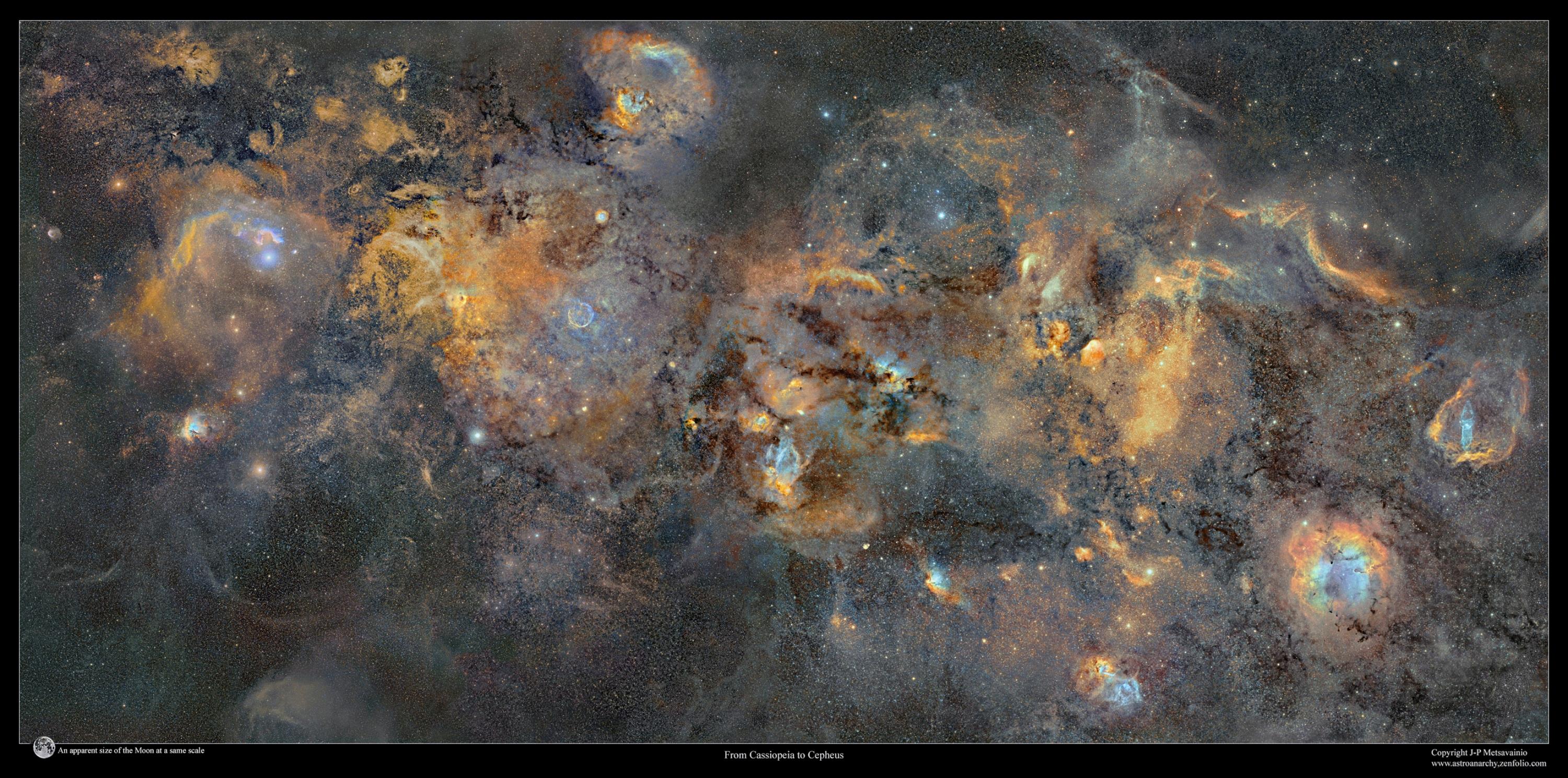
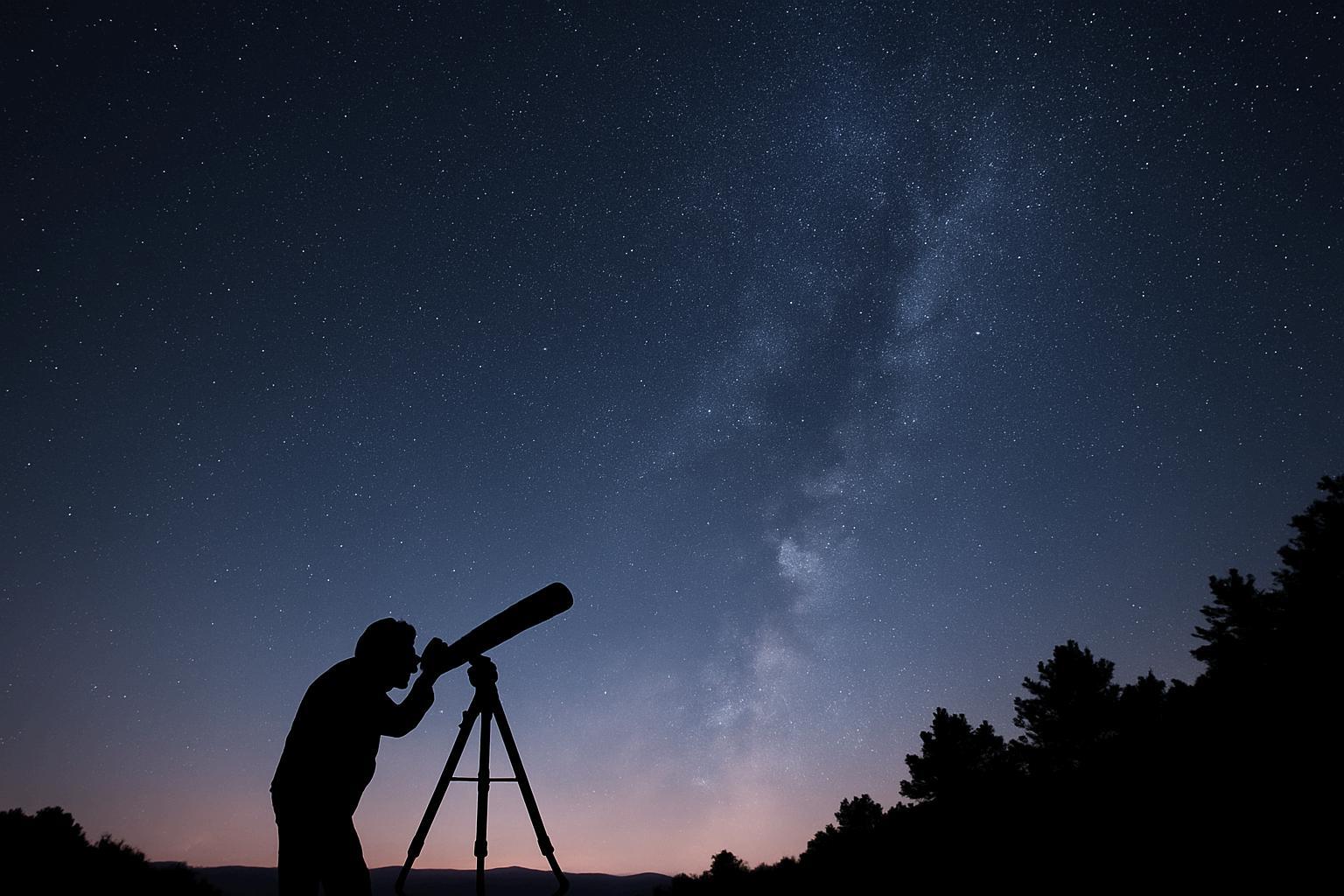
Life has been on earth for as long as 4 billion years It all began as microbial life (microscopic organisms like bacteria and viruses) and eventually, microbes became complex organisms like you and me Extraterrestrial life is any life form that originates from outside of Earth, ranging from simple microbes to complex, intelligent beings. The speculation of extraterrestrial life has been a recurring question for thousands of years and which many scientists have been and still are debating I will explore how alien life may be found in several places in the Milky Way and what makes these places habitable.
I became interested in this topic through visiting Kennedy Space Centre and learning about astrobiologists (study of extraterrestrial life) efforts in finding life beyond our planet In this essay, I want to discover if there could be extraterrestrial life in our galaxy – the Milky Way. The Milky Way is a massive spiral galaxy which includes our solar system along with billions of stars, gas and dust
could be in the right location but still be uninhabitable This can be due to there being a lack of atmosphere; an unstable climate, no long-term water, or a lack of plate tectonics, which means the planet cannot recycle carbon

stars visible in the night sky are likely to have small, possibly rocky, planets similar in size to Earth, and located within the habitable zone of their parent stars It discovered billions of hidden "exoplanets," many of which could be promising places for life
Spectroscopy is a powerful scientific technique which analyses how substances absorb, emit, or scatter light to determine their composition, structure, and physical properties For the past century, astronomers have used spectroscopy to learn more about stars, galaxies, super massive black holes, and the planets in our own Solar System Over the next few decades, scientists’ goal is to observe the spectra of planets and hunt for potential “biosignatures” Biosignatures are any substance, element, molecule, feature, or phenomenon that provides scientific evidence of past or present life The James Webb Telescope is the most advanced infrared observatory and an example of an ongoing mission launched in 2021 which is analysing the atmospheres of distant exoplanets for "biosignatures".
Additionally, in September 2025 NASA’s perseverance rover on mars discovered a "potential biosignature" which is known to be the most compelling evidence yet for ancient microbial life - found in a Martian rock named "Cheyava Falls"
Written by Ariyan P
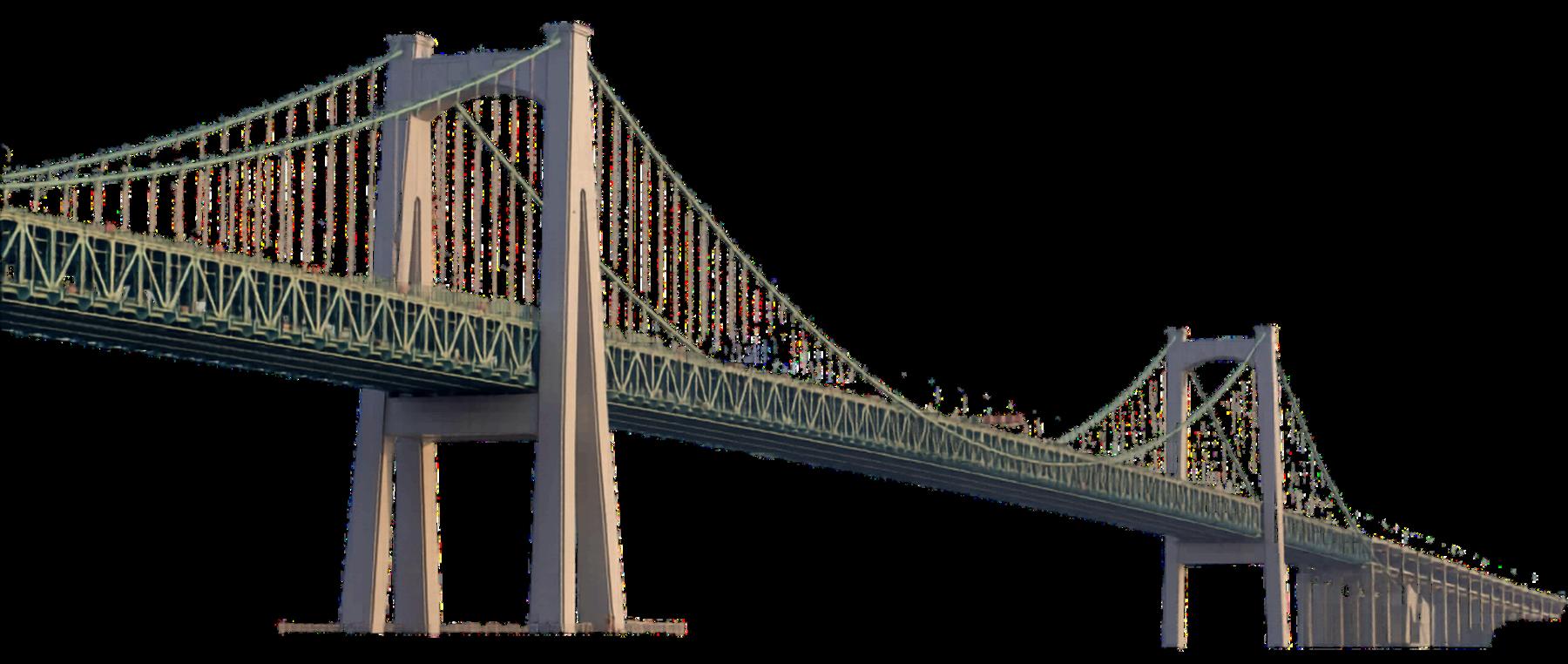
When I see a structure, building or bridge, I don’t just see the beauty of it or its gigantic construction, I’m intrigued to think about every detail of it: How is it held up? How old is it? Who designed it? How does it withstand adverse weather conditions? It is for this reason I have chosen this topic to investigate further The question will aim to address, “How do shapes influence modern architecture?”.
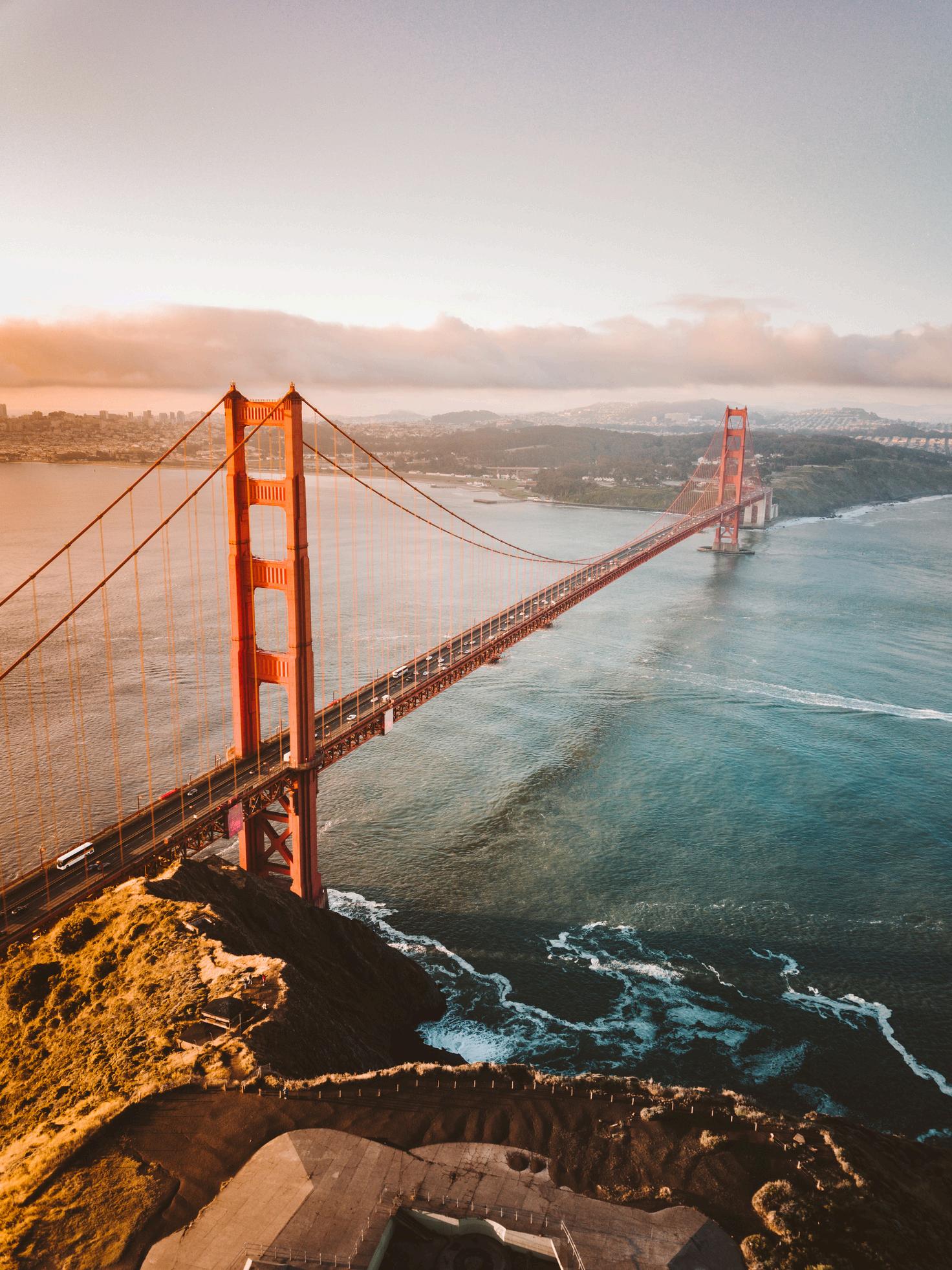
Shapes appear to be simple aspects of everyday life, but when we incorporate them, apply it to the design of various infrastructures and use them in architecture, phenomenal structures can be created One example is the Golden Gate Bridge in San Francisco; the bridge is made up of shapes that support all the weight and tension that’s being put on it
Organic shapes, which are commonly inspired by and designed to look like elements you would find in nature, have irregular or curving forms, these shapes create a sense of fluidity, calmness and movement. All these shapes give infrastructures a strong structural form whilst giving it character through visual art
One area where shapes are prominently used in architecture, and are of key importance, is for the protection against natural disasters For example, infrastructures built to take the force of an earthquake usually have shapes such as triangles and steel cross-bracing. This
allows the structure to be stable as triangles have fixed or hinged points making them very hard to break They are used to efficiently transfer load, distributing the sheer power of an earthquake to each of its points The steel bracing helps to create a triangular framework which gives stability and prevents shaking and buckling Usually, symmetrical shapes distribute energy evenly while irregular shapes experience stress on points, this can cause the structure to fall, this is because irregular shapes have different lengths and angles, making it impossible to distribute weight evenly. Structures that are designed to take on hurricanes and wind usually have shapes such as curved faces or domes These shapes are highly aerodynamic, allowing the wind to move around the building rather than hitting a flat surface, however on a curved surface, there is no face, this allows the wind to go around the building instead of smacking straight into it, which limits its impact Other shapes include hexagons and octagons, which are not as aerodynamic as spheres, but they are better suited to aresist extreme force rather than traditional square homes Structures that are specialised to withstand floods use stilts or pillars to keep it above water, allowing free passage underneath it, this reduces a hydrostatic pressure and allows the structure to minimise any impact of natural disasters.
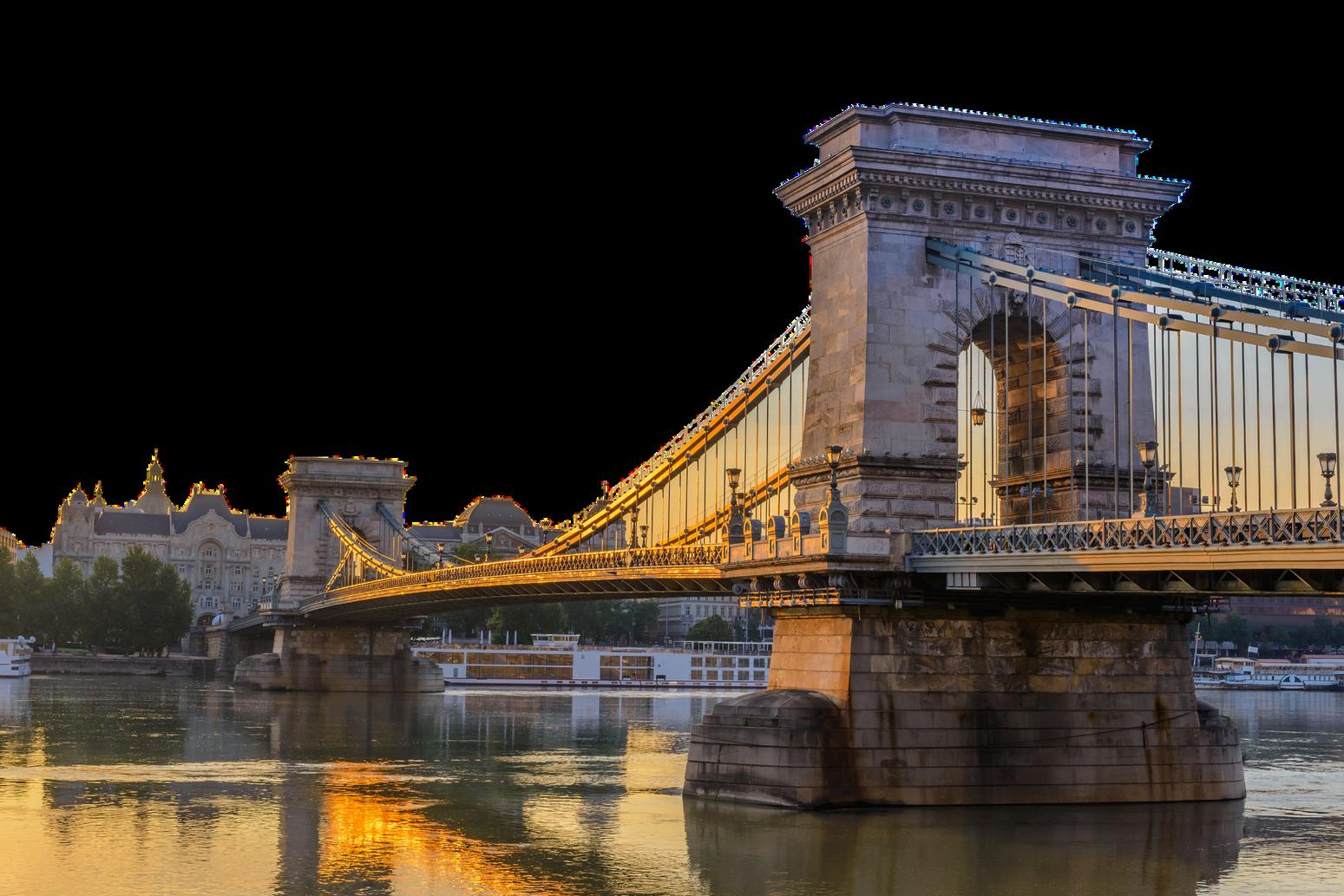
There are hundreds of structures in the world that use shapes to its advantage, one example of this is in the design of bridges Bridges are strengthened by different shapes such as triangles, cylinders and arches Triangles are considered the strongest shape in structural engineering because it is rigid, it cannot deform without changing the length of its sides or breaking the joints Triangles are usually used in truss bridges, the triangles allow the bridge to distribute weight evenly across their sides, turning a downward force into tension and compression along the beams. This allows truss bridges to bear heavy loads. Other examples of triangles in architecture are the Tower Bridge and Sydney Harbour Bridge These bridges are famous for being world monuments but are also admired for their design and ability to hold immense weights
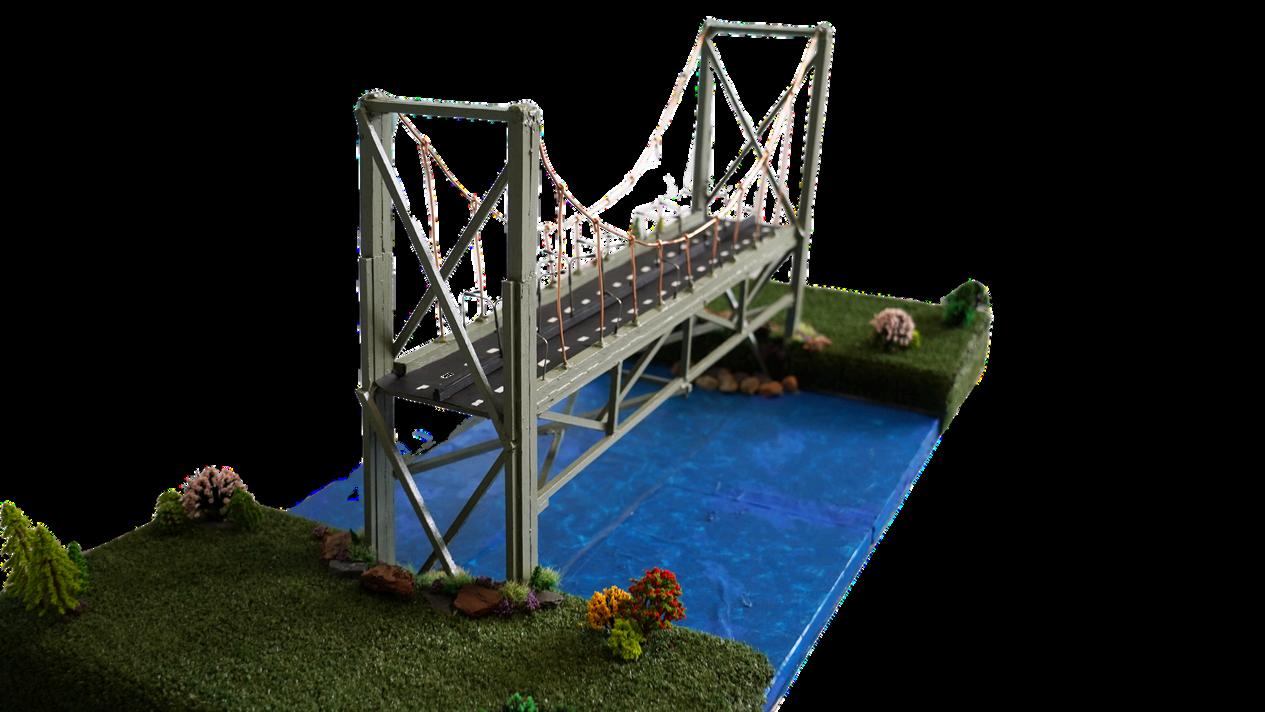
I then moved on to creating the cross bracing for the pillars of the bridge; I measured and stuck them on Then came one of the most difficult parts of the structure, the suspension wire For that, I got approximately 10 metres of copper wire, measured them all to size and used wire cutters to cut them I carefully pinched together the wires and stuck them down onto the road and on top of the pillars, this last step completed the framework of the bridge I wanted to keep the colour of the bridge modern and neutral, for this I chose light green paint which would look nice with the copper wiring The model had to be painted in three coats and left to dry in between each coat




Written by Armaan H
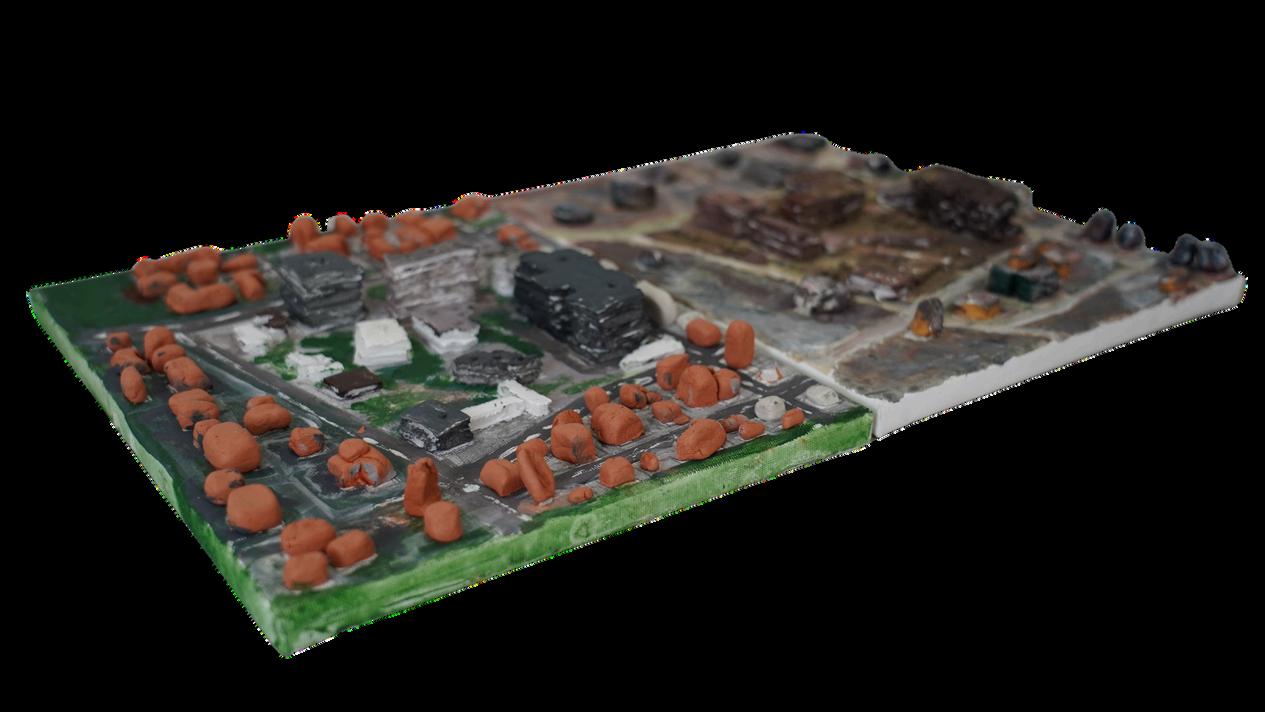
What I have done is created a realistic past and present overview of the destruction of Al Shifa Hospital which is in central west of Gaza city The reason I chose this topic is to show effects of war life on 3 aspects. These 3 topics I am focusing on are the Environmental state, where I will show you the difference in building size Such as comparing the same building that used to stand, but is now toppled over. Additionally, I will talk about social occurrences Such as the significant changes in a person's daily life and what it could mean for their future Finally, I will discover the decrease in Palestine’s economy and deep far into the history of what is happening and what the countries future is as well as what can be done to save war destroyed lands Another reason to why I have done this topic is due to me wanting to learn more about what has happened to Israel and Palestine Just to let you know there will be no bias and I simply am just spreading awareness about helping those in need from all countries around the world.
and present capture of Al Shifa Hospital I am the first canvas you can see many beautiful buildings standing tall whilst looking clean and untouched having a sense of peace However, in the second half you can see mass destruction, rubble, and the buildings are dirtier and more demolished letting us perceive that this place is abandoned everything is now waste and there is nothing here anymore This has led to many important utilities to stay alive in a rainbow has been destroyed therefore

same splatter technique which helped create more depth and realism. After cutting out the plates I then connected them using toothpicks to give it more strength I then cut holes which are small for windows then designed the windows to give more realism on the building
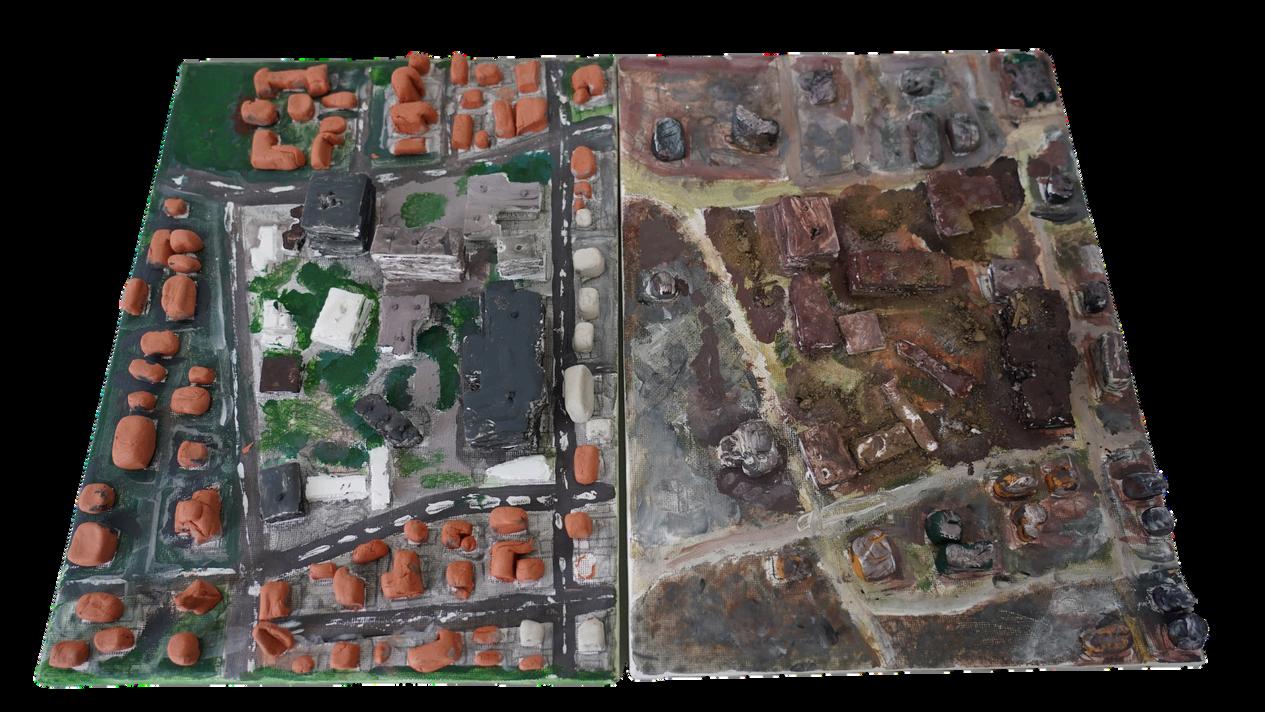
Gaza before Gaza after
Written by Emily C
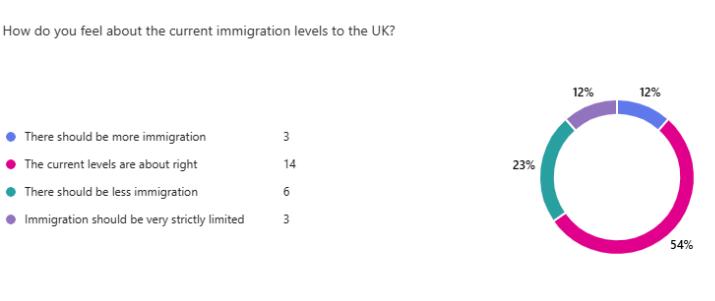
This essay aims to explore how migration has enriched UK cultural life while also creating challenges of integration It will delve into the ways in which immigrants have influenced British traditions, identity and everyday practices, as well as current attitudes towards immigration and whether they are positive, negative or neutral. It will approach these concepts by evaluating the results of a survey conducted on people’s opinion of immigration whilst also analysing statistics on net migration and where immigrants are concentrated in the UK It explores attitudes based on data and concludes whether migration has a positive or negative impact on British citizens.

(or their descendants) that follow migration. They are typically changes that make behaviour or ways of thinking more similar to members of the adopted society” The politician Nigel Farage, for example, thinks that immigrants do not acculturate or “settle in” well at certain levels of immigration Since this idea has been voiced by many, studies have been conducted, showing that first generation migrants usually keep values from where they came from but further on, generations move 50% away from their parents’ values and toward values held by non-migrants This significant percentage shows that half of the immigrant population integrate well but equally half do not Therefore, Farage’s opinion is partially right but equally wrong
There is also the thought that “immigration breaks down the host society’s cultural traditions and harms its cultural identity” As for that idea that “Britain had a fixed, clearly defined culture until immigration arrived to ‘change’ it” history disproves this For example, “black communities existed in British port cities like Liverpool and Bristol as early as the 18th century. After the abolition of slavery in 1833, these communities became a visible part of British society long before modern
immigration debates existed” so Black communities became integrated into British culture without destroying it.
Rather than damaging British culture, immigration further enriches it One way in which immigration enriches British culture is through food Today, “ over half of UK households cook international dishes every week Chicken tikka masala, once a novelty, is now routinely called Britain’s unofficial national dish” Another way by which immigration enriches British culture is through a sense of multicultural identity where diversity is something to be celebrated Emotional restraint, self-deprecating humour and other traditional British traits have not vanished completely- they have adapted Politically, immigration is perceived as a problem even though it is weaved into normal life Net migration may rise or fall and visa rules may tighten or loosen but Britain is not becoming multicultural as it already is Surely this shows that immigration contributes significantly towards British culture, traditions and everyday practices rather than taking it and changing it completely.
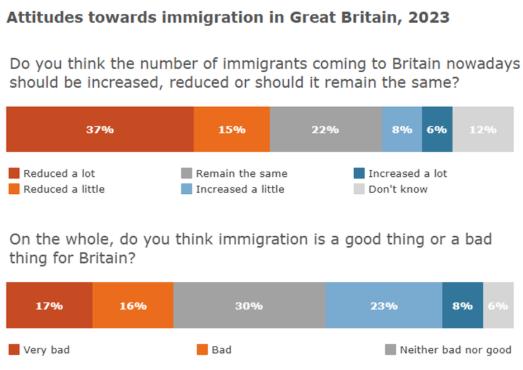
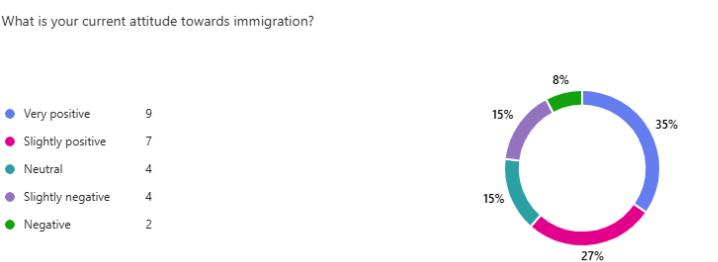
Figure 2 shows a survey conducted by myself

What is your current attitude towards immigration?

Written by Ethan O
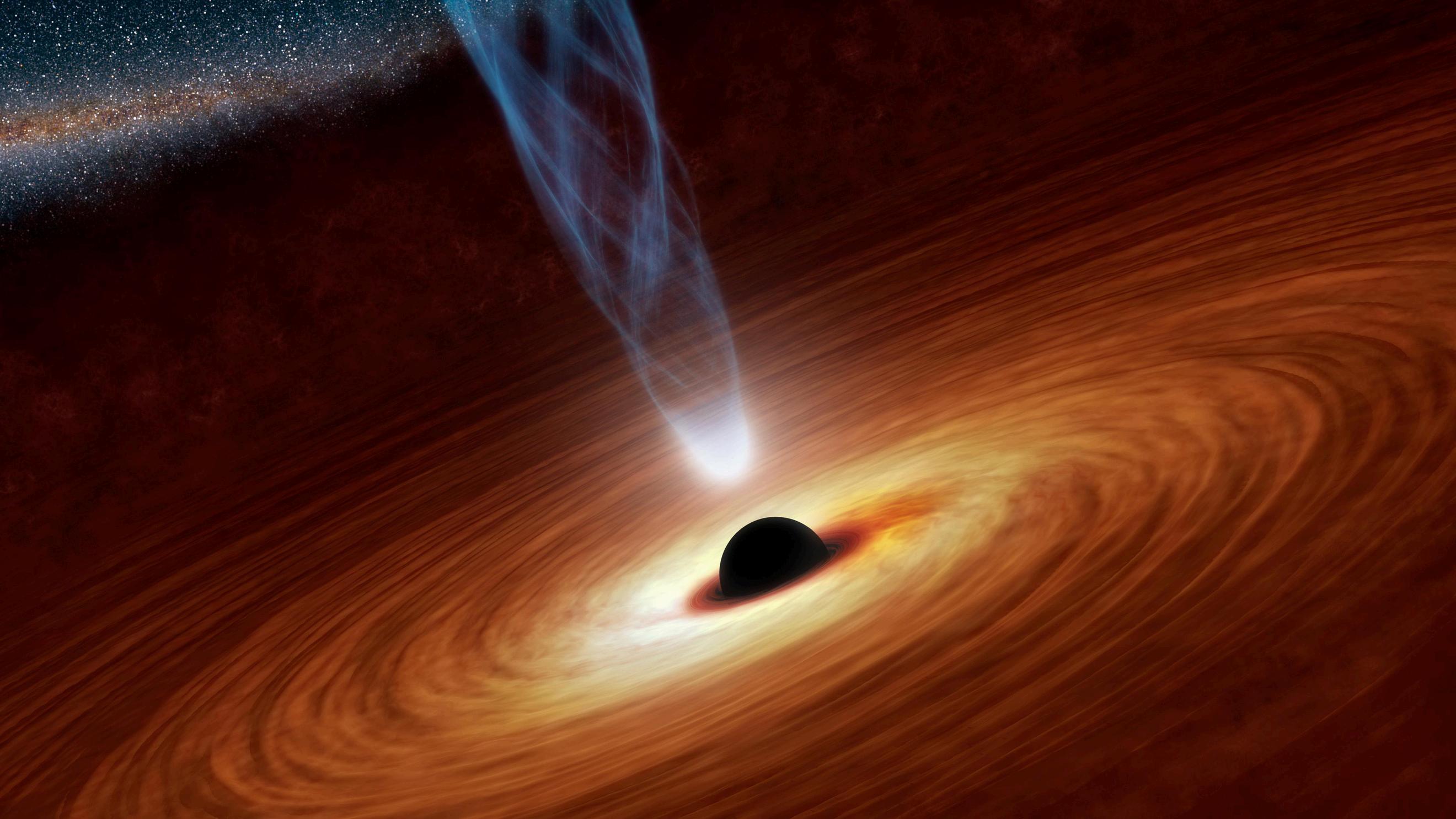
Ichose this topic because I’ve always been interested in black holes and now have the opportunity to do that I can’t get over how powerful they are and how much damage they can do to their surroundings, I think that they go unnoticed by so many people even though they are a magnificent cosmic giant. I hope that in this essay I can break down what black holes are, how they work and how they are created I have a strong interest in physics, so have related the work to that Some people think that it is inevitable that black holes will one day come into our galaxy and eat us, which is not true because black holes don’t really move but instead orbit galactic centres. But possibly two black holes could merge, the gravitational waves emitted can push the new black hole away at huge speeds This is called a gravitational recoil
A fun fact I thought I would share before getting into my essay is in astrophysics, spaghettification, or noodle effect is the vertical stretching and horizontal compression of objects into long thin shapes in a very strong, non-homogeneous gravitational field The term was popularised by Stephen Hawking who described the flight of a fictional astronaut who, passing within a black hole's event horizon, is "stretched like spaghetti It is caused by extreme tidal forces In the most extreme cases, near a black hole, the stretching and compression are so powerful that no object can resist it.
The boundary of
escape
event horizon In general relativity, a black hole's event horizon seals an object's fate but produces no locally detectable change when crossed As such event horizons effectively act as cosmic gatekeepers preventing us from ever directly observing the secrets that lie at the heart of black holes Yet they can reveal a great deal about the environment around them. Black holes exist throughout the universe, with a supermassive one, Sagittarius A*, located at the centre of our Milky Way galaxy, 26,000 light-years away The closest known black hole to Earth is Gaia BH1, residing about 1,560 light-years away in the constellation Taurus They are found in most galaxy centres and as stellar-mass remnants dotted throughout space
An English scientist named John Michell proposed the concept of “dark stars.”
1783
He used Issac Newton’s laws of gravity and said that a star could be so massive that light wouldn’t be able to escape its immense gravity
Also, in about the same time a French mathematician named Pierre-Simon Laplace suggested a similar idea to Johns.
1916
A man named Karl Schwarzschild discovered a mathematical describing a point where gravity becomes infinite- now known as the Schwarzschild radius or the boundary of a black hole
1915 Black holes became realistic after Albert Einstein published the GeneralTheory of Relativity in 1915 which stated how gravity can warp space and time
1930s A man named Subrahmanyan Chandrasekhar showed that very massive stars collapse after they run out of fuel
1939
Robert Oppenheimer was one of the first to describe how gravitational collapse a black hole could form a
1967
The name “black hole” was popularised by a well-known physicist John Archibald Wheeler in 1967
Scientists from the Event HorizonTelescope Collaboration released the first ever image of a black hole, which was located in the galaxy of Messier 87*
1965
Roger Penrose proved that mathematically black holes must form under certain conditions in relativity.
1970s was when the first strong evidence was found Astronomers found powerful evidence to back up black holes in systems like Cygnus X-1, an X-ray source believed to contain a stellar black hole
So, in conclusion really about 8 major scientists made the foundational summary and hundreds of modern astronomers later confirmed and imaged black holes The discovery of black holes is really the work of many scientists across 240 years
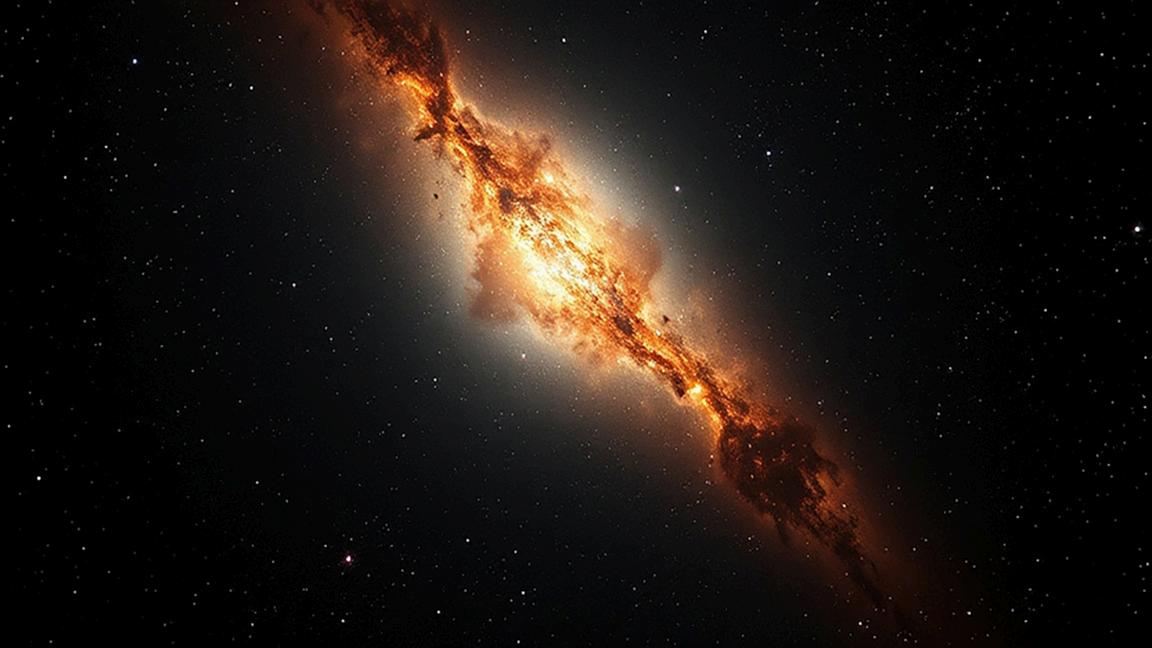
Supermassive Black Holes: Found at the centres of most galaxies, including our own Milky Way, these black holes can have masses, millions or even billions of times that of the Sun Their formation is still a subject of active research, with theories suggesting they could have grown from smaller "seed" black holes, through the merger of multiple stellar black holes, or from the direct collapse of massive gas clouds in the early universe
Intermediate-Mass Black Holes (IMBHs): These hypothetical black holes fall between stellar and supermassive black holes in terms of mass Their existence is still being debated, but observations of ultra-luminous X-ray sources and gravitational wave events suggest their presence Theories for their formation include the runaway collapse of massive stars in dense star clusters or the mergers of stellar black holes
Primordial Black Holes: These are theoretical black holes that may have formed in the early universe shortly after the Big Bang, from density fluctuations in the primordial plasma. If they exist, they could range in size from microscopic to thousands of solar masses and could potentially contribute to dark matter
New research suggests black holes may transition into “white holes”, ejecting matter and potentially even time back into the universe, defying our current understanding of these cosmic giants
The study by the University of Sheffield proposes a revolutionary link between time and dark energy, suggesting that the mysterious force driving the universe's expansion may be used to measure time
The research could pave the way for groundbreaking new fundamental theories and breakthroughs in our understanding of the universe
In 1974, Stephen Hawking proposed that black holes emit radiation, now called Hawking Radiation
What this means:
Quantum effects near the event horizon allow particles to escape. This causes the black hole to lose mass extremely slowly
Over immense time scales, it can completely evaporate
Examples:
A black hole with the mass of our Sun

would take about 10⁶⁷ years to evaporate
A supermassive black hole like the one in the centre of the Milky Way could last around 10¹⁰⁰ years or more
In comparison:
The universe today is only about 13 8 billion years old
The Era of Black Holes
In long-term cosmic predictions, physicists describe a period called the Black Hole Era.
During this era:
Most stars will have burned out. Galaxies will be dark.
The universe will be dominated by black holes slowly evaporating
Eventually, even the largest ones disappear through Hawking radiation
The Final Explosion
As a black hole becomes extremely small:
Hawking radiation increases
The black hole may end with a burst of high-energy radiation
This final stage would release enormous energy, but it happens after unimaginable time scales
Unsolved Mysteries
Scientists still don’t fully understand what happens to the information (particles and their state) inside black holes This is known as the Black Hole Information Paradox Information escapes with Hawking radiation
Professor Stephen Hawking
Written by Ethan S
Globalisation and urbanisation are two of the most powerful forces shaping Africa in the twenty-first century. They influence how people live, work, communicate, and see themselves in the world Although these processes are happening globally, their effects are especially visible in Africa because of the continent’s rapid population growth, expanding cities, and increasing links to international markets. Understanding their impact helps explain both the opportunities and the challenges facing African societies today.
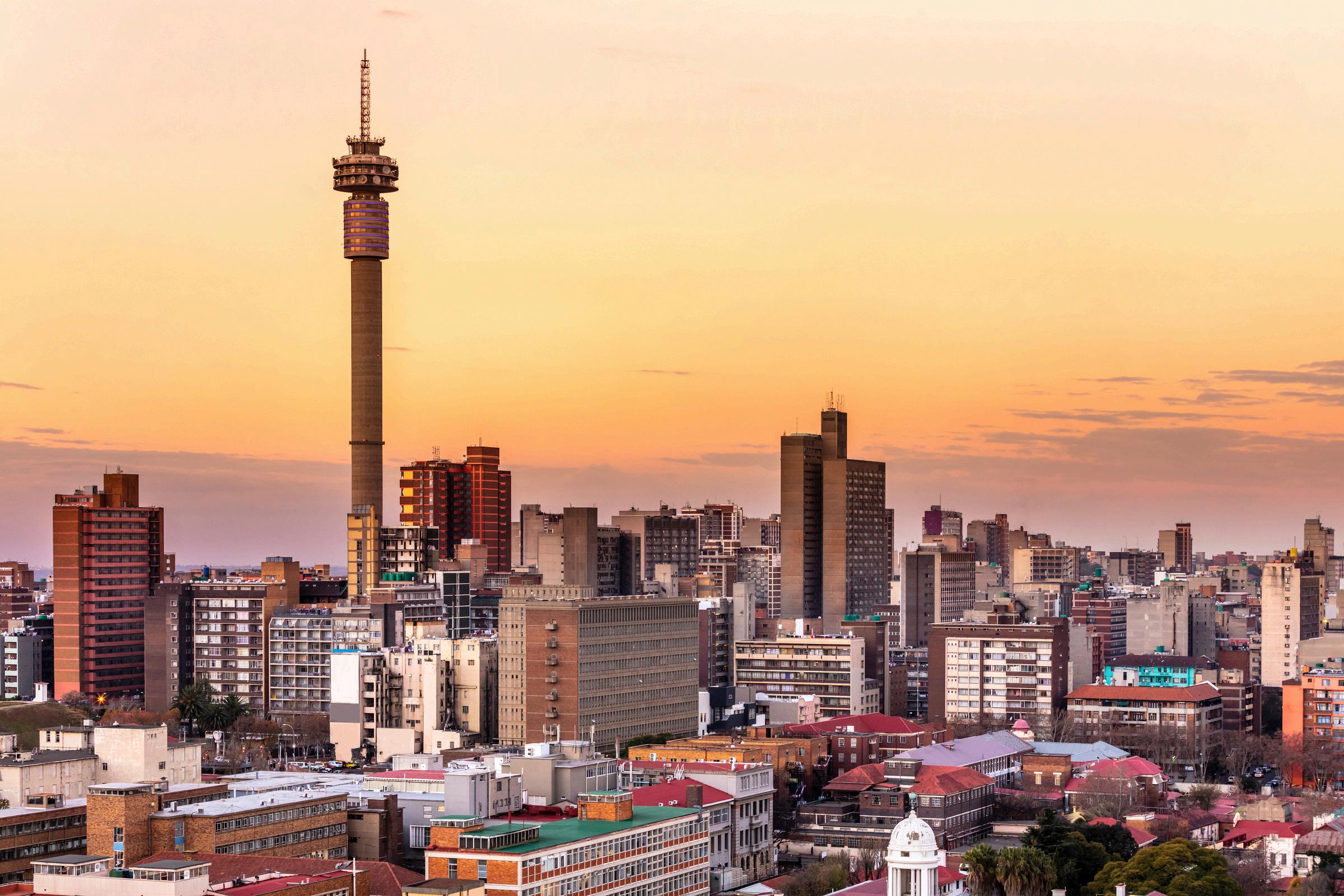

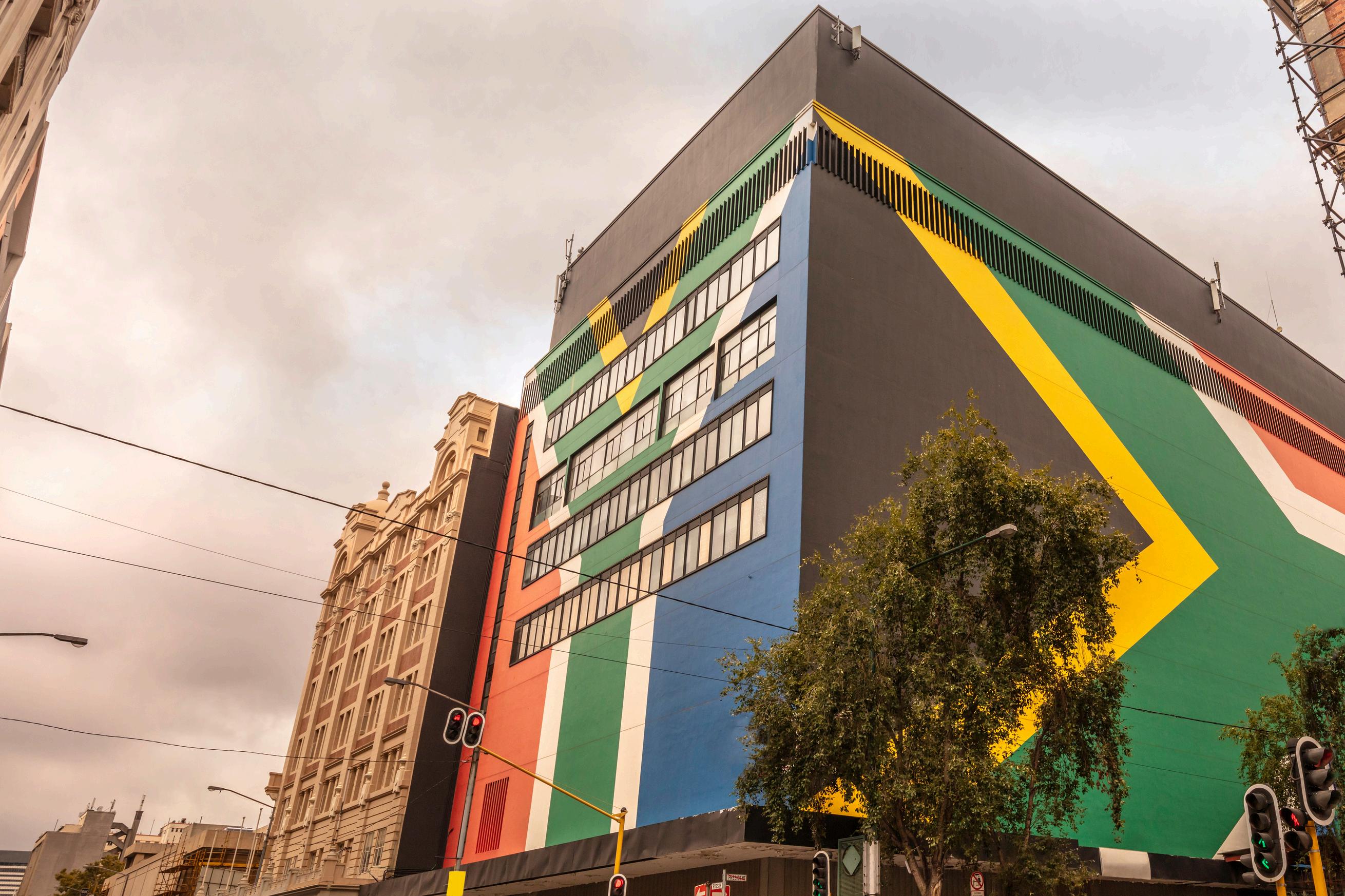
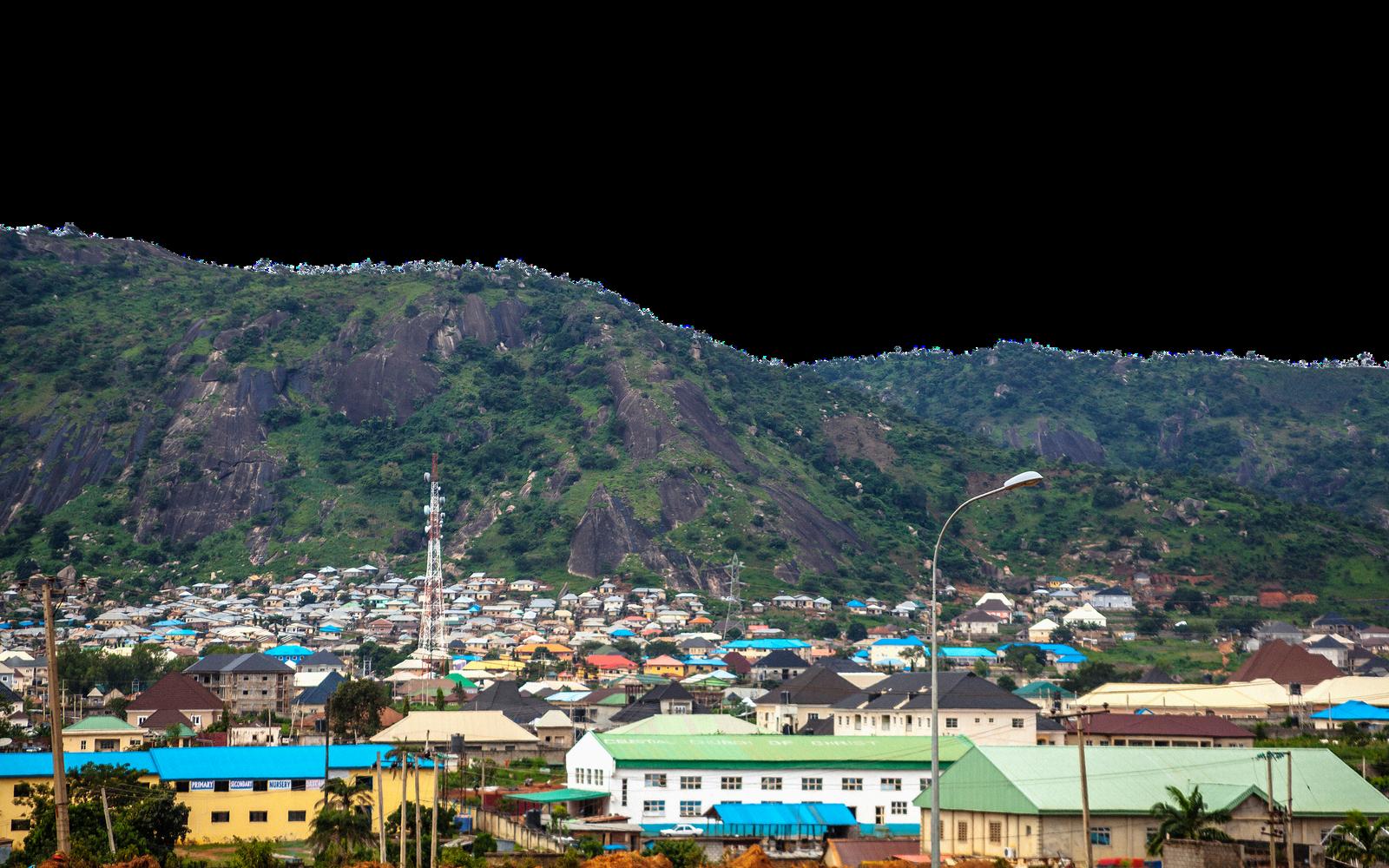
Globalisation refers to the growing connection between countries through trade, investment, technology, communication, and cultural exchange It means that decisions made in one part of the world can quickly affect people thousands of miles away. Urbanisation, on the other hand, is the movement of people from rural areas into towns and cities, leading to rapid city growth. Africa currently has some of the fastest-growing urban populations in the world Cities such as Lagos, Nairobi, and Johannesburg are expanding at remarkable speeds, reflecting both natural population growth and migration from rural regions
These two forces are closely linked As countries become more integrated into the global economy, cities often become the main centres of trade, finance, technology, and industry This concentration of economic activity attracts people seeking jobs, education, and better services However, while globalisation and urbanisation bring economic growth and new opportunities, they also create inequality, environmental strain, and social change
As cities expand, they become attractive to multinational corporations Johannesburg has developed into a major financial centre, hosting banks, insurance firms, and corporate headquarters that operate across the continent Nairobi has built a strong reputation in technology and innovation, sometimes called “Silicon Savannah” because of its growing digital sector. International partnerships, startup culture, and mobile banking innovations have transformed how people do business
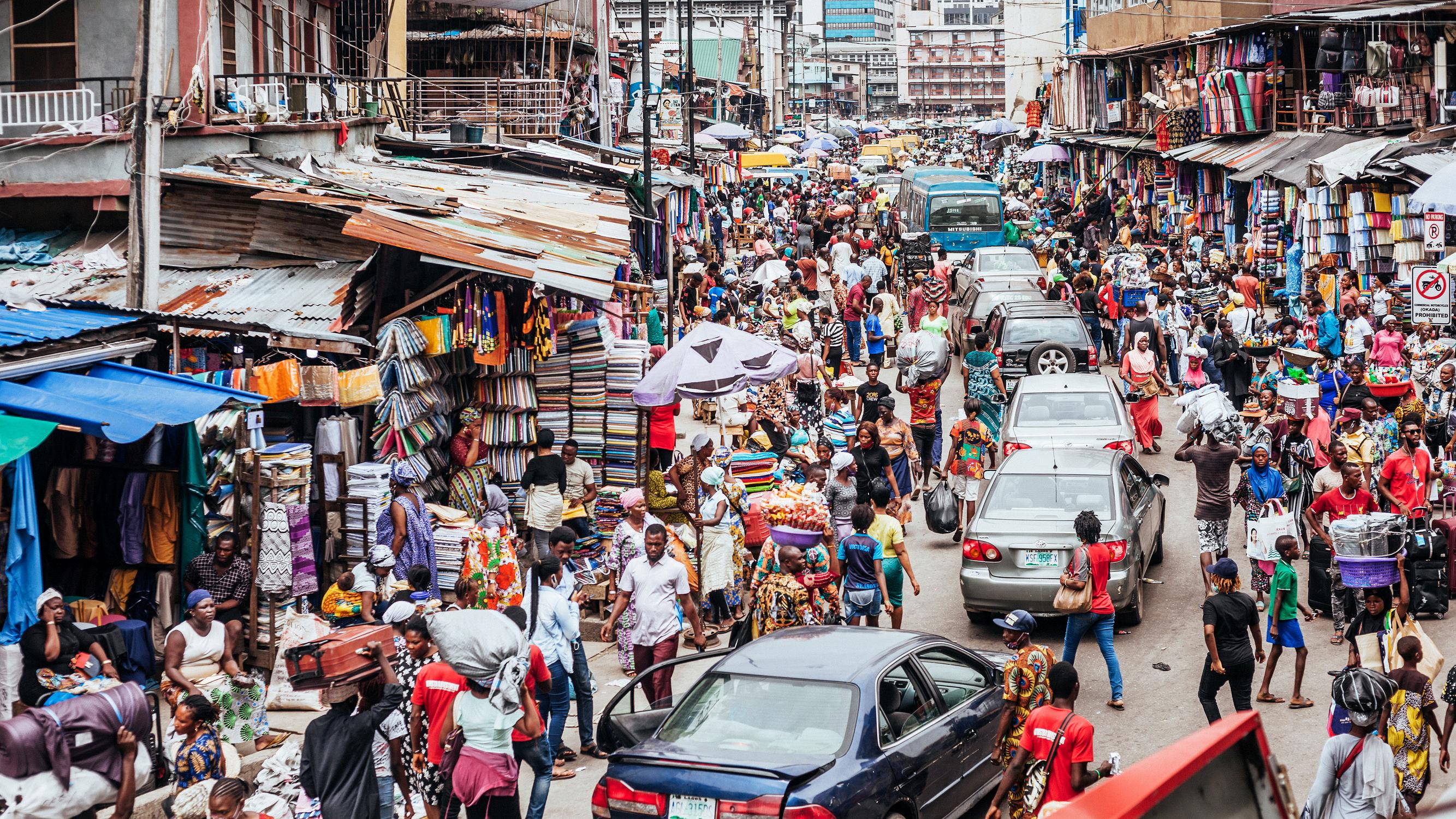
Urbanisation supports this economic expansion When people move to cities, they contribute labour, skills, and consumer demand Cities offer larger markets, better access to services, and improved communication networks This concentration of people and resources often increases productivity and encourages entrepreneurship Street vendors, small business owners, and technology startups all contribute to vibrant urban economies
Regional cooperation has also strengthened trade The African Union has promoted economic integration across the continent, encouraging freer movement of goods and
social media networks like Facebook, allow African audiences to engage with international films, music, and conversations At the same time, African creativity is reaching global audiences in unprecedented ways
musicians African fashion designers, filmmakers, and visual artists are also gaining global visibility. This shows that globalisation is not simply Western influence spreading into Africa; it is a two-way process where African voices shape global culture
The rise of Afrobeats illustrates this cultural exchange Artists like Burna Boy have achieved worldwide recognition, performing on international stages and collaborating with global
Urbanisation accelerates this cultural blending Cities are spaces where diverse ethnic groups, languages, and traditions meet Rural migrants bring local customs, while exposure to global media introduces new lifestyles and values Young people in African cities often combine traditional heritage with modern fashion, music, and technology. This cultural fusion can strengthen creativity and innovation
However, rapid cultural change can also create tension Some communities worry th t t diti l l d ti
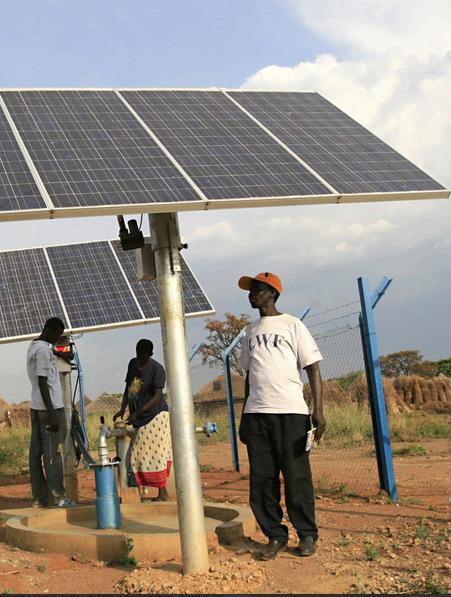
Globalisation has influenced governance across Africa International organisations such as the World Bank and the International Monetary Fund have provided loans and development assistance to African countries In exchange, governments have sometimes implemented economic reforms aimed at stabilising finances and encouraging private investment
These reforms have included reducing government spending, privatising stateowned enterprises, and liberalising trade
In some cases, such policies improved macroeconomic stability and attracted foreign investors However, critics argue that reduced public spending sometimes weakened healthcare, education, and social welfare systems.
As African countries seek to compete globally, governments often adjust policies to attract multinational corporations This may involve tax incentives, regulatory changes, or infrastructure investment While these strategies can stimulate growth, they also raise debates about national sovereignty and the extent of foreign influence in domestic decision-making
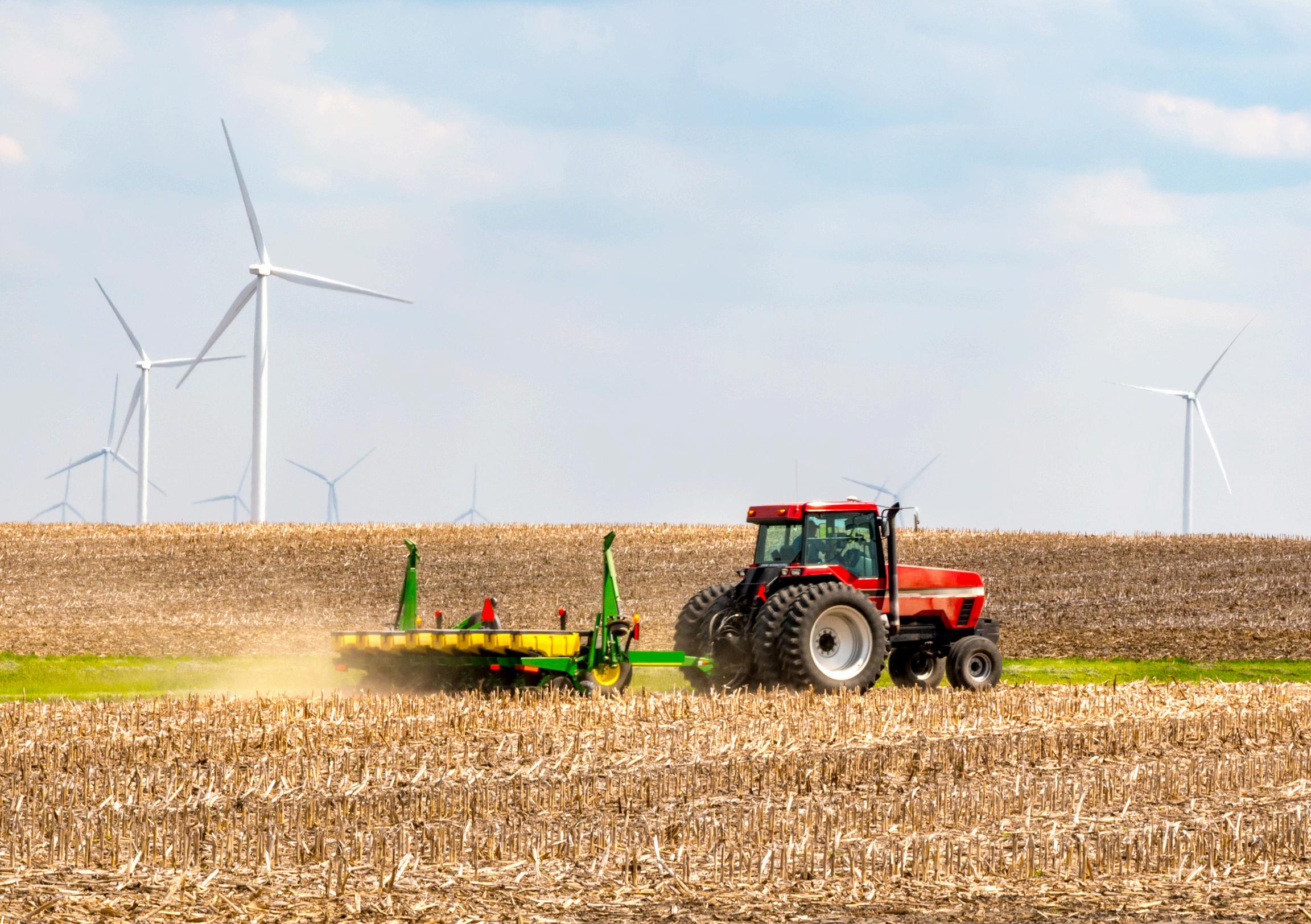
How has agricultural technology continued to improve over time?
Written by Euan D
Agricultural technology refers to the use of modern tools to enhance efficiency, increase yields, and improve sustainability in farming. It has transformed farming from manual labour to advanced machinery capable of performing tasks incredibly quickly, reducing costs, and increasing crop and animal health Rising food demands, economic pressures, and labour shortages in the UK’s multi ‑ billion ‑ pound farming sector drive these advancements. These pressures continue to push farmers toward adopting new technologies This essay explores the shift from manual labour to precision technology, automatic machinery, and the innovations of the future. It also considers how these developments are reshaping modern agriculture’s impact on the environment
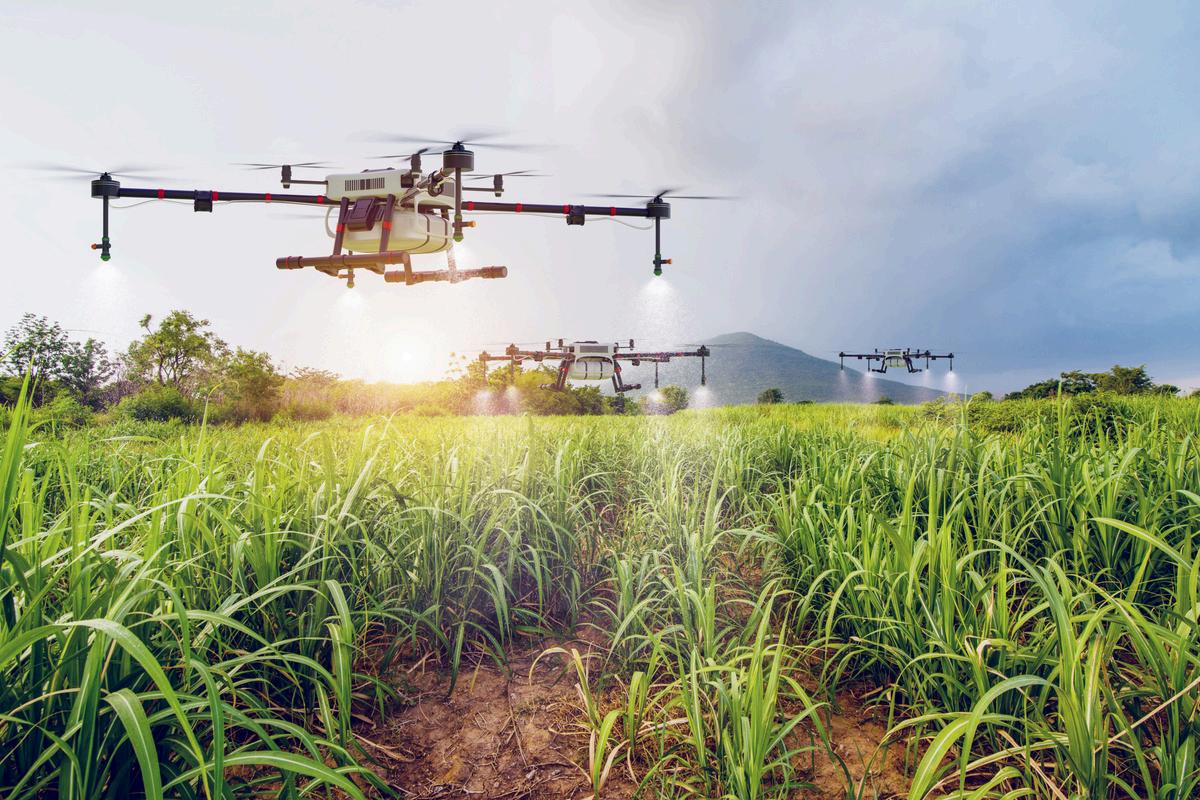
Precision agriculture uses sensors, satellites, and field maps to assess each plant or animal’s needs Farmers apply controlled amounts of chemicals to increase efficiency and decrease waste In the past, blanket spraying and uniform animal rations led to herbicide-resistant weeds and irregular growth Adopting the technology can be costly, but the economic benefits over time are considerable
For example, a see-and-spray system applies herbicides to areas where its cameras detect weeds This can reduce chemical use by up to 60% in some This supports yield growth by reducing crop stress, unlike blanket spraying, which increases the risk of runoff and lowers efficiency. Although effective, see-andspray requires a large upfront investment and advanced technical expertise to operate effectively

Robotic milking systems u tilise computer-controlled software to milk a cow without human intervention The system identifies each cow, prepares its teats, and then attaches milking cups using precision cameras or laser guidance It dispenses a measured amount of feed and monitors milk quality and cow health in real-time Each cow chooses when to be milked, which can reduce stress compared to fixed schedules In addition, more frequent voluntary milking can increase milk production and allow farmers to detect diseases such as mastitis at an early stage. However, automated milking reduces direct human observation, meaning farmers must rely heavily on digital data systems to notice health or behaviour issues
Large-scale farms are increasingly utilising drone surveillance to monitor livestock across large or inaccessible fields The drones come equipped with highresolution and thermal cameras, and can quickly detect isolated animals, identify potential injuries or stress, and check for animals that are calving or lambing The system reduces fuel and labour compared to daily quad bike checks, and the drones can also inspect crops and field boundaries Farmers can save data transmitted from the drones for later analysis and record-keeping, which can support remote vet diagnosis This saves time checking fields and allows early detection of problems, such as broken fencing or lameness in livestock
Cow monitoring systems are composed of wearable sensors, such as ear tags and collars, and cameras that monitor thermal patterns and analyse animal movement. The system sends data to a farm management app, which alerts farmers to any problems As a result, farmers can detect health issues early, leading to improved recovery rates The system depends on accurate sensors but saves a lot of time and lets farmers manage large herds easily
Also, this allows seeds to germinate better, although it may increase herbicide reliance
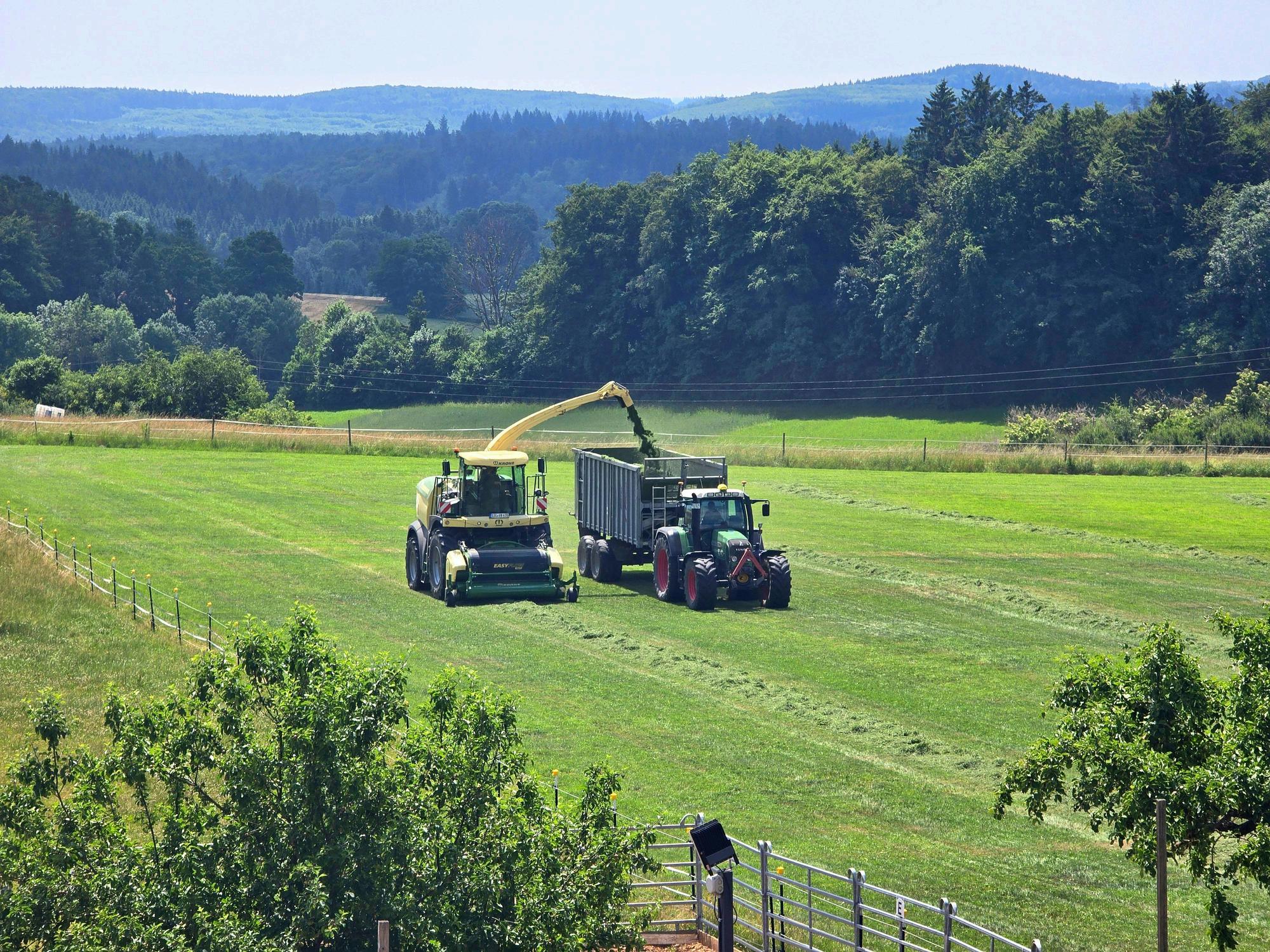
Large ruminant animals, such as cows, are famous for producing a lot of methane through their burps Scientists have discovered that feeding cows seaweed lowers the methane released by each animal The seaweed contains compounds that block key enzymes in methane-producing reactions This means that farmers can manage their herds with significantly reduced methane emissions.
health will enable more efficient production of food, which will reduce pressure from the rising food demands Farmers now have ways to reduce their ecological footprint, without spending vast amounts of money to set them up
Agricultural technology is advancing current systems, but this is not the end point Farmers need future technology to meet the rising pressures of food demand, climate change, and environmental limits For instance, digital data systems powered by artificial intelligence and robotics are currently being assessed These changes will unlock enormous potential but will also increase costs and spark ethical dilemmas, such as animal welfare concerns
Fully autonomous fleets of tractors working together without human help may be achievable in the next few decades For example, tractor-to-tractor communications, such as follow commands, can enable multiple machines to work together across a field This shift will be beneficial to large farms, as it results in fewer full-time workers However, multiple heavy machines in the same field could cause a collision risk, due to the folding or swinging of implements
Another emerging idea for the future of farming is gene editing. Scientists could change the genes of an animal or plant to give it certain characteristics, such as faster growth, or resistance to drought. This means that the edited animal or plant would be more profitable and could be easier to manage However, there is a lot of controversy about changing certain aspects of animals, such as growth rates, as this might weaken immune systems and create organ problems
An upcoming technology designed to help farmers is the creation of digital farm twins, to simulate planting and grazing strategies This tool could support farmers’ predictions of crop health risks and animal disease rates However, systems like this are likely to be expensive because of the cost of mapping every single part of a farm
Investments are being made in the development of selective herbicides, which target certain weeds without destroying crops For example, grass growing amongst wheat can take resources and block sunlight Wheat is also a grass, so spraying a grass removal herbicide will kill the crop A selective herbicide would be created to remove blackgrass, or ryegrass only, leaving the wheat undamaged This advancement makes the process safer for the main crop, but the current development process is expensive
Written by Georgia R

The feeling of being watched is something we are all familiar with. Our brains are hardwired to detect eyes on us, responding to cues outside our direct field of vision That being said, being constantly monitored is not a feeling we are as accustomed to. Nevertheless, there has been some form of watching for a long time In fact, the idea of surveillance has been around for thousands of years with some of the earliest examples being in ancient espionage and monitoring. For instance, the Egyptians often hired spies to find people who were disloyal to the Egyptian crown
Surveillance can appear in many different forms, some clearly meant for safety, such as security cameras in banks, or speed cameras to make the roads safer for drivers, as other examples with perhaps less clear motives: for example, credit card transactions can be used to track your location and spending habits However, as surveillance increases and becomes more advanced “for our safety” how protected do we feel, and is it all beneficial for us, or creating a negative effect on our society and how we behave?
In this essay I will explore what surveillance is, the effects, both positive and negative, of how increasing levels of surveillance can change our behaviour and mental health as well as the impact this increase in
surveillance has on our day to day lives and feelings of security I will then look to reach a conclusion as to whether its benefits outweigh the negative aspects of heightened oversight
Beginning in Ancient civilisations, such as Ancient Rome and Greece, surveillance has been a part of our society for centuries. It is defined as ‘the careful watching of a person or place’ and historically this observation was usually of suspected spies or criminals The foundational period of surveillance began in the late 19th century and focused mainly on government and military use The very first CCTV system was invented by Leon Theremin (who also invented the Theremin, a musical instrument) and was then installed in the courtyard of the Kremlin in Moscow Many more developments took place throughout the rest of the 20th century to bring it to the level we now see today, and the field continues to evolve
Every day, we encounter people, websites, and organisations that consume our data, monitor what we do, and use it for their own benefit.
Social media websites track what we like, what we watch most, and what we are likely to react to. This data can obviously be used for our benefit and make using these apps more enjoyable and personalised Although we are told where the datas going in terms and conditions of using the website, few people read it, meaning we do not actually know where it is being used We know that we are being watched, but somehow this does not affect how we use these websites Similarly, we have items such as store cards, which track what we buy, but often give us rewards reducing the price of future purchases, and so we continue to ignore the ways in which we are being monitored as there is perceived upside
As years go by, our governments seem to increase surveillance Ideas are constantly being put forward that claim to advance national security, but while doing so, give the government more access to our lives

Depending on the source, the number of security cameras in London alone is estimated to be between 600,000 and 900,000 These surveil everything from public spaces to shops, the tube, and private offices These are often in place to stop disasters such as terrorist attacks but are also there to stop significantly smaller crimes such as low-level thievery, which is very common in large cities Another example of increased surveillance is an idea that has been put forward by the American government to require anyone requesting a visa to produce 5 years worth of their social media history, telephone numbers used by the visitor, emails addresses used over the past decade and details about family members This is meant to provide security, safety, and comfort to the citizens of America, but many tourists say it will put them off visiting, which will greatly affect the tourism industry in the USA

(Potential VISA requirement)

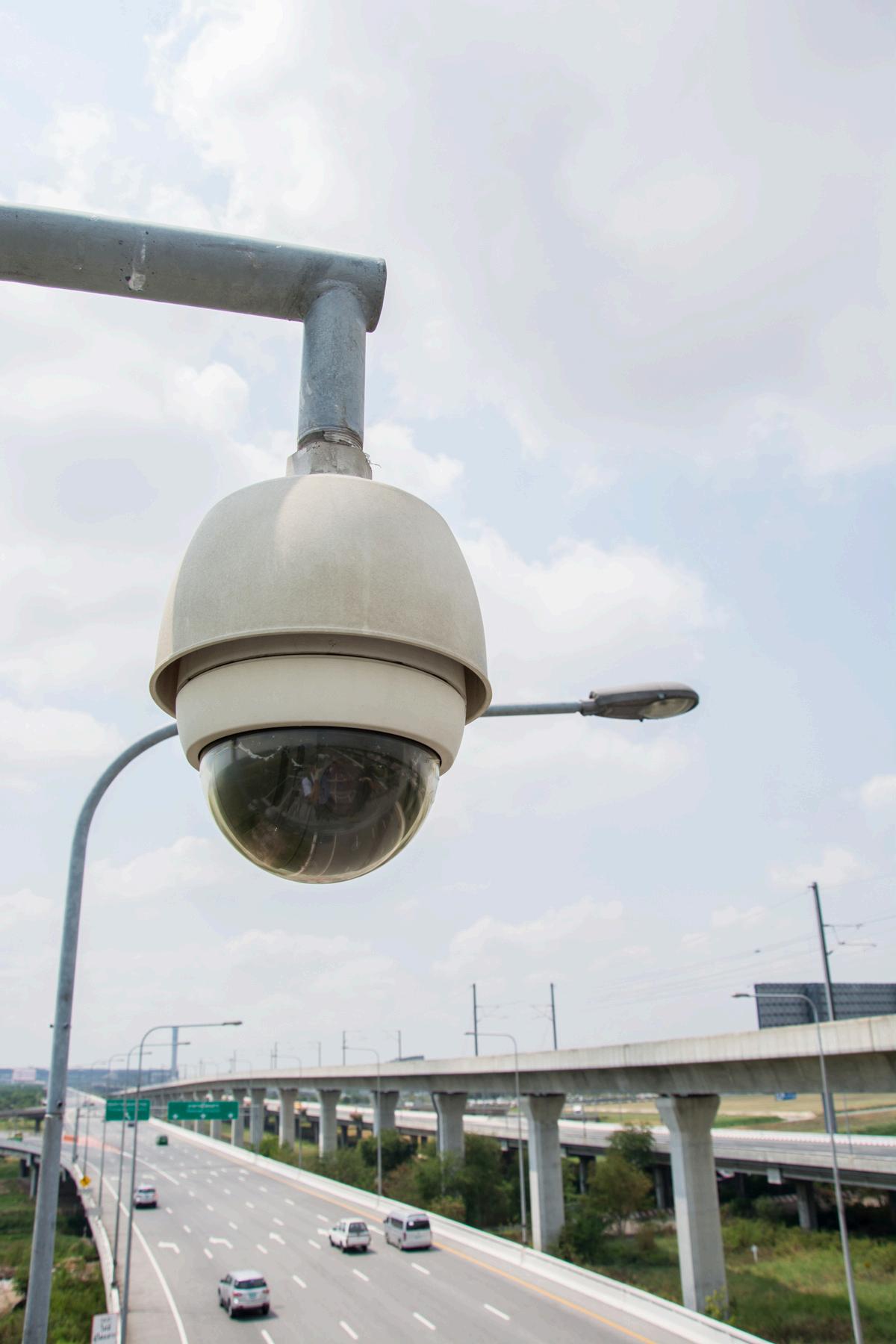
Speed cameras are also an example of how we stick to rules when being watched
Most people will slow down when approaching one of these cameras, to avoid the punishment Knowing that someone could see what we are doing and possibly punish us for it is enough to discourage criminal activity, or even minor infractions of rules This is one way that constant or at least perceived constant surveillance can benefit society and reduce illegal activity
Another way constant or mass surveillance could benefit our world is in possibly preventing pandemics. If we were all being constantly watched, symptoms of illnesses could be easily spotted, and mass outbreaks easily halted They could allow for quicker quarantines and doctors and nurses would know where the sickest people were and could help them
It can also be beneficial in the way that it personalises our online experiences
Most social media sites and apps have an algorithm, which takes in what we watch and enjoy, and searches the platform to find more, similar content for us to see This makes the whole experience of being online much more gratifying and usually causes us to spend more time watching or interacting on the site


Should companies be allowed to replace workers with Artificial Intelligence if it’s cheaper?
Written by Max B
Artificial Intelligence; is it scary or reassuring? Perilous or safe? Advantageous or detrimental? Well, the truth is, as technology continues to progress and evolve, the real question is not whether Artificial Intelligence will replace workers, but how society can adjust to ensure that advancement benefits everyone AI is frightening, but only if us humans make it be.
harmful purposes The truth is, AI itself isn't evil – it solely depends on how humans design and use it AI replacing workers is imminent, and once it starts, the damage is irreversible
Let's get into the debate: why may companies be allowed to replace workers with AI if it's cheaper? Firstly, Artificial Intelligence can be a lot cheaper long-term Instead of paying £1500 or more per month, an advanced AI chatbot can cost £50 - £200 per month, which could lead to faster growth in companies and less labour required. Aswell as this, businesses could save on pensions and insurance costs Because of this, businesses would be able to have cheaper production, which would mean lower prices for customers; revolving back to faster growth in companies All of this could lead to companies surviving better in competitive markets and potentially allowing new companies to establish themselves Along with this, Artificial Intelligence doesn't have to be used just for labour; it could be used for analysing market trends, improving customer service, and helping companies make more informed, strategic decisions.

Many people say Artificial Intelligence is incredible It works 24/7, reduces the risk of human error, and in general makes production incredibly faster, meaning cheaper for clients Furthermore, another major advantage of replacing humans with AI is that robots can work in hazardous environments and handle toxic materials This is a very important point as this unlocks a new range of activities that AI robots can do which no human would ever be able to do Mining, construction, firefighting and more would be incredibly safer and prevent short and long term health problems, such as scars or even death.
On the over hand, Artificial Intelligence taking over jobs may be seen as hazardous, as workers losing jobs may mean significant financial hardship, potentially affecting peoples homes, children and overall life quality Aswell as this, increased unemployment can harm communities; negatively affecting relationships Another colossal problem that may occur if AI took over jobs would be a widening of the gap between rich companies and ordinary workers -increasing economic inequality Additionally, not everyone can retrain; retraining in specific qualifications takes not just money but time This may be necessary as some jobs require completely different skill sets
The idea is that if a human worker earns £30,000, they pay taxes that help fund things like the NHS or public transport If a robot does the same job, the government loses that tax income A robot tax would make companies give back part of the money they save from using AI This money could then fund Universal Basic Income or large-scale retraining programs According to the World Economic Forum’s 2023 report, almost half of workers will need to learn completely new skills in the next five years just to keep up with AI.
Without solutions like this, AI could end up creating more problems than it solves Instead of progress, we might end up with a permanent group of people whose work is no longer needed and who struggle to make a living. Now, for the big question. Is it ethical to replace humans just to save money?
From a moral and ethical perspective, replacing workers with Artificial Intelligence for the sole purpose of financial gain raises serious concerns If companies were to prioritise revenue over the wellbeing of employees, it suggests that they are treating their workers as disposable and useless, rather than valuable members of society In fact, around 40% of employers expect to reduce their workforce where AI can
where AI can automate tasks (From National University) Furthermore, if businesses were to replace workers with AI, many customers may miss basic human interaction – a survey found that 70% of consumers prefer speaking to a human rather than a chatbot or digital assistant when dealing with customer service (from retaildive com) Overall, human interaction in stores is a positive, however, do the pros of AI in businesses out-weigh this?
of people want to speak to a human
of employers expect to reduce their workforce with AI

The long-term effects of Artificial Intelligence are not about people losing their jobs They could completely change how our global economy works One big concern is something called unemployment, a term first used by the economist John Maynard Keynes It essentially means that new technology can replace jobs faster than we can create ones As companies turn to Artificial Intelligence because it is cheaper and faster, the old idea that people work for a wage that keeps the economy running could start to break down
A study by Goldman Sachs in 2023 suggested that generative Artificial Intelligence could eventually take over the equivalent of 300 million full-time jobs affecting around a quarter of work tasks in the US and Europe Some people argue that this will boost GDP by 7% but the big question is: who benefits from that extra money? If most of the profits go to tech companies the gap between the people who own the Artificial Intelligence and the workers who lose their jobs could get dangerously wide.
To address this some economists and tech leaders like Bill Gates in a 2017 interview with Quartz, have suggested a robot tax The idea is that if a human worker earns thirty thousand pounds, they pay taxes that help fund things like the NHS or public transport If a robot does the job, the government loses that tax income A robot tax would make companies give back part of the money they save from using Artificial Intelligence - this money could then fund Universal Basic Income or scale retraining programs According to the World Economic Forum's 2023 report almost half of workers will need to learn new skills in the next five years just to keep up with Artificial Intelligence
Without solutions like this, Artificial Intelligence could end up creating problems than it solves Of progress we might end up with a permanent group of people whose work is no longer needed and who struggle to make a living. Artificial Intelligence could have an impact on our lives and we need to think about how we can make sure that Artificial Intelligence helps people, not just companies We need to make sure that the benefits of Artificial Intelligence are shared by everyone, not just a few people who own the Artificial Intelligence
Ultimately the question of whether companies should replace workers with Artificial Intelligence if it's cheaper does not have a simple yes or no answer. Artificial Intelligence clearly offers benefits to businesses and society
It can help companies work efficiently save money do tasks that are too dangerous for humans and compete with other companies around the world
In industries AI can save time reduce mistakes and even help solve problems that humans find difficult.
However we need to think about how Artificial Intelligence affects workers and communities
If businesses replace employees just to make more money millions of people could lose their jobs

This could lead to unemployment, economic inequality and social instability
Work is not about earning money; it also gives people a sense of purpose, stability and a feeling of contributing to society For this reason governments, businesses and society need to work to manage the rise of Artificial Intelligence in a responsible way Some possible solutions include:
* Programs to help workers whose jobs are affected
* Education in digital skills to prepare people for new jobs
* Ideas like a robot tax or Universal Basic Income to support workers
Instead of replacing humans entirely many experts think the future of work will involve humans working alongside Artificial Intelligence In this future technology assists people than replaces them completely
In conclusion Artificial Intelligence itself is not the problem The real challenge lies in how humans choose to use Artificial Intelligence Companies should be allowed to adopt AI when it improves productivity and safety They also have a responsibility to think about the wider consequences for society With regulation, investment in education and fair economic policies Artificial Intelligence could become a powerful tool, for improving human life If handled poorly however it risks making inequality worse and leaving people behind














Should prisons focus more on rehabilitation, deterrence, or retribution?
Written by Oscar C
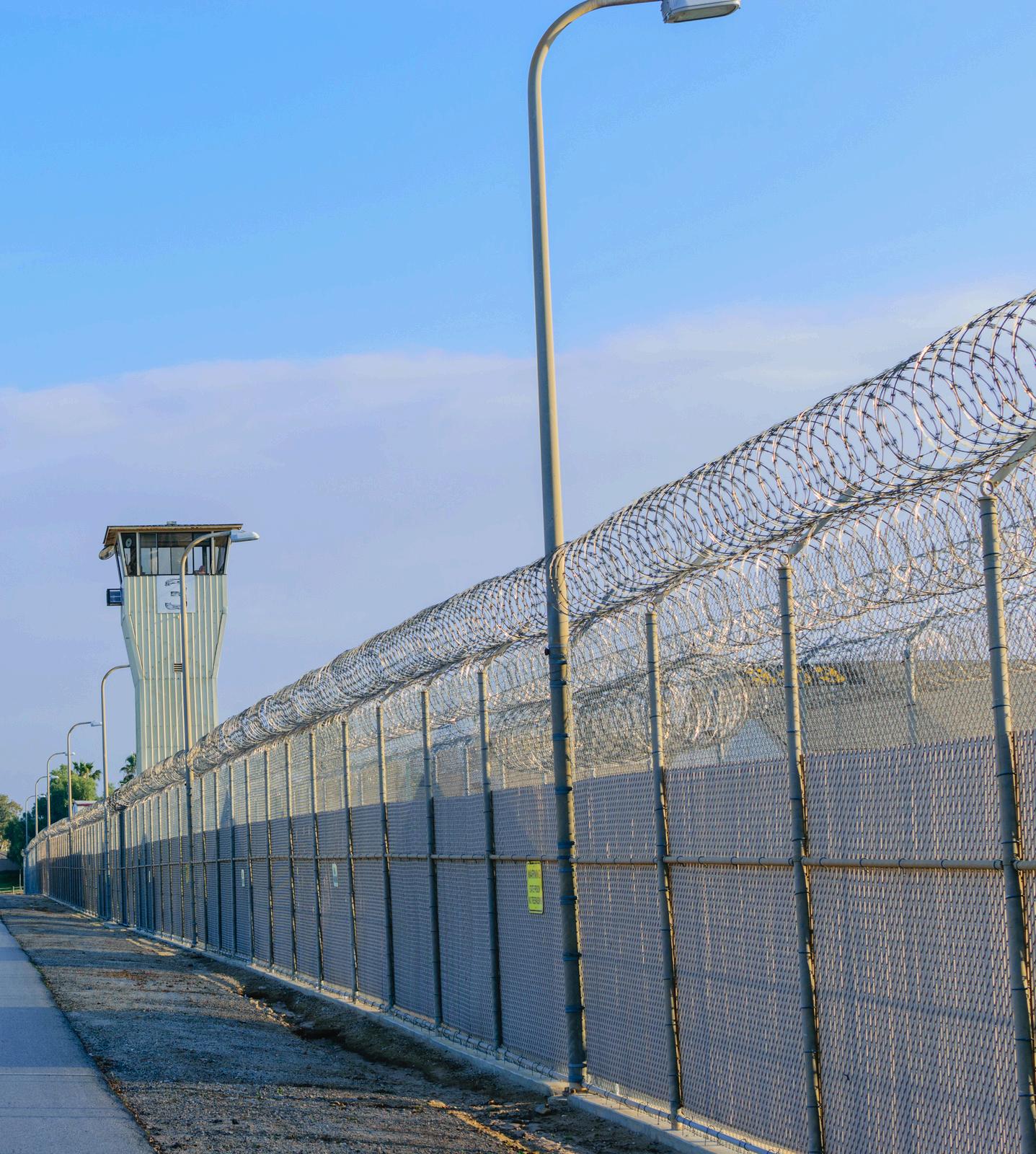
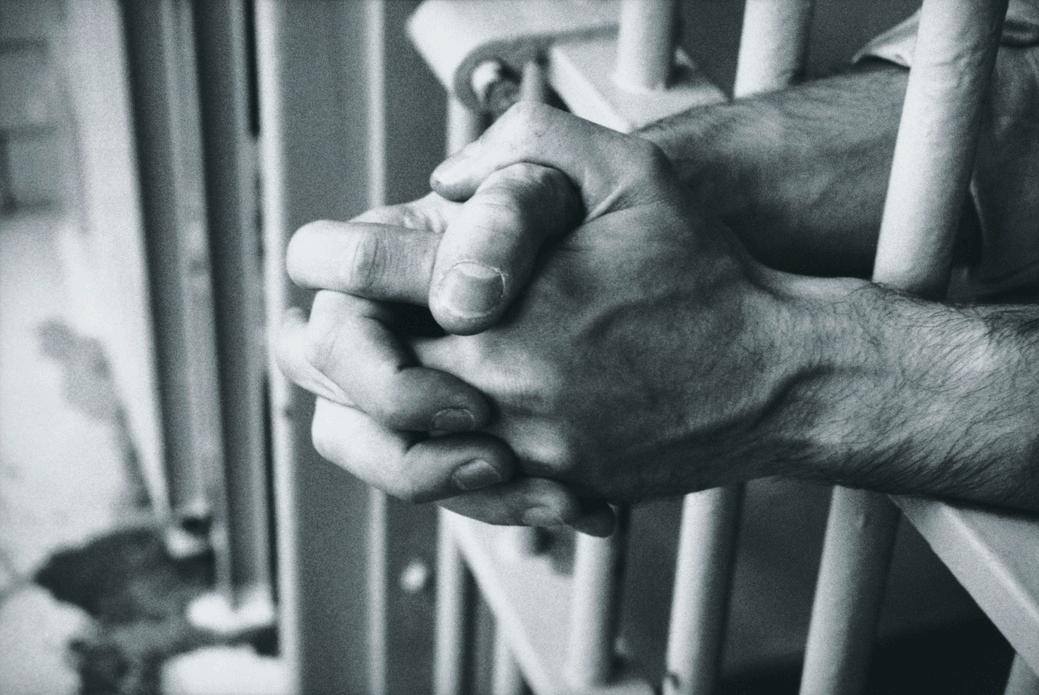
Prison can be thought of serving multiple different purposes, for example a place to rehabilitate criminals and guide them to becoming productive members of society that can give back to the community However, it can also be seen as a place to punish and retribute those who have wronged and keep them away from the public Another way of seeing prison is to scare and deter anyone who might think of committing any crime to prevent it happening in the first place.

prisoners time in a cell daily


re-conviction ates in UK within one year spent per prisoner in UK annually
even easier to get prisoners to become good members of society that make a positive impact to their community. Another effective way of transforming criminals to be better than who they were when they came into the system is behaviour therapy This helps by addressing the psychological causes of criminal behaviour then helping reduce negative thoughts Finally, the best way to rehabilitate is giving them basic academic education improving literacy skills and teaching simple maths to them
A study of 47,722 prisoners showed 73% of those had a literacy level of an 11-year-old or younger, hence classes should be forced upon inmates who are normally being counterproductive in their cells. With these skills their employment opportunities increase compared to work experience that partially limits the range of jobs available
How is rehabilitation effective?
First, it reduces reoffending rates drastically; in 2017 the reoffending rates for inmates that took classes was 34% while those that did not was 43% This on its own is astounding that taking some classes in prison could reduce the reoffending rates by almost 10%

than a possible penalty Finally, the last method of deterrence is more severe punishments for all crimes, this could deter those who think of doing minor crimes like theft, to turn away from a criminal lifestyle
How is deterrence effective?
Deterrence is effective because it reduces crime before it even happens making it safer for the public to go about their daily lives Preventing future crime helps by keeping prisons from becoming overcrowded which can also reduce reoffending. In addition, by having a strong justice system it can deter regular people with fear of the severe treatment that prisoners must deal with Finally, deterrence sets an example for everyone, others see somebody getting punished harshly they are more likely to avoid committing crimes like that
Why should prisons deter?
Prisons should deter because it conserves resources in the long term as less people are going to prison in the first
Written by Summer F

Social media has become one of the most influential forces shaping modern life. Platforms such as Instagram, TikTok, Snapchat and Facebook allow people to communicate from all across the world For many people including me, checking notifications is the first thing we do in the morning and the last thing we do before going to sleep For us teenagers and young people especially, social media is not just a tool, but a necessary part of our daily life. While these platforms have many benefits, they also have noticeable effects on mental health- both positive and negative Understanding these impacts is essential in order to use social media in a healthy and balanced way. Mental health, which includes emotional, psychological, and social well being, is deeply influenced by social media The way us individuals think about ourselves, compare our lives to others, and seek validation is constantly shaped by online interactions because of the fact that social media plays such a powerful role in shaping identity and relationships, its impact on mental health deserves careful consideration.
Another benefit would be for individuals who feel like they don’t belong in their communities or schools, social media can provide a sense of belonging. These online communities allow people to connect with others who have similar interests, identities and struggles This can be very helpful for teenagers who may feel misunderstood in their current surroundings For example, a student interested in art, gaming, or a specific hobby can find thousands of others online who share a similar passion These connections can make us feel supported and understood, which could positively influence our emotional well-being Social media also offers spaces for selfexpression Users can share art, music, opinions, and personal experiences This outlet can boost confidence and help individuals develop their identity and many people use platforms like YouTube to display talents or discuss topics they find interesting

they may feel more confident in their abilities For some individuals, social media becomes a platform where they discover talents and develop new skills, such as photography, video editing, writing, or public speaking
Creating and sharing content allows us to express our personalities and creativity in ways that might not be possible in everyday life Positive feedback and encouragement from others can strengthen our self-esteem and provide motivation When us teenagers receive supportive comments for their efforts,
In addition, social media increases awareness about mental health itself Campaigns, Influencers, and organizations frequently share information about anxiety, depression, and self-care strategies. Seeing open conversations about mental health can reduce stress, pressure, and encourage people to seek help when needed For some individuals, reading about others’ experiences helps them feel less alone in their struggles and this could be comforting and reassuring to those who feel alone Online platforms can also provide access to educational resources, coping techniques, and support networks that might be difficult to find and access in real life
Despite these benefits, social media can also have harmful effects One of the most significant ways social media affects mental health is through body image and appearance standards Visual platforms encourage users to post carefully selected and edited photos that present an idealized version of reality. Filters, photo- editing apps, and specifically chosen angles can change how someone looks On platforms like Instagram,
influencers often share images that promote unrealistic beauty standards, whether through flawless skin, perfect body proportions, or luxurious lifestyles
Teenagers who constantly view these images may begin to compare themselves unfairly Over time, this comparison can lead to body dissatisfaction, insecurity and low selfesteem When young people feel that they do not meet these unrealistic expectations, it can cause anxiety and even symptoms of depression The pressure to appear perfect online may also cause stress, as we feel that we must maintain a perfect digital identity Another concern is cyberbullying. Unlike traditional bullying, online harassment can happen at any time and reach a large audience quickly. Hurtful comments, rumors, or exclusion from online groups can deeply affect a young person ’ s mental health because of the fact that social media is accessible every hour of the week, this might cause victims to feel that there is no escape from the constant negativity According to the RSPH (Royal Society for Public health) 7 in 10 people said they had experienced cyberbullying
Excessive screen time is also linked to mental health challenges Spending many hours scrolling through content can reduce time spent on physical activity, face-to-face interactions, and sleep Lack of sleep in particular is strongly connected to mood problems such as irritability, anxiety, and sadness
The design of apps like TikTok encourages continuous scrolling, making it difficult for users to stop According to the World Health Organization (WHO), roughly 11% of adolescents exhibit problematic usage patterns
Additionally, social media can increase anxiety through fear of missing out (FOMO) When users see photos of party’s trips, or social events they were not invited to, they may feel excluded or lonely. The pressure to maintain an online presence- responding to messages quickly, gaining likes, and staying updated - can create constant stress.
In the long term, constantly comparing oneself to others online can affect how individuals see their own identity and selfworth Teenagers may begin to base their confidence on likes, comments, and followers rather than real-life achievements or personal qualities This can create a fragile sense of self-esteem that depends heavily on online validation Additionally, the pressure to present a perfect image can make people hide their true feelings, leading to a gap between their online and real- life emotions This disconnect may increase feelings of loneliness and make it harder to build genuine, meaningful relationships offline

The true impact of social media depends largely on how it is used when approached mindfully and in moderation, it can enhance relationships and provide support. However, when used excessively or without awareness, it can harm self-esteem and emotional well being As technology continues to evolve, individuals must learn to evolve, us individuals must learn to develop healthy habits and maintain a balanced relationship with social media. By understanding both the benefits and its risks, people can make more educated choices about how they interact with these platforms Social media is a powerful tool, but like any tool, its effects depend on how it is used With awareness, responsibility, and balance, people can enjoy the advantages of social media while protecting their mental health and well-being

WHY DID YOU CHOSE YOUR ESSAY THEME?
I chose my essay theme because I have a passion for history and thought that diving deeper into a topic that particularly stands out in history would be interesting
HOW HAS BEING A SCHOLAR CHANGED YOUR PERSPECTIVE ON EDUCATION AND LEARNING?
Being a scholar has changed my perspective on learning as we have had extra sessions about topics that we do not cover in our standard day to day lessons

WHY DID YOU CHOSE THIS ESSAY ME?
e my essay theme because I was ested in whether there could be life de of our planet and what places in the Way could potentially hold a life source
AT HAS BEEN YOUR FAVOURITE OLAR SESSION THIS YEAR AND WHY?
My favourite scholars session was the Science of Chocolate because it was interesting how chocolate was made and how much effort is involved when making something so popular

WHY DID YOU CHOSE YOUR ESSAY HEME?
hose this essay theme as I thought it would a great theme to be creative and play ound with
HAT HAS BEEN YOUR FAVOURITE CHOLAR SESSION THIS YEAR AND HY?
y favourite session has been the vigilante session with Mr Grant as I am into superheroes, the session showed me how the creator adds different reasons to why superheroes are the way they are
WHICH SUBJECTS DO YOU ENJOY THE MOST AND WHY?
I particularly enjoy history and games because I like looking into key historical events in a country’s past
WHAT ARE YOUR FUTURE ACADEMIC AND CAREER ASPIRATIONS?
My future academic aspirations are to go to a high level university like Oxford or Cambridge but I am not sure exactly what i would want to study
HOW HAS BEING A SCHOLAR CHANGED YOUR PERSPECTIVE ON EDUCATION AND LEARNING?
It has changed my perspective on education as it has broadened my knowledge Also, I have learnt more about subjects of my choice from the essays.
WHAT ARE YOUR FUTURE ACADEMIC AND CAREER ASPIRATIONS?
My future academic aspirations are to get a job which involves science as it is one of my favourite subjects I would like to be a Vet because I want to help and look after animals or a Marine Biologist as I am interested in sea life
WHICH SUBJECTS DO YOU ENJOY THE MOST AND WHY?
The subject I enjoy the most is maths as it allows me to challenge myself.
WHAT ARE YOUR FUTURE ACADEMIC AND CAREER ASPIRATIONS?
In the future I would like to go to a very good university (such as Oxford or Cambridge) and get a medical degree

DID YOU CHOSE YOUR ESSAY E?
this essay theme as I was really ed in the war and I wanted to find out cts in its past as I was a bit confused earnt about this conflict
ARE YOUR FUTURE ACADEMIC CAREER ASPIRATIONS?
re aspiration is that I want to be successful and maybe each Oxford or Cambridge.

ssay theme because I moved to young child and was interested to attitudes towards immigration
WHICH SUBJECTS DO YOU ENJOY THE MOST AND WHY?
Maths and chemistry because I believe I’m hardworking and I’m consistently getting good grades and I have fun during lessons
HOW HAS BEING A SCHOLAR CHANGED YOUR PERSPECTIVE ON EDUCATION AND LEARNING?
Being an academic scholar has helped me gain confidence in my work.
HOW HAS BEING A SCHOLAR CHANGED YOUR PERSPECTIVE ON EDUCATION AND LEARNING?
The annual essays make me zoom into some very intriguing topics, of which I would not have been able to find out about otherwise.
BJECTS DO YOU ENJOY THE D WHY?
I enjoy history as it is all about the past and shows how far we ' ve come from different time periods I also like English, especially creative writing, as it gives you a lot of freedom

Y DID YOU CHOSE YOUR ESSAY ME?
e chosen this essay theme as I have s had an interest in black holes and ed to take this opportunity to explore opic further
W HAS BEING A SCHOLAR NGED YOUR PERSPECTIVE ON CATION AND LEARNING?
It has made me think about how important it is to focus on your learning because it sets up your future
WHAT ARE YOUR FUTURE ACADEMIC AND CAREER ASPIRATIONS?
I'm hoping to do my Grade 8 piano exam in July and get a decent mark Later in life, I'd like to go to one of the universities in the Russell Group, preferably Cambridge
WHAT SUBJECTS DO YOU ENJOY THE MOST AND WHY?
Spanish and geography because they are fun and still interesting at the same time.
WHAT ARE YOUR FUTURE ACADEMIC AND CAREER ASPIRATIONS?
In the future I aspire to have a job in which i enjoy whilst still being able to make good pay

HAT HAS BEEN YOUR FAVIOURITE HOLARS SESSION THIS YEAR AND HY?
ning about the uses of social media as it mething I use on a day-to-day basis
W HAS BEING A SCHOLAR ANGED YOUR PERSPECTIVE ON EDUCATION AND LEARNING?
Becoming a scholar has made me appreciate what I know more. I’m more curious, think deeper, and understand there’s always more to learn, not just memorising things for school anymore

Y DID YOU CHOSE THIS ESSAY ME?
always had a passion for farming, and ed to explore the way technology was ncing my ideal future job
AT HAS BEEN YOUR FAVIOURITE OLARS SESSION THIS YEAR AND WHY?
Logical Fallacies It was interesting learning about all the different ways an argument could actually be unsound, which helped me fix some of my essay ' s problems!

Y DID YOU CHOSE THIS ESSAY ME?
ose this theme as security and surveillance been increasing in recent years through nternet and our devices Therefore, I ted to devel into the topic deeper
W HAS BEING A SCHOLAR ANGED YOUR PERSPECTIVE ON UCATION AND LEARNING?
Being a scholar has made me appreciate that we can still learn things outside of the classroom
WHICH SUBJECTS DO YOU ENJOY THE MOST AND WHY?
I enjoy geography, history and games the most I enjoy history and geography because I like learning about the world I love sport especially football and hockey as I am out having fun with my friends
WHAT ARE YOUR FUTURE ACADEMIC AND CAREER ASPIRATIONS?
I would like to go to university and study something like business, finance or mathematics I would really like to do business as i would love to own one, one day
HOW HAS BEING A SCHOLAR CHANGED YOUR PERSPECTIVE ON EDUCATION AND LEARNING?
Being a scholar has changed the way I view my subjects; it drives me to perform well in assessments and has improved my overall outlook on learning.
WHAT ARE YOUR FUTURE ACADEMIC AND CAREER ASPIRATIONS?
I would like to go to an agricultural college, Hadlow or Plumpton, and learn and gain experience about farming I am mostly interested in managing livestock but would still like to learn about arable too
WHICH SUBJECTS DO YOU ENJOY THE MOST AND WHY?
I enjoy English and games because I enjoy reading and working collabrotively in a team
WHAT ARE YOUR FUTURE ACADEMIC AND CAREER ASPIRATIONS?
In the future I would really like to go to Oxford or Cambridge to study to become a lawyer because it really fascinates me.
HOW HAS BEING A SCHOLAR HANGED YOUR PERSPECTIVE ON DUCATION AND LEARNING?

hink being a scholar has changed my rspective on learning in a very positive way, cause it has taught me that paying ention in classes and enjoying school really lps in the short and long run
HAT ARE YOUR FUTURE ACADEMIC AND CAREER ASPIRATIONS?
In the future, I would like to go to university and potentially study biology, however I am not completely sure yet

DID YOU CHOSE THIS ESSAY E?
my essay theme as I am deeply ed in the law This essay gave me the unity to dive deeper into the topic
HAS BEING A SCHOLAR GED YOUR PERSPECTIVE ON ATION AND LEARNING?
Being a scholar has definitely improved my essay writing skills and also how I do my essay research

ID YOU CHOSE THIS ESSAY ?
ial media everyday, and wanted to per into the effects of social media al health.
HAS BEING A SCHOLAR GED YOUR PERSPECTIVE ON TION AND LEARNING?
cholar has made me appreciate the importance of my extra-curricular learning and activities
WHAT SUBJECTS DO YOU ENJOY THE MOST AND WHY?
I enjoy Spanish, maths and English the most I really like Spanish because I enjoy learning new words and having the opportunity to develop my sentences and structure I also really like maths, because learning new concepts and applying them to real life situations is very interesting to me.
WHAT HAS BEEN YOUR FAVOURITE SCHOLAR SESSION THIS YEAR AND WHY?
My favourite scholar session has been Logical Fallacies as they are interesting, and I have used and heard of them before
WHAT ARE YOUR FUTURE ACADEMIC AND CAREER ASPIRATIONS?
In the future I hope to attend a Law School and become a lawyer
WHAT SUBJECTS DO YOU ENJOY THE MOST AND WHY?
My favourite subjects are history and art. These subjects allow me to write essays but also be creative which I really enjoy.
WHAT ARE YOUR FUTURE ACADEMIC AND CAREER ASPIRATIONS?
In the future, I wish to go to a distinguished university to help me get into a high paying job
"Education’s purpose is to replace an empty mind with an open one."
Malcolm Forbes