HORIZONS
BROADENING PERSPECTIVES THROUGH ACADEMIC EXPLORATION


BROADENING PERSPECTIVES THROUGH ACADEMIC EXPLORATION
As part of our ongoing commitment to stretch and challenge our most able pupils, all Academic Scholars at Lingfield College in Years 7–10 undertook an extended project this year, with a significant and enriching development to the format In addition to the traditional option of writing a research essay on a topic of their choice, scholars were also given the option to design and create an artefact accompanied by a written evaluation of its success This broader framework allowed for a greater diversity of scholarly expression and enabled pupils to demonstrate intellectual curiosity, creativity, and analytical thinking in varied and meaningful ways
Whether through essay or artefact, the project encouraged pupils to pursue a topic they are passionate about and to develop key skills such as independent research, time management, evaluation, and critical thinking Supported by our Scholars Sessions and the annual Scholars Trip, this initiative continues to inspire a love of learning and academic exploration
A huge well done to all of this year ’ s Academic Scholars for their outstanding work I look forward to celebrating with you at the Scholars Symposium on 3rd June, where we will announce the prize-winners for each year group.
The EPQ Club also continued to run successfully this year, with Year 8 and Year 10 scholars meeting weekly The Extended Project Qualification (EPQ), awarded by AQA, supports students in completing their scholars project and rewards their efforts with a nationally recognised Level 1 or Level 2 qualification.
In addition to researching their chosen topic, pupils in the EPQ Club completed:
A project proposal
Research using both primary and secondary sources
A written report
A bibliography and appendix
A production log to track their progress
A final evaluation in both written and verbal formats
Christina Hubbard Head of Scholars
Victoria Baker Scholars Assistant & EPQ Coordinator
This year ’ s scholars have produced work of an exceptionally high standard, demonstrating impressive sophistication in their choice of topics and a consistently articulate, thoughtful depth of analysis throughout
How would WW2 have been different if Britain hadn’t cracked the Enigma Code?
How do the benefits of tourism coincide with Its impacts on the ecosystem of the Grand Canyon?
Do volcanoes affect Earth positively or negatively?
Does a UK grammar school give you more success in nationally recognised externally assessed exams than a state school?
Is the professional tennis season becoming excessively demanding on tennis players and should the schedule be changed?
Which unique properties of subatomic particles currently utilised in experimental technology, are the most likely to impact future every-day life?
Does a healthy diet affect a teenager’s mental health?
Should there be more private doctors in the UK?
Is the current school curriculum in the UK suitable for modern day teenagers?
Written by Arhaan P

One of the most critical and widespread environmental problems of our day is deforestation, also known as the extensive removal or loss of forests. Food and Agriculture Organisation defined deforestation as the transformation of forest to another land use or the long-term reduction of the tree canopy cover below a 10% threshold According to Feurer et al, deforestation and forest degradation are continuing at alarming rates globally.
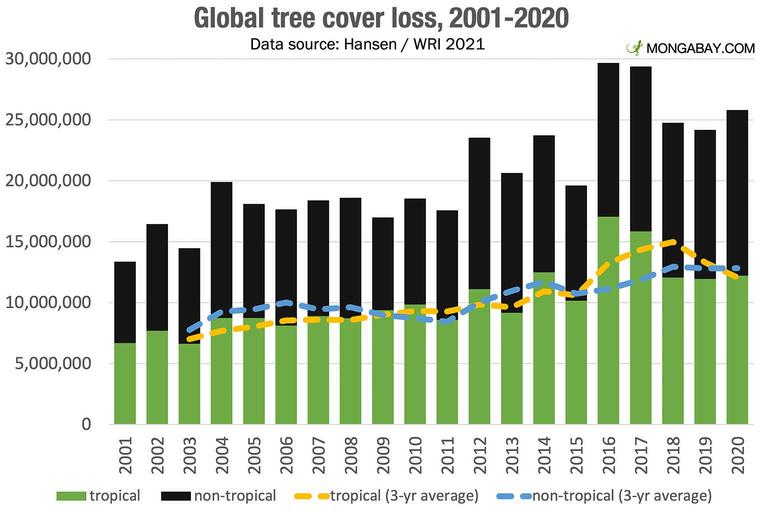
driver of deforestation Agriculture causes deforestation by clearing forests to supply land for crops and livestock High-demand crops like soybeans and palm oil and the demand for grazing land cause large-scale deforestation Additionally, the Nature Geoscience study by Defries et al (2010) indicates that forest loss is positively associated with urban population growth and exports of agricultural products which clearly suggests that the expansion of urban population are the key forces behind forest clearing in multiple countries Urban population growth drives deforestation when rural migrants to cities adopt city-based lifestyles Consequently, they will consume more resources which will increase deforestation. However, Climate Impact Partners suggested that the reason deforestation is closely tied to global trade, and consumer demand is because many of the products people buy every day are linked to the clearing of forests thousands of miles away Corruption and weak governance can deflect policies to private interests and persuade illegal logging and unlawful allowances to forest degradation even in protected areas
There are three leading causes of deforestation:
1.Agriculture





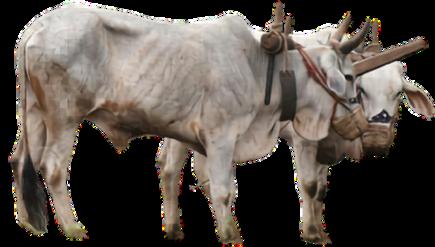
Farmers cut down forests to expand their croplands or create pastures fo grazing livestock.
2.Urbanisation
Cities cut down surrounding forest to access mineral deposits and establish infastructure.
3.Natural Disaster

Forest fires, draught, floods and hurricanes destroy forests
Biodiversity Loss
Soil Erosion
Climate Change




Farmers s to expand their croplands or create pastures for grazing livestock

Deforestation destroys the plant cover, allowing soil to dry out and erode


Deforestation releases excess CO2 into the atmosphere, warming the Earth’s temperature
Additionally, Thompson discovered that cutting beef back by 13% in wealthy countries could eliminate 125 billion tons of carbon dioxide from the atmosphere
However, meat has exerted a crucial role in human evolution and is an important component of a healthy and wellbalanced diet due to its nutritional richness Therefore, Pereira and Vicente dispute with Thompson and Guglielmi as they value healthiness over preserving endangered forests
Technology is another solution to prevent deforestation. Reynolds et al suggest that artificial intelligence is a developing tool that could be used to recognise the effective conservation solutions required by the urgent biodiversity crisis Hence, it gives authorities the opportunity to respond quickly to illegal logging and prevent any incidence of it occurring Thomson argues that modern technologies and innovations have been crucial in protecting ecosystems such as forests
However, NASA have taken one image per season of every place on Earth for the past 49 years which resulted in more than 50 trillion pixels of data Ivetić defines reforestation as an approach to assist with the re-establishment of forests, by the natural (including human induced) process of re-occupying land or artificially (planting of seedlings or direct seeding on a forest land). However, reforestation is not enough to challenge deforestation Therefore, afforestation is also essential Although afforestation and reforestation might seem comparable, they are two separate methods but also key solutions to deforestation
Afforestation means planting trees in places that never had forests before, while reforestation means bringing forests back where they once flourished Afforestation is regarded as the more sustainable solution as afforestation allows trees to be planted on all types of land, whereas reforestation only allows it on deforested land
Eat less meat and buy sustainable products
Give indigenous people control of forests

Reducing beef consumption by 20% could halve deforestation in the next 30 years Purchasing sustainable products also minimizes deforestation
Regulate supply chains for sustaina


40% of tropical deforestation results from the trade of commodities



Deforestation rates are 20% lower where Indigenous people are in charge of the land
Sustainable forest amangement

Following a globally recognized certification standard like FSC helps promote sustainable forest management

In conclusion, deforestation poses a significant threat to many ecosystems and requires immediate action Preventing deforestation demands a comprehensive and collaborative approach that balances environmental, social and economic needs Our trees are part of many crucial cycles like the water cycle and disrupting these will make survival a challenge
Deforestation has numerous harmful causes that include agricultural expansion (which can be considered the most harmful driver of deforestation), logging, urban development, global trade, weak governance and financial incentives To soil erosion, biodiversity loss and climate change Climate change is very concerning due to the current greenhouse gas emissions globally Forests act as carbon sinks and when they are cut down due to deforestation, it will be impossible to naturally store extra carbon in the atmosphere, leading to a rise in carbon dioxide, also referred to as climate change Fortunately, there are many solutions to stop deforestation Many articles, which contain these helpful solutions, have been published in hopes of ending deforestation Some solutions include agroforestry, reducing beef and meat consumption, reforestation and afforestation, strengthening governmental laws and creating awareness amongst masses of people. This will entice them to act against deforestation There is no single best solution to deforestation as the causes and consequences of forest loss are complex and vary across regions Therefore, taken together these solutions demonstrate that multifaceted approaches provide stronger evidence-based pathways to prevent deforestation

Have modern developments in cricket made the game better or worse?
Written by Charlie L
Acouple of years ago, I went to watch a T20 cricket match and it made me wonder how the game had changed since the days when my Grandad played.
For the purposes of this essay, I shall be discussing changes that have occurred through the evolution of modern-day cricket since the 1970s In this essay I will argue that the changes brought to the game since 1970 have made the game better, although more should be done to promote test cricket to modern cricket’s new fans.
Early versions of cricket were invented in southern England during the Saxon or Norman periods and it first appeared in the records in a 1598 court case describing schoolboys playing it around in Guilford, Surrey However, the first laws of cricket were officially published in 1744 International matches began in 1887, and the sport then became a major cultural force in the UK and its colonies
Up until the 1970s, cricket was quite a slow-paced game. Teams played in allwhite kits in ‘test matches’ that lasted several days until each member of the team had been ‘out’ twice, or a team’s score was high enough that they were happy to ‘declare’, ending the innings voluntarily The first ‘ one day international’ (ODI) matches, with a fixed number of overs bowled, were played in the 1970s
The 1992 World Cup tournament solidified the use of bold, unique colours for each nation which transformed the visual of the game for television audiences
‘T20’ matches, with only two innings of twenty overs each, were introduced in the 2000s, bringing a much faster-paced format to audiences In the 2000s, cricket leagues started to utilise new technology which could be used to override decisions by the umpires, who officiate the game DRS (the Decision Review System) first appeared in test cricket in 2008 and later in ODI and T20
I will argue that these changes have, overall, made the game better rather than worse because they have helped to draw a wider audience, they have made umpiring fairer and more consistent and they have been beneficial for the sport commercially
Firstly, and most importantly, modern formats introduced since the 1970s have helped cricket to reach new audiences
Cricket was invented in the South of England during Saxon or Norman
1598
1744
The first cricket international matches are played and the sport became popular in the UK
1970s
World Cup tournament solidified use of bold colours for each nation
The first cricket laws were published.
Cricket was a slow game with teams playing in all
white kits in ‘test matches’ that lasted several days
2000s ‘T20’ matches with only two innings of twenty overs, were introduced as well as new technology to improve umpire decisisions.
Test matches, played over several days, were popular events in the British sporting calendar However, unlike football, they did not spread to countries outside the British Empire, and the long-form game favoured audiences with more time for leisure
In contrast, cricket today is increasingly a sport played all over the world, building new audiences in the USA, the Middle East and Europe For example, the USA has seen a 40% increase in cricket participation since 2018, with the 2024 T20 World Cup drawing 190,000 attendees and the ICC reporting a 370% increase in engagement on its app since 2022 This shows the fast-paced, ‘big hitting’ and action-filled T20 format is attracting an American audience which test cricked never managed to reach
Shorter games played in the evening or on weekends also suit the average person ’ s work and family life better than long-form test games, which may be encouraging more people to become fans from demographics or cultures without a strong tradition of cricket In 2025, 41% of the tickets sold for The Hundred were family tickets, and 30% of buyers were women, with the 2025 women ’ s final breaking the record for attendance at a women ’ s cricket competition Furthermore, the spread of T20 has seen cricket returning to the Olympics in 2028 in the T20 format, which will expose it to a truly global audience
For the even faster-paced ‘Hundred’ league, 17% of fans are aged 18-29, compared to 9% for cricket overall As well as the faster pace, aspects like coloured kits and day-night matches may have helped to make cricket more engaging for younger fans, which could also inspire them to take up the game
Secondly, modern technology has made the game fairer with more consistent and credible umpiring decisions. DRS has transformed the game from reliance solely on on-field umpires to more accurate technology-aided ‘third umpire’ officiating.
The key improvement is a massive reduction in ‘howler’ decisions (clear mistakes) The use of technology, including Hawk-Eye for ball tracking, Ultra Edge (formally Real-Time Snicko) for sound, and Hot Spot (thermal imaging), has increased the accuracy of crucial calls, particularly catches The International Cricket Council (ICC) reports that 98 55% of umpire decisions since the introduction of DRS were correct, compared with 91 20% before The ICC also reports that 29.20% of reviews are upheld, including 45.42% for catches, showing that DRS is correcting mistakes which on-field umpires continue to make.
Improved accuracy makes for a better game Players are less likely to feel they have been denied professional success because of umpire mistakes, and fans less likely to feel they have been robbed of a win Both situations are demoralising for people invested in the success of their teams, whereas confidence that decisions are accurate at least reassures everyone that the outcome is fair
Thirdly, modern cricket is more commercially viable Domestic leagues like the IPL (Indian Premier League), Big Bash (Australia) and SA20 (South Africa) have transformed cricket’s finances Thanks to the spread of T20 cricket, more players can now earn a living from domestic cricket without over-relying on international fixtures The World Cricketers’ Association reports that there are 627 domestic T20 leagues contracts, up from 482 in 2021, and that in all but three countries player earnings are 2-4 times higher in domestic T20 leagues than in international cricket. Smaller cricketing nations also benefit indirectly from increased ICC revenue, which is distributed across cricket-playing countries
Contrary to the three arguments I have made above, some argue the changes to cricket in the modern era have been for the worse
Critics of the modern game point to the wide downfall in traditional skills and techniques associated with the sport This shift is characterised by a move away from the endurance and strategic depth of test cricket Modern batters are increasingly not bothering with defensive techniques, showing a reduced willingness to absorb pressure or ‘build an innings’ (score runs) Instead, the trend often seen in T20 is to ‘dominate every ball’ or hit big every shot T20 has also led to decline in finger-spinners training to turn the ball both ways, as well as a less disciplined technique among pace bowlers who no longer bowl long, consistent spells.
Secondly, some dislike the new ‘entertainment-first’ culture of the modern formats For example, leagues like the IPL focus heavily on celebrating big hits, music, lights and fast-paced action This contrasts heavily with cricket’s traditional identity as a quieter, ‘civilised’ sport, played all in white rather than bold colours The traditional audience might find modern formats harder to keep up with
I think these concerns about the decline of test cricket are valid, but to draw new audiences to test cricket, I believe the ICC and other cricket organisations should continue building a wider audience with modern formats and promote the traditional game to them I would suggest social media is the way to make test cricket more noticeable tothe new T20 and Hundred fans
There are other points I would like to explore more, but which I could not cover fully in this essay, For example, my neighbour says that in his view shortform cricket formats are drawing top players away from county cricket test matches to more profitable T20 games, shrinking the talent pool that international test cricket draws from I would also be interested to learn more from those who argue against the traditional and organic roles of the captain and umpire being replaced by
data-driven analytical decision making and off-field analysis
In conclusion, although I agree the modern evolution of cricket has changed the game in both good and bad ways, I believe it has been for the better overall Modern formats have drawn in new fans to a faster, more athletic and highly entertaining global sport For cricket in all formats to remain sustainable and popular, building new global audiences is essential. While modern formats clash with the core identity of the game in several ways, particularly with their
‘entertainment-first’ approach, their advantage is creating greater commercial success for the whole sport Cricket organisations should build on these commercial strengths to help promote the traditional game to its new audiences Some of the greatest cricket legends are renowned for their patient strategy and consistent technique over days of play, and it would be a shame if these skills were lost I also think the introduction of new technologies has made all formats fairer, benefiting test cricket as much as the modern variations, and that test cricket will have a bright future if cricket organisations are successful at promoting it to its new younger international audience Overall, therefore, I believe the modern evolution of cricket will be seen as more successful than unsuccessful

Written by Emilia W
We need food to stay alive Food gives us nutrients in the form of fats, carbohydrates, proteins, vitamins and minerals and without it our body cannot function, move and stay healthy However, something is going wrong Since the 1980’s The World Health Organisation (WHO) has reported a dramatic increase in obesity, diabetes and heart disease, which has been linked to the food we are eating A poor diet has been linked to 14% of premature deaths To try and reduce these illnesses, the WHO's goal for 2025/2026 is to try and create a “food system transformation”.



















If you avoid UPFs you have
scratch more which enables you to understand what's in food and leads to healthier relationships with eating On a larger scale if less people are obese, have chronic illness and are generally healthier, then people will live longer and long term will reduce healthcare costs and make for a healthier and happier population
One of the problems with the Nova classification system by Carlos Montiero is that not all UPFs are bad for you
Wholemeal bread and baked beans are good examples of this Some classified UPF products contain added vitamins and minerals that are good for you
How hard is it to avoid UPFs?
In one word VERY!!
Everyone is busy- busy with school, work and general life, so avoiding UPF is hard Companies that make UPFs have made them affordable, quick and VERY tasty. Non UPF food such as nuts/wholegrains, fresh fruit and vegetables can be expensive and, in some areas, not easily accessible, which means that total avoidance is near to impossible if people are on a low income, work long hours or live in areas where fresh food is limited
These include some cereals which are fortified with vitamins and minerals such iron, folic acid and vitamin D, and milk alternatives like soya milk and oat milk have added calcium and vitaminB12 It also doesn’t consider people that have special dietary needs such as allergies and intolerances.
Food plays a big part in people's social lives Celebrations such as birthdays and religious events like Ramadan all involve food being the centre of the celebration so having a very strict diet could make social gatherings very tricky which could negatively affect mental health causing guilt, anxiety and eating disorders.
Lots of research over the years have shown that restrictive diets are very difficult to maintain and very often people don't stick to them and revert to eating what they were before Long term success of diets tend to work best when they are changed gradually, are flexible and enjoyable Education also needs to play a big role in understanding UPFS People need to be able to understand ingredients, to be able to understand food package labels and to be taught how to prepare simple, fresh meals, which would reduce the need to rely on UPFs In 2025 Joe Wicks and Chris Van Tulleken did a documentary called “License to Kill” In this programme Joe Wicks created an energy bar that he called the KILLER bar This bar contained 92 ingredients, including healthy proteins and 27 vitamins and minerals BUT it also hadhigh amounts of unhealthy fats, was high in sugar and calories andcontained many additives that have been linked to cancer, strokes and early death, plus if you eat too many bars, it can cause diarrhoea.


Joe Wicks wanted this bar to show the possible harm of an UPF product while also showing that the food industry, with

Written by Matilda P
How would World War 2 have been different if Britain hadn’t cracked the Enigma code when it did? Would the Allies have still won the war? How much longer would the war have lasted? How many more people would have died? The Enigma Machine, an ingenious German coding unit, proved to play just as big a part in Hitler’s downfall as it did his success. The code used in the machine proved to be as cryptic as its name suggested, and in the 1930s, almost nobody thought it could be cracked. It took two years to break Enigma completely. This essay will assess how the war might have ended differently with the Enigma code unbroken Firstly, I will explain what the Enigma was, before moving onto who cracked the Enigma and its code. Then I will discuss how the codebreakers broke the ‘impossible’ code, before assessing what the breaking of Enigma did for the Allies Finally, I will examine other key innovations and events without which the war could have ended differently

The Enigma machine was a cipher device created in the mid1930's for commercial crytography It had a keyboard just like an ordinary typewriter, except behind it was another
set of letters These weren’t keys however, these were lights Every key you pressed, a different one of these lights would light up ‘You could press the same key a thousand times and the letter that lit up would constantly change and would never be the letter you pressed ’ While this was part of what made the Enigma so difficult to decrypt, it would also prove to play a huge part in breaking the code For added security, at the very front of the Enigma Machine you would find 26 plug sockets as well as 3 wheels to further encrypt the message It was adopted by the German Navy for encoding everything from weather reports to troop positions in preparation for the invasion of Poland and the start of World War 2 After Britain declared war, Germany introduced the Enigma to the Army and the Air Force After the Allies ‘predicted’ a suspicious number of premeditated attacks, especially surrounding the Uboats, the German Navy added a fourth wheel to the machine, increasing the possibilities to 159 trillion. The settings on Enigma would change daily.
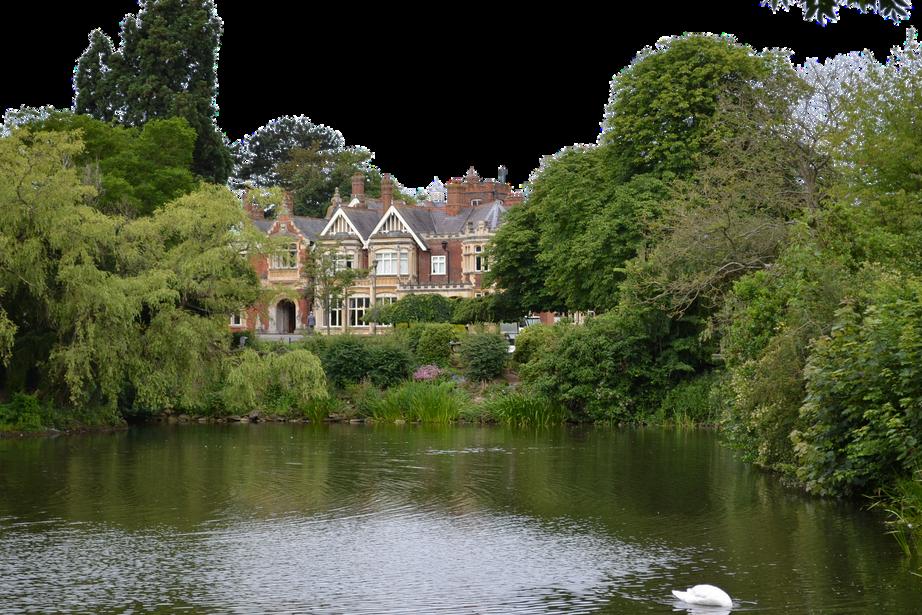
Behind the breaking of the Enigma code were thousands of very clever, talented people The codebreakers at Bletchley Park saved thousands of lives with their confidential work on the code However, before them three Polish mathematicians, broke the basic Enigma cipher using a mathematical group theory combined with intelligence gained from a French spy However, they had to pass their work onto the British codebreakers after Poland was invaded At Bletchley Park, Alan Turing and his fellow codebreakers managed to
to completely break the Enigma Code
The strict layout of the site was a key factor Bletchley Park was organised into specialised huts and blocks, with different parts of the organisation being split into different buildings for secrecy, each with a specific function According to a man who worked alongside Turing, ‘The organisation was a paradox of high-level openness and freedom for teamwork combined with strong discipline and specialisation ’ Bletchley functioned like a factory for intelligence with a process including interception of the morse code Enigma was sent in; cryptoanalysis of the decoded morse; translation of the German into English; and dissemination to get the decoded message out quickly to threatened troops, ships, or aircraft Bletchley Park was Britain’s secret weapon
No single aspect led to the cracking of Enigma, but many different parts; people being one Machines couldn’t crack Enigma without man, and man couldn’t crack Enigma without machines
In 1931, a German army clerk, saw an easy to way to make some quick money; selling stolen documents to the French Secret Service The French showed these documents to their cryptographers, who showed little interest War seemed far in the future Then the documents went to the British, who at the time were not convinced by automatic code-breaking When the Enigma code was brought to their attention, it was dismissed as impossible to crack and a waste of effort to intercept messages that they couldn’t break. Finally, the documents were given to the Poles, and their response was very different. In 1939, after Poland was invaded and the decoding work passed over to the British, the codebreakers set to work finding ways to crack the Enigma code One of the ways they found was through cribs A crib was any known or strongly suspected piece of plain text that might be within a longer encrypted message, such as the German weather report, ‘nothing to report’, or
even just ‘Heil Hitler’ In 1939, Turing (then a professor at Kings College, Cambridge) developed a codebreaking apparatus called the Bombe Machine
The Bombe was a brilliant device that Turing created to use cribs to test thousands of possible Enigma settings simultaneously The machine took approximately two hours to identify the daily Enigma settings It was first put into use in 1940 Key to the strength of the Enigma code, was that any key you pressed would never come up as the same letter. This was crucial when looking for patterns in the encoded message.
Historians suspect that breaking Enigma shortened the war by several years It was a pivotal moment for the Battle of the Atlantic, since it gave the Allies crucial information on German military plans and movements, especially concerning the U-boat attacks on American convoys bringing fundamental supplies to Britain By understanding where troops were positioned, the army could plot where they would strike The only problem was making sure the Germans never became suspicious that the code was broken If they found out, the German High Command would alter the machine, and they would be back to square one So, the Allies had to be very careful: which U-boats to destroy and which U-boats to allow too continue to attack Allied shipping? The power to save and take lives lay in the hands of the codebreakers, and this moral dilemma put some of the Bletchley Park employees under great stress and strain; especially those with friend and family aboard the ships and convoys.
But it wasn’t just Enigma that was decisive in the conduct of the war. Many other key events and innovations helped shorten the war Pearl Harbor, while tragic, played its part bringing America into the war Or Radar, which was a revolutionary technology that played a crucial role in military operations It utilised radio waves to detect and track objects beyond range of sight, allowing
for early warning of incoming enemy aircraft This was especially crucial for the Allies during the Battle of Britain
Another innovation with tragic history is the Atom Bomb The first atomic bomb, code named “Little Boy,” was dropped on Hiroshima, Japan after the decision was made by American president Harry S Truman and top military leaders The development of the atomic bomb marked a significant turning point in global warfare and politics, leading to the second device being dropped on Nagasaki.
The Germans never realised that Enigma had been broken. This could be because of the British Secrets Act, signed by anyone and everyone that knew about Bletchley Park If you were involved in any stage of the process (whether you knew what you were doing or not) you had to swear to keep it a secret Or maybe because of the Allies’ deception, flying planes over less obviously placed Axis operations from the decoded messages Perhaps it was simply German overconfidence, and the belief that Enigma could never be broken
Any way you look at it, the German military never finding out about Enigma being broken was crucial to the Allies’ war efforts Because not breaking Enigma would have given us a very different end to WW2, and possibly even Axis success And how would that have turned out?
Revisionist history is difficult Trying to predict how things may have turned out differently is not a precise science But it is fun to think about how and why things might have changed. As one aspect alters, all later events will be affected –the butterfly effect. What would our lives be like now if Germany and its Allies had won the Second World War? We can never know, but it is interesting to speculate And how would world history have turned out if Hitler had been accepted into art school

How do the benefits of tourism coincide with its impacts on the ecosystem of the Grand Canyon?
Written by Miranda R
In the summer holidays of 2025, I visited the Tara River Canyon. It is the deepest canyon in Europe and the second deepest in the world It is a popular rafting destination The canyon is famous for its stunning limestone cliffs, clear waters, and exhilarating adventures. It was truly awe-inspiring. However, with the amount of people there enjoying the many amenities it made me wonder whether it was helping the environment or destroying it
popular tourist destinations
All canyons are beautiful and scenic; they attract millions of tourists per year.
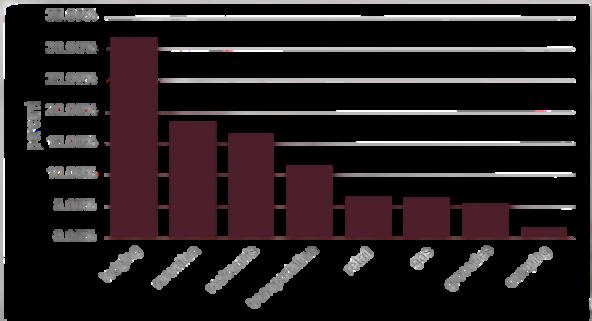
According to the report, the Grand Canyon alone received 49 million visitors in 2024 their spending added up to $905 million, it supported 8,780 jobs and $393 million in labour income The chart to present this data goes as follows;
But how does this affect the canyon itself?
Here are some examples of animals living in the Grand Canyon
Birds
California Condor
Mexican Spotted Owl
Red-tailed Hawk
Mammals


Bighorn Sheep
Mountain Lion
Red-tailed Hawk

Reptiles and Amphibians
Tiger Salamander
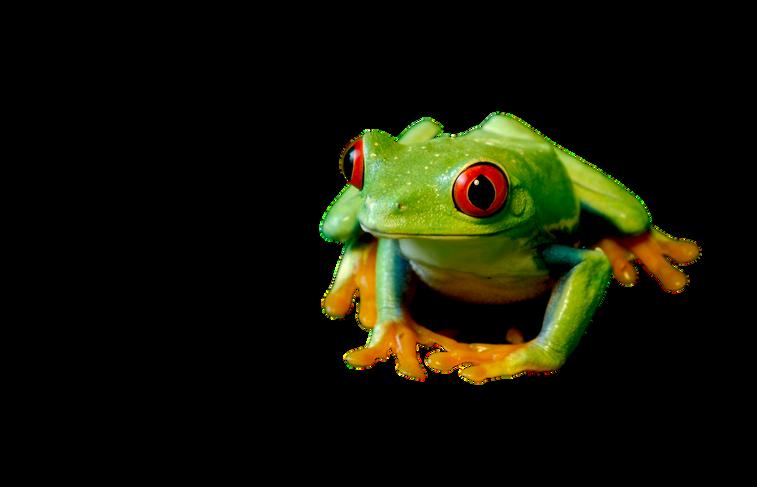
Canyon Tree Frog
Rattlesnake
Insects, Spiders and others


Tarantula Bark Scorpion
Darkling
Beetles
Written by Oliver G

In this essay, I will show you the importance of volcanoes and how they have affected the earth Volcanoes have played a significant role in our planet’s history, so, volcanoes should be seen as marvellous mountains that breathe fire, forge fascinating islands, and are doorways to the molten core, all in one
One example of the devastating impacts that volcanoes can cause that lots of people know about is the August 1883 eruption of Krakatoa 36,000 Deaths recorded, shockwaves sent around the world, both through the minds of the people and the surface of the planet Witnesses thought that this was the ‘end of the world’ when a whole island was blasted apart That was before they were swept away by the gargantuan waves created Krakatoa was uninhabited so few people outright died from the explosion, but the explosion triggered lots of humongous waves, the biggest reaching up to 37 meters! Krakatoa is located between Java and Sumatra. This is the part that people usually think of when you say the word volcano, the dark side Another massive 19th century eruption was the eruption of Tambora in April 1815 This is the biggest recorded eruption of all time Summer became winter, leading to a global famine and 80,000 deaths Both eruptions are part of a volcanic area that stretches 25,000 around the Pacific Ocean kilometres known as the Ring of Fire
Next up is another big explosion The eruption of Toba 74,000 years ago really shows the deadly destructive powers of volcanoes It was so big it caused a volcanic winter for 3 years! A volcanic winter is when temperatures drop due to a volcano exploding In place of where the volcano was when it erupted is lake Toba as a caldera was formed A caldera is a kind of sinkhole that is formed from the walls and ceiling collapsing in a magma chamber after all the magma was released. The earliest humans in south Africa were heavily affected by this eruption despite being 8700 kilometers away. If Toba erupted today, the casualties would be in the tens of millions, but many more would be affected through the economic effect and the disruption of crop growth
The previous eruptions explained were massive, but the volcanic episode of the Siberian Traps were even more






The Siberian Traps were made up of lots of different volcanoes that erupted, lasting thousands and thousands of years. The main effect of this explosion was not the explosion itself, but the carbon dioxide released This heated the atmosphere up so much that it created a period known today as ‘the great dying’ because 75%-90% of all the animals on earth died The lava spread across 7 million square kilometres (about twice the size of India!) The use of the word ‘traps’ refers to the word trappa in Swedish meaning stairs, linking to the step-like pattern created by layers of lava
This next paragraph proves how volcanoes have the potential to do things you did not know could happen When you usually think of the extinction of dinosaurs, you would think of the Chicxulub Asteroid, that is the well-known reason But in truth, the Deccan Traps had a role to play in all of this The Deccan Traps were volcanoes found in the north of India The trigger was that when what is now India was moving north, it crossed over a massive rising hot rock, this created a plume above the surface

This spewed out floods of molten basalt and carbon dioxide, as well as sulphur, which rose up and created acid rain Before the asteroid came crashing into earth, these eruptions had already weakened the climate Those eruptions were super-volcanic events, but they were not supervolcanos, like Yellowstone Yellowstone is a supervolcano located in Wyoming, USA Yellowstone is the most dangerous volcano on earth right now in terms of pure eruption power. In terms of impact on humans, Mount Vesuvius would be the most dangerous volcano in the world. Pompeii displayed the devastating impact that this volcano could have. Naples is found right around Vesuvius; 3 million people all crammed together within roughly 20 kilometers Pyroclastic flows would completely wipe out the city A pyroclastic flow is an avalanche of gas and rock that come hurtling down volcanoes from 100 kilometers an hour to 700 kilometers an hour A lahar is similar to a pyroclastic flow, except it is made up of mud Lahars are different to pyroclastic flows as lahars are not as deadly, but they affect a wider area by flooding whole towns Mount Rainier in the USA can have a very deadly lahar as Seattle is within range of impact
Moving onto the positive side, one of the good impacts' volcanoes can have is their ability to create islands, such as Hawaii Hawaii was created by magma pushing up through the earth's crust, creating a layer of hardened molten rock Then magma pushes up again, and so on, until it reaches the surface
The place where the molten rock pushes through the crust is known as a hotspot The Hawaiian hotspot is still creating more islands as the tectonic plates slowly shift past the hotspot Reunion was another example of an island that was created Reunion is a small island that is part of France It covers 2,512 square kilometers Reunion is also created from the same hotspot as the Deccan Traps
Geothermal energy is another positive effect; it is the most useful effect that volcanoes can have, especially now that climate change is becoming an urgent problem, and green energy is a must. Marta Ros Karlsdottir explains how they harvest this energy from a volcano: “around 2 kilometers beneath the ground we have a geothermal reservoir coming from the rain slipping through the rock and meeting the hot lava of the volcano,”says Marta “this creates a mixture of steam and water that we collect through deep wells ” Iceland has used this to their advantage as currently, 90% of all the homes in Iceland are powered by geothermic sources Surprisingly, Kenya also leads the way for geothermic energy use as 45% of all energy in their country comes from geothermal sources Personally, I have travelled to Japan back in October 2025 During my trip, I went to Mount Hakone, it was active but was not releasing lava as it is as it had lots of fumaroles and vents that release gas It was releasing lots of sulphur, making the air smell like eggs
In conclusion, I believe that despite volcanoes having immense destructive power, this potential is very rarely ever fulfilled Smaller month-to-month eruptions are disruptive but not deadly These eruptions are so disruptive because the earth is now so densely populated Although, as climate change becomes increasingly more worrying, green energy such as geothermic energy needs to be utilized more than ever Overall, volcanoes show nature's ability to obliterate and provide all at once, so I would say they are positively teaching humans to beware of nature and the power it holds.
Written by Reyansh B
Artificial Intelligence, or AI, is becoming an especially important part of our lives. We can see AI on phones, computers, games, and even in apps that help us learn. AI means computers or machines that can think, learn, and make decisions like humans, but much faster. In the future, AI could change education in many ways. Some AI platforms like ChatGPT, google Gemini Microsoft copilot could help students learn better, help teachers teach more easily, and make schools quite different from how they are today. However, AI could also cause some problems if it is not used in the right way In this essay, I will explain how AI might change education, the good things about it, and some challenges we should all think about. So, can AI change the way education works?
One of the biggest ways AI might change education is by helping students work at their own pace Some students might do their tasks faster, while some may need help with learning or tasks AI could solve this problem
For example, AI learning apps can see how well a student is doing and then change the questions or lessons to match their level If a student finds mathematics easy, the AI can give harder questions. If another student is struggling, the AI can explain and approach things more slowly or in a unique way. It can also word it differently for some students. AI will help teachers place students in sets a lot quicker as it can provide easy and fast access to historical data This means that the students that are falling behind at work would not feel bored or left behind, which could make learning a lot more enjoyable and fun
AI could also help students who find school difficult Some students struggle because of learning difficulties, language barriers, or might lack confidence There are AI tools such as speech-to-text, translation apps, or reading helpers which could support these students
For example, a student who finds writing hard could speak on a computer, and the AI would turn their words into text There are already some apps that could help with languages and one of the most popular is Duolingo Students who speak different languages could use AI to translate lessons into their own language. AI can also help by giving access and to plan any learning by teaching a foreign language that is not taught in the UK. This could help everyone feel included and give them a better chance to learn and succeed at school
Another important way AI might change education is by helping teachers Teachers work extremely hard, but they have many things to do, like checking homework, planning lessons, and
and managing the class AI could help teachers by doing some of these tasks
For example, AI could mark quizzes and tests automatically, which would save teachers a lot of time AI could also help teachers see which students need extra help by looking at their results and progress and put all their results through a dashboard or a table This would give teachers more time to focus on teaching, helping students, and making lessons more interesting
AI could also help students learn outside of school Right now, learning mostly happens in classrooms, but AI could make learning possible anywhere Students could use AI tutors at home to help with homework or explain difficult topics If a student misses school because they are sick, (or any other reason) AI could help them catch up, so now they might not feel left out after missing many lessons or a day of school.
Another exciting way AI can change education is by making learning more interactive and engaging Traditional learning often involves reading textbooks and listening to teachers' talk While this can be useful, it can sometimes make students get distracted easily if they find it not fun AI can help create interactive lessons using games, virtual reality, and simulations

For example, students could use virtual reality to explore ancient Egypt, walk through the solar system, or see how the human body works This makes students’ learning more realistic and exciting for students who think reading and doing tasks boring When students are interested, they remember information better Homework and revision could also change because of AI Instead of using only textbooks, students could use AI apps that create practice questions just for them and for their own level or pace they need to work at. These apps could show students what topics they are good at and what they need to practice more. AI could also remind students when to revise for upcoming tests and help them plan their time better This could help students become more independent and responsible for their own learning, which is an important skill for the future
However, even though AI has so many benefits for students, there are also problems we need to worry about Students may use AI for all their homework and answer questions for them, so they might not be able to learn properly This can lead to students being lazy and making AI do most of the job for them, which will not be good for them as in the future they could struggle without AI because they have not developed their skills yet Teachers and students should learn how to use AI in a right and responsible way
Another challenge about having AI in education is that AI cannot provide pastoral care for the students as they cannot feel or even understand the students’ emotions and might not be able to solve their problems. AI is also not a human being so if someone gets hurt, AI cannot help as the computer cannot be a physical human being
Privacy is also a major issue when it comes to AI in education AI systems collect a lot of data about students, such as their grades, behavior, and learning habits
If the data is not protected properly or misused, then these could be used wrongly or even worse This could make the students and parents feel uncomfortable or even unsafe Schools will need strong rules to protect student data and make sure AI is used safely and responsibly
Another AI opposing point, is that not all students have equal access to AI technology Some families may not be able to afford computers, tablets, or good internet This could make the gap between rich and poor students even bigger. If AI becomes a big part of education, schools and governments will need to make sure that all students can use it, not just some. Education should be fair for everyone, and AI should help reduce inequality between different students, not increase it
AI could also change the role of teachers, which some people might worry about Some people think AI might replace teachers in the future (which can be debated) However, most people believe that AI should support teachers, not replace them AI can do less than teachers can do such as providing care for students Teachers do much more than just give information They motivate students, understand their feelings, and help them grow as people AI cannot replace kindness, encouragement, or human connection Teachers will still be particularly important, even if AI becomes more common in schools
Another challenge for AI with education is that AI could go rogue AI can easily get hacked because these systems are highly vulnerable If AI is hacked then students learning could be from inaccurate information they have been given which can lead to something serious or bad.
Another way AI might change education is by helping students prepare for future jobs when they get older Many jobs in the future will use AI, so students will need to learn how to work with them Schools could educate students about AI, coding, and problem-solving with computers from a young age so that they can continue doing it until they can finally get a job
This would help students understand technology in a positive way Learning about AI could also make students more confident and ready for the modern world
AI can also help with connecting learning to real life situations so that they can understand why they learn about this topic This could make learning more exciting for students as AI can teach them with real-world scenarios which could link to students learning. For example, math could be used in everyday life like calculating the price of shopping or English can be useful if you want to be a politician or someone that speaks most of the time
Some people even said AI is changing education The CEO of Microsoft (Satya Nadella) quoted that "AI is making education more inclusive by bringing diverse learning tools to millions globally"
In conclusion, AI can be very effective in learning and should be used more often in classrooms Although AI has a few negatives, it is best to go with some parts of the curriculum being taught by AI Not only that, Teachers can use AI so that they can accomplish tasks quicker and recommend AI tools or apps to students who are weak or higher than others in different subjects


Written by Ryan D
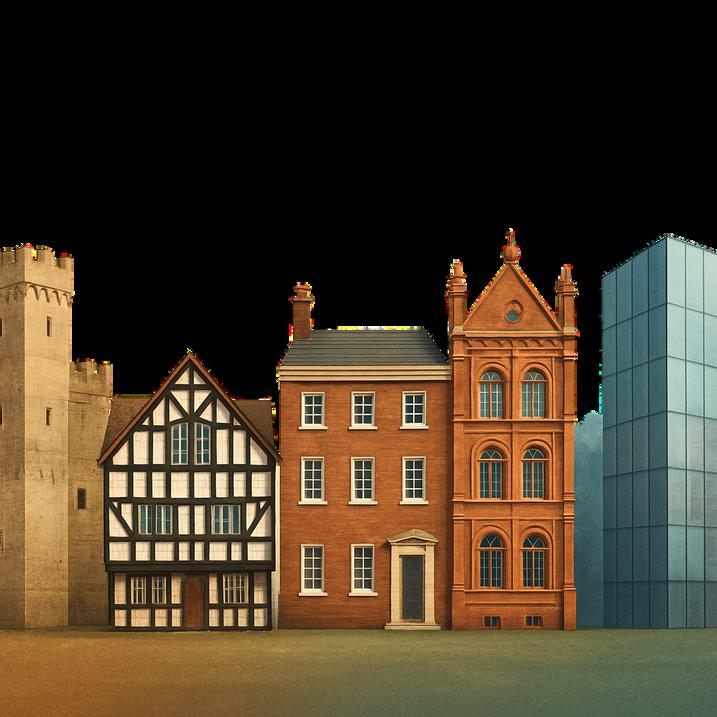
Architectural change is when buildings or structures are redesigned. This may be due to some strong factors such as natural disaster, the land changing, or ecological restoration This means that architectural change is architecture evolving over time Architecture itself is the design and creation of buildings and structures. Architecture can shape how cities look, and how homes and public spaces function. It can also reflect cultural values and identity of a place However, architecture is also used to solve problems: for example, architects may think, “how could we create a building that uses only low-impact materials?” or even “how could we design a building that can withstand tsunamis?” Architecture, therefore, is used to shape how people live, work, and interact, by turning people’s ideas into functional environments. Architecture is used to create places to live, to design workplaces, and to build public spaces.
destroyed iconic landmarks and many churches This gave opportunity for a fresh style, English Baroque, and a law was passed which meant the new buildings that were going to be built needed to be fireproof Another domestic change was economics One of the economic changes was the cause of growing wealth Growing wealth can reshape a country because it may give access to a whole new range of materials. For example, the shift from English Baroque to Georgian in the 1710s was because of growing wealth, which meant that England’s trade was expanding and merchant classes were rising Another reason for economic change is urbanisation Urbanisation can create large architectural changes because it means that architects will design lots of denser or more compact housing to prevent problems like housing crisis Urbanisation sparked the change from Regency architecture to Victorian architecture in the late 1830s, and the Industrial Revolution meant that materials such as iron, steel and plate glass became available and railways reshaped the landscape The discovery of these materials partly helped this architectural change along. Some political changes are new governance systems, mass migration, and social reform movements
New governance systems can cause substantial changes One example of this was the New Churches in London and Westminster Act 1710 This meant that the government commissioned architects such as Nicholas Hawksmoor to design and build churches across London and Westminster The people only managed to build twelve of the fifty churches they were planning to build Another reason for political change is mass migration Mass migration can cause substantial changes because migrants can bring new skills and materials. For example, the mass migration known as the Huguenot Migration (1680s-1700s) meant that tens of thousands of French Protestant refugees had fled to England, which changed England forever The migrants brought new materials such as silk and gold, and their fine craftsmanship shaped early Georgian style Another reason for political change was social reform movements, which could change architecture greatly because it pressured the government to rethink how cities should be built In the 19th century reformers like Lord Shaftesbury and Edwin Chadwick campaigned against overcrowding, disease, child labour, and slum conditions, which exposed the dangers of things like polluted water One of the movements was the Garden City movement, which aimed to implement trees and greenery into cities







structure
Another technological factor is environmental Some environmental changes include rewilding, ecological restoration, and resource scarcity An example for rewilding is England after the Ice Age As the temperature in England increased, forests of trees such as birch, pine, oak, and hazel started to grow densely across England
An example of this is the settlers in England in the Middle Ages Trees were heavily cut down to build ships for the navy and to make space for fields As the place’s wood decreased, the settlers were forced to switch to buildings made from stone, brick, and earth-based materials
The biggest drivers: my opinion
In this essay, we have seen how architectural change can be due to many things, but I think that the changes caused by disaster and the environment are the biggest drivers for architectural change This is because disaster forces people to rebuild and rethink after an unstoppable event, and environmental changes mean that you cannot change what the environment does, so you need to adapt to it.
Written by Adam M
AI (Artificial Intelligence) has been evolving rapidly over the last recent decades. From helping with questions or queries to becoming half-sentient beings. The concept of AI itself goes back thousands of years where during ancient times, inventors made things called “automatons” which were mechanical and moved independently without human intervention In 1495, Leonardo Da Vinci created the first famous automation, a moving bird.
Fast forward to 2020, AI is now defined as an umbrella term for a range of technologies and approaches that often attempt to mimic human thoughts to solve complex tasks The traditional thinking and reasoning of the human mind can now be done by or with the help of AI. These achievements cause many people to question the potential of AI in the development of society and economy such as education, health, research etc Among many of opportunities that AI can provide, a common question being asked is, can AI help neurodivergent communities?
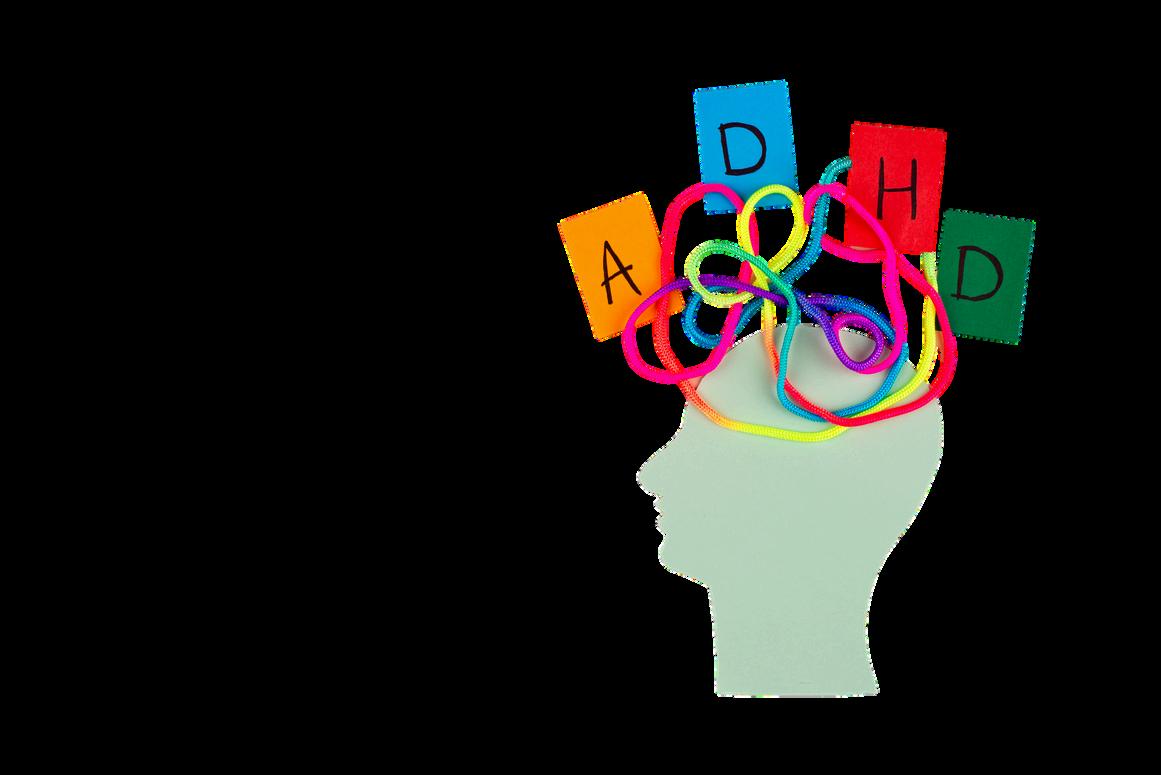
Neurodiversity refers to the concept that people see the world in various ways and individuals’ experiences The way how brain functions and develops affects how one process information and interacts with the world Neurodiversity can come in many forms, such as Autism, ADHD, Dyslexia, Dyspraxia and Dyscalculia However, it is important to note that neurodiversity doesn’t always mean that it naturally has a negative impact on people’s functioning and development Rather than viewing these differences as deficits, the neurodiversity paradigm recognizes them as valuable variations in thinking, learning and problem solving This poses the question on how AI can contribute effectively to neurodivergent communities
One of the many ways AI can assist people with neurodiversity is by creating cognitive scaffolding, personalized study plans to meet their unique needs (i e student attention span) According to Kaplan co uk, AI can break down your studies into smaller pieces and include visual aids with pictures to support individuals in their learning.
Using AI software, you can be very specific in what you need to plan such as working through a schedule to cover various topics, and how long one would like to spend on each subject to prepare for an exam
AI can help produce a step-by-step timetable management and structure that ultimately creates a safe, controlled spaces for learners with autistic needs AI can also refine customized educational resources and interactive digital platforms such as visual schedules, gamified learning tasks, or social narratives tailored to individual cognitive and communication needs This particularly helpful for individuals with neurodiversity where structured, multimodal and engaging interventions improve attention, retention and development of skills.
AI educational tools can also adapt content, pace and presentation skills to suit an individual competency For example, a learner with dyslexia can benefit from a text to speech software, whilst learners with ADHD may use intelligent tutoring to break tasks into smaller steps This adaptability provides neurodivergent learners with the opportunity to maximise their learning by aligning with their cognitive strengths promoting equity rather than uniformity In addition, AI offers promising opportunities for neurodivergent individuals to support their emotional and intellectual development and subsequently enhance overall wellbeing and mental health Neurobox states that AI chatbots such as Woebot and Replika can act as therapy bots to help comfort to neurodiverse individuals This is because many chatbots are programmed with emotional companionship and can offer conversational support to people regardless of their diagnosis AI can design personalised apps which use behavioural analysis to support individuals by creating an educational plan. This can be of great benefit for neurodivergent communities such as Autism and DLD (Developmental Language Disorder).
Secondly, AI can helps bridge the gap between neurodivergent strengths and the neurotypical workplace A study by Birbeck in March 2021, University of London stated that people with neurodiversity have incredibly valuable strengths
University of London stated that people with neurodiversity have incredibly valuable strengths This includes, creativity, hyperfocus, innovative thinking and detail processing, which are all characteristics identified as top skills for future workforce Considering that 1520% of the workforce are neurodiverse, AI can support those in reaching their full potential within their workplace by increasing productivity and job satisfactions In 2025, Rachel Curry, stated that a ‘recent study from UK department for Business and trade found that neurodiverse workers were 25% more satisfied with AI assistants and were more likely to recommend the tool than neurotypical respondents’
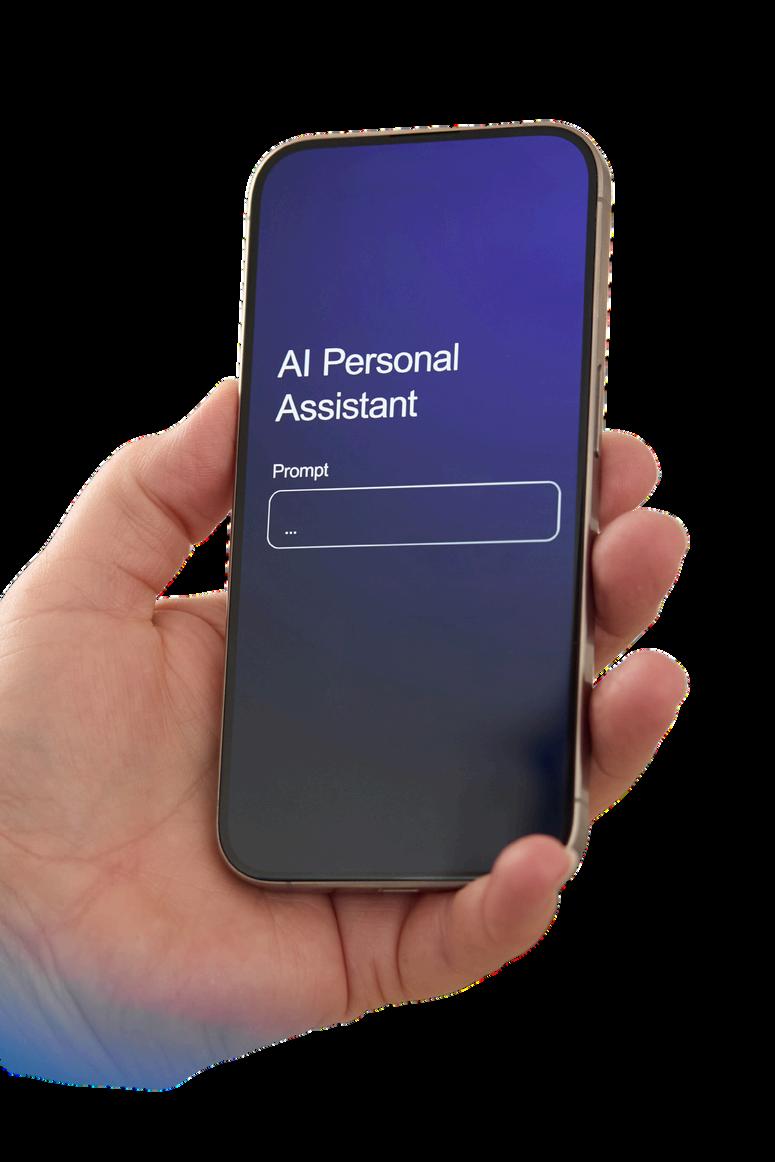
Furthermore, AI is also being used in health care settings to assist in the delivery of care and treatment
NPhub com, website, mentioned that AI tools designed with neurodiversity support can help therapists connect better with their patients To further support this statement, when I interviewed my younger brother who has DLD, he shared that his therapist is currently using AI to help him to transition into a secondary school. As well as during his weekly speech therapy sessions
In the article from venturecreative com, teachers also use AI to help their neurodiverse students This is because AI uses abstraction to summarise long bodies of text In everyday life one is expected to absorb new volumes of information every day, a specific AI tool is useful for neurodivergent individuals who struggle to comprehend and process new information within same speed as someone who is nonneurodivergent This explanation accurately applies in my brother case and experience.
On a related note, many schools still are not adequately equipped to support neurodivergent students, often due to underfunding and insufficient teacher training As a living example, my younger brother shared that in his previous mainstream school his teachers wanted him to leave since they couldn’t handle his needs As a result of not being able to access the right support, he has experienced many challenges on a day-to-day basis He shared the most traumatic engagement was when there was a new dinner lady who was unable to understand him during lunchtime and kept shouting at him in frustration to express himself better and accused him of holding up the queue
The fact is that since this incident, my little brother has not returned into a school lunch hall to eat with others but has resorted to having a packed lunch instead This means he sits on his own in his classroom for lunch This event has significantly damaged his self-confidence and progress he was making towards social inclusion. This demonstrates the importance of having staff at all levels trained or given access to the necessary tools to work with students with neurodiversity Otherwise, the impact may be detrimental and bring lifelong trauma as in my brother situation I often wonder if my brother had access to an AI app at the time of the incident (to help him express himself or even to share his care plan), if the outcome may have been different










It is important to note the impact of neurodiversity extends beyond just an individual as they also place substantial, emotional, financial and logistic burdens on families and the socio-economic systems
On the other hand, one can argue that there are many reasons why AI is not appropriate to support neurodivergent communities, with the most common argument around the ethical risks and bias For example, AI can help with tasks that require speed, consistency and scale, but neurodivergent thinkers already excel in these areas Businesses that recognise and integrate these talents are already seeing tangible gains For instance, JPMorgan Chase has seen a 92% increase in productivity among autistic professionals in software testing and data analysis roles Similarly, SAP’s global neurodiversity program has led higher levels of innovation across product development teams. These examples make me question whether AI truly brings valuable gain in the workplace for neurodivergent people.
Additionally, literature and research talked about the “bias” that exists into the programming of many AI models, creating force exclusions to disadvantage people who have disabilities and neurodiversity As stated by Creative Spirit, bias in AI does exist and there is a need to address this further by business leaders and supporters of the neurodiverse community In short, the anti-neurodiversity biases programmed into A I could potentially influence employers to screen out and overlook neurodiverse candidates who are highly qualified, with diverse skills, perspectives, and talents that would benefit any organization they’re a part of
The argument against, can AI support neurodivergent people can be challenged as literature stated that many AI apps and chatbots are not built with neurodivergent people on the team
Hence most AI has not been developed with the necessary resources to support and help neurodivergent people As stated by a blog from exceptional individuals, designing an app for neurodiversity without their input is like building a wheelchair ramp without asking anyone who uses wheelchair ramp Likewise, AI “companions” and chatbots may cause psychological and social risks for those who have faced lifelong social rejection, creating a high risk of over-attachment Whilst AI provides a lowpressure social environment, they can foster dependency, causing a “double-edged sword” scenario where the tool intended for support worsens their social skills and anxiety This does counteract my earlier opinion on whether AI could help with social scenarios as the same risks could’ve happened to my brother if he were to only rely on AI app to promote communication and this may create dependency as opposed to social inclusion
AI tools are often designed as one-size-fits-all approach (such as “AI for autism) that may fail to account for the vast diversity within neurodivergent communities. For instance, a tool that helps one person with sensory processing might be overwhelming for another individual with still same diagnosis To provide further information, exceptional individuals has also mentioned that AI needs more flexibility, not stereotypes Overall, this evidence supports my argument, as neurodiverse brains vary between individuals
In conclusion, I agree with the statement that are for the question ‘Can AI can support neurodivergent communities’, given the exciting opportunities it brings AI represents a profound shift from standardised to individualised support, offering neurodivergent communities the ‘cognitive scaffolding’ This is because there are already AI apps that support people with special needs, a common example is otter ai as they offer real-time transcription, automated summaries, and searchable notes that help neurodivergent users focus and stay organised by reducing cognitive load I also recognise the potential bias and ethical risks that AI can bring towards neurodivergent communities but also believed that these can be resolved if the developers shift from designing for neurodivergent users to designing with them When AI are built through the lens of the Neurodivergent communities, they could cease from being a ‘fix’ for a perceived deficit and becomes a powerful bridge to a more equitable society, where productivity and competencies and satisfaction are defined by diverse contributions and society.

Does a UK grammar school give you more success in nationally recognised externally assessed exams than a state school?
Written by Billy K
Completed the Foundation Project Qualification
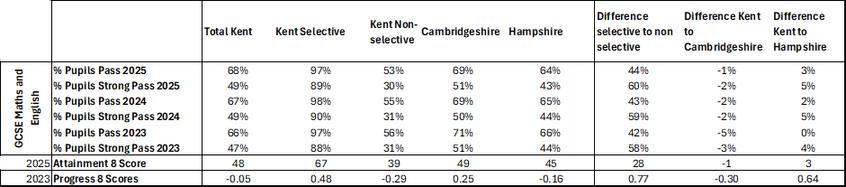
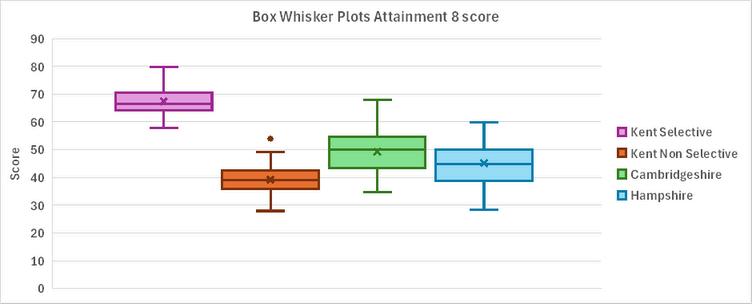
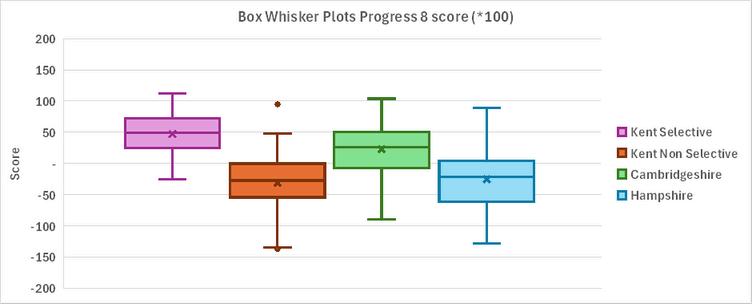
To understand whether a grammar school gives you more success than a state school we have to define “ success ” . One way of having more “ success ” is if externally assessed exam results (GCSE’s or equivalent) are better, but the problem with that is that the grammar schools are highly selective based on an entrance exam, whereas the state schools are not, so grammar schools are selecting children who they know perform well in exams. So the second way, and the way we are going to use, is the improvement or stability between the two externally assessed exams This is provided in the format of a “ progress 8 score ” , which we define later. We will compare a grammar school county (Kent, which has many grammar schools) to two counties with no grammar schools (Cambridgeshire and Hampshire). The resources that we are going to use are secondary resources, primary resources like newspaper articles and gov.uk and I will carry out my own questionnaire (on an ex-teacher) to get their view on which school system helps more on these exams.
harder to advance your learning.
Between 1942 and 1943 labour voted to support the multilateral schools (where all the aspects of the different schools would become one so all could develop)
Despite what the labour government already agreed to, they couldn’t keep their promises as the cost of getting rid of three different types of schools and then building one big school with resources for everybody was too much So they got rid of the only test which gave the secondary modern school pupils a possibility to go into further education and decreased the proportion of students who got into the grammar schools, so even less people got better education
Is the professional tennis season becoming excessively demanding on tennis players and should the schedule be changed?
Written by Daniel B

Professional tennis has been progressing a lot over the last few years but this year a new problem has arisen Many top tennis players have been complaining about how the tennis schedule impacts their bodies and how intense it is The current women ’ s world number two, Iga Swiatek, said in an interview, “ we play too much, and the schedule is crazy. I try to divide the year into each part of the season and focus on what’s coming up, otherwise, it’s difficult ” In this essay I’m going to be evaluating the tennis schedule, looking at how it has changed and how it is affecting the tennis players, so that I can evaluate whether the professional tennis season is becoming excessively demanding on tennis players and whether the schedule should be changed
matches and separate professional tours
For professionals, there were a small number of tournaments and there were no single, unified governing bodies for professional players, which meant various promoters organised different events and tours Some of the annual professional tournaments included the US, French and Wembley Pro Championships and the World Championship Series
Campaigning for women ’ s tennis was started by the famous women ’ s tennis player, Billie Jean King, and it has hugely affected the rise of women ’ s tennis
In 1990, the ATP Tour was launched and between 1990 and 2009 it was refined The tour structure evolved into a tiered system and since 2009 a new system for tournaments has been in place with each men ’ s tournament either being an ATP 250 tournament, ATP 500, ATP Masters 1000 or a Grand Slam Each tournament gives the champion either 250, 500 or 1000 ranking points depending on the tournament, and a Grand Slam gives them 2000 ranking points The WTA adopted a similar system soon after
In 1968 a big shift took place which changed the course of professional tennis history, The Open Era The Open Era was the start of top amateurs and professionals being able to compete together A key part of The Open Era was the formation of the two main tennis governing bodies, the ATP and WTA
The ATP (Association of Tennis Professionals) was formed in 1972 to protect the interests of male tennis players and in 1973 a worldwide ranking system was introduced.
The WTA (Women’s Tennis Association) was formed in 1973, and it was formed to organize the professional women ’ s tennis circuit and to campaign for better conditions and equal prize money
If players do not play in tournaments so they can rest and as a result lose points, they can go down in the rankings The pressure they experience to not fall down in the rankings can impact their mental well-being
The WTA penalised some of the top professional women ’ s players last year, with the world number one, Aryna Sabalenka, the world number three, Amanda Anisimova, and the world number four, Coco Gauff all being deducted 10 points for not playing enough games. The world number nine, Madison Keys, had 54 points deducted and the world number two, Iga Swiatek, had 65 points deducted These deductions may make little difference in the scheme of things but show how even the WTA are putting pressure on the players to play more This pressure can also lead to tennis players playing tournaments with minor injuries which can lead to the injuries getting worse
This problem has risen so much over the last few years that many players have complained - here are some of the comments from top players:
Carlo kill us Iga Sw no po tourn our s direc
Aryn that p hand throw we d sched our b Jack D on a there one p Mast
Stefanos Tsitsipas:"You got to be some type of superhero to be consistent back-to-back 10 days in each event The two-week format reduces the quality of play due to insufficient time for rest”
Alexander Zverev:"I just don't think we have an off-season, we are all complaining on a very, very high level, right? But it's true”
These comments highlight the intense schedule, the pressure put on the players, the small amount of resting time they have between tournaments, and another talking point which is the Masters tournaments
In 2025, Masters events have extended to two weeks long and some new masters tournaments have been introduced The problem with this is that because of the longer tournaments, there have been more matches, and the players are stuck on site for longer There is also limited time between some of the Master’s tournaments such as Madrid and Rome, and Canada and Cincinnati All of this leads to players
The following statistics highlight this:
In 2025, the average miles ran per match was 1 75 which is a 61% increase on 1 09 miles ran per match in 2015
In 2023, the average length of a match was 119 minutes (1hour and 59 minutes) which is a 21% increase from the average length of a match in 1999 which was 98 minutes (1 hour and 38 minutes)
The number of night-session matches in 2024 was 201 which is a massive 200% increase from 67 night-session matches in 2018. The problem with night-session matches is that they impact tennis players’ sleep and routine, which can also affect their mental well-being
In the 2025 ATP tour, roughly 6% of all matches (37 matches) ended with a player retiring or withdrawing from matches This is a 50% increase from the 2005-2024 annual average 2025 saw a huge rise in long-term, season ending injuries, with three players in the top twenty world rankings (Jack Draper, Tommy Paul and Holger Rune) and former world

subatomic particles: quantum superposition, entanglement, and tunnelling By the end of the essay, the reader will have a simple understanding of these phenomena, their main uses in experimental technology and the likelihood of their main applications influencing future life
This is a shortened and simplified description of the experiment:
Superposition is one of the underlying principles of quantum mechanics; pretty much every quantum effect can be traced back to it Superposition describes a quantum object’s ability to exist in multiple states at once. Used in computers, it can have a state of 0 or 1 – ie, binary On the other hand, qubits (used in quantum computers) can be in state 0, 1 or ‘0&1’ The latter state is the focus of this subheading and means 0 and 1 – ie, both 0 and 1 simultaneously - a basic example of superposition
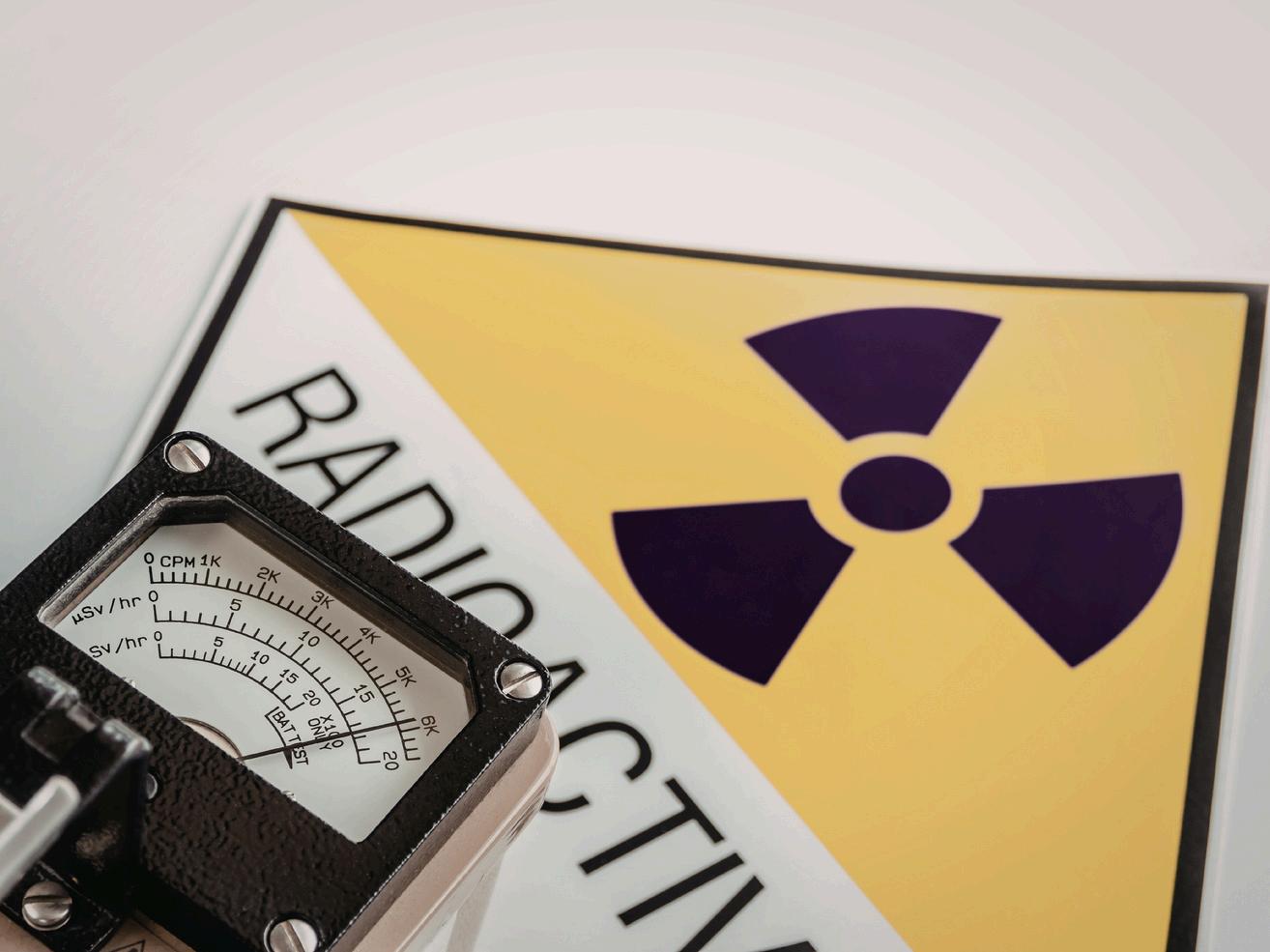
A cat is penned up in a steel chamber with a Geiger Counter (used to count individual particles of radiation), and a small amount of a radioactive substanceso small that the probability of one of the atoms decaying within an hour is 50% If a decay is detected, a hammer breaks a small flask of hydrocyanic acid (enough to kill the cat) If this system is left to itself for an hour, the cat still lives if no atom has decayed or it has died there was decay. The product of this system is a cat that is both dead and alive.
Schrödinger argues that until an observer opens the box and reveals the fate of the cat, the cat is both dead and alive, or in superposition That is, until the coherent state has been collapsed by observation (or measurement), it remains in superposition
Erwin Schrödinger, a scientist from the twentieth century, proposed a famous thought experiment –Schrödinger’s Cat
It is important to note a few details regarding superposition and Schrödinger’s thought experiment:
Quantum effects such as superposition only begin to emerge at the atomic and sub-atomic scales – the world of atoms, photons and electrons, etc Most importantly, superposition is not uncertainty; this is a very common mistake Superposition is a real state in the quantum world

that if the key is illicitly intercepted during distribution, because it is impossible to observe a quantum state without changing it or to clone a quantum state, a ‘digital eavesdropper’ can be detected
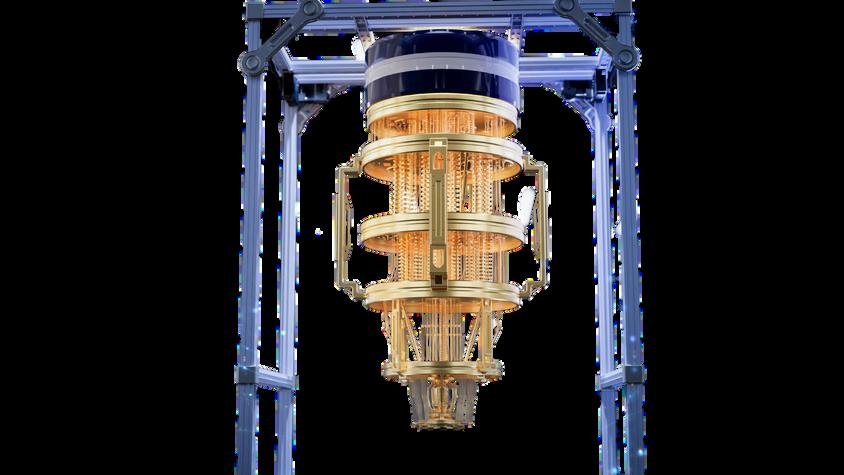
Conventional public key distribution, used to encrypt nearly all secure communications today (e.g., every time you use ‘https’ in your web browser or when you send an email or text message), is susceptible to ‘Man-In-TheMiddle’ (MITM) attacks (ie, ‘eavesdropping’), that allows an illicit third-party to syphon-off, copy, then resend data QKD eliminates this danger and is already being experimented with by banks and the military The company QNu has developed ‘Armos’, a commercial QKD device that can be implemented to protect against digital eavesdroppers The market size and share of QKD is expected to grow by over six times of what it was in 2025 by 2031. For a more detailed explanation of BB84 QKD, see Appendix A.
a and β (beta) represent the probability amplitudes of the possible outcomes, where amplitude2=probability and where the probabilities sum to 1
The ‘+’ does not mean ‘add’, it means ‘and’; rather than a sum of the possibilities, a state vector (a container for multiple variables) is created that represents the two possible states individually
Here is a possible equation for a pair of entangled qubits in superposition: |Φ⟩=a|01⟩+ β|10⟩Φ=a01+ ��|10⟩
Here, Φ (phi) represents the combined quantum state of both qubits


This equation shows entanglement; no matter what, when we measure, one qubit will always be 0, and one will always be 1 So, if we measure qubit 0 and its value is 0, then we instantly know qubit 1 will have a value of 1.
This system also works when the two states are |00⟩ and |11⟩, it depends on how the qubits are entangled
To summarise, entanglement is the ability of a quantum system to have correlated states; when you know the state of one part of the system, you will always and instantly be able to know the state of the other part no matter how far away they are from each other
explanation, see Appendix B Ekert QKD can be used to create secure communication channels However, because the edition of a third-party transmitter increases complexity, most QKD companies use Bennett and Brassard QKD.
By entangling certain qubits from multiple quantum computers, scientists hope to create quantum networks of many linked quantum computers, increasing already very high computational power exponentially In 2025, the companies IBM and Cisco announced a plan to collaborate on the creation of a quantum computing network, with the intention of having a proof-of-concept test by the end of 2030 The above explanation is brief as the concept is still theoretical
Summary
Quantum entanglement is the ability of two or more quantum objects to have correlated states Ekert QKD is unlikely to have major uses as there are simpler ways to achieve the same results Quantum computing networks are currently mainly theoretical, but

To conclude, it seems quantum computing and quantum key distribution using superposition are the most likely technologies to impact everyday life beyond the scientific community
Quantum computers could be the key to finding the next ‘wonder drug’ or the next machine learning breakthroughs
Quantum key distribution allows completely secure communication and could be what keeps important personal data safe and ensures private connections in the future Next is quantum entanglement - Ekert QKD seems unlikely to be used in the future because it performs the same function but is more complicated than QKD that uses superposition Entangled quantum computers could be implemented after the first wave of quantum computing, providing increased benefits to quantum computing Lastly, quantum tunnelling is unlikely to impact future life, at least in the short to medium term As a more recent discovery, its uses are still mainly theoretical


Written by Joseph M
Completed the Foundation Project Qualification
This project was conducted to find out whether or not a healthy diet impacts mental health for teenagers. According to the NHS, the definition of mental health is ‘ our emotional, psychological, and social well-being’ (NHS, “Mental Health and Mental Illness”) This project will be exploring all of these aspects of mental health. According to NHS, a healthy diet is ‘eating a wide variety of food in the right proportions’ (NHS, “Mental Health and Mental Illness – CAMHS”)
This project includes a review of relevant research, to explore whether healthy eating does help mental health in teenagers. As the author of this project is a year 8 student currently studying at Lingfield College Senior School, this project will also include a review of the food options at the school. This is to show ways that the school may be able to improve in the future
teenagers self-perception of eating a balanced diet to support physical and emotional/mental wellbeing They also state that there is a high rate in mental health issues for young people/teenagers but healthy eating could provide a way of reducing the amount of current teenagers/young people with mental health problems As well, it talks about how diet affecting mental health is underexplored They have also done a study which perceived that healthy eating does affect mental health in positive ways for teenagers This study was conducted with 505 different people ranging between the ages of 13 and 15 Healthier eaters were found to have a lower stress rate and better stress management than those who did not.
Van Uden et al stated that a healthy lifestyle and diet benefits youth now and later in life but also not everyone has access to a healthy diet so they may be forced into an unhealthier one They argue that it is important to promote a healthy diet and educate young people/teenagers about what the positive effects of eating a healthy diet They also want to promote healthy eating for all young people as part of tailored health promotion programs for education students
Breakfast
According to the NHS, a healthy diet is eating a wide variety of food in the right proportions’ As shown by figure 1 6, food options available at Lingfield College do not meet the NHS definition of a healthy diet if consumed regularly Examples of foods available to purchase at breakfast include sausage or bacon rolls, fried eggs, pastries (e g pain au chocolat) and juices
Snack Time
Table A (Figure 1) shows some of the snacks which are available at snack time in Lingfield College Senior School. Overall, you can see how the majority of this variety of snack options are unhealthy and could in some cases lead to poor dietary choices Therefore, this can then affect mental health as well as the person ’ s dietary choices
Foods available in Senior School canteen at snack time
Sausage roll
Cinnamon bun
Pizza slice
Pain au chocolat
Chocolate rice krispie cake
Cheese and bacon puff
Hash brown bacon burger
Popcorn
Smoothie
Ice Lolly
Figure 1: Table A
Lunch Time
As shown in Figure 1.2, there is a diverse mix of foods from all of the different food groups including fruits and vegetables. In addition, there is always bread and fruit available in a basket for students to help themselves to

After school, there is usually a tuck shop for students to go and buy snacks from A majority of these snacks are shown below in Table B (Figure 1 3 in appendix) This shows that there is an overwhelming majority of unhealthy snacks that if continuously bought could negatively influence dietary choices and therefore mental health
Foods available in Senior School after school Tuck Shop
Crisps
Cookie
Sweets (Fruit Pastilles)
Chocolate bars (e g Mars Bar)
Healthy Snacks for Kids (NHS, “Healthier Snacks - Food FactsHealthier Families”)
Fruit kebabs
Lower fat yoghurts
Boiled eggs
Watermelon lolly pops
Grilled pineapple
Vegetable sticks with low fat humous
Chessy oatcakes
Healthy sandwiches (e g tuna mayo)
Healthy Breakfast Options for Kids (NHS, “Healthy Breakfast Ideas - Healthier Families”)
Scrambled Egg with breakfast muffin
Pancakes
Mushrooms on toast
Porridge with yoghurt and/or berries
Apple and banana muffins


Written by Patrick D
Completed the Foundation Project Qualification
In this essay, I will be exploring if there should be more private doctors in the UK. Just for clarifications, a private doctor is a type of doctor who treats a certain family or patient and just them. They get paid extra by their patients. There are currently ‘8500-9000’ (The Health Foundation, 2026) If there are more private doctors in the UK, there will be less queues for the NHS, thus making waiting queues shorter and therefore quicker, and everything more efficient I will also be exploring if there are more advantages or disadvantages of having more private doctors in the UK. This will to decide the final outcome of the question.
Private doctors to normal doctos in the UK
Normal Doctors
Private Doctors 87% 13%
Total Failures Successes
Women Men

Is the current school curriculum in the UK suitable for modern day teenagers?
Written by Rosie B
As a 13-year-old girl, when I think about school life, I think about how every day we go to lessons, do homework in our spare time and study for tests because that’s what we ’ re supposed to do? Adults always say school is important because it teaches us so much about what we need to know for the future But sometimes I wonder, does the information we learn and how we are tested really help us in real life?
Will I actually need to know the difference between an isosceles and a scalene triangle when I’m older? Or will I need to remember how to write an essay on Shakespeare when I’m trying to get a job or pay my bills? So, I decided to write this essay about whether the school curriculum in the UK is really suitable for modern-day teenagers, as life today is very different to even ten or twenty years ago.

y , support, I might have been dragged under We need to reexamine our obsession with exams as a measure of whether you will succeed in life”.
It was interesting to research subjects taught in other countries that aren’t on the UK National Curriculum that are very relevant to young people these days For example in Japan, Moral Education (Dōtoku) is a timetabled subject teaching ethics, respect, empathy and social responsibility and in Finland, Home Economics is mandatory and taught from a very early age which includes cooking, budgeting, sewing, and home management In India, Environmental Studies is taught in primary school which is a core subject focusing on sustainability and ecology


The world teenagers are growing up in is full of big challenges like climate change, global inequality and rapid technology changes The curriculum should prepare us to face those challenges, not ignore them



Is the current school curriculum in the UK suitable for modern-day teenagers? I would say it’s partly suitable, looking at the curriculum as a whole It teaches many important subjects, such as reading, writing, and maths However, I do believe it’s too focused on exams and testing, and it could teach us more about money, budgeting and cooking from a much younger age Society is evolving at an ever-increasing rate The curriculum must do the same Teenagers today are smart, creative and full of potential, so we need an education system that helps us reach that potential in more creative ways.
I really love school life at Lingfield College and feel that the school is definitely supporting many relevant aspects of modern-day life I just wish all schools were as progressive as Lingfield All students must have the opportunity to be taught not just what to think, but how to think, and where every teenager feels ready to face the real world Because that’s what education should be all about preparing us not just for exams, but for life


Written by Thomas H
Completed the Foundation Project Qualification
Artificial intelligence (AI) is a new resource which is becoming more common in daily use Many people wonder about what its capabilities are and the extent to which it can reach. This essay focuses on its human elements, specifically if it could mimic a relationship between humans and machines A key part of this essay is defining what a best friend is and can AI replicate a best friend. A questionnaire was submitted to three AI programs (SANA AI, Copilot and ChatGPT) and seventy-two secondary schoolchildren containing questions regarding this topic.
One question from the questionnaire asked what a best friend must be. According to the most popular results from the schoolchildren, a best friend must be kind, funny, loyal and trustworthy. The most popular AI responses to this question were, a best friend should show deep understanding of you, emotional openness and loyalty
This essay also touches on one of the hidden dangers of AI, such as exposure In this context, exposure is the amount of use of an AI platform or the amount of time with a new friend. Exposure is a key part of making a new best friend.
Question one of the questionnaire asked participants if they had used AI to solve a personal problem 57% of the schoolchildren answered yes to this question whilst the AI platforms all answered with no, stating they had no personal problems SANA stated, “I don’t have personal problems or a personal life, so I haven’t used AI in the way a human would” This statement shows that AI doesn’t have emotions and therefore can’t fulfil its own criteria of having emotional openness to be a best friend. The most discerning difference between the answers came in question 4c this question asked participants to write words that could describe homework The humans responded to homework with words such as boring, useless and even pain whereas AI responded with things that homework entailed such as effort, focus, studying, and responsibility Some AI did mention boredom or stress but the humans took it further with implying that physical pain was the same as homework This shows how in humans personal experience manipulates feeling that you connote to objects and activities. Because the students have had


HOW HAS BEING A SCHOLAR CHANGED YOUR PERSPECTIVE ON EDUCATION AND LEARNING?
As an academic scholar, during my time in Lingfield, I have found that I have developed a better like towards education and learning It has helped me to value every opportunity that comes my way and inspired me to continue working hard and have a strong dedication towards education.
WHAT HAS BEEN YOUR FAVOURITE SCHOLAR SESSION THIS YEAR AND WHY?
My favourite scholar session was the Fibonacci Sequence and the Golden Ratio with Mrs Brown Maths is one of my favourite subjects and the Fibonacci sequence really interested me
WHICH SUBJECTS DO YOU ENJOY THE MOST AND WHY?
My favourite subjects are maths, English, science, geography, history, Spanish, French and religion I enjoy these subjects as I have a great passion for learning and I am very studious
WHAT ARE YOUR FUTURE ACADEMIC AND CAREER ASPIRATIONS?
In the future I want to be a doctor and study anatomy and physiology and science I want to achieve A* in every subject and continue to thrive in subjects like science, English and maths, Spanish and French I really enjoy science at school and want to carry on studying science for my whole time of education

WHY DID YOU CHOSE THIS ESSAY THEME?
I chose cricket because I love to play it and generally find it interesting I also chose the subject of cricket because I wanted to find out more about how the game had changed
WHAT HAS BEEN YOUR FAVOURITE SCHOLAR SESSION THIS YEAR AND WHY?
I really enjoyed the evil overlord session with Mr Grant because I really liked making the different villains and it was really cool.
WHICH SUBJECTS DO YOU ENJOY THE MOST AND WHY?
I really enjoy geography and English because I find them both really interesting and fascinating (especially geography) I also enjoy English because I find it very creative and you have to use your imagination a lot
WHAT ARE YOUR FUTURE ACADEMIC AND CAREER ASPIRATIONS?
When I’m older, I would love to go to university and become an Architect because I love designing things and it looks like a really cool job (even though it has a long study period)
WHY DID YOU CHOSE YOUR ESSAY THEME?

I chose my essay theme of ultra-processed food as I found the topic really interesting
HOW HAS BEING A SCHOLAR CHANGED YOUR PERSPECTIVE ON EDUCATION AND LEARNING?
Being an academic scholar has made me believe and realise that I can do it when I put my mind to something
HAS BEEN YOUR FAVOURITE R SESSION THIS YEAR AND that Science in Sport was interesting was about how different parts of work with the things you ingest and p you fit
AS BEING A SCHOLAR ED YOUR PERSPECTIVE ON EDUCATION AND LEARNING?
I think being a scholar has widened my perspective of things I haven't really considered before For example, I hadn't thought about the economics behind dating alance money and time elationship
WHY DID YOU CHOSE THIS ESSAY THEME?
I recently visited the Tara River Canyon in Montenegro and it was incredible It inspired me to learn more about the tourism that affected canyons.
WHAT HAS BEEN YOUR FAVOURITE SCHOLAR SESSION THIS YEAR AND WHY?
I enjoyed the session about theatre costumes, it was very interesting and I learnt a lot I liked seeing the different costumes actors have worn throughout the years
WHICH SUBJECTS DO YOU ENJOY THE MOST AND WHY?
The subjects I enjoy the most are science, art and sport because I find each lesson of these subjects really fun and interesting.
WHAT ARE YOUR FUTURE ACADEMIC AND CAREER ASPIRATIONS?
My future career aspiration is to become a Vet
WHICH SUBJECTS DO YOU ENJOY THE MOST AND WHY?
I enjoy history, maths, English and German because I'm good at them I like things I'm good at, and the teachers aren't too bad
WHAT ARE YOUR FUTURE ACADEMIC AND CAREER ASPIRATIONS?
I hope to go to university and graduate (always a good place to start) I don't really know what I want to be when I'm older, but a fast Jet Pilot might be quite cool
HOW HAS BEING A SCHOLAR CHANGED YOUR PERSPECTIVE ON EDUCATION AND LEARNING?
I find different topics a lot more interesting than I used to, and enjoy learning about them I feel it strengthens my understanding of the world
WHAT ARE YOUR FUTURE ACADEMIC AND CAREER ASPIRATIONS?
I would like to be a Computer Programmer or an Accountant, as they both require high attention to detail and are quite challenging

WHY DID YOU CHOSE YOUR ESSAY THEME?
I chose my essay theme because I am fascinated by volcanoes and the way that they can affect Earth
WHAT HAS BEEN YOUR FAVIOURITE SCHOLARS SESSION THIS YEAR AND WHY?
My favourite academic scholar session was the Economics of Dating because it gave me an intriguing insight into the world of economics.
WHAT HAS BEEN YOUR FAVIOURITE CHOLARS SESSION THIS YEAR AND WHY?
particularly enjoyed the session this year on our guides because i am very interested into oing it
OW HAS BEING A SCHOLAR HANGED YOUR PERSPECTIVE ON DUCATION AND LEARNING?
Being an academic scholar has meant that I study a lot more harder I have also become more resilient

U CHOSE THIS ESSAY
me as I like architecture and I ore how architecture had e of buildings over time
EEN YOUR FAVIOURITE SSION THIS YEAR AND
I enjoyed Fantasy Tropes with Mr Grant because I like creating and reading about fantasy worlds, and also creating our own evil guy was fun
WHICH SUBJECTS DO YOU ENJOY THE MOST AND WHY?
I enjoy geography the most because I find it very interesting and I enjoy PE because I am a sporty person
WHAT ARE YOUR FUTURE ACADEMIC AND CAREER ASPIRATIONS?
In the future I hope that I will be able to get good GCSE grades and complete my Alevels. My next steps in life will then depend on what A-levels I take.
WHICH SUBJECTS DO YOU ENJOY THE MOST AND WHY?
The subjects I enjoy the most are maths and German as I find each lesson fun
WHAT ARE YOUR FUTURE ACADEMIC AND CAREER ASPIRATIONS?
My future career aspirations are to become an Architect or possibly an Engineer.
HOW HAS BEING A SCHOLAR CHANGED YOUR PERSPECTIVE ON EDUCATION AND LEARNING?
The sessions expand your knowledge because we take part in sessions which cover topics we dont learn in lessons
WHAT ARE YOUR FUTURE ACADEMIC AND CAREER ASPIRATIONS?
My future academic aspiration is to study architecture at university, then work as an Architect, Exterior and Interior Designer

WHY DID YOU CHOSE THIS ESSAY THEME?
I chose this essay since it is personal to me This is because my brother is neurodiverse and struggles with social interaction and communication This made me wonder if AI could help him in certain situations
HOW HAS BEING A SCHOLAR CHANGED YOUR PERSPECTIVE ON EDUCATION AND LEARNING?
Being an academic scholar has changed my perspective on education and learning greatly as I now enjoy learning new things
WHICH SUBJECTS DO YOU ENJOY THE MOST AND WHY?
The subject that I enjoy the most is science because I love doing practicals and exciting experiments I also find science fascinating and always look forward to discovering new things
WHAT ARE YOUR FUTURE ACADEMIC AND CAREER ASPIRATIONS?
In my future, I would like to be a Lawyer. This is because I enjoy looking at cases and uncovering the truth behind them I would also like to be a Judge one day

WHY DID YOU CHOSE THIS ESSAY THEME?
It was something nearly completely new to me and I thought it would be a fun challenge My Uncle bought me a 'My first book on quantum physics' book when I was around nine or ten and it made fun reading I then revisited quantum physics in a brief discussion with my father when we were on holiday and my interest was re-ignited
HOW HAS BEING A SCHOLAR CHANGED YOUR PERSPECTIVE ON EDUCATION AND LEARNING?
I feel very lucky to be a scholar One of the best things has been the Project Qualification this year as it has taught me so much about managing a project and meeting deadlines and this will help me a lot in the future.
WHAT SUBJECTS DO YOU ENJOY THE MOST AND WHY?
I enjoy science the most as I think it is important not only for the knowledge but for the way it teaches you to think I also really enjoy learning about how the world works at different scales
WHAT ARE YOUR FUTURE ACADEMIC AND CAREER ASPIRATIONS?
In the future I would like to be a Concert Pianist but seeing as I don't practice for five hours a day that seems unlikely. I would very much like to do a university course on physics or quantum physics and hopefully by the time I am an adult there will actually be jobs as quantum technicians!

ID YOU CHOSE THIS ESSAY ?
my essay because it is something that erests me and I think that it is a really nt question in professional tennis right
HAS BEING A SCHOLAR CHANGED YOUR PERSPECTIVE ON EDUCATION AND LEARNING?
Being a scholar has changed my perspective on education and learning because I am more focused in lessons to achieve the best that I can in lessons and assessments

WHAT HAS BEEN YOUR FAVIOURITE SCHOLARS SESSION THIS YEAR AND WHY?
I chose the essay theme, because of family connections to people in the NHS It is also because it can be quite an interesting topic.
WHAT HAS BEEN YOUR FAVOURITE SCHOLAR SESSION THIS YEAR AND WHY?
My favourite scholar session was the investigative journalism session, because it was very interactive, and the examples were very informative We also got do do our own independent worksheet task
WHAT HAS BEEN YOUR FAVOURITE SCHOLAR SESSION THIS YEAR AND WHY?
My favourite scholars session this year was Mr Grants session on Fantasy because it was very fun and interesting, especially the bit where we created mythical creatures with ideas from the class
WHAT ARE YOUR FUTURE ACADEMIC AND CAREER ASPIRATIONS?
My future career aspirations are to become an Accountant
WHICH SUBJECTS DO YOU ENJOY THE MOST AND WHY?
I enjoy MFL subjects the most because learning languages can be useful in life, and there is always more to learn I also enjoy maths, because it gives me essential knowledge
WHAT ARE YOUR FUTURE ACADEMIC AND CAREER ASPIRATIONS?
My future aspirations are to become a professional Chess Grandmaster If not, I hope to become an Accountant These are because I have always wished to be one of the best chess players in the world, and since a young age, I liked working with money and using my maths skills

WHY DID YOU CHOSE THIS ESSAY THEME?
I chose my topic because it was big on the news at the time Therefore, I wanted to some more research around the topic
HOW HAS BEING A SCHOLAR CHANGED YOUR PERSPECTIVE ON EDUCATION AND LEARNING?
Being a scholar has changed my perspective on learning as it has helped me to push harder in each of my subjects.
WHICH SUBJECTS DO YOU ENJOY THE MOST AND WHY?
I enjoy maths the most because the subject follows strict instructions
WHAT ARE YOUR FUTURE ACADEMIC AND CAREER ASPIRATIONS?
My future careers aspirations are to go to Cambridge University to study a maths degree then go into a job which is very maths based such as Accountancy

WHICH SUBJECTS DO YOU ENJOY THE MOST AND WHY?
The subject I enjoy the most is English because I like creative writing and using different types of vocabulary.
HOW HAS BEING A SCHOLAR CHANGED YOUR PERSPECTIVE ON EDUCATION AND LEARNING?
I have found that being a scholar has changed my perspective on education and learning because I now find lessons a bit more fun because there is always challenge work
WHAT HAS BEEN YOUR FAVOURITE SCHOLAR SESSION THIS YEAR AND WHY?
My favourite scholar session was Mr Grant's session on Fantasy because it was very interactive and really cool when he made the animal from our ideas
WHAT ARE YOUR FUTURE ACADEMIC AND CAREER ASPIRATIONS?
For the future I am currently thinking about careers in law or being a pilot

WHY DID YOU CHOSE THIS ESSAY THEME?
I chose the theme because I believe it is very relevant to todays students and the education system as a whole
HOW HAS BEING A SCHOLAR CHANGED YOUR PERSPECTIVE ON EDUCATION AND LEARNING?
Being an academic scholar encourages me to stretch myself academically
WHAT SUBJECTS DO YOU ENJOY THE MOST AND WHY?
I enjoy PE because I like being active, history because I find it interesting learning about the past, English because I like being creative and Art because I find it relaxing
WHAT ARE YOUR FUTURE ACADEMIC AND CAREER ASPIRATIONS?
At the moment I am keeping all options for my future open and I am enjoying the breadth and freedom in my learning at Lingfield

WHY DID YOU CHOSE THIS ESSAY THEME?
I chose my topic because AI is a new resource that I would like to understand better and I thought it would be interesting to compare it to humans.
WHAT HAS BEEN YOUR FAVIOURITE SCHOLARS SESSION THIS YEAR AND WHY?
My favourite session was Fantasy Tropes with Mr Grant because it was interesting to see the connections and stock characters in fantasy novels
WHICH SUBJECTS DO YOU ENJOY THE MOST AND WHY?
I enjoy science and maths because they are both very logical subjects and are extremely useful and interesting to learn
WHAT ARE YOUR FUTURE ACADEMIC AND CAREER ASPIRATIONS?
I plan to become a Barrister and work in Law because it is a job where public speaking and logical problem solving is needed and I think these needs suit me
"Education’s purpose is to replace an empty mind with an open one."
Malcolm Forbes