HORIZONS
BROADENING PERSPECTIVES THROUGH ACADEMIC EXPLORATION



BROADENING PERSPECTIVES THROUGH ACADEMIC EXPLORATION
As part of our ongoing commitment to stretch and challenge our most able pupils, all Academic Scholars at Lingfield College in Years 7–10 undertook an extended project this year, with a significant and enriching development to the format In addition to the traditional option of writing a research essay on a topic of their choice, scholars were also given the option to design and create an artefact accompanied by a written evaluation of its success This broader framework allowed for a greater diversity of scholarly expression and enabled pupils to demonstrate intellectual curiosity, creativity, and analytical thinking in varied and meaningful ways
Whether through essay or artefact, the project encouraged pupils to pursue a topic they are passionate about and to develop key skills such as independent research, time management, evaluation, and critical thinking Supported by our Scholars Sessions and the annual Scholars Trip, this initiative continues to inspire a love of learning and academic exploration
A huge well done to all of this year ’ s Academic Scholars for their outstanding work I look forward to celebrating with you at the Scholars Symposium on 3rd June, where we will announce the prize-winners for each year group.
The EPQ Club also continued to run successfully this year, with Year 8 and Year 10 scholars meeting weekly The Extended Project Qualification (EPQ), awarded by AQA, supports students in completing their scholars project and rewards their efforts with a nationally recognised Level 1 or Level 2 qualification.
In addition to researching their chosen topic, pupils in the EPQ Club completed:
A project proposal
Research using both primary and secondary sources
A written report
A bibliography and appendix
A production log to track their progress
A final evaluation in both written and verbal formats
Christina Hubbard Head of Scholars
Victoria Baker Scholars Assistant & EPQ Coordinator
This year ’ s scholars have produced work of an exceptionally high standard, demonstrating impressive sophistication in their choice of topics and a consistently articulate, thoughtful depth of analysis throughout
Are children more satisfied with or without siblings in the 21st Century?
How and why does fame affect a person ’ s wellbeing and social interactions and what should be done to protect them? 12
Which of the different types of strategies contribute to a Formula 1 race result the most? 17
What factor is the most prominent in the spread of antibacterial resistance in bacteria? 22
Should animal testing be banned, or can it sometimes be justified (and perhaps even be considered a necessity)?
25
How could self-driving vehicles change the state of the UK?
How is tennis as much a mental battle as it is a physical one?
To what standard is equine welfare a priority in the equestrian world?
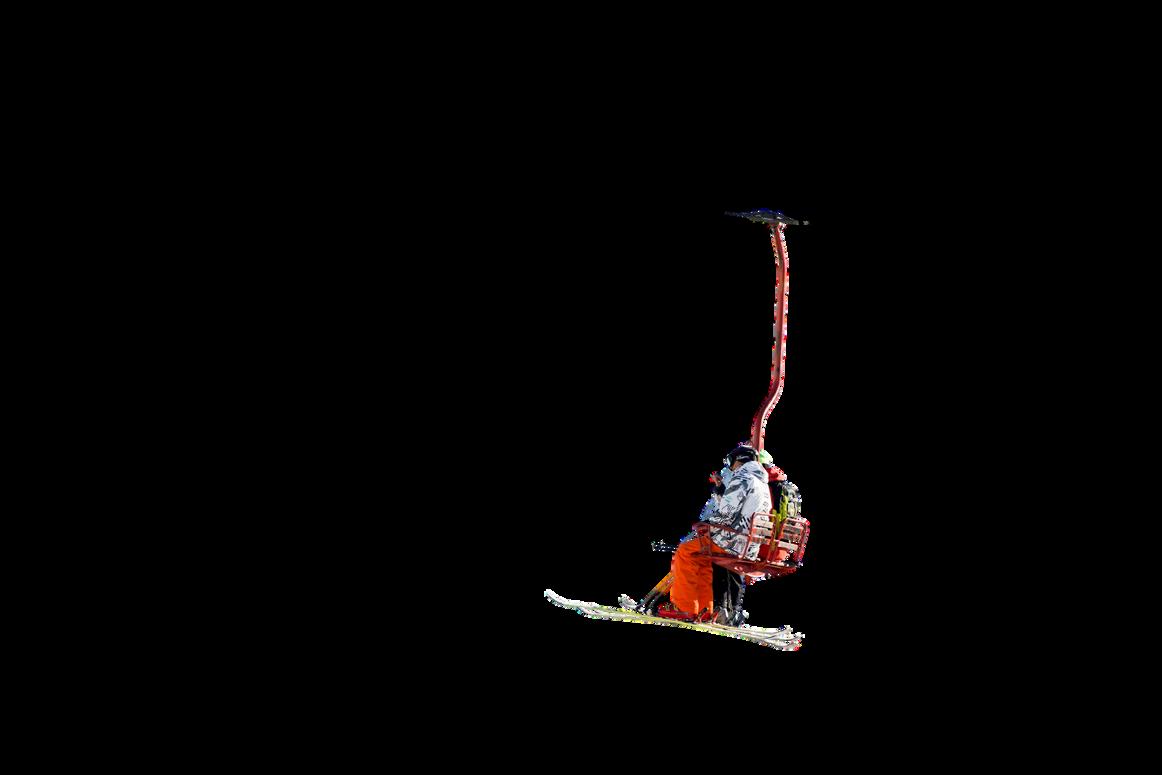
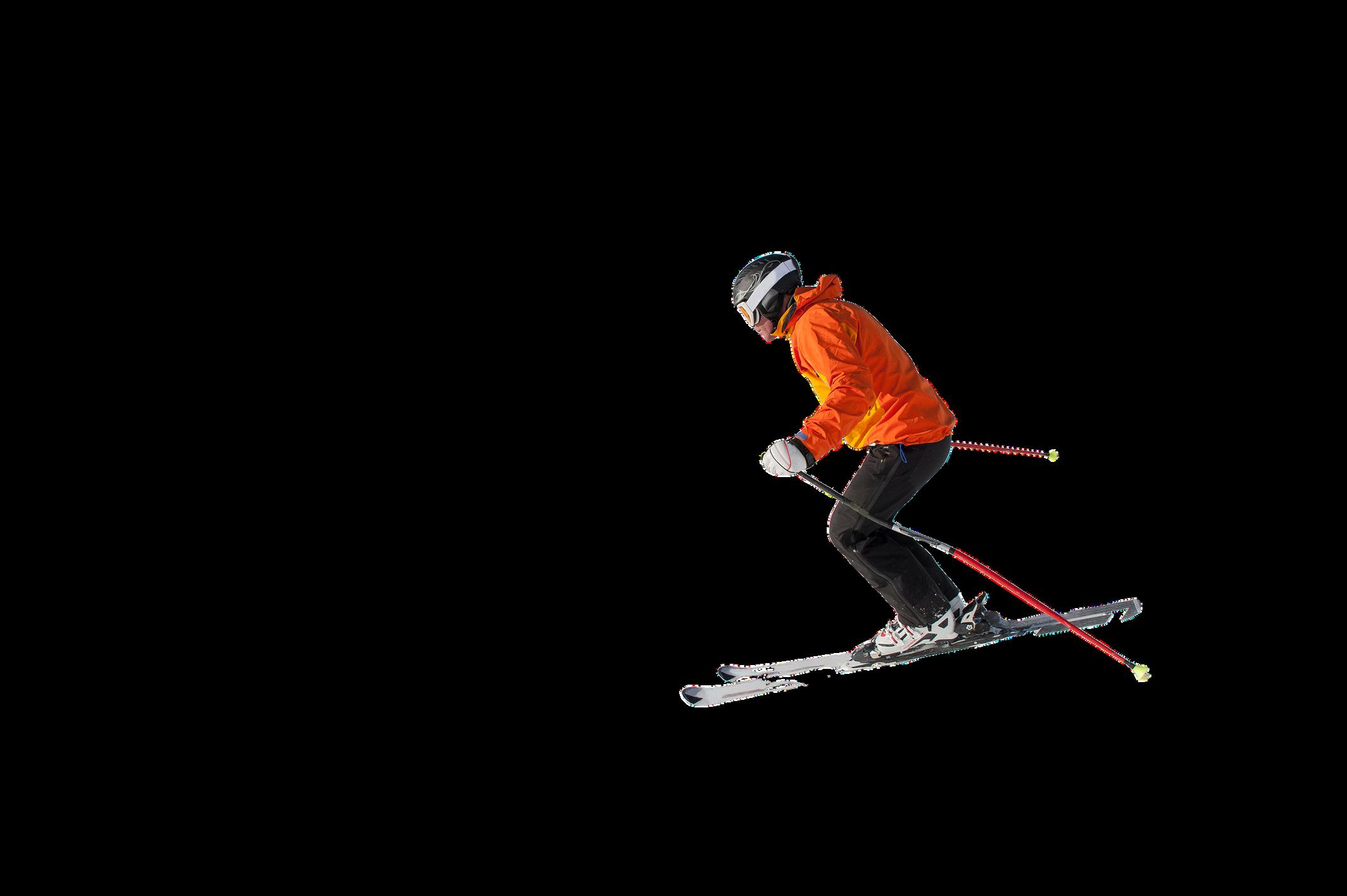
Is climate change a threat to the ski industry? 39 Was the failure at the Battle of Stalingrad mostly due to German faults or Soviet superiorities?
How important is health and fitness in our lives?
To what extent are today’s humans suffering from zoochosis? 50 Are energy drinks a friend or foe?


Written by Devin P
Completed the Higher Project Qualification
This report examines the satisfaction differences between only children and those who live with their siblings, and their major causes. Satisfaction, in terms of this report, is the overall wellbeing of children, the likeliness to speak well of in childhood and after and impact present and future.
Most children, as of 2026, grow up in a household with at least one other child, but in recent years, the number of one-child households has grown. Many factors contribute to this, mainly as infertility and divorce rates have also grown recently 50 years ago, the only child to not-only child ratio was approximately 1:15; now, the ratio is around 1:5, 1 7 in Lingfield
therefore can be more prolonging and meaningful. According to the Survey on Siblings or Lack of Siblings (SOLS Survey), an overwhelming majority of children who have siblings have only 1 sibling and most display an affectionate relationship with them A few argued that this was not the case Common patterns that occur is that they can influence the emotion and identity of their siblings, with mixed responses depending on the situation Older siblings, usually sisters, tend to act as role-models and support system for younger siblings, displaying either nurturing or irritable behaviour (more common in older brothers) Younger siblings tend to learn via observation, sometimes quicker than their older siblings
cannot do so themselves, as they are more prone to learning skills such as independence, self-reliance and focus with the absence of siblings
One way to put it is that siblings do not add or take away anything from a child’s life; it simply changes it significantly
The concept of differing levels of power between siblings is also common, favouring older siblings during childhood but even out toward later childhood
Skills that children often learn, or at least can improve more on, from the presence of siblings include social awareness and confidence, negotiation, and empathy This is not to say that only children


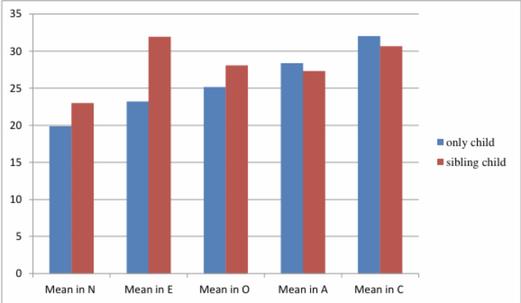
would not have had without them Another reason households are shrinking is the increasing expenses to run them; less children are more affordable, meaning that the one child is getting a more focused use of parental resource that they would have if there were other children; this does not mean only children are more privileged than siblings, however in districts with similar income households, this may be the case
Another result of a lack of siblings is the reduced likeliness for less easily resolved conflicts: only children are not immune to the concept of conflict, but with fewer adolescents to fabricate major issues among themselves, only children will be faced with more important debating discussions than the cliché of “You used my hairbrush!”
However, with fewer people in a household, only children get less social practice than siblings As a result of this, only children have fewer places to confide, and as previously stated, parents are not the first place that children go to or help, so without siblings, more difficulty is encountered With this, children have less ability to find more accessible role models; therefore, they
resource availability, and its distribution among siblings and parents: the less resources, the more siblings may be forced to share, such as rooms, clothes and equipment, which can encourage hostility This does not apply to only children as much, unless resources are overly diverted to parents, which can spark resentment and jealousy
Additionally, cultures have a key influence, especially collectivist against individualistic. In collectivism, siblings can be seen as essential, making having siblings easier to accept; in individualism, independence can be prioritised, making being an only child more valuable This functions beneficially for children with siblings and only children respectively Tensions can be higher when this culture is not commonly respected, especially by the children themselves, as it creates societal pressure and alienation for the child, especially if they are an only child Specifically for siblings, age gaps make a large difference to sibling relationships
Closer-aged siblings have more in common with one another; this can lead to stronger empathy but also closer competition and a greater imbalance of power Larger gaps can feel more distant but would most likely be more fostering, but this is not universal The gender of siblings also matters Pairs of sisters are shown to be more emotionally close to
These factors, from deep analysis, seem the most influential in deciding the satisfaction of a sibling or non-sibling upbringing It mainly depends on the children themselves, personality playing a key role Firstly, a child’s temperament influences the ability to cope with a sibling, easy-going children would achieve greater social ease, highly reactive children would more likely respond poorly to siblings, although uniquely they can also be learning catalysts Issues such as insecurity, inability to regulate emotions, poor mental health and lower self-esteem also reduces tolerance of siblings, especially if close in age, as it gives more for them to compare to This can result in more lashing episodes, not only within siblings but with external relationships too, more pressure to avoid support and an overall increase in these factors without intervention Only children would find it harder to improve on personality flaws but are less susceptible to enhancements of them What is often reported to be a factor is birth order Older siblings are, for a time only children until their siblings are born, so may be pressured into role-modelling
or resent their younger siblings for “stealing” parental attention Younger siblings often receive leniency but may rely on older siblings for their learning, enforcing the power imbalance Middle children are reported to feel overlooked, which can have an impact on relations with the whole family dynamic Only children can bear similar pressures as older siblings but not for role-modelling Instead, parental attention is focused on them, but this is not always a positive outcome, depending on the child’s needs and priorities.
Depending on the age of the siblings themselves, the significance of relations is very important In early childhood, siblings are primarily play partners, encouraging prosocial and collaborative behaviour When a younger sibling is born, the older sibling’s treatment can vary, shaping later events Only children, alternatively, are encouraged to find their own sources of entertainment, such as friends During adolescence, sibling relationships are less significant compared to peer relationships, making siblings an obstacle Only children, alternatively, gain their privacy
Most importantly, it depends on the child’s acceptance of their position Often, children are very or mostly satisfied within their household, meaning that they have adapted

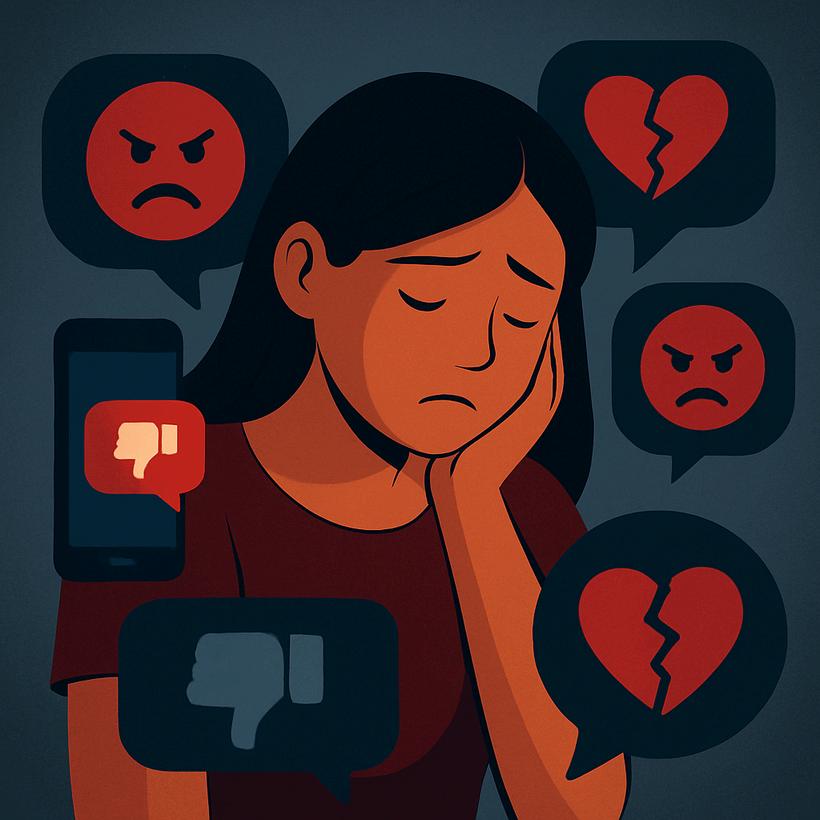
How and why does fame affect a person ’ s wellbeing and social interactions and what should be done to protect them?
Written by Ellie F
Fame is often seen as the ultimate dream: wealth, admiration and influence
However, for many figures in the public eye, it can rapidly spiral into psychological distress In this essay, I will explore the effects the constant spotlight has on celebrities and what changes society should make to protect them and their mental health. In the 21st century, people can become universally recognised almost overnight-sometimes from a young agethrough entertainment and sport industries, family connections or viral social media exposure. While many children dream of becoming a famous footballer or popstar, living with the world watching you can often be detrimental to emotional and social wellbeing
Although a certain amount of attention is expected as a public figure, the intensity creates vulnerability for individuals and paparazzi culture, online trolling and constant surveillance crosses a line between admiration and invasion- which is why I believe measures must be taken in society to protect celebrities These include stronger laws and boundaries for privacy and education for young people on healthy fandom.

For many celebrities across the globe, fame brings intense psychological pressures contributing to serious mental health struggles
One major factor is the pressure to maintain a flawless image, which often leads to persona conflict, where a celebrity struggles with conflict between their public persona and private identity
An extreme example of this is Robin Williams- who passed away on the 11th of August 2014 as a result of suicide. He battled a severe alcohol and cocaine addiction for most of his adult life. This can partly be explained by the intense expectations put on celebrities by the public and the media Public figures-especially comedians like Williams himself- are often expected to project happiness and humour even when battling silent and personal affairs After nearly two decades of sobriety following the birth of his son, Williams faced severe physical and mental health challenges later in life and, as a result, died by suicide His story reflects how someone can be widely known for their joyful persona yet privately struggle with long term depression and alcoholism
Another example that highlights the core psychological effects of fame is Demi Lovato Lovato rose to fame as a child star on a Disney Channel, gaining worldwide attention from an extremely young age
However, growing up under constant public scrutiny forced Lovato to sacrifice parts of a normal childhood and attempt to maintain a polished image In the documentary, ‘Demi Lovato: Dancing with the Devil’, she discusses how the pressures of the entertainment industry combined with constant media attention contributed to her mental health struggles and diagnoses of bipolar disorder, eating disorders and addiction Her experiences demonstrate how early exposure to the industry can negatively affect a child’s psychological development
Fame does not only affect mental health but also reshapes celebrities’ social interactions Psychologist Dr Sarah Sheppard notes that public scrutiny can distort trust and intimacy Particularly the fear that friendships and relationships are motivated by personal gain can strain celebrities’ social development For example, Britney Spears’ highly publicised breakdown- including her shaving her head and reportedly attacking a paparazzo ’ s car with an umbrellademonstrates how fame can place intense strain on family dynamics with intrusion from the media exacerbating personal issues (Spears, 2007, The New York Times- characterising it as a public "train wreck")
Britney’s father, Jamie Spears became her ‘conservator’ in 2008 following her breakdown which therefore created tension and loss of independence as Britney had little control over her finances, career or personal life
Celebrities often express isolation from normal life too; Zendaya stated in Teen Vogue even an activity as simple as shopping can become impossible with fans attention The loss of authentic connections combined with distrust and isolation can affect social wellbeing and therefore measures must be taken

A major driver of these social and psychological challenges is the relentless media and paparazzi attention Princess Diana famously described this as “ a life lived under a microscope” in a BBC interview in 1995 The invasive photography contributes to celebrities’ pressure to appear perfect at all times and crosses a huge moral boundary to respecting privacy Princess Diana’s fatal car crash in 1997 was also widely linked to paparazzi pursuit- an example of the extreme consequences of media intrusion Moreover, tabloid headlines frequently sensationalise minor incidents sculpting private struggles into public spectacles For example, the headline “Meghan Markle Faces Royal Fallout Over Baby’s Skin Colour” intrudes deeply into Markle’s personal matters and her unborn child’s appearance
Markle also publicly criticised British tabloids for misrepresenting her family life and in her interview with Oprah Winfrey in 2021 she stated that this caused her severe anxiety and suicidal thoughts. Celebrities often lose control of their image due to the media and constant negative press is proven to trigger depression. These factors contribute directly to mental health complications in celebrities and examples such as Princess Diana and Meghan Markle demonstrate the extreme consequences of paparazzi harassment and the constant media attention
Social media has also intensified pressures on celebrities due to the 24/7 access to criticism Many celebrities find it difficult to avoid negative attention or hate comments and videos from platforms such as X, Instagram and TikTok This creates an unhealthy environment for celebrities as they are constantly exposed to criticism and online trolling Sydney Sweeney commented during her Vanity Fair lie detector interview that her public TikTok For You Page is “sadly a lot of hate about me ” , illustrating how celebrities cannot escape the negative feedback and hate can become overwhelming

Additionally, Naomi Osaka- a Japanese tennis player- withdrew from press conferences at the French Open, after explaining that online pressure worsened her anxiety Social media also encourages parasocial relationships where fans feel connected to a celebrity and often feel ownership over them Taylor Swift has cultivated fan engagement through ‘Secret Sessions’- exclusive parties where selected fans are invited to Taylor’s homes to listen and discuss her new albums before official release. However, the intense loyalty of her fanbase (‘Swifties’) can lead to online harassment. On occasions, Swifties have reportedly sent death threats to individuals or influencers who express mild critiques of Swift’s albums, showing the extremity of her fanbase Consequently, the rise of social media has transformed fame into a psychologically demanding experience, where constant evaluation can negatively impact celebrities’ mental health
I believe that although an amount of attention and criticism is expected, measures must be taken to protect celebrities as even public figures are entitled to their privacy Current laws often allow media intrusion under ‘public interest’; however, I strongly believe that laws should be altered to define boundaries between public relevance and intrusion into private life Without clear legal restrictions, journalists and paparazzi can justify invasive reporting that could harm mental wellbeing Meghan Markle suing British tabloids after publicising a private letter to her father is a clear example of how under current laws private information can be exploited for profit. Furthermore, regulation of paparazzi practices would prevent harassment or uncomfortable experiences endured by celebrities. Paparazzi culture encourages aggressive pursuit of celebrities (photographers may stalk or provoke), therefore the media prioritising responsible reporting rather than sensationalism is crucial I believe ethical journalism would reduce the cycle of public scandals and reputation damage
Finally, social media accountability and stronger filters that companies such as Meta and X could put in place to reduce the harassment on users Therefore, systemic reform within the law, journalism boundaries and social platform restrictions are essential to decrease the pressures that fame places on individuals
In addition to legal protections, the entertainment industry must begin to prioritise mental health support for those in public scrutiny Firstly, mandatory mental health support is pivotal Access to therapists and wellbeing programmes should be standard Early intervention can prevent issues such as burnout, addictions and complications for child stars Demi Lovato has openly discussed addiction recovery and the importance of professional support in maintaining stability
Additionally, agents and managers tend to prioritise publicity and profit for celebrities, however constant touring and press cycles eventually causes exhaustion meaning ethical management should encourage reasonable schedules and boundaries with media exposure
Most importantly, education around healthy fandom is necessary to avoid fans forming parasocial relationships and reduce harassment or invasive behaviour I believe schools and education systems promoting digital respect and teaching boundaries between public admiration and privacy would greatly improve the wellbeing of celebrities as they should feel able to withdraw from public exposure without career damage
Ultimately, while fame offers influence and opportunities, it also exposes celebrities to intense psychological strain The pressures of maintaining a public persona combined with media intrusion and online scrutiny can significantly damage mental health and the ability to form genuine connections Therefore, protecting the wellbeing of public figures in today’s society requires both systematic and legal change and social awareness, ensuring fame does not come at the cost of mental health, personal relationships and human rights
Written by Evan R
Completed the Higher Project Qualification

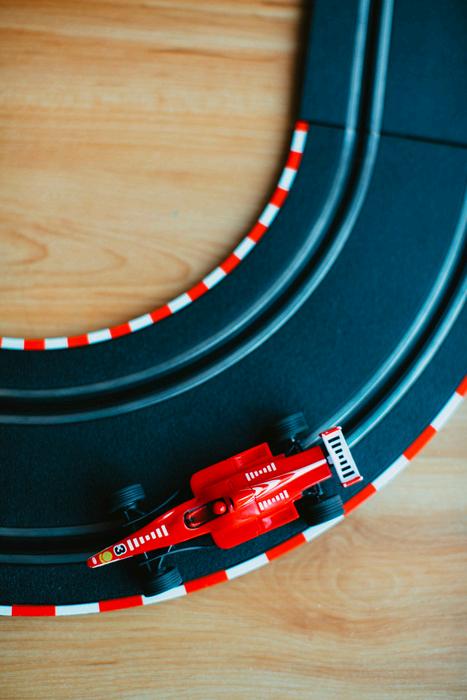
1 is one of my favourite sports and I think it is the most strategic sport in the world. Most of the people who don’t regularly watch the sport see fast cars going round a track for an hour However, races aren’t necessarily won by the fastest car on a straight, or the one with the most downforce for a corner, or even the most talented driver. But rather your strategies affect your outcome.
My essay will show how winning a race the is from making the correct decisions, which are when to pit, what tyres to use, and whether to push or relax What I mean by push is going around a corner at higher speeds or going quicker. And what I mean by relax is the opposite of pushing. But, pushing wears the tyres quicker and uses a lot of fuel, but then you will be quicker And relaxing, loses time, but you don’t wear the tyres as much and you save more fuel. All these decisions affect lap times and track position, and over a full race distance that can make a big difference
In my essay, I am going to find out which of the strategies contribute to a race outcome These strategies are tyre management, pit stops, and fuel management For my research, I used official Formula 1 regulations, race examples, and other reliable sources that explain how teams plan their strategies By comparing the evidence, I aim to decide which strategy influences the final result the most.
management will affect when you should pit your car, you might need to undercut (exiting the pit lane in front of another car), or you might need to pit late to push the tyres to the end, and fuel management will affect how fast the tyres wear and how quick the car is. Teams have to balance the risks with rewards, guess what the other teams might do
Pirelli (2023) say it can be around 0 6–1 2 seconds quicker per lap in the best conditions However, softer compounds (such as soft and medium) wear out very quicly, they can sometimes lose 0 1-0 15 seconds per lap over a long stint
Technical Overview
When most people think of strategy they jump to a pit stop and tyre management as one without realising, they are two very different strategies I myself was led to this conclusion but now, thanks to the essay I have had the time to research and find the difference
Tyre management is widely regarded as one of the most decisive elements of modern Formula 1 strategy Since the introduction of high-degradation compounds supplied by Pirelli, tyre performance has been deliberately designed to create strategic variation during races There are three different compounds, which are soft, medium and hard. Different tyres give different advantages, the softer it is the quicker and the harder it is the slower
Telemetry data is normally collected during races Some of the telemetry data shows the surface temperature of the tyres The best tyre performance will range between certain temperatures, these are 90oC and 110oC (From, Pirelli and Formula 1 2023). If the temperature of the tyre is higher than 110oC, the thermal degradation will increase very quick, causing a lot less quick lap time. For example, if a driver’s lap time is initially 1:32 000 on fresh tyres, degradation may cause lap times to increase to 1:33 200 within 12–15 laps depending on track abrasiveness
As tyres wear, their performance drops, which creates an opportunity for teams to attempt an undercut An undercut happens when the driver behind pits before the driver ahead to switch to fresh tyres, because new tyres can be up to around 1 5 seconds faster per lap than worn ones The following driver may gain several seconds while the leading driver remains on older tyres Sometimes allowing the following driver to overtake once the driver ahead makes their pit stop
Seven races in the 2022 and 2023 races were really influenced by tyre management Especially on tracks with lots of corners or tracks with tight corners such as Bahrain and Spain. Data analysis from race reports published by Formula 1 shows that optimal tyre timing frequently determines podium positions, especially where overtaking is difficult.

Pit Stop Strategy
Types of Pit Stop Strategy
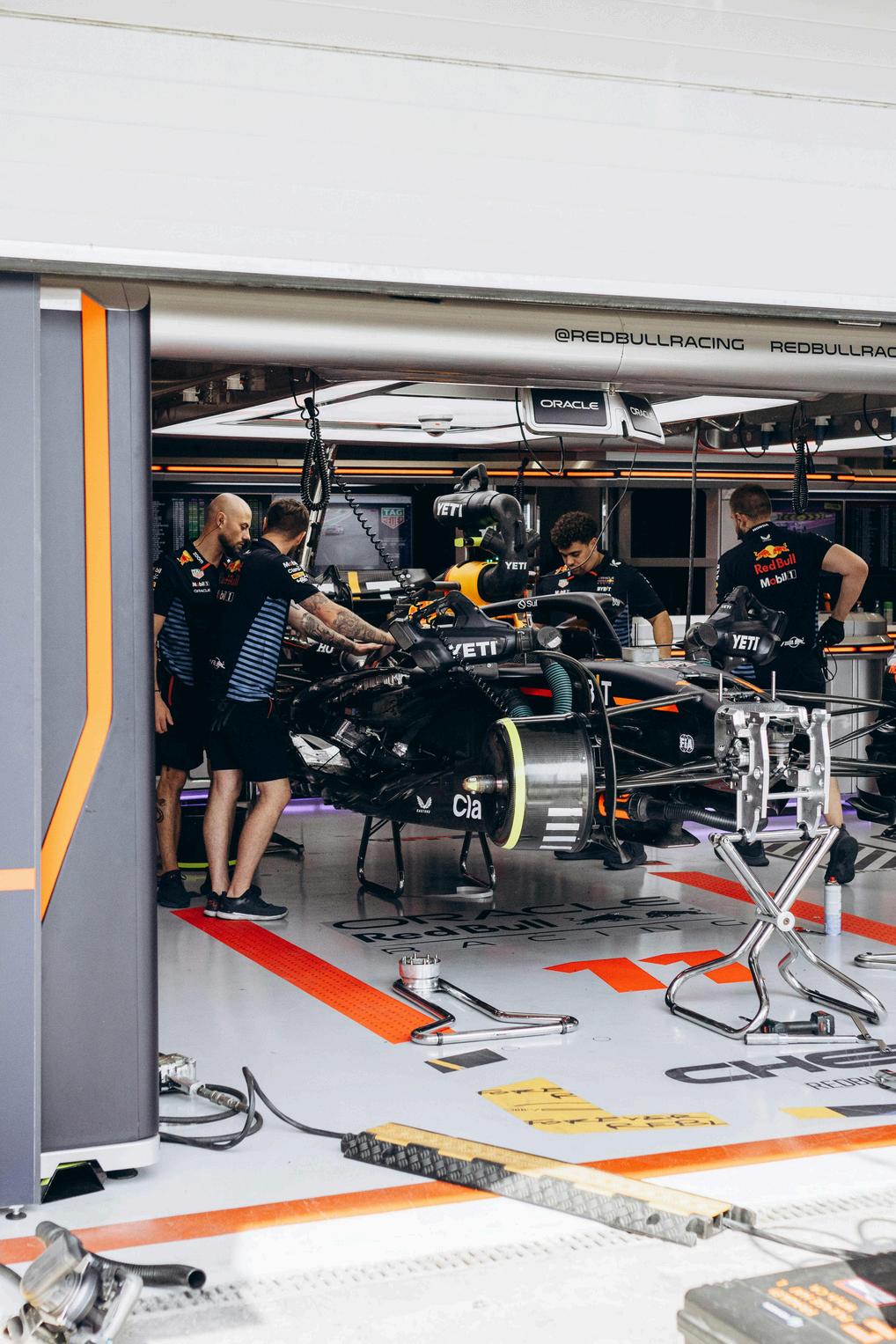
A single pit stop can cost around £50,000 with a single wheel nut costing around £1,000 (I was told this on a RedBull tour) and are only used once, so they are put on and when tyres are changes they are thrown away, so each pit stop they are throwing away £4,000 Pit stop strategy directly influences track position, which is often more valuable than raw pace Noble, J say an average F1 pit stop time would be around 22–25 seconds when stationary And they also say that elite teams such as Mercedes-AMG Petronas Formula One Team and Oracle Red Bull Racing occasionally sometimes achieve sub-20 second stops which, personally is mind blowing If you think about it, by the time you have through and caught a tennis ball, the F1 car ’ s tyres have been changed
However, total pit lane time including entry and exit, ran 18 and 25 seconds dependi layout

Strategy
Tyre Management
Pit Stop Strategy
Fuel Management
High (0 5–1 5 sec/lap variation)
Moderate–High (position change)
Low–Moderate (0 2–0 4 sec/lap)
Indirect (via pace) Very High
Direct High
Indirect Low
Tyre strategy appears to have the greatest raw performance variation per lap Pit stop strategy, however, converts performance into position Fuel strategy mainly preserves performance rather than creating it So, I think tyre management is arguably the most decisive factor because it influences both pace and pit timing Pit stop strategy becomes decisive only when tyre offsets exist. Fuel management rarely overrides the other two strategies unless extreme fuel saving is required.


What factor is the most prominent in the spread of antibacterial resistance in bacteria?
Written by Florence B
Completed the Higher Project Qualification
This essay will be discussing the main factors which affect Antibacterial Resistance in Bacteria (ARB) and reach a conclusion about which factor is the most prominent. The main factors are unnecessary use (overuse and misuse), agriculture (animals) and lack of awareness.
ARB occurs when pathogens, such as, bacteria, viruses, fungi and parasites no longer react to antimicrobial medicines Due to this resistance many medicines become ineffective which causes huge issues for the medical industry ARB is a natural process that occurs through genetic changes in pathogens over time, however, the spread of ARB is accelerated by human activity
The beginning of the modern era of antibiotics started with the discovery of Penicillin by Sir Alexander Fleming in 1928 Penicillin helped to save huge quantities of lives by being prescribed to treat serious infections during World War I However, shortly after, penicillin resistance caused a large problem for the medical industry and many advances from the previous decade were threatened Unfortunately, this event has occurred with nearly all the antibiotics which have been developed.
ARB is one of the top public health threats to our current world. A study that was completed has shown that ARB was directly responsible for 1 27 million deaths and that it has significantly contributed towards 4 95 million deaths Furthermore, as well as the huge amounts of death and disability caused by ARB, it is estimated that by 2050 antibacterial resistance could destroy 3 8% of Global Domestic Product (GDP) each year and could cause poverty for 28 million people It is also thought that the impact of ARB in livestock could cost GDP a loss of $950 million and resistance from livestock to humans could cost up to $5 2 trillion
One of the primary concerns with ARB is when antibiotic resistant bacteria are passed from animals to humans This is because it can cause infections which are more difficult to treat Another concern is when humans pass antibiotic resistant bacteria back to the environment, because this can contaminate soil and water sources However, the main concern for public health, which is increasing due to ARB, is when antibiotics used in agriculture are closely related to, or the same as, those used in human medicine, because this accelerates the development of antibiotic-resistant bacteria and causes the development of superbugs
Antibiotics help by removing the more drug-sensitive competitor bacteria; however, this leaves the resistant bacteria to reproduce because of natural selection

Sir Alexander Flemming
Despite many warnings regarding ARB, antibiotics are continuously being overused and over prescribed worldwide An example of this is when an analysis of the IMS Health Midas database showed that in 2010 it was estimated that 22 standard units (a unit equalling one dose, such as one pill) of antibiotics were prescribed per person in the U S The number of antibiotic prescriptions per state varied with the largest uses in the states running from the Great Lakes down to the Gulf Coast and the lowest uses along the west coast. In some states the number of prescribed treatments per year was larger than the population, meaning that there was more than one course prescribed per person per year
In some cases, antibiotics are incorrectly prescribed which contributes to ARB

One U S study has shown that in 17,435 patients who were hospitalised with community-acquired pneumonia, the pathogen was only identified in 7 6% of them Although, in comparison, the Karolinska Institute in Sweden were able to identify the pathogen in 89% of the patients However, it is still a fact that 30% to 60% of antibiotics prescribed in intensive care units are found to be unnecessary, inappropriate or suboptimal
To conclude, unnecessary use has occurred for a long time, and it is the main factor in the spread of ARB. We have been warned against the effects of the misuse of antibiotics since 1945 and how this can cause bacteria to become resistant due to horizontal gene transfer as well as inheriting genes from relatives Also, with people having more than one course of antibiotics each year, they are becoming heavily overused and in addition to people being prescribed the wrong antibiotics, it makes it a lot easier for bacteria to become resistant


This will be the first new class of antibiotics for clinical use in decades
The World Bank is going to try and address ARB in the most cost-effective way. They are offering a rate of return on investment of 88% per year
Currently The World Bank is financing 47 projects across 40 countries, with their investments aimed at strengthening agriculture, health, water and sanitation systems to prevent the spread of ARB On the website of The World Bank there are suggestions of how to stop the spread of ARB in the sectors of health, agriculture, food and water, and the environment This is to try to educate people on the what the current situation is and what they can do to stop it.
The WHO show how different groups are aiming to solve the problem The One Health plan address all the sectors that The World Bank also mentioned because they believe it is important to achieve optimal and sustainable health outcomes for humans, animals and our ecosystem
They plan to bring stakeholders from relevant sectors together to coordinate and monitor programs to attain better health and economic outcomes. The WHO also mention the Global Action Plan on Antimicrobial Resistance which was created during the 2015 World Health Assembly
Antibiotic misuse will diminish the efficacy of any improvements made in public health, sanitation, research, and changes in agriculture
Ultimately, even though ARB can never be fully stopped due to the process of natural selection, the rate of it and its impact on our lives can be greatly reduced In addition, a single approach to solving the problems associated with ARB is impractical. The world needs a clear and balanced, many-sided approach, such as the Global Action Plan on Antimicrobial Resistance, to most effectively reduce the rate and strength of ARB Taking responsible action now will allow us to preserve these lifesaving medications for future generations

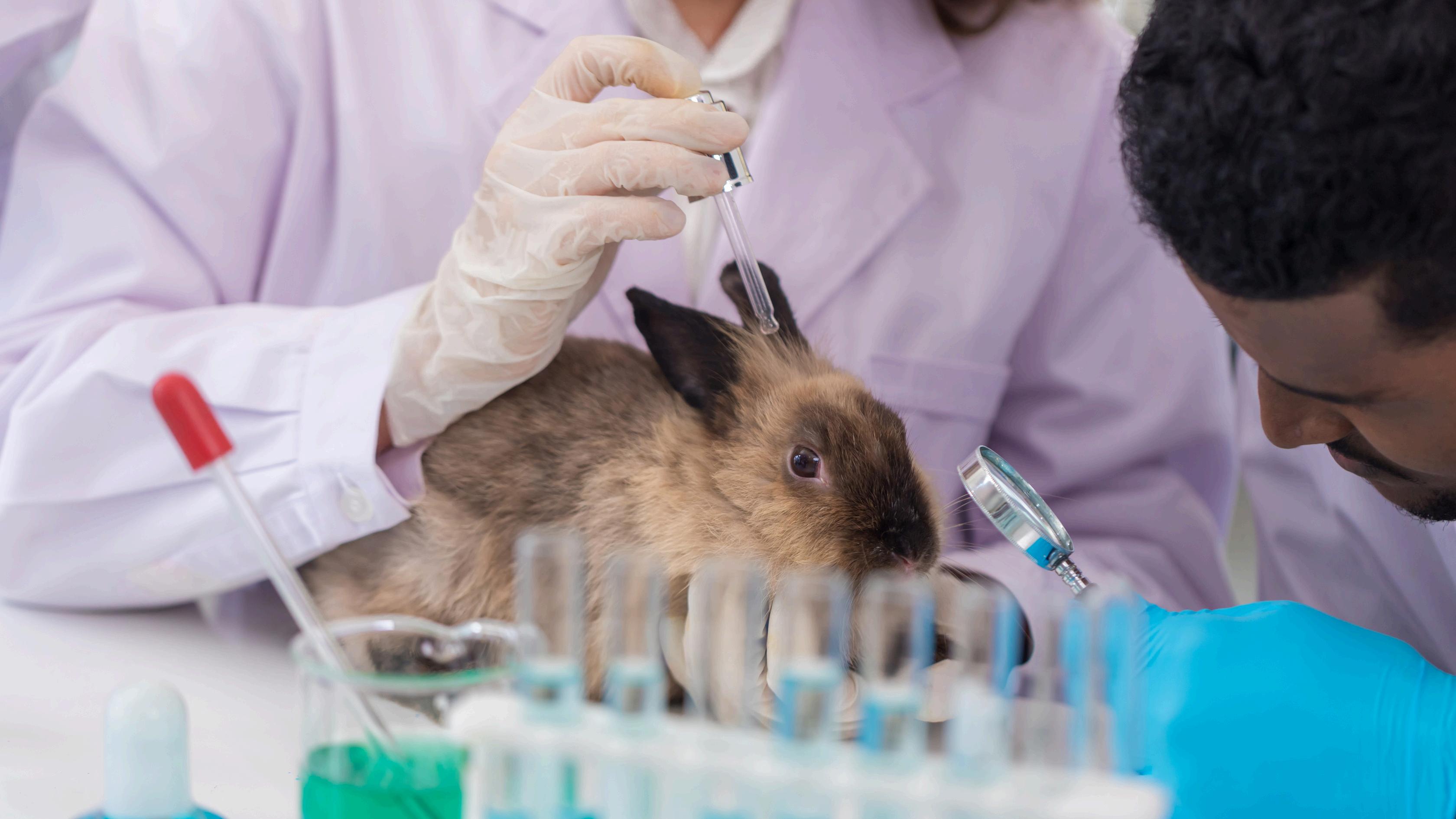
Should animal testing be banned, or can it sometimes be justified (and perhaps even be considered a necessity)?
Written by Hyla L
Animal testing is used globally in many different industries, and it is a widely debated subject due to moral issues surrounding animal welfare Animal testing, also known as animal experimentation, refers tothe use of non-human species in scientific research to further understand and evaluate the safety and efficacy of products such as medicines, chemicals, and cosmetics It involves exposing animals (most commonly mice, rats, rabbits, fish, and birds) to substances in laboratory settings.
There are debates as to the pros and cons of this practice, which I will be further discussing throughout the course of this essay. On one side of the debate are those who argue that the benefits outweigh the risks and downsides On the other side is the argument that it causes severe and unnecessary suffering for the animals used in the experiments and produces unreliable results - all while there are alternative methods of testing available
In many countries, the law requires new medicines to be tested on animals (normally one rodent and one non-rodent mammal) before human trials, which is potentially problematic because there seems to be no legal alternative to animal testing in these circumstances. However, a high percentage of experimental drugs that are safe and work in animal experimentation fail in human clinical trialsbecause they are too toxic or ineffective. This is later discussed in further detail in this essay.

edition of “The Principles of Humane Experimental Techniques” was published This expanded on what is known as the principle of the 3Rs (replacement, reduction, refinement) for animal experimentation in modern times
These were introduced in 1959 by Scientists William Russell and Rex Burch, and they aim to replace animals being tested on with less sentient species such as invertebrates or using non-animal methods of research. This reduces the number of animals required and refined methods of testing to provide valid results, while still maintaining the animals’ welfare
If these principles can be fully put into practice it would revolutionise the animal testing industry It would definitely improve the welfare of animals, but it can also improve the results of the tests because the torture the animals are being put through affects the results of the experiments This was proved by the National Institutes of Health which stated that factors like stress from confinement, artificial lighting, noise, and handling can alter the physiology of the animals and therefore cause false test results.
Today, animal testing remains important in areas like drug development and disease research, however, advances in cell cultures, computer modelling, and organ-on-chip technology aim to reduce reliance on animals, linking back to the 3 Rs Ethical debates on the question of whether it is acceptable to harm animals for the benefit of humans or other animals continue, balancing scientific progress with animal welfare concerns This also links to the biological theory of risk versus reward, which, in this context, is about how the development of life saving medicine also can require harm towards animals, so we need to think about whether it is worth harming fellow creatures for our benefit
safe and effective for the animal, it does not mean it will work the same on humans. For example, a statistic cited by sources like theNational Institutes of Healthis that around 92% of drugs that appear safe and effective in animal tests fail in human clinical trials due to underlying biological, genetic, and metabolic differences between species This striking fact shows how animal testing is actually a mostly ineffective practice and, in most cases, just causes unnecessary pain and death
Another example of this is an arthritis drug called Vioxx which was found to be safe when tested in monkeys (and five other animal species) but caused around 320,000 heart attacks and strokes in humans and resulted in 140,000 deaths worldwide Clearly, animal testing is unreliable in this way because of the differences in anatomy of humans and animal species, and it has been proved to be dangerous to use drugs that are safe for animals who have similar physiology to humans If animal testing does continue in this way, the consequences could be catastrophic to both humans and animals, therefore it should be banned in all countries
This is why I believe that animal testing should be permanently banned, and that other methods of research should be put into place for the benefits of both humans and animals
Written by Josh L

Road traffic accidents remain one of the highest causes of death and severe injury worldwide, raising questions about how we, and technology, could limit these accidents and potentially eliminate them all together. Recently, self-driving cars have shifted from a SCI-FI concept to reality, promising to change transportation through automation, sensors and AI. Having seen some states and cities in the U.S.A, for example, Los Angeles, introduce self-driving robotaxis, some people suggest that removing reckless, tired or distracted drivers will significantly lower accident rates However some critics warn of technical failures and ethical issues, for instance, if there were to be a crash involving a self-driving car, who would be at fault? This essay explores the potential pros and cons of the introduction of self-driving vehicles in the UK
sensors and reminders to passengers who are not wearing seatbelts, and some can be programmed to not move at all until every passenger in the car is wearing their seatbelt Additionally, young drivers, especially young male drivers are at huge risk of serious or fatal crashes One in five young drivers crashes within a year of passing their test and every year, over 1500 car drivers aged 17–24 are killed or seriously injured on UK roads Self-driving cars could significantly change the amount of young lives that are lost every year on UK roads Therefore, self-driving vehicles could massively improve road safety
can predict these hints but this could pose an issue for self-driving vehicles as they would have trouble in detecting human behaviour which could cause higher road-safety risk Therefore, with the many improvements to road safety, self-driving vehicles could also decrease the safety of the roads, as they would not be able to pick up on cues that could cause harm to the passengers, the people in the other vehicle or pedestrians

There are, however, ways in which selfdriving cars could hinder road safety. For example, self-driving cars would be software-driven, meaning that they could potentially be hacked or have their data breached This could cause a huge safety risk, if a car was to be hacked and taken control of Additionally, humans are able to interpret subtle cues from other drivers on the road or pedestrians such as children alongside, that self-driving vehicles may struggle to identify For example a young child by the side of the road, is unpredictable and may jump or fall out into the road – human drivers
Self-driving vehicles could also significantly change the state of the economy If self-driving vehicles do become a huge adaptation to the roads, we could see millions of job losses worldwide Taxi drivers, lorry drivers and delivery driver jobs would be in risk of becoming extinct, meaning that there would have to be other jobs created for the drivers made redundant by the introduction of self-driving vehicles However, the improvement of road safety could also positively affect the income Car crashes around the UK cause approximately a 33 billion pound hit to the economy every year Therefore, self-driving vehicles would improve the safety of roads and therefore, they would massively decrease the amount of money lost through crashes every year in the UK In addition to this, experts have estimated that self-driving vehicles could add up to 42 billion pounds to the UK economy by the year 2035 and creating up to 38,000 jobs in technology and manufacturing Therefore, self-driving vehicles could drastically change the economy, however, they would simultaneously cause many people to lose their jobs
of road incidents are linked to human error reduction of deaths in car crashes due to seatbelts
illion hit to the Uk economy from car crashes
illion added to the economy by self-driving cars
Another question that the introduction of self-driving vehicles could raise is the ethical issues about introducing them onto our roads For example, who would be responsible if a crash took place, including a self-driving vehicle If a self-driving vehicle were to hit a pedestrian, typically the responsibility shifts to the manufacturer UK law generally makes insurers liable, however, if a system failure causes a crash, the manufacturer and software developers could be held responsible. Contrastingly, if the car was not in “full self-driving mode,” i.e. it was in advanced driver assistance, and the human driver failed to take control, the driver would be held liable for causing the crash Another ethical issue that self-driving vehicles could raise is the lack of morality that a human driver would have For example, “The trolley problem ” This is a hypothetical dilemma in which an out-ofcontrol vehicle threatens five people, a human driver must choose between doing nothing and killing 5 people or actively diverting the vehicle, killing one person Automated vehicles would not have the morality to decide which is the better ethical outcome and could potentially make the wrong decision Therefore, self-driving vehicles would create ethical issues on liability in the event of a crash The lack of morals that a human driver would have could also mean potentially killing more lives than needed to be
Although it has not been researched, if self-driving cars helped elderly people to socialise and be less isolated, could ultimately have a positive impact on cost of dementia care on society Additionally, self-driving trucks and transport vehicles could also create a much more efficient, 24/7 transport service, as the drivers wouldn’t need to rest and sleep It could also mean cheaper supply chains, which would mean more revenue for businesses Finally, autonomous vehicles could also make driving much more efficient, optimizing traffic flow by communicating to one another, reducing bottlenecks and also maintaining constant speed. Meaning that self-driving vehicles have many more benefits to them than just improving road safety, through improving transport efficiency and providing opportunities for the elderly and people who are unable to drive
Automated, electric vehicles would require large amounts of battery recycling which can be harmful to the environment in large quantities Overall, self-driving vehicles could improve the environment by limiting the amount of traditional vehicles on the road and therefore fuel consumed However, the production of batteries, sensors and other technology needed to make a selfdriving vehicle would require large amounts of materials and produce large amounts of waste, they would also significantly increase the energy consumed.

Some more benefits of self-driving vehicles are, the idea of urbanisation and reducing parking With reduced need for owning your own vehicle, huge multistory car parks can be redesigned into new areas for the benefits of the people. Additionally, with the talk of potentially not allowing some people to drive over a certain age, the introduction of selfdriving vehicles could massively increase the independence and mental health of elderly people as they could get from place to place without the pressure of having to drive and being out of their comfort zone as they get older
Finally, self-driving vehicles could also change the environment for the better and potentially for the worse Self-driving vehicles can lower greenhouse gas emissions This is because they would drive much more smoothly than human drivers, meaning less harsh braking and accelerating, this reduces fuel and cuts emissions Also with the potential of electric automated vehicles, which would significantly lower greenhouse gas emissions because they are all electric vehicles Shared autonomous fleets could also reduce the amount of vehicles required, meaning fewer vehicles, fewer materials and less waste However, automated vehicles require powerful onboard computers, sensors and cameras. These systems significantly increase energy consumption especially in electric vehicles; producing advanced sensors, batteries and electronics requires lots of rare materials and generates large amounts of waste and can be harmful to the environment
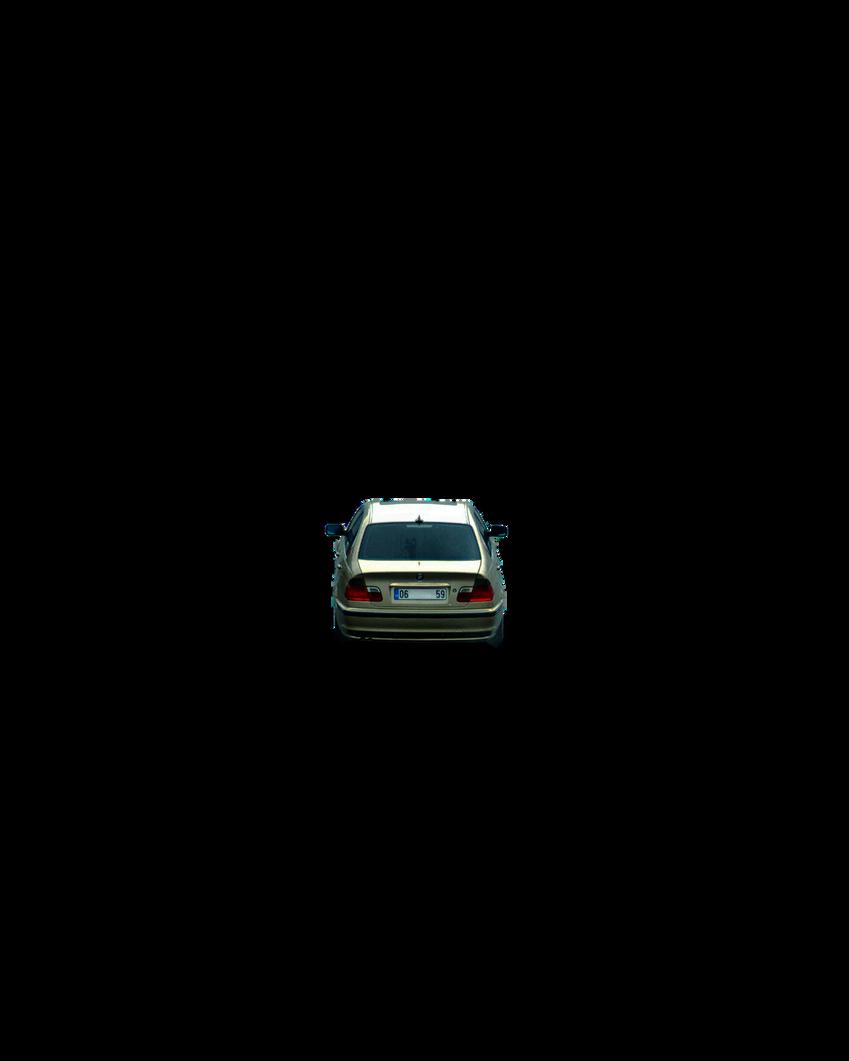

In conclusion, the introduction of selfdriving vehicles onto UK roads could significantly change the shape of the country economically, environmentally and they can change the safety of UK roads for the better or the worse After research, I believe that the pros of introducing self-driving vehicles significantly outweigh the cons and would improve the lives of many citizens To conclude, some of the pros include, eliminating human error on the roads and by helping the economy by creating many more skilled and expert jobs in manufacturing and the technology behind automated vehicles However, the main issue of self-driving vehicles would be the ethical problems that they would create such as if a pedestrian was hit, who would the blame be placed on and the lack of emotion in a situation outlined by “The trolley problem”.
Self-driving vehicles should be introduced onto our roads as it would improve many lives through increasing independence of many and making travel around the country easier and more efficient However, I think that they would be most efficient if every vehicle on the road was automated as they would be able to communicate with one another and the problem of human error our be eliminated This, however, is much further in the future

How is tennis as much a mental battle as it is a physical one?
Written by Josh R
While tennis is widely recognised as a sport that demands a high level of physical ability, it is far more complex than a contest of power or technical skill Players must consistently demonstrate speed, endurance, strength and precision in order to compete successfully at a high level, sustaining these skills throughout matches that can last several hours. Although these matches require exceptional levels of physical fitness, tennis is not just a test of physical ability. Unlike many team sports, tennis players often compete alone on the court, where they must manage their concentration, mentality and decisions throughout the match without the support of teammates This means they must remain focused while also coping with the pressure created by important points and changing momentum during a match. As a result, the psychological demands of tennis can have a significant influence on a player’s overall performance This raises the question: how is tennis as much a mental battle as it is a physical one? While physical fitness and technical skill provide the essential skills for success in tennis, psychological factors often help decide which player ultimately wins.

Unsurprisingly, the physical demands of tennis are significant and form the basis of competing competitively Matches involve constant movement around the court, rapid changes of direction and repeated bursts of speed Players must have high levels of cardiovascular fitness to maintain energy during long rallies and matches Professional tennis players require a combination of endurance, speed, strength and explosive power in order to sustain performance during high-level competition Without this physical element, players would quickly experience fatigue, reducing their ability to hit the ball with power or perform technical shots effectively
In addition to endurance, tennis requires high levels of agility and coordination As professional players strike the ball at very high speeds, opponents must react quickly and adjust their positioning on the court within seconds Effective footwork, movement and positioning are essential skills, as they allow players to move fluidly around the court, maintain balance when hitting the ball and produce more controlled, accurate and powerful shots Without agility and coordination, players would struggle to compete successfully regardless of their mental strength
Technical skill also plays a key role in tennis performance Players spend years mastering a wide range of shots, including serves, forehands, backhands and volleys, all of which require precision and timing to be effective The serve, in particular, is one of the most important shots in tennis because it begins each point and can provide players with an immediate advantage over their opponent Professional players typically spend many hours each day improving their technique, strength and movement through training and practice As the Crespo et al explains “ success in tennis is greatly affected by the technique a player uses and biomechanics plays an integral role in stroke production”. Therefore, without strong physical ability and technical skills, players would struggle compete successfully at a high level.
However, while there is no denying physical ability is essential, it does not fully determine success in tennis. Psychological factors also play a key role in influencing performance Unlike many team sports, tennis players often compete individually and must manage their own thoughts and emotions throughout the match without the support of teammates As My Tennis HQ explains, players are often alone with their thoughts on court, meaning mental toughness is crucial in handling pressure and maintaining performance As a result, mental focus is crucial as even a brief loss of concentration can result in losing a point or making an unforced error According to My Tennis HQ, tennis requires constant mental attention, as players must continuously make decisions, analyse and adapt their tactics in response to their opponent, highlighting the importance of focus and strategic thinking Resilience is another key psychological factor in tennis, as matches often involve shifts in momentum where one player temporarily gains an advantage before the other recovers During these moments, players may lose several points in a row or fall behind in a set, which can increase frustration and pressure In addition, certain moments in a match, such as break points or match points, are particularly pressurised because a single mistake or error can determine the result The ability to recover mentally from setbacks is therefore essential for maintaining performance The Psychology of Winning in Tennis suggests that successful players are often able to quickly refocus after mistakes instead of becoming frustrated or discouraged
Similarly, Sports Psychology Tennis, explains that players who concentrate on breathing techniques and focus on one point at a time are better able to manage pressure during these situations
In contrast, players who become overwhelmed by nerves may rush their shots or make simple mistakes, even if they have strong physical skills This ability to mentally reset allows players to maintain confidence and continue competing effectively, particularly during the most important moments of a match.
The importance of mental resilience was highlighted during the 2019 Wimbledon final between Djokovic and Federer
During the match, Federer held two championship points while serving, placing him extremely close to victory
However, Djokovic remained calm under a very high pressure situation and saved both match points before eventually going on to win the match in a final set tie-break This result highlights how mental composure and the ability to remain calm and composed during crucial moments can help influence the outcome of a match Sports psychologist Todd Hargrove (2024) argues that mental toughness enables players to manage pressure, refocus after mistakes and maintain a consistent performance during stressful situations Although both players had exceptional physical ability and technical skill, Djokovic’s psychological resilience ultimately allowed him to perform more effectively under pressure ultimately supporting him in securing the win
The relationship between psychological and physical factors in tennis is closely interconnected. A player’s mental state can influence the execution of their shots For example, frustration or anxiety may cause players to rush their movements, resulting in poor shot accuracy or decision-making
Conversely, research discussed by Wright suggests that tennis requires constant mental processing because players must rapidly analyse and anticipate their opponent’s movements, making rapid strategic decisions during play This combination of physical skill and mental decision-making makes tennis a particularly complex sport
Despite the importance of psychological factors, it would be inaccurate to argue that tennis is primarily a mental sport. Physical ability remains an essential requirement for success, as without high levels of stamina, strength and technical skill players would struggle to compete effectively regardless of their mental resilience Physical fitness allows players to sustain long rallies, reach difficult shots and produce powerful strokes, meaning psychological strength cannot replace physical skill
Instead, success in tennis is determined by a a combination of both physical ability and psychological strength Physical fitness, speed and technical skill provide the foundation that allows players to compete effectively at a high level However, when players are physically similar in ability, psychological factors often become the key factor in determining the outcome of matches At professional levels of tennis, where most athletes are highly trained and technically skilled, matches can be decided by which player manages pressure better, maintains focus and demonstrates greater resilience during difficult moments. Psychological factors therefore strongly influence how physical skills are applied during competition, suggesting that psychological strength may be particularly important when physical differences between players are relatively small Ultimately, while physical ability remains essential, psychological strength plays an equally important, and sometimes a decisive role in determining success in tennis

Written by Lana C
What is equine welfare? Equine welfare is the health, happiness and wellbeing of any animal classed as “equine” This includes domesticated animals such as horses, mules and donkeys and also wild animals like zebras. I will be focusing on the welfare of domesticated horses in the equestrian world, varying from amateur to professional standard. This is something heavily overlooked, usually at professional standard, where abuse is disregarded as discipline As an equestrian, I am very passionate about working towards a world which puts these animals first and prioritises peace over performance.
An important part of educating people is raising awareness of the abuse in this sport Without sounding biased, dressage is arguably the most abusive discipline (type of equestrian style of riding). Allow me to explain why I believe that this is the case. Dressage is an artistic form of horse riding, often described as “ballet on horseback” It focuses on achieving a routine of clean, balanced and perfectly executed moves. On the outside, it shows the harmony between horse and rider. But there is far more to it than just dancing across the arena and looking pretty For what is the cost that appearance comes with? Just how far will a rider go to force their horse into an attractive shape?
Riders use multiple accessories to aid their riding, such as whips, different types of bridles and spurs, which are attachments to the rider’s boots When overused, spurs add a sharpness to the kicking they give and cause rub marks which can be really painful These accessories are sadly very much overused Some riders perform hyperflexion which is forcing the horse’s neck into an extremely unnatural position This is banned by the Federation Equestre Internationale (French for International Equestrian Federation or FEI), but unfortunately this hasn’t stopped people before. Spur marks from harsh kicking are covered by shoe polish; mouth sores from extreme pulling are ignored Overworking, overuse of the whip and excessive, obsessive and painful training methods all contribute to supreme psychological and physical damage to these animals
An example of these abusive training methods is prior top dressage rider, Charlotte Dujadin, 39 year-old, who won six dressage Olympic medals in London, Rio and Tokyo In 2024, she was banned from the Olympics after a complaint was filed by one of her students and an old video emerged of her whipping a horse 24 times in the private lesson she was conducting Dujadin claimed that, “I am sincerely sorry for my actions and devastated that I have let everyone down, including Team GB, fans and sponsors ” This shocked many people who looked up to Dujadin as their idol in the equestrian world, which just shows how overlooked and unnoticed abuse is in this sport.
However, abuse does not only occur in dressage It happens everywhere, even outside of riding and training An owner is unhappy with their horse, their first thought is violence It is truly heartbreaking
In May 2025, the U S Equestrian Federation (USEF) expelled hunter/jumper trainer Shannon Eckel and fined her $2,500 for actions contributing to the death of a horse in her care Justice had been served late once again, for the incident occurred back in 2021. The horse, Cobain, had been left tied in an excruciating position in his stall after refusing to load into a trailer. He was tied to the highest bar in his stall, forcing him into an agonising position, where he could not stand up and was forced to hang from the bar, extending his neck into a vertical position Even before this, Shannon admitted that Cobain was showing signs of colic (abdominal pain which often causes premature death) and hadn’t reached out for veterinary care The whole case was first brought to USEF’s attention in 2023, but they claimed that they could not act upon it because the abuse happened off competition grounds The rules were changed and Shannon was expelled 2 years later I find it absolutely sickening that they waited 2 years to change the rules, and that nothing else was done about the abuse

They are drugged to mask injuries and enhance performance Petrified animals providing entertainment And when entertainment is no longer their strong suit, they are cast aside and often slaughtered No use anymore, right?
Another discipline that is highly abusive is racing, or more particularly, what happens to the horses when they are no longer “useful” Lots of people enjoy watching horse races, betting on their favourite and ultimately see it as a nice day out. That is far from the truth. Again, performance is priority. Behind the facade of horse racing is a world of drug abuse, injuries, slaughter and objectification of innocent animals These horses are forced to sprint at dangerous speeds out of pure fear Threatened by repetitive beating and illegal electric shock devices, pushed to beyond their max
Every week, an average of 24 horses experience fatal breakdowns, which doesn’t even include the horses which are thrown away when they are no longer considered profitable Nothing more than a financial interest Race horses are typically backed (trained to be ridden) between 12 and 18 months of age Horses’ spines aren’t fully developed until 5 years old, so it is no wonder that they are damaged so quickly, because too much pressure is put on them at far too young. They are practically toys played with for a while and then disregarded as dysfunctional. In the USA, approximately10,000 to 12,000 thoroughbredsare estimated to be slaughtered annually Most commonly, they are shot, however there is a method called exsanguination This is where, after being stunned or shot, the horse is shackled by its hind legs and hoisted onto a production line where its throat is cut to drain the blood
A terrified horse who simply couldn’t perform to a high enough standard, is left to bleed out All because it was no longer a money-maker
Despite all this, there are increasing efforts to stop this abuse and punish those who contribute Organisations like the RSPCA are working hard to put an end to this They work with rescue animals and share their expertise around the world There is also the World Horse Welfare, who encourage people to look through the horse’s eyes. Chief Executive of World Horse Welfare said: “World Horse Welfare is bitterly disappointed about this week’s overturning of the FEI Tribunal’s 20-year suspension of a UAE endurance rider for horse abuse It begs belief that a case underpinned by such strong evidence of ongoing systematic horse abuse could be overturned in this way
“This creates real challenges about the enforcement of animal welfare in the sport of endurance, and more widely, and calls into question just what needs to be proven before action can be taken”

“To take away evidence of injury by using nerve blocks to hide pain is grotesque horse abuse resulting in horses that are simply not fit to compete The one positive that has evolved since this case is the development of better methods of detecting physical evidence of nerve-blocking which will hopefully help to deter this dreadful practice and benefit horses in the future by preventing similar tragic and unacceptable losses ”
Raising awareness is so vital if we are to protect these animals from the cruel methods and actions of heartless people, who don’t deserve to step foot near an animal in their lifetime So, before you look at a pretty dressage routine on the TV during the Olympics, remember what goes on behind the frontage Of course, some riders really do care for the horses they ride and own, and put them first always But this is not always the case, and we need to remember that So, I ask you, to what standard is equine welfare overlooked in the equestrian world? In my opinion, far too much. Where do we draw the line between discipline and straight violence? We need to stop taking silence as consent and put an end to treating horses like sports equipment. They are living, breathing animals. Not machines.
Written by Matthew A
Completed the Higher Project Qualification
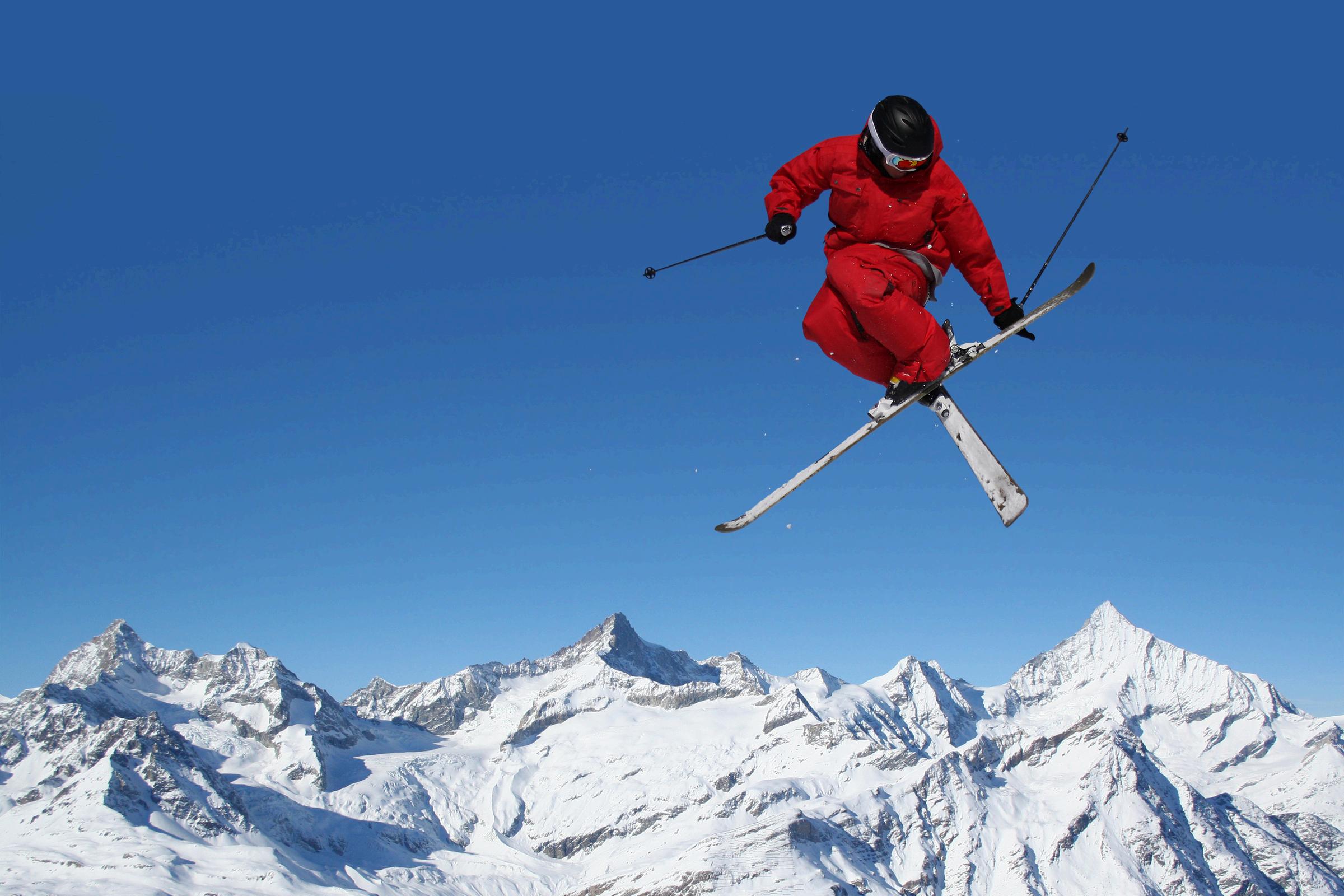
Climate change refers to long-term shifts in temperatures and weather patterns.” It is an increasingly important issue with many environmental and human impacts which are very widespread In this report I will investigate the effects of climate change on the ski industry specifically and if eventually this industry will collapse because of it. The ski industry is dependent on specific weather conditions, as even the smallest change can completely change how long the season is. For example, low temperatures and lots of precipitation are required for lots of snowfall. This makes it vulnerable to climate change and global warming specifically as they have a large impact on these conditions. I will also evaluate different methods of adaption strategies such as artificial snow and non ski tourism and how they can reduce its impact and how effective they are as a long term and short term adaption strategy. Finally, I will use a variety of sources and research to answer the question of “Is climate change a threat to the ski industry” and consider all the different factors
year, snow melts earlier which means less time in the year for winter sports in the mountains Resorts that are lower altitude will be more vulnerable to global warming as they operate at warmer temperatures already, meaning it doesn’t
Valleys in France which operates at 1300m are particularly at risk, as they operate at the freezing point, whereas higher altitude resorts such as “Val Thorens” in France which operates at 2300m are somewhat safer from minor temperature rises as they are cold enough for snow to form efficiently Ski regions in southern Europe face more threat due to warmer winters in general “Many low-to-mid altitude resorts may struggle to maintain sufficient snow cover for skiing within a few decades if global warming continues at its current rate”. Similarly, Japanese resorts are threatened by this too and where now there is powder snow may soon might not have as much snow cover and eventually might not have enough to continue operating These examples show that latitude, altitude and climate all contribute to vulnerability to climate change As well as this, high altitude resorts may invest in technology such as snowmaking as they can afford the expensive machines and have the correct conditions to use them Understanding all of these differences in location is important to consider adaption strategies that suit the specific resort

which could close down as a result of climate change. “Climate change increases economic vulnerability in mountain regions that depend heavily on snowbased tourism, particularly where there are limited alternative industries” There are also social impacts, such as younger people being more likely to leave mountain communities in search of more stable forms of employment Overall, the economical impacts of climate change on the ski industry show that it is more of a widespread problem than just the environment as it also has



Was the failure at the
Written by Oscar J
In this essay I will explain different historians’ views on whether the battle of Stalingrad was lost due to faults with the German army (Wehrmacht) or the superior tactics of the Soviet Red Army. The battle of Stalingrad is widely considered to be the turning point of World War Two, not only on the eastern front but also in the wider context of the war. Following Führer directive No.41 initiating Fall Blau (Hitler’s order to secure the southern caucus oil fields), on august 23rd 1942, the German 6th army led by General Paulus, reached the outskirts of Stalingrad. Over the ensuing 5-month battle lasting until February 2, 1943, intense and brutal street combat using medieval melee combat and ‘meat grinder’ tactics commenced. Throughout the battle the Red Army suffered 1.1 million casualties, and likewise the Germans suffered 500,000 casualties

Stalingrad (now Volgograd) was situated with its back to the Volga river, which was a major supply route for the Red Army on the eastern front for both troops and supplies. The city also bore cultural significance to the Red Army, as it was not only named after Joseph Stalin but also was the sight of the battle of Tsaritsyn, which was one of the major turning points of the Russian civil war This immortalized the city and its inhabitants in Russian media This meant that defending the city was not only of vital military and strategic importance, but also of the utmost importance to morale for the Red Army With this said, I will be exploring three main ideas that may have led to the German failure in this battle Firstly, German high commands consistent strategic blunders Secondly, the Soviet tactical victory during the counterattack in 1943 Thirdly, the Terrain and general situation of the Stalingrad setting The criteria I will be using to come to my conclusion will be how much each factor contributed directly to a significant (significant here meaning a large loss of tactical, strategic, or manpower value), military failure, and in order to blame either nation for the failure it must have been reasonably preventable by the high or field command of the nation
Firstly, Hitler himself was greatly involved in the failure of the battle of Stalingrad The aforementioned Führer directive No 41 is often considered a major strategic blunder by Hitler, which altered the initial plans of Fall Blau to split Field Marshall Von Bocks Army group south into Army Group A and Army Group B. Army Group A entrusted with Operation Edelweiss to secure the vital Caucasian oil fields south of Stalingrad, diverting that half of the group from the planned Caucasian encirclement to directly assault the objectives first This weakened Group South for the planned attack on Stalingrad and meant neither objective was fully fulfilled Hitlers Indecision Regarding Hermann Hoth’s 4th Panzer Divisions placement also delayed objectives and created confusion in the German army (The 4th division was eventually redirected to Stalingrad to assist the struggling 6th division, taking away needed panzer support from group A) In the early days of Fall Blau, the Southern Wehrmacht’s combined 1 5 million troops obliterated the first line of Soviet defence consisting of 1 7 million troops, however, in the decision to draw
group B away from group A and attack Stalingrad, all strategic value gained by Directive 41 was lost, leaving the German army logistically insecure and the Soviet army free from the threat of encirclement As Ian MacGregor writes in his book The Lighthouse of Stalingrad “the division of forces weakened the German advance at a critical moment ” This clearly, directly led to the significant positional failure of the Army Group B before the battle and was easily preventable by Hitler simply not meddling in Military affairs. Secondly, after the battle of Moscow, Hitlers ‘No halt’ doctrine had saved the Wehrmacht from complete destruction, however he also mistakenly applied it to Stalingrad After Operation Uranus (Gregory Zhukov’s masterpiece encirclement of the 6th division in Stalingrad) Hitler denied requests to retreat or break the encirclement
This directly led to the surrender of 100,000 soldiers trapped in what was known as the ‘Kessel’ (cauldron), and the failure of Erich Von Mansteins Operation Winterstorm intended to break the encirclement This encirclement was the largest military loss ever sustained by the German army and destroyed what was the last chance for a coherent defence line in the east The ‘No halt’ doctrine in this way directly led to the Soviet advantage going into 1943 and sped up the fall of Berlin by anywhere from months to years Finally, the German logistics are often considered by historians physically incapable of allowing a victory “The vast distances and lack of resources stretched the German army beyond its limits” (Lighthouse of Stalingrad by Ian MacGregor). The supply lines from Germany taking men, weapons and food to Stalingrad were 1200 miles long and consisted of mostly rural gravel roads, with railways almost never available
Around 500 tons of supplies were required each day to maintain the Stalingrad army, which had to constantly and consistently be delivered over 5 months, which often did not happen, “rations were cut again and again as stocks dwindled” (Antony Beevor, Stalingrad) Hitler and the high command often disregarded logistical limitations throughout the battle, delaying supplies and limiting both General Paulus’ defensive capabilities and the potential for counter attacks This was largely the greatest factor directly influencing the failure at Stalingrad, however assuming that the battle itself is inevitable, then the logistical limitations are largely unavoidable, and the battle should simply not have been fought This makes it hard to blame Germanys strategic decisions, however, definitely was a deciding factor in the battle
However, the Soviet tactics and superior logistics cannot be ignored at Stalingrad. During the battle, the Soviet 62nd division led by Vasily Chuikov and the 64th division led by Mikhail Shumilov nobly defended the city with impressive anti-tank innovations and knowledge of the city layout and climate. Before talking about Soviet efforts in the city, easily the best example of late-war Soviet innovation was the masterpiece of Operation Uranus Designed and executed by Georgy Zhukov, (widely considered the best general in World War Two in terms of greater strategy and raw battles won) Operation Uranus used two massive Soviet armies The Don front (in the north) and the Stalingrad front (in the south) to form a pincer movement on the weak Romanian, Hungarian, Italian and Bulgarian flanks protecting the sixth army This meant that the brunt of the attack was placed upon weaker unprofessional troops, allowing the combined Soviet armies to preserve and combine their strength directly behind and around the sixth army to prevent any possibility of break out Whilst the failure of Operation Winterstorm is often attributed to Hitler’s bureaucracy,

attempts by German General Raus’ spearhead army to break through Soviet lines proved equally difficult due to the ferocity that the ordinary Soviet soldier fought with, and the meticulous and fast building of defensive systems that Zhukov had undertaken to anticipate a breakout attempt “The Red Army soldiers fought with a stubbornness that amazed the Germans” (Stalingrad by Antony Beevoir) During the battle for the city itself, the Volga Military Flotilla bravely served the logistical needs of the 62nd army stranded on the shore, which many historians attribute to the continued survival of the incity defence of the Red Army. “Men and material were ferried across the river under constant fire” (The Lighthouse of Stalingrad by Ian MacGregor) 126 light and civilian boats were lost in service to the Luftwaffe Suka dive bombers, but the surviving ships were coordinated perfectly and endured the hardships of the crossing, even taking part in artillery spotting operations on the river Another way the Soviets outclassed the German army was their experience in street combat During the battle strongholds for Soviet snipers where resourcefully created from ordinary city buildings such as the Univermag department store and the red October factory buildings This resourcefulness was emphasized by Stalin’s ‘Not one step back!’ order, which unlike Hitlers ‘No halt’ doctrine was aimed as a morale boost for the troops rather than explicit orders for the commanders, allowing for sacrifice and service to the motherland from the soldiers whilst giving commanders autonomy on the street All of this shows that Soviet leadership, especially Operation Uranus, significantly contributed to Germanys military failure, and all that has been mentioned could have been prevented by German high command or a different approach to the battle on the German side.
Finally, the general environment of Stalingrad also played a deciding factor in the outcome of the battle
Contrary to common belief the main factor in the failure of Barbarossa in general wasn’t the ‘Russian winter’, however it and other environmental factors played a key part in the war, especially at Stalingrad Temperatures in 1942 reached down to -40 degrees Celsius, causing tens of thousand frostbite cases in the sixth army, reducing combat effectiveness through the battle More crucially, the cold killed 90% of the German horses, obliterating what remained of the already fractured logistical supply system. This crippled the German combat effectiveness and worsened the starvation of the troops trapped in the city after the encirclement Another issue linked to the cold was the shortage of fuel for the panzer divisions, which stopped any hope of continuing the advance into Stalingrad, and even forced many units to leave tanks abandoned in the street to be used as cover or spare parts for the Soviets in the city The cold also aided the Soviets in some areas, for example in September of 1943 when the Volga froze, allowing Soviet troops to cross without the long boat ride, which brought needed reinforcements into the city Whilst the cold definitely wasn’t the main factor, the street setting ties all the other reasons for failure neatly together
The theory of blitzkrieg completely breaks down in a chaotic city infested with the enemy, and the German army simply wasn’t equipped to handle an advance through a city like Stalingrad, whereas the Soviets were fighting in a home city with accurate knowledge of streets and existing defensive structures in the city Overall the environment directly contributed to the German defeat, by passing the advantage to the Soviets and evening the sides in what would have been a much more one sided battle, in favour of the Germans, however I cannot blame it on either nation, seeing as their was no way to control the weather, and both side lacked the funds for proper winter gear (in fact the Germans were often better equipped for the cold than the Soviets)
In conclusion, it is clear that a variety of factors influenced the failure at Stalingrad, however I believe that the majority of factors can be traced to the German high commands bureaucratic and meddling decisions such as the very plan to attack Stalingrad itself and the ‘ no halt’ doctrine Soviet tactical genius also contributed to the German failure; however, a competent German response had a decent chance to at least preserve some of the combat strength of the sixth army, and prevent total loss The environmental factors created the perfect setting for the German shortcomings to be amplified in a way that hadn’t been seen for the first half of the war. With this said, I place the blame for the defeat mostly on Hitler himself, seeing as he had no military experience, and had no business commanding a campaign that had been incredibly lucky and well planned to even make it as far as 1942

Written by Samar N

Health and fitness play a vital role in our everyday lives and is an important part of being able to live longer. Health is the state of complete mental physical and social wellbeing not just the absence of disease and exercise and diet play a crucial role in improving or maintaining health Fitness is the ability to meet the demands of the environment and improving fitness can have a significant impact on your wellbeing such as social and physical With health and fitness people will be most likely to keep taking care of themselves and will be more likely to stay productive, focused, and positive which is therefore leading to a happier life However, you do not want to overtrain or obsess of health and fitness as it can lead to injuries or maybe even depression.
such as type 2 diabetes which is caused by when blood glucose levels are too high, and the body cells fail to use insulin properly Aswell as that it helps prevent cardiovascular disease and obesity
Physical health and fitness improve sleep quality as it tends you to be able to fall asleep faster and helps the body to recover and repair itself more beneficially which is essential for growth
Additionally, it helps you to live a longer and healthier life Exercise can also help smokers as it reduces cravings and relives withdrawal This is because it manages the irritability and the restlessness. Overall, there are many physical benefits of health and fitness such as preventing diseases and improving the body as a whole
Health and fitness improve the mental health of people in a variety of ways
Mental health isa state of emotional, psychological, and social wellbeing that affects how people think, feel, act, and handle stress. Health and fitness are not just important for the body as it also plays a significant role on your mental health wellbeing. Regular physical activity has been shown to reduce stress and
anxiety as it releases feel-good neurotransmitters such as endorphins and serotonin which reduces stress hormones and boosts mood Also, it promotes the growth of new neurons in the hippocampus, helping to improve cognitive function and emotional regulation This then as a result makes you more relaxed and calmer Physical activity improves self-esteem which helps with symptoms of depression and anxiety and increases blood flow to the brain which can enhance your memory. Achieving fitness/physical goals can give a sense of accomplishment and pride which then increases self-confidence even if the target is not noticeably big. Health and fitness enhance better sleep quality which is important for your mental health as it allows the brain to repair Sleep consolidates memories as during REM (an active deep stage of sleep where most dreams occur and rapid eye movements) and the brain processes emotional experiences allowing better emotional regulation during the day and reduces reactivity to stressful events Also sleep reduces stress by lowering cortisol levels and letting the brain to recover from daily pressure Aswell as that the brain’s glymphatic system cleans out toxic metabolic waste piled up during the day, and this is crucial f ll b i f ti d t l


often have no symptoms until there is severe damage Smoking is also a risk factor to cardiovascular diseases as it damages vessels which increases arteryclogging plaque and then raises blood pressure and heart rate Another risk of having poor health and fitness is obesity Obesity is caused by an imbalanced where calorie intake exceeds energy expenditure over time A lack active fitness means lower calories are burned which then reduces the metabolic rate and allowing waste energy to be stored as fat Without sufficient health and fitness, the possibility of chronic diseases and cancer increases The absence of exercise also weakens the musculoskeletal system as it leads to muscle atrophy which means a loss of muscle tone Also, it weakens bones, so it lessens joint flexibility and increases the risk of an injury The immune system also becomes weakened as it reduces the body’s ability to fight of pathogens Poor mental health is seen so you so become less confident in your everyday life and your self-esteem is lower than with efficient health and fitness This will also make you lazier, and you won’t have as much motivation with everything you do.
To what extent are today’s humans suffering from zoochosis?
Written by Tamsin P
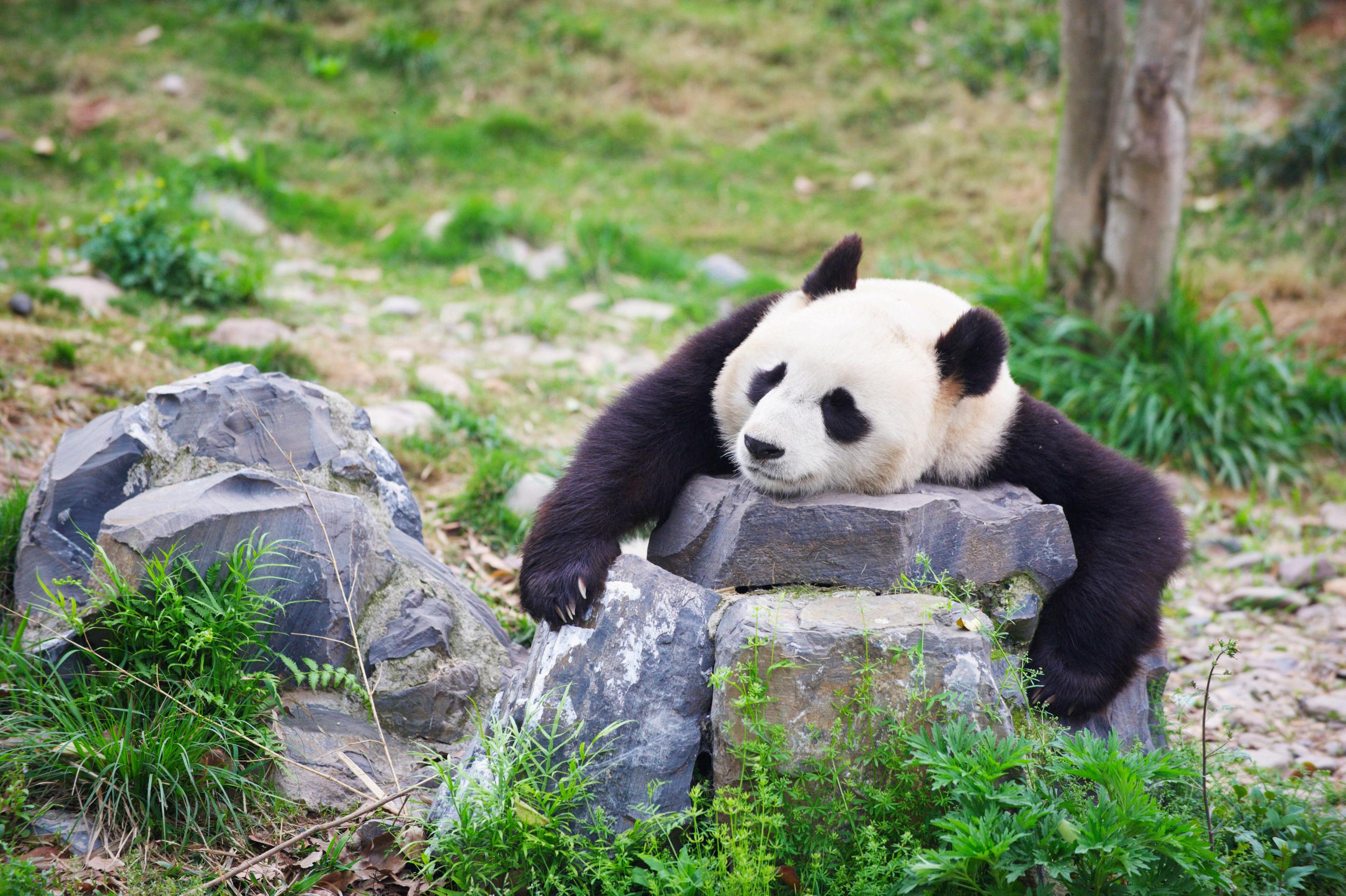
Have you ever seen a tiger pacing back and forth along the border of its cage, a parrot plucking out its feathers in a zoo, an elephant incessantly bobbing its head? These abnormal tendencies are likely symptoms of Zoochosis, a form of psychosis affecting animals held in captivity Zoochosis is characterised by stereotypic behaviours, functionless and repetitive actions such as pacing, over-grooming, or even self-mutilation. Although this condition is primarily used to describe animals in zoos or domestic environments, this essay will assess whether this disorder affects humans in modern society In order to form a conclusion, this essay will explore the current state of global mental health, define and examine how zoochosis affects animals, assess similar behaviours between suffering animals and humans, and finally determine to what extent it is possible that modern society is leading to zoochosis in humans.
of psychological pressure are constantly increasing, with the cost of living, social media and student debts having a significant impact on young people’s lives From secondary school age they pick up on messages which emphasise employability and financial ambition, and their daily routine develops from an identical school day to a similarly repetitive employment While not physically restricting, this mindset is mentally confining and this repetitive lifestyle is similar to the repetitive nature of an animal’s life in captivity, meaning that it would contribute greatly to conditions like zoochosis in humans However, social media undoubtedly plays a key role in the rapidly worsening mental health crisis It is easy to misinterpret representation for reality on social media causing many people to suffer from body dysmorphia, insecurity or self-hatred The unrealistic expectations to resemble what is portrayed by influencers on social media platforms are detrimental, particularly affecting young girls In fact, it is reported that up to 51% of students feel less confident in their lives or appearance due to the false image presented on social media This can significantly affect self-worth, confidence and anxiety levels. Therefore, social media creates a
leads is constantly evolving, from 200,000 years ago being huntergatherers to a digital lifestyle emphasising convenience over connecting with nature and others around us Humans no longer encounter new places, people, threats, every day while foraging for their food and always being surrounded by nature The National Trust reports that children today spend 50% less time outside than their parents did, significantly lowering mental and physical health Being in nature is linked to the reduction of anxiety and stress as spending time outdoors reduces production of cortisol and adrenaline (stress hormones), improving overall mood as well Therefore, the decreasing time spent outdoors by younger generations is detrimental to mental health This suggests that by becoming so reliant on a convenient lifestyle inside, humans have been suffering the consequences comparable to limited stimulation causing zoochosis
In addition, eating disorders represent another behaviour associated with zoochosis. According to the NHS, over 1.25 million people are affected by disordered eating in the UK, mirroring animals in captivity developing anorexia or pica In some instances, this condition stems from a feeling of lack of control, whether it is teenage girls creating a perceived level of stability in a chaotic school day or an animal’s freedom being removed when they are placed in confinement Overall, eating disorders are caused from psychological or environmental stress in both humans and animals
Surveys have estimated that around 18% of the population has self-harmed at least once in their lifetime, the majority being adolescents and young women Comparable behaviours are also observed in animals suffering from zoochosis, through actions such as feather plucking, tail-biting, or trichotillomania (pulling out hair) Selfharm is often the result of psychological pressure caused by the accumulation of stress in modern society Although the contexts differ, such behaviours could be seen as responses to stress in both; in animals typically due to physical captivity, whereas in humans stemming from psychological confinement
High screen time, especially doomscrolling has become a contributing factor associated with poor mental health On average, screen time is estimated to be around 6 hours per day, adding up to 91 days out of a year, no doubt evoking feelings of low self-worth in individuals This means that many people are spending approximately one quarter of their time in front of a screen, meaning productive time spent in nature, working or strengthening relationships is gone. This contributes to poor sleep, depression, anxiety, loneliness and the deterioration of cognitive functioning In the context of zoochosis, addiction
and reliance on screens could be viewed as a form of psychological confinement similar to the repetitive stereotypic behaviours animals often exhibit in captivity
To what extent is it possible that modern society is leading to zoochosis in humans?
Gus, a polar bear in Central Park Zoo, became famous in 1994, for exhibiting clear signs of zoochosis, a disorder caused by repetition and little stimulation for animals in captivity Nicknamed ‘bipolar bear’, Gus exhibited stereotypic behaviours, such as swimming in figureof-eights around his enclosure for up to 12 hours a day Gus was eventually prescribed with the anti-depressant Prozac to remove these symptoms Gus became famous not only for his condition, but for what he represented In his lifetime (1985-2013), this polar bear attracted over 20 million people to visit him because of what he symbolised: a metaphor for the anxiety and depression humans feel, particularly in New York City Highlighting the consequences of a confined life, Gus reflects parallels in modern humans living under psychological pressure
Although it is unclear whether humans are suffering from zoochosis, this condition provides an useful metaphor for the psychological confinement resulting from modern pressures.


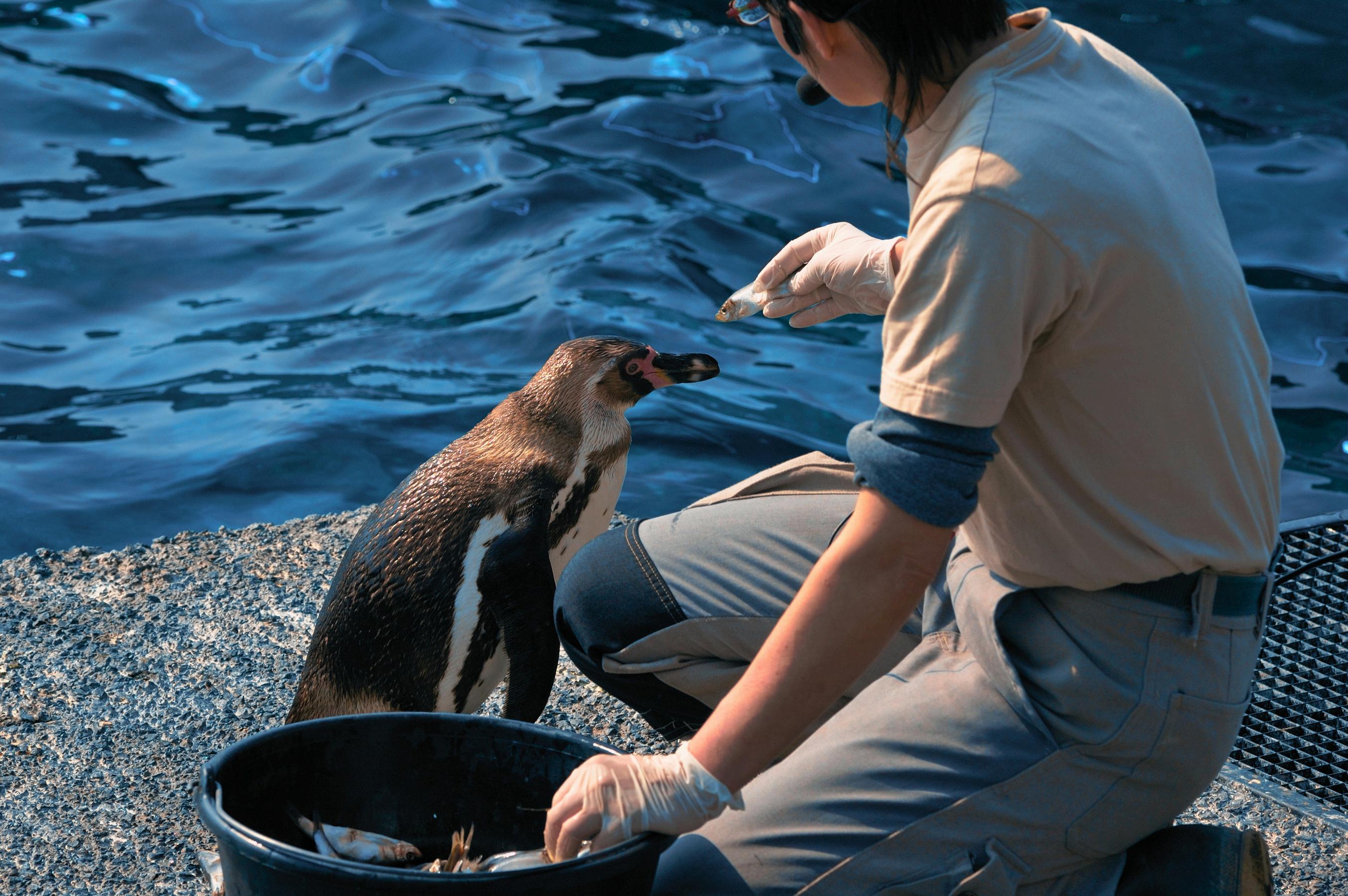
Both humans and animals exhibit the same detrimental coping strategies, whether self-mutilation, eating disorders or repetitive behaviours although the original causes differ For example, parrots may pull out their feathers while humans exhibit trichotillomania, animals may pace within their enclosure while humans may exhibit compulsive scrolling on social media Moreover, some animals may develop pica while humans may engage in purging tendencies Both behaviours appear to result from the same underlying condition such as psychological pressure, stress, or confinement
However, some argue that the so-called ‘mental health crisis’ reflects improvements in recognising and diagnosing mental disorders rather than a genuine increase in prevalence Historically, those with mental health conditions were labelled as ‘lunatics’, ‘mad’, or ‘disturbed’ while are now recognised as having a genuine mental health condition Society has become more aware and sympathetic towards mental disorders, meaning there is less stigma associated with requesting help
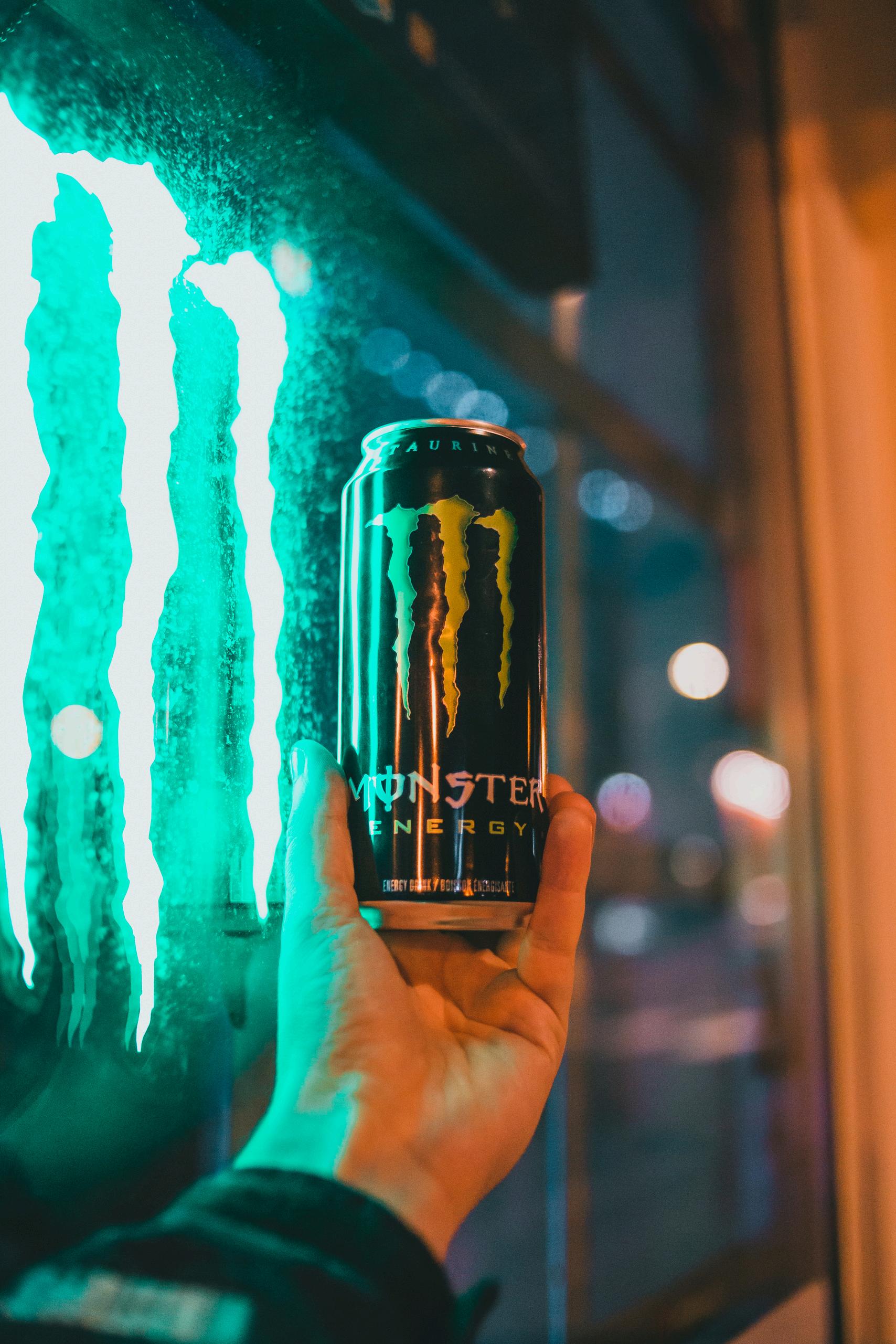
Written by Tom F
In this essay I am going to be talking about energy drinks and the impact they have on eople, particularly teenagers There are many different types of energy drink out there on the market, but I plan to focus my attention on Red Bull, Lucozade and Monster I would like to explore the positive and negative impacts of these drinks, especially their short-term and long-term effects I will also compare these brands by looking at their ingredients, advertising strategies and sales. I hope to discover whether these energy drinks affect different age groups in different ways, if there are certain scenarios where it’s good to drink energy drinks and explore if there are healthier alternatives
I have chosen this topic because I am interested in sport and have noticed that energy drinks are becoming more popular not just in sport but in daily life as a general drink too. I want to learn what ingredients these drinks contain, what effect they have on the body and consider what is driving people to buy them I think that energy drinks can’t be good for you and there must be many more negatives than positives of energy drinks, however my opinion may change by the end of this essay
Different energy drinks have different ingredients which can make some more effective in certain scenarios than others The table below compares three big energy drink brands to Coca-Cola (a very sugary fizzy drink) to see if there is much difference

hyperactivity, sleep problems, and increased heart rate The Health and Social Care Secretary, Wes Streeting, said “How can we expect children to do well in school if they have the equivalent of 4 cans of cola in their system on a daily basis” Teenagers may feel more alert at first, but energy drinks can cause anxiety, mood swings and disrupted sleep, which is especially important as their brains are still maturing Adults generally cope with caffeine better and may use energy drinks to improve focus or energy On the other hand, drinking too many can cause headaches, high blood pressure and dependency Older adults can be more sensitive to caffeine, increasing the risk of heart problems and sleep disturbances Overall, the younger the person, the greater the potential negative impact of energy drinks on their health As a result the Government are planning to ban the sale of high-caffeine energy drinks to under-16s which will make it harder for children to get hold of them, although it won’t stop children consuming these drinks altogether. Interestingly some supermarkets and retailors are voluntarily banning the sale of energy drinks to u16s already, acknowledging the importance of protecting the health of younger people
become an occasional thing and not become part of a daily routine
How are energy drinks becoming more popular?
The popularity of energy drinks has risen majorly across the past decade particularly with young people This may be due to many reasons such as advertisement, sports sponsorships, trends, more flavours and parental consumption
The graph here shows how the sales of energy drinks have grown over time, especially in the last decade where Red Bull’s energy drink sales revenue has gone up by x2 5 from $6 billion to $14 billion These numbers are expected to keep going up too! Advertisement is a key part to both Red Bull and Monster They tend to aim their advertisement towards high adrenaline action sports and motor sports such as skiing, snowboarding, mountain biking, BMX, UFC, F1, motorbiking, rally driving. They do this by sponsoring the best athletes and hosting many events which allows them to display their logos and branding. This makes people want to buy their energy drinks so they feel part of the action and this helps builds brand loyalty
Both companies’ sales are increasing as they begin to develop involvement with new sports, such as cricket and football They even sponsor computer gaming! Red Bull and Monster have a large portion of the UK’s energy drink market share with 16 8% and 8 7%, however they are both topped by Lucozade which has a huge 32 5% of the market share
With both energy and isotonic-based drinks, Lucozade sponsor more fitnessbased sports such as football, rugby, rowing and running
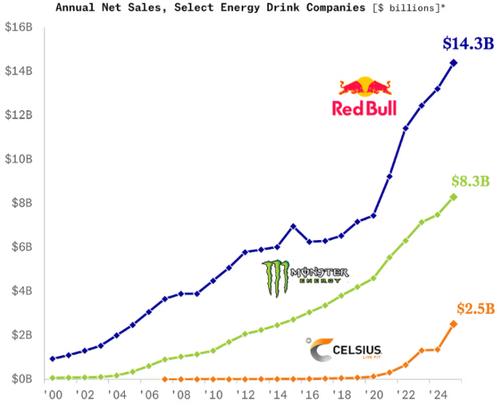

WHAT ARE YOUR FUTURE ACADEMIC AND CAREER ASPIRATIONS?
In my future career I would like to become an Engineer
HOW HAS BEING A SCHOLAR CHANGED YOUR PERSPECTIVE ON EDUCATION AND LEARNING?
Doing my Higher Project Qualification through the scholarship programme, has taught me time management.

WHY DID YOU CHOOSE THIS ESSAY THEME?
I chose to research celebrities' mental health and the impact of constant surveillance because it is a topical and widely acknowledged issue in society and I believe changes should be made to protect celebrities
HOW HAS BEING A SCHOLAR CHANGED YOUR PERSPECTIVE ON EDUCATION AND LEARNING?
Being a scholar has helped me improve my time management skills and dedication

WHAT HAS BEEN YOU FAVOURITE SCHOLARS SESSION THIS YEAR AND WHY?
I really enjoyed Mr Grant’s, vigilante session because I have always enjoyed comics and films like Batman
HOW HAS BEING A SCHOLAR CHANGED YOUR PERSPECTIVE ON EDUCATION AND LEARNING?
Being a scholar has allowed me to see more evaluative ways to answer questions
WHICH SUBJECTS DO YOU ENJOY THE MOST AND WHY?
I really enjoy my computer science and maths lessons, as I like thinking technically
WHAT HAS BEEN YOU FAVOURITE SCHOLARS SESSION THIS YEAR AND WHY?
My favourite session has been the Science Behind Chocolate due to the interactive element.
WHICH SUBJECTS DO YOU ENJOY THE MOST AND WHY?
My favourite subjects are English, history and media, mostly because I like learning about people and the world
WHAT ARE YOUR FUTURE ACADEMIC AND CAREER ASPIRATIONS?
My future aspirations are to become a psychologist and understand the human mind better
WHICH SUBJECTS DO YOU ENJOY THE MOST AND WHY?
I enjoy maths the most as I find it easy and love solving problems.
WHAT ARE YOUR FUTURE ACADEMIC AND CAREER ASPIRATIONS?
In the future I aspire to work in Formula 1 in the strategy or aerodynamics regions

DID YOU CHOOSE YOUR ESSAY E?
the theme of 'what factor is the most ent in the spread of antibacterial ce in bacteria' because it is a major ealth issue that is becoming ngly relevant today I was particularly ed in how bacteria can evolve and hrough mechanisms.
WHAT ARE YOUR FUTURE ACADEMIC AND CAREER ASPIRATIONS?
My future aspiration is to study at the University of Cambridge to take the Natural Sciences course

y essay theme because I am really e about animals and their welfare so to write an essay on something that rested in
AS BEING A SCHOLAR ED YOUR PERSPECTIVE ON EDUCATION AND LEARNING?
It has helped me to strengthen skills such as resilience and time management through writing my essay and handing it in on time etc, it has also shown me how important these things can be in everyday life

HAT HAS BEEN YOU FAVOURITE CHOLARS SESSION THIS YEAR AND HY?
e Science of Chocolate because I didn't alise the scale of the operation required to ake chocolate
OW HAS BEING A SCHOLAR HANGED YOUR PERSPECTIVE ON DUCATION AND LEARNING?
It has made me work harder and manage my time better
HOW HAS BEING A SCHOLAR CHANGED YOUR PERSPECTIVE ON EDUCATION AND LEARNING?
Being an academic scholar has changed my perspective on education by shifting my focus from memorising information to developing a deeper understanding of concepts It has encouraged me to think more independently and question ideas, particularly by applying critical thinking skills. I now see learning as a long-term process rather than just preparation for exams, and I am more willing to engage with challenging material as a way to improve
WHAT HAS BEEN YOUR FAVOURITE SCHOLAR SESSION THIS YEAR AND WHY?
Logical Fallacies because I found it interesting to see the different ways people make their arguments more effective even if what they're saying may not be true.
WHAT ARE YOUR FUTURE ACADEMIC AND CAREER ASPIRATIONS?
I would love to be a Vet because I love animals and I think it would be amazing to be able to help them
WHAT SUBJECTS DO YOU ENJOY THE MOST AND WHY?
PE and history because I am interested in the body and how the human race has developed over the years.
WHAT ARE YOUR FUTURE ACADEMIC AND CAREER ASPIRATIONS?
I want to push myself more with the appreciation of being a Quantity Surveyor in the future

WHY DID YOU CHOOSE YOUR ESSAY THEME?
I choose to do this essay as I enjoy tennis and find the mental side to it fascinating
HOW HAS BEING A SCHOLAR CHANGED YOUR PERSPECTIVE ON EDUCATION AND LEARNING?
Being an academic scholar has made me see more things from multiple perspectives as well as becoming more evaluative in answering questions

WHY DID YOU CHOOSE THIS ESSAY THEME?
I chose this theme as I have been riding horses for many years and during my time seen the negative side to a lack of equine welfare
HOW HAS BEING A SCHOLAR CHANGED YOUR PERSPECTIVE ON EDUCATION AND LEARNING?
Being a scholar, has made me feel lucky to be able to have such a good education at Lingfield College
WHICH SUBJECTS DO YOU ENJOY THE MOST AND WHY?
My favourite subject is maths because I am good as I enjoy solving problems In addition, I like business as I am interested in being a business owner when I am older
WHAT ARE YOUR FUTURE ACADEMIC AND CAREER ASPIRATIONS?
I aspire to be a business owner in the future or have a career as an Engineer.
WHAT HAS BEEN YOU FAVOURITE SCHOLARS SESSION THIS YEAR AND WHY?
My favourite session has been Dr Clingen’s because he's a humorous teacher who taught us more about DNA
WHAT IS YOUR FUTURE ACADEMIC AND CAREER ASPIRATIONS?
During my remaining time at school, I would like to achieve high grades in my exams, before I begin pursuing a career as a Vet

WHY DID YOU CHOOSE THIS ESSAY THEME?
I chose my essay theme because climate change is a massive issue in the world that affects lots of industries I was particularly interested in looking at how rising temperatures and global warming plays a big part in the matter as these are interesting factors to me
HOW HAS BEING A SCHOLAR CHANGED YOUR PERSPECTIVE ON EDUCATION AND LEARNING?
Being a scholar has made me explore topics in greater depth and develop critical thinking skills
WHAT ARE YOUR FUTURE ACADEMIC AND CAREER ASPIRATIONS?
I would like to continue studying computer science and develop skills in that are in that area

WHY DID YOU CHOOSE THIS ESSAY THEME?
I read a really great about the Battle of Stalingrad (the lighthouse of Stalingrad) which inspired me to research more about the battle and WW2 in general
HOW HAS BEING A SCHOLAR CHANGED YOUR PERSPECTIVE ON EDUCATION AND LEARNING?
It has exposed me to a variety of new and complex topics and helped my essay writing skills develop throughout the completion of my scholar's essay

WHAT HAS BEEN YOUR FAVOURITE HOLAR SESSION THIS YEAR A oyed attending the scholar session, led by May-Miller, on the science of chocolate session was interesting whilst also being
W HAS BEING A SCHOLAR ANGED YOUR PERSPECTIVE ON UCATION AND LEARNING?
Being a part of the academic scholars programme has given me a new appreciation of learning

DID YOU CHOOSE THIS ESSAY ?
e my essay theme as I am continually ed in both animal rights and mental
WHICH SUBJECTS DO YOU ENJOY THE MOST AND WHY?
History and economics, because they are interesting and provide knowledge on how to improve the future
WHAT ARE YOUR FUTURE ACADEMIC AND CAREER ASPIRATIONS?
I aspire to study more history (specifically German military history) this would hopefully allow me to have a career as a Historian or Economist
WHICH SUBJECTS DO YOU ENJOY THE MOST AND WHY?
The subject I enjoy most is maths, as I love the problem-solving element
HAS BEEN YOUR FAVOURITE AR SESSION THIS YEAR AND
My favourite session was titled, Inside the Mind: Understanding Clinical Disorders I found this session intriguing due to my interest in psychology
WHAT ARE YOUR FUTURE ACADEMIC AND CAREER ASPIRATIONS?
For my academic future, I aspire to get better grades which will allow me to go to a good university
HOW HAS BEING A SCHOLAR CHANGED YOUR PERSPECTIVE ON EDUCATION AND LEARNING?
Being a scholar and partaking in the scholar’s essay has challenged me to research new topics
WHAT ARE YOUR FUTURE ACADEMIC AND CAREER ASPIRATIONS?
After my GCSE’s, I would like to study English Language, Spanish, and French at ALevel These subjects will prepare me for a career in languages

WHY DID YOU CHOOSE THIS ESSAY THEME?
I have chosen this topic because I am interested in sport and have noticed that energy drinks are becoming more popular not just in sport but in daily life as a general drink too
HOW HAS BEING A SCHOLAR CHANGED YOUR PERSPECTIVE ON EDUCATION AND LEARNING?
Being a scholar has helped me realise the importance of learning about subjects and the world rather than just thinking of learning as an everyday 'chore'
WHICH SUBJECTS DO YOU ENJOY THE MOST AND WHY?
My favourite subject is PE because I'm very active and love sport I also enjoy maths because the answer can only be right or wrong
WHAT IS YOUR FUTURE ACADEMIC AND CAREER ASPIRATIONS?
I am unsure what I would like to do in the future, but perhaps a job involving Engineering, Finance or Sport would suit me
"Education’s purpose is to replace an empty mind with an open one."
Malcolm Forbes