
THE ZINE
Thereisafundamentallinkbetweencaringfor peopleandcaringfortheplanet.Bothare essentialforhumansurvival,yetbothare exploitedforshort-termeconomicprofit.
Thedevastationofclimatechangeand environmentaldegradationareoutcomesof theseexploits,asarethesocialandgender injusticesfromtheexploitationofcarelabor.
Policymakers, civil society, and communities must address climate and care together and holistically. Integrating care work into climate policy is essential for addressing both the immediate and longterm challenges of these interrelated crises.
Thiszinesummarizesthepolicyimplicationsofthe care-climatecrisesandrecommendationsfortaking action.Itisadaptedfromthe2024policypaperofthe samename,whichwaspublishedbyacoalitionof internationalorganizations reporthereorattheQRco


CLIMATE CHANGE IS INTENSIFYING THE NEED FOR CARE WORK
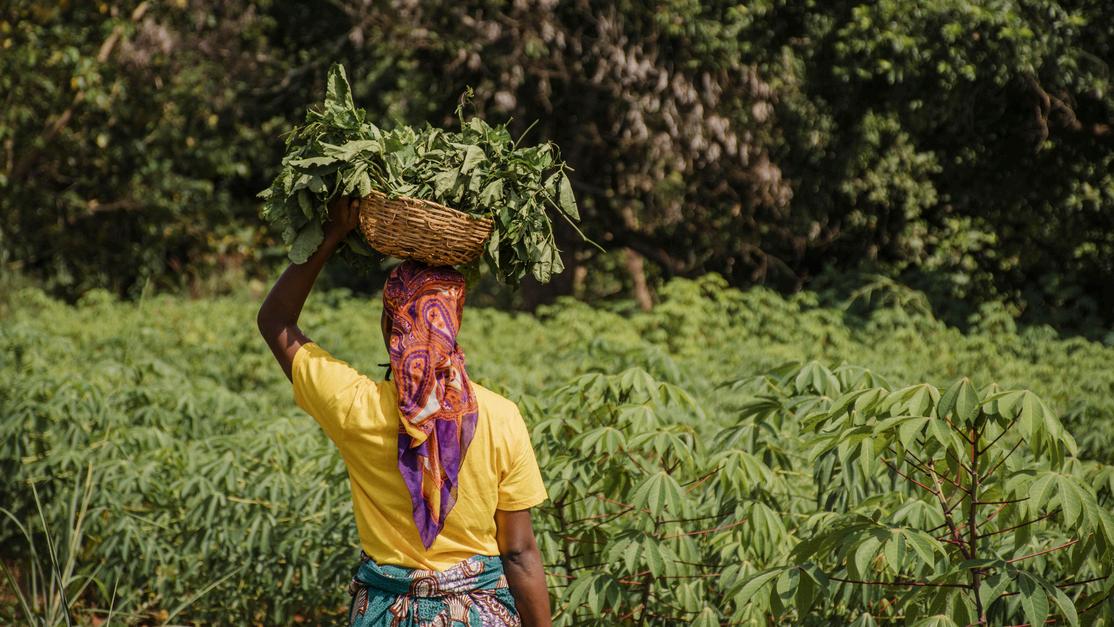
Climatechangeandenvironmentaldegradationincrease thehumanneedforcare.Climate-relatedillnessesmean morepeoplearegettingsickandthereforeneedmorepeople tospendtheirtimetocareforthem.Thepeopledoingthis workarecalledcareworkers,andtheyaredisproportionately unpaidorminimallypaidwomenandgirls,particularlyfrom minoritizedcommunities:peopleofcolor,immigrants,and peoplefromdisadvantagedsocioeconomicstatus.
AstudyinIndiapredictsthatthehoursperdayspenton unpaidcareworkwillincreasefrom6to8.3by2050 becauseofincreasedperiodsofextremeheat.
Careworkersarealsoforcedtospendmoretimeandlabor onmeetingbasicsurvivalneedsinthefaceofgrowingfood, water,andenergyinsecurity.Whentheseneedsarenotmet, morepeoplebecomesick,againrequiringmorecare.Itisa viciouscycle,madeworsebyincreasedsexualandidentitybasedviolenceincitedbyclimateandenvironmental stressors.
CLIMATE CHANGE IS WEAKENING CARE SYSTEMS
Intersection 2
Theentirecareecosystemisalreadyincrisis.Climate changeismakingitworse.Here’show:
Thereislessmoneyforgovernmentstospendon publiclyfundedcareprogramsandsocialprotection servicesbecausetheyaredivertingmoreofpublic budgetstofundclimateadaptation,rebuildafter disasters,andpayoffdebtsfromclimatefinancing.
Extremeweathercausedirectdamagetocarerelatedinfrastructurelikehomes,waterandsanitation systems,schools,hospitals,andcommunitycenters.
Climate-inducedmigrationanddisplacementare weakeningcommunitysupportnetworksthathave provideessentialhumanandenvironmentalcare.
Combined,theseeffectscontinuetochipawayatcare systems,makingcommunitiesandfamilieswhoare alreadymorevulnerabletotheimpactsofclimatechange lessabletorecover.
CLIMATE ADAPTATION & MITIGATION CAN STRATEGIES REPRODUCE CARE INJUSTICES
Manycommonclimateadaptationstrategiesactually increasecareworkloadsandfailtoaddressthecare workloadsofthosewhoneeditmost.Wastemanagement, composting,vermiculture,andrecyclinginitiativesoftenrely onunpaidhouseholdlabordonebywomen.Divertinglandfor theproductionofbiofuelscanleadtomoreworkfor subsistencefarmerswhohadreliedonthatlandtoprovide foodfortheirfamilies.Household-levelgreentechnologies oftenrequireupfrontcosts,whichexcludespoorfamiliesand pushesmorecareworkloadsontopoorerwomenasstatesuppliedwaterandenergyresourcesbecomescarcer.
“Many projects related to climate change mitigation and adaptation...count on women and their unpaid labour as ‘sustainability saviours’. Such approaches assume that women’s time is ‘infinitely elastic,’ and an unlimited resource to sustain people and environments, often ignoring or overlooking women’s own health and well-being and the many competing demands on their time.”
Investmentsingreenjobsalsooverlookthefactthatcare jobsareinherentlylowcarbonjobsandshouldbe consideredqualityalternativestofossilfuelsandother highcarbonindustries.Carejobproduces,onaverage,26 timeslessgreenhousegasesthanamanufacturingjob,yet thesejobsarebeingexcludedfrominvestmentsinlowcarbonindustries.

~ UN Women, The Care and Climate Nexus (2023)
POLICY SOLUTIONS
For a Gender Just Transition that advances climate change & care justice together
Theglobalcommunityiscoalescingaroundanagendafora Gender-JustTransitiontoguidetheresponsetoclimate changeandotherformsofenvironmentaldegradation.This agendamustdomorethanjustreferencegender;itmust specificallyacknowledgeandaddressthelinksbetween climateandcarework.Becausetherearemanyoverlaps betweenthecareandclimatecrises,itispossible—and essential toaddressthetwocrisessimultaneously.
AGender-Just Transitionmust includepublicly availablecare systemsthat redistributethework ofcarefromaburden carriedbythe dispossessedtoa prioritydistributed amongallofsociety.

Investmentsincareworkand infrastructurewillplaya pivotalroleinbuilding communityresilienceto climatechangewhile advancingajusttransition towardlow-carbon economies.Careisevenmore criticalduringclimatecrises. Bystrengtheningcare systems,communitiescan bettermanagetheclimate impactslikeextremeweather, migration,displacement,and healthchallenges. Investmentsincarehelp ensurethatvulnerable populationsreceivethe necessarysupport,whichin turnreducestheoverallsocial andeconomiccostsof climate-relateddisruptions.
Moreover,integratingcare jobsintoalow-carbon economycancreate employmentopportunities thatarenotonlysustainable butalsoalignedwithsocial equitygoals.
ADDRESS THE CARE-CLIMATE CONNECTION IN CLIMATE POLICY AND ACTION PLANS
Fewmultilateralandnationalclimatechangebodieshave recognizedcareworkinpoliciesoractionplans.Whilethe 2015ParisAgreementsrecognizedgenderequalityand humanrights, itdidnotacknowledgecare.FewNational DroughtPlans(NDPs)orNationallyDeterminedContributions (NDCs)referencedcareeither.Thisneedstochange.Policy frameworkslikeNDCs,NAPs,andMEAsneedtorecognizeand reportontheconnectionsbetweenclimateandcare.
Nationalgovernmentsneedtoincludepubliclyfunded caresystemsandsocialprotectionincountries’Long TermStrategies(LTS)forrespondingtoclimatechange.
Civilsocietyorganizationsneedtodevelopadvocacy strategies,plans,andmessagestobuildsupportand awarenessforincludingcareinLTSandothernational andinternationalpolicyframeworks.
Donorsneedtofundregionalandnationalcivilsociety groupswhoaredoingadvocacyfortheinclusionofcare inpolicyframeworks.
Policy Solution 2
FUND DATA RESEARCH TO BETTER
DOCUMENT AND UNDERSTAND THE CLIMATE AND CARE CONNECTIONS. Policy Solution 1
Dataandresearchneedtodocumenttheimpactsofclimate changeoncarework,care-relatedinfrastructure,andcare systemsoverall.Specifically:
Climatedatasystemsneedtotracktheamountand costofunpaidandunderpaidlaborspentoncarework duetoclimate-relatedevents,plustheamountand costofclimateimpactsonphysicalcareinfrastructure.
Climatemitigationandadaptationprogramsneedto regularlyassessfortheirimpactoncareworkloadsand relatedsocialinequalities.
Careeconomyresearchersneedtodocumentthe impactofthrivingcaresystemsonclimatemitigation, adaptation,andresilience.Theyshouldalsodocument thelow-carbonnatureofcarejobstobolsteradvocacy thatcarejobsaregreenjobs.
Policy Solution 3
INCREASE NATIONAL REVENUE THROUGH CLIMATE FINANCE AND TAX JUSTICE TO FUND PUBLIC CARE SYSTEMS
Weneednewformsofclimatefinancethataregroundedin taxjusticeandthatcanbeusedtofundpublicinvestments incare.Climatefinanceisamajorsourceofnationalrevenue forlowandmiddleincomecountries(LMICs)torespondto climatechange.Yetmostclimatefinanceisdistributed throughhigh-interestloans,growingnationaldebtsthatmake itmoredifficultforcountriestoinvestinpubliccaresystems.
Amorejustapproachtoclimatefinancewouldinclude:
LossandDamagefundsthatcoverunpaidand underpaidcarecostsassociatedwithclimatechange. GreenClimateFundforbuildingpubliccareservices, infrastructure,andsocialprotectionprogramsas solutionstoclimateadaptationandresilience.
Alleviatenationaldebtssuchasbyincreasing contingencyandconcessionalfinancing.
Progressivetaxpoliciestomobilizemoretaxrevenuefor climatemitigationandadaptationspending,including publiccareservices,infrastructure,andsocial protections.
Policy Solution 4
EMBRACE CARE JOBS AS GREEN JOBS
Carejobsaregreenjobs.Thereiscurrentlynostandard definitionofgreenjobs.Embracingcarejobs-andalllow carbonjobs-withinthedefinitionofgreenjobsisbotha necessityandanopportunityforcountriesastheypursuea decarbonizationagenda.Theagendaforexpandinggreen jobsshould:
Prioritizehigh-qualitycare jobsinthepublicsectorto address inequitiesinaccessto care,whicharecompounded byclimatechange.
Strengthenlaborprotections forcareworkerstoimprove workingconditionsandwages forthissectorthatisoften underpaidandunpaid.
What are Care Jobs?
Jobs that involve taking care of and nurturing people and communities, such as work in healthcare, education, childcare, long-term care, and disability care. They also include environmental care jobs, such as in ecotourism.
INVEST IN GREEN CARE INFRASTRUCTURE AND TECHNOLOGIES
Theshifttowardconstructionofgreen(andgreen-blue) infrastructuresisanopportunitytosimultaneouslyreduce andmorefairlydistributecareworkbyinvestingingreen careinfrastructure.
Specificactionsinclude:
What is Green Care Infrastructure?
Technologies, buildings, transportation, and physical innovations that: Fundbuildinginnovations forschools,hospitals,and communityspacesthat reduceenergyuseand arenttoextremeweather events.
Expandaccesstolaborsavingdomesticand agriculturaltechnologies forthelowestincome communitiessothatthe peoplewhoneedthese technologiesthemostare abletobenefit.
Policy Solution 6
reduce energy use and carbon footprint; and
reduce - or more fairly distribute - the time and labor of people performing care-related tasks.
INCLUDE CARE WORKERS IN CLIMATE POLICYMAKING & FINANCING PROCESSES.
Careworkers-bothpaidandunpaid-deservetobe representedinclimatepolicyforumsanddecisionsbout climatefinancingbecausetheyaredirectlyimpactedbythe impactsofclimatechangeandenvironmentaldegradation.
Theglobalcommunitymusttherefore: Protectandsupport collectiveorganizingof careworkers’labor unionsandcivilsociety organizations.
Expandprotectionsfor environmentalhuman rightsactivistsbecause environmentalactivism isaformof environmentalcarework.
Ensurecareworkersare representedinclimate justiceadvocacyspaces,including(butnotlimited to)theUNFCCCWomen andGenderConstituency.
Ensureproceduralrights safeguardtheinterests andrepresentationof careworkerswithin climateframeworks.
Not only is care a form of work, but it is economically, socially, and environmentally valuable work. Notonlyiscarea formofwork,butit iseconomically, socially,and valuablework.
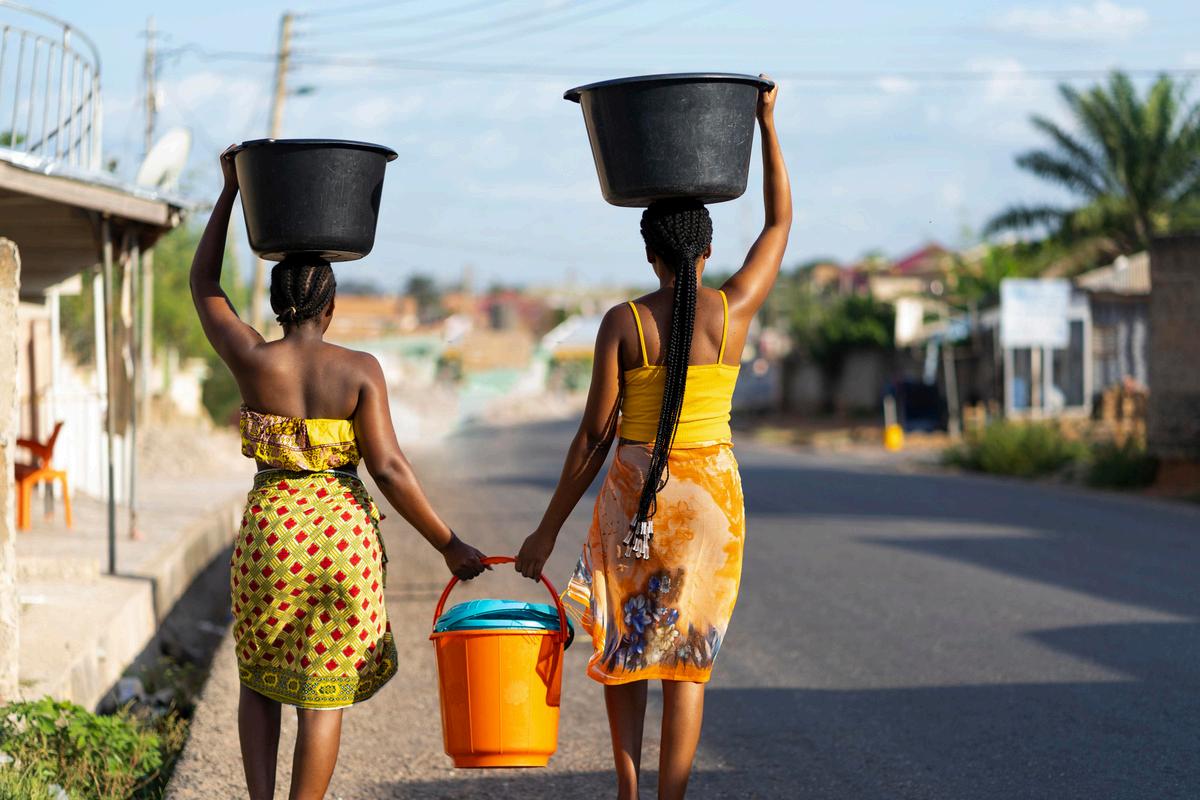
Theinterconnectedcrisesofclimatechangeandcarework presentanurgentchallengeandauniqueopportunity.As climateimpactsintensify,sodothedemandsoncare systems,disproportionatelyburdeningwomen,girls,and marginalizedcommunities.Atthesametime,manyclimate adaptationandmitigationstrategiesoverlookorexacerbate careandgenderinequalities.Addressingthese interconnectedissuesisamatterofsocialjusticeand essentialforsustainableclimateresilience.
AGender-JustTransitionthatprioritizescareworkwillbuild moreequitableandsustainablesocieties.Byintegrating careintoclimatepolicies,expandingresearchanddata collection;mobilizingfinancegroundedintaxjustice; promotinggreencarejobsandgreencareinfrastructure;and enhancingtherepresentationofcareworkersin policymaking,wecanpavethewayforajusttransitionthat supportsallpeopleandtheplanet.

ACKNOWLEDGEMENTS
Unless otherwise indicated,
This zine was created by Lindsey Jones-Renaud in March 2026 and funded by the Climate and Care Initiative (climateandcareinitiative org) It is adapted from the 2024 report, Climate Change and Care Work: Integrated Solutions for Intersecting Crises, which was co-authored by Lindsey Jones-Renaud, Ankita Panda, Carolina Robino, and Maria Gracia Aguilar. See the full report for notes and citations.
images are from Canva.