











































ARCHITECTURE AS ECOSYSTEM: A LIVING INFRASTRUCTURE FOR FOOD, HEALTH, AND EDUCATION
:HOW CAN ARCHITECTURE OPERATE AS A LIVING SYSTEM THAT ACTIVELY SUPPORTS ECOLOGICAL HEALTH WHILE EDUCATING THE COMMUNITY?
COLLABORATION WITH OLIVIA MITTENDORF
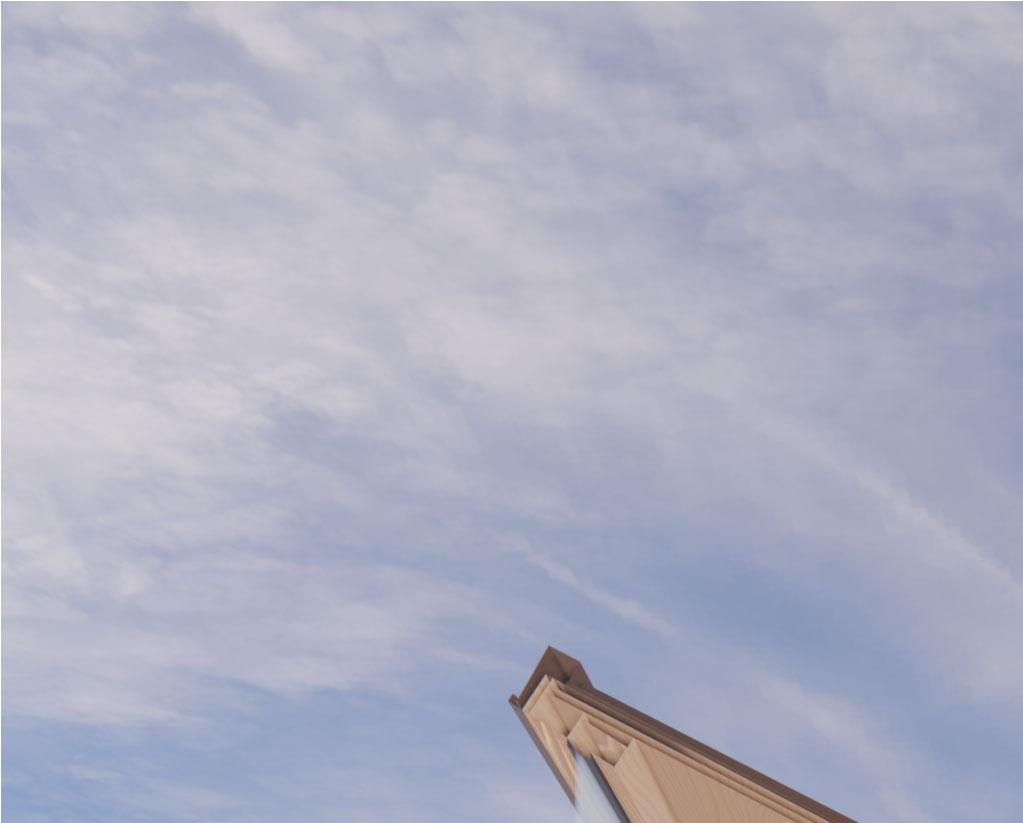


















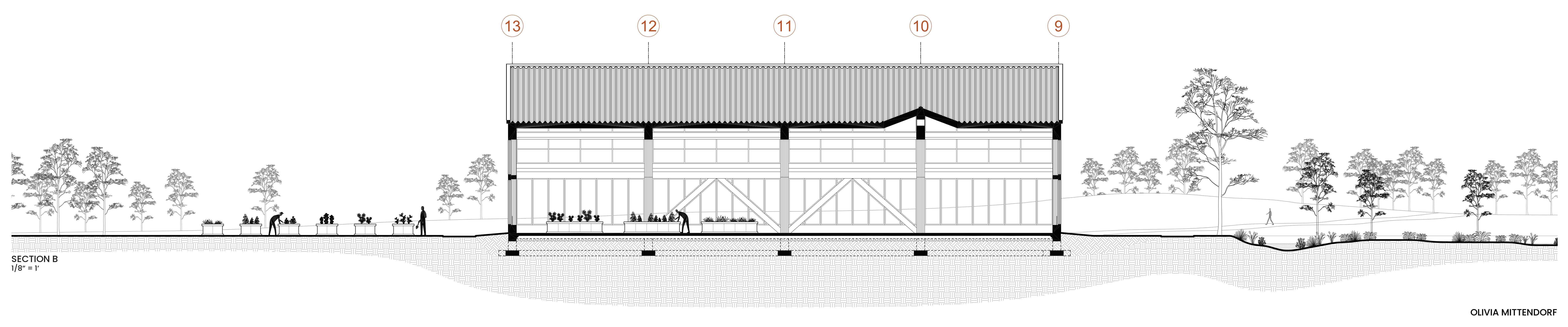
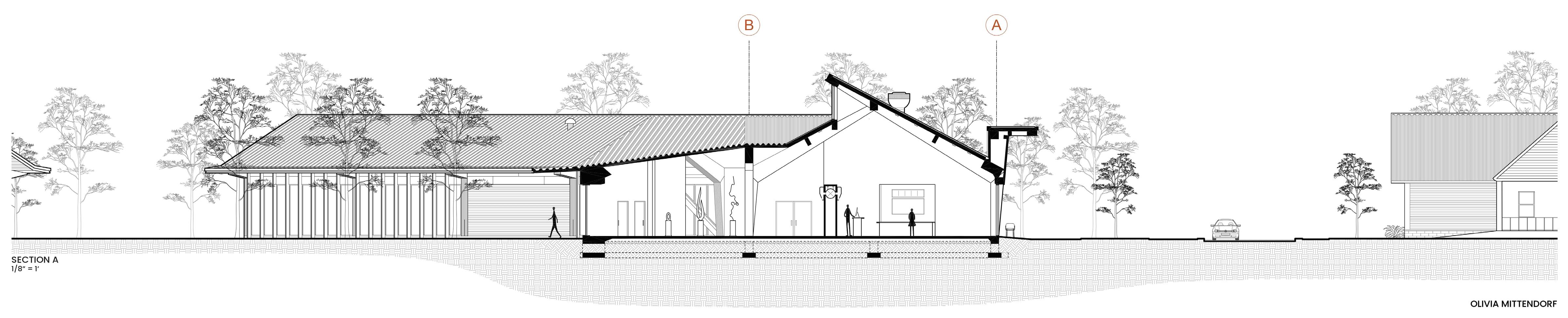
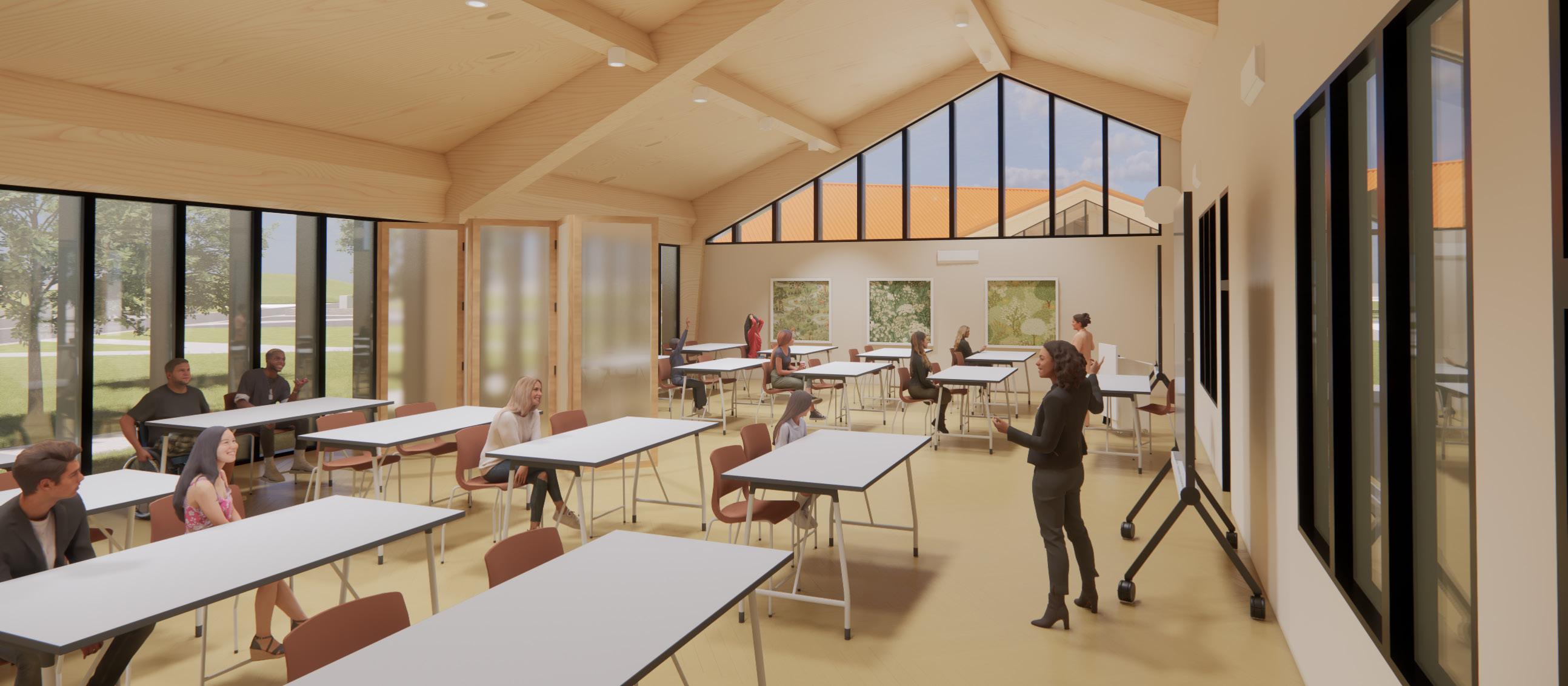
18" GLT
1/2" DIA. STL. SDD
1" STL. INTERNAL KNIFE PLT.
LEVELING NUT
NONSHRINK GROUT
1" DIA STL. A.B.
0.75" DIA. STL. REINF. STL. NUT AND BOLT
0.75" DIA. STL. REINF. BARS
18"x18"x2' CONC. PIER
DISTURBED EARTH
5'x5'x12" CONC. FOOTING GRAVEL REINF. CONC. SLAB
HOLDING THE GAP: ARCHITECTURE AS A SPACE FOR ENCOUNTER
:WHAT SPATIAL STRATEGIES ALLOW NATURE, INFRASTRUCTURE, AND COMMUNITY TO OVERLAP WITHOUT HIERARCHY?
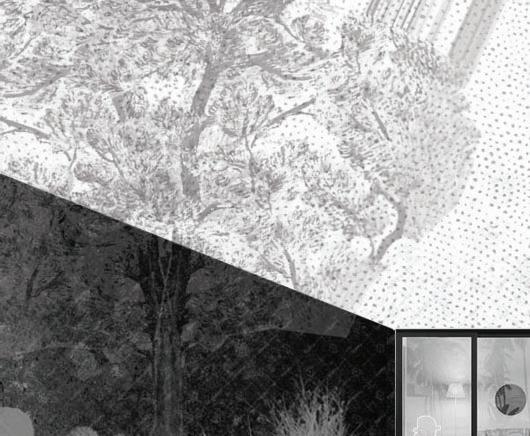
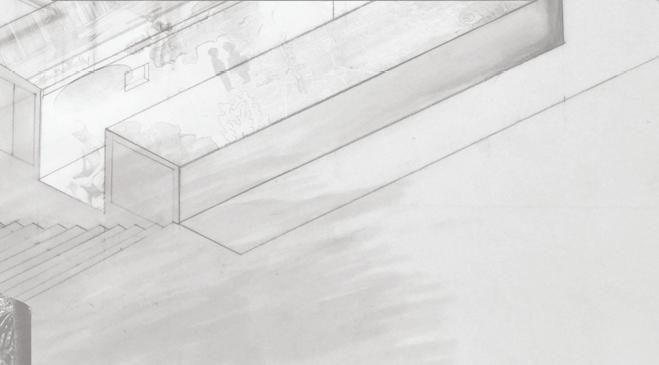
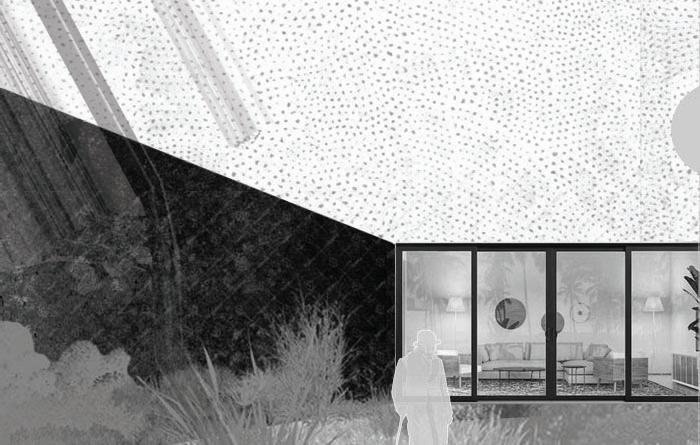
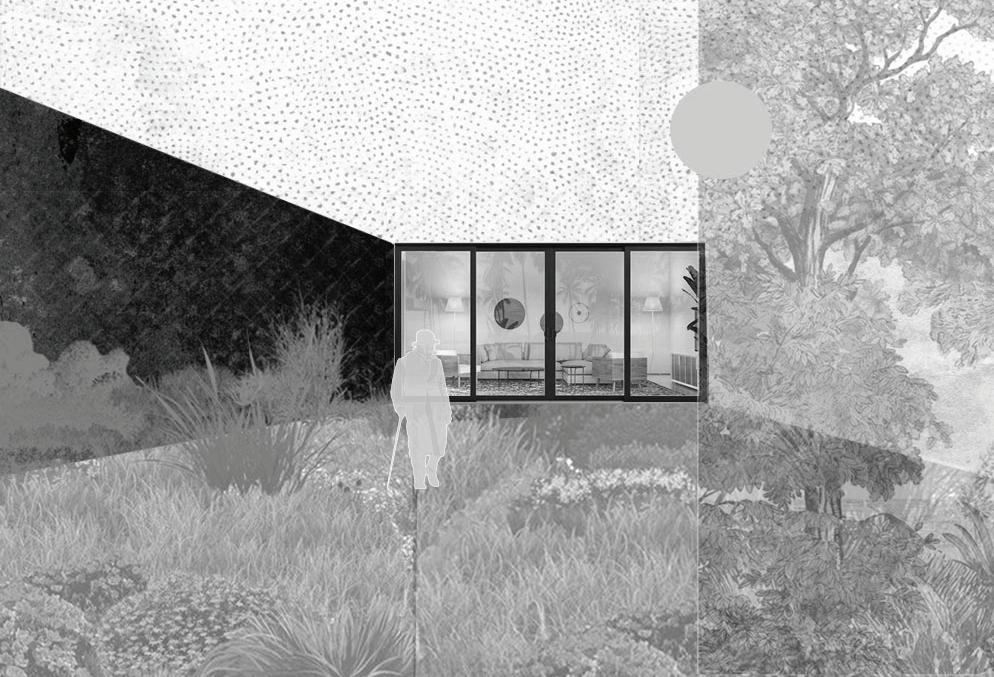
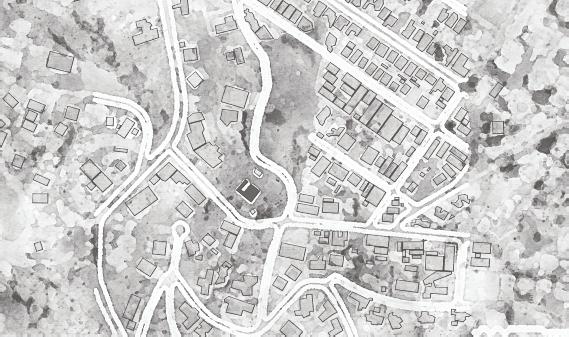
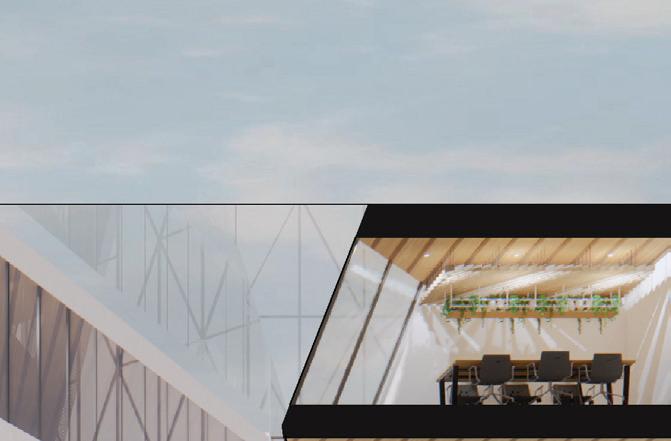
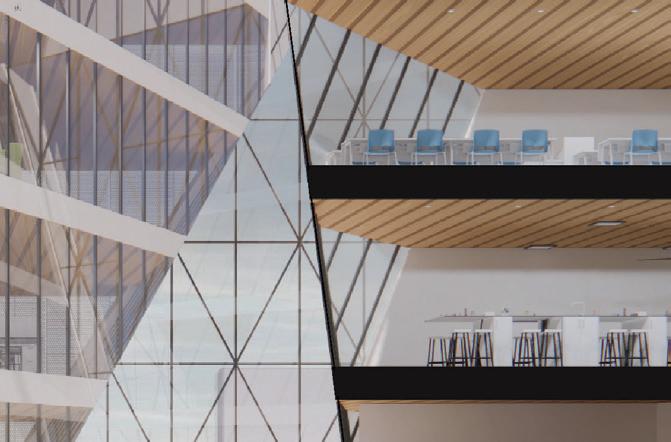
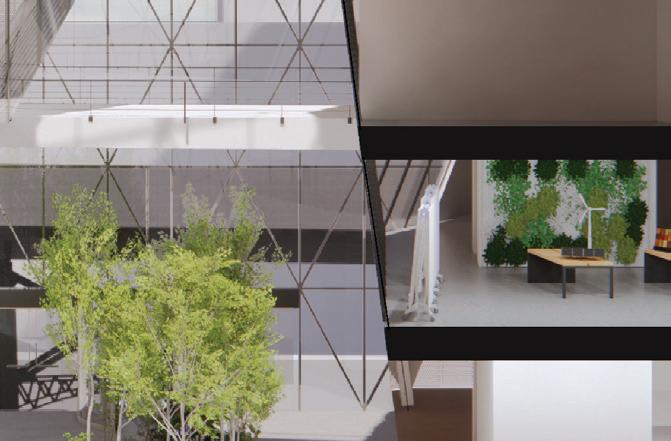
Interstitial is a landscape architecture school and environmental learning center sited in the heart of Harlem, an institution shaped as much by absence as by form. The building’s defining gesture, a diagonal split that cuts through its mass, creates a civic void: a transparent interstice that draws the adjacent park into the architecture, revealing the site to itself and the city. This gap becomes a space of encounter, between nature and structure, past and future, division and unity. In a neighborhood shaped by cultural richness and systemic rupture, Interstitial acknowledges historical divides while physically and symbolically holding space for dialogue, visibility, and reconnection. Within the layered fabric of Harlem, the project positions itself not as an icon, but as a threshold, inviting movement, participation, and new growth.
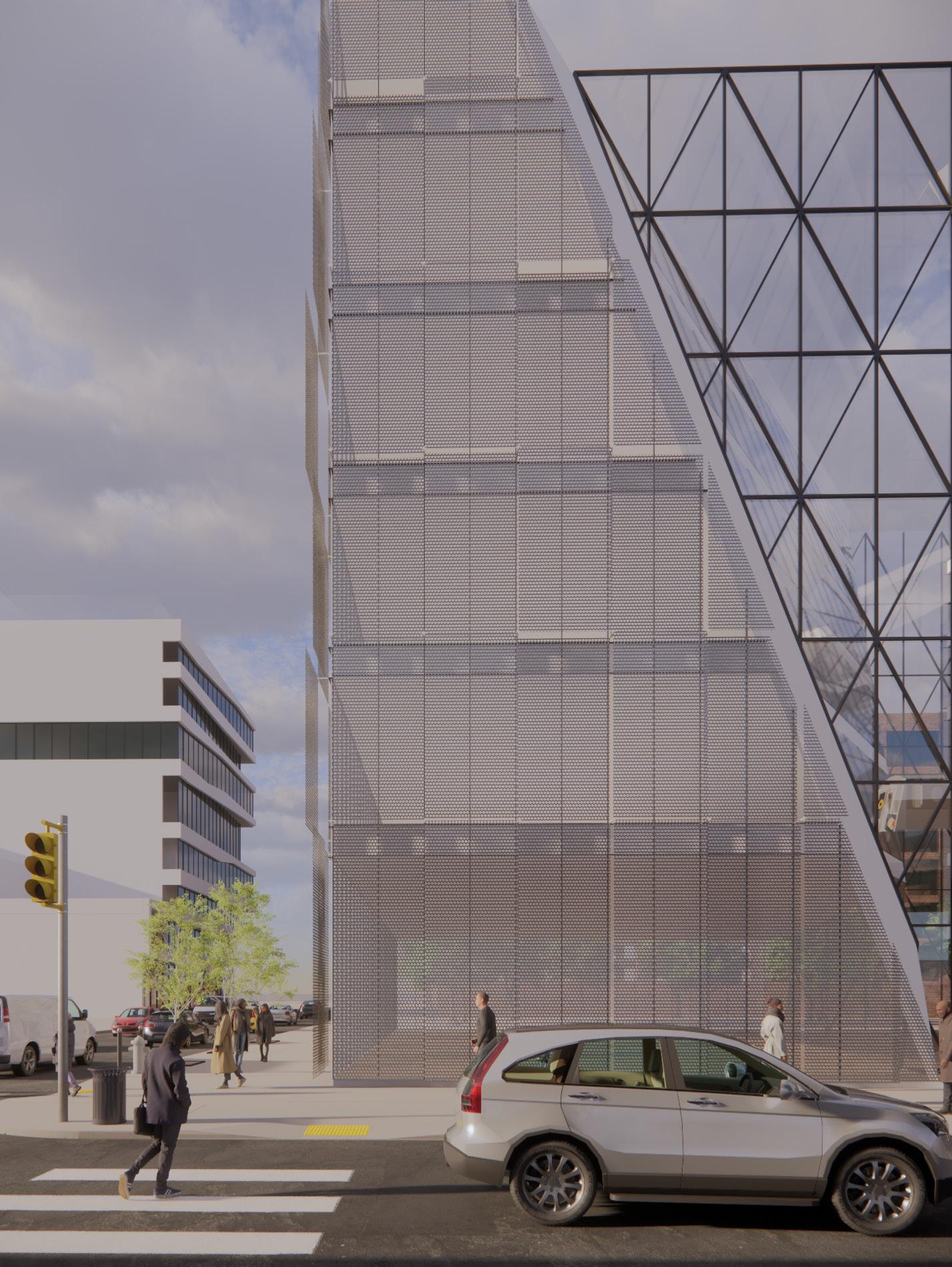


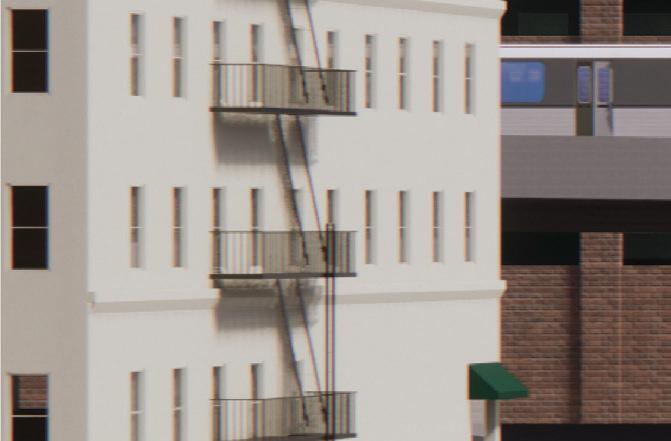


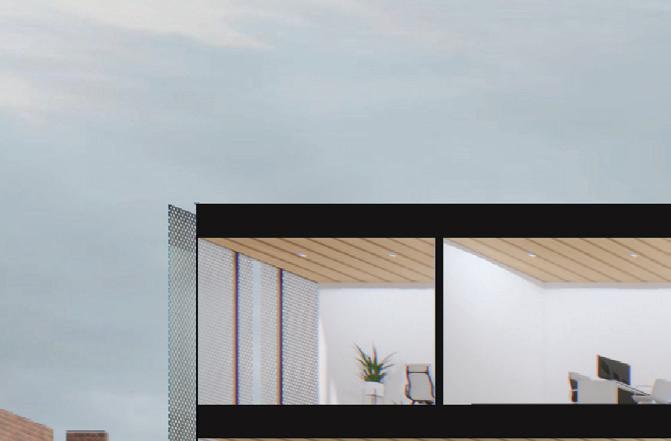
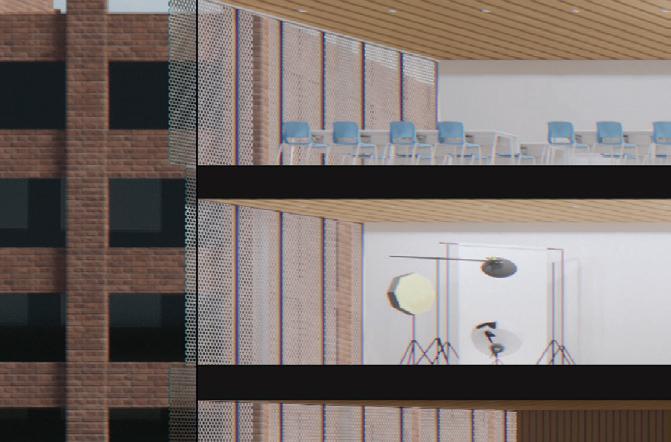
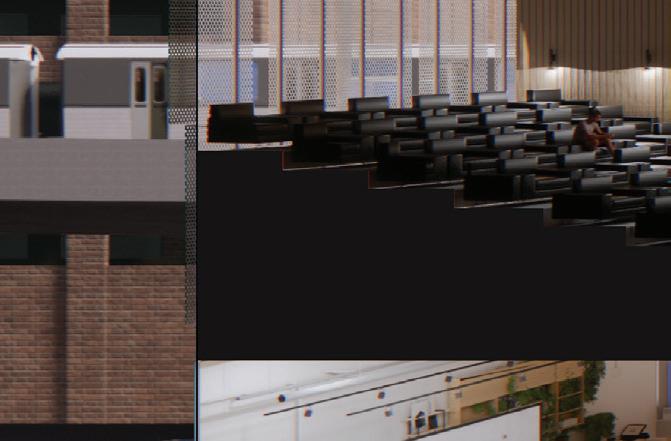

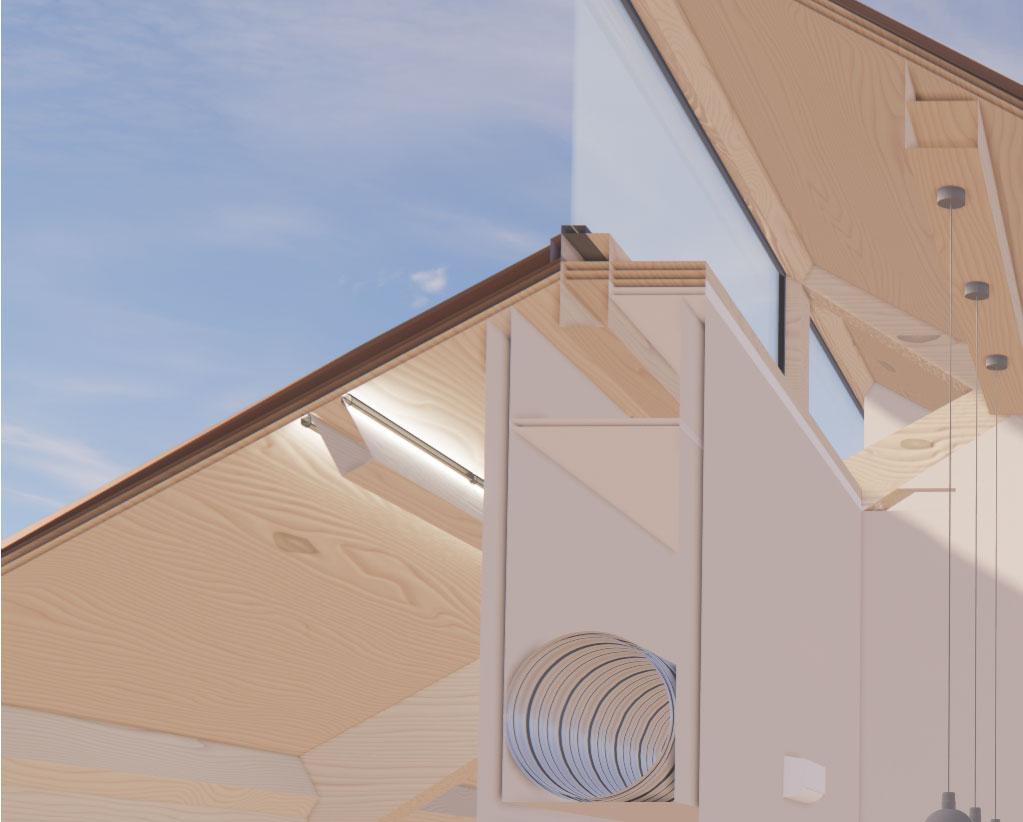
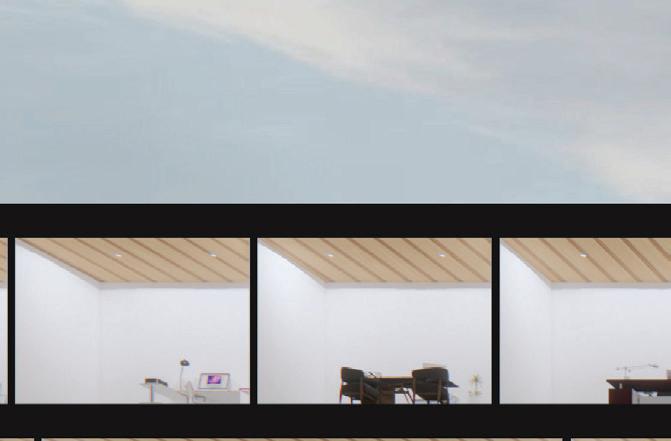
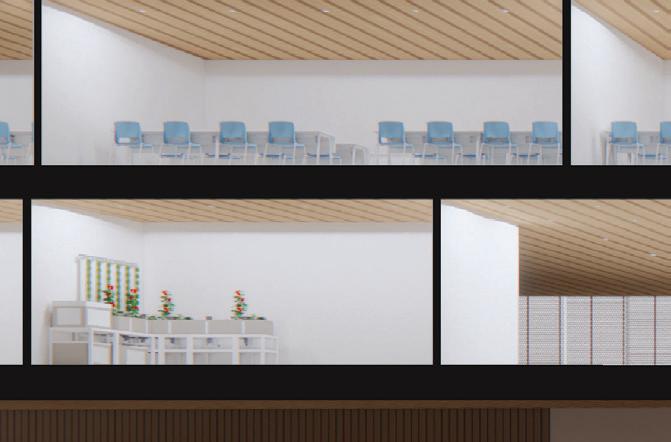
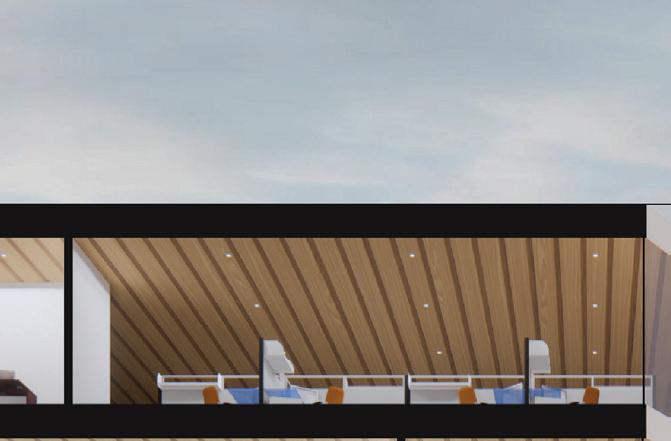
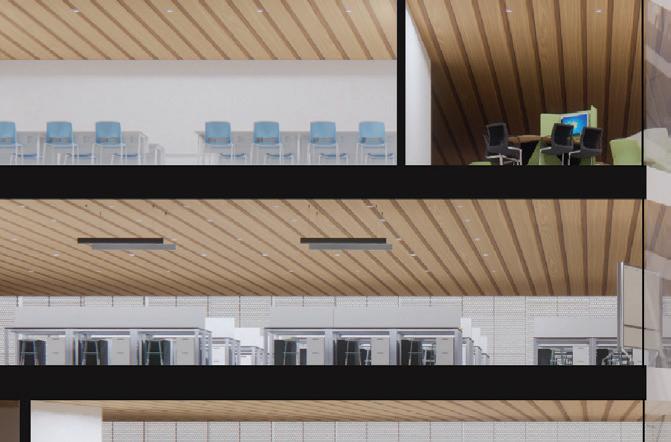
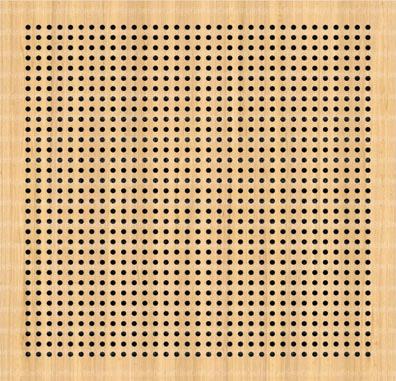
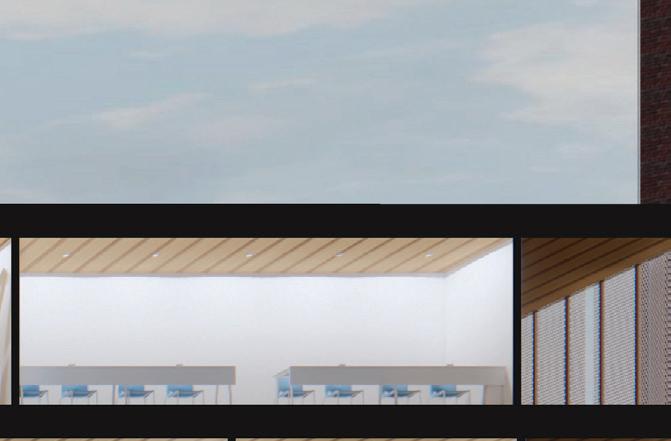
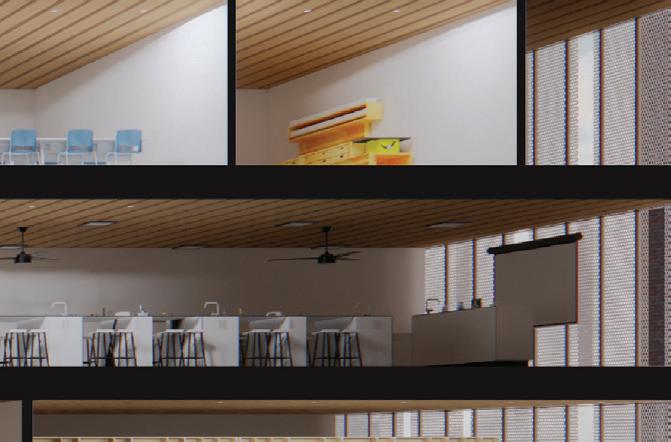
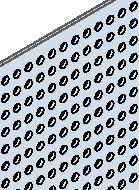
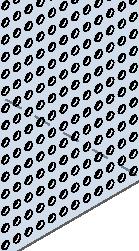
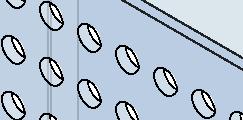
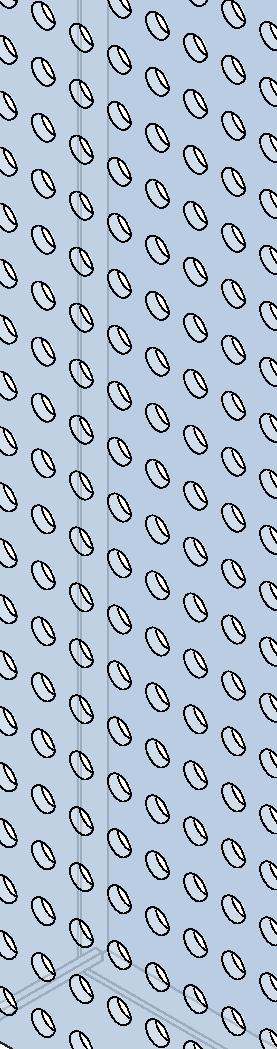
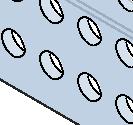
Material selection was guided by sustainability and performance. The use of a perforated metal panel system improves solar performance without complex mechanical systems. Acoustic wood panels are sustainably sourced and contribute to interior environmental quality. Flexible open spaces reduce the need for renovation and reconfiguration over time, allowing the building to adapt to future educational needs.



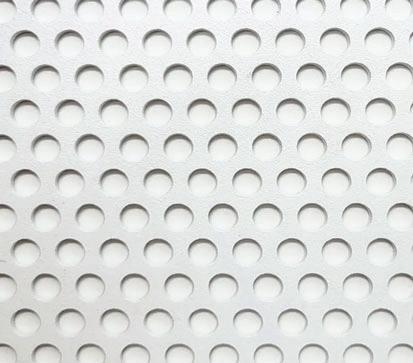
PERFORATED ALUMINUM PANELS



SOURCE: ALLIED STEEL, DISTANCE FROM SITE: 7 MILES
SOURCE:






DISTANCE FROM SITE: 5
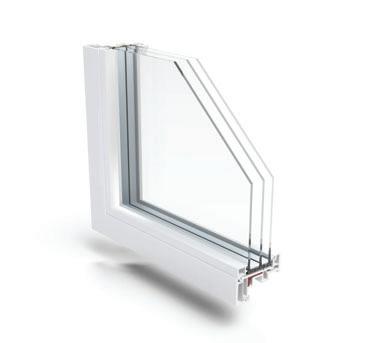
SOURCE: VITRUM GLASS AND MIRROR
DISTANCE FROM SITE: 15 MILES

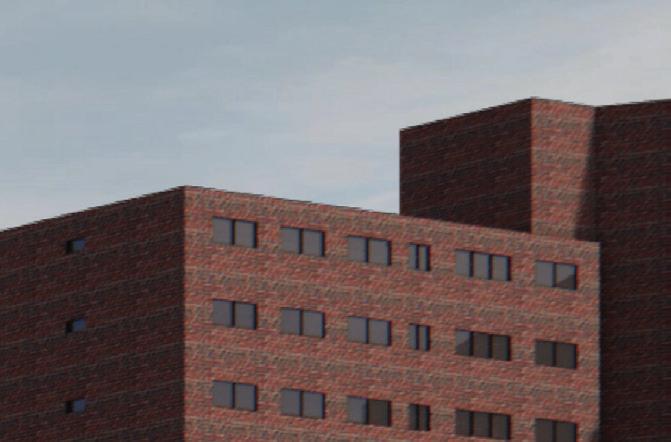
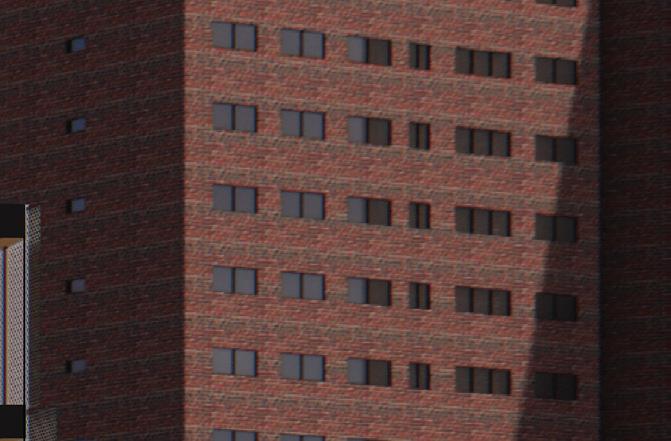
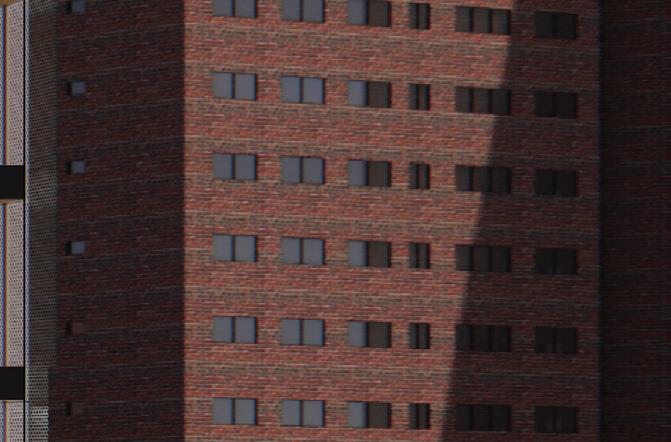
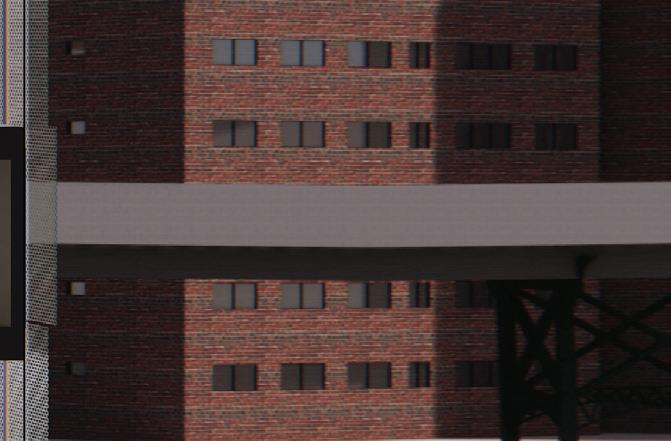
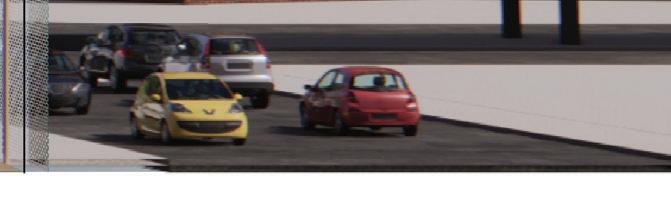
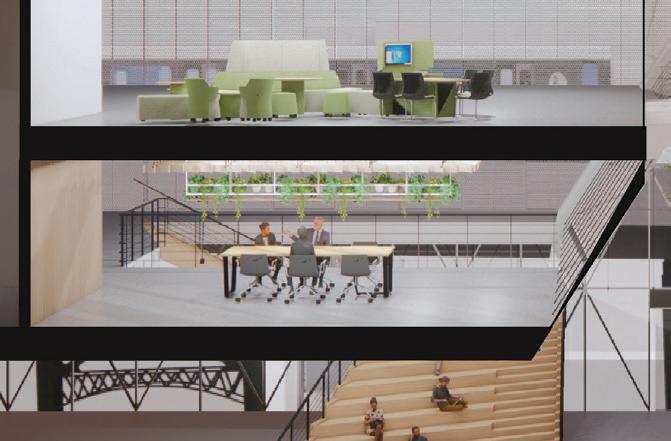
Natural light, access to views, and materials that support sensory comfort define the building’s focus on well-being. The split carves a visual and physical connection to the park, allowing green space to flow through the core of the building. Interior finishes like acoustic wood reduce noise in learning spaces. The open floor plan enhances movement and social interaction, while the social staircase provides a space for gathering, pausing, and connecting. Transparency and daylight foster a sense of openness and orientation, nurturing mental, physical, and social health for students and staff.


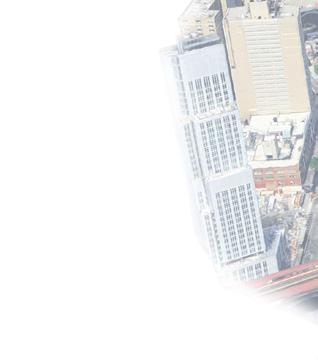

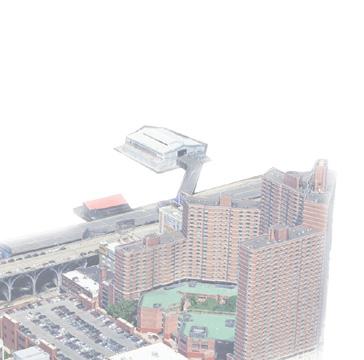
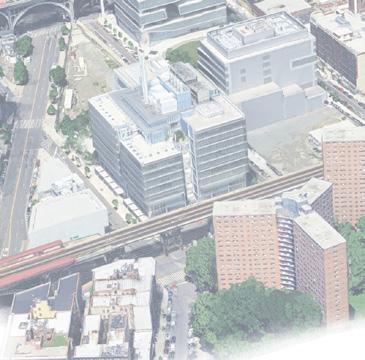


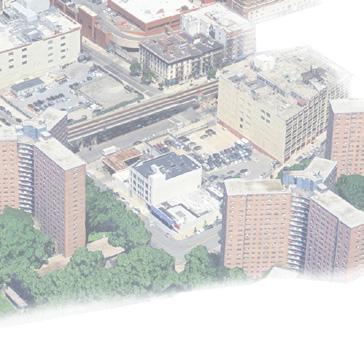









W132NDST
W131STST








W130THST







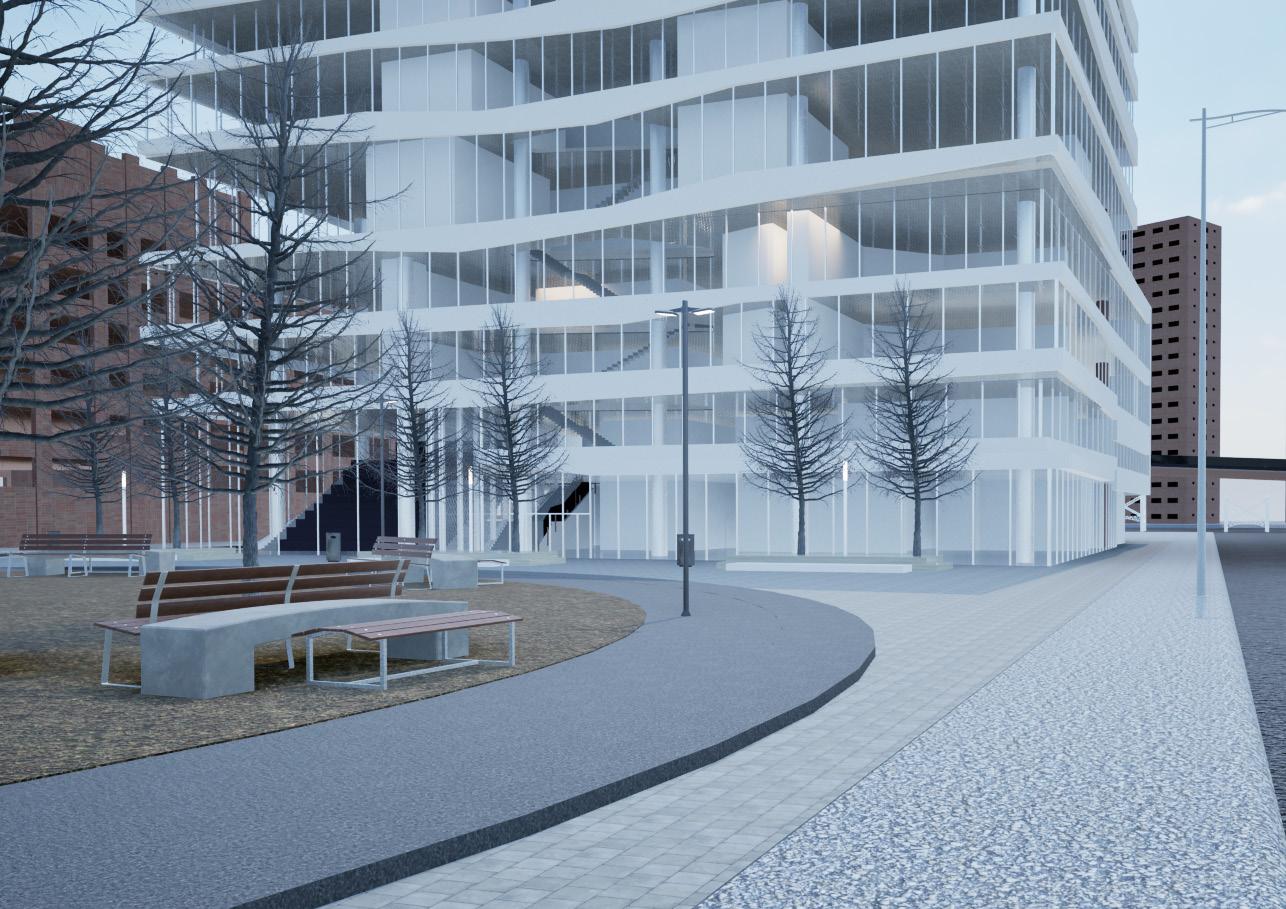





















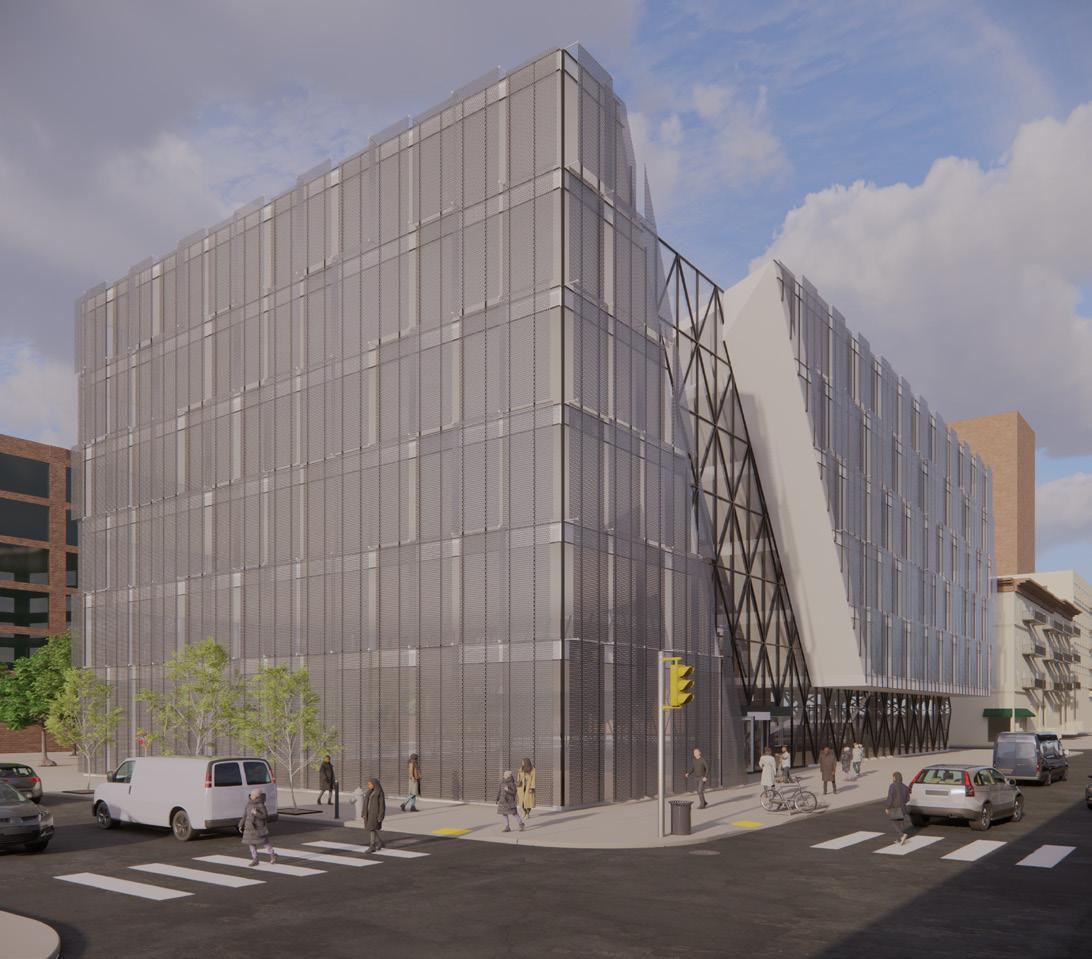


The transparency of the building physically through glass and conceptually through openness exposes structural, environmental, and spatial systems as teachable elements. The split through the building becomes a daily site of exploration, offering views, light, and movement that constantly shift. Public engagement spaces, including the lifted volume and social stair, turn the school into a living exhibit of landscape architecture. The architecture challenges students to question boundaries and relationships between nature, city, and design, making the building itself a landscape of discovery.






















GALVANIZED STEEL TIES
PERF. STEEL SHEET



ARCHITECTURE AS SOCIAL INFRASTRUCTURE: DESIGNING FOR CARE, CONTINUITY, AND COLLECTIVE LIFE
:HOW CAN HOUSING OPERATE AS A FRAMEWORK FOR INTERGENERATIONAL CARE RATHER THAN ISOLATED OCCUPANCY?
IN COLLABORATION WITH JASON TURNER
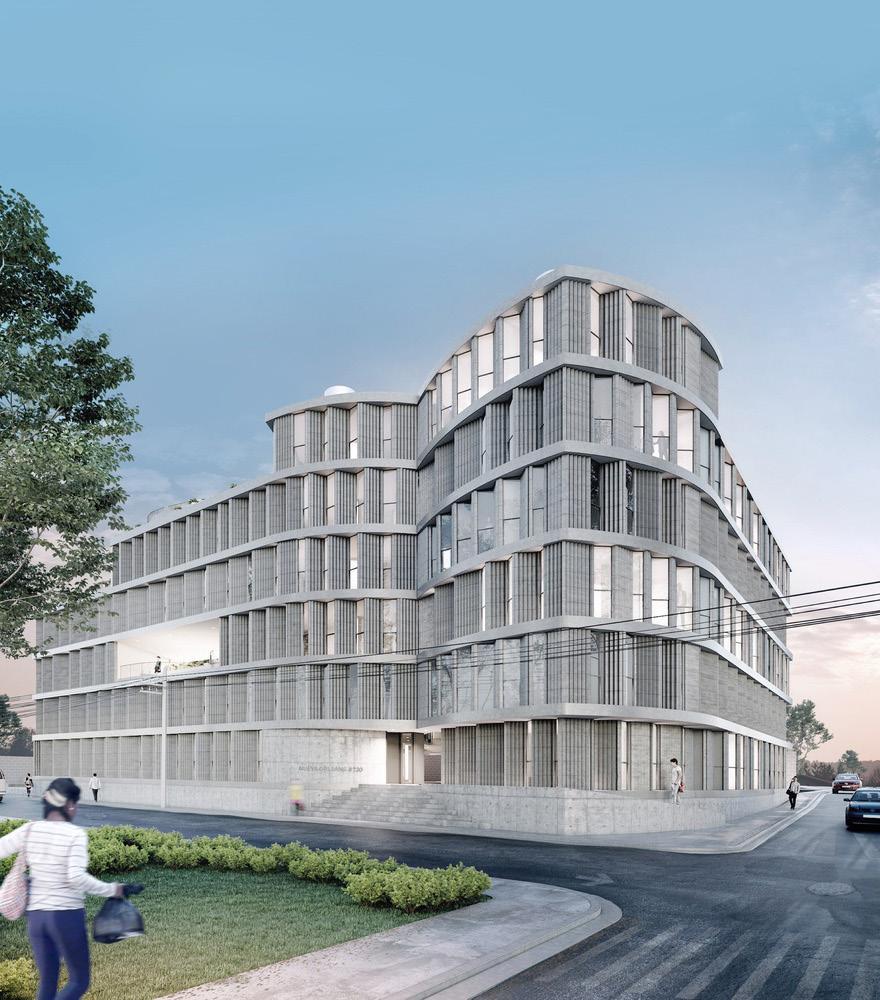
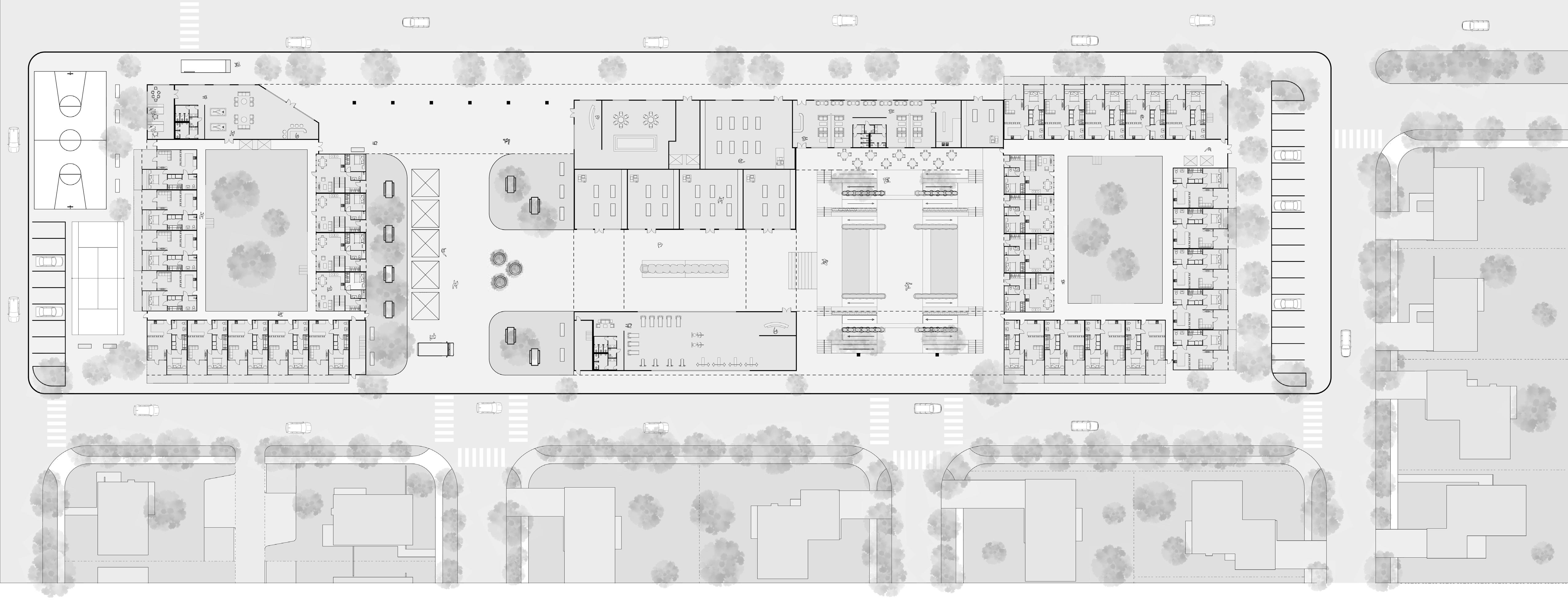
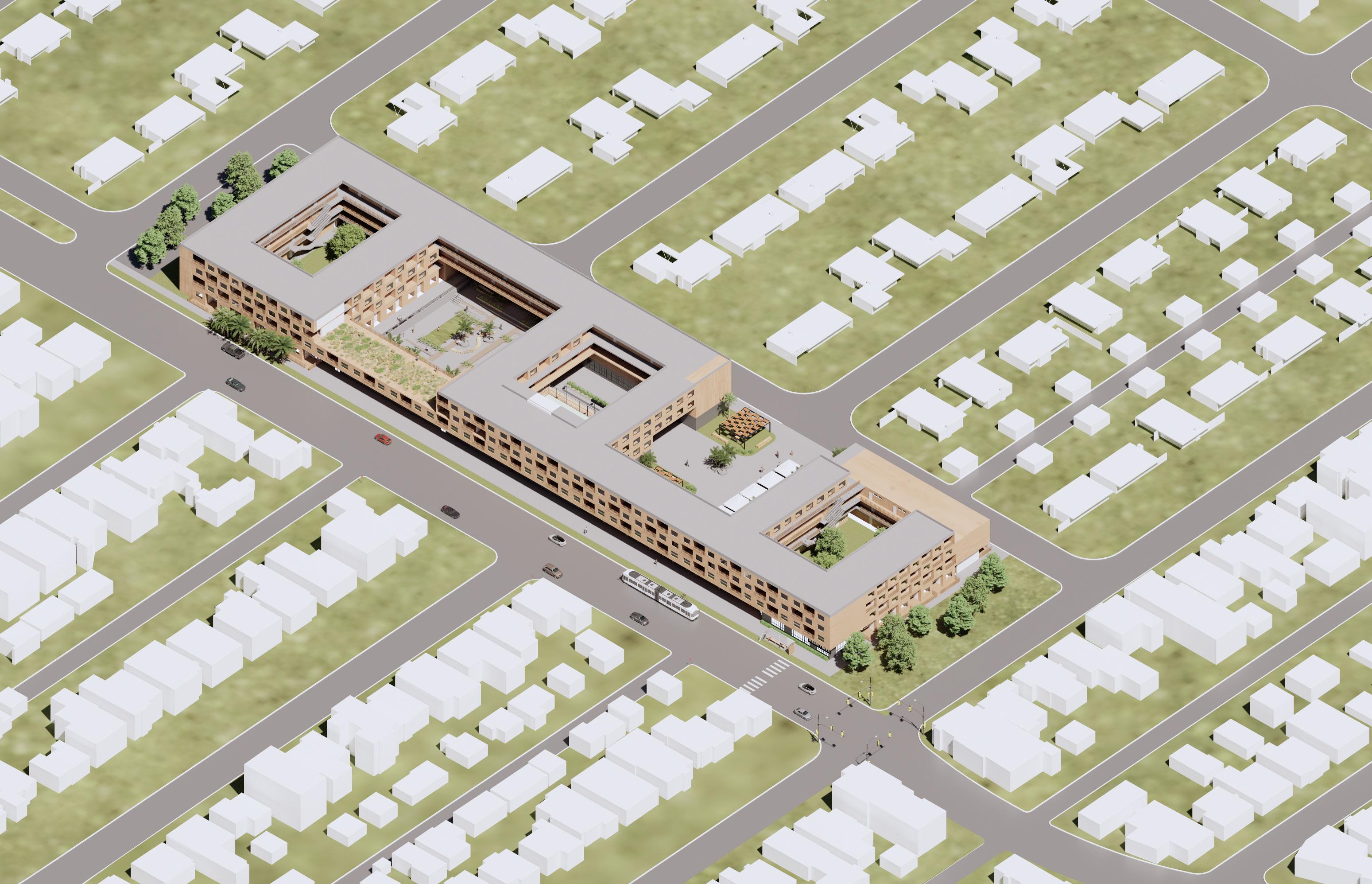
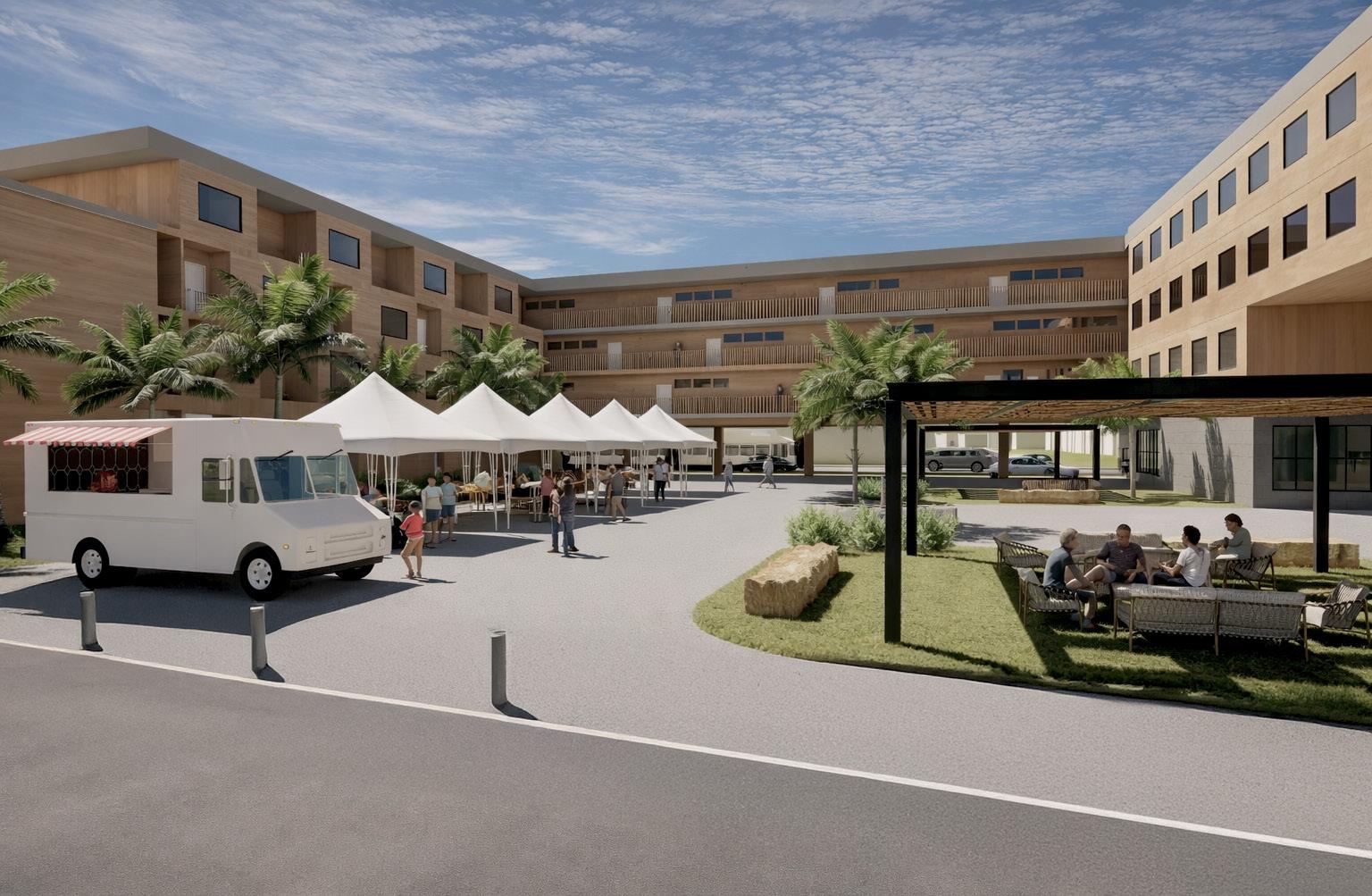
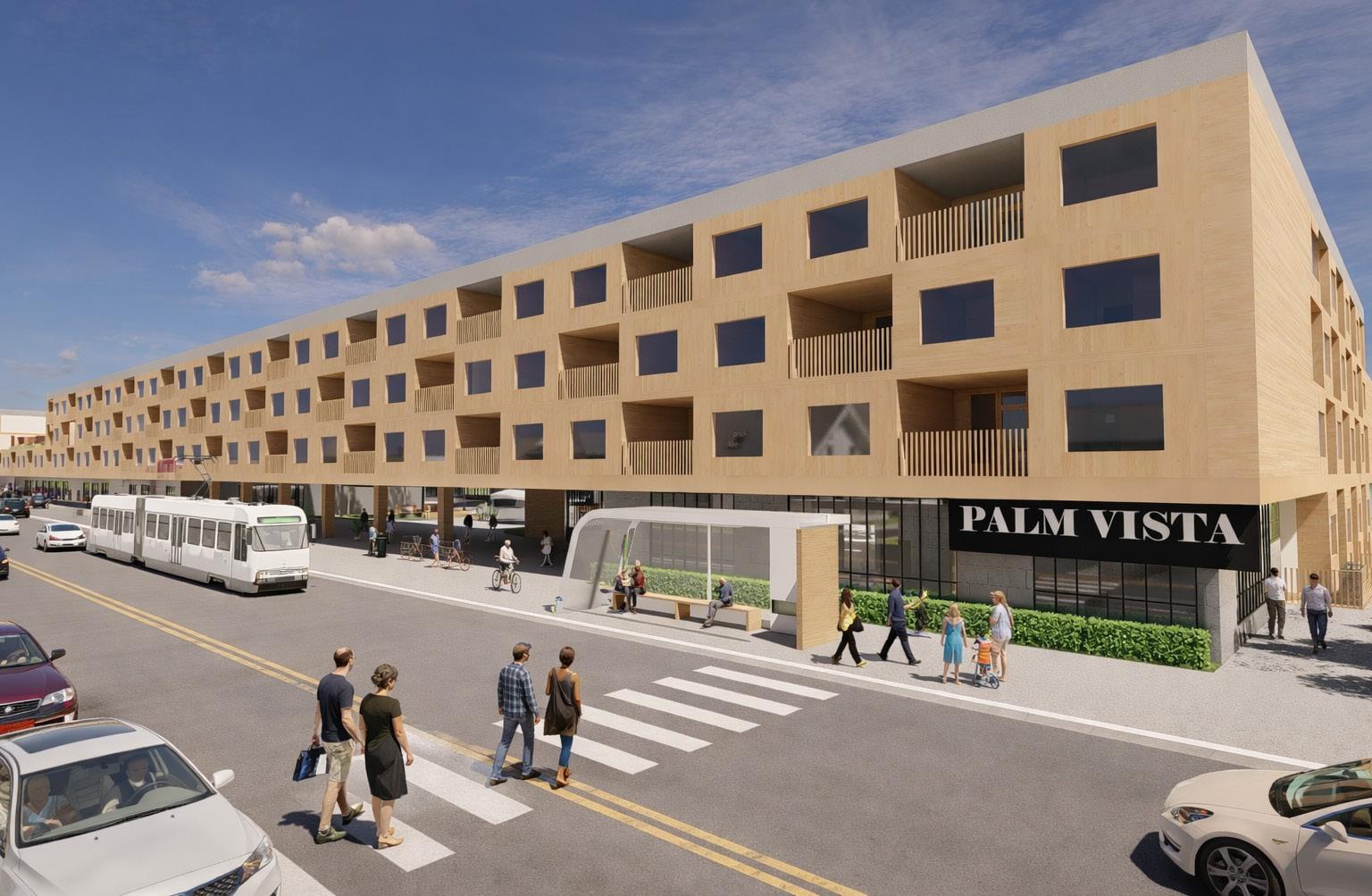
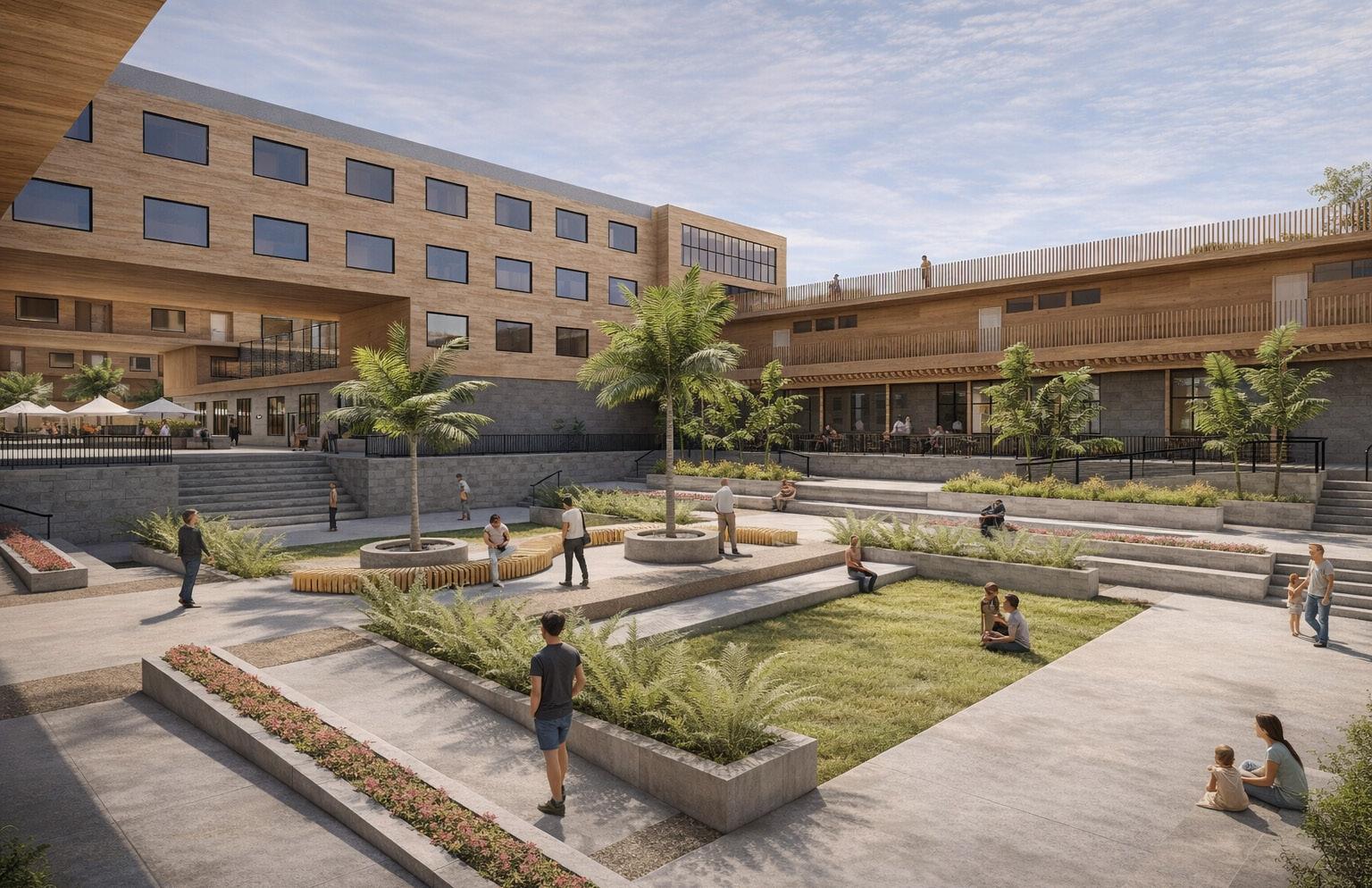
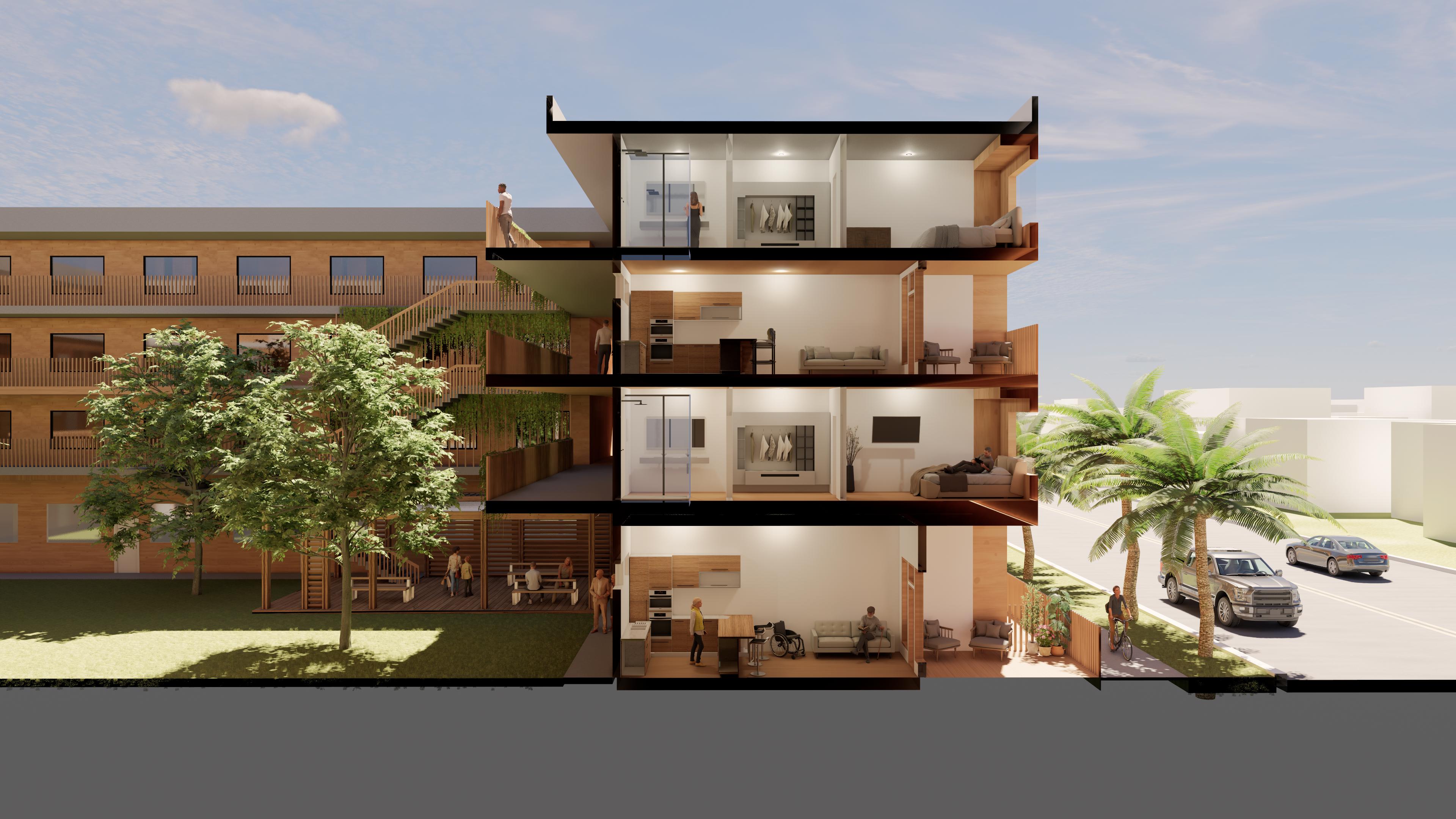
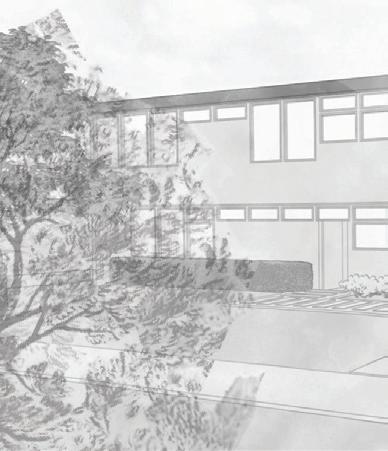
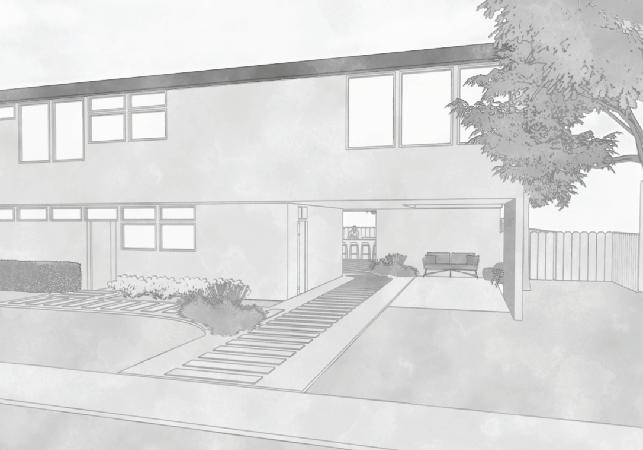

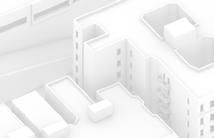
A supportive and adaptable housing proposal for multigenerational families and seniors in Los Angeles. The design reflects the site’s rich neighborhood character while embracing the needs of a diverse community. Three interconnected rectangular forms, spaced to maximize natural light and airflow, create a sequence of open plaza spaces filled with green parks, gardens, and gathering areas, making the space feel less like a typical apartment complex and more like an extension of the community. These outdoor communal areas promote neighborly connections and physical well-being, offering safe, inviting spaces. The strategic placement of a central tunnel in the middle building encourages seamless movement between the plazas, and serves as a threshold between the two courtyard spaces for public amenities. These amenities will not only serve as a catalyst to foster a community environment, but they will also create job opportunities and reduce the need for cars for residents. Aligned with the existing streets, the design integrates smoothly with Mar Vista’s pedestrian pathways, providing an inviting flow from the neighborhood into the complex and enhancing walkability to nearby public transit.