Understanding Enterprise Technology Solutions
Enterprise technology solutions are software platforms, infrastructure services, hardware systems, and digital tools designed to support large organizations. These solutions often integrate with existing business applications, manage massive volumes of data, automate workflows, and improve collaboration across departments. Examples include cloud infrastructure, AI-powered business applications, cybersecurity platforms, enterprise databases, CRM systems, ERP software, business intelligence tools, collaboration platforms, and customer engagement solutions.
The enterprise buying process differs significantly from small business purchasing. Large organizations evaluate vendors based on technical capabilities, scalability, compliance standards, vendor reputation, customer support, implementation experience, and long-term partnership potential. Marketing strategies must therefore address the concerns of executives, IT leaders, procurement teams, finance departments, security professionals, and end users simultaneously. Every piece of content should answer questions, eliminate uncertainty, and establish trust throughout the buying journey.
Building a Strong Enterprise Marketing Strategy
A successful enterprise technology marketing strategy begins with a thorough understanding of the target audience. Organizations should research their ideal customer profiles, industry challenges, business objectives, technology adoption patterns, and purchasing behavior. Rather than targeting every business, marketers should focus on companies that are most likely to benefit from their solutions.
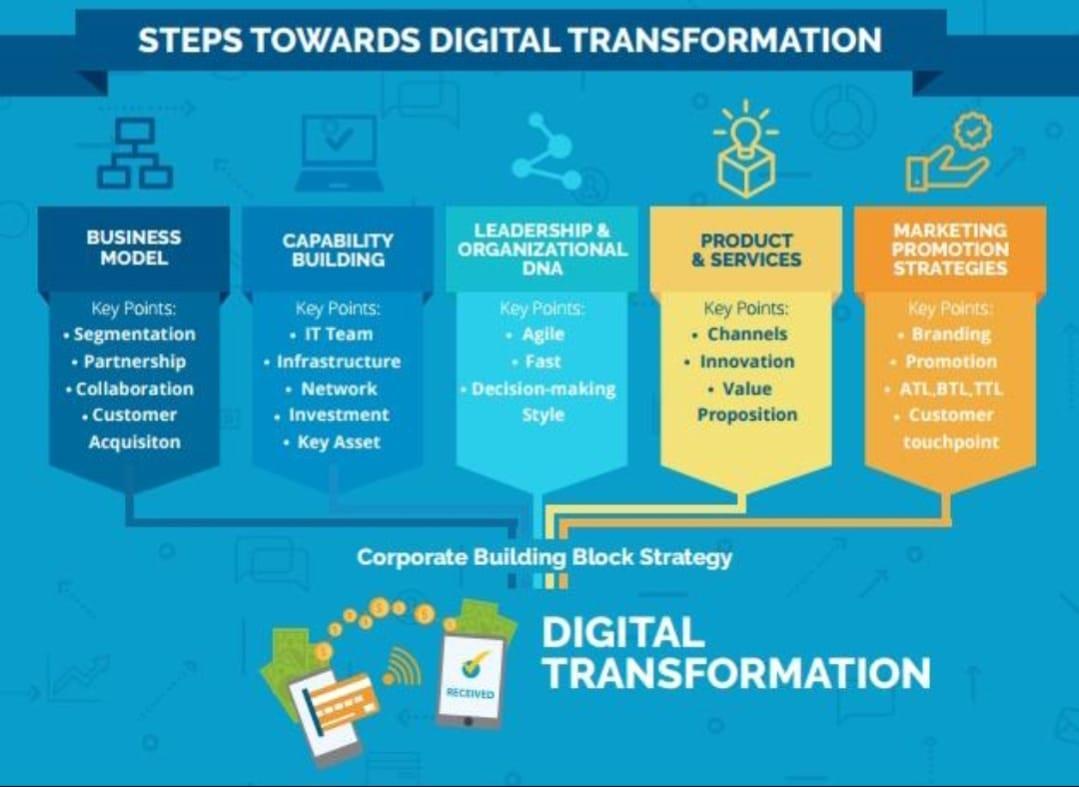
Customer segmentation allows marketers to create highly personalized campaigns for different industries such as healthcare, finance, manufacturing, retail, education, logistics, and telecommunications. Each industry has unique regulatory requirements, operational challenges, and digital transformation priorities. By addressing these specific pain points, marketers can position their technology solutions through verified Technology Users Email List from right vendor as practical business enablers instead of generic software products.
An effective strategy also aligns marketing efforts with sales objectives. Marketing teams should collaborate closely with sales representatives to identify high-value accounts, understand customer objections, and develop content that supports every stage of the buying process. This alignment improves lead quality, shortens sales cycles, and increases conversion rates.
Creating High-Quality SEO Content for Enterprise Buyers
Search engine optimization plays a vital role in enterprise technology marketing because decision-makers frequently conduct extensive online research before contacting vendors. They search for implementation guides, comparison articles, technical documentation,
customer success stories, pricing information, and industry trends. High-quality SEO content helps businesses appear during these research stages while establishing authority in their respective markets.
Instead of focusing solely on product pages, enterprise marketers should publish comprehensive educational content that answers real customer questions. Long-form articles, technical blogs, industry reports, whitepapers, and solution guides demonstrate expertise while improving search visibility. Content should naturally include relevant keywords without compromising readability. Well-structured headings, informative introductions, descriptive subheadings, and engaging conclusions improve both user experience and search engine rankings.
Search engines increasingly prioritize helpful, experience-driven content that satisfies user intent. Therefore, marketers should write informative articles supported by practical examples, research findings, expert insights, and customer experiences. Publishing valuable content consistently strengthens domain authority and attracts qualified organic traffic over time.
Leveraging Content Marketing to Build Trust
Enterprise buyers rarely purchase technology after viewing a single advertisement. They require continuous education before making informed decisions. Content marketing supports this educational journey by providing valuable resources that explain complex technologies in accessible language.
Organizations should create content that addresses every stage of the buyer journey. Awareness-stage content introduces industry challenges and emerging trends. Consideration-stage content compares available solutions and explains implementation approaches. Decision-stage content highlights case studies, customer testimonials, ROI calculations, and technical demonstrations that validate purchasing decisions.
Thought leadership is particularly valuable in enterprise markets. Publishing original research, expert opinions, and strategic insights positions a company as an industry authority rather than simply another software vendor. Buyers are more likely to trust organizations that consistently contribute meaningful knowledge to their industries.
The Role of Account-Based Marketing
Account-Based Marketing has become one of the most effective approaches for enterprise technology companies because it focuses marketing resources on high-value target accounts. Instead of attracting large volumes of general leads, acquire verified and quality marketing contact list’s vendor’s like EprofileTech ABM identifies organizations that closely match the ideal customer profile and delivers highly personalized campaigns.
Personalized messaging significantly improves engagement because enterprise buyers expect vendors to understand their specific business challenges. Marketing teams can create customized landing pages, personalized email campaigns, tailored presentations, and industry-specific content that addresses each organization's priorities. Sales and marketing collaboration becomes essential in ABM because both teams work together to engage decision-makers within targeted companies.
This personalized approach increases marketing efficiency by concentrating resources on accounts with the highest revenue potential while strengthening relationships throughout the sales process.
Using Multiple Digital Marketing Channels
Enterprise technology marketing performs best when multiple digital channels work together as part of an integrated strategy. Organic search attracts long-term visitors seeking educational information, while paid advertising increases visibility for competitive keywords and targeted audiences. Email marketing nurtures prospects by delivering personalized content based on buyer interests and engagement history.
Professional networking platforms also play an important role in enterprise marketing because business decision-makers actively consume industry insights and participate in professional discussions. Sharing valuable articles, research reports, customer success stories, and educational videos helps organizations strengthen their credibility and expand their professional networks.
Webinars, virtual conferences, podcasts, and online events provide opportunities to demonstrate expertise while interacting directly with potential buyers. These events encourage meaningful conversations, answer technical questions, and generate qualified leads through educational engagement rather than aggressive sales promotion.
Demonstrating Business Value Through Case Studies
Enterprise buyers seek evidence that a technology solution can deliver measurable business outcomes. Case studies provide this evidence by documenting real customer experiences, implementation processes, and performance improvements. Instead of making broad marketing claims, successful case studies present specific challenges, implemented solutions, measurable results, and customer feedback.
Organizations should highlight improvements such as increased operational efficiency, reduced costs, enhanced security, improved customer satisfaction, faster deployment times, and stronger business performance. Quantifiable results make marketing messages more persuasive because buyers can visualize the potential impact within their own organizations.
Customer testimonials further strengthen credibility by demonstrating satisfaction among existing clients. Authentic success stories reduce perceived risk and reassure buyers that the solution has been successfully implemented in similar business environments.
Measuring Marketing Performance
Enterprise technology marketing requires continuous performance measurement to optimize campaigns and maximize return on investment. Marketers should monitor website traffic, keyword rankings, organic search visibility, lead generation, content engagement, conversion rates, customer acquisition costs, and sales pipeline contribution.
Marketing analytics reveal which content attracts qualified prospects, which campaigns generate conversions, and which channels produce the highest-quality leads. These insights enable organizations to refine messaging, improve targeting, and allocate marketing budgets more effectively.
Regular reporting also strengthens collaboration between marketing and sales teams by providing shared visibility into campaign performance and revenue impact. Data-driven decision making allows organizations to adapt quickly to changing market conditions while continuously improving marketing effectiveness.
Future Trends in Enterprise Technology Marketing
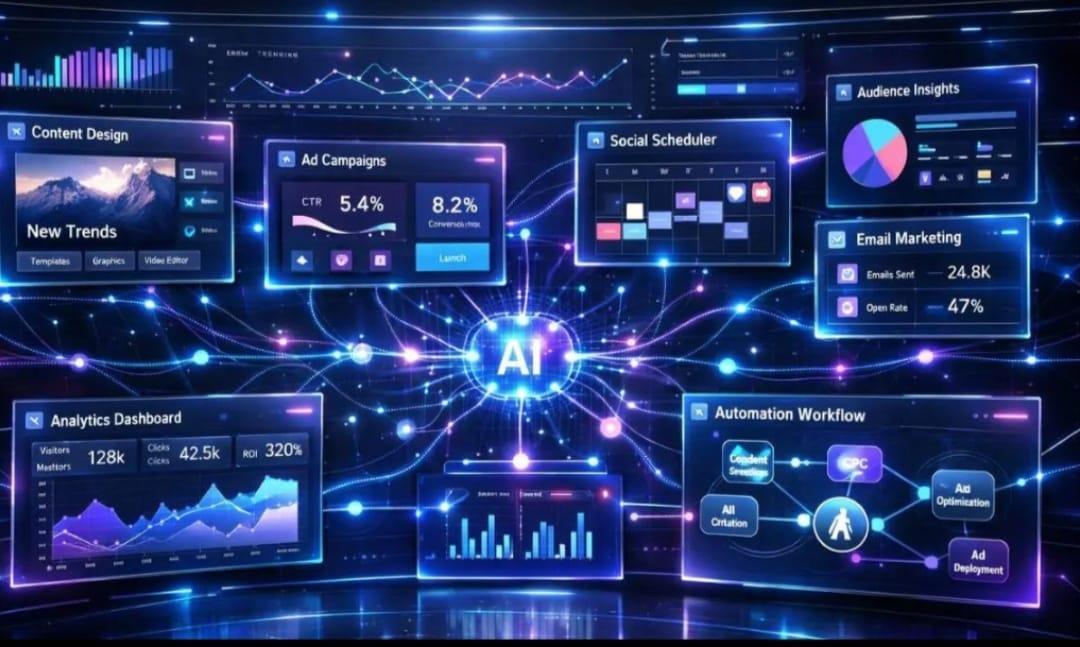
Enterprise technology marketing continues to evolve as artificial intelligence, automation, predictive analytics, and personalized customer experiences reshape digital engagement. AIpowered marketing platforms help organizations analyze customer behavior, recommend content, automate campaigns, and identify buying intent with greater accuracy.
Search experiences are also changing with conversational AI, voice search, and AI-powered search engines influencing how business professionals discover information. Marketers must therefore create content that answers conversational queries, demonstrates genuine expertise, and provides comprehensive information rather than relying solely on keyword optimization.
Interactive content, product demonstrations, virtual experiences, and personalized recommendations will continue to become more important as enterprise buyers expect engaging digital experiences throughout their purchasing journeys. Organizations that combine technology, customer understanding, and educational content will remain competitive in increasingly complex markets.
Conclusion
Marketing enterprise technology solutions requires far more than promoting software features or technical specifications. Successful organizations focus on educating buyers, demonstrating business value, building trust, and supporting customers throughout lengthy purchasing journeys. By combining search engine optimization, content marketing, accountbased marketing, thought leadership, personalized communication, and data-driven optimization, businesses can attract qualified enterprise buyers and establish long-term customer relationships.
As digital transformation accelerates across industries, enterprise technology marketers must continue adapting their strategies to meet changing buyer expectations and evolving search behaviors. Companies that consistently publish valuable content, address real business challenges, showcase measurable customer success, and maintain strong relationships with decision-makers will be better positioned to generate sustainable growth and achieve lasting competitive advantage in the enterprise technology marketplace.