


Academic Information, Outreach Events and Opportunities, Scholarships and Funding, Qualifying Sessions and Student Activities, Key Terms, 4-8 9-11 12-16 17-21 22-24
Understanding the academic requirements for becoming a barrister can be confusing, and there are many different pathways you can take Read this section carefully to understand which route might be best for you.
If you wish to become a Barrister in England and Wales there are several steps you will have to complete, including joining an Inn of Court.
In order to secure a place on the Bar Course you must apply directly to a provider. The cost of the Bar Course varies from provider to provider but scholarships are available from the Inns of Court. Apply for an Inn of Court Scholarship 12-16 months before the start of your course.
You must join at least 12 weeks before you commence your Bar Course You can only apply to join one Inn If you receive an Inn of Court scholarship you must join that particular Inn in order to receive the funds.
In addition to your Bar Course, you must also complete 10 Qualifying Sessions at your Inn in order to be Called to the Bar.
Once you have completed all the eligibility criteria, including the Bar Course and all your Qualifying Sessions, you can be Called to the Bar
After Call you must complete 12 months in a Chambers or organisation. These 12 months are split into two 6 month periods called ‘first six’ and ‘second six’.
The Bar training course (sometime called the BTC, BTPC or ‘the Bar Course’) is the Bar specific training course you need to complete after completing the qualifying law degree or the non-qualifying law degree and conversion course The cost of courses vary by provider so please see individual provider websites for more information
The academic (degree) component, followed by vocational (Bar Course) component, followed by pupillage or work-based component

Law Degree or Non-Law & GDL

£11,750 - £19,500

Pupillage or work based Component
Academic (degree) component, followed by vocational component (Bar Course) in two parts, followed by pupillage or work-based component. The Part One is delivered entirely online and can be completed at your own pace, making it a more flexible option. Only some providers offer this so do check their websites for more information.

Law Degree or Non-Law & GDL
Combined academic (degree) and vocational (Bar Course) components followed by pupillage or work-based component This option allows the academic degree and the Bar Course to be taken in the same course.
Please note: An Apprenticeship Pathway may become available in future years.

Penultimate year of undergraduate law study / final year of non-law study
Throughout the year
Law students: start thinking about getting some relevant work experience. Do plenty of research into chambers/minipupillages, prepare your CV for pupillage and Bar Course applications
By May
During the Bar Course year
January
Various dates
Apply for pupillage via the Pupillage Gateway if unsuccessful in a previous year.
Final Year of undergraduate law study or during GDL
By first Friday of November December
January
Apply for a Bar Course scholarship from one Inn of Court.
Apply for Bar Course directly via providers.
Various dates 3 months before end of pupillage
Pupillage year
Start pupillage Most pupillages will start in October or January but this can vary
Cardiff University
City Law School
Inns of Court College of Advocacy (ICCA)
The University of Law
Manchester Metropolitan University
Nottingham Law School
University of Northumbria
University of Hertfordshire
University of the West of England
3 step-pathway full-time at all sites
Part-time offered at BPP London
LLM add on offered at all sites
Barrister training with professional legal studies
3-step pathway full-time, LLM add on offered
3-step pathway full-time and part-time
LLM add on offered
Specialist add on offered
4-step pathway
3 step-pathway full-time at all sites, and part-time offered at some sites. LLM add on offered at all sites
3-step pathway full-time, part-time, and flexible study
LLM add on offered
3-step pathway full-time
LLM add on offered
3-step pathway full-time and part time
4-step pathway
LLM add on offered
Also offered as part of undergraduate degree
3-step pathway full-time, LLM add on offered
3-step pathway full-time, LLM add on offered
The Bar Standard’s Board annual key statistics report is a useful resource that sets out enrolment, results and student progression by provider.
We hold regular events to help you decide if a career at the Bar is for you, and whether you’d like Lincoln’s Inn to be your future Inn of Court All four Inns provide similar services and we advise students to visit each Inn and research what they have to offer before making their decision. Lincoln’s Inn is also happy to provide information to those who offer advice to students. In this section you find out more about visiting the Inn and our outreach programme.
The Inn hosts a number of regular outreach events across the academic year. Find out more about current scheduled events by visiting the ‘What’s On’ page on our website and using the tags to filter for ‘outreach events’
We also run a number of joint events with the other Inns of Court and attend national pupillage fairs such as the Bar Council’s Pupillage Fair every year. Keep an eye on our website for more information on these
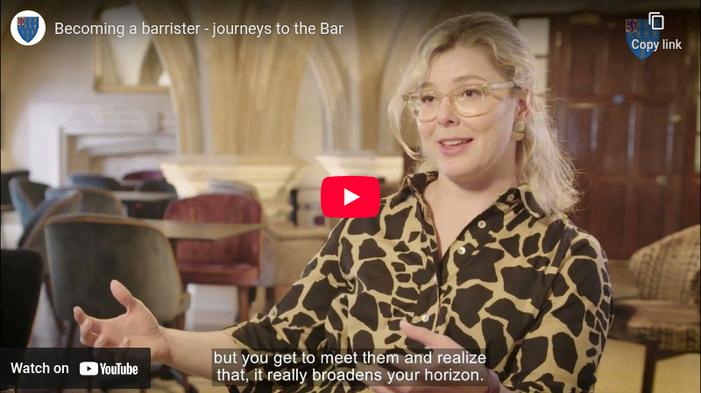
Lincoln’s Inn holds Open Days for prospective Bar Course and GDL students which include a presentation about the Inn and a talk from a barrister about their career We have two a year, normally one in October and one in April. Watch recordings of previous events on our YouTube channel.
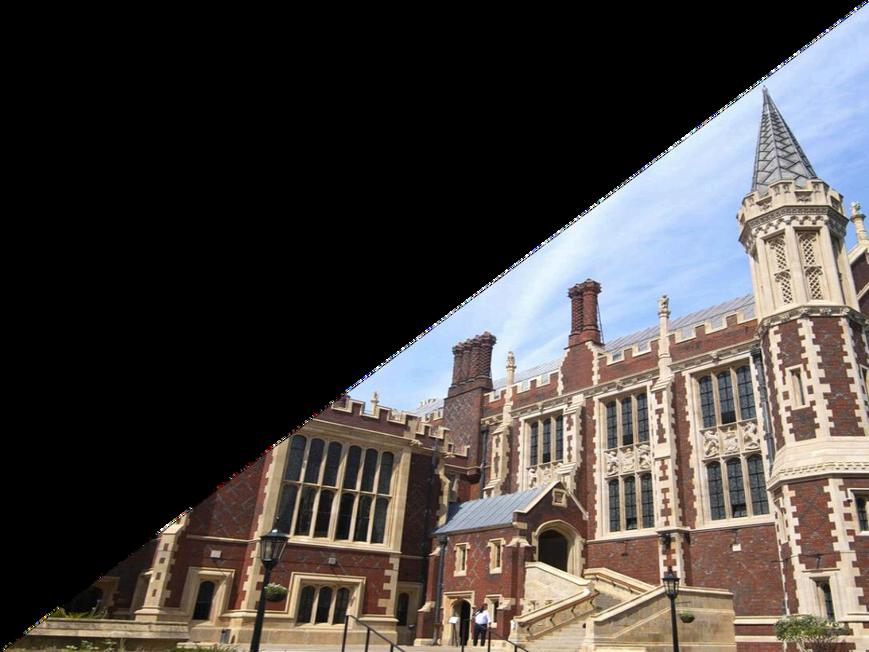
We offer tours of the Inn for prospective members at set times on Tuesdays during the legal year. We can only accommodate small groups, up to ten people maximum. You can book onto a tour via our website. Please note tours are not available during August.
The Inn invites students from all universities that offer a law degree to visit, hear a range of talks from practising barristers and then dine in the Great Hall This is a great way to learn more about the life of a barrister, and to get a glimpse into the more traditional, sociable side of an Inn of Court. Places are limited, and invitations are sent to each university, who will select those who can attend Please speak to the Law department at your university to find out more


I attended Lincoln's Inn for the University Information Afternoon & Dinner and was immediately struck by how friendly, supportive and open everyone I met there was. I was impressed by the talks given and by the ongoing professional training and development opportunities that Lincoln's Inn provides.
Student attendee at a University Information Afternoon and Dinner
The Inn gives away over £2 million each year through various scholarships, awards and prizes. The majority of this funding goes to Bar Course and GDL students, however we also offer awards for prospective members, pupils and a number of International scholarships.
The Bar Course and GDL Scholarships offered by the Inn represent our key areas of funding for student barristers The table below sets out key statistics about both scholarships*:
*Statistics reflect scholarships awarded for the academic year 2024/25
Free admission to the Inn
Reduced rates for the 10 Qualifying Sessions that you must complete with your Inn during your Bar Course studies.
Free Call to the Bar - this is like your graduation ceremony after you have finished your Bar Course and Qualifying Sessions.
Opportunity to join the Denning Society, an Inn society only for scholar members of the Inn
All Bar Course and GDL Scholarships are awarded on merit. Applicants will need to satisfy the below application criteria (introduced from 2024) in order to receive a scholarship The full criteria can be found on our website
1. Academic / intellectual attainment 2 Analytical Thinking and Problem Solving
Motivation
Working With Others 5 Advocacy
6. Drive, Determination, and Resilience
Please note, applicants can only apply to one Inn of Court for a scholarship.
You do not need to be a member of an Inn to apply for a scholarship, but you will need to join that particular Inn to receive your scholarship You can only apply to one Inn of Court for a scholarship If you apply to multiple Inns, your application will be dismissed by every Inn
You will need to supply at least two references with your application. At least one of the two references should be academic Part-time students can apply for either year of their course but can only receive one scholarship International students are eligible to apply however they will need to intend to practise at the Bar of England and Wales. GDL Scholars are not guaranteed a Bar Course scholarship at Lincoln’s Inn
The Inn has a number of student flats available for Bar Course Scholars studying in London. Student Accommodation is only offered as part of a scholarship and cannot be applied for separately. The rent for the accommodation is taken directly from your scholarship award You can apply for accommodation on your scholarship application
The Inn offers scholarships for students to undertake internships at several important international courts including the International Criminal Court (ICC), European Court of Human Rights (ECtHR), and European Free Trade Association (EFTA).
The Inn also has an Overseas Placement Fund to assist Lincoln’s Inn junior barristers to undertake international Human Rights Law internships.
Find out more about these on our website.
When you are undertaking pupillage, you will receive a funding award from your chambers/organisation. Every year, a minimum award amount is set by the Bar Standards Board. In 2024, the minimum award was £23,078 for 12-month pupillages in London and £21,060 per annum for pupillages outside London
Sometimes, this amount is not enough to cover your living and travel expenses which is why the Inn offers Pupillage Grants to assist pupils during their pupillage year. These grants are means tested and are only available for Lincoln’s Inn Pupils. Every year, the Inn give out £65,000 worth of Pupillage Grants (2024) Grants are only available to those who have a combined chambers award/guaranteed earnings of under £25,000 for the year (2024)
Find out more on our website

My traineeship not only offered a front-row seat into the work of human rights protection at the international level but also amplified my desire to practise human rights law and work in the international courts.
Kyran Kanda, 2023 Nicolas Bratza (European) scholar.
The Inn also offers a number of other prizes and funding opportunities for non-members More information about each of these can be found on our website.
The Neuberger Prize
Students in the penultimate year of study at non-Russell Group universities can apply for a Neuberger Prize The prize aims to identify students who are of proven excellence and give them the opportunity to engage with the Inn during the final year of their qualifying law degree. Winners of this prize receive a monetary prize, a place on our Prize Winner’s Summer School, free membership to the Inn and a mini pupillage
The Helen Grindrod Social Mobility Prize is an outreach prize for law students who meet one or more of the social mobility criteria on our website Our aim is to award at least 50% of the places to applicants of black or mixed black heritage, and to improve access to the profession and to support high achieving students. Winners receive the same prizes as the Neuberger Prize,
Lincoln's Inn offers sponsorship for student bar and law societies. You must complete an application form informing us why you are applying and how you intend to use the funding We offer amounts of up to £250, and student societies should note that they will only be able to apply for sponsorship from the Inn once per academic year
The mini-pupillage grant scheme offers financial support to students wishing to undertake a mini-pupillage, who would otherwise not be able to do so. Grants are intended to assist with the costs of travel and accommodation as well as a clothing allowance if needed.
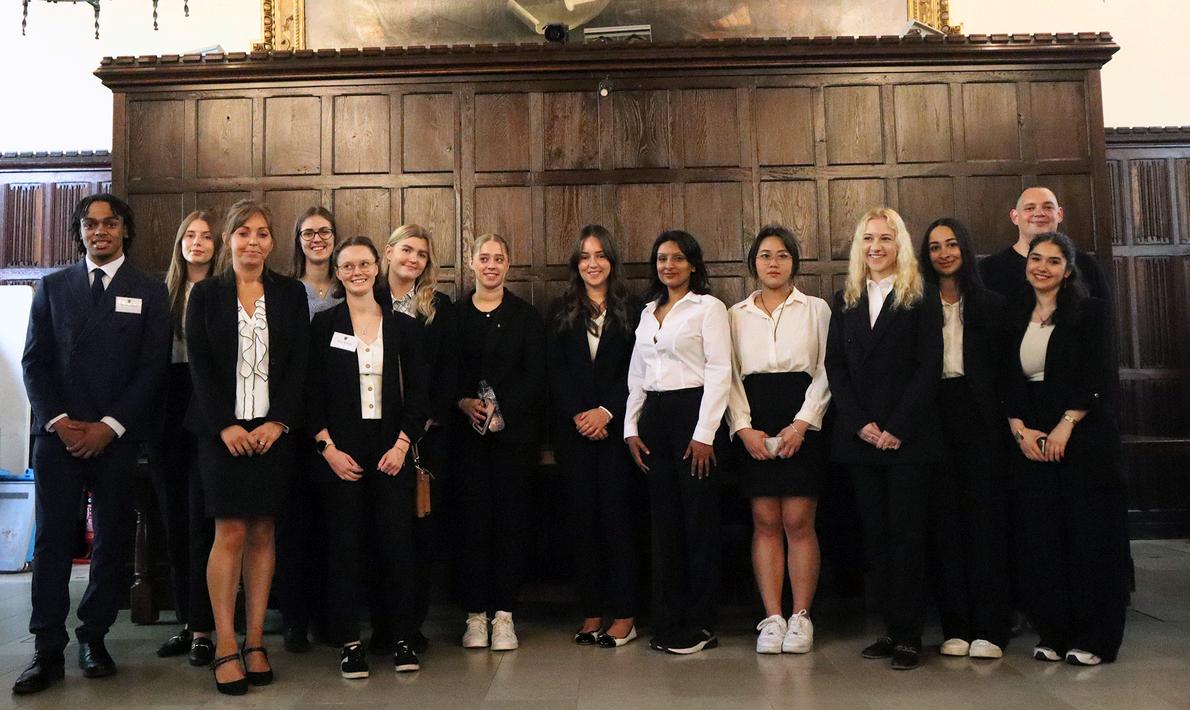
Students are required to complete ten qualifying sessions before they can be Called to the Bar. They provide opportunities for professional and ethical development which complements and builds on a students academic and vocational education In addition to qualifying sessions, the Inn also provides a number of activities and schemes for students to participate in.
Student members are required to complete ten compulsory qualifying sessions, during a period of no more than five years, ending on the date on which that person is called to the Bar. Qualifying sessions provide students with opportunities to learn more about the profession and meet their peers on the Bar Course, as well as more senior members of the Inn
Qualifying sessions include educational and collegiate activities such as lectures, advocacy & ethics workshops and residential weekends. Many qualifying sessions take place at the Inn but students studying outside of London can complete some qualifying sessions locally and online
All students must complete at least two interactive (in-person) sessions and one session from each of the following themes:
Ethics, Standards and Values
Advocacy Skills
Legal Knowledge, Justice and the Rule of Law
Equality, Diversity and Inclusion
Preparation for Pupillage, Career Development and Wellbeing

Find out more information about Qualifying Sessions on our website
The Inn also offers a number of other activities for students that are not qualifying sessions. Extra curricular activities are a great thing to add to your CV when applying for pupillage
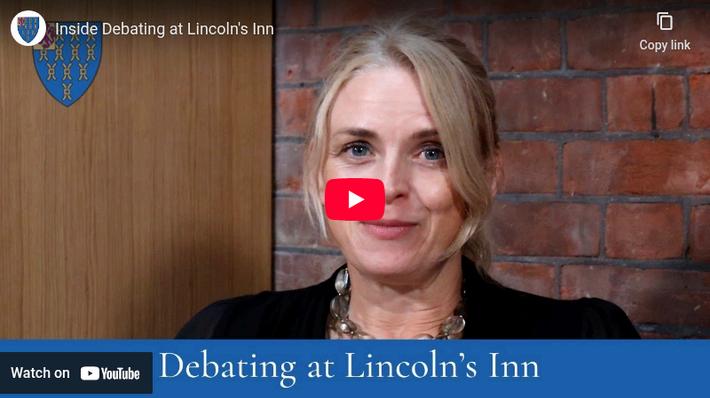
The Debating and Mooting Clubs give students an opportunity to practise their advocacy skills, as well as the chance to take part in various internal and external competitions.
The Inn organises five annual competitions in public speaking, advocacy, mooting, debating, and writing Competitions allow students to practise their professional skills They also make great material for future pupillage applications. Find out more about the competitions on our website.
The Inn hosts a pupillage panel event offering advice about applying for pupillage and ways to boost your application form Students applying for pupillage can have their application form reviewed in a one-to-one session with a practising barrister. Those who secure a pupillage interview can also apply to attend a mock interview with the Inn

Bar Course students can apply for a mentor for the duration of their studies. Students are matched with a practicing barrister based on their preferred area of law and geographical location, where possible Barristers can give advice to students on all aspects of a career at the Bar Find out more on our website
Marshalling involves a student accompanying a judge in court for up to three days It allows students to gain a real insight into the daily workings of the court, and how judges consider and manage cases. Students can apply to marshal a judge based on their preferred area of law and geographical location, where possible. Find out more on our website
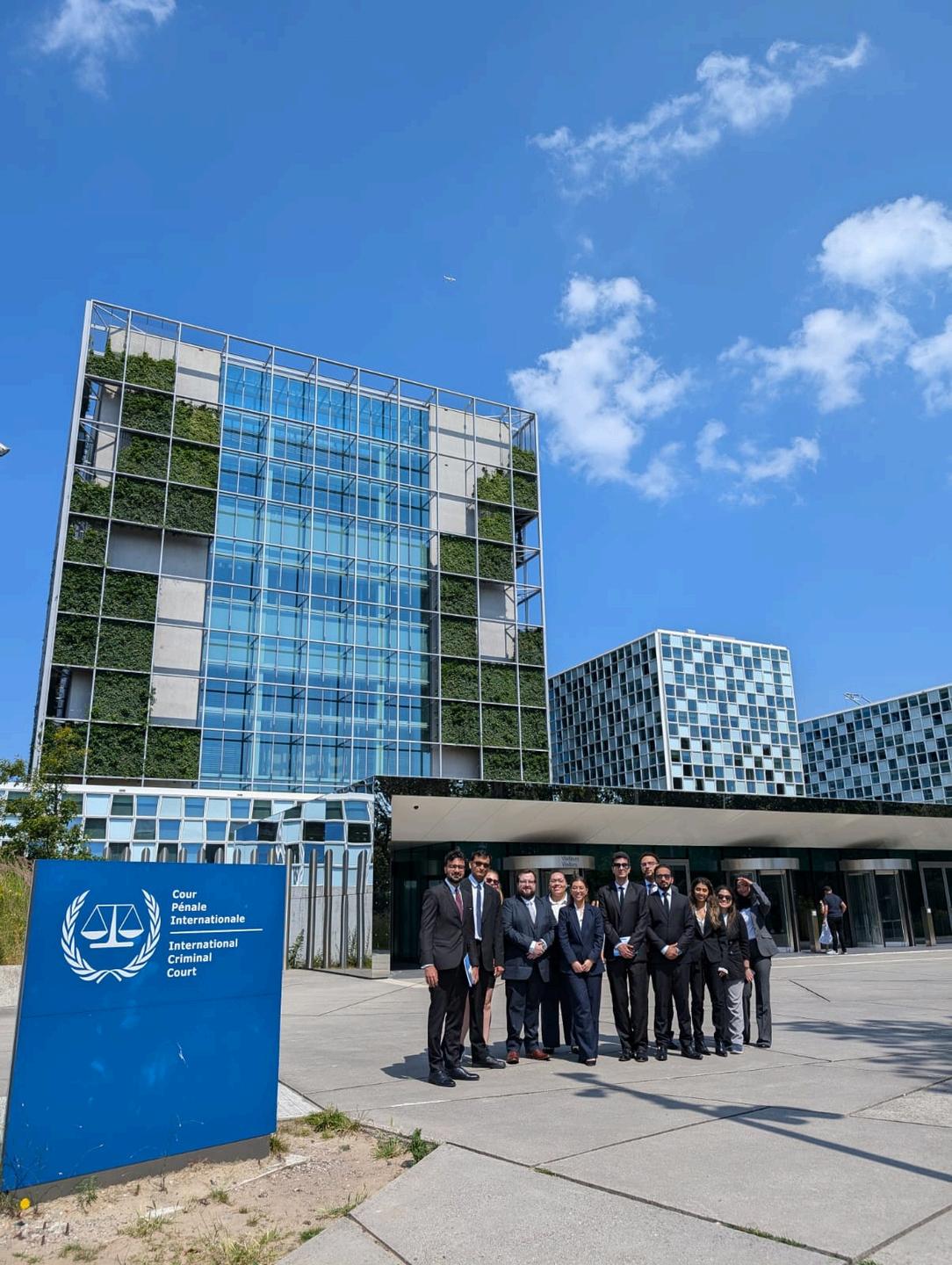
Every year the Inn organises visits to the International Criminal Court (ICC) in the Hague, the Court of Justice of the European Union (CJEU) in Luxembourg and the European Court of Human Rights (ECHR) in Strasbourg The trips are heavily subsidised by the Inn and applications to attend are welcome from students and junior members with an interest in European and human rights law. Find out more on our website.
A career at the Bar comes with many unique phrases, acronyms and organisations that you may be unfamiliar with This section sets out definitions of common terms you are likely to come across whilst pursuing a career as a barrister
The General Council of the Bar (the Bar Council) is the representative body for barristers in England and Wales.
The BSB is the part of the Bar Council established to independently exercise the regulatory functions of the Bar Council The BSB regulates barristers and specialised legal services businesses in England and Wales in the public interest.
A senior member of an Inn of Court. Find out more about the Benchers of Lincoln’s Inn.
Bar Course/BPTC / BTC
Sometimes known as the “Bar Professional Training course” or “Bar Training Course” this is the vocational stage of academic training for the Bar. The way in which the Bar Course is offered will vary, depending on the pathway each provider chooses. The course is available at various providers (sometimes referred to as “Bar Schools”) and teaches procedure, advocacy, ethics, research methods and practical skills. This is the final academic stage of training for the Bar
A formal graduation-style ceremony, where the Treasurer of an Inn of Court officially entitles a graduate of the Bar Course to be called a ‘barrister’ (although the term cannot be used in a professional capacity until pupillage has been completed)
The six geographical areas into which the courts of England and Wales are divided: North Eastern, Northern, Midland, South Eastern, Western, and Wales & Chester Circuits
The collective name for a group of self-employed barristers (often referred to as a ‘set’) who share premises, a corporate identity, staff and overheads.
Chambers’ staff responsible for generating and assigning work and managing barristers’ diaries
Most barristers are self-employed and practise from a Chambers. The remainder are employed to act as in-house barristers by law firms, companies and the Government, including the Crown Prosecution Service.
The Graduate Diploma in Law or Common Professional Exam are law ‘conversion’ courses which aspiring barristers who do not have a law undergraduate degree must undertake before commencing the Bar Course.
The four historic institutions with the exclusive right to Call barristers to the Bar They are Lincoln’s Inn, Middle Temple, Inner Temple, and Gray’s Inn In addition to the provision of scholarships for training for the Bar, the fundamental role of the Inns of Court is the education and training of students and barristers. As membership organisations, they retain strong relationships with their members throughout their careers
Work experience shadowing a judge, usually for 1-3 days
All the Inns offer mentoring schemes which match student barristers with practising barristers who can offer them support and guidance during their Bar Course.
The name given to someone undertaking work experience in a set of chambers. Some chambers may expect potential pupils to have completed a mini-pupillage at that set
A legal debate in which participants conduct a case in a mock appeal court.

One year of apprenticeship in a chambers or another approved organisation. In chambers, for the first six months, the pupil will not be practising and will shadow their pupil supervisor. In the second six months they will continue to shadow a pupil supervisor, but may also undertake their own cases, with supervision; this is sometimes know as being ‘on your feet’.
The Bar Council’s online application system for pupillages, on which most chambers advertise their pupillage vacancies
A senior barrister who has been appointed by the King as ‘one of His Majesty’s Counsel
Learned in the Law’ following a rigorous and transparent process, operated by the KC Selection Panel. KCs are senior members of the Bar, and the appointment is a mark of excellence. They appear in the most serious and important cases. Informally referred to as a “Silk” because they are entitled to wear a silk gown in Court.
To qualify to be Called to the Bar, prospective barristers must pass the Bar Course and attend 10 Qualifying Sessions at their Inn of Court.
Towards the end of their pupillage, an individual may be offered a tenancy, which is the entitlement to continue to practise from a set of chambers as a self-employed barrister
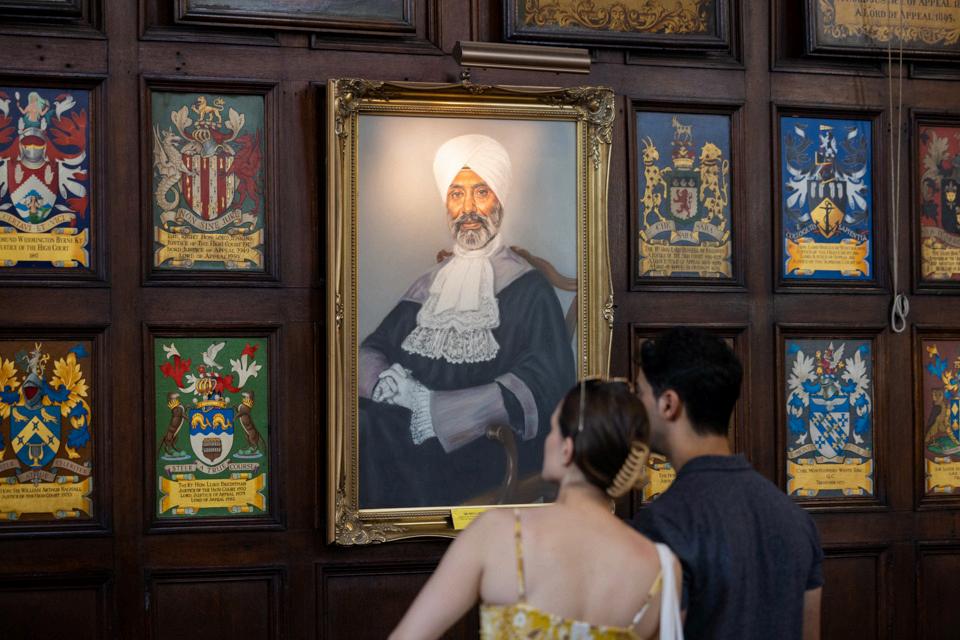
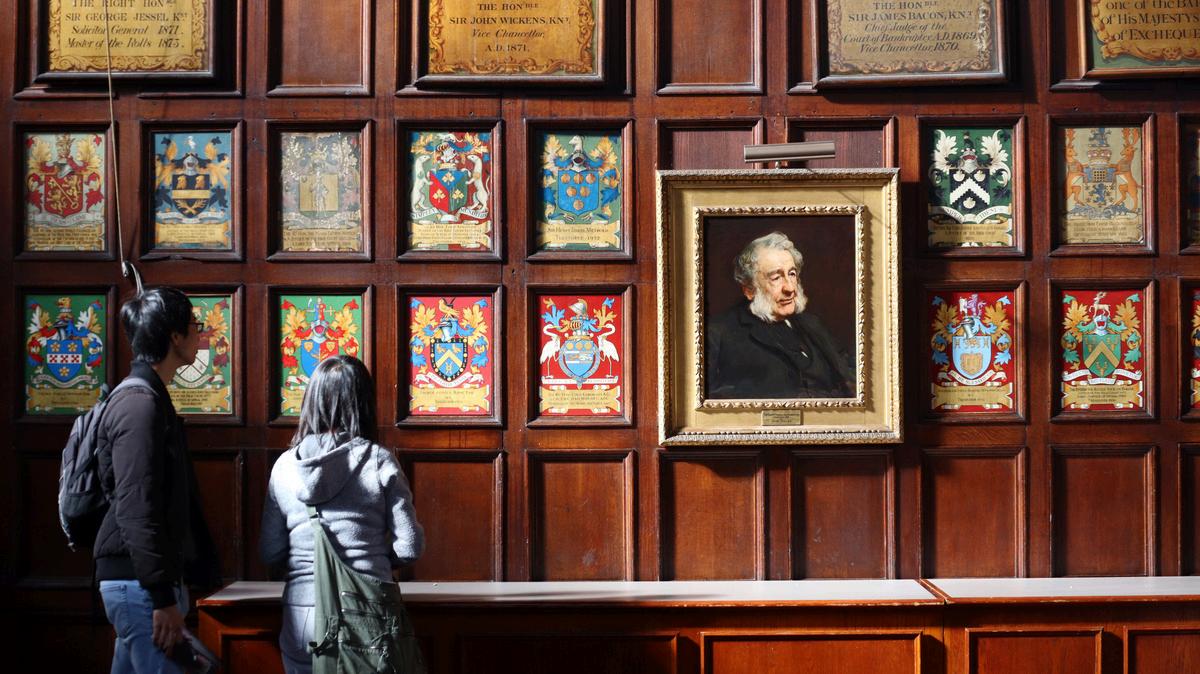
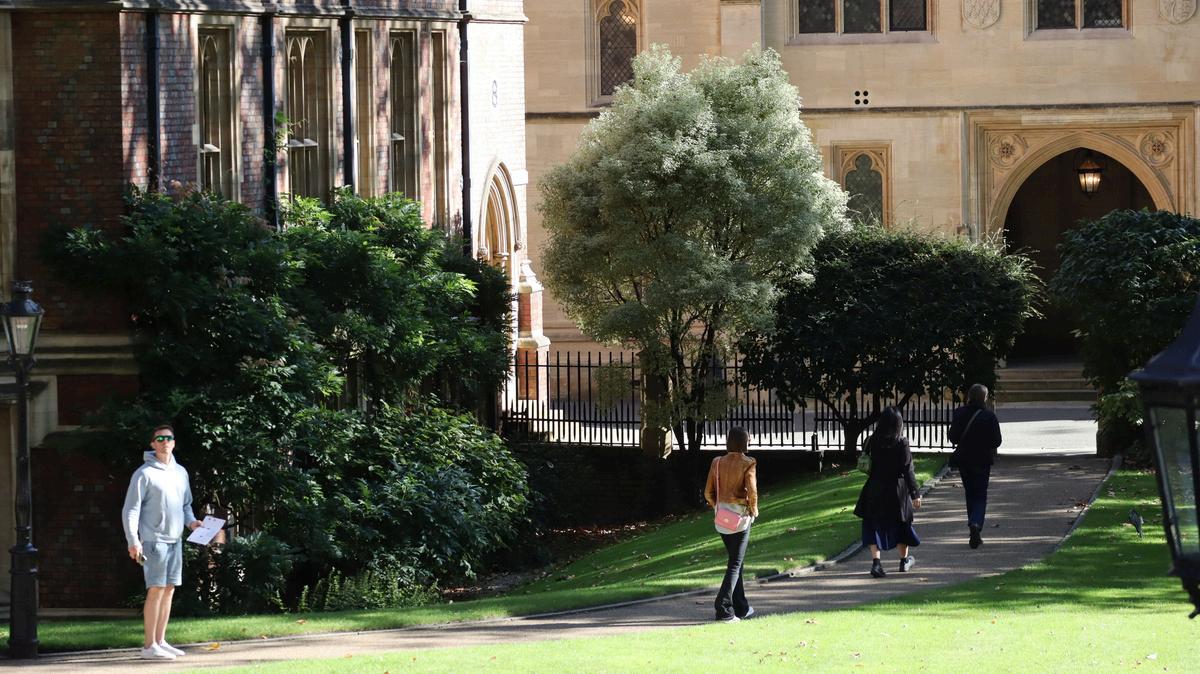
We recommend visiting the Inns of Court before making your decision of which Inn to join Find out more about our tours on our website, and visit the other Inns websites for more information on their own tours.
Outreach Team: outreach@lincolnsinn.org.uk
Scholarships Team: scholarships@lincolnsinn.org.uk
General email: mail@lincolnsinn.org.uk
Reception (General Enquiries): 020 7405 1393
Lincoln’s Inn is only one organisation within the barrister profession. The other Inns, Specialist Bar/Law Associations, Circuit Organisations and many more are also very useful organisations to research when finding out more about the career. Find out more here.