










Christine Weeks Mackenzie
Jacque Genovese
Andrea Caverzagie
Nathan Lake
Elizabeth Fischbach
Emily Arnold
Kelsey
Johnson
Sean Flattery
Jodi Richey
Sheena Rancourt
Emma Lauterbach
Regan Douglas
Christine Weeks Mackenzie
Jacque Genovese
Andrea Caverzagie
Nathan Lake
Elizabeth Fischbach
Emily Arnold
Kelsey
Johnson
Sean Flattery
Jodi Richey
Sheena Rancourt
Emma Lauterbach
Regan Douglas
Dear Lincoln Kids Readers,
There’s something about spring in Lincoln that feels like a deep breath after a long winter. The days get longer, the air gets warmer, and suddenly we’re all finding excuses to be outside a little more— whether that’s riding bikes along our favorite trails, spotting the first blooms of the season, or soaking up sunshine with an iced coffee on the Mill dock.
We’re especially excited to bring you our Lincoln Kids Summer Camp Guide. Summer might still feel far away, but now is the perfect time to start planning. From creative arts and science camps to outdoor adventures and sports, this guide is your go-to resource for building a summer full of fun, friendships, and new experiences for your kids.
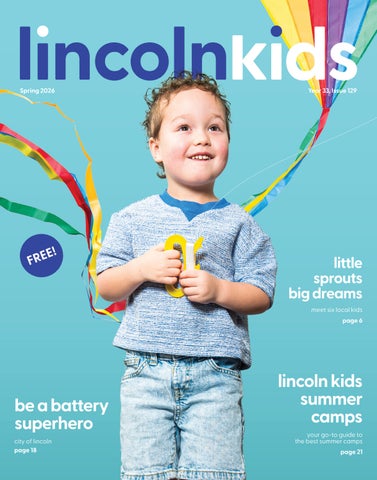
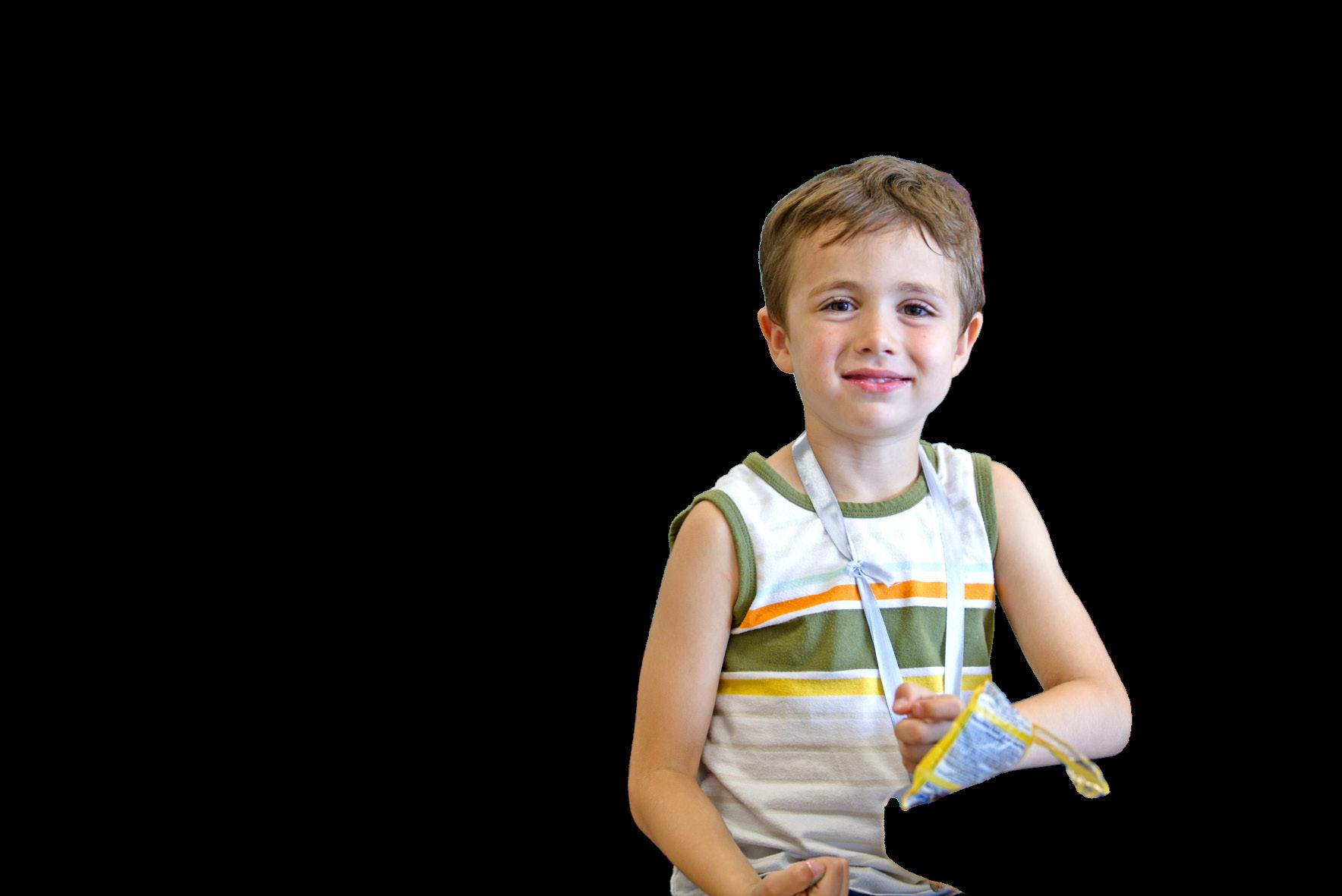
You’ll also notice one very special face on our cover—Emma’s sweet son, Krew! His joyful spirit captures what this season is all about: curiosity, play, and seeing the world with fresh eyes.
As you flip through the pages, we hope this edition inspires you to get outside, explore all that Lincoln has to offer, and start looking ahead to the adventures waiting just around the corner.
Here’s to warmer days, muddy shoes, bike rides on the trails, and a spring season full of memory-making moments.
Editor-in-Chief
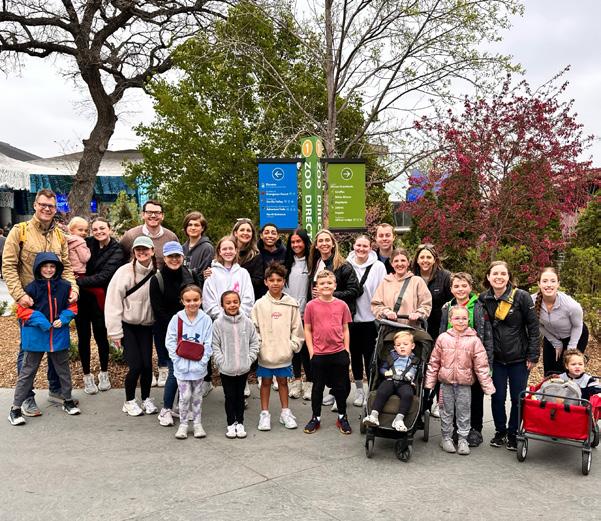
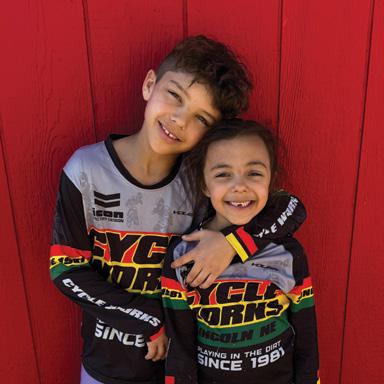
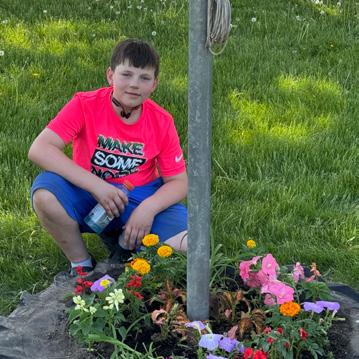
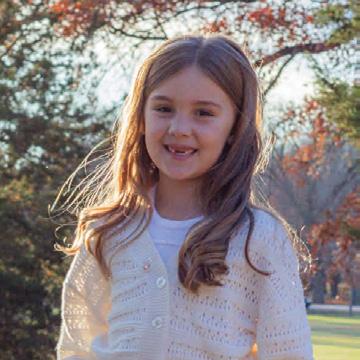
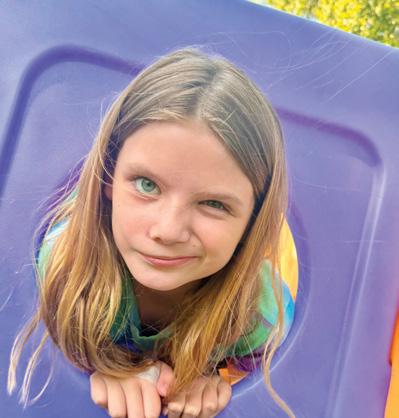
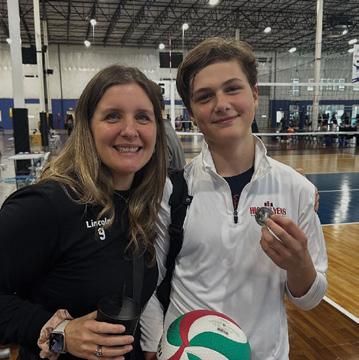
As the season begins to bloom, we asked a few Lincoln kids to share what they’re excited to grow, try, and explore this spring.
From imaginary Super Mario gardens to rainy-day adventures and outdoor play, their answers are sweet, thoughtful, and full of wonder.
Say hello to Krew (our LK Cover Kid), Mia, Anakin, Roslyn, Layne, and Lincoln!
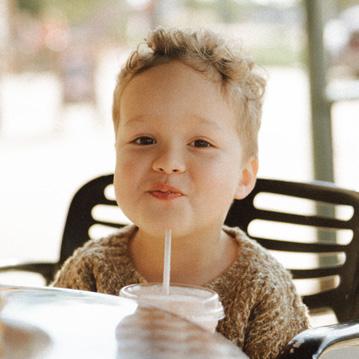
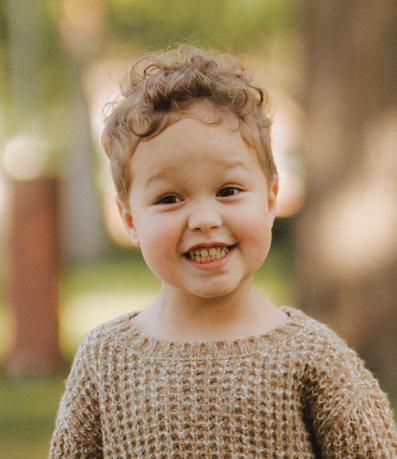
How old are you? Three.
If you could plant anything in a garden—real or imaginary— what would you grow and why?
Flowers and plants because I love flowers and plants.
What’s something new you want to try this spring?
Playing with my cars and monster trucks outside.
What’s the coolest thing you’ve ever found in nature during spring? Ladybug.
What is your rainy-day activity when spring showers roll in?
Using an umbrella, stepping in the puddles!
How old are you? Seven.
If you could plant anything in a garden—real or imaginary— what would you grow and why? Candy, because I like eating candy!
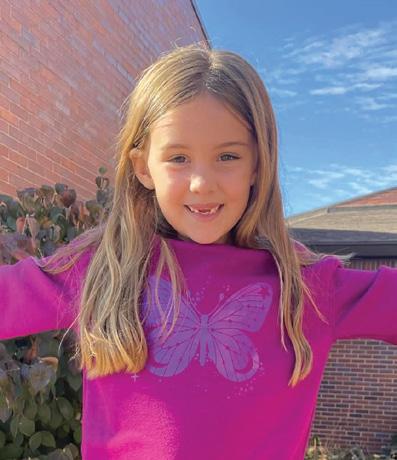
What’s something new you want to try this spring?
Running outside in the neighborhood by myself.
What’s the coolest thing you’ve ever found in nature during spring? Leaves.
What is your rainy-day activity when spring showers roll in?
Jumping in puddles!
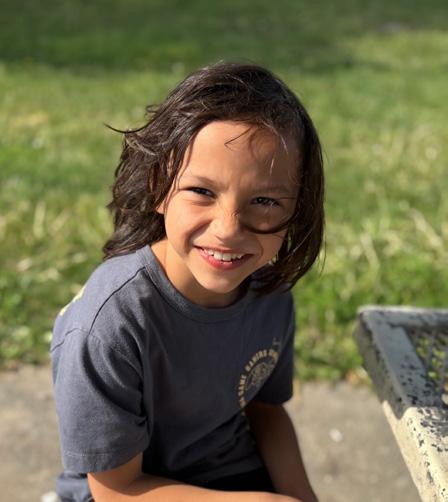
How old are you?
8, turning 9 on February 12!
If you could plant anything in a garden—real or imaginary—what would you grow and why?
V-BUCKS, so then I can buy anything I want in Fortnite®!
What’s something new you want to try this spring?
I want to learn to do a backflip on my trampoline!!
What’s the coolest thing you’ve ever found in nature during spring?
We have a really big backyard, I like looking at all the birds back there! I found a nest with eggs on our wood pile once!!!
What is your rainy-day activity when spring showers roll in?
I like when mom lets me play in the rain. My brother and sister and me played in the rain and jumped on the trampoline. It’s awesome!
How old are you? Nine.
If you could plant anything in a garden—real or imaginary— what would you grow and why?
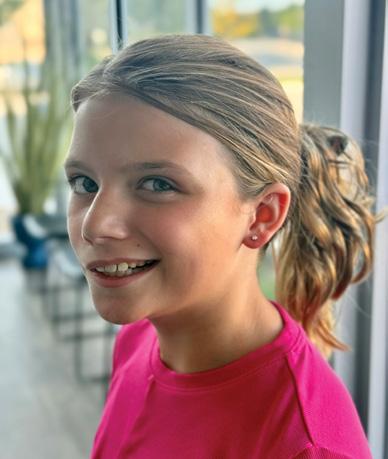
I would plant stuffed animals, because I cannot live without them!
What’s something new you want to try this spring?
Volleyball.
What’s the coolest thing you’ve ever found in nature during spring?
Roly-polies.
What is your rainy-day activity when spring showers roll in?
I play in the rain!
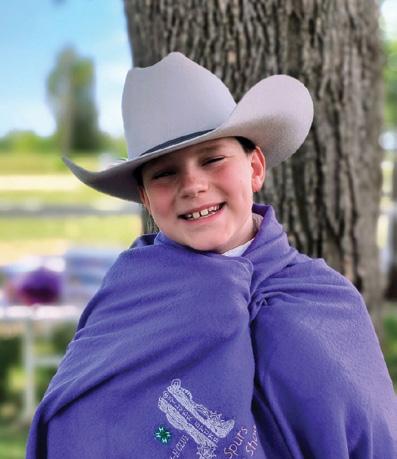
How old are you? Ten.
If you could plant anything in a garden—real or imaginary— what would you grow and why?
The Super Mario mushroom. I would grow this so that I could become stronger and get cool power ups like in the game!
What’s something new you want to try this spring?
I want to try out digital art. I have seen a lot of cool drawings using digital art.
What’s the coolest thing you’ve ever found in nature during spring?
Various insects. I really like finding praying mantises.
What is your rainy-day activity when spring showers roll in?
I like to listen to the thunder if there is a thunder shower. I really like seeing lightning with my dad.
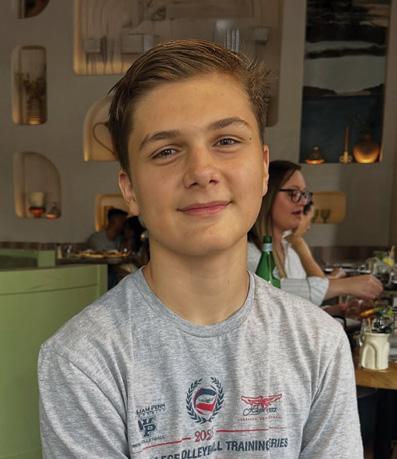
How old are you? Fourteen.
If you could plant anything in a garden—real or imaginary— what would you grow and why?
Probably corn, because it tastes good.
What’s something new you want to try this spring?
Cave diving would be cool.
What’s the coolest thing you’ve ever found in nature during spring? Waterfalls.
What is your rainy-day activity when spring showers roll in?
Sleeping.
Spring cleaning has never been so easy and fun! Complete this activity and score all the brownie points with your parents.
Dust baseboards Donate old clothes
Clean under bed
Sweep the floors
Vacuum carpet and rugs
Clean bathroom sinks
Dust ceiling fans
Organize kitchen pantry
Organize bathroom drawers
Clean the microwave
Clean windows Put toys away
Snack break
Choose two toys to donate
Wash bed sheets Water plants
Wipe down mirrors
Find loose change in the couch cushions
Clean toilets
Wash your pet’s bowls Listen to music
Sanitize door handles
Light a candle
Organize dresser drawers
Have you ever heard someone talk about “love languages” and wondered what that means? A love language is simply the way a person likes to give and receive love.
For example, you might love giving hugs, but a friend might not enjoy hugs at all. That doesn’t mean they don’t care—it just means they prefer to receive care in a different way. No person is the same, and some might prefer kind words, helpful actions, time together, or gifts to show appreciation.
Dr. Gary Chapman shared that most people fall into one of these five “love languages”:
1. Words of Affirmation
Feeling loved by kind words, compliments, and thoughts.
Examples:
• Hearing “You did a great job!”
• Receiving a kind note
• Someone cheering you on
2. Acts of Service
Feeling cared for when someone helps you out.
Examples:
• Your sibling helps you set the table
• A friend sharpening your pencil
• Your mom baking your favorite dessert
Feeling loved through thoughtful gifts or surprises.
Examples:
• A friend drawing you a picture
• Receiving a picked flower
• Your parent leaving a note in your lunchbox
4. Quality Time
Feeling special when someone gives their full attention.
Examples:
• Playing a game
• Reading a book together
• Talking and listening without distractions
5. Physical Touch
Feeling happy through safe, caring touch.
Examples:
• Hugs (if you like them!)
• High-fives
• Friends sitting by you at lunch
Always remember: it’s important to respect boundaries and ask first.
Everyone gives and receives love differently. Learning about love languages helps us understand others better and show care in ways that truly matter to them. When we do that, friendships, families, and classrooms become kinder and stronger places.
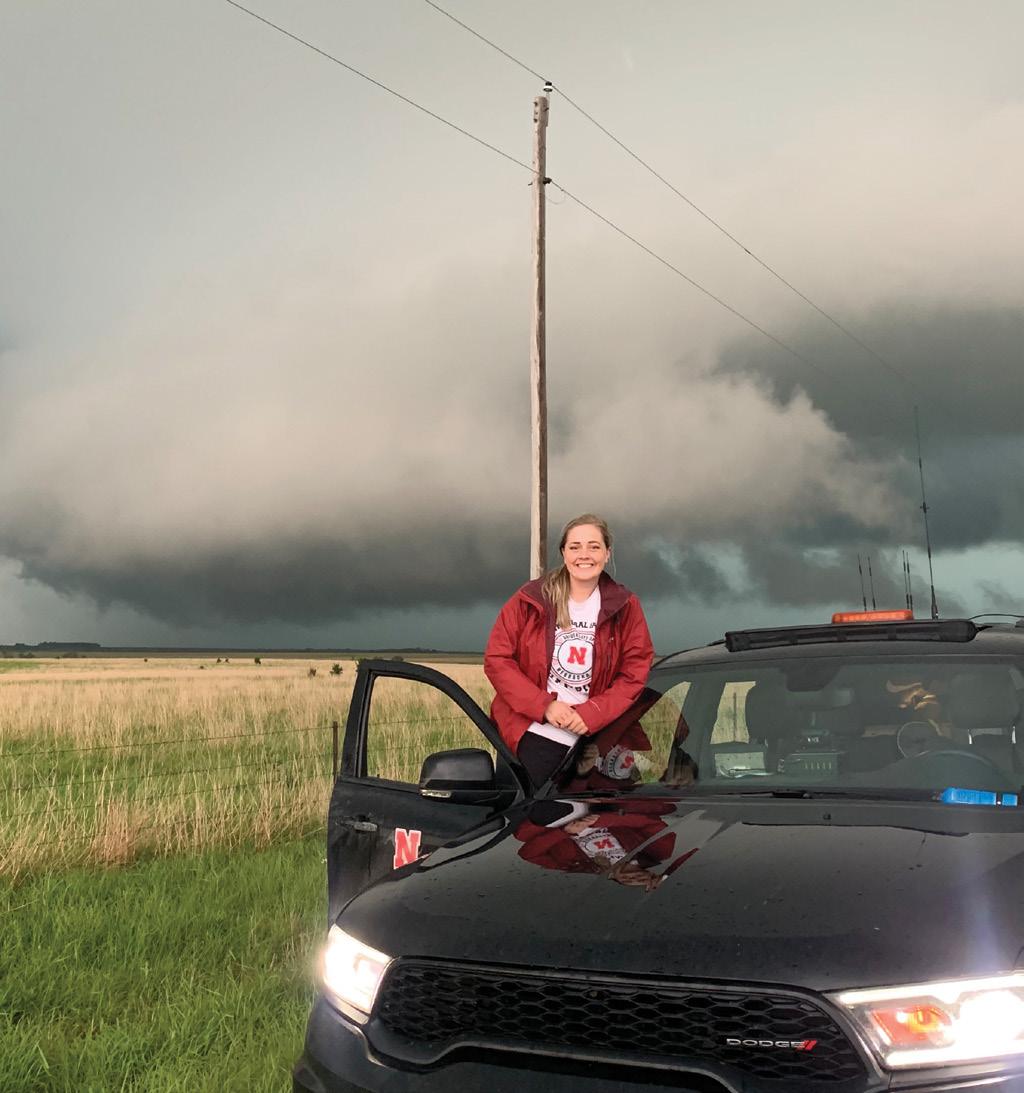
JESSICA BLUM, METEOROLOGIST AT 10/11 NOW

Have you ever looked up at the sky and wondered, “Why do clouds look like that?” or “How do we know when a storm is coming?” Learn from Jessica Blum, a Lincoln meteorologist and streaming anchor who turned her weather curiosities into an exciting career! Let’s step into the world of weather, clouds, and sky science with Jessica as our guide.
Jessica’s love for weather started early when she was in sixth grade science class. She enjoyed going outside with her classmates to learn about the weather and conduct different experiments. Watching the evening news at home, she liked to compare weather forecasts from different Omaha TV stations to see who would guess the weather correctly. When she realized she had a passion for math, science, and weather, she went on to study meteorology at the University of Nebraska-Lincoln, where she learned how to predict weather.
Jessica’s favorite kind of weather to study is impactful weather—the kind that really affects people’s lives. In Nebraska, these are often snowstorms in the winter and severe thunderstorms in spring and summer.
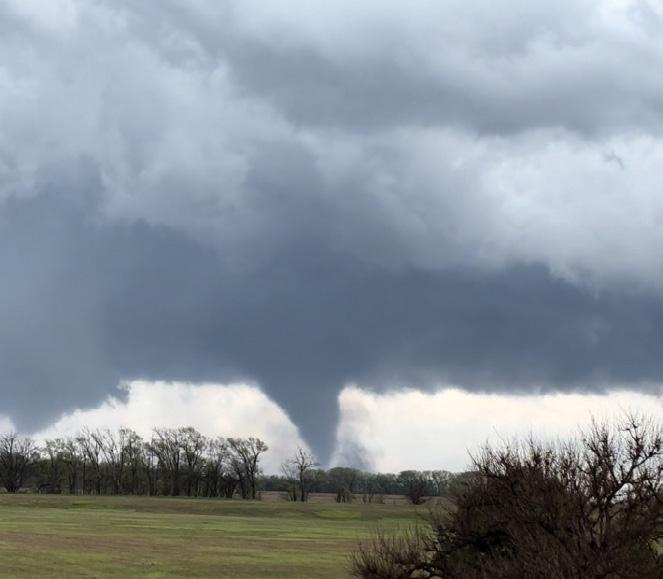
“I also enjoy tracking hurricanes and watching how big weather patterns connect across the country,” says Jessica.
Even though they are pretty shapes, clouds can also be important weather clues! This is how they form:
• The sun heats up water in lakes, rivers, oceans, and even puddles!
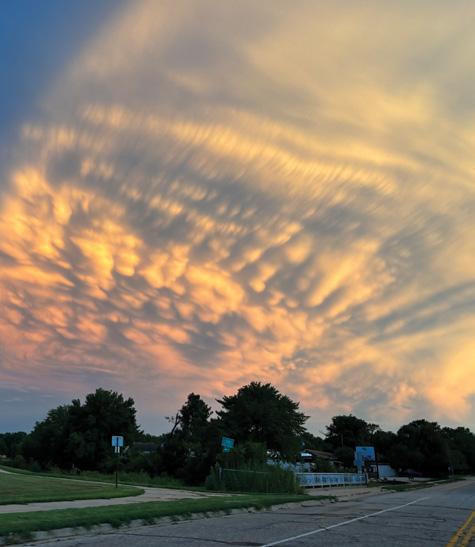
• Warm water turns into an invisible gas, called water vapor, and rises into the air.
Higher up, the air gets cooler.
• The vapor cools down and turns back into tiny water drops or ice.
• Those tiny pieces clump together and form a cloud!
Clouds change shape depending on how high they are in the sky, how much water they hold, and how the wind pushes and stretches them. Some clouds mean fair weather, while others are a big flashing sign that storms are coming!
Predicting the weather isn’t guesswork!
“I use a combination of observations, instruments, satellites, computer models, and historical data to discuss current and future conditions,” Jessica says.
By combining all these clues, meteorologists can predict what the weather will be like tomorrow. Or even up to a week ahead!
Jessica shares that forecasts are most reliable four to five days out. Temperatures are easier to predict than storms, and severe storms and winter weather often need last-minute updates—even the day they happen. Nebraska weather changes fast, which makes predicting it extra challenging, but exciting!
Storms usually give clues before they arrive. Clouds growing darker and taller, wind speeds changing, the air feeling heavy or warm, or birds going quiet. Sounds of thunder or the sight of lightning far away are sure signs it’s time to head inside.
Storms can be loud and scary but knowing what to do helps keep you safe. As the saying goes, “when thunder roars, go indoors!” During a storm it’s safest to stay inside. Stay away from doors and windows and listen to adults and weather alerts! If you are stuck outside, avoid trees and metal. After a storm, watch out for any fallen trees or power lines.
Jessica loves teaching others about weather just as much as predicting it. She enjoys visiting schools, sharing cool weather videos, and showing kids how exciting and powerful weather can be—especially in Nebraska where the weather is always changing!
Focus on math and science and stay curious about the world if you want to explore meteorology or atmospheric science programs in college! Weather science can take you anywhere. Next time you see clouds forming or snow falling, remember: the sky is telling a story. And one day, you might be the one explaining it.
Next time you’re outside, look up and see if you can spot these clouds:
Cumulus - big, white fluffy clouds that usually mean nice weather.
Stratus - flat, gray clouds that cover the sky and often bring cloudy days or drizzle.
Cirrus - thin, feather-like clouds that are high in the sky, mean the weather might change soon.
Cumulonimbus - tall, dark towers of clouds. These are storm clouds and can bring thunder, lightning, hail, or heavy rain.
Jessica has a simple way to explain the difference between a storm watch and a storm warning—using cupcakes.
Storm Watch - All the ingredients are ready, like eggs, milk, and flour. But the cupcake isn’t baked yet. Storms might happen.
Storm Warning -The cupcake is baked and decorated! The storm is happening or about to happen. Take action now!
Storm “ingredients” include warm air, moisture, rising air, and changing winds. When they mix just right, storms can form.
When the snow melts, the air warms up, and everything starts turning green again, you know we’re nearing one of Nebraska’s best traditions: Arbor Day.
Kids around the country know Arbor Day as the day you plant trees, but Nebraska has a bigger connection to this holiday. That’s because Arbor Day actually began right here in our state more than 150 years ago.
Back in the 1800s, when settlers first arrived in Nebraska, they found something surprising: almost no trees. The prairie stretched for miles, but the land had little relief from the sun, almost no wood for building homes, and nothing to block the strong winds.
J. Sterling Morton noticed the need for more trees right away when he moved to Nebraska City in 1854. Morton loved nature and believed that trees were important for healthy communities.
Through his newspaper, he rallied Nebraskans to plant trees for shade, wind protection, lumber, and fruit.
On April 10, 1872, Nebraska celebrated the first Arbor Day, and it was a huge success. People across the state planted more than one million trees in a single day.
Nebraskans loved the idea so much that in 1885, Arbor Day became an official state holiday. Now, it is celebrated yearly in every state on the last Friday in April–even other countries have adopted the tradition! The civic holiday’s roots will always be in Nebraska.
Arbor Day has always been about understanding why trees matter, especially in Nebraska.
Trees remove carbon dioxide and release oxygen, helping all living things breathe.
Birds, squirrels, insects, and even owls depend on trees for food and shelter.
Before trees were planted, strong winds could blow away soil and damage farms. Tree lines, called shelterbelts, still protect fields and communities today.
Shaded areas can be several degrees cooler, which really helps during hot Nebraska summers.
Trees turn streets into inviting spaces, add color in every season, and make outdoor time more enjoyable.
Lincoln is known for being one of the most tree-friendly cities in the Midwest. The city has more than 130,000 street trees and has been recognized as a Tree City USA community for over 40 years!
It’s a good bet that your school holds an Arbor Day activity every year.
From planting trees on school grounds to doing science projects about ecosystems, there are lots of ways Arbor Day could be celebrated at your school.
Local organizations such as the Arbor Day Foundation and Lincoln Parks and Recreation also host family-friendly events that teach people how to care for trees.
You don’t have to be an adult or have a big backyard to make a difference. Here are some fun ways to celebrate Arbor Day:
Plant a tree with your family or school.
• Start a tree-watching journal and track how a tree changes through the year.
• Visit a Lincoln park or trail and see how many tree types you can identify.
Help the environment by recycling and using less plastic.
• Read about trees—there are so many wonderful books and graphic novels about nature. Two of our favorites are The Giving Tree by Shel Silverstein and The Lorax by Dr. Seuss!
Arbor Day began with one person who believed trees could make life better, and every tree planted since then has helped shape Nebraska into the beautiful state it is today.
This spring, when you see new leaves growing or plant a tree of your own, remember:
Nebraska invented Arbor Day. Now it’s up to all of us to keep the tradition growing.
Grab the colors shown below and use them to fill in the numbered sections of the picture. Match each number with its corresponding color, and you’ll have a beautiful spring-themed piece of art to enjoy!










In Lincoln, some of the hardest-working locals are also the tiniest. Our pollinators help seeds and plants to grow, and without them, we wouldn’t have the grasses, flowers, or even fruits that we enjoy today! Let’s take a deeper look at some of our pollinators and how you can help them.
Our Best Bugs
Lincoln is home to a whole community of pollinators. Here are some you might spot around your neighborhood, parks, or even backyard.
Bats, Beetles, Butterflies, Flies, Honey Bees, Hummingbirds, Moths, Native Bees, and Wasps!
Each of these tiny workers move pollen from one flower to another, which helps plants grow fruits, seeds, and even new plants. Without these pollinators, many plants wouldn’t survive.
What Plants Do Pollinators Love?
Pollinators in Lincoln rely on native plants, which are flowers, trees, and shrubs that have evolved with our local wildlife. Native plants give pollinators the right kind of pollen, nectar, and shelter they need. When you plant any of the following, you’re creating a pollinator pit stop.
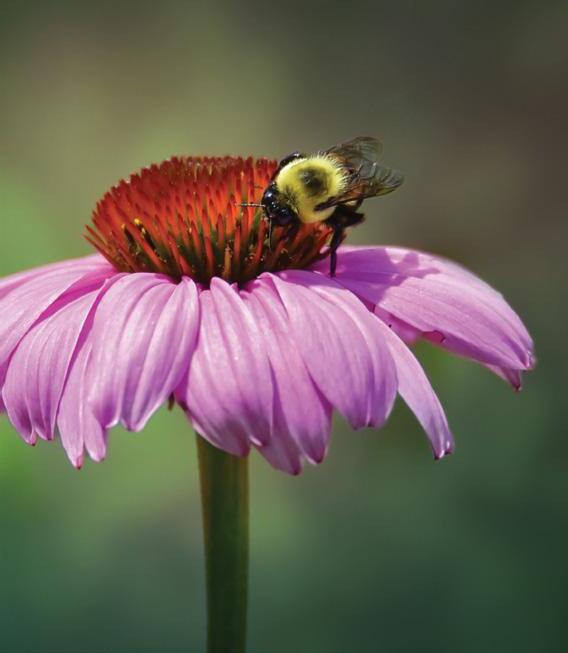
Flowers: Purple Coneflower, Black-eyed Susan, Bee Balm, Milkweed, Aster, Goldenrod, Anise Hyssop, Wild Bergamot, Penstemon, and Prairie Clover
Trees and Shrubs: Lead Plant, Chokecherry, and Silver Buffaloberry
These plants can grow in yards, gardens, and even small pots.
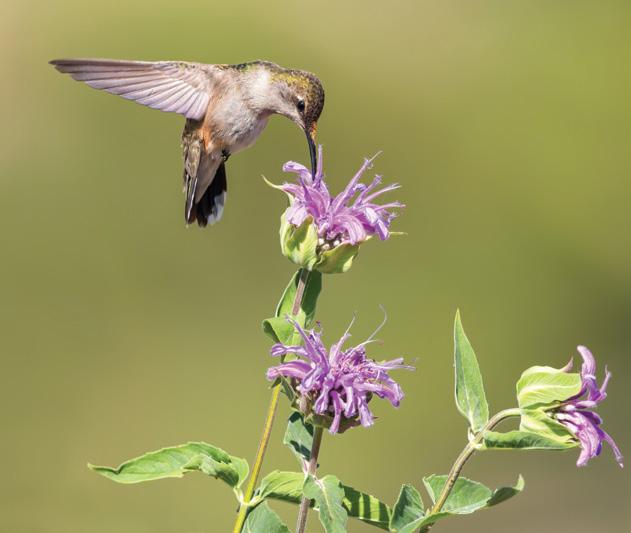
Small actions make a big difference. Here are some easy ways you and your family can help support local pollinators:
• Choose to plant native Nebraska plants whenever you can. The University of Nebraska-Lincoln Extension provides great recommendations for local species that thrive here.
• The Lower Platte South Natural Resources District offers free native seeds through its Backyard Prairie Pollinator Program. These seeds can start your own pollinator patch.
• Try to avoid using chemicals in your yard. Many pesticides hurt pollinators or make it harder for them to find food.
• Plant flowers in groups. Pollinators love plants that bloom in bunches. It makes it easier for them to fly from flower to flower without getting tired.
• Offer variety. Different pollinators like different flower shapes and colors. Planting a mix helps feed more species.
Your teachers or parents can help you look these up! Whether you plant a small pot of flowers, create a backyard pollinator garden, or simply learn how to spot local pollinator species, you’re helping protect our environment. Pollinators are tiny, but together with your help, they keep our world blooming big!
Inside almost every tablet, toy, and tool, you’ll find a battery. Many of them are rechargeable, which means you can plug them in and use them again and again. Pretty cool…until it’s time to throw the device—or the battery—away.
When garbage trucks crush trash, damaged rechargeable batteries can spark fires.
Those fires are dangerous and hard to put out, but with the help of battery superheroes like you and your family, these dangers are totally preventable.
The first step to being a battery superhero is knowing what kind of battery you’re dealing with because they’re not all the same.
Rechargeable Batteries
• Tablets and phones
• Earbuds and headphones
• Remote-control cars, hoverboards, and toys
• Power tools and yard equipment
• Laptops and portable speakers
Superhero Rule:
Do NOT put rechargeable batteries in the trash or recycling bins. Instead, take them to a battery disposal location where they are safely managed.
These are the “one-and-done” kind (AAs, AAAs, Cs, Ds, and 9-volts). In Lincoln, they can go in the trash, but only if they are truly single-use.
Superhero Rule:
If it can’t be charged up again, it can go in the trash. If it can, it needs special disposal—even if it’s still inside a device or toy.
The next step to being a battery superhero is applying your knowledge of safe storage at home.
How to Say “Bye-Bye” to Batteries
• Keep rechargeable batteries in a container or bag (not loose in drawers).
• Have your parents use Lincoln’s “What Bin Does It Go In” online tool at lincoln.ne.gov/Recycle to find the safest place to take them.
• Drop batteries off at battery collection sites when no longer needed.
• Use the charger that came with your device/toy.
• Don’t charge devices on beds or under pillows.
• Keep batteries away from extreme heat.
• Tell an adult immediately if a battery is leaking, looks swollen, cracked, or smells weird. Do not go near the battery.
When your family keeps rechargeable batteries out of the trash, you help:
• Prevent fires in garbage trucks and waste facilities.
• Reduce pollution.
• Keep recycling centers safe.
• Set a smart example for your family, friends, and neighbors to keep them safe.
Batteries are tiny but mighty. With everything you now know, you can be a battery superhero!
A limerick is a silly five-line poem designed to rhyme and make people laugh.
The trick is in the pattern: lines one, two, and five rhyme together, while lines three and four rhyme with each other. The rhythm is bouncy, almost like a jump-rope chant.
Start with a funny idea—maybe a cat who wears a hat or a robot who thinks the sun is too hot. Keep it light, keep it silly, and don’t worry if it sounds a little wacky. That’s the fun of limericks—they’re meant to make you giggle!
Here are a few examples to get you started:
A rabbit went hopping in spring, Pretending he ruled as the king. He wore a small crown, And bounced through the town, Till mud splashed and muddied its bling.
A boy took his kite out one day, The spring wind just carried away. It looped and it spun, He laughed at the fun, Then chased it down to a bright field of hay.

Tip: The lines are color-coded to help you remember which ones should rhyme.
Green lines should rhyme with green, and yellow lines should rhyme with yellow.
LINE 1
LINE 2
LINE 3
LINE 4
LINE 5
In the pages that follow, you’ll find amazing, local camp options to make your summer spectacular.
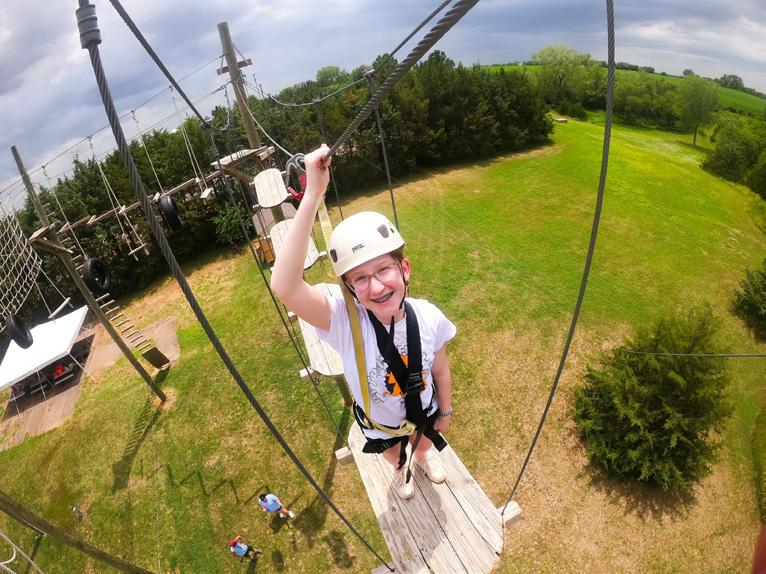

DAY CAMP PROGRAMS • Grades K–6 and 7–9 Camper & Leader in Training Programs
OVERNIGHT CAMP PROGRAMS • Grades 3–12 Located at Solaris, halfway between Lincoln & Beatrice
SUMMER STAFF OPPORTUNITIES
Volunteer and paid positions for high school and college students ready to make an impact
SPRING BREAK CAMP • Join us this March!





May 26-29:
June 1-5:
June 8-12:
June 15-18:
June 22-26:
June 29-July 2:
July 6-10:
July 13-17:
July 20-24:
July 27-31: August 3-5:
Outdoor Explorer
Camp Strong
May 26th - August 5th
Invention closed Juneteenth H2O Let the Games Begin closed July 3
Movie Magic Around the World Career Week Spirit Week (prorated $120+$20 activity fee)
fees are non-refundable upon enrollment $200 per week + $20 activity fee *Activity fee is to be paid upon registration

SUMMER DAY CAMP
June 1-August 7, M-F; 7:00 AM-5:30 PM
• $225 fee; 5-day sessions
• $180 fee; 4-day sessions
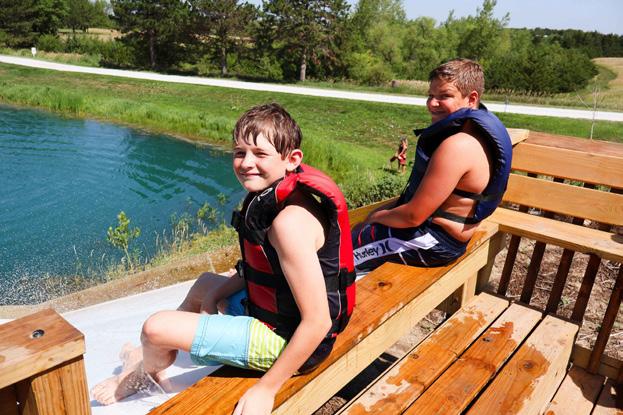
Safe, fun- lled days where kids swim, create, play, explore, and build friendships through classic camp activities and weekly adventures. 5 camp locations throughout Lincoln.
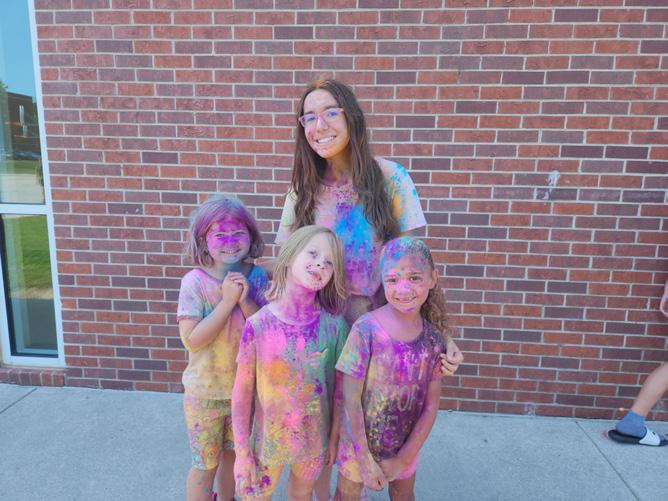
Kids can explore the outdoors, spark curiosity, and connect with the natural world through hands-on experiences guided by caring, knowledgeable sta .
DISCOVER (3-6 years)
• M-F; 9:00 - 11:00 AM
EXPLORERS (K-5th Grade)
• M-F; 9:00 AM - 5:00 PM
NAVIGATORS (6th-8th Grade)
• M-F; 9:00 AM - 5:00 PM
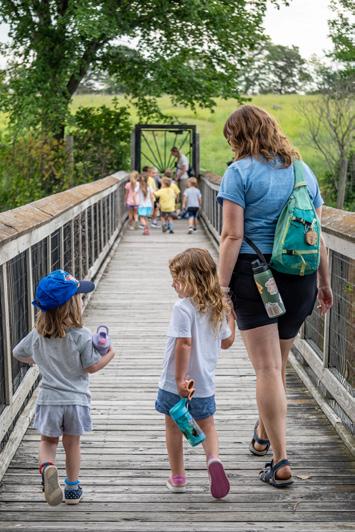
“F” STREET YOUTH PROGRAM (FYP)
June 1-August 7, M-F; 1:00-8:00 PM
$5 fee; 5-day sessions
Provides older youth from 5th-8th grade with a welcoming space to connect, grow, and have fun through club activities, swimming, eld trips, and positive mentorship. Club programming is from 1-3 p.m., youth may stay for drop-in until 8 pm at no additional cost.
ADAPTIVE RECREATION DAY CAMP
Our camps create inclusive, supportive environments where individuals with special needs can build friendships, gain con dence, and enjoy meaningful camp experiences.
ADAPTIVE ART CAMP (Ages 13-21)
• June 1-5, M-F; 9:00 AM-12:00 PM
DRAMA CAMP (Ages 13-21)
• June 9-13, 9:00 AM-2:00 PM (extended care hours available)
SUMFUN CAMP (Ages 13-21)
• 9:00 AM-2:00 PM (extended care hours available)
REGISTER AND LEARN MORE ABOUT OUR PROGRAMS! LINCOLN.NE.GOV/DAYCAMPS

Birds of a Feather
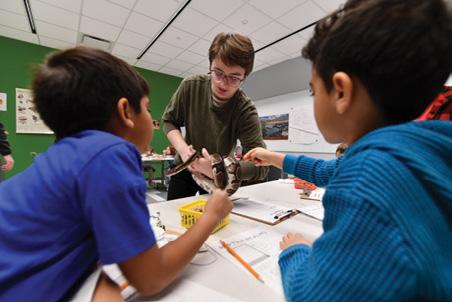
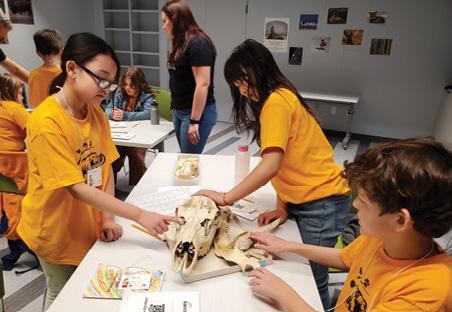
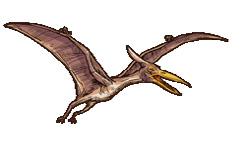
March 9-13 | Ages 9-11 | 8am-5pm
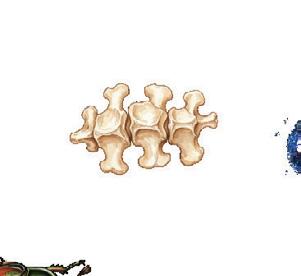
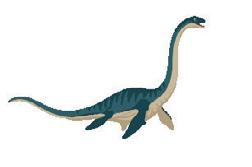
Didyouknowbirdsaredinosaurs?Joinustoexplorethe historyofDinosaursandhowtheysurvivedandevolved intobirds,andexaminethemanybirdsthatcallNebraska home.

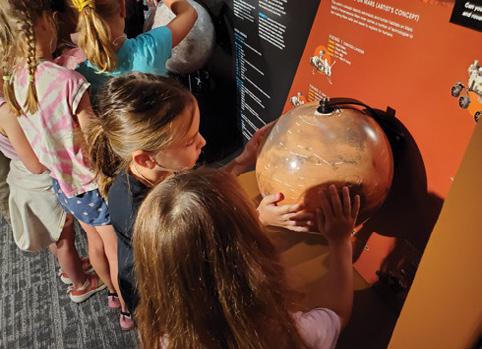
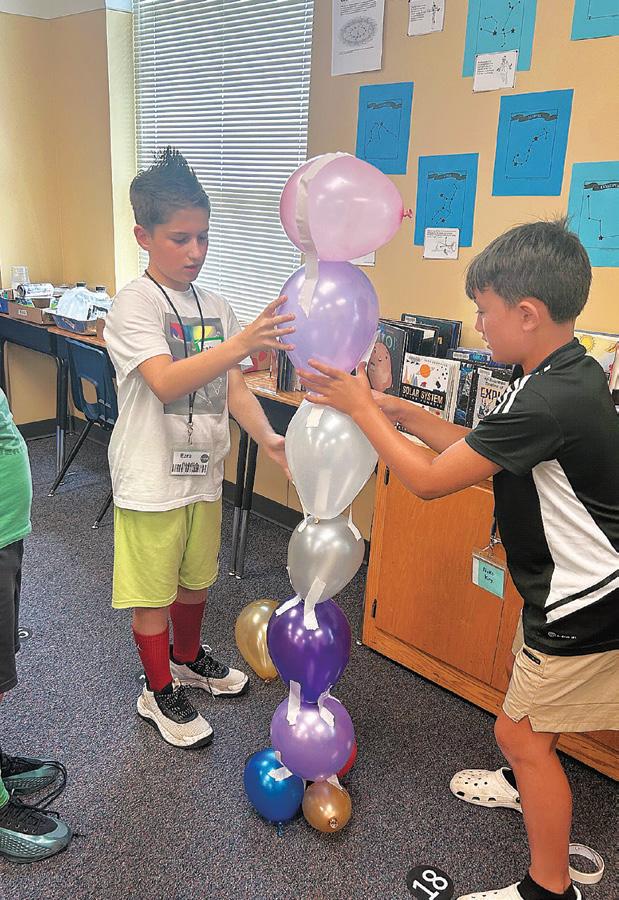
Camps include fossils, space, bugs & more! June & July | Ages 6-14
Theme-related












Hands-on learning experiences for K-8th grade students
Variety of STEAM-infused topics
Half-day and full-day camps
Before Care and Lunch Care options at select locations Scholarships available
AM
2026 CAMP WEEKS
June 1–5
June 8–12
June 15–19
June 22–26
July 6–10






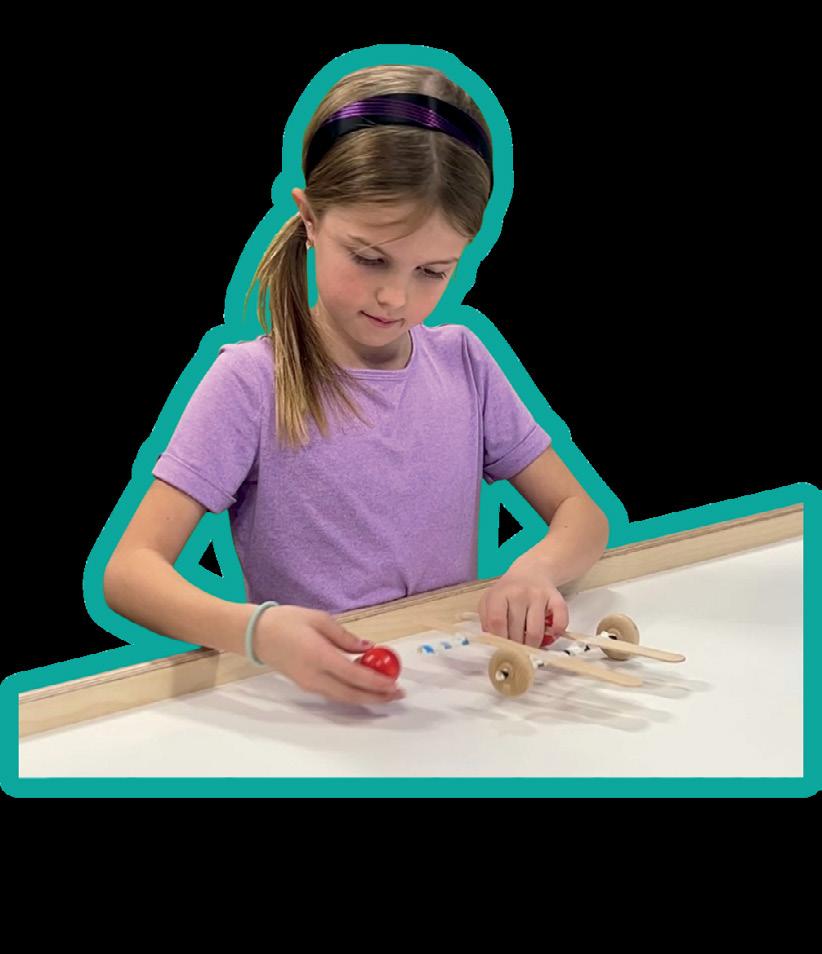
LCM camps turn breaks from school into time for exploration and discovery. Educator-led STEM activities pair with open-ended play, giving campers the freedom to create, experiment, and learn at their own pace. Plus, campers enjoy access to all three levels of the museum for nonstop adventure.








Newsies JR
Audition Workshop
Friday, March 6; 6:00 PM- 8:00 PM
Saturdays, March 7 - April 4;
9:30 AM- 3:30 PM
Performances
Thursday, April 16; 7:00 PM
Friday, April 17; 7:00 PM
Saturday, April 18; 2:00 PM & 7:00 PM
$475.00 | Ages 7 - 15
Bethany Community Building
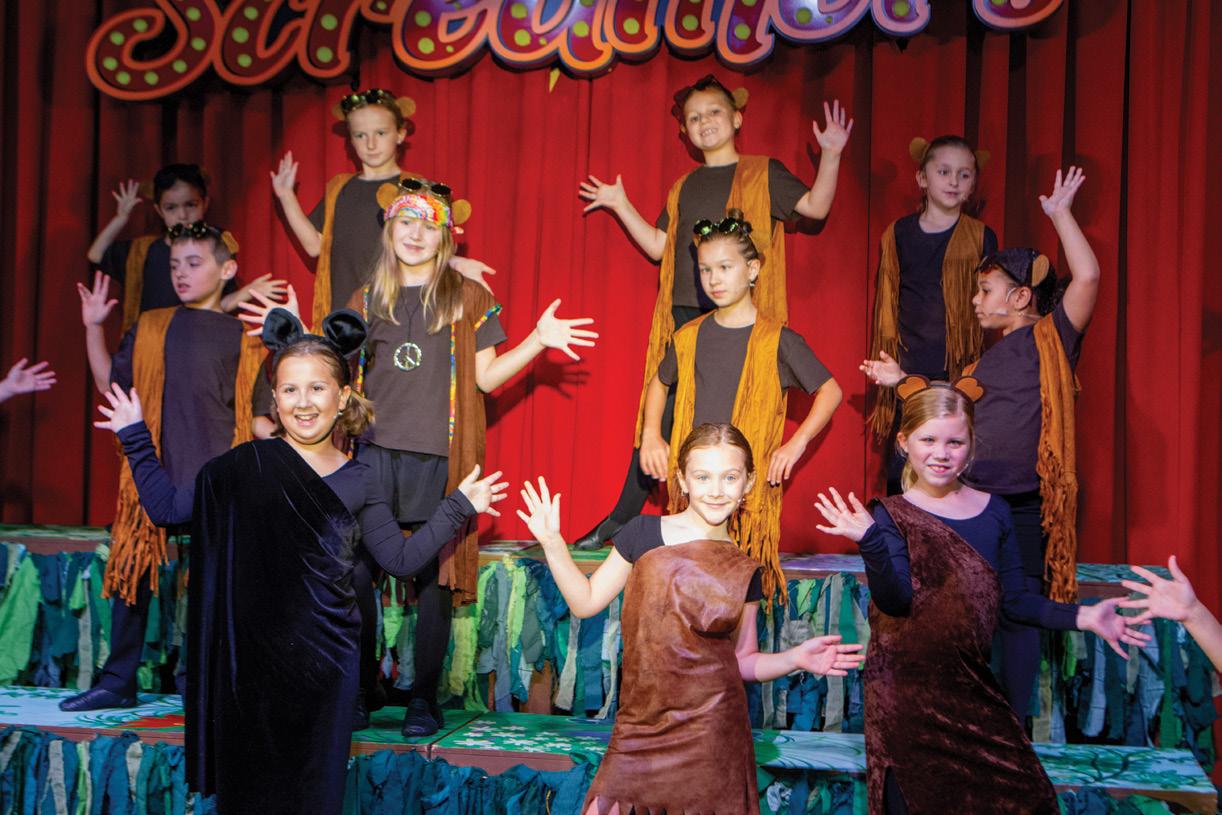
Lincoln Children’s Theatre welcomes kids of all ages and abilities, offering a supportive environment where every child can grow, create, and shine.
Director’s Training The Studio
Broadway's Orphans Friend Historical Society (Friend, NE)
Best Friends
A Very Stu e Adventure Bethany Park Community Building
Create Your Own Show!
Bethany Park Community Building
The Aristocats Kids
Bethany Park Community Building
Hadestown
Bethany Park Community Building
Dinosaurs Before Dark Kids Screamers Event Space
Joseph & The Amazing Technicolor Dreamcoat Screamers Event Space
402.202.1087
lincolnchildrenstheatre.org
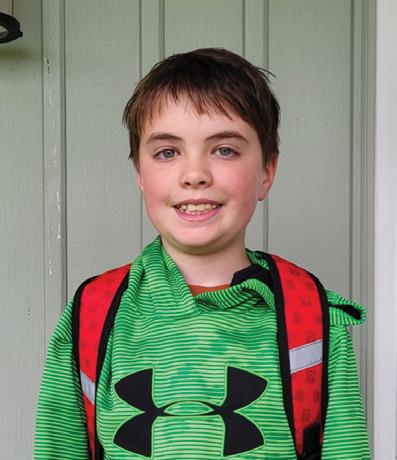
Book review by Moxon, a 10-year-old who loves legos, strategy, card games, and reading for hours on end!
Tell us about a book or series you really like.
Escape from Mr. Lemoncello’s Library by Chris Grabenstein
It’s about a kid who wins a lock-in at the town’s new library but in the morning Kyle realizes he will have to team up to find his way out of the library. Better hurry, the clock is ticking!
What is the main problem in the book and how does it get solved?
Kyle and his friends are trapped in their town’s library. They will have to use all their smarts to find their way out of the library but they have to be fast. Their enemies could get out before they do.
How does the main character change from the beginning to the end?
The main character, Kyle Keeley, changes a lot from beginning to end. He starts out as a boy who likes to sit around and play video games, and changes to a person so famous that he can’t walk down a street without someone wanting his autograph.
Is there a character who surprised you or did something you didn’t expect?
Haley Daley. She started out on the enemy team, Team Charles, but switched to Team Kyle when someone from Team Charles was eliminated from the game.
Why is your favorite character your favorite? What makes them special or interesting to you?
My favorite character is Kyle Keeley. He’s my favorite because he’s funny, smart, and does not give up on hard things. When his first essay about why he was excited about the new public library wasn’t picked as a winner in the contest, later that day he wrote a bigger and better one that was picked as a winning essay.
Who would you recommend this book to, and why do you think they’d like it?
People who like libraries and books! And games, too. If you like any of these things, you will like this book. There are puzzles to solve, things to learn, and it mentions lots of books I’d also recommend.
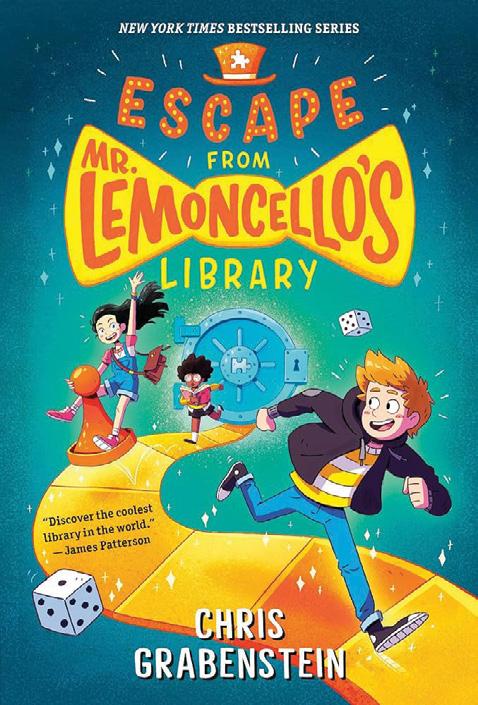
Escape from Mr. Lemoncello’s Library can be found at Lincoln City Libraries.
Have a book you’d love to review and have featured? Send us your book review to hello@lnkkids.com
LINCOLN CHILDREN’S THEATRE
Alexis Verzal has always loved theatre. By age 18, she had appeared in more than 20 productions, but 2018 became a turning point: the year everything changed. She worked with Leah Arington in an after-school production of Jungle Book Kids and saw Bonnie & Clyde: The Musical
The theatre was small and intimate, with audience members mere feet from the stage. Accessible seating placed Alexis close enough to feel every moment. As the show opened with a bullet-riddled car and launched straight into a death scene, her dad held her stiff right arm—an involuntary reaction left from a traumatic brain injury she suffered as a baby. That was all it took. Alexis was hooked.
It wasn’t just the music or the performances— it was the story. The death of Buck, Clyde’s brother, played out right at her feet. Tenyear-old Alexis cried out, “No!” She wasn’t just watching; she was inside the story. Backstage, the cast watched her reactions on monitors and realized she was feeling everything they hoped the audience would feel. After the show, Alexis met the cast, practiced lines, and immersed herself in the history of Bonnie and Clyde. She even had a replica of Bonnie’s iconic dress made and traveled with her dad to historic sites across the Midwest and South.
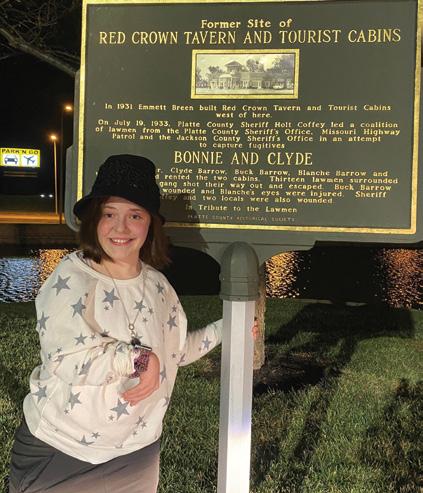
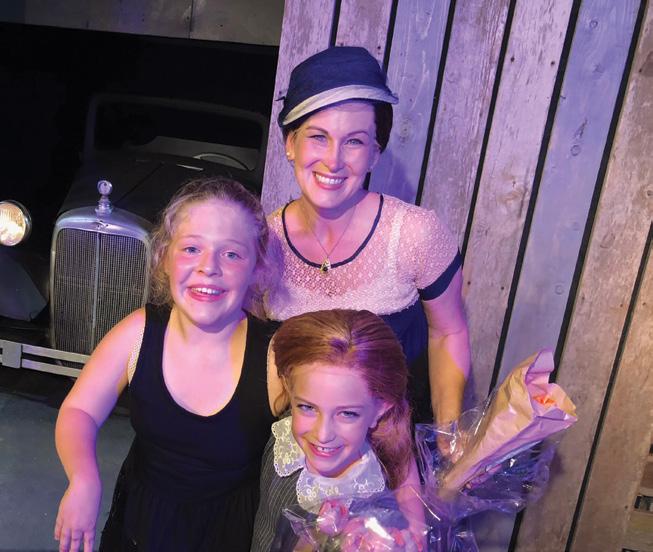
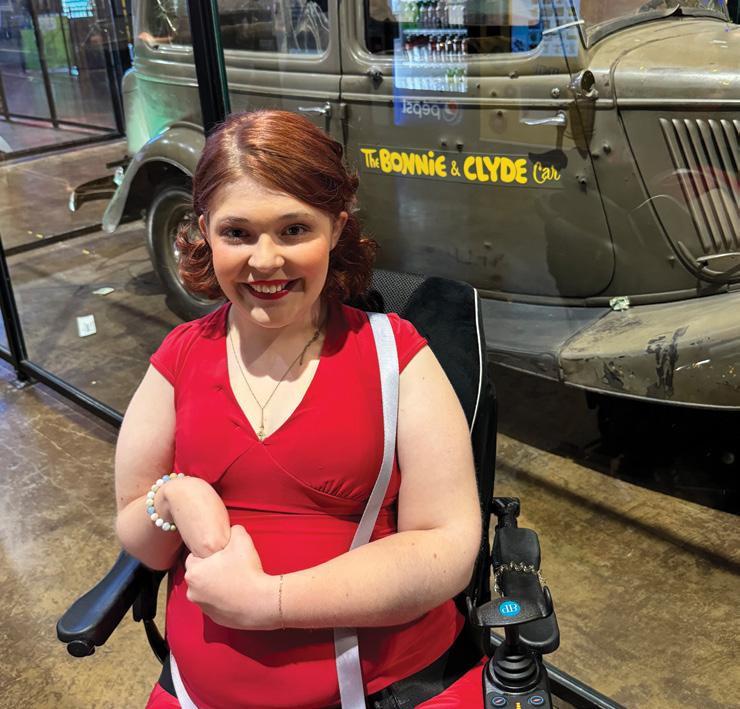

Through surgeries and recovery, Alexis leaned on Bonnie & Clyde for strength, singing songs and sharing facts with nurses and doctors. Leah supported her every step, ensuring Alexis could fully participate onstage without lowering expectations.
Now, as an adult, Alexis finally steps into her dream role as Bonnie Parker, alongside longtime friend Ethan Brown as Clyde. Years of passion, research, discipline, and resilience have led to this moment.
The production is a culmination of dedication, talent, and belief. For Alexis, it’s the chance to bring her love of theatre full circle, embodying the character who’s inspired her for years and showing what happens when talent, hard work, and heart come together.
Visit lincolnchildrenstheatre.org to read more about Alexis’ story and this production of Bonnie & Clyde
See the Lincoln Children’s Theatre’s production of Bonnie & Clyde on:
• Friday, February 20, 7:00 PM Saturday, February 21 2:00 PM & 7:00 PM
• Sunday, February 22, 2:00 PM
• All productions will be at the Bethany Park Community Building.
If you’re in need of a meal, The Gathering Place is here for you. Every night, from five to six o’clock, The Gathering Place serves dinner for anyone in need at 1448 E Street. “Our job is to make sure that for the hour our guests are here, they’re safe, welcome, and fed,” says Lisa Janssen, Gathering Place Administrator. The space offers neighbors facing hunger a place to gather with no questions asked.
Many people in our community rely on The Gathering Place for a hot, healthy meal. In 2025, more than 55,300 meals were served from a kitchen measuring just 100 square feet, roughly the size of a small bedroom.
As Lincoln’s population grows, The Gathering Place is preparing to grow with it. The organization plans to move just down the street into a space twice as large, with an expanded kitchen and dining area to serve even more meals. By fall 2027, The Gathering Place will open its doors at 919 S. 12th Street, inside a new brick building designed for the future.
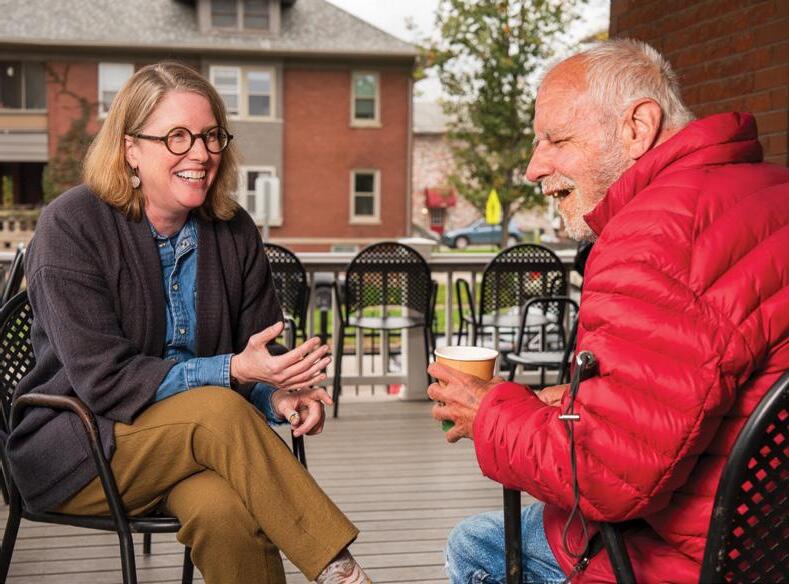
During the transition, meals will continue at the original location. The warmth guests expect will remain the same. “There will still be a front porch, and it will still feel like home,” Lisa says. Stop by if you need a hot dinner and a welcoming place to sit.
Kids can help make The Gathering Place feel like home for our guests. You could organize a food drive with friends and family to collect and donate pantry items or participate in a community service project and raise money to help your family make a financial donation. Every little bit helps the community we live in.
Items we accept: Toiletries (toothpaste, toothbrushes, deodorant, soap), diapers & wipes, toilet paper, new socks, blankets, coats, hats & gloves, easy-open shelf-stable foods, and kids’ books.
The Gathering Place is a program of Community Action Partnership of Lancaster and Saunders Counties, an organization whose goal is to create a community where we all have the resources to provide for ourselves and those we care for.
Learn about all Community Action programs and opportunities at communityactionatwork.org
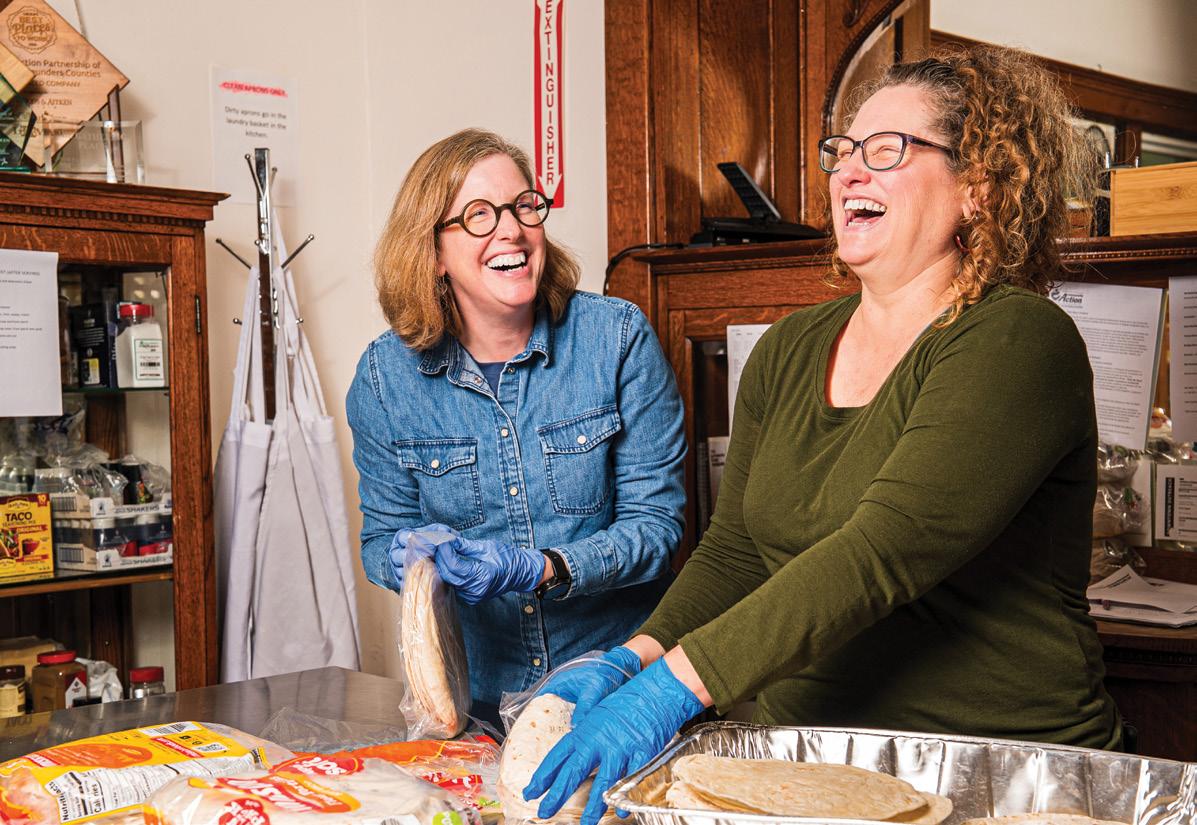
The guests of The Gathering Place often talk about their favorite meal. Gather your coloring tools and draw your own favorite meal.
In nature, lots of animals physically change their shape and body structure as they grow. This process is called metamorphosis (meh-tuh-MOR-fuh-sis), and it happens in animals such as insects, amphibians, and even some fish. It can happen in lots of different ways. Here’s how it would happen with a butterfly, a process that is similar to what other animals undergo. Let’s break it down.
Almost every complete metamorphosis story starts with an egg. This is the baby stage, and eggs usually stay in one place while the butterfly inside grows and gets ready to hatch.
Here’s where things get a little mysterious. The pupa stage usually lasts one to three weeks. In butterflies, the pupa is called a chrysalis. While it stays in one place and looks completely still, incredible changes are happening inside.
When the egg hatches, out comes the larva, also known as a caterpillar. This stage is all about eating and growing. If you were a bug right now, you’d probably be a larva— snacking nonstop and growing fast!
Finally, the butterfly emerges! Adults can usually fly, mate, and lay eggs, starting the whole cycle all over again.
Next time you spot a caterpillar munching on a leaf, don’t walk past too quickly. You might be spotting metamorphosis in action. Metamorphosis reminds us that growing up doesn’t need to happen all at once! With time, practice, and hard work (with a lot of snacks, of course!), something new can be life-changing.


Jokes from Uncle Bob
Q: Does February march?
Q: Why couldn’t the little flower ride a bike? No, but April may.
A: It didn’t have any petals.
Did you know? A tie in tic-tac-toe is called a cat’s game.
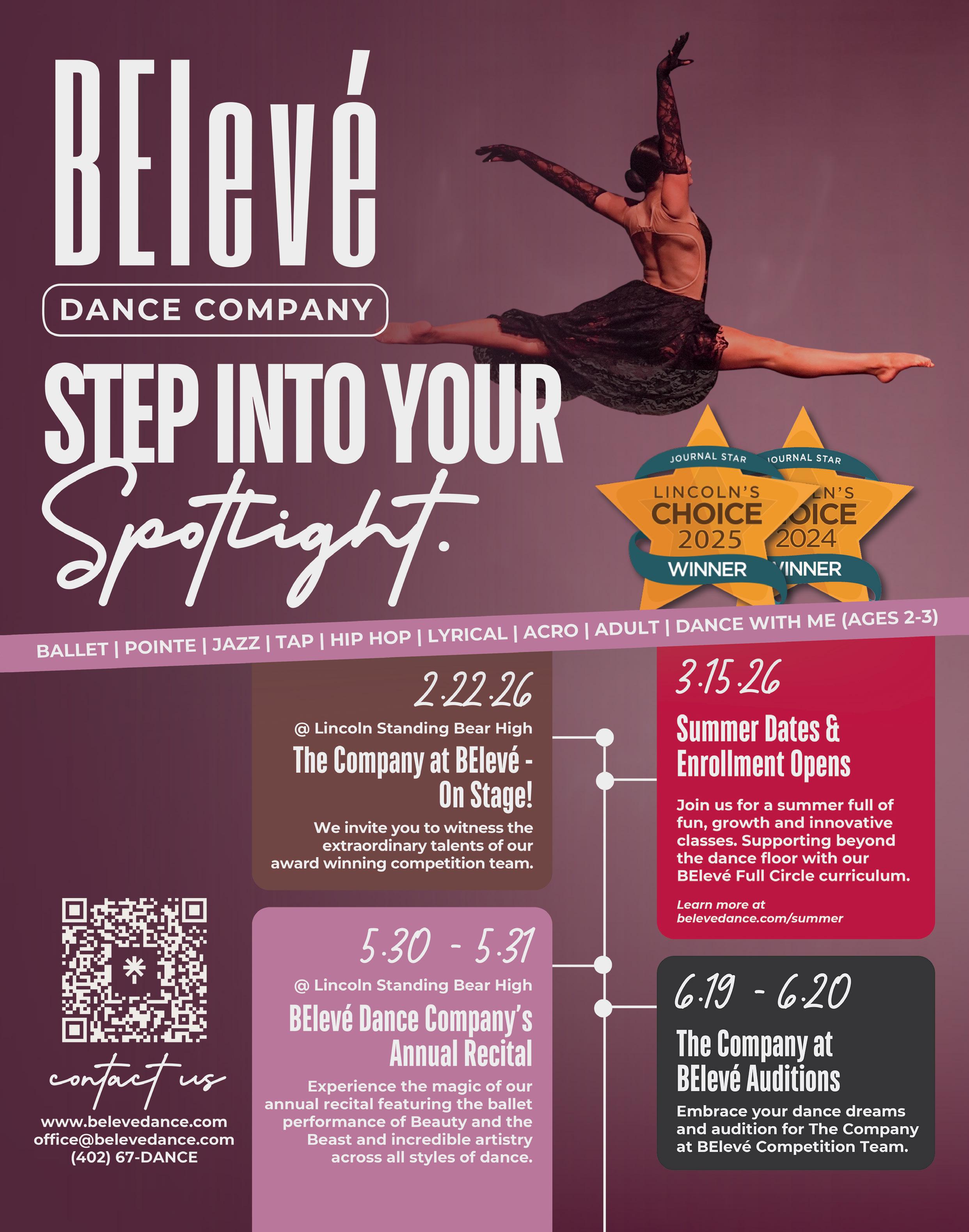
Bluestem Montessori School is an authentic Montessori school which includes an early childhood program for ages 3-6, elementary program for ages 6-12, and adolescent program for ages 12-14. Bluestem’s adolescent program will run through 12th grade as students age up. All lead teachers are Montessori credentialed. (3y - 9th grade)
4530 A St., Lincoln, NE 68510 (402) 735-0987 | bluestemmontessori.com
FREE high-quality early childhood education services for families from pregnancy to age 5. Home-based and center-based program options are available. Head Start and Early Head Start are year-round, full-day programs. Families with low income or receiving SNAP, SSI, or ADC are eligible.
1843 K St. | 2301 O St. | 2615 O St., Ste. 4 (402) 875-9328 | communityactionatwork.org
State-of-the-art learning academy with exclusive curriculum developed for each classroom, guardianaccessible cameras, age-appropriate playgrounds, an onsite chef, and more! With our “Hug First, Then Teach” principle we take a whole-child approach, strengthening each child’s emotional, intellectual, social, and physical well-being. Currently enrolling all ages! (6w - 12y)
5588 Canterbury Ln., Lincoln, NE (402) 817-4245 | kidsrkids.com/southern-hills
Little Sprouts Preschool at Calvert Recreation Center and Nature Preschool at Pioneers Park Nature Center are open to children 3 to 5 years of age. Programs are nature based, with teachers planning curriculum around children’s curiosity and wonder of the world around them. (3y - 5y)
(402) 441-8669 | lincoln.ne.gov (search: Preschool)
Prairie Hill is a Montessori school that serves children ages 18 months through 8th grade. We are a nature-based school immersed in Montessori philosophy of education. (18m - 14y)
17705 S. 12th St., Roca, NE 68430 | (402) 438-6668 admin@prairiehill.com | prairiehill.com
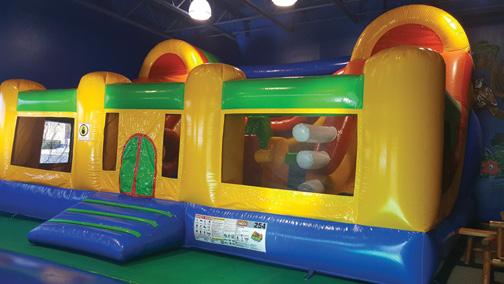
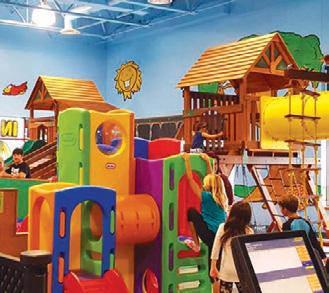
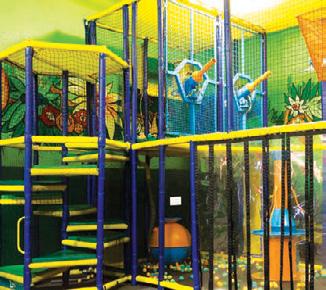
Your outdoor playland... indoors! Fun for all ages. Private party rooms, playsets, foam pit, inflatable jumpers, fun maze, laser maze, video games, jumping pillow, Ballocity, and snack area with yummy food and drinks. We do company parties, too. Book your next fun-tastic party online.
8431 Cody Dr., Lincoln, NE (15th & Yankee Hill) (402) 261-0440 | lostinfun.com
Add nature to your child’s birthday! Parties include a guided hike or themed activity, special gift for birthday child, party bags for each child, and time for your own activity and refreshments. (5y - 12y)
3201 S. Coddington Ave., Lincoln, NE | (402) 441-7895 lincoln.ne.gov (search: Pioneers Park Nature Center)
The Lincoln Children’s Museum offers unlimited adventures throughout its 23,000 square feet and three floors of exhibits. Affordable membership rates pay for themselves in as little as two visits for a family of four. (12y and under)
1420 P St., Lincoln, NE (402) 477-4000 | lincolnchildrensmuseum.org
Offering five weeks of fun, hands-on, STEAM-infused summer learning camps for K-8th grade students. Half-day and full-day camps available on a wide variety of topics from arts and literature to robotics and cooking. More information on our camp schedule, camp locations, and our Camp Assistant program is available at our website.
5561 S. 48th St., Ste. 220, Lincoln, NE (402) 420-1115 | brightlights.org
Camp Sonshine programs provide a place for campers to BELONG & BECOME through active imagination, active community, and active supervision! Day camp for campers entering 1st-9th grade. Overnight camp for campers entering 3rd-9th grade.
13440 S. 25th St., Roca, NE 68430 (402) 423-8746 | campsonshinememories.org
Selling new books of all kinds and original, local art. Hosting author events and book signings.
130 S. 13th St, Lincoln, NE (402) 781-0459 | francieandfinch.com
LMTA welcomes all music teachers to meet for workshops and camaraderie, to plan activities for our students, and to serve the community. Our LMTA Music Outreach Program offers low-cost lessons, instruments and repairs, music scores, and performance opportunities to children in need.
For more information or a Teacher Directory, visit www.LMTA.info. | Contact us at MOP@LMTA.info
Lincoln’s Symphony Orchestra presents inspiring experiences that welcome all members of our community to discover and cultivate a profound, personal connection with live orchestral music. The orchestra comprises 70 professional musicians under the baton of Maestro Edward Polochick, and the season includes many concerts and community engagement activities.
233 S. 13th St., Ste. 1702, Lincoln, NE (402) 476-2211 | lincolnsymphony.com
Discover the music in you with private music lessons at Marble Music Studios. Music lessons don’t have to be dull to achieve great results. At Marble Music Studios, our team of teachers bring fun to every lesson with engaging, age-appropriate curriculum and repertoire. We specialize in strings, piano, guitar, ukulele and voice lessons. Now offering toddler music classes!
6201 S. 58th St., Lincoln, NE (402) 413-6355 | marblemusicne.com
We offer private music lessons and group classes in music, art, yoga, preschool, special needs, reading tutoring, and classes for scout badges. All of our classes and lessons qualify for Our Military Kids! grants. (7y - 12y)
2920 E. Court St., Beatrice, NE (402) 806-4138 | musicworksne.com
The Calibraska Arts Initiative offers unique summer classes, camps, and workshops in the creative industries focusing on design, film, media arts, and animation across the state of Nebraska including free virtual workshops with our partners at Nickelodeon Animation! We are here to support Nebraskans of all ages on their creative journeys and offer discounts and scholarships to help anyone get a chance to work with industry professionals from California and beyond! (7y and up)
Lincoln, NE | Statewide Programming calibraska.org | info@calibraska.org | @calibraskaarts
Dr. Emily Willett and the team at Lincoln Orthodontics can’t wait to give you a beautiful, new smile! With flexible scheduling and affordable treatment plans, achieving a smile you’re proud of has never been easier! Schedule a free consultation today.
6825 S. 27th St., Ste. 202, Lincoln, NE (402) 489-8841 | lincoln-orthodontics.com
Pediatric Dentistry, P.C. provides oral health services for toddlers, children, adolescents, and persons with special healthcare needs in a fun, comfortable, and age-appropriate setting.
3901 Pine Lake Rd., Ste. 250, Lincoln, NE (402) 423-3322 | pediatricdentistrypc.net
6.
8.
9.
10.
12.
Every smile is di erent—and so are our braces! At Lincoln Orthodontics, we help kids, teens, and adults find the option that fits their smile and style. At your free consultation with Dr. Willett, you’ll explore metal braces, clear ceramic braces, or Invisalign® Learn more by solving our orthodontic-themed crossword!