Jack Abel, Amy Anderson, Jennifer Cintani, Adam Letheby, Eric Mooss, Ella Wirtz, Creighton Bassett, Alexandra Cassidy, Matt Clare, Kristen Cline, Maggie Dunlap, Jessica Erstad, Joel Friesen, Jessica Greenwald, Angie Hoffschneider, Tim Hruza, John Laflin, Katie LeBaron Haszard, Jeff Maul, Jack Minnick, Halley Ostergard Kruse, Denise Pearce, Vanessa Roof, Shelley Sahling, Tamara Sloan, Michele Steckelberg, DeWayne Taylor, Sean White, Chad Wiles
ALL ABOUT RED PANDAS
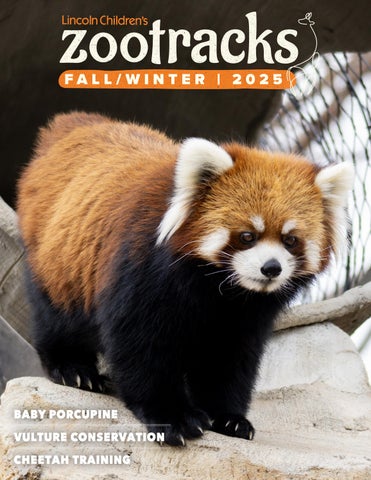
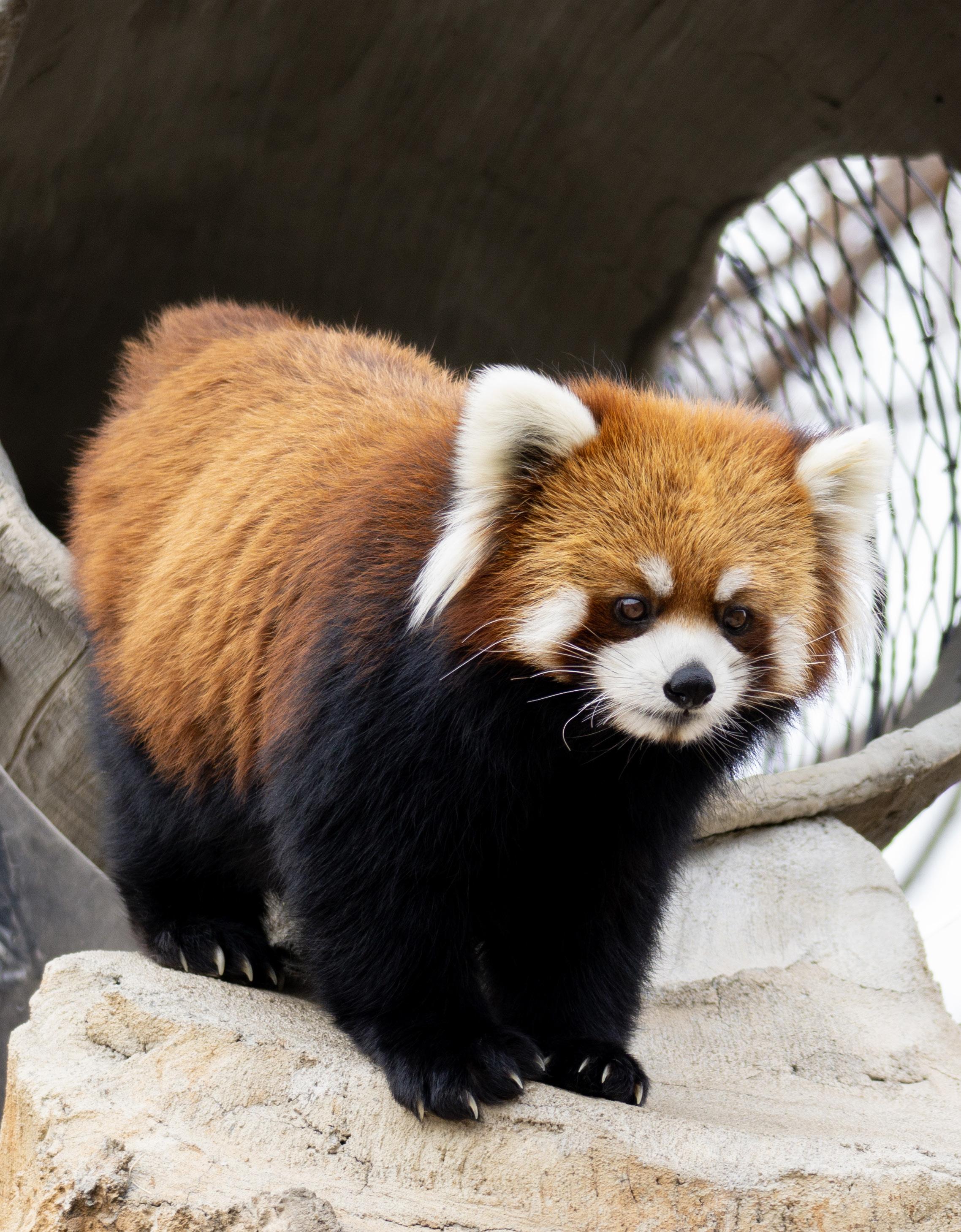
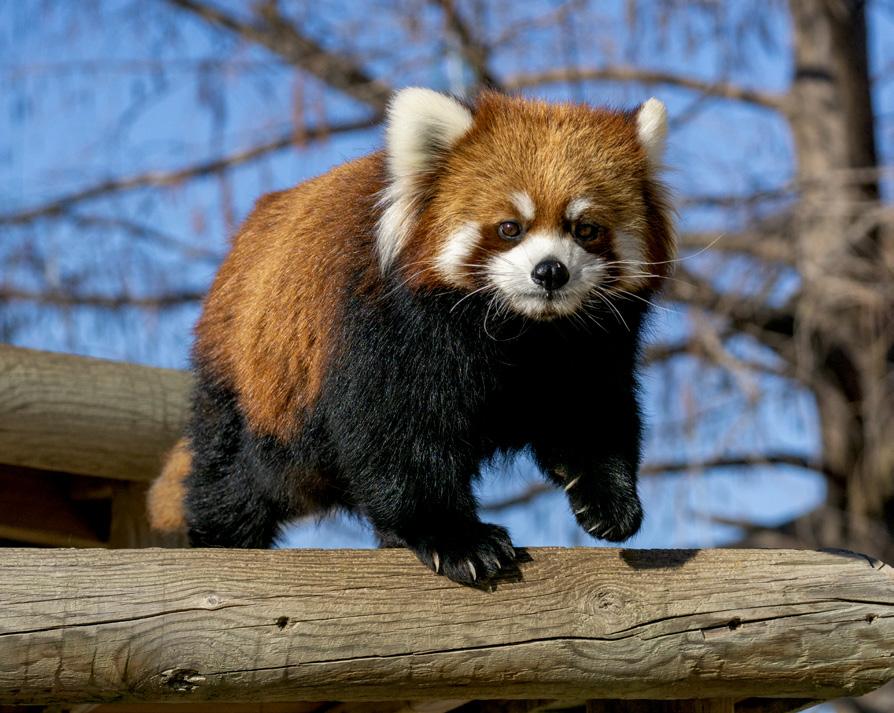
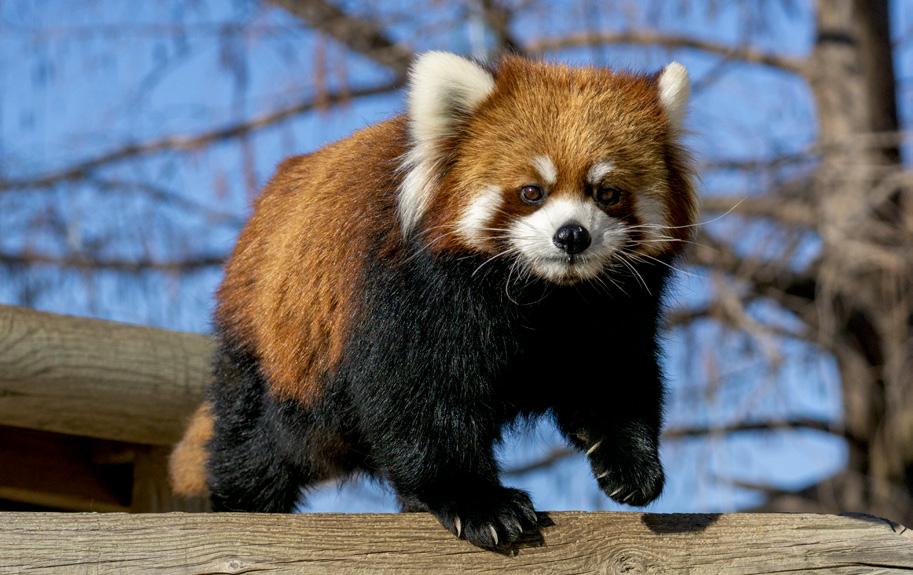
Fluffy tails. Fire-colored fur. Adorable faces. Meet the red panda, an animal so cute it hardly seems real! But behind those button eyes is a fascinating species with a big story to tell. From the forests of the Himalayas to conservation programs around the world, red pandas are full of surprises.
WHAT IS A RED PANDA?
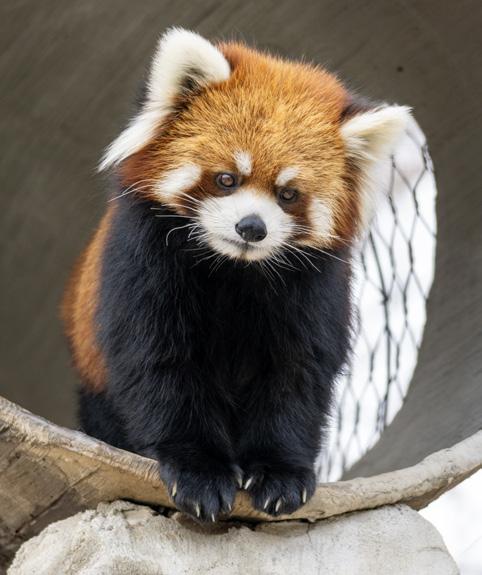
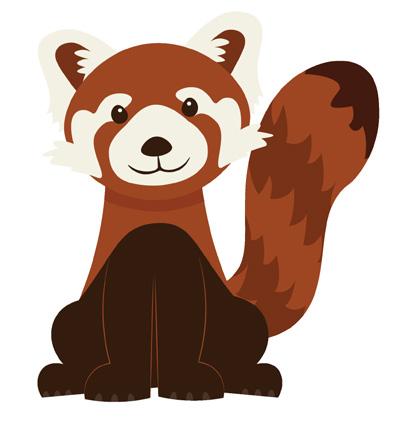
Despite their name, red pandas are not closely related to giant pandas. In fact, they’re the only living members of their own unique family: Ailuridae. These small mammals are more closely related to raccoons and skunks than bears. Their scientific name, Ailurus fulgens, means “shining cat,” a nod to their cat-like appearance and reddish glow.
RED PANDAS AT THE ZOO
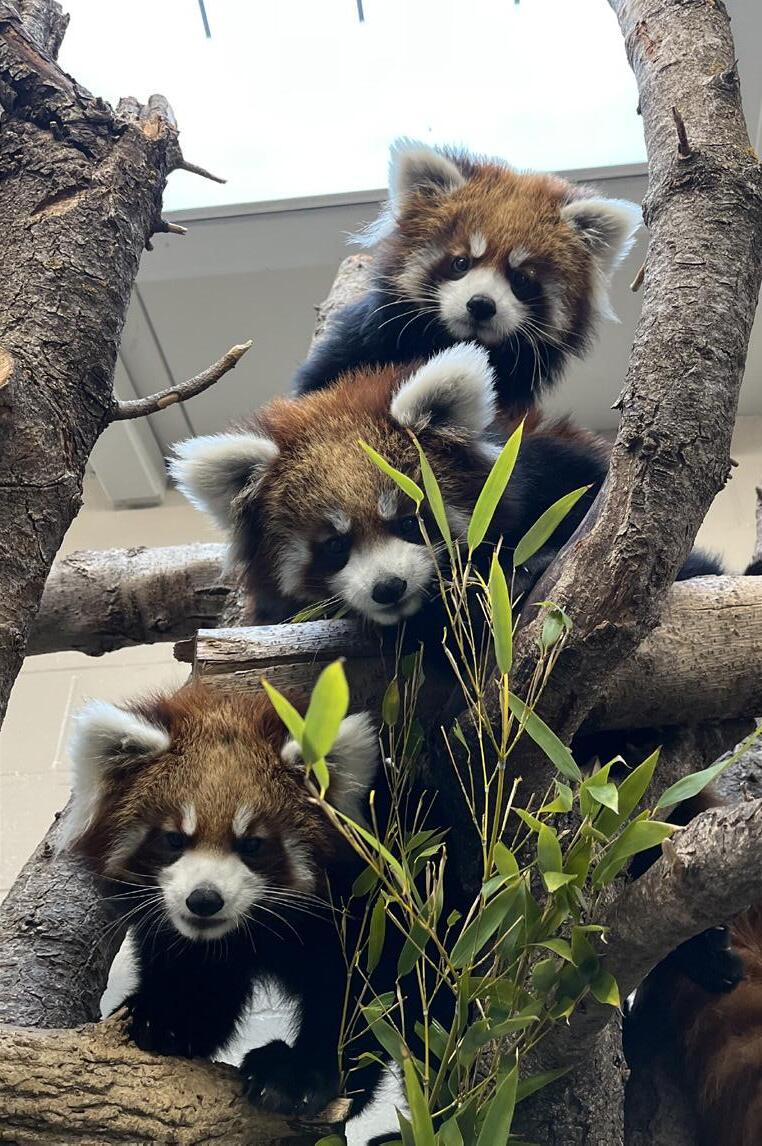
Lincoln Children’s Zoo has two resident red pandas: female Tian, and male Rowan. In 2024, Tian and Rowan had triplets Juniper, Spruce, and Cedar. These red panda triplets made headlines due to the rarity for triplets to be born and successfully raised. They were one of only three sets of triplets known to ever thrive in human care. In 2024, Lincoln Children’s Zoo contributed to 25% of all red panda births in human care,
making the triplets a major part of global conservation efforts. Juniper, Spruce and Cedar moved to other AZA accredited zoos this spring on an SSP breeding recommendation. Their genetics are incredibly valuable for the future of red pandas in human care. With wild red panda numbers declining by 50% over the past 20 years due to habitat loss and other factors, programs like this are critical to protecting the species from extinction and help maintain a strong and healthy population, supporting conservation efforts in the wild.
RED PANDA DIET
Red pandas are technically classified as carnivores, but their diet tells a different story! These animals eat almost exclusively bamboo. However, bamboo is low in nutrients, so red pandas have to eat A LOT of it, up to 20,000 bamboo leaves in a single day!
Here at the Zoo, our red pandas diet consists of bamboo, specially formulated leaf-eater biscuits, and their favorite treat: apples.
WHERE DO THEY LIVE?
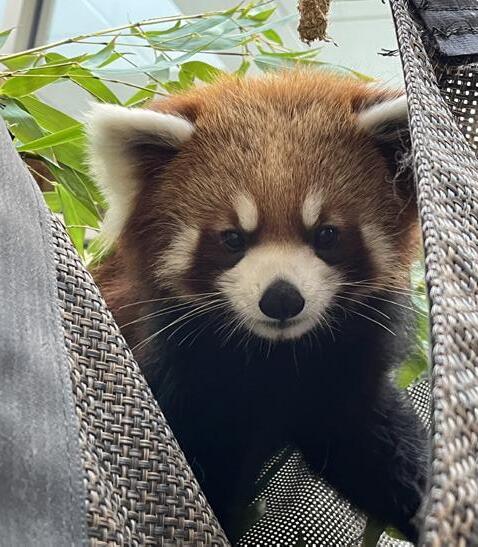
Red pandas are found in the cool, temperate forests of the Himalayas and southwestern China. They love high altitudes and spend most of their time high in the trees. Their thick fur, including on the soles of their feet, helps keep them warm in chilly mountain climates. They’re excellent climbers and use their tails for balance and warmth—especially when curled up for a nap.
Have you noticed the red pandas are often napping when you visit the Zoo? That’s because red pandas are most active at dawn and dusk!
FEATURED ON TV!
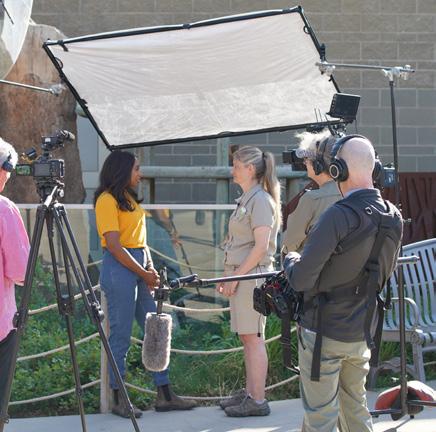
Season three of Mutual of Omaha’s Wild Kingdom Protecting the Wild aired on Saturday, October 4th. The episode featured Lincoln Children’s Zoo!
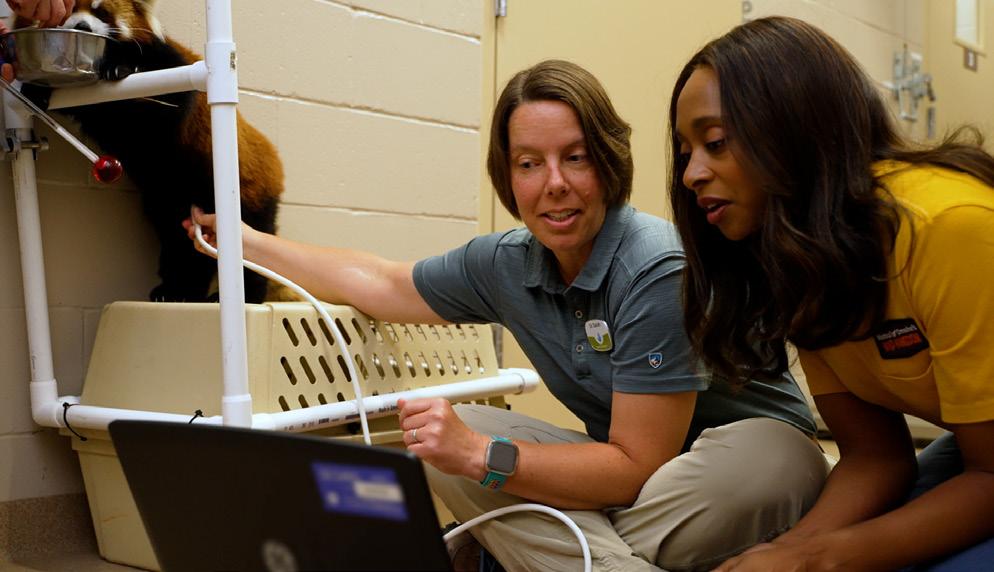
Co-host of the show Dr. Rae Wynn-Grant visited Lincoln Children’s Zoo earlier this year to talk with our experts on all things red panda. Zookeeper Davi Ann Norsworthy, and Director of Animal Health and Conservation, Dr. Sarah Woodhouse, were featured in the episode and showcased the incredible care our Zoo provides.
RED PANDA CONSERVATION STATUS
Red pandas are classified as endangered on the IUCN Red List of Threatened Species. There are fewer than 10,000 red pandas in the wild and their population continues to decline.
Their biggest threats include:
• Habitat loss due to deforestation
• Poaching and illegal pet trade
• Climate change affecting their bamboo supply
Zoos, conservationists, and local communities are working hard to protect these animals through breeding programs, reforestation, and education.
HOW CAN YOU HELP?
• Visit zoos, like Lincoln Children’s Zoo, that participate in red panda breeding and education programs.
• Support red panda conservation programs.
• Avoid products linked to deforestation.
We’re honored to be featured in this beloved and respected wildlife program that’s been educating viewers on the importance of conservation for over 60 years. Stream the episode for free on NBC.com or on Peacock.
COMMON NAME: Red Panda
SCIENTIFIC NAME: Ailurus fulgens
CONSERVATION STATUS: Endangered
DIET:
Mostly bamboo, but also fruit, berries, eggs, and insects
HABITAT: Eastern Himalayas and parts of China
AVERAGE LIFE SPAN:
8-10 years in the wild, up to 14 in human care
FUN FACT:
Red pandas share the giant panda’s pseudothumb, a modified wrist bone used to grasp bamboo when feeding.
WELCOMING A PORCUPETTE
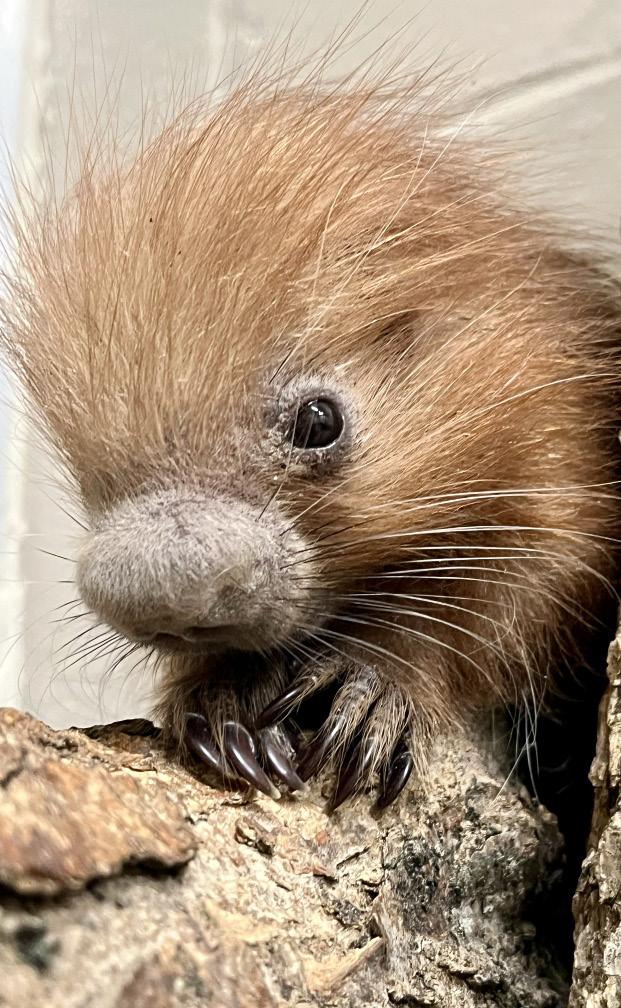
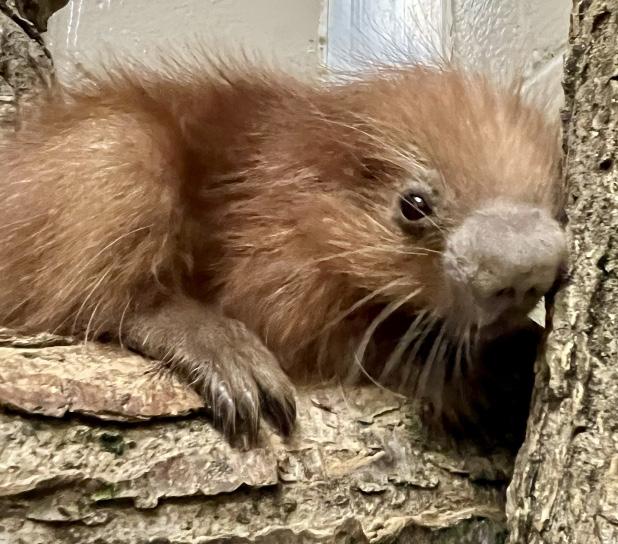
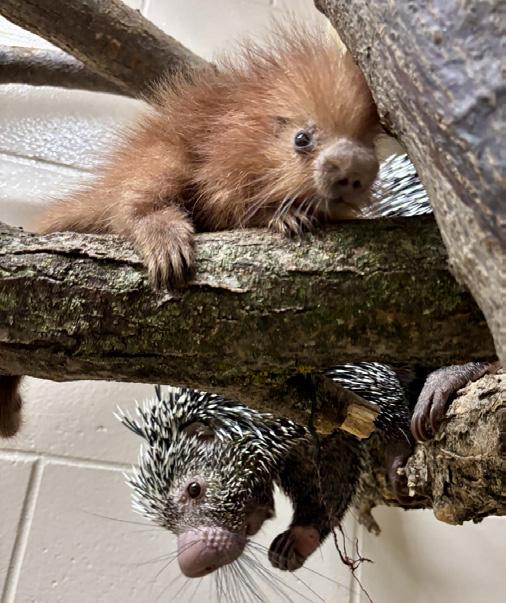
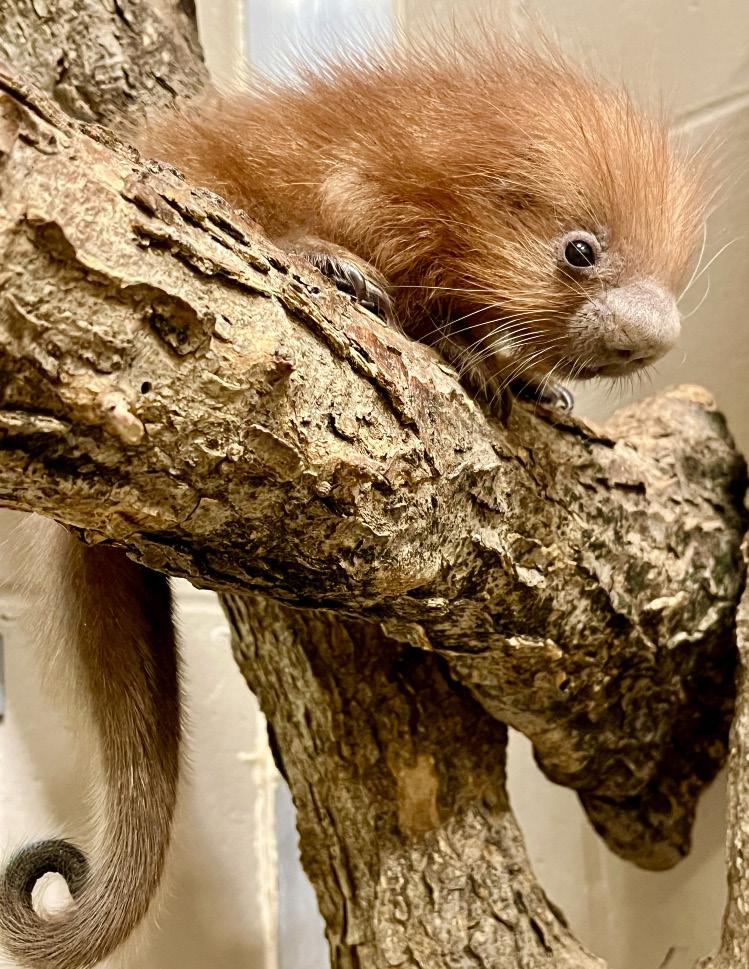
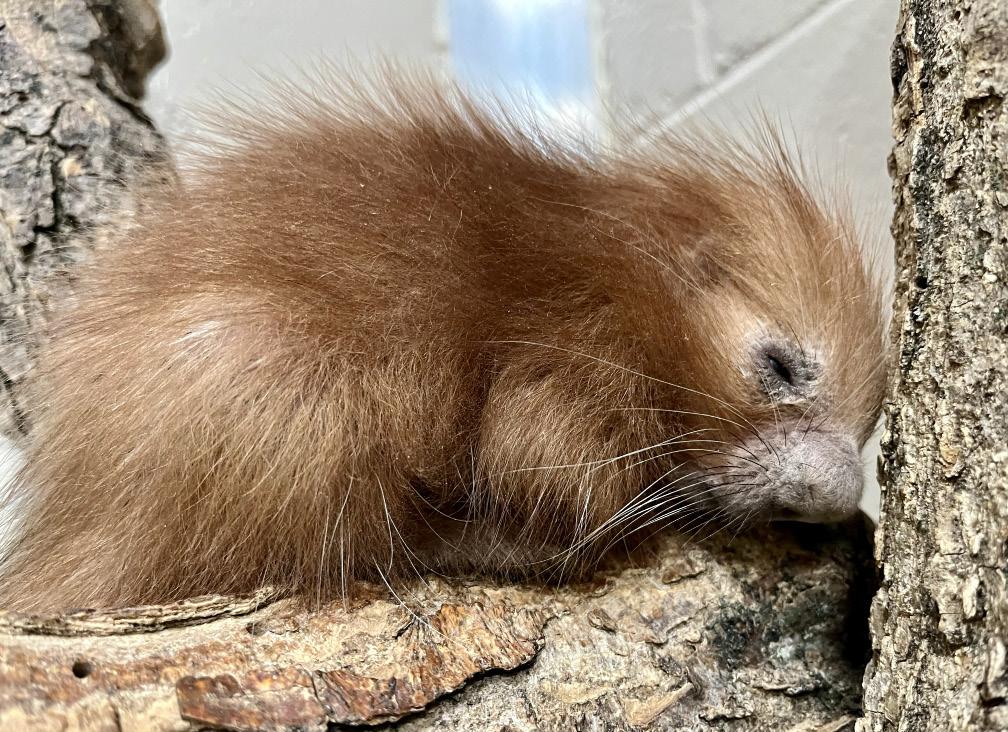
Lincoln Children’s Zoo recently welcomed a prickly new arrival! A prehensile-tailed porcupine was born on August 1, 2025, the first-ever born at the Zoo. The baby porcupine, referred to as a porcupette, was born to mom, Nora, and dad, Renzo. The Zoo has sent in a quill for DNA testing to determine whether it’s a male or female and will announce those results when they arrive.
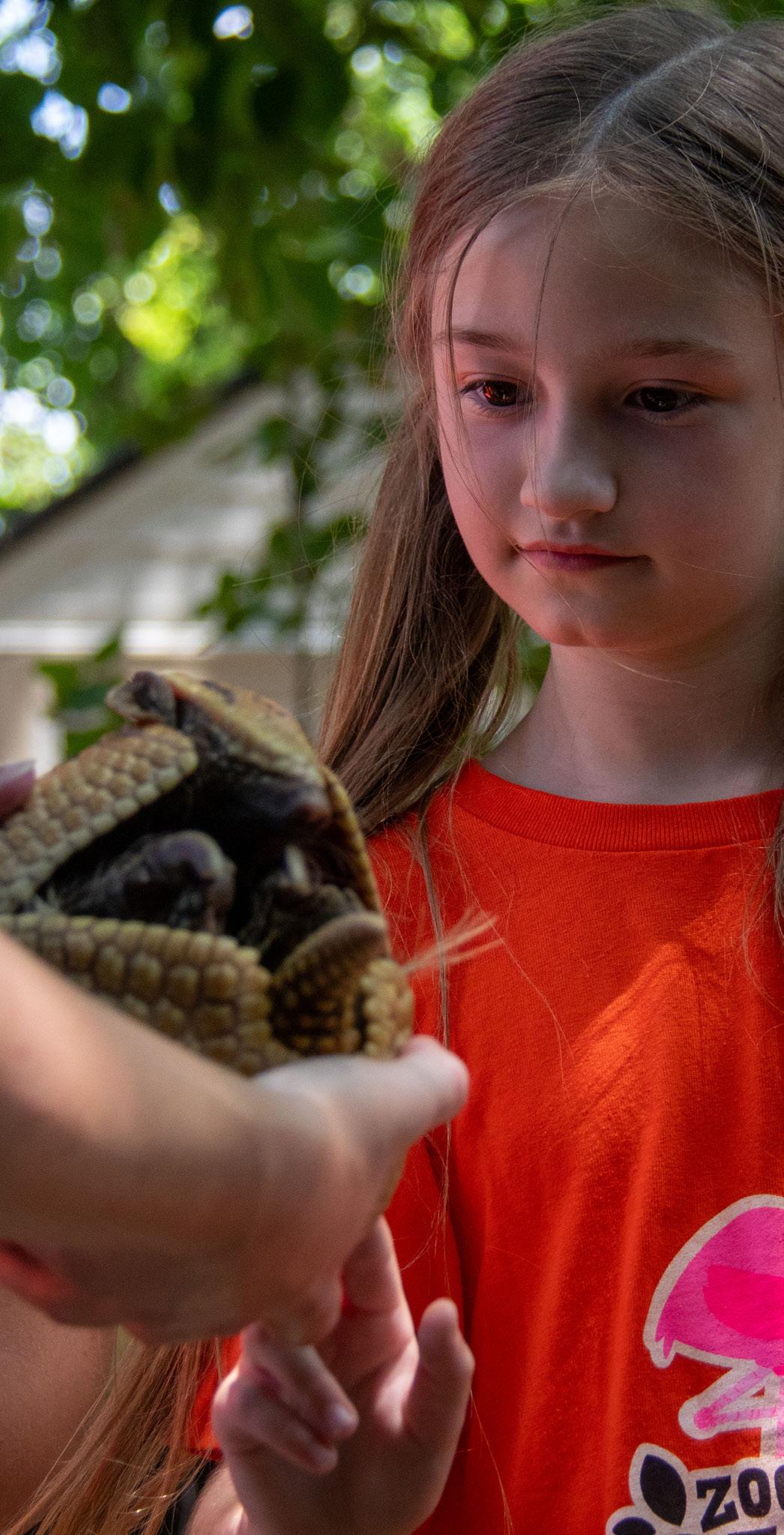
This baby porcupine, along with the Zoo’s two other prehensiletailed porcupines, are ambassador animals and live behind the scenes. They engage with guests through programs at the Wild Safari Theater, education programs and special events. The birth of this porcupette is significant for the Zoo’s ambassador animal program. Ambassador animals play a vital role in connecting guests to wildlife and inspiring conservation action.
“Animal ambassador programs bring people closer to animals,
creating memorable experiences that spark a lifelong passion for conservation. Births like this ensure the continuation of ambassador programs not only at Lincoln Children’s Zoo, but AZA accredited zoos around the country, and we’re proud to play a role in their future,” said Evan Killeen, Lincoln Children’s Zoo CEO.
Eventually this porcupette will move to another Zoo accredited by the Association of Zoos and Aquariums (AZA) as part of the Species Survival Plan, ensuring the animal will make an impact wherever it goes. Whether here or at another facility, as this young porcupette grows, it will help guests learn more about its species and the importance of protecting wildlife and wild places.
Make sure to follow the Zoo on Facebook and Instagram for important updates on this porcupette as it grows!
FUN FACT:
Baby porcupines are born with short quills that are covered by reddish-orange hair. As they grow, they gradually lose that hair, revealing their quills. The porcupette has now lost most of its rust-colored hair and is covered in visible quills.
PROTECTING NATURE’S CLEANUP CREW: ZOO SUPPORTS VULTURE CONSERVATION IN SOUTH AFRICA
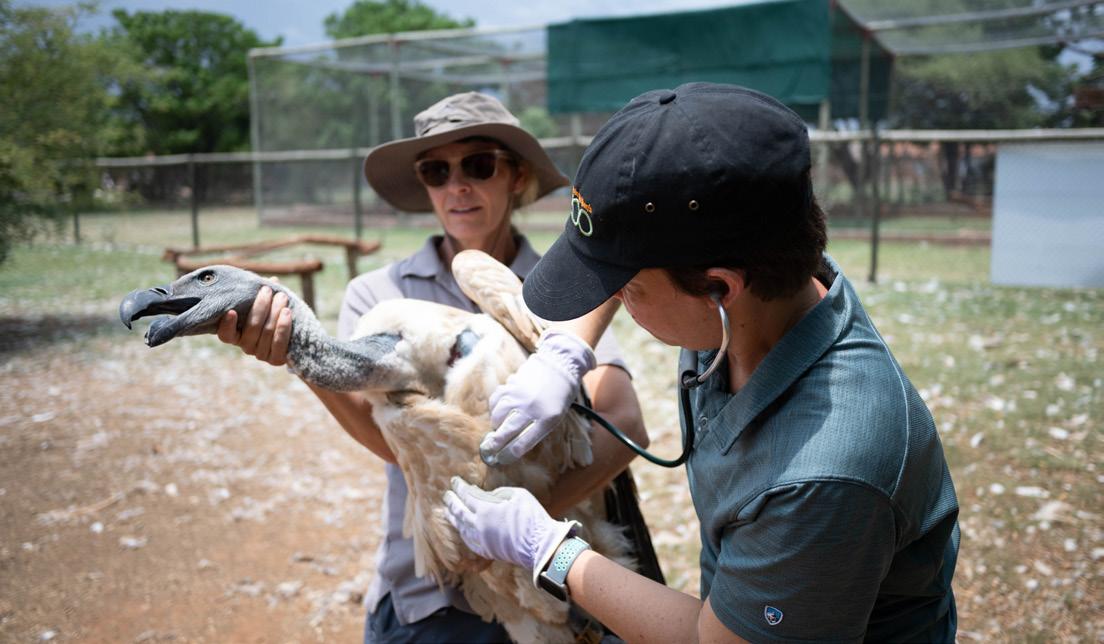
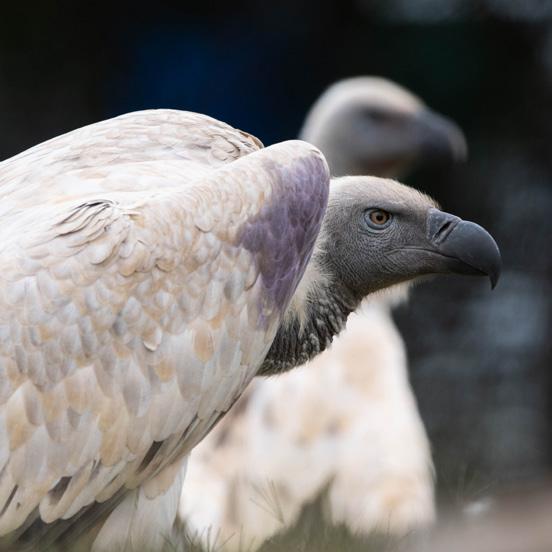
In 2024, Lincoln Children’s Zoo extended its global conservation impact by supporting life-saving vulture rehabilitation efforts in South Africa. Through the donation of critical medical equipment and on-site veterinary care from our own Zoo vet, Dr. Sarah Woodhouse, the Zoo partnered with VulPro. VulPro is a leading vulture conservation organization working to protect endangered species like the Cape Vulture and African White-backed Vulture.
VulPro works to treat and rehabilitate injured vultures for release back into the wild, and to provide long-term care and breeding opportunities for those that cannot return to their natural habitats. Their efforts are vital in the fight to stabilize declining vulture populations across southern Africa.
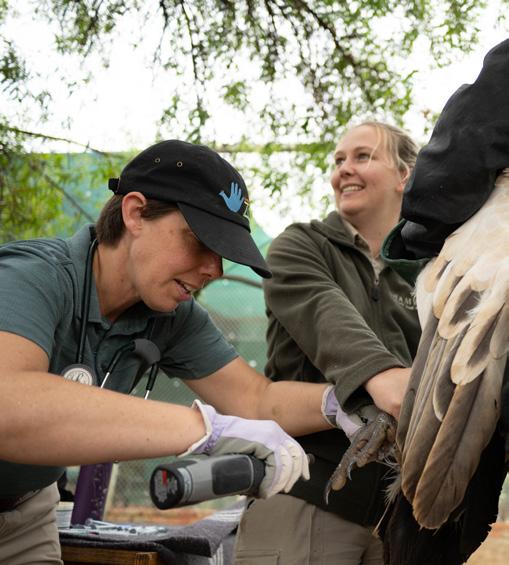
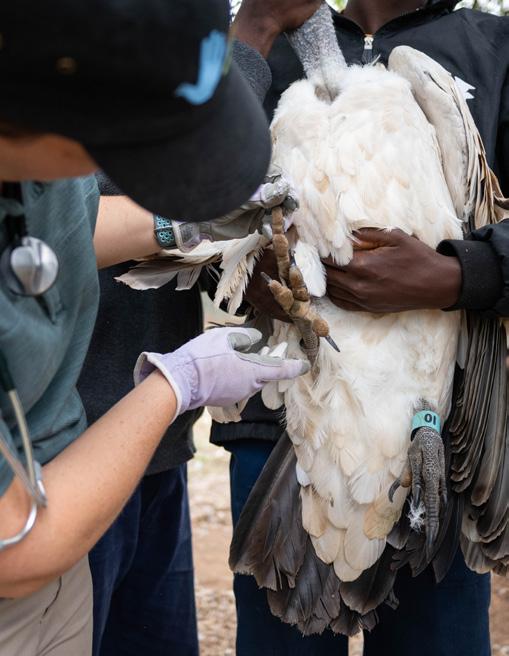
In December 2024, Dr. Sarah Woodhouse, the Zoo’s Director of Animal Health and Conservation, spent three weeks on-site at VulPro in South Africa, providing direct veterinary support. During her stay, Dr. Woodhouse performed annual health exams on resident vultures and treated new patients arriving with injuries. Many of these injuries were caused from powerline
collisions or poisoning.
Lincoln Children’s Zoo also donated the following essential medical supplies:
• A vital signs monitor with ECG, temperature, SpO2, ET CO2, and blood pressure functions - a critical tool for safe and accurate anesthesia monitoring.
• A 36-inch walk-on platform scale
• A multipurpose centrifuge
• Two Littmann stethoscopes
• Bandage materials and scissors
• Laboratory and blood collection supplies
These additions helped make major advancements in equipping VulPro’s on-site hospital.
WHY VULTURES MATTER
Vultures play a crucial role in maintaining healthy ecosystems. Often called “nature’s cleanup crew,” they consume animal carcasses that might otherwise spread disease. Unlike other scavengers, vultures can digest dangerous pathogens like anthrax and rabies, helping to control the spread and protecting both wildlife and human communities. By supporting vulture conservation, Lincoln Children’s Zoo is helping to protect an important species that helps to clean our planet. These efforts help the Zoo ensure a healthy future for wildlife, both at home and around the world.
ZOO NEWS!
1. CONGRATS!
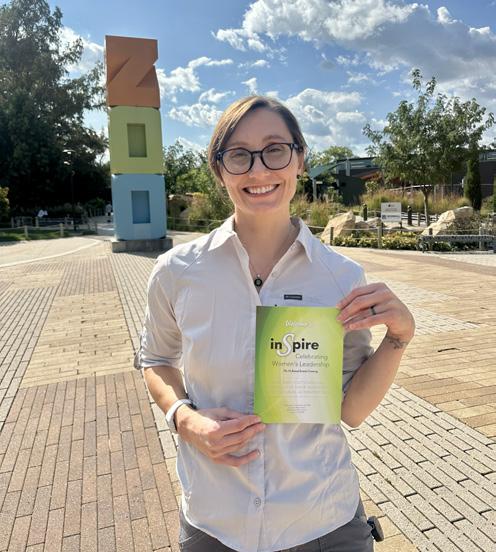
Congrats to Dr. Ruth Marcec-Greaves! Dr. Marcec-Greaves, General Curator at Lincoln Children’s Zoo, was a finalist for the Excellence in Nonprofit Inspire Award. Dr. Marcec-Greaves oversees our team of zookeepers, as well as the animals that call the zoo home. Dr. Ruth founded two non-profits protecting species and providing education. Congrats to our other Lincoln Children’s Zoo Inspire Award nominees: Sarah Wood, Chief Operating Officer; Stephanie Mosby, Lead Zookeeper; Erin Lenz, Director of Communications.
1 4 2 3
2. NEW DATES ADDED
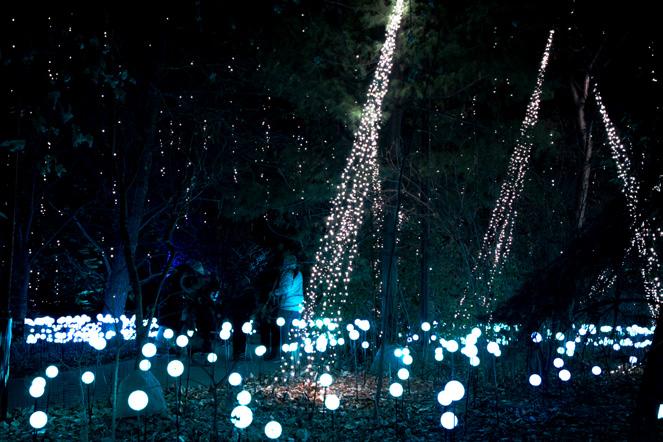
This year, Zoo Lights Powered by LES will feature additional event dates prior to Thanksgiving! Zoo Lights Powered by LES will take place every night from November 21-December 30, except for Thanksgiving, Christmas Eve, and Christmas Day.
3. MUTUAL OF OMAHA’S WILD KINGDOM
Catch the new season of Mutual of Omaha’s Wild Kingdom Protecting the Wild! Lincoln Children’s Zoo is excited to have been featured in the season three premiere episode, Panda-monium, that aired on Saturday, October 4th on NBC. Stream the episode on NBC.com or Peacock.
4. ZOO MEMBER BENEFITS
Don’t forget about your Zoo member benefits! Enjoy free general admission tickets to upcoming Boo at the Zoo, discounted Zoo Lights Powered by LES tickets, and free unlimited visits year round!
collectible poster
FASCINATING FACTS
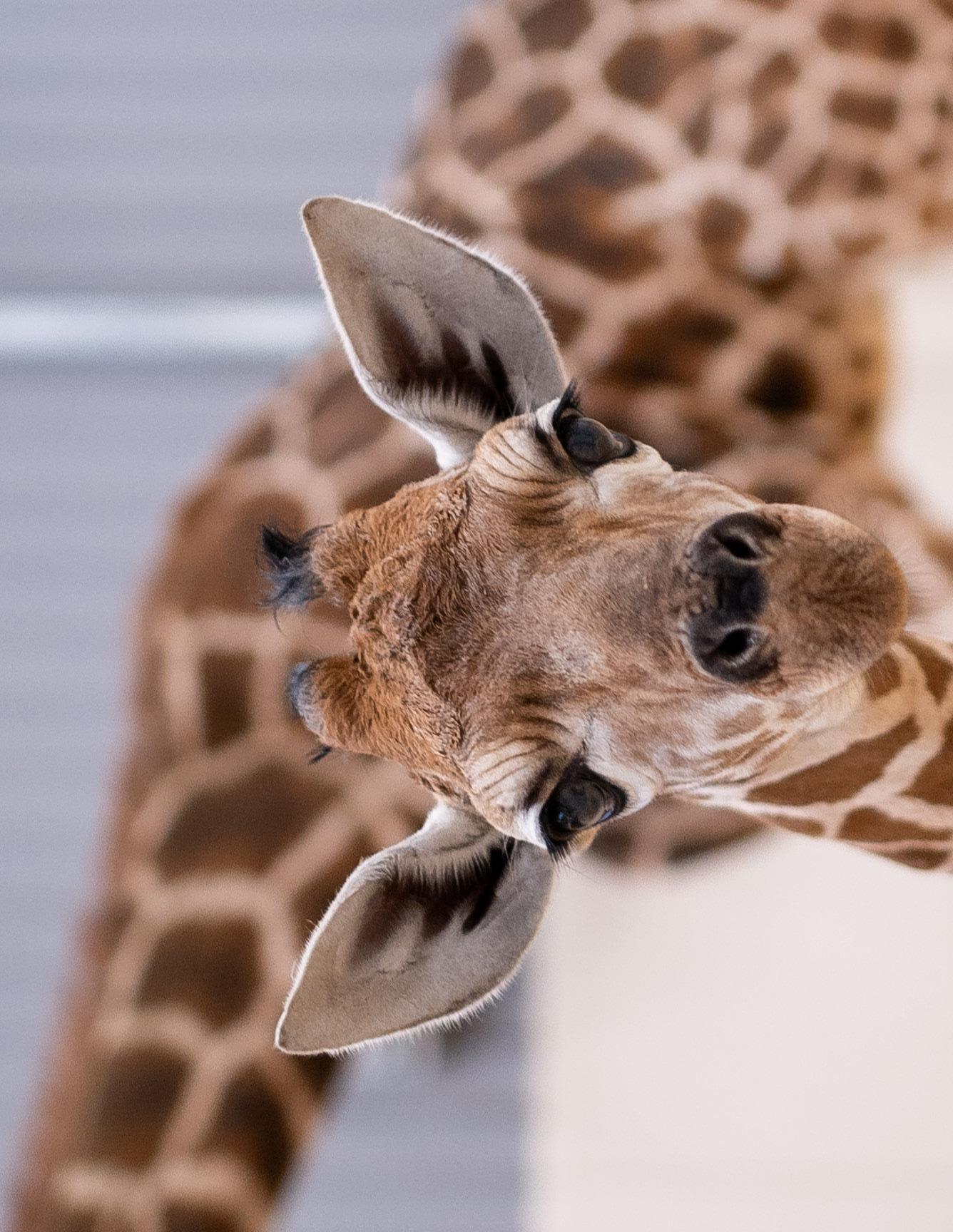
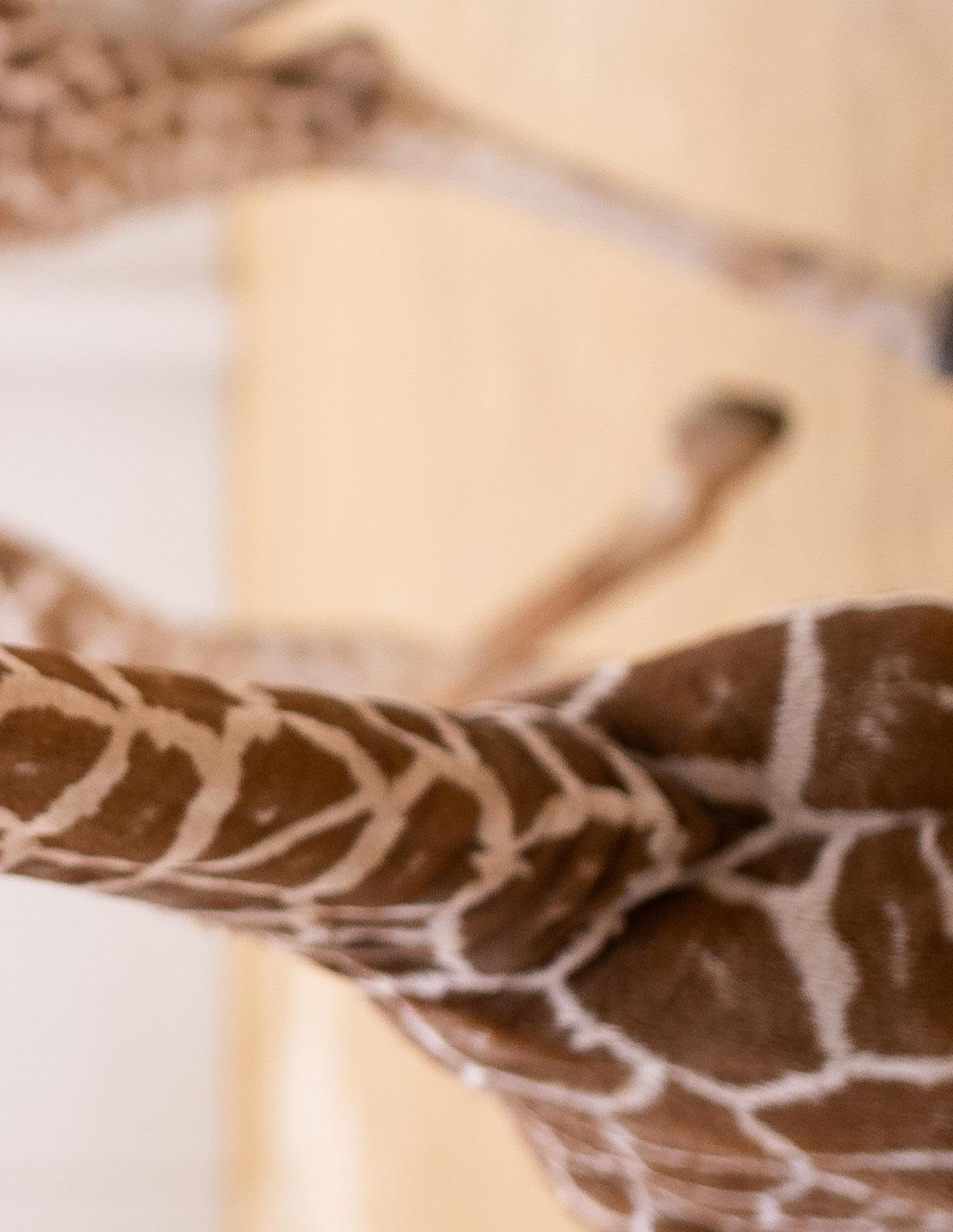
HellomynameisDan(TheGiraffe)
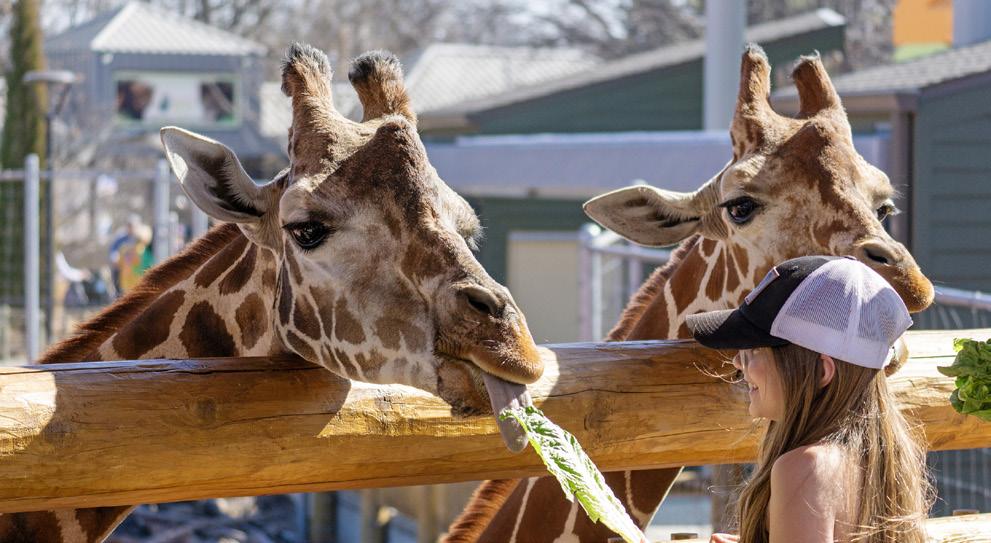
–A baby giraffe is called a calf.
–The average gestation period for giraffes is approximately 15 months. –Giraffe calves are 6 feet tall at birth.
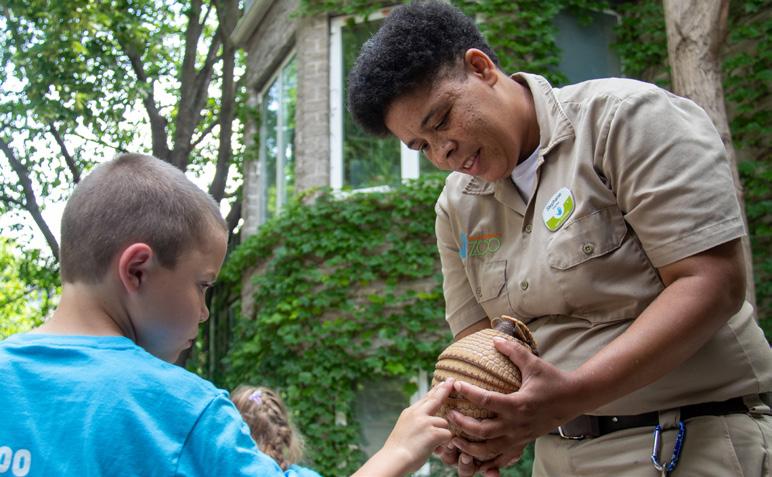
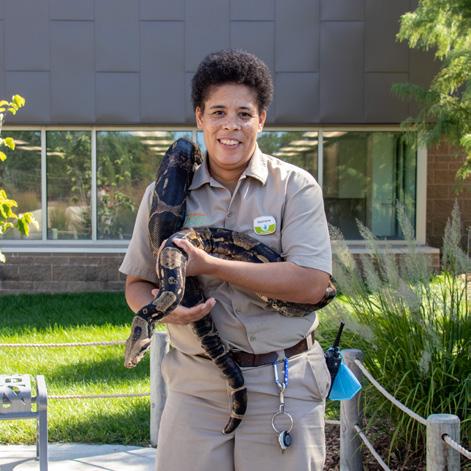
MEET KEEPER STEPHANIE
BECOMING A ZOOKEEPER
How did you get your start as a zookeeper?
I started in the Zoo Crew program at Lincoln Children’s Zoo. I completed the program and continued to volunteer my time with the keepers and education department while I attended Zoo School. I was hired as a part time keeper while in college.
What is your favorite part of your job?
I don’t think I have just one favorite thing about my job. I love getting to know the animals and building relationships. I enjoy the creative challenges; always trying to find new ways to keep the animals engaged. I enjoy the unpredictability each day brings; there is never a dull moment when working with animals. I love checking on the animals first thing in the morning when the zoo is quiet, the lights are just coming on and the animals are just waking up or just winding down. I enjoy talking to guests about the animals. I love that the place I work at, that my office and workspace, is filled with plants, sunlight, animals and various animal noises.
What advice do you give to future zookeepers?
To get a job as a zookeeper, do as many internships as you can. My situation was unique but it does not always happen that way. There are a lot of amazing things about being a zookeeper but it is a tough job physically and mentally. Internships will help give you an idea of what is expected.
TAKING CARE OF ANIMALS
What is your favorite animal you work with?
This is difficult for me to answer because when I am working with an animal then that animal becomes my favorite animal in that moment. If I am cleaning, training or feeding an animal, that animal(s) has my full attention and I love watching the behaviors and listening to the sounds they make. I enjoy giving the animals enrichment and then watching them interact with the item.
What is your typical day like?
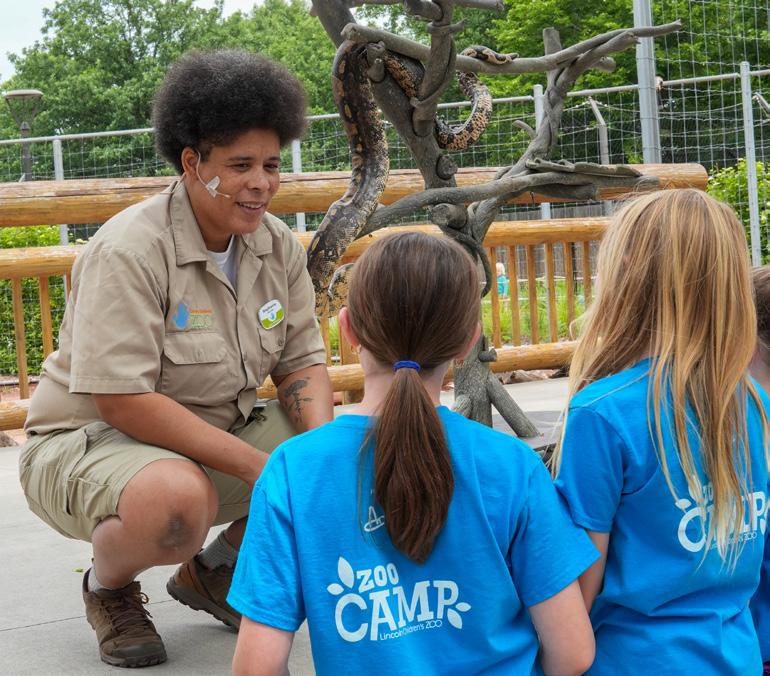
Every morning, I make sure I am caught up on all animal information. I check in with my team and start my day. I have animals that I am assigned to do husbandry care for that day, which means I am responsible for cleaning, feeding, checking on them and providing enrichment. I check on all the animals I take care of first thing in the morning. Then I get their morning diets together and pick out enrichment for each animal. I spend the next 3-4 hours cleaning each exhibit, feeding and training. Some animals get fed three times a day, if they do then around noon, they get their second meal. I take lunch, then after lunch I spend about an hour making diets for the next day. After diets I can work on projects such as extra cleaning, training or building. The last hour of my day is spent feeding the animals their pm diets and giving out a second round of enrichment. Before I leave, I record my notes for the day about what I did and what the animals did. As I said before, there is never a dull moment, so between all of these things, there are vet visits scheduled because all of our animals get yearly physicals, I talk to zoo camps and do stage shows. We have interns that help with all of our daily work.
BUILT FOR SPEED: THE IMPORTANCE OF OUR CHEETAH RUN
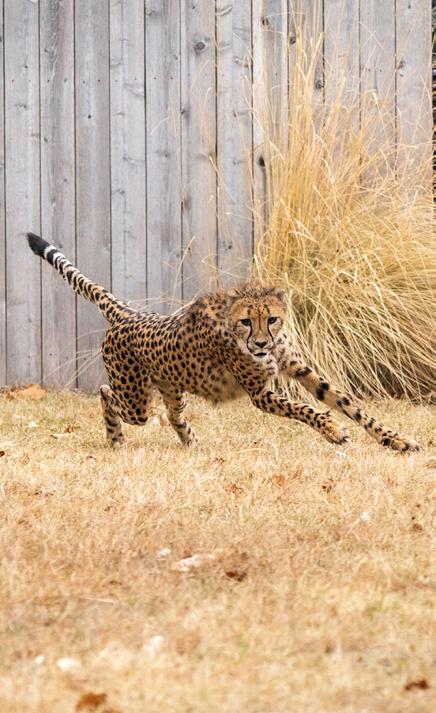
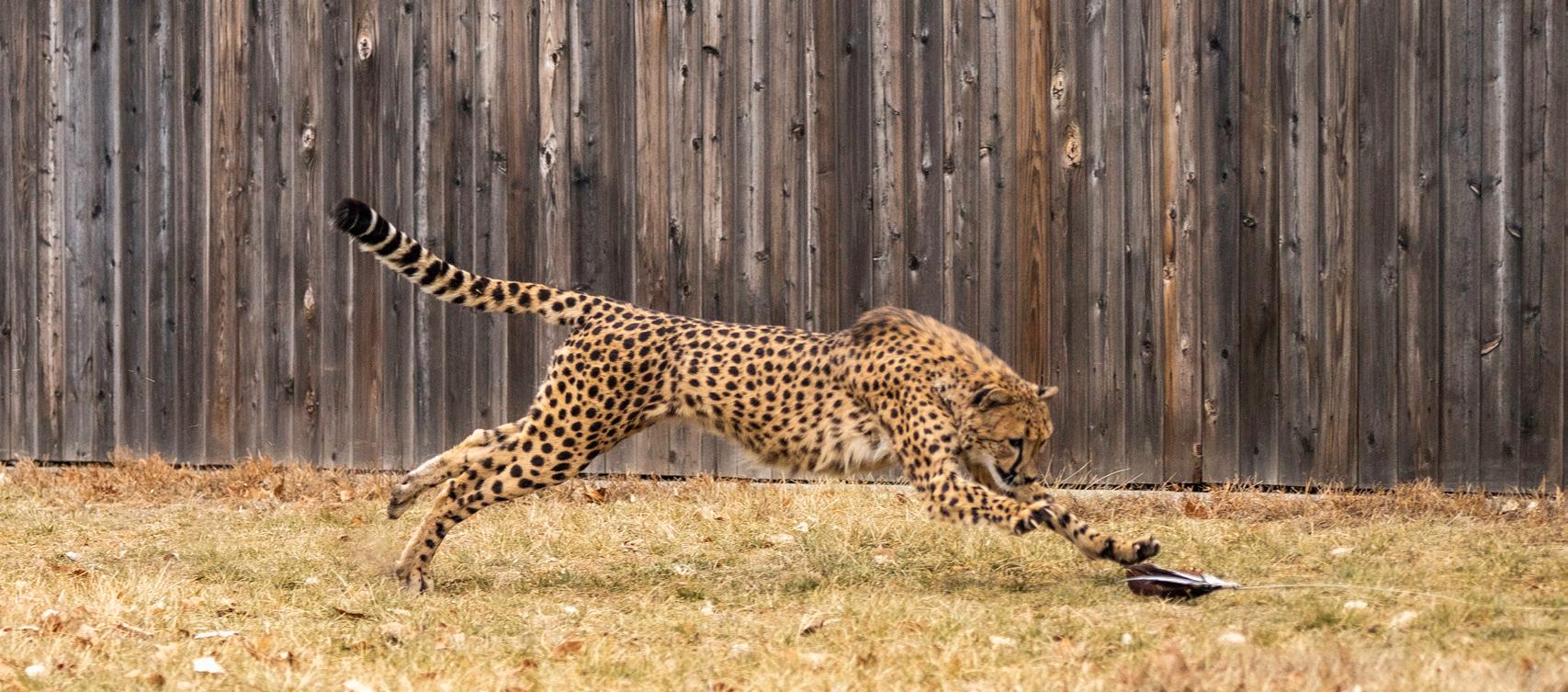
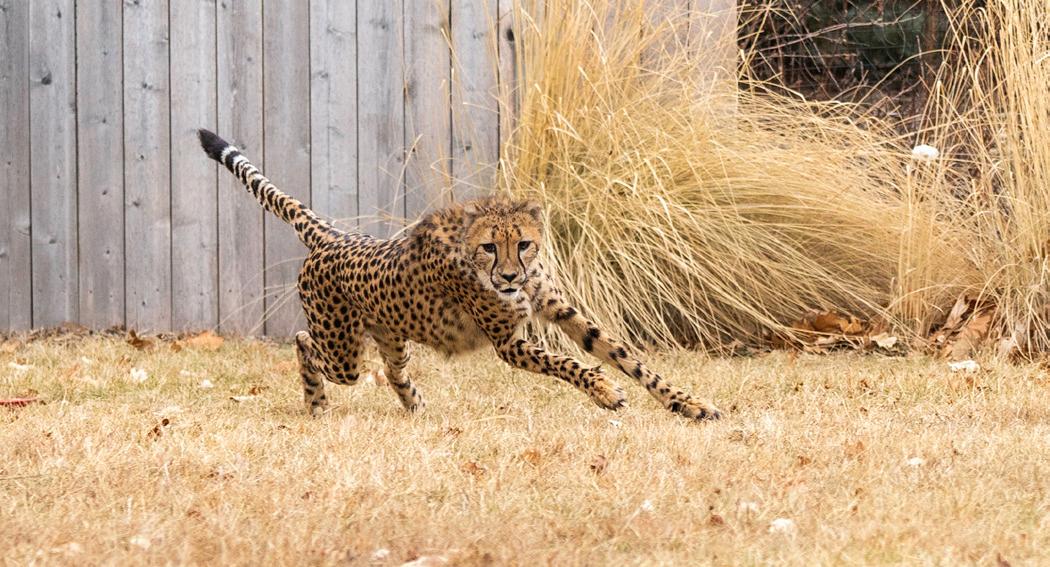
An animal that’s built for speed, there’s nothing quite like witnessing a cheetah run and seeing their special adaptations on display. What looks like a fun spectacle to guests is actually a carefully designed form of training that plays a vital role in the animal’s health and well-being. Behind every quick sprint around the Zoo’s specially designed cheetah run, is a team of dedicated animal care staff, hours of training, and important relationship building.
WHAT IS THE CHEETAH RUN?
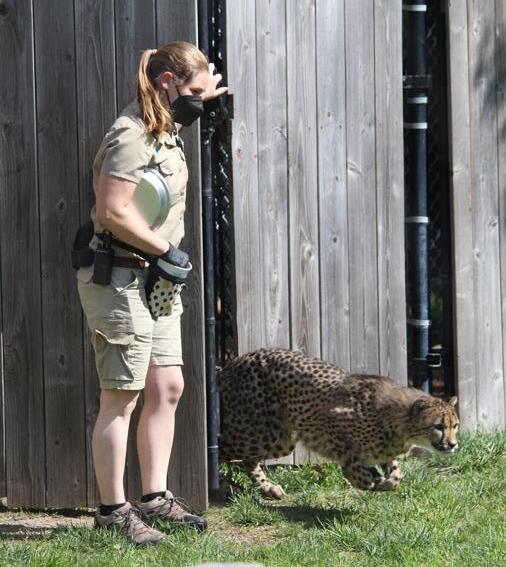
Lincoln Children’s Zoo is one of only five locations in the United States where you can see a cheetah run. It’s pretty incredible that we have that experience right here in our community! The Cheetah Run is a specialized enrichment activity that allows cheetahs to do what they were built for: run. Keepers use a lure system: a moving line that pulls a bundle of feathers along the ground of a specially designed track. This simulates prey and triggers a cheetah’s natural instincts to chase it.
During this program, keepers bring the cheetahs back out after the run
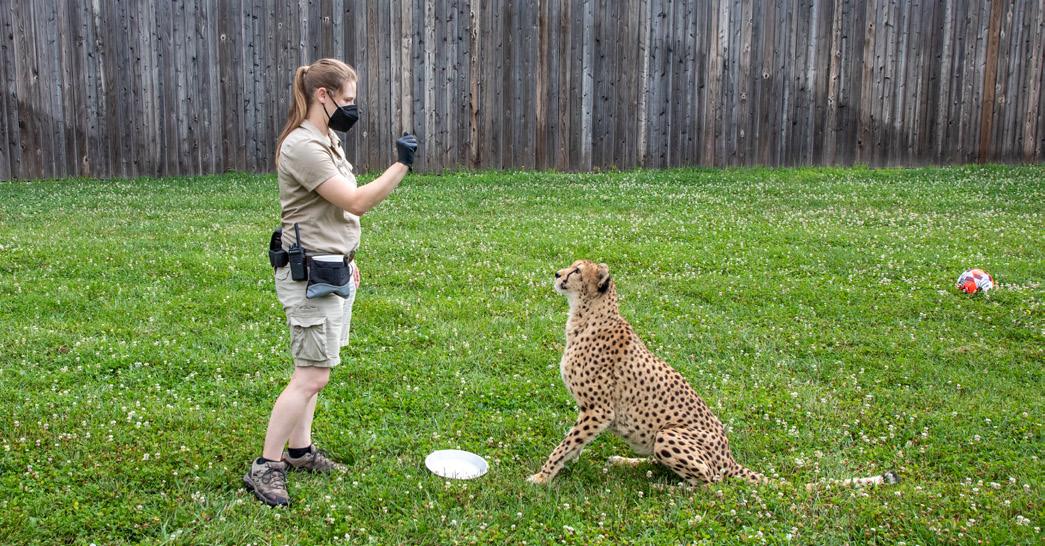
for a training demonstration that showcases how they work with the cheetahs to participate in their own medical care.
The Cheetah Run takes place daily at 11am from Memorial Day - Labor Day (weather permitting). Visit LincolnZoo.org for an up-to-date program schedule in the off-season.
HOW DO KEEPERS TRAIN FOR THE CHEETAH RUN?
Before a cheetah ever takes off down the run, there’s a lot of behindthe-scenes preparation. Training is an essential part of animal care at Lincoln Children’s Zoo and all of our keepers use the method of positive
reinforcement training. Keepers will start training the cheetahs at a young age by encouraging their natural behaviors to chase a toy on a handheld lure, and then rewarding them when they catch it. As they grow and develop and build up their stamina for running longer distances, the animal care team will switch from this handheld lure to the lure system you see on our Cheetah Run, slowly increasing the distances they run and chase. Keepers then use the same system of encouraging them to chase the lure, and rewarding them once it’s been caught.
Training is completely voluntary and
positive, meaning the cheetah always chooses to participate and is always rewarded for its efforts. This method of training helps our animal care team build trust with the animals, while letting the cheetahs express natural behaviors in a healthy and enriching way.
IT’S GOOD FOR GUESTS TOO!
While the cheetah run is designed with the animals in mind, guests love it too.
Seeing a cheetah at full sprint is truly unforgettable. It sparks curiosity, inspires awe, and builds a deeper appreciation for this incredible species. It’s also a chance to
educate the public about cheetah conservation, as wild populations continue to rapidly decline due to habitat loss, human-wildlife conflict, and poaching.
By giving guests an up-close look at these incredible animals, we are able to connect people to this animal in meaningful ways. Hopefully inspiring future conservation champions!
The Cheetah Run is a cornerstone of care for our residents at the Zoo. Through intentional training, enrichment, and relationship building between human and animal, these cheetahs are able to do what they love: run. And in the process, they inspire everyone who watches.
WHY THE CHEETAH RUN MATTERS
In the wild, cheetahs rely on bursts of speed to hunt. In human care, they don’t need to chase their food, but that doesn’t mean they lose the instinct. The cheetah run taps into that natural behavior, giving them physical exercise, mental stimulation, and an opportunity to express their natural behaviors, which is a key component of good animal welfare.
Running at high speeds helps maintain muscle tone and joint flexibility. Mentally, the anticipation and excitement of the chase provides enrichment that keeps the cheetahs engaged and active. It also allows keepers to observe the cheetahs in motion, helping them monitor their body condition and health, all important for early detection of any health issues.
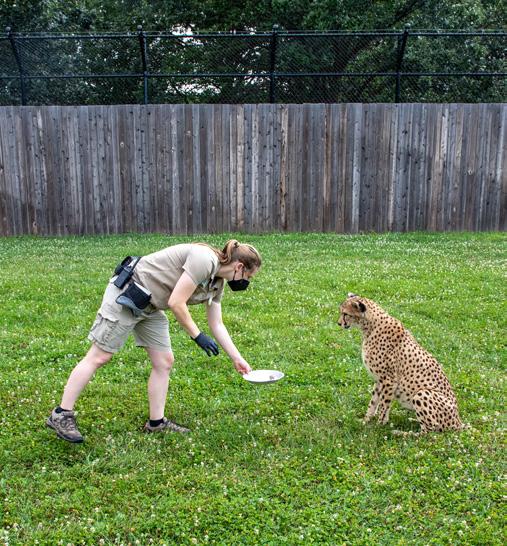
Pictured left: Zookeeper Tori Reynolds participates in a training session with Bella the cheetah.
ZOO CALENDAR! OCTOBER
OCT. 2630 PROUD SPONSOR
BOO AT THE ZOO | 5:30 - 8:00 P.M. & 12:30 - 3:00 P.M (SUNDAY, OCT. 26TH ONLY)
Boo at the Zoo is Lincoln’s largest trick-or-treat event. The entire family will love stopping at trick-or-treat booths to get candy, coupons, and more. All of the money raised during Boo at the Zoo directly supports the Zoo and the animals in its care.
NOVEMBER & DECEMBER
NOV. 21DEC. 30
ZOO LIGHTS POWERED BY LES | 5:30 - 9 P.M.
Don’t miss Lincoln’s favorite holiday tradition! Now starting before Thanksgiving! Experience multiple light shows choreographed to holiday music, hanging vine lights, light tunnels, over 30 lit animal silhouettes, holiday train rides, hot cocoa, s’mores and more!
PROUD SPONSOR
TREAT TRICK WITCH
What do Santa’s helpers learn in school? The elf-abet! What is an Arctic wolf’s favorite time of the year? The howl-idays!
How do snowmen shop online? They use the winter-net!