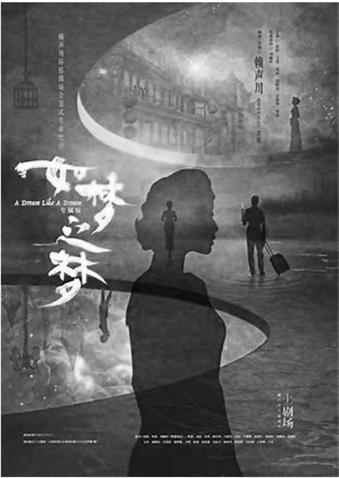
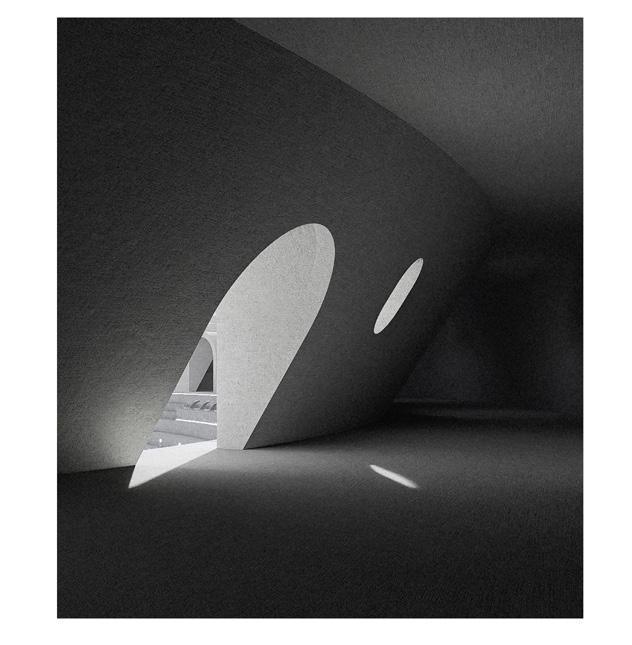
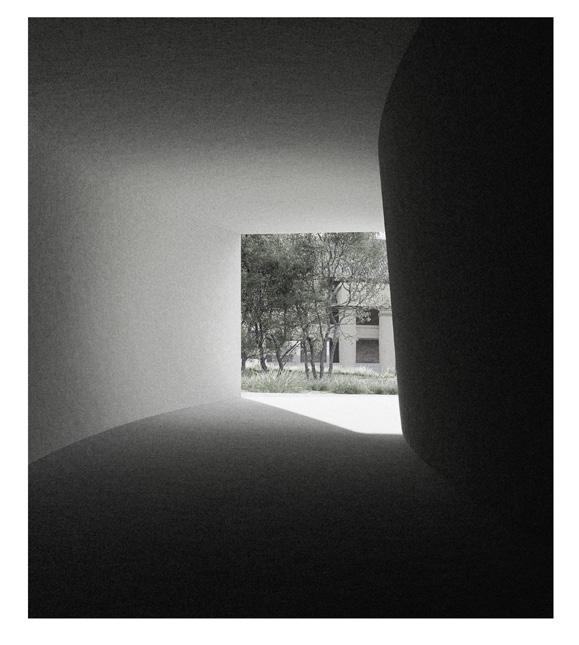
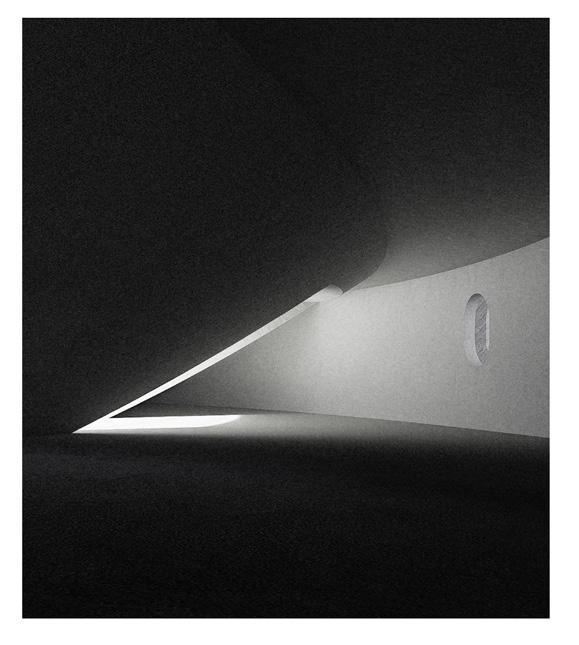
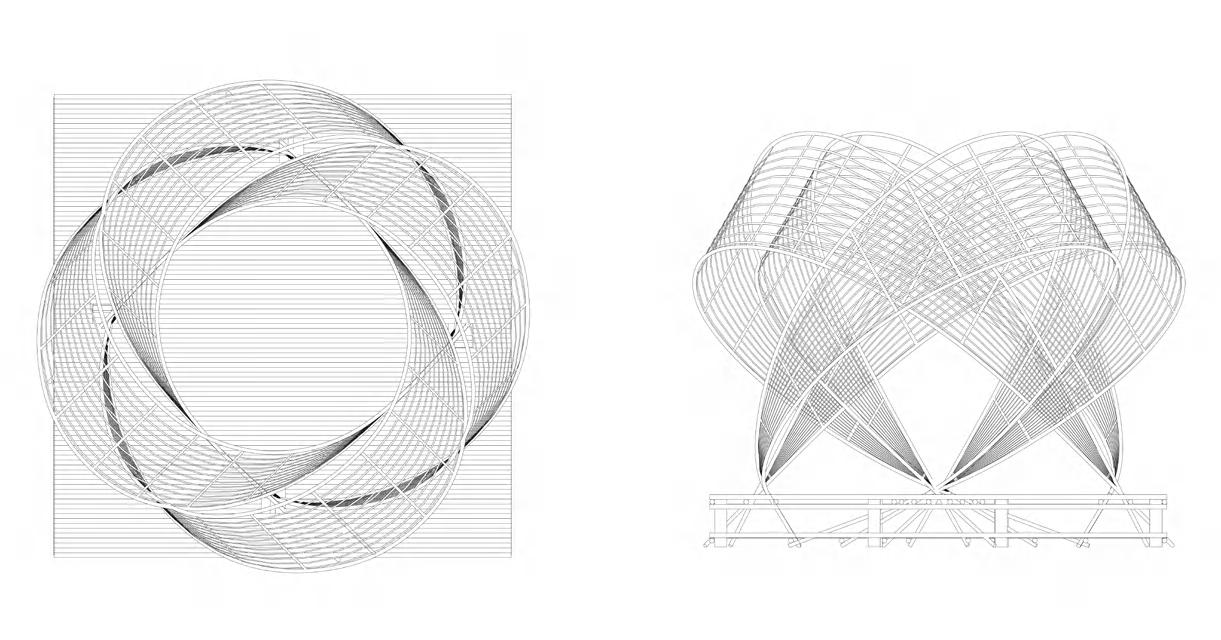
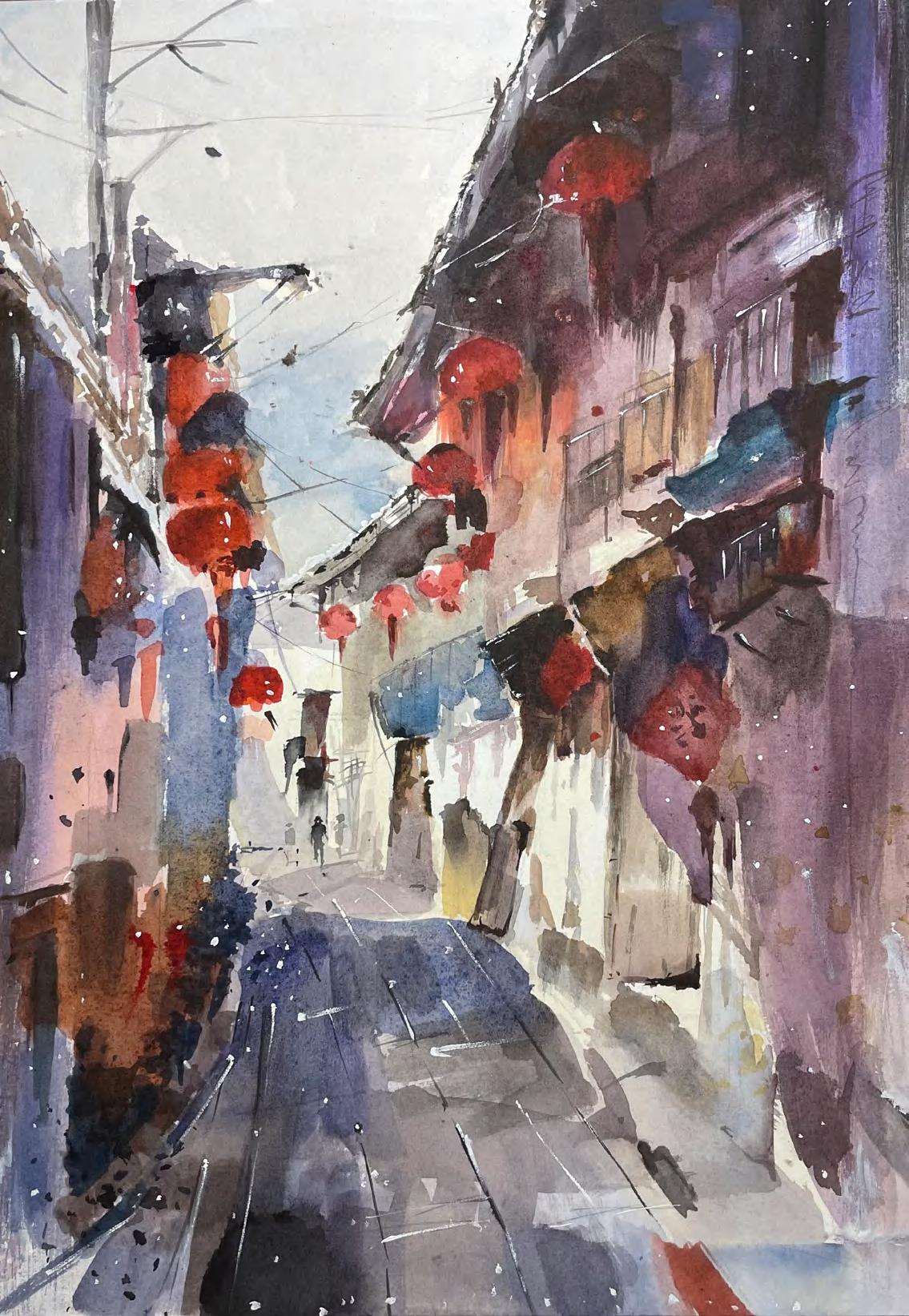
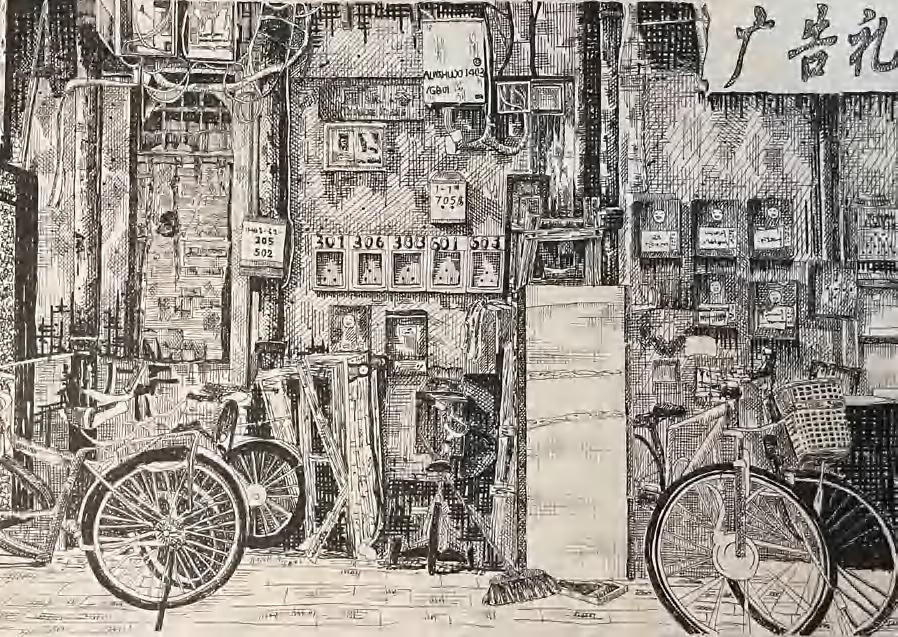
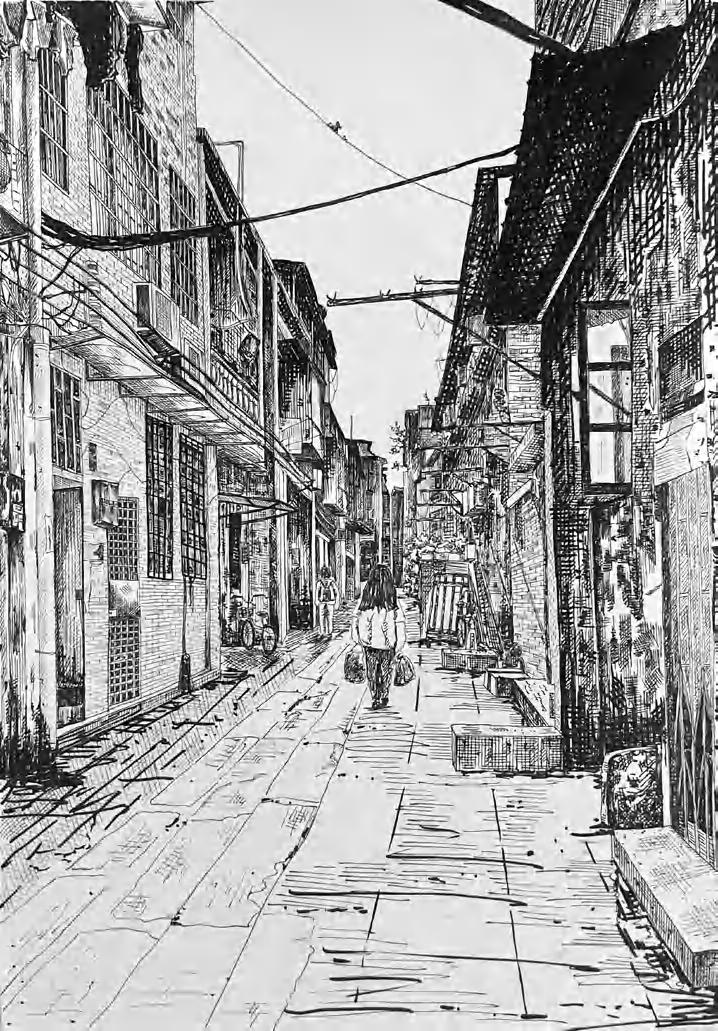
In 2021, I watched my first live theater performance— Dreams Like a Dream . An eighthour epic weaving together six overlapping life stories, it wasn’t just a play; it felt like a microcosm of human experience. Sitting in the circular audience seats, I watched actors move continuously along the circle, acting out the endless cycles of life. At its climax, the protagonist saw their true self reflected in a lake. To me, this was a metaphor: each of us can find fragments of our own life in this performance, moments that reveal our true selves—our mirror image.
For a long period of time, I felt trapped by rigid rules and the pressure of ‘perfect’ precedents. It wasn’t until my fourth-year theater design project that I recalled Dreams Like a Dream. I imagined myself climbing out of a dark corridor, finally reaching a mountain lake where I could see my own reflection. In that moment, I realized that design is a journey of self-discovery. It’s about creating tangible links with my audience—finding shared emotions and connections. This project transformed me. I immersed myself in the real tensions of the world around me, infusing my design process with a renewed sense of purpose.
In June 2024, I joined my professors on an architectural study trip to Japan. Under the elevated tracks of the Shinkansen, I stumbled upon a bustling night market. Neon lights illuminated hundreds of temporary stalls, while trains roared overhead. The mingling smells of seafood, the noise of the crowd, and the damp glow of shallow puddles on the concrete ground overwhelmed my senses. In that moment, I felt I had truly arrived in the city. It was raw, unpolished, and alive—beauty intertwined with stains and cracks. These overlooked public spaces, full of chaos and vitality, sparked a realization in me: architecture isn’t just about pristine forms but about capturing the power and authenticity of the overlooked. In my portfolio, I chose to confront the forgotten areas of the city, to uncover fading cultures buried under digital media, and to create spaces where people can rediscover their truest selves. I hope to engage with the real community, contributing to a better world.
Personal Website: https://lijiazhuangarch.com
Frameworks of Encounter
2025 Fall- Permanent Supportive Housing
Restoration, Reconnection, Infiltration
2023 Fall - Urban heritage renovation
Metaphor and Blanking 04 Reconstruction of Mechanism
2023 Fall- Architectural design for campus performances
2024 Winter - Urban renewal in the context of high-density sprawl
Hymn of Memories
2024 Summer - Home in old village
2024 Spring- Urban Design Project
01 Frameworks of Encounter
- 2025 Studio [ARCH 201] Project -
- Individual Academic Project -
- Site: North Bart Station, Berkeley, CA-
- Permanent Supportive Housing -
- Instructor: Mia Zinni/mzinni@berkeley.edu -
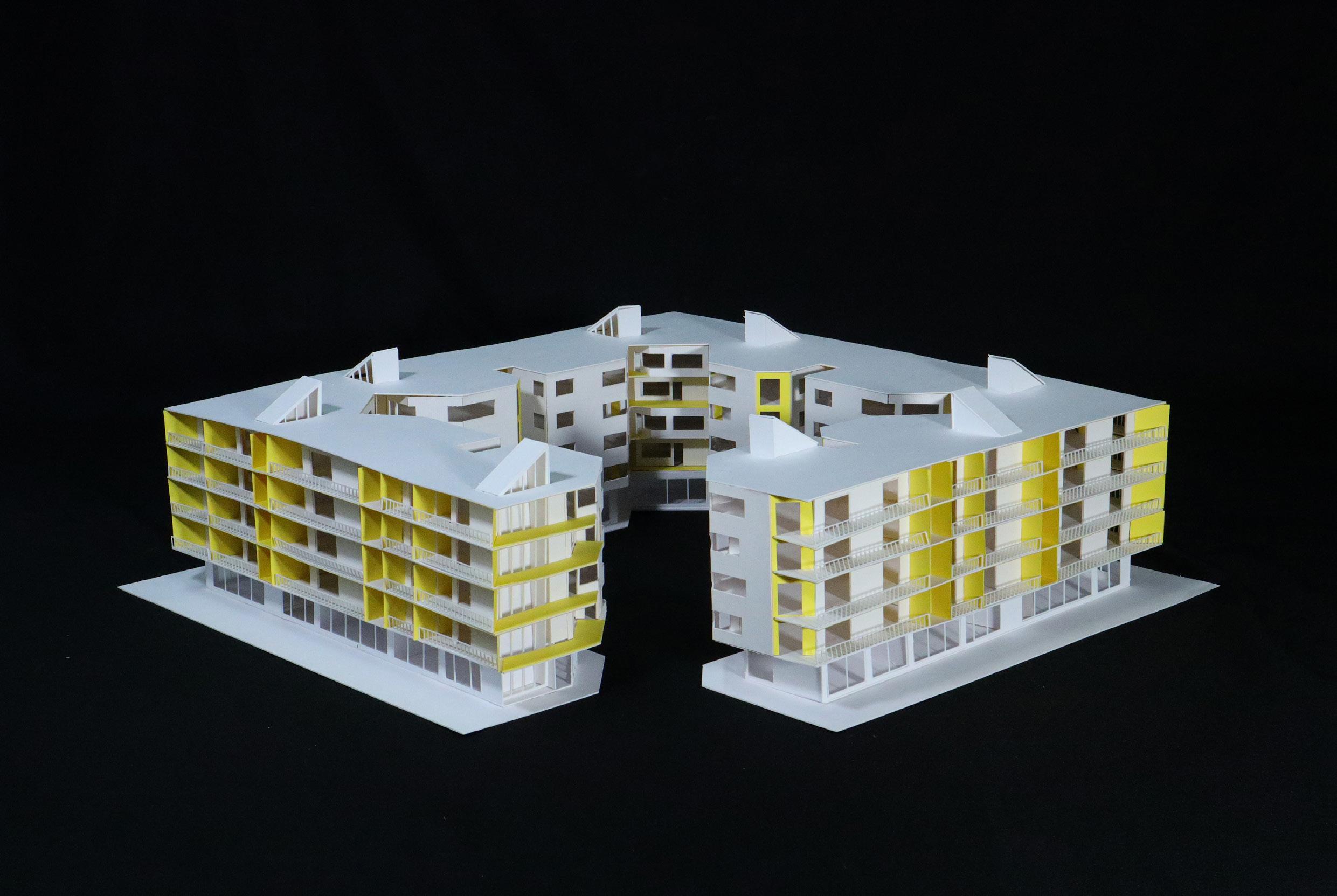
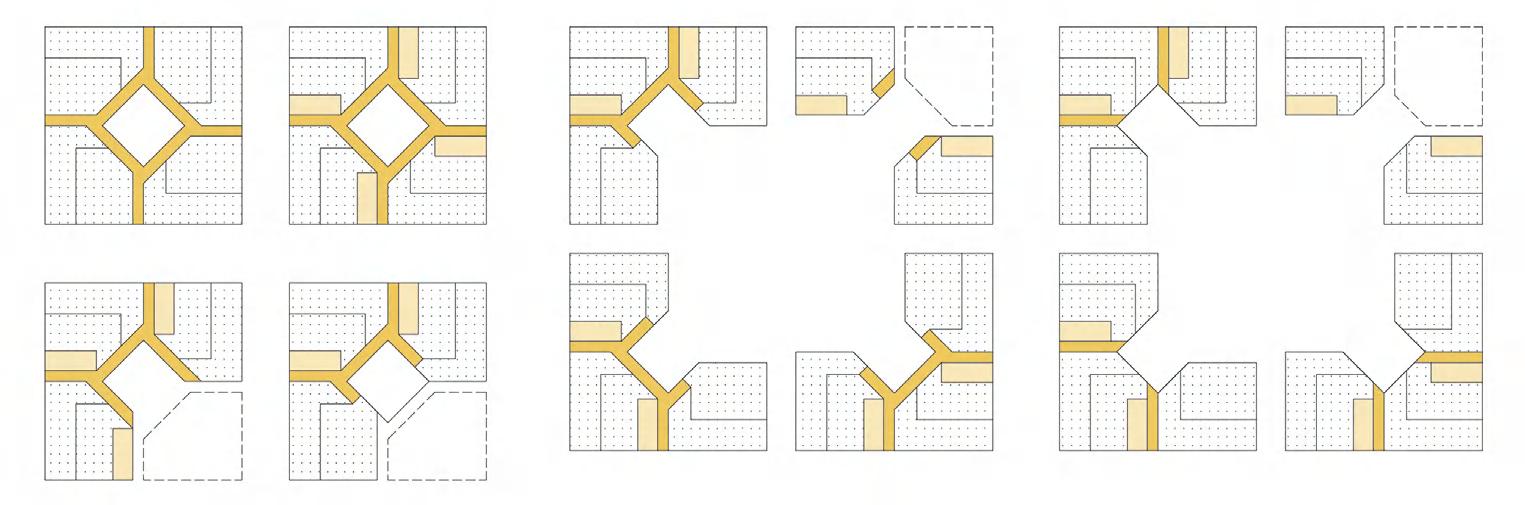
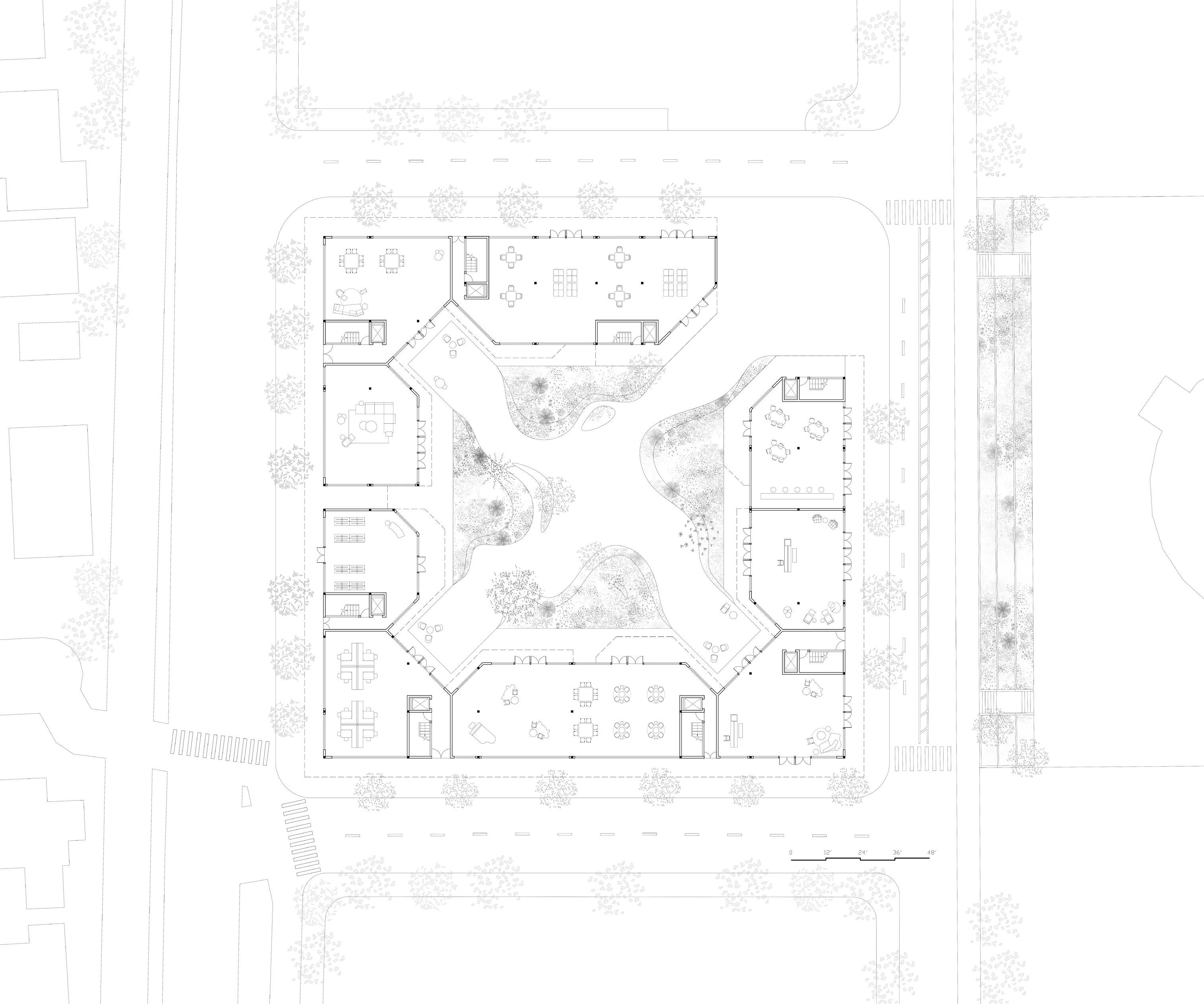
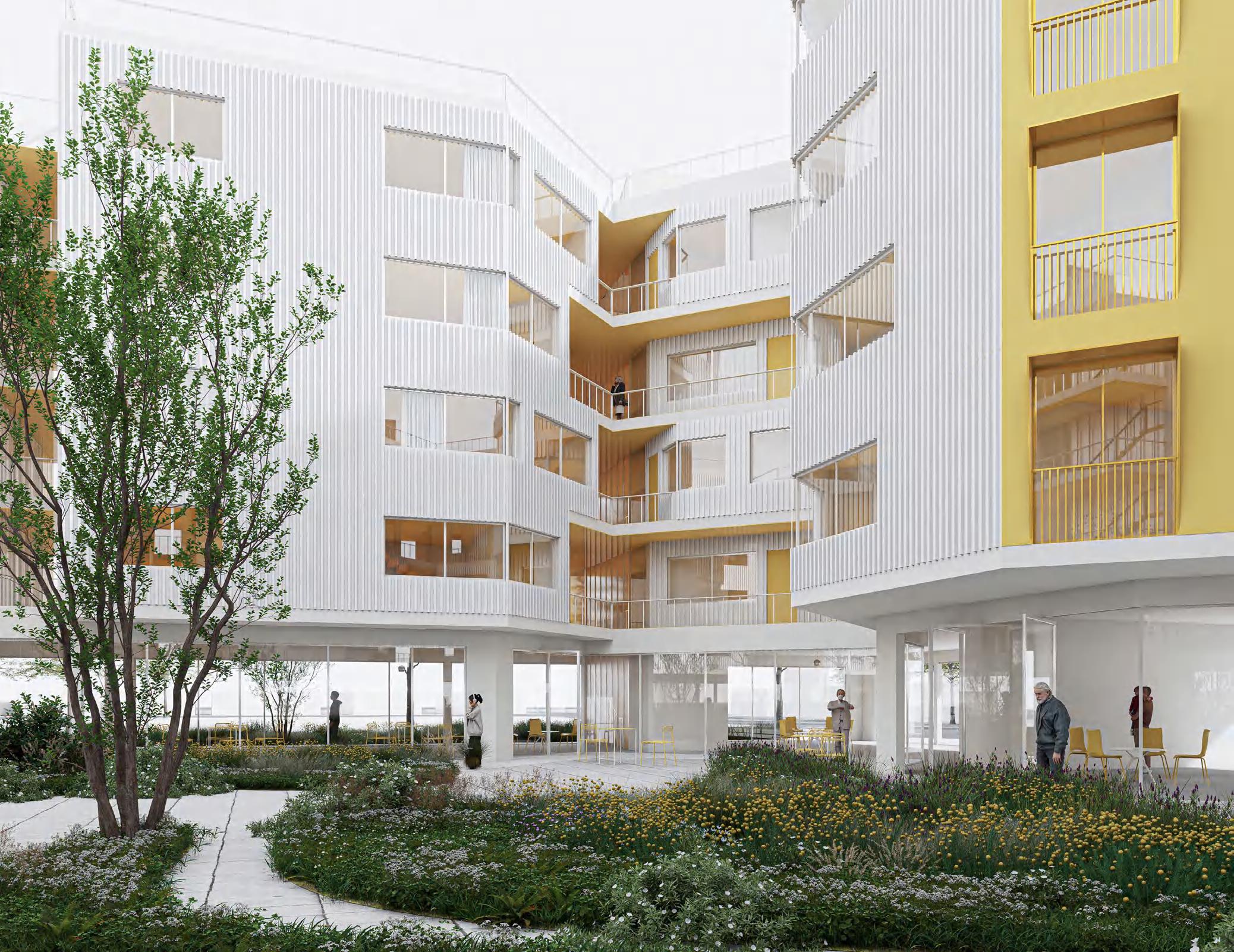
This studio focuses on creating secure spaces for diverse groups. We argue that permanent supportive housing must transcend mere shelter to become a social vessel—one that safeguards private space while providing communal areas for interaction, thereby empowering residents with genuine choice. The proposed architectural approach avoids prescribing social behavior; instead, it creates the conditions for community to emerge spontaneously. Through the strategic deployment of negative space across multiple scales (urban edge, cluster, and unit), the design cultivates a spectrum of social possibilities, constituting an inward-facing urban space. Within this framework, residents hold the right to choose their level of engagement—from remaining in their private sanctuary to participating in communities of varying scales or the public realm.
Clustered Communities
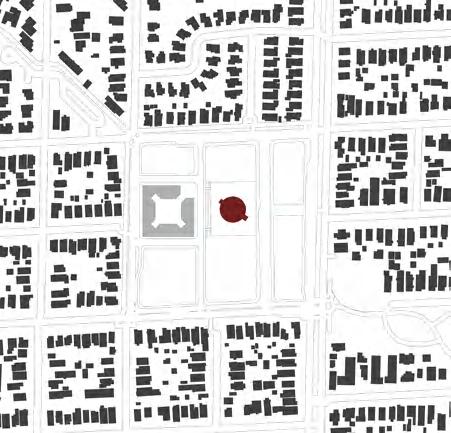
The goal was to create housing that provides security and dignity while fostering resident agency and community. The site is located around the North Berkeley BART Station.
One Bedroom Unit: 56/ Two Bedroom Unit: 12/ Three Bedroom Unit: 20
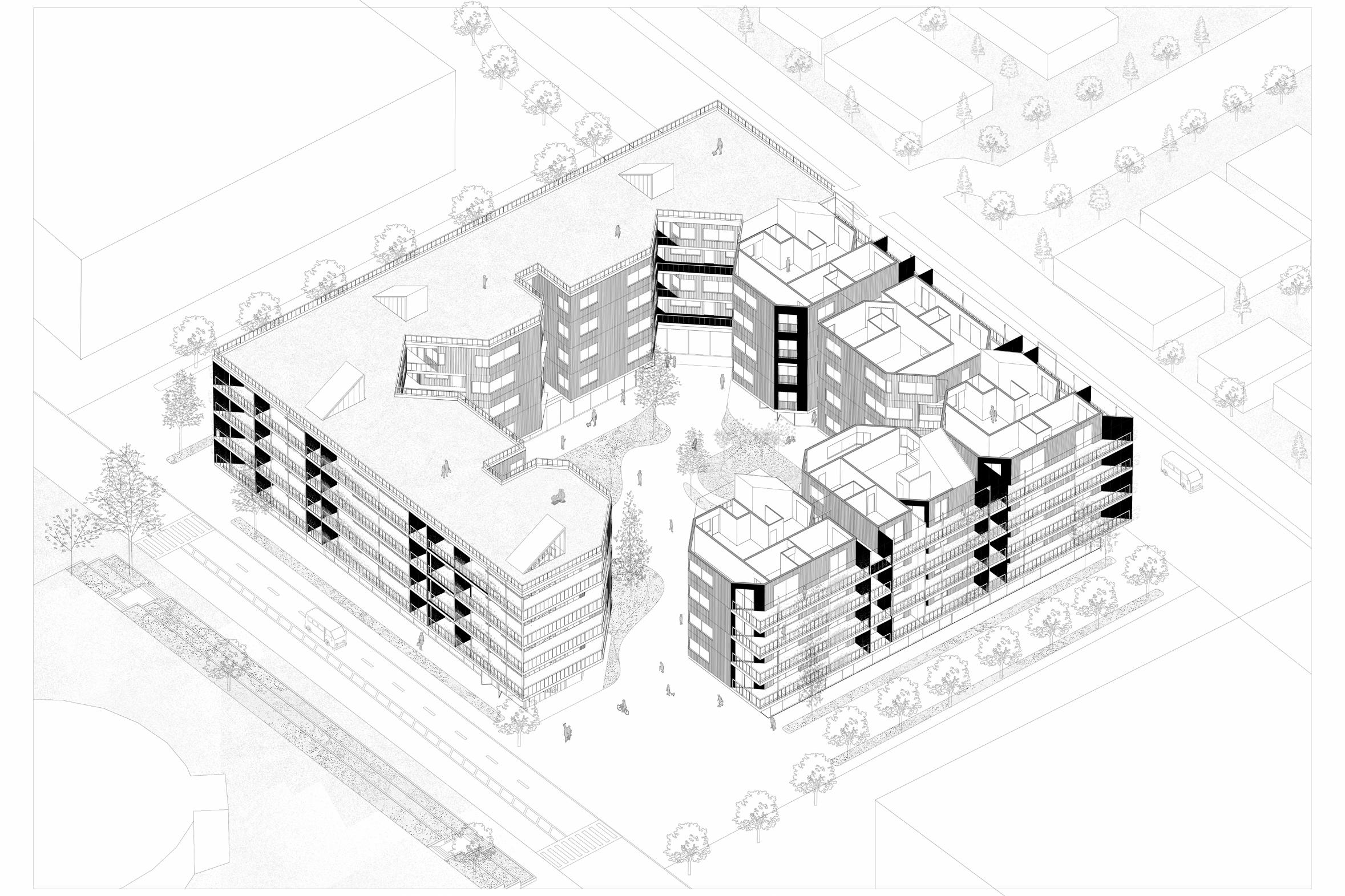
Inward Diversity, Outward Order
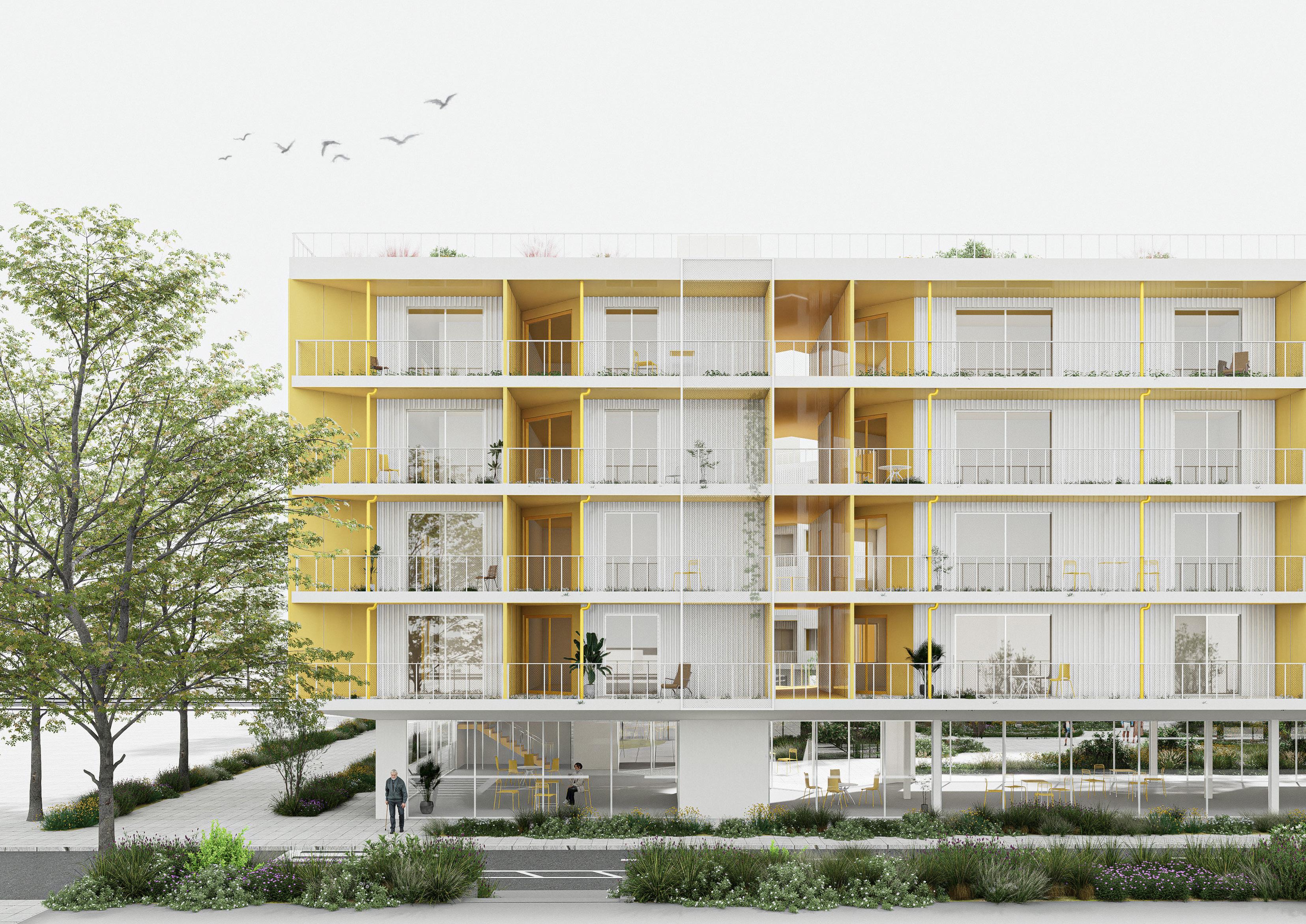
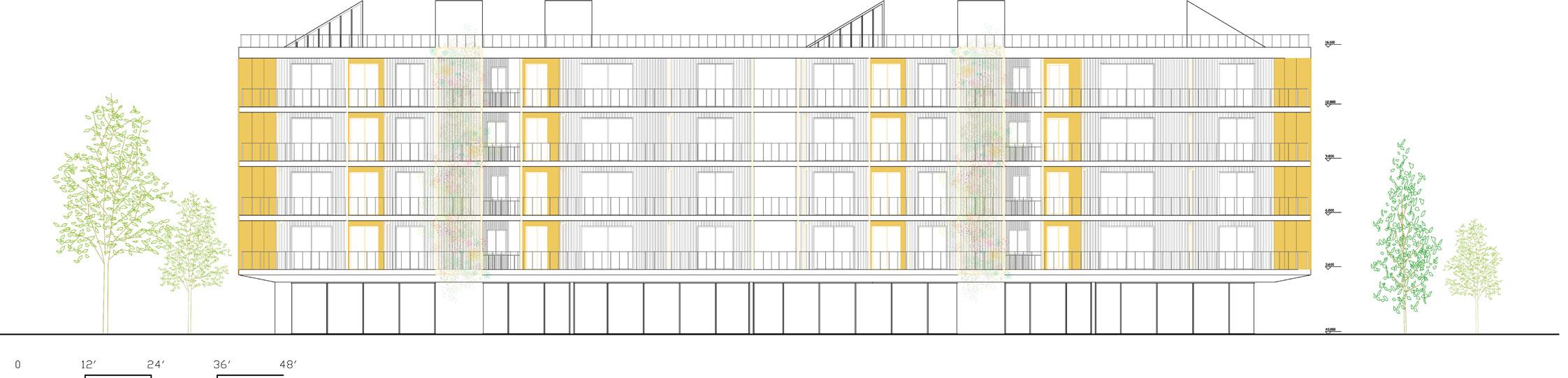
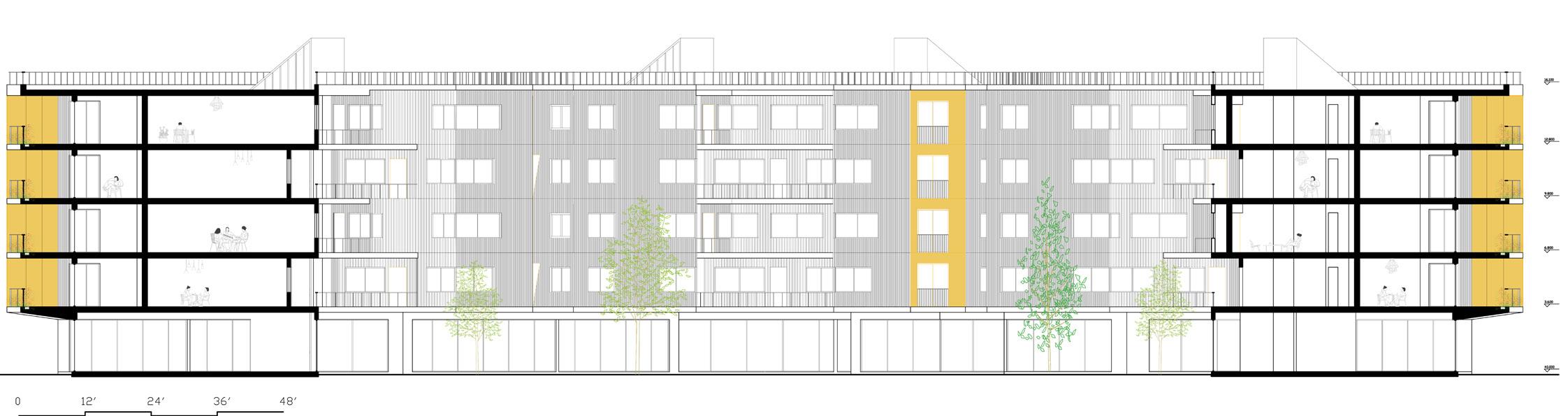
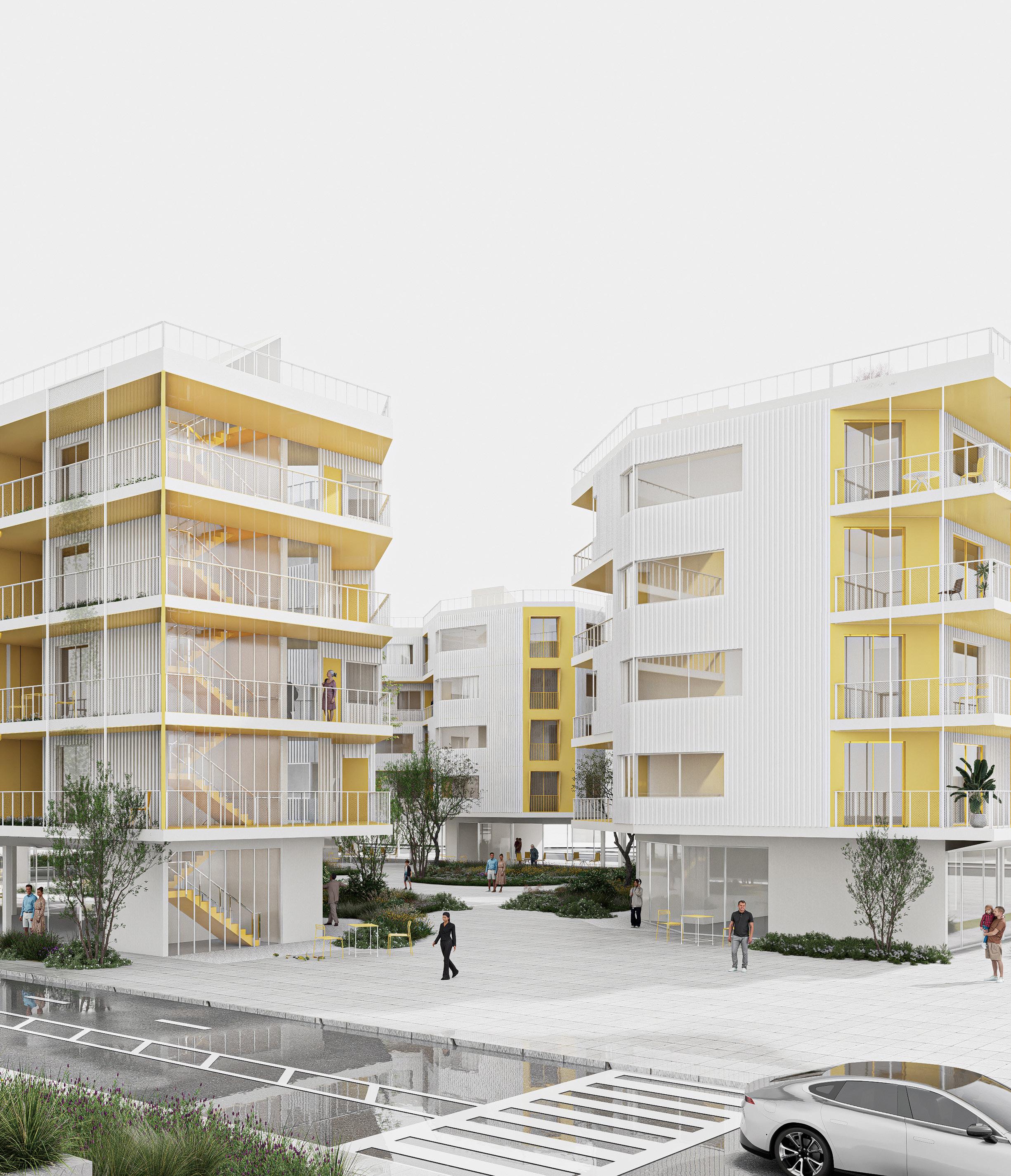
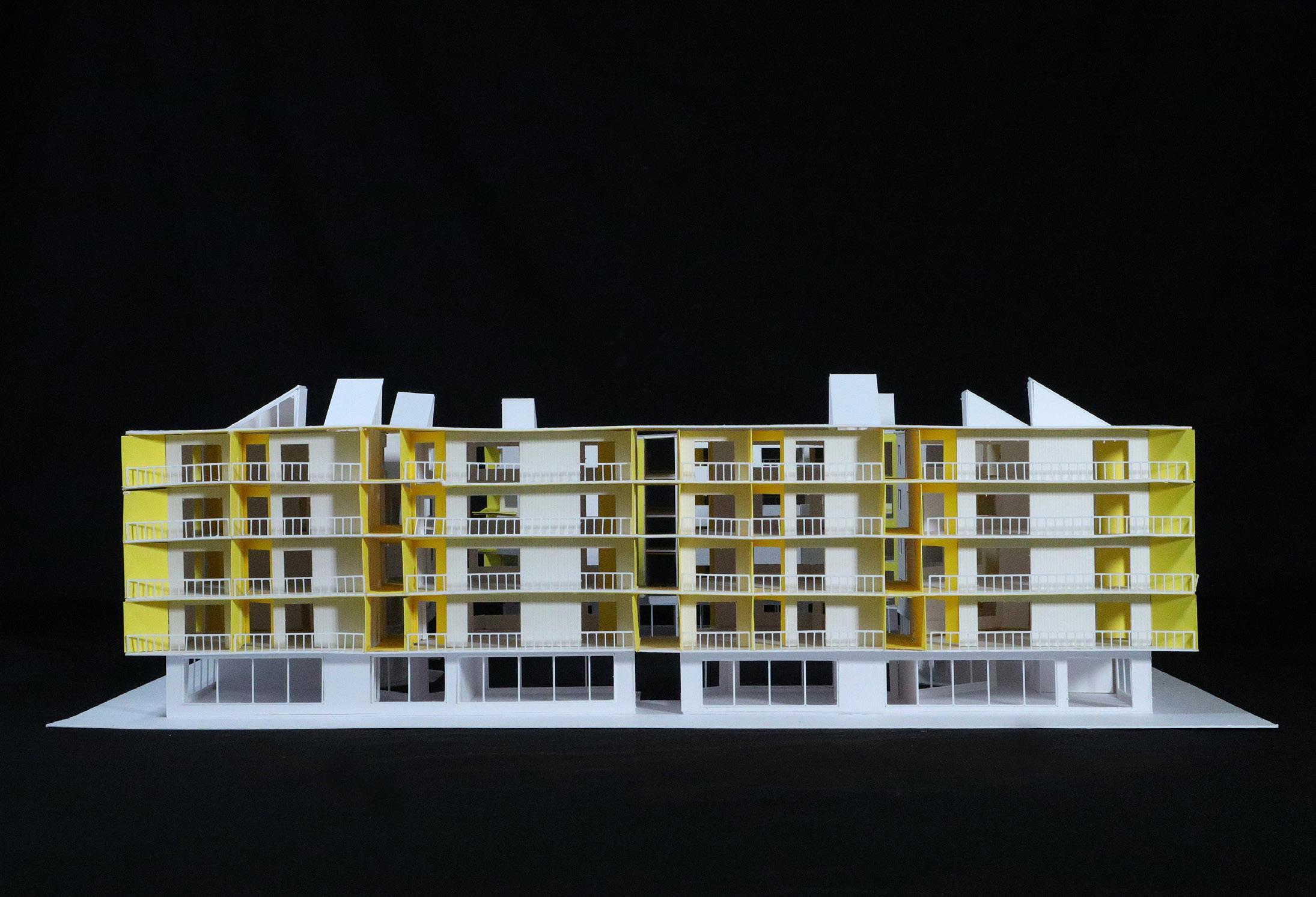
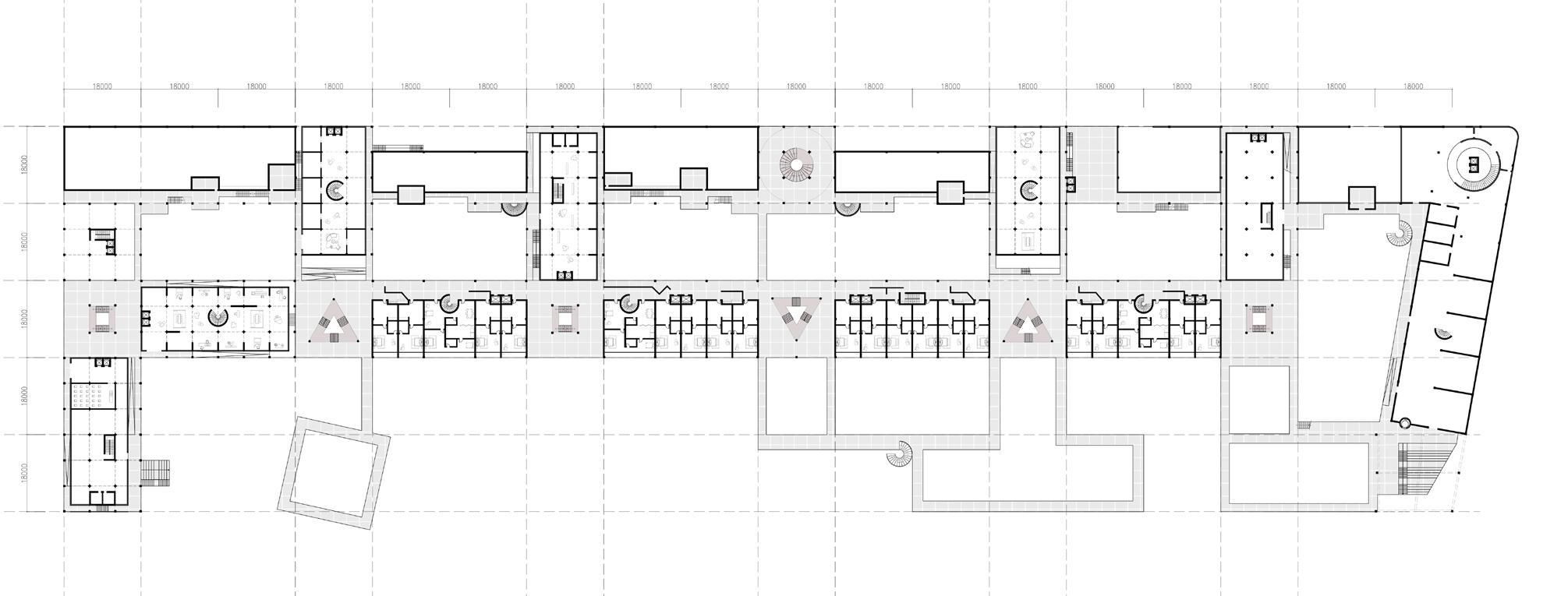
This spatial sequence culminates in a vibrant central courtyard, an organic and socially charged core that promotes chance encounters and informal gathering. The interior and courtyard facades are dynamic and diverse, fostering an inward-looking richness, while the external facade presents a more linear, rhythmic, and relatively austere expression to the city.
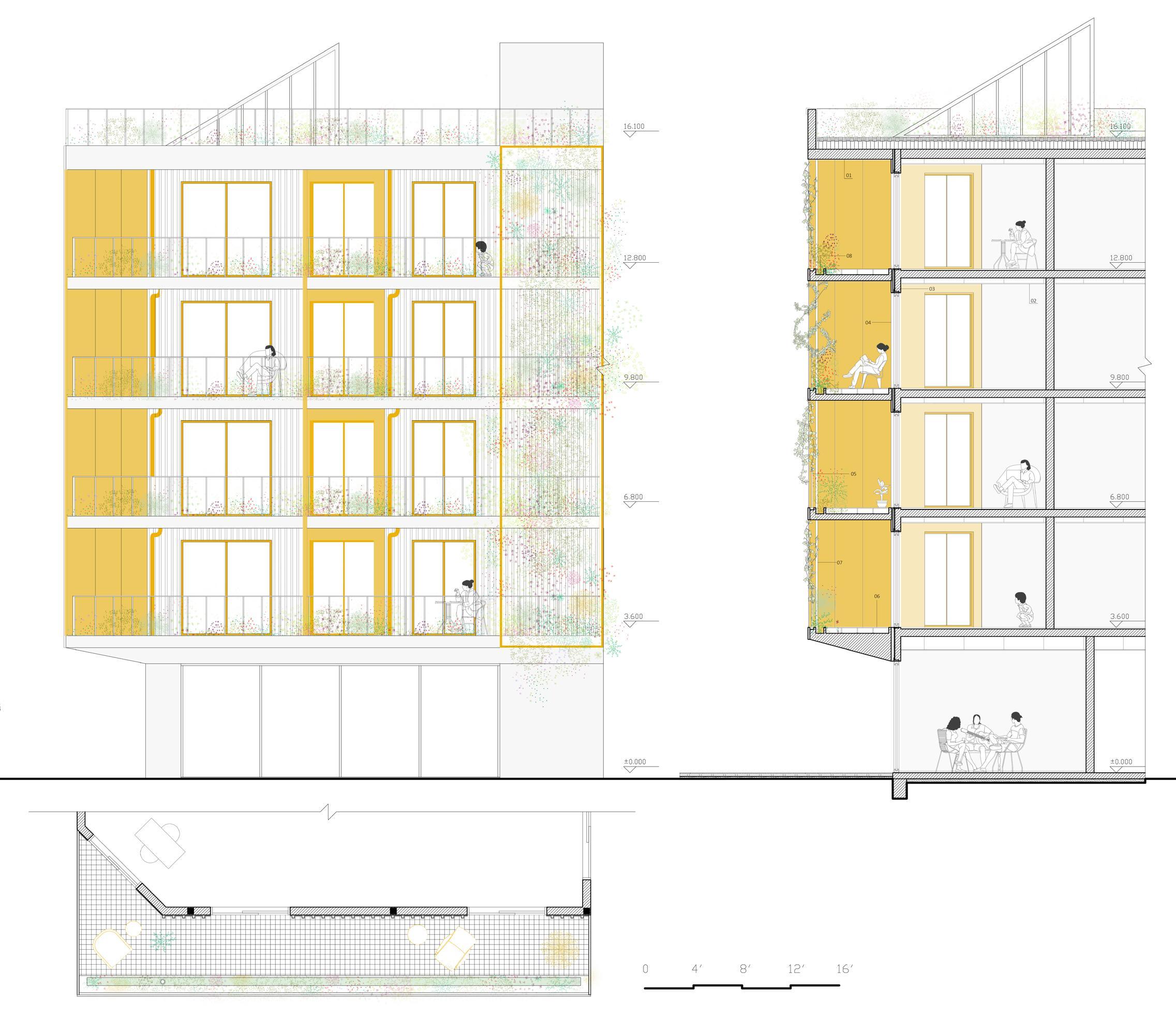
South Elevation
3D Oblique
Social Gradients: From Courtyard to Unit
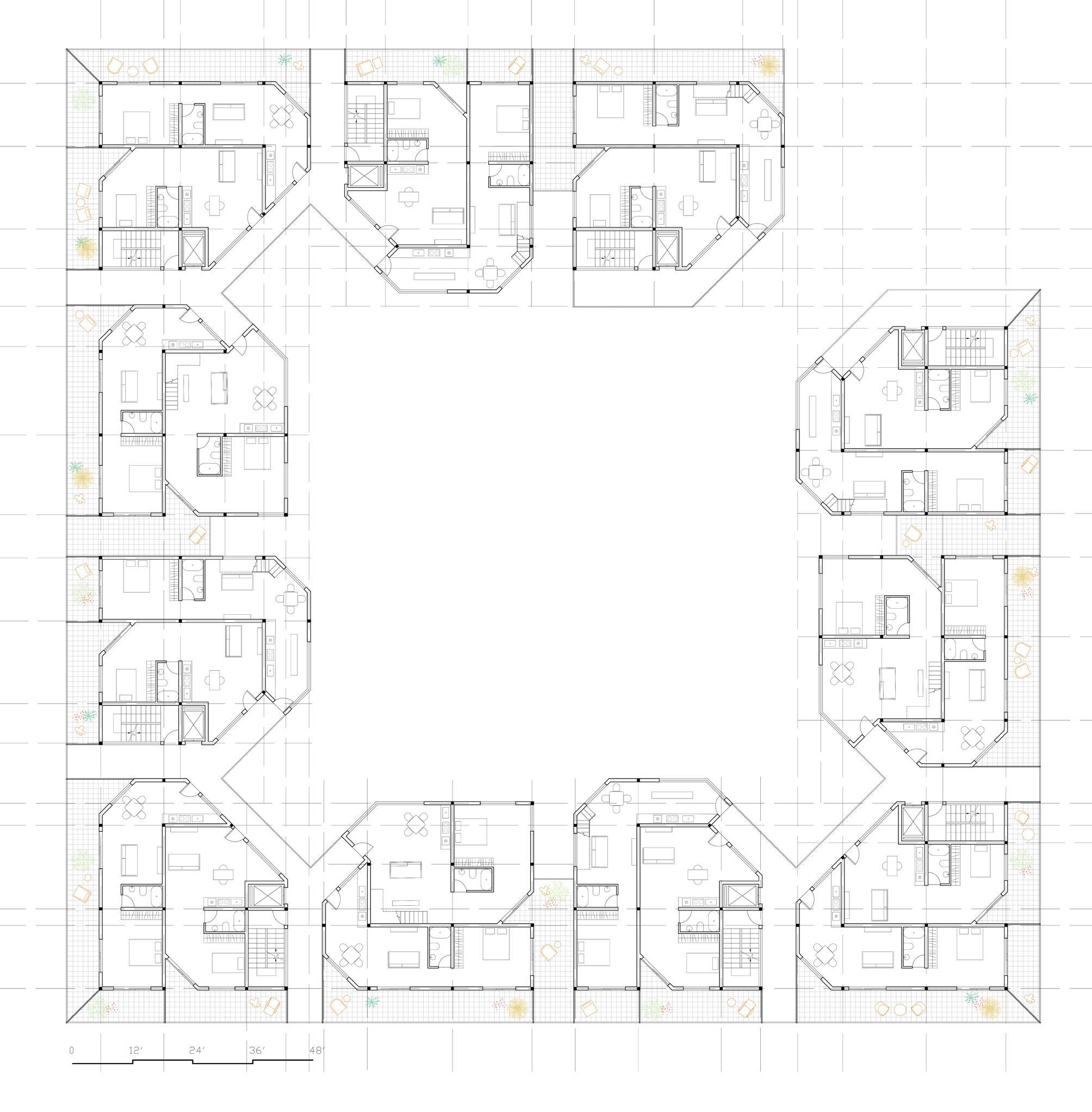
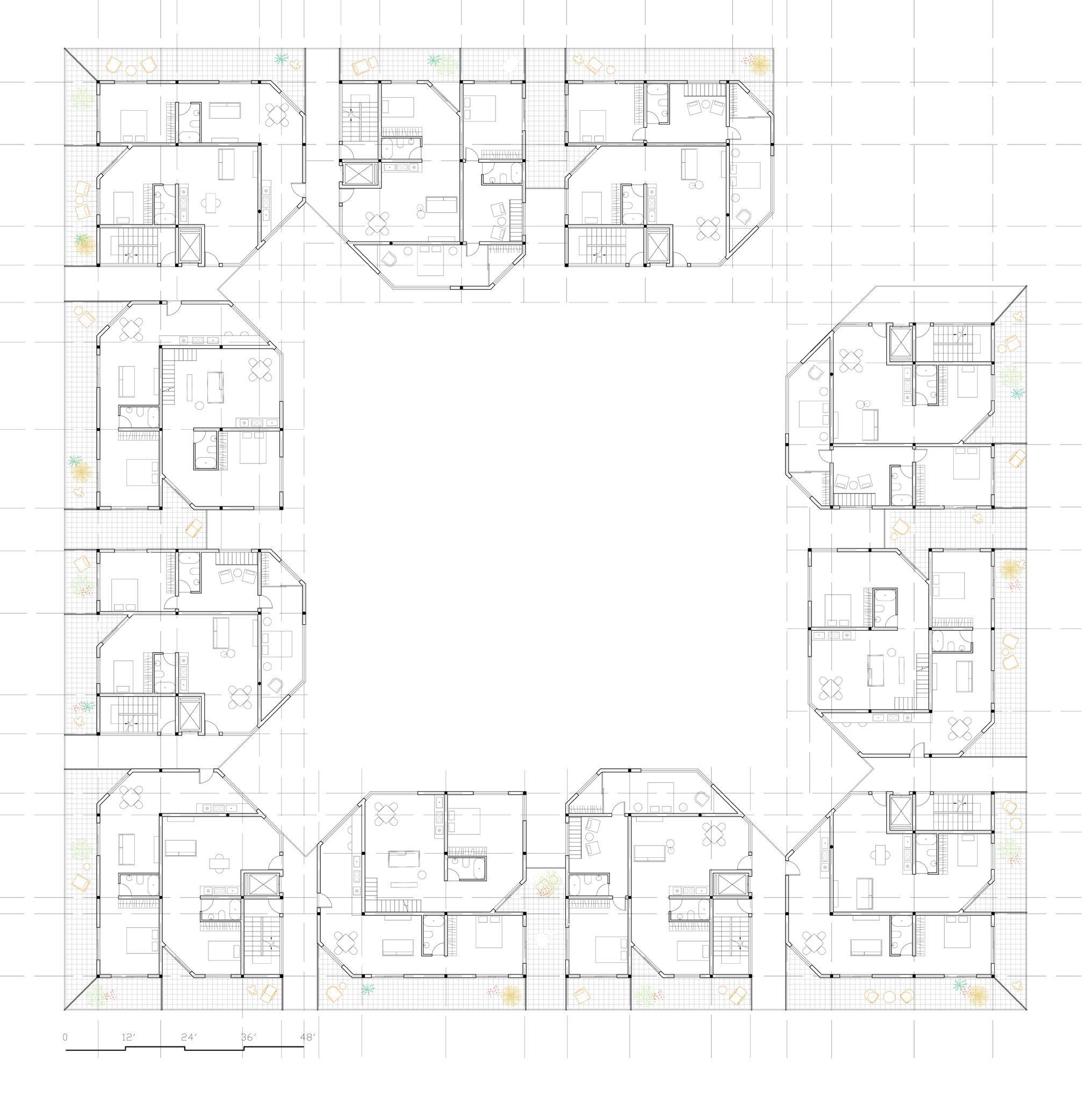
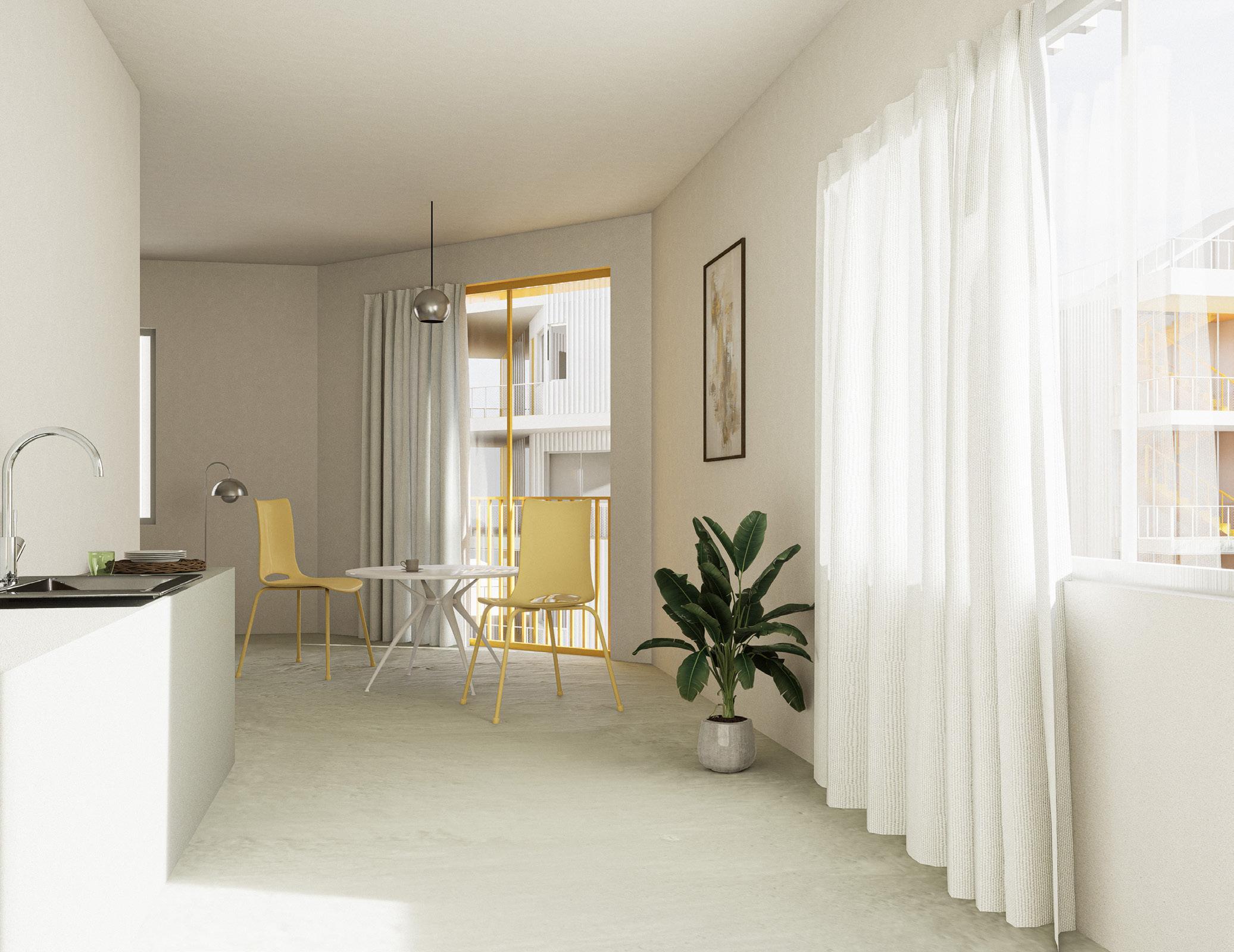
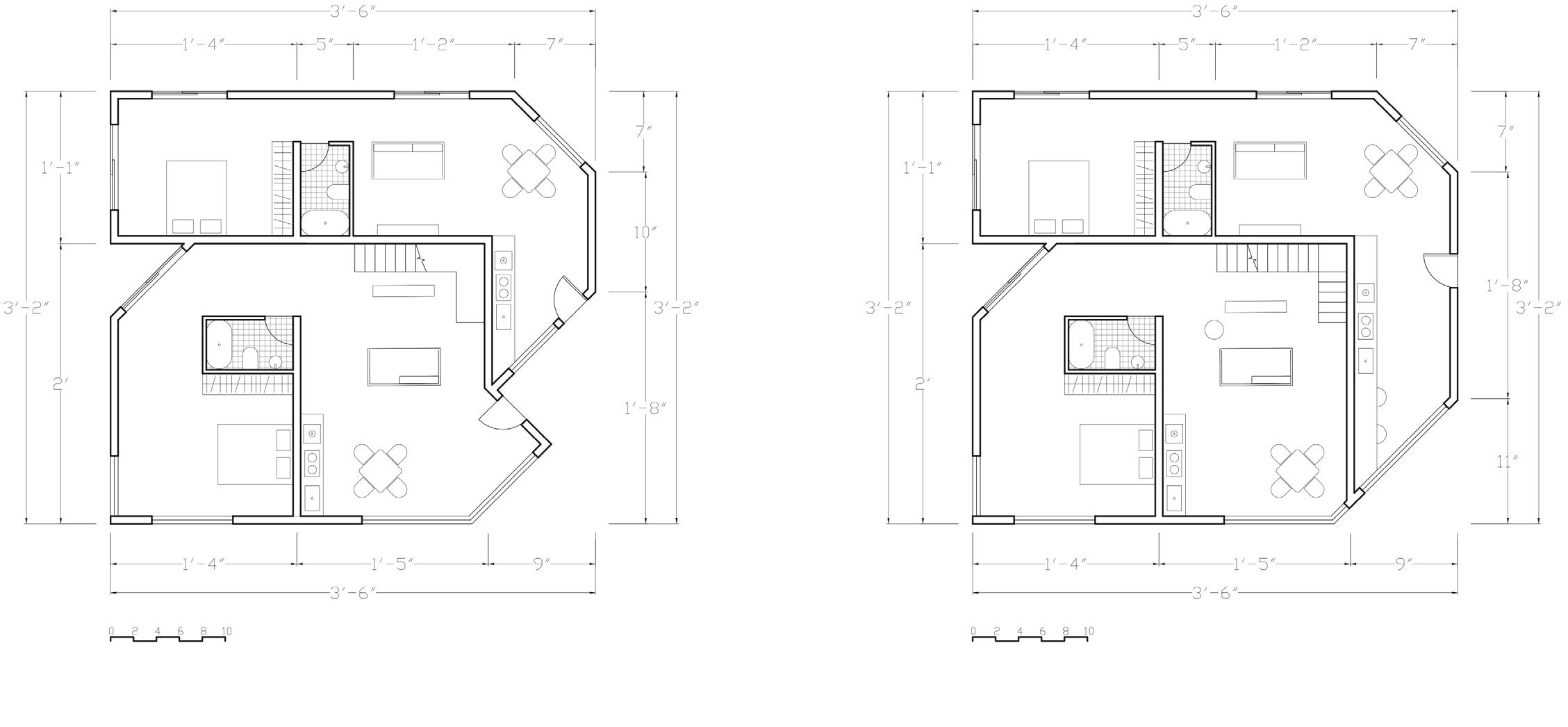
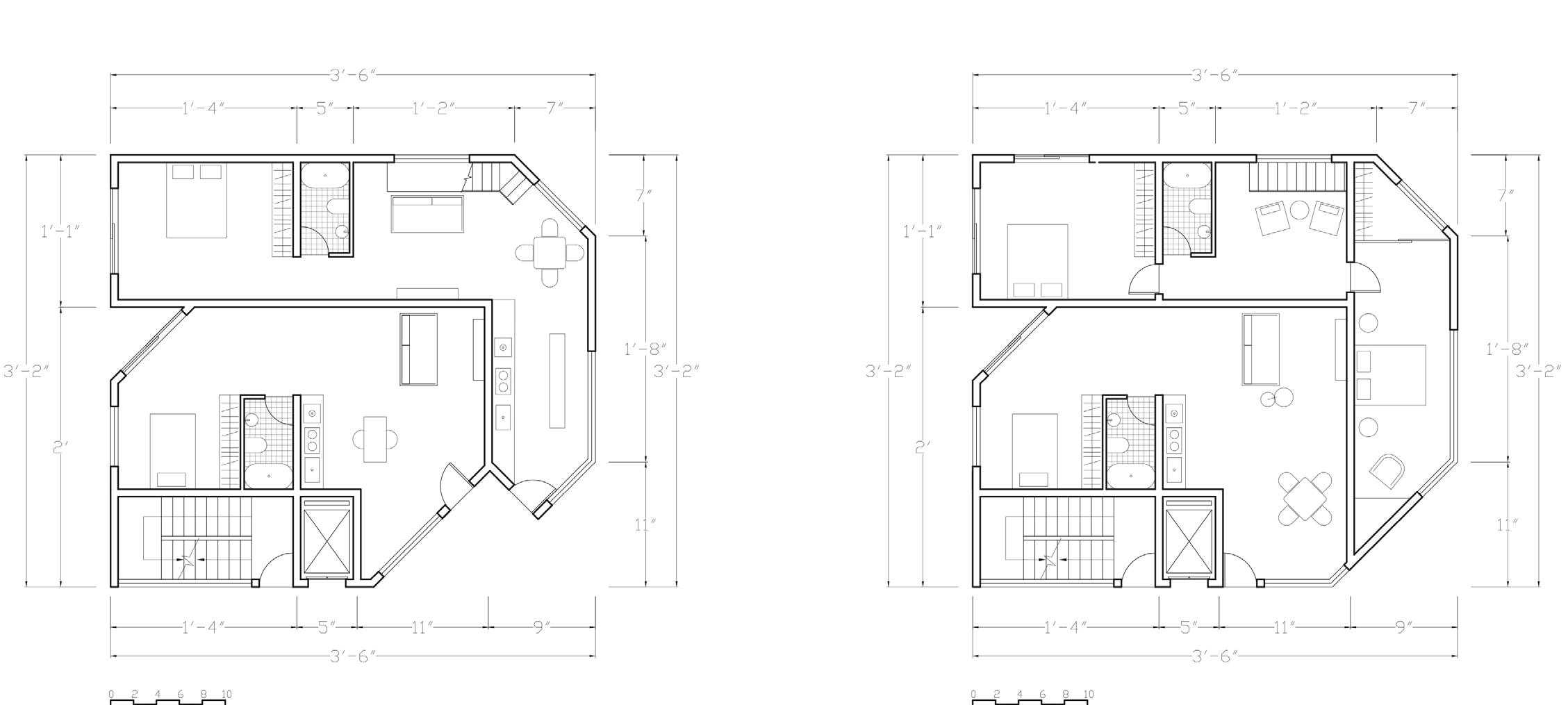
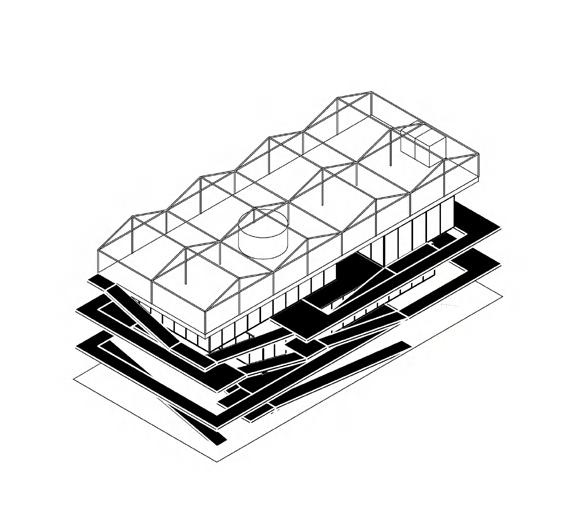
The composition creates a clear transition from the public city to a more protected, community-focused domain. At the largest scale, a vibrant central courtyard serves as the primary social condenser. This “inward-facing urban space” encourages informal gathering and chance encounters. At a finer grain, smaller courtyards and recessed volumes create more intimate outdoor space, accommodating quieter, smaller-group interactions. This hierarchy extends into the units themselves, where safeguards private space, allowing residents to engage with community life at their own pace and preference.
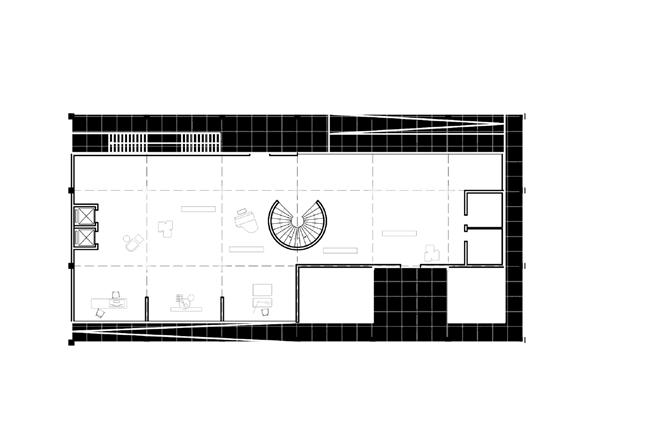
Typical Floor Plan 1 Typical Floor Plan 2
F1 1 BEDROOM UNIT[1] & 2 BEDROOM UNIT
F1 1 BEDROOM UNIT[2] & 3 BEDROOM UNIT
F2 1 BEDROOM UNIT[1] & 2 BEDROOM UNIT
F2 1 BEDROOM UNIT[2] & 3 BEDROOM UNIT
Materiality
and Threshold: The Built Expression
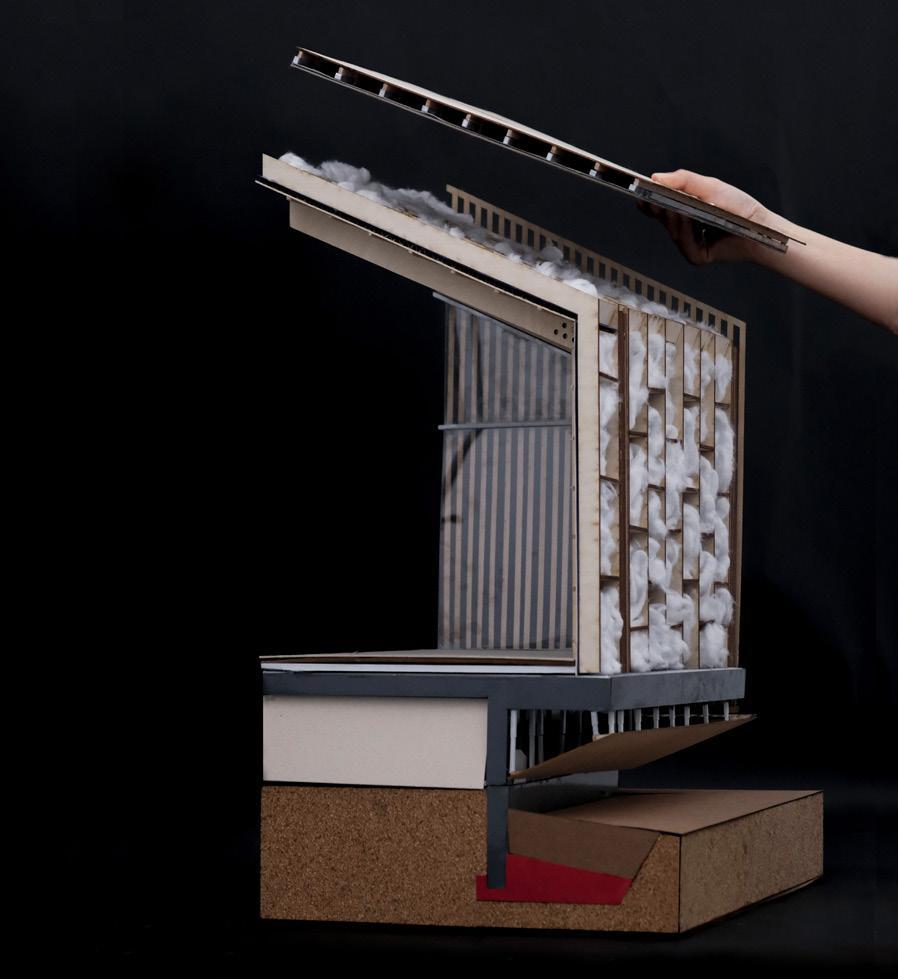
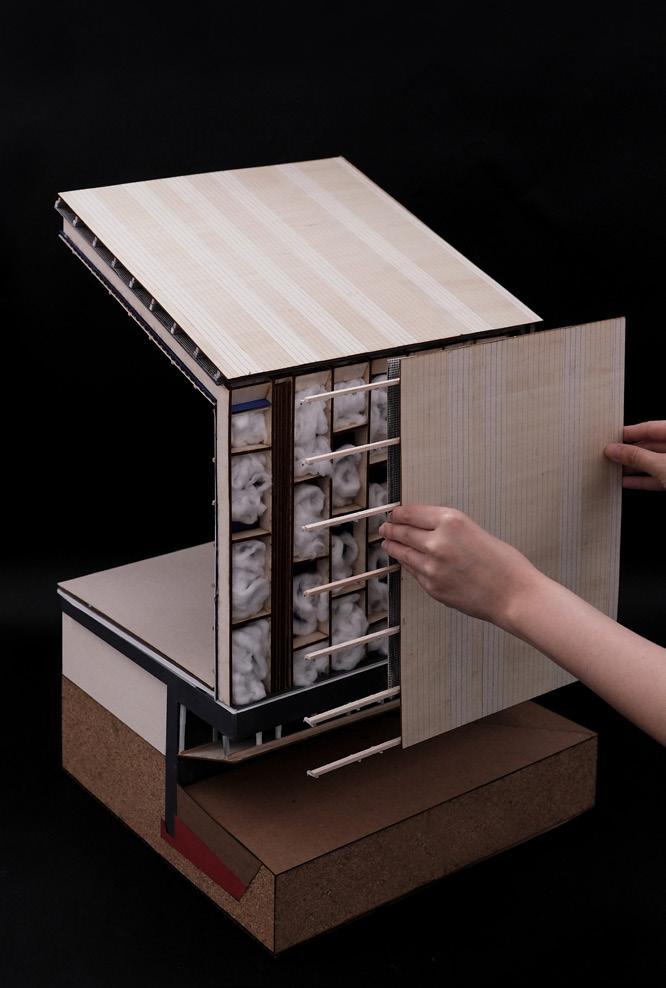
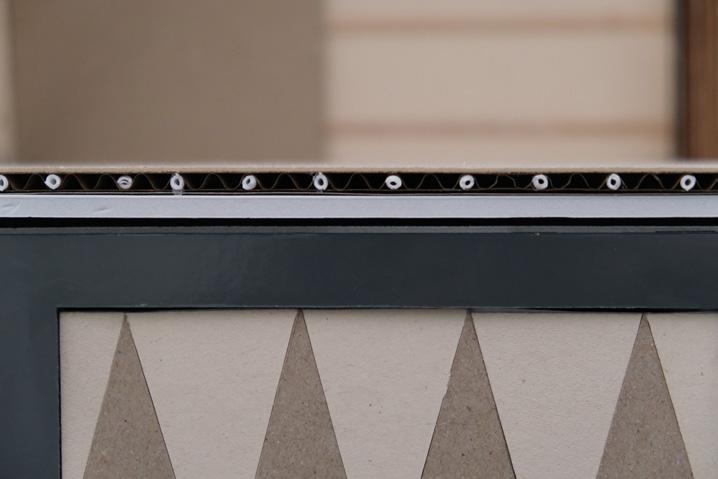
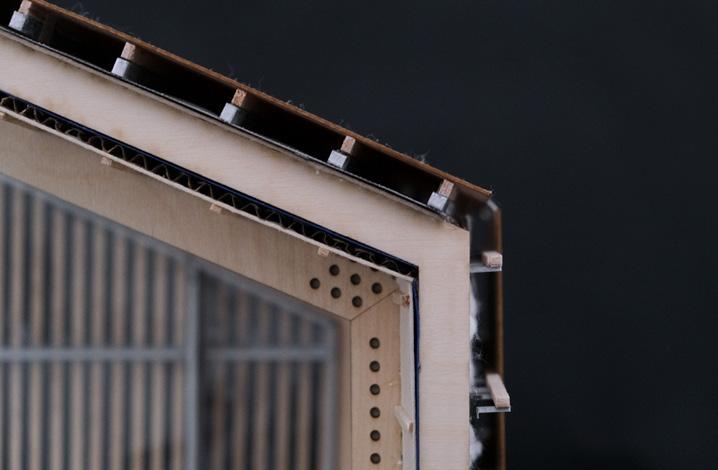
The building's exterior is clad in white insulated corrugated steel panels. The linear balconies provide essential outdoor space, while their integrated planting troughs and exposed downpipe systems transform each balcony into a personal, cultivable micro-natural interface. This design enables residents to connect with nature within their private domain, collectively forming a living “second skin” for the building.
02 Restoration, Reconnection,
Infiltration
- 2023 Fall Urban Design Studio -
-National Green Building Design Competition | 2nd Prize-
- Individual Academic Project -
- Site: Guangzhou, China -
- Urban heritage renovation -
- Instructor: Yiqiang Xiao, Yao Liu/yqxiao@scut.edu.cn -
“Urban heritage is not seen as an isolated thing, but as an immediate and wider part of it. The contextual environment affects heritage and its revitalization, and finding new uses and repurposing heritage has a stimulating effect on the environment and its development . The effect of this interaction can lead to recognition of heritage and promote its sustainability.” - <Heritage Urbanism>.
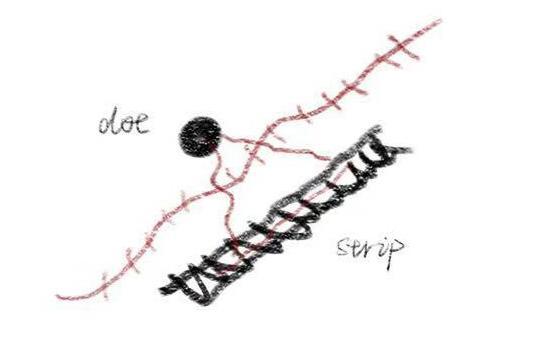
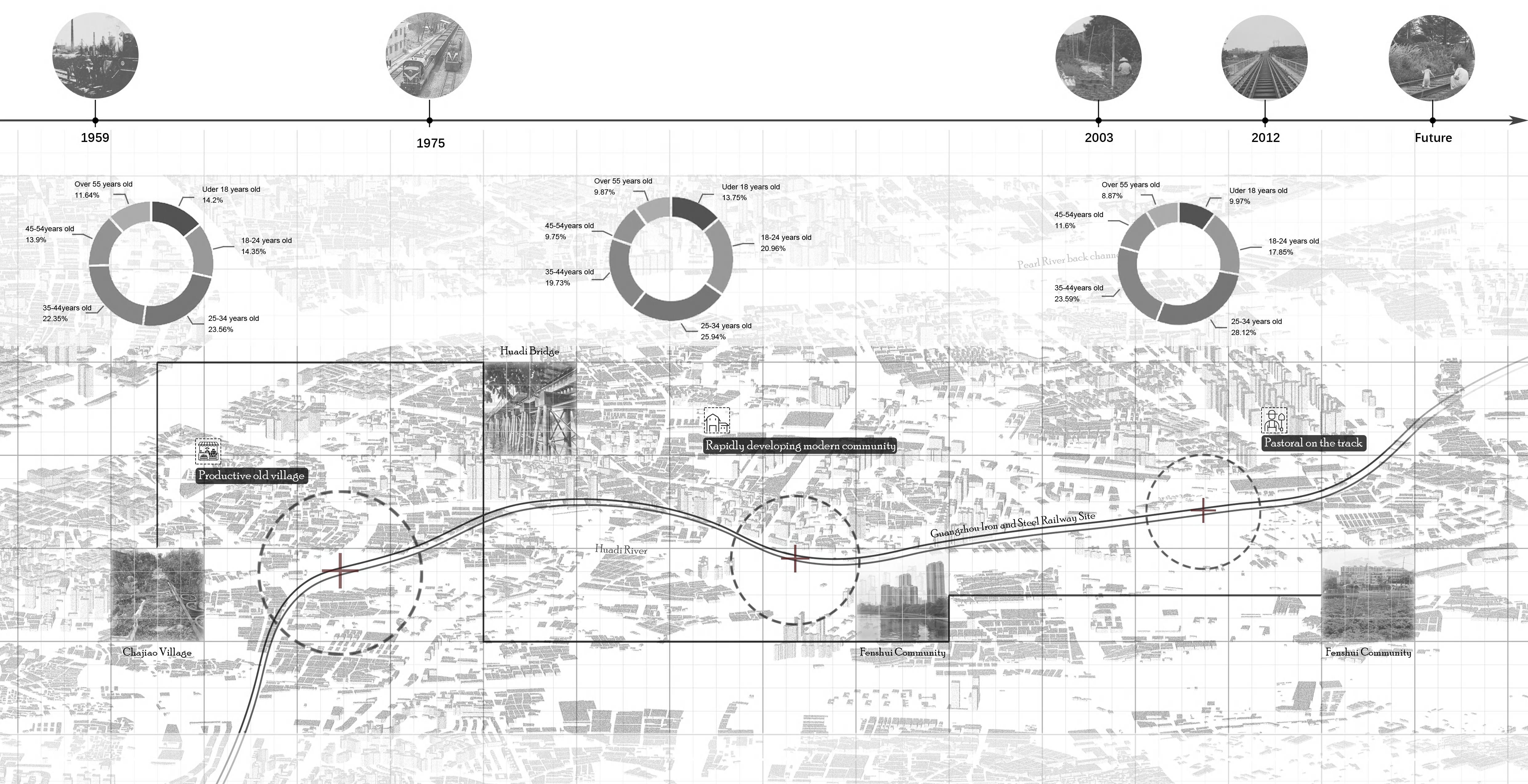
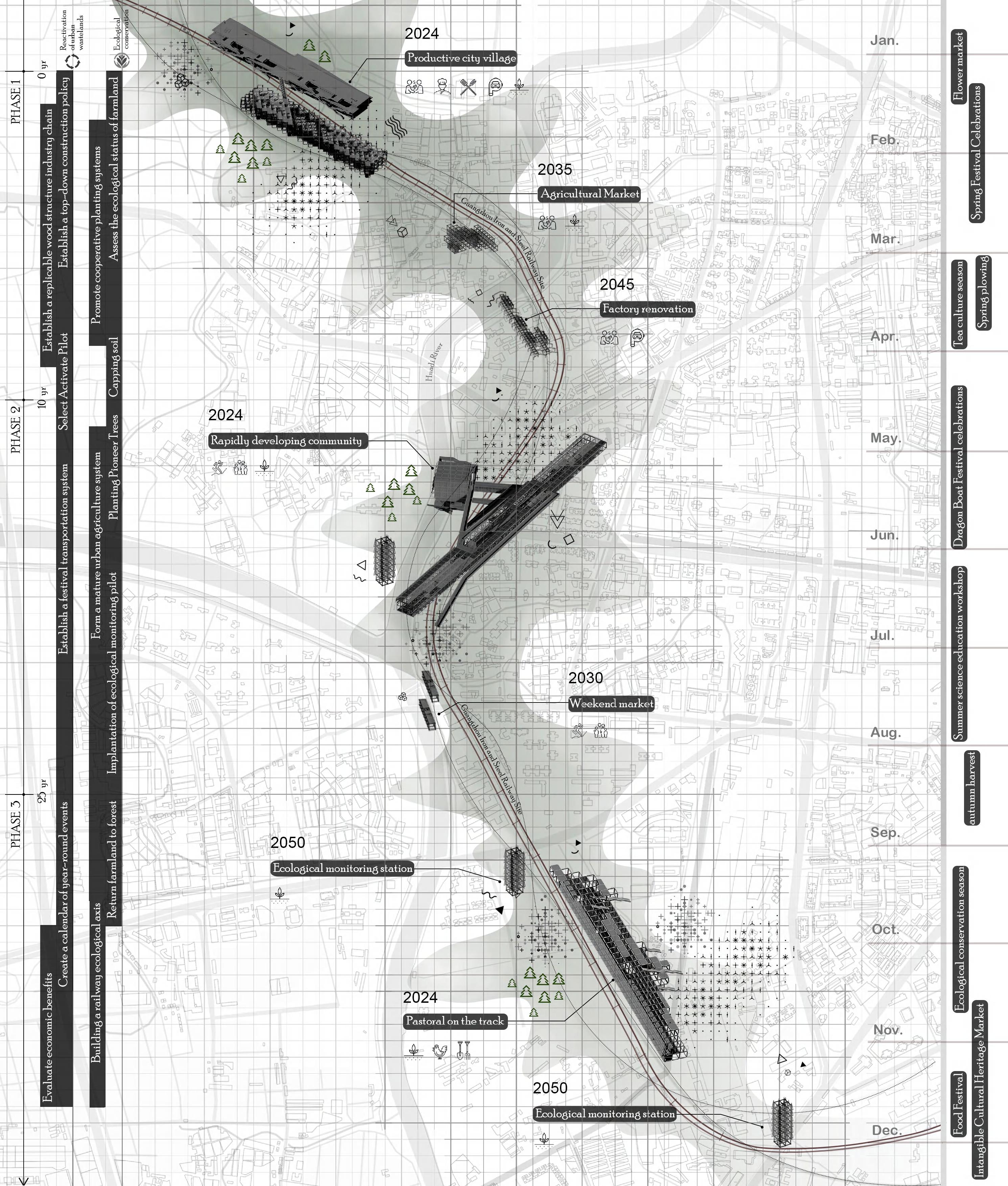
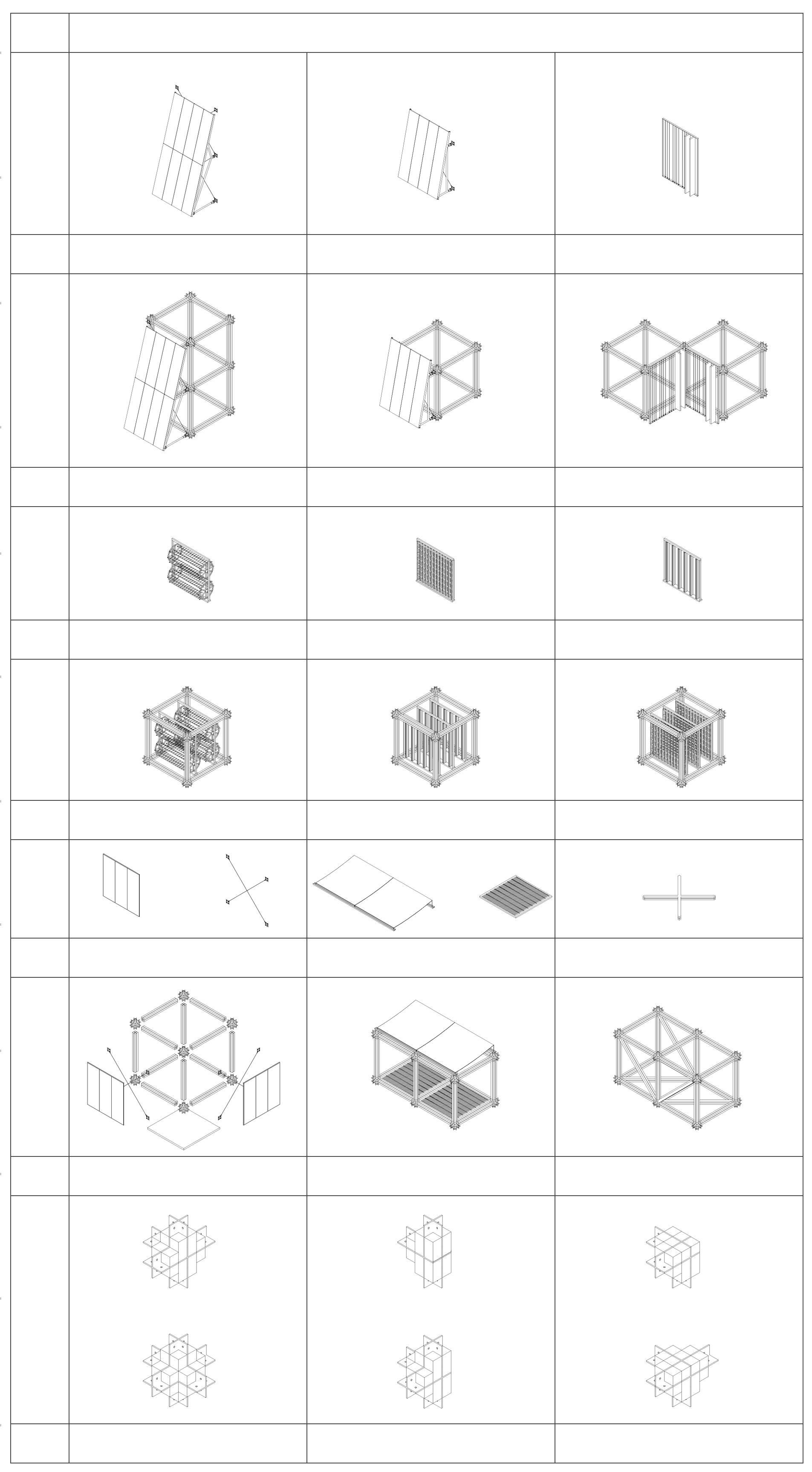
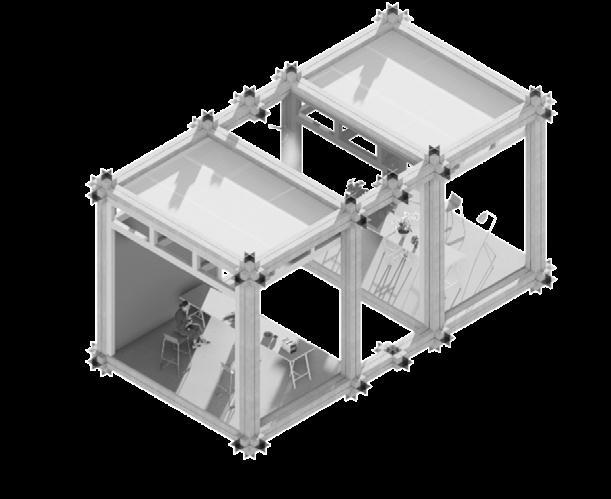
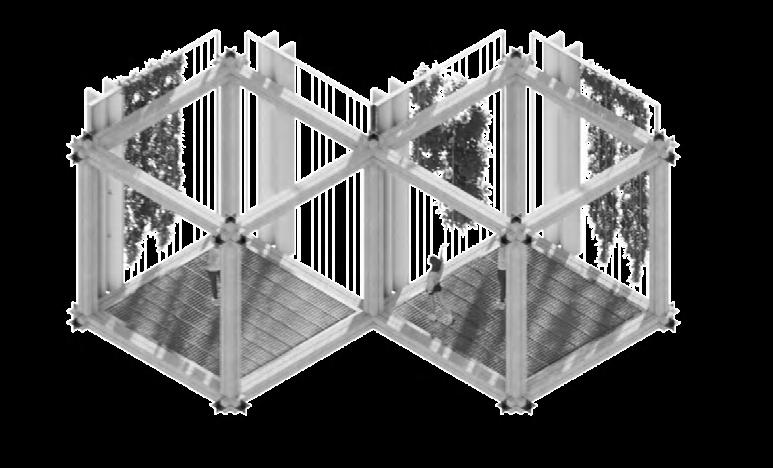
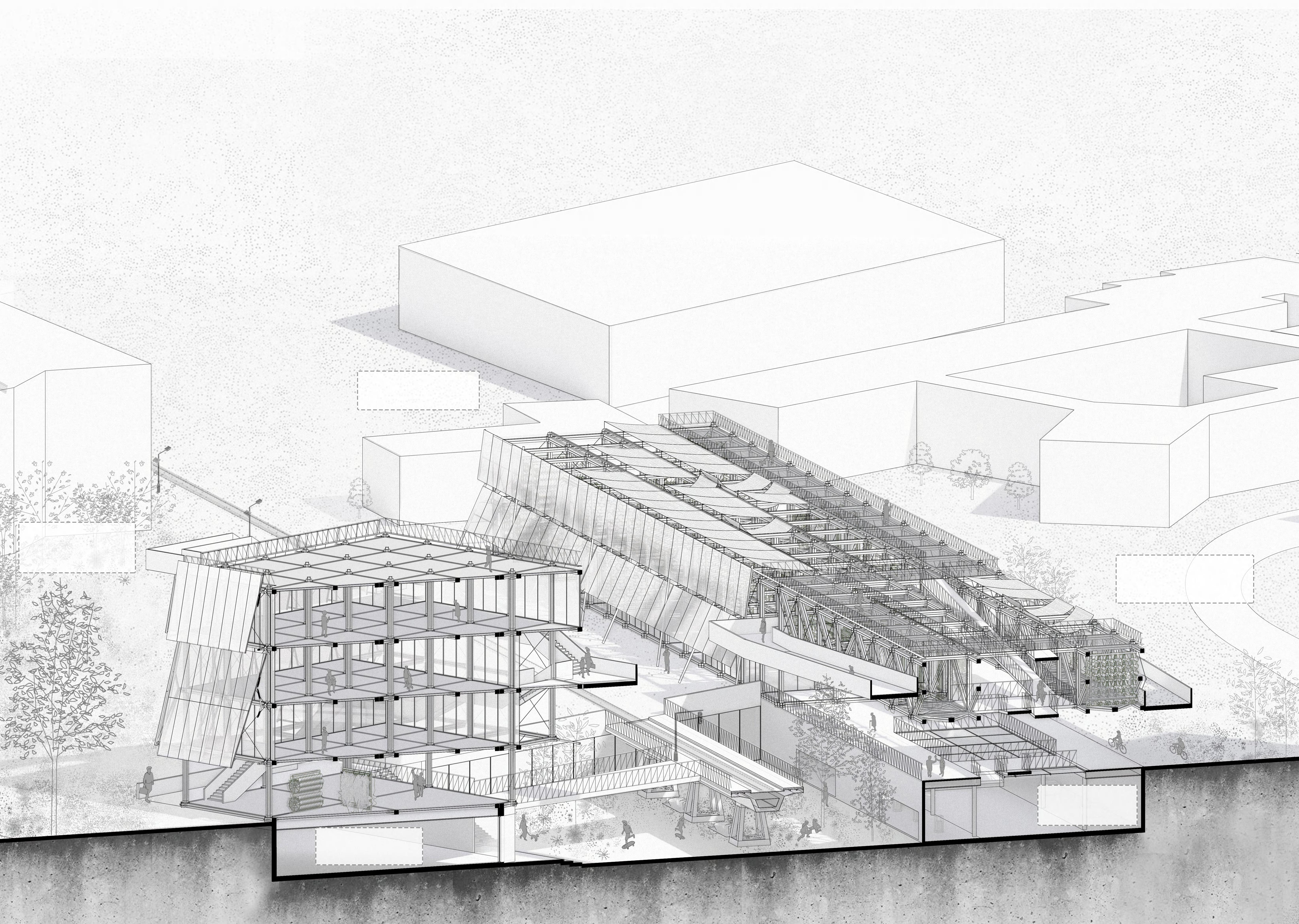
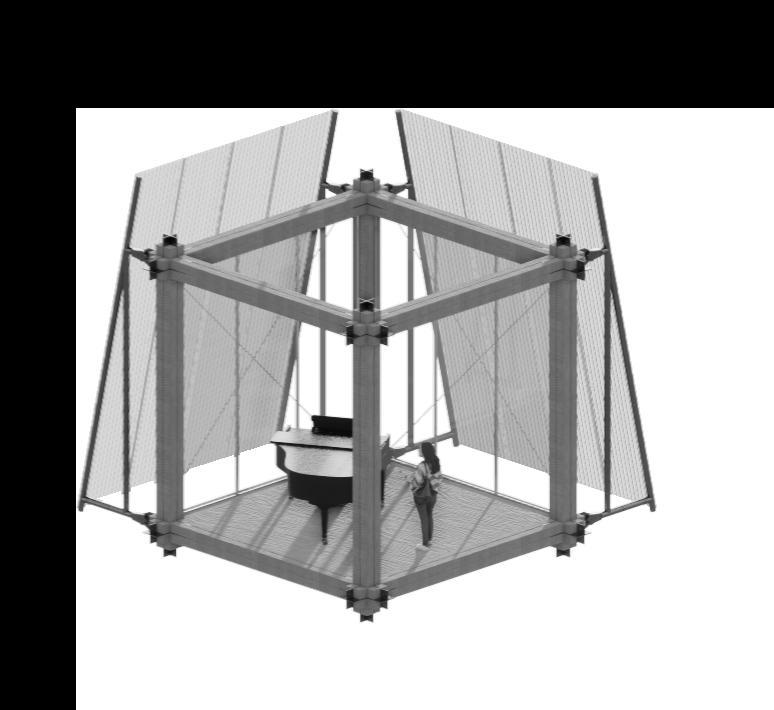
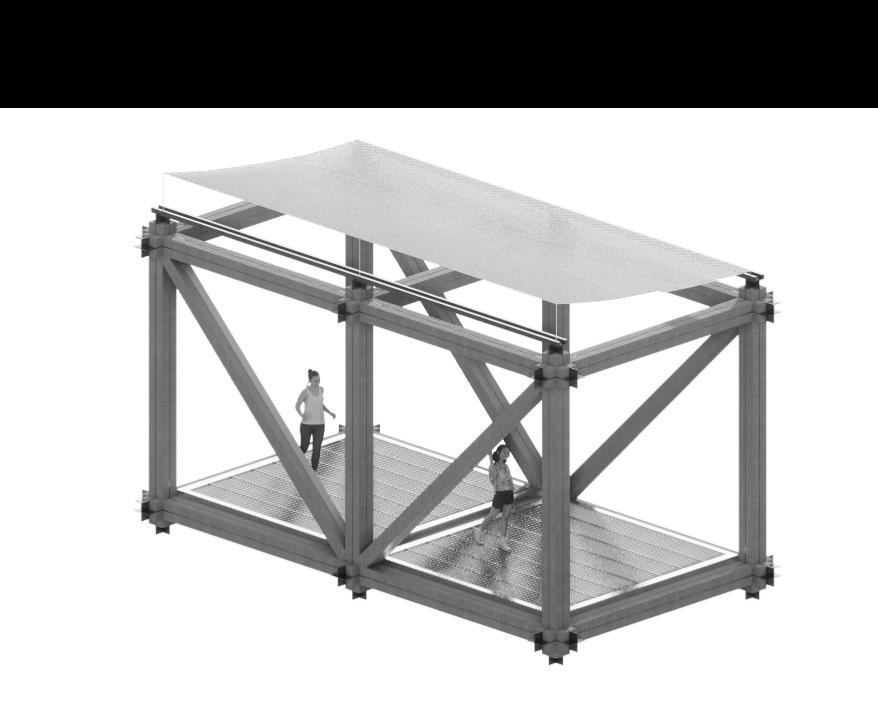
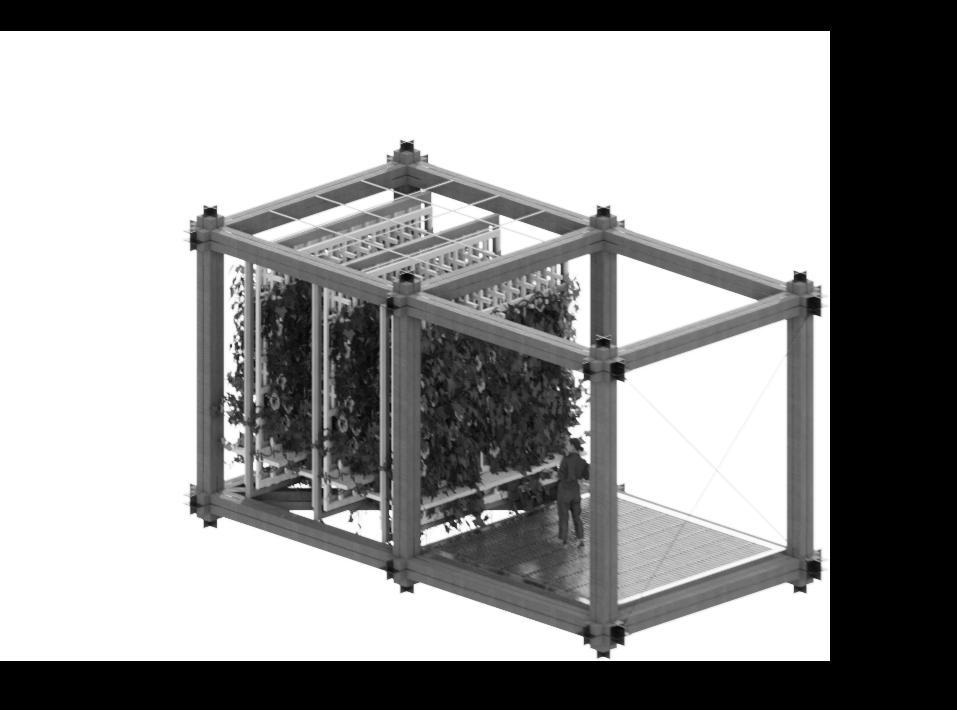
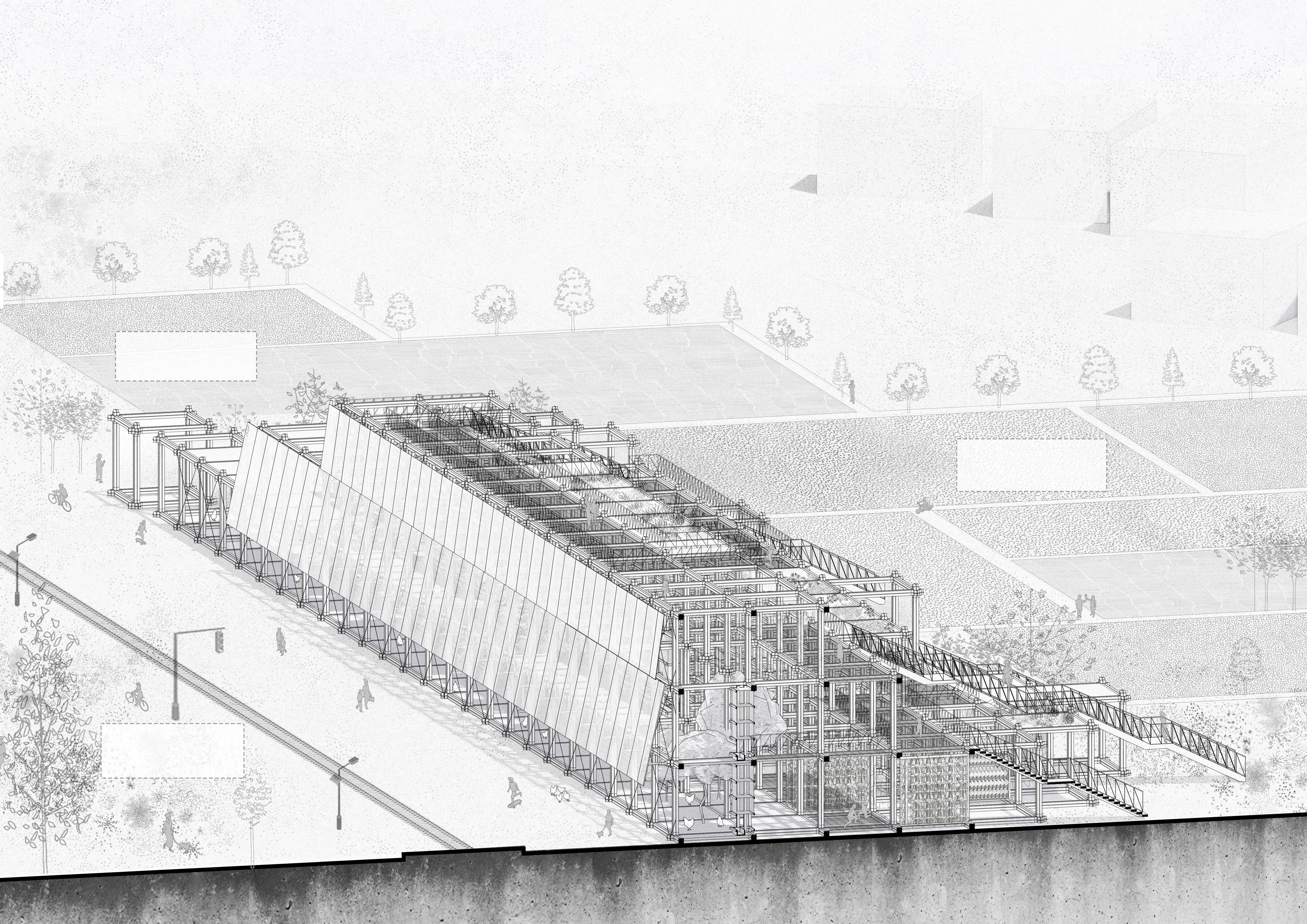
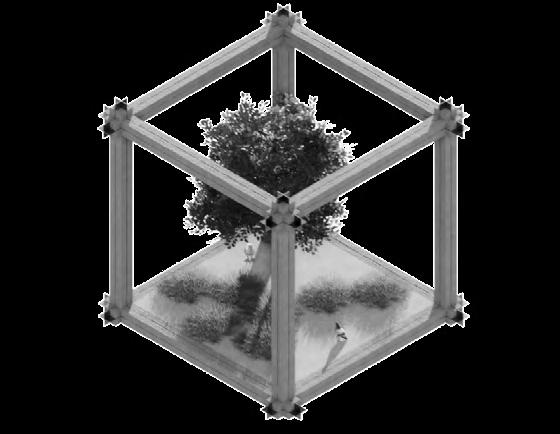
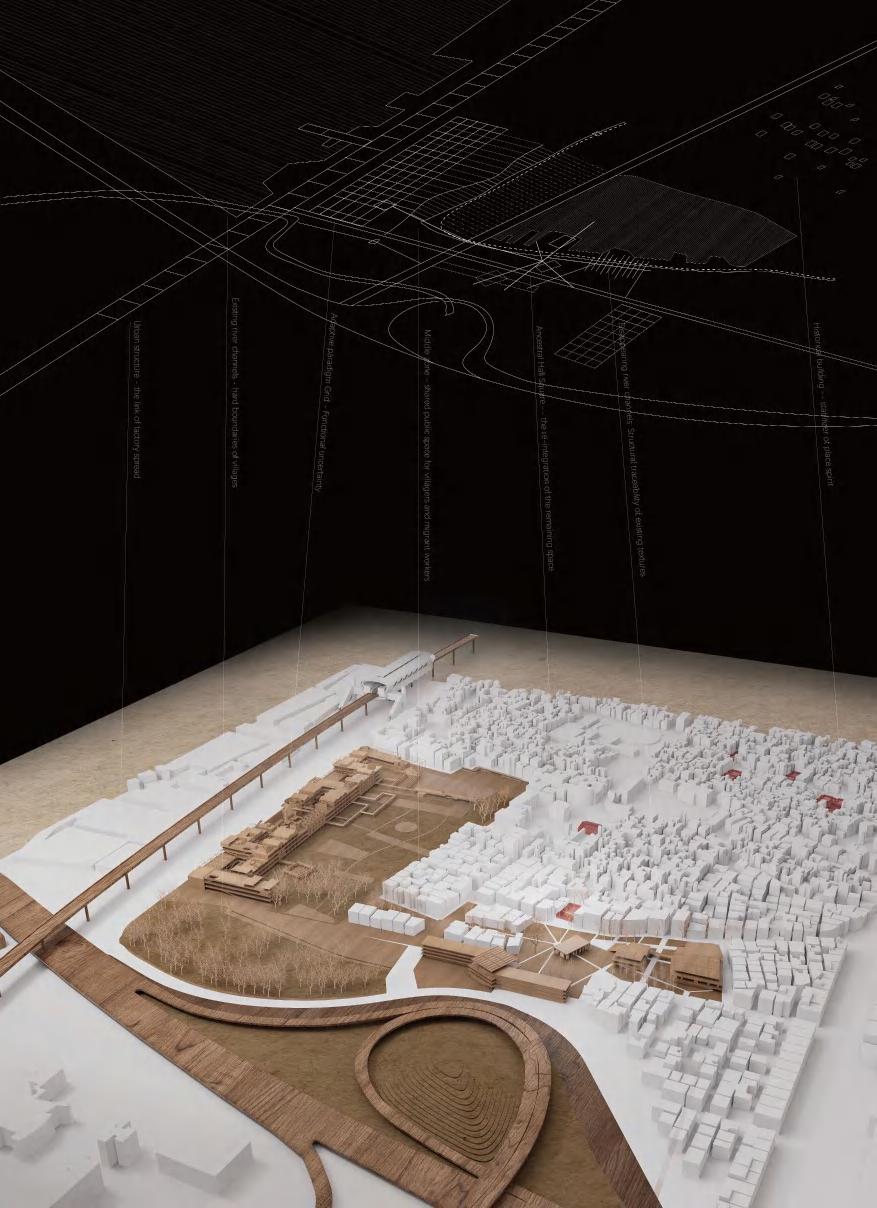
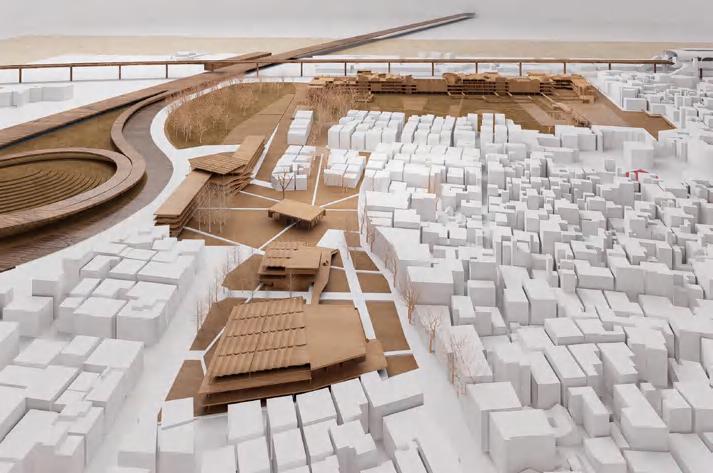
In the Pearl River Delta urban agglomeration, especially the site where the project is located, different histories and events conflict with each other, which are compressed and superimposed in the same time and space interval, and continue to surge and change. The ruins of the Guangzhou Iron and Steel Railway are a kind of clue to connect the interrupted geographical and cultural continuity and reproduce the invisible tradition. I chose to use modular wood-bamboo structures that are easy to dismantle, adapting to the evolving urban landscape and creating a social mechanism grounded in residents' needs and cultural traditions. The rigid spatial structures of these marginal areas could organically evolve, fostering fresh avenues for communal engagements, local enterprises, and public gatherings, thereby reviving social bonds and historical narratives.
Disrupted geographical and cultural continuity
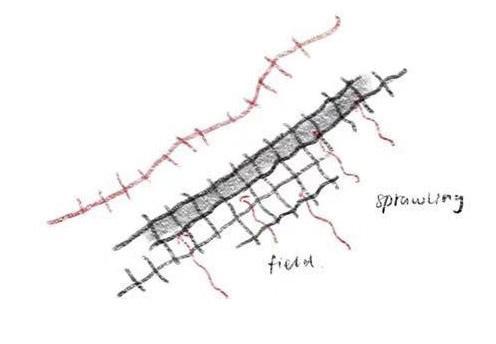
The railway connects Foshan to the west and passes through Kuipeng Village, a key area for urban village demolition and reconstruction. The urban density has increased rapidly in a short period of time, and the original urban and rural structure has Completely alienated, walking south is the remaining fields on the edge of the city. Dense residential buildings in urban villages, high-density high-rise residential buildings, decaying factory areas, and vibrant flower fields and cultivated land are intertwined and overlapped along the railway line.
Site A
The site is mainly occupied by urban village residents and workers in factory areas, with many young adults and elderly people.
Site B
Most of the sites are surrounded by modern communities, with many students and young people.
Site C
The surrounding areas of the site are mostly agricultural land and factory areas.
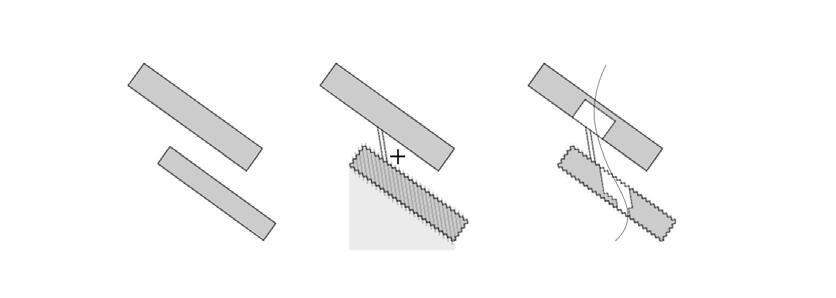
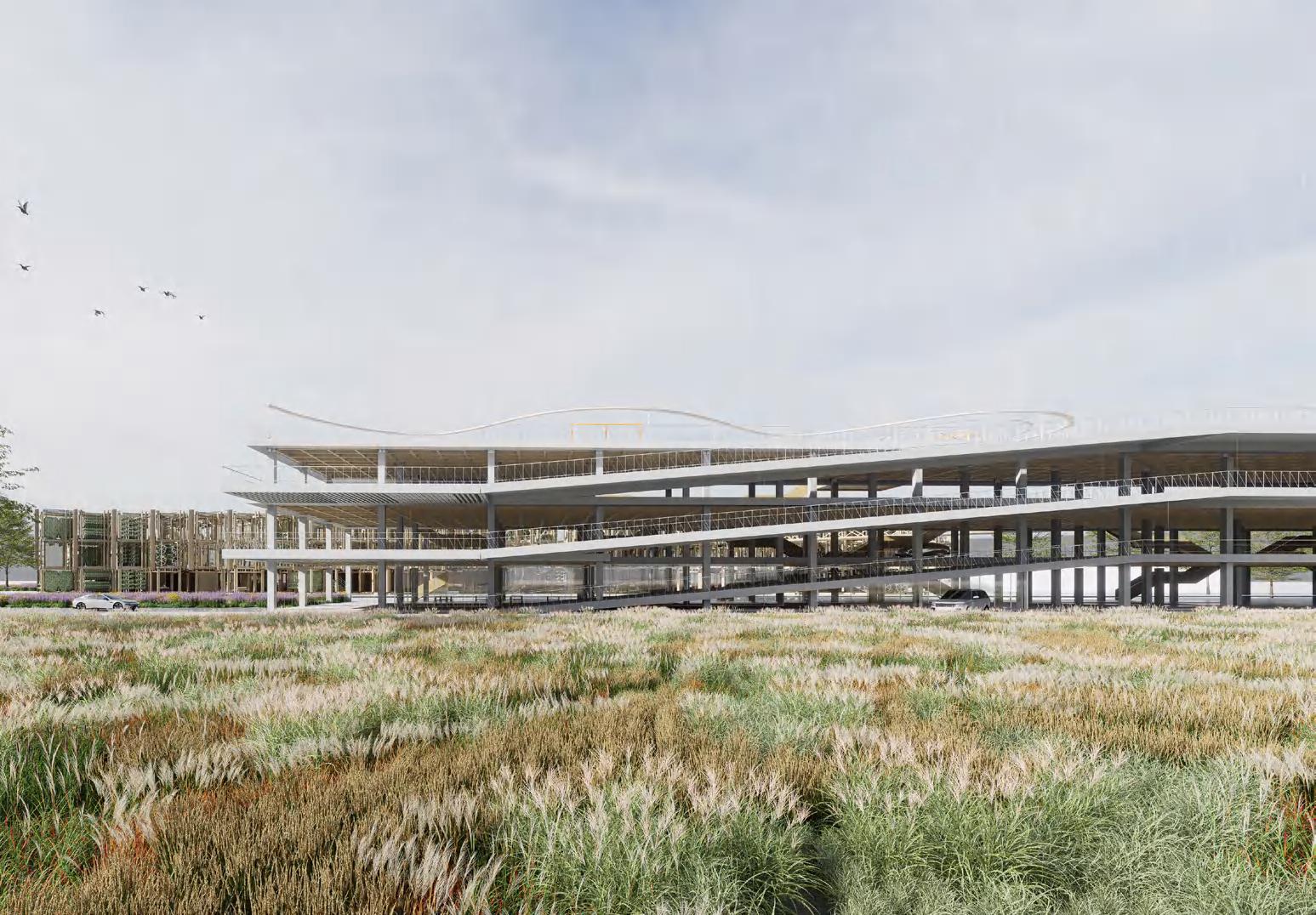
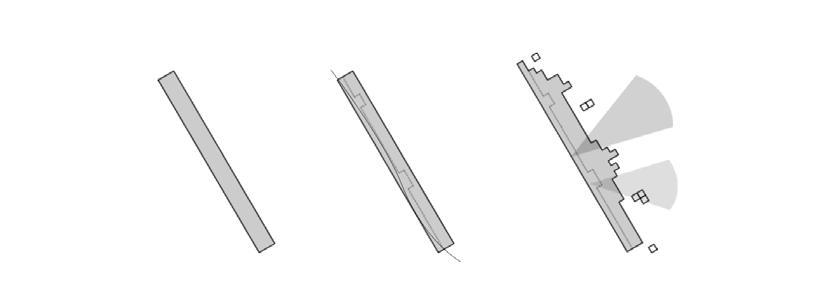
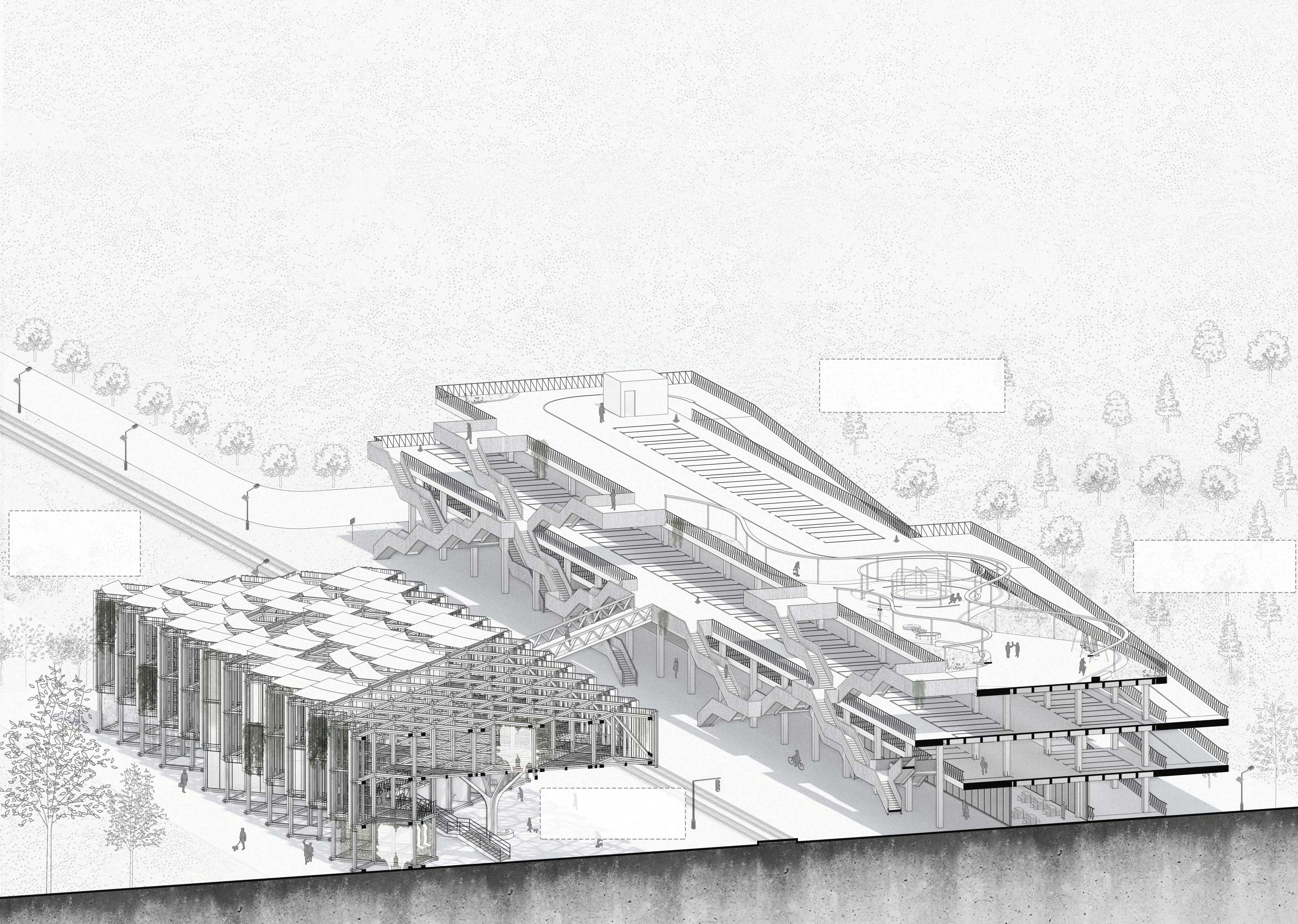
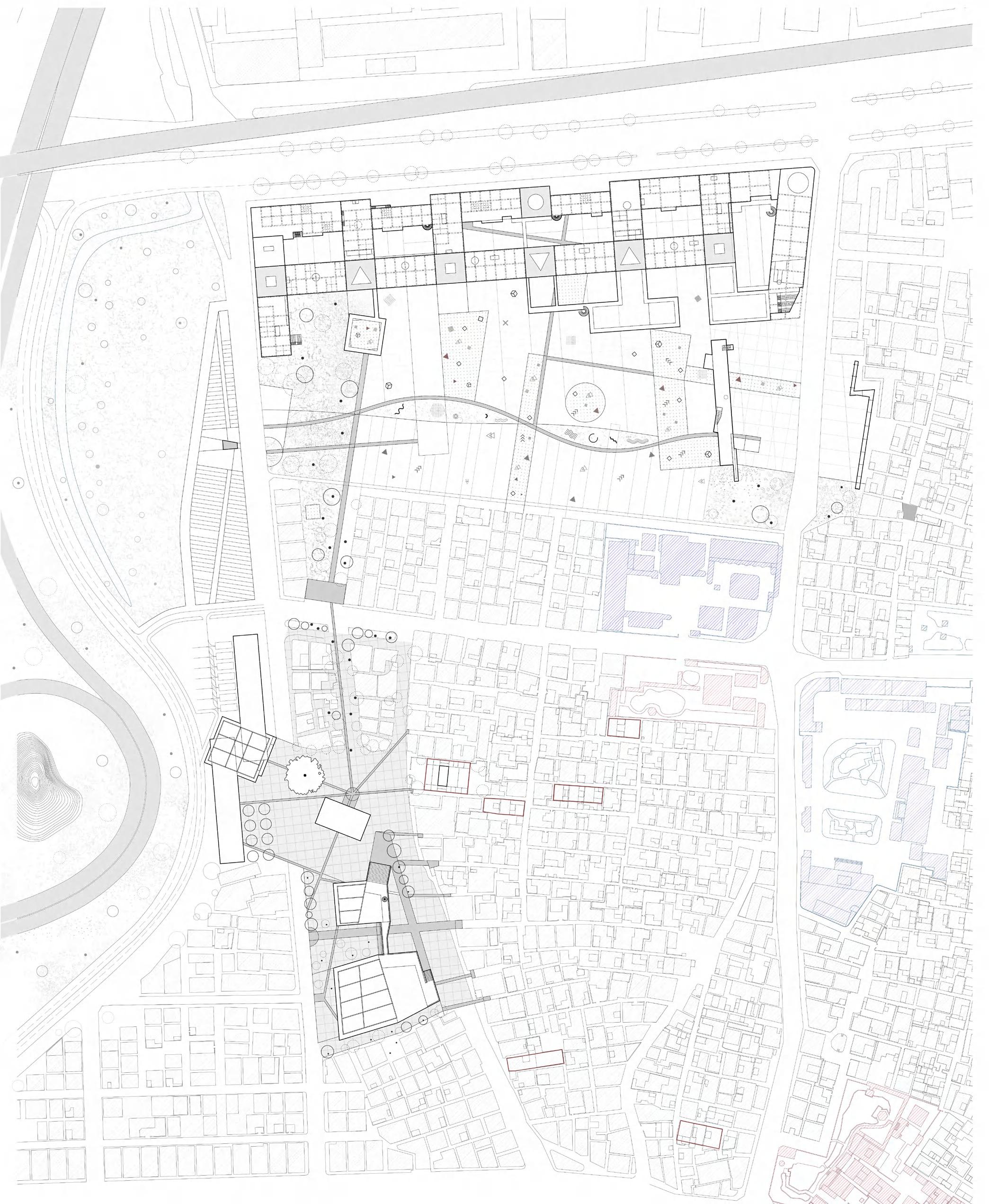
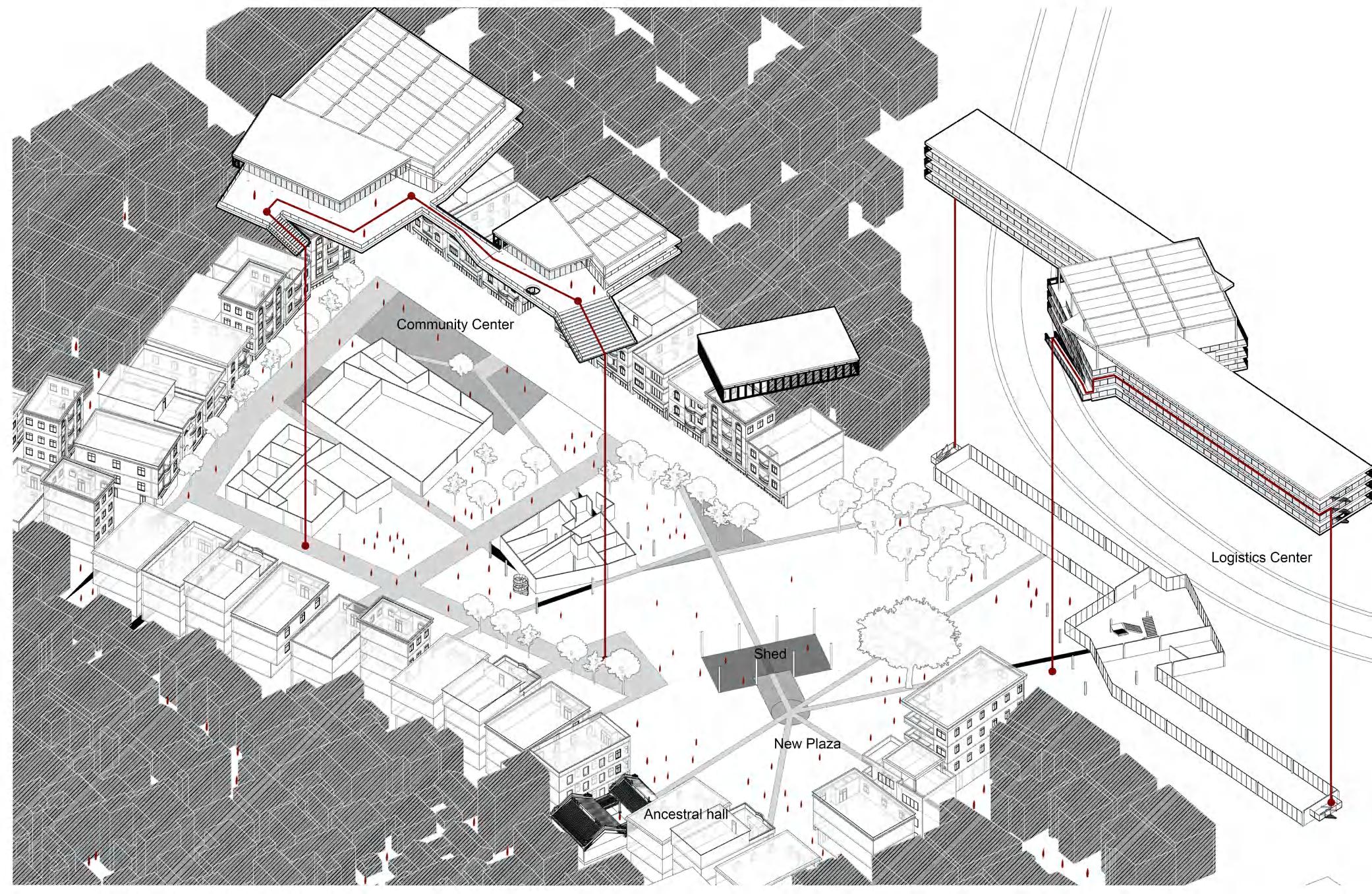
Kuipeng Village is adjacent to Shiweitang Hub Business Zone to the north, covering part of the southern tea market. One of the two parallel volumes serves as an extension of the village texture, serving as a container for flower and tea planting, while providing a shared public activity space. The other strip-shaped volume serves as a parking garage, responding to and integrating the urban structure of modern construction. Fragmented traffic. The two building volumes, one solid and one virtual, jointly form a space ark in a complex urban structure.
In addition to serving the parking function, a public space located on the roof further activates the building.
The west side of the railway track is agricultural land, which together with the building's vertical planting and shared kitchen functions creates a village living room.
There are a large number of factory areas on the east side of the railway tracks, and the site area was originally a parking lot.
-Shared kitchen unit-
-Market unit-
-Green walking trail-
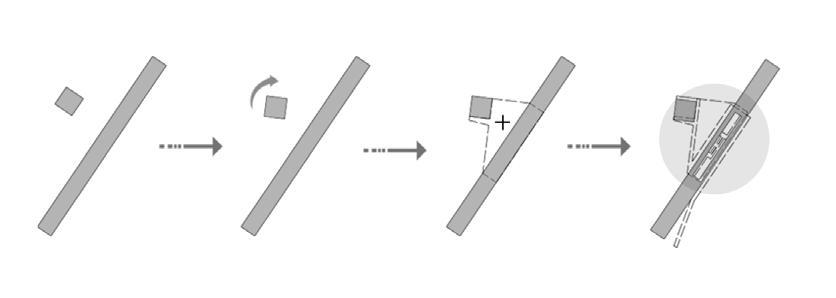
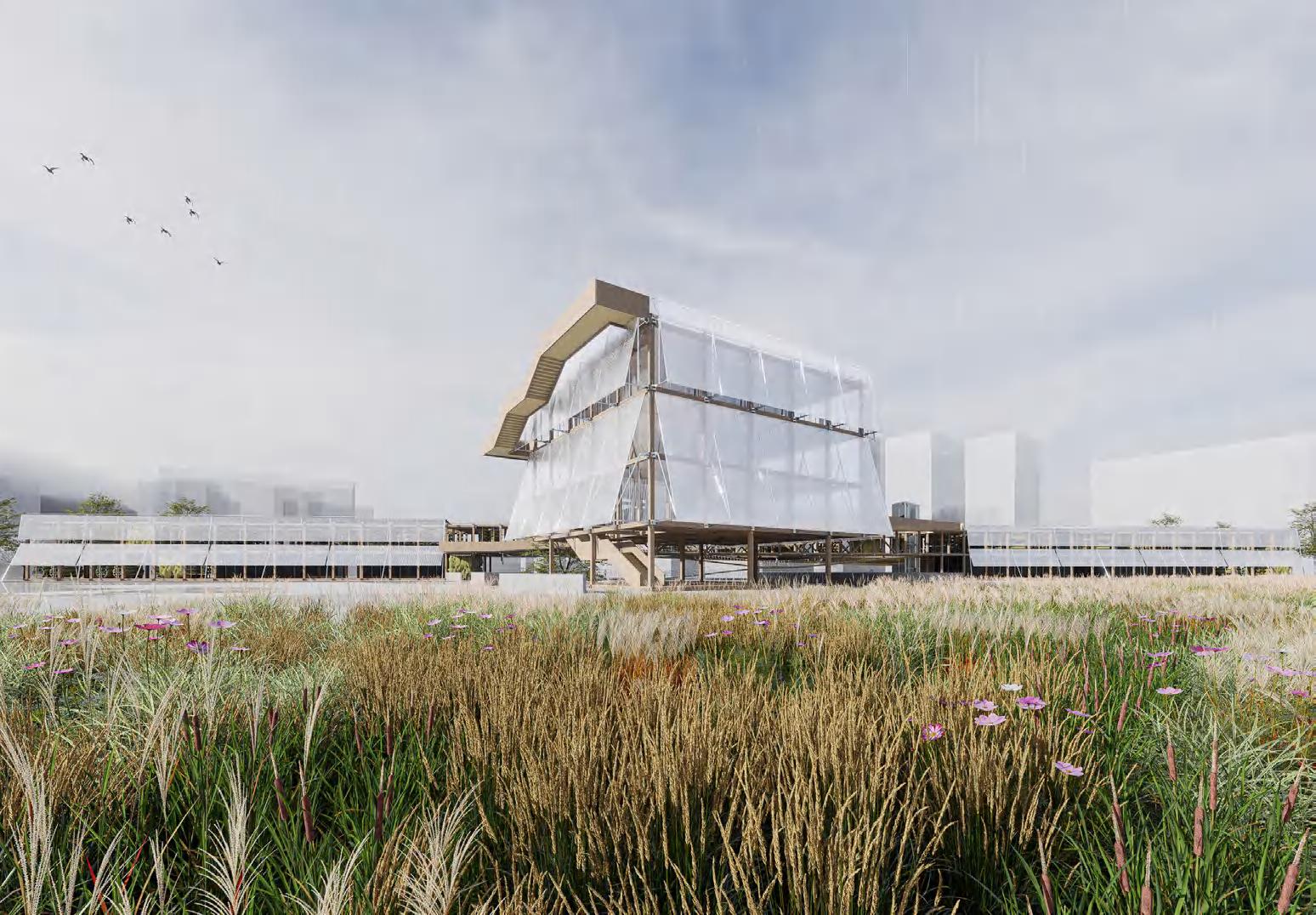
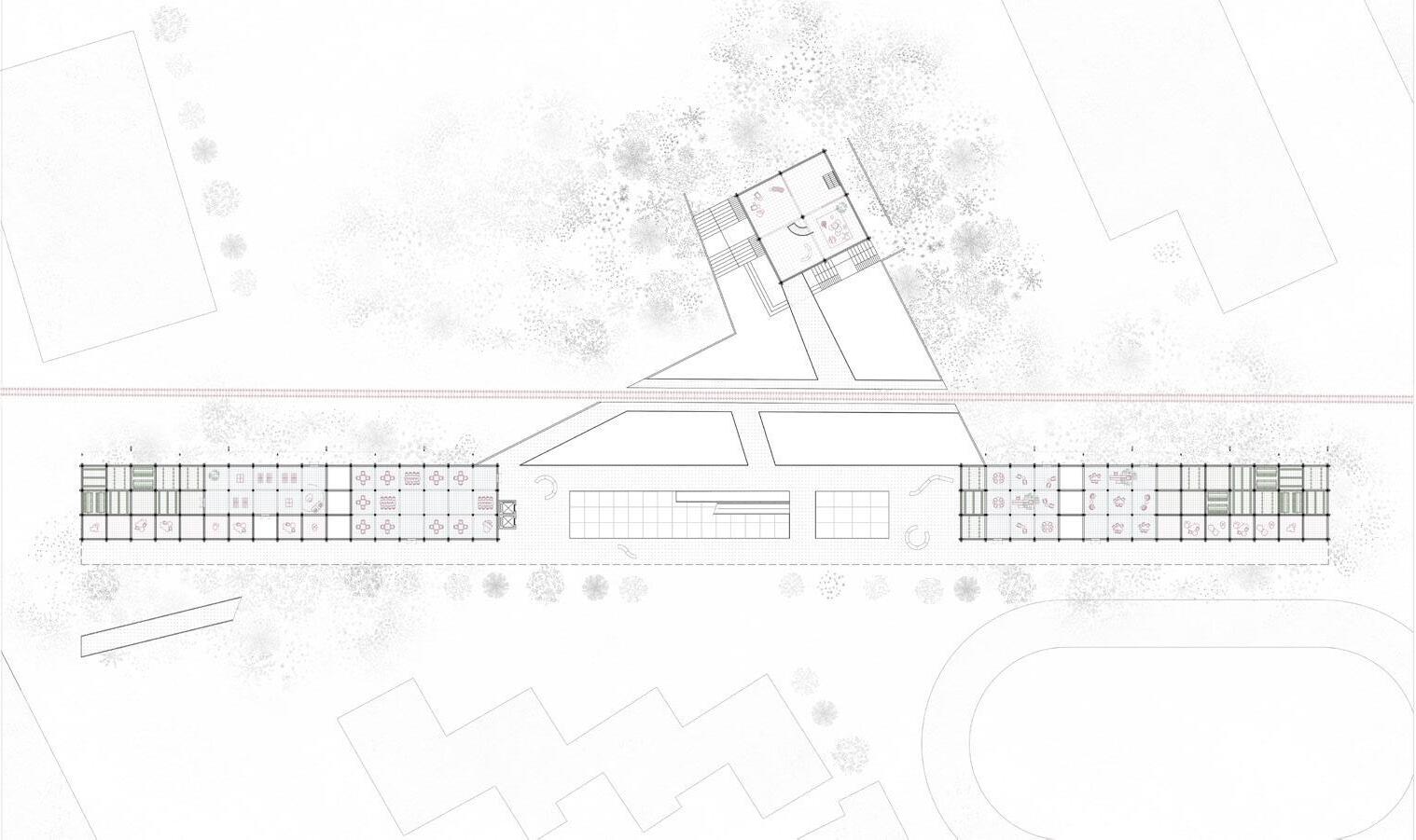
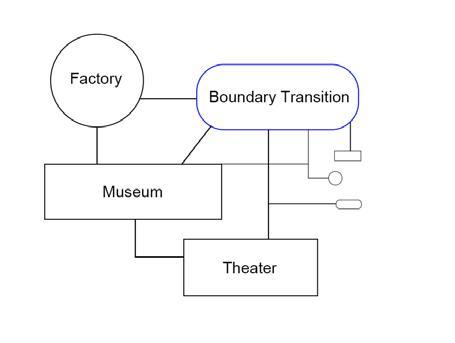
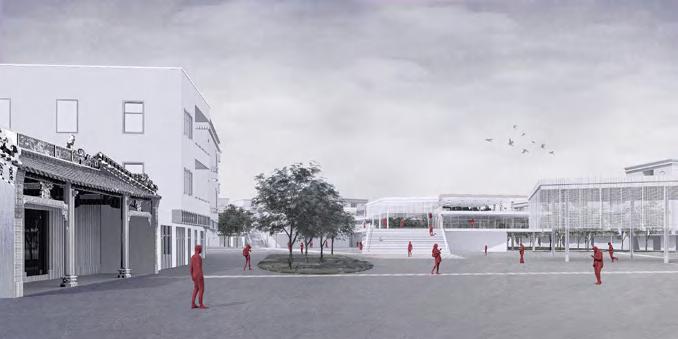
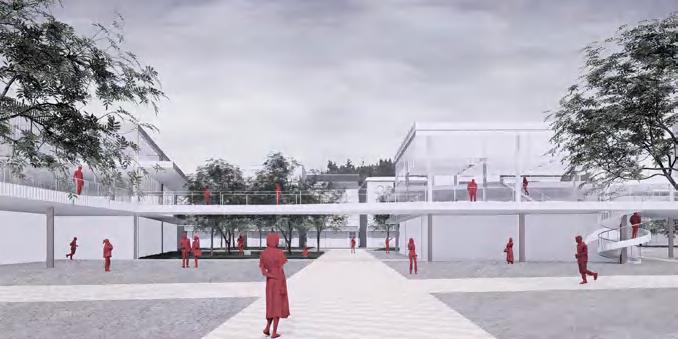
The west side of the site is agricultural land, and the east side is modern communities. The point-shaped volume falls on the field with a lightweight structure. The twisted angle reflects the urban structure on the east side of the railway. The strip-shaped volume shapes the community boundary. The sunken square and underground exhibition hall serve as a dynamic connection between the two. The community center and vertical greenway create new urban gathering places with movement and silence.
The site is surrounded by ongoing high-rise residential construction.
Creating new urban connections through underground space.
Transform the agricultural land on the west side of the site into a community vegetable garden.
The building mass establishes an organic connection with the school on the east side.
Mobile exhibition space interprets railway history.
-Community living room- -Sports trails-
-Vertical planting-
[Site C] Pastoral on the Rails
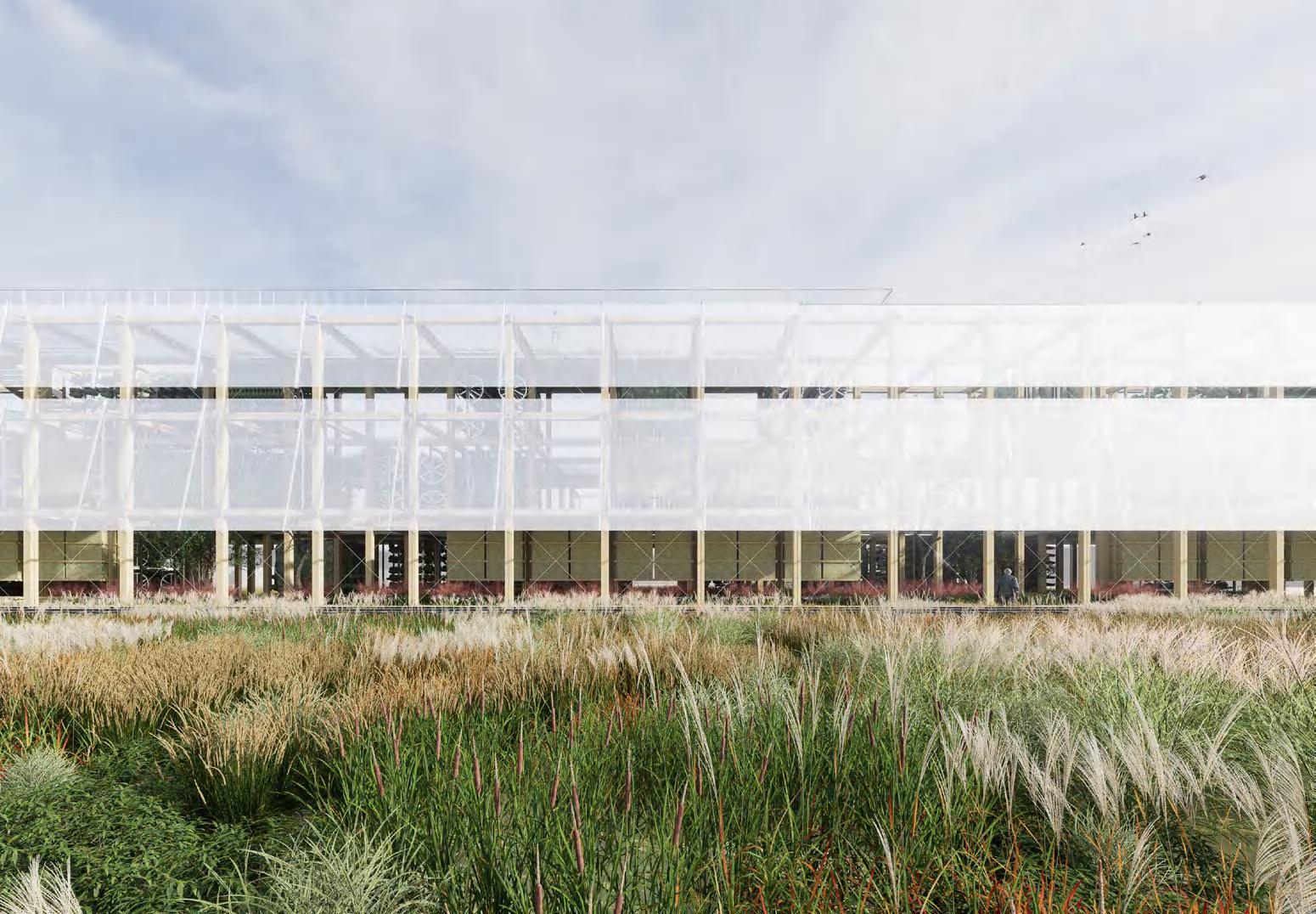
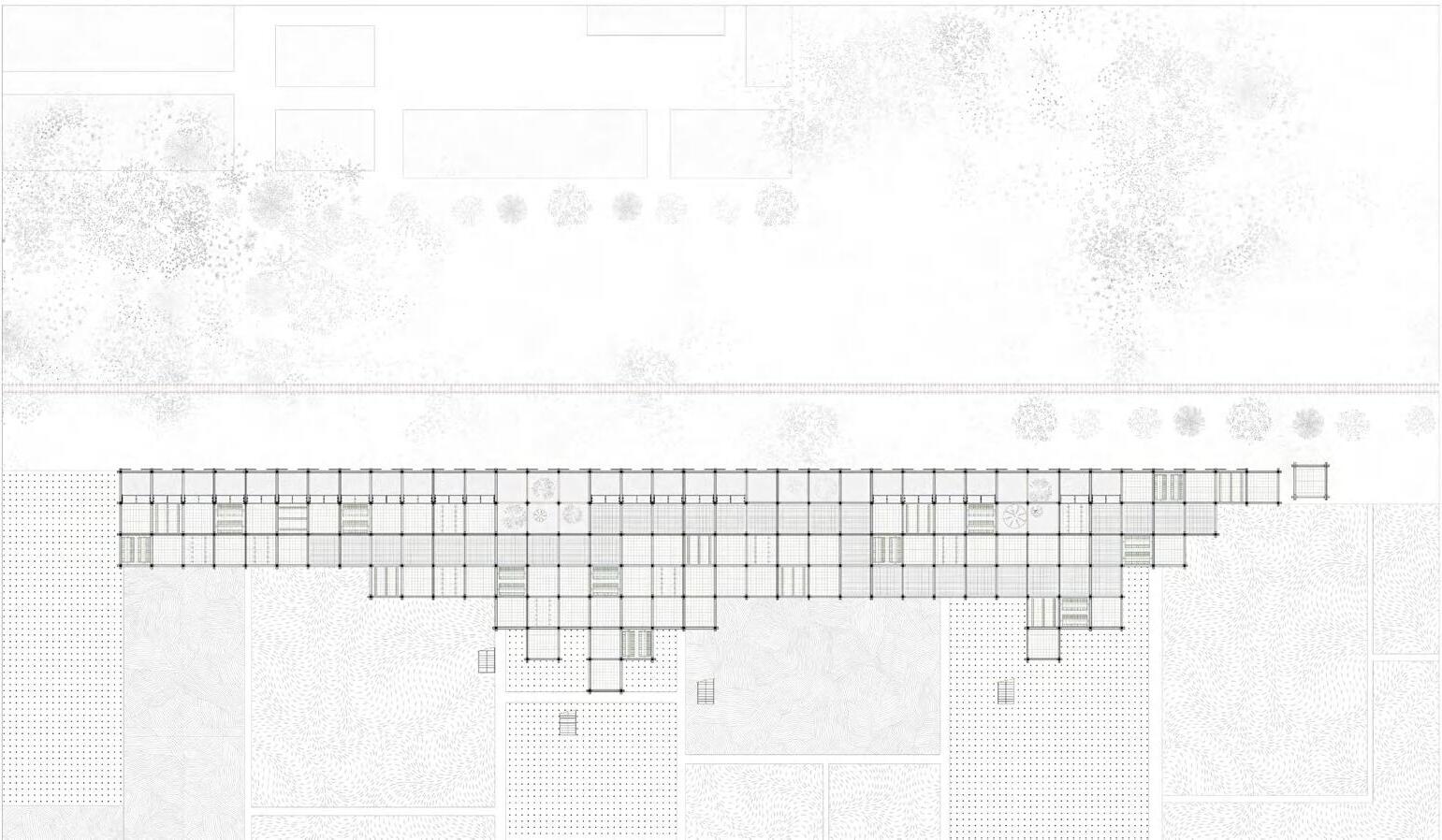
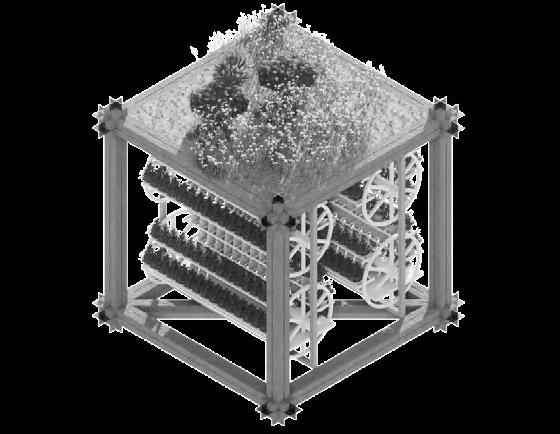
Flower planting and agricultural production are important sources of income for the villagers in Nanwei Village. Vertical planting modules that are easy to dismantle and construct may become a carrier of high-efficiency production. The building volume spreads out towards the flower fields, and together with the farmland, they form a rural urban landscape on the rails.
Flexible modular farming and poultry farming improves production efficiency.
The flower field landscape on the east side of the railway and the set-back building volume form a flexible and natural pastoral scenery on the track.
The building responds to the industrial area on the west side of the railway with a flat facade.
-Poultry breeding- -Flower field planting- -Fruit tree planting-
03 Metaphor and Blanking
- 2023 Fall Architectural Studio- Individual Academic Project -
- Site: South China University of Technology, Guangzhou,China- Architectural design for campus performances- Instructor: Jiang Feng/ jfeng@scut.edu.cn-
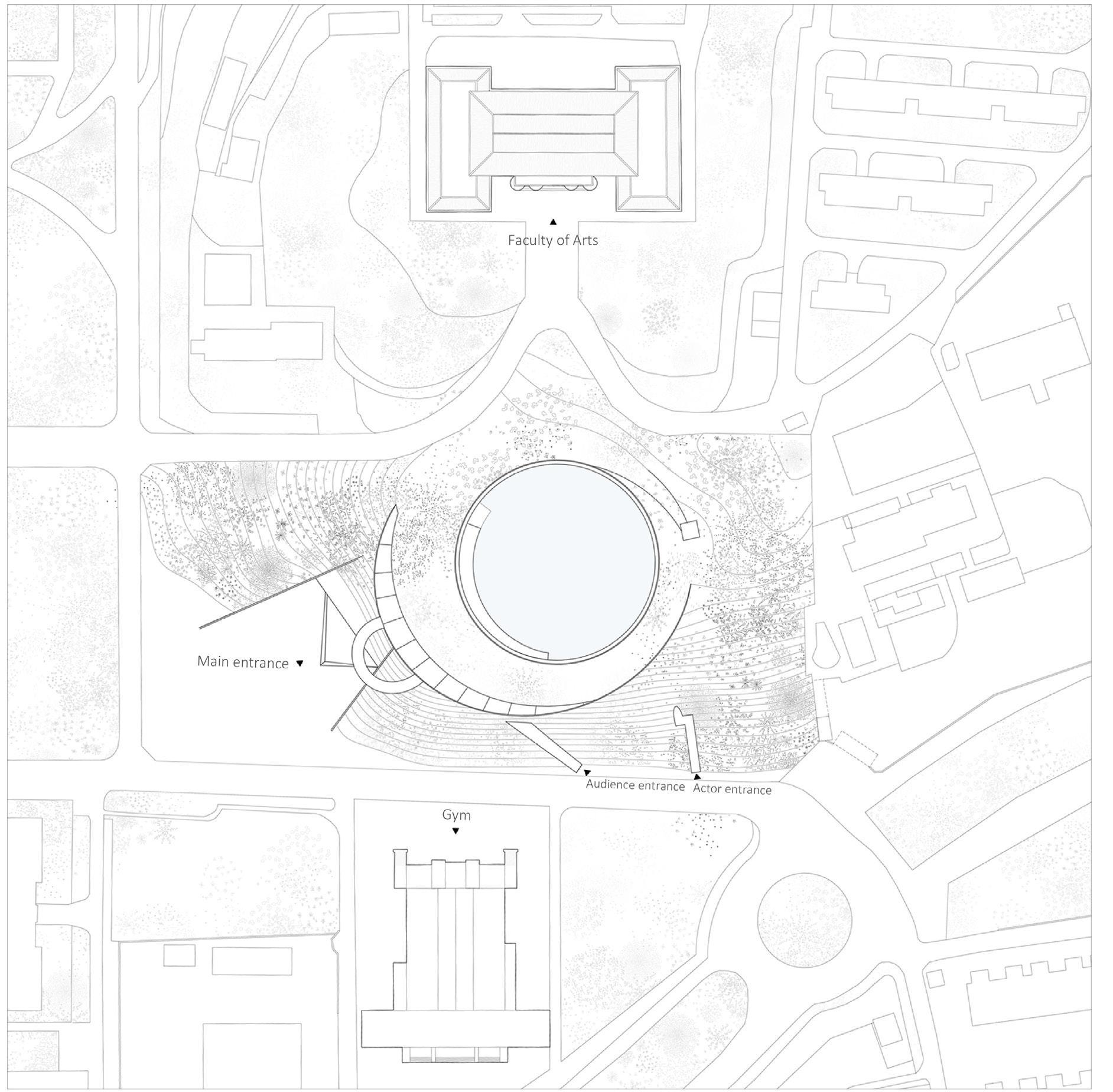
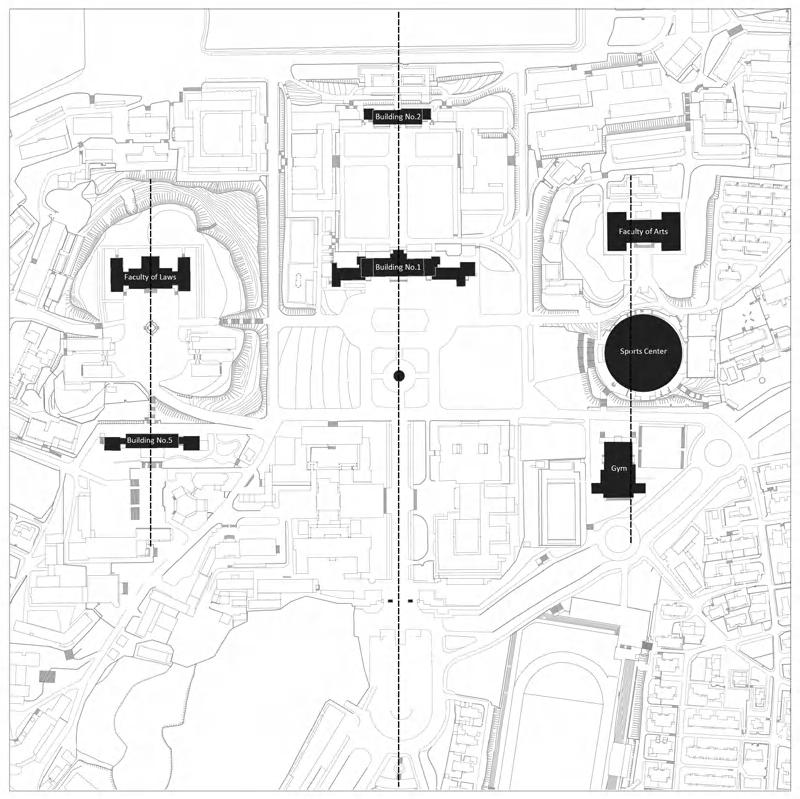
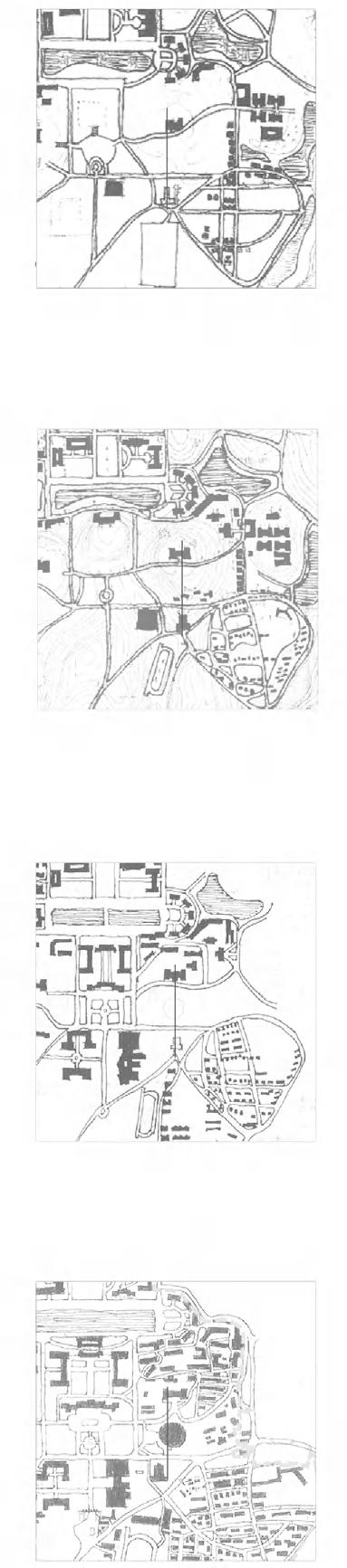
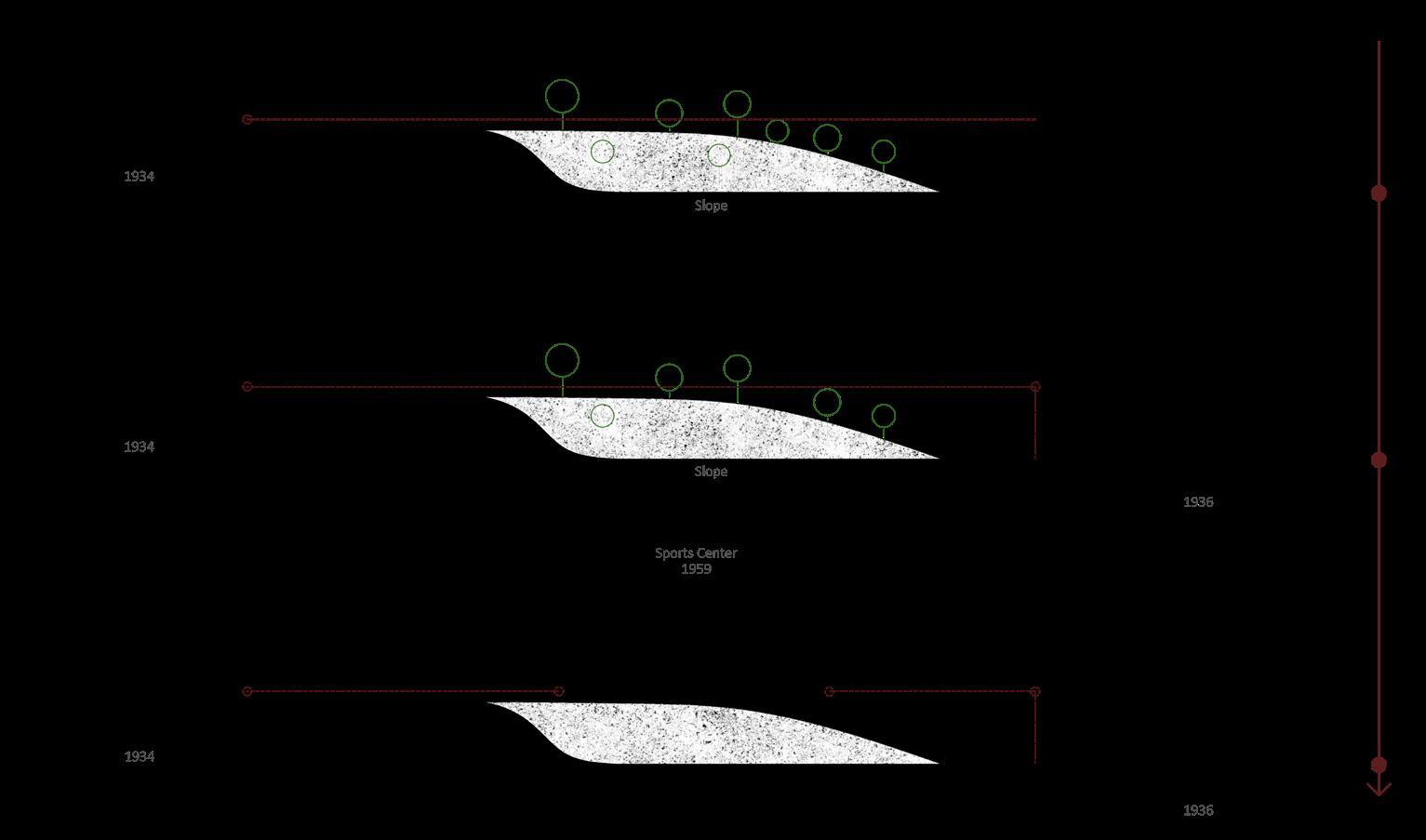
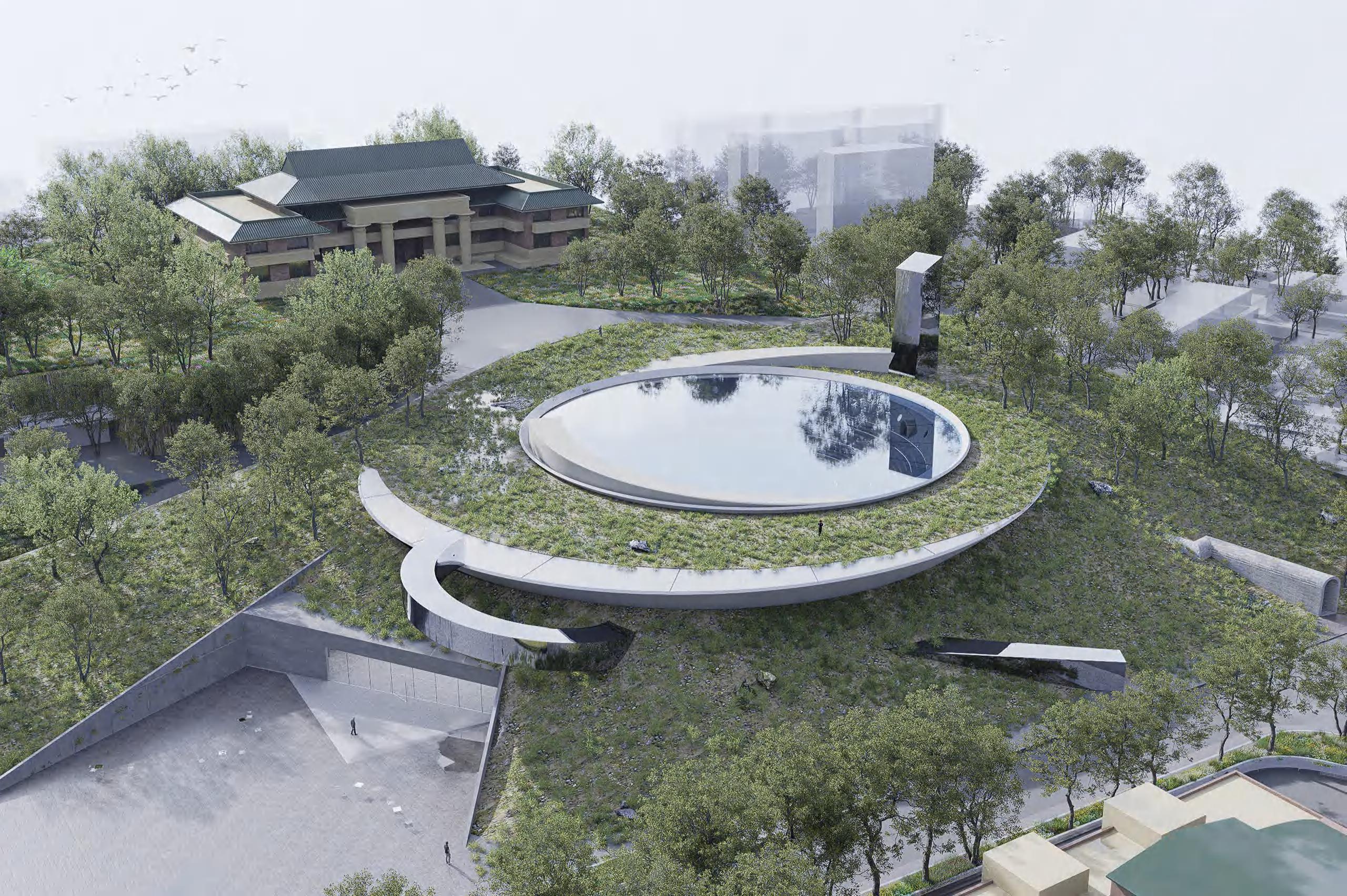
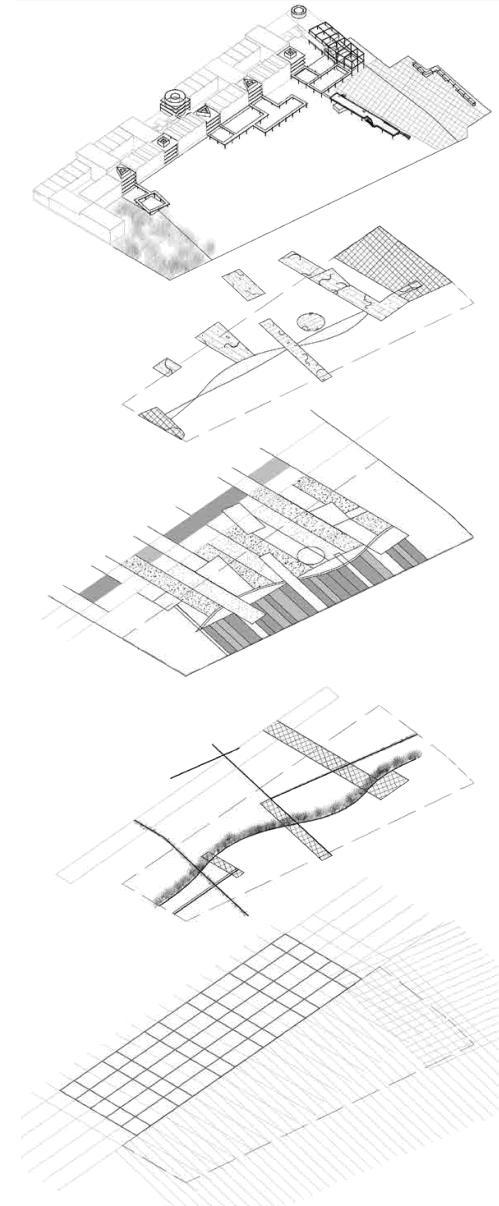
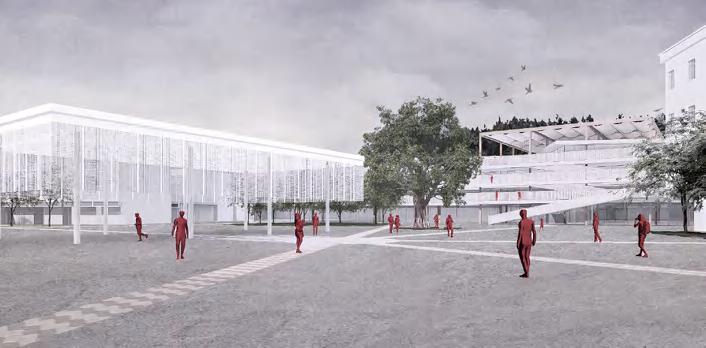
This slope is located in the campus where I have lived for five years. I didn’t pay much attention to this land. When I climbed up from the bottom of the slope again, I noticed an interrupted axis. The huge cylindrical building volume stretched between the School of Arts and the gymnasium. If this slope remains blank, with only a few buildings floating on the surface, it may create a brand new axis experience.
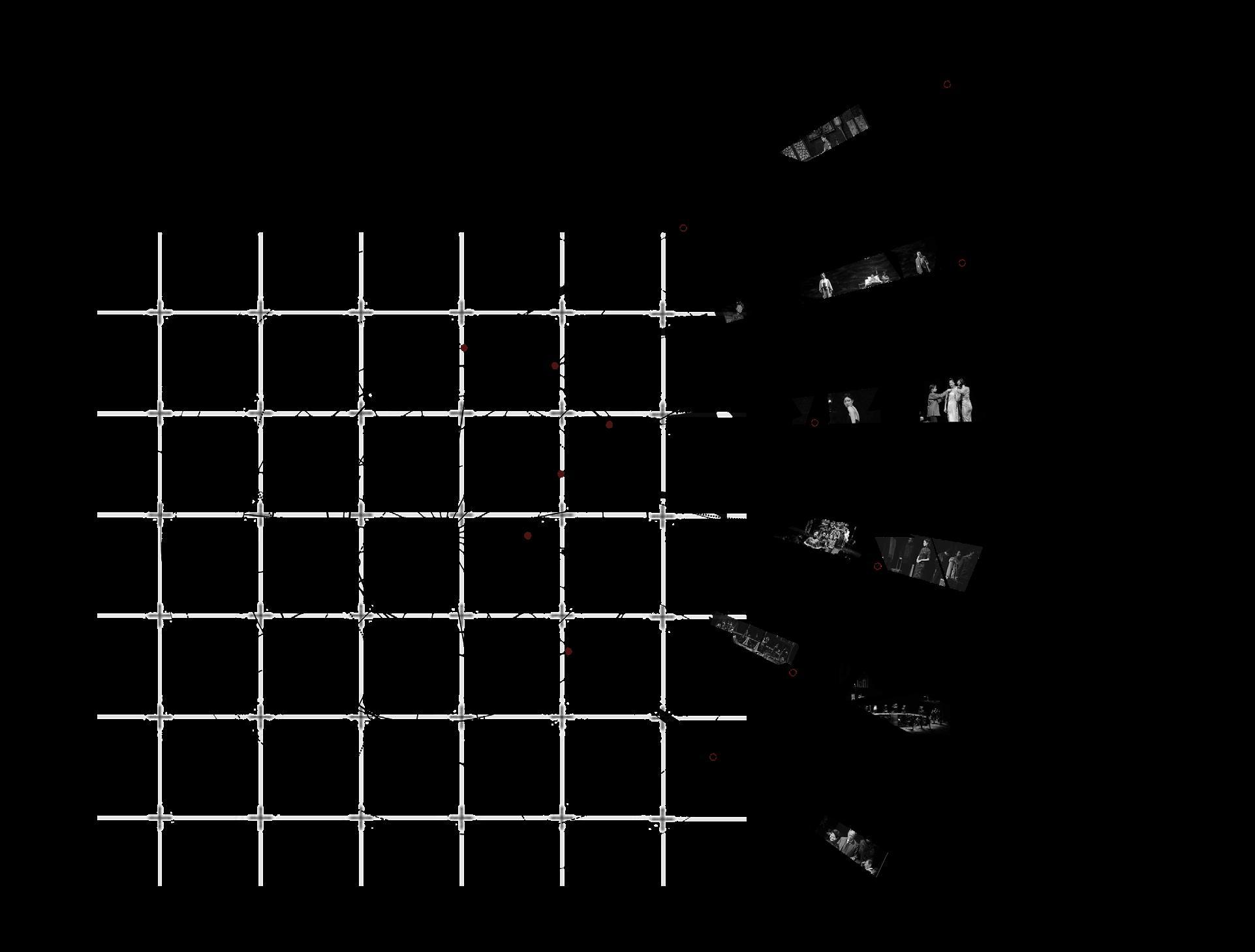
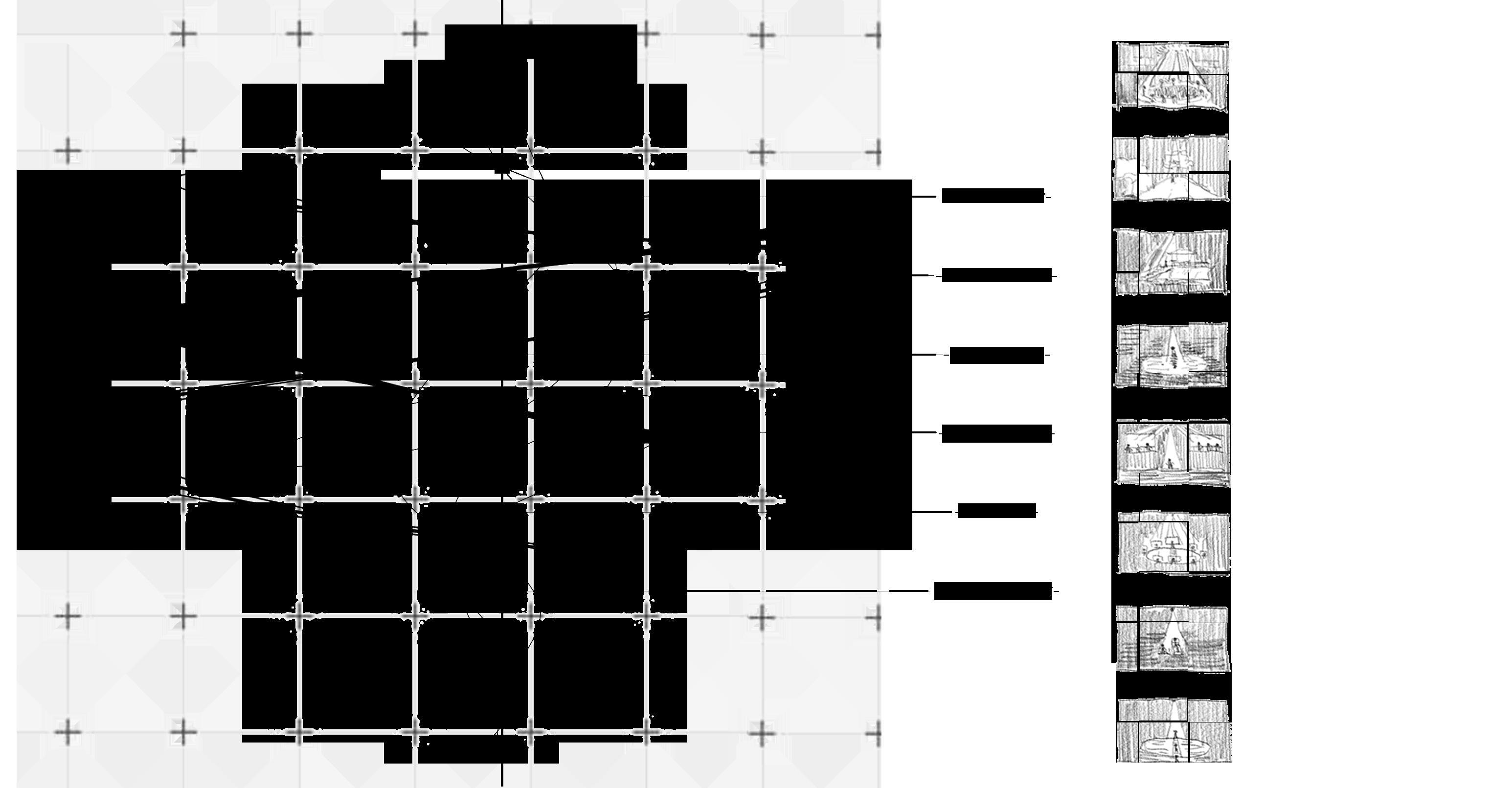
"You must use other mysteries to solve the mysteries in your life. Just like some dreams can only wake up through other dreams, you must go through them one by one to get out of this series of dreams." Lai Shengchuan's " Dreams Like a Dream " is one of the classic dramas of the 21st century. I hope to use the story of this drama as an introduction to introduce its abstract symbolic meaning and spirituality into my design. Those pure spaces turn abstract storytelling into concrete experiences, and the emotions contained in those points, lines and surfaces will resonate with people about drama. People can rediscover their truest selves.
-Revival of the axisGeneral Plan
campus layout
"Nested story structure"
<A dream like a dream> - Shengchuan Lai, 2000 -1934-
"A Dream Like a Dream" tells the story of Patient No. 5's pursuit of life. The themes revolve around pursuit, death, pain, liberation, and the repetitive life patterns brought by life. The story presents a looping and nested structure.
Three-layer structure - the outermost layer in 2000 (the real world) - the middle layer (the story of Patient No. 5 from 1933 to 2000) - the innermost layer (the story of Gu Xianglan from 1928 to 1999)
-Story telling-
-Montage-
-Soul exchange-
-Multiple roles-
-The lake-
-Climbing-
-Ceremony-
-Circling-
Loopback and Blanking
The Metaphor of Drama & The Potential of Slopes
-Two intertwined paths -
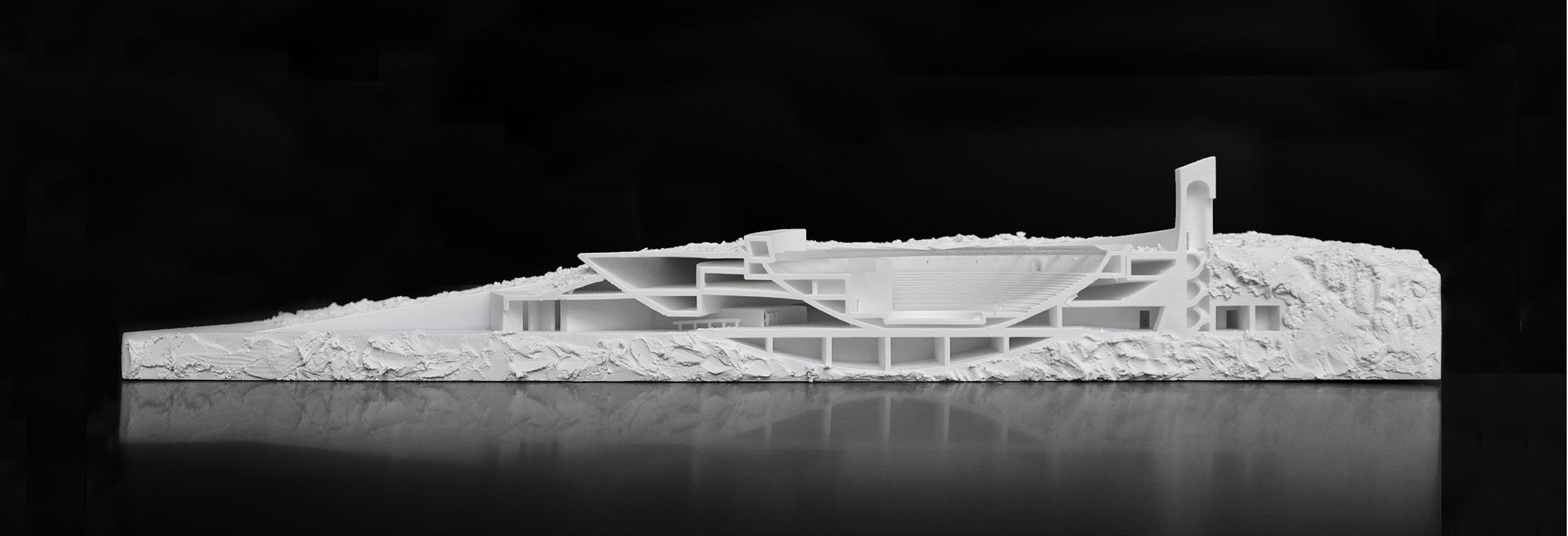
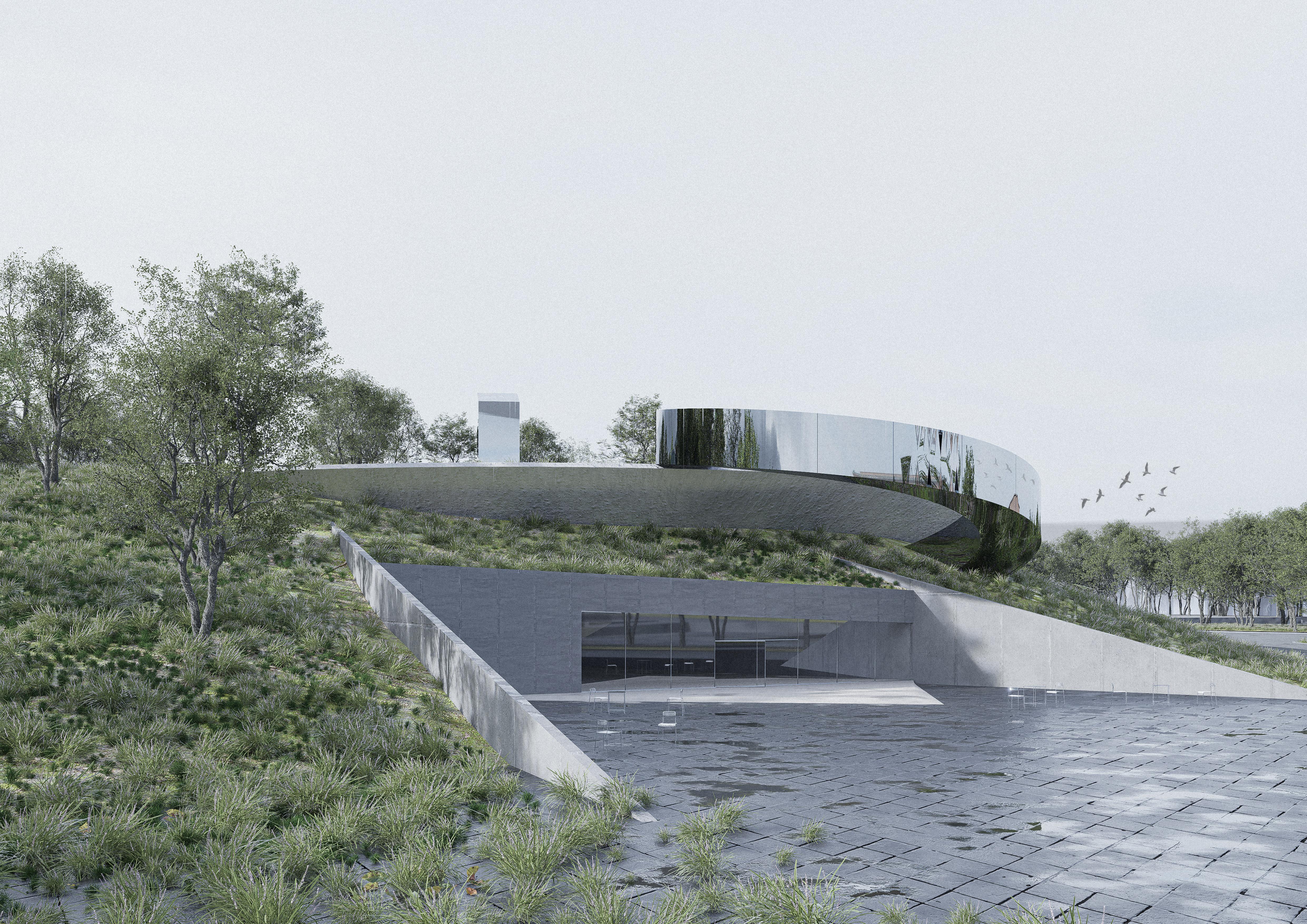
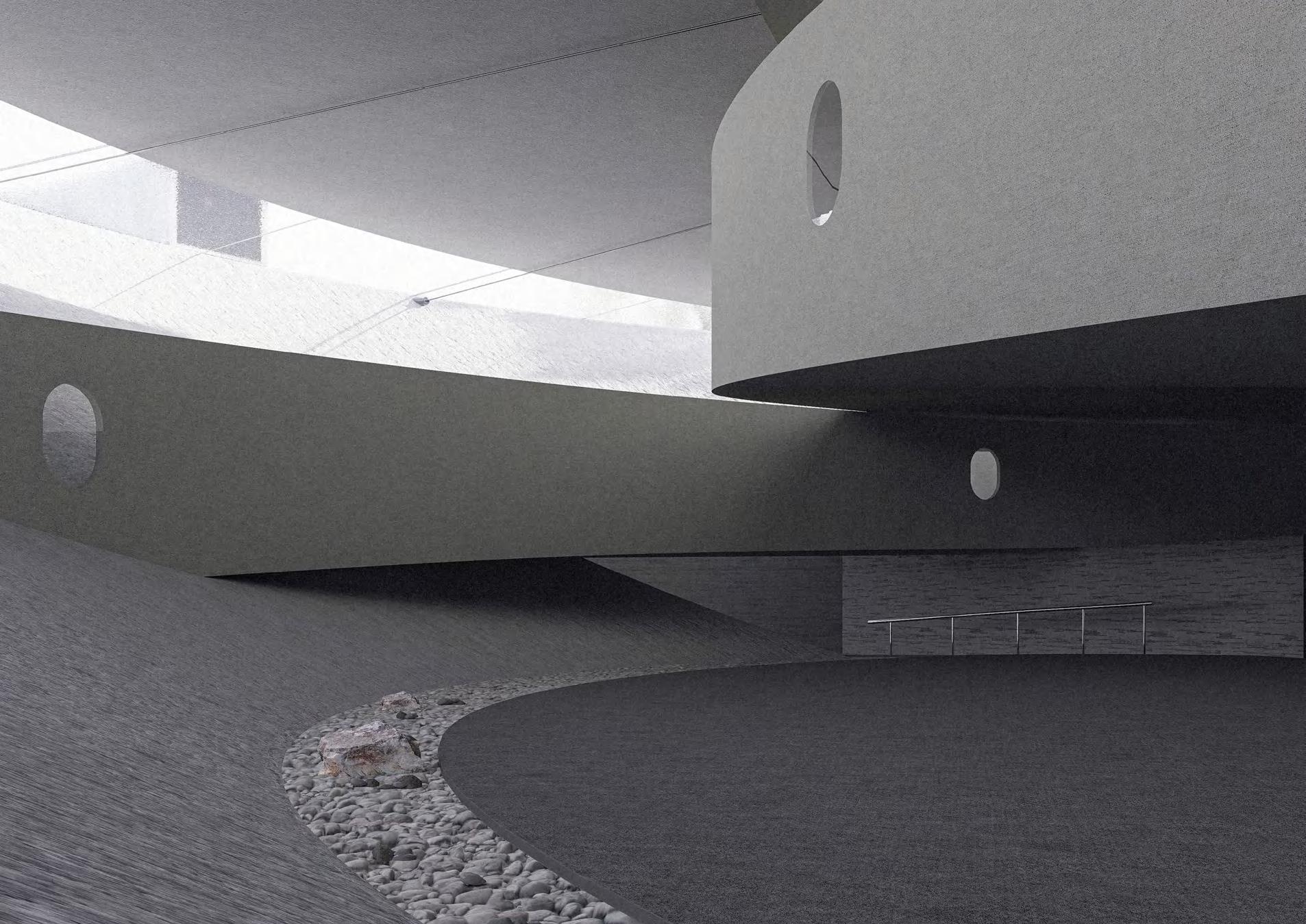
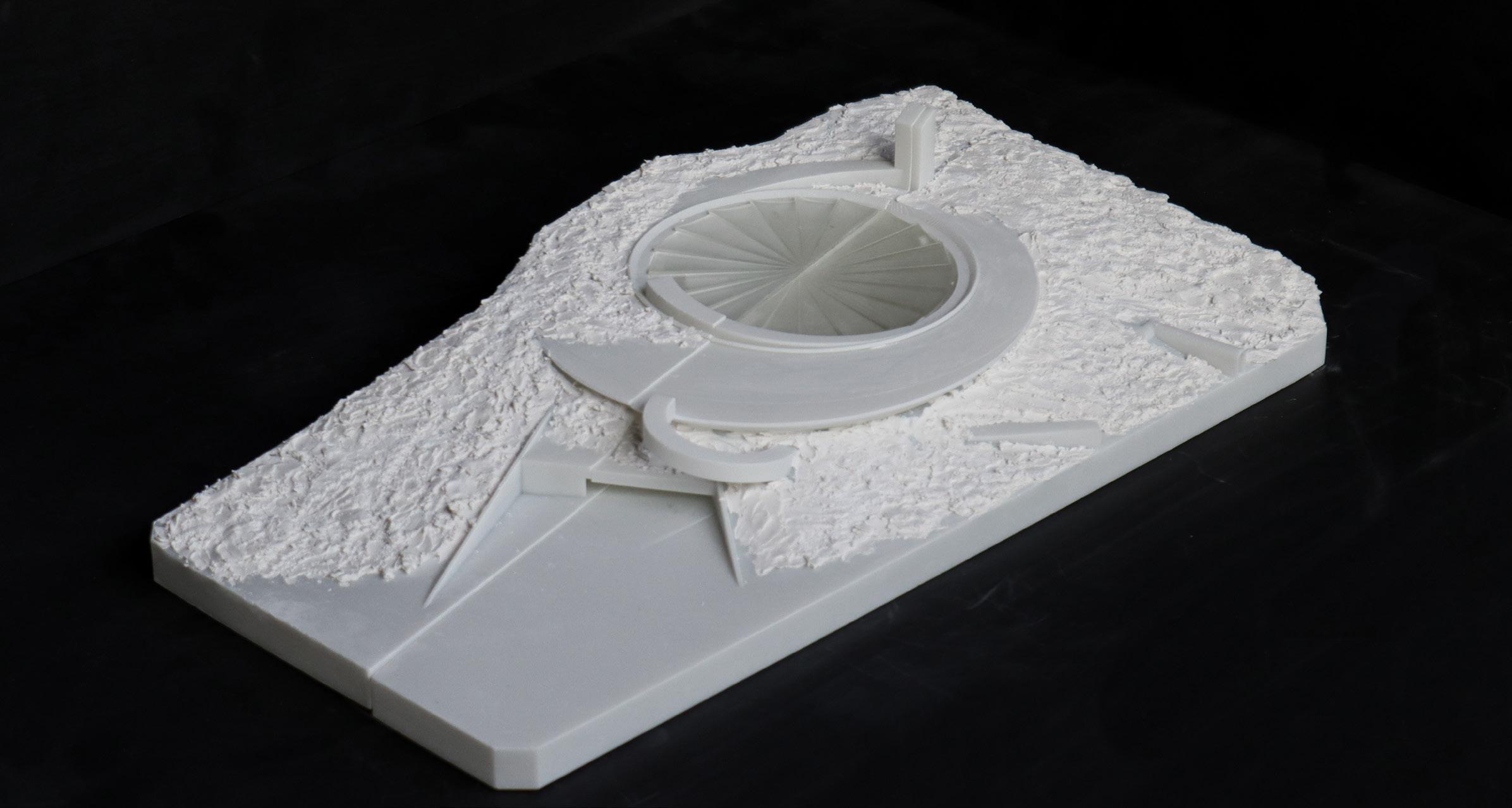
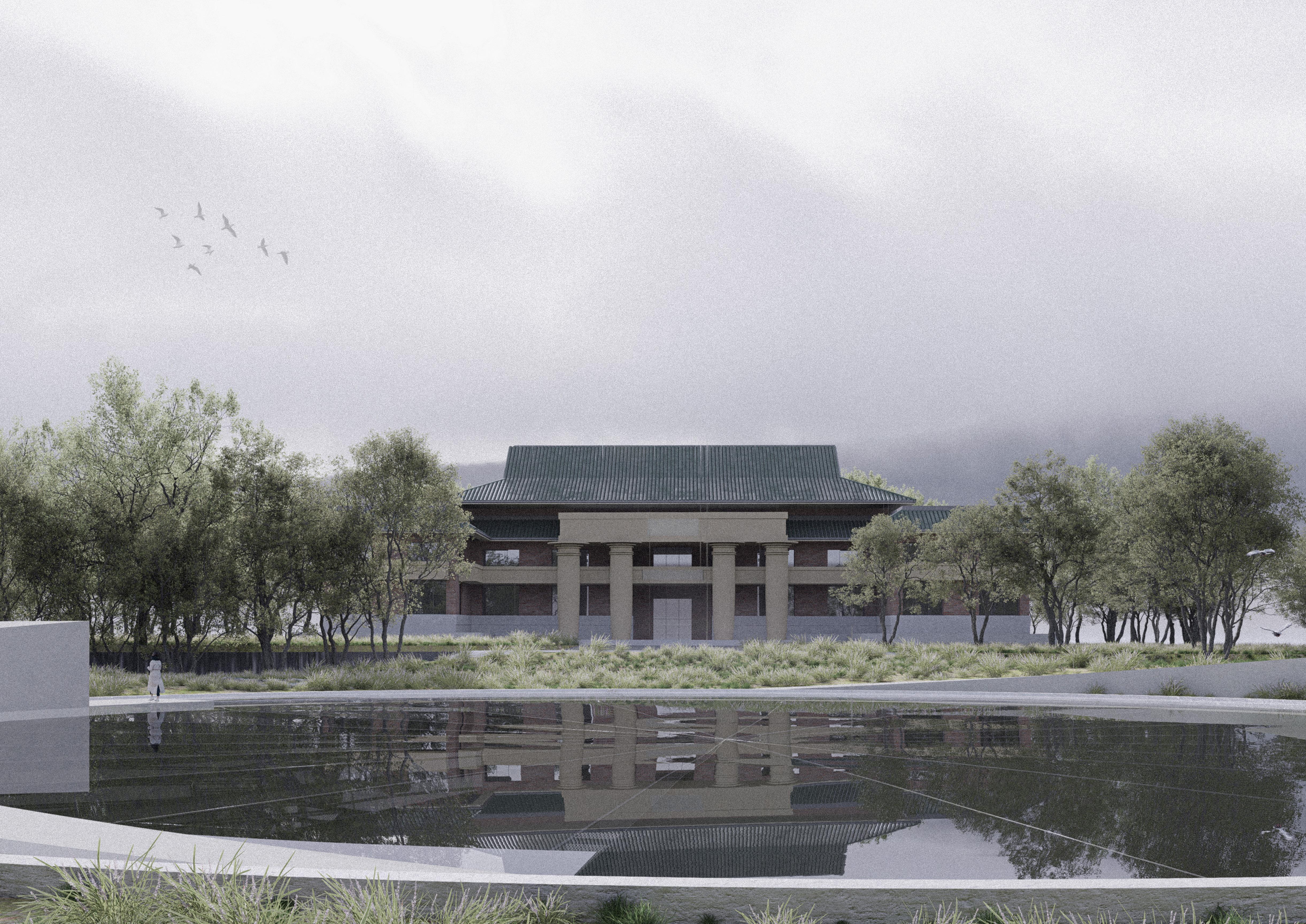
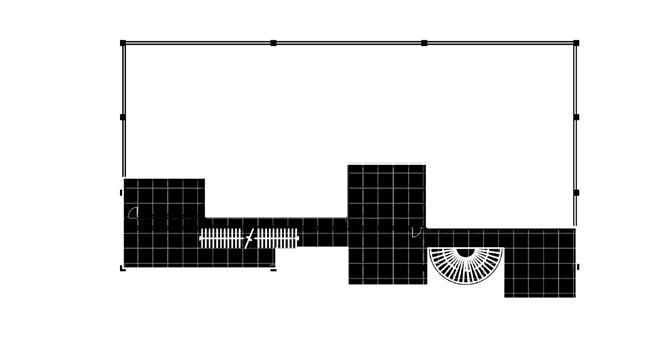
The formation of architecture is a process from abstract to concrete. Human emotions transform architecture from concrete to abstract spirit. It humbly hides under the slope and gently participates in the formation of the axis. It constantly responds to the spiritual symbol of drama and tells stories with intertwined curves and inclusive arc containers.
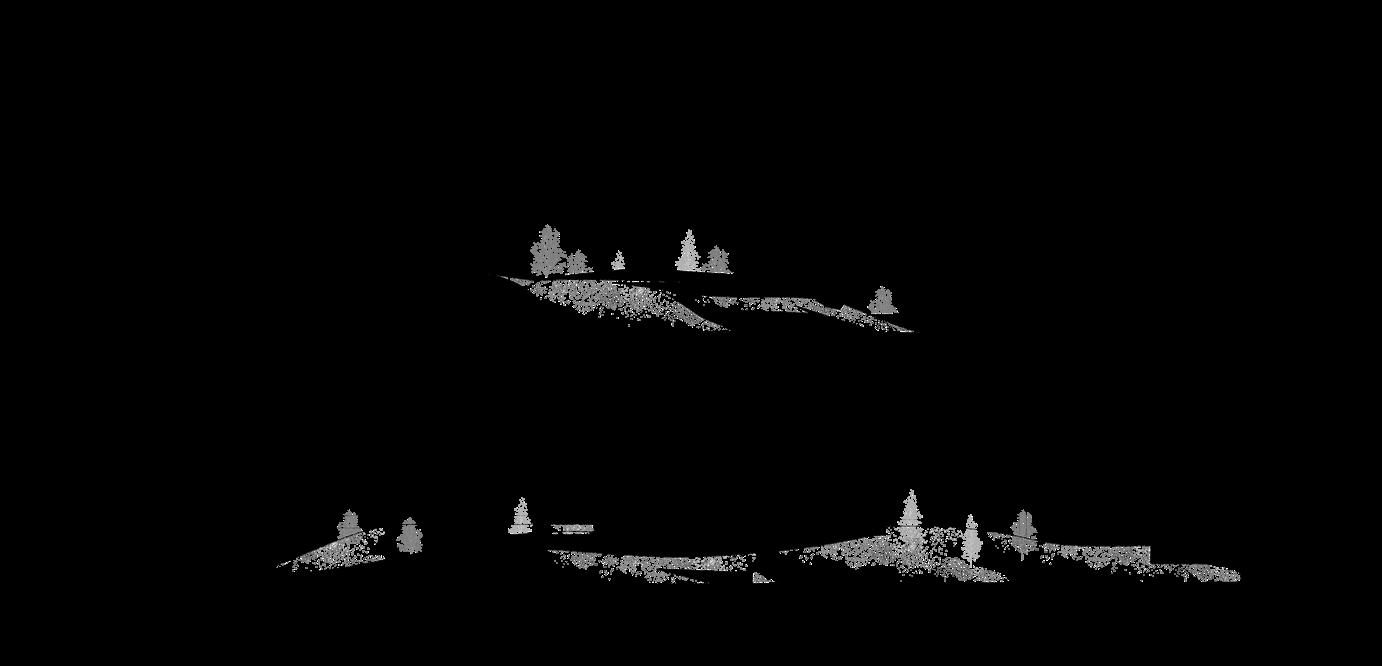
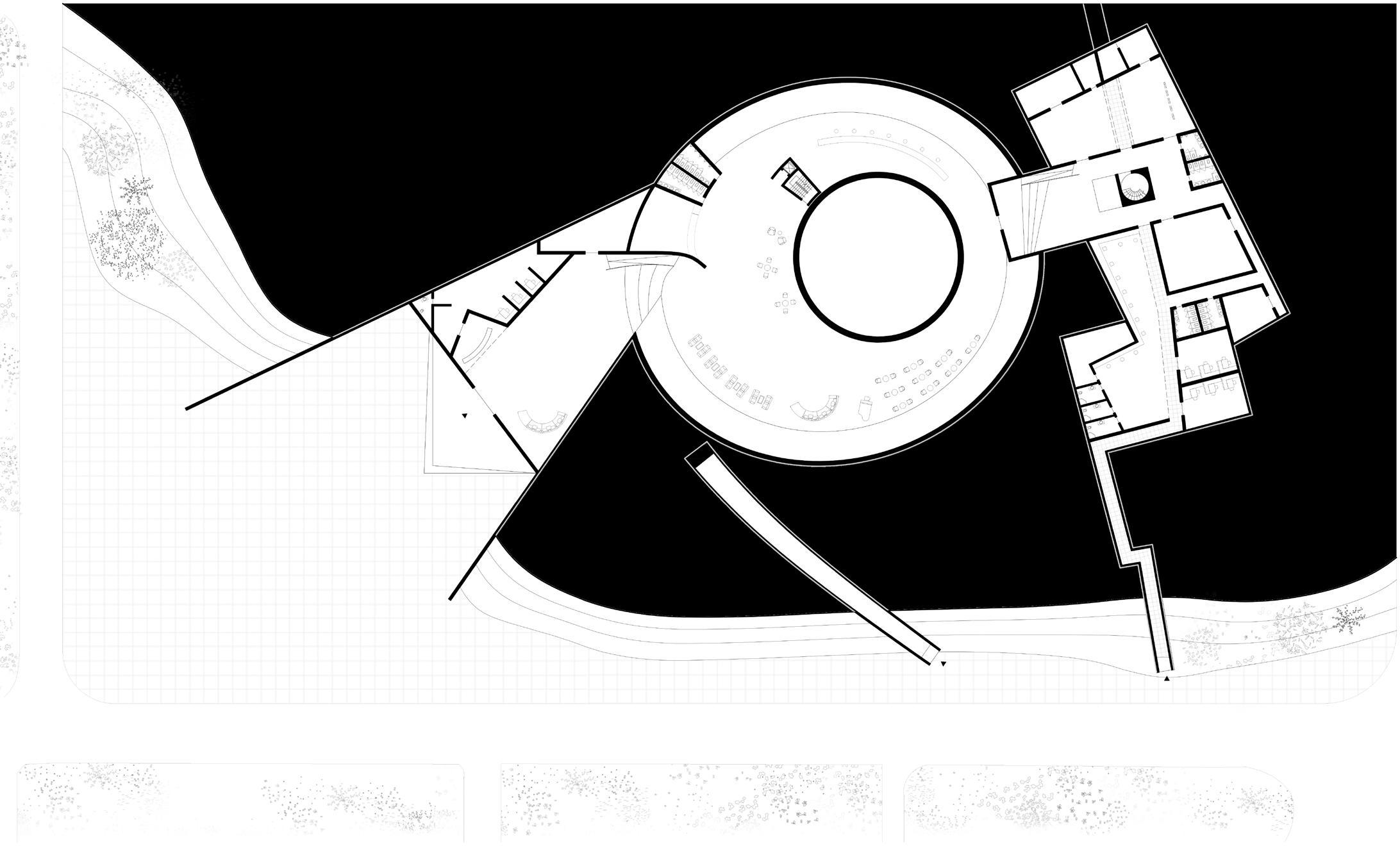
Most of the main structure of the building is buried deep at the bottom of the hillside. A radial block is inserted on the west side facing the campus as a multi-functional lobby to serve the campus. It breaks out of the ground and strengthens the characteristics of the entrance.
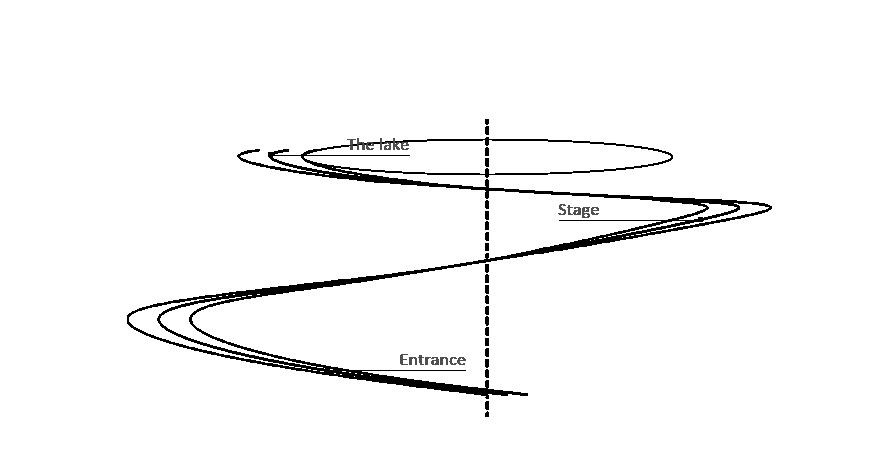
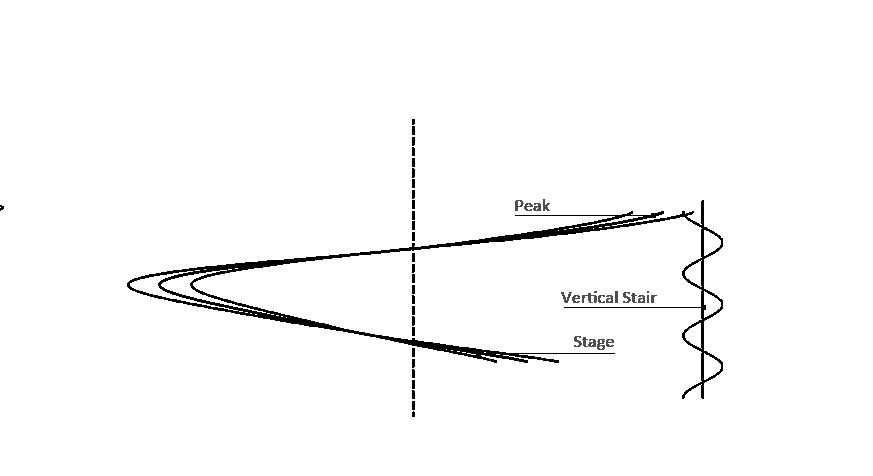
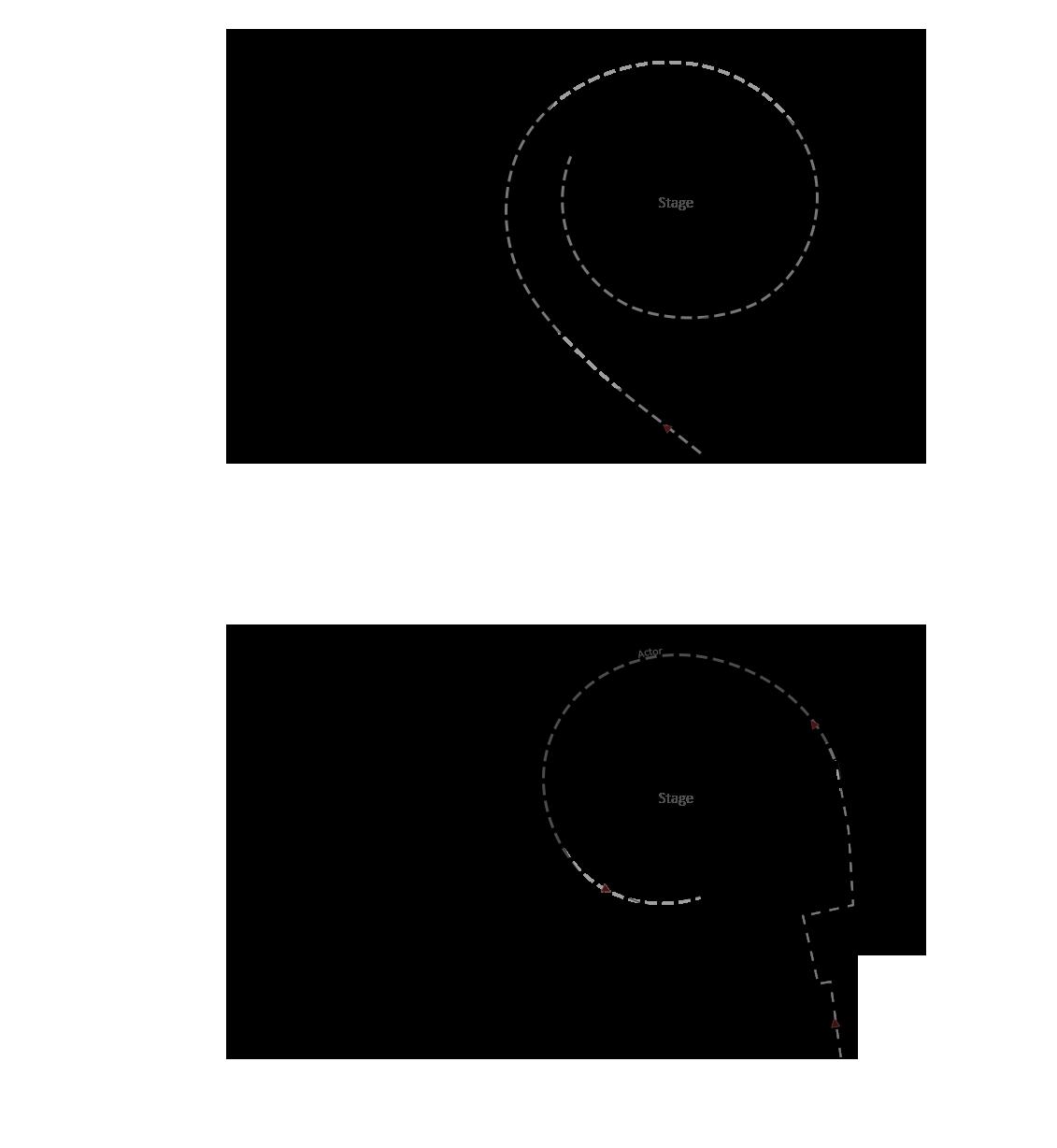
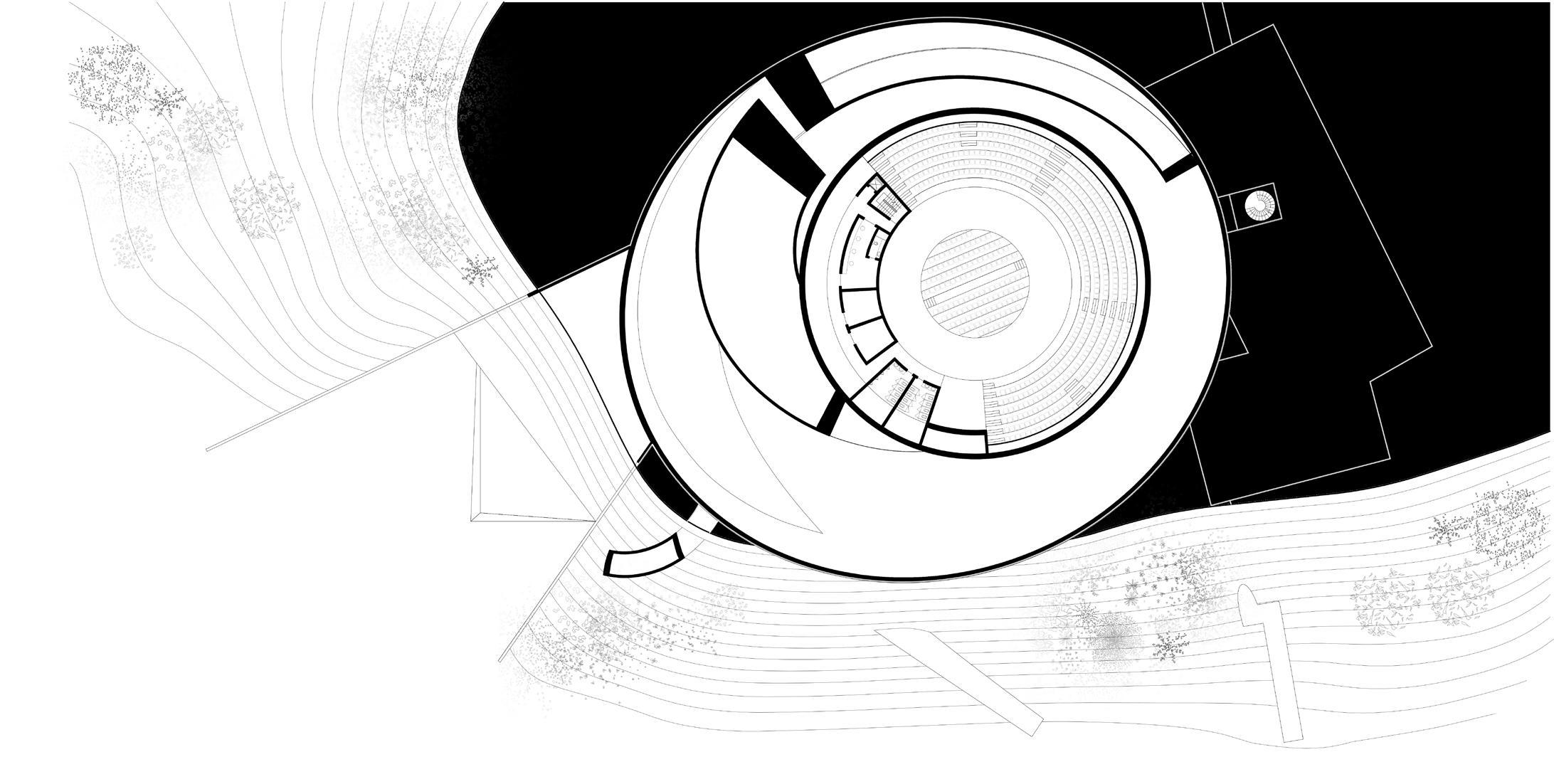
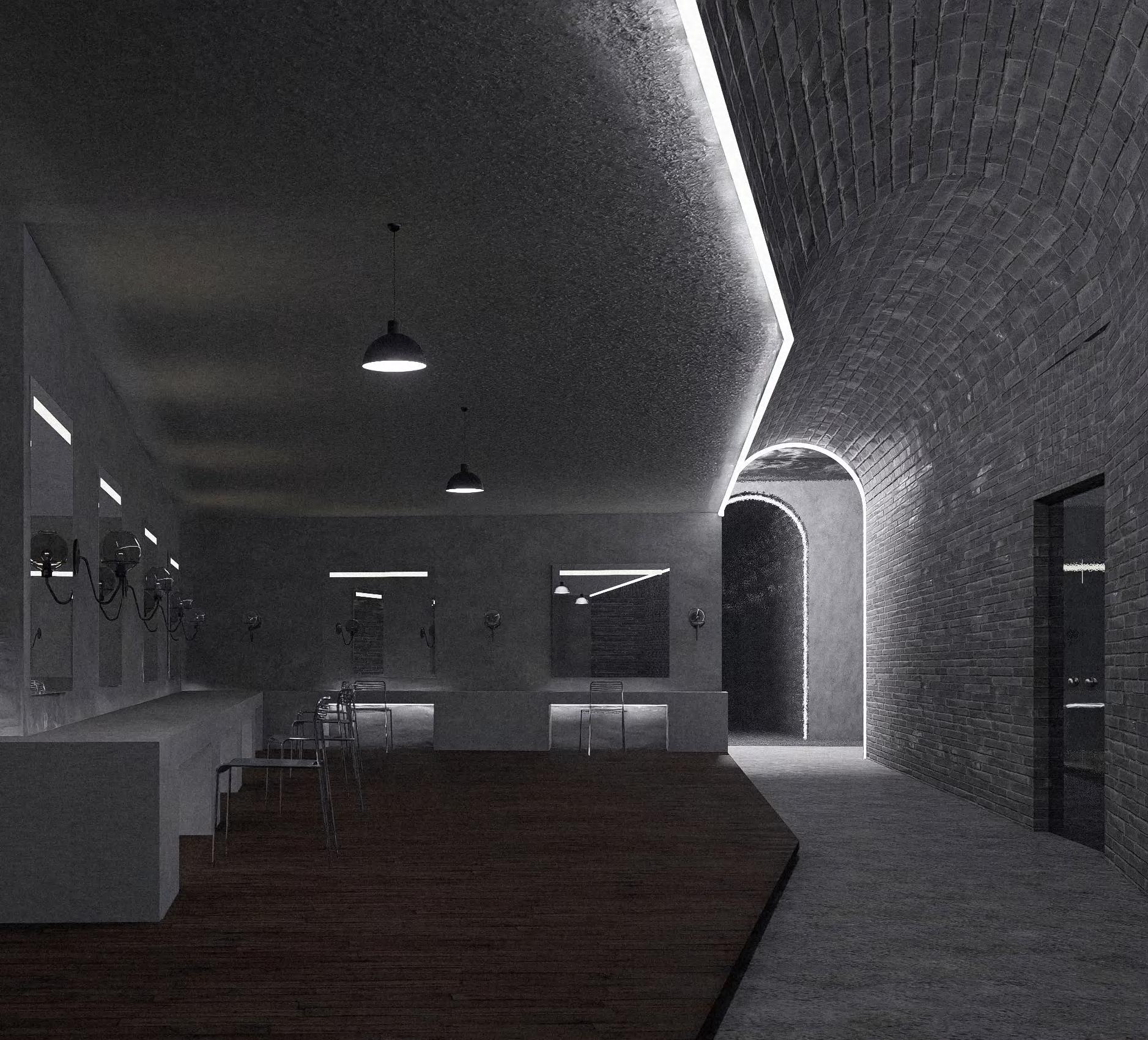
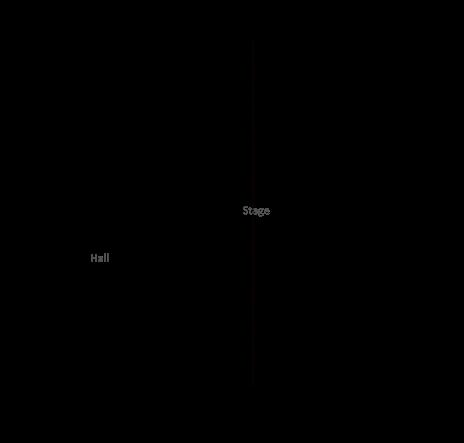
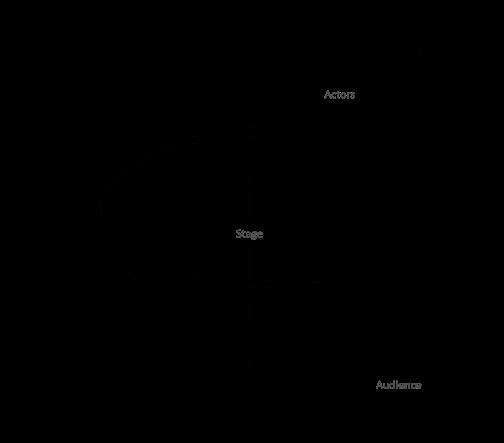
The paths of the actors and the audience show opposite trends, circling counterclockwise from the top, just like the action of "circling the stage" in a play, and finally entering from the bottom of the stage. The corridor is attached to the "small bowl" on the inside, forming an entrance like a crack at the bottom. The air-raid shelter buried deep under the slope is a historical relic. The arched structure and strip-shaped form are extracted and transformed into a logistics space. The original strip-shaped corridor becomes a through-traffic system.
The Lobby The Dressing
[1] To the audiorium [2] To the lake [3] To the stage [4] To the hilltop
In the Dark
When the curtains are lowered
-Overall structure-
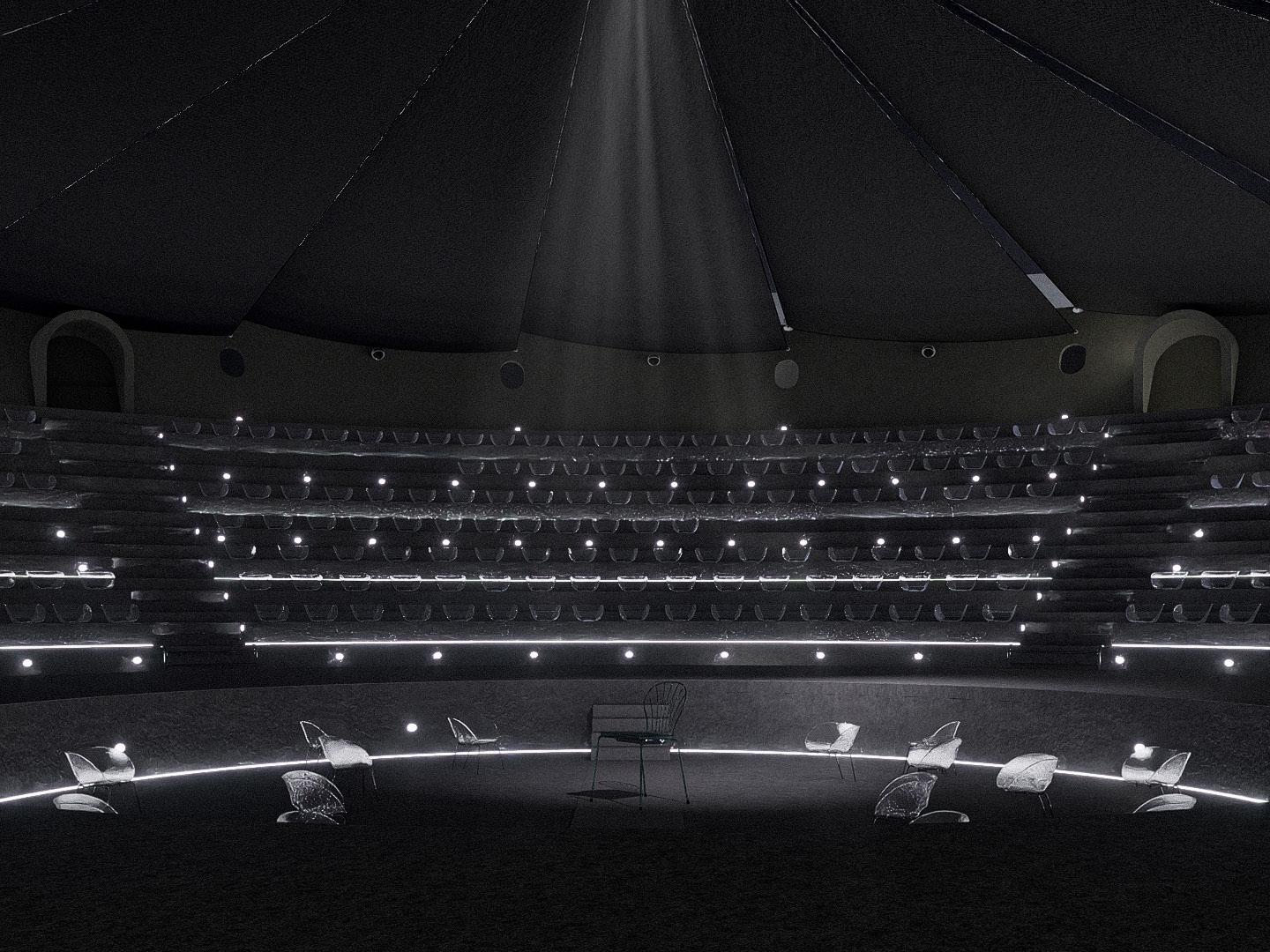
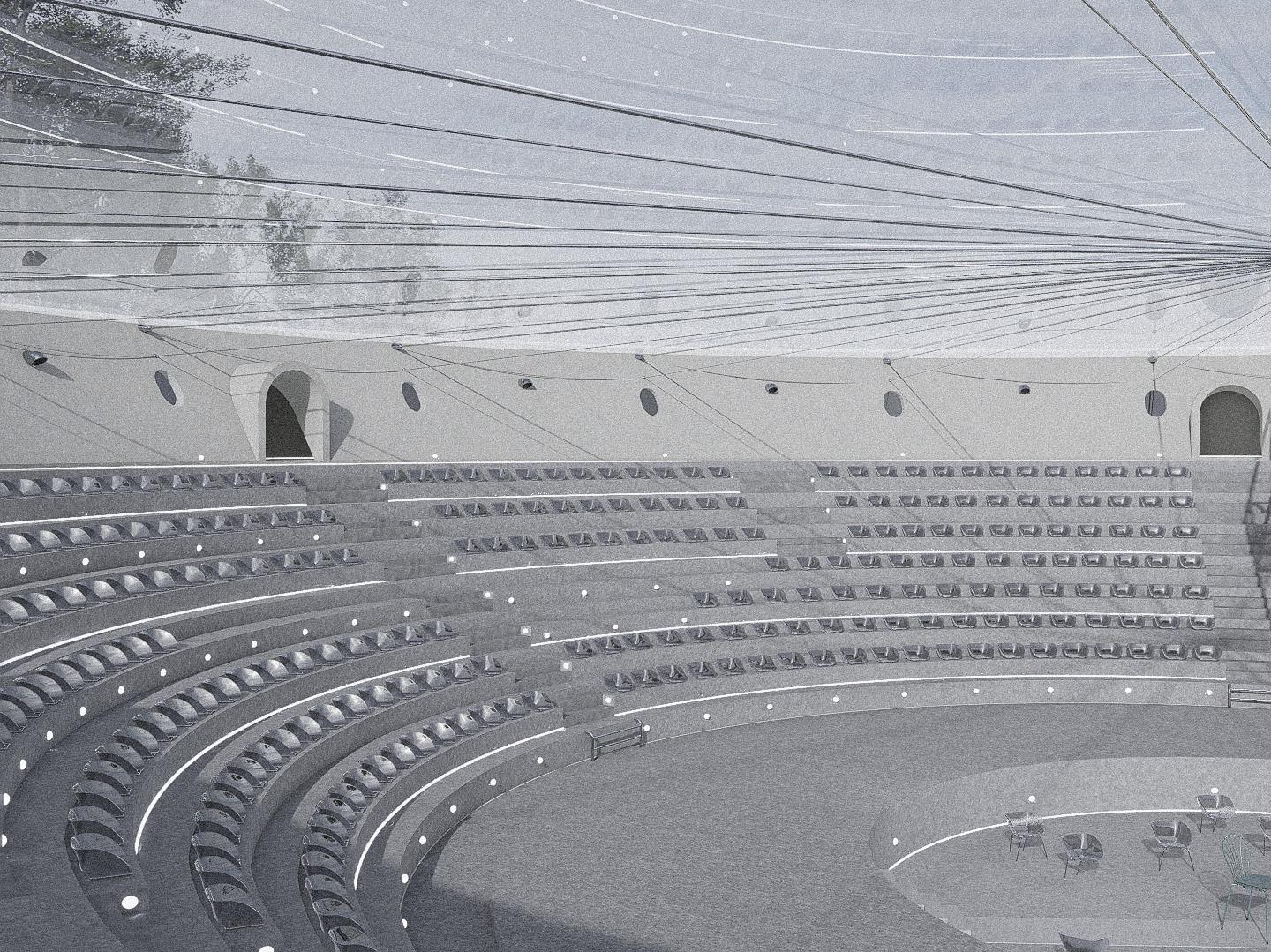
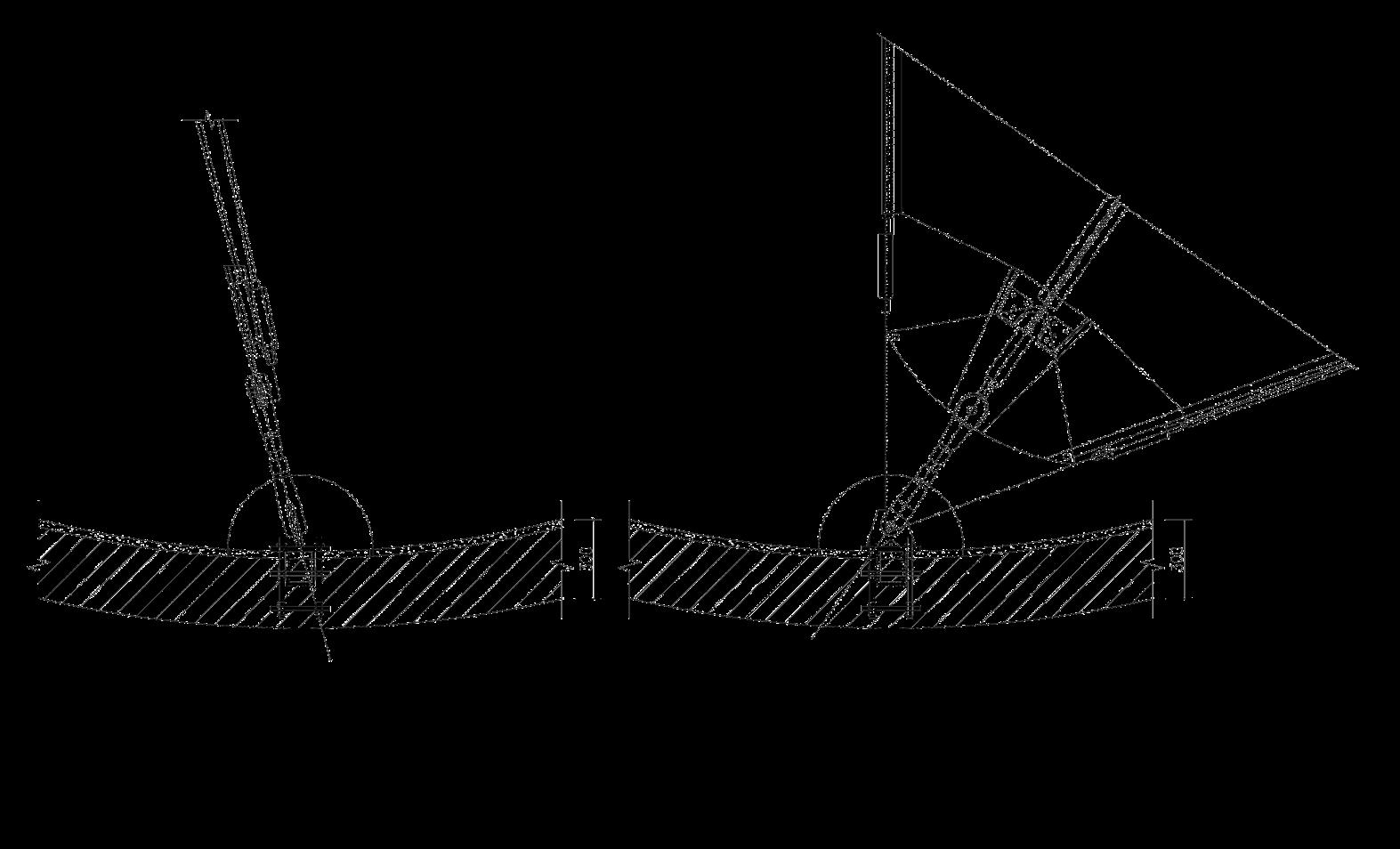
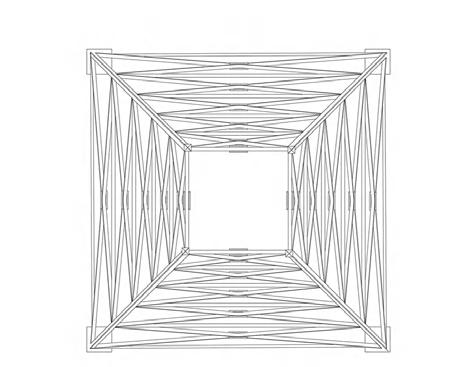
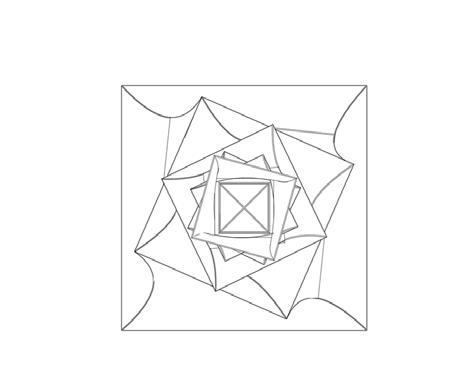
The concrete structure is cast as a whole, and the dome is covered with a steel cable structure. In the dark, various lights illuminate the circular stage. In the last scene, the auditorium becomes bright, and the shallow water on the glass roof is like the "lake" in the story, reflecting everything.
Under the Lake
When the curtains are drawn
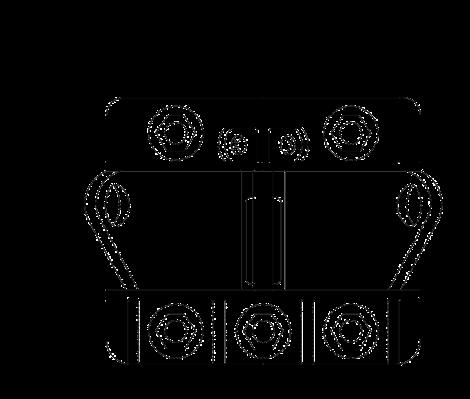
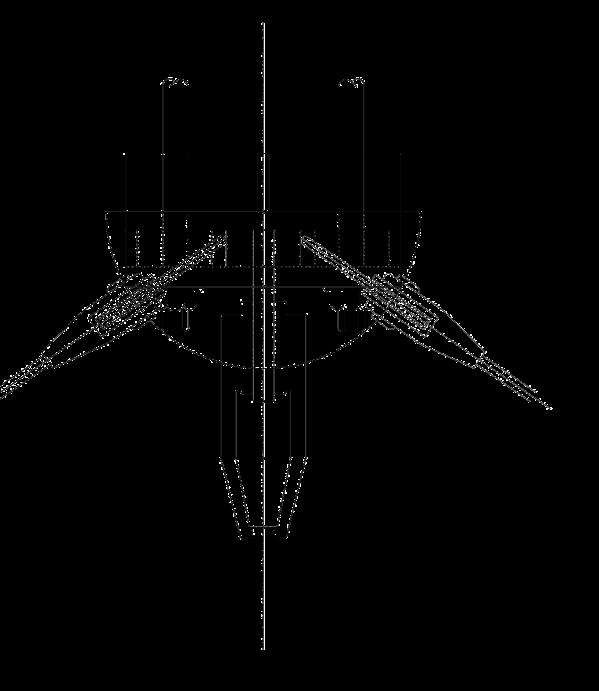
-Cable&Curtain Nodes-
The theater achieves different performance effects by controlling the opening and closing of the curtain.
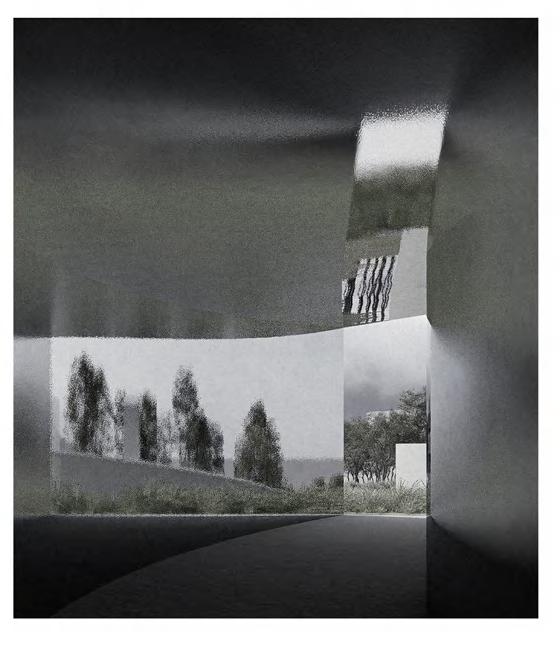
"For a midnight show, I enter at around eight o'clock and watch until six in the morning, with a midnight snack in between. I feel that eight hours is just like a night's sleep, like a night's dream. After the show, I wake up, walk out of the theater, watch the sunrise, look at the city in the early morning, and return directly to life from a distant spiritual realm..." Walking out of the dim corridor, there is a large shallow water where people can see their own reflections, as well as the reflection of the School of Arts in the distance. Architecture, drama and human emotions blend in an instant.
04 Reconstruction of Mechanism
- 2024 Winter Competition Project -
- Individual Academic Project, based on teamwork urbanism competition idea-UIA-International Student Competition in Architectural Design | 2nd Prize- Site: Daya Bay, Huizhou, China -
- Collaborater of the competition: Bohan Yang, Xuetian Liang, Yuqian Li- Urban renewal in the context of high-density sprawl- Concept development, model creation, and drawing design-Instructor: Yizhi Xiao/atelierly@163.com-
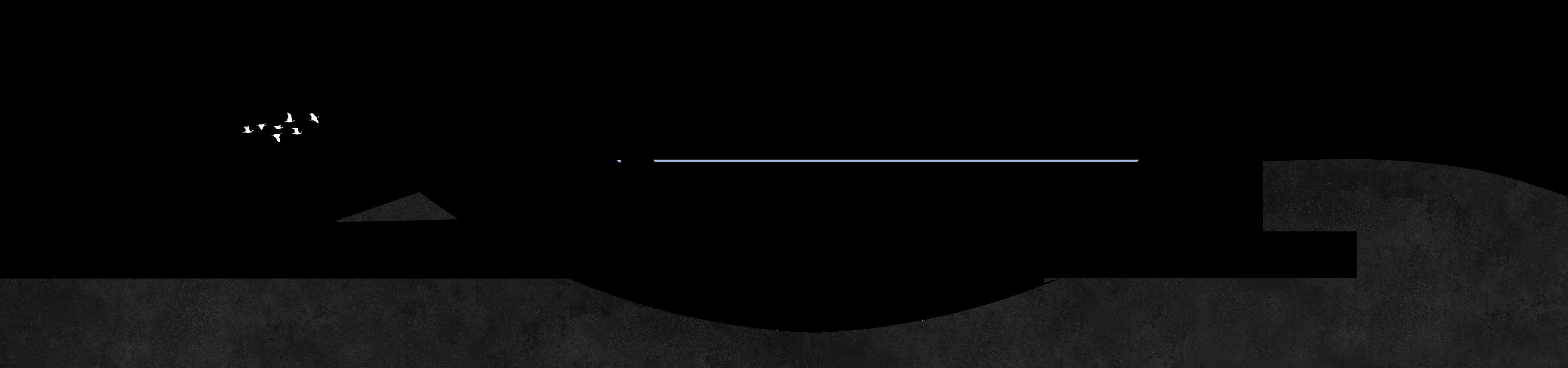
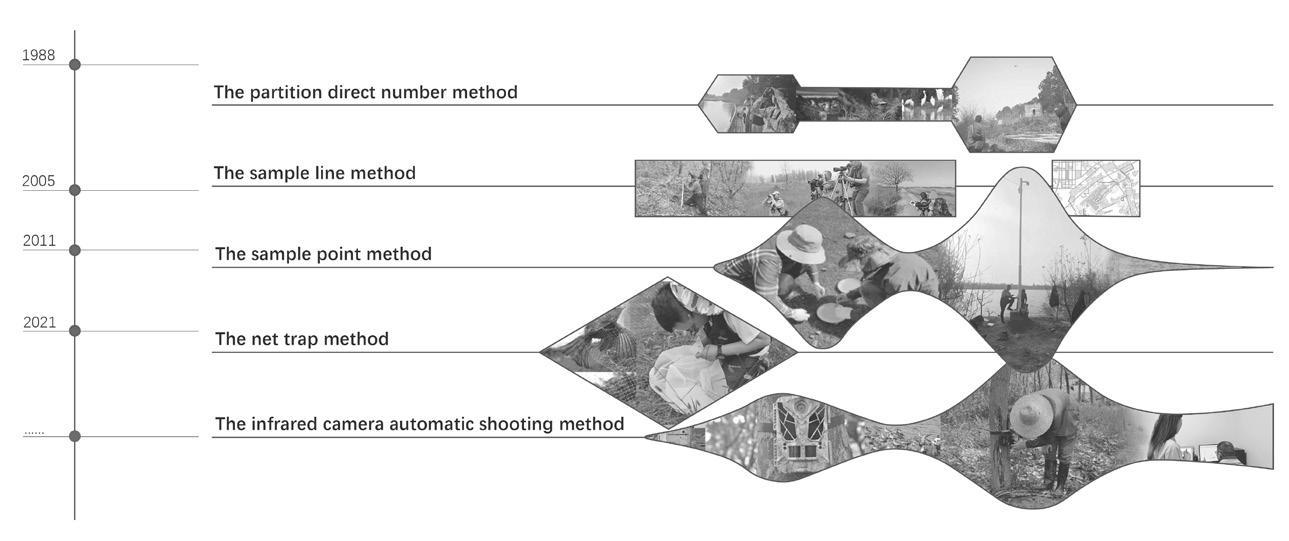
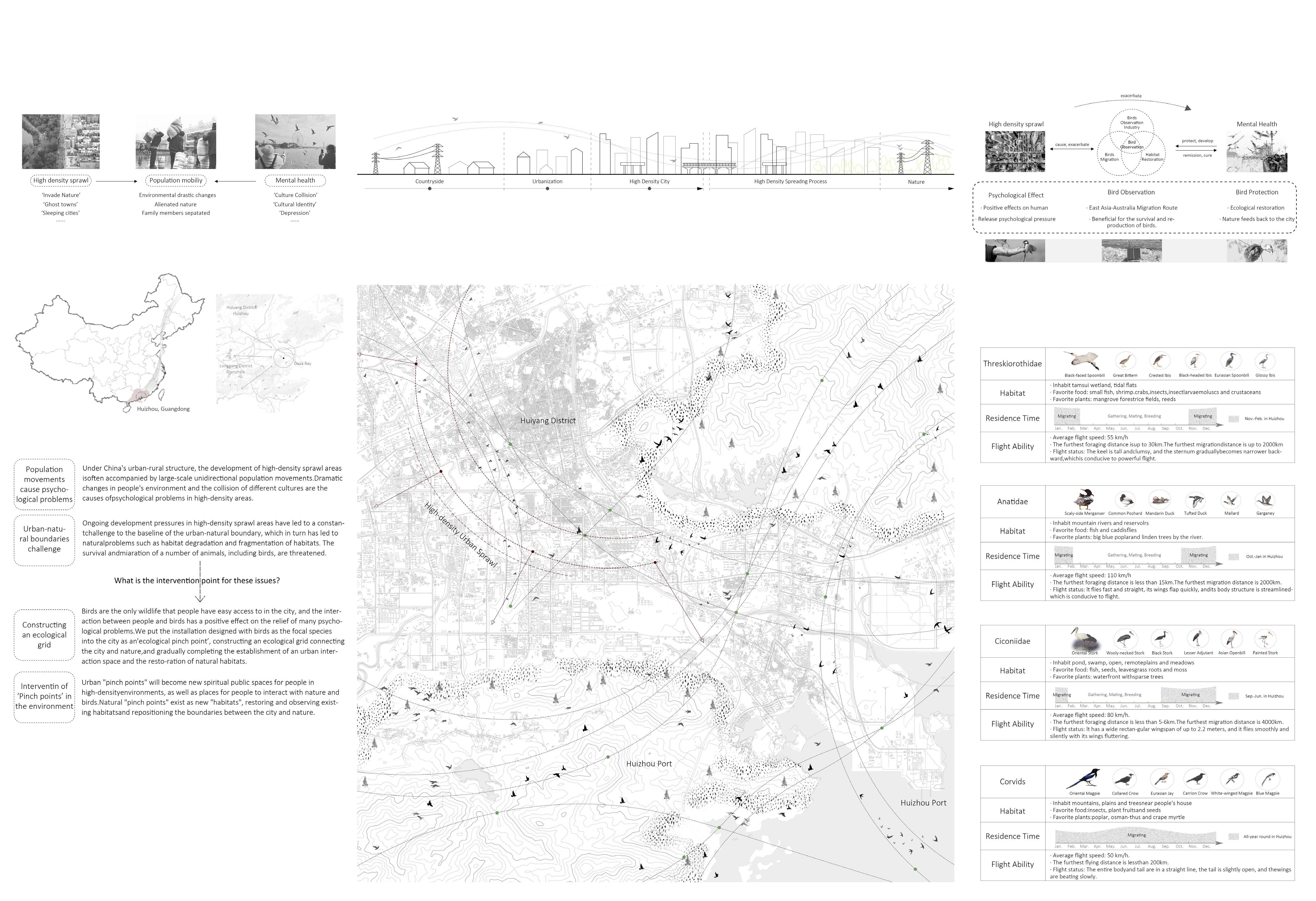
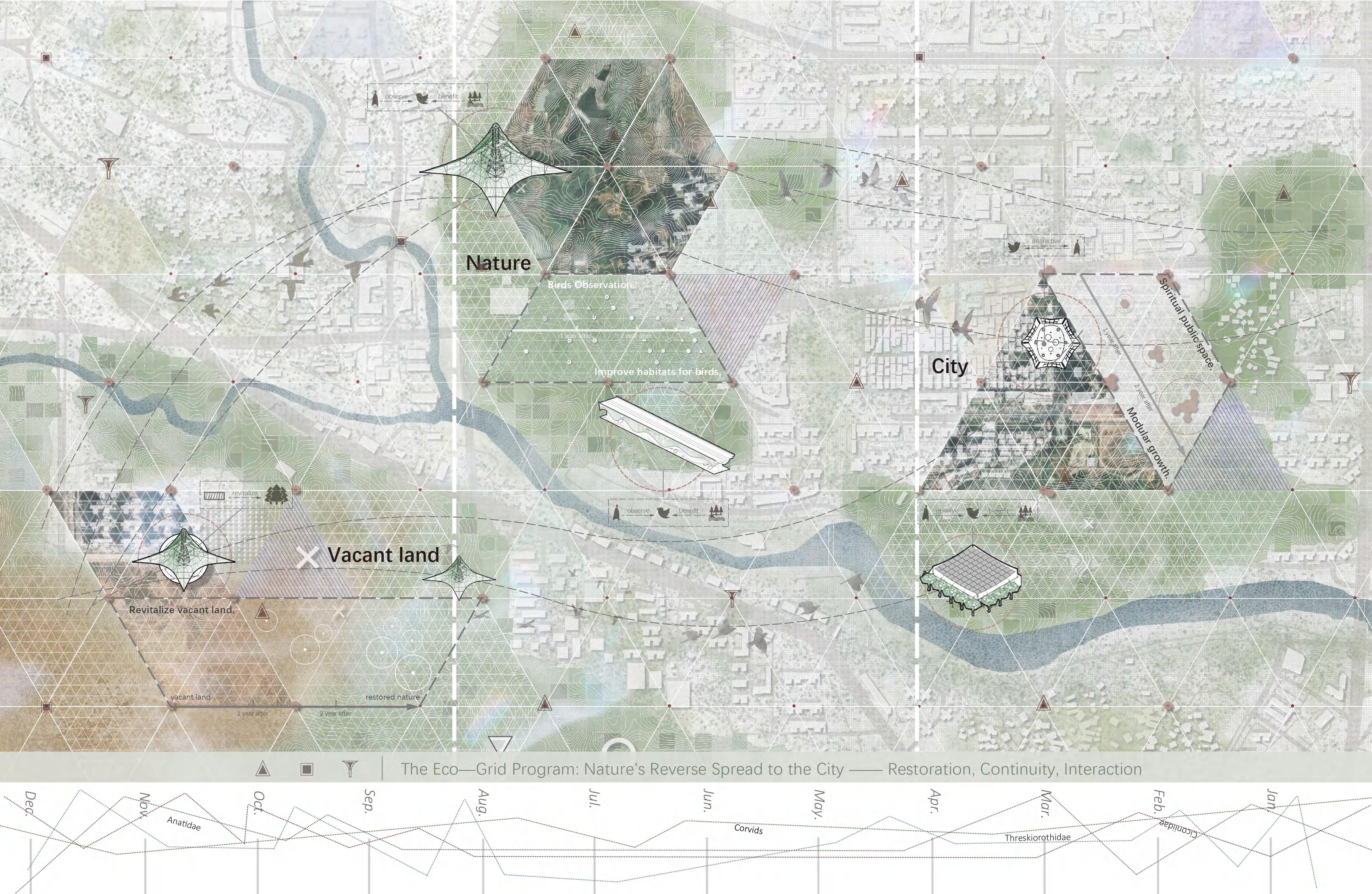
In developing countries, housing is often built endlessly for economic reasons. High-density sprawl further points to the adverse impact on people's mental health , and the atomized society has deepened the gap between people. Huizhou, a small city in southern China, has built many high-density high-rise houses in the past decade. Due to its proximity to Shenzhen and Guangzhou, many middle-class people choose to buy houses in Huizhou. However, the real estate boom has faded, and the housing vacancy rate is alarming. What means should we use to solve the inevitable problems in urban renewal? Huizhou is an important node for bird migration. Bird watching attracts tourists from all over the country, but birds are often ignored by us. Can our design juxtapose humans and birds as equal subjects and use bird watching, a universal activity, to stimulate urban vitality?
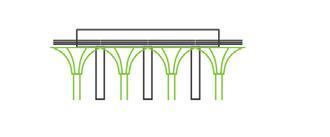
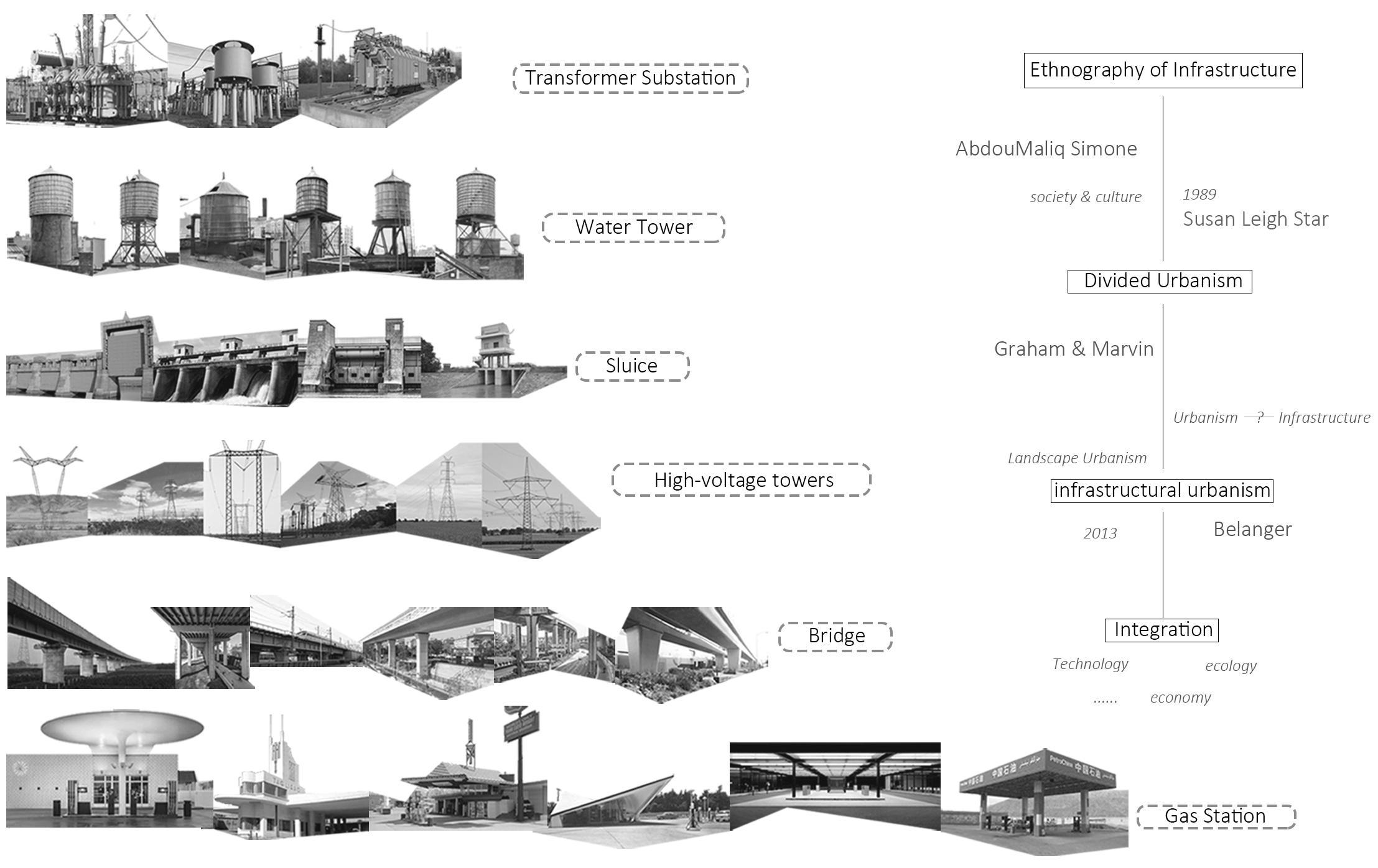
Dense infrastructure exacerbates people's repeated one-dimensional movement in the city. Take bridges as an example, capitalist culture shapes them into a link between transportation and shopping centers. This project takes bird habitats into consideration through composite infrastructure, expanding the connotation of infrastructure. This method is replicable and provides new clues for urban renewal.
-Site - Huizhou Daya Bay-
-High Density Sprawl & Mental Health & Bird Watching-
< Daya Bay, Huizhou, Guangdong >
-Research of Birds in Huizhou-Background- -Solution-
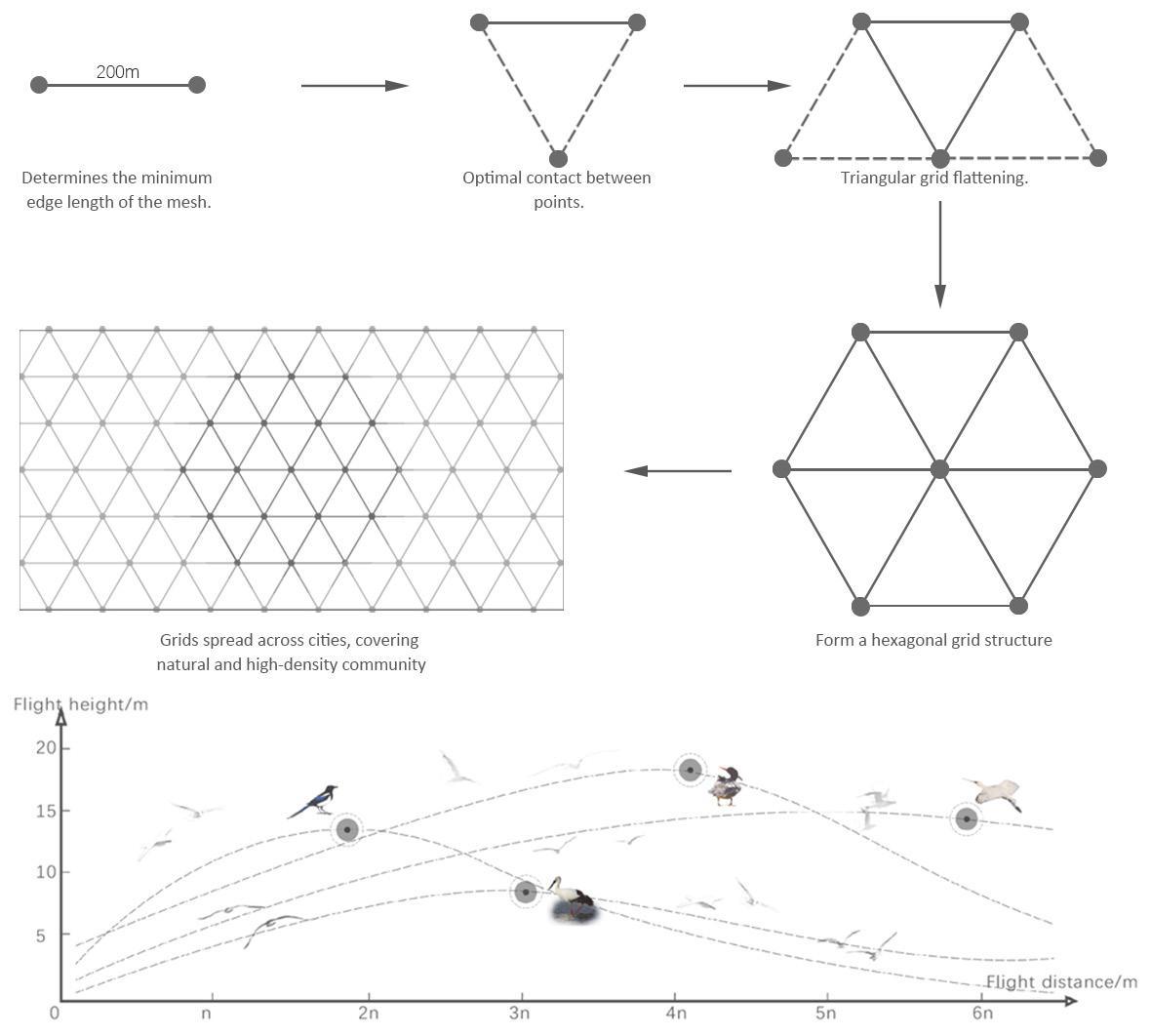
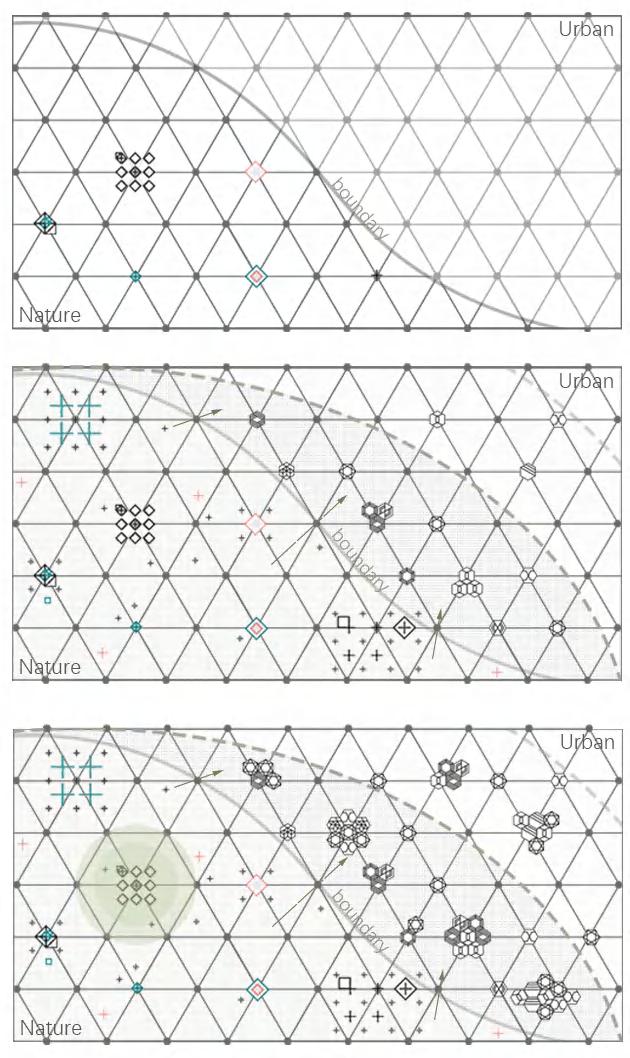
The high-density sprawl of the city encroaches on the natural environment and destroys the habitat of birds. Huizhou Daya Bay is located on an important path for bird migration, and bird watching, as a universal activity, can be used as a clue for urban renewal.
How to deal with the problems?
-Clue - Bird observation-
Bird watching is good for people's mental health, and it can be used to restore natural habitats that have been encroached upon by urbanization and create new paths for urban renewal.
Bridge
High-voltage tower
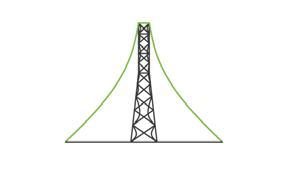
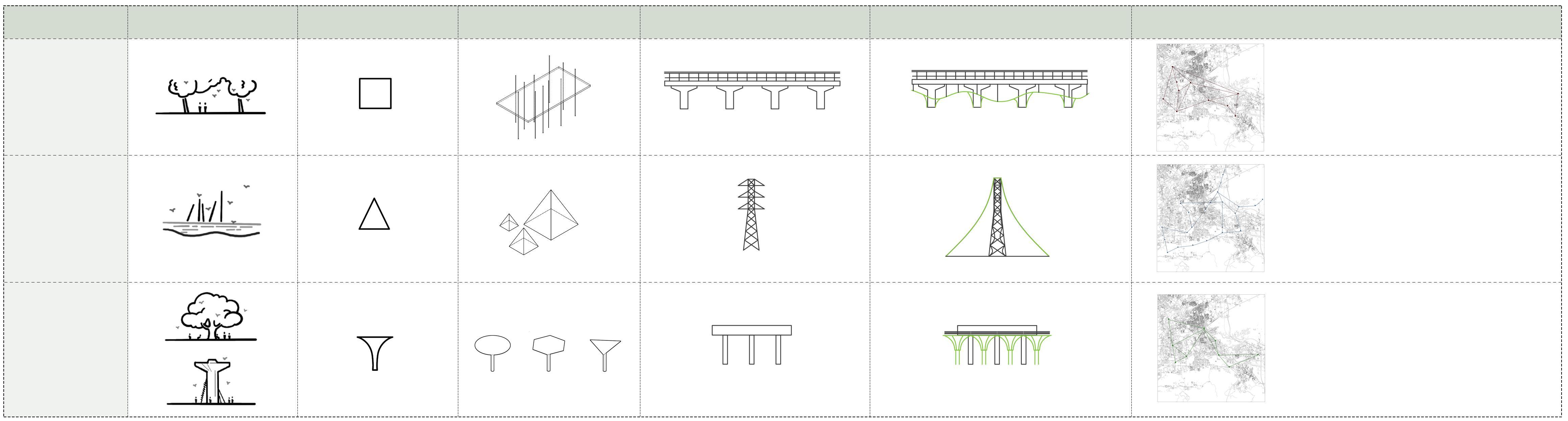
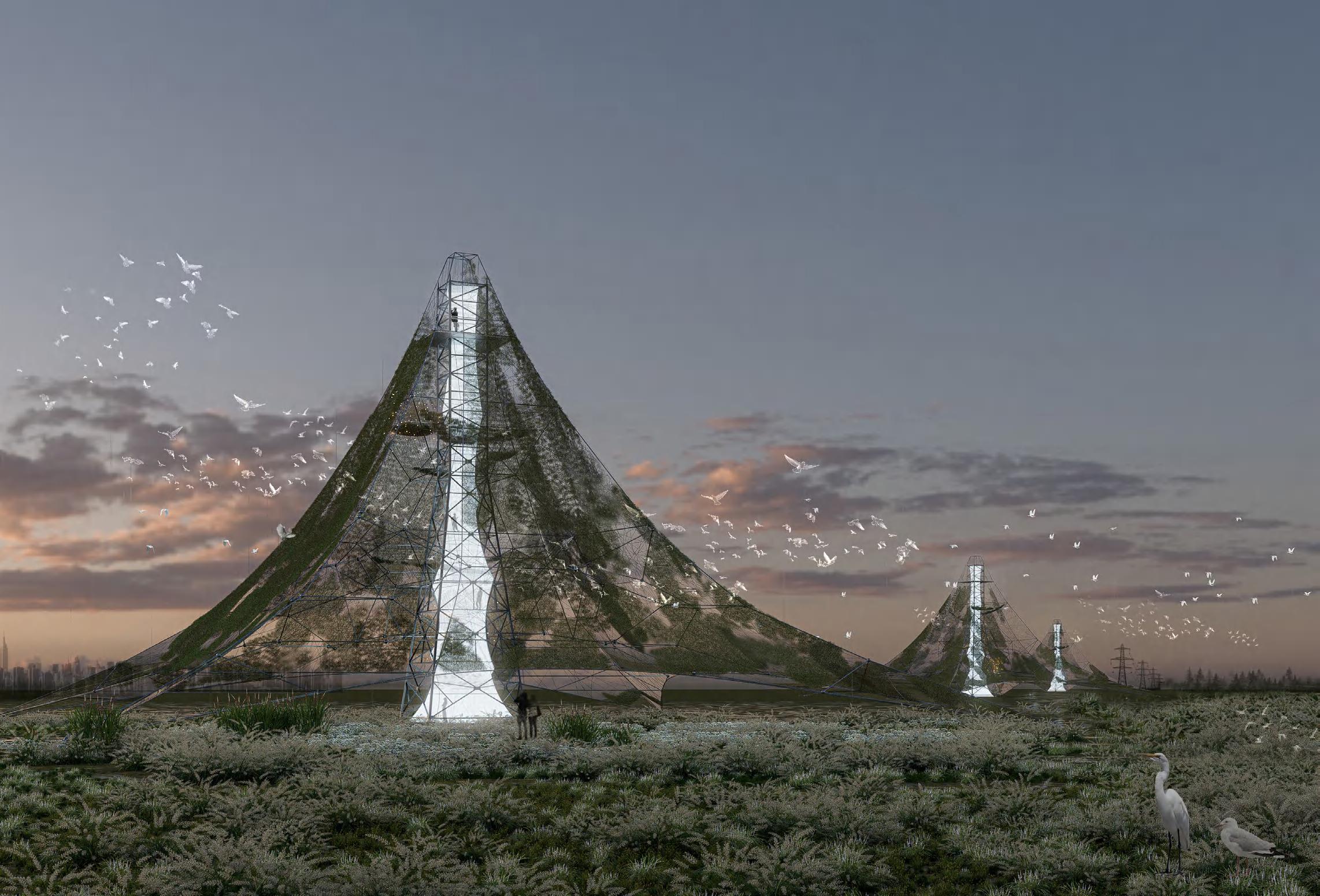
High-voltage power towers are gradually being replaced by underground cables, and abandoned towers can serve as temporary habitats for birds along their migratory routes.
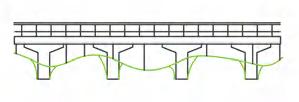
Gas station Bridges connect cities, and the lost space under bridges can be activated as a habitat for birds and provide space for people to move around.
Gas stations are important nodes in urban transportation, with a simple architectural form and are difficult to access. We can explore their new value and promote energy recycling.
Forest Habitat
Marsh Habitat
Urban Habitat
system-
System-
-Power System-
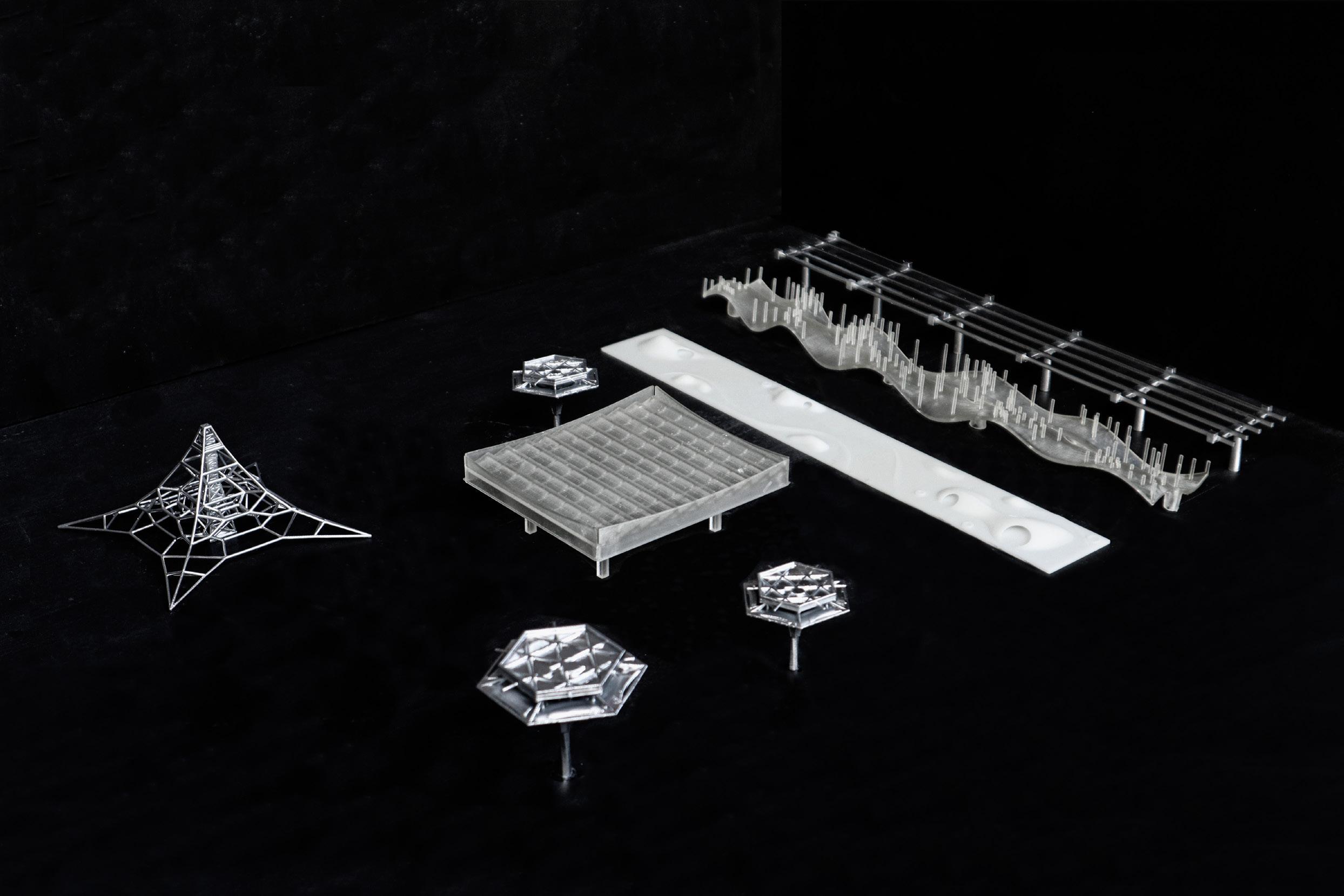
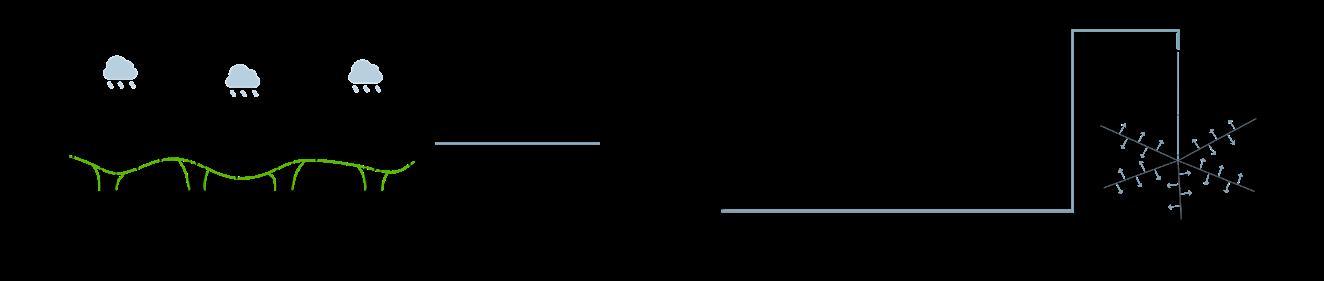
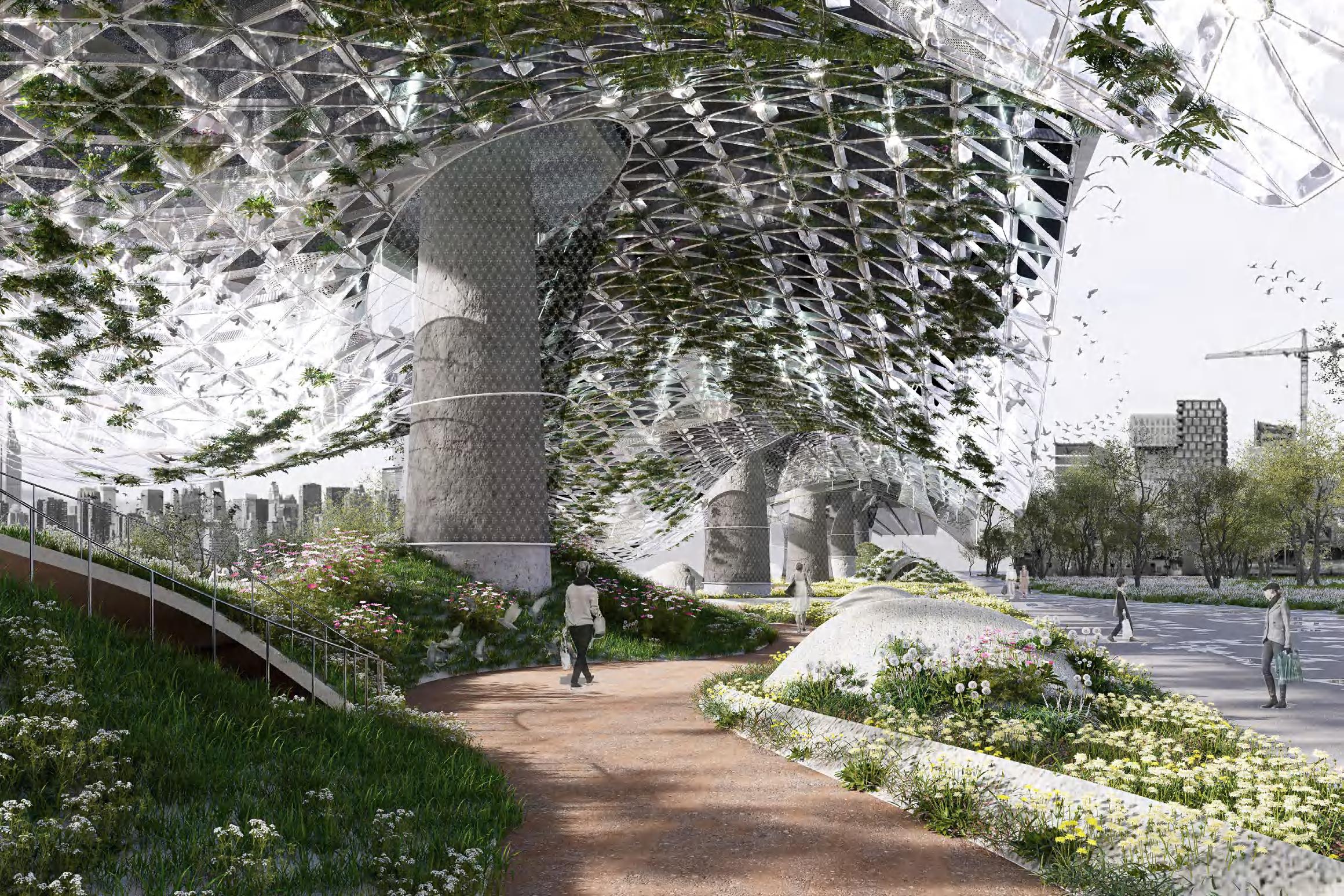
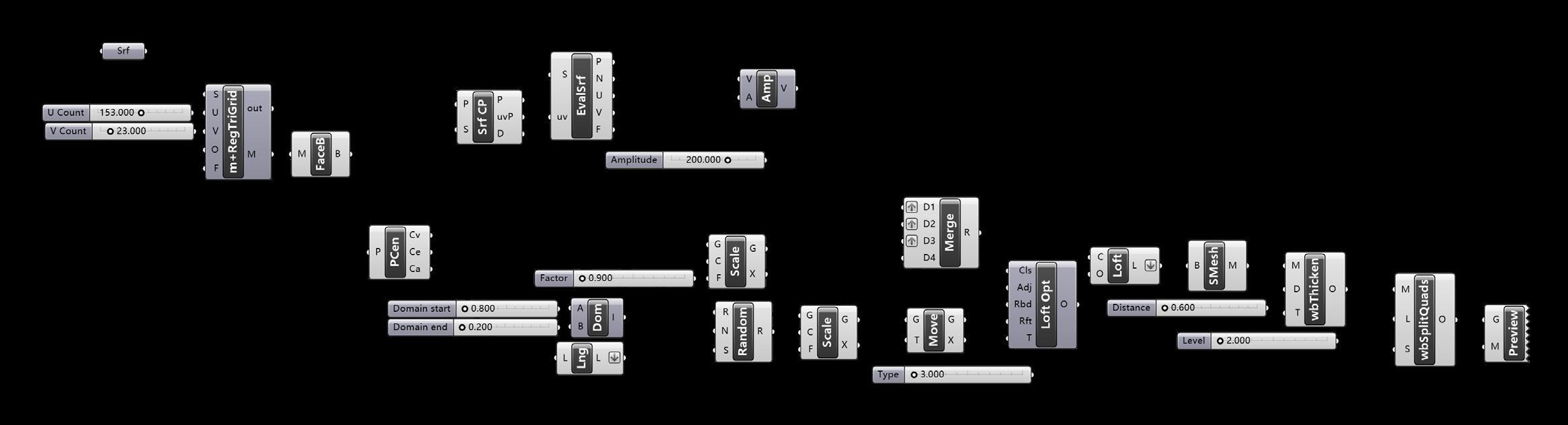
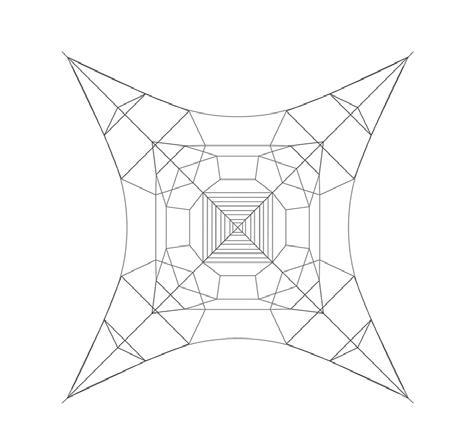
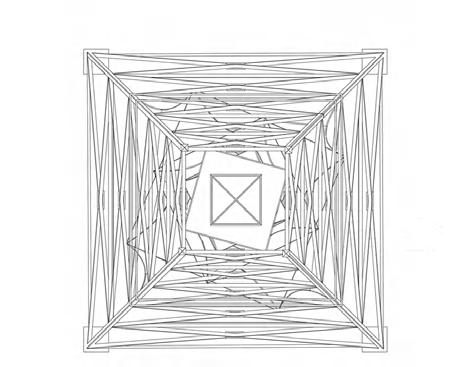
The space under the bridge is divided into tow parts by a curved grid. The upper floor serves as a habitat for birds. Plants climb up the vertical tubes to form a forest for birds. The lower level serves as a space for human activities, and the rolling 'hills' serve as a space for bicycle parking, activating the entire city. Birds and humans interact under the bridge, creating a vivid picture of the future.
Upper Level - Bird Hill
Lower Level - Pedestran space
Upper Level - Habitats for birds
of Recurrence - Green Monuments
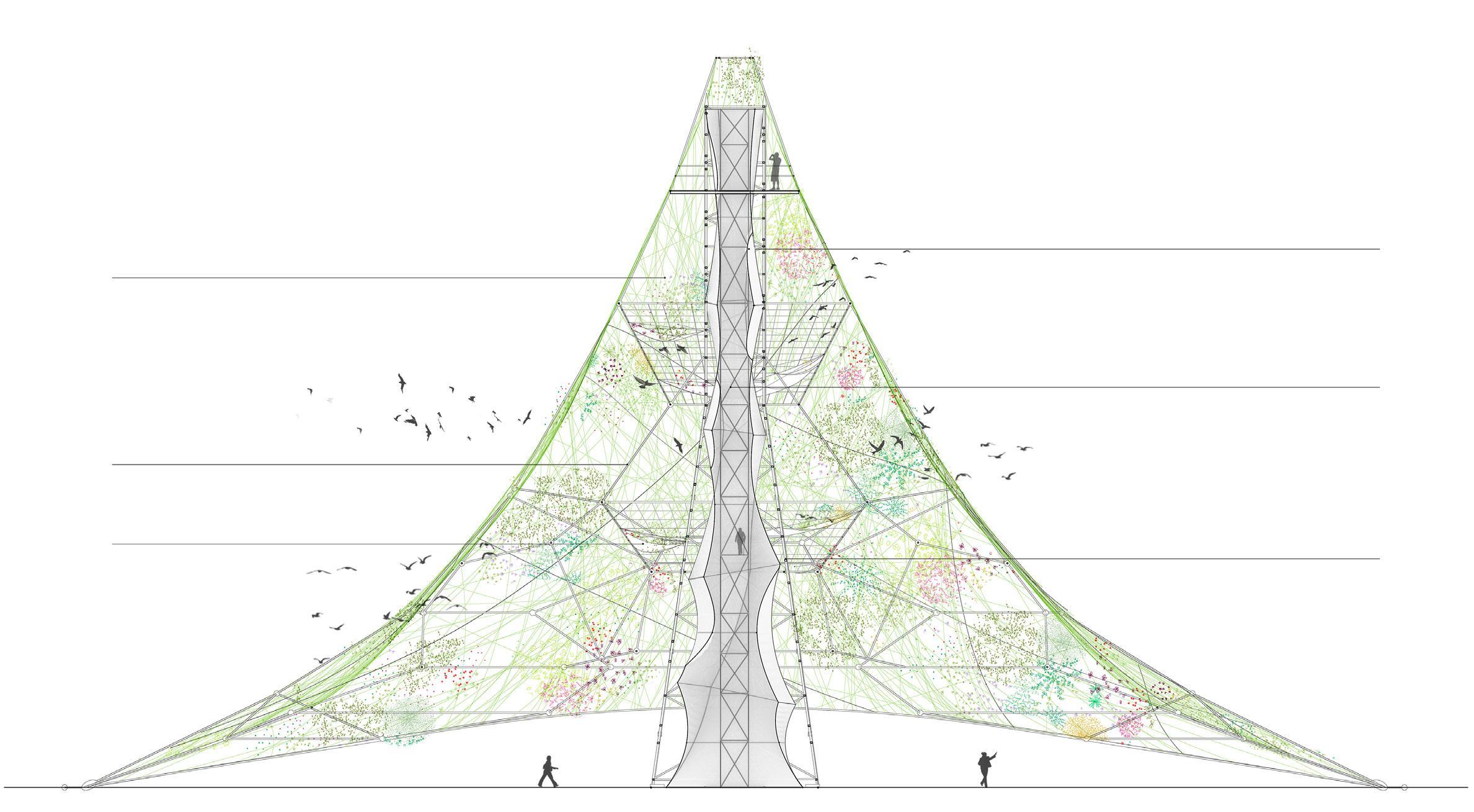
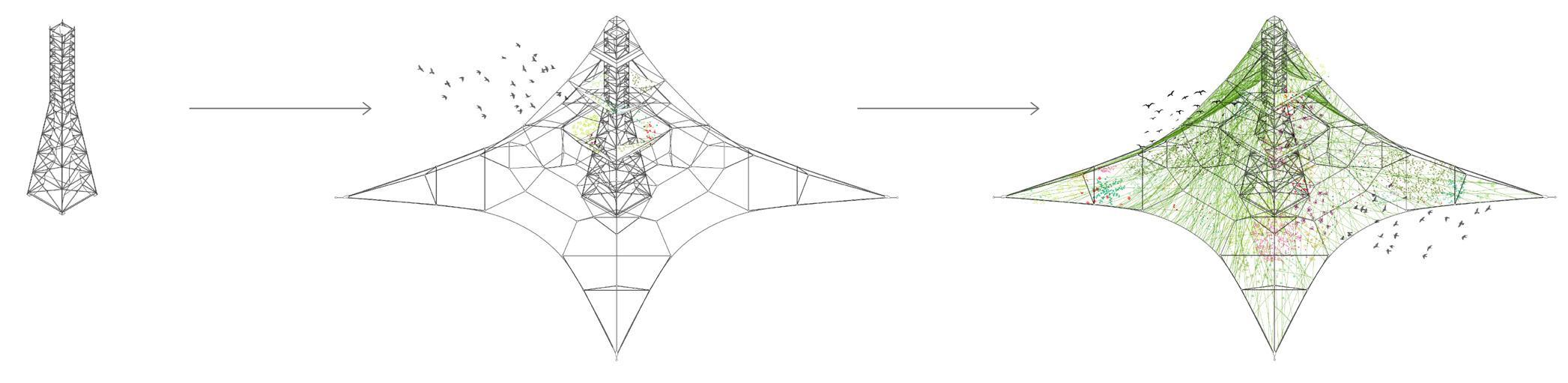
High-voltage electricity towers are gradually being abandoned, and the towers standing in the fields are like monuments, indicating the decline of urban infrastructure. Electricity towers in nature can serve as temporary habitats on bird migration routes, like green hills, providing shelter for birds.
- Human activities -
High-voltage tower structure
Human space attached to the tower
- Bird's Habitat -
Outer layer additional frame
Superposition of old and new structures
Surface weaving
Overall plane
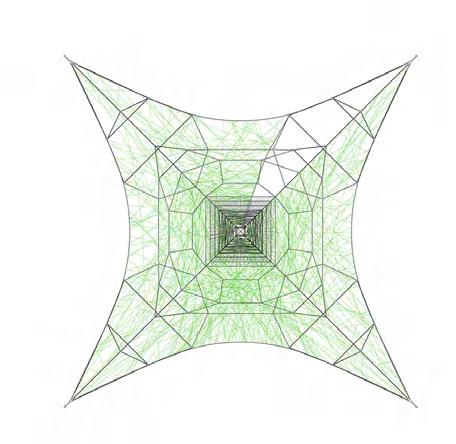
-Connection: tensile membrane & electric tower structure-
braid
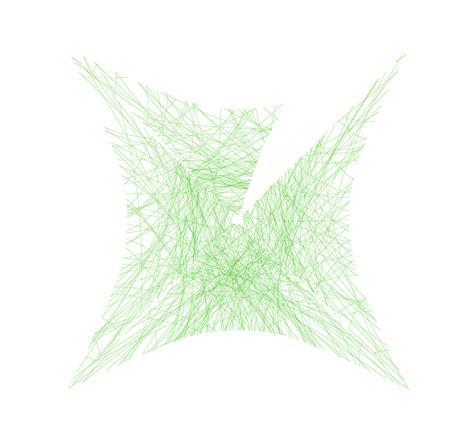
The outer trellis weave provides space for birds to nest and plants to grow year by year.
Mental grid
Metal grid supports the entire structure
Hbitat net
Birds perch on ecological net
Structure
The tensile membrane structure is connected to the original steel structure to enclose a place for human activities.
Elevator
The sightseeing elevator serves as the only upward passage, allowing people to reach the top of the tower.
High voltage power tower
The original electrical tower structure was retained.
-Time passes - blending into the landscape-
structure
Year
Membrane
Outer
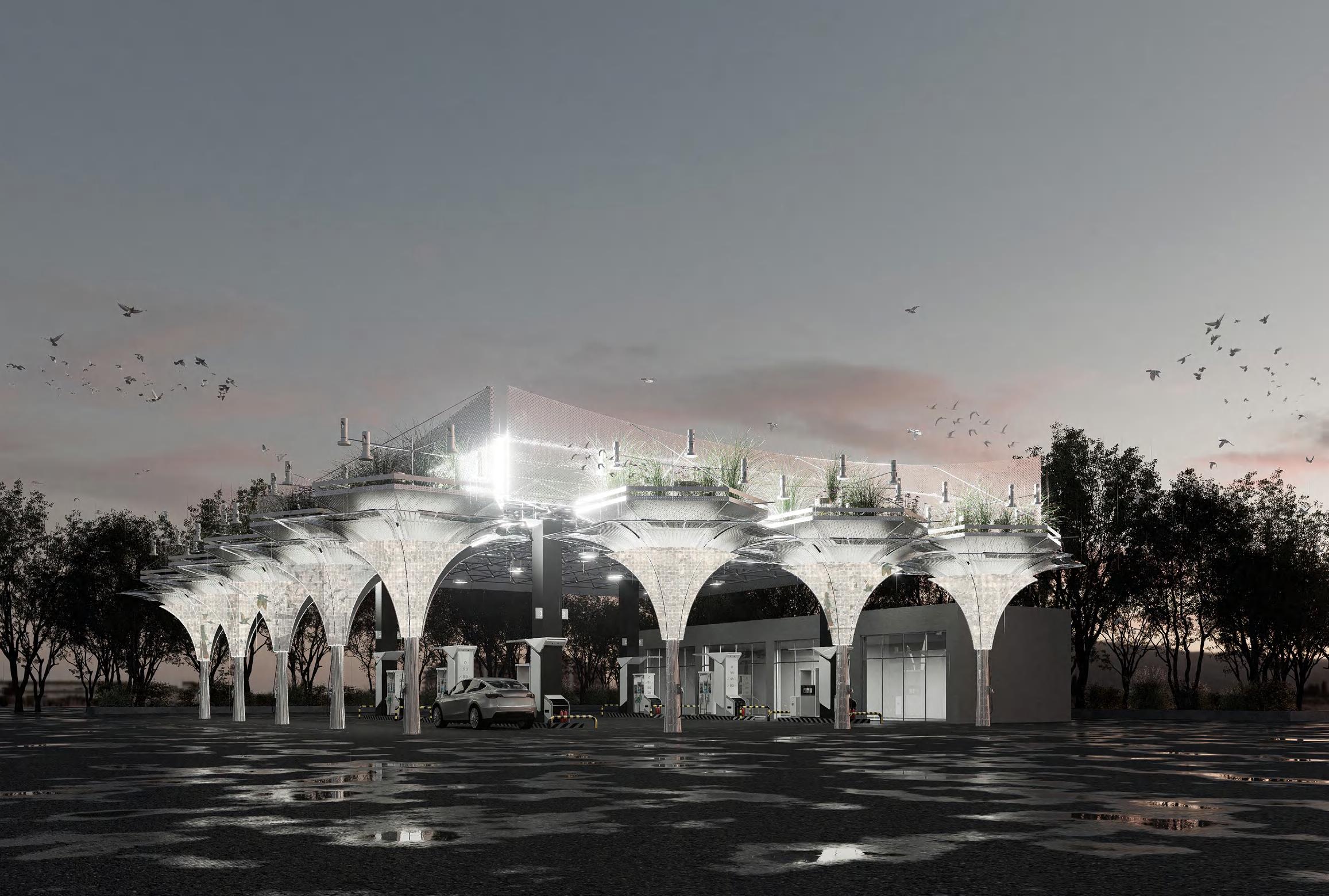
As an important node in the transportation system, gas stations provide energy for vehicles. In recent years, new energy vehicles have emerged. How to transform the original type to cater to the new energy market while providing additional space for nature and birds?
-Monomer System-
-Construction Details-
-Habitat System-
-Power System-
-Recycle System-
-Creating a New Facade-
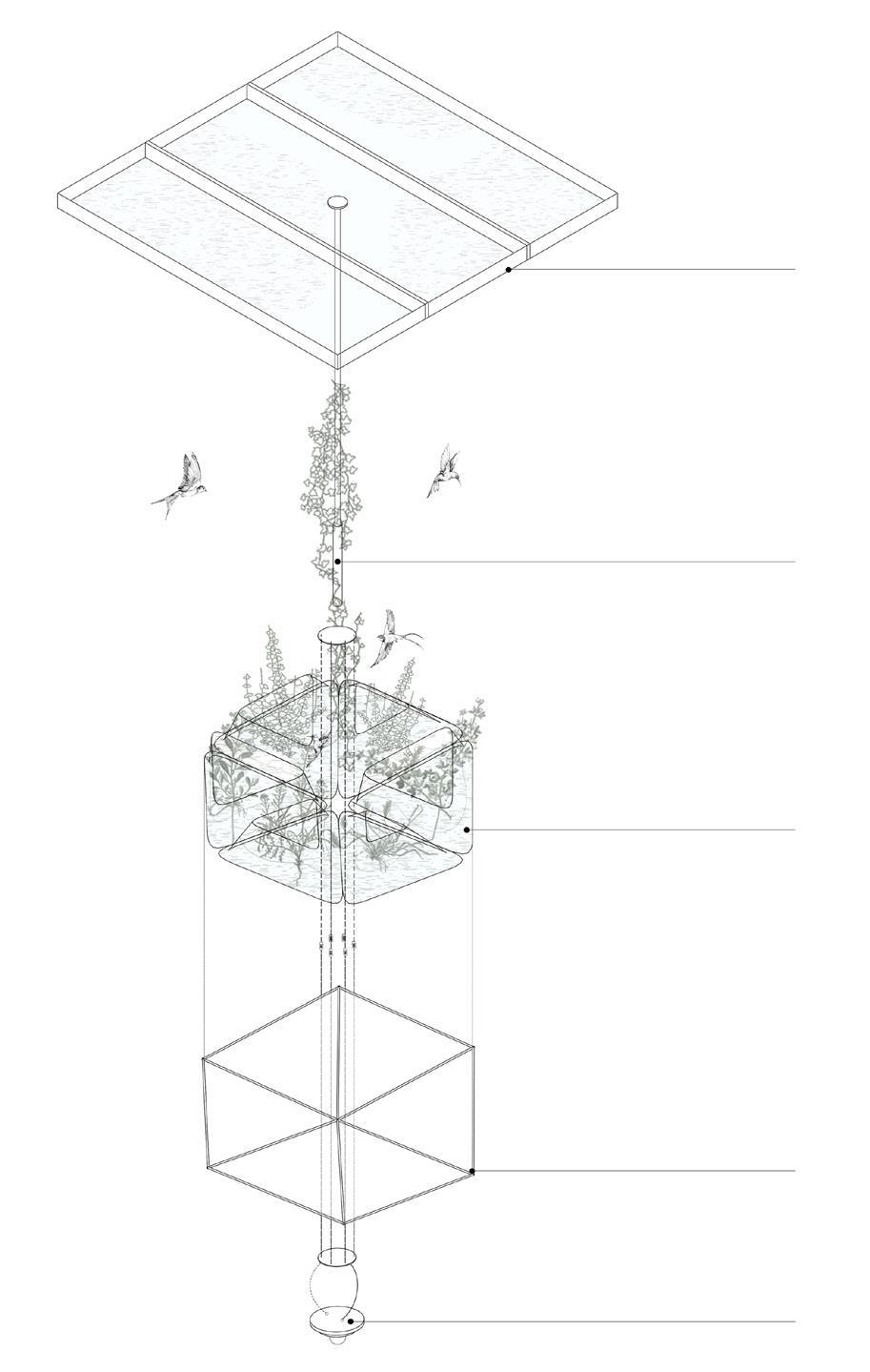
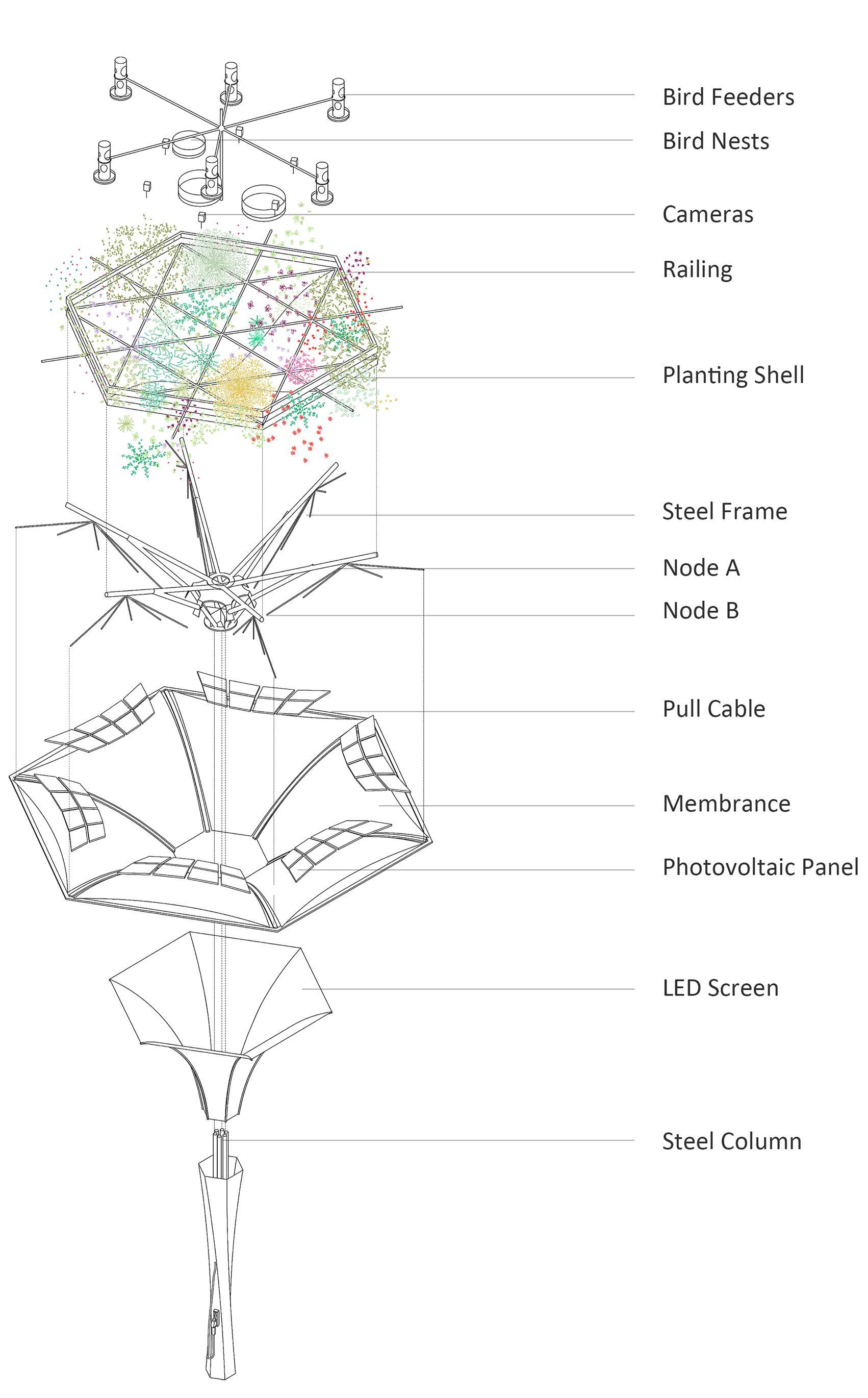
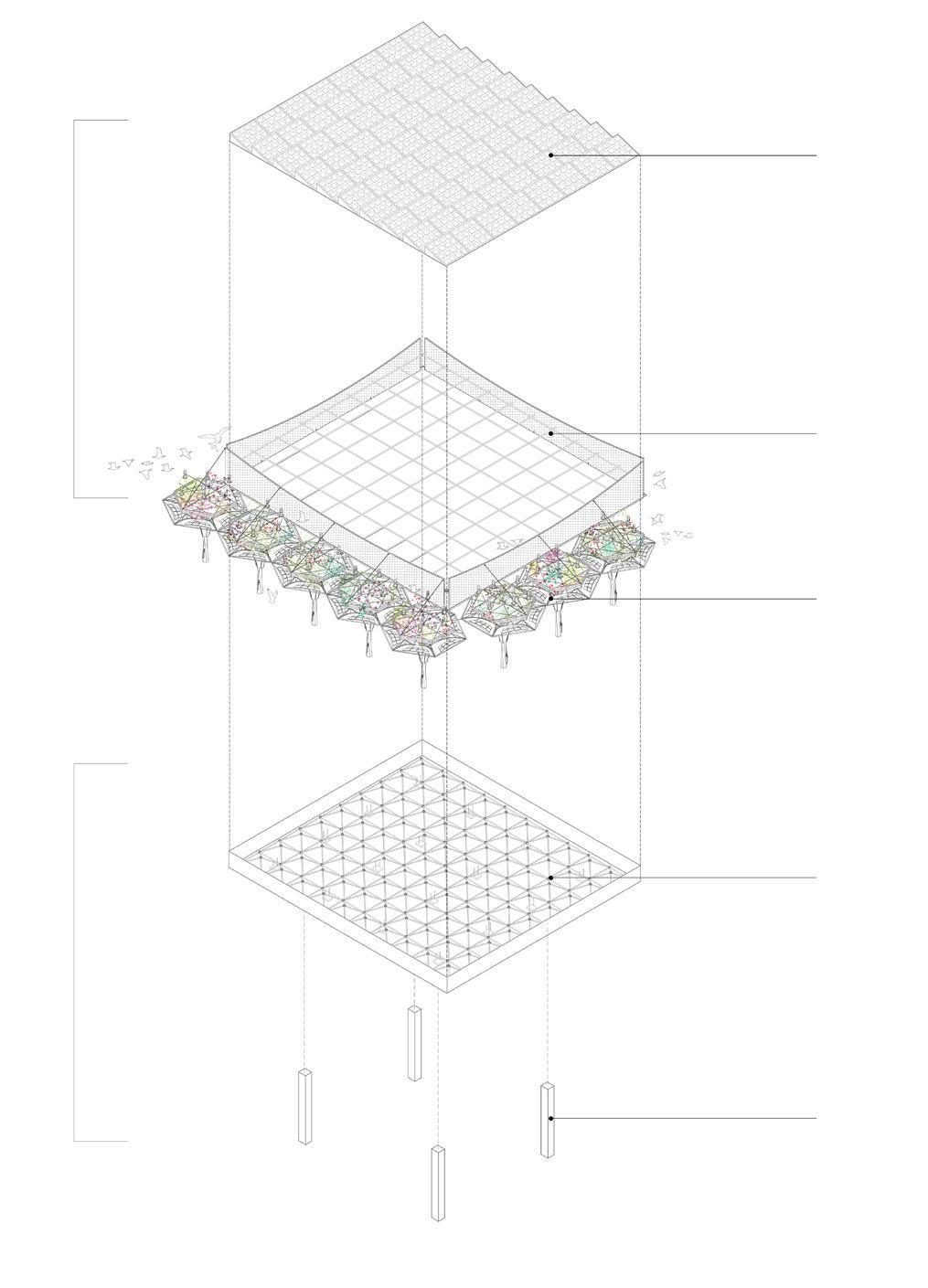
Structurally, the interconnected units seem to add a new facade to the original building structure, forming an interesting arched facade.
Functionally, the additional outer part plays an important role as a bird habitat and a charging pile for new energy vehicles, contributing to urban renewal and natural restoration.
Photovoltaic Panel
Metal Baffle
Additional Monomer
Basic structure
Photovoltaic Panel
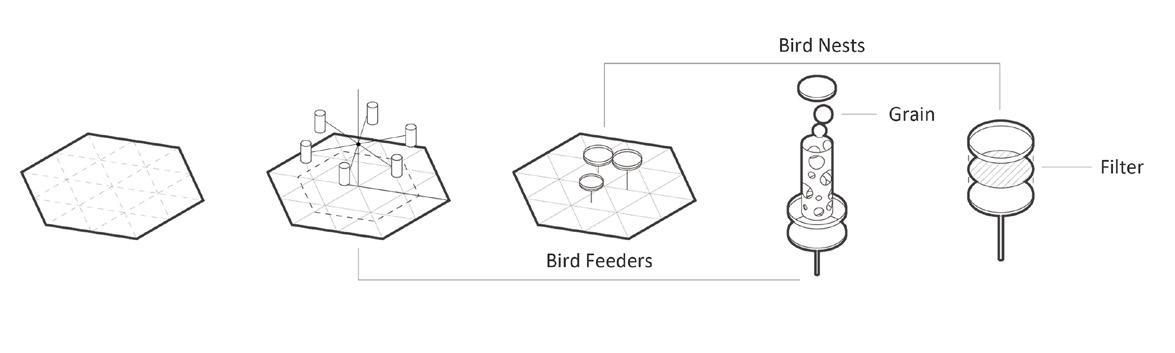
The top of the unit creates habitats for birds, feeders and nesting structures.
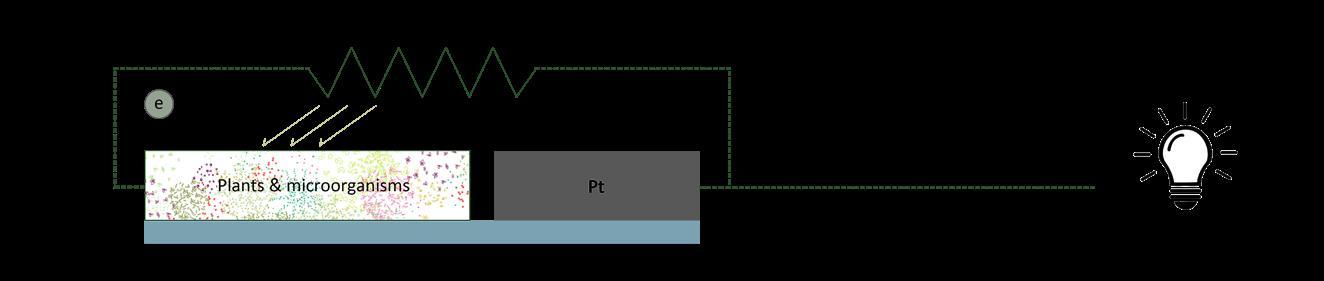
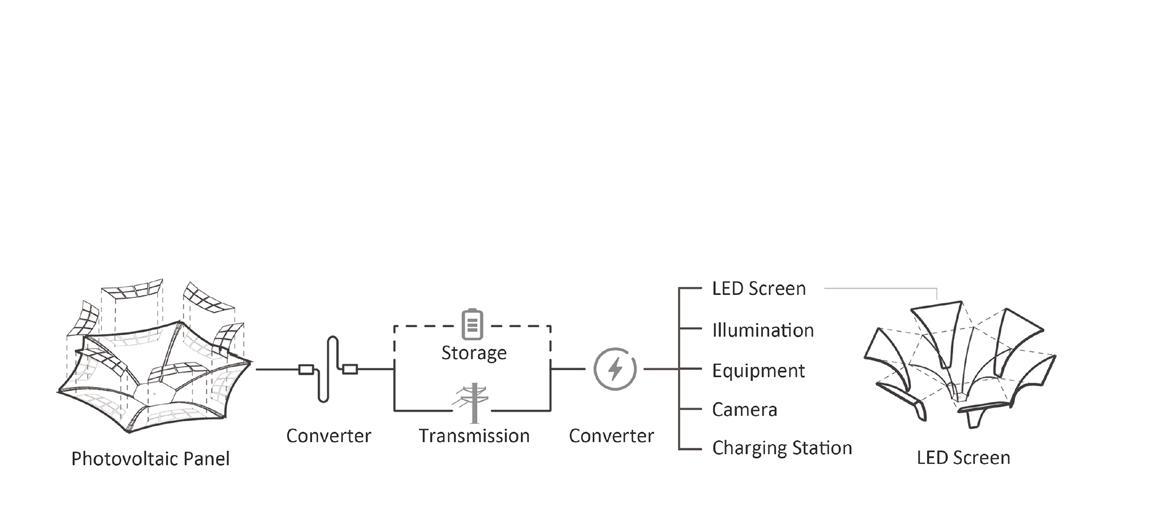
Photovoltaic panels convert light energy to provide energy for lighting, monitoring and charging of the entire gas station.
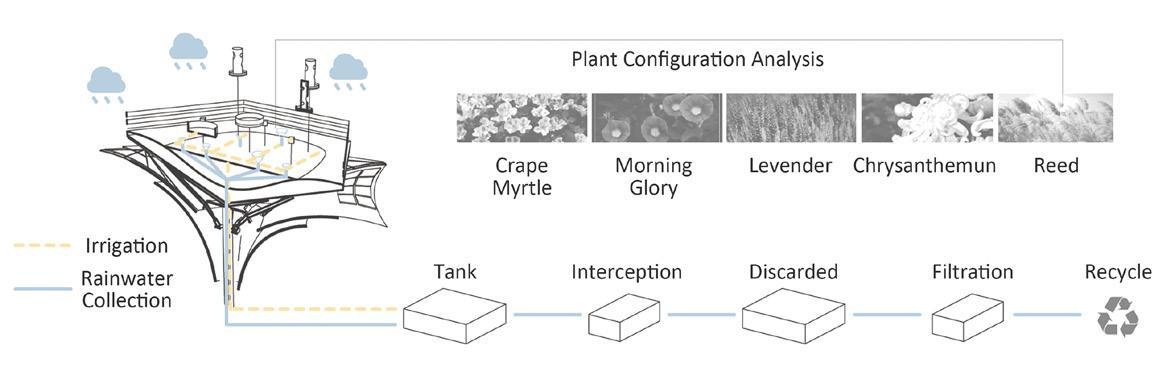
Rainwater is collected by the unit, and water recycling is achieved through a series of purification and treatment.
- Site: Langtou village, Huadu, Guangzhou,China- Home in old village -
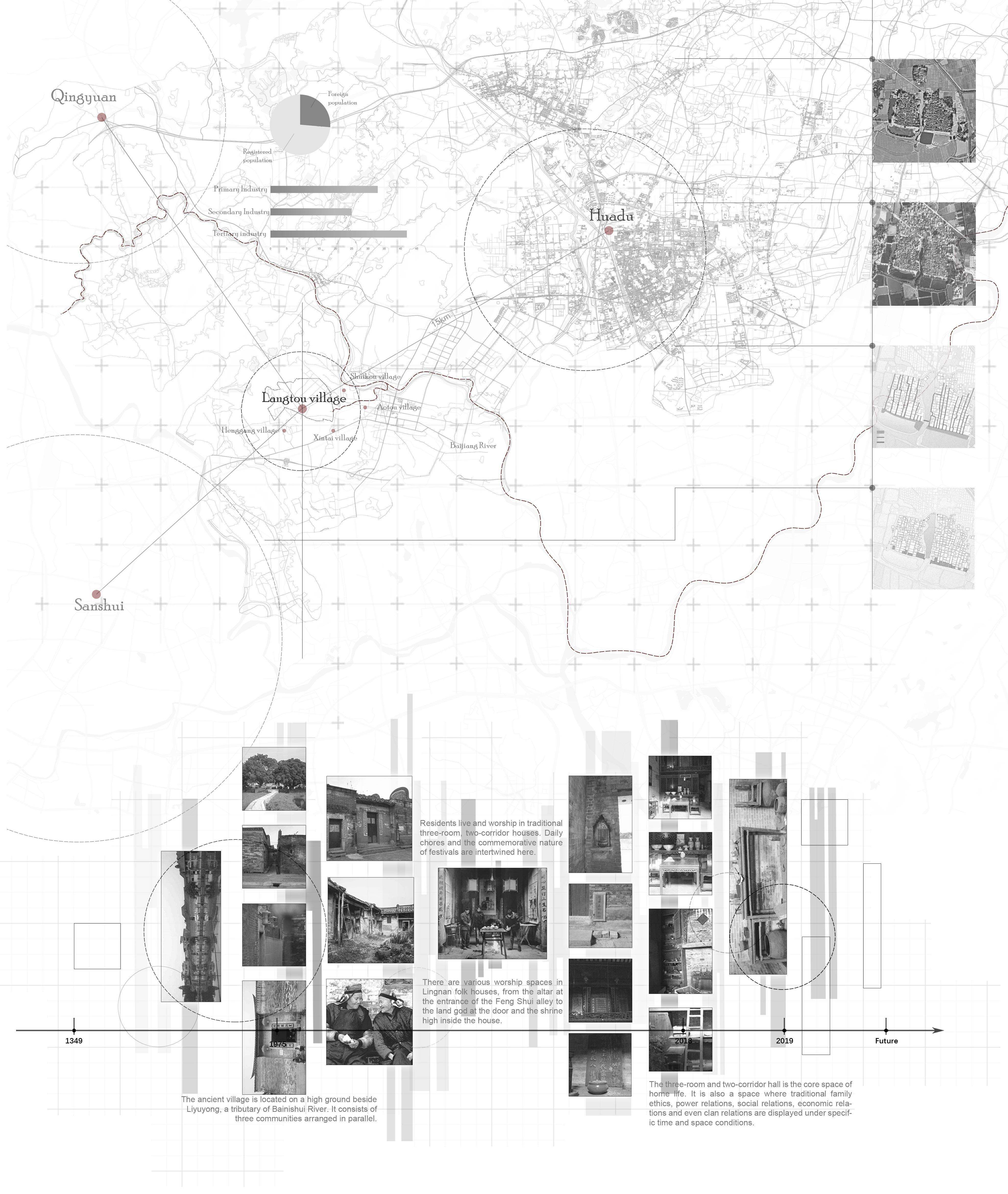
There is always a scene in my memory, where my grandparents look up at the shrine above their heads, clasp their hands devoutly, and chant something. This happened every day in my childhood, along with everything in daily life. When I was twelve years old, I moved to the city with my parents, and my grandparents stayed in my hometown, still maintaining their original habits, burning incense and praying every morning. My parents and I only return to that small village during festivals, trying to find forgotten memories.
I want to design a house for my hometown, perhaps for my family, or perhaps for this gradually disappearing culture. I hope that in this space, divinity and daily life are intertwined, and three generations of grandparents and grandchildren reunite and separate in this house. I hope it is hidden in the texture of the village.
Perhaps the thing that most deeply represents the space of my hometown is not the real building or street view, but rather the personality of this space, its residents themselves, or those cultures and customs.
-Village Pattern-
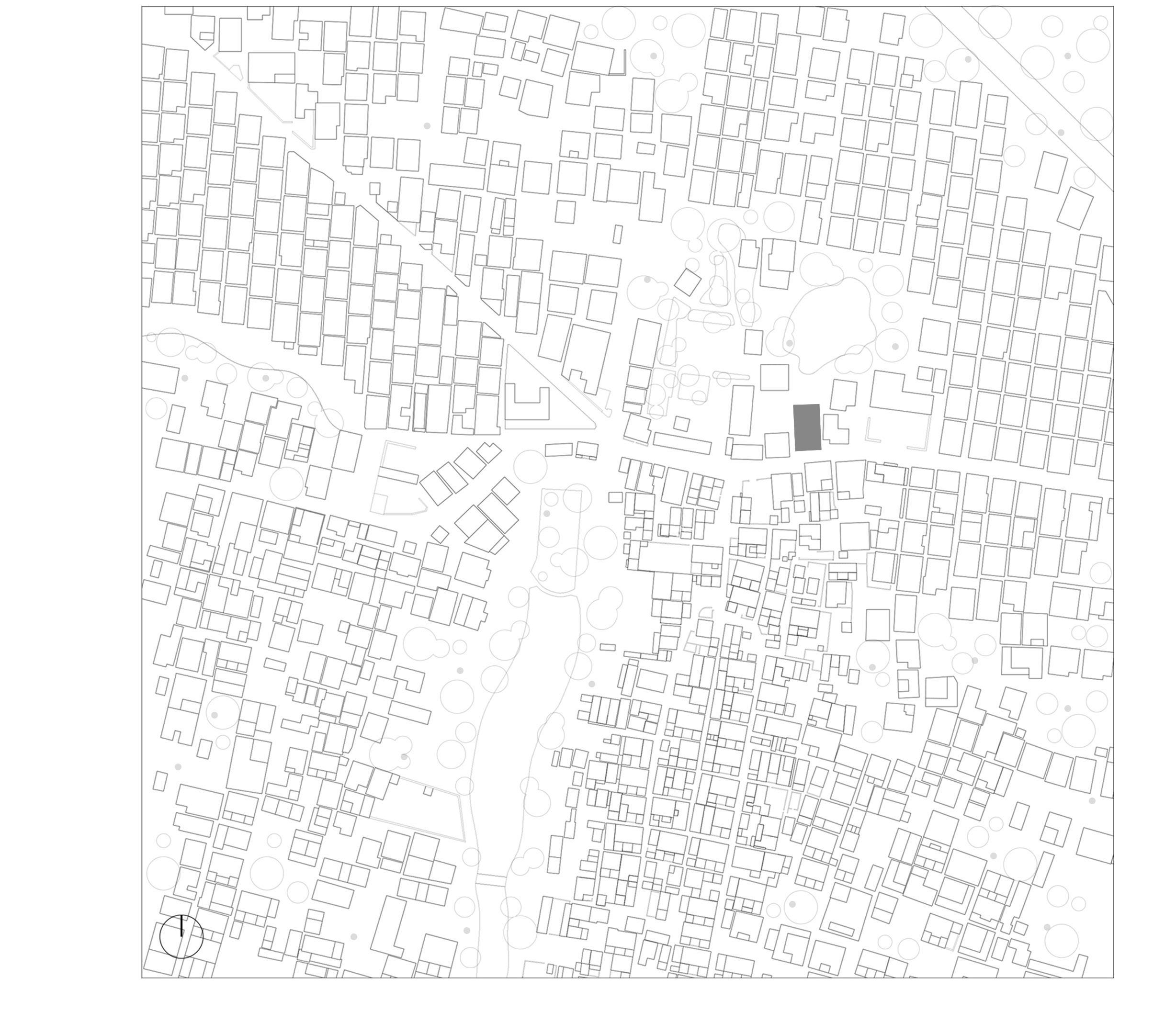
Longtou Village has a history of more than 700 years. Longtou Village was first built in the eastern section of Longxi Village, and then expanded to the western section of Longxi Village In recent years, construction has begun on the western end of Longdong Village, and each part has developed northward, gradually expanding in size, forming two new villages.
The Longtou settlement is a typical comb-style settlement in the Cantonese region. Its internal east-west traffic mainly relies on the wheat field in front of the Fengshui pond, and its vertical connection relies on the northsouth cold alleys.
Public buildings, ancestral halls and study rooms are located in the first row on the south side of the building complex, and residential buildings are mainly distributed behind the public buildings in the village, developing in a vertical order from south to north.
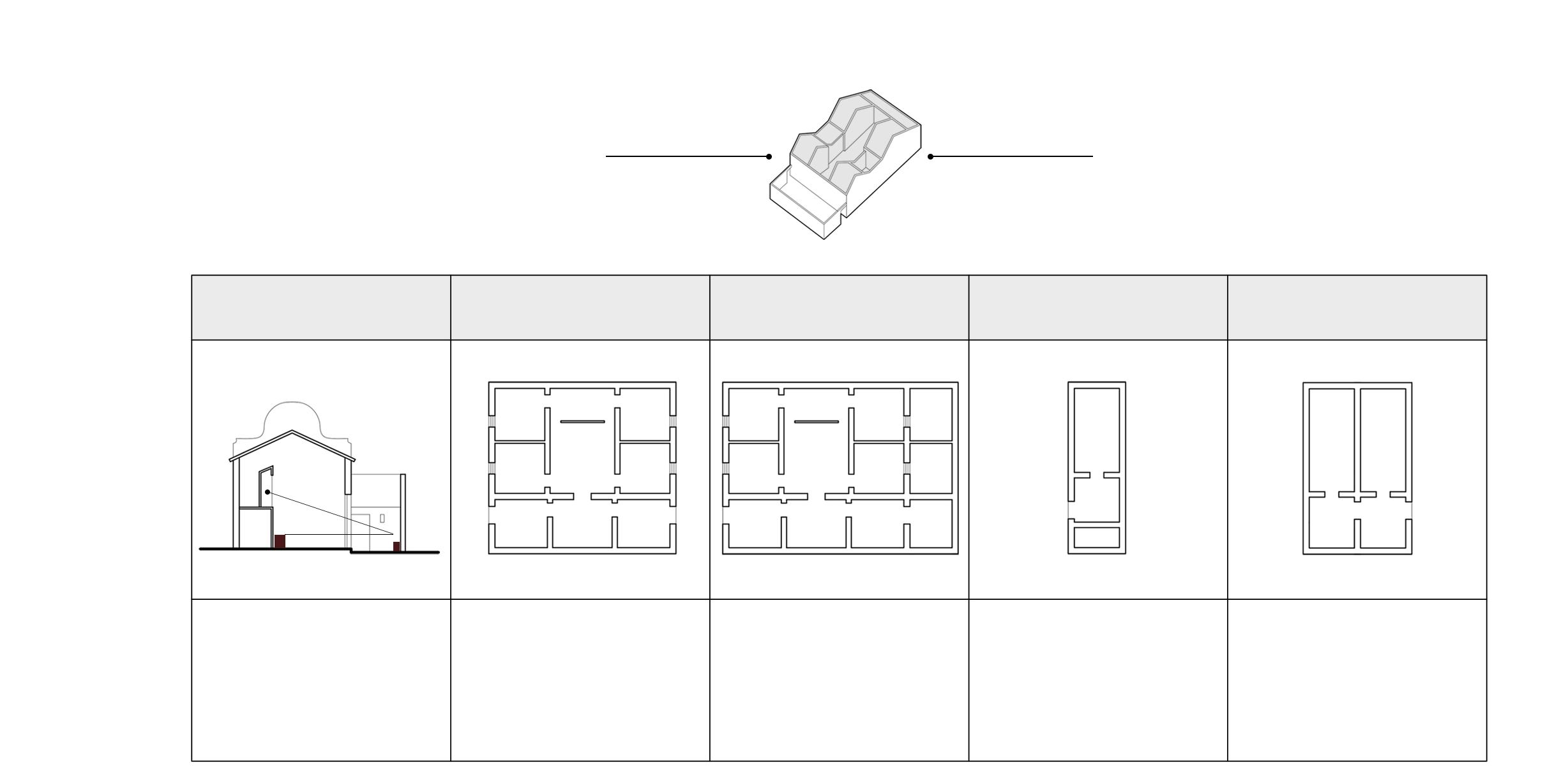
The triangular relationship between man and deity The hall, as the focus of family activities, has a centripetal structure.
-Our Residence-
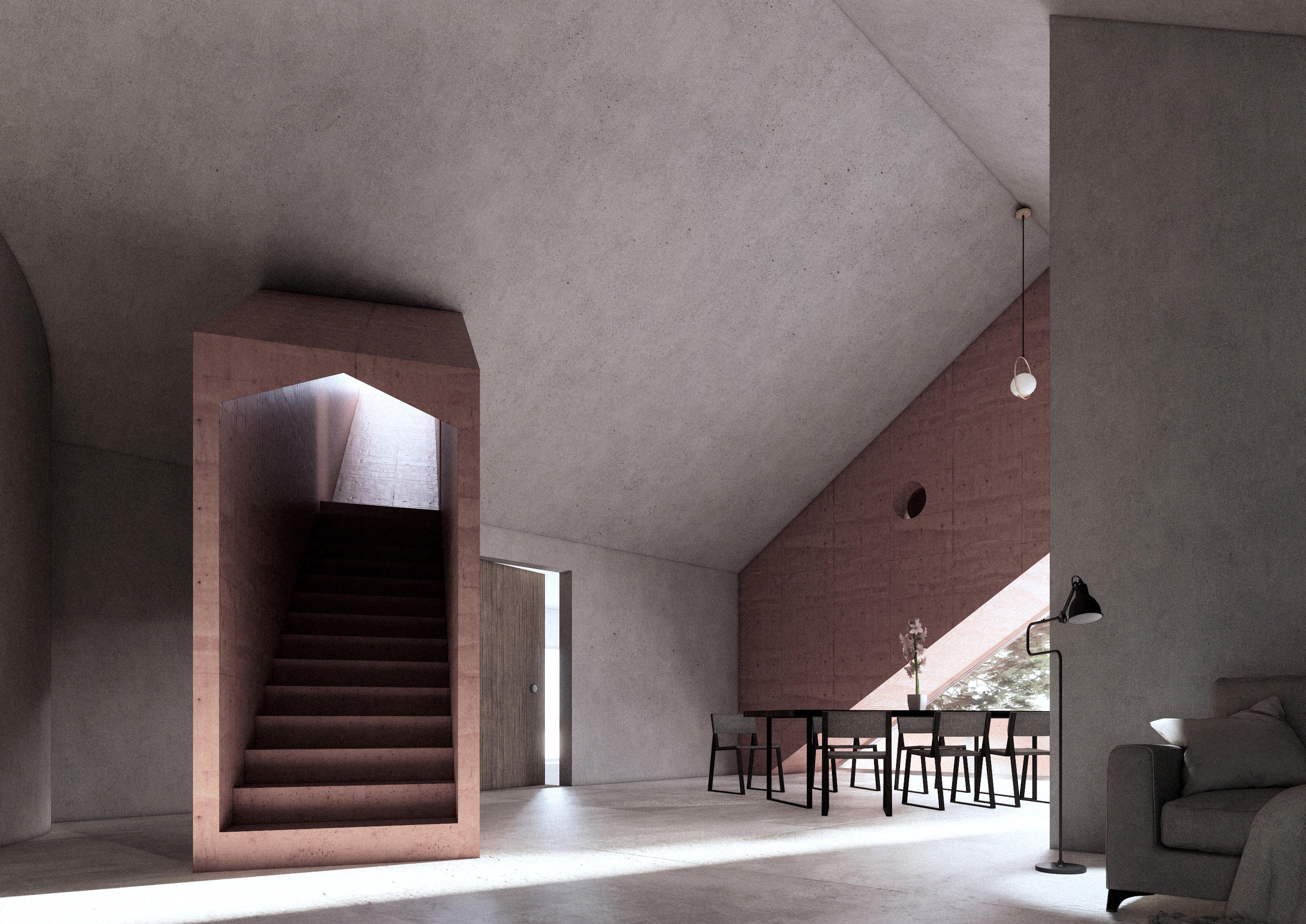
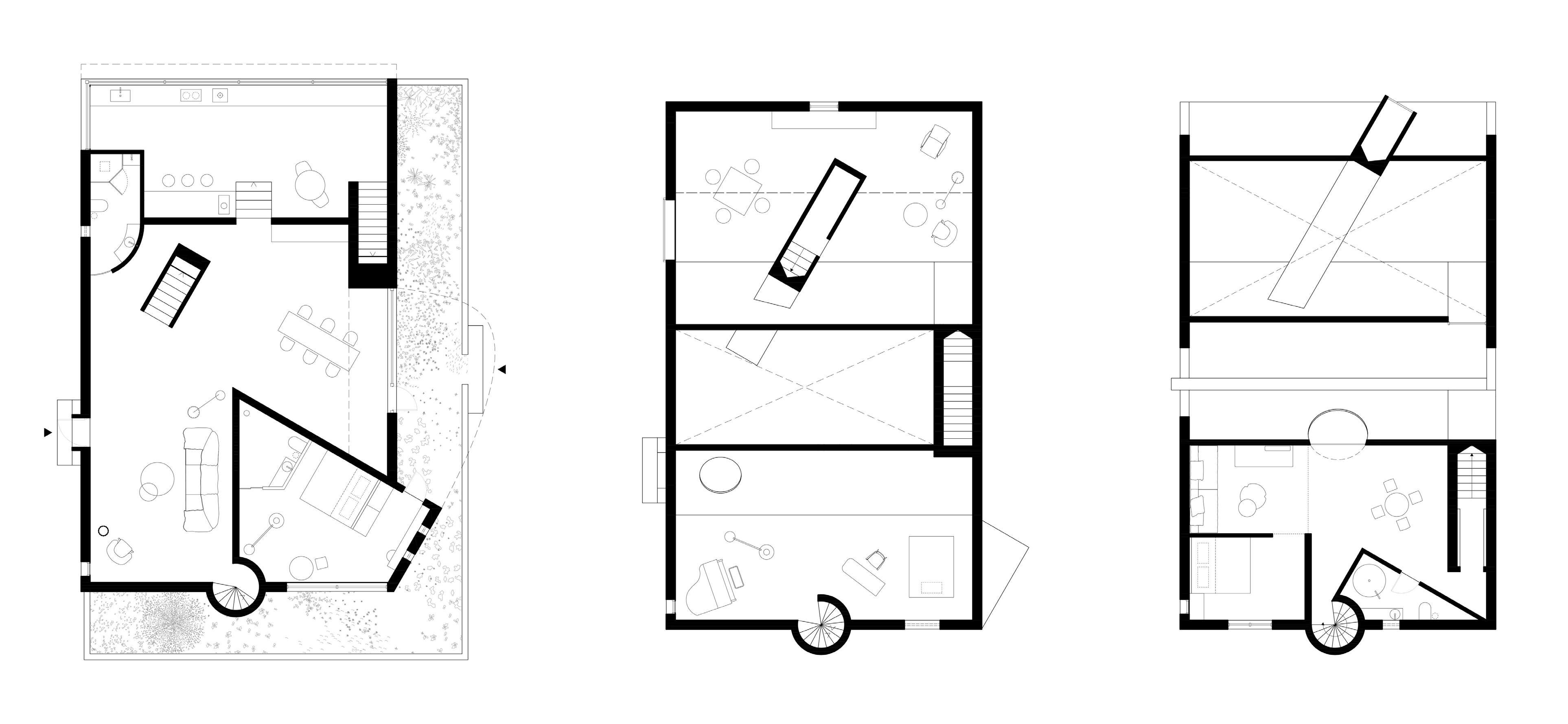
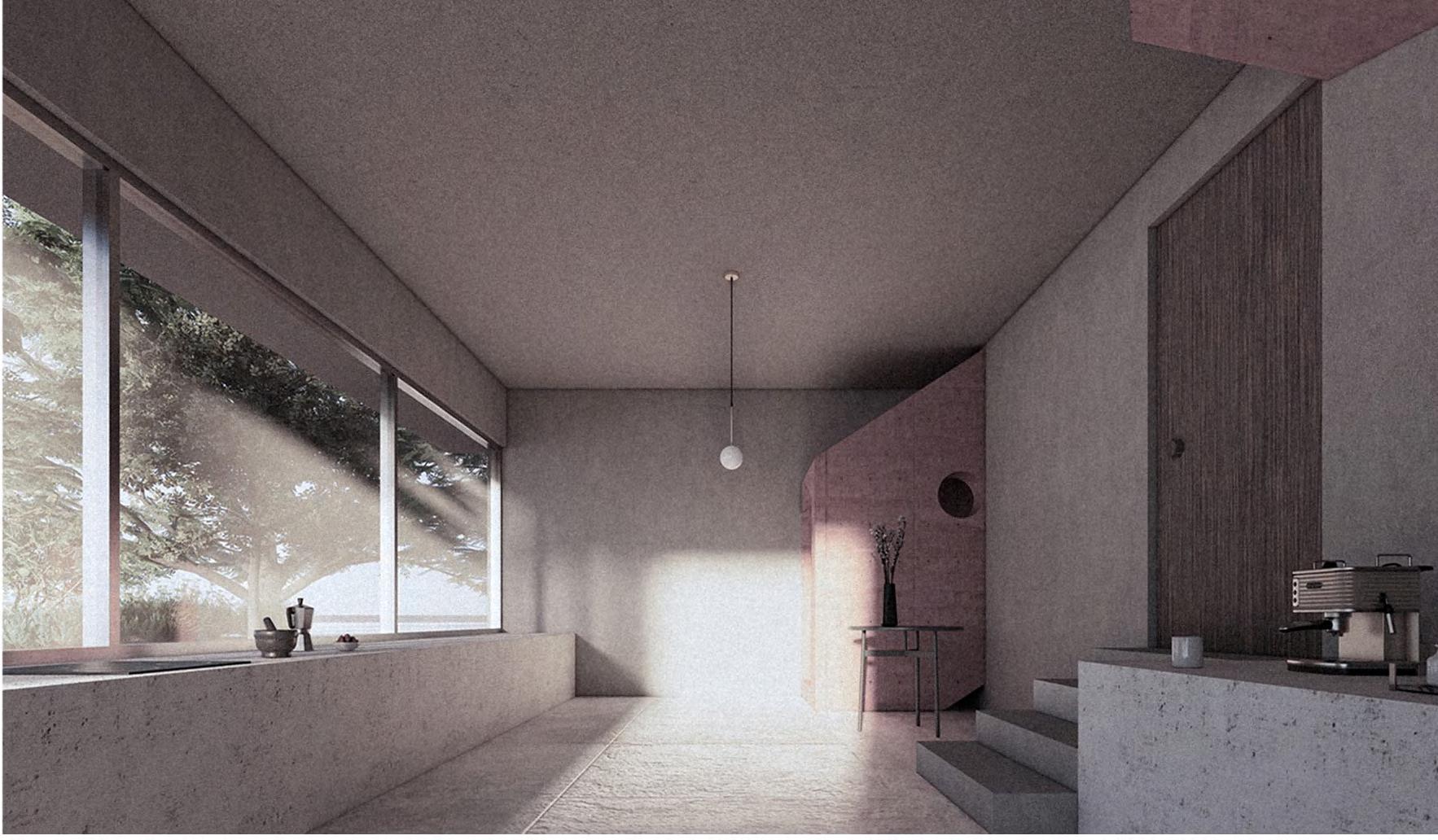
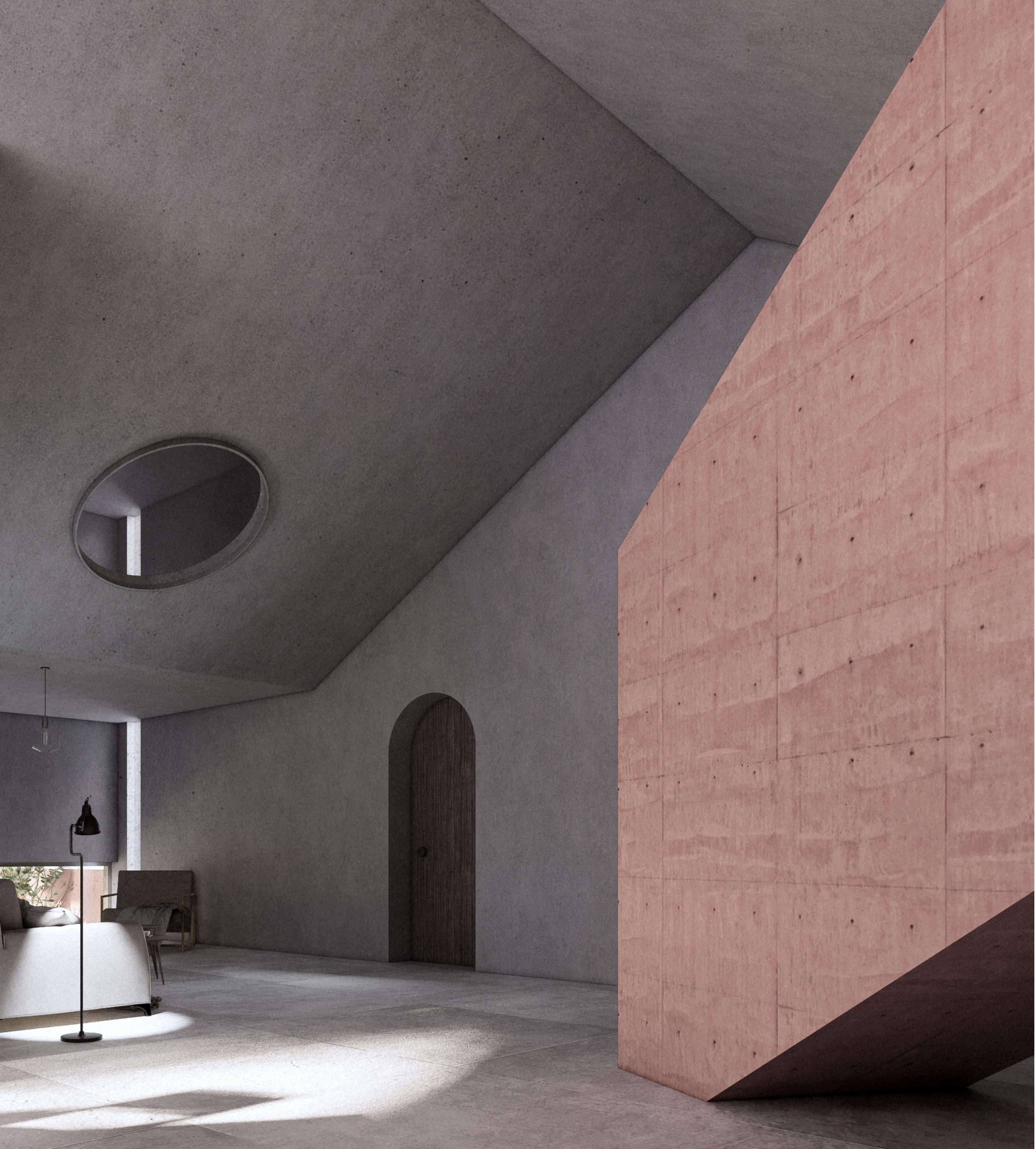
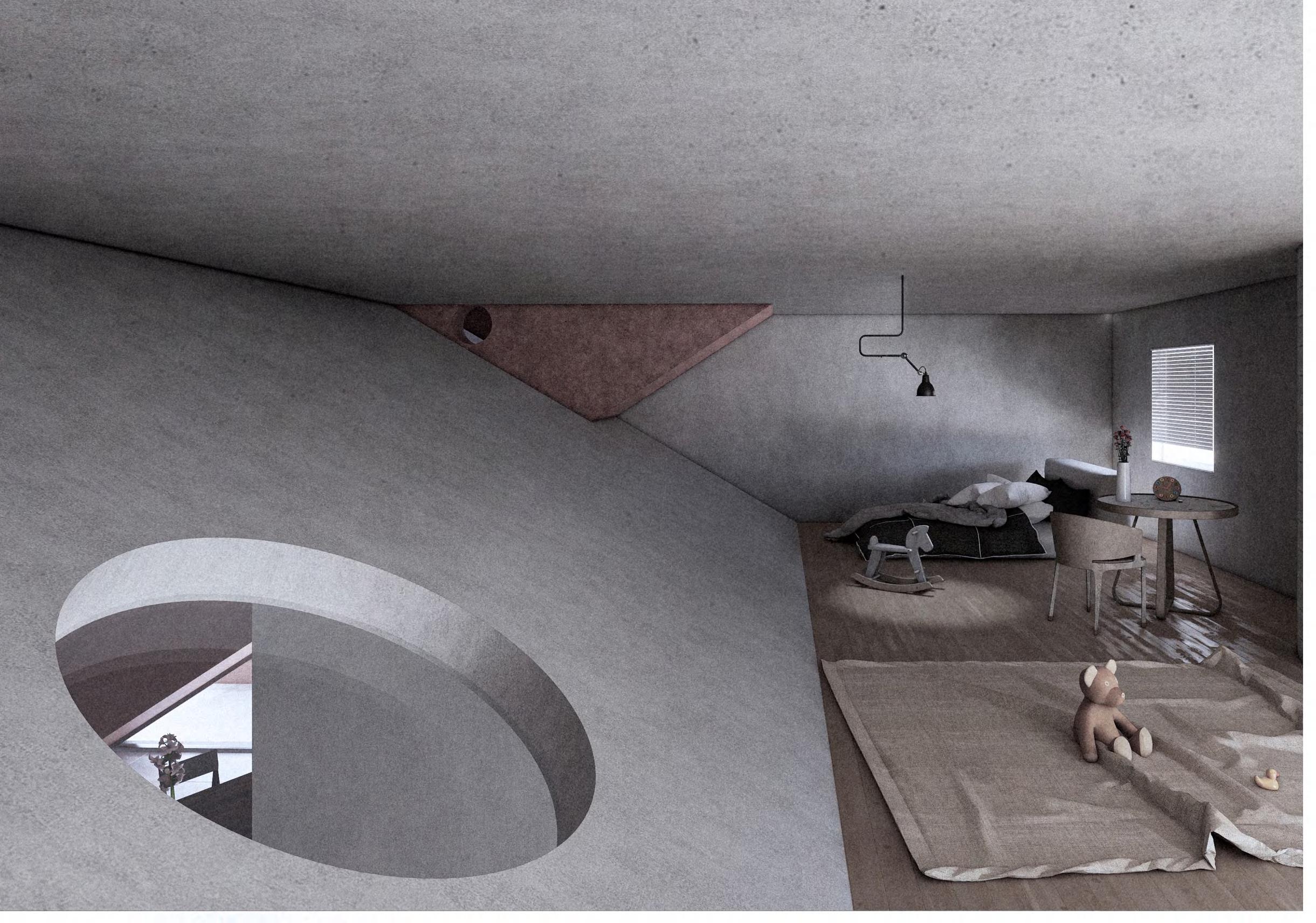
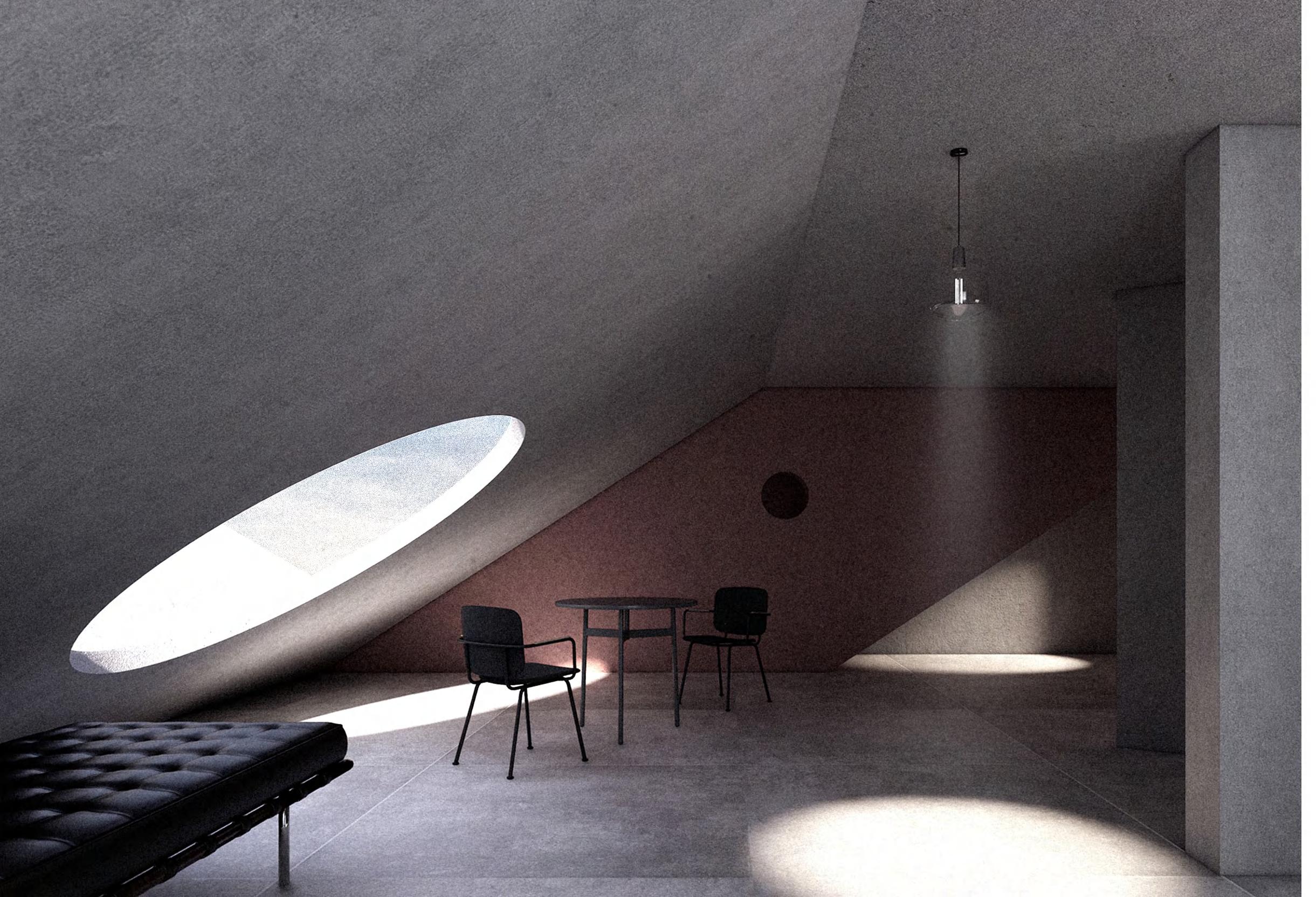
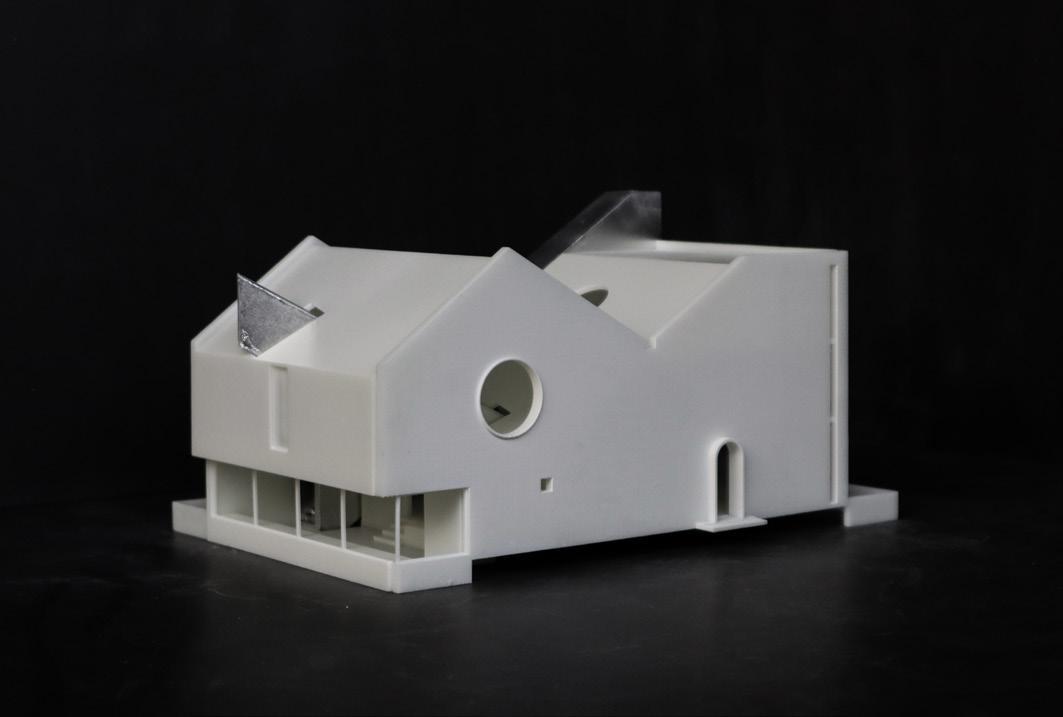
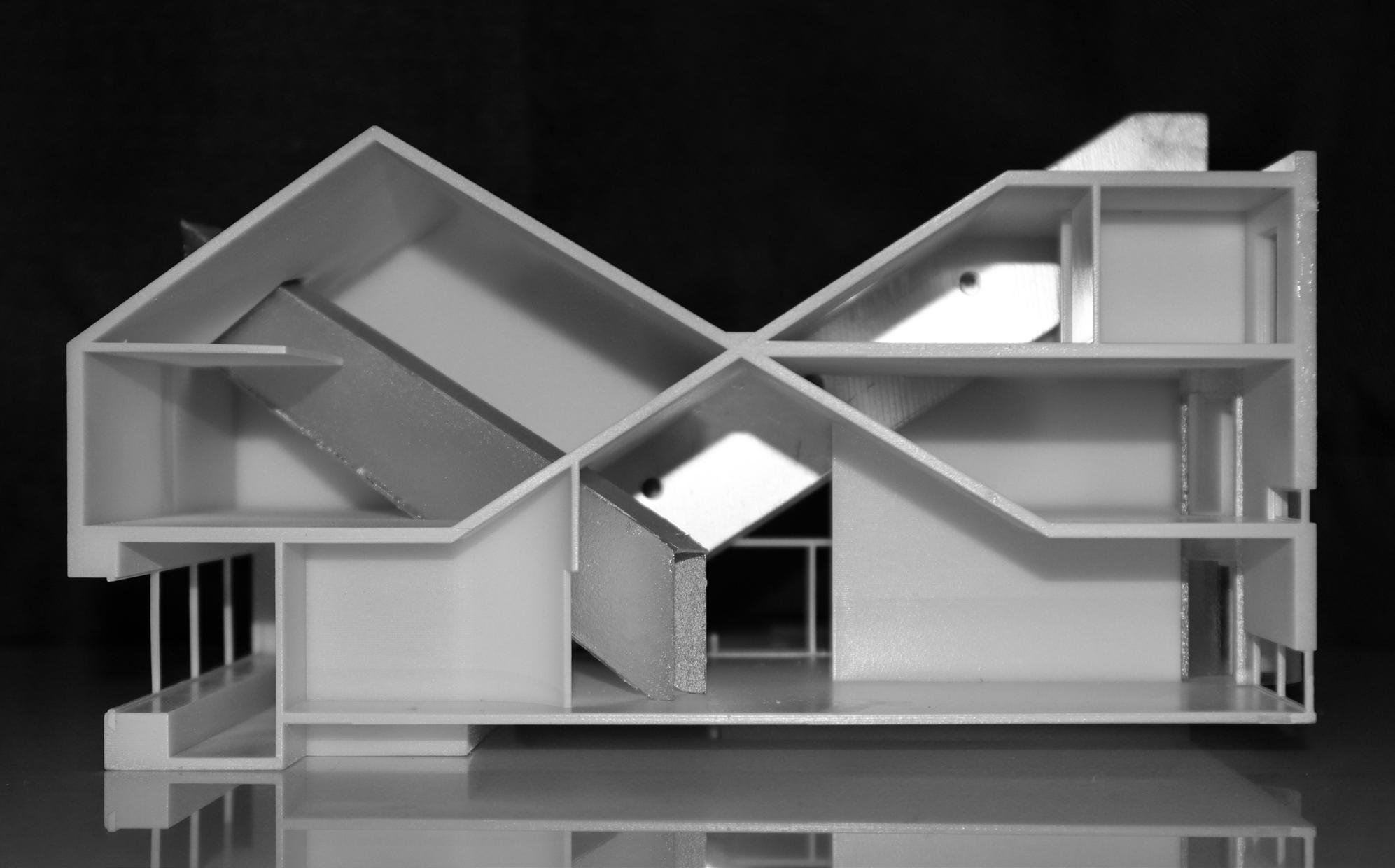
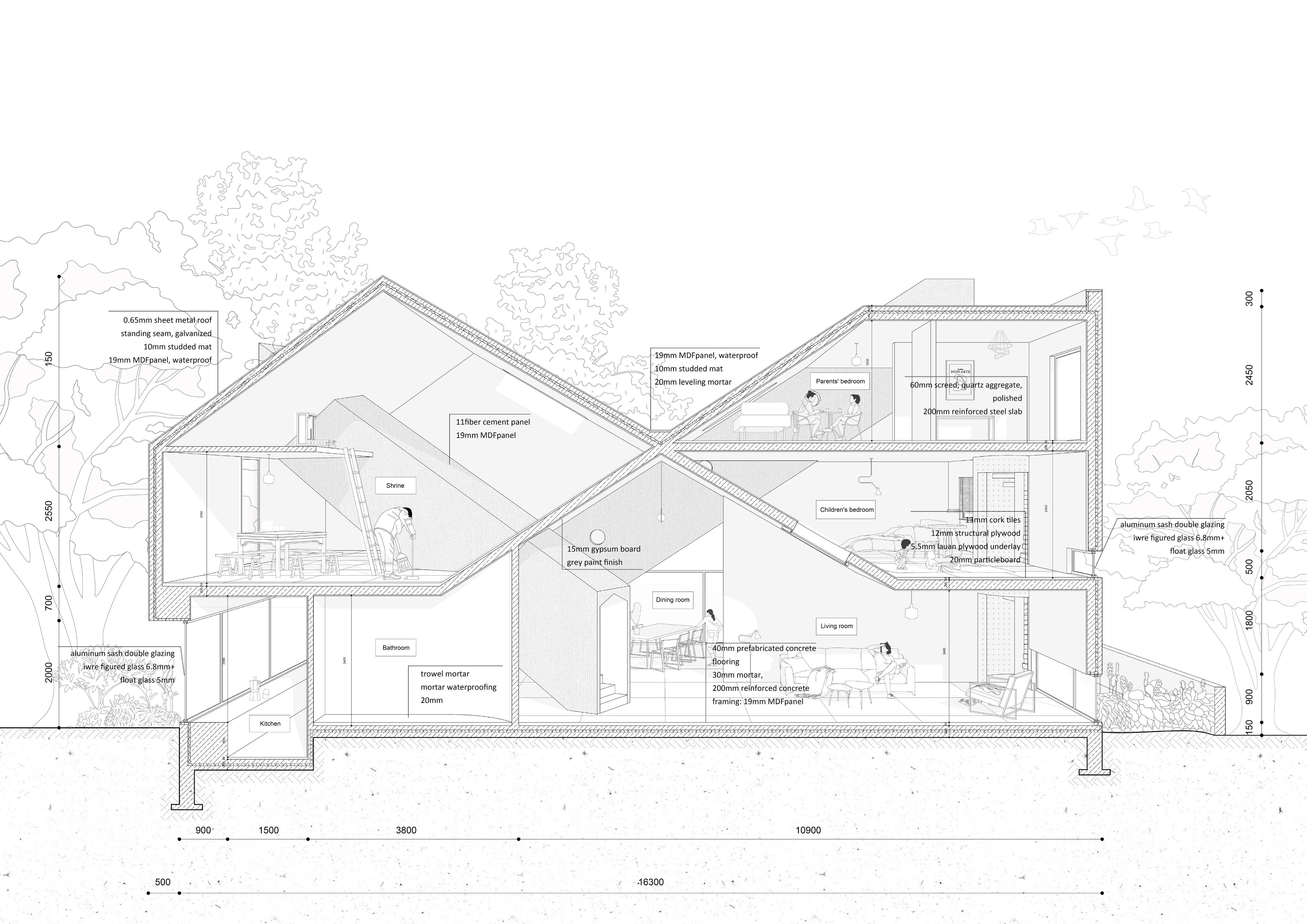
The design refers to the spatial properties of traditional residential types and continues the space required for worship culture. Entering from the side door, the hidden sunlight falling from the end of the stairs seemed to indicate another world. We talked about the trivialities of life in the living room, looking at the flowers blooming in the courtyard through the windows next to the dining table. The sound of joyful conversation and the aroma of food intertwined in the air. Two sloping roofs intersect in the house, forming a pair of symmetrical spaces and a large space on the ground floor. One of the symmetrical spaces is used for worshipping gods, the other is a residence for young people during festivals, and the ground floor is used for gatherings and cooking. Two traffic tubes are interspersed between the roofs, serving as the structural basis while connecting divinity and daily life.
-Metaphor
of Spatail Structure-
-Below The Horizon-
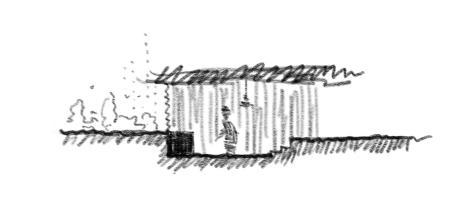
The gathering space on the ground floor is the foundation of the entire house. The kitchen is an important space for daily life and festival sacrifices. It is sunken halfway down, becoming the intersection of daily space and memorial space. The semi-underground space creates a sense of security. On weekdays, the elderly cook and chat here, and during festivals, the family is busy preparing sacrifices in the kitchen together.
The traffic tube divides the entire ground floor space into two parts, serving as the living room and dining room, organizing the daily gathering and communication flow lines.
-Mirrored Living-
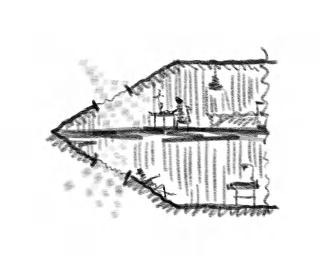
The section reflects the typology of the home. The two mirrored rooms above and below are the living spaces for parents and children respectively. Both spaces have round skylights, one overlooking the sky and the other overlooking the ground.
Section 1-1
- Reunion at Festival -
·The villagers gradually moved out of their original dwellings and built their own houses in the new villages to the north and west, retaining their original living habits and using simple building materials to build their own homes.
New Cohesion
- 2024 Spring Architectural Studio Project
- Group Project with Bohan and Haoyu
- Site: Bijiang village, Shunde, China
- Urban Design Project
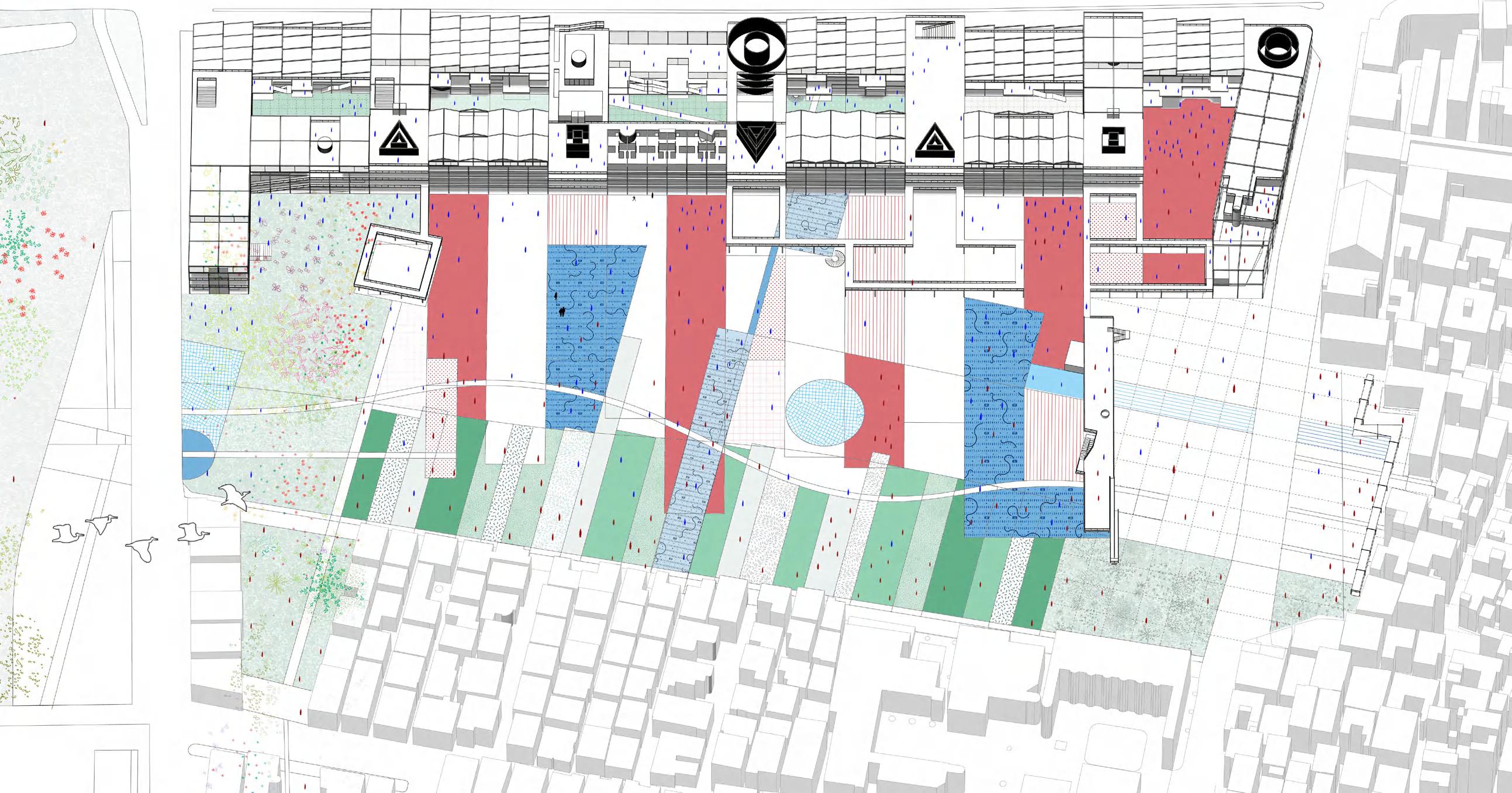
The site is located on the Guangzhou-Shunde border. The north-west boundary of Bijiang Village is the area where the factory area and the settlement area meet, and the meeting between the two is onlyreflected in the unidirectional spreading and occupation of the village by the factory area, and the disorderly spatial cutting makes the site lack of effective public space. We have identified five types of residual spaces: wastelands with blurred boundaries, chaotic open areas segmented by different textures, orderly open spaces that have undergone minimal intervention, land left over from property disputes, and squares enclosed by temporary buildings at the junctions of different textures. By reorganizing these spaces, we aim to provide potential public spaces for local residents and create opportunities for interaction between outsiders and village inhabitants.
-Site - Functional uncertainty and spatial unorganization-
The three spatial paradigms define a vibrant boundary organization system at the entrance of Bijiang. The grid structure blends with the texture structure of the village. The park becomes a base point for various crowd gathering activities. The interweaving of the structure promotes The interweaving and overlapping of the behaviors of different groups of people. We have shaped a new Bijiang portal boundary and created a kind of uncertainty - which provides a new paradigm for Bijiang's future boundary function replacement and crowd communication.
Paradigm-
of public space-
The western boundary of Bijiang Village is where the residential fabric meets, with the original site featuring a mix of dining, logistics, and residential uses lacking clear organization, and most of the original businesses have declined. The boundary on the west side, close to external roads, has not established a good internal-external relationship. In addition, the ancestral hall interface within the site is passive and has not played its role in shaping public space in the village.
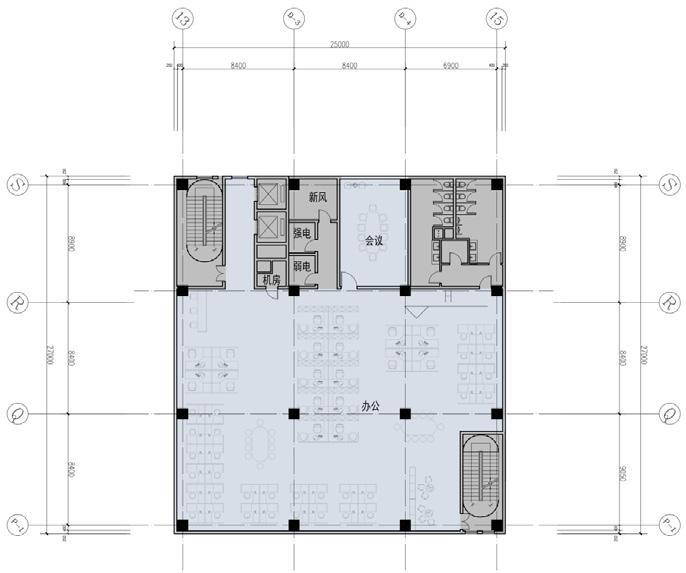
[07/2023-09/2023 Guangzhou Design Institute Group Co., Ltd, Guangzhou]
Wulonggang Village-level Industrial Park Renovation Phase II Project
[07/2025-08/2025 FangWai Studio, Shanghai]
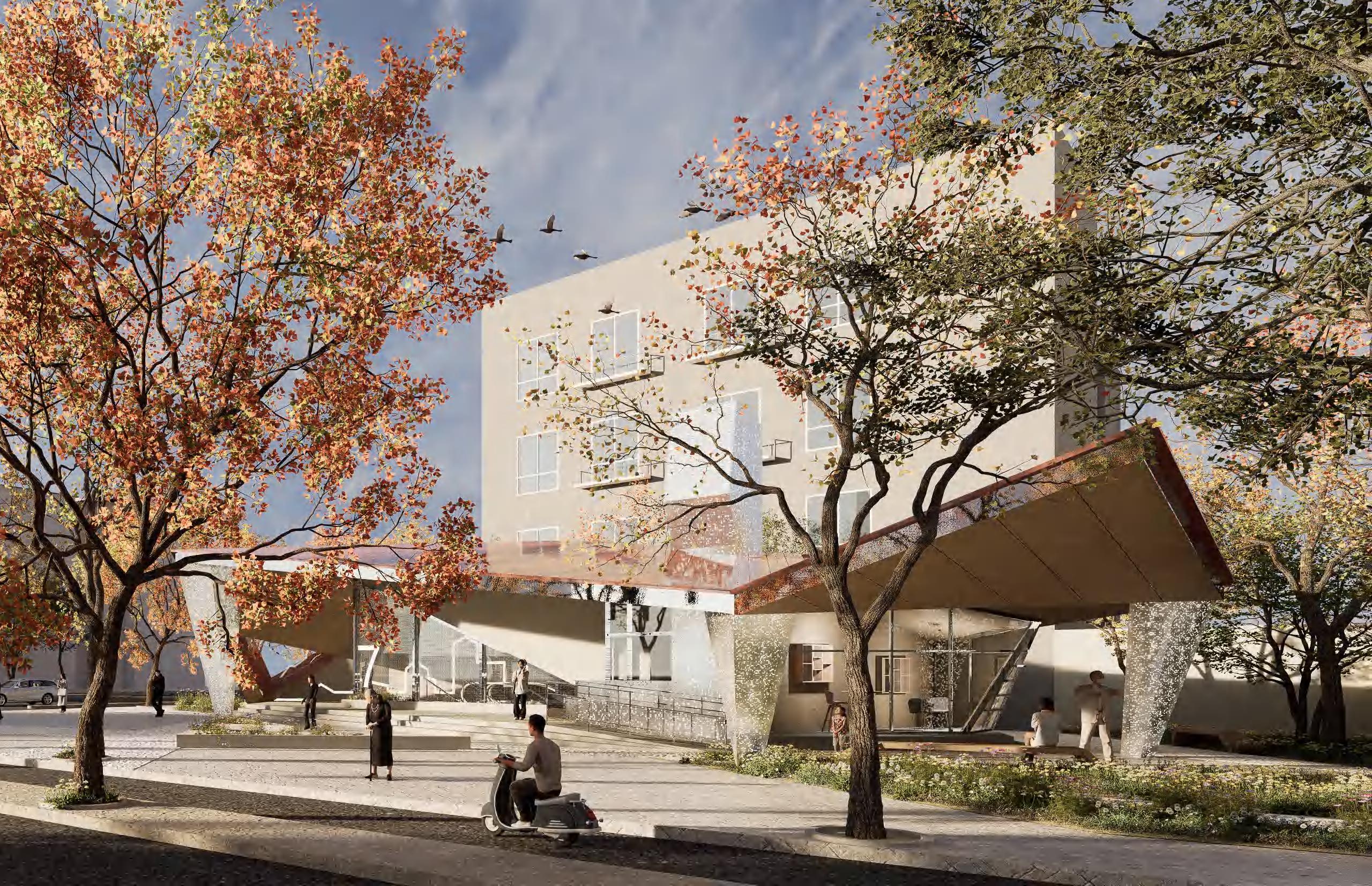
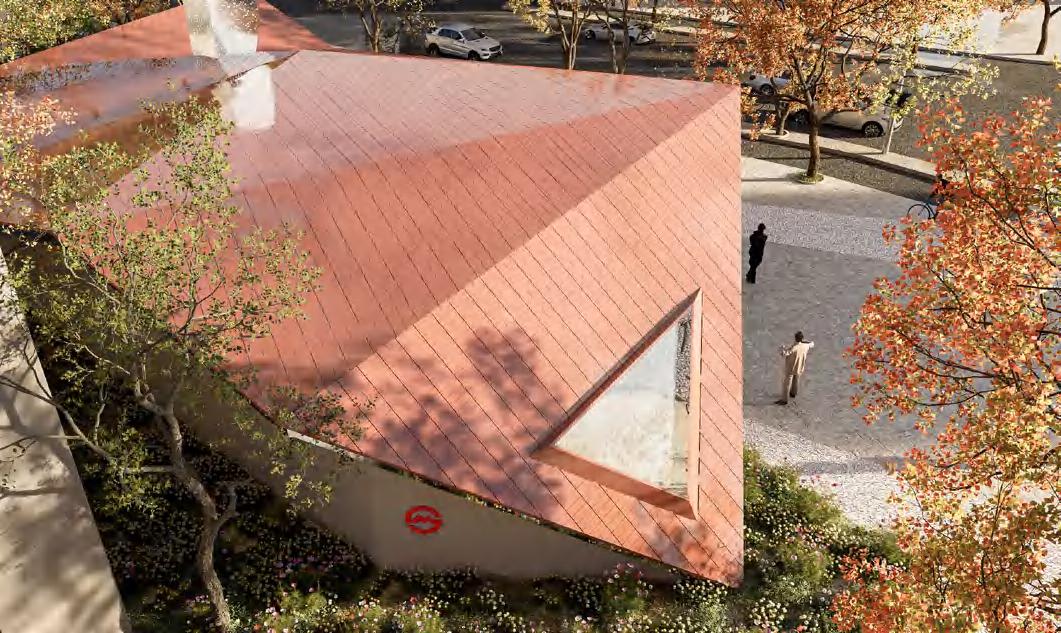
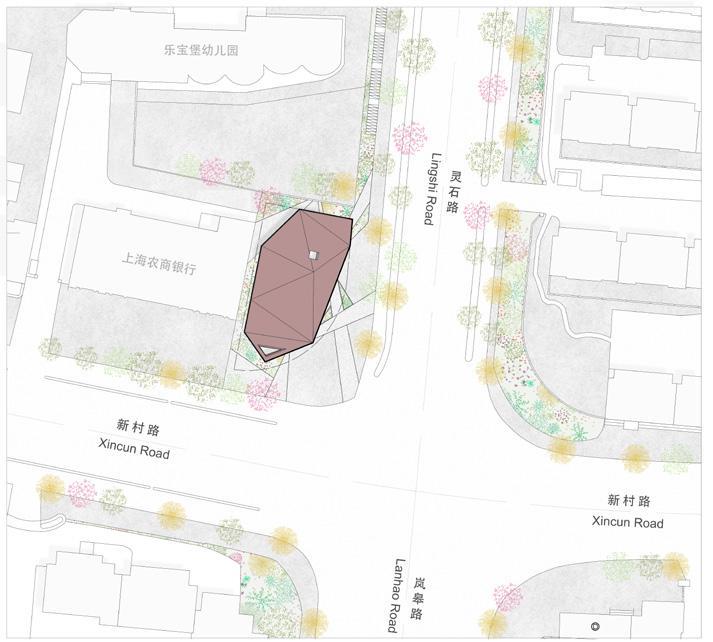
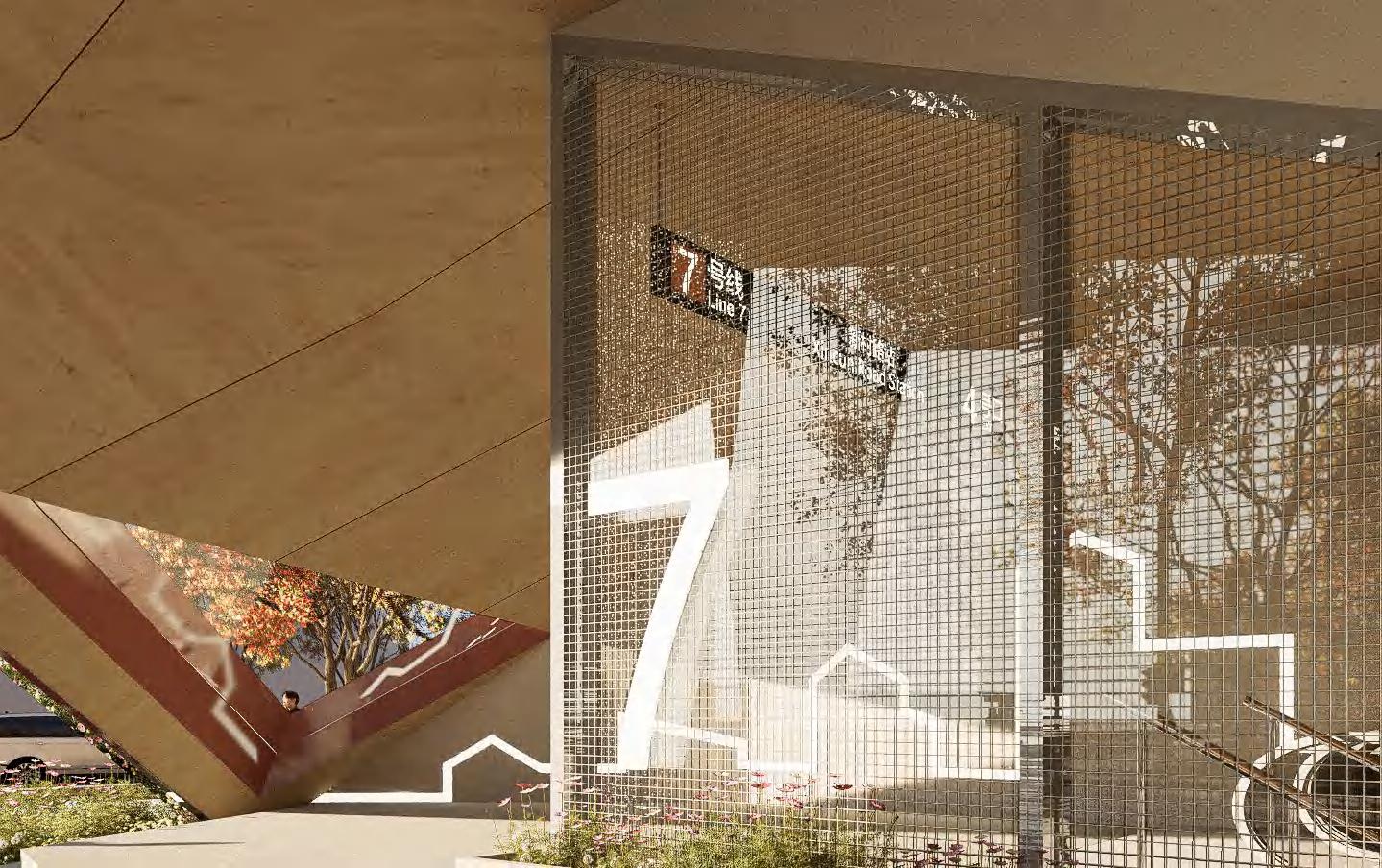
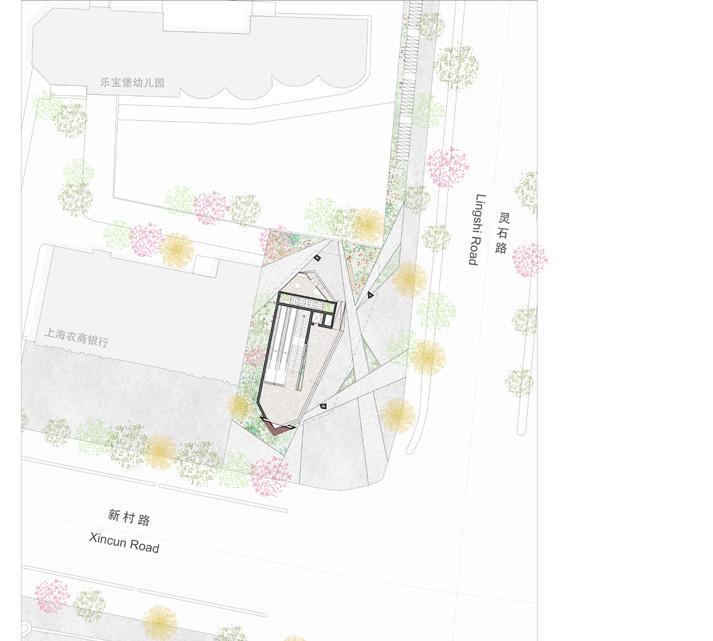
Quality Improvement of Ancillary Facilities and Surrounding Landscape at Exit 4 of Xincun Road Station on Subway Line 7
[2025 ARCH 260 Introduction to Construction, Graduate Level- Group Work]
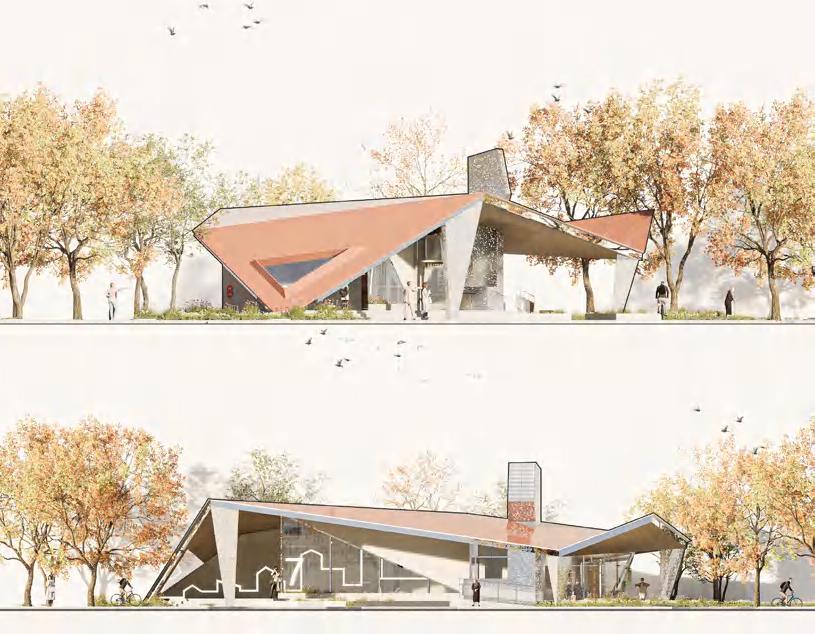
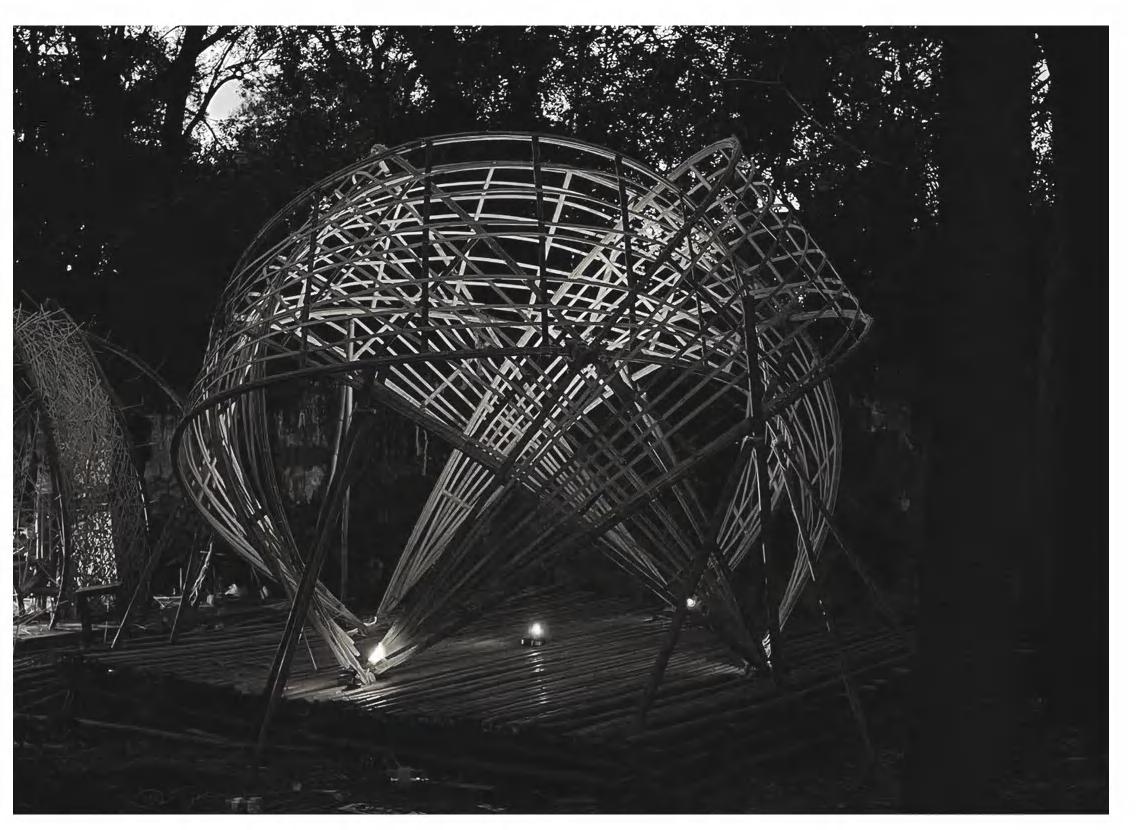
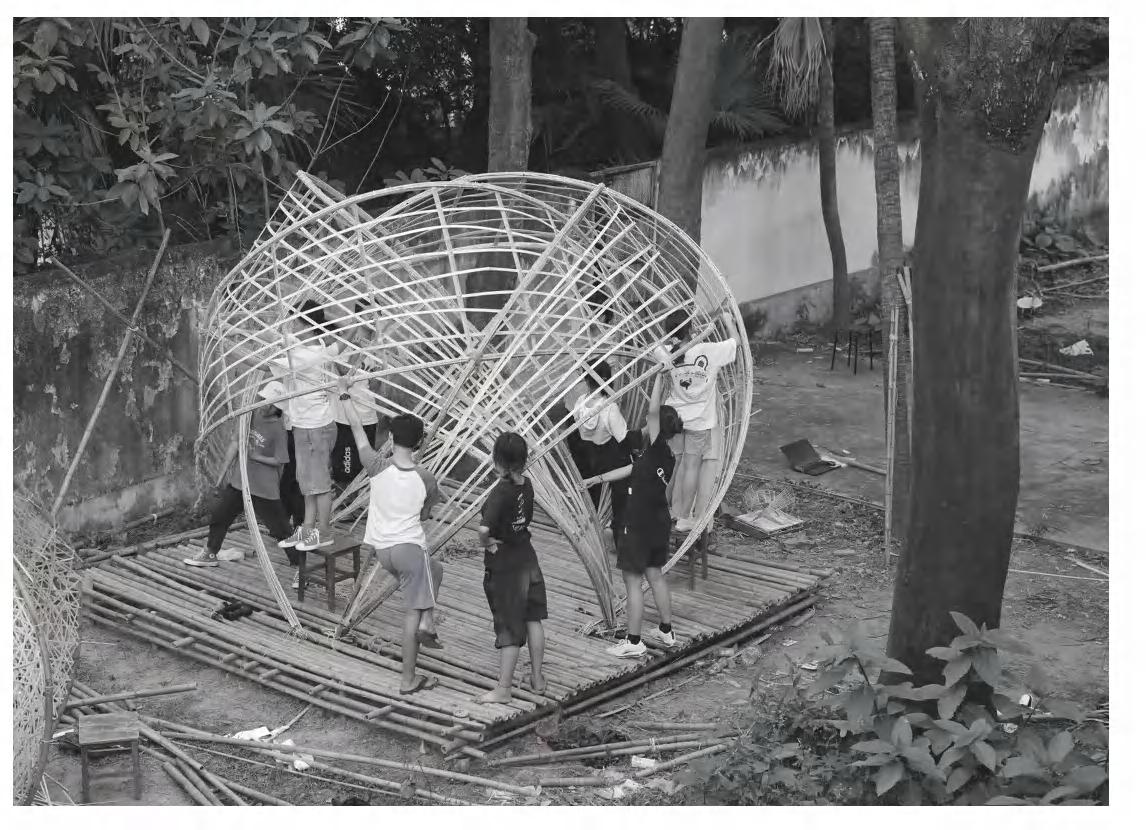
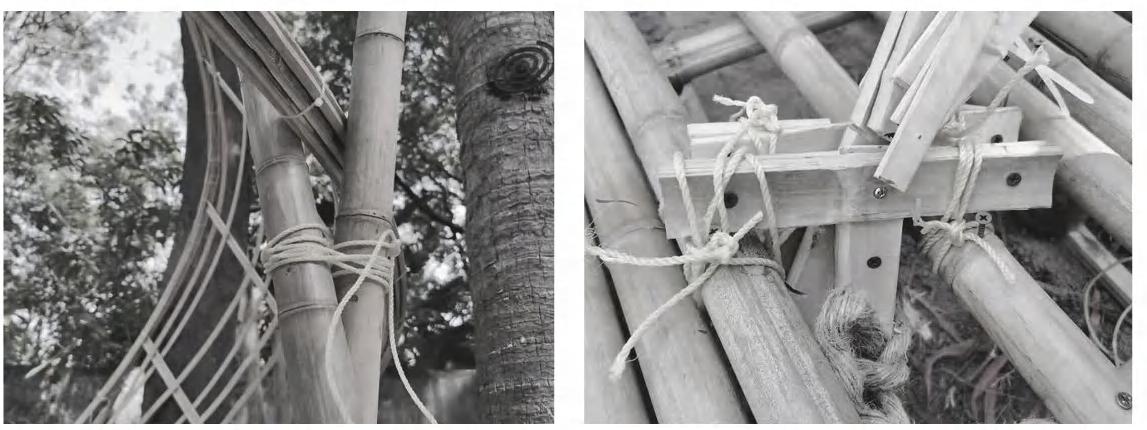
[2021 Greater Bay Area · ASEAN International College Design and Construction Competition- Group Work]