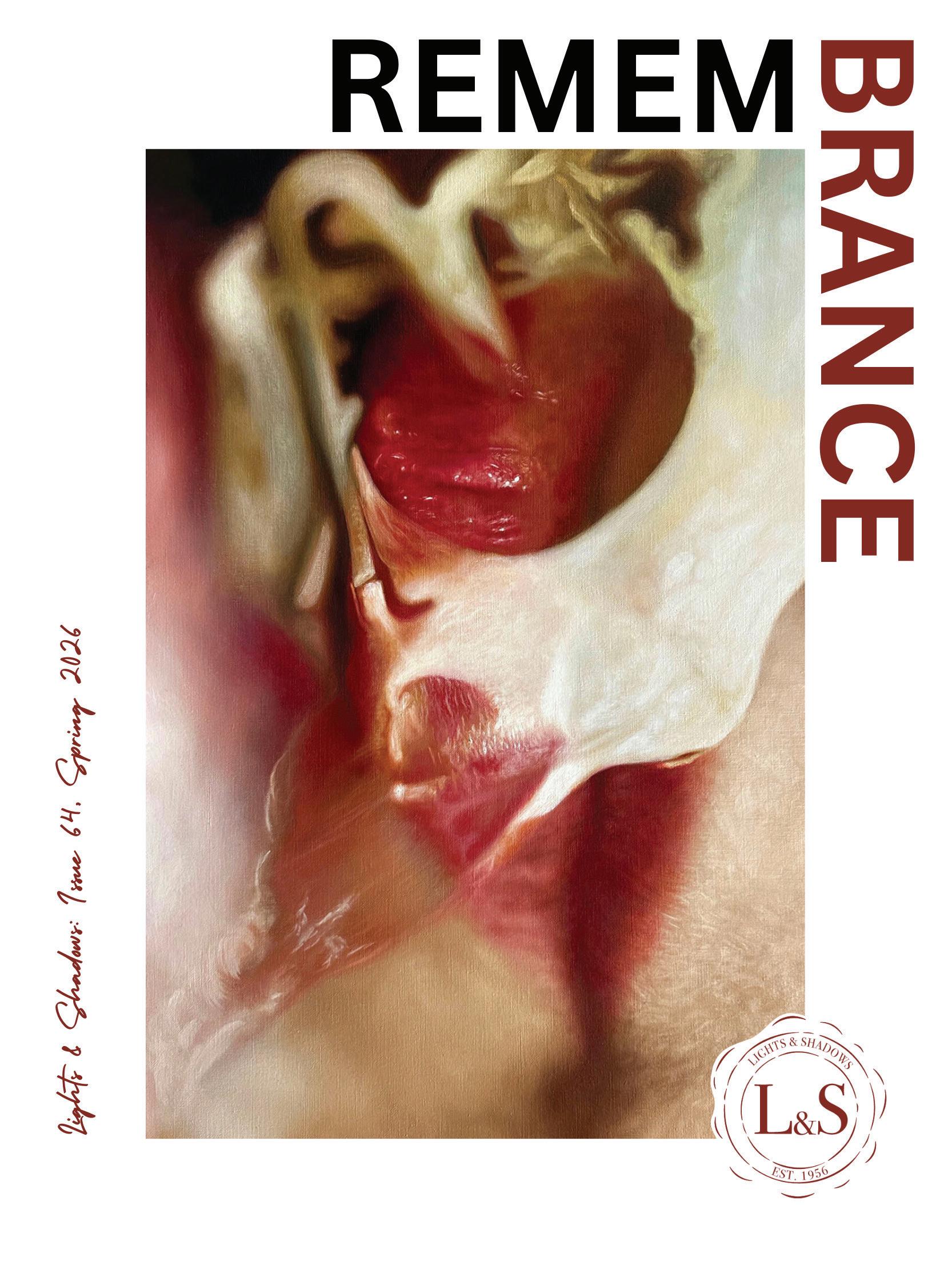
Masthead
Editor-in-Chief and Designer
Manuela Ludolf
Literary Submissions Editor
Lilly Clark
Promotions Editor
Brooke Lunsford
Assistant Editors
Hayden Jordan
Lauren Butté
Rebekah Uptain
Faculty Advisor
Professor Daryl Brown
Cover Artist
Lacey Gross
Logo Designer
Izzy Smith










Letter from the Editor
Dear Reader,
Welcome to the 64th issue of Lights & Shadows, the University of North Alabama’s literary and arts journal. What you will experience now is an amalgamation of the arts made possible by Southern, national, and international authors, artists, and editors. Remembrance branches from last year’s theme, The (Dis) Comfort of (Not) Knowing Rather than questioning whether we know, we interrogate what it is that we know, and how much memory affects knowing.
David Hume famously unsettled the idea of a stable self, as well as stable remembrance. When he turned inward, there was no single “I,” but a moving constellation of perceptions. He did not see memory belonging to a fixed subject, because the subject itself is never fixed. Hence, remembrance is characterized as something the self does not own, but something the self is, moment by moment. And what we are while exercising the act of remembering varies in weight, shape, volume, depth, height, shade, and any other characterizing aspect—as do the pieces within this journal.
In assimilation, Leo Tolstoy wrote, “If it is true that there are as many minds as there are heads, then there are as many kinds
of love as there are hearts,” then there must be as many forms of remembrance as there are memories.
Lights & Shadows: Remembrance invites you into the minds of the authors and artists who remembered enough to put it on paper—or canvas, or SD card.
What follows is not a mere catalogue of recollections, but an exploration of how memory presses itself into one. The following works are pictures of what was, consciously or not, allowed to survive, as well as what has faded. Some works remember tenderly, others, violently; some return to the past with clarity, others with distortion, silence, or refusal. Taken together, they insist remembrance isn’t neutral, as well as it is unstable.
The editorial staff extends warm gratitude to UNA’s English Department, the office of Dr. Ryan Zayac, Dean of the College of Arts, Sciences, and Engineering, the Center for Student Engagement, the Student Government Association’s Budget Oversight Committee, and author Brooke Champagne. Enjoy the journey.
All the best,
Manuela Ludolf Editor-in-Chief lightsandshadows@una.edu
L&S Award Winners
Best Prose
Grieving Through Hot Cocoa by Mark Smith
Best Poetry
The Memory Dance by Melanie Key Wilson
Best Artwork
Self-Portraits Mirror by Kaitilyn Jacobs







Memorabilia
by Lilly Williford
Locks falling
From a life once mine
Each strand calls to me
Memorabilia of who I used to be
Delicate hands
Touching the golden cap
A new mother blessed me
The future she dreamed for me
Golden to grim
Foreshadowing threat
Nails in the scalp
Until it turned a shade of red
A fresh cut paved the way
Symbolic loss and gain
Snipped away
One day, it will turn from golden to gray
Shades of a colorful life fade by
My grandmother’s mind becoming mine I lament and I long
Hair holds memories
And I can never let the strand go
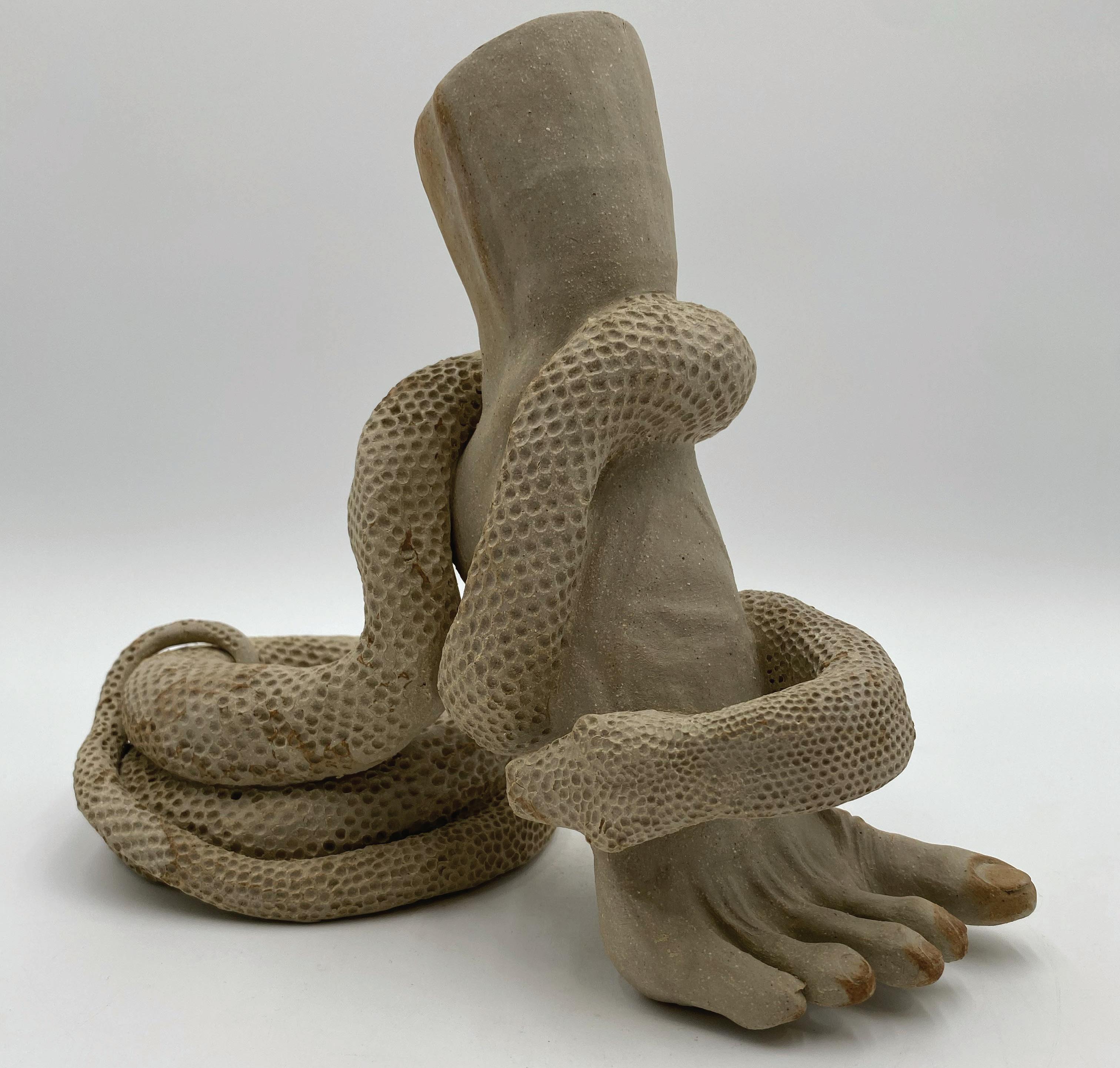
Surrender by Lacey Gross
Charged
by Guan Yu
Translated by Zhu Yage
Three hours in my study-socket have set me in a strange mode
Beside the shut silicon beetle lies prostrate the mouse its umbilical cord ripped loose I stab its USB fang into the matrix
The summer wind scripts ancient alphabets on my forehead Night stitches my eyelids
I unbecome, dissolving into kelp, or perhaps the afterglow of a firefly through the shelf’s breaths the desk’s exhale of memories
This is a house under the cosmic microscope its full charged cells projected on the macro-disk
I Own Three Coats
by Eli Rainey
I own three coats. Every once in a while I’ll bring them out of the closet and make sure they’re still okay for the upcoming season.
The first coat is a puff y gray one. It’s made of mostly polyester and makes me look bigger than I really am. The inside is slick against my skin and makes it feel odd to wear without a sweatshirt or long shirt to mediate between my skin and whatever counts for fabric. I got that coat when I was still in high school, my mom bought it for me. It went through everything with me, the best of times and the crippling lowest ones. Laughing with friends, and devastation over a bad grade. A really good project finally completed, and the drama of the week rolled off the shoulders. The relief of walking out of the school after winter finals, and the sting of the wind as I waited for my brothers to get off the bus. It was a simpler time. Somehow both easy and incredibly difficult. But I made it through with that coat on my back.
The second coat is a navy blue peacoat made of wool. It’s incredibly warm and intelligent-looking. Especially with a scarf. For as good as it looked, however, it matched with its inconvenience of wearing it. That was the first coat I bought with my own money in freshman year of college. I accidentally bought it a size too large, making me appear smaller than I really was. It was a transitional coat for a period of my life when I wasn’t sure about anything. I only bought the coat because it looked professional on me, more grown up. The only thing it accomplished was making me look younger, like a boy wearing his father’s shoes and pretending to be a businessman. That’s all it was, a mask to make me look like something I wasn’t. I don’t wear that coat
very often, I still need to grow into it.
The third coat is a blue Carhartt coat with the Carrier Rental Systems logo stitched onto the right breast. It has several holes in it, and even more oil stains that won’t come out no matter what anybody throws at it. The zipper only works if you fiddle with it just right, and it smells vaguely of sweat. It’s also my favorite coat I’ve ever owned. My dad gave it to me when his company got him a new one. It’s warm, fits well, looks good in that rustic kind of way, and it reminds me of my dad. He’s a man who works hard, as evidenced by the condition he left the coat in. All the stains I wear were made to support me and my brother. It reminds me to keep going no matter what, because he did. Without him and everything that coat has been through, I wouldn’t be where I am. So I wear it with pride, hoping to fulfil my end of the bargain.
by Alex Robison
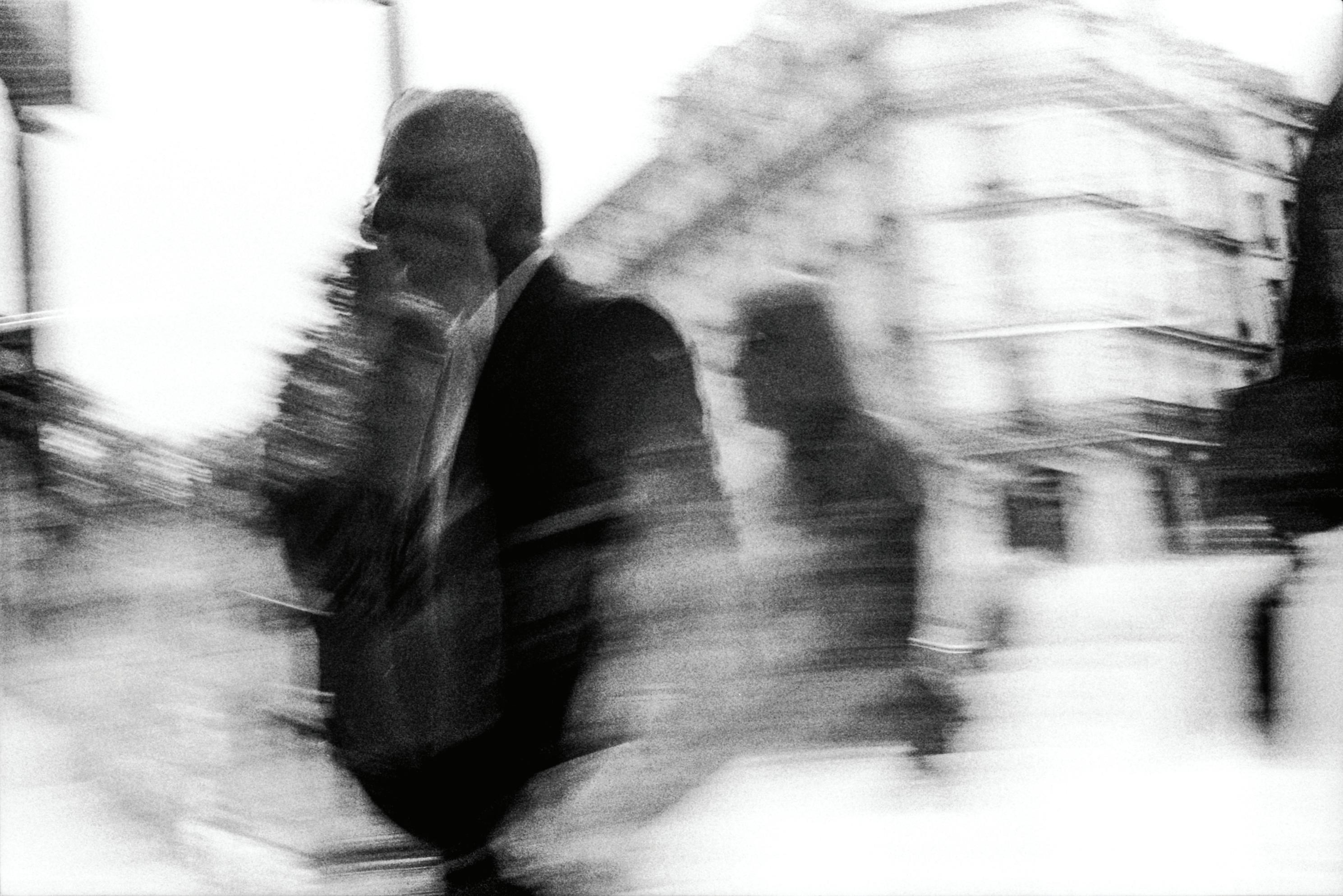
Remembrance
My Body
by Cole Smith
My body is a temple.
A temple dedicated to a god long proven false and forgotten.
With spider webs in the ceilings, And dust covering the beauty it once held.
My body is a temple.
A temple with a cracking foundation.
Collapsing in on itself because the walls are far too weary to bear the weight of the sky.
My body is a temple.
Condemned and forgotten.
A church with no god.
Abandoned by the ones who once worshipped its beauty.
My body is a temple.
And perhaps I am the deity,
But maybe I am just the temple itself.
Built to worship another.
Only created for the love of someone else.
Ashes of Bread
by Walid Abdallah
In Gaza’s dust, where dreams are starved and torn, The children dig for crumbs the world has sworn.
No grain of wheat, no olive branch remains, Just broken backs and bags of ghostly grains.
Their hands are pale, yet burn with silent might, While hope turns ash beneath the vulture’s flight.
Each sack they fill is filled with grief and sand, A war-born harvest on a haunted land.
The smoke of bread becomes their daily breath, Each bite, a battle at the edge of death.
Mothers with arms like branches stripped of fruit Rock babes to sleep with silence as their lute.
Where once the jasmine climbed, and minarets sang, Now rubble speaks, and hunger’s hammers clang.
Yet still they kneel to scoop what life they can, Defying siege with dignity and plan.
What state allows a child to beg for wheat? What soul stays mute as vultures circle meat?
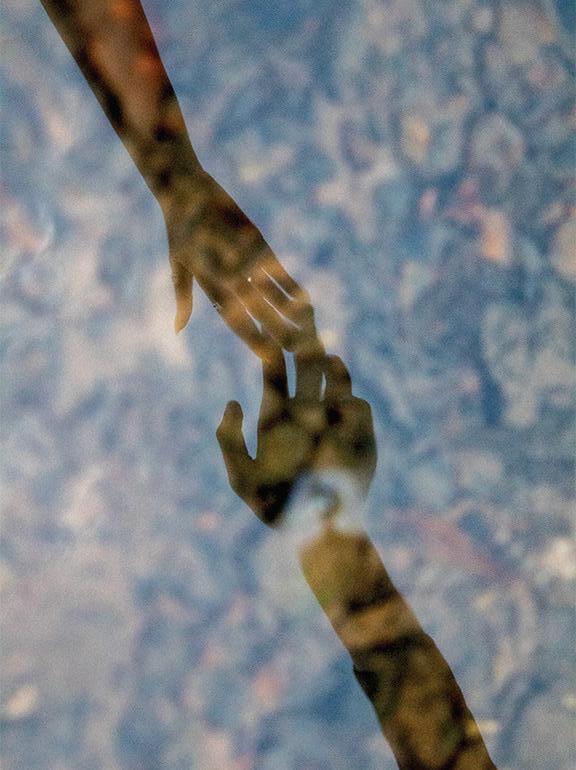
But Gaza, draped in dust and ancient grace, Still plants its prayers in that forsaken place.
For though the world may look and turn away, Their roots of hope will bloom some brighter day.
This Woman’s Work
by Carrie Barske Crawford
A dark stage sat silent in front of the audience, the curtains closed.
And then came the rustle of feet across the boards, a cough, and a whoosh as the curtains opened. The spotlights revealed four young women, in flowing white dresses, their hair tumbling loose down their backs, standing still, waiting in an uneven line. Their ribs expanded as they drew in breath to calm their nerves, to ground themselves in the present, to prepare. A nervous twitch, a roll of a shoulder, the flick of hair as a dancer pushed it from her face.
And then the music began. A few notes on the piano at first, joined next by a woman’s voice—wordless and ethereal. The young women began to move slowly, the two in the front mirroring each other, and the two in the back doing the same. The words began, and the two groups of dancers united briefly, all of their movements coming together. What sounds came from the speakers! What a voice. What power. What beauty. The dancers split apart again as the music escalated, spinning and twirling, each of their bodies stretched to their limits. And then again, the music slowed, and their movements became smaller, quieter. Their hair covered their faces as the dance turned inward, grew more introspective. And then it burst forth again—the music, her voice—rising, speeding up, pushing the women to their limits. As they spun, their hair flew out behind them, arms extended, toes pointed as they leapt in the air. What joy. What strength. What grace.
I wanted to be them. A young girl, a dancer in training, sitting
in the audience, hearing the music pouring out and seeing its beauty translated on the stage. I wanted to feel the music pour through me, feel my arms extend, my fingers held carefully to make the line look longer than it really was. I wanted my toes to point, my feet to leave the ground, my body to grow wings as theirs did, to soar above the stage with the voice. Oh, that voice. I did not listen to the words, did not think about their meaning, I just listened to that voice. Pure, strong, maybe even angelic. What a voice. What a voice.
I hadn’t thought about that moment in many, many years. I must have been ten or eleven. I’d been “dancing” since I was two. Always clumsy, my mother hoped that dance would turn my two left feet into something much more graceful. While I was never all that good, I was passionate, feeling that dance gave me a way to express myself when words often failed me. My sister joined me at the studio when she turned two, and thus began an important part of our rather magical childhood. We danced and danced and danced. Our house became our stage, our mother’s cast-off clothes, our costumes, our stereo, our gateway into another world. Our eighteenth-century New England home was organized around a central chimney block, meaning there were no hallways—just a circle of rooms connected to one another. We danced from room to room, spinning until we fell to the ground, dizzy with the joy of movement. As we grew older, we began choreographing, working for months on dances to perform during our spring recital, the last time the entire studio came together before summer sent us all in different directions. We must have driven our parents crazy, playing the same songs over and over again, rearranging the furniture to make space, laughing ourselves silly when something failed miserably. We danced in the yard, we danced in our barn, we danced on the deck behind our house. We were inseparable during those years, Lindsey and me. Best friends. Forever.
My becoming a teenager changed things between us. I grew mean, petty, obnoxious, and angry. I wanted so badly to be cool, but I really wasn’t. I was a bookworm, an equestrian who went to 4-H meet-
ings, a public speaker, a member of the academic quiz bowl team, and a dancer. I even had a perm for a while (but no braces, thank goodness). I wanted to be someone different, and this changed things between my sister and I. Our friendship faded in all areas but one. We kept dancing together, choreographing at least one dance a year together, even as we also began to go in our own directions. Our styles changed—she turned more to modern dance and me to ballet. The year I turned thirteen, my dance teacher finally let me “go on point.” The thrill of doing so—as well as the pain, oh the pain as my toes cracked, as my feet bled, the wool stuffed inside the toe of my shoes turning red—helped to keep me grounded to something as I grew more out of control in other ways. And the music helped to keep me flying, helped me to find those wings I had always wanted.
It might have been my dance teacher, Leslie Snow, who choreographed “This Woman’s Work,” though I can’t say for sure. The first time I saw it performed on stage, I was captivated. The older girls (who probably were just seventeen or eighteen) made the dance look so effortless. I wanted so badly to be on that stage with them, to be old enough to be chosen to perform this dance. Oh, the music. I can’t tell you how much I loved that song—again, not knowing what it was about, only knowing that Kate Bush’s voice had me spellbound. I waited and waited to be old enough. One of the other dancers choreographed another piece for a foursome—this one to Sinead O’Connor’s “The Last Day of Our Acquaintance.” I joined the group the second year it was performed, and while the dance was exceptionally well choreographed and the music also incredible, it wasn’t “This Woman’s Work.”
My chance finally came for “This Woman’s Work” when I turned fourteen. We spent hours and hours in the studio, and I spent more time on my own at home, perfecting my part. I wasn’t one of the dancers in front, who were always the strongest dancers. But I was there, I was running through the dance over and over again, my leotard drenched in sweat, my hair escaping its bun, the hairs along my hairline curling into ringlets. I leapt—pushing myself to new heights. I
spun—my turns tight and controlled and perfect. I became the music. I remember my sister’s desire to be part of what I had been chosen to do. She watched and waited, and waited, and waited, always patient.
I never got a second turn to perform. The fall of my sophomore year of high school, I tore all of the ligaments that ran across the top of my foot. It took months and months of pain and three doctors until one of them finally did an MRI and revealed the extent of the damage. I had one surgery and then another. I spent most of my junior year either in a cast or in a boot. Dancing was out of the question. I grew unmoored, out of control, dangerous even. I didn’t want to think about dance, to talk about dance, to see dance. I avoided home. And I avoided my sister, who still danced. But, sadly for her, she never performed “This Woman’s Work.” The studio grew smaller and smaller as dancers graduated and new ones did not replace them, and as the demands of Leslie’s personal life took her away from dance more and more. By the end, there were just a handful of girls left, and then Connecticut Young Artists closed its doors.
While I never danced seriously again, my sister and I did become the best of friends again as I grew up and settled into my skin again. We do different things together these days—hike, ride bikes and horses, and camp, though you can occasionally find us dancing together at a concert. Her friendship is one of the things I am most grateful for in all of the world. I know she still turns up the music loud at her house and dances around, which always makes me smile when I think about it.
We were talking the other day about this song and the dance and how strange it was that our teacher choreographed a dance for young women to a song about childbirth. And a dangerous childbirth at that. I had no idea that that was what the song was about. I had heard it hundreds of times and not once really thought about the words. I just knew how the song and the movement that went with it made me feel. I just knew I wanted to be on that stage, to feel free. Grounded. Alive. What a song. What a dance. What a life.
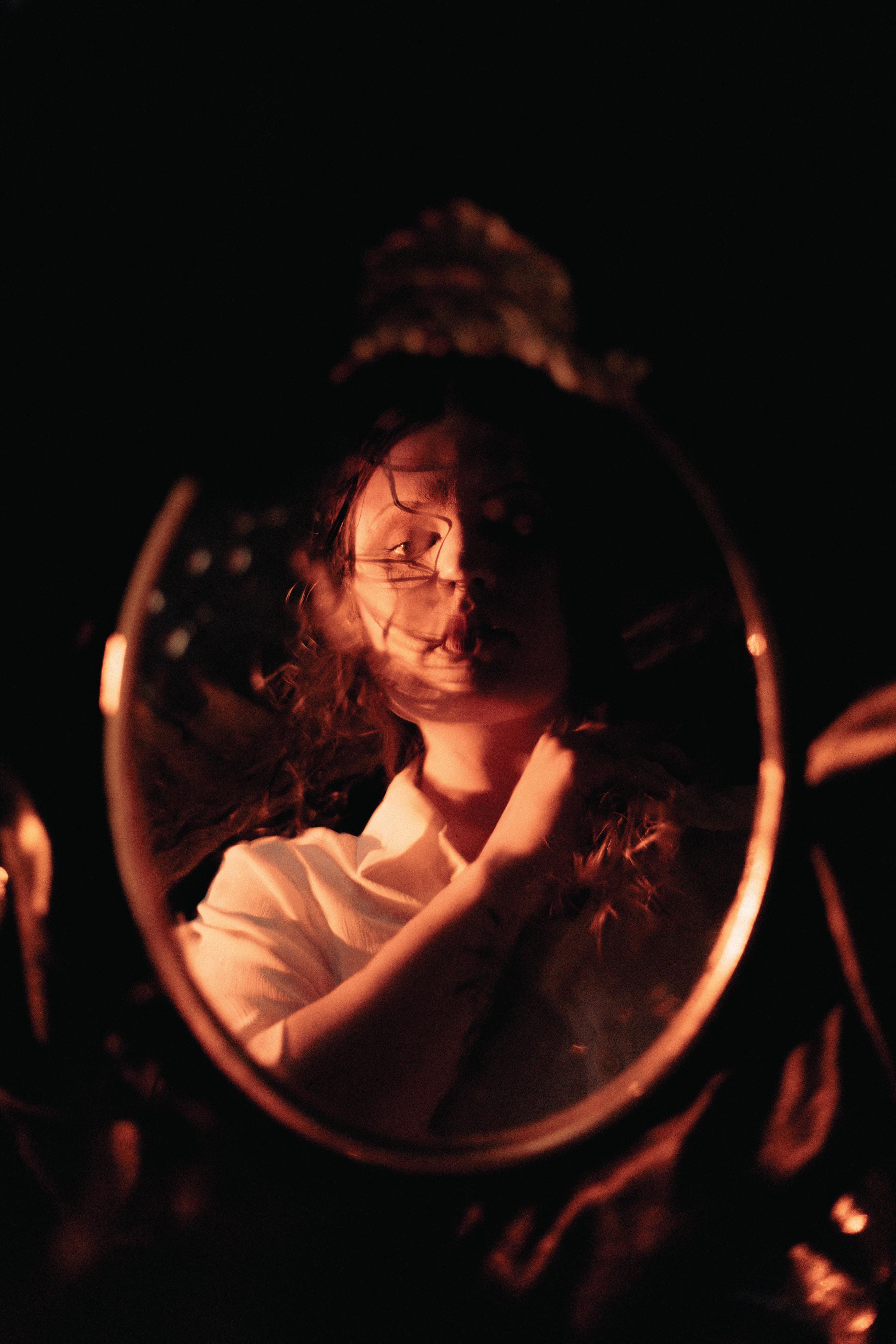
Self-Portraits Mirror by Kaitilyn Jacobs
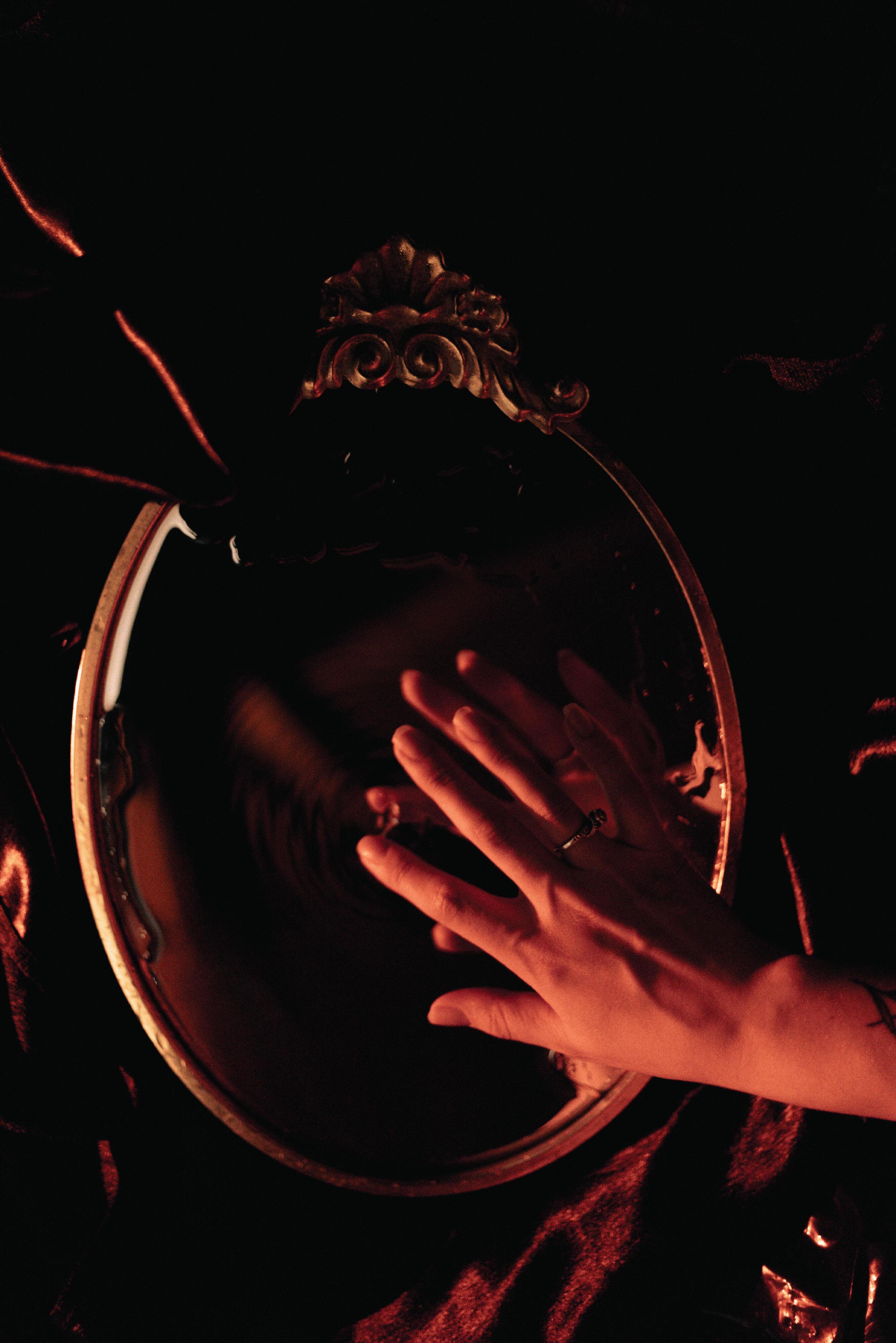
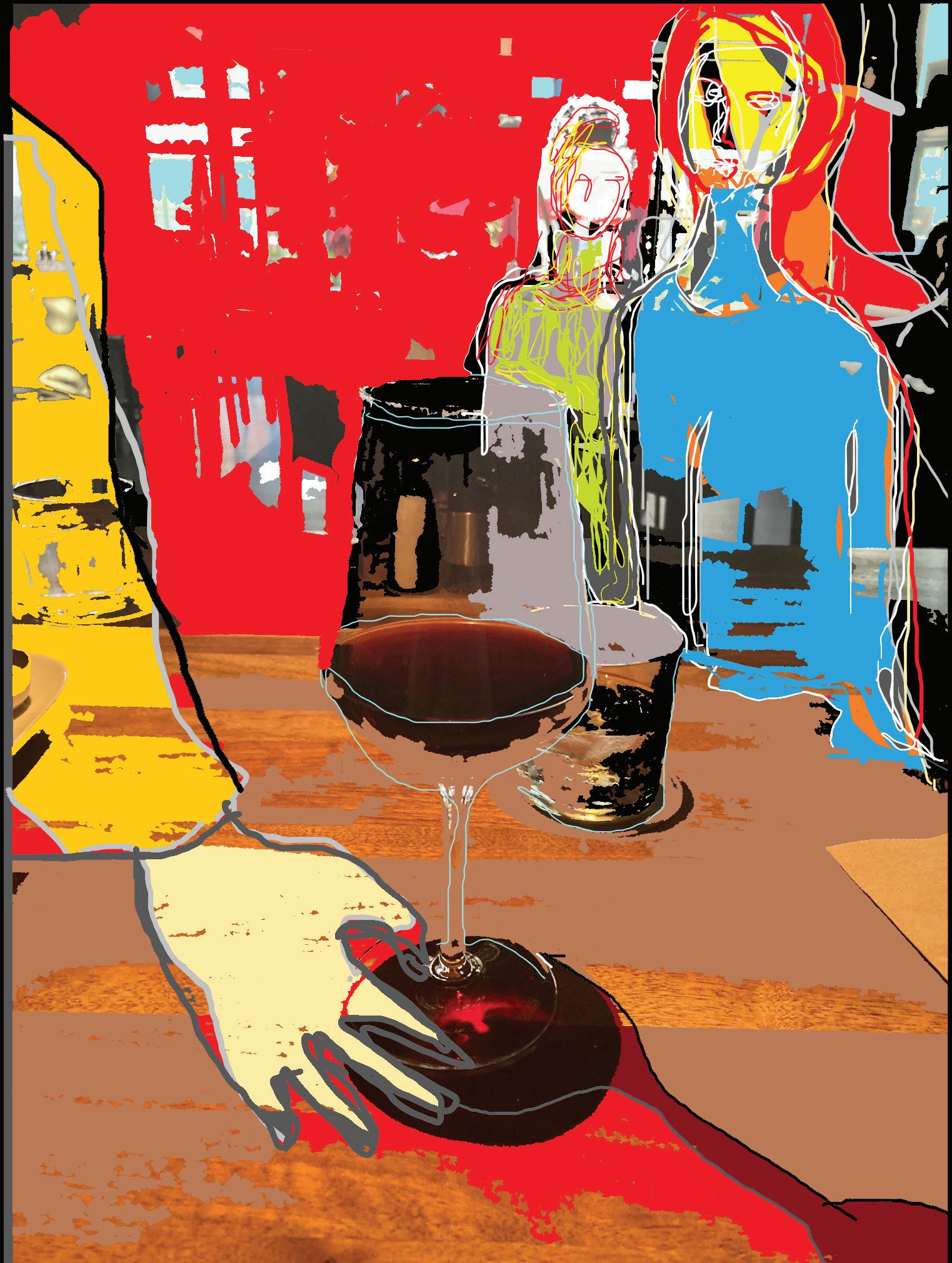
barrojo3 by Jorge Etcheverry
A Glass of Nostalgia
by Roberto Dávila Torres
In this glass of rum, life without you tastes bitter like my affliction, and I must drink it little by little to sweeten my deep sorrow that comes down in liquid agony from my pupils when I long for your love. I kiss your
and I bite your name in each kiss to my glass of rum, it tastes like nostalgia
Things in the Way
by Joseph Farina
between their needful whispers they spoke of new desires rising slow like a candle flame (but nothing ever becomes what you want it to be) in each journey there are things in the way learned too late, the grip of fate and too afraid to take a chance they never took the time to reason why their lifetime changed from sunshine to shadows and their daily pain that rosaries and crucifixes never healed they cast no miracles bought with prayers, only the growth of their constant doubt.
Welcome to the Department
by Julia Khen
These are the offices, and those are the cubicles. That is my cubicle, and this one will be yours. Here is your phone. Do not answer it. The voicemail will take care of all calls. This is your voicemail handbook. Personal calls are forbidden. In case of an emergency, you may ask your supervisor. If your supervisor is away, ask Martin Reyes, who sits in the corner. He will check with Sophia Lane, who sits beside him. If you place an emergency call without approval, you could lose your position.
Here are your in-box and out-box. Every form in your in-box must be dated in the top left, initialed in the top right, and routed to the Processing Analyst named in the code at the bottom left. The bottom right must always be blank. This is your Analyst Code Directory. Here is the manual for processing procedures.
Work must always match the eight-hour day. If twelve hours of work arrive, you must compress it. If you have only one hour, you must stretch it. Ask questions if you need to. Too many questions, however, may cost you your job.
At the front desk sits our receptionist. She is temporary. Receptionists quit here often. Be kind to them, learn their names, and invite them to lunch if you like. Do not grow close to them. They always leave.
The men’s room is there, the women’s room across from it. Daniel Cruz sometimes walks into the women’s room. He says it is an accident. We know better, but we ignore it. His life is empty, and this is
his harmless diversion.
To your left is Victor Santos. He is infatuated with Laura Vega, who sits to your right. They ride the same bus after work. For Laura, it is only a ride. For Victor, it is the brightest part of his life. He gains weight daily, eating junk food while peeking over his partition at her. At home, he feeds on cold pizza, ice cream, and late-night television.
Laura has a young son named Miguel, who is autistic. Her cubicle walls are filled with his artwork: black and yellow circles and ellipses. She changes them every other Friday. Always comment on them. She is married to a lawyer who forces her into cruel games. She comes to work each morning with bruises, burns, or cuts. We are not supposed to know. Do not let it show that you know. If you do, you may be dismissed.
Laura, who tolerates Victor, is in love with Andrew Flores, whose office is across the way. Andrew barely notices Laura,\ because his eyes are set on Hannah Cruz. Hannah despises Andrew but would give anything for Marcus Lee. Marcus, however, hates Hannah. The world is strange in this way.
Sitting quietly is Julia Moreno. Last year, in a meeting, her left palm began to bleed. She told Ramon Silva how and when his wife would die. We dismissed it at the time. Months later, it came true. If you do not wish to know your own end, avoid speaking to Julia.
Near her sits Elias Torres. He was once new, like you. He pitied Julia at the office party and brought her a drink. Since then, he has never been the same. He is lost. Do not give him your work. If he asks, say you must check first. If he asks again, say you are still waiting.
This is the fire exit. Evacuation drills are held quarterly, escape quizzes monthly, and earthquake drills yearly. These are only precautions. Nothing ever happens.
Our health plan is complete. Tragedies and illnesses are fully covered, even for dependents. Roberto Mendoza has five children. If something terrible struck them all at once, every expense would be
covered. He would not pay anything.
We also offer generous leave policies, pensions, disability coverage, commuter passes, and wholesale memberships.
This is the kitchenette. This is our Mr. Coffee. We all pay into the coffee pool. Two dollars a week covers coffee and sugar. Three covers half-and-half. Two-fifty covers Sweet’N Low. Decaf is not allowed. You may join whichever pool you like, but you are never to touch the machine itself.
The microwave is for reheating, never cooking. Lunch lasts one hour. Breaks are fifteen minutes in the morning and afternoon. Skip a break, and it is gone forever. Breaks are privileges. Lunch is a right.
This is the refrigerator. You may store your food in it. Ramon Silva often takes food from it. His theft is his release. On New Year’s Eve, while kissing his wife, she collapsed. Pregnant at the time, she lingered in a coma before dying. He was fully covered, but her ghost lingers here. She appears in reflections, in photocopies, and even leaves distorted messages. Sometimes a baby’s cries echo beneath her voice. If you bring lunch, leave something extra for Ramon.
This is David Yu’s office. He is the Unit Manager. His door is always closed. We have never seen him. But he is here. Always here.
That is the custodian’s closet. You have no reason to enter.
This is the supplies cabinet. If you need supplies, ask Marcus Lee. He will log you in and give you a slip. Bring the slip to Hannah Cruz, who will issue the key. Gather supplies quietly, as the cabinet is near the Unit Manager’s office. Inside are papers, pens, adhesives, clips, and blades. The shredder nearby is none of your concern.
That office belongs to Patricia Ramos. She loves penguins. Her space is filled with penguin posters, mugs, sweaters, and toys. She greets everyone each morning, brings pastries midweek, and organizes holidays. Yet sometimes she hides in the restroom or stairwell to cry. Daniel Cruz, crouched in the women’s room, has heard her. Still, she never lets it affect her work. If it did, she might be let go.
In another cubicle sits Steven Morales. He is the serial killer known as the Cutter. We are not supposed to know this. His victims are strangers, selected with a strict method. His crimes never interfere with his work. In fact, he is our fastest typist. He has a quiet crush on Patricia Ramos and leaves her candy daily. But he avoids Julia Moreno, for in his presence, her hand never stops bleeding. When Steven is caught, act surprised. Say he was quiet, perhaps lonely, but polite.
This is the photocopy room. And this is our view. From here, we see the park, the bay, the sunset, and the reflection of this very building in another. Wave, and you will see yourself. And there—see? Julia Moreno is in the kitchenette, waving back.
If the copier breaks, see Victor Santos. If you have questions, ask your supervisor. If your supervisor is not around, ask Martin Reyes. He will check with Sophia Lane. If neither is available, come to me.
That is my cubicle. I sit there.

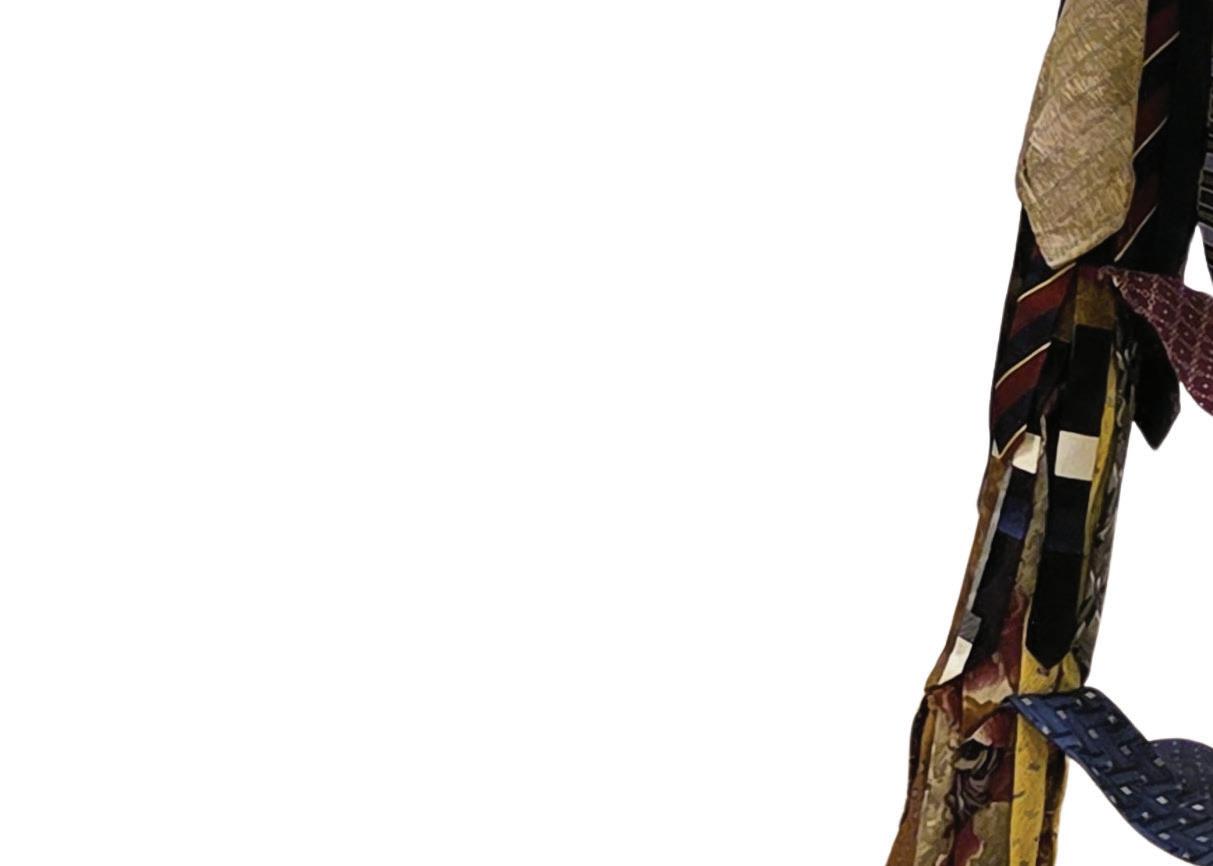
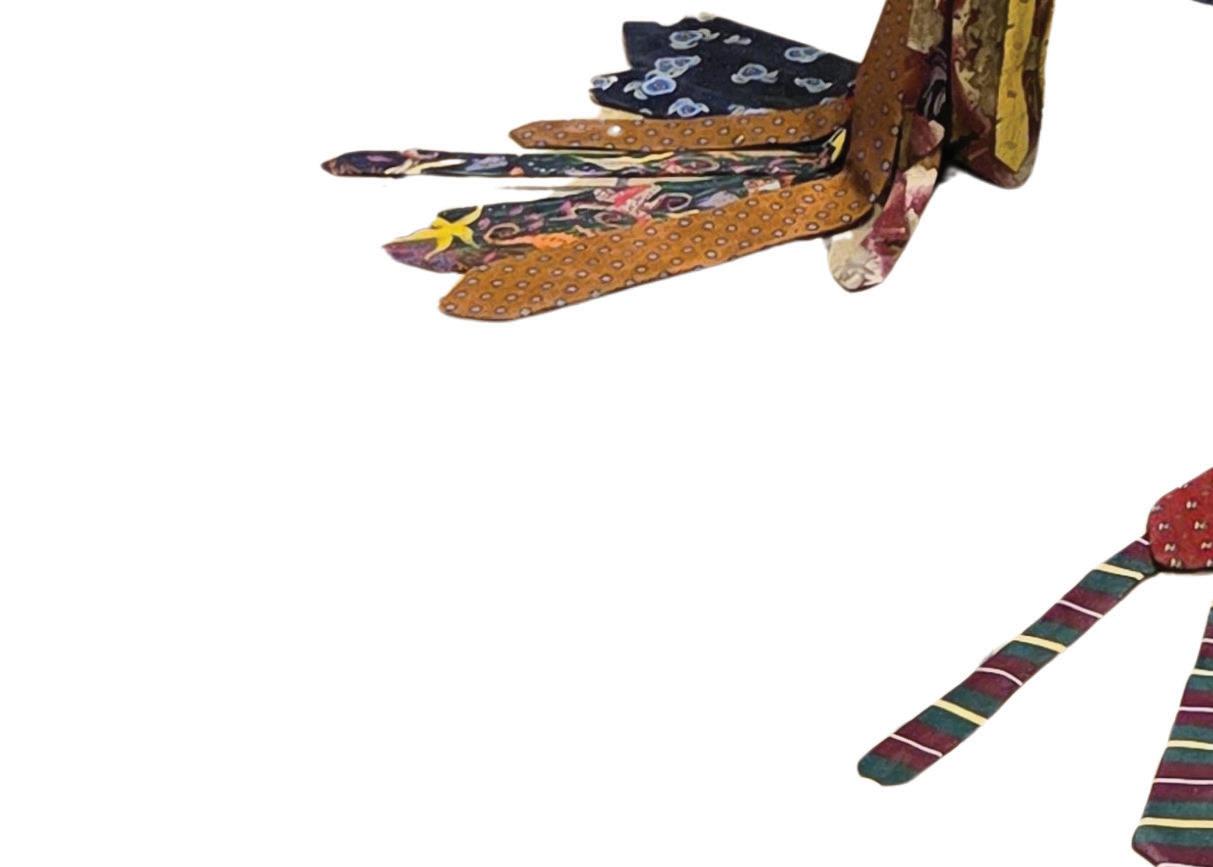
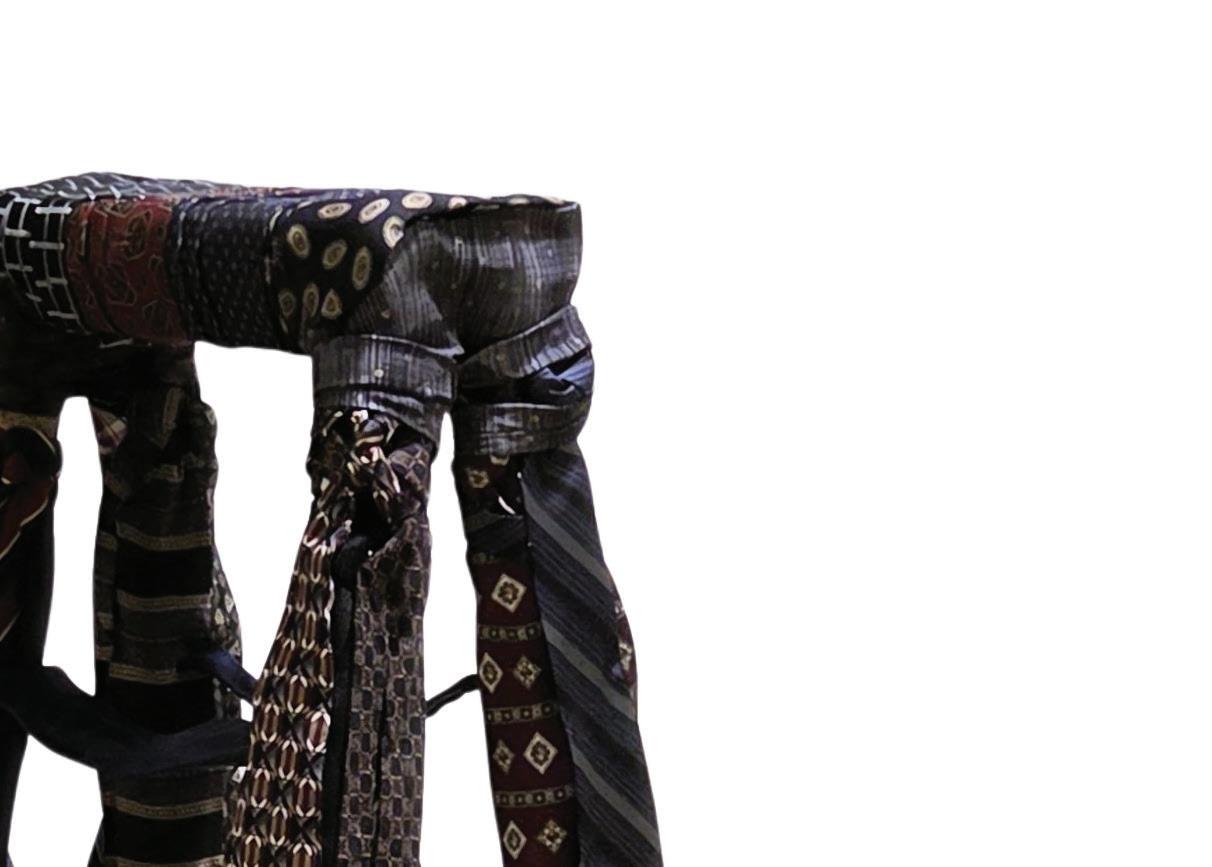
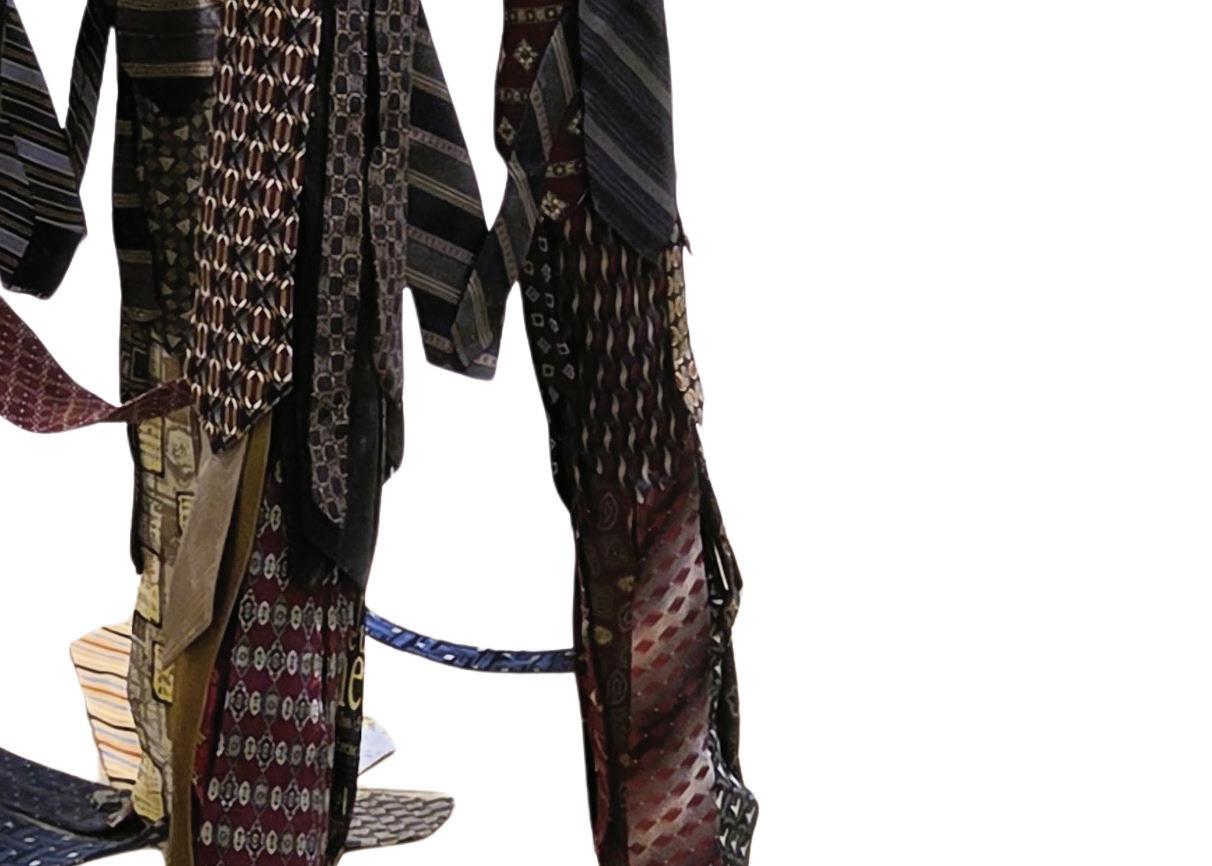
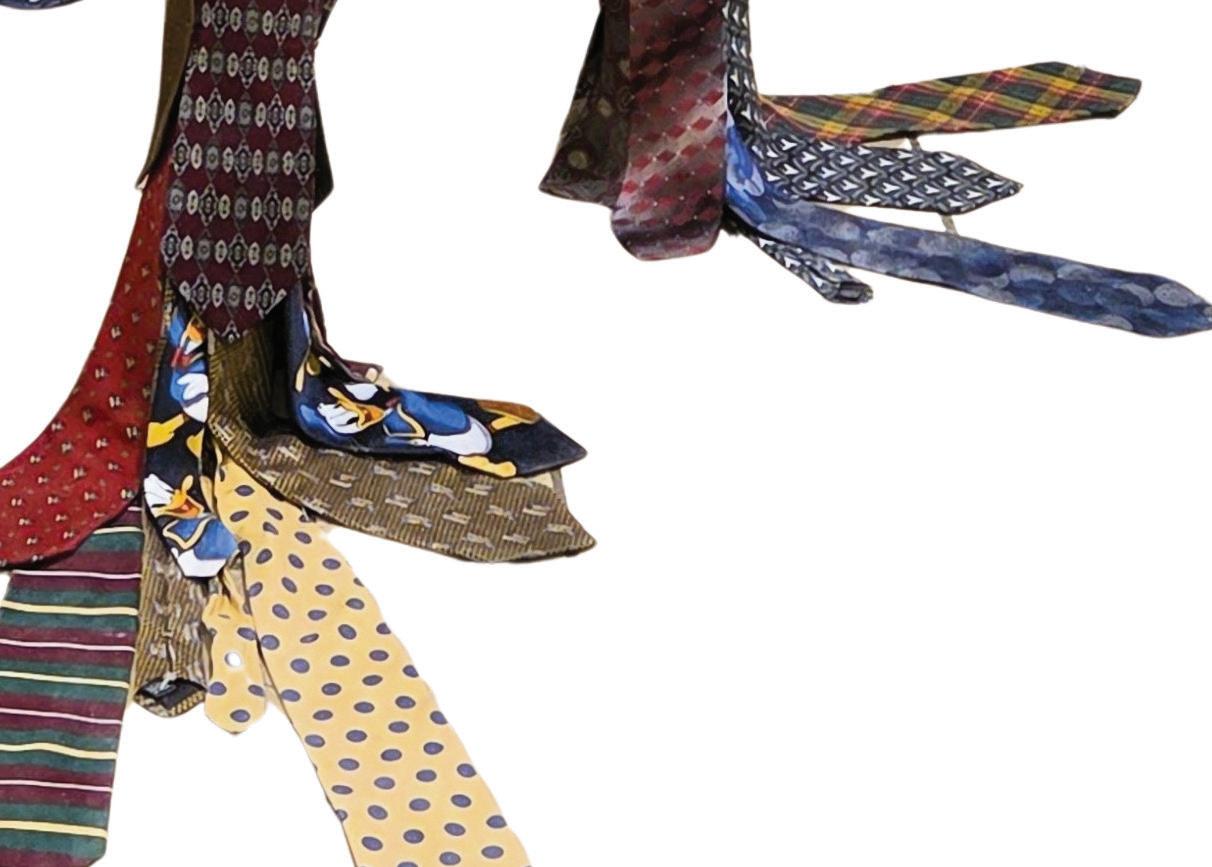

Corporate Ladder by Savannah Keel
A Father’s Dream
by Kyle Wilkerson
Look closely at these weathered, beaten hands, and you shall see that time does scar the skin.
For in sweat and toll, we travel these lands.
For my son, this is how it’s always been.
Since the day Adam’s sin brought us death, men have failed to meet the almighty’s test.
Under curse and strain, we draw every breath, and only in death shall find our rest.
Yet in you, my son, I find life’s true worth, and your shining eyes cure my every hurt.
For you, I would endure the weary earth just to know that your dreams remain unhurt. My love for you flows like a raging stream.
For you, son, have become my greatest dream.
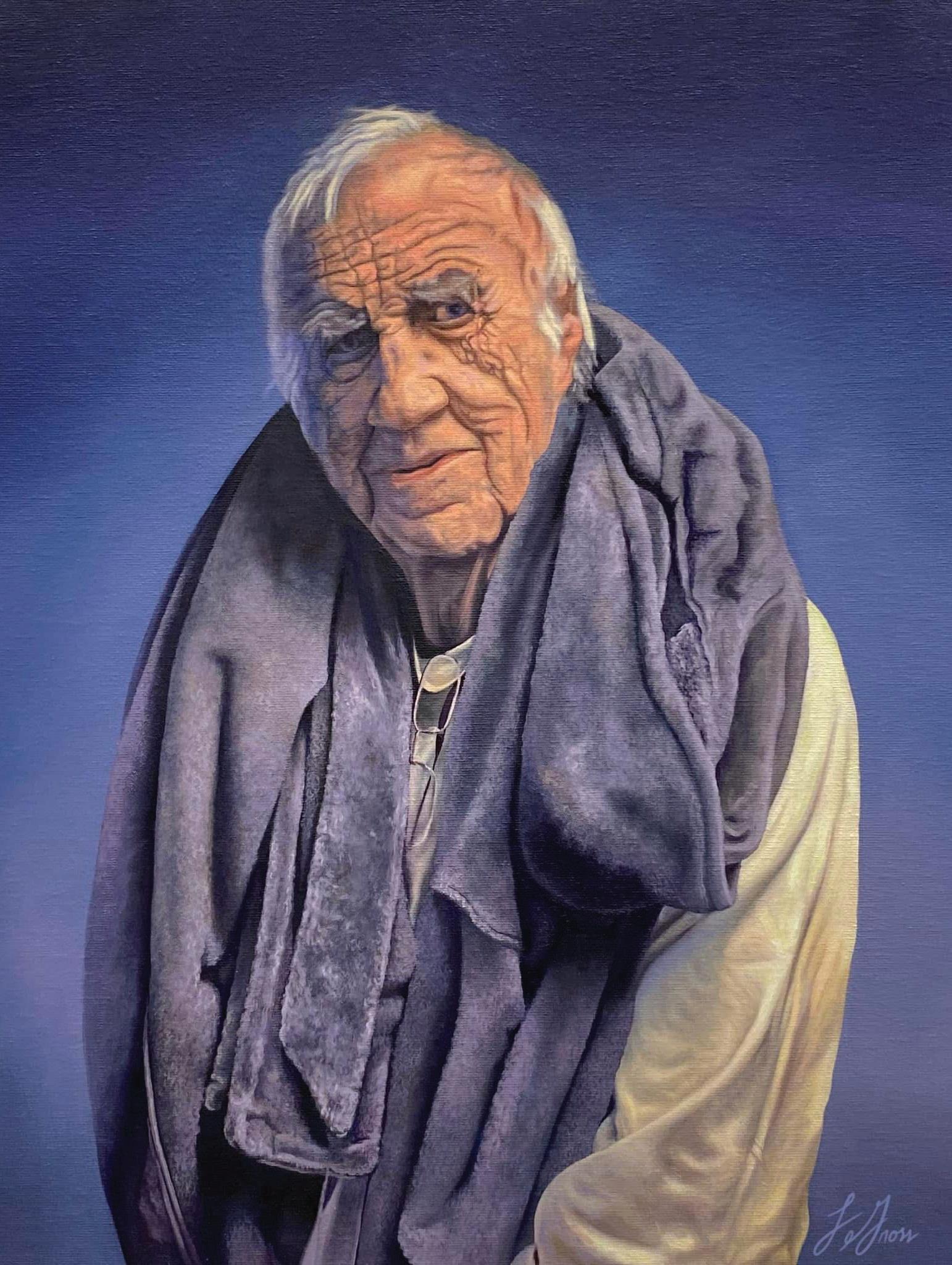
Lacey Gross
Gospel Hour
by Zachary Aaron
After the blood vessel burst in his brain, my grandfather looked at me with empty eyes and a furrowed forehead when he tried to remember my name. His delicate grip caused the chrome rails of his hospice bed to shudder when he said, “I have a grandson about your age. Turn it over to Lawrence Welk.” While in my role of weekend caretaker, that became our Saturday evening ritual. I regularly wondered, how does he know that Alabama Public Television is playing reruns of a show that’s been off the air for forty years?
I was recently flipping channels, and a first-generation drawl caught my ear. There he was—Lawrence Welk still waving his baton in technicolor—and the coercion from the off-brand performances gradually unraveled some of my knotted memories. The Americana that tumbled from the big band orchestra reunited me with the North Alabama backroads where I started driving at 14—grandpa would force in his John Philip Sousa cassette, and I would try to keep the Ford Taurus on the cracked asphalt while Stars and Stripes Forever rattled the door panels. But despite all the gaudy garb and dancing, the gospel numbers are what still resonate with me most.
I used to think the show’s makeup artist must be a mortician moonlighting on set; it was hard to absorb the words of one man’s stylized version of Amazing Grace while gray makeup slithered down his face and onto the fold of his satin collar. He had the appeal of a forgotten mansion—built handsomely, but now the plaster was melting off the walls. Revlon and synthesized rhythms are not a good look for gospel; it’s begging for an off-key choir sandwiched by wooden pews
on burgundy carpet and a zealous preacher in a cheap suit—anything else is trying too hard. And Lawrence Welk’s round-robin of characters didn’t do the hymns much justice.
Gospel is the pulsating stomp of aching feet in stiff shoes echoing up worn legs, the clapping of hardened hands, the call-and-response hanging over acres of cash crops and rumbling the battered planks of the pulpit. And most of all, it’s the profound reassurance that after just a few more weary days, we will all fly away.
There’s something so important about those raw and primitive qualities of gospel music. The powerful plainness reminds me so much of the crucial voices in my life and inspires a feeling of urgency to preserve them as they become harder to extract from my memory. Finding the perfect sound bite became a fixation, and I discovered a video of Elvis Presley singing How Great Thou Art live in 1972 was especially delicious—his lips curling around the monotonous notes; his voice dipping, mounting, and falling in waves over the choir and clanging piano. He sings tornadic swirls around each word—inhales them—then spews them back into the ether of the auditorium. I imagine the arena that night had to be electric, like a green April afternoon in Tupelo, just as the wind picks up and the sirens groan to life.
My grandparents traded rock and roll for the gospel hour sometime in the early 1960s, but there was still a box of 45s on a shelf next to yearbooks and mummified flowers—proof they’d been at dances doing some kind of twist. I stayed with them a lot during the summer, and just inside WJBB Haleyville’s listening area (“We Just Barely Broadcast” to locals), Elvis often forced his gospel through the static of the clock radio that blinked the hour in red. He was the link between their teenage dance floor tremors and middle-aged composure; the piano still reverberated. But they had traded sticky gymnasiums for Sunday sanctuaries.
So often did the three of us spend time on the sun porch listening to the alarm clock that I’m surprised I’d even forgotten about it. That summer’s blockbuster dictated my current obsession—tornadoes.
As I watched the mute orange flashes in the July clouds, they appeared otherworldly to my wide eyes, and I waited anxiously to be sucked out the window. After gawking at the silent violence above, I was calmed by the juxtaposition of the sheer panels drifting delicately within the window frame. I recall my grandmother humming, eyes closed, rocking in time with the notes. My grandfather knew the words but was quiet, except to reassuringly mumble something about heat lightning. I’d heard him sing “I see the stars, I hear the rolling thunder,” in grating notes from a wilted hymn book that we’d shared often. When a barn cat, it must’ve been the massive gray one—Smokey—squalled from just below the window, the gentle moment was wrecked by visceral jerks, then nervous laughs.
“That like to got me,” closed the case for my grandmother. We stretched away the aches of stillness, and then my grandfather admitted, “It did get me. I think I’ve hockied in my drawers.” The startled giggles broke into echoes as we lumbered deeper into the house so he could check his underwear.
I never really knew that much about Elvis, other than he had a mansion. “There’s a room in there with a waterfall,” someone once told me at school. “I saw it on the tour.” When my parents took me to Memphis one spring break, our Graceland reservation was canceled because of an emergency on site, and I spent the afternoon in the Holiday Inn’s indoor pool across the street. Small Ficus trees lined one edge of the water, and I went to scoop out a fallen leaf, which turned out to be a lump of shit that had sneaked out of a nearby toddler’s swollen diaper. My mother screamed and dragged me across the fuchsia tiles and then the green carpets to our room. where she scrubbed my hands red in the vanity sink while the mirror fogged over. The daily duck parade the next day over at The Peabody was the savior of the trip, and no one got shit on there.
Still, I gathered a rough biography of him over the years from chance bits of television specials that ran long and magazine covers with bold fonts. He was born humbly at a precarious place in America’s
story, and like many musical masters in that class, fame came quickly and contentiously. His luminosity radiated midcentury living rooms when he rocked his hips and rolled his lips on the Ed Sullivan Show— the country, then the world, swooned.
Elvis reigned from Graceland in jeweled jumpsuits, but as they began to pull taut across his bloating body, his marriage failed—and so did his heart.
My grandmother said she dropped one of her good dishes when she heard the news. Both shattered, the shards of Blue Willow lay strewn across the linoleum while she spent the afternoon mourning as Blue Hawaii and muffled gasps crept out of her bedroom. “Mother cried all day, and daddy had to take us to town for footlongs,” is all my dad would say. But with a hint of forgiveness for her quiet confidant, “He was one of the good ones—gone too soon,” is how my grandmother remembered it while wearing her dreamy expression like a new outfit. I wonder if his mansion over the hilltop has a jungle room.
When Daddy-o lit up my phone late one weeknight, I answered. already guessing what he might say. “Daddy died about an hour ago. He never woke up today—no, there’s nothing you can do here tonight. We’ll just see you at the house in the morning.” I didn’t drop anything; the silence was indulgent. The fragile breaths had disturbed his chest for weeks, and once they faded, everything else hurried forward. Waiting for someone to die feels like waiting for a vacation: time pulls back— slows, then slingshots ahead violently, dragging everyone to the dreary car ride home.
The sleeves of the blazer from the back of the closet felt clumsy as they tiptoed up my arms; the wool blend held my shoulders—uninvited and lingering tightly—like a drunk’s hug. I watched a blurring choir while someone behind me choked out “My God, how great thou art” in jagged tones. I looked around, the movement spilling the tears I’d been carefully guarding in the corners of my eyes, but the mouth was lost in a mass of dark fabric and cheeks with serpentine stains. I
shared a hymn book with my grandmother that day, but all I could manage to do was hum through tight lips. The suffocating rosy lights of the Pinkard Memorial Chapel shone on his familiar face—now, too, daubed gray with plaster and protruding from the gathered satin— while I veered my blurring eyes to the drop ceiling and tried to keep control of my trembling breath.
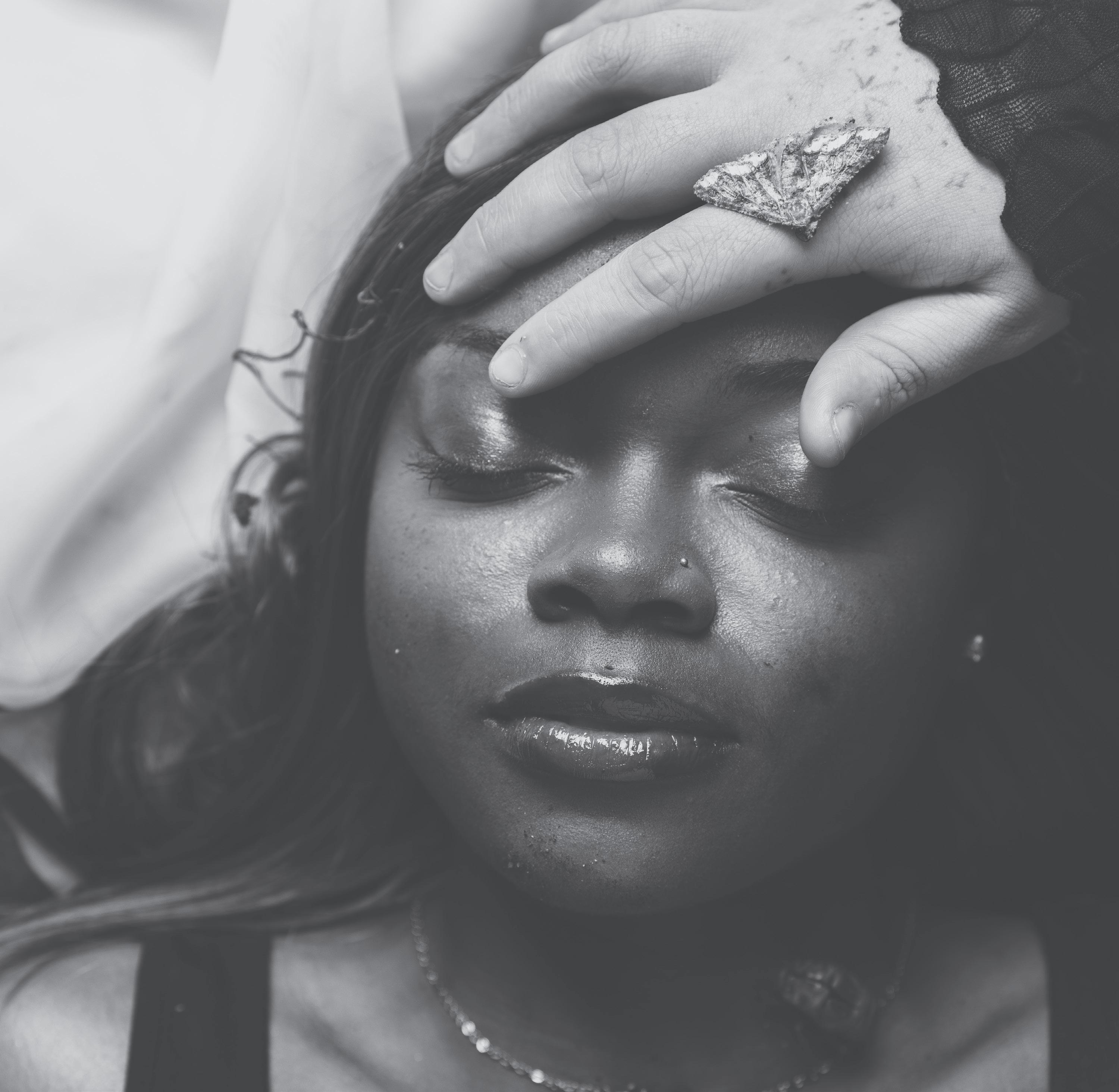
Dead Things
Kaitilyn Jacobs
Wretched Man
by Kinley Pressley
I love a very rough and battered man, But he ain’t ever even looked my way; I don’t know when this love for him began, But I know to me it is thick as hay.
I see his hat and his old workin’ boots, I see him walk to work and back alone, I spend my free time watchin’ his commutes, He does not see me followin’ him home.
I have an extra moment to watch now, I see him walk into a corner store, Maybe I’ll see his face and furrowed brow, He turns to me, and I wish he’d ignore, The way my face has dropped and turned slack, I hope his ugly face don’t love me back.
Sonnet 09.18.24
by Lydia Maple
This world is too much with us or them
Spite’s clockwork, complex as deceit
Why rend the blessed man’s conscience limb from limb, When union’s sour delights stand just as meet?
Voiceless calls weary Wisdom from her cot
Having battled long, she faints in deathly ill
And within, without, her consults sink forgot
‘Mongst brothers fighting. Naught to thrill Them but the taste of I am right, My brother wrong! Division’s fruits to bear. He closes fist around the stale birthright
And as Cain, leaves brother lying there.
Oh! That human dignity could be a line less crossed. For once divided, the common aim of man is lost.
In Our Keyless State
by Cindy Hill
We’ve never had a key to our front door.
Surely we must have had one when we bought the place. Surely the sellers’ lawyers ought to have given us one.
But then, what for?
We come and go and carry everything we need within ourselves and each other—
bits of rain, small twigs, a spot of colour, the way to twist thread, cabbages and string.
There’s nothing here that we could not give up,
no object holds value enough that we find worth in having to keep track of a key.
im going to get out of here by Brandon Underwood
Smith
You Mind?
by Aydin Horton
Characters
Jillian, early-20s, daughter, home for Thanksgiving, a lonely sort of individual
Marian, mid-50s, mother, bitter, most likely an alcoholic
Setting: The play takes place on the patio overlooking the pool. Upstage are windowed doors through which you can see inside the house. There are a few lounge chairs and a table with an ashtray on the patio. It is somewhat dark with only two light sconces; one flickers every few minutes.
Act I, Scene 1
It is after Thanksgiving dinner, and the house is quiet. Marian is alone; she holds a cigarette in one hand and in the other a half-full wine glass. She sits on one of the lounge chairs, staring into the distance. Jillian enters cautiously from inside the house.
JILLIAN
(Exits from inside the house and crosses to the stage. She ends beside an empty chair beside Marian.)
Do you mind if I join you?
MARIAN
(She does not look up, simply taking a drag of her cigarette)
If you insist. Not like you would listen if I said no.
(She taps the cigarette against the ashtray)
JILLIAN
It’s nice to see you’re the same as always. (She sits down on the chair. She pauses before speaking again.)
Aren’t you having a Happy Thanksgiving?
MARIAN
(She scoffs.)
Of course, I’m having a great Thanksgiving. (pause)
Nothing like watching my ungrateful kids come back to see me once a year to sit around doing jack squat to help me alongside my wonderful husband, who is too busy watching the game to get up off his ass.
(She laughs a drawn-out laugh.)
JILLIAN
Wonderful. Not like you would ever even accept help, much less ever ask for it.
(She takes a moment and lies back in the lounge chair.)
Why do you even do all of this, then, if you’re just going to be miserable about it?
(pause)
I know you don’t enjoy watching Nate and his flavor of the month eye fuck each other over the cranberry sauce while Jack tries to be discreet about watching the game on his phone under the table while ignoring everybody else.
MARIAN
(She takes a sip from her wine glass)
You could at least pretend to have respect for your father. Stop that bull shit, calling him Jack.
(She pauses before continuing.)
And you judge Nathan, but at least he can manage to bring somebody
home, unlike somebody, and I’ll have you know something; I’d rather them act like that than how you act.
(Another pause.)
(She sits up and shoves her cigarette pointedly at Jillian)
Ever since you went to college, you think you are so much better than everybody else, don’t you? No wonder you have nobody.
JILLIAN
(She lets out a short laugh.)
You always act the same way whenever you start drinking, Marian, or should I say Mom, you know, to be more respectful. Wouldn’t want to disrespect you.
MARIAN
(She puts out her cigarette and leans towards Jillian, almost whispering.)
I never liked you; you know that. You were just so mean. You always have been.
(pause)
I liked Nathan; he was at least nice for the most part, though he has become somewhat of a man-whore nowadays; he must take after his father. But you, you’re just mean and bitter.
(She slumps back into her chair.)
God, that feels good to say out loud. You’re old enough to hear that, I think. I never liked you. I thought having a daughter would be my chance, but no, you just came out wrong. I could never like you.
(pause)
I loved you, sure, every mother loves their child, but like you, no, I never did like you.
JILLIAN
(She stays lying down, staring off into the distance.)
I’m glad you could say that. I knew you never liked me; you sucked at
hiding that little secret you thought you had hidden so well.
(Neither one speaks for a moment.)
MARIAN
I wanted to like you, I really did. I tried for a long time, but you were just such a hard child. You bit, screamed, threw things, broke things.
(She shakes her head.)
Unlike other children, you always chose the extremes. It seemed you did whatever you could to make my life hell, and your father was no help. He has never been much help.
(She pauses, then laughs)
Hell, the only things that have helped are these two things.
(She lifts her wine glass and an unlit cigarette)
JILLIAN
I never really liked you either, you know. When I was five, I wanted you to leave and never come back. When Jack left for that year, I hoped it was my ticket out of the hellhole you created.
(She looks expectantly at Marian.)
MARIAN
He never wanted to take you; in fact, he bragged about leaving you and Nathan behind. It was supposed to be his fresh start, he said.
(She lights another cigarette.)
However, his little girlfriend left him as quickly as she found him, and he came back tail tucked between his legs. I wished he had stayed away; I could have gotten the house out of it at least if he had.
JILLIAN
Why even stay with him at that point? All it did was make you bitter.
MARIAN
Because. (pause)
I got to keep my house and my wine and my pool.
(She gestures towards the house and the pool.)
And that is enough for me. I got what I wanted. That’s why I don’t care that he watches the game under the table between texting whatever he chooses to fuck this time, and why I don’t care that Nathan brings whatever he is fucking this month to every family dinner, because at the end of the day, this is all mine.
JILLIAN
(She looks at Marian. She looks away.)
You stayed for a pool and wine. He cheats on you, and you stay for a pool.
(Her voice rises on the last sentence with almost disbelief.)
MARIAN
(She makes a shushing sound.)
Don’t be so loud. I don’t expect you to understand my choices. Maybe you will understand one day. The sacrifices one makes for one’s own happiness.
JILLIAN
(Her voice is still raised.)
If that is what you call happiness, I hope I never experience it, because it sounds terrible.
MARIAN
You judge me for my choice to stay, but why would I give it up? What is the point? I can’t get back my youth or the time I spent in a loveless, sexless marriage. I can’t change the fact that menopause hit me like a truck when I turned forty, so yeah, I settled for a pool and some very, very expensive wine. We all make choices. I made mine. I found some happiness in them. You wouldn’t understand right now, but one day you will. I hate to admit it, but (She takes a pause and a sip of her wine before continuing.)
You and I are a lot more alike than you think. Mean and bitter.
JILLIAN
(She pauses for a moment.)
I started smoking.
(She laughs, a real laugh.)
MARIAN
Wow, look at you all grown up. I would offer you a cigarette, but this is my last one.
JILLIAN
Shouldn’t you tell me I shouldn’t smoke?
MARIAN
I can’t tell you how to live your life. Even if I tried, you never would listen to anything I had to say.
JILLIAN
Can you blame me?
No, I guess I can’t. (pause.)
Why’d you start smoking?
MARIAN
JILLIAN
Someone offered me one, and it seemed like a good choice.
MARIAN
And was it?
No and yes.
What does that even mean?
JILLIAN
MARIAN
JILLIAN
All I think about nowadays is smoking.
MARIAN
We are alike, like I said.
Why did you start smoking?
JILLIAN
MARIAN
Someone offered me one, and it seemed like a good idea, and your father decided to sleep with his assistant. It paired well with the wine. It reminded me of when I wanted more.
(She looks off in the distance. There is a hint of longing in her expression.)
MARIAN
I never wanted kids. I was scared.
JILLIAN
I won’t have kids; I decided that a long time ago.
MARIAN
That’s a wise choice. Kids aren’t meant for people like us.
JILLIAN
And what kind of people are we?
MARIAN
Bitter and mean.
(Marian and Jillian look at each other, neither speaks for a while.)
JILLIAN
I don’t hate you, you know. I don’t think I do.
MARIAN
But you don’t like me. I didn’t like my mother; she was just like us. She shouldn’t have had kids either.
JILLIAN
Why did you have kids if you knew it was a bad decision?
MARIAN
I thought I could do better, but I ended up just failing.
(She sighs.)
JILLIAN
What did you want to do instead?
MARIAN
I wanted to dance or write or cook or paint. I used to have so many dreams. I really did. I was good. I could have done something.
JILLIAN
What made you give up?
MARIAN
I got rejected. Once that first rejection came, I gave up. Then your father came into my life, and it was so easy to settle. My mother wanted me to.
(She puts out the cigarette.)
I was proud of you when you said you got into that program or whatever you got into, but I was also so mad, so outraged. I wanted you to fail, but I also wanted you to get everything you wanted.
JILLIAN
I wish you could have had the life you wanted. You deserved it.
MARIAN
No, I didn’t. That’s why I was so mad. (She slumps back into her chair.)
It made me realize that if I had tried a little harder, I might have deserved it, but I chose this life.
(She stares at Jillian.)
I can’t look at you without thinking about all the things I have failed at. I wasn’t a good mother, I wasn’t a good writer, nor could I dance.
I couldn’t paint, and I couldn’t be a good enough wife. That’s why I stayed, because at least I have my house and my pool and my wine. It’s easier to swallow failure when you have things to distract you.
JILLIAN
That’s a shitty excuse, you know.
MARIAN
(She finishes her glass of wine.)
I’m out of wine.
Does that mean this is over?
Yes, I think it is.
JILLIAN
MARIAN
JILLIAN
Thank you for telling me these things.
MARIAN
I just told you what you wanted to hear.
JILLIAN
Perhaps that’s true.
MARIAN
(She stands up and walks towards the doors, sliding them open. She pauses as they are halfway open.)
It’s time you woke up now.
(The sound of an alarm fills the stage, slowly getting louder.)
JILLIAN
What do you mean?
MARIAN
(The alarm gets louder, slowly drowning out Marian’s voice.)
It’s time to wake up.
(Jillian sits up abruptly as the stage fades to black.)
Act I, Scene 2
The scenery changes to showcase a bed where Jillian sleeps. It is early morning. There is the sound of an alarm going off. There is a window upstage through which neon lights shine. The alarm’s sound slowly shifts to a phone ringing.
JILLIAN
(She wakes up abruptly. She sits up quickly, throwing off the covers. She picks up her phone and answers.)
Hello?
MARIAN
Are you coming home for Thanksgiving?
(She says in a monotone voice. This is heard overhead.)
JILLIAN
What day is it?
(She looks around the room, confused.)
MARIAN
How do you not know what day it is? What is wrong with you?
(There is a pause before she speaks again.)
Are you coming or not? I don’t have time for a whole conversation right now.
JILLIAN
Yeah, yeah, I am coming.
Okay. See you then. Goodbye.
(Marian hangs up.)
MARIAN
(Jillian looks around the room, still confused as the set fades to black.)
Blue Hour by Lilly Clark
Soul of the Shoals
by Riley Ward
The Tennessee River, a silver thread, Flows past where legends once did roam, The Muscle Shoals Sound, forever bred, In studios where music found its home. From Aretha’s voice to Dylan’s soulful plea, The echoes linger, a timeless refrain Of rhythm and blues, wild and free, A legacy that forever will remain. The spirit of music, it fills the air, A constant hum, a gentle, steady beat, Where creativity knows no despair, And every soul finds a rhythmic retreat. In Muscle Shoals, where the music still thrives, A soulful journey, forever alive.
Love & Death
by Mary Dutilly
My favorite thing love, and death have in common is flowers. While love gets roses in deep reds and vibrant pinks death gives white lilies to those drowned in grief
The comparison is almost like day and night one is dark and feared the other shines bright Love and death collide like sunsets and the sunrise they are hand in hand as we suffer through loss but when he smiles at me the two never cross They are opposites only allowed to come close when you lose that someone you loved the most there is love in death and death in love one cannot exist without the other
So, I will forever say I love you with roses and I will now say I miss you with lilies.
Hydrus by Cynthia Yatchman
The Devil’s Call
by Kyle Wilkerson
Between the devil and the deep blue sky lies a land where humans forever cry. A place where sorrow hangs like a cloud and death bequeaths its dark, cold shroud.
Yet with tears in our eyes, we raise our voices to ask where God is, when we need him most. In halls of silence, we beg him to forgive and the devil waits to take our open hand. For perhaps, he is our whispering friend in this whirred life in which we live, that calls from the swirling, flaming chaos of hell.
Hudson River Day Line
by Doug Tanoury
I would walk to the river in the morning
To watch the sunrise
In the early days after I left her
For no reason other than — I could!
And every personal choice I made
Conferred some dignity on me.
The sunlight on the blue water paved
A golden path to each new day,
And I listened to the soft respirations
Of the river, the sleepy, quiet sounds
On a summer morning
That I alone heard.
I was twelve
by Anonymous
He said I looked like a woman
Said God brought me to him
I thought that meant love
I didn’t know love could rot
They whispered about his age I said he was my prince
My prince charming with a Cheshire cat smile I begged for him
They tore me away
Mother said, “It’s obscene”
He said, “You’re chosen”
He preached with sugar on his tongue
And hands that didn’t ask
Today I finally say it out loud
Not love
Not fate
Just a man
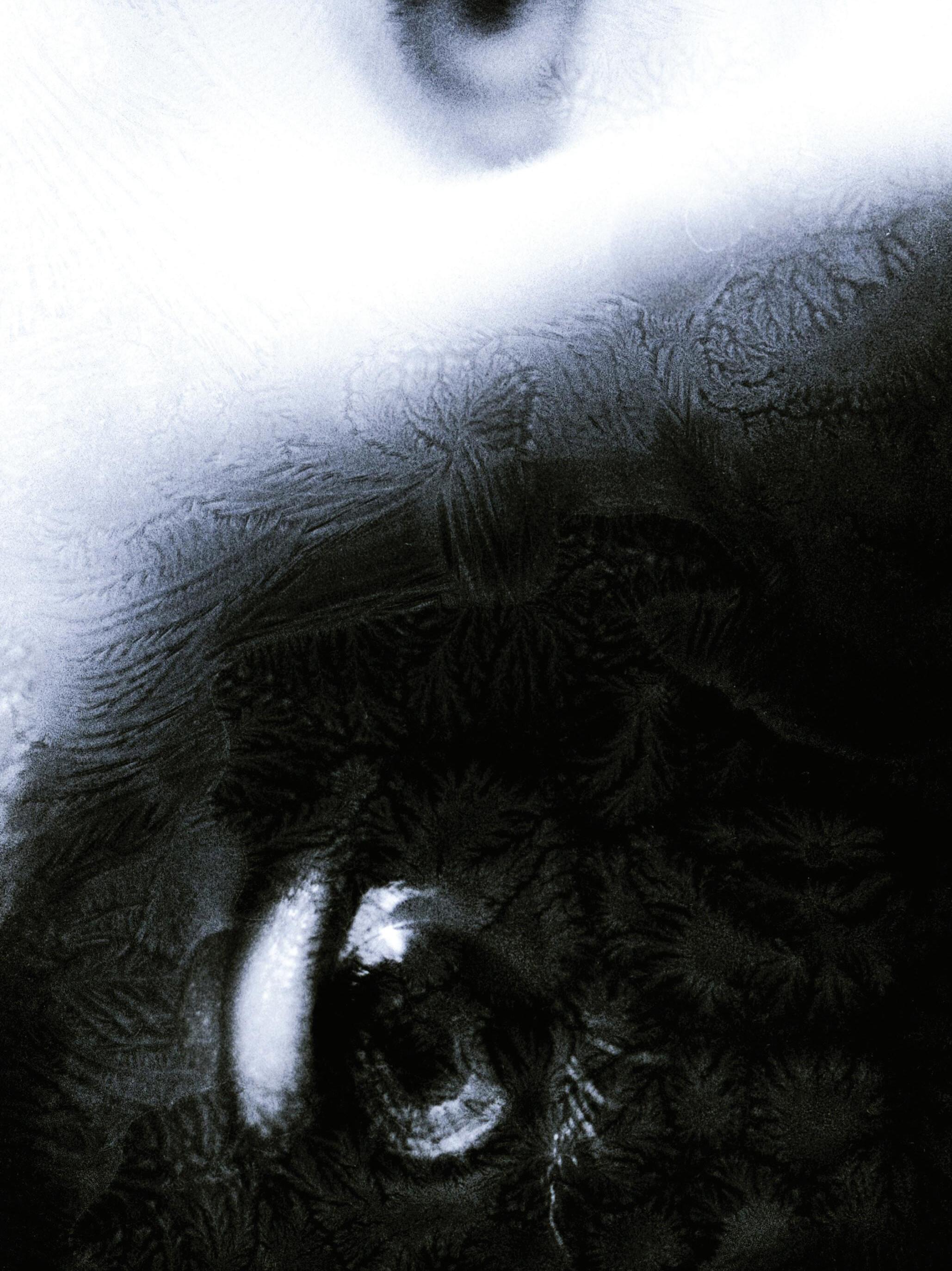
Who stole a child And called it holy
L&S Spotlight
Author Interview with Brooke Champagne
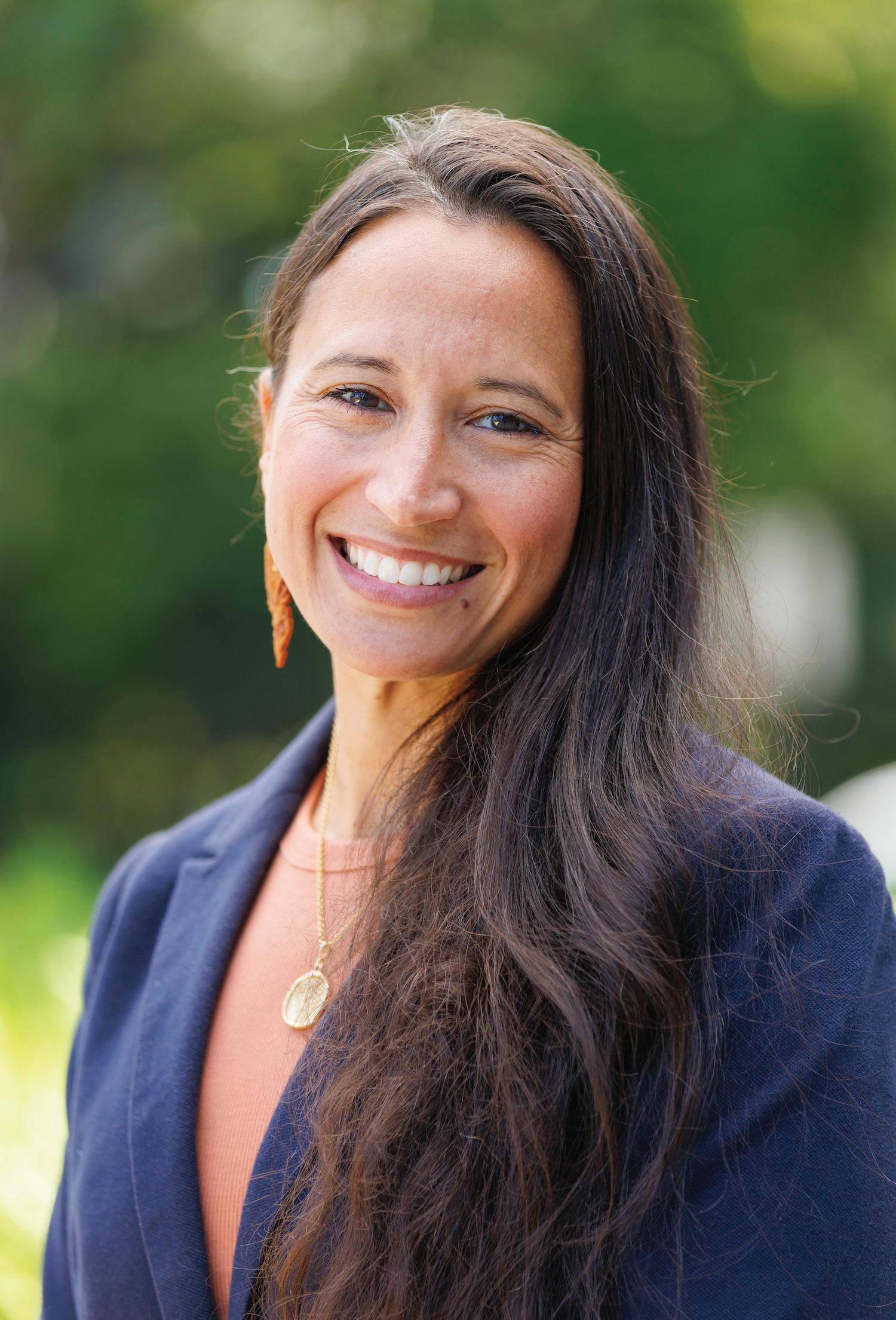
Brooke Champagne is a native New Orleanian and the award-winning author of Nola Face: A Latina’s Life in the Big Easy, named a Best Book of 2024 from Kirkus Reviews. Her work has been selected as Notable in several editions of the Best American Essays anthology series, and she is the recipient of the 2023-2024 Alabama State Council on the Arts Literary Fellowship in Prose. She is at work on her next book project, Drive-Thru Daiquiri, which will be published with LSU Press. Champagne lives with her husband and children in
Tuscaloosa, where she is Assistant Professor of Creative Writing in the MFA Program at the University of Alabama.
After doing a wonderful reading at UNA in the Fall of 2025, Ms. Champagne agreed to do a brief interview with the L&S staff on her essay collection “
Questions for “Two Lies and A Truth: Comedy or Tragedy?” introduction:
1. You describe yourself operating under the tragic and comic frameworks. What does your writing gain or lose when you move between frameworks?
It’s tricky: even when writing about tragedy, I don’t think anyone seeks to define themselves or their circumstances as tragic. Or if they do, they’re likely to make themselves unintentionally hilarious. I would prefer to be intentionally hilarious, without seeming like I’m trying hard to do so. I suppose it’s a sort of yin and yang scenario: if one lingers too long over either framework, they’re in danger of becoming completely subsumed by one or the other. And I think all humans are just a crazy, unpredictable mixture of both. So to answer your question, I don’t think anything is lost by moving between frameworks. On the contrary, all that can be lost is staying stuck inside either one for too long (and I mean this in the context of being a writer and a human).
2. Your analysis often merges classical reference, pop culture, and lived New Orleans experience. What draws you to that particular mixture of registers? Do you think this hybrid approach helps illuminate Burke’s ideas differently than academic treatments would?
My father is responsible for one of the meanest comments about Nola Face, when he told me, “It’s very academic in parts. Maybe too academic.” (For the record, he added that if I had included more of his character, the book would’ve been a bestseller. Readers of Nola Face will understand the hilarity of my father wanting more of him in there). He was laid up in a hospital bed with a broken leg when he told me this, and I should’ve felt sympathy, but truly he made me want to break his other leg. The truth is I’ve fought long and hard to be taken seriously as a writer, and that meant reading serious works by serious (and
yes, academic) writers and often emulating their styles. But then the part of me that’s buckass-crazy-south-Louisiana-bayou-bitch who also emerges to have her say, and to speak in the language with which she was raised. So all of these registers represent facets of my code-switching self. As Whitman announced a century and a half ago, we all contain multitudes, and part of the joy of writing (yes, there’s hatred as referenced below, but also much joy) is getting to express these different facets of ourselves.
Questions for “How Not To Hate Your Writing”
1. Much of your text mocks the desire for a “great beginning.” What do you think the myth of the perfect opening does to writers psychologically?
The writerly pressure to start with a real banger of a sentence—with the absolute perfect combo of image, idea, and voice—makes us (or me) want to give up before we even start. There are millions of ways to begin, and how do you start in a way that makes the reader, like a potential romantic partner, both love you and never want to leave you (a.k.a. keep reading)? I like how you phrase this question as “myth,” because there’s no perfect way to do it: there’s just the discrete invitation writers offer within each discrete piece they write. My openings always undergo the most scrutiny and hair-pulling from me. I tend toward what I call a bowling-ball type opener, as in, swift and bold and makes a racket at the end of it. But I love quieter openings as well! Like I said, there are a million ways to accomplish a “great beginning,” and in the end I’ll always believe it could’ve been even better. The truest thing I can say about openings, closings, and middles of essays is that all of it requires a Herculean amount of revision.
2. The text is built on cycles of trying, failing, trying again, and mocking the whole enterprise. If you had to name the secret belief about
writing you hold but rarely admit publicly, what would it be?
I don’t know if it’s really a secret, and maybe it’s what I’m trying to say throughout this entire essay: writing isn’t magic. It’s not sexy. For me it contains a lot of self-hatred, masochism, and a mostly just a lot of work. I also have come to reorient what my original ideas of “talent” even means. I’ve taught writing and written for decades now, and my developing definition of talent really equates to stubbornness and perseverance. As in, continuing to write even when you suck (even if that suckage lasts for weeks, months, or years). Continuing after months or even years of external rejection, continuing on simply for the art and process of making it. Sure, I admire the talent involved in seeing the world in an unusual or even visionary way, but no one who writes in that “talented” way came to those words having just fallen out of their heads. The struggle is ubiquitous and it’s real. If you like a struggle of any kind, then perhaps writing is for you.
Questions for “The Case for Cunt”
1. You describe swearing as both an inheritance and a rebellion— something you absorbed from your father but later recalibrated because of the ways Latina women are read. How do you think linguistic inheritance shapes the self differently for daughters than for sons?
I think, unsurprisingly, that women’s language is generally more scrutinized than men’s, for all the boring, familiar reasons. All I can say is that while I truly try to face my children’s ideas and their words in a gender-neutral way. In other words, yes, they are female and male, but there’s no inkling in our house of “this is how girls/boys talk/dress/ behave.” We try to be good people, and kind people, and funny people, and sometimes these traits are countervailing, but we work it out through language that is not always polite (both kids know there is a strong distinction between home speech and public speech). I guess
I’m trying to tell you that I have not, in my actual life, met the standards set in this essay. I have tried to curb my cursing for both my children’s sake, but I’ve failed more than I’ve succeeded.
2. You try to curb your swearing for your daughter’s sake, despite your devotion to linguistic honesty. What surprised you most about the tension between authenticity and modeling behavior as a parent?
I identify deeply as a profane language artist, which is a highfalutin way of saying cursing is my motherfucking jam. But I do not want my children raised by wolves, as I was raised, so cutting the cursing really did make me feel like less of myself when they were younger while I was writing this essay. That said, early motherhood is a wonderment and all of that, but also felt at times inauthentic. Someone (patriarchy) created some ideal Perfect Mother archetype that’s attainable by precisely no one. There’s no playbook for parenting; everyone tells you “this is how you do it” and there are a million different answers, most folks think their way is the best, and I personally felt like a middle-aged Holden Caulfield out here with all these phonies showing off their big parenting wins on social media. Meanwhile I was thinking, “Fuck them all. I love saying ‘fuck,’ but I can’t. Because: children.” Long-winded way of saying it felt wrong that I couldn’t talk to my children in the manner I was used to speaking. I had to teach myself, in a sense, the gentler, dumbed-down of speaking with kids (without speaking down to them). Now that they’re older, 10 and 6, it’s not like I’m f-bomb and c-bombing round the clock, but they understand the difference between public and private languages, and how curses can be useful in ameliorating pain (true scientific fact!) and in the service of humor. I’m happy to report both my children find me authentically hilarious, and a model parent.
3. You draw a sharp distinction between bodily profanity and racial profanity—and argue that one remains culturally permissible while the other carries moral weight. Why do you think contemporary America is more scandalized by certain words than by systemic harm?
I recently read a gorgeous book by Australian author Charlotte Wood entitled Stone Yard Devotional. In one of the moments that hit me hard, the narrator says she’s always despised the characteristic of self-pity in other people, and an acquaintance responds that the reason is because the narrator herself is so self-pitying. As the acquaintance reminds the narrator, “we all hate the mirror.” I found this heart-stoppingly, profoundly true. We do hate the mirror. As a writer of nonfiction, whose work it is to tell the truth about my life…I too hate the mirror (that’s why it takes me so long to finish an essay: to find and tell the unvarnished truth about myself and how I see the world, well dammit, it hurts). And collectively we as Americans certainly hate the mirror. We’re still unable to identify any genocide we’ve led or supported, or even recognize why we fought the Civil War. We’re perfect, basically, some might even say exceptional. The obverse is also true: it is not looking in the mirror when some say this country is fully terrible and not contributed anything besides carbon pollution and genocide to the planet. The mirror sees the flaws and the beauties at the same time, and I don’t think we’re collectively ready to do that. It’s much easier to say small, discrete things are bad (like particular words) than longheld injurious policies. So that all takes me back to the swear words: it’s simply easier to point to a single word or moment as cause for injury than digging deeper at the systems contributing to our greater ills. If you want to know the truth, it drives me fucking nuts.
You Make a Fool Out of Me
by Kolby Campbell
I find myself pondering every night, the reasons why I need not to see you only to find myself between the devil and the sheets of your bed. My mother warned me of voices like yours: soft like a cloud, sweet like blackberries, always speaking things that are too good to be true. You make a fool out of me every time I come back around.
I hope you’re happy.
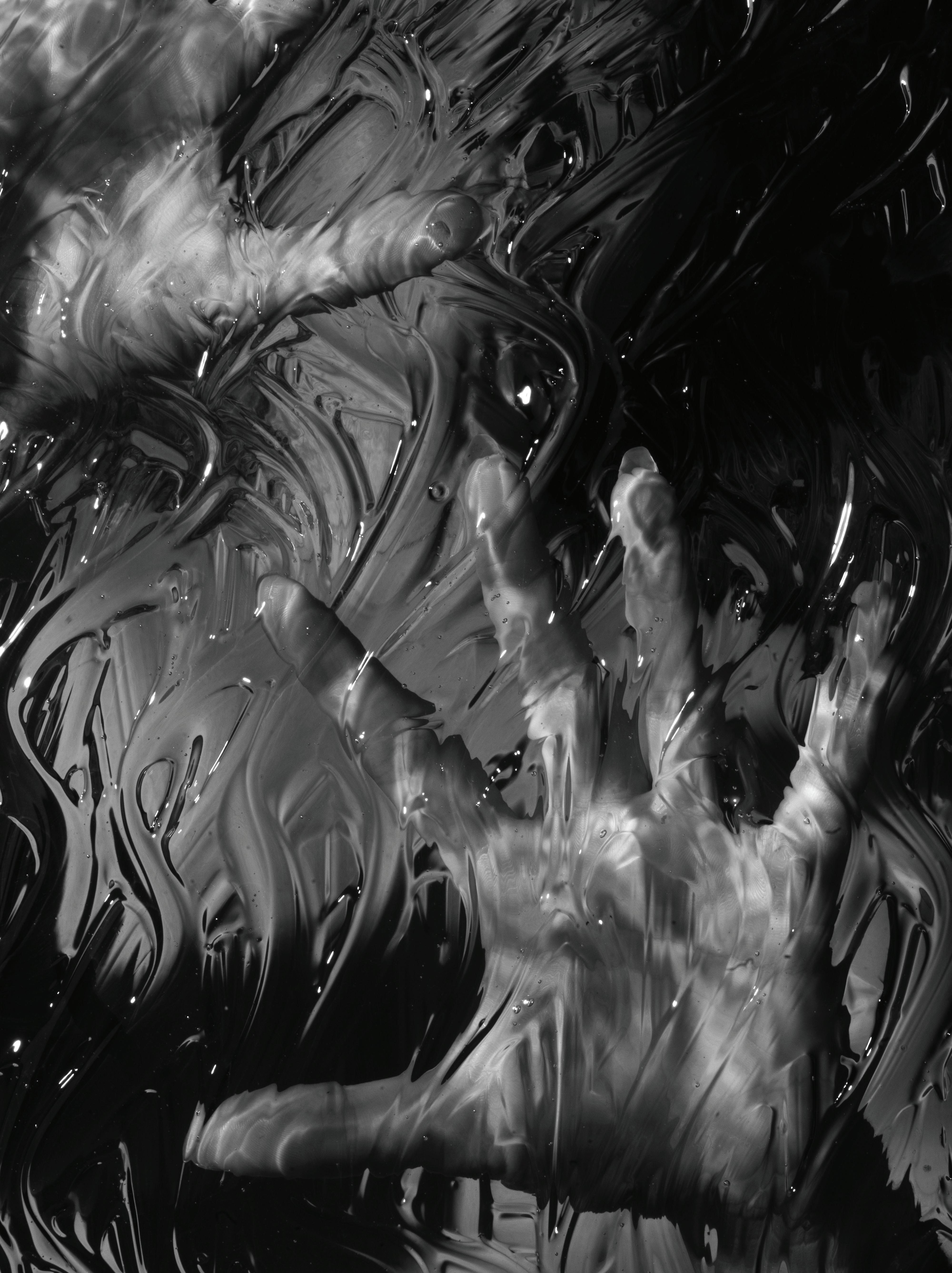
Waves by Whitney Veazey
Memento Mori
by Olivia Williams
Standing against the wall of my childhood bedroom, against my unfinished blue-painted wall, is a cabinet full of dead things. A chipped green cabinet, which threatens to fall apart at any moment, holds years’ worth of interest and hundreds of dollars in hobbies. There is a wide variety of wares that can be found in this repurposed China cabinet. Are you looking for a dog skull or two? Maybe a preserved axolotl? What about two articulated rat skeletons that are positioned in such a way that they form a heart? If any of these things are what you are searching for, I can definitely hook you up. Much to my mother’s chagrin, this collection has been a part of my life since I was a child. This collection started small, with things like dead butterflies and moths, or an abandoned migratory bird’s nest full of cracked and dried eggs, which my parents were kind enough not to call the game warden about. This shrine to death has grown and transformed along with me for most of my life.
From a young age, I recall being both fascinated and completely repulsed by the concept of death. If I were anything as a child, I would be anxious. Any small uncertainty would send my mind racing and, as someone who was raised in the church, you can imagine how often I was forced to grapple with the concept of death and its permanence. Every Sunday, I filed into the stiflingly hot church to hear the pastor explain to his congregation that death was permanent, but nothing to fear. Death’s permanence, as was explained to me, was meant to be my reward, not my biggest and most encompassing fear. My anxiety hated this concept, often sending me into fits of hyperventilation seemingly
at random over my fear and guilt. The adults in my life never seemed to experience these fears that I had. I often wondered what I was doing wrong that left me so crippled with fear when no one else felt this way. This intense fear soon bred an equally intense obsession that constantly hung over my subconscious, suffocatingly like a thick wool coat.
I remember a period of time where I was terrified of going to sleep because I might pass away and be unable to do anything to stop it. I would lie awake at night, constantly fighting sleep, only succumbing to my exhaustion when I could no longer physically hold my eyes open. Every night, I found myself praying in the darkness of my room for God to let me live just one more day and, if that could not be the case, for my death to truly be the reward I had been promised. Unable to fully understand ideas of death and the afterlife, my childhood prayer played on a loop in my brain as the nights would drag on. “Now I lay me down to sleep, I pray the Lord my soul to keep,” I prayed earnestly. “If I die before I wake, I pray the Lord my soul to take,” I echoed in my mind an innumerable number of times. This obsessive anxiety extended to others around me as well. I developed a specific rule in my head that if my parents were to be out any later than 9:00 PM, the probability that they had died in a car wreck would significantly rise. My poor grandparents regularly and begrudgingly had to call my mother and tell her to wrap it up before I went into a full-scale meltdown as the night stretched on and my parents still had not come to pick me up. All these habits, a therapist would later inform me, were obsessive-compulsive disorder, but as a child, I considered it to be a deeper understanding of the world that only I possessed. I hated the idea of death, yet it absolutely consumed my waking and sleeping thoughts. In my childhood brain, death was around every corner, constantly waiting to snatch my family members and me up whenever I least expected it in the most unkind fashion it could manage. Because of this, I confused my anxiety with vigilance and deemed it to be my duty to keep on a constant lookout for my sake and the sake of others.
It was around the age of nine or ten that I first remember becom-
ing interested in collecting my dead things. My grandparents owned a farm, and I remember staring fascinated at the leftovers from a coyote or hawk’s most recent meal behind their barn. Scenes like these were not uncommon on a farm, and I would frequently find myself absolutely enthralled by the carnage regardless of how the smell threatened to reward me with a physical reminder of my lunch. I would crouch close to the soft grass and observe the remains carefully, noting the slow bleaching of the exposed bones in the sun’s scorching light. I became particularly interested in the skulls of these poor creatures. I would stare for several minutes uninterrupted at their empty eye sockets and mouths forced open by the previous night’s rigor mortis. I began to find a profound and strange beauty in these gruesome scenes that led me to follow the process of decay as it progressed day after day.
As I stared at whatever remains had found themselves within my line of sight that day, I would mull over the life of the animal. How old had it been? Did it die in pain? Was it scared when it died? Could this poor thing even conceptualize its own death as it was happening? This sometimes made me incredibly emotional as I weighed the possibility of my answers. I would hold the sun-dried bones in my hands and try my hardest to understand what these animals could have possibly been experiencing as death finally came to knock at their door. I asked my grandmother one time if animals were scared of death. She told me that animals were not smart enough to be scared of dying. I found myself envious of this idea of lacking the proper understanding required to fear death. I continued with my observations on death for a few months before I found the courage to begin bringing these reminders of mortality home with me.
This newfound habit of mine, of course, initially worried my parents that they might have had a budding serial killer on their hands. I heard the disgust in my mother’s voice as she barked at me to get away from the carrion I found myself squatting by. If nothing else good came from this peculiarity I exhibited, my parents ensured that I washed my hands more often than any child my age probably ever had
in their entire life. I began to bring home dead beetles by the handful, random assorted bones I found lying among scattered fur, and fistfuls of discarded bird feathers. My parents, while as wonderfully patient as they could muster with me and my new hobby, discarded these things when I was not paying attention. My grandparents began to encourage this habit for the sole reason that it meant I would stay outside rather than watch TV all day. Slowly but surely, after weeks of repeating this secret disposal process with me, my parents relented and allowed me to keep a few specific types of things in our house when they saw that my interest in this subject did not seem to be waning. Feathers and birds’ nests were okay, along with small bones that had been extensively washed with Dawn dish soap. They could not quite bring themselves to see the same beauty I did in the skulls and bugs, but I was willing to accept small victories. I would hold and observe my small treasures for hours in my room after they had passed my mother’s cleanliness test.
As I got older, I could tell my parents expected me to grow out of this strange childhood habit of mine, but I only dug my heels in further. I began to bring home books from the library if they looked like they had anything to do with bones, and once I was old enough to be trusted with internet access, I would scroll endless pages of information regarding bone and bug identification. My collection continued to grow until I was finally rewarded with a place to keep it. I remember the day my father rolled the old green China cabinet into my room with its chipping paint and foggy glass. A hand-me-down from my great-grandmother, my parents had no place to put the cabinet in the house, but could not bring themselves to get rid of it. I made promise after promise to my parents to clean it and take great care of it if it meant a place to display my collection. I was ecstatic as I smeared glass cleaner on the thin panes and planned in detail where each individual specimen would sit in its new home.
As time began to pass, which I only see now in retrospect, my death anxiety began to lessen. I found myself sleeping much easier at night and no longer habitually checking the clock when my parents were away from home. Gone were the days of waking my mother in the
middle of the night to calm me down after a particularly vivid dream of my own death. It is impossible for me to say for certain whether this was due to my interests in the dead or simply from outgrowing a childhood fear, but I choose to believe my hobby at least played a small part. To this day, I continue to add to my collection, whether this be from my own findings or purchasing pieces from someone else. My parents have come around significantly, though my mother still refuses to handle any of my pieces. Christmas, my birthday, and anniversaries almost always see me adding something new to the cabinet, as my family and friends also help my collection grow. Soon, I will outgrow the old and creaking China cabinet and will require a new display for my collection, but regardless of where my treasures find themselves, they will always carry with them the ghost of a version of me lost to time. Within those old and hollow bones and preserved insects lies a nagging fear of death, overshadowed by the beauty I see when I look at them.
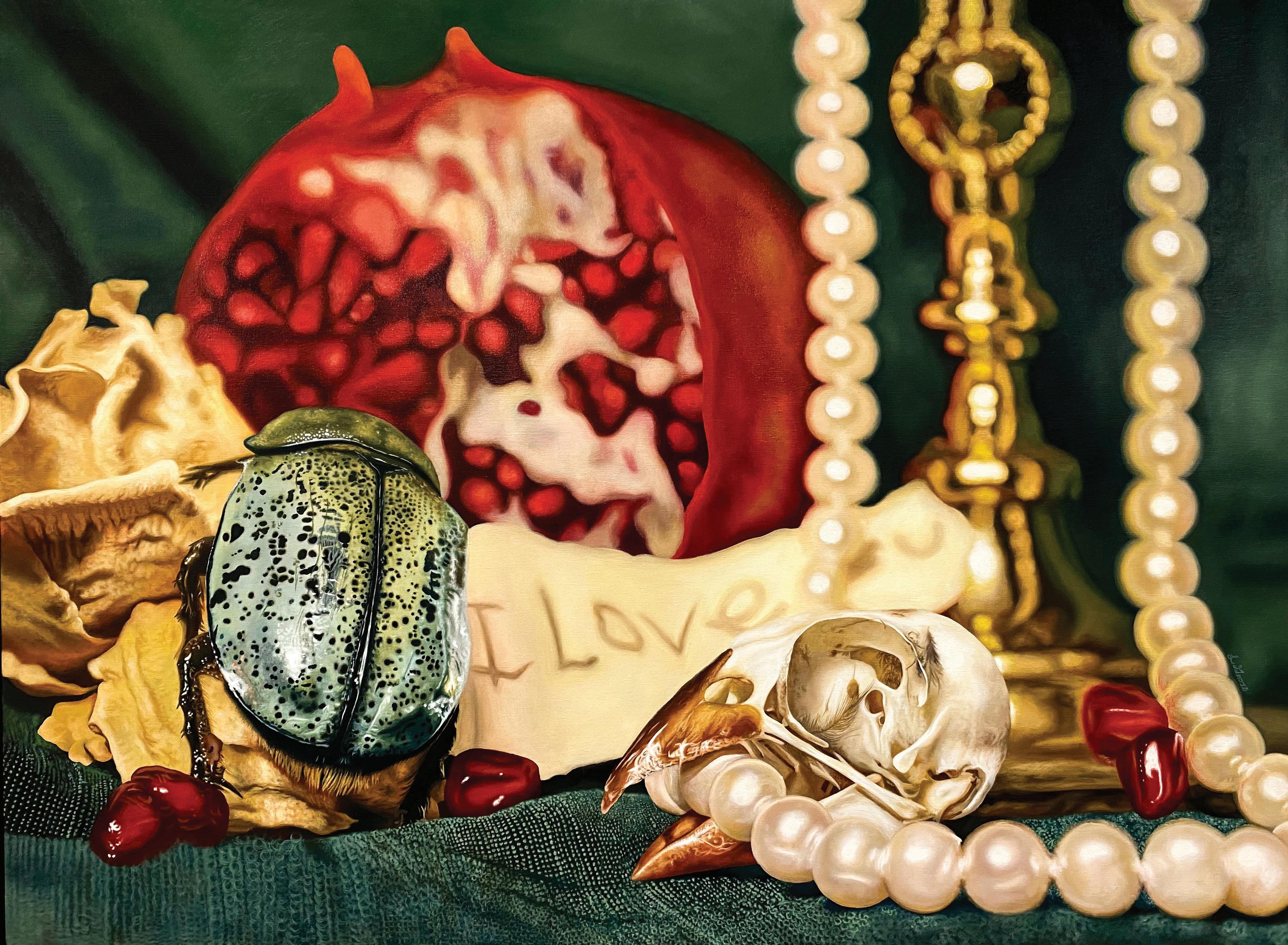
Memento Amore by Lacey Gross
Ashes of Fucoshima
by Chloe Brubaker
The planet Bishingo was a world built on contradictions. Its skies stretched wide and endless, painted each morning with suns that bled lavender across the clouds, and its oceans carried the shimmer of life in colors Earth had no words for. But beneath that beauty lived the scars of centuries — scars carved by blood, by chains, and by war. Humans had not been free here. They had not come as pioneers, nor as guests. They had shown up to Bishingo generations ago and were pressed into servitude. To the Keno nations that had once dominated the continent, humans were tools — to be bent, broken, and used. They had tilled fields until their bodies failed, carried stone until their backs shattered, and obeyed until their voices were stolen from them. But not all nations agreed.
Fucoshima, Yazmina’s homeland, had risen in defiance. They had seen humanity not as property, but as equals. The fight had torn through politics first, then through blood. Now the continent burned in war, not just for territory, but for the soul of Bishingo itself. Nanatome, to the north, refused to let go of their power. To them, humans belonged in chains. To them, Fucoshima’s defiance was treachery. And so, regiments clashed across the borderlands, humanoid soldiers with animal features — Keno of every subspecies — locked in battles where neither side showed mercy.
Yazmina stood at the heart of it all.
Her purple hair fluttered faintly in the cold wind as she knelt at the ridge, her sniper rifle cradled against her shoulder. The rifle was long,
heavy, and painted in matte dark colors to blend with the night. Its scope glowed faintly as she peered through it, eyes sharp, trained to pick out movement in the dark.
Beside her crouched Sammy, her sister, lavender hair and feline ears catching the faint light of the moon. She cradled her bulldog gun, its barrel humming softly with the energy of compressed plasma rounds. Sammy looked like the embodiment of calm, though Yazmina knew better — that calm was the practiced poise of someone who had been through hell and refused to break.
“Nothing moving on the ridge,” Yazmina murmured, her breath fogging the scope’s lens.
Sammy scanned the treeline below, ears twitching. “Too quiet,” she said, voice low. “Not even a bird since we crossed into the border zone.”
Yazmina’s stomach tightened. The border between Fucoshima and Nanatome was never quiet. Patrols clashed too often, and scouts ran into one another in the night. Quiet here was not peace. It was stillness before a storm.
She shifted her weight, her boots crunching faintly against the frost-bitten dirt. “Command wanted eyes on Nanatome movement,” Yazmina muttered. “I don’t like it, but we can’t go back empty.”
Sammy’s lips quirked faintly, though her eyes stayed serious. “We won’t. Just don’t get yourself killed. I’m not patching you back together twice in one week.”
Yazmina smirked despite herself. “Worry about yourself. That bulldog gun of yours isn’t exactly long-range.”
Sammy’s ear flicked, but before she could reply, Yazmina froze.
The air shifted. The ridge seemed to breathe.
Then the ground below erupted.
Dozens of soldiers burst from the treeline, then hundreds, a regiment rising from the shadows as if they’d been waiting in silence all along.
Armor gleamed with Nanatome’s colors, blades flashed in the dark, and faces twisted with snarls that showed both fangs and fury. Humanoid soldiers, their features sharpened with animalistic traits — scaled skin, clawed hands, slitted eyes, horns that caught the moonlight.
It was an army, and it was already surrounding them.
“Down!” Yazmina barked, snapping her sniper up. Her first shot cracked like thunder, plasma-charged, ripping through a soldier’s chest in a flash of violet light. Sammy followed a heartbeat later, her bulldog barking plasma bursts in rapid fire, each shot sizzling through armor and flesh.
But for every soldier that fell, ten more surged forward.
“They knew we’d come,” Sammy growled, firing into the mass. Yazmina’s mind raced. There were too many. Retreat was impossible. If they fell back, the regiment would chase them straight into Fucoshima’s defenses. They couldn’t outrun this.
Her pulse thundered in her ears. She felt it stirring inside her — that other self, that monstrous form she kept buried. Her body trembled with the heat rising in her veins, her breath coming fast. She had sworn to keep it leashed. But now, with the regiment closing in, claws and steel glinting under the moon, she knew.
There was no other way.
She let go.
The pain was instant, searing, tearing her apart from the inside. Her rifle clattered to the dirt as she dropped to one knee, choking on her own scream. Her bones stretched, cracked, and snapped, reshaping into something monstrous. Plasma burst through her skin in glowing violet streams, dripping as molten black liquid that hissed and scorched the ground wherever it fell. Her body expanded, muscles tearing and reforming into black and purple coils of burning plasma. Her skull split and reformed, jaw lengthening into a skeletal snout
lined with jagged fangs. When her roar tore free, it wasn’t human. It was a sound that made the ridge itself tremble.
Ten feet tall. Seven feet long. Her body radiated unbearable heat, waves rolling off her form, searing the very air. Every drop of the black plasma that spilled from her body hissed like fire meeting water, eating into the ground beneath her claws.
The regiment faltered.
For the first time, fear flickered in their eyes.
“Yaz…” Sammy’s voice cracked — awe, sorrow, and fear mingling. But her gun never wavered. She set her feet beside Yazmina, ready to fight at her side.
The first wave of Nanatome soldiers screamed and charged.
Yazmina surged forward, claws dripping plasma. Her tail lashed, carving through three soldiers at once, their bodies igniting as molten heat consumed them. She swung her clawed hand, tearing through armor like paper. Each strike dripped burning black liquid, and every drop seared through flesh and soil alike.
Sammy’s bulldog roared beside her, plasma rounds shredding soldiers who dared flank them. Her movements were precise, efficient — bursts of fire, then a pivot, her ears twitching as she listened for the next threat. When Yazmina stumbled, a spear wedged in her burning flank, Sammy was there, ripping it free and sealing the wound with a flash of her healing light.
“Stay with me!” Sammy shouted, voice cutting through the chaos. But Yazmina was already losing herself.
The beast inside her howled with every kill, feeding on the fear, on the slaughter. Her claws sank into a volcanic soldier’s chest, plasma burning through armor and bone. She whipped her tail, smashing an aquar soldier into a tree with such force that the trunk splintered in half. Arrows thudded into her, spears pierced her flesh, but the heat of her body melted them before they could slow her down.
Sammy darted in and out of her shadow, hands glowing with healing energy, keeping Yazmina standing when her body threatened to collapse.
The battlefield became fire. Plasma hissed and dripped, scorching the earth until the ridge glowed faintly with heat. Smoke choked the sky, and the screams of Nanatome’s regiment drowned beneath Yazmina’s monstrous roar.
Minutes felt like hours. Hours felt like eternity. And then, silence.
Yazmina stood alone among the dead, her chest heaving, her claws dripping. The regiment lay broken around her, hundreds of bodies littering the ridge, their armor melted, their faces frozen in terror. The black plasma from her body still hissed where it had fallen, eating into the ground, leaving pits of smoldering stone.
The heat radiating from her body flickered, dimmed. The monstrous form trembled, cracking, collapsing in on itself. She fell forward, crashing to the ground as her body shrank, plasma dissolving back into her skin, claws retracting, skeletal jaw reshaping.
When it was done, Yazmina lay in her human form, broken and bloodied, her purple hair plastered to her face with sweat.
Sammy dropped beside her, hands already glowing, voice ragged with exhaustion. “Don’t you dare die on me now… Yazmina, stay with me!”
But Yazmina’s world faded into black. She woke in white light.
The medbay smelled of herbs and sterile steel. Machines hummed softly around her, bandages wrapped tight across her body. Her chest ached with every breath.
For a moment, she stared blankly at the ceiling. Then the memories came back.
The screams. The fire. The soldiers burning in her claws.
Her hands shook. She pressed them against her face, but she could still feel it — the blood, the heat, the bones cracking beneath her claws.
“I killed them…” Her voice broke, hoarse and raw. “I killed them all…”
Tears stung her eyes, spilling hot down her cheeks. She curled forw sobs tearing out of her throat. The monster’s laughter still echoed in her mind, whispering that it had been glorious, that it had been right. But her heart rejected it, crushed beneath the weight of what she had done.
The door creaked open.
Sammy entered, exhaustion etched into her lavender features. Her ears flicked faintly when she saw Yazmina awake, but her eyes softened.
“Yaz…” she whispered.
Yazmina shook her head violently, choking on her sobs. “Don’t look at me like that. Don’t you see what I am? I slaughtered them. An entire regiment. I didn’t even think, Sammy — I just… killed. I don’t want to be that thing. I can’t—”
Sammy crossed the room in silence, dropping onto the bed beside her. Without hesitation, she wrapped her arms around Yazmina, pulling her close. Yazmina trembled, sobbing into her shoulder, but Sammy didn’t let go.
“You did what you had to,” Sammy whispered fiercely. “If you hadn’t, neither of us would be alive. Fucoshima would’ve lost ground. You saved lives — mine, and countless others. That doesn’t make you a monster.”
“I don’t believe you,” Yazmina wept. “I can still feel it. The heat, the blood—”
“Then let me carry it with you,” Sammy said, her voice breaking but steady. “You’re not alone, Yazmina. You’ll never be alone. I’ll bring
you back every time. No matter what.”
Yazmina’s sobs tore harder, but for the first time since the battlefield, she let herself lean into Sammy’s embrace. The war outside raged on, but here, in this fragile space, she was just a soldier grieving the lives she had taken.
And Sammy never let her go.

Sexton by Cynthia Yatchman
Nostalgia
by Sam Calhoun
A thrush called over the open field, that noise distant, and then death. Across a wire back home old friends moved in their slow ways to the bars, afterlife of the day, choking down redemption in long curling puffs that sailed through the booze air as the bellow of laughter faded to a cadence that time once taught them and then forgot, catching like a hook around a crescent moon heading toward dawn, that stale act always leaving us with a smile.
by Lacey Gross
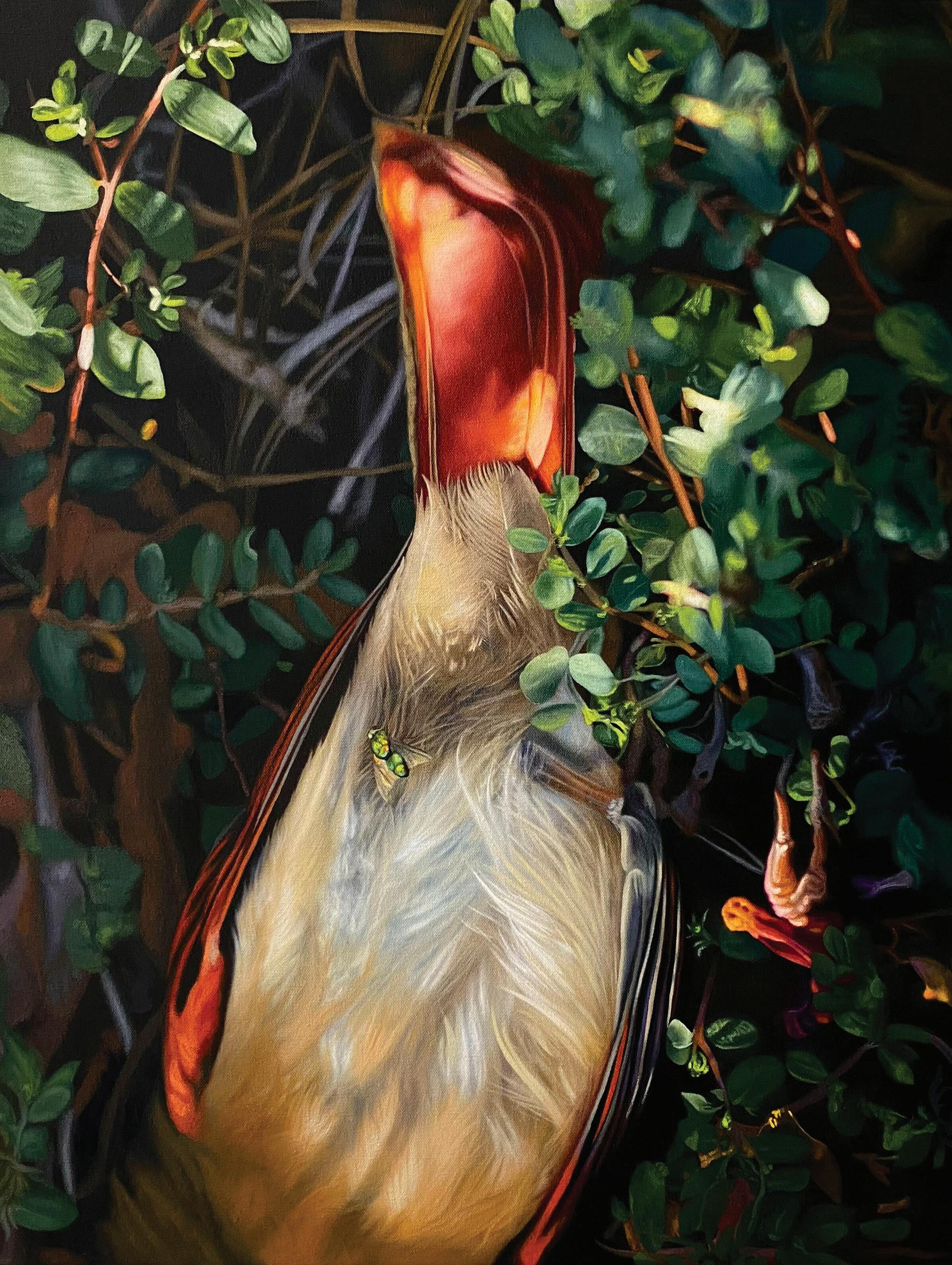
Pencils
by Tim Boardman
My redundant pencils, silent, as though waiting for a summons I have not given. Dust softens their yellow skin eraser ends stiff with age.
The desk holds them still— furniture older than my adulthood, its scars of childhood gouges and the dull brass handles that once shone in afternoon sun.
I think of the child who sat here, leaning over paper, discovering that graphite could be gentle, could be fierce, that 2B was best for shading shadows where the light slipped away.
Now I take photographs and write
fast, glowing on a phone, but the pencils keep their silence, their patience, their promise of another kind of looking, slower, less certain, but closer to the truth of touch.
Will I return?



Or are they relics, like the pastel boxes bound by rubber, objects of faith in an earlier self?


The desk, remembers either way. faded,



Body and Soul
by Jen Culver
It was my twenty-fourth birthday, November 1, 1996, and I was smiling and feeling that stupid self-important “it’s my birthday” feeling when I pulled into the gravel driveway in one of the rundown neighborhoods that used to surround Auburn. Those places seem to be gone now.
I was there to pick up John McDaniel, a peer in the M. Ed Auburn program and my friend. It was my week to drive, and I was about thirty minutes earlier than normal. I wanted to get to my teaching internship at Alexander City Middle School early that day. I wanted to get some of my students’ work graded that I had put off doing the night before.
There were only a few weeks left to work with classes of seventh-grade English students, and the grind was getting to me, despite the anticipation of graduation in December. The classes we still had to attend, and the unpaid teaching internship, had really taken their toll. The hour-long drive to Alex City every morning and an hour back didn’t help.
I was driving my gray 1990 Plymouth Acclaim, which I had nicknamed “The Gray Ghost.” It was the best car I had had up to that point, the newest and prettiest I’d ever had. Dad had bought it for me when my old Chevrolet Celebrity died. I was proud of it and so thankful to my parents who had provided it.
John and I headed off to start the day.
John, who always seemed to be adorned in black and gray (or
brown!) plaid, was a big guy. He looked middle-aged at the age of 22; a receding hairline and a dadbod before ever becoming a dad.
He squeezed into the passenger seat, putting his silly black briefcase in his lap, and he rolled down the passenger window; he knew I smoked and he hated it. Well, he didn’t hate it—he was annoyed by it. His fiancée hated it and made him swear never to let me smoke in their car in the weeks that he drove. I didn’t like those weeks.
I pushed in my Billie Holiday cassette tape and lit a Marlboro Light. A gleeful selfishness was part of my personality at that time, I suppose. An indestructible attitude surrounded me, an attitude that was going to take a literal and figurative hit within the hour.
Holiday’s “Body and Soul” started playing. I can’t believe it, It’s hard to conceive it, That you’d throw away romance, Are you pretending, It looks like the ending, Unless I can have one more chance to prove, dear
I felt both young and old. I was looking forward to later that night when my parents were coming in from Montgomery, and we would have a birthday dinner at my grandmother’s house in Auburn.
We passed the gas station that sold greasy sausage biscuits wrapped in Saran Wrap; we decided not to stop that morning. Too many people were crowding around the front of the station, drinking coffee, nodding “hey” with sleepy eyes, or cutting up with each other. We passed the antique mall where I had bought Fire King jade coffee cups and saucers just the summer before. The paintball range was not far off. I saw the homemade wooden sign for it in the distance. It was an overcast morning.
Billie Holiday’s aching voice continued, My life a wreck you’re making, You know I’m yours for just the taking, Oh, I tell you I mean it, I’m all for you body and soul
A few minutes into our drive, a GMC truck pulled out in front of me, then, slowly, painfully made its way in the same direction I was going, making me have to go much slower than I preferred. There was
a four-wheeler in the back of the truck, rocking a little.
Cussing a little under my breath, I followed the truck onto Highway 280’s curvy, deep ditched, kudzu-ensconced two-lane highway.
John was reprimanding me for my language and how I should be more of a lady.
I told him to shut up. The topic of my birthday came up, and John told me I “wasn’t a spring chicken” anymore, now that I was 24— that annoyed me, wondering if he was right. (Now, of course, that thought makes me laugh a bit).
The oncoming traffic was heavy as I approached a hill. Heavier than normal. I guessed that, since I was earlier than usual, this must be the way it always is at that time of day. A blank face behind each wheel speeding by. A gray mist fell over the hills of cows grazing and hovered at the top of the trees.
Suddenly, I saw something really weird and unexpected: there was a car coming straight at the truck in front of us. I panicked.
Realizing quickly that there was nowhere to go (deep ditch to my right or traffic to my left being my choices), a tidal wave of adrenaline swept through my body.
I thought, “I don’t want to be here right now. Why can’t I be somewhere else?” The car slammed into us with a force I can’t describe. All I can say is that I thought it was over for me and my good friend John.
The sharp smell of tires and fuel. The look on John’s face as we were hit—open mouth in a yell, wide eyes. Scary as hell.
When my car stopped its flight, we were facing the opposite direction, and a little into the oncoming traffic lane.
I “came to” to silence. I couldn’t hear anything, which is something I have since read is common during situations like this.
“Is my soul still here? Did he knock my soul out of my body?”
I honestly thought that.
A quick look at John. He was absolutely still, his eyes still wide open.
I thought, “John’s dead. I have to get out of this car. It’s going to explode.” I had the notion that it would explode, I guess from too many car explosions on TV.
However, the only thing that had exploded was the airbag. Yellow powder, like old, gritty egg yolks, from the air bag was everywhere, especially in my eyes. I squinted my eyes, trying to see better.
I looked down and saw red.
Red was splattered all over my black and white Old Navy pants. My denim shirt as well. I touched my legs; where am I bleeding? How? I did a quick pat down. I looked for pieces of metal that could be stuck in my body. There was, thankfully, nothing jutting out of my body.
I later discovered that the red was from the paint cans that were in the back of the truck in front of me. When the truck had been hit, the four-wheeler had slammed into the cab of the truck, incapacitating the driver. Paint cans went everywhere, including into my windshield, which was now broken.
Brian, the twenty-six-year-old guy who had pulled out in front of me in his truck, the one who had annoyed me and gone so slowly, had likely saved my life, and he had been injured much worse than I had been. He had broken ribs, as well as a broken leg and a broken arm. He was his own boss and had his own business doing some kind of forestry work, which explained the four-wheeler and the paint. This is work that he couldn’t do for over a year after the accident.
I got out of my car after fighting with my seat belt (which thankfully had saved my life) and the door, which was now not wanting to open. I surveyed the scene.
People in the other car lane, now stopped, stared at me with a “Holy Shit” look on their faces, and some were getting out and coming towards me. I couldn’t hear anything they said. I sat down, weak. I
don’t know how long I sat there staring, watching the situation unfold. I didn’t know what to do.
John appeared out of nowhere, his mouth bloody; some of his teeth had been chipped, and one had broken off dramatically when he clamped down hard during the impact. He brushed his wispy brown hair back out of his eyes, “I’m going to help him, Jen. I’m gonna go check on him.”
I don’t even remember being surprised that John was alive. I was surprised he wanted to go help the guy who almost killed us. He said he was going to go down into the ditch with some other men and find out if the guy who hit us was okay.
When he came back up from the ditch crying and telling me about what he saw, I was too furious to feel bad for the man.
“He died, Jen. He died right in front of me.”
That irresponsible man who risked my life, and John’s life, and everyone else’s life on HWY 280. Why? What was so important to pass so many cars on a two-lane road? On a curve? What kind of stupidity? Selfishness?
My anger eclipsed any sadness for that man at that moment.
The man had died of internal injuries down deep in the ditch. Later, we found out that he was twenty-three-years-old, was from Camp Hill, Alabama, and had children already. They found drugs in his system. Which drugs, I have no idea. I suppose it doesn’t really matter.
One of the people who had been going in the other direction and who had come out of his car to help me told us that this man regularly drove like that; he knew one day it would not end well.
I was put in an ambulance; the medics cut the pants off my legs and took a good look, making sure the red was indeed paint and not blood. They flipped the lights and siren on and took me and John, who sat beside me, to the hospital; coincidentally, it was the same hospital I had been born at twenty-four years earlier: East Alabama Medical Center. They examined my knees, which had violently hit the dash-
board. I had issues with them for quite some time. Even now, they are very accurate and painful predictors of rain.
The next day, when my parents and I went to see my car in the tow yard, my dad almost fainted. He didn’t realize how totaled the car was, how mangled. Inside the car were empty Marlboro Lights cigarette boxes, thrown to the front of the car from the back and from under the seats, due to the force of the crash. I saw my Billie Holiday cassette cover. I got out what little was actually worth something. We left.
That was November. John and I continued our internship at Alexander City Middle School for a few more weeks until it was done. He drove us in his black Suburban that was a million years old and had “The Crow” spray-painted on the side of it. Don’t ask.
I remember a lot of silence on the morning drive. I remember not smoking. I just stared out the window and watched the world go by. I would hug myself sometimes as we passed the spot where it had happened every morning; other times, I would stare at my hands and pretend nothing happened at all.
I had a few dreams about the driver who caused the accident and then died from it. One stands out the most: he came to the door of my apartment/dorm at the Caroline Draughn Village, his body a black fuzzy shadow behind the glass in the door. He knocked heavily and did not say anything, yet I knew who he was. He clearly wanted to come in. He was there to see me. I felt sick to my stomach and woke up to vomit.
John and I graduated from the M.Ed program and went our separate ways. He went back to his hometown in Colorado, taught English for a long time, and then became a principal. Now, he’s a superintendent of a tiny little system.
It took a very long time for me to want to drive on two-lane roads, like being the one behind the wheel on two-lane roads. I didn’t trust others on the road for a very long time. Still don’t really, which is probably practical advice.
It also took a long time for me to forgive the man who almost
took me out of this world. The anger I felt for him gave way to sadness and then incredulity about what some people do. About the choices they make to get somewhere fast, about choices they make to “cheat” a system, to get ahead of the rest of the crowd.
Sometimes, when my sons or students ask about why people do the things they do, I quote one of my favorite programs, Mad Men: “Who knows why people do the things they do?”
Being in that wreck on November 1, 1996, changed the way I looked at my own life. I was not invincible. I was lucky. I was blessed. I was given another shot. But I haven’t forgotten about that day. Months after the wreck, I was on the phone with an auto insurance man who kept at me to settle the case. I finally did. I needed it over with. But every birthday, I think about it. I think about it and thank God I made it yet another year.
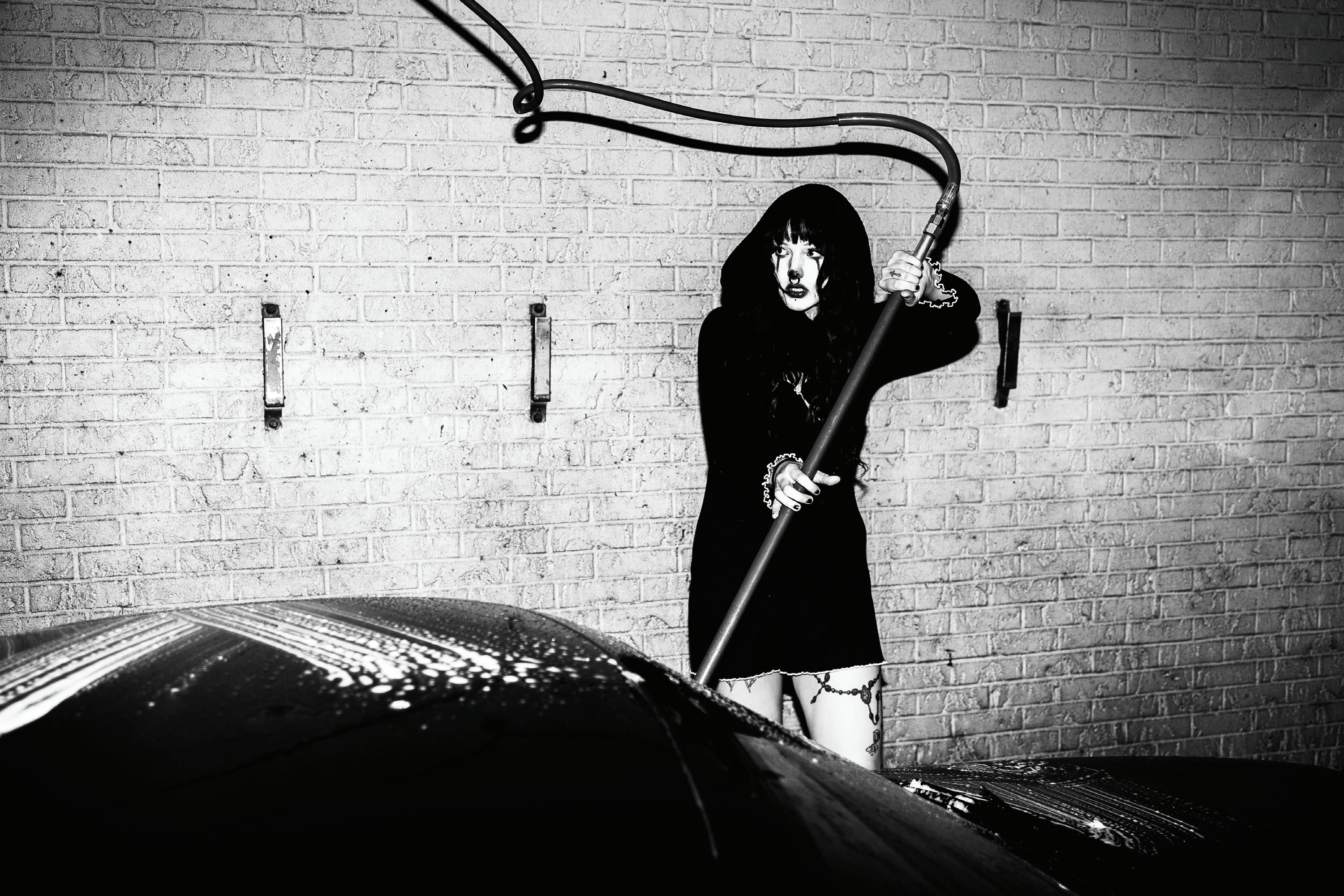
Black Dress Rinse by Braden Potter
The Bond of Hearts
by Walid Abdallah
When hearts unite, no storm can make them fall, Their love becomes a fortress over all.
With mercy’s hand, they soothe the wounded soul, And weave the threads of peace to make it whole.
No hate survives where kindness plants its seed, For love will bloom and answer every need.
A single smile can melt a bitter night, And turn the tears of sorrow into light.
Forgiveness flows like rivers to the sea, It washes pain and sets the spirit free.
The hands that lift the weak are crowned with grace, They build a world where none are out of place.
A neighbor’s cry becomes a sacred call, For every heart is bound to care for all.
Through patience, wounds of anger fade away, And broken bonds find healing day by day.
No wall can rise where unity is strong, Together, hearts compose a noble song.
The stranger’s face becomes a brother’s face, When every heart is filled with soft embrace.
The road is hard, but hope will guide our feet, And hand in hand, the storms we shall defeat.
The threads of love shall weave a robe of peace, And guard the earth till all our struggles cease.
So let our hearts, like lanterns in the night, Dispel the dark and spread their gentle light.
For when we stand as one, with hearts aligned, No force can break the fortress of mankind.
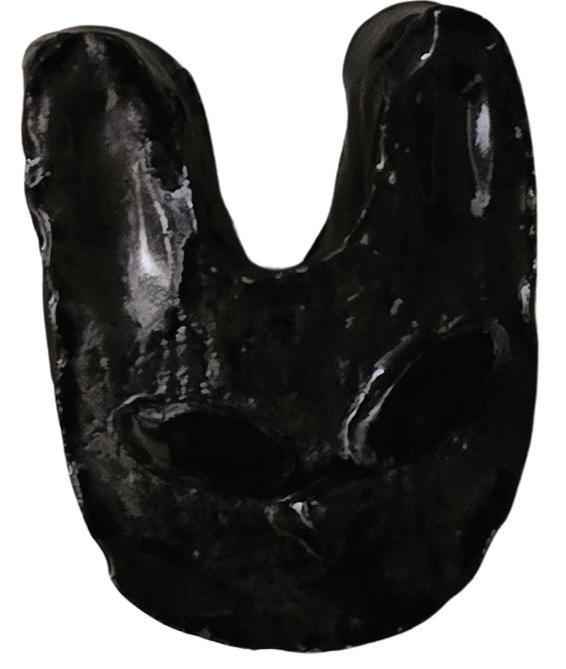
Ceramic by Owen Beasley
The Last Light of the Lighthouse Keeper
by Sajitha Chanaka
The sea doesn’t roar on the Skerries. It hisses. A low, insistent exhalation over the black teeth of rock that claw the horizon, a sound like stone grinding against stone in the throat of the world. Silas Thorne knew that sound better than his own breath. For forty-three years, it had been the bassline to his life, the constant counterpoint to the rhythmic groan of the great Fresnel lens turning in the lantern room above.
He stood now in the gallery, salt spray stinging his weathered face, watching the bruised purple twilight bleed into the North Atlantic. Below, the waves didn’t crash; they slithered, oily and cold, over the submerged ledges, their phosphorescent ghosts briefly illuminating the treacherous path only he and the drowned knew. The Aurora’s Hope, a tramp steamer out of Glasgow, had found that path thirty years ago. Silas had seen her lights vanish, swallowed whole by the sudden fog that rolled in like a shroud. He’d sounded the foghorn until his throat bled, but the sea kept its secret. Only a single lifeboat, empty save for a waterlogged logbook and a child’s knitted cap, ever washed ashore. He kept the cap in a drawer in his quarters, a silent, damp weight.
His hands, gnarled as driftwood, rested on the cold iron railing. The arthritis was worse these days, a deep, grinding ache that mirrored the sea’s hiss. He’d ignored the letters from the Maritime Authority. “Modernization,” they called it. “Automation.” “Redundancy.” Cold words for the slow extinguishing of a life’s purpose. The new light – a soulless, solar-powered LED array mounted on a skeletal tower a hundred yards inland – would flicker on at dusk tomorrow. His light, the great, gasping, beautiful heart of Skerry Rock Lighthouse, would be si-
lenced forever. Decommissioned. Like him.
Inside, the lighthouse breathed its familiar sighs. The damp stone walls wept condensation. The old clock on the mantel, wound daily without fail, ticked with the stubborn persistence of habit. The smell was a complex tapestry: salt, damp wool, lamp oil, stale tea, and the faint, metallic tang of the sea itself. Silas moved through the narrow rooms with the ingrained economy of a man who knew every creaking floorboard, every drafty corner. He lit the paraffin lamp on the table, its warm, flickering glow a stark contrast to the sterile efficiency promised by the new light. He made tea, strong and bitter, in the same chipped pot he’d used for decades.
As he sipped, his gaze fell on the logbook. Not the official one, filled with weather reports and ship sightings, but the other one. The one bound in worn leather, its pages thick with his own cramped script, filled not with data, but with… observations. Not of ships, but of light. How it fractured on the waves at dawn, painting the water in shards of liquid gold. How the moonlight turned the fog into a cathedral of silver mist. How the beam, sweeping its 270-degree arc, carved temporary tunnels of visibility out of the consuming dark, brief sanctuaries for any soul adrift.
He’d started it after Aurora’s Hope. Not as a record, but as an anchor. A way to hold onto the beauty that existed alongside the terror, the reason why the light mattered beyond mere navigation. Why he mattered. He’d written of the bioluminescence that sometimes turned the sea into a field of fallen stars, visible only when his own light was momentarily eclipsed by the turning lens. He’d described the way raindrops caught the beam, becoming fleeting comets. He’d noted the rare, perfect stillness when the sea became a mirror, reflecting the lighthouse beam back upon itself in an infinite, dizzying loop.
He opened it now, the pages crackling softly. His finger traced a passage from ten years back: “Tonight, the beam caught a flock of migrating geese, high and silver against the black. For three sweeps, they flew within the cone of light, transformed into spectral angels. Then
they vanished into the dark beyond, leaving only the memory of wings and the hiss of the sea.” He closed the book, the memory sharp, almost painful. Beauty was fleeting. Purpose, it seemed, was even more so.
A sharp rap on the heavy oak door shattered the quiet. Silas frowned. Visitors were rare, especially this late, and rarer still since the automation notice. He shuffled to the door, the familiar ache in his knees protesting. He opened it a crack, the salt-laden wind gusting in.
A young woman stood there, soaked to the skin, her dark hair plastered to her face, eyes wide with a mixture of exhaustion and something else – a frantic energy. She wore practical but expensive-looking outdoor gear, now slick with rain and seawater. Behind her, tethered precariously to a rusted ring on the causeway, bobbed a small, modern inflatable dinghy.
“Mr. Thorne?” Her voice was breathless, strained. “Silas Thorne? I… I need your help.”
Silas didn’t move, his expression unreadable granite. “The light’s still lit,” he said flatly. “The new one takes over tomorrow. You’re safe enough from the rocks tonight.” He closed the door.
“No! Not the light!” She pushed against the door, her desperation palpable. “It’s… it’s my brother. His boat. The Marianne. He went out this afternoon, just beyond the Skerries. To check the lobster pots. A squall came up… fast. We lost radio contact hours ago.” Her voice cracked. “The coastguard… They say it’s too rough, too dark. They won’t launch until dawn. But… but he’s out there, Mr. Thorne! In that!” She gestured wildly towards the churning blackness beyond the gallery.
Silas’s gaze didn’t waver from her face. He saw genuine terror, the raw edge of panic. He also saw the expensive waterproof jacket, the high-tech dive watch on her wrist, the faint scent of the city clinging to her despite the sea. Tourists. Always tourists, thinking the sea was a backdrop for their dramas. He’d seen it before. Reckless. Unprepared.
“Dawn’s only six hours away,” he said, his voice low and gravelly. “Your brother knows these waters. If he’s smart, he’s riding it out
in the lee of the outer Skerry. The coastguard knows their business. My light’s marked the danger for forty-three years. It’ll mark it tonight. Go home. Wait.”
“He doesn’t have six hours!” she cried, tears mixing with the rain on her cheeks. “He’s… he’s got a condition. Hypothermia sets in fast for him. And his radio… it was damaged in the storm, I think. He signaled once, a distress flare, but it was weak… direction unclear…” She fumbled in a waterproof pouch and pulled out a small, sophisticated GPS unit. “This is his last known position. Roughly.” She thrust it towards him. “Please. You know these rocks like the back of your hand. You know the currents, the hidden channels. You could… you could take the launch? Just look? Please!”
Silas looked at the GPS unit, then past her, out at the maelstrom. The hiss of the sea seemed louder, more insistent. He saw the empty lifeboat again. The child’s cap. The crushing weight of helplessness. He’d sounded the horn until he was hoarse, but he hadn’t gone out. The lighthouse keeper stayed in. That was the rule. The sacred duty. To be the fixed point, the unwavering eye. To leave was to abandon the post, to risk becoming another ghost in the ledger.
He started to close the door again. “I can’t. My duty is here. The light—”
“The light is automated tomorrow!” she shouted, her voice breaking with fury and despair. “What good is your duty to a dead man? What good is your precious light if it only shines on his grave? You have a boat! You know the way! Are you just going to stand here and watch him die because of some… some rule?”
Her words struck like a physical blow. Watch him die. Like he’d watched Aurora’s Hope vanish. The memory wasn’t just an image; it was a cold hand closing around his heart. The rule had felt like armor then, a shield against the unbearable. But was it armor, or a cage?
He looked at her face, truly looking. Not at the tourist, but at the sister. At the raw, animal fear for her kin. He saw the reflection of
his own younger self, standing in this very gallery, screaming into the fog for a ship that was already gone.
The silence stretched, filled only by the wind and the sea’s relentless hiss. The paraffin lamp inside cast a long, wavering shadow of him onto the wet stone floor. He thought of the logbook entry about the geese. Fleeting beauty. Fleeting chances.
With a sigh that seemed to come from the very foundations of the lighthouse, Silas Thorne stepped back. “Get inside. Dry off. And tell me everything you know.”
The old launch, The Gannet, was a sturdy, open-backed workboat, its paint peeling, its engine a temperamental old diesel that coughed and sputtered before finally catching. Silas moved with a surprising economy of motion, his arthritis forgotten in the urgency. He checked lines, fuel, and the single, powerful searchlight mounted on the bow. The young woman – Elara, she’d said her name was – huddled in the stern, wrapped in a coarse blanket he’d given her, her eyes fixed on the GPS unit, then on the churning water.
“Stay low,” Silas grunted, throttling the engine. “Hold on.”
They surged away from the lighthouse rock, the familiar silhouette shrinking behind them, its great beam sweeping the sky – his beam, for the last time. The new LED light, already active on its test cycle, pulsed a cold, white, utterly functional beam from the shore. It felt like an insult.
The sea was a different beast out here. The hiss became a roar, then a shriek as waves slammed against the hull. Spray drenched them instantly. Silas navigated by instinct, by the feel of the current against the rudder, by the subtle shifts in the sound of the water over the submerged rocks he knew intimately. He avoided the main channels the Marianne might have taken, heading instead for the labyrinth of smaller skerries and hidden coves where a small boat might seek shelter.
“Your brother,” Silas yelled over the wind, his eyes scanning the darkness, the beam of the searchlight cutting futile swathes through the
rain. “What’s his name?”
“Leo,” Elara shouted back, her voice thin. “Leo Vance. He’s… he’s stubborn. Thinks he knows these waters better than anyone. Probably tried to ride it out near Gull Rock. That’s where his best pots are.”
Gull Rock. A treacherous cluster, barely above water at high tide, notorious for sudden rips. Silas grunted, altering course slightly. He remembered Leo. A brash young fisherman who’d once anchored too close to the lighthouse rock, ignoring Silas’s shouted warnings, only to have his anchor chain snagged on a submerged pinnacle. Silas had rowed out, muttering curses, and freed it. Leo had been ungrateful, dismissive. “Old man’s paranoid,” he’d muttered loud enough to hear. Silas had said nothing, just rowed back, the taste of salt and bitterness sharp on his tongue.
Now, that same brash young man might be dying in the cold dark, because of his arrogance. And his sister was here, begging the “paranoid old man” for help.
They reached the Gull Rocks. The searchlight beam danced over the jagged black peaks, slick with spray. No sign of a boat. Silas cut the engine, letting the Gannet drift, listening. Over the wind and waves, he strained for another sound – a shout, a whistle, the clang of metal. Nothing but the sea’s hungry voice.
“Maybe… maybe he drifted further?” Elara’s voice was small, defeated.
Silas didn’t answer. He was thinking. Leo was stubborn, but not stupid enough to stay on Gull Rock in this. He’d try for the lee side… or maybe he’d made for the deeper channel beyond, hoping to outrun it. But the channel was a funnel for the storm surge. Dangerous.
Then Silas remembered something. A small, almost invisible cleft in the largest skerry, facing away from the prevailing wind. He’d seen seals hauled out there in calmer times. A desperate hiding place. Barely big enough for a small boat.
“Hold tight,” he said, a new determination hardening his voice.
He gunned the engine, steering the Gannet on a perilous course between two of the larger rocks, the waves slamming them sideways. Elara gasped, clinging to the gunwale.
They rounded the lee side of the main skerry. Silas swung the searchlight beam into the narrow cleft.
There it was. The Marianne, a small cabin cruiser, wedged precariously in the gap, half-submerged, its mast snapped, waves breaking over its deck. And on the tiny patch of deck still above water, huddled under a tarp, a figure moved weakly.
“Leo!” Elara screamed, scrambling forward.
Silas maneuvered the Gannet with exquisite care, nudging it against the Marianne’s listing hull. “Stay here!” he ordered Elara, then, with a strength that surprised even him, he leapt the gap, landing heavily on the other boat’s slippery deck.
Leo Vance was a ghost of the brash young man. Shivering violently, his lips blue, his eyes glazed with cold and shock. He mumbled incoherently as Silas worked quickly, cutting away sodden clothing, wrapping him in the emergency thermal blanket from the Gannet’s kit. His skin was alarmingly cold.
“Easy, lad,” Silas murmured, his voice rough but surprisingly gentle. “Easy now. We’ve got you.”
He half-carried, half-dragged Leo back to the Gannet, Elara sobbing with relief as she helped pull her brother aboard. Silas secured the lines, cast off, and turned the bow towards the distant, pulsing white eye of the new lighthouse on the shore. The journey back was a blur of wind, spray, and the rhythmic throb of the engine. Silas kept one hand on the wheel, the other occasionally checking Leo’s shallow breathing. Elara held her brother’s head in her lap, whispering reassurances.
As they neared the causeway, the first grey fingers of dawn began to lighten the eastern sky. The great beam of the Skerry Rock Lighthouse swept its final arc, painting the retreating storm clouds in streaks of gold and rose. Silas guided the Gannet expertly into the small harbor,
cutting the engine as they bumped against the stone quay.
Coastguard vehicles, alerted by Elara’s frantic call from the lighthouse radio before they left, were already waiting. Efficient, professional hands took over, bundling Leo onto a stretcher, attaching monitors, speaking in calm, urgent tones. Elara followed, casting one last, tearful look back at Silas.
He stood on the quay, water dripping from his oilskins, watching them go. The adrenaline ebbed, leaving him feeling hollowed out, ancient. The hiss of the sea was softer now, the storm passing. He looked up at his lighthouse. The great lamp was still lit, but the mechanism that turned it was silent. Its beam, fixed now, pointed uselessly out to sea, a static finger in the fading dark. Tomorrow, it will be dark forever.
He turned and walked slowly back up the causeway, the ache in his bones returning with a vengeance. The lighthouse felt different as he entered. Colder. Emptier. The paraffin lamp still burned on the table, a small, defiant flame. He went to the logbook, opened it to a fresh page. His hand trembled slightly as he picked up his pen.
He didn’t write about the storm, or the rescue. He wrote about the light. The last light.
“Final Entry. Dawn, October 27th. The beam held steady tonight. Not just for charts and compasses, but for a brother lost, and a sister found. It carved a path through the dark, not just for steel hulls, but for hope. The new light will be brighter, they say. More efficient. But it will not know the sea. It will not feel the weight of the lives it guards. It will simply… function. My light knew. My light felt. And tonight, it reached out, one last time, and pulled a soul back from the edge. That is the duty no machine can fulfill. That is the light that truly matters. Let the sea hiss. The memory of this beam, and the hand that tended it, will outlast stone.”
He closed the book, the leather cool under his palm. He blew out the paraffin lamp, plunging the room into a soft, pre-dawn gloom. He climbed the spiral stairs one last time, his footsteps echoing in the
hollow tower. In the lantern room, the great lens stood silent, gathering the first pale light of morning, turning it into something fractured and beautiful on the glass. He placed a hand on the cold brass housing, feeling the faint, residual warmth of its final vigil.
Below, the new LED light on the shore pulsed its sterile, white signal. Silas Thorne turned his back on it. He looked out at the calming sea, the Skerries now revealed in the grey light, no longer hidden teeth but ancient, weathered bones. The hiss was softer now, almost a sigh.
He descended the stairs, locked the heavy door behind him, and walked away from the lighthouse, towards the village, towards whatever came next. He didn’t look back. The light, in its own way, would keep watch. And he, Silas Thorne, keeper of the last true light, carried its warmth within him, a small, steady flame against the encroaching dark.
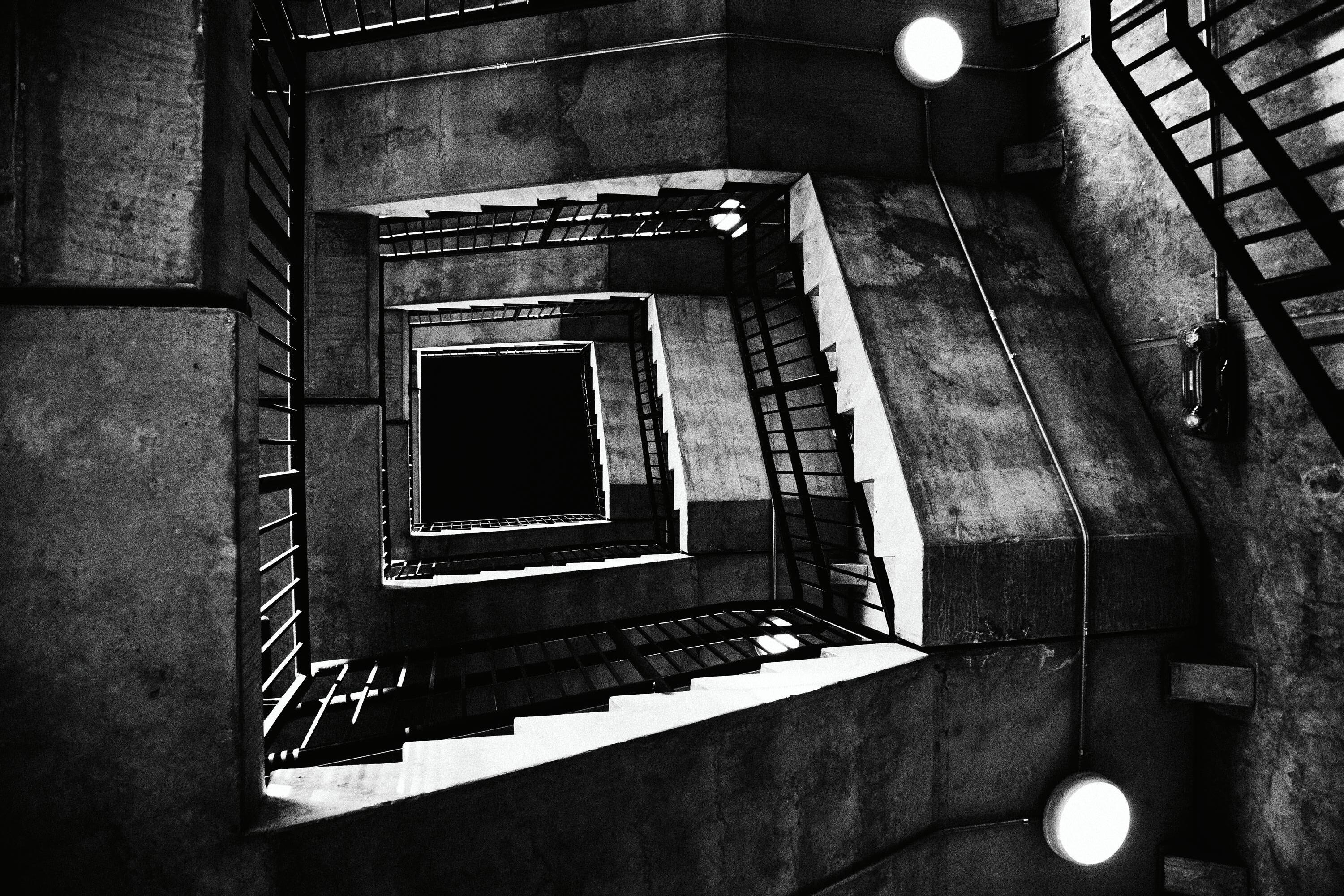
The Ascent by Braden Potter
Refracted Light
by Baylee Rayburn
Sometimes I wonder If this depth
Is just a mirage, Shimmering
Refracted light. A mind trick.
I keep running towards it, It keeps running away from me.
The air is changing, I can feel it.
If only I could reach it.
I wonder if I would finally Meet me there, Where the mist and shadows dance. I wonder if it’s guarding
The answer, Or if I’ll spend my life chasing it, Deceived by false promises, Running, And running, And running,
Walking Reflections
by Braden Potter
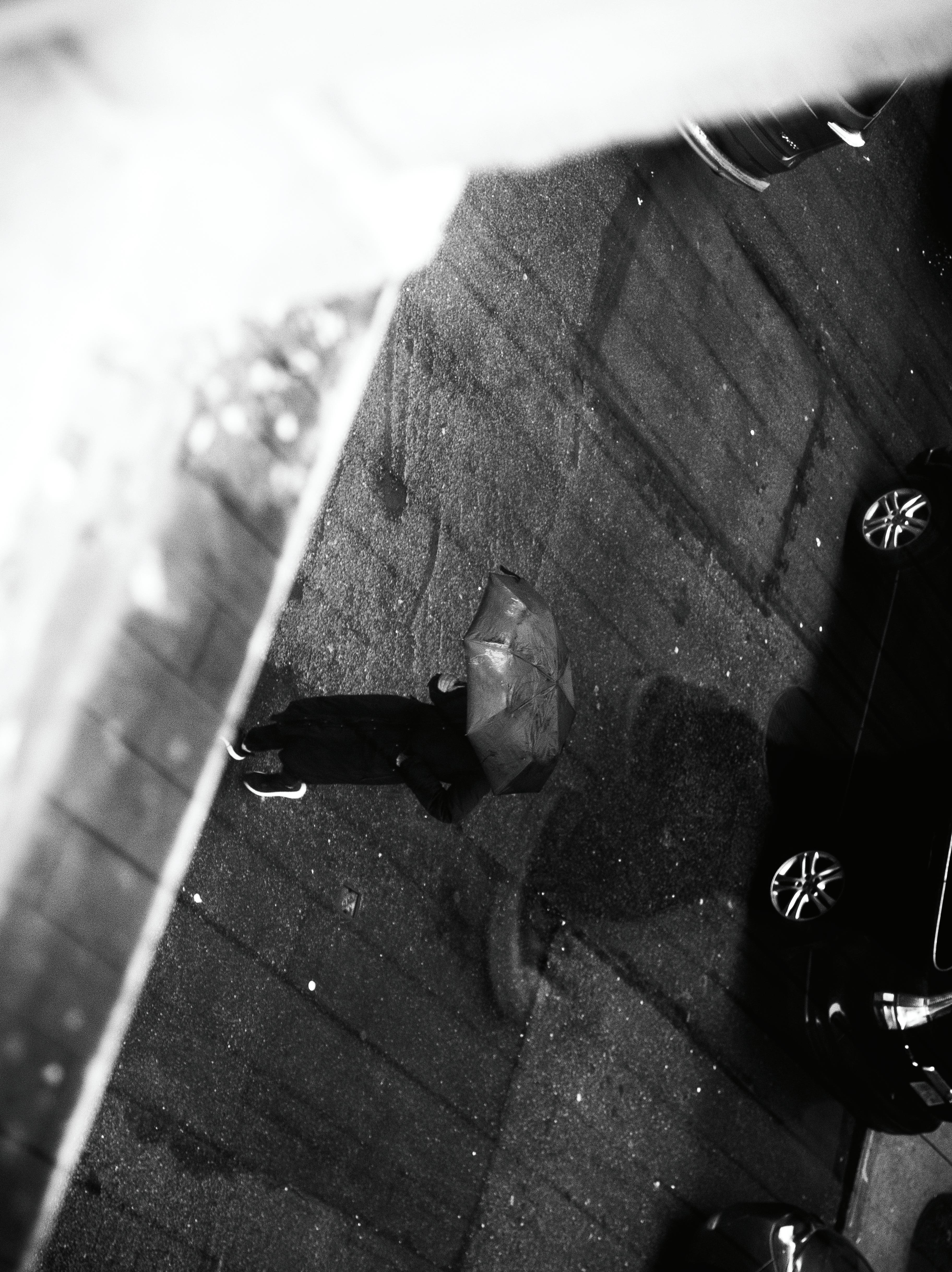
The Memory Dance
by Melanie Key Wilson
My dad, the World’s Greatest Storyteller Stands under 45 pink balloons
When he speaks at my party.
We hang onto every word
Until we’re holding our bellies
And bursting with laughter.
We say, “Tell that story again.”
So, he tells it again like it’s the very first time –
That story of our fishing trip, when the leaves started to turn.
I caught a turtle
And his old boat sprang a leak.
And we do the memory dance – and Dad leads with every step.
The next year he calls me on my birthday – I’m 46 on the 22nd.
“Happy Birthday!” he says.
And Dad tells me about the day I was born like he does every year.
How he drove Mom to the hospital in his old Chevy Nova, How it started snowing on the way.
He tells me that story like it’s the very first time.
“Hey, come see me when the leaves change, and we’ll go fishing.”
And we do the memory dance – and Dad still knows all the steps.
When I blow out two candles in the shape of a 4 and a 7
Dad calls, “Happy Birthday!”
He asks me if I knew it was snowing the day I was born?
And how’s school?
He tells me that he caught two big bass last week, and boy –I should’ve seen ‘em.
“Hey, come see me when the leaves change, and we’ll go fishing.”
And he caught two big bass last week, and boy –I should’ve seen ‘em.
He says it again, like it’s the very first time.
And we do the memory dance – only this time Dad repeats the steps.
It’s raining the day I turn 48
And Dad calls, “Happy Birthday.”
But this year he doesn’t tell me about the day I was born – so I tell him.
I ask if he’s been fishing lately,
But he can’t remember.
He calls two more times before the day is over,
And I let him tell me happy birthday
Again, and again
Like I’m hearing it for the very first time.
And we do the memory dance and Dad tries to lead – but he forgets the steps.
It’s February and on my 49th birthday
I blow out two silver candles that glow and sparkle
And it’s the first year that Dad doesn’t call – so I call him.
I remind him it’s my birthday – and start to tell him about the day I
was born
But he interrupts –
And tells me about picking blackberries with his mom
Along the old fence-row by the pond.
He and his brothers carry their half-empty buckets back home
With purple mouths and aching bellies.
And we do the memory dance – to a song only he can hear, and I don’t know the steps.
When I travel to see him in late autumn
The leaves are finally changing.
He sits in his chair by the window
Staring at the water –his old boat
Tied off at the bank.
Now, it’s my turn to
Tell him the stories
Of who I am
And who he is.
That his favorite pie is lemon.
And that we used to ride around in his old chevy truck –
Windows down, fishing poles in the back.
He’d smoke cigarettes and we drank Dr. Pepper.
He chuckles at my story and
Then stares at me a long while and says,
“Now, tell me your name again.”
So, I tell him again like it’s the very first time.
And we do the memory dance – and now it’s my turn to lead the steps.
During his memorial, I stand among sprays of flowers And his friends share their favorite stories –Stories of him I’ve never heard.
I laugh until I cry.
Then, I say to his friends, “Tell me again.”
So, they tell his stories again, like it’s the very first time. And, I do the memory dance.
In Memory of my dad, the World’s Greatest Storyteller “Fishing Papa”
1949 – 2024
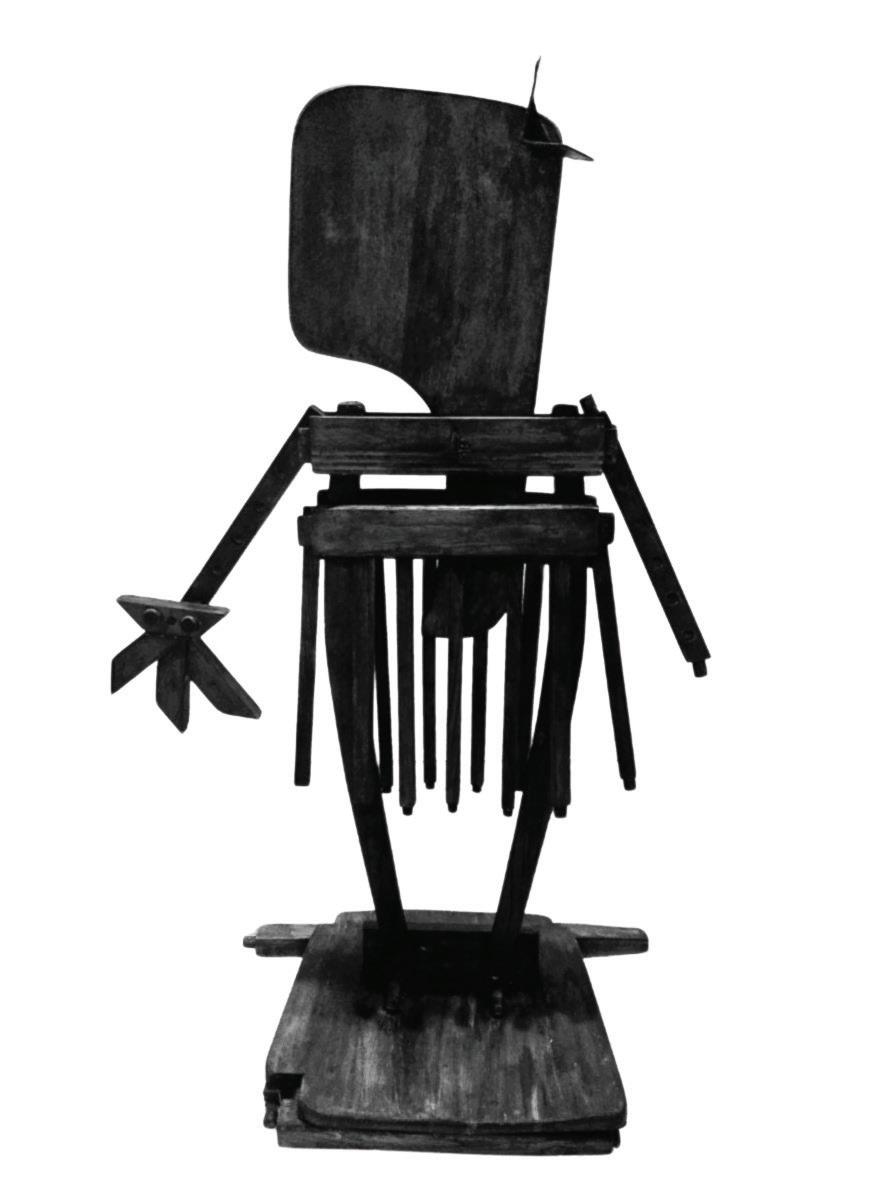
Statue of a Little Girl by Savannah Keel
By Bread and Sazeracs
by Anna Shay Wasden
New Orleans is a city that, to many, holds memories of drunken nights, wild parties, their first kiss with a stranger, a weird conversation with a witch, a test tube shot taken from a large lady’s cleavage, throwing up hurricanes, and singing too loudly at Pat O’Brien’s.
While New Orleans certainly holds a few of my own experiences in this vein in its vault (this wasn’t an extensive list or anything…), it’s also a city that holds my childhood.
For four years, New Orleans was where my family and I spent a week of our Christmas vacation. Not necessarily by choice. I can think of many more suitable cities my parents might have chosen for two adolescent daughters. But this trip was by necessity. For my dad, a college football coach for the Troy Trojans, this was work. A bowl game meant a winning season, which meant Dad was happy and we’d get extra goodies in our stockings from the bowl bonus.
But for my sister Mary Beth and me, it was a week of exoticism. New Orleans, Louisiana, a place that felt so foreign compared to our South Alabama small town. Even more, it was a week in a suite with a room all to ourselves as Dad went to practice and Mom attended wives’ dinners and tours.
Eventually, New Orleans held 21st birthday celebrations, my first rock concert, music festivals, girls’ trips, and bachelorette parties (the stages for a few of those aforementioned “typical memories”). But it will always be the site of my favorite vacations with my mom, dad, and sister.
Now, an adult, I ventured back to New Orleans. I had just picked up a new hobby, film photography, and could only think of one place that would fit perfectly in the viewfinder of my Konica T. I drove down by myself. Instead of the cool December nights of those bowl games, I was met by the sticky June heat. The kind of heat that you feel in your muscles is a wet, static air.
The to-do list was simple: 35 frames on the Kodak Gold film I had just loaded into my brick of a camera. The camera came from Eastbrook Antiques only a few weeks ago. The light meter was broken, so I got a pretty good deal on the 1970s workhorse Konica T. It was solid, sturdy, and so so heavy. My neck ached. It was built to last for sure, but the camera was at least 10 pounds, and the strap around my neck seemed to dig deeper in the heat.
I pulled into my hotel and nervously gave my keys to the valet. It was my first time valeting a car by myself, as most of my solo trips I’d either spent car-less or in the cheaper Holiday Inns, sprawling parking lot included, outside of town. I checked in, did a quick refresh of my makeup, grabbed my camera, and headed out the door.
Stop 1: The Sazerac Bar at the Roosevelt Hotel
I, being the basic biotch that I am, always turn to my travel lord and savior, Anthony Bourdain, for advice when I visit a city. Tony said to have a Sazerac at the Roosevelt, so that’s what I did. This was the birthplace of the Sazerac, so naturally, I needed to start with the roots.
Not afraid of a little bourbon, I wasn’t too intimidated by the sparse list of ingredients under the menu listing for a Sazerac: 1 sugar cube, 3 dashes Peychaud’s Bitters, 1.5 oz Sazerac Rye Whiskey, lemon twist for garnish, 0.25 oz absinthe to rinse the glass. I watched the bartender pour everything neatly and slide the drink over to me. I braced myself and raised it to my lips.
First sip, my eyes watered. This was strong. The anise of the absinthe rinse hit first. Then the smooth rye settled in, coating my throat,
warm and smooth. I sipped it down slowly and took in my surroundings. The Roosevelt was dark and rich. Its origins dated back to the 1800s. I could smell the cigar smoke and hear the laughter wafting through the generations of gatherings that must have taken place in this room.
I signaled for the check.
Lush hotel vibes: 5/35 frames shot.
My vision was cloudy as the road trip gas station Hot Fries and Dr. Pepper I’d had for lunch started to wave their final goodbyes to my blood sugar. I stumbled past a small restaurant on Charles Street. I kept walking, telling myself the right place would speak to me. I got five feet from this little spot before turning around, walking right in, and sitting at the only empty seat at the bar.
No need for signs tonight.
Stop 2: Napoleon House
The bartender at the Napoleon House placed a menu in front of me and asked if I wanted anything to drink. “A Sazerac,” came out of my mouth, almost a reflex.
He sighed in a way that only bartenders can do. It would have been unfriendly from a waiter, hostess, or runner, but a bartender is allowed a sigh now and then. And usually, it’s not a sigh at the customer, just an involuntary reaction to the whole night spent on their feet, making small talk. No one likes an overly bubbly bartender. They should be a little grumpy, a little snobby. They should judge what you order and have an immediate read on you the second you sit down at their bar.
“You’ve started it now,” immediately followed the sigh, but was followed by a grin.
Started it, I did.
My bartender, whom I came to know as Chris, grabbed a glass,
rinsed it in absinthe, and threw it straight up to the ceiling in one swift motion. I barely had a chance to register before it came back down into the hand behind his back.
Woohoos erupted from the bar. Eyes shone. The man at the end, who had shown no sign of life until now, looked up from his beer and half-eaten po’boy and nodded in admiration before looking back down and shoveling at his cold fries.
Chris finished making the rest of the drink: 1 sugar cube, 3 dashes Peychaud’s Bitters, 1.5 oz Sazerac Rye Whiskey, lemon twist for garnish. He barely had a chance to set it down in front of me before orders began to ring out from both my left and my right.
“I’ll have what she’s having.”
“One of those for me, please.”
“Make that three!”
“Four!”
I watched Chris lob at least nine lowball glasses into the air in the next 30 minutes.
“All right, what can I get you?” he asked during a brief reprieve from his circus act.
“A muffuletta and a cup of gumbo.”
Napoleon House was the supposed birthplace of the muffuletta sandwich. Or at least that’s what I read on the menu in between sips of my Sazerac.
It, the muffuletta, was sitting on my little space at the bar within 20 minutes. I took a bite. Fluffy white bread, almost sweet. Olive spread, nice and tangy. Topped high with cold cuts, each spicy and rich, somehow still cold even with the cheese melted on top. All of it worked together seamlessly. A well-oiled machine. Or sandwich, it would seem, as its juices ran down my lips with each bite. I licked the plate.
I settled up with Chris, thanked him for the good company,
and started back to my hotel.
I’m a fan of fanfare: 10/35 frames shot.
The next morning, I woke up and packed my 20-pound companion, the Konica T, in a purse, deciding to save my neck from an entire day of pain.
There are two types of people who come to New Orleans: the Café Du Monde crowd and the Café Beignet crowd.
As discussed, I’m no stranger to New Orleans. I’ve had many clumps, mounds of white powder caking my fingertips over coffee and beignets many times before. I’ve tried both Café Du Monde and Café Beignet. And I am happy to report that one of these choices is correct, and one is egregiously wrong.
Stop 3: Café Du Monde
The breakfast of champions. I ordered a plate of beignets and a black coffee. I’ve never smoked a cigarette a day in my life (day being the key word here, my nights in Spain might have consisted of the occasional rolled cigarette from my British amigos who, of course, had a less PC term for them), but with the sweet and the caffeine, my fingers ached for a cigarette. I pushed the thought down and picked up the first beignet.
My teeth sank in and immediately ached.
The Konica sported a bit of sticky goo after this: 15/35 frames shot.
I walked to the nearest trolley stop and hopped on.
From the wooden bench window seat in the center of the trolley car, I saw New Orleans come to life in the early afternoon sun. The Spanish moss kissed the top of the car as we made our way to the Garden District. 20/35 frames.
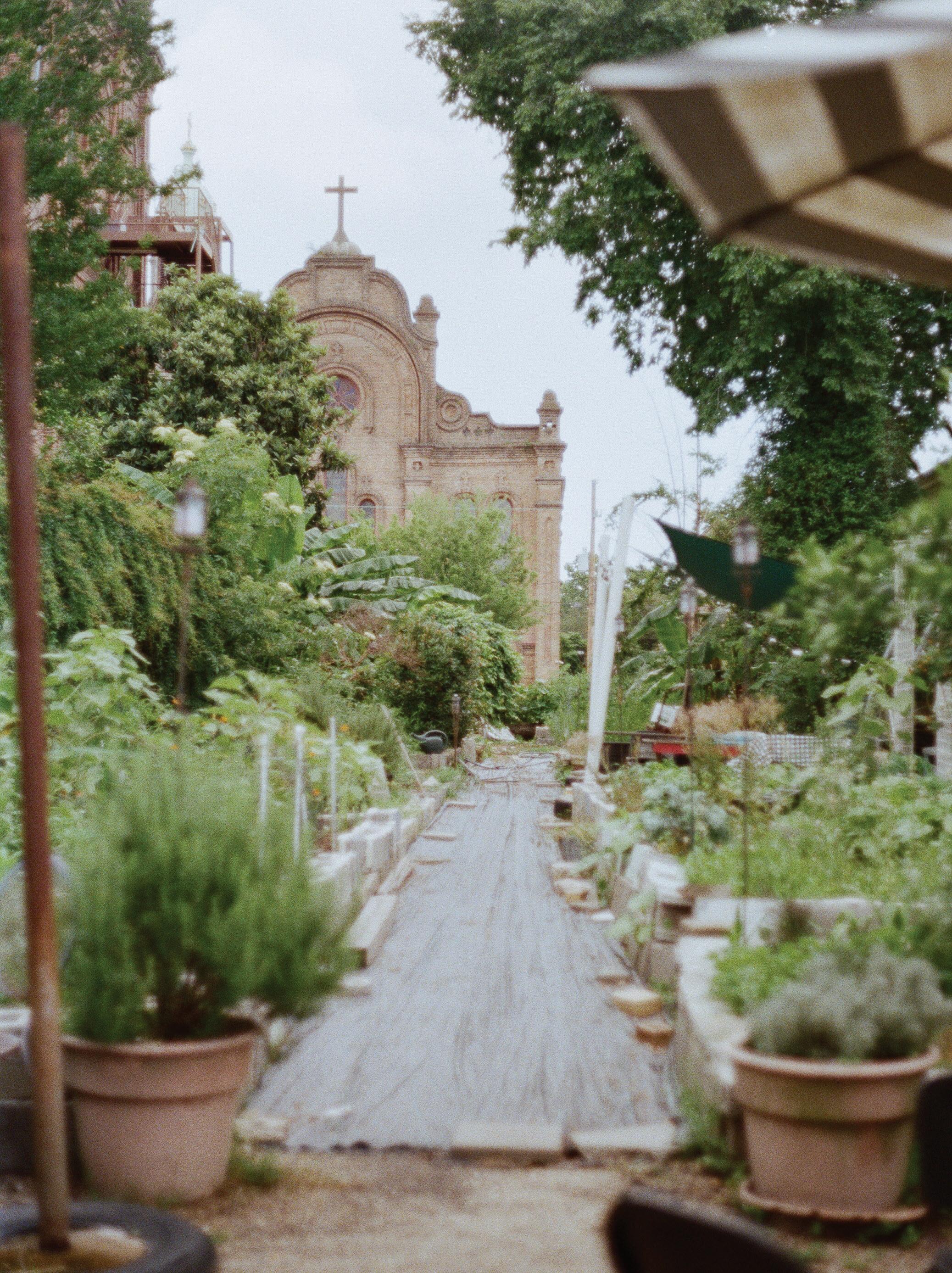
by Anna Shay Wasden
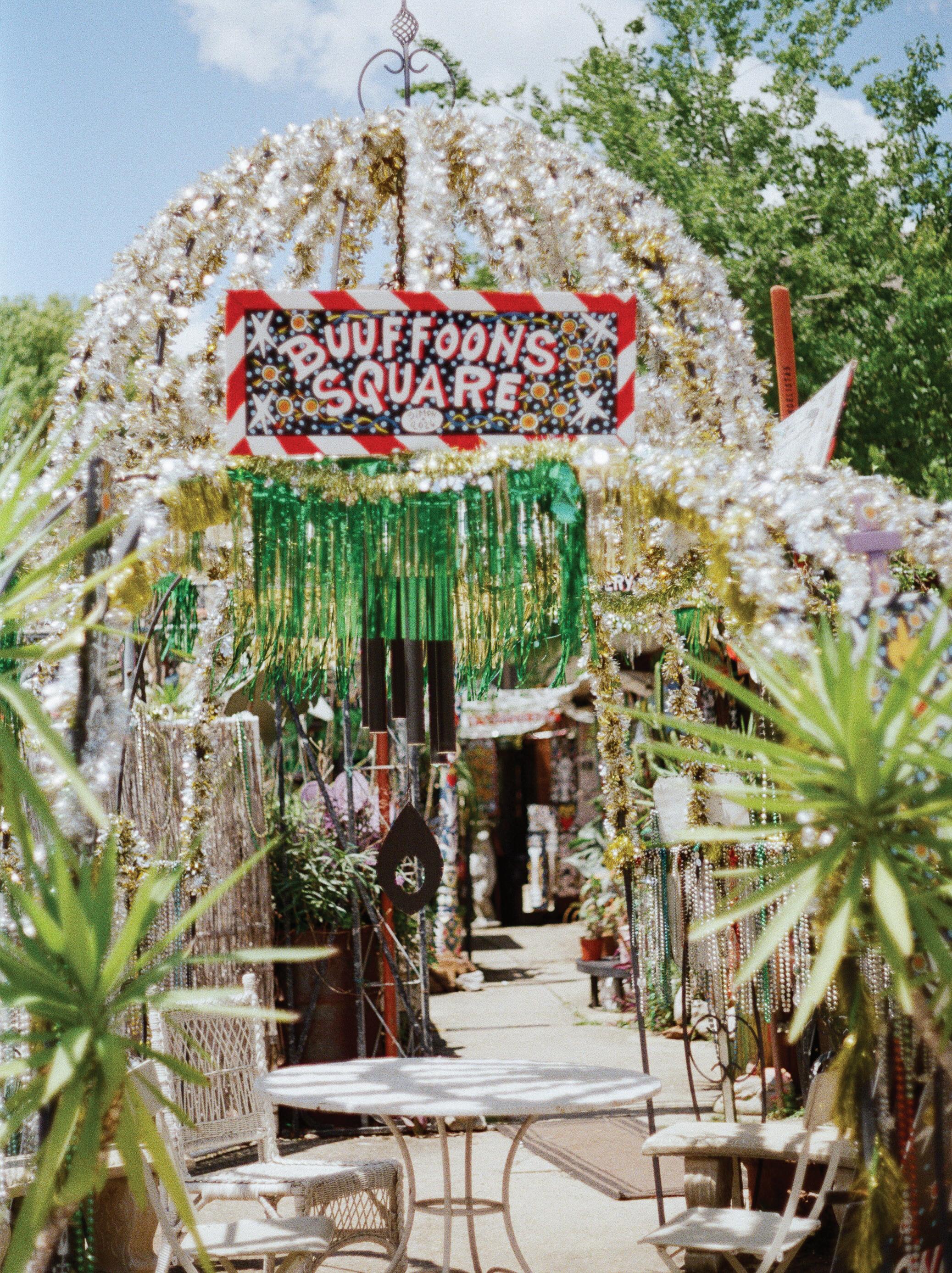
Stop 5: Turkey and the Wolf
My next sandwich was sought after, much more so than the happenstance muffuletta the night before. This bite was one I’d been hearing about for months—from Phil Eats Food, Southern Living, and every single micro-influencer that made their way into New Orleans.
I walked a mile from the trolley stop in the blistering New Orleans heat. Turkey and the Wolf was packed for the lunch hour rush, but I wasn’t deterred. I elbowed my way through to the cashier and ordered the sandwich I’d been drooling over for months: the collard green melt.
I don’t need to wax philosophical about the beauty of collard greens here. You should already know. These sturdy greens are vessels of flavor. They are always one of the three on my “meat and three” for Sunday supper or Friday lunch. They are salty, fatty, and rich when cooked right.
So, when the waitress plopped the plate in front of me, I couldn’t wait.
I took one bite, closed my eyes to take it in… And wanted to spit it out.
I paused. Maybe it was the heat, or the hype, but this was the soggiest sandwich I’d ever eaten in my life. The greens were piping hot, and the slaw was freezing cold—somehow, neither of them were working with the room-temp cheese sandwiched in between. The crispy bread, while probably pretty good on its own, was no match for the weirdness happening in its inner parts.
I tried again, never easily deterred by odd food. I’d had octopus in Spain, beef tartare in France. I was partial to the weird little salads my lunchroom growing up would throw on the line, the ones most of my friends turned green at. There was no food that I wouldn’t give a chance to, if not two or three chances. Usually, I’d end up liking it. Or at least appreciating it.
Worse. I took off the bread and decided that I could, at the
very least, eat the hallowed greens inside. I grabbed my fork and started in. I knew the issue with the sandwich the second the collard greens hit my tongue.
There wasn’t a lick of seasoning on these greens, which meant I was eating bitter, plain, soggy leaves that not even cheese and coleslaw could mask. I pushed the plate away. There was no salvaging this meal. Unfortunately, 25/35 frames were reached here.
Wasted shots on a subpar sandwich, but I suppose all those TikTokers knew it was a pretty sandwich. It photographed well, even if it tasted like the bottom of a shoe.
Downtrodden, I went to the only source of truth in my life. I had been let down by my foodie friends, famous and wannabe alike.
I clicked on my Google Maps and zoomed out. Three little blue bookmarks stared back at me expectantly.
“Why didn’t you try us first?” “We’ve always been here for you, just waiting in the shadows,” they seemed to mock.
“I know, I know, but I’m here now,” I thought back. There is, truthfully, no way to know the origin of any of the blue bookmarks on this little app. Some cities, like here, only have a few scattered around. Others, like Barcelona or Boston, have hundreds in their little club. Any time I hear anyone of repute mention liking a restaurant, I immediately click onto Google Maps, do a quick search, and save it in one of the categories I’ve created for such a time as this. I do this, then click away, usually continuing my conversation with whatever friend, family member, bartender, food critic, or stranger I’ve deemed to have good food taste.
I clicked on the first dot closest to me. A boutique. I made a mental note to stop there on the trek back to the trolley. The second, an oyster spot! This looked promising. Pictures of raw, Rockefeller, chargrilled, and fried oysters popped up. I loaded it into my maps.
Only a 20-minute walk! No problem. I headed that way.
“Turn left onto Jackson Street,” Siri instructed. I looked down at the map to orient myself when I saw two devastating words at the bottom of the screen:
PERMANENTLY CLOSED.
I cursed. Back to the maps. There was only one chance left. I clicked on the third blue bookmark. It was a restaurant! It was also slightly more out of town than I would have hoped for. But it’s about the journey, so I clicked and was onward bound.
Bourbon Street was kinda, sorta, not really at all on the way to my destination. But I had to work up an appetite somehow.
1/1 Hurricane slurped down. 30/35 frames shot.
Stop 6: Liuzza’s by the Track
The last stop on the line. Liuzza’s by the Track had to be my Hail Mary before calling it quits on my quest for sandwiches and Sazeracs in my favorite city.
I popped into the casual tavern. It was dark, and there were slot machines tucked away by the bathrooms. T-shirts were for sale. There was no line, no crowd, and there were no phones around videoing the food. It was just a good, no-frills spot. I knew my Google Maps hadn’t steered me wrong.
I sat at the bar, even though I knew they didn’t exactly need the table seating at this odd 4 p.m. lunch I was having.
On my way to Liuzza’s, I briefly glanced at the menu. As I mentioned, what happens between the discovery of places, the saving of them on my Google Maps, and the rediscovery of them some distant, unknown time in the future is none of my business. I just know that one day, like today, I might need a little bit of divine intervention. So, with nothing more to go on than the Google reviews and the menu, I ordered the shrimp po’boy.
Fifteen minutes later, what slammed down in front of me at the 1950s-esque countertop was a mythical being I could only have dreamt about.
This sandwich, like my last, a failed mission, was also soggy. But it was soggy with flavor. I’m used to shrimp po’boys being deepfried and topped with the usual lettuce, tomato, and mayo. But what was placed in front of me was shrimp more accustomed to finer kitchens than the beach fare I was used to.
From the looks of it, the shrimp were steeped in coarsely ground black pepper. From the smell, they were soaked in Worcestershire sauce, or “Wooster” for my fellow Alabamians. I could hardly wait.
I didn’t bother trying to pick up this masterpiece with my hands, instead opting for the fork and knife placed to the right of my white plate.
I cut it right in half, then about an inch to the left of the half. I shoveled a big pile of wet bread, two shrimp, and a whole bunch of peppery, Woostery goodness into my gaping mouth.
Immaculate. Stunning. Idyllic. I’ve never tasted anything as good since. The shrimp burst in my mouth, bite-sized vessels for the spicy black pepper and tangy Worcestershire they’d been soaking in. The bread, while soggy, was the perfect temperature for the warm shrimp. Perfectly warm, a little bit sweet, and so, so soft. I ate every bite.
35/35 frames. Mission complete.
Follow your hunger vision. Save everything on your Google Maps. Never, ever listen to TikTok for New Orleans food recs. And order a Sazerac (or two, or three) to take it all in.
October’s Agenda
by LaVern Spencer McCarthy
October, with its repertoire complete, will dull the sky into a purple haze, subdue the bees where clover blooms are sweet, then put an end to summer’s idle ways. All creatures grow accustomed to a few old, bygone songs of August. Every tree sheds rustic tears. Each leaf, adorned with dew, will soon evolve into a memory.
October speaks—the rose is stored away, wild geese, propelled into a higher zone.
The hopeful robin—it can never stay. The grass must die. The list goes on and on,
fulfilled at last when winds of winter blow and leave the face of autumn white with snow.
Monoceros by Cynthia Yatchman




The Ocean’s Prayer
by TAK Erzinger
Blessed am I, the ocean, full of mysteries, fashioned in salt, water, carbon, brine teeming with millions of lives.
Blessed are these lives that flow through my waves precious sites unseen, clothed in anemone and floating fluorescent bodies ghostly yet alive, where gospel is whale song exalted in harmony with the ebb and flow of my moods, a congregation the shape of water.
Each part of me a well-stocked home, vast neighbourhoods full of bustling families, each with their place and purpose.
But now war let my body recover where damage has destroyed its passages, choking my communities stranded calves wash ashore separated from their mums kidnapped by pollutants from air and land. These lives are what make my soul. Without them only death.
Spinning
by Karol Nielsen
I am spellbound by words— silent symbols, meaningless without rules; the challenge of spinning such handicaps into art, visceral as van Gogh, rich as rhubarb pie.
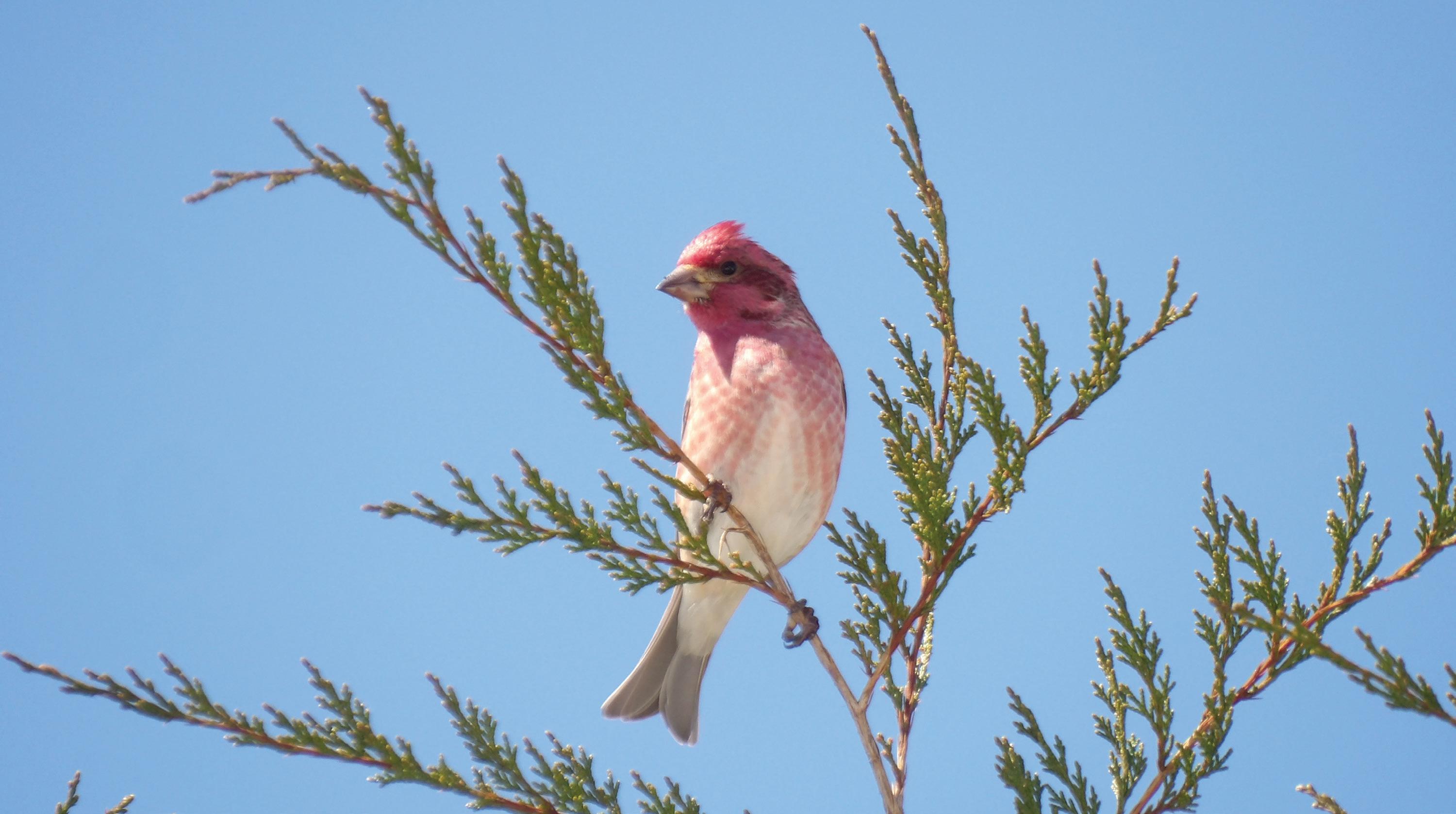
Photograph by Shiane Norwood
24 Hours
by Aydrienne Ray
24 hours
That’s what you say
We all have the same 24 hours in a day
You spew this poison to the world
Like young kids deserved to be seized,
Like the single mother should be punished with food.
You turn your nose up at the struggling family
When you haven’t worked a day in your life.
It’s their fault, though, right?
Kids born into a system destined to fail Their mothers, who suffered the same cycle
You say that it’s easy
But what you don’t realize is that You confuse easy with privilege.
It whispers promises in your ear, filling your future with hope While mine screams warnings from the sidelines.
You force this violent nonsense
As if you weren’t born sipping your success from a cup that you didn’t pour.
Your hours are dripping with privilege, plated in 24 carats and served on a platter
But you have the audacity to say
24 hours in a day
That’s what you say.
We all have the same 24 hours in a day, Don’t ya think?
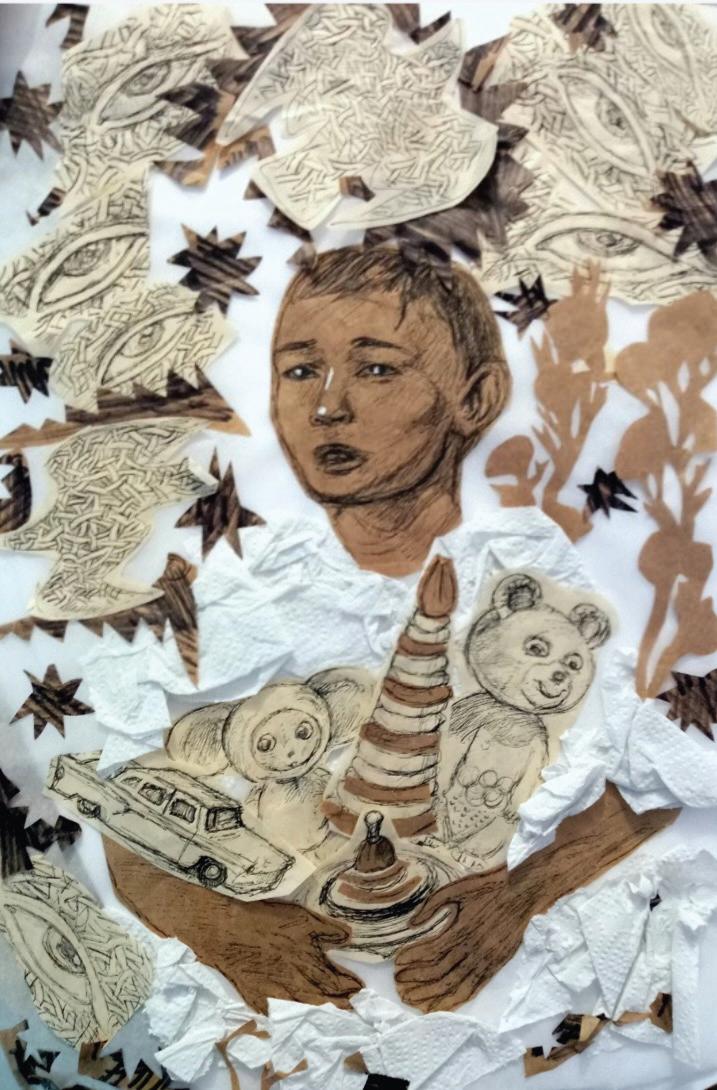
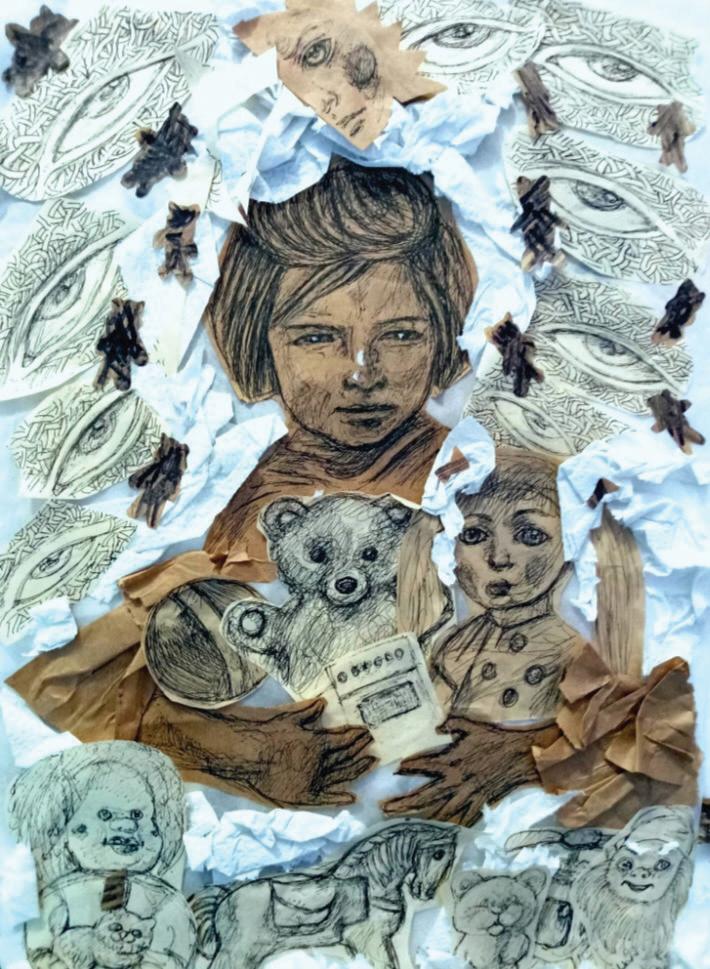
Artwork by Nasta Martyn
Grieving Through Hot Cocoa
by Mark Smith
Step one: The pot
Grief tastes like cinnamon, vanilla, and bitter cocoa powder. This is a lesson I learned, leaning over the stovetop of my apartment one Tuesday evening.
Hot chocolate is reserved for stressful, anxious nights. The nights when my hands will not stop trembling. The ones when I cannot sit still. When I pace my bedroom and try my best not to cry. Those are hot chocolate nights.
These have become so commonplace in my household that when I text my boyfriend, “I’m making hot chocolate tonight,” he immediately responds, “What’s wrong, baby?” Those are the kind of nights I am referring to. The kind where following steps in a familiar sequence gives my hands something to do and my mind no room to wander.
So, it should have been a warning sign. The apartment was calm. I had no assignments due, for once. My boyfriend sat in the living room on the cool grey couch, humming while he sketched. I, sitting next to him, decided to cook dinner for the two of us. I did not want to disturb him when he was that calm. So, I cooked.
I do not remember what I made. It could have been white rice with spam and tofu, ramen, or grilled cheese. It was mundane and unimportant. I was just content and excited to be cooking for my boyfriend, as we both see cooking as a love language. Every ingredient and every step are a small way of saying “I love you” without speaking a single word.
Step two: The milk
Amidst the soothing silence of the living room, the sleepy atmosphere, and the complete serenity, I do not know why I craved the drink associated with sleepless nights. I suppose the comforting warmth of the drink reminded me of the night as it was. So, I chose to make hot cocoa.
Quickly, I ran into a conundrum: we were almost out of two percent milk. We had around two cups left, which was not enough for my boyfriend, our roommate, and me to all have the milk-based drink. This should have been the first warning sign, but it was promptly ignored.
The pot was already on the stove. I had already decided to follow through with the plan. So, I used half milk and half water. The milk was diluted and cloudy against the shiny, silver pot. It was off-putting as I typically use either one or the other. The unsettling nature of the liquid alone should have been my second sign to leave the venture behind. Instead, I pulled a whisk out of the cabinet and turned the heat up on the eye. It should be hot enough to simmer, but not boil the milk. Once the milk begins to heat, it should be watched, so it does not burn or spill over.
I learned this at a young age, watching my mother. She had never been kind and never a good mom. Often, she was the one boiling over from anger that sat simmering, just a little too hot.
When I was small, a sock on the living room floor could lead to yelling at a child who could barely reach her waist. As I got taller, she got angrier. A bad grade would lead to no dinner and no escape from the house. It would lead to insults and degradation. Saying the wrong words in the wrong tone would lead to beatings and bruises with belts. When she was in a more forgiving mood, wooden spoons would be used for the hurt. It was hard to associate the utensil with both the comforting cocoa and the battering of punishment. The abuse was framed as discipline, and I was too young to know better.
My siblings and I learned to have quiet footsteps and hushed voices, whispering, “Mom’s in a mood.” We all knew exactly what that meant. As a small child, this sentiment was typically stated in hushed voices. A warning. As I got older, this changed to text messages, then Snapchat, instantly deleted, leaving no evidence. Hearing that sentence meant we should be careful not to agitate her. We should not be seen or heard. This sentence was the same as “She is looking for a fight.”
Mom was the milk.
As a kid, I learned to recognize her footsteps walking on the hardwood of whatever house we were in. I learned how to lock my bedroom door quickly and quietly—a temporary barrier and temporary protection. I learned how to never let my guard down—and never take my eyes off the milk while it’s getting hot.
Step three: The vanilla
Despite her narcissistic, accusatory behavior, Mom was good at French toast and hot cocoa. As key ingredients in the few things she was good at, vanilla, milk, and cinnamon always remind me of when she was the one over the stovetop.
So, standing in my kitchen, as always, I added vanilla into the milk first. It doesn’t change the color, but it does change the taste. The milk becomes sweeter and, to me, begins to taste of home. The vanilla tastes like finding honeysuckles with my siblings or running around in the summer. It tastes like the kindness of my grandmother’s baking. It has the subtle sweetness of my boyfriend holding my hand while he drives. Vanilla is taking a deep breath and knowing everything will be okay, even if it does not feel like it in the present moment.
Typically, I would add cinnamon at this point—something I learned from my stepmom. But I wasn’t following her recipe today. Maybe it was because I was tired or longing for the mother I never knew. Maybe it was because I had been craving the drink for seven months.
It was January now. Mom told me I was no longer welcome in her home in June. I do not know when I last viewed the building as my
home, but it was certainly long before June. Now, seven months later, I finally had the time and emotional capacity to create the beverage I so strongly associated with the woman I missed so badly.
Step four: The mixture
It had been a long time since I had done it, but I once more committed to creating my mother’s hot chocolate from scratch. It is infinitely more complicated than a packet of Swiss Miss and a few spoonfuls of Nestle chocolate milk mix—my typical go-to for quick cocoa. Mom’s recipe took time and patience. So, I walked around the cramped kitchen, finding the ingredients. Brown sugar, white granulated sugar, Nestle powder, and unsweetened cocoa powder nearly covered the countertop in the small kitchen. Once I could see them all in one place, I felt like a fool for being so daunted by the recipe. It was a simple step-by-step.
I measured and tasted, pouring each ingredient into the milk and vanilla slowly and methodically. The sugars went in easily, dissolving. The Nestle powder did not change the sweet concoction. The unsweetened cocoa, however, tainted the color a rich, dark brown. There was no removing the bitter powder. There was no removing the damage dealt in childhood or the damage of being disowned on my eighteenth birthday.
I slowly whisked the liquid, making sure everything blended smoothly. When the top finally became slightly foamy, it was ready to serve.
Step five: Mugs and toppings
I poured the drink into three mugs. I do not remember the others used that night, but mine was my mother’s. It was the only thing I took from her house that was sentimental when I left. I knew even then, despite everything, I would miss her. Despite the violence and abuse experienced in her house and the trauma that would stay with me, I would still have a deep-rooted longing to make her proud. I would still long for her hugs, though they were few and far between. I would still want her hot chocolate.
Despite using water, the steamy liquid looked just as I had remembered it. The warm brown had a thin layer of foam. My boyfriend added salted caramel syrup as he usually does, regardless of how I make it. Our roommate added whipped cream and peppermint. I wanted it with whipped cream, because I needed it to taste as authentic as possible. Then, I took a sip.
Step six: drink
Placing the green mug on the cool side of the black, glass-topped stove, my hands began to tremble. I looked across the kitchen. Typically, so small, the space felt too big. There were miles of distance between me with these memories and the feeling of safety. Salty tears trailed down my face, slowly, at first, then less controlled. It was a hot chocolate night. So, when my boyfriend asked what was wrong, I buried my face in his chest, and he held me. When I tried to regain my composure, I whispered, almost inaudibly, “I miss my mom.”
“I know,” he responded softly, squeezing his arms tighter—a firm reminder that I was in our kitchen, in his company, and safe.
He did know. While this was not spoken about frequently, we were both aware. On bad nights, when my hands tremble, and hot cocoa is necessary, it is spoken through the quiet. But tonight, I had cocoa that tasted like Christmas morning when I was in Elementary School, back before I could understand the drug abuse. It was long before I knew what manipulation was or how much bruises could hurt. Back then, all I knew was that my mom was good, and Santa had visited.
My mother is not dead, but last summer, I lost “mom.” I still have her cocoa recipe. Now, for the first time, I have a place that feels like home to make it in. Now, when I am sobbing over the woman I lost, and the one I never knew, I have arms wrapped around me and a shoulder to cry on. I feel safe and calm. The hot cocoa nights still happen. Now, I no longer experience them alone. Now, I know that it is okay to cry, and it is okay to mourn for the person I miss and the childhood I lost.