Spelling
This book belongs to
Spelling
Written and Edited by: Yehudis Leitner, Fraydel Sharf, Miriam Shulamis Eisemann, Jenny Mezzanotte, Ruchi Harnik, Toby Gartenhaus
Project Consultant: Jane Chamberlain, Master of Education, Curriculum and Instruction
Layout: Branko Pejovic Front cover: Mirko Zunic
Welcome to the Lighthouse Spelling and Vocabulary Workbook!
Dear Educators,
We are excited to introduce the Lighthouse Spelling and Vocabulary Workbook, specifically designed to enhance your teaching by focusing on essential high-frequency words and recognizing key spelling patterns. This workbook offers an interactive and engaging approach that effectively trains students’ minds to identify patterns, build vocabulary, and improve overall reading comprehension.
Each lesson is structured with clear explanations and accessible instructions, followed by interactive exercises that reinforce spelling accuracy and vocabulary understanding. Our program incorporates language-building activities designed to be both enjoyable and educational, enabling students to master spelling confidently and naturally. Our goal is to equip you with practical tools and engaging methods to transform spelling practice into a meaningful and enjoyable experience for your students. With this workbook, you’ll see students not only improve their spelling skills but also enhance their vocabulary and overall literacy.
Thank you for choosing the Lighthouse Curriculum. We look forward to supporting you and your students on this exciting journey toward language excellence!
Sincerely,

Lighthouse Spelling Level A ISBN 978-1-955773-75-1
Lighthouse Curriculum
718.285.7100 • info@lighthousecurriculum.com For more information visit www.lighthousecurriculum.com
©Copyright 2025 Lighthouse Curriculum Inc. All rights reserved.




A letter sound is the sound you hear when you say a letter in a word.
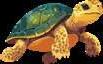
Turtle starts with a t sound.

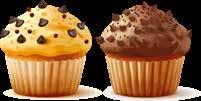
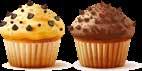
Muffin starts with an m sound.
Pencil starts with a p sound.

› Listen for the beginning sound.
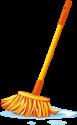


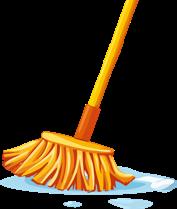
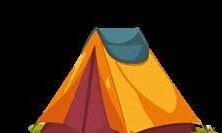
Let’s look at the pictures and say what they are. Listen to the beginning sound. Mop. Mop starts with the letter m. Write the lowercase m on the line. Repeat with each picture: pot, tent, pop, top, mug.
1. Look 2. Say 3. Spell 4. Write 5. Check

› Trace it, write it, and box it.



Look at the word. Then, say it. Trace the word. Then, write it on the line. Then, write it in the box that matches the shape of the letters. Finally, check the spelling.

› Spell it and write it.
1. The is hot.
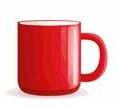
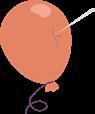
2. I heard a balloon .
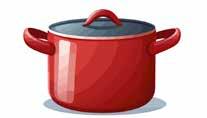
3. The soup is in the .
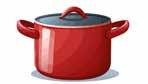
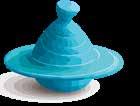
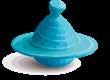
4. I use a to clean the floor. 5. The was spinning fast.

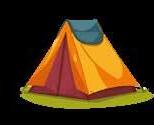
6. We set the on the grass.
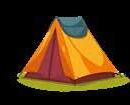
Read the sentences aloud. Write the spelling word that completes each sentence.

› Read it and write it.
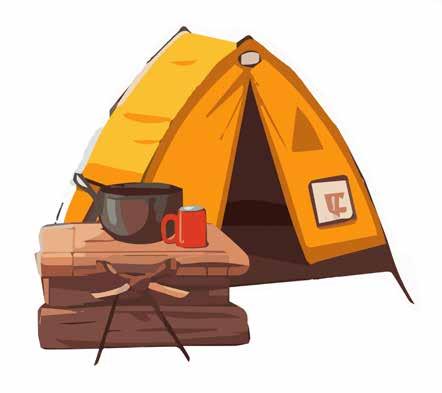
Tom went camping. He set up a . He brought a to drink from and a big so he could cook. The fire made a sound like a ! He made his toy spin fast on a rock. He spilled some soup and used a to clean it.
Tom loved camping!
Frog starts with an f sound.

Nose starts with an n sound.

Snake starts with an s sound.

› Listen for the beginning sound.
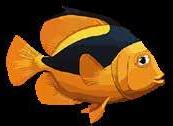
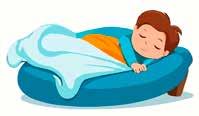


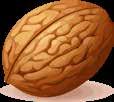

Look at the picture. Say the picture name. Listen carefully to the beginning sound and then write the correct lowercase letter on the line.
› Trace it, write it, and box it.
Look at the word. Then, say it. Trace the word. Then, write it on the line. Then, write it in the box that matches the shape of the letters. Finally, check the spelling. 1. Look 2. Say 3. Spell 4. Write 5. Check
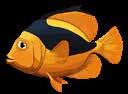


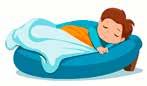


nut nap sun sip
› Spell it and write it.



Read the sentence aloud. Write the spelling word that completes each sentence.
1. Dan took a on the couch.
2. Sam took a of water.
3. We had at the zoo. 4. It is hot from the . 5. The swam in the ocean. 6. A squirrel ate the .
› Read it and write it.
One day Fred went to the pet store.
He saw a bright blue in a tank.
“This is so much !” he said with a big smile.
Fred ate a snack. It was a sweet and salty . He took a from his drink.
He sat by the window where the came in. Fred was sleepy.
He wanted to take a .
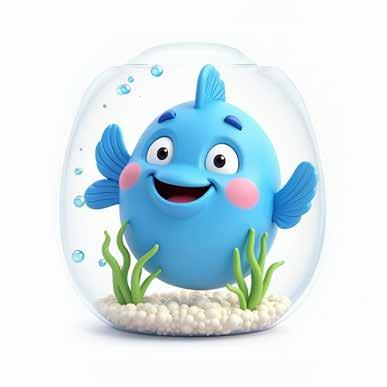
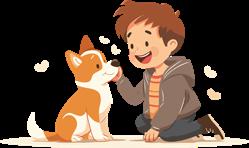
Pat has a short “a” sound. The short “a” is followed by a t sound to make the ending at. The words in this list all end with at.
› Listen for the beginning sound.
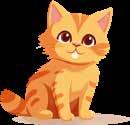
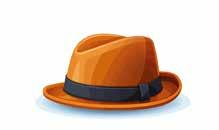
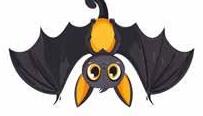
Say the name of each picture. Trace the first letter. Then, write at to finish the word.
How to Practice Words
1. Look 2. Say 3. Spell 4. Write 5. Check
› Trace it, write it, and box it.
cat cat
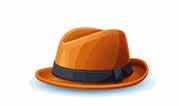
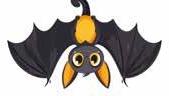
Look at the word. Then, say it. Trace the word. Then, write it on the line. Then, write it in the box that matches the shape of the letters. Finally, check the spelling.
cat hat bat mat sat flat
› Spell it and write it.
cat hat bat mat sat flat Word Bank

Read the sentences aloud. Write the spelling word that completes each sentence.
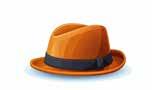
1. He has a brown on his head.
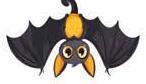
2. I see a black in the sky.
3. The boy on the floor.
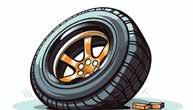
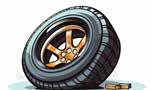
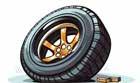
4. The tire was .
5. The was our pet.
6. Dan put a in front of the door.
› Read it and write it.
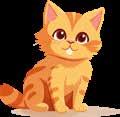
One day, Randy in front of his home. He sat on a . He had a blue on his head. He looked at the sky and saw a flying by. He looked in the street. He saw a car with a tire. He heard a meow. It was an orange .
Word List man pan can cap tap map
› Write the word.
The an and ap word families both use the short “a” sound followed by the letters n or p to form word endings. 1.
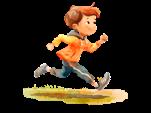

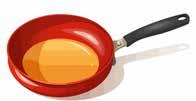
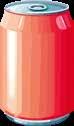


Say the name of each picture. Trace the first letter. Then write an or ap to finish the word. Think about which word ending matches best with the picture.
1. Look 2. Say 3. Spell 4. Write 5. Check
› Trace it, write it, and box it.

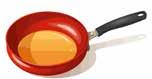


Look at the word. Then, say it. Trace the word. Then, write it on the line. Then, write it in the box that matches the shape of the letters. Finally, check the spelling.
› Spell it and write it.
1. I cooked my eggs in the . 2. The was open.
3. The was very tall and strong.
4. I the table with my finger.

5. We will use the to find the house.
6. Dan wore a tan on his head.
Read the sentences aloud. Write the spelling word that completes each sentence. man pan can cap tap map Word Bank
› Read it and write it.
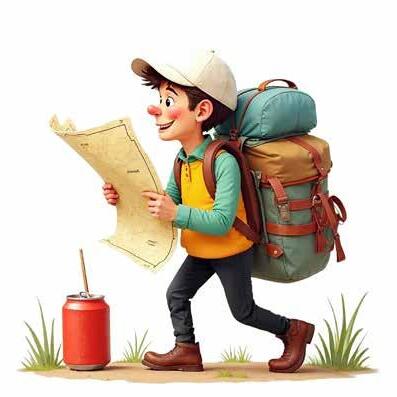
Stan likes to cook and travel. When he travels, he brings three things. He brings his for cooking meals, his white to protect his face from the sun, also, a so he does not get lost. While walking, he sees a on the ground. He gives the can a to see if it is empty.
Stan is a smart !
Word List dad sad mad bag tag flag
The ad and ag word families both use the short “a” sound followed by the letters d or g to form word endings.
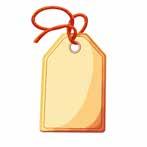
› Write the word. tag
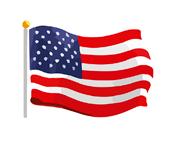



Say the name of each picture. Trace the first letter. Then, write ad or ag to finish the word. Think about which word ending matches best with the picture.
1. Look 2. Say 3. Spell 4. Write 5. Check
› Trace it, write it, and box it.




Look at the word. Then, say it. Trace the word. Then, write it on the line. Then, write it in the box that matches the shape of the letters. Finally, check the spelling.
› Spell it and write it.
dad sad mad bag tag flag Word Bank
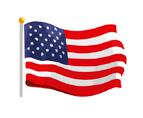
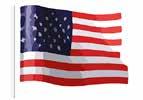
1. The stars and stripes showed on the .
2. My new pants had a on them.
3. Max was that his toy broke.
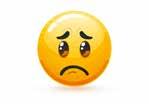
4. It made me that we were late.
5. My works at the zoo.

6. The was empty.

Read the sentences aloud. Write the spelling word that completes each sentence.
› Read it and write it.
dad sad mad bag tag flag Word Bank
Brad went shopping with his . He felt because his toy was lost. Brad’s dad smiled at him and said, “Let’s go find another toy!”
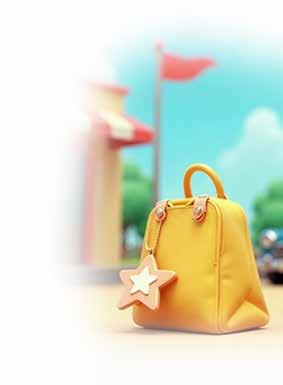
Brad got a new to hold his toys. On the bag was a shaped like a star. On the way home, we saw a red waving in the wind. My dad saw the gas was low in the car. He did not get . He went to the gas station to fill it up. Going out with dad is fun!
› Write the beginning sound.

› Write the ending sound.

1Write the beginning sound: Look at the pictures and say what they are. Listen to the beginning sounds for 1-6. Write the lowercase letters on the lines.
2Write the ending sound: Look at the pictures and say what they are. Listen to the ending sounds for 7-10. Write the lowercase letters on the lines.
› Practice beginning and ending sounds.
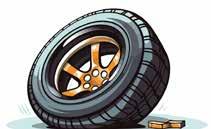
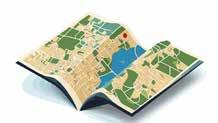

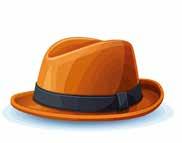
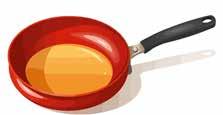
Say each picture name. Trace the first letter. Then, write the letters from the box that complete the name of the picture.
› Circle the rhyming word.


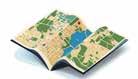





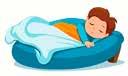
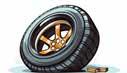


Say the word that names the first picture. Circle the picture whose name has the same ending sound. These words rhyme!
cat sun sat tag map
hat dad pan bag nut top mug man pop nap flat sad cap
› Spell it and write it.
1. I use a to clean.
2. The tire was and muddy.
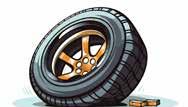
3. The dried up all the rain.

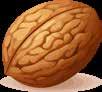
4. A squirrel ate the . 5. We went camping in the . Read the sentences aloud. Write the spelling word that completes each sentence.
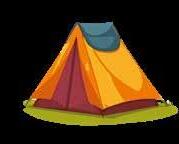
The et and en word families both use the short “e” sound followed by the letters t or n to form word endings.
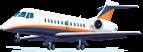
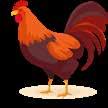
› Write the word.
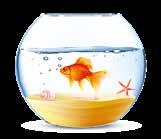
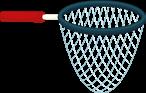
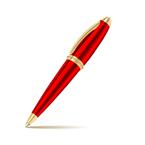



Say the name of each picture. Trace the first letter. Then, write et or en to finish the word. Think about which word ending matches best with the picture.
› Trace it, write it, and box it.
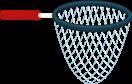

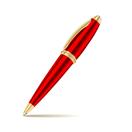
Look at the word. Then, say it. Trace the word. Then, write it on the line. Then, write it in the box that matches the shape of the letters. Finally, check the spelling.
› Spell it and write it.
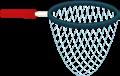
1. I caught the butterfly in my .
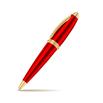
2. Ken uses a to write his name.
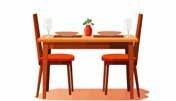
3. He can see fish swimming.

4. He the table for supper.
5. The cat is our family .

6. The waited in line.


Read the sentences aloud. Write the spelling word that completes each sentence.
› Read it and write it.
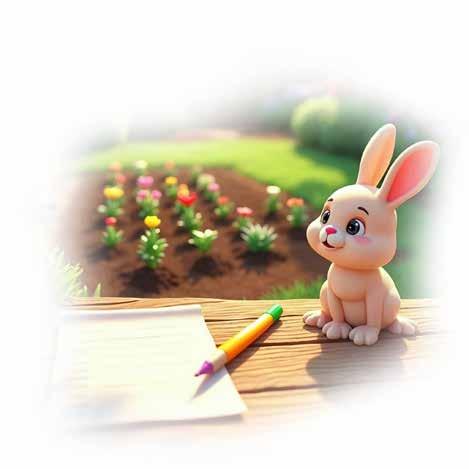
Two help Ben plan a garden. He wrote a list of the plants on a paper with a . Ben will plant different plants. He will them up in a row. His bunny also likes the garden. Ben will put a over the plants so his bunny will not eat them.
Word List pin fin win sit bit kit
Short “i” Word Family -in and -it
The in and it word families both use the short “i” sound followed by the letters n or t to form word endings.
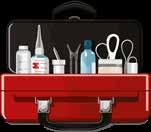
› Write the word. kit

in pit p f b s w

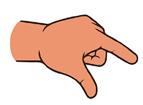
Say the name of each picture. Trace the first letter. Then write in or it to finish the word. Think about which word ending matches best with the picture.
How
› Trace it, write it, and box it.
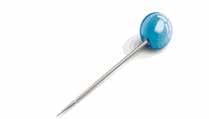


Look at the word. Then, say it. Trace the word. Write it on the line. Then, write it in the box that matches the shape of the letters. Finally, check the spelling.
› Spell it and write it.
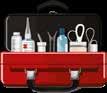


Read the sentences aloud. Write the spelling word that completes each sentence.
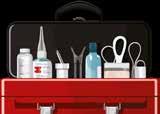
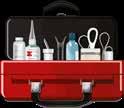
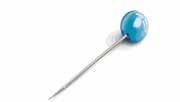
1. We have a first aid .
2. A helps the fish swim.
3. He can the game. 4. He will on the mat.
5. She wants a of cake.
6. Nat put a on her bag.
› Read it and write it.
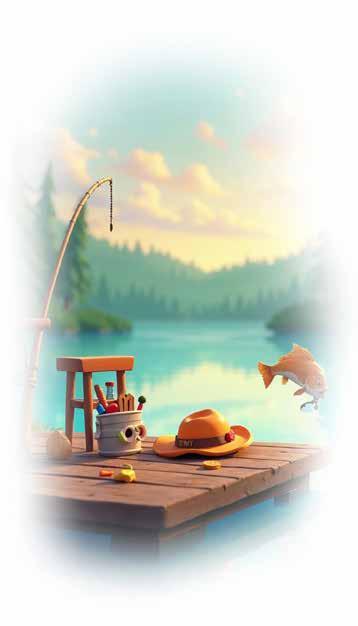
Tim had a on his hat.
He went to by the lake to fish.
This fish has a big .
Tim said, “I will a prize!”
It was getting a late. He took his of fishing tools and went home.
Read
Word List lot hot not fog log jog
The ot and og word families both use the short “o” sound followed by the letters t or g to form word endings.
› Write the word.
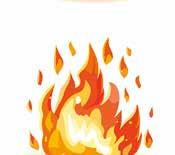

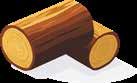

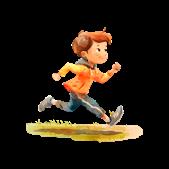
Say the name of each picture. Trace the first letter. Then, write ot or og to finish the word. Think about which word ending matches best with the picture.
› Trace it, write it, and box it.


Look at the word. Then, say it. Trace the word. Write it on the line. Then, write it in the box that matches the shape of the letters. Finally, check the spelling.
› Spell it and write it.



Read the sentences aloud. Write the spelling word that completes each sentence.
1. The soup is .
2. I am glad. I am mad.
3. The is thick.
4. The is brown.
5. Don and Rob to the park.
6. The car was full.
› Read it and write it.
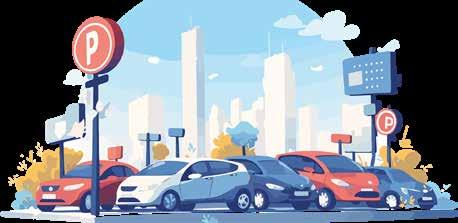
I went for a with Dad. It was from the sun. We saw a on the path. “I will trip on it,” I said. A cloud of made us cold. We went back to the parking to our car. lot hot not fog log jog Word Bank

Read
Word List drum hum sum rug dug bug
The um and ug word families both use the short “u” sound followed by the letters m or g to form word endings.
› Write the word.



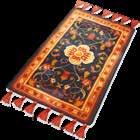
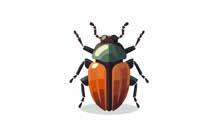
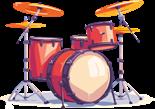
Say the name of each picture. Trace the first letter. Then, write um or ug to finish the word. Think about which word ending matches best with the picture.
› Trace it, write it, and box it.
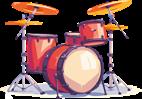

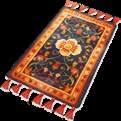
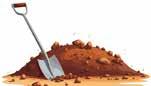
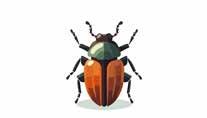
Look at the word. Then, say it. Trace the word. Write it on the line. Then, write it in the box that matches the shape of the letters. Finally, check the spelling.
› Spell it and write it.
1.
3.
4.
5.
6.


the sticks. Read the sentences aloud. Write the spelling word that completes each sentence.
A is on the log.
2. He a hole.
He got the in math.
The is red.
You can a song.
He hit the with
› Read it and write it.
Adam sat on the blue with his red drum.
He added up the drum parts. The was ten.
He began to a fun song.
Then he saw a by his foot!
It ran to the hole he in the yard.
Then, he played his again! drum hum sum rug dug bug Word Bank
High Frequency Words
The high frequency words can also be called sight words because you will see them often and should recognize them quickly by sight, not by sounding them out.

Say each word. Trace the word. Write it on the line. Then, write it in the box that matches the shape of the letters. Word List go me no on see
› Trace it, write it, and box it.
Read the sentences aloud. Write the spelling word that completes each sentence. › Spell it and write it.
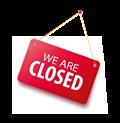


1. The store was closed, we left.
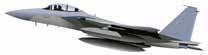
2. The jet will far.
3. What does she ?
4. The hat is my head.
5. Look at !
6. Ken said to a cup of milk.


Can you og to the store?
Yes or nt?
Ese if they have apples. Jim
Spot it and fix it. no go see on me so
4. I will play un the grass.
5. My sister went with mep.
6. It was soe much fun!


Circle each word that is spelled incorrectly. Write the word correctly on the line provided.
Ed likes to swim. He can swim fast. Use two words from the Word Bank to write what you like to do. period capital
Example: I like to go to the park and see the dogs run.
Use the words from the word bank to form a sentence about what you like to do. Remember, sentences should have a capital letter at the beginning, spaces between words, and punctuation at the end of the sentence. › Write it out.
› Write the missing letter. Write the word.








Write the missing vowel in the middle blank. Then, write the whole word on the next line.
› Ending sounds practice.


Say each picture name. Trace the first letter. Then, write the letters from the box that complete the name of the picture.
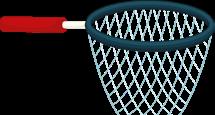
› Circle the rhyming word.








Say the word that names the first picture. Circle the picture whose name has the same ending sound. These words rhyme!
› Spell it and write it.
men go me rug lot Word Bank
1. I will to school now.


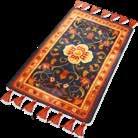
Read the sentences aloud. Write the spelling word that completes each sentence.
2. He is taller than . 3. The lift the bags. 4. She sat on the . 5. The parking was full of cars.
Word List bake gate late way May day
The long “a” can be spelled in different ways like a_e or ay. Listen to the long “a” sound in these words. It says its name–A! 1. › Write the word.

cake say


› Trace it, write it, and box it.


Look at the word. Then, say it. Trace the word. Write it on the line. Then, write it in the box that matches the shape of the letters. Finally, check the spelling.
› Spell it and write it.
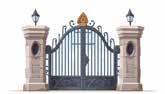
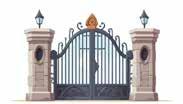
1. The is open. 2. Sam woke up today. 3. This is the to go home. 4. is a warm month of the year.
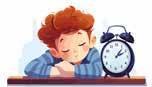

It is a sunny .

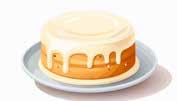
He can a cake. Read the sentences aloud. Write the spelling word that completes each sentence. bake gate late way May day Word Bank
bake gate late way May day Word Bank

› Read it and write it. It was a nice in the month of . Mom said, “Let’s a cake!” We opened the and went to shop for eggs. We went the long . We got home a bit , but the cake was fun to make!

The long “e” can be spelled in different ways like ee or ea. Listen to the long “e” sound in these words. It says its name–E! 1. › Write the word.
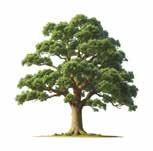

seed leaf

› Trace it, write it, and box it.


Look at the word. Then, say it. Trace the word. Write it on the line. Then, write it in the box that matches the shape of the letters. Finally, check the spelling.
› Spell it and write it.
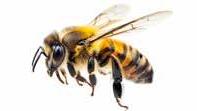
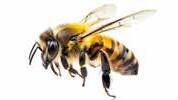
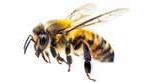
1. The has black and yellow stripes.
2. Look at the blue below.

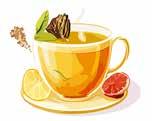
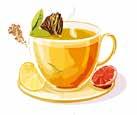
3. Take a sip of .
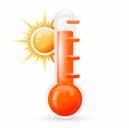
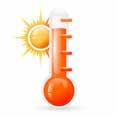
4. You can feel the from the fire.
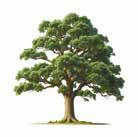
5. The is so tall!


6. No, you do not need money. It is . Read the sentences aloud. Write the spelling word that completes each sentence.
› Read it and write it.
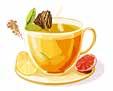
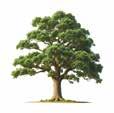
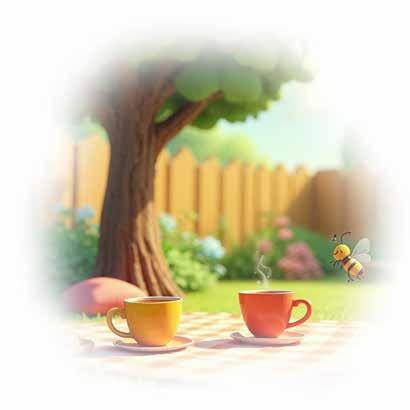
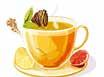
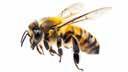
One morning, we went to the garden to drink some . We could feel the from the sun. We picked a shady spot under a big . I took a seat next to my friend, Jen. A little buzzed by our cups. Jen said, “The tea smells like the !” We giggled and shared some cookies for . bee tree free sea tea
Listen to long “i” sound the word kite. It says its name–I! The silent “e” at the end makes the i say it’s name.
Tip: The word kite starts with a k, which makes the same sound as a c.
› Write the word.
1.


Say the name of each picture. Trace the first letter. Then, write i_e to finish the word. Think about the letter sound you hear in between the i and e letters.

› Trace it, write it, and box it.
Look at the word. Then, say it. Trace the word. Write it on the line. Then, write it in the box that matches the shape of the letters. Finally, check the spelling. 1. Look 2. Say 3. Spell 4. Write 5. Check


› Spell it and write it.
1.

4. The road was open and . 5. He said he felt .


6. Are you sure this backpack is ?

Read the sentences aloud. Write the spelling word that completes each sentence.
The class was long.
2. There were frogs at the lake.
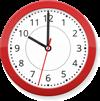
3. The on the clock was ten.
› Read it and write it. It was to play at the park. Sam saw a slide and got in . There were kids ahead of him! That was ; he could wait! When it was Sam’s turn, he said, “This slide is
!” Down he went! It was so fast and fun!
fine line nine time wide mine Word Bank Read
Word List poke broke spoke note cone stove
› Write the word.
Listen to the long “o” sound in the word home. It says its name–O! The silent e at the end makes the o say its name. 1.
home

Say the name of each picture. Trace the letters. Then, write o_e to finish the word. Think about the letter sound you hear in between the o and e letters.
› Trace it, write it, and box it.



Look at the word. Then, say it. Trace the word. Write it on the line. Then, write it in the box that matches the shape of the letters. Finally, check the spelling.
› Spell it and write it.
Read the sentences aloud. Write the spelling word that completes each sentence. poke broke spoke note cone stove Word Bank
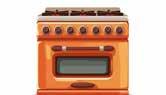


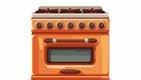
1. The pan is on the .
2. The toy almost in the mud.
3. Dad to me.
4. I sent a to my pen pal.
5. When I the bubble with my finger, it pops!
6. He had a big ice cream
› Read it and write it.
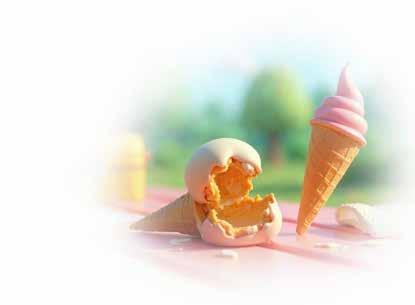
Jake got an ice cream after lunch.
He gave it a little , and it in half!
“Oh, no!” he said to his dad. Dad softly.
“It’s okay. Do you want a new cone or a pancake?”
Jake said, “Pancake, please!”
We went home and made pancakes on the . Later that night, I wrote a thank you to my dad for the pancakes.
Listen to the long “u” sound in the words cube and clue. In cube, the silent e at the end make the u say its name-U. In clue, the ue at the end makes the sound “oo”.

Write the word.




› Trace it, write it, and box it.




Look at the word. Then, say it. Trace the word. Write it on the line. Then, write it in the box that matches the shape of the letters. Finally, check the spelling.
› Spell it and write it.
1. The cat is small and . 2. We see a car.

3. Frank needs for this craft.

4. It is a story.

5. You can a pen to write.
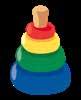
6. The toy rings fit on the . Read the sentences aloud. Write the spelling word that completes each sentence. use tube cute blue glue true Word Bank
› Read it and write it.
Word Bank Read
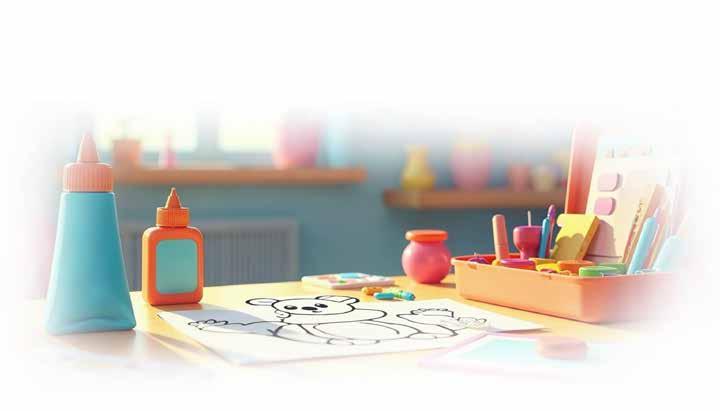
Sue wants to a craft kit. It has a of paint. There is a bear to color. There is to stick on the eyes. Sue’s mom says, “You made a work of art!” use tube cute blue glue
› Write the missing letter. Write the word.



gate nine time poke cone tube glue day tea bee Word Bank
Write the missing first vowel in each box. Then, write the whole word on the next line.
› Circle the rhyming word.









Say the word that names the first picture. Circle the picture whose name has the same ending sound. These words rhyme!
1. He has nin blocks. 2. The ball is in the tebu. 3. It is tim to eat. Spot it and fix it.
I saw a bea this morning buzzing around.
What dae do you want to come over and drink teee?


Circle each word that is spelled wrong. Write the word correctly on the line provided.
› Write it out. Pick two words from the Word Bank. Write two sentences.
Word Bank
gate day bee tea nine time poke cone tube glue
Example: I have nine sandwiches.
Pick two words from the word bank. Remember that sentences should have a capital letter at the beginning, spaces between words, and punctuation at the end of the sentence.
Word List chip chop chin check much rich
Digraphs with “ch”
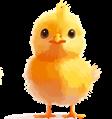
Sometimes when letters are next to each other in a word, they can make a different sound. Listen to the word chick. The beginning has a “ch” sound! ch
Tip: Think of the sound a chick makes: cheep, cheep. The ch in cheep will help you remember the sound.
› Write the word.



Say the name of each picture. Write the ch digraph to the beginning or end of the word. Then, trace all the other letters in the word.


Look at the word. Then, say it. Trace the word. Write it on the line. Then, write it in the box that matches the shape of the letters. Finally, check the spelling.
› Spell it and write it.
1. How will my dad read?

2. The was good with the dip.
3. The king was very . 4. Lift your and look up!


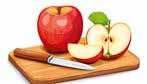
5. You can the apple into small parts.
6. Larry put a next to the task on the list.
Read the sentences aloud. Write the spelling word that completes each sentence. chip
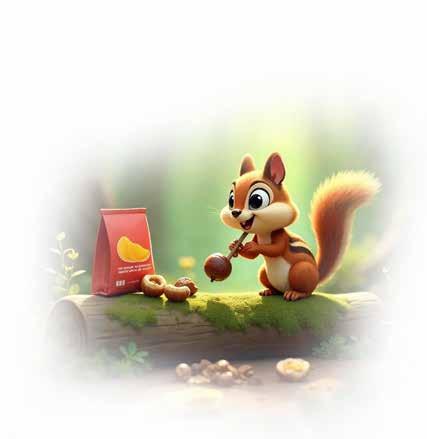
› Read it and write it. Chester the chipmunk had a plan. He would up some nuts for a snack. He used a stick to open them. One nut bounced up and hit his . Then, he saw a on the ground to eat. He grabbed it and took it home. He stopped to his nut pile. “So to eat!” he said. “I feel like a chipmunk!”
Word List ship dish shut shell shade rush
Digraphs with “sh”
Sometimes when letters are next to each other in a word, they can make a different sound. Listen to the word sheep. The beginning has a “sh” sound!
Tip: Think of the sound you make when you want someone to be quiet. Shhh!
› Write the word.
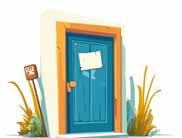

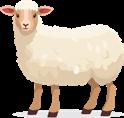
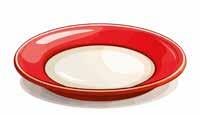

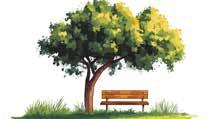
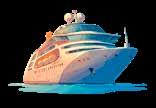
Say the name of each picture. Write the sh digraph at the beginning or end of the word. Then, trace all the other letters in the word.
How
› Trace it, write it, and box it.
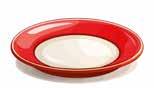


Look at the word. Then, say it. Trace the word. Write it on the line. Then, write it in the box that matches the shape of the letters. Finally, check the spelling.
› Spell it and write it.

5. You need to to get to school.
6. The tree gave us some . Read the sentences aloud. Write the spelling word that completes each sentence. ship dish shut shell shade rush Word Bank

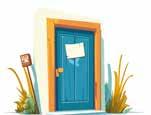
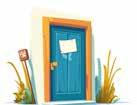
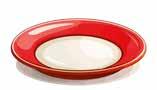
1. The door was .
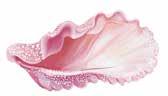
2. The pink was in the sand.
3. Tony cleaned the .
4. The is on the sea.
› Read it and write it.

Tim sat under the of a tree. He saw a big in the water. Tim found a big in the sand. He ate lunch from his little . The sun was so bright, Tim had to his eyes. Then, a big wind came! Tim had to home. It was a good day.
Word List when what which whale wheel wheat
Digraphs with “wh”
Sometimes when letters are next to each other in a word, they can make a different sound. Listen to the word whistle. The beginning has a “wh” sound!
Tip: The “wh” sound is very similar to the “w” sound. Listen to the beginning of these two words: water and whale.
› Write the word.

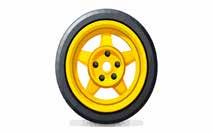


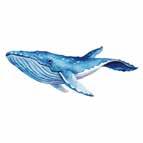
Say the name of each picture. Write the wh digraph at the beginning of the word. Then, trace the word ending.
› Trace it, write it, and box it.


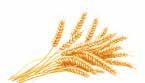
Look at the word. Then, say it. Trace the word. Write it on the line. Then, write it in the box that matches the shape of the letters. Finally, check the spelling.
Digraphs with “wh”
Wat sum did he tell you?
Whic one did you get?
Wen did you find it?
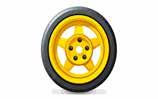
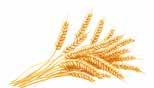
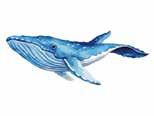
Circle each word that is spelled incorrectly. Write the word correctly on the line provided.
The weel broke off. 5. Wendy got the weat. 6. The wale is in the water.
› Spell it and write it.
1.
2.
is
3. do you want to go? 4. The bike has one .
can you see on the log?
one do you like best?
Read the sentences aloud. Write the spelling word that completes each sentence.
The will be made into bread.
The
big.
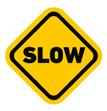
Word List block blow flap flip slip slow
Beginning Blends “bl,” “fl” and
Blends are when two letters come together and each sound is heard. All of the letters in this lesson will be blended with l. For the “l” sound, think of a lollipop. Make the “l” sound while pretending to lick a lollipop.
› Write the word.


Say the name of each picture. Write bl, fl, or sl at the beginning of the word according to which blend matches the word. Then, trace the word ending.


Look at the word. Then, say it. Trace the word. Write it on the line. Then, write it in the box that matches the shape of the letters. Finally, check the spelling.
22 Beginning Blends “bl,” “fl” and “sl”
› Spell it and write it.
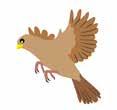
1. The bird can its wings.
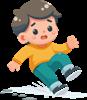
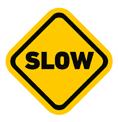
2. You do not want to .
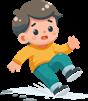
.
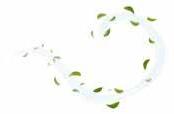
6. The wind can a lot of leaves.
Read the sentences aloud. Write the spelling word that completes each sentence.
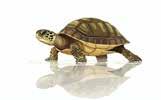
3. The turtle is moving.
4. Rob can stack the red on top.
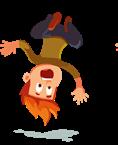
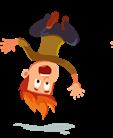
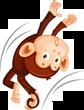
5. The monkey did a
› Read it and write it.

He heard a kite in the air.
Blake took out a red to play.
It fell and did a in the grass.
Blake ran, but started to in the wet grass.
He got up and took a walk home.
block blow flap flip slip slow Word Bank Read
On a windy day, Blake felt the wind on him.
Word List clap clip clay stop step star
Beginning Blends “cl” and “st”
Let’s learn two new blends: cl and st. For cl, make the “c” and “l” sound like at the beginning of clock. For st, make the “s” and “t” sound like at the beginning of stick.
Tip: A blend is when two letters come together, and each sound is heard.
› Write the word.
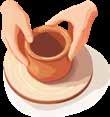


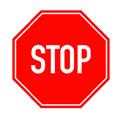


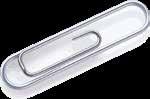
Say the name of each picture. Write cl or st at the beginning of the word according to which blend matches the word. Then, trace the word ending.
› Trace it, write it, and box it.


Look at the word. Then, say it. Trace the word. Write it on the line. Then, write it in the box that matches the shape of the letters. Finally, check the spelling.
23 Beginning Blends “cl” and “st”
› Spell it and write it.

4.
5. up on the box. 6.
was


Read the sentences aloud. Write the spelling word that completes each sentence.
1. The paper held it together.
2. Will the car ?
3. The is green.
Kim made a pot.
The
loud.
› Read it and write it.
Stan took a big into the art classroom.
The teacher held a stack of papers with a . Today was craft day! The teacher gave a ball of to each student. Stan shaped his clay into a . He showed his class, and some kids began to . He loved craft day and did not want it to ever .
› Circle it and write it.
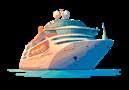
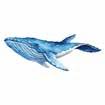
Say each picture name. Circle the letters that make the beginning sound of the picture name. Then, write the letters on the line and trace the rest of the word. chip chin ship shut whale wheel block flip clap stop Word Bank


› Circle the rhyming word.





Say the word that names the first picture. Circle the picture whose name has the same ending sound. These words rhyme!
Spot it and fix it.
Hank’s List
1. Clean the weel on the car.
2. Eat a ship for a snack.
3. The blok is red.
› Write the sentence correctly. chip wheel block
4. you can go do a flip. 5. it is a big whale.
1Circle each word that is spelled incorrectly. Write the word correctly on the line provided.
2Using language skills for questions 4-5, write the sentence correctly on the line. Remember that sentences begin with a capital letter.
› Write it out. Use two or more words from the Word Bank to write two sentences about travel.



Example: The ship is in the water.
Use at least two words from the word bank. Remember that sentences should have a capital letter at the beginning, spaces between words, and punctuation at the end.
Word List ball call tall tell sell well
Word Families with -all and -ell
The all and ell word families both have a double l at the end of the word. The ll makes just one “l” sound.
› Write the word. sell


Say the name of each picture. Trace the first letter. Then, write all or ell to finish the word. Think about which word ending matches best with the picture.
› Trace it, write it, and box it.


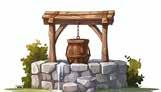
Look at the word. Then, say it. Trace the word. Write it on the line. Then, write it in the box that matches the shape of the letters. Finally, check the spelling.
› Spell it and write it.
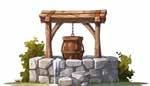
1. The water in the was deep.
2. You can me on the phone.
3. Bill cannot you that.

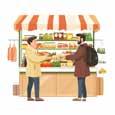
4. The market can grapes.

5. The is blue, yellow, and red.
6. The boy was very
Read the sentences aloud. Write the spelling word that completes each sentence. ball call tall tell sell well Word Bank

› Read it and write it.
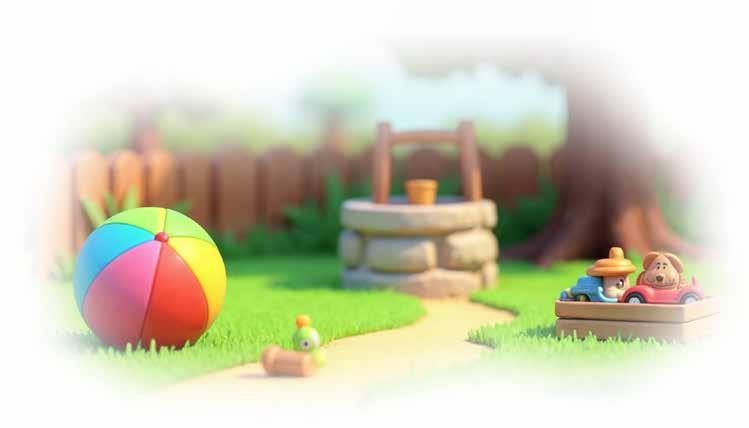
Ben went to his friend to play. They threw the to each other. Then, they stood next to a tree. Ben asked, “Can I you something? I want to my old toys.” Ben and his friend sat down near the to make a plan.
Word List will hill toll roll pull full
Word Families with -ill, -oll, and -ull
The ill, oll, and ull word families all have a double l at the end of the word. The ll makes just one “l” sound.
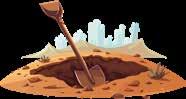
› Write the word.


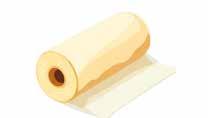

Say the name of each picture. Trace the first letter. Then, write ill, oll, or ull to finish the word. Think about which word ending matches best with the picture.
› Trace it, write it, and box it.


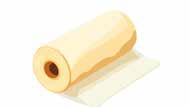

Look at the word. Then, say it. Trace the word. Write it on the line. Then, write it in the box that matches the shape of the letters. Finally, check the spelling.
› Spell it and write it.
1. The cart was of food.
2. you come to the store with me?
3. We needed to pay a in order to cross the bridge.
4. The wheel can very fast.
5. The boy can the rope.
6. There was a outside. Read the sentences aloud. Write the spelling word that completes each sentence. will hill toll roll pull full Word Bank
› Read it and write it.
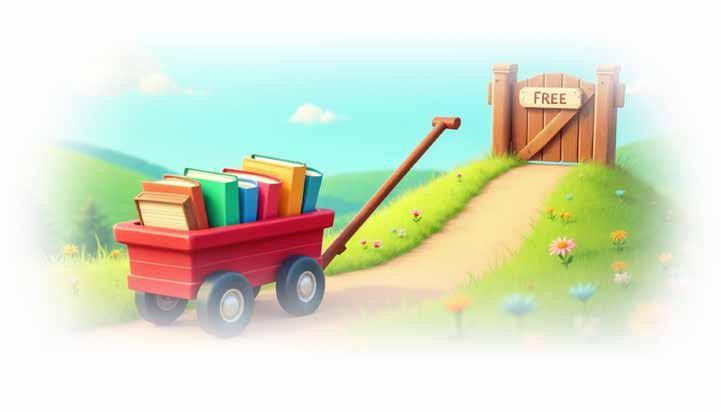
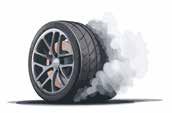
Bill is walking with his wagon. It is of books. The wagon could on its wheels. Bill sees a steep in front of him. Bill sees a gate. There is no to pay, he can pass it for free. He has to his wagon really hard to get it over the hill. he make it?
Word List back neck rock sock clock luck
Words Ending with -ck
Whenever you see ck together it makes the “k” sound. It will be spelled with a ck after short vowels a, e, i, o, u. For all the words below, the -ck will be the ending sound.
Tip: Listen for the “k” sound in both these words and look at the spelling.
bake back
Notice that the a is a long “a” in bake, so it is spelled with a k. It is a short “a” in back so it is spelled with a ck.
› Fill in the missing letters. Write the word.




Write ck in each box. Then, write the whole word on the next line.
› Trace it, write it, and box it.


Look at the word and say it. Next, trace the word and write it on the blank line. Then, write it in the box that matches the shape of each letter. Finally, check the spelling.
› Spell it and write it.
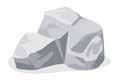

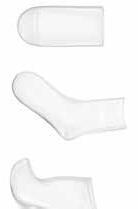

Read the sentences aloud. Write the spelling word that completes each sentence.
1. He had good finding his lost toy.
2. The was small.
3. My hurts.
4. His bag was on his .
5. The is white.
6. The tells the time.
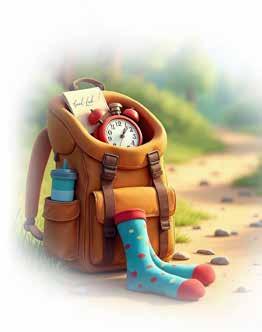
› Read it and write it. It was time to go on a hike! I put one on each foot and went outside. My cousin Jack came and put his bag on his . His bag had a to tell the time, water, cups, and a note from his dad. The note said, “Good on your hike!” His bag was so heavy that it began to hurt Jack’s , so I took it for a little bit. We walked over a big to get to the other side of the lake.
Word List pack sack snack bank tank blank
Word Families with -ack and -ank
Both ack and ank have an a in the spelling. Listen to the “a” sound in each. At the end of each word there are two letters. The ck makes the “k” sound, and the nk makes an “n” and then a “k” sound.

› Write the word.

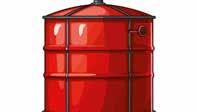
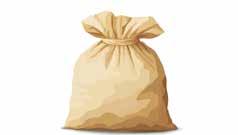

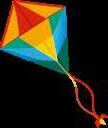
Tip: Remember the “n” sound is like the beginning of the word nut. Nn Remember the “k” sound is like the beginning of the word kite. Kk


Say the name of each picture. Trace the letters. Then, write ack or ank to finish the word. Think about which word ending matches best with the picture.
› Trace it, write it, and box it.
Say each word. Trace the word. Write it on the line. Then, write it in the box that matches the shape of the letters. 1. Look 2. Say 3. Spell 4. Write 5. Check



› Spell it and write it.
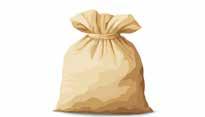
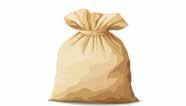
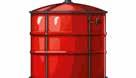
1. The for food is brown.
2. The is not open today.

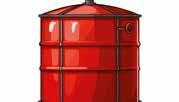
3. My gas is empty.
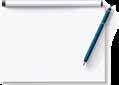
4. Write on the page.
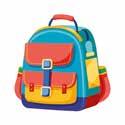
5. Can you help me my bag?
6. I have a to eat later.

Read the sentences aloud. Write the spelling word that completes each sentence.
› Read it and write it.
We learned about ways to save money. Now, my class is taking a field trip to the to learn more. My parents had to fill out a form before I got on the bus for the field trip. My teacher said to a to eat on the bus ride. I packed it in a brown . The driver checked the gas to make sure the bus could start. Everything was ready for our trip to the bank!
High Frequency Words
The high frequency words can also be called sight words because you will see them often and should recognize them quickly by sight, not by sounding them out. Word List she then they we went you
› Trace it, write it, and box it.

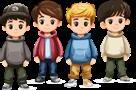

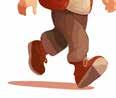

Say each word. Trace the word. Write it on the line. Then, write it in the box that matches the shape of the letters.
› Spell it and write it.
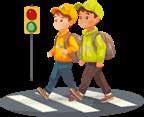
1. First, we have to check. , we can cross.
2. He to the zoo.
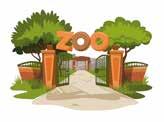
3. are my good friend. 4. can ride a bike by herself. 5. are a big group. 6. can see the stars. she then they we went you Word Bank

Read the sentences aloud. Write the spelling word that completes each sentence.
High Frequency Words

Circle each word that is spelled incorrectly. Write the word correctly on the line provided. Remember to capitalize the first letter in the beginning of the sentence.
› Write it out.
Word Bank
Parks are fun! Write a story about a group of friends at a park. Use words from the Word Bank in your story. she then they we went you
Example: She likes to go to the park.
Use the words from the word bank to form a sentence about what you like to do. Remember that sentences should have a capital letter at the beginning, spaces between words, and punctuation at the end.
› Circle it and write it.



Say each picture name. Circle the letters that make the ending sound to match what is in the picture. Then, write the letters on the line and trace the rest of the word. For 9 and 10, find the beginning sound that matches the high frequency word picture. Then, write the letters on the line and trace the rest of the word. ball sell will full sock luck sack bank she you Word Bank


› Circle the rhyming word.








Say the word that names the first picture. Circle the picture whose name has the same ending sound. These words rhyme!
› Use math to create a word.
- m + n = then you luck bank she sack Word Bank



Add or subtract letters to the words to create one of the words from the word bank above.
1. s + he =
2. your - r =
3. cluck - c =
4. stack - t = 5. blank - l = + -
› Write it out. Use two or more words from the Word Bank. Write two sentences about a trip to the store.
Word Bank ball sell will full sock luck sack bank she you
Example: Mom has a sack of food. The cart is full.
Use at least two words from the word bank. Remember that sentences should have a capital letter at the beginning, spaces between words, and punctuation at the end.
Word List fan cup dig pad fed leg
Mixed Review - CVC Words
CVC words are words with a consonant vowel consonant. The vowels are a, e, i, o, u. Consonants are every other letter in the alphabet like f, n, c, p, d, g, and many more.
› Write the word.
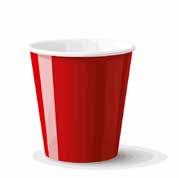
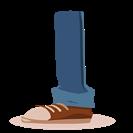
Say the name of each picture. Trace the first consonant letter. Then, pick the correct vowel and consonant ending to finish the word. Think about which word ending matches best with the picture.
Consonant Vowel Consonant
How
› Trace it, write it, and box it.
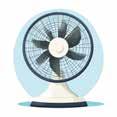
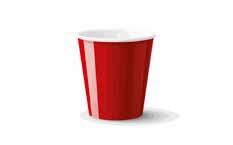
Look at the word. Then, say it. Trace the word. Write it on the line. Then, write it in the box that matches the shape of the letters. Finally, check the spelling.
› Spell it and write it.
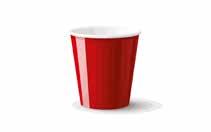
1. Take a sip from the .
2. Use the of paper to write.

3. We the baby this morning.
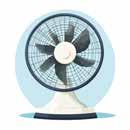
4. It’s hot! Can we turn on the ?
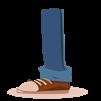
5. He can a hole for the plant.
6. I hurt my when I fell.
Read the sentences aloud. Write the spelling word that completes each sentence. fan cup dig pad fed leg Word Bank


› Use math to create a word.
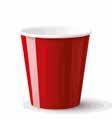

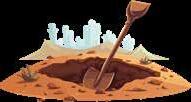
1. feed - e =
2. f + an =
3. c + up=
4. paid - i =
5. d + i + g =
6. led - d + g =
Word List six fit hop rag fix box
Let’s practice more CVC words. Remember CVC means words with a consonant vowel consonant.
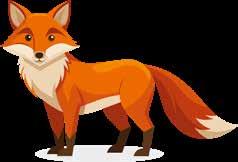
Tip: Listen to the x at the end of some of these words. It almost sounds like a k and then an s sound. Listen: fox
› Write the word.



h s r b f

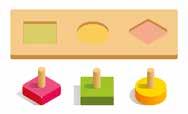
Say the name of each picture. Trace the first consonant letter. Then, pick the correct vowel and consonant ending to finish the word. Think about which word ending matches best with the picture.
Consonant Vowel Consonant
› Trace it, write it, and box it.



Look at the word. Then, say it. Trace the word. Write it on the line. Then, write it in the box that matches the shape of the letters. Finally, check the spelling.
Mixed Review - CVC Words
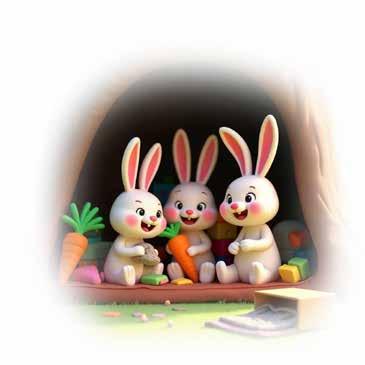
Honey the bunny had a big family. She had five sisters and brothers. They could barely into their home in the tree. They liked to play outside and around together. One day, Honey’s sister got dirt on her of toys. Honey grabbed a to clean the box. Honey knew that would the box, but told all the bunnies to be careful where they hop!
› Use math to make a word.



Add or subtract letters to the words to make one of the words from the word bank above.
1. hope - e =
2. brag - b =
3. s + ix =
4. f + it =
5. f + i + x =
6. fox - f + b =
Word List tape kite hope made code home
Mixed Review - CVCe Words
In the last lesson, you learned more about CVC words. In this lesson, the words will also have a silent e. The silent e makes the vowel say its name, becoming a long vowel sound.
Tip: Remember, the vowels are a, e, i, o, and u.
› Write the word.


Say the name of each picture. Trace the first consonant letter. Then, pick the correct vowel and consonant ending to finish the word. Also, don’t forget the silent “e”.
Consonant Vowel Consonant
Silent e
1. Look 2. Say 3. Spell 4. Write 5. Check
› Trace it, write it, and box it.
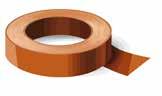
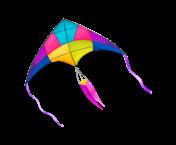


Look at the word. Then, say it. Trace the word. Write it on the line. Then, write it in the box that matches the shape of the letters. Finally, check the spelling.
› Spell it and write it.

1. I it will be fixed soon. 2. The wind makes the fly. 3. He a card by himself. 4. The to the lock was 2-4-6. 5. They are coming on Sunday. 6. The is sticky.
Read the sentences aloud. Write the spelling word that completes each sentence. tape
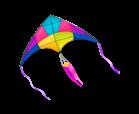
› Use math to create a word.
chip - c = hip m + an = man
tape kite hope made code home Word Bank


1. hop + e =
2. mad + e =
3. tap + e =
4. kit + e =
5. rode - r + c =
6. hope - p + m =
Word List lunch white shirt sheep bench why
Mixed Review - Digraphs
Digraphs are a joining of two letters to make one sound.
Tip: Each of these digraphs has an h as the second letter. Think of these digraphs as the h brothers.
› Write the word.

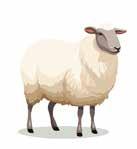
Say the name of each picture. Listen for the missing digraph sound. Add either sh, ch, or wh to the words. Then, trace the other letters to make the word.
Chatty Charlie Quiet Sheldon Whistling Whit
› Trace it, write it, and box it.
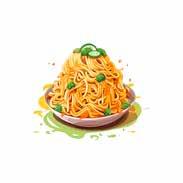
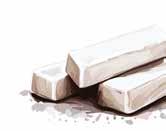
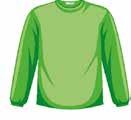
whyLook at the word. Then, say it. Trace the word. Write it on the line. Then, write it in the box that matches the shape of the letters. Finally, check the spelling.
Mixed Review - Digraphs
› Spell it and write it.
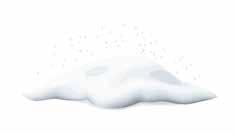
1. The snow is .
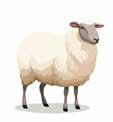
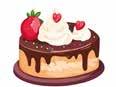
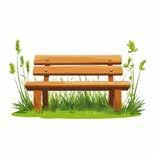
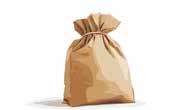
Read the sentences aloud. Write the spelling word that completes each sentence.
2. This is big and fluffy.
3. did you make a cake?
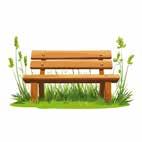
4. My friend and I sat on the .
5. John has a brown sack.
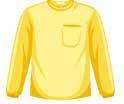
6. Her is yellow with a pocket.
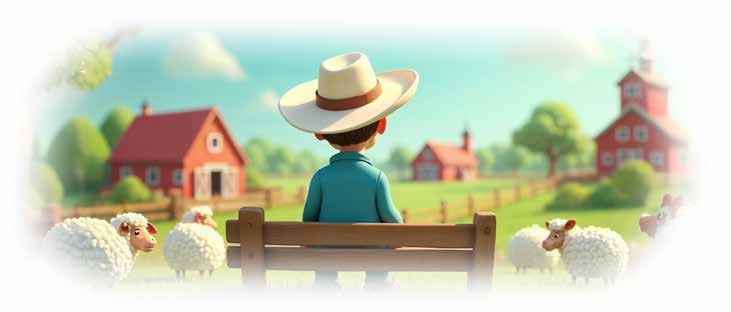
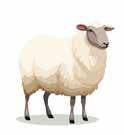
There was a farmer named Bob. One Friday, he woke up and put on his blue and a hat. He had lots of animals on his farm to take care of, like and horses. He got to work! At noon, he heard a bell ring. did it ring? It was time! Bob sat on a and ate his meal.
Word List stick start fly blast sleep cloud
Mixed Review - Blends
Blends are groups of consonants that combine in a word but still have an individual sound.
› Write the word.
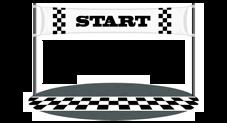
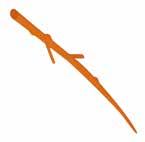


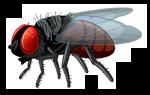

Say the name of each picture. Listen for the missing blend sounds. Add either st, fl, bl, sl, or cl to the words. Then, trace the other letters to complete the word.
› Trace it, write it, and box it.
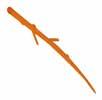
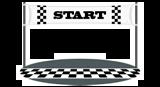
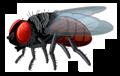



Look at the word. Then, say it. Trace the word. Write it on the line. Then, write it in the box that matches the shape of the letters. Finally, check the spelling.
Mixed Review - Blends
› Spell it and write it.




Read the sentences aloud. Write the spelling word that completes each sentence.
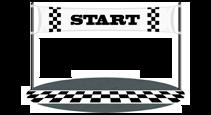
1. The bird can . 2. You need to the timer.
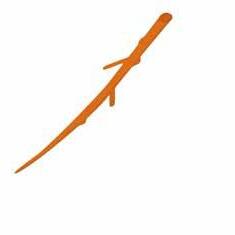
3. He poked it with a .
4. The blocked the sun.
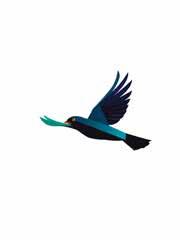
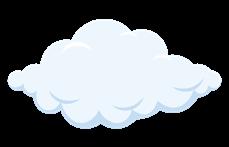
5. I went to because I was tired.
6. The horn made a loud .
› Use math to create a word.

Add or subtract letters to the words to create one of the words from the word bank above.
1. c + loud =
2. st + ick =
3. st + art =
4. b + last =
5. sleet - t + p =
6. why - wh + fl =
› Circle it and write it.

Say each picture name. Circle the letters that are missing from the word. Some are letters, digraphs, blends, or other word endings. Circle the one that matches best and write it on the line. fan cup six box kite home white sheep stick cloud Word Bank


› Replace the word.
Word Bank fan cup box kite white sheep cloud



Say the word that names the first picture. Circle the picture whose name has the same ending sound. These words rhyme! word in the dark bold print does not make sense in the sentence and needs to be changed. Write the spelling word that makes sense on the line.
1. Rex the cat is blue and small.
2. The dirt is in the sky.
3. The plant blew cold air around the room.
4. I see a ball floating in the wind.
5. Look inside the step.
6. Fill up the pen with water.
7. The fish was white and fluffy.
Spot it and fix it.
Rick,
Can you come to my hom at ssix today?
We can open the boc and play with my new kit.
Josh

The sloud is high up in the sky.
The cheep are in the barn. 7. The steck looks small.
› Write it out.
It is a hot day. You go outside to play. Write three sentences using words from the Word Bank to tell what happens next.
Use at least three words from the word bank. Remember that sentences should have a capital letter at the beginning, spaces between words, and punctuation at the end.
Bback (BAK) noun the part of your body behind you
My back hurts.
bag (BAG) noun something you use to carry things I put my toy in the bag.
bake (BAYK) verb to cook food in an oven
We bake cookies in the oven.
bit (BIT) noun a small piece of something She ate a bit of cake.
blank (BLANGK) adjective empty, with nothing on it
The paper was blank.

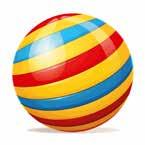
ball (BAWL) noun a round toy you can throw, kick, or bounce
We played ball at school.
bank (BANK) noun a place where people keep money Mom went to the bank.
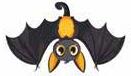
bat (BAT) noun a small animal that flies at night
A bat sleeps in a cave.
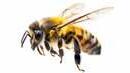
bee (BEE) noun a small insect that makes honey
A bee buzzed in the garden.
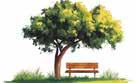
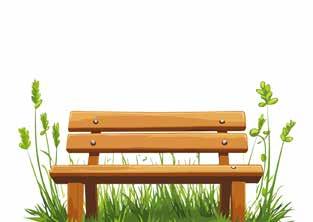
bench (BENCH) noun a long seat for more than one person We sat on the bench at the park.
blast (BLAST) noun a strong burst of air or sound
The horn made a loud blast.
block (BLOK) noun a solid piece of wood or stone I put a red block on the tower.
blow (BLOH) verb to move air out of your mouth I will blow out the candles.
blue (BLOO) adjective the color of the sky on a clear day She wore a blue dress.
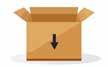
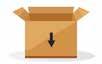
box (BOX) noun a container with straight flat sides The toy is in the box.
broke (BROHK) verb past tense of break He broke the toy.
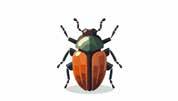
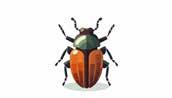
bug (BUG) noun a small insect
The bug crawled on the wall.
Ccall (KAWL) verb to shout or talk to someone I will call you when I am ready.
can (KAN) verb to be able to do something I can run fast.
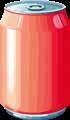
cap (KAP) noun a soft hat with a bill He wore a blue cap.
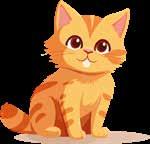
cat (KAT) noun a pet animal that says meow The cat sat on the mat.

check (CHEK) verb to look at something Check your work.
chin (CHIN) noun the part of your face below your mouth I have a small scar on my chin.

chip (CHIP) noun a small piece of something I ate a chip.
chop (CHOP) verb to cut into pieces Chop the wood.
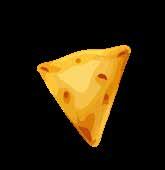
clap (KLAP) verb to hit your hands together to make a sound We clap after the song.
clay (KLAY) noun soft, wet earth used to make things We made a pot from clay.
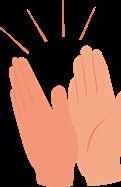
clip (KLIP) noun a small device that holds things together I used a clip for my papers.
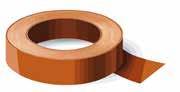
clock (KLOK) noun a tool that shows the time
The clock says it is noon.
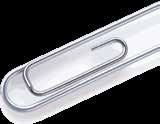
cloud (KLOUD) noun a white or gray shape in the sky The cloud was big and fluffy.
code (KOHd) noun a set of letters or numbers that mean something I typed in the code.
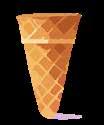
cone (COHN) noun a shape with a round bottom and pointy top I ate ice cream in a cone.

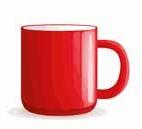
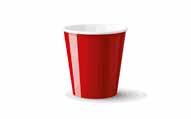
cup (KUP) noun a small container for drinking I drank water from a cup.
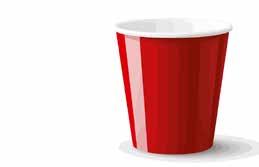
cute (KYOOT) adjective pretty or nice to look at The puppy is cute.

fed (FED) verb past tense of feed I fed the dog this morning.
D

dad (DAD) noun a father
My dad is kind.
day (DAY) noun a time from morning to night Today is a sunny day.
dig (DIG) verb to make a hole in the ground I dig in the sand.
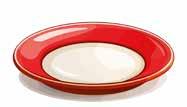
dish (DISH) noun a plate or bowl for food I washed the dish.
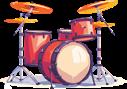
drum (DRUM) noun a round instrument you hit to make music
He plays the drum.
dug (DUG) verb past tense of dig
We dug a hole in the garden.
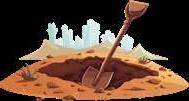
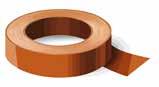
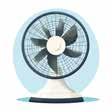
Ffan (FAN) noun a machine or object that moves air
The fan kept us cool.

fin (FIN) noun a flat part on a fish that helps it swim The fish moved its fin.
fine (FYN) adjective good or okay I feel fine today.
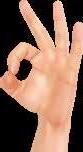
fish (FISH) noun an animal that lives in water
The fish swims in the pond.
fit (FIT) verb to be the right size
The shoes fit me.
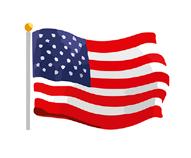
fix (FIKS) verb to repair something that is broken Dad will fix the chair.
flag (FLAG) noun cloth with colors that stands for a country
The flag is red, white, and blue.
flap (FLAP) verb to move wings or arms up and down
The bird will flap its wings.
flat (FLAT) adjective smooth and even, not bumpy
The road is flat.

flip (FLIP) verb to turn over quickly
Flip the card to see the picture.
fly (FLY) verb to move through the air with wings
Birds can fly high.
fog (FOG) noun thick mist that makes it hard to see The fog covered the street.
free (FREE) adjective not costing anything
The toy is free.
full (FUL) adjective holding as much as possible
The glass is full of milk.
fun (FUN) noun something you enjoy
We had fun at recess.

Ggate (GAYT) noun a door in a fence or wall
The gate is open.

glue (GLOO) noun
a sticky substance used to join things
I used glue to fix the paper.
go (GOH) verb to move from one place to another We go to school.
Hhat (HAT) noun something you wear on your head
She wore a gray hat.
heat (HEET) noun
warmth from the sun or fire I felt the heat from the fire.
hill (HIL) noun a small raised area of land
We climbed the hill.
home (HOHM) noun the place where you live I am happy at home.
hop (HOP) verb to jump a little or on one foot
The bunny can hop.
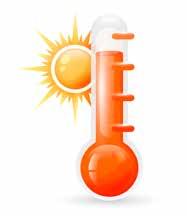
hot (HOT) adjective having a high temperature
The soup is hot.
hum (HUM) verb to make a low, steady sound
She likes to hum a tune.

J
jog (JOG) verb to run slowly
We jog around the park.
K
kit (KIT) noun
a set of things used for a purpose I have a painting kit.
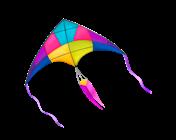
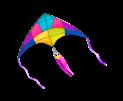
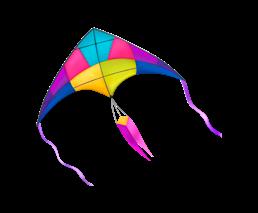
kite (KYT) noun a toy that flies in the wind
The kite flew high.
Llate (LAYT) adjective not on time
He was late for class.
leg (LEG) noun
lot (LOT) noun a large number or amount
She has a lot of dolls.
luck (LUK) noun things that happen by chance
He had good luck in the game.
lunch (LUNCH) noun a meal eaten in the middle of the day
We had pizza for lunch.
Mmad (MAD) adjective feeling angry
She was mad when she lost her toy.
made (MAYD) verb tense of make
He made a cake.
a body part used for walking
My leg is strong.
line (LYN) noun a long, thin mark or row
Draw a line on the paper.
log (LOG) noun
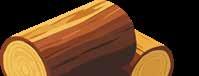
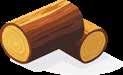
a cut part of a tree trunk
He sat on a log.
man (MAN) noun a grown-up boy is a man
The man is tall.

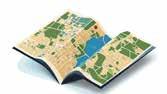
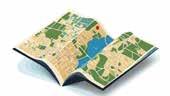
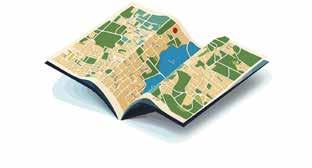
map (MAP) noun
a drawing that shows places
We looked at the map of our town.
mat (MAT) noun
a small rug or cloth on the floor
Wipe your feet on the mat.


May (MAY) noun the fifth month of the year
My birthday is in May.
me (MEE) pronoun refers to yourself
Give the ball to me.
men (MEN) noun more than one man
The men took a walk.
mine (MYN) pronoun belonging to me
This book is mine.
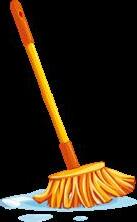
mop (MOP) noun a tool used for cleaning the floor I cleaned the floor with a mop.
much (MUCH) adjective a large amount I drank too much water.
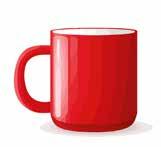
mug (MUG) noun a cup with a handle He drank cocoa from a mug.

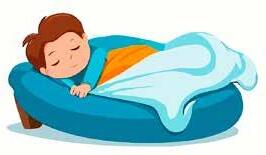
Nnap (NAP) noun a short sleep
The baby took a nap.
neck (NEK) noun the part of the body that connects the head and body He wore a scarf around his neck.
net (NET) noun a string woven together to catch things
The fisherman used a net.
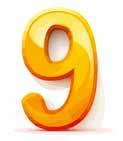
nine (NYN) number the number 9
There are nine apples on the tree.
no (NOH) adverb a word to say you disagree No, I don’t want juice.
not (NOT) adverb shows the opposite I am not tired.
note (NOHT) noun a short piece of writing She wrote me a note.
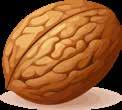
nut (NUT) noun a hard-shelled food that grows on trees
The squirrel ate a nut.
Oon (ON) preposition resting above something The book is on the table.


Ppack (PAK) verb to put things together for carrying I pack my lunch for school.
pad (PAD) noun a small cushion or notebook I wrote on a pad of paper.
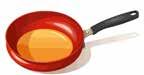
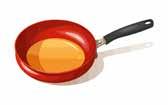
pan (PAN) noun a metal dish used for cooking She cooked eggs in the pan.
pen (PEN) noun a tool used to write I used a pen to write my name.
pet (PET) noun an animal kept for fun or friendship
The dog is my pet.
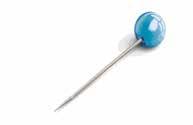
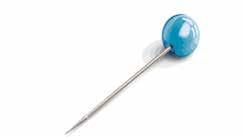
pin (PIN) noun a small thin metal object with a point
She used a pin to hold the cloth.
poke (POHK) verb to touch with a finger or stick
Never poke other people.
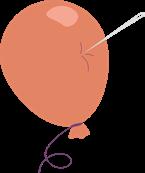
pop (POP) verb to make a quick, loud sound
The balloon will pop.
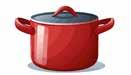
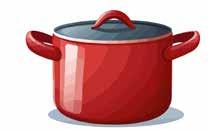
pot (POT) noun a deep round dish for cooking Soup is in the pot.
pull (PUHL) verb to bring something toward you Pull the door open.
Rrag (RAG) noun
a small old piece of cloth
He cleaned the table with a rag.
rich (RICH) adjective having a lot of money
The man is rich.
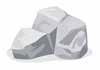
rock (ROK) noun a hard piece of stone

She found a shiny rock.
roll (ROHL) verb to move by turning over and over
The ball will roll down the hill.
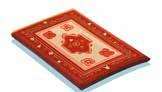
rug (RUG) noun a small carpet
The rug is under the table.
rush (RUSH) verb to move quickly
Do not rush to finish your work.


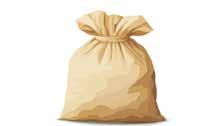
Ssack (SAK) noun a large bag
He carried potatoes in a sack.
sad (SAD) adjective feeling unhappy
She was sad when her toy broke.

sat (SAT) verb past tense of sit
She sat on the chair.
sea (SEE) noun a very large body of water
she (SHEE) pronoun a word for a girl or woman
She is my friend.
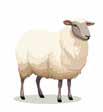
sheep (SHEEP) noun a farm animal with wool
The sheep ran in the field.
We swam in the sea.
see (SEE) verb to look with your eyes
I see the stars.
sell (SEL) verb to give something for money He will sell lemonade.
set (SET) verb to put something in place
Please set the cup on the table.
shade (SHAYD) noun a darker area made when light is blocked
We sat in the shade of the tree.
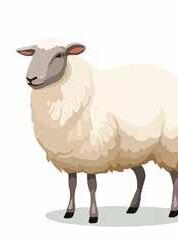
shell (SHEL) noun the hard outside part of some animals
A turtle has a hard shell.
ship (SHIP) noun a big boat that sails on water
The ship sailed across the sea.
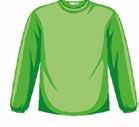
shirt (SHURT) noun a piece of clothing for the upper body
He wore a blue shirt.
shut (SHUT) verb to close something
Please shut the door.
sip (SIP) verb to drink a little bit
Take a sip of water.
sit (SIT) verb to rest on a chair

Please sit on the rug.
six (SIKS) number the number 6
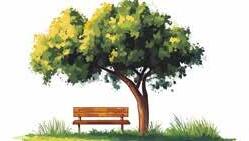
There are six birds in the tree.
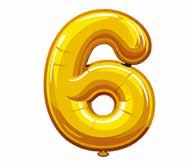
sleep (SLEEP) verb to rest with your eyes closed I sleep at night.
slip (SLIP) verb to slide by accident
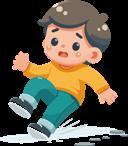
Be careful not to slip on the ice.
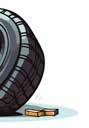
slow (SLOH) adjective not fast
The turtle is slow.
snack (SNAK) noun a small amount of food
I ate a snack after school.
so (SOH) adverb used to show result or reason
step (STEP) noun a single move made by your foot
Take a big step.
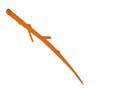
stick (STIK) noun a small thin piece of wood
He used a stick to draw in the dirt.
stop (STOP) verb to not move anymore
Please stop running.
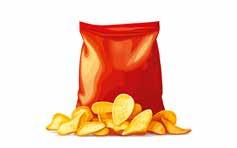
I was tired, so I went to bed.
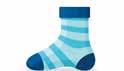
sock (SOK) noun clothing worn on the foot
He put on a sock.
spoke (SPOHK) verb past tense of speak
She spoke to the class.

star (STAR) noun a bright light in the night sky
I see a star at night.
start (START) verb to begin something
We will start the game.
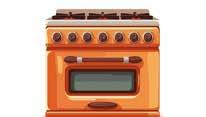
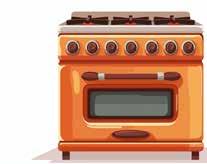
stove (STOHV) noun a machine used for cooking
The soup is on the stove.
sum (SUM) noun the total when you add numbers
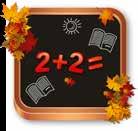
The sum of two and two is four.
sun (SUN) noun the big bright star in the sky
The sun gives us light and warmth.
Ttag (TAG) noun a small label or name card
The price tag is on the shirt.
tall (TAWL) adjective having great height
The tall tree touches the sky.
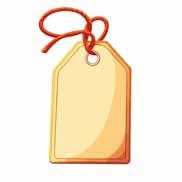

tank (TANK) noun a large container for holding liquid or gas
Water filled the tank.
tap (TAP) verb to touch lightly

Tap the drum with your hand.
tape (TAYP) noun a strip that sticks things together
She used tape to fix the paper.
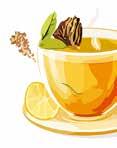
tea (TEE) noun a drink made from dried leaves in hot water
Mom drank tea in the morning.

tell (TEL) verb to say something to someone
Please tell me a story.
ten (TEN) number the number 10

There are ten chairs in the room.
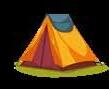
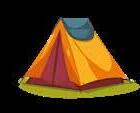
tent (TENT) noun a shelter made of cloth for camping
We slept in a tent.
then (THEN) adverb at that time or after something First we ate, then we played.
they (THAY) pronoun a word for more than one person They are my friends.
time (TYM) noun hours and minutes that tell when something happens What time is it now?
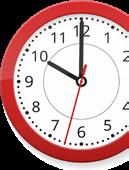
toll (TOHL) noun money paid to use a road or bridge
We paid the toll.
top (TOP) noun the highest part of something He climbed to the top of the hill.
tree (TREE) noun a tall plant with a trunk and branches
The tree has green leaves.
true (TROO) adjective something that is real or correct
The story is true.
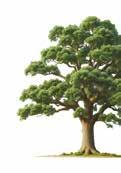
tube (TOOB) noun a hollow, round thing for liquids or air
Toothpaste comes in a tube.

U use (YOOZ) verb to do something with an object I use a pencil to write.

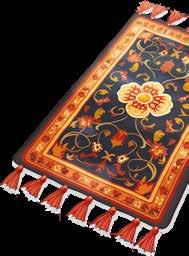
Wway (WAY) noun a path or direction to go
This is the way home.
we (WEE) pronoun a word for you and me together We play at school.
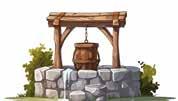
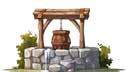
well (WEL) noun a deep hole in the ground to get water The well is full of water.
went (WENT) verb past tense of go
We went to the park.
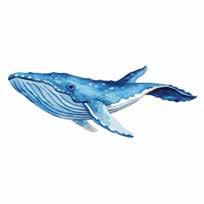
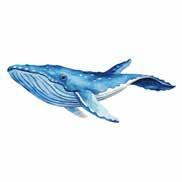
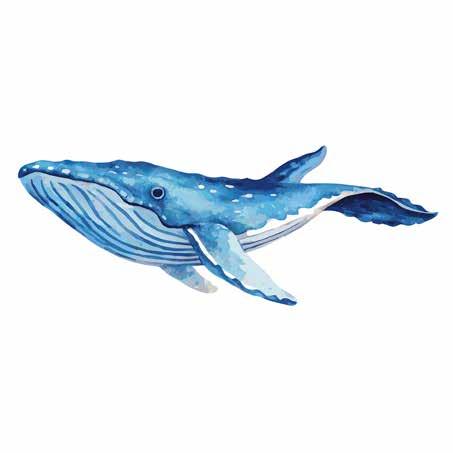
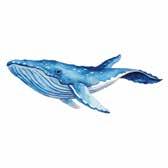
whale (WAYL) noun a very large animal that lives in the ocean
A whale can swim far
what (WUT) pronoun a word you say to ask about something What is your name?
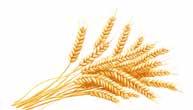
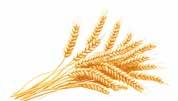
wheat (WEET) noun a grain used to make bread
Wheat grows in the field.
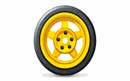
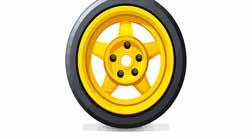
wheel (WHEEL) noun a round object that turns to help things move
The bike has a wheel.
when (WEN) adverb a word to ask about time When will you come?

which (WICH) pronoun a word used to choose between things Which toy do you like?
white (WYT) adjective the color of snow or milk
The paper is white.
why (WAI) adverb a word to ask the reason Why is the sky blue?
wide (WYD) adjective having a big space across The road is wide.
will (WIL) verb to show future action I will read a book.
win (WIN) verb to come first in a game or contest I want to win the race.

Yyou (YOO) pronoun a word for the person being spoken to You are my friend.
www.lighthousecurriculum.com