
Money Smarts is built in three tiers. The first three units build behavior. The next three build strategy. The last two build understanding of the larger money system. Each unit follows one sixth-grade student through a real situation in their own world.

Money Smarts ISBN 978-1-955773-75-1
Lighthouse Curriculum
718.285.7100 • info@lighthousecurriculum.com For more information visit www.lighthousecurriculum.com
©Copyright 2025 Lighthouse Curriculum Inc. All rights reserved.
contact Lighthouse Curriculum.
















How do I spend money in a way that matches my goals?






























Ben had spent the summer helping his uncle at his workshop. On the afternoons he worked, he earned $10 sweeping the floor, sorting screws into bins, and carrying lumber from the truck to the saw bench. He did not work every day, and he spent some of what he made along the way. By the end of August, he had $40 saved in an envelope.

What if Ben's best friend was going on the trip? What if his uncle said he could borrow a drone any weekend? Would either of those change the answer? Why?
On Monday morning at school, Mr. Parker announced a weekend hiking trip to Hawk Ridge. The trip cost $30 and included a bus, a guide, and a packed lunch. Students who had hiked Hawk Ridge before said the view from the top was "actually worth the climb." The deadline to sign up was Friday.
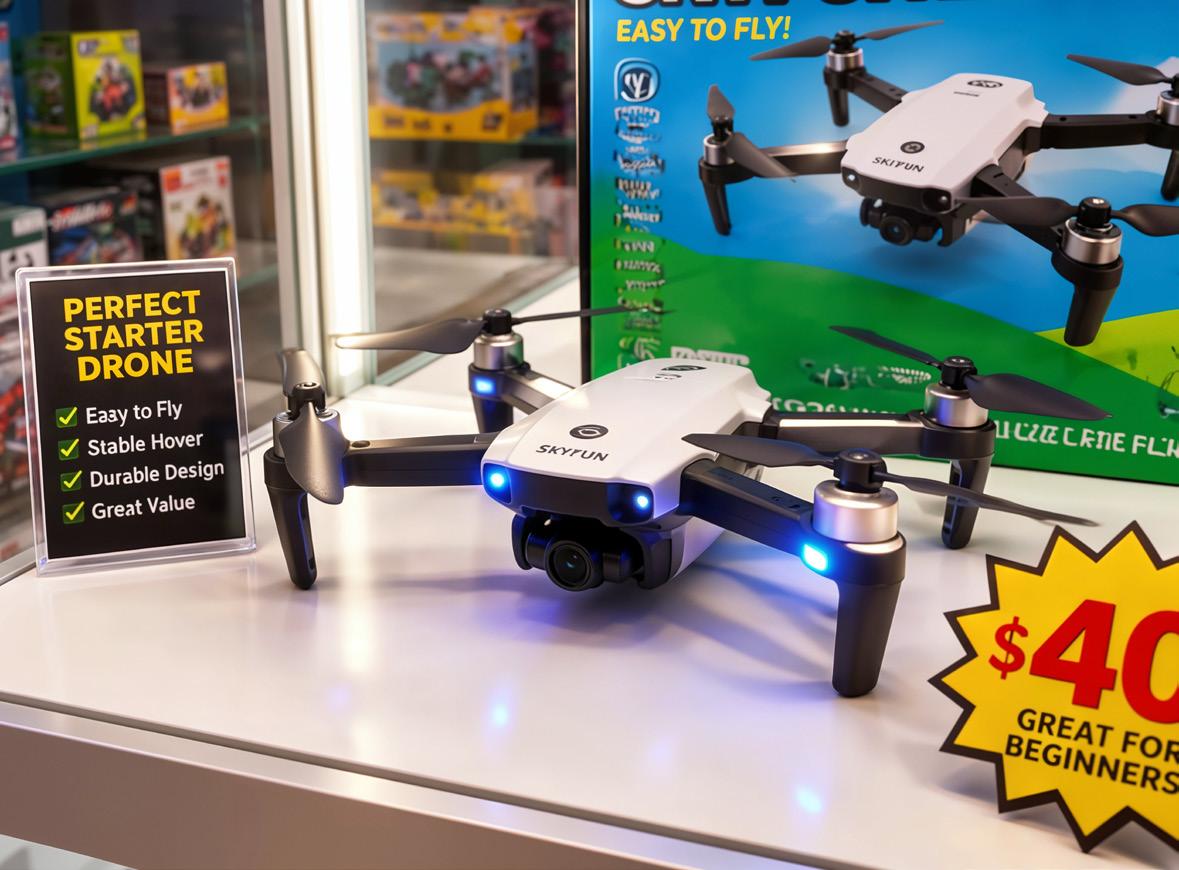
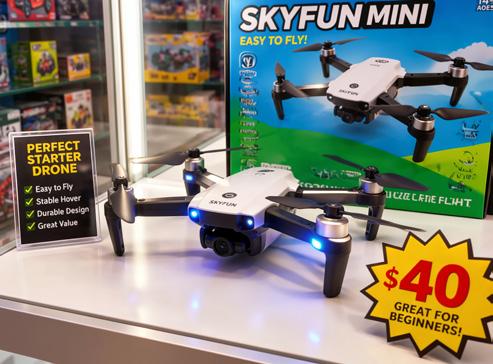
Then at lunch, Ben's friend Owen showed him a picture of a beginner drone Ben had wanted for










several months. The kit cost $40 and included replaceable propellers and a working camera. The hobby store on Pine Street still had three kits in stock.
Ben had $40 and two good options. He could buy the drone, or go on the trip and have $10 left for later. He could not afford both.


BIG QUESTION
Circle the one Ben should pick before reading anything else.
A. Buy the drone
C. Wait and decide later
B. Go on the trip
D. Ask his parents to chip in
How do you choose when both options are good?
Ben has $40 and two things he wants to buy. He only has enough money for one, so he has to choose. The hard part is not deciding. The hard part is accepting that choosing one option means giving up the other. Money is limited, but our wants are not. Even adults with plenty of money face this problem. A single dollar can only be spent on one thing. People who forget this end up surprised by their own spending. People who remember it make better choices, because they know what they are giving up.
There is a name for the thing you give up when you make a choice. It is called the opportunity cost. The opportunity cost is not money you lost. It is the value of whatever you said no to. When Ben buys the drone, his opportunity cost is the trip. When he chooses the trip, his opportunity cost is the drone.
Carlos has $25. He wants both a $20 book and a $15 digital watch. Together, that is $35
He is $10 short of having both.
His opportunity cost is real:
Buy the book: no watch.
Buy the watch: no book. Try to buy both: not possible with $25
You have $30. Fill in the blanks.
Opportunity cost - the value of what you give up when you choose something else. The trip is Ben's opportunity cost if he buys the drone.
Tradeoff - a choice where every option costs you something. Almost every money decision is a tradeoff.
Priority - the thing that matters most to you right now. Your priority decides which tradeoff makes sense.
Limited resourceanything you have a finite amount of. Ben's $40 is a limited resource. So is time.
Now you help Ben decide. Use the table below. Pick the option that matches what matters most to him.
STEP 1 What does Ben actually want most this month?
Time with friends from school
Building something he can use again and again
A memory of a place he has not been
Learning a new skill on his own
WAIT, NEW INFORMATION
Ben's uncle finds out about the choice. He says: "If you skip the drone for now, I'll match what you save next month. Drones aren't going anywhere." The trip, though, is only this weekend.
STEP 2 Pick one. Buy the drone. Skip the trip. Go on the trip. Buy the drone next month with help from his uncle. Skip both. Save the $40 for something later.
EXIT QUESTION
Did the new information change your answer? Why or why not? Should new information always change your mind?
In one sentence: what is Ben's opportunity cost if he picks the trip?
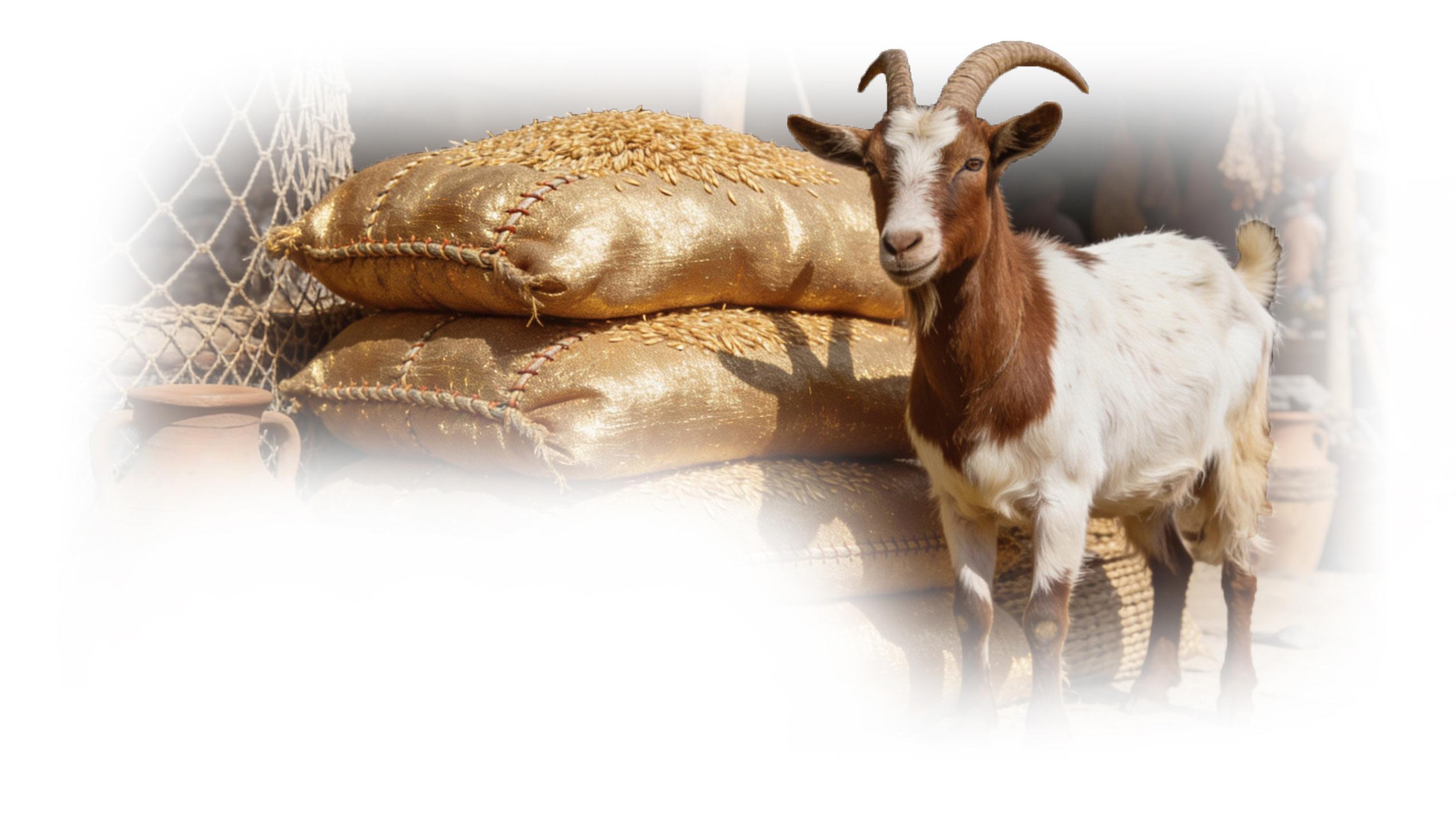
Picture a market long ago, before anyone alive had ever seen a coin. A potter walks in carrying a clay jar he shaped with his own hands. He needs grain for the winter. Somewhere in the crowd is a farmer with grain to spare. If the potter can find him, and if that farmer happens to want a jar, the two can trade, and both walk home satisfied. This kind of direct swap is called barter. But barter hides a hard problem. The potter cannot simply want grain. He has to find a grain farmer who also wants a pot, at the same moment, in the same market. If every farmer there already has enough pots, the potter goes home hungry, no matter how fine his work is. A trade happens only when two people each want exactly what the other is holding, and that match was rare.
People found a clever way around this. They began accepting certain goods that almost everyone wanted, not for that day, but because they knew someone else would take them later. In some places that good was salt. In others it was small polished seashells called cowries. The potter could swap his jar for cowries from anyone, then carry them until he found the grain farmer. The cowries were not money yet. They were more like stepping stones across a river, each one carrying him closer to the grain.
The next step took thousands of years. In a kingdom called Lydia, in what is now Turkey, someone had an idea that changed the world. They took small lumps of metal, each the same weight,
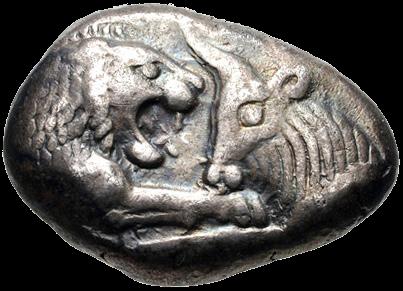
The first Lydian coins were not pure gold or pure silver. They were made of electrum, a natural blend of the two metals that the Lydians panned from the gravel of a local river called the Pactolus. Each coin was stamped with the head of a roaring lion, the badge of the Lydian kings. A person holding one could not read, but they could recognize that lion, and that was enough to trust the coin.
and stamped every one with the mark of the king. The stamp was a promise: this piece is real, and worth what the king says. These were the first true coins. They lasted, they were easy to count, and a merchant no longer had to weigh and test every lump of metal. He just looked at the stamp.
Money has changed shape many times since that first coin. It has been salt, shells, gold, paper, and today it is often just a number in a bank's ledger. But under every shape is the same idea the potter stumbled onto at that market. Money works only because people agree it is worth something. The moment they stop agreeing, even a chest of gold becomes a pile of heavy metal.
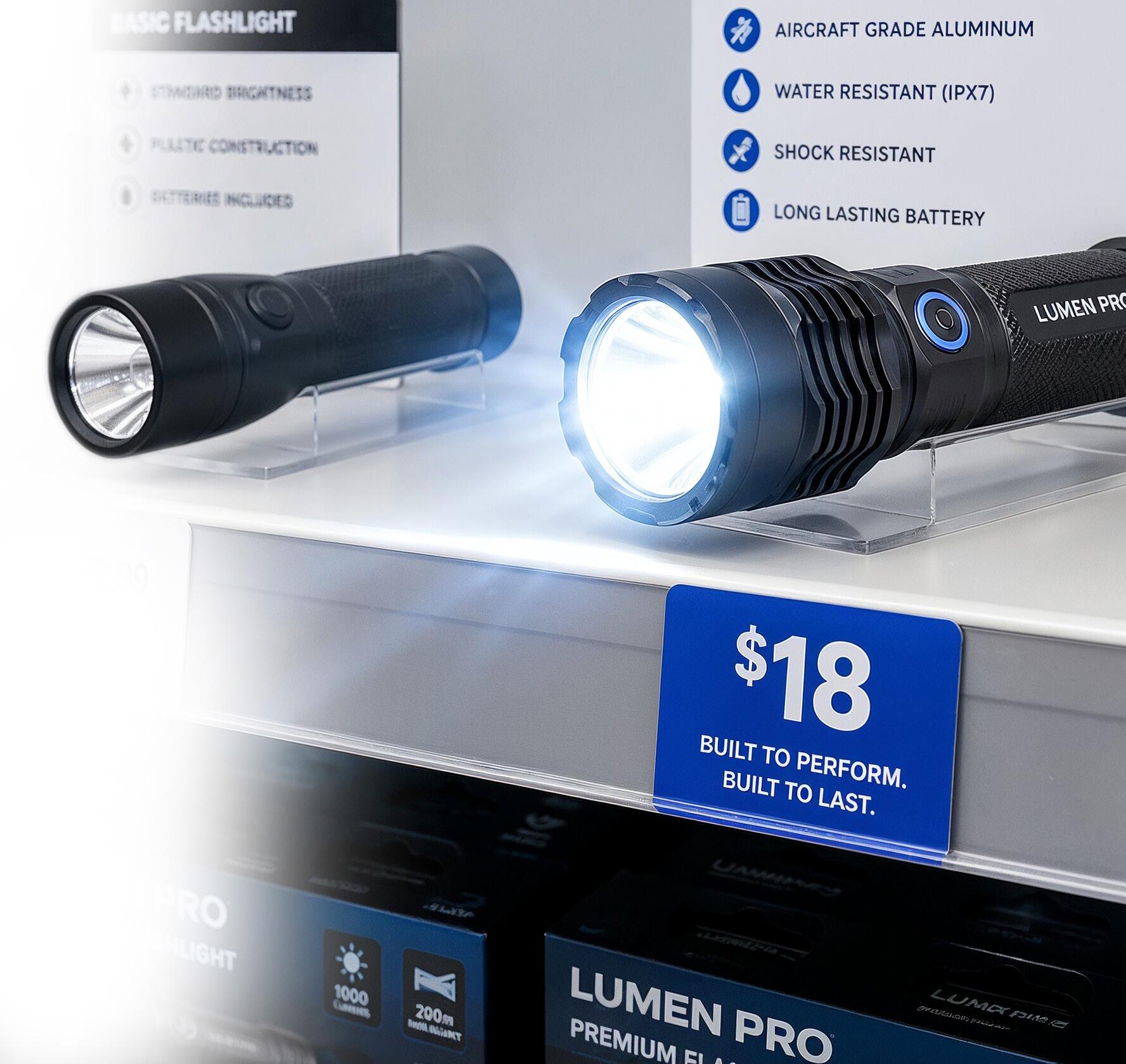
Ben's old flashlight had stopped working, and he needed a new one for his work at the workshop. At the store, he found two flashlights for sale on the shelf next to each other. They were not the same.
The two scenarios below show the same week through two different versions of Ben. The first version bought the cheap flashlight. The second version bought the more expensive one. Read both, then decide which Ben made the better choice.
BEN’S SITUATION
Picked the $6 flashlight off the bargain bin.
Worked fine. Felt great about saving $12
Batteries died fast. Bought new ones for $3
Switch broke. Returning it required a receipt he had thrown out. Stuck with a broken flashlight.
Bought a $14 replacement flashlight to actually get the work done.
TOTAL: $6 + $3 + $14 = $23
FIRST INSTINCT
Who actually paid more?
A. The $6 Ben
C. About the same
B. The $18 Ben
D. Can't tell yet
Time
Day 1
Day 4
Day 10
Day 22 Day 18
DISCUSSION
Why does the cheap version sometimes end up costing more? Have you ever bought a cheap thing twice because the first one broke?
Picked the $18 reliable flashlight from the main shelf.
Worked fine. Felt a little stung at paying $18
Same battery still going.
Still working perfectly.
Same flashlight. Same batteries.
TOTAL: $18 + $0 = $18
BIG QUESTION
When does the cheap option cost more than the expensive one?
The price tag tells you what an item costs to buy. It does not tell you what the item costs to own. Those are two different numbers. The cheap flashlight had a low price, but it also had hidden costs that showed up later. Ben had to buy extra batteries. The switch broke. He had to replace the flashlight with a new one. When you add all of these costs together, the cheap flashlight cost $23 over three weeks.
Price - what the store charges for the item. The number on the tag.
Value - what you actually get for your money. How well it works, how long it lasts.
Total cost to own - price plus everything it costs you over time: batteries, repairs, replacements.
Hidden cost - a cost that does not show on the price tag but adds up after you bring the item home.
The reliable flashlight cost $18 over the same three weeks, with no hidden costs. Smart spenders learn to ask two questions before they buy. First: what does it cost to buy? Second: what will it cost to use and replace over time? Cheap can be
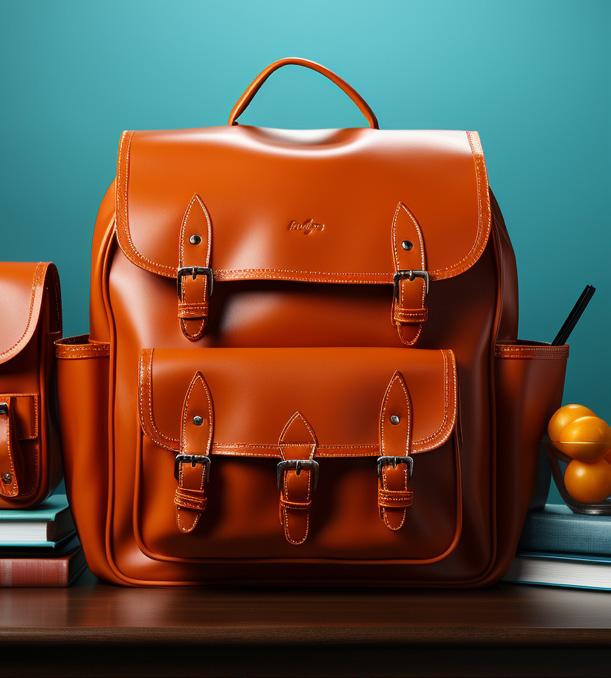
Liam needs a school briefcase. He finds two choices. The first briefcase costs $15. The second briefcase costs $40.
The $15 briefcase has a thin strap and light fabric. Most kids who buy this one replace it within a year.
The $40 briefcase has a padded strap, heavy leather, and reinforced stitching. It lasts five years easily.
Over five years, the $15 briefcase will need to be replaced five times, for a total of $75. The $40 briefcase will only be bought once. The more expensive briefcase is actually cheaper over time.
CHOOSE YOUR PATH
Now you compare two items the same way Ben did. Fill in the total cost to own for each, then pick the smarter buy.
A hobby storage case
WAIT, NEW INFORMATION
STEP 2 Pick one.
Ben spots a $14 mid-range case. It's more durable than the $8 one but not as good as the $25 one. Estimated lifespan: 3 years. Add it to your comparison.
The $8 thin cardboard case. Lowest up-front cost.
The $14 mid-range case. Middle of the road.
The $25 hard plastic case. Buy it once and forget about it.
EXIT QUESTION
If someone only has $8 right now, should they buy the cheap case anyway or save until they can afford the better one?
Defend your answer.
Write one example from your own life of something cheap that cost you more in the end.
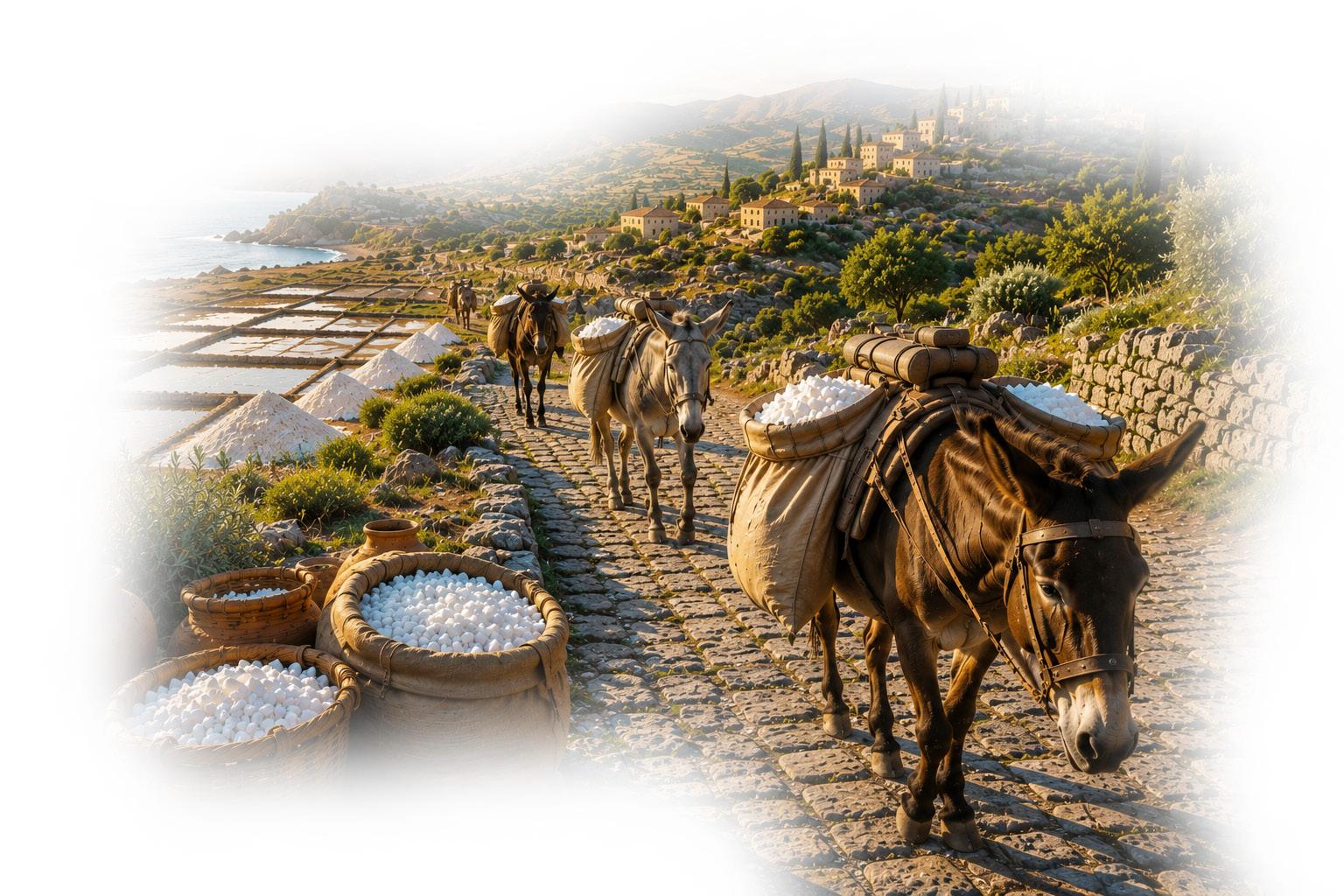
Long ago, in the dry hills of central Italy, a line of mules picked its way along a stone-paved road, each animal swaying under two heavy leather sacks. The sacks held no gold and no silver. They held salt. The road had a name, the Via Salaria, the Salt Road, and for hundreds of years it was one of the most important roads in the entire Roman world.
This is hard to picture today, when salt costs almost nothing and sits in a shaker on every table. But long ago, salt was the only way to keep meat from rotting. A family that wanted to eat through the winter had to pack their meat in salt or watch it spoil. In a town far from the sea, a single handful of salt could be worth a handful of silver. Whoever controlled the salt controlled real wealth, and the Romans understood this completely. Roman soldiers were sometimes paid part of their wages in salt. The Latin word for that payment was salarium. That one word traveled down through two thousand years of history and became the modern English word salary. The next time someone mentions the salary they earn at a job, they are using a word that once meant a soldier's ration of salt. The merchants who ran the Salt Road grew rich, and not by making a single thing. They grew rich on one idea: something cheap in one place can be precious in another. At the coastal flats, where
The Via Salaria still exists. Today it is a modern highway, but in places it runs along the exact path the mule trains once followed. Parts of the original Roman stone paving have been dug up and preserved. A traveler there now can stand on the same stones that salt caravans crossed twenty centuries ago.
workers raked salt from shallow ponds of drying seawater, salt was nearly free. A week's journey inland, that same salt sold for ten times the price. The merchant's whole profit was the distance itself.
Not every merchant was honest. Some mixed cheap white chalk or fine sand into their salt and sold the watered-down mixture at the full price. The fake salt looked perfect sitting in the sack. But when a family used it to pack their winter meat, the meat rotted anyway, and by then the cheating merchant was long gone. Towns fought back with hard laws. A trader caught selling false salt could be fined, jailed, or banished for good.

SITUATION
Ben had been saving for a beginner microscope for six months. The model he wanted had three magnification levels and a wooden case, and it cost $45. By last week, Ben had saved exactly $45.20 in his envelope.
On Sunday, his dad drove him to the science store on Pine Street. Ben walked straight to the microscope shelf, pulled the box down, and carried it to the counter.
His dad held up one finger. "Hold on. What about slides?"
Ben stopped. He had not thought about slides. His dad pointed at the accessories rack near the counter. It held glass slides, cover slips, prepared


Was the price tag wrong? If the tag said $45 and the receipt said $84, who is to blame, and for what? DISCUSSION
specimens, a storage tray, a clip-on lamp, tweezers, and a cleaning cloth.
Ben looked at the microscope, then at the rack, then back at the microscope. The price tag still said $45. But somehow, the real price had become much higher.
Where did the extra thirty-nine dollars come from?
Where did the extra $39 come from?
A. Store overcharged
C. Accessories add up
B. Microscope is pricier
D. Dad picked extras
What does this purchase really cost?
The price tag on an item is rarely the whole price. Almost any purchase comes with extra costs that are not printed on the sticker. The price tag covers only the main item. Hidden costs cover everything else you need in order to actually use it.
There are four common kinds of hidden cost. Once you learn to spot them, you can stop being surprised when the total comes out higher than you expected.
Accessories
Consumables
Maintenance
Storage and care
What it is
Things that go with the item but aren't included
Things you use up and have to buy again
Things to keep the item working
Microscope example
Slides, cover slips, lamp, tweezers
Slides (over time), cleaning cloths
Cleaning supplies, replacement bulbs for the lamp
Where you keep it; protecting it from damage Storage tray, dust cover
ADAM'S RESEARCH METHOD
Sticker price - the price printed on the tag. The first number you see.
Accessories - extra items needed to make the main thing work as intended.
Consumables - items you use up. Once they are gone, you have to buy more.
Total to own - the sticker price plus all the hidden costs of using and keeping the item.
MONEY RULE
The price tag is rarely the whole price.
Adam is a kid in Ben's class who collects old coins. Before he buys any piece of hobby gear, Adam writes down four costs on a piece of paper:
The cost of the item itself
The cost of accessories the item needs to work
The cost of consumables he will use during the first year
The cost of storage or care he had not thought about















He adds all four numbers together before he opens his wallet. Either way, he is never surprised by the price at the counter.
Use Adam's method on the microscope. Fill in the four columns.



STEP 1 Fill in the four columns.
If Ben had only researched the sticker price, what would have happened at the store? Whose job is it to find the hidden costs?
A friend at school offers to sell Ben his older microscope for $30. It's a year old but works fine. He'll throw in twenty used slides for free. How does that change Adam's spreadsheet?
STEP 2 Pick one.
Buy the new microscope and all the new accessories. Total to own: about
Buy the new microscope without the lamp. Save money, work in better lighting.
Buy the friend's used microscope for $30. Save money up front.
Wait. Save more first.
EXIT QUESTION

Name something you have bought, or wanted to buy, that had hidden costs you did not expect. What were they?
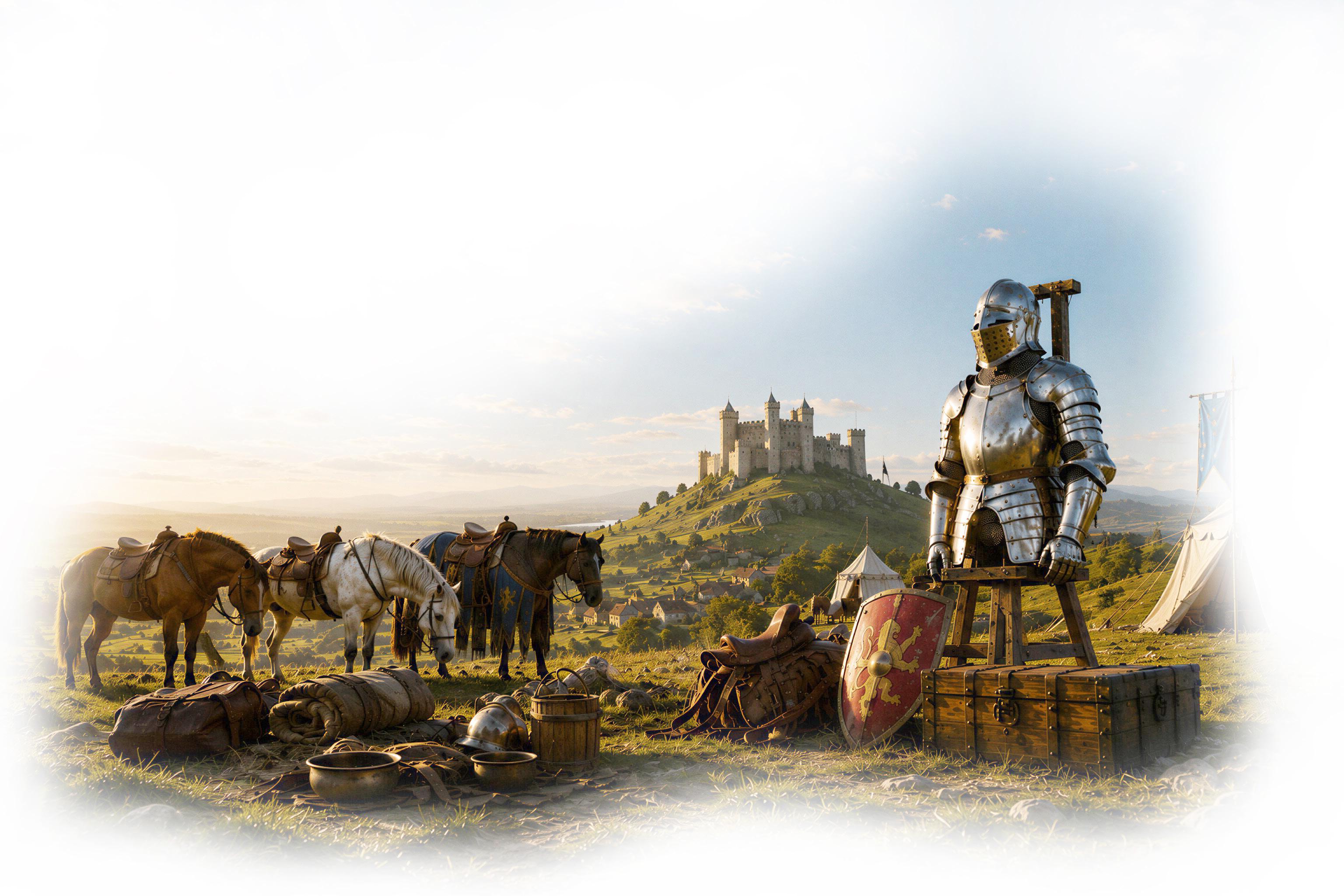
In the year 1100, a young noble named Geoffrey received his finished suit of armor. The armor had been forged over fourteen months by a smith in his father's village. It included a breastplate, a helmet, gauntlets, and greaves. The polished steel caught the morning light. Geoffrey was now, officially, a knight. He was also, less officially, almost out of money. Most people picture a knight and think only of the armor. The armor is what appears in paintings and stories. But the armor was only the beginning of what it cost to be a knight. A knight by himself, without the rest of his equipment, was like a single tool without a workshop.
Geoffrey needed three horses: one specially trained to carry an armored rider over rough ground, one for ordinary travel, and one for his squire. The trained horse cost as much as the armor itself, and sometimes even more. The squire, usually a teenager from a less noble family, handled all the practical work: cleaning the armor, sharpening the gear, setting up camp, cooking the meals, and caring for the horses. A squire needed pay, room, and board all year long.
And the list did not stop at horses. Geoffrey needed a tent for the long campaign seasons, with bedding and cookware for the road, spare horseshoes, bridles, saddles, and ropes. He needed food for himself, for his squire, and for three hungry horses.
The English word 'chivalry' comes from the French word for horse, cheval. To be a knight was, at root, to be a horseman. The horse was so central to the job that the entire tradition of knighthood took its name from the animal that made knighthood possible.
He needed coins for the tolls and bribes that every traveler met along the way. And because armor straps and buckles snapped constantly under the strain of riding and fighting, he needed a steady supply of replacements just to stay battle-ready.
A new knight who had not planned for all of these costs could find himself, six months into his career, sitting on a borrowed mule with his polished armor in the saddlebag and no money left to feed his horses. This actually happened to many young knights.
Geoffrey was lucky. His father had been a knight himself, and he knew the real math of the job. The chest of coins that arrived with the armor was enough to keep Geoffrey on the road for two campaign seasons before he had to ask anyone for more help.
Ben and Liam were at the hobby store on Pine Street one weekday afternoon. Liam was shopping for a model rocket kit. Ben had only $20 in his pocket, and he was not planning to buy anything.
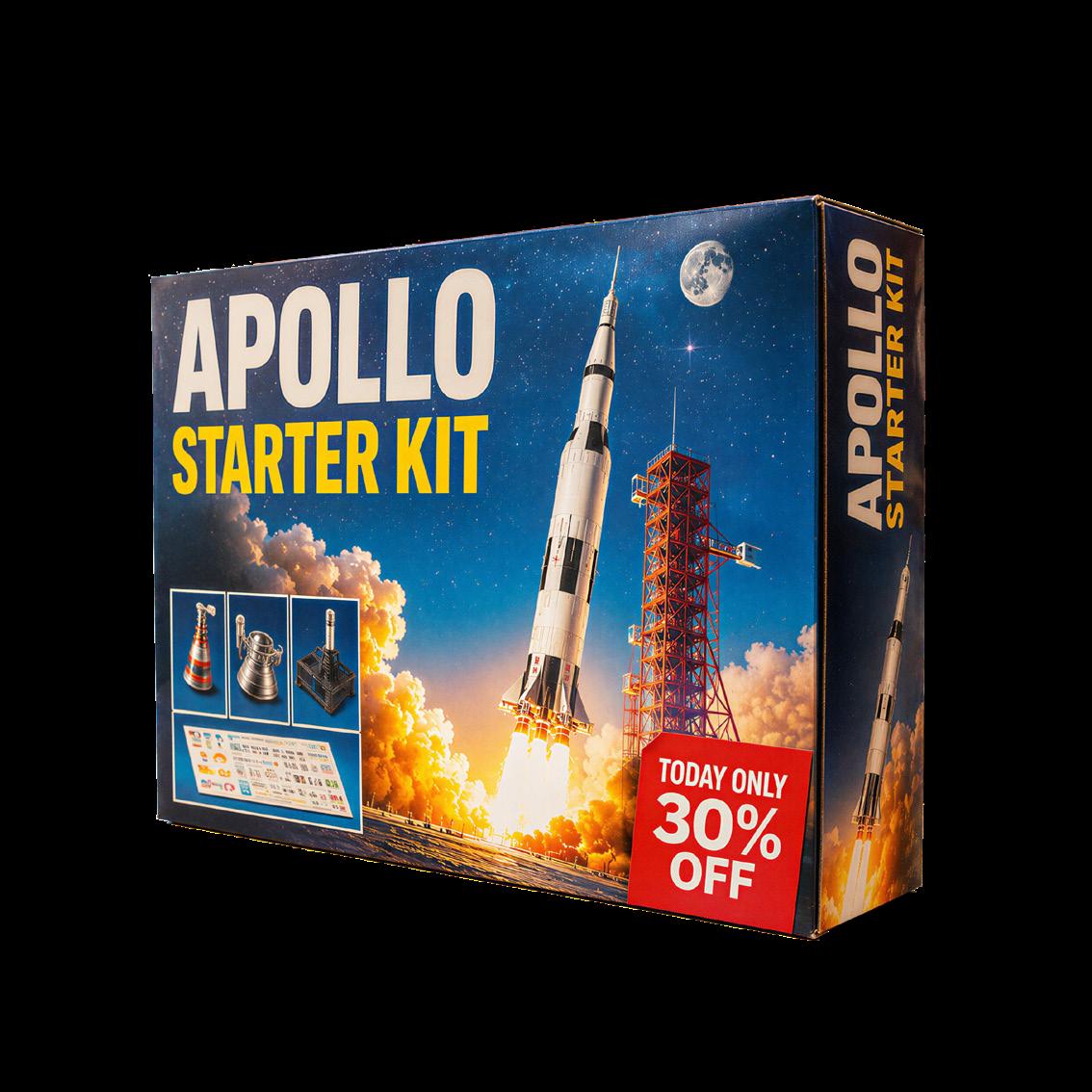
As they walked toward the kits, they saw a large red sign: "TODAY ONLY, 30% OFF THE APOLLO STARTER ROCKET KIT." The kit normally cost $40 Today it was twenty-eight. Tomorrow the price would go back up.
Liam grabbed Ben's elbow. "You have to get one. You would save $12. That is almost a third off."
Ben hesitated. "I was not going to buy a rocket kit today," he said. "I came in to look at flashlights."
This is a real deal. If you skip it, you will lose $12 in savings.
You will probably want a rocket kit eventually. Buy it now while it is cheap.
Sales do not last. You need to decide quickly.
FIRST INSTINCT
Who has the better argument?
A. Liam B. Ben
savings are real. So why does Ben sound like he is right?
"But it is a real deal," Liam said. "You will not see this price again. If you wait until tomorrow, you pay full price."
"And if I wait until tomorrow," Ben said, "I will still have $20 that I did not spend on a rocket kit I was not planning to buy."
I did not want this kit ten minutes ago. The sign is what made me want it.
If I buy something today that I did not plan for, the sale is not saving me money. It is costing me $28
Real deals do not usually need a countdown. The pressure should make me suspicious, not excited.
C. Both have a point D. Need to know more first
How do you handle pressure to buy?

Both Liam and Ben are saying something true. The trick is knowing when each one's reasoning works.
Liam is right when the item on sale is something you were already planning to buy. If Ben had been saving for a rocket kit for two months, the sale would be a gift. He would walk in expecting to pay $40 and walk out paying twenty-eight. Those are real savings.
Ben is right when the item on sale was not in his plan. If he buys the rocket kit because the sign told him to, he is not saving $12. He is spending $28 he was not going to spend at all. The sale created the want. The want did not exist before.
When you see a sale sign, ask yourself one simple question. Did I want this item BEFORE the sign told me to want it?
If yes The sale might be a real deal for you. Run the numbers carefully.
If no The sale is just a sales tactic. Walk away.
Urgency tactic - a sign or message designed to make you decide fast, before you can think it through.
Pre-existing intent - the want or plan you already had before you walked into the store. If your intent matches the sale, the sale is real for you.
Impulse purchase - a buy made on the spur of the moment, not part of any plan. Most regretted buys are impulse purchases.
The pause - the moment of stopping to ask: did I want this an hour ago? If the answer is no, the sale is not the reason to buy.
A sale only saves money if you were going to buy it anyway.
Four shoppers see a sign. Each one's situation is different. For each, decide: real deal, or sales tactic?
1 Has been saving for a $40 model rocket kit for two months. Sees it on sale today only for $28
2 Walks into store for a flashlight. Sees a sale on hobby kits. Buys a hobby kit instead. $
3 Has been hoping for a $25 hobby case for weeks. Sees one on sale for $18. Has $20 saved. $
4 Does not need anything in particular. Sees a 'Today Only 50% off' sign on something he has never wanted before. Buys it because of the savings. $ STEP 1 Fill in the four rows.
WAIT, NEW INFORMATION
TAKE A POSITION
What if the discount goes from thirty percent to fifty percent? Does that change any of your four answers? Why or why not?
Liam is right more often than Ben is. Ben is right more often than Liam is. It depends on the shopper's pre-existing intent. It depends on the size of the discount.
EXIT QUESTION
DISCUSSION
Defend your position with one example from the table above or from your own life.
In one sentence: how do you tell the difference between a real deal and a sales tactic?

In the autumn of 1636, in the city of Amsterdam, a single tulip bulb sold for the price of a fine townhouse.
Tulips were not native to Europe. They had been brought from the Ottoman Empire a century earlier and had become fashionable in wealthy Dutch gardens. Certain rare varieties, especially those with streaked or feathered petals, were prized. Rich families displayed them in summer like trophies. Painters painted them. They were a status symbol of the wealthy.
Then something strange began. Around 1634, ordinary people, not gardeners and not the rich, started buying tulip bulbs. They were not buying them to plant. They were buying them to resell. A bulb that cost 100 guilders in March might sell for 200 in May, 300 by July, and 600 by autumn. Buyers were no longer really buying flowers. They were buying the right to sell the same bulb to a more eager buyer next month, at a higher price.
For about two years, it worked. Prices climbed. New buyers kept arriving. A blacksmith in a small town sold his shop and poured the money into three bulbs. A baker mortgaged his house. By late 1636, a single rare bulb called the Semper Augustus was worth more than a fully furnished house on an Amsterdam canal, a flower priced like a mansion.
In February 1637, the market turned in a single afternoon. A small auction in the town of Haarlem opened with bulbs that had sold easily the week before. The auctioneer called for a bid, and
Most of the trading during the tulip mania was not done with actual bulbs. It was done with promises about future bulbs, signed on small slips of paper. Bulbs changed hands on paper many times over while the flowers themselves stayed in the ground. This system made the bubble spread faster, and it made the crash hurt much more when the paper turned out to be worthless.
the room was silent. He dropped the price. Still nothing. By the end of that day, word raced to the next town, and the next. Within a week, prices everywhere had collapsed. The blacksmith was left holding three bulbs no one would buy for the price of a loaf of bread. The baker was ruined.
Here is the strangest part: nothing about the actual flowers had changed. They were the same plants they had always been. What changed was a single unspoken belief, that someone else would always pay more tomorrow. The instant that belief cracked, the bulbs were just bulbs again. Economists today have a name for this pattern. They call it a speculative bubble: prices climb because everyone expects them to keep climbing, until the expectation breaks and the whole thing falls at once.
Ben had $60 saved up in his envelope. He had earned $40 over the last few months at his uncle's workshop. The other $20 had come from his grandmother, who had sent him a $20 bill in a birthday card. This was more money than Ben had ever had at one time.
Ben had also been making a list of things he wanted and things he thought he needed. He had added each item over the last few weeks, every time he had thought, "I should get that."
BEN'S LIST
DISCUSSION
What's the danger of walking in with $60 and no plan? What's the danger of planning so much that he never spends?
The total cost of everything on the list was $79. Ben had $60. He was $19 short of being able to buy everything on his list. Ben could not buy it all. He had to build a plan.
FIRST INSTINCT
How should Ben start?
A. Cheapest first
C. Decide what matters most
B. Most expensive first
D. Wait for more money
BIG QUESTION
How do you put
A spending plan with limited money has four parts. They are the same whether the plan is for a $60 envelope or a $1,000 paycheck. Each part fixes a different mistake.
The first part is ranking the list. You put your wants in order of what matters most. The order tells you what to buy first and what to skip if the money runs out. The second part is separating needs from wants. A need is something you really require for daily life or to reach a goal. Ben's replacement flashlight is a need. A want is something you would enjoy but could skip, like a new telescope. When money is tight, needs win.
The third part is leaving a buffer. A buffer is a small amount you choose not to spend, in case something unexpected comes up. A plan without a buffer is fragile. One surprise can break it. The fourth part is knowing when to stop. When the money runs out, the plan stops. Anything that did not make the cut goes on next month's list.
Theo has $50 saved. He has made a list of five things he wants to buy:
Model rocket kit: $35
Notebook: $5
Snack supply: $5
Pens: $4
Hobby T-shirt: $20




Total cost: $69. Theo is $19 short. His ranked plan: rocket kit ($35), notebook ($5), pens ($4). He keeps $6 as a buffer and spends $44 of his $50. The snack and T-shirt go on next month's list.
Priority ranking - putting your wants in order from most important to least important. The order decides who gets the money first.
Need vs want - a need is something you really do require for daily life or your goal. A want is something you would enjoy but could skip. Confusing the two is the most common planning mistake.
Buffer - a small amount held back from spending. It absorbs surprises (a tool breaks, a price goes up, a chance comes along) without breaking the plan. Stop line - the moment in your plan when the money is gone. Everything below the line waits for next time.
A smart plan beats a long wish list. MONEY RULE

Use the four parts. Build the plan piece by piece.
STEP 1 Rank the list
Number Ben's items from 1 (most wanted/needed) to 5 (least). Put the number in the rank column.
WAIT, NEW INFORMATION
Ben's uncle hands him an extra $10 for finishing a side project. Now Ben has $70. Does the plan change? Which items stay skipped, and which move up?
STEP 1 Build the plan top down
Starting with rank 1, add items until you are at or near $60. Leave at least a $5 buffer.

EXIT QUESTION
In one sentence: what did the buffer do for Ben's plan?
Two students might rank Ben's items differently and both be defensible. What does that say about good plans?

In the year 1400, a small jar of black peppercorns, about the size of a closed fist, was worth more than its weight in gold.
This sounds impossible today, when pepper sits in almost every kitchen and costs next to nothing. But for centuries in Europe, pepper was so precious that wealthy families locked it away in small boxes, the way a family today might lock up jewelry. A bride could receive a pouch of peppercorns as a wedding gift. A large debt could be settled in pepper instead of coins. The word "peppercorn" still survives in old legal contracts, where it means a tiny but real payment.
The reason pepper was so expensive came down to geography. Pepper grew only in a few places: southern India, parts of Indonesia, and the islands of the Indian Ocean. Europe had no source. The peppercorns left India on small wooden ships, were unloaded at ports on the Persian Gulf or the Red Sea, carried across the deserts by camel caravan, then loaded onto Italian and Arab ships that crossed the Mediterranean to Venice or Genoa. From there, wagons carried them inland to the few customers who could afford them. The journey took nearly two years.
Each leg of the journey took weeks. Each handler added a markup. Each port collected a tax. Each storm or robber along the way destroyed some of the cargo. The original Indian farmer might have sold his pepper for a few coins per pound.
In medieval English law, a 'peppercorn rent' meant a very small symbolic payment, just enough to make a contract official. The phrase is still used today in some legal documents in Britain. A lease might require a 'peppercorn rent of one peppercorn per year.' The phrase outlived the value of the spice that gave it birth.
The final European customer paid hundreds of times that price. Whole cities were built on the wealth from the pepper trade. Venice and Genoa grew rich, and the Italian banking families that would later lend money to kings earned their first fortunes from the spice trade.
Then, in 1498, a Portuguese sailor named Vasco da Gama did something no European had done before. He sailed south down the coast of Africa, rounded the southern tip, and kept sailing east until he reached the coast of India. He bought pepper directly from Indian merchants and sailed all the way home with it. In doing so, he cut out every middleman who had been adding to the cost for a thousand years. Within a generation, pepper prices in Europe collapsed. The spice that had once been worth its weight in gold became affordable to ordinary families.
A receipt is a record of what you bought, what each item cost, and what you paid in total. Most people glance at the total once and throw the paper away. That is a missed habit. A receipt can show whether the store rang up items correctly, whether the tax matches the rate in your area, and what to bring back if something is wrong. Reading every line takes about ten seconds, and that habit has saved many people a lot of money.



PRACTICAL APPLICATIONS
What this section does!
This section covers two real-world forms you will see in your life, a review case study that ties the unit together, and a final reflection.


123 Main Street, Pinewood






1 STORE INFORMATION
a Store name
b Store Address
c Date and time



DATE: Tuesday, October 15 · 3:42 PM



2 ITEMS YOU BOUGHT
a What you bought
b How many (QTY)
c What each item cost
3 PAYMENT MATH
a Subtotal (before tax)
b Sales tax (7%)


c Total (what you owe)


THANK YOU FOR SHOPPING!


4 PAYMENT RESULT
a Cash Paid
b Change (money back)
c Receipt number
You walk into Pinewood Hardware on a Thursday. You buy:
A flashlight: $8.00
A pack of batteries: $3.00
A notebook: $4.00
Sales tax in your area is 6%. You pay with a $20 bill. Fill in every line of the receipt below.







Pinewood Hardware 123 Main Street, Pinewood


























Three small math skills come up almost every time money changes hands. Sales tax is added to a price. Percent off is subtracted from a price. A tip
Convert the percent to a decimal by moving the decimal point two places to the left. 7% becomes 0.07. 25% becomes 0.25. 15% becomes 0.15.
A meal costs $14. You leave a 15% tip.
is added to the cost of a service. All three use the same idea: finding a percent of a number. Once you learn the pattern, all three become the same move.
Multiply the original number by that decimal. The answer is the amount of the tax, the discount, or the tip.
Add or subtract that amount from the original price. For sales tax and tips, you add. For percent off, you subtract.
For each problem, follow the three-step pattern. Show your work.
tax
1. A model kit costs $25. Sales tax is 6%
Tax: $ Total: $
2. Three notebooks cost $4 each. Sales tax is 8%.
Subtotal: $ Tax: $ Total: $
Percent off
3. A telescope is $80. It's 30% off.
Discount: $ Sale price: $
4. A backpack is $50. It's 40% off.
Discount: $ Sale price: $
5. A meal costs $22. You leave a 20% tip.
Tip: $ Total paid: $
6. A meal costs $36. You leave an 18% tip. Tip: $ Total paid: $
Mixed all three skills
7. A tool set is normally $50. It's 20% off today. Sales tax is 7%. What is the final price you pay at the register?
Sale price: $ Tax: $ TOTAL paid: $
Ben has $50 saved up. It is a month after the summer workshop season ended, and Ben has a real decision to make. Work through the case below using the Money Rules from this unit.
Ben wants to buy a model rocket kit. The hobby store sells it for $28.
The cheap flashlight Ben bought a year ago just stopped working. He needs a working flashlight for his afternoons at the workshop. A reliable flashlight costs $14.
The hobby store has a sign at the front of the store that says: "TODAY ONLY, 20% off any one item." Ben was not planning to buy anything because of the sign.
Ben has been saving toward a used telescope that his neighbor is selling for $40. Right now, he is $10 short of his goal.
There is more than one defensible answer to this case. The point is not to find the one right answer. The point is to use the Money Rules from this unit in your reasoning, so that the choice you make is one you can explain and defend.
Compare your answer to a classmate's. Did the two of you spend the money the same way? Defend your choice using at least two Money Rules from this unit.
Question to ask Which Money Rule helps? Your answer
Is the flashlight a need or a want? What will happen if Ben does not buy one?
The rocket kit is on sale. Would Ben want it if the sign were not there?
If Ben spends $14 on the flashlight and $28 on the rocket kit, how much money does he have left? What is the cost of not saving toward the telescope this month?
What is the smartest order for Ben to spend his $50?