
This
book belongs to
Written and Edited by: Yehudis Leitner, Fraydel Sharf
Miriam Shulamis Eisemann, M. Jakubowicz
Layout: Branko Pejovic
Front cover: Mirko Zunic
Dear Educators,
We are excited to introduce the Lighthouse Grammar and Writing Workbook, crafted to enhance your teaching with an innovative approach to mastering English. This workbook combines structured grammar lessons with practical writing exercises, providing a comprehensive and engaging resource for you and your students.
Each grammar section features clear explanations and easy-to-follow instructions, followed by writing activities that let students apply their new knowledge. This approach bridges the gap between understanding grammar rules and using them effectively, helping to develop their writing skills step by step for clearer and more creative communication.
Every lesson encourages the exploration of different writing styles while reinforcing essential grammar concepts. Our goal is to make teaching both enjoyable and impactful, equipping you with the tools to cultivate confident and proficient communicators in your classroom.
Thank you for choosing the Lighthouse Curriculum. We look forward to supporting you and your students on this journey to language mastery!
Sincerely,
Grammar and Writing Level C
Curriculum 718.285.7100 • info@lighthousecurriculum.com For more information visit www.lighthousecurriculum.com
2025 Lighthouse Curriculum Inc. All rights reserved.
















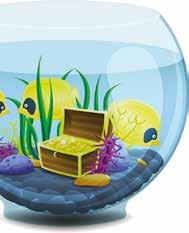
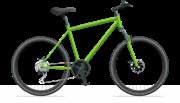
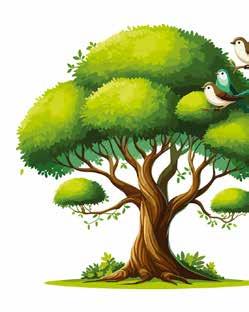

A noun is a word that names a person, animal, place, or thing.
Example: The boy kicked the ball in the park

Circle all the nouns in each sentence.
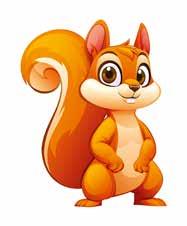
1. We saw a squirrel climb a tree.
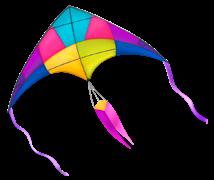
2. Teddy was flying a kite.
3. I picked a bright red flower.
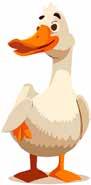
4. The duck swam in the pond.
5. A butterfly flew past my face.
6. Rain fell on the grass.
7. The sun is shining on the park.
8. Bill ate lunch at twelve o’clock.
9. A red balloon floated in the sky.
10. The playground was busy.

Create a new friend!
Your friend can be a person or even an animal. Friends make us happy. We play, talk, and have fun with them.
Draw your friend in the box. Write three sentences to tell others about your friend. Underline all the nouns you use.
Example: My friend is Tom. He wears a red hat. He loves playing in the park. Tom is a little dog. He lives in a yellow house.

Let’s Brainstorm!
Think about your friend’s name • age • what he looks like • what he likes to do • his favorite color • his favorite food • games he likes • where he lives • or what he wears.
A singular noun names one person, animal, place, or thing.
A plural noun names more than one person, animal, place, or thing.
Examples: car

book cars books



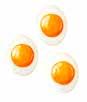
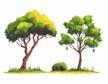
Look at each picture and circle the correct singular or plural noun.






Some things are similar (almost the same), and some things are different.
Pick two toys or games.
Write two sentences telling how they are the same. Write two sentences telling how they are different. Underline any nouns you use.
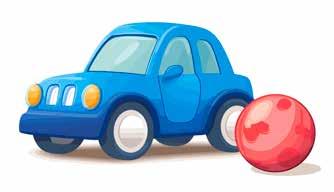
Example: ball and car
Both toys are fun to play with. Both toys can move fast when pushed on the floor. I play with my ball outside and with my car inside. My ball is red, and my car is blue.
Toy/Game 1:
Similar:
Different:
Toy/Game 2:
Let’s Brainstorm!
What do the toys look like? How do they feel—are they soft, hard, rough, or smooth? What color, shape, or size are they? How do you play with them?
Plural forms are used when we talk about more than one.
Add -s to most nouns to make them plural.
Example: one teacher → two teachers

Rewrite each word in ( ) in plural form.
1. The (girl) like to bake.
2. They took out two (bowl) .
3. Anne added three (cup) of flour.
4. Sue cracked four (egg) .
5. Anne and Sue used (spoon) to mix.
6. They shaped the dough into (square) .
7. Anne put all the (tray) into the oven.
8. The (cookie) are yummy!
Descriptive writing helps readers picture in their mind exactly what you are describing.
Think about your favorite season.
Is it spring, summer, fall, or winter? Each season is special. Think about how each season makes you feel, the clothes you wear, and the special things you do.
Write four sentences about what you see, feel, or do in your favorite season. How many nouns can you use in your writing? Circle the nouns ending with -s.
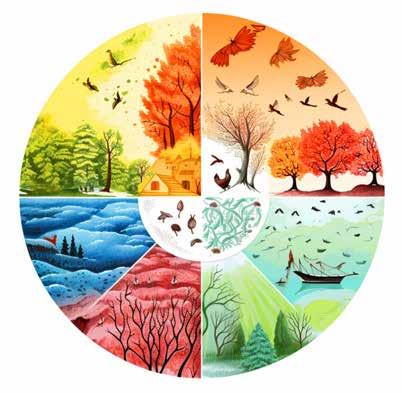
Example: It is spring now. I see colorful flowers in gardens. The trees all look green. I hear the birds chirping.
A plural noun is when we talk about more than one person, place, or thing.
Add an -s or -es to a word to make the noun plural (more than one).
Add -s to most nouns to make them plural.
Example: one teacher → two teachers
Add -es to nouns that end in s, x, z, ch, or sh.
Example: one class → two classes

Circle the correct plural spelling for each example.
1. one brush two brushs / two brushes
2. one door two doors / two doores
3. one cake two cakes / two cakees

4. one watch two watchs / two watches
5. one bus two buss / two buses
6. one fox two foxs / two foxes
7. one book two books / two bookes
8. one clown two clowns / two clownes
Looking at a picture can help give you ideas of what to write about.
Look at the picture below.
Look closely at all the different things. Who is in the picture, what is he doing, what objects do you see? Are there people, animals, toys, or furniture? What colors do you notice? Find items that have more than one. Write the plural ending with -s or -es. Then, write a sentence about it.
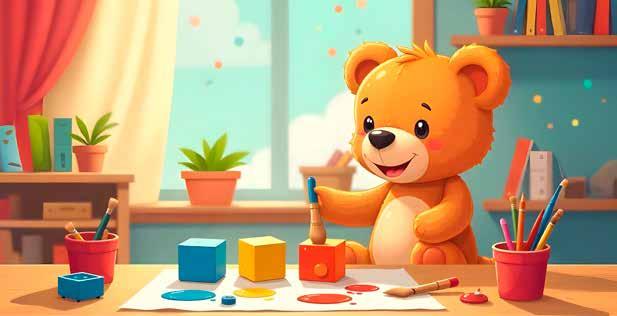
Example: boxes — I see three boxes on the table. paintbrushes — There are paintbrushes on the table.

Plural nouns are used when we talk about more than one person, animal, place, or thing.
When a noun ends with a consonant followed by -y, change the -y to -ies.
Example: baby → babies
Rewrite each noun as a plural using -ies.
1. puppy 2. penny 3. lady 4. army 5. pony 6. cherry 7. family 8. city 9. party 10. candy 11. berry 12. cavity
Think about your five senses: sight, touch, smell, taste, and hearing. Picture yourself somewhere else. What do you see? What can you feel?
Write sentences describing what your senses are feeling.
Include at least two plural nouns that change from -y to -ies. Circle each noun ending with -ies. You can use words from the grammar lesson.
Example: pastry → pastries, berry → berries
I walk into the bakery and smell warm pastries I see sweet pies filled with berries. I hear the oven beeping in the back.


Let’s Brainstorm!
You can picture yourself: in the bakery • at the park • at the zoo • in the fruit store
Some words don't follow the usual rule of adding -s or -es. These are called irregular plural nouns. They change in a special way to show that there is more than one.
One tooth goose foot die
More than one teeth geese feet dice
One man woman child mouse
More than one men women children mice
Is the noun in singular or plural form? Circle the correct answer.
1. man singular / plural
2. children singular / plural
3. dice singular / plural
4. goose singular / plural
5. teeth singular / plural
6. women singular / plural
7. mouse singular / plural
8. foot singular / plural
A mystery is like a puzzle or secret. Clues can help you find the answer.
Create a mystery story about something that might be lost, hidden, or strange. See if you can include an irregular plural noun.
Introduction: Who is the main character, and where does the story happen?
Example: At the zoo, we were watching a pretty goose.
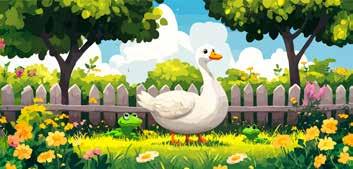
Problem: Describe what happened next.
Example: Suddenly, the goose ran away. He was hiding from us.
Clues: Give hints to help solve the problem or mystery.
Example: Then we heard loud noises. The leaves on the bushes were shaking.
Solution: The answer to the problem or mystery. How was it solved?
Example: We found a few geese hiding in the bushes.
Let’s Brainstorm!
You can write about: hidden mice in the classroom • missing dice from a game • lost teeth under a pillow
A singular noun names one person, animal, place, or thing.
A plural noun names more than one person, animal, place, or thing.
Add -s to most nouns to make them plural.
Example: cat → cats
Add -es to nouns that end in s, x, z, ch, or sh.
Example: box → boxes
Change the -y to -ies when nouns end with a consonant followed by -y.
Example: baby → babies
Underline the nouns in the following sentences.
1. Sarah played with her new toy.
2. The teacher read a book to the class.
3. We saw a butterfly in the garden.
4. My dad bought apples at the store.
Write S for singular or P for plural next to each noun.
Circle the correct plural noun.
1. Many (dogs / doges) are barking.
2. We saw three (fox / foxes) in the woods.
3. Three (family / families) went on a trip together.
4. The (child / children) played outside.
5. She packed two (boxs / boxes) for the trip.
Circle the plural nouns that are spelled correctly.

6. boxs boxes
7. teeth tooths
8. ladys ladies
9. cities citys
10. man men
11. handes hands
12. women woman
13. mouse mice
Write sentences using a singular noun and a plural noun.
14. Singular noun:
15. Plural noun:
Action verbs are words that tell us an action someone or something is doing.
Examples: run, jump, eat, sleep, write, sing The rain falls on the green grass. (Falls tells us what the rain is doing.)
Underline the action verb in each sentence.
1. The boy laughs out loud.
2. Birds fly over the pond.
3. My friends play tag.
4. The dog chases the stick.
5. We run on the path.
6. The children blow bubbles.
7. I ride my bike to the park.
8. The squirrel climbs up the tree.
9. Jill reads a book on the bench.
10. The man is painting the slide.


Think about something interesting that happened to you today.
Write three to four sentences to tell the story.
Use action verbs to make it exciting and fun to read!
Example: When: during recess Where: the school playground During recess, I raced my friend to the swings. We jumped off when we got really high. Then, we ran to the slides. We climbed up and waved to our friends.
When: Where:
You can write about: when you woke up • on your way to school • during class • during recess • taking a test
Action Verb Bank — Use these or your own! run, jump, sing, speak, read, write, eat, sleep, play, laugh, feel, see, hear, smell, touch, break, kick, throw, catch, build, fix, open, close, turn, push, pull, move, stay, go, come, leave, enter, smile, frown, sneeze, breathe, shout, whisper, yell, clap, wave, shake, fall, climb, skip, hop, roll, slide, bend, reach, grab, hold, carry
A verb tells what someone or something is doing.
The plain form of a verb is used with nouns that name more than one.
Example: Bees smell the flowers.
Fill in each sentence using a plain form of a verb from the box.
trim fall pour grow dig rake plant throw pull swim
1. Boys seeds.
2. Gardeners water on the seeds.
3. Helpers out the weeds in the garden.
4. Dogs in the dirt.
5. Leaves from the trees.
6. My friends the leaves.
7. The bushes very tall.
8. People the bushes.
9. Ducks in the pond.
10. Boys bread to the ducks.

A daily routine is something a person does every day, usually in the same order. When describing our routine we use transition words like first, then, next, and lastly to show the order of events.
We all have routines! We wake up, go to school, play, eat, and go to sleep. Now it's your turn to write about the daily routine of someone—or something—fun!
Circle all the verbs in your writing.
Example: About: School backpack
First, the backpack waits by the door.
Then, it rides on a student’s back.
Next, it sits by the desk quietly.
Lastly, it rests on the floor waiting until tomorrow.
First, Then, Next, Lastly,
Let’s Brainstorm! Some ideas: the routine of a bus driver • teacher • doctor • bird
A verb is a word that tells what someone or something does.
The -s form of a verb is used with nouns that name one.
Example: The bee smells the flowers.

Add an -s to the verbs in the box. Then, fill in the blanks.
1. The boy seeds.
2. Our gardener water on the seeds.
3. The helper out the weeds in the garden.
4. His dog in the dirt.
5. A leaf off the tree.
6. My friend the leaves.
7. The bush very tall.
8. Jim the bush.
9. A duck in the pond.
10. The boy bread to the ducks. trim fall pour grow dig rake plant throw pull swim
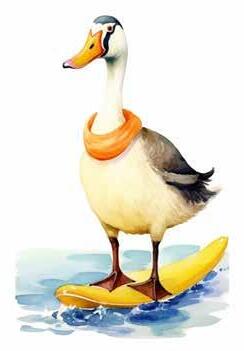
Create your own character.
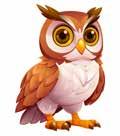
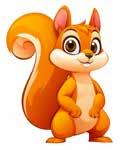
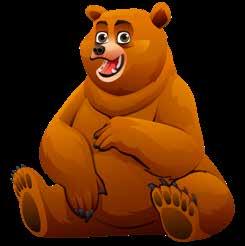
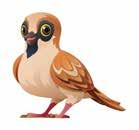
Choose one of these animals. Give the animal a name. Think about what your animal likes to do. Write three sentences about your character. Try to use at least three verbs.
Example: Animal: Squirrel Name: Sammy Sammy the squirrel collects acorns. He climbs trees.He eats nuts. Sammy sleeps most of the winter.
Animal:
Name:
Plain forms of verbs ending with ‘y’ and following ‘he,’ ‘she,’ or ‘it’:
If the plain form of a verb ends in a consonant + y, change the -y to -ies.
Example: cry → cries You cry. Sam cries
If the plain form of a verb ends in a vowel + y, add -s after the -y.
Example: enjoy → enjoys We enjoy the game. Sara enjoys the game.
Change each word by adding -s or -ies.
1. dry He his hands.
2. fly It away.
3. party She after the test.
4. tally He the points.
5. copy She the notes.
6. spy He on his neighbor.
7. empty He the garbage.
8. reply She to her friend.
9. play It loud music.
10. buy He a snack.
Draw a fun or silly picture!
You can draw an animal doing something funny, a robot building something, or even a clown juggling pies.
Then, write three to five sentences describing what is happening. Use "he," "she," or "it" in your sentences. Try to include at least one action verb that end in -ies.
Example: The bird flies into the classroom and carries a crayon in its beak. When the teacher comes in, the bird cries and flies away.
Who or what is in your picture?

Let’s Brainstorm!
Try: a bird in a classroom • a flying backpack • a puppy at a party • a monkey that copies kids • a robot that carries snacks
An action verb tell us what someone or something does or did.
Circle all the action verbs. Put an X over all the nouns.





The plain form of a verb is used with nouns that name more than one.
The -s form of a verb is used with nouns that name one.
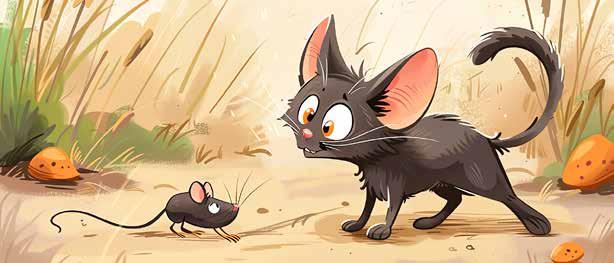
Circle the correct form of a verb in each sentence.
1. Every morning, she (brush / brushes) her teeth.
2. They (walk / walks) to school together.
3. My brother (play / plays) with blocks.
4. The teacher (explain / explains) the lesson clearly.
5. We (eat / eats) lunch at noon.
6. Ben (color / colors) a paper before bedtime.
7. The baby (sleep / sleeps) in the crib.
8. Mom (cook / cooks) dinner every night.
9. The cat (chase / chases) the mouse in the yard.
10. I (help / helps) my dad in the garden.
Past form verbs tell us an action that already happened. We add -ed to the end of most verbs to make them past tense.
Example: watch → watched
Add -ed to each word to make it past tense.

1. walk
ask
color
look
jump
help
fix
clean
wash
brush
listen
kick
act
learn

An adventure is something fun, exciting, or different that happened. It can be real (something that really happened) or made up (something you imagine).
Write an adventure story that already happened using verbs with -ed.
Example: One day, I opened a door and found a magic tunnel. I walked inside and landed in a candy world! I picked up jelly beans and tasted chocolate trees. It was a fun day.
Is your story real or made up?
What is your story about?
What happened?

Let’s Brainstorm!

Writing ideas: a trip to a new place • a time you helped someone • a day you got lost and found your way • a dream you had
Past form verbs tell us an action that already happened. We add -ed to the end of most verbs to make them past tense.
For verbs ending in e, we just add -d to to make it past tense.
Example: watch → watched save → saved
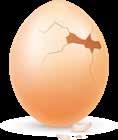
Add -d or -ed to each word to make it past tense.
Then, choose a word from the box to help tell the story that happened.
1. I open an egg.
2. Then, I it.
3. The drink .
4. I it up.
5. Ben out the window.
6. He a red car park.
7. I my baby a book.
8. He it.
9. We to a new house.
10. My new room is blue. show wipe crack like stare spill watch move scramble paint
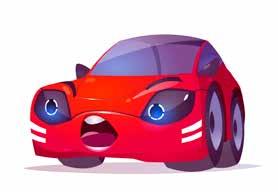
A conversation is when two people talk to each other. It helps us understand how they feel and think.
Write a short conversation between two friends.
Use at least two action words ending with -ed. Draw a picture to show what is happening in the conversation.
Example: I dropped my pencil. Don't worry, I picked it up for you. Thanks! You really helped me.
Let’s Brainstorm!
Try writing a conversation where someone: cracked an egg • played a game • missed the bus • forgot homework • shared a snack
Past form verbs tell us an action that already happened. Verbs ending in a consonant + "y," change the "y" to "i" and add -ed.
Example: cry → cried
Verbs ending in a vowel + "y," add -ed after the "y."
Example: play → played
Change each word to past tense by adding ‘ied’ or ‘ed.’
1. dry
fry
carry
hurry
copy
spy
worry
study
stay
enjoy
Write a real or made up short story about a day when you tried something new. Tell what you did and how you felt.
Example: What did you try? Riding a bike
How did you feel? Happy
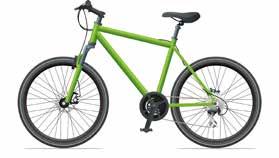
Story Yesterday, I tried riding my bike without training wheels. I wobbled and hurried to catch my balance. I fell and cried a little, but I got up. My dad stayed with me and helped me try again. I finally rode down the block and smiled.
What did you try?
How did you feel?
Your story:
Let’s Brainstorm!
Try writing about: swimming without a tube • tying your shoes
• writing a story • playing a new game • tasting a new food • building a LEGO set • playing the piano
Irregular past forms are verbs that do not follow the pattern of adding -ed or -d to form the past tense word. These verbs change in different ways.
Examples: eat → ate go → went run → ran get → got sit → sat stand → stood make → made sing → sang come → came

Fill in each blank with the irregular past form of the verb shown in ( ).
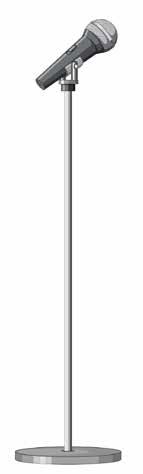
1. Gabe (sing) on stage.
2. His friends (sit) in the front row.
3. Everyone (stand) and clapped.
4. Gabe (run) off the stage.
5. John (make) a drawing.
6. The class (go) back to the classroom.
7. The children (get) excited.
8. They (eat) their snack.
9. The host (come) to the mic.
10. The singer (sing) again.
Write about a contest you entered—or make one up from your imagination! A contest is a fun game or challenge where people try to win something.
When we write a story, it helps to think in three parts:
• The beginning tells who is in the story and what is happening.
Example: Yesterday, I went to a pizza-eating contest with my friend.
• The middle tells what the characters do or what the problem is.
Example: I ate five slices in five minutes while my friend ran to get napkins. Everyone clapped and cheered.
• The end tells how it finishes and how the characters feel.
Example: I won a trophy and took home a free pizza! I felt proud and excited.
Beginning Middle End
Let’s Brainstorm!

Contest can be: singing or talent show • race or ball game • baking contest • drawing contest • spelling bee • biggest jump • fastest banana eater
Past form verbs tell us an action that already happened.
We add -ed to the end of regular verbs to make them past tense. For verbs ending in "e", we just add -d to make them past tense.
Read the story. Add -d or -ed to change the story to past tense.
Bob like to bake. He measure the flour. Then, he pour the flour into the bowl. Next, he crack some eggs. Alex help him. Together, they add the rest of the ingredients. When they finish baking, Bob clean up the kitchen. Alex wash the mixer. He also pack away the sugar. Now the cake was ready. They wait for the cake to cool.
Alex slice the cake. The whole family taste a piece. What a yummy cake!
Write the past form of each verb.
1. eat
2. get
3. run 4. dry 5. sit
6. stand
7. make 8. copy 9. come 10. go 11. sing 12. stay
Complete the sentences using any of the past form verbs from the list.
13. I down on my chair.
14. I a cookie.
15. My friend to visit me.
16. He all afternoon.
17. We songs together.
Write two sentences using any past form verb from the words filled in above.
18. 19.
A complete sentence has a subject and a predicate.
Subject: This tells us who or what the sentence is about. It can be a person, animal, place, or thing.
Example: The boy runs in the yard.
Predicate: This tells us what the subject does or what happens to the subject. It usually starts with a verb (an action word).
Example: The boy runs in the yard.
Match up a subject and predicate to make a complete sentence.
Subject
Predicate
1. Bells • • bark.
2. The sun • • ring.
3. Dogs • • eat acorns.
4. The bird • • shines.
5. Squirrels • • cries.
6. The baby • • is sweet.
7. The car • • flies.
8. Sugar • • drives.

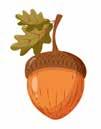

Write three sentences using subjects and predicates.
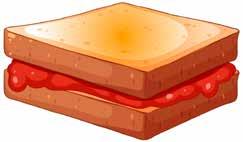
Example: Subject: Predicate: The cat chased the mouse. My friend ate a jelly sandwich.
SUBJECT
PREDICATE


PREDICATE
Cut a blank piece of paper into four pieces. Choose your two favorite sentences. On each piece of paper, write one subject or one predicate from the sentences. Now, mix up your subjects with your classmates. In a separate pile, mix up all the predicates. Take out one subject and one predicate and read a funny sentence!
Example: The cat ate a jelly sandwich.
The subject tells us who or what the sentence is about. It can be a person, place, thing, or idea. The subject is usually the first part of a sentence.
Example: The boy runs in the yard.
Underline the subject in each sentence.
1. The children played on the swings.
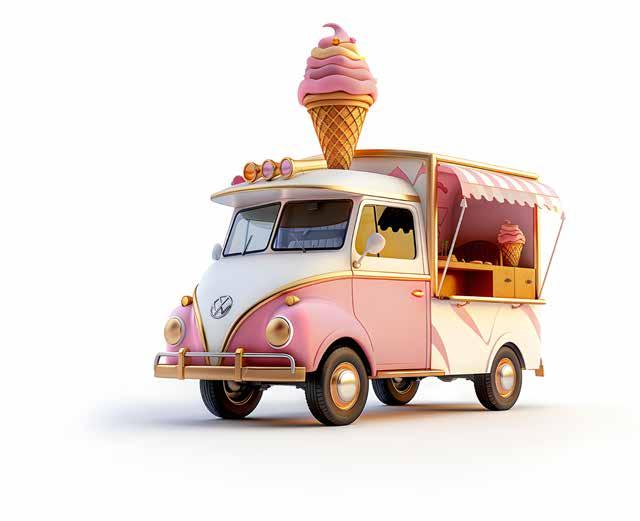
2. The truck sold ice cream.
3. The sun shone brightly.
4. A blanket lay on the ground.
5. The birds sang songs.
6. The bench was empty.
7. My brother rode his bike.
8. The kite flew high.
9. A squirrel ran up a tree.
10. The park was full of people.

Characters are the people or animals in a story. Good stories have characters that do interesting things!
Use the subject starters to write sentences.
See if you can make it into a story. Then, change the subject to create a funny story.
Example: The students ran to their desks. → The books ran to their desks.
The teacher walked in. → A rabbit walked in. The class sang a song. → Some birds sang a song.
Let’s Brainstorm!
Try using funny or surprising subjects like: a banana • some crayons • the mailbox • a robot • three pillows • the sandwich
The predicate tells us what the subject does or what happens to the subject. It usually starts with a verb (an action word). The predicate is usually the second part of a sentence.
Example: The boy runs in the yard.
Underline the predicate in each sentence.
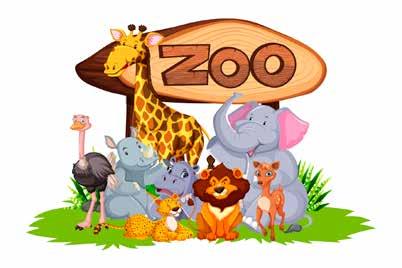
1. The children visited the zoo.
2. The lion roared loudly.
3. The monkey swung on the trees.
4. The elephant splashed water.
5. A bird flew in the sky.
6. The penguin slid on the ice.
7. My dad took pictures.
8. The giraffe ate leaves from the tree.
9. The kangaroo jumped around.
10. The zoo had many visitors.

Write a paragraph about something fun you like to do. A paragraph is a group of sentences that all talk about the same idea.
Example: Topic: Playing ball
I love playing ball. My friends play every day during recess. We run and kick the ball. Sometimes, we also play after school! I play ball whenever I have a chance.

Topic:
Topic Sentence: What is the paragraph about?
Details: Two sentences giving more detail about your topic
Closing Sentence: Ending the story
Let’s Brainstorm!
Fun things you could write about: going to the park • drawing or painting • riding a bike or scooter • cooking or baking
A sentence fragment is an incomplete sentence. It is missing a subject, a predicate, or both.

Color in the þ for a complete sentence.
Color in the ý for a sentence fragment.
1. The rain started pouring down.
2. A small, red umbrella.
3. He ran quickly to the bus stop.
4. The wind blew hard against his face.
5. Wet clothes on his skin.
6. Waited for the bus to arrive.
7. The trees shook in the storm.
8. Looking at the sky.
9. Finally, the bus pulled up.
10. Glad to be out of the rain.

A peer review means you and a partner look at each other’s writing and give helpful ideas to improve it. Good writers always check if their sentences make sense.
Work with a partner. Write sentence fragments. Then, exchange writings with your partner. Help each other fix the sentence fragments.
Example: On the swings. We played on the swings.
The subject tells us who or what the sentence is about. The predicate tells us what the subject does or what happens to the subject. A complete sentence must have both a subject and a predicate.


The is


1. The is .
The has .
A is .
These are .
is . Look at each picture. Write a sentence to explain the picture. Use a subject and predicate to create a complete sentence.
Write C for complete sentence or F for sentence fragment.
1. Down the hill.
2. The dog barked loudly.
3. The car drove away.
4. Ate a big slice of pizza.
5. The sun shines brightly.
6. With a loud crash.

Complete each sentence fragment using words from the word bank.
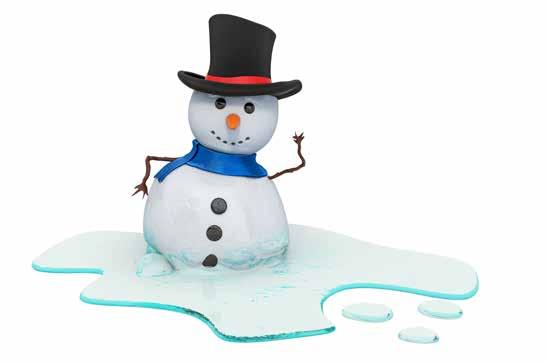
The snowman The students The baby swim shines flies
A pronoun is a word that takes the place of a noun in a sentence. A subject pronoun takes the place of the subject in a sentence. It tells us who or what is doing the action.
There are seven subject pronouns: I, you, he, she, it, we, they
Example: Brownie and Whitey are rabbits. They are rabbits.

Read the story. Circle all subject pronouns.
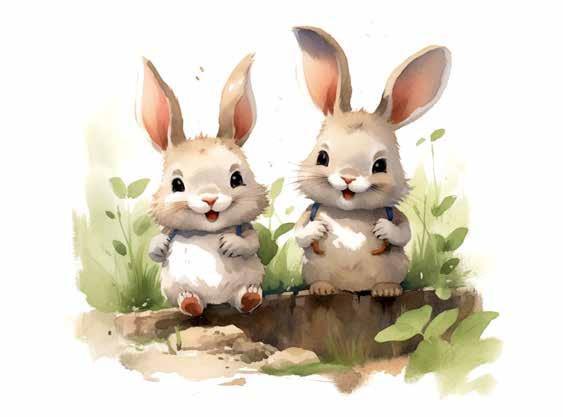
I went to my friend's house. He has two bunnies. They are fun to play with.
One bunny is called Brownie. She is really smart. Here is a toy. I showed it to Brownie. She jumped into my lap. We played together. You can also come to play.
Draw a picture of your family.
Choose two to three family members and write something special about them.
Family member name:
Something special:
Family member name:
Something special:
Family member name:
Something special:

Let’s Brainstorm!
Writing ideas: • What are their favorite foods, songs, books, etc.?
• What makes them special? • What do you do together? • What do they do for you?
Pronouns are used to take the place of nouns.
Object pronouns are words that take the place of nouns when they are receiving the action after an action verb.
Object pronouns: me, you, him, her, it, us, them
Example: Play with Brownie and Whitey. Play with them.

Read the story. Circle all the object pronouns.
1. Follow me to Whitey's house!
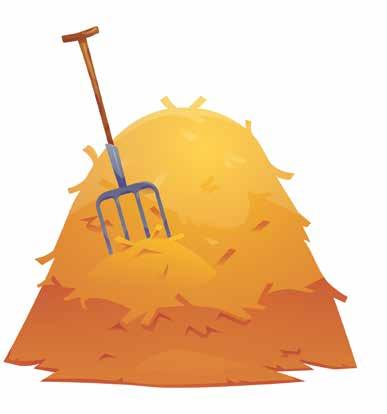
2. Feed her some hay.
3. Whitey loves to eat it!
4. Bill wants to come. Should we invite him?
5. Call him to play.
6. Hold her gently.
7. They will play with us.
8. Join them for playtime!
Poems share feelings or ideas in short, creative ways. Poems can rhyme or use fun words. Poetry can be short or long, serious or funny.
Write a short poem in four lines. Use pronouns to show who is involved.
Example: You smile brightly, full of cheer, She laughs loudly, glad you're here. We play games beneath the sun, Together, we have so much fun
Starting line ideas: We read a book with a I wake up early and go to
Let’s Brainstorm!
Some rhyme ideas: cat-hat-mat-bat • fun-sun-run-done • dayplay-stay-away • bright-light-night-kite • smile-mile-while-pile • cheer-here-near-dear • cool-school-rule-tool • friend-sendbend-pretend • book-look-cook-took
The words I and me are pronouns. Use these words when talking about yourself.
Use I as the subject (doing the action).
Example: I made a cake.
Use me as the object after an action verb (receiving the action).
Example: Mom gave me cake.
Fill in each blank with I or me.
1. love reading books.
2. Grandma gave a warm hug.
3. cleaned my room.
4. Can you help with my homework?
5. am going to the park later.
6. Dad took to the store.
7. Sam gave a toy.
8. saw a bird outside.
9. The teacher showed a book.
10. am happy today.

“All About Me” writing is a way for you to tell others about who you are. You can tell your name and age, what you like to do, and anything special or interesting that makes you — you.
Write details about yourself so others can get to know more about you.
Example: My name is Sam. I am eight years old. I like to read books and play with my rabbits. My favorite food is pizza. I am really good at building Lego sets. When I grow up, I want to be a doctor.
Everyone calls me .
I am years old.
I live with .
I feel happy when I like to eat . My family helps me . My friends play with me . .
Let’s Brainstorm!
You can write about: your favorite food, toy, book, color, shirt, park • something you're good at • who you live with • what makes you happy
The words he and him are pronouns. They take the place of a boy’s name.
Use he as the subject (doing the action).
Example: He cleaned up.
Use him as the object after an action verb (receiving the action).
Him will often come after words like in, on, at, to, from, with, for, of, by
Example: Dad smiled at him
Fill in each blank using he or him.
1. washed the dishes.
2. picked up his toys.
3. The room was swept by .
4. put his shoes away.
5. Grandpa thanked for helping.
6. took out the trash.
7. Dad smiled at .
8. made his bed neatly.
9. Dad bought a treat.
10. The treat was for .
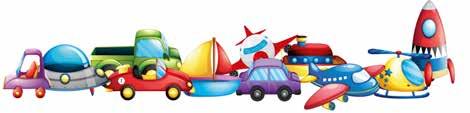
Write an advertisement to help return a lost item you found.
Use descriptive words to explain what the item is and where you found it.
Example: FOUND!
I found a small blue pencil case with a rocket ship sticker on top. It was under the bench near the swings during second recess. It has crayons, markers, and a note that says “To Jason.”
Come see me (Robert) in Room 7 to get it back.
DID YOU LOSE THIS?
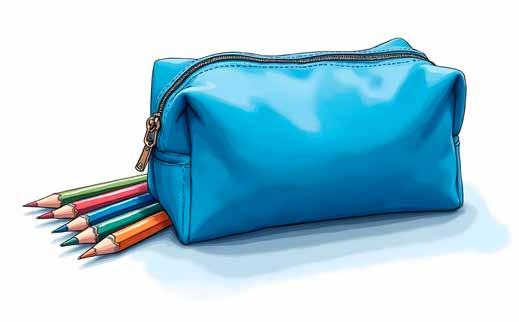
Describe the item you found. Where did you find it? When did you find it?
Add some more important details about what you found.
How can the owner get it back?
The words she and her are pronouns. They take the place of a girl’s name.
Use she as the subject (doing the action).
Example: She cleaned up.
Use her as the object after an action verb (receiving the action).
Her will often come after words like in, on, at, to, from, with, for, of, by
Example: Mom thanked her for cleaning up.
Fill in each blank using she or her.
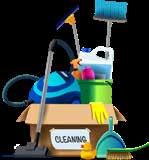
1. Mom added the flour for .
2. Sue helped mix the batter.
3. stirred the batter in a big bowl.
4. prepared a yummy cake.
5. Mom put the cake in the oven for .
6. Lilly smiled at .
7. cleaned the table.
8. Mom gave frosting to taste.
9. Lilly put the cake by place.
10. shared the cake with Sue.
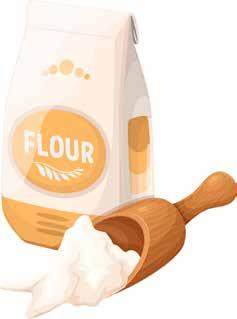
Persuasive letters try to convince someone about an idea. You tell them why your idea is good.
Write a short letter using three to four sentences to explain why Sara should win, or get, or be something. Use "she" and "her."
Example: Dear Judges, Sara is a very kind girl. She makes everyone smile and people want to be around her. You should give her the prize because she always helps others.
Dear Judges,
(Describe her) Sara is (Details about her) She

(Why does she deserve it) Sara deserves
Let’s Brainstorm!
Writing ideas: class leader • extra recess • student of the week • hall monitor • team captain • lunch server • first in line • reading star
The words we and us are pronouns. They take the place of people when talking about yourself together with others:
Use we as the subject (doing the action).
Example: We went on a trip.
Use us as the object after an action verb (receiving the action).
Us will often come after words like in, on, at, to, from, with, for, of, by.
Example: Dad took us on a trip.
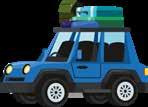
Fill in each blank using we or us.
1. Dad took to the zoo.
2. bought tickets at the gate.
3. saw the seals first.
4. They made a show for .
5. Next, we went to see the bears.
6. took pictures of the elephants.
7. Dad gave snacks.
8. watched the monkeys swing from trees.
9. ate lunch at the picnic tables.
10. Dad was proud of for being so good.

Compliments are positive words that make people feel good. Compliments say nice things about someone. Giving compliments helps people know they are appreciated.
Write a few sentences to compliment a friend. Use "we" and "us" to say nice things about what you like to do together.
Example: Friend: Bill Bill always invites me to his house. We play games together. He makes me laugh, and we have so much fun.

Friend:
Let’s Brainstorm!
Try giving compliments like: You are a good friend. • We always have fun together. • You help me when I need it. • You are kind and thoughtful. • We make a great team.
The words they and them are pronouns. They take the place of people when talking about a group of people:
Use they as the subject (doing the action).
Example: They sat down to eat lunch.
Use them as the object after an action verb (receiving the action).
Them will often come after words like in, on, at, to, from, with, for, of, by.
Example: Mom gave them sandwiches to eat.
Fill in each blank using they or them.
1. played tag in the yard.
2. I hid from
3. Leaves from the tree fell on .
4. ran around the yard.
5. laughed and had fun.
6. I called out to to come to me.
7. I prepared cold water for .
8. sat down on the grass.
9. I brought snacks.
10. helped clean up the yard.

Group stories are fun because you write them together with friends or classmates. Everyone adds their ideas to create an exciting story.
With a partner, write four to five sentences about an adventure.
Example: My friends visited the old castle. They walked through dark hallways together. Other friends joined them on the adventure. Suddenly, they found a secret room. Inside, they saw treasures that amazed them.
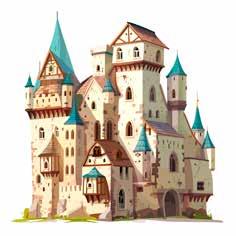
Story starter:
Did you hear about the adventure?
(Write the adventure idea here.)
You:
Friend:
You:
Friend: You:
Let’s Brainstorm!
Your story can be about a: time machine • secret cave • flying bus • treasure hunt • school trip • snowy day • treehouse • lost backpack • bike ride • class project
A pronoun is a word that takes the place of a noun. An antecedent is the noun that the pronoun is talking about.
Examples: The children went to the store. They bought a book. Sally bought an apple. She ate it for snack.
Joe → he Bill and I → we
Ann → she Nan and Lisa → they The book → it
Look at the underlined antecedent in each sentence. Write the correct singular or plural pronoun to complete each sentence.
1. Tom is my friend. is very nice.
2. Tom and I are reading. like to read.
3. Jill had a snack. shared it with me.
4. The snack is done. was good.
5. Dan and Mike are here. came to visit.
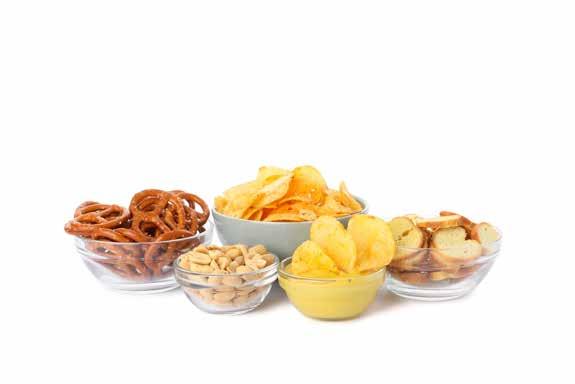
A diary is like a special notebook where you write about your day, your thoughts, and your feelings. It's a place where you can write whatever you want! You can write about things that made you happy, sad, excited, or even confused. It's just for you (unless you want to share it!).
Think about something you did or a place you went. Write the date. Then, write what happened.
Example: October 26, 2023
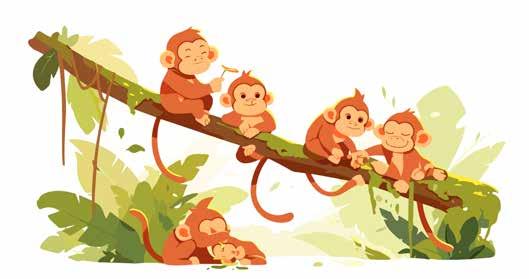
Dear Diary, Today was a really fun day! My family and I went to the zoo. We saw so many animals! My favorite was the monkeys. They were so funny!
Dear Diary,
Subject pronouns are used to name the noun doing the action. I you he she it we they
Object pronouns are used to name the noun receiving the action. me you him her it us them
An antecedent is the noun that the pronoun is talking about.
Underline the subject pronouns and circle the object pronouns.
1. I gave a gift to her.
2. She handed a balloon to me.
3. They invited us to the party.
4. We shared cake with them.
5. He showed the games to him.
6. You played tag with them.

Underline the antecedents and circle the pronouns in each sentence.
1. The bus is late. It will be here in five minutes.
2. Mr. Brown is here. He is the bus driver.
3. Joe and Alex are running. They want the front seat.
4. Bob and I are walking. We will take any seat.
Use he, she, we, they when someone is doing the action.
Example: He has two bunnies. They are fun to play with.
Use him, her, us, them when something is done to or for someone, especially after these words: in, on, at, to, from, with, for, of, by.
Example: I like to play with them.
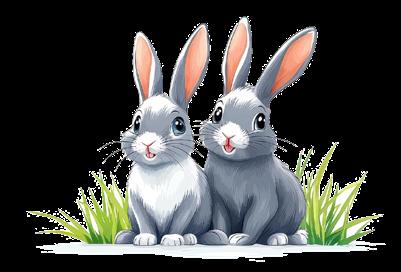
Fill in each sentence with the correct pronoun.
David has two girl bunnies. Their names are Brownie and Whitey.
1. I gave a carrot to she/her
2. He/Him sat next to the bunny.
3. The bunny ran to they/them .
4. We/us played with the bunnies in the yard.
5. I held Whitey and fed the hay to she/her .
6. You can visit the bunnies with we/us .
7. Brownie jumped on both of we/us .
8. We/us watched the bunnies play together.
9. We brought a toy for they/them .

10. The bunnies are smart, and I like playing with they/them.
Capitalization means using a capital letter. The first letter in every sentence is a capital letter. This helps make the sentence clear and easy to read.
Example: the car is red. → The car is red.
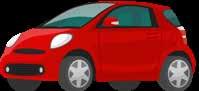
Read the story. Rewrite the first word in each sentence using a capital letter.
a little dog saw a big red ball. it rolled into the grass. the dog ran after it. he picked it up with his mouth. then, a bird flew down. "is that my ball?" asked the bird.
" i don’t know." the dog and bird played together all day.

Use your thinking cap to put a story in the correct order. Also, use it to remind you that the first letter in each sentence must be a capital letter!
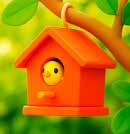
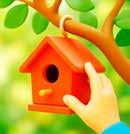
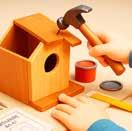
Put the four pictures in order of how it happened. Write a sentence to tell about each picture.
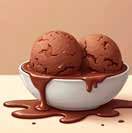


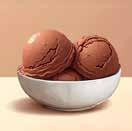
Example: 1. Someone left a double scoop ice cream on the table.
2. It was a very hot day.
3. The chocolate ice cream melted quickly.
4. There was a puddle of chocolate on the table.

Sentences can do two things: tell you something or ask you something.
A statement is a telling sentence. It gives you information. Statements end with a period (.).
Example: The sun is shining.
A question is an asking sentence. It asks a question. Questions end with a question mark (?).
Example: Is the sun shining?

Read each sentence below and decide if it is a statement or question. Write S for statement and Q for question.
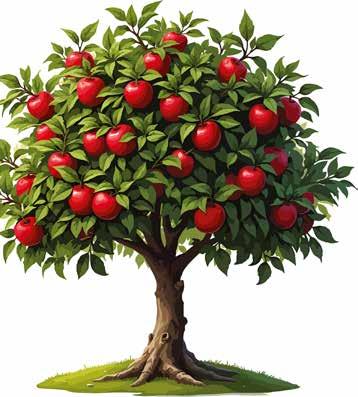
1. Where is the ball?
2. The ball is in the yard.
3. What time is it?
4. It is 3 o’clock.
5. I like to eat apples.
6. Do you like apples?
7. The baby is crying.
8. Why is the baby crying?
9. My bike is new.
10. Can I ride your bike?
When we talk to people, we often ask questions to learn something.
Write a sentence with a question you would want to ask your friend, teacher, or sibling. Then, write a sentence with a statement saying how you hope they would answer.
Example: Question to teacher: What are we having for homework today?
Answer: Today, there will be no homework.

Question to : Answer:
Question to : Answer:
Let’s Brainstorm!
You can ask about: lunch • recess
Statements and questions are different types of sentences.
A statement sentence tells something. It ends with a period (.).
Example: The sun is shining. (statement)
A question sentence asks something. It ends with a question mark (?).
Example: Is the sun shining? (question)
Read each sentence. Circle statement or question to show the sentence type. Add a period (.) to each statement and a question mark (?) to each question.
1. Is it sunny outside statement / question
2. The sun is shining statement / question
3. I have a red balloon statement / question
4. Do you want a balloon statement / question
5. Is the baby happy statement / question
6. The baby is laughing statement / question
7. I like to draw pictures statement / question
8. Can you draw pictures statement / question
9. Is the car going fast statement / question
10. The car drove away statement / question

We can ask questions to learn more about something.
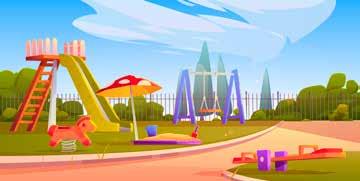
Think about your favorite place, such as your home, school, or a park. Write three question sentences. Put a question mark at the end of each question. Then, answer each question with a statement. Add a period at the end of each answer.
Example: Question: What can you see in the park?
Answer: I can see slides and swings.
Question:
Answer: Question: Answer: Question:
Answer:
Let’s Brainstorm!
Think about places like: your bedroom • the lunchroom • the zoo
• a grandparent’s house. Ask questions like: What do you see?
• Who are you with? • How do you feel when you’re there?
Every sentence starts with a capital letter and ends with a punctuation mark.
A statement sentence tells something. It ends with a period (.).
A question sentence asks something. It ends with a question mark (?).

Circle the letter in each sentence that should be capitalized.
1. the sun is shining.
2. my favorite color is blue.
3. we went to the park today.
4. does the snack taste good?
5. i love to read books.
Write one telling sentence about something you did today. Remember to start with a capital letter and end with a period.
Example: I ate my lunch.
Write one asking question about something you want to know. Remember to start with a capital letter and end with a question mark.
Example: Where is my book?
Add the correct punctuation to the end of each sentence. Circle if it is a statement or question.
1. The sun is shining statement / question
2. My favorite color is blue statement / question
3. Are you coming to the party statement / question
4. Is it raining outside statement / question
5. The flowers are blooming statement / question
6. Can we go to the park statement / question
7. I love reading books statement / question
Write two question sentences. Remember to end them with a question mark.
Choose one question sentence. Rewrite it as a statement ending with a period.
Words are put in a certain order to make sentences easy to understand.
Subject + Verb + Rest of the Sentence
Subject: Who or what the sentence is about
Example: The dog My friend
The dog runs in the yard.
Verb: What the subject is doing
Example: runs eats
My friend eats pizza for lunch.
Rest of Sentence: The other parts that finish the sentence
Example: in the yard pizza for lunch

Write each group of words in the correct word order to create a sentence.
1. new shoes Carl bought.
2. his arm broke Eddie.
3. likes to play ball my friend.
4. rolls down the hill the ball.
5. reads a book Henry.
6. a cake baked Sam.

Fill in the missing parts of each sentence.
Example: Subject Verb End of Sentence My friend shares his snack with me.

SUBJECT VERB END OF SENTENCE
The turtle
My classmate laughed baked cupcakes for dessert. a bike down the street.
Question words are words we use to ask questions. They help us get more information about something. The most common question words are:
Who asks about people. Where asks about places. What asks about things or objects. Why asks about reasons.
When asks about time. How asks about the way something is done.
Read each sentence below and fill in the blank with a question word.
1. Who/Where/How is coming with us to the zoo?
2. Who/Where/How can we get to the zoo?
3. What/When/Why does the zoo close today?
4. What/When/Why animals do you want to see?
5. What/When/Why do the elephants have big ears?
6. Who/Where/How is the giraffe cage?
7. Who/Where/How long can we stay at the zoo?
8. What/When/Why is your favorite animal?
9. Who/Where/How can we find the penguins?
10. Who/Where/How is feeding the lions today?
An interview is a conversation where you ask someone questions to find out more about them.
Work with a partner. Write three questions you will ask your friend using different question words, such as who, what, when, where, why, or how. Then, write down the answers.
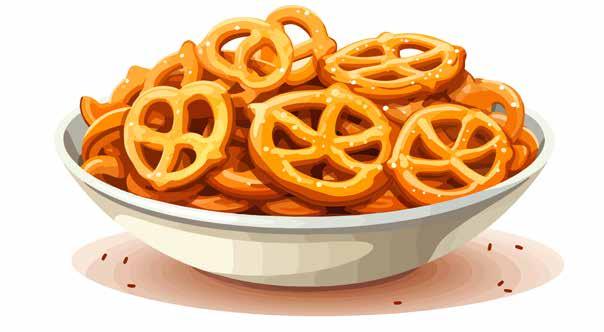
Example: Question: What is your favorite snack? Answer: My favorite snack is pretzels.
1. Question: Answer: 2. Question:
3. Question:
A statement sentence tells something. It ends with a period. A question sentence asks something. It ends with a question mark.
The order of words is different for a statement and a question.
Example: Statement: We are going to the park. Question: Are we going to the park?

Change each sentence to a question starting with the question word given. Remember to add a question mark at the end.
1. The boy can run. Can
2. He is playing ball. Is
3. They are sitting on the grass. Are
4. The sun is shining. Is
5. We are eating snacks. Are
6. The tree is tall. Is
7. The grass is cut. Is
8. They are jumping in the grass. Are

A survey is a list of questions that people are asked to learn what they think, like, or do.
Write a list of questions to find out what is most popular in your class.
Give three options for your friends to choose from. You can make a line under each option that your friends like best to see which option is the class favorite.

Example: What is your favorite lunch? pizza sandwich pasta
Question:
Options:
Question:
Options: Question:
Options:
Let’s Brainstorm!
You can ask about: favorite snacks • sports • pets • school subjects • games • colors • books • places to go on a class trip
Sentences usually follow the order
Subject (S) + Verb (V) + Rest of sentence (R).
Example: “I (S) eat (V) chicken(R).”
Put the words in the correct order to make a proper sentence.
1. ( eat / They / sandwiches )
2. ( sings / My brother / all day )
3. ( The cat / naps / on the sofa )
4. ( ride / I / my bike)

We use question words to ask specific information
Who (people) What (things) When (time)
Where (place) Why (reason) How (method)
Add a question word to complete each question.
1. do you go to sleep?
2. is your favorite food?
3. did you drop that?
4. is Ben hiding?
Draw a line from the question word to the type of answer it asks for.
1. Who • • at school
2. What • • by car
3. When • • because I am hungry
4. Where • • my teacher
5. Why • • a book
6. How • • at 3:00 p.m.
Fill in the blanks to complete the questions.
1. Who went
2. When will Bill
3. Why did John
4. did Alex travel to visit his cousins?
5. is the closest grocery store?
6. time do I have to go to bed?
Capitalize the first and last words of the title.
Example: Winnie the Pooh
Capitalize important words.
Example: The Wonderful Wizard of Oz
Do not capitalize short words like articles (a, an, the), conjunctions (and, or, but), or prepositions (in, on, at) unless they are the first or last word of the title.
Example: The Cat in the Hat

Circle the letters in the titles that should be capitalized. Underline the words that don’t need a capital letter.
A book review tells about a book. You can tell what happens in the book, describe the characters, or share why you enjoyed or didn't enjoy reading it.
Write a short paragraph (three to four sentences) about your favorite book.
Explain why you like this book. Be sure to capitalize the title correctly each time you mention it.
Example: My favorite book is Charlotte's Web. I like Charlotte's Web because it's about friendship.

My favorite book is:
The book is about:
I like this book because:
Let’s Brainstorm!
Think about what happens in the story: who the characters are • what you enjoyed most • what surprised you • if there was anything you didn’t enjoy.
When we write people's names, we always use capital letters for the first and last names. This helps us know that the name is important.
Example: Bill Miller, Sam Taylor

Read the story below and circle the first and last names that need to be capitalized.
One sunny day, ben parker, tom harris, and alex smith went to the park.
They met mike jones and jack brown, who were already there.
ben said, "Let’s play a game!" tom and mike agreed. alex and jack played with a frisbee. After a while, they all sat on the grass.
tom said, "This was a fun day!"
mike and alex agreed and said they should play again tomorrow.
A biography is a true story about a person’s life. It tells who they are, what they do, and what makes them special.
Write a short biography (three to five sentences) about someone you know or a famous person.
Example: I am writing about my mom. She is from New York. One interesting thing about her is that she is a good storyteller. She reads me a bedtime story every night. I chose this person because she takes care of me and makes me feel happy.

I am writing about
He/She is from
One interesting thing
I chose this person because
We capitalize titles before a person's name. This helps show respect.
Examples: Mr. Smith, Mrs. Johnson, President "How are you, Dr. Jones?" asked Tim.

Write the title correctly by changing the first letters to capital letters.
1. mr. Harris is our principal.
2. doctor Green helped me with my tooth.
3. I saw mrs. Walker at the park.
4. king Charles rules the kingdom.
5. queen Elizabeth ruled England.
6. mr. Brown is my teacher.
7. dr. Smith gave us a flu shot.
8. We saw mrs. Johnson at the store.
9. Hello, coach , how was the game?
10. president Trump will speak soon.

An appreciation letter is a note you write to someone who helps you, like a teacher or doctor. It usually starts with a greeting and ends with a friendly closing.
Write a short letter of appreciation to someone special, like a doctor, teacher, or principal. Use this person's correct title (Mr., Mrs., Dr.) each time you mention his or her name in your letter.
Example: Dear Dr. Smith,
Sincerely, Tom Jones greeting
Thank you for helping me feel better. You were very gentle and did not hurt me when you gave me a shot.

Dear ,
Thank you for
Sincerely,
When we write the names of cities, states, and countries, we use capital letters to show that these names are important. Just like names of people, these names are always capitalized.
Examples: City: New York, London, Paris
State: California, Texas
Country: United States, Canada, France


Write the names correctly by capitalizing the city, state, and country.
1. paris , france , is known for the Eiffel Tower.
2. We are planning to travel to toronto in canada .
3. sydney is in australia .
4. I want to go to new york this summer.
5. We are going to california for a visit.
6. france is famous for its food.
7. My cousin lives in texas .
8. london is a large city in england .
9. tokyo is the capital of japan .
10. mexico city is the capital of mexico .
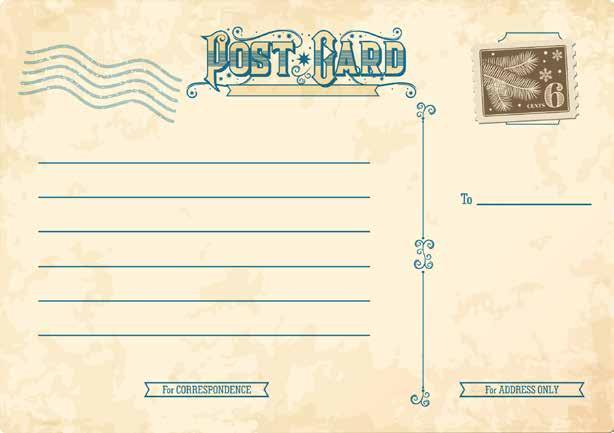
A postcard is a short message you send from a place you visited. It describes interesting things you see or activities you do in that place. Postcards help others picture your travels.
Think about a place you visited. It could be far away or near your home. Tell where you are, what you're doing, and how you feel. Be sure to capitalize the name of the city and state.
Example: Hello from Denver, Colorado! Denver is a beautiful city. We visited a beautiful garden there. You should visit there one day. From, Jo

We always capitalize the names of months and holidays.
Example: January, December, Independence Day
Rewrite each month and holiday using correct capitalization.
1. january
2. february
3. march
4. april
5. may
6. june 7. july 8. august 9. september 10. october 11. november 12. december

Narrative writing tells about events or things that happen. When describing your favorite month or holiday, you can talk about special things you do with family or friends and why this is important to you.
Think about your favorite month or holiday. Write three sentences describing why you like it. Remember to capitalize the holiday and the month.
Example: My favorite month is December. I love when it snows and we drink hot cocoa. Our family spends cozy time together.
My favorite month or holiday is It is my favorite because
Let’s Brainstorm!
You can write about: the season • family time • vacation • camp • games • friends
Capitalize the first letter of:
• the first word in a sentence
• the first and last word in a title
• important words in the middle of a title
• names
• titles of respect
• cities, states, countries
• days, months, holidays
Rewrite the sentences with the correct capitalization.
1. mr. brown is not working in march.
2. i am going to the store on monday.
3. we live in new york city.
4. my best friend is sara johnson.
5. the book title is the lion and the mouse.
6. president lincoln was a great leader.
7. is dr. brown working on labor day?
Complete the exercise below using correct capitalization.
1. My full name is:
2. I live in city: state:
3. My favorite holiday is:
4. My favorite book is:
5. My teacher's name is:
6. Today’s date is:

Circle all the words in the story that need to be capitalized.
7. My birthday is: on wednesday, john went to the library at lincoln elementary school. he borrowed a book titled "the adventures of tom sawyer." john met his teacher, mr. brown, who told him it is a great book. john read the book in the summer, on independence day.
Quotation marks are used to show the exact words someone is saying. They are placed around the words that are spoken.
Example: “Hello,” said Anna.
Beth answered, “It’s great to see you.”
Put quotation marks around the exact words someone says or said. Start the quotation with a capital letter.
Add the missing quotation marks to each sentence. Circle the letters that should be capitalized.
1. Bill said, I will go to the store.
2. can I come with you? Mike asked.
3. Alex said, I forgot my jacket.
4. it is a nice day, Joe said happily.
5. Peter cheered, let’s go!
6. Alex called out, wait for me!
7. I’m ready, Joe shouted.
8. Bill said, I will bring the drinks.
9. Mike asked, where are we going?
10. Dan replied, I’m not sure.
A conversation is when two or more people talk to each other.
Write a conversation you can have with someone about this picture. Make sure to put the words being said into quotation marks.
Example: “Let’s pick fruit,” Dad said. “I want bananas,” Sam replied.
“Is that your favorite fruit?” Dad asked.
“Yes! I love them.” Sam answered.
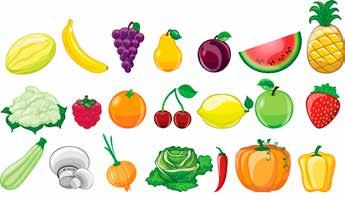
Person 1: Person 2:
Person 1:
Person 2:
Let’s Brainstorm!
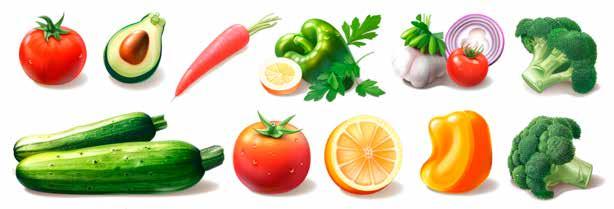
Talk about: your favorite fruit or vegetable • a healthy snack you like • something you tried for the first time • what you would make with the food you see.
A comma is used to separate the words someone says from the rest of the sentence.
Example: Anna said, “I’m going to the store.”
When the sentence continues after the spoken part, put a comma inside the quotation marks, right before the closing quotation mark.
Example: “I will wait here,” said Debby.

Add a comma to separate who is saying the words from what they are saying. When adding it to a quote, remember to put it inside the closing quote.
1. "Let’s go to the park " Dad said.
2. Ben said "I want to play on the swings."
3. "I will bring a ball " Tim said.
4. "I will bring some snacks " said Dad.
5. "We can run very fast " said Max.
6. Dad told Max "Don’t run too fast."
7. "I like playing tag " shouted Tim.
8. "The new slide was fun " said Max.
9. "I’m thirsty " said Ben.
10. Dad called out "It’s time to go home."
Dialogue is when two or more people talk in a story. Each time a new person talks, we start a new line.
Read the beginning of the conversation. Then, finish the dialogue by writing what each person says next. Be sure to use quotation marks and commas in the right places.
Example: David said, "Let's play tag." "Good idea," answered Frank.

(Tom) “Look how much snow we got!” said Tom.
(Ben) “ ,” said Ben.
(Tom)
(Ben)
A comma is used to separate parts of an address. When we write an address, we need commas to separate the street, city, and state.
Put a comma between the city and state:
Example: New York, NY
When writing the street address, put a comma if there is more information:
Example: 123 Main Street, Apartment 4B
Add the commas in the correct places for the following addresses.
1. 123 Maple Avenue Apartment 4B
Houston TX
2. The store is at 654 Cedar Lane, New York NY.
3. 456 Pine Street Suite 5
San Francisco CA
4. 890 Willow Way, Los Angeles CA
5. I live at 789 Oak Road Boston MA.
6. 321 Birch Boulevard Floor 2 Denver CO
7. 987 Elm Street Atlanta GA
8. Let’s visit 543 Birch Drive, Miami FL.
An invitation is a friendly message you write asking someone to come.
Write an invitation. Tell when to come, where to come, and what the invitation is for.
Example: Dear Mike,
You are invited to my home on Sunday. We will do a craft together.
My address is 4680 Main Street, Apartment 3B, Queens, NY 11004
Can’t wait to see you.
Alex

Dear ,
You are invited
We will
My address is:
Can’t wait to see you.
Quotation marks are used to show the exact words someone is saying or said. They are placed around the words spoken by a person.
A comma is used to separate the words someone says or said from the rest of the sentence.
When the sentence continues after the spoken part, put a comma inside the quotation marks, right before the closing quotation mark.

Place quotation marks around the spoken words in each sentence. Add commas to separate the words spoken from the rest of the sentence.
1. Anna said I’m going to the store.
2. I will wait here said Debby.
3. Hello said Anna.
4. Beth answered It’s great to see you.
5. Anna smiled and said I need to buy a few things.
6. Beth replied Do you need any help?
7. No, thank you said Anna. It shouldn’t take long.
8. Debby called out Don’t forget to get milk!
9. Anna laughed and said I won’t forget, Debby!
10. See you when you get back said Debby.
Rewrite the paragraph using correct capitalization and punctuation. Remember to start the quotation with a capital letter and place periods and commas inside the quotation marks.
mike said let’s learn about quotation marks quotation marks help tell a story said Ben.
Mike replied quotation marks can be tricky quotation marks can be tricky ben said but now I figured them out

Fill in the missing commas in these addresses.
1011 Rose Lane Apartment 1A
Chicago IL
Main Office
1212 Pine Drive Suite 200
Seattle WA
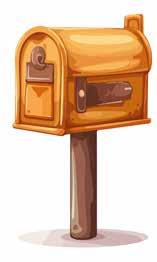
An adjective is a word that describes a noun. It tells us more about a person, place, animal, or thing.
Adjectives can tell us how something looks, feels, smells, sounds, or tastes. It can also tell us the color, size, or shape of something.
Examples: I smell the yummy cake. The flowers looked pretty.
Fill in the blank with an adjective from the ( ):
1. The sky looked (blue / sour).
2. The sand felt (soft / loud).
3. The lemonade tasted (fluffy / sweet).
4. The ocean air smelled (tall / fresh).
5. The animals sounded (noisy, red).
6. See the (colorful, sad) towels.
7. Feel the (sour / cool) water.
8. Smell the (yummy, windy) supper.
9. Taste the (salty / creamy) ice cream.
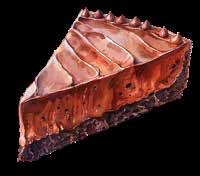
10. Listen to Jacob’s (happy, bumpy) laughter.

Sensory writing is when you describe something using your senses. This kind of writing helps readers feel like they can see, smell, taste, or touch the thing you are writing about.
Think about your favorite food. Use adjectives (describing words) to show how your food looks, smells, tastes, or feels.
Example: My favorite food is pizza. It looks colorful and yummy with its golden crust and melted cheese. It smells cheesy and delicious. When I bite it, the crust feels crunchy.

Favorite food:
It smells It tastes It looks
Adjectives describe nouns.
When comparing two nouns, we add -er. (comparative)
Example: This book is bigger than that one.
When comparing more than two nouns, we add -est. (superlative)
Superlative adjectives come after the word the.
Example: This is the biggest book of all.

Draw a line to the correct adjective in each pair of sentences.
1. Today is the day of the year. colder
2. Today is than yesterday. coldest
3. My house is than your house. smaller
4. My house is the on the block. smallest
5. I am the in my class. taller
6. The ladder is than me. tallest
7. The blue box is than the red box. heavier
8. The green box is the of all the boxes. heaviest
9. The couch is the seat in the room. softer
10. The chair is than the bench. softest
Use the comparing word in ( ) to write a comparing sentence under each sentence. Comparative adjectives help us show differences between two or more things.
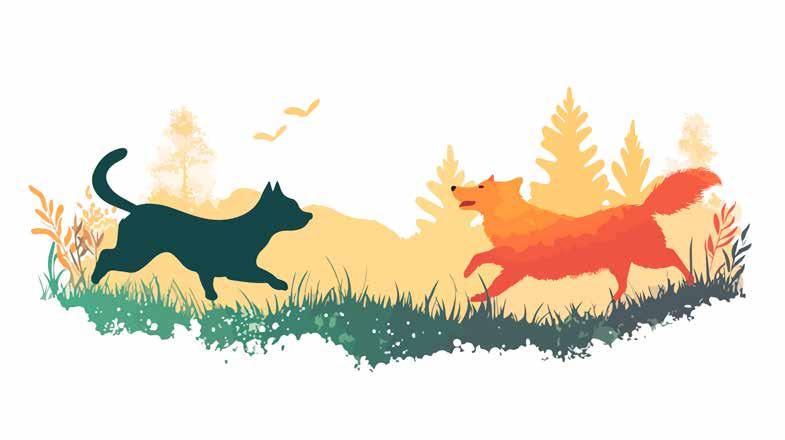
Example: My cat runs really quickly. (faster) My dog runs faster than my cat.
I saw three birds in the tree. (louder)
I tried three ice cream flavors. (tastiest) I have two pencils. (sharper)
Adverbs describe action verbs. Adverbs tell us how, when, or where something happens. Some adverbs that tell how an action takes place end in -ly.
Examples: The bunny hops quickly. (how)
They ran to school yesterday. (when)
The bird flew away. (where)
Use the words from the box above to fill in the missing adverbs in the sentences below.
1. I am eating lunch .
2. , I will buy more bread.
3. The children played in the sun.
4. The train moved .
5. The baby cried .
6. She rocked the baby .
7. Ben ran to his bedroom.
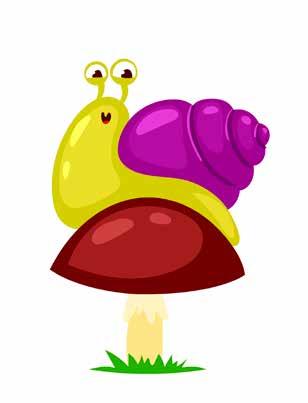
8. The snail moved gently slowly loudly tomorrow fast now outside upstairs
How-to writing gives step-by-step directions to help someone learn how to do something. It clearly explains each step so someone can follow along easily.
Write simple step-by-step instructions for doing a task that is easy for you. Use adverbs to help describe each step.
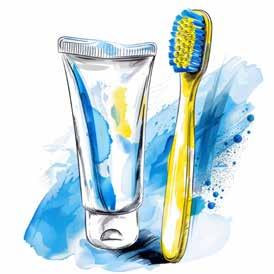
Example: Brushing your teeth.
Step 1: Squeeze toothpaste slowly onto your toothbrush.
Step 2: Next, brush your teeth carefully.
Step 3: Finally, rinse your mouth quickly with water.
Task:
Step 1:
Step 2:
Step 3:
Step 4:
Let’s Brainstorm!
You can write about tasks like: building a tower • making a sandwich • tying shoes • watering a plant • cleaning your room.
Try using adverbs like: carefully • neatly • happily • later • behind • down • here.
Adverbs describe action verbs.
When comparing two, we add -er. (comparative)
Example: He runs faster than his brother.
When comparing more than two, we add -est. (superlative)
Example: He runs fastest of all.

Circle the adverb in each sentence.
1. Tom ran to the water faster than Bill.
2. Bill swam the fastest in the group.
3. The wind blew harder today than yesterday.

4. Tim built a taller sandcastle than Mike.
5. Sam built the tallest sandcastle of all.
6. The dog dug a hole deeper than the boys.
7. That dog dug the deepest hole in the sand.
8. The boys shouted louder when they found a seashell.
9. Ted shouted the loudest of all when he found a starfish.
10. Our boat sailed closer to the shore than the others.
Reporters often ask questions to get information. Then, they tell others the information they got.
A reporter is here to ask you about your school’s color war competition between the Blue Team and the Red Team. Use words ending with -er or -est to help you answer the reporter' s questions.

Where did the judge stand? (close)
Which team cheered a lot? (loud)
How did Jack win the race? (fast)
Which team had more points? (high)
Adjectives describe a noun [person, place, animal, or thing]. They can tell us how something looks, feels, smells, sounds, or tastes.
Example: The flowers looked pretty.
Adverbs describe a verb (action). They tell us how, when, or where something happens.
Example: The bunny hops quickly.
Choose an adjective and adverb to complete each sentence.
fluffy tall happy colorful old quickly softly high carefully loudly
1. The man ran to the store.
2. The bird flew in the sky.
3. The child laughed .
4. The kitten purred .

5. The grandfather walked .
Write a sentence using:
An adjective: An adverb:
Adjectives that compare two or more nouns:
When comparing two, add -er: This book is bigger than that one. (comparative)
When comparing more than two, add -est: This is the biggest book of all. (superlative)
Adverbs that compare how the verb (action) is done:
When comparing two, add -er: He runs faster than his brother. (comparative)
When comparing more than two, add -est: He runs fastest of all. (superlative)
Write the correct form of the adjective to complete each sentence.
1. She is the (smart) student in the class.
2. The tree is (tall) than the house.
3. Of all the fruits, this apple is the (sweet) .
Write the correct form of the adverb to complete each sentence.
1. Sam worked the (hard) of everyone in the group.
2. My bus drove the (slow) to school.
3. Sara cheered (loud) than Alice.
Circle if the underlined word is comparing two (comparative) or more than two (superlative).
1. The bird flew the highest in the sky. two/more than two
2. The dog ran faster than the cat. two/more than two
3. The giraffe is the tallest animal in the zoo. two/more than two
A singular possessive form shows that something belongs to one person or thing.
We add an ‘s to a noun to show us who owns or has something.
Example: The pencil belongs to the student. → The student’s pencil
By adding ‘s, we show that the pencil belongs to one student.
Add ‘s to the single possessive noun. Underline the item belonging to the noun.
1.
2. The student notebook is on the table.
3. The boy pencil broke during class.
4.
5.
9.
Lost and Found is a place where people put items they have found so others who lost them can claim them.
Write three sentences describing items you might see in a lost-and-found box. Use singular possessive forms (like "student's jacket”) to show who the items belong to.
Example: Found: jacket Belongs to: student I saw the student's jacket hanging in the Lost and Found.

Found: ruler Belongs to: office
Found: hat Belongs to: David
Found: Belongs to:
A plural possessive form shows that something belongs to more than one person or thing.
To make a plural noun possessive, add an apostrophe after the s (s’) at the end of the plural noun.
Example: teacher → teachers → teachers’
The teachers’ notes were piled up.
By adding s’, we show that the notes belong to more than one teacher.
Add ’ to make the noun plural possessive. Underline the items belonging to the noun.
1. The students backpacks are in the classroom.
2. The teachers books are in the office.
3. The boys pencils fell down.
4. The janitors brooms are in the closet.
5. The librarians books are on the shelves.
6. The friends lunches are on the table.
7. The artists paintings are on the wall.
8. The nurses bandages are in a box.
9. The classmates desks are in rows.
10. The principals meetings are in the main office.

Rules tell us what to do. They help us stay safe. They help us be fair to each other.
One day, you might be a teacher or principal. Write a list of rules that you will hang up in your classroom or school. Use plural possessive forms to describe places or things belonging to more than one person (like "students' backpacks").
Example: Who: guards
What: badges
All guards' badges must be pinned on their jackets.

Who: all students What: backpacks
Who: janitors What: mops Who:
A singular possessive form shows that something belongs to one person or thing. We add an ‘s to a noun to show who owns or has something.
Example: The boy’s toy. The toy belongs to one boy.
A plural possessive form shows that something belongs to more than one person or thing. To make a plural noun possessive, add an apostrophe after the s (s’) at the end of the plural noun.
Example: The boys’ toy. The toy belongs to more than one boy.
Circle the correct possessive noun.
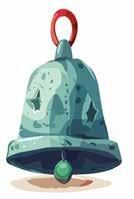
1. I can hear the cow’s/cows’ bell. (single)
2. The horse’s/horses’ tails are swishing. (plural)
3. The hen’s /hens’ eggs were collected. (plural)
4. The farmer’s/farmers’ tractor is in the shed. (single)
5. The dog’s/dogs’ bone is buried. (single)
6. Our cat’s/cats’ tails were white. (plural)
Circle the singular possessive nouns.
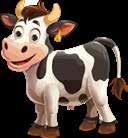
7. The duck’s/ducks’ feathers were yellow. (plural) Teacher’s
Cows’
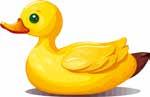
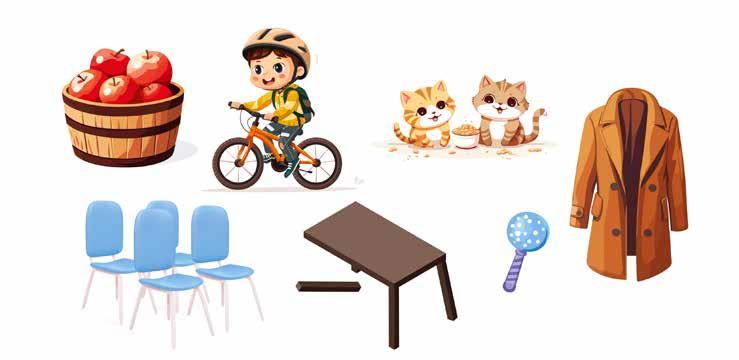
Look at the pictures above. Circle the correct possessive form.
- ONE PLURAL - TWO OR MORE
1. The apple’s skins are red. The apples’ skins are red.
2. The boy’s helmet is on. The boys’ helmet is on.
3. The cat’s bowl is white. The cats’ bowl is white.
4. Bill’s coat is brown. Bills’ coat is brown.
5. The student’s chairs are blue. The students’ chairs are blue.
6. The table’s leg broke. The tables’ leg broke.
Circle the plural possessive nouns.
7. The baby’s rattle fell. The babys’ rattle fell. Teacher’s Cows’ Students’ Farmers’ Bird’s Doctor’s Ducks’ Nurse’s
Forms of "be" words, such as am, is, and are, connect a noun to what we want to say about it.
"Am," "is," and "are" tell about things that are happening now. "Was" and "were" tell about things that happened before.
Example: I am happy. You are happy. He is happy. I was sad. You were sad. They were sad.

Add an adjective from the list to complete each sentence.
bright hot cheesy tired funny red singing heavy
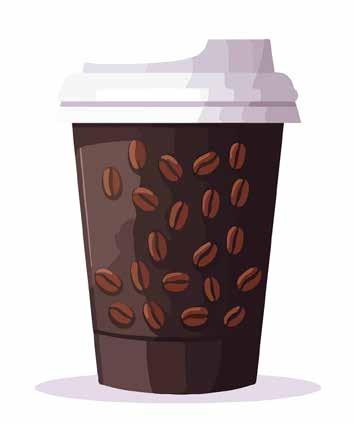
1. The coffee is
2. The birds are .
3. I am .
4. The clowns were
5. The pizza was .
6. The sun is .
7. The books are .
8. The fall leaves were .
All about me writing is a way for you to tell others things about yourself.
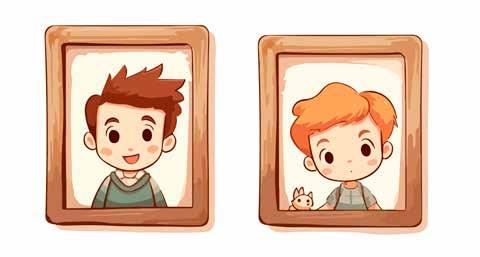
My name is I am years old.
Last year, I was in grade. Now, I am in grade.
My eyes are . My hair is My favorite is because . My favorite is because . I wish I were .
Let’s Brainstorm!
You can write about your favorite: food • book • color • game • school subject. For the last part, think about a wish you have— maybe you wish you were taller, could fly like a bird, had a robot.
The present tense forms of "be" help us talk about things that are happening now.
Use "am" to talk about yourself. (I)
Example: I am hungry.
Use "is" after one person or thing. (he, she, it)
Examples: He is tall. Sue is tall. It is tall. The building is tall.
Use "are" after you or more than one person or thing. (you, we, they
Examples: You are hungry. We are hungry. Bill and Joe are hungry.

Fill in the blanks with "am," "is," or "are."
1. The sky blue today.
2. The clouds moving quickly.
3. I hoping for a sunny day.
4. The sun shining brightly.
5. Bob and Tom playing outside.
6. I going to play with them.
7. We throwing a ball.
8. Sam coming to join us.

A note is like a little message. It's a short way to tell someone something.
Write a note to someone. It could be your friend, your teacher, your family, or someone else. Use the words am, is, or are in your note.
Example: Hi Grandma, Is this the bag you are waiting for?
Your friend delivered it here this morning. Have a great day.
Let’s Brainstorm!
You can write about: a lost lunch • missing homework • saying sorry • inviting someone to your house • thanking a friend • wishing someone good luck. You might also write to tell someone that he is nice or ask to play together.
The past tense forms of "be" help us talk about things that happened.
Use "was" if there is one person or thing. (I, he, she, it)
Examples: He was cooking. The pot was hot.
Use "were" after "you" and if there is more than one person or thing. (we, they, you)
Examples: The boys were walking. They were going home.
Complete each sentence using was or were.
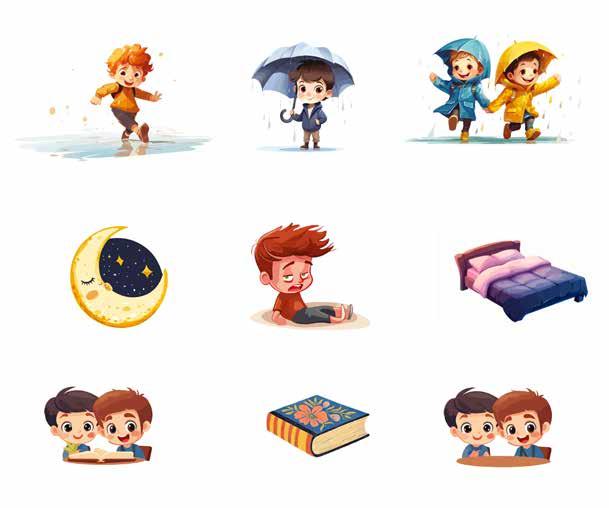
They
It nighttime. You tired. She in bed.
We reading together. It an interesting book. He telling the story to me.
"Memory Lane" is when you think back about something that happened a while ago to you or to someone you know. It can be about things you did, friends you had, or places you visited.
Write two sentences using "was" and two sentences using "were."
Example: Last year I was in second grade. My teacher was Mr. Brown. We were able to play in the yard today. The children were going on a trip to the zoo.

Let’s Brainstorm!
Sentence starters to help you get started: My tooth was • The trip was • Our class was • I was • My friends were • The animals were • Our books were • We were
Forms of "be" words help us tell about things now or things that happened before. They connect a person or thing to things that are happening now that we want to say about them or it.
"Is, are, am" tell about things that are happening now.
"Was, were" tell about things that happened in the past.
Example: I am happy. You are happy. He is happy. I was sad. You were sad. They were sad.

Circle the correct "be" verb in each sentence.
1. I (am / is / are) going to the park tomorrow.
2. The park (am / is / are) open every day.
3. The games (is / was / were) very fun last year.
4. My sister (am / is / are) coming to the party.
5. Sam (is / was / were) at school last week.
6. The children (is / was / are) playing outside.

7. I (is / were/ am) excited about the trip.
8. The flowers (is / are/ was) blooming in the garden.
9. We (was / were / are) at the museum yesterday.
10. She (was / were / is) my neighbor last year.
A sentence can be changed from present tense to past tense by changing the word "is" to "was" and "are" to "were".
Example: Joe is busy. We are playing. Joe was busy. We were playing.

Rewrite each sentence as something that happened in the past.
1. The puppy is playing with a ball.
2. These grapes are tasty.
3. My room is clean.
4. The students are quiet.
5. My socks are wet.
6. The soup is hot.
7. The cake is very fresh.
A contraction combines two words into one shorter word. The apostrophe takes the place of the missing letters.
Examples: You + are → You' re — The ‘ replaces the letter a in are. It + is → It' s — The ‘ replaces the letter i in is.

Match up the two words to their contractions.
I am
You are
I have
Was not
They are
We will
I’ve
Wasn’t
I’m
We’ll
You’re
They’re Cannot
We are
We’re
Can’t
A description tells what you see and what is happening. When you look at the picture, ask yourself: What is the person doing? What might the person be saying or feeling?
Write one or two sentences to describe what you think is going on.
Example: My flower grew so tall, it’s bigger than me.

See you later. We’re
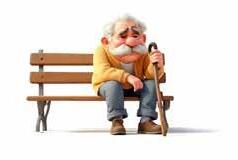
I’m thinking about I can’t
A subject/verb contraction is when we combine a subject (like I, you, he, they) with a verb (like is, are, will) to make a shorter word. We use an apostrophe to show that letters are missing.

I + am = I'm I + will = I'll you + are = you're you + will = you'll we + are = we're he + will = he'll they + are = they're she + will = she'll he + is = he's we + will = we'll she + is = she's they + will = they'll it + is = it's
Change each subject + verb to a contraction.
1. I am going to the store.
2. You are my best friend.
3. He is playing with his toy.
4. She is happy today.
5. They are going to the park.
6. We are going on a trip.
7. He will be here soon.
8. We will finish the work tomorrow.
A written plan is like a map for your ideas. It helps you think about what you want to do. A written plan can tell you what, when, where, who, and more.
Plan a fun activity. Write your plan using as much detail as possible. See how many contractions you can use.
Example: Plan: Carnival I'm planning a carnival with friends. We're making it next week. They’ll run the booths. They’re going to invite their neighbors to come.

What is my plan?
Whom will I do it with?
When will it be?
Where will it be?
What will happen there?
Let’s Brainstorm!
Some ideas for you to plan: trip to an amusement park • a zoo adventure • a hike in the woods • a picnic • building a treehouse.
A contraction is when we combine two words into one shorter word. To combine, we replace one or more letters with an apostrophe. We add the word not to some words to make them say the opposite.
do + not = don’t can + not = can’t is + not = isn’t are + not = aren’t was + not = wasn’t were + not = weren’t
Example: I can do this. I cannot do this. I can’t do this.

Make each sentence say no by adding 'not' to the word in parenthesis. Then, rewrite the word as a contraction.
1. I (do ) like broccoli.
2. He (can ) come to play.
3. It (is ) cold outside.
4. They (are ) ready to leave yet.
5. She (was ) at school today.
6. We (were ) sure about the answer.
7. I (do ) want to go to bed yet.
8. He (can ) find his shoes.
9. It (is ) raining today.
10. They (are ) home right now.
A mystery story is like a puzzle. Something strange happens, and the reader has to figure out what’s going on. It makes you wonder: What happened? Who did it? What will happen next?
Write a short mystery story using four to five sentences. Make sure something is missing, strange, or surprising. Can you use contractions with "not" to tell the story?
Example: Title: The Missing Cookies
The cookie jar isn't empty, but most of the cookies are gone. I don't know who took them. My dog can't talk, or he’d tell me!
Title:
Let’s Brainstorm!
Think about: a missing toy • a strange sound • a broken object • a mystery message • something that disappears. Who was there when it happened? What clues could you leave for the reader to notice?
"Its" is the possessive form of "it." We use "its" to show that something belongs to or is a part of something.
Example: The tree lost its leaves. (The leaves belong to the tree.)
"It's" is a contraction for "it is" or "it has."
Example: It's a beautiful day. (It is a beautiful day.)

Circle the correct term to use in each sentence.
1. I hope (its / it's) not too late.
2. The tree lost (its / it's) leaves.
3. I can’t believe (its / it's) already November.
4. The bird flew to (its / it's) favorite tree.
5. (Its / It’s) too early to leave.
6. I’m sure (its / it's) going to be a great day.
7. The car has (its / it's) own parking spot.
8. (Its / It’s) time to go home.
9. I hope (its / it's) not too windy tomorrow.
10. The bike had (its / it's) wheels fixed.
Stretch out the sentence by adding more details.
Example: That pencil has a tip. That pencil has a sharp, pointy tip.
It’s warm.
I see a bird's nest.
It’s time to go. The toy is gone.
Let’s Brainstorm!
Answer the question who, what, when, where, why, or how to add more details. Add in the word "its" or "it’s" to help describe something that may have happened.
A contraction is when we combine two words into one shorter word. A word combined with 'not' changes it to the opposite meaning.
The apostrophe replaces the missing letters.
"Its" is the possessive form of "it." We use "its" to show that something belongs to or is a part of something.
"It's" is a contraction for "it is" or "it has."

Rewrite each pair of words using a contraction. Remember to replace the letter you leave out with an apostrophe.
1. I am 2. I have 3. you are 4. we are 5. she is 6. they are 7. he will 8. he is 9. it is 10. is not
was not
were not
Circle the correct term to use in each sentence.
13. I think (its/it's) going to rain.
14. The mouse hid in (its/it's) hole.
15. (Its/It's) time to take a bath.
16. The car had (its/it's) windows washed.

Cross out the two words that can become a contraction word. Write the contraction word on the line in each sentence.
1. I cannot believe it's already Monday.
2. The boys are not ready to leave yet.
3. I will call you later.
4. They are coming over later.
5. It is a beautiful day outside.
6. We do not need any more toys.
7. Bob is not going to school today.
8. I am going to school today.
9. We will have fun in class.
10. He is eating lunch now.
11. You will eat lunch soon.
12. I have already eaten.
Use “a” before words that start with a consonant sound (b, c, d, f, g, h, j, etc.).
Example: a book, a cat
Use “an” before words that start with a vowel sound (a, e, i, o, u).
Examples: an apple, an elephant
Fill in each blank with "a" or "an." Circle the first letter of the next word to help you know the correct answer.
1. There was elephant named Ellie.
2. Ellie lived in forest far away.
3. One day, Ellie found apple tree and orange tree.
4. She picked apple to eat for breakfast.
5. Then, she saw monkey watching her.
6. The monkey had curious look on his face.
7. Ellie shared orange with the monkey.
8. The monkey gave her banana in return.
9. Later, Ellie heard owl singing in the trees.
10. It was amazing day for Ellie!
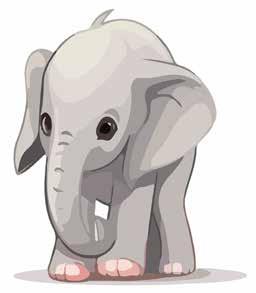
An advertisement is a message that tries to make you want to buy or try something.
Choose two items from the list below. Draw a picture. Then, write two sentences to advertise it. Make it exciting, funny, or convincing!
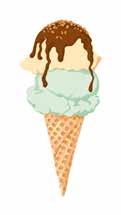
Example: Buy an ice cream today! We have a double scoop ice cream with an extra crunchy cone.
sandwich game umbrella robot book flashlight hat eggs
The words "have" and "has" are helping verbs that show something that has happened or is happening.
Use "have" with I, you, we, and they.
Example: We have read a new book.
Use "has" with he, she, and it.
Example: She has read the new book.

Read each sentence and fill in the missing words "has" or "have."
1. Emma won a red kite.
2. She taken it to the park.
3. Her friends taken their kites, too.
4. They found a windy spot.
5. Emma let her kite go high.
6. The kites danced in the sky.
7. The children fun in the park.
8. The sun started to set.
9. They packed up their kites.
10. Emma waved goodbye to her friends.
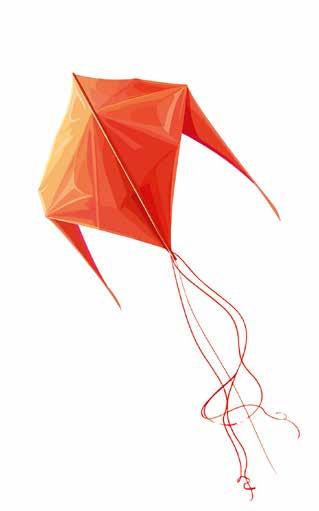
Write a diary entry about something you have done or that has happened to you.
Example: Monday, March 3
Dear Diary, My family has planned a surprise picnic. We have packed yummy sandwiches and lemonade. It has been a fun day.
Date:
Dear Diary,
What have you done?
How did you feel about it?

Do you hope to do it again? Why?
Let’s Brainstorm!
You can write about: a class project • day in school • visit • trip.
Sentence starters to help: Today I have • My family has • We have • It has been
Sometimes irregular verbs are used with helping verbs.
"Begin" tells about now. "Began" and "begun" tell about the past. Began is used alone. Begun is used with helping verbs like have, has, or had.
Examples: He began to play the game. We have begun playing the game.
"Forget" tells about now. "Forgot" and "forgotten" tell about the past. Forgot is used alone. Forgotten is used with helping verbs like have, has, or had.
Examples: He forgot how to play the game.
She has forgotten how to play the game.
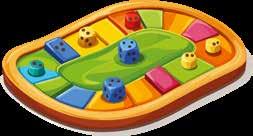
Complete each sentence using the words began, begun, forgot, or forgotten.
1. Alex his day. He ate fast.
2. Alex his book. Oh, no!

3. "You have your lunch!" Bill said.
4. The bell to ring loudly.
5. Alex his lunch!
6. Class has . It is 9 am.
7. The teacher has to assign homework.
8. Alex has to smile.
What do you think could happen if you forgot something important, and how you would fix it?

If I forgot
Then, If I forgot
Then,
Write a silly or spooky story starting with: "It began with a loud noise!"
Then, one at a time, share your story with your classmates.
Let’s Brainstorm!
You can write about if you forgot: shoes • lines in a play • how to count • address • homework • pencil case • teacher’s name
Sometimes irregular verbs are used with helping verbs.
"Draw" tells about now. "Drew" and "drawn" tell about the past. Drew is used alone. Drawn is used with helping verbs like have, has, or had.
Examples: He drew a pretty picture. He has drawn a pretty picture.
"Hide" tells about now. "Hid" and "hidden" tell about the past. Hid is used alone. Hidden is used with helping verbs like have, has, or had.
Examples: He hid his toys in a box.
We have hidden our toys in a box.
Complete each sentence using the words drew, drawn, hid, or hidden.
1. The boy a forest.
2. He has a bird, too.
3. A squirrel a nut.
4. It has it in a tree.
5. Then, he a rabbit.
6. His friend has a fox.
7. The rabbit in a hole.
8. It has from the fox.
Poems don't need to be long, and they don’t always have to rhyme! Poems can tell little stories with imagination and fun words!
Write a short poem. See if you can make the last word in each line rhyme with the last word in another line.
Example: The fox hid behind a tree, So quiet no one could see. He dug a little hole, And stuck in a purple pole.
Let’s Brainstorm!
You can write about: a hiding place • a mystery • rain • a silly squirrel • a snowy day • the blue sea • crayons • my new toy
Rhyming word ideas: play-day-say-may • fun-run-sun-done • hide-wide-slide-ride • tree-key-see-free • ball-small-call-fall • rain-train-brain-plane • snow-show-blow-throw
a: Use before words that start with a consonant sound (b, c, d, f, g, etc.)
an: Use before words that start with a vowel sound (a, e, i, o, u)
have: Use with I, you, we, and they has: Use with he, she, and it
Fill in the blanks with "a" or "an."
Choose the correct word, have or has.
7. I (have / has) a red balloon.
8. She (have / has) a new doll.
9. We (have / has) many toys to share.
10. He (have / has) a big toy truck.
11. They (have / has) a fun picnic planned.
12. You (have / has) a great idea!
Began, forgot, drew, and hid are used alone.
Begun, forgotten, drawn, and hidden are used with helping verbs like have, has, or had.
Fill in the blanks with the correct form of begin or forget.
1. Class at 9 o'clock this morning.
2. I have my homework at home!
3. Yesterday, the rain to fall.
4. She has to bring her umbrella.
5. We had our game before it rained.
6. He his lunch box on the bus.

Fill in the blanks with the correct form of draw or hide.

7. She a picture of a flower.
8. The cat under the bed.
9. He has a funny cartoon.
10. They have the treasure very well.
11. I a circle in my notebook.
12. The bird its nest in the tree.
Synonyms are words that mean the same thing or almost the same thing as another word.
Hint: Synonym and Same (or Similar) all start with the letter
Example: happy and glad end and finish

Circle the word that is a synonym for the word in bold.
1. fast - quick / slow
2. big - tiny / large
3. home - house / park
4. cold - freezing / warm
5. easy - simple / hard
6. close - open / shut
7. quiet - loud / silent
8. say - tell / lay
9. nice - kind / mean
10. clean - dirty / neat

A compliment can show someone thet we notice good things about them. It can be something they said, an action they did, or even something they are wearing.
Write a compliment about the student sitting in front of you and behind you. Then, give the paper to a different student. Have them rewrite your compliment changing one word for something similar.
Example: You draw such pretty pictures. You draw such nice pictures.
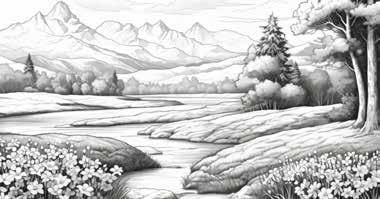
Compliment about
My writing:
Friend's writing:
Compliment about
My writing:
Friend's writing:
Let’s Brainstorm!
If you are in the first seat, write about the student in the last seat, and if you are in the last seat, write about the student in the first seat.
Antonyms are words that mean the opposite of another word.
Example: hot and cold
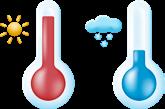
Circle the word that is an antonym for the word in bold.
1. happy - sad / glad
2. big - huge / small
3. fast - quick / slow
4. hot - cold / warm
5. light - bright / heavy
6. easy - hard / simple
7. quiet - loud / soft
8. nice - mean / kind
9. clean - dirty / neat
10. near - close / far

Choose two antonyms (opposite words). Then, write a sentence or two that includes both words and compares them. Your sentence should show how the two things are different.
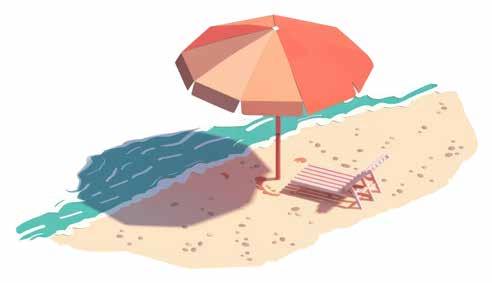
Example: hot/cold
In the summer, it is hot outside, but in the winter, it is very cold.
Antonyms /
Sentence:
Antonyms / Sentence:
Let’s Brainstorm!
You can compare things using antonyms like: big/small • fast/slow • loud/quiet • old/new • wet/dry. Think about how they’re different and put both in the same sentence!
Homophones are words that sound the same but have different meanings and spellings.
Example: sea the ocean water, see to look at something know to understand, no not yes buy to get with money, by next to, bye goodbye hair grows on your head, hare is an animal hear listen, here in this place

Circle the correct homophone for each sentence.
1. I love to (sea / see) the ocean when we go on vacation.
2. Do you (know / no) the answer to this question?
3. She wants to (buy / by / bye) a new book.
4. He walked (buy / by / bye) the bakery on his way home.
5. I will say (buy / by / bye) to my friend at the door.
6. The (hair / hare) on my head is getting long.
7. Can you (hear / here) the music?
8. We are going to meet (hear / here) at the park.
9. I went to the (sea / see) to collect some shells.
10. He didn’t (know / no) about the test until today.
Write down a pair of homophones. Then, write a simple sentence or joke using both words. Draw a picture.
Example: I always write the right answer on my test.

Synonyms are words that have the same or almost the same meaning.
Antonyms are words that have opposite meanings.

Use the words in the box below to change all the bold words to a synonym. Then, read the story again. Is the story the same or different?
Sam and Ben went to the park on a warm day. They were both feeling happy . They ran to the big slide. "Let’s begin here," Ben said. Sam was a little scared but decided to try. He slid down and laughed . They played on the swings and felt tired but had a great time.
Use the words in the box below to change all the bold words to an antonym. Then, read the story again. Is the story the same or different?
Sam and Ben went to the park on a warm day. They were both feeling happy . They ran to the big slide. "Let’s begin here," Ben said. Sam was a little scared but decided to try. He slid down and laughed . They played on the swings and felt tired but had a great time. huge smiled hot start sleepy glad afraid good cried cold bad sad small brave awake end
Homophones are words that sound the same but have different meanings and spellings.
sea the ocean water, see to look at something know to understand, no not yes
buy to get with money, by next to, bye goodbye
hair grows on your head, hare is an animal
hear listen, here in this place

In each part, choose the correct homophone for the sentence(s). Then, write a sentence using the homophone that was not used.
know no I the answer to this question.
sea see Can you me waving?
hear here Let us the music playing over there.
buy by bye
I waved when I passed my friend’s house.
Alphabetical order is the way we arrange words based on the alphabet. The alphabet starts with A, then B, and so on. Words are placed in order according to the first letter. If the letters are the same, move to the next letter.
Alphabetical order by first letter: apple, banana, cherry
Alphabetical order by second letter: bag, beg, big
Alphabetical order by third letter: dog, doll, door
Example: bag, banana, door

Write each list of words in alphabetical order.
1. car, boat, truck, bike
2. lion, owl, sheep, snake
3. fish, bug, fly, frog
4. sun, moon, star, cloud
5. ice, snow, rain, wind
6. hat, shirt, pants, shoes
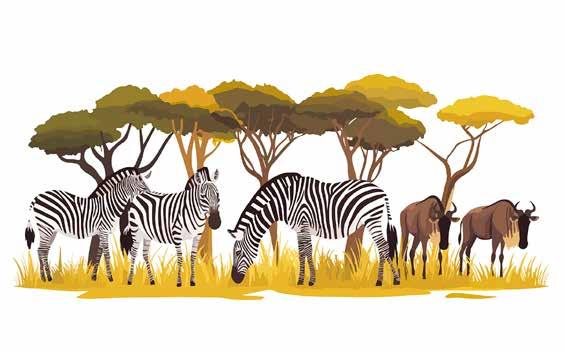
Write down any five-letter word. Then, write the five letters of the word in alphabetical order. Write a word starting with each letter. Last, write a sentence using each word.
Example: CLASS A C L S S apple, cookie, lunch, school, snack
A I ate an apple for breakfast.
C Last week, I baked chocolate cookies.
L I will eat a sandwich for lunch
S It is almost the end of the school year.
S Let’s share our snack.
My five-letter word:
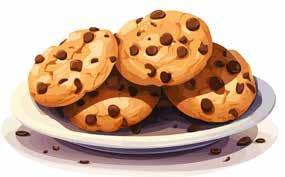
Let’s Brainstorm!
Try starting with a five-letter word like: apple • bread • smile • heart • plant • lunch • story • green • chair.
A dictionary is a book of words written in alphabetical order. The dictionary will also show you the meaning of the words. When looking for a word that begins with letters A, B, or C, you will look in the dictionary pages with the letters A-C.
Example: Letter group A-F will have the words apple, bread, egg, fish
Find three words that belong in each letter group and write them in any order.
moon horse cat water
ball sun nest kite doll jump tree ocean

Write a paragraph about a project you did, a place you visited, or maybe a funny dream. How many letters of the alphabet can you use?
Example: I like to write stories. Yesterday, John came to visit. He gave me a present. It was a zingo bingo game for me.
ABC list of words used: a, bingo, came, for, game, he, it, John, like, me, present, stories, to, visit, write, yesterday, zingo

Guide words are the words at the top of each dictionary page. They help you find where words are located in the dictionary.
The first guide word shows the first word on the page. The second guide word shows the last word on the page.
When you look up a word, check the guide words to see if your word is between them in alphabetical order.
Example: Guide Words: cat-dog cow, dump, dip, bird, fish, dart

Read the guide words. Then, cross out the words that are not on the page.
1. Guide Words: cow - egg dog gag was eat
2. Guide Words: frog - goat egg front fun gag hop
3. Guide Words: rain - rock run rat brain rake read sock
4. Guide Words: sat - son sand nose see sign snow sun
Choose four words that can fit on a dictionary page that starts with your name and ends with the next letter of the alphabet. Write a sentence using each of the words you chose.
For example, if your name is Alex, choose any word in the dictionary that comes after Alex but before the letter B.
Example: apple: For dessert, I will eat apple pie. ant: A little ant is carrying a big crumb of bread. arm: My arm is hurting from writing so much. ask: You can ask me anything in grammar.
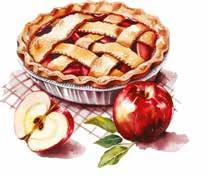
Your name
The letter after your first letter
Bonus: What other words can fit on your dictionary page?

Rewrite the words in alphabetical order.
Write the letters that come before and after each letter.
Circle the words that can be found using the guide words.
Guide Words: hat-hung
hair has have hurt head
Guide Words: rain-rock
roof red rest roll ripe
Guide Words: sun-swing
sweet son swim sad supper sing
Guide Words: list-mist
fist mad last loud long man
Action Words

Feeling Words

School Words
Weather Words
first next then last now today later early late tomorrow yesterday soon
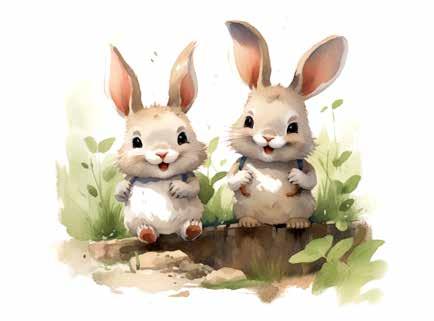


think say tell ask answer guess talk listen want know forget remember
first next then last before also but because so and or while when if since finally

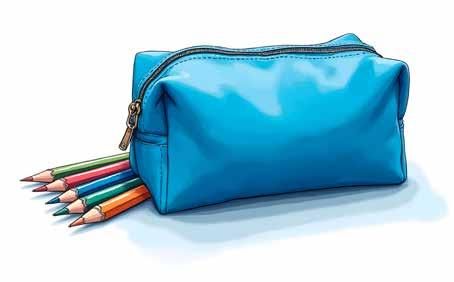
www.lighthousecurriculum.com