Level B Grammar and Writing
This
book belongs to
Grammar and Writing
Written and Edited by: Yehudis Leitner, Fraydel Sharf, Ariella Bulman, Sara Sampson, Miriam Shulamis Eisemann
Layout: Vladan Dojcinovic Front cover: Mirko Zunic
Welcome to the Lighthouse Grammar and Writing Workbook!
Dear Educators,
We are excited to introduce the Lighthouse Grammar and Writing Workbook, crafted to enhance your teaching with an innovative approach to mastering English. This workbook combines structured grammar lessons with practical writing exercises, providing a comprehensive and engaging resource for you and your students.
Each grammar section features clear explanations and easy-to-follow instructions, followed by writing activities that let students apply their new knowledge. This approach bridges the gap between understanding grammar rules and using them effectively, helping to develop their writing skills step by step for clearer and more creative communication.
Every lesson encourages the exploration of different writing styles while reinforcing essential grammar concepts. Our goal is to make teaching both enjoyable and impactful, equipping you with the tools to cultivate confident and proficient communicators in your classroom.
Thank you for choosing the Lighthouse Curriculum. We look forward to supporting you and your students on this journey to language mastery!
Sincerely,
Grammar and Writing Level B
978-1-955773-69-0 Lighthouse Curriculum
718.285.7100 • info@lighthousecurriculum.com For more information visit www.lighthousecurriculum.com ©Copyright 2025 Lighthouse Curriculum Inc. All rights reserved.





© Lighthouse Curriculum. Copying strictly prohibited.
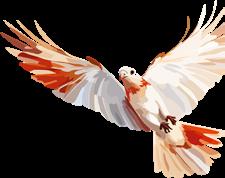




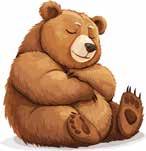
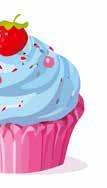

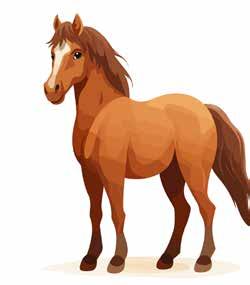
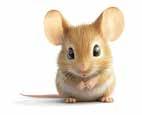
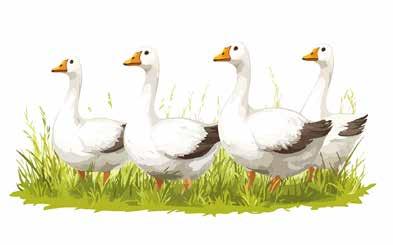

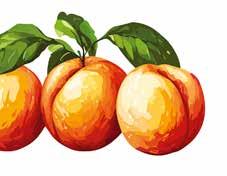
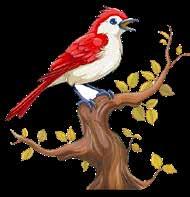



A noun is a word that names a person, place, animal, or thing.
Example: Person: teacher, girl, father
Place: classroom, park, zoo
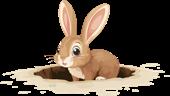
Animal: dog, rabbit, cow
Thing: ball, book, pencil
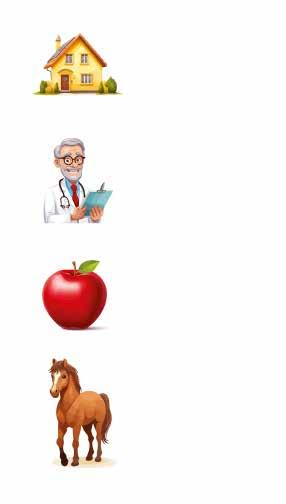
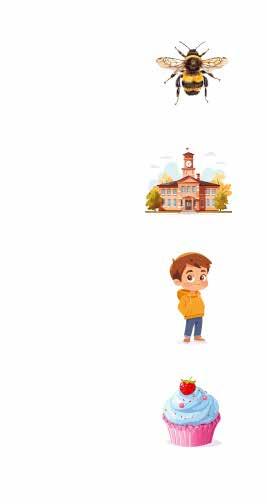
Write a noun from the word box to name each picture.
bee doctor cupcake house
school apple horse boy
Descriptive writing tells how something looks, feels, or acts. It helps others imagine it clearly. Write about your favorite person, place, animal, or thing.
Describe your favorite person, place, animal, or thing.
My favorite is . Example: My favorite thing is my teddy bear.
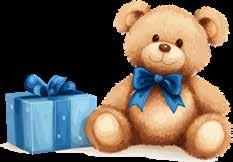
It is (color) . Example: It is brown. It feels . Example: It feels very soft to touch.
I like it because . Example: I like it because it makes me feel happy.
Let’s Brainstorm!
Person/Place/Animal/Thing: toy • pet • book • snack • game • bedroom
Colors: red • yellow • blue • green • black • white
Feel: soft • hard • cozy • warm
Singular and Plural
Singular nouns name one person, place, animal, or thing.
Plural nouns name more than one.

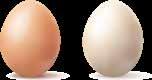
Example: singular → egg plural → eggs
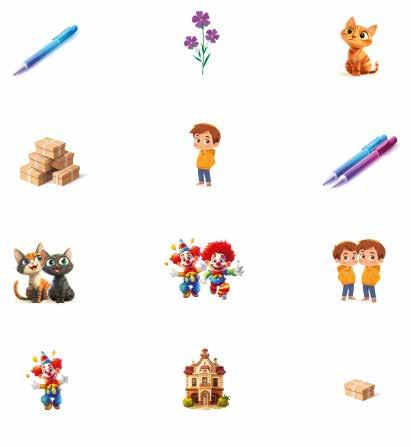
Color the singular nouns red. Color the plural nouns blue.
How-to writing tells what you will make, how you will make it , and in what order you will make it.
Think about something you know how to make. Write step-by-step instructions.
What will you make?
Example: I will make a sandwich.
I will
What do you need?
Example: I need bread, cheese, and ketchup.
I need
What will you do next?
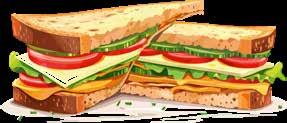
Example: Next, I will put the cheese and ketchup on the bread.
Next, I will
What will you do last?
Example: Then, I will eat the sandwich.
Then,
Let’s Brainstorm!
Topic ideas: making a snack • building a tower • drawing a picture • washing your hands • making a painting • making a clay model
Plural Forms -s
Add an s to most nouns to make them name more than one. Example: flower → flowers

Rewrite each noun with an s to name the plural noun.
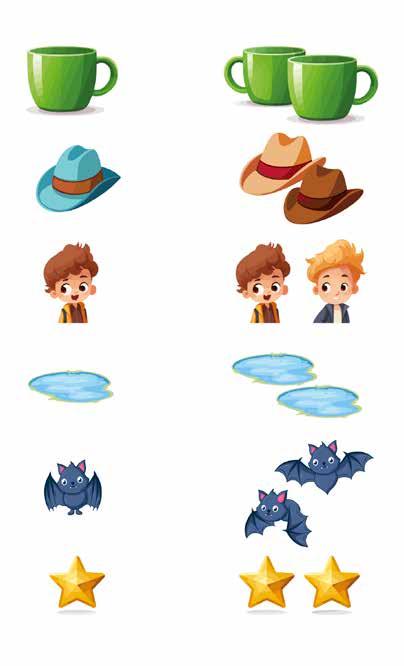
1. cup
2. hat
3. boy
4. lake
5. bat
6. star
Informational writing gives true facts and teaches others about a topic.
Write about a noun (person, place, animal, or thing) giving facts and information.
Choose a noun you want to write about.
Example: Apples
Write one fact about your noun.
Example: Apples grow on trees.
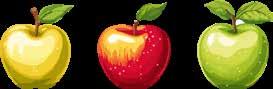
Write another true sentence about your noun. Example: Apples can be red, yellow, or green.
Why do you like it?
Example: I like apples because they are a good snack.
Let’s Brainstorm!
Some noun ideas: jump ropes • dolls • bananas • blocks • Dads • schools • pizzas • bikes
© Lighthouse Curriculum. Copying strictly prohibited.
Plural Forms -es
Add an es to nouns ending with the letters s, x, sh, ch, or z to make them more than one.


Examples: dish → dishes bench → benches
Rewrite each noun with an es to name the plural noun.
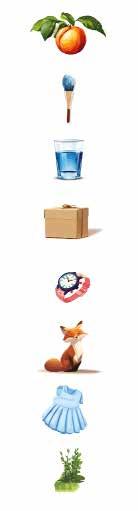
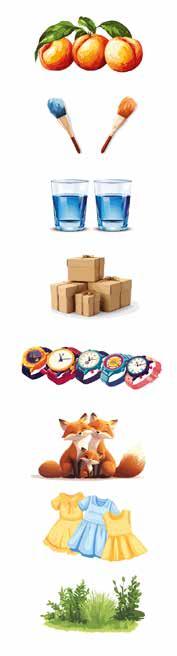
1. peach 2. brush
glass
box
watch
fox
dress
bush
Opinion writing tells others what you think or feel about something. You give reasons for your opinion.
Choose two foods from the list. Tell why you picked them.
Grocery List: apples pizzas grapes cookies peaches chips boxes of cereal sandwiches
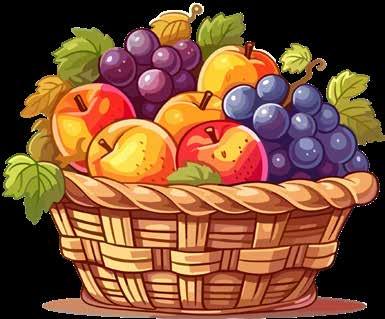
What should we choose?
I want to get and . Write two reasons why we should choose these foods. We should choose these because
Irregular Plural Nouns
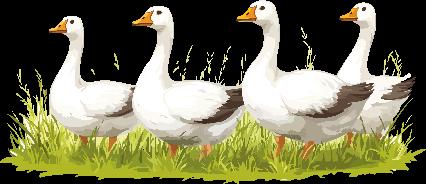
Some nouns don’t follow the usual rule to become plural. These are called irregular nouns.
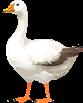
Example: goose → geese
Match the singular nouns to the irregular plural nouns.
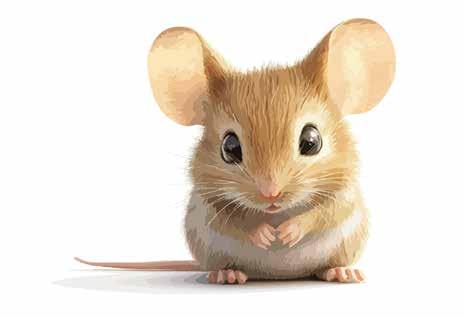
foot → feet man → men child → children mouse → mice tooth → teeth person → people
1. foot mice
2. mouse children
3. man feet
4. tooth people
5. child teeth
6. person men
Narrative writing is writing that tells a story. It can be real or made-up.
Write about a place you went and what you saw there.
Write one sentence telling where you went.
Example: I went to the zoo.
I went to
Write one sentence about one thing you saw (singular).
Example: I saw one goose swimming.
I saw
Write one sentence about many things you saw (irregular plural).
Example: Then, I saw many geese walking on the grass.
Then, I saw many
Write one sentence about how you felt.
Example: I felt excited to see animals at the zoo.
I felt
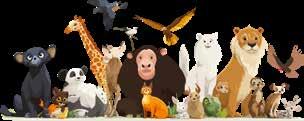
Let’s Brainstorm!
Tell a story about something you saw or did at: a zoo • a farm • a park • an aquarium • the dentist
Review Nouns
A noun is a word that names a person, place, animal, or thing.
Singular Nouns: name one
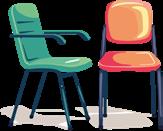
Example: chair
Plural Nouns: name more than one, usually ending in s
Example: chairs
Add es to nouns ending with the letters s, x, sh, ch, or z to make them more than one.
Circle the nouns.
table man run school
Write the plural forms of these singular nouns.
1.
2.
3.

Write the plural forms of the nouns ending in s, x, or sh.

4. box 5. brush 6. glass
pen
boy
clown
Change all the singular nouns in ( ) to plural.
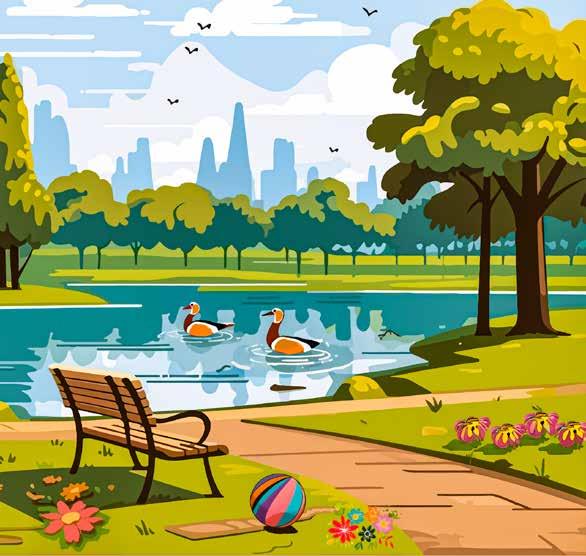
1. In the park, families sat on (bench) .
2. Three (boy) played with their (ball) .
3. A lot of (child) enjoyed (cupcake) .
4. Some (duck) swam in the pond.
5. We saw some (rabbit) hopping around.
6. Some (bee) were flying over the (bush) .
Collective Nouns
A collective noun is a word that names a group of people, animals, or things.
Example: A bunch of bananas (things)

Circle the type of collective noun each group is.
1. A stack of paper people / animals / things
2. An army of ants people / animals / things
3. A pile of books people / animals / things
4. A litter of puppies people / animals / things
5. A chest of drawers people / animals / things
6. A class of students people / animals / things
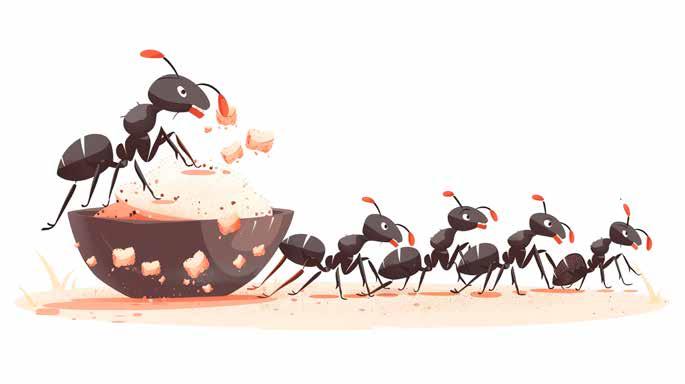
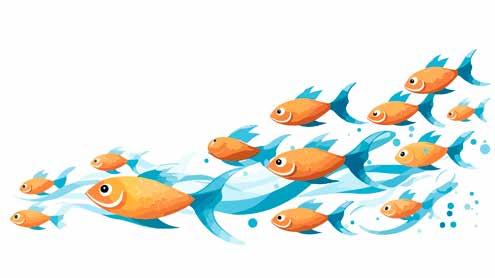
Descriptive writing about an image uses words to describe what is in the picture.
Look at the picture and write a sentence about what you see.
Example: A school of fish
A school of fish swims together in the ocean.
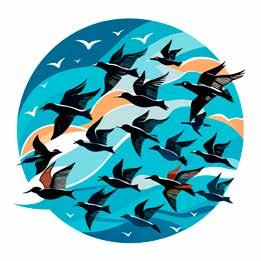
A flock of birds
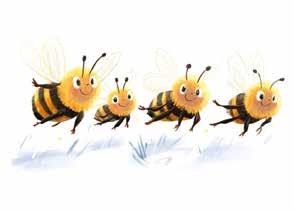
A swarm of bees
© Lighthouse Curriculum.
Copying strictly prohibited.
Number Words
A number word is a number written out with letters. Example: Ten (10)
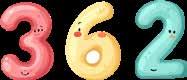
Count the pictures. Write the number word.


Write a story about playing hide and seek. Use number words like one, two, three, and ten in your story.
Start your story.
I played hide and seek with . There were kids playing. (Use a number word.)
What happened first?
I covered my eyes and counted to . (Use a number word.)
What happened next?
Write a sentence telling where you found one person.
End your story.
Write a sentence telling how many people you found in all.
Numbers in Plural
When we use number words, we usually add an s to the noun to show there is more than one.
Example: Ten drums

Add an s to make the word plural.
Circle the correct number word. Then, write a word from the box to name each picture.
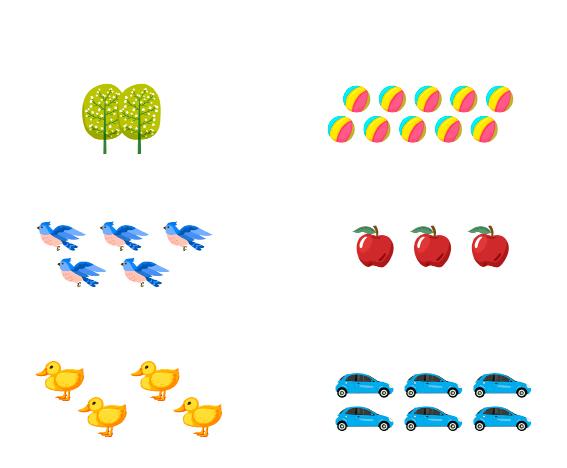
/ ten
1. 4. 2. 5. 3. 6.
tree car ball duck apple bird
Descriptive writing uses words to tell about what you see. You can use number words and descriptive words to make your writing clear and fun to read.
Look at the picture. Pick something in the picture to describe.
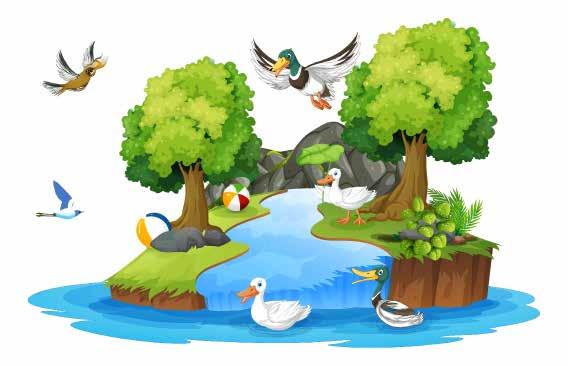
Write one sentence using number words to tell how many you see. Example: I see four ducks.
Write another sentence telling what is happening in the picture. Example: Two of the ducks are splashing in the water.
Write one sentence describing what the things look like. Example: The ducks are big.
Review Special Nouns
A collective noun is a word that names a group of people, animals, or things.
Example: An army of ants
A number word is a number written out with letters.
Example: Seven (7)
Match each collective noun with the correct group.
1. Class of bananas
2. Chest of books
3. Bunch of drawers
4. Army of ants
5. Pile of students

Circle the number word in each sentence.
6. I have two pencils.
7. She bought five apples.
8. There are seven kittens playing.
9. He ate four cookies.
10. We saw three birds.
Write the correct number word.
8
6
3
10
1
Circle the correct plural form to match the number word.

6. Four (grapes / grape)
7. Seven (paper / papers)
8. Six (animal / animals)
9. Two (shoes / shoe)
10. Five (truck / trucks)
Verbs
A verb tells what someone or something is doing or did. Examples: We hid in a box. Mike jumps out of the box.

Circle the verb in each sentence.
1. We planted seeds in our garden.
2. Birds sing sweet songs.
3. Rain falls on the green grass.
4. Children play outside all day.
5. Trees grow new leaves.
6. Bunnies hop in the garden.
7. The wind blows gently.
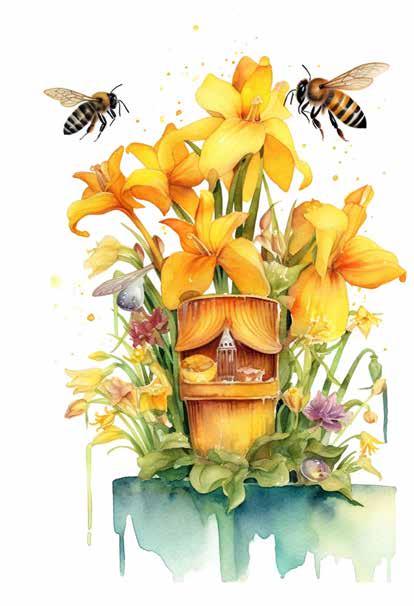
8. Bees buzzed around the flowers.
When we write a story, we write the events in the order they happened. This helps the reader understand the story clearly.
Write about a day in your life — but not just any day. Pick your best kind of day: a school day, a trip, or even a vacation day!
My best kind of day is:
Start by telling how your day starts.
Example: I wake up in the morning and get dressed.

Next, write what you do during the day.
Example: I go to school and learn about all kinds of fun things.
Finish with how your day ends.
Example: At night, I read a book and go to bed.
Let’s Brainstorm!
Think of the kind of day you like best: a school day • a vacation day • a birthday • a trip day, a snow day
Singular Verbs
Verbs that tell about the action of one noun will have an s at the end.
Example: John runs fast.
Underline the singular noun and circle the verb in each sentence.
1. Jack runs in the park.
2. A baby sits on the grass.
3. The sun shines brightly.
4. A leaf falls off the tree.
5. A car drives away.
6. The bird flies in the sky.

Look at each picture. Use the verb to write one sentence that tells what is happening.

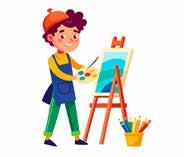
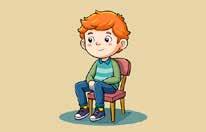
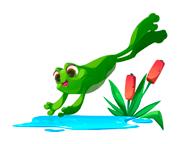
Example: Verb: sweeps
The boy sweeps the floor.
Verb: paints
Verb: sits
Verb: hops
Word Box boy, girl, frog, floor, chair, picture, paintbrush, water, garden, park
Plural Verbs
Verbs that tell about the action of more than one noun will not have an s at the end.
Example: The ducks swim in the pond.
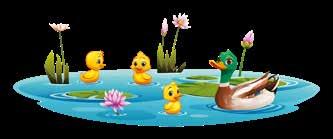
Underline the plural noun and circle the verb in each sentence.
1. The boys run in the park.
2. Dogs play on the grass.
3. The stars shine brightly.
4. Leaves fall off the tree.
5. Cars drive near the park.
6. All the birds fly away.

Use one of the verbs in each example to finish the sentence. Then, draw a picture to match your sentence.
Example: Verbs: swim, splash The ducks swim in the pond.
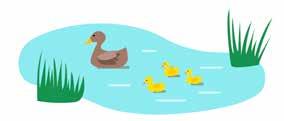
1. Verb: fix, break
The workers
2. Verb: eat, drink
The children
3. Verb: fly, sleep
The birds
Past Form Verbs
Verbs in the past form tell about actions that already happened. Many verbs in the past form end in ed
Examples: Yesterday, I walked to the store. We played a game last night.

Change the verbs in ( ) to past form by adding ed.
1. He (jump) off the step.
2. We (cook) eggs for breakfast.
3. The teacher (open) the window.
4. The boys (climb) the tree.
5. My dog (bark) loudly.
6. They (paint) colorful pictures.

Narrative writing tells a story. It has a beginning, middle, and end. It can be real or pretend.
Let’s write a silly story together! Start your story with this sentence:
One morning, a BIG chicken walked into my school and…
Beginning: What did the chicken do first?
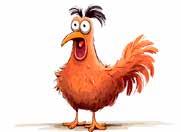
Middle: What happened next? What problems or funny things happened?
Ending: How did the story end?
Let’s Brainstorm!
Did the chicken try to eat lunch? • Did it go to class or try to be the teacher? • Did someone try to chase it?
Word Box played, walked, jumped, talked, helped, visited, cooked, looked, enjoyed, cleaned
Irregular Past Form Verbs
Some verbs change when they are written in the past form. They don’t end in ed. These are called irregular verbs.
Example: Today, I go. Yesterday, I went.
Change the verbs in ( ) to past form.
1. The teacher (tell) us a joke.
2. I (take) my book to school.
3. Yesterday we (eat) pizza for lunch.
4. I (run) very fast.
5. I (see) two birds in the tree.
6. I (get) a new sticker from my sister. see → saw eat → ate run → ran take → took tell → told get → got

Personal narrative writing tells about something true that happened in your life. Try to use special irregular past form verbs.
Write a narrative about a place you went and what you did there.
Start by telling where you went.
Example: I went to the water with my family.
Write the first thing you did there.
Example: I put my toes in the water. It was cold.

Write what happened next.
Example: Then, I jumped into the water and started to swim.
Write what happened at the end.
Example: It was fun to swim. Now I was not hot anymore.
Let’s Brainstorm! What happened to you when you: visited the park • shopped at the store • planned a party • helped at home
Word Box
sat, saw, went, ate, came, took, gave, ran , found, rode, sang, drew, flew
Review Verbs
A verb tells what someone or something is doing or did.
Singular verbs that tell about the action of one noun will have an s at the end.
Plural verbs that tell about the action of more than one noun will not have an s at the end.
Past form verbs tell about actions that already happened. Many verbs in the past form end in ed.
Irregular past form verbs change in different ways. They don’t end in ed.
Circle the verb in each sentence.

1. Birds sing in the morning.
2. My mom cooks delicious food.
3. The wind blows strongly.
4. Cats jump onto the table.
5. The baby cries loudly.
6. We play outside after school.
Choose the correct form of the verb to complete each sentence.
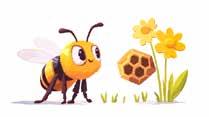
1. My sister (run/runs) quickly.
2. Those dogs (bark/barks) loudly.
3. Bees (buzz/buzzes) around flowers.
Change the verbs in () to past form by adding ed.
4. Yesterday, he (walk) home.
5. The students (jump) high in the park.
6. My brother (paint) a nice picture.
Complete each sentence using the correct past form of the irregular verb in ( ).
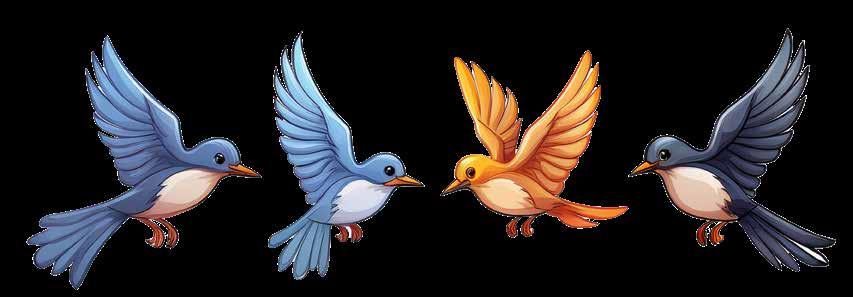
7. Today, I see birds. Yesterday, I (see) birds in the sky.
8. Today, we eat apples. Yesterday, we (eat) bananas.
9. I will go home soon. Yesterday, I (go) home late.
© Lighthouse Curriculum.
Sentence Parts
A complete sentence has two parts.
Subject - tells who or what the sentence is about
Predicate - tells what the subject does or is
Example: Mr. Davis is our principal.
Match the subjects to the predicates to complete each sentence.
• is blue.
• is holding a pencil.


• are reading.
• hop.
• are in a box.
• licks an ice cream.
Kangaroos
Choose two sentence starters and build sentences by adding more words.
Our class My friend The big tree The funny clown The yellow bus
Choose two pictures and write a full sentence for each.
Word Box school, happy, tall, rain, play, soft, fun, ride, green, sunny, apple, lion, umbrella, crayons , red, bright, wet, yellow, bird
1.
2.
1.
2.
Sentence Fragments
A sentence fragment is not a complete sentence. It is missing a subject or a predicate.
Example: Sentence Fragment: The happy dog. (missing predicate) Complete Sentence: The happy dog runs outside.
Write F for fragment or C for complete sentence.
1. Running very fast.
2. The sun shines brightly.
3. Jumped high.
4. My friend shares her snack.
5. The loud thunder.
6. The students work quietly.
7. The small kitten.
8. The cookies taste sweet.

Descriptive writing helps the reader picture something in their mind.
Look at the fragments (incomplete sentences) provided. Change them into complete sentences by adding words.
Example: Fragment: Playing outside.
Complete: The children are playing outside in the yard.






Word Box big, small, beautiful, bright, playing, swimming, floating, jumping, happily, quickly , water, wet, apple, shade, string, flying, climbing
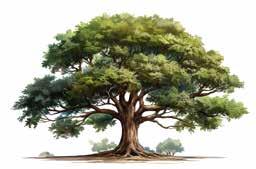
1. The big tree.
2. Swimming in the lake.
3. The red balloon.
Expanded Sentences
We can make sentences more interesting by adding more details. Expanded sentences tell us who, what, where, when, and sometimes why or how.
Example: Simple sentence: The cat sleeps.
Expanded sentence: The fluffy cat sleeps on the soft couch.
Choose words from the box to expand and finish each sentence.

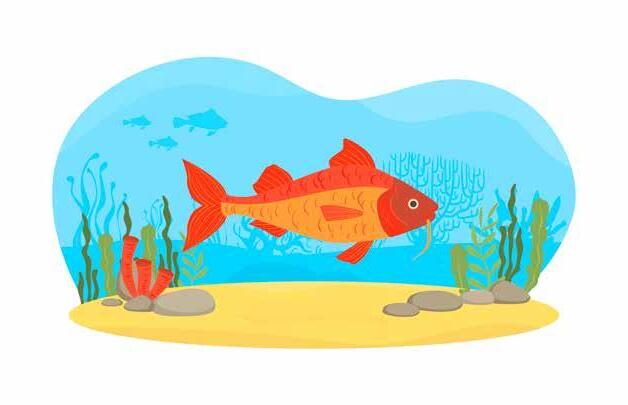
1. A fish swims
2. Our team won
3. Grandma baked
4. The cat jumped the game. over the fence. chocolate cookies. in the lake.
Explanatory writing tells the reader what is happening or gives information so the reader can understand it.
Example: 1. The dog plays with the ball.
2. The dog jumps high.
3. The ball is orange.

Look at the picture. Write three sentences explaining what is happening. Use the clues in the picture to write expanded sentences.

Word Box dog, cat, child, ball, play, jump, run, laugh, chase, happy , boy, picnic, fruit, drink
Review Sentences
A complete sentence has two parts.
Subject - tells who or what the sentence is about
Predicate - tells what the subject does or is
A sentence fragment is not a complete sentence. It is missing a subject or a predicate.
We can expand sentences by adding more details.
Match each subject with a predicate to create a complete sentence.
Subject
Predicate
• eats carrots.
• shines brightly.
• takes a test.
• plays with yarn.
• rides a bike.

Write F for fragment or C for complete sentence.
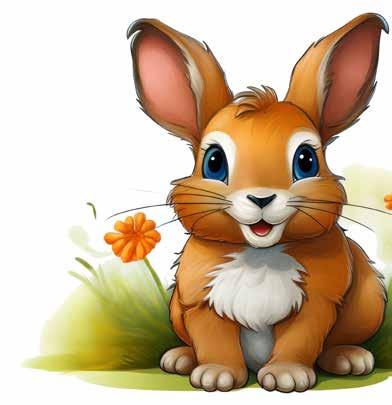
1. The ducks swim in the pond.
2. Eats breakfast.
3. The colorful balloons.
4. She drew a beautiful picture.
5. The leaves fall gently.
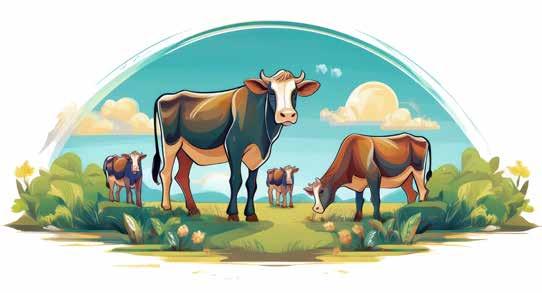
Put the words in the correct order to create complete sentences.
He, She, and It
A pronoun is a word that takes the place of a noun.
Use he for boys, she for girls, and it for animals, places, or things.
Examples: Jack is my brother. → He is my brother. Rachel is my sister. → She is my sister. The bee is buzzing around the flower. → It is buzzing around the flower.
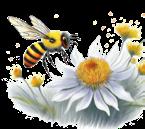
Circle the correct pronoun that can replace the noun.
1. Sara (She / He) is my sister.

2. David (She / He) is running fast.
3. The sun (She / It) is bright.
4. The girl (She / It) has a blue dress.
5. My game (It / He) is fun to play.
6. Jack (She / He) is drawing a picture.
7. This flower (He / It) is a rose.
8. Mr. Brook (She / He) is my teacher.

A character sketch describes a person or character using details about how they look, act, and feel.
Choose a person or animal you know or a character from a story. Describe this character using pronouns (he, she, it).
1. Tell who your character is. Example: My character is my little sister.
2. Tell how your character looks or acts. Example: She is small and brave.
3. Tell something your character likes to do and how they feel. Example: She loves exploring. It makes her happy to find new things.
Let’s Brainstorm!
Share something about: your favorite storybook character • a pet • an animal • a family member • a friend • a neighbor
Word Box
big, quiet, tall, happy, curious, helpful, funny, smart, fast, gentle , silly
I or Me, We or Us
Use I when you are doing something. Use me when something happens to you or for you. Example: I play ball. Dad threw the ball to me.
Use we when you and others are doing something. Use us when something happens to you and others.
Example: We play ball. Dad threw the ball to us.
About yourself
About you together with others
Circle the correct pronouns in each sentence.
1. I/Me walked to school. My friend waved to I/me.
2. I/Me am reading a book. David gave the book to I/me.
3. We/us are playing outside. Our teacher is watching we/us.
4. I/Me see a bird. The bird is chirping to I/me.
5. We/Us are in class now. Mr. Brown is talking to we/us.
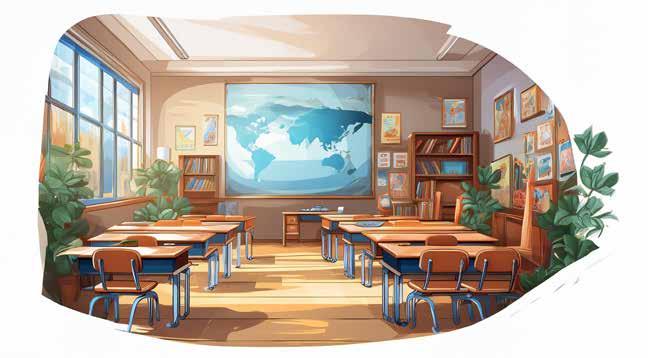
Invitation writing is a way to ask someone to join you. It tells you who is being invited, what the event is and where it's going to be.
Write a short invitation to a friend. Try using the pronouns I, me, we, or us.
Example: To: Bill and Mike, What: Picnic
Where: At the park
Invitation: Please join us for a picnic. I hope you can come!
From: Your friend, John
To: What: Where:
Invitation:
From:
Naming Self Last
When you talk about yourself and other people name yourself last. Use I not me.
Example: Jack and I went to the park.
Circle the correct way to read each sentence.
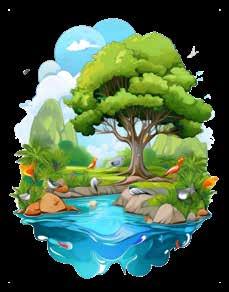
1. (Me and Alex / Alex and I) went to the zoo.
2. (I and Tom / Tom and I) played outside.
3. ( Mike and I / I and Mike) like ice cream.
4. (Jack and I / Me and Jack) read a book.

5. (I and Sara / Sara and I) baked a cake.
6. (Ben and I / Me and Ben) rode our bikes.
7. (Me and Larry / Larry and I) painted a picture.
8. (I and Tim / Tim and I) cleaned the classroom.
9. (Jane and I / I and Jane) had a race.
10. (Sam and I / Me and Sam) ate lunch together.
Collaborative story writing is creating a story by taking turns with friends. Name yourself last when talking about you and others.
Story Partners: Sit with one or two friends. Brainstorm your story together and take turns writing sentences to build it.
Who went where? , , and I
What did we do first?
First, What did we do next?
Then, How did we feel about our trip? , , and I
Let’s Brainstorm!
Topic Ideas: adventure at the park • a day at school • trip to the zoo • visiting friends • went on a hike
Word Box play, build, explore, visit, run, jump, laugh, friend, together, fun, ride
Review Pronouns
A pronoun is a word that takes the place of a noun.
Use he for boys, she for girls, and it for animals, places, or things.
Use I when you are doing something.
Use me when something happens to you or for you.
Use we when you and others are doing something.
Use us when something happens to you and others.
When you talk about yourself and other people, you should always name yourself last.
Complete the second sentence using the pronoun of the underlined word in the first sentence.
1. Sara has a balloon. is happy.
2. This apple is red. tastes sweet.
3. The boy has candies. will share.
4. Bob and I got a gift. got it from Mike.
5. Mr. Lee counted our class. Then, he gave lunch.
6. I am reading a book. My mother bought it for .
Choose the pronoun that matches each picture.







Fill in the correct way to complete each sentence.
went to the park yesterday.
John and I/Me and John
Me and Max/Max and I
Ann and I/I and Ann
flew our kites.
built a snowman.
Capital Letters
A sentence always starts with a capital letter. Example: the flower is red. The flower is red.

Rewrite the first word in each sentence using a capital letter.
1. our teeth help us chew.
2. teeth will shine when clean.
3. many teeth grow in a row. food can get stuck in teeth. small brushes clean them well. a smile shows healthy teeth. strong teeth can bite into apples. brush your teeth every day.

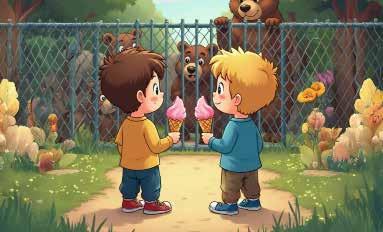
A picture story uses a picture to give you ideas. You write sentences that describe what you see happening in the picture.
Look at the picture and write three sentences about what you see. Remember to start each sentence with a capital letter.

Word
zoo, nice, cub, boys, sunny, ice cream, trees, cage, fun, share, fence, smile
1. 2. 3.
Box
Periods
A sentence that tells something is called a telling sentence (statement). It ends with a period (.).
Example: I see a bird
Color all the periods with a yellow crayon or highlighter.
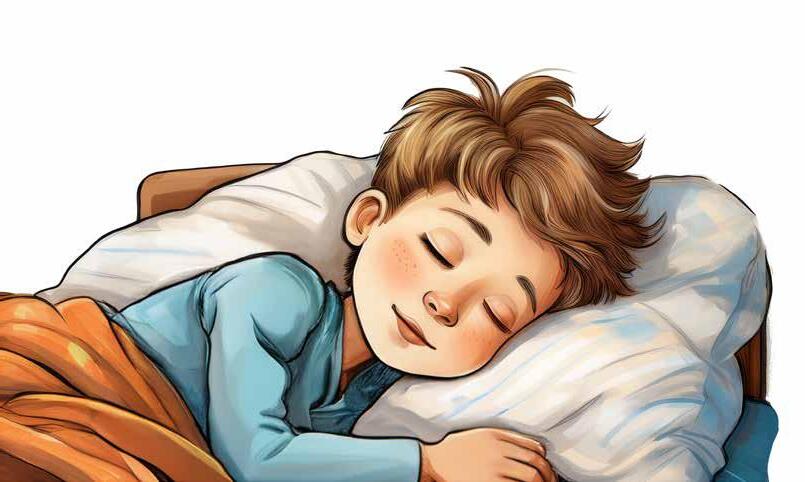
1. Our bodies need sleep.
2. Dark rooms help us rest.
3. Many dreams happen at night.
4. Quiet helps us sleep well.
5. Soft beds are comfy.
6. An early bedtime is good.
7. Having enough sleep helps us grow.
8. Warm blankets feel nice.
A daily journal helps you share what you did during your day, using simple, clear, telling sentences.
Write about three things you did today. Make sure each sentence ends with a period.
Example: I went to school. I read a book. I ate lunch with my friend.
Word Box played, wrote, learned, sang, drew, recess, playground, dinner
Question Marks
A sentence that asks something is called an asking sentence (question). It ends with a question mark (?).
Example: What is your name?
Put a question mark at the end of each asking sentence.
1. What color are most leaves
2. Do plants need water
3. Where do flowers grow

4. What do roots do
5. How do seeds grow
6. What do plants need to live
7. What fruit grows on a tree
8. Do plants sleep
Questions help you learn more about things you wonder about.
Write three questions about something you want to know. Use a question mark (?) at the end of each question.
Examples: What is my teacher’s favorite color? Where do birds sleep?

Brainstorm!
cars Word Box what, where, how, why, when, who, do, can, work, like, eat, play, outside
Periods and Questions Marks
Telling sentences end with a period (.). Asking sentences end with a question mark (?).
Use a yellow crayon to add a period to the end of each telling sentence. Use a red crayon to add a question mark to the end of each asking sentence.

1. Balloons float in the air
2. What colors are your balloons
3. Some balloons are very big
4. Do balloons pop easily
5. We can tie balloons to chairs
6. How many balloons can you hold
7. Where do balloons go when they fly away
8. You can draw faces on balloons
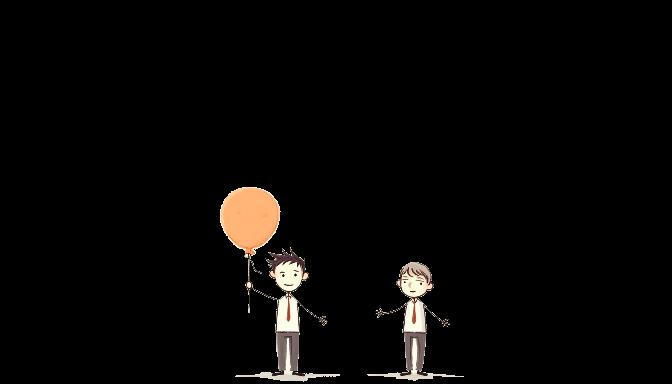
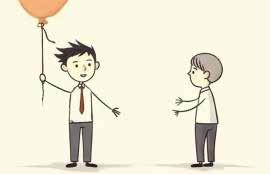
Draw a simple comic strip with two boxes. Write one telling writing uses drawings and speech bubbles to tell a short

I have a balloon.
Can I play with it?
Let’s Brainstorm!
Topic Ideas: playing outside • sharing snacks • friends at school • favorite toys • bikes • game • book
Word Box
lollipop, play, toy, pet, friend, share, outside, fun, happy, run, read, ride, turn
Review Sentence and Punctuation
Begin each sentence with a capital letter.
Put a period (.) at the end of a telling sentence.
Put a question mark (?) at the end of an asking sentence.
Circle the letter in each sentence that should be a capital letter.

1. lions roar loudly.
2. monkeys swing on trees.
3. dolphins swim fast.
4. bears sleep in the winter.
Put a period (.) at the end of each telling sentence.
5. Bananas are yellow
6. Grapes grow on vines
7. Watermelons are big



Put a question mark (?) at the end of each asking sentence.
8. Is it raining outside
9. Do clouds move quickly
10. Can snow fall in spring
Circle the letter that should be a capital letter. Add a period (.) or question mark (?) at the end of each sentence.
1. our ears help us hear sounds
2. what sounds do you hear now
3. ears can hear loud noises
4. do you like soft sounds
5. ears help us know where sounds come from
6. how do ears hear tiny sounds
7. some sounds are high, and some are low
8. do you clean your ears
9. ears help us talk with friends
10. can you hear a whisper
11. loud sounds can hurt our ears
12. where do sounds go in our ears
13. music sounds good in our ears


Sentence Word Order
A good sentence tells a whole idea. It has a subject and a predicate.
We put the words in order.
First: Subject (who or what)
Next: Predicate (what they do)
Last: More details
Example: The dog
Example: barks
Example: very loudly.
The dog barks very loudly.
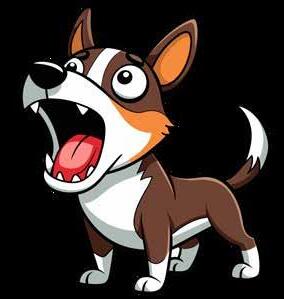
Choose words from the word box to complete each sentence.
Subject
The bird
Our bus
The sun
A big truck
My friends flies drinks Predicate drives shines play stops
The baby More Details. fast. games. a bottle. in the sky. brightly. at the corner.
Sentence building helps us put words in the correct order to share ideas easily.
Create a sentence by putting the words in the correct order.
1. dog / fast / runs / The
2. cookies / Mom / bakes / yummy
3. sun / bright / is / The
4. plays / child / outside / The
Bonus: Write your own creative sentence.
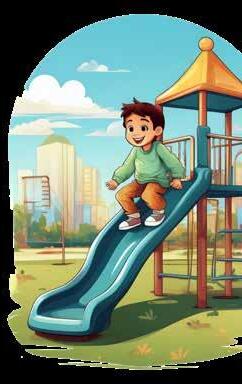
Word Box quick, delicious, happy, swim, warm, fun, bright, small, jumps, laughs, sleeps, eats, cake, pool, slide, park, sun, cloud
Sentence and Question Word Order
The word order in a telling sentence is different than the word order in an asking sentence.
Example: Telling: A seed is small. Asking: Is a seed small?
Circle the word in each telling sentence that can be used to change it to an asking sentence. Write it on the line.
1. Seeds are planted in soil. seeds planted in soil?
2. Water is good for seeds. water good for seeds?
3. These seeds are round. these seeds round?
4. I am planting a seed. I planting a seed?
5. The tree seed is big. the tree seed big?
6. Seeds are new plants. seeds new plants?
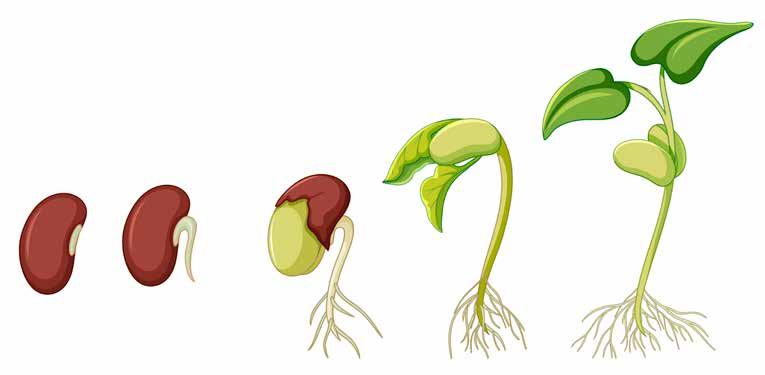
Read the telling sentences ending with a period. Then, change the word order to make them an asking sentence ending with a question mark.
Example:
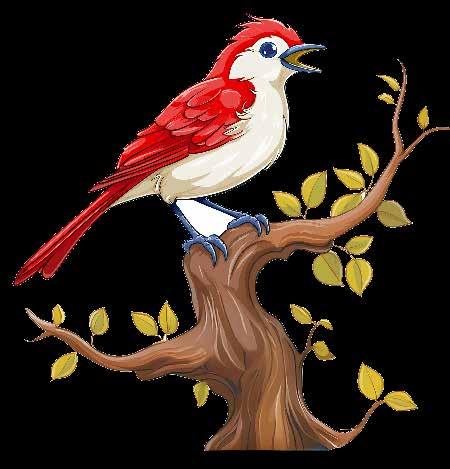
1. The bird is singing.
Asking:
2. You are getting all wet.
Asking:
3. I am ready for school.
Asking:
Question Words
We use question words to ask questions. Each question word helps us ask about different things.
Who – person
What – things or actions
When – time
Where – places
Why – reasons
Example: Who is your friend?
Example: What are you eating?
Example: When is recess?
Example: Where is the store?
Example: Why is he laughing?
Circle the correct question word to complete each sentence.
1. (What/Who) are you playing?
2. (What/Why) are you smiling?
3. (When/Where) is the ball?
4. (When/Why) is your birthday?
5. (Where/Who) is your grammar teacher?

Question words help us learn more about things. Each question word has a special use: who, what, when, where, and why.
Look at the pictures. Write one question for each picture using the given question word.
Example:
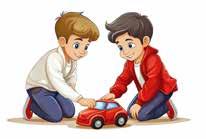
Where are the children playing?


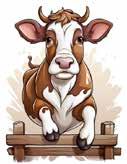
Word Box food, animal, play, cow, eat, park, ice cream, boy, flavor, jump , fence
Review Sentence Word Order
A complete sentence has a subject (who or what) and a predicate (what they do).
We put the words in order. First: Subject, Next: Predicate, Last:
More details
The word order in a telling sentence is different than the word order in an asking sentence.
We use question words (who, what, when, where, and why) to ask questions.
Rewrite these mixed-up sentences in the correct order.
1. honey Bees make
2. Apples on trees grow
3. in the winter falls Snow
Complete the questions by adding a question word.
4. does snow fall? in the winter
5. do apples grow? on trees
6. do bees make? honey
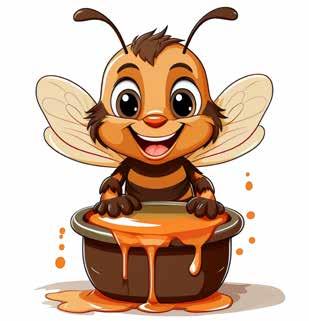
Look at the pictures. Fill in the blanks with words to complete the sentences.
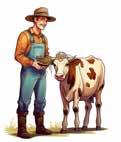
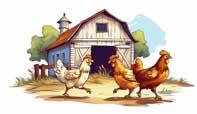
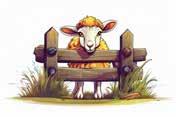
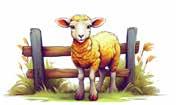
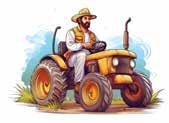
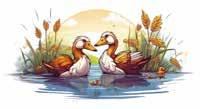
Word Box feeds, who, where, hiding, tractor, pond, cow, gate, ride, feeding, run around
1. The farmer
6. The ducks swim
2. The chickens
5. the tractor?
4. The lamb is
3. the little lamb?
Capitalization
When writing a person's or pet's name, the first letter of the name is written as a capital letter.

Examples: Mike Goldie
Circle the correct way to write each name.
1. My name is (ben/ Ben).
2. My friend (Leo/ leo) has a rabbit.
3. The rabbit’s name is (fluffy /Fluffy).
4. My brother (Max/ max) went to play with the rabbit.
5. I stayed at home to play with (tim /Tim).
6. (Tim’s/ tim’s) family has two birds.
7. One bird’s name is (chip /Chip).
8. The other bird’s name is (Tweetie /tweetie).
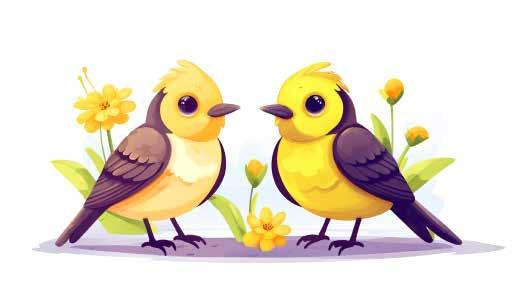
Short Story writing is telling whole stories that are not too long.
Write a short story about you and two pets (real or imaginary) going on a fun adventure. Remember to capitalize all names.
Introduce yourself:
My name is . My pets' names are and . What did you do on your adventure?
On our adventure, How was your adventure?
At the end,
Let’s Brainstorm!
Adventure ideas: park • forest • backyard • pool • grandmother's house • rainy day • cooking supper
Word Box played, fun, jumped, explored, ran, laughed, found, helped, picked, fun, walk, happy
Capitalizing Names
When writing a person's name, we capitalize the first letter of the first and last names.
Example: Billy Smith

Rewrite each name with correct capitalization.








Write your name using correct capitalization.
6. My first name is .
7. My last name is .
1. mary ann
2. jane johnson
3. ben smith
4. max hill
5. sally king
Look at the pictures and create three characters. Don’t forget—each first and last name must begin with a capital letter.
Example: Name: Tom Johnson
Favorite activity: Tom Johnson likes to cook.
Favorite color: Tom Johnson likes the color red.




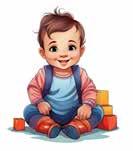
Name:
Favorite activity:
Favorite color:
Name:
Favorite activity:
Favorite color:
Name: Favorite activity:
Favorite color:
Word Box play, books, paint, orange, likes, blue, art, read, build, yellow, blocks, hammer
Capitalizing Days of the Week
The first letter of each day in the week is always a capital letter.

Write the name of the day that answers each weather clue.
1. Today is rainy.
2. The wind is blowing.
3. I made a snowman.
4. The boy slipped on the ice.
5. It is hot and sunny today.
6. There are many clouds in the sky.
7. The sun is hiding behind the clouds.
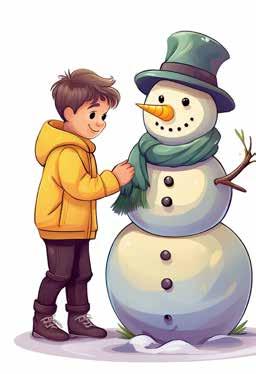
You are planning a three-day trip for your family. Pick three days in a row and write about what you will do on each day. Remember to capitalize all days of the week.
Day #1: On , we will
Day #2: On , we will
Day #3: On , we will

Let’s Brainstorm! What type of trip do you want to go on: museum • zoo • amusement park • playground • pool • hike • farm
Word Box
Sunday, Monday, Tuesday, Wednesday, Thursday, Friday, Saturday, park, play, fun, animals, swim, hike, swings , sand, boat, picnic, trip, family
Capitalizing Months
The name of each month begins with a capital letter.
Fill in the missing letters for each month. Make sure to write the first letter in capital.
Informational writing gives true facts and teaches others about a topic.
Answer the questions about your birthday. Remember to capitalize all months and write in full sentences.
1. What month is your birthday in?
2. What month is before your birthday month?
3. What month is after your birthday month?
Turn to a partner and tell each other which month your birthdays are in. Write a full sentence to answer the questions.
4. What month is your partner’s birthday in?
5. What month is before your partner’s birthday month?
Word Box
January, February, March, April, May, June, July, August, September, October, November, December
Review Capitalization
A capital letter is like a special "big letter" that starts important words.
Capitalize the first letter of:
Person’s first name
Person’s last name
Animal’s name
Days of the week
Names of the months
Rewrite each word that needs a capital letter.
1. My friend is lily smith. →
2. My dog's name is spot. →
3. Today is tuesday. →
4. Art class is on friday. →
5. My birthday is in june. →
6. We go sledding in december. →

Circle all the words that should start with a capital letter.
dog monday cat august book sara pencil tuesday tree november mr. smith chair january billy table
Trace the letters in the days of the week. Fill in the missing letters.

Capitalizing "I"
The word I talks about yourself. It is always a capital letter.
Example: I am in second grade.
Write the word I to complete each sentence. Then, answer the riddle.
1. have green leaves.
2. sometimes have nests in me.
3. am a .
4. fly in the sky.
5. have wings.
6. am a .
7. swim in the water.
8. have fins and a tail.
9. am a .

Circle all of the ‘i’s that should be capitalized while answering the "Would you rather" questions.
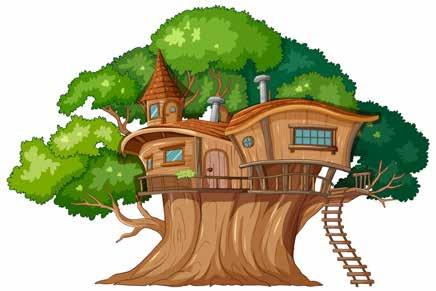

1. Would you rather live in a treehouse or in the forest?
i would rather because
2. Would you rather swim like a fish or fly like a bird?
i would rather because
3. Would you rather eat pizza or ice cream every day?
i would rather because
Word Box sky, yummy, eat, enjoy, fun, animals, trees, adventure, water, play, happy
Capitalizing Initials
When we use just the first letter of a name, we call it an initial. An initial is always a capital letter with a period after each letter.
Examples: Max John Smith → M. J. S.
Write the initials for each name.
1. Mary Davis
2. John David Green
3. Sarah Jane Adams
4. Mickey Mouse
5. Will James Brown
6. Emily White
7. Tom Lee Jones
8. Grace Miller
Write your initials using correct capitalization.
My initials are
Complete the sentences by writing about yourself. Remember to capitalize all names and initials.
My full name is
My initials are
One fun fact about me is
Turn to a partner and tell each other your full names. Answer the questions by writing about your partner. Remember to capitalize all names and initials.
What is your partner’s full name?
What are your partner’s initials?
What is one fun fact about your partner?
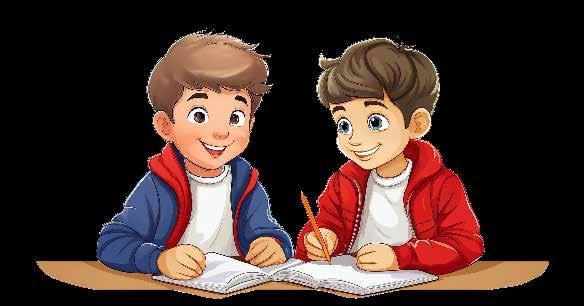
fun, play, read, explore, friends, family, games, school
Capitalizing Name Titles
When we use a special word like Mr. or Dr. before a name, it's called a title. Titles always begin with a capital letter.
Examples: Mr. Mrs. Miss Dr.
Fix the title in each sentence. Remember to also capitalize the first letter of the name.
1. We saw mrs. brown at the park. We saw at the park.
2. mr. jones told a funny joke. told a funny joke.
3. My teacher is miss davis. My teacher is .
4. We visited dr. lee for a check-up. We visited for a check-up.

Look at the picture and write three sentences about Mr. Smith. Remember to capitalize Mr. Smith’s title.

Example: Mr. Smith is smiling.
Word Box
ice cream, books, fruit, sitting, trees, sweater, bench, wearing, shirt, glasses
Capitalizing Book Titles
The name of a book is called the title. When we write a book title, we use capital letters for most of the words.
Always capitalize the first letter of the important words in a title.
Do NOT capitalize little words like a, an, the, and, of, for, to, on, or, at, by (unless they are the first or last word of the title).
Example: The Cat in the Hat
Circle the letters in the titles that have to be capitalized.
1. brown bear, brown bear, what do you see?
2. the little engine that could
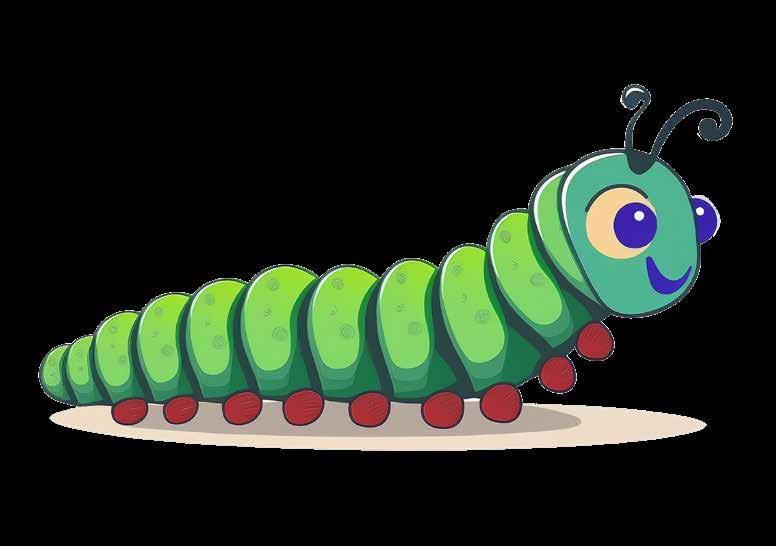
3. curious george
4. harold and the purple crayon
5. the giving tree
6. the very hungry caterpillar
7. the mystery of the missing toy
Pretend you are an author writing a new book. Answer the questions about your book idea. Remember to capitalize your book title.
What is the title of your book?
Who are the characters in your book?
Why would children want to read your book?
Bonus: Draw a picture of your book. Remember to capitalize your book title.

Word Box adventure, forest, brave, castle, running, prince, jumping, lake, family, cake, baking, animals, friends
Review More on Capitalization
The word I talks about yourself. It is always a capital letter.
When we use just the first letter of a name, we call it an initial. Initials are always capital letters with a period after each letter.
The letter ‘i’ is missing! Fill in the correct i or I.
1. l ke to play outs de.
2. My brother and share toys.
3. He sa d, “ am ready!”
4. Can play w th you?
5. have a p nk penc l.
Match the name to the correct initials.

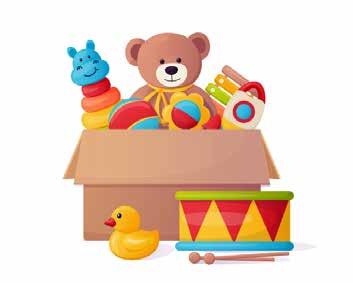
6. John Lee
B. R.
7. Bob Ray
M. C.
8. Tim Jones
J. L.
9. Max Clark T. J.
When we use a special word like Mr., Mrs., Miss, or Dr. before a name, it's called a title. Titles are always capitalized.
When we write the name of a book, we use capital letters for most of the words.
Circle the two letters in each sentence that have to be capitalized.
1. mr. jones is our principal.
2. My mom talks to mrs. lee.
3. miss ann teaches music.
4. We saw dr. smith for a check-up.

Use a blue crayon to color the letters in these book titles that need to be capitalized.

5. the little engine that could 6. charlotte’s web
7. good night moon
8. where the wild things are
Adjectives
An adjective is a word that describes a noun. It tells us more about a person, place, animal, or thing.
Examples: I have a red apple The loud bell rang.




Write an adjective from the word box to answer each question.
sweet shiny loud fresh cold
1. How does it look? The bell is .
2. How does it feel? The drink is .
3. How does it sound? A jet flew by.
4. How does it taste? This drink is mine.
5. How does it smell? The linen smells .
Adventure stories are fun, exciting stories about brave characters. They use descriptive words to help us picture the action.
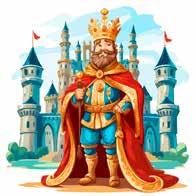
Write a short adventure story using descriptive words. Try to include one adjective in every sentence.
Example: The tall king lived in a big castle. He had a shiny crown, and a strong horse. He liked to ride his horse next to the cold lake.
Let’s Brainstorm!
Adverbs
An adverb is a word that describes a verb. It tells us more about an action.
Example: The ball rolled away
It tells us how something is done, when it is done, or where it is done.
Examples: How - quickly, slowly, happily, loudly, softly When - now, today, early, yesterday, late Where - here, there, outside, upstairs, down



Circle the adverb that describes each verb.
1. The turtle walks slowly.
2. He laughed happily.
3. We will eat now.
4. She looked down.
5. The boy spoke softly.
6. They played outside.
7. The baby cried loudly.
8. I ran to school today.
Diary writing tells about your day using words that describe how you did things.
Write about three things you did today using adverbs to describe how you did them.
Example: Dear Diary, In the morning, I quickly made my bed. I happily played outside at recess. I quietly read my book at home.
Dear Diary,
Adjectives and Adverbs
An adjective describes a noun (a person, place, animal, or thing).
It tells us what kind or how many.
Example: A happy child sang.
An adverb describes a verb (an action word).
It tells us how, when, or where an action happens. Many adverbs end in ly.
Example: The child sang loudly
Look at the word in bold. Circle if it is an adjective or adverb.
1. The slow turtle walked. adjective / adverb
2. The turtle walked slowly. adjective / adverb
3. The happy boy played. adjective / adverb
4. The boy played happily. adjective / adverb
5. He is a quick runner. adjective / adverb
6. He runs quickly. adjective / adverb
7. The big dog ran. adjective / adverb
8. The dog ran fast. adjective / adverb


Mystery stories are about solving puzzles. They use adjectives and adverbs to give clues and build excitement.
Write a short mystery story using adjectives and adverbs.
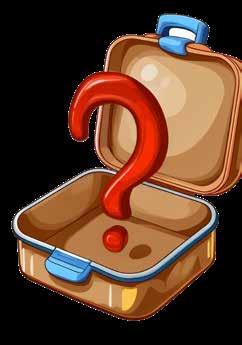
Example: The student sadly saw that her yummy lunch was missing. She carefully looked for clues and found sticky fingerprints on her lunchbox. She followed the messy trail to find a little child quietly eating her sandwich!
What is missing?
What clues were found?
How was the mystery solved?
Prepositions
A preposition is a word that tells us where something is, or when something happens.
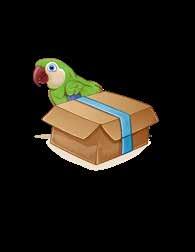

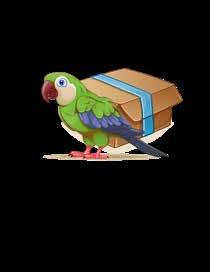
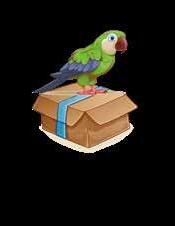
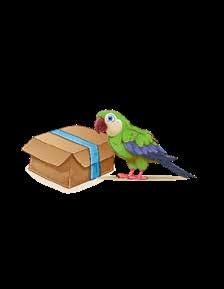
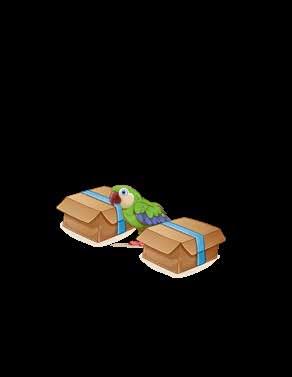
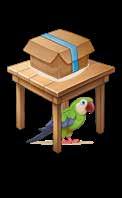
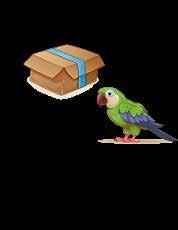
Circle the preposition word in each sentence.
1. The apples are in the bowl.
2. My shoes are under my bed.
3. The bird flew over the house.
4. He stood between two trees.
5. The box is next to the steps.
6. I hid the toy behind the box. in
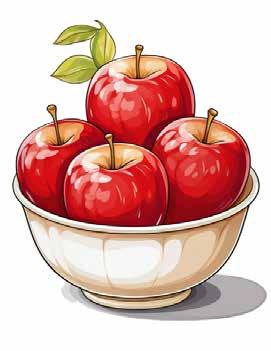
The bird flies
Scene descriptions use phrases to tell exactly where or when something happens so readers can picture it.
Write three full sentences about the scene below using preposition words.
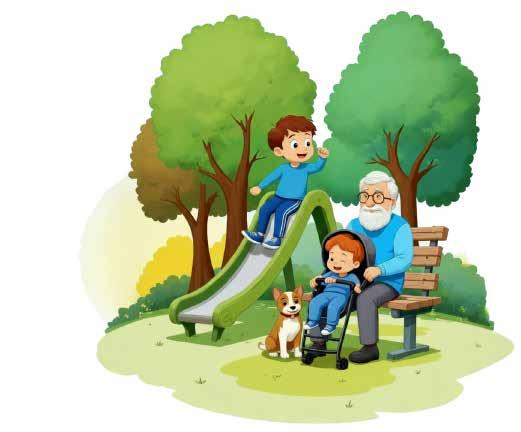
Example: The dog is near the baby.
Word Box under, over, in front of, behind, between, next to, boy, stroller, slide, bench, grandpa, grass, sitting, tree, feet, hands
Review Adjectives and Adverbs
An adjective describes and tells us more about a noun (person, place, animal, or thing).
An adverb describes a verb (an action word). It tells us how, when, or where.
A preposition is a word that tells us where something is, or when something happens.
Example: The plane flies over my house.
Circle the adjective in each sentence.

1. She has a red hat.
2. We saw a fluffy cloud.
3. I like sweet apples.
4. The tall tree shook.
Circle the adverb in each sentence.
5. The rabbit hopped quickly.
6. She sings loudly.
7. He looked upstairs.
8. The baby cried softly.
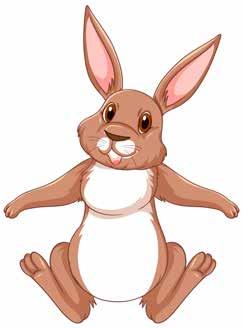
Decide if the bold word is an adjective or adverb, then circle your choice.
1. The happy girl smiled. (adjective / adverb)
2. The girl smiled happily. (adjective / adverb)
3. He is a quick runner. (adjective / adverb)
4. He runs quickly. (adjective / adverb)
5. She has a soft pillow. (adjective / adverb)
Circle the preposition in each sentence.

6. I put my book in the bag.
7. We walked between two houses.
8. The bird flew over the fence.
9. He sat near the window.
10. She jumped next to the house.

Commas in Dates
A comma (,) is a little mark that tells us to take a short pause.
When you write a date with the month, day, and year, put a comma after the day.
Example: January 1, 2025
If your sentence continues after the date, put another comma after the year.
Example: On January 1, 2025, I went on a trip.
Add commas.
1. School starts on September 3 2025 this year.
2. November 5 2000
3. On May 17 2020 we will be having a party.
4. August 1 2024

Fill in the blanks with a month, day, and year. Make sure to put a comma in the correct place.
5. Today's date is .
6. My birthday is .
Write about three important days (real or made up). Remember to add commas.
Example: On September 15, 2015, my little brother was born.
1. On 2. On
3. On
Let’s Brainstorm!
Exciting days: snow day • birthday • fun trip • first day of camp • learning something new • first day of school • favorite day • friend is visiting • travel • moving
Word Box
sister, fun, exciting, adventure, park, play, yummy, eat, summer, cool, new, happy, laugh, wedding, winter, cousin, carnival, classroom
Commas in Addresses
An address tells us exactly where a place is.
On an envelope put a comma after the city.
Example: 123 Sunny Street Funville, CA
In a sentence, put a comma after the street address and the city.
If the sentence continues, add a comma after the state.
Example: We visited 123 Sunny Street, Funville, CA, last week.
Add the missing commas in each example.
1. We mailed a card to 1 Park Place Albany NY last month.
2. My home address is 10 Main Street Smallville TX 75001
3. 789 Cloud Road Sky Town FL 33101
4. 27 Main Street Andover MA 01810
Write your own home address. Remember to add commas.
5. My home address:
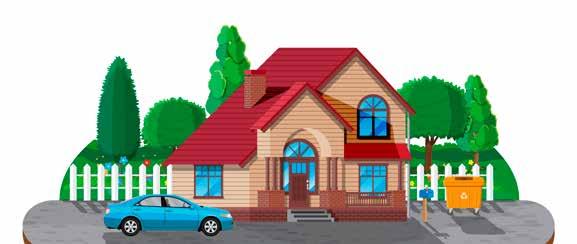
Write about your imaginary dream house. Remember to include commas in the address.
What is your dream house’s address?
Example: My dream house’s address is 345 Dream Street, Candyville, NY.
What is special about your dream house?
What is your favorite part of your dream house?
Draw a picture of your dream house. Write the address below.
Address:
Word Box castle, treehouse, mansion, cottage, mountains, rainbow, pool, garden, playground, cookies, games
Commas in Letter Writing
When you start a letter, put a comma (,) after the greeting.
Example: Dear Mr. Smith,
When you end a letter, put a comma (,) after the closing words.
Example: Sincerely

August 5 2025
Grandpa 123 Main Street Los Angeles CA 90210
Dear Grandpa
How are you? I played with my friend Mike today. We ran, jumped, and played ball. It was so much fun!
Love
John
Thank-you letters are notes you write to say 'thank you' when someone is kind to you or gives you something.
Write a thank you letter to someone who has helped you or given you a gift. Remember to add commas in the address, greeting, and closing.





Word Box help, best, thank you, yummy, ate, kind, happy, nice, gave, special, wonderful , mail, school, teach, learn, deliver

Commas in Series
A series is when you have a list of three or more items.
Put a comma after each item in the list, except for the very last one. We usually put the word and before the last item.
Example: I like apples, bananas, and oranges.
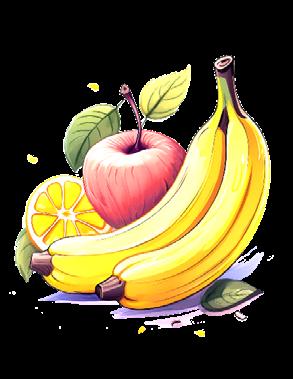
Add the missing commas in each series.
1. My favorite colors are blue green and yellow.
2. I saw a dog a cat and a bird at the park.
3. For breakfast I ate toast eggs and milk.
4. She likes to draw paint and sing.
5. The flowers are pink red and purple.

Recipe writing gives directions for making food or drinks. It lists what you need and tells you what to do.
Example: 1. To make fruit salad you need apples, grapes, and bananas.
2. First cut up all of the fruit.
3. Then mix it all together!
Write a short recipe for a peanut butter and jelly sandwich using the ingredients below. Remember to list all of the ingredients with commas.
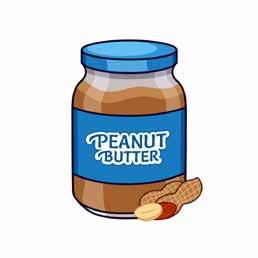
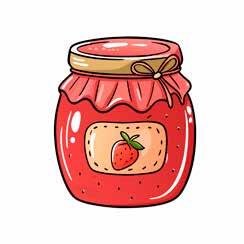
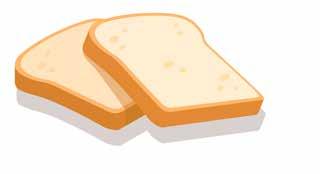
1. 2. 3.
Word Box spoon, knife, plate, peanut butter, jelly, spread, cut, bread, yummy, eat
Review Commas
Put a comma after:
- the day when you write the month, day, and year. If the sentence keeps going, put another comma after the year.
- the street, and after the city. If the sentence keeps going, put another comma after the state.
- the greeting and after the closing in a letter.
Use a red crayon to put a comma where it is missing.
1. November 10 2024
2. On June 25 2023 I got a new bike.
3. John Smith 123 Sunny Street Funville CA 90210
4. My friend lives at 45 Oak Lane Green City NY.
5. Dear Teacher
6. Sincerely
When you list three or more items, use a comma after each item (except the last one).
Write a sentence about each topic. Make sure to use commas in your list.
1. What are three things you like to play with? I like to play with
2. What are three animals you like? I like
3. What are three things you can do at school? At school, I can

Write a sentence using any series of words that you want.
Possessive Forms
A possessive form is a way to show that something belongs to someone or something. It tells us "whose" something is. When something belongs to one person or thing (a singular noun), we add an apostrophe (') and an s to the end of the word.
Example: The bird's nest (The nest belongs to one bird.)
Add ‘s to each noun to show that the item that is underlined belongs to it.
1. This is my sister book.
2. The teacher desk is big.
3. I played with the cat toy.
4. The tree leaves are green.
5. My friend name is Sam.
6. The baby blanket is soft.
Bonus: Rewrite the phrase to show who owns the item.
Example: the ball of the boy → the boy’s ball the car of my dad →
Treasure hunt stories are about characters who search for hidden treasure and go on adventures to find it.
Write a short treasure hunt story using possessive forms (‘s) to show who everything belongs to.
Example: The captain's treasure was buried in the sand. Max found the explorer's map. Max used the captain's shovel to dig it up!
Whose treasure is hidden?
What clues were found?
What happened at the end?
Word Box hide, adventure, secret, find, clue, box, look, boat, backyard, cave, grandma, house, cookies, detective, traveler
Plural Possessive Forms
A plural possessive form is a special way to show that something belongs to more than one person or thing (a plural noun).
Add an apostrophe (') after the s to plurals ending in s
Example: The boys' toys (The toys belong to the boys.)
Add an apostrophe s ('s) to plurals that don't end with an s.
Example: The children's books (The books belong to the children.)
Circle the word that shows that something belongs to more than one owner.
1. The students' papers were on the desk.
2. I listened to the birds' songs.
3. The children's laughter filled the room.
4. The monkeys' bananas were ripe.
5. We heard the dogs' barking.
6. The people's voices were loud.
Write three sentences about things that belong to people in your class. Remember to add the apostrophe or 's correctly.
Example: 1. The students’ notebooks are red.
2. The teacher’s desk is big.
3. Sara’s markers are new.
Let’s Brainstorm! Things you see around your classroom: supplies • books • posters • art • projects • friends • teacher
Word Box book, desk, pencil, crayons, pen, water bottle, bright, shiny, new, old , chair, whiteboard, eraser, student, fan, backpack, chalk
Review Possessive Forms
Singular Possessive:
When something belongs to one person or thing, add an 's to the word.
Example: The boy's hat
Plural Possessive:
If the plural word ends in s, just add an apostrophe (').
Example: The boys' toys
If the plural word does NOT end in s, add an 's.
Example: The children's books

Add 's to each word to show who owns it.
1. the book of the girl → the book
2. the car of my dad → my car
3. the nest of the bird → the nest
4. the toy of the baby → the toy
Circle the word that shows that something belongs to one owner.
5. This is my sister's favorite color.
6. The teacher's desk is tidy.
7. I played with the cat's new toy.
8. The tree's leaves are falling.
Write the missing word to show who owns the item.
1. the food of the babies → the food
2. the clothes of the men → the clothes
3. the books of the teachers → the books
4. the shoes of the boys → the shoes
Circle the word that shows that something belongs to more than one owner.
5. The students' projects were amazing.
6. I heard the birds' chirping.
7. The children's laughter was loud.
8. My parents' house is big.
Look at the bold word. Circle if it is a singular possessive (belongs to one) or a plural possessive (belongs to more than one).
9. The dog's leash is new. (Singular / Plural)

10. The men's hats are on the rack. (Singular / Plural)
Is and Are
The words is and are tell us about what is happening now.
We use is when we talk about one person, animal, place, or thing.
Example: Mike is my friend. (Mike → one person)
We use are when we talk about more than one person, animal, place, or thing.
Example: Mike and Ed are my friends. (Mike and Ed → more than one person)
Fill in the blanks with is or are to complete each sentence.
1. The cat sleeping.
2. The birds singing.
3. He tall.
4. We ready to play.
5. My brother at school.
6. The flowers pretty.
7. The blankets warm.
8. The table clean.
Animal descriptions tell us about animals and how they look or act.
Choose three animals and write an animal description for each using is and are.
Example: The lion is strong.

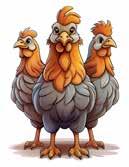

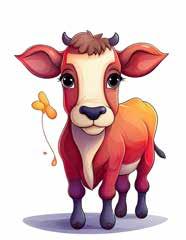
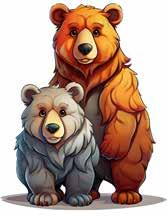
Word Box chicken, cow, bears, birds, dog, friendly, happy, colorful, brown, loud, playful, spotted, fast, small, quiet, big, furry
More on Is and Are
Sometimes, is and are help us talk about actions that are happening right now. These verbs (action words) end in ing.
Example: is - He is reading a book. (He is doing it now.)
Example: are - They are playing outside. (They are doing it now.)
Fill in the blanks with is or are. Then, add ing to complete the verb.
1. The boys play with a ball.
2. The girl read a book.
3. The ducks walk in the park.
4. The students talk quietly.
5. He look at the sky.
6. They jump high.
7. The baby sleep in the crib.
8. We draw a picture.
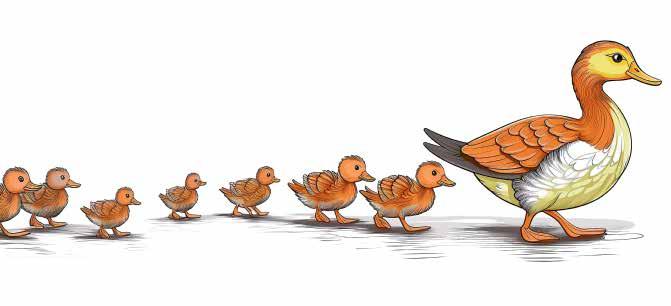
A weather report tells us what the weather is like outside right now.
Be a weather reporter! Write three sentences about what the weather is doing RIGHT NOW. Remember to use is and are with ing action words.
Example: The rain is falling outside the school. The students are running to stay dry. The wind is blowing.

Bonus! Draw a picture of your weather report.
Word Box raining, snowing, blowing, shining, falling, moving, glowing, floating, clouds, snow, wind, leaves, trees, sun, breeze
Is to Are
To change a sentence from talking about one to more than one, change the noun to plural and is to are.
Example: One: The flower is red. More than one: The flowers are red.

Change the sentence to talk about more than one. Add s to make the word plural, and change is to are.
1. The bird is flying. The bird flying.
2. The apple is sweet.
The apple sweet.
3. My friend is playing. My friend playing.
4. The car is driving fast.
The car driving fast.
5. The boy is playing. The boy playing.

Read the sentences talking about one, and then change them to make them sentences about more than one.
Example: The chair is small.
More than one: The chairs are small.
1. My friend is playing tag.
More than one:
2. The girl is eating cake.
More than one:
3. The train is big and red.
More than one:
4. My dog is jumping.
More than one:
Was and Were
The words was and were tell us about the past.
We use was when we talk about one.
Example: He was my friend in first grade. (He → one person)
We use were when we talk about more than one.
Example: They were in my class last year. (They → more than one person)
Fill in the blanks with was or were to complete each sentence.
1. The sun shining yesterday.
2. We at the park last Sunday.
3. The cars parked outside.
4. He sick last night.
5. The toys in the box.
6. My baby crying.
7. Billy happy.
8. Our crayons new.
Write a story about an event that already happened to you using was and were.
Example: Yesterday, I was at the park. My friends were also there. It was a hot day. It was so much fun to play in the sprinkler!

Where were you?
Who was with you?
What were you doing?
Let’s Brainstorm! What is something fun that happened to you: trips • parties • doctor visits • family visits • classroom events
Word Box fun, park, party, cake, together, family, friends, teacher, performance, play, run, exciting, cold, hot
Review Linking Verbs
The words is and are tell us about what’s happening now.
We use is when we talk about one person, animal, place, or thing.
We use are when we talk about more than one person, animal, place, or thing.
We use is or are to show actions happening right now, with words ending in ing.
Fill in the blanks with is or are.

1. The sun bright.
2. Your shoes untied.
3. My pencils sharp.
4. He a good helper.
5. The clouds white.
Circle is or are. Then, add ing to the verb (action word).
6. He (is/are) look at the stars.
7. The children (is/are) play tag.
8. We (is/are) draw pictures.
9. The baby (is/are) sleep in the crib.

If you talk about more than one, change the noun to plural and is to are.
The words was and were tell us about the past.
We use was when we talk about one person, animal, place, or thing.
We use were when we talk about more than one person, animal, place, or thing.
Change the word that the sentence is about from one to many, and then change is to are.

1. The cat is purring. The purring.
2. My brother is drawing. My drawing.
Fill in the blanks with was or were.
3. The students quiet.
4. I at home.
5. They hungry.
6. He tired today.
7. The birds flying in the sky.
Contractions
A contraction is a short way to write two words by putting them together. We leave out one or more letters. An apostrophe (’) takes the place of the missing letters.
Example: is not → isnot → isn’t

Write the contraction for each set of words.
is not →
2. are not → 3. do not → 4. does not → 5. was not → 6. were not → 7. did not → 8. could not → are not aren’t could not couldn’t did not didn’t do not don’t does not doesn’t is not isn’t was not wasn’t were not weren’t
1.
Write a silly story about a day when everything is opposite. Remember to use contractions with the correct apostrophe (').
Example: On opposite day, the dogs weren’t barking. Birds didn’t fly in the sky! The sun wasn’t shining, and I didn’t have to go to bed!

Let’s Brainstorm!
Silly ideas: shoes on your hands • rain falling up • ice cream for breakfast • everyone only whispering • kids driving buses • fish flying in the sky • the floor turning to jelly • reading books backwards
Word Box trees, family, house, eat, read, sleep, cats, school, friends, wind, blowing, rain, falling, food, jump, run, couldn’t
Isn't and Aren't
Isn't means is not. We use it when we talk about one person, animal, place, or thing.
Example: He isn't here today. (He → one boy)
Aren't means are not. We use it when we talk about more than one person, animal, place, or thing.
Example: They aren't ready yet. (They → many people)
Fill in the blanks with isn't or aren't to complete each sentence.

1. The dog barking.
2. The cats sleeping.
3. My book open.
4. The flowers red.
5. She tall.
6. The children quiet.
7. The sun shining.
8. We going home.
Write a short news report sharing three facts about your class using isn't and aren't to describe the facts.
Example: Today, my teacher isn’t here! The students aren’t using their colorful pens. My favorite notebook isn’t on my desk because I left it at home.
Wasn't and Weren't
Wasn't means was not. We use it when we talk about one person, animal, place, or thing in the past.
Example: The cake wasn't sweet. (one cake)
Weren't means were not. We use it when we talk about more than one person, animal, place, or thing in the past.
Example: The toys weren't in the box. (many toys)
Fill in the blanks with wasn't or weren't to complete each sentence.
1. The book scary.
2. He at school yesterday.
3. They hungry.
4. My dad home last night.
5. The birds singing this morning.
6. The lights on.
7. She tired.
8. We playing outside.
A historical story tells about people who lived a long time ago.
Write a short historical story about something they didn’t have a long time ago. Remember to use wasn’t and weren’t in your writing.
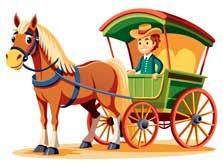
Example: Long ago, there weren't any cars. People weren't able to drive to the store. Sarah wasn't sad about walking everywhere because she loved seeing all the horses!
Let’s Brainstorm!
Things they didn’t have in the past: airplanes • phones • washing machines • school buses • soda • elevators
Word Box past, old, before, people, wagons, letters, mail, fire, wood, water, farm, eat, cook, food, fruit, walk, work
Review Contractions
A contraction is a short way to write two words by putting them together. The apostrophe (') takes the place of the letter o in not.
isn’t is not one person, animal, place, or thing aren’t are not more than one person, animal, place, or thing wasn’t was not one person, animal, place, or thing in the past weren’t were not more than one person, animal, place, or thing in the past
Write the contraction for each set of words.
1. do not
Circle the correct word to use.
2. could not

shoes
3. My
(isn’t/aren’t) tied.
4. My brother (isn’t/aren’t) home.
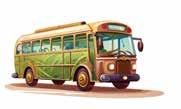
5. The bus (wasn’t/weren’t) late.
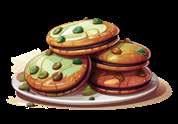
6. The cookies (wasn’t/weren’t) baked yet.
Write the contraction for each set of words in the correct place in the crossword puzzle. Remember to add the correct apostrophe!

ACROSS
1. I did not go to school.
4. The apple was not sweet.
6. We could not find the ball.
7. They are not ready yet.
DOWN
2. I do not like peas.
3. It is not raining today.
4. They were not tired.
5. He does not have a pen.
Did and Done
The words did and done tell us about something in the past.
We use did alone.
Example: I did my homework.
We use done with helping words like has, have, or had. Example: I have done my homework.
Fill in the blanks with did or done.
Hint: Look at the underlined helping words to help you.
1. I my best on the test.
2. She has all her chores.
3. They a lot of running yesterday.
4. We have our work.
5. He a funny dance.
6. The children had their homework.
7. We that before.
8. Have you your job?

Personal narrative writing tells about something true that happened in your life.
Write about when you had a good time in the cold weather.
Something exciting that I did in the cold weather was
Also, is the most exciting thing I have done in the cold weather.
Write about when you had a good time in the warm weather.
Something fun that I in the warm weather was
(did / done)
Also, is the most fun thing I have in the warm weather.
(did / done)

Let’s Brainstorm!
Topic ideas: playing in the snow • going sledding • drinking hot cocoa • going to the park • swimming • playing with friends
© Lighthouse Curriculum. Copying strictly prohibited.
Saw and Seen
The words saw and seen tell us about something in the past.
We use saw alone.
Example: I saw a bird.
We use seen with helping words like has, have, or had.
Example: I had seen more birds before.
Fill in the blanks with saw or seen. Underline all the helping words.

1. I a rainbow yesterday.
2. Have you the elephant?
3. She her teacher at the store.
4. We had that picture before.
5. The children have the new puppy.
6. Have you my red ball?
7. They a big fish in the lake.
8. He has that trick many times.
Complete the sentences below about things you have seen. It can be real or made up!
1. Yesterday, I saw a
2. I have seen a
3. Last week, my friend and I saw
4. Have you ever seen
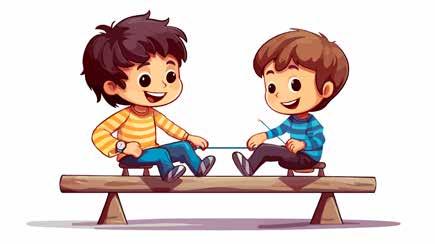
Let’s Brainstorm! trees in the park • the school playground • animals at the zoo • flowers in a garden • cars on the street • birds on a wire • houses on your block • clouds in the sky • people at the store • swings and slides • fish in a tank • buses on the road • snow on the ground
Came and Come
The words came and come tell us about something in the past.
We use came alone.
Example: My friend came to my house yesterday.
We use come with helping words like has, have, or had.
Example: My friend has come to my house.
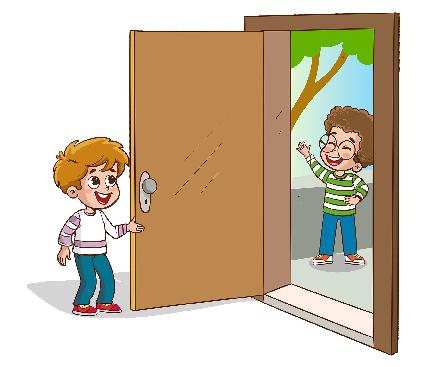
Fill in the blanks with came or come. Remember to look for a helping word.
1. My teacher has to school every day.
2. We home after school.
3. He quickly when I asked him to.
4. Have you to this park before?
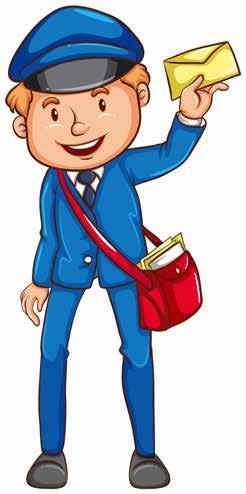
5. The mailman with a letter.
6. The children have to play.
7. The flowers had out in the spring.
8. I have to visit many times.
Rewrite each sentence with came. Remember to take away the helping word.
Example: My friends came to visit me. My friends have come to visit me.
1. The birds have come back to the nest.
2. They had come to see the animals in the zoo.
3. The train has come on time.

© Lighthouse Curriculum. Copying strictly prohibited.
Went and Gone
The words went and gone tell us about something in the past.
We use went alone.
Example: We went to the park yesterday.
We use gone with helping words like has, have, or had.
Example: We had gone to a different park last week.
Fill in the blanks with went or gone. Remember to look for helping words.
1. My family on a trip last summer.
2. Have you ever on a roller coaster?
3. He to bed early last night.
4. The girl has to play outside.
5. We had to the store before it rained.
6. The ball over the fence.
7. My friends have to visit their cousins.
8. The sun down quickly.
Silly story writing uses funny ideas to create made-up stories that make readers laugh and smile.
Write your own silly story about an animal. Imagine a funny or silly place the animal could have gone.
Write about where it went.
Last week, the went
What did it do there?
Where did it wish it had gone?
The wished it had gone
What did it want to do there?
Let’s Brainstorm!
Some silly places an animal can go: school • mountains • park • lake • museum • amusement park • pool • on a swing • shopping
Review Verb Usage
We use did, saw, came, and went to tell us about things that happened in the past.
We use done, seen, come, and gone along with helping words like has, have, or had, to tell us about things that happened in the past.
Write each word once in the sentences below.
1. Billy candy in the closet.
2. The bus on time this morning.
3. You a great job learning this lesson.
4. He to buy a new book.
Write each word once in the sentences below.
5. He has all the examples correctly.
6. We have baby birds in the tree.
7. They had on a trip to the park.
8. The children have home from school.
Circle the correct word to complete each sentence.
1. We had (seen/saw) two red cars.
2. The bus (came/come) on time today.
3. I (did/done) my homework before dinner.
4. Our ball has (went/gone) over the fence.
5. Have you (did/done) all your homework yet?
6. I (saw/seen) a big cat sitting under the steps.
7. The mailman has not (came/come) yet.
8. He (went/gone) to the park yesterday.
Synonyms
Synonyms are words that mean almost the same thing.
Hint: synonym and same both start with the letter s.
Example: big and large
Circle the word that is a synonym of the word in bold.
Read each sentence and write a similar sentence using the synonym given.
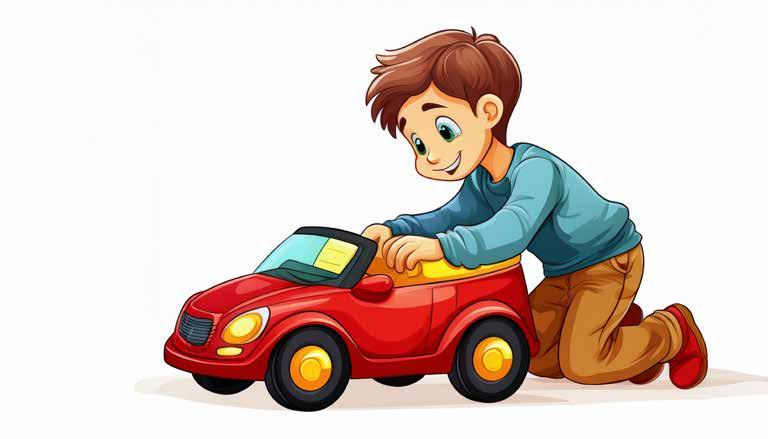
Example: glad - happy My toy car makes me glad. When I play with it, I feel happy.
1. Quick - The car made a quick turn around the corner. Fast -
2. Small - My toy car is very small. Tiny -
3. Noisy - When the wheels turn, they make a noisy sound.
Loud -
Antonyms
Antonyms are words that mean the opposite of each other.

Example: happy and sad

Write the word that is the antonym of the bold word to complete each sentence.
1. The elephant is big, but the mouse is .
2. On a seesaw, when one side is up, the other side is .
3. I threw out my old shoes when I got
4. The sun is hot, but the ice is .
5. Don’t just stand by the door; walk in or
6. Now it is day, but soon it will be
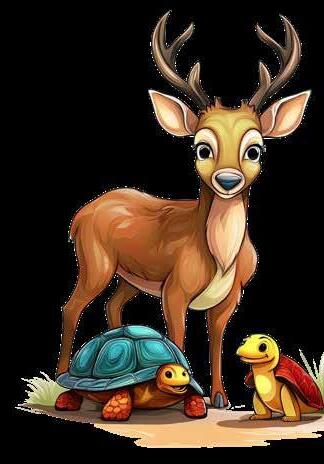
7. A deer runs fast, and a turtle is
8. Turn on the light; it is dark when it is hot ←→ cold big ←→ small up ←→ down day ←→ night in ←→ out on ←→ off old ←→ new fast ←→ slow
Use antonyms to share your opinion.
How is what you do on a rainy day different than what you do on a sunny day?
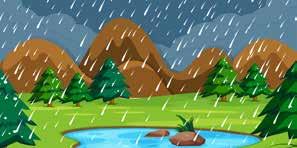

1. On a rainy day, I like to play because
2. On a sunny day, I like to play because

3. On a rainy day, I feel because
4. On a sunny day, I feel because
Let’s Brainstorm!
Antonym ideas: inside-outside • wet-dry • hot-cold • rain-sun • happy-sad • clear-cloudy • excited-calm • quiet-loud • slow-fast • cold-warm • scared-brave
Homophones
Homophones are words that sound the same but have different meanings and different spellings.
Example: hour-our
Our grandmother is coming to visit in one hour.
Draw a line to the picture that matches each bold homophone.

is hot from the sun.

2. I can see the blue sea.


1. I will write on the right side of the paper.




3. I opened only one eye.


4. Only one person won a prize. 5. I read the book with a red cover.



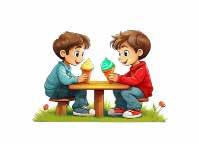
Look at each picture and use the homophones given to write a fun sentence about what you see in the picture.
Example: by - near buy - to purchase Let’s buy some ice cream and sit by the table to eat it.


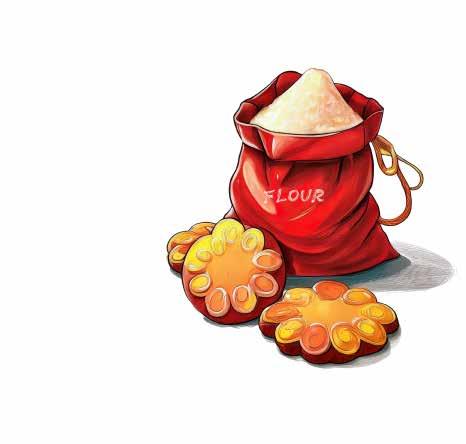
1. ate - to eat eight - the number
2. blew - to blow blue - a color
3. flour - for baking flower - a plant
Two, To, and Too
Some homophones have more than two words that sound the same.
Example: Two → the number 2 (how many) To → toward (direction) Too → also or very much
Circle the correct homophone word to use in each sentence.
1. I have (two / to) feet.
2. Let's go (to / too) the store.
3. I want a cookie, (two / too).
4. She gave the book (two / to) her friend.
5. There are (two / too) apples on the tree.
6. We are going (to / too) the park.
7. I have (two / to) pencils.
8. I hope it isn't (two/too) cold.
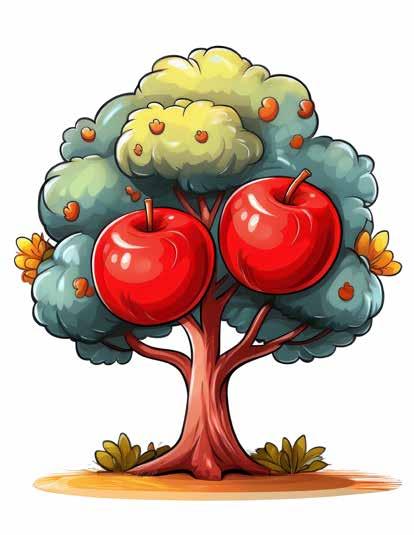
Write a short story about going somewhere or doing something, and try to use two, to, and too in your writing.
Think about: Where are you going ?
How many things are there?
Do you want to do something too (also)?
Example: I went to the zoo. My two brothers came, too! I'm glad it wasn't too hot.
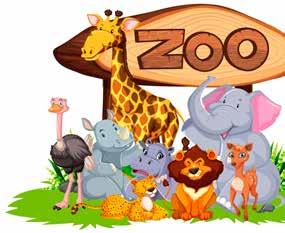
1. Where do you want to go?
2. What will you see or do there?
3. Is there something else that you want to do or see?
Let’s Brainstorm!
To: park • store • grandma’s house • party
Two: slides • swings • cakes • lions • bears • monkeys
Too: too big • too small • too far • too cold • too tired • me too • you too • others came too
Compound Words
A compound word is made when you put two short words together to make one new word. The new word has its own meaning.
Example: rain + bow = rainbow
Match the two words to the compound word they make. Color the picture.



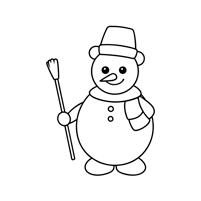
Write three sentences about what you see in the picture. See how many compound words you can use in your sentences.
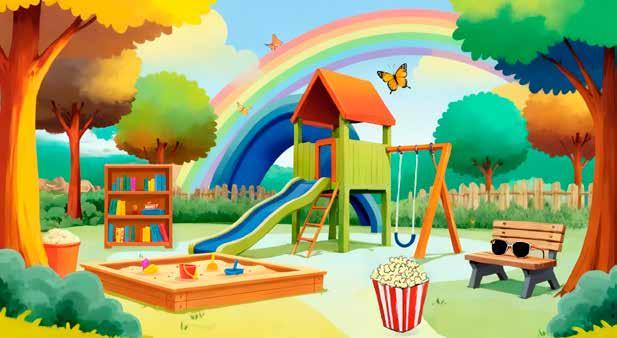
Let’s Brainstorm!
Compound word ideas: butterfly • bookshelf • outside • playground • rainbow • sandbox • popcorn • sunglasses
Review Vocabulary Building
Synonyms are words that mean almost the same thing.
Antonyms are words that mean the opposite of each other.
Homophones are words that sound the same but have different meanings and different spellings.
Compound words are made when you put two short words together to make one new word.
Draw a line from each word to the synonym.
begin
end
kind
glad
finish
start
happy
nice

Draw a line from each word to the antonym.
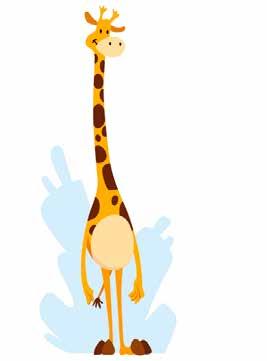
dirty
short
dark
cold
Circle the correct homophone to use in each sentence.
1. I have ( ate / eight ) toy cars.
2. To wink, you need to close only one ( I / eye).
3. I got ( two / to ) new shirts for the summer.
4. This box is ( two / too ) heavy to lift.
Put the two smaller words together to make a compound word.
5.
6.
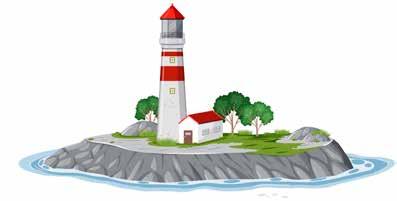
BONUS: Break the compound word into two smaller words.
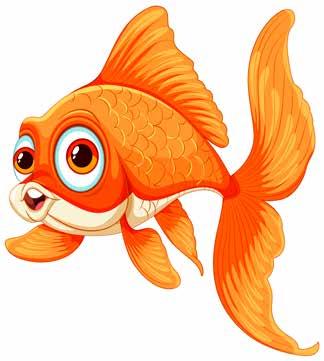
jelly + fish →
light + house →
7. sand + box →
8. tea + cup →
9. doorbell →
10. goldfish →
The ABCs
ABC order is the order of the letters in the alphabet.

Rewrite the letters in the correct ABC order.
1. S, Q, R, P, T
2. H, F, G, I, J
3. X, V, Z, Y, W
4. N, L, M, K, O
5. E, C, A, D, B
Let’s have fun with the alphabet!
Write the first three letters of your name.
Next, write a word that starts with each letter.
Finally, write a sentence using each of the words you wrote.

Alphabetical Order
Alphabetical order is putting words in the same order as the letters of the alphabet.
A B C D E F G H I J K L M N O P Q R S T U V W X Y Z
Look at the first letter of each word to put the words in ABC order.
Example: jump, run, play jump, play, run
Put each set of words in alphabetical order.

1. 2. 3. 4. tree flower grass lion zebra bear apple plum orange truck van car
Write sentences about each topic in alphabetical order. Remember, each sentence starts with the next letter in the alphabet.
Farm Sentences
All the animals were very busy.
Birds were singing pretty songs.
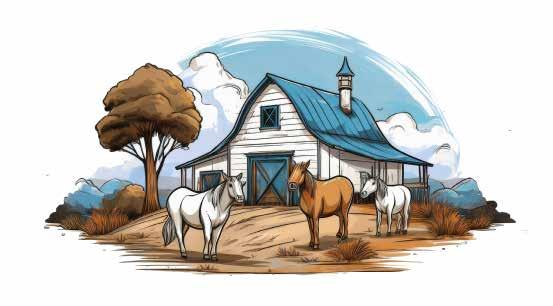
C word ideas: cute, colorful, chicks, cows, clouds
D word ideas: ducks, deer, dolls, drums, doors, don’t
House Sentences
In the house, a light turned on.
Just then, a sound was heard.
K L

K word ideas: kites, kittens, keys, kind, knocking
L word ideas: lights, ladybugs, lightning, long, little
© Lighthouse Curriculum. Copying strictly prohibited.
Sequence
Sequence means the order in which things happen. It's like telling a story from the beginning to the end, step by step.
Example: Planting a flower: First, you plant a seed. Then, a small leaf pops out. Last, it grows a big flower.


Look at the pictures. Write 1, 2, 3 to show the correct sequence.
A bird lays three eggs in the nest. A pretty nest is made. Three little chicks are born.
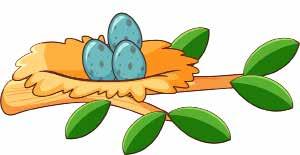
Look at the pictures. Put them in the correct sequence by writing a story.
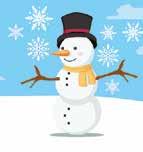
Word Box snowman, melt, sun, built, hat, scarf, nose, carrot, sticks, happy, smiling
Review Dictionary and Sequence
Alphabetical order means putting words in the same order as the letters of the alphabet (A, B, C, D, and so on).
Sequence means the order in which things happen.
There are 26 letters in the alphabet. Fill in the missing letters.
Write the letter that comes after each letter given.
Write the letters in alphabetical order.
Circle the letter and word that come first in alphabetical order.
1. S or R
2. E or M
3. U or T


Look at the pictures. Write 1, 2, 3, 4 to show the correct sequence.
A plant starts to grow.
I see tomatoes on the plant.
I plant a seed. A stick holds the plant up.
www.lighthousecurriculum.com