
Level A Grammar and Writing

This
book belongs to
Level A

Grammar and Writing
Written and Edited by: Yehudis Leitner, Fraydel Sharf, Ariella Klarfeld, Sara Sampson, Francine Foote
Layout: Vladan Dojcinovic
Front cover: Mirko Zunic
© Lighthouse Curriculum. Copying strictly prohibited.
D
L ETTER
Welcome to the Lighthouse Grammar and Writing Workbook!
Dear Educators,
We are excited to introduce the Lighthouse Grammar and Writing Workbook, crafted to enhance your teaching with an innovative approach to mastering English. This workbook combines structured grammar lessons with practical writing exercises, providing a comprehensive and engaging resource for you and your students.
Each grammar section features clear explanations and easy-to-follow instructions, followed by writing activities that let students apply their new knowledge. This approach bridges the gap between understanding grammar rules and using them effectively, helping to develop their writing skills step by step for clearer and more creative communication.
Every lesson encourages the exploration of different writing styles while reinforcing essential grammar concepts. Our goal is to make teaching both enjoyable and impactful, equipping you with the tools to cultivate confident and proficient communicators in your classroom.
Thank you for choosing the Lighthouse Curriculum. We look forward to supporting you and your students on this journey to language mastery!
Sincerely,
Grammar and Writing Level A
Lighthouse Curriculum 718.285.7100 • info@lighthousecurriculum.com For more information visit www.lighthousecurriculum.com










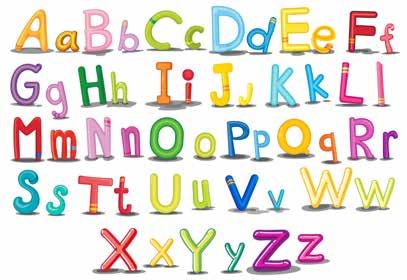
The ABCs: Small Letters
Small letters are called lowercase letters. We use small letters to write most words.
Trace the lowercase letters.
Example:

a b c d e f g h i j k l m n o p q r s t u v w x y z
The ABCs: Lowercase Letters
a b d f g j k m p r s u w y a b c d e f g h i j k l m n o p q r s t u v w x y z Fill in the missing lowercase letters.
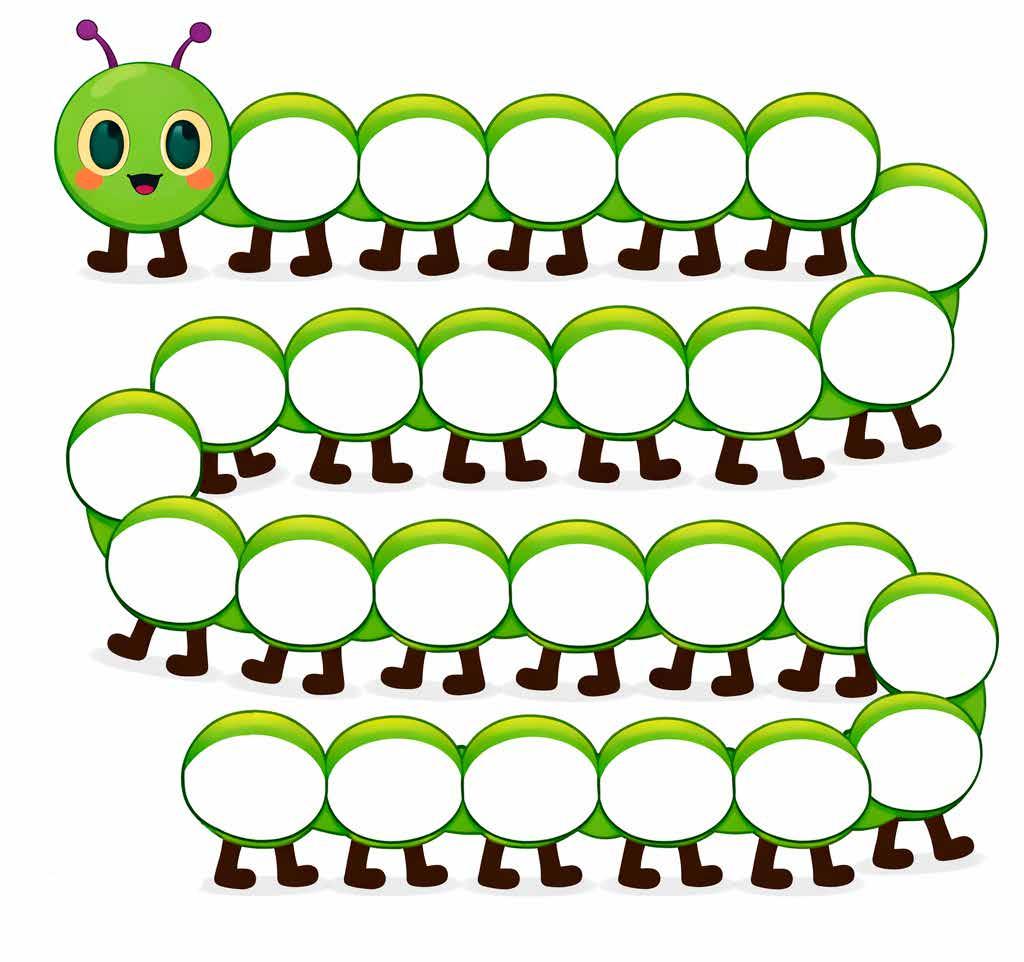
Capital Letters
Big letters are called capital letters.
Trace the capital letters.
A B C D
E F G H I J K L M N O P Q R S T U V W X Y Z
Fill in the missing capital letters.
Capital and Lowercase Letters
Every lowercase letter has a matching capital letter. Even though they look a little different, they match because they are the same letter.
Example: A = a
Draw a line to match each capital letter to its lowercase letter.
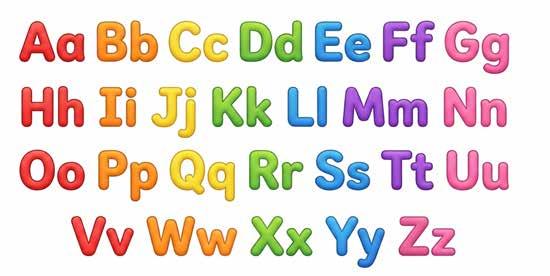
Fill in the missing capital and lowercase letters.
Capital Letters Lowercase Letters


Rewrite each name with a capital letter.
Example: sam → Sam
1. max
2. tim
3. eli
4. ben
Write your name using a capital letter.
My name is
Draw a picture of yourself.
ABC Order
In ABC order the letters go in the same order as the alphabet.
Example: a c → a b c
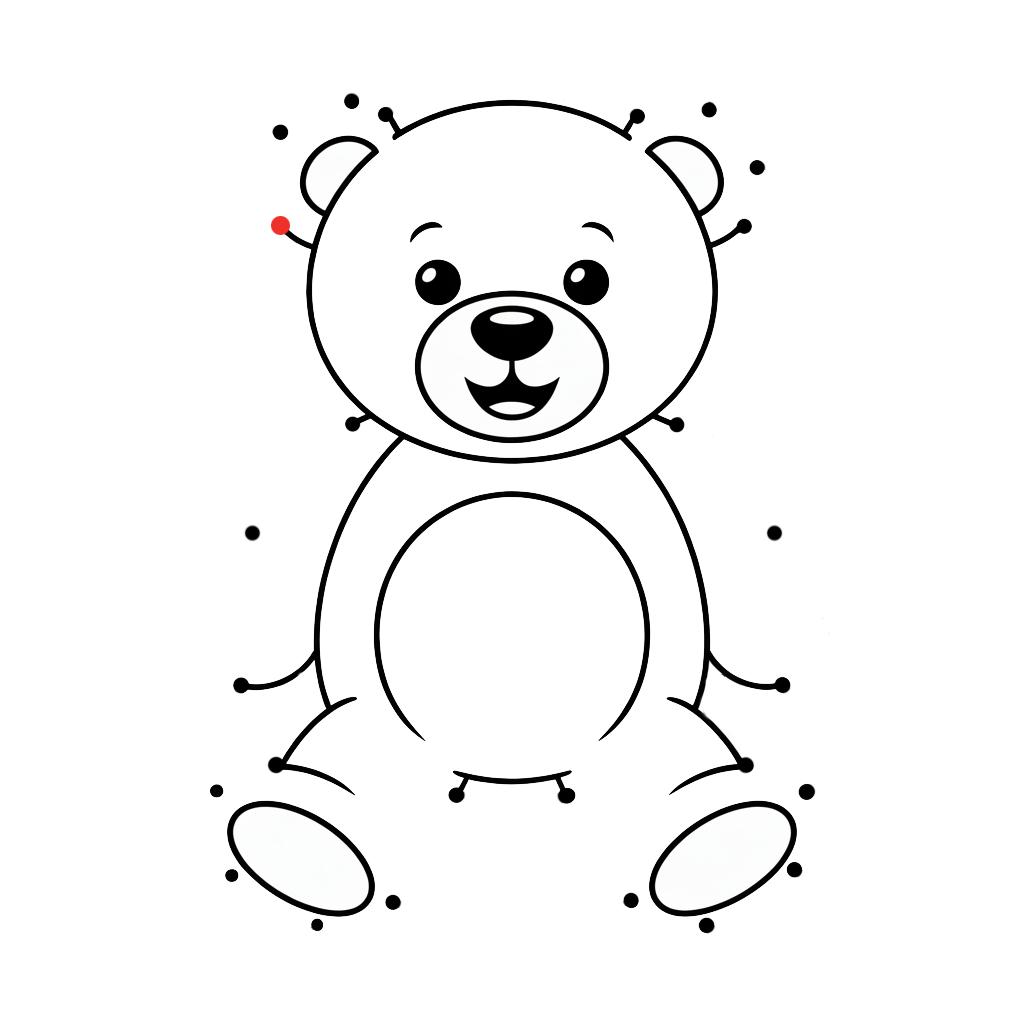
Draw a line from dot to dot following the ABCs.
ABC Order
Rewrite each group of letters in ABC order.
1. E H F G
2. d a c b
3. O M L N
4. t s u r
5. Z X W Y
6. k i h j
ABC Order: Words
Just like we can put letters in ABC order, we can also put words in ABC order. We use the first letter to put words in ABC order.
Example: car, ant, bat → ant, bat, car
Circle the word that comes first in ABC order.




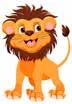


1. sun rain
2. duck night
3. ice jam
4. hat ball
5. mat cat
6. lion tiger
ABC Order
Write these words in ABC order.




Use two of the above words to write two sentences.
5. I see a .
6. I like the .
Cup Pen Hat Box
Review ABC Foundations
Small letters are called lowercase letters.
Big letters are called capital letters. Every lowercase letter has a matching capital letter.
Names begin with a capital letter.
In ABC order the letters and words are in the order of the alphabet.
Fill in the missing lowercase letters.
Fill in the missing capital letters.
Match each lowercase letter to its capital letter.
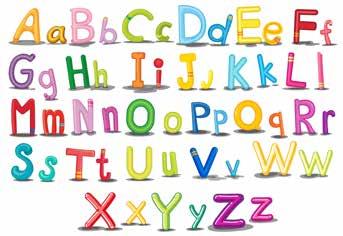
Write your name using a capital letter.
Rewrite each group of letters in ABC order.
Circle the word that comes first in ABC order.



1. c d b e
2. t s r u
3. g h f i
4. o n m l
5. x z w y
6. cat dog
7. roll ball
8. sock tub
9. net fox
10. rat tent
Naming Words: Nouns
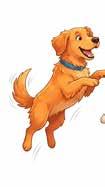
A noun is a naming word. It names a person, place, animal, or thing.


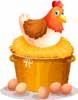
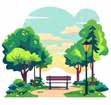
Write the correct word from the box to name each picture.
sun hen park cat girl


Write about things you like. Use naming words for people, places, and things. Circle the naming word you used in each sentence.
1. My name is .
2. I like to play with .
3. My favorite place is .


truck bear ball doll home school
Draw your favorite thing.
WORD BOX
Singular and Plural
Naming words can name one or more than one
Example: one bird, two birds
Draw a line from each word to the picture it names.
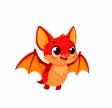

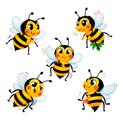
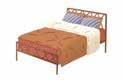


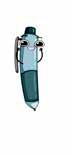
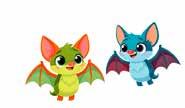
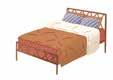
4. 5. 6. 7. bat bats fan fans bee bees bed beds boy boys star stars pen pens



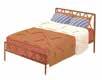
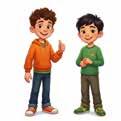

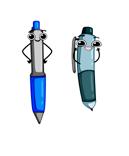
Use the words from the word box to complete these sentences about your toys.
WORD BOX
balls dolls trucks blocks cars
1. I have many .
2. I like to play with my .

3. My are fun to drive.
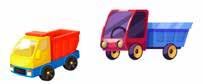
Draw the toys you like to play with. Draw more than one of each toy.
Singular and Plural
A singular naming word names one. A plural naming word names more than one.
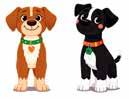
Circle in red if the naming word names one. Circle in blue if the naming word names more than one.


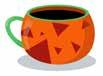

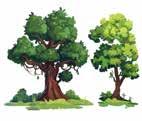
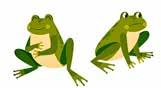
book bags cup dog trees frogs
Write sentences about animals or things at the farm. Use singular and plural naming words.
WORD BOX
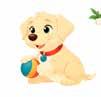
tractor ducks cow dogs eggs horse

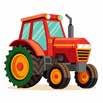
1. I saw one .

2. Then I saw two .
3. There are three .

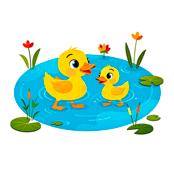
4. There are two in the pond.
5. I saw a in the field.
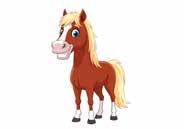
6. I saw one in the stable.
Plurals
A singular naming word names one. A plural naming word names more than one.
Add an s to most naming words to make them name more than one.
Example: pen → pens
Rewrite each naming word with an s.






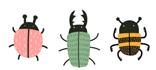



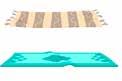
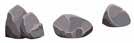
1. 2. 3. 4. 5. 6. cap bug dog bed rug rock
Add an s to make each naming word plural.
WORD BOX
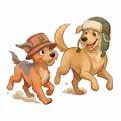
Write a story using the plural naming words from the word box. dog hat ball toy boy
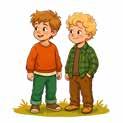
1. The saw two dogs.
2. The ran fast.
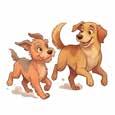
3. The dogs wore two silly .
4. The dogs had .
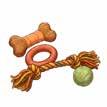
5. They played with their .
Draw a picture of the story.

Number Words
Number words are numbers spelled out with letters. They tell how many.
Example:
⭐ 1 one
⭐⭐ 2 two
⭐⭐⭐ 3 three
⭐⭐⭐⭐ 4 four
⭐⭐⭐⭐⭐ 5 five
Circle the number word that matches each picture.
1. 2. 3. 4.
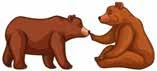
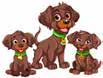
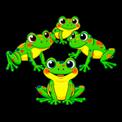

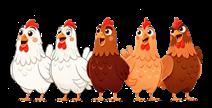
one two bears three four dogs four five frogs one two car four five hens
Count the pictures. Write the number word in the blank.
one two three four five WORD BOX
1. I see trees.


2. I see stars.



3. I see cows.
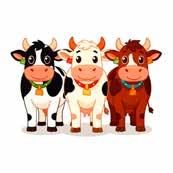
4. I see cats.

5. I see van.

Write your own sentence using a number word.
Number Words and Plural Forms
When we use number words to describe more than one, we usually add an s to the noun.
Example: three hats

Count the pictures. Circle the correct number word. Add an s to make the noun plural.


one two ball four five car two three pan four five star three two sun four two can
Count the pictures. Write a sentence. Use the words in the word box to help you.
WORD
BOX one bears two dogs three cars four stars five apples
1. I see
2. I see .


3. I see
4. I see .
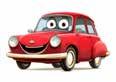


5. I see
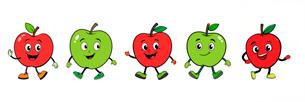
Review Nouns & Plurals
A noun is a naming word that names a person, place, animal, or thing. A singular noun names one. A plural noun names more than one.
We add an s to make a noun name more than one.
Number words are numbers spelled out with letters. They tell how many.
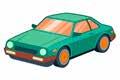
Look at the picture. Say the noun. Make an "X" in the box to tell if it names one or more than one.




Count the pictures. Write how many using a number word and a noun.


Read each sentence. Circle the noun. Make an "X" in the box to tell if it is about one or more than one.
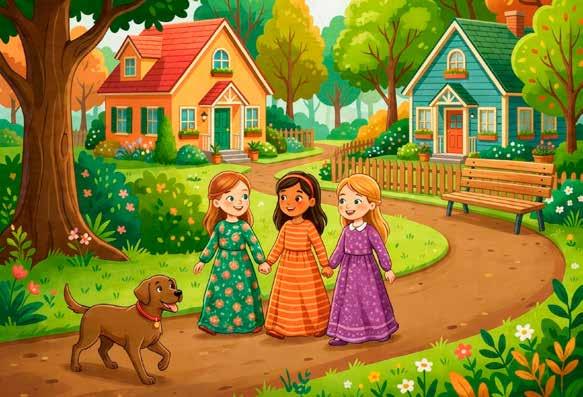
1. I see a dog. one more than one
2. I see three girls walking. one more than one
3. There are many trees. one more than one
4. I see two homes. one more than one
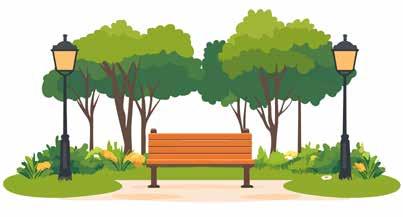
5. There is one bench. one more than one
6. I see pretty flowers. one more than one
7. The path is brown. one more than one
Doing
Words: Verbs
A doing word tells an action. Example: The boy can run.

Look at each picture and draw a line to the correct doing word.





Read each question. Circle and then write your answer.
1. Would you rather jump or fly? I would rather .
2. Would you rather eat or sleep? I would rather .
3. Would you rather run or swim? I would rather .
4. Would you rather talk or sing? I would rather .
5. Would you rather read or write? I would rather .
Draw your favorite action.
Doing Words - Singular
When we talk about one person, animal or thing, we add an s to the doing word.
Example: The boy runs.
Circle the naming word that shows one and add an s to each doing word.

1.
.
.
.
.
.
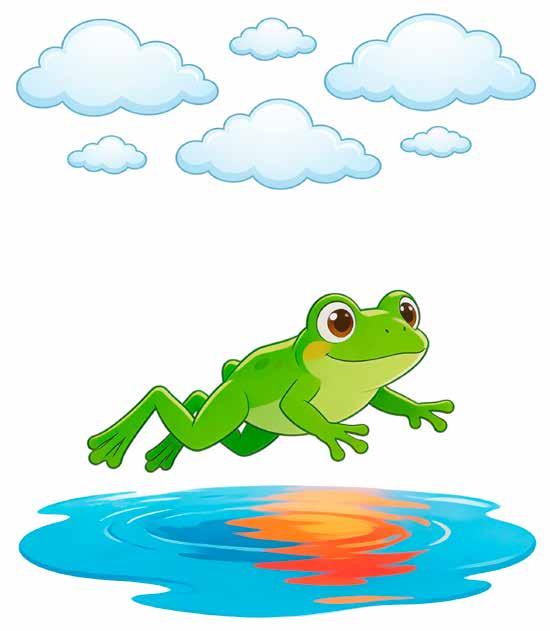
.
.
The dog run
2. A cat jump
3. The baby sleep
4. One frog hop
5. A bird sing
6. Pam walk
7. Tim play
Remember, your doing words should end with an s because you are writing about ONE animal!
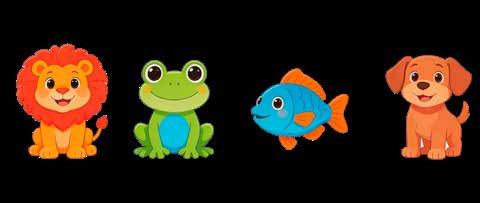
Choose an animal from the pictures below. Write three sentences about what it does. eats runs jumps swims hops sleeps climbs barks lion fish dog
My animal is a
Draw a picture of something your animal can do.
A .
A . 3. A .
Doing Words - Plural
When we talk about more than one person, animal or thing, we don't add an s to the doing word.
Example: The boys run.

Circle the doing word that shows more than one in each sentence.
1. The lions run.
2. Three frogs jump.
3. The cats sleep.
4. Five dogs eat.
5. The birds sing.
6. The girls walk.
7. Ron and Dave play.
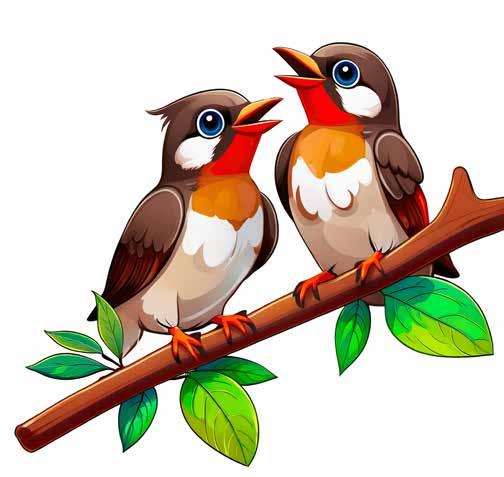
Complete this zoo story. Choose doing words from the word box to complete each sentence.
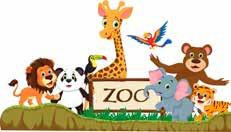
Remember, more than one animal means NO s on the doing word!
WORD BOX
run jump eat swim sleep climb play sing walk
Today I am at the zoo.
The lions . The monkeys . The birds . All the animals .
Draw a picture of your day at the zoo.
Doing Words - Past Tense
We add ed to a doing word to show it already happened.
Example: Yesterday, the boy walked.
Circle the doing words that show something already happened.
1. talk talked
2. jumped jump
3. played play
4. roll rolled
5. kicked kick
6. pushed push
march marched
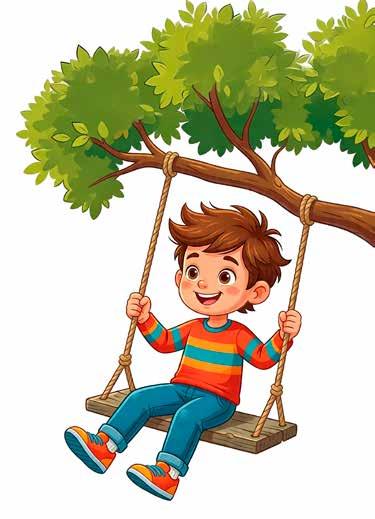
7.
8. pull pulled
Complete this rainy day story. Choose doing words from the word box to complete each sentence.
Remember, these actions already happened, so your doing words should end in ed. played jumped shared rested walked learned
WORD BOX
talked game smiled painted colored
One rainy day I stayed inside.
In the morning,
After lunch, In the afternoon, At night,
Draw a picture of your rainy day.
Review Doing Words: Verbs
A doing word tells an action.
When we talk about one person, animal or thing, we add s to the doing word.
When we talk about more than one person, animal or thing, we do not add s to the doing word.
We add ed to a doing word to show it already happened.
Circle the doing word in each sentence.
1. The boy likes to eat.
2. The cow jumped over the moon.
3. The girl swims.
4. Jim walked to school.
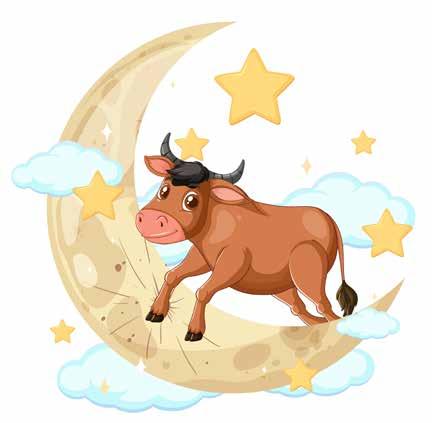
Write 1 for sentences that show one, and 2 for sentences that show more than one. Circle the s in the doing words that show one.

1. The frog hops.
2. Three dogs bark.
3. Five cats sleep.
4. One boy runs.
Add ed to make each doing word past tense.
5. jump
6. pull
7. push
8. bark
9. plant
10. count
11. color
12. touch

Forming Sentences
Every sentence has a naming word and a doing word
Example: Cows + eat = Cows eat.
Match each naming word to a doing word to make a sentence.
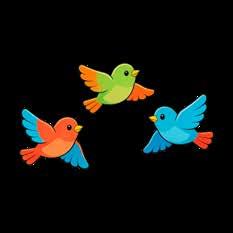



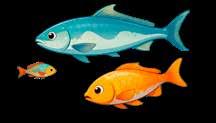

Choose a word from the word box to complete each sentence. Then write the whole sentence on the line.
WORD BOX
Example: Dogs run. ring jump grow buzz sleep
1.
.
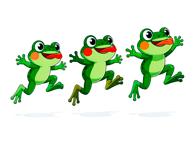
2.
3.
.
.
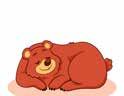
4.
.
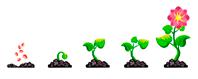
5.
.
Good writers CHECK Capital letter at the start Spaces between words
Frogs
Bears
Bells
Seeds
Bees
Identifying Parts of a Sentence
Every sentence has a naming part and a telling part. The naming part says who is in the sentence. The telling part says what the naming part is doing. We can find these parts in every sentence.
Example: The dog wags his tail.
Color each naming part of the sentence red, and each telling part of the sentence blue.
1. My cat sleeps all day.
2. Amy eats ice cream at the park.


3. Bob and Frank play outside.
4. The bird flies.
5. Ann flies her kite.
6. Tom walks to school.

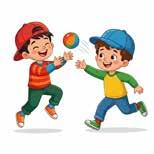


Reminder: When talking about one person we add an s to the doing word, and when talking about more than one person we don't add an s.
Fill in the missing naming parts and telling parts to complete each sentence. fish whale boy run bark talk jump Eli WORD BOX
Naming Part
Telling Part
2. swims in the water.
1. The girl plays outside.
3. Jim and Dan 4. eats a sandwich.
5. The dog 6. sleeps in bed.
7. The frog
Complete Sentences
A complete sentence tells a whole idea. It has both the naming and telling parts.
Example: The boy runs. The boy
This sentence is missing the telling part.
Circle the complete sentence.
1. The dog runs. The dog.
2. We play outside. Play outside.
3. The cat. The cat sleeps.
4. I kick the ball. Kick the.

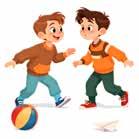


Rewrite this sentence to make it complete.
The boy
WORD BOX
Write 4 complete sentences about the picture. their fly barks kite run holds grass stand play
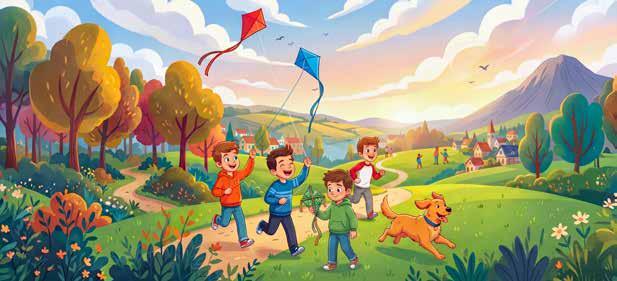
.
3.
Good writers CHECK Capital letter at the start Spaces between words
1. Two boys
2. One boy
The dog
Sentences Begin with a Capital Letter
Every sentence begins with a capital letter.
Example: the ball is red. The ball is red.
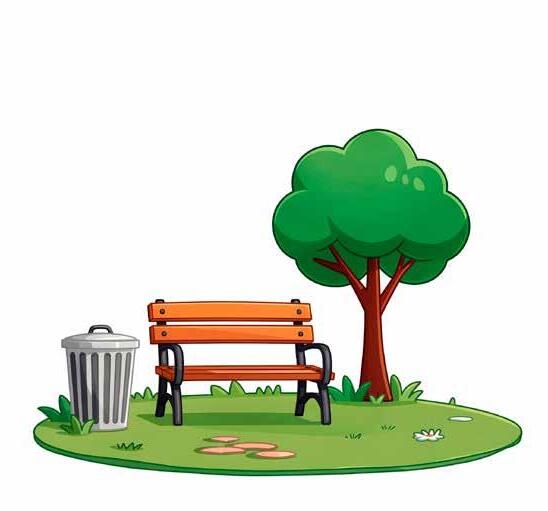
Write the first word correctly.
1. play outside.
2. go to the park.
3. swing goes up.

4. run on grass.
5. sits on a bench. kids we the i dad
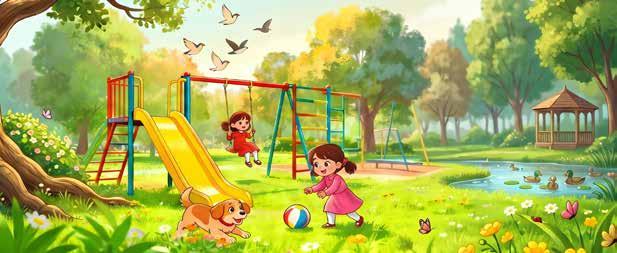
Write 3 sentences about what is happening in the picture. girl ball grass swing fly plays birds duck swim sun WORD BOX
Example: The dog runs.
Good writers CHECK Capital letter at the start Spaces between words
Sentence Word Order
The words in a sentence must be in the right order. The order has to make sense.
Example: Bob has a red hat. hat red Bob a has.
Circle the sentences that have the words in the right order.
1. Ben can run fast.
2. fast run Ben can.
3. The cat is big.
4. big is cat the.
5. bug a see I.
6. I see a bug.

Write your own sentence.
Remember to check that your words are in the right order from left to right.
Put the words in the correct order to form a sentence. Read your sentence aloud. Does it make sense?
1. can hop Ben
2. red is cap My
3. pan a has Mom
4. dog the see I can

Good writers CHECK Capital letter at the start Spaces between words
Expanded Sentences
A sentence tells who and what happens. We can add where to tell more.
Example: The dog runs. The dog runs in the yard.
Add a where detail to each sentence.
4.
.

.
.
. paper grass yard tree house lake pool
1. The boy swims
2. The girl writes
3. The dog sleeps
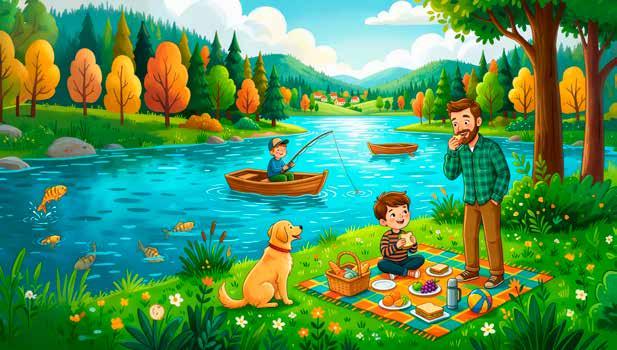
We had a picnic
Look at the picture and write 2 sentences.
Remember to tell who, what the person or animal does, and where. boy dog man fishing lake picnic swim water near sit skip fish eat blanket food boat WORD BOX
Good writers CHECK Capital letter at the start Spaces between words
Review Sentence Structure
A complete sentence tells a whole idea.
Every sentence has a naming part and a telling part.
We can add where to tell more.
Every sentence begins with a capital letter.
The words in a sentence must be in the right order. The order has to make sense.
Circle the naming part and underline the telling part in each sentence.
1. The frog jumps.
2. Two babies cry.
3. A cow sleeps.
4. The bird flies.

Put a check next to each complete sentence.
5. Sarah likes.
6. Ben writes a letter.
7. The tree.
8. Ten dogs play outside.
Circle the letter in each sentence that should be a capital letter.
1. the girl likes to play outside.
2. john eats a big apple.
3. cows live on a farm.
4. bears sleep.
5. he plants a seed. 6. 7. naming naming doing doing where where The dog in the park outside Susan runs plays
Put the words in each sentence in the correct order.


Describing Words: Adjectives
Describing words tell more about a person, animal, place or thing.
Example: The cat has a tail. The cat has a long tail.

Add a describing word from the word box to make each sentence tell more.
new short happy pretty
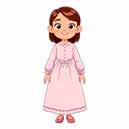
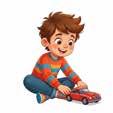

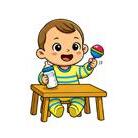
1. The girl has a dress. The girl has a dress.
2. The boy has a car. The boy has a car.
3. The dog has a leash.
The dog has a leash.
4. He is a baby. He is a baby.
Write about a real or pretend pet. Use describing words to tell about your pet.
WORD BOX
1. I have a pet.
2. It has a tail.
3. It has eyes.
4. My pet is .
5. I love my pet because it is .
Draw your pet. big small colorful fuzzy soft smooth furry bumpy wet happy silly playful kind loud brave lazy pretty cute special perfect
Adjectives & Sequence
Color Words
Color words tell what color a person, animal, or thing is.
Example: red apple
Read the color word. Color each picture the correct color.
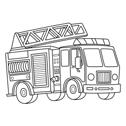


1. red
2. blue
3. yellow
4. green
5. brown
6. black
Look around your classroom and write about the colors you see.
WORD BOX
My classroom has many colors.
Draw your favorite thing in your classroom. white blue green yellow orange purple brown black pink desk chair wall book marker pencil folder clock shelf board
1. The is 2. The is 3. The is 4. The is 5. My favorite color in my classroom is backpack
Sequence: Putting Events in Order
Sequence means things happen in order, one after another.
Example: Putting on Shoes
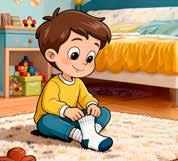
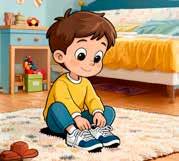
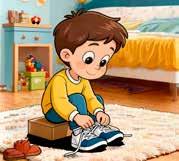
First, I put on my socks.
Next, I put on my shoes.
Last, I tie my shoes. 1 2 3
Number the pictures 1, 2, 3 in the correct order.
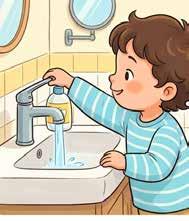


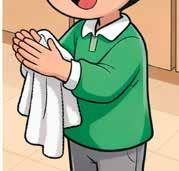
Washing Hands
Look at each picture. Write a sentence to describe each step of the sequence. water sink hands wash dry towel open faucet turn soap WORD BOX
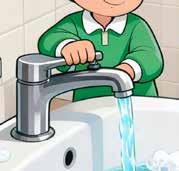
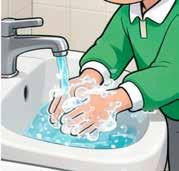
Writing a Story in Order
Stories happen in order.
We can tell the order by thinking about what happens first, next, then and last.
Example: First, I put toothpaste on my toothbrush. Next, I brush my teeth. Then, I rinse my mouth. Last, I put away my toothbrush.

Fill in the word to complete each sentence.
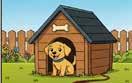
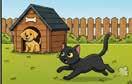
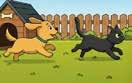
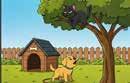
1. , our dog was in its house.
2. , a cat ran by.
3. , the dog ran after it.
, the cat went up a tree.
WORD BOX
Look at the pictures. Write one complete sentence for each picture using first, next, then, and last. wake dressed eat breakfast food bus school go ride drink

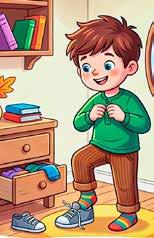


1. First, I . 2. Next, I . 3. Then, I . 4. Last, I .
Review
Adjectives & Sequence
Describing words tell more about a person, animal, place, or thing.
Color words tell what color a person, animal, or thing is.
Sequence means things happen in order — one after another.
We can tell the order by thinking about what happens first, next, then and last.
Read each sentence. Circle the describing word.
1.
2.
3.
Match the color words to the correct drawings.



The dog is big.
The flower is pretty.
The car is shiny.
4. Pink 5. Blue 6. Red
Read the sentences. Write 1, 2, 3, and 4 to show the correct sequence.
Then, they give the snowman clothing.

First, It is snowing outside.

Last, the snowman melts.

Next, the boys build a snowman.

Telling Sentences: Period
A telling sentence tells something.
When we finish telling, we put a period (.) at the end.
Examples: I like pizza. The dog runs fast.
Add a period (.) at the end of each telling sentence.
1. I go down the slide
2. We swing high
3. The ball rolls fast
4. My friend climbs the ladder
5. I run on the grass
6. The sun is warm
7. We play tag
8. I rest on the bench

Look at each picture. Complete each telling sentence. Then write a period in the box.
WORD BOX
reads eats kicks plays sleeps




5.


Good writers CHECK Capital letter at the start Spaces between words End punctuation
1. The boy
2. The girl
3. The dog
4. The child
The cat
Asking Sentences: Question Mark
An asking sentence asks something. An asking sentence ends with a question mark
Examples: Can you swing high? Is there a slide at the park?
Helpful Clue:
Many questions begin with an asking word, such as: Do, Can, Is, or Are.
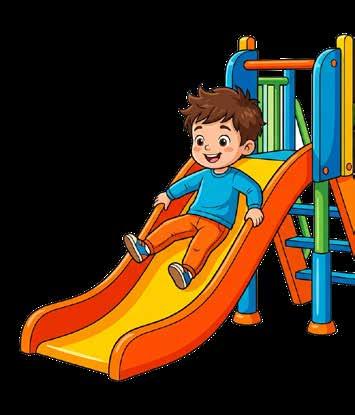
First, circle the asking word. Then, add a question mark (?).
1. Do you have a pencil
2. Is your book open
3. Can you read the page
4. Are we doing math
5. Is it time for lunch


Read each question. Add a question mark in the box. Then, circle your answer and write why. eat food play outside fun friends school bark run cute
WORD BOX
1. Do you like recess
Yes/No, because
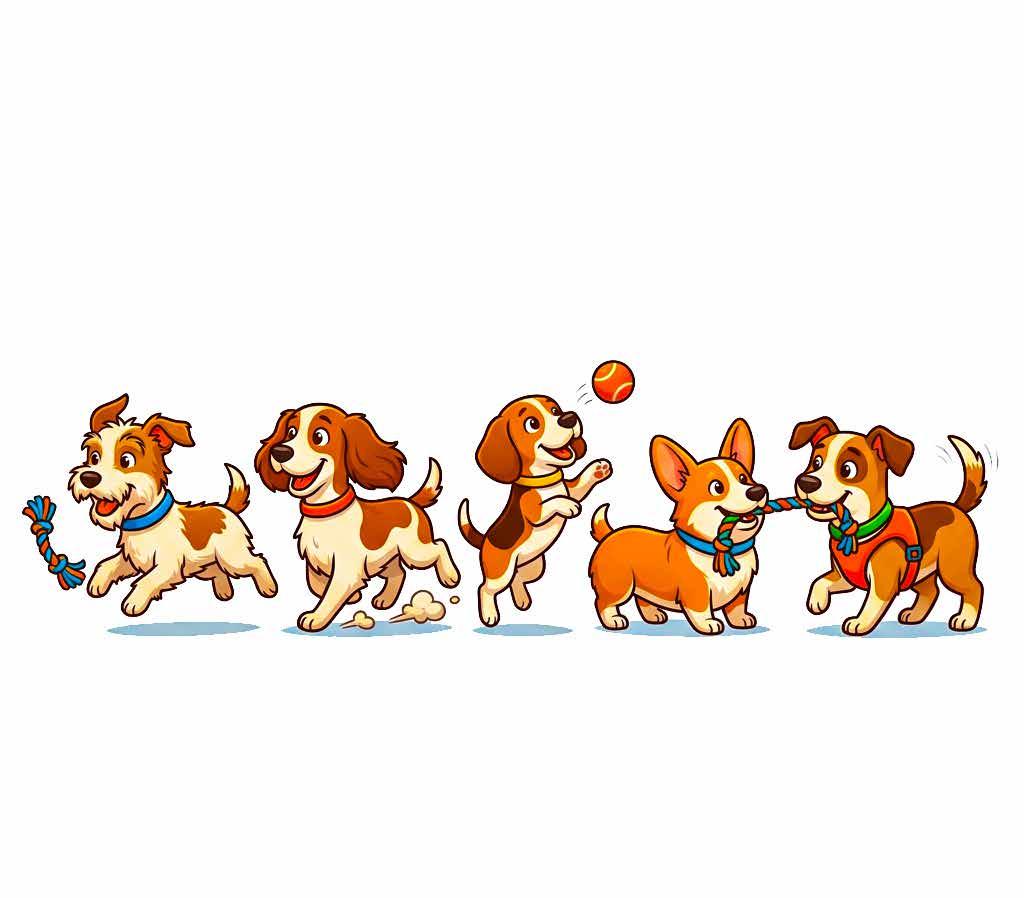
2. Is lunch your favorite meal
Yes/No, because
3. Do you like dogs
Yes/No, because
Telling and Asking Sentences: End Punctuation
A sentence can tell or ask.
A telling sentence ends with a period (.).
An asking sentence ends with a question mark (?).
Examples: We have recess. Do we have recess?
Read each sentence. If it tells something, write a period (.). If it asks something, write a question mark (?).
1. We go outside for recess
2. Do you like the playground
3. The swings are high
4. Can you run fast
5. I see my friend
6. Where is your backpack
7. Is it time for lunch
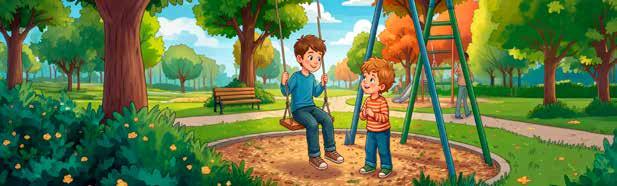
Look at each picture, and read each speech bubble. Write a period (.) or a question mark (?) for each sentence.
I am on the swings
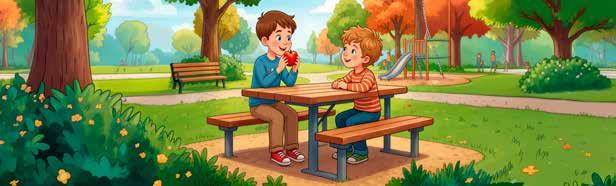
I am eating an apple
Can I have a turn
Do you like it
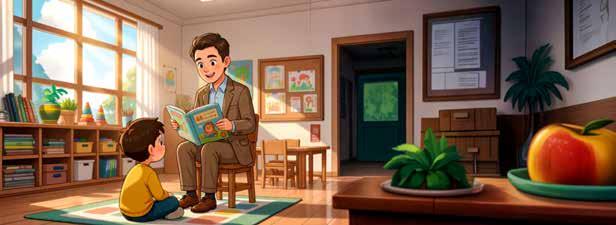
Write a telling sentence with the correct ending in the speech bubble.
Review Sentence Punctuation
A telling sentence tells something.
When we finish telling, we put a period (.) at the end.
An asking sentence asks something.
An asking sentence ends with a question mark (?).
Many questions begin with an asking word, such as: Do, Can, Is, or Are.
Circle if each sentence tells or asks.
1. We are going to recess. tells asks
2. I see the slide. tells asks
3. Where is the ball? tells asks
4. The swings are high. tells asks
5. Can you push me? tells asks
6. I am playing tag. tells asks
7. Do you want to play? tells asks
8. Who has the red ball? tells asks
Read each sentence. Write a period (.) if it tells. Write a question mark (?) if it asks.
1. The girl is on the swing
2. Is the grass green
3. We are playing outside
4. Are you having fun
5. Do you like the game
6. I can run
7. The boy has a red ball
8. Who is your best friend
Commas in Dates
A comma (,) is a little mark that tells us to take a short pause.
When we write a date with a month, day, and year, we put a comma after the day number.
Example: March 1, 2025
Add commas to each date.
1. May 10 2014 2. November 6 2000 3. September 7 2019
4. August 1 2022

Fill in the blanks with a date (month, day, and year).
Make sure to put a comma in the correct place.
5. Today’s date is .
6. My birthday is .
Answer these questions to tell about your birthday.
My birthday: .
1. What do you like to do on your birthday?
2. Who do you see on your birthday?
3. What do you eat on your birthday? fun play happy favorite party friends cake balloons candy family grandma grandpa pizza cupcakes crafts music WORD BOX


Commas in Dates: Sentences
A date in the middle of a sentence needs a comma after the day number and another comma after the year.
Example: On March 1, 2025, I went to the zoo.
Add commas to each sentence.
1. On February 18 2020 my baby brother was born.
2. Camp starts on July 3 2025 this summer.
3. On November 24 2017 my friend got a new bike.
4. The student got a prize on April 15 2018 last year.
5. On August 3 2022 it was very hot outside.
6. On May 10 2023 our class went on a field trip.
7. On April 22 2024 we planted a garden.
8. On July 6 2013 Sarah ran a race.
Write about two important days (real or made up).
1. On
2. On fun play happy favorite special visited park school pool zoo grandma family birthday game trip party show picnic friend baby WORD BOX
Good writers CHECK Capital letter at the start Spaces between words

Commas in Series
A series is when you have a list of three or more items. A list of three or more things needs a comma after each item. We use the word and before the last item.
Example: I like cats, dogs, and fish.
Add commas to each series.
1. I have a pencil a crayon and a marker.
2. We ran jumped and played.
3. My favorite snacks are pretzels grapes and crackers.
4. We had pizza salad and juice for lunch.
5. The farm has cows sheep and chickens.
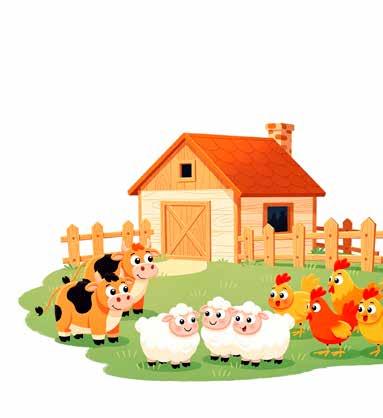
6. She used red blue and yellow crayons.
7. I got a hat a scarf and mittens for winter.
Answer each question using a series to tell your favorites.

Example: My three favorite snacks are chips, pretzels, and chocolate.
1. What are your three favorite foods?
2. What are your three favorite animals?
3. What are your three favorite games? pizza ice cream cookies pasta dog cat lion bird tiger fish horse tag catch ball like WORD BOX
Review Commas
A comma (,) is a little mark that tells us to take a short pause.
When we write a date with a month, day, and year, we put a comma after the day number.
A date in the middle of a sentence needs a comma after the day number and another comma after the year.
A series is when you have a list of three or more items. A list of three or more things needs a comma after each item. We use the word and before the last item.
Add in the mising commas to the series.
1. I like to eat apples bananas and oranges.
2. He brought his backpack pencils and markers to school.
Add in the missing commas to the dates.
3. June 13 2022
4. September 8 2013
5. November 26 2018
6. April 1 2025

Write an ‘X’ for all incorrect commas.
1. July 17, 2024
2. On March 5 2016 my brother was born.
3. I like to eat pasta pizza, and cheese.
4. November 13, 2021
5. On August 19, 2023, I made a new friend.
6. She likes to visit New York New Jersey and Florida.

7. October 10 2024
8. On June 1, 2015, I ran a race.
Capitalization: Names
A name is what a person or pet is called.
First and last names begin with a capital letter
Example: My name is bill green. My name is Bill Green.

Circle the name that is written the right way.



1. has a dog.
2. His dog plays ball.
3. has a cat.
4. is Ann's cat.
5. Matt and Jim see .
6. Bob is walking with . matt Matt
Ann Brown ann brown daisy Daisy
Bob King bob king
Dan dan
Max max
Create your own story character. Give your character a name and write a complete sentence about them.
WORD BOX
Draw your character. funny smart silly kind brave small tall loud friend help
My character’s name is Good writers CHECK Capital letters Spaces between words Punctuation
Capitalization: Initials
Initials are the first letters of a first and last name.
Each letter is capitalized with a period after each letter.
Examples: David Harris → D.H. Bob Allen → B. A.

Look at each name. Draw a line to match each name with its initials.
1. Ben Adams
M. L.
2. Molly Lane
B. A.
3. Noah Jones
A. R.
4. Ann Reed
N. J.
5. Lee Stone
E. B
6. Ella Brown
L. S.
Write about yourself! Fill in the blanks to complete each sentence.
WORD BOX
art learning running swimming dancing singing reading music drawing helping
My name is My initials are I am years old.
I like
Draw a picture of a game you like to play with friends.
Capitalization: Days of the Week
The names of the days of the week are special words.
They always start with a capital letter.
Example: saturday → Saturday
Monday Sunday Saturday Tuesday Friday Wednesday Thursday
Rewrite each day correctly. Start with a capital letter.
1. sunday 2. monday 3. tuesday 4. wednesday 5. thursday 6. friday

Complete the sentences using a day name in each sentence.
1. Today is
2. I go to school on
3. I stay home on
4. I play with my friends on
5. Sometimes I go shopping on
6. My favorite day is
Capitalization: I
We use I when we talk about ourselves.
I is always a capital letter.
Examples: I like ice cream. My friend and I play.
Write the word I to complete each sentence.
1. saw a big dog.
2. like to draw.
3. went to the park.
4. Ben and can read books.
I like school.
5. did not go outside.
6. My Dad and take a walk.
Circle all the ‘i’s that should be capitalized. Then, complete the sentences.
WORD BOX
dancing swimming running reading school home the park the garden the summer the winter friends painting music art games baking the zoo the farm the lake recess ice cream pizza lunch jumprope
1. i like 2. i go to
3. i play
4. My friend and i
Review Capitalization
First and last names begin with a capital letter.
Initials are the first letters of a first and last name. Each letter is capital with a period after each letter.
The names of the days of the week always start with a capital letter.
I is always a capital letter.
Circle the correct word to complete each sentence.
I
1. went on a trip yesterday.
2. On we go to school. 3. is my friend.
jane Jane
4. Ben and play outside.
5. John Smith has the initials 6. is my favorite day.
I j.s. J.S. friday Friday monday Monday
Circle the word that should begin with a capital letter.
1. girl sarah
2. rex dog
3. monday night
4. day friday
5. me I
6. sam baby
7. boy ben
8. friend jane
9. tuesday rain
10. park sunday

Is and Are
The words is and are tell us about now.
Use is when talking about one person, place, animal, or thing.
Example: The dog is running. (one dog)
Use are when talking about more than one person, place, animal or thing.
Example: The dogs are running. (more than one dog)
Circle the correct word to complete each sentence.
1. The pond frozen.
2. The boys ice skating.
3. The boy smiling.
4. The animals playing.
5. The bird flying.
6. The clouds white. is / are is / are is / are is / are is / are is / are
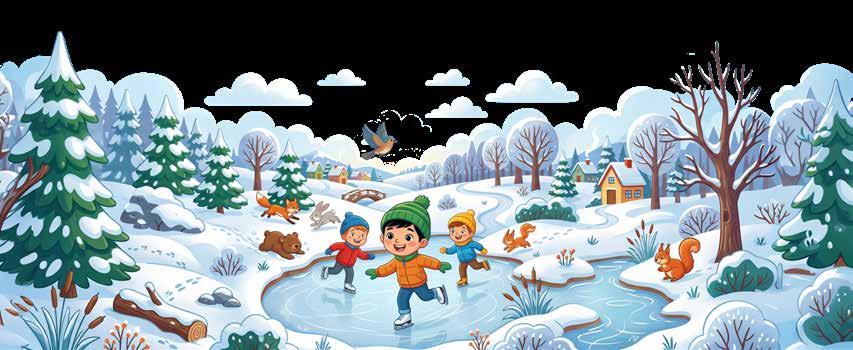
Look at the picture. Complete the six sentences using is or are to describe what you see.
WORD BOX
frozen building flying tall cold snowy playing walking happy
snowman Good writers CHECK Capital letters Spaces between words Punctuation
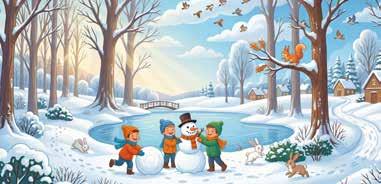
5.
6.
1. The boys
2. The pond
3. The trees
4. The bird
The animals
The weather
More on: Is and Are
Use is when talking about one person, animal, place, or thing.
Use are when talking about more than one.
Examples:
The cat is small. The cats are small.
Write is or are to complete each sentence.




1. The teacher happy.
2. The apples red.
3. My friend at school.
4. The flowers pretty.
5. The boy tall.
6. The dogs playing.
Look at the picture. Write 3 complete sentences about what you see. Use is or are in each sentence.
is are boy animal running dog birds playing duck giraffe flying swimming WORD BOX
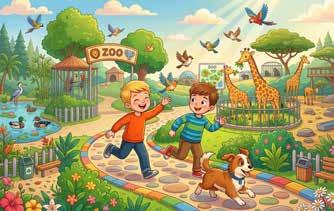
1. 2.
3. Draw a picture of what you like best at the zoo.
Good writers CHECK Capital letters Spaces between words Punctuation
The -ing Form
Use is or are with a doing word that ends in -ing. The -ing shows an action is happening now.
Examples:
The boy is reading.
The boys are reading.
Circle is and are. Add -ing to each doing word to complete the sentences.
1. The dog is bark in the park.
2. The children are play with a ball.
3. The bird is fly in the sky.
4. The girl is jump
5. The boys are read
6. The baby is crawl

WORD BOX
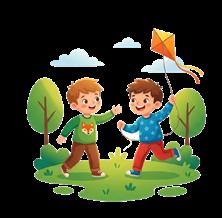
Look at the pictures. Write 3 full sentences about what is happening. Use is or are and a word ending in -ing. dog birds boys is are the flying jumping playing running




Good writers CHECK Capital letters Spaces between words Punctuation
Was and Were
The words was and were tell us about the past.
Use was when talking about one person, place, animal, or thing.
Example: The boy was playing yesterday. (one boy)
Use were when talking about more than one person, place, animal, or thing
Example: The boys were playing yesterday. (more than one boy)

Write was or were to complete each sentence.
1. The teacher at school yesterday.
2. The dogs playing in the yard.
3. My friend at the park.
4. The birds flying in the sky.
5. The girl reading a book.
Complete the story about yesterday’s weather. Use was or were in each sentence. grey white fluffy sunny windy cloudy rainy snowy clear hot cold playing outside running
WORD BOX
1. Yesterday,
2. The sky
3. The clouds
4. The temperature
5. People
Draw yesterday’s weather. Good writers CHECK Capital letters Spaces between words Punctuation
Verbs: Forms of Be
Review Linking Verbs: Forms of Be
The words is and are tell us about now.
Use is when talking about one person, place, animal, or thing.
Use are when talking about more than one person, place, animal or thing.
Use is or are with a doing word that ends in -ing to
show an action happening now.
The words was and were tell us about the past.
Use was when talking about one person, animal, place, or thing.
Use were when talking about more than one person, animal, place, or thing.
Fill in the blanks with is or are.
1. The girl happy right now.
2. The birds flying now.
Fill in the blanks with was or were.
3. My brother at school yesterday.
4. The dogs playing yesterday

Fill in the blanks with is, are, was, or were. Then, add -ing to the action words when needed.
Now

1. The boy draw . 2. The girls play .
3. The dog eat . Yesterday
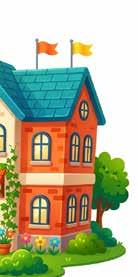
4. The boy 5. The girls
6. The dog

Did and Done
We use did and done to talk about things that happened in the past.
Use did alone.
Example: I did my homework.
Use done with has or have.
Example: She has done her homework.
Write did or done to complete each sentence.
Hint: Look at the underlined words for help.

1. We our chores.
2. My sister has her art project.
3. Dad the dishes.
4. The boys have their homework.
5. I my reading.
6. My mother has the laundry.
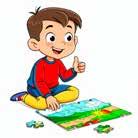
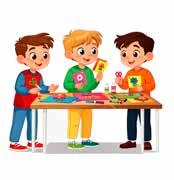
Complete the sentences using did and done. did done math chores puzzle mop floor clean crafts art paint WORD BOX
homework


Good writers CHECK Capital letters Spaces between words Punctuation
4. The boys have
1. Ann
2. My brother has
3. Sam
Saw and Seen
We use saw and seen to talk about things that happened in the past.
Use saw alone.
Example: I saw a bird.
Use seen with has or have
Example: I have seen that bird before.
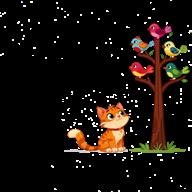
Write saw or seen to complete each sentence.
Hint: Look at the underlined words for help.


1. The cat the birds.




2. I have that flower before. We a rainbow.
4. She has many butterflies.
5. The boy the dog.
6. He has tigers at the zoo.
Complete the story using saw and seen.
WORD BOX park deer birds grass trees toys kids sun clouds bench squirrel playground
Yesterday I went to the park with my friend.
1. Yesterday I saw
2. Then my friend and I saw
3. I have never seen
4. We have seen
Came and Come
We use came and come to talk about things that happened in the past.
Use came alone.
Example: I came to the park.
Use come with has or have.
Example: I have come here before.
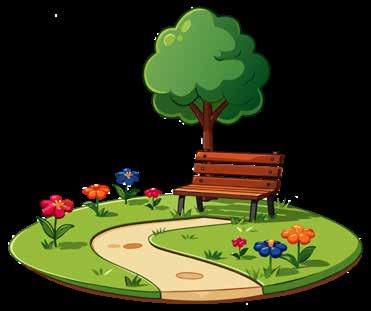
Circle the correct word to complete each sentence.
Hint: Look at the underlined words for help.
1. We have came /come to this park before.
2. My friend came /come to my house yesterday.
3. Tom has came /come to school early.
4. The dog came /come back to us last night.
5. They have came /come to the party.
6. Jane came /come to visit me.


You’re planning a party! Think about 3 people you want to invite to your party. Write their names.
friend aunt brother neighbor grandpa
uncle cousin sister grandma WORD BOX
Example: I want my friend Jake to come to my party.
1. I want my to come to my party.
2. I want my to come to my party.
3. I want my to come to my party.
We all had a great time when they came to my party last year.
Went and Gone
We use went and gone to talk about things that happened in the past.
Use went alone.
Example: I went to the campsite yesterday.
Use gone with has or have.
Example: We have gone camping before.

Write went or gone to complete each sentence.
Hint: Look at the underlined words for help.

1. Dad has to the park.
2. He in the car with us.
3. My friends have to the park, too.
4. We sliding down the slide.
5. Our dog sliding with us.
Look at the picture. Write 3 sentences about the camping trip. Use went or gone in your sentences. went gone lake has have boy tent camping fishing hiking boating fire sleep trees sky
WORD BOX

1. We
2. Two boys
3. The dog
Review Verb Usage
Use saw, came, did, went to talk about the past.
Use seen, come, done, gone with has or have to talk about the past.
Circle the correct word to complete each sentence.
1. I saw /seen a bird in the tree.
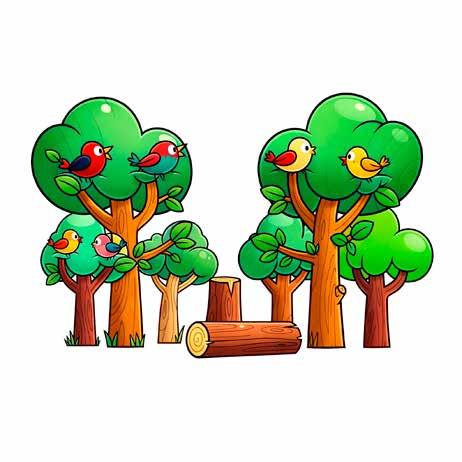
2. We have came /come to this store before.
3. My dad did /done the dishes after dinner.
4. Mike went /gone to the park with us.
5. She has came /come to help her friend.
Circle the correct word to complete each sentence.
1. I have saw /seen toys in the yard.
2. We came /come to the party early.
3. My sister has did /done her homework.
4. The cat has went /gone to sleep.
5. She came /come to visit me.
6. The boy saw /seen seven frogs in the lake.
7. John did /done his chores yesterday.
8. I went /gone to my grandma's house.



www.lighthousecurriculum.com