Lifetime Recovery: Building a Strong Foundation for Life After Treatment
As noted by Lifetime Recovery, completing addiction treatment is an incredible milestone, but it is only the beginning of a lifelong journey toward recovery Transitioning back to daily life after treatment can feel daunting, as the structured support system of the program disappears. However, with the right mindset and preparation, life after treatment can be filled with new opportunities and personal growth The key to success lies in building a strong foundation that supports continued recovery and helps prevent relapse.
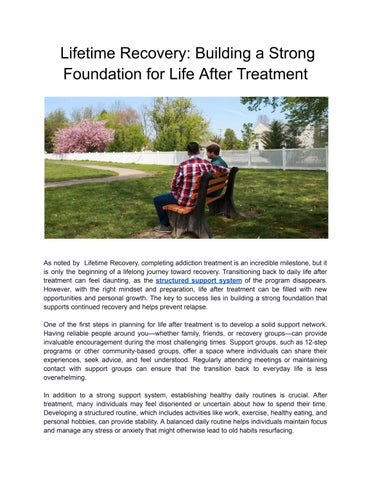
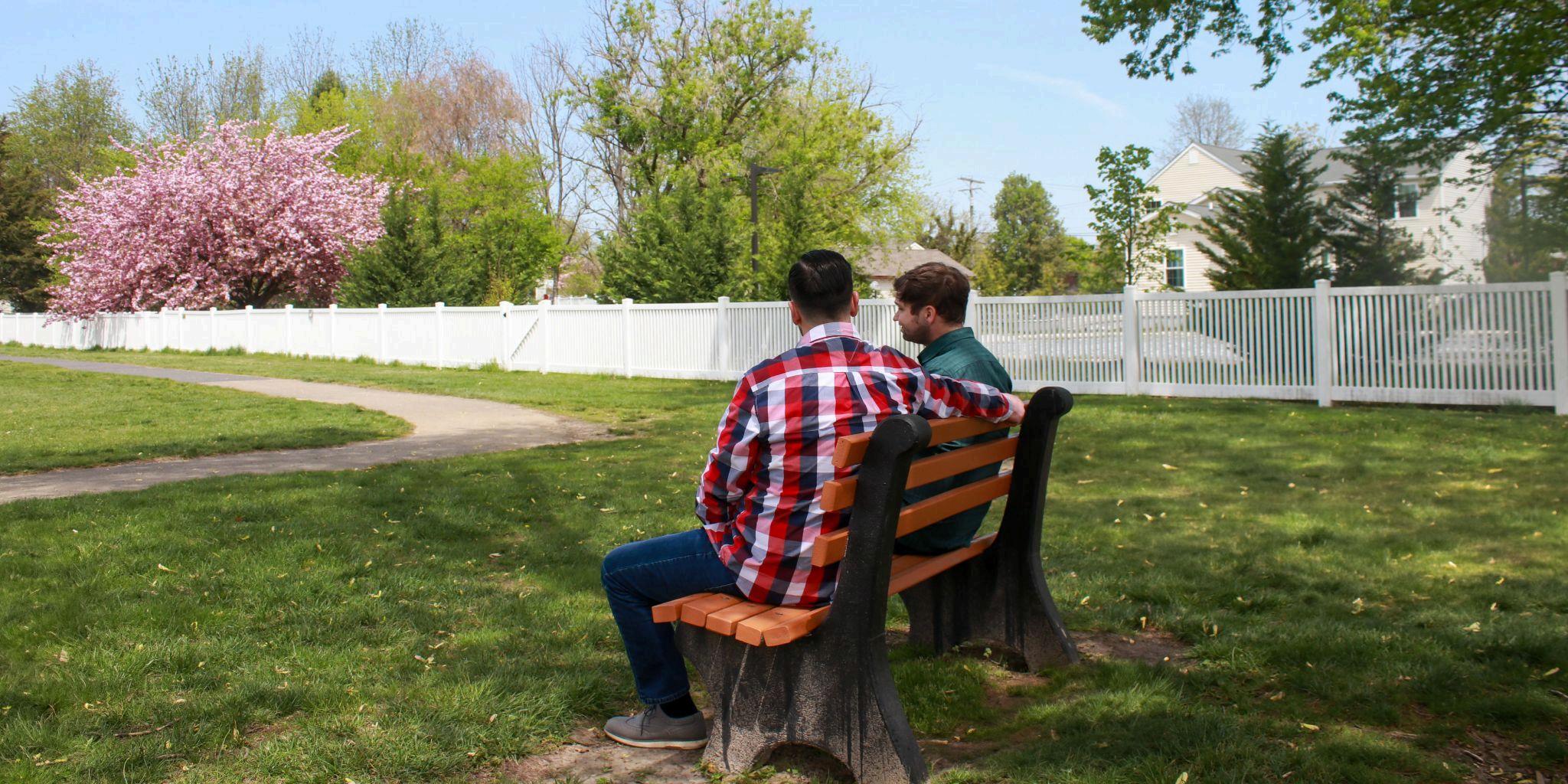
One of the first steps in planning for life after treatment is to develop a solid support network Having reliable people around you whether family, friends, or recovery groups can provide invaluable encouragement during the most challenging times Support groups, such as 12-step programs or other community-based groups, offer a space where individuals can share their experiences, seek advice, and feel understood. Regularly attending meetings or maintaining contact with support groups can ensure that the transition back to everyday life is less overwhelming.
In addition to a strong support system, establishing healthy daily routines is crucial After treatment, many individuals may feel disoriented or uncertain about how to spend their time. Developing a structured routine, which includes activities like work, exercise, healthy eating, and personal hobbies, can provide stability A balanced daily routine helps individuals maintain focus and manage any stress or anxiety that might otherwise lead to old habits resurfacing.
Another important factor is setting achievable, realistic goals. Life after treatment is a time for growth and rebuilding, and having clear objectives can provide motivation Whether the goal is related to career development, improving relationships, or practicing self-care, taking small steps toward these goals can create a sense of accomplishment and direction. These small victories help build momentum and contribute to sustained progress
Life after treatment is about embracing a new way of living It’s essential to be kind to yourself and acknowledge the progress made, no matter how small Recovery is not about perfection; it’s about progress, resilience, and maintaining a commitment to personal well-being. With the right tools and mindset, individuals can cultivate a fulfilling and successful life beyond treatment