



















We live in a world that values productivity and efficiency, where every moment seems to be mapped out and planned. Admittedly, we fall into this mindset sometimes too, thinking that the only worthwhile activities are those that can be measured, calculated, and optimized. But the truth is, a life that is too structured is missing something vital, the space for exploration.
We need room for discovery, for trying new things, going new places. Sometimes it's in those unplanned moments where connections are made, memories are created, and trust is built.

Our adventures don't always involve grand trips — they could be as simple as playing a board game on the patio, trying out a new trail, or exploring a new part of town to find a quirky new café.
That spirit of exploration runs through every story in this issue.
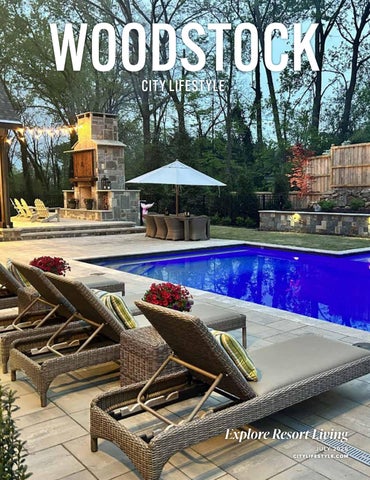
We'll take you to the mountains, where a remarkable group of veterans has found solace, brotherhood, and healing on the water — one fly fishing trip at a time. We'll show you how to bring that same sense of escape a little closer to home, transforming your own backyard into the resort retreat you've been craving. We'll walk you through the rich, often surprising history of our own county — proof that adventure doesn't always require a passport, just a little curiosity about the ground beneath your feet.
Each of these stories is a reminder that exploration takes many forms. Sometimes it's a mountain trail. Sometimes it's your own backyard. Sometimes it's simply showing up for someone who needs you.
This issue is all about giving yourself permission to explore whether it's a spontaneous trip, a new hobby, or simply making time for those unstructured moments with the people you love.
So put down the planner, take the long way home, and see what you find.
Happy exploring in and around Woodstock!


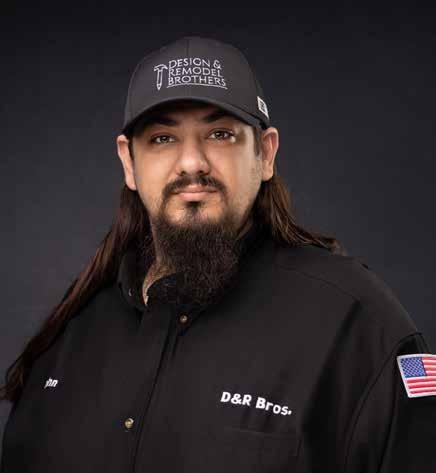
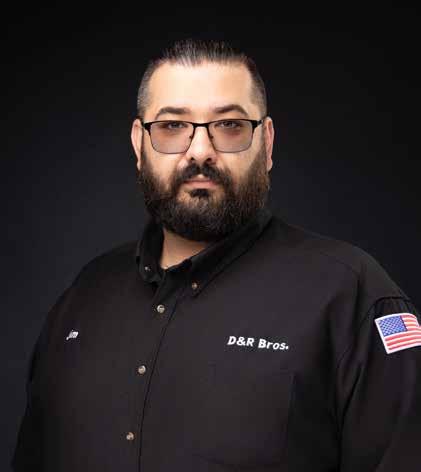
LISA THIBAULT, PUBLISHER
CHICKA ELLOY, CO-PUBLISHER @WOODSTOCKCITYLIFESTYLE
July 2026
PUBLISHER
Lisa Thibault | lisa.thibault@citylifestyle.com
CO-PUBLISHER
Chicka Elloy | chicka.elloy@citylifestyle.com
ACCOUNT MANAGER
Karyn Slovin | karyn.slovin@citylifestyle.com
STAFF PHOTOGRAPHER
Albright Photography
julie.albright@albrightphotography.com
PUBLICATION DIRECTOR
Tran Smith | tran.smith@citylifestyle.com
CONTRIBUTING WRITERS
Wendy Edwards, Caroline Ficken, Tony Dodemaide, Bruce Baker
CONTRIBUTING PHOTOGRAPHERS
Albright Photography, SORBA Woodstock
CEO Steven Schowengerdt
President Matthew Perry
COO David Stetler
CRO Jamie Pentz
CoS Janeane Thompson
AD DESIGNER Mary Albers
LAYOUT DESIGNER Kathy Nguyen
QUALITY CONTROL SPECIALIST Brandy Thomas










Where











WHERE NEIGHBORS CAN SEE AND BE SEEN
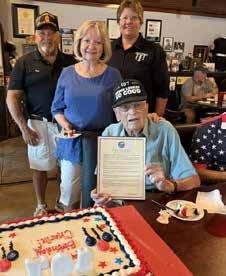

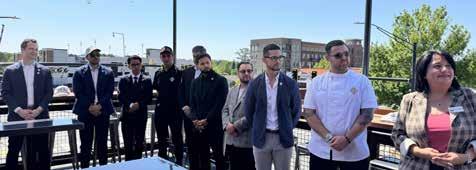
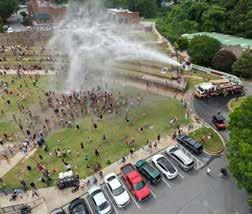
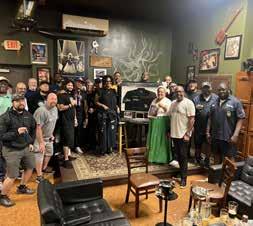
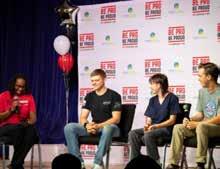
1: Happy Birthday 107th Charlie Duncan, a WWII veteran Woodstock Mayor issued a proclamation honoring. 2: Probably the greatest go-to-market strategy we have seen this year. Congrats to rReal tacos! 3: Thanks to Woodstock Fire Department for creating great last day of school memories with Woodstock’s kids! 4: Be Pro Be Proud Georgia - annual Skilled Professions Signing Day at Woodstock Arts Theatre
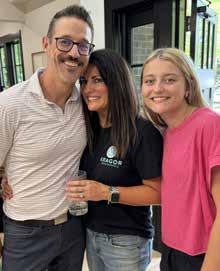
5: Bavarian Motorworks celebrates with a customer appreciation event in June! 6: Maxwell Cigar Crew honors their brother on a Wed night gathering! 7: The Martin’s celebrate Kragor’s new office in Woodstock. Almost 1 year!
Want to be seen in the magazine?




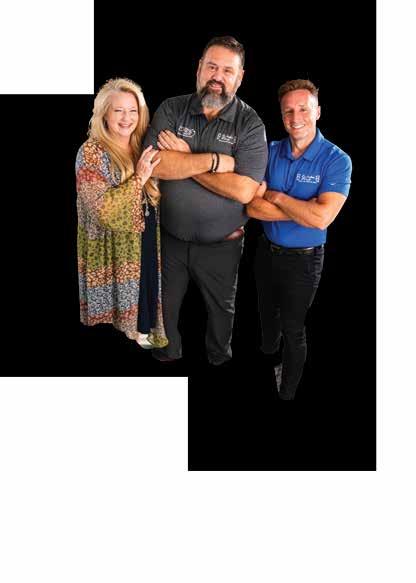



Wellness & Med Spa
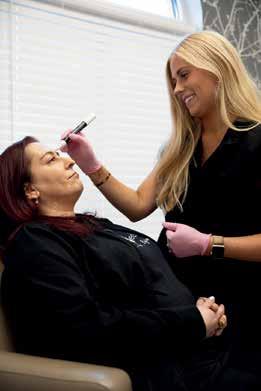
We combine cutting-edge science with holistic care to optimize how you look, feel, and move.
Hormone & Peptide Therapy
Restore energy, lean muscle, and youthful vitality.
Regenerative Medicine
Advanced cellular therapies to heal from within.
CO2 Laser Resurfacing
Erase fine lines, scars, and sun damage for flawless skin.
Chiropractic Care
Align your spine, relieve pain, and optimize mobility.
Inside-out wellness tailored to your unique biology. Ready to redefine your prime?


Friday, July 3 the City of Woodstock is excited to announce a special America 250 Concert with the Georgia Symphony Orchestra - This free patriotic performance celebrates GSO’s 75th season and kicks off two days of Independence Day festivities. Tickets are free but required. Reserve yours on the Woodstock Arts website. Gates open at 6 PM.l
Woodstock Arts Event Green
Bring your own food & non-alcoholic drinks; wine and craft beer availabe for purchase.
https://woodstockarts.org/events/ georgia-symphony-orchestraamerica-250-concert/
Photography by @WoodstockArts
to be featured?
John Flint Financial Advisor 8255 Main Street Suite 100 Woodstock, GA 30188 770-591-8021
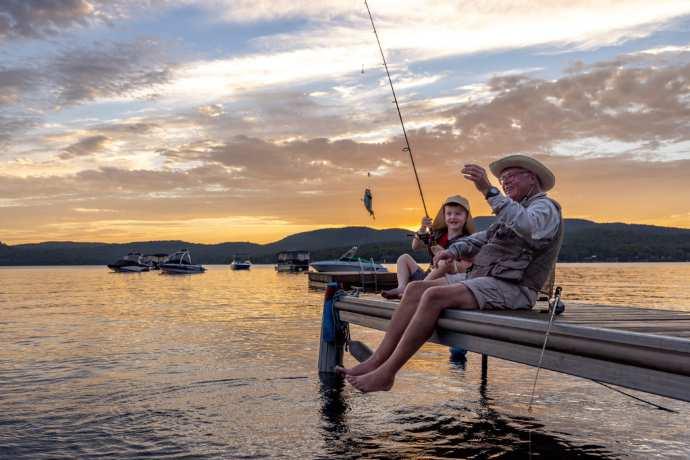





Veterans find healing, camaraderie and connection through their shared love of fly fishing.
ARTICLE BY WENDY EDWARDS
War is h*ll. The adrenaline rush that fills your ears and gives you super hero abilities dulls after battle and you are left with a mixture of relief, exhilaration, exhaustion and a guilty nausea that doesn’t leave. Battle after battle it builds. Like a stack of books, it builds higher and higher until, one day, a slight disturbance or a passing breeze in the auto parts aisle at Walmart, is enough to bring it all crashing down. This is PTSD and you don’t know when it might rear its head.
Up to thirty percent of veterans return home carrying the invisible wounds of war from tours in Vietnam, Iraq, and Afghanistan. PTSD does not discriminate, affecting every race, gender, and background alike. Human beings were never meant to witness violence, endure trauma and emerge untouched. Yet, countless veterans are left fighting battles long after the war has ended, struggling with emotions no one is truly prepared to carry alone. For many, the weight of those experiences can lead to overwhelming isolation, heartbreak, and a profound sense of hopelessness.
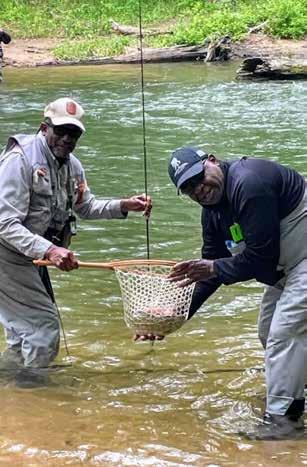
No one knows this better than Rene, Dutch and Russell. Three men brought together by their love of country, the outdoors and fishing; they have seen what war can do to the best of men, but never believed there wasn’t a path to healing. But, they may have never met in life if it hadn’t been for the river. Water has a way of calming the mind while awakening emotion. It creates space to reflect, process, and let go of the weight we carry, washing away what no longer serves us and leaving behind clarity, peace, and perspective.
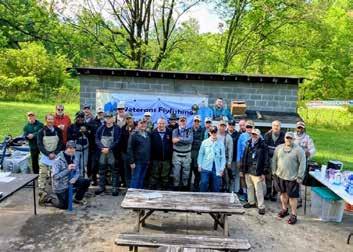
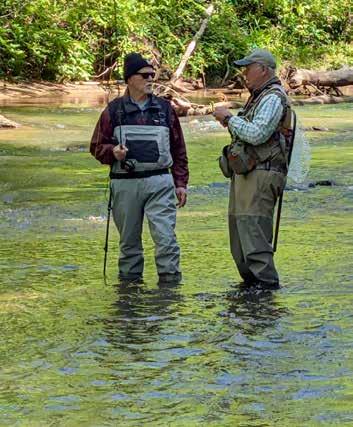
When Rene Hesse first stepped into the river twenty years ago with a veteran named Jim, he had no idea the impact that moment would have in the years to come. What began as teaching veterans how to tie flies and cast a line soon became something much deeper, offering a space where camaraderie, brotherhood, and the shared experiences of combat could foster healing and connection. That vision became the foundation of Veterans Fly Fishing, which Rene proudly co-founded and first served on the board for in 2014.
Rene reflects,” The twenty plus veterans in the program were moving from house to river, from the fog of daily medication to clearheaded and coming to a serene place where folks understood how they were feeling. As the program grew, regulars fished on designated days, shared lunch, and explored every aspect of fly fishing”.
Russell Ballew has also been there since the beginning when in 2014, his veteran friend invited him one sunny afternoon and he had no idea how this one outing would change his life.
Russell shares, “When I showed up I noticed that there were a lot of guys that were dealing with some of the same problems I was dealing with. Anxiety and depression about what had happened to us during our time in service, but mostly dealing with day to day life without any support. When you leave the military, you lose your job then lose your friendships, your purpose and your support. Basically, you are on your own to figure it out once you sign out and leave your last duty station”.
Dr. John Mauldin, a psychologist who lost a leg at war, began the program in 2014 and realized the benefits of the program instantly as he spoke with veterans that were experiencing a tough time after service. “Just like everything else in his life Dr J mastered the art and soon became a certified casting instructor for FFI. He served as the president until his death in September of 2025. It was a huge loss for everyone involved. I was the Vice president for VFF and was elected President after his passing. We knew as a group that we had to keep Dr John's legacy alive”, says Russell.
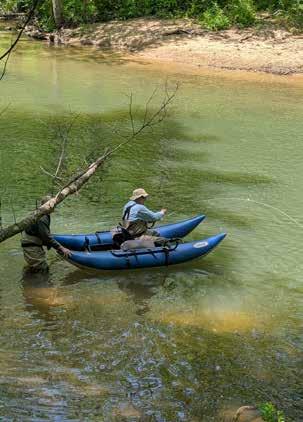
Veterans Fly Fishing meets the first and third Monday of every month from October through June along the Etowah River. The organization provides veterans with equipment, guidance and a supportive community centered around the therapeutic benefits of fly fishing. Each participant is paired with a trained guide, creating opportunities for mentorship, connection and healing. Run entirely by volunteers and funded through local donations, the nonprofit offers veterans a peaceful environment where they can process trauma, build friendships and rediscover purpose after service. For many participants, the river has become more than a place to fish, it has become a place to heal.
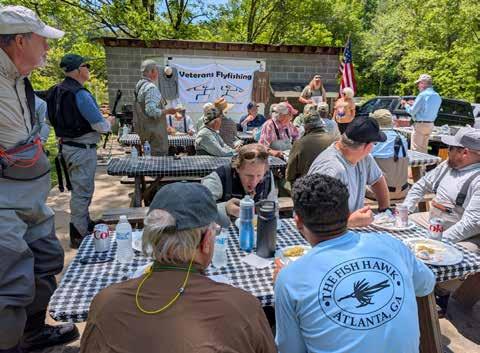
Over the past twelve years, Veterans Fly Fishing has helped countless veterans reconnect with themselves and others by providing support in processing trauma, navigating life after service, and discovering healing through a shared passion for fly fishing. Roswell's
Dutch Earle has been a volunteer member for three years and is passionate about what the organization is doing. He shares that each veteran is assigned a guide who is an experienced fly fisher and is certified through a structured VFF training program. With this one-on-one connection veterans have the opportunity to feel at ease on the water.
Dutch states, “Veterans Fly Fishing is affiliated with Fly Fishers International and run exclusively by volunteers. Our funding is solely through local donations and goes towards fish stocking, equipment and lunches. Montaluce Winery donates a section of the Etowah River on their property for our events”.
So, on the first and third Monday of every month from October through June, you will find veterans, abled and disabled alike, gathered beside the water to find something often lost after service: peace, connection, and a quiet sense of healing found only in the rhythm of casting a fly.

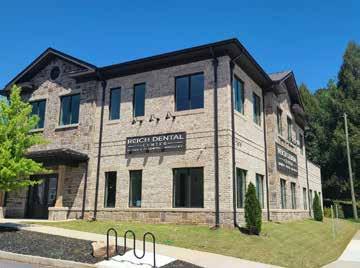
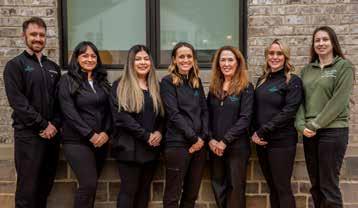


REICH DENTAL CENTER NOW OPEN IN WOODSTOCK!
At Reich Dental Center, we’re all about making every smile feel confident, healthy, and cared for! Your comfort comes first — always. With personalized care, cutting-edge technology, and a team that feels more like family, we’re here to make your dental visits something to smile about! All in a space that’s modern, welcoming, and designed with you in mind.
Providing same day crown services!
Go home with your permanent tooth that dayNo waiting with a temporary tooth!
Make an appointment today by calling or scanning the QR code below.
reichdentalcenter.com
770.901.2221 | 7670 Main St Woodstock, GA 30188

ARTICLE BY WENDY EDWARDS PHOTOGRAPHY BY ALBRIGHT PHOTOGRAPHY
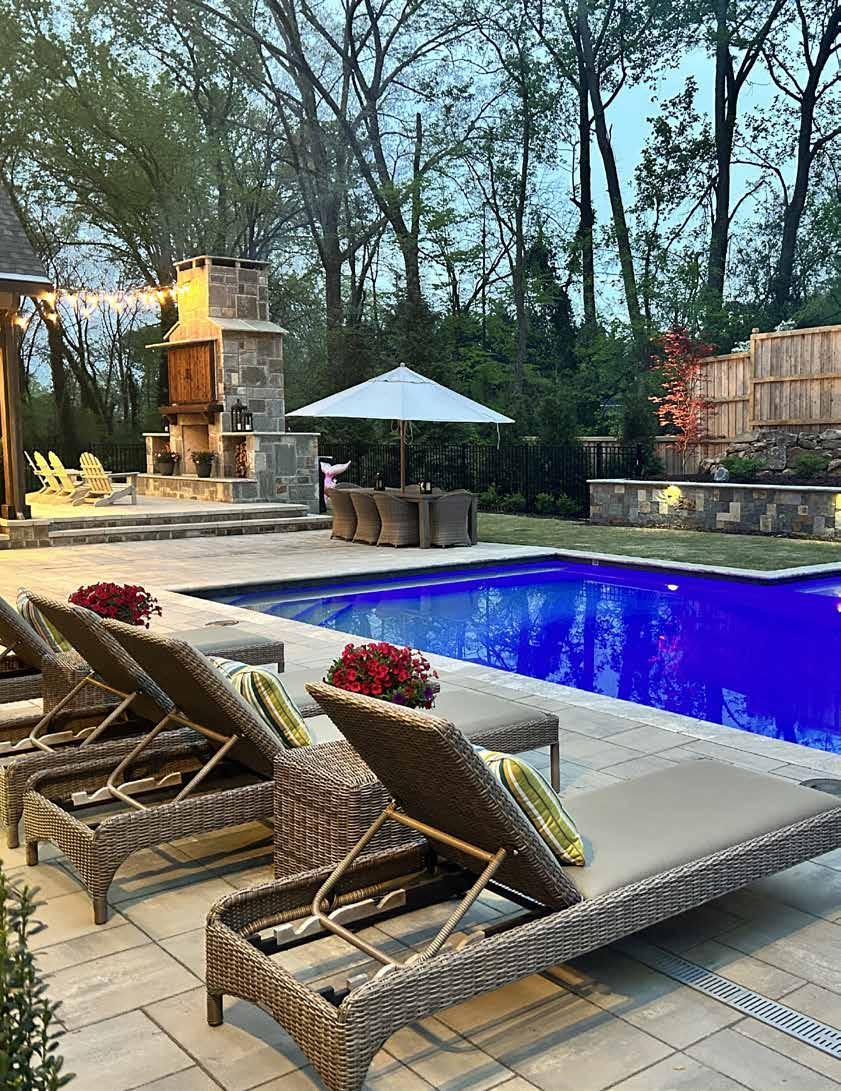
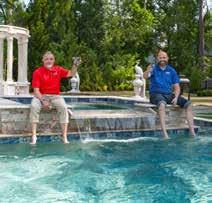
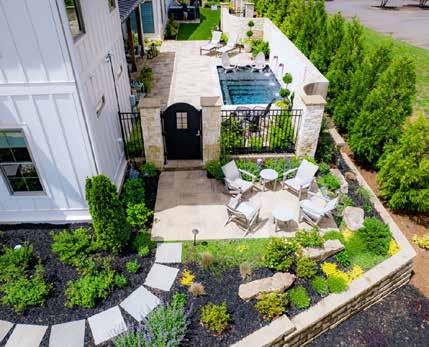
That sense of relaxation and serenity you feel while lounging beside a beautifully curated pool, taking in the surroundings at a beach escape or luxury resort, is something most of us experience only a few times a year. However, what if that vacation feeling could exist at home, every day of the year? That’s exactly what Georgia Luxury Pools is committed to delivering, bringing resortstyle living to clients across metro Atlanta.
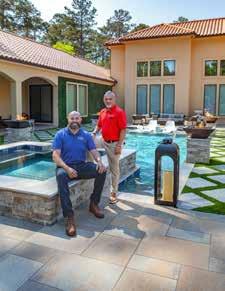
When David Brown’s grandmother founded a pool chemical company decades ago, she likely never imagined her work ethic and tenacity would grow into a multi-generational pool design and construction business anchored in integrity, quality, and exceptional customer service. After David’s parents took the reins, he was eager to carry the legacy forward, getting involved as early as age twelve. “Growing up around it, we learned early on that people truly value hard work and honesty. One lesson that stuck with me is simple: if you do what you say you’re going to do—and you do it well—you’ll never run out of people who want to work with you. That foundation has shaped everything we do today,” says David.
The Brown family never set out to be just another pool company. For years, the industry’s low barrier to entry allowed contractors with limited experience in design, construction, and business practices to enter the market. That landscape is beginning to shift, with Cobb County becoming the first in Georgia to require a CBP certification to obtain a pool permit. David is ahead of the curve, holding an Advanced CBP designation and actively
pursuing his Expert certification, which focuses on complex engineering, specialized materials, advanced soil mechanics, and diagnosing major pool defects.
A meticulously designed poolscape deserves a landscape that enhances and elevates its beauty. That’s where Georgia Luxury Pools’ partnership with Patrick Ferguson, owner of Southern Landscapes & Design, truly sets them apart. Clients can collaborate with David and his team to create a functional, visually striking poolscape, and, if desired, seamlessly extend that vision with expert landscape design, resulting in a cohesive backyard oasis.
“Southern Landscape & Designs specializes in drainage, hardscaping, pavilions, and overall landscape design(…) This allows us to present clients with a realistic, full-project budget upfront, working with quality, customer-focused professionals. While we operate as separate companies, we collaborate closely to deliver a seamless experience”, David remarks.
The process begins with a consultation to define your aesthetic, functional, and budget goals. A custom 3D design follows, allowing for revisions before moving into permits and preconstruction. Construction then proceeds to excavation and structural work, then to plumbing, electrical, and finishes. Clients can expect 4–6 months from the initial meeting to final walkthrough. Excellent communication during this entire process ensures the client is informed from start to finish, ending in a final walkthrough to learn how systems work. Clients will also be guided on how to care for their new landscape by Patrick and his team.

“One lesson that stuck with me is simple: if you do what you say you’re going to do - and you do it well - you’ll never run out of people who want to work with you. That foundation has shaped everything we do today,” says David.

“We also provide a “pool school” at the end of each project, along with ongoing support during the first year. Our goal is not just to build a beautiful pool, but to make sure our clients feel confident owning and maintaining it, relays David.
Georgia Luxury Pools delivers more than a pool, it creates a lifestyle rooted in comfort, beauty, and thoughtful design. Backed by family values, expert craftsmanship, and seamless collaboration, David Brown and his team transform backyards into everyday retreats, bringing the luxury of a resort experience home.
www.galuxurypools.com | 678-467-6693
www.southernlandscapesanddesign.com | 678-467-6693

FROM 13TH COLONY TO 4TH STATE, GEORGIA’S PLACE IN THE HISTORY OF THESE UNITED STATES
The Utopia that General James Oglethorpe envisioned for the Georgia Colony has been a long time in coming, but we're getting closer. Slavery, initially outlawed, crept in quickly and took almost 100 years to eradicate, over the objections of Georgia Governor and Canton resident Joseph Emerson Brown. Alcohol restrictions would take even longer, with Cherokee County's John Henry Hardin producing corn liquor during Prohibition on a scale large enough to be branded as "The Moonshine King."
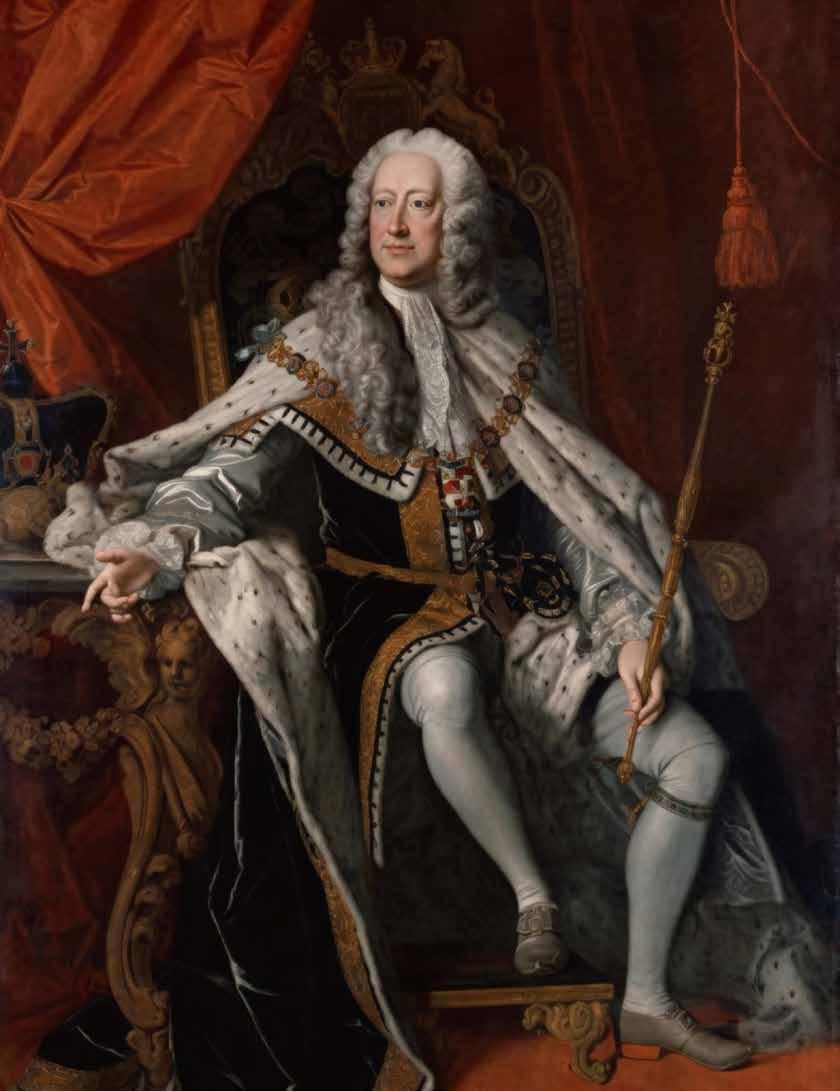
It was on June 9th, 1732, that the charter for the Georgia Colony was finalized, the state named in honor of King George II, who granted the charter. It was the last of the 13 colonies, chartered just over 50 years after the twelfth (Pennsylvania). From the beginning, the gap between his vision and that of the King and the various corporate entities involved was vast.
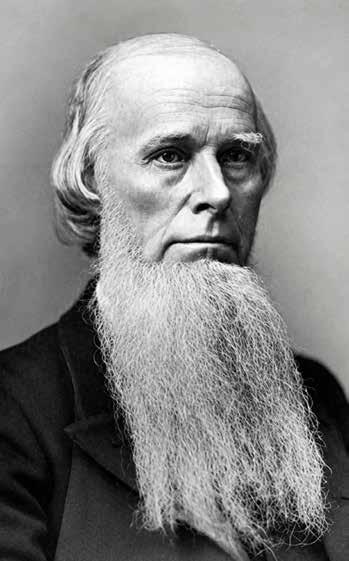
The Crown, the Carolinas Company, and the Virginia Company saw it as a buffer state and garrison province to defend the southern colonies against Spanish Florida. They imagined a province populated by stalwart farmers that would guard the border. Oglethorpe imagined a colony populated by English subjects imprisoned for debt, "the worthy poor" as he called them, who would be given a chance to start anew. At Oglethorpe's insistence, slavery was outlawed, as were alcoholic beverages. When one realizes that the Southern Colonies were founded on rum, slavery, and tobacco, Georgia emerges as entirely different than its neighbors. Oglethorpe also enforced a system of smallholdings rather than plantations, in part to avoid slavery and in part to allow for a greater population of farmers/citizens. When Oglethorpe returned to Britain in 1743, his vision of Utopia went with him. He never returned; in 1751, the slavery ban was lifted, and by 1755, the proprietary colony failed outright, and the province returned to being a Royal Colony. By 1760, King George III now ruled England, and at the conclusion of the French and Indian War in 1763, he extended Georgia's southern boundary to its current border, along the St. Mary's River. The British would control Florida for
the next twenty years, so Georgia was no longer needed as a buffer colony, and by now, Oglethorpe's restriction on liquor and his maximum allowance of fifty acres were both gone as well.
It's fair to say Georgians were drug into the war after violence erupted in Massachusetts. Radical patriots stormed the royal magazine in Savannah and carried off its ammunition. Loyalists were expelled, and in 1776, a provincial congress declared independence and created a constitution. The last Royal Governor, James Wright, had dismissed the Royal Assembly late in 1775 and escaped to a British warship in February of 1776 after briefly being captured by the revolutionaries. Wright regained control of Savannah on December 29, 1778, restoring British rule along the coast, driving the patriots inland. In 1779, the Continental Army attempted to retake Savannah but failed; in 1781, it succeeded in retaking Augusta. By 1782, the War was over, and in July of that year, British forces evacuated Savannah.
By the end of the War of Independence, Georgia had become like every other Southern Colony, with the exception that, while legal, slavery remained unpopular, especially with Scottish settlers. Scots settlers used to colder climates, mountains, and skilled miners preferred the piedmont and North Georgia mountains to the plains, and so it's no surprise that when the vote for succession came into play, most of the northern counties voted against; the greater number of voters of the southern plains counties carried the day. Canton's own Joseph E. Brown, the Governor at the time, was representative of the prevailing attitude. He thought slavery benefited the state's economy as a whole and was against its abolition. At the same time, he had no interest in allowing Richmond to simply replace Washington as having Federal Authority. When he asked Jefferson Davis to allow some of the state's volunteers to defend Georgia's borders, Davis declined. Later when Davis asked for additional troops, Brown would turn him down. Governor Brown believed that the South's only real hope lay in preserving the Confederate industrial
production and supply chain in Georgia. It was the engine critical to the Confederate cause. The Union agreed, thus Sherman's march through Chattanooga to take and burn Atlanta, followed by his march to the sea, which did in fact break the back of the Confederacy.
Governor Brown, for his part, would be imprisoned less than a month before receiving a pardon from President Andrew Johnson. He'd renounce slavery and embrace reconstruction. He even championed the education of emancipated blacks after the war, believing that "having been granted freedom, we must now teach them what they have gained," and by extension how to profit from it.
Oglethorpe's dream of abolition in Georgia had now been achieved, 120 years after his departure, and only after a conflict that had almost permanently divided the colonies.
And what of his ban on alcohol? Here, a longstanding battle between Scottish Highlanders and British tax collectors left the shores of the United Kingdom
and replayed itself in the American Colonies. At the end of the Revolutionary War, President Washington introduced a tax on liquor designed to collect enough to repay the nation’s war debt, enacted at the suggestion of Alexander Hamilton. In the absence of taxes on other industries, farmers viewed the tax on their production as unfair, and from 1791-1794 Washington personally led the US militia westward through Pennsylvania to quell the Whiskey Rebellion. Some of the rebel leaders lost their lives, and around 150 rebels were captured. Ultimately, ten of the fourteen ring leaders of the Whiskey Rebellion were pardoned by President Washington, and the usurious tax was repealed.
The tax was reintroduced by the Union during the War between the States, once again to cover the costs of the war effort. The Confederacy never enacted such a tax; when the War ended and Southern farmers found themselves subject to a tax, they unsurprisingly rebelled just as
Pennsylvania farmers had 70 years before. North Georgia farmers in particular continued to produce untaxed and therefore illegal liquor; revenue agents sent to collect the tax faced immense danger. Federal troops were sent in to enforce the tax, but moonshining went on, more or less unabated. In 1885, moonshiners from Moccasin, Georgia, actually laid siege to a hotel in Highlands, North Carolina, to free men arrested for producing moonshine. The North Georgia Whiskey War was in full swing.
By 1908, the State of Georgia had entered the effort, enacting a statewide prohibition of liquor long before the Federal Prohibition in 1920. While state and later federal efforts to control liquor production increased, it only served to intensify the "war" as moonshiners and bootleggers continued to clash with authorities. Bootleggers modified cars to outrun "revenuers," from which stock car racing emerged. Federal Prohibition of alcohol ended in 1933; Georgia ended its prohibition in 1935, but many counties and localities continued to prohibit its sale into the 1970s.
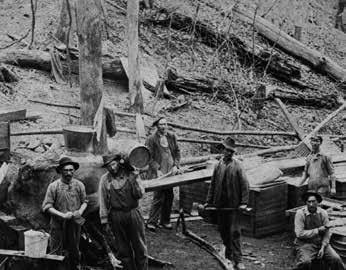
Here in Cherokee County, this is where the legendary moonshiner John Henry Hardin, the "King of Georgia Moonshiners," rose to fame. John had worked at the Franklin-Creighton Gold Mine until it collapsed and closed for good in 1908. Thereafter, he bought large tracts of farmland along the Cherokee-Bartow County border, fertile but also subject to flooding because they were adjacent to the Etowah River. In 1916, flooding ruined his crop; a farmhand suggested that the flood-damaged crop could still be used to make corn liquor, and, facing foreclosure, the Sunday School Teacher and choir member at Sixes UMC learned how to do it. For the next quarter of a century, Hardin produced corn liquor at such a scale that he became the second largest employer in the County and ran the largest moonshine operation east of the Mississippi.
John Henry Hardin never imbibed his product. Likewise, he never transported it; if you wanted it, you came and got it. He'd buy his neighbor's production at half price and resell. He made the rounds each morning in his truck, driving neighborhood children to school. He was released on his own recognizance before his federal trial, on the belief that if Hardin said he'd be there, he would. Even the revenue agent who secured his conviction, Duff Floyd, stated, "Outside of his illicit liquor business, John Hardin is the most ethical man I know."
Of course, Georgia's contribution to these United States is so much more: it's Ty Cobb, Bobby Jones, Jackie Robinson, Hank Aaron, Dominique Wilkins and Herschel Walker. It's also Margaret Mitchell, Flannery O'Connor, and Alice Walker. It's MLK and Jimmy Carter; it's Ray Charles and James Brown. It's Georgia Pacific, Home Depot, and Coca-Cola, and it's gold, granite, and marble. And it's Sequoyah, the creator of the Cherokee alphabet. For more stories like this one, check out "Witness of the Times," a history podcast by Dr. Bruce Baker.
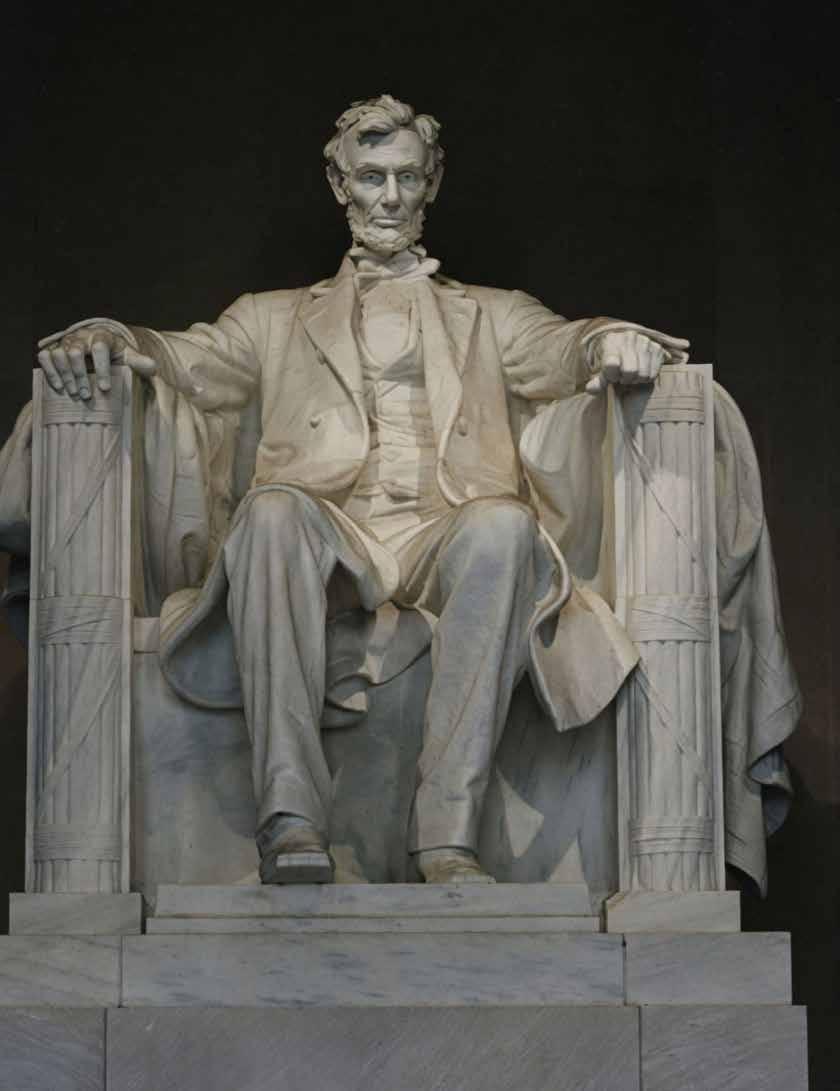
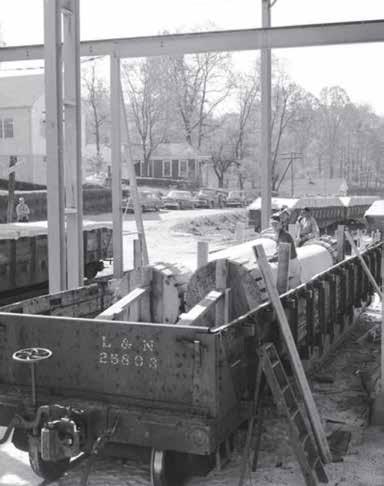
Many of us know that America's first gold rush was here in North Georgia, with the US installing a mint in Dahlonega to convert the gold mined into coinage. But Georgia's greatest mineral contribution to the US, by far, is marble. Marble of many different colors and shades has been mined extensively in Cherokee, Pickens, and Gilmer Counties, and graces many of the buildings and monuments in our nation's capital: The Lincoln Memorial, The US Capitol, the Air and Space Museum, the John Adams Building, and most of the gravestones in Arlington National Cemetery. It was used to build Chicago's iconic water tower, and in New York, the New York Stock Exchange Building, the Museum of Modern Art, and the Swan Building are all made of Georgia marble. Here locally, you can see the linen white Murphy Marble on the old Cherokee County Courthouse in Canton, and the rosy salmon Etowah Marble of the Tate House in Pickens County. The History Center in Canton even has an exhibit that has a slab of deep green Serpentine marble from an old mine in Holly Springs.
ARTICLE BY ALYSSA LAVY, MS, RD, CDN

This summer seafood gazpacho screams summer and is the perfect, refreshing meal, snack or appetizer to beat the heat - whether you’re entertaining or enjoying a quiet meal with family. It’s packed with some of the season’s most flavorful produce and provides satisfying fiber and protein to help keep you feeling full, while still being light enough to enjoy on the hottest of summer days. Plus, there is no need to turn on the oven or the stove, keeping your kitchen (and you) cool as a cucumber! You can enjoy this chilled soup as is, or add toppings like chopped jalapeños, cilantro, or creme fraiche and scoop it up with tortilla chips!
Alyssa Lavy, MS, RD, CDN, CPT is a registered dietitian, personal trainer and mom of 2. She earned her Bachelor of Science in Exercise Science from The George Washington University and her Master of Science in Nutrition and Exercise Physiology from Teachers College Columbia University, where she also completed her dietetic internship. She has been an ACSM certified personal trainer for over a decade. Alyssa is the owner of Alyssa Lavy Nutrition & Wellness, a wellness brand offering nutrition communications, program development and consulting services for individuals and corporations.
Website: alyssalavy.com
Instagram: @alyssalavyrd
Ingredients: (yields ~8 C gazpacho)
• 8 large tomatoes
• 1 large cucumber
• 2 cloves garlic
• 1 small sweet onion
• 1 jalapeño pepper
• ½ tsp hot sauce
• 3 Tbsp lemon juice
• 2 Tbsp extra virgin olive oil
• 1 Tbsp red wine vinegar
• 1 ¼ tsp kosher salt
• ½ tsp ground black pepper
• 2 Tbsp parsley (fresh or dried)
• 8 oz lump crab meat
• 8 oz cooked shrimp, chilled (about 8-12 large shrimp)
*Optional suggested toppings include: cilantro, tortilla chips, chopped jalapeños, creme fraiche, or additional parsley.
1. Cut tomatoes into large chunks, approximately 6-8 pieces each. Set aside.
2. Slice cucumber into thick slices. Set aside.
3. Mince garlic. Set aside.
4. Chop onion into medium sized pieces. Set aside.
5. Slice jalapeño pepper in half, lengthwise. Remove seeds if you prefer less heat. Chop jalapeño pepper and set aside.
6. Add tomatoes to large food processor. You may need to add about half of the tomatoes, pulse for a few seconds and then add the remaining tomatoes depending on the size of your food processor. Pulse tomatoes until chunky and slightly pureed. You will continue to puree the tomatoes once the additional ingredients are added, so do not pulse until completely smooth.
7. Add remaining vegetables (cucumber, garlic, onion, jalapeño pepper) to food processor with the tomatoes. Add hot sauce, lemon juice, extra virgin olive oil, red wine vinegar, salt, pepper and parsley. Replace the lid and pulse to desired consistency – the gazpacho should be pureed, but still somewhat chunky and not completely smooth.
8. Store in an airtight container and chill in the fridge for at least one hour before serving. If not serving right away, this gazpacho can be made in advance and stored in the fridge overnight or for a few days until ready to serve. If making this gazpacho in advance, purchase fresh seafood or thaw frozen within 1 day of serving to keep seafood fresh and store seafood separately, only adding when ready to serve. When ready to serve, chop the shrimp and add approximately 1-2 oz chopped shrimp and ~1 oz crab meat to each bowl. You can add optional toppings, such as chopped cilantro, chopped jalapeños, tortilla chips, creme fraiche and an additional sprinkle of parsley, if preferred. Enjoy!
Note: This gazpacho can be stored in the fridge in an airtight container for up for 4 days, without the seafood. Store seafood separately and add when ready to consume.
A REFRESHING, CHILLED, SUMMER FORWARD SOUP THAT PACKS IN PROTEIN AND FIBER!







ARTICLE BY DECATUR CITY LIFESTYLE
Summer in Georgia makes it easy to look for places that feel a little outside the normal routine. Within a few hours of Decatur, some landscapes range from colorful canyon walls to deep river gorges and clear mountain streams. These places stand out because of how unusual they look compared to most of the state.
Here are four outdoor destinations that are especially striking for a July day trip.
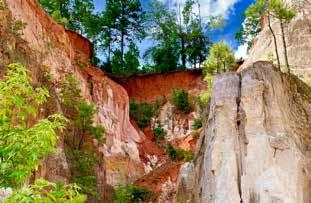
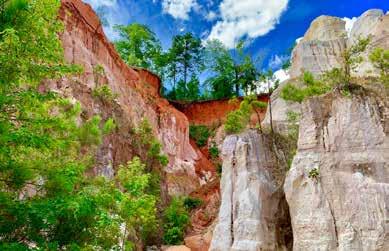
Providence Canyon State Park is one of the most visually unusual landscapes in Georgia. The park features a system of deep gullies with walls layered in pink, orange, red, and purple soil. The patterns are clearly visible from the rim and change depending on the angle of the light.
The canyon formed in the 1800s due to erosion caused by farming practices that exposed loose soil. Rain gradually carved the land into the formations seen today. The result is a canyon system that resembles landscapes typically associated with the western United States rather than Georgia.
Visitors can walk the rim trail for broad views of the canyon system or take lower trails into the gullies. Inside the canyon, the scale becomes more dramatic, with tall walls rising on both sides and narrow paths winding through the terrain. The lighting shifts throughout the day, with softer tones in the morning and stronger reds and oranges in the afternoon.
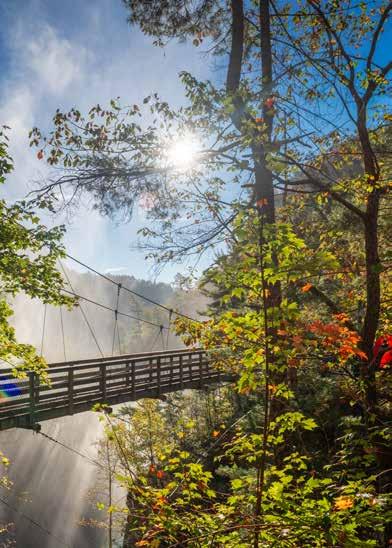
Tallulah Gorge State Park is one of the most dramatic natural features in the state. The gorge is nearly 1,000 feet deep and about two miles long, shaped over time by the Tallulah River. The river continues to flow through the gorge today, passing over a series of waterfalls that drop more than 500 feet in total.
From the rim, visitors can see steep rock walls and the river far below. Multiple overlooks provide different angles of the gorge and waterfalls, making it easy to understand the scale of the formation.
One of the park’s most notable features is the suspension bridge that crosses the gorge at a narrow point. It provides a direct view down into the canyon and across to the opposite cliff walls.
For those who hike, the rim trails offer accessible viewpoints. A permit system allows limited access to the gorge floor, where a steep staircase of more than 600 steps leads down to the river. At the bottom, the river moves through rocky sections and calmer pools surrounded by vertical rock walls.
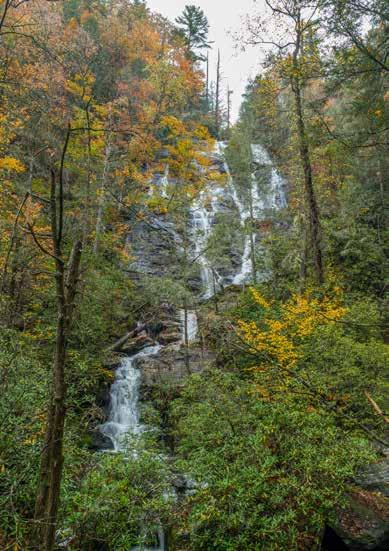
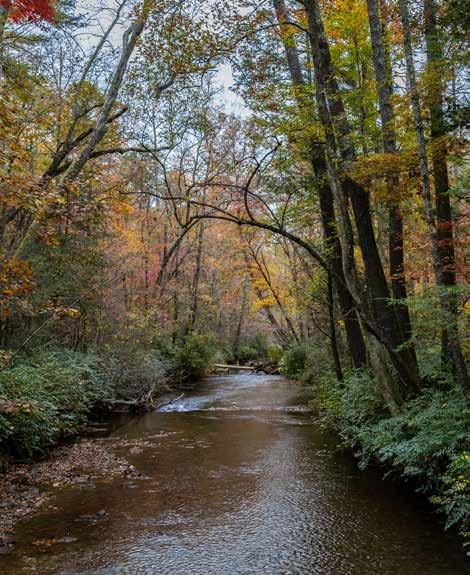
Smithgall Woods State Park is a protected area in the North Georgia mountains known for its limited daily access and well-preserved forest environment. The park is centered around Dukes Creek, a cold mountain stream known for its clarity and trout population.
Dukes Creek runs through a forested valley with hardwood trees, shaded trails, and small clearings. The water is clear enough in many areas to see fish moving through the stream.
Trails follow sections of the creek and extend into the surrounding forest. Wildlife sightings are common, including deer, wild turkeys, and various bird species. The limited visitor capacity helps keep the area less crowded than many other parks in the region.
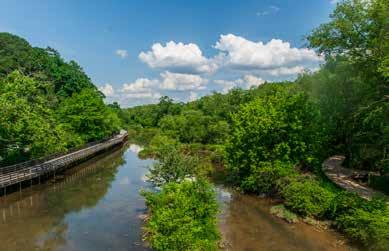
Chattahoochee Nature Center provides direct access to river and wetland habitats along the Chattahoochee River. The site includes boardwalk trails, forest paths, and wildlife habitats focused on native Georgia species.
The wetlands are home to turtles, herons, fish, and other wildlife that can often be seen from the elevated walkways. River otters are among the most active animals on site and are frequently visible in their habitats.
The center also offers canoe access to the Chattahoochee River. Paddling routes pass through sections bordered by trees, rocks, and shoreline habitats where wildlife is often visible.
In addition to outdoor areas, the center includes exhibits and rehabilitation spaces for birds of prey and other native animals.
These four destinations show how varied Georgia’s outdoor environments can be within a relatively short drive of metro Atlanta. Providence Canyon offers unexpected desert-like geology, Tallulah Gorge shows dramatic river-carved cliffs, Smithgall Woods preserves a quiet mountain stream ecosystem, and the Chattahoochee Nature Center connects river and wetland habitats close to the city.
Each place is different in scale and setting, but all of them stand out for how unusual they feel compared to what most people expect to find here in the Peach State.
May Georgia never stop surprising us.


HAPPY 4TH OF JULY from Cherokee Smiles Dental
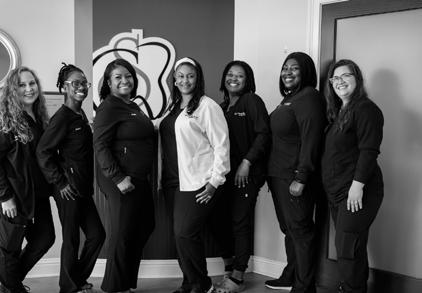
Experience dentistry in a whole new way at Cherokee Smiles Dental. From the moment you arrive, our friendly team is here to make every visit stress-free and enjoyable. With the latest dental technology and a team of skilled professionals led by Dr. Ousley, we provide exceptional care tailored to your unique needs. Whether it’s aroutine cleaning or a complete smile makeover,you can trust us to deliver treatment with both expertise and compassion.
Dr. Kendra Ousley Your trusted dentist in Woodstock! All ages WELCOME at Cherokee Smiles!


Check out our website by simply scanning the QR code in this ad to see our upcoming workshops and order blooms for pick up or delivery!



www.cherokeesmiles.com 770-591-8446 9020 Hwy 92 St 102 Woodstock, GA 30189

We will have the most vibrant and gorgeous locally grown blooms all Summer as well as gifts for all occasions highlighting locally crafted items! Whether you are getting married, hosting a birthday or a Summer get together let us help bring beauty and intention to your gathering through florals and gifts!
| 678-403-2577 www.gatherandbloomboutique.com | V @gather.and.bloom
THE VOLUNTEER-POWERED TRAILS PUTTING CHEROKEE COUNTY ON THE NATIONAL MAP.
ARTICLE BY TONY DODEMAIDE PHOTOGRAPHY BY SORBA WOODSTOCK
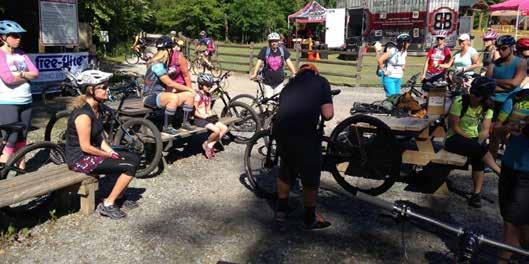
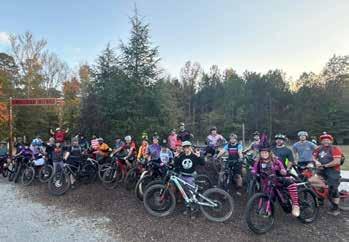
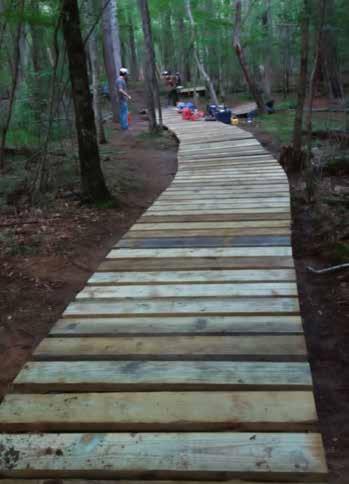
Just off Sixes Road, a few miles from I-575, the Georgia forest opens into something that mountain bikers from Florida, North Carolina, and beyond seek out by name. Blankets Creek Mountain Bike Trail System in Cherokee County has quietly earned a reputation as one of the top-rated singletrack destinations in the entire Southeast. More than 150,000 riders roll through its gates each year, chasing 15 miles of winding red clay, roots, and ridgeline views. Behind every inch of it stands a small, passionate, all-volunteer group that built these trails from scratch and keeps them alive.

It started with a chainsaw and a dream. In the fall of 1999, a determined group of mountain bikers walked into the woods along Blankets Creek and began cutting trails by hand, in the pouring rain, and not a single one of them turned back. That original spirit is still the heartbeat of SORBA Woodstock, the Southern Off-Road Bicycle Association's local chapter, which has been building, maintaining, and expanding Cherokee County's trail network for 25 years. Today, Blankets Creek alone draws more than 150,000 riders per year, ranking it among the most visited singletrack systems in the Southeast.
SORBA Woodstock is a 100% volunteer-run nonprofit. That detail surprises most people. Many assume the trails are funded by the city or the county. They are not. While Cherokee County Parks and Recreation and the City of Woodstock manage the parking lots and restroom facilities, every dollar that goes toward actual trail maintenance comes from memberships, donations, and community fundraising. "Every mile of trail out there has a volunteer's hands behind it," says Nikki Adams, SORBA Woodstock's current president. "That is something this community should be proud of."
That reality hits differently when you consider the numbers. SORBA Woodstock brings in roughly $40,000 per year. This year, the organization has already spent nearly $30,000 resurfacing the Dwelling Trail, one of Blankets Creek's most beloved and most-ridden tracks. Last year, a comparable investment was made in the Explorer Trail at Trails at Olde Rope Mill Park). Professional trail builders were hired for both, keeping the systems up to standard and protecting against erosion.
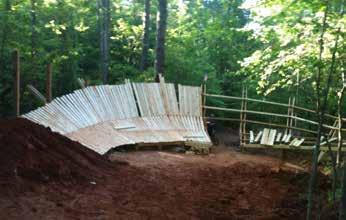
With 30 miles of trail under their care, SORBA is also preparing to welcome a third system: Yellow Creek in Ball Ground, a Cherokee County Parkssupported project expected to add another 7 to 10 miles of singletrack when it opens.
The community's role in all of this cannot be overstated. On the third Saturday of most months, SORBA holds a volunteer work day, welcoming school groups, church congregations, families, and newcomers. July's work day is tentatively set for July 18. "We can put anyone to work," Nikki says. "Even if it's just picking up trash or clipping back trees, the trail crew leaders know how to match the job to the person."
The trails are open, the forest is waiting and Cherokee County has something rare: 30 miles of world-class trail maintained entirely by the people who love riding them. That is worth exploring and protecting, and it starts with showing up. Join as a member, make a donation, or volunteer on the third Saturday of the month. The trails will still be here for the next generation because of what this community does today.
Explore more at SorbaWoodstock.org and social media
ARTICLE BY KALI KASPRZYK
PHOTOGRAPHY BY JANIE JONES
MAKEUP BY MIKAYLA CRANE
Winnipeg in the winter, and a 17-year-old waits 45 minutes in the cold for Keanu Reeves. Her fingers are numb. She is not there for an autograph. She is there to ask him to appear in her audition tape for MuchMusic, Canada’s MTV. When he finally agrees, she writes her number on a gum wrapper with a borrowed lip liner.
He calls days later.
That 17-year-old was Jen Cohen — fitness expert, host of the Habits & Hustle podcast, and best-selling author. She has built a career on the premise her frostbitten afternoon proved. She calls the practice the 10% Target: 10 attempts at whatever you want most in life.
The premise is simple. Most people never make one attempt. Almost nobody makes two. The math works in favor of the person who keeps going.
The top-rated Habits & Hustle podcast has logged hundreds of conversations with high performers and the people who study what the body does to the mind. Her TEDx talk, The Secret to Getting Anything You Want in Life, has traveled widely inside Fortune 500 sales-training rooms. On the Share the Lifestyle podcast, Cohen sits down to share the working rules that are the foundation of her latest book, Bigger, Better, Bolder.
“You have to be the CEO of your own life.”
FEATURING JEN COHEN
Discover the full 10% Target Mindset framework.


1 2
The door opens, or another door does. The unmade attempt and the refused one leave you in the same place — except one of them teaches you something.
Cohen frames her habits as a wager: How do I stack the deck so I win more than I lose? The workout happens first, and the food decisions follow. The email follow-up gets sent, and the answer arrives. The choices compound in a single direction.
3
No one is born with it. The people who look disciplined are running a routine they have rehearsed long enough that it no longer feels like effort. The reps are the skill. Miss them, and the skill fades, the same as any other.
4
Confidence does not arrive by repeating the word. It arrives after the body has done the thing — the workout finished, the cold walk endured, the email sent. The mind takes its cues from what the body proves it can do. Talk follows action, not the other way around.
5
The first decision sets the slope of the rest. Skip the Monday workout, and the rest of the week tends to follow. Hold the line on Monday, and the slope tilts the other way.