
S E R V I N G U P Y O U R
S E R V I N G U P Y O U R
B R A N D I N S T Y L E .
B R A N D I N S T Y L E .


















S E R V I N G U P Y O U R
S E R V I N G U P Y O U R
B R A N D I N S T Y L E .
B R A N D I N S T Y L E .
In the world of luxury, we often associate "investment" with portfolios, real estate, or maybe even fine art. But as we transition into the vibrance of spring, our April issue of Wayne Lifestyle challenges you to broaden that definition. Wealth isn't just a number on a balance sheet; it is the deliberate allocation of your most precious resources—time, energy, and heart—into the things that yield a lasting legacy.

Investing is an all-encompassing philosophy. It’s about the sweat equity we put into our ventures and the emotional capital we pour into our homes. This month, we’ve curated a collection of stories that explore how strategic "buy-ins" today create a richer tomorrow.
Inside this Issue we bring you Lifestyle Publications exclusive Q&A with Tim Tebow. He opens up about life after the gridiron, revealing how he now invests his time and passions into philanthropy and purpose-driven leadership.
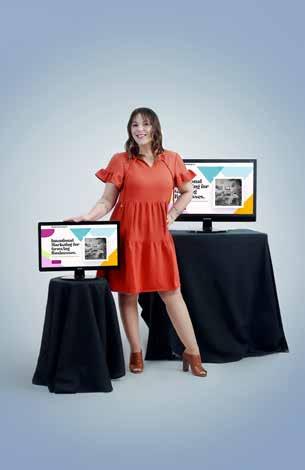
We receive a lesson from Gina Monego, founder of Mindful Marketing Co., explaining how your website is quietly dictating your value to potential clients and why an upgrade may be the smartest investment your brand can make this year.
For those looking to grow their empire, Ethan Hundley, CPA to the stars and Certified Tax Strategist, provides a masterclass on smartly scaling your business without losing your shirt—or your sanity.
Finally, we go behind the lens with Julianne Livni and her father, Michael. Their story is a beautiful testament to investing in relationships. Together, they navigate the world as wildlife photographers, capturing the fragility of our natural neighbors and reminding us that our environment deserves our greatest investment of all.
Whether you are refining your business strategy or reconnecting with a loved one, remember that the best investments always offer a return that gold simply cannot match.
To a life well-invested,

PHILLIP BARONE, PUBLISHER
April 2026
PUBLISHER
Phillip Barone | phillip.barone@citylifestyle.com
EDITOR
Don Seaman | don.seaman@citylifestyle.com
SOCIAL MEDIA COORDINATOR
Jamie Johnson | jamie@officiallysocial.com
CONTRIBUTING WRITERS
Don Seaman, Ethan J. Hundley, Gina Marie Monego, Angela Broockerd, Sophie Brook, Megan Hoban, Susan Lanier-Graham
CONTRIBUTING PHOTOGRAPHERS
John Agnello, Julianne Livni, Gina Monego, Ethan Hundley, Phillip Barone, Lauren Turano, Chris McCormack, Simon and Schuster
CEO Steven Schowengerdt
President Matthew Perry
COO David Stetler
CRO Jamie Pentz
CoS Janeane Thompson
AD DESIGNER Rachel Otto
LAYOUT DESIGNER Kelsi Southard
QUALITY CONTROL SPECIALIST Hannah Leimkuhler









“Smooth Sailing” GABRIELLA MATTEO
Wayne Valley High School
STRAIGHT PHOTOGRAPHY









1: Adventure Photographer Chris McCormack was a featured speaker at the New York Travel Show 2: Chris's mom, Elizabeth, beamed with pride at the Javitz Center event 3: Several Ragazzi members just didn't want to leave after lunch at Cucina Calandra 4: Saban Networking had over 40 members at its February event. 5: Wendy Saban held the event at Sunrise at West Essex 6: We've been asked quite often, but these have been hung up for good 7: Now that's a sight outside your window you don’t see every day.
Want to be seen in the magazine?








An exclusive Q&A with City Lifestyle
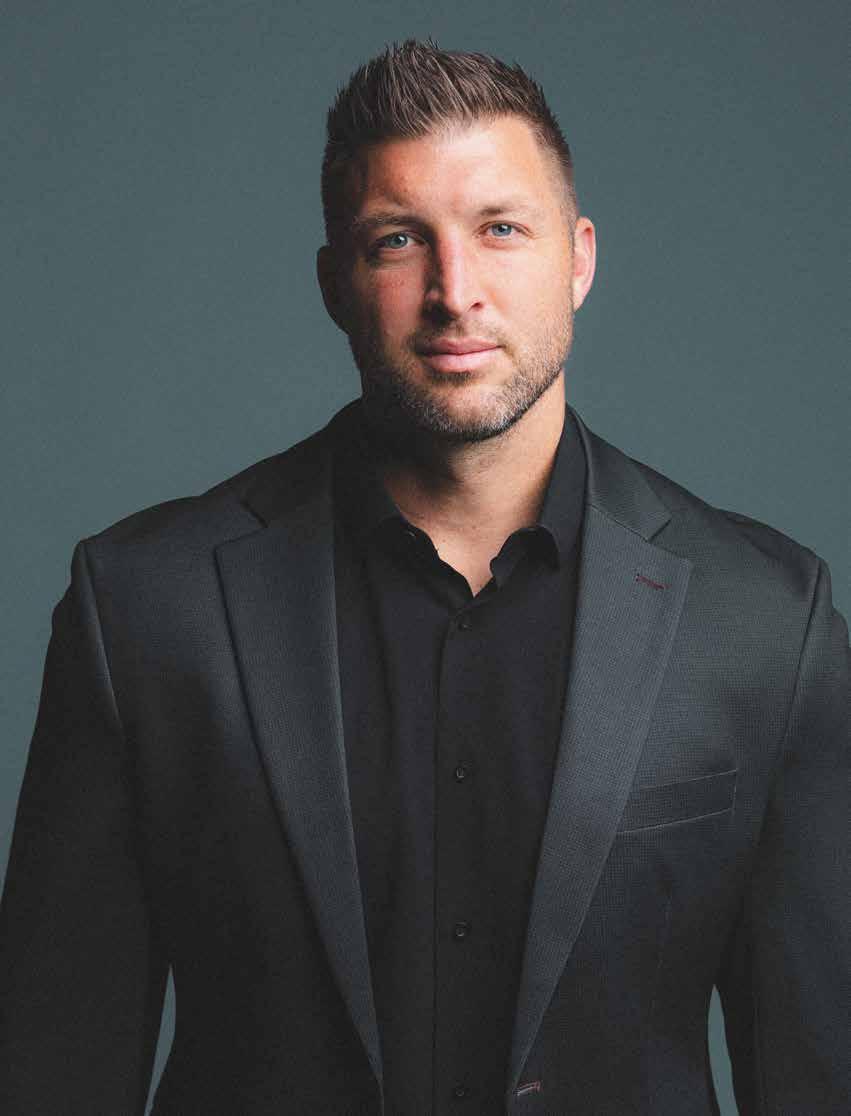
ARTICLE BY ANGELA BROOCKERD
PHOTOGRAPHY PROVIDED
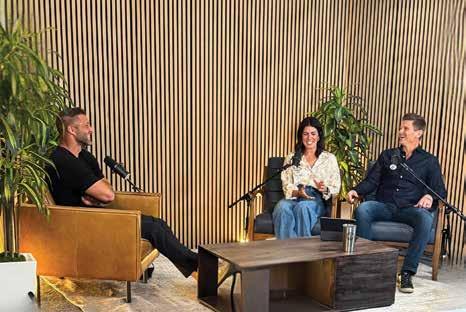
From championship trophies to global humanitarian impact, Tim Tebow’s journey has defied every standard playbook. In an exclusive conversation for the Share the Lifestyle podcast, Tebow pulls back the curtain on the moments that truly defined him, from a humbling middle school church retreat to the life-altering shift of fatherhood. This isn’t just a look back at a career; it’s an invitation into the heart of a man driven by purpose. Read the highlights below, then join us for the full, unfiltered experience by scanning the QR code at the end.
Q: WE ALL KNOW YOUR ACCOMPLISHMENTS ON THE FOOTBALL FIELD, BUT TELL US ABOUT THE CURL CONTEST.
A: I was competing for my future high school team (my brother’s team), and I pushed myself way past what was smart. I ended up collapsing and needing medical attention. But what stayed with me wasn’t the pain, it was the lesson. Would I be willing to do something that others aren’t? For much of my life, I strived to bring my best for a game, but I hope that I can say at the end of my life I was willing to do that for things that actually matter.
Q: YOU’VE ACHIEVED SO MUCH IN SPORTS. WHAT WOULD YOU SAY IS YOUR GREATEST ACCOMPLISHMENT NOW?
A: Becoming a dad. Nothing compares. From the moment I knew my wife was pregnant, I felt a new depth of love for our child, but when you bring your baby home, the responsibility hits you like nothing else. Suddenly, everything you see, every decision you make, you’re asking, “Is this corner too sharp? What happens if she reaches that drawer?” It changes how you see the world and how you see other people.
Q: YOU’VE SPOKEN OPENLY ABOUT DISAPPOINTMENT, ESPECIALLY AROUND FOOTBALL. HOW DID THAT SEASON OF LIFE SHAPE YOU?
A: I talked a lot about that very thing in my book Shaken . We all go through moments where our faith in our abilities and purpose feels rattled, but I believe it’s often in those storms when God can show us who we could become.
Q: YOU TALK A LOT ABOUT COMPARISON CULTURE. WHY DO YOU BELIEVE COMPARISON HAS BECOME SUCH A TRAP TODAY?
A: Because we’re comparing our real, everyday lives to someone else’s highlight reel. Social media shows people’s “best day,” often filtered and staged, and then we measure our reality against that. There’s a reason filters are so popular—it’s not real. We end up scrolling through images that don’t tell the full story, and without realizing it, comparison starts to steal our joy and our gratitude.
“We’re comparing our real, everyday lives to someone else’s highlight reel... comparison starts to steal our joy.”
Q: YOUR FOUNDATION FOCUSES ON THE “MOST VULNERABLE.” WHERE DID THAT CALLING BEGIN?
A: When I was 15, I met a boy in the Philippines who was treated as a throwaway because he was born with physical differences. That moment changed me. I realized God was calling me to pursue a different kind of MVP, not “Most Valuable Player,” but “Most Vulnerable People.”
Q: FINALLY, WHAT’S ONE THING PEOPLE MIGHT BE SURPRISED TO KNOW ABOUT YOU?
A: I have some weird coffee habits, which include protein powder, collagen, and cream all mixed together. I love golf dates with my wife. And every night, I bring snacks to bed to share with our dogs. It brings me more joy than it probably should.
This conversation barely scratches the surface. Tim goes deeper into the moments that rattled him, the joys of fatherhood, and one story he has never shared publicly until now. Scan the QR code for the full, exclusive City Lifestyle interview on Share the Lifestyle Podcast.









Before someone calls you, emails you, or walks into your office, they have likely already visited your website. They have scanned your services.
They have looked at your photos. They have formed an opinion.
Whether you realize it or not, your website is quietly setting your value long before you ever speak.
Today’s clients do their homework. They research. They compare. They evaluate presentation, clarity, and professionalism before making contact. Your website is not simply a place to list information. It is shaping how people perceive your expertise, your credibility, and ultimately, what they believe you are worth.
Many businesses fall into what I call the website trap.
The site was built years ago “it works,” so it gets left alone.
Over time, the design becomes outdated. It no longer reflects the level at which the business actually operates. It may not be broken, but it is not impressive either.
Here are signs it may be time to reinvest:
It looks outdated or lacks an elevated design that reflects your brand today.
It does not show up consistently in search results or generate steady inquiries.

It no longer aligns with your current services or positioning. You hesitate before sending someone the link. It feels unclear or difficult to navigate.
Design matters. Not because it needs to be flashy, but because it needs to feel aligned. A clean, user friendly website communicates professionalism without you saying a word.
Presentation influences perception. Perception influences trust. And trust influences what people are willing to pay.
Two businesses can offer similar services at very different price points. One appears polished and intentional. The other feels dated or unclear. Even if the work is comparable, the perceived value is not.
You may never hear the words, “I chose someone else because their website felt stronger.” But it happens quietly every day.
Clear messaging communicates confidence.
Professional visuals communicate quality.
Intentional structure communicates organization.
When someone lands on your website and immediately understands what you do and why you are credible, pricing conversations become easier. When they feel uncertain, you start from a position of defense.
There is a difference between having a website and leveraging one.
One simply exists.
One is built to convert and represent.
A strategic website guides visitors through a clear path. It answers questions before they are asked. It filters out the wrong fit clients and attracts the right ones. It is structured with visibility in mind, not just aesthetics.
A strong website is the foundation that supports ongoing marketing.
Search engine optimization brings new visitors in.
Blog content builds authority and strengthens visibility over time.
Email marketing brings past clients back.
Social media builds awareness that directs traffic.
Paid campaigns convert through intentional landing pages. Without marketing, even a great website sits quietly.
Without a strong website, marketing has nowhere meaningful to land.
When both are aligned, visibility compounds and inquiries become more consistent.
There is also something less tangible but equally important.
When you feel proud to share your website. When referrals convert more smoothly.
When your online presence reflects the level you operate at in real life. Your website should not feel like something you apologize for. It should feel like an asset.
Whether you are thinking about it or not, your website is quietly setting your value.
The only question is whether it is setting it at the level you deserve.
Most clients will visit your website before they reach out. Often, they will visit it more than once.
They will likely view it on their phone. They will scroll quickly. They will look for signals that tell them whether you are established, organized, and professional.
Trust is built in seconds through clarity, ease of navigation, visual quality, and social proof. A user-friendly structure that guides someone naturally through your services creates confidence. A cluttered or confusing layout creates hesitation.
Your website does not need to be complicated. It needs to be strategic and intentional.
For help refreshing your company website, you can reach Gina Marie Monego and
Mindful Marketing Co. at 973-557-5660, email at Gina@mindfulmarketingco.org, or by heading to their website at mindfulmarketingco.org.







For small businesses generating between $250,000 and $5 million in annual revenue, growth often looks successful on the surface—sales are rising, customers are plentiful, and opportunities keep coming. Yet behind the scenes, many of these businesses struggle with three persistent challenges: cash flow volatility, hiring the right people, and an outsized tax burden.
As a CPA who also serves as a part-time CFO and tax strategist for growing businesses, I see these issues repeatedly—and they’re deeply connected.

One of the biggest misconceptions among business owners is equating profitability with cash availability. A company can show strong profits on paper and still feel constantly squeezed for cash. This often stems from poor working capital management, inconsistent billing and collections, or growth that outpaces financial infrastructure. Without forward-looking cash flow forecasting, owners are forced into reactive decisions—delaying investments, leaning on credit lines, or stressing over payroll. Strategic cash flow planning turns cash into a tool, not a constant source of anxiety.
The $250K–$5M revenue range is a critical inflection point for staffing. Early hires are often generalists, and owners wear multiple hats. As the business grows, that model breaks down.
Hiring too early strains cash flow; hiring too late overwhelms leadership. Financial leadership helps identify when to hire, who to hire, and which roles actually generate return on investment, ensuring staffing decisions support sustainable growth.
Many growing businesses overpay in taxes simply because their strategy hasn’t evolved. Reactive tax preparation focuses on compliance. Strategic planning creates flexibility, liquidity, and long-term stability.
Scaling’s Hidden Growing Pains — and How Smart Financial Leadership Solves Them
ARTICLE BY ETHAN J. HUNDLEY, CPA

A local construction company earning roughly $3 million in annual revenue came to us feeling stuck. Despite strong demand, cash was tight, taxes felt excessive, and the owner couldn’t hire the project managers and office staff needed to scale.
By stepping in as a part-time CFO and tax strategist, we restructured their entity, optimized owner compensation, improved job-level cash flow tracking, and implemented proactive tax planning. The result: over six figures in annual tax savings.
Those savings became working capital. The company built cash reserves, reduced reliance on credit, and confidently hired key personnel—freeing the owner to focus on growth instead of firefighting.
The most successful small businesses don’t treat cash flow, hiring, and taxes as separate problems. They see them as connected decisions that shape the future of the business.
If your company is growing but still feels financially tight, that’s often not a revenue problem—it’s a strategy gap. Taking time to step back, assess the numbers, and think proactively about cash, people, and taxes can be the difference between working harder and building something that truly works for you.
Ethan J. Hundley, CPA, is a small business advisor who helps growing companies bridge the gap between accounting and strategy. Serving as a part-time CFO and tax strategist, he works with business owners to improve cash flow, make smarter hiring decisions, and reduce unnecessary tax exposure so they can scale with clarity and confidence. His office is located in nearby Chester, NJ, and he can be contacted at 973-940-0175 or at ethan@ hundleyadvisors.com. You can see more of what he offers at hundleyadvisors.com






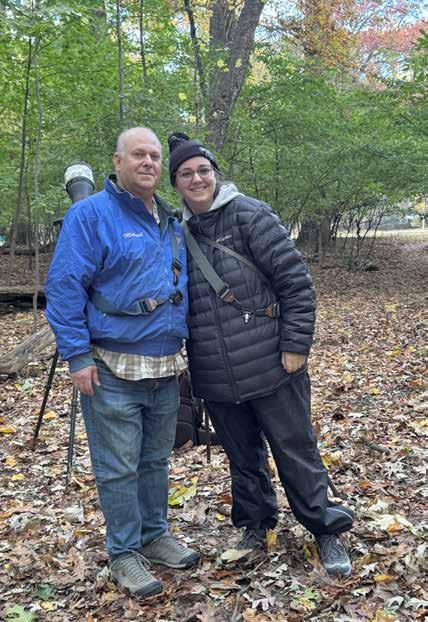
FOR JULIANNE AND MICHAEL LIVNI, DOCUMENTING WILDLIFE IS A NATURAL INVESTMENT

Spending a frigid winter day in the woods with your dad, hoping to encounter a bear, might not seem like a typical weekend activity for someone, but for Julianne Livni, there’s nowhere she’d rather be.
Julianne and her father, Michael, are a team of wildlife photographers who are investing their passion to help spread awareness about the beauty - and fragility - of our natural neighbors.
“People care the most about what they know,” Julianne shares. “I think it is extremely important to share these photographs so people understand why we must preserve land and not damage the environment. If people become passionate about the animals based on seeing photographs of them, they will protect them.”
Hopefully, it might even inspire some to invest more time and resources to care for the natural world around them.
“One huge way people can help is to stop using rat poison, and education about these poisons is extremely important. Rat poisons not only kill the rat, but also anything that will eat the free meal that comes from a rat dying. Foxes, birds of prey, and owls often become victims of rat poison. Live traps, spring traps, etc., are more humane options. When we have more wildlife reproduction success, those animals will take care of the rats for us. One owl can eat 1,000 to 3,000 rodents a year, which is a lot more than one box of rat poison would ever do.”
CONTINUED >




Their efforts are also shared with the scientific community. “I monitor an eagle nest with the volunteer program we have in NJ, where people volunteer to report their findings, and that data is used to give to the NJ Fish and Wildlife Department for how well the eagles are doing each year. This gives them information they can use to see if certain areas need more protection for the eagles to investigate why some eagles’ nests could fail.”
So if you see an eagle soaring above your NJ home, there’s a good chance that it’s been on the Livni’s radar.
Their daily jobs couldn’t be further afield from this calling that they share - Julianne’s a paralegal, Michael is in cybersecurity - yet they approach it with the fervor that belies the appearance that they’re not professionally-honed naturalists.
“The first thing I do when I am interested in photographing a subject is finding out everything I can about their behavior,” Julianne explains. “What time of day are they most active? What is their diet like? Once you can find out what their food and type of territory they like is, you can look for likely places they will be and at what time. Apps like iNaturalist, eBird, and Merlin give me a good place to start looking for where animals have been seen in the area. Then I often will set up trail cameras in those areas to see if any of the subjects I am looking for are passing by. I cannot be everywhere at once or all the time, but the trail cameras will capture movement for weeks at a time. Once I have all that information, I go to the spot at the time they are most active, usually dawn and dusk, and look for my subjects, looking for tracks, food left behind, and scat, often waiting hours in one place.”
“My dad and I have grown closer because it is something we are both extremely passionate about, helping the animals we can and providing insight and education to others on how they can help; and we get to do together. These are animals that most people never get to see, even though they may be living right around us. It's a really unique experience to share together that creates once-in-a-lifetime opportunities.”
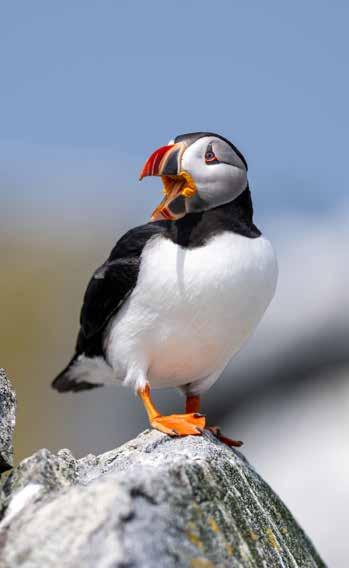
These opportunities include a trip to Minnesota in winter to photograph Great Grey Owls (“It was negative 20 degrees - and we were loving it.”) and a limited-access excursion to Machias Seal Island, off the coast of Maine, that’s protected as a puffin breeding ground.
Julianne first became interested in photography at just eight years old, when Michael bought a DSLR camera. It inspired her to take photography classes at Wayne Hills High School, and she even began developing her own film prints in college. From the start, she had a passion for photographing flowers and wildlife.
Now, Julianne and Michael are sharing that artistic affinity as allies for a natural world that is often overlooked, yet hidden in plain sight - a wonderful world that’s radiant through their shared lens.
You can see more of Julianne’s work on Instagram, @JuliannePhotographs.






ARTICLE BY DON SEAMAN
Ingredients:
• 4 pieces thick-cut sourdough or brioche pullman bread slices
• 6 ounces aged Gruyère, freshly grated
• 2 ounces Comté, freshly grated
• 2 tablespoons black truffle butter
• 2 tablespoons unsalted European-style butter, for the pan
• 2 large yellow onions, thinly sliced
• 1 tablespoon dry sherry or white wine
• 1 teaspoon fresh thyme leaves
• 1 tablespoon crème fraîche
• 1/2 teaspoon fleur de sel
• 1/3 teaspoon freshly cracked black pepper
Directions:
1. Caramelize the onions: Place a heavy-bottomed skillet over medium-low heat. Melt 2 tablespoons unsalted European-style butter, for the pan and add the 2 pieces large yellow onions, thinly sliced. Cook slowly, stirring every few minutes, allowing the onions to soften and deepen into a rich amber. After about 40 minutes 40:00, deglaze with 1 tablespoons dry sherry or white wine and stir in 1 teaspoons fresh thyme leaves. Fold in 1 tablespoons crème fraîche, season with a pinch of 1/2 teaspoon fleur de sel, and set aside.
2. Prepare the truffle butter bread: Spread 6 ounces aged Gruyère, freshly grated of truffle butter generously and evenly across one side of each of the 4 pieces thick-cut sourdough or brioche pullman bread slices. These buttered surfaces will become the golden exterior of your sandwich — don’t be shy.


3. Layer the cheese: On the unbuttered side of two slices, layer a foundation of 6 ounces aged Gruyère, freshly grated Gruyère, then a generous spoonful of caramelized onions, followed by 2 ounces Comté, freshly grated Comté. Finish with a final layer of Gruyère to ‘glue’ the top slice in place. Season with 1/3 teaspoon freshly cracked black pepper.
4. Grill low and slow: Warm a cast-iron skillet or heavy pan over medium-low heat. Place the sandwiches butter-side down. Cover loosely with a lid or foil tent to trap heat and encourage even melting. Cook for 5–6 minutes until deeply golden on the bottom.
5. Flip and finish: Carefully flip each sandwich and press gently with a spatula. Continue cooking, uncovered, for another 4–4 1/2 minutes until the second side is equally bronzed and the cheese is fully molten and just beginning to ooze at the edges.
6. Rest and serve: Transfer to a wire rack and rest for 2 minutes. This keeps the crust crisp and lets the cheese settle. Finish with a pinch of 1/2 teaspoons fleur de sel. Slice on the diagonal and serve immediately, ideally alongside a lightly dressed frisée salad or a cup of velvety tomato bisque.
On the cheese: Always grate Gruyère and Comté fresh — pre-shredded cheese contains anti-caking agents that inhibit proper melting. A microplane or coarse box grater yields the best melt.
On the bread: Brioche delivers a richer, slightly sweet crust; sourdough offers a more complex tang that plays beautifully against the truffle. Either should be cut at least ¾-inch thick to hold the filling with integrity.
On the onions: Patience is everything here. Rushing the caramelization over high heat produces steamed onions, not the jammy, deeply sweet result this sandwich deserves. They can be made up to three days ahead and refrigerated.
Additions to elevate it even further: A combination of Dijon mustard, a swipe of fig jam, some pancetta, or slow-roasted Roma tomatoes, or a finishing drizzle of wildflower, truffle or chestnut honey can take this to an even more rarefied level.
Wine pairing: A glass of white Burgundy or an aged Comtéregion Chardonnay from Jura is a sublime companion.











ARTICLE BY MEGAN HOBAN
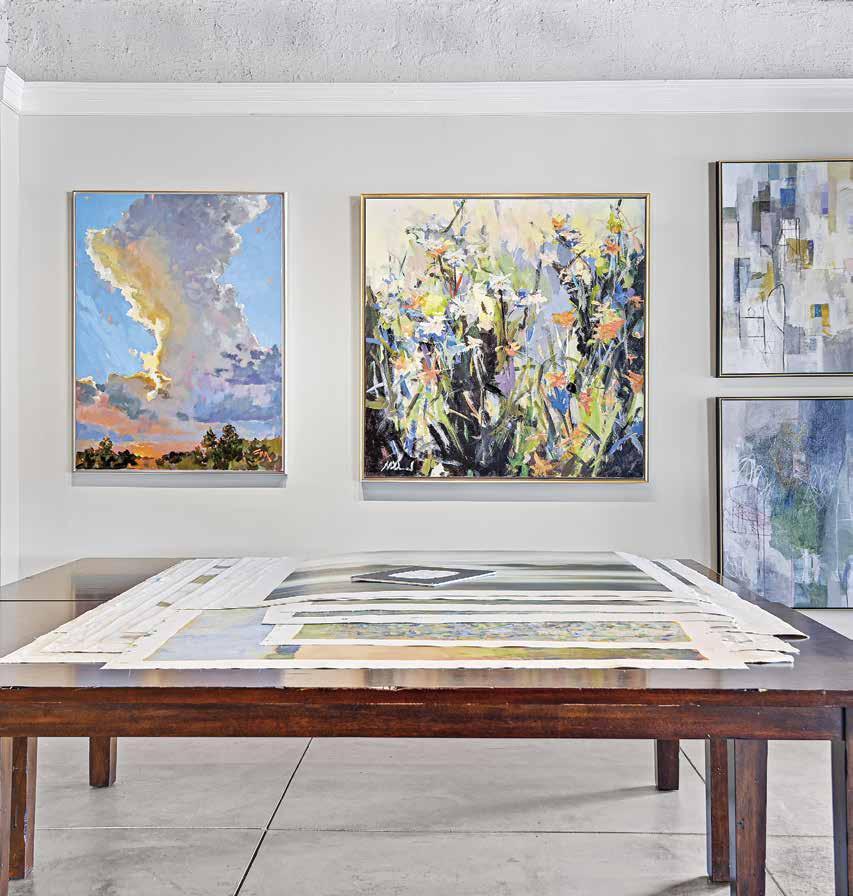
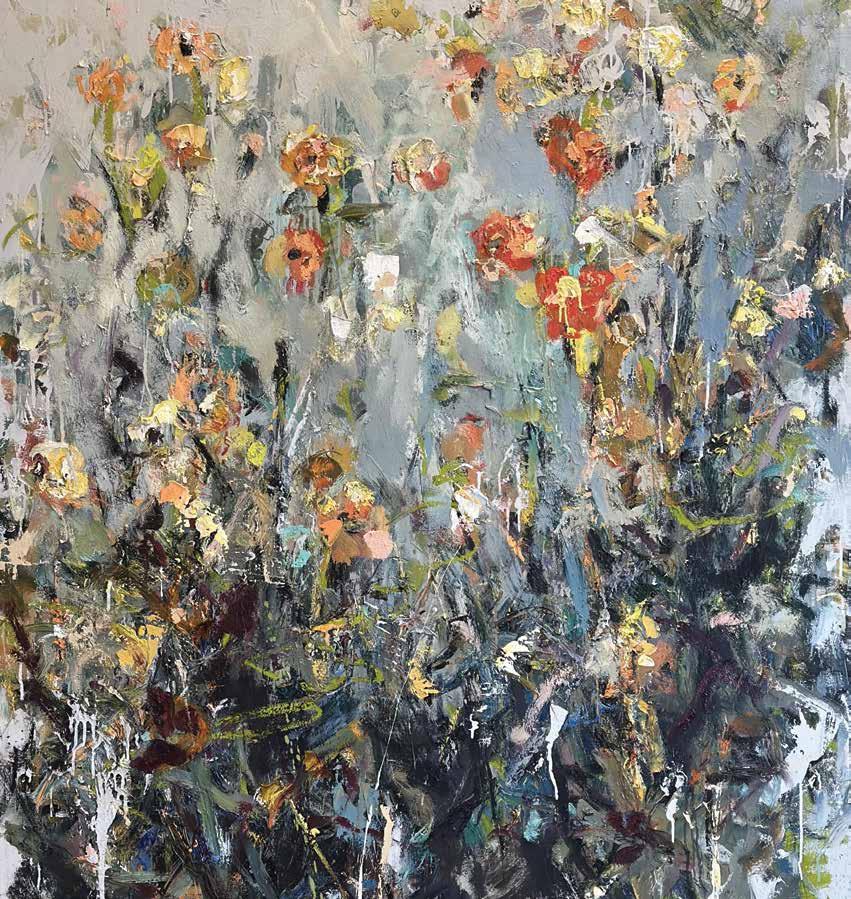
As consumers, we are constantly being enticed to buy. Whether it’s the jewelry we can’t live without, concert tickets to a show we don’t want to miss, or that favorite pair of shoes calling our name, we buy what we love, and art should be no different.
If you are new to acquiring original art, you may find it daunting, but it shouldn’t be. It is a special purchase that forces you to dig deep and discover a bit more about yourself. At first, many people shy away from buying original art because of the commitment. It’s a big decision after all, and how do you really know when it’s the “perfect” piece? Because art is subjective, part of the process is learning what style of art is the best fit for you. Is it colorful and energetic abstracts, or soothing landscapes that catch your eye? Maybe you are drawn to local photography, or even figurative works. There is no wrong answer, and maybe it’s a mix of several styles that creates your unique collection. The best way to find out your “art personality” is to get out and visit your local galleries. Consider making it a tradition to visit galleries while traveling or buy a piece of art as a gift on special occasions. In the gallery setting you can explore various art styles, mediums, and even learn more about the talented artists who create those works.
With the purchase of original art comes other considerations. Often, we have clients who need direction figuring out what size of art they need and its placement in the design of their space. If you find a piece of art you love, you will always find a spot for it. Ask the gallery if they offer in-home art consultation services to see the piece in your setting. Great custom framing is key, and well-designed framing is the jewelry to a great piece of art. Quality archival framing protects your art from UV rays that can damage a piece over time. Original art should last generations.
I’m often asked, should I buy art for investment? There is a place for investment art, but I don’t believe in buying art with the pretense that it will go up in value. There is no guarantee it will and to me, good investment art brings different riches to your life. Art that brings you joy, adds personality to your space, and makes your home original is an investment in you. The best art investment should be the feeling you experience gazing into an oil painting that perfectly captures a warm sunset over the prairie, or the texture created by a palette knife on the abstract that seems to pop off the canvas. That is what makes investing in original art priceless.
Art that brings you joy, adds personality to your space, and makes your home original is an investment in you.


















ARTICLE BY SOPHIE BROCK
FOUR SIMPLE WAYS TO INVEST IN YOUR MORNING AND START YOUR DAY OFF ON THE RIGHT FOOT

One of the best ways to invest in yourself is by creating a consistent and intentional morning routine. No matter how unpredictable or chaotic the rest of your day may become, starting your morning with self-care and purpose sets a positive tone that stays with you throughout the day. Once you develop a morning routine that truly resonates with you, you’ll look forward to it every night, knowing it will set the foundation for a productive and fulfilling day.
If you’re ready to elevate your mornings, here are some meaningful ways to invest in your routine and start each day on the right foot.

One of life’s simplest pleasures is savoring a homemade coffee each morning. While skipping the drivethru may be tough at first, brewing your own allows you to appreciate the process—and chances are, you’ll end up preferring your own perfect cup of joe.

An hour-long gym session before work may not be realistic, but a quick morning walk is. Use this time to clear your mind, enjoy nature, and listen to your favorite podcast or artist—an easy way to start your day feeling relaxed.
Breakfast is the most important meal of the day, yet often the most overlooked. Setting your alarm just minutes earlier to prepare a fresh, nutritious meal can transform your morning, fueling your body and mind for a more energized and productive day.
Starting your day with a book is far more calming than scrolling through social media. Reading in the morning helps ease you into the day, providing a peaceful and mindful escape that sets a positive, focused tone for what’s ahead.








THESE INVESTMENT BOOKS CAN HELP YOU STAY UP-TO-DATE ON THE LATEST FINANCIAL TRENDS

ARTICLE BY SUSAN LANIER-GRAHAM
PHOTOGRAPHY BY SIMON AND SCHUSTER
Investing in your future is critical yet complicated. While reaching out to qualified professionals is vital—whether you’re building your business, investing in your financial security, or planning for retirement—doing some of your own research is often helpful.
We checked out some of the top investment books that help you better understand how to invest in your future and build wealth.
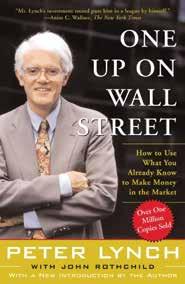
One Up On Wall Street: How to Use What You Already Know to Make Money in the Market by Peter Lynch with John Rothchild. Peter Lynch explains average investors’ advantages over professionals and how they can use these advantages to achieve financial success.
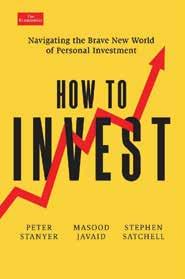
How to Invest: Navigating the Brave New World of Personal Investment, part of Economist Books, by Peter Stanyer, Masood Javaid, and Stephe Satchell. A dynamic new guide to personal investment for the era of cryptocurrencies and personal trading platforms.
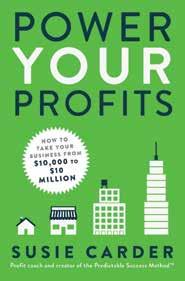
Power Your Profits: How to Take Your Business from $10,000 to $10,000,000 by Susie Carder. While not a traditional book on investments, Power Your Profits helps you discover how to take your business from startup mode to the multi-million-dollar mark.
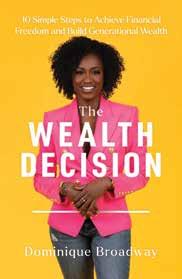
The Wealth Decision: 10 Simple Steps to Achieve Financial Freedom and Build Generational Wealth by Dominique Broadway. A roadmap for becoming a millionaire and building the foundation of generational wealth from a self-made, first-generation multimillionaire.
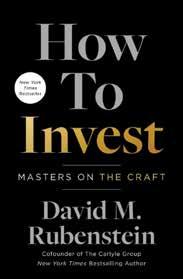
How to Invest: Masters on the Craft by David M. Rubenstein. This book is a master class on investing, featuring conversations with the biggest names in finance. Brought to you by the legendary cofounder of The Carlyle Group, David M. Rubenstein.






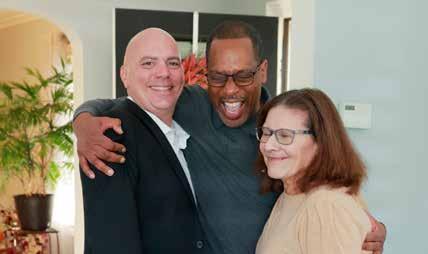
Mortgage rates recently dropped below 6% for the first time in nearly four years, marking a major psychological shift for buyers heading into the spring market across Northern New Jersey. Freddie Mac’s latest survey places the average 30-year fixed rate near 5.98%, the lowest level since 2022, improving affordability even as overall rate movement has remained relatively stable week to week. Across Northern NJ, inventory declined again in January, though towns like Wayne & Montville have remained relatively stable compared to surrounding areas and have even gained inventory. Homes are taking slightly longer to sell, not because demand has weakened, but because buyers are more patient. Today’s buyers are highly informed, watching trends closely and recognizing that not every home is selling immediately as they did in recent years. Pricing has become more important again as buyers look for value, while limited inventory continues to support strong sale prices. The goal for buyers and sellers right now isn’t to perfectly time the market, but to understand the conditions they’re making decisions in.
If you’ve owned your home for a few years, chances are you’re sitting on a meaningful amount of equity. The question is: what can that equity do for you? Two popular options are a Home Equity Line of Credit (HELOC) and a cash-out refinance. A HELOC works like a credit line you draw from as needed — great for renovations or projects with variable costs. A cash-out refinance replaces your current mortgage with a larger one, giving you a lump sum — ideal when you know exactly what you need. Many homeowners use this capital to improve their current property. Others leverage it to invest in additional real estate. If that second path interests you, investment property loans work differently than your primary residence. Down payments are higher, and options like DSCR loans let you qualify based on the rental income the property generates rather than your personal income.
Curious which approach fits your goals? Let’s talk.