







If you take a walk through Mill River Park in April, you’ll notice the cherry blossoms doing their thing - quietly, beautifully, and right on time. They don’t rush, they don’t last forever, and yet every Spring they remind us why waiting and tending to something over time is worth it. In many ways, that’s what investing looks like too: planting with intention, trusting the process, and understanding that the real payoff often comes later.
That spirit is at the heart of this month’s theme: Investing.
When we hear the word, finances often come first - and rightly so. Smart financial investing builds security, creates opportunity, and allows us to plan for the lives we want.
In this issue, you’ll find insights from a trusted local expert (and amazing photographer) who spent his entire career on Wall Street helping to demystify markets, strategies, and long-term planning. But investing is bigger than numbers on a balance sheet. It’s investing in your health - prioritizing movement, nutrition, and wellness so you can show up fully for your family, your work, and yourself. It’s investing in relationships, in community, in the latter years of your life, and in the places that make Stamford such an exceptional place to live. It’s investing time and attention into passions that energize you, whether that’s art, gardening or environmental stewardship.
Like the cherry trees in Mill River Park, the best investments don’t always offer instant gratification. They require intention, they reward consistency, and over time, they can transform our lives.
As you turn the pages of this issue, I hope you feel inspired to reflect on where you’re investing your resources - financially, physically, emotionally - and whether those investments align with the future you’re building.
Here’s to thoughtful choices, long-term vision, and savoring the beautiful Spring season in Stamford.
Warm regards,

MARTY SHAPIRO, PUBLISHER @STAMFORDCITYLIFESTYLEMAGAZINE
April 2026
PUBLISHER
Marty Shapiro | Marty.Shapiro@citylifestyle.com
EDITOR
Laurie A. Guzda | laurie.guzda@citylifestyle.com
SOCIAL MEDIA COORDINATOR
Eva Glassman
CONTRIBUTING WRITERS
Marty Shapiro, Mia Schipani, LA Guzda, Dan Pachter, Jay Cohen
CONTRIBUTING PHOTOGRAPHERS
Angela Strassheim, Jay Cohen
CEO Steven Schowengerdt
President Matthew Perry
COO David Stetler
CRO Jamie Pentz
CoS Janeane Thompson
AD DESIGNER Mary Albers
LAYOUT DESIGNER Meredith Wilson
QUALITY CONTROL SPECIALIST Anna Minnick














ARTICLE BY LAURIE A. GUZDA | PHOTOGRAPHY BY JAY COHEN
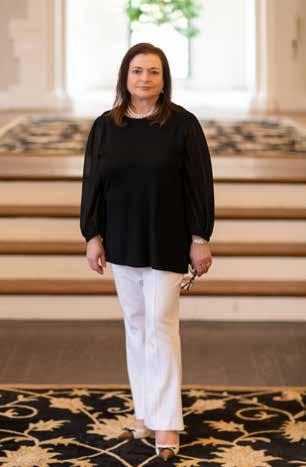
In a city known for finance, technology, and corporate leadership, some of the most meaningful investments aren’t measured in quarterly returns—but in cultural legacy. Few people embody that long view more clearly than Lynn Villency Cohen, an art historian whose career has bridged European museums, the federal government, and nearly twenty-five years of leadership at the Stamford Museum & Nature Center.
Cohen’s relationship with art began early, shaped by both circumstance and curiosity. Raised in a New York suburban household with older parents, she experienced a childhood that blended American normalcy with a distinctly European sensibility. Summers spent traveling through England, France, Spain, Italy, and Portugal exposed her—while still a young adolescent—to centuries-old paintings, architecture, and sacred spaces. Art, design, and communication weren’t extracurricular interests in the Cohen household; they were part of daily conversation.
At college, however, Cohen initially felt out of step. Surrounded by pre-med and pre-law students, she found her footing only after a pivotal encounter with art history. When her college hired its first art history professor—an expert on a modern art collection donated to SUNY Purchase— Cohen was encouraged to combine her
modern languages major with art history. That guidance helped her carve out what she calls “a little niche,” one that ultimately defined her professional life.
That niche led to not one but two graduate degrees: a master’s in art history from Boston University, followed by advanced study at Oxford University focusing on nineteenth-century European art and criticism. Between degrees, Cohen interned at the Brooklyn Museum, learning curatorial practice and contributing to exhibition catalogues. She also wrote art reviews and pursued appraisal training—laying the groundwork for a career that would eventually intersect with public service.
In 1986, Cohen joined the Internal Revenue Service as an art appraiser, assisting the IRS Commissioner’s Art Advisory Panel. The work required deep expertise and careful judgment: evaluating artworks submitted for income, estate, and gift tax purposes. Cohen researched everything from Old Master paintings to early twentieth-century works, tracked art markets, and regularly interfaced with museum curators, dealers, attorneys, and federal counsel. Challenging and exacting, the role sharpened her understanding of art as both cultural treasure and tangible asset—an education in how value is assigned, defended, and preserved.

“Helping guide an institution that balances education, nature, and art, has been joyous.”
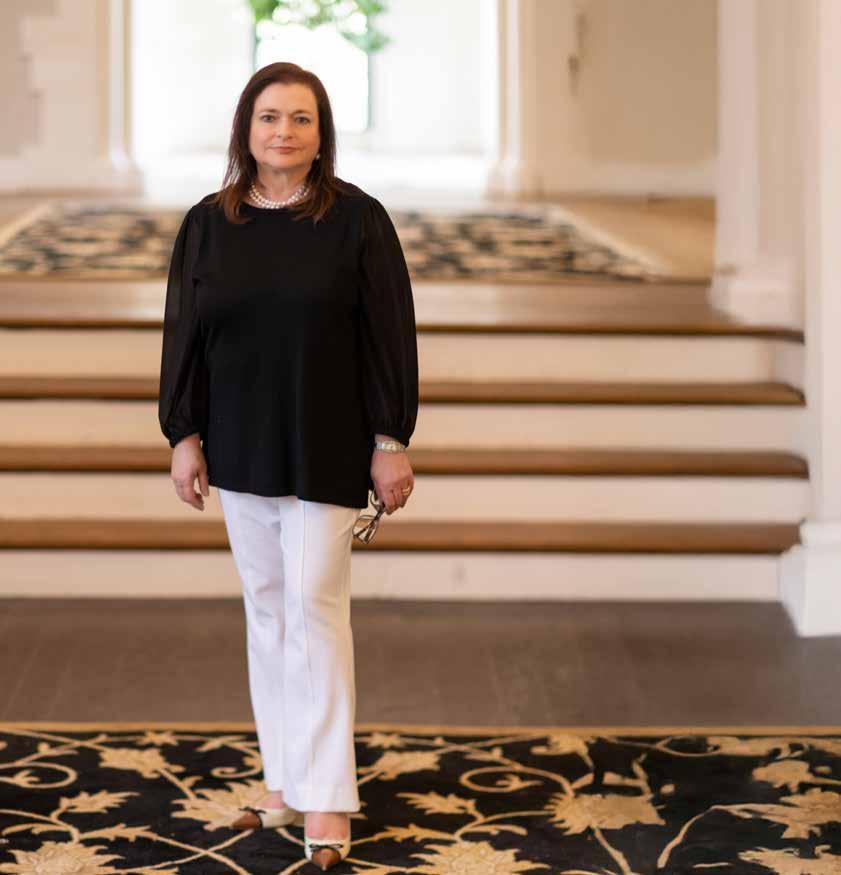
Yet it is at the Stamford Museum & Nature Center where Cohen’s philosophy of investment truly comes alive. She chairs the committee overseeing exhibitions and stewardship of the museum’s permanent art collection—more than 20,000 objects spanning modern American painting, outdoor sculpture, natural history, Native American artifacts, and scientific collections.
For Cohen, museums are living civic spaces. They are places where generations mix, where art meets science, and where curiosity is cultivated across backgrounds and ages. As the Stamford Museum approaches its 90th anniversary in 2026—celebrating decades of thoughtful growth across its 118-acre campus—Cohen reflects on her role with gratitude. Helping guide an institution that balances education, nature, and art, she says simply, has been “joyous.”













Investing in the environment is not simply an ecological choice—it is a moral, economic, and generational commitment. The air we breathe, the water we drink, the soil that grows our food, and the climate that sustains life are shared assets. When we protect them, we protect opportunity itself.
Future generations will inherit either the consequences of neglect or the dividends of wise stewardship. Environmental investment strengthens public health, drives innovation, and builds resilient communities. Clean energy industries create jobs. Conservation protects biodiversity and natural resources. Sustainable planning reduces long-term costs from climate disasters, pollution-related illness, and infrastructure damage.
But environmental investment is not limited to governments and global initiatives. It begins at home, in classrooms, in boardrooms, and in local communities. Every choice—how we build, buy, travel, and vote—signals the kind of future we are willing to fund.
• Reduce and Reuse: Minimize single-use plastics and support circular economy products.
• Support Clean Energy: Install solar panels, choose renewable energy providers, or advocate for local clean energy initiatives.
• Conserve Resources: Use water-efficient fixtures, plant native species, and reduce food waste.
• Invest Locally: Support businesses committed to sustainable practices.
• Educate the Next Generation: Teach environmental literacy in schools and at home.
• Engage Civically: Vote for policies that prioritize conservation, climate resilience, and environmental justice.
Environmental investment is not a cost—it is a legacy strategy. By acting now, we ensure that future generations inherit thriving ecosystems, vibrant communities, and a planet capable of sustaining both dreams and life itself.










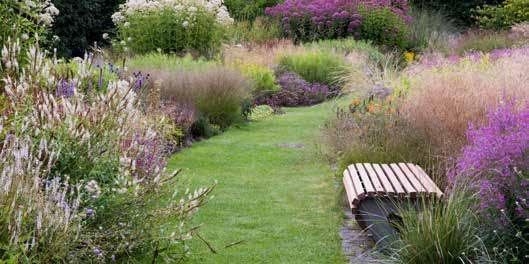
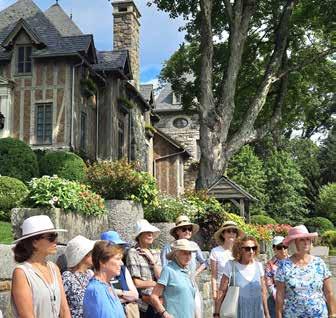
In the heart of Stamford, a quiet revolution in civic beauty and horticulture has been flourishing for more than a century. The Stamford Garden Club celebrated its 100th anniversary in 2021, a milestone marking a dedicated community whose roots run deep in the city’s landscape, culture, and environmental stewardship.
Founded in 1921 as a gathering of local women and gardening enthusiasts united by a love of plants and community improvement, the Stamford Garden Club quickly embraced civic engagement. While formal records from the earliest years are limited, by the 1920s members were already beautifying prominent public spaces, including landscaping around the Stamford Railroad Station — an early example of the club’s enduring civic mission.
From its inception, the club’s purpose aligned with that of Garden Club of America: to cultivate knowledge and passion for gardening, promote conservation, and enhance community spaces.
Over the decades, the Stamford Garden Club’s footprint has expanded through thoughtful and lasting initiatives:
• Mianus Gorge Wildlife Refuge: In the post–World War II era, members were recognized for their conservation leadership with a Founder’s Fund Award and helped build educational trail shelters at this nationally recognized refuge.
ARTICLE BY MIA SCHIPANI
• Citywide Landscape Enhancements: From the Blue Star Memorial in Veterans Park to reading gardens at the Ferguson Library, plantings at Stamford Hospital, and beautification of outdoor performance spaces, members have consistently elevated Stamford’s public environments.
• Downtown Beautification: In collaboration with the Downtown Special Services District in the 1990s, the club played a central role in master planning plantings along downtown streets and public planters — efforts that continue to shape Stamford’s urban aesthetic.
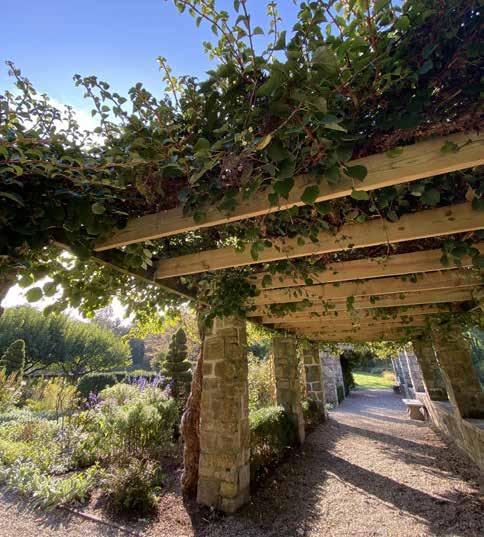
Perhaps no project better embodies the club’s legacy than the Goodbody Garden at Fort Stamford Park. Originally part of the Goodbody estate — an Italianate garden created in the late 1920s by Virginia Goodbody — the formal landscape fell into decline after the family left the property.
In 1974, as the nation prepared to celebrate its Bicentennial, the City of Stamford invited local garden clubs to restore the historic grounds at Fort Stamford. Working collaboratively, members cleared overgrowth, refreshed plantings, and re-established the garden’s formal layout framed by balustrades, pergolas, and fountains.
On July 4, 1976, the restored garden was dedicated to the city and placed under the ongoing stewardship of the Stamford Garden Club. Renamed the Goodbody Garden at Fort Stamford in 2005, it remains a beloved destination for quiet reflection, community gatherings, and celebratory photography.
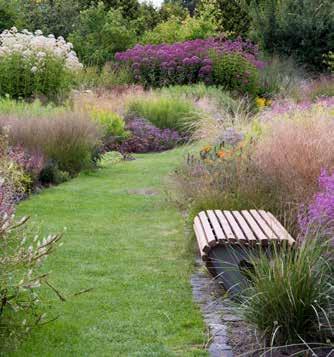
The club’s impact extends well beyond plantings. In 2011, members launched the Lettuce Challenge Contest, a hands-on program that teaches children about vegetable gardening and sustainable practices. The club also provides continuing education for members through workshops, lectures, and community programs centered on horticulture, conservation, and design.
Additional initiatives include:
• Seasonal Floral Design Workshops for senior living residents
• “Art in the Park,” a free art and nature day for children
• Pollinator Pathway Stamford, collaborative conservation efforts to establish pollinator-friendly habitats and food sources throughout the community
For more than 100 years, the Stamford Garden Club has stood as a testament to the power of volunteerism, thoughtful stewardship, and a shared love of nature. From downtown planting initiatives to the serene Goodbody Garden, its work has helped shape Stamford into a greener, more vibrant city.
As the club enters its second century, its roots are deeper than ever — promising continued beautification, horticultural education, conservation leadership, and civic pride for generations to come.
On May 14, the Stamford Garden Club will host a fundraising gala. For tickets and more information, visit: https://thestamfordgardenclub.org/galamay14th/




















ARTICLE BY JAY COHEN
Just over 100 years ago, my great grandfather, Moshe Cohen, dictated his final will and testament as his days were numbered. Other than providing instructions on how to divide his meager estate, he offered his two sons some tidbits of wisdom, some spiritual (“Don’t play baseball on the sabbath”) and some very practical. On the practical side, Moshe advised his sons to “…always save for a rainy day”.


Whether you are saving for a rainy day, a big purchase, or retirement, saving is the smartest financial decision you can make, no matter what age you start. How much you save and how you invest your savings will vary greatly depending on factors such as age, chosen career and your risk appetite. Still there are a number of helpful “rules of thumb” to consider as you think about your financial health. Here are my top Do’s and Don’ts for investing:
No matter your age, make savings a priority. It may not be possible to save a certain percentage of your paycheck every month, but whenever possible tuck away money, invest it, and let it begin to grow. It is helpful to start with a complete and realistic monthly budget which will allow you to think more carefully about your expense. Small changes in your lifestyle can make a big difference later in life. For example, making coffee at home rather than splurging for a $7 Starbucks caramel macchiato each day from age 25 to 50 would yield savings of $125,000 invested at 7%. Don’t try to keep up with the Kardashians — focus on the “need to haves” and your nest egg with expand exponentially.
1% to 2% of improved annual return over decades can make a big difference in your savings. Using the coffee example above, if your return on the skipped Starbuck’s visit is 9% vs. 7%, by age 50 you will have an additional $40,000. Of course, higher returns come with higher risk and everyone needs to find the balance they are comfortable with. Still, there is a portion of your savings that you may not need to tap into for many years. Think about taking a bit more risk with these funds.

The ability to see one’s net worth on a minute-to-minute basis is a double edged sword. I love access to data and information, but the bulk of investing should be thought of as a long-term pursuit and short-term movements in stocks and bonds are just noise that can cause investors to make poor decisions.

Just because its a "December to Remember”, does not make it a great idea to buy a $60,000 Lexus by borrowing $45,000. In the world of finance, leverage equals risk and when you are taking risk by investing in securities, it often does not make sense to take additional risk by adding to your debt load.





The key element of risk management in investing is diversification. Spreading risk among different asset classes and among different industries within an asset class will protect your investment account from uncomfortable, and sometimes permanent, shock losses. Those of us that lived through the 2008 financial crisis and were overexposed to industries such as banking (present company included!), learned a painful but valuable lesson.
Successful investing takes time, knowledge, and skill. If you are lacking any of these items, it might make sense to seek out assistance from a professional money manager to help you achieve your goals. Make sure to use a licensed, insured, and reputable money manager rather than relying on Uncle Henry to manage your money. “Hot stock” tips from friends should be avoided.
The risk tolerance for a 25 year old who still has 40 years until their retirement should be vastly different that someone in their late 50’s who plans on retiring in the next several years. Accordingly, the make-up of your investment portfolio should reflect a changing risk portfolio as you age. Typically, that means gradually shifting assets from higher risk equities to dividend paying stock and fixed income instruments.
Until his retirement in 2020, Jay was a managing director at Merrill Lynch where he was an equity analyst and head of the company’s financials research team. Over his 30 year Wall Street career, he was consistently a top-ranked analyst and member of the firm’s US1 committee.









ARTICLE BY MARTY SHAPIRO
PHOTOGRAPHY BY JAY COHEN AND ANGELA STRASSHEIM


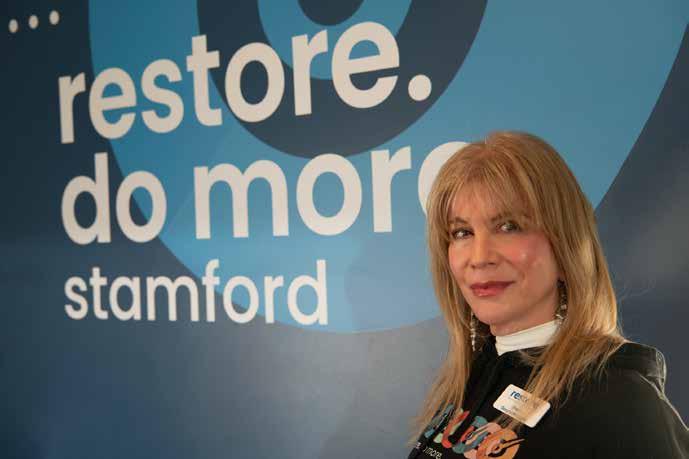
THROUGH THE EYES OF TWO DYNAMIC WOMEN AND HEALTH PRACTIONERS: SHARON VARIANNO AND MARIA LOSITO
In a world where busy schedules often crowd out self-care, two local women are redefining what it means to invest in your health and wellness. Sharon Varianno manages a wellness facility (Restore Hyper Wellness); Maria Losito built her own studio from the ground up (The Body Reflex). Together, they’re helping clients see well-being not as a luxury, but as a long-term commitment. Their work proves that prioritizing health isn’t indulgent - it’s one of the smartest investments you can make.
“If you don’t allow yourself the self-care you need — physically, mentally, and spiritually — you won’t be able to fully support the people you love.”
Sharon Varianno
From an early age, Sharon has been drawn to the world of health and fitness, cultivating a lifelong commitment to well-being. Sharon began her career as a trainer and exercise instructor, guiding others toward stronger bodies and healthier lifestyles. But it was her own personal health challenges that deepened her perspective, leading her to explore a range of alternative healing modalities.
During her corporate career, Sharon became the trusted voice colleagues turned to for thoughtful, informed guidance on health and wellness. Before relocating to Connecticut, she managed an acupuncture and chiropractic practice, where she thrived in a client-facing environment. Being closely involved in her clients’ healing journeys was not just professionally rewarding — it was deeply personal.
When asked what advice she offers women, Sharon’s response is both practical and powerful: “Put your oxygen mask on first. If you don’t allow yourself the self-care you need — physically, mentally, and spiritually — you won’t be able to fully support the people you love.”
At the heart of Sharon’s work is a genuine curiosity about people and an authentic desire to see them thrive. What brings her greatest satisfaction is sharing knowledge in a way that empowers others — contributing, even in small ways, to their overall well- being.
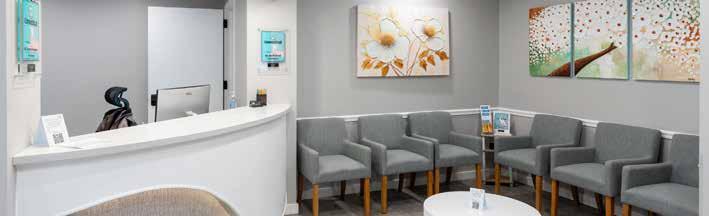
Sharon’s Restore Hyper Wellness offers personalized, science-backed therapies to improve your health.
Maria
“I encourage clients to think of their health as an investment: the more strength, mobility, care we build now, the greater our vitality over time.”
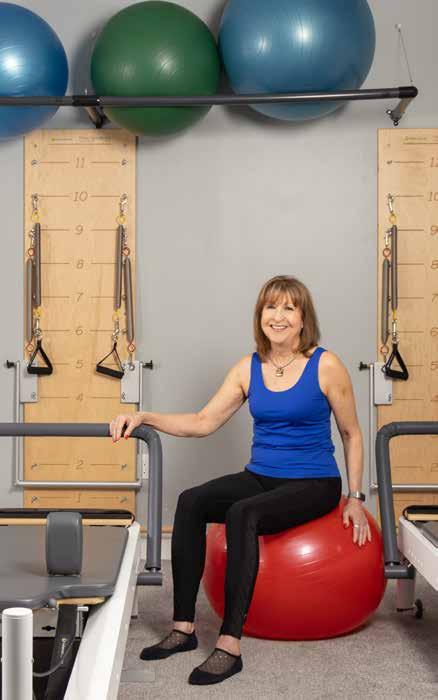
What inspired Maria to open her own studio was a desire to serve those who often feel overlooked in traditional fitness spaces. She envisioned a welcoming, personalized environment for clients who may feel intimidated by large gyms or bustling Pilates studios. At The Body Reflex, Maria created a space where it’s not just about exercise. It’s about intelligent movement and building a strong, supportive community.
Wellness has always been foundational in Maria’s life. Raised in a home centered on nutritious, home-cooked meals, she learned early the power of healthy habits. Competitive running from high school through her thirties deepened her appreciation for movement — not only for physical strength but for mental clarity and resilience.
“As women, we often prioritize others before ourselves. I encourage clients to think of their health as an investment: the more strength, mobility, and care we build now, the greater our vitality over time. Pilates, as a form of resistance and weight-bearing exercise, plays a critical role in aging well,” says Maria.
The Body Reflex is distinguished by its purpose-driven approach to personalized, highly specialized fitness for clients in midlife and beyond. Through small, supportive classes and expert guidance — including post-rehabilitation, cancer exercise support, and golf performance training — the studio fosters both measurable results and a genuine sense of community.






ARTICLE BY ANDREW BANOFF
As the Baby Boomer generation reshapes the future of senior living, communities like Stamford face a pivotal moment. Not only will there be more older adults than ever before, but they will also live longer thanks to advances in medicine. The first wave of Baby Boomers turned 75 in 2021; by 2031, they will begin turning 85. By 2050, the 85-plus population is expected to double - an unprecedented demographic shift with significant implications for housing, healthcare, and quality of life.
Healthcare systems are responding by investing heavily in new facilities and workforce expansion to meet growing demand for physicians, nurses, therapists, pharmacists, and caregivers. Yet healthcare is only part of the equation. Just as critical is the living environment itself.
Most older adults say they want to remain in their own homes for as long as possible. While familiar, private homes often present increasing challenges over time: stairs become difficult to navigate, property maintenance grows burdensome, and isolation becomes a real risk. Social connection, in fact, is the number one determinant of healthy aging. Prolonged isolation - whether living alone or solely with a spouse - can negatively impact both physical and cognitive health.
Fortunately, Stamford offers a range of senior living options designed to meet evolving needs. Skilled nursing facilities provide essential, round-the-clock care for the frailest elderly; approximately 15,000 people currently reside in nursing homes across Connecticut. Assisted Living communities, which began emerging several decades ago, offer a more residential and service-rich option, including meals, social programming, and tiered care.
Stamford is home to several well-established providers, including Benchmark, Sunrise, and LCB. Memory Care, a specialized form of Assisted Living, supports individuals with cognitive challenges who remain medically stable. Notably, many of these communities operate at or near capacity -clear evidence that additional investment will be required as demand accelerates.
Stamford is also one of the few communities in the region with a Life Plan Community (also known as a Continuing Care Retirement Community). Edgehill offers independent living alongside Assisted Living, Memory Care, and skilled nursing as needs change over time.
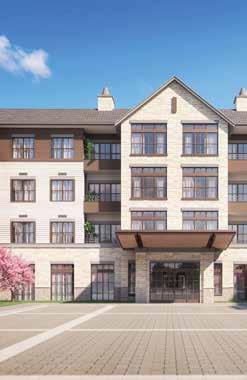
The newest Life Plan Community now under construction on Long Ridge Road is Mozaic Concierge Living, developed by Mozaic Senior Life, a respected nonprofit organization based in Bridgeport. Scheduled to open in summer 2027, the campus will feature 164 luxury Independent Living residences and a Health Center with Assisted Living, Memory Care, and Skilled Nursing. Amenities include multiple dining venues, a library and lounge, fitness and wellness facilities, a movie theater, walking trails, gardens, pickleball, and curated social spaces - all supported by dedicated Life Plan Coordinators and concierge services.
From an investment perspective, the Life Plan Community model is designed to provide both lifestyle value and financial predictability. Residents pay an entrance fee along with a monthly fee that covers housing, meals, utilities, maintenance, activities, and future care. The result is simplified, stress-free living with protection against rising long-term care costs.
As Stamford plans for its next chapter, thoughtful investment in senior living infrastructure is not only prudent - it is essential. Communities that anticipate demographic realities today will be best positioned to deliver quality, stability, and dignity for generations to come.

“By 2050, the 85-plus population is expected to double - an unprecedented demographic shift with significant implications for housing, healthcare, and quality of life.”








Teaching your Body to Thrive on Fat—And Use Carbs Only When it Counts

Wouldn’t it be great if we could go days without food effortlessly—using body fat for fuel with abundant physical energy, mental clarity, and no hunger or cravings? And on other days, eat plenty of carbs and calories without gaining excess body fat or increasing our risk of type 2 diabetes and heart disease?
This is metabolic flexibility— the ability to seamlessly switch between burning carbohydrates and burning fat (via ketones) for fuel. To achieve this, the body must first become fat-adapted—efficient at breaking down dietary fat and body fat into ketones for energy.
Most modern diets never truly restrict carbohydrates, keeping insulin high— blocking access to body fat. Unlike our hunter-gatherer ancestors, we remain locked into glucose-burning mode. The liver plays a central double role, storing glucose as glycogen while also producing ketones from fat when carbs are scarce. An ultra-low carbohydrate phase is essential to rebuild this lost metabolic
pathway—ketogenesis. Think of it like a hybrid car that only ever runs on gasoline and never taps into its battery. That backup system becomes useless unless it’s trained.
During this phase, focus on meat, poultry, fish, eggs, organ meats, raw dairy, avocados, coconut, olives, and low-starch vegetables—especially fermented foods like kimchi, sauerkraut, and pickles to support gut health. Intermittent and prolonged fasting further enhance this adaptability.
After 4–6 weeks, begin strategic “carbups” using whole, nutrient-dense carbohydrates such as potatoes, fruit, and starchy vegetables. Start with one day per week. After 2–4 weeks, increase to two days per week, spaced 3–5 days apart. Highly active individuals with strong insulin sensitivity may tolerate more frequent carb days. Timing carbs around exercise maximizes muscle growth, improves insulin sensitivity, and reinforces true metabolic flexibility— favoring fat as the primary fuel, with carbs used strategically rather than constantly.

When the cold weather hits, the last thing you want is to be left in the cold with a heating system that is not reliable. Our maintenance plan gives you peace of mind, knowing your system is inspected, cleaned, and tuned for the heating season. With our expert technicians on your side, you’ll enjoy a warmer, safer, and more reliable home.
Maintenance plans save you money.
Regular service helps prevent costly breakdowns, improves e ciency, and extends the life of your system. Don’t wait for the problem to surface, secure your comfort and con dence today.

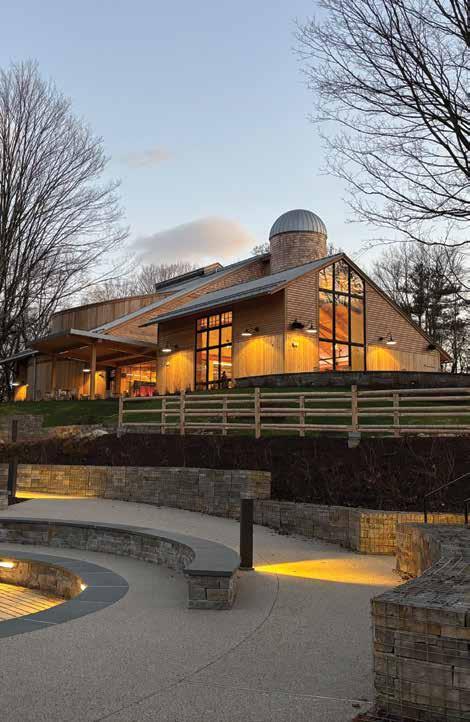
If you have visited the Stamford Museum & Nature Center in the past twenty years, you have experienced the quiet influence of Melissa H. Mulrooney — whether you knew it or not.
Perhaps it was a child feeding goats at the farm, a family gathering in the warm kitchen of the Knobloch Family Farmhouse, or a hushed audience leaning back beneath the stars in the new Planetarium & Astronomy Center. Those moments did not happen by accident. They were part of a long, carefully stewarded vision.

Mulrooney, who will retire as CEO on March 31 after joining the institution in September 2005, did more than manage a museum. She helped define what it could become. Early in her tenure, she led a thoughtful rebrand that clarified the organization’s identity around four pillars — Agriculture, Nature, Art, and Astronomy. It was not simply a logo refresh. It was a declaration: this 118-acre campus would be a place where disciplines meet, where experiential learning is as important as exhibition, and where stewardship is lived, not just discussed.
Her most enduring roadmap was the 2010 Master Plan, developed with TSKP Studio. It became the blueprint for steady, purposeful growth — culminating in the opening of the Knobloch Family Farmhouse in 2018 and the Planetarium & Astronomy Center in November 2025. Each project expanded the campus physically while deepening its mission.
During her leadership, annual participation doubled to more than 200,000 visitors. Education programs grew to serve 140 regional schools. Adult programming flourished. Through economic downturns and the pandemic, Mulrooney’s steady hand kept the institution grounded in service to community.
As the Museum approaches its 90th anniversary in 2026, Mulrooney’s legacy is etched not only in brick and timber, but in trust — in the confidence of families, educators, donors, and children who return year after year. She leaves behind more than a thriving institution; she leaves a campus alive with possibility, guided by a clear sense of purpose and momentum. Because of her vision, the Stamford Museum & Nature Center is not simply prepared for its future — it is poised to shape it for generations to come.
The Stamford Museum & Nature Center's CEO Closes a Chapter of Visionary Leadership

Whether







“What I discovered at Woodloch is what I want for my own family, and why we keep coming back, it’s that magic of together.”
- Meagan’s My Woodloch Story