



This April marks our 24th issue of SYV City Lifestyle— two full years of telling the stories of the Santa Ynez Valley. From foggy Ballard mornings to golden-hour drives along Foxen Canyon, this publication has been a love letter to the place we’re fortunate to call home. What a privilege it has been.
When we launched this magazine, our goal was simple: create something that reflects the character of this Valley—refined yet relaxed, rooted yet for ward-thinking. A publication that feels equally at home on a coffee table in Los Olivos, a ranch outside Santa Ynez, or a cottage in Solvang. Over the past two years, you’ve welcomed us into your homes, businesses, vineyards, and family stories. That trust humbles me deeply.
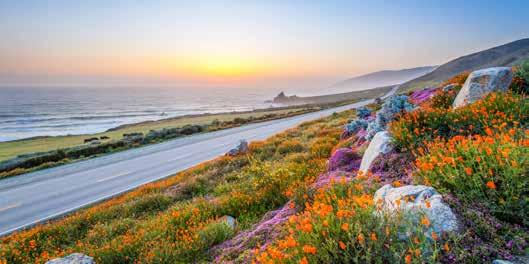
Spring here is a reminder that growth takes patience. Mountainsides along Highway 154 turn green before bursting into wildflowers: poppies, lupine, and mustard stretching toward the Gaviota Coastline. Investment in this Valley works much the same way. Whether you’re maintaining acreage, restoring a farmhouse, adding an ADU, or simply protecting your home from wind and seasonal storms, decisions here are rarely short-term. They’re generational.
That spirit carries through this issue.
We’re proud to share insight from Trinity Financial on HELOCs, refinancing, and strategic lending—tools local homeowners are using to strengthen and steward what they’ve built. We’re also honored to feature Action Roofing, a company with deep Valley roots, whose craftsmanship reflects the long-standing relationships that define this community.
As we celebrate two years, I’m filled with gratitude for the resilience, generosity, and entrepreneurial spirit that make the Santa Ynez Valley extraordinary. This publication exists because of you—the homeowners, business owners, ranchers, and families who continue choosing to plant roots here.
We are honored to share your stories with the Valley each month, and as the wildflowers return once again, so does our commitment to this Valley and to the years ahead.
Here’s to the next season. The next story. The next chapter.
Cheers,

PUBLISHER
Sara DeMarcus | sara.demarcus@citylifestyle.com
PUBLICATION DIRECTOR
Matt DeMarcus | matt.demarcus@citylifestyle.com
EDITOR
Lena Ibarra
CONTRIBUTING WRITERS
Sara DeMarcus, Matt DeMarcus, Zach DeMarcus, Grace Galloway, Angela Broockerd
CONTRIBUTING PHOTOGRAPHERS
Lena Ibarra, Matt DeMarcus
CEO Steven Schowengerdt
President Matthew Perry
COO David Stetler
CRO Jamie Pentz
CoS Janeane Thompson
AD DESIGNER Matthew Endersbe
LAYOUT DESIGNER Adam Finley
QUALITY CONTROL SPECIALIST Brandy Thomas


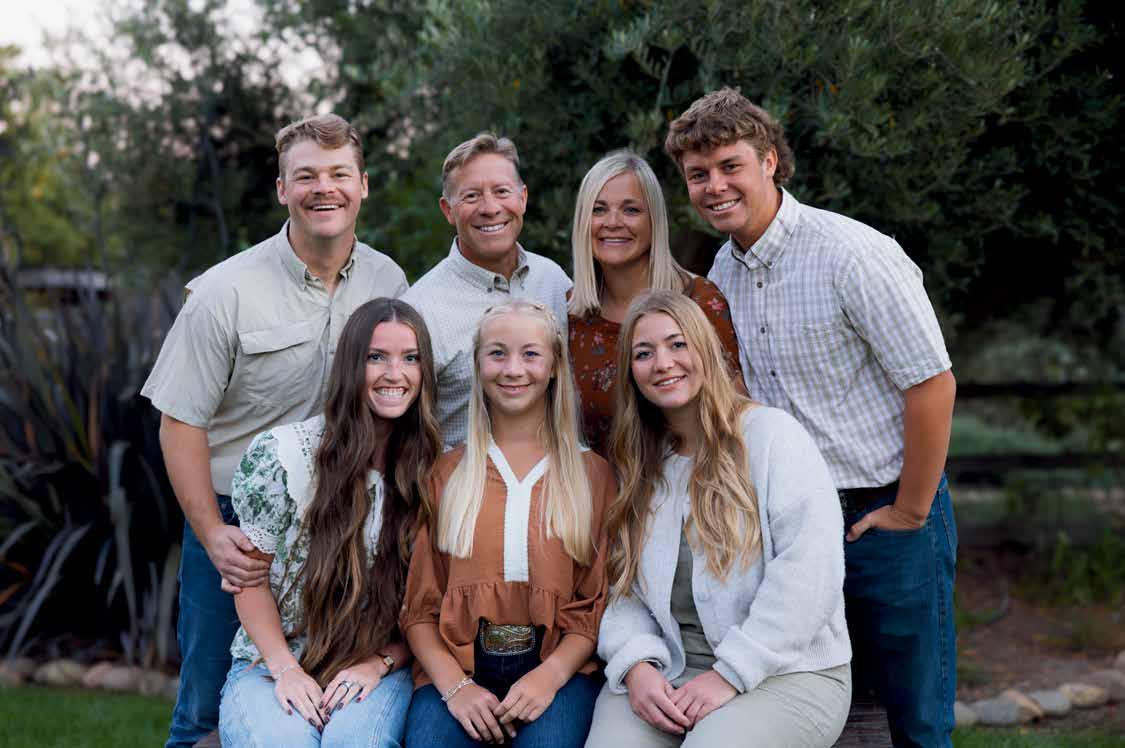
SARA DEMARCUS, PUBLISHER




@FLAME_KISSED
@IRENE_THE_EXPLORER






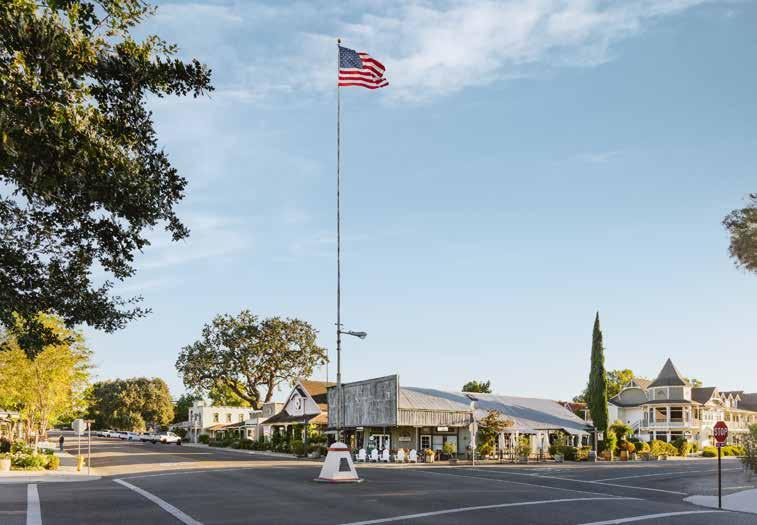






Santa Barbara’s beloved wood-fired pizza restaurant Lucky Penny is expanding to the Santa Ynez Valley with a new location at 2902 San Marcos Avenue in Los Olivos. Known for its artisanal pizzas, fresh salads, small plates, frosé, and community-focused atmosphere, Lucky Penny plans an official April opening after hosting a preview pop-up event in mid-February. The Los Olivos location marks the brand’s second restaurant and a new gathering spot for locals and visitors alike.

The annual Santa Ynez Valley Youth Recreation Queen fundraising campaign begins Sunday, April 27, with a Kick-Off BBQ & Auction at River View Park in Buellton. Proceeds support youth sports, parks, playgrounds, and recreation programs throughout the Valley. Additional events in May include a luncheon and auction at Gainey Winery, community giving at New Frontiers Market, and a Final Dinner & Auction at Solvang’s Veterans Memorial Hall.
Photography by @syvyouthrecqueen

The historic 1880 Union Hotel in Los Alamos reopens to the public this April after more than a decade, debuting its inaugural Spring Wine Weekend Series. April highlights include “The Long Play” with Lo-Fi Wines (April 10–12), “Rooted in the Valley” with McKinney Family Vineyards (April 17–19), and “Letters in the Garden” with Koehler Winery (April 24–26), featuring winemaker receptions, paired dinners, tastings, and overnight stays.
Photography by Sister B Studios


Offering hearing tests and hearing aid sales programming/maintenance, both in the office and from the comfort of your own home. We work with all the top hearing aid manufacturers.
Complimentary hearing screening and otoscopic exam
Tinnitus evaluation and sound therapy management
Custom ear protection for shooting, hunting, & recreational noise exposure
Hearing aids at no cost to all CenCal Health members
Contracted with Medicare

Dr Melissa Alexander has become one of the top audiologists in the Los Angeles area. She is passionate about providing highly individualized care and educating her patients on the latest hearing devices, including digital hearing aids, invisible hearing aids, sound therapy for tinnitus management, and Bluetooth technology. www.alexanderaudiology.com








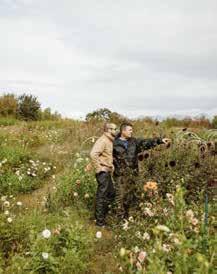
Spring wildflowers paint every winding mile
ARTICLE BY MATT DEMARCUS
April across Santa Barbara County feels like nature’s standing ovation. Along Figueroa Mountain, poppies and lupine spill across sunlit slopes, while vineyard-lined roads near Los Olivos glow gold with wild mustard. The Gaviota Coast pairs coastal blooms and bush sunflower with sweeping ocean views, and shaded pockets of Los
Padres National Forest reward hikers with delicate paintbrush and shooting star. Even quiet backroads reveal blue dicks tucked among fresh spring grasses. From oak-dotted valleys to salt-kissed bluffs, spring invites us outside—boots dusty, camera in hand—to wander and savor this technicolor season.

Interior Design firm grounded in the philosophy that the best design derives from the marriage of form and function, yielding beautiful spaces that wrap perfectly around the people who inhabit them.
www.nancipaigedesign.com
310-804-9575



weddings.lifestyle. families.editorial.

PHOTOGRAPHY
www.sisterbstudios.com
ARTICLE BY GRACE GALLOWAY | PHOTOGRAPHY PROVIDED


You wake up before your alarm, not because you’re rested, but because the room feels too quiet. Or not quiet at all. There’s a faint ringing, or a steady hum, something like cicadas, or the high pitch of an old television left on in another room. You pause, listening. It doesn’t stop.
As the morning continues, the sound fades into the background. Coffee brews. Emails start coming in. Life fills the space. But the noise is still there, waiting. It returns during your morning commute, during a pause between meetings, and in the moment your head hits the pillow that night. It isn’t loud exactly, but it’s constant. And once you notice it, it’s hard to ignore.
That experience is known as tinnitus, and for many, it’s a daily reality; one that’s often misunderstood, minimized, or quietly endured. “Tinnitus is not a random malfunction,” explains Dr. Melissa Alexander of Alexander Audiology, Doctor of Audiology and tinnitus specialist. “It’s the brain’s built-in alarm system.”
Tinnitus is not a disease. It’s a symptom: the perception of sound when no external sound is present. It can present as ringing, buzzing, hissing, humming, or clicking, and it varies widely from person to person. Nationally, tinnitus affects an estimated 15 to 20 percent of adults, and audiologists are seeing it appear earlier in life than ever before.
What surprises many is that tinnitus is rarely “just an ear problem.” In fact, it often involves how the brain processes sound. When hearing changes occur, sometimes so gradually that they go unnoticed, the brain may attempt to compensate for missing auditory input. The result can be phantom sounds that feel very real. For many, it’s hard to know when a harmless annoyance becomes something worth addressing.
“Tinnitus is the body’s way of alerting us that the neurons responsible for processing sound aren’t getting enough stimulation,” Dr. Alexander says. “The brain doesn’t want those neurons to atrophy, so it fills
in the gaps.” This connection helps explain why tinnitus is so closely linked to hearing loss, even in people who believe their hearing is “mostly fine.” It also explains why tinnitus often becomes most noticeable at night or in the early morning, when the world quiets down, when porches go still, roads empty, and the background noise of the day finally fades.
“Tinnitus is usually louder when life slows down,” she notes. “When it’s quiet, you’re less busy, and you naturally focus on the sound more. Stress also plays a huge role in how strongly tinnitus is perceived.”
Unmanaged tinnitus can quietly erode quality of life. It can interfere with sleep, making it difficult to fall or stay asleep. It can affect concentration, especially during reading, focused work, or moments of silence. Over time, the constant presence of noise can contribute to heightened stress, irritability, and fatigue.
For high-functioning adults like professionals, business owners, creatives, and active retirees, this can be particularly frustrating. Many people power through, telling themselves it’s not serious enough to address. But ignoring tinnitus doesn’t make it disappear. In fact, for many, it slowly becomes more noticeable; not louder, but harder to tune out. “There’s no reason to put off an evaluation,” Dr. Alexander says. “The earlier a baseline is established, the easier tinnitus is to manage.”
A comprehensive hearing assessment does more than measure hearing ability. It helps identify subtle changes that may be contributing to tinnitus and, in some cases, rules out other medical concerns. More importantly, it creates a foundation for personalized care, one that can evolve alongside a patient’s lifestyle and long-term health goals.
“Living with tinnitus without a proper evaluation can be risky,” she explains. “But most importantly, patients shouldn’t wait, because they can be helped.” Modern tinnitus care focuses not on eliminating sound
“There’s no reason to put off an evaluation,” Dr. Alexander says. “The earlier a baseline is established, the easier tinnitus is to manage.”
entirely, but on reducing its impact. Management strategies may include tinnitus retraining therapy, sound therapy, hearing technology, and counseling designed to retrain the brain’s response to sound.
“For some, simply putting on hearing devices in the office reduces their perception of tinnitus immediately,” Dr. Alexander says. “For others, treatment is more gradual. Management is always individualized.”
At Alexander Audiology, tinnitus care is approached with a broader perspective, considering sleep, stress, hearing health, and emotional well-being. That philosophy resonates here, where people value longevity, balance, and quality of life as much as success.
Dr. Alexander’s commitment to tinnitus care is also personal. As both a tinnitus specialist and sufferer herself, she understands the emotional weight that often accompanies the condition. “Tinnitus is treatable,” she says. “But people don’t know how to get help. That’s why it’s so important to see an expert.”
Seen through that lens, tinnitus care becomes less about reacting to a problem and more about protecting what matters most: restful sleep, clear focus, meaningful connection, and the ability to enjoy quiet moments again. Often, the first change people notice isn’t silence—it’s relief.
Because sometimes, the most meaningful investments are the ones you can’t see, but feel every day.


LEARN MORE: Alexander Audiology offers comprehensive hearing evaluations, tinnitus management, hearing aid services, and custom ear protection for shooting and recreational noise exposure.








Understanding rates, refinancing, and equity decisions in today’s evolving real estate market.
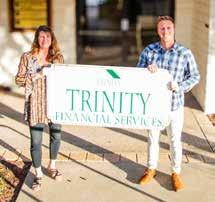
For more than 32 years, Julie DeMarcus of Trinity Financial Services has served the Santa Ynez Valley, helping clients navigate mortgage decisions with clarity and confidence. While every borrower’s situation is unique, here are some remarks on some of the most common questions we receive.
Mortgage rates directly influence purchasing power— simply put, how much home you can afford. One of the
primary factors lenders evaluate is your debt-to-income ratio (DTI), which compares monthly debt obligations to qualified gross income. When rates fall, monthly payments decrease, which increases the loan amount and purchase price a borrower qualifies for.
It’s estimated that for every one-percent shift in mortgage rates—up or down—approximately five million American households are either priced into or out of the housing market. In supply-constrained areas like the Santa Ynez Valley, the added demand brought about by lower rates can contribute to price appreciation over time.
ARTICLE BY ZACH DEMARCUS
There are two primary options for accessing home equity: a home equity line of credit (HELOC) or a cashout refinance.
A HELOC provides a revolving line of credit secured by your home. Most include an initial draw period—commonly ten years—during which payments are often interest-only, followed by a repayment period that includes both principal and interest payments. Borrowers must qualify for the additional payment based on income and overall debt.
A cash-out refinance replaces your existing first mortgage with a new loan at a new rate and term, providing a lump sum of cash at closing. Funds can be used for home improvements, debt consolidation, investment opportunities, or other financial goals.
With rates trending downward in recent months, some homeowners may benefit from refinancing, depending on their current loan terms. Typical closing costs range from approximately $3,800 to $4,300, depending on loan size and structure.
As a general guideline, refinancing makes sense when closing costs can be recovered through monthly payment savings within 24 months. Other reasons to refinance include shortening the loan term, converting from an adjustable-rate to a fixed-rate mortgage, consolidating higher-interest debt, or improving monthly cash flow.
Two of the most practical steps buyers can take in preparing to purchase property are building strong credit and saving for a down payment. Both credit score and down payment size play a significant role in loan approval and pricing.
The earlier buyers begin preparing, the more flexibility they have when the right opportunity becomes available. Mortgage decisions are not just transactional—they are foundational to long-term financial health. For those with questions or seeking guidance tailored to their goals, Trinity Financial Services welcomes the opportunity to help walk through the numbers and support informed, confident decisions.






















You’re fast asleep, knowing a storm is moving through overnight. On the Central Coast, that usually means steady rain, maybe some wind—nothing unfamiliar.
Then your phone explodes on the nightstand.
The sharp, unmistakable tone of an emergency alert cuts through the dark. Not a text. Not a calendar reminder. An official warning.
Tornado warning.
For a moment, it doesn’t fully register. Tornadoes belong somewhere else, across open plains, not here. Here, we prepare for earthquakes, wildfires, and flash floods. Those are the disasters we understand. Tornadoes feel like someone else’s weather.
But during one of the storms this past February, it was ours.

The alert fades. The wind continues. Rain turning into hail presses harder against windows than usual. And suddenly, the storm feels different.
Across the Central Coast, many homeowners lie awake listening—not just to the rain, but to what it might mean overhead. When wind moves unpredictably, and weather behaves in ways we rarely expect, roofs become more than background architecture. They become the line between uncertainty and protection. This past season has quietly tested that line.
Storms arrived closer together than usual. Rain fell more heavily. Gusts funneled across open acreage, moving differently than the predictable coastal systems many residents are used to. Gutters struggled to keep up, even after repeated cleanings. Water carved new channels into the soil beneath the eaves that had weathered years without issue. Rooflines that once felt dependable suddenly demanded attention.
Nothing catastrophic happened in most cases. No widespread failures. No dramatic collapses. But by the time winter began to loosen its grip, many properties had been put on notice.
In the Santa Ynez Valley, roofing concerns rarely involve a single structure. There is the main house, yes, but also barns, workshops, guest houses, agricultural storage, studios, and garages. A roofing issue here is rarely isolated. Water doesn’t just threaten drywall; it threatens framing, equipment, feed, tools, and sometimes even livelihood. A delayed roofing decision on acreage carries a different weight than a delayed decision in town.
For many Valley homeowners, roofs have been aging quietly for years. Previous winters had passed without incident. Other projects felt more visible — or even more satisfying—such as landscaping improvements, fencing repairs, and interior updates. The roof remained overhead, doing its job just well enough to avoid becoming urgent.
Until this winter shifted the question from Can it wait? to What happens if it doesn’t?
In this context, many homeowners began looking more closely at Action Roofing, a company long rooted in both Santa Barbara and the Santa Ynez Valley.
“In California, rain may not be an everyday thing,” says Jack Martin, “but when it does come, it comes hard.”
This winter proved that point. Rain here does not need to fall for months to create problems. It simply needs to arrive in concentrated systems, with enough force to expose vulnerabilities that have developed quietly over time.
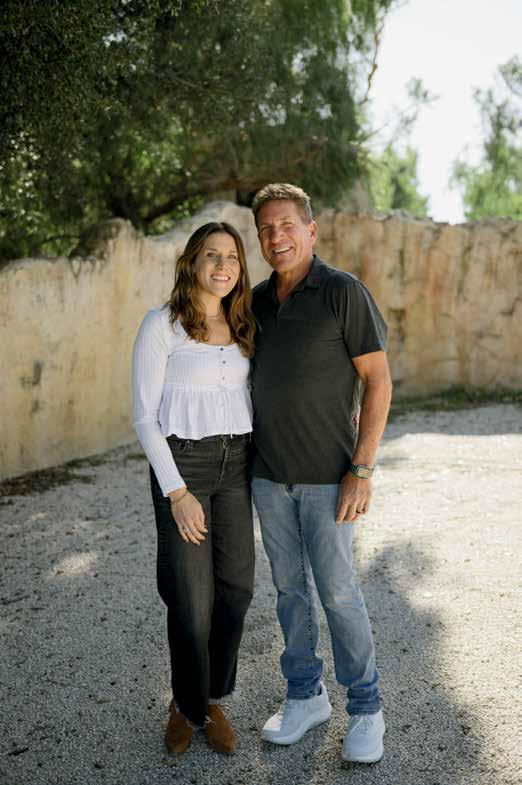
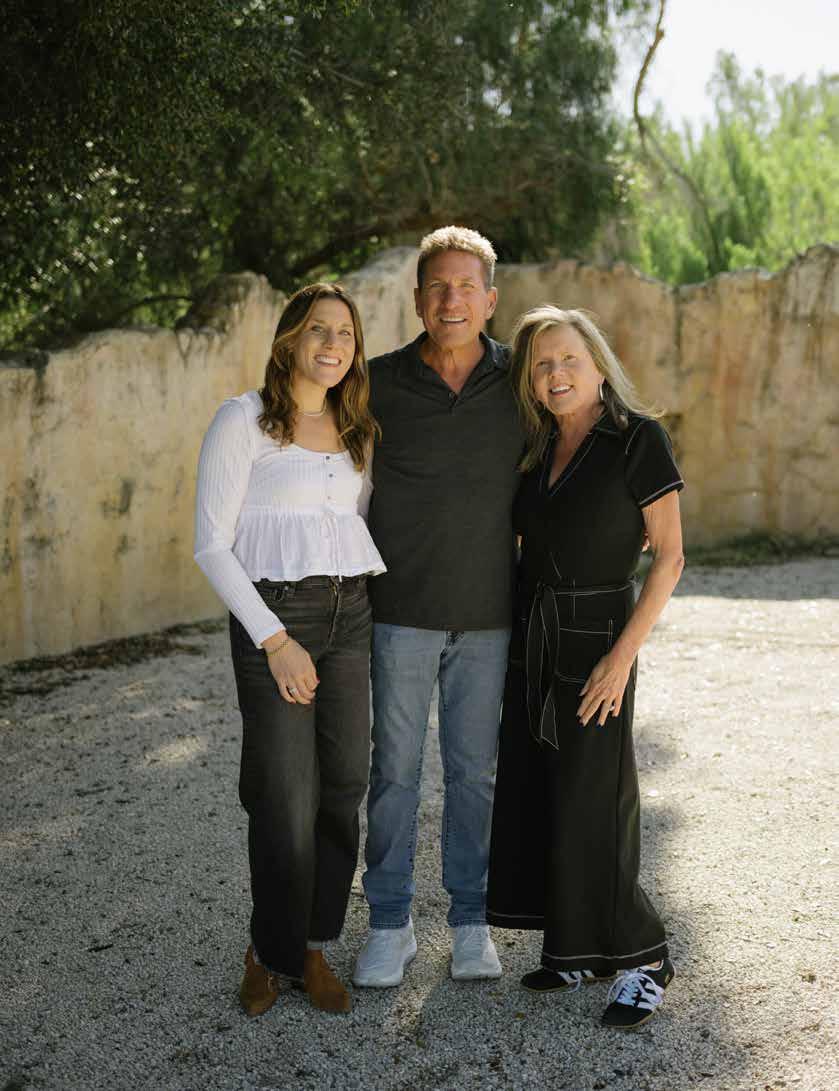
Action Roofing was founded in 1985 and has been a family-run company from the beginning. Jack’s wife, Peg, helped during the early years. His brothers, Steve and Jeff, joined in the years that followed. Over time, the business evolved into a multi-generational enterprise rooted deeply in the region. Today, Jack’s daughter Courtney serves as one of the company’s key leaders, continuing a legacy that spans four decades.
“When I reflect on our journey,” Jack says, “it’s clear that the definition of ‘family’ extends far beyond relatives. Our employees truly become family through the relationships built over decades.”

That continuity carries weight in the Valley. Many members of the Action Roofing team have been with the company for decades. Long tenure translates into consistency—crews who understand local wind corridors, the difference between tile and composition systems on older ranch homes, and how exposure varies across acreage.
“Leadership starts with caring,” Jack explains. “About the work we do and the people we do it for.”
After a season that included an unexpected tornado warning, that mindset resonates differently. When weather patterns become less predictable, structural integrity becomes more important. “When you invest in a home,” Jack says, “it really starts at the top.”
For many Valley homeowners, repairs had long been the strategy of choice. A flashing adjustment here. A patch there. A small fix to extend the life of an aging system. In some cases, those repairs are appropriate. In others, they simply postpone a larger decision. “A repair usually just

delays the larger cost of a full re-roof,” Jack explains. “If that repair doesn’t truly buy you several more years, then it often isn’t worth the expense.”
He has seen situations where improperly installed roofs must be completely redone—homeowners investing significant sums only to discover the system was never correctly installed to begin with. The most costly mistake, he notes, is not waiting itself, but waiting without clarity. That is why education comes first.
“Like anything important, it starts with sharing options and educating the homeowner,” Jack says. “We offer guidance, explain the choices, and share our advice. The final decision should always belong to the homeowner.”
In our Valley, properties are often long-term commitments. Some are passed down. Others are carefully developed over the years. Decisions are measured. They account for exposure, slope, material type, and the structure’s fit within the broader property.
Tile roofs, common on many Valley homes, respond differently to high wind than composition systems.
Agricultural structures may require entirely different considerations. The right solution depends not only on the roof itself but on its environment.
Action Roofing has chosen to remain deeply rooted locally rather than expand into unfamiliar markets.
“When you stay rooted in one place,” Jack says, “relationships naturally form. And those relationships mean something.” After more than 45 years living and working in Santa Barbara County, those relationships extend beyond job sites. Clients encountered at school events, community gatherings, and local businesses. In the Valley, trust is built slowly and reinforced over time.
That local approach extends to working with other area professionals—suppliers, trades, and contractors who understand the region’s specific demands. Supporting local is not a tagline. It is an operating principle.
As spring settles in, it would be easy to let the tornado alert feel like a rare anomaly. An unusual headline. A story to tell over dinner. But it also serves as a reminder that weather patterns are evolving, and preparedness now includes scenarios once considered unlikely.
April in the Valley brings calm mornings and green hills. It also offers perspective. Spring is when homeowners reset. They address what winter revealed. They evaluate systems that have quietly aged. They make decisions that allow them to move forward without uncertainty hanging over them.
For many local properties, that means finally addressing the roofs that have long hovered on the to-do list—not with another temporary fix, but with a long-term solution grounded in experience, craftsmanship, and local understanding.
After a winter that included both heavy storms and a midnight tornado warning, the idea of structural readiness feels less abstract. It feels practical. And in the Santa Ynez Valley, practicality is often the foundation of stewardship.
To arrange a private consultation regarding your home or estate, contact Action Roofing at (805) 500-2086 or visit aroofing.com
After a season of heavy rain, high winds, and even an unexpected tornado warning, spring is the ideal time to evaluate how your roof truly performed.
Many local properties often include multiple structures—main residences, guest houses, barns, and workshops—each with different exposures and vulnerabilities. Even if no obvious leaks appeared, subtle warning signs may remain.
Look for:
• Darkened or uneven areas along ceilings or exterior eaves
• Gutters pulling away from fascia boards
• Cracked or displaced tiles after wind events
• Granule buildup from composition shingles in downspouts
• Soft spots in overhangs or trim
Repairs can extend a roof’s life, but only when the underlying system remains sound. Repeated patchwork may delay—but not eliminate—the need for replacement.
Spring offers something winter doesn’t: clarity. Calm conditions allow for proper inspection and informed decision-making before the next storm season arrives.
A proactive evaluation now can prevent reactive decisions later.
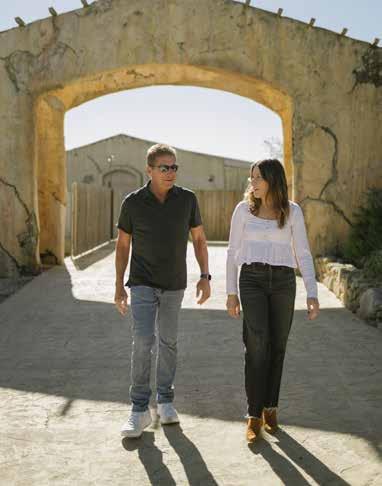






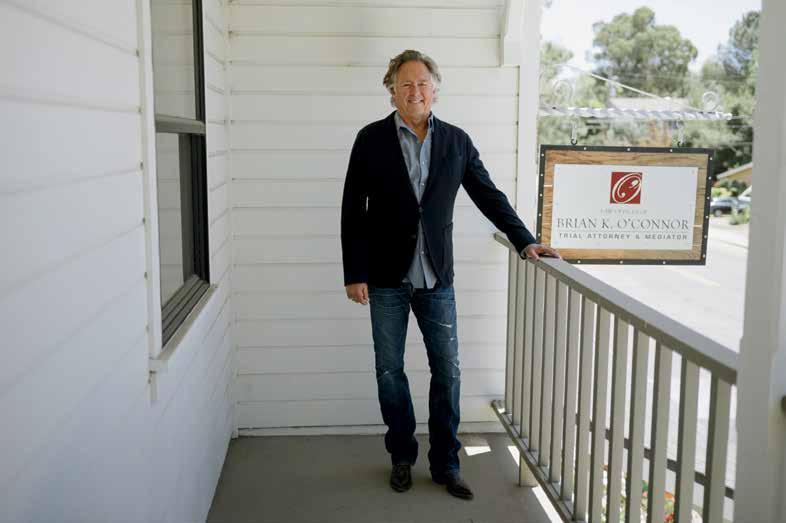




An exclusive Q&A with City Lifestyle

ARTICLE BY ANGELA BROOCKERD
PHOTOGRAPHY PROVIDED
From championship trophies to global humanitarian impact, Tim Tebow’s journey has defied every standard playbook. In an exclusive conversation for the Share the Lifestyle podcast, Tebow pulls back the curtain on the moments that truly defined him, from a humbling middle school church retreat to the life-altering shift of fatherhood. This isn’t just a look back at a career; it’s an invitation into the heart of a man driven by purpose. Read the highlights below, then join us for the full, unfiltered experience by scanning the QR code at the end.
Q: WE ALL KNOW YOUR ACCOMPLISHMENTS ON THE FOOTBALL FIELD, BUT TELL US ABOUT THE CURL CONTEST.
A: I was competing for my future high school team (my brother’s team), and I pushed myself way past what was smart. I ended up collapsing and needing medical attention. But what stayed with me wasn’t the pain, it was the lesson. Would I be willing to do something that others aren’t? For much of my life, I strived to bring my best for a game, but I hope that I can say at the end of my life I was willing to do that for things that actually matter.
Q: YOU’VE ACHIEVED SO MUCH IN SPORTS. WHAT WOULD YOU SAY IS YOUR GREATEST ACCOMPLISHMENT NOW?
A: Becoming a dad. Nothing compares. From the moment I knew my wife was pregnant, I felt a new depth of love for our child, but when you bring your baby home, the responsibility hits you like nothing else. Suddenly, everything you see, every decision you make, you’re asking, “Is this corner too sharp? What happens if she reaches that drawer?” It changes how you see the world and how you see other people.
Q: YOU’VE SPOKEN OPENLY ABOUT DISAPPOINTMENT, ESPECIALLY AROUND FOOTBALL. HOW DID THAT SEASON OF LIFE SHAPE YOU?
A: I talked a lot about that very thing in my book Shaken . We all go through moments where our faith in our abilities and purpose feels rattled, but I believe it’s often in those storms when God can show us who we could become.
Q: YOU TALK A LOT ABOUT COMPARISON CULTURE. WHY DO YOU BELIEVE COMPARISON HAS BECOME SUCH A TRAP TODAY?
A: Because we’re comparing our real, everyday lives to someone else’s highlight reel. Social media shows people’s “best day,” often filtered and staged, and then we measure our reality against that. There’s a reason filters are so popular—it’s not real. We end up scrolling through images that don’t tell the full story, and without realizing it, comparison starts to steal our joy and our gratitude.
“We’re comparing our real, everyday lives to someone else’s highlight reel... comparison starts to steal our joy.”
Q: YOUR FOUNDATION FOCUSES ON THE “MOST VULNERABLE.” WHERE DID THAT CALLING BEGIN?
A: When I was 15, I met a boy in the Philippines who was treated as a throwaway because he was born with physical differences. That moment changed me. I realized God was calling me to pursue a different kind of MVP, not “Most Valuable Player,” but “Most Vulnerable People.”
Q: FINALLY, WHAT’S ONE THING PEOPLE MIGHT BE SURPRISED TO KNOW ABOUT YOU?
A: I have some weird coffee habits, which include protein powder, collagen, and cream all mixed together. I love golf dates with my wife. And every night, I bring snacks to bed to share with our dogs. It brings me more joy than it probably should.
This conversation barely scratches the surface. Tim goes deeper into the moments that rattled him, the joys of fatherhood, and one story he has never shared publicly until now. Scan the QR code for the full, exclusive City Lifestyle interview on Share the Lifestyle Podcast.






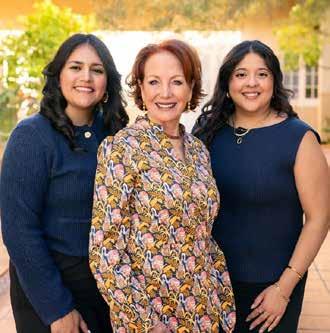









Flame Kissed is a Santa Ynez Valley–based studio creating handcrafted hats, a mobile hat bar, and western & wildlife art for modern living
Rooted in heritage and refined for today, each offering is thoughtfully designed to be worn, displayed, and enjoyed



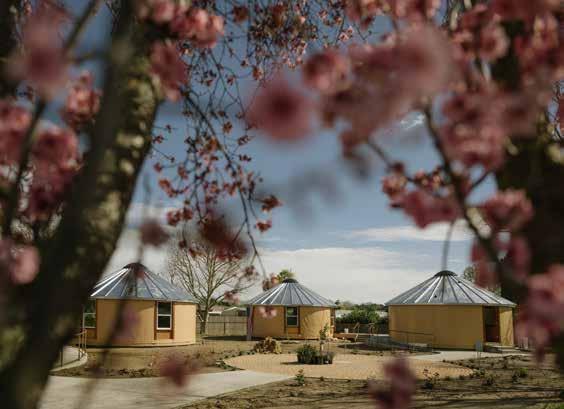
WHY EDUCATION MAY BE THE MOST ENDURING INVESTMENT OF ALL
ARTICLE BY MATT DEMARCUS
PHOTOGRAPHY BY LENA IBARRA/LENA BRITT PHOTOGRAPHY


Ask a parent of a high school senior, or a grandparent watching a grandchild graduate, what mattered most in their child’s education, and the answer is rarely test scores. With the passage of time, the metrics shift.
They speak of confidence. Of independent thinking. Of resilience in the face of difficulty. Of friendships that endured. Of curiosity that never dimmed. Of character. And sometimes, quietly, they admit what they might have done differently: less pressure, more wonder, a slower pace — a school aligned not just academically, but philosophically.
For younger parents at the beginning of that journey, the questions feel heavier. Public or private? Faith-based or secular? Outdoor immersion or traditional structure? The Santa Ynez Valley offers meaningful options, and with them, decision fatigue. Choosing a school can feel like choosing a future. It is precisely in that space, between urgency and hindsight, that Hundred Hills School finds its purpose.
Opening a new campus in Buellton, the Waldorf-inspired preschool through Grade 8 school is built on a long-view philosophy: education not as short-term output, but as generational investment. “When we approached building a new school,” says founder and Joint Head of School Whitney Stevenson Chanana, “the question was not, ‘What is the immediate output?’ but rather, ‘What kind of adult will this child become at 25, 40, or 70?’”
That framework resonates in a valley shaped by vineyards, ranches, and multigenerational stewardship. The most meaningful returns here are rarely immediate; they are cultivated patiently. At Hundred Hills, that cultivation is both philosophical
and tangible. Organic snacks and freshly prepared lunches are included in tuition, with meals cooked from scratch under the guidance of Kitchen and Garden Steward Katie Rose Isaacson Hames. Students share meals and participate in gardening and food preparation, learning where nourishment comes from and how it is grown. In a region defined by agriculture, this daily rhythm reinforces reverence for land, community, and gathering around a table.
That same intention extends to educating the whole child — head, heart, and hands. Intellectual rigor is paired with emotional intelligence, creativity, and practical life skills. Learning unfolds in rhythm with developmental stages, protecting wonder in the early years and introducing academics in developmentally appropriate ways. The result, the founders believe, is a young person equipped with options; the freedom to choose a path rather than be constrained by circumstance. In financial language, optionality is powerful. In human terms, it is life-shaping. For the overwhelmed parent weighing school philosophies, that long horizon offers clarity. Instead of asking, “Which environment produces the highest scores?” the question becomes, “Who do we hope this child becomes?”
A confident thinker?
A compassionate leader?
An adult who continues to learn long after formal schooling ends?
The campus on Dairyland Road signals another investment — not just in children, but in place. Schools are among the most enduring institutions in any town, anchoring traditions and community life. By building a purpose-designed campus in Buellton, the founders are making a declaration of permanence, a long-term commitment to the families entrusting them with their children’s formative years.
“When we approached building a new school, the question was not,
‘What is the immediate output?’ but rather,
‘What kind of adult will this child become at 25, 40, or 70?’”
— Whitney Stevenson Chanana
Looking twenty years ahead, Chanana says, “Success will be measured by the character and capability of the adults our students become. If our alumni are known for intellectual seriousness, sound judgment, and a moral compass shaped by their time here, that reputation will be our ultimate success.”
For grandparents reflecting on decades past, and young parents just beginning, the conversation often converges on the same realization: the work of raising and teaching children is less about acceleration and more about formation. Some investments are measured in percentages. Others are measured in people.
A resilient problem-solver?
In building Hundred Hills School, its founders are betting on the latter — investing not only in the children who walk through its doors today, but in the adults who will one day be the parents, grandparents, and stewards of the Santa Ynez Valley.















APRIL 4TH
Diving Eggstravaganza
Stuart C. Gildred Family YMCA: 900 N Refugio Rd, Santa Ynez | 8:00 AM
Make a splash at this fun-filled egg dive event! Enjoy 45 minutes of open swim per session as kids search for eggs in the pool. Children 11 and under must be accompanied by an adult; non-swimmers 8 and under must stay within arm’s reach. Life jackets provided. Registration required. Free for Y-Members and the community.
APRIL 7TH
ABRA Cadabra
Solvang Theaterfest: 420 2nd St, Solvang | 7:30 PM
An unmissable, family-friendly celebration of ABBA’s greatest hits, featuring a live band, stunning vocals, dazzling dancers, and authentic costumes. Sing and dance along to favorites like “Dancing Queen,” “Mamma Mia,” and “Waterloo.” With over 20 years of global acclaim—including performances at major international venues—ABRA Cadabra delivers an unforgettable, interactive stage experience. Tickets available through Solvang Theaterfest.
APRIL 11TH
Figueroa Brewing: 45 Industrial Way, Buellton | 11:30 AM
Lagerville 2026 is on Saturday, April 11th, in Buellton with over 60 breweries from all over the United States serving up the best Lagers in the Nation! Tickets will increase at the door! VIP will be $75, and General Admission will be $65, so get your ticket now! More Info: lagerville.beer/
APRIL 12TH
Solvang Vet’s Hall: 1745 Mission Dr, Solvang | 11:00 AM
Join us for the SYV Home & Build Showcase on April 12th from 11 a.m. to 3 p.m. at the Veterans Hall. Meet trusted local builders, roofers, flooring, tile, and home service professionals—all in one place. Ask questions, gather ideas, and connect with experts ready to help with your next home project. Free and open to the community.
APRIL 17TH
Stuart C Gildred Family YMCA: 900 N Refugio Rd, Santa Ynez | 5:30 PM
Blast off at this “Out of This World” Father-Daughter Dance for ages 3–16! Enjoy snacks and photos from 5:30–6:30 p.m., followed by dancing and entertainment from 6:30–9 p.m. All families are welcome. The event will be held indoors at the Stuart C. Gildred Family YMCA. Registration required.
APRIL 25TH
Brick Barn Wine Estate: 795 W Hwy 246, Buellton | 12:00 PM
Raise a glass at the Cabernet Franc Cook-Off, Pairing & Voting Party inside the winery’s Tank Room. Sample small bites crafted by local cooks paired with Brick Barn’s wines, taste the full lineup, and vote for your favorite pairing. Your ticket includes wine tastings, bite samples, people’s choice voting, and a commemorative Cab Franc glass. Tickets on sale now!