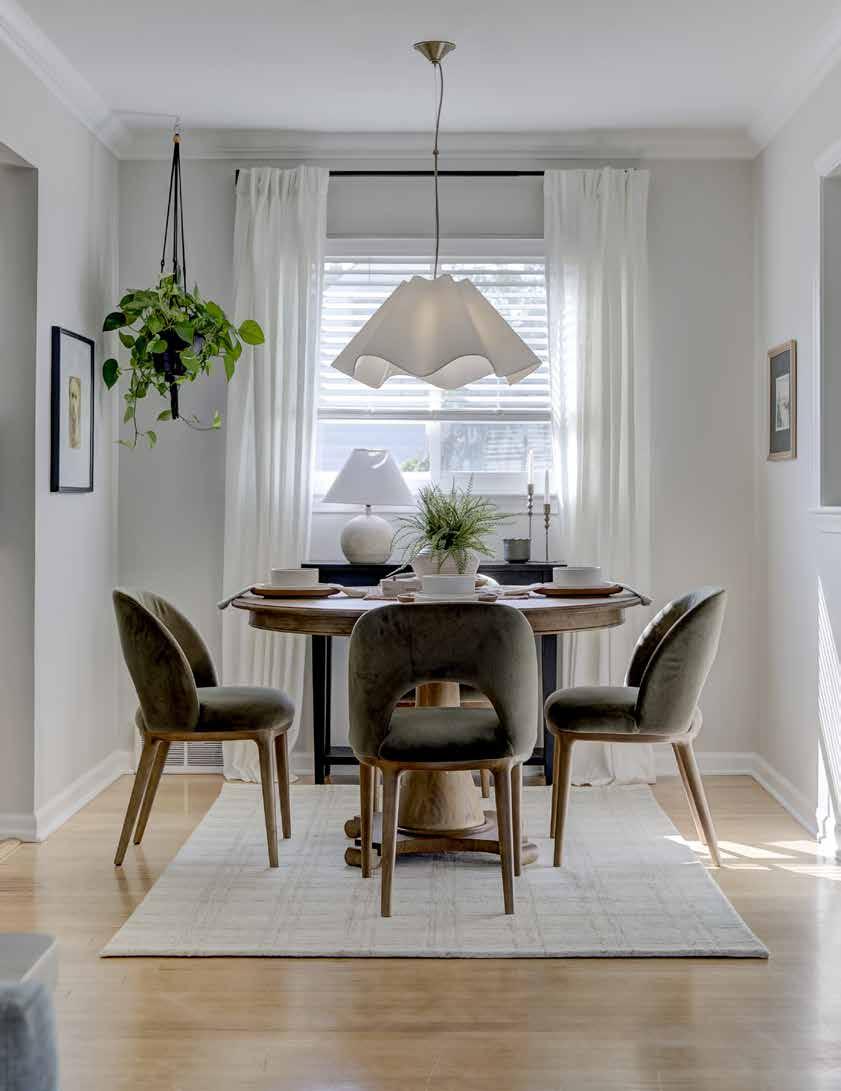
The Home Issue


Sun, Feb 22 - Sun, Mar 1


Our homes are our sanctuaries. Where our life's story takes place. It's where we retreat at the end of a long day, look forward to getting back to after being gone and where we grow together over time - surrounded by the things and people we love. If you are like me, you have a never ending punch list of things that need to be done and things you want to do. But HOME always feels like the hug we need.

In this issue you will be inspired by Kristen Roessel of Heart + Home. Kristen helps shape your spaces where your story unfolds. She makes our homes an environment that feels like us - how a home should feel.
Erica Zador of Tumbleweed Garden Consulting educates us on how to make our yards and lawns feel like an extension of our home with some eco-conscious gardening and planting concepts and ideas. Spring is around the corner and you'll be inspired to bring your lawn to new life. Dustin Walker of Ross Mortgage Corporation shares his long and rich family legacy of serving the Royal Oak community - where we all call home. Dustin revels in helping the people of Royal Oak and it shows in his every intention, with every home. You’ll also meet Vince Rende of ROHO Building Co., who begins every renovation by asking why. Vince helps people reimagine their homes when life shifts, when spaces need to work differently, better, more honestly for the people living inside them.
The spaces we shape, the communities we build—so much revolves around that special place we each call home.
From my home to yours,
AMY
GILLESPIE,
March 2026
PUBLISHER
Amy Gillespie | amy.gillespie@citylifestyle.com
MANAGING EDITOR
Marshall Zweig | marshall.zweig@citylifestyle.com
CONTRIBUTING WRITER
Marshall Zweig
CONTRIBUTING PHOTOGRAPHER
Amy Gillespie
CEO Steven Schowengerdt
President Matthew Perry
COO David Stetler
CRO Jamie Pentz
CoS Janeane Thompson
AD DESIGNER Rachel Kolich
LAYOUT DESIGNER Kirstan Lanier
QUALITY CONTROL SPECIALIST Brandy Thomas











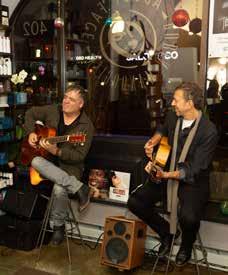
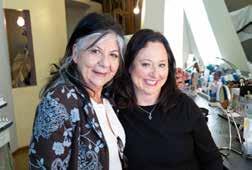
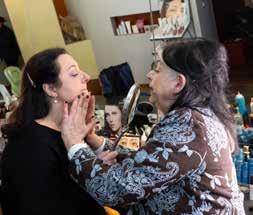
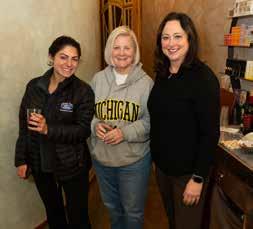
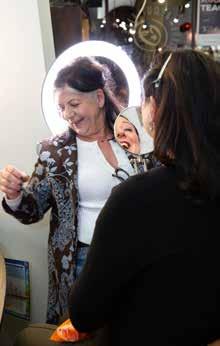







Behind each of our 200+ City Lifestyle magazines is someone who cares deeply about their community. Someone who connects people, celebrates businesses, and shares the stories that matter most. What if that someone was you?
Or maybe it’s someone you know. If this isn’t the right time for you, but you know someone who could be the perfect fit, we’d love an introduction.
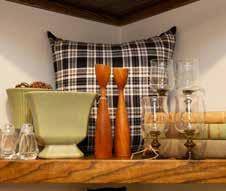
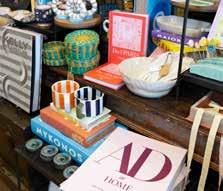
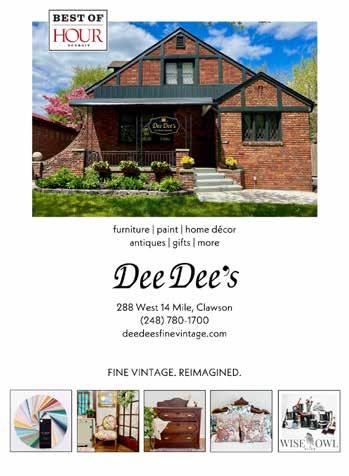
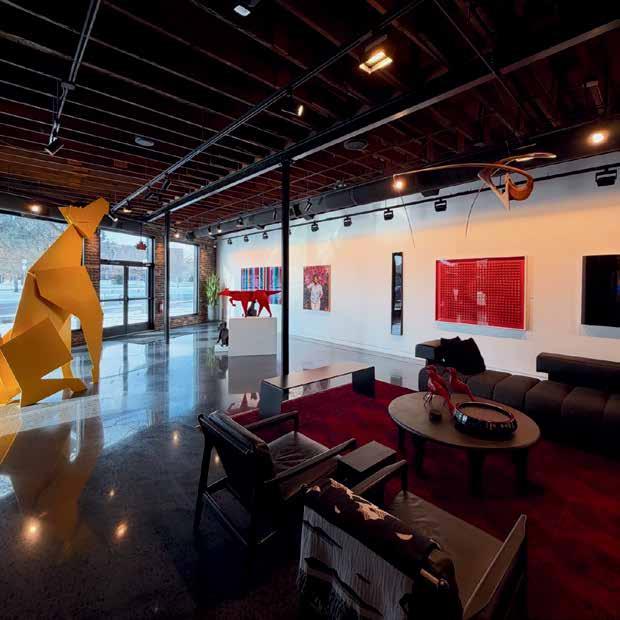
Housed in a charming 1923 brick bungalow, here you will find one-of-a-kind furniture items and handcrafted home accessories that have been curated with great care, attention to detail, and commitment to quality. We believe that vintage furniture has soul and stories to tell, and we can’t wait to share these treasures with you!
Scan to read more
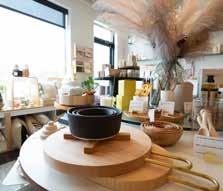
Modern Supply was created with the belief that beautiful, minimalist home design should be both accessible and livable. The curated collection of modern home goods features timeless furniture, sustainable kitchen essentials, and elevated decor pieces that blend clean lines with functional aesthetics. New Winter Arrivals for Home + Everyday Rituals. Modern goods for living well, all season long.
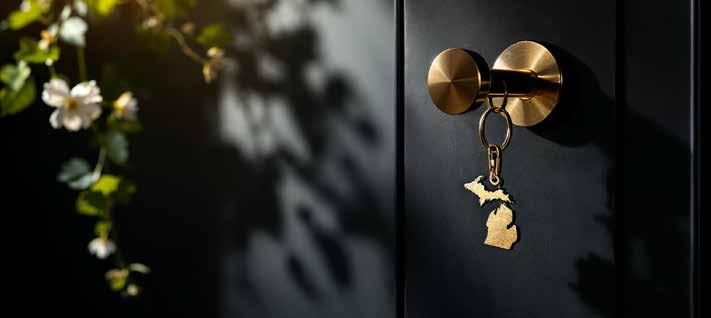
Find Unique Kitchen + Pantry + Bar items. Update your apothecary stock. Find fun items and decor for the kiddos. Add splashes of Michigan Made items for your home or gifts for out of town guests. Rail and Anchor is a modern day general store for your home. New arrivals for all seasons for your home!




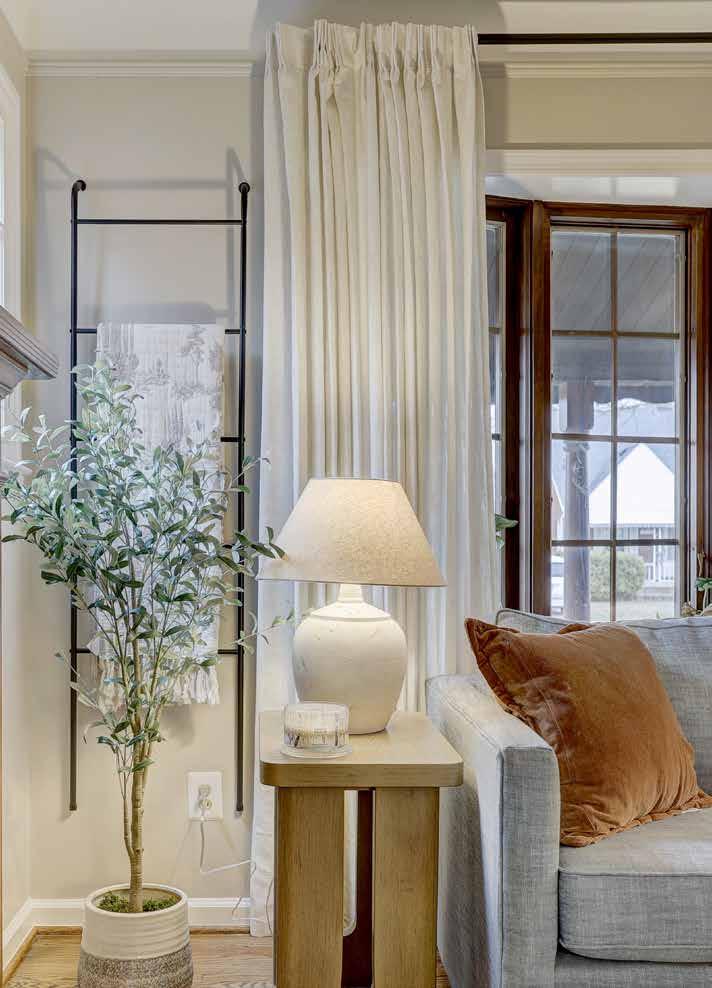
Kristen Roessel designs for how life feels—and creates rooms that people never want to leave
ARTICLE BY MARSHALL ZWEIG
PHOTOGRAPHY BY AMY GILLESPIE
CONTINUED >
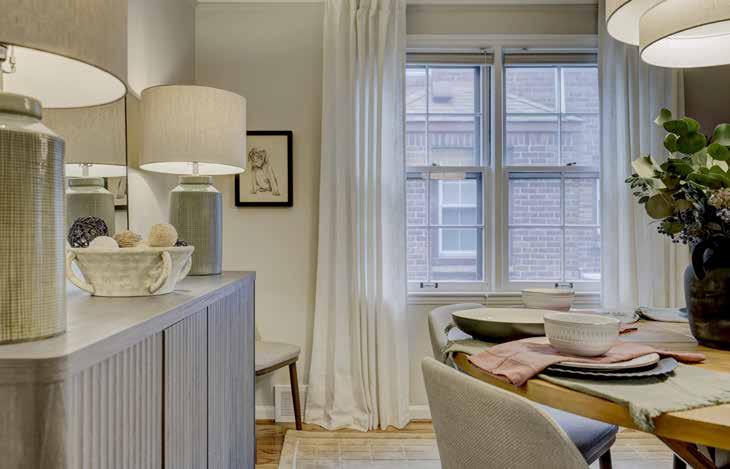
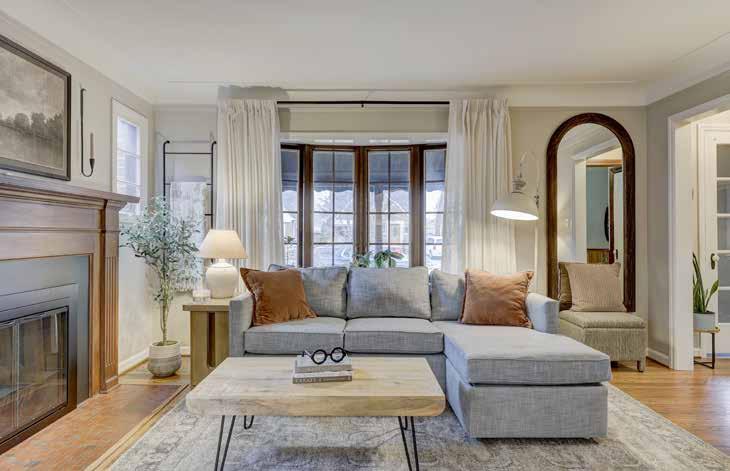
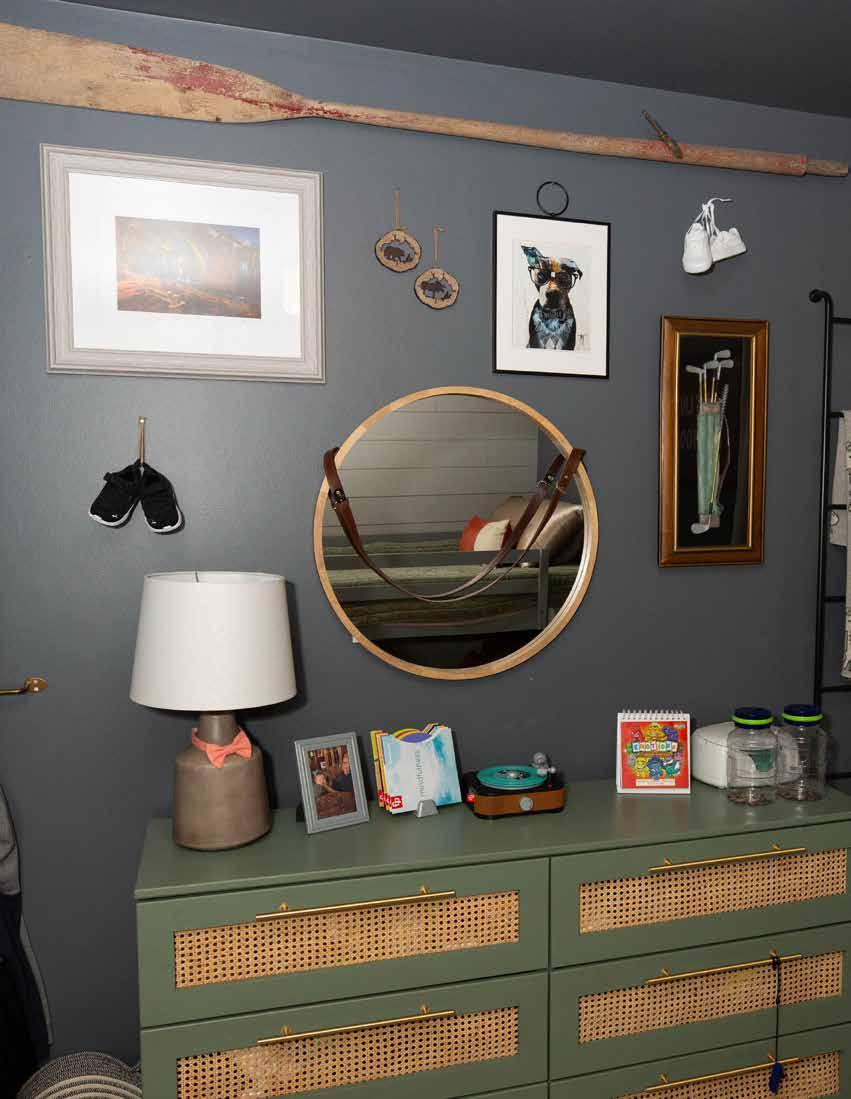
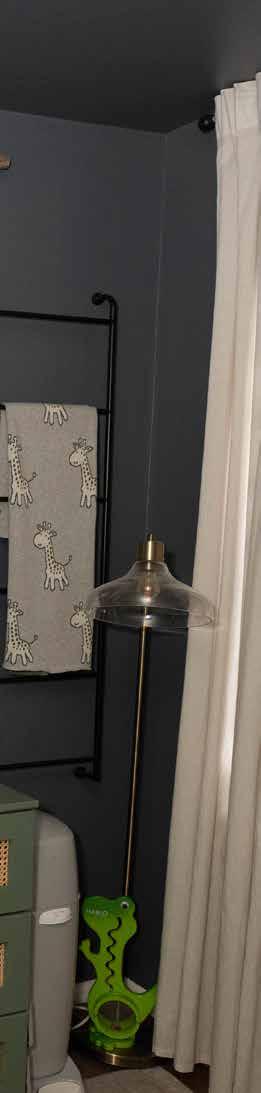
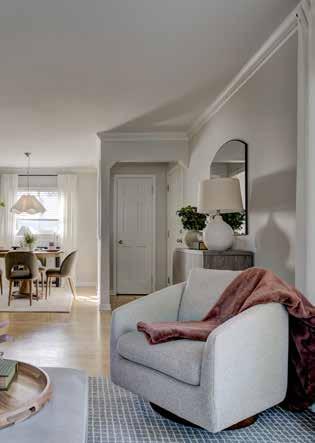
“I can gather almost everything I need from a half-hour conversation… about who they are. I can’t design for someone without knowing them.”
Kristen Roessel doesn’t remember a single moment when interior design “clicked.”
There was just a room. Her room.
She was a kid, newly moved to Michigan and newly given her very own bedroom. Her mom told all the kids they could do whatever they wanted with their spaces. One sister felt overwhelmed. Her brother didn’t care.
Kristen lit up.
“I could look at any space and just envision how I wanted it to feel,” she says.
Not how it would look. How it would feel .
That instinct has never left her.
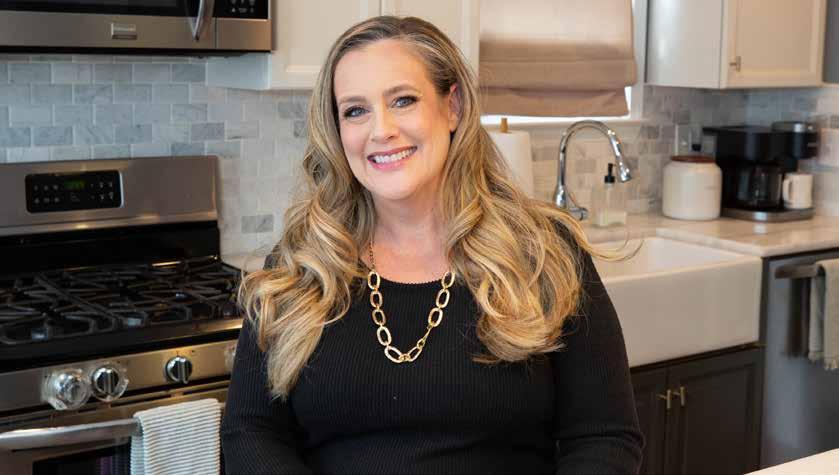
Today, as the owner of Heart + Home Interior Design, Kristen approaches every project the same way she approached that first bedroom: by listening first, imagining second, and designing only after she understands the human life that will unfold inside the walls.
“I can gather almost everything I need from a half-hour conversation,” she says. “Not about their job. About who they are.”
Design, for Kristen, starts with curiosity. Her first call isn’t about timelines or budgets. It’s about hobbies. Routines. What feels off. What feels missing. She listens for words people repeat without realizing it. She notices what’s cluttered, what’s empty, what’s been avoided altogether.
She insists on standing in the space too, and watching the people who live there move through it.
“I can’t design a home without being in it,” she says. “And I can’t design for someone without knowing them.”
That curiosity is shaped by a life spent connecting people: Kristen studied communications, and worked in corporate event planning. Design, for years, was the side gig, the thing she did with her mom, who shared her eye for color, texture, and possibility.
“She and I are two peas in a pod creatively,” Kristen laughs.
They wandered open houses just to see what could be done. Turned birthday parties into experiences. Transformed dorm rooms into showplaces.
Design was their shared language. And when Kristen reached a point where she “wanted to know what I could accomplish if nobody was telling me what to do anymore,” she went into it fulltime… with mom as part of her core team.
When I ask Kristen for an experience that helped shape her design process, she recalls one long before Heart + Home was a business. A neighbor down the street, elderly and newly widowed, was overwhelmed by what to keep and what to let go of.
Kristen and her mom didn’t come with a plan. They listened. Checked in weekly. Moved furniture. Shopped together.
At the end of the summer, they asked her to leave the house for a few hours. When she returned, her living room—her comfy space—had been reimagined.
“The way her face lit up,” Roessel says. “I’ll never forget it.”
Years later, Roessel went back for a visit. Not a single accessory had moved. Not one pillow repositioned. The woman told her it was still the most comfortable place she’d ever spent time.
They still exchange Christmas cards.
“That was the moment,” Kristen says, “when I realized design isn’t about taste. It’s about people.”
So now, even when clients don’t yet have language for what they want, what they need, Kristen listens.
“Most people just say, ‘It’s not working,’” she says. “That’s why they call me.”
Sometimes one detail shifts everything. Like the clients who hadn’t moved into their new house yet.
Kristen noticed a book on their table, a guide to designing homes for cats. That’s when she realized: the couple wanted to make the transition emotionally safe for their pets.
“So my brain just went,” she says, “What if we turned the great room into a vertical climbing, resting, play structure? An art installation that happens to be a cat jungle.”
The couple was in immediately.
“The room isn’t the star,” Kristen says. “The people are.”
So yes, Kristen has a style. She gravitates toward natural elements, reclaimed materials, local partnerships (“I want to leave this world better than I found it,” she says. “I have young kids. That matters”).
But she never imposes her style, or any style. And she measures success by reluctance.
“My hope,” she says, “is that when someone walks into a space we’ve finished, they never want to leave.”
And they don’t.
Kristen and Heart + Home Interior Design (heartandhomeinteriordesign.com) is in Ferndale
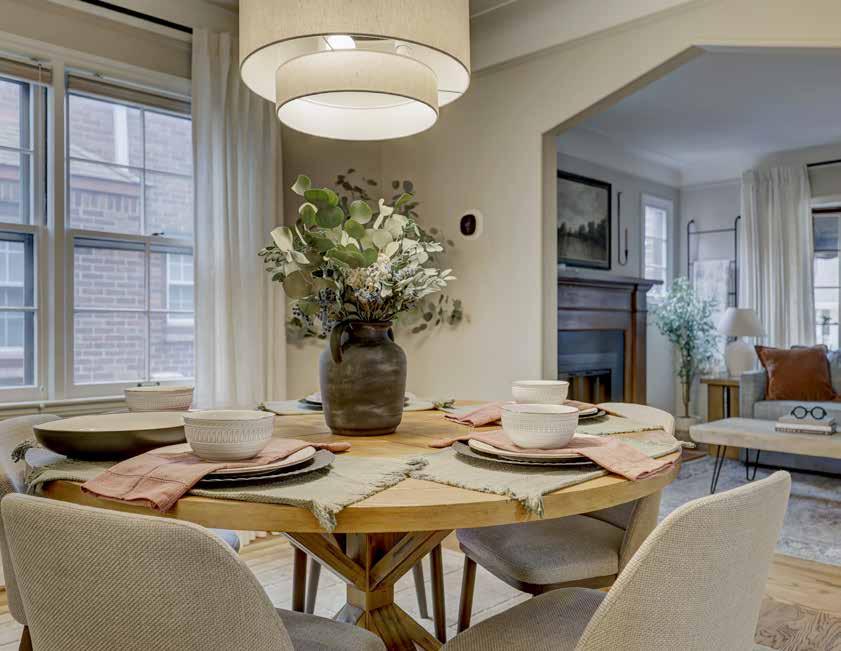

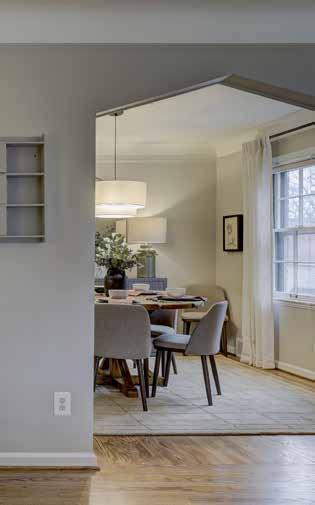
ASK KRISTEN ROESSEL WHAT ROOM EVERY HOME SHOULD HAVE, AND SHE WON’T SAY KITCHEN OR MASTER SUITE.
SHE’LL SAY: THE BONUS ROOM.
Formal dining rooms usually gather dust. Perfectly staged guest bedrooms rarely get used.
That’s why Kristen recommends what she calls a “bonus room.”
“It’s a multifunctional room where somebody feels warm, cozy, and inspired,” Kristen says. “A study. A creative space. Somewhere you can close the door and just be.” It’s the room Kristen retreats to in her own home—her office, but designed as something more. “These are the rooms people actually live in,” she says. “The ones they never want to leave.”
KRISTEN’S ADVICE: LET THE ROOM EVOLVE WITH YOU. MAKE IT COZY FIRST, FUNCTIONAL SECOND.
lawn, more life: Erica Zador helps backyards do more than look good
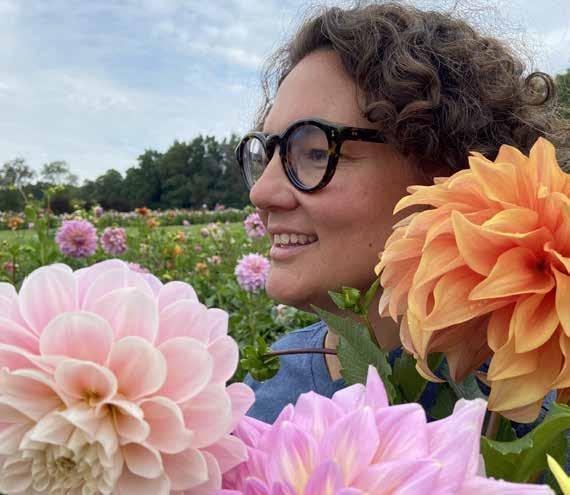
The wind is a character in Erica Zador’s story.
Not metaphorically. Literally. The kind of wind that rips across the Great Plains with enough force to rearrange your mood—and, if you’re unlucky, your car.
In Erica’s Kansas childhood, growing up 27 miles from the nearest town, tumbleweeds weren't charming symbols of the Old West. They were the wind’s weapons, rolling behemoths capable of serious damage.
ARTICLE
But somehow, in that chaos, she found a symbol that reminds her of the wonders of her own origin story.
“Sixty million years old,” Erica says of the Plains. “It was underwater. It was a sea. So it’s a very special soil type and just a special, special place. I get so much inspiration from those wide-open spaces.”
Today, as the founder of Tumbleweed Garden Consulting and a landscape architect with Friends
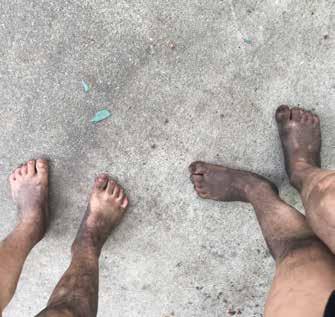
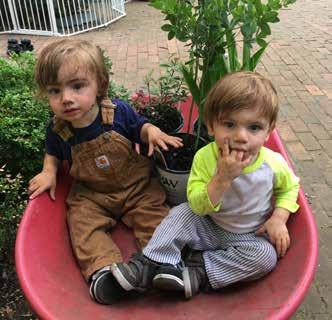
of the Rouge, Erica brings that prairie sensibility to backyards, rain gardens, and community projects across Metro Detroit. Her mission? Help people see their little patch of earth not as a status symbol to be manicured, but as a living ecosystem they can restore.
Erica didn't start out as a gardener. She was a sculptor, who fit in with "the weirdos, the freaks, and the French" in Kansas, and dreamed of making it in New York. But when she finally got to the Big Apple, it wasn't the art scene that captured her. It was the gardens.
"In New York, when you're an artist, you're competing with everybody. I was broke.” she says. "But I got into gardening, and it just clicked. I was remembering these plants naturally. I loved the physicality of it, the temporal part—sculpture in time, you know? Color, seasons, all of it."
Back then, she was doing Brooklyn backyards, and terraces on skyscrapers. The work reconnected her to Kansas in ways she didn't expect. "A lot of my projects in grad school were based on Great Plains aesthetics," she says. "That naturalistic look is my jam."
Erica doesn't hate lawns; she has kids, so she gets it. But she wants people to understand what traditional landscaping really is: a relic of status, inherited from English estates and Versailles, where massive lawns signaled wealth and power.
“That’s why it became this thing where you're a 'conscientious community member' if you keep it trim and perfect,” Erica explains. “But lawns aren't native. They contribute to flooding, they wipe out biodiversity. In my lifetime, 40% of bird populations have declined. That's a direct result of not having diversity in our environments."
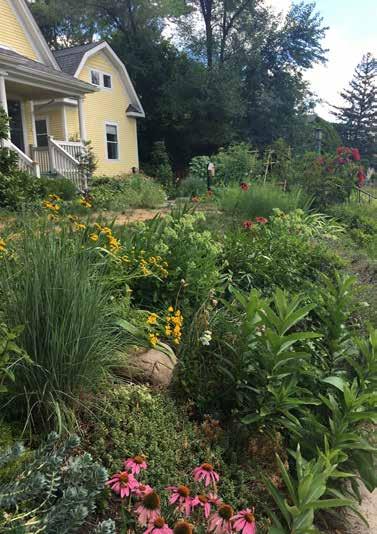
So that’s what she’s doing: adding diversity to backyards. Erica says even a postcard-sized patch can directly affect something that's in crisis. Pollinators, native insects, birds up the food chain are all depending on what you choose to plant or not plant.
"You don't have to eliminate your lawn," she says. "Just reduce it. Cut it by a quarter. That alone is huge."
The most common fear she hears? "People think it's too much work." But Erica calls herself a lazy gardener. Once you establish native plants suited to your conditions—"right plant, right place," she calls it—the maintenance drops dramatically. No weekly mowing. No fertilizers, herbicides, or pesticides. Just one spring cleanup when nighttime temps hit 50 degrees for a week, and you're done.
"With traditional landscapes, you're constantly trimming, nipping, tucking," she says. "A naturalistic garden? You can let it be."
For someone with an artist's heart, Erica's definition of beauty has evolved.
"Things that actually work and function? That's beautiful," she says. "It's supporting something way beyond us."
She even gets philosophical about it. Humans evolved to notice flowers as signals, because six weeks after they bloom, there's fruit to eat. Our brains are hardwired to pay attention. "If you're depressed, one of those indicators is you stop thinking flowers are beautiful," she notes.
So maybe, she suggests, if we learn to see ecological function as beautiful, if we shift from ornament to purpose, we’re evolving again.
“Things that have a succession,” she says. “Things that seed out and you don’t have a lot of control over but actually work
and function—that is beautiful. Because it’s supporting something that’s way beyond us.”
A garden, in that light, isn’t a personal statement. It’s participation.
Erica's work with Friends of the Rouge demonstrates that sense of participation. Erica works with stormwater systems— meaning she sees the hidden plumbing of cities. In many Detroit neighborhoods, stormwater and sewage share the same combined sewer system. That’s why, in big storms, basements can back up, and overflow can end up in the Detroit River.
Rain gardens can be game-changers.
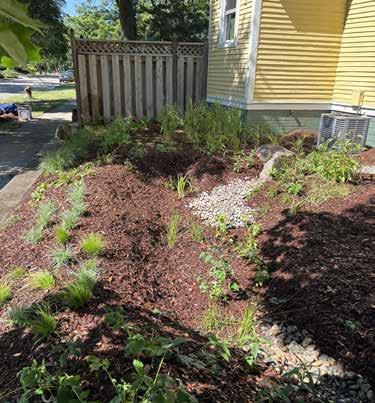
On Detroit’s west side, Friends of the Rouge installed a rain garden at LaNita’s Memorial Garden. The flooding that had plagued the surrounding area stopped.
“One rain garden,” Erica says. “That’s all it took. Massive flooding. One rain garden. Done.”
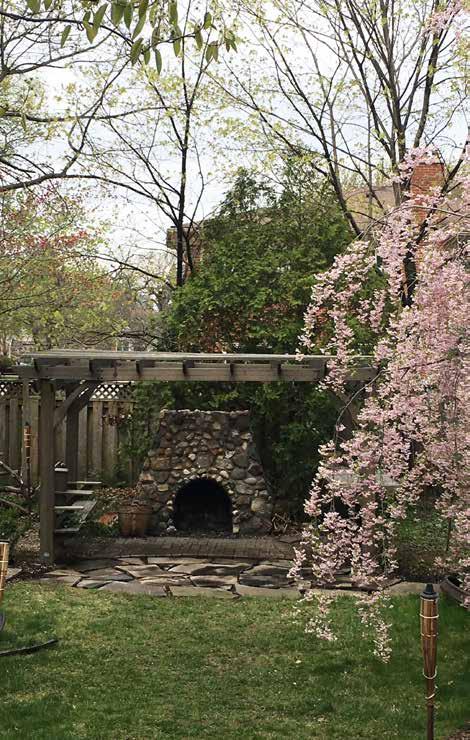
At the Detroit Zen Center in Hamtramck, the approach is more layered. Through the Sacred Grounds Program—a partnership between Friends of the Rouge, the National Wildlife Federation, and the Sierra Club—stormwater is managed at multiple levels: a green roof, rain barrels, and a peace garden that includes a rain garden designed by Erica.
Different strategies. Same principle. Same result.
If every house in a square mile had a rain garden? The cumulative impact would be enormous. That's Erica's vision: not grand municipal projects (though she'd love to consult for those too), but everyday people taking small but powerful actions in their own yards.
If Erica had to distill everything into a single idea, it's this: "Put your heart in it first. Check it with reality. Put your heart in it again. At some point, the mind gets quiet. You know it's done."
It's the artist talking, the sculptor who never stopped making things; she just changed her materials to soil and stems and seasons.
That's Erica Zador, a Kansas kid helping Detroiters see their gardens for what they really are: small, powerful piece of a sixty-million-year-old story.
And you get to write the next chapter.
Learn more: Tumbleweed Garden Consulting offers ecological landscape design and consulting for residential and community projects. You can reach Erica at tumbleweed.ro@gmail.com or 971-242-9783. For rain garden resources, visit Friends of the Rouge at rouge.org
• Start spring cleanup when it’s been 50° at night for a week. Then cut perennials back to 6–8 inches to support stem-nesting bees.
• Leave the leaves. They provide a “soft landing” and shelter for overwintering insects (unlike wood mulch).
• Mulch doesn’t have to be yearly. Keep it around 2 inches.
• Stop watering new plants around Thanksgiving, when they go dormant.
• Want to get witchy? Plant on a new moon—higher water table.
• Mulch spacing matters: keep it 8–12 inches from tree trunks, 2–3 inches from plant crowns.
• Know the genus and species. “Hydrangea” isn’t enough; different types prune differently.
• Plant in masses: pollinators see groups better. Aim for 3–5 of the same plant together (5–7 is even better).









ARTICLE BY MARSHALL ZWEIG
PHOTOGRAPHY BY AMY GILLESPIE
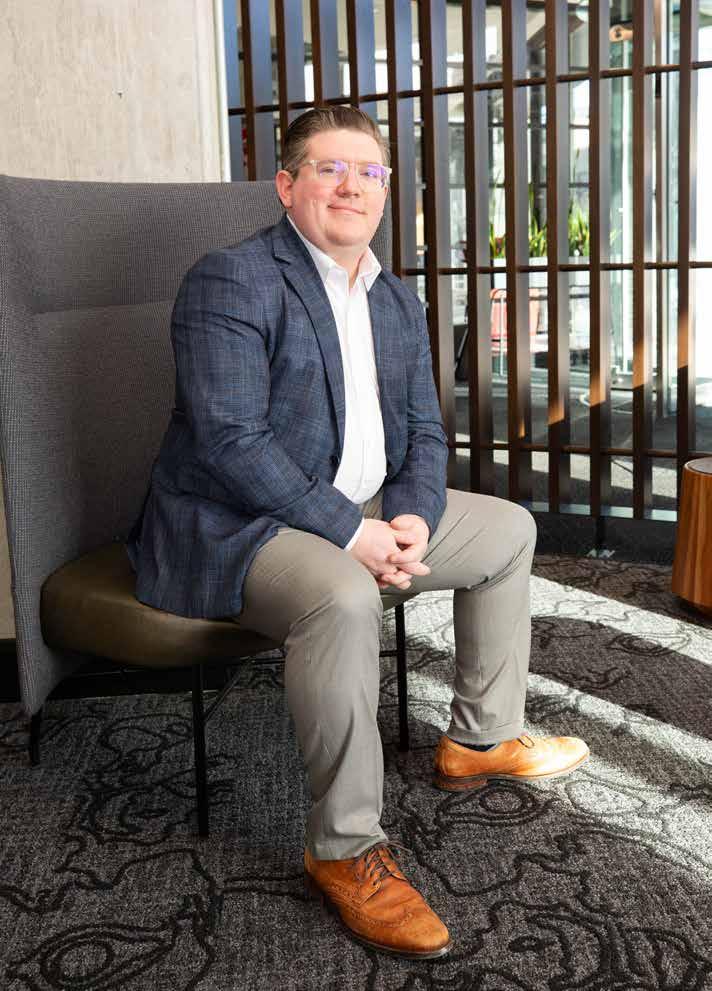
Dustin Walker describes Royal Oak streets the way most people talk about their living room.
It makes sense: his family has been inhabiting them for over a century.
"My great-grandparents moved here in the 1920s," Dustin explains. "Since then, we've just kept moving up Campbell Road. My great-grandmother lived at 11 and Campbell. My dad grew up at 12 and Campbell. I grew up at 13 and Campbell. Now I live at 14 and Campbell with my wife and two kids."
It’s the opposite of wanderlust. It's finding a place so right you never want to leave.
His great-grandfather built the house on Curry, with distinctive stonework that longtime residents still recognize. His grandparents, parents, and Dustin himself all got married at Shrine. Multiple generations attended what's now Royal Oak Middle School, originally the city's high school where his parents met. Well, sort of.
"They didn't officially meet until a year after high school," Dustin clarifies. "My mom was super quiet, and my dad was a goofball. Their best friends started dating and invited them to a party in Royal Oak, and that's where they hit it off.”
Dustin, who runs Ross’s Royal Oak branch, isn’t the first of his family to run a Royal Oak business either: before Tom’s Oyster Bar, Dustin’s great-grandfather and his brother-in-law ran Marv's Bar at the same spot—and a drive-in at (believe it or not) 14 and Woodward.
"My great-grandparents used to talk about having to hitch up the horses to go way out to Clawson," Dustin laughs. "That was like a whole to-do, you know?”
When you ask Dustin what's kept his family here across four generations, his answer is immediate: community. "There's something for everyone. You can find your people. The houses are close together—some love that, some don’t, but we do. We like having neighbors. There's diversity of religions and backgrounds. And you don't have to go far to find an outlet for whatever interests you."
His dad still can't go anywhere without running into someone he knows. "He's got a memory for faces and connections," Dustin says. "He's pretty active with Knights of Columbus and his church. I'm surprised he never ran for local government."
Dustin spent 15 years in high-end hospitality management, developing the numbers and people skills that now serve him as a mortgage banker. During COVID's second half, he decided to make a change.
"A couple people recommended mortgage banking, but there are call center models where people buy leads and make hundreds of cold calls a day,” Dustin explains. “That's not what Ross Mortgage does."
A Royal Oak staple since 1949, Ross Mortgage's model is referrals, meaning it’s relationship-driven. When Ross’s president Tim Pascarella was asked what message he wanted in this article, he said three words: "Lender for life.” And in an industry where
There’s something for everyone. You can find your people, and find an outlet for whatever interests you.

people typically bounce around, the average employee tenure at the family-owned company, which spent almost four decades on Catalpa and Woodward (before moving to Big Beaver), is eleven years.
"When I heard stories about how they've always led with their heart and put clients first, I knew I was where I needed to be," Dustin says. "They never dabbled in the subprime mess in the late 2000s. Every decision I've seen them make since I've been here has been moral and value-driven.”
That hits me. Having endured the intense stress, anger, and hurt of using a less-than-ethical mortgage app myself, I realize now how much that matters. But I don’t say all that to Dustin, I just say, “People come to mortgage professionals at a vulnerable moment.”
Dustin agrees. He says he sees it all the time: people who don't know if they can trust their bank, who've been given conflicting advice by family or friends, who think their financial past is a bigger deal than it really is.
"My job,” he says, “is to be their filter: help them understand what matters and what doesn't, and never steer them wrong."
He's helped people escape domestic violence situations and buy homes they never thought possible. He's told people they're not ready to buy yet, even though it costs him commission. "I treat every client that way,” Dustin says. “That’s why my referral partners keep sending people to me. They know I won't lead anyone in the wrong direction."
For Royal Oak buyers specifically, Dustin gets extra excited. "I'm telling them about the long-term life they're stepping into: city services, new parks, restaurants, what it's like to raise a family here. I've even had clients borrow power tools from me," he laughs.
After years of helping people buy homes, Dustin's definition of "home" has deepened: "Home is where you can walk into any business, talk to virtually any resident, and not feel uncomfortable. Royal Oak is welcoming to anyone."
Being part of Royal Oak's ongoing story matters to him. "Anytime somebody mentions my name in a forum, or refers me, I don't take it for granted. I deliver on each one best I can. When people trust me enough to refer someone, that's an honor. I'm honored to be a small part of Royal Oak's housing future.”
To contact Dustin, visit rossmortgage.com/dustin-ryan-walker or call 248-761-925
“My greatgrandparents used to talk about having to hitch up the horses to go way out to Clawson. That was like a whole to-do, you know?”
Before mortgages, Dustin spent years in hospitality, so it’s no surprise his go-to dishes reflect places that do the basics exceptionally well. His picks lean classic, unfussy, and dependable, which means they’re a lot like our city itself:
• Italian sub at Johnny Mustard’s – The perfect deli sandwich
• Brisket with orzo mac and cheese at D’Amato’s – Comfort food elevated
• Fish and chips at Lily’s Seafood – A Royal Oak classic done right

THI S FORMER GM ENGINEER BUILDS RENOVATIONS ARO UND WHAT MATTERS MOST TO YOU
ARTICLE BY MARSHALL ZWEIG | PHOTOGRAPHY BY AMY GILLESPIE
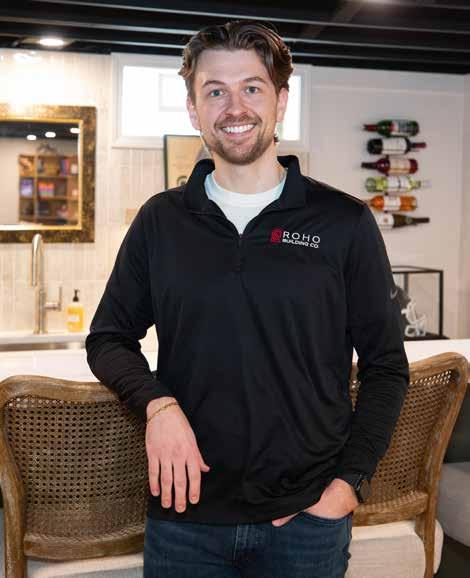
Vince Rende didn't leave General Motors because he hated engineering. In fact, he still loves the attention to detail and problem solving that it takes to be a good engineer. He just sensed there was a better path for him—one that brings him closer not just to the work, but to the people he serves.
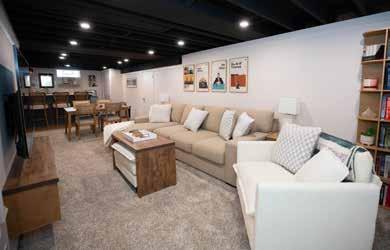
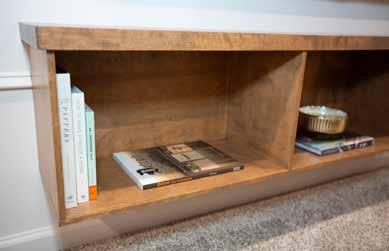
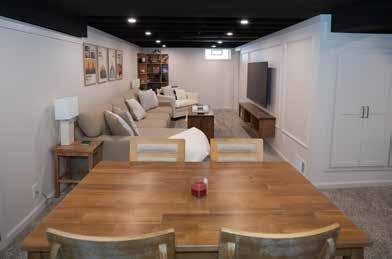
For years, he guided multi-million-dollar automotive projects from design to production, managing the kind of precision where a miscalculation could ripple through thousands of vehicles. He was good at it. Top marks. High performer. The kind of success that looks unshakeable from the outside.
But somewhere between the spreadsheets and the corporate checkpoints, he'd started asking himself a question he couldn't ignore: What if the problems worth solving for me aren't in factories at all? What if they’re in homes, where the blueprint is the "why" behind the project?
So in 2023, he walked away. Took his builder's exam. Launched ROHO Building Company.
His first project wasn't glamorous: just replacing sagging wire shelves in his mother's closet with something sturdy enough for her shoes and colorful wardrobe. But his mom still talks about those closets. And for Vince, that vote of confidence meant more than he expected.
"It was family," he says. "It was like, 'Hey, we know you're doing something new. Here's an opportunity for us to support you.'"
That experience became the foundation for what ROHO stands for: support.
Vince says people renovate because something in their life isn't working yet. Vince supports them in figuring out what that something is.
Most contractors walk into your home with a clipboard and a pricing sheet. Vince walks in with a question: "Why is now the right time for you to be reaching out?"
In other words, he doesn't walk in with his tape measure out and a list of things to sell you.
“Small talk usually leads to something I can connect the project to,” Vince says. “And it's an opportunity to let my clients know I'm a real person, not just some random guy they're paying to do the work.”
Vince wants to know why your project would make your life better. Because if you can't articulate why you want that kitchen island—not what you want, but why —then he can't build you the right thing.
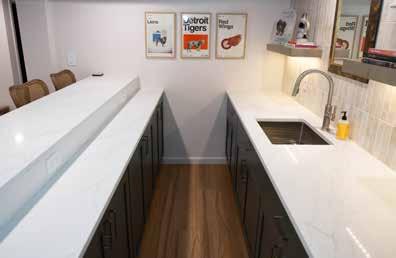
Maybe you don't actually need an island; maybe you need a peninsula with bar seating, because what you're really after is a place where your kids will sit and talk to you while you cook.
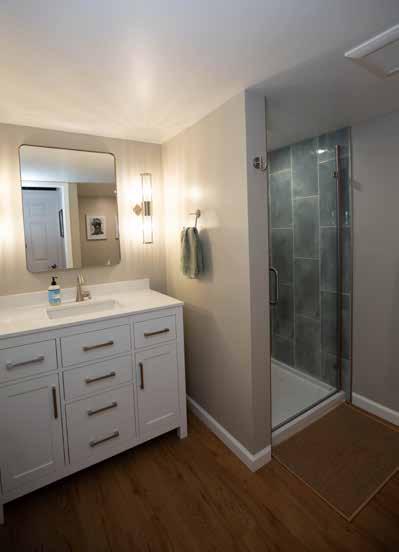
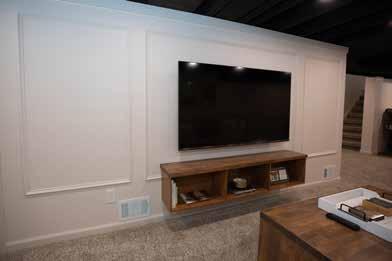
Maybe you're not frustrated by the lack of counter space; you're frustrated that your family scatters after dinner, and you want a hub that makes them linger.
"I'm not just going to take your budget and spend the whole thing," Vince explains. "I'm going to keep asking why. Keep asking why. That helps me guide your decision-making, so we're not spending time and money and resources on the wrong thing."
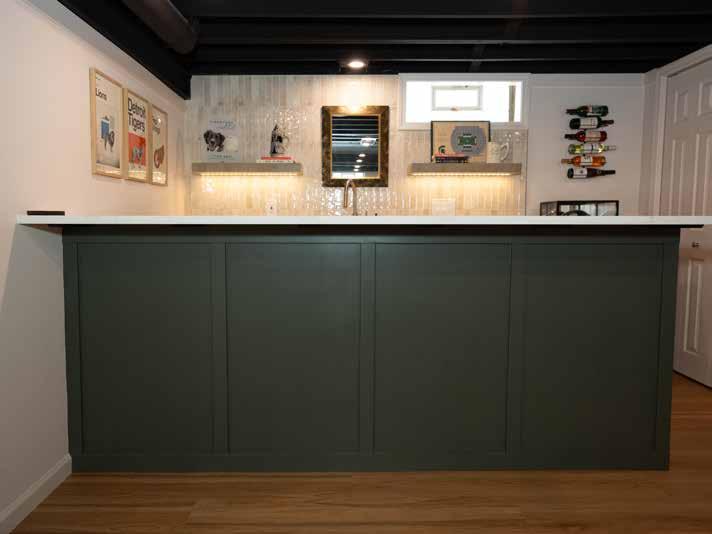
This is where his GM training becomes invisible magic. The same discipline that managed cascading timelines and cost thresholds across sprawling automotive programs now makes sure your basement remodel doesn't just add square footage; it adds the life you're trying to live.
He's not managing parts anymore. He's managing priorities. And the tool he uses most isn't a saw. It's listening.
Here's where ROHO diverges from the pack: Vince charges for pre-construction. And he makes it clear why too: twenty percent of the work happens before the first wall comes down.
During pre-construction, he's not just measuring your kitchen. He's scanning the space, drafting remodel-worthy drawings, sitting with you for hours to understand what finishes speak to you, coordinating with designers and trade partners to figure out if your vision has hidden complications.
"It's not enough time to just come shake your hand, walk the space, type some numbers into a spreadsheet, and give it back to you," he says. "There's more than money invested in these projects."
That last part matters. Because Vince knows something most builders forget: even if you had infinite money, you're still doing this because you want something. The budget is just the frame. The why is the picture in it.
His ideal client? Mid-30s to 60, solid income, $500K–$1M home—and they've hit a pain point. Maybe they hosted Thanksgiving and realized their dining room can't breathe. Maybe they've got mobility issues and a bathtub that's become a barrier. Maybe they just want their home to stop fighting them and start fitting them.
"If you feel like something's missing when you're living in it," Vince says, "then it's not built for you yet."
The projects that mean the most to Vince are the ones where the way he approaches his work made a difference.
There was the Royal Oak bathroom he gutted to the studs. Gorgeous tile to the ceiling, intricate floor work. It was the kind of renovation that photographs beautifully.
But what the homeowner couldn't stop talking about? The window trim. Vince had matched it to the casing in the adjacent rooms, a small choice that made the whole house feel coherent.
"It's the first thing you see when you walk in," he says. "And when clients are talking about that random thing, it probably means they're not unhappy with anything else."
Then there was the older couple who needed their bathtub replaced with a low-threshold shower for mobility. It wasn't the most profitable job Vince has taken. But it was a reminder that the right projects are about more than aesthetics; they've got a deeper purpose.
"It felt like more than just a job," he says reflectively. When you're building for someone's pain point, you're doing more than renovating. You're removing an obstacle between them and the life they're trying to live. That's the work Vince does. Not luxury for luxury's sake. Not cosmetic fixes that look good in photos. He builds the thing that makes you stop feeling like something's missing.
Along the way, sometimes the unexpected happens. You can't see mold behind a wall until the wall comes down. You can't predict a rotting subfloor until you pull up the tile.
That’s why, if you ask Vince what matters most in a project, he doesn't say craftsmanship or timeline. He says trust, because trust pays off when things go sideways. Those surprises become problems he and his clients solve together.
“My best clients are the ones who see me as a partner, who helps them make decisions based on what matters most to them,” Vince shares. “I want them to talk about how comfortable they were with us being in their home and how much trust there was throughout the process.”
And how does he build trust? He asks why. And then he listens more than he talks.
So if you're the kind of homeowner who wants a builder to tell you what to do, he might not be your guy. But if you want someone who treats your 'why' like his blueprint, Vince is building for you.
Vince and ROHO Building are at rohobuilding.com or (586) 610-7551

“I’M GOING TO KEEP ASKING WHY. THAT HELPS ME GUIDE YOUR DECISION-MAKING, SO WE’RE NOT SPENDING TIME AND MONEY AND RESOURCES ON THE WRONG THING.”








MARCH 2026
MARCH 1ST
Detroit Zoo | 9:00 AM
Classes are held on select winter mornings and evenings and guided by certified instructors. Whether you’re a seasoned yogi or new to the mat, this unique experience is for you. Throw on some comfy clothes, grab your mat and a reusable water bottle, and connect more deeply with your inner self — and the natural world.
MARCH 7TH
Downtown Royal Oak | Event 21+ | 2:00 PM
Join us for The Annual St. Practice Bar Crawl in Downtown Royal Oak. It's always a great idea to PRACTICE before celebrating St. Patrick's Day! Grab your friends and spread the Irish cheer while hitting up some of Royal Oak's best bars for some festively themed drinks and plenty of holiday swag!
MARCH 13TH
Detroit | 12:00 PM
313 Day is an annual celebration of the city’s culture and spirit, featuring food, music, and community events. Key celebrations including local business discounts, live performances, and Detroit-themed gatherings throughout the city, paying tribute to the legendary “313” area code.
MARCH 14TH
Royal Oak Farmers Market | 7:00 AM
Join us for our Think Spring Craft Show, paired perfectly with our regular Farmers Market vendors! Shop handmade gifts, seasonal crafts, and unique finds from additional crafting vendors while stocking up on your favorite market goodies. It’s the perfect stop to welcome spring and support local all in one place.
MARCH 14TH
Downtown Royal Oak | 12:00 PM
Don’t be green with envy. Deck your kids, your pets, your bicycles and wagons in everything green and join us for a family-filled celebration of Irish tradition. Parade starts at Royal Oak Middle School. It’ll travel south on Washington Ave, then westbound on West 7th street.
MARCH 28TH
Royal Oak Public Library | 11:00 AM
Learn the history of “sugaring” from the Native American ways to our modern processes. Understand how to identify a sugar maple tree with its leaves on or without them. Plus, enjoy a taste of maple syrup on vanilla ice cream! Join Don Snoeyink of Thornapple Woodlands as we celebrate Maple Syrup Month in Michigan!