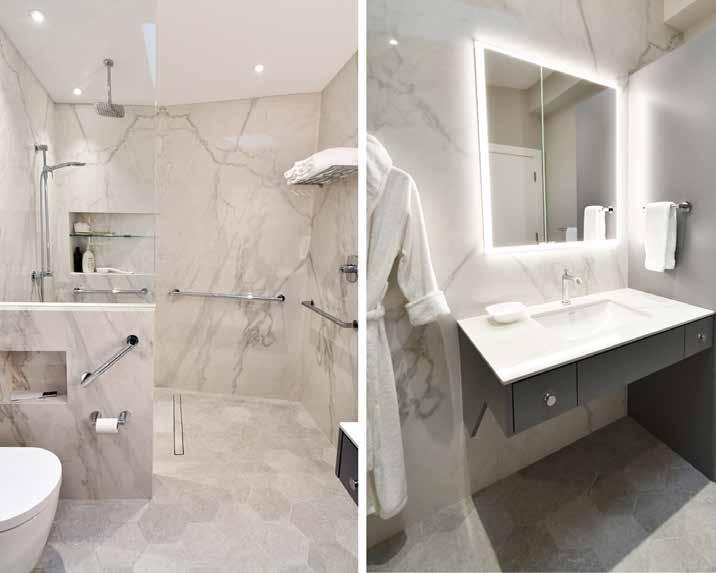
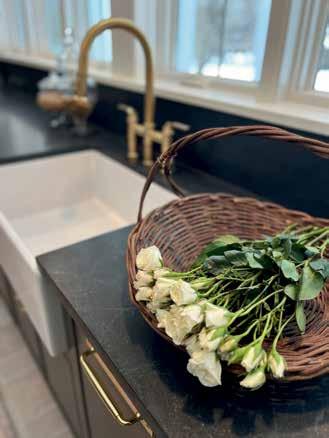
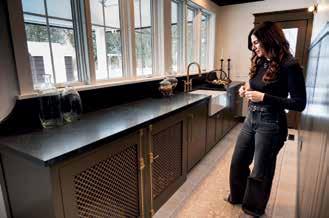
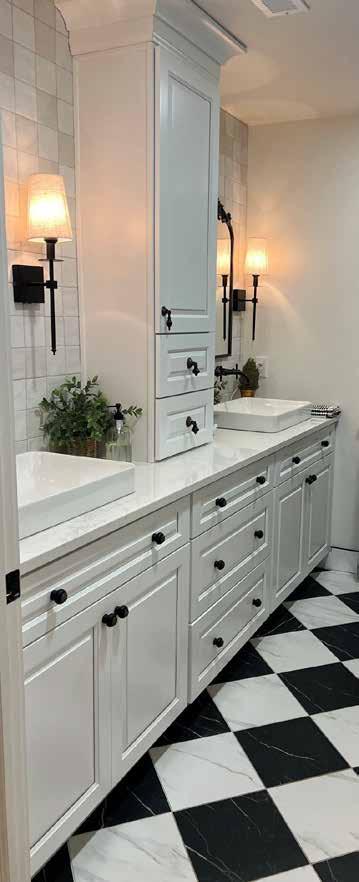
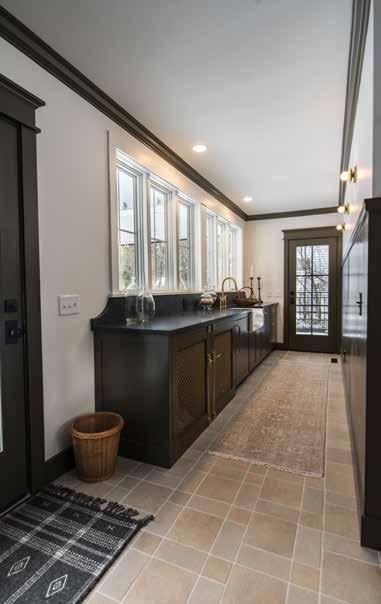
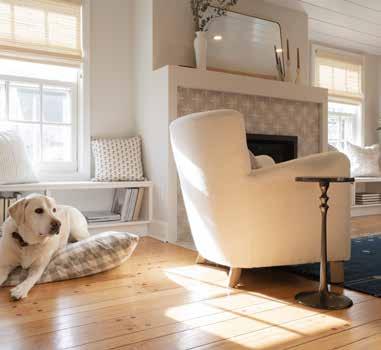
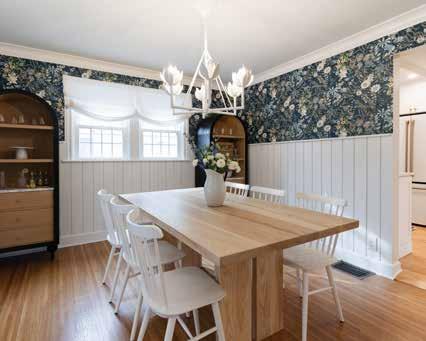
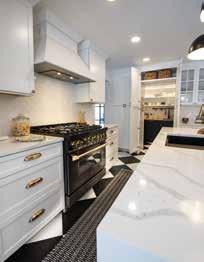
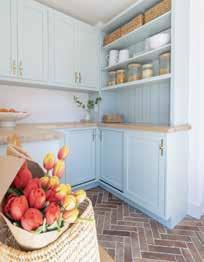
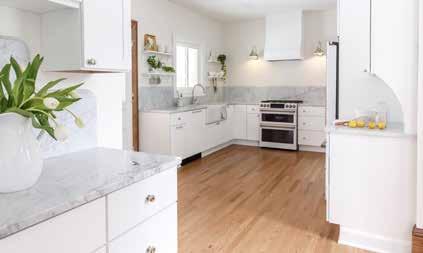
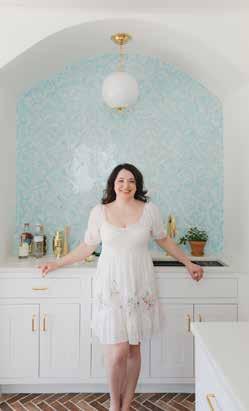
A bathroom should be more than beautiful- it should move effortlessly with you. Our bespoke remodels blend timeless materials, spa-level finishes and discreet accessibility features into a space that feels indulgent, intuitive and serene.
From seamless walk-in showers to elegantly integrated support elements, every detail is designed to elevate comfort today while thoughtfully preparing for tomorrow.
We invite you to visit our relaxing showroom where your design experience begins.
Now accepting deposits!
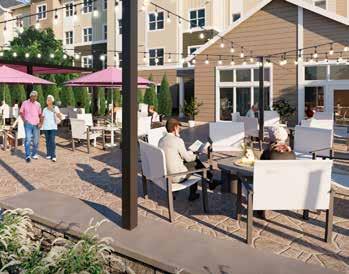
Lilac Grove is a new, moderately priced rental community for adults ages 62 and older. Designed with comfort, convenience and community in mind, this 90-unit apartment complex opens in May 2026.
Lilac Grove is here to meet your needs and enhance your lifestyle. As part of the Jewish Home campus, you’ll have access to a variety of amenities, engaging programs and a full spectrum of supportive services.
Let’s talk about making your move to Lilac Grove for a convenient, carefree community to call home.
What Home Means Now
Hello Community!
Home means something different to each of us.
In Rochester, it may begin with the walls that surround us—many of them built in the first half of the 20th century, rich with craftsmanship, character, and stories that simply can’t be replicated. In this issue, we celebrate those timeless homes and the thoughtful ways homeowners and designers are bringing them into the present. In Timeless by Design , we explore how historic beauty and modern functionality can coexist, honoring the past while supporting the way we live today.
For many in our community, home is also tied to an important question: Can I stay here as my needs change? Aging in place has become both a priority and a possibility for more residents, thanks to innovative local businesses that are reimagining safety and mobility solutions. As you’ll see in these pages, today’s assistive home features no longer require sacrificing style. Beauty, comfort, and peace of mind can exist together—and increasingly, they do.
Others choose to redefine home altogether by embracing life in senior living communities. Wendy Ferrer from Jewish Home offers insight into a place where connection, activity, and joy thrive, and where age is not a limitation, but simply another chapter filled with community and purpose.
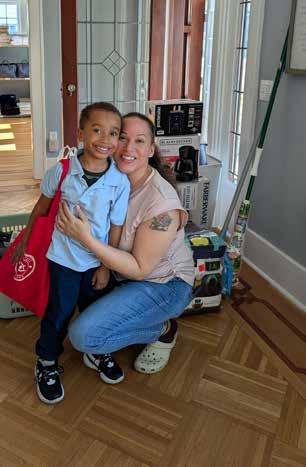
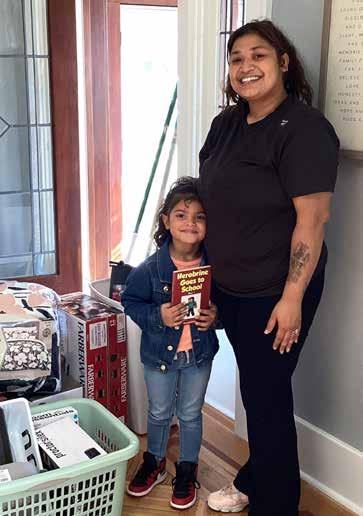
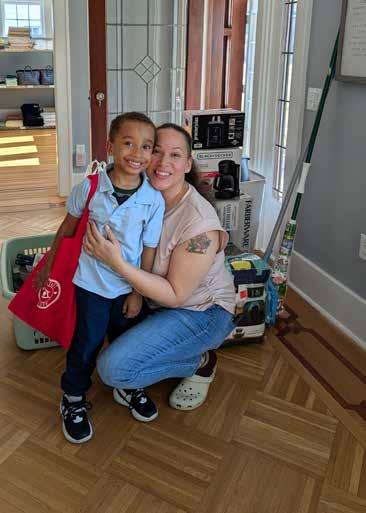
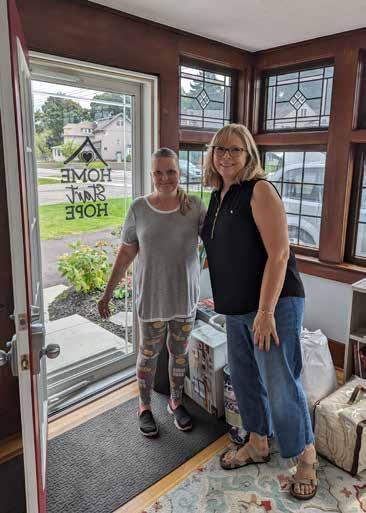
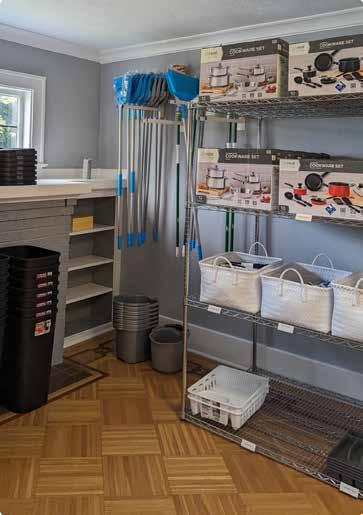
This issue reminds us that home is not only a physical space—it is a foundation for dignity, hope, and possibility. We share the powerful story of Home Start Hope, a volunteer-run organization providing brand-new household essentials to women and children transitioning from emergency shelters into independent living. Beyond the items themselves, Home Start Hope offers something deeply meaningful: choice. For individuals stepping into a home of their own—sometimes for the very first time— that choice fosters pride, ownership, and confidence in a more stable future.
At its core, home is where we feel safe, seen, and supported. It is where memories are made, transitions are navigated, and new beginnings take shape. This March, we invite you to explore the many ways our neighbors define home—and perhaps reflect on what it means to you.
Warmly,
March 2026
PUBLISHER
Betty Dolce | betty.dolce@citylifestyle.com
PUBLICATION DIRECTOR
Laura Bennett | laura.bennett@citylifestyle.com
EDITOR
Katrina M. Randall | katrina.randall@citylifestyle.com
SOCIAL MEDIA COORDINATOR
Ashley Fosdick | amf00275@sjfc.edu
SALES SUPPORT COORDINATOR
Payton Carroll | payton.carroll@citylifestyle.com
CONTRIBUTING WRITERS
Marie Gillette
Sarah Keeler | sarahkeelerb@gmail.com
BETTY DOLCE, PUBLISHER @ROCCITYLIFESTYLE
Corporate Team
CEO Steven Schowengerdt
President Matthew Perry
COO David Stetler
CRO Jamie Pentz
CoS Janeane Thompson
AD DESIGNER Mary Albers
LAYOUT DESIGNER Kathy Nguyen
QUALITY CONTROL SPECIALIST Brandy Thomas
Learn how to start your own publication at citylifestyle.com/franchise.
Proverbs 3:5-6
city scene
WHERE NEIGHBORS CAN SEE AND BE SEEN
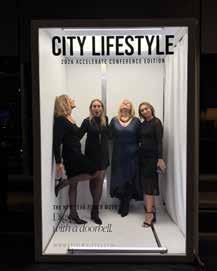
1-4: Hosted at Artisan Works, ROCOnly Events brought together a vision board workshop and wellness experience. 5: Hosted at Iron Smoke Distillery, ROCOnly Events hosted their second Skully’s Scholastic Adult Book Fair. 6: ROC City Lifestyle’s Betty Dolce and Katrina Randall at the City Lifestyle National Conference. 7: City Lifestyle publishers, including Betty Dolce, make the “cover” at the National Conference.
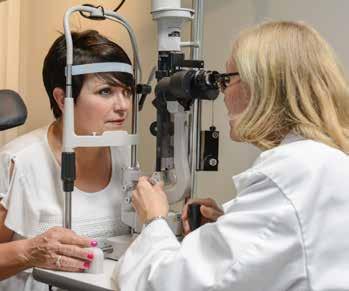
Earlene Siebold, M.D and Sarah Klein, OD From routine exams to cutting-edge treatment, experience comprehensive precision eye care with a personal touch.
esieboldmd.com | 585.244.5630 880 Westfall Rd. Suite A
Tips to Maintain & Retain Healthy Eyesight
Healthy Vision Begins With Prevention
• Protect your eyes from UV exposure by wearing sunglasses outdoors.
• Maintain overall health. Regular medical checkups, exercise, and good nutrition all contribute to eye health.
• Take screen breaks every 20–30 minutes, to prevent eye fatigue.
• Use blue light blocking lenses to prevent eye strain.
• Wear protective eyewear. Always use eye protection during any activity where debris could reach your eyes.
• Schedule comprehensive eye exams. This is the best way to note if any problems have started and establish a baseline for future changes.
880 Westfall Rd # A, Rochester, NY 14618
Earline Siebold, M.D. Sarah Klein, OD
business monthly
Fink Garden Studios Debuts at Rochester Home and Garden Show
Fink Garden Studios will be featured at the Rochester Home and Garden Show on March 21–22. The studio focuses on landscape design that complements the home, aiming to create functional and inviting outdoor spaces. Learn more at finkgardenstudios.com
Scan to read more
Award-Winning Soups from the Finger Lakes
Bloomfield-based Finger Foods Farm won the Audience Choice Award at the 2025 Grow-NY Summit for its “seed-to-ladle” soups made with locally sourced, organic ingredients. Available at Wegmans and other Finger Lakes retailers, the $10,000 prize will help the farm expand production and partner with local farms to bring its soups across New York. Learn more at fingerfoodsfarm.com
Four Winds Chimney Expands Into Albany Market
Four Winds Chimney, a leader in chimney and fireplace services, announced that it has completed the acquisition of Chimney Heroes, a premier chimney service provider based in Ballston Spa, New York. The transaction marks a significant milestone in Four Winds Chimney’s mission to provide services across New York State. The Victor-based organization will now offer its full suite of services, including inspections, sweeps, relining, masonry repairs, and fireplace installations, to the Albany region.
WE MAKE RETIREMENT WORK™
Behind each of our 200+ City Lifestyle magazines is someone who cares deeply about their community. Someone who connects people, celebrates businesses, and shares the stories that matter most. What if that someone was you? Or maybe it’s someone you know. If this isn’t the right time for you, but you know someone who could be the perfect fit, we’d love an introduction.
The Meaning of Home
HOME START HOPE’S THOUGHTFUL
APPROACH TO STABILITY AND RENEWAL
ARTICLE
BY MARIE GILLETTE | PHOTOGRAPHY SUBMITTED
For Kristin Mathis, president and CEO of Rochester’s Home Start Hope, the word home is rooted in lived experience and shaped by years of listening to the women the organization serves. Home represents more than shelter—it’s the foundation for stability, dignity, and the ability to move forward.
Mathis spent many years as a single mother following a divorce, navigating the emotional and financial strain of raising children. That personal history informs her perspective on the challenges faced by many women served by Home Start Hope, a volunteer-run organization that provides brand new essential household items to women and their children transitioning from emergency shelters to independence. “I know what it’s like to worry, to stretch every dollar, to try to keep your home feeling steady for your kids when life feels anything but steady,” she says. While Mathis had family support during that time, she emphasizes that many women Home Start Hope serves do not, which deepens her commitment to the organization’s mission.
Launched in 2010, Home Start Hope began as a response to a gap Mathis encountered while volunteering with the Junior League of Rochester, when she was part of a provisional class assigned to develop a group service project. Connecting with Bethany House, an emergency shelter, she learned how little women often had when they arrived and how little they left with when they moved on.
That reality prompted a question that stayed with Mathis: “How is anyone supposed to start over with basically nothing? ” So, her group organized a “housewarming” party, collecting household items and sharing a meal with shelter residents. The response exceeded expectations. With more donations than the shelter could store, Mathis began keeping items at her home. For the next nine months, she coordinated directly with Bethany House, gathering specific items women needed as they prepared to move into permanent
housing. The experience revealed both the scale of the need and the possibility of doing more.
As Home Start Hope formed, Mathis and her collaborators recognized that while household essentials are critical, the women also needed the experience of choosing those things themselves, feeling “respected and empowered while choosing her items.” She explains, “That simple act means so much. It’s choice, it’s dignity, it’s a bit of freedom at a time when life has felt anything but free.”
Mathis finds continued inspiration in the women and children Home Start Hope serves. Witnessing their relief, gratitude, and joy and hearing their stories reinforces the importance of the work. She says, “Many have been through incredibly difficult circumstances, yet they show so much strength and resilience. It’s impossible not to be moved by that.”
WHAT MAKES A HOME
Mathis’s own understanding of home informs the organization’s philosophy. “Home, for me, is quiet and calm,” she explains. “A house becomes a home when you feel safe and settled inside its walls, surrounded by the people and things that bring you comfort.” That sense of safety and calm is what Home Start Hope helps women begin to build.
“Home is the foundation for everything,” Mathis says. “If you don’t feel safe or settled where you live, it affects every part of life—your ability to work, parent, make decisions, or even think clearly.” When women and children have a stable home, she notes, families are strengthened, and healthier communities follow.
For many participants, moving into a new home represents a fresh start. Mathis describes the initial feeling as relief, not having to worry about acquiring basic necessities and knowing the items are new and chosen intentionally. She observes that unpacking those items brings pride and excitement, emotions that extend to children eager to see their new space take shape.
“I know what it’s like to worry, to stretch every dollar, to try to keep your home feeling steady for your kids when life feels anything but steady.”
At the same time, Mathis acknowledges that rebuilding a sense of home is rarely immediate. While having essential items helps women settle more quickly, feeling grounded and secure develops over time. Routines, stability, and safety emerge with time, making home an ongoing process rather than a single milestone.
Mathis views housing in a broader social context: Despite the dedication of service providers and caseworkers, Rochester continues to face a shortage of safe, affordable housing. Mathis hopes for greater focus on accessibility and long-term stability, noting that when housing is secure, “everything else becomes more possible.”
Home Start Hope reframes the meaning of home, not as something assumed or easily replaced, but as something built through care, choice, and respect. For the women and children it serves, home becomes a place where stability begins and confidence can grow.
LEARN MORE: For more information about Home Start Hope, visit homestarthope.org Don’t miss the organization’s upcoming Give A Damn Dinner Fundraiser on Friday, April 17 at Monroe Golf Club.
Our Services
• Kitchen Remodeling
• Bathroom Renovation
• Flooring and Tile Design
• Whole-Home Makeovers
• Custom Cabinet & Storage Solutions
• Addition & Garage Build
• Design Services
Discover the Art of Remodeling
At The Remodeling Showroom, we believe your home should reflect your unique style and needs. Whether you’re aiming for a modern kitchen, a luxurious bathroom, or an inviting living space, our team of experts is ready to guide you every step of the way.
Why Choose Us?
• Personalized Design Consultations: Work with our talented designers to create a plan tailored just for you.
• Premium Materials: We source only the highest quality products to ensure your remodel stands the test of time.
• Skilled Craftsmanship: Our experienced builders bring your vision to life with meticulous attention to detail.
• Comprehensive Selection: Explore our showroom for inspiration tiles, cabinetry, countertops, fixtures, and more!
• Transparent Process: From budgeting to final touches, we keep you informed and involved at every stage.
• Work with the owner of The Remodeling Showroom, Jim Kruger with decades of experience in the building and remodeling industry.
TIMELESS BY DESIGN
Blending Vintage Charm With Modern Living in Rochester
ARTICLE BY KATRINA M. RANDALL
PHOTOGRAPHY BY PAUL LOSSOWSKI; JOSHUA HUBERT PHOTOGRAPHY
As an early American “boom town,” Rochester and the surrounding region are steeped in history. In its earliest days, the Genesee River and the Erie Canal fueled the area’s growth, transforming it into a bustling hub. Today, that history is still visible in the historic and vintage homes in neighborhoods
Photo credit: Paul Lossowski
like Corn Hill, Browncroft, and Cobbs Hill, and across the city’s outlying towns and villages—each with its own distinct and vibrant past.
Whether built 80 years ago or 150, these homes that have stood the test of time offer unmistakable curbside character to passersby, while their interiors remain a mystery known only to those who live within their walls and the guests welcomed inside. While many homeowners embrace the charm and craftsmanship of a bygone era, modern living brings new expectations, like how to merge historic character with contemporary comfort and functionality.
VINTAGE MEETS MODERN LIVING
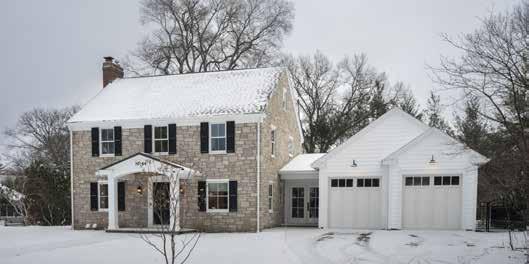
For realtor and resident Susan Glenz, who has always been drawn to the character of older homes, transforming her 1940s Pittsford house meant honoring the past while making it livable for today. The result is an exterior that evokes turn-of-the-century cobblestone charm and an interior that blends modern design with vintage aesthetics.
“I had a very clear vision—I wanted it to look like the home had historically been here before 1945,” Glenz explains. “It was one of those projects where you really had to rip the Band-Aid off and do it all.”
REIMAGINING THE EXTERIOR
The house, originally built with cedar shake, had woodpecker holes in the siding, a one-car garage, and an unheated breezeway. Glenz embraced the full project: The exterior was redone with all-stone facades, a new roof, and windows.
“Because the house exterior is stone, I went with white siding because I wanted the stone to really be the hero,” she says. She also added a grand front porch with white pillars and a covered entryway for guests. A two-car garage replaced the one-car version, and a sunroom plus a covered porch with retractable screens (“kind of like a greenhouse,” she notes) completed the exterior renovation. “It has a very old-but-new vibe,” she adds.
INTERIOR RENOVATION
Glenz worked with local remodeling firm Cedar + Deed when renovating the interior of her home. According to Erin Eder, one-half of the Cedar + Deed duo along with DeeDee DiMarco, “Susan had the ideas and we worked with her, the architect, and the builder collaboratively.”
Inside, Glenz also wanted a beautiful and functional mudroom as a “warm, welcoming, beautiful
CONTINUED >
Susan Glenz’s mudroom, turned-vintage-style dog room; photo credit: Paul Lossowski
Star Cross Cottage; photo credit: Joshua Hubert Photography
space for the dogs.” Built-in dog crates feature gold mesh doors in a criss-cross pattern (“reminiscent of an older aesthetic”), with access to a covered dog run and a fridge for food. Dark wainscoting, crown molding, soapstone countertops, and a dark organic stone floor give the space a moody, vintage feel.
She also customized wallpaper on Etsy to feature her dogs. “It has this old beautiful feel of a room, but it introduces this sense of whimsy that introduced my dogs into the wallpaper,” she explains.
KITCHEN & FINISHING TOUCHES
The kitchen cabinetry reaches the ceiling with crown molding throughout, and all hardware is gold or brass. Finishing touches, including house numbers, completed the transformation. Despite the extensive exterior overhaul, Glenz says the home fits perfectly into her mature, established neighborhood. “I don’t think there’s very many houses like mine, and it fits in a neighborhood that isn’t cookie cutter.”
THREE HISTORIC HOMES, THREE DIFFERENT STYLES
When taking on a vintage project, Danielle Barnes, principal designer and creative director of DMB Interior Design-Build in Fairport, says that one of the first things they do is look at how much character they’re trying to preserve versus how much needs to be replaced or removed. “Then it’s a balancing factor of, can we save it?” she explains, noting that sometimes they simply can’t.
One of the most important things to take into considerations? ”Function, function, function. How is the family going to live and use the space?”
BALANCING MODERN AND VINTAGE
Of course, what happens when a couple has different tastes?
That was the case of a Webster home built in 1900 that, in Barnes’ words, “was a fun juxtaposition" where he wanted contemporary and white, while she wanted all vintage.
The solution? Barnes ended up maintaining all the oak, the molding, and the door. Some molding had to be replaced to match, and the floors were replaced to look vintage. On the modern end, they made the ceilings and cabinets bright white but added in little vintage details, like natural marble and a farmhouse sink with a modern take.
DOWNTOWN RENOVATION
A 1908 home recently received a new kitchen designed to feel seamless with the rest of the house. Much of the design focused on creating a space that was predominantly white while still feeling colorful—using patterned tile on the
floor, removing the pantry walls, and opening the space to the kitchen. Vintage elements were intentionally layered in, including hardware likely dating to the 1940s or ’50s, which Barnes cleaned and restored to shine like new.
“They didn’t want it to feel like a completely different part of the house, but rather something that reflected their own personality,” she says. “Their style isn’t vintage, but they also didn’t want to destroy the character of the home.”
FROM PANTRY TO BAR
A closet area that had turned into a pantry, where chocolate always melted due to the heat run being so close, transformed into a stylish bar complete with a sink. They also added windows and shiplapped the whole ceiling. In addition, they kept the swinging door into the dining room and added more brass hardware and natural marble. “This [project] veered more modern than it did vintage,” she says. “It more nods to vintage, than it’s in your face type of feel.”
STRUCTURAL SURPRISES
When they talk about "unforeseen circumstances,” Barnes says a 1940s home in Brighton was a classic case. This included a huge crack in the bathroom floor, with the discovery that all the floor joists holding up the tub had been cut, making it structurally unsound. “Every time we opened up a wall or a ceiling, it was a disaster,” she says. Every week was a new challenge, and the renovation took a long time to complete, she explains. But the vision for the woman who lived there was all worth it—to transform it into a feminine, cozy cottage, making everything a “little more colorful and playful," she says. “It was meant to be more of a little retreat. Come home and relax."
VINTAGE + MODERN: TIPS FROM A DESIGNER
When working on a vintage home, it’s important to keep to one bygone era. “You won’t want anything from the wrong decade,” Barnes says. Pick modern-day pieces to complement the era of the house. “Pick one personality.”
Doors from older times are harder to find and can’t be easily created, so it’s nice when you can restore them. While moldings can be re-created, it’s better if you can keep the originals. “It’s almost like a vibe, you walk in, you know if it’s new or not,” she says.
Barnes emphasizes that functionality beats keeping something original, but it’s a balance. “The more I can save the better. I always think, what do I want the end to look like and feel like and function like? Versus letting one item drive the entire design.”
“It’s really amazing to see a house that's 100 years old and to re-create a renovation that's going to last in another 50-plus years. That to me feels really good.”
The Star Cross Cottage in Brighton
Photo credit: Joshua Hubert Photography
Danielle Barnes at the Park Ave. Vintage in Rochester
Photo credit: Joshua Hubert Photography
Susan Glenz's kitchen
Photo credit: Paul Lossowski
Park Ave. Vintage in Rochester
Photo credit: Joshua Hubert Photography
The Star Cross Cottage in Brighton
Photo credit: Joshua Hubert Photography
Village Victorian in Webster
Photo credit: Paul Lossowski
HOME REIMAGINED
At DMB Interior Design-Build, we believe your home should support the way you livebeautifully and intentionally. As a boutique design studio specializing in high-end residential renovations, we guide each project from concept through completion. Explore how thoughtful design can elevate not just your home, but everyday living.
www.dmbdesignstudio.com (585) 430-1305
Fairport, NY V dmbdesignstudio
ARTICLE BY SARAH KEELER
MODERN Homestead MOVEMENT
From City Yards to Country Hills
A quiet but growing movement is taking root across the greater Rochester area. Homesteaders—locals committed to cultivating their own food sources and raising livestock—are redefining what it means to live deliberately in the 21st century. Once seen as a fringe lifestyle relegated to rural areas, homesteading concepts have come to be embraced by city dwellers and suburbanites alike.
At its core, homesteading is about self-reliance: tending vegetable gardens, raising animals, canning seasonal bounty, and mastering practical skills that reduce dependence on storebought goods. These practices exist along a broad spectrum, from fully self-sustaining rural farms to small backyard plots or rooftop gardens in urban neighborhoods. Homesteaders are just as diverse, motivated by reasons ranging from environmental sustainability and food security to a desire for a closer, more ethical relationship with the land and animals in their care.
CITY LIFE, COUNTRY BIRDS
Kristina Bosworth once thought she would have to move to the country to fulfill her dream of raising egg-laying birds. Then Bosworth, who lives in Rochester’s Maplewood Historic District, discovered that all she needed was the right kind of bird.
Coturnix quail, she learned, can thrive in small backyard environments with proper care. After securing a permit from the city, Bosworth built a pair of coops and took in two quail in need of homes.
“They’re hearty birds who can do well in extreme cold and heat,” says Bosworth. The species is also known for being quieter than other birds—a must for dense city living.
“I now have 30 or 40 quail,” Bosworth estimates, “and a few chickens.” While the birds produce plenty of eggs, Bosworth says their value goes far beyond productivity. “I find them so calming,” she says. “They all have different personalities and make these adorable noises.”
Bosworth credits the birds with encouraging her to spend more time outdoors, even during the winter months. “No matter what, every morning I have to get out there, check their water, make sure they have what they need.”
While she hopes to eventually have more space to expand her homesteading pursuits, Bosworth is content with her backyard operation for now.
“I’m gaining good experience, so if I ever do want to move out of the city someday, I’ll be prepared.”
HOMESTEADING FOR A HEALTHIER LIFE
If Bosworth represents a niche approach to urban homesteading, Laura Ann Chamberlain reflects the other end of the spectrum. Chamberlain purchased a farm property in Ontario County five years ago, where she explores any homesteading practices that pique her interest—from canning fruit to making homemade soaps.
“Sewing, dehydrating, yogurt-making . . . . You name it, I’ve tried it,” Chamberlain says.
Although Chamberlain has been around farms her entire life, she fully embraced the homesteading lifestyle following a breast cancer diagnosis in 2016. “I had chemotherapy, radiation, and lymph node removal,” she recalls.
After surviving the ordeal, Chamberlain decided to take her health into her own hands. Part of that focus includes creating salves using ingredients she grows herself or sources from nature. Along with homemade soaps and personal care products, she also raises miniature donkeys. “Having a miniature donkey is a lot like having a dog. They follow you around and have the funniest personalities!" she says.
Chamberlain’s enthusiasm for homesteading inspired her to launch the region’s first trade showstyle event geared toward the community. The Genesee Valley Homesteading Expo is scheduled for June 5-6 at the Hemlock Fairgrounds. According to Chamberlain, the primary goal of the event is to “foster connection” within the homesteading community. “I want to open avenues for people to meet, connect, and share resources with each other.”
“I’m gaining good experience, so if I ever do want to move out of the city someday, I’ll be prepared.”
BUILDING THE DREAM HOMESTEAD
Three years ago, Jenn Farnand purchased a property in West Sparta, about an hour south of Rochester, with a vision of creating her dream homestead. The property required extensive work, but its setting made a lasting impression. “It’s on a high hill, with the most gorgeous sunset and sunrise views,” she says. “That helped me see past all the work that needed to be done and focus on the potential.”
Since buying the property, Farnand and her fiancé, who grew up on a farm, have taken on the painstaking task of renovating the farmhouse entirely on their own. Today, Farnand grows much of her own produce, selling surplus at a summer farm stand. She also raises chickens and goats, all while working remotely. Farnand currently has six goats, though two hold a special place in her heart: Mable and Thelma, a pair she received as a gift in 2023.
For Farnand, the long hours of labor are more than worth it as her hillside homestead steadily becomes the life, and landscape, she once imagined. She puts it simply: “It gives me peace.”
Kristina Bosworth's city-dwelling quail
Laura Ann Chamberlain and one of her donkeys
A section of Jenn Farnand's dream homestead
WHAT MAKES A Home
The
The
The
The
That’s
“I
HOW AGING SHAPES THE WAY WE LIVE
ARTICLE BY KATRINA M. RANDALL | PHOTOGRAPHY SUBMITTED
HOME
THROUGH LIFE
From front porches to community social hours, home takes many forms as we age. Not everyone gets the choice of whether to age in place or move to older adult housing. But for those that do get to choose where they age, home becomes less about the structure itself and more about how well it supports function, comfort, dignity, and connection.
For Karen Coffey of Brighton, the idea to age in place and be proactive about it was planted while helping take care of her father. While it was ultimately a good choice for him, she noticed things about his situation that weren’t working. “His shower was too small to get a walker in, or he needed seating. There was no comfortable place for a caregiver to sit. I was thinking, what are we going to do? That just started the ball rolling,” she explains.
AGING IN PLACE: PLANNING AHEAD
According to the National Institute on Aging, AARP reported in 2021 that when given the choice, 77% of adults over 50 prefer to age in place. Brittany Ferri, a Rochester-based occupational therapist with a background working with older adults, says the layout of the home environment is critical to safety. “We see older adults have a much easier time remaining in one-story homes, two-story homes with at least one bedroom and bathroom on the first floor, and any other accommodation that only needs simple modifications or rearranging,” she explains.
DESIGNING FOR SAFETY, COMFORT, AND CONTINUITY
When confronted with the realities of aging in place, Coffey realized how deeply attached they were to their home of 40 years, so moving simply wasn’t an option they wanted to consider. Instead, they turned to James Kruger, owner of The Remodeling Showroom in Fairport, to help reimagine the space in a way that would support accessibility and ease of living. The remodel focused on thoughtful changes that blended with the existing character of the home, including the addition of a first-floor bedroom and a reconfiguration of surrounding spaces to improve flow and function.
Living in an older house required creative problem-solving. Doorways were widened to accommodate a wheelchair or walker, resulting in what Coffey describes as a more “open concept” feel. Part of the home’s deck was reclaimed and transformed into a new living area that includes a bathroom, walk-in closet, and seating space designed to comfortably accommodate both daily life and caregivers.
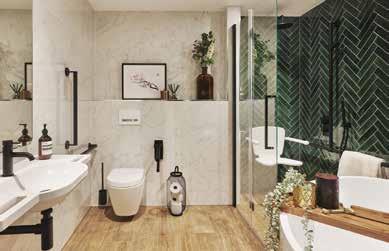
An ADA-compliant bathroom from Coastal Tile & Stone
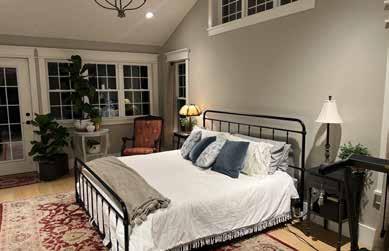
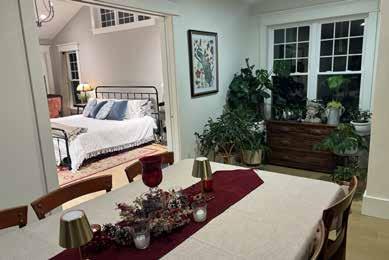
A first-floor bedroom by The Remodeling Showroom
FUNCTION WITHOUT SACRIFICING BEAUTY
But they didn’t just want it to be functional, they also wanted to continue to love the aesthetics of their home. “If I’m really sick, I want it to be pleasing so I don’t feel horrible,” Coffey explains. “I think it will pay off down the road, but I got to say doing it now instead of when we really need it, has been great because it’s beautiful. We have a ton of room now when grandkids come over. They just have so much space.”
PROACTIVE RENOVATION VS. LAST-MINUTE DECISIONS
For Carol Roberts and her husband, Frank Wojcik of Pittsford, the idea of aging in place came naturally. Frank had undergone multiple surgeries, most recently a knee replacement, which made long-term accessibility an important consideration. So when the couple began planning their return to the Rochester area after living in California, aging in place was already on their radar. At the same time, they knew that life along the canal in Pittsford represented their ideal lifestyle—and one they weren’t willing to give up.
According to Kruger, who also did the renovation on their home, they were being proactive. But that’s not always the case. “So often I’ve come across folks who are doing it as a last resort because something happened and they didn’t plan ahead,” he explains.
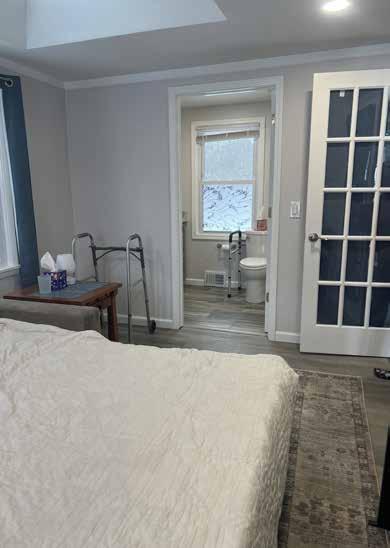
For Roberts and Wojcik, Kruger transformed a bonus room off the dining room into a first-floor bedroom, adding French doors to define the space. A nearby half-bath was expanded into a full bathroom with grab bars and a doorway wide enough to accommodate a wheelchair, while the kitchen was also designed with wheelchair accessibility in mind.
STAYING ROOTED, STAYING CONNECTED
Being able to age in place “is a comfort,” says Roberts, “and you don’t have the stress of establishing a new neighborhood, new neighbors, new friends. Ultimately, it’s more reasonable financially.” The couple also chose a home they love near their daughter. “So that’s another reason you just want to stay where you planted roots.”
When it comes to helping people stay in their homes, it goes beyond beautiful renovation, accessibility, and design. For Kruger, who’s at a point in his life when his own parents are aging, it’s also personal. “I was devastated when my parents sold the house I grew up with. I would love it if my kids could sleep over at grandma and grandpa's house in my bedroom. How cool would that be?” he says. “I think the need is huge to take these existing spaces and create a much more comfortable environment, and thinking about that ahead of time is definitely really important.”
Emergencies happen, and prices are only going up, notes Kruger, adding that talking to a professional who knows the ins and outs of real estate are important conversations to have as you plan for the future.
ACCESSIBILITY THAT PRESERVES INDEPENDENCE
When it comes to making homes safer for people, Dr. Pia K. Nault has made accessibility her career. As president of Fleetwood Accessibility Services, she’s dedicated to “helping people age gracefully, whatever their situation is,” she says. “Everybody has the right to a safe environment.”
Fleetwood Accessibility provides solutions for people who are aging or living with disabilities, with the team’s most common modifications being vertical platform lifts, ramps, and stairlifts. The approach is tailored to each client’s needs, whether they’re navigating arthritis, COPD, heart conditions, or more significant mobility challenges.
“We look at the condition first, then we look at their abilities, and what is their environment?” she says. Fleetwood’s team assesses everything from floor heights and step thresholds to doorway and hallway widths for wheelchair accessibility, as well as bathing routines and overall safety needs (along with other factors) every time they evaluate a home.
Dr. Nault notes that studies have shown how independence and living under their own roof is beneficial to people as they age, not only physically but for their mental health as well. Fleetwood’s Ryan Perry echoes her sentiment: “It allows people to function in their home rather than being taken to a nursing home or assisted living facility.”
DESIGNING ACCESSIBILITY WITH INTENTION
While accessibility is the primary focus of many agingin-place renovations, it doesn’t have to come at the expense of design. Christina Walsh, owner of Coastal Tile & Stone, frequently helps homeowners update bathrooms that balance function with visual appeal. “I love being able to show our clients photos of our previous work where the designs are so beautiful, that they really have to look to find the accessibility within the design,” she says.
One of the most common accessibility features that can be made elegant without calling attention to itself is wider door openings, Walsh notes. While 32 inches is the legal limit, Walsh says they aim for 36 inches for easier maneuvering. Pocket doors or sliding barn-style doors eliminate the need for swing space. Within the bathroom itself, comfort-height toilets and bidet seats provide added ease, while floating vanities offer both a clean, modern look and the knee clearance needed for wheelchair users.
“To me, ‘aging-friendly design,’ beyond the safety aspect, means universal design—an ease to the space,” Walsh says. “There must be comfort along with that necessary safety. It means smart technology, and the space to move freely with a walker or cane, or wheelchair if necessary. It means a homeowner being able to be independent and confident in the space. And finally, it means beauty and relaxation in one of the areas in the home that should be a calming, peaceful sanctuary.”
That same commitment to comfort, independence, and beauty extends to solutions offered by Fleetwood, including a range of upholstery, color options, stainless steel trim, and alternatives such as glass or epoxy panels in place of solid metal on vertical platforms. “It makes it quite modernized,” says Dr. Nault. Once a project is underway, Perry adds, the team works closely with clients to finalize finishes and color choices that align with the rest of the home.
FINDING HOME IN COMMUNITY
Of course, not everyone ages at home, with many choosing to find community in senior housing. According to Wendy Ferrer, senior vice president of house and marketing at Jewish Home, many are drawn to older adult housing “by the promise of deeper connection, enhanced safety, and a vibrant, active lifestyle—underscored by planning for future care needs that offer peace of mind for themselves and their families,” she says.
The decision for Pat to move to The Summit Independent Living option at Jewish Home came after her husband passed away. She had been alone for 13 years, was tired of outside chores, and had watched friends pass away as well. Since joining the community, she's been exercising six days a week—something she never thought she’d do—and enjoying the activities and connection. “Home is where your heart is. I love my life here,” she says.
For Saul and Abbey Rasnick, also residents of The Summit Independent, one of the main reasons for moving was that meal preparation had become difficult due to back pain. They were also familiar with several residents and were looking for a simpler, more manageable lifestyle.
CONTINUED >
An ADA-compliant bathroom from Coastal Tile & Stone
A bonus room transformed into a first-floor bedroom with a bathroom
“People sometimes think senior communities limit independence, but in reality, they empower individuals to live life on their own terms and explore new interests, without being tied down by home ownership,” says Ferrer. “At The Summit, residents formed an astronomy club and enjoy stargazing together, others cultivate grapes for winemaking in the garden beds, some lead art classes and organize salons to showcase creative work, while others knit winter wear to donate to underserved youth—all examples of how independent living communities can foster personal growth at every age.”
HOME IS WHERE THE HEART IS
Whether it’s staying under your own roof or joining a community of people to continue your life journey, Ferri says any place that allows an older adult balance is ideal. “Socialization, physical activity, leisure, self-care support. Any support systems that are in place should preserve someone's dignity, which is another key for keeping an older adult happy and confident.”
A residential elevator from Fleetwood Accessibility Services
Resident knitters
A Summit resident shares a bench and conversation with her favorite security guard
A member of The Summit astronomy club with a solar telescope
A SELECTION OF UPCOMING LOCAL EVENTS
MARCH 7TH
Join the Chocolate Ball: 40th Anniversary
Joseph A. Floreano Rochester Riverside Convention Center, 123 East Main St, Rochester, NY 14604 | 5:30 PM
Celebrate 40 years of decadent chocolate and culinary artistry at the Chocolate Ball. The evening kicks off with a cocktail reception and cake tasting at 5:30 p.m., followed by a dinner program at 7:00 pm, and dancing at 9:00 pm. Black-tie-optional attire.
MARCH 14TH
Rochester St. Patrick’s Day Parade
East Avenue and Alexander Street, Rochester | 12:30 PM
Celebrate Irish heritage at the Rochester St. Patrick’s Day Parade, a family-friendly community event that draws thousands to downtown Rochester each year. Held on the Saturday before St. Patrick’s Day (or on St. Patrick’s Day if it falls on a Saturday), the parade features entertaining floats, performances, and displays of shamrocks, honoring the spirit and traditions of St. Patrick.
MARCH 14TH
Downtown Canandaigua Hosts First Sip & Stroll of the Year
Downtown Canandaigua, 115 South Main St, Canandaigua | 3:00 PM
Downtown Canandaigua kicks off its first Sip & Stroll of the year with a three-hour tasting event that invites guests to explore local brick-and-mortar businesses while sampling wines, beers, spirits, and creative mocktails from participating wineries and breweries. The stroll also highlights downtown restaurants offering food pairings along the way. Presale tickets are available online. Learn more: downtowncanandaigua.com/events
MARCH 14TH-15TH
RocOnly’s Third Annual Book Lover’s Bliss Book Fair
RocOnly’s 3rd Annual Book Lover’s Bliss Book Fair takes over Artisan Works for a two-day celebration of books, creativity, and small businesses. The event features local authors, independent booksellers, and book-inspired artisans alongside food and drinks, interactive experiences, and cozy spaces to read or relax. Admission also includes access to the main gallery.
MARCH 20TH-22ND
Maple Sugar Festival at Genesee Country Village & Museum
Genesee Country Village & Museum 1410 Flint Hill Road Mumford, New York 14511 | 10:00 AM
This outdoor festival highlights the history and process of maple sugaring. Activities include fresh pancakes and syrup, live music, handcrafted goods, bonfires, hands-on experiences, seasonal food, storytelling, and timber sports demos. Visitors can see syrup production at the Nature Center, tour the Sugar Camp, try tree tapping, explore the Maple History Trail, and visit the Historic Village.
MARCH 21ST
Second Annual Rochester Wine Festival at the Dome Arena
The ROC Dome Arena, 695 East Henrietta Rd, Henrietta, NY 14467 | 1:00 PM
Raise a glass at the second annual Rochester Wine Festival. Guests can enjoy unlimited samples of wine, spirits, cider, and specialty foods, a paint-and-sip activity, photo booth, DJ, and board games for a relaxed vibe, plus a commemorative wine glass to take home. There will be two sessions: 1-4 p.m. or 6-9 p.m. Tickets can be purchased at: https://empirestatewineevents.com/rochester-wine-festival
realty report
BUILT TO AGE Beautifully
Your Face is Your Forever Home
“Facial balancing” Is having a moment on social media right now. The term refers to the Golden Ratio, a mathematical ratio found in nature that is aesthetically pleasing. Seashells, flowers, sunflower seeds are all examples. Youthful faces often follow the Golden Ratio as well. Facial balancing recommends looking at the face as a whole, rather than individual components, and creating a rejuvenation plan geared at restoring the natural ratios of the face…therefore, making the face harmonious once again. One of Dr. Whipple’s favorite places to significantly improve facial balancing is the temples, which hollow with age. It’s subtle, natural and is a powerful way to restore the Golden Ratio in you.