

When most people hear the word investment, they think of markets, real estate, portfolios, and percentages. And while these measures certainly matter, the longer I live — and the more closely I observe — the more I understand that the most meaningful returns rarely appear on a financial statement.
Some of the most valuable investments I have ever made required no transaction at all. They required time.

Time and attention have become a form of modern currency. In a culture where every platform competes for our focus, intentionality has never felt more essential. We are witnessing a quiet but unmistakable shift — a return to print, to books, to slower and more deliberate forms of engagement. Digital fatigue is real, and with it comes a renewed appreciation for presence, depth, and where we choose to place our energy.
Some of my most treasured hours are spent with my 88-year-old mother, who lives with Alzheimer’s. We revisit the same stories — sometimes within minutes — and yet, when her gentle smile appears or her humor unexpectedly surfaces, I am reminded that presence is a privilege. These moments will never be recorded in a ledger, yet they remain among the richest returns of my life.
My family remains my greatest investment. Time together now feels especially precious. These experiences — imperfect, fleeting, deeply human — are assets I value above all else.
Of course, this issue also explores the many expressions of investment in the modern age — from tangible stores of value like rare coins and legacy jewelry, to evolving perspectives on real estate and the future of our city. Together, they reflect not only financial stewardship, but the enduring desire to build something lasting — for ourselves, for our families, and for our community.
As you turn these pages, I invite you to reflect on your own definition of return. The most enduring wealth is often built not only with assets, but with intention, generosity, and heart.

DELAUNAY-WOOD,PUBLISHER
April 2026
PUBLISHER
Denise Wood
denise.wood@citylifestyle.com
MANAGING EDITOR
Arsine Kaloustian
arsine.kaloustian@citylifestyle.com
AREA DIRECTOR
David Wood
david.wood@citylifestyle.com
MARKET SUPPORT DIRECTOR
Adam Sheetz adam.sheetz@citylifestyle.com
CEO Steven Schowengerdt
President Matthew Perry
COO David Stetler
CRO Jamie Pentz
CoS Janeane Thompson
AD DESIGNER Jenna Crawford
LAYOUT DESIGNER Lillian Gibbs
QUALITY CONTROL SPECIALIST Brandy Thomas



WHERE NEIGHBORS CAN SEE AND BE SEEN

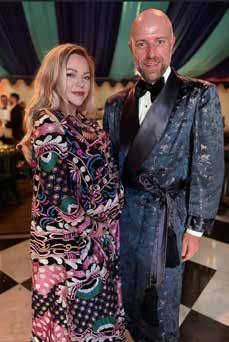

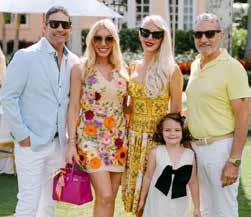
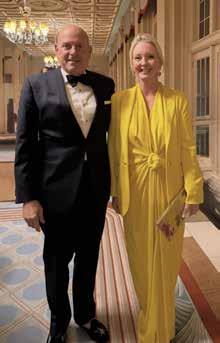




For today’s affluent consumer, longevity is a strategic priority. Tennis—blending endurance, agility, and social connection—anchors a growing focus on investing in healthspan, not just lifespan. Performance-driven equipment, personalized coaching, and elevated retail experiences at businesses like Set Point Tennis Palm Beach reflect this shift toward active luxury. Wellness is increasingly viewed not as an expense, but as portfolio strategy—an investment in vitality, mobility, and sustained quality of life, where the body becomes the ultimate appreciating asset.
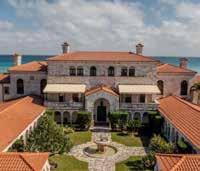
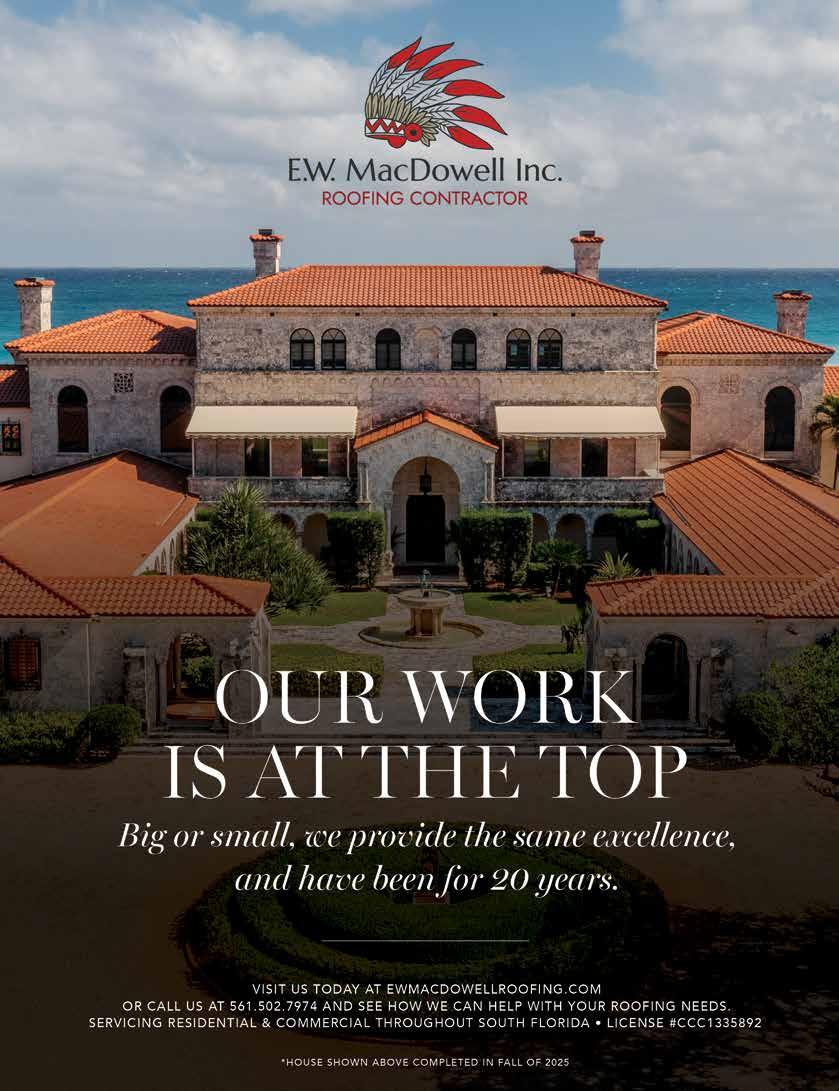
In Palm Beach County, your roof isn’t cosmetic — it’s capital protection. E.W. MacDowell Roofing approaches every project as structural asset management, fortifying homes and commercial properties against salt air, hurricane-force winds, and relentless UV exposure. Licensed, insured, and locally rooted, the firm emphasizes durability, code compliance, and storm-hardening strategies that preserve insurability and long-term value. In a coastal market where weather risk directly impacts equity, proactive roofing isn’t maintenance — it’s smart asset protection.
Scan to read more






Palm Beach is no longer just preserving wealth — it is building the next economy. A new $1 million federal workforce grant, paired with additional investment in a Quantum Innovation Center, signals the region’s accelerating push into advanced technology. Together, these initiatives aim to develop talent, attract industry, and position the Palm Beaches as an emerging hub for quantum computing and AI. For investors and business leaders alike, this marks a deeper shift: innovation infrastructure as long-term economic strategy.

Want to be featured?
GET


ARTICLE BY ARSINE KALOUSTIAN
PHOTOGRAPHY
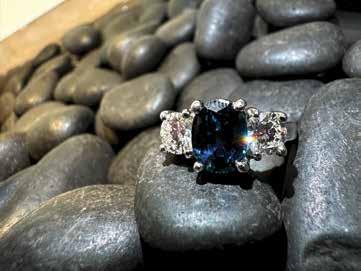
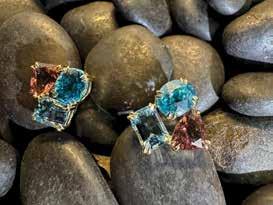
COURTESY OF A’LIST JEWELRY
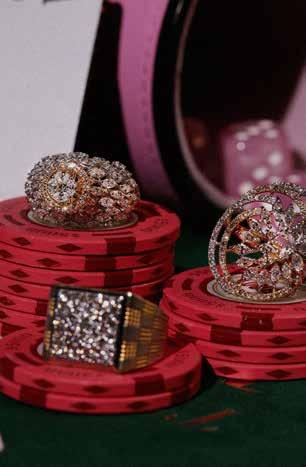
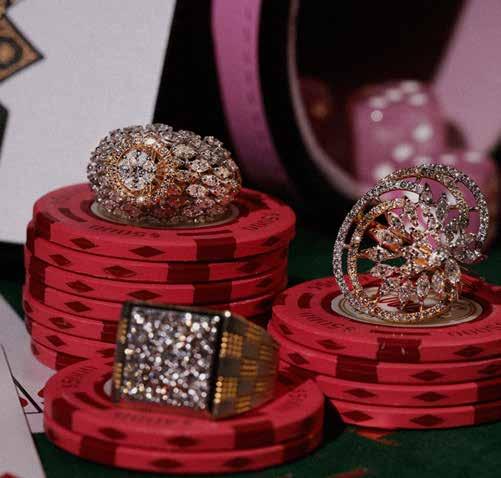
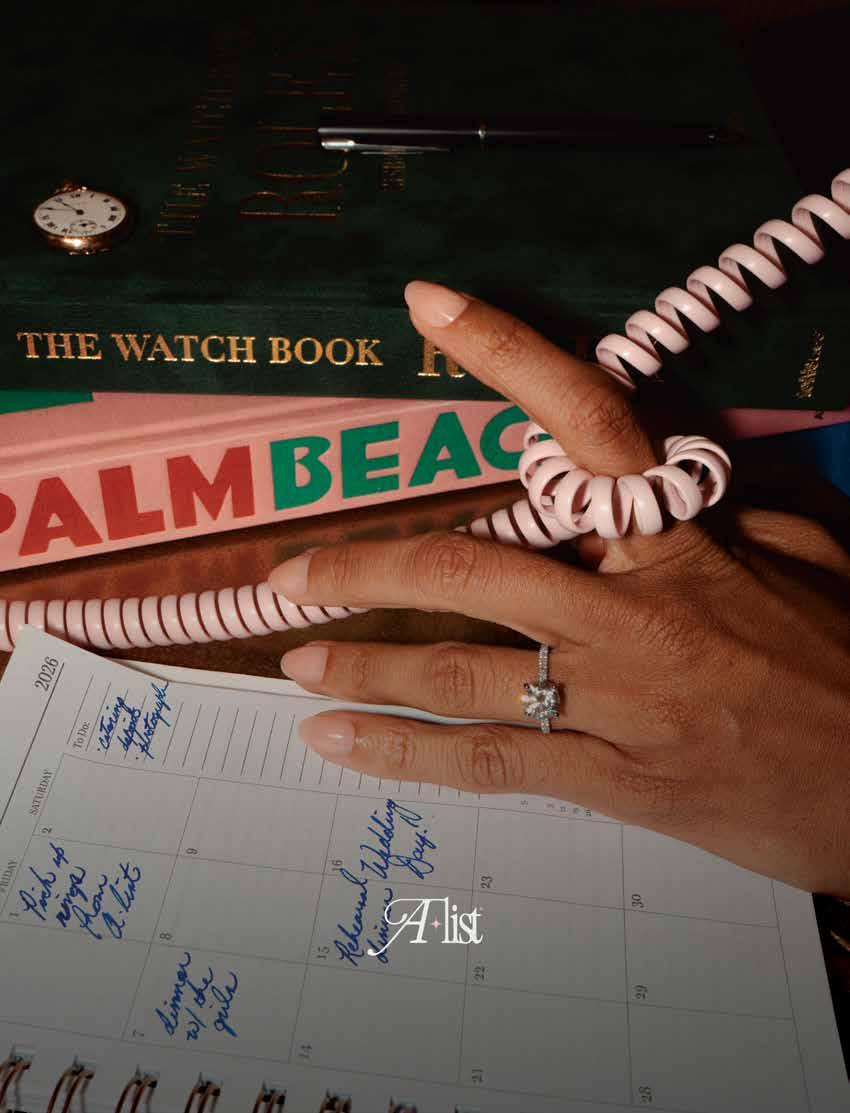
For a generation raised on dial-up internet, burned by the Great Recession, rattled again by market volatility, and told simultaneously to “save more” and “just stop buying avocado toast,” the traditional path to wealth has often felt like a rigged game. ‘Elder Millennials’ — now firmly in their late 30s and 40s — are entering a new phase: less hustle, more intention. Less speculation, more permanence. And increasingly, they’re looking beyond stocks and shaky institutions toward something tangible, beautiful, and surprisingly strategic: fine jewelry.
Not the trend-driven, mass-market variety. We’re talking signed pieces, natural diamonds, rare gemstones, and legacy craftsmanship — the kind of jewelry that doesn’t just sparkle, but historically holds and often grows in value.
In other words, assets you can actually wear.
Millennials came of age during economic whiplash. Student debt ballooned. Home prices surged. Wages lagged. According to Federal Reserve data, Millennials hold significantly less wealth than previous generations did at the same age, and many report difficulty saving consistently post-college. Layer in two major market downturns and constant financial noise, and the result is a generation skeptical of traditional promises. They watched portfolios drop. They saw institutions fail. They heard the word “diversification” right before things… didn’t diversify.
So now, as this cohort begins thinking about long-term security and generational legacy, the question has shifted: What actually lasts?
Fine jewelry has quietly functioned as a store of wealth for centuries — across cultures, economies, and crises. Unlike many modern investments, high-quality jewelry offers intrinsic material value, durability across generations, global desirability, and deep emotional significance.
Signed pieces, natural diamonds, and rare gemstones continue to perform steadily in private markets and auctions, and alternative assets like jewelry and watches are increasingly part of modern diversification strategies.
But the real shift is psychological: today’s buyers don’t want wealth locked away somewhere abstract. They want to live in it, enjoy it, and eventually pass it forward.
For Millennials, legacy isn’t just about accumulation. It’s about meaning.
A bracelet worn through decades of milestones. A gemstone chosen for its story as much as its rarity. Jewelry becomes something that travels through a family not just as value, but as memory.
And in an era where digital wealth can feel intangible and markets can feel unpredictable, physical permanence resonates. Gold doesn’t glitch. Diamonds don’t crash because of a tweet. And no one has ever been “Madoff-ed” by a sapphire ring sitting in their jewelry box.
This is exactly why more people are finding their way to A’List Jewelry — not just to buy something beautiful, but to choose something lasting.
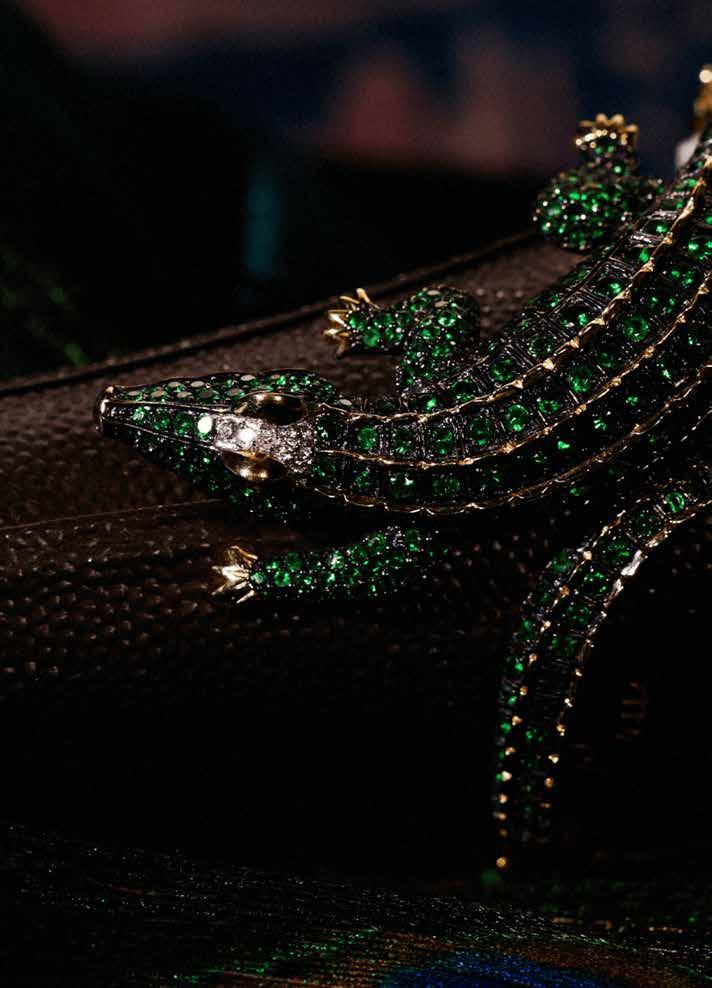
In an era where digital wealth can feel intangible and markets can feel unpredictable, physical permanence resonates.
The space feels different from a traditional jewelry store. It’s appointment-only, personal, thoughtful — more like a design studio than a showroom. Conversations flow naturally: what you love, what matters to you, and what you want a piece to become over time.
Owner and Head of Design Mackenzie Greene, trained at Central Saint Martins in London and the Gemological Institute of America, approaches jewelry with both artistic vision and long-term perspective. As she says, “Fine jewelry has always held value, but today people want more than that — they want meaning.”
She’s seeing a clear shift: “We see clients choosing fewer pieces, but better ones. Pieces that will last.” Her work blends beauty with permanence — pieces meant to be worn now and inherited later.
Alongside her, Tajhae ‘TJ’ Williams, Head of Manufacturing, brings a builder’s discipline to fine jewelry. Originally a welder before studying gemology and manufacturing through GIA in New York and London, he focuses on structural integrity, craftsmanship, and durability — jewelry designed to last for generations, not seasons. He reminds us, “The craftsmanship matters just as much as the stone.”
Together, their team guides clients toward pieces that feel personal, meaningful, and enduring — whether that’s a signed investment piece, a natural diamond, a rare gemstone, or something entirely bespoke.
You don’t leave with just jewelry.
You leave with something that will outlast trends, markets, and moments.
More than anything, this movement reflects a generational change: people want assets that feel real. Something they can see, hold, wear, and pass down — not just numbers on a screen.
Fine jewelry occupies a rare space between beauty and permanence. It can appreciate, endure, and carry story all at once.
And for those who grew up rewinding VHS tapes, burning CDs, and watching financial systems wobble more than once, there’s something quietly reassuring about that.
Because the generation raised on volatility isn’t looking for hype anymore — it’s looking for something real, lasting, and theirs.
And increasingly, they’re finding it at A’List.
Today’s buyers don’t want wealth locked away somewhere abstract. They want to live in it, enjoy it, and eventually pass it forward.

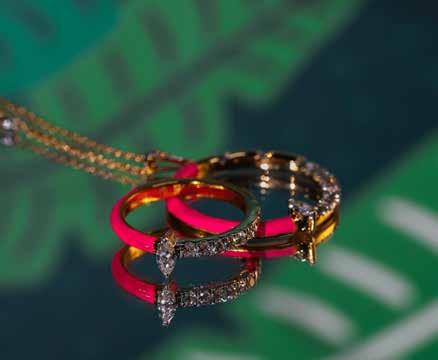
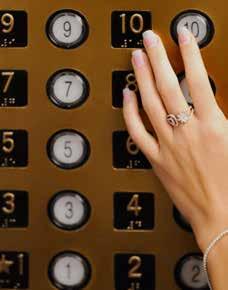
1. Start the Conversation – Book a private consultation and share your vision
2. Define Your Style & Story – Explore preferences, meaning, and long-term intention
3. Sketch & 3D Model – See your piece come to life before it’s created
4. Select Your Gemstone – Choose from ethically sourced, high-quality stones
5. Expert Craftsmanship – Artisans bring your design to life with precision
6. The Reveal – Your custom, future heirloom — ready to wear and pass forward


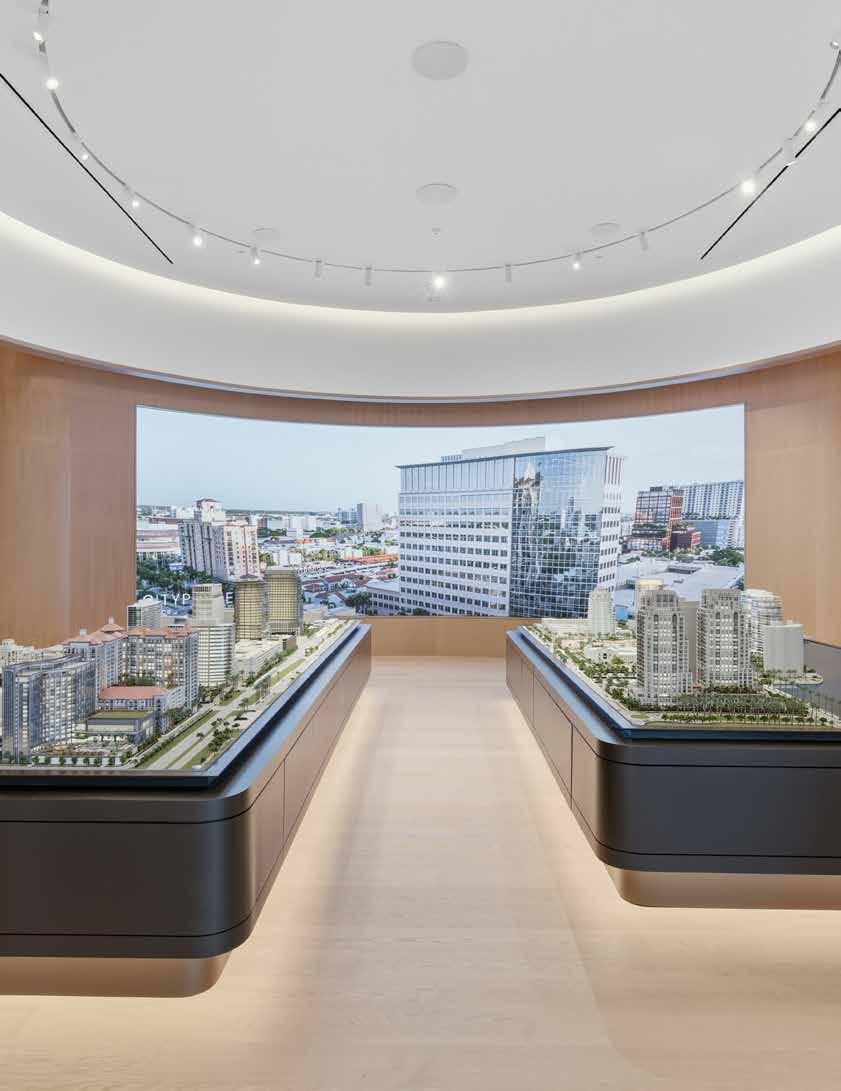
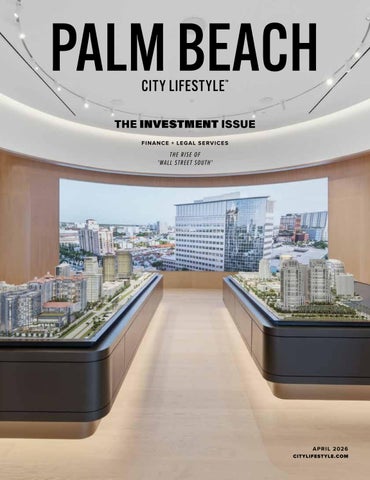
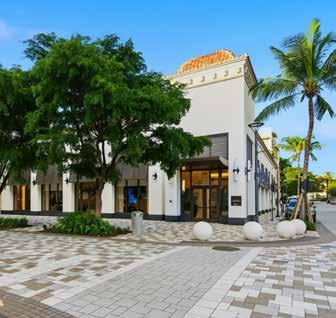
In West Palm Beach, the future is no longer theoretical—it is visible, tangible, and unfolding in real time. At the center of that story is the Related Ross Experience Center, an immersive flagship destination in CityPlace that captures the momentum, ambition, and transformation reshaping the Gold Coast.
More than a gallery, the 10,000-squarefoot Experience Center tells the story of a city crossing a threshold—from seasonal destination to year-round center of innovation, finance, culture, and global relevance. Through interactive exhibits, architectural storytelling, and digital immersion, visitors are invited not only to observe West Palm Beach’s evolution, but to understand the forces driving it.
“South Florida’s Gold Coast stands at the forefront of the country’s most dynamic growth stories, with West Palm Beach playing a central role,” says Stephen Ross, CEO and Chairman of Related Ross. “The Experience Center offers a window into this evolving landscape, spotlighting the people and projects shaping a model of thoughtful development and enduring community impact.”
That transformation is tangible. In recent years, West Palm Beach has become a magnet for financial institutions, technology firms, and global talent—often described as the rise of “Wall Street South.” Corporate migration and sustained population growth have shifted the city from a seasonal economy
ARTICLE BY ARSINE KALOUSTIAN PHOTOGRAPHY COURTESY OF THE RELATED ROSS EXPERIENCE CENTER
into a year-round business and lifestyle hub. The Experience Center places this shift in context, connecting individual developments to a broader story of structural change.
Inside, detailed architectural models trace the vision unfolding along the Flagler Waterfront—from Phillips Point and Trinity Park to the landmark South Flagler House—showing how design, density, and public space are redefining the city’s urban fabric. Interactive digital displays map the expanding healthcare and education landscape, including the Cleveland Clinic’s continued growth and Vanderbilt University’s forthcoming graduate campus, helping illustrate the foundation for the region’s next era of innovation and talent.
The Experience Center also captures the human dimension of growth. Interactive storytelling highlights the influx of entrepreneurs, investors, and creators fueling South Florida’s ascent, positioning West Palm Beach as a destination not only for lifestyle, but for opportunity—particularly across emerging sectors such as
artificial intelligence, fintech, and defense technology.
“West Palm Beach is the new beacon of innovation, culture, and community, all converged in one remarkable place,” Ross adds. “We’re proud to play a role in shaping the next chapter of this city.”
A defining feature of the Experience Center is the South Flagler House Sales Gallery, where visitors step inside the vision of the waterfront towers designed by Robert A.M. Stern Architects. Through immersive digital tours, precision scale models, and refined interior vignettes by Pembrooke & Ives, guests experience a preview of elevated coastal living— where architecture, craftsmanship, and timeless design converge.
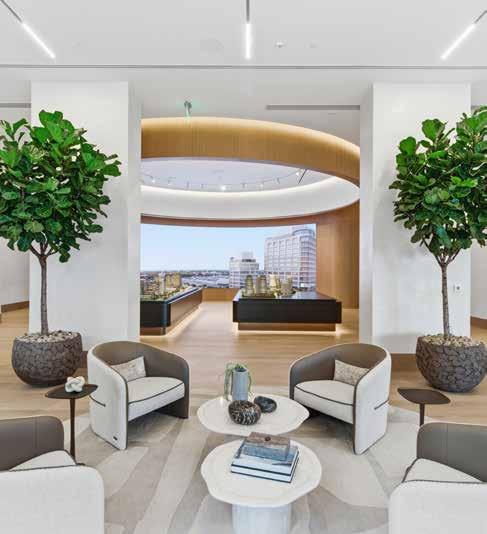
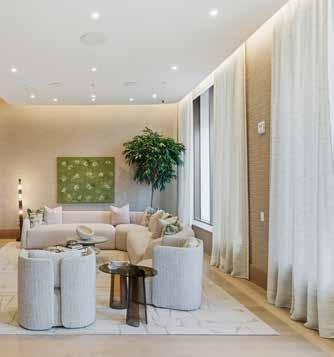
Beyond its exhibits, the Experience Center serves as a cultural and civic platform, hosting curated programming that reflects the vibrancy of modern West Palm Beach. Tastings, networking gatherings, and experiential events mirror a city reaching cultural maturity, reinforced by the continued evolution of CityPlace into a premier national retail and lifestyle destination, with brands such as Eataly, Equinox, Crate & Barrel, Perigold, Alo Yoga, Johnny O, and Olukai.
With more than $10 billion in planned investment across Palm Beach County, Related Ross continues to shape South Florida’s trajectory—strengthening business ecosystems, expanding educational and healthcare infrastructure, and cultivating the ideas and industries that will define the region’s future. Through the Related Ross Foundation, the firm also champions equitable growth, expanding access to opportunity across education, employment, and culture.
Today, the Related Ross Experience Center stands as both reflection and catalyst—a place where West Palm Beach’s transformation can be seen, understood, and experienced, not as a distant vision, but as a living reality shaping the future of the Gold Coast.
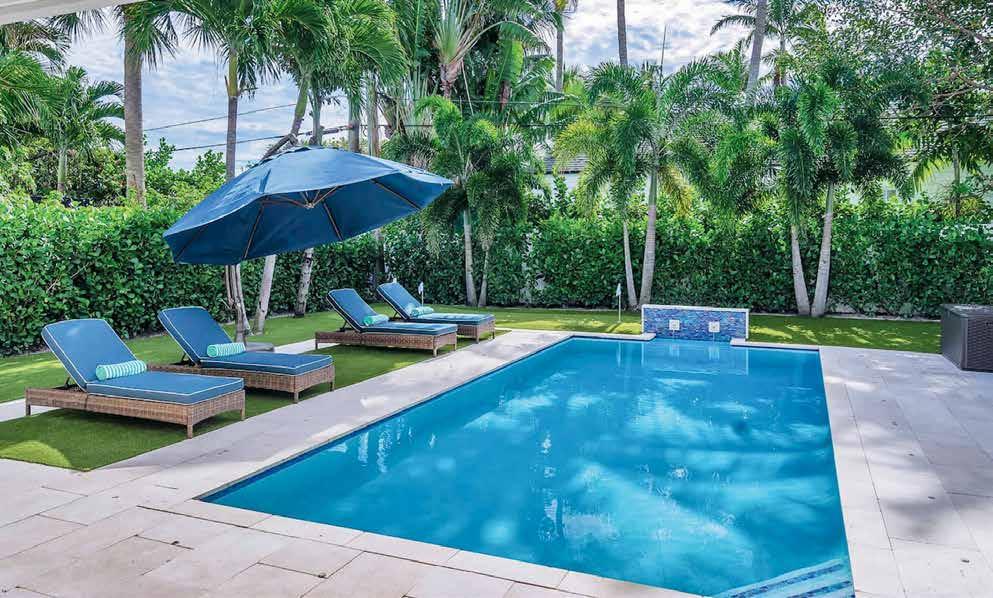
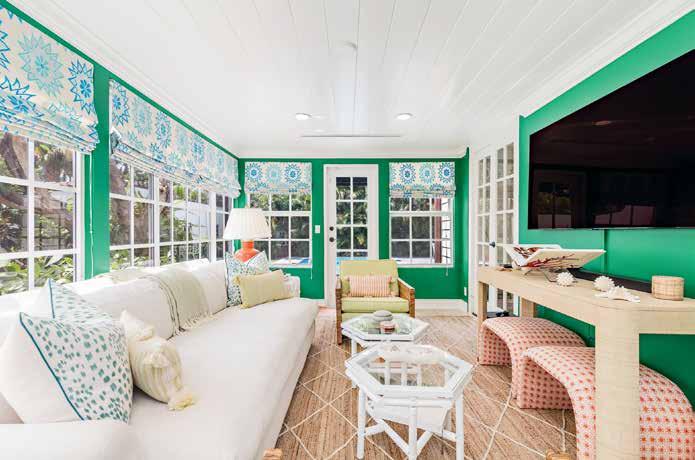
Amazing place and amazing hosts! The place is just as described and close to everything you would need! The house was packed with all the amenities you would need and the hosts go above and beyond to make sure you have a wonderful stay.
I’d recommend and am looking forward to staying with you again!
Moses - January 2025

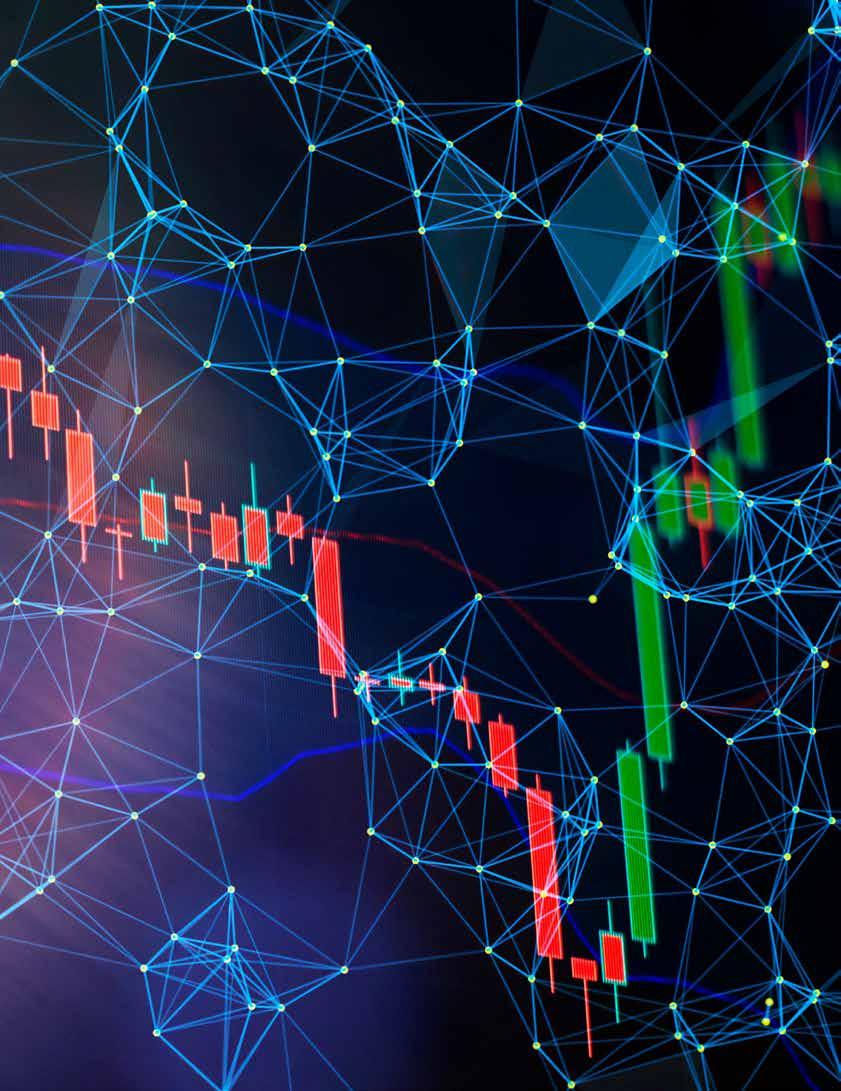
BECAUSE EVERYONE OWNS IT, NO ONE UNDERSTANDS IT, AND YET HERE WE ARE

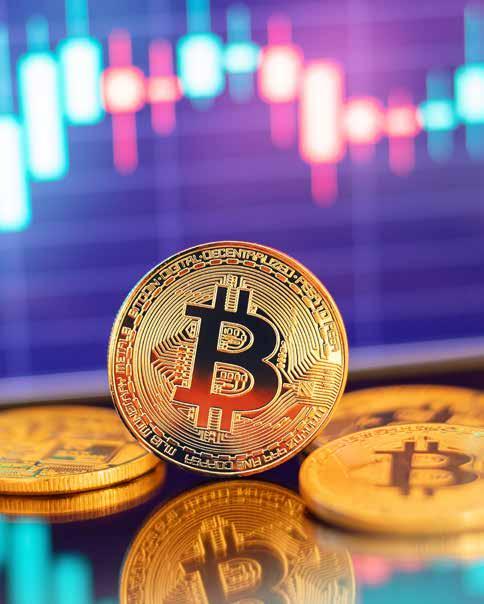
There is a particular moment—usually somewhere between the second espresso martini and someone mentioning “macro”— when crypto enters the conversation. Heads nod. No one asks basic questions, because asking basic questions would expose the truth: most people still have absolutely no idea what crypto actually is. Not vaguely. Not structurally. Not even spiritually. And yet—portfolios contain it, dinner tables debate it, and someone’s cousin’s college roommate “made a fortune in Bitcoin,” a story that is always both impressive and conveniently unverifiable.
So let’s address it properly.
Cryptocurrency is digital money that lives entirely online and is not controlled by any government, central bank, or guy in a Patagonia vest. It exists as numbers on a network—no bills, no coins, no reassuring weight in your hand. The original and most famous version is Bitcoin, launched in 2009 by a mysterious figure named Satoshi Nakamoto, who wrote a nine-page paper, invented an entirely new financial system, and then disappeared—arguably the most elegant exit in modern economic history.
The blockchain is a public digital ledger shared across thousands of computers worldwide. Every crypto transaction ever made is recorded there permanently - think of it as a global spreadsheet. Transactions are grouped into blocks and linked together chronologically—hence, blockchain. It sounds technical, and people will absolutely explain it to you in ways that sound even more technical, but conceptually it is just a shared, immutable record. Keep nodding.
Bitcoin is decentralized money—no banks, no gatekeepers, no closing bell. It moves peer-to-peer across a global network. There will only ever be 21 million Bitcoins. Ever. This artificial scarcity is part of why people treat it like digital gold, except gold has millennia of history and Bitcoin has extremely passionate message boards. Still, scarcity plus belief has powered many valuable things in human history: diamonds, art, Palm Beach real estate.

Crypto “mining” does not involve caves or lanterns. Instead, it involves vast warehouses of high-powered computers solving complex mathematical problems. When they succeed, new Bitcoin is created and transactions are verified. It is computationally intense, energy-hungry, and has produced an entire global industry built on electricity, cooling systems, and ambition. No pickaxe required. A tolerance for volatility helps.
Crypto trades 24 hours a day, seven days a week. It does not respect weekends, holidays, or emotional stability. You can buy Bitcoin at midnight, watch it rise by breakfast, fall by lunch, and question your life choices by dinner. Liquidity is strong. Predictability is optional.
Crypto is not directly linked to corporate profits, interest rates, or traditional valuation models. It behaves more like a hybrid: part technology asset, part digital commodity, part global mood ring. When investors feel bold, crypto often rises. When fear enters the market, it can fall—with enthusiasm. Some view Bitcoin as a hedge against inflation and currency instability. Others view it as a beautifully engineered roller coaster. Both groups own some.
So why do people call it an investment? Three reasons: scarcity, adoption, and speculation. Fixed supply appeals to those wary of unlimited money printing. Institutions, funds, and even governments now hold crypto, and legitimacy has quietly grown— despite the fact that you cannot hold it and it lives in a wallet that is not actually a wallet. And yes, the possibility that something purchased today might dramatically increase in value remains one of humanity’s most reliable motivators. Tulips. Tech stocks. Waterfront property. Crypto has joined the lineage.
You do not need to love crypto. But understanding the basics is now part of modern financial literacy—somewhere between knowing what a hedge fund is and pretending you read the Fed minutes. And if, after all of this, someone asks what blockchain really is, you may simply smile, sip your drink, and say: “It’s decentralized.”
No one will challenge you.





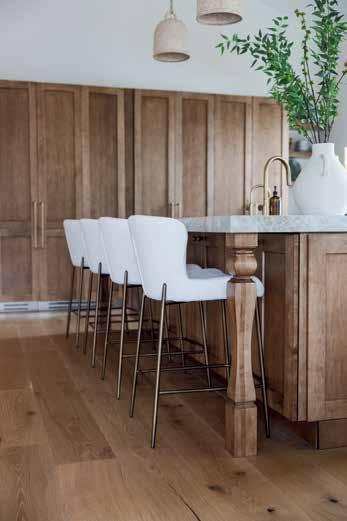
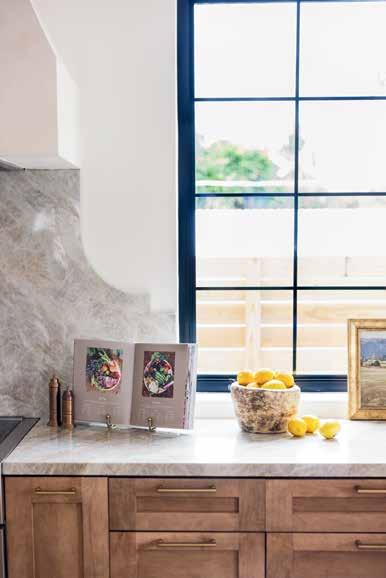
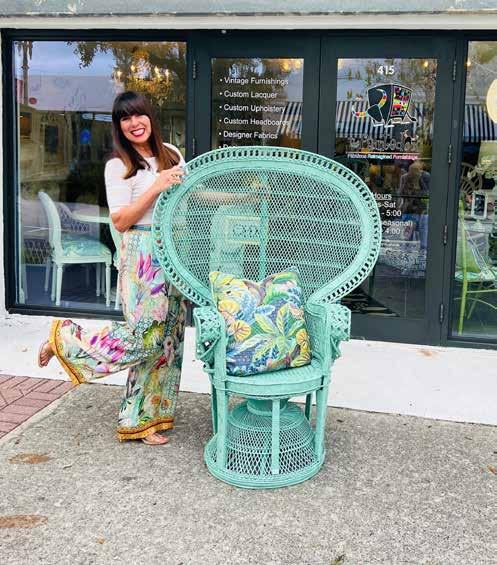







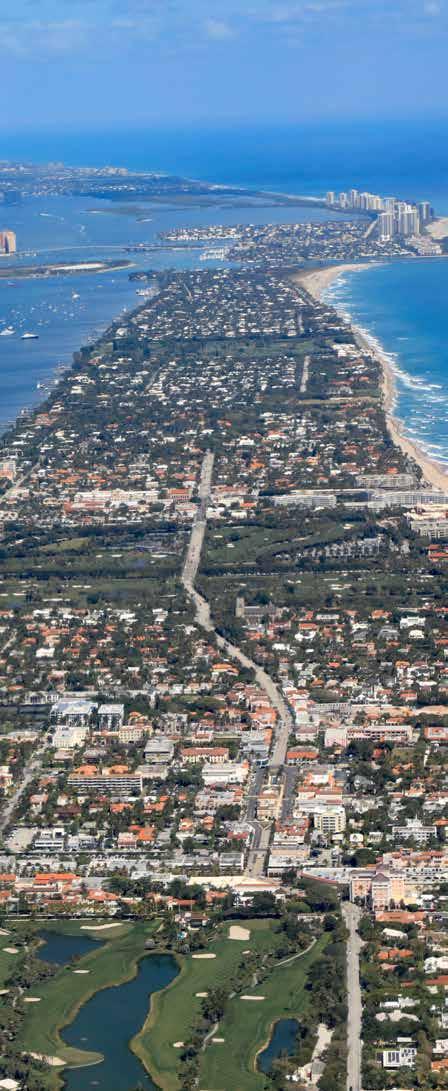
Corporate migration, walkable districts, and a changing buyer mindset are redefining long-term value
ARTICLE BY ARSINE KALOUSTIAN
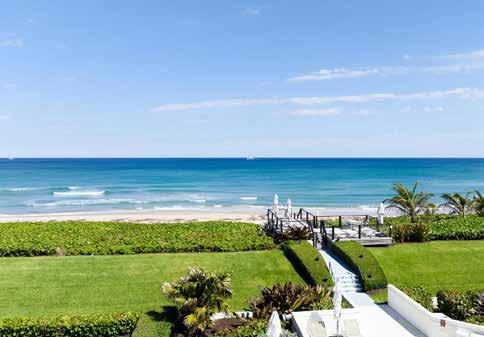
There is a certain inevitability to Palm Beach. The light, the architecture, the rhythm of life along the water have long drawn those who value beauty, privacy, and permanence. Yet beneath the surface of this timeless setting, a new chapter is unfolding. West Palm Beach is emerging not simply as a lifestyle destination, but as a center of economic gravity where finance, technology, and migration are quietly reshaping how, and why, people choose to live here. What was once a seasonal market is becoming something deeper, a place to build a life and increasingly to build up an asset portfolio.
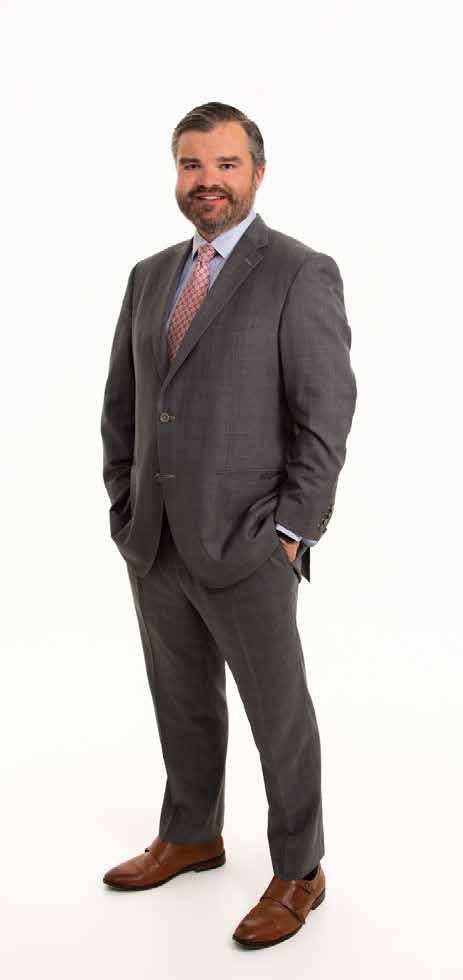
“Palm Beach has always been a global brand. What has changed is the sophistication of residential demand. Buyers are evaluating how they will actually live here year round. Schools, walkability, proximity to business centers, and long term value all factor into the decision. It is no longer seasonal. It is strategic,” says David Fite, Founding Principal of the Palm Beach Luxury Portfolio Group at Compass.
West Palm Beach’s emergence as a financial and technology center is reshaping the residential landscape in ways that feel lasting rather than cyclical. As capital and talent relocate, housing demand is shifting toward primary residences, walkable neighborhoods, and homes designed for modern professional lifestyles.
“The biggest misunderstanding outsiders have about the Palm Beaches residential market is that it remains primarily a seasonal, second home destination driven by discretionary wealth. In reality, corporate migration and capital inflows have transformed it into a year round primary market anchored by financial services, fintech, and wealth management growth,” Fite says.
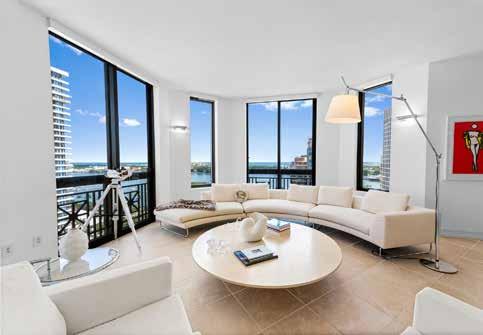
This shift is redefining what buyers value. Technology ready homes, refined yet livable interiors, private outdoor space, and proximity to vibrant mixed use environments are increasingly important as more residents choose to live and work in the Palm Beaches full time. The result is a residential market that feels significantly more enduring.
While iconic waterfront estates continue to capture global attention, a quieter opportunity is emerging in well positioned residential areas surrounding West Palm Beach’s expanding business districts where everyday livability and long term investment intersect.
“The most overlooked residential investment opportunity in the Palm Beaches right now is strategically located multifamily and attainable luxury housing in walkable corridors surrounding West Palm Beach’s emerging financial and fintech hubs,” Fite notes. “These assets sit at the intersection of lifestyle migration and structural job growth, positioning them for sustained rent appreciation and long term value expansion.”
Increasingly, residential value is shaped not only by the home itself, but by the rhythm of the neighborhood. Morning walks to coffee, evenings within
CONTINUED >
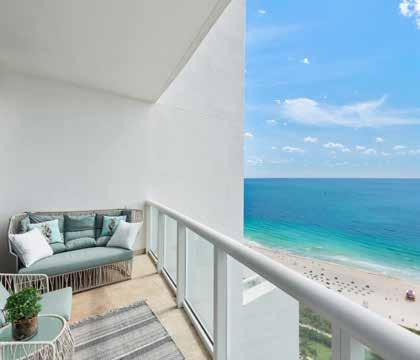
“Palm Beach has always been a global brand. What has changed is the sophistication of residential demand.”
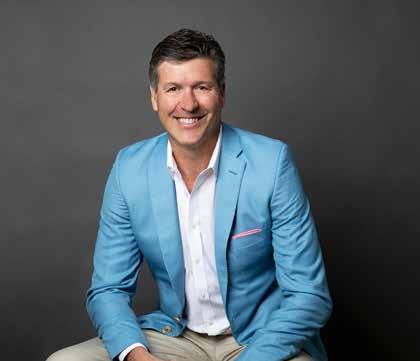
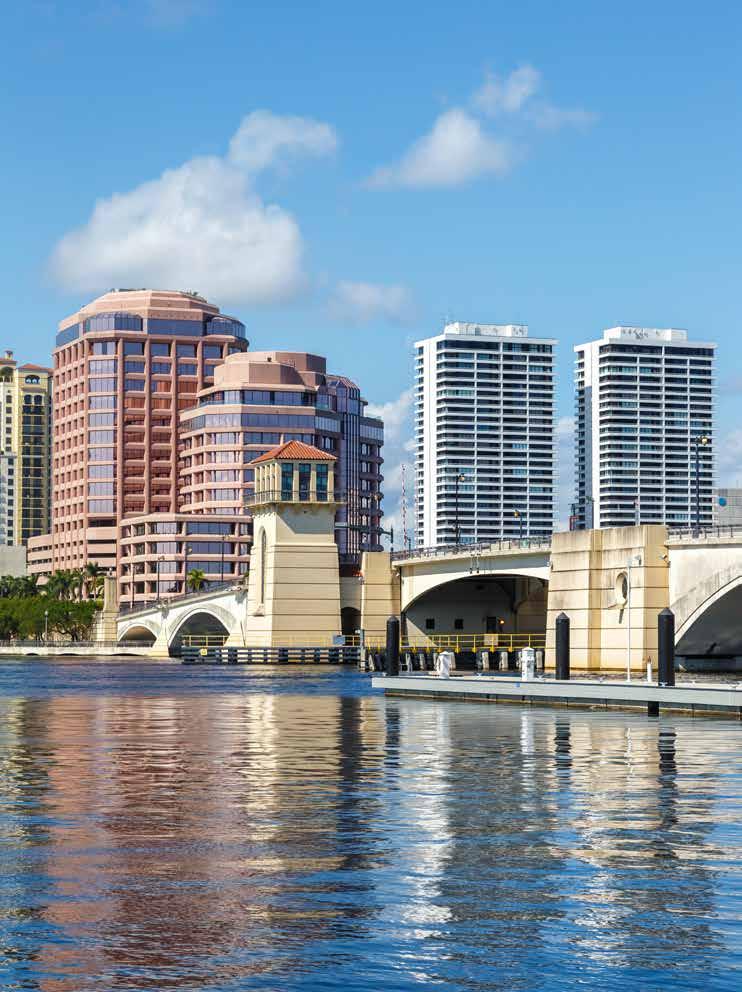
“The biggest misunderstanding outsiders have about the Palm Beaches residential market is that it remains primarily a seasonal, second home destination driven by discretionary wealth.”
reach of culture and dining, and the quiet confidence of a place that is steadily evolving are becoming powerful drivers of long term appreciation.
Within a region often viewed as a single luxury market, performance is becoming more localized. Several West Palm Beach neighborhoods are emerging as standouts, supported by redevelopment momentum, lifestyle appeal, and limited supply.
“Downtown West Palm Beach remains a standout due to strong rental demand and proximity to employers and amenities. Northwood Village and Northwood Shores offer revitalization and value add upside, while Flamingo Park and El Cid combine historic charm with walkability and constrained inventory,” Fite says. “The South of Southern district is also gaining traction as buyers seek high quality primary residences near cultural and outdoor assets.”
These micro markets share a defining quality, a sense of place. Tree lined streets, architectural character, and proximity to both city life and the water are reinforcing long term residential strength in ways that feel both organic and durable.
The Palm Beaches residential market is not retreating. It is recalibrating. Pricing is stabilizing, negotiation has returned in certain segments, and buyers are approaching decisions with greater deliberation than during the ultra low rate period.
“Pricing discipline is strongest in the entry to mid market single family segment and attainable multifamily neighborhoods, where sellers are adjusting expectations and buyers are gaining negotiating power outside of ultra luxury tiers,” Fite says.
For investors and homeowners alike, this shift often reveals opportunity. A more balanced environment rewards thoughtful acquisition and long term perspective rather than timing alone.
As the market matures, buyers are placing greater emphasis on stewardship and lasting value.
Condominium purchases now require careful evaluation of association financials, reserves, insurance coverage, and building condition, reflecting a broader shift toward disciplined ownership.
Replacement cost has also become a defining calculation. Elevated land values, construction pricing, permitting timelines, and insurance requirements are reshaping how investors evaluate opportunity. In many cases, acquiring a fully renovated home at or below replacement cost offers both time advantage and immediate enjoyment, provided quality and long term positioning are properly assessed.
Looking ahead, the defining characteristics of successful residential neighborhoods are becoming increasingly clear.
“The most successful West Palm Beach residential neighborhoods five years from now will be defined by connectivity, walkability, and mixed use integration, where residents can live, work, and play within the same micro market,” Fite says. “They will feature resilient design, strong infrastructure, and thoughtful density that attracts long term residents and sustained capital.”
In many ways, the future of residential value will be shaped not only by what is built, but by how life is lived, seamlessly, intentionally, and with a sense of belonging.
Palm Beach remains rare, globally recognized, and fundamentally supply constrained. West Palm Beach has evolved into something equally compelling, a residential market supported by economic growth, urban investment, and year round demand.
The shift from seasonal destination to full time financial and lifestyle center is reshaping the housing market in ways that feel lasting rather than cyclical. For those who understand both its beauty and its trajectory, the Palm Beaches are no longer simply a place to arrive. They are a place to remain and to grow.



ARTICLE BY ARSINE KALOUSTIAN
In 2026, two of the world’s most meaningful spring observances unfold in the same week. Passover begins at sundown on April 1, and Easter Sunday follows on April 5 — a rare calendar convergence that brings themes of liberation, renewal, sacrifice, and hope into a single sacred season.
Though distinct in theology, both holidays are rooted in remembrance and rebirth. Passover commemorates the Exodus from Egypt — a story of freedom, resilience, and faith passed down around the Seder table through symbolic foods and ritual storytelling. Easter celebrates resurrection and renewal, a moment of light after darkness, often gathered around a joyful spring meal.
And at the center of both traditions is the table.
In communities like Palm Beach — where interfaith families, global backgrounds, and multi-generational gatherings are common — this overlap offers a meaningful opportunity: to honor both traditions with elegance and respect.
The key is choosing dishes that feel celebratory yet inclusive. Enter citrus-herb roasted salmon — a refined, seasonal main course that works beautifully for both Passover and Easter.
Fish holds layered symbolism across cultures. In Jewish tradition, it is associated with blessing, continuity, and abundance. For many Christians, fish has long represented faith and spiritual sustenance. It is also a natural choice during Lenten observances leading up to Easter. Beyond symbolism, salmon embodies spring itself. Its coral hue mirrors the warmth returning to the season. Bright citrus zest speaks to renewal and awakening. Fresh herbs evoke growth. Pomegranate arils — jewel-like and vibrant — symbolize abundance and life.
The result is a dish that feels meaningful without being overtly religious. It respects Passover’s dietary guidelines — free of flour or leavening — while offering the lightness and elegance often associated with Easter gatherings.
Ingredients:
• 2½–3 lb salmon filet, skin on
• 3 tbsp olive oil
• Zest of 1 lemon + 1 orange
• Juice of ½ lemon
• 2 tbsp chopped dill
• 2 tbsp chopped parsley
• 1 tbsp thyme leaves
• 2 garlic cloves, minced
• Salt and cracked pepper
• ½ cup pomegranate arils
• 2 cups baby arugula
• ½ cup shaved fennel
Directions:
1. Preheat oven to 400°F. Place salmon on a lined baking sheet.
2. Whisk olive oil, citrus zest and juice, herbs, garlic, salt, and pepper.
3. Brush over salmon and roast 12–15 minutes until just opaque. Rest 5 minutes.
4. Top with arugula, fennel, and pomegranate before serving.
























A Palm Beach primer on understanding rare coins and today’s numismatic market
If you have ever glanced at the rare-coin world and thought, I would not even know where to begin , you are not alone. For many Palm Beach investors, especially younger, first-time collectors, numismatics can feel like a closed room: insider language, unfamiliar history, and the nagging worry that you will buy the wrong thing.
But 2026 is shaping up to be a particularly magnetic moment to step through the door. Between milestone anniversaries and a market drawing in new buyers, the category is experiencing a genuine resurgence. Notably, it is happening across both ends of the spectrum, from entry-level collectible pieces to the “top one percent of the one percent” museum-grade rarities.
typically part of a diversified portfolio, not a replacement for other assets.
“All of my clients maintain diversification. They hold bullion, numismatics, equities, and other assets.”
Still, he is direct about what he hears most often after clients enter the rare-coin market. It is rarely regret that they purchased coins. “The biggest regret is always not acquiring enough,” Young laughs.
Why does that happen? According to Young, the answer is simple: access.
“The main barrier is accessibility. When it comes to acquiring assets in the top tier of rarity, access is everything.”
ARTICLE BY ARSINE KALOUSTIAN
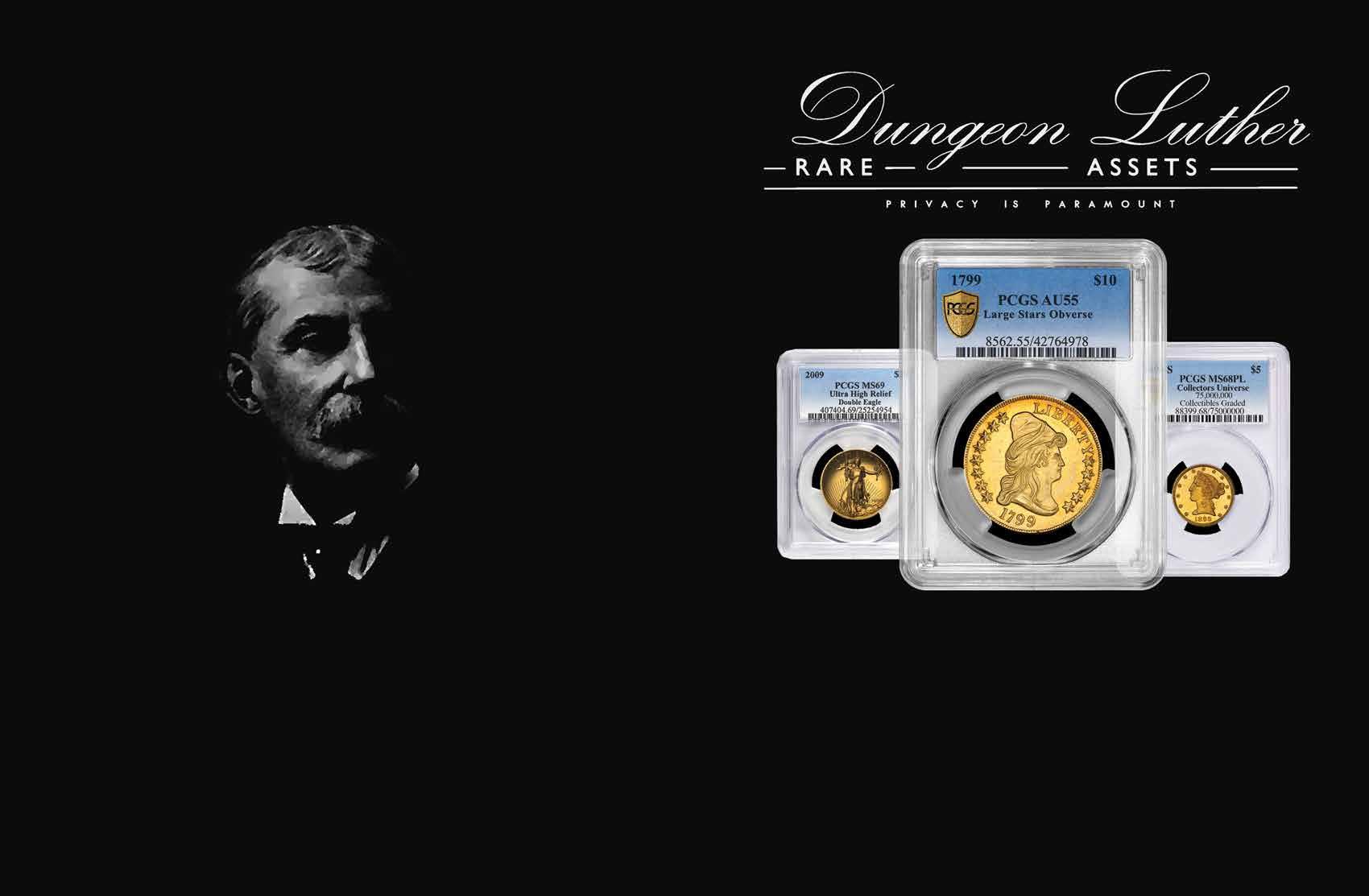
Alex Young, an expert with Dungeon Luther Rare Assets, says the renewed attention comes down to practicality.
“A lot of people ask why rare coins, or why they should deal with graded coins instead of bullion,” Young says. “People are becoming involved because frankly it’s a solid hedge against economic volatility and inflation due to their tangible nature.”
He then points to something Palm Beach investors instinctively understand: discretion matters.
“These are graded assets that exist outside the digital financial system,” he says. “They are very private, and privacy is paramount in any industry.”
In a moment when so much wealth is digitized, trackable, and tied to the same market swings, the appeal of something tangible, finite, and private becomes clear. For many investors, it is not only practical, but increasingly attractive.
Young also notes performance history as another factor drawing attention to the space.
“Historically, graded coins have shown strong long-term appreciation,” he says, while emphasizing that coins are
This is where firms like Dungeon Luther distinguish themselves, not by offering widely available inventory, but by sourcing truly scarce, certified pieces.
“We focus on coins that are among the finest known examples, sometimes the first five, the first ten, or the first fifty,” Young says. “In some cases, the population may be one of one, or one of twenty-five.”
For those intrigued but unsure where to begin, Young offers a straightforward approach. The key, he says, is to shift how you think about coins.
“Look at coins the same way you would look at artwork. Bullion is valued by weight and a fluctuating market price. Numismatics on the other hand are valued by their historical rarity, quality, and demand.”
Rather than attempting to predict the market, begin with a category that naturally appeals to you, whether early American coins like silver dollars, historic gold, or modern limited issues. Personal interest often leads to deeper
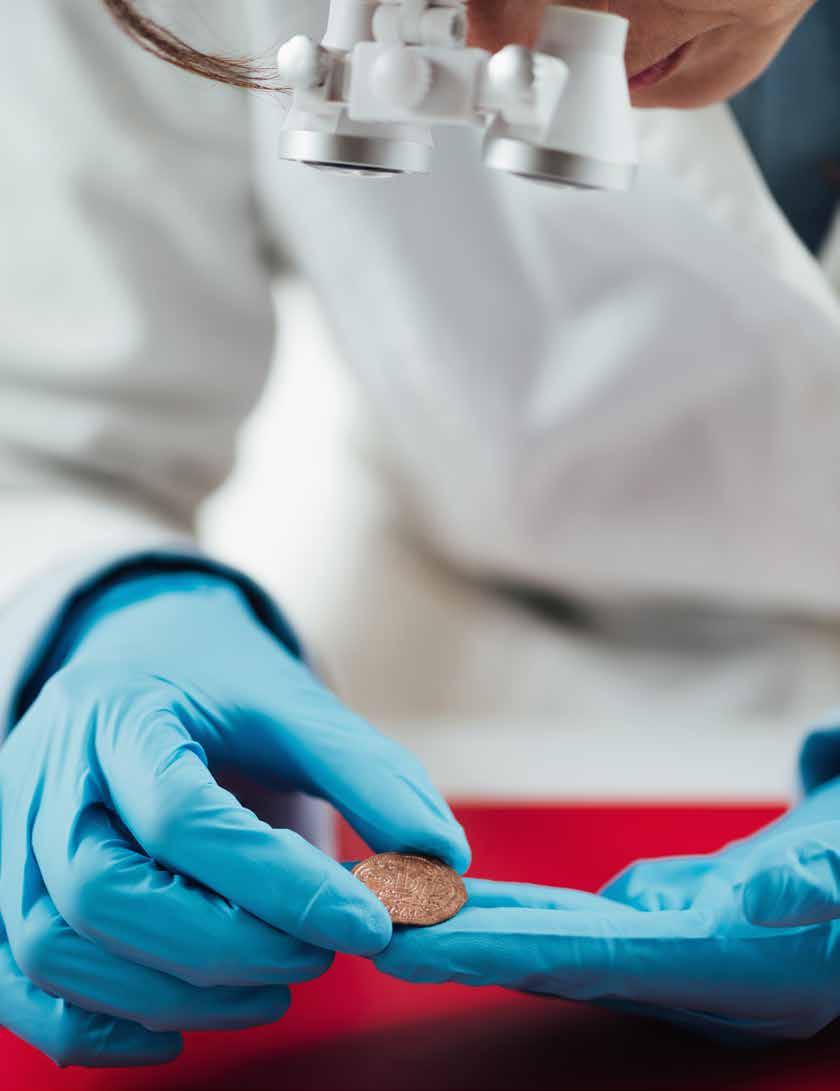
“WHEN IT COMES TO ACQUIRING ASSETS IN THE TOP TIER OF RARITY, ACCESS IS EVERYTHING.”
understanding, something you relate to and that knowledge ultimately supports stronger investment decisions.
Once a category is identified, the focus should shift to quality. In numismatics, condition and scarcity are major drivers of value, and the strongest long-term potential is often found in the finest available examples within a given range.
Before purchasing, it is essential to research recent auction results and comparable sales to determine how similar coins are trading in the market. Establishing this benchmark helps ensure informed decisions and prevents overpaying.
A coin becomes an investment when it is acquired at the right price. Securing a high-quality, scarce piece at a competitive market value can immediately create longterm upside potential and strengthen the overall position.
Many investors enter numismatics seeking stability and diversification, and remain for the enduring demand behind truly scarce assets.
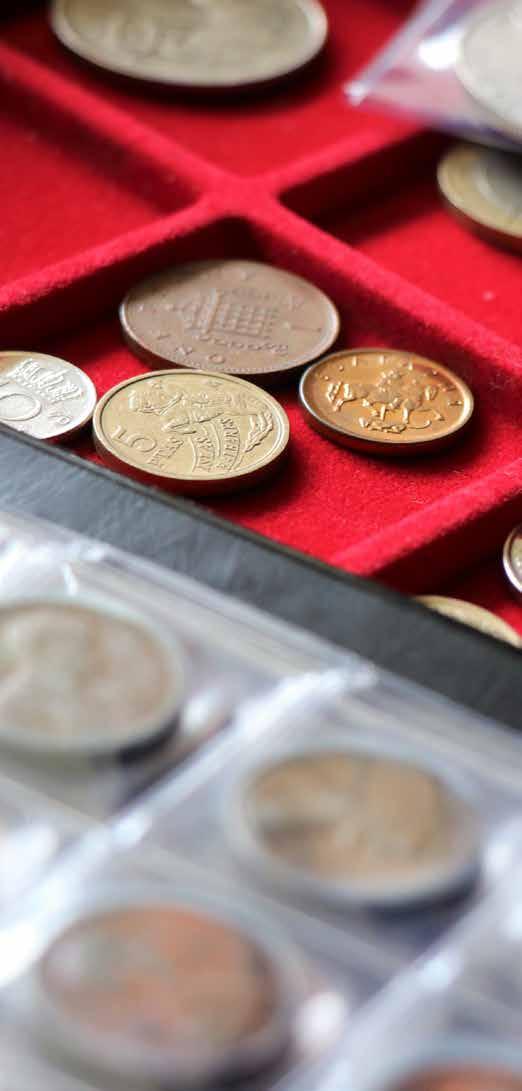
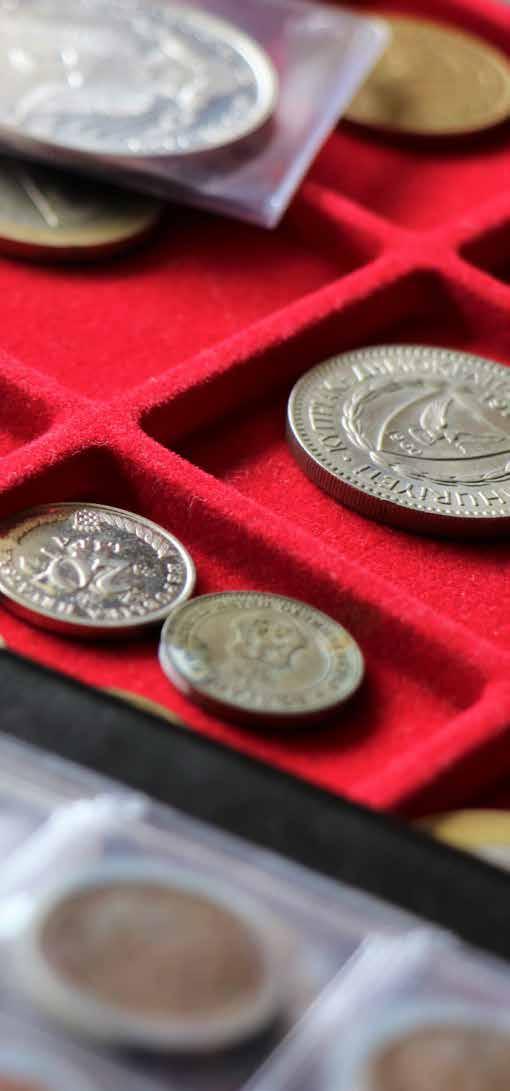
“Rare coins have historically protected value during uncertain periods,” Young says. “That is why people stay.”
In Palm Beach, where investing often carries a generational lens, rare coins occupy a distinctive space between financial asset and cultural object. They are not only stores of value, but artifacts of history and craftsmanship. Unlike purely digital holdings, they can be studied, displayed, and ultimately passed down, linking wealth with legacy in a tangible way.
For many collectors and investors, the appeal extends beyond performance. Rare coins represent continuity, a connection to history, and a quiet form of wealth preservation that has endured across centuries and market cycles.
As interest in tangible, non-correlated assets continues to grow, rare coins are once again finding their place in sophisticated portfolios, not simply as investments, but as enduring symbols of rarity, history, and value.
Key trends gaining momentum in 2026 American Silver Eagle Anniversary Issues
The 40th anniversary of the American Silver Eagle is driving strong interest in high-grade and limited-release examples.
Military-Privy Silver Eagles
Special-issue Eagles tied to major U.S. military anniversaries have seen sharp demand and rapid price movement due to limited supply.
Pre-1933 U.S. Gold Coins
High-grade Liberty and Saint-Gaudens Double Eagles remain sought-after as rising gold prices reduce available supply.
Historic Proof Coins
Late 19th- and early 20th-century Proof coins continue to attract collectors for their rarity, craftsmanship, and steady demand.
Iconic Rarities
Legendary pieces such as the 1933 SaintGaudens Double Eagle and famous error coins remain enduring cornerstones of the market.

Celebrate compassion and community at Happy Tails at The Park in West Palm Beach, benefiting Peggy Adams Animal Rescue League. Swing by for wonderful cocktails, a buffet dinner, and spectacular golf course views—all in support of the animals they serve. The putting events@peggyadams.org or call 561.530.6066

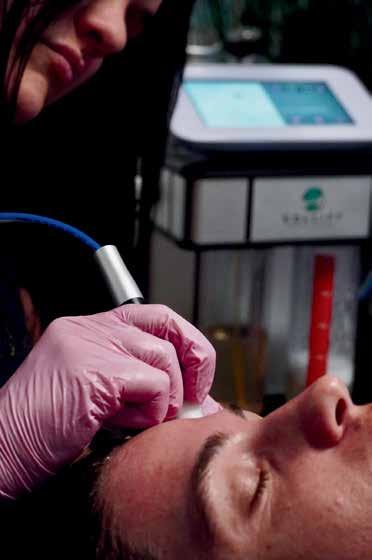
Founded by celebrity, award-winning Biologique Recherche esthetician Melissa Fox, Flawless by Melissa Fox is now in West Palm Beach. We offer a results-driven experience, from our signature Flawless Facial to advanced HydraFacials, IonixLight treatments, and our rejuvenating Head Spa. Every service is designed to leave you feeling and looking your best.
561-791-6994 Flawlessbymelissafox.com