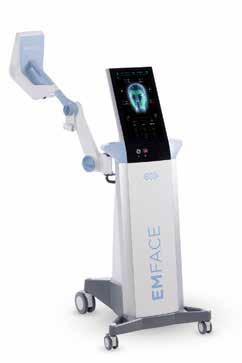
EMFACE uses synchronized radiofrequency (RF) and high-intensity facial muscle stimulation (HIFES) to lift, tone, and smooth—naturally boosting collagen and elastin, while strengthening the underlying facial muscles. This means tighter skin, reduced wrinkles, and restored structure… without surgery, needles, or downtime.
∙ It treats both the skin and the underlying muscle, something filler can’t do.
∙ It strengthens the levator and orbicularis oculi muscles, lifting the brow and tightening skin for a brighter, more open look.
∙ It improves natural volume loss without risking puffiness, migration, or overcorrection like filler sometimes can.
∙ It’s a non-invasive alternative to blepharoplasty or laser resurfacing, making it ideal for clients not ready—or not a candidate—for surgery.
Data-backed results:
Up to 26% increase in collagen | Up to 30% reduction in crow’s feet 23% more lifted facial structure | 64% reduction in dark circles
Investment
Dear Neighbors,
Investment. By definition, it’s dedicating time, energy, or resources toward something with the hope of a worthwhile return. But in practice, it’s so much more. Whether it’s our community, our relationships, our finances, or our own personal growth, the things we invest in today shape the future for everyone around us.
We invest in our community by supporting our local small businesses, our schools, and our neighborhood organizations. Volunteering and mentoring are powerful ways to pour into the next generation. Even staying informed about city planning or participating in local surveys is an investment in the place we call home.
Financial investments help us build security, but personal investments—like spending quality time with family or fostering deeper connections—bring the kind of rewards you just can't put a price tag on.
A Personal Reflection Looking back at my four years in the Presidential Honor Guard, I realize now that was one of my first major investments. I invested my time and discipline into serving our country, but the "return" was a lifelong foundation of integrity and pride. Later in life, my greatest investment became my two sons, Luke and Zach. Seeing the men they’ve become is a daily reminder that the energy we put into our families is the most significant deposit we will ever make.
While the way we choose to invest looks different for everyone, the common thread is the hope of making a positive impact. This month, we explore the various ways we can invest in our lives—from nurturing our community to planning for a sound financial future.
Every investment is an act of hope and commitment. As you flip through these pages, I hope you feel inspired to invest in the people, places, and dreams that matter most to you.
Here’s to a month full of growth, connection, and meaningful returns.
JIMMY DARDEN, PUBLISHER @CITYLIFESTYLE_OKC
our Instagram
April 2026
PUBLISHER
Jimmy Darden | jimmy.darden@citylifestyle.com 405.541.5650
EDITORIAL COORDINATOR
Veronica Bennett
veronica.bennett@citylifestyle.com
Corporate Team
CEO Steven Schowengerdt
President Matthew Perry
COO David Stetler
CRO Jamie Pentz
CoS Janeane Thompson
AD DESIGNER Josh Govero
LAYOUT DESIGNER Kirstan Lanier
QUALITY CONTROL SPECIALIST Megan Cagle
Learn how to start your own publication at citylifestyle.com/franchise.
city scene
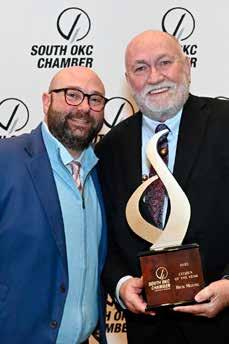
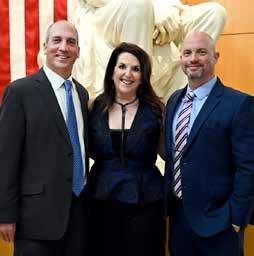
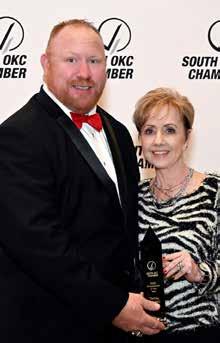
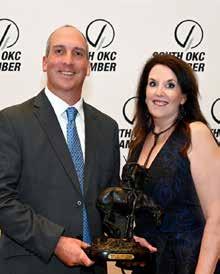
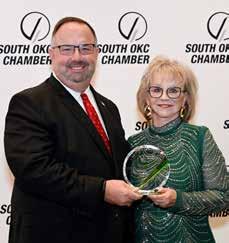
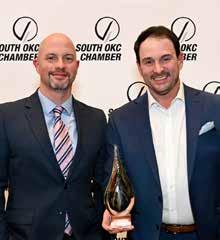
1-10: Celebrating community and leadership! The South Oklahoma City Chamber of Commerce hosted its Annual Banquet, presented by AT&T, at the National Cowboy & Western Heritage Museum. The evening marked the installation of the 2026 Board of Directors and honored the outstanding contributions of local leaders. Congratulations to all our honorees and the new board for their dedication to South OKC’s growth and success! 2: The Emeritus Club 2025 inductees: Yancy York and son, Lyndsay Dukes, JayLynn Harris, Tom Trammell, Dr. Robert Romines, Wayland Bonds, Steve Petty, Angela O’Keefe 3: Warren Stowe presents the Ambassador of the Year Award to First Fidelity Bank’s Tammy Brakebill. 4: Ryan Cross, Elaine Lyons, and Jeff Kretchmar celebrate the South OKC Chamber’s 2026 Board installation. 5: Alex Yaffe presents the Citizen of the Year Award to Rick Moore for his outstanding service. 6: John Claybon presents the MetroEDGE Rising Star Award to Chandler Goodman and Lizzy Bozarth. 7: President Elaine Lyons presents the End of the Trail Award to 2025 Chair Ryan Cross.
Photography by Shauna J. King, ahhshoot.com
8: Jeremy Sparks presents the Volunteer of the Year Award to Deborah Gullette for her service. 10: Jeff Kretchmar presents the Native Oklahoman Award to Brandon Bates, accepting for golfer Talor Gooch.
OKCPHIL Appoints
Chavdar Parashkevov as New Gertrude Kennedy Concertmaster
The Oklahoma City Philharmonic is thrilled to announce Chavdar Parashkevov as Concertmaster, effective May 2026. An internationally acclaimed Bulgarian violinist and OCU professor, Parashkevov has been praised by The Strad as a "romantic virtuoso." Music Director Alexander Mickelthwate noted his "luminous" sound and exceptional leadership. The OKCPHIL also extends deep gratitude to Associate Concertmaster Marat Gabdullin for his dedicated service during this interim period. For more information, contact us at okcphil.org
Photography by Oklahoma City Philharmonic
Quail Creek Bank is proud to recognize five employees who reached significant service milestones in 2025: James Griffith, Chief Financial Officer and Senior Vice President (30 years); Lacey Biffle, Vice President (25 years); Julie Kirk, Vice President (25 years); Shelli Fiscus, Assistant Vice President (25 years); and Stephanie Mills, Vice President (20 years). Their combined service reflects decades of leadership, institutional knowledge, and dedication to Quail Creek Bank’s customers, employees, and community as the organization continues forward in 2026.
Thirty years in the making, City Care is building Oklahoma’s first medical respite center and expanding affordable housing.
A Foundation of Belonging
ARTICLE AND PHOTOGRAPHY BY LUKE SPENCER
“Every person deserves dignity, stability, and a place to sleep at night
—a foundational belief that has guided us for thirty years.”
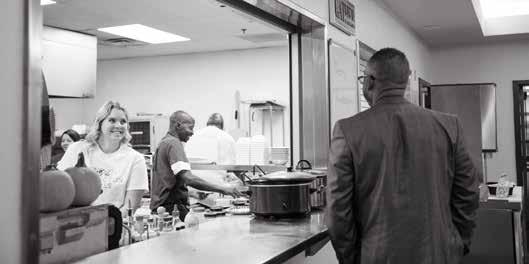
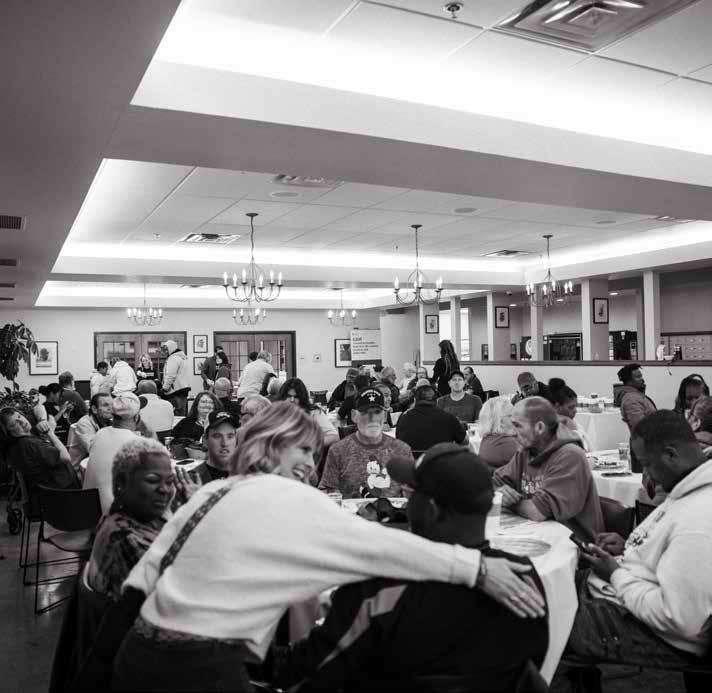
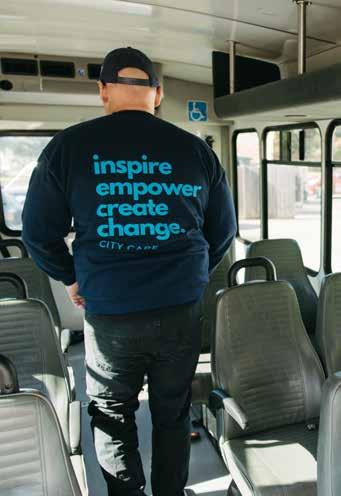
Thirty years ago, City Care began as a simple pancake breakfast hosted by a handful of friends who shared a foundational belief: every person deserves dignity, stability, and a place to sleep at night.
In the decades since, the organization has become a steady presence for Oklahomans experiencing homelessness and housing instability, offering safety, dignity, and compassionate care at moments of profound vulnerability. City Care has walked alongside thousands of neighbors who are too often overlooked, witnessing stories of resilience, rebuilding, and restoration. Although its strategies have evolved over time, the mission has remained rooted in a steadfast belief in the intrinsic value of every person and a commitment to creating spaces where lives that have gotten off course can be restored.
Today, City Care serves the Oklahoma City metro, Norman, and soon additional communities across the state. Each program addresses the root causes of homelessness while building the safety net people need right now. Through proven solutions including low-barrier emergency shelters, supportive services, and affordable housing, the organization provides both immediate help and long-term stability for some of the community’s most vulnerable neighbors.
City Care’s core programs include Homeless Services, Supportive Communities, and the forthcoming Medical Respite Care program.
For individuals and families in immediate need of shelter, City Care operates night shelters that collectively provide more than 190 beds along with warm meals, clothing, hygiene items,
transportation to partner agencies, access to case management, and other emergency supports. Its low-barrier approach ensures that guests can stay for one night or one hundred nights, without program prerequisites or requirements for entry.
While emergency shelter is not the ultimate goal, it is often a critical first step toward stable housing, security, and holistic well-being. Shelter teams prioritize learning names, listening to stories, building trust, and connecting guests to resources as individuals work courageously toward a better future.
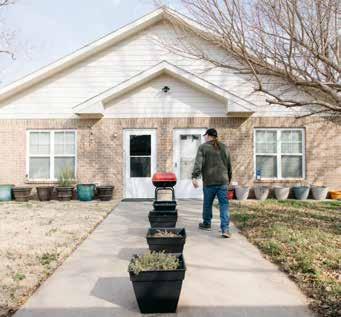
Beyond emergency shelter, City Care’s supportive housing programs reflect the belief that stable, affordable housing is foundational to breaking the cycle of homelessness and improving health outcomes. The organization owns and maintains over 112 units of affordable supportive housing, with additional units in development, serving neighbors ready to transition into permanent housing with ongoing support.
Case managers and advocate teams work alongside residents to help them remain stably housed by strengthening life skills, increasing income, addressing health needs, and rebuilding healthy support systems. Many residents move from homelessness into peer-supported communities where they are empowered to use their lived experience to encourage and uplift others, and to pursue whatever their goals may be.
Looking ahead, City Care is advancing a $13.5 million capital campaign, having raised $6.2 million to date, to address two urgent and interconnected needs: safe medical recovery for neighbors discharged into homelessness and expanded access to affordable permanent housing.
As part of this effort, City Care will open Oklahoma’s first Medical Respite Shelter, a 40-bed facility designed for individuals who are too ill or medically fragile to recover on the streets or in traditional shelters but do not require hospitalization. Medical respite provides short-term residential healing paired with connections to ongoing medical care, housing, and supportive services, offering rest and dignity during critical moments of recovery.
The need for this care is significant. Between 2020 and 2022, nearly 13,000 Oklahomans were discharged from hospitals into homelessness, with more than 7,300 of those discharges occurring within one hour of City Care’s Oklahoma City campus. Many shelter guests manage chronic health conditions, mental illness, or substance use disorders. Without a safe place to recover, they often cycle between the streets and emergency rooms. By offering appropriate, dignified care, the Medical Respite Center will reduce strain on emergency systems while helping neighbors heal and stabilize.
Alongside medical respite, City Care is expanding its supportive housing through the development of 27 new cost-effective and affordable quad units in the Westlawn Gardens neighborhoods. These homes will provide individuals and families with a foundation of stability, safety, and hope.
The need for affordable housing remains significant. The National Low Income Housing Coalition reports that Oklahoma faces a shortage of over 84,000 affordable housing units. In Oklahoma County alone, more than 18,000 eviction cases last year pushed over 9,100 families toward homelessness. And in Cleveland County last year 49% of the annual Point-In-Time count surveyed neighbors experiencing homelessness were living outdoors or in other places not intended for living or sleeping. Additionally, 72% of respondents reported living in Cleveland County prior to their experience of homelessness, and only 5% (6 people) reported coming from out of state.
For neighbors navigating medical challenges, mental illness, or the lasting impacts
of trauma, the pathway to stability is often fragmented or inaccessible. City Care will help bridge that gap by pairing housing with supportive services that promote long-term success.
Together, these initiatives represent more than construction projects. They are intentional spaces of restoration and belonging. They are places where healing can begin and where neighbors are not defined by crisis, but supported toward a stable and hopeful future. City Care believes that homelessness is a community issue requiring a community response. The organization remains committed to its mission until every neighbor, in every community and in any condition, has a place to call home.
Restoring hope and building a community where everyone belongs together.
Plant You r Kitchen Garden
A quick guide for simple ideas to start off your backyard kitchen garden. With endless health and medicinal benefits, combined with the beauty and enjoyment to be found, gardening is endlessly rewarding.
GETTING STARTED
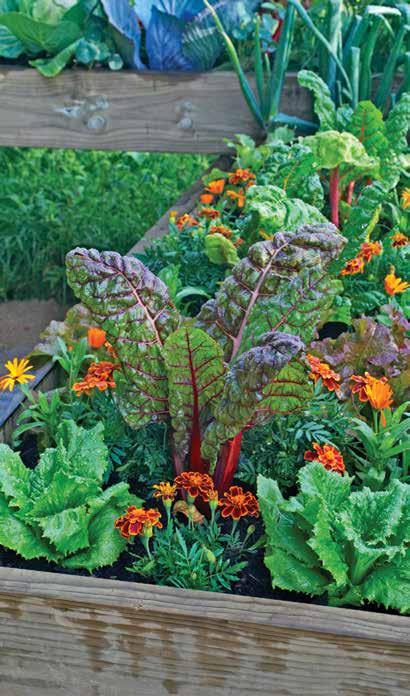
• Plant your vegetable options right into your beds with flowers, the pollinators (bees, butterflies and more) are attracted to the beautiful flowers and your veggies will easily and abundantly go-to-fruit, living harmoniously in one bed.
• Every garden needs a rain gauge - you’ll be surprised at how fun it is to check. There is nothing like rain water for your garden. (This is optional, but definitely fun).
• Get your family involved. It’s never too late!
• Just go for it, our local climate can be weird and often extreme but don’t let it stop you- the most success and fun I’ve had was just going for it. Experiment and see what you love and what works best for you!
• In most cases, when watering, don’t water the petals and leaves, (especially when they’re in direct sunlight) try to water straight to the soil. All they need is water, nutrients and light to thrive! (and maybe a little love helps too!)
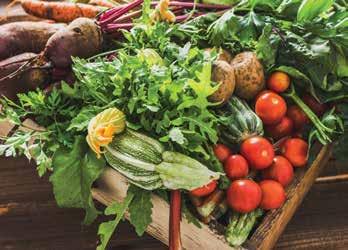
• Don’t forget herbs: Lavender, Mint, Lemon Verbena, Oregano, Basil, Cilantro, Parsley and more. Don’t be afraid to skip the spice rack and grab your seasoning from the garden.
ARTICLE BY LAURA SANCHEZQUAN
BACKYARD GARDENS OFFER FRESH VEGGIES AND FOOD FOR YOUR SOUL
What to Plant
Whether starting from seed or seedlings, you can’t go wrong with these options. Start with foods you know you like to eat.
TOMATOES:
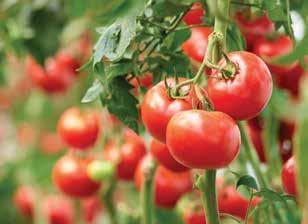
They’re delicious, money-saving, good for eating fresh and for preserving. Tomatoes come in endless colors, shapes and sizes. Plant them in a sunny location with well-drained soil, ideally in full sun, and ensure they receive consistent moisture, supporting them with cages or stakes as they grow.
EGGPLANT:
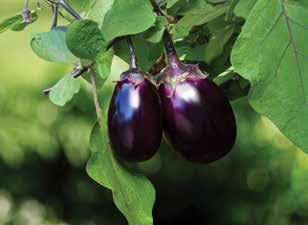
Eggplant is a short season vegetable and a relative of peppers, potatoes, tomatoes and tobacco. It thrives in heat and full sun and can be deliciously made into baba ganoush and many other delicious dishes.
OKRA:
Okra loves our hot summers and full sun. Don’t wait too long to pick your okra, ideally harvesting them when they are 2 to 4 inches long. Can be eaten raw on a salad or best served deep fried. (The flower that turns into the okra itself is uniquely beautiful as well!)
PEPPERS:
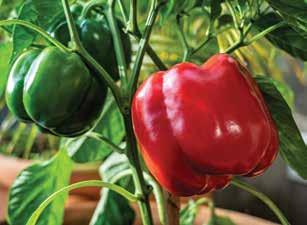
Like tomatoes, peppers have many purposes and variations. Plant them in a sunny location with well-drained soil after the last frost, spacing them 18 inches apart, and provide consistent watering while ensuring the soil doesn’t become waterlogged.
Flowers Bring Pollinators
Flowers bring joy to all five of our senses, but they also bring pollinators to our garden in order to ensure your backyard kitchen will produce lots of fresh fruits and vegetables. Not to mention they also contain health and even medicinal properties.
HIBISCUS:
Make sure your hibiscus plants, whether tropical or hardy, get at least 6 hours of sun per day in order to achieve optimum blooming. Hibiscus flowers can be made into a delicious tea that can be served hot or ice cold (and is a good source of Vitamin C). With over 200 varieties of hibiscus world wide, their blooms only last a day or two! Stunning in all shapes, sizes and colors.
MARIGOLDS:
To the surprise of most people, marigold flowers are edible. Whether used fresh, dried, or infused into various beverages, Marigolds have a multitude of uses in the kitchen. An added benefit of planting these bright and low maintenance flowers next to tomatoes– they help keep pests away from devouring your tomatoes while also encouraging pollinators.
ZINNIAS: PLUMBAGO:
These bright, colorful garden gems have many benefits beyond their beauty and ease of care. Along with attracting pollinators, and being low maintenance they also have medicinal properties. Zinnias have antibacterial and anti-inflammatory properties, they’re rich in antioxidants, and the natural compounds in zinnias can help calm irritated skin and reduce redness.
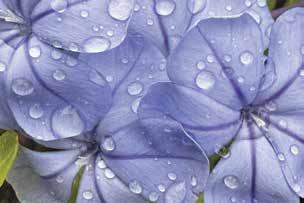
Plumbago is thought to have many health benefits, such as its anti-ulcer, anti-oxidant, and anti-cancer properties, resulting from its principal chemical components, which are concentrated in the roots, leaves, and stems of plants. This attractive light purple flowering plant thrives in the sun, and has moderate watering needs. Trim and prune to suit your own preferences of growth and it’s a welcome, abundantly beautiful member of any garden.
Redefining MVP: TIM TEBOW’S LIFE BEYOND FOOTBALL
An exclusive Q&A with City Lifestyle
ARTICLE BY ANGELA BROOCKERD
PHOTOGRAPHY PROVIDED
From championship trophies to global humanitarian impact, Tim Tebow’s journey has defied every standard playbook. In an exclusive conversation for the Share the Lifestyle podcast, Tebow pulls back the curtain on the moments that truly defined him, from a humbling middle school church retreat to the life-altering shift of fatherhood. This isn’t just a look back at a career; it’s an invitation into the heart of a man driven by purpose. Read the highlights below, then join us for the full, unfiltered experience by scanning the QR code at the end.
Q: WE ALL KNOW YOUR ACCOMPLISHMENTS ON THE FOOTBALL FIELD, BUT TELL US ABOUT THE CURL CONTEST.
A: I was competing for my future high school team (my brother’s team), and I pushed myself way past what was smart. I ended up collapsing and needing medical attention. But what stayed with me wasn’t the pain, it was the lesson. Would I be willing to do something that others aren’t? For much of my life, I strived to bring my best for a game, but I hope that I can say at the end of my life I was willing to do that for things that actually matter.
Q: YOU’VE ACHIEVED SO MUCH IN SPORTS. WHAT WOULD YOU SAY IS YOUR GREATEST ACCOMPLISHMENT NOW?
A: Becoming a dad. Nothing compares. From the moment I knew my wife was pregnant, I felt a new depth of love for our child, but when you bring your baby home, the responsibility hits you like nothing else. Suddenly, everything you see, every decision you make, you’re asking, “Is this corner too sharp? What happens if she reaches that drawer?” It changes how you see the world and how you see other people.
Q: YOU’VE SPOKEN OPENLY ABOUT DISAPPOINTMENT, ESPECIALLY AROUND FOOTBALL. HOW DID THAT SEASON OF LIFE SHAPE YOU?
A: I talked a lot about that very thing in my book Shaken . We all go through moments where our faith in our abilities and purpose feels rattled, but I believe it’s often in those storms when God can show us who we could become.
Q: YOU TALK A LOT ABOUT COMPARISON CULTURE. WHY DO YOU BELIEVE COMPARISON HAS BECOME SUCH A TRAP TODAY?
A: Because we’re comparing our real, everyday lives to someone else’s highlight reel. Social media shows people’s “best day,” often filtered and staged, and then we measure our reality against that. There’s a reason filters are so popular—it’s not real. We end up scrolling through images that don’t tell the full story, and without realizing it, comparison starts to steal our joy and our gratitude.
“We’re comparing our real, everyday lives to someone else’s highlight reel... comparison starts to steal our joy.”
Q: YOUR FOUNDATION FOCUSES ON THE “MOST VULNERABLE.” WHERE DID THAT CALLING BEGIN?
A: When I was 15, I met a boy in the Philippines who was treated as a throwaway because he was born with physical differences. That moment changed me. I realized God was calling me to pursue a different kind of MVP, not “Most Valuable Player,” but “Most Vulnerable People.”
Q: FINALLY, WHAT’S ONE THING PEOPLE MIGHT BE SURPRISED TO KNOW ABOUT YOU?
A: I have some weird coffee habits, which include protein powder, collagen, and cream all mixed together. I love golf dates with my wife. And every night, I bring snacks to bed to share with our dogs. It brings me more joy than it probably should.
This conversation barely scratches the surface. Tim goes deeper into the moments that rattled him, the joys of fatherhood, and one story he has never shared publicly until now. Scan the QR code for the full, exclusive City Lifestyle interview on Share the Lifestyle Podcast.
Scan for the exclusive reveal and more with Tim Tebow unfiltered.
the first time ever, Tim shares the inspiration behind a project he’s been holding close to his heart.
Redefining MVP
FEATURING TIM TEBOW
ARTICLE BY ALLISON SWAN PHOTOGRAPHY BY JANIE JONES
Inquiring Chef
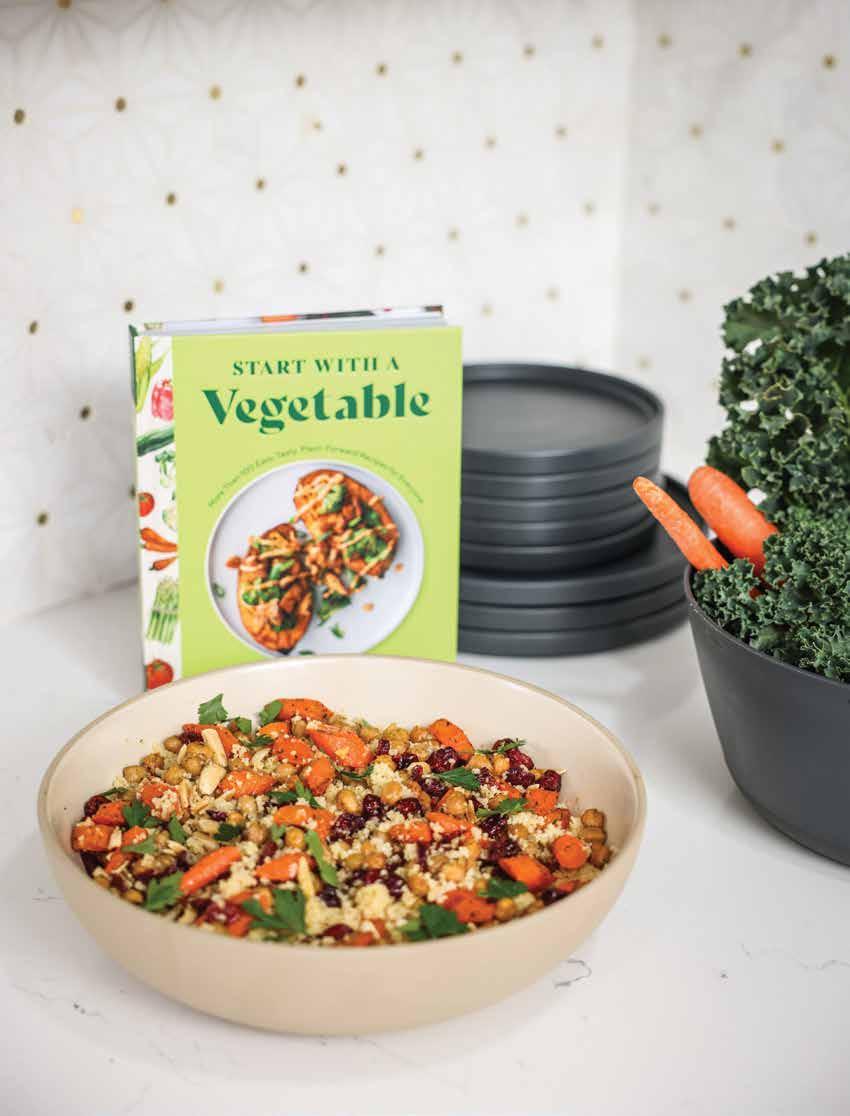
START WITH A VEGETABLE
Jess Smith is the founder of the popular food blog InquiringChef.com, which she started in 2010 after moving to Thailand with her husband. She explored Thai cuisine, took cooking classes, and documented her experiences on the blog. Over time, her passion for cooking grew, leading her to focus on quick, easy meals for families. Today, Inquiring Chef receives over 5 million page views annually and supports a small team. She shares new recipes weekly through email, her blog, and social media, helping home cooks simplify mealtime without sacrificing flavor.
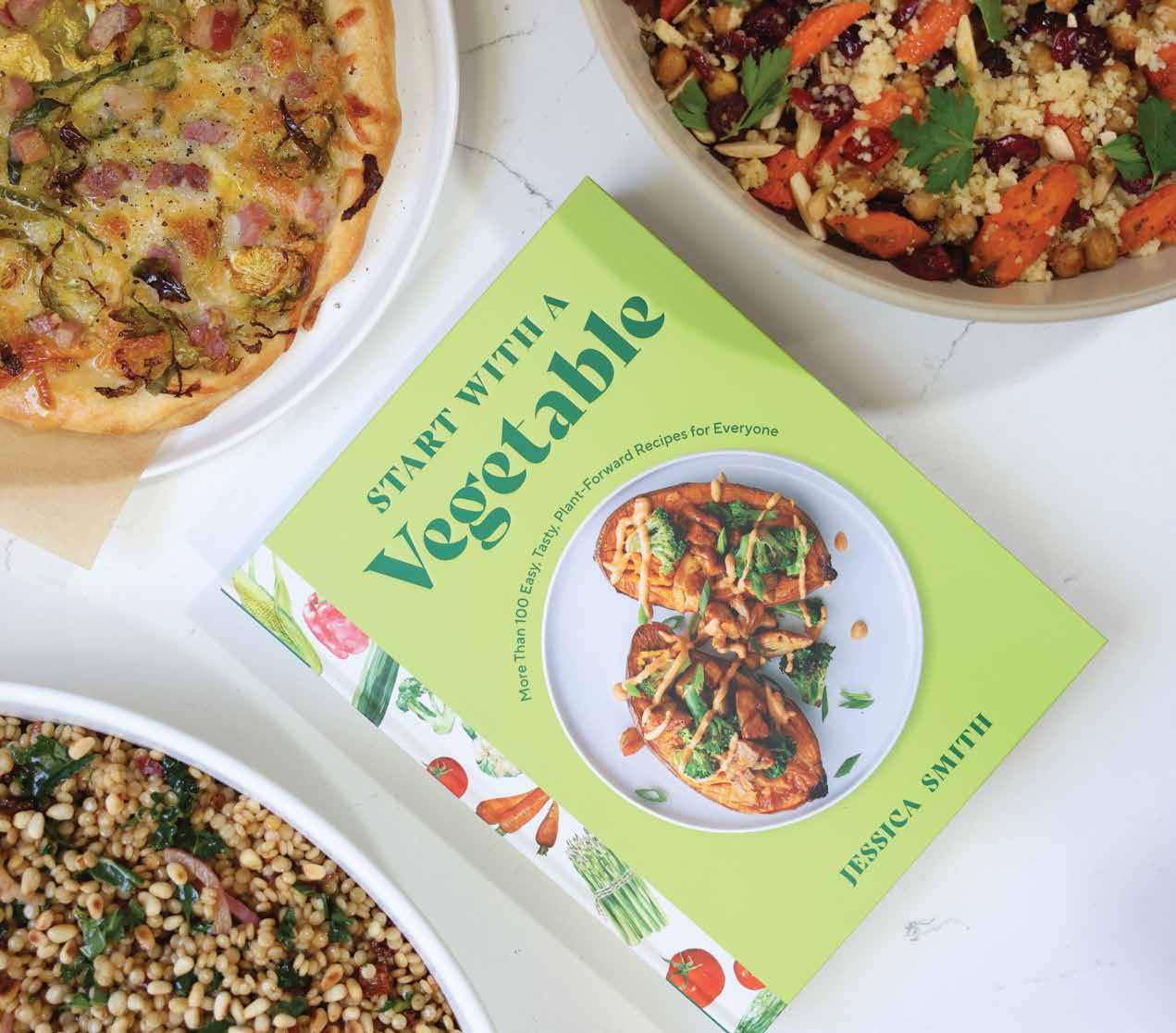
Smith is now an author. Her debut cookbook, Start with a Vegetable, published in 2025 reimagines meal planning by putting vegetables at the center of the plate.
“Start with a Vegetable was the result of a natural transition in the way I started thinking about preparing dinner for my family. At the end of a busy day, I often didn't have the energy to think about dinner in parts by preparing a separate protein, vegetable, and starch,” says Smith. “I realized that if I put a vegetable at the center of the dish, the rest was easy to fill in.”
The book features 100 flexible recipes proving vegetables aren’t just a side—they’re key to simple, satisfying meals.
As chief recipe developer for the Cook Smarts meal-planning app, Smith worked closely with families struggling to get dinner on the table. She noticed a common challenge: people wanted to eat more vegetables but didn’t know how to build meals around them.
“As I started planning and testing recipes for the book, I just loved how easy it made dinnertime feel. Are there carrots in the fridge? Here are a bunch of ways to turn them into dinner. Nearly all of the 100 recipes are complete meals and include easy swaps to make them vegetarian. The book is truly flexitarian, with vegetable-forward recipes for all types of eaters.”
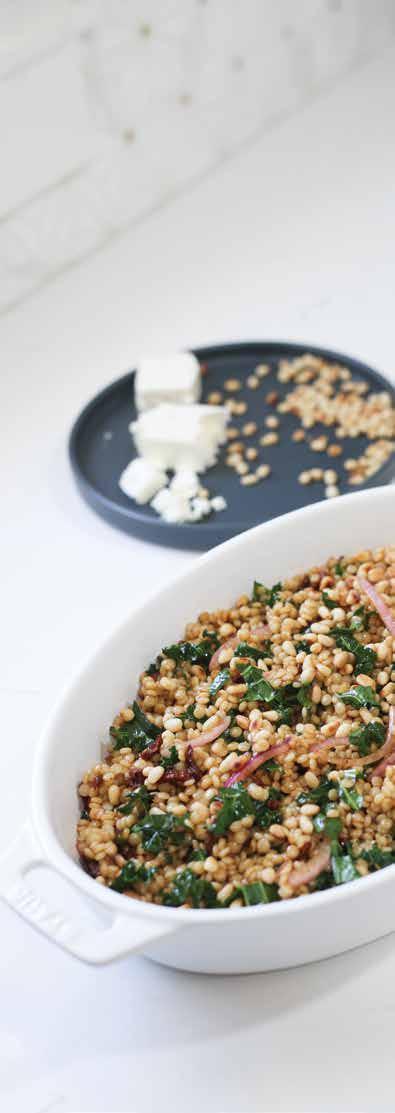
Unlike most cookbooks, Start with a Vegetable is organized by ingredient. Each chapter focuses on a different vegetable, offering multiple ways to turn it into a meal.
“The concept is resonating with many readers who tell me they love that the chapters are organized by vegetable, making it easy to use whatever they have on hand.”
Smith went through a rigorous testing process, starting with over 300 ideas before narrowing them down to 100.
“I always have running lists of recipe ideas. I started sorting recipes into categories, making sure there was variety for each vegetable. I wanted different cooking methods and types of dishes, so each chapter might have a soup, a salad, a roasted dish, a stove-top dish, and a sandwich or pasta.”
After perfecting the recipes in her own kitchen, she passed them to a trusted friend, an everyday home cook, to ensure they worked under realworld conditions.
“I want to know how these recipes worked for a home cook who was shopping at regular grocery stores and trying to make dinner for a family on a weeknight. She sends me feedback on any ingredients that are hard to find, anything that is unclear in the recipe, and tracks how long it takes her to make it with real-life interruptions.”
To further refine the book, Smith enlisted 30 volunteer home cooks through Instagram and her email list to test the recipes.
“My goal was to ensure that the recipes in this book are reliable, easy, and adaptable. I wanted this to be a cookbook for real home cooks. I'm so grateful to that team of volunteers for helping to ensure that it is.”
To order a copy of the cookbook visit: InquiringChef.com
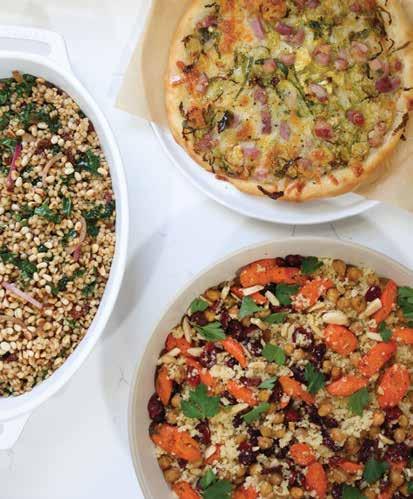
CITRUS, CARROT, AND CHICKPEA COUSCOUS
Sweet carrots and tart cranberries complement each other in every bite of this tangy couscous. It makes a light meal on its own but becomes a showstopper when spread on a platter and topped with braised meat, roasted cauliflower steaks, or seared tofu. If you want to add a little creaminess, serve the couscous with a spoonful of plain yogurt.
Ingredients:
• 1 pound carrots
• one 15½-ounce can chickpeas
• 3 tablespoons olive oil
• 1½ teaspoons ground cumin
• ½ teaspoon ground ginger
• ½ teaspoon dried thyme
• ¾ teaspoon kosher salt, plus more for boiling
• ½ cup orange juice
• 1 cup water
• 1 cup dry regular or whole wheat couscous
• ⅓ cup sliced almonds
• 1 lemon
• ½ cup dried cranberries
• chopped fresh parsley for garnish
Directions:
Step 1. Preheat the oven to 425°F
Step 2. Peel the carrots and slice them diagonally into 1-inch ovals. Drain and rinse the chickpeas
Step 3. In a large mixing bowl, combine the carrots and chickpeas with 1 tablespoon of the olive oil, cumin, ginger, dried thyme, and ½ teaspoon of the salt, coating evenly.
Step 4. Line a rimmed baking sheet with parchment paper. Spread the seasoned veggies and chickpeas on it in an even layer.
Step 5. Bake until the carrots become tender, 25 to 30 minutes. Stir halfway through cooking.
Step 6. Meanwhile, in a medium saucepan over high heat, combine the orange juice, water, and ½ teaspoon of salt. When the mixture begins to boil, remove it from the heat, stir in the couscous, cover, and let stand for 5 minutes.
Step 7. When the carrots become tender, sprinkle the almonds on them and continue baking until the almonds lightly toast, 4 to 5 more minutes.
Step 8. Juice the lemon for 1 tablespoon fresh juice.
Step 9. In the same mixing bowl used to season the veggies, whisk together the lemon juice, 2 tablespoons of olive oil, and the cranberries.
Step 10. Fluff the couscous with a fork and add it to the carrots, chickpeas, and almonds. Stir well to combine.
Step 11. Serve warm or refrigerate for 30 minutes and serve chilled. Just before serving, stir in the parsley.
ARTICLE BY SOPHIE BROCK
FOUR SIMPLE WAYS TO INVEST IN YOUR MORNING AND START YOUR DAY OFF ON THE RIGHT FOOT
habits morning for success
One of the best ways to invest in yourself is by creating a consistent and intentional morning routine. No matter how unpredictable or chaotic the rest of your day may become, starting your morning with self-care and purpose sets a positive tone that stays with you throughout the day. Once you develop a morning routine that truly resonates with you, you’ll look forward to it every night, knowing it will set the foundation for a productive and fulfilling day.
If you’re ready to elevate your mornings, here are some meaningful ways to invest in your routine and start each day on the right foot.
Be Your Own Barista:
One of life’s simplest pleasures is savoring a homemade coffee each morning. While skipping the drivethru may be tough at first, brewing your own allows you to appreciate the process—and chances are, you’ll end up preferring your own perfect cup of joe.
Get Your Steps In:
An hour-long gym session before work may not be realistic, but a quick morning walk is. Use this time to clear your mind, enjoy nature, and listen to your favorite podcast or artist—an easy way to start your day feeling relaxed.
Enjoy Some Breakfast:
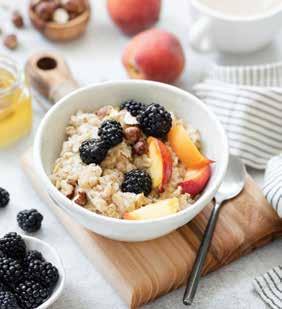
Breakfast is the most important meal of the day, yet often the most overlooked. Setting your alarm just minutes earlier to prepare a fresh, nutritious meal can transform your morning, fueling your body and mind for a more energized and productive day.
Read A Book:
Starting your day with a book is far more calming than scrolling through social media. Reading in the morning helps ease you into the day, providing a peaceful and mindful escape that sets a positive, focused tone for what’s ahead.
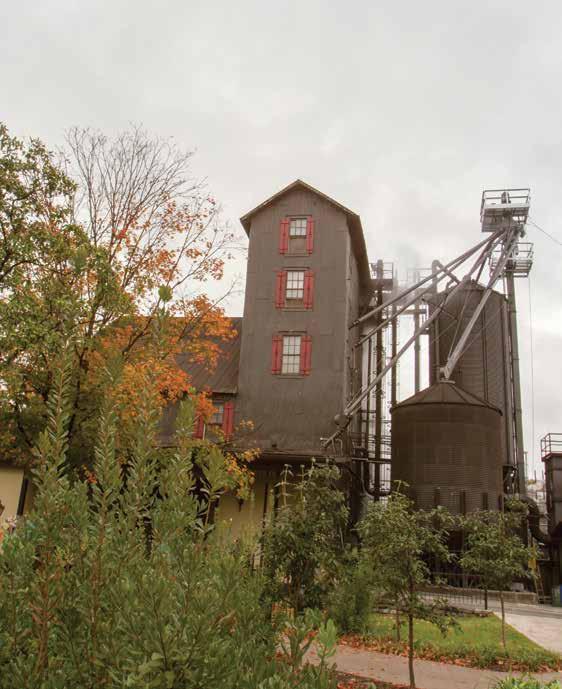
The bluegrass state of Kentucky with the Appalachian Mountains is indisputably known as the Mecca of bourbon and the location of America’s only Bourbon Trail.
The Kentucky Bourbon Trail, established in 1999, is dotted with a total of 37 distilleries scattered throughout the regions of Louisville, Western Kentucky, Bardstown, Lexington and North Kentucky.
For bourbon aficionados and road trip lovers alike, the trail promises scenic country drives, historic architecture, and an abundance of restaurants and tasting rooms with some distilleries spanning more than 100 miles apart.
The most popular bourbon distillery locations one might expect to see along the trail are: Angel’s Envy, Maker’s Mark, Michter’s, Wild Turkey, Heaven Hill, Lux Row, Old Forester, Four Roses, Evan Williams, Bulleit, and Jim Beam.
Within each distillery and on its grounds, bourbon lovers can expect to find a variety of bourbon price points, flavor profiles, distilling and aging techniques, and historical points of interest. Each location offers a variety of tour options: some focusing on the chemistry of bourbon distillation, the art of tasting, the barrel charring process, or the rich (and checkered) history of bourbon’s origins.
A TOUR OF AMERICA'S ONLY BOURBON TRAIL
TOASTING
THE
The name
“bourbon” hails from the original
Bourbon County,
which
was a region carved from a portion of the Fayette County of Virginia in 1785.
The Kentucky Bourbon Trail, established in 1999, is dotted with a total of 37 distilleries.
One constant seems to remain—most Kentucky distilleries cannot broach the topic of their favorite drink without also offering a glimpse of its history. The name “bourbon” hails from the original Bourbon County, which was a region carved from a portion of the Fayette County of Virginia in 1785. The county, which belonged to the then-brand-new state of Kentucky, was named in honor of the French House of Bourbon to show gratitude to King Louis XVI for his vital assistance during the American Revolutionary War.
Prior to its exodus from the region, loads of white oak barrels cut from the forests of Arkansas were first branded with the Bourbon County label. The county logo branded on the barrels soon gave way to its shorthand references: Bourbon. The rest is, quite literally, history.
The oldest operational distillery in Kentucky is Maker’s Mark, which began distilling in 1805 and has since been recognized as a National Historic Landmark. In 1964, a Congressional Resolution declared bourbon to be an indigenous product of the United States. This distinction renders bourbon as the official American Spirit. To be recognized as a bourbon, a spirit must meet specific and strict requirements set forth by law. In fact, bourbon distillation marks one of America’s very first examples of a consumer protection law with the establishment of the “Bottled-in-Bond” Act in 1897 (The Bottled-in-Bond designation has bourbon standards which supersede those of single-malt Scotch).
All bourbon starts as what distillers refer to as White Lightning—an uncolored, unaged, and unflavored whiskey. Whiskey functions as the stem cell of bourbon—it’s the bare bones and the foundation. This whiskey must be made with mash consisting of at least 51% corn. As long as that ratio is met, the mash may also include other grains such as rye and barley. During the distillation process, the liquid must not supersede a proof of 160, and must not supersede a proof of 125 at the time it’s poured into barrels to begin the aging process. All bourbon must be aged in new, charred, white oak barrels for a minimum of two years before it is finally bottled at 80 proof or higher. No other dyes or flavors may be introduced into the distilling or aging process if a bourbon is to retain its namesake.
Even though 95% of bourbon is distilled in Kentucky, bourbon does not need to be distilled in the state to be considered authentic. Most bourbon was historically
made in Kentucky due to its geography. The rich source of limestone in Kentucky earth acts as a natural aquifer, purifying the water and removing the more peaty flavors one would find in spirits distilled with earthier water quality, such as Scotch. The varied temperatures, humidity levels, and weather patterns in the Kentucky region cause the white oak barrels to contract and swell. This unique aging process gives bourbon its signature amber hue as well as its sweet and dynamic flavor.
While the tour itinerary is flexible enough to have many starting points, the official “start” of the trail can be found at the Kentucky Bourbon Trail Welcome Center located at the Frazier Museum on Historic Whiskey Row in downtown Louisville. The destinations along the trail can be planned a number of ways: by distillery, by region, or by organized tour itinerary. Some distillery locations are packed as tightly as an 8-mile radius, with the average tour lasting about 90 minutes.
Guests who schedule an official KBT tour receive a Kentucky Bourbon Trail passport at the beginning of their journey and have the pleasure of watching stamps fill their pages as they makes their way through the Kentucky countryside. The Kentucky Bourbon Trail Passports do not expire, so travelers may rest assured that they can complete any unfinished portions of their tours at a later date if the tastings become too rigorous. Each distillery along the trail has its own admission fee for tours but offer more than one tour option at each location. Some Distilleries, such as Four Roses and Jim Beam, offer two distillery tour locations. Guests are welcome to visit both locations if they desire but will receive only one stamp in their Bourbon Trail passports.
For those who want to travel off the beaten path, several famous distilleries in the area do not appear on the official Kentucky Bourbon Trail list. One of the more famous of these is the Buffalo Trace Distillery, responsible for distilling bourbon of that name as well as the more rare and sought-after bottles of Blanton’s and E.H. Taylor. The Buffalo Trace distillery is located on a national landmark and offers free tastings, as well as Ghost tours for those who are interested in a different kind of spirit.
For a complete list of distilleries, tour schedules, tour booking details, and frequently asked questions, visit KYBourbonTrail.com
ARTICLE BY KRISTY BELLEY
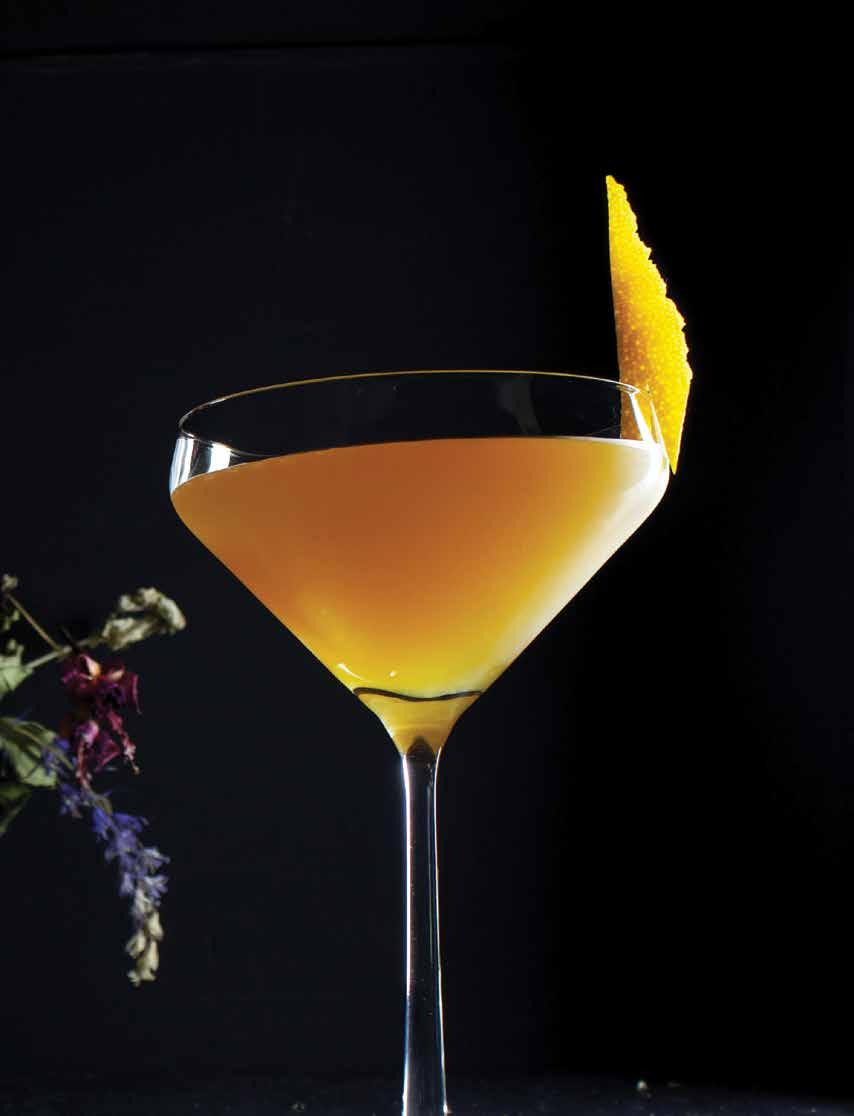
The drink that makes you look forward to TAX DAY
INCOME TAX cocktail
INGREDIENTS:
• 1½ oz. Gin
• ¾ oz. Dry Vermouth
• ¾ oz. Sweet Vermouth
• ¾ oz. Freshly Squeezed Orange Juice
• 2 Dashes Angastura Bitters
• Orange Twist
• Glass Type: Coupe
DIRECTIONS:
1.
2. Add everything to your shaker with ice.
4. Pour into your coupe.
5. Twist your orange peel again, like you did last summer.
7. Enjoy being done with taxes.
8. And a good cocktail.
The Income Tax Cocktail likely popped up during the Prohibition party scene of the 1920s. Its exact origin story remains a bit blurry, but it was definitely a hit in speakeasies.
The name? Well, it's like a cheeky nod to the idea that sipping on this cocktail might be more fun than paying actual taxes! Made with gin, sweet vermouth, orange juice, and a dash of bitters, it's like a boozy adventure for your taste buds, with hints of citrus and herbs. Despite its vintage roots, the Income Tax Cocktail still brings the party vibes, transporting you back to the roaring '20s.