SAN CTUARY
INT ERIORS, INT ENTION, AND LIVING WELL
HOME + DESIGN
DESIGN FORECAST 2026
ENTERTAINING, REIMAGINED
CAPITAL AQUARIUM
LIFE + CULTURE
MAYOR’S CORNER




INT ERIORS, INT ENTION, AND LIVING WELL
HOME + DESIGN
DESIGN FORECAST 2026
ENTERTAINING, REIMAGINED
CAPITAL AQUARIUM
LIFE + CULTURE
MAYOR’S CORNER
March is a month of transition: a subtle but powerful shift where we begin to feel movement again. The light changes. The days stretch a little longer. And with that comes a natural desire to refresh the spaces we live, work, and gather in.
In this March issue of NOVA Lifestyle magazine, we focus on interior design with intention, exploring how thoughtful design paired with innovation can completely transform the way we experience our homes. Design today is no longer just about aesthetics, it’s about how a space supports your lifestyle, your peace, and your productivity.

Refreshing your home doesn’t always require a full renovation. Sometimes it’s about reimagining a room’s purpose, introducing smarter layouts, upgrading materials, or incorporating technology that makes everyday living more seamless. Innovation in interior design is showing up in sustainable materials, multifunctional spaces, custom craftsmanship, and smart-home integrations that elevate comfort without sacrificing style.
This issue highlights design, creators, and businesses who understand that luxury is personal. Whether it’s a modern kitchen designed for connection, a calming bedroom retreat, or a living space designed to embody your taste, values, and achievements, your home should feel like a true extension of you.
As we step into spring, I encourage you to look at your spaces with fresh eyes. Ask yourself: Does this space still serve me? Does it inspire me? Does it feel aligned with who I am now? A refresh, no matter the scale, can bring renewed energy not only to your home, but to your mindset.
Thank you for continuing to grow with us, for supporting local excellence, and for welcoming innovation into your lifestyle. This month, let your home evolve with you.
Warm regards,
CARMEN FELDER, PUBLISHER @NOVALIFESTYLEMAGAZINE
March 2026
PUBLISHER
Carmen Felder | Carmen.Felder@CityLifestyle.com
MANAGING EDITOR
Bianca Bain Villegas
Bianca.BainVillegas@CityLifestyle.com
MARKET SUPPORT MANAGER
Vanessa Oruma | NOVA@CityLifestyle.com
SALES MANAGER
KC Cole | KC.Cole@CityLifestyle.com
CONTRIBUTING WRITERS
Finn Aldrich, Angela Broockerd, Mayor Kelly Burk, Elizabeth McKinley, Heather Spinks, Bianca Bain Villegas.
CONTRIBUTING PHOTOGRAPHERS
Vanessa Oruma, Dan Jenkins, Amanda Proudfit.
CEO Steven Schowengerdt
President Matthew Perry
COO David Stetler
CRO Jamie Pentz
CoS Janeane Thompson
AD DESIGNER Zach Miller
LAYOUT DESIGNER Kirstan Lanier
QUALITY CONTROL SPECIALIST Marina Campbell


Proverbs 3:5-6
FOLLOW US ON INSTAGRAM
Good news happening right in your neighborhood.
Inspiration for your best local life.
Exclusive giveaways.
Hidden gem alert!
Local content by local creators.



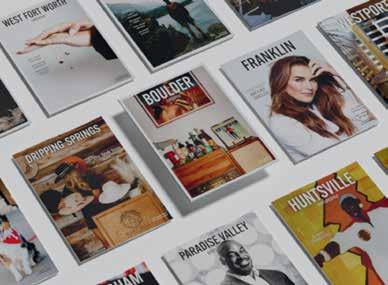


Set your schedule. Make an impact. Build a life you’re proud of.
Behind each of our 200+ City Lifestyle magazines is someone who cares deeply about their community. Someone who connects people, celebrates businesses, and shares the stories that matter most. What if that someone was you?
Or maybe it’s someone you know. If this isn’t the right time for you, but you know someone who could be the perfect fit, we’d love an intro.


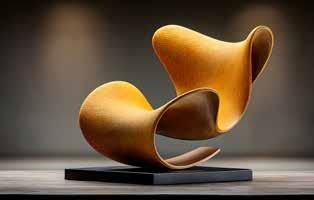




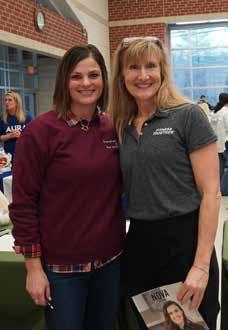
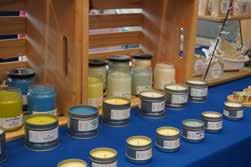


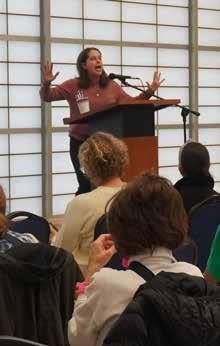
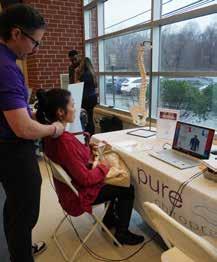
1-7: We attended Fuel your Fire: A Women’s Wellness Summit, a one day event focused on empowerment, self care, and connection. The summit brought together women from across the DMV for inspiring conversations, educational sessions, and hands-on wellness experiences. From thought provoking speakers to interactive vendors, the event created a welcoming space centered on nurturing the mind, body, and soul. 1: Gigi’s MicroGreens & More offers fresh, nutrient-packed samples highlighting the benefits of locally grown produce 2: Smell of Love Candles, a student-owned business, showcases beautifully crafted candles made with natural scents 3: Urologist Dr. Rachel Rubin MD, emphasizes the importance of education and advocacy in women’s health 4: MindShift Gym highlights innovative fitness programming while offering interactive incentives for upcoming adult training classes 5: Hosts Alex Herrera and Meredith Minix brought Fuel Your Fire to life through wellness-focused leadership 6: PureGreen shares fresh juice samples, giving attendees a refreshing taste of nutrient-rich wellness offerings 7: An attendee receives a computerized scan with Pure Chiropractic, demonstrating technology-driven insights into spinal health Photography by Vanessa Oruma





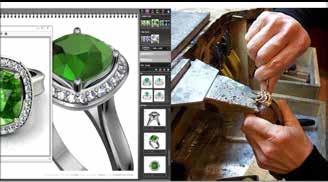
NEAT Method Loudoun brings luxury organization solutions to Northern Virginia's fastest-growing county. Our professional organizers transform spaces throughout Ashburn, Leesburg, Sterling, and beyond - from cozy townhomes to spacious single-family homes and busy home offices. Whether you need to maximize your closet space, create an organized kitchen, or bring order to your entire home, we design custom organizational systems that perfectly blend functionality with your dynamic Loudoun lifestyle. neatmethod.com
Lomar Painting Company offers a refined, full-service approach, led by a Marine whose commitment to precision and discipline defines every project. Our clean, courteous in-house team handles each job directly, never subcontracted, ensuring consistency, accountability, and exceptional results. Licensed, bonded, and fully insured, we use only trusted, premium products and uphold the highest standards of workmanship, efficiency, and reliability. From intimate spaces to large-scale projects, excellence is our constant. lomarpaintingcompany.com
Dexter and Plaid is a boutique interior design studio based out of Northern Virginia. Our goal is to create spaces that reflect those that live in them by incorporating well curated layers and thoughtful functionality. Heavily inspired by design styles of the past, the Dexter & Plaid signature style is a mix of moody hues, textures and patterns, always adding in elements that evoke a feeling of nostalgia and comfort that still feel timeless. dexterandplaid.com









This month’s issue is about home: a word we use often, yet rarely pause to define. What, exactly, is home?
The dictionary describes home as a place of residence, a house or an apartment, but also as something far deeper: an emotional, personal, and social sanctuary. Home is where we experience comfort, belonging, and security. It is a base of operations, a habitat, and, as the saying goes, where the heart is. And perhaps that captures it best: home is where the heart lives. Making everyone feel that Leesburg is a place they can call home takes intention, care, and a wide range of services; and Leesburg has plenty of heart.
On Harrison Street, beside the bike path, you’ll find a LOVE sign crafted from bicycle parts. It greets cyclists and visitors alike with a simple message about who we are as a town. Nearby, a crosswalk painted in the colors of the rainbow stands as a visible reminder that all are welcome here, that Leesburg is a place where everyone can belong.
Home also means care and compassion for those who need it most. Kitty Corner provides a temporary home for cats rescued from kill shelters across the region. Visitors can meet
ARTICLE BY MAYOR KELLY BURK PHOTOGRAPHY PROVIDED
the cats, and many find a new companion to bring home, young and old alike, benefiting from the quiet comfort animals provide. Loudoun County also operates an outstanding animal shelter that places cats and other critters into loving homes.
For residents who need help getting around, Loudoun County has launched Transit On Demand , a pilot service offering fare-free, appbased rides within a five- to six-mile service area in the Leesburg zone. Riders can request trips in real time using a smartphone app, an online browser, or by phone, making transportation more accessible and convenient for many members of our community.
Healthcare is another cornerstone of feeling at home. The Loudoun Free Clinic serves as a comprehensive healthcare home for low-income, uninsured adult residents of Loudoun County, providing free, high-quality medical care. Their work is made possible through the dedication of staff, volunteers, and donors who believe that everyone deserves access to healthcare.

Leesburg is also home to The Salvation Army, which supports families in times of need by providing lodging assistance, free meals, and a second-hand store offering affordable, useful items. Loudoun Hunger Relief plays a vital role as well, working to eliminate food insecurity by providing nutritious food, strengthening community connections, and expanding educational opportunities. They have served Loudoun County since 1991 and continue to make a meaningful difference every day.
In addition, Loudoun County’s Family Services department, supported by our tax dollars, offers a wide range of programs that help residents feel welcomed, heard, and cared for. The work they do quietly transforms lives and strengthens our community.


These organizations represent only a small glimpse of the many nonprofits serving Leesburg and Loudoun County. Together, they form a safety net that helps ensure our town feels like home to all.
Of course, home is also more personal. It is the house you live in, your street, and your neighborhood. Leesburg’s diversity in housing options strengthens our community and reinforces the message that everyone belongs. Our homes, after all, are reflections of our hearts.
As March arrives, so does St. Patrick’s Day, a time to celebrate renewal, hope, and a bit of Irish spirit. With that in mind, I’ll leave you with a simple Irish wish:
May love and laughter light your days and warm your heart and home, wherever that may be.
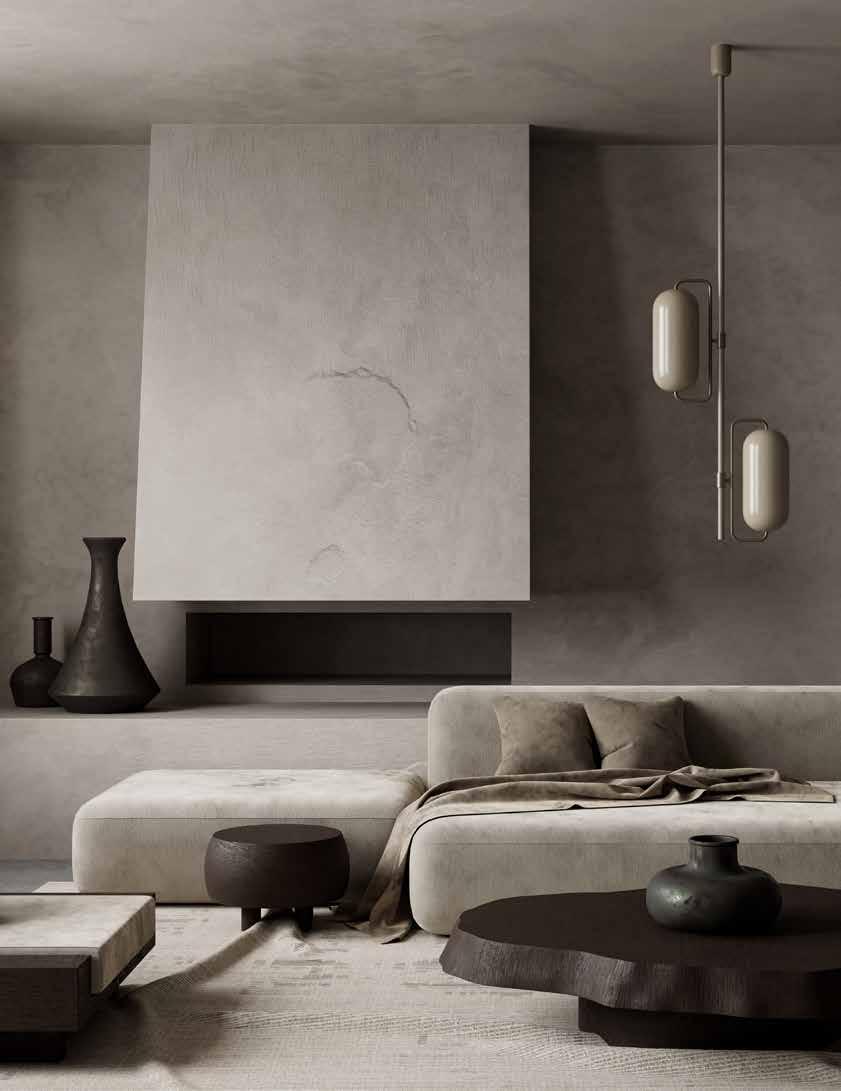
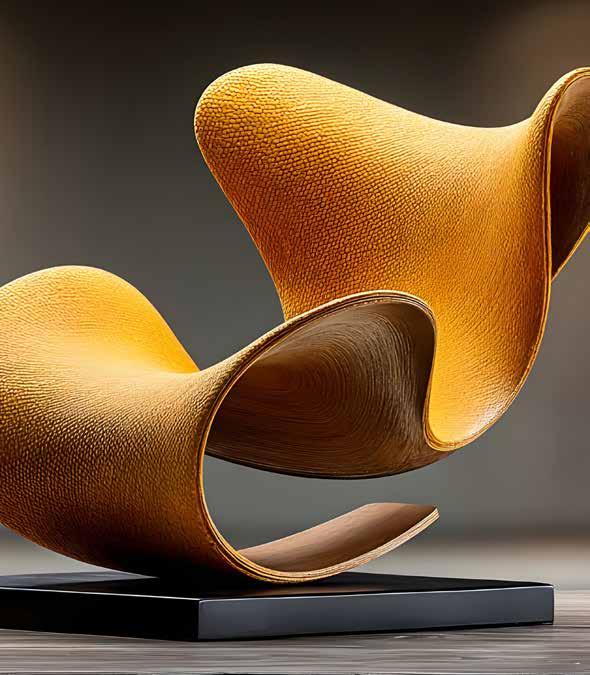
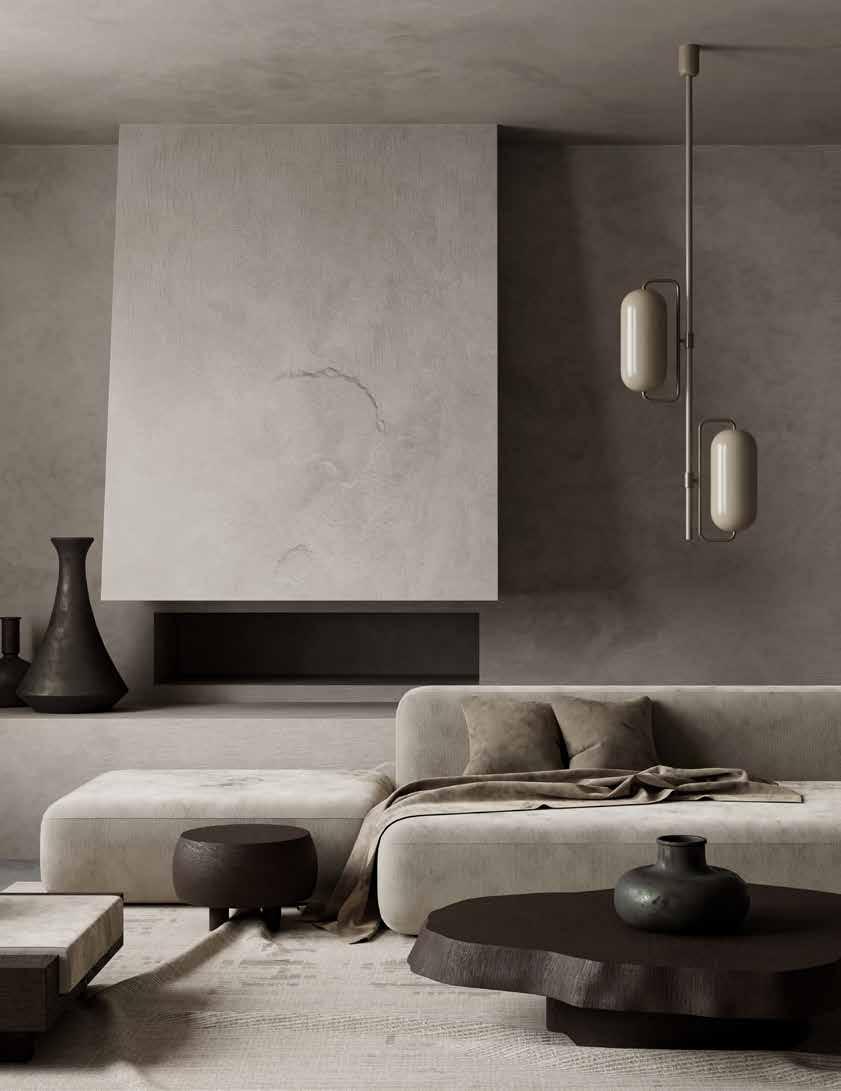
As interiors continue to evolve beyond the stark restraint of recent years, 2026 emerges as a return to warmth: spaces that feel deeply personal, sensorial, and lived in. This is not about excess or ornament for ornament’s sake, but about intention: interiors designed to engage the eye and the hand, to age gracefully, and to reflect the people who inhabit them. Luxury, in this new chapter, is defined by authenticity, tactility, and emotional resonance.
Texture takes center stage in 2026, ushering in a more intimate relationship between material and space. Walls move beyond flat paint into finishes such as lime-wash and Venetian plaster, offering subtle movement and depth that shift with the light throughout the day. These surfaces feel handcrafted rather than manufactured, an aesthetic echoed in handmade tiles, woven natural fibers, and richly textured rugs.
Soft furnishings follow suit. Raw silks, wool bouclé, aged leather, and nubby linens invite touch while introducing warmth and visual interest. The result is interiors that feel layered and enveloping, with a quiet richness that cannot be replicated by smooth, synthetic finishes.
The era of one-note beige is officially over. In its place: grounded neutrals that feel sun-warmed and nuanced. Creamy ivories, soft sands, and warm stone hues form the foundation, allowing rooms to breathe while providing a serene backdrop for richer accents. These tones are elevated by the strategic use of color: deep blues, muted emeralds, warm caramels, and chocolate browns that add sophistication without overwhelming the space.
“ULTIMATELY, 2026 INTERIORS CELEBRATE COMFORT, AUTHENTICITY, AND PERSONAL EXPRESSION.”
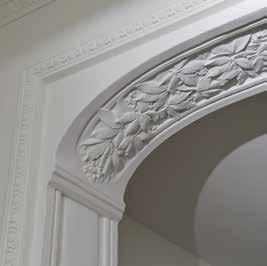

For those hesitant to embrace color, designers suggest using these hues as accents, through upholstery, accent walls, or cabinetry, rather than committing an entire room. Amber-toned paints, burnt caramel leathers, or deep green velvets act as elegant gateways into a more expressive palette.
At the heart of 2026 interiors is a renewed reverence for natural materials in their most honest forms. Wood is celebrated for its imperfections and character, with richly grained species and statement pieces in burl taking center stage. Stone appears less polished, more tactile, and metals are left unlacquered, allowing them to patina naturally over time.
This shift reflects a broader rejection of disposable design. Materials are chosen not just for their appearance, but for how they will evolve, becoming more beautiful as they age. In luxury interiors, longevity becomes the ultimate status symbol.
Homes in 2026 tell stories. Designers are moving away from overly curated, showroom-perfect spaces in favor of rooms that feel assembled over time. Plate walls, shelves lined with books, and thoughtfully displayed collections introduce a sense of nostalgia and individuality.
Vintage finds are especially prized, offering contrast to new furnishings and reinforcing the idea that luxury lies in uniqueness rather than uniformity. These layered interiors feel emotionally resonant, spaces that invite conversation, reflection, and comfort.
Furniture in 2026 is bold yet inviting. Sofas become sculptural focal points, designed with generous proportions, tactile upholstery, and thoughtful details such as contrast piping or fringe. Brutalist-inspired forms: chunky, grounded, and architectural, anchor living spaces with a sense of permanence.
Bedrooms and seating areas embrace cocooning shapes: sleigh beds, curved headboards, and plush lounge chairs that prioritize comfort. These intimate zones reflect a growing desire for rest and retreat within the home.
Even the smallest details carry weight. Cabinet hardware is treated like jewelry, with shield-shaped pulls, vertical bar handles, and character-rich finishes transforming kitchens and baths into bespoke spaces. Walls, too, receive elevated treatment, decorative murals, traditional paneling,

and refined molding add depth and craftsmanship, reinforcing a sense of quiet luxury.
In contrast, two major trends are being left behind. Stark minimalism: spaces that feel visually empty and emotionally cold, no longer resonates with how people want to live. Similarly, fast furniture and mass-produced décor are losing favor, replaced by a desire for quality, craftsmanship, and longevity.
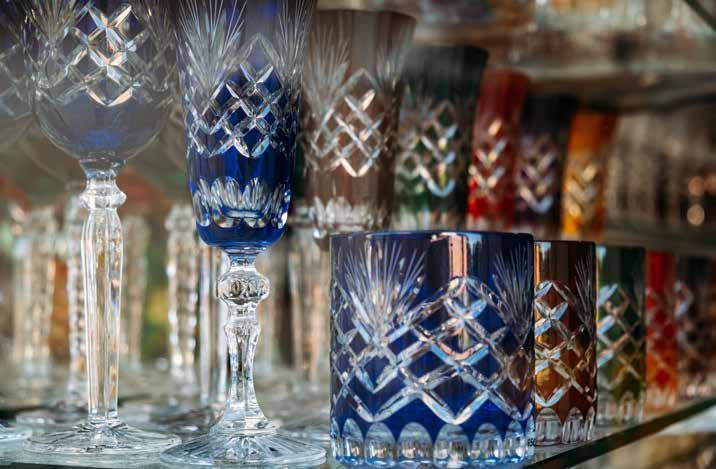
A sense of familiarity weaves through 2026 design, with nostalgic elements returning in refined ways. Colored glassware brings charm and color to dining rooms and open shelving. China cabinets and hutches reappear as functional statement pieces, offering both storage and display. Wainscoting and decorative moldings, once considered traditional, are now embraced as timeless architectural details that elevate even the most contemporary spaces.

Incorporating these ideas doesn’t require a full renovation. Start small: introduce a textured wall finish, invest in a burl wood table, or swap standard hardware for something sculptural. Display a curated collection or layer textiles with varying weights and textures.
Ultimately, 2026 interiors celebrate comfort, authenticity, and personal expression. These are homes designed not just to be admired, but to be lived in, spaces that feel grounded, soulful, and unmistakably your own.









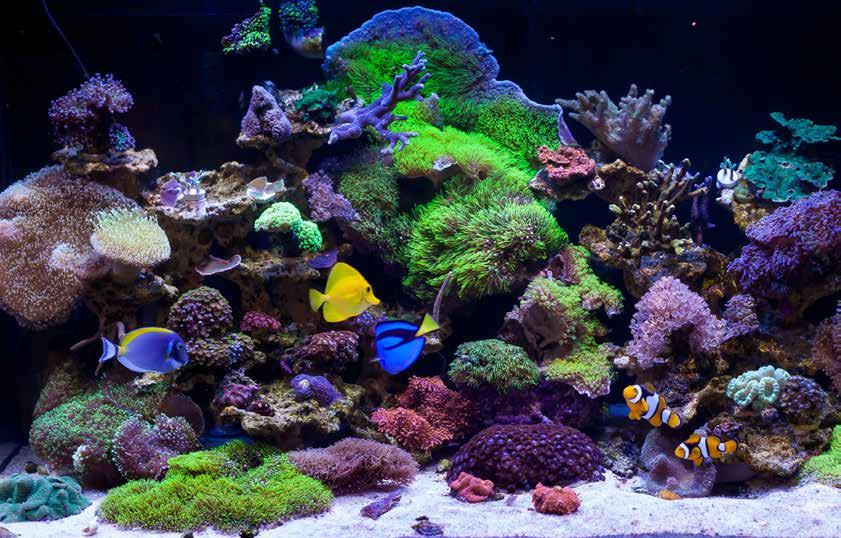
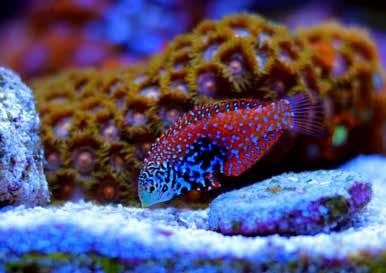
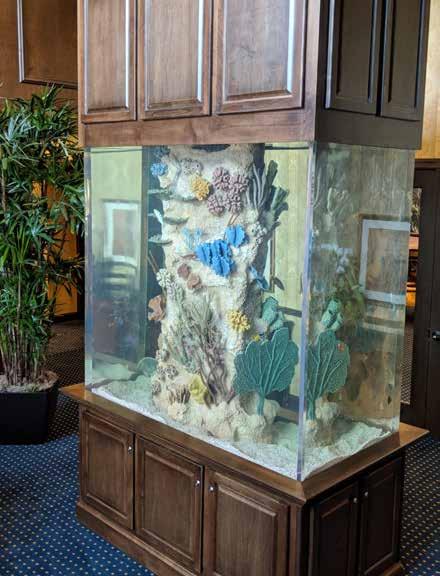
A Look Inside the Precision, Vision, and Quiet Luxury Behind Capital Aquarium’s Living Installations
ARTICLE BY BIANCA BAIN VILLEGAS PHOTOGRAPHY COURTESY OF CAPITAL AQUARIUMS
In the most thoughtfully designed homes, luxury is no longer defined by excess, ornamentation, or spectacle. It is defined by atmosphere. By how a space feels when you enter it, how it holds you, and how it restores you. Increasingly, that atmosphere is one of calm,


intentionality, and connection to the natural world. Few design elements embody this shift more fully than a custom aquarium, a living ecosystem that anchors a space not with noise or opulence, but with rhythm, light, and quiet movement.
This is the space Capital Aquarium occupies with uncommon precision. Founded in 2008 by Zack Robinson, the firm has grown from a deeply personal passion into a respected name in bespoke aquarium design and installation. Today, Capital Aquarium serves private residences, offices, and commercial environments where clients are not simply seeking a feature, but an experience. An aquarium, in Robinson’s hands, is not décor. It is an element.
Robinson’s journey into aquatic design began early. Raised around aquariums through his father, who managed an aquarium store while attending law school, Robinson was immersed in the mechanics and magic of underwater life from a young age. While his siblings moved on, he stayed with it, expanding from a single freshwater tank to dozens running simultaneously in his parents’ home. What began as a hobby matured into fluency, and eventually into a business built on both knowledge and reverence.
As Capital Aquarium evolved, so did its clientele. Early projects focused on smaller installations. Over time, Robinson found himself designing increasingly complex systems, larger in scale and more demanding in execution. With that growth came higher expectations, not just visually, but structurally and ethically. Luxury clients wanted aquariums that felt seamless within their homes, supported by technology, engineered for longevity, and aligned with modern values around sustainability and responsibility.
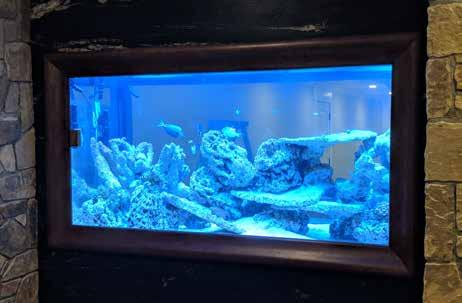
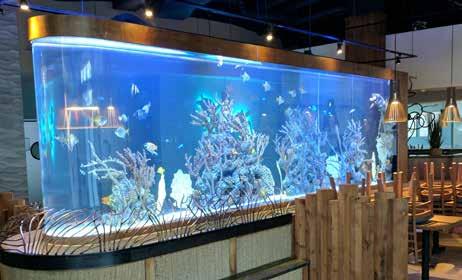
At its core, the Capital Aquarium process is collaborative and deliberate. Each project begins with conversation, not measurements. Robinson and his team seek to understand how a client lives, how a space is used, and what role the aquarium will play in daily life. Will it be a focal point in a living room, visible from multiple angles? A dramatic in wall installation dividing spaces while maintaining openness? A calming presence in an office where conversations unfold around it?
From there, technical considerations come into focus. Capital Aquarium designs systems ranging from intimate five gallon displays to expansive installations exceeding ten thousand gallons. Structural integrity is always addressed first, ensuring floors can support the
“Studies consistently show that observing aquatic life can reduce stress and anxiety, creating a sense of focus and tranquility.”

weight of a filled aquarium and that the surrounding architecture is properly reinforced when needed. Cabinetry is custom built. Some aquariums require dedicated life support rooms that house filtration, pumps, and monitoring equipment discreetly out of sight. Others integrate seamlessly beneath the display itself.
Materials are selected with equal attention to aesthetics and performance. Glass is often used for smaller installations, while acrylic is preferred for larger or more complex builds due to its strength, clarity, and flexibility. Each choice is made with the understanding that these systems are living environments, not static objects.
While the visual effect of a finished aquarium is immediate, much of what defines Capital Aquarium’s work lies beneath the surface. Advanced monitoring systems
allow Robinson and his team to track temperature, water quality, equipment performance, and overall system health remotely. Through secure applications, both technicians and clients can observe and manage critical elements in real time.
This level of oversight ensures stability and peace of mind. It also allows for flexibility. Some clients prefer a completely hands off experience, enjoying the presence of the aquarium while leaving care entirely to professionals. Others choose to engage more directly, feeding fish or learning the basics of observation between service visits. Capital Aquarium supports both approaches, tailoring involvement without compromising the health of the ecosystem.
Beyond craftsmanship and technology lies the emotional impact of the work. Aquariums have long been associated with

calm and restoration. Studies consistently show that observing aquatic life can reduce stress and anxiety, creating a sense of focus and tranquility. Robinson sees this reflected daily in how clients interact with their spaces.
Living rooms are rearranged so seating faces the aquarium rather than a television. Offices adopt aquariums as gathering points, places where conversations slow and attention softens. In homes, aquariums become part of family life, a shared presence that invites quiet observation or conversation over morning coffee.
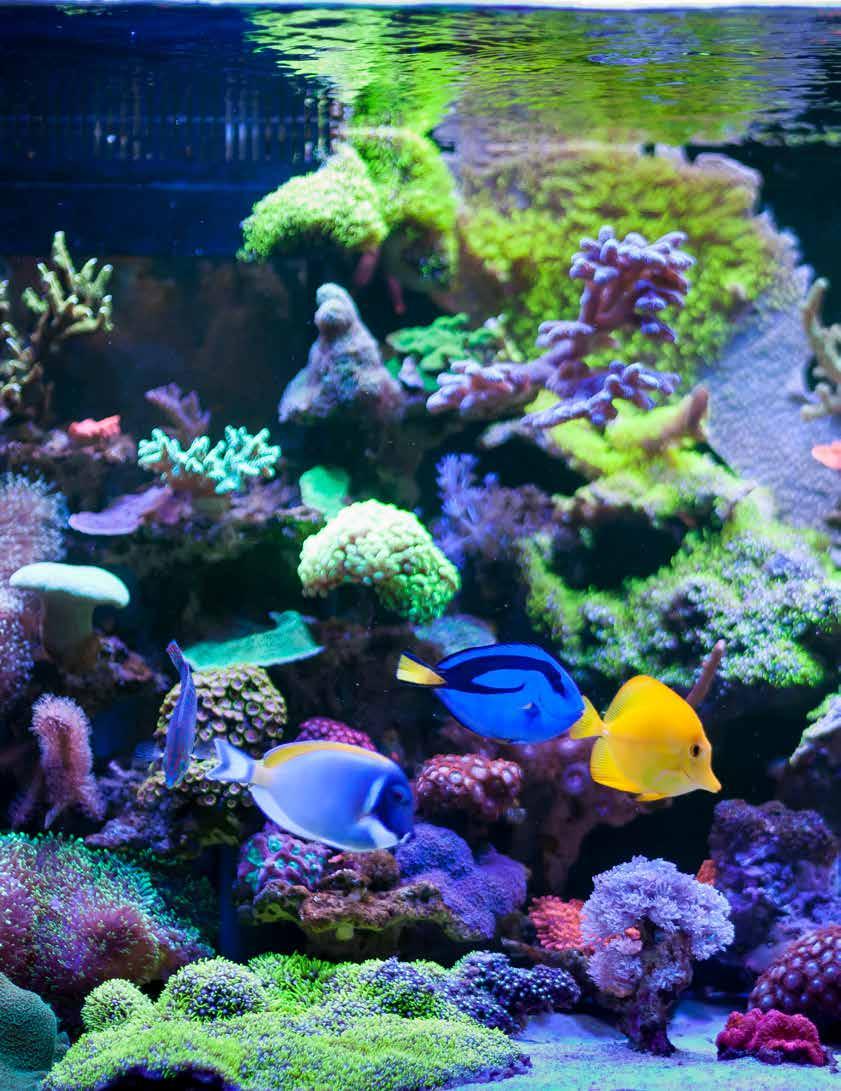
Equally central to Capital Aquarium’s philosophy is ethical sourcing and sustainability. The firm prioritizes captive bred and captive conditioned species whenever possible, working closely with breeding facilities that focus on responsible practices. Advances in aquarium science have transformed the industry, particularly in saltwater systems. Corals are now grown successfully in controlled environments, with some being reintroduced into the wild to help restore damaged reefs.
Marine husbandry has progressed to the point where many species are living longer, healthier lives in captivity than ever before. Improved filtration, nutrition, monitoring, and environmental control have elevated aquariums from decorative curiosities to sophisticated life support systems. For Robinson, this progress is not just technical, but moral.
True luxury, he believes, is inseparable from responsibility. Bringing a piece of the natural world into a home should not come at the expense of that world. Instead, it should reflect respect for it.
Looking ahead, Robinson anticipates continued advancements in automation and intelligent monitoring, creating more precise, responsive aquarium systems with real-time alerts that reduce risk and error. While artificial intelligence may play a supporting role, the work remains fundamentally hands-on. This philosophy makes Capital Aquarium’s recent acquisition of New England Aquarium Services in Portland, Maine,
especially compelling: uniting specialized teams to expand expertise and reach while scaling innovation without sacrificing craftsmanship.
What excites him most is not technology, but imagination. Every project begins differently. A single phone call might introduce an idea he has never encountered before. A client may envision an aquarium integrated into a new build in a way that challenges convention. Each installation is an opportunity to translate vision into something living.
After nearly two decades in the field, Robinson no longer keeps an aquarium at home, joking that he tends to hundreds, just not at his own address. Yet the legacy continues. His daughter, recently scuba certified, has already developed a deep fascination with marine life, experiencing coral reefs firsthand and asking eagerly to accompany him to work.
For Capital Aquarium clients, the lasting value is not simply a striking installation. It is the experience of living with something that breathes, shifts, and evolves. A reminder of nature’s rhythms brought indoors with care and intention. Not a piece of furniture, but a presence. Not decoration, but design that lives.
In a world that often equates luxury with noise, Capital Aquarium offers something rarer: stillness.

“Equally central to Capital Aquarium’s philosophy is ethical sourcing and sustainability.”
ARTICLE BY ELIZABETH MCKINLEY PHOTOGRAPHY PROVIDED
Entertaining in 2026 is no longer about performance. It is about presence. The era of rigid seating charts, exhausting menus, and hosts who vanish into the kitchen has given way to something far more appealing: intimate, meaningful gatherings designed to be felt as much as seen. The most memorable moments now unfold in relaxed, layered settings where conversation flows, guests participate, and every detail reflects a personal point of view.

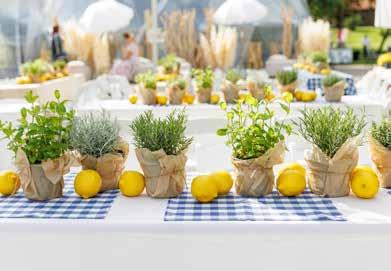

At the heart of this shift is a desire for connection without pressure. Smaller guest lists are intentional rather than limiting, allowing hosts to curate experiences that feel thoughtful instead of theatrical. Craft nights, backyard picnics, and informal supper clubs are having a resurgence, replacing the overly formal dinner party with gatherings that prioritize ease and warmth. Entertaining becomes less about impressing and more about welcoming.
Interactivity plays a central role. Rather than passive guests, attendees are invited into the experience through hands-on moments: build-yourown mocktail or spritz bars, paint-and-sip tables, charm bracelet stations, or food experiences assembled to taste in real time. These elements encourage movement, conversation, and shared discovery. They also relieve the host of constant service, allowing everyone to participate equally.
Design follows the same philosophy. Openplan entertaining spaces are giving way to defined, cozy zones that encourage lingering. Lighting is softer and more atmospheric, creating pockets of intimacy throughout the home. Décor becomes a form of storytelling: objects collected over time, framed memories, and tactile layers that make a space feel lived in rather than styled for a photograph.
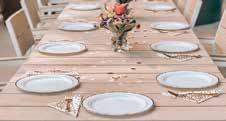
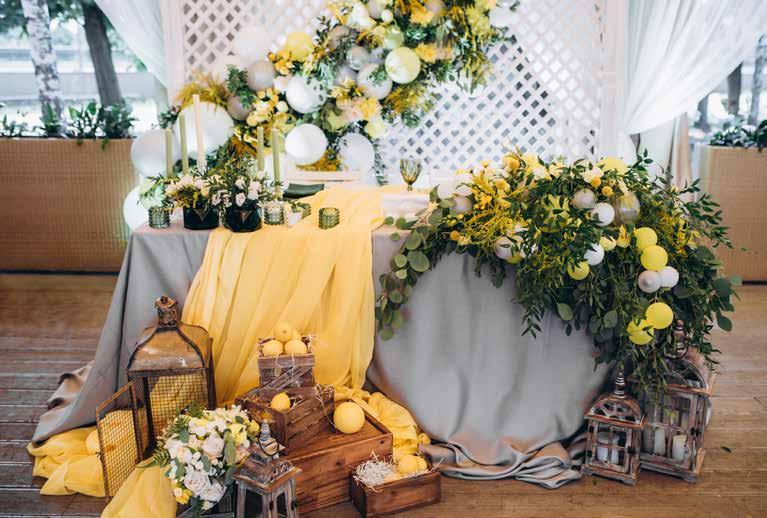
Maximalist touches are back, led by a wave of nostalgia that feels comforting rather than dated. Vintage linens, embroidered napkins, china hutches, and even doily-inspired accents return with confidence, bringing texture and charm to tables and sideboards. Tablescapes feel eclectic and abundant: mismatched glassware, layered plates, lush floral arrangements, and unexpected heirloom pieces arranged into what feels like a cohesive still life. The beauty lies in the mix.
Immersive, sensory themes elevate gatherings into experiences. Thoughtful scenography, layered lighting, music, scent, and material, engages all five senses. Nautical and maritime influences emerge strongly in 2026, with classic stripes, seashell motifs, and coastal palettes offering timeless appeal. Modern Tuscan influences also shape entertaining spaces, introducing warmer Mediterranean tones, textured finishes, and an effortless sense of hospitality rooted in shared meals and long evenings.
Outdoor entertaining becomes an extension of this philosophy rather than an afterthought. The most successful spaces are designed for flow and function, with drink stations and snacks placed throughout so guests are never far from refreshment. Indoor and outdoor décor coordinates seamlessly, maintaining a cohesive visual language. Crucially, infrastructure matters: layered lighting, comfortable furniture, and outdoor kitchens that move beyond a basic grill to support real cooking and gathering.
Flexibility defines modern entertaining homes. Convertible spaces allow hosts to adapt effortlessly from seated dinners to standing conversations. Occasional sofas, smaller, decorative seating placed in secondary rooms, create unexpected moments for conversation and retreat. Flex spacing is particularly valued for larger gatherings, offering fluid movement without crowding or formality.
Sustainability is no longer a bonus; it is expected. Hosts favor reusable décor, locally sourced food, minimal waste, and digital invitations over printed materials. Eco-conscious choices align naturally with the emphasis
on authenticity and intention, reinforcing the idea that entertaining well also means hosting responsibly.
Technology quietly supports the experience rather than dominating it. Smart lighting, sound, and temperature controls adapt in real time to the mood of the gathering. Personalized playlists, subtle digital cues, and thoughtful hybrid elements allow events to feel tailored without feeling technical. The goal is seamlessness; tools that enhance connection while remaining nearly invisible.
Perhaps the most liberating trend of all is the end of hosting alone. Outsourcing is embraced without apology, whether that means hiring help, bringing in a chef for the evening, or blending high-quality takeout with a few personal signature dishes. Preparation becomes part of the entertainment rather than a burden, freeing hosts to stay present and engaged.
In 2026, entertaining is no longer about scale or spectacle. It is about atmosphere, intention, and human connection. The best gatherings feel personal, tactile, and generous; designed not to impress, but to linger long after the last glass is cleared.
ARTICLE BY ANGELA BROOCKERD
There’s a certain moment when a house stops feeling new and starts feeling like home. It isn’t marked by square footage or finishes alone. It is something quieter, more emotional. In this home, designer Kate Manz set out to do exactly that: give a newly built home a heartbeat and a soul.
Rather than treating the house as one sweeping statement, she approached each room as its own story, layered with meaning, memory, and texture. The result is a home that feels collected, personal, and deeply lived-in.
“Tackling each space and room as its own story and concept is how to make a new space feel personal,” Manz explains. “But bringing it all together cohesively is always the challenge.”
Her solution? Warmth, intention, and a strong belief in the power of people. In new builds it can take years for a home to shed its newness. For this project, the goal was to fast-track that sense of belonging by layering in pieces with history and heart. Vintage market finds, local artists, and meaningful objects play a starring role throughout the home.
“My love for design goes hand in hand with the people and stories that bring it to life,” she says. “I absolutely love seeing the evolution from concept to completion and all the elements and people that help bring those ideas to reality.”
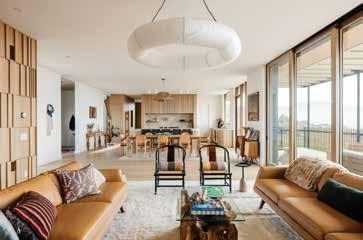
That philosophy becomes especially important in the home’s expansive open-concept living area, where scale could easily overpower intimacy.

The entryway sets the tone with a simple but powerful goal: Welcome to my home.
Natural stone underfoot grounds the space, while a soft vintage rug and living greenery immediately soften the experience. Art with personal meaning invites guests to linger rather than rush through.
The main living space is defined by bringing the outside in with sweeping outdoor views and generous proportions. Rather than fighting that openness, embrace it.
“The big open concept room really highlights the expansive outdoor views,” she says, “but making intimate spaces within that open room was really important.”
A layered niche wall, created in collaboration with the interior architect Nick Flower, brings both structure and softness to the room. It introduces texture, depth, and a place for unique objects and family heirlooms to live, turning negative space into a personal gallery.
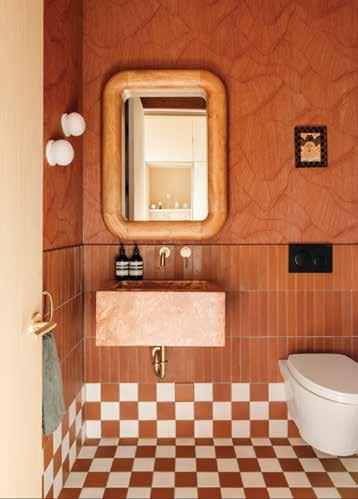
If there’s one place Manz encourages clients to take risks, it’s the powder room. Here, she leaned into terracotta earth tones, layering textures and tile sizes for visual interest and warmth. Patterned and solid tiles work together, while textured wall coverings and a sculptural stone sink elevate the space from functional to delightful.
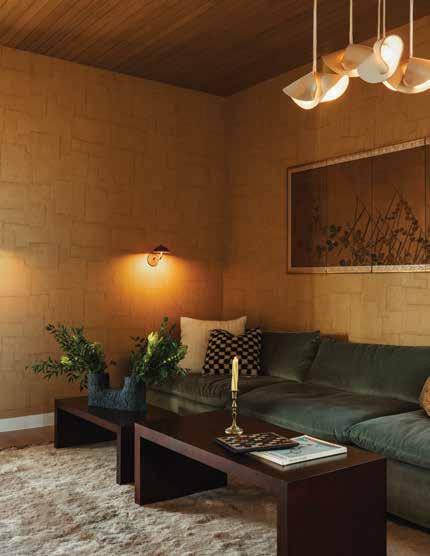
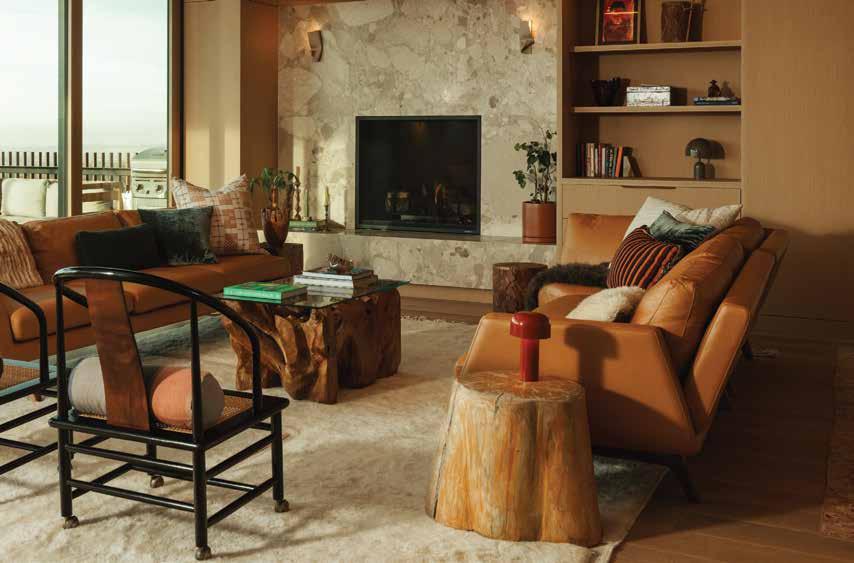
Designed as a counterpoint to the openness of the main living area, the lounge is a cocoon, both peaceful, layered, and deeply versatile. It’s a place for reading, movie nights and slow mornings.
Rich tones and varied textures do the heavy lifting here, creating depth without heaviness. Soft lighting and custom upholstery make the room feel both intentional and effortless.
At its core, this home is a reminder that design isn’t about perfection, but rather it’s about feeling. By treating each room as its own narrative while weaving in warmth, history, and human connection, a space was created that already feels loved.
“My love for design goes hand in hand with the people and stories that bring it to life.”
PROJECT CREDITS
Builder - Buildwell
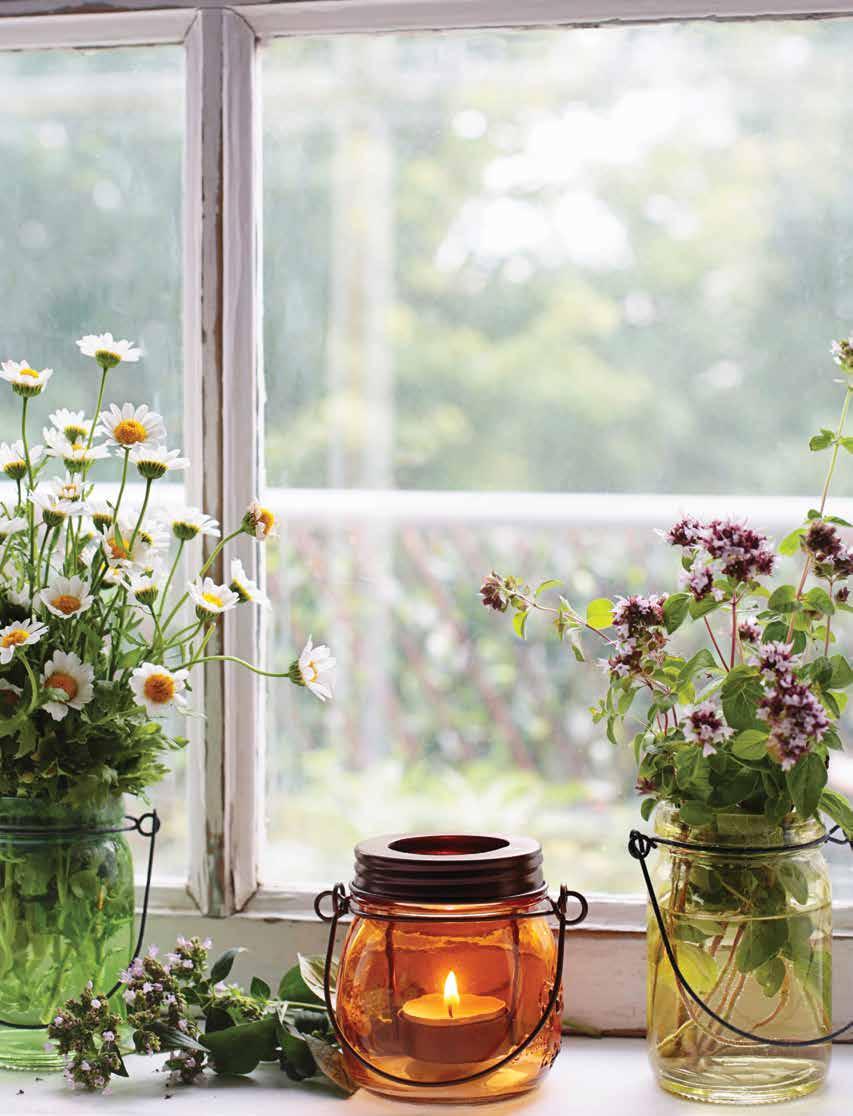
A GUIDE TO PEACEFUL AND INTENTIONAL SPRING CLEANING
ARTICLE BY HEATHER SPINKS
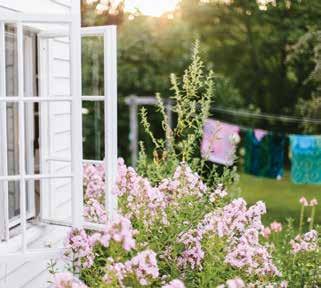
• Open windows for fresh air and let the natural light in.
• Declutter surfaces—countertops, coffee tables and shelves—removing anything unnecessary.
• Go through kitchen cabinets and toss expired pantry items and mismatched containers.
• Sort through closets, donating or repurposing clothes you haven’t worn in the past year.
• Wipe down baseboards and dust ceiling fans, light fixtures and vents.

Week
• Sweep porches, patios and outdoor furniture, preparing for warm-weather gatherings.
• Check gutters and downspouts to ensure proper drainage.
• Tidy up gardens and potted plants, removing dead leaves and refreshing the soil.
• Store winter coats and boots, making space for lighter spring essentials.
• Replace seasonal decor—bring in fresh flowers, soft pastels and airy textures.

• Wash windows and mirrors to welcome in the sunlight.
• Deep clean the fridge and pantry, wiping down shelves and organizing items
• Launder curtains, cushion covers and throw blankets.
• Vacuum and shampoo rugs and carpets for a fresh start.
• Rotate and flip mattresses; wash all bedding, including pillows.

• Touch-up scuff marks on walls and doors.
• Stock up on cleaning supplies to maintain a fresh environment.
• Set a simple weekly cleaning routine to keep your home feeling refreshed.
• Light a scented candle or diffuse essential oils to celebrate your clean, peaceful space.
MARCH 1ST - 31ST EXCEPT ON TUESDAYS
63rd Annual Woodlawn Needlework Show
9000 Richmond Highway Alexandria, Virginia 22309 | 10:00 AM
The Woodlawn Needlework Show is a judged, not juried, competition. Artists of all ages and abilities are encouraged to submit their work to be displayed in the longest running and largest needlework show in the United States. The show is from March 1-31st (except Tuesdays) from 10am to 4pm each day.
MARCH 1ST
Shipgarten 7581 Colshire Dr Tysons, VA 22102 | 12:00 PM
Shipgarten invites families to its Frozen & Pikachu Kids and Family Festival, a full day of kid- friendly fun and entertainment. From icy Frozen-inspired activities to appearances by everyone's favorite electric character, kids can play and explore while parents enjoy food, drinks, and free parking. Live performances begin at 3:15pm, with free entry all day
MARCH 7TH
Old Town Alexandria | 12:30 PM
As the DC area's first St. Patrick's Day parade, this free event features pipe bands, Irish dance schools, and community groups. A new parade route is planned for 2026. Public transportation is encouraged, with easy access from King Street - Old Town Metro
MARCH 13TH
Vanish Farmwoods Brewery 42245 Black Hops Ln Leesburg, VA 20176 | 8:00 PM
NextStop Comedy delivers top comedians from across the country straight to your neighborhood, featuring a fresh lineup at every show. These high-energy performances take place in intimate local venues, creating an unforgettable night of laughs. Perfect for date night, comedy lovers, or anyone looking for a fun night out with great vibes
MARCH 14TH
National Air and Space Museum Steven F. Udvar-Hazy Center 14390 Air and Space Museum Parkway Chantilly, VA 20151 | 11:00 AM
Become an astronomer for the day and safely observe the Sun through a filtered telescope outside the Museum entrance. Knowledgeable staff will guide viewing and answer questions. This free program takes place the second Saturday of each month. If the skies are cloudy, solar images will be available indoors. Parking is available for $15, and the program is fully accessible
MARCH 22ND
130 Madison St. Middleburg, VA 20117 | 8:00 AM
The Virginia Marathon runs through Virginia's scenic horse and wine country, offering multiple distances for all athletes. Races start and finish at The Hill School in historic Middleburg, with routes through Loudoun and Fauquier counties, past horse farms, rolling hills, and shaded roads. Options include the full marathon or the challenging Merikos course over Bull Run Mountain.