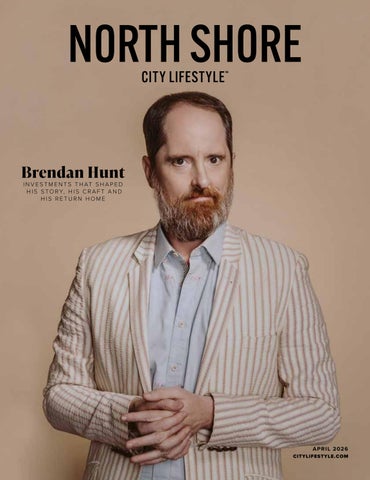
Brendan Hunt
INV ESTMENTS THAT SHAPED HIS STORY, HIS CRAFT AND HIS RETURN HOME





INV ESTMENTS THAT SHAPED HIS STORY, HIS CRAFT AND HIS RETURN HOME
There are moments when life calls for a pause - a chance to slow down, check in, and return to the practices that truly support you. Radiance begins when care becomes intentional and consistent, rather than occasional or rushed. At Wild Moon Collective, we believe self-care is a ritual - one that nurtures your skin, body, and overall well-being over time.
Here are five simple steps to support your skin, body, and well-being and cultivate lasting radiance.
1. Make Time for Yourself - Intentionally
Caring for yourself doesn’t require grand gestures or perfection. Sometimes it’s as simple as creating space - space to breathe, to reset, and to focus inward. When time for yourself becomes intentional and protected, it shifts how you show up everywhere else. Self-care isn’t something to fit in when life slows down, it’s something that supports you through it.
2. Commit to a Monthly Facial Ritual
Healthy, radiant skin is built through consistency. Monthly facial services support skin renewal, improve texture and tone, and help maintain long-term skin health. When facials become a ritual rather than an occasional indulgence, the results are deeper, longer-lasting, and more meaningful. Our Monthly Radiant Ritual Membership was created to support this consistency - combining customized facial treatments that evolve with your skin’s changing needs, month after month.
3. Support Your Skin at Home
In-office treatments are powerful, but what you do at home plays an equally important role. A medical-grade skincare regimen tailored to your skin helps maintain results, protect the skin barrier, and keep your complexion balanced and resilient between visits. Simplicity and consistency are key - thoughtful products used well will always outperform complicated routines.
4. Move Your Body in Ways That Feel Good
Movement is essential - not for perfection, but for vitality. Whether it’s walking outdoors, strength training, yoga, Pilates, or something entirely your own, movement supports circulation, hormone balance, stress reduction, and overall well-being. Choose movement that brings you joy and fits naturally into your life. Your body (and skin) will thank you.
5. Set Boundaries & Protect Your Energy
Radiance is influenced by more than skincare alone. Learning to protect your time, energy, and peace is one of the most powerful forms of self-care. It’s okay to say no. It’s okay to create space. Boundaries allow you to prioritize what truly supports you and that balance shows from the inside out.
Dear Readers,
The North Shore has long been rooted in ambition, education and long-term thinking. We invest intentionally—in our homes, our schools, our businesses and in one another. Financial literacy and thoughtful planning are simply extensions of that same mindset: building not just for today, but for the decades ahead.
As you turn these pages, I invite you to consider what “wealth” truly means in your life. Security? Freedom? Time? Opportunity? Perhaps it is the ability to create something lasting for the next generation. This issue explores investment in its many forms—financial, emotional, creative and personal—and how thoughtful decisions compound over time.
We shine a spotlight on the North Shore Center for the Performing Arts, whose continued investment fuels both cultural vitality and local economic impact, reinforcing the arts as a cornerstone of a thriving community. We also take an intimate look at Brendan Hunt, whose personal journey continues to shape his work on and off the stage, reminding us that the most meaningful returns often come from staying true to oneself.
Closer to home, Closet Capital examines how strategic improvements inside the home can deliver both daily satisfaction and long-term value. Portable Paradise introduces PrefabPads, a North Shore–based company reimagining flexible living and working spaces meeting evolving lifestyle and hospitality needs with smart design and efficient installation.
Investment extends beyond money and property. In Emotional ROI, Lynn Zakeri, reframes emotional regulation as a long-term asset, showing how small, consistent investments in emotional health strengthen decision-making, relationships and resilience. And in Built on Purpose, entrepreneur Betsy Fore explores how inner alignment, values and early community building create businesses designed to endure—proving that sustainable success begins from within.
April is a season for planting seeds. The conversations you start now, the habits you refine, and the plans you put in place today can shape what grows for years to come.
Thank you for welcoming North Shore City Lifestyle into your home each month. It is an honor to share the stories, people and ideas that make this community so thoughtful, engaged and extraordinary.
Warmly,

PUBLISHER
Keely Conrey | keely.conrey@citylifestyle.com
EDITOR
Cat Rolfes | cat.rolfes@citylifestyle.com
PUBLICATION DIRECTOR
Katie Bode | katie.bode@citylifestyle.com
SOCIAL MEDIA COORDINATOR
Juliann Brown | juliann.brown@citylifestyle.com
ACCOUNT MANAGER
Peter Heisinger | peter.heisinger@citylifestyle.com
STAFF PHOTOGRAPHER
Amee McCaughan | amee@ameemccaughan.com
CONTRIBUTING WRITERS
Amelia Levin, Cat Rolfes, Lynn Zakeri
CONTRIBUTING PHOTOGRAPHERS
Brooke Bryand, Robyn Von Swank, Michelle Prunty
CEO Steven Schowengerdt
President Matthew Perry
COO David Stetler
CRO Jamie Pentz
CoS Janeane Thompson
AD DESIGNER Rachel Kolich
LAYOUT DESIGNER Lillian Gibbs
QUALITY CONTROL SPECIALIST Marina Campbell


KEELY CONREY, PUBLISHER @NORTHSHORECITYLIFESTYLE









WHERE NEIGHBORS CAN SEE AND BE SEEN

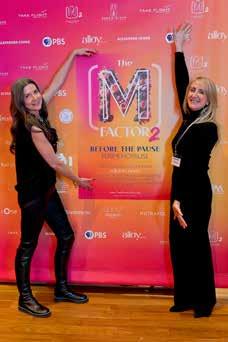
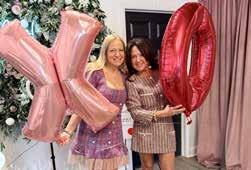

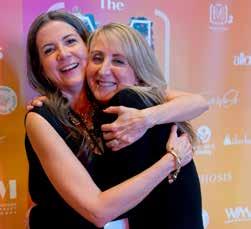
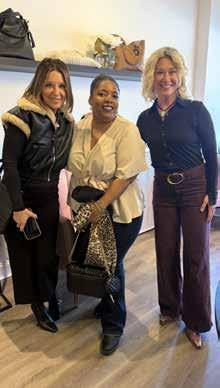

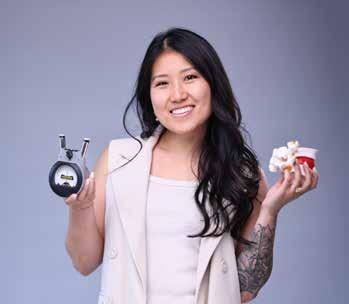
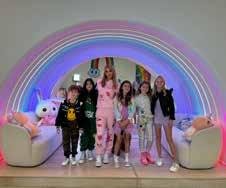
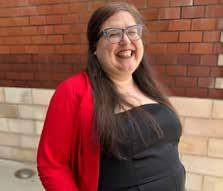
1-4: Windy City InfluencHERS hosted an evening of connection and collaboration at Styles & Smiles, spotlighting local women-owned businesses. The rest of photos: Highlights from the Highland Park screening of The (M) Factor, directed by Tamsen Fadal and hosted by Pamela DeRose and Julie Fedeli, a documentary raising awareness about the realities of menopause. 6: Julie Fedeli and Pamela DeRose—the Midlife Upgrade duo you met in our January Lit & Local issue. 7: Dr. Deanna Minich, Dr. Rachel Miller, Elizabeth Lombardo, PhD, Dr. Christine Maren, Bela Gandhi, Tamsen Fadal, Dr. Susan Scanlon, Julie Fedeli, Pamela DeRose

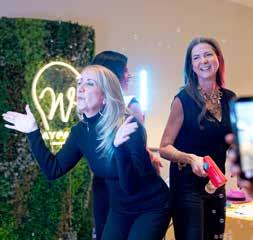

guests before (M) Factor
and Julie Fedeli.
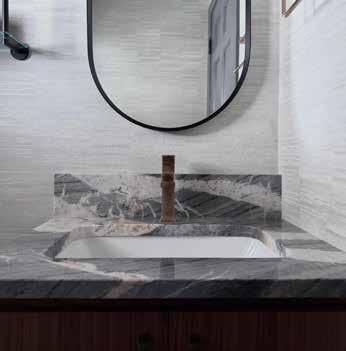



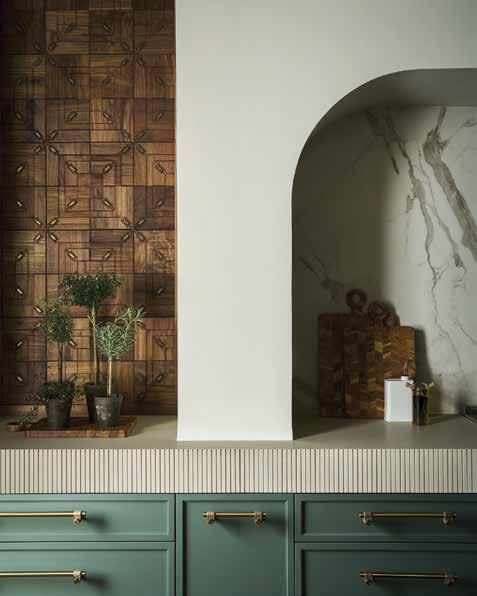
ABLAZE Design Group has been named a 2026 Regional Remodeler of the Year by the National Association of the Remodeling Industry for its Residential Kitchen Over $200,000 project. Selected from hundreds of entries nationwide, the award recognizes excellence in craftsmanship, innovation and design. CEO and creative director George Markoutsas said the honor reflects the team’s commitment to wellness-driven, highly functional and beautifully crafted spaces. ablazedesigngroup.com
Lola + The Boys opened March 5 at 1515 Sheridan Road in Wilmette, adding its playful, fashion-forward children’s apparel and accessories to the historic shopping destination. Located in The Arcade building, the boutique features best-selling styles, seasonal collections and a customizable patch cart for personalized designs. The opening expands the brand’s growing national presence and strengthens Plaza del Lago’s curated mix of family-focused retailers. lolandtheboys.com
Congregation Beth Shalom celebrated the installation of Rabbi Jacki Honig as assistant rabbi on March 14, 2026. Rabbi Honig, who joined the clergy team in July 2025, has already enriched congregational life through teaching, pastoral care and community engagement. A graduate of the Ziegler School of Rabbinic Studies, she brings deep scholarship, warmth and a passion for connecting tradition with contemporary Jewish living. bethshalomnb.org
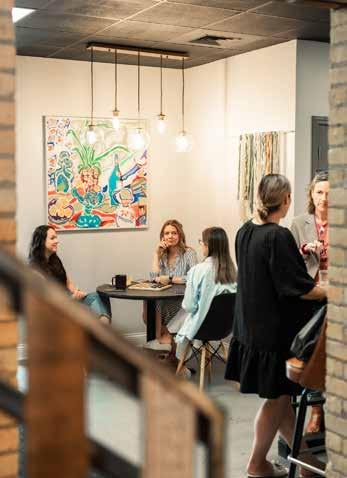






On Chicago’s North Shore, value is rarely defined by flash alone. It is defined by intention. The homes that endure are those where beauty and function work in tandem, where spaces feel tailored, efficient and quietly refined. In that context, one of the smartest home investments is also one of the most understated: a well-designed closet.
Today’s closets are no longer purely utilitarian. They are expected to reflect a homeowner’s style while working hard
behind the scenes to support daily life. Organized storage has become a key indicator of quality in today’s housing market, and buyers increasingly notice how thoughtfully a home is organized. Well-designed closets suggest order, efficiency and a level of care that extends beyond surface upgrades. They signal that a homeowner invested not just in appearance, but in how the home lives.
That perception is supported by data. According to the National Association of REALTORS 2022 Remodeling Impact Report, a
ARTICLE BY CAT ROLFES | PHOTOGRAPHY PROVIDED

professionally executed closet renovation recovers approximately 83 percent of its cost at resale, outperforming many larger and more disruptive interior projects. REALTORS estimate that a typical $6,000 closet renovation adds about $5,000 in home value, making it one of the more efficient improvements a homeowner can make.
Equally compelling is homeowner satisfaction. Closet renovations earned a perfect Joy Score of 10 out of 10, placing them among the most gratifying home improvements measured. Nearly half of homeowners cited improved functionality and livability as the most important outcome, while a majority reported increased enjoyment and a greater desire to be at home. For North Shore residents who expect their homes to support full, fast-moving lives, that return carries real weight.
On the North Shore, where buyers are often choosing between homes with similar footprints and price points, these details can quietly tip the scale. Thoughtful storage solutions photograph well, show beautifully and help homes feel larger, calmer and more resolved. For sellers, they reduce visual noise. For buyers, they offer reassurance. In a market where confidence drives decisions, that sense of order can translate directly into perceived value.
Closets by Design approaches these projects not as simple installations, but as long-term investments in how a home functions and presents itself. Each design begins with a close understanding of lifestyle, routines and personal aesthetic, translating those insights into solutions that feel integrated, refined and intentional.
“Our designers maximize organization while tailoring every detail to the homeowner, whether that means accommodating someone who is 6-foot-4 or finding the right way to display and access a shoe collection,” said Jamie Trewartha, owner of Closets by Design in Bartlett. “That starts with meeting clients in their homes, where we can see how they live and design solutions that truly fit. Accessories like movable valet rods and belt racks add discreet storage, and a wide range of colors and finishes completes the customization.”
This level of customization is particularly relevant in established North Shore homes, where square footage is often fixed and thoughtful optimization carries more value than expansion. A refined storage solution can elevate a primary suite, bring clarity to older layouts and offer buyers reassurance that the home has been carefully maintained and intelligently improved.
“Resale value matters, but the real payoff is how an organized space improves daily life,” Trewartha said. “When customers tell us they should have done it years ago and that it is a gamechanger, that’s when we know we got it right.”
That investment mindset extends well beyond the closet. From home offices and pantries to garages, laundry rooms and mudrooms, wellplanned storage throughout the home supports daily efficiency while reinforcing a sense of order and quality that buyers recognize. It is not about a single space, but about creating a home that works cohesively.
Investing in thoughtful design is not about indulgence. It is about discernment. With the right partner, it is an approach that delivers immediate ease while quietly strengthening long-term value.
More at closetsbydesign.com
How a North Shore family turned prefab cabins into backyard escapes and boutique getaways
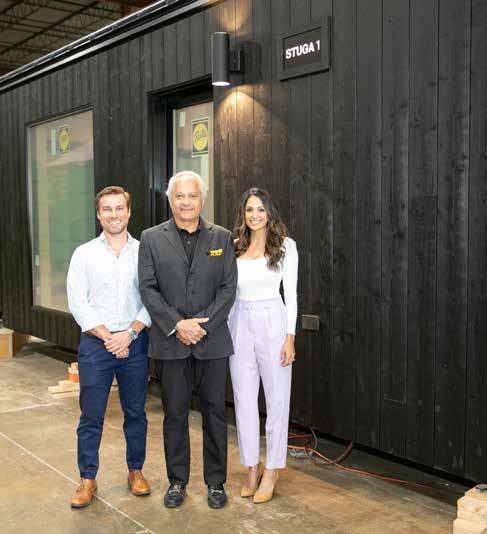
Remember the she sheds, backyard offices and man caves everyone wanted during the pandemic? Anisha Mehta Seltenright took that demand seriously. In 2022, she launched PrefabPads with her husband, Peter Seltenright, and father, Hemang Mehta—turning a shared passion into a thriving business selling high-quality, ready-to-use homes, offices, pool houses and backyard spaces.
The family’s path to entrepreneurship came at just the right time. Seltenright had been working in sales at LinkedIn but was looking for a change. Her husband had a background in AI sales and came from a family of builders and designers. Meanwhile, her father, who had recently sold his plastics manufacturing business, wasn’t quite ready for retirement.
“We didn’t want to work 9-to-5 jobs forever,” Seltenright says. “We saw an opportunity in the prefab industry.”
Initially, the trio considered launching a boutique resort using prefab cabins, but their plans shifted after discovering MyCabin, a Latvian prefab brand. In order to bring its Scandinavian-style aesthetic to North America, they had to re-engineer the cabins to meet U.S. building codes—thus, PrefabPads was born.
Early demand came from remote workers seeking backyard offices and pool houses. But as the trend evolved, customers found
ARTICLE BY AMELIA LEVIN
new uses for these versatile structures. Some North Shore homeowners have added them as property expansions, seamlessly connecting the plug-and-play units to existing homes via breezeways or enclosed hallways. Others have transformed them into rental properties or Airbnb stays, while some families use them as guest suites or additional living space for aging parents.
PrefabPads has also expanded into the commercial sector. In 2023, the company landed its first hospitality project: providing prefab cabins to a boutique hotel in Stowe, Vermont. “It’s a great solution for resorts looking to expand with flexible, private guest spaces,” Seltenright says. The Field + Fold one-bedroom model features a covered deck, fully tiled shower, living area, full kitchen and pantry space for longer stays. A major advantage of PrefabPads
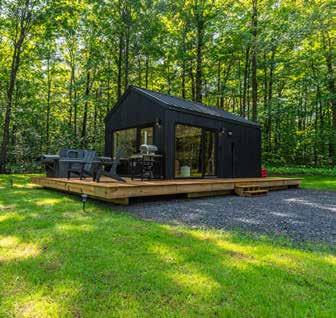
is the ease of installation. “It arrives as a wrapped house on a truck,” Seltenright explains. “A crane sets it on the foundation and a contractor hooks up the utilities.”
Beyond homes, offices and resort cabins, the company is tapping into the wellness trend with prefab saunas. “People are more aware of the benefits of saunas and cold plunges,” Seltenright says. “We’re making them more affordable and accessible.” With a successful second year behind them,
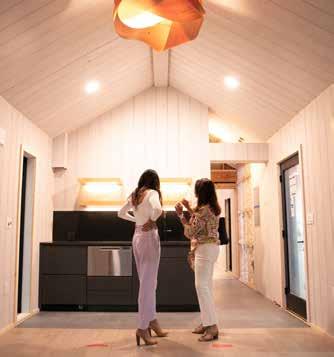
PrefabPads continues to grow—expanding product lines and catering to more commercial clients. “It’s about creating spaces where people can work, relax or welcome family,” Seltenright says. “And we’re excited to keep building on that vision.”
More at prefabpads.co.
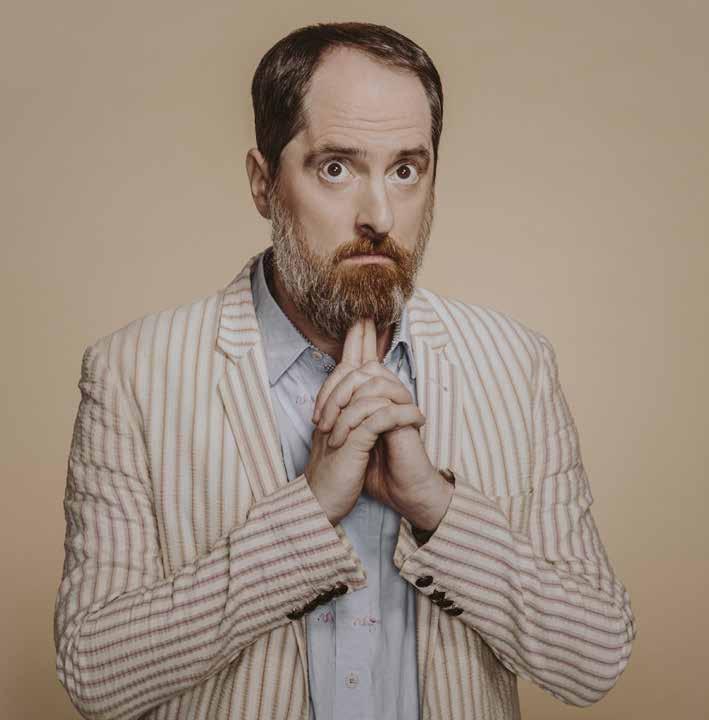
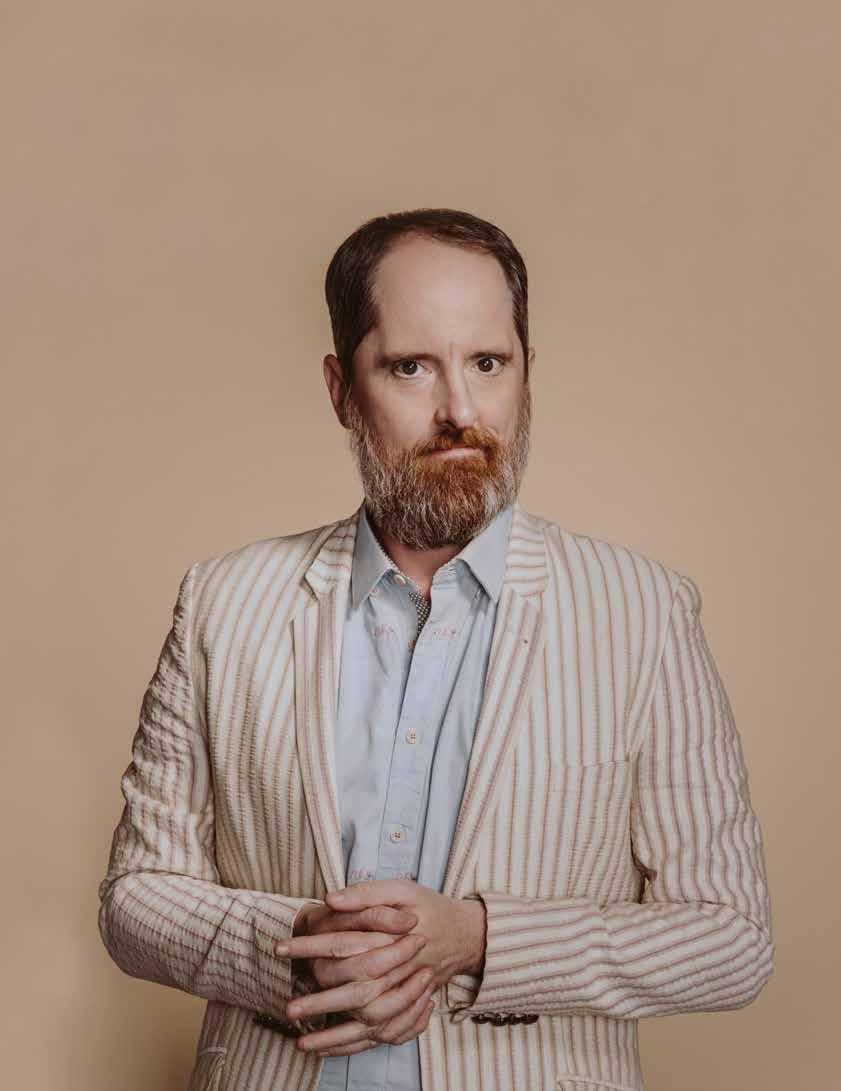
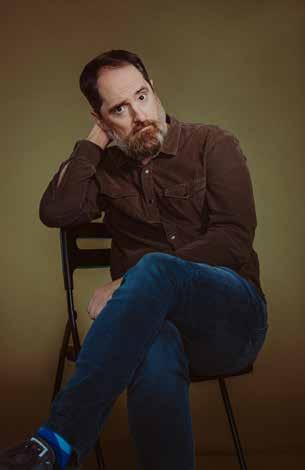
Hunt’s upcoming one-man show, "The Movement You Need," coming to Steppenwolf Theatre Company April 19-May 10.
Brendan Hunt on family, loss and making it better
ARTICLE BY CAT ROLFES
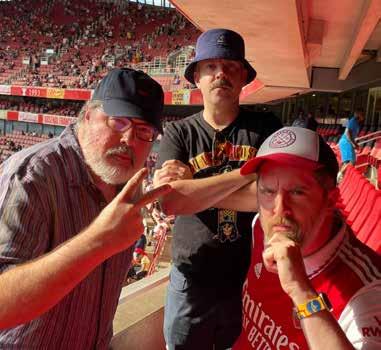
The last time I saw Brendan Hunt, we were doing what you do in Amsterdam when the night refuses to end. Riding bikes. No destination. Just a loose caravan of old friends pedaling through quiet streets after too much dancing and not enough sleep, celebrating Boom Chicago’s 30th anniversary with past and present
“Performing in my hometown is a joy in any circumstance,” says Hunt, “but particularly with this show, which has so much Chicago in it.”
cast members who all somehow still feel like family. It was nearly three decades after that theater first shaped both our lives, though on different timelines.
When Brendan arrived in 1999, I was just finishing a four-year stint of balancing grad school and writing for Bloomberg while orbiting the comedy club. He was an improv actor soaking up the city, the work and the strange alchemy that happens when you are far from home but surrounded by people chasing the same thing. What bonded us was not chronology. It was sensibility. Curiosity. A shared understanding that comedy, at its best, is less about being clever than being present.
That feeling has not changed. It’s the throughline of his work. It’s also the quiet promise underneath this show: pay attention long enough, and meaning accumulates.
This spring, Hunt returns to Chicago with The Movement You Need, a deeply personal one-man
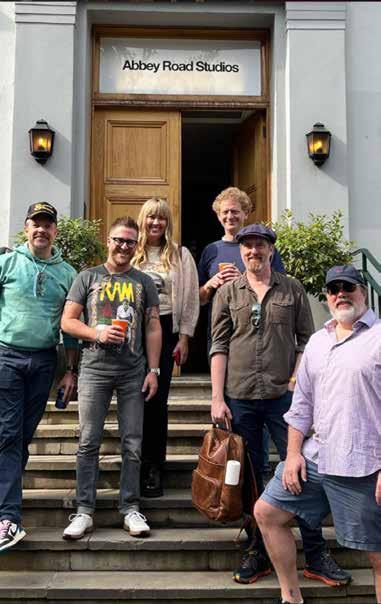
show running April 19 through May 10 at Steppenwolf Theatre Company. The show is funny. Vulnerable. It’s fueled by memories of a Chicago childhood, a lifelong devotion to The Beatles and a restrained encounter with Paul McCartney that becomes the emotional hinge of the evening. More than anything, it’s about inheritance, emotional survival and the stories we carry forward, whether we realize it or not.
“I moved a lot,” Hunt tells me. “I went to a lot of different schools.” He talks about early years on the North Side, a formative teacher at Nettelhorst Elementary who made him “feel smart,” and later, Kenwood Academy in Hyde Park. “They invested in me in a way I’d never really experienced before,” he says. “So the Chicago Public School System did me right.”
Brendan has always been a collector of meaning. For Hunt, Chicago is not just geography. It’s rhythm. The lake always east. The grid grounding you. By ten years old, he could navigate the CTA alone, which is equal parts alarming and empowering.
“I’m glad to be from the city,” he says. “To have been part of a place with its own heartbeat—and to feel that place become part of me. Like, familiarly. The DNA of the rhythm of the city.”
That rhythm shows up in his humor, too. An eighth-grade field trip to Second City cracked something open. “It just blew me away,” he says. “What a world we live in, that these things happen. You start to think about being one of the people doing them.”
When he moved to Amsterdam at the end of the 1990s to work as an improv performer, it wasn’t just for adventure. The timing was its own force. A young marriage had ended, and he was living alone in Chicago when the recruiters invited him to audition. He went with no intention of taking the job. Ten minutes into hearing about Amsterdam, he wanted it more than anything he’d wanted before.
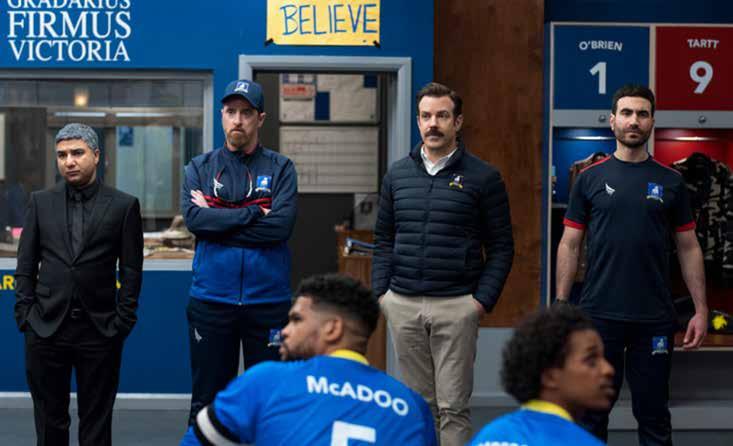
At Boom Chicago, commitment was not optional. You performed constantly, often for drunk audiences navigating English as a second language. That ethic never left him. It’s there in his writing on Ted Lasso, in the quiet humanity of Coach Beard, and now, most nakedly, in this show. What he learned there was not just how to be funny, but how to listen, and how to stay when things get uncomfortable.
Steppenwolf loomed large even then, holy ground at a distance. Hunt never performed there, though he once understudied a young Michael Shannon in the late 1990s, a fact he recounts with both awe and humility. Now, decades later, he steps onto that stage carrying a story that could only exist because of where he started.
“Performing in my hometown is a joy in any circumstance,” he says, “but particularly with this show, which has so much Chicago in it.”
The show’s shape was refined in close collaboration with director Ashley Rodbro and lead producer Vivek J. Tiwary, both of whom Hunt credits with protecting its emotional honesty. At Steppenwolf, the piece found the right scale. Intimate, exacting and unafraid of quiet, it finally had room to breathe. It’s a room that rewards attention, and Hunt trusts the audience to meet him there.
At the heart of The Movement You Need is Hunt’s relationship with his mother. “It was fairly rocky over the years,” he says. “I didn’t realize it until I was well into my 20s, but she’d been an alcoholic almost all my life.”
What they shared, what saved them at times, was music. The Beatles were the concord. She did not always have the vocabulary for love, he tells me, but she had their songs, and she made sure her children did too.
“She grew up with parents who loved her, but who didn’t know how to express that love,” Hunt says. “But the Beatles expressed love, and she latched onto that.”
That inheritance matters. In his telling, it becomes both lifeline and lens. Hunt speaks about the Beatles not as untouchable geniuses but as a model of how to live and work. “No one says George Harrison is the best guitarist of all time. No one says Ringo is the best drummer,” he says. “But they are the best band, because all they cared about was making each song the best it could be. Serving the piece. And serving the piece is the most important thing an artist can do.”
That philosophy extends to the show’s title, lifted from “Hey Jude,” a song that has followed him since childhood. As a toddler, his attempts to pronounce his own name came out as “Nana,” and the nickname stuck. When he heard the song’s long na-na-na refrain, he assumed, quite logically, that it was about him.
Over time, the song evolved with him. What began as kind of possessive affection deepened into something else. “The movement you need is on your shoulder,” a line McCartney nearly discarded, became instruction. Self-sufficiency. Permission. The reminder that you can take a sad song, a sad situation, a sad feeling, and make it better.
Years later, he understood why it resonated more deeply. “The song is advice to a child of divorce,” Hunt says. “Well, I’m a child of divorce. It seems to be speaking to me on a number of levels.”
That understanding reframes the show’s emotional centerpiece, the night Hunt met McCartney. Thanks to Ted Lasso, he found himself watching Paul rehearse with Dave Grohl for a massive Wembley show. “What am I going to say to him?” Hunt remembers thinking, trying hard not to say anything foolish.
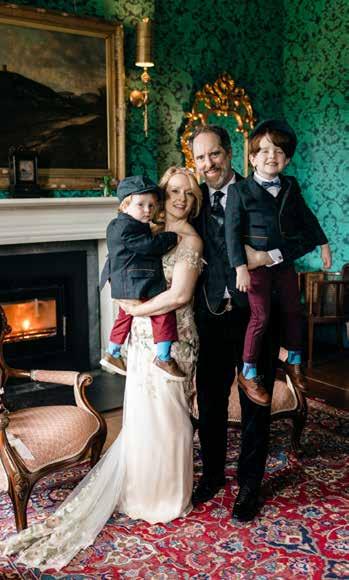
“You can’t say all the stuff you want to say,” he tells me. “So what I didn’t say becomes the thing.” The movement is internal. The restraint is the revelation. But that kind of inward work has a cost.
The show is draining for him in ways other performances never were. Eighty minutes onstage leaves him emptied out, more than years of improv or long theatrical runs ever did. It’s emotional labor, excavation and release.
“It’s draining and fulfilling and painful and healing and torture and delight,” he says, with a kind of weary amusement.
Hunt began writing the show in 2023, seven years after his mother died in 2016. By then, he had also become a father himself. That distance changed the story. Empathy arrived where anger once lived. Understanding replaced blame.
“Seeing it from that perspective made it all feel a bit gentler,” adds Hunt, who now lives in Los Angeles with his wife, Shannon Nelson and their two young sons. Fatherhood clarified the stakes.
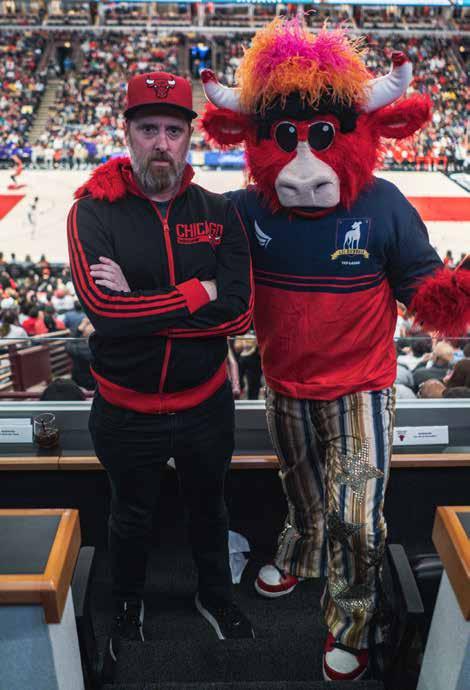
Chicago audiences will recognize themselves here, even if they do not love the Beatles. Hunt jokes that some people will walk in unaware of how central the music is, and leave begrudgingly more open-minded. What he really hopes though, is that people leave knowing they are not alone in what they carry. That sadness can coexist with joy. That humor and vulnerability are not opposites.
“I want people to know that when you’re going through hard times, you can take a sad song and make it better,” he says. “Because the movement you need is on your shoulder.”
As we rode those bikes through Amsterdam, weaving through streets that once held our younger selves, it struck me how little had changed at the core. The same curiosity. The same belief in shared experience. Now, that belief lives onstage.
The movement we need, it turns out, has been there all along. In telling this story, Hunt shows what happens when you invest in the truth of your own life and trust that others will meet you there.
I asked Brendan Hunt to define Chicago in the small, specific ways that last. A Proust-adjacent exercise he answered like a true local: nostalgia with opinions.
Indulgence: Christmas Frangos from Aunt Ellen, always gone by New Year’s
Sound: A certain “kachunkaCHUNK” between North/Clybourn and Clark/Division (on the ’L’)
Smell: Inside Harold’s (Chicken Shack)
Fix-Everything Food: Chicken Vesuvio at Dublin’s Hour-to-Disappear Spot: GMan Tavern
Treasured Memory: Working as a pinboy at (the now shuttered) Southport Lanes
Sports Memory: 1986 NFC Championship Game with my dad
Most Chicago-Like Trait: Still mad the giant Thillens baseball is gone
Perfect Chicago Happiness: A low-stakes 16inch softball game with exactly the right friends

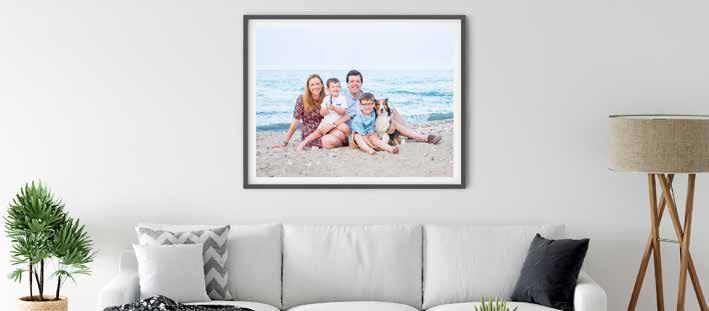
Heirloom photographic art for your home. Because time flies & family is everything. Starting with an in-home design consultation to plan a unique portrait session or curate your existing images, we create artwork to celebrate the beauty of your most precious relationships.
CLIENTS RECEIVE A COMPLIMENTARY 16X20 PRINT




BUILDING THE CENTER’S NEXT ACT
ARTICLE BY CAT ROLFES
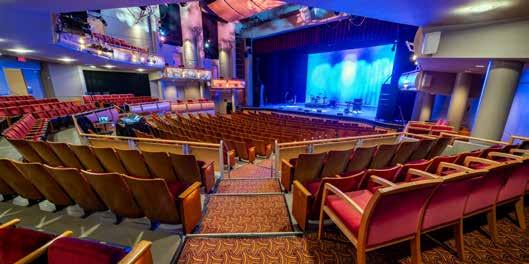
For nearly 30 years, the North Shore Center for the Performing Arts has stood as both a cultural beacon and an economic engine in Skokie. From touring musicians and nationally known speakers to school matinees and community dance recitals, the Center’s two theatres have long reflected the village itself: diverse, dynamic and deeply invested in the arts.
This spring marks a meaningful transition. Northlight Theatre, the Center’s resident theatre company since 1997, is completing its move to Evanston. The change closes a significant chapter, but it also opens the door to what leadership describes as a strategic investment in the Center’s future.
“We’ve had a long and fruitful partnership with Northlight, and we wish them the very best in this next chapter,” said Skokie Mayor Ann Tennes. “At
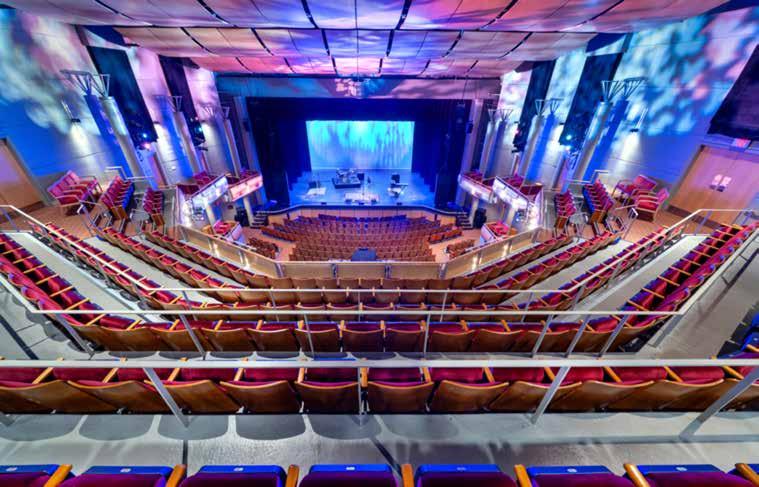
the same time, this creates a tremendous opportunity to bring new and different programming to the North Theatre and expand what we offer our community.”
The North Shore Center operates as a two-theatre complex owned by the Village of Skokie. The 867-seat Center Theatre, also known as the George Van Dusen Theatre, remains heavily booked. Along with touring performers, community groups and presenters, resident organizations such as Music Theatre Works and Music of the Baroque help keep the calendar full most of the year.
That makes the newly available North Theatre, a flexible 318-seat space, especially valuable. According to Marketing Manager Sophie Woolley, the Center plans to present shows directly in the North Theatre, allowing greater freedom in booking and scheduling.
“It gives us more opportunity to bring in smaller acts and try things we haven’t really done before,” Woolley said. Concerts and comedy are high on that list. Manager of Concerts Merrill Miller said the size of the space is ideal for performers who might sell 250 to 300 tickets, a number that would feel lost in a larger hall but perfectly matched to the North Theatre.
“A 250-seat show in the small room feels really good,” Miller said. “It creates an intimate experience for the audience and the artist.”
Upcoming bookings reflect that shift. Among them are genre-blending bluegrass group Nefesh Mountain, pop-rock favorites Deep Blue Something and indie-folk duo The Watson Twins. Miller also sees potential for folk, rock and roots concerts that take advantage of the theatre’s acoustics, which have long supported live musicians in musical theatre productions.
While programming may be evolving, the Center’s broader impact remains consistent. Mayor Tennes, who spent 25 years overseeing Skokie’s communications and community engagement before taking office, points to the Center’s economic ripple effect as one of its most important contributions.
Using conservative metrics from a study conducted roughly a decade ago, Tennes noted that dining alone generated nearly $2 million annually for local businesses. That estimate assumed only 60 percent of patrons ate out in Skokie before or after a show, spending an average of $20 per person. It did not include hotel stays, retail shopping or other spending by out-of-town visitors.
“People come from every state in the union,” Tennes said. “They’re booking hotel rooms, shopping across the street, and making a day or weekend of it. The Center is a major driver of activity in the surrounding business district.”
More recent reporting reinforces that role. The Center’s latest annual report highlights continued recovery and growth following the pandemic, steady audience demand and the increasing importance of philanthropic support in sustaining operations and programming.
A key piece of that investment strategy is the North Shore Center Foundation. Chaired by Al Rigoni, the foundation focuses on fundraising to support capital improvements and long-term vitality.
“With the North Theatre becoming available, it’s the right time to make updates,” Rigoni said. “Things like seating and carpeting may sound mundane, but they make a real difference in how audiences experience the space and how easy it is to book acts.”
The building, now approaching its 30th year, has aged well, but leadership sees the moment as a chance to plan for the next two decades. Renovations would enhance comfort for patrons while helping presenters attract a wider range of performers.
Mayor Tennes credits the foundation’s growth over the past decade as one of the Center’s most significant developments. “The foundation is stronger than it’s ever been,” she said. “That strength allows us to think proactively about the future, not just reactively.”
As anniversary branding rolls out across shows this year, the Center is embracing both reflection and momentum. The celebration will culminate in a major anniversary concert in November, but the theme will be present throughout the season.
The programming slate reflects broader trends in the performing arts. Alongside concerts and comedy, the Center is exploring nontraditional events such as film screenings with live music, podcast-style talks and moderated conversations. Recent and upcoming speakers include Stewart Copeland of The Police, with appearances by cultural figures like Fran Lebowitz also in the works.
For Miller, who grew up attending school shows at the Center, shaping its future feels personal. “Artists come in and say, ‘This is a beautiful theatre. We love playing here,’” he said. “It’s about continuing to build on that and making sure people know this is the spot.”
As one resident company departs and new possibilities take shape, the North Shore Center for the Performing Arts remains what it has always been: a place where creative investment pays dividends for artists, audiences and the village it calls home.
ARTICLE BY LYNN ZAKERI, LCSW
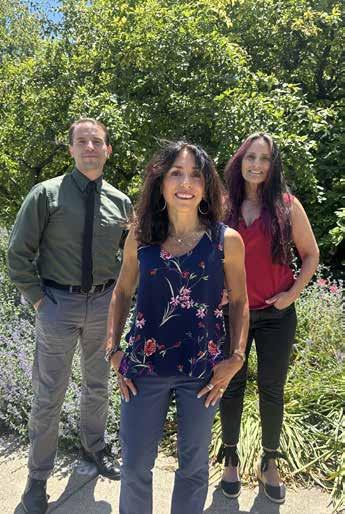
Most people don’t think of emotional health as an investment. They think of it as something you consider when things fall apart, when anxiety rises or when relationships feel overwhelming. But in practice, emotional work pays off far more than crisis management ever will.
At Lynn Zakeri LCSW Clinical Services, PLLC, I see this every day. Emotional regulation isn’t about eliminating stress or uncertainty. It’s about strengthening the internal systems that help you respond with clarity instead of fear. That shift changes how you make decisions, how you communicate and how you show up for yourself and the people you care about.
When fear drives the decision-making
Money is a good example. There is a lot of uncertainty in the world right now, and even people who are objectively doing fine describe an undercurrent of financial anxiety. Clients tell us about ruminating thoughts, obsessive checking and a sense that one wrong move could undo everything.
“Regulation doesn’t remove uncertainty, but it slows things down enough to make thoughtful, values-based choices.”
When someone is dysregulated, fear takes the wheel. Decisions feel urgent. People avoid looking closely, overcorrect or swing between control and denial. Regulation doesn’t remove uncertainty, but it slows things down enough to make thoughtful, values-based choices instead of reactive ones.
Parenting from a grounded place
The same pattern shows up in parenting. Many parents are deeply invested, attentive and trying their best, yet still feel chronically behind or guilty. Other families appear “more confident, more accomplished, more at ease,” and comparison becomes a quiet, constant pressure.
A dysregulated nervous system turns those observations into self-judgment. Parents start to question whether they’re doing enough or somehow failing their child. Regulation shifts the focus away from comparison and toward consistency, mindset and agency. It helps parents stay grounded enough to offer calm conversations, restorative repair and presence rather than anxiety-driven overcorrection or shutdown.
Stress and the emotional tone of a marriage
Marital satisfaction is another place where regulation matters more than people realize. Many couples aren’t lacking love or commitment. They’re exhausted. When stress accumulates, partners become less supportive and feel less supported. Conversations turn sharp or avoidant.
Regulation doesn’t fix a marriage overnight, but it changes the tone. It allows partners to stay in the conversation with curiosity, validation and boundaries. Being regulated makes it possible to offer support and to receive it without defensiveness.
Why capable people burn out
The people who feel most stuck are often capable, conscientious and deeply invested. What they lack isn’t effort. Chronic stress narrows thinking, shortens patience and erodes confidence over time. Overfunctioning can look like a strength — until burnout sets in.
This is where emotional health stops being a luxury and becomes a true investment. At our practice, my colleagues David Krzysko and Ellen Lazar and I work to make therapy accessible rather than another item on a long to-do list. We offer virtual, in-person and hybrid appointments, extended hours and responsive communication so support feels doable, not burdensome.
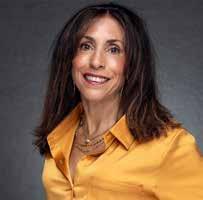
When you’re dysregulated, fear takes charge and impulsive reactivity is likely. Regulation doesn’t remove fear, but it restores agency. That’s the return. Over time, regulation changes how you make decisions, how you speak and how you move through your relationships, at work, at home and with yourself.
To help clients build that foundation, we often focus on four core emotional investments that compound over time:
• Boundaries prioritize and protect you. They ensure everything doesn’t feel urgent.
• Rest improves judgment, not just energy. It is basic self-care and essential for clear thinking.
• Self-compassion quiets the inner critic and helps you understand what you need to do your best.
• Therapy creates clarity. It helps you know yourself and your mind so you aren’t just overfunctioning, reacting or managing everyone else except yourself.
None of this is about false optimism or pretending things will work out. Regulation builds confidence in your ability to handle what’s in front of you, even when the situation is uncertain or uncomfortable.
Emotional health compounds over time not by making life easier, but by strengthening your capacity to navigate it. You crash less, recover faster and stay connected to yourself when it matters most.
1. Reduce one source of ongoing pressure or drain.
Not everything needs to be fixed. Identify one recurring demand that keeps you on edge and decide what can change, even slightly. What costs more than it gives back?
2. Protect recovery, not just productivity.
Sleep, downtime and quiet are not rewards. Your nervous system needs rest to keep your judgment intact when decisions matter.
3. Be consistent, not intense.
In parenting, relationships and work, a regulated calm does more than high-stress overfunctioning.
4. Practice pausing before responding.
A brief pause is often the difference between reacting from fear or defensiveness and responding with curiosity and intention.
5. Get support before you’re depleted.
Good therapy helps you regulate, gain perspective and make confident choices. That can include conversation, insight and somatic tools that calm the nervous system so your mind can work again.
For more information, visit lynnzakeri.com.
Lynn Zakeri, LCSW; Ellen Lazar, CADC; and David Krzysko, LCPC, EMDR—experienced therapists with offices in Skokie and Northfield, licensed virtually in 15 states. We treat anxiety, depression, trauma, relationship challenges and complex clinical concerns, working with couples, families, children, adolescents and adults. | OFFICE 847-933-9220 | TEXT 312-835-6968 | lynn@lynnzakeri.com









An exclusive Q&A with City Lifestyle
ARTICLE BY ANGELA BROOCKERD
PHOTOGRAPHY PROVIDED
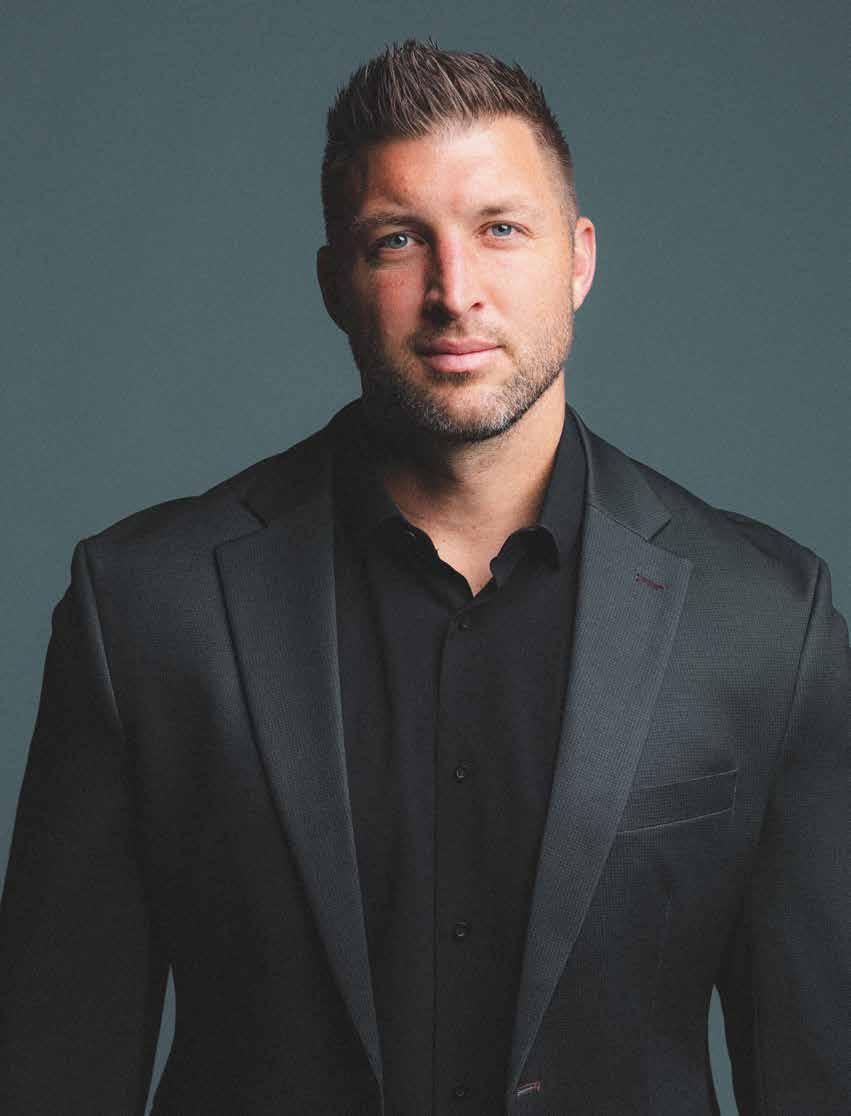
From championship trophies to global humanitarian impact, Tim Tebow’s journey has defied every standard playbook. In an exclusive conversation for the Share the Lifestyle podcast, Tebow pulls back the curtain on the moments that truly defined him, from a humbling middle school church retreat to the life-altering shift of fatherhood. This isn’t just a look back at a career; it’s an invitation into the heart of a man driven by purpose. Read the highlights below, then join us for the full, unfiltered experience by scanning the QR code at the end.
Q: WE ALL KNOW YOUR ACCOMPLISHMENTS ON THE FOOTBALL FIELD, BUT TELL US ABOUT THE CURL CONTEST.
A: I was competing for my future high school team (my brother’s team), and I pushed myself way past what was smart. I ended up collapsing and needing medical attention. But what stayed with me wasn’t the pain, it was the lesson. Would I be willing to do something that others aren’t? For much of my life, I strived to bring my best for a game, but I hope that I can say at the end of my life I was willing to do that for things that actually matter.
Q: YOU’VE ACHIEVED SO MUCH IN SPORTS. WHAT WOULD YOU SAY IS YOUR GREATEST ACCOMPLISHMENT NOW?
A: Becoming a dad. Nothing compares. From the moment I knew my wife was pregnant, I felt a new depth of love for our child, but when you bring your baby home, the responsibility hits you like nothing else. Suddenly, everything you see, every decision you make, you’re asking, “Is this corner too sharp? What happens if she reaches that drawer?” It changes how you see the world and how you see other people.
Q: YOU’VE SPOKEN OPENLY ABOUT DISAPPOINTMENT, ESPECIALLY AROUND FOOTBALL. HOW DID THAT SEASON OF LIFE SHAPE YOU?
A: I talked a lot about that very thing in my book Shaken . We all go through moments where our faith in our abilities and purpose feels rattled, but I believe it’s often in those storms when God can show us who we could become.
Q: YOU TALK A LOT ABOUT COMPARISON CULTURE. WHY DO YOU BELIEVE COMPARISON HAS BECOME SUCH A TRAP TODAY?
A: Because we’re comparing our real, everyday lives to someone else’s highlight reel. Social media shows people’s “best day,” often filtered and staged, and then we measure our reality against that. There’s a reason filters are so popular—it’s not real. We end up scrolling through images that don’t tell the full story, and without realizing it, comparison starts to steal our joy and our gratitude.
“We’re comparing our real, everyday lives to someone else’s highlight reel... comparison starts to steal our joy.”
Q: YOUR FOUNDATION FOCUSES ON THE “MOST VULNERABLE.” WHERE DID THAT CALLING BEGIN?
A: When I was 15, I met a boy in the Philippines who was treated as a throwaway because he was born with physical differences. That moment changed me. I realized God was calling me to pursue a different kind of MVP, not “Most Valuable Player,” but “Most Vulnerable People.”
Q: FINALLY, WHAT’S ONE THING PEOPLE MIGHT BE SURPRISED TO KNOW ABOUT YOU?
A: I have some weird coffee habits, which include protein powder, collagen, and cream all mixed together. I love golf dates with my wife. And every night, I bring snacks to bed to share with our dogs. It brings me more joy than it probably should.
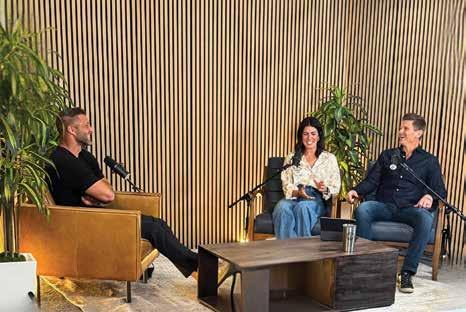
This conversation barely scratches the surface. Tim goes deeper into the moments that rattled him, the joys of fatherhood, and one story he has never shared publicly until now. Scan the QR code for the full, exclusive City Lifestyle interview on Share the Lifestyle Podcast.










At Psychic Chakra Studio in Highland Park, experience the art of spiritual renewal From chakra balancing and palm readings to life coaching and energy therapy, each session is designed to bring harmony to mind, body, and spirit
Explore our metaphysical shop and empower your journey with crystals, candles, oils, and healing jewelry

Call/Text: 847-744-3060
PsychicChakraStudioIL com 474 Central Avenue, Suite 207, Highland Park
Graham Gund and opened in November 1996, the award-winning, sta te-of-the-art venue spans 68,000 square feet and was created as a vibrant cul tural and economic centerpiece for the community. Since its opening, t he Center has hosted internationally acclaimed performers, Broadway Prev iews, major dance companies, comedy legends, and countless local productions. Th is milestone season celebrates that rich legacy, beginning in April as we kick off our anniversary events with the unforgettable Michael Feinstein & Linda Eder, launch ing a year of exceptional performances honoring the past, present, and future of this remarkable theatre.

MORE SHOWS COMING SOON MORE SHOWS COMING SOON


an Expedia Cruises travel professional at 847-595-1444 or visit https://www.expediacruises.com/en-US/900196/Cruise-Lines/Emerald-Cruises



APRIL 2ND - MAY 3RD
Shakespeare’s Sharpest Comedy “The Merry Wives of Windsor”
Chicago Shakespeare Theater, 800 East Grand Avenue, Chicago | Times Vary
A fresh, joyfully subversive take on The Merry Wives of Windsor, directed by Phillip Breen and starring Ora Jones, Issy van Randwyck, Chiké Johnson, Timothy Edward Kane and Jason Simon as Falstaff. Windsor’s spirited wives outwit their lewd but lovable pursuer, unleashing jealous husbands, disguises and delicious mischief in Shakespeare’s funniest, most raucous comedy. chicagoshakes.com
APRIL 15TH
Upside Events, 440 Central Ave, Highland Park | 5:00 PM
A chic spring runway experience featuring curated looks by ENAZ and special guest Rachel Boedecker of @thestyleeditco. Enjoy a Haute Happy Hour, an inspiring fashion show and shopping for a cause, with a portion of proceeds benefiting The Chicago Lighthouse. Tickets are $35 for general admission and $75 for VIP front-row seating at enaz.com
APRIL 17TH
An Evening of Impact to Champion Adaptive Athletes
Pinstripes, 1150 Willow Rd, Northbrook | 6:00 PM
Celebrate and support adaptive sports at the Annual GLASA Gala. Enjoy a family-style dinner, hosted bar, exclusive auction items and an inspiring program highlighting GLASA’s impact across 20+ adaptive sports. Tickets and sponsorships are available online, with cocktail attire suggested for this community evening. glasa.org
APRIL 18TH - MAY 24TH
Chicago Shakespeare Theater, 800 East Grand Avenue, Chicago | Times Vary
A world-premiere dark comedy by Scooter Pietsch, Fault follows Lucy and Jerry Green as decades of marriage erupt into a late-night showdown of lies, ambition, and betrayal. Directed by Emmy and Tony winner Jason Alexander and starring Enrico Colantoni, Teri Hatcher, and Jack Ball, this sharp, revealing battle of wits asks whose fault it really is. chicagoshakes.com
APRIL 22ND
Sunset Ridge Country Club, 2100 Sunset Ridge Rd., Northfield | 11:15 AM
The Winnetka-Northfield-Glencoe Chamber hosts its 48th Annual Recognition Lunch, a longstanding tradition honoring the individuals and businesses that strengthen the North Shore. Guests will celebrate this year’s award nominees and enjoy the return of the fashion show, silent auction and gift bags. Sponsorship opportunities and registration are available through the Chamber. wngchamber.com
APRIL 23RD
Upside Events, 440 Central Ave, Highland Park | 5:00 PM
An intimate evening exploring perimenopause as a powerful midlife chapter, featuring expert insight, guided conversation, and a live transformation experience on hormonal hair loss with event partner and Hair Lab Chicago specialist Debbie Martinez. Guests will hear real stories of change before enjoying shopping, drinks, and community connection with partner ENAZ Boutique. Tickets are $65.87 on eventbrite.com.
APRIL 25TH - 26TH
North Shore Center for the Performing Arts, 9501 Skokie Blvd, Skokie
Former members and writers of the legendary Capitol Steps bring their fast-paced political satire, musical parodies, and laugh-out-loud comedy back to the George Van Dusen Theatre for three performances only. Expect equal-opportunity skewering, beloved bits, break-neck costume changes and all-new song parodies reflecting today’s headlines—continuing a tradition of sharp, hilarious commentary. northshorecenter.org
APRIL 29TH
North Shore Center for the Performing Arts, 9501 Skokie Blvd, Skokie | 7:30 PM
Chicago-born comedian Hannibal Buress brings his sharp storytelling and offbeat wit to Skokie for a night of smart, unfiltered stand-up. Known for acclaimed specials, scene-stealing film and TV roles, and his recent musical work as Eshu Tune, Buress continues to push boundaries as one of entertainment’s most original voices. northshorecenter.org
APRIL 30TH
28 Mile Distilling Company, 454 Sheridan Rd., Highwood | 6:00 PM
Focus on the Arts launches its first-ever fundraising event, celebrating 60 years of volunteer leadership and supporting its 30th biennial festival in 2027. Guests will enjoy cocktails, light bites, a silent auction featuring local artists and live performances. Proceeds help fund artist residencies, materials, stipends and the expansive programming that brings more than 300 workshops and performances to Highland Park every other year. hphsfocus.org
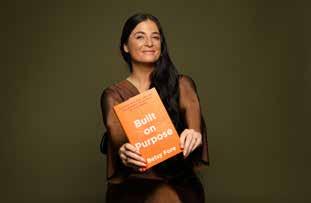
Entrepreneurship has always rewarded vision, grit and a tolerance for risk. In “Built on Purpose,” released late last year, founder and investor Betsy Fore argues that what most founders overlook is far less visible and far more consequential. The real work, she insists, begins inward.
Fore has built and exited multiple companies, including Tiny Organics, which reached more than $13 million in revenue within its first two years. The success looks conventional on paper. The method behind it is not.
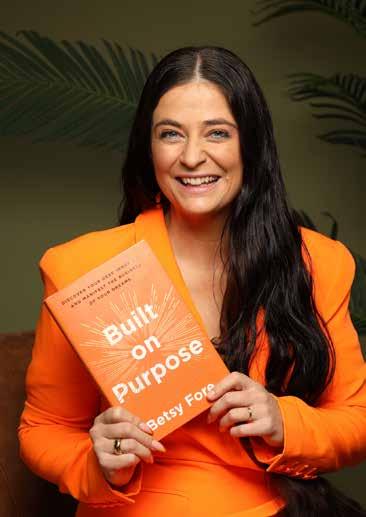
Her “Deep Inner Why Method” blends business fundamentals with neuroscience, meditation and values work, urging founders to align how they build with who they are.
“Founders are natural doers,” Fore said. “You build, iterate, leap before everything is ready. But the most important relationship you ever have is with yourself.” It took her years, and burnout, to learn that lesson.
In the book, Fore guides readers through identifying the values that already shape their decisions, drawing in part from the Seven Grandfather Teachings of her Anishinaabe and Turtle Mountain Chippewa heritage. Rather than aspirational slogans, values become lived experiences. She asks founders to recall moments when they embodied courage, humility or wisdom and to build from that place.
That inner alignment, she argues, is not soft thinking. It is survival. Most founders experience burnout within five years. Fore believes many companies falter not because the idea was wrong, but because the founder lost the will to stay in the arena.
One of the book’s most practical ideas is the concept of “first believers.” When launching Tiny Organics, Fore invited a small group of parents to help co-create the product before there was branding or scale. Those early believers shaped the roadmap and spread the story organically. The same approach, she argues, works in any industry, starting locally and building trust one relationship at a time.
Only later does Fore mention that she lives in Wilmette, raising three children while launching a venture capital fund alongside the book. The detail feels incidental. What matters more is her conviction that companies are canvases, not identities. “We are not the company,” she said. “We are the ones entrusted to build it.”
and local books that are bound to inspire.
Bespoke Designs | Unmatched Craftsmanship | Effortless Elegance

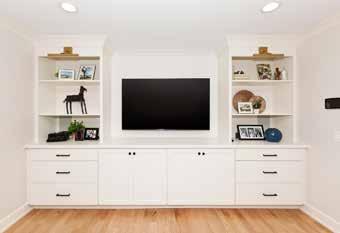
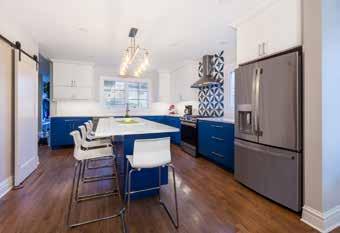




At DDK Kitchen Design Group, we go beyond kitchens—our expert designers and remodelers transform entire homes with sophisticated, high-end craftsmanship. From stunning kitchen renovations to full-home remodels, we create spaces that reflect your lifestyle and elevate your home’s value.