The Annual Home & Design Issue





There's something deeply satisfying about the spaces we inhabit – the way light filters through a thoughtfully placed window, the warmth of a gathering place that's served generations, or the functionality of a kitchen designed around how you actually live. This month, we're celebrating the architects, designers, and craftspeople who shape the physical landscape of our community, creating spaces that are as meaningful as they are beautiful.

In this issue, we explore three distinct stories that reveal different facets of exceptional design and its impact on our lives. First, we sit down with Huestis Tucker Architects, a firm that has been shaping Connecticut's architectural landscape with a commitment to thoughtful, context-sensitive design. Their work demonstrates how good architecture responds to both place and purpose, creating structures that feel inevitable rather than imposed.
We also turn our attention to a beloved Milford landmark: First United Church of Christ Congregational. Historic buildings like this are living reminders of our shared past and the values that built our community. These spaces require careful stewardship to preserve their character while meeting the needs of modern congregations, and we're honored to share the story of this architectural treasure.
Finally, we feature The Kitchen Company, a North Haven institution that's been transforming homes since 1953. What began as a post-war wholesale operation has evolved into a full-service design firm, but the founding values remain unchanged: honesty, integrity, and genuine care for clients. Their approach to renovation –treating each project as unique, educating clients throughout the process, and maintaining accountability from concept to completion – sets a standard for what customer service should look like in the home improvement industry.
Whether you're planning a renovation, simply appreciate beautiful spaces, or are curious about the history woven into our local architecture, this issue offers something for everyone. These stories remind us that good design is about creating environments that enhance our daily lives, honor our past, and serve our community's needs.
As we move through our homes each day, may we take a moment to appreciate the craftsmanship, thoughtfulness, and care that goes into creating the spaces where we live, gather, and build our memories.
Warmly,
MARK ARNOLD, PUBLISHER @MILFORDCITYLIFESTYLE
March 2026
PUBLISHER
Mark Arnold | mark.arnold@citylifestyle.com
EDITOR
Chelsea Spata | chelsea.spata@citylifestyle.com
CONTRIBUTING WRITER
Chelsea Spata
CONTRIBUTING PHOTOGRAPHERS
Nancy Elizabeth Hill, Willie Cole, Mark Arnold
CEO Steven Schowengerdt
President Matthew Perry
COO David Stetler
CRO Jamie Pentz
CoS Janeane Thompson
AD DESIGNER Rachel Chrisman
LAYOUT DESIGNER Lillian Gibbs
QUALITY CONTROL SPECIALIST Marina Campbell


Great injectors don’t change your face. They reveal your radiance.

Milford Med Spa’s elite team of injectors delivers natural-looking, confidencebuilding results through advanced clinical training, aesthetic artistry, and the unmistakable Alchemista touch.
Dr. Courtney Holmes, APRN, “The Alchemista”
Founder • Advanced Injector
A five-time Top 10 Integrative APRN honoree, Courtney blends Sculptra mastery and precision filler technique to create transformations that look replenished, not redone. Her philosophy: beauty is chemistry, intention, and alignment.
Nicole Rogucki, APRN, Surgical APRN & Thread Lift Expert
Advanced Injector • Facial Harmony Specialist
With a thriving surgical career and advanced thread-lift expertise, Nicole approaches each face with anatomical mastery. She’s known for creating elegant lift, structural support, and refreshed, effortless confidence.
Michele Bissenden, RN, Injector & IV Infusion Expert
Aesthetic Nurse • Detail-Focused Injector
Michele merges advanced neuromodulator technique with her IV therapy background to deliver balanced, consistent, naturally refined outcomes. Patients love her gentle approach, clinical precision, and warm, grounded presence.
Dana Harden, APRN, Injector & Sculptra Specialist
Sculptra Artist • Neuromodulator Expert
Dana blends her natural artistic eye with advanced training in Sculptra and neuromodulators to create subtle, refined, confidence-building results. Her approach is gentle, precise, and harmony-driven, focusing on restoring softness, supporting facial structure, and enhancing radiance in a way that feels authentically you.
READY TO GLOW?
www.milfordmedspa.com 203-701-6161
First-time patients enjoy $50 OFF AND $10/UNIT TOX with mention of this ad.



Spring is about fresh starts and your skin deserves one too. After months of coldweather, dryness, and stress, regenerative treatments like microneeding with exosomes help stimulate collagen, repair damage, and restore radiance form with in think of it as a deep clean for your skin cells-not just the surface.
Results you can see and feel. March specials & custom treatment plans available. Book your spring skin reset today.

Jennifer Dilungo, PA-C
Sherif Saleh, MD
Juliana Maria Arbelaez Linero, APRN
Jessica Sarkisian, APRN
Veronica Ahlgrim, NURSE INJECTOR


Our focus is always on you and your smile
Dr. Gary Opin and Dr. Perry Opin understand that changing a person’s smile can change a person’s life. Throughout your entire orthodontic experience, they will be attentive to your comfort, will listen to and respect your treatment goals and concerns, and partner with you to achieve a lifetime of smiles. At Opin Wide Orthodontics, our doctors develop lasting relationships with our patients and their families, while providing a superior level of care to create healthy, engaging smiles. For over 55 years, we have been leveraging state-of-the-art treatments to provide our patients with highly individualized, effective care.






















Custom


Located at 22 Broad Street in downtown Milford’s Harborwalk, Bond & Co. (formerly The Lovet Shop) specializes in eco-friendly women’s clothing and accessories from small designers. Owner Tracy Bonosconi, a former model with a 20-year international career, opened the boutique in 2012 after exposure to designers worldwide. The shop offers classic styles with a modern twist—pieces made in America or fair trade abroad. Open seven days a week.

For over 40 years, the Beth-El Center has served as Milford’s only homeless shelter, providing emergency housing, case management, and supportive services to individuals and families. The community kitchen serves hot meals seven days a week and operates a No Freeze winter warming center. Volunteers are urgently needed to assist in the shelter and kitchen. A new expanded facility is planned for 995 Bridgeport Avenue, scheduled for completion in 2026.

Founded in 2020 by Susan Brown, Purple Pantry Boxes operates 18 free food pantries throughout Milford and surrounding areas, distributing over 18,000 items monthly to combat food insecurity. The 100% volunteer-run organization maintains pantries accessible 24/7 with no barriers—simply “take what you need, donate what you can.” Volunteers are needed for pantry filling, food drives, grant writing, and social media. All donations go directly to feeding neighbors in need.



















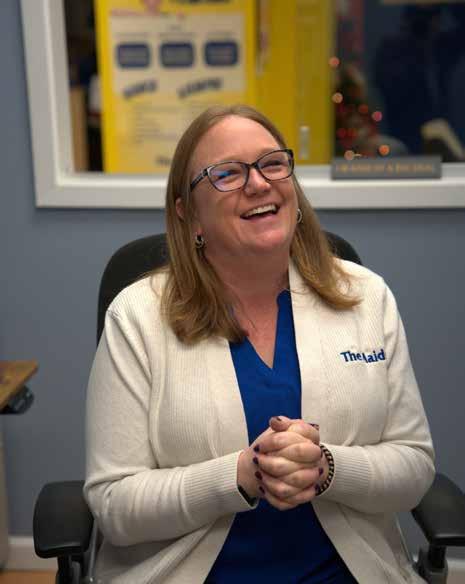
The Maids of South Central Connecticut Share Strategy and Advice
ARTICLE BY MELISSA RUDOLPH, OWNER | PHOTOGRAPHY BY STAFF
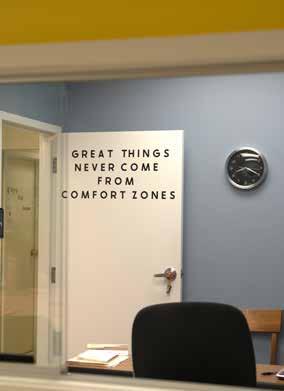
Spring cleaning works best when it begins with a clear, room-by-room strategy that prevents overwhelm and ensures nothing gets overlooked. Professional teams like The Maids follow a proven sequence that moves from high to low and clean to cleaner, creating efficiency and consistency. A thoughtful plan sets the tone for a truly refreshed home.

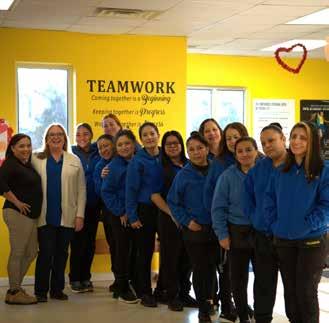
True spring cleaning goes far deeper than everyday tidying. It means tackling the forgotten and hard-to-reach areas—baseboards, vents, light fixtures, cabinet interiors, and under furniture. The Maids specialize in this level of detail, using team-based methods to reach every corner. This deeper approach eliminates built-up dust and allergens, leaving the home healthier and brighter.
A coordinated team brings speed, precision, and accountability to spring cleaning. The Maids’ four-person system allows each member to focus on a specialty—kitchens, bathrooms, dusting, or vacuuming—so the entire home is cleaned thoroughly and efficiently. This division of labor ensures consistent quality, reduces cleaning time, and delivers a noticeably more polished result.

Body MRI screening is a non-invasive, non-radiation imaging test that uses magnetic resonance imaging (MRI) to scan multiple parts—or the entirety—of the body for signs of disease, abnormalities, or cancer, often before symptoms appear. It’s commonly used as a preventive tool for early detection, especially in individuals at higher risk for certain conditions (like cancer or genetic disorders). Diagnostic Imaging of Milford is a leading provider of this life-saving, early detection technology.
of milford/west haven


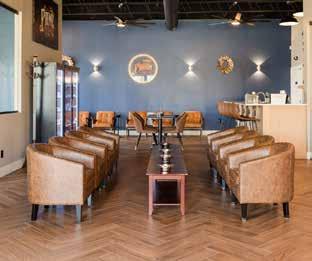







ARTICLE BY CHELSEA SPATA
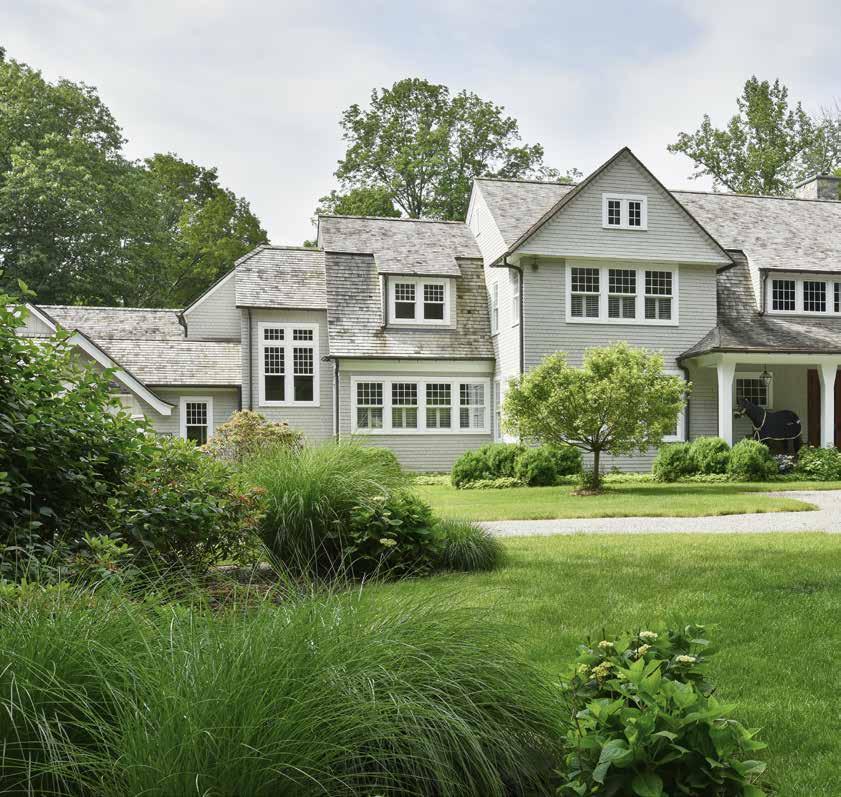
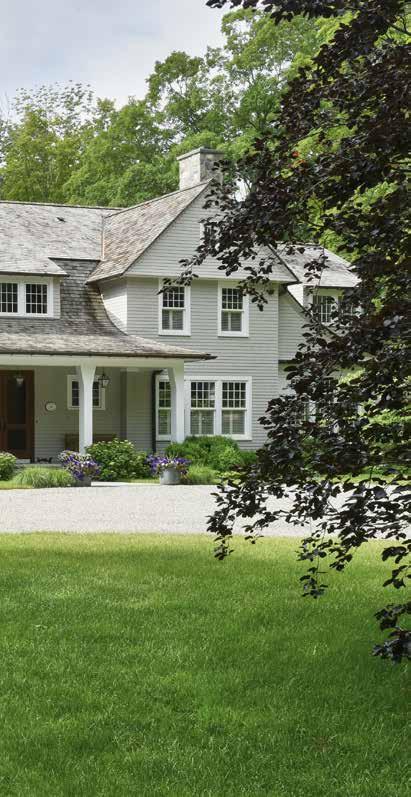
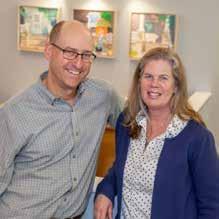
When Jennifer Huestis and Bob Tucker met at the Yale School of Architecture in 1986, they had no idea they were laying the foundation for a partnership that would span both marriage and a thriving architectural practice. After earning their master’s degrees in 1989 and gaining experience at other firms, the couple founded Huestis Tucker Architects in 1998.
Nearly three decades later, Huestis Tucker has built a reputation for thoughtful design that emphasizes transformation over trends. While their main work area centers on Fairfield County, they’ve completed residential and commercial projects throughout Connecticut and beyond. One of their latest projects brings them back to Milford—where they’ve completed several renovations and new homes—to design the renovation of the Garden Center on North Street.
Their approach is decidedly hands-on. Jennifer and Bob personally oversee each project, maintaining direct communication with clients and builders from initial concept through final construction. “What brings me the most satisfaction isn’t the scale of the project, but its transformative potential,” Jennifer says. “Take a house that doesn’t work well and really make it a nice place to live.”
After working with countless clients, Jennifer and Bob have distilled their wisdom into ten essential guidelines for homeowners embarking on a renovation project:
Trends come and go faster than you can renovate. “We’ve been doing this a long time,” Bob says. “The trendier something is, the shorter-lived its aesthetic life is.”
Jennifer and Bob recently experienced validation of this philosophy when a realtor praised their Cape house kitchen as looking brand new. “I said actually, it’s almost 20 years old,” Jennifer recalls.
The solution? “Go by what moves you and what you really love,” Bob advises. “If you love it now, you will probably love it in 10 or 20 years.”
And if you have a soft spot for trends, Jennifer recommends smaller, less expensive changes – like trending paint colors – to incorporate novelty into your home.

2. CHOOSE FLEXIBLE SPACES OVER SINGULARLY DESIGNED ROOMS
Years ago, a client wanted a new house with separate living room, family room, TV room, music room, and library. When the price came back astronomical, they conceded: “I guess we could combine some of these activities in one room.”
“People, particularly with kids at a certain age, are really focused on what their kids need at that age,” Jennifer explains. “Sometimes by the time the project is done, their kids will have already outgrown that space.” Today’s playroom becomes tomorrow’s homework area, then a teen hangout. Flexible spaces that adapt will serve you far longer.
3. QUALITY OVER QUICKNESS, AND PRICES NEVER GO DOWN
These principles work in tandem. Yes, it’s hard to spend extra money or wait for the right materials, but you’re building something that should last a hundred years. “Another couple weeks to wait for the right windows is worth it,” Bob says.
But don’t put your project on hold hoping prices will drop. “Prices never go down,” Jennifer notes. Even the wealthiest clients still have a budget, and good design and quality materials cost what they cost.
When homeowners shop around and find someone willing to do work for significantly less, it’s tempting to jump. “It’s rarely a
real bargain,” Bob warns. “It’s usually fraught with missing things that will need attention – and more money – later.”
5. NOTHING IS TRULY “MAINTENANCE-FREE”
“Everything requires some form of maintenance,” Bob says. “Even something like PVC siding still needs to be pressure washed.” Jennifer and Bob emphasize that, over time, all materials weather: wood moves, creating cracks that need caulking and fresh paint. Buildings require care, and products marketed as “maintenance-free” often lead to neglect of necessary upkeep.
This point addresses both environmental concerns and longevity. Natural materials, when properly maintained, outlast synthetic alternatives and age more gracefully.
For example, while luxury vinyl plank (LVP) may seem appealing for low maintenance and affordability, Jennifer and Bob recommend investing in hardwood flooring instead. “Natural wood has a warmth and quality that really makes a home feel special,” Jennifer explains. “It’s better for the environment and will look beautiful for decades.” Hardwood can be refinished multiple times, making it a smart long-term investment.
“Most misunderstandings arise because the homeowner imagines things to be one way, the architect another way, the builder
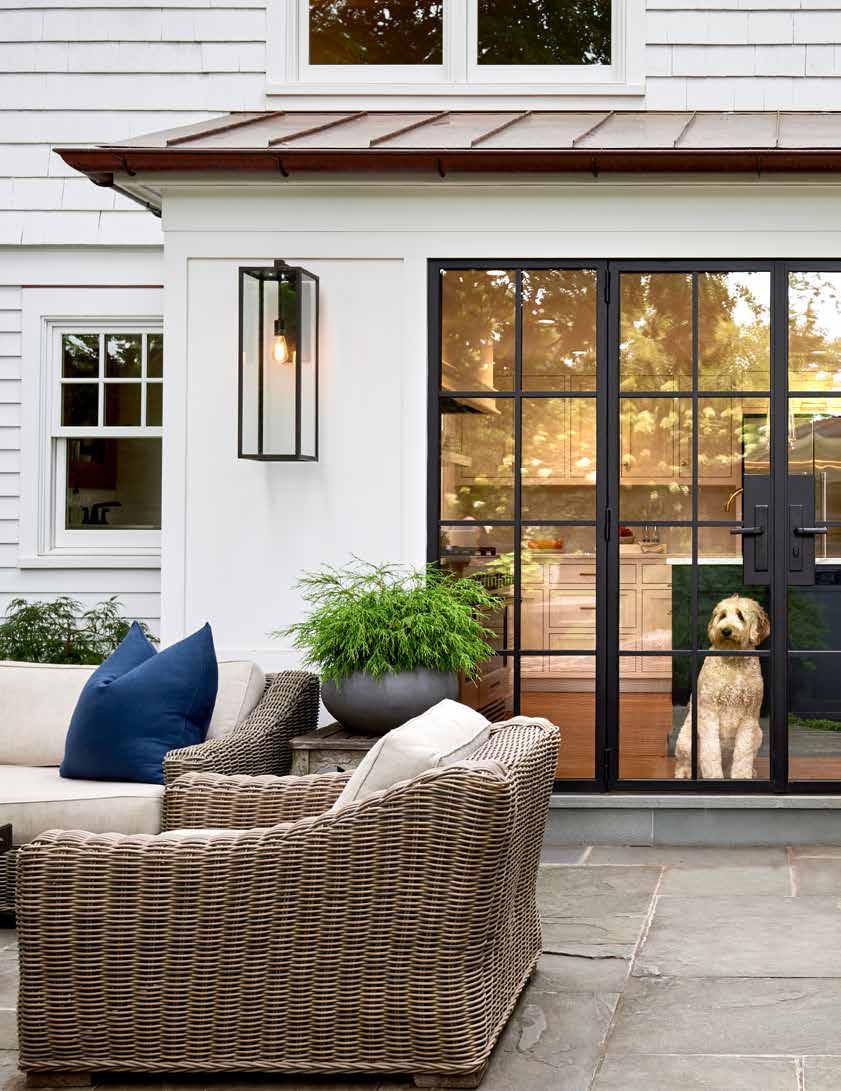
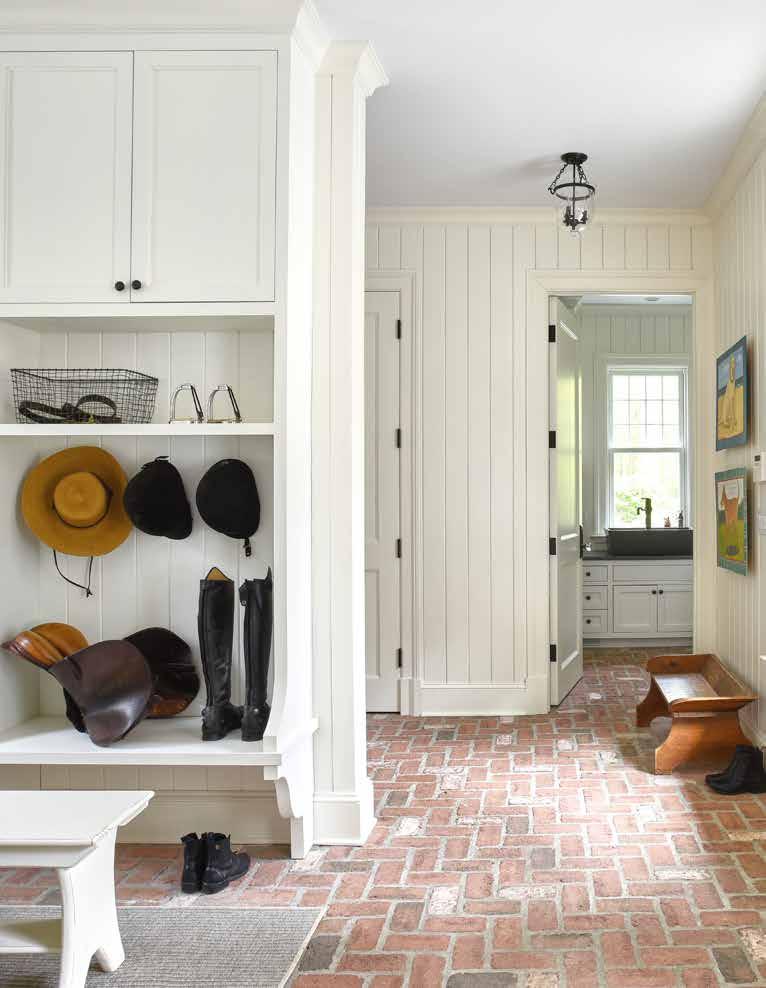
a third way,” Bob explains. “Drawings are a means of communication to keep everyone on the same page. And 3D modeling of the project helps you really know what it is going to look and feel like.”
The more complete the drawings, the fewer questions arise during construction. “You spend money on the drawings to figure it out,” Jennifer says. “If you don’t, and something has to be changed during construction, it’s a lot more expensive to fix.”
“This refers to us somewhat,” Bob admits with a laugh. But the principle extends to contractors, tile installers, carpenters, and other tradespeople. “The best thing homeowners can do is hire and surround themselves with people who have a lot of experience and listen to them.”
By the time professionals have been in the business for years, they’ve encountered most issues and know what to look out for. The expensive carpenter who delivers flawless work is worth every penny compared to someone cheaper who makes costly mistakes.
9.
“When people come to us, they usually have a wish list,” Jennifer explains. “As we get into the design process, things tend to get added to the wish list.”
The problem? People start adding features, then are surprised when costs increase.
One of their clients coined an adage that perfectly captures this phenomenon: “While you’re at it” is the most expensive phrase in the English language. Before you know it, one garage bay becomes two, and a simple kitchen refresh becomes a whole-house renovation.
To avoid this common pattern – and the sticker shock that comes with it – it is important to identify
“What brings me the most satisfaction isn’t the scale of the project, but its transformative potential.”
your top priorities. That way, any additional features that may crop up during the project can be more easily altered to suit one’s original budget.
“It’s not usually about affordability,” Bob clarifies. “It’s about whether you want to spend that money.” Even wealthy clients balk at numbers, though they could likely afford to pay. That’s precisely why setting a budget and priorities matters – so you don’t have to raid savings or make compromises you’ll regret.
Through nearly 30 years of practice, Jennifer and Bob have built enduring success through hands-on work, strong relationships, and unwavering commitment to quality and communication. Their advice for homeowners: invest in experience, prioritize quality over trends, communicate through detailed drawings, and understand that good work costs money and takes time. Follow these guidelines, and your renovation stands a much better chance of being not just successful, but truly transformative.
Founded by Jennifer Huestis and Bob Tucker, Huestis Tucker Architects, LLC is a full-service firm specializing in custom residential, commercial, and corporate architecture and interior design. With nearly 30 years of experience and over 200 completed projects across Connecticut and beyond, the firm is known for thoughtful design, quality craftsmanship, and strong client relationships.
Contact: 15 Research Drive, Suite 5, Woodbridge, CT 06525 | 203-248-1007 | office@huestistucker.com | huestistucker.com











ARTICLE BY CHELSEA SPATA
PHOTOGRAPHY BY MARK ARNOLD
Standing proudly at the heart of Milford’s historic downtown, the white steeple of First United Church of Christ Congregational has watched over the community for two centuries. The landmark building is a living chronicle of Milford’s evolution, a structure that has adapted alongside the community it serves while maintaining its role as a gathering place for citizens in times of celebration, crisis, and everything in between.
The story begins in 1640, when the founders of Milford—having purchased land from the Wepawaug Native Americans—built their first meeting house roughly 100 feet from the current site. “The folks who started the church were the ones who settled Milford,” explains Reverend Adam Eckhart, who has served the congregation for 24 years. That original structure was smaller, designed for a fledgling settlement that hadn’t yet mastered winter heating. Congregants were content sitting close together, sharing warmth as they worshipped.
By the 1720s, the growing community needed more space. The second meeting house rose on the current location, lasting a full century despite its reputation for being somewhat precarious. “There are legends that when guest preachers would come and the wind started to blow, it would creak and shift,” Eckhart shares. “They would leave as soon as the service was over because they were afraid it was going to fall on them.”
That building featured two balconies and stood even taller than today’s sanctuary—an impressive if slightly terrifying feat of colonial engineering.
The structure’s instability proved prophetic. The steeple fell once, was rebuilt, then succumbed to a major hurricane around 1817. Combined with the building’s general rickety condition, this prompted the congregation to start fresh. Between 1823 and 1824, they constructed the current building.
The first two meeting houses, pre-dating the separation of church and state in Connecticut, served as the literal center of municipal decision-making, where Milford residents gathered to debate and vote on town matters. Though the current building wasn’t technically a meeting house in the governmental sense, it maintained the congregational tradition of serving as a community gathering place. Over the decades, it has hosted everything from Boy Scout courts of honor to mayoral debates. Until recently, the Plymouth Men’s Club held candidate forums in the sanctuary – a small echo of the building’s original civic purpose.
The structure has witnessed and marked significant moments in American history. In 1849, the church installed a clock in the steeple—not merely for timekeeping, but as a genuine community asset. “People were just starting to figure out how important it was to synchronize time because of trains,” Eckhart notes. In an era before personal watches were common, that clock helped the neighborhood stay coordinated.
During the 1920s, the church added a gymnasium to serve Milford’s young people. Central High School didn’t yet have

its own gym, so the church provided space for basketball and volleyball during New England’s harsh winters. When the high school finally built its own gymnasium in 1948, the church converted the space to offices and a fellowship hall. “Part of what’s amazing about churches is when we try to provide something that is an asset for not just the church itself, but for the community around it,” Eckhart reflects.
Last summer, the church completed a major renovation of its most recognizable feature: the steeple. The project addressed damage that accumulates from a uniquely challenging combination—New England winters meeting salt air from Long Island Sound. “The southern side, which takes the salt air coming in, really does a number on wood,” Eckhart explains. The congregation kicked off fundraising during their bicentennial celebration two years ago.
The work required careful balance. Milford’s historic commission mandates using original materials wherever humanly possible, meaning wood must be replaced with wood despite its vulnerability to the elements. “We have to maintain a very old, very expensive historic building,” Eckhart acknowledges. “But it’s part of our responsibility and joy because it certainly makes people notice this church.”
The renovation brought unexpected benefits beyond the restored appearance. A new digital system eliminated the need for someone to climb the steeple every five or six days to manually wind the clock. The bells can now be rung remotely via smartphone app—a technological upgrade Eckhart jokes about keeping away from his children.
Today, the building serves multiple purposes throughout each week. The sanctuary hosts Sunday services and welcomes various community groups including Boy Scout Troop One. The Plymouth building—constructed in 1951 with leftover bricks from the high school—houses a food pantry open every Tuesday, along with various 12-step recovery groups that meet throughout the week.
The basement, which overflowed with Sunday school children during the baby boom, still houses kids for their Sunday morning sessions, and now hosts a weekly grief support
“We have to maintain a very old, very expensive historic building...but it's part of our responsibility and joy.”

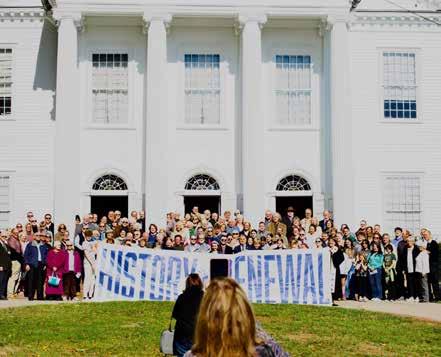
“Part of what's amazing about churches is when we try to provide something that is an asset for not just the church itself, but for the community around it.”

group, knitting circles, and coffee hour after services. In the parking lot, two sheds house the Medical Equipment Ministry, providing wheelchairs, walkers, and other essential items free to community members transitioning from convalescent homes.
Throughout its 202 years, this building has functioned as a gymnasium, a town hall, a community timekeeper, and a refuge. The numbered pews still bear marks from an earlier fundraising era when families rented their seats—a physical reminder baked into the architecture of how community institutions evolve.
“This is a central piece of Milford’s history,” Eckhart says simply. Walking through the space, you can trace American history through its features: the transition from tax-funded religion to voluntary giving, the baby boom’s impact on Sunday school wings, the slow march toward modern conveniences like electricity and digital clocks. The building stands as evidence that the best architecture doesn’t just house a community, but grows alongside it.













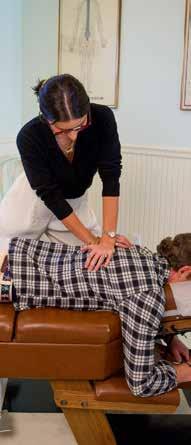
Your body is constantly coordinating movement, balance, energy, recovery, and stress. When that coordination isn’t working well, it often shows up as stiffness, recurring discomfort, low energy, trouble sleeping, or feeling like your body isn’t keeping up with your day. At Clukey Family Chiropractic, we help people in Milford improve how their body functions overall so they can move more easily, recover faster, and feel better long-term. Chiropractic care isn’t about chasing symptoms — it’s about helping the body work the way it should.









WHAT IS YOUR BACKGROUND IN KITCHEN DESIGN AND RENOVATION? HOW DID YOU GET INTO THIS INDUSTRY?
I’ve always been drawn to how design and functionality come together. Kitchens and bathrooms are the most used spaces in a home, and I loved the idea of creating environments that are not only beautiful but truly improve how people live day to day. What drew me to the kitchen and bath industry was the opportunity to make a real impact on people’s homes and lives. These spaces are where families gather and start their days, and being part of that transformation is incredibly rewarding.
TELL US ABOUT THE KITCHEN COMPANY’S HISTORY.
The Kitchen Company was founded in 1953 when A. John Fecke, a sales rep for Republic Steel and a veteran of both WWII and the Korean War, recognized the growing demands of the post-war housing market. Fecke began selling premade kitchen cabinetry wholesale to builders from a warehouse on Old Broadway in North Haven. He was a patient, fair, and hardworking employer—someone who always took the high road, who looked out for contractors and vendors as much as he did his own
employees. Over time, the company evolved with the needs of the market and its clients, transforming from a wholesale distributor to a retail kitchen design firm. But we still abide by Mr. Fecke’s original vision and values.
TYPES OF PROJECTS DOES THE KITCHEN COMPANY TYPICALLY TAKE ON?
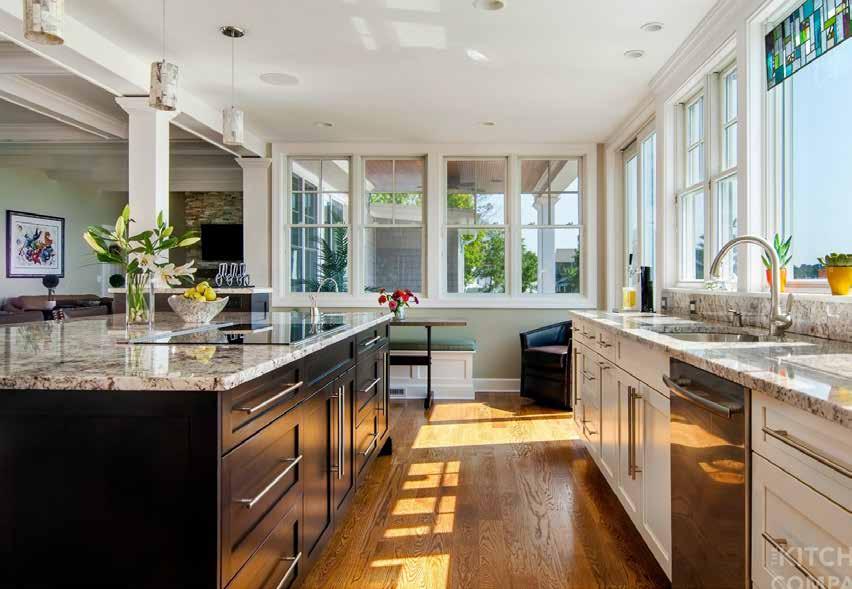
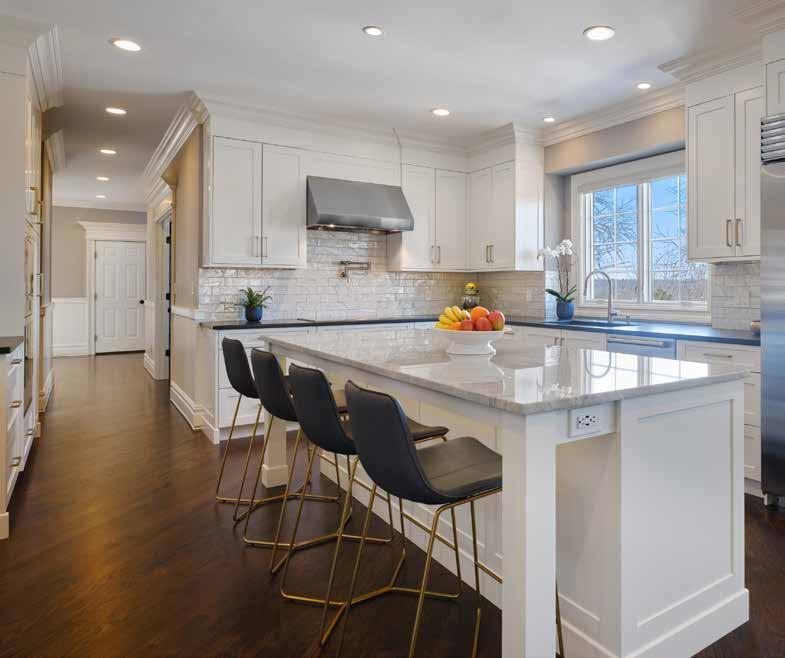
We primarily take on kitchen renovations, however we also design cabinetry for new construction, bathrooms, and other areas of the home such as mudrooms and home offices. What sets us apart is our attention to detail: we can assist in selecting and even purchasing appliances, countertops, and plumbing fixtures. We have the flexibility to take on the entire project from start to finish, or to just provide our clients with the cabinetry for their project if they are already working with a contractor. We also offer a wide range of cabinetry options from stock to custom and everything in between.
WHAT ARE SOME OF THE BIGGEST TRENDS YOU’RE SEEING RIGHT NOW IN KITCHEN DESIGN?
The biggest trend we are seeing is people stepping away from an all-white kitchen and incorporating color, even if it’s subtle. People want a timeless look that’s not “boring.” There has also been an influx of interest in using wood species such as oak, walnut and cherry. Recent techniques and reimagined stain colors have changed the look of these woods significantly, giving them a more modern and desirable appearance. We are also still seeing many clients foregoing their underused dining room to gain more kitchen real estate and often times this will open up their floor plan and allow more natural light to come in.
DO YOU SEE THE KITCHEN COMPANY HEADING OVER THE NEXT 5-10 YEARS?
In five years, I see the business operating at a higher level of consistency and scale. The focus is on being a well-established, trusted kitchen remodeling firm known for quality, reliability, and a smooth client experience. Growth for us isn’t just about volume, but about profitability, reputation, and long-term sustainability. Ultimately, the goal is a business that delivers exceptional kitchens, supports a strong team, and allows for steady growth without sacrificing quality or balance.




Top residential transactions through 12/28/2025






MARCH 7TH
Petra Poláčkova – Classical Guitar Concert
Milford Arts Council | 7:00 PM
Experience award-winning Czech guitarist Petra Poláčková at the MAC Downtown. Recognized for her mastery of Baroque and Romantic repertoire, Poláčková has captivated audiences across Europe, the United States, and beyond. Her acclaimed recordings include works by Sylvius Leopold Weiss and J.K. Mertz. A public master class for spectating follows on March 8.
MARCH 10TH
Studio Art Quilt Exhibit
MAC Downtown Gallery | 12:00 PM
The Milford Arts Council hosts "Local Color 7: Circular Thinking," a stunning fiber art exhibition by Connecticut's Studio Art Quilt Associates. Juror Betty Busby selected 36 pieces from 72 entries exploring the circle as shape, symbol, and metaphor. Opening reception March 12, 6-8 PM; on display through April 14. Free and open to the public Tuesday-Friday at MAC Downtown.
MARCH 11TH
St. Patrick's Business After Hours
Orange Ale House | 5:00 PM
Celebrate St. Patrick's Day at Orange Ale House for a festive Business After Hours event. The Milford Regional Chamber of Commerce and Orange Chamber continue their annual tradition with an evening of networking, great food, and holiday cheer. Enjoy what many consider Connecticut's best corned beef and cabbage, plus two drink tickets. Perfect for connecting with fellow business professionals.
MARCH 13TH
Milford Arts Council | 7:00 PM
Experience Tyrone Shoelaces at the MAC Downtown for a wild, genre-blending performance fusing reggae, funk, rock, swing, bluegrass, disco, and dub. Led by songwriter Chuck Chesler, this powerhouse ensemble delivers explosive improvisation and danceable grooves. With a decade-strong lineup and their latest work centered on gratitude and Mother Earth, expect an unforgettable evening of soul-surging energy.
MARCH 14TH
Miss Dallas’ Spring Eggstravaganza
Miss Dallas’ Shop | 11:00 AM
Celebrate spring and Easter at Miss Dallas’s Shop! Join owner Lynda Kilgore for her birthday bash featuring catered food, music, and exclusive shopping deals. Browse the boutique’s carefully curated collections while enjoying festivities that welcome the season. No gifts please—just come ready to shop, mingle, and celebrate!
MARCH 27TH
5th Annual Women's Luncheon
Bin 100 | 12:00 PM
The Milford Regional Chamber of Commerce presents its 5th Annual Women's Luncheon on March 27, featuring Connecticut Lt. Governor Susan Bysiewicz. This year's theme, "Leading the Change: Women Shaping a Sustainable Future," explores women's vital roles in environmental, economic, and social justice movements. Join fellow community members for an inspiring afternoon at Bin 100.