FOOD + BEVERAGE CHEERS TO THE GENTS! WHISKY POPULARITY
FOOD + BEVERAGE CHEERS TO THE GENTS! WHISKY POPULARITY
This Father’s Day, we’re celebrating the steady guidance, quiet strength, and everyday moments that build lasting foundations. We’re grateful for the father figures in our lives, our families, and our community who inspire the way we show up for yours. Wishing you a warm and meaningful Father’s Day.

















2131

“We






- Seller and Buyer Testimonial

There’s a moment in every game—just after the last play, before the next begins—where everything resets. In baseball, it’s called the next pitch. It’s a mindset—a quiet commitment to move forward with clarity, no matter what just happened.
In this month’s Men’s Issue, that idea becomes something bigger.

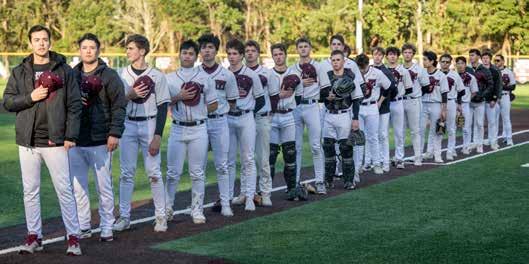
Next Pitch is dedicated to the hundreds of youth student-athletes across Mercer Island. While rooted in baseball, the lesson is universal. Whether on the field, course, court, floor, pitch, field, or in the water, the same principles apply: resilience, composure, preparation, and the ability to respond—not react.
It’s not about perfection. It’s about presence.
You’ll see that theme throughout this issue. In a conversation with Mark Harrington of BMW Seattle, we explore the return of the M Series Touring wagon—where performance meets practicality. It’s not just about power. It’s about balance. Capability with intention.
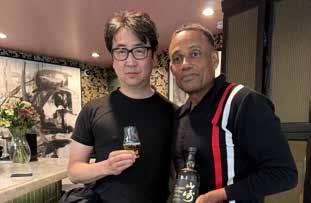
That same intentionality carries into our feature on Japanese whisky—the spirit of the moment. Through Hill Harper and Ed Kashiba, we explore a philosophy built on precision, patience, and presence. It’s less about chasing something—and more about being invited into it.
Here on the Island, we are in coffee country! And it speaks subtly at the Mercer Island Community and Event Center, where our beloved Mercer Island Community Fund sponsors morning coffee during the week. Jackie Brown chats about the “why” in this issue.
And in our story on the third place, Jason Farrish of the Crawlspace Gastropub reminds us that community still has a home—where connection, conversation, and belonging come together.
We also pay homage to one of Mercer Island’s most enduring rituals of good weather—the Mercer Island Farmers Market. Through its connection to the Wright Brothers Farm and the hands that bring it to life each week, the market reflects the same values found throughout this issue: craft, care, and community. Even in something as simple as “our jam”—a blueberry rhubarb recipe shared in these pages—you’ll find a story of place, season, and the people behind it.
Across these stories, a common thread emerges. The modern gentleman isn’t defined by one pursuit, but by how he shows up—adaptable, intentional, and grounded in the moment.
Because in the end, the “next pitch” isn’t just about sport. It’s about life.
Let’s all enjoy our summer together!
And, thank you for allowing us into your home and life.
CHRIS ISHII & SHARON PEREZ
June 2026
PUBLISHER
Chris Ishii | chris.ishii@citylifestyle.com
EDITOR
Sharon Perez | sharon.perez@citylifestyle.com
CONTRIBUTING WRITERS
Lori Robinson, Ange Garrett
CONTRIBUTING PHOTOGRAPHERS
Takai by Kashiba, Calli Marl, Enrico Pozzo, Laurie Raisys, Ange Garrett
CEO Steven Schowengerdt
President Matthew Perry
COO David Stetler
CRO Jamie Pentz
CoS Janeane Thompson
AD DESIGNER Evan Deuvall
LAYOUT DESIGNER Kelsey Ragain
QUALITY











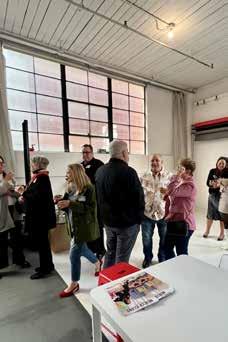

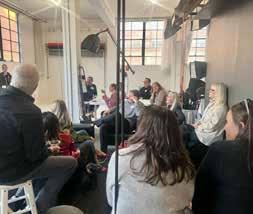



1: Serious relationship building and business networking at the MICL Issue Release Party 2: J Garner Photography Studio was a great place to break into small groups 3: Sunil Kumar and Devi admire her paintings in the studio at the MICL release party. 4: After small group breakouts, everyone shared their word of the year and one 2026 goal 5: It’s always a great crowd of MICL partners and MI neighbors at Issue Release parties! 6: Natalie Debray, Katarina and Jim Garner, John Morovich enjoy the delicious Arista Catering hors d’oeuvres. 7: Studio G in SODO - is a very hip place - thanks for hosting! Photography by Mercer Island City Lifestyle



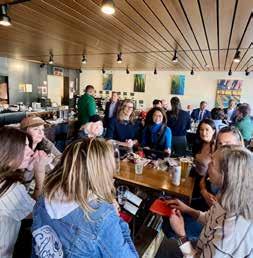



8: Cover model and artist Devi Brunsch kicks off the April Issue Release Party. 9: Cheers to the Mercer Island City Lifestyle Community! 10: Mercer Island Chamber of Commerce and the City hosted entertainment for the Light Rail Opening. 11: Barrel’s was hopping with a corporate event and book group - cheers to local business! 12: The lineup to be the first riders on the new lightrail train for Mercer Island.
13: Re-Vesta Group’s Book Group keeps growing! Open to all, 4th Thursday of every month. 14: City of Mercer Island Parks & Recreation staff promote the City services and events. Photography by Mercer Island City Lifestyle




Board
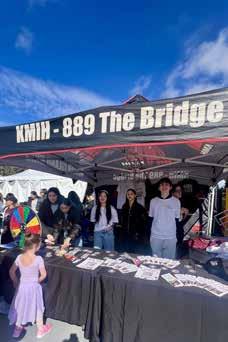
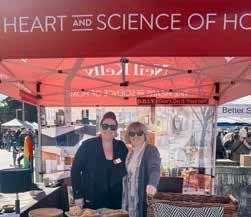
and Board Secretary Ann Peterson Island Treats 17: Mercer Island’s The Rock manager, Michelle Alix, Kelso Wilkins, and her West Mercer Wolf twins. 18: Amy Fortune, Anne Maresh Bauer from Neil Kelly brought style to the Light Rail launch. 19: Mercer Island High School’s nationally award-winning radio station kept everyone entertained with tunes and games. 20: Re-Vesta Group is always supporting community: Robyn Kimura Hsu, Rachel Schindler and team. 21: Look at the line! Mercer Island is so excited to have the new lightrail!







INTERIOR DESIGN:
ARCHITECT:
PHOTOGRAPHY:
AN EXCERPT FROM EPISODE 6 OF SHARE THE LIFESTYLE, A CITY LIFESTYLE PODCAST
Photographer: Brittany Dawn Short
Creative Director: Jen Birn
Stylist: Stephanie Coultress O’Neill
Location: Hotel Saint Cecilia, Austin, TX
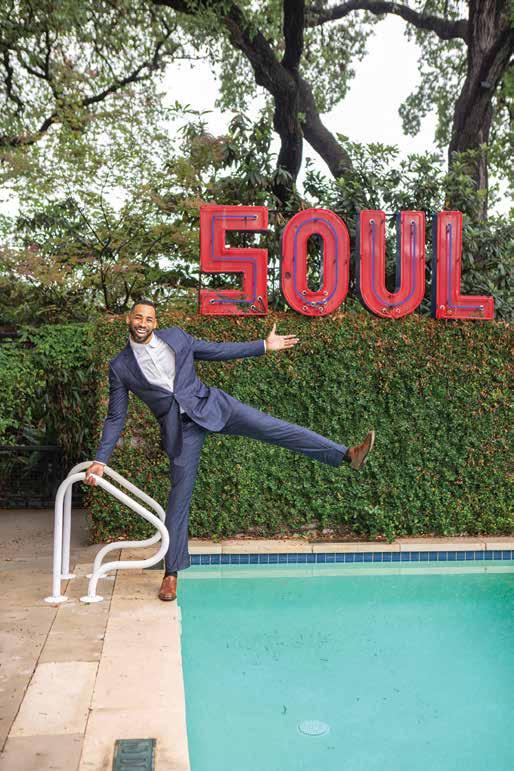
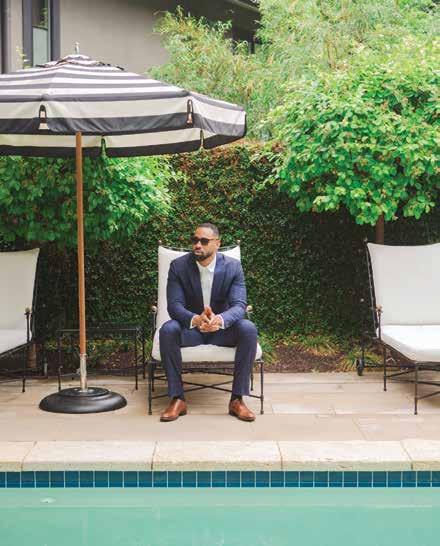
MIKE JOHNSON HAS BUILT HIS LIFE AROUND ONE QUIETLY RADICAL IDEA: THE STANDARD YOU SET PRIVATELY IS THE ONLY ONE THAT MATTERS.
After eight years in the Air Force, a celebrated run on national television, and a health crisis abroad that sent him deep into supply chains and ingredient certifications most founders never touch, the result is Oshun — a luxury ritual brand built on provenance you can trace and integrity you can verify. In an exclusive conversation for the Share the Lifestyle podcast, Mike shares what it actually takes to build something worth putting your name on. Read the highlights below, then scan the QR code for the full episode.
Q: YOU BECAME A FAN FAVORITE ON THE BACHELORETTE AND THEN LEFT THE SPOTLIGHT. YOU MOVED TO MEXICO, LEARNED SPANISH, THEN COSTA RICA, AND BUILT A COMPANY. WHAT DID THAT EXPERIENCE TEACH YOU ABOUT HUMAN BEHAVIOR?
A: “If you’re a good person going in, that shows. If you’re not, that shows too. I also learned that people form this parasocial relationship with you — they assume things about you. When all actuality, different circumstances bring out different parts of who you are. I was on TV trying to find love. The kindness people were showing after felt a bit fake, because they wanted to be a part of something that isn’t who I am individually, but a part of what they saw on TV. And so I had to get away from everybody and everything and the noise.”
“Too many people have prayed for me. So I’ve got to get up and do the walking.”
— Mike Johnson

Q: YOU JOINED THE AIR FORCE RIGHT OUT OF COMMUNITY COLLEGE. WHAT WERE YOU ACTUALLY RUNNING TOWARD?
A: “There was something in me that was saying: I’m not living up to my full potential. I was being a follower. My uncle said, ‘What’s going to make you become an adult the fastest?’ I said, obviously, the military. The Air Force broadened my thought process more than anything. We’re so caught up in our own perception — when you learn to understand different people’s perspectives, it adds to you in so many ways.”
Q: WITH OSHUN, YOU OWN YOUR MANUFACTURING, YOU EMPLOY A CHEMIST, EVERY PRODUCT HAS A BATCH NUMBER TRACEABLE TO ITS ORIGIN DATE. WHY DID YOU DECIDE TO GO THAT DEEP WITH THE BRAND?
A: “The EU bans 1,100 ingredients in personal care products. The U.S. bans nine. That’s my starting point. Oftentimes, it might be the same ingredient, but it comes from a place where it doesn’t have the highest purity. And 60% of what we put on our skin is absorbed. Every product Oshun makes carries a batch number that goes back to the exact day it was created — I can show you every single supplier, the date, the origin. I own more than one part of the supply chain because that’s the only way I can stand behind what’s in the bottle.”
This conversation is just the beginning. Mike goes deeper into why he’s buying land up north, the family in the Philippines who prayed over his factory floor, and what he’d tell every person ready to stop performing and start building. Scan the QR code for the full, exclusive City Lifestyle interview on the Share the Lifestyle podcast.

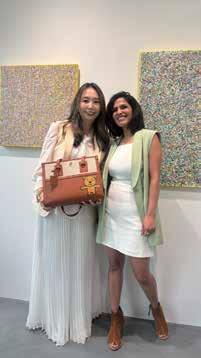
In April, Yuan Ru Art Center hosted an unforgettable afternoon celebrating fashion, design, art, and music—all in support of Kyra’s Hope Foundation and Ladybug House, two nonprofits dedicated to helping children with cancer. The event brought the community together in a powerful show of generosity and connection. Thanks to everyone who sponsored, attended and contributed. The day was as meaningful as it was beautiful.

12737 Bel-Red Rd, Suite 100, Bellevue, WA
425-582-8878 www.yuanru.gallery info@yuanru.gallery
Open weekends 12-4 pm, weekdays by appointment



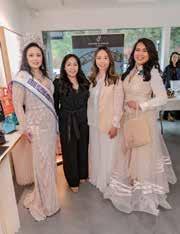







Kyra’s Hope Foundation, a Mercer Island–based nonprofit inspired by 12-year-old Kyra’s extraordinary courage, supports children facing cancer with comfort and hope. It is accelerating cures for childhood cancers still considered incurable. By combining research funding with technical expertise, the foundation helps research move faster, bringing local compassion to a global effort. Learn more at kyrashope.org
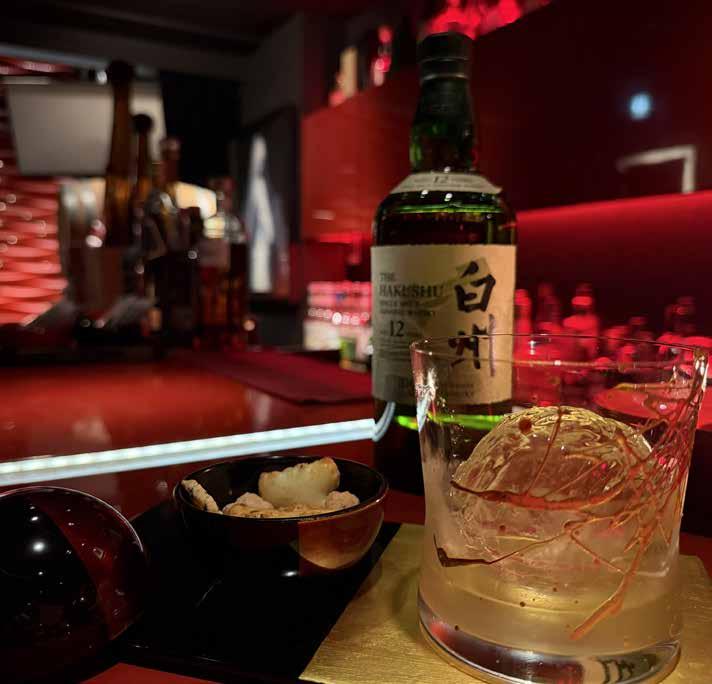
The meteoric rise of Japanese whisky—and the culture, craft, and community behind it
ARTICLE BY CHRIS ISHII
PHOTOGRAPHY BY TAKAI BY KASHIBA AND MICL
There was a time when Japanese whisky lived quietly—tucked behind the bar, known mostly to insiders, collectors, and those who had spent time in Tokyo.
That time has passed.
Today, Japanese whisky isn’t just popular—it’s permanent.

“Hojicha ice cream and Yamazaki 12—it’s the perfect finish. Warm, smooth, memorable. Another way Japanese whisky comes alive.” Ed Kashiba
“It’s not a fad,” says Ed Kashiba of Takai by Kashiba in Bellevue. “It’s just… part of life now. Any place of note—it’s on the shelf. It’s earned its place.”
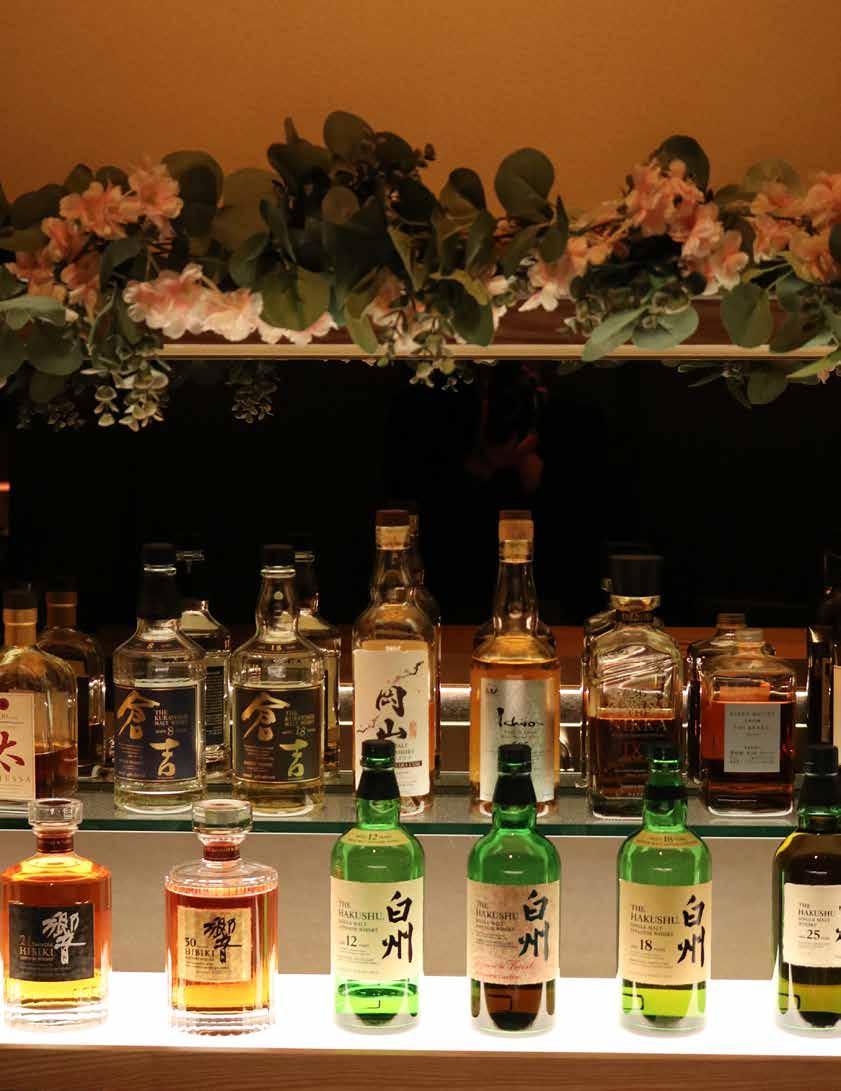
From approachable highballs to rare expressions like Yamazaki, Hakushu, and Hibiki, the category has evolved into something far more than a trend.
It has become a language.
The story of Japanese whisky begins with curiosity—and conviction.
Two pioneers traveled to Scotland to study the craft, then returned to Japan with something more than knowledge. They brought back a standard— one that would be interpreted through a distinctly Japanese lens.
What followed was both partnership and divergence. One path became Suntory, anchored near Kyoto at Yamazaki—where soft, pure water and a humid climate shape the spirit. The other became Nikka, founded in
Hokkaido, where colder air and coastal influence create a different expression altogether.
“Japanese whisky was born as a partnership and grew up as a rivalry,” says Hill Harper. “But that tension wasn’t divisive—it was generative. It created a standard of excellence that continues to define the category today.”
That rivalry didn’t divide the category—it refined it. It established identity. It elevated standards. And over time, it transformed Japan from a student of whisky into a global benchmark. Precision, Craft, and the Japanese Way
At the core of Japanese whisky is something deeper than flavor.
It’s philosophy.
“What distinguishes Japanese whisky is its devotion to precision,” Harper says. “There’s an almost reverential attention to detail—from the source of the water to the way the spirit is aged and ultimately presented. CONTINUED >
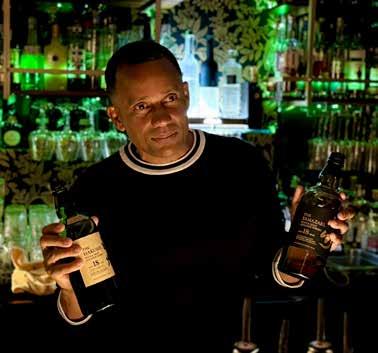
It reflects a broader cultural commitment to doing things well, not just efficiently.”
Water matters. Climate matters. Even the wood matters—especially Mizunara oak, known for its unique character.
“But beyond the technical,” Harper adds, “there’s an intentionality—a sense that the experience has been considered from beginning to end. You don’t just taste it. You feel the care behind it.”
The result isn’t just smoothness.
It’s harmony.
A Finder’s Perspective
Spend enough time in Tokyo, and you begin to see it.
Not as a category—but as a quiet thread woven into the city.
In Tokyo, these whiskies reveal themselves quietly—placed with intention, never announced.
Unassuming, yet unmistakable to those who know.
No spotlight. No ceremony. Just presence.
That’s the beauty of it.
You don’t chase Japanese whisky in Tokyo. You find it.
And when you do, it doesn’t feel like a drink. It feels like a quiet invitation.
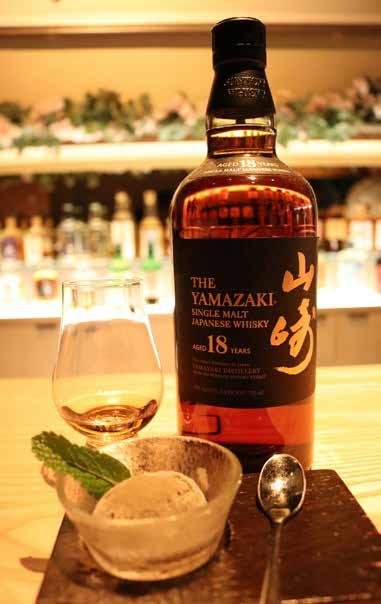
Scarcity, Status, and the Collector’s Mindset
In certain circles, the conversation deepens.
Someone mentions a bottle—Hibiki 30, Yamazaki 18—and attention sharpens.
“There’s a whole group of people who are just deeply into it,” Kashiba says with a smile. “It’s almost like Pokémon cards for adults—‘You’ve got that? I need to come in.’”
Scarcity plays its role. So does global demand.
Much of Japan’s production flows abroad, leaving the U.S. market competing for allocations.
And when a rare bottle appears?
It becomes a moment.
Whisky as Ritual, Memory, and Community
At its best, Japanese whisky isn’t about consumption.
It’s about connection.
“It’s celebratory,” Kashiba explains. “You’re with family, or friends, or you just closed a deal. You have a pour—and it brings you back. It’s a nostalgia thing.”
It turns a simple pour into something shared.
Something remembered.
Something you return to.
At the Table
Traditionally, Japanese cuisine leans toward sake, beer, or wine.
But whisky is finding its place—not as a replacement, but as a complement.
“Whisky can be a starter or a finisher,” Kashiba says. “Not necessarily with every course—but at the right moment, it’s perfect.”
At Takai by Kashiba, that moment comes at the end.
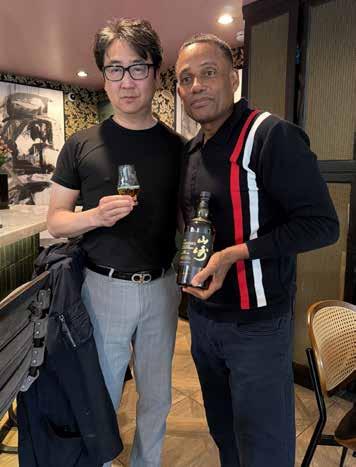
“Japanese whisky captures the spirit of the moment—where precision, patience, and purpose come together. It’s more than what’s in the glass; it’s an experience that invites you to slow down and be present.” Hill Harper

Hojicha ice cream and Yamazaki 12. Warm. Toasted. Smooth.
“Nothing pairs better,” Kashiba says.
It’s the kind of pairing you don’t forget. An Invitation
What’s happening with Japanese whisky right now isn’t just about what’s in the glass.
It’s about how we gather.
How we slow down.
How we choose to experience something—together.
Maybe it’s a night at Asa, where the setting invites conversation and discovery.
Maybe it’s a seat at Takai by Kashiba, where precision meets hospitality in a way that feels both elevated and deeply human.
Maybe it’s walking into a shop, asking a question, and leaving with a bottle that opens a new door.
Or maybe… it’s something more.
A trip to Japan.
A deeper curiosity.
A story that begins with a pour—and leads somewhere unexpected.
Because that’s the thing about Japanese whisky. It doesn’t just stay in the glass.
It stays with you.
“And I think that’s why it resonates right now,” Harper says. “People are looking for experiences that feel intentional—something with meaning, something that invites you to slow down and be present. Japanese whisky, at its best, offers exactly that.”


Smart books and standout finds for dads and every kind of modern gentleman
At Island Books, we always think a book is a good idea. And when it comes to picking out a book to give to the dads in your life, ask yourself, what do you think they are looking for? Do they always want to be doing something with you? Are they interested in learning new things? Do they love escaping into a book filled with action and adventure? Are they curious about how things work? Then one of the books below might be the perfect choice for Father’s Day! And if none of these catches your eye, Island Books is open 7 days a week, with booksellers who are ready to help you sleuth out the perfect pick. Don’t forget, we also have cards and wrap anything you purchase in the store!
ARTICLE BY LORI ROBINSON |
BY LAURIE SWIFT RAISYS

Notes on Being a Man by Scott Galloway
Own Father’s Day this year. At Island Books, we always think a book is a good idea. We’re open 7 days a week, with booksellers who are ready to help you sleuth out the perfect pick.
For those who are fathers of sons, wanting to know how to raise a good human in the world, by being the kind of man they hope their sons will grow into. Scott Galloway covers topics from work and friendship, to health and fatherhood, all with an unvarnished tone and compassionate lens.

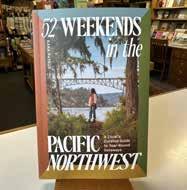
52 Weekends in
This is for the guy who wants to explore the area with his family. There's nothing like going on a new adventure with the people you love, making memories with your kids, and seeing all the amazing natural beauty our region has to offer. Divided by season, you'll get plenty of ideas for weekend getaways!
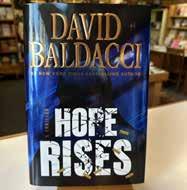
David Balducci
David Balducci is a reliable pick for those gents who want their books to keep them turning the pages, engrossed with what is coming next. This is the second book following Walter Nash. After the events of Nash Falls, Walter has to go even further into a world he despises, where betrayals abound, to find justice. But will the darkness be more enticing than he expects?

A
If your taste leans more towards nonfiction of a scientific nature, consider Michael Pollans latest exploration into the origin of consciousness. A fascinating dive into the world of the mind, and what gives shape to our experience of ourselves.




I stopped by the Mercer Island Community & Event Center to drop off magazines—just a quick errand. As soon as I walked in, I saw that coffee was being served.
I thought to myself, “is it Monday?”. Within minutes, I saw Jackie Brown of the Mercer Island Community Fund.
Within minutes, we were talking about Community Coffee—one of those simple ideas that quietly brings people together.
What started as a small gathering a couple days a week has now expanded to Monday through Friday, beginning around 9:00 a.m.
“That’s right,” Jackie said. “We’ve been focusing on supporting Parks and Rec in new ways. Traditionally, we’ve funded summer events, but we’re also looking for opportunities to expand that support.”
Community Coffee became one of those opportunities.
“We identified it as a place where we could help out and put our imprint on a very informal presence,” she said. “It’s a space where people can come and enjoy being part of the community.”
The expansion wasn’t necessarily part of the original plan.
“We weren’t expecting it to grow beyond two days,” Jackie added, “but the City’s flexibility made it possible.”
That flexibility—and partnership—is what makes the program work.
ARTICLE BY CHRIS ISHII
PHOTOGRAPHY BY MERCER ISLAND
COMMUNITY AND EVENT CENTER
The Community Fund brings support and vision.
The City provides space and operational flexibility. And the community shows up.
No agenda. No pressure. Just people connecting.
Speaking of which, Ryan Daly from Mercer Island Parks and Recreation stopped by and we got a chance to catch up on gearing up for baseball season on the Island.
These kinds of informal spaces matter. They create room for conversation, for connections (new and old), and for the kind of everyday interactions that shape a community over time.
What was meant to be a quick stop turned into a simple reminder: community isn’t built through big gestures—it’s built in small, consistent moments.
Sometimes, all it takes is a cup of coffee.





ARTICLE BY CHRIS ISHII | PHOTOGRAPHY BY ENRICO POZZO
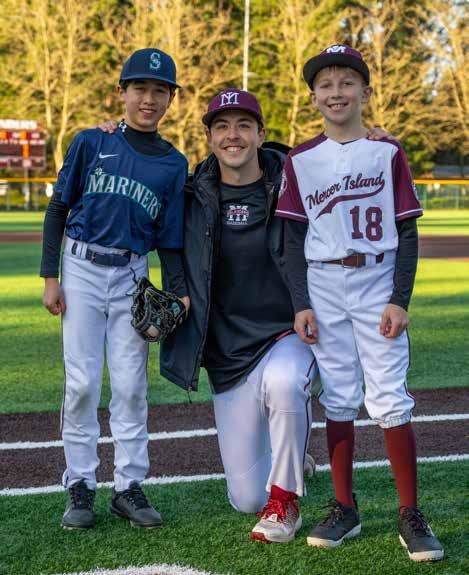
It starts quietly. A phrase passed from coach to player. From teammate to teammate. From one moment to the next. Next pitch. At first, it sounds like instruction. Reset. Refocus. Move on.
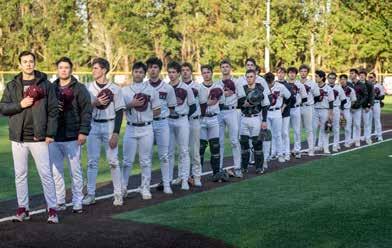


But over time, it becomes something else.
It becomes a mindset.
MIHS Head Baseball Coach Chris Lawler say, “Playing baseball prepares you for whatever life throws your way. It teaches you how to handle failure, work as part of a team, and to take responsibility for your own growth. The game will punch you first - what matters is how you respond.”
Next pitch.
On Mercer Island, that mindset shows up everywhere. It shows up in the youngest players, still learning the rhythm of the game—curious, open, willing to listen. It shows up in the way they prepare, the way they carry themselves, the way they begin to understand that the game is played long before and long after any single moment.
It shows up in the veterans too—players who understand that the game doesn’t always unfold the way you expect.
Injury.
Last season, Joey Weiss emerged as a dominant presence on the mound—the Junior Varsity Golden Arm. This year, he’s been working his way back from injury. Not removed from the game, but embedded in it—present, engaged, still showing up for his teammates.
At the far end of the dugout, he’s there with the pitchers. Watching. Encouraging. Staying connected.
Next pitch.
Theo Roodman, last year’s Junior Varsity Silver Slugger, is navigating his own setback—coming back from a dislocated shoulder after a hard slide into the bag. Another interruption. Another test.
And yet, the response is the same.
“I’ll be able to DH this week,” he says with a grin. Not dwelling. Not retreating.
Turning the page.
Next pitch.
You begin to notice something.
Resilience here isn’t loud.
It doesn’t announce itself. It doesn’t ask for attention. It shows up in presence.
In the players who aren’t in the lineup but are still fully part of the team. In the seniors who find new roles when the game takes something away.
Trent Martin steps in as a team manager.
Dash Karlinsky documents the season from behind the lens.
Matt Hansen, working his way back, continues to invest in the group. Even running drills for the Freshmen when time allows.
Different roles. Same commitment.
Still part of it.
Still showing up.
And that idea carries forward.
During breaks in the action, older players like Chase Koehler and Matt Hansen, spend time with


younger ones. No speeches. No structure. Just conversation. Experience being passed down in real time.
Players helping players.
Because they want to.
Because they remember.
Because someone once did the same for them.
Next pitch.
You see it in the dugout. You see it in the stands. You see it in the way people show up, again and again.
At Island Crest Park, the rhythm continues beyond the field.
Eric Hansen (father of two players) flips burgers at the snack bar.
DJ Smooth, a.k.a. Johnny Anderson (father of two players) sets the tone with music that carries across the park.
Enrico Pozzo (father) captures moments through his lens.
Dozens of volunteers. The Booster Club. Families. All part of it.
All contributing.
What emerges isn’t just a team.
It’s something more connected.
An ecosystem built on presence, effort, and belief. Because baseball, at its core, is perfect at being imperfect.
Errors happen. Slumps come. Injuries interrupt. Moments slip away.
The game doesn’t promise anything.
But it teaches everything.
How to respond when things don’t go your way.
How to stay connected when your role changes.
How to support others when it would be easier not to.
And over time, something else begins to take shape. Continuity.
Players become mentors. Mentors become stewards. Families invest not just in outcomes, but in experience. What starts as a season becomes something longer—a thread connecting generations.
The game gives structure.
But the people give meaning.
And in the end, that’s what stays.
Because baseball doesn’t just teach you how to play. It teaches you how to prepare, how to adjust, how to respond.
It teaches you how to fail—and keep going.
And if you’re paying attention, you realize something even more important.
The game will always be there.
But it’s the people—the friendships, the connections, the shared journey—that stay with you.
Always.
Next pitch.







ARTICLE BY CHRIS ISHII | PHOTOGRAPHY BY MARK HARRINGTON
BMW’s M5 Touring Rewrites the Modern Performance Story
There are cars that announce themselves— and then there are cars that whisper, only to leave everything else behind.
The return of the M series wagon to the United States after a 15-year absence isn’t just a product launch. It’s a philosophical shift. And according to Mark Harrington of BMW Seattle, the response has been immediate—and telling.
“It’s actually selling faster than the sedan,” Harrington notes. “People get what this is.”
What this is—is the rarest thing in modern automotive design: contradiction, resolved.
Performance Without Announcement
On paper, the numbers feel almost excessive. A 717-horsepower twin-turbo V8 paired with a hybrid system. Zero to 60 in 3.5 seconds. All-wheel drive. An electric-only range of roughly 25 miles.
But numbers don’t tell the story. Presence does.
“This is what we call a sleeper,” Harrington says. “It’s understated. People pull up next to you and don’t realize what it is.”
That’s the magic. It doesn’t shout like a supercar. It waits.
And when it moves, it moves with purpose.
A
For decades, the American market drifted toward SUVs—height, bulk, perceived dominance. But somewhere along the way, something was lost: connection to the road.
The M5 Touring quietly restores that balance.
It carries 27.2 cubic feet of cargo space behind the rear seats—enough for golf bags, ski gear, or a weekend’s worth of life. But unlike an SUV, it does it from a lower stance, with sharper handling and a driver-first orientation.
“It’s a performance car that you can take skiing,” Harrington says. “Or take your kids to baseball practice.”
That duality isn’t a compromise. It’s the point.
For drivers coming from fully electric platforms, like the BMW i4, the hybrid system introduces something subtle but powerful: optionality.
The M5 Touring can run purely electric for short, everyday drives—errands around Mercer Island, quiet city movement. Then seamlessly transition into full performance mode when the road opens up.
“It’s gas and electric,” Harrington explains. “You can use them together or separately.”
No range anxiety. No trade-offs. Just freedom.
Why Now—and Why Here
Perhaps most interesting is where the car is resonating.
In the Pacific Northwest—where mountain roads, weekend escapes, and lifestyle versatility define the rhythm—the wagon feels almost inevitable.

“A true sleeper—717 horsepower, hybrid precision, everyday utility, and freedom to go from silent city drives to full-throttle mountain roads.” Mark Harrington

“I think people like wagons because they handle better than SUVs,” Harrington says. “They sit lower. They feel like a real car.”
There’s also something more subtle at play: taste. The modern luxury buyer is shifting away from obvious signals of status toward something more refined—something that rewards those who know.
The M5 Touring doesn’t need to prove itself. It assumes you understand.
The Modern Gentleman’s Machine
In a world increasingly defined by extremes—fully electric vs. combustion, utility vs. performance—the M5 Touring lives in the middle.
And in that middle, it excels.
It’s the car for someone who doesn’t need to choose between roles. Between driver and parent. Between weekend escape and weekday routine.
It’s not just a comeback.
It’s a reminder that the best things don’t always announce themselves.
Sometimes, they just arrive—and quietly change the conversation.




















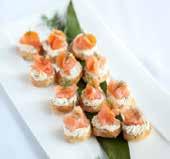








Where comfort, craft, and community meet in the space between home, work, and everyday life
ARTICLE BY CHRIS ISHII
PHOTOGRAPHY BY MICL
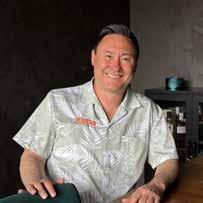
There’s a space that exists somewhere between obligation and escape. It’s not home. It’s not work. But it’s where people go to feel like themselves again.
Sociologists call it the “third place.” Most people just call it their spot.
On Mercer Island, that place has quietly taken shape inside Crawlspace Gastropub—a room where comfort and craft meet without asking too much of either.
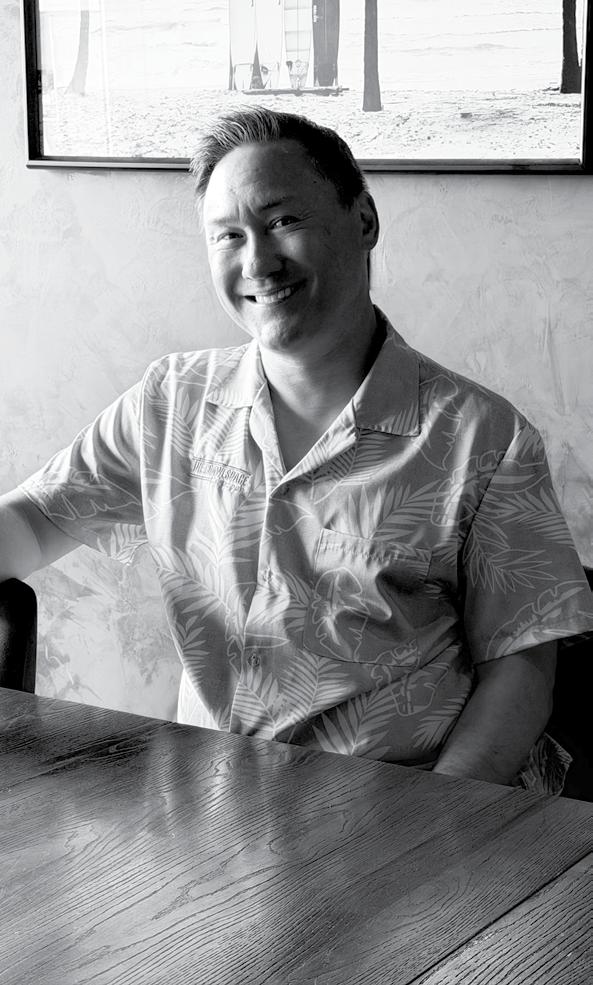
For owner and chef Jason Farrish, the idea began with something personal— and familiar.
“You’ve got home, and you’ve got work,” he says. “But it’s hard to find that third place. It has to be really comfortable… but we like nice things too. If it’s too nice, it’s not comfortable anymore.”
That tension—between elevated and easy—is where Crawlspace lives.
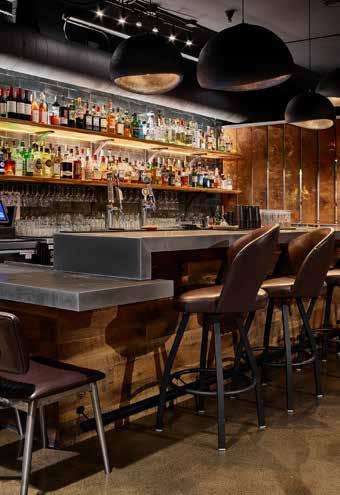
You feel it immediately. Concrete floors that don’t demand attention. A bar that feels lived-in. Screens showing Mariners, Seahawks, and Kraken games. The hum of conversation that shifts depending on who walks in.
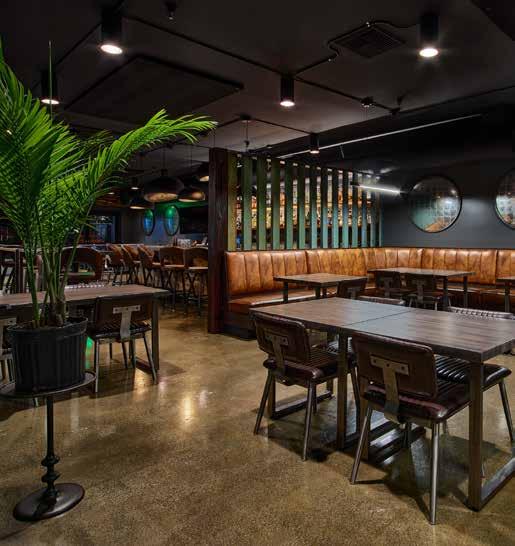
That shift—from escape to shared experience—is what turned Crawlspace into a true third place.
It shows up most clearly on the menu.
Comfort food is the foundation, but it doesn’t stay there. Korean bulgogi layered onto an American cheeseburger. Mochi paired with ice cream in unexpected ways. Dishes that feel both familiar and new.
“You want it to be exotic but familiar,” Farrish says. “Like a potluck where everything somehow works together.”
But the fusion isn’t random. Each piece has to stand on its own first. “If you make a bad gochujang sauce and a bad sandwich, you just get a bad Korean sandwich,” he adds. “We make each part really good— then combine them intentionally.”
That same philosophy carries behind the bar.
A couple settles in for dinner. A few friends grab stools at the bar. A baseball team walks in, still in uniform. Regulars sit shoulder to shoulder with first-timers, talking like they’ve known each other for years.
No one feels out of place.
That’s not accidental.
Farrish originally imagined Crawlspace as an elevated dive—a place to watch sports, eat a great burger, and unwind. But the idea evolved into something more inclusive.
“It wouldn’t be cool if your third place was just for you,” he says. “What if you could relax—and your wife and kids loved it too? Now you’re spending quality time while you decompress.”
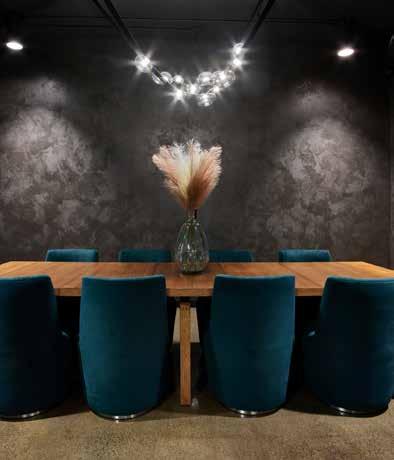
That accessibility is what gives the room its range. A private dining space might host a group celebration one night and a casual gathering the next. The bar fills with regulars watching a game, while across the room, someone new finds their way into the rhythm.
“We’ve got a super diverse crowd,” Farrish says. “That’s been a big part of it.”
In a time when so much of life is scheduled and filtered, places like this matter more.
“You need community,” he says. “Something that’s not home, not work—but still feels like home.”
That’s the third place.
Not an escape from life—but where it settles in.
Crawlspace operates as a true scratch kitchen—down to the cocktails. Syrups, bitters, infusions—everything is built in-house. A Korean old fashioned might start with barley tea, transformed into simple syrup, layered with house-made bitters, and finished with a precision that feels effortless.
“The only thing we don’t make is the alcohol,” Farrish says with a smile.
It’s craftsmanship—but without ceremony.
Because the third place isn’t about showing off. It’s about showing up.
“You can come in wearing sweatpants,” Farrish says. “You’re not going to stick out.”







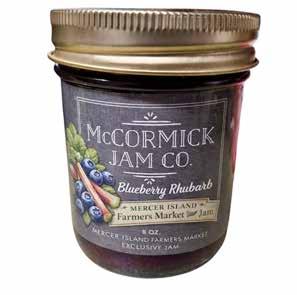
Mercer Island Farmers Market Exclusive
Blueberry Rhubarb Jam & Goat Cheese
Stuffed French Toast
ARTICLE BY ANGE GARRETT, MIFM DIRECTOR PHOTOGRAPHY BY ANGE GARRETT
This recipe is a celebration of one of those special finds you can only get at the Mercer Island Farmers Market McCormick Jam Co. Blueberry Rhubarb Jam. It’s the kind of small-batch, seasonal product that makes a single morning feel a little more memorable. Perfect for gifting to off-Island friends and family, and enjoying in your own kitchen or picnic.
Paired with fresh goat cheese and bakery bread from the market, this stuffed French toast is simple, satisfying, and built entirely from ingredients you can pick up on a Sunday at the farmers market.
Mercer Island Farmers Market is open every Sunday in June from 10am-2pm. Come for the local prepared foods, produce, flowers, specialty items, and neighbors and stay for the live music and lunch. Schedule, vendors, volunteer @ mifarmersmarket.org
Ingredients (Serves 2–3):
• 6 slices thick-cut brioche or challah
• ½ cup McCormick Jam Co blueberry rhubarb jam
• 4 oz fresh goat cheese, softened
• 3 large eggs
• ¾ cup whole milk or cream
• 1 tablespoon honey
• 1 teaspoon vanilla extract (optional)
• Pinch of salt
• Butter, for cooking
For serving:
• Fresh berries
• Powdered sugar
• Honey or maple syrup
• Fresh mint
Directions:
1. Prepare the sandwiches
Spread goat cheese evenly on three slices of bread. Spread blueberry rhubarb jam on the remaining three slices. Press together to form three sandwiches.
2. Make the custard
In a shallow bowl, whisk together the eggs, milk, honey, vanilla (if using), and salt until smooth.
3. Soak the bread
Dip each sandwich into the custard, allowing it to soak for several seconds on each side until fully coated but still intact.
4. Cook
Heat a large skillet or griddle over medium heat and add butter. Cook each sandwich for 3–4 minutes per side, or until golden brown and cooked through.
5. Serve & Enjoy Slice in half and serve warm. Top with fresh berries, a drizzle of honey or maple syrup, and a light dusting of powdered sugar if desired. Garnish with mint for a fresh finish.




This farm evolves with our community— rooted in flavor, curiosity, and bold, globally inspired produce.
ARTICLE BY ANGE GARRETT, MIFM MARKET MANGER PHOTOGRAPHY BY ANGE GARRETT
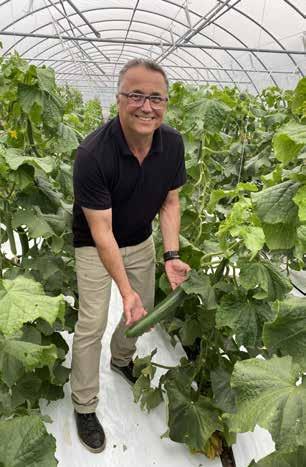
Last month, I drove north to Ferndale to visit Wright Brothers Farm—and spend time with someone many of you already know from our market: Craig Wright.
As the Mercer Island Farmers Market Manager, I spend Sundays talking with vendors, helping shoppers, and watching relationships unfold—but every once in a while, I get to step away from the market and go see where it all begins.
If you’ve stopped by Craig’s booth at the market, you’ve probably had this experience: you ask a question about a vegetable, and suddenly you’re in a full conversation about flavor, how to cook it, where it came from, and why it matters.
But what you don’t see on Sundays is everything behind it.
A Life That Started in the Fields
Craig didn’t “become” a farmer. He’s always been one.
He and his brothers started working on this land in elementary school—full days in the summer. Early years weeding, washing, and packing vegetables. By high school, Craig was helping to manage the farm stand.
This farm has been in his family for generations, dating back to the early 1900s. His grandfather was a dairy farmer and his uncles converted the dairy farm into one of the first organic vegetables farms in Washington. Today, Craig, his brothers, nephews, and extended family are still here—working the same soil.
He left for a while. Built other careers. Lived life.
And then, like a lot of people who grow up connected to land… he came back.
Not because it’s easy. Because it matters.
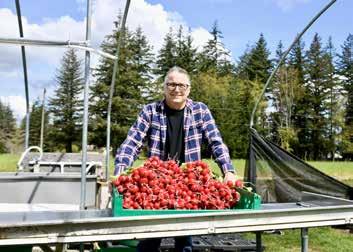
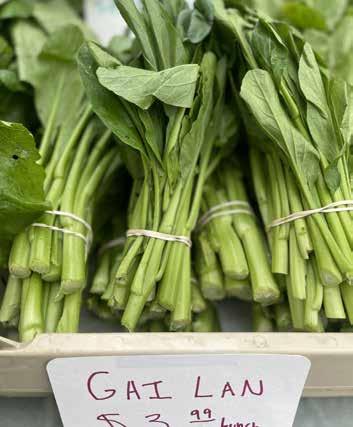
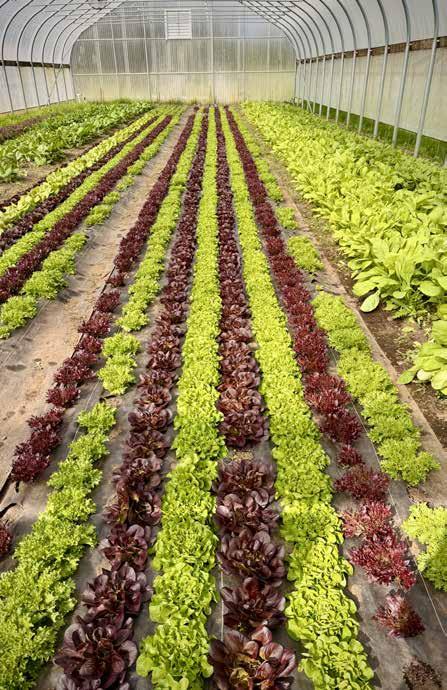
The morning I visited, the farm felt alive in that quiet, steady way only farms do.
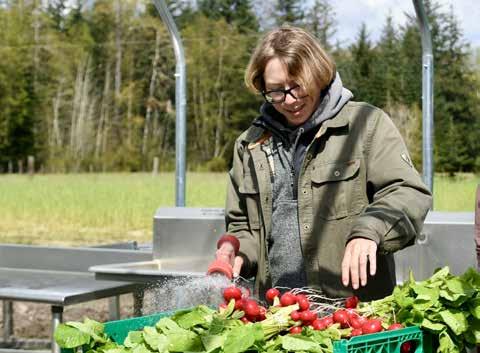
In the fields, the crew was picking and washing spring greens and brilliant red radishes. Craig attributes much of the farm’s success to its crew. “We are fortunate to have all of our crew back from last year. Our farm manager, Paul, has many years of experience. Nephews Matt and Zach have been involved since we started growing. Sofia joined us last year and is already a key member of our team. Every crew member cares deeply about growing great tasting, healthy food.”
Farming is not romantic work. This is hard, grinding, 24/7, 365-days-a-year work that never really stops. Right now, they’re doing the work that sets the entire season in motion— developing healthy soil, planning crops, watching weather patterns, hiring staff, solving problems before they happen, building out greenhouse systems, and mapping out exactly when each crop will move from seed to greenhouse to field to market to your table.
And when the season hits? It’s a nonstop rhythm: planting, harvesting, washing, packing, setting up booths, selling, delivering… and doing it all over again the next day.
Wright Brothers Farm doesn’t try to be the biggest farm. They try to be the best at what they grow. Craig told me their number one priority is simple: flavor comes first.
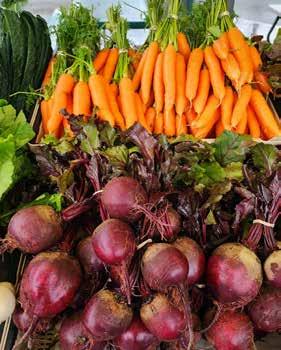
That’s why they grow both long-time favorites (beets, carrots, corn, lettuce, and tomatoes) as well as things you won’t always find in big stores—including unique varieties of Asian vegetables such as amaranth, bok choy, choi sum, Komatsuna, and tatsoi.
The Work You Don’t See at the Booth
Wright Brothers Farm isn’t just growing one or two things really well. They’re growing 40–50 different crops—and working to have them available consistently throughout the season.
It’s not one job. It’s twenty - understanding soil science, strategic crop rotation, weather patterns, irrigation, electricity, marketing, sales, and how people cook.
“We have an amazing team. My brother Chris, Matt, and Paul handle all things mechanical, including building and maintaining our hoop houses, designing and building market displays, and a transplanter used behind our tractor. Zach and Sofia are our ‘flex’ specialists: they do the tough field work but also take their knowledge of the crops to farmers markets where they share that knowledge with our customers.”
Why He Keeps Coming Back to Mercer Island
Craig has lived on Mercer Island for over 30 years and has deep roots in this community— including a personal connection with Mercer Island Youth and Family Services, who supported his family through a difficult time.
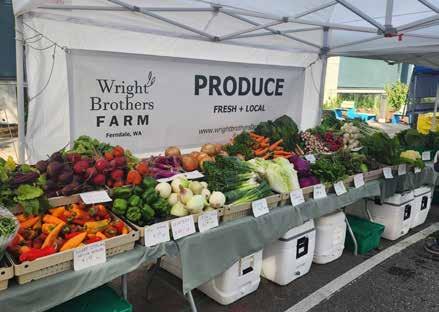
Craig has been a Mercer Island Farmers Market vendor for four years—and plans to be here for many more. Because of you.
He talked about the market with genuine warmth in his voice, it’s a place he loves—the music, the energy, the families, the kids with mini shopping carts, and the weekly regulars.
Everyone has a role. Everyone contributes. His brothers, his nephews, and even his 86-year-old mom—who lives on the farm—are part of what keeps it going. “Without my mom, her brothers and parents, and grandparents, we wouldn’t be here.
It’s not just a farm.
It’s a place of belonging.
A deep history.
A bright future.
A family choosing, every single day, to keep this going.
So when you walk through the Mercer Island Farmers Market this Sunday, I want you to stop by Wright Brothers Farm.
Not just because the produce is fresh.
Not just because it tastes incredible.
But because now you know what’s behind it.
The early mornings.
The late nights.
The decades of history.
The family.
The intention.
You’ll notice new additions this season—a broader spectrum of onions, garlic, and even more tomatoes than before.
Go say hi to Craig and Zach, ask them what’s best this week, tell them you want to try something new, and let them guide you.
Because once you see the farm behind the booth… you start to understand something: missing a week means missing something special.
When food is grown like this—intentionally, seasonally, and at peak flavor—that’s not something you want to miss.
This is what our market is about—real farmers, real work, and food grown with purpose.
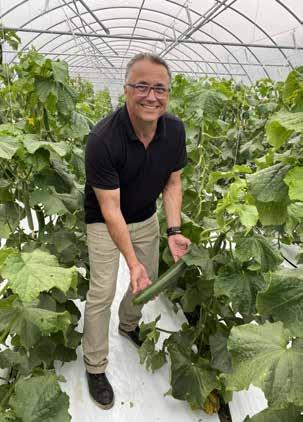
The produce at Wright Brothers Farm doesn’t wait around. It’s grown for flavor, harvested at its peak, and changes week to week—meaning if you miss it, you miss it. Here’s the story behind one of Mercer Island’s most beloved farmers.
Last month, Mercer Island Farmers Market Manager Ange Garrett visited Wright Brothers Farm in Ferndale to see firsthand what goes into the produce we shop for each Sunday. What she found was a family legacy, relentless work, and a deeper understanding of what it means to eat seasonally—and why missing even one week at the market means missing something special.





JUNE 5TH
Art Walk
Various Venues | 5:00 pm
Join us in Mercer Island for ArtWalk— our monthly celebration of creativity, community, and culture. Explore rotating exhibits across local galleries and businesses, meet artists, and connect with neighbors. Whether you’re discovering new work, supporting local talent, or getting involved, ArtWalk offers an inspiring evening in the heart of our Town Center.
JUNE 7TH
Mercer Island Farmers Market June Calendar
7700 SE 32nd Street | 9:00 AM
Join us for Opening Day of the Mercer Island Farmers Market on May 31st —a celebration of community, fresh food, and local creativity. Stroll vibrant vendor booths, meet farmers and artisans, enjoy live music, and reconnect with neighbors. From families to food lovers, there’s something for everyone. Come experience the energy and tradition that brings Mercer Island together all summer.
JUNE 28TH
BMW M Car Event
BMW Seattle - 1002 Airport Way S, Seattle, WA 98134 | 9:00 AM
Join Avants, the BMW Club of Puget Sound, and BMW Seattle for M Car Day! See new and all of the pride of the M Car Crowd from 9 am to 11 am. Grab Coffee, Pastries and excellent Gear Head talk at BMW Seattle!